EP2625201B2 - Cd33 binding agents - Google Patents
Cd33 binding agents Download PDFInfo
- Publication number
- EP2625201B2 EP2625201B2 EP11764553.1A EP11764553A EP2625201B2 EP 2625201 B2 EP2625201 B2 EP 2625201B2 EP 11764553 A EP11764553 A EP 11764553A EP 2625201 B2 EP2625201 B2 EP 2625201B2
- Authority
- EP
- European Patent Office
- Prior art keywords
- seqid
- antibody
- heavy chain
- light chain
- variable region
- Prior art date
- Legal status (The legal status is an assumption and is not a legal conclusion. Google has not performed a legal analysis and makes no representation as to the accuracy of the status listed.)
- Active
Links
Images


Classifications
-
- C—CHEMISTRY; METALLURGY
- C07—ORGANIC CHEMISTRY
- C07K—PEPTIDES
- C07K16/00—Immunoglobulins [IG], e.g. monoclonal or polyclonal antibodies
- C07K16/18—Immunoglobulins [IG], e.g. monoclonal or polyclonal antibodies against material from animals or humans
- C07K16/28—Immunoglobulins [IG], e.g. monoclonal or polyclonal antibodies against material from animals or humans against receptors, cell surface antigens or cell surface determinants
- C07K16/2803—Immunoglobulins [IG], e.g. monoclonal or polyclonal antibodies against material from animals or humans against receptors, cell surface antigens or cell surface determinants against the immunoglobulin superfamily
-
- C—CHEMISTRY; METALLURGY
- C07—ORGANIC CHEMISTRY
- C07K—PEPTIDES
- C07K16/00—Immunoglobulins [IG], e.g. monoclonal or polyclonal antibodies
- C07K16/18—Immunoglobulins [IG], e.g. monoclonal or polyclonal antibodies against material from animals or humans
- C07K16/28—Immunoglobulins [IG], e.g. monoclonal or polyclonal antibodies against material from animals or humans against receptors, cell surface antigens or cell surface determinants
-
- A—HUMAN NECESSITIES
- A61—MEDICAL OR VETERINARY SCIENCE; HYGIENE
- A61K—PREPARATIONS FOR MEDICAL, DENTAL OR TOILETRY PURPOSES
- A61K39/00—Medicinal preparations containing antigens or antibodies
- A61K39/395—Antibodies; Immunoglobulins; Immune serum, e.g. antilymphocytic serum
-
- A—HUMAN NECESSITIES
- A61—MEDICAL OR VETERINARY SCIENCE; HYGIENE
- A61P—SPECIFIC THERAPEUTIC ACTIVITY OF CHEMICAL COMPOUNDS OR MEDICINAL PREPARATIONS
- A61P19/00—Drugs for skeletal disorders
-
- A—HUMAN NECESSITIES
- A61—MEDICAL OR VETERINARY SCIENCE; HYGIENE
- A61P—SPECIFIC THERAPEUTIC ACTIVITY OF CHEMICAL COMPOUNDS OR MEDICINAL PREPARATIONS
- A61P29/00—Non-central analgesic, antipyretic or antiinflammatory agents, e.g. antirheumatic agents; Non-steroidal antiinflammatory drugs [NSAID]
-
- A—HUMAN NECESSITIES
- A61—MEDICAL OR VETERINARY SCIENCE; HYGIENE
- A61P—SPECIFIC THERAPEUTIC ACTIVITY OF CHEMICAL COMPOUNDS OR MEDICINAL PREPARATIONS
- A61P35/00—Antineoplastic agents
-
- A—HUMAN NECESSITIES
- A61—MEDICAL OR VETERINARY SCIENCE; HYGIENE
- A61P—SPECIFIC THERAPEUTIC ACTIVITY OF CHEMICAL COMPOUNDS OR MEDICINAL PREPARATIONS
- A61P35/00—Antineoplastic agents
- A61P35/02—Antineoplastic agents specific for leukemia
-
- A—HUMAN NECESSITIES
- A61—MEDICAL OR VETERINARY SCIENCE; HYGIENE
- A61P—SPECIFIC THERAPEUTIC ACTIVITY OF CHEMICAL COMPOUNDS OR MEDICINAL PREPARATIONS
- A61P37/00—Drugs for immunological or allergic disorders
- A61P37/02—Immunomodulators
-
- A—HUMAN NECESSITIES
- A61—MEDICAL OR VETERINARY SCIENCE; HYGIENE
- A61P—SPECIFIC THERAPEUTIC ACTIVITY OF CHEMICAL COMPOUNDS OR MEDICINAL PREPARATIONS
- A61P37/00—Drugs for immunological or allergic disorders
- A61P37/02—Immunomodulators
- A61P37/06—Immunosuppressants, e.g. drugs for graft rejection
-
- A—HUMAN NECESSITIES
- A61—MEDICAL OR VETERINARY SCIENCE; HYGIENE
- A61P—SPECIFIC THERAPEUTIC ACTIVITY OF CHEMICAL COMPOUNDS OR MEDICINAL PREPARATIONS
- A61P43/00—Drugs for specific purposes, not provided for in groups A61P1/00-A61P41/00
-
- C—CHEMISTRY; METALLURGY
- C07—ORGANIC CHEMISTRY
- C07K—PEPTIDES
- C07K16/00—Immunoglobulins [IG], e.g. monoclonal or polyclonal antibodies
- C07K16/18—Immunoglobulins [IG], e.g. monoclonal or polyclonal antibodies against material from animals or humans
- C07K16/28—Immunoglobulins [IG], e.g. monoclonal or polyclonal antibodies against material from animals or humans against receptors, cell surface antigens or cell surface determinants
- C07K16/2851—Immunoglobulins [IG], e.g. monoclonal or polyclonal antibodies against material from animals or humans against receptors, cell surface antigens or cell surface determinants against the lectin superfamily, e.g. CD23, CD72
-
- C—CHEMISTRY; METALLURGY
- C07—ORGANIC CHEMISTRY
- C07K—PEPTIDES
- C07K2317/00—Immunoglobulins specific features
- C07K2317/20—Immunoglobulins specific features characterized by taxonomic origin
- C07K2317/21—Immunoglobulins specific features characterized by taxonomic origin from primates, e.g. man
-
- C—CHEMISTRY; METALLURGY
- C07—ORGANIC CHEMISTRY
- C07K—PEPTIDES
- C07K2317/00—Immunoglobulins specific features
- C07K2317/30—Immunoglobulins specific features characterized by aspects of specificity or valency
- C07K2317/34—Identification of a linear epitope shorter than 20 amino acid residues or of a conformational epitope defined by amino acid residues
-
- C—CHEMISTRY; METALLURGY
- C07—ORGANIC CHEMISTRY
- C07K—PEPTIDES
- C07K2317/00—Immunoglobulins specific features
- C07K2317/50—Immunoglobulins specific features characterized by immunoglobulin fragments
- C07K2317/51—Complete heavy chain or Fd fragment, i.e. VH + CH1
-
- C—CHEMISTRY; METALLURGY
- C07—ORGANIC CHEMISTRY
- C07K—PEPTIDES
- C07K2317/00—Immunoglobulins specific features
- C07K2317/50—Immunoglobulins specific features characterized by immunoglobulin fragments
- C07K2317/56—Immunoglobulins specific features characterized by immunoglobulin fragments variable (Fv) region, i.e. VH and/or VL
-
- C—CHEMISTRY; METALLURGY
- C07—ORGANIC CHEMISTRY
- C07K—PEPTIDES
- C07K2317/00—Immunoglobulins specific features
- C07K2317/50—Immunoglobulins specific features characterized by immunoglobulin fragments
- C07K2317/56—Immunoglobulins specific features characterized by immunoglobulin fragments variable (Fv) region, i.e. VH and/or VL
- C07K2317/565—Complementarity determining region [CDR]
-
- C—CHEMISTRY; METALLURGY
- C07—ORGANIC CHEMISTRY
- C07K—PEPTIDES
- C07K2317/00—Immunoglobulins specific features
- C07K2317/70—Immunoglobulins specific features characterized by effect upon binding to a cell or to an antigen
- C07K2317/73—Inducing cell death, e.g. apoptosis, necrosis or inhibition of cell proliferation
- C07K2317/732—Antibody-dependent cellular cytotoxicity [ADCC]
-
- C—CHEMISTRY; METALLURGY
- C07—ORGANIC CHEMISTRY
- C07K—PEPTIDES
- C07K2317/00—Immunoglobulins specific features
- C07K2317/70—Immunoglobulins specific features characterized by effect upon binding to a cell or to an antigen
- C07K2317/77—Internalization into the cell
-
- C—CHEMISTRY; METALLURGY
- C07—ORGANIC CHEMISTRY
- C07K—PEPTIDES
- C07K2317/00—Immunoglobulins specific features
- C07K2317/90—Immunoglobulins specific features characterized by (pharmaco)kinetic aspects or by stability of the immunoglobulin
- C07K2317/92—Affinity (KD), association rate (Ka), dissociation rate (Kd) or EC50 value
Definitions
- the present invention relates to immunotherapies that are based on myeloid cell depletion.
- the present invention relates to CD33 binding agents for use in such therapies, e.g. in the treatment of myeloid cell malignancies and myelodysplastic syndrome (MDS).
- MDS myelodysplastic syndrome
- CD33 was identified as a marker of myeloid leukemias ( Andrews et al., Blood 62, 24-132, 1983 ).
- CD33 is a cell-surface antigen specifically expressed on myeloid cells including myeloid leukemia cells. It is the smallest member of the siglec (sialic acid-binding Ig-related lectins) family.
- CD33 is expressed on early multilineage hematopoietic progenitor cells and myelomonocytic precursors. It is absent from pluripotent hematopoietic stem cells ( Andrews et al., Journal of Experimental Medicine 169, 1721-1731, 1989 ).
- CD33 has also been found to be expressed on human mast cells and blood basophils ( Valent et al., Blood 15; 73(7):1778-85, 1989 ). Monoclonal antibodies directed against CD33 are used in diagnosis of leukemia as well as for therapeutic targeting and in vitro purging of bone marrow for autologous transplantation in acute myeloid leukemia (AML) ( Duzkale et al., Biol Blood Marrow Transplant. 9(6):364-72, 2003 ).
- AML acute myeloid leukemia
- CD33 is a 67 KD transmembrane glycoprotein.
- the sialic acid-binding extracellular domain of CD33 is involved in cell-cell adhesion.
- the intracellular immunoreceptor tyrosine-based inhibitory motifs (ITIM) confer inhibitory signals to the cell, affecting proliferation and cell survival.
- the actual signalling pathways of CD33 are poorly understood but are assumed to involve the ITIM and ITIM-like motifs and the recruitment of tyrosine phosphatases (von Gunten et al., Ann. N.Y. Acad. Sci. 1143: 61-82, 2008 ).
- CD33 is expressed on malignant myeloid blast cells, which represent the majority of malignant cells in peripheral blood and bone marrow of leukemia patients, and on leukemic stem cells, a relatively small number of less differentiated cells in the bone marrow which are characterized by their capacity for self-renewal and the maintenance of the leukemic clonal hierarchy.
- CD33 targeting immunotoxin Mylotarg® a humanized IgG 4 antibody conjugated to the toxin chaliceamicin is used for the treatment of AML patients by delivering its toxic payload to CD33 positive AML cells ( Amadori et al., Cancer Treat Rev. 34(1):49-60, 2008 ).
- Lintuzumab SGN-33, HuM195, see e.g.
- Targeting AML cell lines with CD33 specific HuM195 in vitro reduces TNF- ⁇ induced secretion of inflammatory cytokines like IL-8, MCP-1 and RANTES ( Sutherland et al., Mabs 1:5, 481-490, 2009 ).
- the relevance of this effect for AML therapy is unknown but modulating the cytokine milieu of the tumor microenvironment may contribute to the therapeutic efficacy of the antibody.
- the antibody induces antibody-dependent cell-mediated cytotoxicity (ADCC) and antibody-dependent cell-mediated phagocytosis (ADCP) of AML cell lines in vitro ( Sutherland et al., Mabs 1:5, 481-490, 2009 ).
- ADCC is considered to be a decisive mechanism for anti-tumor activity of antibodies in hematological malignancies.
- Data from clinical trials with the CD20-specific monoclonal antibody Rituximab have demonstrated the significance of effector cell mediated mechanisms for treatment of B-cell malignancies with respect to response to antibody treatment ( Weng and Levy, J Clin Oncol. 21 (21): 3940-7, 2003 ).
- CD33 antigen is expressed on normal cells of the myelomonocytic lineage and frequently expressed on tumor cells in myeloid leukemias.
- a phase I trial with an antibody against CD33 first signs of efficacy were observed without severe adverse events.
- clinical development of lintuzumab was discontinued after results from a phase II trial in combination with chemotherapy did not yield the expected improvement in efficacy. Therefore, there is a clear need for the development of improved CD33-targeting treatment modalities.
- ADCC antibody-dependent cell-mediated cyotoxicity
- ADCP anti-dependent cell phagocytosis
- CDC complement dependent cytotoxicity
- the ADCC activity can be enhanced by introducing amino acid mutations in the constant region of the antibody ( Lazar et al., PNAS 103, 11, 4005-4010, 2006 ). This may be achieved by introducing one or more amino acid substitutions in an Fc region of the antibody, see, e.g., Published U.S. Patent Application No. 2006-0160996 .
- F c domain it is particularly preferred to introduce mutations in the F c domain at one or more positions selected from amino acids at positions 332 and/or 239 and/or 236 according to the Kabat EU numbering index. Particular preferred are substitutions at positions 239 and 332, especially S239D/I332E.
- N-linked refers to the attachment of the carbohydrate moiety to the side chain of an asparagine residue.
- the tripeptide sequences asparagine-X-serine and asparagine-X-threonine, where X is any amino acid except proline, are the recognition sequences for enzymatic attachment of the carbohydrate moiety to the asparagine side chain.
- X is any amino acid except proline
- the amino acid sequence is usually altered by altering the underlying nucleic acid sequence.
- These methods include, but are not limited to, isolation from a natural source (in the case of naturally-occurring amino acid sequence variants) or preparation by oligonucleoiide-mediated (or site-directed) mutagenesis, PCR mutagenesis, or cassette mutagenesis of an earlier prepared variant or a non-variant version of the antibody.
- CD33 binding agents according to the present invention bind to a different epitope than lintuzumab, see example 4 herein. Both epitopes (SeqID No: 141 and SeqID No: 142) are non-overlapping. It is believed that the different epitopes on the exatracellular domain of CD33, which are recognized by the CD33 binding agents according to the present invention and by lintuzumab, are the reason for the different internalization behaviour and ADCC performance of the CD33 binding agents according to the present invention and lintuzumab (cf. examples 2 and 3 herein).
- At least 40% of the initial amount of the CD33 binding agents may remain on the cell surface at a time of 4 hours after incubation.
- the heavy chain variable region comprises an amino acid sequence selected from SeqID No:85-98 and the light chain variable region comprises an amino acid sequence selected from SeqID No:99-112.
- the CD33 binding agent is fully human.
- the modulation of the function of the Fcdomain is an increase of ADCC by at least 10%, preferably 50% or 100%.
- CD33 as a cell surface marker on primary AML and CML cells which is expressed on malignant cells of 70% to 100% of patients (Scheinberg et al., 1989; Hauswirt et al., 2007; Plesa et al., 2007; Webber et al., 2008).
- CD33 is expressed on malignant myeloid blast cells, which represent the majority of malignant cells in peripheral blood and bone marrow of leukemia patients, and on leukemic stem cells, a relatively small number of less differentiated cells in the bone marrow which are characterized by their capacity for self-renewal and the maintenance of the leukemic clonal hierarchy.
- CD33 The clinical feasibility of targeting CD33 using antibodies has been demonstrated by Mylotarg® (Gemtuzumab ozogamizin), an antibody-calicheamycin conjugate which was approved for the treatment of relapsed AML patients not eligible for other treatment options.
- An alternative approach directed towards CD33 is the development of lintuzumab (SGN-33, HuM195), a humanized IgG1 monoclonal antibody which has shown early signs of efficacy in clinical phase I trials (Raza et al., 2009).
- Acute myeloid leukemia is a malignancy of the myeloid lineage of white blood cells. This hematological neoplasia is a blood and bone marrow disease that, if left untreated, is typically fatal within weeks to months. There is an estimated prevalence of 30000 cases of AML in the US and 47000 in the European Union (10 year prevalence data confirmed by Mattson-Jack, 2010). AML is the most prevalent form of adult acute leukemia (about 90%), comprising about 33% of new leukemia cases. The median age of patients diagnosed with AML is 67 years. AML accounts for about 1.2% of cancer deaths in the United States.
- AML causes non-specific symptoms such as weight loss, fatigue, fever, and night sweats.
- AML is diagnosed by blood tests, bone marrow examination, and laboratory tests to determine the AML subtype and to determine treatment decisions.
- the CD33 binding agents are useful for treating cancer, such as by delaying progression of a cancer and/or reducing cancer-associated cachexia, or preventing or delaying recurrence of a hematological malignancy (e.g., leukemia), in a mammal, preferably a human patient.
- the CD33 binding agent can be administered alone or co-administered with another therapeutic agent.
- the CD33 binding agent is co-administered with a standard of care chemotherapeutic.
- the CD33 binding agent can be administered in an unconjugated form (i.e., not conjugated to a cytotoxin) or as a conjugate.
- a "patient” is a human or other mammal who is undergoing treatment for, or has been diagnosed as having, cancer.
- administration of an effective dosage of a CD33 binding agent to a patient reduces the levels of at least one cytokine, chemokine or growth factor, which cytokine, chemokine or growth factor can promote the growth and proliferation of tumor cells, promote the migration of non-malignant effector cells, such as tumor associated macrophages (TAMS), to the vicinity of the tumor site and/or contribute to cancer cachexia.
- cytokine, chemokine or growth factor can promote the growth and proliferation of tumor cells, promote the migration of non-malignant effector cells, such as tumor associated macrophages (TAMS), to the vicinity of the tumor site and/or contribute to cancer cachexia.
- TAMS tumor associated macrophages
- the cytokine, chemokine or growth factor is for example interleukin-1 ⁇ (IL-1 ⁇ , tumor necrosis factor- ⁇ (TNF- ⁇ ), interleukin-6 (IL-6), interleukin-8 (IL-8), interferon- ⁇ (IFN- ⁇ ), vascular endothelial growth factor (VEGF), leukemia inhibitory factor (LIF), monocyte chemoattractant protein-1 (MCP-1), RANTES, interleukin-10 (IL-10), interleukin-12 (IL-12), matrix metalloproteinase 2 (MMP2), IP-10 and/or macrophage inflammatory protein 1 ⁇ (MIP1 ⁇ ).
- TNF- ⁇ tumor necrosis factor- ⁇
- IL-6 interleukin-6
- IL-8 interleukin-8
- IFN- ⁇ interferon- ⁇
- VEGF vascular endothelial growth factor
- LIF leukemia inhibitory factor
- MCP-1 monocyte chemoattractant protein-1
- MCP-1 monocyte chem
- a method for delaying progression of a cancer by administering to a patient an effective regimen of a CD33 binding agent that can specifically bind to CD33.
- a CD33 binding agent that can specifically bind to CD33.
- the progression of the cancer is delayed, such as by reducing the growth or proliferation of the tumor cells, decreasing metastasis, reducing the level of at least one cytokine, chemokine or growth factor, reducing non-malignant effector cells in the vicinity of the tumor cells, or the like.
- a method for reducing the tumor burden in a patient by administering to the patient an effective regimen of a CD33 binding agent that can specifically bind to CD33.
- the tumor burden in the patient is arrested or reduced, such as by reducing the size or mass of the tumor, reducing the level of at least one cytokine, chemokine or growth factor, reducing non- malignant effector cells in the vicinity of the tumor cells, inhibiting the migration of macrophages in the vicinity of the tumor cells, reducing the number of non-malignant effector cells (e.g., TAMS or macrophages) in the tumor, or the like.
- non-malignant effector cells e.g., TAMS or macrophages
- a method for reducing the tumor burden or delaying progression of a cancer in a patient by administering to the patient an effective regimen of a CD33 binding agent that can specifically bind to CD33.
- a CD33 binding agent that can specifically bind to CD33.
- the tumor burden in the patient is arrested or reduced, such as by recruiting immune effector cells like NK cells or macrophages or monocytes, which can destroy tumor cells by immune mediated mechanisms.
- the hematological malignancy can be CD33-positive and can be, for example, acute lymphoid leukemia, acute myeloid leukemia, chronic myelomonocytic leukemia, an erythrocytic leukemia, acute megakaryoblastic leukemia, histiocytic lymphoma, a myeloid sarcoma, a mast cell proliferative disorder or myelodysplastic syndrome (MDS).
- the hematological malignancy is a CD33-positive malignancy, such as acute myeloid leukemia or myelodysplastic syndrome (MDS).
- the CD33 binding agent can be an unconjugated anti-CD33 antibody.
- the antibody can be a fully human, humanized or chimeric antibody, such as a chimeric or humanized M 195 antibody.
- the antibody also can be another antibody, such as an antibody that competes with M 195 antibody for specific binding to CD33.
- the antibody also can bind to the same epitope as M 195 antibody or to a different epitope.
- the CD33 binding agent can be bound (i.e., conjugated) to a cytotoxin.
- the cytotoxin can be, for example, a peptide toxin, such as saporin, ricin, chlorotoxin, pseudomonas exotoxin, pseudomonas endotoxin or diphtheria toxin.
- the cytotoxin also can be a chemical (i.e., non-peptide-based) toxin, such as a calicheamicin, doxorubicin, a camptothecin, daunorubicin, or other DNA binding agents.
- the cytotoxin also can be an auristatin, a maytansinoid, a dolastatin, or other microtubule blocking agents.
- a CD33 binding agent that is an anti-CD33 antibody can be administered to the patient intravenously or subcutaneously at a dose of 0.1 mg/kg or less to about 25 mg/kg, preferably 1.0 mg/kg to about 10 mg/kg.
- a CD33 binding agent that is an anti-CD33 antibody fragment or other CD33 binding protein can be administered in a dosage equivalent to a dose of 0.1 mg/kg to about 25 mg/kg. 1.0 mg/kg to about 10 mg/kg of intact antibody.
- the CD33 binding agent can be administered intravenously or subcutaneously to the patient on a schedule that is, for example, daily, weekly, biweekly, tri-weekly (i.e., every three weeks) or monthly, or a combination thereof, to the patient.
- the CD33 binding agent can be administered for a period of at least one month, at least two months, at least three months, at least four months, at least five month, at least six months, or more, as needed.
- a treatment phase (supra) of the CD33 binding agent is followed by a maintenance phase, in which doses of the CD33 binding agent are administered less frequently than during the treatment phase.
- maintenance doses can be administered weekly, biweekly, tri-weekly or monthly, for a period of 1-6 months.
- the dosages in the maintenance phase can be the same as the dosages in the treatment phase.
- a hematological malignancy e.g., leukemia
- a hematological malignancy e.g., leukemia
- the CD33 binding agent specifically binds to CD33 on the surface of the hematological malignancy (i.e., leukemic cell) and/or to non-malignant effector cells.
- a "patient” is typically a human who is undergoing treatment for, or has been diagnosed as having, hematological malignancy.
- the hematological malignancy is a CD33-positive hematological malignancy.
- Hematological malignancies include, but are not limited to, leukemias (e.g., acute lymphoblastic leukemia (ALL), acute myelogenous leukemia (AML), chronic myelogenous leukemia (CML), chronic myelomonocytic leukemia, hairy cell leukemia).
- ALL acute lymphoblastic leukemia
- AML acute myelogenous leukemia
- CML chronic myelogenous leukemia
- chronic myelomonocytic leukemia hairy cell leukemia
- MDS myelodysplastic syndrome
- myelofibrosis myeloproliferative disease
- PV polycythemia vera
- ET essential thrombocytosis
- amyloid due to light-chain disease e.g., amyloid due to light-chain disease.
- CD33-positive hematological malignancy refers to a hematological malignancy characterized by the expression of CD33 on the surface of the malignant cells.
- CD33-positive hematological malignancies include, but are not limited to, acute myeloid leukemia (AML), chronic myeloid leukemia (CML), chronic myelomonocytic leukemia, thrombocyte leukemia, a myelodysplastic syndrome, a myeloproliferative disorder, refractory anemia, a preleukemia syndrome, a lymphoid leukemia, or an undifferentiated leukemia.
- the methods include administering to a patient in remission from a CD33 positive hematological malignancy an effective regimen of a CD33 binding agent, whereby the recurrence of the hematological malignancy is prevented or delayed.
- the patient lacks detectable cells of the hematological malignancy.
- a'lack of detectable cells is determined by standard diagnostic or prognostic methods.
- a patient in remission from AML typically exhibits resolution of abnormal clinical features, return to normal blood counts and normal hematopoiesis in the bone marrow with ⁇ 5% blast cells, a neutrophil count of >1.000-1,500, a platelet count of >100,000, and disappearance of the leukemic clone. See, e.g., The Merck Manual, Sec. 11, Ch. 138 (17th ed. 1997 ): Estey, 2001, Cancer 92(5): 1059-1073 .
- the CD33 binding agent can be, for example, an antibody that specifically binds to CD33 and the hematological malignancy can be acute myeloid leukemia (AML), chronic myeloid leukemia (CML), chronic myelomonocytic leukemia, thymoid leukemia, a myelodysplastic syndrome, a myeloproliferative disorder, refractory anemia, a preleukemia syndrome, a lymphoid leukemia, or an undifferentiated leukemia.
- AML acute myeloid leukemia
- CML chronic myeloid leukemia
- chronic myelomonocytic leukemia thymoid leukemia
- myelodysplastic syndrome a myeloproliferative disorder
- refractory anemia a preleukemia syndrome
- lymphoid leukemia or an undifferentiated leukemia.
- the patient in remission from the hematological malignancy has not undergone a bone marrow transplant. In other embodiments, the patient in remission from the hematological malignancy has undergone a bone marrow transplant.
- the bone marrow transplant can be either an autologous or an allogeneic bone marrow transplant.
- cancer types are especially suitable to be treated by the antibodies according to the present invention:
- Acute and chronic leukemias which are suitable to be treated by CD33 binding agents include: lymphoblastic, myelogenous, lymphocytic, myelocytic leukemias and thrombocytic leukemia. Further myelodysplasia syndrome, myeloproliferative disorder, refractory anemia, preleukemia syndrome, lymphoid leukemia, or undifferentiated leukemia can be treated by CD33 binding agents.
- the CD33 binding agents of the invention may be used on its own or in combination with one or more additional therapeutic agents, in particular selected from DNA damaging, DNA demethylating or tubulin binding agents or therapeutically active compounds that inhibit angiogenesis, signal transduction pathways or mitotic checkpoints in cancer cells or have immunomodulatory function (IMIDs).
- additional therapeutic agents in particular selected from DNA damaging, DNA demethylating or tubulin binding agents or therapeutically active compounds that inhibit angiogenesis, signal transduction pathways or mitotic checkpoints in cancer cells or have immunomodulatory function (IMIDs).
- the additional therapeutic agent may be administered simultaneously with, optionally as a component of the same pharmaceutical preparation, or before or after administration of the CD33 binding agent.
- the additional therapeutic agent may be, without limitation, one or more inhibitors selected from the group of inhibitors of EGFR family, VEGFR family, VEGF, IGF-1R, Insulin receptors, AuroraA, AuroraB, PLK and PI3 kinase, FGFR, PDGFR, Raf, KSP or PDK1.
- additional therapeutic agents are inhibitors of CDKs, Akt, Src, Bcr-Abl, cKit, cMet/HGF, Her2, Her3, c-Myc, Flt3, HSP90, hedgehog antagonists, inhibitors of JAK/STAT, Mek, mTor, NFkappaB, the proteasome, Rho, an inhibitor of Wnt signaling or Notch signaling or an ubiquitination pathway inhibitor.
- additional therapeutic agents are inhibitors of DNA polymerase, topoisomerase II, multityrosine kinase inhibitors, CXCR4 antagonists, IL3RA inhibitors, RAR antagonists, KIR inhibitors, immunotherapeutic vaccines, TUB inhibitors, Hsp70 inducers, IAP family inhibitors, DNA methyltransferase inhibitors, TNF inhibitors, ErbB1 receptor tyrosine kinase inhibitors, multikinase inhibitors, JAK2 inhibitors, RR inhibitors, apoptosis inducers, HGPRTase inhibitors, histamine H2 receptor antagonists and CD25 receptor agnosists.
- Aurora inhibitors are, without limitation, PHA-739358, AZD-1152, AT-9283, CYC-116, R-763, VX-667, MLN-8045, PF-3814735, SNS-314, VX-689, GSK-1070916, TTP-607, PHA-680626, MLN-8237, BI847325 and ENMD-2076.
- PLK inhibitor examples include GSK-461364, BI2536 and BI6727.
- raf inhibitors are BAY-73-4506 (also a VEGFR inhibitor), PLX-4032, RAF-265 (also a VEGFR inhibitor), sorafenib (also a VEGFR inhibitor), XL-281, Nevavar (also an inhibitor of the VEGFR) and PLX4032.
- KSP inhibitors examples include ispinesib, ARRY-520, AZD-4877, CK-1122697, GSK-246053A, GSK-923295, MK-0731, SB-743921, LY-2523355, and EMD-534085.
- Examples for a src and/or bcr-abl inhibitors are dasatinib, AZD-0530, bosutinib, XL-228 (also an IGF-1R inhibitor), nilotinib (also a PDGFR and cKit inhibitor), imatinib (also a cKit inhibitor), NS-187, KX2-391, AP-24534 (also an inhibitor of EGFR, FGFR, Tie2, Flt3), KM-80 and LS-104 (also an inhibitor of Flt3, Jak2).
- An example for a PDK1 inhibitor is AR-12.
- Rho inhibitor An example for a Rho inhibitor is BA-210.
- PI3 kinase inhibitors examples include PX-866, PX-867, BEZ-235 (also an mTor inhibitor), XL-147, and XL-765 (also an mTor inhibitor), BGT-226, CDC-0941.
- inhibitors of cMet or HGF are XL-184 (also an inhibitor of VEGFR, cKit, Flt3), PF-2341066, MK-2461, XL-880 (also an inhibitor of VEGFR), MGCD-265 (also an inhibitor of VEGFR, Ron, Tie2), SU-11274, PHA-665752, AMG-102, AV-299, ARQ-197, MetMAb, CGEN-241, BMS-777607, JNJ-38877605, PF-4217903, SGX-126, CEP-17940, AMG-458, INCB-028060, and E-7050.
- c-Myc inhibitor is CX-3543.
- Flt3 inhibitors are AC-220 (also an inhibitor of cKit and PDGFR), KW-2449, LS-104 (also an inhibitor of bcr-abl and Jak2), MC-2002, SB-1317, lestaurtinib (also an inhibitor of VEGFR, PDGFR, PKC), TG-101348 (also an inhibitor of JAK2), XL-999 (also an inhibitor of cKit, FGFR, PDGFR and VEGFR), sunitinib (also an inhibitor of PDGFR, VEGFR and cKit), and tandutinib (also an inhibitor of PDGFR, and cKit).
- AC-220 also an inhibitor of cKit and PDGFR
- KW-2449 also an inhibitor of bcr-abl and Jak2
- MC-2002 SB-1317
- lestaurtinib also an inhibitor of VEGFR, PDGFR, PKC
- TG-101348 also an inhibitor of JAK2
- JAK/STAT inhibitors examples include CYT-997 (also interacting with tubulin), TG-101348 (also an inhibitor of Flt3), and XL-019.
- Mek inhibitors are ARRY-142886, AS-703026, PD-325901, AZD-8330, ARRY-704, RDEA-119, and XL-518.
- mTor inhibitors examples include temsirolimus, deforolimus (which also acts as a VEGF inhibitor), everolimus (a VEGF inhibitor in addition), XL-765 (also a PI3 kinase inhibitor), and BEZ-235 (also a PI3 kinase inhibitor).
- Akt inhibitors are perifosine, GSK-690693, RX-0201, and triciribine.
- cKit inhibitors examples include masitinib, OSI-930 (also acts as a VEGFR inhibitor), AC-220 (also an inhibitor of Flt3 and PDGFR), tandutinib (also an inhibitor of Flt3 and PDGFR), axitinib (also an inhibitor of VEGFR and PDGFR), sunitinib (also an inhibitor of Flt3, PDGFR, VEGFR), and XL-820 (also acts as a VEGFR- and PDGFR inhibitor), imatinib (also a bcr-abl inhibitor), nilotinib (also an inhibitor of bcr-abl and PDGFR).
- masitinib, OSI-930 also acts as a VEGFR inhibitor
- AC-220 also an inhibitor of Flt3 and PDGFR
- tandutinib also an inhibitor of Flt3 and PDGFR
- axitinib also an inhibitor of VEGFR and PDGFR
- sunitinib
- hedgehog antagonists examples include IPI-609, CUR-61414, GDC-0449, IPI-926, and XL-139.
- proteasome inhibitors examples include bortezomib, carfilzomib, and NPI-0052 (also an inhibitor of NFkappaB).
- proteasome inhibitors/NFkappaB pathway inhibitors examples include bortezomib, carfilzomib, NPI-0052, CEP-18770, MLN-2238, PR-047, PR-957, AVE-8680, and SPC-839.
- An example for an inhibitor of the ubiquitination pathway is HBX-41108.
- Examples for demethylating agends are 5-azacitidine and decitabine.
- anti-angiogenic agents are inhibitors of the FGFR, PDGFR and VEGF(R), and thalidomides, such agents being selected from, without limitation, bevacizumab, motesanib, CDP-791, SU-14813, telatinib, KRN-951, ZK-CDK (also an inhibitor of CDK), ABT-869, BMS-690514, RAF-265, IMC-KDR, IMC-18F1, IMiDs, thalidomide, CC-4047, lenalidomide, ENMD-0995, IMC-D11, Ki-23057, brivanib, cediranib, 1B3, CP-868596, IMC-3G3, R-1530 (also an inhibitor of Flt3), sunitinib (also an inhibitor of cKit and Flt3), axitinib (also an inhibitor of cKit), lestaurtinib (also an inhibitor of Flt3 and PKC), vatalanib
- the additional therapeutic agent may also be selected from EGFR inhibitors, it may be a small molecule EGFR inhibitor or an anti-EGFR antibody.
- anti-EGFR antibodies without limitation, are cetuximab, panitumumab, nimotuzumab, zalutumumab; examples for small molecule EGFR inhibitors are gefitinib, erlotinib, vandetanib (also an inhibitor of the VEGFR) and afatinib (also an inhibitor of Her2).
- Another example for an EGFR modulator is the EGF fusion toxin.
- EGFR and/or Her2 inhibitors useful for combination with an CD33 binding agent of the invention are lapatinib, trastuzumab, pertuzumab, XL-647, neratinib, BMS-599626 ARRY-334543, AV-412, mAB-806, BMS-690514, JNJ-26483327, AEE-788 (also an inhibitor of VEGFR), AZD-8931, ARRY-380 ARRY-333786, IMC-11F8, Zemab, TAK-285, AZD-4769, and afatinib (dual inhibitor of Her2 and EGFR).
- DNA polymerase inhibitors useful in the combination with an CD33 binding agent of the invention are Ara-C/cytarabine, Clolar/ clofarabine.
- a RAR antagonist useful in the combination with an CD33 binding agent of the invention is Vesanoid/tretinoin.
- the additional drug may also be selected from agents that target the IGF-1R and insulin receptor pathways.
- agents include antibodies that bind to IGF-1R (e.g. CP-751871, AMG-479, IMC-A12, MK-0646, AVE-1642, R-1507, BIIB-022, SCH-717454, rhu Mab IGFR and novel chemical entities that target the kinase domain of the IGF1-R (e.g. OSI-906 or BMS-554417, XL-228, BMS-754807).
- IGF-1R e.g. CP-751871, AMG-479, IMC-A12, MK-0646, AVE-1642, R-1507, BIIB-022, SCH-717454, rhu Mab IGFR
- novel chemical entities that target the kinase domain of the IGF1-R (e.g. OSI-906 or BMS-554417, XL-228, BMS-75
- CD33 binding agents may be combined with inhibitors of other surface antigens expressed on leukocytes, in particular antibodies or antibody-like molecules, e.g. anti-CD2 (siplizumab), anti-CD4 (zanolimumab), anti-CD19 (MT-103, MDX-1342, SAR-3419, XmAb-5574), anti-CD22 (epratuzumab), anti-CD23 (lumiliximab), anti-CD30 (iratumumab), anti-CD32B (MGA-321), anti-CD38 (HuMax-CD38), anti-CD40 (SGN40), anti-CD52 (alemtuzumab), anti-CD80 (galiximab).
- anti-CD2 siplizumab
- anti-CD4 zanolimumab
- anti-CD19 MT-103, MDX-1342, SAR-3419, XmAb-5574
- anti-CD22 epratuzumab
- anti-CD23
- CD33 binding agents include immunotoxins like BL-22 (an anti-CD22 immunotoxin), inotuzumab ozogamicin (an anti-CD23 antibody-calicheamicin conjugate), RFT5.dgA (anti-CD25 Ricin toxin A-chain), SGN-35 (an anti-CD30-auristatin E conjugate), and gemtuzumab ozogamicin (an anti-CD33 calicheamicin conjugate), MDX-1411 (anti-CD70 conjugate), or radiolabelled antibodies like 90 Y-epratuzumab (anti-CD22 radioimmunoconjugate).
- immunotoxins like BL-22 (an anti-CD22 immunotoxin), inotuzumab ozogamicin (an anti-CD23 antibody-calicheamicin conjugate), RFT5.dgA (anti-CD25 Ricin toxin A-chain), SGN-35 (an anti-CD30-auristatin E conjugate), and gemtuzumab ozo
- CD33 binding agents may be combined with immunomodulators, agents, e.g. antibodies, that induce apoptosis or modify signal transduction pathways like the TRAIL receptor modulators mapatumumab (a TRAIL-1 receptor agonist), lexatumumab (a TRAIL-2 receptor agonist), tigatuzumab, Apomab, AMG-951 and AMG-655; an anti-HLA-DR antibody (like 1D09C3), an anti-CD74, an osteoclast differentiation factor ligand inhibitor (like denosumab), a BAFF antagonist (like AMG-623a) or an agonist of a Toll-like receptor (e.g. TLR-4 or TLR-9).
- TRAIL receptor modulators mapatumumab (a TRAIL-1 receptor agonist), lexatumumab (a TRAIL-2 receptor agonist), tigatuzumab, Apomab, AMG-951 and AMG-655; an anti-HLA-DR antibody (like 1D09
- LHRH agonists and antagonists e.g. goserelin acetate, leuprolide, abarelix, cetrorelix, deslorelin, histrelin, triptorelin
- antimetabolites e.g.
- antifolates like methotrexate, trimetrexate, pemetrexed, pyrimidine analogues like 5-fluorouracil, fluorodeoxyuridine, capecitabine, decitabine, nelarabine, 5-azacytidine, and gemcitabine, purine and adenosine analogues such as mercaptopurine, thioguanine, azathioprine, cladribine and pentostatin, cytarabine, fludarabine, clofarabine); antitumor antibiotics (e.g.
- anthracyclines like doxorubicin, daunorubicin, epirubicin and idarubicin, mitomycin-C, bleomycin dactinomycin, plicamycin, splicamycin, actimomycin D, mitoxantrone, mitoxantroneidarubicin, pixantrone, streptozocin, aphidicolin); platinum derivatives (e.g. cisplatin, oxaliplatin, carboplatin, lobaplatin, satraplatin); alkylating agents (e.g.
- vinca alkaloids like vinblastine, vindesine, vinorelbine, vinflunine and vincristine
- taxanes like paclitaxel, docetaxel and their formulations, larotaxel; simotaxel, and epothilones like ixabepilone, patupilone, ZK-EPO); topoisomerase inhibitors (e.g.
- the CD33 binding agents of the invention may also be used in combination with other therapies including surgery, stem cell transplantation, radiotherapy, endocrine therapy, biologic response modifiers, hyperthermia and cryotherapy and agents to attenuate any adverse effect (e.g. antiemetics), G-CSF, GM-CSF, photosensitizers such as hematoporphyrin derivatives, Photofrin, benzoporphyrin derivatives, Npe6, tin etioporphyrin, pheoboride-a bacteriochlorophyll-a, naphthalocyanines, phthalocyanines, zinc phthalocyanines.
- therapies including surgery, stem cell transplantation, radiotherapy, endocrine therapy, biologic response modifiers, hyperthermia and cryotherapy and agents to attenuate any adverse effect (e.g. antiemetics), G-CSF, GM-CSF, photosensitizers such as hematoporphyrin derivatives, Photof
- the CD33 binding agents can be in any form that allows for the composition to be administered to a patient.
- the composition can be in the form of a solid or liquid.
- the preferred mode of application is parenteral, by infusion or injection (intraveneous, intramuscular, subcutaneous, intraperitoneal, intradermal), but other modes of application such as by inhalation, transdermal, intranasal, buccal, oral and intra- tumor may also be applicable.
- Parenteral administration includes subcutaneous injections, intravenous, intramuscular, intrastemal injection or infusion techniques.
- the compositions are administered parenterally.
- the compounds are administered intravenously.
- compositions can be formulated so as to allow a compound to be bioavailable upon administration of the composition to a patient.
- Compositions can take the form of one or more dosage units, where, for example, a container of a compound in aerosol form can hold a plurality of dosage units.
- compositions can be non-toxic in the amounts used. It will be evident to those of ordinary skill in the art that the optimal dosage of the active ingredient(s) in the pharmaceutical composition will depend on a variety of factors. Relevant factors include, without limitation, the type of patient (e.g., human), the particular form of the compound, the manner of administration, and the composition employed.
- the pharmaceutically acceptable carrier or vehicle can be particulate, so that the compositions are, for example, in powder form.
- the carrier(s) can be liquid, with the compositions being, for example, an injectable liquid.
- the composition can be in the form of a liquid, e.g., for parenteral injection.
- a surfactant, preservative, wetting agent, dispersing agent, suspending agent, buffer, stabilizer and isotonic agent can also be included.
- a parenteral composition can be enclosed in ampoule, a disposable syringe or a multiple-dose vial made of glass, plastic or other material.
- Physiological saline is an exemplary adjuvant.
- An injectable composition is preferably sterile.
- the CD33 binding agents may also be dried (freeze-dried, spray-dried, spray-freeze dried, dried by near or supercritical gases, vacuum dried, air-dried), precipitated or crystallized or entrapped in microcapsules that are prepared, for example, by coacervation techniques or by interfacial polymerization using, for example, hydroxymethylcellulose or gelatin and poly-(methylmethacylate), respectively, in colloidal drug delivery systems (for example, liposomes, albumin microspheres, microemulsions, nano-particles and nanocapsules), in macroemulsions or precipitated or immobilized onto carriers or surfaces, for example by pcmc technology (protein coated microcrystals).
- colloidal drug delivery systems for example, liposomes, albumin microspheres, microemulsions, nano-particles and nanocapsules
- macroemulsions or precipitated or immobilized onto carriers or surfaces for example by pcmc technology (protein coated microcrystals).
- compositions comprise an effective amount of a drug(s) or agent(s) such that a suitable dosage will be obtained. Typically, this amount is at least about 0.01% of a drug or agent by weight of the composition. When intended for oral administration, this amount can be varied to range from about 0.1% to about 80% by weight of the composition. In one aspect, oral compositions can comprise from about 4% to about 50% of the compound by weight of the composition. In yet another aspect, present compositions are prepared so that a parenteral dosage unit contains from about 0.01% to about 2% by weight of the compound.
- the composition can comprise from about 1 to about 50 mg of a drug or agent per kg of the patient's body weight.
- the composition can include from about I, 1.5 or 2.5 to about 50 mg of a drug or agent per kg of the patient's body weight.
- the amount administered will be in the range from about 1, 1.5 or 2.5 to about 25 mg/kg of body weight of a drug or agent.
- the dosage administered to a patient is less than 0.1 mg/kg to about 50 mg/kg of the patient's body weight.
- a BSA of 1.8 m ⁇ 2>and a body weight of 80 kg can be used.
- a prophylactic agent can be administered with a CD33 binding agent to minimize infusion reactions.
- Suitable prophylactic agents include, for example, methyl prednisolone, diphenyldramine, acetaminophen or other suitable agent.
- the prophylactic agent can be administered prior to or at about the same time as the CD33 binding agent.
- the drug(s) or agent(s) or compositions can be administered by any convenient route, for example, by infusion or bolus injection, by absorption through epithelial or mucocutaneous linings (e.g., oral mucosa, rectal and intestinal mucosa, etc.). Administration can be systemic or local.
- Various delivery systems are known, e.g., encapsulation in liposomes, microparticles, microcapsules, capsules, etc., and can be used to administer a compound.
- more than one drug or agent or composition is administered to a patient.
- administration can be by direct injection at the site (or former site) of a cancer, tumor or neoplastic or pre-neoplastic tissue.
- the drug(s) or agent(s) or compositions can be delivered in a controlled release system, such as a pump or various polymeric materials.
- a controlled-release system can be placed in proximity of the target of the drug(s) or agent(s) or compositions, thus requiring only a fraction of the systemic dose (see, e.g., Goodson, in Medical Applications of Controlled Release, vol. 2, pp. 115-138, 1984 ).
- Other controlled- release systems discussed in the review by Langer (1990, Science 249: 1527-1533 ) can be used.
- the drugs or agents are formulated in accordance with routine procedures as a pharmaceutical composition adapted for intravenous administration to animals, particularly human beings, as appropriate for the drug or agent.
- the carriers or vehicles for intravenous administration are sterile isotonic aqueous buffer solutions.
- the compositions can also include a solubilizing agent.
- Compositions for intravenous administration can optionally comprise a local anesthetic such as lignocaine to ease pain at the site of the injection.
- the ingredients are supplied either separately or mixed together in unit dosage form, for example, as a dry lyophilized powder or water-free concentrate in a hermetically sealed container such as an ampoule or sachette indicating the quantity of active agent.
- drug or agent is to be administered by infusion
- it can be dispensed, for example, with an infusion bottle containing sterile pharmaceutical grade water or saline.
- an ampoule of sterile water for injection or saline can be provided so that the ingredients can be mixed prior to administration.
- compositions of therapeutic agents also can be administered according to accepted dosage forms in the form of tablets, lozenges, aqueous or oily suspensions, granules, powders, emulsions, capsules, syrups, or elixirs, for example.
- Orally administered compositions can contain one or more optional agents, for example, sweetening agents such as fructose, aspartame or saccharin; flavoring agents such as peppermint, oil of wintergreen, or cherry; coloring agents; and preserving agents, to provide a pharmaceutically palatable preparation.
- sweetening agents such as fructose, aspartame or saccharin
- flavoring agents such as peppermint, oil of wintergreen, or cherry
- coloring agents such as peppermint, oil of wintergreen, or cherry
- preserving agents to provide a pharmaceutically palatable preparation.
- the compositions can be coated to delay disintegration and absorption in the gastrointestinal tract thereby providing a sustained action over an extended period of time.
- Selectively permeable membranes surrounding an osmotically active driving compound are also suitable for orally administered drugs or agents.
- fluid from the environment surrounding the capsule is imbibed by the driving compound, which swells to displace the agent or agent composition through an aperture.
- delivery platforms can provide an essentially zero order delivery profile as opposed to the spiked profiles of immediate release formulations.
- a time-delay material such as glycerol monostearate or glycerol stearate can also be used.
- the composition can include various materials that modify the physical form of a solid or liquid dosage unit.
- the composition can include materials that form a coating shell around the active ingredients.
- the materials that form the coating shell are typically inert, and can be selected from, for example, sugar, shellac, and other enteric coating agents.
- the active ingredients can be encased in a gelatin capsule.
- compositions can be administered to a patient in need thereof at a frequency, or over a period of time, that is determined by the attending physician.
- the compositions can be administered over a period of 1 day, 2 days, 3 days, 5 days, 7 days, 10 days, 14 days, 21 days, 28 days, one month, two months, or longer periods of time. It is understood that the compositions can be administered for any period of time between 1 day and two months or longer.
- Antibodies can be produced using any method useful for the synthesis of antibodies, in particular, such as by recombinant expression or chemical synthesis.
- Recombinant expression of antibodies, or fragments or derivatives thereof typically involves construction of a nucleic acid that encodes the antibody. If the nucleotide sequence of the antibody is known, a nucleic acid encoding the antibody or a polypeptide thereof maybe assembled from chemically synthesized oligonucleotides (e.g., as described in Kutmeier at al., 1994, BioTechniques 17:242 ), which involves the synthesis of overlapping oligonucleotides containing portions of the sequence encoding the antibody, annealing and ligation of those oligonucleotides, and then amplification of the ligated oligonucleotides, e.g., by PCR.
- oligonucleotides e.g., as described in Kutmeier at al., 1994, BioTechniques 17:242
- a nucleic acid molecule encoding an antibody or a polypeptide thereof can be generated from a suitable source. If a clone containing the nucleic acid encoding the particular antibody is not available, but the sequence of the antibody is known, a nucleic acid encoding the antibody can be obtained from a suitable source (e.g., an antibody cDNA library, or cDNA library generated from any tissue or cells expressing the immunoglobulin) by, e.g., PCR amplification using synthetic primers hybridizable to the 3' and 5' ends of the sequence or by cloning using an oligonucleotide probe specific for the particular gene sequence.
- a suitable source e.g., an antibody cDNA library, or cDNA library generated from any tissue or cells expressing the immunoglobulin
- antibodies specific for a particular antigen can be generated by any method known in the art, for example, by immunizing a patient, or suitable animal model such as a rabbit or mouse, to generate polyclonal antibodies or, more preferably, by generating monoclonal antibodies, e.g., as described by Kohler and Milstein (1975, Nature 256:495-497 ) or, as described by Kozbor et al. (1983, Immunology Today 4:72 ) or Cole et al.
- a clone encoding at least the Fab portion of the antibody can be obtained by screening Fab expression libraries (e.g., as described in Huse et al., 1989, Science 246, 1275-1281 ) for clones of Fab fragments that bind the specific antigen or by screening antibody libraries (see, e.g., Clackson et al, 1991, Nature 352:624 ; Hane et al, 1997, Proc. Natl. Acad. Sci. USA 94:4937 ).
- nucleic acid sequence encoding at least the variable domain of the antibody can be introduced into a vector containing the nucleotide sequence encoding the constant regions of the antibody (see, e.g., International Publication No. WO 86/05807 ; WO 89/01036 ; and U.S. Patent No. 5,122,464 ).
- Vectors containing the complete light or heavy chain that allow for the expression of a complete antibody molecule are available.
- the nucleic acid encoding the antibody can be used to introduce the nucleotide substitution(s) or deletion(s) necessary to substitute (or delete) the one or more variable region cysteine residues participating in an intrachain disulfide bond with an amino acid residue that does not contain a sulfhydyl group.
- Such modifications can be carried out by any method known in the art for the introduction of specific mutations or deletions in a nucleotide sequence, for example, but not limited to, chemical mutagenesis and in vitro site directed mutagenesis (see, e.g., Hutchinson et al, 1978, J. Biol. Chem. 253:6551 ).
- a chimeric antibody is a molecule in which different portions are derived from different animal species, such as those having a variable region derived from a murine monoclonal antibody and a human immunoglobulin constant region, e.g., humanized antibodies.
- the vector for the production of the antibody can be produced by recombinant DNA technology using techniques known in the art. Methods that are known to those skilled in the art can be used to construct expression vectors containing the antibody coding sequences and appropriate transcriptional and translational control signals. These methods include, for example, in vitro recombinant DNA techniques, synthetic techniques, and in vivo genetic recombination. See, for example, the techniques described in Sambrook et al (1990, Molecular Cloning, A Laboratory Manual.
- An expression vector comprising the nucleotide sequence of an antibody or the nucleotide sequence of an antibody can be transferred to a host cell by conventional techniques (e.g., electroporation, liposomal transaction, calcium phosphate precipitation or transduction), and the resulting cells are then cultured by conventional techniques to produce the antibody.
- the expression of the antibody is regulated by a constitutive, an inducible or a tissue-specific promoter.
- the host cells used to express the recombinant antibody can be either bacterial cells such as Escherichia coli, or, preferably, eukaryotic cells, especially for the expression of recombinant immunoglobulin molecules.
- mammalian cells such as Chinese hamster ovary cells (CHO), in conjunction with a vector containing the major intermediate early gene promoter element from human cytomegalovirus is an effective expression system for immunoglobulins (see, e.g., Foecking et al., 1986, Gene 45:101 ; Cockett et al., 1990, BioTechnology 8:2 ).
- the CHO cell line can be, for example, DG44 or CHO-S.
- an antibody can be expressed using the CHEF system. (See, e.g., U.S. Patent No. 5,888,809 .)
- the CD33 binding agents have a K D to both human and cynomolgus CD33 of Affinities of 10 nM or less on the cell line HL60 and HEK293-cynomolgus CD33, respectively.
- FITC conjugated secondary antibody concentration 15 ⁇ g/ml; mouse mAb anti-human IgG
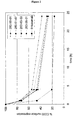
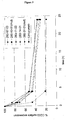
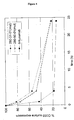
- Internalization of antibody refers to the reduction of the amount of antibody/ antigen complexes on the cell surface of the target cell after incubation with antibody. Internalization tests were performed with the CD33 expressing HL60 cell line. Cells were incubated with a fixed amount of a CD33 binding agent (10 ⁇ g/ml of fully human monoclonal antibodies as listed in table 1 as No. 1-14) for defined time periods (0h, 1h, 4h, 24h) at 37° C to allow internalization of the antibody/antigen complex. At the indicated time points acid was added to the incubation mix to prevent further internalization. Thereafter a fixed amount of CD33 binding agent was added to saturate all CD33 antigen sites on the cell surface.
- a CD33 binding agent 10 ⁇ g/ml of fully human monoclonal antibodies as listed in table 1 as No. 1-14
- the total amount of CD33 binding agent bound to the cell surface was determined by FACS analysis utilizing a FITC conjugated anti-human IgG secondary antibody.
- the time point 0h was used to determine the initial level of CD33 antibody/antigen complexes on the surface and was defined as 100%.
- the results are listed in table 3 and illustrated in Figures 1-3 .
- CD33 protein and antibody were incubated for 15 minutes at room temperature.
- the final molar ratio antibody/CD33 was 2:1.
- 80 ⁇ l of this solution was then transferred to 80 ⁇ l of quench buffer (1M urea, 0.1M TCEP-HCl) at 4°C and mixed.
Landscapes
- Health & Medical Sciences (AREA)
- Chemical & Material Sciences (AREA)
- Immunology (AREA)
- Organic Chemistry (AREA)
- Medicinal Chemistry (AREA)
- Life Sciences & Earth Sciences (AREA)
- General Health & Medical Sciences (AREA)
- Public Health (AREA)
- Veterinary Medicine (AREA)
- Pharmacology & Pharmacy (AREA)
- Animal Behavior & Ethology (AREA)
- Nuclear Medicine, Radiotherapy & Molecular Imaging (AREA)
- General Chemical & Material Sciences (AREA)
- Chemical Kinetics & Catalysis (AREA)
- Engineering & Computer Science (AREA)
- Bioinformatics & Cheminformatics (AREA)
- Biochemistry (AREA)
- Proteomics, Peptides & Aminoacids (AREA)
- Molecular Biology (AREA)
- Genetics & Genomics (AREA)
- Biophysics (AREA)
- Rheumatology (AREA)
- Physical Education & Sports Medicine (AREA)
- Pain & Pain Management (AREA)
- Transplantation (AREA)
- Oncology (AREA)
- Hematology (AREA)
- Microbiology (AREA)
- Mycology (AREA)
- Epidemiology (AREA)
- Peptides Or Proteins (AREA)
- Medicines Containing Antibodies Or Antigens For Use As Internal Diagnostic Agents (AREA)
- Pharmaceuticals Containing Other Organic And Inorganic Compounds (AREA)
- Nitrogen And Oxygen Or Sulfur-Condensed Heterocyclic Ring Systems (AREA)
- Micro-Organisms Or Cultivation Processes Thereof (AREA)
- Medicines That Contain Protein Lipid Enzymes And Other Medicines (AREA)
- Preparation Of Compounds By Using Micro-Organisms (AREA)
- Acyclic And Carbocyclic Compounds In Medicinal Compositions (AREA)
- Medicinal Preparation (AREA)
- Medicines Containing Material From Animals Or Micro-Organisms (AREA)
Priority Applications (7)
| Application Number | Priority Date | Filing Date | Title |
|---|---|---|---|
| EP11764553.1A EP2625201B2 (en) | 2010-10-04 | 2011-10-04 | Cd33 binding agents |
| EP16185559.8A EP3133088B1 (en) | 2010-10-04 | 2011-10-04 | Cd33 binding agents |
| SI201131030T SI2625201T2 (sl) | 2010-10-04 | 2011-10-04 | CD33-vezavna sredstva |
| HRP20161656T HRP20161656T4 (hr) | 2010-10-04 | 2011-10-04 | Sredstva za vezanje na cd33 |
| RS20161031A RS55317B2 (sr) | 2010-10-04 | 2011-10-04 | Agensi za vezivanje cd33 |
| PL11764553T PL2625201T5 (pl) | 2010-10-04 | 2011-10-04 | Środki wiążące CD33 |
| CY20161101217T CY1119691T1 (el) | 2010-10-04 | 2016-11-24 | Παραγοντες συνδεσης cd33 |
Applications Claiming Priority (3)
| Application Number | Priority Date | Filing Date | Title |
|---|---|---|---|
| EP10186468 | 2010-10-04 | ||
| PCT/EP2011/067339 WO2012045752A1 (en) | 2010-10-04 | 2011-10-04 | Cd33 binding agents |
| EP11764553.1A EP2625201B2 (en) | 2010-10-04 | 2011-10-04 | Cd33 binding agents |
Related Child Applications (2)
| Application Number | Title | Priority Date | Filing Date |
|---|---|---|---|
| EP16185559.8A Division-Into EP3133088B1 (en) | 2010-10-04 | 2011-10-04 | Cd33 binding agents |
| EP16185559.8A Division EP3133088B1 (en) | 2010-10-04 | 2011-10-04 | Cd33 binding agents |
Publications (3)
| Publication Number | Publication Date |
|---|---|
| EP2625201A1 EP2625201A1 (en) | 2013-08-14 |
| EP2625201B1 EP2625201B1 (en) | 2016-09-07 |
| EP2625201B2 true EP2625201B2 (en) | 2019-05-15 |
Family
ID=43296954
Family Applications (2)
| Application Number | Title | Priority Date | Filing Date |
|---|---|---|---|
| EP11764553.1A Active EP2625201B2 (en) | 2010-10-04 | 2011-10-04 | Cd33 binding agents |
| EP16185559.8A Active EP3133088B1 (en) | 2010-10-04 | 2011-10-04 | Cd33 binding agents |
Family Applications After (1)
| Application Number | Title | Priority Date | Filing Date |
|---|---|---|---|
| EP16185559.8A Active EP3133088B1 (en) | 2010-10-04 | 2011-10-04 | Cd33 binding agents |
Country Status (37)
Families Citing this family (50)
| Publication number | Priority date | Publication date | Assignee | Title |
|---|---|---|---|---|
| UA112062C2 (uk) | 2010-10-04 | 2016-07-25 | Бьорінгер Інгельхайм Інтернаціональ Гмбх | Cd33-зв'язувальний агент |
| WO2013059885A2 (en) | 2011-10-28 | 2013-05-02 | Cephalon Australia Pty Ltd | Polypeptide constructs and uses thereof |
| ES2924722T3 (es) | 2012-05-18 | 2022-10-10 | Aptevo Res & Development Llc | Unión de inmunofusión de scFv biespecífico (BIf) a CD123 y CD3 |
| US20130309223A1 (en) | 2012-05-18 | 2013-11-21 | Seattle Genetics, Inc. | CD33 Antibodies And Use Of Same To Treat Cancer |
| CN104936977B (zh) * | 2012-10-24 | 2019-10-08 | 开普敦大学 | 微管修饰化合物 |
| JP6279065B2 (ja) | 2013-03-13 | 2018-02-14 | サノフイ | 抗cd38抗体およびカーフィルゾミブを含む組成物 |
| AU2014285079A1 (en) | 2013-07-05 | 2016-01-21 | H. Lee Moffitt Cancer Center And Research Institute, Inc. | Soluble CD33 for treating myelodysplastic syndromes (MDS) |
| TWI688401B (zh) | 2013-09-13 | 2020-03-21 | 美商安進公司 | 用於治療骨髓性白血病的表觀遺傳因子與靶向cd33及cd3之雙特異性化合物的組合 |
| WO2015067570A2 (en) * | 2013-11-06 | 2015-05-14 | Boehringer Ingelheim International Gmbh | Pharmaceutical combinations comprising cd33 antibodies and de-methylating agents |
| CA2931340A1 (en) * | 2013-12-13 | 2015-06-18 | Genentech, Inc. | Anti-cd33 antibodies and immunoconjugates |
| US9212225B1 (en) * | 2014-07-01 | 2015-12-15 | Amphivena Therapeutics, Inc. | Bispecific CD33 and CD3 binding proteins |
| EP4190814A1 (en) | 2015-05-29 | 2023-06-07 | Amphivena Therapeutics, Inc. | Methods of using bispecific cd33 and cd3 binding proteins |
| KR20180033502A (ko) | 2015-06-12 | 2018-04-03 | 알렉터 엘엘씨 | 항-cd33 항체 및 그의 사용 방법 |
| US11174313B2 (en) * | 2015-06-12 | 2021-11-16 | Alector Llc | Anti-CD33 antibodies and methods of use thereof |
| EP3341411B1 (en) | 2015-08-28 | 2025-06-11 | Alector LLC | Anti-siglec-7 antibodies and methods of use thereof |
| US12064445B2 (en) | 2015-12-03 | 2024-08-20 | Biosight Ltd. | Cytarabine conjugates for cancer therapy |
| US12071450B2 (en) | 2015-12-03 | 2024-08-27 | Biosight Ltd. | Salts of conjugates for cancer therapy |
| US11027021B2 (en) | 2016-03-15 | 2021-06-08 | Seagen Inc. | Combinations of PBD-based antibody drug conjugates with Bcl-2 inhibitors |
| US11110179B2 (en) | 2016-06-03 | 2021-09-07 | Seagen Inc. | Combination of CD33 antibody drug conjugates with chemotherapeutic agents |
| EP3469001A4 (en) | 2016-06-09 | 2020-05-06 | Seattle Genetics, Inc. | COMBINATIONS OF PBD-BASED ANTIBODY CONJUGATES WITH FLT3 INHIBITORS |
| AU2017331256B2 (en) | 2016-09-21 | 2024-11-07 | Aptevo Research And Development Llc | CD123 binding proteins and related compositions and methods |
| IL324632A (en) | 2016-12-01 | 2026-01-01 | Regeneron Pharma | Radiolabeled anti-PD-L1 antibodies for immuno-PET imaging |
| JP7685735B2 (ja) | 2016-12-02 | 2025-05-30 | アンヘレス セラピューティクス インコーポレイテッド | 合成免疫受容体およびその使用方法 |
| US20200087390A1 (en) | 2016-12-21 | 2020-03-19 | Amgen Inc. | Anti-tnf alpha antibody formulations |
| CN106834300B (zh) * | 2017-03-06 | 2019-12-31 | 李斯文 | 一种抗cd33单链抗体及光敏剂复合物及其制备方法 |
| WO2019012328A1 (en) * | 2017-07-09 | 2019-01-17 | Biosight Pharma | ANTICANCER POLY THERAPY |
| MA47691A (fr) | 2017-08-03 | 2020-01-08 | Alector Llc | Anticorps anti-cd33 et leurs procédés d'utilisation |
| TWI868807B (zh) | 2017-08-03 | 2025-01-01 | 美商阿列克特有限責任公司 | 抗trem2抗體及其使用方法 |
| EP3740235A4 (en) * | 2018-01-08 | 2021-09-15 | Actinium Pharmaceuticals, Inc. | COMBINED IMMUNOTHERAPY AND CHEMOTHERAPY FOR TREATMENT OF BLOOD CANCER |
| KR102839330B1 (ko) | 2018-01-15 | 2025-07-30 | 난징 레전드 바이오테크 씨오., 엘티디. | Pd-1에 대한 단일-도메인 항체 및 이의 변이체 |
| SG11202007482WA (en) | 2018-02-08 | 2020-09-29 | Dragonfly Therapeutics Inc | Antibody variable domains targeting the nkg2d receptor |
| SG11202007579TA (en) | 2018-02-08 | 2020-09-29 | Dragonfly Therapeutics Inc | Combination therapy of cancer involving multi-specific binding proteins that activate natural killer cells |
| JP7539840B2 (ja) * | 2018-02-20 | 2024-08-26 | ドラゴンフライ セラピューティクス, インコーポレイテッド | Cd33を標的とする抗体可変ドメイン及びその使用 |
| JP7353576B2 (ja) | 2018-02-20 | 2023-10-02 | ドラゴンフライ セラピューティクス, インコーポレイテッド | Cd33、nkg2d、及びcd16に結合する多重特異性結合タンパク質、ならびにその使用方法 |
| GB201806084D0 (en) * | 2018-04-13 | 2018-05-30 | Berlin Chemie Ag | Antibodies |
| JOP20190116A1 (ar) | 2018-05-24 | 2019-11-24 | Janssen Biotech Inc | الأجسام المضادة لتكتل التمايز 33 (cd33)، والأجسام المضادة ثنائية النوعية لتكتل التمايز 33 (cd33)/تكتل التمايز 3 (cd3) واستخداماتها |
| AU2019282778A1 (en) | 2018-06-08 | 2020-12-10 | Alector Llc | Anti-Siglec-7 antibodies and methods of use thereof |
| EP3833385A4 (en) | 2018-08-08 | 2021-12-22 | Dragonfly Therapeutics, Inc. | PROTEINS THAT BINDING NKG2D, CD16 AND A TUMOR-ASSOCIATED ANTIGEN |
| EA202091888A1 (ru) | 2018-08-08 | 2020-10-23 | Драгонфлай Терапьютикс, Инк. | Вариабельные домены антител, нацеленные на рецептор nkg2d |
| EP3833392A4 (en) | 2018-08-08 | 2022-05-18 | Dragonfly Therapeutics, Inc. | MULTISPECIFIC BINDING PROTEINS FOR BINDING CD33, NKG2D AND CD16 AND METHODS OF USE |
| BR112021003016A2 (pt) | 2018-08-31 | 2021-05-18 | Alector Llc | anticorpos isolados, ácido nucleico isolado, vetor, célula hospedeira, métodos para produzir um anticorpo e para prevenir, reduzir o risco ou tratar uma doença e composição farmacêutica |
| WO2020052542A1 (en) | 2018-09-10 | 2020-03-19 | Nanjing Legend Biotech Co., Ltd. | Single-domain antibodies against cll1 and constructs thereof |
| US12103969B2 (en) * | 2018-09-25 | 2024-10-01 | Academia Sinica | Anti-Siglec antibody, pharmaceutical composition comprising the same, and uses thereof |
| WO2020223445A1 (en) | 2019-04-30 | 2020-11-05 | Senti Biosciences, Inc. | Chimeric receptors and methods of use thereof |
| CN115836088A (zh) | 2020-05-06 | 2023-03-21 | 蜻蜓疗法股份有限公司 | 结合nkg2d、cd16和clec12a的蛋白质 |
| WO2022060901A1 (en) | 2020-09-16 | 2022-03-24 | Amgen Inc. | Methods for administering therapeutic doses of bispecific t-cell engaging molecules for the treatment of cancer |
| WO2022187539A1 (en) | 2021-03-03 | 2022-09-09 | Dragonfly Therapeutics, Inc. | Methods of treating cancer using multi-specific binding proteins that bind nkg2d, cd16 and a tumor-associated antigen |
| WO2023081898A1 (en) | 2021-11-08 | 2023-05-11 | Alector Llc | Soluble cd33 as a biomarker for anti-cd33 efficacy |
| TW202340235A (zh) | 2021-12-17 | 2023-10-16 | 美商戴納立製藥公司 | 多肽工程、文庫及工程cd98重鏈以及轉鐵蛋白受體結合多肽 |
| WO2025174974A1 (en) * | 2024-02-14 | 2025-08-21 | Bristol-Myers Squibb Company | Anti-cd33 antibodies and uses thereof |
Citations (2)
| Publication number | Priority date | Publication date | Assignee | Title |
|---|---|---|---|---|
| US5773001A (en) † | 1994-06-03 | 1998-06-30 | American Cyanamid Company | Conjugates of methyltrithio antitumor agents and intermediates for their synthesis |
| WO2008058021A2 (en) † | 2006-11-02 | 2008-05-15 | Seattle Genetics, Inc. | Methods of treating neoplastic, autoimmune and inflammatory diseases |
Family Cites Families (69)
| Publication number | Priority date | Publication date | Assignee | Title |
|---|---|---|---|---|
| GB2036891B (en) | 1978-12-05 | 1983-05-05 | Windsor Smith C | Change speed gear |
| GB8308235D0 (en) | 1983-03-25 | 1983-05-05 | Celltech Ltd | Polypeptides |
| US4816567A (en) | 1983-04-08 | 1989-03-28 | Genentech, Inc. | Recombinant immunoglobin preparations |
| IN163192B (enExample) | 1983-10-11 | 1988-08-20 | Fidia Spa | |
| JPS6147500A (ja) | 1984-08-15 | 1986-03-07 | Res Dev Corp Of Japan | キメラモノクロ−ナル抗体及びその製造法 |
| EP0173494A3 (en) | 1984-08-27 | 1987-11-25 | The Board Of Trustees Of The Leland Stanford Junior University | Chimeric receptors by dna splicing and expression |
| GB8422238D0 (en) | 1984-09-03 | 1984-10-10 | Neuberger M S | Chimeric proteins |
| JPS61134325A (ja) | 1984-12-04 | 1986-06-21 | Teijin Ltd | ハイブリツド抗体遺伝子の発現方法 |
| DE3668186D1 (de) | 1985-04-01 | 1990-02-15 | Celltech Ltd | Transformierte myeloma-zell-linie und dieselbe verwendendes verfahren zur expression eines gens, das ein eukaryontisches polypeptid kodiert. |
| EP0247091B1 (en) | 1985-11-01 | 1993-09-29 | Xoma Corporation | Modular assembly of antibody genes, antibodies prepared thereby and use |
| GB8601597D0 (en) | 1986-01-23 | 1986-02-26 | Wilson R H | Nucleotide sequences |
| US5225539A (en) | 1986-03-27 | 1993-07-06 | Medical Research Council | Recombinant altered antibodies and methods of making altered antibodies |
| US4946778A (en) | 1987-09-21 | 1990-08-07 | Genex Corporation | Single polypeptide chain binding molecules |
| EP0307434B2 (en) | 1987-03-18 | 1998-07-29 | Scotgen Biopharmaceuticals, Inc. | Altered antibodies |
| GB8717430D0 (en) | 1987-07-23 | 1987-08-26 | Celltech Ltd | Recombinant dna product |
| US5047335A (en) | 1988-12-21 | 1991-09-10 | The Regents Of The University Of Calif. | Process for controlling intracellular glycosylation of proteins |
| US5530101A (en) | 1988-12-28 | 1996-06-25 | Protein Design Labs, Inc. | Humanized immunoglobulins |
| ES2284161T3 (es) | 1990-01-12 | 2007-11-01 | Amgen Fremont Inc. | Generacion de anticuerpos xenogenicos. |
| US5545806A (en) | 1990-08-29 | 1996-08-13 | Genpharm International, Inc. | Ransgenic non-human animals for producing heterologous antibodies |
| US5633425A (en) | 1990-08-29 | 1997-05-27 | Genpharm International, Inc. | Transgenic non-human animals capable of producing heterologous antibodies |
| US5770429A (en) | 1990-08-29 | 1998-06-23 | Genpharm International, Inc. | Transgenic non-human animals capable of producing heterologous antibodies |
| US5625126A (en) | 1990-08-29 | 1997-04-29 | Genpharm International, Inc. | Transgenic non-human animals for producing heterologous antibodies |
| AU8507191A (en) | 1990-08-29 | 1992-03-30 | Genpharm International, Inc. | Transgenic non-human animals capable of producing heterologous antibodies |
| US5661016A (en) | 1990-08-29 | 1997-08-26 | Genpharm International Inc. | Transgenic non-human animals capable of producing heterologous antibodies of various isotypes |
| US5278299A (en) | 1991-03-18 | 1994-01-11 | Scripps Clinic And Research Foundation | Method and composition for synthesizing sialylated glycosyl compounds |
| DK0602126T3 (da) | 1991-08-14 | 2003-06-16 | Genentech Inc | Immunoglobulinvarianter til specifikke FC epsilon-receptorer |
| WO1993010260A1 (en) | 1991-11-21 | 1993-05-27 | The Board Of Trustees Of The Leland Stanford Junior University | Controlling degradation of glycoprotein oligosaccharides by extracellular glycosisases |
| ZA932523B (en) * | 1992-04-10 | 1994-10-08 | Res Dev Foundation | Immunotoxins directed against cd33 related surface antigens |
| US5739277A (en) | 1995-04-14 | 1998-04-14 | Genentech Inc. | Altered polypeptides with increased half-life |
| ATE279947T1 (de) | 1996-03-18 | 2004-11-15 | Univ Texas | Immunglobulinähnliche domäne mit erhöhten halbwertszeiten |
| US5834597A (en) | 1996-05-20 | 1998-11-10 | Protein Design Labs, Inc. | Mutated nonactivating IgG2 domains and anti CD3 antibodies incorporating the same |
| WO1998005787A1 (en) | 1996-08-02 | 1998-02-12 | Bristol-Myers Squibb Company | A method for inhibiting immunoglobulin-induced toxicity resulting from the use of immunoglobulins in therapy and in vivo diagnosis |
| US5888809A (en) | 1997-05-01 | 1999-03-30 | Icos Corporation | Hamster EF-1α transcriptional regulatory DNA |
| JP2001524308A (ja) | 1997-11-21 | 2001-12-04 | ヒューマン ジノーム サイエンシーズ, インコーポレイテッド | ケモカインα−5 |
| CN1204147C (zh) | 1998-02-25 | 2005-06-01 | 利思进药品公司 | 提高以抗体为基础的融合蛋白的循环半衰期的方法 |
| IL138608A0 (en) | 1998-04-02 | 2001-10-31 | Genentech Inc | Antibody variants and fragments thereof |
| GB9809951D0 (en) | 1998-05-08 | 1998-07-08 | Univ Cambridge Tech | Binding molecules |
| JP4336498B2 (ja) | 2000-12-12 | 2009-09-30 | メディミューン,エルエルシー | 延長した半減期を有する分子ならびにその組成物および用途 |
| US20030133939A1 (en) | 2001-01-17 | 2003-07-17 | Genecraft, Inc. | Binding domain-immunoglobulin fusion proteins |
| US20040002587A1 (en) | 2002-02-20 | 2004-01-01 | Watkins Jeffry D. | Fc region variants |
| AU2003217912A1 (en) | 2002-03-01 | 2003-09-16 | Xencor | Antibody optimization |
| US20040132101A1 (en) | 2002-09-27 | 2004-07-08 | Xencor | Optimized Fc variants and methods for their generation |
| US7317091B2 (en) | 2002-03-01 | 2008-01-08 | Xencor, Inc. | Optimized Fc variants |
| WO2004016750A2 (en) | 2002-08-14 | 2004-02-26 | Macrogenics, Inc. | FcϜRIIB-SPECIFIC ANTIBODIES AND METHODS OF USE THEREOF |
| WO2004029207A2 (en) | 2002-09-27 | 2004-04-08 | Xencor Inc. | Optimized fc variants and methods for their generation |
| WO2004035752A2 (en) | 2002-10-15 | 2004-04-29 | Protein Design Labs, Inc. | ALTERATION OF FcRn BINDING AFFINITIES OR SERUM HALF-LIVES OF ANTIBODIES BY MUTAGENESIS |
| HUE026914T2 (en) * | 2002-11-07 | 2016-08-29 | Immunogen Inc | Anti-CD33 antibodies and a method of treating acute myeloid leukemia |
| EP2368578A1 (en) | 2003-01-09 | 2011-09-28 | Macrogenics, Inc. | Identification and engineering of antibodies with variant Fc regions and methods of using same |
| US7960512B2 (en) | 2003-01-09 | 2011-06-14 | Macrogenics, Inc. | Identification and engineering of antibodies with variant Fc regions and methods of using same |
| US20070148170A1 (en) | 2005-10-03 | 2007-06-28 | Desjarlais John R | Fc Variants With Optimized Fc Receptor Binding Properties |
| US20060003412A1 (en) | 2003-12-08 | 2006-01-05 | Xencor, Inc. | Protein engineering with analogous contact environments |
| WO2005077981A2 (en) | 2003-12-22 | 2005-08-25 | Xencor, Inc. | Fc POLYPEPTIDES WITH NOVEL Fc LIGAND BINDING SITES |
| WO2005092925A2 (en) | 2004-03-24 | 2005-10-06 | Xencor, Inc. | Immunoglobulin variants outside the fc region |
| EP3342782B1 (en) | 2004-07-15 | 2022-08-17 | Xencor, Inc. | Optimized fc variants |
| US20060074225A1 (en) | 2004-09-14 | 2006-04-06 | Xencor, Inc. | Monomeric immunoglobulin Fc domains |
| WO2006047350A2 (en) | 2004-10-21 | 2006-05-04 | Xencor, Inc. | IgG IMMUNOGLOBULIN VARIANTS WITH OPTIMIZED EFFECTOR FUNCTION |
| BRPI0517837A (pt) | 2004-11-12 | 2008-10-21 | Xencor Inc | variantes fc com ligação alterada a fcrn |
| TW200726776A (en) * | 2005-07-29 | 2007-07-16 | Friedrich Alexander University Of Erlangen Nuremberg | CD33-specific single-chain immunotoxin and methods of use |
| CN101210048A (zh) * | 2006-12-29 | 2008-07-02 | 中国医学科学院血液学研究所 | 用于靶向结合髓系白血病细胞的抗cd33的工程抗体及其表达载体和用途 |
| SG10201808730VA (en) | 2007-04-03 | 2018-11-29 | Amgen Res Munich Gmbh | Cross-species-specific binding domain |
| CN109456410B (zh) | 2007-04-03 | 2022-01-28 | 安进研发(慕尼黑)股份有限公司 | 跨物种特异性CD3-ε结合结构域 |
| PE20140196A1 (es) | 2007-08-09 | 2014-03-19 | Boehringer Ingelheim Int | Anticuerpos anti-cd37 |
| SG194399A1 (en) | 2008-10-01 | 2013-11-29 | Amgen Res Munich Gmbh | Cross-species-specific pscaxcd3, cd19xcd3, c-metxcd3, endosialinxcd3, epcamxcd3, igf-1rxcd3 or fapalpha xcd3 bispecific single chain antibody |
| CA2738568C (en) | 2008-10-01 | 2024-02-20 | Micromet Ag | Cross-species-specific single domain bispecific single chain antibody |
| EP4180458A1 (en) | 2008-10-01 | 2023-05-17 | Amgen Research (Munich) GmbH | Cross-species-specific psma x cd3 bispecific single chain antibody |
| BR112012022044A2 (pt) | 2010-03-24 | 2020-08-25 | Genentech Inc | ''anticorpo,imunoconjugado,formulação farmacêutica,uso do anticorpo,método de tratamento,anticorpo biespecifico isolado e célula hospedeira''. |
| EA201291181A1 (ru) | 2010-05-06 | 2013-05-30 | Новартис Аг | Композиции и способы применения терапевтических поливалентных антител против белка, родственного рецептору липопротеинов низкой плотности 6 (lrp6) |
| UA112062C2 (uk) | 2010-10-04 | 2016-07-25 | Бьорінгер Інгельхайм Інтернаціональ Гмбх | Cd33-зв'язувальний агент |
| EP2888279A1 (en) | 2012-08-22 | 2015-07-01 | Glaxo Group Limited | Anti lrp6 antibodies |
-
2011
- 2011-04-10 UA UAA201305316A patent/UA112062C2/uk unknown
- 2011-09-27 US US13/246,022 patent/US9079958B2/en active Active
- 2011-10-03 UY UY33647A patent/UY33647A/es not_active Application Discontinuation
- 2011-10-03 AR ARP110103669 patent/AR083293A1/es active IP Right Grant
- 2011-10-03 TW TW100135799A patent/TWI535734B/zh active
- 2011-10-04 BR BR112013007944-4A patent/BR112013007944B1/pt active IP Right Grant
- 2011-10-04 AU AU2011311575A patent/AU2011311575B2/en active Active
- 2011-10-04 PL PL11764553T patent/PL2625201T5/pl unknown
- 2011-10-04 PT PT117645531T patent/PT2625201T/pt unknown
- 2011-10-04 HU HUE11764553A patent/HUE030150T2/en unknown
- 2011-10-04 JP JP2013529681A patent/JP5727613B2/ja active Active
- 2011-10-04 PE PE2013000782A patent/PE20140194A1/es active IP Right Grant
- 2011-10-04 LT LTEP11764553.1T patent/LT2625201T/lt unknown
- 2011-10-04 SI SI201131030T patent/SI2625201T2/sl unknown
- 2011-10-04 MX MX2013003743A patent/MX344522B/es active IP Right Grant
- 2011-10-04 MA MA35771A patent/MA34546B1/fr unknown
- 2011-10-04 CN CN201180058450.0A patent/CN103261227B/zh active Active
- 2011-10-04 CA CA2809925A patent/CA2809925C/en active Active
- 2011-10-04 EP EP11764553.1A patent/EP2625201B2/en active Active
- 2011-10-04 RS RS20161031A patent/RS55317B2/sr unknown
- 2011-10-04 NZ NZ607969A patent/NZ607969A/en unknown
- 2011-10-04 WO PCT/EP2011/067339 patent/WO2012045752A1/en not_active Ceased
- 2011-10-04 SG SG2013020326A patent/SG189023A1/en unknown
- 2011-10-04 EP EP16185559.8A patent/EP3133088B1/en active Active
- 2011-10-04 MY MYPI2013001005A patent/MY160485A/en unknown
- 2011-10-04 ES ES11764553T patent/ES2605014T5/es active Active
- 2011-10-04 AP AP2013006764A patent/AP2013006764A0/xx unknown
- 2011-10-04 DK DK11764553.1T patent/DK2625201T4/da active
- 2011-10-04 HR HRP20161656T patent/HRP20161656T4/hr unknown
- 2011-10-04 GE GEAP201113079A patent/GEP20166429B/en unknown
- 2011-10-04 EA EA201300419A patent/EA026360B1/ru not_active IP Right Cessation
- 2011-10-04 KR KR1020137010652A patent/KR101864597B1/ko active Active
- 2011-10-04 PH PH1/2013/500570A patent/PH12013500570A1/en unknown
-
2013
- 2013-02-28 IL IL224984A patent/IL224984A/en active IP Right Grant
- 2013-03-11 CL CL2013000669A patent/CL2013000669A1/es unknown
- 2013-04-08 CO CO13090540A patent/CO6710907A2/es unknown
- 2013-04-30 EC ECSP13012597 patent/ECSP13012597A/es unknown
-
2015
- 2015-06-18 US US14/742,836 patent/US9550833B2/en active Active
-
2016
- 2016-11-24 CY CY20161101217T patent/CY1119691T1/el unknown
- 2016-12-12 US US15/375,313 patent/US10202451B2/en active Active
-
2018
- 2018-12-17 US US16/221,811 patent/US20190256593A1/en not_active Abandoned
Patent Citations (2)
| Publication number | Priority date | Publication date | Assignee | Title |
|---|---|---|---|---|
| US5773001A (en) † | 1994-06-03 | 1998-06-30 | American Cyanamid Company | Conjugates of methyltrithio antitumor agents and intermediates for their synthesis |
| WO2008058021A2 (en) † | 2006-11-02 | 2008-05-15 | Seattle Genetics, Inc. | Methods of treating neoplastic, autoimmune and inflammatory diseases |
Non-Patent Citations (4)
Also Published As
Similar Documents
| Publication | Publication Date | Title |
|---|---|---|
| US10202451B2 (en) | CD33 binding agents | |
| JP7173971B2 (ja) | 抗SIRP-α抗体及びその使用方法 | |
| JP6871155B2 (ja) | 二重特異性her2及びcd3結合分子 | |
| CN103347894B (zh) | 抗gd2抗体 | |
| EP2178915B1 (en) | Anti cd37 antibodies | |
| JP2016509582A (ja) | 抗ヒトb7−h4抗体およびその使用 | |
| JP2016515519A (ja) | 高親和性抗gd2抗体 | |
| RU2712283C2 (ru) | Медикаменты, применения и способы | |
| CN120617499A (zh) | 抗体的新型组合和用途 | |
| OA16352A (en) | CD33 binding agents. | |
| HK1184165B (en) | Cd33 binding agents | |
| EA049679B1 (ru) | Анти-sirpa антитела и способы их применения |
Legal Events
| Date | Code | Title | Description |
|---|---|---|---|
| PUAI | Public reference made under article 153(3) epc to a published international application that has entered the european phase |
Free format text: ORIGINAL CODE: 0009012 |
|
| 17P | Request for examination filed |
Effective date: 20130506 |
|
| AK | Designated contracting states |
Kind code of ref document: A1 Designated state(s): AL AT BE BG CH CY CZ DE DK EE ES FI FR GB GR HR HU IE IS IT LI LT LU LV MC MK MT NL NO PL PT RO RS SE SI SK SM TR |
|
| DAX | Request for extension of the european patent (deleted) | ||
| 17Q | First examination report despatched |
Effective date: 20140723 |
|
| GRAP | Despatch of communication of intention to grant a patent |
Free format text: ORIGINAL CODE: EPIDOSNIGR1 |
|
| INTG | Intention to grant announced |
Effective date: 20160404 |
|
| GRAS | Grant fee paid |
Free format text: ORIGINAL CODE: EPIDOSNIGR3 |
|
| GRAA | (expected) grant |
Free format text: ORIGINAL CODE: 0009210 |
|
| AK | Designated contracting states |
Kind code of ref document: B1 Designated state(s): AL AT BE BG CH CY CZ DE DK EE ES FI FR GB GR HR HU IE IS IT LI LT LU LV MC MK MT NL NO PL PT RO RS SE SI SK SM TR |
|
| REG | Reference to a national code |
Ref country code: GB Ref legal event code: FG4D |
|
| REG | Reference to a national code |
Ref country code: CH Ref legal event code: EP |
|
| REG | Reference to a national code |
Ref country code: IE Ref legal event code: FG4D |
|
| REG | Reference to a national code |
Ref country code: AT Ref legal event code: REF Ref document number: 826771 Country of ref document: AT Kind code of ref document: T Effective date: 20161015 |
|
| REG | Reference to a national code |
Ref country code: DE Ref legal event code: R096 Ref document number: 602011030167 Country of ref document: DE |
|
| REG | Reference to a national code |
Ref country code: FR Ref legal event code: PLFP Year of fee payment: 6 |
|
| REG | Reference to a national code |
Ref country code: NL Ref legal event code: FP |
|
| REG | Reference to a national code |
Ref country code: RO Ref legal event code: EPE |
|
| REG | Reference to a national code |
Ref country code: HR Ref legal event code: TUEP Ref document number: P20161656 Country of ref document: HR |
|
| REG | Reference to a national code |
Ref country code: PT Ref legal event code: SC4A Ref document number: 2625201 Country of ref document: PT Date of ref document: 20161207 Kind code of ref document: T Free format text: AVAILABILITY OF NATIONAL TRANSLATION Effective date: 20161128 |
|
| REG | Reference to a national code |
Ref country code: SE Ref legal event code: TRGR |
|
| REG | Reference to a national code |
Ref country code: DK Ref legal event code: T3 Effective date: 20161215 |
|
| REG | Reference to a national code |
Ref country code: HR Ref legal event code: T1PR Ref document number: P20161656 Country of ref document: HR |
|
| REG | Reference to a national code |
Ref country code: NO Ref legal event code: T2 Effective date: 20160907 Ref country code: EE Ref legal event code: FG4A Ref document number: E012870 Country of ref document: EE Effective date: 20161205 |
|
| REG | Reference to a national code |
Ref country code: ES Ref legal event code: FG2A Ref document number: 2605014 Country of ref document: ES Kind code of ref document: T3 Effective date: 20170310 |
|
| REG | Reference to a national code |
Ref country code: GR Ref legal event code: EP Ref document number: 20160402888 Country of ref document: GR Effective date: 20170222 |
|
| REG | Reference to a national code |
Ref country code: HU Ref legal event code: AG4A Ref document number: E030150 Country of ref document: HU |
|
| PG25 | Lapsed in a contracting state [announced via postgrant information from national office to epo] |
Ref country code: SM Free format text: LAPSE BECAUSE OF FAILURE TO SUBMIT A TRANSLATION OF THE DESCRIPTION OR TO PAY THE FEE WITHIN THE PRESCRIBED TIME-LIMIT Effective date: 20160907 |
|
| REG | Reference to a national code |
Ref country code: SK Ref legal event code: T3 Ref document number: E 22817 Country of ref document: SK |
|
| REG | Reference to a national code |
Ref country code: DE Ref legal event code: R026 Ref document number: 602011030167 Country of ref document: DE |
|
| PLBI | Opposition filed |
Free format text: ORIGINAL CODE: 0009260 |
|
| PLAX | Notice of opposition and request to file observation + time limit sent |
Free format text: ORIGINAL CODE: EPIDOSNOBS2 |
|
| 26 | Opposition filed |
Opponent name: STRAWMAN LIMITED Effective date: 20170607 Opponent name: ABLYNX N.V. Effective date: 20170607 |
|
| REG | Reference to a national code |
Ref country code: FR Ref legal event code: PLFP Year of fee payment: 7 |
|
| PLBB | Reply of patent proprietor to notice(s) of opposition received |
Free format text: ORIGINAL CODE: EPIDOSNOBS3 |
|
| PLBP | Opposition withdrawn |
Free format text: ORIGINAL CODE: 0009264 |
|
| REG | Reference to a national code |
Ref country code: AT Ref legal event code: UEP Ref document number: 826771 Country of ref document: AT Kind code of ref document: T Effective date: 20160907 |
|
| REG | Reference to a national code |
Ref country code: FR Ref legal event code: PLFP Year of fee payment: 8 |
|
| PUAH | Patent maintained in amended form |
Free format text: ORIGINAL CODE: 0009272 |
|
| STAA | Information on the status of an ep patent application or granted ep patent |
Free format text: STATUS: PATENT MAINTAINED AS AMENDED |
|
| REG | Reference to a national code |
Ref country code: CH Ref legal event code: AELC |
|
| 27A | Patent maintained in amended form |
Effective date: 20190515 |
|
| AK | Designated contracting states |
Kind code of ref document: B2 Designated state(s): AL AT BE BG CH CY CZ DE DK EE ES FI FR GB GR HR HU IE IS IT LI LT LU LV MC MK MT NL NO PL PT RO RS SE SI SK SM TR |
|
| REG | Reference to a national code |
Ref country code: DE Ref legal event code: R102 Ref document number: 602011030167 Country of ref document: DE |
|
| REG | Reference to a national code |
Ref country code: BE Ref legal event code: FP Effective date: 20161128 |
|
| REG | Reference to a national code |
Ref country code: SE Ref legal event code: RPEO |
|
| REG | Reference to a national code |
Ref country code: DK Ref legal event code: T4 Effective date: 20190711 |
|
| REG | Reference to a national code |
Ref country code: NL Ref legal event code: FP |
|
| REG | Reference to a national code |
Ref country code: EE Ref legal event code: LD4A Ref document number: E012870 Country of ref document: EE |
|
| REG | Reference to a national code |
Ref country code: NO Ref legal event code: TB2 |
|
| REG | Reference to a national code |
Ref country code: SK Ref legal event code: T5 Ref document number: E 22817 Country of ref document: SK |
|
| REG | Reference to a national code |
Ref country code: HR Ref legal event code: ODRP Ref document number: P20161656 Country of ref document: HR Payment date: 20190919 Year of fee payment: 9 |
|
| PGFP | Annual fee paid to national office [announced via postgrant information from national office to epo] |
Ref country code: PT Payment date: 20190919 Year of fee payment: 9 Ref country code: RO Payment date: 20190923 Year of fee payment: 9 Ref country code: LT Payment date: 20190919 Year of fee payment: 9 |
|
| REG | Reference to a national code |
Ref country code: HR Ref legal event code: T4IZ Ref document number: P20161656 Country of ref document: HR |
|
| REG | Reference to a national code |
Ref country code: ES Ref legal event code: DC2A Ref document number: 2605014 Country of ref document: ES Kind code of ref document: T5 Effective date: 20191118 |
|
| PGFP | Annual fee paid to national office [announced via postgrant information from national office to epo] |
Ref country code: LU Payment date: 20191021 Year of fee payment: 9 Ref country code: HR Payment date: 20190919 Year of fee payment: 9 Ref country code: RS Payment date: 20190925 Year of fee payment: 9 Ref country code: MK Payment date: 20190920 Year of fee payment: 9 |
|
| PGFP | Annual fee paid to national office [announced via postgrant information from national office to epo] |
Ref country code: MT Payment date: 20190924 Year of fee payment: 9 Ref country code: IS Payment date: 20190918 Year of fee payment: 9 |
|
| REG | Reference to a national code |
Ref country code: GR Ref legal event code: EP Ref document number: 20190402247 Country of ref document: GR Effective date: 20191128 |
|
| PGFP | Annual fee paid to national office [announced via postgrant information from national office to epo] |
Ref country code: IE Payment date: 20191022 Year of fee payment: 9 Ref country code: NO Payment date: 20191023 Year of fee payment: 9 Ref country code: CY Payment date: 20190926 Year of fee payment: 9 Ref country code: BG Payment date: 20191023 Year of fee payment: 9 Ref country code: FI Payment date: 20191022 Year of fee payment: 9 Ref country code: MC Payment date: 20191014 Year of fee payment: 9 |
|
| PGFP | Annual fee paid to national office [announced via postgrant information from national office to epo] |
Ref country code: LV Payment date: 20191016 Year of fee payment: 9 Ref country code: SI Payment date: 20190918 Year of fee payment: 9 Ref country code: GR Payment date: 20191022 Year of fee payment: 9 Ref country code: EE Payment date: 20191018 Year of fee payment: 9 |
|
| PGFP | Annual fee paid to national office [announced via postgrant information from national office to epo] |
Ref country code: AL Payment date: 20191022 Year of fee payment: 9 |
|
| REG | Reference to a national code |
Ref country code: HR Ref legal event code: PBON Ref document number: P20161656 Country of ref document: HR Effective date: 20201004 |
|
| REG | Reference to a national code |
Ref country code: EE Ref legal event code: MM4A Ref document number: E012870 Country of ref document: EE Effective date: 20201031 |
|
| REG | Reference to a national code |
Ref country code: NO Ref legal event code: MMEP |
|
| REG | Reference to a national code |
Ref country code: FI Ref legal event code: MAE |
|
| PG25 | Lapsed in a contracting state [announced via postgrant information from national office to epo] |
Ref country code: MC Free format text: LAPSE BECAUSE OF NON-PAYMENT OF DUE FEES Effective date: 20201103 Ref country code: LU Free format text: LAPSE BECAUSE OF NON-PAYMENT OF DUE FEES Effective date: 20201004 |
|
| PG25 | Lapsed in a contracting state [announced via postgrant information from national office to epo] |
Ref country code: NO Free format text: LAPSE BECAUSE OF NON-PAYMENT OF DUE FEES Effective date: 20201031 Ref country code: CY Free format text: LAPSE BECAUSE OF NON-PAYMENT OF DUE FEES Effective date: 20201004 Ref country code: BG Free format text: LAPSE BECAUSE OF NON-PAYMENT OF DUE FEES Effective date: 20210430 Ref country code: EE Free format text: LAPSE BECAUSE OF NON-PAYMENT OF DUE FEES Effective date: 20201031 Ref country code: RO Free format text: LAPSE BECAUSE OF NON-PAYMENT OF DUE FEES Effective date: 20201004 Ref country code: PT Free format text: LAPSE BECAUSE OF NON-PAYMENT OF DUE FEES Effective date: 20210408 Ref country code: FI Free format text: LAPSE BECAUSE OF NON-PAYMENT OF DUE FEES Effective date: 20201004 Ref country code: HR Free format text: LAPSE BECAUSE OF NON-PAYMENT OF DUE FEES Effective date: 20201004 Ref country code: GR Free format text: LAPSE BECAUSE OF NON-PAYMENT OF DUE FEES Effective date: 20210510 |
|
| REG | Reference to a national code |
Ref country code: LT Ref legal event code: MM4D Effective date: 20201004 |
|
| PG25 | Lapsed in a contracting state [announced via postgrant information from national office to epo] |
Ref country code: LV Free format text: LAPSE BECAUSE OF NON-PAYMENT OF DUE FEES Effective date: 20201004 Ref country code: SI Free format text: LAPSE BECAUSE OF NON-PAYMENT OF DUE FEES Effective date: 20201005 |
|
| PG25 | Lapsed in a contracting state [announced via postgrant information from national office to epo] |
Ref country code: RS Free format text: LAPSE BECAUSE OF NON-PAYMENT OF DUE FEES Effective date: 20201004 |
|
| REG | Reference to a national code |
Ref country code: SI Ref legal event code: KO00 Effective date: 20210812 |
|
| PG25 | Lapsed in a contracting state [announced via postgrant information from national office to epo] |
Ref country code: LT Free format text: LAPSE BECAUSE OF NON-PAYMENT OF DUE FEES Effective date: 20201004 Ref country code: IE Free format text: LAPSE BECAUSE OF NON-PAYMENT OF DUE FEES Effective date: 20201004 |
|
| PG25 | Lapsed in a contracting state [announced via postgrant information from national office to epo] |
Ref country code: MT Free format text: LAPSE BECAUSE OF NON-PAYMENT OF DUE FEES Effective date: 20201004 |
|
| P01 | Opt-out of the competence of the unified patent court (upc) registered |
Effective date: 20230508 |
|
| PG25 | Lapsed in a contracting state [announced via postgrant information from national office to epo] |
Ref country code: AL Free format text: LAPSE BECAUSE OF NON-PAYMENT OF DUE FEES Effective date: 20201004 |
|
| PGFP | Annual fee paid to national office [announced via postgrant information from national office to epo] |
Ref country code: PL Payment date: 20250925 Year of fee payment: 15 Ref country code: TR Payment date: 20250929 Year of fee payment: 15 |
|
| PG25 | Lapsed in a contracting state [announced via postgrant information from national office to epo] |
Ref country code: IS Free format text: LAPSE BECAUSE OF NON-PAYMENT OF DUE FEES Effective date: 20210512 |
|
| PGFP | Annual fee paid to national office [announced via postgrant information from national office to epo] |
Ref country code: SK Payment date: 20250926 Year of fee payment: 15 |
|
| REG | Reference to a national code |
Ref country code: CH Ref legal event code: U11 Free format text: ST27 STATUS EVENT CODE: U-0-0-U10-U11 (AS PROVIDED BY THE NATIONAL OFFICE) Effective date: 20251101 |
|
| PGFP | Annual fee paid to national office [announced via postgrant information from national office to epo] |
Ref country code: HU Payment date: 20251027 Year of fee payment: 15 |
|
| PGFP | Annual fee paid to national office [announced via postgrant information from national office to epo] |
Ref country code: NL Payment date: 20251021 Year of fee payment: 15 |
|
| PGFP | Annual fee paid to national office [announced via postgrant information from national office to epo] |
Ref country code: DE Payment date: 20251021 Year of fee payment: 15 |
|
| PGFP | Annual fee paid to national office [announced via postgrant information from national office to epo] |
Ref country code: GB Payment date: 20251022 Year of fee payment: 15 |
|
| PGFP | Annual fee paid to national office [announced via postgrant information from national office to epo] |
Ref country code: AT Payment date: 20251022 Year of fee payment: 15 |
|
| PGFP | Annual fee paid to national office [announced via postgrant information from national office to epo] |
Ref country code: IT Payment date: 20251024 Year of fee payment: 15 Ref country code: DK Payment date: 20251027 Year of fee payment: 15 |
|
| PGFP | Annual fee paid to national office [announced via postgrant information from national office to epo] |
Ref country code: FR Payment date: 20251030 Year of fee payment: 15 |
|
| PGFP | Annual fee paid to national office [announced via postgrant information from national office to epo] |
Ref country code: BE Payment date: 20251021 Year of fee payment: 15 |
|
| PGFP | Annual fee paid to national office [announced via postgrant information from national office to epo] |
Ref country code: CH Payment date: 20251101 Year of fee payment: 15 Ref country code: SE Payment date: 20251021 Year of fee payment: 15 |
|
| PGFP | Annual fee paid to national office [announced via postgrant information from national office to epo] |
Ref country code: CZ Payment date: 20250930 Year of fee payment: 15 |
|
| PGFP | Annual fee paid to national office [announced via postgrant information from national office to epo] |
Ref country code: ES Payment date: 20251210 Year of fee payment: 15 |