EP2595378B1 - Mediaempfänger, dessen System und Verfahren zu seiner Steuerung - Google Patents
Mediaempfänger, dessen System und Verfahren zu seiner Steuerung Download PDFInfo
- Publication number
- EP2595378B1 EP2595378B1 EP13155515.3A EP13155515A EP2595378B1 EP 2595378 B1 EP2595378 B1 EP 2595378B1 EP 13155515 A EP13155515 A EP 13155515A EP 2595378 B1 EP2595378 B1 EP 2595378B1
- Authority
- EP
- European Patent Office
- Prior art keywords
- authentication
- media
- signal
- receiving apparatus
- source
- Prior art date
- Legal status (The legal status is an assumption and is not a legal conclusion. Google has not performed a legal analysis and makes no representation as to the accuracy of the status listed.)
- Ceased
Links
Images


Classifications
-
- H—ELECTRICITY
- H04—ELECTRIC COMMUNICATION TECHNIQUE
- H04N—PICTORIAL COMMUNICATION, e.g. TELEVISION
- H04N5/00—Details of television systems
- H04N5/76—Television signal recording
- H04N5/765—Interface circuits between an apparatus for recording and another apparatus
- H04N5/775—Interface circuits between an apparatus for recording and another apparatus between a recording apparatus and a television receiver
-
- G—PHYSICS
- G06—COMPUTING OR CALCULATING; COUNTING
- G06F—ELECTRIC DIGITAL DATA PROCESSING
- G06F13/00—Interconnection of, or transfer of information or other signals between, memories, input/output devices or central processing units
- G06F13/38—Information transfer, e.g. on bus
- G06F13/40—Bus structure
- G06F13/4063—Device-to-bus coupling
- G06F13/4068—Electrical coupling
- G06F13/4081—Live connection to bus, e.g. hot-plugging
-
- G—PHYSICS
- G09—EDUCATION; CRYPTOGRAPHY; DISPLAY; ADVERTISING; SEALS
- G09G—ARRANGEMENTS OR CIRCUITS FOR CONTROL OF INDICATING DEVICES USING STATIC MEANS TO PRESENT VARIABLE INFORMATION
- G09G5/00—Control arrangements or circuits for visual indicators common to cathode-ray tube indicators and other visual indicators
- G09G5/003—Details of a display terminal, the details relating to the control arrangement of the display terminal and to the interfaces thereto
- G09G5/006—Details of the interface to the display terminal
-
- G—PHYSICS
- G09—EDUCATION; CRYPTOGRAPHY; DISPLAY; ADVERTISING; SEALS
- G09G—ARRANGEMENTS OR CIRCUITS FOR CONTROL OF INDICATING DEVICES USING STATIC MEANS TO PRESENT VARIABLE INFORMATION
- G09G5/00—Control arrangements or circuits for visual indicators common to cathode-ray tube indicators and other visual indicators
- G09G5/003—Details of a display terminal, the details relating to the control arrangement of the display terminal and to the interfaces thereto
- G09G5/006—Details of the interface to the display terminal
- G09G5/008—Clock recovery
-
- G—PHYSICS
- G09—EDUCATION; CRYPTOGRAPHY; DISPLAY; ADVERTISING; SEALS
- G09G—ARRANGEMENTS OR CIRCUITS FOR CONTROL OF INDICATING DEVICES USING STATIC MEANS TO PRESENT VARIABLE INFORMATION
- G09G5/00—Control arrangements or circuits for visual indicators common to cathode-ray tube indicators and other visual indicators
- G09G5/12—Synchronisation between the display unit and other units, e.g. other display units, video-disc players
-
- G—PHYSICS
- G11—INFORMATION STORAGE
- G11B—INFORMATION STORAGE BASED ON RELATIVE MOVEMENT BETWEEN RECORD CARRIER AND TRANSDUCER
- G11B20/00—Signal processing not specific to the method of recording or reproducing; Circuits therefor
- G11B20/00086—Circuits for prevention of unauthorised reproduction or copying, e.g. piracy
-
- G—PHYSICS
- G11—INFORMATION STORAGE
- G11B—INFORMATION STORAGE BASED ON RELATIVE MOVEMENT BETWEEN RECORD CARRIER AND TRANSDUCER
- G11B20/00—Signal processing not specific to the method of recording or reproducing; Circuits therefor
- G11B20/00086—Circuits for prevention of unauthorised reproduction or copying, e.g. piracy
- G11B20/00166—Circuits for prevention of unauthorised reproduction or copying, e.g. piracy involving measures which result in a restriction to authorised contents recorded on or reproduced from a record carrier, e.g. music or software
- G11B20/00173—Circuits for prevention of unauthorised reproduction or copying, e.g. piracy involving measures which result in a restriction to authorised contents recorded on or reproduced from a record carrier, e.g. music or software wherein the origin of the content is checked, e.g. determining whether the content has originally been retrieved from a legal disc copy or another trusted source
-
- G—PHYSICS
- G11—INFORMATION STORAGE
- G11B—INFORMATION STORAGE BASED ON RELATIVE MOVEMENT BETWEEN RECORD CARRIER AND TRANSDUCER
- G11B20/00—Signal processing not specific to the method of recording or reproducing; Circuits therefor
- G11B20/00086—Circuits for prevention of unauthorised reproduction or copying, e.g. piracy
- G11B20/00681—Circuits for prevention of unauthorised reproduction or copying, e.g. piracy involving measures which prevent a specific kind of data access
- G11B20/00688—Circuits for prevention of unauthorised reproduction or copying, e.g. piracy involving measures which prevent a specific kind of data access said measures preventing that a usable copy of recorded data can be made on another medium
-
- H—ELECTRICITY
- H04—ELECTRIC COMMUNICATION TECHNIQUE
- H04L—TRANSMISSION OF DIGITAL INFORMATION, e.g. TELEGRAPHIC COMMUNICATION
- H04L63/00—Network architectures or network communication protocols for network security
- H04L63/08—Network architectures or network communication protocols for network security for authentication of entities
-
- H—ELECTRICITY
- H04—ELECTRIC COMMUNICATION TECHNIQUE
- H04N—PICTORIAL COMMUNICATION, e.g. TELEVISION
- H04N21/00—Selective content distribution, e.g. interactive television or video on demand [VOD]
- H04N21/20—Servers specifically adapted for the distribution of content, e.g. VOD servers; Operations thereof
- H04N21/25—Management operations performed by the server for facilitating the content distribution or administrating data related to end-users or client devices, e.g. end-user or client device authentication, learning user preferences for recommending movies
- H04N21/254—Management at additional data server, e.g. shopping server, rights management server
- H04N21/2541—Rights Management
-
- H—ELECTRICITY
- H04—ELECTRIC COMMUNICATION TECHNIQUE
- H04N—PICTORIAL COMMUNICATION, e.g. TELEVISION
- H04N21/00—Selective content distribution, e.g. interactive television or video on demand [VOD]
- H04N21/40—Client devices specifically adapted for the reception of or interaction with content, e.g. set-top-box [STB]; Operations thereof
- H04N21/41—Structure of client; Structure of client peripherals
- H04N21/4104—Peripherals receiving signals from specially adapted client devices
- H04N21/4122—Peripherals receiving signals from specially adapted client devices additional display device, e.g. video projector
-
- H—ELECTRICITY
- H04—ELECTRIC COMMUNICATION TECHNIQUE
- H04N—PICTORIAL COMMUNICATION, e.g. TELEVISION
- H04N21/00—Selective content distribution, e.g. interactive television or video on demand [VOD]
- H04N21/40—Client devices specifically adapted for the reception of or interaction with content, e.g. set-top-box [STB]; Operations thereof
- H04N21/43—Processing of content or additional data, e.g. demultiplexing additional data from a digital video stream; Elementary client operations, e.g. monitoring of home network or synchronising decoder's clock; Client middleware
- H04N21/436—Interfacing a local distribution network, e.g. communicating with another STB or one or more peripheral devices inside the home
- H04N21/4367—Establishing a secure communication between the client and a peripheral device or smart card
-
- H—ELECTRICITY
- H04—ELECTRIC COMMUNICATION TECHNIQUE
- H04N—PICTORIAL COMMUNICATION, e.g. TELEVISION
- H04N21/00—Selective content distribution, e.g. interactive television or video on demand [VOD]
- H04N21/40—Client devices specifically adapted for the reception of or interaction with content, e.g. set-top-box [STB]; Operations thereof
- H04N21/45—Management operations performed by the client for facilitating the reception of or the interaction with the content or administrating data related to the end-user or to the client device itself, e.g. learning user preferences for recommending movies, resolving scheduling conflicts
- H04N21/462—Content or additional data management e.g. creating a master electronic programme guide from data received from the Internet and a Head-end or controlling the complexity of a video stream by scaling the resolution or bit-rate based on the client capabilities
- H04N21/4627—Rights management associated to the content
-
- H—ELECTRICITY
- H04—ELECTRIC COMMUNICATION TECHNIQUE
- H04N—PICTORIAL COMMUNICATION, e.g. TELEVISION
- H04N21/00—Selective content distribution, e.g. interactive television or video on demand [VOD]
- H04N21/80—Generation or processing of content or additional data by content creator independently of the distribution process; Content per se
- H04N21/83—Generation or processing of protective or descriptive data associated with content; Content structuring
- H04N21/835—Generation of protective data, e.g. certificates
-
- G—PHYSICS
- G09—EDUCATION; CRYPTOGRAPHY; DISPLAY; ADVERTISING; SEALS
- G09G—ARRANGEMENTS OR CIRCUITS FOR CONTROL OF INDICATING DEVICES USING STATIC MEANS TO PRESENT VARIABLE INFORMATION
- G09G2370/00—Aspects of data communication
- G09G2370/04—Exchange of auxiliary data, i.e. other than image data, between monitor and graphics controller
- G09G2370/042—Exchange of auxiliary data, i.e. other than image data, between monitor and graphics controller for monitor identification
-
- G—PHYSICS
- G09—EDUCATION; CRYPTOGRAPHY; DISPLAY; ADVERTISING; SEALS
- G09G—ARRANGEMENTS OR CIRCUITS FOR CONTROL OF INDICATING DEVICES USING STATIC MEANS TO PRESENT VARIABLE INFORMATION
- G09G2370/00—Aspects of data communication
- G09G2370/04—Exchange of auxiliary data, i.e. other than image data, between monitor and graphics controller
- G09G2370/045—Exchange of auxiliary data, i.e. other than image data, between monitor and graphics controller using multiple communication channels, e.g. parallel and serial
- G09G2370/047—Exchange of auxiliary data, i.e. other than image data, between monitor and graphics controller using multiple communication channels, e.g. parallel and serial using display data channel standard [DDC] communication
-
- G—PHYSICS
- G09—EDUCATION; CRYPTOGRAPHY; DISPLAY; ADVERTISING; SEALS
- G09G—ARRANGEMENTS OR CIRCUITS FOR CONTROL OF INDICATING DEVICES USING STATIC MEANS TO PRESENT VARIABLE INFORMATION
- G09G2370/00—Aspects of data communication
- G09G2370/12—Use of DVI or HDMI protocol in interfaces along the display data pipeline
-
- G—PHYSICS
- G09—EDUCATION; CRYPTOGRAPHY; DISPLAY; ADVERTISING; SEALS
- G09G—ARRANGEMENTS OR CIRCUITS FOR CONTROL OF INDICATING DEVICES USING STATIC MEANS TO PRESENT VARIABLE INFORMATION
- G09G2370/00—Aspects of data communication
- G09G2370/20—Details of the management of multiple sources of image data
-
- G—PHYSICS
- G09—EDUCATION; CRYPTOGRAPHY; DISPLAY; ADVERTISING; SEALS
- G09G—ARRANGEMENTS OR CIRCUITS FOR CONTROL OF INDICATING DEVICES USING STATIC MEANS TO PRESENT VARIABLE INFORMATION
- G09G2370/00—Aspects of data communication
- G09G2370/22—Detection of presence or absence of input display information or of connection or disconnection of a corresponding information source
-
- H—ELECTRICITY
- H04—ELECTRIC COMMUNICATION TECHNIQUE
- H04L—TRANSMISSION OF DIGITAL INFORMATION, e.g. TELEGRAPHIC COMMUNICATION
- H04L2463/00—Additional details relating to network architectures or network communication protocols for network security covered by H04L63/00
- H04L2463/101—Additional details relating to network architectures or network communication protocols for network security covered by H04L63/00 applying security measures for digital rights management
-
- H—ELECTRICITY
- H04—ELECTRIC COMMUNICATION TECHNIQUE
- H04N—PICTORIAL COMMUNICATION, e.g. TELEVISION
- H04N5/00—Details of television systems
- H04N5/76—Television signal recording
- H04N5/91—Television signal processing therefor
- H04N5/913—Television signal processing therefor for scrambling ; for copy protection
Definitions
- the present invention relates to a media receiving apparatus, a media system comprising the media receiving apparatus, and control methods thereof. More particularly, the present invention relates to a media receiving apparatus which receives and processes a media signal which is copy-protected, a media system comprising the media receiving apparatus, and control methods of the media receiving apparatus and the media system.
- a transmission interface for a medial signal uses a Digital Visual Interface (DVI) and/or a High Definition Multimedia Interface (HDMI).
- DVI Digital Visual Interface
- HDMI High Definition Multimedia Interface
- TMDS Transmission Minimized Differential Signaling
- FIG. 1 is a block diagram of a media system which uses a conventional HDMI interface.
- a media source 10 which transmits a media signal for the HDMI interface, includes a TMDS transmitter 11.
- a media receiving apparatus 20 which receives the media signal includes a TMDS receiver 21 and an Extended Display Identification Data (EDID) read-only memory (ROM) 23.
- EDID Extended Display Identification Data
- the TMDS transmitter 11 modulates a digital media signal which is a combination of a video signal and an audio signal to a high-speed serial data.
- the TMDS receiver 21 receives and demodulates the modulated signal.
- HDCP High-bandwidth Digital Content Protection
- the HDCP protocol relates to a technique for encoding and decoding digital content between the media source such as personal computers (PCs), digital versatile disk (DVD) players and set-top boxes, and the media receiving apparatus such as monitors, televisions, and projectors.
- the HDCP protocol specifies that the transmitting side performs a certain authentication process for the receiving side with respect to digital content requiring protection so that only authenticated devices can display or output the content.
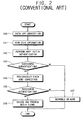
- FIG. 2 is a flowchart explaining the HDCP operation
- FIG. 3 is a screen showing the HDCP operation of the conventional media system, which is analyzed by analysis equipment.
- the media source 10 verifies whether it is connected to the media receiving apparatus 20 through a Hot Plug Detect (HPD) pin (S10). "2. Hot Plug PASS" in FIG. 3 indicates the result of the connection verification.
- HPD Hot Plug Detect
- the media source 10 When the TMDS transmitter 11 confirms the connection to the media receiving apparatus 20 through the HPD pin, the media source 10 reads out EDID information stored in the EDID ROM 23 of the media receiving apparatus 20 through a Display Data Channel (DDC) line (S11). The media source 10 sets a resolution and an output specification of the media signal according to the read EDID information.
- DDC Display Data Channel
- the TMDS transmitter 11 performs an initial authentication with the TMDS receiver 21 (S12).
- the analysis result of the HDCP initial authentication is shown on the left in FIG. 3 .
- the initial authentication is performed in a manner to allow a Secret Device Key and a Key Selection Vector (KSV) assigned from the Digital Current Protection LLC to be mutually exchanged between the TMDS transmitter 11 and the TMDS receiver 21, thereby generating Link Integrity data (R1) required for the authentication by the transmitter 11 and the receiver 21.
- R1 is data required for the authentication.
- the TMDS transmitter 11 determines whether the authentication is successful by comparing its generated authentication data (R1) and the authentication data of the TMDS receiver 21 (S13).
- the connectivity of the HDMI interface is periodically verified (S14).
- An analysis result of the verification of the HDCP connectivity is shown on the right in FIG. 3 .
- the authentication data (R1) is updated based on control CTL data which is input through a TMDS channel, and the authentication data (R1) has an index A to verify the same corresponding values at the same time instance.
- the TMDS transmitter 11 reads out the authentication data from the TMDS receiver 21, compares it with its computed authentication data, and thus determines whether the authentication is successful (S15) .
- the transmitting side If the authentication is successful, the transmitting side outputs a normal media signal decodable at the receiving side, and the receiving side normally decodes the media signal (S16). Next, the receiving side can display the decoded signal. If the authentication is unsuccessful, the transmitting side scrambles the screen or sets the screen to mute at the receiving side by force (S17).
- HDCP authentication error may occur due to various factors even in a normal environment.
- the connection state of a connector may become temporarily poor due to shock during the normal operation, or the communication may fail due to noise incurred at power supply.
- B and in contrast to A, in FIG. 3 , when the authentication data (R1) do not match, it is impossible to view a normal screen with audio because of the authentication failure.
- the normal operation can be performed by restoring the HDMI line as indicated by C.
- the TMDS transmitter 11 can set the video signal and/or audio signal to mute. At this time, the index does not increase.
- both the media source and the media receiving apparatus should not increase the index together. If the media source increases the index after mute setting while the media receiving apparatus does not increase its index, the index values will not match. Additionally, a temporal difference from the mute setting to the non-increase of the index is crucial. In conclusion, when the mute is set, the media source and the media receiving apparatus are highly likely to hold different index values. In this situation, even when the HDMI line is restored, the normal screen is not displayed because of the different index values.
- the media source 10 should match the index values by recommencing the authentication from the beginning.
- the media source 10 is responsible for the control in relation to the HDCP, and the media receiving apparatus 20 serves merely passive functions to reply by updating the relevant data upon the request from the media source 10. Therefore, it is impossible to view the normal video with audio unless the media source 10 resolves this problem. As a result, a user is inconvenienced when the user disconnects and reconnects the HDMI line, or turns off/on the system for the sake of normal viewing.
- US 2004/0240667 discloses a method for increasing entropy in a pseudo-random number.
- US 6,073,193 describes a method and apparatus for determining and recovering from a USB micro-controller busy condition, wherein a toggle variable indicative of whether the USB micro-controller is in the busy condition or not is stored in a memory.
- the VESA Plug and Display Standard provides an industry standard digital interface for display devices which describes hot-plugging of a host device.
- WO 2005/098589 was unpublished at the priority date of the present document and describes a related display system implementing the HDCP standard.
- An object of the present invention is to address at least the above problems and/or disadvantages and to provide at least the advantages described below.
- the present invention provides a media receiving apparatus to resolve errors by determining an authentication error which occurs in relation to the copy protection and to provide an authentication error signal which facilitates the performance of re-authentication so that an initial authentication in relation to the copy protection can be automatically executed.
- a media system that comprises the media receiving apparatus and control methods thereof are also provided.
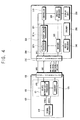
- FIG. 4 is a block diagram of a media receiving apparatus and a media system comprising the media receiving apparatus according to an exemplary embodiment of the present invention.
- the media system includes a media source 100 which processes a media signal to be copy-protected and transmits the processed signal, and a media receiving apparatus 200 which receives, decodes and outputs the media signal.
- the media source 100 may be implemented using devices such as PCs, DVD players and set-top boxes, and the media receiving apparatus 200 may be implemented using devices such as monitors, televisions and projectors.
- the media source 100 includes a signal processor 110 which processes a video signal and/or an audio signal, a TMDS transmitter 120 which converts the video and audio signals to a TMDS digital media signal and performing an HDCP, and an HDMI connector 130.
- the HDMI connector 130 has pins configured to receive four TMDS channel links. R, G and B signals and a clock signal are applied through channel links. A DDC communication line for bidirectional I2C communications, and an HPD line for detecting the HDMI connection are connected through channel links, respectively. Note that a DVI connector can be used with the same configuration instead of the HDMI connector 130.
- An HPD pin in which the HPD line is connected is used for the media source 100 to verify whether the media receiving apparatus 200 is connected.
- a closed-loop is formed by a resistance value of the media receiving apparatus 200 and thus a high signal that is greater than a certain voltage is applied to the HPD pin.
- a low signal is applied to the HPD pin.
- the TMDS transmitter 120 includes a source authentication processor 121 which processes the media signal received from the signal processor 110 to be copy-protected, and to authenticate the media signal, and an encoder 123 which enccodes the media signal.
- the source authentication processor 121 includes a memory (not shown) which stores a Secret Device Key and a KSV assigned from the Digital Content Protection LLC, and an HDCP engine (not shown) which calculates a Secret Value, a Session Key Number and Ro (Link Integrity) in relation to the authentication.
- the source authentication processor 121 executes an initial authentication with the media receiving apparatus 200. Upon completing the initial authentication, success or failure of the authentication is determined by periodically verifying the HDMI connectivity. When the authentication fails, the source authentication processor 121 and the encoder 123 of the media source 100 scramble the media signal. According to the HDCP specification, the source authentication processor 121 can mute the video/audio signal by applying a mute flag setting control signal with respect to the media signal.
- the media receiving apparatus 200 includes an HDMI connector 210, a TMDS receiver 220, a graphic processor 230, an audio processor 240, a display unit 250, a speaker 260 and a controller 270.
- the media receiving apparatus 200 communicates data and receives the media signal through the HDMI connector 210.
- the received media signal is processed at the TMDS receiver 220.
- the TMDS receiver 220 includes an authentication processor 221 which processes authentication relating to the copy protection of the media signal, and a decoder 223 which restores and decodes the encoded media signal.
- the authentication processor 221 includes a memory (not shown), an HDCP engine 221a and a register 221b.
- the memory stores a Secret Device Key and a KSV assigned from the Digital Content Protection LLC.
- the HDCP engine 221a periodically calculates a Secret Value, a Session Key Number and a Ro (Link Integrity) value in relation to the authentication.
- the register 221b periodically updates the Secret Value, the Session Key Number and the Ro' (Link Integrity) value which are calculated by the HDCP engine 221a.
- the Secret Device Key and the KSV are used in the initial authentication.
- the Secret Value, the Session Key Number and the Ro (Link Integrity) value in relation to the authentication are periodically updated and utilized to periodically verify the HDMI connectivity after the initial authentication.
- the media signal processed by the TMDS receiver 220 is output as the video signal and the audio signal, separately.
- the output video signal is processed by the graphic processor 230 and displayed on the display unit 250.
- the output audio signal is processed by the audio processor 240 and output through the speaker 260.
- the display unit 250 is applicable to various display modules such as Digital Light Processing (DLP), Liquid Crystal Display (LCD), and Plasma Display Panel (PDP) among others.
- the graphic processor 230 includes a scaler which converts the video signal so that it conforms to vertical frequency, resolution and screen ratio of the output specification of the display unit 250.
- the controller 270 determines whether the authentication is erroneous through communication with the authentication processor 221. Upon determining occurrence of the authentication error, the controller 270 provides an authentication error signal instructing the re-authentication to the media source 100 to recommence the initial authentication from the beginning.
- the media source 100 supplies HDMI 5V voltage to detect the connection of the media receiving apparatus 200, and recommences the authentication from the beginning upon determining the new connection of the media receiving apparatus 200 according to a detection signal of the detection pin which relates to the connectivity of the media receiving apparatus 200 and is applied through the HPD line.
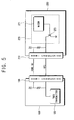
- the controller 270 can be implemented using a microcomputer (MICOM) 271 and a switching element such as a transistor 273.
- MICOM microcomputer
- the MICOM 271 applies a low signal to the transistor 273 in the normal authentication, and then the transistor is switched off. Accordingly, a closed loop is formed and a high signal is applied to the HPD pin.
- the media source 100 recognizes that the media receiving apparatus 200 is connected.
- the MICOM 271 determines that an error occurs during the authentication of the TMDS receiver 220
- the MICOM 271 turns on the transistor 273 by applying a high signal to the transistor 273 for a certain time period. Accordingly, as the low signal is applied to the HPD line for a certain time period, the HPD pin is set to the low level and restored to the high level so that the media source 100 recommences the initial authentication. If an error occurs during the authentication while the media receiving apparatus 200 is normally connected, the HPD pin is set to the low level and restored for the certain time period so that the media source 100 can recommence the authentication. As a result, the error can be resolved.
- FIG. 5 illustrates the controller 270 implemented using the MICOM and the switching element by way of example. It is noted that the controller 270 can be implemented using a controller provided in the TMDS receiver instead of the MICOM, and that the switching element can be realized in various ways.
- the exemplary embodiment of the present invention explains that the authentication error signal is applied through the HPD line.
- the occurrence of the authentication error can be informed to the media source 100 through other means to recommence the authentication.
- the controller 270 can detect the occurrence of the authentication error in various ways.
- the media receiving apparatus 200 may include a mute flag of the video/audio signal. For instance, when setting and clearing of the mute flag are repeated, the authentication error can be determined. As described earlier, when there is authentication failure, the media source 100 can set the mute flag. In this situation, the controller 270 can determine whether the authentication is erroneous based on the mute flag value.
- the authentication error can be determined. This is because the register value relating to the authentication data is not updated and thus this situation is determined as the authentication error.
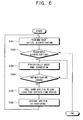
- FIG. 6 is a flowchart explaining the HDCP authentication of the media system according to an exemplary embodiment of the present invention.
- connection or disconnection of the media receiving apparatus 200 can be determined according to the signal level of the HPD detection pin. When a high signal is applied to the HPD detection pin, the connection of the media receiving apparatus 200 is determined.
- the media source 100 Upon determining the connection of the media receiving apparatus 200, the media source 100 reads out the EDID information stored in the EDID ROM (not shown) from the media receiving apparatus 200 through the DDC line. The media source 100 adjusts the resolution and the output specification of the media signal according to the read EDID information.
- the TMDS transmitter 120 performs the initial authentication with the TMDS receiver 220 (S101).
- the source authentication processor 121 transmits the Secret Device Key and the A-KSV assigned from the Digital Current Protection LLC stored in the memory, to the media receiving apparatus 200 through the DDC line.
- the TMDS receiver 220 returns the Secret Device Key and the B-KSV assigned from the Digital Current Protection LLC stored in its memory (not shown) to the TMDS transmitter 120 through the DDC line.
- the TMDS transmitter 120 and the TMDS receiver 220 may each determine whether the Secret Device Key of the other is valid based on the KSV value.
- the TMDS receiver 220 computes the authentication data at its HDCP engine 221a based on the Secret Device Key received from the TMDS transmitter 120. Examples of the authentication data are Secret Value, Session Key Number and Ro' (Link Integrity).
- the TMDS transmitter 120 computes Secret Value, Session Key Number and Ro (Link Integrity), which are the authentication data, at its HDCP engine (not shown), and then verifies whether Ro matches Ro' by reading out Ro' of the TMDS receiver 220 (S102). If the two match, the HDCP initial authentication is successful. However, if the two do not match, the initial authentication fails. In other words, when the Secret Device Key and the KSV of each apparatus are valid, Ro and Ro' match. Otherwise, Ro and Ro' do not match.
- the TMDS transmitter 120 verifies whether the HDCP authentication is normally performed by periodically verifying the connectivity of the HDMI interface (S103).
- the TMDS receiver 220 and the TMDS transmitter 120 compute and update the Secret Value, the Session Key Number and R1 (Link Integrity) at least every two seconds.
- An index indicating a frame number which increases for each frame starting from 0 at the end of the initial authentication is represented by i. That is, the TMDS transmitter 120 and the TMDS receiver 220 have a similar index for verifying the corresponding values at the same time instance.
- the update information during the validity verification of the HDMI connection is updated based on the information of the previous frame after its initial setting.
- the frame information refers to the V-Sync on a basis of the TMDS clock.
- the TMDS link contains a CTL signal in a V-blank interval in addition to the video signal. Encryption-enabled information is contained in the CTL signal.
- the clock of the TMDS link and the CTL signal greatly affects the success or the failure of the HDCP authentication.
- the TMDS transmitter 120 compares periodically, for example, every two seconds, whether R1' updated at the register of the TMDS receiver 200 matches its computed R1 by comparing two values. According to a result of the comparison, the TMDS transmitter 120 determines whether the authentication is successful. As mentioned above, if the authentication is unsuccessful, the HDCP is locked and thus the screen is scrambled or muted.
- the controller 270 determines whether the authentication is erroneous (S104). When the mute flag of the video/audio signal is set over a certain time period, the setting and the clearing of the mute flag are repeated, and/or the register value relating to the authentication data of the authentication processor 221 is similar over a certain time period, it can be determined that the authentication error occurs.
- the controller 270 Upon determining the authentication error, the controller 270 sets the HPD line for a certain time period (S105) and restores the HPD line to a high level after the certain time period elapses (S106).
- the TMDS transmitter 120 recognizes that the media receiving apparatus 200 is reconnected according to the high level signal of the HPD pin after being set to a low level and thus recommences the HDCP initial authentication. Since the initial authentication is recommenced even if the index is differentiated, the HDCP authentication can be normally executed between the media source 100 and the media receiving apparatus 200.
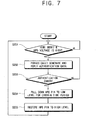
- the authentication is commenced when the HDMI mode is currently set and the high signal is applied to the HPD pin (S201). These two conditions are initial conditions of the algorithm of the controller 270.
- the media receiving apparatus 200 After successfully executing the initial authentication, the media receiving apparatus 200 periodically computes R1' and updates it to the register, and then replies to the request of the media source 100 (S202).
- the authentication is executed as to whether the HDMI connection is valid.
- the controller 270 determines whether the authentication is erroneous (S203). Whether the authentication is erroneous is determined based on the mute flag of the video/audio signal and the authentication data, as discussed above.
- the controller 270 sets the HPD pin to apply the low signal for a certain time period (S204), and restores the HPD pin to the high level after the certain time period elapses (S205). Accordingly, the media source 100 recommences the initial authentication so that the normal authentication can be carried out between the media source 100 and the media receiving apparatus 200.
- HDMI signal all other signal formats including DVI, to which the copy protection protocol such as HDCP can be applied, may be used.
- the media receiving apparatus When the authentication error relating to the copy protection is determined, the media receiving apparatus provides the authentication error signal so that the media source can recommence the authentication. Therefore, the media receiving apparatus can resolve the error by automatically executing the initial authentication in relation to the copy prevention.
Landscapes
- Engineering & Computer Science (AREA)
- Signal Processing (AREA)
- Multimedia (AREA)
- Computer Security & Cryptography (AREA)
- Computer Hardware Design (AREA)
- Theoretical Computer Science (AREA)
- General Physics & Mathematics (AREA)
- Physics & Mathematics (AREA)
- Databases & Information Systems (AREA)
- General Engineering & Computer Science (AREA)
- Computing Systems (AREA)
- Computer Networks & Wireless Communication (AREA)
- Two-Way Televisions, Distribution Of Moving Picture Or The Like (AREA)
- Signal Processing For Digital Recording And Reproducing (AREA)
- Storage Device Security (AREA)
Claims (15)
- Medienempfangsvorrichtung, die dafür geeignet ist, ein kopiergeschütztes Mediensignal zu verarbeiten, das von einer externen Medienquelle (100) kommend empfangen wurde, und die Folgendes umfasst:eine Schnittstelle (210) zum Verbinden mit einer externen Medienquelle (100); undeinen Authentifizierungsprozessor (221) zum Generieren von Verbindungsauthentifizierungsdaten und zum Übertragen der Verbindungsauthentifizierungsdaten durch die Schnittstelle (210) als Reaktion auf eine Anforderung der externen Medienquelle (100); unddadurch gekennzeichnet, dass sie eine Steuereinheit (270) umfasst, um zu bestimmen, ob eine Authentifizierung bei der externen Medienquelle (100) falsch ist, und um ein Authentifizierungsfehlersignal an die externe Medienquelle (100) zu senden, während die Medienempfangsvorrichtung physisch mit der externen Medienquelle verbunden ist, wenn ein Authentifizierungsfehler eintritt, wodurch die externe Medienquelle (100) die Authentifizierung erneut beginnt; und wobei die Schnittstelle (210) einen Verbindungsdetektionspin zum Verbinden mit der externen Medienquelle (100) umfasst, und die Steuereinheit (270) dafür geeignet ist, den Verbindungsdetektionspin für einen Zeitraum auf einen niedrigen Pegel zu setzen, wenn der Authentifizierungsfehler eintritt, wobei die Steuereinheit (270) dafür geeignet ist zu bestimmen, dass der Authentifizierungsfehler eintritt, wenn die Stummschaltungsmarke periodisch Setzen und Löschen wiederholt.
- Medienempfangsvorrichtung (200) nach Anspruch 1, wobei die Steuereinheit (270) dafür geeignet ist zu bestimmen, dass der Authentifizierungsfehler eintritt, wenn die Verbindungsauthentifizierungsdaten, die periodisch durch den Authentifizierungsprozessor (221) generiert werden, für einen Zeitraum im Wesentlichen konstant sind.
- Medienempfangsvorrichtung (200) nach Anspruch 2, wobei das Mediensignal ein High Definition Multimedia Interface (HDMI)-Signal und/oder ein Digital Visual Interface (DVI)-Signal umfasst, die gemäß einem High-Bandwidth Digital Content Protection (HDCP) kopiergeschützt sind, die Schnittstelle (210) einen Datenkommunikationspin zum Austauschen von Daten mit der externen Medienquelle (100) umfasst, und der Verbindungsdetektionspin einen Hot Plug Detect-Pin umfasst.
- Medienempfangsvorrichtung (200) nach Anspruch 3, wobei der Authentifizierungsprozessor (221) Folgendes umfasst:ein Register (221b) zum Herstellen eines Bezuges zu den Verbindungsauthentifizierungsdaten; undeine HDCP-Engine (221a) zum Aktualisieren des Registers (221b) durch periodisches Berechnen eines Verbindungsauthentifizierungsdatenwertes; undwobei die externe Medienquelle (100) dafür geeignet ist, einen Wert des Registers (221b) durch Ausführen einer I2C-Kommunikation durch den Datenkommunikationspin auszulesen.
- Medienempfangsvorrichtung (200) nach Anspruch 4, die des Weiteren einen Decoder (223) zum Decodieren des Mediensignals umfasst, wobei
ein Transmission Minimized Differential Signaling (TMDS)-Empfänger (220) den Authentifizierungsprozessor (221) und den Decoder (223) umfasst. - Medienempfangsvorrichtung (200) nach Anspruch 5, die des Weiteren Folgendes umfasst:einen Grafikprozessor (230), der dafür geeignet ist, ein Grafiksignal des Mediensignals zu verarbeiten; undeine Anzeigeeinheit (250), die dafür geeignet ist, das Grafiksignal anzuzeigen;wobei der TMDS-Empfänger (220) dafür geeignet ist, eine Display Data Channel (DDC)-Kommunikation durch den Datenkommunikationspin auszuführen.
- Verfahren zum Steuern einer Medienempfangsvorrichtung (200), die eine Schnittstelle (210) zum Verbinden mit einer externen Medienquelle (100) sowie einen Authentifizierungsprozessor (221) umfasst, der dafür geeignet ist, eine Authentifizierung eines kopiergeschützten Mediensignals zu verarbeiten, das von der externen Medienquelle (100) kommend empfangen wurde, wobei das Verfahren Folgendes umfasst:periodisches Generieren von Verbindungsauthentifizierungsdaten, und Übertragen der Verbindungsauthentifizierungsdaten durch eine Schnittstelle (210) als Reaktion auf eine Anforderung einer externen Medienquelle (100); undBestimmen, ob eine Authentifizierung mit der externen Medienquelle (100) falsch ist; undgekennzeichnet durch Einspeisen eines Authentifizierungsfehlersignals in die externe Medienquelle (100), während die Medienempfangsvorrichtung physisch mit der externen Medienquelle verbunden ist, wenn ein Authentifizierungsfehler eintritt, wobei die externe Medienquelle (100) die Authentifizierung erneut beginnt; wobei die Schnittstelle (210) einen Verbindungsdetektionspin für die Verbindung mit der externen Medienquelle (100) umfasst, unddas Einspeisen des Authentifizierungsfehlersignals das Setzen des Verbindungsdetektionspins auf einen niedrigen Pegel für einen Zeitraum umfasst,wobei bestimmt wird, dass der Authentifizierungsfehler eintritt, wenn die Stummschaltungsmarke periodisch Setzen und Löschen wiederholt.
- Verfahren nach Anspruch 7, wobei bestimmt wird, dass der Authentifizierungsfehler eintritt, wenn die Verbindungsauthentifizierungsdaten, die periodisch durch den Authentifizierungsprozessor (221) generiert werden, für einen Zeitraum im Wesentlichen konstant bleiben.
- Verfahren nach Anspruch 8, wobei das Mediensignal ein High Definition Multimedia Interface (HDMI)-Signal und/oder ein Digital Visual Interface (DVI)-Signal umfasst, die gemäß einem High-Bandwidth Digital Content Protection (HDCP) kopiergeschützt sind, die Schnittstelle (210) einen Datenkommunikationspin zum Austauschen von Daten mit der externen Medienquelle (100) umfasst, und der Verbindungsdetektionspin einen Hot Plug Detect-Pin umfasst
- Mediensystem, das Folgendes umfasst:eine Medienempfangsvorrichtung (200) nach einem der Ansprüche 1 bis 8, wobei die Schnittstelle eine erste Schnittstelle (210) zum Verbinden mit einer externen Medienquelle (100) ist; undeine Medienquelle (100), die Folgendes umfasst:eine zweite Schnittstelle (130) zum Verbinden mit der Medienempfangsvorrichtung (200); undeinen Quellenauthentifizierungsprozessor (121) zum Generieren von Quellenauthentifizierungsdaten, um zu bestimmen, ob die generierte Quellenauthentifizierungsdaten mit den Verbindungsauthentifizierungsdaten, die von der Medienempfangsvorrichtung (200) kommend empfangen wurden, übereinstimmt, indem die Verbindungsauthentifizierungsdaten mit den Quellenauthentifizierungsdaten verglichen werden, und zum Ausführen einer anfänglichen Authentifizierung gemäß dem von der Medienempfangsvorrichtung (200) empfangenen Authentifizierungsfehlersignal; wobei mindestens eine der ersten Schnittstelle (210) und der zweiten Schnittstelle (130) einen Verbindungsdetektionspin umfasst, die Steuereinheit (270) dafür geeignet ist, den Verbindungsdetektionspin für einen Zeitraum auf einen niedrigen Pegel zu setzen, wenn ein Authentifizierungsfehler eintritt, und der Quellenauthentifizierungsprozessor (121) die anfängliche Authentifizierung durch Empfangen des Niedrigpegelsignals ausführt,wobei die Medienempfangsvorrichtung (200) des Weiteren eine Stummschaltungsmarke des Mediensignals umfasst, der Quellenauthentifizierungsprozessor (121) dafür geeignet ist, ein Stummschaltungsmarkensetz-Steuersignal an die Medienempfangsvorrichtung (200) anzulegen, wenn die Authentifizierung fehl schlägt, und die Steuereinheit (270) dafür geeignet ist zu bestimmen, dass der Authentifizierungsfehler eintritt, wenn die Stummschaltungsmarke periodisch Setzen und Löschen wiederholt.
- Mediensystem nach Anspruch 10, wobei die Steuereinheit (270) dafür geeignet ist zu bestimmen, dass der Authentifizierungsfehler eintritt, wenn die Verbindungsauthentifizierungsdaten für einen Zeitraum im Wesentlichen konstant bleiben.
- Mediensystem nach Anspruch 11, wobei das Mediensignal ein High Definition Multimedia Interface (HDMI)-Signal und/oder ein Digital Visual Interface (DVI)-Signal umfasst, die gemäß einem High-Bandwidth Digital Content Protection (HDCP) kopiergeschützt sind, und der Verbindungsdetektionspin einen Hot Plug Detect-Pin umfasst.
- Verfahren zum Steuern eines Mediensystems, das eine Medienquelle (100) zum Übertragen eines kopiergeschützten Mediensignals und eine Medienempfangsvorrichtung (200) zum Empfangen und Verarbeiten des Mediensignals umfasst, wobei das Verfahren Folgendes umfasst:periodisches Berechnen, durch eine Medienquelle (100) und eine Medienempfangsvorrichtung (200), von Quellenauthentifizierungsdaten bzw. Verbindungsauthentifizierungsdaten;Anfordern, durch die Medienquelle (100), der Verbindungsauthentifizierungsdaten zu der Medienempfangsvorrichtung (200);Antworten, durch die Medienempfangsvorrichtung (200), auf die Anforderung der Medienquelle (100); undAuslesen, durch die Medienquelle (100), der Verbindungsauthentifizierungsdaten gemäß der Antwort und Bestimmen, ob die Authentifizierung ausgeführt wird, durch Vergleichen der Verbindungsauthentifizierungsdaten mit den Quellenauthentifizierungsdaten; undgekennzeichnet durch das Bestimmen, durch die Medienempfangsvorrichtung (200), ob die Authentifizierung falsch ist;Einspeisen, durch die Medienempfangsvorrichtung (200), eines Authentifizierungsfehlersignals in die Medienquelle (100), während die Medienempfangsvorrichtung physisch mit der externen Medienquelle verbunden ist, wenn ein Authentifizierungsfehler eintritt, wodurch die Medienquelle (100) die Authentifizierung erneut beginnt; undAusführen, durch die Medienquelle (100), einer anfänglichen Authentifizierung gemäß dem Authentifizierungsfehlersignal; und wobei die Medienquelle (100) und/oder die Medienempfangsvorrichtung (200) einen Verbindungsdetektionspin umfasst, das Einspeisen des Authentifizierungsfehlersignals das Setzen des Verbindungsdetektionspins auf einen niedrigen Pegel für einen Zeitraum umfasst, und die anfängliche Authentifizierung gemäß dem angelegten Niedrigpegelsignal ausgeführt wird,wobei die Medienempfangsvorrichtung (200) des Weiteren eine Stummschaltungsmarke des Mediensignals umfasst, wobeibestimmt wird, dass der Authentifizierungsfehler eintritt, wenn die Stummschaltungsmarke periodisch Setzen und Löschen wiederholt.
- Verfahren nach Anspruch 13, wobei bestimmt wird, dass der Authentifizierungsfehler eintritt, wenn die Verbindungsauthentifizierungsdaten für einen Zeitraum im Wesentlichen konstant bleiben.
- Verfahren nach Anspruch 14, wobei das Mediensignal ein High Definition Multimedia Interface (HDMI)-Signal und/oder ein Digital Visual Interface (DVI)-Signal umfasst, die gemäß einem High-Bandwidth Digital Content Protection (HDCP) kopiergeschützt sind, und der Verbindungsdetektionspin einen Hot Plug Detect-Pin umfasst.
Applications Claiming Priority (2)
| Application Number | Priority Date | Filing Date | Title |
|---|---|---|---|
| KR1020050082611A KR100722855B1 (ko) | 2005-09-06 | 2005-09-06 | 미디어 수신장치와 이를 포함하는 미디어 시스템 및 그제어방법 |
| EP06120015A EP1761052A3 (de) | 2005-09-06 | 2006-09-01 | Media Empfänger, System damit und Verfahren zu ihrer Steuerung |
Related Parent Applications (2)
| Application Number | Title | Priority Date | Filing Date |
|---|---|---|---|
| EP06120015.0 Division | 2006-09-01 | ||
| EP06120015A Division EP1761052A3 (de) | 2005-09-06 | 2006-09-01 | Media Empfänger, System damit und Verfahren zu ihrer Steuerung |
Publications (2)
| Publication Number | Publication Date |
|---|---|
| EP2595378A1 EP2595378A1 (de) | 2013-05-22 |
| EP2595378B1 true EP2595378B1 (de) | 2014-05-21 |
Family
ID=37442116
Family Applications (2)
| Application Number | Title | Priority Date | Filing Date |
|---|---|---|---|
| EP06120015A Ceased EP1761052A3 (de) | 2005-09-06 | 2006-09-01 | Media Empfänger, System damit und Verfahren zu ihrer Steuerung |
| EP13155515.3A Ceased EP2595378B1 (de) | 2005-09-06 | 2006-09-01 | Mediaempfänger, dessen System und Verfahren zu seiner Steuerung |
Family Applications Before (1)
| Application Number | Title | Priority Date | Filing Date |
|---|---|---|---|
| EP06120015A Ceased EP1761052A3 (de) | 2005-09-06 | 2006-09-01 | Media Empfänger, System damit und Verfahren zu ihrer Steuerung |
Country Status (4)
| Country | Link |
|---|---|
| US (1) | US7761709B2 (de) |
| EP (2) | EP1761052A3 (de) |
| KR (1) | KR100722855B1 (de) |
| CN (1) | CN1929580A (de) |
Families Citing this family (44)
| Publication number | Priority date | Publication date | Assignee | Title |
|---|---|---|---|---|
| JP2007078980A (ja) * | 2005-09-13 | 2007-03-29 | Funai Electric Co Ltd | 画像表示システム |
| KR100736494B1 (ko) * | 2006-02-14 | 2007-07-06 | 엘지전자 주식회사 | 호환성을 개선한 뮤트플랙 설정방법 및 이 방법을 이용한하이디피니션 멀티미디어 인터페이스 시스템 |
| KR101319538B1 (ko) | 2006-11-10 | 2013-10-21 | 삼성전자주식회사 | 인증방법 및 이를 적용한 영상 표시장치 |
| JP2008158064A (ja) * | 2006-12-21 | 2008-07-10 | Funai Electric Co Ltd | 情報機器 |
| KR101366316B1 (ko) * | 2007-01-09 | 2014-02-21 | 엘지전자 주식회사 | 신호 싱크 및 그의 동작 방법과 이를 제어하는 컴퓨터프로그램을 저장하는 컴퓨터로 읽을 수 있는 기록 매체 |
| JP5029121B2 (ja) * | 2007-04-25 | 2012-09-19 | ソニー株式会社 | データ受信装置、データ送信装置、および情報処理方法、並びにコンピュータ・プログラム |
| JP2008276067A (ja) * | 2007-05-02 | 2008-11-13 | Canon Inc | 映像表示装置及びその制御方法 |
| JP2008306232A (ja) * | 2007-06-05 | 2008-12-18 | Funai Electric Co Ltd | 映像受信装置及び放送受信装置 |
| JP2008305314A (ja) * | 2007-06-11 | 2008-12-18 | Funai Electric Co Ltd | 電源制御装置 |
| JP2009003882A (ja) | 2007-06-25 | 2009-01-08 | Toshiba Corp | データ受信装置及びデータ送受信方法 |
| US7966637B2 (en) | 2007-07-24 | 2011-06-21 | Sony Corporation | Hardware module for adding functionality to television |
| KR20090011474A (ko) * | 2007-07-26 | 2009-02-02 | 삼성전자주식회사 | 영상기기 및 이에 적용된 디지털 인터페이스 인식방법 |
| JP5242111B2 (ja) * | 2007-10-02 | 2013-07-24 | 株式会社ソニー・コンピュータエンタテインメント | 送信装置、画像データ送信方法、受信装置および受信装置における画像表示方法 |
| KR101404842B1 (ko) * | 2007-11-14 | 2014-06-09 | 엘지전자 주식회사 | 영상표시기기 및 사용 제한 방법 |
| JP5271532B2 (ja) | 2007-12-07 | 2013-08-21 | 株式会社日立製作所 | 映像伝送システム |
| JP4596280B2 (ja) * | 2007-12-14 | 2010-12-08 | ソニー株式会社 | 映像出力装置及び映像出力装置のメニュー画面強制表示方法 |
| US20090185682A1 (en) * | 2008-01-21 | 2009-07-23 | Broadcom Corporation | Systems and methods for improving high- bandwidth digital content protection (hdcp) authentication with digital video interface (dvi) or high-definition multimedia interface (hdmi) receiver devices |
| US20090196604A1 (en) * | 2008-02-06 | 2009-08-06 | Grann Eric B | System for combining high-definition video control signals for transmission over an optical fiber |
| JP4497332B2 (ja) * | 2008-02-06 | 2010-07-07 | セイコーエプソン株式会社 | デジタル信号処理装置、表示装置およびプログラム |
| US8644504B2 (en) * | 2008-02-28 | 2014-02-04 | Silicon Image, Inc. | Method, apparatus, and system for deciphering media content stream |
| JP2009253468A (ja) * | 2008-04-02 | 2009-10-29 | Canon Inc | 映像制御装置およびその制御方法 |
| JP2009272791A (ja) * | 2008-05-02 | 2009-11-19 | Sony Corp | 送信装置、情報送信方法、受信装置および情報処理方法 |
| JP5338166B2 (ja) * | 2008-07-16 | 2013-11-13 | ソニー株式会社 | 送信装置、立体画像データ送信方法、受信装置および立体画像データ受信方法 |
| JP5210244B2 (ja) * | 2008-08-13 | 2013-06-12 | キヤノン株式会社 | 映像制御装置及び映像制御装置を制御する制御方法 |
| JP5441389B2 (ja) * | 2008-10-14 | 2014-03-12 | キヤノン株式会社 | 電気機器およびプログラム |
| JP2010098699A (ja) * | 2008-10-20 | 2010-04-30 | Canon Inc | 受信装置、及びその制御方法 |
| KR20110024642A (ko) * | 2009-09-02 | 2011-03-09 | 삼성전자주식회사 | 디스플레이장치 및 그 제어 방법 |
| KR101323055B1 (ko) * | 2010-06-17 | 2013-10-29 | 엘지디스플레이 주식회사 | 내부 디스플레이 포트 인터페이스 테스트 방법 및 장치 |
| JP2012047843A (ja) * | 2010-08-25 | 2012-03-08 | Seiko Epson Corp | 制御装置、画像表示装置および制御方法 |
| KR101743776B1 (ko) * | 2010-09-28 | 2017-06-05 | 엘지전자 주식회사 | 영상 표시 기기, 방법 및 영상 전송 방법 |
| KR101029708B1 (ko) * | 2010-10-18 | 2011-04-18 | 권동우 | 그래픽 카드의 출력 단자를 통한 영상 데이터의 녹화를 차단하는 방법 및 장치 |
| KR101029707B1 (ko) * | 2010-10-18 | 2011-04-18 | 권동우 | Hdmi 카드를 이용한 영상 데이터의 녹화를 차단하는 방법 및 장치 |
| JP5170264B2 (ja) * | 2011-01-18 | 2013-03-27 | オンキヨー株式会社 | 映像処理装置及び映像処理プログラム |
| US8984324B2 (en) * | 2011-02-10 | 2015-03-17 | Sony Corporation | Establishing clock speed for lengthy or non-compliant HDMI cables |
| US9232265B2 (en) * | 2011-03-31 | 2016-01-05 | Lattice Semiconductor Corporation | Method, apparatus and system for transitioning an audio/video device between a source mode and a sink mode |
| KR101697247B1 (ko) * | 2011-05-24 | 2017-01-17 | 삼성전자주식회사 | 싱크 기기에 컨텐츠를 제공하는 소스 기기 및 그의 통신 방법 |
| JP4996762B1 (ja) * | 2011-08-31 | 2012-08-08 | 株式会社東芝 | 電子機器およびコンテンツ転送方法 |
| JP5535273B2 (ja) * | 2012-06-11 | 2014-07-02 | 株式会社東芝 | データ受信装置及びデータ送受信方法 |
| CN103702056B (zh) * | 2013-12-13 | 2017-01-25 | 乐视致新电子科技(天津)有限公司 | Hdmi信号处理电路及处理方法 |
| US9794526B2 (en) * | 2014-02-12 | 2017-10-17 | Sonr Llc | Non-disruptive monitor system |
| KR20180024616A (ko) * | 2016-08-30 | 2018-03-08 | 삼성전자주식회사 | 디스플레이 장치 및 디스플레이 장치의 캘리브레이션 수행 방법 |
| JP6832361B2 (ja) | 2016-09-29 | 2021-02-24 | 株式会社ディーアンドエムホールディングス | 音響映像機器 |
| KR20180067108A (ko) * | 2016-12-12 | 2018-06-20 | 삼성전자주식회사 | 외부 전자 장치의 상태를 ui에 나타내는 디스플레이 장치 및 디스플레이 장치의 제어 방법 |
| CN113312205B (zh) * | 2020-02-26 | 2022-07-29 | 腾讯科技(深圳)有限公司 | 数据校验方法、装置、存储介质和计算机设备 |
Family Cites Families (8)
| Publication number | Priority date | Publication date | Assignee | Title |
|---|---|---|---|---|
| US6073193A (en) * | 1997-04-24 | 2000-06-06 | Cypress Semiconductor Corp. | Fail safe method and apparatus for a USB device |
| US6915426B1 (en) * | 1999-07-23 | 2005-07-05 | Networks Associates Technology, Inc. | System and method for enabling authentication at different authentication strength-performance levels |
| KR100400353B1 (ko) * | 2001-10-27 | 2003-10-04 | 엘지전자 주식회사 | 디지털 컨텐츠 전송방법 및 장치 |
| JP3670649B2 (ja) * | 2003-02-14 | 2005-07-13 | 株式会社東芝 | ウォーターマーク処理装置およびウォーターマーク処理方法 |
| US7313814B2 (en) | 2003-04-01 | 2007-12-25 | Microsoft Corporation | Scalable, error resilient DRM for scalable media |
| US7233666B2 (en) * | 2003-05-29 | 2007-06-19 | Intel Corporation | Method and apparatus for increasing the entropy of a pseudorandom number |
| JP2005051558A (ja) | 2003-07-29 | 2005-02-24 | Matsushita Electric Ind Co Ltd | 送信装置、受信装置、及び送受信システム |
| KR20050099305A (ko) * | 2004-04-09 | 2005-10-13 | 삼성전자주식회사 | 디스플레이시스템 및 그 제어방법 |
-
2005
- 2005-09-06 KR KR1020050082611A patent/KR100722855B1/ko not_active Expired - Fee Related
-
2006
- 2006-09-01 EP EP06120015A patent/EP1761052A3/de not_active Ceased
- 2006-09-01 EP EP13155515.3A patent/EP2595378B1/de not_active Ceased
- 2006-09-05 US US11/514,876 patent/US7761709B2/en not_active Expired - Fee Related
- 2006-09-06 CN CNA2006101267513A patent/CN1929580A/zh active Pending
Also Published As
| Publication number | Publication date |
|---|---|
| EP1761052A2 (de) | 2007-03-07 |
| US7761709B2 (en) | 2010-07-20 |
| KR20070027222A (ko) | 2007-03-09 |
| US20070055876A1 (en) | 2007-03-08 |
| CN1929580A (zh) | 2007-03-14 |
| KR100722855B1 (ko) | 2007-05-30 |
| EP1761052A3 (de) | 2010-09-22 |
| EP2595378A1 (de) | 2013-05-22 |
Similar Documents
| Publication | Publication Date | Title |
|---|---|---|
| EP2595378B1 (de) | Mediaempfänger, dessen System und Verfahren zu seiner Steuerung | |
| US20090027554A1 (en) | Video apparatus and method for recognizing digital interface thereof | |
| US8238726B2 (en) | Audio-video data synchronization method, video output device, audio output device, and audio-video output system | |
| US20050225547A1 (en) | Display system and control method thereof | |
| US7979910B2 (en) | Data reproducing apparatus and transmitter authenticating data reproducing apparatus | |
| KR100774172B1 (ko) | 영상기기 및 그의 제어 방법 | |
| JP6478963B2 (ja) | 表示装置およびその制御方法 | |
| US8625778B2 (en) | Method of authentication, and image display apparatus incorporating the method | |
| US8219809B2 (en) | Method of optimizing data communication | |
| JP2007078980A (ja) | 画像表示システム | |
| US12425536B2 (en) | Reception device, method for controlling reception device, and transmission/reception system | |
| US20160094871A1 (en) | System and method for transmitting a video signal from a transmitter to a receiver and reading and writing edid | |
| CN112073659B (zh) | Hdmi接口控制方法、装置及显示设备 | |
| US8174619B2 (en) | Reception apparatus and method of controlling image output by reception apparatus | |
| JP2008193168A (ja) | 映像通信装置、映像通信システム及び映像通信方法 | |
| KR20120130954A (ko) | 싱크 기기에 컨텐츠를 제공하는 소스 기기 및 그의 통신 방법 | |
| JP5172591B2 (ja) | 無線伝送システム | |
| US20110228932A1 (en) | Data transmission circuit | |
| KR20060089448A (ko) | 디지털 인터페이스 기기의 출력설정방법 | |
| US8997237B2 (en) | Display apparatus and the using restriction method thereof | |
| KR100774010B1 (ko) | 디스플레이 장치 | |
| KR200418064Y1 (ko) | 팝 노이즈를 제거할 수 있는 미디어 싱크 디바이스 | |
| KR20100036643A (ko) | 영상처리장치 및 그 제어방법 |
Legal Events
| Date | Code | Title | Description |
|---|---|---|---|
| PUAI | Public reference made under article 153(3) epc to a published international application that has entered the european phase |
Free format text: ORIGINAL CODE: 0009012 |
|
| AC | Divisional application: reference to earlier application |
Ref document number: 1761052 Country of ref document: EP Kind code of ref document: P |
|
| AK | Designated contracting states |
Kind code of ref document: A1 Designated state(s): DE GB NL |
|
| 17P | Request for examination filed |
Effective date: 20131015 |
|
| RBV | Designated contracting states (corrected) |
Designated state(s): DE GB NL |
|
| GRAP | Despatch of communication of intention to grant a patent |
Free format text: ORIGINAL CODE: EPIDOSNIGR1 |
|
| GRAS | Grant fee paid |
Free format text: ORIGINAL CODE: EPIDOSNIGR3 |
|
| INTG | Intention to grant announced |
Effective date: 20140310 |
|
| GRAA | (expected) grant |
Free format text: ORIGINAL CODE: 0009210 |
|
| AC | Divisional application: reference to earlier application |
Ref document number: 1761052 Country of ref document: EP Kind code of ref document: P |
|
| AK | Designated contracting states |
Kind code of ref document: B1 Designated state(s): DE GB NL |
|
| REG | Reference to a national code |
Ref country code: GB Ref legal event code: FG4D |
|
| REG | Reference to a national code |
Ref country code: DE Ref legal event code: R096 Ref document number: 602006041728 Country of ref document: DE Effective date: 20140710 |
|
| REG | Reference to a national code |
Ref country code: NL Ref legal event code: T3 |
|
| REG | Reference to a national code |
Ref country code: DE Ref legal event code: R097 Ref document number: 602006041728 Country of ref document: DE |
|
| PLBE | No opposition filed within time limit |
Free format text: ORIGINAL CODE: 0009261 |
|
| STAA | Information on the status of an ep patent application or granted ep patent |
Free format text: STATUS: NO OPPOSITION FILED WITHIN TIME LIMIT |
|
| 26N | No opposition filed |
Effective date: 20150224 |
|
| REG | Reference to a national code |
Ref country code: DE Ref legal event code: R097 Ref document number: 602006041728 Country of ref document: DE Effective date: 20150224 |
|
| PGFP | Annual fee paid to national office [announced via postgrant information from national office to epo] |
Ref country code: DE Payment date: 20180820 Year of fee payment: 13 Ref country code: NL Payment date: 20180821 Year of fee payment: 13 |
|
| PGFP | Annual fee paid to national office [announced via postgrant information from national office to epo] |
Ref country code: GB Payment date: 20180822 Year of fee payment: 13 |
|
| REG | Reference to a national code |
Ref country code: DE Ref legal event code: R119 Ref document number: 602006041728 Country of ref document: DE |
|
| REG | Reference to a national code |
Ref country code: NL Ref legal event code: MM Effective date: 20191001 |
|
| PG25 | Lapsed in a contracting state [announced via postgrant information from national office to epo] |
Ref country code: NL Free format text: LAPSE BECAUSE OF NON-PAYMENT OF DUE FEES Effective date: 20191001 Ref country code: DE Free format text: LAPSE BECAUSE OF NON-PAYMENT OF DUE FEES Effective date: 20200401 |
|
| GBPC | Gb: european patent ceased through non-payment of renewal fee |
Effective date: 20190901 |
|
| PG25 | Lapsed in a contracting state [announced via postgrant information from national office to epo] |
Ref country code: GB Free format text: LAPSE BECAUSE OF NON-PAYMENT OF DUE FEES Effective date: 20190901 |