EP2563370B1 - Verwendung einer phospholipid und glycyrrhizinsäure enthaltenden zusammensetzung zur entfernung von subkutanen fettansammlungen durch subkutane lipolyse - Google Patents
Verwendung einer phospholipid und glycyrrhizinsäure enthaltenden zusammensetzung zur entfernung von subkutanen fettansammlungen durch subkutane lipolyse Download PDFInfo
- Publication number
- EP2563370B1 EP2563370B1 EP11716415.2A EP11716415A EP2563370B1 EP 2563370 B1 EP2563370 B1 EP 2563370B1 EP 11716415 A EP11716415 A EP 11716415A EP 2563370 B1 EP2563370 B1 EP 2563370B1
- Authority
- EP
- European Patent Office
- Prior art keywords
- cells
- use according
- phosphatidylcholine
- glycyrrhizic acid
- composition
- Prior art date
- Legal status (The legal status is an assumption and is not a legal conclusion. Google has not performed a legal analysis and makes no representation as to the accuracy of the status listed.)
- Active
Links
Images





Classifications
-
- A—HUMAN NECESSITIES
- A61—MEDICAL OR VETERINARY SCIENCE; HYGIENE
- A61K—PREPARATIONS FOR MEDICAL, DENTAL OR TOILETRY PURPOSES
- A61K31/00—Medicinal preparations containing organic active ingredients
- A61K31/70—Carbohydrates; Sugars; Derivatives thereof
- A61K31/7028—Compounds having saccharide radicals attached to non-saccharide compounds by glycosidic linkages
- A61K31/7034—Compounds having saccharide radicals attached to non-saccharide compounds by glycosidic linkages attached to a carbocyclic compound, e.g. phloridzin
- A61K31/704—Compounds having saccharide radicals attached to non-saccharide compounds by glycosidic linkages attached to a carbocyclic compound, e.g. phloridzin attached to a condensed carbocyclic ring system, e.g. sennosides, thiocolchicosides, escin, daunorubicin
-
- A—HUMAN NECESSITIES
- A61—MEDICAL OR VETERINARY SCIENCE; HYGIENE
- A61K—PREPARATIONS FOR MEDICAL, DENTAL OR TOILETRY PURPOSES
- A61K31/00—Medicinal preparations containing organic active ingredients
- A61K31/66—Phosphorus compounds
-
- A—HUMAN NECESSITIES
- A61—MEDICAL OR VETERINARY SCIENCE; HYGIENE
- A61K—PREPARATIONS FOR MEDICAL, DENTAL OR TOILETRY PURPOSES
- A61K31/00—Medicinal preparations containing organic active ingredients
- A61K31/66—Phosphorus compounds
- A61K31/683—Diesters of a phosphorus acid with two hydroxy compounds, e.g. phosphatidylinositols
- A61K31/685—Diesters of a phosphorus acid with two hydroxy compounds, e.g. phosphatidylinositols one of the hydroxy compounds having nitrogen atoms, e.g. phosphatidylserine, lecithin
-
- A—HUMAN NECESSITIES
- A61—MEDICAL OR VETERINARY SCIENCE; HYGIENE
- A61P—SPECIFIC THERAPEUTIC ACTIVITY OF CHEMICAL COMPOUNDS OR MEDICINAL PREPARATIONS
- A61P17/00—Drugs for dermatological disorders
-
- A—HUMAN NECESSITIES
- A61—MEDICAL OR VETERINARY SCIENCE; HYGIENE
- A61P—SPECIFIC THERAPEUTIC ACTIVITY OF CHEMICAL COMPOUNDS OR MEDICINAL PREPARATIONS
- A61P3/00—Drugs for disorders of the metabolism
-
- A—HUMAN NECESSITIES
- A61—MEDICAL OR VETERINARY SCIENCE; HYGIENE
- A61P—SPECIFIC THERAPEUTIC ACTIVITY OF CHEMICAL COMPOUNDS OR MEDICINAL PREPARATIONS
- A61P3/00—Drugs for disorders of the metabolism
- A61P3/04—Anorexiants; Antiobesity agents
-
- A—HUMAN NECESSITIES
- A61—MEDICAL OR VETERINARY SCIENCE; HYGIENE
- A61P—SPECIFIC THERAPEUTIC ACTIVITY OF CHEMICAL COMPOUNDS OR MEDICINAL PREPARATIONS
- A61P3/00—Drugs for disorders of the metabolism
- A61P3/06—Antihyperlipidemics
-
- A—HUMAN NECESSITIES
- A61—MEDICAL OR VETERINARY SCIENCE; HYGIENE
- A61P—SPECIFIC THERAPEUTIC ACTIVITY OF CHEMICAL COMPOUNDS OR MEDICINAL PREPARATIONS
- A61P35/00—Antineoplastic agents
-
- A—HUMAN NECESSITIES
- A61—MEDICAL OR VETERINARY SCIENCE; HYGIENE
- A61P—SPECIFIC THERAPEUTIC ACTIVITY OF CHEMICAL COMPOUNDS OR MEDICINAL PREPARATIONS
- A61P43/00—Drugs for specific purposes, not provided for in groups A61P1/00-A61P41/00
-
- A—HUMAN NECESSITIES
- A61—MEDICAL OR VETERINARY SCIENCE; HYGIENE
- A61K—PREPARATIONS FOR MEDICAL, DENTAL OR TOILETRY PURPOSES
- A61K31/00—Medicinal preparations containing organic active ingredients
- A61K31/66—Phosphorus compounds
- A61K31/683—Diesters of a phosphorus acid with two hydroxy compounds, e.g. phosphatidylinositols
Definitions
- the invention relates to the use of a composition based on phospholipids and glycyrrhizic acid or a salt of glycyrrhizic acid, and their forms which can be used in medicine, for the treatment of adipose deposits under the skin of various forms, such as e.g. subcutaneous fat distribution disorders, and for the regression of dietary fat deposits.
- Aqueous preparations containing at least one phospholipid are known for various applications. These systems are used, for example, in the cosmetic sector or for the production of pharmaceutical products. Frequently, these systems form micelles or liposomes that contain an aqueous phase in their interior.
- the US 2005/143347 A1 and the associated priority document DE 103 61 067 A1 disclose an aqueous preparation containing at least one phospholipid and / or at least one bile acid and a fat-degrading component such as riboflavin and water which are useful for the preparation of medicaments for the removal of subcutaneous fat accumulation and for the regression of fat deposits.
- a fat-degrading component such as riboflavin and water
- Essentiale ® N iV is in the EP 0 615 746 A1 as an aqueous preparation containing phospholipids from soybean, bile acid, riboflavin, alpha-tocopherol, ethanol and water.
- the active ingredient composition is processed in a micellar system, the micelles having a diameter of 30 nm to 100 nm.
- the EP 0 615 746 A1 is the use of Glycyrrhizinklad not described.
- This preparation is administered intravenously to treat, inter alia, obesity of the liver, which is an excessive fat content of the liver parenchyma (fat deposition in droplet form).
- the aqueous preparation of the dosage form Essentiale ® N iV containing at least one phospholipid and / or at least one bile acid and a fat-degrading component and water for the manufacture of a medicament for the removal of subcutaneous fat accumulation is disclosed. Again, the preparation is added no Glycyrrhizincicre.
- Lipostabil ® N iV contains soybean phospholipids, DL-alpha-tocopherol, 7-deoxycholic acid, alcohols, other excipients and water. However, the active ingredient composition of this preparation does not contain glycyrrhizic acid. Subcutaneous injection of Lipostabil ® N iV removes fat deposits such as those found in overweight people under the eyes, abdomen or hips.
- this composition which comprises at least one phospholipid, preferably a phosphatidylcholine, and glycyrrhizic acid or its salt, those described above are Disadvantages of the prior art preparations used for subcutaneous lipolysis are reduced and / or eliminated altogether.
- the particular advantage of the use according to the invention of the claimed composition for the subcutaneous lipolysis of fat accumulations is the clear reduction to the complete prevention of the damage to the cell structure and the membrane integrity of the adipose tissue cells (adipocytes).
- adipocytes adipose tissue cells
- the use according to the invention leads to the degradation of depot fat in the body of the treated adipose tissue by lipolysis, without destruction of the cell membrane occurring.
- composition used according to the invention comprises as main constituents a phospholipid, glycyrrhizic acid or its salt and optionally at least one adjuvant.
- Glycyrrhizinklad which can be obtained from an extract of plants of the genus Glycyrrhiza, the sweet woods (eg Glycyrrhiza glabra), or their salts, especially sodium or Ammoniumglycyrrhizinat, in the art as an absorption enhancer for the transport of eg peptide hormones across the mucous membrane in of the EP 03 27 756 A described.
- the enhancement of the absorption of polypeptides by glycyrrhizic acid in transvaginal preparations is also disclosed in US Pat US 5 238 917 A described.
- glycyrrhizic acid in the transport of molecules across the cell membrane supports the particular advantage of the rapid mode of action of the inventive use of the claimed composition.
- Glycyrrhizin yarn the phospholipid pass particularly well and quickly into the adipose tissue cells of the subcutis, whereby the disadvantages described above such as necrosis are reduced or do not occur.
- the described swellings, hematomas, pain and discomfort after treatment with a preparation of the prior art, in particular those containing bile acids or salts thereof, are alleviated or not even occur by the combination with the glycyrrhizic acid.
- This improved compatibility is supported by the anti-inflammatory and antibacterial effect of glycyrrhizic acid.
- the present invention is characterized in that the claimed combination of at least one phospholipid, preferably a phosphatidylcholine and Glycyrrhizinklad or its salt compared to the compositions of the preparations Essentiale ® and Lipostabil ® from the prior art much lower to no cell damaging effect and has an improved compatibility.
- the invention further relates to the use for the decomposition and regression of fatty tissue tumors.
- the invention further relates to the use for the treatment of subcutaneous fatty tissue diseases such as lipedema, lipomas, Dercum's disease, Madelung's glandular fat or lipomatosis of the abdominal wall.
- subcutaneous fatty tissue diseases such as lipedema, lipomas, Dercum's disease, Madelung's glandular fat or lipomatosis of the abdominal wall.
- the invention further relates to the non-therapeutic use for the removal of subcutaneous fat accumulations, in particular with local disturbance of the fat distribution.
- the invention further relates to the non-therapeutic use for the treatment of Dermatopanniculosis deformans, pseudogynaecomastia, buffalo hump in HIV patients, cellulite, xanthelasma or nonspecific subcutaneous fat deposits.
- the invention further relates to the use of the above composition containing phosphatidylcholine as a phospholipid.
- the invention further relates to the use, wherein the composition contains phosphatidylcholine of animal or vegetable origin.
- the invention further relates to the use wherein the composition contains glycyrrhizic acid or potassium, sodium, ammonium or magnesium salts of glycyrrhizic acid.
- the invention further relates to the use wherein the composition contains a sugar, in particular glucose and maltose and / or their derivatives, mannitol, sorbitol or lactose as adjuvant.
- a sugar in particular glucose and maltose and / or their derivatives, mannitol, sorbitol or lactose as adjuvant.
- the invention further relates to the use wherein the phospholipid 15 to 98 wt .-%, preferably, 30 to 98 wt .-%, more preferably 50 to 98 wt .-%, particularly preferably 75 to 98 wt .-%, most preferably Contains 75 to 90 wt .-% phosphatidylcholine.
- the invention further relates to the use wherein the composition is dissolved in dry form in a suitable solvent.
- the invention further relates to the use wherein the composition in dry form is preferably used as lyophilisate obtained by freeze-drying.
- the invention further relates to the use wherein the composition is used in the form of a solution.
- the invention further relates to the use of the composition physiologically suitable solvents comprising water, physiological saline, glucose, a monohydroxy alcohol such as ethanol, 2-propanol, n-propanol, polyhydroxy alcohols such as glycerol and / or propanediol, polyglycol such as polyethylene glycol and / or Miglyol, glycerol formal, dimethylisosorbitol, natural and synthetic oils and / or ether.
- physiologically suitable solvents comprising water, physiological saline, glucose, a monohydroxy alcohol such as ethanol, 2-propanol, n-propanol, polyhydroxy alcohols such as glycerol and / or propanediol, polyglycol such as polyethylene glycol and / or Miglyol, glycerol formal, dimethylisosorbitol, natural and synthetic oils and / or ether.
- the invention further relates to the use wherein the administration of the composition by subcutaneous, intraperitoneal, intramuscular or intravenous injection.
- the invention further relates to the use of a method selected from the group comprising iontophoresis, electroporation, microporation or phonophoresis is used for applying the composition.
- the application of the preparation according to the invention takes place in the form of creams, ointments, gels, hydrogels, lotions, pastes, lyophilisate and solutions.
- the aqueous preparation is in the form of various solutions.
- composition according to the invention By the use of the composition according to the invention, the above-mentioned risks and side effects of surgical treatment or subcutaneous treatment with a preparation of the prior art, in particular those containing deoxycholic acid and its salts, can be circumvented become.
- the outpatient treatment is more comfortable for the patient and also more cost-effective compared to the surgical treatment.
- the high therapeutic efficiency described above which is manifested by the rapid degradation of the fatty tissue of the composition, is associated with the synergistic effect of the combination of the combination of a phospholipid and / or a glycyrrhizic acid or one of its salts according to the invention.
- the use according to the invention of the composition claimed here is characterized by markedly weakened side effects or, in part, by the absence of some of the side effects described above.
- Subcutaneous fat distribution disorders are variations in adipose tissue in the body of humans and mammals, which occur as genetically or nutritionally dependent depot fat in the form of localized fat deposits and are considered as aesthetically disturbing critical zones, especially the abdomen, buttocks, hips, knees, calves, thighs, upper arms, chin, cheeks can be. It may also be benign growths of fat cells such as lipomas (dystopic proliferation).
- Lipomatosis dolorosa is a special form of hypertrophic proliferation of adipose tissue located between the dermal fat fascia (Kampa's fatty fascia) and the underside of the dermis. Hormonal influences increase the water-binding capacity of these fat cells, which in turn induce lymphatic pathway congestion in the area of the initial fern-weed-like lymphatics through pressure phenomena additional compression and irritation effects are exerted on the peripheral sensory nerves, so that these patients have an extremely painful touch sensitivity.
- irregular under the dermis thinning during the aging process disseminated localized fat nodules, which sometimes have a painful and strongly dysaesthetic character.
- Madelung's Fetthals (Lanois Bensaude syndrome) is a fatty tissue-proliferating adipose tissue inflammation, which in addition to a dystrophic formation of adipose tissue tumors also leads to a scar-like connective tissue compression in the hypodermic space.
- Surgical procedures can often only achieve partial success because essential anatomical structures are included in this process, and the disease manifests itself essentially in the head, neck and shoulder area.
- Lipoedema is a painful swelling of the adipose tissue, which occurs particularly on the lower legs of women and has a progressive course or character with increasing age.
- a xanthelasma is a yellowish build-up of fat under the eyes.
- HIV patients often have disorders of adipose tissue accumulation that occur due to the prior art medication, for example the buffalo hump called "bullskin" in this group of patients.
- Immune system-weakened patients are usually not tolerated surgical removal, which is why the fat accumulation remains, and stigmatize the patient externally.
- adipose tissue disorders show pathologically distinct tissue states or entities characterized by histological scarring and inflammatory parameters, as well as connective tissue encapsulations and alterations in the histological adipose tissue morphology itself.
- Another object of the invention is the use of the composition for the preparation of a medicament for the treatment of cellulite / -is.
- Cellulitis is a special form of hypertrophic proliferation of adipose tissue, which is located between the dermal fat fascia (Kampa fat fascia) and the underside of the dermis. Hormonal influences increase the water-binding capacity of these fat cells, which in turn cause lymphatic blockage in the area of the initial fern-weed-like lymphatics by pressure phenomena.
- irregular under the dermis becoming thinner during the aging process disseminated localized fat nodules, some of which have a painful, sometimes dysaesthetic character.
- Another object of the invention is the use of the composition for the preparation of a medicament for the treatment of pseudogynecomastia and lipomastia.
- Pseudo-gynecomastia are fat accumulations in males (breasts) around the breast, which increase the size of the breast and, above all, are aesthetically indicated.
- Lipomastia is a form of pseudogynacomastia without enlargement of the mammary gland body.
- the phospholipids contained in the pharmaceutical composition described herein are prepared from any animal or vegetable matter, in particular chicken eggs, oil seeds and fruits such as dried coconut, palm seed, peanut, rapeseed, sunflower seed, linseed, palm and / or Olive oil. But the most suitable is the phospholipid made from soybeans by the methods described in the European patents EP 0 054 770 B1 and EP 0 054 769 B1 described is won.
- This phospholipid is highly purified and contains 15 to 98% by weight, preferably 30 to 98% by weight, more preferably 50 to 98% by weight, more preferably 75 to 98% by weight, most preferably 75 to 90% by weight % Phosphatidylcholine.
- Such highly purified phospholipids may contain other components of the phospholipids, in particular up to 15%, more preferably up to 12% phosphatidylethanolamine, up to 8% phosphatidic acid, up to 10% phosphatidylinositol, up to 6% lysophosphatidylcholine or lysophosphatidylethanolamine, traces of phosphatidylserine and other lipids in small amounts.
- the invention also relates to the use of glycyrrhizic acid, wherein the glycyrrhizic acid as physiological acceptable salt may be present.
- physiologically acceptable salts in particular mono-, di- or trisodium salts or potassium salts, magnesium or ammonium salts are used.
- Mono-, di- or trisodium salts or potassium salts and ammonium salts are preferred and mono-, di- or trisodium salts or potassium salts are particularly preferred.
- the mass ratio of phospholipid to glycyrrhizic acid is 30: 1 up to 0.5: 1, preferably 15: 1 up to 0.5: 1, more preferably 4: 1 up to 1: 1, particularly preferably 3: 1 up to 2: 1.
- the phospholipid concentration in the composition is from 0.5% to 30% by weight, preferably from 5% to 25% by weight.
- the recommended total content of the phospholipids and glycyrrhizic acid or its salt is the content of 2-80 wt .-%.
- a weight ratio between the phospholipids and glycyrrhizic acid or its salt of 3: 1 or 4: 1 is preferred.
- the weight ratio between the phospholipids and glycyrrhizic acid or its salt of 2: 1 to 3: 1 is preferably the content of 2-45 wt .-% of the phospholipids and Glycyrrhizinklad or their salt.
- the pH of the drug is in the range from pH 6.0 to pH 9.0, preferably from pH 7.5 to pH 8.5, more preferably from pH 6.5 to pH 7.5 and in particular pH 6, 5 to pH 7.0.
- auxiliaries are added.
- auxiliaries are sugars, in particular maltose, glucose, lactose, sorbitol and mannitol, colloidal silicic acid, silicon gel, talc, lactose, starch, gelatin, water, alcohols with one or more hydroxy groups, especially ethanol, glycerol and propylene glycol, natural or synthetic Oils, in particular petroleum, mineral oil, peanut oil, soybean oil, sesame oil and ether.
- suitable excipients are cellulose, sucrose, malt, rice, fluorine, lime, magnesium stearate, sodium stearate, glycerol monostearate, NaCl and dried skimmed milk.
- Preferred excipients, especially for subcutaneous lipolysis include water, alcohol, especially ethanol, saline, maltose and aqueous dextrose
- the pharmaceutical preparation described herein can be used in dry or liquid form.
- Liquid forms include drops, solutions, suspensions, emulsions, suspending suspensions or injection emulsions and liposome-micelle systems as well as liposomal-micelle-water systems.
- liquid preparations such as solutions, suspensions, emulsions, suspension for injection or injection emulsions.
- injection suspensions or injection emulsions are preferred.
- liquid preparations such as solutions, suspensions, emulsions, suspending suspensions or injection emulsions of the above-mentioned ingredients, excipients or solid substances which immediately become liquid after the addition of water, another solvent or a suitable buffer such as a Tris buffer may be injected easy to use.
- a lyophilizate is used as a base to achieve a liquid preparation.
- a suitable solvent which has no undesirable side effects, e.g. Water, physiological saline, glucose, monohydroxy alcohols such as ethanol, 2-propanol, n-propanol, polyhydric alcohols such as glycerol and / or propanediol, polyglycols such as polyethylene glycol and / or miglyol, glycerol formal, dimethylisosorbitol, natural and synthetic oils and / or Ether, each alone or in a mixture, with the use of liposome-micellar systems is recommended in injections.
- a suitable solvent which has no undesirable side effects, e.g. Water, physiological saline, glucose, monohydroxy alcohols such as ethanol, 2-propanol, n-propanol, polyhydric alcohols such as glycerol and / or propanediol, polyglycols such as polyethylene glycol and / or miglyol, glycerol formal, dimethylisosorbitol
- the residual volumes of alcohols after concentration should be from 0% by volume (% by volume) to 20% by volume, preferably from 0% by volume to 10% by volume.
- the most suitable form of application of the preparation described herein is a mixture of active ingredients containing a phospholipid and glycyrrhizic acid or its salt in the form of a liposome-micelle-water system.
- a liposomal-micelle-water system intended for injection preferably has the pH of 6.0 to 7.5.
- the dry form of the pharmaceutical preparation described herein comprises a lyophilisate, tablets, in particular film-coated tablets and pills, powders, capsules, granules and dragees.
- a lyophilisate is preferred.
- composition When the composition is prepared in the form of a lyophilisate, the addition of water or Tris buffer results in a water-liposome system which can be used for injection.
- the water-liposome system can also be sterile filtered and contains liposomes and micelles in high concentration with a relatively small size of the particles from 30 nm to 180 nm, preferably 30 to 130 nm, more preferably 30 to 90 nm Using a filter with a pore diameter of 0.2 microns are sterile filtered.
- the preparation described herein which is prepared in the form of an aqueous solution, preferably takes the form of a liposome-micelle system which is highly transparent, has a very long shelf life and can be sterile filtered.
- the system can be dried, e.g. by lyophilization to give a stable lyophilized mixture.
- the preparations according to the invention are prepared, for example, by dissolving or dispersing at least one phospholipid and at least one glycyrrhizic acid in the abovementioned ratio to one another in a suitable solvent. Subsequently, this solution or dispersion is concentrated and then water is added.
- antioxidants such as ascorbic acid, sodium bisulfite or sodium pyrosulfite, alpha-tocopherol, preservatives such as benzyl alcohol or p-hydroxybenzoates, or suspending aids such as sodium carboxymethyl cellulose can also be added to the preparations used according to the invention.
- the preparations may also contain colloidal structures such as micelles or mixed micelles. These structures have a particle diameter of 10 to 500 angstroms. They consist of glycyrrhizic acid and phospholipid. The mass ratio of glycyrrhizic acid to phospholipid is in weight% of 0.1: 2 up to 2: 1, preferably 1: 2. The phospholipid concentration in the colloidal structures in the drug is from 5 wt .-% to 15 wt. -%, preferably 10 wt .-%. The preparation of the colloidal structures takes place, for example, by dissolving the glycyrrhizic acid in water, making the solution slightly alkaline. Therein, the phospholipid is then dispersed. Finally, it is filtered.
- colloidal structures such as micelles or mixed micelles. These structures have a particle diameter of 10 to 500 angstroms. They consist of glycyrrhizic acid and phospholipid. The mass ratio of glycyr
- the application of the preparation used according to the invention and comparable dosage forms is carried out by subcutaneous, intraperitoneal, intramuscular or intravenous injection. Preference is given to subcutaneous injection.
- the percutaneous application is claimed in various carrier media and using various tools, such as iontophoresis.
- the uniform introduction of the preparations and dosage forms used according to the invention can also be carried out in certain applications via a tumescent process, which uses the hydrostatic pressure to ensure a uniform distribution.
- the percutaneous application is possible, which can be carried out in various carrier media such as creams, ointments, gels, hydrogels, lotions or pastes and using various adjuvants, in particular iontophoresis, microporation, electroporation or phonophoresis.
- carrier media such as creams, ointments, gels, hydrogels, lotions or pastes and using various adjuvants, in particular iontophoresis, microporation, electroporation or phonophoresis.
- Suitable preparations and dosage forms are, for example, suspensions, emulsions or injectable solutions, as well as preparations with protracted release of active ingredient, in the preparation of which customary auxiliaries are used.
- the preparations may also be present as a concentrate, dry substance or lyophilisate, for example to increase the stability.
- the pharmaceutical preparations are prepared and administered in dosage units, each unit containing as active ingredient a particular dose of the preparation.
- this dose per ml may be from about 10 mg to about 2000 mg, preferably from about 50 mg to about 2000 mg, preferably from about 250 mg to 500 mg, based on the phospholipid.
- injection solutions For the treatment of an adult patient depending on the size of the adipose tissue to be treated in the application of injection solutions daily doses of 5 mg to 2500 mg, preferably 250 mg to 2500 mg per injection session with max. 200 injections based on the phospholipid necessary.
- the injection solutions may also be diluted before administration, preferably with saline. However, higher or lower daily doses may be appropriate.
- the dose is also dependent on the size of the fat accumulation, rich in small lipomas Quantities of 125 mg to 500 mg, preferably 250 mg to 500 mg per lipoma based on the phospholipid completely off.
- the administration of the daily dose can be carried out by single administration in the form of a single unit dose or several smaller dosage units as well as by multiple subdivided doses at specific intervals.
- Example 1 Preparation of a solution for injection for subcutaneous use
- the total content of the phospholipid and the salt of glycyrrhizic acid was 28%.
- the ratio between the phospholipid and the salt of glycyrrhizic acid was 2.5: 1.
- the emulsion was dispersed by ultrasound (MSE Souiprep 150 disintegrator, England) below 4 ° C for 30 seconds with a one-minute break. After about 10 minutes, a liposome suspension was formed.
- the liposome suspension was filtered with a 0.2 ⁇ m filter 0.2 and then lyophilized.
- the liposome suspension (5.0 ml) was freeze-dried (lyophilized) within 5 hours. This resulted in about 2.5 g of loose, slightly yellowish powder.
- Example 2 Preparation of a liposome-water system for subcutaneous use
- a solution of 50 g of purified phospholipid from soybean (82.5% by weight of phospholipid + 3.5% by weight of phosphatidylcholine, up to 10% by weight of phosphatidylethanolamine, 0.6% by weight of lysophosphatidylcholine and a maximum of 10% by weight) was obtained % of other lipids) and 0.25 g of sodium salt of phosphatidylglycerol in 250 ml of ethanol.
- the prepared solution was reduced in vacuo.
- the resulting mixture of phospholipids (about 20%) was mixed in an inert gas stream by mixing with 500 ml of water which already contained 20.0 g (7.99%) trisodium salt of glycyrrhizic acid and 180.0 g (71.92%) of isomaltose dispersed.
- the total content of the phospholipid and the salt of glycyrrhizic acid was 28.07%.
- the ratio between the phospholipid and the salt of glycyrrhizic acid was 2.5: 1.
- differentiated 3T3-L1 cells were identified with different Concentrations of phosphatidylcholine incubated for 4 and 24 hours and then analyzed by light microscopy.
- the murine pre-adipocyte cell line 3T3-L1 was used for the investigations.
- 3T3-L1 cells were stimulated for adipogenesis by a conventional hormone cocktail (corticosterone, isobutylmethylxanthine, indomethacin, insulin) and differentiated into mature adipocytes for a further 8 days.
- hormone cocktail corticosterone, isobutylmethylxanthine, indomethacin, insulin
- the mature adipocytes of 3T3-L1 cells were treated with various concentrations of phosphatidylcholine.
- a phosphatidylcholine stock solution was prepared: 500 mg / ml phosphatidylcholine dissolved in 70% ethanol
- the concentrations of phosphatidylcholine used were: 1 mg / ml, 5 mg / ml, 10 mg / ml, 15 mg / ml, 20 mg / ml
- adipocytes were stained with 5 ⁇ g / ml PI and analyzed under CLSM.
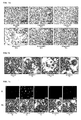
- the fluorescence images of the PI-stained cells are shown.
- phosphatidylcholine-treated cells show no morphological differences to the untreated control. Consequently, phosphatidylcholine has no cell damaging effect. Comparable concentrations (20 mg / ml) of Na-deoxycholate caused a marked destruction of the cell membrane, which did not occur at the concentrations of phosphatidylcholine used.
- That phosphatidylcholine has no cell damaging effect was confirmed by the PI staining of the treated cells.
- differentiated 3T3-L1 were treated with 5 mg / ml, 10 mg / ml and 15 mg / ml phosphatidylcholine for 4 hours.
- 5 ⁇ g / ml PI was added to the medium for 5 minutes and the cells were analyzed under CLSM ( Fig. 1c ).
- Fig. 1c (a) ethanol was added so that the same concentration was achieved as in the solutions for the treatment of the cells.
- Fig. 1c (a) shows that no cells are stained with PI. It follows that ethanol in the concentration used has no cell damaging effect.
- Fig. 1c (b) the 1% Triton positive control shows numerous PI red stained cells. This indicates damage to the cell membrane. Here the membrane stability and integrity of the cell is damaged.
- Example 4 Obtaining Adipose-Derived Stem Cells (ADSC) from human subcutaneous adipose tissue.
- ADSC Adipose-Derived Stem Cells
- the human subcutaneous adipose tissue can serve as a potential source of adult stem cells.
- ADSC Adipose-Derived Stem Cells
- These so-called “Adipose-Derived Stem Cells” (ADSC) are multipotent and can be differentiated by appropriate stimuli to different cell types, eg osteoblasts, chondrocytes, adipocytes.
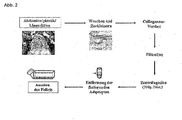
- the isolation of ADSCs from human subcutaneous adipose tissue, which is removed in plastic reductive procedures, is in Figure 2 shown schematically.
- the fat was washed with buffer to remove hematopoietic cells and then minced.
- the resulting adipose tissue pieces were digested with collagenase.
- the stromal-vascular fraction was separated and the floating, mature adipocytes were discarded.
- the stromal-vascular fraction in the pellet is composed of a heterogeneous cell population of blood cells, fibroblasts, pericytes, endothelial cells and preadipocytes.
- This cell population was transferred to a culture flask with media, with a portion of the cells adhering.
- a suitable cocktail consisting of insulin, dexamethasone, indomethacin and isobutylmethylxanthine or consisting of insulin, cortisol, troglitazone, triiodothyronine and isobutylmethylxanthine
- the cells were stimulated for adipogenesis and an improved adipogenic differentiation is effected.
- Na-deoxycholate Na-DC
- the ADSCs of Example 4 were stimulated for adipogenesis by a hormone cocktail (insulin, cortisol, troglitazone, triiodothyronine and isobutylmethylxanthine) and then differentiated into mature adipocytes for a further 21 days.
- a hormone cocktail insulin, cortisol, troglitazone, triiodothyronine and isobutylmethylxanthine
- ADSCs Further analysis of a cell damaging effect of Na-deoxycholate on ADSCs was made by PI staining of the treated cells followed by analysis under CLSM.
- the differentiated, mature adipocytes were treated with: 0.05 mg / ml, 0.1 mg / ml and 0.5 mg / ml Na-deoxycholate for 4 hours.
- untreated ADSCs were used as a control.
- adipocytes were stained with 5 ⁇ g / ml PI and analyzed under CLSM.
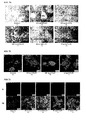
- the fluorescence images of the PI-stained cells are shown.
- a very low Na deoxycholate concentration of 0.01 mg / ml did not affect the cells ( FIG. 3a (B)). There were no differences to the control group ( FIG. 3a (a)).
- the adipocytes were vital and had an intact cell membrane. Increasing the concentration from 0.05 mg / ml already caused slight damage to the cell membrane ( Fig. 3a (C)). This was reinforced at the next higher concentrations ( Fig. 3a (D, e)).
- the highest dose of 0.5 mg / ml exerted a marked toxic effect on the cells ( Fig. 3a (F)).
- the adipocytes were dead, the cell membranes completely destroyed, so that essentially only free lipid droplets and cell fragments were present.
- PC Phosphatidylcholine
- the incubation period was 4 hours.
- adipocytes were stained with 5 ⁇ g / ml PI and analyzed under CLSM.
- the fluorescence images of the PI-stained cells are shown.
- PI staining of phosphatidylcholine-treated ADSCs confirmed that phosphatidylcholine has no cell damaging effects in vitro .
- the murine pre-adipocyte cell line 3T3-L1 was used for the investigations.
- 3T3-L1 cells were stimulated by a hormone cocktail (corticosterone, isobutylmethylxanthine, indomethacin, insulin) for adipogenesis and differentiated into mature adipocytes for another 8 days.
- hormone cocktail corticosterone, isobutylmethylxanthine, indomethacin, insulin
- the mature adipocytes of 3T3-L1 cells were treated with various concentrations of phosphatidylcholine between 0.1 mg / ml and 50 mg / ml.
- the phosphatidylcholine was combined with 2-20 mg / ml glycyrrhizinate and 18-180 mg / ml maltose.
- the incubation of the mature 3T3-L1 cells was carried out for a period of 4 hours with the substance combination.
- the treated cells were examined at a 63-fold magnification by light microscopy for a membrane destabilizing and cytotoxic effect.
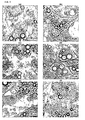
- the adipocytes treated with the substance combination did not differ from the control cells (control Fig. 5a ).
- Light microscopy showed the same morphology as the cells of the control, were vital and had an intact cell membrane.
- the substance combination exerted no visible membrane-damaging effects on the cell regardless of the concentration ( Fig. 5 ).
- the incubation period was 4 hours. Subsequently, the treated cells and two controls were incubated with 5 ⁇ g / ml PI for 5 minutes. The evaluation was carried out by means of the CLSM ( Fig. 6 ).
- the with 50 mg / ml PC ( Fig. 6e ) treated cells showed a weak red coloration of the cells ( Fig. 6e ). These cells were treated in high doses with the substance combination. As a result, the cells were completely deprived of the medium and a lack of nutrients resulted, which leads to cell damage after prolonged incubation.
- the weak staining of the cells treated with 50 mg / ml PC can thus be attributed to the lack of nutrients and not to a damage of the cells by phosphatidylcholine.
- in vivo / in vitro correlation The relationship between in vivo and in vitro effects is referred to as in vivo / in vitro correlation.
- the determination of in vivo / in vitro correlation is not trivial and behaves differently under different conditions. In many cases, an approximate in vivo / in vitro correlation by a factor of 100 can be assumed. This means that concentrations used in vitro are approximately two orders of magnitude below the doses used in vivo to achieve comparable effects. On this basis, one would expect for example Lipostabil ® N for injection lipolysis listed in Table 1 in vitro concentrations.
- Example 7 In vivo studies on the inflammatory response of the treated cells to the mouse
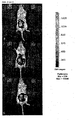
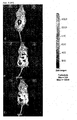
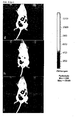
- Balb / c mice were either blended into the right subcutaneous fat of Balb / c mice ( Fig. 8d-f containing phosphatidylcholine (PC), glycyrrhizic acid (GR) and maltose (MAL) (25 mg / ml PC, 10 mg / ml GR, 90 mg / ml MAL) PBS buffer ( Fig. 8g-l ) or E. coli cells ( Fig. 8a-c ). The incubation was for 5 days.
- PC phosphatidylcholine
- GR glycyrrhizic acid
- MAL maltose
- ADSC fat-derived stem cells
- luciferase-labeled ADSC cells were injected intraperitoneally and the migration of ASC cells was monitored by bioluminescence.
- the ASC cells migrated to the liver and spleen.
- the ASC cells migrated to and accumulated in the E.coli injected region.
- mice with PBS Fig. 8g-l
- mice with the mixture containing PC Fig. 8d-f
- no difference in migration of ADSC cells was observed.
- mice injected with E. coli migration and accumulation of the ADSC cells in the inflamed region triggered by the E. coli injection were observed.
- ADSC cells luciferase-labeled liposome-derived stem cells
- PMC phosphatidylcholine
- maltose does not elicit an inflammatory response.
- 3T3-L1 cells were stimulated by a hormone cocktail for adipogenesis and differentiated into mature adipocytes for another 8 days.
- the lipolytic activity was determined by means of a lipolysis assay as described below:
- the first bar in Figure 7 shows that the basal lipolysis activity of untreated cells in 3% BSA / PBS is 8 ⁇ g glycerol / ⁇ g DNA. Starting from this basal level, the lipolytic activity of the further samples was determined.
- the positive control ( Fig. 7 ) stimulation of lipolysis was induced by 10 ⁇ M of the ⁇ -adrenoreceptor agonist isoproterenol.
- the positive control shows a lipolytic activity that increases to eight times the basal level. All cells treated with the substance combination (10 mg / ml, 25 mg / ml and 50 mg / ml of PC) showed an increased lipolytic activity compared to the basal level ( Fig. 7 ).
- Treatment of the cells with the substance combination containing 10 or 25 mg / ml PC caused an increase in the lipolytic activity by 5-fold compared to the basal level.
- Treatment of the cells with the substance combination containing 50 mg / ml PC resulted in a 3-fold increase in lipolysis activity compared to the basal level ( Fig. 7 ).
- the decrease in lipolytic activity at the highest concentration is likely, as explained above, due to the lack of nutrient deprivation of the cells required for survival or maintenance of normal functions such as lipolytic activity.
- the substance combination according to the invention shows in vitro a pronounced lipolytic effect.
- Na-deoxycholate concentrations of 0.005 - 0.5 mg / ml (effect as a single substance from 0.05 mg / ml) and phosphatidylcholine concentrations of 0.01 - 1 mg / ml (no effect as a single substance) used.
- the analysis is carried out by means of the light microscope. Cells with damaged membrane or cell fragments are exemplified by black arrows, while free lipid droplets are marked by white arrows.
- Example 9 Application of phosphogliv ® and lipostable ® in female subjects and determination of efficacy by subcutaneous lipolysis
- the ampoules used contained 0.5 g of PPC, 0.2 g of glycyrrhizinate and 1.8 g of maltose as lyophilisate, to be dissolved in 10 ml of water per injection. Depending on the extent of the area to be injected, up to 60 subcutaneous punctures were made on each upper arm, always 0.5 ml at a distance of 1.5 cm.
- the circumference of the upper arm [cm] was measured by caliper and tape measure (Myo-tape) before treatment and after eight and 16 weeks.
- the blood lipids total cholesterol, LDL cholesterol and HDL cholesterol in mg / dl and the atherogenic index from LDL to HDL cholesterol were determined.
- Example 9 For this purpose, the subjects were treated as described in Example 9 and examined the effectiveness. In order to document the side effects, photographs were taken before and after the treatment with Phosphogliv ® and Lipostabil ® of the upper arms of the test persons ( Fig. 10 and 11 ).
- Fig. 10 Photographic documentation Having considered the left (Phosphogliv ®) and right (Lipostabil ®) upper arm of the subject no 01. The pictures were taken 3 minutes after the application of the preparations Lipostabil ® and Phosphogliv ®..
- Fig. 11 Photographic documentation after treatment of the left (Phosphogliv ®) and right (Lipostabil ®) upper arm of the subject no 02. The recordings were made 3 minutes after the application of the preparations Lipostabil ® and Phosphogliv ®
- Example 11 Determination of cholesterol levels before and after subcutaneous lipolysis
- Drl / DrlP Total cholesterol from 237.0 mg / dl to 222.0 mg / dl LDL cholesterol from 136.0 mg / dl to 129.0 mg / dl HDL cholesterol from 75.4 mg / dl to 78.0 mg / dl 16 2.0 2.0 28 28.5
- Drl / DrlP Total cholesterol from 222 mg / dl to 218 mg / dl LDL cholesterol from 129.0 mg / dl to 128.0 mg / dl HDL cholesterol from 78.0 mg / dl to 79.0 mg / dl Left almost no pain, right for about 1 week skin firmness from the beginning to good 3 M.
Landscapes
- Health & Medical Sciences (AREA)
- Life Sciences & Earth Sciences (AREA)
- Pharmacology & Pharmacy (AREA)
- General Health & Medical Sciences (AREA)
- Animal Behavior & Ethology (AREA)
- Chemical & Material Sciences (AREA)
- Veterinary Medicine (AREA)
- Public Health (AREA)
- Medicinal Chemistry (AREA)
- Epidemiology (AREA)
- General Chemical & Material Sciences (AREA)
- Organic Chemistry (AREA)
- Chemical Kinetics & Catalysis (AREA)
- Nuclear Medicine, Radiotherapy & Molecular Imaging (AREA)
- Engineering & Computer Science (AREA)
- Bioinformatics & Cheminformatics (AREA)
- Molecular Biology (AREA)
- Obesity (AREA)
- Hematology (AREA)
- Diabetes (AREA)
- Child & Adolescent Psychology (AREA)
- Dermatology (AREA)
- Medicinal Preparation (AREA)
- Pharmaceuticals Containing Other Organic And Inorganic Compounds (AREA)
- Medicines Containing Material From Animals Or Micro-Organisms (AREA)
- Cosmetics (AREA)
Applications Claiming Priority (2)
| Application Number | Priority Date | Filing Date | Title |
|---|---|---|---|
| DE102010028365A DE102010028365A1 (de) | 2010-04-29 | 2010-04-29 | Verwendung einer Phospholipid enthaltenden Zusammensetzung zur Entfernung von subkutanen Fettansammlungen |
| PCT/EP2011/056721 WO2011135020A1 (de) | 2010-04-29 | 2011-04-28 | Verwendung einer phospholipid und glycyrrhizinsäure enthaltenden zusammensetzung zur entfernung von subkutanen fettansammlungen durch subkutane lipolyse |
Publications (2)
| Publication Number | Publication Date |
|---|---|
| EP2563370A1 EP2563370A1 (de) | 2013-03-06 |
| EP2563370B1 true EP2563370B1 (de) | 2014-12-17 |
Family
ID=44065304
Family Applications (1)
| Application Number | Title | Priority Date | Filing Date |
|---|---|---|---|
| EP11716415.2A Active EP2563370B1 (de) | 2010-04-29 | 2011-04-28 | Verwendung einer phospholipid und glycyrrhizinsäure enthaltenden zusammensetzung zur entfernung von subkutanen fettansammlungen durch subkutane lipolyse |
Country Status (13)
| Country | Link |
|---|---|
| US (1) | US9399042B2 (es) |
| EP (1) | EP2563370B1 (es) |
| JP (1) | JP2013525407A (es) |
| KR (1) | KR20130118733A (es) |
| CN (1) | CN102970993A (es) |
| AR (1) | AR080970A1 (es) |
| BR (1) | BR112012027550A2 (es) |
| DE (1) | DE102010028365A1 (es) |
| ES (1) | ES2533208T3 (es) |
| MX (1) | MX2012012604A (es) |
| RU (1) | RU2549966C2 (es) |
| TW (1) | TW201143778A (es) |
| WO (1) | WO2011135020A1 (es) |
Families Citing this family (8)
| Publication number | Priority date | Publication date | Assignee | Title |
|---|---|---|---|---|
| KR101545706B1 (ko) * | 2013-05-10 | 2015-08-26 | 주식회사 아미팜 | 포스파티딜콜린을 포함하는 지방 분해용 조성물 및 이의 제조방법 |
| CA2952179C (en) | 2014-06-27 | 2019-01-08 | Medytox Inc. | Methods and compositions of bile acids and salts for reduction of fat |
| KR101760685B1 (ko) * | 2014-09-26 | 2017-08-04 | 연천군 | 위암 예방용 건강기능성 식품 |
| US9855216B2 (en) | 2015-05-27 | 2018-01-02 | Ghasem Amoabediny | Targeted nano-liposome co-entrapping anti-cancer drugs |
| EP3124047A1 (en) | 2015-07-28 | 2017-02-01 | Merz Pharma GmbH & Co. KGaA | Pentacyclic triterpenoids for injection lipolysis |
| RU2725622C1 (ru) * | 2019-10-30 | 2020-07-03 | Открытое акционерное общество "Фармстандарт-Лексредства" (ОАО "Фармстандарт-Лексредства") | Фармацевтическая композиция для лечения и/или профилактики заболеваний печени |
| EA202090511A1 (ru) | 2020-03-13 | 2021-09-30 | ДИКОВСКИЙ, Александр Владимирович | Композиция для нормализации уровня липидов в крови |
| KR102543754B1 (ko) * | 2021-09-15 | 2023-06-14 | 김민경 | 지방분해용 주사제 조성물 |
Family Cites Families (29)
| Publication number | Priority date | Publication date | Assignee | Title |
|---|---|---|---|---|
| DE3047011A1 (de) | 1980-12-13 | 1982-07-22 | A. Nattermann & Cie GmbH, 5000 Köln | Verfahren zur abtrennung von oel und/oder phosphatidylethanolamin aus diese enthaltenden alkoholloeslichen phosphatidylcholin-produkten |
| DE3047048A1 (de) | 1980-12-13 | 1982-07-29 | A. Nattermann & Cie GmbH, 5000 Köln | Verfahren zur abtrennung von oel und/oder phosphatidylethanolamin aus diese enthaltenden alkoholloeslichen phosphatidylcholin-produkten |
| ES2061688T3 (es) | 1987-11-13 | 1994-12-16 | Smithkline Beecham Farma | Composiciones farmaceuticas que comprenden una calcitonina y un glicirricinato como mejorador de la absorcion. |
| EP0375082B1 (en) * | 1988-12-22 | 1995-03-08 | Kanebo Ltd. | Cosmetic composition |
| JP2911496B2 (ja) | 1989-09-11 | 1999-06-23 | 帝國製薬株式会社 | 生理活性ポリペプチド含有高吸収性経膣剤 |
| DE4122744C2 (de) | 1990-08-06 | 1994-02-03 | Nattermann A & Cie | Wäßriges Liposomensystem und Verfahren zu seiner Herstellung |
| DE4308121A1 (de) | 1993-03-15 | 1994-09-22 | Rhone Poulenc Rorer Gmbh | Wäßriges Liposomensystem sowie Verfahren zur Herstellung eines derartigen Liposomensystems |
| RU2133122C1 (ru) | 1998-10-14 | 1999-07-20 | Научно-исследовательский институт биомедицинской химии РАМН | Композиция, обладающая свойствами репарировать биологические мембраны |
| DE10062610A1 (de) | 2000-12-15 | 2002-06-27 | Merz & Co Gmbh & Co | Vesikelbildende Hautöle aus öllöslichen Komponenten und W/O-Emulgatoren nit einem HLB-Wert von 2-6 und vesikelbildenden Lipiden sowie wahlweise einem oder mehreren üblichen Zusatzstoffen, Verfahren zu deren Herstellung und ihre Verwendung |
| JP3615510B2 (ja) * | 2001-03-27 | 2005-02-02 | 日華化学株式会社 | リパーゼ活性賦活剤、痩身用皮膚外用剤及び痩身用浴用剤 |
| DE10324256B4 (de) | 2003-05-28 | 2010-04-22 | Merz Pharma Gmbh & Co. Kgaa | Lipid-Tranferprotein-Systeme und deren kosmetische/dermatologische Anwendung |
| DE10348554A1 (de) | 2003-10-20 | 2005-05-19 | Symrise Gmbh & Co. Kg | Verwendung einer Verbindung aus der Gruppe der Heterodiazole oder eines Salzes der Verbindung, die Verbindung oder das Salz enthaltende kosmetische oder therapeutische Formulierung, die Verbindung oder das Salz als therapeutisches Mittel sowie das Salz selbst |
| US20050089555A1 (en) | 2003-10-24 | 2005-04-28 | Aventis Pharma Deutschland Gmbh | Medicinal targeted local lipolysis |
| DE10349979B4 (de) * | 2003-10-24 | 2006-05-18 | Sanofi-Aventis Deutschland Gmbh | Medikamentöse gezielte lokale Lipolyse |
| DE10361067A1 (de) | 2003-12-22 | 2005-07-14 | Aventis Pharma Deutschland Gmbh | Medikamentöse Lipolyse von Fettansammlungen |
| US20050143347A1 (en) | 2003-12-22 | 2005-06-30 | Aventis Pharma Deutschland Gmbh | Medicinal lipolysis of accumulations of fat |
| JP2006137670A (ja) | 2004-11-10 | 2006-06-01 | Pola Chem Ind Inc | ヘアトニック |
| DE102004057150A1 (de) | 2004-11-26 | 2006-06-14 | Merz Pharma Gmbh & Co. Kgaa | Topisch applizierbare Zubereitungen, enthaltend eine Kombination aus einem biokatalytischen Mehrphasensystem und einem Kapillar-Wirksystem, sowie dessen Anwendung |
| RU2283114C1 (ru) * | 2005-06-07 | 2006-09-10 | Открытое акционерное общество "Нижегородский химико-фармацевтический завод" | Композиция, обладающая гепатопротекторной активностью и нормализующая обменные процессы |
| RU2304431C2 (ru) * | 2005-08-12 | 2007-08-20 | Александр Иванович Арчаков | Способ получения капсулированной лекарственной формы фосфолипидного препарата "фосфоглив" для лечения и профилактики острых и хронических заболеваний печени |
| RU2304430C2 (ru) | 2005-08-12 | 2007-08-20 | Александр Иванович Арчаков | Способ получения инъекционной лекарственной формы фосфолипидного препарата "фосфоглив" для лечения и профилактики острых и хронических заболеваний печени |
| JP5047507B2 (ja) * | 2005-09-30 | 2012-10-10 | 昭和電工株式会社 | カルニチン誘導体及びその塩、皮膚外用剤ならびに化粧料 |
| DE102005056538A1 (de) | 2005-11-28 | 2007-05-31 | Merz Pharma Gmbh & Co. Kgaa | Zusammensetzungen, enthaltend Proteine zum Transfer / Recycling strukturell veränderter Lipide aus Biomembranen, sowie deren Anwendungen |
| EP1923041A1 (de) | 2006-10-20 | 2008-05-21 | Symrise GmbH & Co. KG | Verwendung von C10-C14-Alkandiolen zur Herstellung eines Mittels zur Prophylaxe und/oder Behandlung von Malassezia-induzierter Schuppenbildung, sowie Zubereitungen enthaltend C10-C14-Alkandiole |
| EP1915982A1 (de) | 2006-10-20 | 2008-04-30 | Symrise GmbH & Co. KG | Verwendung von 1,2-Decandiol zur Sebumreduktion bzw. zur Unterstützung des Eindringens von Wirkstoffen in Hautbereiche, sowie kosmetische und/oder dermatologische Zubereitungen umfassend 1,2-Decandiol |
| DE102007015701A1 (de) | 2007-03-19 | 2008-09-25 | Maria Clementine Martin Klosterfrau Vertriebsgesellschaft Mbh | Neue pharmazeutische Zusammensetzungen für die Lipolyse und Verfahren zu deren Herstellung |
| EP2163252A4 (en) * | 2007-05-17 | 2012-01-11 | Kaneka Corp | COMPOSITION WITH POLYPHENOL FROM CANDY |
| JP2009242354A (ja) * | 2008-03-31 | 2009-10-22 | Kobayashi Pharmaceut Co Ltd | 医薬組成物 |
| RU2373924C1 (ru) * | 2008-04-14 | 2009-11-27 | Учреждение Российской академии медицинских наук Научно-исследовательский институт биомедицинской химии им.В.Н.Ореховича РАМН (ИБМХ РАМН), RU | Наноформа фосфолипидного препарата для перорального применения и способ ее получения |
-
2010
- 2010-04-29 DE DE102010028365A patent/DE102010028365A1/de not_active Withdrawn
-
2011
- 2011-04-26 AR ARP110101436A patent/AR080970A1/es unknown
- 2011-04-28 KR KR1020127031378A patent/KR20130118733A/ko not_active Withdrawn
- 2011-04-28 BR BR112012027550-0A patent/BR112012027550A2/pt not_active Application Discontinuation
- 2011-04-28 MX MX2012012604A patent/MX2012012604A/es active IP Right Grant
- 2011-04-28 TW TW100114826A patent/TW201143778A/zh unknown
- 2011-04-28 JP JP2013506657A patent/JP2013525407A/ja active Pending
- 2011-04-28 US US13/642,916 patent/US9399042B2/en active Active
- 2011-04-28 WO PCT/EP2011/056721 patent/WO2011135020A1/de not_active Ceased
- 2011-04-28 RU RU2012151147/15A patent/RU2549966C2/ru active
- 2011-04-28 EP EP11716415.2A patent/EP2563370B1/de active Active
- 2011-04-28 CN CN2011800237863A patent/CN102970993A/zh active Pending
- 2011-04-28 ES ES11716415.2T patent/ES2533208T3/es active Active
Also Published As
| Publication number | Publication date |
|---|---|
| RU2012151147A (ru) | 2014-06-20 |
| CN102970993A (zh) | 2013-03-13 |
| TW201143778A (en) | 2011-12-16 |
| WO2011135020A1 (de) | 2011-11-03 |
| US9399042B2 (en) | 2016-07-26 |
| RU2549966C2 (ru) | 2015-05-10 |
| DE102010028365A1 (de) | 2011-11-03 |
| BR112012027550A2 (pt) | 2018-02-06 |
| ES2533208T3 (es) | 2015-04-08 |
| JP2013525407A (ja) | 2013-06-20 |
| KR20130118733A (ko) | 2013-10-30 |
| MX2012012604A (es) | 2013-02-26 |
| EP2563370A1 (de) | 2013-03-06 |
| US20130157967A1 (en) | 2013-06-20 |
| AR080970A1 (es) | 2012-05-23 |
Similar Documents
| Publication | Publication Date | Title |
|---|---|---|
| EP2563370B1 (de) | Verwendung einer phospholipid und glycyrrhizinsäure enthaltenden zusammensetzung zur entfernung von subkutanen fettansammlungen durch subkutane lipolyse | |
| DE69528258T2 (de) | Haiknorpelextrakte mit antiangiogenischer wirkung und einem effekt auf tumorregression und verfahren zur herstellung derselben | |
| DE69330180T2 (de) | Hyaluronsäure enthaltende formulierungen | |
| EP1699490A2 (de) | Medikament se lipolyse von fettansammlungen | |
| EP1684722B1 (de) | Medikamentöse gezielte lokale lipolyse | |
| DE69328618T2 (de) | Medikamente auf der Basis von Docosahexaensäure, als Plättchenaggregationshemmer und gegen cerebralen Mangel an Fettsäuren, und Verfahren zur Herstellung. | |
| DE60034898T2 (de) | Antiallergische Zusammensetzung, die OLIGOSACCHARIDe und eine Saponine oder eine basische Aminosäure enthält, zur topischen Verabreichung oder Inhalation | |
| EP3412276B1 (de) | Zusammensetzung zur behandlung des trockenen auges | |
| EP0945136B9 (de) | Topisches Arzneimittel mit einem Gehalt an Ciclosporin | |
| US9173940B1 (en) | Mixture of betamethasone and tranilast with a transdermal gel for scar treatment | |
| WO2008113421A1 (de) | Neue pharmazeutische zusammensetzungen für die lipolyse und verfahren zu deren herstellung | |
| DE60216453T2 (de) | Verwendung von antidiabetika zur herstellung eines vernarbungsfördernden arzneimittels | |
| JPH10175868A (ja) | 津液改善組成物 | |
| DE2401450A1 (de) | Pharmazeutische zusammensetzung zur linderung von hautproliferationserkrankungen | |
| EP1131101B1 (de) | Khellin-zubereitung und deren verwendung zur topischen therapie | |
| KR20180092256A (ko) | 민감성 피부용 보습 화장료 조성물 | |
| EP0527979A1 (de) | Pharmazeutisches produkt zur behandlung von viruserkrankungen | |
| EP2244693B1 (de) | Mittel zur intraartikulären injektion | |
| DE60213230T2 (de) | Verwendung von NF-Kappa.B Inhibitoren zur Behandlung von Augentrockenheit | |
| DE202007004776U1 (de) | Neue pharmazeutische Zusammensetzungen für die Lipolyse | |
| TW202406540A (zh) | 類黃酮化合物在對抗蛇毒誘發的毒性上的用途 | |
| DE29820719U1 (de) | Khellin-Zubereitung zur topischen Therapie der Psoriasis, ihrer Subtypen, Sonderformen, sowie zur topischen Therapie von Ekzemen |
Legal Events
| Date | Code | Title | Description |
|---|---|---|---|
| PUAI | Public reference made under article 153(3) epc to a published international application that has entered the european phase |
Free format text: ORIGINAL CODE: 0009012 |
|
| 17P | Request for examination filed |
Effective date: 20121114 |
|
| AK | Designated contracting states |
Kind code of ref document: A1 Designated state(s): AL AT BE BG CH CY CZ DE DK EE ES FI FR GB GR HR HU IE IS IT LI LT LU LV MC MK MT NL NO PL PT RO RS SE SI SK SM TR |
|
| AX | Request for extension of the european patent |
Extension state: BA |
|
| RAX | Requested extension states of the european patent have changed |
Extension state: BA Payment date: 20121114 |
|
| 17Q | First examination report despatched |
Effective date: 20130829 |
|
| GRAP | Despatch of communication of intention to grant a patent |
Free format text: ORIGINAL CODE: EPIDOSNIGR1 |
|
| RIC1 | Information provided on ipc code assigned before grant |
Ipc: A61K 31/685 20060101ALI20131205BHEP Ipc: A61Q 19/06 20060101ALI20131205BHEP Ipc: A61P 43/00 20060101ALI20131205BHEP Ipc: A61K 31/66 20060101AFI20131205BHEP Ipc: A61K 8/55 20060101ALI20131205BHEP Ipc: A61K 31/704 20060101ALI20131205BHEP Ipc: A61K 8/63 20060101ALI20131205BHEP Ipc: A61P 3/04 20060101ALI20131205BHEP |
|
| INTG | Intention to grant announced |
Effective date: 20131218 |
|
| GRAS | Grant fee paid |
Free format text: ORIGINAL CODE: EPIDOSNIGR3 |
|
| GRAP | Despatch of communication of intention to grant a patent |
Free format text: ORIGINAL CODE: EPIDOSNIGR1 |
|
| INTG | Intention to grant announced |
Effective date: 20140624 |
|
| GRAA | (expected) grant |
Free format text: ORIGINAL CODE: 0009210 |
|
| AK | Designated contracting states |
Kind code of ref document: B1 Designated state(s): AL AT BE BG CH CY CZ DE DK EE ES FI FR GB GR HR HU IE IS IT LI LT LU LV MC MK MT NL NO PL PT RO RS SE SI SK SM TR |
|
| AX | Request for extension of the european patent |
Extension state: BA |
|
| REG | Reference to a national code |
Ref country code: GB Ref legal event code: FG4D Free format text: NOT ENGLISH |
|
| REG | Reference to a national code |
Ref country code: CH Ref legal event code: EP |
|
| REG | Reference to a national code |
Ref country code: IE Ref legal event code: FG4D Free format text: LANGUAGE OF EP DOCUMENT: GERMAN |
|
| REG | Reference to a national code |
Ref country code: AT Ref legal event code: REF Ref document number: 701375 Country of ref document: AT Kind code of ref document: T Effective date: 20150115 |
|
| REG | Reference to a national code |
Ref country code: DE Ref legal event code: R096 Ref document number: 502011005306 Country of ref document: DE Effective date: 20150129 |
|
| REG | Reference to a national code |
Ref country code: ES Ref legal event code: FG2A Ref document number: 2533208 Country of ref document: ES Kind code of ref document: T3 Effective date: 20150408 |
|
| PG25 | Lapsed in a contracting state [announced via postgrant information from national office to epo] |
Ref country code: FI Free format text: LAPSE BECAUSE OF FAILURE TO SUBMIT A TRANSLATION OF THE DESCRIPTION OR TO PAY THE FEE WITHIN THE PRESCRIBED TIME-LIMIT Effective date: 20141217 Ref country code: NO Free format text: LAPSE BECAUSE OF FAILURE TO SUBMIT A TRANSLATION OF THE DESCRIPTION OR TO PAY THE FEE WITHIN THE PRESCRIBED TIME-LIMIT Effective date: 20150317 Ref country code: LT Free format text: LAPSE BECAUSE OF FAILURE TO SUBMIT A TRANSLATION OF THE DESCRIPTION OR TO PAY THE FEE WITHIN THE PRESCRIBED TIME-LIMIT Effective date: 20141217 |
|
| REG | Reference to a national code |
Ref country code: LT Ref legal event code: MG4D |
|
| PG25 | Lapsed in a contracting state [announced via postgrant information from national office to epo] |
Ref country code: LV Free format text: LAPSE BECAUSE OF FAILURE TO SUBMIT A TRANSLATION OF THE DESCRIPTION OR TO PAY THE FEE WITHIN THE PRESCRIBED TIME-LIMIT Effective date: 20141217 Ref country code: RS Free format text: LAPSE BECAUSE OF FAILURE TO SUBMIT A TRANSLATION OF THE DESCRIPTION OR TO PAY THE FEE WITHIN THE PRESCRIBED TIME-LIMIT Effective date: 20141217 Ref country code: GR Free format text: LAPSE BECAUSE OF FAILURE TO SUBMIT A TRANSLATION OF THE DESCRIPTION OR TO PAY THE FEE WITHIN THE PRESCRIBED TIME-LIMIT Effective date: 20150318 Ref country code: HR Free format text: LAPSE BECAUSE OF FAILURE TO SUBMIT A TRANSLATION OF THE DESCRIPTION OR TO PAY THE FEE WITHIN THE PRESCRIBED TIME-LIMIT Effective date: 20141217 Ref country code: SE Free format text: LAPSE BECAUSE OF FAILURE TO SUBMIT A TRANSLATION OF THE DESCRIPTION OR TO PAY THE FEE WITHIN THE PRESCRIBED TIME-LIMIT Effective date: 20141217 |
|
| PG25 | Lapsed in a contracting state [announced via postgrant information from national office to epo] |
Ref country code: NL Free format text: LAPSE BECAUSE OF FAILURE TO SUBMIT A TRANSLATION OF THE DESCRIPTION OR TO PAY THE FEE WITHIN THE PRESCRIBED TIME-LIMIT Effective date: 20141217 |
|
| PG25 | Lapsed in a contracting state [announced via postgrant information from national office to epo] |
Ref country code: RO Free format text: LAPSE BECAUSE OF FAILURE TO SUBMIT A TRANSLATION OF THE DESCRIPTION OR TO PAY THE FEE WITHIN THE PRESCRIBED TIME-LIMIT Effective date: 20141217 Ref country code: SK Free format text: LAPSE BECAUSE OF FAILURE TO SUBMIT A TRANSLATION OF THE DESCRIPTION OR TO PAY THE FEE WITHIN THE PRESCRIBED TIME-LIMIT Effective date: 20141217 Ref country code: CZ Free format text: LAPSE BECAUSE OF FAILURE TO SUBMIT A TRANSLATION OF THE DESCRIPTION OR TO PAY THE FEE WITHIN THE PRESCRIBED TIME-LIMIT Effective date: 20141217 Ref country code: EE Free format text: LAPSE BECAUSE OF FAILURE TO SUBMIT A TRANSLATION OF THE DESCRIPTION OR TO PAY THE FEE WITHIN THE PRESCRIBED TIME-LIMIT Effective date: 20141217 |
|
| PG25 | Lapsed in a contracting state [announced via postgrant information from national office to epo] |
Ref country code: PL Free format text: LAPSE BECAUSE OF FAILURE TO SUBMIT A TRANSLATION OF THE DESCRIPTION OR TO PAY THE FEE WITHIN THE PRESCRIBED TIME-LIMIT Effective date: 20141217 Ref country code: IS Free format text: LAPSE BECAUSE OF FAILURE TO SUBMIT A TRANSLATION OF THE DESCRIPTION OR TO PAY THE FEE WITHIN THE PRESCRIBED TIME-LIMIT Effective date: 20150417 |
|
| REG | Reference to a national code |
Ref country code: DE Ref legal event code: R097 Ref document number: 502011005306 Country of ref document: DE |
|
| PLBE | No opposition filed within time limit |
Free format text: ORIGINAL CODE: 0009261 |
|
| STAA | Information on the status of an ep patent application or granted ep patent |
Free format text: STATUS: NO OPPOSITION FILED WITHIN TIME LIMIT |
|
| PG25 | Lapsed in a contracting state [announced via postgrant information from national office to epo] |
Ref country code: DK Free format text: LAPSE BECAUSE OF FAILURE TO SUBMIT A TRANSLATION OF THE DESCRIPTION OR TO PAY THE FEE WITHIN THE PRESCRIBED TIME-LIMIT Effective date: 20141217 |
|
| 26N | No opposition filed |
Effective date: 20150918 |
|
| PG25 | Lapsed in a contracting state [announced via postgrant information from national office to epo] |
Ref country code: LU Free format text: LAPSE BECAUSE OF FAILURE TO SUBMIT A TRANSLATION OF THE DESCRIPTION OR TO PAY THE FEE WITHIN THE PRESCRIBED TIME-LIMIT Effective date: 20150428 Ref country code: MC Free format text: LAPSE BECAUSE OF FAILURE TO SUBMIT A TRANSLATION OF THE DESCRIPTION OR TO PAY THE FEE WITHIN THE PRESCRIBED TIME-LIMIT Effective date: 20141217 |
|
| REG | Reference to a national code |
Ref country code: IE Ref legal event code: MM4A |
|
| PG25 | Lapsed in a contracting state [announced via postgrant information from national office to epo] |
Ref country code: SI Free format text: LAPSE BECAUSE OF FAILURE TO SUBMIT A TRANSLATION OF THE DESCRIPTION OR TO PAY THE FEE WITHIN THE PRESCRIBED TIME-LIMIT Effective date: 20141217 |
|
| REG | Reference to a national code |
Ref country code: FR Ref legal event code: PLFP Year of fee payment: 6 |
|
| PG25 | Lapsed in a contracting state [announced via postgrant information from national office to epo] |
Ref country code: IE Free format text: LAPSE BECAUSE OF NON-PAYMENT OF DUE FEES Effective date: 20150428 |
|
| PG25 | Lapsed in a contracting state [announced via postgrant information from national office to epo] |
Ref country code: MT Free format text: LAPSE BECAUSE OF FAILURE TO SUBMIT A TRANSLATION OF THE DESCRIPTION OR TO PAY THE FEE WITHIN THE PRESCRIBED TIME-LIMIT Effective date: 20141217 |
|
| REG | Reference to a national code |
Ref country code: FR Ref legal event code: PLFP Year of fee payment: 7 |
|
| PG25 | Lapsed in a contracting state [announced via postgrant information from national office to epo] |
Ref country code: BG Free format text: LAPSE BECAUSE OF FAILURE TO SUBMIT A TRANSLATION OF THE DESCRIPTION OR TO PAY THE FEE WITHIN THE PRESCRIBED TIME-LIMIT Effective date: 20141217 Ref country code: HU Free format text: LAPSE BECAUSE OF FAILURE TO SUBMIT A TRANSLATION OF THE DESCRIPTION OR TO PAY THE FEE WITHIN THE PRESCRIBED TIME-LIMIT; INVALID AB INITIO Effective date: 20110428 Ref country code: SM Free format text: LAPSE BECAUSE OF FAILURE TO SUBMIT A TRANSLATION OF THE DESCRIPTION OR TO PAY THE FEE WITHIN THE PRESCRIBED TIME-LIMIT Effective date: 20141217 |
|
| PG25 | Lapsed in a contracting state [announced via postgrant information from national office to epo] |
Ref country code: CY Free format text: LAPSE BECAUSE OF FAILURE TO SUBMIT A TRANSLATION OF THE DESCRIPTION OR TO PAY THE FEE WITHIN THE PRESCRIBED TIME-LIMIT Effective date: 20141217 |
|
| PG25 | Lapsed in a contracting state [announced via postgrant information from national office to epo] |
Ref country code: PT Free format text: LAPSE BECAUSE OF FAILURE TO SUBMIT A TRANSLATION OF THE DESCRIPTION OR TO PAY THE FEE WITHIN THE PRESCRIBED TIME-LIMIT Effective date: 20150417 |
|
| PG25 | Lapsed in a contracting state [announced via postgrant information from national office to epo] |
Ref country code: TR Free format text: LAPSE BECAUSE OF FAILURE TO SUBMIT A TRANSLATION OF THE DESCRIPTION OR TO PAY THE FEE WITHIN THE PRESCRIBED TIME-LIMIT Effective date: 20141217 |
|
| REG | Reference to a national code |
Ref country code: FR Ref legal event code: PLFP Year of fee payment: 8 |
|
| PG25 | Lapsed in a contracting state [announced via postgrant information from national office to epo] |
Ref country code: MK Free format text: LAPSE BECAUSE OF FAILURE TO SUBMIT A TRANSLATION OF THE DESCRIPTION OR TO PAY THE FEE WITHIN THE PRESCRIBED TIME-LIMIT Effective date: 20141217 |
|
| PG25 | Lapsed in a contracting state [announced via postgrant information from national office to epo] |
Ref country code: AL Free format text: LAPSE BECAUSE OF FAILURE TO SUBMIT A TRANSLATION OF THE DESCRIPTION OR TO PAY THE FEE WITHIN THE PRESCRIBED TIME-LIMIT Effective date: 20141217 |
|
| REG | Reference to a national code |
Ref country code: FR Ref legal event code: PLFP Year of fee payment: 13 |
|
| PGFP | Annual fee paid to national office [announced via postgrant information from national office to epo] |
Ref country code: DE Payment date: 20250428 Year of fee payment: 15 |
|
| PGFP | Annual fee paid to national office [announced via postgrant information from national office to epo] |
Ref country code: GB Payment date: 20250425 Year of fee payment: 15 Ref country code: ES Payment date: 20250513 Year of fee payment: 15 |
|
| PGFP | Annual fee paid to national office [announced via postgrant information from national office to epo] |
Ref country code: BE Payment date: 20250428 Year of fee payment: 15 Ref country code: IT Payment date: 20250422 Year of fee payment: 15 |
|
| PGFP | Annual fee paid to national office [announced via postgrant information from national office to epo] |
Ref country code: FR Payment date: 20250425 Year of fee payment: 15 |
|
| PGFP | Annual fee paid to national office [announced via postgrant information from national office to epo] |
Ref country code: CH Payment date: 20250501 Year of fee payment: 15 |
|
| PGFP | Annual fee paid to national office [announced via postgrant information from national office to epo] |
Ref country code: AT Payment date: 20250428 Year of fee payment: 15 |