EP2345716B1 - Recombinant influenza viruses for vaccines and gene therapy - Google Patents
Recombinant influenza viruses for vaccines and gene therapy Download PDFInfo
- Publication number
- EP2345716B1 EP2345716B1 EP10011896.7A EP10011896A EP2345716B1 EP 2345716 B1 EP2345716 B1 EP 2345716B1 EP 10011896 A EP10011896 A EP 10011896A EP 2345716 B1 EP2345716 B1 EP 2345716B1
- Authority
- EP
- European Patent Office
- Prior art keywords
- linked
- vector
- influenza virus
- virus
- promoter
- Prior art date
- Legal status (The legal status is an assumption and is not a legal conclusion. Google has not performed a legal analysis and makes no representation as to the accuracy of the status listed.)
- Expired - Lifetime
Links
- 241000712461 unidentified influenza virus Species 0.000 title claims description 232
- 229960005486 vaccine Drugs 0.000 title claims description 16
- 238000001415 gene therapy Methods 0.000 title description 9
- 239000013598 vector Substances 0.000 claims description 267
- 210000004027 cell Anatomy 0.000 claims description 236
- 102000017143 RNA Polymerase I Human genes 0.000 claims description 164
- 108010013845 RNA Polymerase I Proteins 0.000 claims description 162
- 230000005030 transcription termination Effects 0.000 claims description 158
- 239000002299 complementary DNA Substances 0.000 claims description 146
- 108020004414 DNA Proteins 0.000 claims description 134
- 108090000623 proteins and genes Proteins 0.000 claims description 94
- 239000013612 plasmid Substances 0.000 claims description 86
- 102000004169 proteins and genes Human genes 0.000 claims description 60
- 206010022000 influenza Diseases 0.000 claims description 59
- 108091026890 Coding region Proteins 0.000 claims description 48
- 108090000765 processed proteins & peptides Proteins 0.000 claims description 34
- 229920001184 polypeptide Polymers 0.000 claims description 27
- 102000004196 processed proteins & peptides Human genes 0.000 claims description 27
- 108700015453 influenza virus PB2 Proteins 0.000 claims description 21
- 108010064513 influenza virus polymerase basic protein 1 Proteins 0.000 claims description 21
- 230000035772 mutation Effects 0.000 claims description 16
- 230000000692 anti-sense effect Effects 0.000 claims description 14
- 108700029658 influenza virus NS Proteins 0.000 claims description 11
- 102000009572 RNA Polymerase II Human genes 0.000 claims description 10
- 108010009460 RNA Polymerase II Proteins 0.000 claims description 10
- 102000014450 RNA Polymerase III Human genes 0.000 claims description 10
- 108010078067 RNA Polymerase III Proteins 0.000 claims description 10
- 230000002163 immunogen Effects 0.000 claims description 7
- 102000053642 Catalytic RNA Human genes 0.000 claims description 5
- 108090000994 Catalytic RNA Proteins 0.000 claims description 5
- 108091092562 ribozyme Proteins 0.000 claims description 5
- 210000004962 mammalian cell Anatomy 0.000 claims 1
- 241000700605 Viruses Species 0.000 abstract description 173
- 239000000203 mixture Substances 0.000 abstract description 39
- 241000712431 Influenza A virus Species 0.000 abstract description 16
- 108020000999 Viral RNA Proteins 0.000 description 117
- 230000035897 transcription Effects 0.000 description 76
- 238000013518 transcription Methods 0.000 description 76
- 238000000034 method Methods 0.000 description 70
- 102000011931 Nucleoproteins Human genes 0.000 description 67
- 108010061100 Nucleoproteins Proteins 0.000 description 67
- 108010006232 Neuraminidase Proteins 0.000 description 64
- 102000005348 Neuraminidase Human genes 0.000 description 62
- 108020004511 Recombinant DNA Proteins 0.000 description 55
- 208000015181 infectious disease Diseases 0.000 description 54
- 102000053602 DNA Human genes 0.000 description 52
- 230000002458 infectious effect Effects 0.000 description 44
- 230000014509 gene expression Effects 0.000 description 40
- 101710102873 Polymerase basic protein 2 Proteins 0.000 description 36
- 101710118188 DNA-binding protein HU-alpha Proteins 0.000 description 33
- 101710144128 Non-structural protein 2 Proteins 0.000 description 33
- 101710199667 Nuclear export protein Proteins 0.000 description 33
- 230000015572 biosynthetic process Effects 0.000 description 30
- 230000010076 replication Effects 0.000 description 26
- 108091032973 (ribonucleotides)n+m Proteins 0.000 description 25
- 241001493065 dsRNA viruses Species 0.000 description 24
- 239000002245 particle Substances 0.000 description 24
- 230000002441 reversible effect Effects 0.000 description 24
- 108020004635 Complementary DNA Proteins 0.000 description 22
- 238000001890 transfection Methods 0.000 description 22
- 238000002474 experimental method Methods 0.000 description 19
- 238000004519 manufacturing process Methods 0.000 description 19
- 230000003612 virological effect Effects 0.000 description 19
- 108700026244 Open Reading Frames Proteins 0.000 description 18
- 101150036876 cre gene Proteins 0.000 description 15
- 108700008625 Reporter Genes Proteins 0.000 description 14
- 230000000694 effects Effects 0.000 description 14
- 239000013613 expression plasmid Substances 0.000 description 14
- 230000006798 recombination Effects 0.000 description 14
- 238000005215 recombination Methods 0.000 description 14
- 239000006228 supernatant Substances 0.000 description 14
- 240000001068 Thogoto virus Species 0.000 description 13
- 108010067390 Viral Proteins Proteins 0.000 description 13
- 230000003190 augmentative effect Effects 0.000 description 13
- 102000003886 Glycoproteins Human genes 0.000 description 12
- 108090000288 Glycoproteins Proteins 0.000 description 12
- 241000150350 Peribunyaviridae Species 0.000 description 12
- 108010087302 Viral Structural Proteins Proteins 0.000 description 12
- 239000002773 nucleotide Substances 0.000 description 10
- 125000003729 nucleotide group Chemical group 0.000 description 10
- 108020004394 Complementary RNA Proteins 0.000 description 9
- 239000003184 complementary RNA Substances 0.000 description 9
- 238000000338 in vitro Methods 0.000 description 9
- 108020004999 messenger RNA Proteins 0.000 description 9
- 210000002845 virion Anatomy 0.000 description 9
- 101150105115 PA gene Proteins 0.000 description 8
- 241000700618 Vaccinia virus Species 0.000 description 8
- 241000711975 Vesicular stomatitis virus Species 0.000 description 8
- 208000037797 influenza A Diseases 0.000 description 8
- 244000052769 pathogen Species 0.000 description 8
- 238000003786 synthesis reaction Methods 0.000 description 8
- 102000004163 DNA-directed RNA polymerases Human genes 0.000 description 7
- 239000012634 fragment Substances 0.000 description 7
- 108700010900 influenza virus proteins Proteins 0.000 description 7
- 230000003834 intracellular effect Effects 0.000 description 7
- 230000001717 pathogenic effect Effects 0.000 description 7
- 241000712892 Arenaviridae Species 0.000 description 6
- 230000002950 deficient Effects 0.000 description 6
- 102000037865 fusion proteins Human genes 0.000 description 6
- 108020001507 fusion proteins Proteins 0.000 description 6
- 239000000047 product Substances 0.000 description 6
- 102000040650 (ribonucleotides)n+m Human genes 0.000 description 5
- 108090000626 DNA-directed RNA polymerases Proteins 0.000 description 5
- 108010042407 Endonucleases Proteins 0.000 description 5
- 102000004533 Endonucleases Human genes 0.000 description 5
- 108091006027 G proteins Proteins 0.000 description 5
- 108091000058 GTP-Binding Proteins 0.000 description 5
- 241000713112 Orthobunyavirus Species 0.000 description 5
- 241000712464 Orthomyxoviridae Species 0.000 description 5
- 108700005077 Viral Genes Proteins 0.000 description 5
- 230000027455 binding Effects 0.000 description 5
- 230000000295 complement effect Effects 0.000 description 5
- 210000003527 eukaryotic cell Anatomy 0.000 description 5
- 238000001476 gene delivery Methods 0.000 description 5
- 102000034106 host cell surface binding proteins Human genes 0.000 description 5
- 108091000410 host cell surface binding proteins Proteins 0.000 description 5
- 238000001727 in vivo Methods 0.000 description 5
- 238000004806 packaging method and process Methods 0.000 description 5
- 238000011084 recovery Methods 0.000 description 5
- 230000029812 viral genome replication Effects 0.000 description 5
- 102000030782 GTP binding Human genes 0.000 description 4
- 108700007698 Genetic Terminator Regions Proteins 0.000 description 4
- 241000124008 Mammalia Species 0.000 description 4
- 206010028980 Neoplasm Diseases 0.000 description 4
- 101710172711 Structural protein Proteins 0.000 description 4
- 238000003556 assay Methods 0.000 description 4
- 230000008901 benefit Effects 0.000 description 4
- 201000011510 cancer Diseases 0.000 description 4
- 238000006243 chemical reaction Methods 0.000 description 4
- 239000012228 culture supernatant Substances 0.000 description 4
- 230000004927 fusion Effects 0.000 description 4
- 230000009385 viral infection Effects 0.000 description 4
- 101150084750 1 gene Proteins 0.000 description 3
- 108091003079 Bovine Serum Albumin Proteins 0.000 description 3
- 241001493154 Bunyamwera virus Species 0.000 description 3
- 101001065501 Escherichia phage MS2 Lysis protein Proteins 0.000 description 3
- 241000702191 Escherichia virus P1 Species 0.000 description 3
- 108091028043 Nucleic acid sequence Proteins 0.000 description 3
- 108090001074 Nucleocapsid Proteins Proteins 0.000 description 3
- 241001068295 Replication defective viruses Species 0.000 description 3
- 101710137500 T7 RNA polymerase Proteins 0.000 description 3
- 238000013459 approach Methods 0.000 description 3
- 238000012217 deletion Methods 0.000 description 3
- 230000037430 deletion Effects 0.000 description 3
- 238000010586 diagram Methods 0.000 description 3
- LOKCTEFSRHRXRJ-UHFFFAOYSA-I dipotassium trisodium dihydrogen phosphate hydrogen phosphate dichloride Chemical compound P(=O)(O)(O)[O-].[K+].P(=O)(O)([O-])[O-].[Na+].[Na+].[Cl-].[K+].[Cl-].[Na+] LOKCTEFSRHRXRJ-UHFFFAOYSA-I 0.000 description 3
- 239000013604 expression vector Substances 0.000 description 3
- 230000006870 function Effects 0.000 description 3
- 208000037798 influenza B Diseases 0.000 description 3
- 230000003993 interaction Effects 0.000 description 3
- 210000003292 kidney cell Anatomy 0.000 description 3
- 230000000670 limiting effect Effects 0.000 description 3
- 102000039446 nucleic acids Human genes 0.000 description 3
- 108020004707 nucleic acids Proteins 0.000 description 3
- 150000007523 nucleic acids Chemical class 0.000 description 3
- 210000004940 nucleus Anatomy 0.000 description 3
- 239000002953 phosphate buffered saline Substances 0.000 description 3
- 108020003175 receptors Proteins 0.000 description 3
- 102000005962 receptors Human genes 0.000 description 3
- 230000009467 reduction Effects 0.000 description 3
- 230000002829 reductive effect Effects 0.000 description 3
- 108091008146 restriction endonucleases Proteins 0.000 description 3
- 239000000126 substance Substances 0.000 description 3
- 238000011282 treatment Methods 0.000 description 3
- 208000030507 AIDS Diseases 0.000 description 2
- 241000283690 Bos taurus Species 0.000 description 2
- 108091028026 C-DNA Proteins 0.000 description 2
- 241000282465 Canis Species 0.000 description 2
- 241000701022 Cytomegalovirus Species 0.000 description 2
- 239000006144 Dulbecco’s modified Eagle's medium Substances 0.000 description 2
- 241000709661 Enterovirus Species 0.000 description 2
- 102000004190 Enzymes Human genes 0.000 description 2
- 108090000790 Enzymes Proteins 0.000 description 2
- 241000711950 Filoviridae Species 0.000 description 2
- 241000710198 Foot-and-mouth disease virus Species 0.000 description 2
- 101000834253 Gallus gallus Actin, cytoplasmic 1 Proteins 0.000 description 2
- 108060003393 Granulin Proteins 0.000 description 2
- 241000712899 Lymphocytic choriomeningitis mammarenavirus Species 0.000 description 2
- 108091092724 Noncoding DNA Proteins 0.000 description 2
- 101710141454 Nucleoprotein Proteins 0.000 description 2
- 101150103639 PB1 gene Proteins 0.000 description 2
- 229930040373 Paraformaldehyde Natural products 0.000 description 2
- 206010037660 Pyrexia Diseases 0.000 description 2
- 241000711798 Rabies lyssavirus Species 0.000 description 2
- 229920004890 Triton X-100 Polymers 0.000 description 2
- 239000013504 Triton X-100 Substances 0.000 description 2
- 230000002238 attenuated effect Effects 0.000 description 2
- SQVRNKJHWKZAKO-UHFFFAOYSA-N beta-N-Acetyl-D-neuraminic acid Natural products CC(=O)NC1C(O)CC(O)(C(O)=O)OC1C(O)C(O)CO SQVRNKJHWKZAKO-UHFFFAOYSA-N 0.000 description 2
- 230000033228 biological regulation Effects 0.000 description 2
- 230000034303 cell budding Effects 0.000 description 2
- 210000000170 cell membrane Anatomy 0.000 description 2
- 108091092328 cellular RNA Proteins 0.000 description 2
- 230000001413 cellular effect Effects 0.000 description 2
- 210000000349 chromosome Anatomy 0.000 description 2
- 210000000805 cytoplasm Anatomy 0.000 description 2
- 230000001419 dependent effect Effects 0.000 description 2
- 238000010790 dilution Methods 0.000 description 2
- 239000012895 dilution Substances 0.000 description 2
- 201000010099 disease Diseases 0.000 description 2
- 208000037265 diseases, disorders, signs and symptoms Diseases 0.000 description 2
- 238000005516 engineering process Methods 0.000 description 2
- 239000012894 fetal calf serum Substances 0.000 description 2
- 230000009643 growth defect Effects 0.000 description 2
- 230000027189 host cell surface binding Effects 0.000 description 2
- -1 i.e. Substances 0.000 description 2
- 238000012744 immunostaining Methods 0.000 description 2
- 229960003971 influenza vaccine Drugs 0.000 description 2
- 230000010354 integration Effects 0.000 description 2
- 239000002609 medium Substances 0.000 description 2
- 239000012528 membrane Substances 0.000 description 2
- 239000013642 negative control Substances 0.000 description 2
- 229920002866 paraformaldehyde Polymers 0.000 description 2
- 208000005814 piedra Diseases 0.000 description 2
- 238000002360 preparation method Methods 0.000 description 2
- 238000000746 purification Methods 0.000 description 2
- 238000010187 selection method Methods 0.000 description 2
- SQVRNKJHWKZAKO-OQPLDHBCSA-N sialic acid Chemical compound CC(=O)N[C@@H]1[C@@H](O)C[C@@](O)(C(O)=O)OC1[C@H](O)[C@H](O)CO SQVRNKJHWKZAKO-OQPLDHBCSA-N 0.000 description 2
- 108091069025 single-strand RNA Proteins 0.000 description 2
- 238000010186 staining Methods 0.000 description 2
- 201000009862 superficial mycosis Diseases 0.000 description 2
- 239000012096 transfection reagent Substances 0.000 description 2
- 241000701161 unidentified adenovirus Species 0.000 description 2
- 230000007919 viral pathogenicity Effects 0.000 description 2
- 230000017613 viral reproduction Effects 0.000 description 2
- 239000013603 viral vector Substances 0.000 description 2
- 108010068327 4-hydroxyphenylpyruvate dioxygenase Proteins 0.000 description 1
- 101710169336 5'-deoxyadenosine deaminase Proteins 0.000 description 1
- 241000238876 Acari Species 0.000 description 1
- 102000007469 Actins Human genes 0.000 description 1
- 108010085238 Actins Proteins 0.000 description 1
- 102000055025 Adenosine deaminases Human genes 0.000 description 1
- 241000271566 Aves Species 0.000 description 1
- 241000894006 Bacteria Species 0.000 description 1
- 241000150347 Bunyavirales Species 0.000 description 1
- 241000282832 Camelidae Species 0.000 description 1
- 241000283707 Capra Species 0.000 description 1
- 108010035563 Chloramphenicol O-acetyltransferase Proteins 0.000 description 1
- 108010051219 Cre recombinase Proteins 0.000 description 1
- 208000000307 Crimean Hemorrhagic Fever Diseases 0.000 description 1
- 201000003075 Crimean-Congo hemorrhagic fever Diseases 0.000 description 1
- 208000001490 Dengue Diseases 0.000 description 1
- 206010012310 Dengue fever Diseases 0.000 description 1
- 241000255925 Diptera Species 0.000 description 1
- KCXVZYZYPLLWCC-UHFFFAOYSA-N EDTA Chemical compound OC(=O)CN(CC(O)=O)CCN(CC(O)=O)CC(O)=O KCXVZYZYPLLWCC-UHFFFAOYSA-N 0.000 description 1
- 201000011001 Ebola Hemorrhagic Fever Diseases 0.000 description 1
- 241000991587 Enterovirus C Species 0.000 description 1
- 241000283073 Equus caballus Species 0.000 description 1
- 241000588724 Escherichia coli Species 0.000 description 1
- 241000282324 Felis Species 0.000 description 1
- 241000710831 Flavivirus Species 0.000 description 1
- 208000007212 Foot-and-Mouth Disease Diseases 0.000 description 1
- 101150066002 GFP gene Proteins 0.000 description 1
- 241000287828 Gallus gallus Species 0.000 description 1
- 206010061192 Haemorrhagic fever Diseases 0.000 description 1
- 101710154606 Hemagglutinin Proteins 0.000 description 1
- 241000711549 Hepacivirus C Species 0.000 description 1
- 208000005176 Hepatitis C Diseases 0.000 description 1
- 108091080980 Hepatitis delta virus ribozyme Proteins 0.000 description 1
- 241000709721 Hepatovirus A Species 0.000 description 1
- 241000282412 Homo Species 0.000 description 1
- 101000633503 Homo sapiens Nuclear receptor subfamily 2 group E member 1 Proteins 0.000 description 1
- 101000986595 Homo sapiens Ornithine transcarbamylase, mitochondrial Proteins 0.000 description 1
- 241000712003 Human respirovirus 3 Species 0.000 description 1
- XQFRJNBWHJMXHO-RRKCRQDMSA-N IDUR Chemical compound C1[C@H](O)[C@@H](CO)O[C@H]1N1C(=O)NC(=O)C(I)=C1 XQFRJNBWHJMXHO-RRKCRQDMSA-N 0.000 description 1
- 241000713297 Influenza C virus Species 0.000 description 1
- 101710128560 Initiator protein NS1 Proteins 0.000 description 1
- 239000000232 Lipid Bilayer Substances 0.000 description 1
- 241000712079 Measles morbillivirus Species 0.000 description 1
- 241001465754 Metazoa Species 0.000 description 1
- 241001529936 Murinae Species 0.000 description 1
- 241000711408 Murine respirovirus Species 0.000 description 1
- 101100343701 Mus musculus Loxl1 gene Proteins 0.000 description 1
- 101150095629 NS2 gene Proteins 0.000 description 1
- 101710144127 Non-structural protein 1 Proteins 0.000 description 1
- 102100029534 Nuclear receptor subfamily 2 group E member 1 Human genes 0.000 description 1
- 239000012124 Opti-MEM Substances 0.000 description 1
- 208000000599 Ornithine Carbamoyltransferase Deficiency Disease Diseases 0.000 description 1
- 206010052450 Ornithine transcarbamoylase deficiency Diseases 0.000 description 1
- 208000035903 Ornithine transcarbamylase deficiency Diseases 0.000 description 1
- 102100028200 Ornithine transcarbamylase, mitochondrial Human genes 0.000 description 1
- 101710093908 Outer capsid protein VP4 Proteins 0.000 description 1
- 101710135467 Outer capsid protein sigma-1 Proteins 0.000 description 1
- 241000711504 Paramyxoviridae Species 0.000 description 1
- 241000710778 Pestivirus Species 0.000 description 1
- 241000709664 Picornaviridae Species 0.000 description 1
- 241000288906 Primates Species 0.000 description 1
- 101710176177 Protein A56 Proteins 0.000 description 1
- 241000725643 Respiratory syncytial virus Species 0.000 description 1
- 241000711931 Rhabdoviridae Species 0.000 description 1
- 102000004389 Ribonucleoproteins Human genes 0.000 description 1
- 108010081734 Ribonucleoproteins Proteins 0.000 description 1
- 241000711897 Rinderpest morbillivirus Species 0.000 description 1
- 102100030852 Run domain Beclin-1-interacting and cysteine-rich domain-containing protein Human genes 0.000 description 1
- 108010052160 Site-specific recombinase Proteins 0.000 description 1
- 101001039853 Sonchus yellow net virus Matrix protein Proteins 0.000 description 1
- 230000005867 T cell response Effects 0.000 description 1
- 108010046722 Thrombospondin 1 Proteins 0.000 description 1
- 102100036034 Thrombospondin-1 Human genes 0.000 description 1
- IQFYYKKMVGJFEH-XLPZGREQSA-N Thymidine Chemical class O=C1NC(=O)C(C)=CN1[C@@H]1O[C@H](CO)[C@@H](O)C1 IQFYYKKMVGJFEH-XLPZGREQSA-N 0.000 description 1
- 206010046865 Vaccinia virus infection Diseases 0.000 description 1
- 241000251539 Vertebrata <Metazoa> Species 0.000 description 1
- 108070000030 Viral receptors Proteins 0.000 description 1
- 239000002253 acid Substances 0.000 description 1
- 239000002671 adjuvant Substances 0.000 description 1
- 230000002411 adverse Effects 0.000 description 1
- 230000002776 aggregation Effects 0.000 description 1
- 238000004220 aggregation Methods 0.000 description 1
- 230000004075 alteration Effects 0.000 description 1
- 244000037640 animal pathogen Species 0.000 description 1
- 239000000427 antigen Substances 0.000 description 1
- 102000036639 antigens Human genes 0.000 description 1
- 108091007433 antigens Proteins 0.000 description 1
- 229940098773 bovine serum albumin Drugs 0.000 description 1
- 244000309466 calf Species 0.000 description 1
- 238000009566 cancer vaccine Methods 0.000 description 1
- 101150055766 cat gene Proteins 0.000 description 1
- 239000006285 cell suspension Substances 0.000 description 1
- 230000007969 cellular immunity Effects 0.000 description 1
- 201000007455 central nervous system cancer Diseases 0.000 description 1
- 208000025997 central nervous system neoplasm Diseases 0.000 description 1
- 238000003776 cleavage reaction Methods 0.000 description 1
- 238000010276 construction Methods 0.000 description 1
- 210000001151 cytotoxic T lymphocyte Anatomy 0.000 description 1
- 230000003247 decreasing effect Effects 0.000 description 1
- 208000025729 dengue disease Diseases 0.000 description 1
- 238000001514 detection method Methods 0.000 description 1
- 238000011161 development Methods 0.000 description 1
- 229940079593 drug Drugs 0.000 description 1
- 239000003814 drug Substances 0.000 description 1
- 235000013601 eggs Nutrition 0.000 description 1
- 206010014599 encephalitis Diseases 0.000 description 1
- 210000001163 endosome Anatomy 0.000 description 1
- 230000007717 exclusion Effects 0.000 description 1
- 238000010230 functional analysis Methods 0.000 description 1
- 238000007499 fusion processing Methods 0.000 description 1
- 238000010353 genetic engineering Methods 0.000 description 1
- 210000002288 golgi apparatus Anatomy 0.000 description 1
- 230000012010 growth Effects 0.000 description 1
- 230000035931 haemagglutination Effects 0.000 description 1
- 239000000185 hemagglutinin Substances 0.000 description 1
- 230000002008 hemorrhagic effect Effects 0.000 description 1
- 208000002672 hepatitis B Diseases 0.000 description 1
- 230000005745 host immune response Effects 0.000 description 1
- 210000005260 human cell Anatomy 0.000 description 1
- 244000052637 human pathogen Species 0.000 description 1
- 230000028996 humoral immune response Effects 0.000 description 1
- 230000004727 humoral immunity Effects 0.000 description 1
- 230000036039 immunity Effects 0.000 description 1
- 238000002649 immunization Methods 0.000 description 1
- 230000003053 immunization Effects 0.000 description 1
- 230000006872 improvement Effects 0.000 description 1
- 229940031551 inactivated vaccine Drugs 0.000 description 1
- 238000011534 incubation Methods 0.000 description 1
- 208000037799 influenza C Diseases 0.000 description 1
- 238000002955 isolation Methods 0.000 description 1
- 210000003734 kidney Anatomy 0.000 description 1
- 231100000518 lethal Toxicity 0.000 description 1
- 230000001665 lethal effect Effects 0.000 description 1
- 230000021633 leukocyte mediated immunity Effects 0.000 description 1
- 201000004792 malaria Diseases 0.000 description 1
- 239000000463 material Substances 0.000 description 1
- 238000013160 medical therapy Methods 0.000 description 1
- 230000009456 molecular mechanism Effects 0.000 description 1
- 201000006938 muscular dystrophy Diseases 0.000 description 1
- 238000002703 mutagenesis Methods 0.000 description 1
- 231100000350 mutagenesis Toxicity 0.000 description 1
- 238000011275 oncology therapy Methods 0.000 description 1
- 201000011278 ornithine carbamoyltransferase deficiency Diseases 0.000 description 1
- 244000045947 parasite Species 0.000 description 1
- 230000000644 propagated effect Effects 0.000 description 1
- 230000001681 protective effect Effects 0.000 description 1
- 238000001243 protein synthesis Methods 0.000 description 1
- 230000010837 receptor-mediated endocytosis Effects 0.000 description 1
- 230000001105 regulatory effect Effects 0.000 description 1
- 230000003252 repetitive effect Effects 0.000 description 1
- 238000011160 research Methods 0.000 description 1
- 238000012340 reverse transcriptase PCR Methods 0.000 description 1
- 238000010839 reverse transcription Methods 0.000 description 1
- 238000003757 reverse transcription PCR Methods 0.000 description 1
- 108020004418 ribosomal RNA Proteins 0.000 description 1
- 230000007017 scission Effects 0.000 description 1
- 230000035945 sensitivity Effects 0.000 description 1
- 210000002966 serum Anatomy 0.000 description 1
- 230000037432 silent mutation Effects 0.000 description 1
- 125000006850 spacer group Chemical group 0.000 description 1
- 230000000087 stabilizing effect Effects 0.000 description 1
- 238000006467 substitution reaction Methods 0.000 description 1
- 239000000758 substrate Substances 0.000 description 1
- 208000024891 symptom Diseases 0.000 description 1
- 230000001225 therapeutic effect Effects 0.000 description 1
- 230000005026 transcription initiation Effects 0.000 description 1
- 238000010361 transduction Methods 0.000 description 1
- 230000026683 transduction Effects 0.000 description 1
- 238000003151 transfection method Methods 0.000 description 1
- 230000014616 translation Effects 0.000 description 1
- 241000701447 unidentified baculovirus Species 0.000 description 1
- 238000011144 upstream manufacturing Methods 0.000 description 1
- 208000007089 vaccinia Diseases 0.000 description 1
- 238000001262 western blot Methods 0.000 description 1
Images






Classifications
-
- C—CHEMISTRY; METALLURGY
- C07—ORGANIC CHEMISTRY
- C07K—PEPTIDES
- C07K14/00—Peptides having more than 20 amino acids; Gastrins; Somatostatins; Melanotropins; Derivatives thereof
- C07K14/005—Peptides having more than 20 amino acids; Gastrins; Somatostatins; Melanotropins; Derivatives thereof from viruses
-
- C—CHEMISTRY; METALLURGY
- C12—BIOCHEMISTRY; BEER; SPIRITS; WINE; VINEGAR; MICROBIOLOGY; ENZYMOLOGY; MUTATION OR GENETIC ENGINEERING
- C12N—MICROORGANISMS OR ENZYMES; COMPOSITIONS THEREOF; PROPAGATING, PRESERVING, OR MAINTAINING MICROORGANISMS; MUTATION OR GENETIC ENGINEERING; CULTURE MEDIA
- C12N15/00—Mutation or genetic engineering; DNA or RNA concerning genetic engineering, vectors, e.g. plasmids, or their isolation, preparation or purification; Use of hosts therefor
- C12N15/09—Recombinant DNA-technology
- C12N15/63—Introduction of foreign genetic material using vectors; Vectors; Use of hosts therefor; Regulation of expression
-
- A—HUMAN NECESSITIES
- A61—MEDICAL OR VETERINARY SCIENCE; HYGIENE
- A61P—SPECIFIC THERAPEUTIC ACTIVITY OF CHEMICAL COMPOUNDS OR MEDICINAL PREPARATIONS
- A61P31/00—Antiinfectives, i.e. antibiotics, antiseptics, chemotherapeutics
- A61P31/12—Antivirals
- A61P31/14—Antivirals for RNA viruses
- A61P31/16—Antivirals for RNA viruses for influenza or rhinoviruses
-
- A—HUMAN NECESSITIES
- A61—MEDICAL OR VETERINARY SCIENCE; HYGIENE
- A61P—SPECIFIC THERAPEUTIC ACTIVITY OF CHEMICAL COMPOUNDS OR MEDICINAL PREPARATIONS
- A61P37/00—Drugs for immunological or allergic disorders
- A61P37/02—Immunomodulators
- A61P37/04—Immunostimulants
-
- C—CHEMISTRY; METALLURGY
- C12—BIOCHEMISTRY; BEER; SPIRITS; WINE; VINEGAR; MICROBIOLOGY; ENZYMOLOGY; MUTATION OR GENETIC ENGINEERING
- C12N—MICROORGANISMS OR ENZYMES; COMPOSITIONS THEREOF; PROPAGATING, PRESERVING, OR MAINTAINING MICROORGANISMS; MUTATION OR GENETIC ENGINEERING; CULTURE MEDIA
- C12N15/00—Mutation or genetic engineering; DNA or RNA concerning genetic engineering, vectors, e.g. plasmids, or their isolation, preparation or purification; Use of hosts therefor
- C12N15/09—Recombinant DNA-technology
- C12N15/63—Introduction of foreign genetic material using vectors; Vectors; Use of hosts therefor; Regulation of expression
- C12N15/79—Vectors or expression systems specially adapted for eukaryotic hosts
- C12N15/85—Vectors or expression systems specially adapted for eukaryotic hosts for animal cells
- C12N15/86—Viral vectors
-
- C—CHEMISTRY; METALLURGY
- C12—BIOCHEMISTRY; BEER; SPIRITS; WINE; VINEGAR; MICROBIOLOGY; ENZYMOLOGY; MUTATION OR GENETIC ENGINEERING
- C12N—MICROORGANISMS OR ENZYMES; COMPOSITIONS THEREOF; PROPAGATING, PRESERVING, OR MAINTAINING MICROORGANISMS; MUTATION OR GENETIC ENGINEERING; CULTURE MEDIA
- C12N7/00—Viruses; Bacteriophages; Compositions thereof; Preparation or purification thereof
-
- A—HUMAN NECESSITIES
- A61—MEDICAL OR VETERINARY SCIENCE; HYGIENE
- A61K—PREPARATIONS FOR MEDICAL, DENTAL OR TOILETRY PURPOSES
- A61K39/00—Medicinal preparations containing antigens or antibodies
- A61K2039/51—Medicinal preparations containing antigens or antibodies comprising whole cells, viruses or DNA/RNA
- A61K2039/525—Virus
-
- A—HUMAN NECESSITIES
- A61—MEDICAL OR VETERINARY SCIENCE; HYGIENE
- A61K—PREPARATIONS FOR MEDICAL, DENTAL OR TOILETRY PURPOSES
- A61K39/00—Medicinal preparations containing antigens or antibodies
- A61K2039/51—Medicinal preparations containing antigens or antibodies comprising whole cells, viruses or DNA/RNA
- A61K2039/525—Virus
- A61K2039/5258—Virus-like particles
-
- A—HUMAN NECESSITIES
- A61—MEDICAL OR VETERINARY SCIENCE; HYGIENE
- A61K—PREPARATIONS FOR MEDICAL, DENTAL OR TOILETRY PURPOSES
- A61K38/00—Medicinal preparations containing peptides
-
- A—HUMAN NECESSITIES
- A61—MEDICAL OR VETERINARY SCIENCE; HYGIENE
- A61K—PREPARATIONS FOR MEDICAL, DENTAL OR TOILETRY PURPOSES
- A61K39/00—Medicinal preparations containing antigens or antibodies
-
- A—HUMAN NECESSITIES
- A61—MEDICAL OR VETERINARY SCIENCE; HYGIENE
- A61K—PREPARATIONS FOR MEDICAL, DENTAL OR TOILETRY PURPOSES
- A61K48/00—Medicinal preparations containing genetic material which is inserted into cells of the living body to treat genetic diseases; Gene therapy
-
- C—CHEMISTRY; METALLURGY
- C12—BIOCHEMISTRY; BEER; SPIRITS; WINE; VINEGAR; MICROBIOLOGY; ENZYMOLOGY; MUTATION OR GENETIC ENGINEERING
- C12N—MICROORGANISMS OR ENZYMES; COMPOSITIONS THEREOF; PROPAGATING, PRESERVING, OR MAINTAINING MICROORGANISMS; MUTATION OR GENETIC ENGINEERING; CULTURE MEDIA
- C12N2760/00—MICROORGANISMS OR ENZYMES; COMPOSITIONS THEREOF; PROPAGATING, PRESERVING, OR MAINTAINING MICROORGANISMS; MUTATION OR GENETIC ENGINEERING; CULTURE MEDIA ssRNA viruses negative-sense
- C12N2760/00011—Details
- C12N2760/16011—Orthomyxoviridae
- C12N2760/16111—Influenzavirus A, i.e. influenza A virus
- C12N2760/16122—New viral proteins or individual genes, new structural or functional aspects of known viral proteins or genes
-
- C—CHEMISTRY; METALLURGY
- C12—BIOCHEMISTRY; BEER; SPIRITS; WINE; VINEGAR; MICROBIOLOGY; ENZYMOLOGY; MUTATION OR GENETIC ENGINEERING
- C12N—MICROORGANISMS OR ENZYMES; COMPOSITIONS THEREOF; PROPAGATING, PRESERVING, OR MAINTAINING MICROORGANISMS; MUTATION OR GENETIC ENGINEERING; CULTURE MEDIA
- C12N2760/00—MICROORGANISMS OR ENZYMES; COMPOSITIONS THEREOF; PROPAGATING, PRESERVING, OR MAINTAINING MICROORGANISMS; MUTATION OR GENETIC ENGINEERING; CULTURE MEDIA ssRNA viruses negative-sense
- C12N2760/00011—Details
- C12N2760/16011—Orthomyxoviridae
- C12N2760/16111—Influenzavirus A, i.e. influenza A virus
- C12N2760/16123—Virus like particles [VLP]
-
- C—CHEMISTRY; METALLURGY
- C12—BIOCHEMISTRY; BEER; SPIRITS; WINE; VINEGAR; MICROBIOLOGY; ENZYMOLOGY; MUTATION OR GENETIC ENGINEERING
- C12N—MICROORGANISMS OR ENZYMES; COMPOSITIONS THEREOF; PROPAGATING, PRESERVING, OR MAINTAINING MICROORGANISMS; MUTATION OR GENETIC ENGINEERING; CULTURE MEDIA
- C12N2760/00—MICROORGANISMS OR ENZYMES; COMPOSITIONS THEREOF; PROPAGATING, PRESERVING, OR MAINTAINING MICROORGANISMS; MUTATION OR GENETIC ENGINEERING; CULTURE MEDIA ssRNA viruses negative-sense
- C12N2760/00011—Details
- C12N2760/16011—Orthomyxoviridae
- C12N2760/16111—Influenzavirus A, i.e. influenza A virus
- C12N2760/16141—Use of virus, viral particle or viral elements as a vector
- C12N2760/16143—Use of virus, viral particle or viral elements as a vector viral genome or elements thereof as genetic vector
-
- C—CHEMISTRY; METALLURGY
- C12—BIOCHEMISTRY; BEER; SPIRITS; WINE; VINEGAR; MICROBIOLOGY; ENZYMOLOGY; MUTATION OR GENETIC ENGINEERING
- C12N—MICROORGANISMS OR ENZYMES; COMPOSITIONS THEREOF; PROPAGATING, PRESERVING, OR MAINTAINING MICROORGANISMS; MUTATION OR GENETIC ENGINEERING; CULTURE MEDIA
- C12N2800/00—Nucleic acids vectors
- C12N2800/30—Vector systems comprising sequences for excision in presence of a recombinase, e.g. loxP or FRT
-
- C—CHEMISTRY; METALLURGY
- C12—BIOCHEMISTRY; BEER; SPIRITS; WINE; VINEGAR; MICROBIOLOGY; ENZYMOLOGY; MUTATION OR GENETIC ENGINEERING
- C12N—MICROORGANISMS OR ENZYMES; COMPOSITIONS THEREOF; PROPAGATING, PRESERVING, OR MAINTAINING MICROORGANISMS; MUTATION OR GENETIC ENGINEERING; CULTURE MEDIA
- C12N2810/00—Vectors comprising a targeting moiety
- C12N2810/50—Vectors comprising as targeting moiety peptide derived from defined protein
- C12N2810/60—Vectors comprising as targeting moiety peptide derived from defined protein from viruses
- C12N2810/6072—Vectors comprising as targeting moiety peptide derived from defined protein from viruses negative strand RNA viruses
- C12N2810/6081—Vectors comprising as targeting moiety peptide derived from defined protein from viruses negative strand RNA viruses rhabdoviridae, e.g. VSV
Definitions
- RNA virus The ability to generate infectious RNA viruses from cloned cDNAs has contributed greatly to the biological understanding of these pathogens and hence to improved methods of disease control (Palese et al., 1996).
- this progress had been relatively limited for negative-sense as compared with positive-sense RNA viruses, because neither the genomic viral RNA (vRNA) nor the antigenomic complementary RNA (cRNA) of negative-sense RNA viruses can serve as a direct template for protein synthesis. Rather, the vRNA, after its encapsidation by viral nucleoprotein (NP), must be transcribed into positive-sense mRNA by the viral RNA polymerase complex.
- vRNA genomic viral RNA
- cRNA antigenomic complementary RNA
- the minimal replication unit is formed by the genomic vRNA complexed with NP and the polymerase proteins.
- reverse genetics methods have been established to produce nonsegmented negative-sense RNA viruses, including rabies virus (Snell et al., 1994), vesicular stomatitis virus (Lawson et al., 1995); Whelan et al., 1995), measles virus (Radecke et al., 1995), respiratory syncytial virus (Collins et al., 1995), Sendai virus (Garcin et al., 1995; Kato et al., 1996), rinderpest virus (Baron et al., 1997), human parainfluenza virus type 3 (Hoffman et al., 1997) and SV5 (He et al., 1997).
- rabies virus Snell et al., 1994
- vesicular stomatitis virus Lawson et al
- Orthomyxoviridae, Arenaviridae, and Bunyaviridae families contain segmented, negative strand RNA genomes and include several human and animal pathogens, for example, influenza virus types A,B, and C ( Orthomyxoviridae ) , lymphocytic choriomeningitis virus (LCMV) ( Arenaviridae ) , and encephalitic and hemorrhagic fever viruses ( Bunyaviridae, Arenaviridae ) , Their genomes consist of two ( Arenaviridae ) , three ( Bunyaviridae ) , or six to eight ( Orthomyxoviridae ) single-stranded RNA molecules of negative polarity (complementary to mRNA).
- influenza virus types A,B, and C Orthomyxoviridae
- LCMV lymphocytic choriomeningitis virus
- Bunyaviridae, Arenaviridae encephalitic and hemorrhagi
- the vRNAs interact with NP and viral RNA-dependent RNA-polymerase to form ribonucleoprotein complexes (RNPs).
- RNPs ribonucleoprotein complexes
- the RNPs are surrounded by a lipid bilayer derived from the host cell. Inserted in this envelope are viral glycoproteins, which are essential for receptor binding and entry into the host cell.
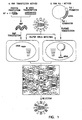
- RNA polymerase I Figure 1B
- RNA polymerase I Figure 1B
- RNA polymerase I Figure 1B
- a cellular enzyme that transcribes ribosomal RNA that lacks both a 5' cap and a 3' polyA tail.
- Cells - infected with influenza virus and transfected with a plasmid containing cloned influenza virus cDNA, flanked by murine RNA polymerase I promoter and terminator sequences led to the production of transfectant viruses. With both methods, however, transfectants must be selected from a vast background of helper viruses, which requires a strong selection system and complicates the generation of growth-defective viruses.
- VLPs replication-incompetent virus-like particles
- RNA viruses e.g., orthomyxoviruses such as influenza A viruses, entirely from cloned cDNAs.
- the invention relates to the embodiments as defined in the claims.
- the invention relates to a cell contacted with a plurality of orthomyxovirus vectors comprising:
- the disclosure also provides at least one of the following isolated and purified vectors: a vector comprising a promoter operably linked to an influenza virus PA cDNA linked to a transcription termination sequence, a vector comprising a promoter operably linked to an influenza virus PB 1 cDNA linked to a transcription termination sequence, a vector comprising a promoter operably linked to an influenza virus PB2 cDNA linked to a transcription termination sequence, a vector comprising a promoter operably linked to an influenza virus HA cDNA linked to a transcription termination sequence, a vector comprising a promoter operably linked to an influenza virus NP cDNA linked to a transcription termination sequence, a vector comprising a promoter operably linked to an influenza virus NA cDNA linked to a transcription termination sequence, a vector comprising a promoter operably linked to an influenza virus M cDNA linked to a transcription termination sequence, and a vector comprising a operably linked to an influenza virus NS cDNA linked to a transcription termination sequence.
- the cDNA may be in the sense or antisense orientation relative to the promoter.
- a vector disclosed herein may encode an orthomyxovirus protein (sense), or vRNA (antisense). Any promoter may be employed to express a viral protein.
- Preferred promoters for the vectors encoding vRNA include, but are not limited to, a RNA polymerase I promoter, a RNA polymerase II promoter, a RNA polymerase III promoter, a T7 promoter, and a T3 promoter. It is further preferred that the RNA polymerase I promoter is a human RNA polymerase I promoter.
- Preferred transcription termination sequences for the vectors encoding vRNA include, but are not limited to, a RNA polymerase I transcription termination sequence, a RNA polymerase II transcription termination sequence, or a RNA polymerase III transcription termination sequence, or a ribozyme.
- the vectors comprise influenza cDNA, e.g., influenza A (e.g., any influenza A gene including any of the 15 HA or 9 NA subtypes), B or C DNA (see Chapters 45 and 46 of Fields Virology (Fields et al. (eds.), Lippincott-Raven Publ., Philadelphia, PA (1996 )), although it is envisioned that the gene(s) of any virus may be employed in the vectors or methods disclosed herein.
- influenza A e.g., any influenza A gene including any of the 15 HA or 9 NA subtypes
- B or C DNA see Chapters 45 and 46 of Fields Virology (Fields et al. (eds.), Lippincott
- the composition comprises: a) at least two vectors selected from a vector comprising a promoter operably linked to an influenza virus PA cDNA linked to a transcription termination sequence, a vector comprising a promoter operably linked to an influenza virus PB1 cDNA linked to a transcription termination sequence, a vector comprising a promoter operably linked to an influenza virus PB2 cDNA linked to a transcription termination sequence, a vector comprising a promoter operably linked to an influenza virus HA cDNA linked to a transcription termination sequence, a vector comprising a promoter operably linked to an influenza virus NP cDNA linked to a transcription termination sequence, a vector comprising a promoter operably linked to an influenza virus NA cDNA linked to a transcription termination sequence, a vector comprising a promoter operably linked to an influenza virus M cDNA linked to a transcription termination sequence, and a vector comprising a operably a operably selected from a vector comprising a promoter operably linked to an influenza virus PA cDNA linked to
- the vectors encoding viral proteins further comprise a transcription termination sequence.
- a promoter for the vectors comprising influenza virus cDNA includes a RNA polymerase I promoter, a RNA polymerase II promoter, a RNA polymerase III promoter, a T7 promoter, and a T3 promoter.
- each vector comprising influenza virus cDNA comprises a transcription termination sequence such as a RNA polymerase I transcription termination sequence, a RNA polymerase II transcription termination sequence, or a RNA polymerase III transcription termination sequence, or a ribozyme.
- the vectors comprise influenza DNA, e.g., influenza A, B or C DNA.
- the composition comprises a plurality of orthomyxovirus vectors, comprising: a) at least two vectors selected from a vector comprising a RNA polymerase I promoter operably linked to an influenza virus PA cDNA linked to a RNA polymerase I transcription termination sequence, a vector comprising a RNA polymerase I promoter operably linked to an influenza virus PB1 cDNA linked to a RNA polymerase I transcription termination sequence, a vector comprising a RNA polymerase I promoter operably linked to an influenza virus PB2 cDNA linked to a RNA polymerase I transcription termination sequence, a vector comprising a RNA polymerase I promoter operably linked to an influenza virus HA cDNA linked to a RNA polymerase I transcription termination sequence, a vector comprising a RNA polymerase I promoter operably linked to an influenza virus NP cDNA linked to a RNA polymerase I transcription termination sequence, a vector comprising a RNA polymerase I promoter operably linked to
- compositions as described above further comprising a vector comprising a promoter linked to 5' orthomyxovirus non-coding sequences linked to a desired linked to 3' orthomyxovirus non-coding sequences linked to transcription termination sequences.
- the introduction of such a composition to a host cell permissive for orthomyxovirus replication results in recombinant virus comprising vRNA corresponding to sequences of the vector comprising 5' orthomyxovirus non-coding sequences linked to a cDNA linked to 3' orthomyxovirus non-coding sequences.
- the cDNA is in an antisense orientation.
- the promoter is a RNA polymerase I promoter, a RNA polymerase II promoter, a RNA polymerase III promoter, a T7 promoter, and a T3 promoter. It is also preferred that the transcription termination sequence is a RNA polymerase I transcription termination sequence, a RNA polymerase II transcription termination sequence, or a RNA polymerase III transcription termination sequence, or a ribozyme.
- the cDNA may encode an immunogenic epitope, such as an epitope useful in a cancer therapy or vaccine.
- a plurality of the vectors disclosed herein may be physically linked or each vector may be present on an individual plasmid or other, e.g., linear, nucleic acid delivery vehicle.
- the disclosure also provides a method to prepare influenza virus.
- the method comprises contacting a cell with a plurality of the vectors of the invention, e.g., sequentially or simultaneously, for example, employing a composition disclosed herein, in an amount effective to yield infectious influenza virus.
- the disclosure also includes isolating virus from a cell contacted with the composition.
- the disclosure further provides isolated virus, as well as a host cell contacted with the composition or isolated virus disclosed herein.
- influenza A viruses were prepared entirely from cloned cDNAs.
- the reverse genetics approach described herein is highly efficient and can be used to introduce mutations into any gene segment and to develop influenza virus-based gene delivery systems.
- human embryonic kidney cells (293T) were transfected with eight plasmids, each encoding a viral RNA of the A/WSN/33 (H1N1) or-A/PR/8/34 (H1N1) virus, flanked by the human RNA polymerase I promoter and the mouse RNA polymerase I terminator, together with plasmids encoding viral nucleoprotein and the PB2, PB 1 and PA viral polymerases.
- RNA viruses i.e., Paramyxoviridae, Rhabdoviridae, and Filoviridae
- segmented negative strand RNA viruses e.g., Arenaviridae and Bunyaviridae
- the expression of cRNA in cells instead of vRNA may improve the efficiency of virus generation.
- influenza viruses allow easy manipulation of influenza viruses, e.g., by the introduction of attenuating mutations into the viral genome. Further, because influenza viruses induce strong humoral and cellular immunity, the disclosure greatly enhances these viruses as vaccine vectors, particularly in view of the availability of natural variants of the virus, which may be employed sequentially, allowing repetitive use for gene therapy.
- a vector or plasmid disclosed herein may comprise a gene or open reading frame of interest, e.g., a foreign gene encoding an immunogenic peptide or protein useful as a vaccine.
- the vector or plasmid which expresses influenza vRNA comprises a promoter, e.g., a RNA polymerase I, suitable for expression in a particular host cell, e.g., avian or mammalian host cells such as canine, feline, equine, bovine, ovine, or primate cells including human cells.
- a promoter e.g., a RNA polymerase I
- avian or mammalian host cells such as canine, feline, equine, bovine, ovine, or primate cells including human cells.
- the vectors or plasmids comprising DNA useful to prepare influenza vRNA comprise RNA polymerase I transcription termination sequences.
- the gene or open reading frame is flanked by the 5' and 3' non-coding sequences of influenza virus, and even more preferably, that the gene or open reading frame is operably linked to a RNA polymerase I promoter and RNA polymerase I transcription termination sequence.
- RNA polymerase I green fluorescence protein
- the disclosure also provides for a host cell, the genome of which is stably augmented with at least one recombinant DNA molecule.
- the recombinant DNA molecule includes at least one of the following: a recombinant DNA molecule comprising a promoter functional in the host cell linked to a first lox site linked to a DNA segment comprising a transcription stop or termination sequence linked to a second lox site linked to an influenza virus HA coding region; a recombinant DNA molecule comprising a promoter functional in the host cell linked, to a first lox site linked to a DNA segment comprising a transcription stop or termination sequence linked to a second lox site linked to an influenza virus NA coding region; a recombinant DNA molecule comprising a promoter functional in the host cell linked to a first lox site linked to a DNA segment comprising a transcription stop or termination sequence linked to a second lox site linked to an influenza virus M1 coding region; a recombinant DNA molecule comprising
- the host cell is augmented with a recombinant DNA molecule comprising a promoter functional in the host cell linked to a first lox site linked to a DNA segment comprising a transcription stop sequence linked to a second lox site linked to an influenza virus HA coding region; a recombinant DNA molecule comprising a promoter functional in the host cell linked to a first lox site linked to a DNA segment comprising a transcription stop sequence linked to a second lox site linked to an influenza virus NA coding region; a recombinant DNA molecule comprising a promoter functional in the host cell linked to a first lox site linked to a DNA segment comprising a transcription stop sequence linked to a second lox site linked to an influenza virus M1 coding region; a recombinant DNA molecule comprising a promoter functional in the host cell linked to a first lox site linked to a DNA segment comprising a transcription stop sequence linked to a second lox site linked to an influenza virus NS2 coding region;
- the disclosure also provides a method to prepare infectious replication defective influenza virus.
- the method comprises contacting a host cell which is augmented with at least one recombinant DNA molecule of the invention, e.g., encoding HA, NA, M1, M2, NS2, PA, PB1, PB2, orNP, with a recombinant influenza virus comprising: vRNA comprising a Cre open reading frame, and vRNAs comprising influenza genes not expressed by the host cell.
- Virus is then recovered from the contacted host cell.
- the recombinant virus further comprises vRNA comprising a desired open reading frame.
- the augmented host cell is contacted with a vector comprising a promoter functional in the host cell operably linked to a DNA segment encoding Cre, and a plurality of vectors each comprising a promoter operably linked to an influenza virus cDNA not present in the host cell. Virus is then recovered.
- the disclosure also provides a host cell, the genome of which is augmented with a recombinant DNA molecule comprising a promoter functional in the host cell linked to a first lox site linked to a DNA segment comprising a transcription stop sequence linked to a second lox site linked to a host cell surface binding protein coding region; a recombinant DNA molecule comprising a promoter functional in the host cell linked to a first lox site linked to a DNA segment comprising a transcription stop sequence linked to a second lox site linked to a fusion protein coding region; a recombinant DNA molecule comprising a promoter functional in the host cell linked to a first lox site linked to a DNA segment comprising a transcription stop sequence linked to a second lox site linked to an influenza virus M1 coding region; a recombinant DNA molecule comprising a promoter functional in the host cell linked to a first lox site linked to a DNA segment comprising a transcription stop sequence linked to a second lox site linked to
- Yet another embodiment is a host cell, the genome of which is augmented with a recombinant DNA molecule comprising a promoter functional in the host cell linked, to a first lox site linked to a DNA segment comprising a transcription stop sequence linked to a second lox site linked to a host cell surface binding and fusion protein coding region; a recombinant DNA molecule comprising a promoter functional in the host cell linked to a first lox site linked to a DNA segment comprising a transcription stop sequence linked to a second lox site linked to an influenza virus M1 coding region; a recombinant DNA molecule comprising a promoter functional in the host cell linked to a first lox site linked to a DNA segment comprising a transcription stop sequence linked to a second lox site linked to an influenza virus NS2 coding region; and a recombinant DNA molecule comprising a promoter functional in the host cell linked to a first lox site linked to a DNA segment comprising a transcription stop sequence linked to a
- Host cells augmented with recombinant DNA molecules as described hereinabove are useful to prepare infectious replication defective influenza virus.
- a host cell stably transformed with recombinant DNA molecules encoding HA, NA, M1, M2 and NS2 is contacted with a plurality of vectors, i.e., vectors which express vRNA comprising a Cre open reading frame, vRNA comprising PA, vRNA comprising NP, vRNA comprising PB1, vRNA comprising PB2, and optionally, vRNA comprising a gene of interest; and vectors which encode PA, PB1, PB2, and NP.
- the methods of producing virus described herein, which do not require helper virus infection, are useful in viral mutagenesis studies, and in the production of vaccines (e.g., for AIDS, influenza, hepatitis B, hepatitis C, rhinovirus, filoviruses, malaria, herpes, and foot and mouth disease) and gene therapy vectors (e.g., for cancer, AIDS, adenosine deaminase, muscular dystrophy, ornithine transcarbamylase deficiency and central nervous system tumors).
- vaccines e.g., for AIDS, influenza, hepatitis B, hepatitis C, rhinovirus, filoviruses, malaria, herpes, and foot and mouth disease
- gene therapy vectors e.g., for cancer, AIDS, adenosine deaminase, muscular dystrophy, ornithine transcarbamylase deficiency and central nervous system tumors.
- a virus for use in medical therapy (e.g., for a vaccine or gene therapy) is provided.
- the disclosure provides a method to immunize an individual against a pathogen, e.g., a bacteria, virus, or parasite, or a malignant tumor.
- the method comprises administering to the individual an amount of at least one isolated virus of the invention, optionally in combination with an adjuvant, effective to immunize the individual.
- the virus comprises vRNA comprising a polypeptide encoded by the pathogen or a tumor specific polypeptide.
- the method comprises administering to the mammal an amount of an isolated virus as disclosed herein effective to augment or increase the amount of the endogenous protein in the mammal.
- the mammal is a human.
- the disclosure also provides vectors and methods for the recombinant production of positive strand viruses, e.g., positive-sense RNA viruses.
- a vector comprising a DNA segment comprising RNA polymerase I transcription initiation sequences operably linked to a second DNA segment comprising sequences from a positive-sense RNA virus, optionally operably linked to a third DNA segment comprising RNA polymerase I transcription termination sequences.
- a method of using the vector(s) to prepare recombinant virus The method is particularly useful as it employs cloned DNA and transfection techniques, thus circumventing RNA handling.
- RNA polymerase I transcription is highly efficient and has high fidelity.
- RNA viruses whose genomic RNA is uncapped (e.g., pestiviruses; hepatitis C virus; and Picornaviridae, including poliovirus, rhinoviruses, hepatitis A virus, and foot and mouth disease virus), a cDNA encoding the full-length genome is introduced in genomic-sense orientation between RNA polymerase I promoter and terminator sequences. Transfection of the resulting plasmid into permissive host cells yields genomic RNA for virus replication.
- a number of positive-sense RNA viruses contain capped genomic RNAs (e.g., flaviviruses, including dengue fever virus and several encephalitis viruses).
- RNA polymerase I transcripts are not capped, a cDNA encoding the full-length genome of RNA viruses having capped genomic RNAs is introduced in antigenomic-sense orientation in a RNA polymerase I transcription vector. Following transfection of the resulting plasmid, cellular RNA polymerase I transcribes an antigenomic (uncapped) RNA. Moreover, cotransfection with protein expression plasmids for the proteins required for replication results in the replication of the antigenomic RNA, hence yielding genomic RNA and ultimately infectious virus.
- the terms “isolated and/or purified” refer to in vitro preparation, isolation and/or purification of a vector or plasmid disclosed herein, so that it is not associated with in vivo substances, or is substantially purified from in vitro substances.
- the term “recombinant nucleic acid” or “recombinant DNA sequence or segment” refers to a nucleic acid, e.g., to DNA, that has been derived or isolated from a source, that may be subsequently chemically altered in vitro, so that its sequence is not naturally occurring, or corresponds to naturally occurring sequences that are not positioned as they would be positioned in the native genome.
- DNA "derived” from a source would be a DNA sequence that is identified as a useful fragment, and which is then chemically synthesized in essentially pure form.
- An example of such DNA "isolated” from a source would be a useful DNA sequence that is excised or removed from said source by chemical means, e.g., by the use of restriction endonucleases, so that it can be further manipulated, e.g., amplified, for use as disclosed herein, by the methodology of genetic engineering.
- site-specific recombination is intended to include the following three events: 1) deletion of a target DNA segment flanked by site-specific recombination sites or sequences, e.g., loxP sites; 2) inversion of the nucleotide sequence of a target DNA segment flanked by site-specific recombination sites or sequences, e.g., lox sites; and 3) reciprocal exchange of target DNA segments proximate to site-specific recombination sites or sequences, e.g., lox sites located on different DNA molecules.
- Site-specific recombinase systems include, but are not limited to, the Cre/loxP system of bacteriophage P1 ( U.S. Patent No. 5,658,772 ).
- the site-specific recombination sequence can be mutated in a manner that the product of the recombination reaction is no longer recognized as a substrate for the reverse reaction, thereby stabilizing the integration or excision event.
- lox sites in the same orientation are positioned to flank the undesired sequences.
- lox sites include l ox B, loxL, and loxR sites which are nucleotide sequences isolated from E. coli ( Hoess et al., Proc. Natl. Acad. Sci. USA, 79, 3398 (1982 )).
- Lox sites can also be produced by a variety of synthetic techniques which are known in the art. For example, synthetic techniques for producing lox sites are disclosed by Ito et al., Nuc. Acid Res., 10, 1755 (1982 ) and Ogilvie et al., Science, 214, 270 (1981 ).
- lox site means a nucleotide sequence at which the gene product of the cre gene can catalyze a site-specific recombination.
- LoxP is a 34 base pair nucleotide sequence which can be isolated from bacteriophage P1 by methods known in the art (see, for example, Hoess et al., Proc. Natl. Acad. Sci. USA, 79, 3398 (1982 )). LoxP consists of two 13 base pair inverted repeats separated by an 8 base pair spacer region.
- cre gene means a nucleotide sequence which codes for an enzymic gene product which effects site-specific recombination of DNA in eukaryotic cells at lox sites.
- a cre gene can be isolated from bacteriophage P 1 by methods known in the art (see Abremaid et al., Cell, 32, 1301-1311 (1983 )).
- Influenza A viruses possess a genome of eight single-stranded negative-sense viral RNAs (vRNAs) that encode a total of ten proteins.
- the influenza virus life cycle begins with binding of the hemagglutinin (HA) to sialic acid-containing receptors on the surface of the host cell, followed by receptor-mediated endocytosis.
- the low pH in late endosomes triggers a conformational shift in the HA, thereby exposing the N-terminus of the HA2 subunit (the so-called fusion peptide).
- the fusion peptide initiates the fusion of the viral and endosomal membrane, and the matrix protein (M1) and RNP complexes are released into the cytoplasm.
- RNPs consist of the nucleoprotein (NP), which encapsidates vRNA, and the viral polymerase complex, which is formed by the PA, PB1, and PB2 proteins. RNPs are transported into the nucleus, where transcription and replication take place.
- the RNA polymerase complex catalyzes three different reactions: synthesis of an mRNA with a 5' cap and 3' polyA structure, of a full-length complementary RNA (cRNA), and of genomic vRNA using the cDNA as a template. Newly synthesized vRNAs, NP, and polymerase proteins are then assembled into RNPs, exported from the nucleus, and transported to the plasma membrane, where budding of progeny virus particles occurs.
- NA neuraminidase
- THOV Thogotoviruses
- the THOV genome comprises six segments of single-stranded, negative-sense RNA.
- the proteins encoded by the three largest segments show significant homology to the influenza virus polymerase proteins PB2, PB1, and PA.
- Segment 5 encodes a protein related to influenza virus NP.
- the THOV glycoprotein, which is encoded by segment 4 is not homologous to either influenza virus HA or NA, but it shows sequence similarity to the Baculovirus glycoprotein.
- the smallest segment is thought to encode a matrix protein and does not resemble any of the influenza virus proteins.
- influenza virus both the 3' and 5' ends of the vRNA are required for promoter activity, and this activity is located in the terminal 14 and 15 nucleotides of the 3' and 5' ends of the vRNA, respectively.
- THOV THOV-derived cap structures.
- cap structures without additional nucleotides are cleaved from cellular mRNAs (Albo et al., 1996; Leahy et al., 1997; Weber et al., 1996).
- This 'hook' structure is only found in the THOV vRNA promoter.
- the cRNA promoter sequence does not allow the formation of base pairs between positions 2 and 9, and between 3 and 8 at the 5' end of the cRNA. Alterations at positions 3 or 8 to allow base-pairing between these nucleotides stimulates endonuclease activity, which is strong supporting evidence of the proposed 'hook' structure (Leahy et al., 1998).
- this structure might be crucial for the regulation of the THOV life cycle; the vRNA promoter, forming the 'hook' structure, may stimulate PB2 endonuclease activity, thereby allowing transcription.
- the cRNA promoter in contrast, may not form the 'hook' structure and may therefore be unable to stimulate endonuclease activity, thus resulting in replication.
- the family Bunyaviridae includes several viruses that cause hemorrhagic or encephalitic fevers in humans (e.g., Rift fever valley, Hantaan, La Crosse, and Crimean-Congo hemorrhagic fever).
- the spherical and enveloped virions contain three segments of single-stranded, negative-sense RNA (reviewed in Elliott, 1997).
- the largest segment (L) encodes the viral RNA polymerase protein (L protein), whereas the M segment encodes the two viral glycoproteins G1 and G2, and a nonstructural protein (NSm).
- the smallest segment (S) encodes the nucleocapsid protein (N) and a second nonstructural protein (NSs).
- Virus replication and transcription take place in the cytoplasm, and newly assembled virions bud through the membranes of the Golgi apparatus.
- Bridgen & Elliott 1996 have established a reverse genetics system to generate infectious Bunyamwera virus entirely from cloned cDNAs. They followed a strategy first described by Schnell et al. (1994) for rabies virus: intracellular transcription of a cDNA coding for the positive-sense antigenomic RNA (but not for the negative-sense genomic RNA) in cells expressing the viral polymerase and nucleoprotein. Bridgen & Elliott (1996) infected HeLaT4+ cells with vaccinia virus expressing T7 polymerase and transfected these cells with plasmids expressing proteins encoded by the S, M, and L segments.
- the terminal sequences of bunyavirus RNAs are complementary and highly conserved. It has therefore been assumed that these sequence elements define the bunyaviral promoter and are crucial for promoter activity. Deletion of five nucleotides at the 3' end of the viral RNA drastically reduces CAT expression (Dunn et al., 1995). In contrast, addition of two nucleotides at the 5' end, or of 11 or 35 nucleotides at the 3' end does not abolish CAT expression (Dunn et al., 1995). Therefore, like the influenza virus polymerase complex, the bunyavirus polymerase protein can apparently start transcription and/or replication internally.
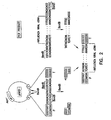
- RNA polymerase I constructs To generate RNA polymerase I constructs, cloned cDNAs derived from A/WSN/33 or A/PR/8/34 viral RNA were introduced between the promoter and terminator sequences of RNA polymerase I. Briefly, the cloned cDNAs were amplified by PCR with primers containing BsmBI sites, digested with Bsm BI , and cloned into the Bsm BI sites of the pHH21 vector which contains the human RNA polymerase I promoter and the mouse RNA polymerase I terminator, separated by BsmBI sites ( Figure 2 ).
- the PB2, PB1, PA, HA, NP, NA, M, and NS genes of the A/WSN/33 strain were PCR-amplified by use of the following plasmids: pSCWPB2, pGW-PB1, and pSCWPA (all obtained from Dr. Debi Nayak at the University of California Los Angeles), and p WH17, pWNP152, pT3WNA15 (Castrucci et al., 1992), pGT3WM, and pWNS1; respectively.
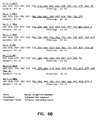
- the PB1 gene of influenza A/PR/8/34 virus was amplified by using pcDNA774 (PB1) (Perez et al., 1998) as a template. See Figure 6 for the sequences of the primers.
- PCR-derived fragments were sequences with an autosequencer (Applied Biosystem Inc., CA, USA) according to the protocol recommended by the manufacturer.
- the cDNAs encoding the HA, NP, NA, and M1 genes of A/WSN/33 virus were cloned as described (Huddleston et al., 1982) and subcloned into the eukaryotic expression vector pCAGGS/MCS (controlled by the chicken ⁇ -actin promoter) (Niwa et al., 1991), resulting in pEWSN-HA, pCAGGS-WSN-NP0-14, pCAGGS-WNA15, and pCAGGS-WSN-M1-2/1, respectively.
- the M2 and NS2 genes from the A/PR/8/34 virus were amplified by PCR and cloned into pCAGGS/MCS, yielding pEP24c and pCA-NS2.
- pcDNA774(PB1), pcDNA762(PB2), and pcDNA787(PA) were used to express the PB2, PB1, and PA proteins under control of the cytomegalovirus promoter (Perez et al., 1998).
- plasmid-driven expression of viral RNA segments, three polymerase subunits and NP protein results in infectious influenza particles, this strategy is not likely to be efficient when used with eight different in vitro generated RNPs.
- plasmids were prepared that contain cDNAs for the full-length viral RNAs of the A/WSN/33 virus, flanked by the human RNA polymerase I promoter and the mouse RNA polymerase I terminator.
- transfection of these eight plasmids into eukaryotic cells should result in the synthesis of all eight influenza vRNAs.
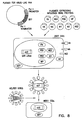
- the PB2, PB1, PA and NP proteins, generated by cotransfection of protein expression plasmids, should then assemble the vRNAs into functional vRNPs that are replicated and transcribed, ultimately forming infectious influenza viruses ( Figure 3 ).
- 1 x 10 6 293T cells were transfected with protein expression plasmids (1 ⁇ g of pcDNA762(PB2), 1 ⁇ g of pcDNA774(PB1), 0.1 ⁇ g of pcDNA787(PA), and 1 ⁇ g of pCAGGS-WSN-NP0/14) and 1 ⁇ g of each of the following RNA polymerase I plasmids (pPo1I-WSN-PB2, pPo1I-WSN-PB1, pPo1I-WSN-PA, pPo1I-WSN-HA, pPo1I-WSN-NP, pPo1I-WSN-NA, pPo1I-WSN-M, and pPolI-WSN-NS).
- RNA polymerase I plasmids pPo1I-WSN-PB2, pPo1I-WSN-PB1, pPo1I-WSN-PA, pPo
- plasmids were constructed with cDNAs representing the RNAs of A/WSN/33 virus.
- 293T cells were transfected with optimal amounts of viral protein expression plasmids (as judged by VLP production; unpublished data): 1 ⁇ g of pcDNA762(PB2) and pcDNA774(PB1); 0.1 ⁇ g of pcDNA787(PA); 1 ⁇ g of pEWSN-HA, pCAGGS-WSN-NP0/14, and pCAGGS-WNA15; 2 ⁇ g of pCAGGS-WSN-M1-2/1; 0.3 ⁇ g of pCA-NS2; and 0.03 ⁇ g of pEP24c (for M2), together with 1 ⁇ g of each RNA polymerase I plasmid (Experiment 2, Table 1).
- a second set of cells was transfected with the same set of RNA polymerase I plasmids, with the exception of the PB1 gene, for which pPo1I-PR/8/34-PB1 was substituted in an effort to generate a reassortant virus, together with plasmids expressing only PA, PB 1, PB2, and NP (Experiment 3, Table 1) or those expressing all the influenza structural proteins (Experiment 4, Table 1). Yields of WSN virus did not appreciably differ at 24 hours (Experiments 1 and 2, Table 1) or at 36 hours (data not shown) post-transfection.
- RNA polymerase I plasmid pPo1I-WSN-NA/FL79
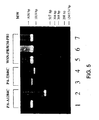
- PA-T846C and PA-A1284C viruses had the expected mutations within the PA gene, as demonstrated by the presence of the newly introduced restriction sites.
- PCR of the same viral samples and primers without the reverse transcription step failed to produce any products (data not shown), indicating that the PA cDNA was indeed originated from vRNA instead of the plasmid used to generate the viruses.
- the reverse genetics systems described herein allows one to efficiently produce influenza A viruses entirely from cloned cDNAs.
- Bridgen and Elliott (1996) also used reverse genetics to generate a Bunyamwera virus ( Bunyaviridae family), but it contains only three segments of negative-sense RNA, and the efficiency of its production was low, 10 2 pfu/10 7 cells.
- the virus yields differed among the experiments, consistently. > 10 3 pfu/10 6 cells was observed for influenza virus, which contains eight segments.
- RNPs were generated in vivo through intracellular synthesis of vRNAs using RNA polymerase I and through plasmid-driven expression of the viral polymerase proteins and NP. Also, the use of 293T cells, which are readily transfected with plasmids (Goto et al., 1997), ensured that a large population of cells received all of the plasmids needed for virus production. In addition, the large number of transcripts produced by RNA polymerase I, which is among the most abundantly expressed enzymes in growing cells, likely contributed to the overall efficiency of the system.
- inactivated influenza vaccines are available, their efficacy is suboptimal due partly to their limited ability to elicit local IgA and cytotoxic T cell responses.
- Clinical trials of cold-adapted live influenza vaccines now underway suggest that such vaccines are optimally attenuated, so that they will not cause influenza symptoms, but will still induce protective immunity - (reviewed in Keitel & Piedra, 1998).
- preliminary results indicate that these live virus vaccines will not be significantly more effective than the best inactivated vaccine (reviewed in Keitel. & Piedra, 1998), leaving room for further improvement.
- One possibility would be to modify a cold-adapted vaccine with the reverse genetics system described above.
- influenza viruses can be engineered to express foreign proteins or immunogenic epitopes in addition to the influenza viral proteins.
- influenza viruses stimulate strong cell-mediated and humoral immune responses, but they also afford a wide array of virion surface HA and NA proteins (e.g., 15 HA and 9 NA subtypes and their epidemic variants), allowing repeated immunization of the same target population.
- Influenza VLPs possessing an artificial vRNA encoding a reporter gene have been produced by expressing viral structural proteins and vRNA with the vaccinia-T7 polymerase system (Mena et al., 1996). Using reverse genetics, one can now generate VLPs containing vRNAs that encode proteins required for vRNA transcription and replication (i.e., PA, PB 1, PB2, and NP), as well as vRNAs encoding proteins of interest. Such VLPs could be useful gene delivery vehicles. Importantly, their lack of genes encoding viral structural proteins would ensure that infectious viruses will not be produced after VLP-gene therapy.
- influenza virus genome is not integrated into host chromosome, the VLP system would be suitable for gene therapy in situations requiring only short-term transduction of cells (e.g., for cancer treatment).
- influenza VLPs could contain both HA and NA variants, allowing repeated treatment of target populations.
- the family Orthomyxoviridae comprises influenza A, B, and C viruses, as well as the recently classified Thogotovirus.
- the strategy for generating infectious influenza A viruses entirely from cloned cDNAs described herein would apply to any orthomyxovirus, and perhaps to other segmented negative-sense RNA viruses as well (e.g., Bunyaviridae, Arenaviridae ) .
- the ability to manipulate the viral genome without technical limitations has profound implications for the study of viral life cycles and their regulation, the function of viral proteins and the molecular mechanisms of viral pathogenicity.
- influenza virus proteins PB2, PB1, PA, and NPleads to replication and transcription of an artificial viral RNA.
- the RNA polymerase I system for the intracellular synthesis of influenza viral RNAs in vivo was employed ( Figure 7 ).
- a cDNA encoding a reporter gene in antisense orientation is flanked by the 5' and 3' noncoding regions of an influenza viral RNA.
- This cassette is inserted between an RNA polymerase I promoter and terminator. Transfection of such constructs into eukaryotic cells leads to transcription of the reporter gene by cellular RNA polymerase I, thereby generating influenza virus-like RNAs (Neumann et al., 1994).
- the artificial vRNAs are replicated and transcribed by the viral polymerase complex, resulting in the expression of the reporter gene.
- plasmids (1 ⁇ g each) expressing the NP protein of A/WSN/33 (H1N1) virus under control of the chicken.
- ⁇ -actin promoter pCAGGS-WSN-NP0/14
- the polymerase proteins of A/PR/8/34 virus under control of the cytomegalovirus promoter [pcDNA762(PB2), pcDNA774(PB1), and pcDNA787(PA)]
- pPo1I-GFP an RNA polymerase I reporter gene construct
- Optimal vRNA transcription and replication To determine the amounts of plasmid DNA required for optimal reporter GFP expression, we modulated the expression of the polymerase proteins and NP. Previous studies had indicated that large amounts of PA reduce the extent of reporter gene expression in transcription/replication systems (Mena et al., 1996). Therefore, in a stepwise manner, the expression of PA from the plasmid was reduced, identifying 0.1 ⁇ g of pcDNA787 (PA) as the template amount yielding the strongest expression of GFP. With NP, the major structural component of RNP complexes, high amounts of protein expression plasmid may be required. However, higher amounts of the plasmid did not appreciably affect the number of GFP-positive 293T cells.
- PB2 and PB 1 protein expression plasmids did not affect the GFP expression in 293T cells.
- 0.1 ⁇ g of pcDNA787(PA), and 1.0 ⁇ g of pcDNA774(PB1), pcDNA762(PB2), and pCAGGS-WSN-NP0/14 was used.
- influenza VLPs Formation of influenza VLPs from cloned cDNAs.
- Previous studies with the vaccinia virus T7 RNA polymerase system showed that the formation of influenza VLPs requires nine influenza virus proteins: PB2, PB1, PA, HA, NA, NP, M1, M2, and NS2 (Mena et al., 1996).
- the NS1 protein by contrast, is dispensable for particle formation (Mena et al., 1996).
- cDNAs were generated that encoded the HA, NA, M1, M2, and NS2 genes.
- the cDNAs were cloned into the eukaryotic expression vector pCAGGS/MCS (controlled by the chicken ⁇ -actin promoter), resulting in pEWSN-HA, pCAGGS-WNA15, pCAGGS-WSN-M1-2/1, pEP24c, and pCA-NS2, respectively. Expression of each protein was confirmed by Western blot analysis.
- the M1 protein is the major structural component of the virion. Thus, high levels of M1 expression are likely required for efficient formation of VLPs. This prediction was tested in experiments comparing VLP formation in cells transfected with 1.0 ⁇ g or 2.0 ⁇ g of M1 plasmid DNA. As shown in Table 3, higher amounts of plasmid resulted in a more than tenfold increase in the number of GFP-positive MDCK cells. Comparison of two different amounts (1 ⁇ g vs. 2 ⁇ g) of plasmids expressing the HA and NA proteins did not reveal any appreciable differences in VLP formation, leading to selection of 1 ⁇ g of each plasmid (pEWSN-HA, pCAGGS-WNA15) for use in subsequent experiments.
- VLP-containing supernatants were collected, mixed with A/WSN/33 helper virus, and inoculated into MDCK cells.
- the cells were fixed 10 h after infection and GFP expression was determined with a fluorescence microscope. Only the amounts of the M1, M2, and NS2 plasmids were varied (bold letter) to determine their optimal amounts for GFP expression in MDCK cells. ⁇ The relative efficiency of VLP formation was determined by counting the number of GFP-positive cells in five microscopic fields. The sample containing 1 ⁇ g of each plasmid (which yielded 450 infectious VLP/ml of supernatant) was chosen as the reference (value of 1).
- VLPs produced entirely from plasmids.
- VLPs were neutralized with antibody to the WSN HA.
- VPL-containing supernatants derived from plasmid-transfected 293T cells were incubated with a pool of anti-WSN HA monoclonal antibodies or with a monoclonal antibody to the G protein of vesicular stomatitis virus (VSV) (negative control) for 1 hour at room temperature.
- VSV vesicular stomatitis virus
- A/PR/8/34 helper virus which is not neutralized by the pool of anti-WSN HA monoclonal antibodies, was added to the mixture and inoculated into MDCK cells. Only the anti-WSN-HA-specific monoclonal antibody neutralized the VLPs, indicating that the HA medicates the attachment and entry of VLPs into cells.
- VSV glycoprotein can replace the HA and NA proteins in the production of VLPs.
- the influenza virus HA and NA proteins were replaced with the VSV G protein, which functions in receptor binding and fusion.
- VSV G protein which functions in receptor binding and fusion.
- substitution of the VSV-G protein for influenza virus glycoproteins did not adversely affect VLP formation.
- higher numbers of GFP-positive cells were reporducibly found when VSV-G, rather than the HA and NA, served as the viral glycoprotein.
- the VSV G protein can be efficiently incorporated into influenza virions and can function as well as the HA and NA in virus release and entry.
- VLP production strategy described here is highly efficient, both in the initial transfection of cells and in the yield of VLPs (>10 4 infectious particles/ml of supernatant). Moreover, it is driven entirely by plasmids expressing influenza virus proteins (i.e., in the absence of any other viral proteins), which greatly simplifies the interpretation of results. Another major advantage is the capability to study the effects of lethal mutations in virion formation, packaging of RNP complexes, budding of virus replication, and binding and fusion processes. In addition, it is likely that the system described hereinabove would operate equally well with other viruses, e.g., paramyxoviruses and rhabdoviruses.
- Influenza virus HA and NA proteins can be functionally replaced by the VSV glycoprotein G.
- Previous had been reported that influenza viruses failed to incorporate VSV G protein when provided by recombinant SV40 virus (Naim et al., 1993).
- the results described herein suggest that neither the HA nor the NA is essential for the formation of VLPs, although it cannot be ruled out that these glycoproteins play a role in interactions with other viral proteins, thus affecting the structure of virions, as suggested by the elongated shapes of viruses expressing tail-less HAs, NAs, or both (Garcia-Sastre et al., 1995; Jin et al., 1994; Jin et al., 1997; Mitnaul et al., 1996).
- VLPs can be prepared that contain the vRNA encoding the proteins required for transcription and replication (i.e., the NP and the polymerases), as well as a vRNA encoding the protein of interest. These particles are infectious and can deliver a designated gene into target cells, where it would replicate and be transcribed. Because these particles do not contain a complete complement of viral genes, they can not produce infectious progeny viruses. This feature, together with the lack of integration of the viral genome into host chromosomes, would ensure the biological safety of gene delivery in human and nonhuman subjects.
- a protein expression vector is prepared that contains a transcription stop cassette (e.g., pBS302 of Life Technologies, Bethesda, Maryland; and Sauer et al., 1993; Lasko et al., 1992; Pichel et al., 1993; Bolivar et al., 1977; Guatemala et al., 1981; Guatemala, 1985; Fiers et al., 1978), flanked by two loxP sites, and one of the viral genes. Transcription, initiated at the promoter sequence, is blocked at the transcription stop sites. Thus, the viral gene is not transcribed and translated.
- a transcription stop cassette e.g., pBS302 of Life Technologies, Bethesda, Maryland; and Sauer et al., 1993; Lasko et al., 1992; Pichel et al., 1993; Bolivar et al., 1977; Guatemala et al., 1981; Guatemala, 1985; Fiers et al., 1978
- a cell that is stably transfected with such a vector is infected with an influenza virus that lacks the vRNA encoding the gene cloned into the loxP system.
- This virus also contains an additional vRNA encoding the Cre protein.
- This virus is not viable in normal cells, because it lacks one of its vRNAs.
- the Cre protein which is expressed from the vRNA results in recombination at the loxp site, resulting in the deletion of the transcription stop site.
- the respective viral gene(s) is now transcribed and expressed, allowing the virus to amplify in these cells ( Figure 11 ).
- packaging cell lines are prepared that express the late viral proteins (i.e., HA, NA, M1, M2, and NS2) controlled by the loxP system ( Figure 12 ).
- the HA and NA can be replaced by other viral receptor-binding and fusion proteins (e.g., Ebola GP, Marburg GP, Bunyaviridae glycoproteins GP1 and GP2, the G and/or F proteins of rhabdovirus and paramyxovirus, thogotovirus glycoprotein, and the glycoproteins of positive-strand RNA viruses).
- Virus-like particles are generated which contain the vRNAs encoding the proteins required for replication/transcription (i.e., the polymerase and NP proteins), a vRNA encoding the gene of interest, and a vRNA encoding Cre. These vRNAs are packaged into virus-like particles in the packaging cell lines.
- virus-like particles can be used for vaccine and gene therapy purposes because (i) they do not contain the full complement of viral genes and thus no infectious progeny particles can be formed, meeting the stringent safety concerns; (ii) they will likely express the foreign protein at high levels; (iii) they do not express the viral glycoproteins (HA, NA) that are the major antigens; thus, the host immune response against the viral proteins should be limited.
- HA, NA viral glycoproteins
Landscapes
- Health & Medical Sciences (AREA)
- Life Sciences & Earth Sciences (AREA)
- Chemical & Material Sciences (AREA)
- Genetics & Genomics (AREA)
- Organic Chemistry (AREA)
- Engineering & Computer Science (AREA)
- Bioinformatics & Cheminformatics (AREA)
- Wood Science & Technology (AREA)
- Virology (AREA)
- Zoology (AREA)
- General Health & Medical Sciences (AREA)
- Biotechnology (AREA)
- Biomedical Technology (AREA)
- General Engineering & Computer Science (AREA)
- Molecular Biology (AREA)
- Biochemistry (AREA)
- Immunology (AREA)
- Medicinal Chemistry (AREA)
- Biophysics (AREA)
- Microbiology (AREA)
- Plant Pathology (AREA)
- Chemical Kinetics & Catalysis (AREA)
- Physics & Mathematics (AREA)
- Nuclear Medicine, Radiotherapy & Molecular Imaging (AREA)
- Public Health (AREA)
- Pharmacology & Pharmacy (AREA)
- General Chemical & Material Sciences (AREA)
- Veterinary Medicine (AREA)
- Animal Behavior & Ethology (AREA)
- Communicable Diseases (AREA)
- Oncology (AREA)
- Pulmonology (AREA)
- Gastroenterology & Hepatology (AREA)
- Proteomics, Peptides & Aminoacids (AREA)
- Micro-Organisms Or Cultivation Processes Thereof (AREA)
- Medicines Containing Antibodies Or Antigens For Use As Internal Diagnostic Agents (AREA)
- Medicines Containing Material From Animals Or Micro-Organisms (AREA)
- Medicines That Contain Protein Lipid Enzymes And Other Medicines (AREA)
- Agricultural Chemicals And Associated Chemicals (AREA)
Priority Applications (1)
| Application Number | Priority Date | Filing Date | Title |
|---|---|---|---|
| EP14200291.4A EP2910629B1 (en) | 1999-04-06 | 2000-04-05 | Recombinant influenza viruses for vaccines and gene therapy |
Applications Claiming Priority (4)
| Application Number | Priority Date | Filing Date | Title |
|---|---|---|---|
| US12791299P | 1999-04-06 | 1999-04-06 | |
| US13283999P | 1999-05-06 | 1999-05-06 | |
| EP00920151A EP1185615B1 (en) | 1999-04-06 | 2000-04-05 | Recombinant influenza viruses for vaccines and gene therapy |
| EP07009953A EP1820853B1 (en) | 1999-04-06 | 2000-04-05 | Recombinant influenza viruses for vaccines and gene therapy |
Related Parent Applications (4)
| Application Number | Title | Priority Date | Filing Date |
|---|---|---|---|
| EP07009953A Division EP1820853B1 (en) | 1999-04-06 | 2000-04-05 | Recombinant influenza viruses for vaccines and gene therapy |
| EP00920151.8 Division | 2000-04-05 | ||
| EP00920151A Division EP1185615B1 (en) | 1999-04-06 | 2000-04-05 | Recombinant influenza viruses for vaccines and gene therapy |
| EP07009953.6 Division | 2007-05-18 |
Related Child Applications (2)
| Application Number | Title | Priority Date | Filing Date |
|---|---|---|---|
| EP14200291.4A Division EP2910629B1 (en) | 1999-04-06 | 2000-04-05 | Recombinant influenza viruses for vaccines and gene therapy |
| EP14195655 Division-Into | 2014-12-01 |
Publications (2)
| Publication Number | Publication Date |
|---|---|
| EP2345716A1 EP2345716A1 (en) | 2011-07-20 |
| EP2345716B1 true EP2345716B1 (en) | 2015-01-14 |
Family
ID=26826080
Family Applications (4)
| Application Number | Title | Priority Date | Filing Date |
|---|---|---|---|
| EP10011896.7A Expired - Lifetime EP2345716B1 (en) | 1999-04-06 | 2000-04-05 | Recombinant influenza viruses for vaccines and gene therapy |
| EP00920151A Expired - Lifetime EP1185615B1 (en) | 1999-04-06 | 2000-04-05 | Recombinant influenza viruses for vaccines and gene therapy |
| EP14200291.4A Expired - Lifetime EP2910629B1 (en) | 1999-04-06 | 2000-04-05 | Recombinant influenza viruses for vaccines and gene therapy |
| EP07009953A Expired - Lifetime EP1820853B1 (en) | 1999-04-06 | 2000-04-05 | Recombinant influenza viruses for vaccines and gene therapy |
Family Applications After (3)
| Application Number | Title | Priority Date | Filing Date |
|---|---|---|---|
| EP00920151A Expired - Lifetime EP1185615B1 (en) | 1999-04-06 | 2000-04-05 | Recombinant influenza viruses for vaccines and gene therapy |
| EP14200291.4A Expired - Lifetime EP2910629B1 (en) | 1999-04-06 | 2000-04-05 | Recombinant influenza viruses for vaccines and gene therapy |
| EP07009953A Expired - Lifetime EP1820853B1 (en) | 1999-04-06 | 2000-04-05 | Recombinant influenza viruses for vaccines and gene therapy |
Country Status (19)
| Country | Link |
|---|---|
| EP (4) | EP2345716B1 (enExample) |
| JP (3) | JP5543048B2 (enExample) |
| KR (1) | KR100702275B1 (enExample) |
| CN (2) | CN101851636B (enExample) |
| AT (2) | ATE368729T1 (enExample) |
| AU (1) | AU4073300A (enExample) |
| BR (1) | BRPI0009580B8 (enExample) |
| CA (2) | CA2365526C (enExample) |
| CY (2) | CY1108520T1 (enExample) |
| DE (6) | DE122008000061I1 (enExample) |
| DK (3) | DK1820853T3 (enExample) |
| ES (3) | ES2373405T3 (enExample) |
| FR (1) | FR11C0027I2 (enExample) |
| HK (1) | HK1214298A1 (enExample) |
| IL (2) | IL145702A0 (enExample) |
| MX (1) | MXPA01010082A (enExample) |
| NL (2) | NL300365I2 (enExample) |
| PT (2) | PT1820853E (enExample) |
| WO (1) | WO2000060050A2 (enExample) |
Families Citing this family (83)
| Publication number | Priority date | Publication date | Assignee | Title |
|---|---|---|---|---|
| US6544785B1 (en) | 1998-09-14 | 2003-04-08 | Mount Sinai School Of Medicine Of New York University | Helper-free rescue of recombinant negative strand RNA viruses |
| US8715940B2 (en) | 1999-04-06 | 2014-05-06 | Wisconsin Alumni Research Foundation | Method of making recombinant influenza virus |
| EP2345716B1 (en) * | 1999-04-06 | 2015-01-14 | Wisconsin Alumni Research Foundation | Recombinant influenza viruses for vaccines and gene therapy |
| GB9916794D0 (en) * | 1999-07-16 | 1999-09-22 | Isis Innovation | In vitro virus reconstitution |
| DE122007000070I1 (de) * | 1999-07-14 | 2008-01-31 | Sinai School Medicine | In Vitro-rekonstitution von segmentierten Negativstrang-Rna-Viren |
| DE60137345D1 (de) | 2000-04-28 | 2009-02-26 | St Jude Childrens Res Hospital | Dna-transfektionssystem zur erzeugung von infektiösen negativsträngigen rna virus |
| EP1862550A1 (en) * | 2000-06-23 | 2007-12-05 | Wyeth Holdings Corporation | Assembly of wild-type and chimeric influenza virus-like particles (VLPs) |
| EP1294892B1 (en) * | 2000-06-23 | 2007-10-17 | Wyeth Holdings Corporation | Assembly of wild-type and chimeric influenza virus-like particles (vlps) |
| US7211378B2 (en) | 2002-01-31 | 2007-05-01 | Wisconsin Alumni Research Foundation | Filovirus vectors and noninfectious filovirus-based particles |
| HUE050222T2 (hu) * | 2002-02-13 | 2020-11-30 | Wisconsin Alumni Res Found | Szignál influenzavírus-vektorok pakolására |
| CN103540613A (zh) * | 2002-04-26 | 2014-01-29 | 米迪缪尼有限公司 | 制备流感病毒的多质粒系统 |
| US20050158342A1 (en) | 2003-12-23 | 2005-07-21 | Medimmune, Inc. | Multi plasmid system for the production of influenza virus |
| US7465456B2 (en) | 2002-04-26 | 2008-12-16 | Medimmune, Llc | Multi plasmid system for the production of influenza virus |
| JP5215561B2 (ja) * | 2003-05-28 | 2013-06-19 | ウィスコンシン アルムニ リサーチ ファンデイション | ワクチン及び遺伝子治療のための高力価組換えインフルエンザ・ウイルス |
| CA2816222A1 (en) | 2003-06-16 | 2005-03-03 | Medimmune Vaccines, Inc. | Influenza hemagglutinin and neuraminidase variants |
| FR2866031B1 (fr) * | 2004-02-11 | 2012-10-19 | David Francois Joseph Millet | Chimere de virus pathogene emergent, medicament la contenant et utilisation en therapie antivirale |
| US20080254065A1 (en) | 2004-03-09 | 2008-10-16 | Chiron Corporation | Influenza Virus Vaccines |
| EP2530147B1 (en) | 2004-05-25 | 2014-09-10 | MedImmune, LLC | Influenza hemagglutinin and neuraminidase variants |
| JP2008520248A (ja) | 2004-11-19 | 2008-06-19 | ウィスコンシン・アラムナイ・リサーチ・ファウンデイション | タンデム転写ユニットを有する組換えインフルエンザベクター |
| KR101316350B1 (ko) | 2004-12-08 | 2013-10-15 | 메디뮨 엘엘씨 | 인플루엔자 백신 조성물의 제조 방법 |
| AU2005318087B2 (en) | 2004-12-24 | 2011-04-21 | Abbott Biologicals B.V. | Rescue of influenza virus |
| ES2527503T3 (es) | 2005-03-08 | 2015-01-26 | Medimmune, Llc | Virus influenza reordenantes |
| US11707520B2 (en) | 2005-11-03 | 2023-07-25 | Seqirus UK Limited | Adjuvanted vaccines with non-virion antigens prepared from influenza viruses grown in cell culture |
| NZ592713A (en) | 2005-11-04 | 2012-12-21 | Novartis Vaccines & Diagnostic | Adjuvanted influenza vaccines including a cytokine-inducing agents other than an agonist of Toll-Like Receptor 9 |
| EA014028B1 (ru) | 2005-11-04 | 2010-08-30 | Новартис Вэксинс Энд Диагностикс Срл | Эмульсии, содержащие свободное поверхностно-активное вещество в водной фазе в качестве адъюванта сплит вакцин против гриппа |
| WO2007052058A1 (en) | 2005-11-04 | 2007-05-10 | Novartis Vaccines And Diagnostics Srl | Influenza vaccines including combinations of particulate adjuvants and immunopotentiators |
| HUE051122T2 (hu) | 2005-11-04 | 2021-03-01 | Seqirus Uk Ltd | Sejttenyészetben növesztett influenzavírusból elõállított nemvirion anti-géneket tartalmazó adjuvált vakcinák |
| PT2529747T (pt) | 2005-12-02 | 2018-05-09 | Icahn School Med Mount Sinai | Vírus da doença de newcastle quiméricos que apresentam proteínas de superfície não nativas e suas utilizações |
| HUE049580T2 (hu) | 2006-01-27 | 2020-09-28 | Seqirus Uk Ltd | Hemagglutinint és mátrixfehérjéket tartalmazó, influenza elleni oltóanyagok |
| CN101448523A (zh) | 2006-03-24 | 2009-06-03 | 诺华疫苗和诊断有限两合公司 | 无需冷藏储存流感疫苗 |
| WO2007126810A2 (en) | 2006-03-31 | 2007-11-08 | Warf - Wisconsin Alumni Research Foundation | High titer recombinant influenza viruses for vaccines |
| US20090017444A1 (en) * | 2006-06-09 | 2009-01-15 | Wisconsin Alumni Research Foundation | Screening method for modulators of viral transcription or replication |
| GB0614460D0 (en) | 2006-07-20 | 2006-08-30 | Novartis Ag | Vaccines |
| US7601356B2 (en) | 2006-07-21 | 2009-10-13 | Medimmune, Llc | Methods and compositions for increasing replication capacity of an influenza virus |
| JP2010500034A (ja) | 2006-08-09 | 2010-01-07 | メッドイミューン バクシーンズ,インコーポレイティド | インフルエンザ赤血球凝集素変異体およびノイラミニダーゼ変異体 |
| EP4585610A3 (en) | 2006-09-11 | 2025-09-24 | Seqirus UK Limited | Making influenza virus vaccines without using eggs |
| PL2121011T3 (pl) | 2006-12-06 | 2014-10-31 | Novartis Ag | Szczepionki zawierające antygeny czterech szczepów wirusa grypy |
| US8597661B2 (en) | 2007-05-04 | 2013-12-03 | Wisconsin Alumni Research Foundation | Neuraminidase-deficient live influenza vaccines |
| WO2008156778A2 (en) | 2007-06-18 | 2008-12-24 | Tokiko Watanabe | Influenza m2 protein mutant viruses as live influenza attenuated vaccines |
| JP5666905B2 (ja) | 2007-06-18 | 2015-02-12 | メディミューン,エルエルシー | ヘマグルチニンポリペプチド中に変化を有するインフルエンザbウイルス |
| EP2045323A1 (en) * | 2007-10-05 | 2009-04-08 | Avir Green Hills Biotechnology Research Development Trade Ag | Linear expression constructs for production of influenza virus particles |
| CN101784283A (zh) | 2007-06-27 | 2010-07-21 | 诺华有限公司 | 低添加流感疫苗 |
| CN101497877B (zh) * | 2008-01-28 | 2012-09-05 | 河北摩百生物科技有限公司 | 流感全病毒减活疫苗重组体、其构建方法及应用 |
| EA201071086A1 (ru) | 2008-03-18 | 2011-04-29 | Новартис Аг | Усовершенствованный способ получения вакцинных антигенов вируса гриппа |
| BRPI0915487A2 (pt) | 2008-07-11 | 2017-06-27 | Medimmune Inc | hemaglutina de nfluenza e variantes de neuraminidase |
| CA2734643A1 (en) | 2008-08-18 | 2010-02-25 | The Kitasato Institute | Avian influenza virus antigen, and booster immunization method for avian influenza vaccine in combination with mucosal adjuvant which is effective through oral administration |
| EP2233568A1 (en) | 2009-03-19 | 2010-09-29 | Avir Green Hills Biotechnology Research Development Trade AG | Novel method for generation of RNA virus |
| EP3173097A3 (en) | 2009-02-10 | 2017-07-12 | Seqirus UK Limited | Influenza vaccines with reduced amounts of squalene |
| US20120093859A1 (en) | 2009-02-10 | 2012-04-19 | Novartis Ag | Influenza vaccine regimens for pandemic-associated strains |
| EP2396031A1 (en) | 2009-02-10 | 2011-12-21 | Novartis AG | Influenza vaccines with increased amounts of h3 antigen |
| WO2010093537A2 (en) | 2009-02-12 | 2010-08-19 | Medimmune, Llc | Influenza hemagglutinin and neuraminidase variants |
| CN102548577A (zh) | 2009-04-27 | 2012-07-04 | 诺华有限公司 | 用于抵抗流感的佐剂疫苗 |
| US20120237536A1 (en) | 2009-09-10 | 2012-09-20 | Novartis | Combination vaccines against respiratory tract diseases |
| WO2011056591A1 (en) | 2009-10-26 | 2011-05-12 | Warf - Wisconsin Alumni Research Foundation | High titer recombinant influenza viruses with enhanced replication in vero cells |
| US10130697B2 (en) | 2010-03-23 | 2018-11-20 | Wisconsin Alumni Research Foundation (Warf) | Vaccines comprising mutant attenuated influenza viruses |
| CN103237890A (zh) | 2010-06-02 | 2013-08-07 | 巴克斯特保健股份有限公司 | 用于产生rna 病毒的方法和辅助病毒 |
| CN102220293B (zh) * | 2011-05-26 | 2012-12-19 | 中国农业科学院上海兽医研究所 | 犬流感重组病毒及其制备方法和应用 |
| JP2014527799A (ja) | 2011-08-26 | 2014-10-23 | ダブリュエーアールエフ−ウィスコンシン アラムナイ リサーチ ファウンデーション | 変異型pb2遺伝子セグメントを有する弱毒化生ワクチンとしてのインフルエンザウイルス |
| US20140302077A1 (en) | 2011-09-02 | 2014-10-09 | Westfaelische Wilhelms-Universitaet Munester | Live attenuated influenza virus |
| WO2013057715A1 (en) | 2011-10-20 | 2013-04-25 | Novartis Ag | Adjuvanted influenza b virus vaccines for pediatric priming |
| GB201218195D0 (en) | 2012-10-10 | 2012-11-21 | Istituto Zooprofilattico Sperimentale Delle Venezie | Composition |
| WO2015009743A1 (en) | 2013-07-15 | 2015-01-22 | Wisconsin Alumni Research Foundation | High titer recombinant influenza viruses with enhanced replication in mdck or vero cells or eggs |
| US10053671B2 (en) | 2014-06-20 | 2018-08-21 | Wisconsin Alumni Research Foundation (Warf) | Mutations that confer genetic stability to additional genes in influenza viruses |
| CN104450695B (zh) * | 2014-11-26 | 2017-08-25 | 扬州大学 | A型流感病毒基因pcr扩增引物及其快速克隆方法 |
| US10633422B2 (en) | 2015-06-01 | 2020-04-28 | Wisconsin Alumni Research Foundation (Warf) | Influenza virus replication by inhibiting microRNA lec7C binding to influenza viral cRNA and mRNA |
| CN107921117B (zh) * | 2015-06-10 | 2022-06-07 | 霍欧奇帕生物科技有限公司 | Hpv疫苗 |
| BR112017028011A2 (pt) | 2015-06-26 | 2018-08-28 | Seqirus Uk Ltd | vacinas de gripe correspondentes antigenicamente |
| US9890363B2 (en) | 2015-07-06 | 2018-02-13 | Wisconsin Alumni Research Foundation (Warf) | Influenza virus replication for vaccine development |
| CN108027371B (zh) | 2015-07-07 | 2020-08-18 | 思齐乐 | 流感效力试验 |
| JP2018530314A (ja) | 2015-08-28 | 2018-10-18 | ウィスコンシン アルムニ リサーチ ファンデイション | ウイルス様粒子からの感染性インフルエンザウイルスの生成 |
| WO2017143236A1 (en) | 2016-02-19 | 2017-08-24 | Yoshihiro Kawaoka | Improved influenza b virus replication for vaccine development |
| CA3074202A1 (en) * | 2017-08-28 | 2019-03-07 | Wisconsin Alumni Research Foundation | Nanocapsules for delivering ribonucleoproteins |
| US11197926B2 (en) | 2017-10-25 | 2021-12-14 | Wisconsin Alumni Research Foundation (Warf) | Recombinant influenza viruses with stabilized HA for replication in eggs |
| CN107964035B (zh) * | 2017-12-06 | 2020-07-24 | 中国科学院微生物研究所 | 一种用于流感病毒的有限复制型黏膜免疫疫苗 |
| JP7783047B2 (ja) | 2018-08-07 | 2025-12-09 | ウィスコンシン アルムニ リサーチ ファンデイション | 組換えの生物学的に封じ込められたフィロウイルスワクチン |
| JP7655849B2 (ja) | 2018-08-20 | 2025-04-02 | ウィスコンシン アルムニ リサーチ ファンデイション | ヘマグルチニン(ha)タンパク質内の非ドミナントエピトープに対する免疫応答を誘起するためのベクター |
| CN109097341B (zh) * | 2018-08-28 | 2021-09-24 | 青岛农业大学 | 一种同时表达ha和hef的复制缺陷型重组流感病毒 |
| JP2022527235A (ja) | 2019-01-23 | 2022-06-01 | 義裕 河岡 | インフルエンザウイルスにおける付加的遺伝子に遺伝的安定性を付与する突然変異 |
| EP3921413A1 (en) | 2019-02-08 | 2021-12-15 | Wisconsin Alumni Research Foundation (WARF) | Humanized cell line |
| US11390649B2 (en) | 2019-05-01 | 2022-07-19 | Wisconsin Alumni Research Foundation (Warf) | Influenza virus replication for vaccine development |
| US11807872B2 (en) | 2019-08-27 | 2023-11-07 | Wisconsin Alumni Research Foundation (Warf) | Recombinant influenza viruses with stabilized HA for replication in eggs |
| JP2023511444A (ja) | 2020-01-24 | 2023-03-17 | ウィスコンシン アルムニ リサーチ ファンデイション | 安定化されたnaを有する組換えインフルエンザウイルス |
| WO2021195410A1 (en) | 2020-03-25 | 2021-09-30 | Wisconsin Alumni Research Foundation (Warf) | Recombinant multivalent influenza viruses |
Family Cites Families (9)
| Publication number | Priority date | Publication date | Assignee | Title |
|---|---|---|---|---|
| US5840520A (en) * | 1989-08-28 | 1998-11-24 | Aviron | Recombinant negative strand RNA virus expression systems |
| US5658772A (en) | 1989-12-22 | 1997-08-19 | E. I. Du Pont De Nemours And Company | Site-specific recombination of DNA in plant cells |
| US5919676A (en) * | 1993-06-24 | 1999-07-06 | Advec, Inc. | Adenoviral vector system comprising Cre-loxP recombination |
| EP0704533A1 (en) * | 1994-09-30 | 1996-04-03 | Bayer Ag | An attenuated vaccination virus, a method to make the virus and a pharmaceutical compositions comprising the virus |
| WO1996010633A1 (en) * | 1994-09-30 | 1996-04-11 | Aviron | Chimeric influenza virus and electroporation method |
| CN1200675A (zh) * | 1995-10-20 | 1998-12-02 | 耶路撒冷希伯来语大学依苏姆研究开发公司 | 流感疫苗 |
| US5994526A (en) * | 1996-06-21 | 1999-11-30 | Plant Genetic Systems | Gene expression in plants |
| EP1035209A1 (en) * | 1999-03-06 | 2000-09-13 | ARTEMIS Pharmaceuticals GmbH | Stable recombinant influenza viruses free of helper viruses |
| EP2345716B1 (en) * | 1999-04-06 | 2015-01-14 | Wisconsin Alumni Research Foundation | Recombinant influenza viruses for vaccines and gene therapy |
-
2000
- 2000-04-05 EP EP10011896.7A patent/EP2345716B1/en not_active Expired - Lifetime
- 2000-04-05 DK DK07009953.6T patent/DK1820853T3/da active
- 2000-04-05 DE DE122008000061C patent/DE122008000061I1/de active Pending
- 2000-04-05 KR KR1020017012743A patent/KR100702275B1/ko not_active Expired - Lifetime
- 2000-04-05 AT AT00920151T patent/ATE368729T1/de active
- 2000-04-05 ES ES07009953T patent/ES2373405T3/es not_active Expired - Lifetime
- 2000-04-05 EP EP00920151A patent/EP1185615B1/en not_active Expired - Lifetime
- 2000-04-05 EP EP14200291.4A patent/EP2910629B1/en not_active Expired - Lifetime
- 2000-04-05 DE DE122008000058C patent/DE122008000058I1/de active Pending
- 2000-04-05 MX MXPA01010082A patent/MXPA01010082A/es active IP Right Grant
- 2000-04-05 DK DK00920151T patent/DK1185615T3/da active
- 2000-04-05 BR BRPI0009580A patent/BRPI0009580B8/pt not_active IP Right Cessation
- 2000-04-05 EP EP07009953A patent/EP1820853B1/en not_active Expired - Lifetime
- 2000-04-05 CN CN201010155623.8A patent/CN101851636B/zh not_active Expired - Lifetime
- 2000-04-05 CN CN00807495XA patent/CN1350578B/zh not_active Expired - Lifetime
- 2000-04-05 DE DE122008000035C patent/DE122008000035I1/de active Pending
- 2000-04-05 AU AU40733/00A patent/AU4073300A/en not_active Abandoned
- 2000-04-05 JP JP2000609542A patent/JP5543048B2/ja not_active Expired - Lifetime
- 2000-04-05 IL IL14570200A patent/IL145702A0/xx unknown
- 2000-04-05 ES ES10011896.7T patent/ES2533622T3/es not_active Expired - Lifetime
- 2000-04-05 PT PT07009953T patent/PT1820853E/pt unknown
- 2000-04-05 CA CA2365526A patent/CA2365526C/en not_active Expired - Lifetime
- 2000-04-05 CA CA2928263A patent/CA2928263A1/en not_active Abandoned
- 2000-04-05 ES ES00920151T patent/ES2290024T3/es not_active Expired - Lifetime
- 2000-04-05 DE DE60035778T patent/DE60035778T2/de not_active Expired - Lifetime
- 2000-04-05 DK DK10011896.7T patent/DK2345716T3/en active
- 2000-04-05 PT PT00920151T patent/PT1185615E/pt unknown
- 2000-04-05 WO PCT/US2000/009021 patent/WO2000060050A2/en not_active Ceased
- 2000-04-05 AT AT07009953T patent/ATE525461T1/de active
- 2000-04-05 DE DE200812000014 patent/DE122008000014I1/de active Pending
-
2001
- 2001-09-30 IL IL145702A patent/IL145702A/en not_active IP Right Cessation
-
2007
- 2007-10-08 CY CY20071101295T patent/CY1108520T1/el unknown
-
2008
- 2008-11-13 NL NL300365C patent/NL300365I2/nl unknown
- 2008-11-13 NL NL300364C patent/NL300364I2/nl unknown
-
2011
- 2011-04-21 JP JP2011095240A patent/JP5775351B2/ja not_active Expired - Lifetime
- 2011-07-26 FR FR11C0027C patent/FR11C0027I2/fr active Active
- 2011-07-26 DE DE201112100037 patent/DE122011100037I1/de active Pending
- 2011-12-12 CY CY20111101234T patent/CY1112140T1/el unknown
-
2015
- 2015-03-31 JP JP2015071406A patent/JP6224645B2/ja not_active Expired - Lifetime
-
2016
- 2016-02-25 HK HK16102164.8A patent/HK1214298A1/en unknown
Also Published As
Similar Documents
| Publication | Publication Date | Title |
|---|---|---|
| EP2345716B1 (en) | Recombinant influenza viruses for vaccines and gene therapy | |
| US9580693B2 (en) | Recombinant influenza viruses for vaccines and gene therapy | |
| US20090017444A1 (en) | Screening method for modulators of viral transcription or replication | |
| AU2005202386B2 (en) | Recombinant influenza viruses for vaccines and gene therapy | |
| AU2008201521B2 (en) | Recombinant influenza viruses for vaccines and gene therapy | |
| HK1148778B (en) | Recombinant influenza viruses for vaccines and gene therapy |
Legal Events
| Date | Code | Title | Description |
|---|---|---|---|
| PUAI | Public reference made under article 153(3) epc to a published international application that has entered the european phase |
Free format text: ORIGINAL CODE: 0009012 |
|
| AC | Divisional application: reference to earlier application |
Ref document number: 1185615 Country of ref document: EP Kind code of ref document: P Ref document number: 1820853 Country of ref document: EP Kind code of ref document: P |
|
| AK | Designated contracting states |
Kind code of ref document: A1 Designated state(s): AT BE CH CY DE DK ES FI FR GB GR IE IT LI LU MC NL PT SE |
|
| 17P | Request for examination filed |
Effective date: 20120120 |
|
| 17Q | First examination report despatched |
Effective date: 20120403 |
|
| GRAP | Despatch of communication of intention to grant a patent |
Free format text: ORIGINAL CODE: EPIDOSNIGR1 |
|
| INTG | Intention to grant announced |
Effective date: 20140722 |
|
| GRAS | Grant fee paid |
Free format text: ORIGINAL CODE: EPIDOSNIGR3 |
|
| GRAA | (expected) grant |
Free format text: ORIGINAL CODE: 0009210 |
|
| AC | Divisional application: reference to earlier application |
Ref document number: 1820853 Country of ref document: EP Kind code of ref document: P Ref document number: 1185615 Country of ref document: EP Kind code of ref document: P |
|
| AK | Designated contracting states |
Kind code of ref document: B1 Designated state(s): AT BE CH CY DE DK ES FI FR GB GR IE IT LI LU MC NL PT SE |
|
| REG | Reference to a national code |
Ref country code: GB Ref legal event code: FG4D |
|
| REG | Reference to a national code |
Ref country code: CH Ref legal event code: EP |
|
| REG | Reference to a national code |
Ref country code: DK Ref legal event code: T3 Effective date: 20150204 |
|
| REG | Reference to a national code |
Ref country code: IE Ref legal event code: FG4D |
|
| REG | Reference to a national code |
Ref country code: AT Ref legal event code: REF Ref document number: 707077 Country of ref document: AT Kind code of ref document: T Effective date: 20150215 |
|
| REG | Reference to a national code |
Ref country code: DE Ref legal event code: R096 Ref document number: 60048848 Country of ref document: DE Effective date: 20150305 |
|
| REG | Reference to a national code |
Ref country code: CH Ref legal event code: NV Representative=s name: VOSSIUS AND PARTNER, CH |
|
| REG | Reference to a national code |
Ref country code: ES Ref legal event code: FG2A Ref document number: 2533622 Country of ref document: ES Kind code of ref document: T3 Effective date: 20150413 |
|
| REG | Reference to a national code |
Ref country code: NL Ref legal event code: T3 |
|
| REG | Reference to a national code |
Ref country code: NL Ref legal event code: T3 |
|
| REG | Reference to a national code |
Ref country code: GR Ref legal event code: EP Ref document number: 20150400412 Country of ref document: GR Effective date: 20150318 |
|
| REG | Reference to a national code |
Ref country code: NL Ref legal event code: T3 |
|
| REG | Reference to a national code |
Ref country code: AT Ref legal event code: MK05 Ref document number: 707077 Country of ref document: AT Kind code of ref document: T Effective date: 20150114 |
|
| PG25 | Lapsed in a contracting state [announced via postgrant information from national office to epo] |
Ref country code: SE Free format text: LAPSE BECAUSE OF FAILURE TO SUBMIT A TRANSLATION OF THE DESCRIPTION OR TO PAY THE FEE WITHIN THE PRESCRIBED TIME-LIMIT Effective date: 20150114 |
|
| PG25 | Lapsed in a contracting state [announced via postgrant information from national office to epo] |
Ref country code: AT Free format text: LAPSE BECAUSE OF FAILURE TO SUBMIT A TRANSLATION OF THE DESCRIPTION OR TO PAY THE FEE WITHIN THE PRESCRIBED TIME-LIMIT Effective date: 20150114 |
|
| REG | Reference to a national code |
Ref country code: DE Ref legal event code: R097 Ref document number: 60048848 Country of ref document: DE |
|
| PLBE | No opposition filed within time limit |
Free format text: ORIGINAL CODE: 0009261 |
|
| STAA | Information on the status of an ep patent application or granted ep patent |
Free format text: STATUS: NO OPPOSITION FILED WITHIN TIME LIMIT |
|
| PG25 | Lapsed in a contracting state [announced via postgrant information from national office to epo] |
Ref country code: LU Free format text: LAPSE BECAUSE OF FAILURE TO SUBMIT A TRANSLATION OF THE DESCRIPTION OR TO PAY THE FEE WITHIN THE PRESCRIBED TIME-LIMIT Effective date: 20150405 Ref country code: MC Free format text: LAPSE BECAUSE OF FAILURE TO SUBMIT A TRANSLATION OF THE DESCRIPTION OR TO PAY THE FEE WITHIN THE PRESCRIBED TIME-LIMIT Effective date: 20150114 |
|
| 26N | No opposition filed |
Effective date: 20151015 |
|
| REG | Reference to a national code |
Ref country code: IE Ref legal event code: MM4A |
|
| REG | Reference to a national code |
Ref country code: FR Ref legal event code: PLFP Year of fee payment: 17 |
|
| PG25 | Lapsed in a contracting state [announced via postgrant information from national office to epo] |
Ref country code: IE Free format text: LAPSE BECAUSE OF NON-PAYMENT OF DUE FEES Effective date: 20150405 |
|
| REG | Reference to a national code |
Ref country code: CH Ref legal event code: PFA Owner name: WISCONSIN ALUMNI RESEARCH FOUNDATION, US Free format text: FORMER OWNER: WISCONSIN ALUMNI RESEARCH FOUNDATION, US |
|
| REG | Reference to a national code |
Ref country code: FR Ref legal event code: PLFP Year of fee payment: 18 |
|
| PG25 | Lapsed in a contracting state [announced via postgrant information from national office to epo] |
Ref country code: CY Free format text: LAPSE BECAUSE OF FAILURE TO SUBMIT A TRANSLATION OF THE DESCRIPTION OR TO PAY THE FEE WITHIN THE PRESCRIBED TIME-LIMIT Effective date: 20150114 |
|
| PG25 | Lapsed in a contracting state [announced via postgrant information from national office to epo] |
Ref country code: PT Free format text: LAPSE BECAUSE OF FAILURE TO SUBMIT A TRANSLATION OF THE DESCRIPTION OR TO PAY THE FEE WITHIN THE PRESCRIBED TIME-LIMIT Effective date: 20150514 |
|
| REG | Reference to a national code |
Ref country code: FR Ref legal event code: PLFP Year of fee payment: 19 |
|
| PGFP | Annual fee paid to national office [announced via postgrant information from national office to epo] |
Ref country code: FR Payment date: 20190313 Year of fee payment: 20 |
|
| PGFP | Annual fee paid to national office [announced via postgrant information from national office to epo] |
Ref country code: GR Payment date: 20190314 Year of fee payment: 20 Ref country code: BE Payment date: 20190315 Year of fee payment: 20 |
|
| PGFP | Annual fee paid to national office [announced via postgrant information from national office to epo] |
Ref country code: NL Payment date: 20190412 Year of fee payment: 20 |
|
| PGFP | Annual fee paid to national office [announced via postgrant information from national office to epo] |
Ref country code: ES Payment date: 20190503 Year of fee payment: 20 Ref country code: FI Payment date: 20190409 Year of fee payment: 20 Ref country code: DK Payment date: 20190410 Year of fee payment: 20 Ref country code: IT Payment date: 20190419 Year of fee payment: 20 Ref country code: DE Payment date: 20190326 Year of fee payment: 20 |
|
| PGFP | Annual fee paid to national office [announced via postgrant information from national office to epo] |
Ref country code: CH Payment date: 20190416 Year of fee payment: 20 |
|
| PGFP | Annual fee paid to national office [announced via postgrant information from national office to epo] |
Ref country code: GB Payment date: 20190403 Year of fee payment: 20 |
|
| REG | Reference to a national code |
Ref country code: DE Ref legal event code: R071 Ref document number: 60048848 Country of ref document: DE |
|
| REG | Reference to a national code |
Ref country code: DK Ref legal event code: EUP Expiry date: 20200405 |
|
| REG | Reference to a national code |
Ref country code: NL Ref legal event code: MK Effective date: 20200404 |
|
| REG | Reference to a national code |
Ref country code: CH Ref legal event code: PL |
|
| REG | Reference to a national code |
Ref country code: GB Ref legal event code: PE20 Expiry date: 20200404 |
|
| REG | Reference to a national code |
Ref country code: FI Ref legal event code: MAE |
|
| PG25 | Lapsed in a contracting state [announced via postgrant information from national office to epo] |
Ref country code: GB Free format text: LAPSE BECAUSE OF EXPIRATION OF PROTECTION Effective date: 20200404 |
|
| REG | Reference to a national code |
Ref country code: ES Ref legal event code: FD2A Effective date: 20220128 |
|
| PG25 | Lapsed in a contracting state [announced via postgrant information from national office to epo] |
Ref country code: ES Free format text: LAPSE BECAUSE OF EXPIRATION OF PROTECTION Effective date: 20200406 |