EP2229403B1 - Rückgewinnung von hydrophoben peptiden aus ölen - Google Patents
Rückgewinnung von hydrophoben peptiden aus ölen Download PDFInfo
- Publication number
- EP2229403B1 EP2229403B1 EP08863748.3A EP08863748A EP2229403B1 EP 2229403 B1 EP2229403 B1 EP 2229403B1 EP 08863748 A EP08863748 A EP 08863748A EP 2229403 B1 EP2229403 B1 EP 2229403B1
- Authority
- EP
- European Patent Office
- Prior art keywords
- oil
- cyclic peptides
- peptides
- silica
- fraction
- Prior art date
- Legal status (The legal status is an assumption and is not a legal conclusion. Google has not performed a legal analysis and makes no representation as to the accuracy of the status listed.)
- Active
Links
Images













Classifications
-
- A—HUMAN NECESSITIES
- A61—MEDICAL OR VETERINARY SCIENCE; HYGIENE
- A61K—PREPARATIONS FOR MEDICAL, DENTAL OR TOILETRY PURPOSES
- A61K36/00—Medicinal preparations of undetermined constitution containing material from algae, lichens, fungi or plants, or derivatives thereof, e.g. traditional herbal medicines
- A61K36/18—Magnoliophyta (angiosperms)
- A61K36/185—Magnoliopsida (dicotyledons)
- A61K36/55—Linaceae (Flax family), e.g. Linum
-
- A—HUMAN NECESSITIES
- A23—FOODS OR FOODSTUFFS; TREATMENT THEREOF, NOT COVERED BY OTHER CLASSES
- A23D—EDIBLE OILS OR FATS, e.g. MARGARINES, SHORTENINGS OR COOKING OILS
- A23D9/00—Other edible oils or fats, e.g. shortenings or cooking oils
-
- A—HUMAN NECESSITIES
- A23—FOODS OR FOODSTUFFS; TREATMENT THEREOF, NOT COVERED BY OTHER CLASSES
- A23D—EDIBLE OILS OR FATS, e.g. MARGARINES, SHORTENINGS OR COOKING OILS
- A23D9/00—Other edible oils or fats, e.g. shortenings or cooking oils
- A23D9/007—Other edible oils or fats, e.g. shortenings or cooking oils characterised by ingredients other than fatty acid triglycerides
-
- A—HUMAN NECESSITIES
- A61—MEDICAL OR VETERINARY SCIENCE; HYGIENE
- A61P—SPECIFIC THERAPEUTIC ACTIVITY OF CHEMICAL COMPOUNDS OR MEDICINAL PREPARATIONS
- A61P29/00—Non-central analgesic, antipyretic or antiinflammatory agents, e.g. antirheumatic agents; Non-steroidal antiinflammatory drugs [NSAID]
-
- A—HUMAN NECESSITIES
- A61—MEDICAL OR VETERINARY SCIENCE; HYGIENE
- A61P—SPECIFIC THERAPEUTIC ACTIVITY OF CHEMICAL COMPOUNDS OR MEDICINAL PREPARATIONS
- A61P31/00—Antiinfectives, i.e. antibiotics, antiseptics, chemotherapeutics
- A61P31/12—Antivirals
-
- A—HUMAN NECESSITIES
- A61—MEDICAL OR VETERINARY SCIENCE; HYGIENE
- A61P—SPECIFIC THERAPEUTIC ACTIVITY OF CHEMICAL COMPOUNDS OR MEDICINAL PREPARATIONS
- A61P35/00—Antineoplastic agents
-
- C—CHEMISTRY; METALLURGY
- C07—ORGANIC CHEMISTRY
- C07K—PEPTIDES
- C07K1/00—General methods for the preparation of peptides, i.e. processes for the organic chemical preparation of peptides or proteins of any length
- C07K1/14—Extraction; Separation; Purification
- C07K1/145—Extraction; Separation; Purification by extraction or solubilisation
-
- C—CHEMISTRY; METALLURGY
- C07—ORGANIC CHEMISTRY
- C07K—PEPTIDES
- C07K1/00—General methods for the preparation of peptides, i.e. processes for the organic chemical preparation of peptides or proteins of any length
- C07K1/14—Extraction; Separation; Purification
- C07K1/16—Extraction; Separation; Purification by chromatography
-
- C—CHEMISTRY; METALLURGY
- C07—ORGANIC CHEMISTRY
- C07K—PEPTIDES
- C07K1/00—General methods for the preparation of peptides, i.e. processes for the organic chemical preparation of peptides or proteins of any length
- C07K1/14—Extraction; Separation; Purification
- C07K1/16—Extraction; Separation; Purification by chromatography
- C07K1/20—Partition-, reverse-phase or hydrophobic interaction chromatography
-
- C—CHEMISTRY; METALLURGY
- C07—ORGANIC CHEMISTRY
- C07K—PEPTIDES
- C07K7/00—Peptides having 5 to 20 amino acids in a fully defined sequence; Derivatives thereof
- C07K7/64—Cyclic peptides containing only normal peptide links
-
- C—CHEMISTRY; METALLURGY
- C11—ANIMAL OR VEGETABLE OILS, FATS, FATTY SUBSTANCES OR WAXES; FATTY ACIDS THEREFROM; DETERGENTS; CANDLES
- C11B—PRODUCING, e.g. BY PRESSING RAW MATERIALS OR BY EXTRACTION FROM WASTE MATERIALS, REFINING OR PRESERVING FATS, FATTY SUBSTANCES, e.g. LANOLIN, FATTY OILS OR WAXES; ESSENTIAL OILS; PERFUMES
- C11B1/00—Production of fats or fatty oils from raw materials
- C11B1/06—Production of fats or fatty oils from raw materials by pressing
-
- C—CHEMISTRY; METALLURGY
- C11—ANIMAL OR VEGETABLE OILS, FATS, FATTY SUBSTANCES OR WAXES; FATTY ACIDS THEREFROM; DETERGENTS; CANDLES
- C11B—PRODUCING, e.g. BY PRESSING RAW MATERIALS OR BY EXTRACTION FROM WASTE MATERIALS, REFINING OR PRESERVING FATS, FATTY SUBSTANCES, e.g. LANOLIN, FATTY OILS OR WAXES; ESSENTIAL OILS; PERFUMES
- C11B1/00—Production of fats or fatty oils from raw materials
- C11B1/10—Production of fats or fatty oils from raw materials by extracting
- C11B1/102—Production of fats or fatty oils from raw materials by extracting in counter-current; utilisation of an equipment wherein the material is conveyed by a screw
-
- C—CHEMISTRY; METALLURGY
- C11—ANIMAL OR VEGETABLE OILS, FATS, FATTY SUBSTANCES OR WAXES; FATTY ACIDS THEREFROM; DETERGENTS; CANDLES
- C11B—PRODUCING, e.g. BY PRESSING RAW MATERIALS OR BY EXTRACTION FROM WASTE MATERIALS, REFINING OR PRESERVING FATS, FATTY SUBSTANCES, e.g. LANOLIN, FATTY OILS OR WAXES; ESSENTIAL OILS; PERFUMES
- C11B3/00—Refining fats or fatty oils
- C11B3/006—Refining fats or fatty oils by extraction
-
- C—CHEMISTRY; METALLURGY
- C11—ANIMAL OR VEGETABLE OILS, FATS, FATTY SUBSTANCES OR WAXES; FATTY ACIDS THEREFROM; DETERGENTS; CANDLES
- C11B—PRODUCING, e.g. BY PRESSING RAW MATERIALS OR BY EXTRACTION FROM WASTE MATERIALS, REFINING OR PRESERVING FATS, FATTY SUBSTANCES, e.g. LANOLIN, FATTY OILS OR WAXES; ESSENTIAL OILS; PERFUMES
- C11B3/00—Refining fats or fatty oils
- C11B3/10—Refining fats or fatty oils by adsorption
-
- A—HUMAN NECESSITIES
- A61—MEDICAL OR VETERINARY SCIENCE; HYGIENE
- A61K—PREPARATIONS FOR MEDICAL, DENTAL OR TOILETRY PURPOSES
- A61K38/00—Medicinal preparations containing peptides
Definitions
- the present invention relates to methods for recovery of hydrophobic peptides from plant oils. More specifically, the invention relates to methods for separating and isolating individual hydrophobic peptides from oils extracted from plant materials.
- hydrophobic peptides from plants are known to be highly biologically active materials with wide ranges of therapeutic applications.
- asterins are cyclopentapeptides isolated from Aster tartaricus (also known as tartarian aster), known to be potent anti-tumour compounds.
- Cyclic heptapeptides extracted from Stellaria yunnanensis (also known as chickweed), commonly referred to as yunnanins have cytotoxic effects on P388 leukemia cells.
- Rubia akane also known as asian madder
- Rubia cordifolia also known as indian madder
- Segetalin A is a cyclic hexapeptide from Vaccaria segitalis (also known as Wang Bu Liu Xing or cow cockle) known to have estrogen-like activity.
- Pseudostellaria heterophylla also known as Tai Zi Shen, false starwort or Prince Seng
- P. heterophylla is known to contain the cyclic heptapeptide Pseudostellarin D, a well-known Chinese traditional medicine that is used to tonify the "qi” and generate "yin” fluids.
- Pseudostellarin D as a lung and spleen tonic stems from its inhibition of tyrosinase.
- cyclolinopeptides from flax seed are active in suppressing a wide range of immunological responses, including: (i) delayed-type hypersensitivity response; (ii) skin allograph rejection; (iii) graft versus host reaction; (iv) post-adjuvant arthritis; and (v) haemolytic anemia of New Zealand black (NZB) mice.
- hydrophobic peptides include, but are not limited to, their use in drug forms and in vaccine formulations.
- Expression of the genes encoding the cyclolinopeptides is associated with programmed cell death in times of injury to a cell. Accordingly, the recovery and purification of such hydrophobic peptides is important.
- reported methods and processes for recovery of hydrophobic peptides are cumbersome and do not result in a significant yield of hydrophobic peptides.
- prior inventions involve the extraction of all hydrophobic peptides as a group using silica gel, followed by chromatographic separation in order to isolate individual hydrophobic peptides, which can be problematic and expensive.
- Stefanowicz (Acta Biochimica Polonica, 2001, 48: 1125-1129 ) disclose recovery of hydrophobic peptides from flax seed.
- the extraction of cyclolinopeptides is done using 5 grams of ground flax seed, extracted overnight in 100 millilitres of acetone.
- the acetone fraction is concentrated in vacuo and the resulting mixture dissolved in methanol and hydrolyzed using 10% sodium hydroxide. After drying, the fraction containing the cyclolinopeptides is isolated by ethyl acetate extraction. Such a process does not allow the separation and isolation of each hydrophobic peptide.
- bitter linseed oil is subsequently dissolved in heptane, a solvent not approved for food extraction, and then extracted 3 times with methanol/water solvent (6:4; v/v; 200 mL each).
- methanol/water solvent 6:4; v/v; 200 mL each.
- the aqueous layers are filtered through a wet filter paper to separate traces of oil from the layer, and the solvent is then removed in vacuum.
- a bitter-tasting fraction is obtained from the oil, which is then dissolved in methanol/diethyl ether (1:1; v/v; 1 mL) and placed onto the top of a glass column filled with a slurry of silica gel. Chromatography is performed with solvent mixtures using ratios of diethyl ether and ethanol.
- cyclolinopeptide E is accomplished by reverse-phase high-performance liquid chromatography (HPLC). Aliquots of certain fractions thought to contain the bitter-taste compound are dissolved in water/ethanol and separated by HPLC on a column connected to a UVD 340-type US/vis detector operating at a wavelength of 210 nm. Chromatography is performed starting with a mixture of methanol/water (75:25; v/v) and ending with 100% methanol within 25 minutes. The effluent is collected in 1-min fractions using a fraction collector, with each fraction freed from solvent and residues taken up in water upon ultrasonification.
- HPLC reverse-phase high-performance liquid chromatography
- Wieczorek et al. discloses the use of cyclolinopeptide A as a medicament for immunosuppressive treatment.
- Suitable oils are exemplified by flaxseed oil
- An exemplary embodiment of the present invention relates to methods for separation and recovery of individual cyclic peptides from plant materials.
- Suitable plant materials are oils extracted therefrom.
- the methods generally comprise the steps of: (a) extracting an oil from a plant material; (b) separating the extracted oil into a non-polar fraction and a polar fraction; (c) separation and recovery of cyclic peptides from the non-polar fraction, and (d) separation and recovery of cyclic peptides from the polar fraction.
- the hydrophobic peptides are recovered from a selected plant oil by commingling the oil with a suitable adsorbent whereby the hydrophobic peptides are attached to the adsorbent.
- a suitable adsorbent is exemplified by silica. After the oil is separated from the adsorbent, the adsorbent is washed at least once with a suitable solvent selected for solubilising at least one plurality of hydrophobic peptides attached to the adsorbent. The one plurality of hydrophobic peptides is recovered from the solvent. It is optional to sequentially flow a series of solvents through the adsorbent whereby each solvent is selected for solubilising at least one plurality of hydrophobic peptides attached to the adsorbent.
- suitable solvents are exemplified by hydrocarbons, ketones, lower aliphatic alcohols, esters, halogenated solvents, ethers, aromatics, and combinations thereof. It is suitable for a series of solvents to comprise increasing polarity.
- modified oils comprising tailored compositions of one or more selected hydrophobic peptides, and to methods for producing such modified oils.
- One or more selected hydrophobic peptides separated, purified and quantified as disclosed herein, is/are commingled with a plant oil absent hydrophobic peptides.
- the present invention relates to methods for recovering and concentrating significant yields of individual hydrophobic peptides from biological solvents such as oil, fat, wax and grease.
- biological solvents such as oil, fat, wax and grease.
- the peptides may be extracted from plant materials exemplified by flaxseed that contain high endogenous levels of biological solvents, or from materials that contain small amounts of endogenous biological solvents.
- Certain hydrophobic peptides isolated from plants are known to possess biological activity with potential therapeutic applications for various mammalian physiological conditions.
- Cyclolinopeptides from flaxseed oils may affect programmed cell death or apoptosis, to protect multicellular organisms in response to stress signals as may be produced by injury or shock.
- Apoptosis that is, a control mechanism for cell death is required throughout all stages of the life cycle. Excessive apoptosis may lead to hypotrophy, while insufficient apoptosis may allow excessive cell division, as observed in cancer.
- Apoptosis regulating plant compounds exemplified by cyclolinopeptides are sought-after as potential chemotherapy agents.
- hydrophobic peptides that have potential for regulating apoptosis in cells, particularly for inducing apoptosis in cells, are useful and desirable.
- the isolation of individual hydrophobic peptides from a pool of hydrophobic peptides extracted from a plant is preferable since each individual peptide may have a different biological activity and effect on gene expression in cells.
- the present invention relates to methods for recovery of individual hydrophobic peptides from oils extracted from plant material, wherein hydrophobic peptides are readily enriched or recovered from biological material.
- the present invention relates to methods that are less laborious and produce greater yields of product than methods currently available to those skilled in these arts.
- An exemplary embodiment of the present invention relates to a simplified method for the recovery of individual hydrophobic peptides.
- Methods commonly used for the recovery of hydrophobic peptides involve the extraction of oil from significant quantities of plant material, which do not result in large yields of peptides.
- the methods of the present invention disclosed herein employ strategies for extraction of substantial amounts of oils from plant materials wherefrom substantial amounts of individual hydrophobic peptides are extractable.
- Physical methods are used to increase the solubility of the hydrophobic peptides in the oils. Such methods include, but are not limited to, pressing, grinding, emulsifying, extruding, blending, and exposure to ultrasound waves, microwaves, and infrared radiation.
- Hydrophobic peptides are known to be sensitive to oxidation.
- the methods according to the present invention limit the exposure of the peptides and the source plant materials to oxygen during extraction and separation, such methods including blanketing the peptide source material in oxygen-depleted atmospheres prior to and during extraction of the oils.
- removal of air by vacuum or replacement of the atmosphere above the solutions comprising hydrophobic peptides significantly improves the stability of the separated hydrophobic peptides.
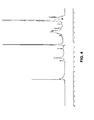
- An exemplary embodiment of the present invention relates to the separation of extracted oil into more polar fractions and less polar fractions. We have determined that this is advantageous since spectroscopic analyses of the polar fractions and the non-polar fractions indicate that cyclic peptides vary considerably in polarity, and that very low polarity peptides remain with the non-polar fraction while higher-polarity peptides are concentrated into polar fractions. Consequently, separation of oils into polar and non-polar fractions will concentrate the lower polarity hydrophobic peptides into the non-polar fractions wherefrom they may be controllably and selectively separated by flowing the non-polar fractions through chromatography equipment.
- peptide-laden silica may be washed sequentially with a series of increasing polarity solvents, wherein each solvent is selected for solubilisation and elution of certain specific peptides.
- silica may be added into and intermixed with the non-polar fractions separated from the extracted oils after which, the peptide-laden silica is separated from the non-polar fraction.
- the peptide-laden silica may be washed sequentially with a series of increasing polarity solvents, wherein each solvent is selected for solubilisation and elution of certain specific peptides.
- Another suitable option is to flow each eluted fraction solubilized from the peptide-laden silica, through chromatography equipment to further separate and purify individual hydrophobic peptides.
- chromatography equipment to further separate and purify individual hydrophobic peptides.
- the chromatographic elution characteristics of each individual hydrophobic cyclic peptide may be determined with chromatography, particularly high-performance liquid chromatography (HPLC).
- HPLC high-performance liquid chromatography
- the HPLC data is useful for precise detection and quantification of individual hydrophobic cyclic peptides.
- the present methods enable recovery of greater amounts of hydrophobic cyclic peptides than those of the methods currently available. For example, a comparison of the Brühl process with an exemplary method of the present invention showed that the Brühl process recovered 55 mg of a crude peptides fraction from 100 g of flaxseed oil, from which was separated 11 mg of cyclolinopeptide E. In comparison, the exemplary present method enabled recovery of 146 mg of crude peptide from 100 g of flaxseed oil, from which 16.7 mg of cyclolinopeptide E was recovered, which was 51% more than was recovered by the Brühl process.
- hydrophobic cyclic peptides were also separated and purified: (i) 20.3 mg of cyclolinopeptide A; (ii) 16.3 mg of cyclolinopeptide C; (iii) 3.3 mg of cyclolinopeptide D; (iv) 16.7 mg of cyclolinopeptide E; (v) 1.0 mg of cyclolinopeptide F; and (vi) 6.1 mg of cyclolinopeptide G.
- Example 1 Extraction of flax seed oil and peptides from flax seed with a laboratory expeller press
- Flax seeds were pressed with a Komet ® expeller press (type CA 59 G3; Komet is a registered trademark of IGB Monforts Oekotec GmbH & Co., Germany) to release the oil.
- the flaxseed oil was filtered using a Buchner funnel filter and Whatman ® #4 filter paper (Whatman is a registered trademark of Whatman International Ltd., Maidstone, Kent, UK) to remove fines (also known as "foots”) from the freshly pressed oil.
- the filtered oil was placed under vacuum to reduce the rate of oxidation.
- Example 3 Extraction of flax seed oil and peptides from flax seed with a two-stage expeller press
- the following examples disclosed herein relate to methods used for the extraction and recovery of hydrophobic peptides from the oil extracted from flax seed, as disclosed above.
- the present invention teaches the use of sequential washing to elute certain hydrophobic peptides into certain fractions in order to avoid the expensive and sometimes problematic use of chromatographic separation of all hydrophobic peptides loaded onto silica.
- Example 4 Separation of cyclolinopeptides from flax oil by adsorption on silica-column chromatography
- Flax oil (700 mL) diluted with 5% ethyl acetate (“EtOAc”) in hexane (700 mL) was loaded on the silica-gel column (50 g), and eluted successively with 10% (v/v) EtOAc in hexane (300 mL; fraction 1), 50% (v/v) EtOAc in hexane (300 mL; fraction 2), 100% EtOAc (200 mL; fraction 3), 10% methanol (“MeOH”) in dichloromethane (“DCM”) (300 mL; fraction 4) and 20% MeOH in DCM (200 mL; fraction 5). After each elution step, solvents were collected and evaporated.
- EtOAc ethyl acetate
- Solvent B Timetable Time Solvent B Flow rate 0 30 0.5 5 30 0.5 50 60 0.5 60 100 0.5 70 30 0.5 75 30 0.5
- Flax oil (800 mL) diluted with 5% EtOAc in hexane (800 mL) was loaded on the silica-gel column (100 g), and eluted successively with 10% (v/v) EtOAc in hexane (1 L; fraction 1), 50% (v/v) EtOAc in hexane (1 L; fraction 2), 100% EtOAc (1 L; fraction 3) and 10% MeOH in DCM (1 L; fraction 4).
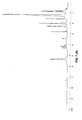
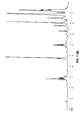
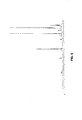
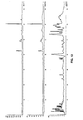
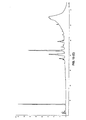
- fractions 3 and 4 were found to consist of highly enriched peptides (686 mg and 1.686 g, respectively) ( Fig. 3 ).
- the total mass of recovered peptides was 2.312 g from 800 mL flax oil.
- Example 7 Scaling up the recovery of cyclolinopeptides from flax oil by silica-column chromatography
- the recovered peptides from Example 6 were further separated by HPLC on a 250 x 30 mm, 1 0 ⁇ m, Prep-ODS column connected to a UV/Vis detector operating at a wavelength of 254 nm. Chromatography was performed starting with a mixture of acetonitrile ("ACN”) in water (30:70, v:v) and then increasing the ACN to 65% within 120 min.
- ACN acetonitrile
- cyclolinopeptide F (43% ACN; MW 1084.46); cyclolinopeptide G (44.1% ACN; MW 1098.49); cyclolinopeptide C (45.4% ACN; MW 1074.57); cyclolinopeptide E (49.2% ACN; MW 977.54); cyclolinopeptide D (51.9% ACN; MW 1064.53); and cyclolinopeptide A (59.3% ACN; MW 1040.64). Different fractions were collected and freeze-dried.
- cyclolinopeptide A 180 mg cyclolinopeptide A
- CLC 145 mg cyclolinopeptide C
- CLD 29 mg cyclolinopeptide D
- CLE 147.5 mg cyclolinopeptide E
- CLF 8.5 mg cyclolinopeptide F
- CLG 53.5 mg cyclolinopeptide G
- the following examples disclose a different method for extracting and recovering hydrophobic peptides from flax oil.
- the non-polar fraction of flax oil contains the majority, if not all, of the cyclic peptides, and the polar fraction contains negligible amounts of cyclic peptides or no cyclic peptides.
- the present invention mixes the non-polar fraction of flax oil directly with silica, such mixture then loaded onto a column and sequentially washed to elute the hydrophobic peptides.
- Example 9 Separation of cyclolinopeptides from the non-polar fraction of flax oil by adsorption on silica-column chromatography and sequential washing
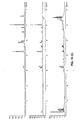
- Flax oil (1 Kg) was mixed with a solution of HCl-MeOH-H 2 O (5:5:90; w/w) with a magnetic stirrer. The mixture was centrifuged (20 minutes, 4000 rpm @ 22°C) to separate polar and non-polar phases. The polar fraction settled as a semisolid white cake, which was extracted with DCM (2 ⁇ 300 mL). The DCM fraction was concentrated under vacuum pressure, dissolved in MeOH to run high-performance liquid chromatography ("HPLC”) and in CDC 13 for proton NMR analysis.
- HPLC high-performance liquid chromatography
- the other fraction of the semisolid cake was basified with aqueous NH 3 (28%; pH 9) and extracted again with DCM, concentrated under vacuum pressure, dissolved in MeOH to run HPLC and in CDC13 for proton NMR analysis.
- the polar fraction was shown to contain negligible amounts of cyclic peptides or no cyclic peptides.
- the non-polar fraction of the flax oil obtained after centrifugation was mixed with silica (50 g) with a magnetic stirrer and loaded onto the column.
- the oil was passed through the column and the remaining silica was first washed with hexane, eluted successively with 10% EtOAc in hexane (10:90, 300 mL, fraction 1); 20% EtOAc in hexane (20:80, 300 mL, fraction 2); 50% EtOAc in hexane (50:50, 500 mL, fraction 3); 100% EtOAc (500 mL, fraction 4) and 10% MeOH in DCM (10:90, 1000 mL, fraction 5).
- Example 10 Separation of cyclolinopeptides from the non-polar fraction of flax oil by adsorption on silica-column chromatography and sequential washing
- Flax oil (1 Kg) was mixed with a solution of HCl-MeOH-H 2 O (5:5:90; w/w) with a magnetic stirrer. The mixture was centrifuged (20 minutes, 4000 rpm @ 22 °C) to separate polar and non-polar phases. The polar fraction settled as a semisolid white cake and was discarded since earlier spectroscopic results, as described in Example 9, showed that these fractions contain a negligible amount of cyclic peptides or no cyclic peptides.
- the non-polar fraction of the flax oil obtained after centrifugation was mixed with silica (50 g) with a magnetic stirrer and loaded onto the column.
- the oil was passed through the column and the remaining silica was first washed with hexane (1 L) and 10% EtOAc in hexane (1 L) and then eluted successively with 20% EtOAc in hexane (20:80, 1 L, fraction 1); 50% EtOAc in hexane (50:50, 300 mL, fraction 2); 100% EtOAc (1 L, fraction 3); and 10% MeOH in DCM (10:90, 1000 mL, fraction 4).
- Example 11 Separation of cyclolinopeptides from the non-polar fraction of flax oil by adsorption on silica-column chromatography and sequential washing
- Flax oil (2 Kg) was mixed with a solution of HCl-MeOH-H 2 O (2.5:2.5:90; w/w) with a magnetic stirrer. The mixture was centrifuged (20 minutes, 4000 rpm @ 22 °C) to separate polar and nonpolar phases. The polar fraction settled as a semisolid white cake and was discarded since earlier spectroscopic results, as described in Example 9, showed that these fractions contain a negligible amount of cyclic peptides or no cyclic peptides.
- Example 12 Separation of cyclolinopeptides from flax oil by adsorption on silica-column chromatography and sequential washing
- Example 13 Separation of cyclolinopeptides from both non-polar and polar fractions of flax oil
- Flax oil (300 mL) was extracted with acidic MeOH in three parallel sets. In each, flax oil (100 mL) was shaken with a solution of HCl-MeOH (5: 95; w/w) in a separatory funnel. The first set was extracted with acidic MeOH (1 ⁇ 100 mL), Ext.1; second set was extracted with acidic MeOH (2 ⁇ 100 mL), Ext.2 and third set was extracted with acidic MeOH (3 ⁇ 100 mL), Ext.3.
- Nonpolar layers were mixed with silica (5%, w/v) with a magnetic stirrer and filtered using a Buchner funnel.
- Flax oil (300 mL) was extracted with silica in three parallel sets. In each, flax oil (100 mL) was mixed with silica (5%, w/v) with a magnetic stirrer and filtered using a Buchner funnel. The remaining silica was first washed with EtOAc-hexane (20:80) and then with 100 mL of MeOH-DCM (10: 90).
- the first set was washed with EtOAc-hexane (20:80) (1 ⁇ 100 mL) and then the filtrate was collected, Ext.1; the second set was washed with EtOAc-hexane (20:80) (2 ⁇ 100 mL) to collect Ext.2; and the third set washed with EtOAc-hexane (20:80) (3 ⁇ 100 mL) to get Ext.3.
- the filtrates collected were dried by vacuum evaporation. The residue was dissolved in acetonitrile and subjected to HPLC.
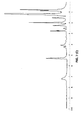
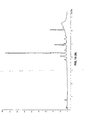
- Ext.1 was rich in cyclic peptides, while neither Ext.2 nor Ext.3 contained any peptides ( Fig. 12 ).
- Example 14 Simplified purification method for the separation and purification of cyclic peptides from flax oil
- Flax oil 100 mL was mixed with silica (5%, w/v) in a 200 mL beaker and the mixture was stirred with a magnetic stirrer at room temperature for 30 minutes.
- the oil-silica solution was filtered using a Buchner funnel (Whatman ® #1 filter paper diameter - 65 mm).
- the silica in the Buchner funnel was first washed with EtOAc-Hexane (20:80) to remove vegetable oil and low polarity substances. Thereafter, the silica was repeatedly washed with solvents of increasing polarity, as described below.
- HPLC is used as an analytical tool to determine which peptides elute with each fraction, based on the retention times shown in Table 1, and to quantify the amount of each cyclic peptide in each fraction.
- Table 1 Retention time (min.) for cyclic peptide standards Cyclic peptides A C D E F G Retention time (t R ) 60.19 42.18 53.12 48.84 37.04 39.87
- Example 15 Simplified purification method for the separation and purification of cyclic peptides from flax oil
- Flax oil (100 mL) was mixed with silica (5%, w/v) in a 200 mL beaker and the mixture was stirred with a magnetic stirrer at room temperature for 30 minutes.
- the oil-silica solution was filtered using a Buchner funnel (Whatman ® #1 filter paper diameter - 65 mm).
- the silica was first washed with EtOAc-Hexane (20:80) and then with 10% EtOH in EtOAc. The first fraction of filtrate from the first wash with 20% EtOAc in hexane (100 mL) was discarded.
- Example 16 Flax oil with improved polymerization properties
- Flaxseed oil was produced as described in example 1 and separated into two 1-L samples. One sample of flaxseed oil was passed through a column containing 50 g of silica gel and collected after egress from the column. The second sample was used as the control reference oil. Analysis of the egressed flaxseed oil showed that the egressed oil was free of cyclolinopeptides after the silica treatment. The viscosities of the two flaxseed oil samples were determined at 28°C using a number three Shell cup. The two samples were placed into the Shell cups, heated to 160°C and held at that temperature for 300 minutes, and then cooled to 28°C. After cooling, the viscosity measurements were repeated.
- Example 17 Biologically active flax oils with standardized levels of cyclolinopeptides and/or cyclolinopeptide profiles.
- the silica absorption methods disclosed herein enable: (a) the complete removal of cyclolinopeptides from flaxseeds oil, and (b) the separation, identification and quantification of individual cyclolinopeptides from the recovered fractions.
- these methods can be adapted for producing flaxseed oils having standardized amounts of selected cyclolinopeptides whereby one or more of the separated and quantified cyclolinopeptides are added back into flaxseed oils from which all cyclolinopeptides were previously removed on a weight per weight basis.
- We have found that the precision of the analysis is greatly enhanced by the addition of an internal standard that is readily measured by mass spectrometry.
- valinomycin is an ideal standard for the purposes of determining the cyclolinopeptides contents of flaxseed oils.
- Example 18 Induction of apoptosis in human lung epithelial cancer lines with cyclolinopeptide A, C and E
- the following example relates to the use of selected purified individual cyclolinopeptides recovered and processed as disclosed herein for modulating the expression of stress genes.
- Nematode cultures Caenorhabditus elegans ) were exposed for two hours to one of DMSO (negative control), 0.1 ⁇ M cyclolinopeptide-A, 1.0 ⁇ M cyclolinopeptide-A, 10.0 ⁇ M cyclolinopeptide-A, and 100.0 ⁇ M cyclolinopeptide-A, and then cultured to assess the effects of cyclolinopeptide-A on the expression of the heat shock gene HSP70A by C . elegans.
- the control treatment was unamended culture medium. The results are shown in Fig.
- Example 19 Induction of apoptosis in human lung epithelial cancer lines with cyclolinopeptide A, C and E
- the following example disclosed herein relates to a method for showing the association of cyclolinopeptides with the induction of apoptosis in cancer cell lines.
- Human bronchial epithelial adenocarcinoma cell line (Calu-3) was obtained from ATCC (Manassas, VA, USA) and cultured in 50 cm 2 plastic culture flasks in modified eagle's medium (MEM) supplemented with 10% fetal bovine serum, glutamine (4 mM; Sigma-Aldrich, Canada) and penicillin (100 U mL-1)-streptomycin (100 ⁇ g mL-1) solution (Sigma-Aldrich, Canada). Cells were cultured at an initial density of 106 cells/mL, and fresh media was added on day 3. Cells were grown in an incubator at 37°C, 5% CO 2 , and 100% humidity.
- MEM modified eagle's medium
- Camptothecin Sigma-Aldrich, Canada; 4 ⁇ M
- DMSO dimethylsulfoxide
- Camptothecin is useful as a positive control in studies testing the effect of certain compounds on apoptosis in cancer cell lines.
- Camptothecin is a cytotoxic quinoline alkaloid that inhibits the DNA enzyme topoisomerase I (topo I) and has shown remarkable anti-cancer activity.
- Two analogs of camptothecin have been approved and are used in cancer chemotherapy.
- DMSO is a common negative control and is used as a solvent for dissolving peptides as peptides do not dissolve in water.
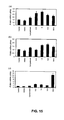
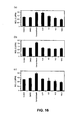
- This cDNA was used for qRTPCR for the expression of tumor necrosis factor alpha (P21; GenBank Accession No. S67388) ( Fig. 14 ), PUMA (GenBank Accession No. AF354655) ( Fig. 15 ), and BCL-2 alpha (Accession No. NM_000633) ( Fig. 16 ) genes using QuantiFast ® SYBR ® Green PCR kit (SYBR is a registered trademark of Molecular Probes Inc., Eugene, OR, USA) as per manufacturer's instructions.
- the glyceraldehyde-3-phosphate dehydrogenase gene (GAPDH; GenBank Accession No.
- NM_002046 was used as the reference housekeeping gene. The reactions were performed using the primer pairs; 5'-ATG TCA GAA CCG GCT GGG-3' and 5'-TCC CAG GCG AAG TCA CCC-3' for P21, 5'-ATG AAA TTT GGC ATG GGG TCT-3' and 5'-GCC TGG TGG ACC GCC C-3' for PUMA, 5'-ATG GGG AAG GTG AAG-3' and 5'-GAC AAG CTT CCC GTT CTC-3'for GAPDH and 5'-ATG GCG CAC GCT GGG AGA AC-3' and 5'-GCG ACC GGG TCC CGG GAT GC-3' for BCL-2.
- Example 20 Microarray analysis of the individual cyclolinopeptides
- Cyclolinopeptide A, cyclolinopeptide C and cyclolinopeptide E were therefore used in microarray analysis to determine their effect on under- and over-expression of genes involved in the regulation of apoptosis in human lung adenocarcinoma cells (Table 2).
- Table 2 List of genes up- or down-regulated in human lung adenocarcinoma cells (Calu-3) exposed to CLP-A, -C and -E. '+' and '-' indicates genes over- and under-expressed, respectively.
- the genes selected for microarray examination were either pro- or anti-apoptotic genes, including the following: (i) BAK (Bcl-2 homologous antagonist/killer), a pro-apoptotic gene of the Bcl-2 family; (ii) Fas ligand (FASLG) and Fas receptor, wherein the binding of Fas ligand with its receptor induces apoptosis; (iii) TNF (tumor necrosis factor alpha or P21 - as described above); (iv) TP53BP2 gene, which encodes a member of the ASPP (apoptosis-stimulating protein of p53) family of p53-interacting proteins; (v) TP53 gene, which encodes p53, a tumor suppressor protein involved in preventing cancer and able to initiate apoptosis if DNA damage proves to be irreparable; (vi) CASP10, which encodes a cysteine-aspartic acid protease that plays a central role in
Landscapes
- Chemical & Material Sciences (AREA)
- Life Sciences & Earth Sciences (AREA)
- Health & Medical Sciences (AREA)
- Organic Chemistry (AREA)
- Engineering & Computer Science (AREA)
- Medicinal Chemistry (AREA)
- General Health & Medical Sciences (AREA)
- Oil, Petroleum & Natural Gas (AREA)
- Chemical Kinetics & Catalysis (AREA)
- Wood Science & Technology (AREA)
- Natural Medicines & Medicinal Plants (AREA)
- Proteomics, Peptides & Aminoacids (AREA)
- Molecular Biology (AREA)
- Genetics & Genomics (AREA)
- Biophysics (AREA)
- Biochemistry (AREA)
- Analytical Chemistry (AREA)
- Microbiology (AREA)
- Veterinary Medicine (AREA)
- Public Health (AREA)
- Animal Behavior & Ethology (AREA)
- Pharmacology & Pharmacy (AREA)
- Polymers & Plastics (AREA)
- Food Science & Technology (AREA)
- General Chemical & Material Sciences (AREA)
- Nuclear Medicine, Radiotherapy & Molecular Imaging (AREA)
- Biotechnology (AREA)
- Alternative & Traditional Medicine (AREA)
- Botany (AREA)
- Medical Informatics (AREA)
- Mycology (AREA)
- Epidemiology (AREA)
- Communicable Diseases (AREA)
- Pain & Pain Management (AREA)
- Rheumatology (AREA)
- Virology (AREA)
- Oncology (AREA)
- Peptides Or Proteins (AREA)
Claims (11)
- Verfahren zum Abtrennen und Gewinnen einzelner cyclischer Peptide aus einem Pflanzenmaterial, wobei das Verfahren die folgenden Schritte aufweist:Extrahieren eines endogenen Öls aus einem Pflanzenmaterial, das aus der Gruppe ausgewählt ist, die aus Samen, Nüssen, Wurzeln, Früchten, Fruchtbrei, Stengeln, Latex und Blättern besteht, wobei das Extraktionsverfahren das Einwirken von Sauerstoff auf das endogene Öl begrenzt und das Extraktionsverfahren ein physikalisches Verfahren einschließt, das aus der Gruppe ausgewählt ist, die aus Pressen, Mahlen, Emulgieren, Extrudieren, Vermischen, Tempern, Einwirkung von Ultraschall, Einwirkung von Mikrowellen und Einwirkung von IR-Strahlung besteht;Auffangen des extrahierten Öls;Zusammenmischen des extrahierten Öls mit einem geeigneten Adsorptionsmittel, wodurch sich die cyclischen Peptide an das Adsorptionsmittel binden;Waschen des Adsorptionsmittels zumindest einmal mit einem geeigneten Lösungsmittel, das so ausgewählt ist, um zumindest eine Vielzahl der an das Adsorptionsmittel gebundenen cyclischen Peptide löslich zu machen; undGewinnen der zumindest einen Vielzahl von cyclischen Peptiden aus dem Lösungsmittel.
- Verfahren nach Anspruch 1,
wobei mit dem Pflanzenmaterial ein Öl zusammengemischt wird, bevor das endogene Öl extrahiert wird. - Verfahren nach Anspruch 1,
wobei die zumindest eine Vielzahl cyclischer Peptide mit einem Lösungsmittel löslich gemacht wird, das eines der folgenden aufweist: einen Kohlenwasserstoff, ein Keton, einen niederen aliphatischen Alkohol, einen Ester, ein halogeniertes Lösungsmittel, einen Ether, einen Aromaten und Kombinationen davon. - Verfahren nach Anspruch 3,
wobei der Kohlenwasserstoff aus der Gruppe ausgewählt ist, bestehend aus Propan, Butan, Hexan und Isomeren davon, das Keton aus der Gruppe ausgewählt ist, bestehend aus Aceton, 2-Butanon und Methylethylketon, der niedere aliphatische Alkohol aus der Gruppe ausgewählt ist, bestehend aus Methanol, Ethanol, n-Propanol, Isopropanol, n-Butanol, sek.-Butanol, t-Butanol, Amylalkohol, Isoamylalkohol und aktivem Amylalkohol, der Ester aus der Gruppe ausgewählt ist, bestehend aus Ethylacetat und Glyceroltriacetat, das halogenierte Lösungsmittel aus der Gruppe ausgewählt ist, bestehend aus Chloroform, Methylenchlorid und Tetrachlorkohlenstoff, der Ether aus der Gruppe ausgewählt ist, bestehend aus Dioxan, Tetrahydrofuran, Dimethylether und Diethylether, und der Aromat aus der Gruppe ausgewählt ist, bestehend aus Benzol, Xylol und Toluol. - Verfahren nach einem der Ansprüche 1 bis 4,
wobei eine Reihe von Lösungsmitteln nacheinander durch das Adsorptionsmittel strömt, wobei jedes Lösungsmittel so ausgewählt ist, dass zumindest eine Vielzahl von an das Adsorptionsmittel gebundenen cyclischen Peptiden löslich gemacht wird. - Verfahren nach Anspruch 1,
wobei die zumindest eine Vielzahl cyclischer Peptide gereinigt und gegebenenfalls veredelt wird, um einzelne cyclische Peptide zu gewinnen. - Verfahren nach Anspruch 6,
wobei die einzelnen cyclischen Peptide unter Anwendung eines physikalischen Verfahrens gereinigt werden, das aus der Gruppe ausgewählt ist, die aus Säulenchromatografie über Kieselgel, Hochleistungs-Flüssigchromatografie und Umkehrphasen-Chromatografie besteht. - Verfahren nach einem der Ansprüche 1 bis 7,
wobei das geeignete Adsorptionsmittel Siliciumdioxid ist. - Verfahren nach Anspruch 8,
wobei das Siliciumdioxid mit einer Reihe von Lösungsmitteln mit zunehmender Polarität gewaschen wird, wobei jedes Lösungsmittel für das Löslichmachen und Eluieren bestimmter cyclischer Peptide ausgewählt wird. - Verfahren nach Anspruch 9,
wobei jede Elution durch eine Chromatografieausrüstung strömt, um die einzelnen cyclischen Peptide weiter zu trennen und zu reinigen. - Verfahren nach einem der Ansprüche 1 bis 10,
wobei das Pflanzenmaterial Leinsamen ist.
Applications Claiming Priority (2)
| Application Number | Priority Date | Filing Date | Title |
|---|---|---|---|
| US860407P | 2007-12-21 | 2007-12-21 | |
| PCT/CA2008/002272 WO2009079792A1 (en) | 2007-12-21 | 2008-12-22 | Recovery of hydrophobic peptides from oils |
Publications (3)
| Publication Number | Publication Date |
|---|---|
| EP2229403A1 EP2229403A1 (de) | 2010-09-22 |
| EP2229403A4 EP2229403A4 (de) | 2011-11-09 |
| EP2229403B1 true EP2229403B1 (de) | 2013-10-16 |
Family
ID=40800625
Family Applications (1)
| Application Number | Title | Priority Date | Filing Date |
|---|---|---|---|
| EP08863748.3A Active EP2229403B1 (de) | 2007-12-21 | 2008-12-22 | Rückgewinnung von hydrophoben peptiden aus ölen |
Country Status (5)
| Country | Link |
|---|---|
| US (1) | US8383172B2 (de) |
| EP (1) | EP2229403B1 (de) |
| CN (1) | CN101945888A (de) |
| CA (1) | CA2708626A1 (de) |
| WO (1) | WO2009079792A1 (de) |
Families Citing this family (16)
| Publication number | Priority date | Publication date | Assignee | Title |
|---|---|---|---|---|
| WO2013091070A1 (en) * | 2011-12-19 | 2013-06-27 | Martin John Reaney | Cyclic peptide mixtures from flaxseed and uses thereof |
| EP2802339A4 (de) * | 2011-12-19 | 2015-11-11 | Bernard Laarveld | Verwendung von cyclischen peptiden aus leinsamen zur verbesserung der gesundheit von tier und mensch |
| CN104815001B (zh) * | 2015-04-15 | 2018-12-25 | 烟台新时代健康产业有限公司 | 一种从亚麻籽油中获得抗肿瘤活性成分物质的提取纯化方法 |
| CN107619716B (zh) * | 2017-01-22 | 2023-04-07 | 李石平 | 一种去除亚麻籽油中苦味物质的方法 |
| FR3077202B1 (fr) * | 2018-02-01 | 2020-01-10 | Sederma | Utilisation de cyclopeptides en cosmetique |
| CN108329376A (zh) * | 2018-03-30 | 2018-07-27 | 广州利众生物科技有限公司 | 一种从亚麻籽油中回收疏水性环肽的方法 |
| CN109438562B (zh) * | 2018-09-07 | 2021-09-28 | 南昌大学 | 一种通过生成环肽晶体制备高纯度环肽单体的方法 |
| CN109337759A (zh) * | 2018-11-28 | 2019-02-15 | 宁夏君星坊食品科技有限公司 | 一种脱除亚麻籽油苦味的方法 |
| EP3892994A1 (de) * | 2020-04-08 | 2021-10-13 | PreOmics GmbH | Vorfraktionierung für massenspektrometrische analyse |
| CN112110992B (zh) * | 2020-09-28 | 2021-11-23 | 江南大学 | 一种基于亚麻环肽a切割dna的方法 |
| CN113105523B (zh) * | 2021-03-19 | 2023-10-10 | 暨南大学 | 一种低环肽a含量的亚麻籽环肽混合物的制备方法 |
| CN113684099A (zh) * | 2021-07-23 | 2021-11-23 | 南昌大学 | 一种从废白土中提取亚麻籽油和环肽的方法 |
| CN113578290A (zh) * | 2021-07-23 | 2021-11-02 | 南昌大学 | 一种混合溶剂提取废白土中亚麻籽油和环肽的方法 |
| CN114920797A (zh) * | 2022-06-30 | 2022-08-19 | 暨南大学 | 一种从亚麻籽粕饼制备高纯度亚麻籽环肽的方法 |
| CN116172921A (zh) * | 2022-12-21 | 2023-05-30 | 广州睿新生物科技有限公司 | 一种具有皮肤抗衰老功效的亚麻籽提取物及其制备方法和应用 |
| WO2025061828A1 (en) | 2023-09-19 | 2025-03-27 | Universitaet Wien | Storage-stable cold-pressed flaxseed oil |
Family Cites Families (3)
| Publication number | Priority date | Publication date | Assignee | Title |
|---|---|---|---|---|
| SE8804640L (sv) | 1988-12-23 | 1990-06-24 | Ferring Ab | Laekemedel omfattande cyklolinopeptide a |
| JP3588656B2 (ja) * | 1995-12-15 | 2004-11-17 | 独立行政法人農業・生物系特定産業技術研究機構 | 新規な環状ペプチド |
| US7803413B2 (en) * | 2005-10-31 | 2010-09-28 | General Mills Ip Holdings Ii, Llc. | Encapsulation of readily oxidizable components |
-
2008
- 2008-12-22 CN CN2008801267597A patent/CN101945888A/zh active Pending
- 2008-12-22 EP EP08863748.3A patent/EP2229403B1/de active Active
- 2008-12-22 CA CA2708626A patent/CA2708626A1/en not_active Abandoned
- 2008-12-22 WO PCT/CA2008/002272 patent/WO2009079792A1/en not_active Ceased
- 2008-12-22 US US12/747,160 patent/US8383172B2/en active Active
Also Published As
| Publication number | Publication date |
|---|---|
| US8383172B2 (en) | 2013-02-26 |
| EP2229403A1 (de) | 2010-09-22 |
| US20110111073A1 (en) | 2011-05-12 |
| WO2009079792A1 (en) | 2009-07-02 |
| CN101945888A (zh) | 2011-01-12 |
| CA2708626A1 (en) | 2009-07-02 |
| EP2229403A4 (de) | 2011-11-09 |
Similar Documents
| Publication | Publication Date | Title |
|---|---|---|
| US8383172B2 (en) | Recovery of hydrophobic peptides from oils | |
| Gallego et al. | Green extraction of bioactive compounds from microalgae | |
| US11254895B2 (en) | Oilseed extraction method | |
| RU2392954C2 (ru) | Обогащенная полифенолами композиция, экстрагированная из шелухи какао-бобов | |
| JP5337574B2 (ja) | プロアントシアニジンの分離精製方法 | |
| JP5091680B2 (ja) | エピセサミン高含有組成物の製造方法及び装置 | |
| HK1206974A1 (en) | Powdery or solid composition containing acylated sterol glycosides and method for producing same | |
| EP2809171B1 (de) | Verfahren zum raffinieren von glyceridöl und mit diesem verfahren gewonnenes gereinigtes triglyceridöl | |
| TW201307278A (zh) | 經精製之植物性鯊烯之製造方法及經精製之植物性鯊烯 | |
| CN112940848B (zh) | 富含epa的不同极性的微藻油脂及其制备方法 | |
| TWI406868B (zh) | The method of refining sesaminin | |
| Minzangi et al. | Fatty acids and tocopherols content in fractionated oils from five wild oilseed plants native to Kahuzi-Biega National Park, Kivu-DR Congo. | |
| CN1926142A (zh) | 从木橘中分离欧前胡素的方法 | |
| JP2009209045A (ja) | 垂盆草から得られる脂肪代謝改善剤、該脂肪代謝改善剤を含有する医薬又は食品、並びに垂盆草から得られる新規メガスチグマン及びフラボノイド化合物 | |
| JP5675034B2 (ja) | デイジーから得られる中性脂質吸収抑制剤及びサポニン化合物並びにその用途 | |
| KR20200102372A (ko) | 초임계 이산화탄소 분획 추출을 이용하여 참깨박으로부터 리그난 농축물 생산방법 | |
| CN110734466A (zh) | 一种从微藻中提取单半乳糖二酰基甘油的方法 | |
| JPS63122695A (ja) | 配糖体濃縮物の製造方法 | |
| JP2003518160A (ja) | ハイドロフルオロエーテル少なくとも1種を使用する溶剤による脂肪質の抽出・分別法 | |
| Wang | Extraction of orbitides from flaxseed | |
| Gui | Cyclolinopeptides in flaxseed and flaxseed products | |
| Zainuldin | Selective Separation of Phenolic Compound Using Molecular Imprinting Technique for Solid Phase Extraction | |
| Khan et al. | ? COMMERCIAL EXTRACTION AND RESOLUTION OF SILYMARIN ISOMERS | |
| JP2005289957A (ja) | 白首烏のサポニン類の製造方法 | |
| WO1999043316A1 (en) | Production of coenzyme q |
Legal Events
| Date | Code | Title | Description |
|---|---|---|---|
| PUAI | Public reference made under article 153(3) epc to a published international application that has entered the european phase |
Free format text: ORIGINAL CODE: 0009012 |
|
| 17P | Request for examination filed |
Effective date: 20100707 |
|
| AK | Designated contracting states |
Kind code of ref document: A1 Designated state(s): AT BE BG CH CY CZ DE DK EE ES FI FR GB GR HR HU IE IS IT LI LT LU LV MC MT NL NO PL PT RO SE SI SK TR |
|
| AX | Request for extension of the european patent |
Extension state: AL BA MK RS |
|
| TPAC | Observations filed by third parties |
Free format text: ORIGINAL CODE: EPIDOSNTIPA |
|
| DAX | Request for extension of the european patent (deleted) | ||
| A4 | Supplementary search report drawn up and despatched |
Effective date: 20111012 |
|
| RIC1 | Information provided on ipc code assigned before grant |
Ipc: A23D 9/00 20060101ALI20110930BHEP Ipc: C07K 7/64 20060101AFI20110930BHEP Ipc: C07K 1/14 20060101ALI20110930BHEP Ipc: C11B 1/10 20060101ALI20110930BHEP Ipc: A61K 36/55 20060101ALI20110930BHEP Ipc: A61K 38/12 20060101ALI20110930BHEP Ipc: C07K 7/50 20060101ALI20110930BHEP Ipc: C11B 3/00 20060101ALI20110930BHEP |
|
| 17Q | First examination report despatched |
Effective date: 20120806 |
|
| GRAP | Despatch of communication of intention to grant a patent |
Free format text: ORIGINAL CODE: EPIDOSNIGR1 |
|
| INTG | Intention to grant announced |
Effective date: 20130424 |
|
| GRAS | Grant fee paid |
Free format text: ORIGINAL CODE: EPIDOSNIGR3 |
|
| GRAA | (expected) grant |
Free format text: ORIGINAL CODE: 0009210 |
|
| AK | Designated contracting states |
Kind code of ref document: B1 Designated state(s): AT BE BG CH CY CZ DE DK EE ES FI FR GB GR HR HU IE IS IT LI LT LU LV MC MT NL NO PL PT RO SE SI SK TR |
|
| REG | Reference to a national code |
Ref country code: GB Ref legal event code: FG4D |
|
| REG | Reference to a national code |
Ref country code: CH Ref legal event code: EP |
|
| REG | Reference to a national code |
Ref country code: IE Ref legal event code: FG4D |
|
| REG | Reference to a national code |
Ref country code: AT Ref legal event code: REF Ref document number: 636471 Country of ref document: AT Kind code of ref document: T Effective date: 20131115 |
|
| REG | Reference to a national code |
Ref country code: DE Ref legal event code: R096 Ref document number: 602008028197 Country of ref document: DE Effective date: 20131212 |
|
| REG | Reference to a national code |
Ref country code: NL Ref legal event code: VDEP Effective date: 20131016 |
|
| REG | Reference to a national code |
Ref country code: AT Ref legal event code: MK05 Ref document number: 636471 Country of ref document: AT Kind code of ref document: T Effective date: 20131016 |
|
| REG | Reference to a national code |
Ref country code: LT Ref legal event code: MG4D |
|
| PG25 | Lapsed in a contracting state [announced via postgrant information from national office to epo] |
Ref country code: FI Free format text: LAPSE BECAUSE OF FAILURE TO SUBMIT A TRANSLATION OF THE DESCRIPTION OR TO PAY THE FEE WITHIN THE PRESCRIBED TIME-LIMIT Effective date: 20131016 Ref country code: BE Free format text: LAPSE BECAUSE OF FAILURE TO SUBMIT A TRANSLATION OF THE DESCRIPTION OR TO PAY THE FEE WITHIN THE PRESCRIBED TIME-LIMIT Effective date: 20131016 Ref country code: NL Free format text: LAPSE BECAUSE OF FAILURE TO SUBMIT A TRANSLATION OF THE DESCRIPTION OR TO PAY THE FEE WITHIN THE PRESCRIBED TIME-LIMIT Effective date: 20131016 Ref country code: LT Free format text: LAPSE BECAUSE OF FAILURE TO SUBMIT A TRANSLATION OF THE DESCRIPTION OR TO PAY THE FEE WITHIN THE PRESCRIBED TIME-LIMIT Effective date: 20131016 Ref country code: HR Free format text: LAPSE BECAUSE OF FAILURE TO SUBMIT A TRANSLATION OF THE DESCRIPTION OR TO PAY THE FEE WITHIN THE PRESCRIBED TIME-LIMIT Effective date: 20131016 Ref country code: SE Free format text: LAPSE BECAUSE OF FAILURE TO SUBMIT A TRANSLATION OF THE DESCRIPTION OR TO PAY THE FEE WITHIN THE PRESCRIBED TIME-LIMIT Effective date: 20131016 Ref country code: NO Free format text: LAPSE BECAUSE OF FAILURE TO SUBMIT A TRANSLATION OF THE DESCRIPTION OR TO PAY THE FEE WITHIN THE PRESCRIBED TIME-LIMIT Effective date: 20140116 Ref country code: IS Free format text: LAPSE BECAUSE OF FAILURE TO SUBMIT A TRANSLATION OF THE DESCRIPTION OR TO PAY THE FEE WITHIN THE PRESCRIBED TIME-LIMIT Effective date: 20140216 |
|
| PG25 | Lapsed in a contracting state [announced via postgrant information from national office to epo] |
Ref country code: ES Free format text: LAPSE BECAUSE OF FAILURE TO SUBMIT A TRANSLATION OF THE DESCRIPTION OR TO PAY THE FEE WITHIN THE PRESCRIBED TIME-LIMIT Effective date: 20131016 Ref country code: LV Free format text: LAPSE BECAUSE OF FAILURE TO SUBMIT A TRANSLATION OF THE DESCRIPTION OR TO PAY THE FEE WITHIN THE PRESCRIBED TIME-LIMIT Effective date: 20131016 Ref country code: CY Free format text: LAPSE BECAUSE OF FAILURE TO SUBMIT A TRANSLATION OF THE DESCRIPTION OR TO PAY THE FEE WITHIN THE PRESCRIBED TIME-LIMIT Effective date: 20131016 Ref country code: AT Free format text: LAPSE BECAUSE OF FAILURE TO SUBMIT A TRANSLATION OF THE DESCRIPTION OR TO PAY THE FEE WITHIN THE PRESCRIBED TIME-LIMIT Effective date: 20131016 |
|
| PG25 | Lapsed in a contracting state [announced via postgrant information from national office to epo] |
Ref country code: PT Free format text: LAPSE BECAUSE OF FAILURE TO SUBMIT A TRANSLATION OF THE DESCRIPTION OR TO PAY THE FEE WITHIN THE PRESCRIBED TIME-LIMIT Effective date: 20140217 |
|
| REG | Reference to a national code |
Ref country code: DE Ref legal event code: R097 Ref document number: 602008028197 Country of ref document: DE |
|
| PG25 | Lapsed in a contracting state [announced via postgrant information from national office to epo] |
Ref country code: EE Free format text: LAPSE BECAUSE OF FAILURE TO SUBMIT A TRANSLATION OF THE DESCRIPTION OR TO PAY THE FEE WITHIN THE PRESCRIBED TIME-LIMIT Effective date: 20131016 |
|
| REG | Reference to a national code |
Ref country code: CH Ref legal event code: PL |
|
| PLBE | No opposition filed within time limit |
Free format text: ORIGINAL CODE: 0009261 |
|
| STAA | Information on the status of an ep patent application or granted ep patent |
Free format text: STATUS: NO OPPOSITION FILED WITHIN TIME LIMIT |
|
| PG25 | Lapsed in a contracting state [announced via postgrant information from national office to epo] |
Ref country code: CZ Free format text: LAPSE BECAUSE OF FAILURE TO SUBMIT A TRANSLATION OF THE DESCRIPTION OR TO PAY THE FEE WITHIN THE PRESCRIBED TIME-LIMIT Effective date: 20131016 Ref country code: PL Free format text: LAPSE BECAUSE OF FAILURE TO SUBMIT A TRANSLATION OF THE DESCRIPTION OR TO PAY THE FEE WITHIN THE PRESCRIBED TIME-LIMIT Effective date: 20131016 Ref country code: IT Free format text: LAPSE BECAUSE OF FAILURE TO SUBMIT A TRANSLATION OF THE DESCRIPTION OR TO PAY THE FEE WITHIN THE PRESCRIBED TIME-LIMIT Effective date: 20131016 Ref country code: SK Free format text: LAPSE BECAUSE OF FAILURE TO SUBMIT A TRANSLATION OF THE DESCRIPTION OR TO PAY THE FEE WITHIN THE PRESCRIBED TIME-LIMIT Effective date: 20131016 Ref country code: LU Free format text: LAPSE BECAUSE OF FAILURE TO SUBMIT A TRANSLATION OF THE DESCRIPTION OR TO PAY THE FEE WITHIN THE PRESCRIBED TIME-LIMIT Effective date: 20131222 Ref country code: RO Free format text: LAPSE BECAUSE OF FAILURE TO SUBMIT A TRANSLATION OF THE DESCRIPTION OR TO PAY THE FEE WITHIN THE PRESCRIBED TIME-LIMIT Effective date: 20131016 Ref country code: MC Free format text: LAPSE BECAUSE OF FAILURE TO SUBMIT A TRANSLATION OF THE DESCRIPTION OR TO PAY THE FEE WITHIN THE PRESCRIBED TIME-LIMIT Effective date: 20131016 |
|
| 26N | No opposition filed |
Effective date: 20140717 |
|
| REG | Reference to a national code |
Ref country code: IE Ref legal event code: MM4A |
|
| PG25 | Lapsed in a contracting state [announced via postgrant information from national office to epo] |
Ref country code: DK Free format text: LAPSE BECAUSE OF FAILURE TO SUBMIT A TRANSLATION OF THE DESCRIPTION OR TO PAY THE FEE WITHIN THE PRESCRIBED TIME-LIMIT Effective date: 20131016 |
|
| REG | Reference to a national code |
Ref country code: DE Ref legal event code: R097 Ref document number: 602008028197 Country of ref document: DE Effective date: 20140717 |
|
| PG25 | Lapsed in a contracting state [announced via postgrant information from national office to epo] |
Ref country code: LI Free format text: LAPSE BECAUSE OF NON-PAYMENT OF DUE FEES Effective date: 20131231 Ref country code: IE Free format text: LAPSE BECAUSE OF NON-PAYMENT OF DUE FEES Effective date: 20131222 Ref country code: CH Free format text: LAPSE BECAUSE OF NON-PAYMENT OF DUE FEES Effective date: 20131231 |
|
| PG25 | Lapsed in a contracting state [announced via postgrant information from national office to epo] |
Ref country code: SI Free format text: LAPSE BECAUSE OF FAILURE TO SUBMIT A TRANSLATION OF THE DESCRIPTION OR TO PAY THE FEE WITHIN THE PRESCRIBED TIME-LIMIT Effective date: 20131016 |
|
| PG25 | Lapsed in a contracting state [announced via postgrant information from national office to epo] |
Ref country code: TR Free format text: LAPSE BECAUSE OF FAILURE TO SUBMIT A TRANSLATION OF THE DESCRIPTION OR TO PAY THE FEE WITHIN THE PRESCRIBED TIME-LIMIT Effective date: 20131016 |
|
| PG25 | Lapsed in a contracting state [announced via postgrant information from national office to epo] |
Ref country code: HU Free format text: LAPSE BECAUSE OF FAILURE TO SUBMIT A TRANSLATION OF THE DESCRIPTION OR TO PAY THE FEE WITHIN THE PRESCRIBED TIME-LIMIT; INVALID AB INITIO Effective date: 20081222 Ref country code: BG Free format text: LAPSE BECAUSE OF FAILURE TO SUBMIT A TRANSLATION OF THE DESCRIPTION OR TO PAY THE FEE WITHIN THE PRESCRIBED TIME-LIMIT Effective date: 20131016 |
|
| PG25 | Lapsed in a contracting state [announced via postgrant information from national office to epo] |
Ref country code: GR Free format text: LAPSE BECAUSE OF NON-PAYMENT OF DUE FEES Effective date: 20131016 Ref country code: MT Free format text: LAPSE BECAUSE OF FAILURE TO SUBMIT A TRANSLATION OF THE DESCRIPTION OR TO PAY THE FEE WITHIN THE PRESCRIBED TIME-LIMIT Effective date: 20131016 |
|
| REG | Reference to a national code |
Ref country code: FR Ref legal event code: PLFP Year of fee payment: 8 |
|
| PG25 | Lapsed in a contracting state [announced via postgrant information from national office to epo] |
Ref country code: GR Free format text: LAPSE BECAUSE OF FAILURE TO SUBMIT A TRANSLATION OF THE DESCRIPTION OR TO PAY THE FEE WITHIN THE PRESCRIBED TIME-LIMIT Effective date: 20140117 |
|
| REG | Reference to a national code |
Ref country code: FR Ref legal event code: PLFP Year of fee payment: 9 |
|
| REG | Reference to a national code |
Ref country code: FR Ref legal event code: PLFP Year of fee payment: 10 |
|
| REG | Reference to a national code |
Ref country code: DE Ref legal event code: R082 Ref document number: 602008028197 Country of ref document: DE Representative=s name: KILBURN & STRODE LLP, NL |
|
| P01 | Opt-out of the competence of the unified patent court (upc) registered |
Effective date: 20230704 |
|
| PGFP | Annual fee paid to national office [announced via postgrant information from national office to epo] |
Ref country code: GB Payment date: 20251229 Year of fee payment: 18 |
|
| PGFP | Annual fee paid to national office [announced via postgrant information from national office to epo] |
Ref country code: FR Payment date: 20251226 Year of fee payment: 18 |
|
| PGFP | Annual fee paid to national office [announced via postgrant information from national office to epo] |
Ref country code: DE Payment date: 20251229 Year of fee payment: 18 |