EP1786902B1 - A novel class of therapeutic protein based molecules - Google Patents
A novel class of therapeutic protein based molecules Download PDFInfo
- Publication number
- EP1786902B1 EP1786902B1 EP05790917.8A EP05790917A EP1786902B1 EP 1786902 B1 EP1786902 B1 EP 1786902B1 EP 05790917 A EP05790917 A EP 05790917A EP 1786902 B1 EP1786902 B1 EP 1786902B1
- Authority
- EP
- European Patent Office
- Prior art keywords
- protein
- seq
- sequence
- sialidase
- amino acid
- Prior art date
- Legal status (The legal status is an assumption and is not a legal conclusion. Google has not performed a legal analysis and makes no representation as to the accuracy of the status listed.)
- Expired - Lifetime
Links
Images





Classifications
-
- C—CHEMISTRY; METALLURGY
- C12—BIOCHEMISTRY; BEER; SPIRITS; WINE; VINEGAR; MICROBIOLOGY; ENZYMOLOGY; MUTATION OR GENETIC ENGINEERING
- C12N—MICROORGANISMS OR ENZYMES; COMPOSITIONS THEREOF; PROPAGATING, PRESERVING, OR MAINTAINING MICROORGANISMS; MUTATION OR GENETIC ENGINEERING; CULTURE MEDIA
- C12N9/00—Enzymes; Proenzymes; Compositions thereof; Processes for preparing, activating, inhibiting, separating or purifying enzymes
- C12N9/14—Hydrolases (3)
- C12N9/24—Hydrolases (3) acting on glycosyl compounds (3.2)
- C12N9/2402—Hydrolases (3) acting on glycosyl compounds (3.2) hydrolysing O- and S- glycosyl compounds (3.2.1)
-
- C—CHEMISTRY; METALLURGY
- C12—BIOCHEMISTRY; BEER; SPIRITS; WINE; VINEGAR; MICROBIOLOGY; ENZYMOLOGY; MUTATION OR GENETIC ENGINEERING
- C12N—MICROORGANISMS OR ENZYMES; COMPOSITIONS THEREOF; PROPAGATING, PRESERVING, OR MAINTAINING MICROORGANISMS; MUTATION OR GENETIC ENGINEERING; CULTURE MEDIA
- C12N15/00—Mutation or genetic engineering; DNA or RNA concerning genetic engineering, vectors, e.g. plasmids, or their isolation, preparation or purification; Use of hosts therefor
- C12N15/09—Recombinant DNA-technology
- C12N15/63—Introduction of foreign genetic material using vectors; Vectors; Use of hosts therefor; Regulation of expression
- C12N15/74—Vectors or expression systems specially adapted for prokaryotic hosts other than E. coli, e.g. Lactobacillus, Micromonospora
- C12N15/75—Vectors or expression systems specially adapted for prokaryotic hosts other than E. coli, e.g. Lactobacillus, Micromonospora for Bacillus
-
- A—HUMAN NECESSITIES
- A61—MEDICAL OR VETERINARY SCIENCE; HYGIENE
- A61P—SPECIFIC THERAPEUTIC ACTIVITY OF CHEMICAL COMPOUNDS OR MEDICINAL PREPARATIONS
- A61P11/00—Drugs for disorders of the respiratory system
- A61P11/04—Drugs for disorders of the respiratory system for throat disorders
-
- A—HUMAN NECESSITIES
- A61—MEDICAL OR VETERINARY SCIENCE; HYGIENE
- A61P—SPECIFIC THERAPEUTIC ACTIVITY OF CHEMICAL COMPOUNDS OR MEDICINAL PREPARATIONS
- A61P11/00—Drugs for disorders of the respiratory system
- A61P11/06—Antiasthmatics
-
- A—HUMAN NECESSITIES
- A61—MEDICAL OR VETERINARY SCIENCE; HYGIENE
- A61P—SPECIFIC THERAPEUTIC ACTIVITY OF CHEMICAL COMPOUNDS OR MEDICINAL PREPARATIONS
- A61P17/00—Drugs for dermatological disorders
-
- A—HUMAN NECESSITIES
- A61—MEDICAL OR VETERINARY SCIENCE; HYGIENE
- A61P—SPECIFIC THERAPEUTIC ACTIVITY OF CHEMICAL COMPOUNDS OR MEDICINAL PREPARATIONS
- A61P17/00—Drugs for dermatological disorders
- A61P17/06—Antipsoriatics
-
- A—HUMAN NECESSITIES
- A61—MEDICAL OR VETERINARY SCIENCE; HYGIENE
- A61P—SPECIFIC THERAPEUTIC ACTIVITY OF CHEMICAL COMPOUNDS OR MEDICINAL PREPARATIONS
- A61P27/00—Drugs for disorders of the senses
- A61P27/16—Otologicals
-
- A—HUMAN NECESSITIES
- A61—MEDICAL OR VETERINARY SCIENCE; HYGIENE
- A61P—SPECIFIC THERAPEUTIC ACTIVITY OF CHEMICAL COMPOUNDS OR MEDICINAL PREPARATIONS
- A61P29/00—Non-central analgesic, antipyretic or antiinflammatory agents, e.g. antirheumatic agents; Non-steroidal antiinflammatory drugs [NSAID]
-
- A—HUMAN NECESSITIES
- A61—MEDICAL OR VETERINARY SCIENCE; HYGIENE
- A61P—SPECIFIC THERAPEUTIC ACTIVITY OF CHEMICAL COMPOUNDS OR MEDICINAL PREPARATIONS
- A61P31/00—Antiinfectives, i.e. antibiotics, antiseptics, chemotherapeutics
- A61P31/04—Antibacterial agents
-
- A—HUMAN NECESSITIES
- A61—MEDICAL OR VETERINARY SCIENCE; HYGIENE
- A61P—SPECIFIC THERAPEUTIC ACTIVITY OF CHEMICAL COMPOUNDS OR MEDICINAL PREPARATIONS
- A61P31/00—Antiinfectives, i.e. antibiotics, antiseptics, chemotherapeutics
- A61P31/12—Antivirals
- A61P31/14—Antivirals for RNA viruses
-
- A—HUMAN NECESSITIES
- A61—MEDICAL OR VETERINARY SCIENCE; HYGIENE
- A61P—SPECIFIC THERAPEUTIC ACTIVITY OF CHEMICAL COMPOUNDS OR MEDICINAL PREPARATIONS
- A61P31/00—Antiinfectives, i.e. antibiotics, antiseptics, chemotherapeutics
- A61P31/12—Antivirals
- A61P31/14—Antivirals for RNA viruses
- A61P31/16—Antivirals for RNA viruses for influenza or rhinoviruses
-
- A—HUMAN NECESSITIES
- A61—MEDICAL OR VETERINARY SCIENCE; HYGIENE
- A61P—SPECIFIC THERAPEUTIC ACTIVITY OF CHEMICAL COMPOUNDS OR MEDICINAL PREPARATIONS
- A61P33/00—Antiparasitic agents
- A61P33/02—Antiprotozoals, e.g. for leishmaniasis, trichomoniasis, toxoplasmosis
-
- A—HUMAN NECESSITIES
- A61—MEDICAL OR VETERINARY SCIENCE; HYGIENE
- A61P—SPECIFIC THERAPEUTIC ACTIVITY OF CHEMICAL COMPOUNDS OR MEDICINAL PREPARATIONS
- A61P37/00—Drugs for immunological or allergic disorders
- A61P37/08—Antiallergic agents
-
- A—HUMAN NECESSITIES
- A61—MEDICAL OR VETERINARY SCIENCE; HYGIENE
- A61P—SPECIFIC THERAPEUTIC ACTIVITY OF CHEMICAL COMPOUNDS OR MEDICINAL PREPARATIONS
- A61P43/00—Drugs for specific purposes, not provided for in groups A61P1/00-A61P41/00
-
- C—CHEMISTRY; METALLURGY
- C07—ORGANIC CHEMISTRY
- C07H—SUGARS; DERIVATIVES THEREOF; NUCLEOSIDES; NUCLEOTIDES; NUCLEIC ACIDS
- C07H21/00—Compounds containing two or more mononucleotide units having separate phosphate or polyphosphate groups linked by saccharide radicals of nucleoside groups, e.g. nucleic acids
- C07H21/04—Compounds containing two or more mononucleotide units having separate phosphate or polyphosphate groups linked by saccharide radicals of nucleoside groups, e.g. nucleic acids with deoxyribosyl as saccharide radical
-
- C—CHEMISTRY; METALLURGY
- C12—BIOCHEMISTRY; BEER; SPIRITS; WINE; VINEGAR; MICROBIOLOGY; ENZYMOLOGY; MUTATION OR GENETIC ENGINEERING
- C12Y—ENZYMES
- C12Y302/00—Hydrolases acting on glycosyl compounds, i.e. glycosylases (3.2)
- C12Y302/01—Glycosidases, i.e. enzymes hydrolysing O- and S-glycosyl compounds (3.2.1)
- C12Y302/01018—Exo-alpha-sialidase (3.2.1.18), i.e. trans-sialidase
-
- A—HUMAN NECESSITIES
- A61—MEDICAL OR VETERINARY SCIENCE; HYGIENE
- A61K—PREPARATIONS FOR MEDICAL, DENTAL OR TOILETRY PURPOSES
- A61K38/00—Medicinal preparations containing peptides
-
- A—HUMAN NECESSITIES
- A61—MEDICAL OR VETERINARY SCIENCE; HYGIENE
- A61K—PREPARATIONS FOR MEDICAL, DENTAL OR TOILETRY PURPOSES
- A61K39/00—Medicinal preparations containing antigens or antibodies
-
- C—CHEMISTRY; METALLURGY
- C07—ORGANIC CHEMISTRY
- C07K—PEPTIDES
- C07K2319/00—Fusion polypeptide
-
- C—CHEMISTRY; METALLURGY
- C07—ORGANIC CHEMISTRY
- C07K—PEPTIDES
- C07K2319/00—Fusion polypeptide
- C07K2319/01—Fusion polypeptide containing a localisation/targetting motif
-
- C—CHEMISTRY; METALLURGY
- C07—ORGANIC CHEMISTRY
- C07K—PEPTIDES
- C07K2319/00—Fusion polypeptide
- C07K2319/33—Fusion polypeptide fusions for targeting to specific cell types, e.g. tissue specific targeting, targeting of a bacterial subspecies
-
- C—CHEMISTRY; METALLURGY
- C12—BIOCHEMISTRY; BEER; SPIRITS; WINE; VINEGAR; MICROBIOLOGY; ENZYMOLOGY; MUTATION OR GENETIC ENGINEERING
- C12N—MICROORGANISMS OR ENZYMES; COMPOSITIONS THEREOF; PROPAGATING, PRESERVING, OR MAINTAINING MICROORGANISMS; MUTATION OR GENETIC ENGINEERING; CULTURE MEDIA
- C12N2760/00—MICROORGANISMS OR ENZYMES; COMPOSITIONS THEREOF; PROPAGATING, PRESERVING, OR MAINTAINING MICROORGANISMS; MUTATION OR GENETIC ENGINEERING; CULTURE MEDIA ssRNA viruses negative-sense
- C12N2760/00011—Details
- C12N2760/16011—Orthomyxoviridae
- C12N2760/16111—Influenzavirus A, i.e. influenza A virus
Definitions
- the invention relates to therapeutic compositions that can be used to prevent and treat infection of human and animal subjects by a pathogen, and specifically to protein-based therapeutic compositions that can be used for the prevention and treatment of viral or bacterial infections.
- the invention also relates to therapeutic protein-based compositions that can be used to prevent or ameliorate allergic and inflammatory responses.
- the invention also relates to protein-based compositions for increasing transduction efficiency of a recombinant virus, such as a recombinant virus used for gene therapy.
- Influenza is a highly infectious acute respiratory disease that has plagued the human race since ancient times. It is characterized by recurrent annual epidemics and periodic major worldwide pandemics. Because of the high disease-related morbidity and mortality, direct and indirect social economic impacts of influenza are enormous. Yearly epidemics cause approximately 300,000 hospitalizations and 25,000 deaths in the United States alone. Four pandemics occurred in the last century; together they caused tens of millions of deaths. Mathematical models based on earlier pandemic experiences have estimated that 89,000-207,000 deaths, 18-42 million outpatient visits and 20-47 million additional illnesses will occur during the next pandemic ( Meltzer, MI, Cox, NJ and Fukuda, K. (1999) Emerg Infect Dis 5:659-671 ).
- Influenza is typically caused by infection of two types of viruses, Influenza virus A and Influenza virus B (the third type Influenza virus C only causes minor common cold like symptoms). They belong to the orthomyxoviridae family of RNA viruses. Both type A and type B viruses have 8 segmented negative-strand RNA genomes enclosed in a lipid envelope derived from the host cell. The viral envelope is covered with spikes that are composed of three types of proteins: hemagglutinin (HA) which attaches virus to host cell receptors and mediates fusion of viral and cellular membranes; neuraminidase (NA) which facilitates the release of the new viruses from host cells; and a small number of M2 proteins which serve as ion channels.
- HA hemagglutinin
- NA neuraminidase
- Infections by influenza type A and B viruses are typically initiated at the mucosal surface of the upper respiratory tract. Viral replication is primarily limited to the upper respiratory tract but can extend to the lower respiratory tract and cause bronchopneumonia that can be fatal.
- Influenza viral protein hemagglutinin is the major viral envelope protein. It plays an essential role in viral infection. The importance of HA is evidenced by the fact that it is the major target for protective neutralizing antibodies produced by the host immune response ( Hayden, FG. (1996) In Antiviral drug resistance (ed. D. D. Richman), pp. 59-77. Chichester, UK: John Wiley & Sons Ltd .). It is now clear that HA has two different functions in viral infection. First, HA is responsible for the attachment of the virus to sialic acid cell receptors. Second, HA mediates viral entry into target cells by triggering fusion of the viral envelope with cellular membranes.
- HA is synthesized as a precursor protein, HA0, which is transferred through the Golgi apparatus to the cell surface as a trimeric molecular complex. HA0 is further cleaved to generate the C terminus HA1 (residue 328 of HA0) and the N terminus of HA2. It is generally believed that the cleavage occurs at the cell surface or on released viruses. The cleavage of HA0 into HA1/HA2 is not required for HA binding to sialic acid receptor; however, it is believed to be necessary for viral infectivity ( Klenk, HD and Rott, R. (1988) Adv Vir Res.
- influenza is controlled by vaccination and anti-viral compounds.
- Inactivated influenza vaccines are now in worldwide use, especially in high-risk groups.
- the vaccine viruses are grown in fertile hen's eggs, inactivated by chemical means and purified.
- the vaccines are usually trivalent, containing representative influenza A viruses (H1N1 and H3N2) and influenza B strains.
- the vaccine strains need to be regularly updated in order to maintain efficacy; this effort is coordinated by the World Health Organization (WHO).
- WHO World Health Organization
- pandemics spread to most continents within 6 months, and future pandemics are expected to spread even faster with increased international travel ( Gust, ID, Hampson, AW., and Lavanchy, D. (2001) Rev Med Virol 11:59-70 ). Therefore it is inevitable that an effective vaccine will be unavailable or in very short supply during the first waves of future pandemics.
- Anti-viral compounds have become the mainstay for treating inter-pandemic diseases. Currently, they are also the only potential alternative for controlling pandemics during the initial period when vaccines are not available.
- Two classes of antiviral compounds are currently on the market: the M2 inhibitors, such as amantadine and rimantadine; and the NA inhibitors, which include oseltamivir (Tamiflu) and zanamivir (Relenza). Both classes of molecules have proven efficacy in prevention and treatment of influenza.
- side effects and the risk of generating drug-resistant viruses remain the top two concerns for using them widely as chemoprophylaxis ( Hayden, FG. (1996) In Antiviral drug resistance (ed. D. D. Richman), pp.
- pandemic strains either evolved naturally or artificially created by genetic engineering in bio-warfare, may be resistant to all the available anti-viral compounds, and this will have devastating consequences globally.
- RTIs Respiratory tract infections
- S. pneumoniae M. pneumoniae. H. influenzae
- M. catarrhalis influenza A & B
- parainfluenza virus Besides causing CAP and AECB, several of the bacterial pathogens, such as S. pneumoniae and H. influenza , are also the common cause of acute sinusitis, otitis media, as well as invasive infections leading to sepsis, meningitis, etc. Therefore these microorganisms are of the highest clinical importance.
- the nasopharynx is also the major source of spreading the pathogenic microorganisms between individuals, as well as the reservoir where antibiotic-resistant bacteria are selected (Garcia-Rodriguez and Martinez, J Antimicrob Chemother, (2002) 50(Suppl S2), 59-73; Soriano and Rodriguez-Cerrato, J Antimicrob Chemother, (2002) 50 Suppl S2, 51-58).
- Helicobacter pylori is a human pathogen implicated in gastritis and peptic ulcer.
- the bacterium resides in the human stomach and binds to epithelial cells of the gastric antrum. It has been demonstrated that the bacterial adhesion is mediated by binding of Helicobacter pylori adhesin I and II to sialic acids on the epithelial surface.
- Siglecs sialic acid binding Ig-like lectins are members of the immunoglobulin (Ig) superfamily that bind to sialic acid and are mainly expressed by cells of the hematopoietic system. At least 11 siglecs have been discovered and they seem to exclusively recognize cell surface sialic acid as the ligand. It is believed that the binding of siglecs to sialic acid mediates cell-cell adhesion and interactions ( Crocker and Varki, Trends Immunol., (2001) 22(6), 337-342 ; Angata and Brinkman-Van der Linden, Biochim. Biophys. Acta, (2002) 1572(2-3), 294-316 ).
- Siglec-8 (SAF-2) is an adhesion molecule that is highly restricted to the surface of eosinophils, basophils, and mast cells, which are the central effector cells in allergic conditions including allergic rhinitis, asthma and eczema. Siglec-8 is considered to be responsible for mediating the recruitment of the three allergic cell types to the airway, the lungs and other sites of allergy. Siglec-1 (sialoadhesion) and siglec-2 (CD22) are the adhesion molecules on macrophages and B cells, both types of cells play central roles in immune reactions that lead to inflammation.
- Recombinant viruses in particular adeno-associated virus (AAV)
- AAV adeno-associated virus
- CFTR cystic fibrosis transmembrane conductance regulator
- Clinical trials with AAV vectors have shown efficient and safe delivery of the CFTR gene into epithelial cells with low levels of gene transfer ( Wagner et al., Lancet, (1998) 351(9117), 1702-1703 ).
- AAV offers more stable gene expression and diminished cellular immunity.
- a method that can improve transduction efficiency of AAV in vivo is needed to achieve full therapeutic potential of gene therapy for cystic fibrosis.
- WO 2004/047735 discloses compositions and methods for preventing and treating pathogen infection.
- Preferred target cells are epithelial cells.
- WO 2004/047735 also discloses compositions and methods for preventing viral diseases, such as influenza, using compounds having anchoring domains that can bind target cells linked to enzymatic activities that can act extracellularly to interfere with viral infection of target cells.
- compositions and methods for preventing viral diseases such as influenza using compounds having anchoring domains that can bind target cells linked to protease inhibitors that can act extracellularly to interfere with viral infection of target cells.
- the present invention recognizes that current therapeutics for preventing and treating infection by pathogens are often difficult to provide in a timely manner, can have undesirable side effects, and can lead to drug-resistant pathogen strains.
- the present invention also recognizes that the current approach to treat allergy and inflammation has limited efficacy and is associated with side effects.
- the present invention also recognizes that the current approach to administer recombinant viruses yield low transduction efficiency and unsatisfactory efficacy of the gene therapy.
- the present invention provides new compositions and describes methods for preventing and treating pathogen infection.
- the present invention provides compounds that can act extracellularly to prevent infection of a cell by a pathogen.
- Some preferred embodiments of the present invention are therapeutic compounds having an anchoring domain that anchors the compound to the surface of a target cell, and a therapeutic domain that can act extracellularly to prevent infection of the target cell by a pathogen, such as a virus or bacterium.
- the present invention provides a sialidase catalytic domain protein comprising a catalytic domain of a sialidase, wherein the protein comprises a catalytic domain sequence selected from: a) the sequence of amino acids set forth in SEQ ID NO:14 , wherein said sequence lacks amino acids 1 to 273 of the sequence of amino acids set forth in SEQ ID NO. 12 ; b) an amino acid sequence that begins at amino acid 274 of the sequence of amino acids set forth in SEQ ID NO. 12 and ends at amino acid 666 of the sequence of amino acids set forth in SEQ ID NO.
- sialidase catalytic domain protein has sialidase activity.
- the present invention also provides a nucleic acid molecule comprising a nucleotide sequence encoding the sialidase catalytic domain protein of the invention.
- the present invention also provides an expression vector comprising the nucleic acid molecule of this aspect of the invention.
- the present invention provides a fusion protein comprising at least one catalytic domain of a sialidase and at least one anchoring domain, wherein said protein is selected from among: a) a protein wherein the catalytic domain of the sialidase comprises the sequence of amino acids extending from amino acid 274 to amino acid 667 of SEQ ID NO.12 inclusive, and lacks the sequence that consists of the sequence extending from amino acid 1 to amino acid 273 and from amino acid 668 to amino acid 901 of SEQ ID NO.12 , and the anchoring domain is a glycosaminoglycan (GAG) binding domain of human amphiregulin comprising the amino acid sequence of SEQ ID NO:7 , further comprising at least one peptide linker; b) a protein wherein the catalytic domain is as set out in claim 1 b) and the anchoring domain is a glycosaminoglycan (GAG) binding domain of human amphiregulin comprising the amino acid sequence of SEQ ID NO:7
- the present invention provides a pharmaceutical formulation comprising a protein of the invention and a pharmaceutically acceptable carrier or diluent.
- the present invention provides use of the protein of the invention in the manufacture of a medicament for treating or preventing viral infection by influenza or parainfluenza, wherein said treatment or prevention comprises applying a therapeutically effective amount of the medicament to epithelial cells of a subject.
- This aspect of the invention also extends to the protein of the invention for use in treating or preventing viral infection by influenza or parainfluenza, wherein said treatment or prevention comprises applying a therapeutically effective amount of the medicament to epithelial cells of a subject.
- the present invention provides use of the protein of the invention in the manufacture of a medicament for treating or preventing infection by a bacterial pathogen, wherein said treatment or prevention comprises administering a therapeutically effective amount of medicament to a subject.
- This aspect of the invention also extends to the protein of the invention for use in treating or preventing infection by a bacterial pathogen, wherein said treatment or prevention comprises administering a therapeutically effective amount of medicament to a subject.
- the present invention provides use of the protein of the invention in the manufacture of a medicament for treating or preventing allergy or inflammation wherein said treatment or prevention comprises administering a therapeutically effective amount of the medicament to a subject.
- This aspect of the invention also extends to the protein of the invention for use in treating or preventing allergy or inflammation, wherein said treatment or prevention comprises administering a therapeutically effective amount of the medicament to a subject.
- the present invention provides use of the protein of the invention in the manufacture of a medicament for enhancing gene delivery by a recombinant viral vector wherein said enhancement comprises administering an effective amount of the medicament to epithelial cells of a subject prior to or concomitant with the administration of said recombinant viral vector.
- This aspect of the invention also extends to the protein of the invention for use in enhancing gene delivery by a recombinant viral vector wherein said enhancement comprises administering an effective amount of the medicament to epithelial cells of a subject prior to or concomitant with the administration of said recombinant viral vector.
- a "target cell” is any cell that can be infected by a pathogen or any cell that can interact with inflammatory cells, or a host cell that is the intended destination for an exogenous gene transferred by a recombinant virus.
- a “recombinant virus” or a “recombinant viral vector”, a “gene therapy viral vector” or a “gene therapy vector” is defined as a genetically engineered virus that comprises one or more exogenous genes.
- a target cell is transduced by a recombinant virus, the exogenous gene(s) is transferred to the target cell. Genes transferred to a target cell can be expressed in the cell to provide the intended therapeutic effects.
- retrovirus including lentivirus
- AAV adeno-associated virus
- Inflammatory cells are the cells that carry out or participate in inflammatory responses of the immune system. Inflammatory cells include B lymphocytes, T lymphocytes, macrophages, basophils, eosinophils, mast cells, NK cells and monocytes.
- An "extracellular activity that can prevent the infection of a target cell by a pathogen” is any activity that can block or impede infection of a target cell by a pathogen by acting at or near the exterior surface of a target cell.
- An extracellular activity that can prevent the infection of a target cell by a pathogen can be an activity such as, but not limited to, a catalytic activity or an inhibitory activity.
- a catalytic activity can be an enzymatic activity that degrades one or more entities (such as but not limited to ligands, receptors, or enzymes) on a pathogen, on a target cell, or in the vicinity of a target cell, in which the one or more entities contribute to the infection process.
- a catalytic activity can also modify one or more entities on a pathogen, on a target cell, or in the vicinity of a target cell, such that the infection-promoting property of the entity is reduced.
- An inhibitory activity can be an activity that, for example, binds to a receptor or ligand and prevents the receptor or ligand from binding a moiety, where the binding is necessary for or promotes the infection process.
- An inhibitory activity can also be an inhibitor of an enzyme or receptor that prevents the enzyme or receptor from performing a function that is necessary for or promotes the infection process.
- the exterior of a target cell includes the target cell membrane itself, as well as the extracellular milieu surrounding the target cell, including extracellular matrix, intracellular spaces, and luminal spaces.
- the exterior of a target cell also includes the apical or luminal surface of the cell membrane that form luminal linings, and the extracellular milieu near the luminal surface.
- An "extracellular activity that can prevent the infection of a target cell by a pathogen" can be any type of chemical entity, including a protein, polypeptide, peptide, nucleic acid, peptide nucleic acid, nucleic acid analogue, nucleotide, nucleotide analogue, small organic molecule, polymer, lipids, steroid, fatty acid, carbohydrate, and the like, including combinations of any of these.
- the activity comprises a peptide or protein or coupled to a peptide or protein.
- An extracellular activity that can improve transduction efficiency, or gene transfer efficiency, by a recombinant virus is any activity that reduces or eliminates physical or chemical barriers that impedes host cell entry by a recombinant virus by acting at or near the exterior surface of a target cell.
- An extracellular activity that can improve transduction efficiency, or gene transfer efficiency, by a recombinant virus can be an activity such as, but not limited to, a catalytic activity or an inhibitory activity.
- a catalytic activity can be an enzymatic activity that degrades one or more entities (such as but not limited to ligands, receptors, or enzymes) on a pathogen, on a target cell, or in the vicinity of a target cell, in which the one or more entities contribute to the infection process.
- a catalytic activity can also modify one or more entities on a pathogen, on a target cell, or in the vicinity of a target cell, such that the infection-promoting property of the entity is reduced.
- An inhibitory activity can be an activity that, for example, binds to a receptor or ligand and prevents the receptor or ligand from binding a moiety, where the binding is necessary for or promotes the infection process.
- An inhibitory activity can also be an inhibitor of an enzyme or receptor that prevents the enzyme or receptor from performing a function that is necessary for or promotes the infection process.
- the exterior of a target cell includes the target cell membrane itself, as well as the extracellular milieu surrounding the target cell, including extracellular matrix, intracellular spaces, and luminal spaces.
- the exterior of a target cell also includes the apical or luminal surface of the cell membrane that form luminal linings, and the extracellular milieu near the luminal surface.
- an "extracellular activity that can prevent the infection of a target cell by a pathogen” can be any type of chemical entity, including a protein, polypeptide, peptide, nucleic acid, peptide nucleic acid, nucleic acid analogue, nucleotide, nucleotide analogue, small organic molecule, polymer, lipids, steroid, fatty acid, carbohydrate, and the like, including combinations of any of these.
- the activity comprises a peptide or protein or coupled to a peptide or protein.
- extracellular activity that can inhibit adhesion or function of inflammatory cells is any activity that can prevent inflammatory cells from contacting the target cell and affecting the normal physiological status of the target cell.
- a “domain that can anchor said at least one therapeutic domain to the membrane of a target cell” also called an “extracellular anchoring domain” or simply, “anchoring domain” refers to a chemical entity can that can stably bind a moiety that is at or on the exterior of a cell surface or is in close proximity to the surface of a cell.
- An extracellular anchoring domain can be reversibly or irreversibly linked to one or more moieties, such as, preferably, one or more therapeutic domains, and thereby cause the one or more attached therapeutic moieties to be retained at or in close proximity to the exterior surface of a eukaryotic cell.
- an extracellular anchoring domain binds at least one molecule on the surface of a target cell or at least one molecule found in close association with the surface of a target cell.
- an extracellular anchoring domain can bind a molecule covalently or noncovalently associated with the cell membrane of a target cell, or can bind a molecule present in the extracellular matrix surrounding a target cell.
- An extracellular anchoring domain preferably is a peptide, polypeptide, or protein, and can also comprise any additional type of chemical entity, including one or more additional proteins, polypeptides, or peptides, a nucleic acid, peptide nucleic acid, nucleic acid analogue, nucleotide, nucleotide analogue, small organic molecule, polymer, lipids, steroid, fatty acid, carbohydrate, or a combination of any of these.
- a protein or peptide sequences is "substantially homologous" to a reference sequence when it is either identical to a reference sequence, or comprises one or more amino acid deletions, one or more additional amino acids, or more one or more conservative amino acid substitutions, and retains the same or essentially the same activity as the reference sequence.
- Conservative substitutions may be defined as exchanges within one of the following five groups:
- sialidase is an enzyme that can remove a sialic acid residue from a substrate molecule.
- the sialidases (N-acylneuraminosylglycohydrolases, EC 3.2.1.18) are a group of enzymes that hydrolytically remove sialic acid residues from sialo-glycoconjugates.
- Sialic acids are alpha-keto acids with 9-carbon backbones that are usually found at the outermost positions of the oligosaccharide chains that are attached to glycoproteins and glycolipids.
- One of the major types of sialic acids is N-acetylneuraminic acid (Neu5Ac), which is the biosynthetic precursor for most of the other types.
- the substrate molecule can be, as nonlimiting examples, an oligosaccharide, a polysaccharide, a glycoprotein, a ganglioside, or a synthetic molecule.
- a sialidase can cleave bonds having alpha(2,3)-Gal, alpha(2,6)-Gal, or alpha(2,8)-Gal linkages between a sialic acid residue and the remainder of a substrate molecule.
- a sialidase can also cleave any or all of the linkages between the sialic acid residue and the remainder of the substrate molecule.
- Neu5Ac alpha (2,3)-Gal and Neu5Ac alpha (2,6)-Gal Two major linkages between Neu5Ac and the penultimate galactose residues of carbohydrate side chains are found in nature, Neu5Ac alpha (2,3)-Gal and Neu5Ac alpha (2,6)-Gal. Both Neu5Ac alpha (2,3)-Gal and Neu5Ac alpha (2,6)-Gal molecules can be recognized by influenza viruses as the receptor, although human viruses seem to prefer Neu5Ac alpha (2,6)-Gal, avian and equine viruses predominantly recognize Neu5Ac alpha (2,3)-Gal.
- a sialidase can be a naturally-occurring sialidase, an engineered sialidase (such as, but not limited to a sialidase whose amino acid sequence is based on the sequence of a naturally-occurring sialidase, including a sequence that is substantially homologous to the sequence of a naturally-occurring sialidase).
- sialidase can also mean the active portion of a naturally-occurring sialidase, or a peptide or protein that comprises sequences based on the active portion of a naturally-occurring sialidase.
- a “fusion protein” is a protein comprising amino acid sequences from at least two different sources.
- a fusion protein can comprise amino acid sequence that is derived from a naturally occurring protein or is substantially homologous to all or a portion of a naturally occurring protein, and in addition can comprise from one to a very large number of amino acids that are derived from or substantially homologous to all or a portion of a different naturally occurring protein.
- a fusion protein can comprise amino acid sequence that is derived from a naturally occurring protein or is substantially homologous to all or a portion of a naturally occurring protein, and in addition can comprise from one to a very large number of amino acids that are synthetic sequences.
- a "sialidase catalytic domain protein” is a protein that comprises the catalytic domain of a sialidase, or an amino acid sequence that is substantially homologous to the catalytic domain of a sialidase, but does not comprises the entire amino acid sequence of the sialidase the catalytic domain is derived from, wherein the sialidase catalytic domain protein retains substantially the same activity as the intact sialidase the catalytic domain is derived from.
- a sialidase catalytic domain protein can comprise amino acid sequences that are not derived from a sialidase, but this is not required.
- a sialidase catalytic domain protein can comprise amino acid sequences that are derived from or substantially homologous to amino acid sequences of one or more other known proteins, or can comprise one or more amino acids that are not derived from or substantially homologous to amino acid sequences of other known proteins.
- the present invention includes peptide or protein-based compounds that comprise at least one domain that can anchor at least one therapeutic domain to the membrane of a eukaryotic cell and at least one therapeutic domain having an extracellular activity that can prevent the infection of a cell by a pathogen.
- peptide or protein-based compounds that comprise at least one domain that can anchor at least one therapeutic domain to the membrane of a eukaryotic cell and at least one therapeutic domain having an extracellular activity that can prevent the infection of a cell by a pathogen.
- peptide or protein-based compounds it is meant that the two major domains of the compound have an amino acid framework, in which the amino acids are joined by peptide bonds.
- a peptide or protein-based compound can also have other chemical compounds or groups attached to the amino acid framework or backbone, including moieties that contribute to the anchoring activity of the anchoring domain, or moieties that contribute to the infection-preventing activity or the therapeutic domain.
- the protein-based therapeutics of the present invention can comprise compounds and molecules such as but not limited to: carbohydrates, fatty acids, lipids, steroids, nucleotides, nucleotide analogues, nucleic acid molecules, nucleic acid analogues, peptide nucleic acid molecules, small organic molecules, or even polymers.
- the protein-based therapeutics of the present invention can also comprise modified or non-naturally occurring amino acids.
- Non-amino acid portions of the compounds can serve any purpose, including but not limited to: facilitating the purification of the compound, improving the solubility or distribution or the compound (such as in a therapeutic formulation), linking domains of the compound or linking chemical moieties to the compound, contributing to the two-dimensional or three-dimensional structure of the compound, increasing the overall size of the compound, increasing the stability of the compound, and contributing to the anchoring activity or therapeutic activity of the compound.
- the peptide or protein-based compounds of the present invention can also include protein or peptide sequences in addition to those that comprise anchoring domains or therapeutic domains.
- the additional protein sequences can serve any purpose, including but not limited to any of the purposes outlined above (facilitating the purification of the compound, improving the solubility or distribution or the compound, linking domains of the compound or linking chemical moieties to the compound, contributing to the two-dimensional or three-dimensional structure of the compound, increasing the overall size of the compound, increasing the stability of the compound, or contributing to the anchoring activity or therapeutic activity of the compound).
- any additional protein or amino acid sequences are part of a single polypeptide or protein chain that includes the anchoring domain or domains and therapeutic domain or domains, but any feasible arrangement of protein sequences is within the scope of the present invention.
- the anchoring domain and therapeutic domain can be arranged in any appropriate way that allows the compound to bind at or near a target cell membrane such that the therapeutic domain can exhibit an extracellular activity that prevents or impedes infection of the target cell by a pathogen.
- the compound will preferably have at least one protein or peptide-based anchoring domain and at least one peptide or protein-based therapeutic domain. In this case, the domains can be arranged linearly along the peptide backbone in any order.
- the anchoring domain can be N-terminal to the therapeutic domain, or can be. C-terminal to the therapeutic domain. It is also possible to have one or more therapeutic domains flanked by at least one anchoring domain on each end. Alternatively, one or more anchoring domains can be flanked by at least one therapeutic domain on each end. Chemical, or preferably, peptide, linkers can optionally be used to join some or all of the domains of a compound.
- the domains in a nonlinear, branched arrangement.
- the therapeutic domain can be attached to a derivatized side chain of an amino acid that is part of a polypeptide chain that also includes, or is linked to, the anchoring domain.
- a compound of the present invention can have more than one anchoring domain. In cases in which a compound has more than one anchoring domain, the anchoring domains can be the same or different.
- a compound of the present invention can have more than one therapeutic domain. In cases in which a compound has more than one therapeutic domain, the therapeutic domains can be the same or different.
- the anchoring domains can be arranged in tandem (with or without linkers) or on alternate sides of other domains, such as therapeutic domains.
- the therapeutic domains can be arranged in tandem (with or without linkers) or on alternate sides of other domains, such as, but not limited to, anchoring domains.
- a peptide or protein-based compound of the present invention can be made by any appropriate way, including purifying naturally occurring proteins, optionally proteolytically cleaving the proteins to obtain the desired functional domains, and conjugating the functional domains to other functional domains. Peptides can also be chemically synthesized, and optionally chemically conjugated to other peptides or chemical moieties. Preferably, however, a peptide or protein-based compound of the present invention is made by engineering a nucleic acid construct to encode at least one anchoring domain and at least one therapeutic domain together (with or without nucleic acid linkers) in a continuous polypeptide.
- the nucleic acid constructs can be transfected into prokaryotic or eukaryotic cells, and the therapeutic protein-based compound can be expressed by the cells and purified. Any desired chemical moieties can optionally be conjugated to the peptide or protein-based compound after purification. In some cases, cell lines can be chosen for expressing the protein-based therapeutic for their ability to perform desirable post-translational modifications (such as, but not limited to glycosylation).
- a great variety of constructs can be designed and their protein products tested for desirable activities (such as, for example, binding activity of an anchoring domain, or a binding, catalytic, or inhibitory activity of a therapeutic domain).
- the protein products of nucleic acid constructs can also be tested for their efficacy in preventing or impeding infection of a target cell by a pathogen.
- In vitro and in vivo tests for the infectivity of pathogens are known in the art, such as those described in the Examples for the infectivity of influenza virus.
- an "extracellular anchoring domain” or “anchoring domain” is any moiety that can stably bind an entity that is at or on the exterior surface of a target cell or is in close proximity to the exterior surface of a target cell.
- An anchoring domain serves to retain a compound of the present invention at or near the external surface of a target cell.
- An extracellular anchoring domain preferably binds 1) a molecule expressed on the surface of a target cell, or a moiety, domain, or epitope of a molecule expressed on the surface of a target cell, 2) a chemical entity attached to a molecule expressed on the surface of a target cell, or 3) a molecule of the extracellular matrix surrounding a target cell.
- An anchoring domain is preferably a peptide or protein domain (including a modified or derivatized peptide or protein domain), or comprises a moiety coupled to a peptide or protein.
- a moiety coupled to a peptide or protein can be any type of molecule that can contribute to the binding of the anchoring domain to an entity at or near the target cell surface, and is preferably an organic molecule, such as, for example, nucleic acid, peptide nucleic acid, nucleic acid analogue, nucleotide, nucleotide analogue, small organic molecule, polymer, lipids, steroid, fatty acid, carbohydrate, or any combination of any of these.
- a molecule, complex, domain, or epitope that is bound by an anchoring domain may or may not be specific for the target cell.
- an anchoring domain may bind an epitope present on molecules on or in close proximity to the target cell and that occur at sites other than the vicinity of the target cell as well. In many cases, however, localized delivery of a therapeutic compound of the present invention will restrict its occurrence primarily to the surface of target cells.
- a molecule, complex, moiety, domain, or epitope bound by an anchoring domain may be specific to a target tissue or target cell type.
- Target tissue or target cell type includes the sites in an animal or human body where a pathogen invades or amplifies.
- a target cell can be an endothelial cell that can be infected by a pathogen.
- a composition of the present invention can comprise an anchoring domain that can bind a cell surface epitope, for example, that is specific for the endothelial cell type.
- a target cell can be an epithelial cell and a composition of the present invention can bind an epitope present on the cell surface of many epithelial cell types, or present in the extracellular matrix of different types of epithelial cells. In this case localized delivery of the composition can restrict its localization to the site of the epithelial cells that are targets of the pathogen.
- a compound for preventing or treating infection by a pathogen can comprise an anchoring domain that can bind at or near the surface of epithelial cells.
- heparan sulfate closely related to heparin, is a type of glycosaminoglycan (GAG) that is ubiquitously present on cell membranes, including the surface of respiratory epithelium.
- GAG glycosaminoglycan
- Many proteins specifically bind to heparin/heparan sulfate, and the GAG-binding sequences in these proteins have been identified ( Meyer, FA, King, M and Gelman, RA. (1975) Biochimica et Biophysica Acta 392: 223-232 ; Schauer, S. ed., pp233.
- PF4 platelet factor 4
- IL8 human interleukin 8
- AT III human antithrombin III
- ApoE human apoprotein E
- AAMP angio-associated migratory cell protein
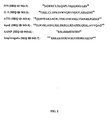
- SEQ ID NO:7 human amphiregulin
- sequences, or other sequences that have been identified or are identified in the future as heparin/heparan sulfate binding sequences, or sequences substantially homologous to identified heparin/heparan sulfate binding sequences that have heparin/heparan sulfate binding activity can be used as epithelium-anchoring-domains in compounds of the present invention that can be used to prevent or treat, for example, respiratory epithelium-infecting viruses such as, but not limited to, influenza virus.
- An anchoring domain can bind a moiety that is specific to the target cell type of a particular species or can bind a moiety that is found in the target cell type of more than one species.
- a therapeutic compound can have utility for more than one species (providing that the therapeutic domain is also effective across the relevant species.)
- a therapeutic compound of the present invention that has an anchoring domain that binds heparin/heparan sulfate, the compound can be used in mammals (including humans) as well as avians.
- a compound of the present invention includes at least one therapeutic domain that has an extracellular activity that can prevent or impede the infection of a cell by a pathogen, can modulate the immune response of a subject, or can improve transduction efficiency of a recombinant virus.
- the therapeutic activity can be, as nonlimiting examples, a binding activity, a catalytic activity, or an inhibitory activity.
- the therapeutic activity acts to modify or inhibit a function of the pathogen that contributes to infectivity of the cell by the pathogen.
- a therapeutic domain can modify or inhibit a function of the target cell or target organism.
- the therapeutic domain can bind a receptor on a target cell that is necessary for binding of the pathogen to a target cell. In this way the therapeutic moiety can block binding of the pathogen to a target cell and prevent infection.
- a therapeutic domain can bind a molecule or epitope on a pathogen to prevent an interaction of the molecule or epitope with a target cell that is necessary for infection.
- a therapeutic domain can also have a catalytic activity that can degrade a molecule or epitope of the pathogen or host that allows for or promotes infection of a target cell by a host.
- a therapeutic domain can be an inhibitor of an activity that is necessary for target cell infection by a pathogen. The inhibited activity can be an activity of the host organism or of the pathogen.
- the therapeutic domain preferably acts extracellularly, meaning that its infection-preventing, inflammatory response-modulating, or transduction-enhancing activity takes place at the target cell surface or in the immediate area surrounding the target cell, including sites within the extracellular matrix, intracellular spaces, or luminal spaces of tissues.
- a therapeutic domain is preferably a peptide or protein domain (including a modified or derivatized peptide or protein domain), or comprises a moiety coupled to a peptide or protein.
- a moiety coupled to a peptide or protein can be any type of molecule that can prevent or impede the infection of a target cell by a pathogen, and is preferably an organic molecule, such as, for example, nucleic acid, peptide nucleic acid, nucleic acid analogue, nucleotide, nucleotide analogue, small organic molecule, polymer, lipids, steroid, fatty acid, carbohydrate, or any combination of any of these.
- a therapeutic domain can be a synthetic peptide or polypeptide, or can comprise a synthetic molecule that can be conjugated to a peptide or polypeptide, can be a naturally-occurring peptide or protein, or a domain of naturally-occurring protein.
- a therapeutic domain can also be a peptide or protein that is substantially homologous to a naturally-occurring peptide or protein.
- a therapeutic domain can have utility in a particular species, or can prevent or impede pathogen infection in more than one species.
- therapeutic domains that inhibit pathogen functions can in general be used in a range of species that can be infected by the host, while therapeutic domains that interrupt host-pathogen interactions by interfering with a property of the host may or may not be species-specific.
- anchoring domains and therapeutic domains can be effective in more than one species, so that compounds of the present invention can be used to advance human and animal health, while reducing propagation and spread of the virus through animal hosts.
- a sialidase that can cleave more than one type of linkage between a sialic acid residue and the remainder of a substrate molecule in particular, a sialidase that can cleave both alpha(2, 6)-Gal and alpha (2, 3)-Gal linkages, can protect humans from infections by a broad-spectrum of influenza viruses, including viruses that are naturally hosted in different species such as birds, pigs or horses.
- a compound of the present invention can optionally include one or more linkers that can join domains of the compound.
- Linkers can be used to provide optimal spacing or folding of the domains of a compound.
- the domains of a compound joined by linkers can be therapeutic domains, anchoring domains, or any other domains or moieties of the compound that provide additional functions such as enhancing compound stability, facilitating purification, etc.
- a linker used to join domains of compounds of the present invention can be a chemical linker or an amino acid or peptide linker. Where a compound comprises more than one linker, the linkers can be the same or different. Where a compound comprises more than one linker, the linkers can be of the same or different lengths.
- linkers of the present invention include amino acid or peptide linkers.
- Peptide linkers are well known in the art.
- linkers are between one and one hundred amino acids in length, and more preferably between one and thirty amino acids in length, although length is not a limitation in the linkers of the compounds of the present invention.
- linkers comprise amino acid sequences that do not interfere with the conformation and activity of peptides or proteins encoded by monomers of the present invention.
- Some preferred linkers of the present invention are those that include the amino acid glycine. For example, linkers having the sequence:
- the present invention also comprises nucleic acid molecules that encode protein-based compounds of the present invention that comprise at least one therapeutic domain and at least one anchoring domain.
- the nucleic acid molecules can have codons optimized for expression in particular cell types, such as, for example E. coli or human cells.
- the nucleic acid molecules or the present invention that encode protein-based compounds of the present invention that comprise at least one therapeutic domain and at least one anchoring domain can also comprise other nucleic acid sequences, including but not limited to sequences that enhance gene expression.
- the nucleic acid molecules can be in vectors, such as but not limited to expression vectors.
- Composition comprising at least one anchoring domain and at least one catalytic activity
- a therapeutic domain that has an extracellular activity that can prevent the infection of a cell by a pathogen is a catalytic activity of a sialidase.
- Compounds of the present invention that comprise catalytic domains can be used to inhibit infection by any pathogen that uses a receptor to gain entry to a target cell, as long as removal of the receptor does not impair the organism.
- These protein-based compositions can have, for example, one of the following structures:
- the enzymatic activity can be a monomeric form of a peptide or polypeptide or can be multiple copies of the same polypeptide that are either linked directly or with spacing sequence in between.
- the polypeptides or peptides can be linked directly or via a spacer composed of peptide linker sequence.
- the anchoring domain can be any peptide or polypeptide that can bind to or near the surface of target cells.
- a therapeutic domain comprises a sialidase that can eliminate or greatly reduce the level of sialic acid on the surface of epithelial cells.
- Sialic acid is a receptor for influenza viruses.
- treating the surface of respiratory epithelial cells with a sialidase can prevent influenza infections or interrupt early infections.
- the therapeutic domain comprises an active portion of the complete sialidase protein, as defined in the claims.
- Sialic acid is a receptor for influenza viruses, and at least one of the receptors for parainfluenza virus, some coronavirus and rotavirus, Streptococcus pneumoniae, Mycoplasma pneumoniae, Haemophilus influenzae, Moraxella catarrhalis, Pseudomonas aeruginosa, and Helicobacter pylori.
- treating the surface of respiratory epithelial cells with a sialidase can prevent influenza or other viral infections or interrupt early infections, as well as prevent or reduce colonization of bacteria such as Streptococcus pneumoniae, Mycoplasma pneumoniae, Haemophilus influenzae, Moraxella catarrhalis , and Pseudomonas aeruginosa.
- Treating the gastrointestinal epithelial cells with a sialidase can prevent or reduce colonization of Helicobacter pylori in the stomach.
- Sialic acid also mediates cell adhesion and interactions between inflammatory cells and target cells. Therefore, treating the surface of respiratory epithelial cells with a sialidase can prevent the recruitment of inflammatory cells to the airway surface, and therefore can treat allergic reactions including asthma and allergic rhinitis.
- sialic acid serves as a barrier that hinder cell entry by a gene therapy vector
- treating the target cells with a sialidase can increase transduction efficiency, and therefore improve efficacy of the gene therapy.
- Preferred sialidases are the large bacterial sialidases that can degrade the receptor sialic acids Neu5Ac alpha(2,6)-Gal and Neu5Ac alpha(2,3)-Gal.
- the bacterial sialidase enzymes from Clostridium perfringens (Genbank Accession Number X87369), Actinomyces viscosus, Arthrobacter ureafaciens, or Micromonospora viridifaciens (Genbank Accession Number D01045).
- Therapeutic domains of compounds of the present invention can comprise a portion of the amino acid sequence of a large bacterial sialidase or can comprise amino acid sequences that are substantially homologous to a portion of the amino acid sequence of a large bacterial sialidase, as defined in the claims.
- a therapeutic domain comprises the catalytic domain of the Actinomyces viscosus sialidase extending from amino acids 274-666 of SEQ ID NO:12 , or a substantially homologous sequence.
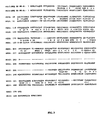
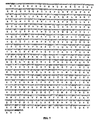
- sialidases are the human sialidases such as those encoded by the genes NEU2 ( SEQ ID NO:8; Genbank Accession Number Y16535; Monti, E, Preti, Rossi, E., Ballabio, A and Borsani G. (1999) Genomics 57:137-143 ) and NEU4 ( SEQ ID NO:9; Genbank Accession Number NM080741; Monti, E, Preti, A, Venerando, B and Borsani, G. (2002) Neurochem Res 27:646-663 ) ( Figure 3 ).
- NEU2 SEQ ID NO:8; Genbank Accession Number Y16535; Monti, E, Preti, Rossi, E., Ballabio, A and Borsani G. (1999) Genomics 57:137-143
- NEU4 SEQ ID NO:9; Genbank Accession Number NM080741; Monti, E, Preti, A, Venerando, B and Borsani, G. (2002) Neurochem Res 27
- a therapeutic domain comprises a portion of the amino acid sequences of a naturally occurring sialidase, or sequences substantially homologous to a portion of the amino acid sequences of a naturally occurring sialidase, the portion comprises essentially the same activity as the human sialidase.
- a fusion protein for preventing or treating influenza that comprises an enzymatic domain comprises an anchoring domain that can bind at or near the surface of epithelial cells.
- the epithelium-anchoring domain is a GAG-binding sequence from a human protein, in particular the GAG-binding amino acid sequence of human amphiregulin ( SEQ ID NO:7 ) ( Figure 2 ).
- sialidase catalytic domain as defined in the claims, in the absence of an anchoring domain, in the treatment or prevention of pathogen infections, such as but not limited to influenza, paramyxovirus, coronavirus, rotavirus, and Pseudomonas aeruginosa infections or bacterial infections; in the treatment or prevention of allergic and inflammatory responses, and to improve the transduction efficiency of a recombinant virus.
- pathogen infections such as but not limited to influenza, paramyxovirus, coronavirus, rotavirus, and Pseudomonas aeruginosa infections or bacterial infections
- the present invention recognizes that such infections may be prevented or abated by the use of sialidase catalytic domains from the A. viscosus sialidase.
- the sialidases can optionally be adapted, by genetic or chemical engineering, or by pharmaceutical formulation, to improve their half life or retention at the respiratory epithelium.
- the sialidase can be delivered to the upper respiratory tract as a nasal spray, and it can be used either in therapeutic mode during early stage of influenza (or other infection) or in prophylactic mode before the infection occurs. Alternatively, it can be delivered to the lower respiratory tract as an inhalant to treat influenza and to prevent influenza complications, such as bronchopneumonia.
- the present invention includes a therapeutic composition that comprises at least one sialidase activity, as defined in the claims.
- a therapeutic domain comprises a portion of the amino acid sequences of a naturally occurring sialidase, or sequences substantially homologous to a portion of the amino acid sequences of a naturally occurring sialidase, the portion comprises essentially the same activity as the human sialidase.
- a pharmaceutical composition comprising a sialidase can include other compounds, including but not limited to other proteins, that can also have therapeutic activity.
- a pharmaceutical composition comprising a sialidase can include other compounds that can enhance the stability, solubility, packaging, delivery, consistency, taste, or fragrance of the composition.
- a pharmaceutical composition comprising a sialidase can be formulated for nasal, tracheal, bronchial, oral, or topical administration, or can be formulated as an injectable solution or as eyedrops.
- a pharmaceutical composition comprising a sialidase can be used to treat or prevent pathogen infection, to treat or prevent allergy or inflammatory response, or to enhance the transduction efficiency of a recombinant virus for gene therapy.
- sialidase catalytic domain protein comprises a catalytic domain of a sialidase but does not comprise the entire amino acid sequence of the sialidase from which the catalytic domain is derived.
- a sialidase catalytic domain protein has sialidase activity.
- a sialidase catalytic domain protein comprises at least 10%, at least 20%, at least 50%, at least 70% of the activity of the sialidase from which the catalytic domain sequence is derived. More preferably, a sialidase catalytic domain protein comprises at least 90% of the activity of the sialidase from which the catalytic domain sequence is derived.
- a sialidase catalytic domain protein can include other amino acid sequences, such as but not limited to additional sialidase sequences, sequences derived from other proteins, or sequences that are not derived from sequences of naturally-occurring proteins. Additional amino acid sequences can perform any of a number of functions, including contributing other activities to the catalytic domain protein, enhancing the expression, processing, folding, or stability of the sialidase catalytic domain protein, or even providing a desirable size or spacing of the protein.
- a sialidase catalytic domain protein of the invention is a protein that comprises the catalytic domain of the A. viscosus sialidase, as defined in the claims.
- an A. viscosus sialidase catalytic domain protein comprises amino acids 274-681 of the A. viscosus sialidase sequence ( SEQ ID NO:12 ) and lacks other A. viscosus sialidase sequence.
- an A. viscosus sialidase catalytic domain protein comprises amino acids 274-666 of the A. viscosus sialidase sequence ( SEQ ID NO:12) and lacks any other A. viscosus sialidase sequence.
- an A. viscosus sialidase catalytic domain protein comprises amino acids 290-666 of the A. viscosus sialidase sequence ( SEQ ID NO:12 ) and lacks any other A.
- an A. viscosus sialidase catalytic domain protein comprises amino acids 290-681 of the A. viscosus sialidase sequence ( SEQ ID NO:12 ) and lacks any other A. viscosus sialidase sequence.
- the present invention also comprises nucleic acid molecules that encode protein-based compounds of the present invention that comprise a catalytic domain of a sialidase.
- the nucleic acid molecules can have codons optimized for expression in particular cell types, such as, for example E. coli or human cells.
- the nucleic acid molecules or the present invention that encode protein-based compounds of the present invention that comprise at least one catalytic domain of a sialidase can also comprise other nucleic acid sequences, including but not limited to sequences that enhance gene expression.
- the nucleic acid molecules can be in vectors, such as but not limited to expression vectors.
- Sialidase catalytic domain proteins can be fusion proteins, in which the fusion protein comprises at least one sialidase catalytic domain and at least one anchoring domain, as defined in the claims.
- Fusion proteins of the present invention comprise at least one sialidase catalytic domain and at least one anchoring domain which is the GAG-binding domain of human amphiregulin ( SEQ ID NO:7 ).
- Sialidase catalytic domains and other domains of a fusion protein of the present invention can optionally be joined by linkers, such as but not limited to peptide linkers.
- linkers such as but not limited to peptide linkers.
- a variety of peptide linkers are known in the art.
- a preferred linker is a peptide linker comprising glycine, such as G-G-G-G-S ( SEQ ID NO:10 ).
- the present invention also comprises nucleic acid molecules that encode fusion proteins of the present invention that comprise a catalytic domain of a sialidase.
- the nucleic acid molecules can have codons optimized for expression in particular cell types, such as, for example E. coli or human cells.
- the nucleic acid molecules or the present invention that encode fusion proteins of the present invention can also comprise other nucleic acid sequences, including but not limited to sequences that enhance gene expression.
- the nucleic acid molecules can be in vectors, such as but not limited to expression vectors.
- the present invention includes compounds of the present invention formulated as pharmaceutical compositions.
- the pharmaceutical compositions comprise a pharmaceutically acceptable carrier prepared for storage and preferably subsequent administration, which have a pharmaceutically effective amount of the compound in a pharmaceutically acceptable carrier or diluent.
- Acceptable carriers or diluents for therapeutic use are well known in the pharmaceutical art, and are described, for example, in Remington's Pharmaceutical Sciences, 18th Ed., Mack Publishing Co., Easton, PA (1990 )).
- Preservatives, stabilizers, dyes and even flavoring agents can be provided in the pharmaceutical composition.
- sodium benzoate, sorbic acid and esters of p-hydroxybenzoic acid can be added as preservatives.
- antioxidants and suspending agents can be used.
- the compounds of the present invention can be formulated and used as tablets, capsules or elixirs for oral administration; salves or ointments for topical application; suppositories for rectal administration; sterile solutions, suspensions, and the like for use as inhalants or nasal sprays.
- Injectables can also be prepared in conventional forms either as liquid solutions or suspensions, solid forms suitable for solution or suspension in liquid prior to injection, or as emulsions. Suitable excipients are, for example, water, saline, dextrose, mannitol, lactose, lecithin, albumin, sodium glutamate, cysteine hydrochloride and the like.
- the injectable pharmaceutical compositions can contain minor amounts of nontoxic auxiliary substances, such as wetting agents, pH buffering agents and the like.
- the pharmaceutically effective amount of a test compound required as a dose will depend on the route of administration, the type of animal or patient being treated, and the physical characteristics of the specific animal under consideration.
- the dose can be tailored to achieve a desired effect, but will depend on such factors as weight, diet, concurrent medication and other factors which those skilled in the medical arts will recognize.
- the pharmaceutical compositions can be used alone or in combination with one another, or in combination with other therapeutic or diagnostic agents. These products can be utilized in vivo , preferably in a mammalian patient, preferably in a human, or in vitro .
- the pharmaceutical compositions can be administered to the patient in a variety of ways, including topically, parenterally, intravenously, subcutaneously, intramuscularly, colonically, rectally, nasally or intraperitoneally, employing a variety of dosage forms. Such methods can also be used in testing the activity of test compounds in vivo .
- these pharmaceutical compositions may be in the form of orally-administrable suspensions, solutions, tablets or lozenges; nasal sprays; inhalants; injectables, topical sprays, ointments, powders, or gels.
- compositions of the present invention are prepared according to techniques well-known in the art of pharmaceutical formulation and may contain microcrystalline cellulose for imparting bulk, alginic acid or sodium alginate as a suspending agent, methylcellulose as a viscosity enhancer, and sweeteners/flavoring agents known in the art.
- these compositions may contain microcrystalline cellulose, dicalcium phosphate, starch, magnesium stearate and lactose and/or other excipients, binders, extenders, disintegrants, diluents and lubricants known in the art.
- Components in the formulation of a mouthwash or rinse include antimicrobials, surfactants, cosurfactants, oils, water and other additives such as sweeteners/flavoring agents known in the art.
- the composition When administered by a drinking solution, the composition comprises one or more of the compounds of the present invention, dissolved in water, with appropriate pH adjustment, and with carrier.
- the compound may be dissolved in distilled water, tap water, spring water, and the like.
- the pH can preferably be adjusted to between about 3.5 and about 8.5.
- Sweeteners may be added, e.g., 1% (w/v) sucrose.
- Lozenges can be prepared according to U.S. Patent No. 3,439,089 .
- the pharmaceutical compositions When administered by nasal aerosol or inhalation, the pharmaceutical compositions are prepared according to techniques well-known in the art of pharmaceutical formulation and may be prepared as solutions in saline, employing benzyl alcohol or other suitable preservatives, absorption promoters to enhance bioavailability, fluorocarbons, and/or other solubilizing or dispersing agents known in the art. See, for example, Ansel, H. C. et al., Pharmaceutical Dosage Forms and Drug Delivery Systems, Sixth Ed. (1995 ). Preferably these compositions and formulations are prepared with suitable nontoxic pharmaceutically acceptable ingredients.
- nasal dosage forms generally contain large amounts of water in addition to the active ingredient. Minor amounts of other ingredients such as pH adjusters, emulsifiers or dispersing agents, preservatives, surfactants, jelling agents, or buffering and other stabilizing and solubilizing agents may also be present.
- the nasal dosage form should be isotonic with nasal secretions.
- Nasal formulations can be administers as drops, sprays, aerosols or by any other intranasal dosage form.
- the delivery system can be a unit dose delivery system.
- the volume of solution or suspension delivered per dose can preferably be anywhere from about 5 to about 2000 microliters, more preferably from about 10 to about 1000 microliters, and yet more preferably from about 50 to about 500 microliters.
- Delivery systems for these various dosage forms can be dropper bottles, plastic squeeze units, atomizers, nebulizers or pharmaceutical aerosols in either unit dose or multiple dose packages.
- the formulations of this invention may be varied to include; (1) other acids and bases to adjust the pH; (2) other tonicity imparting agents such as sorbitol, glycerin and dextrose; (3) other antimicrobial preservatives such as other parahydroxy benzoic acid esters, sorbate, benzoate, propionate, chlorbutanol, phenylethyl alcohol, benzalkonium chloride, and mercurials; (4) other viscosity imparting agents such as sodium carboxymethylcellulose, microcrystalline cellulose, polyvinylpyrrolidone, polyvinyl alcohol and other gums; (5) suitable absorption enhancers; (6) stabilizing agents such as antioxidants, like bisulfite and ascorbate, metal chelating agents such as sodium edetate and drug solubility enhancers such as polyethylene glycols.
- the method includes: treating a subject that is infected with a pathogen or at risk of being infected with a pathogen with a pharmaceutical composition of the present invention that comprises a compound that comprises at least one anchoring domain that can anchor the compound at or near the surface of a target cell and at least one therapeutic domain comprising a peptide or protein that has at least one extracellular activity that can prevent the infection of a target cell by a pathogen.
- the method includes applying a therapeutically effective amount of a pharmaceutical composition of the present invention to epithelial cells of a subject.
- the subject to be treated can be an animal or human subject.
- the method includes: treating a subject that is infected with a pathogen or at risk of being infected with a pathogen with a pharmaceutical composition of the present invention that comprises a protein-based compound that comprises a sialidase activity.
- the method includes applying a therapeutically effective amount of a pharmaceutical composition of the present invention to epithelial cells of a subject.
- the sialidase activity can be an isolated naturally occurring sialidase protein, or a recombinant protein substantially homologous to at least a portion of a naturally occurring sialidase.
- a preferred pharmaceutical composition comprises a sialidase with substantial homology to the A. viscosus sialidase ( SEQ ID NO:12 ).
- the subject to be treated can be an animal or human subject.
- the method includes: treating a subject that is infected with a pathogen or at risk of being infected with a pathogen with a pharmaceutical composition of the present invention that comprises a protein-based compound that comprises a sialidase catalytic domain.
- the method includes applying a therapeutically effective amount of a pharmaceutical composition of the present invention to epithelial cells of a subject.
- the sialidase catalytic domain is preferably can substantially homologous to the catalytic domain of a naturally occurring sialidase.
- a preferred pharmaceutical composition comprises a sialidase catalytic domain with substantial homology to amino acids 274-666 the A. viscosus sialidase ( SEQ ID NO:12 ).
- the subject to be treated can be an animal or human subject.
- a pathogen can be a viral, bacterial, or protozoan pathogen.
- the pathogen is one of the following: influenza viruses, parainfluenza virus, respiratory syncytial virus (RSV), coronavirus, rotavirus, Streptococcus pneumoniae, Mycoplasma pneumoniae, Haemophilus influenzae, Moraxella catarrhalis, Pseudomonas aeruginosa, and Helicobacter pylori.
- the pathogen is influenza virus.
- Compounds of the present invention can be designed for human use or animal use.
- a compound of the present invention can be used to prevent pathogen infection in a class of animals, such as mammals.
- a composition can be used for human and animal use (although the formulation may differ).
- the active domains of a compound can be effective against more than one pathogen species, type, subtype, or strain and can be active in more than one host species.
- some preferred compounds of the present invention that comprise, for example, active domains such as protease inhibitors that prevent processing of the HA protein of influenza virus, or sialidases that remove sialic acid receptors from target cells, or anchoring domains such as domains that bind heparin or heparan sulfate, can be used in birds, mammals, or humans.
- active domains such as protease inhibitors that prevent processing of the HA protein of influenza virus, or sialidases that remove sialic acid receptors from target cells
- anchoring domains such as domains that bind heparin or heparan sulfate
- the pharmaceutical composition prevents infection by influenza, and a therapeutically effective amount of the pharmaceutical composition is applied to the respiratory epithelial cells of a subject.
- a therapeutically effective amount of the pharmaceutical composition is applied to the respiratory epithelial cells of a subject.
- This can be done by the use of an inhaler, or by the use of a nasal spray.
- the inhaler or nasal spray is used from one to four times a day.
- the sialidase can be delivered to the upper respiratory tract as a nasal spray or as an inhalant, and it can be used either in therapeutic mode during early stage of influenza (or other infection) or in prophylactic mode before the infection occurs. Alternatively, it can be delivered to the lower respiratory tract as an inhalant to treat influenza and to prevent influenza complications, such as bronchopneumonia. Similarly, the sialidase can be delivered as nasal spray or inhalant to prevent or reduce infection by parainfluenza virus and coronavirus.
- the therapeutic compounds can optionally be adapted, by genetic or chemical engineering, or by pharmaceutical formulation, to improve their half-life or retention at the respiratory epithelium. Additionally, it can be delivered topically to the eyes or to surgical wounds in the form of drops, sprays or ointments to prevent and treat bacterial infection including infection by Pseudomonas aeruginosa. It can also be administered orally to treat infection by Helicobacter pylori.
- the useful in vivo dosage to be administered and the particular mode of administration will vary depending upon the age, weight and type of patient being treated, the particular pharmaceutical composition employed, and the specific use for which the pharmaceutical composition is employed.
- the determination of effective dosage levels can be accomplished by one skilled in the art using routine methods as discussed above. In non-human animal studies, applications of the pharmaceutical compositions are commenced at higher dose levels, with the dosage being decreased until the desired effect is no longer achieved or adverse side effects are reduced or disappear.
- the dosage for a compound of the present invention can range broadly depending upon the desired affects, the therapeutic indication, route of administration and purity and activity of the compound.
- dosages can be between about 1 ng/kg and about 10 mg/kg, preferably between about 10 ng/kg and about 1 mg/kg, and more preferably between about 100 ng/kg and about 100 micrograms/kg.
- the exact formulation, route of administration and dosage can be chosen by the individual physician in view of the patient's condition (see, Fingle et al., in The Pharmacological Basis of Therapeutics (1975)). It should be noted that the attending physician would know how to and when to terminate, interrupt or adjust administration due to toxicity, organ dysfunction or other adverse effects. Conversely, the attending physician would also know to adjust treatment to higher levels if the clinical response were not adequate.
- the magnitude of an administrated does in the management of the disorder of interest will vary with the severity of the condition to be treated and to the route of administration. The severity of the condition may, for example, be evaluated, in part, by standard prognostic evaluation methods. Further, the dose and perhaps dose frequency, will also vary according to the age, body weight and response of the individual patient, including those for veterinary applications.
- a method of treating and a pharmaceutical composition for treating influenza virus infection and prevention of influenza virus infection involves administering to a patient in need of such treatment a pharmaceutical carrier and a therapeutically effective amount of any composition of the present invention, or a pharmaceutically acceptable salt thereof.
- appropriate dosages are administered to each patient by either inhaler, nasal spray, or by oral lozenge. It will be understood, however, that the specific dose level and frequency of dosage for any particular patient may be varied and will depend upon a variety of factors including the activity of the specific salt or other form employed, the metabolic stability and length of action of that compound, the age, body weight, general health, sex, diet, mode and time of administration, rate of excretion, drug combination, the severity of the particular condition, and the host undergoing therapy.
- the method includes: preventing or treating an allergic or inflammatory response of a subject with a pharmaceutical composition of the present invention that comprises a protein-based compound that comprises a sialidase activity.
- the method includes applying a therapeutically effective amount of a pharmaceutical composition of the present invention to epithelial cells of a subject.
- the sialidase activity can be an isolated naturally occurring sialidase protein, or a recombinant protein substantially homologous to at least a portion of a naturally occurring sialidase.
- a preferred pharmaceutical composition comprises a sialidase with substantial homology to the A. viscosus sialidase ( SEQ ID NO:12 ).
- the subject to be treated can be an animal or human subject.
- the method includes: preventing or treating an allergic or inflammatory response of a subject with a pharmaceutical composition of the present invention that comprises a protein-based compound that comprises a sialidase catalytic domain.
- the method includes applying a therapeutically effective amount of a pharmaceutical composition of the present invention to epithelial cells of a subject.
- the sialidase catalytic domain is preferably can substantially homologous to the catalytic domain of a naturally occurring sialidase.
- a preferred pharmaceutical composition comprises a sialidase catalytic domain with substantial homology to amino acids 274-666 the A. viscosus sialidase ( SEQ ID NO:12 ).
- the subject to be treated can be an animal or human subject.
- the allergic or inflammatory response can be an acute or chronic condition, and can include, as nonlimiting examples, asthma, other allergic responses causing respiratory distress, allergic rhinitis, eczema, psoriasis, reactions to plant or animal toxins, or autoimmune conditions.
- compounds of the present invention can be delivered as an inhalant or nasal spray to prevent or treat inflammation in the airway including, but not limited to, asthma and allergic rhinitis.
- Compounds of the present invention comprising sialidase activity can also be administered as eye drops, ear drops, or sprays, ointments, lotions, or gels to be applied to the skin.
- the method includes treating a patient who has inflammatory diseases with the present invention that comprises a sialidase activity that is administered intravenously or as a local injection.
- the useful in vivo dosage to be administered and the particular mode of administration will vary depending upon the age, weight and type of patient being treated, the particular pharmaceutical composition employed, and the specific use for which the pharmaceutical composition is employed.
- the determination of effective dosage levels can be accomplished by one skilled in the art using routine methods as discussed above. In non-human animal studies, applications of the pharmaceutical compositions are commenced at higher dose levels, with the dosage being decreased until the desired effect is no longer achieved or adverse side effects are reduced or disappear.
- the dosage for a compound of the present invention can range broadly depending upon the desired affects, the therapeutic indication, route of administration and purity and activity of the compound.
- dosages can be between about 1 ng/kg and about 10 mg/kg, preferably between about 10 ng/kg and about 1 mg/kg, and more preferably between about 100 ng/kg and about 100 micrograms/kg.
- the exact formulation, route of administration and dosage can be chosen by the individual physician in view of the patient's condition (see, Fingle et al., in The Pharmacological Basis of Therapeutics (1975)). It should be noted that the attending physician would know how to and when to terminate, interrupt or adjust administration due to toxicity, organ dysfunction or other adverse effects. Conversely, the attending physician would also know to adjust treatment to higher levels if the clinical response were not adequate.
- the magnitude of an administrated does in the management of the disorder of interest will vary with the severity of the condition to be treated and to the route of administration. The severity of the condition may, for example, be evaluated, in part, by standard prognostic evaluation methods. Further, the dose and perhaps dose frequency, will also vary according to the age, body weight and response of the individual patient, including those for veterinary applications.
- appropriate dosages are administered to each patient by either inhaler, nasal spray, or by topical application. It will be understood, however, that the specific dose level and frequency of dosage for any particular patient may be varied and will depend upon a variety of factors including the activity of the specific salt or other form employed, the metabolic stability and length of action of that compound, the age, body weight, general health, sex, diet, mode and time of administration, rate of excretion, drug combination, the severity of the particular condition, and the host undergoing therapy.
- the method includes: administering an effective amount of a compound of the present invention that comprises a protein having sialidase activity to at least one cell prior to or concomitant with the administration of at least one recombinant viral vector.
- a composition of the present invention can be provided in the same formulation as at least one recombinant viral vector, or in a separate formulation.
- the method includes applying a therapeutically effective amount of a composition of the present invention and a recombinant viral vector to cells of a subject.
- the subject to be treated can be an animal or human subject.
- a recombinant viral vector is used to transduce epithelial target cells of a subject for gene therapy.
- a recombinant viral vector can be used to transduce airway epithelial cells of a subject with cystic fibrosis.
- a compound of the present invention can be administered by use of an inhaler.
- a recombinant virus comprising a therapeutic gene can be administered concurrently or separately.
- cells can be treated with a compound of the present invention and a recombinant viral vector in vitro or "ex vivo" (that is, cells removed from a subject to be transplanted into a subject after transduction).
- the sialidase activity can be an isolated naturally occurring sialidase protein, or a recombinant protein substantially homologous to at least a portion of a naturally occurring sialidase, including a sialidase catalytic domain.
- a preferred pharmaceutical composition comprises a sialidase with substantial homology to the A. viscosus sialidase ( SEQ ID NO:12 ).
- a compound of the present invention can be administered to target cells from one day before to two hours subsequent to the administration of the recombinant virus.
- a compound of the present invention is administered to target cells from four hours to ten minutes before administration of the recombinant virus.
- a recombinant virus is preferably a recombinant virus that can be used to transfer genes to mammalian cells, such as, preferably human cells.
- a recombinant virus can be a retrovirus (including lentivirus), adenovirus, adeno-associated virus (AAV) or herpes simplex virus type 1.
- the recombinant virus comprises at least one exogenous gene that is to be transferred to a target cell.
- the gene is preferably a therapeutic gene, but this need not be the case.
- the gene can be a gene used to mark cells or confer drug resistance.
- the method includes treating a patient with a compound of the present invention that comprises a sialidase activity and, in the same or a separate formation, with a recombinant virus.
- the compound of the present invention having sialidase activity can be administered to the patient prior to, concomitant to, or even subsequent to the administration of a recombinant virus.
- the sialidase is substantially homologous to the Actinomyces viscosus sialidase ( SEQ ID NO:12 ) or a portion thereof.
- the sialidase comprises the catalytic domain of the Actinomyces viscosus sialidase.
- the recombinant virus is AAV.
- the disease is cystic fibrosis.
- the recombinant virus comprises the cystic fibrosis transmembrane conductance regulator (CFTR) gene.
- the useful in vivo dosage to be administered and the particular mode of administration will vary depending upon the age, weight and type of patient being treated, the particular pharmaceutical composition employed, and the specific use for which the pharmaceutical composition is employed.
- the determination of effective dosage levels can be accomplished by one skilled in the art using routine methods as discussed above. In non-human animal studies, applications of the pharmaceutical compositions are commenced at higher dose levels, with the dosage being decreased until the desired effect is no longer achieved or adverse side effects are reduced or disappear.
- the dosage for a compound of the present invention can range broadly depending upon the desired affects, the therapeutic indication, route of administration and purity and activity of the compound.
- dosages can be between about 1 ng/kg and about 10 mg/kg, preferably between about 10 ng/kg and about 1 mg/kg, and more preferably between about 100 ng/kg and about 100 micrograms/kg.
- the exact formulation, route of administration and dosage can be chosen by the individual physician in view of the patient's condition (see, Fingle et al., in The Pharmacological Basis of Therapeutics (1975)). It should be noted that the attending physician would know how to and when to terminate, interrupt or adjust administration due to toxicity, organ dysfunction or other adverse effects. Conversely, the attending physician would also know to adjust treatment to higher levels if the clinical response were not adequate.
- the magnitude of an administrated does in the management of the disorder of interest will vary with the severity of the condition to be treated and to the route of administration. The severity of the condition may, for example, be evaluated, in part, by standard prognostic evaluation methods. Further, the dose and perhaps dose frequency, will also vary according to the age, body weight and response of the individual patient, including those for veterinary applications.
- appropriate dosages are administered to each patient by either inhaler, nasal spray, or by topical application. It will be understood, however, that the specific dose level and frequency of dosage for any particular patient may be varied and will depend upon a variety of factors including the activity of the specific salt or other form employed, the metabolic stability and length of action of that compound, the age, body weight, general health, sex, diet, mode and time of administration, rate of excretion, drug combination, the severity of the particular condition, and the host undergoing therapy.
- Example 1 Synthesizing aprotinin genes, purifying and testing aprotinin fusion proteins.
- Influenza viral protein hemagglutinin is the major influenza envelope protein. It plays an essential role in viral infection. The importance of HA is evidenced by the fact that it is the major target for protective neutralizing antibodies produced by the host immune response ( Hayden, FG. (1996) In Antiviral drug resistance (ed. D. D. Richman), pp. 59-77. Chichester, UK: John Wiley & Sons Ltd .). It is now clear that HA has two different functions in viral infection. First, HA is responsible for the attachment of the virus to sialic acid cell receptors. Second, HA mediates viral entry into target cells by triggering fusion of the viral envelope with cellular membranes.
- HA is synthesized as a precursor protein, HA0, which is transferred through the Golgi apparatus to the cell surface as a trimeric molecular complex. HA0 is further cleaved to generate the C terminus HA1 (residue 328 of HA0) and the N terminus of HA2. It is generally believed that the cleavage occurs at the cell surface or on released viruses. The cleavage of HA0 into HA1/HA2 is not required for HA binding to a sialic acid receptor; however, it is essential for viral infectivity ( Klenk, HD and Rott, R. (1988) Adv Vir Res.
- Sensitivity of HA0 to host proteases is determined by the proteolytic site in the external loop of HA0 molecule.
- the proteolytic site may contain either a single Arg or Lys residue (monobasic cleavage site) or several Lys and/or Arg residues in R-X-K/R-R motif (multibasic cleavage site).
- Only the influenza A virus subtypes H5 and H7 have HA proteins carrying the multibasic cleavage site. All other influenza A, B and C viruses contain HA proteins having the monobasic cleavage site.
- Influenza A viruses having multibasic cleavage sites are more virulent and induce systemic infection in hosts whereas viruses with a monobasic HA site initiate infection only in the respiratory tract in mammals or in the respiratory and enteric tracts in avian species ( Klenk, HD and Koch W. 1994. Trend Micro 2:39-43 for review). Fortunately, human infection by the highly virulent avian influenza A H5 and H7 subtypes, which carry the multibasic cleavage site, has so far only occurred in a handful of cases discovered mostly in Hong Kong. The vast majority of influenza infections are caused by viruses with HA proteins are cleaved at the monobasic cleavage site.
- Influenza virus HA subtypes 5 and 7 that contain multibasic cleavage sites are activated by furin, a member of the subtilisin-like endoproteases, or the pre-protein convertase family. Furin cleaves the virus intracellularly and is ubiquitously present in many cell types, allowing the virulent, systemic infection seen with such viruses ( Klenk, HD and Klein W. 1994. Trend Micro 2:39-43 ; Nakayama, K. 1997. Biochem 327:625-635 ). All other influenza viruses, which have HAs with monobasic cleavage sites, are activated by secreted, trypsin-like serine proteases.
- Enzymes that have been implicated in influenza virus activation include: plasmin ( Lazarowitz SG, Goldberg AR and Choppin PW. 1973. Virology 56:172-180 ), mini-plasmin ( Murakami M, Towatari T, Ohuchi M, Shiota M, Akao M, Okumura Y, Parry MA and Kido H. (2001) Eur J Biochem 268: 2847-2855 ), tryptase Clara ( Kido H, Chen Y and Murakami M. (1999) In B.Dunn (ed.), Proteases of infectious agents.
- proteases from human respiratory lavage Barbey-Morel CL, Oeltmann TN, Edwards KM and Wright PF. (1987) J Infect Dis 155:667-672
- bacterial proteases from Staphylococcus aureus Tashiro M, Ciborowski P, Reinacher M, Pulverer G, Klenk HD and Rott R. (1987) Virology 157:421-430
- Pseudomonas aeruginosa Callan RJ, Hartmann FA, West SE and Hinshaw VS. (1997) J Virol 71:7579-7585 ).
- Activation of influenza viruses by host serine proteases is generally considered to occur extracellularly either at the plasma membrane or after virus release from the cell.
- Aprotinin also called Trasylol, or bovine pancreatic trypsin inhibitor (BPTI) is a polypeptide having 58 amino acids. It belongs to the family of Kunitz-type inhibitors and competitively inhibits a wide spectrum of serine proteases, including trypsin, chymotrypsin, plasmin and plasma kallikrein. Aprotinin has long been used as a human therapeutics, such as treatment of pancreatitis, various states of shock syndrome, hyperfibrinolytic haemorrhage and myocardial infarction. It is also used in open-heart surgery, including cardiopulmonary bypass operations, to reduce blood loss ( Fritz H and Wunderer G. (1983) Arzneim-Forsch 33:479-494 ).
- aprotinin is apparently a very weak immunogen as aprotinin-specific antibodies have not been observed in human sera so far ( Fritz H and Wunderer G. (1983) Arzneim-Forsch 33:479-494 ).
- Another desired feature of aprotinin as a drug candidate is its superb stability. It can be kept at room temperature for at least 18 months without any loss of activity ( Fritz H and Wunderer G. (1983) Arzneim-Forsch 33:479-494 ).
- aprotinin was administered at high doses. For example, 280 micrograms to 840 micrograms per day of aprotinin was injected intraperitoneally into each mouse for 6 days ( Zhimov OP, Ovcharenko AV and Bukrinskaya AG. (1984) J Gen Virol 65:191 - 196 ); a lower dosage was required for aerosol inhalation, still, each mouse was given 63 - 126 micrograms per day for 6 days ( Ovcharenko AV and Zhimov OP. (1994) Antiviral Res 23:107-118 ).
- a very high dose of aprotinin would be required in human based on extrapolation from the mouse data. Therefore to achieve better efficacy in human, the potency of aprotinin molecule needs to be significantly improved.
- Aprotinin functions by competitively inhibiting serine proteases that are mostly on the surface of host respiratory epithelial cells. Local concentration of aprotinin in the vicinity of host proteases is therefore the key factor determining competitive advantage of aprotinin.
- the avidity (functional affinity) of aprotinin is increased by making multivalent aprotininin fusion proteins consisting of two, three, or more aprotinin proteins connected via linkers. Such a molecule is able to bind to membrane proteases in a multivalent fashion, which has significant kinetic advantage over the aprotinin monomer.
- Monomeric aprotinin binds to bovine trypsin very tightly with dissociation constant (Ki) being 6.0 x 10 -14 mol/l.
- aprotinin with a respiratory epithelium-anchoring domain.
- the anchoring domain localizes aprotinin to the proximity of host membrane-associated proteases and maintains a high local concentration of aprotinin on epithelial surface.
- the anchoring domain also increases retention time of the drug on the respiratory epithelium.
- Aprotinin is a single chain polypeptide having 58 amino acid residues and 3 intra-chain disulfide bonds ( SEQ ID NO:1 ).
- the amino acid sequence of aprotinin is shown in Figure 1 .
- Genes encoding aprotinin and aprotinin fusion proteins are synthesized by PCR using overlapping oligonucleotides with codons optimized for E. Coli expression as templates.
- the PCR products are cloned into pCR2.1-TOPO vector (Invitrogen). After sequencing, the genes are subcloned into an expression vector pQE (Qiagen).
- the vector carries a purification tag, Hisx6, to allow easy purification of the recombinant proteins.
- the constructs are used to transform E. Coli.
- the transformed cells grown in LB-ampicillin medium to mid-log phase are induced by IPTG according to standard protocols.
- Cells are pelleted and lysed in phosphate-buffered-saline (PBS) by sonication.
- PBS phosphate-buffered-saline
- the enzymes, which have His 6 purification tag, are purified using a nickel column (Qiagen).
- aprotinin inhibits the trypsin-catalyzed hydrolysis of Na-benzoyl-L-arginine-p-nitroanilide (BzArgpNA or L-BAPA) (Sigma), which is followed photometrically at 405 nm.
- BzArgpNA or L-BAPA Na-benzoyl-L-arginine-p-nitroanilide
- U BAPA One trypsin unit
- IU BAPA One inhibitor unit decreases the activity of two trypsin units by 50%, which corresponds arithmetically to the inhibition of 1 U BAPA of trypsin.
- the specific activity of aprotinin is given in IU BAPA /mg polypeptide.
- affinities of dimeric and trimeric aprotinin with various linkers are compared against the monomeric aprotinin using surface plasmon resonance assay, or BIAcore analysis (BIAcore, Piscataway, NJ) with human plasmin as the target.
- BIAcore assay with heparin as the target is used to analyze affinity between GAG binding aprotinin fusion proteins and heparin.
- plasmin When plasmin is used as the target, purified human plasmin (Sigma) is immobilized on the CM5 chip according manufacturer's instructions (BIAcore, Piscataway, NJ). When heparin is the target, biotinylated albumin and albumin-heparin (Sigma) are captured on a streptavidin-coated BIAcore SA chip as described previously ( Xiang Y and Moss B. (2003) J Virol 77:2623-2630 ).
- Example 2 Establishing improved tissue culture models for studies on influenza, virus infection.
- Influenza viral strains are obtained from ATCC and the repository at St. Jude Children's Research Hospital. All experiments involving influenza viruses are conducted at Bio-safety level II.
- Viruses are propagated by injection into the allantoic cavity of nine-day-old chicken embryos as described ( Zhimov OP, Ovcharenko AV and Bukrinskaya AG. (1985) J Gen Virol 66:1633-1638 ).
- viral stocks are grown on Madin-Darby canine kidney (MDCK) cells in minimal essential medium (MEM) supplemented with 0.3% bovine serum albumin and 0.5 micrograms of trypsin per ml. After incubating for 48 to 72 hours, the culture medium is clarified by low speed centrifugation. Viral particles are pelleted by ultracentrifugation through a 25% sucrose cushion. Purified viruses are suspended in 50% glycerol-0.1M Tris buffer (pH 7.3) and stored at -20°C.
- Infectivity and titer of the viral stocks are determined by two kinds of plaque assays, a conventional one and a modified one ( Tobita, K, Sugiura, A, Enomoto, C and Furuyama, M. (1975) Med Microbiol Immnuol 162:9-14 ; Zhimov OP, Ovcharenko AV and Bukrinskaya AG. (1982) Arch Virol 71:177-183 ).
- the conventional plaque assay is routinely used as a virus titration method. It requires exogenous trypsin in agar overlay added immediately after virus infection to MDCK monolayers ( Tobita, K, Sugiura, A, Enomoto, C and Furuyama, M. (1975) Med Microbiol Immnuol 162:9-14 ). This method artificially increases infectivity of the viral stocks being tested by activating all the viral particles that have uncleaved HA.
- Zhimov et. al. designed a modified plaque assay consisting of a double agar overlay, with trypsin being included in the second layer which is added 24 hours after infection ( Zhimov OP, Ovcharenko AV and Bukrinskaya AG. (1982) Arch Virol 71:177-183 ). Three days after infection, cells are fixed with a 10% formaldehyde solution, agarose layers are removed, fixed cells are stained with hematoxylin-eosin solution and plaques are counted.
- the modified plaque assay allows accurate determination of the real infectivity of viral stocks that contain both cleaved and uncleaved HA. Combining results from both conventional and modified plaque assays, one can distinguish viruses containing cleaved or uncleaved HA and correlate infectivity of viral stocks with the status of HA cleavage.
- Cells are cultured submerged for the first 5 to 7 days in medium containing a 1:1 mixture of bronchial epithelial cell growth medium (BEGM) (Cambrex) and DMEM with high glucose with supplement of growth factors ( Krunkosky TM, Fischer BM, Martin LD, Jones N, Akley NJ and Adler KB. (2000) Am J Respir Cell Mol Biol 22:685-692 ).
- BEGM bronchial epithelial cell growth medium
- DMEM bronchial epithelial cell growth medium
- Krunkosky TM Fischer BM
- Martin LD Jones N, Akley NJ and Adler KB. (2000) Am J Respir Cell Mol Biol 22:685-692 .
- the air-liquid interface is created by removing the apical medium and exposing cells only to medium on their basal surface.
- Cells are cultured for additional 14 days in air-liquid interphase, for a total of 21 days in culture, and are then ready for experiments.
- the differentiated epithelium
- Epithelial morphology and degree of differentiation is documented by routine histology ( Endo Y, Carroll KN, Ikizler MR and Wright PF. (1996) J Virol 70:2055-2058 ). Briefly, following fixation with 10% buffered formalin, the epithelial cells are embedded in paraffin, sectioned and stained with hematoxylin and eosin, and with periodic acid-Schiff stain for mucus secreting cells.
- Influenza infection is carried out in the above two model systems by adding 0.001 to 1 MOI of viruses to the differentiated cells.
- the titer and infectivity of viruses in the supernatant are followed over a period of 3 to 7 days.
- the level of influenza viral amplification and the infectivity of influenza viruses are evaluated using conventional and modified plaque assays.
- Example 3 Comparing functions of the aprotinin fusion proteins in vitro
- aprotininin fusion proteins For single dose treatment, cells are first infected by viral inoculations at 0.001 to 0.1 MOI for 1 hour. Treatments of aprotinin fusion proteins at various concentrations are applied at different time points during the first 48 hours after infection, but each cell sample only receives one treatment during the whole experiment. Cells are cultured until day 7 post infection. Viral titer and infectivity in the media are followed during the whole process. Cytopathic effect is evaluated at the end of the experiment. Results from these experiments distinguish different types of aprotinin fusion proteins for their therapeutic potency.
- a human primary epithelial cell culture is infected with influenza virus at MOI of 1.
- Aprotinin fusion proteins are added to the culture either right before viral inoculation or immediately after the viral infection.
- the culture is incubated for 1 hour in MEM lacking cold methionine and containing 35 S-labeled methionine (Amersham) at a concentration of 100 microCi/ml (pulse). Thereafter, the cells are washed twice with MEM containing a 10-fold concentration of cold methionine and incubated in MEM for additional 3 hours (chase).
- HA is precipitated by anti-serum against the particular strain of virus used for infection (anti-influenza sera can be obtained from ATCC and Center of Disease Control and Prevention), and the immunocomplex is then purified by protein G-Sepharose (Amersham). Samples are fractionated by SDS-PAGE followed by autoradiography. In samples untreated by aprotinin fusion proteins, HA1 and HA2 are expected to be the predominant HA species; while in aprotinin treated samples, HA0 is expected to be the major type of HA present.
- RIPA radioimmunoprecipitation assay
- Example 4 Synthesizing genes of five sialidases, expressing and purifying the sialidase proteins .
- Influenza viruses belong to the orthomyxoviridae family of RNA viruses. Both type A and type B viruses have 8 segmented negative-strand RNA genomes enclosed in a lipid envelope derived from the host cell. The viral envelope is covered with spikes that are composed of three proteins: hemagglutinin (HA), that attaches virus to host cell receptors and mediates fusion of viral and cellular membranes; neuraminidase (NA), which facilitates the release of the new viruses from the host cell; and a small number of M2 proteins that serve as ion channels.
- HA hemagglutinin
- NA neuraminidase
- M2 proteins that serve as ion channels.
- HA and NA both undergo antigenic drift and antigenic shift, the viral subtypes are distinguished by serologic differences between their HA and NA proteins.
- H1-H15 There are total 15 types of HA (H1-H15) and 9 types of NA (N1-N9), but only three HA (H1-H3) and two NA (N1 and N2) have been found in human Influenza A virus so far ( Granoff, A. & Webster, R. G., ed. Encyclopedia of Virology, 2nd Edition, Vol 2 ). In contrast to Influenza A virus, no distinct antigenic subtypes are recognized for Influenza virus B.
- Influenza B virus circulates only in humans
- Influenza A virus can be isolated from a whole host of animals, such as pigs, horses, chickens, ducks and other kinds of birds, which accounts for genetic reassortment of Influenza A virus that results in antigenic shift.
- Wild aquatic birds are considered to be the primordial reservoir of all influenza viruses for avian and mammalian species.
- the host cell receptor for influenza viruses is the cell surface sialic acid.
- Sialic acids are ⁇ -keto acids with 9-carbon backbones that are usually found at the outermost positions of the oligosaccharide chains that are attached to glycoproteins and glycolipids.
- One of the major types of sialic acids is N-acetylneuraminic acid (Neu5Ac), which is the biosynthetic precursor for most of the other types.
- Neu5Ac N-acetylneuraminic acid
- Two major linkages between Neu5Ac and the penultimate galactose residues of carbohydrate side chains are found in nature, Neu5Ac ⁇ (2,3)-Gal and Neu5Ac ⁇ (2,6)-Gal.
- Neu5Ac ⁇ (2,3)-Gal and Neu5Ac ⁇ (2,6)-Gal molecules can be recognized by Influenza A virus as the receptor ( Schauer, R. (1982) Adv. Carbohydrate Chem & Biochem 40:131-235 ), while human viruses seem to prefer Neu5Ac ⁇ (2,6)-Gal, avian and equine viruses predominantly recognize Neu5Ac ⁇ (2,3)-Gal ( Ito, T. (2000) Microbiol Immunol 44(6):423-430 ).
- Infections by influenza type A and B viruses are typically initiated at the mucosal surface of the upper respiratory tract.
- Viral replication is primarily limited to the upper respiratory tract but can extend to the lower respiratory tract and causes bronchopneumonia that can be fatal.
- the risk of death is one per 10,000 infections, but is significantly greater for high-risk groups with pre-existing cardiopulmonary conditions and for immunologically na ⁇ ve individuals during a pandemic.
- Sialidases are found in higher eukaryotes, as well as in some mostly pathogenic microbes, including viruses, bacteria and protozoans. Viral and bacterial sialidases have been well characterized, and the three-dimensional structures of some of them have been determined ( Crennell, SJ, Garman, E, Laver, G, Vimr, E and Taylor, G. (1994) Structure 2:535-544 ; Janakiraman, MN, White, CL, Laver, WG, Air, GM and Luo, M.
- sialidases characterized share a four amino acid motif in the amino terminal portion followed by the Asp box motif which is repeated three to five times depending on the protein.
- sialidases are generally divided into two families: "small” sialidases have molecular weight of about 42 kDa and do not require divalent metal ion for maximal activity; “large” sialidases have molecular weight above 65 kDa and may require divalent metal ion for activity ( Wada, T, Yoshikawa, Y, Tokuyama, S, Kuwabara, M, Akita, H and Miyagi, T.
- sialidase proteins Over fifteen sialidase proteins have been purified and they vary greatly from one another in substrate specificities and enzymatic kinetics. To confer a broad-spectrum protection against influenza viruses, a sialidase needs to effectively degrade sialic acid in both ⁇ (2,6)-Gal and ⁇ (2,3)-Gal linkages and in the context of glycoproteins and some glycolipids.
- Viral sialidases such as those from influenza A virus, fowl plague virus and Newcastle disease virus, are generally specific for Neu5Ac ⁇ (2,3)-Gal and only degrade Neu5Ac ⁇ (2,6)-Gal very inefficiently. Small bacterial sialidases generally react poorly to sialic acid in the context of glycoproteins and glycolipids.
- large bacterial sialidases can effectively cleave sialic acid in both ( ⁇ ,2-6) linkage and ( ⁇ ,2-3) linkage in the context of most natural substrates ( Figure 4 ; Vimr, DR. (1994) Trends Microbiol 2: 271-277 ; Drzeniek, R. (1973) Histochem J 5:271-290 ; Roggentin, P, Kleineidam, RG and Schauer, R. (1995) Biol Chem Hoppe-Seyler 376:569-575 ; Roggentin, P, Schauer, R, Hoyer, LL and Vimr, ER. (1993) Mol Microb 9:915-921 ). Because of their broad substrate specificities, large bacterial sialidases are better candidates.
- Vibrio cholerae sialidase requires Ca2+ for activity making it less preferred. More preferred sialidases include the 71 kDa enzyme from Clostridium perfringens, the 113 kDa enzyme from Actinomyces viscosus and sialidase of Arthrobacter ureafaciens. A third sialidase, the 68 kDa enzyme from Micromonospora viridifaciens, has been known to destroy influenza viral receptor ( Air, GM and Laver, WG. (1995) Virology 211:278-284 ), and is also a candidate.
- viscosus is labile towards freezing and thawing, but is stable at 4°C in 0.1 M acetate buffer, pH 5 ( Teufel, M, Roggentin, P. and Schauer, R. (1989) Biol Chem Hoppe Seyler 370:435-443 ).
- sialidase genes have been cloned from human so far: NEU1/G9/lysosomal sialidase ( Pshezhetsky, A, Richard, C, Michaud, L, Igdoura, S, Wang, S, Elsliger, M, Qu, J, Leclerc, D, Gravel, R, Dallaire, L and Potier, M. (1997) Nature Genet 15: 316-320 . , Milner, CM, Smith, SV, Carrillo MB, Taylor, GL, Hollinshead, M and Campbell, RD. (1997).
- NEU3 a membrane-associated sialidase isolated from human brain ( Wada, T, Yoshikawa, Y, Tokuyama, S, Kuwabara, M, Akita, H and Miyagi, T. (1999) Biochem Biophy Res Communi 261:21-27 , Monti, E, Bassi, MT, Papini, N, Riboni, M, Manzoni, M, Veneranodo, B, Croci, G, Preti, A, Ballabio, A, Tettamanti, G and Borsani, G.
- NEU2 a 42 kDa sialidase expressed in human skeletal muscle at a very low level ( Monti, E, Preti, A, Nesti, C, Ballabio, A and Borsani G. (1999) Glycobiol 9:1313-1321 ), and NEU4 a 497 amino acid protein (Genbank NM080741) expressed in all human tissues examined ( Monti, E, Preti, A, Venerando, B and Borsani, G. (2002) Neurochem Res 27:646-663 ).
- NEU2 SEQ ID NO:8
- NEU4 SEQ ID NO:9
- Amino acid sequence comparison reveals NEU2 ( SEQ ID NO:8 ) and NEU4 ( SEQ ID NO:9 ) are both cytosolic sialidases. 9 out of 12 of the amino acid residues which form the catalytic site of S . typhimurium sialidase are conserved in both NEU2 and NEU4 ( Monti, E, Preti, A, Nesti, C, Ballabio, A and Borsani G. (1999) Glycobiol 9:1313-1321 , Figure 3 ).
- NEU4 also shows a stretch of about 80 amino acid residues (aa 294-373) that appears unique among known mammalian sialidases ( Monti, E, Preti, A, Venerando, B and Borsani, G. (2002) Neurochem Res 27:646-663 ). Unlike the selected large bacterial sialidases, the substrate specificity of NEU2 and NEU4 is unknown. It will need to be tested if NEU2 and NEU4 can effectively degrade the influenza virus receptors.
- NEU2, NEU4 and M. viridifaciens enzymes will be stored in PBS and 50% glycerol at -20°C.
- C. perfringens and A. viscosus enzymes are stored in 10mM acetate buffer (pH5) at 4°C.
- Protein preps are characterized by HPLC and SDS-PAGE electrophoresis. Specific activities and stability of the enzymes will be monitored by sialidase assay.
- the enzymatic activity of sialidases are determined by fluorimetric 2'-(4-methylumbelliferyl)-alpha-D-N-acetylneuraminic acid) (4Mu-NANA) (Sigma) as the substrate. Specifically, reactions are set up in duplicate in 0.1 M Na citrate/phosphate buffer pH5.6, in the presence of 400 micrograms bovine serum albumin, with 0.2 mM 4MU-NANA in a final volume of 100 microliters, and incubated at 37°C for 5-10min. Reactions are stopped by addition of 1 ml of 0.2 M glycines/NaOH pH10.2. Fluorescence emission is measured on a fluorometer with excitation at 365 nm and emission at 445 nm, using 4-methylumbelliferone (4-MU) to obtain a calibration curve.
- 4Mu-NANA fluorimetric 2'-(4-methylumbelliferyl)-alpha-D-N-acetylneuraminic acid
- Example 5 Comparing functions of the sialidases in vitro and selecting one sialidase for further studies .
- Influenza viral strains are obtained from the ATCC and the repository at St. Jude Children's Research Hospital.Viral stocks are grown on Madin-Darby canine kidney (MDCK) cells in minimal essential medium (MEM) supplemented with 0.3% bovine serum albumin and 0.5 micrograms of trypsin per ml. After incubating for 48 to 72 hours, the culture medium is clearified by low speed centrifugation. Viral particles are pelleted by ultracentrifugation through a 25% sucrose cushion. Purified viruses are suspended in 50% glycerol-0.1M Tris buffer (pH 7.3) and stored at -20°C.
- MEM minimal essential medium
- Viral titer is determined by plaque assay ( Tobita, K, Sugiura, A, Enomoto, C and Furuyama, M. (1975) Med Microbiol Immnuol 162: 9-14 ), or TCID 50 , which is the dose of virus required to infect 50% of the MDCK cells.
- This assay is used to rapidly determine the efficiency of each enzyme to destroy receptors Neu5Ac alpha(2,6)-Gal and Neu5Ac alpha(2,3)-Gal.
- Various strains of influenza virus which recognize either Neu5Ac alpha(2,6)-Gal or Neu5Ac alpha(2,3)-Gal as the receptor as listed above, are prepared in microtiter plates as serial dilutions in PBS (100 microliters) of the original viral stocks.
- Sialidase-treated or control chicken red blood cell suspensions (100 microliters of the 0.5% solution prepared above) are added to each well at 4°C. The plates are read after 2 h.
- the lowest concentration of virus that causes the blood cell to agglutinate is defined as one hemagglutination unit. We will be looking for enzymes that effectively abolish hemagglutination by all viral strains.
- Confluent monolayers of MDCK cells are treated with various concentrations of sialidases for 1 h, washed twice with buffer, then infected with various strains of influenza virus. After incubation for 1 hr, the cells are washed again to remove unbound virus. To estimate the decrease in viral binding sites on cell surface, the cells are overlaid with agar and incubated at 37°C. The number of plaques in the sialidase treated cells will be compared against those in control cells. Alternatively, the cells will be cultured in regular medium at 37°C, and viral titers in the culture media are measured at various time during culture as TCDD 50 .
- MDCK monolayers are first infected with a low titer of virus. After washing off the unbound virus, the cells are then cultured in the presence of a sialidase. Fresh sialidase is added to cell culture very 24 h. Viral titer in the cultured medium is measured over a 72-hour period.
- Primary human bronchial epithelial cells are purchased (Clonetics) and cultured in supplemented minimal medium following manufacture's instruction. Sialidases are added to the culture medium at various concentrations. Cell growth over a period of 7-10 days will be measured. Cells will also be observed regularly for microscopic cytopathic effects.
- Example 6 Constructing and testing sialidase fusion proteins.
- sialidase is selected for its best overall properties, including anti-viral activity, toxicity, stability, ease of production, etc. We will then genetically link it to a GAG-binding sequence, sub-clone the fusion genes into pQE vector, express and purify the fusion proteins from E. coli.
- fusion proteins are compared by a modified viral inhibition assay. Specifically, confluent monolayers of MDCK cells are treated with same amount of each fusion protein for a limited duration, such as 30 min. The cells are then washed twice with buffer to remove unbound sialidase fusion proteins, and incubated in culture medium for an additional 1 hour. Afterwards, strains of influenza virus are added to the cells for 1 hr and then cells are washed again to remove unbound virus. Viral titers in the culture media are measured during 72-h cultures as TCID 50 . The un-fused sialidase protein will be used to compare against the fusion proteins in this assay. If the results are too close to rank all fusion proteins, we will make the assay more stringent by shortening treatment window for the fusion proteins, lowering protein concentrations and increasing the level of viral challenge.
- the purified fusion proteins are ranked based on their activities in the modified viral protection assay as described above.
- the effects of the fusion proteins on normal cell growth and morphology are monitored by culturing primary human bronchial epithelial cells with various concentrations of the fusion proteins and following growth curve of the cells and observing any microscopic cytopathic effects.
- Fusion proteins composed of a functional domain and an anchorage domain are designed for many more different applications.
- a sialidase fusion protein as proposed here can also be used as a therapeutic/prophylactic agent against infections by other viruses and bacteria besides influenza viruses, because many other infectious microbes, such as paramyxoviruses ( Wassilewa, L. (1977) Arch Virol 54:299-305 ), coronaviruses ( Vlasak, R., Luytjes, W., Spaan, W. and Palese, P. (1988) Proc Natl Acad Sci USA 85:4526-4529 ), rotaviruses ( Fukudome, K., Yoshie, O. and Konno, T.
- aprotinin fused with a heparin-binding domain can make a fusion protein that be used to prevent/treat infection of other viruses besides influenza that require host serine proteases for activation, such as parainfluenza virus.
- the 51 kDa Arthrobacter ureafaciens sialidase, the 71 kDa sialidase from Clostridium perfringens and the 113 kDa sialidase from Actinomyces viscosus seem to have similar specific activities and broad substrate specificity toward various sialic acid conjugates ( Biology of the Sialic Acids (1995), 270-273 ; Corfield et al., Biochem. J., (1981) 197(2), 293-299 ; Roggentin et al., Biol. Chem. Hoppe Seyler, (1995) 376(9), 569-575 ; Teufel et al., Biol.
- a third sialidase was also known to destroy the influenza viral receptor ( Air and Laver, Virology, (1995) 211(1), 278-284; (1995 ), 270-273).
- a . viscosus is part of the normal flora of human oral cavity and gastrointestinal tract (Sutter, Rev. Infect. Dis., (1984) 6 Suppl 1, S62-S66). Since the sialidase from A. viscosus is normally secreted by the bacterium hosted on human mucosal surface, it should be tolerated by the human mucosal immune system. Therefore, it is unlikely that A. viscosus sialidase will be immunogenic when delivered topically to the human airway surface. We think that this feature makes A . viscosus sialidase a good candidate for a therapeutic agent.
- AvCD catalytic domain
- viscosus sialidase protein sequence such as the fragment extending from amino acid 274 to amino acid 681, the fragment extending from amino acid 274 to amino acid 666, the fragment extending from amino acid 290 to amino acid 666, and the fragment extending from amino acid 290 to amino acid 681, have sialidase activity.
- a . viscosus sialidase protein and gene are set forth in SEQ ID NOS: 11 and 12, respectively. Based on homology with sialidases with known 3D structures ( M. viridifaciens and S. typhimurium ), we assigned the catalytic domain (CD) sequence to be located between amino acids 274-667 ( SEQ ID NO:16 ). To clone the catalytic domain of A . viscosus sialidase (AvCD), this region of the A. viscosus sialidase gene was engineered with codons optimized for expression in E.coli ( SEQ ID NO:15 ). The codon-optimized AvCD nucleotide sequence encoding amino acids 274-667 of the A .
- viscosus sialidase ( SEQ ID NO:15 ) was produced by chemical synthesis of overlapping oligonucleotides which were annealed, amplified by PCR and cloned into the expression vector pTrc99a (Amersham, New Jersey, USA).
- Sialidase fusion constructs were made using standard molecular cloning methods.
- the His 6 -AvCD construct was made by fusing six histidines (His 6 ) to the N-terminal residue of the AvCD sequence.
- the His 6 -AvCD construct has the nucleotide sequence of SEQ ID NO:28 and translated amino acid sequence of SEQ ID NO:27 . These sequences are depicted in Figure 5 .
- an anchoring domain was directly fused with the N-terminal residue of the AvCD sequence.
- the anchoring domain referred to as AR, was derived from the GAG binding sequence of human amphiregulin precursor (GenBank # AAH09799). Nucleotide sequences encoding amino acids 125 to 145 ( Figure 2 , SEQ ID NO:7 ) of the human amphiregulin precursor were synthesized chemically as two overlapping oligonucleotides.
- the AR-AvCD construct has the nucleotide sequence of SEQ ID NO:18 and translated amino acid sequence of SEQ ID NO:19.
- AR-G4S-AvCD Another construct, AR-G4S-AvCD, was made by fusing the same AR-encoding sequence used in the AR-AvCD construct with a sequence encoding a five-amino-acid linker (GGGGS; SEQ ID NO:10 ) which then was fused with the AvCD sequence such that in a translation product, the linker was fused to N-terminus of the catalytic domain of the A. viscosus sialidase.
- the nucleotide sequence ( SEQ ID NO:36 ) and translated amino acid sequence ( SEQ ID NO:37 ) of this construct are depicted in Figure 7 . All constructs were cloned into the pTrc99a expression vector.
- viscosus sialidase consisted of amino acids 274-681 of SEQ ID NO:12 fused to the GAG-binding domain of amphiregulin ( SEQ ID NO:7).
- Construct #6 SEQ ID NO:25
- the catalytic domain of the A. viscosus sialidase consisted of amino acids 290-666 of SEQ ID NO:12 fused to the GAG-binding domain of amphiregulin ( SEQ ID NO:7 ).
- Construct #7 SEQ ID NO:27
- the catalytic domain of the A . viscosus sialidase consisted of amino acids 290-681 of SEQ ID NO:12 fused to the GAG-binding domain of amphiregulin ( SEQ ID NO:7 ). All of these constructs displayed comparable sialidase activity in assays.
- the expression constructs were transformed into E.coli BL21.
- a single colony was inoculated into 2.5 ml of LB broth and grown overnight at 37°C with shaking.
- Protein expression was induced by addition of IPTG to a final concentration of 1 mM and continued for 3 hr with shaking.
- Cells were harvested by centrifugation at 5,000xg for 10 min. Cell were washed once (resuspended in PBS and recentrifuged) and resuspended in 15 ml of Lysis buffer.
- compositions of media and buffers used in protein expression and purification are Compositions of media and buffers used in protein expression and purification.
- Bacterial cells suspended in lysis buffer were lysed by sonication and cell debris was removed by centrifugation. Clarified lysate was passed through an SP-Sepharose column (bed volume 15 ml, flow rate 120 cm/hour). The column was reconditioned to lower pH and salt with one volume of PBS to ensure good retention of Fludase during endotoxin removal. Endotoxin was removed by washing the column with 5 volumes of PBS containing 1% Triton X-100, 0.5% Sodium Deoxycholate and 0.1% SDS. The detergents were washed away with 3 volumes of PBS and 3 volumes of lysis buffer. Proteins were eluted from the column with lysis buffer that contained 0.8 M NaCl.
- the fraction eluted from SP-Sepharose was adjusted to 1.9 M (NH 4 ) 2 SO 4 (most contaminating proteins are salted out at this step) and clarified by centrifugation. The supernatant was loaded onto Butyl-Sepharose column (flow rate 120 cm/hour). The column was washed with 2 volumes of 1.3 M (NH 4 ) 2 SO 4 and the fusion was eluted with 0.65 M (NH 4 ) 2 SO 4 .
- size exclusion chromatography was performed on Sephacryl S-200 equilibrated with PBS buffer at a flow rate of 25 cm/hour. Sialidase activity was determined against 4-MU-NANA as described in the following paragraph.
- Protein concentration was determined using Bio-Rad's Bradford kit. Protein purity was assessed by SDS-PAGE and estimated to be >98%. Specific activity of the enzyme was about 937 U/mg. Endotoxin in final preparations was measured using LAL test (Cambrex) and estimated to be ⁇ 0.5 EU/ml.
- sialidase activity of the AR-AvCD protein encoded by Construct #2 was assayed and compared with that of native sialidases purified from C . perfringens (Sigma, St. Louis, MO) and A . ureafaciens (Prozyme, San Leandro, CA).
- a fusion protein produced from a construct in which the amphiregulin GAG sequence ( SEQ ID NO: 7) was fused to the Neu 2 human sialidase ( SEQ ID NO:8 ) was also assayed for sialidase activity.
- sialidase activity expressed as units per mg sialidase was measured by the sialidase assay using the artificial fluorogenic substrate 4-MU-NANA (Sigma).
- One unit of sialidase is defined as the amount of enzyme that releases 10 nmol of MU from 4-MU-NANA in 10 min at 37°C (50 mM CH 3 COOH - NaOH buffer, pH 5.5) in reaction that contains 20 nmol of 4-MU-NANA in a 0.2 ml volume. Reactions are stopped by addition of 1 ml of 0.2 M glycine/NaOH pH 10.2.
- Fluorescence emission is measured on a fluorometer with excitation at 365 nm and emission at 445 nm, using 4-methylumbelliferone (4-MU) to obtain a calibration curve ( Potier et al., Anal. Biochem., (1979) 94(2), 287-296 ).
- Table 2 Specific activity of sialidases (units per mg).
- AR-AvCD AvCD fusion protein
- Table 2 The specific activity of AR-AvCD is over 100 times higher than that of a human sialidase fusion (AR-NEU2), and over two times higher than that of C . perfringens sialidase.
- AR-NEU2 a human sialidase fusion
- the N-terminus of the AR-AvCD fusion protein was partially cleaved under certain conditions that resulted in small degrees of protein heterogeneity in the purified AR-AvCD prep.
- a library containing AR-AvCD with random amino acids at the N-terminus was constructed as follows.
- AR-AvCD was amplified by PCR using a primer pair in which the primer annealing on 5'-end of the gene contained a randomized sequence in positions corresponding to amino acids 2 and 3.
- the nucleotide sequence of the primer and the encoded amino acid sequence are shown below.
- nucleotide a stands for any nucleotide (a, c, g, or t) and "v” stands for nucleotides a, g or c.
- the PCR product was digested with Esp 3I - Hind III was ligated into pTrc99a expression vector digested with NcoI - Hind III.
- the ligation mix was transformed into E.coli and the cells were grown overnight in liquid culture containing Ampicillin.
- the next day the culture was diluted with fresh medium, grown to OD 600 0.8 and induced with IPTG for 2 hours. Cells were harvested, homogenized and the fusions were subjected to two-step purification by liquid chromatography. Clarified lysate was loaded onto SP-Sepharose equilibrated with lysis buffer (50 mM HEPES, pH 8.0, 0.3 M NaCl, 10% glycerol). The column was washed with 0.45 M NaCl and the fusions were eluted with 0.9 M NaCl. The eluate was diluted with 10% glycerol to bring the concentration of NaCl to 0.2 M and loaded onto Heparin-Sepharose column. The column was developed with a linear gradient of NaCl. The fractions that contained sialidase activity were resolved on SDS-PAGE, electroblotted onto PVDF membrane and the 43 kDa band was subjected to amino-terminal sequencing.
- lysis buffer 50 mM HEPES, pH 8.0
- the predominant N-terminal residues of the isolated sialidase fusion protein were either Val or Gly followed by the N-terminal residues of the AR tag.
- N-terminal sequencing of proteins made from these new fusion constructs showed 100% homogeneity with the initiation Met being completely removed (which is desirable for therapeutic proteins) and Val being the first N-terminal residue followed by the AR tag sequence.
- the nucleotide sequences of new fusion Construct #2 (AR-AvCD with optimized N-terminus) ( SEQ ID NO:18 ) and its amino acid sequence translation ( SEQ ID NO:19 ) is depicted in Figure 6 .
- the nucleotide sequences of new fusion Construct #3 (AR-G4S-AvCD with optimized N-terminus) ( SEQ ID NO:36 ) and its amino acid sequence translation ( SEQ ID NO:37 ) is depicted in Figure 7 .
- the amino acid sequence of processed proteins isolated from E. coli infected with Construct #2 is provided herein as SEQ ID NO:38 and the amino acid sequence of processed proteins isolated from E. coli infected with Construct #3 is provided herein as SEQ ID NO:39.
- Construct #1 protein ( SEQ ID NO:29 ) incubated cells only exhibited background level of sialidase activity. Furthermore, we treated MDCK cells with either Construct #2 protein or Construct #1 protein and measured the level of residual ⁇ (2,6)-linked sialic acid on the surface of the cells ( Figure 8 ). At equal levels of enzymatic activity below 100 mU per well, Construct #2 protein demonstrated significantly higher potency than Construct #1 protein. These results indicate that the AR domain indeed enhances the function of sialidase.
- Influenza viral strains are obtained from ATCC and the repository at St. Jude Children's Research Hospital. All experiments involving influenza viruses are conducted at Bio-safety level II.
- Viruses are propagated on Madin-Darby canine kidney (MDCK) cells in minimal essential medium (MEM) supplemented with 0.3% bovine serum albumin and 0.5 micrograms of trypsin per ml. After incubating for 48 to 72 hours, the culture medium is clarified by low speed centrifugation. Viral particles are pelleted by ultracentrifugation through a 25% sucrose cushion. Purified viruses are suspended in 50% glycerol-O.lM Tris buffer (pH 7.3) and stored at -20°C.
- MEM minimal essential medium
- Construct #2 AR-AvCD protein To evaluate the ability of the Construct #2 AR-AvCD protein to protect cells against influenza viruses, we first treated MDCK cells with AR-AvCD made from Construct #2 or a broad-spectrum bacterial sialidase isolated from A. ureafaciens, and challenged the cells with a broad selection of human influenza viruses (IFV), including human IFV A of H1, H2 and H3 subtypes, human IFV B as well as an avian IFV strain. As shown in Figure 9 , the fusion protein made from Construct #2 demonstrated 80 to 100% of cell protection that was comparable to the effect of A. ureafaciens sialidase.
- IFNV human influenza viruses
- MDCK cells were treated with 10 mU of AR-AvCD protein (made using Construct #2) or the isolated sialidase of A. ureafaciens at 37°C for 2 hrs.
- the cells were subsequently challenged with influenza viruses at MOI 0.1 for 1 hr.
- the cells were washed and incubated in fresh DMDM:F12 supplemented with 0.2% ITS (GIBCO) and 0.6 ⁇ g/ml acetylated trypsin (Sigma).
- the cells were stained with 0.5% crystal violet and 20% methanol for 5 min and rinsed with tap water.
- the level of viable cells in each well was quantitated by extracting crystal violet by 70% ethanol and reading at 570 nM.
- Cell protection was calculated by 100 x ⁇ (sialidase treated sample - virus only)/(uninfected sample-virus only) ⁇ .
- MDCK monolayers in 96 well plates were treated with 16 mU of the sialidases AR-AvCD made from Construct #2 or AR-G 4 S-AvCD made from Construct #3 in EDB/BSA buffer (10 mM Sodium Acetate, 150 mM NaCl, 10 mM CaCl 2 , 0.5 mM MgCl 2 , and 0.5% BSA) for 2 hrs at 37 °C.
- EDB/BSA buffer 10 mM Sodium Acetate, 150 mM NaCl, 10 mM CaCl 2 , 0.5 mM MgCl 2 , and 0.5% BSA
- the cells were washed two times with PBS and incubated in DMEM:F12 supplemented with 0.2% ITS (Gibco) and 0.6 ug/ml acetylated trypsin (Sigma). Forty to 48 hours post-infection, the levels of cell-bound virus were determined by using a cell-based ELISA assay. Specifically, cells were fixed in 0.05% glutaraldehyde in PBS and were incubated with 50 ⁇ l of 10 3 dilution of either anti-influenza A NP antiserum or anti-influenza B (Fitzgerald Inc.) in 0.5% BSA and PBS at 37°C for 1 hr.
- sialidase fusion proteins strongly inhibited amplification of a broad selection of influenza viruses.
- 80-100% viral inhibition ( Figure 10 ) as well as cell protection ( Figure 9 ) was achieved although a maximum of 70-80% of cell surface sialic acid was removed by the sialidase treatment ( Figure 8 ).
- This finding demonstrates that it is unnecessary to completely eliminate cell surface sialic acid in order to achieve the desired therapeutic effect of treating with the sialidase fusion proteins of the present invention.
- the residual 20-30% of the surface sialic acid, while being inaccessible for the sialidase fusion proteins, is probably inaccessible for influenza viruses as well.
- AR-AvCD or AR-G 4 S-AvCD proteins made from Constructs #2 and #3
- MDCK cells were seeded at low density in 96-well plates and cultured for 5 days in DMEM containing 10% FBS and up to 20 U of AR-AvCD protein or AR-G 4 S-AvCD protein per well (both sialidases remained fully active during the entire experiment).
- Cell density in AR-AvCD or AR-G 4 S-AvCD treated or control wells were determined every day by staining the cells with crystal violet and measuring absorption at 570 nM. No inhibition of cell growth was observed even at the highest concentration of AR-AvCD or AR-G 4 S-AvCD (100 U/ ml) in the culture. Therefore IC 50 , which is the drug concentration that inhibits cell growth by 50%, for AR-AvCD or AR-G 4 S-AvCD is above 100 U/ml.
- Ferrets can be infected with human unadapted influenza viruses and produce signs of disease comparable to those of humans, which can be treated by antiviral compounds, such as zanamivir (Relenza).
- antiviral compounds such as zanamivir (Relenza).
- AR-AvCD protein made from Construct #2
- Ferrets were anesthetized and inoculated intranasally (0.5 ml into each nostril) with AR-AvCD or PBS twice (8 am and 6pm) and daily for a total of 7 days (2 days prior to the viral challenge and 5 days post virus inoculation). The ferrets were observed following the drug application for signs of intolerance. Viral inoculation was carried out on day 3 between 10-11 am. The viral challenge was done with human A/Bayern/7/95 (H1N1)-like virus at dose 10 5 TCID 50 ( ⁇ 10 4 ferret ID 50 ). The nasal washes were collected from all animals starting day 2 post AR-AvCD treatment and continued until day 7.
- CPE cytopathic effect
- the AR-AvCD-treated animals exhibited a significant reduction in the number of inflammatory cells in the nasal washes. Specifically, the AUC value for cell counts was reduced by approximately 3-fold in the AR-AvCD-treated animals compared to the vehicle-treated infected animals (1965 vs. 674, arbitrary units, Figure 11A ). The observed reduction in the inflammatory response indicates the importance of inhibiting viral replication at the early stage of infection.
- S. pneumoniae 10 encapsulated strains of different serotypes are selected from the clinical isolates deposited at ATCC. Bacteria are maintained as frozen stocks and passaged on tryptic soy agar plates containing 3% sheep blood (Difco & Micropure Medical Inc.) for 18 hr at 37°C in 5% CO 2 . To label pneumococci with radioisotope, an inoculum is taken from a 1- to 2-day plate culture, added to lysine-deficient tryptic soy broth containing 70 ⁇ Ci of [ 3 H] lysine per ml and incubated at 37°C in 5% CO 2 . The growth of each culture is monitored by light absorbance at 595 nm.
- the bacteria are harvested, washed twice by centrifugation (13,000rpm x 3min), and resuspended in L-15 medium (without phenol red) plus 0.1% BSA (L-15-BSA) ( Cundell and Tuomanen, Microb. Pathog., (1994) 17(6), 361-374 ) ( Barthelson et al., Infect. Immun., (1998) 66(4), 1439-1444 ).
- H. influenzae 5 strains of type b (Hib) and 10 nontypable strains (NTHi) are obtained from the clinical isolates deposited at ATCC. All strains are stocked in brain heart infusion (BHI, Difco) containing hemin (ICN) and NAD (Sigma) and kept frozen until use; then they are cultured on BHI agar supplemented with hemin and NAD and grown for 14 hr at 37°C with 5% CO 2 . ( Kawakami et al., Microbiol. Immunol., (1998) 42(10), 697-702 ). To label the bacteria with [ 3 H], H.
- influenzae cells are inoculated in BHI broth containing hemin, NAD and [ 3 H]leucine at 250 ⁇ Ci/ml and allowed to grow until late logarithmic phase and then harvested, washed and resuspended in L-15-BSA ( Barthelson et al., Infect. Immun., (1998) 66(4), 1439-1444 ).
- All [ 3 H]-labeled bacteria are suspended in L-15-BSA after washing, the bacterial concentration is determined by visual counting with a Petroff-Hausser chamber, radioactivity is determined by scintillation counting, and the specific activity of the [ 3 H]-labeled cells is calculated. Preparations of bacteria with 7cpm/1000 cells or greater are used. The bacteria are diluted to 5x 10 8 cells/ml. BEAS-2B cell monolayers are incubated with [ 3 H]-labeled bacterial suspension containing 5 x 10 7 bacteria at 37°C in 5% CO 2 . After 30 min, unbound bacteria are removed by washing with L-15-BSA for 5 times. Bacteria attached to the WD-HAE tissue samples are quantitated by scintillation counting.
- BEAS-2B cells are incubated with 1-50 mU of AR-AvCD for 2 hours.
- Cell adhesion assay will be carried out using H. influenzae and S. pneumoniae strains as described above. Mock treated cells are used as positive control.
- Efficacy of AR-AvCD is quantitated as the EC 50 , which is the amount of enzyme to achieve 50% inhibition on bacterial adhesion.
- the cell monolayers are washed, transduced with AAV, and transduction efficiency is estimated using standard procedures.
- Several transwells are treated with medium only (without AR-AvCD) to serve the purpose of control (basal transduction efficiency). Additional controls may include the transwells treated with AR-AvCD only to assess cytotoxic effect of desialylation.
- a reporter virus is used for facile detection of transduced cells. Examples of reporter AAV and their use have been described in literature and include AAV-CMV-eGFP, AAV2LacZ ( Bals et al., J Virol., (1999) 73(7), 6085-6088 ; Wang et al., Hum.
- AAV carrying reporter gene (alkaline phosphatase) is delivered by nasal aspiration, mice are euthanized 4 weeks later and transduced cells are detected in fixed lungs as previously described ( Halbert et al., J Virol., (1998) 72(12), 9795-9805 ).
- Example 17 Sialidase Treatment Inhibits Mast Cell Functions and Smooth Muscle Contraction in the Trachea.
- compounds of the present invention will be used to treated the isolated guinea pig and rat trachea and lung ( Kai et al., Eur. J. Pharmacol., (1992) 220(2-3), 181-185 ; Stenton et al., J Pharmacol. Exp. Ther., (2002) 302(2), 466-474 ). Again recombinant sialidase treatment will have no effect on smooth muscle contractions induced by acetylcholine, histamine and 5-hydroxytryptamine. In addition, it will inhibit tracheal contraction induced by antigen (ovalbumin) or compound 48/80.
- antigen ovalbumin
Landscapes
- Health & Medical Sciences (AREA)
- Life Sciences & Earth Sciences (AREA)
- Chemical & Material Sciences (AREA)
- Organic Chemistry (AREA)
- Engineering & Computer Science (AREA)
- General Health & Medical Sciences (AREA)
- Bioinformatics & Cheminformatics (AREA)
- Medicinal Chemistry (AREA)
- Genetics & Genomics (AREA)
- Veterinary Medicine (AREA)
- General Chemical & Material Sciences (AREA)
- Chemical Kinetics & Catalysis (AREA)
- Nuclear Medicine, Radiotherapy & Molecular Imaging (AREA)
- Pharmacology & Pharmacy (AREA)
- Animal Behavior & Ethology (AREA)
- Public Health (AREA)
- Zoology (AREA)
- Wood Science & Technology (AREA)
- Biochemistry (AREA)
- General Engineering & Computer Science (AREA)
- Molecular Biology (AREA)
- Pulmonology (AREA)
- Biotechnology (AREA)
- Virology (AREA)
- Biomedical Technology (AREA)
- Microbiology (AREA)
- Oncology (AREA)
- Communicable Diseases (AREA)
- Dermatology (AREA)
- Otolaryngology (AREA)
- Plant Pathology (AREA)
- Rheumatology (AREA)
- Pain & Pain Management (AREA)
- Immunology (AREA)
- Physics & Mathematics (AREA)
- Biophysics (AREA)
- Tropical Medicine & Parasitology (AREA)
- Medicines That Contain Protein Lipid Enzymes And Other Medicines (AREA)
- Enzymes And Modification Thereof (AREA)
- Peptides Or Proteins (AREA)
Priority Applications (4)
| Application Number | Priority Date | Filing Date | Title |
|---|---|---|---|
| DK15180371.5T DK3018204T3 (en) | 2004-09-10 | 2005-07-21 | NEW CLASS OF THERAPEUTIC PROTEIN BASED MOLECULES |
| EP17164276.2A EP3241898B1 (en) | 2004-09-10 | 2005-07-21 | A novel class of therapeutic protein based molecules |
| EP19153015.3A EP3530734A1 (en) | 2004-09-10 | 2005-07-21 | A novel class of therapeutic protein based molecules |
| EP15180371.5A EP3018204B1 (en) | 2004-09-10 | 2005-07-21 | A novel class of therapeutic protein based molecules |
Applications Claiming Priority (2)
| Application Number | Priority Date | Filing Date | Title |
|---|---|---|---|
| US10/939,262 US7807174B2 (en) | 2002-11-22 | 2004-09-10 | Class of therapeutic protein based molecules |
| PCT/US2005/025831 WO2006031291A2 (en) | 2004-09-10 | 2005-07-21 | A novel class of therapeutic protein based molecules |
Related Child Applications (3)
| Application Number | Title | Priority Date | Filing Date |
|---|---|---|---|
| EP19153015.3A Division EP3530734A1 (en) | 2004-09-10 | 2005-07-21 | A novel class of therapeutic protein based molecules |
| EP15180371.5A Division EP3018204B1 (en) | 2004-09-10 | 2005-07-21 | A novel class of therapeutic protein based molecules |
| EP17164276.2A Division EP3241898B1 (en) | 2004-09-10 | 2005-07-21 | A novel class of therapeutic protein based molecules |
Publications (3)
| Publication Number | Publication Date |
|---|---|
| EP1786902A2 EP1786902A2 (en) | 2007-05-23 |
| EP1786902A4 EP1786902A4 (en) | 2009-12-09 |
| EP1786902B1 true EP1786902B1 (en) | 2015-09-09 |
Family
ID=36060467
Family Applications (4)
| Application Number | Title | Priority Date | Filing Date |
|---|---|---|---|
| EP05790917.8A Expired - Lifetime EP1786902B1 (en) | 2004-09-10 | 2005-07-21 | A novel class of therapeutic protein based molecules |
| EP15180371.5A Expired - Lifetime EP3018204B1 (en) | 2004-09-10 | 2005-07-21 | A novel class of therapeutic protein based molecules |
| EP19153015.3A Withdrawn EP3530734A1 (en) | 2004-09-10 | 2005-07-21 | A novel class of therapeutic protein based molecules |
| EP17164276.2A Expired - Lifetime EP3241898B1 (en) | 2004-09-10 | 2005-07-21 | A novel class of therapeutic protein based molecules |
Family Applications After (3)
| Application Number | Title | Priority Date | Filing Date |
|---|---|---|---|
| EP15180371.5A Expired - Lifetime EP3018204B1 (en) | 2004-09-10 | 2005-07-21 | A novel class of therapeutic protein based molecules |
| EP19153015.3A Withdrawn EP3530734A1 (en) | 2004-09-10 | 2005-07-21 | A novel class of therapeutic protein based molecules |
| EP17164276.2A Expired - Lifetime EP3241898B1 (en) | 2004-09-10 | 2005-07-21 | A novel class of therapeutic protein based molecules |
Country Status (16)
| Country | Link |
|---|---|
| US (2) | US7807174B2 (enExample) |
| EP (4) | EP1786902B1 (enExample) |
| JP (2) | JP4764881B2 (enExample) |
| KR (1) | KR20070064619A (enExample) |
| CN (2) | CN104017787B (enExample) |
| AU (1) | AU2005285461B2 (enExample) |
| BR (1) | BRPI0515646B8 (enExample) |
| CA (2) | CA2578050C (enExample) |
| DK (3) | DK3018204T3 (enExample) |
| ES (3) | ES2626845T3 (enExample) |
| IL (3) | IL181779A (enExample) |
| PT (3) | PT3241898T (enExample) |
| RU (1) | RU2468080C2 (enExample) |
| TR (1) | TR201905393T4 (enExample) |
| WO (1) | WO2006031291A2 (enExample) |
| ZA (1) | ZA200702915B (enExample) |
Families Citing this family (50)
| Publication number | Priority date | Publication date | Assignee | Title |
|---|---|---|---|---|
| US20100210528A1 (en) * | 1999-03-05 | 2010-08-19 | Leland Shapiro | Compositions, methods and uses for inhibition and/or treatment of influenza infection |
| US8512710B2 (en) * | 2002-11-22 | 2013-08-20 | Ansun Biopharma, Inc. | Class of therapeutic protein based molecules |
| US8084036B2 (en) * | 2002-11-22 | 2011-12-27 | Nexbio, Inc. | Broad spectrum anti-viral therapeutics and prophylaxis |
| US7807174B2 (en) * | 2002-11-22 | 2010-10-05 | Nexbio, Inc. | Class of therapeutic protein based molecules |
| CN101002512B (zh) * | 2004-11-10 | 2013-12-04 | 日立化成株式会社 | 附有粘着辅助剂的金属箔及使用其的印刷配线板 |
| CA2627323A1 (en) * | 2005-10-25 | 2007-05-03 | Mnd Diagnostic Ltd. | Compositions for- detecting of influenza viruses and kits and methods using same |
| AU2015215955B2 (en) * | 2006-01-24 | 2016-12-01 | Ansun Biopharma, Inc. | Technology for preparation of macromolecular microspheres |
| US20070190163A1 (en) | 2006-01-24 | 2007-08-16 | Malaknov Michael P | Technology for preparation of macromolecular microspheres |
| AU2013237761B8 (en) * | 2006-01-24 | 2015-06-04 | Ansun Biopharma, Inc. | Technology for preparation of macromolecular microspheres |
| US8273381B1 (en) * | 2006-04-14 | 2012-09-25 | Auburn University | Compositions for and methods of controlling olfactory responses to odorants |
| US20100143972A1 (en) * | 2006-12-14 | 2010-06-10 | Horswill Alexander R | Method of Making Cyclic Polypeptides with Inteins |
| EP2113027B1 (en) * | 2007-02-20 | 2014-06-18 | DSM IP Assets B.V. | Novel sialidase |
| BRPI0815057B8 (pt) | 2007-08-03 | 2021-05-25 | Romark Laboratories Lc | composto, composição farmacêutica, e, uso de um composto |
| EA021587B1 (ru) | 2009-05-12 | 2015-07-30 | РОМАРК ЛЭБОРЕТЕРИЗ Эл. Си. | Соединения галогеналкилгетероарилбензамида |
| EA030679B1 (ru) * | 2009-06-26 | 2018-09-28 | РОМАРК ЛЭБОРЕТЕРИЗ Эл.Си. | Соединения и способы лечения гриппа |
| EP2459714A1 (en) * | 2009-07-31 | 2012-06-06 | Danisco US Inc. | Proteases with modified pre-pro regions |
| CN102711807A (zh) * | 2009-11-06 | 2012-10-03 | 耐百生物制药有限公司 | 用于在呼吸道中进行治疗和预防的方法、化合物和组合物 |
| JP2015508780A (ja) | 2012-02-17 | 2015-03-23 | アンサン バイオファーマ,インコーポレイテッド | 免疫不全患者のインフルエンザ及びパラインフルエンザウイルスを処置するための方法、化合物、及び組成物 |
| EP2877204A2 (en) * | 2012-06-28 | 2015-06-03 | Ansun Biopharma, Inc. | Microparticle formulations for delivery to the upper and central respiratory tract and methods of manufacture |
| EP2866792A4 (en) | 2012-06-28 | 2016-08-17 | Ansun Biopharma Inc | MICROPARTICLE FORMULATIONS FOR DELIVERY TO LOWER AND CENTRAL RESPIRATORY PATHS AND METHOD OF PREPARING THEM |
| CA2896057C (en) | 2012-12-24 | 2023-03-14 | Maxine Bauzon | Short-acting factor vii polypeptides |
| CN110295114A (zh) * | 2013-03-15 | 2019-10-01 | 安迅生物制药公司 | 蛋白纯化的新颖方法 |
| WO2014197485A1 (en) * | 2013-06-03 | 2014-12-11 | Ansun Biopharma, Inc. | Anti-viral therapeutic for infection of the eye |
| WO2014201034A2 (en) * | 2013-06-10 | 2014-12-18 | Ansun Biopharma, Inc. | Treatment for polyomavirus infection |
| US20160120961A1 (en) * | 2013-06-10 | 2016-05-05 | Ansun Biopharma, Inc. | Treatment of merkel cell polyomavirus infection |
| WO2015184356A1 (en) | 2014-05-30 | 2015-12-03 | Ansun Biopharma, Inc. | Treatment of middle east respiratory syndrome coronavirus |
| WO2016044656A1 (en) | 2014-09-17 | 2016-03-24 | Ansun Biopharma, Inc. | Treatment of infection by human enterovirus d68 |
| US9616114B1 (en) | 2014-09-18 | 2017-04-11 | David Gordon Bermudes | Modified bacteria having improved pharmacokinetics and tumor colonization enhancing antitumor activity |
| WO2016115616A1 (en) * | 2015-01-21 | 2016-07-28 | Her Majesty The Queen In Right Of Canada As Represented By The Minister Of Health | Inhibition of cellular proteases as treatment for influenza |
| US10676723B2 (en) | 2015-05-11 | 2020-06-09 | David Gordon Bermudes | Chimeric protein toxins for expression by therapeutic bacteria |
| SG10202100652VA (en) * | 2015-07-21 | 2021-03-30 | Univ Jefferson | Gene therapies for neurodegenerative disorders targeting ganglioside biosynthetic pathways |
| EP3458085B1 (en) | 2016-05-20 | 2022-12-07 | Octapharma AG | Glycosylated vwf fusion proteins with improved pharmacokinetics |
| US11459398B2 (en) | 2016-07-01 | 2022-10-04 | The Board Of Trustees Of The Leland Stanford Junior University | Conjugates for targeted cell surface editing |
| US11180535B1 (en) | 2016-12-07 | 2021-11-23 | David Gordon Bermudes | Saccharide binding, tumor penetration, and cytotoxic antitumor chimeric peptides from therapeutic bacteria |
| US11129906B1 (en) | 2016-12-07 | 2021-09-28 | David Gordon Bermudes | Chimeric protein toxins for expression by therapeutic bacteria |
| ES2986557T3 (es) * | 2017-05-26 | 2024-11-11 | Genovis Ab | Enzimas para el análisis de glucanos |
| JP2020533404A (ja) | 2017-09-05 | 2020-11-19 | グラディエーター バイオサイエンシーズ インコーポレイテッド | 細胞内送達法 |
| MX2020007024A (es) | 2018-01-03 | 2020-10-28 | Palleon Pharmaceuticals Inc | Sialidasas humanas recombinantes, proteinas de fusion de sialidasa y metodos para usar las mismas. |
| GB201800274D0 (en) * | 2018-01-08 | 2018-02-21 | Enzymatica Ab | Novel treatments |
| GB201803197D0 (en) | 2018-02-27 | 2018-04-11 | Pneumagen Ltd | Viral treatment |
| CN112739374A (zh) * | 2018-07-20 | 2021-04-30 | 安迅生物制药公司 | 唾液酸酶向癌细胞、免疫细胞和肿瘤微环境的递送 |
| CN109991649B (zh) * | 2019-03-26 | 2021-04-06 | 华中科技大学 | 一种制备无机闪烁体膜的方法 |
| JP7343890B2 (ja) * | 2019-04-26 | 2023-09-13 | 国立大学法人東海国立大学機構 | シアリダーゼ活性を有する酵素剤及びその利用 |
| CN110038122A (zh) * | 2019-05-23 | 2019-07-23 | 武汉真福医药股份有限公司 | 枯草杆菌纤溶酶在治疗支气管炎药物中的应用 |
| US12245754B2 (en) | 2019-07-03 | 2025-03-11 | Aillis Inc. | Pharmaceutical composition for treating influenza virus infections |
| CN111450236B (zh) * | 2020-02-25 | 2023-04-07 | 西北大学 | 一种用于阻断冠状病毒感染的制剂 |
| WO2021217053A1 (en) * | 2020-04-24 | 2021-10-28 | Rezolute, Inc. | Plasma kallikrein inhibitors for the treatment of ards and related conditions |
| US20230218794A1 (en) * | 2020-06-10 | 2023-07-13 | The Penn State Research Foundation | Process and system to lessen human coronavirus transmission and spread |
| WO2022147481A1 (en) | 2020-12-30 | 2022-07-07 | Ansun Biopharma Inc. | Combination therapy of an oncolytic virus delivering a foreign antigen and an engineered immune cell expressing a chimeric receptor targeting the foreign antigen |
| WO2022261290A1 (en) * | 2021-06-09 | 2022-12-15 | Microbial Machines, Inc. | Engineered microorganisms for detection of diseased cells |
Family Cites Families (18)
| Publication number | Priority date | Publication date | Assignee | Title |
|---|---|---|---|---|
| US3439089A (en) | 1968-03-27 | 1969-04-15 | Merck & Co Inc | Medicated hard candy |
| US5643758A (en) | 1987-03-10 | 1997-07-01 | New England Biolabs, Inc. | Production and purification of a protein fused to a binding protein |
| DE286239T1 (de) * | 1987-03-10 | 1994-02-24 | New England Biolabs Inc | Herstellung und Reinigung eines Proteins, das mit einem Bindungsprotein fusioniert ist. |
| RU2054180C1 (ru) | 1991-08-21 | 1996-02-10 | Жирнов Олег Петрович (н/п) | Способ лечения вирусных респираторных инфекций |
| US5376633A (en) | 1992-09-30 | 1994-12-27 | Lezdey; John | Method for deactivating viruses in blood component containers |
| US5985859A (en) * | 1994-04-14 | 1999-11-16 | The University Of Alabama | Methods of inhibiting bacterial sialidase |
| DE69527924T2 (de) * | 1994-06-14 | 2003-01-09 | Genencor International, Inc. | Hitzebeständige xylanasen |
| SI9620042A (sl) * | 1995-02-27 | 1998-12-31 | Gilead Sciences, Inc. | Novi selektivni inhibitorji virusnih ali bakterijskih neuraminidaz |
| GB9513683D0 (en) * | 1995-07-05 | 1995-09-06 | Ciba Geigy Ag | Products |
| AU5546898A (en) | 1997-01-14 | 1998-08-07 | Hopital Sainte-Justine | Human lysosomal sialidase and therapeutic uses thereof |
| US6251392B1 (en) | 1997-10-20 | 2001-06-26 | Epicyte Pharmaceuticals, Inc. | Epithelial cell targeting agent |
| US6737511B1 (en) | 1999-08-16 | 2004-05-18 | The United States Of America As Represented By The Department Of Health And Human Services | Receptor-mediated uptake of an extracellular BCL-xL fusion protein inhibits apoptosis |
| US20020025320A1 (en) | 1999-08-20 | 2002-02-28 | Prosper Boyaka | Sialidases as mucosal adjuvants |
| CN1405562A (zh) * | 2002-10-24 | 2003-03-26 | 肖洪武 | 一种唾液酸酶测定试剂 |
| US7807174B2 (en) | 2002-11-22 | 2010-10-05 | Nexbio, Inc. | Class of therapeutic protein based molecules |
| US8084036B2 (en) | 2002-11-22 | 2011-12-27 | Nexbio, Inc. | Broad spectrum anti-viral therapeutics and prophylaxis |
| DE10258400A1 (de) * | 2002-12-13 | 2004-06-24 | N.V. Nutricia | Trans-Sialidasen aus Trypanosoma congolense |
| US20070190163A1 (en) | 2006-01-24 | 2007-08-16 | Malaknov Michael P | Technology for preparation of macromolecular microspheres |
-
2004
- 2004-09-10 US US10/939,262 patent/US7807174B2/en active Active
-
2005
- 2005-07-21 RU RU2007112502/10A patent/RU2468080C2/ru active
- 2005-07-21 TR TR2019/05393T patent/TR201905393T4/tr unknown
- 2005-07-21 DK DK15180371.5T patent/DK3018204T3/en active
- 2005-07-21 PT PT17164276T patent/PT3241898T/pt unknown
- 2005-07-21 AU AU2005285461A patent/AU2005285461B2/en not_active Expired
- 2005-07-21 ES ES15180371.5T patent/ES2626845T3/es not_active Expired - Lifetime
- 2005-07-21 CN CN201310239638.6A patent/CN104017787B/zh not_active Expired - Lifetime
- 2005-07-21 BR BRPI0515646A patent/BRPI0515646B8/pt active IP Right Grant
- 2005-07-21 ES ES05790917.8T patent/ES2554787T3/es not_active Expired - Lifetime
- 2005-07-21 CN CN2005800372268A patent/CN101426906B/zh not_active Expired - Lifetime
- 2005-07-21 EP EP05790917.8A patent/EP1786902B1/en not_active Expired - Lifetime
- 2005-07-21 PT PT151803715T patent/PT3018204T/pt unknown
- 2005-07-21 DK DK17164276.2T patent/DK3241898T3/en active
- 2005-07-21 EP EP15180371.5A patent/EP3018204B1/en not_active Expired - Lifetime
- 2005-07-21 EP EP19153015.3A patent/EP3530734A1/en not_active Withdrawn
- 2005-07-21 JP JP2007531167A patent/JP4764881B2/ja not_active Expired - Lifetime
- 2005-07-21 CA CA2578050A patent/CA2578050C/en not_active Expired - Lifetime
- 2005-07-21 EP EP17164276.2A patent/EP3241898B1/en not_active Expired - Lifetime
- 2005-07-21 DK DK05790917.8T patent/DK1786902T3/en active
- 2005-07-21 KR KR1020077008112A patent/KR20070064619A/ko not_active Withdrawn
- 2005-07-21 PT PT57909178T patent/PT1786902E/pt unknown
- 2005-07-21 WO PCT/US2005/025831 patent/WO2006031291A2/en not_active Ceased
- 2005-07-21 ES ES17164276T patent/ES2721172T3/es not_active Expired - Lifetime
- 2005-07-21 CA CA2823429A patent/CA2823429C/en not_active Expired - Lifetime
-
2007
- 2007-03-07 IL IL181779A patent/IL181779A/en active IP Right Grant
- 2007-04-10 ZA ZA200702915A patent/ZA200702915B/xx unknown
-
2008
- 2008-10-22 US US12/256,230 patent/US7645448B2/en not_active Expired - Lifetime
-
2010
- 2010-07-05 JP JP2010153231A patent/JP5307082B2/ja not_active Expired - Fee Related
- 2010-09-02 IL IL207957A patent/IL207957A/en active IP Right Grant
-
2015
- 2015-09-06 IL IL241227A patent/IL241227B/en active IP Right Grant
Also Published As
Similar Documents
| Publication | Publication Date | Title |
|---|---|---|
| EP1786902B1 (en) | A novel class of therapeutic protein based molecules | |
| US10525109B2 (en) | Class of therapeutic protein based molecules | |
| EP1567185B1 (en) | Broad spectrum anti-viral therapeutics and prophylaxis | |
| HK1246351B (en) | A novel class of therapeutic protein based molecules | |
| HK1246351A1 (en) | A novel class of therapeutic protein based molecules | |
| HK1224329B (en) | A novel class of therapeutic protein based molecules | |
| HK1201562B (en) | A novel class of therapeutic protein based molecules | |
| HK1128935B (en) | A novel class of therapeutic protein based molecules | |
| HK1128935A (en) | A novel class of therapeutic protein based molecules |
Legal Events
| Date | Code | Title | Description |
|---|---|---|---|
| PUAI | Public reference made under article 153(3) epc to a published international application that has entered the european phase |
Free format text: ORIGINAL CODE: 0009012 |
|
| 17P | Request for examination filed |
Effective date: 20070323 |
|
| AK | Designated contracting states |
Kind code of ref document: A2 Designated state(s): AT BE BG CH CY CZ DE DK EE ES FI FR GB GR HU IE IS IT LI LT LU LV MC NL PL PT RO SE SI SK TR |
|
| AX | Request for extension of the european patent |
Extension state: AL BA HR MK YU |
|
| DAX | Request for extension of the european patent (deleted) | ||
| R17D | Deferred search report published (corrected) |
Effective date: 20090416 |
|
| RIC1 | Information provided on ipc code assigned before grant |
Ipc: C07H 21/04 20060101ALI20090429BHEP Ipc: C12N 15/00 20060101ALI20090429BHEP Ipc: C12N 1/20 20060101ALI20090429BHEP Ipc: C12N 9/24 20060101ALI20090429BHEP Ipc: C12N 9/00 20060101AFI20090429BHEP |
|
| A4 | Supplementary search report drawn up and despatched |
Effective date: 20091111 |
|
| RIC1 | Information provided on ipc code assigned before grant |
Ipc: C07H 21/04 20060101ALI20091102BHEP Ipc: C12N 1/20 20060101ALI20091102BHEP Ipc: C12N 15/00 20060101ALI20091102BHEP Ipc: C12N 9/24 20060101AFI20091102BHEP Ipc: A61K 38/47 20060101ALI20091102BHEP |
|
| 17Q | First examination report despatched |
Effective date: 20100225 |
|
| REG | Reference to a national code |
Ref country code: DE Ref legal event code: R079 Ref document number: 602005047477 Country of ref document: DE Free format text: PREVIOUS MAIN CLASS: C12N0009360000 Ipc: A61K0038000000 |
|
| GRAJ | Information related to disapproval of communication of intention to grant by the applicant or resumption of examination proceedings by the epo deleted |
Free format text: ORIGINAL CODE: EPIDOSDIGR1 |
|
| GRAP | Despatch of communication of intention to grant a patent |
Free format text: ORIGINAL CODE: EPIDOSNIGR1 |
|
| RIC1 | Information provided on ipc code assigned before grant |
Ipc: A61K 39/00 20060101ALI20140904BHEP Ipc: C12N 9/24 20060101ALI20140904BHEP Ipc: A61K 38/00 20060101AFI20140904BHEP |
|
| GRAP | Despatch of communication of intention to grant a patent |
Free format text: ORIGINAL CODE: EPIDOSNIGR1 |
|
| INTG | Intention to grant announced |
Effective date: 20141016 |
|
| GRAP | Despatch of communication of intention to grant a patent |
Free format text: ORIGINAL CODE: EPIDOSNIGR1 |
|
| INTG | Intention to grant announced |
Effective date: 20150217 |
|
| GRAS | Grant fee paid |
Free format text: ORIGINAL CODE: EPIDOSNIGR3 |
|
| GRAA | (expected) grant |
Free format text: ORIGINAL CODE: 0009210 |
|
| AK | Designated contracting states |
Kind code of ref document: B1 Designated state(s): AT BE BG CH CY CZ DE DK EE ES FI FR GB GR HU IE IS IT LI LT LU LV MC NL PL PT RO SE SI SK TR |
|
| REG | Reference to a national code |
Ref country code: GB Ref legal event code: FG4D |
|
| REG | Reference to a national code |
Ref country code: DE Ref legal event code: R081 Ref document number: 602005047477 Country of ref document: DE Owner name: ANSUN BIOPHARMA, INC., SAN DIEGO, US Free format text: FORMER OWNERS: FANG, FANG, SAN DIEGO, CALIF., US; MALAKHOV, MICHAEL, SAN DIEGO, CALIF., US |
|
| REG | Reference to a national code |
Ref country code: AT Ref legal event code: REF Ref document number: 747550 Country of ref document: AT Kind code of ref document: T Effective date: 20150915 Ref country code: CH Ref legal event code: EP |
|
| REG | Reference to a national code |
Ref country code: IE Ref legal event code: FG4D |
|
| REG | Reference to a national code |
Ref country code: DK Ref legal event code: T3 Effective date: 20151016 |
|
| REG | Reference to a national code |
Ref country code: DE Ref legal event code: R096 Ref document number: 602005047477 Country of ref document: DE |
|
| REG | Reference to a national code |
Ref country code: SE Ref legal event code: TRGR |
|
| REG | Reference to a national code |
Ref country code: CH Ref legal event code: PUE Owner name: ANSUN BIOPHARMA, INC., US Free format text: FORMER OWNER: FANG, FANG, US Ref country code: CH Ref legal event code: NV Representative=s name: FIAMMENGHI-FIAMMENGHI, CH |
|
| REG | Reference to a national code |
Ref country code: NL Ref legal event code: FP |
|
| REG | Reference to a national code |
Ref country code: PT Ref legal event code: SC4A Free format text: AVAILABILITY OF NATIONAL TRANSLATION Effective date: 20151130 |
|
| RAP2 | Party data changed (patent owner data changed or rights of a patent transferred) |
Owner name: ANSUN BIOPHARMA, INC. |
|
| REG | Reference to a national code |
Ref country code: ES Ref legal event code: FG2A Ref document number: 2554787 Country of ref document: ES Kind code of ref document: T3 Effective date: 20151223 |
|
| RIN2 | Information on inventor provided after grant (corrected) |
Inventor name: FANG FANG Inventor name: MALAKHOV MICHAEL |
|
| REG | Reference to a national code |
Ref country code: PT Ref legal event code: PC4A Owner name: ANSUN BIOPHARMA, INC., US Effective date: 20151130 |
|
| REG | Reference to a national code |
Ref country code: DE Ref legal event code: R082 Ref document number: 602005047477 Country of ref document: DE Representative=s name: BOCKHORNI & KOLLEGEN PATENT- UND RECHTSANWAELT, DE Ref country code: DE Ref legal event code: R081 Ref document number: 602005047477 Country of ref document: DE Owner name: ANSUN BIOPHARMA, INC., SAN DIEGO, US Free format text: FORMER OWNERS: FANG, FANG, SAN DIEGO, CALIF., US; MALAKHOV, MICHAEL, SAN DIEGO, CALIF., US Ref country code: DE Ref legal event code: R082 Ref document number: 602005047477 Country of ref document: DE Representative=s name: BOCKHORNI & BRUENTJEN PARTNERSCHAFT PATENTANWA, DE |
|
| PG25 | Lapsed in a contracting state [announced via postgrant information from national office to epo] |
Ref country code: LT Free format text: LAPSE BECAUSE OF FAILURE TO SUBMIT A TRANSLATION OF THE DESCRIPTION OR TO PAY THE FEE WITHIN THE PRESCRIBED TIME-LIMIT Effective date: 20150909 Ref country code: LV Free format text: LAPSE BECAUSE OF FAILURE TO SUBMIT A TRANSLATION OF THE DESCRIPTION OR TO PAY THE FEE WITHIN THE PRESCRIBED TIME-LIMIT Effective date: 20150909 Ref country code: GR Free format text: LAPSE BECAUSE OF FAILURE TO SUBMIT A TRANSLATION OF THE DESCRIPTION OR TO PAY THE FEE WITHIN THE PRESCRIBED TIME-LIMIT Effective date: 20151210 |
|
| REG | Reference to a national code |
Ref country code: LT Ref legal event code: MG4D |
|
| REG | Reference to a national code |
Ref country code: CH Ref legal event code: PCOW Free format text: NEW ADDRESS: 3030 CALLAN ROAD, SAN DIEGO, CALIFORNIA 92121 (US) |
|
| RAP2 | Party data changed (patent owner data changed or rights of a patent transferred) |
Owner name: ANSUN BIOPHARMA, INC. |
|
| PG25 | Lapsed in a contracting state [announced via postgrant information from national office to epo] |
Ref country code: IS Free format text: LAPSE BECAUSE OF FAILURE TO SUBMIT A TRANSLATION OF THE DESCRIPTION OR TO PAY THE FEE WITHIN THE PRESCRIBED TIME-LIMIT Effective date: 20160109 Ref country code: EE Free format text: LAPSE BECAUSE OF FAILURE TO SUBMIT A TRANSLATION OF THE DESCRIPTION OR TO PAY THE FEE WITHIN THE PRESCRIBED TIME-LIMIT Effective date: 20150909 Ref country code: CZ Free format text: LAPSE BECAUSE OF FAILURE TO SUBMIT A TRANSLATION OF THE DESCRIPTION OR TO PAY THE FEE WITHIN THE PRESCRIBED TIME-LIMIT Effective date: 20150909 Ref country code: SK Free format text: LAPSE BECAUSE OF FAILURE TO SUBMIT A TRANSLATION OF THE DESCRIPTION OR TO PAY THE FEE WITHIN THE PRESCRIBED TIME-LIMIT Effective date: 20150909 |
|
| PG25 | Lapsed in a contracting state [announced via postgrant information from national office to epo] |
Ref country code: PL Free format text: LAPSE BECAUSE OF FAILURE TO SUBMIT A TRANSLATION OF THE DESCRIPTION OR TO PAY THE FEE WITHIN THE PRESCRIBED TIME-LIMIT Effective date: 20150909 Ref country code: RO Free format text: LAPSE BECAUSE OF FAILURE TO SUBMIT A TRANSLATION OF THE DESCRIPTION OR TO PAY THE FEE WITHIN THE PRESCRIBED TIME-LIMIT Effective date: 20150909 |
|
| REG | Reference to a national code |
Ref country code: DE Ref legal event code: R097 Ref document number: 602005047477 Country of ref document: DE |
|
| REG | Reference to a national code |
Ref country code: FR Ref legal event code: CA Effective date: 20160523 |
|
| PLBE | No opposition filed within time limit |
Free format text: ORIGINAL CODE: 0009261 |
|
| STAA | Information on the status of an ep patent application or granted ep patent |
Free format text: STATUS: NO OPPOSITION FILED WITHIN TIME LIMIT |
|
| REG | Reference to a national code |
Ref country code: FR Ref legal event code: PLFP Year of fee payment: 12 |
|
| 26N | No opposition filed |
Effective date: 20160610 |
|
| REG | Reference to a national code |
Ref country code: GB Ref legal event code: 732E Free format text: REGISTERED BETWEEN 20160728 AND 20160803 |
|
| PG25 | Lapsed in a contracting state [announced via postgrant information from national office to epo] |
Ref country code: SI Free format text: LAPSE BECAUSE OF FAILURE TO SUBMIT A TRANSLATION OF THE DESCRIPTION OR TO PAY THE FEE WITHIN THE PRESCRIBED TIME-LIMIT Effective date: 20150909 |
|
| REG | Reference to a national code |
Ref country code: NL Ref legal event code: PD Owner name: ANSUN BIOPHARMA, INC; US Free format text: DETAILS ASSIGNMENT: CHANGE OF OWNER(S), ASSIGNMENT; FORMER OWNER NAME: MALAKHOV, MICHAEL Effective date: 20170127 |
|
| PG25 | Lapsed in a contracting state [announced via postgrant information from national office to epo] |
Ref country code: MC Free format text: LAPSE BECAUSE OF FAILURE TO SUBMIT A TRANSLATION OF THE DESCRIPTION OR TO PAY THE FEE WITHIN THE PRESCRIBED TIME-LIMIT Effective date: 20150909 |
|
| REG | Reference to a national code |
Ref country code: AT Ref legal event code: PC Ref document number: 747550 Country of ref document: AT Kind code of ref document: T Owner name: ANSUN BIOPHARMA, INC., US Effective date: 20170510 |
|
| REG | Reference to a national code |
Ref country code: FR Ref legal event code: PLFP Year of fee payment: 13 |
|
| PG25 | Lapsed in a contracting state [announced via postgrant information from national office to epo] |
Ref country code: LU Free format text: LAPSE BECAUSE OF NON-PAYMENT OF DUE FEES Effective date: 20160721 |
|
| PG25 | Lapsed in a contracting state [announced via postgrant information from national office to epo] |
Ref country code: HU Free format text: LAPSE BECAUSE OF FAILURE TO SUBMIT A TRANSLATION OF THE DESCRIPTION OR TO PAY THE FEE WITHIN THE PRESCRIBED TIME-LIMIT; INVALID AB INITIO Effective date: 20050721 Ref country code: CY Free format text: LAPSE BECAUSE OF FAILURE TO SUBMIT A TRANSLATION OF THE DESCRIPTION OR TO PAY THE FEE WITHIN THE PRESCRIBED TIME-LIMIT Effective date: 20150909 |
|
| REG | Reference to a national code |
Ref country code: AT Ref legal event code: UEP Ref document number: 747550 Country of ref document: AT Kind code of ref document: T Effective date: 20150909 |
|
| REG | Reference to a national code |
Ref country code: FR Ref legal event code: PLFP Year of fee payment: 14 |
|
| PG25 | Lapsed in a contracting state [announced via postgrant information from national office to epo] |
Ref country code: BG Free format text: LAPSE BECAUSE OF FAILURE TO SUBMIT A TRANSLATION OF THE DESCRIPTION OR TO PAY THE FEE WITHIN THE PRESCRIBED TIME-LIMIT Effective date: 20150909 |
|
| PGFP | Annual fee paid to national office [announced via postgrant information from national office to epo] |
Ref country code: NL Payment date: 20240723 Year of fee payment: 20 |
|
| PGFP | Annual fee paid to national office [announced via postgrant information from national office to epo] |
Ref country code: DE Payment date: 20240731 Year of fee payment: 20 Ref country code: FI Payment date: 20240730 Year of fee payment: 20 Ref country code: IE Payment date: 20240724 Year of fee payment: 20 |
|
| PGFP | Annual fee paid to national office [announced via postgrant information from national office to epo] |
Ref country code: DK Payment date: 20240726 Year of fee payment: 20 |
|
| PGFP | Annual fee paid to national office [announced via postgrant information from national office to epo] |
Ref country code: GB Payment date: 20240802 Year of fee payment: 20 Ref country code: PT Payment date: 20240705 Year of fee payment: 20 |
|
| PGFP | Annual fee paid to national office [announced via postgrant information from national office to epo] |
Ref country code: BE Payment date: 20240723 Year of fee payment: 20 |
|
| PGFP | Annual fee paid to national office [announced via postgrant information from national office to epo] |
Ref country code: FR Payment date: 20240724 Year of fee payment: 20 |
|
| PGFP | Annual fee paid to national office [announced via postgrant information from national office to epo] |
Ref country code: CH Payment date: 20240801 Year of fee payment: 20 Ref country code: ES Payment date: 20240806 Year of fee payment: 20 |
|
| PGFP | Annual fee paid to national office [announced via postgrant information from national office to epo] |
Ref country code: AT Payment date: 20240730 Year of fee payment: 20 |
|
| PGFP | Annual fee paid to national office [announced via postgrant information from national office to epo] |
Ref country code: IT Payment date: 20240723 Year of fee payment: 20 Ref country code: SE Payment date: 20240726 Year of fee payment: 20 |
|
| PGFP | Annual fee paid to national office [announced via postgrant information from national office to epo] |
Ref country code: TR Payment date: 20240715 Year of fee payment: 20 |
|
| REG | Reference to a national code |
Ref country code: DE Ref legal event code: R071 Ref document number: 602005047477 Country of ref document: DE |
|
| REG | Reference to a national code |
Ref country code: DK Ref legal event code: EUP Expiry date: 20250721 Ref country code: NL Ref legal event code: MK Effective date: 20250720 |
|
| REG | Reference to a national code |
Ref country code: CH Ref legal event code: PL |
|
| REG | Reference to a national code |
Ref country code: ES Ref legal event code: FD2A Effective date: 20250805 |
|
| REG | Reference to a national code |
Ref country code: GB Ref legal event code: PE20 Expiry date: 20250720 |
|
| REG | Reference to a national code |
Ref country code: IE Ref legal event code: MK9A |
|
| REG | Reference to a national code |
Ref country code: SE Ref legal event code: EUG |
|
| REG | Reference to a national code |
Ref country code: BE Ref legal event code: MK Effective date: 20250721 |
|
| REG | Reference to a national code |
Ref country code: AT Ref legal event code: MK07 Ref document number: 747550 Country of ref document: AT Kind code of ref document: T Effective date: 20250721 |
|
| PG25 | Lapsed in a contracting state [announced via postgrant information from national office to epo] |
Ref country code: PT Free format text: LAPSE BECAUSE OF EXPIRATION OF PROTECTION Effective date: 20250730 Ref country code: ES Free format text: LAPSE BECAUSE OF EXPIRATION OF PROTECTION Effective date: 20250722 |
|
| PG25 | Lapsed in a contracting state [announced via postgrant information from national office to epo] |
Ref country code: IE Free format text: LAPSE BECAUSE OF EXPIRATION OF PROTECTION Effective date: 20250721 |