EP1513843B1 - Pyrazolopyrimidine und ihre verwendung zur bekämpfung von schädlichen organismen - Google Patents
Pyrazolopyrimidine und ihre verwendung zur bekämpfung von schädlichen organismen Download PDFInfo
- Publication number
- EP1513843B1 EP1513843B1 EP03732394A EP03732394A EP1513843B1 EP 1513843 B1 EP1513843 B1 EP 1513843B1 EP 03732394 A EP03732394 A EP 03732394A EP 03732394 A EP03732394 A EP 03732394A EP 1513843 B1 EP1513843 B1 EP 1513843B1
- Authority
- EP
- European Patent Office
- Prior art keywords
- carbon atoms
- formula
- halogen
- cycloalkyl
- cyano
- Prior art date
- Legal status (The legal status is an assumption and is not a legal conclusion. Google has not performed a legal analysis and makes no representation as to the accuracy of the status listed.)
- Expired - Lifetime
Links
- 0 *c1c2nc(*)c(*)c(*)[n]2nc1 Chemical compound *c1c2nc(*)c(*)c(*)[n]2nc1 0.000 description 9
- BRKHZWFIIVVNTA-UHFFFAOYSA-N C(CC1)CCC1N1CCOCC1 Chemical compound C(CC1)CCC1N1CCOCC1 BRKHZWFIIVVNTA-UHFFFAOYSA-N 0.000 description 1
- CKXZPVPIDOJLLM-UHFFFAOYSA-N CC(C)(C)OC(NC1CCNCC1)=O Chemical compound CC(C)(C)OC(NC1CCNCC1)=O CKXZPVPIDOJLLM-UHFFFAOYSA-N 0.000 description 1
- KPFZVLNWCIBCPJ-UHFFFAOYSA-N CCN(CC(C)=C)c([n]1nc2)c(-c(c(F)cc(F)c3)c3F)c(Cl)nc1c2C#N Chemical compound CCN(CC(C)=C)c([n]1nc2)c(-c(c(F)cc(F)c3)c3F)c(Cl)nc1c2C#N KPFZVLNWCIBCPJ-UHFFFAOYSA-N 0.000 description 1
- AVAWMINJNRAQFS-UHFFFAOYSA-N CN(C)C1CNCC1 Chemical compound CN(C)C1CNCC1 AVAWMINJNRAQFS-UHFFFAOYSA-N 0.000 description 1
- NRKLQPXXAHFBOU-YFKPBYRVSA-N C[C@@H](C(F)(F)F)Nc([n]1nc2)c(-c(c(F)cc(F)c3)c3F)c(Cl)nc1c2Cl Chemical compound C[C@@H](C(F)(F)F)Nc([n]1nc2)c(-c(c(F)cc(F)c3)c3F)c(Cl)nc1c2Cl NRKLQPXXAHFBOU-YFKPBYRVSA-N 0.000 description 1
- JSBIWCQEKXGIKJ-ZETCQYMHSA-N C[C@@H](C(F)(F)F)Nc([n]1nc2)c(-c(ccc(F)c3)c3Cl)c(Cl)nc1c2C#N Chemical compound C[C@@H](C(F)(F)F)Nc([n]1nc2)c(-c(ccc(F)c3)c3Cl)c(Cl)nc1c2C#N JSBIWCQEKXGIKJ-ZETCQYMHSA-N 0.000 description 1
- IHTQRLCKDVVEKK-UHFFFAOYSA-N Fc(cc1)cc(Cl)c1-c(cnc([n]1nc2)c2Cl)c1Cl Chemical compound Fc(cc1)cc(Cl)c1-c(cnc([n]1nc2)c2Cl)c1Cl IHTQRLCKDVVEKK-UHFFFAOYSA-N 0.000 description 1
- UKIXLHYGDRDIIW-UHFFFAOYSA-N N#Cc(cn[n]1c(N2CCCCC2)c2-c(c(Cl)ccc3)c3F)c1nc2Cl Chemical compound N#Cc(cn[n]1c(N2CCCCC2)c2-c(c(Cl)ccc3)c3F)c1nc2Cl UKIXLHYGDRDIIW-UHFFFAOYSA-N 0.000 description 1
Classifications
-
- C—CHEMISTRY; METALLURGY
- C07—ORGANIC CHEMISTRY
- C07D—HETEROCYCLIC COMPOUNDS
- C07D487/00—Heterocyclic compounds containing nitrogen atoms as the only ring hetero atoms in the condensed system, not provided for by groups C07D451/00 - C07D477/00
- C07D487/02—Heterocyclic compounds containing nitrogen atoms as the only ring hetero atoms in the condensed system, not provided for by groups C07D451/00 - C07D477/00 in which the condensed system contains two hetero rings
- C07D487/04—Ortho-condensed systems
Definitions
- the present invention relates to novel pyrazolopyrimidines, to a plurality of processes for their preparation and to their use for controlling harmful organisms.
- the invention also relates to novel intermediates and to processes for their preparation.
- the compounds according to the invention may optionally be prepared as mixtures of various possible isomeric forms, in particular of stereoisomers, such as, for example, As E and Z, threo and erythro, and optical isomers, but optionally also in the form of tautomers. If R 3 is unequivocally substituted on both atoms adjacent to the binding site, the compounds in question may exist in a particular form of stereoisomerism, namely as atropisomers.
- the new pyrazolopyrimidines of the formula (I) or their acid addition salts are very suitable for controlling harmful organisms. Above all, they show a strong activity against unwanted microorganisms, such as fungi and bacteria. In addition, the substances according to the invention also have a very good insecticidal and nematicidal action.
- the pyrazolopyrimidines of the formula (I) according to the invention and their acid addition salts have a significantly better activity against harmful organisms than the constitutionally most similar, previously known substances of the same direction of action.
- the acids which may be added include, preferably, hydrohalic acids, e.g. hydrochloric acid and hydrobromic acid, especially hydrochloric acid, furthermore phosphoric acid, nitric acid, mono- and bifunctional carboxylic acids and hydroxycarboxylic acids, e.g. Acetic, maleic, succinic, fumaric, tartaric, citric, salicylic, sorbic and lactic acids, as well as sulfonic acids, e.g. p-toluenesulfonic acid, 1,5-naphthalenedisulfonic acid, saccharin and thiosaccharin.
- hydrohalic acids e.g. hydrochloric acid and hydrobromic acid, especially hydrochloric acid, furthermore phosphoric acid, nitric acid, mono- and bifunctional carboxylic acids and hydroxycarboxylic acids, e.g. Acetic, maleic, succinic, fumaric, tartaric, citric, salicylic, sorbic
- the Halogenpyrazolopyrimidine of formula (II) are new. These substances are also suitable for controlling pests, in particular for controlling unwanted microorganisms.
- hydroxy-pyrazolopyrimidines are generally defined by the formula (V).
- R 3 and X 3 preferably have those meanings which have already been mentioned as preferred in connection with the description of the compounds of the formulas (I) and (II) according to the invention.
- R 3 preferably has those meanings which have already been mentioned as preferred in connection with the description of the substances of the formula (I) according to the invention for this radical.
- R 5 is preferably alkyl having 1 to 4 carbon atoms, more preferably methyl or ethyl.
- Y 2 is preferably alkoxy of 1 to 4 carbon atoms or dialkylamino of 1 to 4 carbon atoms in each alkyl group. Y 2 particularly preferably represents methoxy, ethoxy or dimethylamino.
- the acrylic acid esters of the formula (VII) are known or can be prepared by known methods (cf. EP-A 0 165 448 ).
- aminopyrazoles required as reaction components in carrying out the process (f) according to the invention are generally defined by the formula (VIII).
- X 3 preferably have those meanings which have already been mentioned in connection with the description of the substances of the formula (II) for these substituents according to the invention as being preferred.
- aminopyrazoles of the formula (VIII) are known or can be prepared by known methods (cf. Tetrahedron Lett. 21, 2029-2031 (1967 ); Liebigs Ann Chem. 707, 141-146 (1967) . Monatsh. Chem. 1998, 1329 (12), 1313-1318 ) and J. Med. Chem. 25 (1982), 239 et seq ).
- R 3 and X 3 preferably have those meanings which have already been mentioned as preferred in connection with the description of the substances of the formulas (I) and (II) according to the invention for these radicals.
- R 3 preferably has those meanings which have already been mentioned as preferred in connection with the description of the substances of the formula (I) according to the invention for this radical.
- R 6 is preferably alkyl having 1 to 4 carbon atoms, more preferably methyl or ethyl.
- the malonic esters of the formula (IX) are known or can be prepared by known methods (cf. US Pat. No. 6,156,925 ).
- Suitable diluents for carrying out the processes (f) and (g) according to the invention are all customary inert organic solvents.
- aliphatic, alicyclic or aromatic hydrocarbons such as petroleum ether, hexane, heptane, cyclohexane, methylcyclohexane, benzene, toluene, xylene or decalin; halogenated hydrocarbons, such as chlorobenzene, dichlorobenzene, dichloromethane, chloroform, carbon tetrachloride, dichloroethane or trichloroethane; Ethers such as diethyl ether, diisopropyl ether, methyl t-butyl ether, methyl t-amyl ether, dioxane, tetrahydrofuran, 1,2-dimethoxyethane, 1,2-diethoxyethane or anisole; Nitriles, such as
- Suitable strong bases for carrying out the processes (f) and (g) according to the invention are preferably alkaline earth metal or alkali metal hydrides or alkoxides and also alkali metal amides. Examples which may be mentioned are sodium hydride, sodium amide, sodium methoxide, sodium ethoxide and potassium tert-butoxide.
- reaction is generally carried out under atmospheric pressure. But it is also possible, under increased pressure or, if no volatile reaction components are included, to work under reduced pressure.
- the reaction temperatures can each be varied within a relatively wide range when carrying out the processes (f) and (g) according to the invention.
- In the absence of bases is generally carried out at temperatures between 100 ° C and 250 ° C, preferably between 120 ° C and 200 ° C.
- In the presence of bases is generally carried out at temperatures between 20 ° C and 120 ° C, preferably between 20 ° C and 80 ° C.
- Suitable halogenating agents for carrying out the processes (d) and (e) according to the invention are in each case all customary reagents which are suitable for exchanging carbon-bonded hydroxy groups for halogen.
- Preferably usable are phosphorus trichloride, phosphorus tribromide, phosphorus pentachloride, phosphorus oxychloride, phosgene, thionyl chloride, thionyl bromide or mixtures thereof.
- the corresponding fluoro compounds of the formula (II) can be prepared from the chlorine or bromine compounds by reaction with potassium fluoride.
- Suitable diluents for carrying out the processes (d) and (e) according to the invention are in each case all organic solvents customary for such halogenations.
- aliphatic, alicyclic or aromatic hydrocarbons such as petroleum ether, hexane, heptane, cyclohexane, methylcyclohexane, benzene, toluene, xylene or decalin; halogenated hydrocarbons, such as chlorobenzene, dichlorobenzene, dichloromethane, chloroform, carbon tetrachloride, dichloroethane or trichloroethane.
- the diluent may also be the halogenating agent itself or a mixture of halogenating agent and one of the diluents mentioned.
- reaction temperatures can in each case be varied within a relatively wide range when carrying out the processes (d) and (e) according to the invention. In general, one works at temperatures between 20 ° C and 150 ° C, preferably between 40 ° C and 120 ° C.
- R 1 and R 2 preferably have those meanings which have already been mentioned as preferred in connection with the description of the compounds of the formula (I) according to the invention for R 1 and R 2 .
- the amines of the formula (III) are known in part.
- alkaline earth metal or alkali metal hydrides, hydroxides, amides, alkoxides, acetates, carbonates or bicarbonates such as, for example, sodium hydride, sodium amide, sodium methoxide, sodium ethoxide, potassium tert-butoxide, sodium hydroxide, potassium hydroxide , Sodium acetate, potassium acetate, calcium acetate, sodium carbonate, potassium carbonate, potassium bicarbonate and sodium bicarbonate, and also ammonium compounds such as ammonium hydroxide, ammonium acetate and ammonium carbonate.
- As organic bases may be mentioned: tertiary amines such as trimethylamine, triethylamine, tributylamine, N, N-dimethylaniline, N, N-dimethylbenzylamine, pyridine, N-methylpiperidine, N-methylmorpholine, N, N-dimethylaminopyridine, diazabicyclooctane
- Suitable diluents for carrying out the first step of processes (h), (i) and (j) are all customary inert organic solvents.
- ethers such as diethyl ether, dioxane, tetrahydrofuran, 1,2-dimethoxyethane, 1,2-diethoxyethane or anisole
- Amides such as N, N-dimethylformamide, N, N-dimethylacetamide, N-methylformanilide or N-methylpyrrolidone
- Sulfones such as sulfolane
- Alcohols such as methanol, ethanol, isopropanol, tert-butanol, n-butanol.
- reaction temperatures may each be varied within a substantial range when carrying out the first step of processes (h), (i) and (j).
- the reaction is generally carried out under atmospheric pressure. However, it is also possible to work under reduced pressure or, if no low-boiling components are involved in the reaction, under reduced pressure.
- the workup is carried out in each case by customary methods, for example by extraction and subsequent drying or by precipitation with subsequent filtration and drying. If necessary, any impurities present can be removed by conventional methods.
- reaction temperatures can each be varied within a wider range. In general, one works at temperatures between 0 ° C and 100 ° C, preferably between 10 ° C and 80 ° C.
- reaction temperatures can also be varied within a substantial range. In general, one works at temperatures between 10 ° C and 150 ° C, preferably at reflux temperature.
- the process (k) is carried out under atmospheric pressure. But it is also possible to work under increased pressure.
- Suitable diluents for carrying out the process (a) according to the invention are all customary inert organic solvents.
- aliphatic, alicyclic or aromatic hydrocarbons such as Petroleum ether, hexane, heptane, cyclohexane, methylcyclohexane, benzene, toluene, xylene or decalin; halogenated hydrocarbons, such as chlorobenzene, dichlorobenzene, dichloromethane, chloroform, carbon tetrachloride, dichloroethane or trichloroethane; Ethers, such as diethyl ether, diisopropyl ether, methyl t-butyl ether, dioxane, tetrahydrofuran, 1,2-dimethoxyethane or 1,2-diethoxyethane; Amides, such as N, N-dimethylformamide, N, N-dimethylacet
- Suitable catalysts for carrying out the process according to the invention are all reaction promoters customary for such reactions. Preference is given to using alkali metal fluorides, such as potassium fluoride or cesium fluoride.
- Suitable acid acceptors in carrying out the process (a) according to the invention are all acid binders customary for such reactions. Preference is given to using ammonia and also tertiary amines, such as trimethylamine, triethylamine, tributylamine, N, N-dimethylaniline, N, N-dimethylbenzylamine, pyridine, N-methylpiperidine, N-methylmorpholine, N, N-dimethylaminopyridine, diazabicyclooctane (DABCO), Diazabicyclononene (DBN) or diazabicycloundecene (DBU).
- tertiary amines such as trimethylamine, triethylamine, tributylamine, N, N-dimethylaniline, N, N-dimethylbenzylamine, pyridine, N-methylpiperidine, N-methylmorpholine, N, N-dimethylaminopyridine, diazabicycloo
- reaction temperatures can be varied within a substantial range when carrying out process (a) according to the invention. In general, temperatures between 0 ° C and 150 ° C, preferably at temperatures between 0 ° C and 80 ° C.
- the pyrazolopyrimidines required as starting materials in carrying out the process (b) according to the invention are generally defined by the formula (Ia).
- R 1 , R 2 , R 3 and X 1 preferably have those meanings which have already been mentioned as preferred for these radicals in connection with the description of the substances of the formula (I) according to the invention.
- the pyrazolopyrimidines of the formula (Ia) are substances according to the invention which can be prepared by the process (a) according to the invention.
- Suitable diluents for carrying out the process (b) according to the invention are all customary inert organic solvents.
- Preferably used are aliphatic or aromatic, optionally halogenated hydrocarbons, such as toluene, dichloromethane, chloroform or carbon tetrachloride.
- reaction temperatures can be varied within a certain range when carrying out process (b) according to the invention. In general, temperatures between -80 ° C and + 20 ° C, preferably between -60 ° C and + 10 ° C.
- reaction is carried out under atmospheric pressure. But it is also possible to work under increased pressure.
- an equivalent amount or else an excess, preferably 1.1 to 1.2 mol, of diisobutylaluminum hydride is generally employed per mole of pyrazolopyrimidine of the formula (Ia) and then added Add an excess of aqueous ammonium chloride solution.
- the workup is carried out by conventional methods. In general, the procedure is to acidify the reaction mixture, the organic phase separated, the aqueous phase with a little miscible with water extracted organic solvent, the combined organic phases were washed, dried and concentrated under reduced pressure.
- the pyrazolopyrimidines required as starting materials in carrying out the process (c) according to the invention are generally defined by the formula (Ib).
- R 1 , R 2 , R 3 and X 1 preferably have those meanings which have already been mentioned as preferred for these radicals in connection with the description of the substances of the formula (I) according to the invention.
- the pyrazolopyrimidines of the formula (Ib) are substances according to the invention which can be prepared by the process (b) according to the invention.
- R 4 is preferably hydrogen or alkyl of 1 to 4 carbon atoms, more preferably hydrogen, methyl or ethyl.
- reaction components are acid addition salts, preferably hydrogen chloride addition salts of amino compounds of the formula (IV).
- Suitable diluents for carrying out the process (c) according to the invention are all customary inert organic solvents.
- Preferably used are alcohols, such as methanol, ethanol, n-propanol or isopropanol.
- Suitable catalysts for carrying out the process (c) according to the invention are all reaction promoters customary for such reactions. Preference is given to using acidic or basic catalysts, such as those mentioned, for example the name Amberlyst A-21 ® commercially available, weakly basic Ionenaustaucher.
- reaction temperatures can be varied within a certain range when carrying out process (c) according to the invention. In general, temperatures between 0 ° C and 80 ° C, preferably between 10 ° C and 60 ° C.
- pyrazolopyrimidine of the formula (Ib) is generally an equivalent amount or an excess, preferably between 1.1 and 1.5 moles of amino compound of formula (IV) or of an acid addition salt thereof.
- the workup is carried out by conventional methods. In general, the procedure is such that the reaction mixture is optionally filtered, then concentrated and purified.
- the acid addition salts of the compounds of the formula (I) can be obtained in a simple manner by customary salt formation methods, for example by dissolving a compound of the formula (I) in a suitable inert solvent and adding the acid, for example hydrochloric acid, and in a known manner, for example by filtration, isolated and optionally purified by washing with an inert organic solvent.
- the active compounds according to the invention are, with good plant tolerance and favorable toxicity to warm-blooded animals, suitable for controlling animal pests, in particular insects, arachnids and nematodes, which occur in agriculture, in forestry, in the protection of stored products and in the hygiene sector. They can preferably be used as crop protection agents. They are effective against normally sensitive and resistant species as well as against all or individual stages of development.
- animal pests in particular insects, arachnids and nematodes, which occur in agriculture, in forestry, in the protection of stored products and in the hygiene sector. They can preferably be used as crop protection agents. They are effective against normally sensitive and resistant species as well as against all or individual stages of development.
- the above mentioned pests include:
- Symphyla e.g. Scutigerella immaculata.
- Thysanura e.g. Lepisma saccharina.
- Orthoptera e.g. Acheta domesticus, Gryllotalpa spp., Locusta migratoria migratorioides, Melanoplus spp., Schistocerca gregaria.
- Phthiraptera e.g. Pediculus humanus corporis, Haematopinus spp., Linognathus spp., Trichodectes spp., Damalinia spp.
- Thysanoptera e.g. Herculothrips femoralis, Thrips tabaci, Thrips palmi, Frankliniella occidentalis.
- Heteroptera e.g. Eurygaster spp., Dysdercus intermedius, Piesma quadrata, Cimex lectularius, Rhodnius prolixus, Triatoma spp.
- Lepidoptera e.g. Pectinophora gossypiella, Bupalus piniarius, Cheimatobia brumata, Lithocolletis blaneardella, Hyponomeuta padella, Plutella xylostella, Malacosoma neustria, Euproctis chrysorrhoea, Lymantria spp., Bucculatrix thurberiella, Phyllocnistis citrella, Agrotis spp., Euxoa spp., Feltia spp., Earias insulana, Heliothis Spp., Mamestra brassicae, Panolis flammea, Spodoptera spp., Trichoplusia ni, Carpocapsa pomonella, Pieris spp., Chilo spp., Pyrausta nubilalis, Ephestia kuehniella, Gall
- Hymenoptera e.g. Diprion spp., Hoplocampa spp., Lasius spp., Monomorium pharaonis, Vespa spp.
- Diptera e.g. Aedes spp., Anopheles spp., Culex spp., Drosophila melanogaster, Musca spp., Fannia spp., Calliphora erythrocephala, Lucilia spp., Chrysomyia spp., Cuterebra spp., Gastrophilus spp., Hyppobosca spp., Stomoxys spp.
- Oestrus spp. Hypoderma spp., Tabanus spp., Tannia spp., Bibio hortulanus, Oscinella frit, Phorbia spp., Pegomyia hyoscyami, Ceratitis capitata, Dacus oleae, Tipula paludosa, Hylemyia spp., Liriomyza spp.
- siphonaptera e.g. Xenopsylla cheopis, Ceratophyllus spp.
- arachnids e.g. Scorpio maurus, Latrodectus mactans, Acarus siro, Argas spp., Ornithodoros spp., Dermanyssus gallinae, Eriophyes ribis, Phyllocoptruta oleivora, Boophilus spp., Rhipicephalus spp., Amblyomma spp., Hyalomma spp., Ixodes spp., Psoroptes spp.
- Chorioptes spp. Sarcoptes spp., Tarsonemus spp., Bryobia praetiosa, Panonychus spp., Tetranychus spp., Hemitarsonemus spp., Brevipalpus spp.
- plant parasitic nematodes examples include Pratylenchus spp., Radopholus similis, Ditylenchus dipsaci, Tylenchulus semipenetrans, Heterodera spp., Globodera spp., Meloidogyne spp., Aphelenchoides spp., Longidorus spp., Xiphinema spp., Trichodorus spp., Bursaphelenchus spp. ,
- the active ingredients can be used with particularly good success for controlling plant-damaging insects, such as, for example, against the caterpillars of the cabbage (Plutella maculipennis).
- the substances according to the invention also have a strong microbicidal action and can be used for controlling unwanted microorganisms, such as fungi and bacteria, in crop protection and in the protection of materials.
- Fungicides can be used for the control of Plasmodiophoromycetes, Oomycetes, Chytridiomycetes, Zygomycetes, Ascomycetes, Basidiomycetes and Deuteromycetes.
- Bactericides can be used in crop protection for controlling Pseudomonadaceae, Rhizobiaceae, Enterobacteriaceae, Corynebacteriaceae and Streptomycetaceae.
- the active compounds according to the invention also have a very good tonic effect in plants. They are therefore suitable for mobilizing plant-own defenses against attack by unwanted microorganisms.
- plant-enhancing (resistance-inducing) substances are to be understood as meaning those substances which are capable of stimulating the defense system of plants in such a way that the treated plants, upon subsequent inoculation with unwanted microorganisms, display extensive resistance to these microorganisms.
- Undesirable microorganisms in the present case are phytopathogenic fungi, bacteria and viruses.
- the substances according to the invention can therefore be used to protect plants within a certain period of time after the treatment against the infestation by the said pathogens.
- the period of time within which protection is afforded generally extends from 1 to 10 days, preferably 1 to 7 days after the treatment of the plants with the active ingredients.
- the good plant tolerance of the active compounds according to the invention in the concentrations necessary for the control of plant diseases allows a treatment of aboveground plant parts, of plant and seed, and the soil.
- the active compounds according to the invention can be used particularly successfully for controlling cereal diseases, such as, for example, against Fusarium species, diseases in the cultivation of wine, fruit and vegetables, for example against Botrytis, Venturia, Alternaria species or rice diseases. as against Pyricularia species use.
- cereal diseases such as, for example, against Fusarium species, diseases in the cultivation of wine, fruit and vegetables, for example against Botrytis, Venturia, Alternaria species or rice diseases. as against Pyricularia species use.
- the active compounds according to the invention are also suitable for increasing crop yield. They are also low toxicity and have good plant tolerance.
- the active compounds according to the invention can also be used in certain concentrations and application rates as herbicides and for influencing plant growth. If appropriate, they can also be used as intermediates and precursors for the synthesis of other active ingredients.
- plants and parts of plants can be treated.
- plants are understood as meaning all plants and plant populations, such as desired and undesired wild plants or Crops (including naturally occurring crops).
- Crop plants can be plants which can be obtained by conventional breeding and optimization methods or by biotechnological and genetic engineering methods or combinations of these methods, including the transgenic plants and including the plant varieties which can or can not be protected by plant breeders' rights.
- Plant parts are to be understood as meaning all aboveground and subterranean parts and organs of the plants, such as shoot, leaf, flower and root, examples of which include leaves, needles, stems, stems, flowers, fruiting bodies, fruits and seeds, and roots, tubers and rhizomes.
- the plant parts also include crops and vegetative and generative propagation material, such as cuttings, tubers, rhizomes, offshoots and seeds.
- the treatment of the plants and plant parts with the active compounds according to the invention is carried out directly or by acting on their environment, habitat or storage space according to the usual treatment methods, e.g. by dipping, spraying, vaporizing, atomizing, spreading, spreading and in propagation material, in particular in seeds, further by single or multi-layer wrapping.
- the substances according to the invention can be used to protect industrial materials against infestation and destruction by undesired microorganisms.
- Technical materials as used herein mean non-living materials that have been prepared for use in the art.
- technical materials to be protected from microbial change or destruction by the active compounds of the invention may be adhesives, glues, paper and cardboard, textiles, leather, wood, paints and plastics, coolants, and other materials that may be infested or degraded by microorganisms .
- materials to be protected are also parts of production facilities, such as cooling water circuits, called, which can be affected by the proliferation of microorganisms.
- technical materials which may be mentioned are preferably adhesives, glues, papers and cartons, leather, wood, paints, cooling lubricants and heat transfer fluids, particularly preferably wood.
- microorganisms that can cause degradation or a change in the technical materials, for example, bacteria, fungi, yeasts, algae and mucus organisms may be mentioned.
- the active compounds according to the invention preferably act against fungi, in particular molds, wood-discolouring and wood-destroying fungi (Basidiomycetes) and against slime organisms and algae.
- the active compounds can be converted into the customary formulations, such as solutions, emulsions, suspensions, powders, foams, pastes, granules, aerosols, ultrafine encapsulations in polymeric substances and in seed coating compositions, as well as ULV Cold and warm mist formulations.
- customary formulations such as solutions, emulsions, suspensions, powders, foams, pastes, granules, aerosols, ultrafine encapsulations in polymeric substances and in seed coating compositions, as well as ULV Cold and warm mist formulations.
- formulations are prepared in a known manner, for example by mixing the active compounds with extenders, ie liquid solvents, liquefied gases under pressure and / or solid carriers, optionally with the use of surface-active agents, ie emulsifiers and / or dispersants and / or foam-forming agents.
- extenders ie liquid solvents, liquefied gases under pressure and / or solid carriers
- surface-active agents ie emulsifiers and / or dispersants and / or foam-forming agents.
- organic solvents can also be used as auxiliary solvents.
- Suitable liquid solvents are substantially: aromatics such as xylene, toluene or alkylnaphthalenes, chlorinated aromatic or chlorinated aliphatic hydrocarbons such as chlorobenzenes, chloroethylenes or methylene chloride, aliphatic hydrocarbons such as cyclohexane or paraffins, eg petroleum fractions, alcohols such as butanol or glycol and their ethers and esters, ketones, such as acetone, methyl ethyl ketone, methyl isobutyl ketone or cyclohexanone, strongly polar solvents, such as dimethylformamide and dimethyl sulfoxide, and water.
- aromatics such as xylene, toluene or alkylnaphthalenes
- chlorinated aromatic or chlorinated aliphatic hydrocarbons such as chlorobenzenes, chloroethylenes or methylene chloride
- aliphatic hydrocarbons such as cycl
- liquefied gaseous diluents or carriers are meant those liquids which are gaseous at normal temperature and under normal pressure, for example aerosol propellants, such as halogenated hydrocarbons as well as butane, propane, nitrogen and Carbon dioxide.
- Suitable solid carriers are: for example ground natural minerals, such as kaolins, clays, talc, chalk, quartz, attapulgite, montmorillonite or diatomaceous earth, and ground synthetic minerals, such as finely divided silica, alumina and silicates.
- solid carriers for granules are: for example, broken and fractionated natural rocks such as calcite, marble, pumice, sepiolite, dolomite and synthetic granules of inorganic and organic flours and granules of organic material such as sawdust, coconut shells, corn cobs and tobacco stalks.
- Suitable emulsifiers and / or foam-formers are: for example nonionic and anionic emulsifiers, such as polyoxyethylene fatty acid esters, polyoxyethylene fatty alcohol ethers, for example alkylaryl polyglycol ethers, alkylsulfonates, alkyl sulfates, arylsulfonates and protein hydrolysates.
- Suitable dispersants are: for example lignin-sulphite liquors and methylcellulose.
- Adhesives such as carboxymethyl cellulose, natural and synthetic powdery, granular or latex polymers may be used in the formulations, such as gum arabic, polyvinyl alcohol, polyvinyl acetate, as well as natural phospholipids such as cephalins and lecithins, and synthetic phospholipids.
- Other additives may be mineral and vegetable oils.
- Dyes such as inorganic pigments, e.g. Iron oxide, titanium oxide, ferrocyan blue and organic dyes such as alizarin, azo and metal phthalocyanine dyes and trace nutrients such as salts of iron, manganese, boron, copper, cobalt, molybdenum and zinc.
- inorganic pigments e.g. Iron oxide, titanium oxide, ferrocyan blue and organic dyes such as alizarin, azo and metal phthalocyanine dyes and trace nutrients such as salts of iron, manganese, boron, copper, cobalt, molybdenum and zinc.
- the formulations generally contain between 0.1 and 95% by weight of active ingredient, preferably between 0.5 and 90%.
- the active compounds according to the invention can be used as such or in their formulations also in admixture with known fungicides, bactericides, acaricides, nematicides or insecticides, for example in order to widen the activity spectrum or to prevent development of resistance. In many cases one gets thereby synergistic Effects, ie the effectiveness of the mixture is greater than the effectiveness of the individual components.
- the compounds of the formula (I) according to the invention also have very good antifungal effects. They have a very broad antimycotic spectrum of activity, in particular against dermatophytes and yeasts, mold and diphasic fungi (eg against Candida species such as Candida albicans, Candida glabrata) and Epidermophyton floccosum, Aspergillus species such as Aspergillus niger and Aspergillus fumigatus, Trichophyton species such as Trichophyton mentagrophytes, Microsporon species such as Microsporon canis and audouinii.
- Candida species such as Candida albicans, Candida glabrata
- Epidermophyton floccosum Aspergillus species such as Aspergillus niger and Aspergillus fumigatus
- Trichophyton species such as Trichophyton mentagrophytes
- Microsporon species such as Microsporon canis and audouinii.
- the list of these fungi is by no means
- the active compounds can be used as such, in the form of their formulations or in the use forms prepared therefrom, such as ready-to-use solutions, suspensions, wettable powders, pastes, soluble powders, dusts and granules.
- the application is done in the usual way, e.g. by pouring, spraying, spraying, scattering, dusting, foaming, brushing, etc. It is also possible to apply the active ingredients by the ultra-low-volume method or to inject the active ingredient preparation or the active ingredient itself into the soil. It can also be the seed of the plants to be treated.
- the application rates can be varied within a relatively wide range, depending on the mode of administration.
- the application rates of active ingredient are generally between 0.1 and 10,000 g / ha, preferably between 10 and 1,000 g / ha.
- the application rates of active ingredient are generally between 0.001 and 50g per kilogram of seed, preferably between 0.01 and 10 g per kilogram of seed.
- the application rates of active ingredient are generally between 0.1 and 10,000 g / ha, preferably between 1 and 5,000 g / ha.
- the active compounds according to the invention can furthermore be present in the form of insecticides in their commercial formulations and in the formulations prepared from these formulations in admixture with synergists.
- Synergists are compounds which increase the effect of the active ingredients without the added synergist itself having to be active.
- the active substance content of the application forms prepared from the commercial formulations can vary within wide ranges.
- the active ingredient concentration of the use forms may be from 0.0000001 to 95% by weight of active ingredient, preferably between 0.0001 and 1% by weight.
- the application is done in a custom forms adapted to the application.
- the active ingredient When used against hygiene and storage pests, the active ingredient is characterized by an excellent residual effect on wood and clay and by a good alkali stability on limed substrates.
- plants and their parts can be treated.
- wild-type or plant species obtained by conventional biological breeding methods such as crossing or protoplast fusion
- plant cultivars and their parts are treated.
- transgenic plants and plant cultivars obtained by genetic engineering if appropriate in combination with conventional methods (Genetically Modified Organisms), and parts thereof are treated.
- the term “parts” or “parts of plants” or “plant parts” has been explained above.
- Plant varieties are understood to be plants with new properties ("traits"), both through conventional breeding, have been raised by mutagenesis or by recombinant DNA techniques. These may be varieties, breeds, biotypes and genotypes.
- the treatment according to the invention may also give rise to superadditive ("synergistic") effects.
- superadditive for example, reduced application rates and / or extensions of the spectrum of action and / or an increase in the effect of the substances and agents usable in the invention, better plant growth, increased tolerance to high or low temperatures, increased tolerance to drought or to water or soil salt content, increased flowering power facilitated harvest, acceleration of ripeness, higher crop yields, higher quality and / or higher nutritional value of the harvested products, higher shelf life and / or machinability of the harvested products, which exceed the actual expected effects.
- the preferred plants or plant varieties to be treated according to the invention to be treated include all plants which, as a result of the genetic engineering modification, obtained genetic material which gives these plants particularly advantageous valuable properties ("traits").
- traits are better plant growth, increased tolerance to high or low temperatures, increased tolerance to dryness or to bottoms salt, increased flowering, easier harvesting, acceleration of ripeness, higher crop yields, higher quality and / or higher nutritional value of the harvested products , higher shelf life and / or workability of the harvested products.
- Further and particularly emphasized examples of such properties are an increased defense of the plants against animal and microbial pests, as against insects, mites, phytopathogenic fungi, bacteria and / or viruses as well as an increased tolerance of the plants to certain herbicidal active substances.
- transgenic plants are the important ones Crops such as cereals (wheat, rice), corn, soy, potato, cotton, oilseed rape and fruit plants (with the fruits apples, pears, citrus fruits and grapes) are mentioned, with emphasis on corn, soybean, potato, cotton and oilseed rape.
- Traits which are particularly emphasized are the increased defense of the plants against insects by toxins which are formed in the plants, in particular those which are produced by the genetic material from Bacillus thuringiensis (for example by the genes CryIA (a), CryIA (b), CryIA (c), CryIIA, CryIIIA, CryIIIB2, Cry9c Cry2Ab, Cry3Bb and CryIF and their combinations) are produced in the plants (hereinafter "Bt plants”). Traits also highlight the increased resistance of plants to fungi, bacteria and viruses by systemic acquired resistance (SAR), systemin, phytoalexins, elicitors and resistance genes and correspondingly expressed proteins and toxins.
- SAR systemic acquired resistance
- Traits which are furthermore particularly emphasized are the increased tolerance of the plants to certain herbicidally active compounds, for example imidazolinones, sulfonylureas, glyphosate or phosphinotricin (eg "PAT" gene).
- the genes which confer the desired properties (“traits") can also occur in combinations with one another in the transgenic plants.
- Examples of “Bt plants” are maize varieties, cotton varieties, soybean varieties and potato varieties which are sold under the trade names YIELD GARD® (eg corn, cotton, soya), KnockOut® (eg maize), StarLink® (eg maize), Bollgard® ( Cotton), Nucotn® (cotton) and NewLeaf® (potato).
- herbicide-tolerant plants are maize varieties, cotton varieties and soybean varieties, which are sold under the trade names Roundup Ready® (tolerance to glyphosate eg corn, cotton, soy), Liberty Link® (tolerance to phosphinotricin, eg rapeseed), IMI® (tolerance to Imidazolinone) and STS® (tolerance to sulfonylureas eg corn).
- Roundup Ready® tolerance to glyphosate eg corn, cotton, soy
- Liberty Link® tolerance to phosphinotricin, eg rapeseed
- IMI® to Imidazolinone
- STS® tolerance to sulfonylureas eg corn
- Clearfield® varieties eg corn
- the plants listed can be treated particularly advantageously according to the invention with the compounds of general formula I or the active compound mixtures according to the invention.
- the preferred ranges given above for the active compounds or mixtures also apply to the treatment of these plants.
- Particularly emphasized is the plant treatment with the compounds or mixtures specifically mentioned in the present text.
- A8 by HPLC (gradient method, acetonitrile / 0.1% aqueous phosphoric acid) *) means that R 1 and R 2 together with the nitrogen atom to which they are attached form a heterocyclic ring. **) The products were partially isolated as stereoisomers.
- S or “R” means S and R configuration, respectively, at the center of chirality;
- AS means a unique but unknown configuration at the atropia center and S configuration at the chiral center.
- BS means the other unique but unknown configuration at the atropia center and S configuration at the center of chirality.
- AR and “BR” represent the respective complementary configurations at the center of the atropia paired with the R configuration at the center of the chirality.
- the temperature of the reaction mixture is allowed to rise to 0 ° C, then mixed with saturated aqueous ammonium chloride solution and stirred for 2 hours at 0 ° C. It is mixed with 1 N hydrochloric acid, the organic phase is separated off and the aqueous phase extracted three more times with dichloromethane. The combined organic phases are washed successively with saturated aqueous sodium bicarbonate solution and with saturated aqueous sodium chloride solution, dried over sodium sulfate and then concentrated under reduced pressure.
- the resulting solution is mixed with 2 ml of hydrochloric acid while cooling with ice, stirred for 1 hour at room temperature and concentrated to dryness at 20 ° C under reduced pressure.
- the product obtained is triturated three times with 15 ml of methanol and then concentrated to dryness at 20 ° C under reduced pressure.
- a mixture of 1000 mg of N-hydroxy-N-methyl-carbamic acid ethyl ester, 1166 mg of 2-bromoethyl methyl ether is heated with stirring to reflux temperature and then treated dropwise with a solution of 493 mg of potassium hydroxide in 5 ml of ethanol.
- the reaction mixture is refluxed for 10 hours and then worked up by filtering the reaction mixture and the filtrate is concentrated under reduced pressure.
- the remaining residue is treated with a mixture of water and ethyl acetate.
- the organic phase is separated off, washed with saturated aqueous ammonium chloride solution and then with water. Subsequently, the organic phase is dried over sodium sulfate and concentrated under reduced pressure.
- Solvent 24.5 parts by weight of acetone 24.5 parts by weight of dimethylacetamide emulsifier: 1.0 part by weight of alkyl aryl polyglycol ether
- active compound 1 part by weight of active compound is mixed with the indicated amounts of solvent and emulsifier, and the concentrate is diluted with water to the desired concentration.
- the plants are then placed in the greenhouse at about 21 ° C and a relative humidity of about 90%.
- Solvent 24.5 parts by weight of acetone 24.5 parts by weight of dimethylacetamide emulsifier: 1.0 part by weight of alkyl aryl polyglycol ether
- active compound 1 part by weight of active compound is mixed with the indicated amounts of solvent and emulsifier, and the concentrate is diluted with water to the desired concentration.
- Active ingredients, application rates of active ingredients and test results are shown in the following table.
- Application rate of active ingredient in g / ha Efficiency in% According to the invention: 500 93 500 96 500 99 500 100 500 99 500 100 500 95 500 96 500 97 500 93 500 100 500 100 500 99 500 100 500 100 500 95 500 94 500 99 500 100 500 100
- active compound 1 part by weight of active compound is mixed with the indicated amounts of solvent and emulsifier, and the concentrate is diluted with water to the desired concentration.
- Active ingredients, application rates of active ingredients and test results are shown in the following table. ⁇ b> ⁇ u> Table C ⁇ / u> ⁇ /b> Alternaria test (tomato) / protective active substance Application rate of active ingredient in g / ha Efficiency in% According to the invention: 750 95 750 95 750 95 750 95 750 95 750 90
- Solvent 25 parts by weight of N, N-dimethylacetamide emulsifier: 0.6 part by weight of alkylaryl polyglycol ether
- active compound 1 part by weight of active compound is mixed with the indicated amounts of solvent and emulsifier, and the concentrate is diluted with water to the desired concentration.
- the plants are placed in a greenhouse under translucent Incubationshauben at a temperature of about 15 ° C and a relative humidity of about 100%
- Active ingredients, application rates of active ingredients and test results are shown in the following table. ⁇ b> ⁇ u> Table D ⁇ / u> ⁇ /b> Fusarium nivale (var. Majus) test (wheat) / protective active substance Application rate of active ingredient in g / ha Efficiency in% According to the invention: 500 88 500 100 500 80
- Solvent 25 parts by weight of N, N-dimethylacetamide emulsifier: 0.6 part by weight of alkylaryl polyglycol ether
- Solvent 100 parts by weight of acetone 1900 parts by weight of methanol
- the kill of the eggs or larvae is determined in%. 100% means that all animals have been killed; 0% means that no animals were killed.
Landscapes
- Chemical & Material Sciences (AREA)
- Organic Chemistry (AREA)
- Nitrogen Condensed Heterocyclic Rings (AREA)
- Heterocyclic Carbon Compounds Containing A Hetero Ring Having Oxygen Or Sulfur (AREA)
- Agricultural Chemicals And Associated Chemicals (AREA)
Description
- Die vorliegende Erfindung betrifft neue Pyrazolopyrimidine, mehrere Verfahren zu ihrer Herstellung und ihre Verwendung zur Bekämpfung von schädlichen Organismen. Die Erfindung betrifft außerdem neue Zwischenprodukte sowie Verfahren zu deren Herstellung.
- Es ist bereits bekannt geworden, dass bestimmte Pyrazolopyrimidine fungizide Eigenschaften besitzen (vergleiche
DE-A 3 130 633 oderFR-A 2 794 745 - Es wurden nun neue Pyrazolopyrimidine der Formel

- R1
- steht für Hydroxy, Amino, für gegebenenfalls durch Halogen, Cyano, Hydroxy, Amino, Phenyl, Heterocyclyl, Alkoxy mit 1 bis 4 Kohlenstoffatomen, Alkoxycarbonyl mit 1 bis 4 Kohlenstoffatomen im Alkoxyteil, Alkylamino mit 1 bis 4 Kohlenstoffatomen, Dialkylamino mit 2 bis 8 Kohlenstoffatomen, Cycloalkyl mit 3 bis 6 Kohlenstoffatomen, Halogencycloalkyl mit 3 bis 6 Kohlenstoffatomen und 1 bis 5 Halogenatomen, Alkylthio mit 1 bis 4 Kohlenstoffatomen, Oxo, Hydroxyimino und/oder Alkoximino mit 1 bis 4 Kohlenstoffatomen substituiertes Alkyl mit 1 bis 6 Kohlenstoffatomen,
für gegebenenfalls durch Halogen, Cycloalkyl, Cyano, Phenyl und/oder Heterocyclyl substituiertes Alkenyl mit 2 bis 6 Kohlenstoffatomen,
für gegebenenfalls durch Halogen, Cycloalkyl, Cyano, Phenyl und/oder Heterocyclyl substituiertes Alkinyl mit 2 bis 6 Kohlenstoffatomen,
für gegebenenfalls durch Halogen, Cycloalkyl, Cyano, Halogenalkyl mit 1 bis 2 Kohlenstoffatomen und 1 bis 5 Halogenatomen, Phenyl und/oder Heterocyclyl substituiertes Cycloalkyl mit 3 bis 7 Kohlenstoffatomen,
für gegebenenfalls durch Halogen, Cycloalkyl, Cyano, Phenyl und/oder Heterocyclyl substituiertes Alkoxy mit 1 bis 7 Kohlenstoffatomen,
für gegebenenfalls durch Halogen, Cycloalkyl, Cyano, Phenyl und/oder Heterocyclyl substituiertes Alkenyloxy mit 2 bis 6 Kohlenstoffatomen,
für gegebenenfalls durch Halogen, Cycloalkyl, Cyano, Phenyl und/oder Heterocyclyl substituiertes Alkinyloxy mit 2 bis 6 Kohlenstoffatomen,
für gegebenenfalls durch Halogen, Cycloalkyl, Cyano, Phenyl und/oder Heterocyclyl substituiertes Cycloalkyloxy mit 3 bis 7 Kohlenstoffatomen,
für gegebenenfalls durch Halogen, Cycloalkyl, Cyano, Phenyl und/oder Heterocyclyl substituiertes Alkylamino mit 1 bis 7 Kohlenstoffatomen,
für gegebenenfalls durch Halogen, Cycloalkyl, Cyano, Phenyl und/oder Heterocyclyl substituiertes Dialkylamino mit 1 bis 7 Kohlenstoffatomen in jedem der Alkylreste,
für gegebenenfalls durch Halogen, Cycloalkyl, Cyano, Phenyl und/oder Heterocyclyl substituiertes Alkenylamino mit 2 bis 6 Kohlenstoffatomen,
für gegebenenfalls durch Halogen, Cycloalkyl, Cyano, Phenyl und/oder Heterocyclyl substituiertes Alkinylamino mit 2 bis 6 Kohlenstoffatomen,
für gegebenenfalls durch Halogen, Cycloalkyl, Cyano, Phenyl und/oder Heterocyclyl substituiertes Cycloalkylamino mit 3 bis 7 Kohlenstoffatomen,
für gegebenenfalls durch Halogen, Cycloalkyl, Cyano, Phenyl und/oder Heterocyclyl substituiertes N-Cycloalkyl-N-alkyl-amino mit 3 bis 7 Kohlenstoffatomen im Cycloalkylteil und 1 bis 7 Kohlenstoffatomen in Alkylteil,
für gegebenenfalls durch Halogen, Cycloalkyl, Cyano, Phenyl und/oder Heterocyclyl substituiertes Alkylidenamino mit 2 bis 6 Kohlenstoffatomen,
oder
für gegebenenfalls durch Halogen, Alkyl, Cycloalkyl, Cyano, Phenyl und/oder Heterocyclyl substituiertes Heterocyclyl mit 5 oder 6 Ringgliedern,
wobei die zuvor genannten Heterocyclyl-Reste einfach bis dreifach, gleichartig oder verschieden substituiert sein können durch- Halogen, Hydroxy, Phenyl, 1,2-Dioxyethylen, Alkyl mit 1 bis 4 Kohlenstoffatomen, Halogenalkyl mit 1 oder 2 Kohlenstoffatomen und 1 bis 5 Halogenatomen, Alkoxy mit 1 bis 4 Kohlenstoffatomen, Alkylthio mit 1 bis 4 Kohlenstoffatomen, Halogenalkoxy mit 1 oder 2 Kohlenstoffatomen und 1 bis 5 Halogenatomen, Halogenalkylthio mit 1 oder 2 Kohlenstoffatomen und 1 bis 5 Halogenatomen und wobei die zuvor genannten Heterocyclylreste gesättigt oder teilweise ungesättigt sind,
- Halogen, Cyano, Nitro, Amino, Hydroxy, Formyl, Carboxy, Carbamoyl, Thiocarbamoyl;
- jeweils geradkettiges oder verzweigtes Alkyl, Alkoxy, Alkylthio, Alkylsulfinyl oder Alkylsulfonyl mit jeweils 1 bis 6 Kohlenstoffatomen;
- jeweils geradkettiges oder verzweigtes Alkenyl oder Alkenyloxy mit jeweils 2 bis 6 Kohlenstoffatomen;
- jeweils geradkettiges oder verzweigtes Halogenalkyl, Halogenalkoxy, Halogenalkylthio, Halogenalkylsulfinyl oder Halogenalkylsulfonyl mit jeweils 1 bis 6 Kohlenstoffatomen und 1 bis 13 gleichen oder verschiedenen Halogenatomen;
- jeweils geradkettiges oder verzweigtes Halogenalkenyl oder Halogenalkenyloxy mit jeweils 2 bis 6 Kohlenstoffatomen und 1 bis 13 gleichen oder verschiedenen Halogenatomen;
- jeweils geradkettiges oder verzweigtes Alkylamino, Dialkylamino, Alkylcarbonyl, Alkylcarbonyloxy, Alkoxycarbonyl, Alkylsulfonyloxy, Hydroximinoalkyl oder Alkoximinoalkyl mit jeweils 1 bis 6 Kohlenstoffatomen in den einzelnen Alkylteilen;
- Cycloalkyl mit 3 bis 6 Kohlenstoffatomen,
- in 2,3-Position verknüpftes 1,3-Propandiyl, 1,4-Butandiyl, Methylendioxy (-O-CH2-O-) oder 1,2-Ethytendioxy (-O-CH2-CH2-O-), wobei diese Reste einfach oder mehrfach, gleichartig oder verschieden substituiert sein können durch Halogen, Alkyl mit 1 bis 4 Kohlenstoffatomen und/oder Halogenalkyl mit 1 bis 4 Kohlenstoffatomen und 1 bis 9 gleichen oder verschiedenen Halogenatomen.
- R2
- steht für Wasserstoff,
für gegebenenfalls durch Halogen, Cycloalkyl mit 3 bis 6 Kohlenstoffatomen Alkoxy mit 1 bis 4 Kohlenstoffatomen, Alkylthio mit 1 bis 4 Kohlenstoffatomen, Oxo, Hydroximino und/oder Alkoximino mit 1 bis 4 Kohlenstoff atomen substituiertes Alkyl mit 1 bis 4 Kohlenstoffatomen,
für gegebenenfalls durch Halogen und/oder Cycloalkyl mit 3 bis 6 Kohlenstoffatomen substituiertes Alkenyl mit 2 bis 4 Kohlenstoffatomen,
für gegebenenfalls durch Halogen und/oder Cycloalkyl mit 3 bis 6 Kohlenstoffatomen substituiertes Alkinyl mit 2 bis 4 Kohlenstoffatomen oder
für gegebenenfalls durch Halogen und/oder Cycloalkyl mit 3 bis 6 Kohlenstoffatomen substituiertes Cycloalkyl mit 3 bis 6 Kohlenstoffatomen. - R1 und R2
- stehen auch gemeinsam mit dem Stickstoffatom, an das sie gebunden sind, für einen 3- bis 6-gliedrigen heterocyclischen Ring, der gesättigt oder teilweise gesättigt ist, der neben dem bereits erwähnten Stickstoffatom noch ein weiteres Heteroatom aus der Reihe Stickstoff, Sauerstoff und Schwefel enthalten kann und der einfach bis dreifach, gleichartig oder verschieden substituiert sein kann durch
Halogen, Hydroxy, Cyano, Morpholinyl, Amino, einen annelierten Phenylring, eine Methylen- oder Ethylenbrücke,
Alkyl mit 1 bis 4 Kohlenstoffatomen,
Halogenalkyl mit 1 bis 4 Kohlenstoffatomen und 1 bis 9 gleichen oder verschiedenen Halogenatomen,
Alkylcarbonylamino mit 1 bis 4 Kohlenstoffatomen im Alkylteil,
Dialkylamino mit 2 bis 8 Kohlenstoffatomen,
Alkoxycarbonylamino mit 1 bis 4 Kohlenstoffatomen im Alkoxyteil, Di(alkoxycarbonyl)amino mit 2 bis 8 Kohlenstoffatomen in den Alkoxyteilen, Hydroxyalkyl mit 1 bis 4 Kohlenstoffatomen,
Alkoxycarbonyl mit 1 bis 4 Kohlenstoffatomen im Alkoxyteil und/oder
Alkylcarbonyl mit 1 bis 4 Kohlenstoffatomen im Alkylteil. - R3
- steht für Phenyl, das einfach bis vierfach, gleichartig oder verschieden substituiert sein kann durch
Halogen, Cyano, Nitro, Amino, Hydroxy, Formyl, Carboxy, Carbamoyl, Thiocarbamoyl;
jeweils geradkettiges oder verzweigtes Alkyl, Alkoxy, Alkylthio, Alkylsulfinyl oder Alkylsulfonyl mit jeweils 1 bis 6 Kohlenstoffatomen;
jeweils geradkettiges oder verzweigtes Alkenyl oder Alkenyloxy mit jeweils 2 bis 6 Kohlenstoffatomen;
jeweils geradkettiges oder verzweigtes Halogenalkyl, Halogenalkoxy, Halogenalkylthio, Halogenalkylsulfinyl oder Halogenalkylsulfonyl mit jeweils 1 bis 6 Kohlenstoffatomen und 1 bis 13 gleichen oder verschiedenen Halogenatomen;
jeweils geradkettiges oder verzweigtes Halogenalkenyl oder Halogenalkenyloxy mit jeweils 2 bis 6 Kohlenstoffatomen und 1 bis 11 gleichen oder verschiedenen Halogenatomen;
jeweils geradkettiges oder verzweigtes Alkylamino, Dialkylamino, Alkylcarbonyl, Alkylcarbonyloxy, Alkoxycarbonyl, Alkylsulfonyloxy, Hydroximinoalkyl oder Alkoximinoalkyl mit jeweils 1 bis 6 Kohlenstoffatomen in den einzelnen Alkylteilen;
Cycloalkyl mit 3 bis 6 Kohlenstoffatomen,
in 2,3-Position verknüpftes 1,3-Propandiyl, 1,4-Butandiyl, Methylendioxy (-O-CH2-O-) oder 1,2-Ethylendioxy (-O-CH2-CH2-O-), wobei diese Reste einfach oder mehrfach, gleichartig oder verschieden substituiert sein können durch Halogen, Alkyl mit 1 bis 4 Kohlenstoffatomen und/oder Halogenalkyl mit 1 bis 4 Kohlenstoffatomen und 1 bis 9 gleichen oder verschiedenen Halogenatomen. - X1
- steht für Wasserstoff, Fluor, Chlor oder Brom.
- X2
- steht für Cyano, Fluor, Chlor, Brom, Iod, Nitro, Formyl, Halogenalkyl mit 1 bis 4 Kohlenstoffatomen und 1 bis 9 Fluor, Chlor und/oder Bromatomen, Alkyl mit 1 bis 4 Kohlenstoffatomen, Cycloalkyl mit 3 bis 6 Kohlenstoffatomen, Thiocarbamoyl, Alkoxycarbonyl mit 1 bis 4 Kohlenstoffatomen im Alkoxyteil, Alkylcarbonyl mit 1 bis 4 Kohlenstoffatomen im Alkylteil, Hydroximinoalkyl mit 1 bis 4 Kohlenstoffatomen im Alkylteil oder für Alkoxyiminoalkyl mit 1 bis 4 Kohlenstoffatomen im Alkoxyteil und 1 bis 4 Kohlenstoffatomen im Alkylteil.
- R1
- für Amino steht,
- Die erfindungsgemäßen Verbindungen können je nach Substitutionsmuster gegebenenfalls als Mischungen verschiedener möglicher isomerer Formen, insbesondere von Stereoisomeren, wie z. B. E- und Z-, threo- und erythro-, sowie optischen Isomeren, gegebenenfalls aber auch in Form von Tautomeren vorliegen. Ist R3 an beiden Atomen, die der Bindungsstelle benachbart sind, ungleich substituiert, können die betreffenden Verbindungen in einer besonderen Form der Stereoisomerie vorliegen und zwar als Atropisomere.
- Weiterhin wurde gefunden, dass sich Pyrazolopyrimidine der Formel (I) herstellen lassen, indem man
- a) Halogen-pyrazolopyrimidine der Formel
- R3 und X1
- die oben angegebenen Bedeutungen haben,
- X3
- für Halogen, Cyano, Nitro, Alkyl, Halogenalkyl, Cycloalkyl, Thiocarbamoyl, Alkoxycarbonyl oder Alkylcarbonyl steht und
- Y1
- für Halogen steht,

- R1 und R2
- die oben angegebenen Bedeutungen haben,
oder - b) Pyrazolopyrimidine der Formel (Ia)

R1, R2, R3 und X1 die oben angegebenen Bedeutungen haben,
mit Diisobutyl-aluminiumhydrid in Gegenwart von wässriger Ammoniumchlorid-Lösung sowie in Gegenwart eines organischen Verdünnungsmittels umsetzt,
oder - c) Pyrazolopyrimidine der Formel (Ib)

R1, R2, R3 und X1 die oben angegebenen Bedeutungen haben,
mit Amino-Verbindungen der Formel (IV)
H2N-OR4 (IV),
in welcher- R4
- für Wasserstoff oder Alkyl steht,
und gegebenenfalls an die so erhaltenen Verbindungen der Formel (I), in denen- R1
- für Amino steht,
- Schließlich wurde gefunden, dass sich die neuen Pyrazolopyrimidine der Formel (I) bzw. deren Säure-Additionssalze sehr gut zur Bekämpfung von Schadorganismen eignen. Sie zeigen vor allem eine starke Wirksamkeit gegen unerwünschte Mikroorganismen, wie Fungi und Bakterien. Außerdem besitzen die erfindungsgemäßen Stoffe auch eine sehr gute insektizide und nematizide Wirkung.
- Überraschenderweise besitzen die erfindungsgemäßen Pyrazolopyrimidine der Formel (I) sowie deren Säure-Additionssalze eine wesentlich bessere Wirksamkeit gegen Schadorganismen als die konstitutionell ähnlichsten, vorbekannten Stoffe gleicher Wirkungsrichtung.
- Die erfindungsgemäßen Pyrazolopyrimidine sind durch die Formel (I) allgemein definiert.
- R1
- steht bevorzugt für Hydroxy, Amino, Methyl, Ethyl, n-Propyl, i-Propyl, n-Butyl, i-Butyl, s-Butyl, t-Butyl, n-Pentyl, i-Pentyl, 1,2-Dimethylpropyl, 2,2-Dimethylpropyl, 1,2,2- Trimethylpropyl, oder
- R1
- steht bevorzugt für Methoxymethyl, 2-Methoxy-ethyl, Methylthiomethyl, 2-Methylthio-ethyl, Hydroximinomethyl, Methoximinomethyl, Acetylmethyl, 2-1-iydroximino-propyl, 2-Methoximino-propyl, Allyl, 2-Methyl-prop-2-enyl, Propargyl, 2,2,2-Trifluorethyl, 1-(Trifluormethyl)-ethyl, 3,3,3-Trifluorpropyl, Cyclopropylmethyl,
Cyclopropyloxy, Cyclobutyloxy, Cyclopentyloxy, Cyclohexyloxy, Difluormethoxy, Trifluormethoxy, Difluorchlormethoxy, Trifluorethoxy,
Methylamino, Ethylamino, n- oder i-Propylamino, n-, i-, s- oder t-Butylamino, Dimethylamino, Diethylamino, Trifluorethylamino, Cyclohexylmethylamino, 2-Cyanoethylamino, Allylamino, 1-Cyclopropylethylamino, Cyclopropylamino, Cyclobutylamino, Cyclopentylamino, Cyclohexylamino, 1-Methylethylidenamino,
für jeweils gegebenenfalls einfach oder zweifach, gleichartig oder verschieden durch Fluor, Chlor und/oder Methyl substituiertes Cyclopropyl, Cyclobutyl, Cyclopentyl, Cyclohexyl, Pyrrolidinyl, Piperidinyl, Morpholinyl, Thiamorpholinyl, Piperazinyl oder
für gegebenenfalls substituiertes Pyridylmethyloxy oder Thiazolylmethoxy,
oder - R1
- steht bevorzugt für (2,2-Dichlorcyclopropyl)methyl, (2-Furyl)methyl, (2-Tetrahydrofuryl)methyl, (2-Tetrahydropyranyl)methyl, 1,3-Dioxolan-2-ylmethyl, 1-Cyclopropylethyl, Benzyloxy, 2,4-Dichlorbenzyloxy, 2,6-Dichlorbenzyloxy, 2-Chlorbenzyloxy, 2-Fluorcyclopropyl, 2-Hexahydropyranyloxy, 2-Thienylmethyl, 2-Trifluormethylcyclohexyl, 3-(Dimethylamino)-propyl, 3,5-bis-Trifluormethylcyclohexyl, 3,5-Dichlorbenzyloxy, 3-Aminopropyl, 3-Chlorbenzyloxy, 3-Trifluormethylbenzyloxy, 3-Trifluormethylcyclohexyl, 4-Trifluormethyl-cyclohexyl, 4-Chlorbenzyloxy, 4-Fluorbenzyloxy, 4-Trifluormethylbenzyloxy, -C(CH3)2-CF3, -C(CH3)2-CH2-COCH3, -CH(CH2OH)-COOCH3, -CH(CH3)-CH(O-CH3)2, -CH(CH3)-CH=CH2, -CH(CH3)-CH2-CH(CH3)2, -CH(CH3)-CH2-O-CH3, -CH(CH3)-CH2-OH, -CH(CH3)-COOCH3, -CH(CH3)-COO-t-butyl, -CH2-C(CH3)=CH2, -CH2-CH(OCH3)2, -CH2-CH2-CF3, -CH2-CH2-Cl, -CH2-CH2-CN, -CH2-CH2-N(CH3)2, -CH2-CH2-N(CH3)2, -CH2-CH2-NH2, -CH2-CHF2, -CH2-CN, -CH2-COOC2H5, -CH2-COOCH3, i-Butoxy, -NH-CH2-CF2-CHF2, -NH-CH2-CF3, -NH-CH2-CH(CH3)2, Methoxy, Ethoxy, i-Propoxy, t-Butoxy oder -O-CH(CH3)-CH2-CH3,
wobei die zuvor genannten Thiazolyl- und Pyridyl-Reste im Falle von Thiazolyl einfach oder zweifach und im Falle von Pyridyl einfach bis dreifach, jeweils gleichartig oder verschieden substituiert sein können durch Fluor, Chlor, Brom, Methyl, Ethyl, n- oder i-Propyl, n-, i-, s- oder t-Butyl, Methoxy, Ethoxy, n- oder i-Propoxy, n-, i-, s- oder t-Butoxy, Methylthio, Ethylthio, n- oder i-Propylthio, Difluormethoxy, Trifluormethoxy, Difluorchlormethoxy, Trifluorethoxy, Difluormethylthio, Difluorchlormethylthio, Dichlorfluormethylthio, Trifluormethylthio und/oder Phenyl,
und wobei die zuvor genannten Benzyloxy-Reste im Phenylteil einfach bis dreifach, gleichartig oder verschieden substituiert sein können durch
Fluor, Chlor, Brom, Cyano, Nitro, Amino, Hydroxy, Formyl, Carboxy, Carbamoyl, Thiocarbamoyl, Methyl, Ethyl, n- oder i-Propyl, n-, i-, s- oder t-Butyl, Methoxy, Ethoxy, n- oder i-Propoxy, Methylthio, Ethylthio, n- oder i-Propylthio, Methylsulfinyl, Ethylsulfinyl, Methylsulfonyl oder Ethylsulfonyl, Trifluormethyl, Trifluorethyl, Difluormethoxy, Trifluormethoxy, Difluorchlormethoxy, Trifluorethoxy, Difluormethylthio, Difluorchlormethylthio, Trifluormethylthio, Trifluormethylsulfinyl, Trifluormethylsulfonyl, Methylamino, Ethylamino, n- oder i-Propylamino, Dimethylamino, Diethylamino, Acetyl, Propionyl, Acetyloxy, Methoxycarbonyl, Ethoxycarbonyl, Methylsulfonyloxy, Ethylsulfonyloxy, Hydroximinomethyl, Hydroximinoethyl, Methoximinomethyl, Ethoximinomethyl, Methoximinoethyl, Ethoximinoethyl, Cyclopropyl, Cyclobutyl, Cyclopentyl oder Cyclohexyl,
in 2,3-Position verknüpftes 1,3-Propandiyl, Methylendioxy (-O-CH2-O-) oder 1,2-Ethylendioxy (-O-CH2-CH2-O-), wobei diese Reste einfach oder mehrfach, gleichartig oder verschieden substituiert sein können durch Fluor, Chlor, Methyl, Ethyl, n-Propyl, i-Propyl und/oder Trifluormethyl. - R2
- steht bevorzugt für Wasserstoff, Methyl, Ethyl, n- oder i-Propyl, n-, i-, s- oder t-Butyl, Methoxymethyl, 2-Methoxy-ethyl, Methylthiomethyl, 2-Methylthio-ethyl, Hydroximinomethyl, Methoximinomethyl, Acetylmethyl, 2-Hydroxyimino-propyl, 2-Methoxyimino-propyl, Allyl, Propargyl, 2,2,2-Trifluorethyl, 1-(1,1,1-Trifluormethyl)ethyl, Cyclopropylmethyl, Cyclobutylmethyl, Cyclopentylmethyl oder Cyclohexylmethyl.
- R1 und R2
- stehen bevorzugt gemeinsam mit dem Stickstoffatom, an welches sie gebunden sind, für 1-Pyrrolinyl, 3-Pyrrolinyl, Pyrrolidinyl, Dihydropyridinyl, Piperidinyl, Pyrazolinyl, Pyrazolidinyl, Imidazolinyl, Imidiazolidinyl, 1,2-Diazinan-yl, 1,3-Diazinan-yl, Piperazinyl, Oxazolinyl, Oxazolidinyl, Isoxazolyl, Isoxazolidinyl, Tetrahydropyridazinyl, Dihydrooxazinyl, Morpholinyl, Thiazolinyl, Thiazolidinyl oder Thiomorpholinyl, wobei die genannten Heterocyclen substituiert sein können durch
Fluor, Chlor, Brom, Cyano, Nitro, Amino, Hydroxy, Formyl, Carboxy, Carbamoyl, Thiocarbamoyl, Methyl, Ethyl, n- oder i-Propyl, n-, i-, s- oder t-Butyl, Methoxy, Ethoxy, n- oder i-Propoxy, Methylthio, Ethylthio, n- oder i-Propylthio, Methylsulfinyl, Ethylsulfinyl, Methylsulfonyl oder Ethylsulfonyl, Trifluormethyl, Trifluorethyl, Difluormethoxy, Trifluormethoxy, Difluorchlormethoxy, Trifluorethoxy, Difluormethylthio, Difluorchlormethylthio, Trifluormethylthio, Trifluormethylsulfinyl, Trifluormethylsulfonyl, Methylamino, Ethylamino, n- oder i-Propylamino, Dimethylamino, Diethylamino, Acetyl, Propionyl, Acetyloxa, Methoxycarbonyl, Ethoxycarbonyl, Methylsulfonyloxy, Ethylsulfonyloxy, Hydroximinomethyl, Hydroximinoethyl, Methoximinomethyl, Ethoximinomethyl, Methoximinoethyl, Ethoximinoethyl, Cyclopropyl, Cyclobutyl, Cyclopentyl, Cyclohexyl,
durch einen annelierten Phenylring oder
durch eine Methandiyl- oder Ethandiyl-Brücke,
oder - R1 und R2
- stehen bevorzugt gemeinsam für eine Gruppierung der Formel


- In diesen Gruppierungen ist die mit dem Stickstoffatom verbundene Stelle jeweils durch * bezeichnet.
- R3
- steht bevorzugt für Phenyl, das einfach bis dreifach, gleichartig oder verschieden substituiert sein kann durch
Fluor, Chlor, Brom, Cyano, Nitro, Formyl, Methyl, Ethyl, n- oder i-Propyl, n-, i-, s- oder t-Butyl, Allyl, Propargyl, Methoxy, Ethoxy, n- oder i-Propoxy, Methylthio, Ethylthio, n- oder i-Propylthio, Methylsulfinyl, Ethylsulfinyl, Methylsulfonyl, Ethylsulfonyl, Allyloxy, Propargyloxy, Trifluormethyl, Trifluorethyl, Difluormethoxy, Trifluormethoxy, Difluorchlormethoxy, Trifluorethoxy, Difluormethylthio, Difluorchlormethylthio, Trifluormethylthio, Trifluormethylsulfinyl, Trifluormethylsulfonyl, Trichlorethinyloxy, Trifluorethinyloxy, Chlorallyloxy, Iodpropargyloxy, Methylamino, Ethylamino, n- oder i-Propylamino, Dimethylamino, Diethylamino, Acetyl, Propionyl, Acetyloxy, Methoxycarbonyl, Ethoxycarbonyl, Hydroximinomethyl, Hydroximinoethyl, Methoximinomethyl, Ethoximinomethyl, Methoximinoethyl, Ethoximinoethyl, Cyclopropyl, Cyclobutyl, Cyclopentyl oder Cyclohexyl,
in 2,3-Position verknüpftes 1,3-Propandiyl, Methylendioxy (-O-CH2-O-) oder 1,2-Ethylendioxy (-O-CH2-CH2-O-), wobei diese Reste einfach oder mehrfach, gleichartig oder verschieden substituiert sein können durch Fluor, Chlor, Methyl, Ethyl, n-Propyl, i-Propyl und/oder Trifluormethyl. - X1
- steht bevorzugt für Wasserstoff, Fluor oder Chlor.
- X2
- steht bevorzugt für Cyano, Fluor, Chlor, Brom, Tod, Formyl, Trifluormethyl, Methoxycarbonyl, Methylcarbonyl, Hydroximinomethyl, Methoximinomethyl, Thiocarbamoyl, Nitro, Methyl, Ethyl oder Cyclopropyl.
- R3
- steht besonders bevorzugt für 2,4-, 2,5- oder 2,6-disubstituiertes Phenyl, oder für 2-substituiertes Phenyl oder für 2,4,6-trisubstituiertes Phenyl.
- Eine besonders bevorzugte Gruppe sind Verbindungen der Formel (I), in welcher
- R1
- für Amino, Hydroxy, Methyl, Ethyl, n-Propyl, i-Propyl, n-Butyl, i-Butyl, s-Butyl, t-Butyl, 1,2-Dimethyl-propyl, 1,2,2- Trimethylpropyl, 2,2-Dimethylpropyl, Trifluormethyl, 2,2,2-Trifluormethyl, 2,2-Difluorethyl, 2,2,2-Trifluor-1-methyl-ethyl, 3,3,3-Trifluor-propyl, 2,2,2-Trifluor-1,1-dimethyl-ethyl, 3-Methyl-butyl, Allyl, 2-Methyl-prop-2-enyl, 2-Methoxyethyl, 2,2-Dimethoxyethyl, Cyclopropyl, Cyclopentyl, Cyclohexyl, 2-Fluorcyclopropyl, 2-Trifluormethyl-cyclohexyl, 3-Trifluorntethyl-cyclohexyl, 4-Trifluormethylcyclohexyl, 3,5-Di(trifluormethyl)-cyclohexyl, Cyclopropyl-methyl, Dichlorcyclopropyl-methyl, 1-Cyclohexyl-ethyl, 2-Furyl-methyl, 2-Tetrahydrofurylmethyl, 2-Thienyl-methyl, 1,3-Dioxolan-2-yl-methyl, Propargyl, Methoxycarbonylmethyl, Ethoxycarbonylmethyl, 2-Amino-ethyl, 3-Amino-propyl, 2-Dimethylamino-ethyl, Cyanomethyl, 2-Cyano-ethyl, 2-Vinyloxy-ethyl, Pyrrolidinyl, Piperidinyl, Morpholinyl, Thiomorpholinyl oder Piperazinyl steht,
- R2
- für Wasserstoff, Methyl, Ethyl, n- oder i-Propyl, n-, i-, s- oder t-Butyl, Allyl, Propargyl, 2,2,2-Trifluorethyl, 1-(1,1,1-Trifluormethyl)ethyl, Cyclopropylmethyl, Cyclobutylmethyl, Cyclopentylmethyl, Cyclohexylmethyl oder Cyclopropyl steht oder
- R1 und R2
- gemeinsam mit dem Stickstoffatom, an das sie gebunden sind, für jeweils gegebenenfalls einfach oder zweifach, gleichartig oder verschieden durch Fluor, Chlor, Brom, Cyano, Hydroxy, Methyl, Ethyl, Trifluormethyl, Methylcarbonyl, Methylcarbonylamino oder Methoxycarbonyl substituiertes Pyrrolidinyl, Piperidinyl, Morpholinyl, Thiomorpholinyl, Piperazinyl, 5-Methyl-3,6-dihydro-1(2H)-pyridinyl, 5-Ethyl-3,6-dihydro-1-(2H)-pyridinyl oder Tetrahydro-1-(2H)-pyridazinyl stehen oder für eine Gruppierung der Formel


- R3
- für einfach bis dreifach in 2-, 4- und/oder 6-Position durch Fluor und/oder Chlor substituiertes Phenyl steht,
- R3
- für 2-Trifluormethylphenyl, 2-Chlor-5-nitro-phenyl oder 2-Chlor-4-methoxyphenyl steht,
- X1
- für Wasserstoff oder Chlor steht und
- X2
- für Fluor, Chlor, Brom, Iod, Cyano, Nitro, Methyl, Cyclopropyl, Formyl, Thiocarbamoyl oder Methoximinomethyl steht.
- Die zuvor genannten Reste-Definitionen können untereinander in beliebiger Weise kombiniert werden. Außerdem können auch einzelne Bedeutungen entfallen.
- Bevorzugte erfindungsgemäße Verbindungen sind auch Adttitionsprodukte aus Säuren und denjenigen Pyrazolopyrimidinen der Formel (I), in denen
- R1
- für Amino steht und
- R2, R3, X1 und X2
- diejenigen Bedeutungen haben, die für diese Reste als bevorzugt genannt wurden.
- Zu den Säuren, die addiert werden können, gehören vorzugsweise Halogenwasserstoffsäuren, wie z.B. die Chlorwasserstoffsäure und die Bromwasserstoffsäure, insbesondere die Chlorwasserstoffsäure, ferner Phosphorsäure, Salpetersäure, mono- und bifunktionelle Carbonsäuren und Hydroxycarbonsäuren, wie z.B. Essigsäure, Maleinsäure, Bernsteinsäure, Fumarsäure, Weinsäure, Zitronensäure, Salicylsäure, Sorbinsäure und Milchsäure, sowie Sulfonsäuren, wie z.B. p-Toluolsulfonsäure, 1,5-Naphthalindisulfonsäure, Saccharin und Thiosaccharin.
- Die oben aufgeführten allgemein oder in Vorzugsbereichen angegebenen Reste-definitionen gelten sowohl für die Endprodukte der Formel (I) als auch entsprechend für die jeweils zur Herstellung benötigten Ausgangsstoffe bzw. Zwischenprodukte.
- Verwendet man 3-Cyano-5,7-dichlor-6-(2-chlor-phenyl)-pyrazolo[1,5-a]-pyrimidin und Methyl-ethyl-amin als Ausgangsstoffe, so kann der Verlauf des erfindungsgemäßen Verfahrens (a) durch das folgende Formelschema veranschaulicht werden.

- Verwendet man 3-Cyano-5-chlor-6-(2-chlor-4-fluor-phenyl)-7-(1,2,2-trimethyl-propylamino)-pyrazolo[1,5a]pyrimidin als Ausgangsstoff und Di-isobutyl-aluminiumhydrid als Reaktionskomponente, so kann der Verlauf des erfindungsgemäßen Verfahrens (b) durch das folgende Formelschema veranschaulicht werden.

- Verwendet man 3-Formyl-5-chlor-6-(2-chlor-4-fluor-phenyl)-7-(1,2,2-trimethyl-propylamino)-pyrazolo-[1,5a]pyrimidin und Methoxyamin-hydrochlorid als Ausgangsstoffe, so kann der Verlauf des erfindungsgemäßen Verfahrens (c) durch das folgende Formelschema veranschaulicht werden.

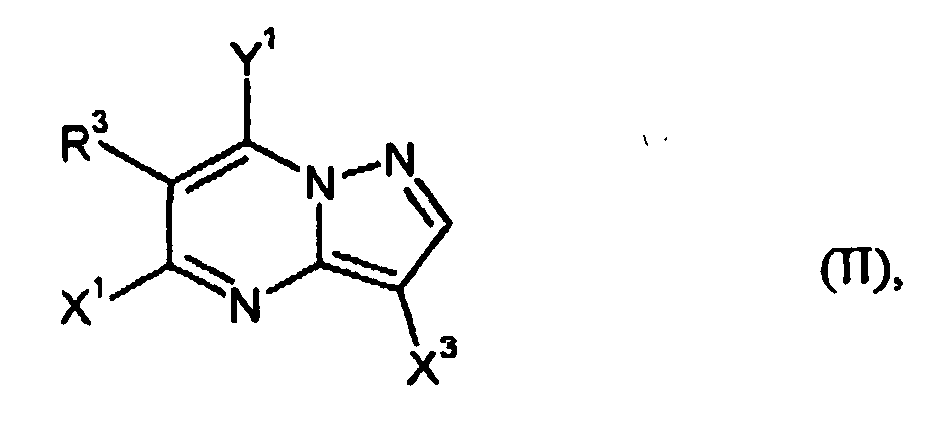
- Die zur Durchführung des erfindungsgemäßen Verfahrens (a) als Ausgangsstoffe benötigten Halogenpyrazolopyrimidine sind durch die Formel (II) allgemein definiert. In dieser Formel (II) haben R3 und X1 vorzugsweise diejenigen Bedeutungen, die bereits im Zusammenhang mit der Beschreibung der erfindungsgemäßen Verbindungen der Formel (I) für diese Reste als bevorzugt genannt wurden. Y1 steht vorzugsweise für Fluor, Chlor oder Brom, besonders bevorzugt für Fluor oder Chlor.
- X3
- steht vorzugsweise für Cyano, Fluor, Chlor, Brom, Iod, Nitro, Halogenalkyl mit 1 bis 4 Kohlenstoffatomen und 1 bis 9 Fluor-, Chlor- und/oder Bromatomen, Alkyl mit 1 bis 4 Kohlenstoffatomen, Cycloalkyl mit 3 bis 6 Kohlenstoffatomen, Thiocarbamoyl, Alkoxycarbonyl mit 1 bis 4 Kohlenstoffatomen im Alkoxyteil oder Alkylcarbonyl mit 1 bis 4 Kohlenstoffatomen im Alkylteil.
- X3
- steht besonders bevorzugt für Cyano, Fluor, Chlor, Brom, Iod, Trifluormethyl, Methoxycarbonyl, Methylcarbonyl, Thiocarbamoyl, Nitro, Methyl, Ethyl oder Cyclopropyl.
- X3
- steht ganz besonders bevorzugt für Fluor, Chlor, Brom, Iod, Cyano, Nitro, Methyl, Cyclopropyl oder Thiocarbamoyl.
- Die Halogenpyrazolopyrimidine der Formel (II) sind neu. Auch diese Stoffe eignen sich zur Bekämpfung von Schädlingen, insbesondere zur Bekämpfung von unerwünschten Mikroorganismen.
- Die Halogen-pyrazolopyrimidine der Formel (II) lassen sich herstellen,
indem man - d) Hydroxy-pyrazolopyrimidine der Formel

- R3 und X3
- die oben angegebenen Bedeutungen haben,
oder - e) Dihydroxy-pyrazolopyrimidine der Formel
R3 und X3 die oben angegebenen Bedeutungen haben,
mit Halogenierungsmitteln, gegebenenfalls in Gegenwart eines Verdünnungsmittels umsetzt. - Die zur Durchführung des erfindungsgemäßen Verfahrens (d) als Ausgangsstoffe benötigten Hydroxy-pyrazolopyrimidine sind durch die Formel (V) allgemein definiert. In dieser Formel haben R3 und X3 vorzugsweise diejenigen Bedeutungen, die bereits im Zusammenhang mit der Beschreibung der erfindungsgemäßen Verbindungen der Formeln (I) und (II) für diese Reste als bevorzugt genannt wurden.
- Auch die Hydroxy-pyrazolopyrimidine der Formel (V) sind bisher noch nicht bekannt. Sie lassen sich herstellen, indem man
- f) Acrylsäureester der Formel

- R3
- die oben angegebene Bedeutung hat,
- R5
- für Alkyl steht und
- Y2
- für Alkoxy oder Dialkylamino steht,

- X3
- die oben angegebene Bedeutung hat,
- Die bei der Durchführung des erfindungsgemäßen Verfahrens (f) als Ausgangsstoffe benötigten Acrylsäureester sind durch die Formel (VII) allgemein definiert. In dieser Formel hat R3 vorzugsweise diejenigen Bedeutungen, die bereits im Zusammenhang mit der Beschreibung der erfindungsgemäßen Stoffe der Formel (I) für diesen Rest als bevorzugt genannt wurden. R5 steht vorzugsweise für Alkyl mit 1 bis 4 Kohlenstoffatomen, besonders bevorzugt für Methyl oder Ethyl. Y2 steht vorzugsweise für Alkoxy mit 1 bis 4 Kohlenstoffatomen oder für Dialkylamino mit 1 bis 4 Kohlenstoffatomen in jeder Alkylgruppe. Besonders bevorzugt steht Y2 für Methoxy, Ethoxy oder für Dimethylamino.
- Die Acrylsäureester der Formel (VII) sind bekannt oder lassen sich nach bekannten Methoden herstellen (vgl.
EP-A 0 165 448 ). - Die bei der Durchführung des erfindungsgemäßen Verfahrens (f) als Reaktionskomponenten benötigten Aminopyrazole sind durch die Formel (VIII) allgemein definiert. In dieser Formel hat X3 vorzugsweise diejenigen Bedeutungen, die bereits im Zusammenhang mit der Beschreibung der erfindungsgemäßen Stoffe der Formel (II) für diesen Substituenten als bevorzugt genannt wurden.
- Die Aminopyrazole der Formel (VIII) sind bekannt oder lassen sich nach bekannten Methoden herstellen (vgl. Tetrahedron Lett. 21, 2029-2031 (1967); Liebigs Ann. Chem. 707, 141-146 (1967), Monatsh. Chem. 1998, 1329 (12), 1313-1318) und J. Med. Chem. 25 (1982), 239 ff).
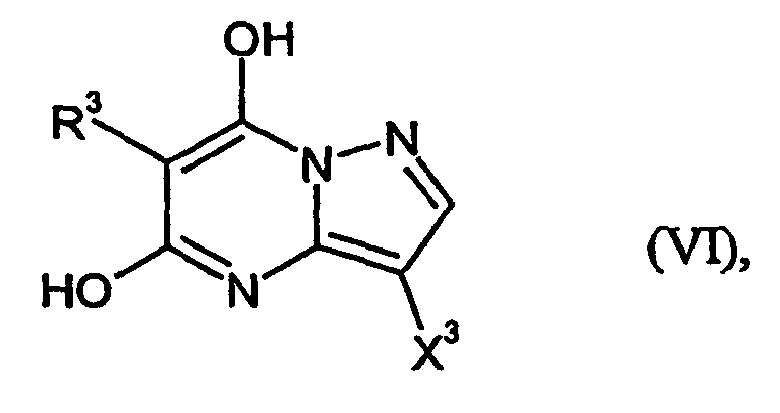
- Die bei der Durchführung des erfindungsgemäßen Verfahrens (e) als Ausgangsstoffe benötigten Dihydroxy-pyrazolo-pyrimidine sind durch die Formel (VI) allgemein definiert. In dieser Formel haben R3 und X3 vorzugsweise diejenigen Bedeutungen, die bereits im Zusammenhang mit der Beschreibung der erfindungsgemäßen Stoffe der Formeln (I) und (II) für diese Reste als bevorzugt genannt wurden.
- Auch die Dihydroxy-pyrazolopyrimidine der Formel (VI) sind bisher noch nicht bekannt. Sie lassen sich herstellen, indem man
- g) Malonester der Formel

- R3
- die oben angegebenen Bedeutung hat und
- R6
- für Alkyl steht,

- X3
- die oben angegebene Bedeutung hat,
- Die bei der Durchführung des erfindungsgemäßen Verfahrens (g) als Ausgangsstoffe benötigten Malonester sind durch die Formel (IX) allgemein definiert. In dieser Formel hat R3 vorzugsweise diejenigen Bedeutungen, die bereits im Zusammenhang mit der Beschreibung der erfindungsgemäßen Stoffe der Formel (I) für diesen Rest als bevorzugt genannt wurden. R6 steht vorzugsweise für Alkyl mit 1 bis 4 Kohlenstoffatomen, besonders bevorzugt für Methyl oder Ethyl.
- Die Malonester der Formel (IX) sind bekannt oder lassen sich nach bekannten Methoden herstellen (vgl.
US-A 6 156 925 ). - Als Verdünnungsmittel kommen bei der Durchführung der erfindungsgemäßen Verfahren (f) und (g) alle üblichen, inerten organischen Solventien in Betracht. Vorzugsweise verwendbar sind aliphatische, alicyclische oder aromatische Kohlenwasserstoffe, wie Petrolether, Hexan, Heptan, Cyclohexan, Methylcyclohexan, Benzol, Toluol, Xylol oder Decalin; halogenierte Kohlenwasserstoffe, wie Chlorbenzol, Dichlorbenzol, Dichlormethan, Chloroform, Tetrachlormethan, Dichlorethan oder Trichlorethan; Ether, wie Diethylether, Düsopropylether, Methyl-t-butylether, Methyl-t-amylether, Dioxan, Tetrahydrofuran, 1,2-Dimethoxyethan, 1,2-Diethoxyethan oder Anisol; Nitrile, wie Acetonitril, Propionitril, n- oder i-Butyronitril oder Benzonitril; Amide, wie N,N-Dimethylformamid, N,N-Dimethylacetamid, N-Methylformanilid, N-Methylpyrrolidon oder Hexamethylphosphorsäuretriamid; Ester wie Essigsäuremethylester oder Essigsäureethylester; Sulfoxide, wie Dimethylsulfoxid; Sulfone, wie Sulfolan; Alkohole, wie Methanol, Ethanol, n- oder i-Propanol, n-, i-, sek- oder tert-Butanol, Ethandiol, Propan-1,2-diol, Ethoxyethanol, Methoxyethanol, Diethylenglykolmonomethylether, Diethylenglykolmonoethylether; Amine, wie Tri-n-butylamin oder Carbonsäuren, wie Essigsäure.
- Als starke Basen kommen bei der Durchführung der erfindungsgemäßen Verfahren (f) und (g) vorzugsweise Erdalkalimetall- oder Alkalimetall-hydride oder -alkoholate sowie Alkalimetallamide in Frage. Beispielhaft genannt seien Natriumhydrid, Natriumamid, Natrium-methylat, Natrium-ethylat und Kalium-tert.-butylat.
- Bei der Durchführung der erfindungsgemäßen Verfahren (f) und (g) sowie auch bei der Durchführung der anderen erfindungsgemäßen Verfahren arbeitet man im Allgemeinen unter Atmosphärendruck. Es ist aber auch möglich, unter erhöhtem Druck oder, -sofern keine leicht flüchtigen Reaktionskomponenten enthalten sind-, unter vermindertem Druck zu arbeiten.
- Die Reaktionstemperaturen können bei der Durchführung der erfindungsgemäßen Verfahren (f) und (g) jeweils innerhalb eines größeren Bereiches variiert werden. Bei Abwesenheit von Basen arbeitet man im Allgemeinen bei Temperaturen zwischen 100°C und 250°C, vorzugsweise zwischen 120°C und 200°C. Bei Anwesenheit von Basen arbeitet man im Allgemeinen bei Temperaturen zwischen 20°C und 120°C, vorzugsweise zwischen 20°C und 80°C.
- Bei der Durchführung des erfindungsgemäßen Verfahrens (f) setzt man auf 1 Mol an Acrylsäureester der Formel (VII) im Allgemeinen 1 bis 15 Mol, vorzugsweise 1 bis 8 Mol an Aminopyrazol der Formel (VIII) ein. Die Aufarbeitung erfolgt nach üblichen Methoden.
- Bei der Durchführung des erfindungsgemäßen Verfahrens (g) setzt man auf 1 Mol an Malonester der Formel (IX) im Allgemeinen 1 bis 15 Mol, vorzugsweise 1 bis 8 Mol an Aminopyrazol der Formel (VIII) ein. Die Aufarbeitung erfolgt nach üblichen Methoden.
- Als Halogenierungsmittel kommen bei der Durchführung der erfindungsgemäßen Verfahren (d) und (e) jeweils alle üblichen Reagenzien in Betracht, die für einen Austausch von an Kohlenstoff gebundene Hydroxygruppen gegen Halogen geeignet sind. Vorzugsweise verwendbar sind Phosphortrichlorid, Phosphortribromid, Phosphorpentachlorid, Phosphoroxychlorid, Phosgen, Thionylchlorid, Thionylbromid oder deren Gemische. Die entsprechenden Fluor-Verbindungen der Formel (II) lassen sich aus den Chlor- oder Brom-Verbindungen durch Umsetzung mit Kaliumfluorid herstellen.
- Als Verdünnungsmittel kommen bei der Durchführung der erfindungsgemäßen Verfahren (d) und (e) jeweils alle für derartige Halogenierungen üblichen organischen Solventien in Frage. Vorzugsweise verwendbar sind aliphatische, alicyclische oder aromatische Kohlenwasserstoffe, wie Petrolether, Hexan, Heptan, Cyclohexan, Methylcyclohexan, Benzol, Toluol, Xylol oder Decalin; halogenierte Kohlenwasserstoffe, wie Chlorbenzol, Dichlorbenzol, Dichlormethan, Chloroform, Tetrachlormethan, Dichlorethan oder Trichlorethan.
- Als Verdünnungsmittel kann aber auch das Halogenierungsmittel selbst oder ein Gemisch aus Halogenierungsmittel und einem der genannten Verdünnungsmittel dienen.
- Die Reaktionstemperaturen können bei der Durchführung der erfindungsgemäßen Verfahren (d) und (e) jeweils innerhalb eines größeren Bereiches variiert werden. Im Allgemeinen arbeitet man bei Temperaturen zwischen 20°C und 150°C, vorzugsweise zwischen 40°C und 120°C.
- Bei der Durchführung der erfindungsgemäßen Verfahrens (d) und (e) setzt man auf 1 Mol an Hydroxypyrazolopyrimidin der Formel (V) bzw. an Dihydroxy-pyrazolo-pyrimidin der Formel (VI) jeweils einen Überschuß an Halogenierungsmittel ein. Die Aufarbeitung erfolgt jeweils nach üblichen Methoden.
- Die weiterhin zur Durchführung des erfindungsgemäßen Verfahrens (a) als Ausgangsstoffe benötigten Amine sind durch die Formel (III) allgemein definiert. In dieser Formel haben R1 und R2 vorzugsweise diejenigen Bedeutungen, die bereits im Zusammenhang mit der Beschreibung der erfindungsgemäßen Verbindungen der Formel (I) für R1 und R2 als bevorzugt angegeben wurden.
- Die Amine der Formel (III) sind teilweise bekannt.
- Neu sind Amine der Formel

- R7
- für Isobutyl, 2-Methoxyethyl oder für
- Die Amine der Formel (IIIa) lassen sich herstellen, indem man
- h) in einer ersten Stufe N-Methoxycarbaminsäure-ethylester der Formel

R7-X4 (XI),
in welcher- R7
- die oben angegebenen Bedeutungen hat und
- X4
- für Brom oder Iod steht,

- R7
- die oben angegebenen Bedeutungen hat,
- Neu sind auch Amine der Formel

- R7
- die oben angegebenen Bedeutungen hat.
- Die Amine der Formel (IIIb) lassen sich herstellen, indem man
- i) in einer ersten Stufe N-Hydroxy-N-methyl-carbaminsäure-ethylester der Formel

R7-X4 (XI),
in welcher- R7 und X4
- die oben angegebenen Bedeutungen haben,

- R7
- die oben angegebenen Bedeutungen hat,
- Neu sind auch Trifluorisopropylamine der Formel

- R8
- für Methyl, Ethyl oder Propyl steht.
- Die Trifluorisopropylamine der Formel (IIIc) lassen sich herstellen, indem man
- j) in einer ersten Stufe N-Trifluorisopropyl-carbaminsäure-ethylester der Formel

R8-X4 (XVI)
in welcher- R8 und X4
- die oben angegebenen Bedeutungen haben,

- R8
- die oben angegebenen Bedeutungen hat,
- Neu ist schließlich auch das 3-Trifluor-methyl-3-amino-propen der Formel

- Das 3-Trifluormethyl-3-amino-propen der Formel (III-4) lässt sich herstellen, indem man
- k) das Carbamat der Formel

- Die bei der Durchführung der Verfahren (h)-(j) als Ausgangsstoffe benötigten Verbindungen der Formeln (X), (XI), (XIII), (XV), (XVI) und (XVIII) sind bekannt oder lassen sich nach bekannten Methoden herstellen.
- Bei der Durchführung der ersten Stufe der erfindungsgemäßen Verfahren (h), (i) und (j) kommen jeweils alle für derartige Umsetzungen üblichen anorganischen und organischen Säureakzeptoren in Frage.
- Vorzugsweise verwendbar sind Erdalkalimetall- oder Alkalimetallhydride, -hydroxide, -amide, -alkoholate, -acetate, -carbonate oder -hydrogencarbonate, wie beispielsweise Natriumhydrid, Natriumamid, Natrium-methylat, Natrium-ethylat, Kalium-tert.-butylat, Natriumhydroxid, Kaliumhydroxid, Natriumacetat, Kaliumacetat, Calciumacetat, Natriumcarbonat, Kaliumcarbonat, Kaliumhydrogencarbonat und Natriumhydrogencarbonat, und außerdem Ammonium-Verbindungen, wie Ammoniumhydroxid, Ammoniumacetat und Ammoniumcarbonat.Als organische Basen seien genannt: tertiäre Amine, wie Trimethylamin, Triethylamin, Tributylamin, N,N-Dimethylanilin, N,N-Dimethyl-benzylamin, Pyridin, N-Methylpiperidin, N-Methylmorpholin, N,N-Dimethylaminopyridin, Diazabicyclooctan (DABCO), Diazabicyclononen (DBN) oder Diazabicycloundecen (DBU).
- Als Verdünnungsmittel kommen bei der Durchführung der ersten Stufe der Verfahren (h), (i) und (j) jeweils alle üblichen inerten organischen Solventien in Betracht. Vorzugsweise verwendbar sind Ether, wie Diethylether, Dioxan, Tetrahydrofuran, 1,2-Dimethoxyethan, 1,2-Diethoxyethan oder Anisol; Amide, wie N,N-Dimethylformamid, N,N-Dimethylacetamid, N-Methylformanilid oder N-Methylpyrrolidon; Sulfone, wie Sulfolan; Alkohole wie Methanol, Ethanol, Isopropanol, tert.Butanol, n-Butanol.
- Die Reaktionstemperaturen können bei der Durchführung der ersten Stufe der Verfahren (h), (i) und (j) jeweils innerhalb eines größeren Bereiches variiert werden.
- Im Allgemeinen arbeitet man bei Temperaturen zwischen 0°C und 150°C, vorzugsweise zwischen 10°C und 100°C.
- Bei der Durchführung der ersten Stufe der Verfahren (h), (i) und (j) arbeitet man im allgemeinen jeweils unter Atmosphärendruck. Es ist jedoch auch möglich, unter erhöhtem Druck oder, sofern keine niedrig siedenden Komponenten an der Umsetzung beteiligt sind, unter vermindertem Druck zu arbeiten.
- Bei der Durchführung der ersten Stufe der Verfahren (h), (i) und (j) setzt man
- auf 1 mol an N-Methoxy-carbaminsäure-ethylester der Formel (X) im Allgemeinen 0,5 bis 15 mol, vorzugsweise 1 bis 5 mol an Halogenverbindung der Formel (XI) ein, bzw.
- auf 1 mol an N-Hydroxy-N-methyl-carbaminsäure-ethylester der Formel (XIII) im Allgemeinen 0,5 bis 15 mol, vorzugsweise 1 bis 5 mol an Halogenverbindung der Formel (XI) ein, bzw.
- auf 1 mol an N-Trifluorisopropyl-carbaminsäure-ethylester der Formel (XV) im Allgemeinen 0,5 bis 15 mol, vorzugsweise 1 bis 5 mol an Halogenverbindung der Formel (XVI) ein.
- Die Aufarbeitung erfolgt jeweils nach üblichen Methoden, beispielsweise durch Extraktion und anschließende Trocknung oder durch Fällung mit anschließender Filtration und Trocknung. Gegebenenfalls noch vorhandene Verunreinigungen können nach üblichen Methoden entfernt werden.
- Die bei der Durchführung der ersten Stufe der Verfahren (h), (i) und (j) als Zwischenprodukte erhaltenen Verbindungen der Formeln (XII), (XIV) und (XVII) sind neu.
- Auch bei der Durchführung der zweiten Stufe der Verfahren (h), (i) und (j) können die Reaktionstemperaturen jeweils innerhalb eines größeren Bereiches variiert werden. Im Allgemeinen arbeitet man bei Temperaturen zwischen 0°C und 100°C, vorzugsweise zwischen 10°C und 80°C.
- Auch bei der Durchführung der zweiten Stufe der Verfahren (h), (i) und (j) arbeitet man im Allgemeinen jeweils unter Atmosphärendruck. Es ist jedoch wiederum möglich, jeweils auch unter erhöhtem Druck oder, sofern die zu isolierenden Produkte keine sehr niedrigen Siedepunkte aufweisen, unter vermindertem Druck zu arbeiten.
- Bei der Durchführung der zweiten Stufe der Verfahren (h), (i) und (j) setzt man auf 1 mol an einer Verbindung der Formel (XII), (XIV) oder (XVII) jeweils bis zu 10 mol an Kaliumhydroxid ein. Die Aufarbeitung erfolgt nach üblichen Methoden. Dabei werden die Amine zweckmäßigerweise im Allgemeinen durch Hinzufügen von Säure, vorzugsweise wässriger Salzsäure, in Form ihrer Salze isoliert.
- Bei der Durchführung des Verfahrens (k) können die Reaktionstemperaturen ebenfalls in einem größeren Bereich variiert werden. Im Allgemeinen arbeitet man bei Temperaturen zwischen 10°C und 150°C, vorzugsweise bei Rückflusstemperatur.
- Im Allgemeinen arbeitet man bei der Durchführung des Verfahrens (k) unter Atmosphärendruck. Es ist aber auch möglich, unter erhöhtem Druck zu arbeiten.
- Bei der Durchführung des Verfahrens (k) setzt man auf 1 mol an Carbamat der Formel (XVIII) einem Überschuss, vorzugsweise bis zu 10 mol an wässriger Salzsäure ein. Die Aufarbeitung erfolgt wiederum nach üblichen Methoden.
- Als Verdünnungsmittel kommen bei der Durchführung des erfindungsgemäßen Verfahrens (a) alle üblichen, inerten organischen Solventien in Betracht. Vorzugsweise verwendbar sind aliphatische, alicyclische oder aromatische Kohlenwasserstoffe, wie Petrolether, Hexan, Heptan, Cyclohexan, Methylcyclohexan, Benzol, Toluol, Xylol oder Decalin; halogenierte Kohlenwasserstoffe, wie Chlorbenzol, Dichlorbenzol, Dichlormethan, Chloroform, Tetrachlormethan, Dichlorethan oder Trichlorethan; Ether, wie Diethylether, Diisopropylether, Methyl-t-butylether, Dioxan, Tetrahydrofuran, 1,2- Dimethoxyethan oder 1,2-Diethoxyethan; Amide, wie N,N-Dimethylformamid, N,N-Dimethylacetamid oder N-Methylpyrrolidon; Ester wie Essigsäuremethylester oder Essigsäureethylester; Sulfoxide, wie Dimethylsulfoxid; Sulfone, wie Sulfolan.
- Als Katalysatoren kommen bei der Durchführung des erfindungsgemäßen Verfahrens alle für derartige Umsetzungen üblichen Reaktionsbeschleuniger in Frage. Vorzugsweise verwendbar sind Alkalimetallfluoride, wie Kaliumfluorid oder Caesiumfluorid.
- Als Säureakzeptoren kommen bei der Durchführung des erfindungsgemäßen Verfahrens (a) alle für derartige Umsetzungen üblichen Säurebindemittel in Frage. Vorzugsweise verwendbar sind Ammoniak sowie tertiäre Amine, wie Trimethylamin, Triethylamin, Tributylamin, N,N-Dimethylanilin, N,N-Dimethyl-benzylamin, Pyridin, N-Methylpiperidin, N-Methylmorpholin, N,N-Dimethylaminopyridin, Diazabicyclooctan (DABCO), Diazabicyclononen (DBN) oder Diazabicycloundecen (DBU).
- Die Reaktionstemperaturen können bei der Durchführung des erfindungsgemäßen Verfahrens (a) in einem größeren Bereich variiert werden. Im Allgemeinen arbeitet man bei Temperaturen zwischen 0°C und 150°C, vorzugsweise bei Temperaturen zwischen 0°C und 80°C.
- Bei der Durchführung des erfindungsgemäßen Verfahrens (a) setzt man auf 1 mol an Halogen-pyrazolo-pyrimidin der Formel (II) im Allgemeinen 0,5 bis 10 mol, vorzugsweise 0,8 bis 2 mol an Amin der Formel (III) ein. Die Aufarbeitung erfolgt nach üblichen Methoden.
- Die bei der Durchführung des erfindungsgemäßen Verfahrens (b) als Ausgangsstoffe benötigten Pyrazolopyrimidine sind durch die Formel (Ia) allgemein definiert. In dieser Formel haben R1, R2, R3 und X1 vorzugsweise diejenigen Bedeutungen, die bereits im Zusammenhang mit der Beschreibung der erfindungsgemäßen Stoffe der Formel (I) für diese Reste als bevorzugt genannt wurden.
- Bei den Pyrazolopyrimidinen der Formel (Ia) handelt es sich um erfindungsgemäße Stoffe, die sich nach dem erfindungsgemäßen Verfahren (a) herstellen lassen.
- Als Verdünnungsmittel kommen bei der Durchführung des erfindungsgemäßen Verfahrens (b) alle üblichen inerten, organischen Solventien in Frage. Vorzugsweise verwendbar sind aliphatische oder aromatische, gegebenenfalls halogenierte Kohlenwasserstoffe, wie Toluol, Dichlormethan, Chloroform oder Tetrachlorkohlenstoff.
- Die Reaktionstemperaturen können bei der Durchführung des erfindungsgemäßen Verfahrens (b) innerhalb eines bestimmten Bereiches variiert werden. Im Allgemeinen arbeitet man bei Temperaturen zwischen -80°C und +20°C, vorzugsweise zwischen -60°C und +10°C.
- Im Allgemeinen arbeitet man bei der Durchführung des erfindungsgemäßen Verfahrens (b) unter Atmosphärendruck. Es ist aber auch möglich, unter erhöhtem Druck zu arbeiten.
- Bei der Durchführung des erfindungsgemäßen Verfahrens (b) setzt man auf 1 mol an Pyrazolopyrimidin der Formel (Ia) im Allgemeinen eine äquivalente Menge oder auch einen Überschuss, vorzugsweise 1,1 bis 1,2 mol an Di-isobutyl-aluminiumhydrid ein und fügt anschließend einen Überschuss an wässriger Ammoniumchlorid-Lösung hinzu. Die Aufarbeitung erfolgt nach üblichen Methoden. Im Allgemeinen verfährt man in der Weise, dass man das Reaktionsgemisch ansäuert, die organische Phase abtrennt, die wässrige Phase mit einem mit Wasser wenig mischbaren organischen Solvens extrahiert, die vereinigten organischen Phasen wäscht, trocknet und unter vermindertem Druck einengt.
- Die bei der Durchführung des erfindungsgemäßen Verfahrens (c) als Ausgangsstoffe benötigten Pyrazolopyrimidine sind durch die Formel (Ib) allgemein definiert. In dieser Formel haben R1, R2, R3 und X1 vorzugsweise diejenigen Bedeutungen, die bereits im Zusammenhang mit der Beschreibung der erfindungsgemäßen Stoffe der Formel (I) für diese Reste als bevorzugt genannt wurden.
- Bei den Pyrazolopyrimidinen der Formel (Ib) handelt es sich um erfindungsgemäße Stoffe, die sich nach dem erfindungsgemäßen Verfahren (b) herstellen lassen.
- Die bei der Durchführung des erfindungsgemäßen Verfahrens (c) als Reaktionskomponenten benötigten Amino-Verbindungen sind durch die Formel (IV) allgemein definiert. In dieser Formel steht R4 vorzugsweise für Wasserstoff oder Alkyl mit 1 bis 4 Kohlenstoffatomen, besonders bevorzugt für Wasserstoff, Methyl oder Ethyl.
- Als Reaktionskomponenten in Betracht kommen auch Säureadditions-Salze, vorzugsweise Chlorwasserstoff-Additions-Salze von Amino-Verbindungen der Formel (IV).
- Sowohl die Amino-Verbindungen der Formel (IV) als auch deren Säureadditions-Salze sind bekannt oder lassen sich nach bekannten Methoden herstellen.
- Als Verdünnungsmittel kommen bei der Durchführung des erfindungsgemäßen Verfahrens (c) alle üblichen inerten, organischen Solventien in Frage. Vorzugsweise verwendbar sind Alkohole, wie Methanol, Ethanol, n-Propanol oder Isopropanol.
- Als Katalysatoren kommen bei der Durchführung des erfindungsgemäßen Verfahrens (c) alle für derartige Umsetzungen üblichen Reaktionsbeschleuniger in Betracht Vorzugsweise verwendbar sind saure oder basische Katalysatoren, wie z.B. der unter der Bezeichnung Amberlyst A-21® im Handel befindliche, schwach basische Ionenaustaucher.
- Die Reaktionstemperaturen können bei der Durchführung des erfindungsgemäßen Verfahrens (c) innerhalb eines bestimmten Bereiches variiert werden. Im Allgemeinen arbeitet man bei Temperaturen zwischen 0°C und 80°C, vorzugsweise zwischen 10°C und 60°C.
- Im Allgemeinen arbeitet man bei der Durchführung des erfindungsgemäßen Verfahrens (c) unter Atmosphärendruck. Es ist aber auch möglich, unter erhöhtem Druck zu arbeiten.
- Bei der Durchführung des erfindungsgemäßen Verfahrens (c) setzt man auf 1 mol an Pyrazolopyrimidin der Formel (Ib) im Allgemeinen eine äquivalente Menge oder einen Überschuss, vorzugsweise zwischen 1,1 und 1,5 mol an Amino-Verbindung der Formel (IV) oder eines Säureadditions-Salzes davon ein. Die Aufarbeitung erfolgt nach üblichen Methoden. Im Allgemeinen geht man so vor, dass man das Reaktionsgemisch gegebenenfalls filtriert, dann einengt und reinigt.
- Zur Herstellung von Säureadditions-Salzen von Pyrazolopyrimidinen der Formel (I) kommen vorzugsweise diejenigen Säuren in Frage, die bereits im Zusammenhang mit der Beschreibung der erfindungsgemäßen Säureadditions-Salze als bevorzugte Säuren genannt wurden.
- Die Säureadditions-Salze der Verbindungen der Formel (I) können in einfacher Weise nach üblichen Salzbildungsmethoden, z.B. durch Lösen einer Verbindung der Formel (I) in einem geeigneten inerten Lösungsmittel und Hinzufügen der Säure, z.B. Chlorwasserstoffsäure, erhalten werden und in bekannter Weise, z.B. durch Abfiltrieren, isoliert und gegebenenfalls durch Waschen mit einem inerten organischen Lösungsmittel gereinigt werden.
- Die erfindungsgemäßen Wirkstoffe eignen sich bei guter Pflanzenverträglichkeit und günstiger Warmblütertoxizität zur Bekämpfung von tierischen Schädlingen, insbesondere Insekten, Spinnentieren und Nematoden, die in der Landwirtschaft, in Forsten, im Vorrats- und Materialschutz sowie auf dem Hygienesektor vorkommen. Sie können vorzugsweise als Pflanzenschutzmittel eingesetzt werden. Sie sind gegen normal sensible und resistente Arten sowie gegen alle oder einzelne Entwicklungsstadien wirksam. Zu den oben erwähnten Schädlingen gehören:
- Aus der Ordnung der Isopoda z.B. Oniscus asellus, Armadillidium vulgare, Porcellio scaber.
- Aus der Ordnung der Diplopoda z.B. Blaniulus guttulatus.
- Aus der Ordnung der Chilopoda z.B. Geophilus carpophagus, Scutigera spp..
- Aus der Ordnung der Symphyla z.B. Scutigerella immaculata.
- Aus der Ordnung der Thysanura z.B. Lepisma saccharina.
- Aus der Ordnung der Collembola z.B. Onychiurus armatus.
- Aus der Ordnung der Orthoptera z.B. Acheta domesticus, Gryllotalpa spp., Locusta migratoria migratorioides, Melanoplus spp., Schistocerca gregaria.
- Aus der Ordnung der Blattaria z.B. Blatta orientalis, Periplaneta americana, Leucophaea maderae, Blattella germanica.
- Aus der Ordnung der Dermaptera z.B. Forficula auricularia.
- Aus der Ordnung der Isoptera z.B. Reticulitermes spp..
- Aus der Ordnung der Phthiraptera z.B. Pediculus humanus corporis, Haematopinus spp., Linognathus spp., Trichodectes spp., Damalinia spp..
- Aus der Ordnung der Thysanoptera z.B. Hercinothrips femoralis, Thrips tabaci, Thrips palmi, Frankliniella occidentalis.
- Aus der Ordnung der Heteroptera z.B. Eurygaster spp., Dysdercus intermedius, Piesma quadrata, Cimex lectularius, Rhodnius prolixus, Triatoma spp.
- Aus der Ordnung der Homoptera z.B. Aleurodes brassicae, Bemisia tabaci, Trialeurodes vaporariorum, Aphis gossypii, Brevicoryne brassicae, Cryptomyzus ribis, Aphis fabae, Aphis pomi, Eriosoma lanigerum, Hyalopterus arundinis, Phylloxera vastatrix, Pemphigus spp., Macrosiphum avenae, Myzus spp., Phorodon humuli, Rhopalosiphum padi, Empoasca spp., Euscelis bilobatus, Nephotettix cincticeps, Lecanium corni, Saissetia oleae, Laodelphax striatellus, Nilaparvata lugens, Aonidiella aurantii, Aspidiotus hederae, Pseudococcus spp., Psylla spp.
- Aus der Ordnung der Lepidoptera z.B. Pectinophora gossypiella, Bupalus piniarius, Cheimatobia brumata, Lithocolletis blaneardella, Hyponomeuta padella, Plutella xylostella, Malacosoma neustria, Euproctis chrysorrhoea, Lymantria spp., Bucculatrix thurberiella, Phyllocnistis citrella, Agrotis spp., Euxoa spp., Feltia spp., Earias insulana, Heliothis spp., Mamestra brassicae, Panolis flammea, Spodoptera spp., Trichoplusia ni, Carpocapsa pomonella, Pieris spp., Chilo spp., Pyrausta nubilalis, Ephestia kuehniella, Galleria mellonella, Tineola bisselliella, Tinea pellionella, Hofmannophila pseudospretella, Cacoecia podana, Capua reticulana, Choristoneura fumiferana, Clysia ambiguella, Homona magnanima, Tortrix viridana, Cnaphalocerus spp., Öulema oryzae.
- Aus der Ordnung der Coleoptera z.B. Anobium punctatum, Rhizopertha dominica, Bruchidius obtectus, Acanthoscelides obtectus, Hylotrupes bajulus, Agelastica alni, Leptinotarsa decemlineata, Phaedon cochleariae, Diabrotica spp., Psylliodes chrysocephala, Epilachna varivestis, Atomaria spp., Oryzaephilus surinamensis, Anthonomus spp., Sitophilus spp., Otiorrhynchus sulcatus, Cosmopolites sordidus, Ceuthorrhynchus assimilis, Hypera postica, Dermestes spp., Trogoderma spp., Anthrenus spp., Attagenus spp., Lyctus spp., Meligethes aeneus, Ptinus spp., Niptus hololeucus, Gibbium psylloides, Tribolium spp., Tenebrio molitor, Agriotes spp., Conoderus spp., Melolontha melolontha, Amphimallon solstitialis, Costelytra zealandica, Lissorhoptrus oryzophilus.
- Aus der Ordnung der Hymenoptera z.B. Diprion spp., Hoplocampa spp., Lasius spp., Monomorium pharaonis, Vespa spp.
- Aus der Ordnung der Diptera z.B. Aedes spp., Anopheles spp., Culex spp., Drosophila melanogaster, Musca spp., Fannia spp., Calliphora erythrocephala, Lucilia spp., Chrysomyia spp., Cuterebra spp., Gastrophilus spp., Hyppobosca spp., Stomoxys spp., Oestrus spp., Hypoderma spp., Tabanus spp., Tannia spp., Bibio hortulanus, Oscinella frit, Phorbia spp., Pegomyia hyoscyami, Ceratitis capitata, Dacus oleae, Tipula paludosa, Hylemyia spp., Liriomyza spp..
- Aus der Ordnung der Siphonaptera z.B. Xenopsylla cheopis, Ceratophyllus spp..
- Aus der Klasse der Arachnida z.B. Scorpio maurus, Latrodectus mactans, Acarus siro, Argas spp., Ornithodoros spp., Dermanyssus gallinae, Eriophyes ribis, Phyllocoptruta oleivora, Boophilus spp., Rhipicephalus spp., Amblyomma spp., Hyalomma spp., Ixodes spp., Psoroptes spp., Chorioptes spp., Sarcoptes spp., Tarsonemus spp., Bryobia praetiosa, Panonychus spp., Tetranychus spp., Hemitarsonemus spp., Brevipalpus spp..
- Zu den pflanzenparasitären Nematoden gehören z.B. Pratylenchus spp., Radopholus similis, Ditylenchus dipsaci, Tylenchulus semipenetrans, Heterodera spp., Globodera spp., Meloidogyne spp., Aphelenchoides spp., Longidorus spp., Xiphinema spp., Trichodorus spp., Bursaphelenchus spp..
- Die Wirkstoffe lassen sich mit besonders gutem Erfolg zur Bekämpfung von pflanzenschädigenden Insekten, wie beispielsweise gegen die Raupen der Kohlschabe (Plutella maculipennis), einsetzen.
- Die erfindungsgemäßen Stoffe weisen auch eine starke mikrobizide Wirkung auf und können zur Bekämpfung von unerwünschten Mikroorganismen, wie Fungi und Bakterien, im Pflanzenschutz und im Materialschutz eingesetzt werden.
- Fungizide lassen sich Pflanzenschutz zur Bekämpfung von Plasmodiophoromycetes, Oomycetes, Chytridiomycetes, Zygomycetes, Ascomycetes, Basidiomycetes und Deuteromycetes einsetzen.
- Bakterizide lassen sich im Pflanzenschutz zur Bekämpfung von Pseudomonadaceae, Rhizobiaceae, Enterobacteriaceae, Corynebacteriaceae und Streptomycetaceae einsetzen.
- Beispielhaft aber nicht begrenzend seien einige Erreger von pilzlichen und bakteriellen Erkrankungen genannt, die unter die oben aufgezählten Oberbegriffe fallen:
- Xanthomonas-Arten, wie beispielsweise Xanthomonas campestris pv. oryzae;
- Pseudomonas-Arten, wie beispielsweise Pseudomonas syringae pv. lachrymans;
- Erwinia-Arten, wie beispielsweise Erwinia amylovora;
- Pythium-Arten, wie beispielsweise Pythium ultimum;
- Phytophthora-Arten, wie beispielsweise Phytophthora infestans;
- Pseudoperonospora-Arten, wie beispielsweise Pseudoperonospora humuli oder
- Pseudoperonospora cubensis;
- Plasmopara-Arten, wie beispielsweise Plasmopara viticola;
- Bremia-Arten, wie beispielsweise Bremia lactucae;
- Peronospora-Arten, wie beispielsweise Peronospora pisi oder P. brassicae;
- Erysiphe-Arten, wie beispielsweise Erysiphe graminis;
- Sphaerotheca-Arten, wie beispielsweise Sphaerotheca fuliginea;
- Podosphaera-Arten, wie beispielsweise Podosphaera leucotricha,
- Venturia-Arten, wie beispielsweise Venturia inaequalis;
- Pyrenophora Arten, wie beispielsweise Pyrenophora teres oder P. graminea
- (Konidienform: Drechslera, Syn: Helminthosporium);
- Cochliobolus-Arten, wie beispielsweise Cochliobolus sativus
- (Konidienform: Drechslera, Syn: Helminthosporium);
- Uromyces-Arten, wie beispielsweise Uromyces appendiculatus;
- Puccinia-Arten, wie beispielsweise Puccinia recondita;
- Sclerotinia-Arten, wie beispielsweise Sclerotinia sclerotiorum;
- Tilletia-Arten, wie beispielsweise Tilletia caries;
- Ustilago-Arten, wie beispielsweise Ustilago nuda oder Ustilago avenae;
- Pellicularia-Arten, wie beispielsweise Pellicularia sasakii;
- Pyricularia-Arten, wie beispielsweise Pyricularia oryzae;
- Fusarium-Arten, wie beispielsweise Fusarium culmorum;
- Botrytis-Arten, wie beispielsweise Botrytis cinerea;
- Septoria-Arten, wie beispielsweise Septoria nodorum;
- Leptosphaeria-Arten, wie beispielsweise Leptosphaeria nodorum;
- Cercospora-Arten, wie beispielsweise Cercospora canescens;
- Alternaria-Arten, wie beispielsweise Alternaria brassicae;
- Pseudocercosporella-Arten, wie beispielsweise Pseudocercosporella herpotrichoides.
- Die erfindungsgemäßen Wirkstoffe weisen auch eine sehr gute stärkende Wirkung in Pflanzen auf. Sie eignen sich daher zur Mobilisierung pflanzeneigener Abwehrkräfte gegen Befall durch unerwünschte Mikroorganismen.
- Unter pflanzenstärkenden (resistenzinduzierenden) Stoffen sind im vorliegenden Zusammenhang solche Substanzen zu verstehen, die in der Lage sind, das Abwehrsystem von Pflanzen so zu stimulieren, daß die behandelten Pflanzen bei nachfolgender Inokolation mit unerwünschten Mikroorgansimen weitgehende Resistenz gegen diese Mirkroorganismen entfalten.
- Unter unerwünschten Mikroorganismen sind im vorliegenden Fall phytopathogene Pilze, Bakterien und Viren zu verstehen. Die erfindungsgemäßen Stoffe können also eingesetzt werden, um Pflanzen innerhalb eines gewissen Zeitraumes nach der Behandlung gegen den Befall durch die genannten Schaderreger zu schützen. Der Zeitraum, innerhalb dessen Schutz herbeigeführt wird, erstreckt sich im allgemeinen von 1 bis 10 Tage, vorzugsweise 1 bis 7 Tage nach der Behandlung der Pflanzen mit den Wirkstoffen.
- Die gute Pflanzenverträglichkeit der erfindungsgemäßen Wirkstoffe in den zur Bekämpfung von Pflanzenkrankheiten notwendigen Konzentrationen erlaubt eine Behandlung von oberirdischen Pflanzenteilen, von Pflanz- und Saatgut, und des Bodens.
- Dabei lassen sich die erfindungsgemäßen Wirkstoffe mit besonders gutem Erfolg zur Bekämpfung von Getreidekrankheiten, wie beispielsweise gegen Fusarium-Arten, von Krankheiten im Wein-, Obst- und Gemüseanbau, wie beispielsweise gegen Botrytis-, Venturia-, Alternaria-Arten, oder von Reiskrankheiten, wie beispielsweise gegen Pyricularia-Arten, einsetzen.
- Die erfindungsgemäßen Wirkstoffe eignen sich auch zur Steigerung des Ernteertrages. Sie sind außerdem mindertoxisch und weisen eine gute Pflanzenverträglichkeit auf.
- Die erfindungsgemäßen Wirkstoffe können gegebenenfalls in bestimmten Konzentrationen und Aufwandmengen auch als Herbizide sowie zur Beeinflussung des Pflanzenwachstums verwendet werden. Sie lassen sich gegebenenfalls auch als Zwischen- und Vorprodukte für die Synthese weiterer Wirkstoffe einsetzen.
- Mit den erfindungsgemäßen Wirkstoffen können Pflanzen und Pflanzenteile behandelt werden. Unter Pflanzen werden hierbei alle Pflanzen und Pflanzenpopulationen verstanden, wie erwünschte und unerwünschte Wildpflanzen oder Kulturpflanzen (einschließlich natürlich vorkommender Kulturpflanzen). Kulturpflanzen können Pflanzen sein, die durch konventionelle Züchtungs- und Optimierungsmethoden oder durch biotechnologische und gentechnologische Methoden oder Kombinationen dieser Methoden erhalten werden können, einschließlich der transgenen Pflanzen und einschließlich der durch Sortenschutzrechte schützbaren oder nicht schützbaren Pflanzensorten. Unter Pflanzenteilen sollen alle oberirdischen und unterirdischen Teile und Organe der Pflanzen, wie Sproß, Blatt, Blüte und Wurzel verstanden werden, wobei beispielhaft Blätter, Nadeln, Stengel, Stämme, Blüten, Fruchtkörper, Früchte und Samen sowie Wurzeln, Knollen und Rhizome aufgeführt werden. Zu den Pflanzenteilen gehört auch Erntegut sowie vegetatives und generatives Vermehrungsmaterial, beispielsweise Stecklinge, Knollen, Rhizome, Ableger und Samen.
- Die Behandlung der Pflanzen und Pflanzenteile mit den erfindungsgemäßen Wirkstoffen erfolgt direkt oder durch Einwirkung auf deren Umgebung, Lebensraum oder Lagerraum nach den üblichen Behandlungsmethoden, z.B. durch Tauchen, Sprühen, Verdampfen, Vernebeln, Streuen, Aufstreichen und bei Vermehrungsmaterial, insbesondere bei Samen, weiterhin durch ein- oder mehrschichtiges Umhüllen.
- Im Materialschutz lassen sich die erfindungsgemäßen Stoffe zum Schutz von technischen Materialien gegen Befall und Zerstörung durch unerwünschte Mikroorganismen einsetzen.
- Unter technischen Materialien sind im vorliegenden Zusammenhang nichtlebende Materialien zu verstehen, die für die Verwendung in der Technik zubereitet worden sind. Beispielsweise können technische Materialien, die durch erfindungsgemäße Wirkstoffe vor mikrobieller Veränderung oder Zerstörung geschützt werden sollen, Klebstoffe, Leime, Papier und Karton, Textilien, Leder, Holz, Anstrichmittel und Kunststoffartikel, Kühlschmierstoffe und andere Materialien sein, die von Mikroorganismen befallen oder zersetzt werden können. Im Rahmen der zu schützenden Materialien seien auch Teile von Produktionsanlagen, beispielsweise Kühlwasserkreisläufe, genannt, die durch Vermehrung von Mikroorganismen beeinträchtigt werden können. Im Rahmen der vorliegenden Erfindung seien als technische Materialien vorzugsweise Klebstoffe, Leime, Papiere und Kartone, Leder, Holz, Anstrichmittel, Kühlschmiermittel und Wärmeübertragungsflüssigkeiten genannt, besonders bevorzugt Holz.
- Als Mikroorganismen, die einen Abbau oder eine Veränderung der technischen Materialien bewirken können, seien beispielsweise Bakterien, Pilze, Hefen, Algen und Schleimorganismen genannt. Vorzugsweise wirken die erfindungsgemäßen Wirkstoffe gegen Pilze, insbesondere Schimmelpilze, holzverfärbende und holzzerstörende Pilze (Basidiomyceten) sowie gegen Schleimorganismen und Algen.
- Es seien beispielsweise Mikroorganismen der folgenden Gattungen genannt:
- Alternaria, wie Alternaria tenuis,
- Aspergillus, wie Aspergillus niger,
- Chaetomium, wie Chaetomium globosum,
- Coniophora, wie Coniophora puetana,
- Lentinus, wie Lentinus tigrinus,
- Penicillium, wie Penicillium glaucum,
- Polyporus, wie Polyporus versicolor,
- Aureobasidium, wie Aureobasidium pullulans,
- Sclerophoma, wie Sclerophoma pityophila,
- Trichoderma, wie Trichoderma viride,
- Escherichia, wie Escherichia coli,
- Pseudomonas, wie Pseudomonas aeruginosa,
- Staphylococcus, wie Staphylococcus aureus.
- Die Wirkstoffe können in Abhängigkeit von ihren jeweiligen physikalischen und/oder chemischen Eigenschaften in die üblichen Formulierungen überführt werden, wie Lösungen, Emulsionen, Suspensionen, Pulver, Schäume, Pasten, Granulate, Aerosole, Feinstverkapselungen in polymeren Stoffen und in Hüllmassen für Saatgut, sowie ULV-Kalt- und Warmnebel-Formulierungen.
- Diese Formulierungen werden in bekannter Weise hergestellt, z.B. durch Vermischen der Wirkstoffe mit Streckmitteln, also flüssigen Lösungsmitteln, unter Druck stehenden verflüssigten Gasen und/oder festen Trägerstoffen, gegebenenfalls unter Verwendung von oberflächenaktiven Mitteln, also Emulgiermitteln und/oder Dispergiermitteln und/oder schaumerzeugenden Mitteln. Im Falle der Benutzung von Wasser als Streckmittel können z.B. auch organische Lösungsmittel als Hilfslösungsmittel verwendet werden. Als flüssige Lösungsmittel kommen im wesentlichen in Frage: Aromaten, wie Xylol, Toluol oder Alkylnaphthaline, chlorierte Aromaten oder chlorierte aliphatische Kohlenwasserstoffe, wie Chlorbenzole, Chlorethylene oder Methylenchlorid, aliphatische Kohlenwasserstoffe, wie Cyclohexan oder Paraffine, z.B. Erdölfraktionen, Alkohole, wie Butanol oder Glycol sowie deren Ether und Ester, Ketone, wie Aceton, Methylethylketon, Methylisobutylketon oder Cyclohexanon, stark polare Lösungsmittel, wie Dimethylformamid und Dimethylsulfoxid, sowie Wasser. Mit verflüssigten gasförmigen Streckmitteln oder Trägerstoffen sind solche Flüssigkeiten gemeint, welche bei normaler Temperatur und unter Normaldruck gasförmig sind, z.B. Aerosol-Treibgase, wie Halogenkohlenwasserstoffe sowie Butan, Propan, Stickstoff und Kohlendioxid. Als feste Trägerstoffe kommen in Frage: z.B. natürliche Gesteinsmehle, wie Kaoline, Tonerden, Talkum, Kreide, Quarz, Attapulgit, Montmorillonit oder Diatomeenerde und synthetische Gesteinsmehle, wie hochdisperse Kieselsäure, Aluminiumoxid und Silikate. Als feste Trägerstoffe für Granulate kommen in Frage: z.B. gebrochene und fraktionierte natürliche Gesteine wie Calcit, Marmor, Bims, Sepiolith, Dolomit sowie synthetische Granulate aus anorganischen und organischen Mehlen sowie Granulate aus organischem Material wie Sägemehl, Kokosnußschalen, Maiskolben und Tabakstengel. Als Emulgier und/oder schaumerzeugende Mittel kommen in Frage: z.B. nichtionogene und anionische Emulgatoren, wie Polyoxyethylen-Fettsäureester, Polyoxyethylen-Fettalkoholether, z.B. Alkylarylpolyglycolether, Alkylsulfonate, Alkylsulfate, Arylsulfonate sowie Eiweißhydrolysate. Als Dispergiermittel kommen in Frage: z.B. Lignin-Sulfitablaugen und Methylcellulose.
- Es können in den Formulierungen Haftmittel wie Carboxymethylcellulose, natürliche und synthetische pulverige, körnige oder latexförmige Polymere verwendet werden, wie Gummiarabicum, Polyvinylalkohol, Polyvinylacetat, sowie natürliche Phospholipide, wie Kephaline und Lecithine, und synthetische Phospholipide. Weitere Additive können mineralische und vegetabile Öle sein.
- Es können Farbstoffe wie anorganische Pigmente, z.B. Eisenoxid, Titanoxid, Ferrocyanblau und organische Farbstoffe, wie Alizarin-, Azo- und Metallphthalocyaninfarbstoffe und Spurennährstoffe, wie Salze von Eisen, Mangan, Bor, Kupfer, Kobalt, Molybdän und Zink verwendet werden.
- Die Formulierungen enthalten im Allgemeinen zwischen 0,1 und 95 Gewichtsprozent Wirkstoff, vorzugsweise zwischen 0,5 und 90 %.
- Die erfindungsgemäßen Wirkstoffe können als solche oder in ihren Formulierungen auch in Mischung mit bekannten Fungiziden, Bakteriziden, Akariziden, Nematiziden oder Insektiziden verwendet werden, um so z.B. das Wirkungsspektrum zu verbreitern oder Resistenzentwicklungen vorzubeugen. In vielen Fällen erhält man dabei synergistische Effekte, d.h. die Wirksamkeit der Mischung ist größer als die Wirksamkeit der Einzelkomponenten.
- Als Mischpartner kommen zum Beispiel folgende Verbindungen in Frage:
- Fungizide:
- Aldimorph, Ampropylfos, Ampropylfos-Kalium, Andoprim, Anilazin, Azaconazol, Azoxystrobin,
- Benalaxyl, Benodanil, Benomyl, Benzamacril, Benzamacryl-isobutyl, Bialaphos, Binapacryl, Biphenyl, Bitertanol, Blasticidin-S, Bromuconazol, Bupirimat, Buthiobat,
- Calciumpolysulfid, Carpropamid, Capsimycin, Captafol, Captan, Carbendazim, Carboxin, Carvon, Chinomethionat (Quinomethionat), Chlobenthiazon, Chlorfenazol, Chloroneb, Chloropicrin, Chlorothalonil, Chlozolinat, Clozylacon, Cufraneb, Cymoxanil, Cyproconazol, Cyprodinil, Cyprofuram,
- Debacarb, Dichlorophen, Diclobutrazol, Diclofluanid, Diclomezin, Dicloran, Diethofencarb, Difenoconazol, Dimethirimol, Dimethomorph, Diniconazol, Diniconazol-M, Dinocap, Diphenylamin, Dipyrithione, Ditalimfos, Dithianon, Dodemorph, Dodine, Drazoxolon,
- Ediphenphos, Epoxiconazol, Etaconazol, Ethirimol, Etridiazol,
- Famoxadon, Fenapanil, Fenarimol, Fenbuconazol, Fenfuram, Fenhexamid, Fenitropan, Fenpiclonil, Fenpropidin, Fenpropimorph, Fentinacetat, Fentinhydroxyd, Ferbam, Ferimzon, Fluazinam, Flumetover, Fluoromid, Fluquinconazol, Flurprimidol, Flusilazol, Flusulfamid, Flutolanil, Flutriafol, Folpet, Fosetyl-Alminium, Fosetyl-Natrium, Fthalid, Fuberidazol, Furalaxyl, Furametpyr, Furcarbonil, Furconazol, Furconazol-cis, Furmecyclox, Fluoxastrobin,
- Guazatin,
- Hexachlorobenzol, Hexaconazol, Hymexazol,
- Imazalil, Imibenconazol, Iminoctadin, Iminoctadinealbesilat, Iminoctadinetriacetat, Iodocarb, Ipconazol, Iprobenfos (IBP), Iprodione, Iprovalicarb, Irumamycin, Isoprothiolan, Isovaledione,
- Kasugamycin, Kresoxim-methyl, Kupfer-Zubereitungen, wie: Kupferhydroxid, Kupfernaphthenat, Kupferoxychlorid, Kupfersulfat, Kupferoxid, Oxin-Kupfer und Bordeaux-Mischung,
- Mancopper, Mancozeb, Maneb, Meferimzone, Mepanipyrim, Mepronil, Metalaxyl, Metconazol, Methasulfocarb, Methfuroxam, Metiram, Metomeclam, Metsulfovax, Mildiomycin, Myclobutanil, Myclozolin,
- Nickel-dimethyldithiocarbamat, Nitrotbal-isopropyl, Nuarimol,
- Ofurace, Oxadixyl, Oxamocarb, Oxolinicacid, Oxycarboxim, Oxyfenthiin,
- Paclobutrazol, Pefurazoat, Penconazol, Pencycuron, Phosdiphen, Picoxystrobin, Pimaricin, Piperalin, Polyoxin, Polyoxorim, Probenazol, Prochloraz, Procymidon, Propamocarb, Propanosine-Natrium, Propiconazol, Propineb, Pyraclostrobin, Pyrazophos, Pyrifenox, Pyrimethanil, Pyroquilon, Pyroxyfur, Prothioconazole,
- Quinconazol, Quintozen (PCNB), Quinoxyfen
- Schwefel und Schwefel-Zubereitungen, Spiroxamine
- Tebuconazol, Tecloftalam, Tecnazen, Tetcyclacis, Tetraconazol, Thiabendazol, Thicyofen, Thifluzamide, Thiophanate-methyl, Thiram, Tioxymid, Tolclofos-methyl, Tolylfluanid, Triadimefon, Triadimenol, Triazbutil, Triazoxid, Trichlamid, Tricyclazol, Tridemorph, Trifloxystrobin, Triflumizol, Triforin, Triticonazol,
- Uniconazol,
- Validamycin A, Vinclozolin, Viniconazol,
- Zarilamid, Zineb, Ziram sowie
- Dagger G,
- OK-8705,
- OK-8801,
- α-(1,1-Dimethylethyl)-β-(2-phenoxyethyl)-1H-1,2,4-triazol-1-ethanol,
- α-(2,4-Dichlorphenyl)-β-fluor-β-propyl-1H-1,2,4-triazol-1-ethanol,
- α-(2,4-Dichlorphenyl)-β-methoxy-α-methyl-1H-1,2,4-triazol-1-ethanol,
- α-(5-Methyl-1,3-dioxan-5-yl)-β-[[4-(trifluormethyl)-phenyl]-methylen]-1H-1,2,4-triazol-1-ethanol,
- (5RS,6RS)-6-Hydroxy-2,2,7,7-tetramethyl-5-(1H-1,2,4-triazol-1-yl)-3-octanon,
- (E)-α-(Methoxyimino)-N-methyl-2-phenoxy-phenylacetamid,
- 1-(2,4-Dichlorphenyl)-2-(1H-1,2,4-triazol-1-yl)-ethanon-O-(phenylmethyl)-oxim,
- 1-(2-Methyl-1-naphthalenyl)-1H-pyrrol-2,5-dion,
- 1-(3,5-Dichlorphenyl)-3-(2-propenyl)-2,5-pyrrolidindion,
- 1-[(Diiodmethyl)-sulfonyl]-4-methyl-benzol,
- 1-[[2-(2,4-Dichlorphenyl)-1,3-dioxolan-2-yl]-methyl]-1H-imidazol,
- 1-[[2-(4-Chlorphenyl)-3-phenyloxiranyl]-methyl]-1H-1,2,4-triazol,
- 1-[1-[2-[(2,4-Dichlorphenyl)-methoxy]phenyl]-ethenyl]-1H-imidazol,
- 1-Methyl-5-nonyl-2-(phenylmethyl)-3-pyrrolidinol,
- 2',6'-Dibrom-2-methyl-4'-trifluormethoxy-4-trifluormethyl-1,3-thiazol-5-carboxanilid,
- 2,6-Dichlor-5-(methylthio)-4-pyrimidinyl-thiocyanat,
- 2,6-Dichlor-N-(4-trifluormethylbenzyl)-benzamid,
- 2,6-Dichlor-N-[[4-(trifluormethyl)-phenyl]-methyl]-benzamid,
- 2-(2,3,3-Triiod-2-propenyl)-2H-tetrazol,
- 2-[(1-Methylethyl)-sulfonyl]-5-(trichlormethyl)-1,3,4-thiadiazol,
- 2-[[6-Deoxy-4-O-(4-O-methyl-β-D-glycopyranosyl)-α-D-glucopyranosyl]-amino]-4-methoxy-1H-pyrrolo[2,3-d]pyrimidin5-carbonitril,
- 2-Aminobutan,
- 2-Brom-2-(brommethyl)-pentandinitril,
- 2-Chlor-N-(2,3-dihydro-1,1,3-trimethyl-1H-inden-4-yl)-3-pyridincarboxamid,
- 2-Chlor-N-(2,6-dimethylphenyl)-N-(isothiocyanatomethyl)-acetamid,
- 2-Phenylphenol(OPP),
- 3,4-Dichlor-1-[4-(difluormethoxy)-phenyl]-1H-pyrrol-2,5-dion,
- 3,5-Dichlor-N-[cyan[(1-methyl-2-propynyl)-oxy]-methyl]-benzamid,
- 3-(1,1-Dimethylpropyl-1-oxo-1H-inden-2-carbonitril,
- 3-[2-(4-Chlorphenyl)-5-ethoxy-3-isoxazolidinyl]-pyridin,
- 4-Chlor-2-cyan-N,N-dimethyl-5-(4-methylphenyl)-1H-imidazol-1-sulfonamid,
- 4-Methyl-tetrazolo[1,5-a]quinazolin-5(4H)-on,
- 8-Hydroxychinolinsulfat,
- 9H-Xanthen-9-carbonsäure-2-[(phenylamino)-carbonyl]-hydrazid,
- bis-(1-Methylethyl)-3-methyl-4-[(3-methylbenzoyl)-oxy]-2,5-thiophendicarboxylat,
- cis-1-(4-Chlorphenyl)-2-(1H-1,2,4-triazol-1-yl)-cycloheptanol,
- cis-4-[3-[4-(1,1-Dimethylpropyl)-phenyl-2-methylpropyl]-2,6-dimethyl-morpholin-hydrochlorid,
- Ethyl-[(4-chlorphenyl)-azo]-cyanoacetat,
- Kaliumhydrogencarbonat,
- Methantetrathiol-Natriumsalz,
- Methyl-1-(2,3-dihydro-2,2-dimethyl-1H-inden-1-yl)-1H-imidazol-5-carboxylat,
- Methyl-N-(2,6-dimethylphenyl)-N-(5-isoxazolylcarbonyl)-DL-alaninat,
- Methyl-N-(chloracetyl)-N-(2,6-dimethylphenyl)-DL-alaninat,
- N-(2,6-Dirnethylphenyl)-2-methoxy-N-(tetrahydro-2-oxo-3-furanyl)-acetamid,
- N-(2,6-Dimethylphenyl)-2-methoxy-N-(tetrahydro-2-oxo-3-thienyl)-acetamid,
- N-(2-Chlor-4-nitrophenyl)-4-methyl-3-nitro-benzolsulfonamid,
- N-(4-Cyclohexylphenyl)-1,4,5,6-tetrahydro-2-pyrimidinamin,
- N-(4-Hexylphenyl)-1,4,5,6-tetrahydro-2-pyrimidinamin,
- N-(5-Chlor-2-methylphenyl)-2-methoxy-N-(2-oxo-3-oxazolidinyl)-acetamid,
- N-(6-Methoxy)-3-pyridinyl)-cyclopropancarboxamid,
- N-[2,2,2-Trichlor-1-[(chloracetyl)-amino]-ethyl]-benzamid,
- N-[3-Chlor-4,5-bis-(2-propinyloxy)-phenyl]-N'-methoxy-methanimidamid,
- N-Formyl-N-hydroxy-DL-alanin -Natriumsalz,
- O,O-Diethyl-[2-(dipropylamino)-2-oxoethyl]-ethylphosphoramidothioat,
- O-Methyl-S-phenyl-phenylpropylphosphoramidothioate,
- S-Methyl-1,2,3-benzothiadiazol-7-carbothioat,
- spiro[2H]-1-Benzopyran-2,1'(3'H)-isobenzofuran]-3'-on,
- 4-[3,4-Dimethoxyphenyl)-3-(4-fluorphenyl)-acryloyl]-morpholin
- Bakterizide:
- Bronopol, Dichlorophen, Nitrapyrin, Nickel-dimethyldithiocarbamat, Kasugamycin, Octhilinon, Furancarbonsäure, Oxytetracyclin, Probenazol, Streptomycin, Tecloftalam, Kupfersulfat und andere Kupfer-Zubereitungen.
- Insektizide / Akarizide / Nematizide:
- Abamectin, Acephate, Acetamiprid, Acrinathrin, Alanycarb, Aldicarb, Aldoxycarb, Alpha-cypermethrin, Alphamethrin, Amitraz, Avermectin, AZ 60541, Azadirachtin, Azamethiphos, Azinphos A, Azinphos M, Azocyclotin,
- Bacillus popilliae, Bacillus sphaericus, Bacillus subtilis, Bacillus thuringiensis, Baculoviren, Beauveria bassiana, Beauveria tenella, Bendiocarb, Benfuracarb, Bensultap, Benzoximate, Betacyfluthrin, Bifenazate, Bifenthrin, Bioethanomethrin, Biopermethrin, Bistrifluron, BPMC, Bromophos A, Bufencarb, Buprofezin, Butathiofos, Butocarboxim, Butylpyridaben,
- Cadusafos, Carbaryl, Carbofuran, Carbophenothion, Carbosulfan, Cartap, Chloethocarb, Chlorethoxyfos, Chlorfenapyr, Chlorfenvinphos, Chlorfluazuron, Chlormephos, Chlorpyrifos, Chlorpyrifos M, Chlovaporthrin, Chromafenozide, Cis-Resmethrin, Cispermethrin, Clocythrin, Cloethocarb, Clofentezine, Clothianidine, Cyanophos, Cycloprene, Cycloprothrin, Cyfluthrin, Cyhalothrin, Cyhexatin, Cypermethrin, Cyromazine,
- Deltamethrin, Demeton M, Demeton S, Demeton-S-methyl, Diafenthiuron, Diazinon, Dichlorvos, Dicofol, Diflubenzuron, Dimethoat, Dimethylvinphos, Diofenolan, Disulfoton, Docusat-sodium, Dofenapyn,
- Eflusilanate, Emamectin, Empenthrin, Endosulfan, Entomopfthora spp., Esfenvalerate, Ethiofencarb, Ethion, Ethoprophos, Etofenprox, Etoxazole, Etrimfos, Fenamiphos, Fenazaquin, Fenbutatin oxide, Fenitrothion, Fenothiocarb, Fenoxacrim, Fenoxycarb, Fenpropathrin, Fenpyrad, Fenpyrithrin, Fenpyroximate, Fenvalerate, Fipronil, Fluazuron, Flubrocythrinate, Flucycloxuron, Flucythrinate, Flufenoxuron, Flumethrin, Flutenzine, Fluvalinate, Fonophos, Fosmethilan, Fosthiazate, Fubfenprox, Furathiocarb,
- Granuloseviren
- Halofenozide, HCH, Heptenophos, Hexaflumuron, Hexythiazox, Hydroprene,
- Imidacloprid, Indoxacarb, Isazofos, Isofenphos, Isoxathion, Ivermectin,
- Kempolyederviren
- Lambda-cyhalothrin, Lufenuron
- Malathion, Mecarbam, Metaldehyd, Methamidophos, Metharhizium anisopliae, Metharhizium flavoviride, Methidathion, Methiocarb, Methoprene, Methomyl, Methoxyfenozide, Metolcarb, Metoxadiazone, Mevinphos, Milbemectin, Milbemycin, Monocrotophos,
- Naled, Nitenpyram, Nithiazine, Novaluron
- Omethoat, Oxamyl, Oxydemethon M
- Paecilomyces fumosoroseus, Parathion A, Parathion M, Permethrin, Phenthoat, Phorat, Phosalone, Phosmet, Phosphamidon, Phoxim, Pirimicarb, Pirimiphos A, Pirimiphos M, Profenofos, Promecarb, Propargite, Propoxur, Prothiofos, Prothoat, Pymetrozine, Pyraclofos, Pyresmethrin, Pyrethrum, Pyridaben, Pyridathion, Pyrimidifen, Pyriproxyfen,
- Quinalphos,
- Ribavirin
- Salithion, Sebufos, Silafluofen, Spinosad, Spirodiclofen, Sulfotep, Sulprofos,
- Tau-fluvalinate, Tebufenozide, Tebufenpyrad, Tebupirimiphos, Teflubenzuron, Tefluthrin, Temephos, Temivinphos, Terbufos, Tetrachlorvinphos, Tetradifon Thetacypermethrin, Thiacloprid, Thiamethoxam, Thiapronil, Thiatriphos, Thiocyclam hydrogen oxalate, Thiodicarb, Thiofanox, Thuringiensin, Tralocythrin, Tralomethrin, Triarathene, Triazamate, Triazophos, Triazuron, Trichlophenidine, Trichlorfon, Triflumuron, Trimethacarb,
- Vamidothion, Vaniliprole, Verticillium lecanii
- YI 5302
- Zeta-cypermethrin, Zolaprofos
- (1R-cis)-[5-(Phenylmethyl)-3-furanyl]-methyl-3-[(dihydro-2-oxo-3(2H)-furanyliden)-methyl]-2,2-dimethylcyclopropancarboxylat
- (3-Phenoxyphenyl)-methyl-2,2,3,3-tetramethylcyclopropanecarboxylat
- 1-[(2-Chlor-5-thiazolyl)methyl]tetrahydro-3,5-dimethyl-N-nitro-1,3,5-triazin-2(1H)-imin
- 2-(2-Chlor-6-fluorphenyl)-4-[4-(1,1-dimethylethyl)phenyl]-4,5-dihydro-oxazol
- 2-(Acetlyoxy)-3-dodecyl-1,4-naphthalindion
- 2-Chlor-N-[[[4-(1-phenylethoxy)-phenyl]-amino]-carbonyl]-benzamid
- 2-Chlor-N-[[[4-(2,2-dichlor-1,1-difluorethoxy)-phenyl]-amino]-carbonyl]-benzamid
- 3-Methylphenyl-propylcarbamat
- 4-[4-(4-Ethoxyphenyl)-4-methylpentyl]-1-fluor-2-phenoxy-benzol
- 4-Chlor-2-(1,1-dimethylethyl)-5-[[2-(2,6-dimethyl-4-phenoxyphenoxy)ethyl]thio]-3(2H)-pyridazinon
- 4-Chlor-2-(2-chlor-2-methylpropyl)-5-[(6-iod-3-pyridinyl)methoxy]-3(2H)-pyridazinon
- 4-Chlor-5-[(6-chlor-3-pyridinyl)methoxy]-2-(3,4-dichlorphenyl)-3(2H)-pyridazinon
- Bacillus thuringiensis strain
EG-2348 - Benzoesäure [2-benzoyl-1-(1,1-dimethylethyl)-hydrazid
- Butansäure 2,2-dimethyl-3-(2,4-dichlorphenyl)-2-oxo-1-oxaspiro[4.5]dec-3-en-4-yl-ester
- [3-[(6-Chlor-3-pyridinyl)methyl]-2-thiazolidinyliden]-cyanamid
- Dihydro-2-(nitromethylen)-2H-1,3-thiazine-3(4H)-carboxaldehyd
- Ethyl-[2-[[1,6-dihydro-6-oxo-1-(phenylmethyl)-4-pyridazinyl]oxy]ethyl]-carbamat
- N-(3,4,4-Trifluor-1-oxo-3-butenyl)-glycin
- N-(4-Chlorphenyl)-3-[4-(difluormethoxy)phenyl]-4,5-dihydro-4-phenyl-1H-pyrazol-1-carboxamid
- N-[(2-Chlor-5-thiazolyl)methyl]-N'-methyl-N"-nitro-guanidin
- N-Methyl-N'-(1-methyl-2-propenyl)-1,2-hydrazindicarbothioamid
- N-Methyl-N'-2-propenyl-1,2-hydrazindicarbothioamid
- O,O-Diethyl-[2-(dipropylamino)-2-oxoethyl]-ethylphosphoramidothioat
- N -Cyanomethyl-4-trifluormethyl-nicotinamid
- 3,5-Dichlor-1-(3,3-dichlor-2-propenyloxy)-4-[3-(5-trifluormethylpyridin-2-yloxy)-propoxy]-benzol
- Auch eine Mischung mit anderen bekannten Wirkstoffen, wie Herbiziden oder mit Düngemitteln und Wachstumsregulatoren ist möglich.
- Darüber hinaus weisen die erfindungsgemäßen Verbindungen der Formel (I) auch sehr gute antimykotische Wirkungen auf. Sie besitzen ein sehr breites antimykotisches Wirkungsspektrum, insbesondere gegen Dermatophyten und Sprosspilze, Schimmel und diphasische Pilze ( z.B. gegen Candida-Spezies wie Candida albicans, Candida glabrata) sowie Epidermophyton floccosum, Aspergillus-Spezies wie Aspergillus niger und Aspergillus fumigatus, Trichophyton-Spezies wie Trichophyton mentagrophytes, Microsporon-Spezies wie Microsporon canis und audouinii. Die Aufzählung dieser Pilze stellt keinesfalls eine Beschränkung des erfassbaren mykotischen Spektrums dar, sondern hat nur erläuternden Charakter.
- Die Wirkstoffe können als solche, in Form ihrer Formulierungen oder den daraus bereiteten Anwendungsformen, wie gebrauchsfertige Lösungen, Suspensionen, Spritzpulver, Pasten, lösliche Pulver, Stäubemittel und Granulate angewendet werden. Die Anwendung geschieht in üblicher Weise, z.B. durch Gießen, Verspritzen, Versprühen, Verstreuen, Verstäuben, Verschäumen, Bestreichen usw. Es ist ferner möglich, die Wirkstoffe nach dem Ultra-Low-Volume-Verfahren auszubringen oder die Wirkstoffzubereitung oder den Wirkstoff selbst in den Boden zu injizieren. Es kann auch das Saatgut der Pflanzen behandelt werden.
- Beim Einsatz der erfindungsgemäßen Wirkstoffe als Fungizide können die Aufwandmengen je nach Applikationsart innerhalb eines größeren Bereiches variiert werden. Bei der Behandlung von Pflanzenteilen liegen die Aufwandmengen an Wirkstoff im allgemeinen zwischen 0,1 und 10.000 g/ha, vorzugsweise zwischen 10 und 1.000 g/ha. Bei der Saatgutbehandlung liegen die Aufwandmengen an Wirkstoff im allgemeinen zwischen 0,001 und 50g pro Kilogramm Saatgut, vorzugsweise zwischen 0,01 und 10 g pro Kilogramm Saatgut. Bei der Behandlung des Bodens liegen die Aufwandmengen an Wirkstoff im allgemeinen zwischen 0,1 und 10.000 g/ha, vorzugsweise zwischen 1 und 5.000 g/ha.
- Die erfindungsgemäßen Wirkstoffe können ferner beim Einsatz als Insektizide in ihren handelsüblichen Formulierungen sowie in den aus diesen Formulierungen bereiteten Anwendungsformen in Mischung mit Synergisten vorliegen. Synergisten sind Verbindungen, durch die die Wirkung der Wirkstoffe gesteigert wird, ohne daß der zugesetzte Synergist selbst aktiv wirksam sein muß.
- Der Wirkstoffgehalt der aus den handelsüblichen Formulierungen bereiteten Anwendungsformen kann in weiten Bereichen variieren. Die Wirkstoffkonzentration der Anwendungsformen kann von 0,0000001 bis zu 95 Gew.-% Wirkstoff, vorzugsweise zwischen 0,0001 und 1 Gew.-% liegen.
- Die Anwendung geschieht in einer den Anwendungsformen angepaßten üblichen Weise.
- Bei der Anwendung gegen Hygiene- und Vorratsschädlinge zeichnet sich der Wirkstoff durch eine hervorragende Residualwirkung auf Holz und Ton sowie durch eine gute Alkalistabilität auf gekälkten Unterlagen aus.
- Wie bereits oben erwähnt, können erfindungsgemäß alle Pflanzen und deren Teile behandelt werden. In einer bevorzugten Ausführungsform werden wild vorkommende oder durch konventionelle biologische Zuchtmethoden, wie Kreuzung oder Protoplastenfusion erhaltenen Pflanzenarten und Pflanzensorten sowie deren Teile behandelt. In einer weiteren bevorzugten Ausführungsform werden transgene Pflanzen und Pflanzensorten, die durch gentechnologische Methoden gegebenenfalls in Kombination mit konventionellen Methoden erhalten wurden (Genetically Modified Organisms) und deren Teile behandelt. Der Begriff "Teile" bzw. "Teile von Pflanzen" oder "Pflanzenteile" wurde oben erläutert.
- Besonders bevorzugt werden erfindungsgemäß Pflanzen der jeweils handelsüblichen oder in Gebrauch befindlichen Pflanzensorten behandelt. Unter Pflanzensorten versteht man Pflanzen mit neuen Eigenschaften ("Traits"), die sowohl durch konventionelle Züchtung, durch Mutagenese oder durch rekombinante DNA-Techniken gezüchtet worden sind. Dies können Sorten, Rassen, Bio- und Genotypen sein.
- Je nach Pflanzenarten bzw. Pflanzensorten, deren Standort und Wachstumsbedingungen (Böden, Klima, Vegetationsperiode, Ernährung) können durch die erfindungsgemäße Behandlung auch überadditive ("synergistische") Effekte auftreten. So sind beispielsweise erniedrigte Aufwandmengen und/oder Erweiterungen des Wirkungsspektrums und/oder eine Verstärkung der Wirkung der erfindungsgemäß verwendbaren Stoffe und Mittel, besseres Pflanzenwachstum, erhöhte Toleranz gegenüber hohen oder niedrigen Temperaturen, erhöhte Toleranz gegen Trockenheit oder gegen Wasser- bzw. Bodensalzgehalt, erhöhte Blühleistung, erleichterte Ernte, Beschleunigung der Reife, höhere Ernteerträge, höhere Qualität und/oder höherer Ernährungswert der Ernteprodukte, höhere Lagerfähigkeit und/oder Bearbeitbarkeit der Ernteprodukte möglich, die über die eigentlich zu erwartenden Effekte hinausgehen.
- Zu den bevorzugten erfindungsgemäß zu behandelnden transgenen (gentechnologisch erhaltenen) Pflanzen bzw. Pflanzensorten gehören alle Pflanzen, die durch die gentechnologische Modifikation genetisches Material erhielten, welches diesen Pflanzen besondere vorteilhafte wertvolle Eigenschaften ("Traits") verleiht. Beispiele für solche Eigenschaften sind besseres Pflanzenwachstum, erhöhte Toleranz gegenüber hohen oder niedrigen Temperaturen, erhöhte Toleranz gegen Trockenheit oder gegen Wasser- bzw. Bodensalzgehalt, erhöhte Blühleistung, erleichterte Ernte, Beschleunigung der Reife, höhere Ernteerträge, höhere Qualität und/oder höherer Ernährungswert der Ernteprodukte, höhere Lagerfähigkeit und/oder Bearbeitbarkeit der Ernteprodukte. Weitere und besonders hervorgehobene Beispiele für solche Eigenschaften sind eine erhöhte Abwehr der Pflanzen gegen tierische und mikrobielle Schädlinge, wie gegenüber Insekten, Milben, pflanzenpathogenen Pilzen, Bakterien und/oder Viren sowie eine erhöhte Toleranz der Pflanzen gegen bestimmte herbizide Wirkstoffe. Als Beispiele transgener Pflanzen werden die wichtigen Kulturpflanzen, wie Getreide (Weizen, Reis), Mais, Soja, Kartoffel, Baumwolle, Raps sowie Obstpflanzen (mit den Früchten Äpfel, Birnen, Zitrusfrüchten und Weintrauben) erwähnt, wobei Mais, Soja, Kartoffel, Baumwolle und Raps besonders hervorgehoben werden. Als Eigenschaften ("Traits") werden besonders hervorgehoben die erhöhte Abwehr der Pflanzen gegen Insekten durch in den Pflanzen entstehende Toxine, insbesondere solche, die durch das genetische Material aus Bacillus Thuringiensis (z.B. durch die Gene CryIA(a), CryIA(b), CryIA(c), CryIIA, CryIIIA, CryIIIB2, Cry9c Cry2Ab, Cry3Bb und CryIF sowie deren Kombinationen) in den Pflanzen erzeugt werden (im folgenden "Bt Pflanzen"). Als Eigenschaften ("Traits") werden auch besonders hervorgehoben die erhöhte Abwehr von Pflanzen gegen Pilze, Bakterien und Viren durch Systemische Akquirierte Resistenz (SAR), Systemin, Phytoalexine, Elicitoren sowie Resistenzgene und entsprechend exprimierte Proteine und Toxine. Als Eigenschaften ("Traits") werden weiterhin besonders hervorgehoben die erhöhte Toleranz der Pflanzen gegenüber bestimmten herbiziden Wirkstoffen, beispielsweise Imidazolinonen, Sulfonylharnstoffen, Glyphosate oder Phosphinotricin (z.B. "PAT"-Gen). Die jeweils die gewünschten Eigenschaften ("Traits") verleihenden Gene können auch in Kombinationen miteinander in den transgenen Pflanzen vorkommen. Als Beispiele für "Bt Pflanzen" seien Maissorten, Baumwollsorten, Sojasorten und Kartoffelsorten genannt, die unter den Handelsbezeichnungen YIELD GARD® (z.B. Mais, Baumwolle, Soja), KnockOut® (z.B. Mais), StarLink® (z.B. Mais), Bollgard® (Baumwolle), Nucotn® (Baumwolle) und NewLeaf® (Kartoffel) vertrieben werden. Als Beispiele für Herbizid tolerante Pflanzen seien Maissorten, Baumwollsorten und Sojasorten genannt, die unter den Handelsbezeichnungen Roundup Ready® (Toleranz gegen Glyphosate z.B. Mais, Baumwolle, Soja), Liberty Link® (Toleranz gegen Phosphinotricin, z.B. Raps), IMI® (Toleranz gegen Imidazolinone) und STS® (Toleranz gegen Sulfonylharnstoffe z.B. Mais) vertrieben werden. Als Herbizid resistente (konventionell auf Herbizid-Toleranz gezüchtete) Pflanzen seien auch die unter der Bezeichnung Clearfield® vertriebenen Sorten (z.B. Mais) erwähnt Selbstverständlich gelten diese Aussagen auch für in der Zukunft entwickelte bzw. zukünftig auf den Markt kommende Pflanzensorten mit diesen oder zukünftig entwickelten genetischen Eigenschaften ("Traits").
- Die aufgeführten Pflanzen können besonders vorteilhaft erfindungsgemäß mit den Verbindungen der allgemeinen Formel I bzw. den erfindungsgemäßen Wirkstoff mischungen behandelt werden. Die bei den Wirkstoffen bzw. Mischungen oben angegebenen Vorzugsbereiche gelten auch für die Behandlung dieser Pflanzen. Besonders hervorgehoben sei die Pflanzenbehandlung mit den im vorliegenden Text speziell aufgeführten Verbindungen bzw. Mischungen.
- Die Erfindung wird durch die folgenden Beispiele veranschaulicht.
-

- 2,5 g (7,3 mMol) 3-Cyano-5,7-dichlor-6-(2-chlor-4-fluorphenyl)-pyrazolo[1,5-a]pyrimidin werden mit 0,425 g (7,3 mMol) Kaliumfluorid in 7,8 g Acetonitril 3 Stunden bei 60°C gerührt. Dann gibt man 3,31 g (29,3 mMol) (S)-1,1,1-Trifluoroprop-2-ylamin dazu und rührt weitere 15 Stunden bei 80°C. Man destilliert das Lösungsmittel unter vermindertem Druck ab und behandelt den Rückstand mit Dichlormethan und 1 N wässriger Salzsäure. Die organische Phase wird abgetrennt, über Natriumsulfat getrocknet, und das Lösungsmittel wird unter vermindertem Druck abdestilliert. Der Rückstand wird mit einer Mischung aus 4 Teilen Cyclohexan und 1 Teil Essigsäureethylester an Kieselgel chromatographiert. Es werden zwei verschiedene Produktfraktionen isoliert (Fraktion 1 und Fraktion 2).
- Fraktion 1 (1,2 g) wird nochmals mit einem Gemisch aus 9 Teilen n-Hexan und 1 Teil Aceton an Kieselgel chromatographiert. Man erhält 0,8 g (21 % der Theorie) an 3-Cyano-5-chlor-6-(2-chlor-4-fluorphenyl)-7-(S)-1',1',1'-trifluoroprop-2-ylamino-pyrazolo[1,5-a]pyrimidin als Atropisomeres A (Beispiel 1) (Gehalt: 80,4 %)
HPLC: logP = 3,88 (Isomer AS)
1H-NMR (DMSO-d6, Tetramethylsilan): δ = 1.37, 1.38 (3H); 4.88, 4.90 (1H); 7.43-7.59 (1H); 7.60-7.66 (1H); 7.72-7.78 (1H); 8.06, 8.08 (1H, NH); 8.83 (1H) ppm. - Die zuletzt isolierte Fraktion 2 enthält 0,9 g (29,3 % der Theorie) 3-Cyano-5-chlor-6-(2-chlor-4-fluorphenyl)-7-(S)-1',1',1'-trifluorprop-2-ylamino-pyrazolo[1,5-a]pyrimidin als Atropisomeres B (Beispiel 2) (Gehalt: 99,3 %)
HPLC: logP = 3,91 (Isomer BS)
1H-NMR (DMSO-d6, Tetramethylsilan): δ = 1.29, 1.31 (3H); 4.61, 4.63 (1H); 7.42-7.47 (1H); 7.58-7.61 (1H); 7.73-7.76 (1H); 8.10, 8.12 (1H, NH); 8.84 (1H) ppm. -

- Zu einer Lösung von 0,5 g (1,4 mMol) 3,5,7-Trichlor-6-(2,4,6-trifluorphenyl)pyrazolo[1,5-a]pyrimidin in 12,5 ml Acetonitril gibt man 0,165 g (237,5 mMol) Kaliumfluorid und 0,481 g (4,26 mMol) (S)-1,1,1-Trifluorprop-2-ylamin und rührt 16 Stunden bei 80°C. Nach dem Abkühlen werden 1N Salzsäure und Dichlormethan zugegeben. Das Reaktionsgemisch wird filtriert und das Filtrat wird eingeengt. Der Rückstand wird mit Methyl-t-butylether/Petrolether (1:100) an einer Kieselgelkartusche chromatografiert. Man erhält 0,25 g (40 % der Theorie) an N-[3,5-Dichlor-6-(2,4,6-trifluorphenyl)pyrazolo[1,5-a]pyrimidin-7-yl]-N-[(1S)-2,2,2-trifluor-1-methylethyl]amin.
HPLC; logP = 4,43 -

- 0,1 g (0,33 mMol) 7-Chlor-6-(2-chlor-6-fluorphenyl)pyrazolo[1,5-a]pyrimidin-3-carbonitril und 0,028 g (0,33 mMol) 1,2-Dimethylpropylamin werden in 5 ml Dichlormethan gelöst. Es werden 0,05 ml Triethylamin zugegeben, und das Reaktionsgemisch wird 16 Stunden bei Raumtemperatur gerührt. Die Reaktionsmischung wird mit 1N Salzsäure verrührt, dann filtriert und das Filtrat wird unter vermindertem Druck eingeengt. Der Rückstand wird mit Methyl-t-butylether/Petrolether (1:9) an einer Kieselgelkartusche chromatografiert. Man erhält 0,1 g (89 % der Theorie) an 6-(2-Chlor-6-fluorphenyl)-7-[(1,2-dimethylpropyl)amino]pyrazolo[1,5-a]pyrimidin-3-carbonitril.
HPLC; logP = 3,78 -

- 0,1 g (0,316 mMol) 7-Chlor-6-(2-chlor-6-fluorphenyl)pyrazolo[1,5-a]pyrimidin-3-carbonitril und 0,028 g (0,316 mMol) 1,2-Dimethylpropylamin werden in 4 ml Acetonitril gelöst. Es werden 0,044 g (0,316 mMol) Kaliumcarbonat zugegeben, und das Reaktionsgemisch wird 16 Stunden bei 60°C gerührt. Zur Reaktionsmischung gibt man 20 ml Ether und 10 ml 1N Salzsäure. Die organische Phase wird abgetrennt, über Natriumsulfat getrocknet und unter vermindertem Druck eingeengt. Der Rückstand wird mit Methyl-t-butylether/Petrolether (1:30) an einer Kieselgelkartusche chromatografiert. Man erhält 0,08 g (67 % der Theorie) an N-[3-chlor-6-(2-chlor-4-fluorphenyl)pyrazolo[1,5-a]pyrimidin-7-yl]-N-(1,2-dimethylpropyl)amin.
HPLC; logP = 4,53 - Nach den zuvor angegebenen Methoden werden auch die in der folgenden Tabelle 1 aufgeführten Verbindungen der Formel

Tabelle 1 Bsp. Nr. R1 R2 R3 X1 X2 Isomer* * logP Fp.: (°C) 6 -CH2-C(CH3)=CH2 -C2H5 2,4,6-Trifluorphenyl -Cl -CN 4,6 7 2,2,2-Trifluor-1-methylethyl -H 2,4,6-Trifluorphenyl -Cl -CN S 3,69 8 -CH2-C(CH3)=CH2 -C2H5 2-Fluorphenyl -Cl -CN 4,38 9 2-Methoxyethyl -C2H5 2-Fluorphenyl -Cl -CN 3,52 10 Cyclopentyl -H 2-Fluorphenyl -Cl -CN 3,89 11 Cyclopropylmethyl -H 2-Fluorphenyl -Cl -CN 3,47 12 2,2,2-Trifluor-1-methytothyl -H 2-Chlor-6-fluorphenyl -Cl -CN S 3,73 13 -CH2-C(CH3)=CH2 -C2H5 2-Chlor-6-fluorphenyl -Cl -CN 4,68 14 -CH2-CH2-O-CH2-CH2- * 2-Chlor-6-fluorphenyl -Cl -CN 3,26 15 n-Butyl -C2H5 2-Chlor-6-fluorphenyl -Cl -CN 4,92 16 i-Butyl -H 2-Chlor-6-fluorphenyl -Cl -CN 3,94 17 -CH2-C(CH3)3 -H 2-Chlor-6-fluorphenyl -Cl -CN 4,41 18 -CH2-C(CH3)=CH2 -H 2-Chlor-6-fluorphenyl -Cl -CN 3,65 19 -CH2-CH2-CH2-CH2- * 2-Chlor-6-fluorphenyl -Cl -CN 3,82 20 -C2H5 -C2H5 2-Chlor-6-fluorphenyl -Cl -CN 4,13 21 -CH2-CH2-CH2-CH2-CH2- * 2-Chlor-6-fluorphenyl -Cl -CN 4,32 22 Cyclopentyl -H 2-Chlor-6-fluorphenyl -Cl -CN 4,13 23 i-Propyl -H 2-Chlor-6-fluorphenyl -Cl -CN 3,65 24 2-Methoxyethyl -H 2-Chlor-6-fluorphenyl -Cl -CN 3,22 25 Cyclopropyl -H 2-Chlor-6-fluorphenyl -Cl -CN 3,37 26 -CH2-CH2-S-CH2-CH2- * 2-Chlor-6-fluorphenyl -Cl -CN 3,9 27 -CH2-CH2-CH(CF3)-CH2-CH2- * 2-Chlor-6-fluorphenyl -Cl -CN 4,37 28 -CH2-CH2-CH(CH3)-CH2-CH2- * 2-Chlor-6-fluorphenyl -Cl -CN 4,77 29 Cyclopropylmethyl -H 2-Chlor-6-fluorphenyl -Cl -CN 3,74 30 2-Butyl -H 2-Chlor-6-fluorphenyl -Cl -CN 3,94 31 -CH2-CH2-CH=CH-CH2- * 2-Chlor-6-fluorphenyl -Cl -CN 4,08 32 -CH2-CH2-CH2-CH(CH3)-CH2- * 2-Chlor-6-fluorphenyl -Cl -CN 4,77 33 -CH2-CH2-CH=C(CH3)-CH2- * 2-Chlor-6-fluorphenyl -Cl -CN 4,51 34 -CH2-CH2-CHF-CH2CH2- * 2-Chlor-6-fluorphenyl -Cl -CN 3,82 35 Allyl -C2H5 2-Chlor-6-fluorphenyl -Cl -CN 4,32 36 (2-Furyl)methyl -C2H5 2-Chlor-6-fluorphenyl -Cl -CN 4,32 37 (2-Tetrahydrofuryl)methyl -C2H5 2-Chlor-6-fluorphenyl -Cl -CN 4,08 38 2-Methoxyethyl -C2H5 2-Chlor-6-fluorphenyl -Cl -CN 3,86 39 -CH2-COOC2H5 -C2H5 2-Chlor-6-fluorphenyl -Cl -CN 3,86 40 Propargyl -CH3 2-Chlor-6-fluorphenyl -Cl -CN 3,53 41 -CH2-COOC2H5 -CH3 2-Chlor-6-fluorphenyl -Cl -CN 3,57 42 1,3-Dioxolan-2-ylmethyl -CH3 2-Chlor-6-fluorphenyl -Cl -CN 3,49 43 Allyl -CH3 2-Chlor-6-fluorphenyl -Cl -CN 4,03 44 (2-Furyl)-methyl -CH3 2-Chlor-6-fluorphenyl -Cl -CN 3,99 45 -CH2-C(CH3)=CH2 -CH3 2-Chlor-6-fluorphenyl -Cl -CN 4,37 46 i-Butyl -CH3 2-Chlor-6-fluorphenyl -Cl -CN 4,51 47 (2-Tetrahydrofuryl)methyl n-Propyl 2-Chlor-6-fluorphenyl -Cl -CN 4,51 48 i-Butyl -H 2,4,6-Trifluorphenyl -Cl -CN 3,85 49 -CH2-C(CH3)3 -H 2,4,6-Trifluorphenyl -Cl -CN 4,26 50 2-Butyl -H 2,4,6-Trifluorphenyl -Cl -CN 3,89 51 Cyclopentyl -H 2,4,6-Trifluorphenyl -Cl -CN 4,01 52 -i-Propyl -H 2,4,6-Trifluorphenyl -Cl -CN 3,54 53 Cyclopropyl -H 2,4,6-Trifluorphenyl -Cl -CN 3,25 54 Cyclopropylmethyl -H 2,4,6-Trifluorphenyl -Cl -CN 3,63 55 -CH2-C(CH3)=CH2 -H 2,4,6-Trifluorphenyl -Cl -CN 3,54 56 1,3-Dioxolan-2-ylmethyl -CH3 2,4,6-Trifluorphenyl -Cl -CN 3,33 57 2-Methoxyethyl -C2H5 2,4,6-Trifluorphenyl -Cl -CN 3,74 58 -CH2-CH2CH2-CH2-CH(CH3)- * 2,4,6-Trifluorphenyl -Cl -CN 4,5 59 2-Butyl -H 2-Fluorphenyl -Cl -CN 3,7 60 -CH2-CH2-CF3 -H 2-Fluorphenyl -Cl -CN 3,34 61 n-Propyl -H 2-Fluorphenyl -Cl -CN 3,38 62 i-Propyl -H 2-Fluorphenyl -Cl -CN 3,36 63 Cyclohexyl -H 2-Fluorphenyl -Cl -CN 4,2 64 1-Cyclohexylethyl -H 2-Fluorphenyl -Cl -CN 4,91 65 2-Methoxyethyl -H 2-Fluorphenyl -Cl -CN 2,89 66 Cyclopropyl -H 2-Fluorphenyl -Cl -CN 3,11 67 -CH2-CF3 -H 2-Fluorphenyl -Cl -CN 3,15 68 -CH2-C(CH3)=CH2 -H 2-Fluorphenyl -Cl -CN 3,39 69 3-Trifluormethylcyclo-hexyl -H 2-Fluorphenyl -Cl -CN 4,15 70 2-Trifluormethylcyclohexyl -H 2-Fluorphenyl -Cl -CN 4,26 71 3,5-bis-Trifluormethylcyclohexyl -H 2-Fluorphenyl -Cl -CN 4,26 72 -C2H5 -C2H5 2-Fluorphenyl -Cl -CN 3,8 73 -CH2-CH2-O-CH2-CH2- * 2-Fluorphenyl -Cl -CN 2,88 74 2,2,2-Trifluor-1-methylethyl -H 2-Fluorphenyl -Cl -CN S 3,49 75 -CH(CH3)-CH2-CH(CH3)2 -H 2-Fluorphenyl -Cl -CN 76 i-Butyl -H 2-Chlorphenyl -Cl -CN 4 77 -CH2-C(CH3)3 -H 2-Chlorphenyl -Cl -CN 4,47 78 2-Butyl -H 2-Chlorphenyl -Cl -CN 3,98 79 Cyclopentyl -H 2-Chlorphenyl -Cl -CN 4,19 80 i-Propyl -H 2-Chlorphenyl -Cl -CN 3,64 81 Cyclopropyl -H 2-Chlorphenyl -Cl -CN 3,38 82 Cyclopropylmethyl -H 2-Chlorphenyl -Cl -CN 3,74 83 -CH2-C(CH3)=CH2 -H 2-Chlorphenyl -Cl -CN 3,68 84 -CH(CH3)-CH2-CH(CH3)2 -H 2-Chlorphenyl -Cl -CN 4,7 85 1,3-Dioxolan-2-ylmethyl -CH3 2-Chlorphenyl -Cl -CN 3,42 86 Allyl -CH3 2-Chlorphenyl -Cl -CN 4,03 87 2-Methoxyethyl -CH3 2-Chlorphenyl -Cl -CN 3,5 88 -CH2-C(CH3)=CH2 -CH3 2-Chlorphenyl -Cl -CN 4,39 89 -CH2-C(CH3)=CH2 -C2H5 2-Chlorphenyl -Cl -CN 3,68 90 Allyl -C2H5 2-Chlorphenyl -Cl -CN 4,32 91 -CH2-CH2-CH2-CH(CH3)- * 2-Chlorphenyl -Cl -CN 4,18 92 -CH2-CH2-CH2-CH2- * 2-Chlorphenyl -Cl -CN 3,82 93 -CH2-CH2-CH=CH-CH2- * 2-Chlorphenyl -Cl -CN 4,1 94 -CH2-CH2-CH2-CH2-CH(CH3)- * 2-Chlorphenyl -Cl -CN 4,69 95 -CH2-CH2-CH(CH3)CH2-CH2- * 2-Chlorphenyl -Cl -CN 4,78 96 -CH2-CH2-CH=C(CH3)-CH2- * 2-Chlorphenyl -Cl -CN 4,52 97 -CH2-CH2-CH(CF3)-CH2-CH2- * 2-Chlorphenyl -Cl -CN 4,35 98 -CH2-CH2-CH2-CH2-CH2- * 2-Chlorphenyl -Cl -CN 4,36 99 -CH2-CH2-O-CH2-CH2- * 2-Chlorphenyl -Cl -CN 3,17 100 -CH2-CH2-S-CH2-CH2- * 2-Chlorphenyl -Cl -CN 3,88 101 -CH2-CH2-N(CH3)2 -C2H5 2-Chlor-6-Fluorphenyl -Cl -CN 1,9 102 -CH(CF3)-CH2-CH2-CH2- * 2-Chlor-6-Fluorphenyl -Cl -CN 4,18 103 2,2,2-Trifluor-1-methylethyl -H 2-Chlorphenyl -Cl -CN S 3,79 104 -CH2-CH2-CH2-CH2-CH2 * 2-Fluorphenyl -Cl -CN 4,05 105 -CH2-C(CH3)=CH2 -C2H5 2,4-Difluorphenyl -Cl -CN 4,47 95-98 106 -CH2-C(CH3)=CH2 -C2H5 2,4,6-Trifluorphenyl -Cl -Cl 5,55 107 Allyl -CH3 2,4,6-Trifluorphenyl -Cl -CN 3,87 108 i-Butyl -CH3 2,4,6-Trifluorphenyl -Cl -CN 4,37 109 2-Methoxyethyl -CH3 2,4,6-Trifluorphenyl -Cl -CN 3,44 110 -CH2-C(CH3)=CH2 -CH3 2,4,6-Trifluorphenyl -Cl -CN 4,24 111 Allyl -C2H5 2,4,6-Trifluorphenyl -Cl -CN 4,23 112 -CH2-CH2-CH2-CH(CH3)- * 2,4,6-Trifluorphenyl -Cl -CN 4,09 113 -CH(CF3)-CH2-CH2-CH2- * 2,4,6-Trifluorphenyl -Cl -CN 4,12 114 -CH2-CH2-CH2-CH2- * 2,4,6-Trifluorphenyl -Cl -CN 3,71 115 -CH2-CH2-CH=CH-CH2- * 2,4,6-Trifluorphenyl -Cl -CN 3,96 116 -CH2-CH2-CH2-CH(CH3)-CH2- * 2,4,6-Trifluorphenyl -Cl -CN 4,6 117 -CH2-CH2-CH(CH3)-CH2-CH2- * 2,4,6-Trifluorphenyl -Cl -CN 4,6 118 -CH2-CH2-CH=C(CH3)-CH2- * 2,4,6-Trifluorphenyl -Cl -CN 4,34 119 -CH2-CH2-CHF-CH2-CH2- * 2,4,6-Trifluorphenyl -Cl -CN 3,72 120 -CH2-CH2-CH(CF3)-CH2-CH2- * 2,4,6-Trifluorphenyl -Cl -CN 4,26 121 -CH2-CH2-CH2-CH2-CH2- * 2,4,6-Trifluorphenyl -Cl -CN 4,23 122 -CH2-CH2-O-CH2-CH2- * 2,4,6-Trifluorphenyl -Cl -CN 3,16 123 -CH2-CH2-S-CH2-CH2- * 2,4,6-Trifluorphenyl -Cl -CN 3,79 124 -CH2-CF3 -H 2,4,6-Trifluorphenyl -Cl -CN 3,37 125 -C2H5 -C2H5 2,4-Difluorphenyl -Cl -CN 126 2,2,2-Trifluor-1-methylethyl -H 2,4-Difluorphenyl -Cl -CN S 3,65 123-25 127 -C2H5 -H 2-Fluorphenyl -Cl -CN 3,06 128 -CH2-CN -H 2-Fluorphenyl -Cl -CN 2,45 129 -C(CH3)2-CF3 -H 2-Fluorphenyl -Cl -CN 4,01 130 4-Trifluormethylcyclohexyl -H 2-Fluorphenyl -Cl -CN 4,2 131 -CH3 -CH3 2-Fluorphenyl -Cl -CN 3,12 132 -CH2-CH2-CH2-CH2- * 2-Fluorphenyl -Cl -CN 3,56 133 -CH2-CH2-CH(CF3)-CH2-CH2- * 2-Fluorphenyl -Cl -CN 4,13 134 -CH2-CH(CH3)-O-CH(CH3)-CH2- * 2-Fluorphenyl -Cl -CN 3,67 135 -CH2-CH2-S-CH2-CH2- * 2-Fluorphenyl -Cl -CN 3,63 136 1-Cyclopropylethyl -H 2,4,6-Trifluorphenyl -Cl -Cl 4,66 137 -CH2-CF3 -H 2-Chlorphenyl -Cl -CN 3,43 138 i-Butyl -CH3 2-Chlorphenyl -Cl -CN 4,51 139 2-Methoxyethyl n-Propyl 2-Chlorphenyl -Cl -CN 4,23 140 2-Methoxyethyl -C2H5 2-Chlorphenyl -Cl -CN 4,28 141 -CH(CF3)-CH2-CH2-CH2- * 2-Chlorphenyl -Cl -CN 4,19 142 -CH2-CH2-CH2-CH(CH3)-CH2- * 2-Chlorphenyl -Cl -CN 4,82 143 -CH2-CH2-CHF-CH2-CH2- * 2-Chlorphenyl -Cl -CN 3,81 144 i-Propyl -H 2-Chlor-4-fluorphenyl -Cl -CN 3,78 145 2,2,2-Trifluor-1-methylethyl -H 2-Chlor-4-fluorphenyl -Cl -CN AS+BR 3,87 146 2,2,2-Trifluor-1-methylethyl -H 2-Chlor-4-fluorphenyl -Cl -CN AS+BR + BS + AR 3,92 147 2,2,2-Trifluor-1-methylethyl -H 2-Chlor-4-fluorphenyl -Cl -CN AS+BR 3,91 148 i-Butyl -H 2,4-Difluorphenyl -Cl -CN 3,87 149 n-Butyl -H 2,4-Difluorphenyl -Cl -CN 3,86 150 -CH2-C(CH3)3 -H 2,4-Difluorphenyl -Cl -CN 4,23 151 2-Butyl -H 2,4-Difluorphenyl -Cl -CN 3,82 152 -CH2-CH2-CF3 -H 2,4-Difluorphenyl -Cl -CN 3,47 153 n-Propyl -H 2,4-Difluorphenyl -Cl -CN 3,5 154 Cyclopentyl -H 2,4-Difluorphenyl -Cl -CN 3,98 155 -i-Propyl -H 2,4-Difluorphenyl -Cl -CN 3,5 156 Cyclohexyl -H 2,4-Difluorphenyl -Cl -CN 4,26 157 1-Cyclohexylethyl -H 2,4-Difluorphenyl -Cl -CN 4,96 158 2-Methoxyethyl -H 2,4-Difluorphenyl -Cl -CN 3,06 159 Cyclopropyl -H 2,4-Difluorphenyl -Cl -CN 3,23 160 Cyclopropylmethyl -H 2,4-Difluorphenyl -Cl -CN 4,35 161 -CH2-C(CH3)=CH2 -H 2,4-Difluorphenyl -Cl -CN 3,51 162 3-Trifluormethylcyclohexyl -H 2,4-Difluorphenyl -Cl -CN 4,2 163 2-Trifluormethylcyclohexyl -H 2,4-Difluorphenyl -Cl -CN 4,23 164 4-Trifluormethylcyclohexyl -H 2,4-Difluorphenyl -Cl -CN 4,21 165 -CH(CH3)-CH2-CH(CH3)2 -H 2,4-Difluorphenyl -Cl -CN 4,47 166 -CH2-CH2-N(CH3)2 -CH3 2,4-Difluorphenyl -Cl -CN 1,72 167 Propargyl -CH3 2,4-Difluorphenyl -Cl -CN 3,35 168 1,3-Dioxolan-2-ylmethyl -CH3 2,4-Difluorphenyl -Cl -CN 3,3 169 -CH2-CH(OCH3)2 -CH3 2,4-Difluorphenyl -Cl -CN 3,46 170 -CH2-C(CH3)=CH2 -CH3 2,4-Difluorphenyl -Cl -CN 4,16 171 n-Butyl -CH3 2,4-Difluorphenyl -Cl -CN 4,36 172 i-Butyl -H 2,6-Difluorphenyl -Cl -CN 3,73 173 -CH2-C(CH3)3 -H 2,6-Difluorphenyl -Cl -CN 4,15 174 2-Butyl -H 2,6-Difluorphenyl -Cl -CN 3,71 175 -CH2-CN -H 2,6-Difluorphenyl -Cl -CN 2,49 176 Cyclopentyl -H 2,6-Difluorphenyl -Cl -CN 3,89 177 -i-Propyl -H 2,6-Difluorphenyl -Cl -CN 3,39 178 2-Methoxyethyl -H 2,6-Difluorphenyl -Cl -CN 2,96 179 Cyclopropyl -H 2,6-Difluorphenyl -Cl -CN 3,13 180 -CH2-CF3 -H 2,6-Difluorphenyl -Cl -CN 3,07 181 Cyclopropylmethyl -H 2,6-Difluorphenyl -Cl -CN 3,5 182 -CH2-C(CH3)=CH2 -H 2,6-Difluorphenyl -Cl -CN 3,4 183 -CH(CH3)-CH2-CH(CH3)2 -H 2,6-Difluorphenyl -Cl -CN 4,39 184 Propargyl -CH3 2,6-Difluorphenyl -Cl -CN 3,27 185 -CH2-COOC2H5 -CH3 2,6-Difluorphenyl -Cl -CN 3,31 186 1,3-Dioxolan-2-ylmethyl -CH3 2,6-Difluorphenyl -Cl -CN 3,21 187 Allyl -CH3 2,6-Difluorphenyl -Cl -CN 3,77 188 i-Butyl -CH3 2,6-Difluorphenyl -Cl -CN 4,23 189 2-Methoxyethyl -CH3 2,6-Difluorphenyl -Cl -CN 3,27 190 -CH2-C(CH3)=CH2 -CH3 2,6-Difluorphenyl -Cl -CN 4,1 191 Allyl -C2H5 2,6-Difluorphenyl -Cl -CN 4,07 192 (2-Furyl)-methyl -C2H5 2,6-Difluorphenyl -Cl -CN 4,04 193 (2-Tetrahydro-furyl)methyl -C2H5 2,6-Difluorphenyl -Cl -CN 3,84 194 2-Methoxyethyl -C2H5 2,6-Difluorphenyl -Cl -CN 3,59 195 -CH2-COOC2H5 -C2H5 2,6-Difluorphenyl -Cl -CN 3,61 196 n-Butyl -C2H5 2,6-Difluorphenyl -Cl -CN 4,64 197 -C2H5 -C2H5 2,6-Difluorphenyl -Cl -CN 3,88 198 Cyclopropylmethyl n-Propyl 2,6-Difluorphenyl -Cl -CN 4,65 199 (2-Tetrahydrofuryl)methyl n-Propyl 2,6-Difluorphenyl -Cl -CN 4,24 200 2-Methoxyethyl n-Propyl 2,6-Difluorphenyl -Cl -CN 3,96 201 -CH2-CH(OH)-CH2-CH2- * 2,6-Difluorphenyl -Cl -CN 2,47 202 -CH2-CH2-CH2-CH(CH3)- * 2,6-Difluorphenyl -Cl -CN 3,92 203 -CH2-CH2-CH2-CH2- * 2,6-Difluorphenyl -Cl -CN 3,55 204 -CH2-CH2-CH2-CH2-CH(CH3)- * 2,6-Difluorphenyl -Cl -CN 4,4 205 -CH2-CH2-CH2-CH(CH3)-CH2- * 2,6-Difluorphenyl -Cl -CN 4,46 206 -CH2-CH2-CH(CH3)-CH2-CH2- * 2,6-Difluorphenyl -Cl -CN 4,46 207 -CH2-CH2-CH=C(CH3)-CH2- * 2,6-Difluorphenyl -Cl -CN 4,2 208 -CH2-CH2-CH(CF3)-CH2-CH2- * 2,6-Difluorphenyl -Cl -CN 4,13 209 -CH2-CH2-CH2-CH2-CH2- * 2,6-Difluorphenyl -Cl -CN 4,07 210 -CH2-CH2-S-CH2-CH2- * 2,6-Difluorphenyl -Cl -CN 3,65 211 2-Fluorcyclopropyl -H 2,4,6-Trifluorphenyl -Cl -CN 3,06 212 i-Butyl -H 2,4,6-Trifluorphenyl -Cl -Cl 4,7 213 Allyl -C2H5 2,4,6-Trifluorphenyl -Cl -Cl 5,14 214 2-Methoxyethyl -C2H5 2,4,6-Trifluorphenyl -Cl -Cl 4,61 215 -CH2-CH2-CH2-CH(CH3)- * 2,4,6-Trifluorphenyl -Cl -Cl 4,99 216 -CH2-CH2-CH2-CH2- * 2,4,6-Trifluorphenyl -Cl -Cl 4,56 217 -CH2-CH2-CH(CH3)-CH2-CH2- * 2,4,6-Trifluorphenyl -Cl -Cl 5,59 218 -CH2-CH2-CH=CH-CH2- * 2,4,6-Trifluorphenyl -Cl -Cl 4,84 219 -CH2-CH2-CH2-CH(CH3)-CH2- * 2,4,6-Trifluorphenyl -Cl -Cl 5,59 220 -CH2-CH2-CH2-CH2-CH2- * 2,4,6-Trifluorphenyl -Cl -Cl 5,14 221 -CH2-CH2-O-CH2-CH2- * 2,4,6-Trifluorphenyl -Cl -Cl 3,94 222 -CH2-C(CH3)3 -H 2,4,6-Trifluorphenyl -Cl -Cl 5,19 223 Cyclopropylmethyl -H 2,4,6-Trifluorphenyl -Cl -Cl 4,41 224 -CH2-CF3 -H 2,4,6-Trifluorphenyl -Cl -Cl 4,08 225 -CH2-C(CH3)=CH2 -H 2,4,6-Trifluorphenyl -Cl -Cl 4,32 226 Allyl -CH3 2,4,6-Trifluorphenyl -Cl -Cl 4,8 227 i-Butyl -CH3 2,4,6-Trifluorphenyl -Cl -Cl 5,31 228 2-Methoxyethyl -CH3 2,4,6-Trifluorphenyl -Cl -Cl 4,23 229 -CH2-C(CH3)=CH2 -CH3 2,4,6-Trifluorphenyl -Cl -Cl 5,17 230 -CH2-CH2-CF2-CH2-CH2- * 2,4,6-Trifluorphenyl -Cl -CN 3,81 231 -CH2-CH2-CF2-CH2-CH2- * 2,4,6-Trifluorphenyl -Cl -Cl 4,61 232 (2,2-Dichlor-cyclopropyl)-methyl -CH3 2,4,6-Trifluorphenyl -Cl -CN 4,32 233 (2,2-Dichlor-cyclopropyl)-methyl -CH3 2,4,6-Trifluorphenyl -Cl -Cl 5,16 234 2-Fluorcyclopropyl -H 2,4,6-Trifluorphenyl -Cl -Cl 3,72 235 -C2H5 -H 2,4-Difluorphenyl -Cl -CN 3,2 236 -CH2-CF3 -H 2,4-Difluorphenyl -Cl -CN 3,34 237 3,5-bis-Trifluormethylcyclohexyl -H 2,4-Difluorphenyl -Cl -CN 4,41 238 -CH2-COOC2H5 -CH3 2,4-Difluorphenyl -Cl -CN 3,49 239 Allyl -CH3 2,4-Difluorphenyl -Cl -CN 3,87 240 -CH2-CH2-CN -CH3 2,4-Difluorphenyl -Cl -CN 2,98 241 -CH2-CN -CH3 2,4-Difluorphenyl -Cl -CN 2,95 242 -CH2-COOCH3 -CH3 2,4-Difluorphenyl -Cl -CN 3,17 243 (2-Furyl)-methyl -CH3 2,4-Difluorphenyl -Cl -CN 3,87 244 i-Butyl -CH3 2,4-Difluorphenyl -Cl -CN 4,33 245 -CH2-CH2-O-CH=CH2 -CH3 2,4-Difluorphenyl -Cl -CN 2,6 246 2-Methoxyethyl -CH3 2,4-Difluorphenyl -Cl -CN 3,41 247 -CH3 -CH3 2,4-Difluorphenyl -Cl -CN 3,25 248 1,2-Dimethylpropyl -H 2,4,6-Trifluorphenyl -Cl -CN 4,17 249 1,2-Dimethylpropyl -H 2,4,6-Trifluorphenyl -Cl -Cl 5,02 250 1,2-Dimethylpropyl -H 2,4,6-Trifluorphenyl -Cl -Cl 5,02 251 1,2-Dimethylpropyl -H 2,4,6-Trifluorphenyl -Cl -Cl 5,02 252 1,2-Dimethylpropyl -H 2,4,6-Trifluorphenyl -Cl -CN 4,16 253 1,2-Dimethylpropyl -H 2,4,6-Trifluorphenyl -Cl -CN 4,16 254 -O-CH2-CH2-CH2-CH2- * 2,4-Difluorphenyl -Cl -CN 3,71 255 -O-CH2-CH2-CH2-CH2- * 2-Chlor-4-fluorphenyl -Cl -CN 4,02 256 -O-CH2-CH2-CH2-CH2- * 2-Chlor-6-fluorphenyl -Cl -CN 3,85 257 1,2-Dimethylpropyl -H 2-Chlor-4-fluorphenyl -Cl -CN AS + BR 4,43 258 1,2-Dimethylpropyl -H 2-Chlor-4-fluorphenyl -Cl -CN AR+BS 4,48 259 i-Butyl -H 2-Chlor-4-fluorphenyl -Cl -CN 4,18 260 -CH2-C(CH3)3 -H 2-Chlor-4-fluorphenyl -Cl -CN 4,61 261 2-Butyl -H 2-Chlor-4-fluorphenyl -Cl -CN 4,18 262 Cyclopentyl -H 2-Chlor-4-fluorphenyl -Cl -CN 4,32 263 2-Methoxyethyl -H 2-Chlor-4-fluorphenyl -Cl -CN 3,33 264 Cyclopropylmethyl -H 2-Chlor-4-fluorphenyl -Cl -CN 3,9 265 -CH2-C(CH3)=CH2 -H 2-Chlor-4-fluorphenyl -Cl -CN 3,85 266 i-Butyl -CH3 2-Chlor-4-fluorphenyl -Cl -CN 4,67 267 2-Methoxyethyl -CH3 2-Chlor-4-fluorphenyl -Cl -CN 3,72 268 -CH2-C(CH3)=CH2 -CH3 2-Chlor-4-fluorphenyl -Cl -CN 4,56 269 -CH2-C(CH3)=CH2 -C2H5 2-Chlor-4-fluorphenyl -Cl -CN 4,87 270 2-Methoxyethyl -C2H5 2-Chlor-4-fluorphenyl -Cl -CN 3,99 271 -CH2-CH2-CH2-CH(CH3)- * 2-Chlor-4-fluorphenyl -Cl -CN 4,32 272 -CH2-CH2-CH2-CH2- * 2-Chlor-4-fluorphenyl -Cl -CN 3,99 273 -CH2-CH2CH(CH3)-CH2-CH2- * 2-Chlor-4-fluorphenyl -Cl -CN 4,92 274 -CH2-CH2-CH2-CH2-CH2- * 2-Chlor-4-fluorphenyl -Cl -CN 4,51 275 -CH2-CH2-O-CH2-CH2- * 2-Chlor-4-fluorphenyl -Cl -CN 3,33 276 -CH2-CF3 -H 2-Chlor-4-fluorphenyl -Cl -CN 277 -CH(CF3)-CH2-CH2-CH2- * 2-chlor-4-fluorphenyl -Cl -CN 278 1,2-Dimethylpropyl -H 2-Chlor-6-fluorphenyl -H -Cl 4,43 279 -CH2-C(CH3)=CH2 -C2H5 2-Chlor-4-fluorphenyl -H -Cl 5,14 280 -NH-CH2-CH2-CH2-CH2- * 2-Chlor-4-fluorphenyl -H -Cl 3,57 281 -NH-CH2-CH2-CH2-CH2- * 2-Chlor-6-fluorphenyl -H -Cl 3,6 282 -CH2-CH2-CH(COCH3)-CH2-CH2- * 2,4-Difluorphenyl -Cl -CN 3,31 283 -CH2-CH=C(C2H5)-CH2-CH2- * 2,4-Difluorphenyl -Cl -CN 4,76 284 -CH2-CH2-CH=C(CH3)CH2- * 2,4-Difluorphenyl -Cl -CN 4,33 285 -CH2-CH2-CH(COOCH3)-CH2-CH2- * 2,4-Difluorphenyl -Cl -CN 3,61 286 -CH2-CH2-CHBr-CH2-CH2- * 2,4-Difluorphenyl -Cl -CN 4,21 287 -CH(COOCH3)-CH2-CH2-CH2-CH2- * 2,4-Difluorphenyl -Cl -CN 3,85 288 -CH2-CH2-CHF-CH2-CH2- * 2,4-Difluorphenyl -Cl -CN 3,66 289 
* 2,4-Difluorphenyl -Cl -CN 4 290 -CH2-CH2-CH(CF3)-CH2-CH2- * 2,4-Difluorphenyl -Cl -CN 4,2 291 
* 2,4-Difluorphenyl -Cl -CN 1,74 292 -CH2-CH2-CH(NH-COCH3)-CH2-CH2- * 2,4-Difluorphenyl -Cl -CN 2,51 293 -CH2-CH2-N(CH3)-CH2-CH2- * 2,4-Difluorphenyl -Cl -CN 1,47 294 -CH2-CH(CH3)-O-CH(CH3)-CH2- * 2,4-Difluorphenyl -Cl -CN 3,77 295 -CH2-CH2-CH2-CH2-CH2- * 2,4-Difluorphenyl -Cl -CN 4,18 296 -CH2-CH2-S-CH2-CH2- * 2,4-Difluorphenyl -Cl -CN 3,73 297 
* 2,4-Difluorphenyl -Cl -CN 4,38 298 1,2-Dimethylpropyl -H 2,6-Difluorphenyl -Cl -CN 4,02 299 -CH2-CHF2 -H 2-Chlor-6-fluorphenyl -H -Cl 3,09 300 2-Methoxyethyl n-Propyl 2,4,6-Trifluorphenyl -Cl -CN 4,1 301 2,2,2-Trifluor-1-methylethyl -H 2,6-Difluorphenyl -Cl -CN R 3,47 302 1,2-Dimethylpropyl -H 2-Chlor-4-fluorphenyl -Cl -CN BR 4,44 303 1,2-Di-methylpropyl -H 2-Chlor-4-fluorphenyl -Cl -CN AR 4,47 304 1,2-Dimethylpropyl -H 2-Chlor-4-fluorphenyl -Cl -CN AR+BR 4,45 305 1,2-Dimethylpropyl -H 2-Chlor-4-fluorphenyl -Cl -CN AS 4,46 306 1,2-Dimethylpropyl -H 2-Chlor-4-fluorphenyl -Cl -CN BS 4,46 307 1,2-Dimethylpropyl -H 2-Chlor-4-fluorphenyl -Cl -CN AS + BS 4,45 308 -CH2-CH2-N(CH3)2 -C2H5 2,4-Difluorphenyl -Cl -CN 1,83 309 Allyl -C2H5 2,4-Difluorphenyl -Cl -CN 4,18 310 (2-Furyl)methyl -C2H5 2,4-Difluorphenyl -Cl -CN 4,18 311 (2-Tetrahydrofuryl)methyl -C2H5 2,4-Difluorphenyl -Cl -CN 4,02 312 -CH2-CH2-CN -C2H5 2,4-Difluorphenyl -Cl -CN 3,24 313 2-Methoxyethyl -C2H5 2,4-Difluorphenyl -Cl -CN 3,74 314 -CH2-COOC2H5 -C2H5 2,4-Difluorphenyl -Cl -CN 3,81 315 3-Aminopropyl n-Propyl 2,4-Difluorphenyl -Cl -CN 1,75 316 (2-Tetrahydrofuryl)methyl n-Propyl 2,4-Difluorphenyl -Cl -CN 4,45 317 2-Thienylmethyl n-Propyl 2,4-Difluorphenyl -Cl -CN 4,8 318 2-Methoxyethyl n-Propyl 2,4-Difluorphenyl -Cl -CN 4,13 319 -CH2-CH2-NH2 -i-Propyl 2,4-Difluorphenyl -Cl -CN 1,72 320 -CH2-COOC2H5 Cyclopropyl 2,4-Difluorphenyl -Cl -CN 3,99 321 -CH2-CH(OH)-CH2-CH2- * 2,4-Difluorphenyl -Cl -CN 2,57 322 -CH2-CH2-CH2-CH(CH3)- * 2,4-Difluorphenyl -Cl -CN 4,05 323 -CH2-CH2-CH2-CH2- * 2,4-Difluorphenyl -Cl -CN 3,7 324 -CH2-CH2-CH(OH)-CH2-CH2- * 2,4-Difluorphenyl -Cl -CN 2,63 325 
* 2,4-Difluorphenyl -Cl -CN 3,51 326 -CH2-CH(CH3)-CH2-CH(CH3)-CH2- * 2,4-Difluorphenyl -Cl -CN 4,98 327 -CH2-CH2-CH2-CH2-CH(CH3)- * 2,4-Difluorphenyl -Cl -CN 4,49 328 -CH2-CH2-CH2-CH(CH3)-CH2- * 2,4-Difluorphenyl -Cl -CN 4,59 329 -CH2-CH2-CH(CH3)CH2-CH2- * 2,4-Difluorphenyl -Cl -CN 4,59 330 -CH2-CH(OH)-CH2-CH2-CH2- * 2,4-Difluorphenyl -Cl -CN 2,83 331 -CH2-CH2-C(CH3)2-CH2-CH2- * 2,4-Difluorphenyl -Cl -CN 4,83 332 -CH2-CH2-S-CH2-CH2- * 2,4,6-Trifluorphenyl -Cl -Cl 4,64 333 1,2-Dimethylpropyl -H 2-Chlorphenyl -Cl -Cl B 5,17 334 1,2-Dimethylpropyl -H 2-Chlorphenyl -Cl -Cl A 5,18 335 i-Butyl -CH3 2-Chlorphenyl -Cl -Cl 5,38 336 1,2-Dimethylpropyl -H 2-Chlor-6-fluorphenyl -Cl -CN 4,25 337 1,2-Dimethylpropyl -H 2-Chlor-6-fluorphenyl -Cl -CN 4,26 338 -CH2-CH2-O-CH2-CH2- * 2-Chlorphenyl -Cl -Cl 3,86 339 -CH2-CH2-S-CH2-CH2 * 2-Chlorphenyl -Cl -Cl 4,67 340 -CH2-CH2-CF2-CH2-CH2 * 2-Chlorphenyl -Cl -Cl 4,67 341 2,2,2-Trifluor-1-methylethyl -H 2-Chlorphenyl -Cl -Cl B 4,48 342 2,2,2-Trifluor-1-methylethyl -H 2-Chlorphenyl -Cl -Cl A 4,52 343 -CH2-CH2-O-CH2-CH2- * 2-Chlor-4-fluorphenyl -Cl -Cl 4,01 344 -CH2-CH2-S-CH2-CH2 * 2-Chlor-4-fluorphenyl -Cl -Cl 4,79 345 -CH2-CH2-CF2-CH2-CH2- * 2-Chlor-4-fluorphenyl -Cl -Cl 4,79 346 Cyclopropylmethyl -H 2-Chlor-4-fluorphenyl -Cl -Cl 4,57 347 -CH2-CF3 -H 2-Chlor-4-fluorphenyl -Cl -Cl 4,2 348 i-Butyl -CH3 2-Trifluormethylphenyl -Cl -CN 4,48 349 -CH2-C(CH3)3 -H 2-Trifluormethylphenyl -Cl -CN 4,43 350 -CH2-CH2-CH(CH3)-CH2-CH2 * 2-Trifluormethylphenyl -Cl -CN 4,71 351 2,2,2-Trifluor-1-methylethyl -H 2-Chlor-4-fluorphenyl -Cl -Cl B 4,63 352 2,2,2-Trifluor-1-methylethyl -H 2-Chlor-4-fluorphenyl -Cl -Cl A 4,62 353 1,2-Dimethylpropyl -H 2-Chlor-4-fluorphenyl -Cl -Cl B 5,26 354 1,2-Dimethylpropyl -H 2-Chlor-4-fluorphenyl -Cl -Cl A 5,25 355 -NH-CH2-CH2-CH2-CH2- * 2-Chlor-6-fluorphenyl -Cl -CN 3,66 Paste 356 -NH2 i-Butyl 2-Chlor-6-fluorphenyl -Cl -CN 3,9 Öl 357 -CH2-CF3 -H 2-Trifluormethylphenyl -Cl -CN 3,44 358 1,2-Dimethylpropyl -H 2-Trifluormethylphenyl -Cl -Cl A 5,04 359 1,2-Dimethylpropyl -H 2-Trifluormethylphenyl -Cl -Cl B 5,05 360 -CH2-C(CH3)3 -H 2-Chlorphenyl -Cl -Cl 5,34 361 -CH2-C(CH3)3 -H 2-Chlor-4-fluorphenyl -Cl -Cl 5,4 362 -CH2-CH2-S-CH2-CH2- * 2-Chlor-6-fluorphenyl -Cl -Cl 4,79 363 -CH2-CH2-S-CH2-CH2- * 2-Trifluormethylphenyl -Cl -Cl 4,68 364 -NH-CH2-CH2-CH2-CH2- * 2-Trifluormethylphenyl -Cl -Cl 4,41 365 -CH2-CH2-O-CH2-CH2- * 2-Trifluormethylphenyl -Cl -Cl 3,9 366 2,2,2-Trifluor-1-methylethyl -H 2-Trifluormethylphenyl -Cl -Cl B 4,49 367 2,2,2-Trifluor-1-methylethyl -H 2-Trifluormethylphenyl -Cl -Cl A 4,46 368 -NH-CH2-H2-CH2-CH2- * 2-Chlor-4-fluorphenyl -Cl -CN 3,78 209-11 369 2,2,2-Trifluor-1-methylethyl -H 2-Trifluonnethylphenyl -Cl -CN A 3,75 370 2,2,2-Trifluor-1-methylethyl -H 2-Trifluormethylphenyl -Cl -CN B 3,79 371 
* 2-Trifluormethylphenyl -Cl -Cl 4,17 372 -NH2 i-Butyl 2-Chlor-4-fluorphenyl -Cl -CN 4,09 Paste 373 -CH2-CH2-CH(CH3)-CH2-CH2- * 2-Chlor-6-fluorphenyl -Cl -Cl 5,77 374 -NH-CH2-CH2-CH2-CH2 * 2-Chlor-6-fluorphenyl -Cl -Cl 4,4 375 -NH2 i-Butyl 2-Chlor-6-fluorphenyl -H -Cl 4,11 Öl 376 1,2-Dimethylpropyl -H 2-Trifluormethylphenyl -Cl -CN 4,26 377 -NH2 i-Butyl 2-Trifluormethylphenyl -Cl -CN 3,96 128-30 378 2,2,2-Trifluor-1-methylethyl -H 2-Trifluormethylphenyl -Cl -CN A 3,79 379 2,2,2-Trifluor-1-methylethyl -H 2-Trifluormethylphenyl -Cl -CN B 3,79 380 2,2,2-Trifluor-1-methylethyl -H 2,4,6-Trifluorphenyl -Cl -Cl 4,42 381 -CH2-CH2-CH2-NH- * 2-Chlor-6-fluorphenyl -Cl -CN 3,23 382 -CH(CH3)-C(CH3)3 -H 2-Chlor-4-fluorphenyl -Cl -CN 4,78 180-5 383 -CH(CH3)-C(CH3)3 -H 2-Chlor-6-flfuorphenyl -Cl -CN 4,6 384 -CH(CH3)-C(CH3)3 -H 2,4,6-Trifluorphenyl -Cl -CN 4,51 385 -CH2-CH2-O-CH2-CH2 * 2-Chlor-5-nitrophenyl -Cl -NO2 2,91 386 1,2,2-Trimethylpropyl -H 2-Chlor-6-fluorphenyl -Cl -CN 4,59 146-8 387 1,2,2-Trimethylpropyl -H 2-Chlor-6-fluorphenyl -Cl -CN 4,66 145-8 388 -CH(CH3-C(CH3)3 -H 2-Trifluormethylphenyl -Cl -CN 4,57 389 -CH(CH3)-C(CH3)3 -H 2-Chlor-4-fluorphenyl -Cl -Cl 5,63 390 1,2,2-Trimethylpropyl -H 2-Chlor-4-fluorphenyl -Cl -CN 4,8 Paste 391 1,2,2-Trimethylpropyl -H 2-Chlor-4-fluorphenyl -Cl -CN 4,83 Paste 392 -CH2-CH2-O-CH2-CH2- * 2-Chlorphenyl -Cl -Br 3,97 393 -CH(CH3)-C(CH3)3 -H 2-Chlor-4-fluorphenyl -Cl -CSNH2 4,74 Paste 394 1,2,2-Trimethylpropyl -H 2,4,6-Trifluorphenyl -Cl -CN 4,55 395 i-Butyl -H 2-Chlor-4-methoxyphenyl -Cl -CN 4,01 396 -CH(CH3)-C(CH3)3 -H 2-Chlor-4-methoxyphenyl -Cl -CN 4,67 397 -CH2-C(CH3)3 -H 2-Chlor-4-methoxyphenyl -Cl -CN 4,45 398 1,2-Dimethylpropyl -H 2-Chlorphenyl -Cl -Br 5,31 399 -CH2-CH2-O-CH2-CH2 * 2-Chlorphenyl -Cl I 4,13 400 1,2-Dimethylpropyl -H 2-Chlorphenyl -Cl I 5,43 401 -CH(CH3)-C(CH3)3 -H 2-Chlor-4-fluorphenyl -Cl -CHO 4,43 402 -CH(CH3)-C(CH3)3 -H 2-Chlor-4-fluorphenyl -Cl -CH=N-O-CH3 A + B 5,48 Paste 403 -CH(CH3)-C(CH3)3 -H 2-Chlor-4-fluorphenyl -Cl -CH=N-O-CH3 A 5,5 Paste 404 -CH(CH3)-C(CH3)3 -H 2-Chlor-4-fluorphenyl -Cl -CH=N-O-CH3 B 5,57 Paste 405 1,2-Dimethylpropyl -H 2-Chlor-4-methoxyphenyl -Cl -CN 4,33 406 -CH2-CH2-CH2-CH2-CH(CH3)- * 2-Chlor-4-methoxyphenyl -Cl -CN 4,65 407 1,2,2-Trimethylpropyl -H 2,4,6-Trifluorphenyl -Cl Cyclopropyl 5,88 408 -CH2-CF3 -H 2-Chlor-4-methylphenyl -Cl -CN 3,47 409 1,2-Dimethylpropyl -H 2-Chlorphenyl -Cl -CHO 3,98 410 i-Butyl -CH3 2-Chlor-4-methoxypyhenyl -Cl -CN 4,5 411 -CH2-CH2-O-CH2-CH2- * 2-Chlor-4-methoxypyhenyl -Cl -CN 3,26 412 -CH2-CH2-CH2-CH2-CH(CH3)- * 2-Chlor-4-methoxypyhenyl -Cl -CN 4,18 413 -CH2-CH2-CH(CN)-CH2-CH2 * 2-Chlor-4-fluorphenyl -Cl -Cl 4,06 414 1,2-Dimethylpropyl -H 2,4,6-Trifluorphenyl -Cl Cyclopropyl 5,5 415 -CH(CH3-C(CH3)3 -H 2-Chlor-6-fluorphenyl -Cl -CSNH2 4,52 416 1,2-Dimethylpropyl -H 2-Chlorphenyl -Cl Cyclopropyl 5,61 417 1,2-Dimethylpropyl -H 2,4,6-Trifluorphenyl -Cl -Br 5,13 418 -CH2-CH2-CH(CH3)-CH2-CH2 * 2,4,6-Trifluorphenyl -Cl -Br 5,65 419 -CH2-CH2-O-CH2-CH2- * 2,4,6-Trifluorphenyl -Cl -Br 3,97 420 1,2,2-Trimethylpropyl -H 2-Chlorphenyl -Cl Cyclopropyl 5,97 421 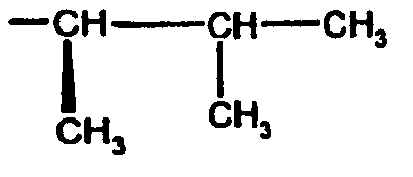
-H 2-Chlor-4-fluorphenyl -Cl -CH3 4,79 422 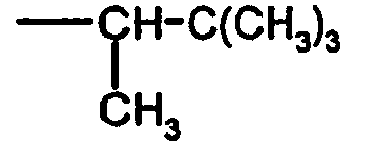
-H 2-Chlor-4-fluorphenyl -Cl -CHO 4,43 423 
* 2-Chlorphenyl -Cl -CHO 4,42 424 
* 2-Chlor-4-fluorphenyl -Cl -CHO 4,53 425 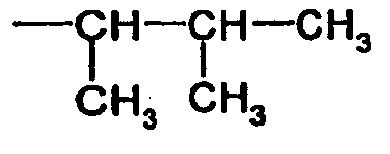
H 2-Chlor-phenyl -Cl -CHO 3,98 426 -CH2-CH2-O-CH2-CH2-CH2- * 2,4,6-Trifluorphenyl -Cl -CHO 2,78 427 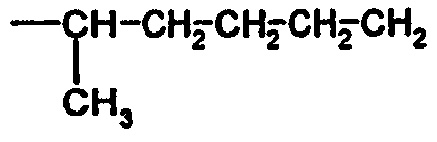
* 2,4,6-Trifluorphenyl -Cl -CHO 4,24 428 
H 2-Chlor-6-fluorphenyl -Cl -CHO 4,25 429 -NH-CH2-CH2-CH2-CH2 * 2,4,6-Trifluorphenyl -Cl -CHO 3,28 430 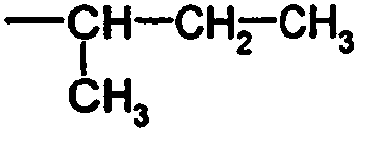
H 2,4,6-Trifluorphenyl -Cl -CHO 3,52 431 
* 2,4,6-Trifluorphenyl -Cl -CHO 3,74 432 -CH2-CH2-S-CH2-CH2- * 2,4,6-Trifluorphenyl -Cl -CHO 3,45 433 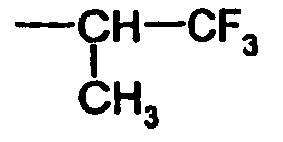
H 2,4,6-Trifluorphenyl -Cl -CHO 3,39 434 -CH2-CH2-O-CH2-CH2- * 2-Chlor-4-fluorphenyl -Cl -CHO 2,94 435 -CH2-CH2-S-CH2-CH2- * 2-Chlor-phenyl -Cl -CHO 3,51 436 
H 2,4,6-Trifluorphenyl -Cl -CHO 3,16 437 
* 2-Chlorphenyl -Cl -CHO 3,80 438 -CH2-CH2-S-CH2-CH2- * 2-Chlor-4-fluor-phenyl -Cl -CHO 3,65 439 
* 2-Chlor-4-fluorphenyl -Cl -CHO 4,45 440 
* 2-Chlor-4-fluorphenyl -Cl -CHO 3,95 # steht für die Anknüpfungsstelle
Die Bestimmung der logP-Werte erfolgte gemäß EEC-Directive 79/831 Annex V. A8 durch HPLC (Gradientenmethode, Acetonitril/0,1 % wässrige Phosphorsäure)
*) bedeutet, dass R1 und R2 gemeinsam mit dem Stickstoffatom, an das sie gebunden sind, einen heterocyclischen Ring bilden.
**) Die Produkte wurden teilweise als Stereoisomere isoliert. "S", bzw. "R" bedeutet S- bzw. R-Konfiguration am Chiralitätszentrum; "AS" bedeutet eine eindeutige aber unbekannte Konfiguration am Atropiezentrum und S-Konfiguration am Chiralitätszentrum. BS bedeutet die jeweils andere eindeutige aber unbekannte Konfiguration am Atropiezentrum und S-Konfiguration am Chiralitätszentrum. "AR" und "BR" bedeuten wiederum die jeweiligen komplementären Konfigurationen am Atropiezentrum gepaart mit der R-Konfiguration am Chiralitätszentrum. Demnach sind bei gleichen Substituenten "AR" und "BS", sowie "AS" und "BR" jeweils Enantiomerenpaare. -

- In eine Lösung von 300 mg (0,738 mmol) 3-Cyano-5-chlor-6-(2-chlor-4-fluorphenyl)-7-(1,2,2-trimethyl-propyl-amino)-pyrazolo[1,5a]pyrimidin in 13,2 g Dichlormethan wird unter Argonatmosphäre und unter Rühren bei -50°C langsam eine 1-molare Lösung von 649 mg (0,812 mmol) Di-isobutyl-aluminiumhydrid in Toluol eingetropft. Nach beendeter Zugabe wird noch 30 Minuten bei -50°C gerührt. Anschließend lässt man die Temperatur des Reaktionsgemisches auf 0°C ansteigen, versetzt dann mit gesättigter, wässriger Ammoniumchlorid-Lösung und rührt 2 Stunden bei 0°C. Man versetzt mit 1-N Salzsäure, trennt die organische Phase ab und extrahiert die wässrige Phase noch dreimal mit Dichlormethan. Die vereinigten organischen Phasen werden nacheinander mit gesättigter, wässriger Natriumhydrogencarbonat-Lösung und mit gesättigter, wässriger Kochsalz-Lösung gewaschen, über Natriumsulfat getrocknet und dann unter vermindertem Druck eingeengt. Man erhält auf diese Weise 300 mg (99 % der Theorie) an 3-Formyl-5-chlor-6-(2-chlor-4-fluor-phenyl)-7-(1,2,2-trimethyl-propylamino)-pyrazolo[1,5a]pyrimidin.
HPLC: logP = 4,43. -

- Eine Lösung von 300 mg (0,733 mmol) 3-Formyl-5-chlor-6-(2-chlor-4-fluor-phenyl)-7-(1,2,2-trimethylpropylamino)-pyrazlo[1,5a]pyrimidin in 20 ml Ethanol wird bei Raumtemperatur mit 73 mg (0,880 mmol) Methoxyamin-Hydrochlorid und 1,0 g des unter der Bezeichnung Amberlyst A-21 im Handel befindlichen, schwach basischen Ionenaustauschers versetzt und 18 Stunden bei Raumtemperatur geschüttelt. Danach wird das Reaktionsgemisch filtriert und das Filtrat unter vermindertem Druck eingeengt. Man erhält 220 mg an 3-Methoximino-5-chlor-6-(2-chlor-4-fluor-phenyl)-7-(1,2,2-trimethyl-propylamino)-pyrazolo[1,5a]pyrimidin in Form eines Atropisomerengemisches.
HPLC: logP = 5,48. -
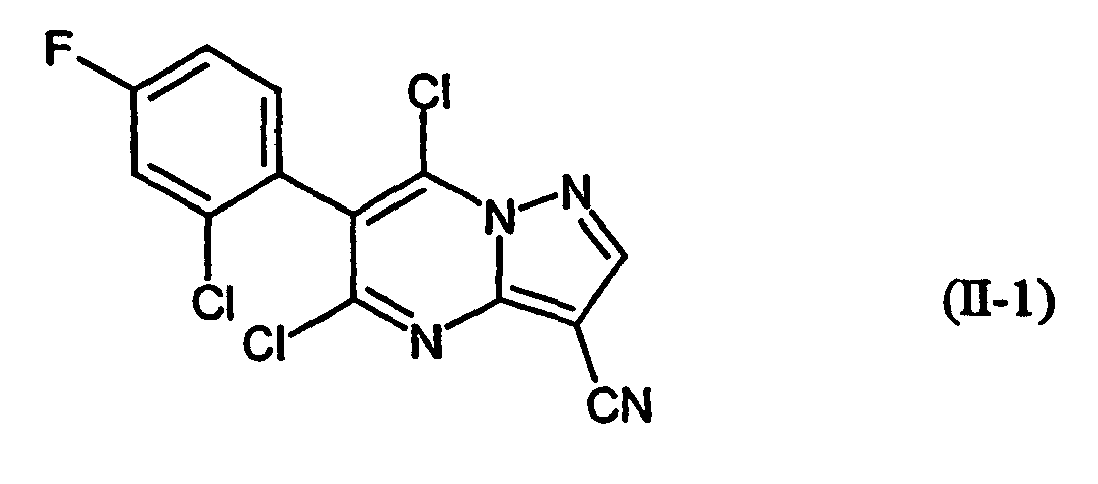
-

- 48 g (0,184 Mol) 2-Chlor-4-fluor-phenylmalonsäuredimethylester werden mit 19,91 g (0,184 Mol) 4-Cyano-5-aminopyrazol und mit 37,55 g (0,203 Mol) Tri-n-butylamin vermischt und 6 Stunden bei 180°C gerührt. Das bei der Reaktion entstehende Methanol wird abdestilliert. Anschließend wird das Reaktionsgemisch auf Raumtemperatur abgekühlt. Bei 95°C und 1 mbar werden flüchtige Komponenten abdestilliert. Man erhält als Rückstand 6-(2-Chlor-4-fluorphenyl)-5,7-dihydroxypyrazolo[1,5-a]pyrimidin-3-carbonitril in Form eines Rohproduktes, das ohne zusätzliche Reinigung für die weitere Synthese verwendet wird.
-
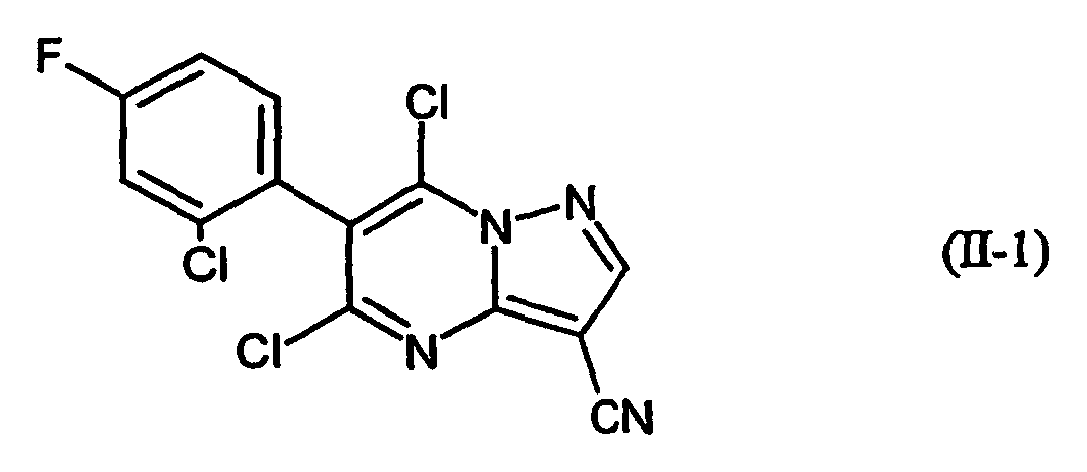
- Das zuvor erhaltene 6-(2-Chlor-4-fluor-phenyl)-5,7-dihydroxy-pyrazolo[1,5-a]pyrimidin-3-carbonitril wird im Rohzustand in 367,3 g (2,395 Mol) Phosphoroxychlorid gelöst. Man gibt bei Raumtemperatur 31,95 g (0,153 Mol) Phosphorpentachlorid in Portionen dazu. Dann kocht man die Mischung 12 Stunden unter Rückfluss. Die flüchtigen Komponenten werden unter vermindertem Druck abdestilliert, der Rückstand wird mit Dichlormethan versetzt und mit Wasser gewaschen. Die organische Phase wird über Natriumsulfat getrocknet und unter vermindertem Druck eingeengt. Der Rückstand wird mit 3 Teilen Cyclohexan und 1 Teil Essigsäureethylester als Laufmittel an Kieselgel chromatographiert. Man erhält 21 g 95,7 %iges 3-Cyano-5,7-dichlor-6-(2-chlor-4-fluorphenyl)-pyrazolo[1,5-a]pyrimidin.
HPLC: logP = 3,48
1H-NMR (DMSO-d6, Tetramethylsilan): δ = 7.44-7.52 (1H); 7.62-7.66 (1H); 7.71-7.77 (1H); 9.03 (1H) ppm. -

- 26 g (82,4 mMol) 3-Chlor-6-(2,4,6-trifluorphenyl)-pyrazolo[1,5-a]pyrimidin-5,7-diol und 8,6 g (41,2 mMol) Phosphorpentachlorid werden in 126,3 g Phosphoroxychlorid eine Stunde bei 110°C gerührt. Nach dem Abkühlen wird die Reaktionsmischung unter Eiskühlung mit Wasser und Dichlormethan verrührt. Die organische Phase wird abgetrennt, getrocknet und unter vermindertem Druck eingeengt. Der Rückstand wird mit Methyl-t-butylether/Petrolether (1:9) an Kieselgel chromatografiert. Man erhält 5 g (16,4 % der Theorie) an 3,5,7-Trichlor-6-(2,4,6-trifluorphenyl)pyrazolo[1,5-a]-pyrimidin.
HPLC: logP = 3,97 -

- 14,2 g (11,9 mMol) 25 %iges 3-Chlor-6-(2-chlor-4-fluorphenyl)-pyrazolo[1,5-a]pyrimidin-7-ol und 1,24 g (5,9 mMol) Phosphorpentachlorid werden in 16,3 g Phosphoroxychlorid eine Stunde bei 110°C und dann 4 Stunden ohne weitere Wärmezufuhr gerührt. Nach dem Abkühlen wird die Reaktionsmischung unter Eiskühlung mit Wasser und Dichlormethan verrührt. Die organische Phase wird abgetrennt, getrocknet und unter vermindertem Druck eingeengt. Der Rückstand wird mit n-Hexan/Essigsäureethylester (3:1 bis 1:1) an Kieselgel chromatografiert. Man erhält 2,1 g (54 % der Theorie) an 3,7-Dichlor-6-(2-chlor-4-fluorphenyl)pyrazolo[1,5-a]-pyrimidin.
HPLC: logP = 3,56 - Nach den zuvor angegebenen Methoden werden auch die in der folgenden Tabelle 2 aufgeführten Verbindungen der Formel

Tabelle 2 Bsp. Nr. X1 Y1 R3 X2 logP Fp.: (°C) 444 -Cl -Cl 2-Chlor-6-fluorphenyl -CN 3,31 445 -Cl -Cl 2-Chlor-4-fluorphenyl -Cl 446 -Cl -Cl 2,4-Difluorphenyl -CN 3,16 136-38 447 -Cl -Cl 2,6-Dichlorphenyl -CN 3,59 448 -Cl -Cl 2,4,6-Trifluorphenyl -CN 3,2 449 -H -Cl 2-Chlor-6-fluorphenyl -CN 450 H -Cl 2-Chlor-6-fluorphenyl -Cl 451 -Cl -Cl 2,4,6-Trifluorphenyl 
4,38 452 -Cl -Cl 2-Chlorphenyl 
- Die Bestimmung der logP-Werte erfolgte gemäß EEC-Directive 79/831 Annex V. A8 durch HPLC (Gradientenmethode, Acetonitril/0,1 % wässrige Phosphorsäure)
-

- 11,3 g (43,85 mMol) 2-(2-Chlor-4-fluorphenyl)-3-(dimethylamino)-2-acrylsäure-methyl und 5,2 g (43,85 mMol) 4-Chlor-1H-pyrazol-5-amin werden in 11,5 ml Tri-n-butylamin 6 Stunden bei 180°C gerührt, wobei entstehendes Methanol und Dimethylamin abdestilliert werden. Anschließend wird die Mischung unter vermindertem Druck weiter eingeengt. Man erhält 14,2 g (27 % der Theorie) 25%iges 3-Chlor-6-(2-chlor-4-fluorphenyl)pyrazolo[1,5-a]pyrirnidin-7-ol.
-

- 11,15 g (42,5 mMol) 2-(2,4,6-Trifluorphenyl)-malonsäuredimethylester und 5 g (42,5 mMol) 4-Chlor-1H-pyrazol-5-amin werden in 11,5 ml Tri-n-butylamin 3 Stunden bei 180°C gerührt, wobei entstehendes Methanol abdestilliert wird. Das Produkt wird abdekantiert. Man erhält 21 g (76 % der Theorie) 49 %iges 3-Chlor-6-(2,4,6-trifluorphenyl)-pyrazolo[1,5-a]pyrimidin-5,7-diol.
- Nach den zuvor angegebenen Methoden werden auch die in der folgenden Tabelle 3 aufgeführten Verbindungen der Formel

Tabelle 3 Bsp.-Nr. R3 X3 log P 455 2,4,6-Trifluorphenyl 
456 2-Chlorphenyl 
457 2-Chlor-4-fluor-phenyl -CH3 -

- 1 000 mg N-Methoxy-carbaminsäureethylester werden in 10,0 ml Dimethylformamid vorgelegt und portionsweise mit 403 mg Natriumhydrid versetzt, wobei die Temperatur durch Kühlung auf 30°C eingestellt wurde. Die Reaktionsmischung wird für 2 Stunden bei 30°C gerührt und anschließend mit 3 500 mg 2-Bromethyl-methylether versetzt. Die Reaktionsmischung wird für 18 Stunden bei 20°C bis 25°C gerührt und anschließend in 20 ml Wasser eingerührt. Die erhaltene Reaktionsmischung wird unter vermindertem Druck zur Trockne eingeengt und viermal mit je 30 ml Dichlormethan extrahiert. Die organischen Extrakte werden über Natriumsulfat getrocknet, filtriert und unter vermindertem Druck zur Trockne eingeengt.
- Man erhält 1200 mg (N-Methoxy-N-methoxyethyl)carbaminsäure-ethylester (Reinheit 77,6 %, Ausbeute 62,6 %).
-

- 200 mg (N-Methoxy-N-methoxyethyl)-carbaminsäureethylester werden in 4,0 ml wässrigem Ethanol (59 %ig) vorgelegt, mit 240,6 mg Kaliumhydroxid versetzt und für 18 Stunden bei 40°C gerührt. Die Reaktionsmischung wird dann in 50 ml Wasser eingerührt, dreimal mit je 20 ml Diethylether und dreimal mit je 20 ml Dichlormethan extrahiert. Die vereinigten organischen Phasen werden zweimal mit je 20 ml Wasser gewaschen, getrocknet und bei 20°C unter vermindertem Druck auf ein Volumen von 20 ml eingeengt.
- Die erhaltene Lösung wird unter Eiskühlung mit 2 ml Salzsäure versetzt, 1 Stunde bei Raumtemperatur gerührt und bei 20°C unter vermindertem Druck zur Trockne eingeengt.
- Das erhaltene Produkt wird dreimal mit je 15 ml Methanol digeriert und anschließend bei 20°C unter vermindertem Druck zur Trockne eingeengt.
- Man erhält 140 mg N-Methoxy-N-methoxyethylamin-hydrochlorid (Ausbeute 87,6 %).
-

- Ein Gemisch aus 1000 mg N-Hydroxy-N-methyl-carbaminsäure-ethylester, 1166 mg 2-Bromethyl-methylether wird unter Rühren auf Rückflusstemperatur erhitzt und dann tropfenweise mit einer Lösung von 493 mg Kaliumhydroxid in 5 ml Ethanol versetzt. Man kocht das Reaktionsgemisch 10 Stunden unter Rückfluss und arbeitet dann auf, indem man das Reaktionsgemisch filtriert und das Filtrat unter vermindertem Druck einengt. Der verbleibende Rückstand wird mit einem Gemisch aus Wasser und Essigsäureethylester versetzt Die organische Phase wird abgetrennt, mit gesättigter, wässriger Ammoniumchlorid-Lösung und dann mit Wasser gewaschen. Anschließend wird die organische Phase über Natriumsulfat getrocknet und unter vermindertem Druck eingeengt. Man erhält auf diese Weise 0,7 g eines Produktes, das gemäß Gaschromatogramm zu 83 % aus (N-Methyl-N-methoxyethoxy)-carbaminsäure-ethylester besteht. Die Ausbeute errechnet sich danach zu 39 % der Theorie.
-

- Ein Gemisch aus 200 mg (N-Methyl-N-methoxyethoxy)-carbaminsäure-ethylester, 4 ml Ethanol und 4 ml Wasser wird mit 240,6 mg pulverisiertem Kaliumhydroxid versetzt und 2 Stunden bei 40°C gerührt. Das Reaktionsgemisch wird danach in 50 ml Wasser eingerührt, dann dreimal mit je 20 ml Diethylether und anschließend dreimal mit je 20 ml Methylenchlorid extrahiert. Die vereinigten organischen Phasen werden zweimal mit je 20 ml Wasser gewaschen, über Natriumsulfat getrocknet und bei Raumtemperatur unter vermindertem Druck auf ein Volumen von 20 ml eingeengt. Die erhaltene Lösung wird unter Eiskühlung mit 1 ml etherischer Salzsäure versetzt. Die sich abscheidenden Kristalle werden abfiltriert und getrocknet. Man erhält auf diese Weise 190 mg an N-Methyl-N-methoxyethoxy-amin-hydrochlorid.
-
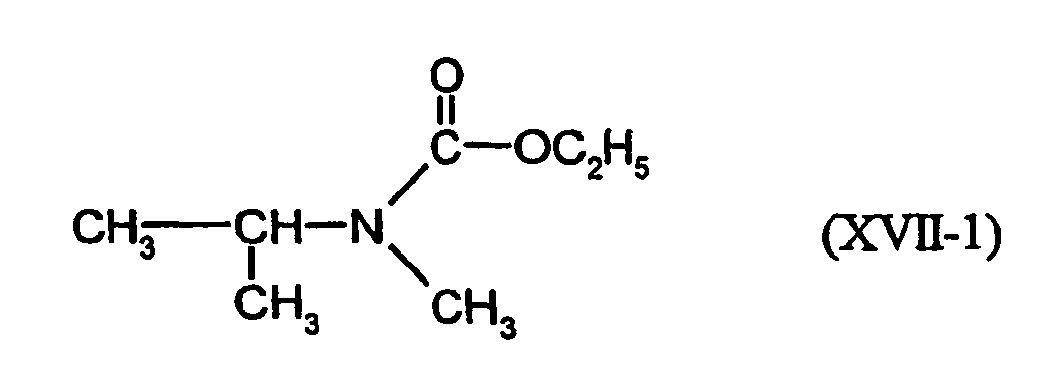
- Ein Gemisch aus 2000 mg N-(2,2,2-Trifluor-1-methyl-ethyl)-carbaminsäure-ethylester und 20 ml Tetrahydrofuran wird bei Raumtemperatur unter Rühren mit 475 mg Natriumhydrid versetzt. Danach wird unter Rühren bei Raumtemperatur eine Lösung von 4600 mg Iodmethan in 10 ml Tetrahydrofuran hinzugetropft. Das Reaktionsgemisch wird 16 Stunden bei 50°C gerührt und dann mit Wasser versetzt. Man extrahiert dreimal mit je 20 ml Methylenchlorid, trocknet die vereinigten organischen Phasen über Natriumsulfat und engt unter vermindertem Druck ein. Man erhält 1000 mg eines Produktes, das gemäß Gaschromatogramm zu 75 % aus N-(2,2,2-Trifluor-1-methyl-ethyl)-N-methyl-carbaminsäure-ethylester besteht. Die Ausbeute errechnet sich danach zu 34,86 %.
-

- Ein Gemisch aus 1000 mg N-(2,2,2-Trifluor-1-methyl-ethyl)-N-methyl-carbaminsäure-ethylester, 20 ml Ethanol und 20 ml Wasser wird mit 1070 mg pulverisiertem Kaliumhydroxid versetzt und 66 Stunden bei 40°C gerührt. Danach wird das Reaktionsgemisch mit Wasser verdünnt und dreimal mit je 20 ml eines Gemisches extrahiert, das zu gleichen Teilen aus Methylenchlorid und Diethylether besteht. Die vereinigten organischen Phasen werden über Natriumsulfat getrocknet und dann bei Raumtemperatur unter leicht vermindertem Druck eingeengt. Die erhaltene Lösung wird unter Eiskühlung mit etherischer Salzsäure versetzt und 60 Stunden bei Raumtemperatur gerührt. Nach dem Einengen unter vermindertem Druck erhält man 280 mg an N-(2,2,2-Trifluor-1-methyl-ethyl)-N-methylamin-hydrochlorid. Die Ausbeute errechnet sich danach zu 34 % der Theorie.
-

- 600 mg N-(1-Trifluormethyl-2-propen)-carbaminsäurebenzylester werden in 8,0 ml 16 %iger Salzsäure für 1,5 Stunden unter Rückfluss erhitzt. Nach dem Abkühlen auf 20°C wird zweimal mit je 20 ml Diethylether extrahiert.
- Die verbleibende wässrige Phase wird unter vermindertem Druck zur Trockne eingeengt und dreimal mit je 10 ml Methanol versetzt. Nach Entfernen des Methanols unter vermindertem Druck werden 310 mg an (1-Trifluormethyl-prop-2-en)-amin-hydrochlorid isoliert. Die Ausbeute errechnet sich danach zu 82,9% der Theorie.
- Nach den zuvor angegebenen Methoden lassen sich auch die in den folgenden Tabellen angegebenen Carbamate herstellen.
Tabelle 4 
Beispiel-Nr. Verb.-Nr. R7 logP 462 XII-2 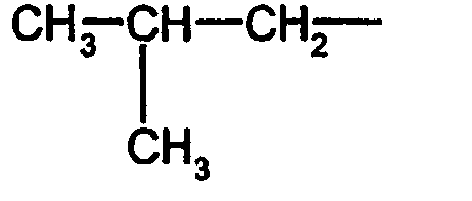
2,38 463 XII-3 
2,06 Tabelle 5 
Beispiel-Nr. Verb.-Nr. R7 Physikalische Konst. 464 XIV-2 
Tabelle 6 
Beispiel-Nr. Verb.-Nr. R8 Physikalische Konst. 465 XVII-2 -C2H5 1H-NMR (400 MHz, CD3CN): δ (ppm) = 1,13 (t, CH 3CH2N), 1,21 (t, CH 3CHCF3), 1,23 (t, CH 3CH2O), 3,20 (m, CH 2N, CHCF3), 4,1 (q, CH3 CH 2O). - Nach den zuvor angegebenen Methoden lassen sich auch die in der folgenden Tabelle aufgeführten Amine herstellen.
Tabelle 7 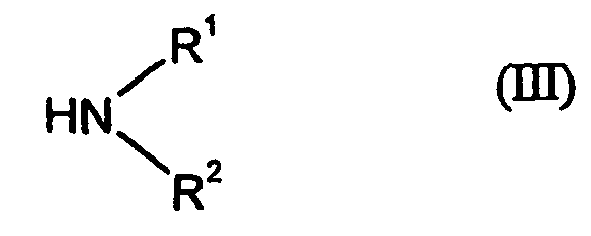
Beispiel-Nr. Verb.-Nr. R1 R2 Physikal. Konst 466 III-5 
-OCH3 1H-NMR (400 MHz, CD3CN): δ (ppm) = 1,03 (d, CH 3)2CH), 3,06 (d, CH 2), 3,28 (b, (CH3)2 CH), 4,01 (s, OCH3) 467 III-6 
-OCH3 1H-NMR (400 MHz, DMSO): δ (ppm) = 1,76 (s, CH 3(CCH2)CH2), 3,29 (b, NH, CH3(CCH2)CH 2, OCH3), 7,89, 5,02 (2 s, CH3(CCH 2)CH2). 468 III-7 
469 III-8 
-C2H5 1H-NMR (400 MHz, DMSO): δ (ppm) = 1,06 (m, CH 3CH2N, CH 3CHCF3), 3,20 (m, CH 2N), 4,1 (m, CHCF3). - Die in den Beispielen 466 bis 469 aufgeführten Amine wurden jeweils in Form ihrer Hydrochloride isoliert und charakterisiert.
-

- a) Ein Gemisch aus 16,223 g (200 mmol) Cyclopropylacetonitril und 15,556 g (210 mmol) Ethylformiat wird unter Argonatmosphäre und unter Rühren bei Raumtemperatur innerhalb von einer Stunde in 400 ml Diethylether eingetropft. Man fügt 4,598 g (200 mmol) Natrium hinzu und rührt 4 Tage lang bei Raumtemperatur. Wenn sich das metallische Natrium gelöst hat, wird auf 10°C abgekühlt und innerhalb von 30 Minuten mit 12,01 g (200 mmol) Essigsäure versetzt, wobei das Reaktionsgemisch auf Temperaturen zwischen 10°C und 15°C gehalten wird. Man rührt 15 Minuten nach, saugt das Reaktionsgemisch dann ab und wäscht mit 30 ml kaltem Diethylether nach. Das Filtrat wird unter vermindertem Druck eingeengt. Man erhält auf diese Weise 22,0 g an 1-Formyl-1-cyclopropyl-acetonitril in Form eines Rohproduktes, das ohne vorherige Reinigung für die weitere Synthese verwendet wird.
- b) Ein Gemisch aus 8,670 g (0,173 mol) Hydrazinhydrat und 3,12 ml Essigsäure wird unter Rühren bei Raumtemperatur in eine Lösung von 21,825 g (0,200 mol) 1-Formyl-1-cyclopropyl-acetonitril in 20 ml Ethanol gegeben. Das Reaktionsgemisch wird 4 Stunden unter Rückfluß erhitzt und dann aufgearbeitet, indem man unter vermindertem Druck einengt. Man erhält 13,7 g (55,6 % der Theorie) an 4-Cyclopropyl-1H-pyrazol-5-amin.
- Nach den zuvor angegebenen Methoden wird auch die Verbindung der Formel

-
Lösungsmittel: 24,5 Gewichtsteile Aceton 24,5 Gewichtsteile Dimethylacetamid Emulgator: 1,0 Gewichtsteile Alkyl-Aryl-Polyglykolether - Zur Herstellung einer zweckmäßigen Wirkstoffzubereitung vermischt man 1 Gewichtsteil Wirkstoff mit den angegebenen Mengen Lösungsmittel und Emulgator und verdünnt das Konzentrat mit Wasser auf die gewünschte Konzentration.
- Zur Prüfung auf protektive Wirksamkeit werden junge Pflanzen mit der Wirkstoffzubereitung in der angegebenen Aufwandmenge besprüht. Nach Antrocknen des Spritzbelages werden die Pflanzen mit einer wässrigen Konidiensuspension des Apfelschorferregers Venturia inaequalis inokuliert und verbleiben dann 1 Tag bei ca. 20°C und 100% relativer Luftfeuchtigkeit in einer Inkubationskabine.
- Die Pflanzen werden dann im Gewächshaus bei ca. 21°C und einer relativen Luftfeuchtigkeit von ca. 90% aufgestellt.
- 10 Tage nach der Inokulation erfolgt die Auswertung. Dabei bedeutet 0% ein Wirkungsgrad, der demjenigen der Kontrolle entspricht, während ein Wirkungsgrad von 100% bedeutet, dass kein Befall beobachtet wird.
- Wirkstoffe, Aufwandmengen an Wirkstoffen und Versuchsergebnisse gehen aus der folgenden Tabelle hervor.
Tabelle A Venturia- Test (Apfel) / protektiv Wirkstoff Aufwandmenge in g/ha Wirkungsgrad in % Erfindungsgemäß: 
100 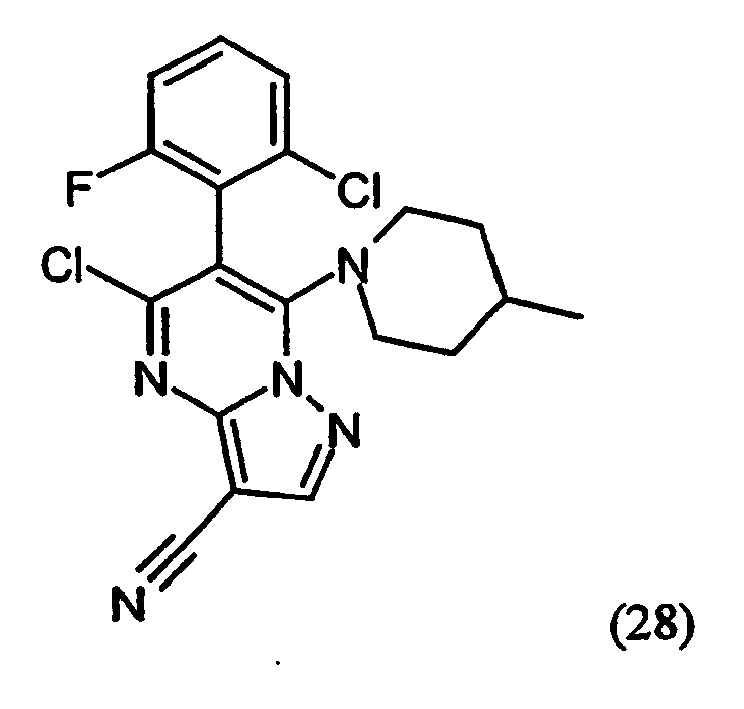
100 97 
100 100 
100 100 
100 100 
100 98 
100 100 
100 100 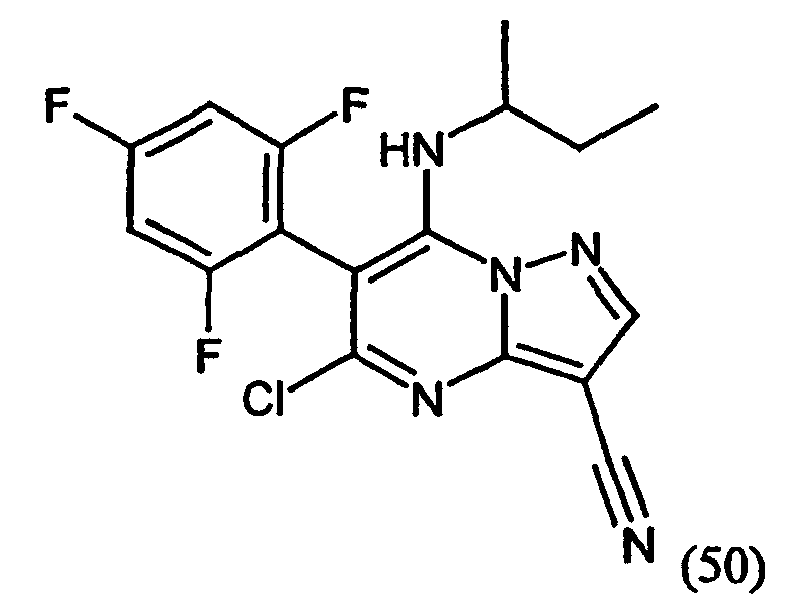
100 100 
100 98 
100 100 
100 100 
100 93 
100 100 
100 100 
100 99 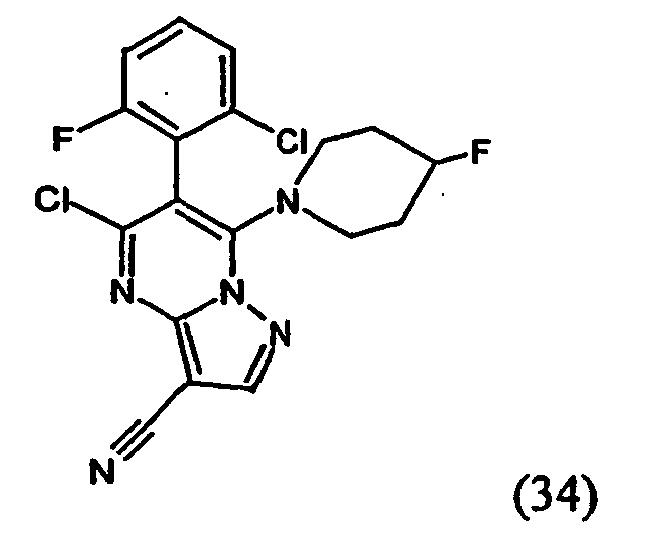
100 98 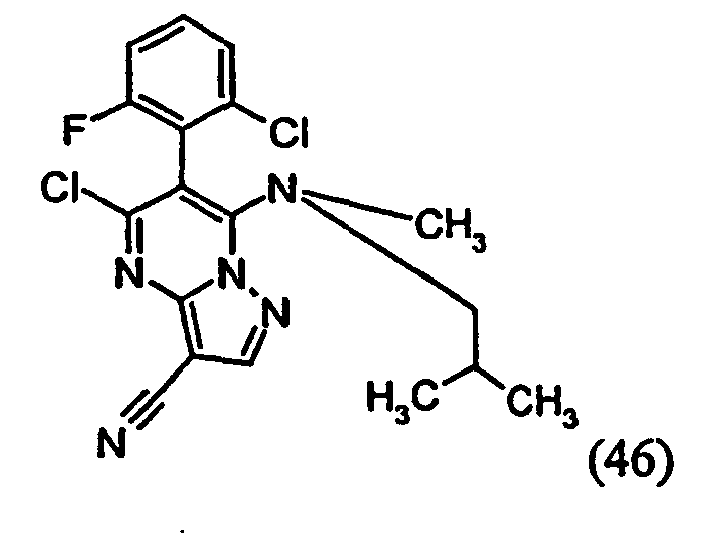
100 99 
100 100 
100 100 -
Lösungsmittel: 24,5 Gewichtsteile Aceton 24,5 Gewichtsteile Dimethylacetamid Emulgator: 1,0 Gewichtsteile Alkyl-Aryl-Polyglykolether - Zur Herstellung einer zweckmäßigen Wirkstoffzubereitung vermischt man 1 Gewichtsteil Wirkstoff mit den angegebenen Mengen Lösungsmittel und Emulgator und verdünnt das Konzentrat mit Wasser auf die gewünschte Konzentration.
- Zur Prüfung auf protektive Wirksamkeit werden junge Pflanzen mit der Wirkstoffzubereitung in der angegebenen Aufwandmenge besprüht. Nach Antrocknen des Spritzbelages werden auf jedes Blatt 2 kleine mit Botrytis cinerea bewachsene Agarstückchen aufgelegt. Die inokulierten Pflanzen werden in einer abgedunkelten Kammer bei ca. 20°C und 100% relativer Luftfeuchtigkeit aufgestellt.
- 2 Tage nach der Inokulation wird die Größe der Befallsflecken auf den Blättern ausgewertet. Dabei bedeutet 0% ein Wirkungsgrad, der demjenigen der Kontrolle entspricht, während ein Wirkungsgrad von 100% bedeutet, dass kein Befall beobachtet wird.
- Wirkstoffe, Aufwandmengen an Wirkstoffen und Versuchsergebnisse gehen aus der folgenden Tabelle hervor.
Tabelle B Botrytis - Test (Bohne) / protektiv Wirkstoff Aufwandmenge an Wirkstoff in g/ha Wirkungsgrad in % Erfindungsgemäß: 
500 93 
500 96 
500 99 
500 100 
500 99 
500 100 
500 95 
500 96 
500 97 
500 93 
500 100 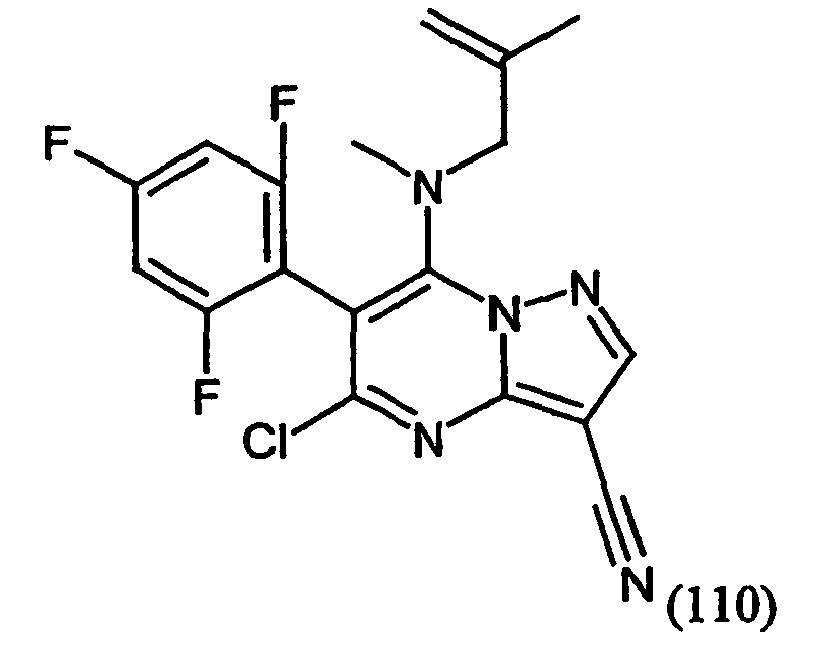
500 100 
500 99 
500 100 
500 100 
500 95 
500 94 
500 99 
500 100 
500 100 -
Lösungsmittel: 49 Gewichtsteile N, N - Dimethylformamid Emulgator: 1 Gewichtsteil Alkylarylpolyglykolether - Zur Herstellung einer zweckmäßigen Wirkstoffzubereitung vermischt man 1 Gewichtsteil Wirkstoff mit den angegebenen Mengen Lösungsmittel und Emulgator und verdünnt das Konzentrat mit Wasser auf die gewünschte Konzentration.
- Zur Prüfung auf protektive Wirksamkeit bespritzt man junge Tomatenpflanzen mit der Wirkstoffzubereitung in der angegebenen Aufwandmenge. 1 Tag nach der Behandlung werden die Pflanzen mit einer Sporensuspension von Alternaria solani inokuliert und stehen dann 24h bei 100% rel. Feuchte und 20°C. Anschließend stehen die Pflanzen bei 96% rel. Luftfeuchtigkeit und einer Temperatur von 20°C.
- 7 Tage nach der Inokulation erfolgt die Auswertung. Dabei bedeutet 0 % ein Wirkungsgrad, der demjenigen der Kontrolle entspricht, während ein Wirkungsgrad von 100 % bedeutet, dass kein Befall beobachtet wird.
- Wirkstoffe, Aufwandmengen an Wirkstoffen und Versuchsergebnisse gehen aus der folgenden Tabelle hervor.
Tabelle C Alternaria-Test (Tomate) / protektiv Wirkstoff Aufwandmenge an Wirkstoff in g/ha Wirkungsgrad in % Erfindungsgemäß: 
750 95 
750 95 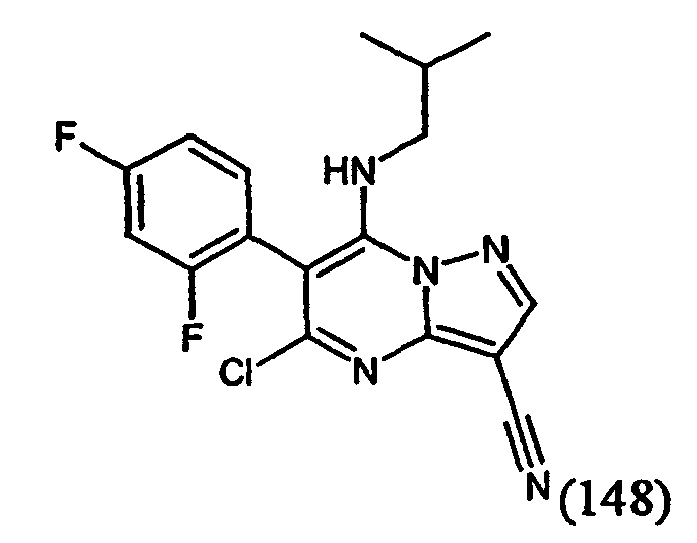
750 95 
750 95 
750 95 
750 90 -
Lösungsmittel: 25 Gewichtsteile N,N-Dimethylacetamid Emulgator: 0,6 Gewichtsteile Alkylarylpolyglykolether - Zur Herstellung einer zweckmäßigen Wirkstoffzubereitung vermischt man 1 Gewichtsteil Wirkstoff mit den angegebenen Mengen Lösungsmittel und Emulgator und verdünnt das Konzentrat mit Wasser auf die gewünschte Konzentration.
- Zur Prüfung auf protektive Wirksamkeit werden junge Pflanzen mit der Wirkstoffzubereitung in der angegebenen Aufwandmenge besprüht. Nach Antrocknen des Spritzbelages werden die Pflanzen mit einer Konidiensuspension von Fusarium nivale (var. majus) besprüht.
- Die Pflanzen werden in einem Gewächshaus unter lichtdurchlässigen Inkubationshauben bei einer Temperatur von ca. 15°C und einer relativen Luftfeuchtigkeit von ca. 100 % aufgestellt
- 6 Tage nach der Inokulation erfolgt die Auswertung. Dabei bedeutet 0 % ein Wirkungsgrad, der demjenigen der Kontrolle entspricht, während ein Wirkungsgrad von 100 % bedeutet, dass kein Befall beobachtet wird.
- Wirkstoffe, Aufwandmengen an Wirkstoffen und Versuchsergebnisse gehen aus der folgenden Tabelle hervor.
Tabelle D Fusarium nivale (var. majus)-Test (Weizen) / protektiv Wirkstoff Aufwandmenge an Wirkstoff in g/ha Wirkungsgrad in % Erfindungsgemäß: 
500 88 
500 100 
500 80 -
Lösungsmittel: 25 Gewichtsteile N,N-Dimethylacetamid Emulgator: 0,6 Gewichtsteile Alkylarylpolyglykolether - Zur Herstellung einer zweckmäßigen Wirkstoffzubereitung vermischt man 1 Gewichtsteil Wirkstoff mit der angegebenen Menge Lösungsmittel und verdünnt das Konzentrat mit Wasser und der angegebenen Menge Emulgator auf die gewünschte Konzentration.
- Zur Prüfung auf protektive Wirksamkeit bespritzt man junge Reispflanzen mit der Wirkstoffzubereitung in der angegebenen Aufwandmenge. Nach dem Antrocknen des Spritzbelages werden die Pflanzen mit einer wässrigen Sporensuspension von Pyricularia oryzae inokuliert. Anschließend werden die Pflanzen in einem Gewächshaus bei 100 % relativer Luftfeuchtigkeit und 25°C aufgestellt.
- 6 Tage nach der Inokulation erfolgt die Auswertung. Dabei bedeutet 0 % ein Wirkungsgrad, der demjenigen der Kontrolle entspricht, während ein Wirkungsgrad von 100 % bedeutet, dass kein Befall beobachtet wird.
- Wirkstoffe, Aufwandmengen an Wirkstoffen und Versuchsergebnisse gehen aus der folgenden Tabelle hervor.
Tabelle E Pyricularia-Test (Reis) / protektiv Wirkstoff Aufwandmenge an Wirkstoff in g/ha Wirkungsgrad in % Erfindungsgemäß: 
500 88 
500 88 
500 86 
500 75 -
Lösungsmittel: 100 Gewichtsteile Aceton 1900 Gewichtsteile Methanol - Zur Herstellung einer zweckmäßigen Wirkstoffzubereitung vermischt man 1 Gewichtsteil Wirkstoff mit der angegebenen Menge Lösungsmittel und verdünnt das Konzentrat mit Methanol auf die gewünschten Konzentrationen.
- Auf eine genormte Menge Kunstfutter wird eine angegebene Menge Wirkstoffzubereitung der gewünschten Konzentration pipettiert Nachdem das Methanol verdunstet ist, werden ca. 200-300 Eier der Kohlschabe (Plutella xylostella) auf das Futter gegeben.
- Nach der gewünschten Zeit wird die Abtötung der Eier bzw. Larven in % bestimmt. Dabei bedeutet 100 %, dass alle Tiere abgetötet wurden; 0 % bedeutet, dass keine Tiere abgetötet wurden.
- Wirkstoffe, Wirkstoffkonzentrationen und Versuchsergebnisse gehen aus der folgenden Tabelle hervor.
Tabelle F pflanzenschädigende Insekten Plutella -Test Wirkstoff Wirkstoffkonzentration in ppm Abtötungsgrad in % nach 7d Erfindungsgemäß: 
1000 100
in denen

Claims (19)
- Pyrazolopyrimidine der Formel
 R1 für Hydroxy, Amino, für gegebenenfalls durch Halogen, Cyano, Hydroxy, Amino, Phenyl, Heterocyclyl, Alkoxy mit 1 bis 4 Kohlenstoffatomen, Alkoxycarbonyl mit 1 bis 4 Kohlenstoffatomen im Alkoxyteil, Alkylamino mit 1 bis 4 Kohlenstoffatomen, Dialkylamino mit 2 bis 8 Kohlenstoffatomen, Cycloalkyl mit 3 bis 6 Kohlenstoffatomen, Halogencycloalkyl mit 3 bis 6 Kohlenstoffatomen und 1 bis 5 Halogenatomen, Alkylthio mit 1 bis 4 Kohlenstoffatomen, Oxo, Hydroxyimino und/oder Alkoximino mit 1 bis 4 Kohlenstoffatomen substituiertes Alkyl mit 1 bis 6 Kohlenstoffatomen,
für gegebenenfalls durch Halogen, Cycloalkyl, Cyano, Phenyl und/oder Heterocyclyl substituiertes Alkenyl mit 2 bis 6 Kohlenstoffatomen,
für gegebenenfalls durch Halogen, Cycloalkyl, Cyano, Phenyl und/oder Heterocyclyl substituiertes Alkinyl mit 2 bis 6 Kohlenstoffatomen,
für gegebenenfalls durch Halogen, Cycloalkyl, Cyano, Halogenalkyl mit 1 bis 2 Kohlenstoffatomen und 1 bis 5 Halogenatomen, Phenyl und/oder Heterocyclyl substituiertes Cycloalkyl mit 3 bis 7 Kohlenstoffatomen,
für gegebenenfalls durch Halogen, Cycloalkyl, Cyano, Phenyl und/oder Heterocyclyl substituiertes Alkoxy mit 1 bis 7 Kohlenstoffatomen,
für gegebenenfalls durch Halogen, Cycloalkyl, Cyano, Phenyl und/oder Heterocyclyl substituiertes Alkenyloxy mit 2 bis 6 Kohlenstoffatomen,
für gegebenenfalls durch Halogen, Cycloalkyl, Cyano, Phenyl und/oder Heterocyclyl substituiertes Alkinyloxy mit 2 bis 6 Kohlenstoffatomen,
für gegebenenfalls durch Halogen, Cycloalkyl, Cyano, Phenyl und/oder Heterocyclyl substituiertes Cycloalkyloxy mit 3 bis 7 Kohlenstoffatomen,
für gegebenenfalls durch Halogen, Cycloalkyl, Cyano, Phenyl und/oder Heterocyclyl substituiertes Alkylamino mit 1 bis 7 Kohlenstoffatomen,
für gegebenenfalls durch Halogen, Cycloalkyl, Cyano, Phenyl und/oder Heterocyclyl substituiertes Dialkylamino mit 1 bis 7 Kohlenstoffatomen in jedem der Alkylreste,
für gegebenenfalls durch Halogen, Cycloalkyl, Cyano, Phenyl und/oder Heterocyclyl substituiertes Alkenylamino mit 2 bis 6 Kohlenstoffatomen,
für gegebenenfalls durch Halogen, Cycloalkyl, Cyano, Phenyl und/oder Heterocyclyl substituiertes Alkinylamino mit 2 bis 6 Kohlenstoffatomen,
für gegebenenfalls durch Halogen, Cycloalkyl, Cyano, Phenyl und/oder Heterocyclyl substituiertes Cycloalkylamino mit 3 bis 7 Kohlenstoffatomen,
für gegebenenfalls durch Halogen, Cycloalkyl, Cyano, Phenyl und/oder Heterocyclyl substituiertes N-Cycloalkyl-N-alkyl-amino mit 3 bis 7 Kohlenstoffatomen im Cycloalkylteil und 1 bis 7 Kohlenstoffatomen in Alkylteil,
für gegebenenfalls durch Halogen, Cycloalkyl, Cyano, Phenyl und/oder Heterocyclyl substituiertes Alkylidenamino mit 2 bis 6 Kohlenstoffatomen,
oder
für gegebenenfalls durch Halogen, Alkyl, Cycloalkyl, Cyano, Phenyl und/oder Heterocyclyl substituiertes Heterocyclyl mit 5 oder 6 Ringgliedern steht,
wobei die zuvor genannten Heterocyclyl-Reste einfach bis dreifach, gleichartig oder verschieden substituiert sein können durchHalogen, Hydroxy, Phenyl, 1,2-Dioxyethylen, Alkyl mit 1 bis 4 Kohlenstoffatomen, Halogenalkyl mit 1 oder 2 Kohlenstoffatomen und 1 bis 5 Halogenatomen, Alkoxy mit 1 bis 4 Kohlenstoffatomen, Alkylthio mit 1 bis 4 Kohlenstoffatomen, Halogenalkoxy mit 1 oder 2 Kohlenstoffatomen und 1 bis 5 Halogenatomen, Halogenalkylthio mit 1 oder 2 Kohlenstoffatomen und 1 bis 5 Halogenatomen und wobei die zuvor genannten Heterocyclylreste gesättigt oder teilweise ungesättigt sind,und wobei die zuvor genannten Phenyl-Reste einfach bis dreifach, gleichartig oder verschieden substituiert sein können durchHalogen, Cyano, Nitro, Amino, Hydroxy, Formyl, Carboxy, Carbamoyl, Thiocarbamoyl;jeweils geradkettiges oder verzweigtes Alkyl, Alkoxy, Alkylthio, Alkylsulfinyl oder Alkylsulfonyl mit jeweils 1 bis 6 Kohlenstoffatomen;jeweils geradkettiges oder verzweigtes Alkenyl oder Alkenyloxy mit jeweils 2 bis 6 Kohlenstoffatomen;jeweils geradkettiges oder verzweigtes Halogenalkyl, Halogenalkoxy, Halogenalkylthio, Halogenalkylsulfinyl oder Halogenalkylsulfonyl mit jeweils 1 bis 6 Kohlenstoffatomen und 1 bis 13 gleichen oder verschiedenen Halogenatomen;jeweils geradkettiges oder verzweigtes Halogenalkenyl oder Halogenalkenyloxy mit jeweils 2 bis 6 Kohlenstoffatomen und 1 bis 13 gleichen oder verschiedenen Halogenatomen;jeweils geradkettiges oder verzweigtes Alkylamino, Dialkylamino, Alkylcarbonyl, Alkylcarbonyloxy, Alkoxycarbonyl, Alkylsulfonyloxy, Hydroximinoalkyl oder Alkoximinoalkyl mit jeweils 1 bis 6 Kohlenstoffatomen in den einzelnen Alkylteilen;Cycloalkyl mit 3 bis 6 Kohlenstoffatomen,in 2,3-Position verknüpftes 1,3-Propandiyl, 1,4-Butandiyl, Methylendioxy (-O-CH2-O-) oder 1,2-Ethylendioxy (-O-CH2-CH2-O-), wobei diese Reste einfach oder mehrfach, gleichartig oder verschieden substituiert sein können durch Halogen, Alkyl mit 1 bis 4 Kohlenstoffatomen und/oder Halogenalkyl mit 1 bis 4 Kohlenstoffatomen und 1 bis 9 gleichen oder verschiedenen Halogenatomen.R2 für Wasserstoff,oder
für gegebenenfalls durch Halogen, Cycloalkyl mit 3 bis 6 Kohlenstoffatomen Alkoxy mit 1 bis 4 Kohlenstoffatomen, Alkylthio mit 1 bis 4 Kohlenstoffatomen, Oxo, Hydroximino und/oder Alkoximino mit 1 bis 4 Kohlenstoffatomen substituiertes Alkyl mit 1 bis 4 Kohlenstoffatomen,
für gegebenenfalls durch Halogen und/oder Cycloalkyl mit 3 bis 6 Kohlenstoffatomen substituiertes Alkenyl mit 2 bis 4 Kohlenstoffatomen,
für gegebenenfalls durch Halogen und/oder Cycloalkyl mit 3 bis 6 Kohlenstoffatomen substituiertes Alkinyl mit 2 bis 4 Kohlenstoffatomen oder
für gegebenenfalls durch Halogen und/oder Cycloalkyl mit 3 bis 6 Kohlenstoffatomen substituiertes Cycloalkyl mit 3 bis 6 Kohlenstoffatomen steht;R1 und R2 gemeinsam mit dem Stickstoffatom, an das sie gebunden sind, für einen 3- bis 6-gliedrigen heterocyclischen Ring stehen, der gesättigt oder teilweise gesättigt ist, der neben dem bereits erwähnten Stickstoffatom noch ein weiteres Heteroatom aus der Reihe Stickstoff, Sauerstoff und Schwefel enthalten kann und der einfach bis dreifach, gleichartig oder verschieden substituiert sein kann durch
Halogen, Hydroxy, Cyano, Morpholinyl, Amino, einen annelierten Phenylring, eine Methylen- oder Ethylenbrücke,
Alkyl mit 1 bis 4 Kohlenstoffatomen,
Halogenalkyl mit 1 bis 4 Kohlenstoffatomen und 1 bis 9 gleichen oder verschiedenen Halogenatomen,
Alkylcarbonylamino mit 1 bis 4 Kohlenstoffatomen im Alkylteil,
Dialkylamino mit 2 bis 8 Kohlenstoffatomen,
Alkoxycarbonylamino mit 1 bis 4 Kohlenstoffatomen im Alkoxyteil,
Di(alkoxycarbonyl)amino mit 2 bis 8 Kohlenstoffatomen in den Alkoxyteilen,
Hydroxyalkyl mit 1 bis 4 Kohlenstoffatomen,
Alkoxycarbonyl mit 1 bis 4 Kohlenstoffatomen im Alkoxyteil und/oder
Alkylcarbonyl mit 1 bis 4 Kohlenstoffatomen im Alkylteil.R3 für Phenyl steht, das einfach bis vierfach, gleichartig oder verschieden substituiert sein kann durch
Halogen, Cyano, Nitro, Amino, Hydroxy, Formyl, Carboxy, Carbamoyl, Thiocarbamoyl;
jeweils geradkettiges oder verzweigtes Alkyl, Alkoxy, Alkylthio, Alkylsulfinyl oder Alkylsulfonyl mit jeweils 1 bis 6 Kohlenstoffatomen;
jeweils geradkettiges oder verzweigtes Alkenyl oder Alkenyloxy mit jeweils 2 bis 6 Kohlenstoffatomen;
jeweils geradkettiges oder verzweigtes Halogenalkyl, Halogenalkoxy, Halogenalkylthio, Halogenalkylsulfinyl oder Halogenalkylsulfonyl mit jeweils 1 bis 6 Kohlenstoffatomen und 1 bis 13 gleichen oder verschiedenen Halogenatomen;
jeweils geradkettiges oder verzweigtes Halogenalkenyl oder Halogenalkenyloxy mit jeweils 2 bis 6 Kohlenstoffatomen und 1 bis 11 gleichen oder verschiedenen Halogenatomen;
jeweils geradkettiges oder verzweigtes Alkylamino, Dialkylamino, Alkylcarbonyl, Alkylcarbonyloxy, Alkoxycarbonyl, Alkylsulfonyloxy, Hydroximinoalkyl oder Alkoximinoalkyl mit jeweils 1 bis 6 Kohlenstoffatomen in den einzelnen Alkylteilen;
Cycloalkyl mit 3 bis 6 Kohlenstoffatomen,
in 2,3-Position verknüpftes 1,3-Propandiyl, 1,4-Butandiyl, Methylendioxy (-O-CH2-O-) oder 1,2-Ethylendioxy (-O-CH2-CH2-O-), wobei diese Reste einfach oder mehrfach, gleichartig oder verschieden substituiert sein können durch Halogen, Alkyl mit 1 bis 4 Kohlenstoffatomen und/oder Halogenalkyl mit 1 bis 4 Kohlenstoffatomen und 1 bis 9 gleichen oder verschiedenen Halogenatomen.X1 für Wasserstoff, Fluor, Chlor oder Brom steht.X2 für Cyano, Fluor, Chlor, Brom, Iod, Nitro, Formyl, Halogenalkyl mit 1 bis 4 Kohlenstoffatomen und 1 bis 9 Fluor, Chlor und/oder Bromatomen, Alkyl mit 1 bis 4 Kohlenstoffatomen, Cycloalkyl mit 3 bis 6 Kohlenstoffatomen, Thiocarbamoyl, Alkoxycarbonyl mit 1 bis 4 Kohlenstoffatomen im Alkoxyteil, Alkylcarbonyl mit 1 bis 4 Kohlenstoffatomen im Alkylteil, Hydroximinoalkyl mit 1 bis 4 Kohlenstoffatomen im Alkylteil oder für Alkoxyiminoalkyl mit 1 bis 4 Kohlenstoffatomen im Alkoxyteil und 1 bis 4 Kohlenstoffatomen im Alkylteil steht,
sowie Säure-Additionssalze von denjenigen Verbindungen der Formel (I), in denenR1 für Amino steht. - Pyrazolopyrimidine der Formel
 R1 für Hydroxy, Amino, Methyl, Ethyl, n-Propyl, i-Propyl, n-Butyl, i-Butyl, s-Butyl, t-Butyl, n-Pentyl, i-Pentyl, 1,2-Dimethyl-propyl, 2,2-Dimethylpropyl, 1,2,2-Trimethylpropyl, oderR1 für Methoxymethyl, 2-Methoxy-ethyl, Methylthiomethyl, 2-Methylthio-ethyl, Hydroximinomethyl, Methoximinomethyl, Acetylmethyl, 2-Hydroximino-propyl, 2-Methoximino-propyl, Allyl, 2-Methyl-prop-2-enyl, Propargyl, 2,2,2-Trifluorethyl, 1-(Trifluormethyl)-ethyl, 3,3,3-Trifluorpropyl, Cyclopropylmethyl, Cyclopropyloxy, Cyclobutyloxy, Cyclopentyloxy, Cyclohexyloxy, Difluormethoxy, Trifluormethoxy, Difluorchlormethoxy, Trifluorethoxy, Methylamino, Ethylamino, n- oder i-Propylamino, n-, i-, s- oder t-Butylamino, Dimethylamino, Diethylamino, Trifluorethylamino, Cyclohexylmethylamino, 2-Cyanoethylamino, Allylamino, 1-Cyclopropylethylamino, Cyclopropylamino, Cyclobutylamino, Cyclopentylamino, Cyclohexylamino, 1-Methylethylidenamino,
für jeweils gegebenenfalls einfach oder zweifach, gleichartig oder verschieden durch Fluor, Chlor und/oder Methyl substituiertes Cyclopropyl, Cyclobutyl, Cyclopentyl, Cyclohexyl, Pyrrolidinyl, Piperidinyl, Morpholinyl, Thiamorpholinyl, Piperazinyl oder
für gegebenenfalls substituiertes Pyridylmethyloxy oder Thiazolylmethoxy,
oderR1 für (2,2-Dichlorcyclopropyl)methyl, (2-Furyl)methyl, (2-Tetrahydrofuryl)methyl, (2-Tetrahydropyranyl)methyl, 1,3-Dioxolan-2-ylmethyl, 1-Cyclopropylethyl, Benzyloxy, 2,4-Dichlorbenzyloxy, 2,6-Dichlorbenzyloxy, 2-Chlorbenzyloxy, 2-Fluorcyclopropyl, 2-Hexahydropyranyloxy, 2-Thienylmethyl, 2-Trifluormethylcyclohexyl, 3-(Dimethylamino)-propyl, 3,5-bis-Trifluormethylcyclehexyl, 3,5-Dichlorbenzyloxy, 3-Aminopropyl, 3-Chlorbenzyloxy, 3-Trifluormethylbenzyloxy, 3-Trifluormethylcyclohexyl, 4-Trifluormethylcyclohexyl, 4-Chlorbenzyloxy, 4-Fluorbenzyloxy, 4-Trifluormethylbenzyloxy, -C(CH3)2-CF3, -C(CH3)2-CH2-COCH3, -CH(CH2OH)-COOCH3, -CH(CH3)-CH(O-CH3)2, -CH(CH3)-CH=CH2, -CH(CH3)-CH2-CH(CH3)2, -CH(CH3)-CH2-O-CH3, -CH(CH3)-CH2-OH, -CH(CH3)-COOCH3, -CH(CH3)-COO-t-butyl, -CH2-C(CH3) =CH2, -CH2-CH(OCH3)2, -CH2-CH2-CF3, -CH2-CH2-Cl, -CH2-CH2-CN, -CH2-CH2-N(CH3)2, -CH2-CH2-N(CH3)2, -CH2-CH2-NH2, -CH2-CHF2, -CH2-CN, -CH2-COOC2H5, -CH2-COOCH3, i-Butoxy, -NH-CH2-CF2-CHF2, -NH-CH2-CF3, -NH-CH2-CH(CH3)2, Methoxy, Ethoxy, i-Propoxy, t-Butoxy oder -O-CH(CH3)-CH2-CH3 steht.
wobei die zuvor genannten Thiazolyl- und Pyridyl-Reste im Falle von Thiazolyl einfach oder zweifach und im Falle von Pyridyl einfach bis dreifach, jeweils gleichartig oder verschieden substituiert sein können durch Fluor, Chlor, Brom, Methyl, Ethyl, n- oder i-Propyl, n-, i-, s- oder t-Butyl, Methoxy, Ethoxy, n- oder i-Propoxy, n-, i-, s- oder t-Butoxy, Methylthio, Ethylthio, n- oder i-Propylthio, Difluormethoxy, Trifluormethoxy, Difluorchlormethoxy, Trifluorethoxy, Difluormethylthio, Difluorchlormethylthio, Dichlorfluormethylthio, Trifluormethylthio und/oder Phenyl,
und wobei die zuvor genannten Benzyloxy-Reste im Phenylteil einfach bis dreifach, gleichartig oder verschieden substituiert sein können durch
Fluor, Chlor, Brom, Cyano, Nitro, Amino, Hydroxy, Formyl, Carboxy, Carbamoyl, Thiocarbamoyl, Methyl, Ethyl, n- oder i-Propyl, n-, i-, s- oder t-Butyl, Methoxy, Ethoxy, n- oder i-Propoxy, Methylthio, Ethylthio, n- oder i-Propylthio, Methylsulfinyl, Ethylsulfnyl, Methylsulfonyl oder Ethylsulfonyl, Trifluormethyl, Trifluorethyl, Difluormethoxy, Trifluormethoxy, Difluorchlormethoxy, Trifluorethoxy, Difluormethylthio, Difluorchlormethylthio, Trifluormethylthio, Trifluormethylsulfinyl, Trifluormethylsulfonyl, Methylamino, Ethylamino, n- oder i-Propylamino, Dimethylamino, Diethylamino, Acetyl, Propionyl, Acetyloxy, Methoxycarbonyl, Ethoxycarbonyl, Methylsulfonyloxy, Ethylsulfonyloxy, Hydroximinomethyl, Hydroximinoethyl, Methoximinomethyl, Ethoximinomethyl, Methoximinoethyl, Ethoximinoethyl, Cyclopropyl, Cyclobutyl, Cyclopentyl oder Cyclohexyl,
in 2,3-Position verknüpftes 1,3-Propandiyl, Methylendioxy (-O-CH2-O-) oder 1,2-Ethylendioxy (-O-CH2-CH2-O-), wobei diese Reste einfach oder mehrfach, gleichartig oder verschieden substituiert sein können durch Fluor, Chlor, Methyl, Ethyl, n-Propyl, i-Propyl und/oder Trifluormethyl.R2 für Wasserstoff, Methyl, Ethyl, n- oder i-Propyl, n-, i-, s- oder t-Butyl, Methoxymethyl, 2-Methoxy-ethyl, Methylthiomethyl, 2-Methylthio-ethyl, Hydroximinomethyl, Methoximinomethyl, Acetylmethyl, 2-Hydroxyimino-propyl, 2-Methoxyimino-propyl, Allyl, Propargyl, 2,2,2-Trifluorethyl, 1-(1,1,1-Trifluormethyl)ethyl, Cyclopropylmethyl, Cyclobutylmethyl, Cyclopentylmethyl oder Cyclohexylmethyl steh, oderR1 und R2 gemeinsam mit dem Stickstoffatom, an welches sie gebunden sind, für 1-Pyrrolinyl, 3-Pyrrolinyl, Pyrrolidinyl, Dihydropyridinyl, Piperidinyl, Pyrazolinyl, Pyrazolidinyl, Imidazolinyl, Imidiazolidinyl, 1,2-Diazinan-yl, 1,3-Diazinan-yl, Piperazinyl, Oxazolinyl, Oxazolidinyl, Isoxazolyl, Isoxazolidinyl, Tetrahydropyridazinyl, Dihydrooxazinyl, Morpholinyl, Thiazolinyl, Thiazolidinyl oder Thiomorpholinyl stehen, wobei die genannten Heterocyclen substituiert sein können durch
Fluor, Chlor, Brom, Cyano, Nitro, Amino, Hydroxy, Formyl, Carboxy, Carbamoyl, Thiocarbamoyl, Methyl, Ethyl, n- oder i-Propyl, n-, i-, s- oder t-Butyl, Methoxy, Ethoxy, n- oder i-Propoxy, Methylthio, Ethylthio, n- oder i-Propylthio, Methylsulfinyl, Ethylsulfinyl, Methylsulfonyl oder Ethylsulfonyl, Trifluormethyl, Trifluorethyl, Difluormethoxy, Trifluormethoxy, Difluorchlormethoxy, Trifluorethoxy, Difluormethylthio, Difluorchlormethylthio, Trifluormethylthio, Trifluormethylsulfinyl, Trifluormethylsulfonyl, Methylamino, Ethylamino, n- oder i-Propylamino, Dimethylamino, Diethylamino, Acetyl, Propionyl, Acetyloxa, Methoxycarbonyl, Ethoxycarbonyl, Methylsulfonyloxy, Ethylsulfonyloxy, Hydroximinomethyl, Hydroximinoethyl, Methoximinomethyl, Ethoximinomethyl, Methoximinoethyl, Ethoximinoethyl, Cyclopropyl, Cyclobutyl, Cyclopentyl, Cyclohexyl,
durch einen annelierten Phenylring oder
durch eine Methandiyl- oder Ethandiyl-Brücke,
oderR1 und R2 gemeinsam für eine Gruppierung der Formel stehenIn diesen Gruppierungen ist die mit dem Stickstoffatom verbundene Stelle jeweils durch * bezeichnet.


 R3 für Phenyl steht, das einfach bis dreifach, gleichartig oder verschieden substituiert sein kann durch
Fluor, Chlor, Brom, Cyano, Nitro, Formyl, Methyl, Ethyl, n- oder i-Propyl, n-, i-, s- oder t-Butyl, Allyl, Propargyl, Methoxy, Ethoxy, n- oder i-Propoxy, Methylthio, Ethylthio, n- oder i-Propylthio, Methylsulfinyl, Ethylsulfinyl, Methylsulfonyl, Ethylsulfonyl, Allyloxy, Propargyloxy, Trifluormethyl, Trifluorethyl, Difluormethoxy, Trifluormethoxy, Difluorchlormethoxy, Trifluorethoxy, Difluormethylthio, Difluorchlormethylthio, Trifluormethylthio, Trifluormethylsulfinyl, Trifluormethylsulfonyl, Trichlorethinyloxy, Trifluorethinyloxy, Chlorallyloxy, Iodpropargyloxy, Methylamino, Ethylamino, n- oder i-Propylamino, Dimethylamino, Diethylamino, Acetyl, Propionyl, Acetyloxy, Methoxycarbonyl, Ethoxycarbonyl, Hydroximinomethyl, Hydroximinoethyl, Methoximinomethyl, Ethoximinomethyl, Methoximinoethyl, Ethoximinoethyl, Cyclopropyl, Cyclobutyl, Cyclopentyl oder Cyclohexyl,
in 2,3-Position verknüpftes 1,3-Propandiyl, Methylendioxy (-O-CH2-O-) oder 1,2-Ethylendioxy (-O-CH2-CH2-O-), wobei diese Reste einfach oder mehrfach, gleichartig oder verschieden substituiert sein können durch Fluor, Chlor, Methyl, Ethyl, n-Propyl, i-Propyl und/oder Trifluormethyl.X1 für Wasserstoff, Fluor oder Chlor stehtX2 für Cyano, Fluor, Chlor, Brom, Iod, Formyl, Trifluormethyl, Methoxycarbonyl, Methylcarbonyl, Hydroximinomethyl, Methoximinomethyl, Thiocarbamoyl, Nitro, Methyl, Ethyl oder Cyclopropyl steht. - Pyrazolopyrimidine der Formel (I) gemäss einem oder mehreren der Ansprüche 1 oder 2, wobeiR3 für 2,4-, 2,5- oder 2,6-disubstituiertes Phenyl, oder für 2-substituiertes Phenyl oder für 2,4,6-trisubstituiertes Phenyl steht;
- Pyrazolopyrimidine der Formel (I) gemäss einem oder mehreren der Ansprüche 1, 2 oder 3, wobeiR1 für Amino, Hydroxy, Methyl, Ethyl, n-Propyl, i-Propyl, n-Butyl, i-Butyl, s-Butyl, t-Butyl, 1,2-Dimethyl-propyl, 1,2,2-Trimethylpropyl, 2,2-Dimethyl-propyl, Trifluormethyl, 2,2,2-Trifluormethyl, 2,2-Difluorethyl, 2,2,2-Trifluor-1-methyl-ethyl, 3,3,3-Trifluor-propyl, 2,2,2-Trifluor-1,1-dimethyl-ethyl, 3-Methyl-butyl, Allyl, 2-Methyl-prop-2-enyl, 2-Methoxyethyl, 2,2-Dimethoxy-ethyl, Cyclopropyl, Cyclopentyl, Cyclohexyl, 2-Fluorcyclopropyl, 2-Trifluormethyl-cyclohexyl, 3-Trifluormethyl-cyclohexyl, 4-Trifluormethyl-cyclohexyl, 3,5-Di(trifluormethyl)cyclohexyl, Cyclopropyl-methyl, Dichlorcyclopropyl-methyl, 1-Cyclohexyl-ethyl, 2-Furyl-methyl, 2-Tetrahydrofuryl-methyl, 2-Thienyl-methyl, 1,3-Dioxolan-2-yl-methyl, Propargyl, Methoxycarbonylmethyl, Ethoxycarbonylmethyl, 2-Amino-ethyl, 3-Amino-propyl, 2-Dimethylamino-ethyl, Cyanomethyl, 2-Cyano-ethyl, 2-Vinyloxy-ethyl, Pyrrolidinyl, Piperidinyl, Morpholinyl, Thiomorpholinyl oder Piperazinyl steht,R2 für Wasserstoff, Methyl, Ethyl, n- oder i-Propyl, n-, i-, s- oder t-Butyl, Allyl, Propargyl, 2,2,2-Trifluorethyl, 1-(1,1,1-Trifluormethyl)ethyl, Cyclopropylmethyl, Cyclobutylmethyl, Cyclopentylmethyl, Cyclohexylmethyl oder Cyclopropyl steht oderR1 und R2 gemeinsam mit dem Stickstoffatom, an das sie gebunden sind, für jeweils gegebenenfalls einfach oder zweifach, gleichartig oder verschieden durch Fluor, Chlor, Brom, Cyano, Hydroxy, Methyl, Ethyl, Trifluormethyl, Methylcarbonyl, Methylcarbonylamino oder Methoxycarbonyl substituiertes Pyrrolidinyl, Piperidinyl, Morpholinyl, Thiomorpholinyl, Piperazinyl, 5-Methyl-3,6-dihydro-1(2H)-pyridinyl, 5-Ethyl-3,6-dihydro-1-(2H)-pyridinyl oder Tetrahydro-1-(2H)-pyridazinyl stehen oder für eine Gruppierung der Formel
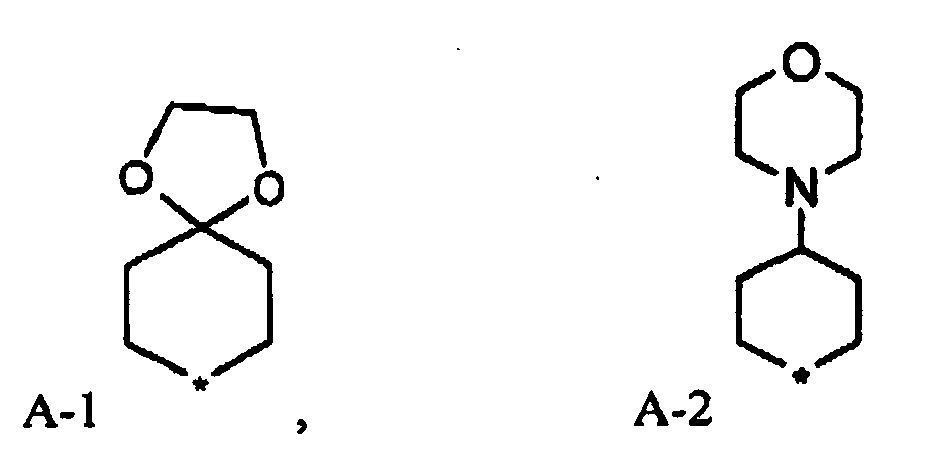
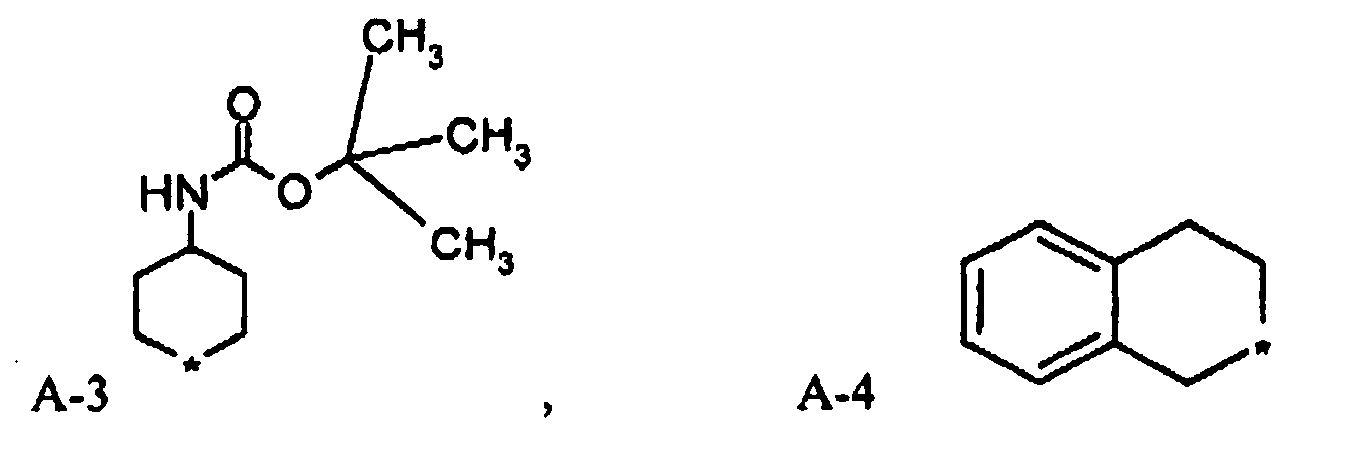
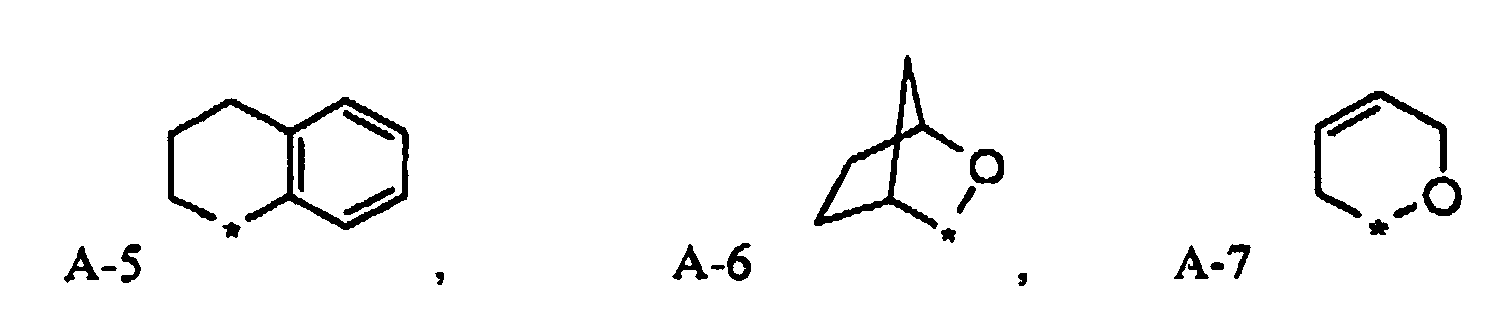


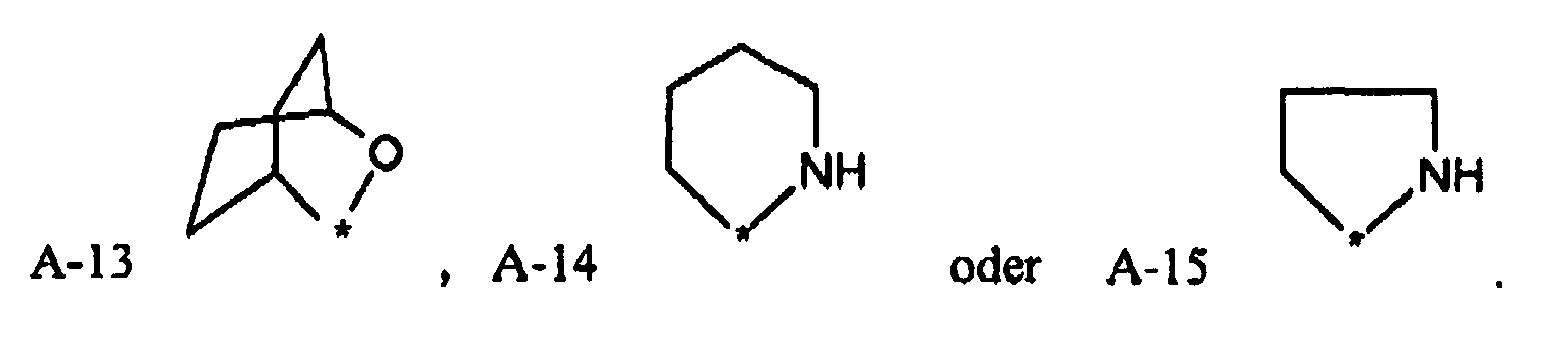 R3 für einfach bis dreifach in 2-, 4- und/oder 6-Position durch Fluor und/oder Chlor substituiertes Phenyl steht,oderR3 für 2-Trifluormethylphenyl, 2-Chlor-5-nitro-phenyl oder 2-Chlor-4-methoxyphenyl steht,X1 für Wasserstoff oder Chlor steht undX2 für Fluor, Chlor, Brom, Iod, Cyano, Nitro, Methyl, Cyclopropyl, Formyl, Thiocarbamoyl oder Methoximinomethyl steht.
- Verfahren zur Herstellung von Pyrazolopyrimidinen der Formel (I) gemäß einem oder mehreren der Ansprüche 1 bis 4, dadurch gekennzeichnet, dass mana) Halogen-pyrazolopyrimidine der Formel
 R3 und X1 die oben angegebenen Bedeutungen haben,X3 für Halogen, Cyano, Nitro, Alkyl, Halogenalkyl, Cycloalkyl, Thiocarbamoyl, Alkoxycarbonyl oder Alkylcarbonyl steht undY1 für Halogen steht,mit Aminen der Formel
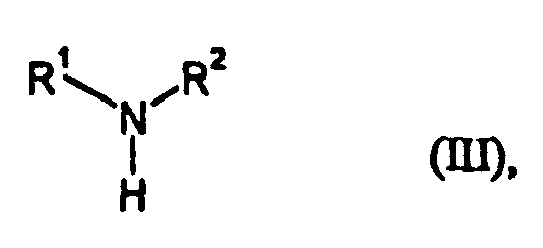 R1 und R2 die oben angegebenen Bedeutungen haben,gegebenenfalls in Gegenwart eines Verdünnungsmittels, gegebenenfalls in Gegenwart eines Katalysators und gegebenenfalls in Gegenwart eines Säureakzeptors, umsetzt,
oderb) Pyrazolopyrimidine der Formel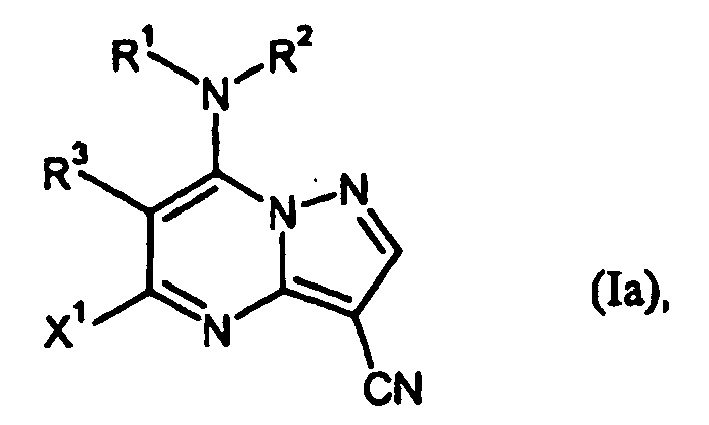
R1, R2, R3 und X1 die oben angegebenen Bedeutungen haben,
mit Diisobutyl-aluminiumhydrid, in Gegenwart von wässriger Ammoniumchlorid-Lösung sowie in Gegenwart eines organischen Verdünnungsmittels umsetzt,
oderc) Pyrazolopyrimidine der Formel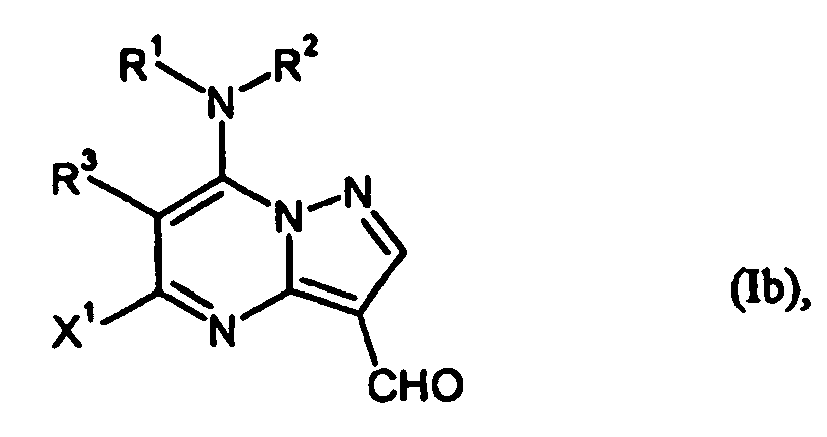
R1, R2, R3 und X1 die oben angegebenen Bedeutungen haben,
mit Amino-Verbindungen der Formel
H2N-OR4 (IV),
in welcherR4 für Wasserstoff oder Alkyl steht,in Gegenwart eines Verdünnungsmittels und gegebenenfalls in Gegenwart eines Katalysators umsetzt, wobei die Amino-Verbindungen der Formel (IV) auch in Form ihrer Säureadditions-Salze eingesetzt werden können,
und gegebenenfalls an die so erhaltenen Verbindungen der Formel (I), in denenR1 für Amino steht,eine Säure addiert. - Mittel zur Bekämpfung von Schadorganismen, gekennzeichnet durch einen Gehalt an mindestens einem Pyrazolopyrimidin der Formel (I) gemäß einem oder mehreren der Ansprüche 1 bis 4 bzw. an einem Saureadditions-Salz davon neben Streckmitteln und/oder oberflächenaktiven Stoffen.
- Verwendung von Pyrazolopyrimidinen der Formel (I) gemäß einem oder mehreren der Ansprüche 1 bis 4 bzw. von deren Säureadditions-Salzen zur Bekämpfung von Schadorganismen im Pflanzen - und Materialschutz
- Verfahren zur Bekämpfung von Schadorganismen, dadurch gekennzeichnet, dass man Pyrazolopyrimidine der Formel (I) gemäß einem oder mehreren der Ansprüche 1 bis 4 bzw. deren Säureadditions-Salze auf die Schadorganismen und/oder deren Lebensraum ausbringt.
- Verfahren zur Herstellung von Mitteln zur Bekämpfung von Schadorganismen, dadurch gekennzeichnet, dass man Pyrazolopyrimidine der Formel (I) gemäß einem oder mehreren der Ansprüche 1 bis 4 bzw. deren Säureadditions-Salze mit Streckmitteln und/oder oberflächenaktiven Stoffen vermischt.
- Mittel zur Bekämpfung von Schädlingen, gekennzeichnet durch einen Gehalt an mindestens einem Pyrazolopyrimidin der Formel (1) gemäß einem oder mehreren der Ansprüche 1 bis 4 bzw. an einem Säureadditions-Salz davon neben Streckmitteln und/oder oberflächenaktiven Stoffen.
- Verwendung von Pyrazolopyrimidinen der Formel (I) gemäß einem oder mehreren der Ansprüche 1 bis 4 bzw. von deren Säureadditions-Salzen zur Bekämpfung von Schädlingen.
- Verfahren zur Bekämpfung von Schädlingen, dadurch gekennzeichnet, dass man Pyrazolopyrimidine der Formel (I) gemäß einem oder mehreren der Ansprüche 1 bis 4 bzw. deren Säureadditions-Salze auf Schädlinge und/oder deren Lebensraum ausbringt.
- Verfahren zur Herstellung von Mitteln zur Bekämpfung von Schädlingen, dadurch gekennzeichnet, dass man Pyrazolopyrimidine der Formel (I) gemäß einem oder mehreren der Ansprüche 1 bis 4 bzw. deren Säureadditions-Salze mit Streckmitteln und/oder oberflächenaktiven Stoffen vermischt.
- Halogen-pyrazolopyrimidine der Formel
 R3 die im Anspruch 1 angegebene Bedeutung hatX1 für Wasserstoff oder Halogen steht undX3 für Halogen, Cyano, Nitro, Alkyl, Thiocarbamoyl, Cycloalkyl, Halogenalkyl, Alkoxycarbonyl oder Alkylcarbonyl steht undY1 für Halogen steht.
- Verfahren zur Herstellung von Halogen-pyrazolopyrimidinen der Formel (II) gemäß Anspruch 14, dadurch gekennzeichnet, dass mand) Hydroxy-pyrazolopyrimidine der Formel
 R3 und X3 die oben angegebenen Bedeutungen haben,mit Halogenierungsmittein, gegebenenfalls in Gegenwart eines Verdünnungsmittels umsetzt,
odere) Dihydroxy-pyrazolopyrimidine der Formel
R3 und X3 die oben angegebenen Bedeutungen haben,
mit Halogenierungsmitteln, gegebenenfalls in Gegenwart eines Verdünnungsmittels umsetzt. - Hydroxy-pyrazolopyrimidine der Formel
 R3 die im Anspruch 1 angegebene Bedeutung hatX3 für Halogen, Cyano, Nitro, Alkyl. Thiocarbamoyl, Cycloalkyl, Halogenalkyl, Alkoxycarbonyl oder Alkylcarbonyl steht
- Verfahren zur Herstellung von Hydroxy-pyrazolopyrimidinen der Formel (V) gemäß Anspruch 16, dadurch gekennzeichnet, dass manf) Acrylsäureester der Formel
 R3 die oben angegebene Bedeutung hat,R5 für Alkyl steht undY2 für Alkoxy oder Dialkylamino steht,mit Aminopyrazolen der Formel
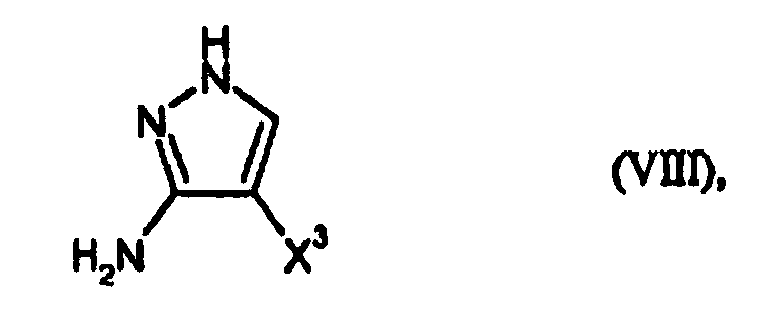 X3 die oben angegebene Bedeutung hat,gegebenenfalls in Gegenwart eines Verdünnungsmittels und gegebenenfalls in Gegenwart einer Base umsetzt.
- Dihydroxy-pyrazolopyrimidine der Formel
 R3 die im Anspruch 1 angegebene Bedeutung hatX3 für Halogen, Cyano, Nitro, Alkyl, Thiocarbamoyl, Cycloalkyl, Halogenalkyl, Alkoxycarbonyl oder Alkylcarbonyl steht.
- Verfahren zur Herstellung von Dihydroxy-pyrazolopyrimidinen der Formel (VI) gemäß Anspruch 18, dadurch gekennzeichnet dass mang) Malonester der Formelin welcher
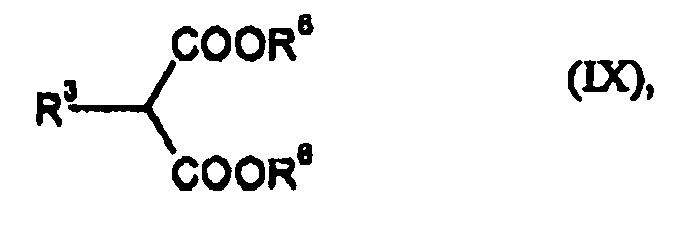 R3 die oben angegebenen Bedeutung hat undR6 für Alkyl steht,mit Aminopyrazolen der Formel
 X3 die oben angegebene Bedeutung hat,gegebenenfalls in Gegenwart eines Verdünnungsmittels und gegebenenfalls in Gegenwart einer starken Base umsetzt.
Applications Claiming Priority (3)
| Application Number | Priority Date | Filing Date | Title |
|---|---|---|---|
| DE10223917A DE10223917A1 (de) | 2002-05-29 | 2002-05-29 | Pyrazolopyrimidine |
| DE10223917 | 2002-05-29 | ||
| PCT/EP2003/005159 WO2004000844A1 (de) | 2002-05-29 | 2003-05-16 | Pyrazolopyrimidine und ihre verwendung zur bekämpfung von schädlichen organismen |
Publications (2)
| Publication Number | Publication Date |
|---|---|
| EP1513843A1 EP1513843A1 (de) | 2005-03-16 |
| EP1513843B1 true EP1513843B1 (de) | 2007-07-04 |
Family
ID=29432434
Family Applications (1)
| Application Number | Title | Priority Date | Filing Date |
|---|---|---|---|
| EP03732394A Expired - Lifetime EP1513843B1 (de) | 2002-05-29 | 2003-05-16 | Pyrazolopyrimidine und ihre verwendung zur bekämpfung von schädlichen organismen |
Country Status (20)
| Country | Link |
|---|---|
| US (1) | US20060089499A1 (de) |
| EP (1) | EP1513843B1 (de) |
| JP (1) | JP2005533070A (de) |
| KR (1) | KR20050004234A (de) |
| CN (1) | CN1671709A (de) |
| AT (1) | ATE366253T1 (de) |
| AU (1) | AU2003240258A1 (de) |
| BR (1) | BR0311538A (de) |
| CA (1) | CA2487544A1 (de) |
| DE (2) | DE10223917A1 (de) |
| DK (1) | DK1513843T3 (de) |
| ES (1) | ES2289300T3 (de) |
| IL (1) | IL165348A0 (de) |
| MX (1) | MXPA04011824A (de) |
| PL (1) | PL373467A1 (de) |
| PT (1) | PT1513843E (de) |
| RU (1) | RU2331643C2 (de) |
| UA (1) | UA77546C2 (de) |
| WO (1) | WO2004000844A1 (de) |
| ZA (1) | ZA200409618B (de) |
Families Citing this family (38)
| Publication number | Priority date | Publication date | Assignee | Title |
|---|---|---|---|---|
| US8580782B2 (en) | 2002-09-04 | 2013-11-12 | Merck Sharp & Dohme Corp. | Substituted pyrazolo[1,5-a]pyrimidines as cyclin dependent kinase inhibitors |
| US7161003B1 (en) | 2002-09-04 | 2007-01-09 | Schering Corporation | Pyrazolopyrimidines as cyclin dependent kinase inhibitors |
| KR20050058507A (ko) | 2002-09-04 | 2005-06-16 | 쉐링 코포레이션 | 사이클린 의존성 키나제 억제제로서의 피라졸로피리미딘 |
| US7196078B2 (en) | 2002-09-04 | 2007-03-27 | Schering Corpoartion | Trisubstituted and tetrasubstituted pyrazolopyrimidines as cyclin dependent kinase inhibitors |
| KR20050057139A (ko) | 2002-09-04 | 2005-06-16 | 쉐링 코포레이션 | 사이클린 의존성 키나제 억제제로서의 피라졸로피리미딘 |
| US7205308B2 (en) | 2002-09-04 | 2007-04-17 | Schering Corporation | Trisubstituted 7-aminopyrazolopyrimidines as cyclin dependent kinase inhibitors |
| DE60313872T2 (de) | 2002-09-04 | 2008-01-17 | Schering Corp. | Pyrazoloä1,5-aüpyrimidine als hemmstoffe cyclin-abhängiger kinasen |
| US8673924B2 (en) | 2002-09-04 | 2014-03-18 | Merck Sharp & Dohme Corp. | Substituted pyrazolo[1,5-a]pyrimidines as cyclin dependent kinase inhibitors |
| EP1545533A1 (de) | 2002-09-04 | 2005-06-29 | Schering Corporation | Pyrazolopyrimidine als hemmstoffe cyclin-abhängiger kinasen |
| US7119200B2 (en) | 2002-09-04 | 2006-10-10 | Schering Corporation | Pyrazolopyrimidines as cyclin dependent kinase inhibitors |
| JP4564485B2 (ja) | 2003-02-28 | 2010-10-20 | 帝人ファーマ株式会社 | ピラゾロ[1,5−a]ピリミジン誘導体 |
| WO2004087707A1 (en) * | 2003-03-31 | 2004-10-14 | Vernalis (Cambridge) Limited | Pyrazolopyrimidine compounds and their use in medicine |
| AU2004242850A1 (en) * | 2003-06-03 | 2004-12-09 | Basf Aktiengesellschaft | Substituted pyrazolopyrimidines, methods for the production thereof, use of the same for controlling pathogenic fungi, and agents containing said compounds |
| ATE388138T1 (de) * | 2003-06-27 | 2008-03-15 | Bayer Cropscience Ag | Pyrazolopyrimidine |
| DE10357567A1 (de) * | 2003-12-10 | 2005-07-07 | Bayer Cropscience Ag | Pyrazolopyrimidine |
| DE10357565A1 (de) * | 2003-12-10 | 2005-07-07 | Bayer Cropscience Ag | Pyrazolopyrimidine |
| DE10357568A1 (de) * | 2003-12-10 | 2005-07-07 | Bayer Cropscience Ag | Pyrazolopyrimidine |
| DE102004008807A1 (de) * | 2004-02-20 | 2005-09-08 | Bayer Cropscience Ag | Pyrazolopyrimidine |
| US20070197389A1 (en) * | 2004-02-25 | 2007-08-23 | Anja Schwogler | Azolopyrimidine compounds and use thereof for combating parasitic fungi |
| DE102005007534A1 (de) * | 2005-02-17 | 2006-08-31 | Bayer Cropscience Ag | Pyrazolopyrimidine |
| EP1863752A1 (de) * | 2005-03-18 | 2007-12-12 | Basf Aktiengesellschaft | Verfahren zur herstellung von 5-halo-2,4,6-trifluorisophthalsäure |
| JP2007008864A (ja) * | 2005-06-30 | 2007-01-18 | Bayer Cropscience Ag | ピラゾロピリミジン誘導体及び農園芸用殺菌剤 |
| CN101228170A (zh) * | 2005-07-27 | 2008-07-23 | 巴斯福股份公司 | 杀真菌的5-烷基-6-苯基吡唑并嘧啶-7-基胺 |
| JP2009502861A (ja) * | 2005-07-27 | 2009-01-29 | ビーエーエスエフ ソシエタス・ヨーロピア | 殺菌性5−メチル−6−フェニルピラゾロピリミジン−7−イルアミン |
| PE20070543A1 (es) | 2005-10-06 | 2007-06-14 | Schering Corp | Pirazolopirimidinas como inhibidores de protein quinasas |
| WO2007101859A1 (de) * | 2006-03-07 | 2007-09-13 | Basf Se | Substituierte pyrazolopyrimidine, verfahren zu ihrer herstellung und ihre verwendung zur bekämpfung von schadpilzen sowie sie enthaltende mittel |
| WO2007101804A1 (de) * | 2006-03-07 | 2007-09-13 | Basf Se | Substituierte pyrazolopyrimidine, verfahren zu ihrer herstellung und ihre verwendung zur bekämpfung von schadpilzen sowie sie enthaltende mittel |
| DE102006039255A1 (de) * | 2006-08-17 | 2008-02-21 | Bayer Cropscience Ag | Insektizide heterocyclische Carbonsäurederivate |
| WO2008046856A2 (de) * | 2006-10-18 | 2008-04-24 | Basf Se | Fungizide zusammensetzungen |
| EP2111404A1 (de) * | 2007-01-11 | 2009-10-28 | Basf Se | Verfahren zur herstellung arylsubstituierter anellierter pyrimidine |
| EP3849981B1 (de) | 2018-09-10 | 2023-02-01 | Eli Lilly and Company | Pyrazolo[1,5-a]pyrimidin-3-carboxamidderivate zur behandlung von psoriasis und systemischem lupus erythematodes |
| TWI800696B (zh) | 2018-12-10 | 2023-05-01 | 美商美國禮來大藥廠 | 7-(甲基胺基)吡唑并[1,5-a]嘧啶-3-甲醯胺衍生物 |
| CN110016036B (zh) * | 2019-05-16 | 2022-06-03 | 辽宁大学 | 吡唑并[1,5-a]嘧啶类化合物及其制备方法和应用 |
| CA3167313A1 (en) | 2020-02-12 | 2021-08-19 | Thomas John Bleisch | Substituted 7-(methylamino)pyrazolo[1,5-a]pyrimidine-3-carboxamide derivatives |
| TWI810520B (zh) | 2020-02-12 | 2023-08-01 | 美商美國禮來大藥廠 | 7-(甲基胺基)吡唑并[1,5-a]嘧啶-3-甲醯胺化合物 |
| CN115734965B (zh) * | 2020-06-26 | 2025-05-02 | 日本农药株式会社 | 芳基四氢哒嗪衍生物或其盐类、和含有该化合物的杀虫剂及其使用方法 |
| CN113287620B (zh) * | 2021-06-18 | 2021-11-19 | 浙江大学 | 1H-吡唑并[3,4-d]嘧啶类化合物在制备禾谷镰刀菌杀菌剂中的应用 |
| CA3244263A1 (en) * | 2021-12-28 | 2025-06-13 | Nihon Nohyaku Co., Ltd. | ARYL TETRAHYDROPYRIDAZINE DERIVATIVE OR SALT THEREOF, PESTICIDE CONTAINING SAID COMPOUND AND ASSOCIATED METHOD OF USE |
Family Cites Families (5)
| Publication number | Priority date | Publication date | Assignee | Title |
|---|---|---|---|---|
| DE3130633A1 (de) * | 1981-08-01 | 1983-02-17 | Basf Ag, 6700 Ludwigshafen | 7-amino-azolo(1,5-a)pyrimidine und diese enthaltende fungizide |
| US5817663A (en) * | 1996-10-07 | 1998-10-06 | American Cyanamid Company | Pentafluorophenylazolopyrimidines |
| US6156925A (en) * | 1998-09-25 | 2000-12-05 | American Cyanamid Company | Process for the preparation of halogenated phenylmaloates |
| US6552026B2 (en) * | 1999-06-14 | 2003-04-22 | Basf Aktiengesellschaft | 6-phenyl-pyrazolopyrimidines |
| JP2001019693A (ja) * | 1999-06-14 | 2001-01-23 | American Cyanamid Co | 殺菌・殺カビ性6−フェニル−ピラゾロピリミジン |
-
2002
- 2002-05-29 DE DE10223917A patent/DE10223917A1/de not_active Withdrawn
-
2003
- 2003-05-16 JP JP2004514640A patent/JP2005533070A/ja active Pending
- 2003-05-16 MX MXPA04011824A patent/MXPA04011824A/es active IP Right Grant
- 2003-05-16 DE DE50307615T patent/DE50307615D1/de not_active Expired - Fee Related
- 2003-05-16 PT PT03732394T patent/PT1513843E/pt unknown
- 2003-05-16 KR KR10-2004-7019134A patent/KR20050004234A/ko not_active Withdrawn
- 2003-05-16 CN CNA038183765A patent/CN1671709A/zh active Pending
- 2003-05-16 DK DK03732394T patent/DK1513843T3/da active
- 2003-05-16 PL PL03373467A patent/PL373467A1/xx not_active Application Discontinuation
- 2003-05-16 ES ES03732394T patent/ES2289300T3/es not_active Expired - Lifetime
- 2003-05-16 US US10/515,484 patent/US20060089499A1/en not_active Abandoned
- 2003-05-16 EP EP03732394A patent/EP1513843B1/de not_active Expired - Lifetime
- 2003-05-16 CA CA002487544A patent/CA2487544A1/en not_active Abandoned
- 2003-05-16 AT AT03732394T patent/ATE366253T1/de not_active IP Right Cessation
- 2003-05-16 RU RU2004139028/04A patent/RU2331643C2/ru not_active IP Right Cessation
- 2003-05-16 AU AU2003240258A patent/AU2003240258A1/en not_active Abandoned
- 2003-05-16 WO PCT/EP2003/005159 patent/WO2004000844A1/de not_active Ceased
- 2003-05-16 BR BR0311538-0A patent/BR0311538A/pt not_active IP Right Cessation
- 2003-05-16 UA UA20041210941A patent/UA77546C2/uk unknown
- 2003-05-16 IL IL16534803A patent/IL165348A0/xx unknown
-
2004
- 2004-11-29 ZA ZA200409618A patent/ZA200409618B/xx unknown
Also Published As
| Publication number | Publication date |
|---|---|
| PT1513843E (pt) | 2007-09-26 |
| CN1671709A (zh) | 2005-09-21 |
| WO2004000844A1 (de) | 2003-12-31 |
| BR0311538A (pt) | 2005-03-01 |
| RU2331643C2 (ru) | 2008-08-20 |
| DK1513843T3 (da) | 2007-11-05 |
| RU2004139028A (ru) | 2005-07-10 |
| UA77546C2 (en) | 2006-12-15 |
| DE10223917A1 (de) | 2003-12-11 |
| JP2005533070A (ja) | 2005-11-04 |
| ES2289300T3 (es) | 2008-02-01 |
| US20060089499A1 (en) | 2006-04-27 |
| ZA200409618B (en) | 2006-03-29 |
| DE50307615D1 (de) | 2007-08-16 |
| MXPA04011824A (es) | 2005-03-31 |
| EP1513843A1 (de) | 2005-03-16 |
| KR20050004234A (ko) | 2005-01-12 |
| AU2003240258A1 (en) | 2004-01-06 |
| IL165348A0 (en) | 2006-01-15 |
| CA2487544A1 (en) | 2003-12-31 |
| ATE366253T1 (de) | 2007-07-15 |
| PL373467A1 (en) | 2005-09-05 |
Similar Documents
| Publication | Publication Date | Title |
|---|---|---|
| ES2289300T3 (es) | Pirazolopirimidinas y uso de las mismas para combatir organismos dañinos. | |
| EP1474406B1 (de) | Disubstituierte thiazolylcarboxanilide und ihre verwendung als mikrobizide | |
| EP1474407B1 (de) | Difluormethyl thiazolyl carboxanilide | |
| US20040097522A1 (en) | Triazolopyrimidines | |
| EP1392695B1 (de) | Triazolopyrimidine | |
| EP1513824B1 (de) | Furancarboxamide | |
| EP1392693B1 (de) | Triazolopyrimidine fungizide | |
| DE10218592A1 (de) | Triazolopyrimidine | |
| EP1509513B1 (de) | Mikrobizide oxathiincarboxamide | |
| DE10219035A1 (de) | Biphenylcarboxamide | |
| DE10121101A1 (de) | Triazolopyrimidine | |
| DE10239481A1 (de) | Heterocyclylcarbonyl-aminocyclopropancarbonsäure-derivate | |
| DE10218231A1 (de) | Methylthiophencarboxanilide | |
| DE10212886A1 (de) | Triazolopyrimidine | |
| DE19961330A1 (de) | Pyrazolylbenzylether | |
| DE10209145A1 (de) | Halogenbenzole | |
| EP1273573A1 (de) | Pyrazolylbenzylthioether zur Bekämpfung von pflanzenschädigenden Organismen | |
| DE10015015A1 (de) | Oxim-Derivate | |
| DE10063868A1 (de) | Dichlorpyridincarbamide | |
| DE10145771A1 (de) | Phthalazinone | |
| DE10063486A1 (de) | Dichlorpyridylmethylamide | |
| DE10006210A1 (de) | Phenoxyfluorpyrimidine | |
| DE19929086A1 (de) | Pyrrolderivate | |
| DE10035855A1 (de) | Pyrazolylbenzylether |
Legal Events
| Date | Code | Title | Description |
|---|---|---|---|
| PUAI | Public reference made under article 153(3) epc to a published international application that has entered the european phase |
Free format text: ORIGINAL CODE: 0009012 |
|
| 17P | Request for examination filed |
Effective date: 20041229 |
|
| AK | Designated contracting states |
Kind code of ref document: A1 Designated state(s): AT BE BG CH CY CZ DE DK EE ES FI FR GB GR HU IE IT LI LU MC NL PT RO SE SI SK TR |
|
| AX | Request for extension of the european patent |
Extension state: AL LT LV MK |
|
| DAX | Request for extension of the european patent (deleted) | ||
| GRAP | Despatch of communication of intention to grant a patent |
Free format text: ORIGINAL CODE: EPIDOSNIGR1 |
|
| GRAS | Grant fee paid |
Free format text: ORIGINAL CODE: EPIDOSNIGR3 |
|
| GRAA | (expected) grant |
Free format text: ORIGINAL CODE: 0009210 |
|
| AK | Designated contracting states |
Kind code of ref document: B1 Designated state(s): AT BE BG CH CY CZ DE DK EE ES FI FR GB GR HU IE IT LI LU MC NL PT RO SE SI SK TR |
|
| REG | Reference to a national code |
Ref country code: GB Ref legal event code: FG4D Free format text: NOT ENGLISH |
|
| REG | Reference to a national code |
Ref country code: RO Ref legal event code: EPE |
|
| REG | Reference to a national code |
Ref country code: CH Ref legal event code: EP |
|
| REG | Reference to a national code |
Ref country code: IE Ref legal event code: FG4D Free format text: LANGUAGE OF EP DOCUMENT: GERMAN |
|
| REF | Corresponds to: |
Ref document number: 50307615 Country of ref document: DE Date of ref document: 20070816 Kind code of ref document: P |
|
| REG | Reference to a national code |
Ref country code: CH Ref legal event code: NV Representative=s name: E. BLUM & CO. AG PATENT- UND MARKENANWAELTE VSP |
|
| GBT | Gb: translation of ep patent filed (gb section 77(6)(a)/1977) |
Effective date: 20070903 |
|
| REG | Reference to a national code |
Ref country code: PT Ref legal event code: SC4A Free format text: AVAILABILITY OF NATIONAL TRANSLATION Effective date: 20070913 |
|
| REG | Reference to a national code |
Ref country code: SE Ref legal event code: TRGR |
|
| REG | Reference to a national code |
Ref country code: DK Ref legal event code: T3 |
|
| REG | Reference to a national code |
Ref country code: GR Ref legal event code: EP Ref document number: 20070403001 Country of ref document: GR |
|
| ET | Fr: translation filed | ||
| REG | Reference to a national code |
Ref country code: HU Ref legal event code: AG4A Ref document number: E002245 Country of ref document: HU |
|
| PG25 | Lapsed in a contracting state [announced via postgrant information from national office to epo] |
Ref country code: FI Free format text: LAPSE BECAUSE OF FAILURE TO SUBMIT A TRANSLATION OF THE DESCRIPTION OR TO PAY THE FEE WITHIN THE PRESCRIBED TIME-LIMIT Effective date: 20070704 Ref country code: SI Free format text: LAPSE BECAUSE OF FAILURE TO SUBMIT A TRANSLATION OF THE DESCRIPTION OR TO PAY THE FEE WITHIN THE PRESCRIBED TIME-LIMIT Effective date: 20070704 |
|
| REG | Reference to a national code |
Ref country code: ES Ref legal event code: FG2A Ref document number: 2289300 Country of ref document: ES Kind code of ref document: T3 |
|
| PLBE | No opposition filed within time limit |
Free format text: ORIGINAL CODE: 0009261 |
|
| STAA | Information on the status of an ep patent application or granted ep patent |
Free format text: STATUS: NO OPPOSITION FILED WITHIN TIME LIMIT |
|
| 26N | No opposition filed |
Effective date: 20080407 |
|
| PGFP | Annual fee paid to national office [announced via postgrant information from national office to epo] |
Ref country code: DE Payment date: 20080506 Year of fee payment: 6 |
|
| PGFP | Annual fee paid to national office [announced via postgrant information from national office to epo] |
Ref country code: RO Payment date: 20080418 Year of fee payment: 6 |
|
| PGFP | Annual fee paid to national office [announced via postgrant information from national office to epo] |
Ref country code: BG Payment date: 20080526 Year of fee payment: 6 Ref country code: TR Payment date: 20080424 Year of fee payment: 6 Ref country code: PT Payment date: 20080430 Year of fee payment: 6 Ref country code: EE Payment date: 20080421 Year of fee payment: 6 |
|
| BERE | Be: lapsed |
Owner name: BAYER CROPSCIENCE A.G. Effective date: 20080531 |
|
| PG25 | Lapsed in a contracting state [announced via postgrant information from national office to epo] |
Ref country code: MC Free format text: LAPSE BECAUSE OF NON-PAYMENT OF DUE FEES Effective date: 20080531 |
|
| REG | Reference to a national code |
Ref country code: CH Ref legal event code: PL |
|
| REG | Reference to a national code |
Ref country code: DK Ref legal event code: EBP |
|
| GBPC | Gb: european patent ceased through non-payment of renewal fee |
Effective date: 20080516 |
|
| PG25 | Lapsed in a contracting state [announced via postgrant information from national office to epo] |
Ref country code: HU Free format text: LAPSE BECAUSE OF NON-PAYMENT OF DUE FEES Effective date: 20080517 Ref country code: CH Free format text: LAPSE BECAUSE OF NON-PAYMENT OF DUE FEES Effective date: 20080531 Ref country code: LI Free format text: LAPSE BECAUSE OF NON-PAYMENT OF DUE FEES Effective date: 20080531 Ref country code: NL Free format text: LAPSE BECAUSE OF NON-PAYMENT OF DUE FEES Effective date: 20081201 |
|
| PG25 | Lapsed in a contracting state [announced via postgrant information from national office to epo] |
Ref country code: SK Free format text: LAPSE BECAUSE OF NON-PAYMENT OF DUE FEES Effective date: 20080516 |
|
| REG | Reference to a national code |
Ref country code: FR Ref legal event code: ST Effective date: 20090119 |
|
| PG25 | Lapsed in a contracting state [announced via postgrant information from national office to epo] |
Ref country code: BE Free format text: LAPSE BECAUSE OF NON-PAYMENT OF DUE FEES Effective date: 20080531 |
|
| PG25 | Lapsed in a contracting state [announced via postgrant information from national office to epo] |
Ref country code: DK Free format text: LAPSE BECAUSE OF NON-PAYMENT OF DUE FEES Effective date: 20080531 Ref country code: FR Free format text: LAPSE BECAUSE OF NON-PAYMENT OF DUE FEES Effective date: 20080602 Ref country code: IE Free format text: LAPSE BECAUSE OF NON-PAYMENT OF DUE FEES Effective date: 20080516 |
|
| PG25 | Lapsed in a contracting state [announced via postgrant information from national office to epo] |
Ref country code: CZ Free format text: LAPSE BECAUSE OF NON-PAYMENT OF DUE FEES Effective date: 20080516 |
|
| PGFP | Annual fee paid to national office [announced via postgrant information from national office to epo] |
Ref country code: GR Payment date: 20080502 Year of fee payment: 6 |
|
| PG25 | Lapsed in a contracting state [announced via postgrant information from national office to epo] |
Ref country code: GB Free format text: LAPSE BECAUSE OF NON-PAYMENT OF DUE FEES Effective date: 20080516 |
|
| REG | Reference to a national code |
Ref country code: ES Ref legal event code: FD2A Effective date: 20080517 |
|
| PG25 | Lapsed in a contracting state [announced via postgrant information from national office to epo] |
Ref country code: CY Free format text: LAPSE BECAUSE OF FAILURE TO SUBMIT A TRANSLATION OF THE DESCRIPTION OR TO PAY THE FEE WITHIN THE PRESCRIBED TIME-LIMIT Effective date: 20070704 |
|
| PG25 | Lapsed in a contracting state [announced via postgrant information from national office to epo] |
Ref country code: AT Free format text: LAPSE BECAUSE OF NON-PAYMENT OF DUE FEES Effective date: 20080516 Ref country code: IT Free format text: LAPSE BECAUSE OF NON-PAYMENT OF DUE FEES Effective date: 20080516 |
|
| PG25 | Lapsed in a contracting state [announced via postgrant information from national office to epo] |
Ref country code: ES Free format text: LAPSE BECAUSE OF NON-PAYMENT OF DUE FEES Effective date: 20080517 |
|
| REG | Reference to a national code |
Ref country code: PT Ref legal event code: MM4A Free format text: LAPSE DUE TO NON-PAYMENT OF FEES Effective date: 20091116 |
|
| PG25 | Lapsed in a contracting state [announced via postgrant information from national office to epo] |
Ref country code: EE Free format text: LAPSE BECAUSE OF NON-PAYMENT OF DUE FEES Effective date: 20090531 |
|
| REG | Reference to a national code |
Ref country code: EE Ref legal event code: MM4A Ref document number: E001376 Country of ref document: EE Effective date: 20090531 |
|
| PG25 | Lapsed in a contracting state [announced via postgrant information from national office to epo] |
Ref country code: PT Free format text: LAPSE BECAUSE OF NON-PAYMENT OF DUE FEES Effective date: 20091116 |
|
| PG25 | Lapsed in a contracting state [announced via postgrant information from national office to epo] |
Ref country code: GR Free format text: LAPSE BECAUSE OF NON-PAYMENT OF DUE FEES Effective date: 20091202 Ref country code: DE Free format text: LAPSE BECAUSE OF NON-PAYMENT OF DUE FEES Effective date: 20091201 |
|
| PG25 | Lapsed in a contracting state [announced via postgrant information from national office to epo] |
Ref country code: SE Free format text: LAPSE BECAUSE OF NON-PAYMENT OF DUE FEES Effective date: 20080517 Ref country code: LU Free format text: LAPSE BECAUSE OF NON-PAYMENT OF DUE FEES Effective date: 20080516 |
|
| PG25 | Lapsed in a contracting state [announced via postgrant information from national office to epo] |
Ref country code: RO Free format text: LAPSE BECAUSE OF NON-PAYMENT OF DUE FEES Effective date: 20090516 |
|
| PG25 | Lapsed in a contracting state [announced via postgrant information from national office to epo] |
Ref country code: BG Free format text: LAPSE BECAUSE OF FAILURE TO SUBMIT A TRANSLATION OF THE DESCRIPTION OR TO PAY THE FEE WITHIN THE PRESCRIBED TIME-LIMIT Effective date: 20090531 |
|
| PG25 | Lapsed in a contracting state [announced via postgrant information from national office to epo] |
Ref country code: TR Free format text: LAPSE BECAUSE OF NON-PAYMENT OF DUE FEES Effective date: 20090516 |