EP1180938B1 - Agents, compositions and methods utilizing the same useful in treating or preventing alzheimer disease - Google Patents
Agents, compositions and methods utilizing the same useful in treating or preventing alzheimer disease Download PDFInfo
- Publication number
- EP1180938B1 EP1180938B1 EP00954883A EP00954883A EP1180938B1 EP 1180938 B1 EP1180938 B1 EP 1180938B1 EP 00954883 A EP00954883 A EP 00954883A EP 00954883 A EP00954883 A EP 00954883A EP 1180938 B1 EP1180938 B1 EP 1180938B1
- Authority
- EP
- European Patent Office
- Prior art keywords
- propagatable
- seq
- vivo non
- virus particle
- epitope
- Prior art date
- Legal status (The legal status is an assumption and is not a legal conclusion. Google has not performed a legal analysis and makes no representation as to the accuracy of the status listed.)
- Expired - Lifetime
Links
Images










Classifications
-
- A—HUMAN NECESSITIES
- A61—MEDICAL OR VETERINARY SCIENCE; HYGIENE
- A61K—PREPARATIONS FOR MEDICAL, DENTAL OR TOILETRY PURPOSES
- A61K39/00—Medicinal preparations containing antigens or antibodies
- A61K39/0005—Vertebrate antigens
- A61K39/0007—Nervous system antigens; Prions
-
- A—HUMAN NECESSITIES
- A61—MEDICAL OR VETERINARY SCIENCE; HYGIENE
- A61K—PREPARATIONS FOR MEDICAL, DENTAL OR TOILETRY PURPOSES
- A61K38/00—Medicinal preparations containing peptides
- A61K38/16—Peptides having more than 20 amino acids; Gastrins; Somatostatins; Melanotropins; Derivatives thereof
- A61K38/17—Peptides having more than 20 amino acids; Gastrins; Somatostatins; Melanotropins; Derivatives thereof from animals; from humans
- A61K38/1703—Peptides having more than 20 amino acids; Gastrins; Somatostatins; Melanotropins; Derivatives thereof from animals; from humans from vertebrates
- A61K38/1709—Peptides having more than 20 amino acids; Gastrins; Somatostatins; Melanotropins; Derivatives thereof from animals; from humans from vertebrates from mammals
-
- A—HUMAN NECESSITIES
- A61—MEDICAL OR VETERINARY SCIENCE; HYGIENE
- A61K—PREPARATIONS FOR MEDICAL, DENTAL OR TOILETRY PURPOSES
- A61K49/00—Preparations for testing in vivo
- A61K49/0004—Screening or testing of compounds for diagnosis of disorders, assessment of conditions, e.g. renal clearance, gastric emptying, testing for diabetes, allergy, rheuma, pancreas functions
-
- A—HUMAN NECESSITIES
- A61—MEDICAL OR VETERINARY SCIENCE; HYGIENE
- A61P—SPECIFIC THERAPEUTIC ACTIVITY OF CHEMICAL COMPOUNDS OR MEDICINAL PREPARATIONS
- A61P19/00—Drugs for skeletal disorders
- A61P19/08—Drugs for skeletal disorders for bone diseases, e.g. rachitism, Paget's disease
-
- A—HUMAN NECESSITIES
- A61—MEDICAL OR VETERINARY SCIENCE; HYGIENE
- A61P—SPECIFIC THERAPEUTIC ACTIVITY OF CHEMICAL COMPOUNDS OR MEDICINAL PREPARATIONS
- A61P25/00—Drugs for disorders of the nervous system
- A61P25/28—Drugs for disorders of the nervous system for treating neurodegenerative disorders of the central nervous system, e.g. nootropic agents, cognition enhancers, drugs for treating Alzheimer's disease or other forms of dementia
-
- A—HUMAN NECESSITIES
- A61—MEDICAL OR VETERINARY SCIENCE; HYGIENE
- A61P—SPECIFIC THERAPEUTIC ACTIVITY OF CHEMICAL COMPOUNDS OR MEDICINAL PREPARATIONS
- A61P35/00—Antineoplastic agents
-
- A—HUMAN NECESSITIES
- A61—MEDICAL OR VETERINARY SCIENCE; HYGIENE
- A61P—SPECIFIC THERAPEUTIC ACTIVITY OF CHEMICAL COMPOUNDS OR MEDICINAL PREPARATIONS
- A61P43/00—Drugs for specific purposes, not provided for in groups A61P1/00-A61P41/00
-
- C—CHEMISTRY; METALLURGY
- C07—ORGANIC CHEMISTRY
- C07K—PEPTIDES
- C07K14/00—Peptides having more than 20 amino acids; Gastrins; Somatostatins; Melanotropins; Derivatives thereof
- C07K14/435—Peptides having more than 20 amino acids; Gastrins; Somatostatins; Melanotropins; Derivatives thereof from animals; from humans
- C07K14/46—Peptides having more than 20 amino acids; Gastrins; Somatostatins; Melanotropins; Derivatives thereof from animals; from humans from vertebrates
- C07K14/47—Peptides having more than 20 amino acids; Gastrins; Somatostatins; Melanotropins; Derivatives thereof from animals; from humans from vertebrates from mammals
-
- C—CHEMISTRY; METALLURGY
- C07—ORGANIC CHEMISTRY
- C07K—PEPTIDES
- C07K14/00—Peptides having more than 20 amino acids; Gastrins; Somatostatins; Melanotropins; Derivatives thereof
- C07K14/435—Peptides having more than 20 amino acids; Gastrins; Somatostatins; Melanotropins; Derivatives thereof from animals; from humans
- C07K14/46—Peptides having more than 20 amino acids; Gastrins; Somatostatins; Melanotropins; Derivatives thereof from animals; from humans from vertebrates
- C07K14/47—Peptides having more than 20 amino acids; Gastrins; Somatostatins; Melanotropins; Derivatives thereof from animals; from humans from vertebrates from mammals
- C07K14/4701—Peptides having more than 20 amino acids; Gastrins; Somatostatins; Melanotropins; Derivatives thereof from animals; from humans from vertebrates from mammals not used
- C07K14/4711—Alzheimer's disease; Amyloid plaque core protein
-
- C—CHEMISTRY; METALLURGY
- C07—ORGANIC CHEMISTRY
- C07K—PEPTIDES
- C07K16/00—Immunoglobulins [IG], e.g. monoclonal or polyclonal antibodies
- C07K16/18—Immunoglobulins [IG], e.g. monoclonal or polyclonal antibodies against material from animals or humans
-
- A—HUMAN NECESSITIES
- A61—MEDICAL OR VETERINARY SCIENCE; HYGIENE
- A61K—PREPARATIONS FOR MEDICAL, DENTAL OR TOILETRY PURPOSES
- A61K39/00—Medicinal preparations containing antigens or antibodies
- A61K2039/60—Medicinal preparations containing antigens or antibodies characteristics by the carrier linked to the antigen
- A61K2039/6031—Proteins
- A61K2039/6075—Viral proteins
-
- C—CHEMISTRY; METALLURGY
- C07—ORGANIC CHEMISTRY
- C07K—PEPTIDES
- C07K2317/00—Immunoglobulins specific features
- C07K2317/60—Immunoglobulins specific features characterized by non-natural combinations of immunoglobulin fragments
- C07K2317/62—Immunoglobulins specific features characterized by non-natural combinations of immunoglobulin fragments comprising only variable region components
- C07K2317/622—Single chain antibody (scFv)
-
- C—CHEMISTRY; METALLURGY
- C07—ORGANIC CHEMISTRY
- C07K—PEPTIDES
- C07K2317/00—Immunoglobulins specific features
- C07K2317/70—Immunoglobulins specific features characterized by effect upon binding to a cell or to an antigen
- C07K2317/74—Inducing cell proliferation
-
- C—CHEMISTRY; METALLURGY
- C07—ORGANIC CHEMISTRY
- C07K—PEPTIDES
- C07K2319/00—Fusion polypeptide
Definitions
- the present invention relates to compositions comprising a pharmaceutically acceptable carrier, and, as an active ingredient, a viral display vehicle that is an in vivo non-propagatable virus particle, which display vehicle displays a polypeptide, wherein said polypeptide comprises at least one epitope of beta-amyloid (A ⁇ ), and wherein said at least one epitope elicits A ⁇ -binding antibodies against said epitope when administered to a subject, and wherein said antibodies inhibit aggregation of said beta-amyloid.
- a viral display vehicle that is an in vivo non-propagatable virus particle, which display vehicle displays a polypeptide, wherein said polypeptide comprises at least one epitope of beta-amyloid (A ⁇ ), and wherein said at least one epitope elicits A ⁇ -binding antibodies against said epitope when administered to a subject, and wherein said antibodies inhibit aggregation of said beta-amyloid.
- a ⁇ beta-amyloid
- Plaques forming diseases are characterized by the presence of amyloid plaques deposits in the brain as well as neuronal degeneration.
- Amyloid deposits are formed by peptide aggregated to an insoluble mass. The nature of the peptide varies in different diseases but in most cases, the aggregate has a beta-pleated sheet structure and stains with Congo Red dye.
- AD Alzheimer's disease
- early onset Alzheimer's disease late onset Alzheimer's disease
- presymptomatic Alzheimer's disease other diseases characterized by amyloid deposits are, for example, SAA. amyloidosis, hereditary Icelandic syndrome, multiple myeloma, and prion diseases.
- prion diseases in animals are scrapie of sheep and goats and bovine spongiform encephalopathy (BSE) of cattle ( Wilesmith and Wells (1991) Curr Top Microbiol Immunol 172: 21-38 ).
- BSE bovine spongiform encephalopathy
- prion diseases have been identified in humans: (i) kuru, (ii) Creutzfeldt-Jakob Disease (CJD), (iii) Gerstmann-Streussler-Sheinker Disease (GSS), and (iv) fatal familial insomnia (FFI) ( Gajdusek (1977) Science 197: 943-960 ; Medori, Tritschler et al. (1992) N Engl J Med 326: 444-449 ).
- Prion diseases involve conversion of the normal cellular prion protein (PrP C ) into the corresponding scrapie isoform (PrP Sc ).
- PrP C normal cellular prion protein
- PrP Sc scrapie isoform
- Spectroscopic measurements demonstrate that the conversion of PrP C into the scrapie isoform (PrP Sc ) involves a major conformational transition, implying that prion diseases, like other amyloidogenic diseases, are disorders of protein conformation.
- the transition from PrP C to PrP Sc is accompanied by a decrease in ⁇ -helical secondary structure (from 42% to 30%) and a remarkable increase in ⁇ -sheet content (from 3% to 43%) (Caughey et. al. 1991, Pan et. al. 1993).
- AD Alzheimer's disease
- senile dementia a progressive disease resulting in senile dementia.
- the disease falls into two categories: late onset, which occurs in old age (typically above 65 years) and early onset, which develops well before the senile period, e.g., between 35 and 60 years.
- the pathology is similar, but the abnormalities tend to be more severe and widespread in cases beginning at an earlier age.
- the disease is characterized by two types of lesions in the brain, senile plaques and neurofibrillary tangles.
- Senile plaques are areas of disorganized neutrophils up to 150 mm across with extracellular amyloid deposits at the center, visible by microscopic analysis of sections of brain tissue.
- Neurofibrillary tangles are intracellular deposits of tau protein consisting of two filaments twisted about each other in pairs.
- amyloid beta peptide is an internal fragment of 39-43 amino acids of a precursor protein termed amyloid precursor protein (APP).
- APP amyloid precursor protein
- Such mutations are thought to cause Alzheimer's disease by increased or altered processing of APP to beta-amyloid, particularly processing of APP to increased amounts of the long form of beta-amyloid (i.e., A ⁇ 1-42 and A ⁇ 1-43).
- Mutations in other genes, such as the presenilin genes, PS1 and PS2 are thought indirectly to affect processing of APP to generate increased amounts of long form beta-amyloid (see Hardy, TINS 20, 154, 1997 ).
- peptides or proteins with evidence of self aggregation are also known, such as, but not limited to, amylin ( Young AA. et al., 1994, FEBS Lett, 343(3);237-41 ); bombesin, caerulein, cholecystokinin octapeptide, eledoisin, gastrin-related pentapeptide, gastrin tetrapeptide, somatostatin (reduced), substance P; and peptide, luteinizing hormone releasing hormone, somatostatin N-Tyr ( Banks and Kastin, Prog Brain Res., 91:139-4, 1992 ).
- mAbs monoclonal antibodies
- Binding of high affinity monoclonal antibodies (mAbs) to such regions may alter the molecular dynamics of the whole protein chain or assembly.
- mAbs have been found to recognize incompletely folded epitopes and to induce native conformation in partially or wrongly folded protein (Frauenfelder et al. 1979, Blond and Goldberg 1987, Karplus and Petsko 1990, Carlson and Yarmush 1992, Solomon and Schwartz 1995).
- U.S. Pat. No. 5,688,561 to Solomon teaches methods of identifying monoclonal antibodies effective in disaggregating protein aggregates and preventing aggregation of such proteins.
- U.S. Pat. No. 5,688,561 demonstrates anti-beta-amyloid monoclonal antibodies effective in disaggregating beta-amyloid plaques and preventing beta-amyloid plaque formation in vitro.
- U.S. Pat. No. 5,688,561 stipulates the in vivo use of such antibodies to prevent plaque formation by aggregation of beta-amyloid or to disaggregate beta-amyloid plaques which have already formed. These teachings do not, however, identify an epitope to be employed to generate such antibodies.
- EP 526511 by McMichael teaches administration of homeopathic dosages (less than or equal to 10 -2 mg/day) of beta-amyloid to patients with pre-established AD. In a typical human with about 5 liters of plasma, even the upper limit of this dosage would be expected to generate a concentration of no more than 2 pg/ml.
- the normal concentration of beta-amyloid in human plasma is typically in the range of 50-200 pg/ml ( Seubert et al., Nature 359, 325-327 1992 ). Because this proposed dosage would barely alter the level of endogenous circulating beta-amyloid and because EP 526511 does not recommend the use of an adjuvant, it seems implausible that any therapeutic benefit would result therefrom.
- PCT/US98/25386 by Schenk and a Nature paper by Schenk et al. teach administration of beta-amyloid immunogens to a patient in order to generate antibodies to prevent formation of plaques or dissolve existing plaques. According to Schenk, 50 to 100 mg of antigen are required, 1 to 10 mg if an adjuvant is employed. These teachings also stipulate that a similar effect may be achieved by direct administration of antibodies against beta-amyloid, in both cases disregarding the blood brain barrier which, under normal circumstances, prevents the penetration of antibodies into the brain.
- This epitope has been independently confirmed as the epitope bound by anti-aggregating antibodies using random combinatorial hexapeptide phage display ( Frenkel and Solomon, J. of Neuroimmunol. 88:85-90, 1998 ).
- the EFRH (SEQ ID NO:1) epitope is available for antibody binding when beta-amyloid peptide is either in solution or in aggregates. Blocking of this epitope by a monoclonal antibody prevents self-aggregation and enables resolubilization of already formed aggregates.
- WO01/15655 A discloses antibodies against neurofilament peptides, a major constituent of neuronal cytoskeleton, which can be used for the diagnosis and treatment of Alzheimer disease.
- a pharmaceutical composition comprising a pharmaceutically acceptable carrier, and, as an active ingredient, a viral display vehicle that is an in vivo non-propagatable virus particle, which display vehicle displays a polypeptide, wherein said polypeptide comprises at least one epitope of beta-amyloid (A ⁇ ), and wherein said at least one epitope elicits A ⁇ -binding antibodies against said epitope when administered to a subject, and wherein said antibodies inhibit aggregation of said beta-amyloid.
- a ⁇ beta-amyloid
- the Alzheimer's disease is selected from the group consisting of early onset Alzheimer's disease, late onset Alzheimer's disease, presymptomatic Alzheimer's disease.
- the display vehicle is an in vivo non propagatable virus particle.
- the virus is selected from the group consisting of a double stranded DNA virus, a single stranded DNA virus, a positive strand RNA virus and a negative strand RNA virus.
- the display vehicle is a bacteriophage.
- the display vehicle is a filamentous bacteriophage.
- the bacteriophage display vehicle is fd.
- the display vehicle is incapable of propagation in vivo.
- a triple dose of 10 10 units of the chosen display vehicle induces an antibody titer of at least 1:50,000 within 30 days of administration, as measured by ELISA.
- the immunological portion of an antibody serves for binding at least one epitope of beta-amyloid (A ⁇ ) said immunological portion of said antibody being capable of disaggregating and/or of preventing aggregation of said A ⁇ .
- a ⁇ beta-amyloid
- the present invention is of pharmaceutical agents and compositions, which can be used for treating Alzheimer's disease.
- the present invention can be used to (i) induce active immunity to plaque derived antigens in a recipient by immunizing with at least one epitope of beta-amyloid (A ⁇ ) on a display vehicle, so that antibodies elicited in response to immunization are capable of preventing plaque formation and/or of disaggregating existing plaques; and (ii) induce passive immunity by administering at least an immunological portion of an antibody which can bind to at least one epitope of A ⁇ raised against plaque derived antigens, cloned and displayed on a display vehicle, capable of preventing plaque formation and of disaggregating existing plaques.
- This passive immunity may be of exceptionally long duration if the display vehicle employed is capable of replicating within the recipient.
- antigens derived from beta amyloid peptide were displayed on the surface of a filamentous phage which was used for immunization of experimental animals. All of the peptides employed contained the EFRH epitope (SEQ ID NO:1, residues 3-6, SEQ ID NO:3) of beta amyloid peptide (SEQ ID NO:3). The epitope was presented as a fusion protein of fd phage coat glycoprotein III or VIII. Doses ranging from 10 10 to 10 12 phages per injection were employed on 8 week old female BALB/c mice. A typical immunization schedule included three injections at 14-day intervals, administered either intraperitoneally or intranasally.
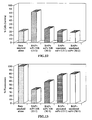
- the antibody serum titer of subject mice was tested for the production of A ⁇ specific antibodies by enzyme linked immunosorbent assay (ELISA) as detailed in methods and materials hereinbelow. Serum titers were subsequently shown to persist for 11 months in response to a protocol including only 3 immunizations. While all tested epitopes containing EFRH produced a titer, displaying the epitope on the surface of a display vehicle produced far highest and unexpected titers. These high titers are believed to be a result of the great number of copies presented to the immune system using this method, and this idea is supported by results of binding assays using controlled amounts of sera.
- ELISA enzyme linked immunosorbent assay
- the anti-aggregating properties of the obtained polyclonal antibody raised against EFRH epitopes with respect to beta-amyloid fibril formation was measured by the ThT binding assay. Serum, at dilution of 1:10 and 1:100, disrupted formation of fibril structure of ⁇ -amyloid with extensive deterioration of fibril morphology, as indicated by a substantial decrease in ThT fluorescence. The unrelated serum used as control (serum from unimmunized mouse) did not significantly inhibit fibril formation.
- Diluted serum produced according to the present invention prevented the neurotoxicity of beta amyloid peptide. This result implies potential clinical utility in preventing brain deterioration of patients suffering from amyloid plaque diseases.
- the mAbs generated by the preset invention also significantly decrease the peptide fibrillar aggregation and reverse the aggregated form to a disaggregated conformation as assayed by the ThT binding assay.
- an agent for treating Alzheimer's disease comprising a display vehicle displaying a polypeptide, the display vehicle being an in vivo non propagatable virus particle, the polypeptide representing at least one epitope of beta-Amyloid (A ⁇ ), the at least one epitope being capable of eliciting antibodies capable of disaggregating and/or of preventing aggregation of A ⁇ .
- a ⁇ beta-Amyloid
- compositions for treating Alzheimer's disease comprising an effective amount of a display vehicle displaying a polypeptide, the display vehicle being an in vivo non propagatable virus particle, the polypeptide representing at least one epitope of A ⁇ the at least one epitope being capable of eliciting an effective amount of antibodies capable of disaggregating and/or of preventing aggregation of A ⁇ , and a pharmaceutically acceptable carrier.
- beta amyloid peptide antigens in conjunction with adjuvants to effect immunization has previously been difficult due to a combination of high toxicity and low titers which result.
- immunization of a mouse with a 16 amino acids peptide of beta-amyloid conjugated to KLH was carried out. This immunization produced a low but measurable antibody titer against beta-amyloid.
- IgM hybridoma 508 expressing scFvAb with specificity to beta-amyloid.
- RNA was subsequently extracted from this hybridoma and was employed for antibody cloning.
- IgM 508 hybridoma showed specific activity to A ⁇ in preventing its toxic affect on PC 12 cells (Anavi, S. 1998, M. Sc. thesis from the department of Molecular Microbiology and Biotechnology of the Tel-Aviv University, Israel).
- V H and V L sequences of IgM 508 were cloned separately and linked using a commercially available vector to form a single chain antibody with anti-beta amyloid specificity. This single chain antibody was subsequently expressed as a fusion protein in a phage display library and clones with anti beta amyloid activity were selected for propagation in E. coli .
- a model for assessing PrP 106-126 toxicity was established by the present inventors and utilized to test the effectiveness of two immunoglobulin clones [designated mAb 3-11 (IgM) and mAb 2-40 (IgG1)] for neuroprotective and disaggregative capabilities.
- both mAb 3-11 and mAb 2-40 significantly reduced the dose dependent toxic effects of PrP 106-126 on PC-12 cells.
- Co-incubation of mAb 3-11 with PrP 106-126 prevented fibrillar aggregation, while administration of mAb 3-11 to already formed aggregates, resulted in disaggregation of 50% of the amyloid fibrils (Example 21).
- patient for purposes of this specification and the accompanying claims the terms "patient”, “subject” and “recipient” are used interchangeably. They include humans and other mammals which are the object of either prophylactic, experimental, or therapeutic treatment.
- beta amyloid peptide is synonymous with " ⁇ -amyloid peptide", “ ⁇ AP”, “ ⁇ A”, and “A ⁇ ”. All of these terms refer to a plaque forming peptide derived from amyloid precursor protein.
- PrP protein refers to polypeptides which are capable, under appropriate conditions, of inducing the formation of aggregates responsible for plaque forming diseases.
- PrP C normal cellular prion protein
- PrP Sc scrapie isoform
- BSE bovine spongiform encephalopathy
- CJD Creutzfeldt-Jakob Disease
- GSS Gerstmann-Straussler-Scheinker disease
- FFI fatal familial insomnia
- disaggregating refers to solubilization of aggregated proteins typically held together by non covalent bonds.
- compositions that comprises A ⁇ peptide encompasses both an isolated A ⁇ peptide and A ⁇ peptide as a component of a larger polypeptide sequence.
- an immunological portion of an antibody may be included as a part of a larger of the antibody, say the entire antibody.
- treating includes substantially inhibiting, slowing or reversing the progression of a disease, substantially ameliorating clinical symptoms of a disease or substantially preventing the appearance of clinical symptoms of a disease.
- any proposed treatment modality must demonstrate an ability to cross the blood brain barrier (BBB) as well as an ability to dissolve amyloid plaques.
- BBB blood brain barrier
- the average size of molecules capable of penetrating the BBB is approximately 2 kDa.
- Monoclonal antibodies are typically in the range 135-900 kDa. Therefore, future therapeutic use of antibodies in treating amyloid plaque diseases must rely on either reduction of their size concurrent with retention of activity, or on development of novel delivery strategies.
- Small synthetic peptides consisting of antigen epitopes such as the EFRH (SEQ ID NO:1) epitope of A ⁇ or the PrP 106-126 peptide (SEQ ID NO:25) described herein, are in general poor antigens and need to be coupled to a larger carrier. Even after coupling they may induce only a low affinity immune response. For example, injection of A ⁇ -KLH or A ⁇ -fibril leads to very slow immune response ( Anavi, S., 1998, M. Sc. thesis from the Department of Molecular Microbiology and Biotechnology of the Tel-Aviv University ) and many efforts have been made to circumvent low affinity response, with limited success.
- BBB blood brain barrier
- Olfactory receptor neurons are bipolar cells that reside in the epithelial lining of the nasal cavity. Their axons traverse the cribriform plate and project to the first synapse of the olfactory pathway in the olfactory pathway in the olfactory bulb of the brain. This configuration makes them a highway by which viruses or other transported substances may gain access to the CNS across the BBB.
- the BBB may limit the entry of antibody circulating in the periphery to the CNS.
- a ⁇ anti-aggregating antibodies displayed on a phage surface have the potential not only be delivered directly to the CNS by intranasal administration but also to prevent olfactory permanent damage by ⁇ A in the patients.
- intranasal administration Mathison et al., J. Drug Target, 1998) 5(6), 415-441 ; Chou et al., Biopharm Drug Dispos. 1997) 18(4):335-46 ; et al ., Gene Therapy 1995) 2:418-423
- a vehicle displaying an immunological portion of an antibody capable of disaggregating, or preventing the formation of, a polypeptide aggregate associated with Alzheimer's disease is delivered via this route to the brain wherein the display vehicle is an in vivo non-propagatable virus particle.
- intranasal administration of such a vehicle may also prevent the progression of the disease by minimizing the amount of peripheral A ⁇ available to form plaques.
- display vehicles such as filamentous phages as a drug delivery system to the CNS opens new horizons for therapeutic approaches for Alzheimer's disease, as well as for other neurodegenerative diseases involving toxic extracellular aggregation of human peptides such as for example, prion generated diseases.
- the display vehicle according to the present invention is of viral type (e.g., bacteriophage, such as filamentous bacteriophage, fd, for example).
- the display vehicle can be a double stranded DNA virus, a single stranded DNA virus, an RNA virus (positive or negative strand).
- the display vehicle is an in vivo non-propagateable particle.
- the phage or virus vehicle has promise as a targetable in vivo therapy approach. Although concerns about the potential infection of the natural intestinal flora ( Delmastro et al., Vaccine 1997, 15: 1276-1285 ; Willis et al., Gene. 1993, 128:79-83 ; Poul et al., J. Mol. Biol. 1999, 288, 203-211 ) have been expressed, UV inactivation of phage showed ( Delmastro et al., Vaccine 1997, 15: 1276-1285 ) that they are as immunogenic as their infective counterparts.
- the display vehicles employed in the present invention are non-replicating.
- Phage or virus display involves the expression of cDNA clones as fusion proteins with phage or virus coat proteins. If the cDNAs selected for expression encode antigens, the phage or virus may then be employed as an antigen presenting vehicle, which can optionally replicate within a recipient.
- antigens displayed by a phage or virus may be used directly for vaccination, without antigen purification.
- the bulk of the coat proteins serve to stimulate a general immune response because they are "non-self" with respect to the vaccinated subject.
- the antigen-coat protein fusion elicits a specific antibody against epitopes in the displayed cDNA gene product.
- Antibody phage or virus display is accomplished, for example, by fusing the coding sequence of the antibody variable regions to a phage or virus coat protein.
- the variable (V) regions V H and V L ) mRNA isolated from antibody-producing cells is reverse-transcribed into cDNA, and heavy and light chains assembled randomly to encode single chain Fv (scFv).
- scFv single chain Fv
- Phage or virus that display a relevant antibody will be retained on a surface coated with antigen, while non-adherent phages or viruses will be washed away. Bound phages or viruses can be recovered from the surface, re-infected into suitable host cells and re-grown for further enrichment and, eventually for binding analysis.
- Phage or virus antibody genes can be sequenced, mutated and screened to improve antigen binding.
- the antibody can be maintained on the surface of the phage or virus for further manipulation or be released as soluble scFv ( ⁇ 25 kDa) fragment.
- phage display Since its invention at the beginning of the 1990's, antibody phage display has revolutionized the generation of monoclonal antibodies and their engineering. This is because phage display allows antibodies to be made completely in vitro, bypassing the immune system and the immunization procedure, and allowing in vitro tailoring of the affinity and specificity of the antibody. It is therefore anticipated that the most efficient new vaccine development strategies will employ this technology.
- Additional features can be added to the vector to ensure its safety and/or enhance its therapeutic efficacy.
- Such features include, for example, markers that can be used to negatively select against cells infected with the recombinant virus such as antibiotic sensitivity. Negative selection is therefore a means by which infection can be controlled because it provides inducible suicide through the addition of antibiotic. Such protection ensures that if, for example, mutations arise that produce altered forms of the viral vector or recombinant sequence, cellular transformation will not occur.
- Features that limit expression to particular cell types can also be included. Such features include, for example, promoter and regulatory elements that are specific for the desired cell type.
- Viruses are very specialized infectious agents that have evolved, in many cases, to elude host defense mechanisms. Typically, viruses infect and propagate in specific cell types.
- the targeting specificity of viral vectors utilizes its natural specificity to specifically target predetermined cell types and thereby introduce a recombinant gene into the infected cell.
- polypeptide refers to a stretch of amino acids covalently linked there amongst via peptide bonds.
- Different polypeptides have different functionalities according to the present invention. While according to one aspect a polypeptide is derived from an immunogen designed to induce an active immune response in a recipient, according to another aspect of the invention, a polypeptide is derived from an antibody which results following the elicitation of an active immune response, in, for example, an animal, and which can serve to induce a passive immune response in the recipient. In both cases, however, the polypeptide is encoded by a polynucleotide according to any possible codon usage.
- immune response refers to the development of a beneficial humoral (antibody mediated) and/or a cellular (mediated by antigen-specific T cells or their secretion products) response directed against an aggregating protein (plaque forming peptide) in a recipient patient.
- a cellular immune response is elicited by the presentation of polypeptide epitopes in association with Class I or Class II MHC molecules, to activate antigen-specific CD4 + T helper cells and/or CD8 + cytotoxic T cells.
- the response may also involve activation of monocytes, macrophages, NK, cells, basophils, dendritic cells, astrocytes, microglia cells, eosinophils or other components of innate immunity.
- active immunity refers to any immunity conferred upon a subject by administration of an antigen.
- Passive immunity refers to any immunity conferred upon a subject without administration of an antigen. “Passive immunity” therefore includes, administration of a replicating display vehicle which includes an immunological portion of an antibody presented on its surface to a recipient. Although replication of such a vehicle is active, the immune response is passive from the standpoint of the recipient.
- epitopes and “antigenic determinant” are used interchangeably to refer to a site on an antigen to which B and/or T cells respond.
- B-cell epitopes can be formed both from contiguous amino acids or noncontiguous amino acids juxtaposed by tertiary folding of a protein. Epitopes formed from contiguous amino acids are typically retained on exposure to denaturing solvents whereas epitopes formed by tertiary folding are typically lost on treatment with denaturing solvents.
- An epitope typically includes at least 3, and more usually, at least 5 or 8-10 amino acids in a unique spatial conformation.
- Methods of determining spatial conformation of epitopes include, for example, x-ray crystallography and 2-dimensional nuclear magnetic resonance. See, e.g., Epitope Mapping Protocols in Methods in Molecular Biology, Vol. 66, Glenn E. Morris, Ed. (1996 ).
- Antibodies that recognize the same epitope can be identified in a simple immunoassay showing the ability of one antibody to block the binding of another antibody to a target antigen.
- T-cells recognize continuous epitopes of about nine amino acids for CD8 cells or about 13-15 amino acids for CD4 cells.
- T cells that recognize the epitope can be identified by in vitro assays that measure antigen-dependent proliferation, as determined by 3 H-thymidine incorporation by primed T cells in response to an epitope ( Burke et al., J. Inf. Dis. 170, 1110-19, 1994 ), by antigen-dependent killing (cytotoxic T lymphocyte assay, Tigges et al., J. Immunol. 156, 3901-3910 ) or by cytokine secretion.
- the presence of a cell-mediated immunological response can be determined by proliferation assays (CD4 + T cells) or CTL (cytotoxic T lymphocyte) assays.
- proliferation assays CD4 + T cells
- CTL cytotoxic T lymphocyte
- the relative contributions of humoral and cellular responses to the protective or therapeutic effect of an immunogen can be distinguished by separately isolating IgG and T-cells from an immunized syngeneic animal and measuring protective or therapeutic effect in a second subject.
- antibody or “immunoglobulin” are used interchangeably and refer to any of several classes of structurally related proteins that function as part of the immune response of an animal or recipient, which proteins include IgG, IgD, IgE, IgA, IgM and related proteins.
- Antibodies of the IgG class are made up of four polypeptide chains linked together by disulfide bonds.
- the four chains of intact IgG molecules are two identical heavy chains referred to as H-chains and two identical light chains referred to as L-chains.
- polyclonal antibodies In order to produce polyclonal antibodies, a host, such as a rabbit or goat, is immunized with the antigen or antigen fragment, generally with an adjuvant and, if necessary, coupled to a carrier. Antibodies to the antigen are subsequently collected from the sera of the host. The polyclonal antibody can be affinity purified against the antigen rendering it monospecific. Previous experience has shown that standard production of polyclonal antibodies is not the method of choice for preparation of disaggregating antibodies for plaque forming peptides due to problems of poor titer and toxicity.
- monoclonal antibodies hyperimmunization of an appropriate donor, generally a mouse, with the antigen is undertaken. Isolation of splenic antibody producing cells is then carried out. These cells are fused to a cell characterized by immortality, such as a myeloma cell, to provide a fused cell hybrid (hybridoma) which can be maintained in culture and which secretes the required monoclonal antibody. The cells are then be cultured, in bulk, and the monoclonal antibodies harvested from the culture media for use. By definition, monoclonal antibodies are specific to a single epitope. Monoclonal antibodies often have lower affinity constants than polyclonal antibodies raised against similar antigens for this reason.
- Monoclonal antibodies may also be produced ex-vivo by use of primary cultures of splenic cells or cell lines derived from spleen (Anavi, S., 1998. Locking the N-terminal of the Alzheimer ⁇ -amyloid peptide prevents the neurotoxicity in cell cultures, M. Sc. thesis.
- messenger RNAs from antibody producing B-lymphocytes of animals, or hybridoma are reverse-transcribed to obtain complementary DNAs (cDNAs).
- Antibody cDNA which can be full length or partial length, is amplified and cloned into a phage or a plasmid.
- the cDNA can be a partial length of heavy and light chain cDNA, separated or connected by a linker.
- the antibody, or antibody fragment is expressed using a suitable expression system to obtain recombinant antibody.
- Antibody cDNA can also be obtained by screening pertinent expression libraries.
- the antibody can be bound to a solid support substrate or conjugated with a detectable moiety or be both bound and conjugated as is well known in the art.
- a solid support substrate For a general discussion of conjugation of fluorescent or enzymatic moieties see Johnstone & Thorpe, Immunochemistry in Practice, Blackwell Scientific Publications, Oxford, 1982 .
- the binding of antibodies to a solid support substrate is also well known in the art. See for a general discussion Harlow & Lane Antibodies: A Laboratory Manual, Cold Spring Harbor Laboratory Publications, New York, 1988 and Borrebaeck, Antibody Engineering - A Practical Guide, W.H. Freeman and Co., 1992 .
- an immunological portion of an antibody include an F(ab') 2 fragment of an antibody, an Fab fragment of an antibody, an Fv fragment of an antibody, a heavy chain of an antibody, a light chain of an antibody, an unassociated mixture of a heavy chain and a light chain of an antibody, a heterodimer consisting of a heavy chain and a light chain of an antibody, a catalytic domain of a heavy chain of an antibody, a catalytic domain of a light chain of an antibody, a variable fragment of a light chain of an antibody, a variable fragment of a heavy chain of an antibody, and a single chain variant of an antibody, which is also known as scFv.
- the term includes chimeric immunoglobulins which are the expression products of fused genes derived from different species, one of the species can be a human, in which case a chimeric immunoglobulin is said to be humanized.
- an immunological portion of an antibody competes with the intact antibody from which it was derived for specific binding to an antigen.
- an antibody or preferably an immunological portion of an antibody can be chemically conjugated to, or expressed as, a fusion protein with other proteins.
- a fusion protein with other proteins.
- immunological agent or “immunogen” or “antigen” are used interchangeably to describe a molecule capable of inducing an immunological response against itself on administration to a recipient, either alone, in conjunction with an adjuvant, or presented on a display vehicle.
- adjuvant refers to a compound that, when administered in conjunction with an antigen, augments the immune response to the antigen, but when administered alone does not generate an immune response to the antigen.
- adjuvants can augment an immune response by several mechanisms including lymphocyte recruitment, stimulation of B and/or T cells, and stimulation of macrophages.
- the preparation according to the present invention can be administered to an organism per se, or in a pharmaceutical composition where it is mixed with suitable carriers or excipients.
- a "pharmaceutical composition” refers to a preparation of one or more of the active ingredients described herein with other chemical components such as physiologically suitable carriers and excipients.
- the purpose of a pharmaceutical composition is to facilitate administration of a compound to an organism.
- active ingredient refers to the preparation accountable for the biological effect.
- physiologically acceptable carrier and “pharmaceutically acceptable carrier” which may be interchangeably used refer to a carrier or a diluent that does not cause significant irritation to an organism and does not abrogate the biological activity and properties of the administered compound.
- An adjuvant is included under these phrases.
- excipient refers to an inert substance added to a pharmaceutical composition to further facilitate administration of an active ingredient.
- excipients include calcium carbonate, calcium phosphate, various sugars and types of starch, cellulose derivatives, gelatin, vegetable oils and polyethylene glycols.
- Suitable routes of administration may, for example, include oral, rectal, transmucosal, especially transnasal, intestinal or parenteral delivery, including intramuscular, subcutaneous and intramedullary injections as well as intrathecal, direct intraventricular, intravenous, inrtaperitoneal, intranasal, or intraocular injections.
- compositions of the present invention may be manufactured by processes well known in the art, e.g., by means of conventional mixing, dissolving, granulating, dragee-making, levigating, emulsifying, encapsulating, entrapping or lyophilizing processes.
- compositions for use in accordance with the present invention thus may be formulated in conventional manner using one or more physiologically acceptable carriers comprising excipients and auxiliaries, which facilitate processing of the active ingredients into preparations which, can be used pharmaceutically. Proper formulation is dependent upon the route of administration chosen.
- the active ingredients of the invention may be formulated in aqueous solutions, preferably in physiologically compatible buffers such as Hank's solution, Ringer's solution, or physiological salt buffer.
- physiologically compatible buffers such as Hank's solution, Ringer's solution, or physiological salt buffer.
- penetrants appropriate to the barrier to be permeated are used in the formulation. Such penetrants are generally known in the art.
- the compounds can be formulated readily by combining the active compounds with pharmaceutically acceptable carriers well known in the art.
- Such carriers enable the compounds of the invention to be formulated as tablets, pills, dragees, capsules, liquids, gels, syrups, slurries, suspensions for oral ingestion by a patient.
- Pharmacological preparations for oral use can be made using a solid excipient, optionally grinding the resulting mixture, and processing the mixture of granules, after adding suitable auxiliaries if desired, to obtain tablets or dragee cores.
- Suitable excipients are, in particular, fillers such as sugars, including lactose, sucrose, mannitol, or sorbitol; cellulose preparations such as, for example, maize starch, wheat starch, rice starch, potato starch, gelatin, gum tragacanth, methyl cellulose, hydroxypropylmethyl-cellulose, sodium carbomethylcellulose; and/or physiologically acceptable polymers such as polyvinylpyrrolidone (PVP).
- disintegrating agents may be added, such as cross-linked polyvinyl pyrrolidone, agar, or alginic acid or a salt thereof such as sodium alginate.
- Dragee cores are provided with suitable coatings.
- suitable coatings For this purpose, concentrated sugar solutions may be used which may optionally contain gum arabic, talc, polyvinyl pyrrolidone, carbopol gel, polyethylene glycol, titanium dioxide, lacquer solutions and suitable organic solvents or solvent mixtures.
- Dyestuffs or pigments may be added to the tablets or dragee coatings for identification or to characterize different combinations of active compound doses.
- compositions which can be used orally, include push-fit capsules made of gelatin as well as soft, sealed capsules made of gelatin and a plasticizer, such as glycerol or sorbitol.
- the push-fit capsules may contain the active ingredients in admixture with filler such as lactose, binders such as starches, lubricants such as talc or magnesium stearate and, optionally, stabilizers.
- the active ingredients may be dissolved or suspended in suitable liquids, such as fatty oils, liquid paraffin, or liquid polyethylene glycols.
- stabilizers may be added. All formulations for oral administration should be in dosages suitable for the chosen route of administration.
- compositions may take the form of tablets or lozenges formulated in conventional manner.
- the active ingredients for use according to the present invention are conveniently delivered in the form of an aerosol spray presentation from a pressurized pack or a nebulizer with the use of a suitable propellant, e.g., dichlorodifluoromethane, trichlorofluoromethane, dichloro-tetrafluoroethane or carbon dioxide.
- a suitable propellant e.g., dichlorodifluoromethane, trichlorofluoromethane, dichloro-tetrafluoroethane or carbon dioxide.
- the dosage unit may be determined by providing a valve to deliver a metered amount.
- Capsules and cartridges of, e.g., gelatin for use in a dispenser may be formulated containing a powder mix of the compound and a suitable powder base such as lactose or starch.
- compositions described herein may be formulated for parenteral administration, e.g., by bolus injection or continuos infusion.
- Formulations for injection may be presented in unit dosage form, e.g., in ampoules or in multidose containers with optionally, an added preservative.
- the compositions may be suspensions, solutions or emulsions in oily or aqueous vehicles, and may contain formulatory agents such as suspending, stabilizing and/or dispersing agents.
- compositions for parenteral administration include aqueous solutions of the active preparation in water-soluble form. Additionally, suspensions of the active ingredients may be prepared as appropriate oily or water based injection suspensions. Suitable lipophilic solvents or vehicles include fatty oils such as sesame oil, or synthetic fatty acids esters such as ethyl oleate, triglycerides or liposomes. Aqueous injection suspensions may contain substances, which increase the viscosity of the suspension, such as sodium carboxymethyl cellulose, sorbitol or dextran. Optionally, the suspension may also contain suitable stabilizers or agents which increase the solubility of the active ingredients to allow for the preparation of highly concentrated solutions.
- the active ingredient may be in powder form for constitution with a suitable vehicle, e.g., sterile, pyrogen-free water based solution, before use.
- a suitable vehicle e.g., sterile, pyrogen-free water based solution
- the preparation of the present invention may also be formulated in rectal compositions such as suppositories or retention enemas, using, e.g., conventional suppository bases such as cocoa butter or other glycerides.
- compositions suitable for use in context of the present invention include compositions wherein the active ingredients are contained in an amount effective to achieve the intended purpose. More specifically, a therapeutically effective amount means an amount of active ingredients effective to prevent, alleviate or ameliorate symptoms of disease or prolong the survival of the subject being treated.
- the therapeutically effective amount or dose can be estimated initially from in vitro and cell culture assays.
- a dose can be formulated in animal models to achieve a desired circulating antibody concentration or titer. Such information can be used to more accurately determine useful doses in humans.
- Toxicity and therapeutic efficacy of the active ingredients described herein can be determined by standard pharmaceutical procedures in vitro, in cell cultures or experimental animals.
- the data obtained from these in vitro and cell culture assays and animal studies can be used in formulating a range of dosage for use in human.
- the dosage may vary depending upon the dosage form employed and the route of administration utilized.
- the exact formulation, route of administration and dosage can be chosen by the individual physician in view of the patient's condition. (See e.g., Fingl, et al., 1975, in "The Pharmacological Basis of Therapeutics", Ch. 1 p.1 ).
- Dosage amount and interval may be adjusted individually to provide plasma or brain levels of antibodies which are sufficient to prevent aggregation or disaggregate existing aggregates (minimal effective concentration, MEC).
- MEC minimum effective concentration
- the MEC will vary for each preparation, but can be estimated from in vitro data. Dosages necessary to achieve the MEC will depend on individual characteristics and route of administration. Binding assays can be used to determine plasma concentrations.
- Dosage intervals can also be determined using the MEC value. Preparations should be administered using a regimen, which maintains plasma levels above the MEC for 10-90 % of the time, preferable between 30-90 % and most preferably 50-90 %.
- dosing can be of a single or a plurality of administrations, with course of treatment lasting from several days to several weeks or until cure is effected or diminution of the disease state is achieved.
- compositions to be administered will, of course, be dependent on the subject being treated, the severity of the affliction, the manner of administration, the judgment of the prescribing physician, etc.
- compositions of the present invention may, if desired, be presented in a pack or dispenser device, such as an FDA approved kit, which may contain one or more unit dosage forms containing the active ingredient.
- the pack may, for example, comprise metal or plastic foil, such as a blister pack.
- the pack or dispenser device may be accompanied by instructions for administration.
- the pack or dispenser may also be accommodated by a notice associated with the container in a form prescribed by a governmental agency regulating the manufacture, use or sale of pharmaceuticals, which notice is reflective of approval by the agency of the form of the compositions or human or veterinary administration. Such notice, for example, may be of labeling approved by the U.S. Food and Drug Administration for prescription drugs or of an approved product insert.
- Compositions comprising a preparation of the invention formulated in a compatible pharmaceutical carrier may also be prepared, placed in an appropriate container, and labeled for treatment of an indicated condition, as if further detailed above.
- the 508 IgM hybridoma used as the source for antibody variable-region sequences was generated from splenocytes of a mouse that had been immunized with a peptide corresponding to the 16 amino terminal residues of ⁇ AP conjugated to keyhole limpet hemocyanin, used as a carrier. mRNA extraction, first strand cDNA synthesis, PCR amplification of variable heavy (V H ) and variable light (V L ) sequences, and assembly of scFv cassettes, were done according to protocols essentially as described (Pharmacia Biotech RPAS manual).
- Assembled 508 scFv DNA was digested with Sfi I and Not I, and 100 ng were ligated with 150 ng of vector DNA prepared by digestion of phagemid pCC-Gal6(Fv) ( Berdichevsky Y et al., J Immunol Methods., 31;228(1-2):151-62,1999 ) with Sfi I and Not I .
- This phage-display system is designed to express the scFv in frame fusion protein with cellulose binding domain (CBD) derived from Clostridium thermocellum ( Morag E et al. Appl Environ Microbiol., 61(5):1980-6, 1995 ).
- Ligated DNA was introduced into XL-1 Blue cells (Stratagene, La Jolla, CA) by transformation and transformants were plated onto 2 X YT Agar plates containing 100 ⁇ g/ml ampicillin and 1 % glucose for overnight growth at 37 °C.
- SDS polyacrylamide gel electrophoresis SDS/PAGE was used to separate proteins according to their molecular weight under denaturing conditions ( Laemmli, U.K., Nature 227:263-270,1970 ).
- the activity of purified 508(Fv)-CBD protein was checked before and after storage at 4 °C for 7 days. 250 ng/well ⁇ -amyloid peptide was covalently bound to epoxy-coated wells of microtiter plates for 16 hr at 4 °C ( Solomon B. et al., Proc. Natl. Acad. Sci. USA. 94, 4109-4112, 1997 ). Wells were blocked with a mixture of 3 % bovine serum albumin and bovine hemoglobin in PBS for 2 hr at 37 °C, then washed and incubated with the 508(Fv)-CBD protein (0.5 ⁇ g/ml or as otherwise specified) for 1 hr at 37 °C.
- Bound antibody fragments were detected by incubation with HRP-conjugated rabbit anti-mouse antibodies (BioMakor, Rehovot, Israel), diluted 1:5,000 and rabbit anti CBD diluted 1:10,000 in PBST for 1 hr at 37 °C. The bound antibody fragments were monitored as described above.
- Splicing overlap extension (SOE) PCR technique ( Lefenbrve, B., et al., Biotechniques, 19:186-188, 1995 ) was used to replace V L cysteine codon 96 of 508(Fv) with other codons.
- pCC-508(Fv) DNA was used as template.
- the template DNA was amplified with the following primers:
- a sample containing rescued phage particles was subjected to one round of affinity selection (biopanning) and amplification.
- affinity selection biopanning
- amplification cycle 0.5 ⁇ g/ml biotinylated ⁇ -amyloid 1-16 amino acid peptide ( ⁇ AP(1-16), acids 1-16 OF SEQ ID NO:3) in a total volume of 1 ml were used.
- the phages were pre-incubated with the biotinylated peptide for 2 hr at room temperature, and the reaction mixture was then layered on streptavidin-coated 30 mm polystyrene Petri dishes and incubated for 20 min at room temperature. Unbound phages were removed by extensive washing with PBST.
- the bound phages were eluted with 0.3 ml of 0.1 M HCI titrated to pH 2.2 with glycine. The eluate was neutralized with 80 ⁇ l of 0.5 M Tris (HCI) pH 10, and used to infect E. coli XL-1-Blue cells. Individual bacterial colonies containing amplified phage particles were used as a template for colony PCR (Novagen Madison, USA) with primers Sfi I5'Back and CBD(BX). The PCR product of about the size of an intact scFv-CBD fragment (about 1250 bp) was digested with the restriction enzyme Pvu I and analyzed by agarose gel electrophoresis.
- Binding of scFv to ⁇ AP(1-16) was analyzed by ELISA. Coated plates with 50 ⁇ l of 1 ⁇ g/ml streptavidin in 0.1 M NaHCO 3 , pH 9.6, were washed three times with PBST and 50 ⁇ l of 6 ng/ ⁇ l biotinylated ⁇ AP(1-16) were then added to the wells and incubated for 30 min at 37 °C. Wells were blocked with a mixture of 3 % bovine serum albumin and bovine hemoglobin in PBS for 2 hr at 37 °C, then washed and incubated with the scFv (0.5 ⁇ g/ml or as otherwise specified) for 1 hr at 37 °C.
- peptides were pre-incubated with the antibody for 30 min at 37 °C before their addition to peptide coated wells. After washing, bound antibody fragments were detected as described above. ⁇ AP specific binding phage clones were propagated and their DNA was isolated and sequenced as described above.
- Rat phenochromocytoma PC12 cells were cultured in DMEM supplemented with 5 % horse serum, 10 % fetal calf serum, 2 mM L-glutamine, and 100 units/ml penicillin/streptomycin and incubated at 37 °C under 5 % CO 2 .
- cultured PC 12 cells were seeded into a 96-well plate at a density of 10 4 cells/100 ⁇ l/well in a serum-free medium supplemented with 2 M of insulin.
- the effect on the prevention of the neurotoxicity of ⁇ A was measured as follows: 0.12 mM ⁇ -amyloid that was incubated for a week at 37 °C for the generation of fibrils, and further incubated in the presence of 508F(Fv)-CBD or with the unrelated Gal6(Fv)-CBD at a molar ratio of ⁇ AP to scFv of 15:1 or 30:1 for 24 hr.
- the ⁇ A/antibody mixture was added to the wells containing PC 12 cells.
- the plates were incubated at 37 °C for 2 days, after which cell viability was assessed by measuring cellular redox activity with 3-(4,5-dimethylthiazol-2-yl)-2,5-diphenyl tetrazolium bromide (MTT), as described ( Sladowski, D. et al., J. Immunol. Methods., 157:203-207,1993 ).
- MTT 3-(4,5-dimethylthiazol-2-yl)-2,5-diphenyl tetrazolium bromide
- ThT Thioflavin T
- Aqueous solutions of 0.12 mM ⁇ AP in 0.1 M Tris (HCI) pH 7.1 were incubated at 37 °C for 1 week and further incubated in the presence of 508F(Fv)-CBD or with the unrelated Gal6(Fv)-CBD at a molar ratio of ⁇ AP to scFv of 15:1 or 30:1 for 24 hr.
- the fluorescence was measured after addition of 1 ml of ThT (2 ⁇ M in 50 mM Glycine, pH 9) with an LSB-50 Perkin Elmer Ltd., UK, spectrofluorimeter.
- mice Balb/c-female mice were divided to four groups of 3 mice per group. One group was used as control. Following a single dose of 10 11 phage particles (fd phage, taken from a 15-mer phage peptide library which was provided by George P. Smith, University of Missouri, Columbia, MO) administered intranasally, mice were sacrificed in intervals of 1, 14 and 28 days in each group and their brains were taken for further analysis.
- phage particles fd phage, taken from a 15-mer phage peptide library which was provided by George P. Smith, University of Missouri, Columbia, MO
- ScFv-508F fusion to filamentous minor coat gpIII were used in order to investigate the ability of ⁇ AP anti-aggregating scFv to be carries by a fillamentous phage display system directly into the CNS.
- mice This scFv was prepared from anti-aggregation hybridoma 508 as described above and preserved its specific binding activity.
- mice Nine Balb/c mice divided into three groups were treated as follows: Mice of a first group were treated with 0.2 ml of 10 -3 M biotin ⁇ A(1-16) alone. Mice of a second group were treated with a mix of 10 10 phage carrying 508F-scFv which were pre incubated with 0.2 ml of 10 -3 M biotin ⁇ A(1-16) for 1 hr. Mice of a third group were used as control. Following a single dose applied intranasally, mice were sacrificed in each group in intervals of 1, 14 and 28 days and their brains were taken for further analysis.
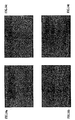
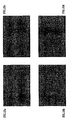
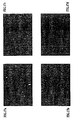
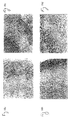
- brains were removed and cut into two halves along the mid-sagittal sinus. Randomly, one half-brain was fixed by immersion in 4 % paraformaldehyde solution in 0.1 M phosphate buffer for two hours in 4 °C and then immersed for cold protection in 4.5 % sucrose in 0.1 M PBS over night. The sections were then moved to 30 % sucrose for 2 hr in 4 °C. Sections of coronal blocks containing the olfactory and hippocampus were put in OCT and cut with thick-nesses of 6 ⁇ m with a cryostat at - 20 °C, and then taken up on glass slides. Slides were kept at - 70 °C. These slides were used for phage detection using an immunofluorescence technique.
- the other mid-sagittal half-brain was used for preparing paraffin tissue section for histology.
- the section were fixed in 4 % paraformaldehyde for 2 hr, then transferred to 10 % formalin saline for 2 days in room temperature, followed by embedding in paraffin, and cut with thick-nesses of 4 ⁇ m on a microtom and then taken up on glass slides. The slides were kept at room temperature until used.
- Histology Six-micrometer sections were stained with hematoxylin and eosin. The stained sections were examined and photographed at a final magnification of x 40. Finally, the preparations were washed three times in PBS, observed on a microscope, and recorded on film.
- Immunizations were performed with a genetically engineered fd phage carrying the peptide YYEFRH (SEQ ID NO:7) fused to its minor coat gpIII. Doses of 10 10 phages per injection were used to immunize at 14-day intervals, through intraperitoneal injections. Mice were injected the phages with or without Freund's complete adjuvant (Difco) for the first injection and Freund's incomplete adjuvant (Difco) for the second injection. Following 7 days of each injections, the mice were bled and their serum were tested by ELISA for antibody IgG reactivity for both phage coat proteins and for ⁇ A.
- Difco Freund's complete adjuvant
- Difco Freund's incomplete adjuvant
- the 15-mer phage-peptide library used in this study was provided by George P. Smith (University of Missouri, Columbia, MO).
- the library consists of about 1.9 x 10 9 phage particles and comprises a random peptide repertoire of 15 amino acid residues fused to coat glycoprotein VIII of the fd phage. Experiments with this library were carried out according to instructions of the provider (George P. Smith University of Missouri, Columbia, MO).
- a library sample containing 10 9 infectious phage particles was subjected to three rounds of selection (biopanning) and amplification. For each selection cycle a biotinylated monoclonal antibody (1 ⁇ g/ ⁇ l) in a total volume of 25 ⁇ l was used. The phage clones were pre incubated with the biotinylated antibody overnight at 4 °C, and the reaction mixtures were then layered in 1 ml of PBS containing 0.5 % Tween 20 on streptavidin-coated 30 mm polystyrene Petri dishes and incubated for 20 min at room temperature. Unbound phages were removed by extensive washing (10 times for 10 min each) in PBS/0.05 % Tween 20.
- the bound phages were eluted with 0.3 ml of 0.1 M HCI titrated to pH 2.2 with glycine. The eluate was neutralized and used to infect E. coli K91 cells. After three rounds of panning individual bacterial colonies containing amplified particles were grown on a microtiter plate and the selected phages were tested by ELISA for their ability to bind to the studied antibody, as described below.
- Binding of antibodies to phage was analyzed by ELISA.
- Wells of microtiter plates (Maxisorb, Nunc) were coated with 50 ⁇ l (at dilution of 1:1000 in 0.1 M NaHCO 3 , pH 8.6) of rabbit anti-phage serum and incubated overnight at 4 °C.
- the wells were blocked with a mixture of 3 % bovine serum albumin and hemoglobin at a ratio of 1:1 (in PBS) for 2 hr at 37 °C.
- Coated plates were washed three times with PBS/0.05 % Tween 20, and 50 ⁇ l of enriched phage clones containing 10 10 phage particles were added to the wells and incubated for 1 hr at 37 °C.
- Coat glycoprotein VIII of filamentous phage is presented in approximately 2700 copies on the phage coat.
- the following oligonucleotides were prepared: sense - 5'-agctccGATGCTGAATTCGG TGATAGCGGCTACGAAGTGCATCATCAGAAAcctgcag-3' (SEQ ID NO:13); and antisense - 5'-ggTTTCTGATGATGCACTTCGTAGC CGCTATCATGACGAAATTCAGCATCgg-3' (SEQ ID NO:14).
- duplex (68-70 ° C, 10 minutes, followed by slow cool to room temperature) which encodes for amino acids 1-16 of human ⁇ AP and contain a silent mutation of a specific restriction site ( Eco RI) which is useful for further analysis.
- Eco RI a specific restriction site
- the duplex was phosphorylated and lygated into Hind III/ Pst I linearized f88-4 phagemid, which is a vector used to display fusion peptides on gpVIII of filamentous phage.
- the resulting ligated phagemid DNA was introduce into E.
- coli K91K cells by transformation and transformants were plated onto 2 x YT Agar plates containing 10 ⁇ g/ml tetracycline and 1 % glucose for overnight growth at 37 °C. Individual bacterial colonies containing phage particles were used to inoculate 2YT medium containing 10 ⁇ g/ml tetracycline for overnight growth at 37 °C for amplification. The DNA phagemid product obtained from each colony was analyzed by EcoRI. Positive clones were further amplified for antigen preparation.
- Immunizations were performed with a genetically engineered fd phage carrying the peptide VHEPHEFRHVALNPV (SEQ ID NO:8) fused to its major coat glycoprotein VIII. Doses of 10 10 phages per injection were used to immunize at 14-day intervals, through intraperitoneal injections. Mice were injected the phages with or without Freund's complete adjuvant (Difco) for the first injection and Freund's incomplete adjuvant (Difco) for the second injection. Following 7 days of each injections, the mice were bled and their serum were tested by ELISA for antibody IgG reactivity for both phage coat proteins and for ⁇ A.
- Difco Freund's complete adjuvant
- Difco Freund's incomplete adjuvant
- the inhibition of antibody binding to ⁇ AP(1-16) by various small peptides was performed using 250 ng/well biotinylated ⁇ -amyloid peptides (1-16) bound covalently to ELISA plates as previously described.
- the plates were washed with PBS/0.05 % Tween 20 and blocked with a mixture of 3 % bovine serum albumin and hemoglobin, ratio 1:1 (in PBS) for 2 hr at 37 °C.
- the peptides were pre incubated with 1:3000 dilution of serum after third immunization with f88-EFRH for 30 min at 37 °C before their addition to ⁇ AP-coated wells and were left overnight at 4 °C therein.
- IC 50 is the half molar concentration of peptide that fully inhibits antibody binding.
- Peptides were synthesis by Applied Biosystems Synergy Model 430A in the Unit for Chemical Services of The Weizmann Institute of Science by solid-phase using Fmoc chemistry.
- Rat phenochromocytoma PC 12 cells were cultured in DMEM supplemented with 5 % horse serum, 10 % fetal calf serum, 2 mM L-glutamine, and 100 units/ml penicillin/streptomycin and incubated at 37 °C under 5 % CO 2 .
- cultured PC12 cells were seeded into a 96-well plate at a density of 10 4 cells/100 ⁇ l/well in a serum-free medium supplemented with 2 M of insulin.
- the effect on the prevention of the neurotoxicity of ⁇ A was measured as follows: 0.12 mM ⁇ -amyloid that was incubated for a week at 37 °C for the generation of fibrils, and further incubated in the presence of serum of EFRH-phage immunized mice and serum of a non-relevant phage immunized mice at dilutions of 5:1 and 10:1 for 24 hr.
- the ⁇ A antibody mixture was added to the wells containing PC 12 cells.
- the plates were incubated at 37 °C for 2 days, after which cell viability was assessed by measuring cellular redox activity with 3-(4,5-dimethylthiazol-2-yl)-2,5-diphenyl tetrazolium bromide (MTT), as described ( Sladowski, D. et al., J. Immunol. Methods., 157:203-207,1993 ).
- MTT 3-(4,5-dimethylthiazol-2-yl)-2,5-diphenyl tetrazolium bromide
- mice immunized with synthetic peptide corresponding to the sequence of human PrP 106-126 (SEQ ID NO:25)(obtained from Chiron Technologies, Claton Victoria, Australia) coupled to the larger carrier KLH were used for generating monoclonal antibodies following the fusion techniques of Kohler and Milstein (Kohler and Milstein 1975). Hybridomas were tested for the production of peptide-specific antibodies by ELISA, as follows: Peptide PrP 106-126 was covalently attached to the epoxy groups of Eupergit-C coated 96 well plates (Solomon et al. 1992, 1993). The residual epoxy groups were blocked by incubating the plates with 3% skim milk (blocking solution).
- the antibodies 3-11 (IgM) and 2-40 (IgG) were biotinylated.
- the following libraries (provided by G.P. Smith) were searched to find the epitope of the antibodies studied, as previously described (Frenkel et al. 1998).
- the ELISA competitive binding of the above antibodies to covalently bound PrP peptide was performed as described above.
- the antibodies were preincubated with peptide NMKH at equimolar ratio before adding to the wells.
- Rat pheochromocytoma PC 12 cells were cultured in DMEM supplemented with 8% horse serum, 8% fetal calf serum, 2 mM L-glutamine and 100 units/ml penicillin/streptomycin and incubated at 37°C under 5% CO 2 .
- cultured PC 12 cells were seeded on 96-well plates at a density of 2 x 10 4 cells/100 ⁇ l/well in a serum-free medium supplemented with 2 ⁇ M of insulin. Cells were treated for 3-5 days with 100 ⁇ M PrP 106-126 preincubated 4-7 days at 37°C.
- the cell viability was assessed by the MTT assay which measures the activity of mitochondrial enzymes responsible for the conversion of the tetrazolium salt, 3-(4,5-dimethylthiazol-2-yl)-2,5-diphenyl-tetrazolium bromide (MTT) to a formazan product in viable cells (Hansen et al. 1989).
- MTT was added to the wells to a final concentration of 1 mg/ml and incubated with the cells for an additional 3 hours at 37°C.
- Cell lysis buffer (20% wt/vol SDS in a solution of 50% dimethylformamide, pH 4.7) was added, and the plate was incubated overnight at 37°C.
- MTT reduction was determined colorimetrically by measuring the optical density (OD) at 550 nm.
- PrP 106-126 (10 mg/ml) was incubated for 7 days at 37°C to induce maximal aggregation of the peptide.
- Monoclonal antibodies 3-11, 2-40 and 3F4 were added for 1 hour to samples of 1mM of the already aggregated peptide.
- the antibody-peptide mixtures, as well as the aggregated peptide alone, were applied to the cells to a peptide final concentration of 100 ⁇ M.
- PrP 106-126 peptide Increasing amounts of PrP 106-126 peptide (0-0.8 mg/ml) were incubated for 7 days at 37°C. Prion amyloid fibril formation was measured by the Thioflavine T (ThT) binding assay. The binding of ThT to amyloid fibrils of certain origins generates a specific fluorescent signal: a 114nm red shift in the excitation peak from 336nm of excitation spectrum of the free dye in solution to a new excitation peak at 450nm of the bound dye. Additionally the bound dye has an enhanced emission at 482nm (Naiki et al. 1989, LeVine 1993).
- the aggregation of the prion peptide was followed using samples of PrP 106-126 (0.3 mg/ml) in 0.1M Tris/HCI pH-7.1 incubated for 7 days at 37°C, either with or without mAbs 3-11, 2-40 and 3F4 at various dilutions. Disaggregation of already formed prion amyloid fibrils was measured using samples of PrP 106-126 that were incubated for 7 days at 37°C and then supplemented with the mAbs for an additional 24 hours. Fluorescence (emission at 482 nm after excitation at 435 nm) was measured after an addition of the samples to ThT (2 ⁇ M in 50mM glycine, pH-9).
- Examples 1-6 below relate to the production of a single chain version of the anti aggregating monoclonal antibody.
- Examples 7-8 relate to delivery of peptide or antibody displaying phage to the brain.
- Examples 9-14 relate to the production of high titers of anti-aggregating polyclonal antibodies by direct immunization with beta amyloid antigens displayed on a phage, and to characterization of these antibodies.
- variable domains of the 508 IgM hybridoma as a scFv
- MAb 508 showed specific recognition of ⁇ -amyloid and prevented its toxic affects on PC 12 cells (Anavi S., 1998, ibid ).
- RNA was extracted from 10 8 508 hybridoma cells and was used as a source for antibody variable region coding sequences.
- RT-PCR was used to amplify the variable domains that were cloned into the phage display vector pCC-Gal6(Fv), as described in Materials and Methods.
- hybridoma derived antibodies are cloned as scFvs, some of the clones may contain aberrant sequences that are not functional.
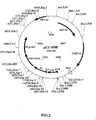
- FIG. 2 shows a physical map of plasmid pCC-508 which was used to express the 508-scFv.
- the CBD domain serves as an immunological detection of soluble scFv protein or as a novel approach in refolding of soluble scFv protein inclusion bodies of overexpressed protein ( Berdichevsky Y et al, Protein Expr Purif., 17(2):249-59, 1999 ).
- the plasmid used for 508-scFv over expression is shown in Figure 3 .
- FIG. 1 The soluble scFv-CBD from the selected clones was incubated in wells of an ELISA plate that has been coated with ⁇ -amyloid peptide. Of the analyzed clones, 50 % showed specific binding to ⁇ AP.
- Figures la-e demonstrate and illustrate the preparation of 508 scFv from IgM antibody.
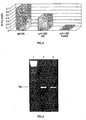
- Figure 4 shows ⁇ AP binding by the scFv-CBD produced by a positive clone that was chosen for further analysis. PCR analysis was used to characterize its DNA insert. It was found that the positive clone (designated pCC-508(Fv)) contained an intact DNA insert ( Figure 5 ).
- V L CDR3 The DNA sequencing analysis of pCC508-(Fv) revealed the unusual appearance of a cysteine residue at the position 96 of V L CDR3 ( Kabat, E. A. et al., Sequences of proteins of immunological interest, 5th Ed., 1991 ).
- the deduced amino acid sequence of V L CDR3 is: H 89 QRSSYPCT 97 (SEQ ID NO:15).
- the presence of an unpaired cysteine residue in a scFv may reduce its folding yield and also decrease its stability in solution and its storage half life. Therefore, 508(Fv) was subcloned into an expression vector and produced in E. coli as described in Materials and Methods.
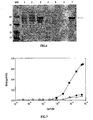
- Figure 6 summarizes the production process of 508(Fv)-CBD by the cellulose-assisted refolding method ( Berdichevsky Y et al, Protein Expr Purif., 17(2):249-59, 1999 ).
- 508(Fv)-CBD could be purified to near homogeneity ( Figure 6 lane 7) by this method, it refolded relatively poorly and was unstable upon storage at 4 °C ( Figure 7 ). It was assumed that substitution of the cysteine with a different residue may increase the production yield and stability of the soluble scFv without having an adverse affect on its affinity ( Kirpriyanov, M.S. et al., Protein Engineering, 10:445-453, 1997 ).
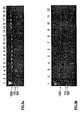
- the lower 750 and 500 bp fragments represent the 508Mut-(FV)-CBD DNA, while an intact 1250 bp fragment represent scFv-CBD from the pCC-Gal6(Fv) DNA which was used as a vector. It was found that before affinity selection the library was heavily contaminated with the pCC-Gal(Fv) vector DNA. This is evident from the fact that the DNA of 18/19 randomly picked library clones was not cleaved at the Pvu I site engineered adjacent to 508 V L position 96. Only one of the 19 analyzed clones showed the expected restriction pattern associated with a mutation ( Figure 8a ). However, after affinity selection, 5/11 randomly selected clones showed the expected restriction pattern ( Figure 8b ).
- the 508-scFv mutant that carries the C96F mutation (508F(Fv)) was chosen, which show the higher affinity and shelf stability ( Figures 9a-b ).
- the specificity of ⁇ AP(1-16) binding by 508F(Fv) was tested in a competitive ELISA.
- binding of the purified 508F(Fv)-CBD to ⁇ AP was inhibited by soluble ⁇ AP(1-16) peptide serving as the competitor in the liquid phase in a dose-dependent manner. Inhibition of 50 % binding was obtained at about 1 ⁇ M competitor. Binding was not affected by an irrelevant peptide (WVLD, SEQ ID NO:4).
- mice Female Balb/c mice were treated with phage vector f88-EFRH via intranasal administration.
- the propose of this experiment was to check the ability of filamentous phage to reach the hippocampous region via olfactory tract. Since the phage is not carrying any specific molecule for targeting neuron cells, it should be vanished without causing any harm after several day following the administration.
- double labeling of antibodies was used as follows: Rabbit polyclonal antibody anti filamentous phage and mouse monoclonal antibody against EFRH epitope fused to glycoprotein VIII of the phage surface.
- Filamentous phage are suitable vehicle for carrying active antibody fragment to the CNS
- a filamentous phage displaying 508F was incubated with 10 -3 M biotinlated ⁇ AP(1-16), in order to form antibody antigen immunocomplex.
- Balb/c mice were divided into two groups and were administrated intranasally with two different antigens: 508F- ⁇ AP(1-16) immunocomplex and for comparison biotinlated ⁇ AP(1-16) alone. Following a single dose the mice were sacrificed and brain sections thereof prepared and reacted with streptavidin coupled to a fluorescent agent.
- the phage act as an inert vehicle of antibody to the brain, carrying the ⁇ AP(1-16) molecule into the brain.
- mice were immunized with genetically engineered fd phage carrying the peptide YYEFRH (SEQ ID NO:7) fused to its minor coat gpIII according to the immunization schedule shown in Figure 19 . Doses of 10 10 phage particles per injection were used to immunize, at 14-day intervals, through intraperitoneal injection.
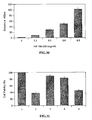
- mice were bled and their sera tested by ELISA for IgG antibody reactivity against wild type phage (not bearing the peptide YYEFRH on its surface) and against ⁇ AP ( Figures 20a-b ).
- This route of administration a very high response against ⁇ AP (1:750) following the third injection.
- injection through phage carrying epitope is long lasting ( Figure 21 ), it is non-toxic and may be given without adjuvant.
- the phage vector is found to be an immunogenic tool to raise a high affinity immune response within 14 days from the first injection.
- the immune response against the peptide YYEFRH (SEQ ID NO:7) is low, compared to the immune response against the entire phage and could be explained by the low copy number of the fusion gpIII on the phage envelope. Therefore, for further analysis phages displaying the epitope through glycoprotein VIII were employed.
- a phage-epitope library was screened with biotinylated antibody. After three cycles of panning and phage amplification, 90 individually isolated bacterial colonies were grown in microtiter plates and their phages were assayed for antibody binding. ELISA analysis revealed that of the phage-clones which were selected followed by three biopanning cycles, most (above 80%) bound specifically to anti-aggregating mAb, respectively. DNA from 6 positive clones was sequenced (Table 2).
- Binding of anti-aggregating mAb to the EFRH-bearing phage was concentration dependent; half-maximal binding was obtained at an antibody concentration of 100 ng/ml, corresponding to 10 -9 M ( Figure 4 ) which resembles the level of binding of these antibodies to the whole peptide.
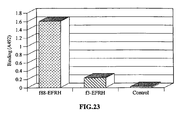
- One specific f88-EFRH phage (termed C3-II, table 2) showed higher level of avidity as is compared to the others ( Figure 22 ). It may be due to higher level of EFRH epitope exposure on its surface.
- mice were immunized with genetically engineered fd phage carrying the peptide VHEPH EFRH VALNPV (SEQ ID NO:8) fused to its major coat gpVIII.
- This phage was selected from a 15-mer phage peptide library by an anti aggregating ⁇ AP antibody and is presenting the mAb epitope (underlined) within ⁇ AP.
- This phage was used to immunize mice as described. Following 7 days of each injection with 10 10 phage particles (without adjuvant) the mice were bled and their sera tested by ELISA for IgG antibody reactivity against wild type phage and against ⁇ AP.
- Figure 25 shows inhibition of mice serum antibody with synthesized peptides derived from ⁇ AP, each of which includes the sequence EFRH) such as: DAEFRH (positions 1-6, SEQ ID NO:3), DAEFRHD (positions 1-7, SEQ ID NO:3), DAEFRHDSG (positions 1-9, SEQ ID NO:3), and ⁇ AP itself, DAEFRHDSGYEVHHQKLVFFAEDVGSNKGAIIGLMVG GVV (positions 1-40, SEQ ID NO:3).
- EFRH sequence EFRH
- Figure 25 shows that all of the synthetic peptides which bear the motive EFRH (SEQ ID NO:1) similarly inhibited binding of mouse serum antibody to the ⁇ AP with IC 50 values of about 5x10 -6 M.
- ThT reagent that binds specifically to fibrillar structures (Levine, H. III, Protein Sci., 2: 404-410,1993) was used. ⁇ AP samples were incubated for a week at 37 °C and then were exposed to different dilutions mouse serum antibody. Fibril formation was quantitated by the ThT fluorometry binding assay.
- Figure 27 shows that mouse serum, at dilution of 1:5 and 1:20, disrupted the fibril structure of ⁇ A with extensive deterioration of fibril morphology, as indicated by a substantial 75 % (1:5 dilution) and 50 % (1:20 dilution) decrease in ThT fluorescence.
- the unrelated serum used as control did not significantly inhibit fibril formation as is compared to the immunized serum. This result strongly emphasizes the ability of the EFRH epitope displayed by a filamentous phage vector to evoke an immune response resulting in anti-agreggation antibody.
- PrP protein The possible involvement of the PrP protein in the pathogenesis of nerve cell degeneration and glial cell reaction led to the identification of a PrP sequences that play a role in the amyloid formation.
- a fragment of PrP consisting of amino acids 106-126 was demonstrated to be toxic to rat hippocampal neurons (Forloni et al. 1993), to mouse cortical and cerebellar cells (Brown et al., 1994; 1997), and to be particularly highly fibrillogenic (Selvaggini et al. 1993).
- the formed fibrils were partially resistant to proteases digestion and exhibited properties of in situ amyloid (Selvaggini et al. 1993, Tagliavini et al. 1993).
- Synthetic peptides corresponding to this region of PrP exhibit conformational flexibility from ⁇ -helix to a ⁇ -sheet conformation (Selvaggini et al. 1993) which was similar to conformational changes from PrP C to PrP Sc .
- the conformational plasticity of this region is further emphasized by the findings that two distinct prion strains which exhibit different sites of proteolytic cleavage within this region (Bessen and Marsh, 1994; Telling et al., 1996).
- the inventors of the present invention have generated mAbs specific to epitopes formed by amino acids 106-126 of the PrP protein. Such antibodies are usefull in studying plaque formation and morphology and as possible active agents for treating or preventing prion generated plaque diseases.
- mice immunized with a synthetic peptide corresponding to the amino acid sequence of human PrP 106-126 coupled to the larger carrier KLH were used for generating monoclonal antibodies reactive against epitopes on this peptide.
- Sera derived from the immunized mice was subjected to ELISA and several positive clones composed mainly of immunoglobulin M (IgM) molecules and to a lesser extent IgG molecules were detected and isolated.
- IgM immunoglobulin M
- Phage display libraries displaying various peptide fragments of the human PrP 106-126 polypeptide were generated as described hereinabove in the method section. Clones reactive to mAbs 3-11 or mAb 2-40 (for each library) were not detected following 6 cycles of library biopanning (368 clones screened) raising the possibility that epitopes that are recognized by these antibodies are of a conformational nature.
- PrP 106-126 Incubation of PrP 106-126 at 37 °C at different concentrations led to a dose dependent fibrillar aggregation as measured by the Thioflavin T binding fluorescence assay ( Figure 30 ). A PrP 106-126 concentration of 0.3 mg/ml was selected for further studies.
- PrP Sc Since the major target organ for PrP Sc is the nervous system, in vitro neuronal model systems were used to analyze PrP toxicity.
- a clonal cell line which exhibits neuronal properties has been established from rat central nervous system tumors (Schubert et al. 1974).
- the rat pheochromocytoma PC12 cells - a neuron-like cloned tumor cell line (Greene and Tischler, 1976) - has been shown to enable in vitro replication of PrP Sc (Rubenstein et al. 1984). As such, this cell line was utilized by the present study as a model for detecting molecules with the ability to prevent toxicity induced by PrP fibrils.
- PrP 106-126 is toxic to PC 12 cells in a dose dependant manner, which toxicity is related to the conformational state of the peptide and to the exposure time of the cells to aggregated peptide.
- Cell viability considerably decreased (as detected by MTT assay), when cells were incubated with PrP 106-126 for 5 days in comparison to a 3 day exposure.
- preincubation of PrP 106-126 at 37 °C prior to its addition to the cells increased its toxicity probably by increasing the amount of amyloid fibrils.
- Preincubation of the peptide for 7 days resulted in a significantly higher toxicity which was concentration dependent ( Figure 29 ). Under the described conditions, cell viability was reduced to 10% at a concentration of 100 ⁇ M of PrP 106-126 as was measured by MTT assay.
- the cytoprotective effect of mAb 3-11 and 2-40 is shown in Figure 31 .
- Mabs 3-11 and 2-40 inhibited cell death which was induced by 100 ⁇ M PrP 106-126.
- the viability of cells treated with a mixture of either antibody and the peptide was 85-89%, as compared to a 40% survival rate in cells treated with the peptide alone (The antibodies without the peptide had no affect on cell viability).
- the antibodies' protective effect was apparently related to the specific epitope on the PrP molecule, since such protection was not demonstrated with mAb 3F4 (44% viability).
- the amyloid fibril formation of PrP 106-126 was detected by a thioflavin-T (ThT) binding assay. Both mAbs 3-11 and 2-40 prevent PrP 106-126 fibrillar aggregation and disaggregate the aggregated form of this peptide. A significant decrease in amyloid fibril formation (about 80% prevention) was observed when PrP 106-126 was incubated at 37 °C in the presence of mAbs 3-11 and 2-40. When these antibodies were added to already formed aggregates of PrP 106-126, more than 50% of the fibrils were disaggregated. In contrast, mAb 3F4 had lower efficacy both in inhibiting amyloid fibril formation and in inducing their disaggregation ( Figure 32 ). Both the inhibition of amyloid fibril formation and the induction of disaggregation were dependent on the antibody's concentration and the epitope location ( Figures 32-33 ).
- % Pr ⁇ otective effect 100 - Emission 482 ⁇ nm ⁇ Pr P ⁇ 106 - 126 incubated with Ab Emission 482 ⁇ nm ⁇ Pr P ⁇ 106 - 126 incubated alone ⁇ X ⁇ 100
Landscapes
- Health & Medical Sciences (AREA)
- Life Sciences & Earth Sciences (AREA)
- Chemical & Material Sciences (AREA)
- General Health & Medical Sciences (AREA)
- Organic Chemistry (AREA)
- Medicinal Chemistry (AREA)
- Engineering & Computer Science (AREA)
- Veterinary Medicine (AREA)
- Public Health (AREA)
- Animal Behavior & Ethology (AREA)
- Gastroenterology & Hepatology (AREA)
- Biomedical Technology (AREA)
- Pharmacology & Pharmacy (AREA)
- Proteomics, Peptides & Aminoacids (AREA)
- Genetics & Genomics (AREA)
- Epidemiology (AREA)
- Molecular Biology (AREA)
- Neurology (AREA)
- Biochemistry (AREA)
- Toxicology (AREA)
- Biophysics (AREA)
- Zoology (AREA)
- Bioinformatics & Cheminformatics (AREA)
- Immunology (AREA)
- Neurosurgery (AREA)
- General Chemical & Material Sciences (AREA)
- Chemical Kinetics & Catalysis (AREA)
- Nuclear Medicine, Radiotherapy & Molecular Imaging (AREA)
- Rheumatology (AREA)
- Physical Education & Sports Medicine (AREA)
- Diabetes (AREA)
- Microbiology (AREA)
- Urology & Nephrology (AREA)
- Marine Sciences & Fisheries (AREA)
- Pathology (AREA)
- Endocrinology (AREA)
- Mycology (AREA)
- Hospice & Palliative Care (AREA)
- Psychiatry (AREA)
- Orthopedic Medicine & Surgery (AREA)
Applications Claiming Priority (7)
| Application Number | Priority Date | Filing Date | Title |
|---|---|---|---|
| US15241799P | 1999-09-03 | 1999-09-03 | |
| US152417P | 1999-09-03 | ||
| US473653 | 1999-12-29 | ||
| US09/473,653 US6703015B1 (en) | 1999-09-03 | 1999-12-29 | Filamentous bacteriophage displaying an β-amyloid epitope |
| US62997100A | 2000-07-31 | 2000-07-31 | |
| US629971 | 2000-07-31 | ||
| PCT/IL2000/000518 WO2001018169A2 (en) | 1999-09-03 | 2000-08-31 | Agents and compositions and methods for diagnostic and/or treating or preventing plaque forming diseases |
Publications (3)
| Publication Number | Publication Date |
|---|---|
| EP1180938A2 EP1180938A2 (en) | 2002-02-27 |
| EP1180938A4 EP1180938A4 (en) | 2005-03-16 |
| EP1180938B1 true EP1180938B1 (en) | 2010-03-24 |
Family
ID=27387248
Family Applications (1)
| Application Number | Title | Priority Date | Filing Date |
|---|---|---|---|
| EP00954883A Expired - Lifetime EP1180938B1 (en) | 1999-09-03 | 2000-08-31 | Agents, compositions and methods utilizing the same useful in treating or preventing alzheimer disease |
Country Status (11)
| Country | Link |
|---|---|
| US (4) | US6919075B1 (https=) |
| EP (1) | EP1180938B1 (https=) |
| JP (1) | JP2003509020A (https=) |
| AT (1) | ATE461996T1 (https=) |
| AU (1) | AU784568B2 (https=) |
| CA (1) | CA2349434A1 (https=) |
| DE (1) | DE60044057D1 (https=) |
| ES (1) | ES2344189T3 (https=) |
| HK (1) | HK1044564B (https=) |
| IL (1) | IL142948A0 (https=) |
| WO (1) | WO2001018169A2 (https=) |
Cited By (3)
| Publication number | Priority date | Publication date | Assignee | Title |
|---|---|---|---|---|
| US12227567B2 (en) | 2017-07-25 | 2025-02-18 | Truebinding, Inc. | Treating cancer by blocking the interaction of TIM-3 and its ligand |
| US12281166B2 (en) | 2020-05-26 | 2025-04-22 | Truebinding, Inc. | Methods of treating inflammatory diseases by blocking Galectin-3 |
| US12497458B2 (en) | 2019-01-30 | 2025-12-16 | Truebinding, Inc. | Anti-GAL3 antibodies and uses thereof |
Families Citing this family (85)
| Publication number | Priority date | Publication date | Assignee | Title |
|---|---|---|---|---|
| US20080050367A1 (en) | 1998-04-07 | 2008-02-28 | Guriq Basi | Humanized antibodies that recognize beta amyloid peptide |
| US7588766B1 (en) | 2000-05-26 | 2009-09-15 | Elan Pharma International Limited | Treatment of amyloidogenic disease |
| US6905686B1 (en) | 1997-12-02 | 2005-06-14 | Neuralab Limited | Active immunization for treatment of alzheimer's disease |
| TWI239847B (en) | 1997-12-02 | 2005-09-21 | Elan Pharm Inc | N-terminal fragment of Abeta peptide and an adjuvant for preventing and treating amyloidogenic disease |
| US7179892B2 (en) | 2000-12-06 | 2007-02-20 | Neuralab Limited | Humanized antibodies that recognize beta amyloid peptide |
| US7790856B2 (en) | 1998-04-07 | 2010-09-07 | Janssen Alzheimer Immunotherapy | Humanized antibodies that recognize beta amyloid peptide |
| US6787523B1 (en) * | 1997-12-02 | 2004-09-07 | Neuralab Limited | Prevention and treatment of amyloidogenic disease |
| US6913745B1 (en) | 1997-12-02 | 2005-07-05 | Neuralab Limited | Passive immunization of Alzheimer's disease |
| US6761888B1 (en) | 2000-05-26 | 2004-07-13 | Neuralab Limited | Passive immunization treatment of Alzheimer's disease |
| US7964192B1 (en) | 1997-12-02 | 2011-06-21 | Janssen Alzheimer Immunotherapy | Prevention and treatment of amyloidgenic disease |
| US20050059802A1 (en) * | 1998-04-07 | 2005-03-17 | Neuralab Ltd | Prevention and treatment of amyloidogenic disease |
| US20020052311A1 (en) * | 1999-09-03 | 2002-05-02 | Beka Solomon | Methods and compostions for the treatment and/or diagnosis of neurological diseases and disorders |
| DE1257584T1 (de) | 2000-02-24 | 2003-05-28 | Lilly Co Eli | Humanisierte antikörper, die amyloid beta peptid demarkieren |
| JP2003516929A (ja) * | 2000-06-01 | 2003-05-20 | ニユーララブ・リミテツド | アミロイド形成性疾患の予防および治療 |
| PE20020574A1 (es) | 2000-12-06 | 2002-07-02 | Wyeth Corp | Anticuerpos humanizados que reconocen el peptido amiloideo beta |
| US7700751B2 (en) | 2000-12-06 | 2010-04-20 | Janssen Alzheimer Immunotherapy | Humanized antibodies that recognize β-amyloid peptide |
| US7264810B2 (en) | 2001-01-19 | 2007-09-04 | Cytos Biotechnology Ag | Molecular antigen array |
| EP1385544B1 (en) | 2001-04-30 | 2008-09-24 | Eli Lilly And Company | Humanized antibodies |
| EP2165714B1 (en) | 2001-04-30 | 2013-10-23 | Eli Lilly And Company | Humanized antibodies recognizing the beta-amyloid peptide |
| US6906169B2 (en) * | 2001-05-25 | 2005-06-14 | United Biomedical, Inc. | Immunogenic peptide composition comprising measles virus Fprotein Thelper cell epitope (MUFThl-16) and N-terminus of β-amyloid peptide |
| PT1944040E (pt) | 2001-08-17 | 2012-10-31 | Univ Washington | Método de avaliação para a doença de alzheimer |
| WO2003076455A2 (en) * | 2002-03-05 | 2003-09-18 | Ramot At Tel-Aviv University Ltd. | Immunizing composition and method for inducing an immune response against the ss-secretase cleavage site of amyloid precursor protein |
| MY139983A (en) | 2002-03-12 | 2009-11-30 | Janssen Alzheimer Immunotherap | Humanized antibodies that recognize beta amyloid peptide |
| EP2338510A1 (en) * | 2002-07-19 | 2011-06-29 | Novartis Pharma AG | Vaccine compositions containing amyloid beta1-6 antigen arrays |
| AT413945B (de) * | 2003-01-14 | 2006-07-15 | Mattner Frank Dr | Impfstoff für die alzheimer-krankheit |
| DE10303974A1 (de) | 2003-01-31 | 2004-08-05 | Abbott Gmbh & Co. Kg | Amyloid-β(1-42)-Oligomere, Verfahren zu deren Herstellung und deren Verwendung |
| NZ567324A (en) * | 2003-02-01 | 2009-08-28 | Wyeth Corp | Active immunization to generate antibodies to soluble A-beta |
| ATE468886T1 (de) | 2003-02-10 | 2010-06-15 | Applied Molecular Evolution | Abeta-bindende moleküle |
| US8663650B2 (en) | 2003-02-21 | 2014-03-04 | Ac Immune Sa | Methods and compositions comprising supramolecular constructs |
| TWI306458B (en) | 2003-05-30 | 2009-02-21 | Elan Pharma Int Ltd | Humanized antibodies that recognize beta amyloid peptide |
| US7807171B2 (en) | 2003-07-25 | 2010-10-05 | Ac Immune Sa | Therapeutic vaccine targeted against P-glycoprotein 170 for inhibiting multidrug resistance in the treatment of cancers |
| US20050225165A1 (en) * | 2004-04-13 | 2005-10-13 | Naik Sanjeev M | Brake by-wire control system |
| CN101039691B (zh) * | 2004-06-25 | 2013-07-31 | 魁北克益得生物医学公司 | 用于治疗神经疾病的组合物和方法 |
| AT413946B (de) * | 2004-07-13 | 2006-07-15 | Mattner Frank Dr | Impfstoff gegen die alzheimer-krankheit |
| CA2576405A1 (en) * | 2004-08-11 | 2006-02-16 | Mitsubishi Chemical Corporation | Antibody and utilization of the same |
| EP1792911A4 (en) * | 2004-09-15 | 2008-09-17 | Univ Yokohama City | ESSENTIAL AMINO ACID SEQUENCE FOR NEUROSPECIFIC GENE EXPRESSION |
| WO2006047670A2 (en) * | 2004-10-26 | 2006-05-04 | Wyeth | Methods for assessing antibodies to neurodegenerative disease-associated antigens |
| GB0424563D0 (en) * | 2004-11-05 | 2004-12-08 | Novartis Ag | Organic compounds |
| EP1838348B1 (en) | 2004-12-15 | 2013-06-26 | Janssen Alzheimer Immunotherapy | Humanized amyloid beta antibodies for use in improving cognition |
| US7625560B2 (en) | 2004-12-15 | 2009-12-01 | Janssen Alzheimer Immunotherapy | Humanized antibodies that recognize beta amyloid peptide |
| DK1853285T3 (da) * | 2005-02-01 | 2011-06-27 | Univ Ramot | Fremgangsmåde til behandling af inflammation forbundet med amyloidaflejringer og hjerneinflammation som involverer aktiverede mikroglia |
| US8691224B2 (en) | 2005-11-30 | 2014-04-08 | Abbvie Inc. | Anti-Aβ globulomer 5F7 antibodies |
| HRP20140240T4 (hr) | 2005-11-30 | 2017-02-24 | Abbvie Inc. | Monoklonalna antitijela protiv amiloidnih beta proteina i njihova upotreba |
| EP1959996A2 (en) * | 2005-12-12 | 2008-08-27 | AC Immune S.A. | Monoclonal antibody |
| US20090304726A1 (en) * | 2006-02-15 | 2009-12-10 | Ramot At Tel Aviv University Ltd. | Viral display vehicles for treating multiple sclerosis |
| US8784810B2 (en) | 2006-04-18 | 2014-07-22 | Janssen Alzheimer Immunotherapy | Treatment of amyloidogenic diseases |
| EP2046833B9 (en) | 2006-07-14 | 2014-02-19 | AC Immune S.A. | Humanized antibody against amyloid beta |
| AU2007275258A1 (en) * | 2006-07-21 | 2008-01-24 | Ramot At Tel Aviv University Ltd. | Use of a phage displaying a peptide from an adhesion protein for treating a disease associated with intracellular formation of protein fibrillar inclusions or aggregates |
| CA2667466A1 (en) * | 2006-10-27 | 2008-05-02 | Ablynx N.V. | Intranasal delivery of polypeptides and proteins |
| US8455626B2 (en) | 2006-11-30 | 2013-06-04 | Abbott Laboratories | Aβ conformer selective anti-aβ globulomer monoclonal antibodies |
| WO2008081008A1 (en) | 2007-01-05 | 2008-07-10 | University Of Zurich | Method of providing disease-specific binding molecules and targets |
| HRP20140049T1 (hr) | 2007-01-05 | 2014-02-28 | University Of Zürich | Anti beta-amiloid antitijela i njihova upotreba |
| DK2121754T3 (en) | 2007-01-18 | 2015-02-23 | Lilly Co Eli | Pegylated amyloid BETA FAB |
| US8895004B2 (en) | 2007-02-27 | 2014-11-25 | AbbVie Deutschland GmbH & Co. KG | Method for the treatment of amyloidoses |
| US8003097B2 (en) | 2007-04-18 | 2011-08-23 | Janssen Alzheimer Immunotherapy | Treatment of cerebral amyloid angiopathy |
| US8613923B2 (en) | 2007-06-12 | 2013-12-24 | Ac Immune S.A. | Monoclonal antibody |
| US8048420B2 (en) | 2007-06-12 | 2011-11-01 | Ac Immune S.A. | Monoclonal antibody |
| DK2182983T3 (da) | 2007-07-27 | 2014-07-14 | Janssen Alzheimer Immunotherap | Behandling af amyloidogene sygdomme med humaniserede anti-abeta antistoffer |
| AU2008311367B2 (en) | 2007-10-05 | 2014-11-13 | Ac Immune S.A. | Use of anti-amyloid beta antibody in ocular diseases |
| JO3076B1 (ar) | 2007-10-17 | 2017-03-15 | Janssen Alzheimer Immunotherap | نظم العلاج المناعي المعتمد على حالة apoe |
| EP2207568B1 (en) * | 2007-11-16 | 2017-05-31 | The Rockefeller University | Antibodies specific for the protofibril form of beta-amyloid protein |
| ITNA20080006A1 (it) * | 2008-01-28 | 2009-07-29 | Consiglio Nazionale Ricerche | Proteine chimeriche capaci di formare particelle virus-like, che contengono sequenze peptidiche del beta-amiloide e la componente e2 della alfachetoacido deidrogenasi di "geobacillus stearothermophilus", utili per l'induzione di una risposta anticorp |
| EP2321348A2 (en) * | 2008-07-09 | 2011-05-18 | University of Zürich | Method of promoting neurogenesis |
| US9067981B1 (en) | 2008-10-30 | 2015-06-30 | Janssen Sciences Ireland Uc | Hybrid amyloid-beta antibodies |
| NZ592928A (en) * | 2008-11-24 | 2012-12-21 | Univ Ramot | Method for treating parkinson' s disease using filamentous bacteriophage |
| CN102317316B (zh) | 2008-12-19 | 2014-08-13 | 帕尼玛制药股份公司 | 人抗α突触核蛋白自身抗体 |
| US8987419B2 (en) | 2010-04-15 | 2015-03-24 | AbbVie Deutschland GmbH & Co. KG | Amyloid-beta binding proteins |
| US20130122033A1 (en) * | 2010-07-02 | 2013-05-16 | Rita De Santis | Fimh vaccine against urinary tract infections (uti) |
| EP2598882B1 (en) | 2010-07-30 | 2017-07-26 | AC Immune S.A. | Safe and functional humanized antibodies for use in treating an amyloidosis |
| WO2012020124A1 (en) | 2010-08-12 | 2012-02-16 | Ac Immune S.A. | Vaccine engineering |
| EP3533803B1 (en) | 2010-08-14 | 2021-10-27 | AbbVie Inc. | Anti-amyloid-beta antibodies |
| JP6027011B2 (ja) | 2010-10-26 | 2016-11-16 | エーシー イミューン ソシエテ アノニム | 疎水性部分によって修飾されたペプチドを含むリポソームベースの構築物 |
| SI2723379T1 (sl) | 2011-06-23 | 2019-03-29 | Biogen International Neuroscience Gmbh | Molekule, ki se vežejo ma anti alfa-sinuklein |
| US8877446B2 (en) * | 2011-08-26 | 2014-11-04 | Korea Research Institute Of Bioscience And Biotechnology | Method for detecting protein-protein interactions in cells |
| JP2012102131A (ja) * | 2012-01-05 | 2012-05-31 | Elan Pharma Internatl Ltd | アミロイド形成性疾患の予防および治療 |
| CN104918950B (zh) * | 2012-12-27 | 2018-10-12 | 丝芭博株式会社 | 亲水性重组蛋白的部分精制方法 |
| EP2940032B1 (en) * | 2012-12-27 | 2018-04-25 | Spiber Inc. | Extraction method for hydrophilic recombinant protein |
| US9102752B2 (en) | 2013-03-15 | 2015-08-11 | United Biomedical, Inc. | Peptide vaccine for prevention and immunotherapy of dementia of the Alzheimer's type |
| WO2014150870A2 (en) | 2013-03-15 | 2014-09-25 | Altria Client Services Inc. | Bacteriophage and methods of making and using |
| US10065997B2 (en) | 2013-04-25 | 2018-09-04 | Spiber Inc. | Polypeptide porous body and method for producing same |
| JP5782580B2 (ja) | 2013-04-25 | 2015-09-24 | Spiber株式会社 | ポリペプチドヒドロゲル及びその製造方法 |
| MA41115A (fr) | 2014-12-02 | 2017-10-10 | Biogen Int Neuroscience Gmbh | Procédé de traitement de la maladie d'alzheimer |
| US9781929B2 (en) | 2015-01-29 | 2017-10-10 | Altria Client Services Llc | Bacteriophage and methods of using |
| US10357056B2 (en) | 2015-01-29 | 2019-07-23 | Altria Client Services Llc | Endolysin from bacteriophage against Geobacillus and methods of using |
| CN118370815A (zh) | 2017-08-22 | 2024-07-23 | 渤健马萨诸塞州股份有限公司 | 含有抗β淀粉样蛋白抗体的药物组合物 |
Citations (1)
| Publication number | Priority date | Publication date | Assignee | Title |
|---|---|---|---|---|
| US5688651A (en) * | 1994-12-16 | 1997-11-18 | Ramot University Authority For Applied Research And Development Ltd. | Prevention of protein aggregation |
Family Cites Families (17)
| Publication number | Priority date | Publication date | Assignee | Title |
|---|---|---|---|---|
| GB9022190D0 (en) | 1990-10-12 | 1990-11-28 | Perham Richard N | Immunogenic material |
| US5811093A (en) | 1994-04-05 | 1998-09-22 | Exponential Biotherapies, Inc. | Bacteriophage genotypically modified to delay inactivations by the host defense system |
| US5622699A (en) * | 1995-09-11 | 1997-04-22 | La Jolla Cancer Research Foundation | Method of identifying molecules that home to a selected organ in vivo |
| BR9610580A (pt) * | 1995-09-14 | 2000-10-24 | Univ California | Anticorpos especìficos para prpse nativos |
| GB9626675D0 (en) * | 1996-12-23 | 1997-02-12 | Procter & Gamble | Hair coloring compositions |
| US6703015B1 (en) * | 1999-09-03 | 2004-03-09 | Ramot At Tel-Aviv University Ltd. | Filamentous bacteriophage displaying an β-amyloid epitope |
| US6905686B1 (en) * | 1997-12-02 | 2005-06-14 | Neuralab Limited | Active immunization for treatment of alzheimer's disease |
| TWI239847B (en) * | 1997-12-02 | 2005-09-21 | Elan Pharm Inc | N-terminal fragment of Abeta peptide and an adjuvant for preventing and treating amyloidogenic disease |
| US7964192B1 (en) * | 1997-12-02 | 2011-06-21 | Janssen Alzheimer Immunotherapy | Prevention and treatment of amyloidgenic disease |
| US6211149B1 (en) * | 1998-08-03 | 2001-04-03 | The United States Of America As Represented By The Department Of Health And Human Services | Inhibitors of formation of protease resistant prion protein |
| US20020140675A1 (en) * | 1999-01-25 | 2002-10-03 | Ali Ammar Al | System and method for altering a display mode based on a gravity-responsive sensor |
| EP1209969A2 (en) * | 1999-08-31 | 2002-06-05 | RAMOT UNIVERSITY AUTHORITY FOR APPLIED RESEARCH & INDUSTRIAL DEVELOPMENT LTD. | Peptides and substances, methods and devices using same for diagnosing and treating neurodegenerative disorders |
| US20040013647A1 (en) * | 1999-09-03 | 2004-01-22 | Ramot At Tel-Aviv University Ltd. | Methods and compositions for treating a plaque-forming disease |
| US20020052311A1 (en) * | 1999-09-03 | 2002-05-02 | Beka Solomon | Methods and compostions for the treatment and/or diagnosis of neurological diseases and disorders |
| US6597384B1 (en) * | 1999-12-22 | 2003-07-22 | Intel Corporation | Automatic reorienting of screen orientation using touch sensitive system |
| US6621508B1 (en) * | 2000-01-18 | 2003-09-16 | Seiko Epson Corporation | Information processing system |
| US20030148404A1 (en) * | 2000-07-27 | 2003-08-07 | Ramot University Authority For Applied Research & Industrial Development Ltd. | Peptides and substances, methods and devices using same for diagnosing and treating neurodegenerative disorders |
-
2000
- 2000-08-31 AU AU67232/00A patent/AU784568B2/en not_active Ceased
- 2000-08-31 JP JP2001522381A patent/JP2003509020A/ja active Pending
- 2000-08-31 DE DE60044057T patent/DE60044057D1/de not_active Expired - Lifetime
- 2000-08-31 WO PCT/IL2000/000518 patent/WO2001018169A2/en not_active Ceased
- 2000-08-31 AT AT00954883T patent/ATE461996T1/de not_active IP Right Cessation
- 2000-08-31 EP EP00954883A patent/EP1180938B1/en not_active Expired - Lifetime
- 2000-08-31 CA CA002349434A patent/CA2349434A1/en not_active Abandoned
- 2000-08-31 ES ES00954883T patent/ES2344189T3/es not_active Expired - Lifetime
- 2000-08-31 US US09/830,954 patent/US6919075B1/en not_active Expired - Fee Related
- 2000-08-31 IL IL14294800A patent/IL142948A0/xx unknown
- 2000-08-31 HK HK02106123.5A patent/HK1044564B/en not_active IP Right Cessation
-
2002
- 2002-06-06 US US10/162,889 patent/US20030077252A1/en not_active Abandoned
-
2004
- 2004-01-02 US US10/749,522 patent/US20050089510A1/en not_active Abandoned
-
2005
- 2005-03-08 US US11/073,526 patent/US20050152878A1/en not_active Abandoned
Patent Citations (1)
| Publication number | Priority date | Publication date | Assignee | Title |
|---|---|---|---|---|
| US5688651A (en) * | 1994-12-16 | 1997-11-18 | Ramot University Authority For Applied Research And Development Ltd. | Prevention of protein aggregation |
Non-Patent Citations (1)
| Title |
|---|
| CRUSE J. M. AND LEWIS R. E.: "Illustrated Dictionary of Immunology", 1995, CRC PRESS, NEW YORK * |
Cited By (3)
| Publication number | Priority date | Publication date | Assignee | Title |
|---|---|---|---|---|
| US12227567B2 (en) | 2017-07-25 | 2025-02-18 | Truebinding, Inc. | Treating cancer by blocking the interaction of TIM-3 and its ligand |
| US12497458B2 (en) | 2019-01-30 | 2025-12-16 | Truebinding, Inc. | Anti-GAL3 antibodies and uses thereof |
| US12281166B2 (en) | 2020-05-26 | 2025-04-22 | Truebinding, Inc. | Methods of treating inflammatory diseases by blocking Galectin-3 |
Also Published As
| Publication number | Publication date |
|---|---|
| AU6723200A (en) | 2001-04-10 |
| US20050152878A1 (en) | 2005-07-14 |
| HK1044564A1 (en) | 2002-10-25 |
| ES2344189T3 (es) | 2010-08-20 |
| US6919075B1 (en) | 2005-07-19 |
| EP1180938A2 (en) | 2002-02-27 |
| ATE461996T1 (de) | 2010-04-15 |
| IL142948A0 (en) | 2002-04-21 |
| CA2349434A1 (en) | 2001-03-15 |
| US20050089510A1 (en) | 2005-04-28 |
| JP2003509020A (ja) | 2003-03-11 |
| US20030077252A1 (en) | 2003-04-24 |
| EP1180938A4 (en) | 2005-03-16 |
| WO2001018169A2 (en) | 2001-03-15 |
| HK1044564B (en) | 2010-05-28 |
| DE60044057D1 (de) | 2010-05-06 |
| WO2001018169A3 (en) | 2001-11-22 |
| AU784568B2 (en) | 2006-05-04 |
Similar Documents
| Publication | Publication Date | Title |
|---|---|---|
| EP1180938B1 (en) | Agents, compositions and methods utilizing the same useful in treating or preventing alzheimer disease | |
| US6703015B1 (en) | Filamentous bacteriophage displaying an β-amyloid epitope | |
| US20040013647A1 (en) | Methods and compositions for treating a plaque-forming disease | |
| US20020052311A1 (en) | Methods and compostions for the treatment and/or diagnosis of neurological diseases and disorders | |
| JP5211290B2 (ja) | シヌクレイノパシー(synucleinopathic)およびアミロイド生成性疾患の予防および処置 | |
| Frenkel et al. | Modulation of Alzheimer’s β-amyloid neurotoxicity by site-directed single-chain antibody | |
| EP1910829B1 (en) | Prevention and treatment of synucleinopathic and amyloidogenic disease | |
| EP2118300B1 (en) | Prevention and treatment of synucleinopathic and amyloidogenic disease | |
| JP5159841B2 (ja) | 新規のFabフラグメントライブラリーおよびそれらの使用方法 | |
| US8361458B2 (en) | Method and filamentous phage for treating inflammation associated with amyloid deposits and brain inflammation involving activated microglia | |
| CN102858796A (zh) | 寡聚体特异性淀粉样蛋白β表位和抗体 | |
| CA2771429A1 (en) | Use of mimotopes of alpha-synuclein epitopes for treating lewy body diseases | |
| JP2007522119A (ja) | アミロイド関連疾患用ワクチンとしてのアミロイドタンパク質のコンジュゲート | |
| CN110759987B (zh) | 构象特异性的重组Aβ1-42样寡聚体抗原、其制备方法和应用 | |
| IL142948A (en) | Agents and compositions and methods utilizing same useful in diagnosing and/or treating or preventing plaque forming diseases | |
| Gevorkian et al. | Mimotopes of conformational epitopes in fibrillar β-amyloid | |
| EP2300499B1 (en) | Anti-prion protein antibody fragment | |
| Huang et al. | Recombinant GST-I-Aβ28-induced efficient serum antibody against Aβ42 | |
| CN110684122B (zh) | 重组Tau表位嵌合多聚体抗原、其制备方法和应用 | |
| Solomon | Peptide Vaccine for Alzheimer's Disease | |
| HK1138622B (en) | Prevention and treatment of synucleinopathic and amyloidogenic disease | |
| HK1138622A1 (en) | Prevention and treatment of synucleinopathic and amyloidogenic disease |
Legal Events
| Date | Code | Title | Description |
|---|---|---|---|
| PUAI | Public reference made under article 153(3) epc to a published international application that has entered the european phase |
Free format text: ORIGINAL CODE: 0009012 |
|
| 17P | Request for examination filed |
Effective date: 20010601 |
|
| AK | Designated contracting states |
Kind code of ref document: A2 Designated state(s): AT BE CH CY DE DK ES FI FR GB GR IE IT LI LU MC NL |
|
| AX | Request for extension of the european patent |
Free format text: AL;LT;LV;MK;RO;SI |
|
| RIC1 | Information provided on ipc code assigned before grant |
Ipc: 7A 61K 47/48 B Ipc: 7C 12N 15/85 B Ipc: 7C 07K 16/00 B Ipc: 7C 12N 15/87 B Ipc: 7G 01N 33/53 B Ipc: 7G 01N 33/68 B Ipc: 7A 01N 65/00 B Ipc: 7A 01N 63/00 A Ipc: 7C 12N 15/63 B Ipc: 7C 12N 7/00 B |
|
| A4 | Supplementary search report drawn up and despatched |
Effective date: 20050127 |
|
| RBV | Designated contracting states (corrected) |
Designated state(s): AT BE CH CY DE DK ES FI FR GB GR IE IT LI LU MC NL PT SE |
|
| 17Q | First examination report despatched |
Effective date: 20060203 |
|
| GRAP | Despatch of communication of intention to grant a patent |
Free format text: ORIGINAL CODE: EPIDOSNIGR1 |
|
| RIC1 | Information provided on ipc code assigned before grant |
Ipc: C12N 15/10 20060101ALN20090824BHEP Ipc: C12N 7/00 20060101AFI20090824BHEP Ipc: A61K 39/00 20060101ALI20090824BHEP Ipc: A61P 25/28 20060101ALI20090824BHEP |
|
| RTI1 | Title (correction) |
Free format text: AGENTS, COMPOSITIONS AND METHODS UTILIZING THE SAME USEFUL IN TREATING OR PREVENTING ALZHEIMER DISEASE |
|
| GRAS | Grant fee paid |
Free format text: ORIGINAL CODE: EPIDOSNIGR3 |
|
| GRAA | (expected) grant |
Free format text: ORIGINAL CODE: 0009210 |
|
| AK | Designated contracting states |
Kind code of ref document: B1 Designated state(s): AT BE CH CY DE DK ES FI FR GB GR IE IT LI LU MC NL PT SE |
|
| REG | Reference to a national code |
Ref country code: GB Ref legal event code: FG4D |
|
| REG | Reference to a national code |
Ref country code: CH Ref legal event code: EP |
|
| REG | Reference to a national code |
Ref country code: IE Ref legal event code: FG4D |
|
| REF | Corresponds to: |
Ref document number: 60044057 Country of ref document: DE Date of ref document: 20100506 Kind code of ref document: P |
|
| REG | Reference to a national code |
Ref country code: NL Ref legal event code: T3 |
|
| REG | Reference to a national code |
Ref country code: HK Ref legal event code: GR Ref document number: 1044564 Country of ref document: HK |
|
| REG | Reference to a national code |
Ref country code: ES Ref legal event code: FG2A Ref document number: 2344189 Country of ref document: ES Kind code of ref document: T3 |
|
| PG25 | Lapsed in a contracting state [announced via postgrant information from national office to epo] |
Ref country code: FI Free format text: LAPSE BECAUSE OF FAILURE TO SUBMIT A TRANSLATION OF THE DESCRIPTION OR TO PAY THE FEE WITHIN THE PRESCRIBED TIME-LIMIT Effective date: 20100324 Ref country code: AT Free format text: LAPSE BECAUSE OF FAILURE TO SUBMIT A TRANSLATION OF THE DESCRIPTION OR TO PAY THE FEE WITHIN THE PRESCRIBED TIME-LIMIT Effective date: 20100324 |
|
| PG25 | Lapsed in a contracting state [announced via postgrant information from national office to epo] |
Ref country code: GR Free format text: LAPSE BECAUSE OF FAILURE TO SUBMIT A TRANSLATION OF THE DESCRIPTION OR TO PAY THE FEE WITHIN THE PRESCRIBED TIME-LIMIT Effective date: 20100625 Ref country code: SE Free format text: LAPSE BECAUSE OF FAILURE TO SUBMIT A TRANSLATION OF THE DESCRIPTION OR TO PAY THE FEE WITHIN THE PRESCRIBED TIME-LIMIT Effective date: 20100324 |
|
| PLBE | No opposition filed within time limit |
Free format text: ORIGINAL CODE: 0009261 |
|
| STAA | Information on the status of an ep patent application or granted ep patent |
Free format text: STATUS: NO OPPOSITION FILED WITHIN TIME LIMIT |
|
| PG25 | Lapsed in a contracting state [announced via postgrant information from national office to epo] |
Ref country code: DK Free format text: LAPSE BECAUSE OF FAILURE TO SUBMIT A TRANSLATION OF THE DESCRIPTION OR TO PAY THE FEE WITHIN THE PRESCRIBED TIME-LIMIT Effective date: 20100324 |
|
| 26N | No opposition filed |
Effective date: 20101228 |
|
| PG25 | Lapsed in a contracting state [announced via postgrant information from national office to epo] |
Ref country code: MC Free format text: LAPSE BECAUSE OF NON-PAYMENT OF DUE FEES Effective date: 20100831 Ref country code: IT Free format text: LAPSE BECAUSE OF FAILURE TO SUBMIT A TRANSLATION OF THE DESCRIPTION OR TO PAY THE FEE WITHIN THE PRESCRIBED TIME-LIMIT Effective date: 20100324 |
|
| REG | Reference to a national code |
Ref country code: CH Ref legal event code: PL |
|
| PG25 | Lapsed in a contracting state [announced via postgrant information from national office to epo] |
Ref country code: LI Free format text: LAPSE BECAUSE OF NON-PAYMENT OF DUE FEES Effective date: 20100831 Ref country code: CH Free format text: LAPSE BECAUSE OF NON-PAYMENT OF DUE FEES Effective date: 20100831 |
|
| PG25 | Lapsed in a contracting state [announced via postgrant information from national office to epo] |
Ref country code: CY Free format text: LAPSE BECAUSE OF FAILURE TO SUBMIT A TRANSLATION OF THE DESCRIPTION OR TO PAY THE FEE WITHIN THE PRESCRIBED TIME-LIMIT Effective date: 20100324 |
|
| PG25 | Lapsed in a contracting state [announced via postgrant information from national office to epo] |
Ref country code: LU Free format text: LAPSE BECAUSE OF NON-PAYMENT OF DUE FEES Effective date: 20100831 |
|
| PG25 | Lapsed in a contracting state [announced via postgrant information from national office to epo] |
Ref country code: PT Free format text: LAPSE BECAUSE OF NON-PAYMENT OF DUE FEES Effective date: 20100324 |
|
| PGFP | Annual fee paid to national office [announced via postgrant information from national office to epo] |
Ref country code: IE Payment date: 20130829 Year of fee payment: 14 Ref country code: NL Payment date: 20130815 Year of fee payment: 14 Ref country code: ES Payment date: 20130829 Year of fee payment: 14 |
|
| PGFP | Annual fee paid to national office [announced via postgrant information from national office to epo] |
Ref country code: IT Payment date: 20130826 Year of fee payment: 14 |
|
| PGFP | Annual fee paid to national office [announced via postgrant information from national office to epo] |
Ref country code: BE Payment date: 20130823 Year of fee payment: 14 |
|
| REG | Reference to a national code |
Ref country code: NL Ref legal event code: V1 Effective date: 20150301 |
|
| PG25 | Lapsed in a contracting state [announced via postgrant information from national office to epo] |
Ref country code: BE Free format text: LAPSE BECAUSE OF NON-PAYMENT OF DUE FEES Effective date: 20140831 Ref country code: IT Free format text: LAPSE BECAUSE OF NON-PAYMENT OF DUE FEES Effective date: 20140831 Ref country code: NL Free format text: LAPSE BECAUSE OF NON-PAYMENT OF DUE FEES Effective date: 20150301 |
|
| REG | Reference to a national code |
Ref country code: IE Ref legal event code: MM4A |
|
| PG25 | Lapsed in a contracting state [announced via postgrant information from national office to epo] |
Ref country code: IE Free format text: LAPSE BECAUSE OF NON-PAYMENT OF DUE FEES Effective date: 20140831 |
|
| REG | Reference to a national code |
Ref country code: ES Ref legal event code: FD2A Effective date: 20150925 |
|
| PG25 | Lapsed in a contracting state [announced via postgrant information from national office to epo] |
Ref country code: ES Free format text: LAPSE BECAUSE OF NON-PAYMENT OF DUE FEES Effective date: 20140901 |
|
| REG | Reference to a national code |
Ref country code: FR Ref legal event code: PLFP Year of fee payment: 17 |
|
| REG | Reference to a national code |
Ref country code: FR Ref legal event code: PLFP Year of fee payment: 18 |
|
| PGFP | Annual fee paid to national office [announced via postgrant information from national office to epo] |
Ref country code: DE Payment date: 20170822 Year of fee payment: 18 Ref country code: GB Payment date: 20170822 Year of fee payment: 18 Ref country code: FR Payment date: 20170822 Year of fee payment: 18 |
|
| REG | Reference to a national code |
Ref country code: DE Ref legal event code: R119 Ref document number: 60044057 Country of ref document: DE |
|
| GBPC | Gb: european patent ceased through non-payment of renewal fee |
Effective date: 20180831 |
|
| PG25 | Lapsed in a contracting state [announced via postgrant information from national office to epo] |
Ref country code: DE Free format text: LAPSE BECAUSE OF NON-PAYMENT OF DUE FEES Effective date: 20190301 |
|
| PG25 | Lapsed in a contracting state [announced via postgrant information from national office to epo] |
Ref country code: FR Free format text: LAPSE BECAUSE OF NON-PAYMENT OF DUE FEES Effective date: 20180831 |
|
| PG25 | Lapsed in a contracting state [announced via postgrant information from national office to epo] |
Ref country code: GB Free format text: LAPSE BECAUSE OF NON-PAYMENT OF DUE FEES Effective date: 20180831 |