EP1120118B1 - Präventiva/mittel für infektion, anti-endotoxin mittel, impfstoff-adjuvanzien sowie wachstumspromotoren - Google Patents
Präventiva/mittel für infektion, anti-endotoxin mittel, impfstoff-adjuvanzien sowie wachstumspromotoren Download PDFInfo
- Publication number
- EP1120118B1 EP1120118B1 EP99970325A EP99970325A EP1120118B1 EP 1120118 B1 EP1120118 B1 EP 1120118B1 EP 99970325 A EP99970325 A EP 99970325A EP 99970325 A EP99970325 A EP 99970325A EP 1120118 B1 EP1120118 B1 EP 1120118B1
- Authority
- EP
- European Patent Office
- Prior art keywords
- sugar cane
- extract
- derived
- column
- derived extract
- Prior art date
- Legal status (The legal status is an assumption and is not a legal conclusion. Google has not performed a legal analysis and makes no representation as to the accuracy of the status listed.)
- Expired - Lifetime
Links
Images



Classifications
-
- A—HUMAN NECESSITIES
- A61—MEDICAL OR VETERINARY SCIENCE; HYGIENE
- A61K—PREPARATIONS FOR MEDICAL, DENTAL OR TOILETRY PURPOSES
- A61K39/00—Medicinal preparations containing antigens or antibodies
- A61K39/39—Medicinal preparations containing antigens or antibodies characterised by the immunostimulating additives, e.g. chemical adjuvants
-
- A—HUMAN NECESSITIES
- A23—FOODS OR FOODSTUFFS; TREATMENT THEREOF, NOT COVERED BY OTHER CLASSES
- A23K—FODDER
- A23K20/00—Accessory food factors for animal feeding-stuffs
- A23K20/10—Organic substances
-
- A—HUMAN NECESSITIES
- A23—FOODS OR FOODSTUFFS; TREATMENT THEREOF, NOT COVERED BY OTHER CLASSES
- A23L—FOODS, FOODSTUFFS OR NON-ALCOHOLIC BEVERAGES, NOT OTHERWISE PROVIDED FOR; PREPARATION OR TREATMENT THEREOF
- A23L33/00—Modifying nutritive qualities of foods; Dietetic products; Preparation or treatment thereof
- A23L33/10—Modifying nutritive qualities of foods; Dietetic products; Preparation or treatment thereof using additives
- A23L33/105—Plant extracts, their artificial duplicates or their derivatives
-
- A—HUMAN NECESSITIES
- A61—MEDICAL OR VETERINARY SCIENCE; HYGIENE
- A61K—PREPARATIONS FOR MEDICAL, DENTAL OR TOILETRY PURPOSES
- A61K31/00—Medicinal preparations containing organic active ingredients
- A61K31/70—Carbohydrates; Sugars; Derivatives thereof
- A61K31/715—Polysaccharides, i.e. having more than five saccharide radicals attached to each other by glycosidic linkages; Derivatives thereof, e.g. ethers, esters
-
- A—HUMAN NECESSITIES
- A61—MEDICAL OR VETERINARY SCIENCE; HYGIENE
- A61K—PREPARATIONS FOR MEDICAL, DENTAL OR TOILETRY PURPOSES
- A61K36/00—Medicinal preparations of undetermined constitution containing material from algae, lichens, fungi or plants, or derivatives thereof, e.g. traditional herbal medicines
- A61K36/18—Magnoliophyta (angiosperms)
- A61K36/88—Liliopsida (monocotyledons)
- A61K36/899—Poaceae or Gramineae (Grass family), e.g. bamboo, corn or sugar cane
-
- A—HUMAN NECESSITIES
- A61—MEDICAL OR VETERINARY SCIENCE; HYGIENE
- A61P—SPECIFIC THERAPEUTIC ACTIVITY OF CHEMICAL COMPOUNDS OR MEDICINAL PREPARATIONS
- A61P3/00—Drugs for disorders of the metabolism
-
- A—HUMAN NECESSITIES
- A61—MEDICAL OR VETERINARY SCIENCE; HYGIENE
- A61P—SPECIFIC THERAPEUTIC ACTIVITY OF CHEMICAL COMPOUNDS OR MEDICINAL PREPARATIONS
- A61P31/00—Antiinfectives, i.e. antibiotics, antiseptics, chemotherapeutics
-
- A—HUMAN NECESSITIES
- A61—MEDICAL OR VETERINARY SCIENCE; HYGIENE
- A61P—SPECIFIC THERAPEUTIC ACTIVITY OF CHEMICAL COMPOUNDS OR MEDICINAL PREPARATIONS
- A61P31/00—Antiinfectives, i.e. antibiotics, antiseptics, chemotherapeutics
- A61P31/04—Antibacterial agents
-
- A—HUMAN NECESSITIES
- A61—MEDICAL OR VETERINARY SCIENCE; HYGIENE
- A61P—SPECIFIC THERAPEUTIC ACTIVITY OF CHEMICAL COMPOUNDS OR MEDICINAL PREPARATIONS
- A61P31/00—Antiinfectives, i.e. antibiotics, antiseptics, chemotherapeutics
- A61P31/10—Antimycotics
-
- A—HUMAN NECESSITIES
- A61—MEDICAL OR VETERINARY SCIENCE; HYGIENE
- A61P—SPECIFIC THERAPEUTIC ACTIVITY OF CHEMICAL COMPOUNDS OR MEDICINAL PREPARATIONS
- A61P31/00—Antiinfectives, i.e. antibiotics, antiseptics, chemotherapeutics
- A61P31/12—Antivirals
-
- A—HUMAN NECESSITIES
- A61—MEDICAL OR VETERINARY SCIENCE; HYGIENE
- A61P—SPECIFIC THERAPEUTIC ACTIVITY OF CHEMICAL COMPOUNDS OR MEDICINAL PREPARATIONS
- A61P37/00—Drugs for immunological or allergic disorders
- A61P37/02—Immunomodulators
- A61P37/04—Immunostimulants
-
- A—HUMAN NECESSITIES
- A61—MEDICAL OR VETERINARY SCIENCE; HYGIENE
- A61P—SPECIFIC THERAPEUTIC ACTIVITY OF CHEMICAL COMPOUNDS OR MEDICINAL PREPARATIONS
- A61P39/00—General protective or antinoxious agents
- A61P39/02—Antidotes
-
- A—HUMAN NECESSITIES
- A61—MEDICAL OR VETERINARY SCIENCE; HYGIENE
- A61P—SPECIFIC THERAPEUTIC ACTIVITY OF CHEMICAL COMPOUNDS OR MEDICINAL PREPARATIONS
- A61P43/00—Drugs for specific purposes, not provided for in groups A61P1/00-A61P41/00
-
- A—HUMAN NECESSITIES
- A61—MEDICAL OR VETERINARY SCIENCE; HYGIENE
- A61K—PREPARATIONS FOR MEDICAL, DENTAL OR TOILETRY PURPOSES
- A61K39/00—Medicinal preparations containing antigens or antibodies
- A61K2039/555—Medicinal preparations containing antigens or antibodies characterised by a specific combination antigen/adjuvant
- A61K2039/55588—Adjuvants of undefined constitution
-
- Y—GENERAL TAGGING OF NEW TECHNOLOGICAL DEVELOPMENTS; GENERAL TAGGING OF CROSS-SECTIONAL TECHNOLOGIES SPANNING OVER SEVERAL SECTIONS OF THE IPC; TECHNICAL SUBJECTS COVERED BY FORMER USPC CROSS-REFERENCE ART COLLECTIONS [XRACs] AND DIGESTS
- Y02—TECHNOLOGIES OR APPLICATIONS FOR MITIGATION OR ADAPTATION AGAINST CLIMATE CHANGE
- Y02A—TECHNOLOGIES FOR ADAPTATION TO CLIMATE CHANGE
- Y02A50/00—TECHNOLOGIES FOR ADAPTATION TO CLIMATE CHANGE in human health protection, e.g. against extreme weather
- Y02A50/30—Against vector-borne diseases, e.g. mosquito-borne, fly-borne, tick-borne or waterborne diseases whose impact is exacerbated by climate change
-
- Y—GENERAL TAGGING OF NEW TECHNOLOGICAL DEVELOPMENTS; GENERAL TAGGING OF CROSS-SECTIONAL TECHNOLOGIES SPANNING OVER SEVERAL SECTIONS OF THE IPC; TECHNICAL SUBJECTS COVERED BY FORMER USPC CROSS-REFERENCE ART COLLECTIONS [XRACs] AND DIGESTS
- Y02—TECHNOLOGIES OR APPLICATIONS FOR MITIGATION OR ADAPTATION AGAINST CLIMATE CHANGE
- Y02P—CLIMATE CHANGE MITIGATION TECHNOLOGIES IN THE PRODUCTION OR PROCESSING OF GOODS
- Y02P60/00—Technologies relating to agriculture, livestock or agroalimentary industries
- Y02P60/80—Food processing, e.g. use of renewable energies or variable speed drives in handling, conveying or stacking
- Y02P60/87—Re-use of by-products of food processing for fodder production
Definitions
- the present invention relates to the use of a sugar cane-derived extract for preparing an agent for the treatment of a disease or condition caused by a bacterial infection in humans or animals.
- the present invention relates to the use of of a sugar cane-derived extract for preparing an agent for the treatment of a disease or condition caused by endotoxin in humans or animals.
- the present invention relates to the use of of a sugar cane-derived extract for preparing an agent for the treatment of a disease or condition caused by a fungal, mycoplasma, rickettsia or chlamydia infection in humans or animals.
- the present invention relates to the use of of a sugar cane-derived extract for preparing an agent for the treatment of a disease or condition caused by a viral infection in humans or animals.
- the present invention relates to the use of of a sugar cane-derived extract for preparing an agent for promoting growth.
- the present invention relates to the use of of a sugar cane-derived extract as an adjuvant in the preparation of a vaccine composition.
- the present invention relates to a vaccine composition
- a vaccine composition comprising an antigen and a sugar cane-derived extract.
- immunological functions are weakened or made insufficient by bronchial asthma, allergic disease, joint rheumatism, autoimmune disease, nutrition lesion, surgical operations, aging, cancer, transplant of organ, or conception, resulting in concurrence of infectious diseases such as infectious diseases of respiratory organs, septicemia, and infectious diseases of urinary tracts.
- infectious diseases such as infectious diseases of respiratory organs, septicemia, and infectious diseases of urinary tracts.
- antibiotics are administered to treat theses diseases and infectious diseases.
- the antibiotic is continuously administered, its efficacy becomes weaker due to development of resistant bacteria which leads to a recently closed-up problem of hospital infection. Therefore, it is desired not to depend only on antibiotics but to develop drugs or food which enforce immunological functions themselves to thereby prevent or treat infection and to decrease dosage of antibiotics.
- known preventives or remedies comprise a single component or a plurality of components having similar structures as an active ingredient which is(are) prepared by extracting, condensing or synthesizing the components. Consequently, it is apprehended that a long time or high dosage of the preventive or remedy causes side effects.
- Substances activating immunity to thereby prevent infection were found, such as some of Bacillus subtilis, Lactobacillus bifidus, and Clostridium.
- the immunity activating effect or infection preventive effect of the followings were reported: Egg albumen(Japanese Patent Application Laid-Open No. H3-251573 ), a mixture of two or more selected from egg albumen, bacteria and garlic (National Publication of Translation of PCT Application No. H8-509211 ), one or more selected from Rosa roxburghii, mugwort and cabbage and a mixture thereof(JPA Laid-Open No.H6-116158), and Glycyrrhiza component(JPA Laid-Open No.H9-143-85).
- bagasse as a culture medium for fungi such as shiitake mushrooms, fomes japonicus, straw mushrooms, hackberris, and mushrooms.
- an anti-virus agent of which active ingredient is an extract from basidiomycetes JPA Laid-Open No.H2-286623, JPA Laid-Open No.H4-66536
- WO 98/02041 provides therapeutic compositions derived from sugar cane and mentions that these compositions are useful for treating a variety of pathological conditions, including those caused by inflammation; bacterial, viral, or fungal infection; toxins; trauma such as burns; and other causes.
- An anti-virus agent which comprises active ingredient polysaccharides and cytokinin generated by basidiomysetes cultured on bagasse as a medium (JPA Laid-Open No.S55-157517).
- JPA Laid-Open No.S55-157517 the same inventor later filed another patent application on an anti-animal virus agent essentially comprising both polysaccharides and water soluble lignin as active ingredients which are prepared by subjecting bagasse to enzyme activity or boiling bagasse, followed by extraction (JPA Laid-Open No.S57-106624).
- JPA Laid-Open No.S55-157517 data on an agent comprising, as the active ingredients, polysaccharides with a molecular weight of from 10,000 to 50,000 and water soluble lignin with a molecular weight of from 50,000 to 100,000 prepared by subjecting bagasse to the enzyme activity and extracting it are the same as the data described in the aforesaid JPA Laid-Open No.S55-157517.
- JPA Laid-Open No.S55-157517 There is not described datum of any anti-virus test on the components extracted by boiling and extracting bagasse. (It should be noted that abstract description about the boiling and extraction was deleted later in an invalidation appeal procedure.) Therefore, the contents of JPA Laid-Open No. S57-106624 are substantially the same as and nothing more than those of JPA Laid-Open No.555-157517 .
- basidiomycetes containing fungi such as shiitake mushrooms and fomes japonicus are known to be physiologically active and generally used in health food. Some of the extracts from these fungi cultured bagasse are known to have anti-virus effects. To extract them, mycelia of basidiomycetes, fungi, or enzymes produced thereby are necessary.
- antibiotics are generally administered.
- the antibiotics are administered when the causal bacteria have proliferated above a certain level, all the bacteria die at once and endotoxin present in the bacteria moves to a host, which may cause endotoxin shock in the host.
- the bacteria or the endotoxin thereof may circulate in blood to cause septicemia or septicemia shock.
- a vaccine adjuvants attract attention as an additive to vaccine because they are considered to play an important role for enhancing antigenicity of the vaccine.
- the vaccine adjuvant is indispensable for an inactivated vaccine, because expression of the effect of the vaccine is unstable.
- adjuvants clinically used for man and animals are those topically used together with vaccines, for example, plant oils such as sesame oil and colza oil, mineral oils such as complete Freund's adjuvant and incomplete Freund's adjuvant, aluminum hydroxide, and aluminum sulfate.
- plant oils such as sesame oil and colza oil
- mineral oils such as complete Freund's adjuvant and incomplete Freund's adjuvant
- aluminum hydroxide such as aluminum hydroxide, and aluminum sulfate.
- adjuvants derived from plants the following has been reported: a specific lipid emulsion type of adjuvant containing a fatty oil originating from a plant, polysaccharide vaccine adjuvant comprising purified and detoxicated endotoxin and trehalose dimicolate( JPA Laid-Open No.S63-22029 ), an adjuvant composition containing a synthetic hydrophobic lipopolysaccharide and a surfactant component originating from a plant( JPA Laid-Open No.H5-255117 ), vaccine containing asemannan extracted from aloe as an adjuvant(National Publication of Translation of PCT application No.H7-506565 ).
- detoxicated toxins such as mutated cholera toxin and mutated heat-labile toxin and cytokine IL-12 are studied( Experimental Medicine(Jikken Igaku), 17, 199(1999 )).
- the preventive or remedial effect, the anti-endotoxin effect, and the vaccine adjuvant effect are all related to immunity. However, their functional mechanism are different from one another, and, accordingly, all of the preventive or remedial agents cannot work as an anti-endotoxin agent or a vaccine adjuvant.
- the preventive or remedial effect is that against viruses or bacteria causing infectious diseases, and is different from that against endotoxin produced by bacteria. Some having a greater preventive or remedial effect for infection raise an antibody titer of a vaccine, but others may cancel the effect of a vaccine by attacking an attenuated vaccine when they coexist together with the vaccine.
- the anti-endotoxin effect and the vaccine adjuvant effect are different from each other both in an object to be affected and in functional mechanism. As a consequence, a natural material having all of these effects has not been reported.
- Natural preventives or remedies and anti-endotoxin agents previously reported have limited uses, because they must be orally administered in a large amount in order to express effects, or they have so strong taste, smell, or flavor that, when added to food or feed in their effective amounts, they affect taste or smell of food or feed, or raise costs. Therefore, a material is desired which has taste or smell allowable to be added to a wide range of food or feed, express a preventive or remedial effect in a small dosage against infectious diseases, and is inexpensive and of natural product-origin. Most of the natural preventive or remedy agents and anti-endotoxin agents previously reported comprise a specific ingredient as an active ingredient and it is apprehended that a long term or high dosage of them causes side effects. Therefore, among natural materials which show a preventive or remedial effect for infectious diseases in a small dosage, particularly one which comprises a plurality of active ingredients and is more natural, is desired.
- Vaccine adjuvant previously reported include chemical compound adjuvants, inorganic adjuvants and biological adjuvants. Those are purified compounds, inorganic materials, or detoxicated ones of enterotoxin or endotoxin produced by bacteria. These conventionally used adjuvants do not steadily express the effects and sometimes cause a side effect of producing IgE. Recently, a natural and safer adjuvant, particularly one expressing the effects via an oral administration, is desired.
- Growth promoters previously reported include chemical compounds, plants or extracts therefrom, microorganisms such as yeasts, waste materials such as deoiled soy beans, and biologically active substances contained in enzymes, proteins, or cells.
- microorganisms such as yeasts
- waste materials such as deoiled soy beans
- biologically active substances contained in enzymes, proteins, or cells there were only a few growth promoters which were inexpensive and easily prepared from a natural source.
- An object of the present invention is to provide a preventive or remedy for infection, a preventive or remedy for endotoxin shock (an anti-endotoxin agent), a vaccine adjuvant and a growth promoter, which are safe and effective to man or animals.
- Another object of the present invention is to provide a food or an animal feed comprising the preventive or remedy for infection, the anti-endotoxin agent, the vaccine adjuvant or the growth promoter.
- the present inventors have made studies on food safe to man or animals which food can be produced at low costs and has a preventive or remedial effect for infection, an anti-endotoxin effect, a vaccine adjuvant effect or a growth promoting effect.
- an extract obtained by treating sugar cane which has been used as food from an ancient time, has the preventive or remedial effect against infection caused by bacteria or viruses, the anti-endotoxin effect, the vaccine adjuvant effect and the growth promoting effect to make the present invention.
- the present invention relates to the use of a sugar cane-derived extract for preparing an agent for the treatment of a disease or condition caused by a bacterial infection in humans or animals, wherein the sugar cane-derived extract is a fraction obtained by passing a raw material selected from the group consisting of sugar cane juice, a liquid extract from sugar cane, and sugar cane-derived molasses, through a column packed with a synthetic adsorbent as a fixed carrier, and eluting substances adsorbed on the synthetic absorbent with a solvent selected from the group consisting of water, methanol, ethanol and mixtures thereof or a fraction which absorbs light of a wave length of 420 nm obtainable by column chromatographic treatment utilizing differences in affinity for an ion exchange resin packed in a column as the fixed carrier.
- a raw material selected from the group consisting of sugar cane juice, a liquid extract from sugar cane, and sugar cane-derived molasses
- the present invention relates to the use of a sugar cane-derived extract for preparing an agent for the treatment of a disease or condition caused by endotoxin in humans or animals, wherein the sugar cane-derived extract is a fraction obtained by passing a raw material selected from the group consisting of sugar cane juice, a liquid extract from sugar cane, and sugar cane-derived molasses, through a column packed with a synthetic adsorbent as a fixed carrier, and eluting substances adsorbed on the synthetic absorbent with a solvent selected from the group consisting of water, methanol, ethanol and mixtures thereof or a fraction which absorbs light of a wave length of 420 nm obtainable by column chromatographic treatment utilizing differences in affinity for an ion exchange resin packed in a column as the fixed carrier.
- a raw material selected from the group consisting of sugar cane juice, a liquid extract from sugar cane, and sugar cane-derived molasses
- the present invention relates to the use of a sugar cane-derived extract for preparing an agent for the treatment of a disease or condition caused by a fungal, mycoplasma, rickettsia or chlamydia infection in humans or animals, wherein the sugar cane-derived extract is a fraction obtained by passing a raw material selected from the group consisting of sugar cane juice, a liquid extract from sugar cane, and sugar cane-derived molasses, through a column packed with a synthetic adsorbent as a fixed carrier, and eluting substances adsorbed on the synthetic absorbent with a solvent selected from the group consisting of water, methanol, ethanol and mixtures thereof or a fraction which absorbs light of a wave length of 420 nm obtainable by column chromatographic treatment utilizing differences in affinity for an ion exchange resin packed in a column as the fixed carrier.
- a raw material selected from the group consisting of sugar cane juice, a liquid extract from sugar cane, and sugar cane-derived
- the present invention relates to the use of a sugar cane-derived extract for preparing an agent for the treatment of a disease or condition caused by a viral infection in humans or animals, wherein the sugar cane-derived extract comprises a component having a molecular weight less than 1,000 as an active ingredient and the sugar cane-derived extract is a fraction obtained by passing a raw material selected from the group consisting of sugar cane juice, a liquid extract from sugar cane, and sugar cane-derived molasses, through a column packed with a synthetic adsorbent as a fixed carrier, and eluting substances adsorbed on the synthetic absorbent with a solvent selected from the group consisting of water, methanol, ethanol and mixtures thereof or a fraction which absorbs light of a wave length of 420 nm obtainable by column chromatographic treatment utilizing differences in affinity for an ion exchange resin packed in a column as the fixed carrier.
- a raw material selected from the group consisting of sugar cane juice, a liquid extract from sugar cane, and
- the present invention relates to the use of a sugar cane-derived extract for preparing an agent for promoting growth
- the sugar cane-derived extract is a fraction obtained by passing a raw material selected from the group consisting of sugar cane juice, a liquid extract from sugar cane, and sugar cane-derived molasses, through a column packed with a synthetic adsorbent as a fixed carrier, and eluting substances adsorbed on the synthetic absorbent with a solvent selected from the group consisting of water, methanol, ethanol and mixtures thereof or a fraction which absorbs light of a wave length of 420 nm obtainable by column chromatographic treatment utilizing differences in affinity for an ion exchange resin packed in a column as the fixed carrier.
- the present invention relates to the use of a sugar cane-derived extract as an adjuvant in the preparation of a vaccine composition, wherein the sugar cane-derived extract is a fraction obtained by passing a raw material selected from the group consisting of sugar cane juice, a liquid extract from sugar cane, and sugar cane-derived molasses, through a column packed with a synthetic adsorbent as a fixed carrier, and eluting substances adsorbed on the synthetic absorbent with a solvent selected from the group consisting of water, methanol, ethanol and mixtures thereof or a fraction which absorbs light of a wave length of 420 nm obtainable by column chromatographic treatment utilizing differences in affinity for an ion exchange resin packed in a column as the fixed carrier.
- the present invention relates to a vaccine composition
- a vaccine composition comprising an antigen and a sugar cane-derived extract as an adjuvant for enhancing the immune promoting effect of the composition
- the sugar cane-derived extract is a fraction obtained by passing a raw material selected from the group consisting of sugar cane juice, a liquid extract from sugar cane, and sugar cane-derived molasses, through a column packed with a synthetic adsorbent as a fixed carrier, and eluting substances adsorbed on the synthetic absorbent with a solvent selected from the group consisting of water, methanol, ethanol and mixtures thereof or a fraction which absorbs light of a wave length of 420 nm obtainable by column chromatographic treatment utilizing differences in affinity for an ion exchange resin packed in a column as the fixed carrier.
- a preventive or remedy for infection mean an agent having an effect of preventing or remedying infection with bacteria or viruses. Such an effect includes a preventive or remedial effect through control of immunological systems and that through other mechanisms.
- an anti-endotoxin effect includes a preventive or remedial effect for diseases caused by endotoxin such as an effect of decreasing death by endotoxin shock or septicemia and even an effect for oral diseases by periodontal bacteria. Further, an effect as a radical scavenger and an effect of suppressing inflammatory cytokine may be expected.
- a vaccine adjuvant function or "a vaccine adjuvant effect” is an effect of enhancing functions of an antigen, that is, an immune promoting effect to enhance an immune response. Specifically, it is the effect of increasing an antibody titer to thereby increase the effect of vaccination by administering the adjuvant in a specific period of time before or after vaccination.
- a growth promoting effect includes an effect of promoting growth of infantile man or animals and an effect of increasing body weight of thin man or animals. In the specification, the growth promoting effect is not distinguished from the weight increase-promoting effect.
- mammals means vertebrates other than man, including mammals, birds and fish, for instance, domestic animals such as cows, pigs, and horses, poultry such as domestic fowls and quails, fish such as young yellowtails, sea breams, flatfish, swellfish, amberjack, sweetfish, eels, trout, carps, and goldfish, and companion animals such as dogs and cats.
- domestic animals such as cows, pigs, and horses
- poultry such as domestic fowls and quails
- fish such as young yellowtails, sea breams, flatfish, swellfish, amberjack, sweetfish, eels, trout, carps, and goldfish
- companion animals such as dogs and cats.
- a sugar cane-derived extract is an extract obtained from sugar cane as a raw material.
- the sugar cane-derived extract is a fraction obtained by treating a raw material selected from the group consisting of sugar cane juice, extracted liquid from sugar cane and sugar cane-derived molasses(may be referred to simply as a raw material hereinafter) in column chromatography with a fixed carrier.
- the sugar cane-derived extract is a fraction obtained by passing the raw material through a column packed with a synthetic adsorbent as the fixed carrier and eluting adsorbed substances on the synthetic adsorbent with a solvent selected from the group consisting of water, methanol, ethanol, or a mixture thereof, or a fraction which absorbs light of a wave length of 420nm out of fractions obtained by treating the raw material in column chromatography utilizing differences in affinity to an ion exchange resin packed in a column as the fixed carrier. It is preferred to subject the fraction absorbing 420 nm light to electrodialysis to thereby decrease or, more preferably, remove salts in the fraction.
- absorbance at 420nm Color values of sugar cane-derived raw materials, intermediates, and products were previously evaluated absorbance at 420nm.
- the absorbance at 420nm is slightly affected by a pH of a sample, so that the pH of the sample is adjusted to about neutral pH prior to the measurement of absorbance.
- absorbance is measured after adjusting samples' pH to a range of from 6 to 8.
- the absorbance at 420 nm is a measure for content of color derived from sugar cane and it is unknown whether the absorbance at 420 nm is attributable to the present active ingredients and, further, the content of color in sugar cane vary depending on their production places and spices, so that there may not necessarily be proportional relation between the present effect and the absorbance at 420nm among various extracts from sugar canes of different production places and spices. Therefore, absorbances at 420 nm of a plurality of fractions obtained from a raw material are measured and the fractions having a relatively higher absorbance are the fraction of the present invention.
- affinity of the present active ingredients to the resin is not so strong as adsorption. However, there is a difference of affinity to the ion exchange resin between the active ingredients and the other ingredients. Based on the difference in an eluting speed, the active ingredients can be separated from the other ingredients by feeding the raw material to the column and then passing water as an eluent.
- a sugar cane-derived extract is an extract obtained by extracting sugar cane-derived bagasse with a liquid selected from water, hydrophilic solvents, and a mixture thereof, more preferably, an extract obtained by extracting bagasse, which is a residue after milling sugar cane for milling juice with a liquid selected from water, hydrophilic solvents, and a mixture thereof.
- sugar cane juice includes mill juice obtained by milling sugar cane, extracted juice obtained by extracting sugar cane with water, clarified juice obtained by treating with lime in a sugar mill, and concentrated juice.
- a liquid extract of sugar cane includes an aqueous solution obtained by extracting sugar cane with a widely used organic solvent, concentrating, drying and re-dissolving in water.
- the organic solvent include alcohols such as methanol, ethanol and a combination thereof. A mixture of the alcohol with water may be used.
- sugar cane-derived molasses includes molasses obtained by centrifuging a mixture of sugar crystals and a mother liquor obtained in a crystallization process and separating molasses from the sugar crystals, such as first molasses, second molasses, final molasses in a sugar mill, and affination syrup, first to seventh molasses, and refinery final molasses in a sugar refinery. Also use is made of a residue deprived of saccharides such as an isolated liquor obtained in alcoholic fermentation of these molasses as a raw material.
- bagasse typically means bagasse exhausted in sugar manufacturing processes in a sugar mill.
- the bagasse exhausted in sugar manufacturing processes in a sugar mill include not only a final bagasse from a final press but also finely crushed sugar cane which is bitten to be in presses of from the first press to the final press.
- bagasse exhausted after milled for mill juice in the milling process in the raw sugar plant is used.
- the waste bagasse from the milling process varies in a moisture content, sugar content and composition depending on sugar cane species, and its harvest time.
- any bagasse can be used. Use is made similarly of bagasse exhausted from non-centrifugal sugar(KOKUTOU) plant, which remains after milling sugar cane.
- the sugar cane-derived extract can be prepared as follows. First, the present method of column chromatographic treatment will be explained.
- Sugar cane juice, liquid extract of sugar cane obtained by extraction with a solvent or sugar cane-derived molasses (hereinafter simply referred to as a raw material) is passed through a column packed with a fixed carrier.
- the aforesaid raw material can be used as such or after diluted with water to a desired concentration. It is preferred to filter the raw material before treated with the column to remove any foreign substances.
- the filtration means is not restricted to particular one and use may be preferably made of various means widely used in the food industry such as screen filtration, diatomaceous earth filtration, precision filtration and ultrafiltration.
- a synthetic adsorbent or an ion exchange resin is preferred.
- a synthetic adsorbent is used as the fixed carrier.
- the synthetic adsorbent use may be preferably made of organic resins such as aromatic resins, acrylic acid type methacrylic resins and acrylonitrile aliphatic resins. More preferred are the aromatic resins, particularly unsubstituted aromatic resins.
- aromatic resins for example, styrene-divinylbenzene resin may be used.
- aromatic resin use may be made of porous resins, for example, aromatic resins having hydrophobic substituents, unsubstituted aromatic resins and porous resins such as aromatic resins obtained by subjecting unsubstituted type aromatic resins to a special treatment. More preferably, use may be made of the aromatic resins obtained by subjecting the unsubstituted type aromatic resins to a special treatment.
- Diaion® series such as HP-10, HP-20, HP-21, HP-30, HP-40 and HP-50 (trade names, ex Mitsubishi Chemicals Inc.: these are unsubstituted aromatic resins), SP-825, SP-800, SP-850 and SP-875, SP-70 and SP700 (trade names, ex Mitsubishi Chemicals Inc.: these are aromatic resins obtained by subjecting the unsubstituted type aromatic resins to a special treatment); SP-900 (trade name, ex Mitsubishi Chemicals Inc., aromatic resin), Amberlight® series such as XAD-2, XAD-4, XAD-16 and XAD-2000 (trade names, ex Organo Inc.: these are aromatic resins); Diaion® series SP-205, SP-206 and SP-207 (trade names, ex Mitsubishi Chemicals Inc.
- the amount of the fixed carrier varies depending upon a size of the column, a type of a solvent and a type of the fixed carrier.
- a preferable amount is 0.01 to 5 times, as a wet volume, as large as a solid content of the raw material.
- ingredients having the present effect in the raw material are adsorbed to the carrier, and most parts of sucrose, glucose, fructose and inorganic salts pass through the column.
- the ingredients adsorbed to the fixed carrier are eluted with a solvent.
- a solvent In order to efficiently elute the ingredients having the present effect, it is preferred to wash the column sufficiently with water to remove remaining sucrose, glucose, fructose and inorganic salts out of the column before the elution, whereby the adsorbed ingredients having intended effect are recovered efficiently.
- the eluting solvent is selected from water, methanol, ethanol and a mixture thereof. Preference is given to a mixed solvent of water with alcohol, particularly an ethanol-water mixture. A mixture of ethanol and water in a volume ratio of 50/50 to 60/40 is more preferred, because the ingredients having intended effects are eluted efficiently at room temperature.
- a pressure in the column is an atmospheric pressure or higher.
- the ingredient having the present effect are present in the fractions eluted with the aforesaid solvent.
- An elution rate varies depending upon a column size, a solvent type and a type of the fixed carrier, and is not restricted to a particular rate.
- SV is preferably in the range of 0.1 to 10 hour -1 , where SV is a space velocity representing how many times a liquid volume as the resin volume is passed per hour.
- the ingredients having the present effects may be obtained preferably in the following manner, but is not limited to it. That is, a raw material is passed through a column packed with an unsubstituted aromatic resin having a wet volume 0.01 to 5 times as much as a solid content of the raw material at a column temperature of 60 to 97°C. After washing the resin in the column with water, the ingredients adsorbed to the resin are eluted at a column temperature of 20 to 40°C with a mixture of ethanol and water in a volume ratio of 50/50 to 60/40 and the fractions are collected until a volume of the eluent collected from the beginning of the elution becomes 4 times as much as the wet volume of the aforesaid resin.
- Ion exchange resins are classified into a cation exchange resin and an anion exchange resin from a viewpoint of an ion exchanging property.
- a cation exchange resin is preferably used. More preferably, a strongly acidic type, sodium ion form , or potassium ion form of cation exchange resins are used.
- Ion exchange resins are also classified, from a morphological viewpoint, into a gel type resin and a porous type resin such as a porous type, a macroporous type, and a highly porous type. In the present invention, a gel type ion exchange resin is preferably used.
- a gel type cation exchange resin of a strongly acidic type, in a sodium ion form or in potassium ion form is used.
- ion exchange resins are commercially available, for example, include Diaion® series SK1B, SK104, SK110, SK112, SK116 (all trade names, ex Mitsubishi Chemicals Co.), UBK530, UBK550(chromatographic grades, trade names, ex Mitsubishi Chemicals Co.), Amberlite® series Amberlite IR120B, IR120BN, IR124, XT1006, IR118, Amberlist 31, chromatographic grade Amberlite CG120, CG6000(trade names, ex Organo Co.), Dowex® series such as HCR-S, HCR-W2, HGR-W2, Monosphere 650C, Marason C600, 50Wx2, 50Wx4, 50Wx8(all trade names, ex Dow Chemical Japan Co.), Muromac 50WX(trade name, ex Muromachi Chemical Industry Co.), and Purolite series C-100
- the amount of the fixed carrier varies depending upon a size of column and a type of the fixed carrier.
- the amount, as a wet volume is 2 to 10,000 times, more preferably 5 to 500 times, as large as a solid content of the raw material.
- the raw material is passed through the aforesaid column and then subjected to a chromatographic treatment with water as the eluent. Out of many fractions obtained, those absorbing 420 nm light are collected to obtain the intended extract.
- this treatment method may be referred to as ion chromatographic separation.
- the separation conditions vary depending on composition of the raw material and a type of the fixed carrier.
- preferred conditions are as follows: a flow rate, as SV, of from 0.3 to 1.0 hr-1, charge amount of the raw material of from 1 to 20 % of a volume of the ion exchange resin, and temperature of from 40 to 70 °C.
- a flow rate, as SV of from 0.3 to 1.0 hr-1
- charge amount of the raw material of from 1 to 20 % of a volume of the ion exchange resin
- temperature of from 40 to 70 °C.
- the fractions of from 3rd to 14th are collected as the fractions absorbing the light of a wave length of 420 nm. Particularly, fractions of from 3rd to 8th are preferred.
- the entire less-sugar fractions consisting of fractions of 1st to 9th, including fractions 3rd to 8th, and the fractions of 18th to 30th, may as well be used as the present extract, though a concentration of the active ingredients is lower.
- a charge rate of the raw material, a flow rate of an eluent, and a withdrawal flow rate are set according to a composition of the raw material, a type of the fixed carrier, and an amount of ion exchange resin.
- the present fractions obtained by pseudo moving-bed continuous separation using a 2nd molasses from a raw sugar mill as the raw material comprise, at most 6% of sucrose and at most 90% of non-sugar component, based on a solid content, and have an apparent purity of 10%, though the composition varies depending on a type of the raw material and a separation capability of the ion exchange resin.
- the apparent purity is a percentage of a polarization per solid content(Brix:Bx), where polarization is an angle of rotation measured with a sucrometer relative to a pure sucrose standard of a specified concentration.
- the present fractions obtained by a single column batch separation method using a 2nd molasses as the raw material contain about 5% of polyphenols, about 44.7% of electrically conductive salts and about 5% of sugar, based on a freeze-dried solid content.
- the aforesaid fractions absorbing light at a wave length of 420nm or the less-sugar fractions may be treated further by electrodialysis to thereby decrease or remove salts contained in the fractions.
- the fractions obtained by column chromatography with an ion exchange resin contain salts in an amount so much as about 40% of sulfate ash, based on a dried solid. Consequently, the fractions taste very salty and affect taste of foods.
- the salt content should be decreased because too much intake of salts is bad for health. This applies also to animals and there is a maximum permissible salt intake.
- the sugar cane-derived extract preferably contains a lower amount of the salts. Accordingly, it is preferred to decrease the salts contents of the obtained fractions.
- the bagasse extract is prepared by extracting bagasse with a solvent selected from the group consisting of water, hydrophilic solvents and a mixture thereof.
- a solvent selected from the group consisting of water, hydrophilic solvents and a mixture thereof.
- the hydrophilic solvents include lower alcohols such as methanol and ethanol, ketones such as acetone, and acetates such as methyl acetate and ethyl acetate.
- Ethanol is a preferred hydrophilic solvent.
- a preferred solvent for the extraction is a mixture of ethanol and water in a volume ratio of at most 60/40, more preferably at most 50/50. For efficient extraction, an extraction temperature of from 50 to 100 °C is preferred.
- An extraction time is usually 1 to 3 hours, though this varies depending on bagasse's source, type, and state. Any commonly used method for extraction may be used such as extraction in a container where bagasse and the extracting solvent are placed together, extraction by circulating the extracting solvent, continuous extraction using, for example, a Desmet extrator and a Lurgi extractor.
- the extract from the bagasse contains much saccharides, so that it may be subjected to column chromatograpic treatment similar to the aforesaid method to thereby remove the saccharides.
- the present active ingredients may be obtained by condensing the extract from cane sugar prepared by any of the aforesaid various methods, in a conventional method such as evaporation of the solvent under vacuum and freeze-drying.
- the active ingredients thus obtained may be stored in a form of a condensed liquid with at least 20% of solid content or powder. Preferably, it is stored in a refrigerator, particularly when it is liquid.
- the present sugar cane-derived extract comprises not only one active ingredient but a plurality of active ingredients and has different condensed compositions of the active ingredients depending on the method of preparation.
- Preventives or remedies for infection hitherto known generally comprise a single active component or a plurality of similar active components, so that it is apprehended that a long-term or large amount of dosage would cause side effects.
- the present sugar cane-derived extract comprises many components of a wide range of molecular weights and is more natural.
- the present sugar cane-derived extract shows preventive or remedial effects for infection against bacteria and viruses in an animal experiment where the sugar cane-derived extract was orally administered to mice(see Examples 1 to 4). It is believed that the present sugar cane-derived extract control immunological system to thereby prevent or remedy infection.
- the present invention may be applied to prevent or remedy diseases caused by weakness or deficiency of immunological function through control of immunological function of man or animals.
- the present invention may be applied also to prevent or remedy various kinds of infectious disease.
- Such diseases are not limited to particular ones.
- examples include articular rheumatism, glomerulonepheritis, hemolytic anemia, bronchial asthma, Behcet's disease, Hashimoto's disease, polymyositis, systemic lupus erythematosus, autoimmune diseases such as progressive systemic sclerosis and some sorts of tumors, infectious disease of a whole body, respiratory systems, urinary tracts, intestines, intra-abdomens, mucus membranes, or circulatory organs, various kinds of infectious diseases of children with nutritional disturbances, aged persons, or those who are under administration of anticancer agents or operative invasions.
- examples include diarrhea, epidemic pneumonia and infectious gastroenteritis of pig, avian pneumonia and Marek disease, bovine diarrhea, pneumonia and mastitis, and feline immnodeficiency syndrome and leukemia.
- infectious diseases of cultured fish are not limited to particular ones and examples include bacterial infection such as streptococcosis, pasteurellosis and virus infection.
- bacterial infection examples include human Salmonellosis(Salmonella enteritidis, S.dublin), Vibrio parahaemolyticus, typhoid fever(Salmonella typhi), infectious E.coli infectious disease (Escherichia coli), tuberculosis (Mycobacterium tuberculosis), bacillary dysentery (Shigella dysenteriae, S.
- viral diseases include human influenza (Human influenzavirus), human herpes(Human herpesvirus 3), human immunodeficiency syndrome (Human immunodeficiency syndrome virus), poliomyelitis(Polio virus), rubella(Rubella virus), measles(Measles virus), variola (Variola virus, Japanese encephalitis (Japanese encephalitis virus), epidemic parotitis(Mumps virus), Ebola hemorrhagic fever (Ebola virus), dengue fever(Dengue virus), Marburg disease(Marburg virus), Lymphocytic choriomeningitis (Lymphocytic choriomeningitis virus), human T-lymphocyte leukemia (Human T-lymphotrophic virus), Yellow fever (Yellow fever virus), Bovine infectious rhinotracheitis(Bovine herpesvirus 1),bovine Foot-and-mouth disease (Foot-and-mouth disease virus), bovine ephemeral fever (Bovine her
- fungous diseases include human coccidioidomycosis (Coccidioides immitis), histoplasmosis (Histoplasma capsulatum), bovine mastitis(Candida tropicalis), miscarriage ( Aspergillus fumigatus ) , dermatomycosis (Trichophyton verrucosum) , mucormycosis (Mucor rasemosus), equine gluttural pouch myosis (Aspergillus nidulans), infectious lymphadenosis (Histoplasma farciminosum) , equine trichophytosis (Trichophyton equinum), avian ingluviitis (Candida albicans) , Aspergillus pneumonia (Aspergillus fumigatus) , canine blastomycosis (Blastomyces dermatitidis) , dermatomycosis (Microsporum canis), lymphadeno
- infectious disease by mycoplasma examples include bovine Mycoplasma pneumoniae(Mycoplasma mycoides), Mycoplasma mastitis(Mycoplasma bovis), ovine infectious agalactia (Mycoplasma agalactiae), hog epidemic pneumonia(Mycoplasma hyopneumoniae), avian chronic upper air passage inflammation (Mycoplasma gallisepticum).
- infectious disease by rickettsia examples include human typhus(Rickettsia prowazekii), Q fever(Coxiella burnetii), feline scratch disease(Bartonella henselae), bovine haemorrhagic fever(Ehrlichia ondiri), equine Potomac fever (Ehrlichia risticii), canine ehrlichia infection(Ehrlichia canis).
- infectious disease by chlamydia examples include human psittacosis (Chlamidia psittaci) , bovine epidemic miscarriage (Chlamydia psittaci), sporadic bovine encephalomyelitis (Chlamydia pecorum), ovine epidemic hydrohymenitis (Chlamydia pecorum), chlamydia hamarthritis(Chlamydia pecorum), feline chlamydia pneumonia(Chlamydia psittaci).
- human psittacosis Chlamidia psittaci
- bovine epidemic miscarriage Chlamydia psittaci
- sporadic bovine encephalomyelitis Chlamydia pecorum
- ovine epidemic hydrohymenitis Chlamydia pecorum
- chlamydia hamarthritis Chlamy
- the present sugar cane-derived extract showed a significant increase in a survival ratio in an endotoxin model where the sugar cane-derived extract was orally administered to experimental animals one day before and 6 hours after an intravenous administration of endotoxin.
- the present sugar cane-derived extract can be used to prevent or remedy diseases caused by endotoxin.
- diseases are not limited to particular ones and include sepsis causing severe general symptoms such as fever, chill, vomiting and disturbance of consciousness, endotoxin shock, and oral diseases by endotoxin such as periodontal bacteria.
- bacterium having such endotoxin include Gram negative baterium such as Escherichia coli(E.coli), pneumobacilli, proteus, pseudomonas aeruginosa, and enterobacter.
- the present sugar cane-derived extract also acts as a vaccine adjuvant and a growth promoter, as will be demonstrated in the Examples.
- Administration timing of the present preventive or remedy for infection, anti-endotoxin agent, or growth promoter is not limited.
- the administration timing of the present vaccine adjuvant is not limited and may be before, on or after the day of administration of vaccine. Generally, it is administered on and/or after vaccination. By administrating before the vaccination, more reliable effects can be expected. At least one administration is enough and continuous or intermittent administration over a period of from one day to one week before the vaccination and from one week to two weeks after the vaccination is preferred. Further continued administration for 1 to 6 months may be made with no problem.
- a Dosage of the present preventive or remedy for infection, anti-endotoxin agent, vaccine adjuvants or growth promoter is not limited and may be decided depending on purity and a form of the sugar cane-derived extract, type, health state or a stage of growth of an object animal.
- a dosage of the sugar cane-derived extract powder prepared in Preparation Examples 1 to 7 described later in the specification is 1 to 1000 mg, preferably 50 to 1000 mg per kg body weight.
- the present sugar cane-derived extract may be administered in any means such as oral, intravenous, intramuscular, subcutaneous, intracutaneous, intra-abdominal, intrarectal and hypoglossal admistraion, endermism, instillation to exert a preventive or remedial effect, anti-endotoxin effect, vaccine adjuvant effect, or growth promoting effect.
- the present extract may be administered in any form.
- the extract in the form of liquid or powder may be administered as such or may be made into solid or liquid preparation with a carrier for preparation by a known method.
- the present extract either prepared or not prepared, may be mixed in a food, a feed, or drinking water.
- a solid preparation for oral administration may be made by adding diluent bases, binders, bonding agents, disintegrator, lubricants and brightener, colorants, flavor and odor controller, antioxidants, and dissolution aids to the present extract and making the mixture into pellets, coated pellets, granules, powder, or capsulated drugs.
- the examples of the aforesaid diluent bases include starch, corn starch, dextrin, flour, wheat middling, bran, rice bran, rice bran oil cake, soybean cake, soybean powder, soybean oil cake, soybean flour, glucose, lactose, white sugar, maltose, plant oil, animal oil, hardened oil, saturated higher fatty acids, other kinds of fatty acids, yeast, mannitol, crystalline cellulose, silicon dioxide, silicic anhydride, calcium silicate, silicic acid, calcium hydrogenphosphate, calcium phosphate, and calcium dihydrogenphosphate.
- binders examples include polyvinylpyrrolidone, ethyl cellulose, methyl cellulose, gum arabic, tragacanth gum, hydroxypropyl cellulose, hydroxypropylmethyl cellulose, sodium alginate, sodium casein, sodium carboxymethyl cellulose, propylene glycol, and poly(sodium acrylate).
- Examples of the lubricant and brightener include magnesium stearate, talc and stearic acid.
- any such agents allowed to be added to drugs, foods, or feeds may be used.
- antioxidants examples include ascorbic acid, ⁇ -tocopherrol, ethoxyqin, dibutylhydroxytoluene, butylhydroxyanisole and those allowed to be added to drugs, foods, or feeds. Tablets or granules may be coated as desired.
- An injection medicine may be prepared by adding pH adjusting agents, buffers, suspending agents, dissolving aids, stabilizers, isotonic agents, antioxidants, preservatives and processing them by a known method.
- the medicine may be freeze-dried medicine.
- Injection may be made intravenously, subcutaneously, or intramuscularly.
- suspending agents examples include methyl cellulose, polysolvate 80, hydroxyethyl cellulose, gum arabic, tragacanth gum powder, sodium carboxymethyl cellulose, and polyoxyethylenesorbitan monolaurate.
- dissolving aids examples include polyoxyethylene hardened castor oil, polysolvate 80, nicotinic amide and polyoxyethylenesorbitan monolaurate.
- preservatives examples include methyl paraoxybezoate, ethyl paraoxybezoate, and sorbic acid.
- the present invention also relates to the use of a sugar cane-derived extract according to the invention, wherein the sugar cane-derived extract is administered in the form of a food or an animal food.
- the food include confectionery, soft drinks, functional seasoning, and health foods.
- the animal feed include pet foods such as dog foods and cat foods, domestic animal feeds and feeds for cultured fish and shellfish.
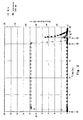
- the elution pattern is as shown in Fig.1 , where (1) indicates a starting point of passing the filtered sugar cane juice; (2), a starting point of the washing with ion exchanged water; and (3), a starting point of the elution with the aqueous 55% ethanol solution.
- the filled circles show absorbance at 420nm and the empty squares show Brix of each fraction.
- the fraction eluded with the aqueous 55% ethanol solution( corresponding to part "A" in Fig.1 ) was condensed approximately 20 times under vacuum with a concentrator. After freeze-drying the concentrate overnight, 460 g of brown powder, i.e., sugar cane-derived extract, was obtained.
- a second molasses was subjected to ion exchange column chromatographic separation using a pseudo moving-bed of a cation exchange resin, which molasses had been obtained by collecting sucrose crystals twice in a boiling pan in a sugar mill and centrifuging a remaining syrup to remove crystals.
- the second molasses had a Brix of about 85. This concentration was too high to be treated by column chromatography, so that the molasses was diluted to a Brix of about 50. To this, slaked lime and sodium carbonate were added to agglomerate impurities and then filtered through diatomaceous earth. The filtrate obtained had a Brix of 47.3, polarization of 23.6, purity of 49.9 and reducing sugar content of 2.5%. This filtrate was subjected to ion exchange chromatography.
- Ion exchange chromatography was carried out in a pseudo moving bed continuous separation method using a cation exchange resin, UBK530, ex Mitsubishi Chemical Co.
- the separation column packed with the resin had 8 sections, each of which contained 6.5 m 3 of the resin.
- the liquid feed and water as an eluent were continuously supplied to a different section at every predetermined time interval and a fraction containing sucrose and one containing less sucrose were taken out from different sections at every predetermined time interval.
- the sucrose-containing fraction had a sucrose content, determined by HPLC, of about 87% per solid weight and a Brix of about 35. This fraction was combined with the clarified juice and recycled to main process to recover sucrose again.
- the fraction with less sucrose had a sucrose content, determined by HPLC, of about 0.3% and a Brix of about 8.
- This fraction was condensed in a vacuum pan to a Brix of 40.0, polarization of 2.3, purity of 5.8 and reducing sugar content of 5.4%.
- This fraction was freeze-dried overnight to be used in further tests. Zero point twenty five gram of the freeze-dried powder obtained was dissolved in 0.5 mM phosphate buffer at pH of 7.5 a total volume of 100ml, of which absorbance at 420 nm was determined to be 1.11.
- a liquid prepared by treating a second molasses obtained in a sugar mill was subjected to single column batch ion chromatographic separation.
- the liquid was prepared by diluting a second molasses and washing with sodium carbonate, and filtering through diatomaseous earth.
- This liquid raw material had a Brix of 47.4, polarization of 23.2, purity of 48.9 and a reducing sugar content of 3.2%.
- This liquid raw material was subjected to fractionation by single column batch ion chromatographic separation using FPLC system (Pharmacia Co.).
- the column was packed with 500 ml of gel type of a strongly acidic cation exchange resin in sodium form, UBK 530, ex Mitsubishi Chemical Co.
- the column had an inner diameter of 26mm and a height of 1000mm, equipped with a flow adapter.
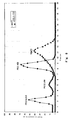
- each of the 30 fractions was analyzed for absorbance at 420nm, electric conductivity, and sugar content. The results are as shown in Fig.3 .
- 0.1 ml of each fraction was diluted with 2 ml of 0.5mM phosphate buffer at pH 7.5.
- electric conductivity each fraction was diluted with distilled water to 0.5%.
- a sucrose content was measured by HPLC.
- fractions corresponding to the peak of the absorbance at 420 nm were grouped into 4 samples; those corresponding to the sucrose peak into 3 samples; and those corresponding to the effluent later than the sucrose peak into 1 sample. That is, fractions 3 and 4 were combined together as sample 1; fractions 5 and 6 as sample 2; fractions 7 and 8 as sample 3; fractions 9 and 10 as sample 4; fractions 11 and 12 as sample 5; fractions 13 and 14 as sample 6; fractions 15 and 16 as sample 7; and fractions from 17 to 30 as sample 8. Fractions 1 and 2 were discarded since almost nothing was eluted. Each sample was freeze-dried overnight to become powder.
- a distribution ratio of a freeze-dried solid content means a weight ratio of a solid content of each sample to a total solid content of the entire samples.
- the electric conductivity ash content and the content of each saccharide are ratios of those to a solid content of each sample.
- samples 1 to 3 correspond to a fraction with less sugar and samples 4 to 8 to a sugar-containing fraction.
- Table 1 Analytical Data of 2nd Molasses Samples Fractionated with an Ion Exchange Resin Distribution ratio of a freeze-dried solid content(%) Electric Conductivity ash content (%) Sucrose content (%) Glucose content (%) Fructose content (%) Absorbance Sample 1 3.1 32.9 0 0 0 2.72 Sample 2 7.2 39.7 0 0 0 2.01 Sample 3 10.7 51.4 10.4 0 0 0.83 Sample 4 21.9 32.6 45.6 1.4 0.7 0.33 Sample 5 25.9 18.8 64.2 2.9 1.3 0.16 Sample 6 19.6 10 73.5 4.7 2.3 0.11 Sample 7 8.4 3.5 74 6.2 3.2 0.14 Sample 8 3.1 3.3 29.8 4.5 4.4 0.86 Separated liquid by Ion chromatography - 43.7 5.9 0.9 1.4 1.04
- the sugar cane-derived extract(condensed liquid extract) prepared in Preparation Example 5 was desalinized by electrodialysis.
- Cations such as potassium ion, sodium ion, calcium ion, and magnesium ion are removed almost equally regardless of ion species, but anions such as chloride ion and sulfate ion are removed on a different ratio.
- concentrations of chloride ion and sulfate ion per dried solid, as typical anions were determined by HPLC and their removal ratios were calculated.
- a content of chloride ion per dried solid of the extract to be desalinized was 5.45 wt%, that of sulfate ion was 7.41 wt%, and that of sulfate salts was 43.0 wt%.
- a content of chloride ion per dried solid was 0.03 wt% (removal ratio of 99.4%), that of sulfate ion was 6.61 wt% (removal ratio of 10.8%), and that of sulfate salts was 34.7 wt%(removal ratio of 19.3%).
- Test Example 1 Acute toxicity test of sugar cane-derived extract
- a toxicity test by single oral administration was carried out using rats.
- Sixteen male and sixteen female Sprauge-Dawley line SPF rats (Crj:CD(SD)) of 5 week-old were quarantined and fed for about a week. Healthy rats were elected and subjected to the test at 6 week-age.
- the male rats weighed from 157 to 171g and the female rats from 123 to 133g.
- the rats were fed in an animal room lit for 12 hours at a temperature of 23 +/- 3°C, a relative humidity of 50 +/- 2%, and a ventilation frequency of 10 to 15 times per hour, in which the rats were allowed to freely intake solid food, CRF-1, trade name, ex Oriental Yeast Co., and drinking water.
- the sugar cane-derived extract powder of a predetermined concentration was forcibly administered orally one time at 10 ml/kg body weight.
- sterilized distilled water only was administered in the similar manner. Feeding was resumed 6 hours after the administration.
- a lethal dose is estimated to be larger than 1000mg/kg, because neither female nor male rat died 14 days after the administration of the maximum dosage of 1000 mg/kg.
- Test Example 2 Antibacterial activity of the sugar cane-derived extract against E. coli
- Example 1 Exatract in Prep.
- Example 2 Exatract in Prep.
- Example 3 Exatract in Prep.
- Example 4 Escherichia coli NIHJ 10000 10000 10000 10000 Escherichia coli C-1 10000 10000 10000 10000 Escherichia coli C-2 10000 10000 10000 Escherichia coli C-3 10000 10000 10000 Escherichia coli TK-18A 10000 10000 10000 10000 Escherichia coli E01292 10000 10000 10000 10000 10000 10000 10000 10000 10000
- cytotoxicity of the extract to human embryo lung-derived cell(HEL-R66 cell) was examined.
- the sugar cane-derived extract was dissolved in and diluted with sterilized distilled water to a concentration of from 125 to 2000 ⁇ g/ml and applied to cultured cells. After 4 day-long culture, existence of denaturation in the cells was observed with a microscope. As shown in Table 4, no toxicity to the cells was observed up to a concentration of 1000 ⁇ g/ml.
- the sugar cane-derived extract was added in such an amount that a final concentration of the extract was in the range of from 125 to 1000 ⁇ g/ml.
- the cells with the viruses adsorbed thereto were cultured for 4 days. After the cultivation, existence of proliferation of the cells was observed with a microscope. As shown in Tables 5 and 6, it was found that the sugar cane-derived extract does not have a proliferation-inhibiting effect against Coxsackie virus, while it has a proliferation-inhibiting effect against Herpes virus at a concentration of from 500 to 1000 ⁇ g/ml. Table 4.
- S1c:ICR male mice of 5 week-old (about 30g in body weight) were used in 10 mice per group.
- Each of the extract prepared in the aforesaid Preparation Examples 1 to 4 was dissolved or suspended in sterilized distilled water.
- the extract solution or suspension was orally administered to the mice in an amount of 100 mg/kg or 500 mg/kg on the day before inoculation of E.coli.
- To a control group of the mice the same volume of sterilized distilled water was orally administered.
- a suspension of man-origin E.coli was subcutaneously inoculated to the mice in an amount of 0.2 ml which corresponded to 1 minimum lethal dose, MLD, (4.0 x 10 7 CFU/mouse).
- the groups which were inoculated with E.coli after the administration of the sugar cane-derived extract clearly showed higher survival ratios, which ratio increased with the increasing amount of the administration. That is, an infection preventing effect was recognized in the sugar cane-derived extract.
- first extract prepared in Preparation Example 2 was suspended in sterilized distilled water and dialyzed against sterilized water in a dialysis tube made of cellulose ester with a fractionating molecular weight of 1000( Spectra/Por, trade name, cellulose ester membrane MWCO:1000, ex Spectrum Co.).
- S1c:ICR male mice of 5 week-old (about 30g in body weight) were used in 10 mice per group.
- Each of the extract prepared in Preparation Examples 1 to 4, the fraction with a molecular weight of 1000 or more, and the fraction with a molecular weight smaller than 1000 from Preparation Example 2 was dissolved or suspended in sterilized distilled water.
- the extract solution or suspension was orally or intramuscularly administered to the mice in an amount shown in Table 7.
- the administration was performed 3 times in total, i.e., immediately after, one day after and two days after the inoculation of virus, or 9 times in total, i.e., three times per day x 3 consecutive days.
- the same volume of sterilized distilled water was orally administered.
- a suspension of pig -origin Pseudorabies virus was subcutaneously inoculated to the mice in an amount of 0.2 ml, which corresponded to 1 MLD(133 PFU/mouse). Seven days' survival ratio was determined. The results were evaluated by ⁇ 2 test as shown in Table 8. Table 8. Infection Preventing Test against Virus Tested Extract Administered amount of extract Administration method The number of administration Survival ratio (%) ⁇ 2 test Control Oral 0 Exatract in Prep. Ex. 1 100mg/kg Oral ⁇ 3 *1 20 Exatract in Prep. Ex. 1 200mg/kg Oral ⁇ 3 60 * * Exatract in Prep. Ex.
- the groups administered the sugar cane-derived extract clearly showed higher survival ratios which increased with the increasing amount of the administration. That is, a preventive effect for infection was recognized in the sugar cane-derived extract.
- the fraction with a molecular weight smaller than 1000 had a higher effect than the fraction with a molecular weight of 1000 or higher.
- a significant survival ratio was attained by the intramuscular administration.
- the present sugar cane-derived extract is effective also when intramuscularly administered based on the fact that.
- Each of the aforesaid extract was dissolved or suspended in sterilized distilled water and orally administered in an amount shown in Table 9 to the mice on the day before the inoculation of E.coli.
- To the control group of the mice the same volume of sterilized distilled water was orally administered.
- a suspension of man-origin E.coli was subcutaneously inoculated to the mice in an amount of 0.2 ml which corresponded to 1 MLD(4.0 x 10 7 CFU/ mouse). Four days' survival ratio was determined. The results evaluated by ⁇ 2 test are as shown in Table 9.
- Each of the aforesaid extract was dissolved or suspended in sterilized distilled water and orally, forcedly administered in an amount shown in Table 10 to the mice.
- the administration was performed 3 times in total, i.e., immediately after, one day after and two days after the inoculation of virus.
- To the control group of the mice the same volume of sterilized distilled water was orally forcedly administered.
- a suspension of pig -origin Pseudorabies virus was subcutaneously inoculated to the mice in an amount of 0.2 ml which corresponded to 1 MLD (133 PFU/mouse). Seven days' survival ratio was determined.
- the results evaluated by ⁇ 2 test are as shown in Table 10.
- the groups administered the sugar cane-derived extract clearly showed higher survival ratios which increased with the increasing amount of the administration.
- the extracts having a higher non-sugar content i.e., the extract of Preparation Example 5, the extracts of samples 1 to 3 of Preparation Examples 6, and the extract of Preparation Example 7, showed particularly higher survival ratios. Therefore, sugar is not considered to be the present active ingredient.
- Table 10 The extracts having a higher non-sugar content, i.e., the extract of Preparation Example 5, the extracts of samples 1 to 3 of Preparation Examples 6, and the extract of Preparation Example 7, showed particularly higher survival ratios. Therefore, sugar is not considered to be the present active ingredient. Table 10.
- the aforesaid extracts were pre-treated to prevent precipitates possibly present in the extract from clogging.
- the extract of Preparation Example 3 was diluted to a Brix of from 17.5 to 17.8 with distilled water and centrifuged at 600 x g for 15 minutes to remove insoluble materials. The supernatant was suction filtered through a No.2 filter paper, ex Advantec Toyo Co., or a glass fiber filter paper GA55, ex Advantec Toyo Co. The filtrate was subjected to gel permeation chromatography.
- the extract of Preparation Example 5 was diluted to a Brix of from 18.7 to 22.2 with distilled water and filtered through a glass fiber filter paper GA55, ex Advantec Toyo Co. The filtrate was subjected to gel permeation chromatography.
- a column having an inner diameter of 26 mm and a height of 630 mm was packed with 315 ml of Sephadex G-25 Superfine, trade name of Amasham Pharmacia Biotech Co. FPLC system, ex Pharmacia Co was used for chromatography.
- sample 1 consisting of fractions 1 to 4 containing substances with molecular weight of 10000 or more
- sample 2 consisting of fractions 5 to 11 up to a front part of the peak in electric conductivity
- sample 3 consisting of fractions 12 to 20 containing much salts.
- the following extracts were tested: the extract powder prepared by column chromatography in Preparation Example 1, the extract powder prepared from bagasse in Preparation Example 3, the extract powder prepared by ion chromatography in Preparation Example 5 and the extract powder prepared by desalinizing the extract obtained by ion chromatography in Preparation Example 7.
- the extracts of Preparation Examples 1 to 4 and the processed extract of Preparation Example 2 were each dissolved or suspended in sterilized distilled water and orally administered to the mice in an amount of 100 mg/kg twice, one day before and 6 hours after injection of endotoxin, lipopolysaccharide, referred to as LPS hereinafter.
- LPS lipopolysaccharide
- E.coli-origin LPS was injected to a caudal vein of the mice in an amount of 0.2 ml corresponding to the minimum lethal dosage for attack by endotoxin.
- Four days' survival ratio was determined and evaluated by ⁇ 2 test. The results are as shown in Table 14. Table 14.
- the group administered the sugar cane-derived extract showed significantly higher survival ratios, which indicates that the present extract has an anti-endotoxin effect.
- the lower molecular weight fraction had an higher effect than the higher molecular weight fraction.
- Each of the extracts was dissolved or suspended in sterilized distilled water and orally administered to the mice in an amount of 100 mg/kg twice, on the day before and 6 hours after injection of endotoxin(LPS).
- endotoxin(LPS) 100 mg/kg twice, on the day before and 6 hours after injection of endotoxin(LPS).
- E.coli-origin LPS was injected to a caudal vein of the mice in an amount of 0.2 ml corresponding to the minimum lethal dosage for attack by endotoxin.
- Four days' survival ratio was determined and evaluated by ⁇ 2 test. The results are as shown in Table 15. Table 15.
- mice of 3 week-old (about 12g in body weight) were used in 5 mice per group.
- Group 1 for control was fed with MF standard feed and groups 2 to 5 were fed with MF standard feed added 0.1% of one of the extracts of Preparation Examples 1 to 4.
- a body weight was measured.
- blood was collected and plasma was subjected to biochemical analyses. The results of weight increase are as shown in Table 16 and those of the biochemical analyses are as shown in Table 17.
- weight increase means weight gain in the test period;
- weight increase ratio means a ratio of the weight increase to the weight(g) at the beginning of the test; and
- ratio of the weight increase ratio is percent of the weight increase ratio to the weight increase ratio that of the control group.
- Table 16 Growth Promoting Effect of Exatract Test group Weight increase (g) Weight increase ratio Ratio of weight increase ratio (%) Control 27.6 2.29 100 Exatract in Prep. Example 1 31.4 2.60 114 Exatract in Prep. Example 2 30.9 2.55 111 Exatract in Prep. Example 3 30.0 2.51 110 Exatract in Prep. Example 4 29.9 2.48 108
- a control group was fed with MF standard feed and test groups were freely given MF standard feed mixed with 0.1% (as non-sugar content) of one of the extracts from Preparation Example 3(bagasse extract),Example 5(extract separated by ion chromatography)and Example 7(extract separated by ion chromatography and desalinized. At the end of 28 days feeding, a body weight was measured. Also, blood was collected and plasma was subjected to biochemical analyses. The results of weight increase are as shown in Table 18 and those of the biochemical analyses are as shown in Table 19.
- weight increase means weight gain in the test period
- weight increase ratio means a ratio of the weight increase to the weight(g) at the beginning of the test
- ratio of the weight increase ratio is percent of the weight increase ratio to the weight increase ratio that of the control group.
- the present sugar cane-derived extract works as an vaccine adjuvant and also promotes growth when administered orally, for example, to man or animals.
- the sugar cane-derived extract is plant-origin and a natural product which has been taken in by man from ancient times as non-centrifugal sugar such as brown sugar(KOKUTOU) and, accordingly, is safe to human or animal health.
- the extract can be produced in low costs.
- the present extract is a natural product, but has a high preventive or remedial effect, an anti-endotoxin effect, a vaccine adjuvant effect, and a growth promoting effect even in a small dosage.
Landscapes
- Health & Medical Sciences (AREA)
- Life Sciences & Earth Sciences (AREA)
- Chemical & Material Sciences (AREA)
- General Health & Medical Sciences (AREA)
- Veterinary Medicine (AREA)
- Public Health (AREA)
- Medicinal Chemistry (AREA)
- Animal Behavior & Ethology (AREA)
- Pharmacology & Pharmacy (AREA)
- General Chemical & Material Sciences (AREA)
- Chemical Kinetics & Catalysis (AREA)
- Engineering & Computer Science (AREA)
- Nuclear Medicine, Radiotherapy & Molecular Imaging (AREA)
- Natural Medicines & Medicinal Plants (AREA)
- Organic Chemistry (AREA)
- Epidemiology (AREA)
- Mycology (AREA)
- Polymers & Plastics (AREA)
- Immunology (AREA)
- Communicable Diseases (AREA)
- Oncology (AREA)
- Microbiology (AREA)
- Food Science & Technology (AREA)
- Botany (AREA)
- Bioinformatics & Cheminformatics (AREA)
- Animal Husbandry (AREA)
- Alternative & Traditional Medicine (AREA)
- Molecular Biology (AREA)
- Medical Informatics (AREA)
- Biotechnology (AREA)
- Nutrition Science (AREA)
- Zoology (AREA)
- Virology (AREA)
- Toxicology (AREA)
- Diabetes (AREA)
- Hematology (AREA)
- Obesity (AREA)
- Fodder In General (AREA)
- Medicines Containing Plant Substances (AREA)
- Coloring Foods And Improving Nutritive Qualities (AREA)
Claims (15)
- Verwendung eines von Zuckerrohr abgeleiteten Extrakts zur Herstellung eines Mittels für die Behandlung einer Krankheit oder eines Zustands, welche durch eine bakterielle Infektion in Menschen oder Tieren verursacht werden, wobei der von Zuckerrohr abgeleitete Extrakt eine Fraktion ist, die erhalten wird durch Passieren eines Rohmaterials, welches aus der Gruppe, bestehend aus Zuckerrohrsaft, einem flüssigen Extrakt aus Zuckerrohr und von Zuckerrohr abgeleiteter Melasse ausgewählt ist, durch eine mit einem synthetischen Adsorber als einem stationären Träger gepackte Säule und Eluieren von auf dem synthetischen Absorptionsmittel adsorbierten Substanzen mit einem Lösungsmittel, welches aus der Gruppe, bestehend aus Wasser, Methanol, Ethanol und Mischungen davon ausgewählt ist, oder eine Fraktion ist, die Licht einer Wellenlänge von 420 nm absorbiert, erhältlich durch säulenchromatographische Behandlung unter Ausnutzung von Unterschieden in der Affinität zu einem in einer Säule als dem stationären Träger gepackten Ionenaustauscherharz.
- Verwendung eines von Zuckerrohr abgeleiteten Extrakts zur Herstellung eines Mittels für die Behandlung einer Krankheit oder eines Zustands, welche durch Endotoxin in Menschen oder Tieren verursacht werden, wobei der von Zuckerrohr abgeleitete Extrakt eine Fraktion ist, die erhalten wird durch Passieren eines Rohrmaterials, welches aus der Gruppe, bestehend aus Zuckerrohrsaft, einem flüssigen Extrakt aus Zuckerrohr und von Zuckerrohr abgeleiteter Melasse ausgewählt ist, durch eine mit einem synthetischen Adsorber als einem stationären Träger gepackte Säule und Eluieren von auf dem synthetischen Absorptionsmittel adsorbierten Substanzen mit einem Lösungsmittel, welches aus der Gruppe, bestehend aus Wasser, Methanol, Ethanol und Mischungen davon ausgewählt ist, oder eine Fraktion ist, die Licht einer Wellenlänge von 420 nm absorbiert, erhältlich durch säulenchromatographische Behandlung unter Ausnutzung von Unterschieden in der Affinität zu einem in einer Säule als dem stationären Träger gepackten lonenaustauscherharz.
- Verwendung eines von Zuckerrohr abgeleiteten Extrakts zur Herstellung eines Mittels für die Behandlung einer Krankheit oder eines Zustands, welche durch eine Pilz-, Mycoplasma-, Rickettsia- oder Chlamydiainfektion in Menschen oder Tieren verursacht werden, wobei der von Zuckerrohr abgeleitete Extrakt eine Fraktion ist, die erhalten wird durch Passieren eines Rohrmaterials, welches aus der Gruppe, bestehend aus Zuckerrohrsaft, einem flüssigen Extrakt aus Zuckerrohr und von Zuckerrohr abgeleiteter Melasse ausgewählt ist, durch eine mit einem synthetischen Adsorber als einem stationären Träger gepackte Säule und Eluieren von auf dem synthetischen Absorptionsmittel adsorbierten Substanzen mit einem Lösungsmittel, welches aus der Gruppe, bestehend aus Wasser, Methanol, Ethanol und Mischungen davon ausgewählt ist, oder eine Fraktion ist, die Licht einer Wellenlänge von 420 nm absorbiert, erhältlich durch säulenchromatographische Behandlung unter Ausnutzung von Unterschieden in der Affinität zu einem in einer Säule als dem stationären Träger gepackten lonenaustauscherharz.
- Verwendung eines von Zuckerrohr abgeleiteten Extrakts zur Herstellung eines Mittels für die Behandlung einer Krankheit oder eines Zustands, welche durch eine Virusinfektion in Menschen oder Tieren verursacht werden, wobei der von Zuckerrohr abgeleitete Extrakt eine Komponente mit einem Molekulargewicht von weniger als 1.000 als einem aktiven Bestandteil umfasst und der von Zuckerrohr abgeleitete Extrakt eine Fraktion ist, die erhalten wird durch Passieren eines Rohrmaterials, welches aus der Gruppe, bestehend aus Zuckerrohrsaft, einem flüssigen Extrakt aus Zuckerrohr und von Zuckerrohr abgeleiteter Melasse ausgewählt ist, durch eine mit einem synthetischen Adsorber als einem stationären Träger gepackte Säule und Eruieren von auf dem synthetischen Absorptionsmittel adsorbierten Substanzen mit einem Lösungsmittel, welches aus der Gruppe, bestehend aus Wasser, Methanol, Ethanol und Mischungen davon ausgewählt ist, oder eine Fraktion ist, die Licht einer Wellenlänge von 420 nm absorbiert, erhältlich durch säulenchromatographische Behandlung unter Ausnutzung von Unterschieden in der Affinität zu einem in einer Säule als dem stationären Träger gepackten lonenaustauscherharz.
- Verwendung eines von Zuckerrohr abgeleiteten Extrakts zur Herstellung eines Mittels zur Wachstumsförderung, wobei der von Zuckerrohr abgeleitete Extrakt eine Fraktion ist, die erhalten wird durch Passieren eines Rohmaterials, welches aus der Gruppe, bestehend aus Zuckerrohrsaft, einem flüssigen Extrakt aus Zuckerrohr und von Zuckerrohr abgeleiteter Melasse ausgewählt ist, durch eine mit einem synthetischen Adsorber als einem stationären Träger gepackte Säule und Eluieren von auf dem synthetischen Absorptionsmittel adsorbierten Substanzen mit einem Lösungsmittel, welches aus der Gruppe, bestehend aus Wasser, Methanol, Ethanol und Mischungen davon ausgewählt ist, oder eine Fraktion ist, die Licht einer Wellenlänge von 420 nm absorbiert, erhältlich durch säulenchromatographische Behandlung unter Ausnutzung von Unterschieden in der Affinität zu einem in einer Säule als dem stationären Träger gepackten lonenaustauscherharz.
- Verwendung eines von Zuckerrohr abgeleiteten Extrakts als ein Hilfsstoff in der Herstellung einer lmpfstoffzusammensetzung, wobei der von Zuckerrohr abgeleitete Extrakt eine Fraktion ist, die erhalten wird durch Passieren eines Rohmaterials, welches aus der Gruppe, bestehend aus Zuckerrohrsaft, einem flüssigen Extrakt aus Zuckerrohr und von Zuckerrohr abgeleiteter Melasse ausgewählt ist, durch eine mit einem synthetischen Adsorber als einem stationären Träger gepackte Säule und Eluieren von auf dem synthetischen Absorptionsmittel adsorbierten Substanzen mit einem Lösungsmittel, welches aus der Gruppe, bestehend aus Wasser, Methanol, Ethanol und Mischungen davon ausgewählt ist, oder eine Fraktion ist, die Licht einer Wellenlänge von 420 nm absorbiert, erhältlich durch säulenchromatographische Behandlung unter Ausnutzung von Unterschieden in der Affinität zu einem in einer Säule als dem stationären Träger gepackten lonenaustauscherharz.
- Verwendung eines von Zuckerrohr abgeleiteten Extrakts gemäß einem der Ansprüche 1 bis 6, wobei der von Zuckerrohr abgeleitete Extrakt in der Form von Nahrung verabreicht wird.
- Verwendung eines von Zuckerrohr abgeleiteten Extrakts gemäß Anspruch 7, wobei die Nahrung eine Tiernahrung ist.
- Verwendung eines von Zuckerrohr abgeleiteten Extrakts gemäß einem der Ansprüche 1 bis 6, wobei das lonenaustauscherhatz ein Kationenaustauscherharz ist.
- Verwendung eines von Zuckerrohr abgeleiteten Extrakts gemäß Anspruch 9, wobei das Kationenaustauscherharz ein stark saures Kationenaustauscherharz ist.
- Verwendung eines von Zuckerrohr abgeleiteten Extrakts gemäß Anspruch 10, wobei das stark saure Kationenaustauscherharz in einer Natriumion-Form oder einer Kaliumion-Form vorliegt.
- Verwendung eines von Zuckerrohr abgeleiteten Extrakts gemäß einem der Ansprüche 1 bis 6 und 9 bis 11, wobei das lonenaustauscherharz ein gelförmiges Harz ist.
- Verwendung eines von Zuckerrohr abgeleiteten Extrakts gemäß einem der Ansprüche 1 bis 6 und 9 bis 12, wobei die ionenaustauschchromatographische Behandlung in einem kontinuierlichen Pseudofließbett-Trennungsverfahren durchgeführt wird.
- Verwendung eines von Zuckerrohr abgeleiteten Extrakts gemäß einem der Ansprüche 1 bis 6 und 9 bis 13, wobei die Fraktion, die Licht einer Wellenlänge von 420 nm absorbiert, durch Elektrodialyse weiterbehandelt wird, um dadurch die Salzmengen zu reduzieren.
- Impfstoffzusammensetzung, umfassend ein Antigen und ein von Zuckerrohr abgeleitetes Extrakt als ein Hilfsstoff zur Verstärkung der immunfördernden Wirkung der Zusammensetzung, wobei der von Zuckerrohr abgeleitete Extrakt eine Fraktion ist, die erhalten wird durch Passieren eines Rohmaterial, welches aus der Gruppe, bestehend aus Zuckerrohrsaft, einem flüssigen Extrakt aus Zuckerrohr und von Zuckerrohr abgeleiteter Melasse ausgewählt ist, durch eine mit einem synthetischen Adsorber als einem stationären Träger gepackte Säule und Eluieren von auf dem synthetischen Absorptionsmittel adsorbierten Substanzen mit einem Lösungsmittel, welches aus der Gruppe, bestehend aus Wasser, Methanol, Ethanol und Mischungen davon ausgewählt ist, oder eine Fraktion ist, die Licht einer Wellenlänge von 420 nm absorbiert, erhältlich durch säulenchromatographische Behandlung unter Ausnutzung von Unterschieden in der Affinität zu einem in einer Säule als dem stationären Träger gepackten lonenaustauscherharz.
Applications Claiming Priority (5)
| Application Number | Priority Date | Filing Date | Title |
|---|---|---|---|
| JP30174598 | 1998-10-09 | ||
| JP30174598 | 1998-10-09 | ||
| JP3504799 | 1999-02-12 | ||
| JP3504799 | 1999-02-12 | ||
| PCT/JP1999/005583 WO2000021546A1 (en) | 1998-10-09 | 1999-10-08 | Preventives/remedies for infection, anti-endotoxin agents, vaccine adjuvants and growth promoters |
Publications (3)
| Publication Number | Publication Date |
|---|---|
| EP1120118A1 EP1120118A1 (de) | 2001-08-01 |
| EP1120118A4 EP1120118A4 (de) | 2004-04-07 |
| EP1120118B1 true EP1120118B1 (de) | 2010-05-26 |
Family
ID=26373953
Family Applications (1)
| Application Number | Title | Priority Date | Filing Date |
|---|---|---|---|
| EP99970325A Expired - Lifetime EP1120118B1 (de) | 1998-10-09 | 1999-10-08 | Präventiva/mittel für infektion, anti-endotoxin mittel, impfstoff-adjuvanzien sowie wachstumspromotoren |
Country Status (7)
| Country | Link |
|---|---|
| US (3) | US7150885B2 (de) |
| EP (1) | EP1120118B1 (de) |
| JP (2) | JP5073884B2 (de) |
| AU (1) | AU776334B2 (de) |
| DE (1) | DE69942420D1 (de) |
| ES (1) | ES2342449T3 (de) |
| WO (1) | WO2000021546A1 (de) |
Families Citing this family (19)
| Publication number | Priority date | Publication date | Assignee | Title |
|---|---|---|---|---|
| RU2020959C1 (ru) * | 1991-10-21 | 1994-10-15 | Игорь Дмитриевич Поляков | Вакцина поливак-тм для профилактики и лечения дерматофитозов животных |
| ES2342449T3 (es) * | 1998-10-09 | 2010-07-06 | Mitsui Sugar Co., Ltd. | Profilacticos/medicamentos para la infeccion, agentes anti-endotoxinas, adyuvantes de vacunas y estimuladores del crecimiento. |
| JP2002325541A (ja) * | 2001-02-28 | 2002-11-12 | Nippon Formula Feed Mfg Co Ltd | 家禽用飼料 |
| US7579325B2 (en) | 2001-03-21 | 2009-08-25 | Eisai R & D Management Co., Ltd. | Drugs containing reduced of vitamin B2 |
| JP5002097B2 (ja) * | 2001-08-28 | 2012-08-15 | 独立行政法人農業・食品産業技術総合研究機構 | コクシジウムによって引き起こされるヒトまたは動物の病気に対する予防治療剤及びコクシジウムの軽感染に対するヒトまたは動物の免疫のためのアジュバント剤 |
| AU2002349439A1 (en) * | 2001-12-26 | 2003-07-15 | Nihon Medi-Physics Co., Ltd. | Compositions for eliminating endotoxin and elimination method |
| JP2004292357A (ja) * | 2003-03-27 | 2004-10-21 | Kumamoto Technology & Industry Foundation | 口腔内エンドトキシンの吸着除去剤 |
| US7646786B2 (en) * | 2004-05-25 | 2010-01-12 | Cisco Technology, Inc. | Neighbor discovery in cable networks |
| US9364016B2 (en) * | 2006-09-19 | 2016-06-14 | The Product Makers (Australia) Pty Ltd | Extracts derived from sugar cane and a process for their manufacture |
| ES2454649T3 (es) * | 2007-10-05 | 2014-04-11 | Horizon Science Pty Ltd | Conservantes naturales y agentes antimicrobianos |
| JP5337987B2 (ja) * | 2009-01-19 | 2013-11-06 | 独立行政法人農業・食品産業技術総合研究機構 | 廃糖蜜の抗酸化能向上技術 |
| CN103561585B (zh) | 2011-02-08 | 2016-05-25 | 产品制造者(澳大利亚)有限公司 | 糖提取物 |
| AU2013308395C1 (en) | 2012-08-28 | 2018-03-15 | Poly Gain Pte Ltd | Extraction method |
| ES2746296T3 (es) * | 2012-10-02 | 2020-03-05 | Mitsui Sugar Co | Activador de las placas de Peyer |
| AU2014306366B9 (en) | 2013-08-16 | 2020-03-26 | Poly Gain Pte Ltd | Sugar cane derived extracts and methods of treatment |
| MX2013013972A (es) * | 2013-11-28 | 2015-05-28 | Héctor Alejandro Álvarez De La Cadena Sillas | Procedimiento para la obtencion de un saborizante con sabor a azucar de caña, a partir de concentrados de caña de azucar o de las mieles intermedias y melazas derivadas de la extraccion de azucar de los ingenios azucareros, como aditivo para edulcorantes de alto rendimiento y producto resultante. |
| WO2019213703A1 (en) * | 2018-05-11 | 2019-11-14 | The Product Makers (Australia) Pty Ltd | Sugar cane extracts for use in animal feeds |
| EP3945846A4 (de) * | 2019-03-28 | 2022-12-14 | Academia Sinica | Bidens pilosa und phytochemikalien davon zur verwendung bei der vorbeugung und behandlung von diarrhöe |
| AU2021384768B2 (en) * | 2020-11-23 | 2024-08-15 | Poly Gain Pte Ltd | Use of sugar cane extracts in the treatment or prevention of microbial infections and dysbiosis |
Citations (4)
| Publication number | Priority date | Publication date | Assignee | Title |
|---|---|---|---|---|
| JPS5920223A (ja) * | 1982-07-24 | 1984-02-01 | Osaka Chem Lab | 肥満防止剤 |
| JPS5953427A (ja) * | 1982-09-22 | 1984-03-28 | Eisai Co Ltd | 甘蔗茎皮抽出物および抗脂血剤 |
| EP0488928A2 (de) * | 1990-11-30 | 1992-06-03 | Centro Nacional De Investigaciones Cientificas | Arzneimittel enthaltend Mischungen von höheren primären aliphatischen alkoholen zur Behandlung von Hypercholesterolämie und hyperlipoproteinämie Typ II und zur Stimulation des sexuellen Verhaltens bei Tieren und Menschen |
| WO1998002041A1 (en) * | 1996-07-17 | 1998-01-22 | Biocell Research, Inc. | Therapeutic composition from sugar cane and therapeutic uses thereof |
Family Cites Families (24)
| Publication number | Priority date | Publication date | Assignee | Title |
|---|---|---|---|---|
| JPS4123346Y1 (de) | 1964-09-03 | 1966-11-25 | ||
| JPS4423346Y1 (de) | 1966-12-06 | 1969-10-01 | ||
| JPS55157517A (en) | 1978-12-29 | 1980-12-08 | Chiyokichi Iizuka | Antiviral drug and its preparation |
| US4540669A (en) * | 1980-09-11 | 1985-09-10 | Merck & Co., Inc. | Herpes simplex type I subunit vaccine |
| JPS5939411B2 (ja) | 1980-12-24 | 1984-09-22 | 野田食菌工業株式会社 | 抗動物ウイルス剤 |
| JPS574929A (en) * | 1981-01-07 | 1982-01-11 | Takeda Chem Ind Ltd | Preparation of quinones |
| JPS5820223A (ja) | 1981-07-31 | 1983-02-05 | Mitsubishi Electric Corp | 排オゾン処理装置 |
| US4559229A (en) * | 1982-07-20 | 1985-12-17 | Research Foundation | Avian proventriculitis vaccine |
| JPS6054305A (ja) | 1983-09-05 | 1985-03-28 | Noda Shiyokukin Kogyo Kk | 農園芸作物のウイルス病抑制方法 |
| US5788812A (en) * | 1985-11-05 | 1998-08-04 | Agar; Richard C. | Method of recovering furfural from organic pulping liquor |
| US5102553A (en) * | 1988-12-16 | 1992-04-07 | The Amalgamated Sugar Company | Time variable simulated moving bed process |
| JPH02286623A (ja) | 1989-04-27 | 1990-11-26 | Noda Shiyokukin Kogyo Kk | 抗ウイルス物質及びその製法 |
| JPH0466536A (ja) | 1990-07-04 | 1992-03-02 | Noda Shiyokukin Kogyo Kk | 抗ウィルス物質とその製造方法 |
| AU635352B2 (en) * | 1990-11-09 | 1993-03-18 | Applied Membrane Systems Pty Ltd | A method and apparatus for fractionation of sugar containing solution |
| US5374316A (en) * | 1991-01-04 | 1994-12-20 | Tilby; Sydney E. | Method and apparatus for separation of sugarcane pith from rind |
| JPH054929A (ja) | 1991-02-08 | 1993-01-14 | Nippon Chem Res Kk | 抗ウイルス活性物質の分画精製方法 |
| US5646186A (en) * | 1994-05-17 | 1997-07-08 | Johnson & Johnson Consumer Products, Inc. | Retinoid composition |
| US5443650B2 (en) * | 1993-06-11 | 2000-05-30 | Univ Louisiana State | Process for softening a sugar-containing aqueous solution such as sugar juice or molasses |
| US5482631A (en) * | 1994-10-06 | 1996-01-09 | Board Of Supervisors Of Louisiana State University And Agricultural And Mechanical College | Separation of inositols from sugars and sugar alcohols |
| JP3894462B2 (ja) * | 1996-09-24 | 2007-03-22 | 三井製糖株式会社 | 消臭物質 |
| US6586019B1 (en) * | 1996-09-24 | 2003-07-01 | Mitsui Sugar Co., Ltd. | Deodorant |
| JPH1198971A (ja) * | 1997-09-26 | 1999-04-13 | Nisshin Sugar Mfg Co Ltd | 抗う蝕性剤及びそれを含有する飲食物 |
| JPH11189519A (ja) | 1997-12-25 | 1999-07-13 | Mitsui Sugar Co Ltd | エチケット消臭剤および体臭の消臭方法 |
| ES2342449T3 (es) * | 1998-10-09 | 2010-07-06 | Mitsui Sugar Co., Ltd. | Profilacticos/medicamentos para la infeccion, agentes anti-endotoxinas, adyuvantes de vacunas y estimuladores del crecimiento. |
-
1999
- 1999-10-08 ES ES99970325T patent/ES2342449T3/es not_active Expired - Lifetime
- 1999-10-08 WO PCT/JP1999/005583 patent/WO2000021546A1/ja not_active Ceased
- 1999-10-08 DE DE69942420T patent/DE69942420D1/de not_active Expired - Lifetime
- 1999-10-08 AU AU60065/99A patent/AU776334B2/en not_active Expired
- 1999-10-08 EP EP99970325A patent/EP1120118B1/de not_active Expired - Lifetime
- 1999-10-08 JP JP28774099A patent/JP5073884B2/ja not_active Expired - Fee Related
- 1999-10-08 US US09/806,925 patent/US7150885B2/en not_active Expired - Lifetime
-
2006
- 2006-11-01 US US11/555,468 patent/US7368136B2/en not_active Expired - Fee Related
- 2006-11-01 US US11/555,501 patent/US7416745B2/en not_active Expired - Fee Related
-
2012
- 2012-06-11 JP JP2012131814A patent/JP5468643B2/ja not_active Expired - Lifetime
Patent Citations (4)
| Publication number | Priority date | Publication date | Assignee | Title |
|---|---|---|---|---|
| JPS5920223A (ja) * | 1982-07-24 | 1984-02-01 | Osaka Chem Lab | 肥満防止剤 |
| JPS5953427A (ja) * | 1982-09-22 | 1984-03-28 | Eisai Co Ltd | 甘蔗茎皮抽出物および抗脂血剤 |
| EP0488928A2 (de) * | 1990-11-30 | 1992-06-03 | Centro Nacional De Investigaciones Cientificas | Arzneimittel enthaltend Mischungen von höheren primären aliphatischen alkoholen zur Behandlung von Hypercholesterolämie und hyperlipoproteinämie Typ II und zur Stimulation des sexuellen Verhaltens bei Tieren und Menschen |
| WO1998002041A1 (en) * | 1996-07-17 | 1998-01-22 | Biocell Research, Inc. | Therapeutic composition from sugar cane and therapeutic uses thereof |
Non-Patent Citations (2)
| Title |
|---|
| DATABASE WPI Section Ch Week 198411, Derwent World Patents Index; Class B04, AN 1984-065037, "Agent for protecting against obesity from raw sugar - comprises pigmentary component from raw sugar and vehicles" * |
| DATABASE WPI Section Ch Week 198419, Derwent World Patents Index; Class B04, AN 1984-116622, "Antilipaemic agent contg. sugar cane bark extract -suitable for oral admin." * |
Also Published As
| Publication number | Publication date |
|---|---|
| AU6006599A (en) | 2000-05-01 |
| US20030147978A1 (en) | 2003-08-07 |
| US20070128206A1 (en) | 2007-06-07 |
| DE69942420D1 (de) | 2010-07-08 |
| JP5468643B2 (ja) | 2014-04-09 |
| EP1120118A1 (de) | 2001-08-01 |
| US7416745B2 (en) | 2008-08-26 |
| US7150885B2 (en) | 2006-12-19 |
| EP1120118A4 (de) | 2004-04-07 |
| US20070059389A1 (en) | 2007-03-15 |
| JP2012214481A (ja) | 2012-11-08 |
| AU776334B2 (en) | 2004-09-02 |
| JP5073884B2 (ja) | 2012-11-14 |
| WO2000021546A1 (en) | 2000-04-20 |
| ES2342449T3 (es) | 2010-07-06 |
| US7368136B2 (en) | 2008-05-06 |
| JP2000297046A (ja) | 2000-10-24 |
Similar Documents
| Publication | Publication Date | Title |
|---|---|---|
| JP5468643B2 (ja) | 感染予防治療剤、抗エンドトキシン剤、ワクチンアジュバント剤および成長促進剤 | |
| EP0812592A1 (de) | Mittel zur Vorbeugung oder Behandlung von Katarakt | |
| CN116194128A (zh) | 用于治疗非人类动物的从草丝兰属制备的含有皂苷的提取物 | |
| WO2007013613A1 (ja) | フコイダン又はフコイダン加水分解生成物と免疫賦活素材とを含む組成物 | |
| HUP0304091A2 (hu) | Eljárás 3-O-deaktivált-4'-monofoszforil-lipid (3D-MLA) előállítására | |
| JP2023530476A (ja) | 非ヒト動物の治療において有用なヘスペラロエから調製した抽出物を含むサポニン | |
| TWI907335B (zh) | 免疫刺激劑及感染預防方法 | |
| JP5002097B2 (ja) | コクシジウムによって引き起こされるヒトまたは動物の病気に対する予防治療剤及びコクシジウムの軽感染に対するヒトまたは動物の免疫のためのアジュバント剤 | |
| JP4737796B2 (ja) | 肝機能増強剤 | |
| US20110104189A1 (en) | Compositions obtained from chlorella extract having immunomodulating properties | |
| JP2004075612A (ja) | 免疫機能増強剤 | |
| JP6460402B2 (ja) | コレステロール排出促進用医薬組成物又は食品組成物 | |
| JP4484267B2 (ja) | ガン免疫賦活剤およびアレルギー免疫抑制剤 | |
| JP2001335505A (ja) | 抗ストレス剤 | |
| JP2008120707A (ja) | 免疫賦活物質ならびにそれを含む医薬組成物、食品、飼料、および化粧品 | |
| JP2005075750A (ja) | 放射線障害抑制剤、並びに該放射線障害抑制剤を含む食品及び飼料 | |
| CN114081107B (zh) | 一种提高蛋鸡免疫力和产蛋品质的饲料添加剂及制备方法 | |
| JP4422404B2 (ja) | 感染予防・治療剤および食品 | |
| JP7138470B2 (ja) | 抗認知症剤及び短期記憶障害改善/抑制剤 | |
| JP2006298853A (ja) | 抗腫瘍性飲食品及び抗腫瘍剤 | |
| KR20260007851A (ko) | 호박손 유래 추출물, 이의 조다당 분획물 또는 이의 다당체를 포함하는 면역 증강용 조성물 | |
| JP2001335506A (ja) | 抗ストレス剤 |
Legal Events
| Date | Code | Title | Description |
|---|---|---|---|
| PUAI | Public reference made under article 153(3) epc to a published international application that has entered the european phase |
Free format text: ORIGINAL CODE: 0009012 |
|
| 17P | Request for examination filed |
Effective date: 20010508 |
|
| AK | Designated contracting states |
Kind code of ref document: A1 Designated state(s): DE ES FR GB IT NL |
|
| A4 | Supplementary search report drawn up and despatched |
Effective date: 20040225 |
|
| RAP1 | Party data changed (applicant data changed or rights of an application transferred) |
Owner name: MITSUI SUGAR CO., LTD. |
|
| 17Q | First examination report despatched |
Effective date: 20061016 |
|
| RIC1 | Information provided on ipc code assigned before grant |
Ipc: A23K 1/16 20060101ALI20091009BHEP Ipc: A23L 1/30 20060101ALI20091009BHEP Ipc: A23L 1/214 20060101ALI20091009BHEP Ipc: A61K 39/39 20060101ALI20091009BHEP Ipc: A61K 36/899 20060101AFI20091009BHEP |
|
| GRAP | Despatch of communication of intention to grant a patent |
Free format text: ORIGINAL CODE: EPIDOSNIGR1 |
|
| RIN1 | Information on inventor provided before grant (corrected) |
Inventor name: SUZUKI, MAMORU Inventor name: ARAKI, SEIICHI Inventor name: SHIMIZU, TAKEO Inventor name: KASHIMURA, JUN Inventor name: KAWAI, TOSHIKAZU Inventor name: MURAKAMI, HIROSHI Inventor name: NAGAI, YUKIE Inventor name: KOGE, KENJI Inventor name: MIZUTANI, TAKEO |
|
| GRAS | Grant fee paid |
Free format text: ORIGINAL CODE: EPIDOSNIGR3 |
|
| GRAA | (expected) grant |
Free format text: ORIGINAL CODE: 0009210 |
|
| AK | Designated contracting states |
Kind code of ref document: B1 Designated state(s): DE ES FR GB IT NL |
|
| REG | Reference to a national code |
Ref country code: GB Ref legal event code: FG4D |
|
| REG | Reference to a national code |
Ref country code: ES Ref legal event code: FG2A Ref document number: 2342449 Country of ref document: ES Kind code of ref document: T3 |
|
| REF | Corresponds to: |
Ref document number: 69942420 Country of ref document: DE Date of ref document: 20100708 Kind code of ref document: P |
|
| REG | Reference to a national code |
Ref country code: NL Ref legal event code: T3 |
|
| PLBE | No opposition filed within time limit |
Free format text: ORIGINAL CODE: 0009261 |
|
| STAA | Information on the status of an ep patent application or granted ep patent |
Free format text: STATUS: NO OPPOSITION FILED WITHIN TIME LIMIT |
|
| 26N | No opposition filed |
Effective date: 20110301 |
|
| REG | Reference to a national code |
Ref country code: DE Ref legal event code: R097 Ref document number: 69942420 Country of ref document: DE Effective date: 20110228 |
|
| REG | Reference to a national code |
Ref country code: FR Ref legal event code: PLFP Year of fee payment: 17 |
|
| REG | Reference to a national code |
Ref country code: FR Ref legal event code: PLFP Year of fee payment: 18 |
|
| REG | Reference to a national code |
Ref country code: FR Ref legal event code: PLFP Year of fee payment: 19 |
|
| REG | Reference to a national code |
Ref country code: FR Ref legal event code: PLFP Year of fee payment: 20 |
|
| PGFP | Annual fee paid to national office [announced via postgrant information from national office to epo] |
Ref country code: NL Payment date: 20180925 Year of fee payment: 20 |
|
| PGFP | Annual fee paid to national office [announced via postgrant information from national office to epo] |
Ref country code: DE Payment date: 20181019 Year of fee payment: 20 |
|
| PGFP | Annual fee paid to national office [announced via postgrant information from national office to epo] |
Ref country code: FR Payment date: 20181022 Year of fee payment: 20 Ref country code: GB Payment date: 20181019 Year of fee payment: 20 Ref country code: IT Payment date: 20181024 Year of fee payment: 20 Ref country code: ES Payment date: 20181123 Year of fee payment: 20 |
|
| REG | Reference to a national code |
Ref country code: DE Ref legal event code: R071 Ref document number: 69942420 Country of ref document: DE |
|
| REG | Reference to a national code |
Ref country code: NL Ref legal event code: MK Effective date: 20191007 |
|
| REG | Reference to a national code |
Ref country code: GB Ref legal event code: PE20 Expiry date: 20191007 |
|
| PG25 | Lapsed in a contracting state [announced via postgrant information from national office to epo] |
Ref country code: GB Free format text: LAPSE BECAUSE OF EXPIRATION OF PROTECTION Effective date: 20191007 |
|
| REG | Reference to a national code |
Ref country code: ES Ref legal event code: FD2A Effective date: 20200806 |
|
| PG25 | Lapsed in a contracting state [announced via postgrant information from national office to epo] |
Ref country code: ES Free format text: LAPSE BECAUSE OF EXPIRATION OF PROTECTION Effective date: 20191009 |