EP0755454B1 - Aav-mediated delivery of dna to cells of the nervous system - Google Patents
Aav-mediated delivery of dna to cells of the nervous system Download PDFInfo
- Publication number
- EP0755454B1 EP0755454B1 EP95916379A EP95916379A EP0755454B1 EP 0755454 B1 EP0755454 B1 EP 0755454B1 EP 95916379 A EP95916379 A EP 95916379A EP 95916379 A EP95916379 A EP 95916379A EP 0755454 B1 EP0755454 B1 EP 0755454B1
- Authority
- EP
- European Patent Office
- Prior art keywords
- aav
- vector
- gene
- cells
- nervous system
- Prior art date
- Legal status (The legal status is an assumption and is not a legal conclusion. Google has not performed a legal analysis and makes no representation as to the accuracy of the status listed.)
- Expired - Lifetime
Links
Images



Classifications
-
- C—CHEMISTRY; METALLURGY
- C12—BIOCHEMISTRY; BEER; SPIRITS; WINE; VINEGAR; MICROBIOLOGY; ENZYMOLOGY; MUTATION OR GENETIC ENGINEERING
- C12N—MICROORGANISMS OR ENZYMES; COMPOSITIONS THEREOF; PROPAGATING, PRESERVING, OR MAINTAINING MICROORGANISMS; MUTATION OR GENETIC ENGINEERING; CULTURE MEDIA
- C12N15/00—Mutation or genetic engineering; DNA or RNA concerning genetic engineering, vectors, e.g. plasmids, or their isolation, preparation or purification; Use of hosts therefor
- C12N15/09—Recombinant DNA-technology
- C12N15/63—Introduction of foreign genetic material using vectors; Vectors; Use of hosts therefor; Regulation of expression
- C12N15/79—Vectors or expression systems specially adapted for eukaryotic hosts
- C12N15/85—Vectors or expression systems specially adapted for eukaryotic hosts for animal cells
- C12N15/86—Viral vectors
-
- A—HUMAN NECESSITIES
- A61—MEDICAL OR VETERINARY SCIENCE; HYGIENE
- A61P—SPECIFIC THERAPEUTIC ACTIVITY OF CHEMICAL COMPOUNDS OR MEDICINAL PREPARATIONS
- A61P21/00—Drugs for disorders of the muscular or neuromuscular system
-
- A—HUMAN NECESSITIES
- A61—MEDICAL OR VETERINARY SCIENCE; HYGIENE
- A61P—SPECIFIC THERAPEUTIC ACTIVITY OF CHEMICAL COMPOUNDS OR MEDICINAL PREPARATIONS
- A61P25/00—Drugs for disorders of the nervous system
-
- A—HUMAN NECESSITIES
- A61—MEDICAL OR VETERINARY SCIENCE; HYGIENE
- A61P—SPECIFIC THERAPEUTIC ACTIVITY OF CHEMICAL COMPOUNDS OR MEDICINAL PREPARATIONS
- A61P25/00—Drugs for disorders of the nervous system
- A61P25/08—Antiepileptics; Anticonvulsants
-
- A—HUMAN NECESSITIES
- A61—MEDICAL OR VETERINARY SCIENCE; HYGIENE
- A61P—SPECIFIC THERAPEUTIC ACTIVITY OF CHEMICAL COMPOUNDS OR MEDICINAL PREPARATIONS
- A61P25/00—Drugs for disorders of the nervous system
- A61P25/14—Drugs for disorders of the nervous system for treating abnormal movements, e.g. chorea, dyskinesia
- A61P25/16—Anti-Parkinson drugs
-
- A—HUMAN NECESSITIES
- A61—MEDICAL OR VETERINARY SCIENCE; HYGIENE
- A61P—SPECIFIC THERAPEUTIC ACTIVITY OF CHEMICAL COMPOUNDS OR MEDICINAL PREPARATIONS
- A61P25/00—Drugs for disorders of the nervous system
- A61P25/28—Drugs for disorders of the nervous system for treating neurodegenerative disorders of the central nervous system, e.g. nootropic agents, cognition enhancers, drugs for treating Alzheimer's disease or other forms of dementia
-
- A—HUMAN NECESSITIES
- A61—MEDICAL OR VETERINARY SCIENCE; HYGIENE
- A61P—SPECIFIC THERAPEUTIC ACTIVITY OF CHEMICAL COMPOUNDS OR MEDICINAL PREPARATIONS
- A61P35/00—Antineoplastic agents
-
- A—HUMAN NECESSITIES
- A61—MEDICAL OR VETERINARY SCIENCE; HYGIENE
- A61P—SPECIFIC THERAPEUTIC ACTIVITY OF CHEMICAL COMPOUNDS OR MEDICINAL PREPARATIONS
- A61P39/00—General protective or antinoxious agents
- A61P39/06—Free radical scavengers or antioxidants
-
- A—HUMAN NECESSITIES
- A61—MEDICAL OR VETERINARY SCIENCE; HYGIENE
- A61P—SPECIFIC THERAPEUTIC ACTIVITY OF CHEMICAL COMPOUNDS OR MEDICINAL PREPARATIONS
- A61P43/00—Drugs for specific purposes, not provided for in groups A61P1/00-A61P41/00
-
- A—HUMAN NECESSITIES
- A61—MEDICAL OR VETERINARY SCIENCE; HYGIENE
- A61P—SPECIFIC THERAPEUTIC ACTIVITY OF CHEMICAL COMPOUNDS OR MEDICINAL PREPARATIONS
- A61P5/00—Drugs for disorders of the endocrine system
-
- A—HUMAN NECESSITIES
- A61—MEDICAL OR VETERINARY SCIENCE; HYGIENE
- A61P—SPECIFIC THERAPEUTIC ACTIVITY OF CHEMICAL COMPOUNDS OR MEDICINAL PREPARATIONS
- A61P9/00—Drugs for disorders of the cardiovascular system
-
- C—CHEMISTRY; METALLURGY
- C07—ORGANIC CHEMISTRY
- C07K—PEPTIDES
- C07K14/00—Peptides having more than 20 amino acids; Gastrins; Somatostatins; Melanotropins; Derivatives thereof
- C07K14/435—Peptides having more than 20 amino acids; Gastrins; Somatostatins; Melanotropins; Derivatives thereof from animals; from humans
- C07K14/475—Growth factors; Growth regulators
- C07K14/48—Nerve growth factor [NGF]
-
- C—CHEMISTRY; METALLURGY
- C12—BIOCHEMISTRY; BEER; SPIRITS; WINE; VINEGAR; MICROBIOLOGY; ENZYMOLOGY; MUTATION OR GENETIC ENGINEERING
- C12N—MICROORGANISMS OR ENZYMES; COMPOSITIONS THEREOF; PROPAGATING, PRESERVING, OR MAINTAINING MICROORGANISMS; MUTATION OR GENETIC ENGINEERING; CULTURE MEDIA
- C12N9/00—Enzymes; Proenzymes; Compositions thereof; Processes for preparing, activating, inhibiting, separating or purifying enzymes
- C12N9/0004—Oxidoreductases (1.)
- C12N9/0071—Oxidoreductases (1.) acting on paired donors with incorporation of molecular oxygen (1.14)
- C12N9/0073—Oxidoreductases (1.) acting on paired donors with incorporation of molecular oxygen (1.14) with NADH or NADPH as one donor, and incorporation of one atom of oxygen 1.14.13
-
- C—CHEMISTRY; METALLURGY
- C12—BIOCHEMISTRY; BEER; SPIRITS; WINE; VINEGAR; MICROBIOLOGY; ENZYMOLOGY; MUTATION OR GENETIC ENGINEERING
- C12N—MICROORGANISMS OR ENZYMES; COMPOSITIONS THEREOF; PROPAGATING, PRESERVING, OR MAINTAINING MICROORGANISMS; MUTATION OR GENETIC ENGINEERING; CULTURE MEDIA
- C12N9/00—Enzymes; Proenzymes; Compositions thereof; Processes for preparing, activating, inhibiting, separating or purifying enzymes
- C12N9/88—Lyases (4.)
-
- C—CHEMISTRY; METALLURGY
- C12—BIOCHEMISTRY; BEER; SPIRITS; WINE; VINEGAR; MICROBIOLOGY; ENZYMOLOGY; MUTATION OR GENETIC ENGINEERING
- C12Y—ENZYMES
- C12Y114/00—Oxidoreductases acting on paired donors, with incorporation or reduction of molecular oxygen (1.14)
- C12Y114/16—Oxidoreductases acting on paired donors, with incorporation or reduction of molecular oxygen (1.14) with reduced pteridine as one donor, and incorporation of one atom of oxygen (1.14.16)
- C12Y114/16002—Tyrosine 3-monooxygenase (1.14.16.2)
-
- C—CHEMISTRY; METALLURGY
- C12—BIOCHEMISTRY; BEER; SPIRITS; WINE; VINEGAR; MICROBIOLOGY; ENZYMOLOGY; MUTATION OR GENETIC ENGINEERING
- C12Y—ENZYMES
- C12Y401/00—Carbon-carbon lyases (4.1)
- C12Y401/01—Carboxy-lyases (4.1.1)
- C12Y401/01028—Aromatic-L-amino-acid decarboxylase (4.1.1.28), i.e. tryptophane-decarboxylase
-
- A—HUMAN NECESSITIES
- A61—MEDICAL OR VETERINARY SCIENCE; HYGIENE
- A61K—PREPARATIONS FOR MEDICAL, DENTAL OR TOILETRY PURPOSES
- A61K38/00—Medicinal preparations containing peptides
-
- A—HUMAN NECESSITIES
- A61—MEDICAL OR VETERINARY SCIENCE; HYGIENE
- A61K—PREPARATIONS FOR MEDICAL, DENTAL OR TOILETRY PURPOSES
- A61K48/00—Medicinal preparations containing genetic material which is inserted into cells of the living body to treat genetic diseases; Gene therapy
-
- C—CHEMISTRY; METALLURGY
- C12—BIOCHEMISTRY; BEER; SPIRITS; WINE; VINEGAR; MICROBIOLOGY; ENZYMOLOGY; MUTATION OR GENETIC ENGINEERING
- C12N—MICROORGANISMS OR ENZYMES; COMPOSITIONS THEREOF; PROPAGATING, PRESERVING, OR MAINTAINING MICROORGANISMS; MUTATION OR GENETIC ENGINEERING; CULTURE MEDIA
- C12N2750/00—MICROORGANISMS OR ENZYMES; COMPOSITIONS THEREOF; PROPAGATING, PRESERVING, OR MAINTAINING MICROORGANISMS; MUTATION OR GENETIC ENGINEERING; CULTURE MEDIA ssDNA viruses
- C12N2750/00011—Details
- C12N2750/14011—Parvoviridae
- C12N2750/14111—Dependovirus, e.g. adenoassociated viruses
- C12N2750/14141—Use of virus, viral particle or viral elements as a vector
- C12N2750/14143—Use of virus, viral particle or viral elements as a vector viral genome or elements thereof as genetic vector
-
- C—CHEMISTRY; METALLURGY
- C12—BIOCHEMISTRY; BEER; SPIRITS; WINE; VINEGAR; MICROBIOLOGY; ENZYMOLOGY; MUTATION OR GENETIC ENGINEERING
- C12N—MICROORGANISMS OR ENZYMES; COMPOSITIONS THEREOF; PROPAGATING, PRESERVING, OR MAINTAINING MICROORGANISMS; MUTATION OR GENETIC ENGINEERING; CULTURE MEDIA
- C12N2840/00—Vectors comprising a special translation-regulating system
- C12N2840/20—Vectors comprising a special translation-regulating system translation of more than one cistron
- C12N2840/203—Vectors comprising a special translation-regulating system translation of more than one cistron having an IRES
Definitions
- the present invention relates to the delivery of DNA to and the expression of delivered genes in, cells of the nervous system.
- the first human gene therapy trial started in September 1990 and involved retrovirally-mediated transfer of the adenosine deaminase (ADA) gene into lymphocytes of patients with severe combined immunodeficiency (SCID).
- SCID severe combined immunodeficiency
- the favorable results of this trial stimulated further interest in gene therapy resulting in further 67 gene therapy clinical protocols approved by the NIH Recombinant DNA Advisory Committee (RAC) to date.
- RAC NIH Recombinant DNA Advisory Committee
- the first type of marking experiments used tumor infiltrating lymphocytes which were transduced in vitro with retroviral vectors prior to infusion into patients with cancer.
- the second class of gene marking studies involved the attempt to detect residual tumor cells in marrow infused into patients following ablative chemotherapy.
- oligodendrocytes were retrovirally infected and transplanted into a syngeneic rat model for demyelination ( Groves et al (1993) Nature 362:453-457 ).
- non-neuronal cells including fibroblasts and primary muscle cells have also been used ( Horrelou et al (1990) Neuron 5:393-402 ; Jiao et al (1993) Nature 362:450-453 ).
- HSV-1 neurotropic Herpes Simplex Virus
- adenoviral vectors present several problems, including instability of expression and reversion to wild-type (see below).
- a more recent development has been the use of adenoviral vectors.
- Adenoviral vector studies have shown expression of marker genes into the rat brain persisting for two months although expression fell off dramatically ( Davidson et al (1993) Nature Genetics 3:219-2223 ).
- other investigators have used direct injection of a cationic liposome:plasmid complex obtaining low level and transient expression of a marker gene ( Ono et al (1990) Neurosci. Lett. 117:259-263 ).
- the genome of the herpes simplex virus type-1 is about 150 kb of linear, double-stranded DNA, featuring about 70 genes. Many viral genes may be deleted without the virus losing its ability to propagate.
- the "immediately early” (IE) genes are transcribed first. They encode trans-acting factors which regulate expression of other viral genes.
- the “early” (E) gene products participate in replication of viral DNA.
- the late genes encode the structural components of the virion as well as proteins which turn on transcription of the IE and E genes or disrupt host cell protein translation.
- the viral DNA can enter a state of latency, existing as circular episomal elements in the nucleus. While in the latent state, its transcriptional activity is reduced. If the virus does not enter latency, or if it is reactivated, the virus produces numerous infectious particles, which leads rapidly to the death of the neuron. HSV-1 is efficiently transported between synaptically connected neurons, and hence can spread rapidly through the nervous system.
- HSV vectors Two types have been utilized for gene transfer into the nervous system.
- Recombinant HSV vectors involve the removal of an immediate-early gene within the HSV genome (ICP4, for example), and replacement with the gene of interest. Although removal of this gene prevents replication and spread of the virus within cells which do not complement for the missing HSV protein, all of the other genes within the HSV genome are retained. Replication and spread of such viruses in vivo is thereby limited, but expression of viral genes within infected cells continues.
- Several of the viral expression products may be directly toxic to the recipient cell, and expression of viral genes within cells expressing MHC antigens can induce harmful immune reactions.
- defective HSV vectors were employed as gene transfer vehicles within the nervous system.
- the defective HSV vector is a plasmid-based system, whereby a plasmid vector (termed an amplicon) is generated which contains the gene of interest and two cis-acting HSV recognition signals. These are the origin of DNA replication and the cleavage packaging signal. These sequences encode no HSV gene products.
- the amplicon is replicated and packaged into an HSV coat.
- This vector therefore expresses no viral gene products within the recipient cell, and recombination with or reactivation of latent viruses by the vector is limited due to the minimal amount of HSV DNA sequence present within the defective HSV vector genome.
- the major limitation of this system is the inability to eliminate residual helper virus from the defective vector stock.
- the helper virus is often a mutant HSV which, like the recombinant vectors, can only replicate under permissive conditions in tissue culture.
- the continued presence of mutant helper HSV within the defective vector stock presents problems which are similar to those enumerated above in regard to the recombinant HSV vector. This would therefore serve to limit the usefulness of the defective HSV vector for human applications.
- HSV vectors of reduced toxicity and replication ability have been suggested, they can still mutate to a more dangerous form, or activate a latent virus, and, since the HSV does not integrate, achieving long-term expression would be difficult.
- the adenovirus genome consists of about 36 kb of double-stranded DNA. Adenoviruses target airway epithelial cells, but are capable of infecting neural cells.
- Recombinant adenovirus vectors have been used as gene transfer vehicles for non-dividing cells. These vectors are similar to recombinant HSV vectors, since the adenovirus E1a immediate-early gene is removed but most viral genes are retained. Since the E1a gene is small (roughly 1.5 kb) and the adenovirus genome is 1/3 the size of the HSV genome, other non-essential adenovirus genes are removed in order to insert a foreign gene within the adenovirus genome.
- defective adenovirus vectors would be difficult to make as at least 20% of the Ad genome is required for packaging (about 27 kb) and vectors this size are difficult to work with.
- the defective HSV vectors are small plasmids which replicate until the correct aggregate size is reached for proper packaging.
- Adeno-Associated Virus is a defective parvovirus whose genome is encapsidated as a single-stranded DNA molecule. Strands of plus and minus polarity are both packaged, but in separate virus particles.
- AAV can replicate under special circumstances in the absence of a helper virus, efficient replication requires coinfection with a helper virus of the herpesvirus or adenovirus family.
- helper virus In the absence of the helper virus, AAV establishes a latent infection in which the viral genome exists as an integrated provirus in the host cell. (No AAV gene expression is required to establish a latent infection).
- the integration of the virus is site-specific (chromosome 19).
- AAV is a human virus
- its host range for lytic growth is unusually broad.
- Cell lines from virtually every mammalian species tested including a variety of human, simian, canine, bovine and rodent cell lines
- helper virus e . g ., canine adenovirus in canine cells.
- no disease has been associated with AAV in either human or other animal populations, unlike both HSV and adenovirus.
- AAV has been isolated as a nonpathogenic coinfecting agent from fecal, ocular and respiratory specimens during acute adenovirus infections, but not during other illnesses.
- latent AAV infections have been identified in both human and nonhuman cells. Overall, virus integration appears to have no apparent effect on cell growth or morphology. See Samulski (1993) Curr. Op. Gen. Devel. 3:74-80 .
- AAV-2 The genome of AAV-2 is 4,675 bases in length and is flanked by inverted terminal repeat sequences of 145 bases each. These repeats are believed to act as origins for DNA replication.
- the left frame encodes at least four non-structural proteins (the Rep group).
- the Rep group There are two promoters P5 and P19, which control expression of these proteins.
- the P5 promoter directs production of proteins Rep 78 and Rep 68, and the P19 promoter, Rep 52 and Rep 40.
- the Rep proteins are believed to be involved in viral DNA replication, trans-activation of transcription from the viral promoters, and repression of heterologous enhancers and promoters.
- Vp1 (91 kDa), Vp2 (72 kDa) and Vp3 (60 kDa).
- Vp3 comprises 80% of the virion structure, while Vp1 and Vp2 are minor components.
- McLaughlin et al ((1988) J. Virol. 62:1963-73 ) prepared two AAV vectors: dl 52-91, which retains the AAV rep genes, and dl 3-94, in which all of the AAV coding sequences have been deleted. It does, however, retain the two 145 base terminal repeats, and an additional 139 bases which contain the AAV polyadenylation signal. Restriction sites were introduced on either side of the signal.
- Viral stocks were prepared by complementation with a recombinant AAV genome, which supplied the missing AAV gene products in trans but was itself too large to be packaged.
- virus stocks were contaminated with wild type AAV (10% in the case of dl 3-94) presumably as a result of homologous recombination between the defective and the complementing virus.
- Muro-Cacho et al ((1992) J. Immunother. 11:231-237 ) have used AAV-based vectors for gene transfer into both T- and B-lymphocytes.
- Walsh et al ((1992) Proc. Nat. Acad. Sci. (USA) 89:7257-61 ) used an AAV vector to introduce a human gamma globulin gene into human erythroleukemia cells; the gene was expressed.
- Flothe et al ((1993) J. Biol. Chem. 268:3781-90 ) delivered the cystic fibrosis transmembrane conductance regulator gene to airway epithelial cells by means of an AAV vector. See also Flotte et al (1992) Am. J. Respir. Cell. Mol. Biol. 7:349-56 ; Flotte et al (1993) Proc. Nat. Acad. Sci. (USA) 90:10613-17 .
- Adeno-associated virus has not been reported to naturally infect any nervous system cells, and AAV-derived vectors have not previously been used to transfect terminally differentiated, non-dividing cells. Nonetheless, the present invention demonstrates that an adeno-associated virus-derived vector free or herpes virus may be used to deliver exogenous DNA to cells of the postnatal central and/or peripheral nervous system, including neurons and glia, even though these cells are non-dividing. Specificity may be achieved by anatomically specific delivery or by tissue specific expression.
- the exogenous DNA comprises a gene which encodes a gene product useful in the treatment of a nervous system disorder.
- This gene in some embodiments, is operably linked to a promoter specific for particular cell types or regions within the nervous system. Because the AAV vector is integrated, stable, longterm expression ( e . g ., for greater than seven months) can be achieved.
- the invention provides an adeno-associated virus-derived vector (AAV vector), capable of establishing a nonpathogenic latent adeno-associated viral infection in a mammalian nervous system target cell, wherein said AAV vector which has been modified to comprise a DNA which is exogenous to both adeno-associated virus and to said mammalian nervous system target cell; and is free of helper virus; and retains only the replication and packaging signals of AAV and which comprises expressible genes encoding tyrosine hydroxylase and aromatic amino acid decarboxylase.
- AAV vector adeno-associated virus-derived vector
- the invention further provides an adeno-associated virus-derived vector (AAV vector), capable of establishing a nonpathogenic latent adeno-associated viral infection in a mammalian nervous system target cell, wherein said AAV vector which has been modified to comprise a DNA which is exogenous to both adeno-associated virus and to said mammalian nervous system target cell; and is free of helper virus; and wherein the exogenous DNA comprises an expressible gene encoding thymidine kinase.
- AAV vector adeno-associated virus-derived vector
- an adeno-associated virus-derived vector capable of establishing a nonpathogenic latent adeno-associated viral infection in a mammalian nervous system target cell, wherein said AAV vector which has been modified to comprise a DNA which is exogenous to both adeno-associated virus and to said mammalian nervous system target cell; and is free of helper virus; and wherein the exogenous DNA comprises an expressible gene encoding:
- the vector of the present invention is a derivative of the adeno-associated virus, into which exogenous DNA has been introduced, as defined in claims 1, 8 and 9.
- the vector is modified to reduce the possibility of rescue.
- modifications can take the form of point mutations to one or more viral genes, which mutations either prevent expression of the gene altogether, or result in the expression of a modified gene product which is nonfunctional.
- point mutations are reversible. Consequently, in the present invention each undesired gene is simply deleted, which has the additional advantage of creating more room within the viral package for foreign DNA.
- all of the viral genes be deleted, or otherwise inactivated, as in the known AAV vector dI3-94 .
- a vector retaining one or more AAV genes such as the known AAV vector dl52-91 , may still be useful for gene delivery, although inferior to the preferred vectors.
- susceptible cells are co-transfected with the AAV-derived vector and a suitable AAV-derived helper virus or plasmid.
- the vector retains from AAV essentially only the recognition signals for replication and packaging.
- the AAV vectors of the present invention may feature mutated inverted terminal repeats, etc., provided that the vector can still be replicated and packaged with the assistance of helper virus, and still establish a nonpathogenic latent infection in target cells.
- the vector may further comprise one or more restriction sites into which foreign DNA may be cloned without interfering with packaging and replication. Preferably, at least one unique restriction site is provided.
- the vector may also comprise one or more marker genes to facilitate genetic manipulation. Suitable marker genes include, but are not limited to, the neomycin and hygromycin resistance genes, bacterial lac Z, and the firefly luciferase gene.
- the AAV-derived helper virus or plasmid may be any virus or plasmid which is capable, upon expression of the carried AAV genes, of providing proteins necessary for the replication and packaging of the vector in vitro in a suitable host cell, for the purpose of producing vector stock.
- Helper adenovirus may be removed by heat inactivation at 56°C for 30 minutes, or separated from packaged AAV vectors by centrifugation in a cesium chloride gradient.
- the "exogenous DNA” of the present invention should be exogenous to both AAV and to the target cell.
- the DNA may be synthetic DNA, complementary DNA, genomic DNA, or a combination thereof.
- the DNA may be of any sequence or length, provided that it may be incorporated into the vector and delivered to target cells.
- the exogenous DNA will have a length of about 10-5,000 bases.
- the DNA is 100 to 4,000 bases.
- the present invention may be used for gene therapy of any genetically-based or - acquired nervous system disorder.
- An individual may be in need of gene therapy because, as a result of one or more mutations in the regulatory region and/or the coding sequence of one or more genes, a particular gene product is inappropriately expressed, e.g., has an incorrect amino acid sequence, or is expressed in the wrong tissues or at the wrong times, is underexpressed or overexpressed. Therefore, DNA delivered to that individual may be considered exogenous even though it is identical to a gene native to that individual's species, provided it differs in the regulatory or coding region from the cognate gene of the individual to whom it is delivered, and therefore encodes a different gene product or is expressed to a different degree and/or in different cells, under at least some conditions.
- PD Parkinson's Disease
- CP caudate-putamen
- the mainstay of treatment is oral L-Dopa (and a peripheral decarboxylase inhibitor), which is converted to dopamine by endogenous AADC in the denervated CP.
- Alternative pharmacological approaches include direct dopamine agonists including bromocriptine and apomorphine, as well as dopamine metabolizing enzyme (e.g. monoamine oxidase) inhibitors (MAOI), e.g. deprenyl.
- MAOI monoamine oxidase inhibitors
- a further implantation strategy includes a polymer or encapsulation device in which cells either dopamine-producing (e.g. PC 12) or genetically engineered cells (fibroblasts or neuronal cell lines which have been transduced, typically by retroviruses, to express tyrosine hydroxylase enzyme [THE]) are included. These implants also disturb the neuronal circuitry, create significant injury in view of the size of the implant and moreover generate high local concentrations of dopamine to potentially toxic concentrations.
- dopamine-producing e.g. PC 12
- fibroblasts or neuronal cell lines which have been transduced, typically by retroviruses, to express tyrosine hydroxylase enzyme [THE]
- a more elegant approach is to use a viral vector to transduce neurons in vivo.
- an HSV-1 vector expressing THE can be stereotactically implanted into the denervated striatum of a rat model of PD and obtain biochemical and behavioral recovery extending at least one year (During et al , submitted).
- the current invention has the significant advantages over the HSV-1 defective vector approach. Specifically, the reversion frequency of the defective HSV-1 virus is approximately 10 -5 , and with the amounts of virus needed for in vivo studies sufficient wild type herpes infection occurs to result in toxicity and the death of experimental animals. Furthermore, although expression in the first two weeks is high, the level of vector gene expression beyond 2 weeks is reduced, perhaps to 5-20 % of the initial expression.
- the current invention also provides a major advantage over approaches which limit expression to THE.
- PD and the denervated striatum in animal models of PD
- the enzyme THE decreased by 80-100%, but the second enzyme in the dopamine biosynthetic pathway, AADC, is also decreased by approximately 85%.
- AADC dopamine biosynthetic pathway
- the vectors of the present invention are used to deliver the gene for tyrosine hydroxylase (Genbank HUMTHX, Accession No. M17589) to brain cells.
- the gene for aromatic amino-acid decarboxylase (Genbank HUMDDC, Accession No. M76180) is similarly delivered, by the same or a separate vector.
- transducing striatal cells in vivo to a dopaminergic phenotype is the first step in a gene therapy approach to PD.
- PD becomes symptomatic when 80% of the dopamine neurons have been lost.
- Degeneration is progressive and with further denervation patients become increasingly refractive to all current therapies and exhibit "On-Off" phenomenon with increasing freezing and complete immobility.
- Transducing striatal cells with a viral vector to express dopamine synthesizing enzymes is purely a palliative approach and the underlying disease process will continue unabated. To this end vectors have been constructed expressing "neuroprotective or neurotrophic" factors to prevent further degeneration of dopaminergic neurons and promote regeneration.
- GDNF glial-derived neurotrophic factor
- Other neurotrophic factors of the NGF family have previously been expressed from HSV-1 vectors and shown to have neuroprotective effects (Federoff et al ). These neurotrophic factors appear to act through tyrosine kinase receptors to prevent apoptosis or programmed cell death (PCD).
- PCD programmed cell death
- an AAV vector has been constructed expressing bcl-2 to prevent PCD in vivo. This vector might therefore be considered for any neuronal degeneration in the brain including ischemia, epilepsy or brain trauma where secondary neuronal injury occurs via PCD.
- gene therapy for PD could involve delivery, by AAV vectors, of the gene for GDNF (Genbank HUMGDNF02; Accession No. L19063), brain-derived neurotrophic factor (BDNF), nerve growth factor (NGF) (EMBL HSNGF2; Accession No. X53655, and/or other members of the neurotrophin factor family including neurotrophin (NT)-3 (Genbank HUMBDNF; Accession No. M37762) and NT-4 (Genbank HUMPPNT4P; Accession No. M86528).
- GDNF Genebank HUMGDNF02; Accession No. L19063
- BDNF brain-derived neurotrophic factor
- NGF2 nerve growth factor
- EMBL HSNGF2 nerve growth factor
- NT neurotrophin factor family including neurotrophin (NT)-3 (Genbank HUMBDNF; Accession No. M37762) and NT-4 (Genbank HUMPPNT4P; Accession No. M86528).
- AAV vectors to deliver the genes for superoxide dismutase (SOD1 or SOD2) (GenBank HUMCUZNDI; Accession No. M12367; for SOD-1, EMBL HSSOD2G, Accession No. X65965 for SOD-2), catalase (EMBL HSCATR, Accession No. X04076), and/or glutathione peroxidase (MBL HSGSHPX, Accession No. Y00433).
- TLE temporal lobe epilepsy
- AED antiepileptic drugs
- the current approach for these patients is to undergo a phased evaluation for consideration of resective surgery.
- one temporal lobe is defined as the site of seizure origin (the epileptogenic region) and the medial temporal lobe including the anterior hippocampus is resected.
- TLE is not a genetic disease and there is no established aetiology, however the disease results from an imbalance of excitation to inhibition with interventions enhancing excitation or blocking inhibition producing seizures and conversely the antagonism of excitation and enhancing of inhibition has an antiepileptic effect.
- One gene therapy approach to TLE is to improve inhibition.
- the adenosine A-1 receptor GenBank S56143; Accession S56143
- cDNA has been inserted into the AAV vector.
- adenosine has been shown to be the brain's natural anticonvulsant (acting through A-1 receptors) and levels of the receptor are decreased in the epileptogenic region, this strategy is likely to enhance inhibition and prevent seizures.
- One related approach to increase inhibition is to increase expression of ion channels which alter neuronal excitability, specifically activity dependent channels including calcium-activated potassium channels and ATP-sensitive potassium channels.
- a complementary approach is to express an antisense to excitatory receptors specifically glutamate receptors including NMDAR's, mGluR's and ionotropic glutamate receptors including both AMPA and kainate.
- glutamate receptors including NMDAR's, mGluR's and ionotropic glutamate receptors including both AMPA and kainate.
- expression of GluR6 using a HSV-1 vector induces epilepsy, it is reasonable to predict that a vector expressing antisense to these receptor types may inhibit seizures.
- genes encoding adenosine A-1 receptor (GenBank S56143; Accession S56143), glutamate decarboxylase (GenBank S61898; Accession S61898), GABA-A receptor isoforms (EMBL HSGABAAA1; Accession X14766), calcium-dependent potassium channels (GenBank DROKCHAN, Accession M96840) and/or ATP-sensitive potassium channels ( Ho, et al 1993 Nature 362:31-8 ) may be delivered by AAV vectors.
- a mutant HSV has been used which can replicate only in dividing cells. This should result in destruction of dividing tumor cells while sparing non-dividing cells in the healthy brain.
- results have been variable and not as impressive as would be desired. There have been no human trials of this method.
- the second approach involves the insertion of the thymidine kinase (TK) gene from herpes simplex virus type 1 into a replication-deficient retroviral vector.
- the retroviral vector only transferred the TK gene into dividing tumor cells, but could not transfer genes either into non-dividing tumor cells or healthy brain tissue.
- TK phosphorylates ganciclovir, and the phosphorylated form disrupts DNA replication and thereby kills dividing cells. It was also found that nearby dividing cells which were not transduced with TK could also be killed. This was called the bystander effect, as it is believed that some phosphorylated drug can exit the transduced cell and enter nearby, non-transduced cells via gap junctions. Non-dividing cells are unaffected even by activated drug. This approach to tumor therapy is currently in clinical trials at the NIH.
- TK TK gene
- EMBL HEHSVITK Accession X03764; EMBL HEHS07, Accession V00466
- AAV vectors will also transfer the TK gene into slowly dividing or non-dividing cells within tumors as well as non-dividing normal cells. This could have two significant advantages compared with retroviral vectors.
- the ability to phosphorylate drugs within non-dividing tumor cells and normal cells should create a greater pool of activated drug within the tumor.
- non-dividing tumor cells containing the HSV TK gene should phosphorylate the drug and this could then enter a nearby dividing cell which may not have been transduced with the viral gene.
- a non-dividing cell could permit destruction of a nearby, non-transduced cell, even though the transduced, non-dividing cell would not be adversely effected. In this manner, a greater population of dividing cells would be destroyed.
- the second advantage is the ability of AAV vectors to integrate in non-dividing cells. If a retrovirus enters a non-dividing cell, reverse transcription does not occur and the vector is lost. When the AAV vector enters a non-dividing tumor cell, however, the vector should integrate into the host genome. Thus, if that tumor cell then re-enters cell division, the TK gene should be retained in that cell and all progeny. This should then render such previously quiescent tumor cells susceptible to destruction by ganciclovir or an analog. Since retroviral vectors are lost in non-dividing cells, and other DNA viral vectors do not reliably integrate within the host genome, the ability to retain the TK gene if a quiescent cell begins division is a property unique to the AAV vector.
- the target cells of the vectors of the present invention are cells of the central or peripheral nervous systems of a mammal.
- the cells are cells cultured in vitro.
- the cells are part of a living mammal at the time the vector is delivered of the cell.
- the mammal may be at any stage of development at the time of delivery, e.g ., embryonic, fetal, infantile, juvenile or adult.
- the vector may be delivered to cells of the central nervous system, cells of the peripheral nervous system, or both.
- the vector When the vector is delivered to the cells of the central nervous system, it may be delivered to cells of the spinal cord, brainstem (medulla, pons, and midbrain), cerebellum, diencephalon (thalamus, hypothalamus), telencephalon (corpus striatum, cerebral cortex, or, within the cortex, the occipital, temporal, parietal or frontal lobes), or combinations thereof.
- peripheral nervous system it may be delivered to cells of the sensory and/or effector pathways.
- the vector may be administered by stereotaxic microinjection, as exemplified in Example 2.
- stereotaxic microinjection As exemplified in Example 2.
- patients will have the stereotactic frame base fixed in place (screwed into the skull).
- the brain with stereotactic frame base (MRI-compatible with fiducial markings) will be imaged using high resolution MRI.
- the MRI images will then be transferred to a computer which runs stereotactic software.
- a series of coronal, sagittal and axial images will be used to determine the target (site of AAV vector injection) and trajectory.
- the software directly translates the trajectory into 3 dimensional coordinates appropriate for the stereotactic frame.
- Burr holes are drilled above the entry site and the stereotactic apparatus positioned with the needle implanted at the given depth.
- the AAV vector will then be injected at the target sites. Since the AAV vector will integrate into the target cells, rather than producing viral particles, the subsequent spread of the vector will be minor, and mainly a function of passive diffusion from the site of injection, prior to integration.
- the degree of diffusion may be controlled by adjusting the ratio of vector to fluid carrier.
- the vector may be injected into the cerebrospinal fluid, e.g ., by lumbar puncture.
- the vector may be injected into the spinal cord, or if more limited PNS distribution is sought, into the peripheral ganglia, or the flesh (subcutaneously or intramuscularly) of the body part of interest.
- the vector will be administered via an intravascular approach.
- the vector will be administered intra-arterially (carotid) in situations where the blood-brain barrier is disturbed. Such conditions include cerebral infarcts (strokes) as well as some brain tumors.
- the vector will be administered during the "opening" of the blood-brain barrier achieved by infusion of hypertonic solutions including mannitol.
- the user must be able to tolerate the delivery of the vector to cells other than those of the nervous system.
- the vector may also be delivered intracerebroventricularly and/or intrathecally, for specific applications, including vectors expressing superoxide dismutase and neurotrophic factors for amylotrophic lateral sclerosis and Alzheimer's Disease and genes encoding enzymes of neurogenetic diseases e.g. , Tay Sachs and Lesch-Nyan disease.
- Additional routes of administration will be local application of the vector under direct visualization, e.g., superficial cortical application, or other non-stereotactic application.
- the vector may be conjugated to a ligand (e.g. , enkephalin) for which certain nervous system cells have receptors.
- the conjugation may be covalent, e.g ., a crosslinking agent such as glutaraldehyde, or noncovalent, e.g. , the binding of an avidinated ligand to a biotinylated vector.
- Another form of covalent conjugation is provided by engineering the helper virus used to prepare the vector stock so that one of the encoded coat proteins is a chimera of a native AAV coat protein and a peptide or protein ligand, such that the ligand is exposed on the surface.
- the target cells may be human cells, or cells of other mammals, especially nonhuman primates and mammals of the orders Rodenta (mice, rats, rabbit, hamsters), Carnivora (cats, dogs), and Arteriodactyla (cows, pigs, sheep, goats, horses).
- Rodenta mice, rats, rabbit, hamsters
- Carnivora cats, dogs
- Arteriodactyla cows, pigs, sheep, goats, horses.
- the gene may be one which occurs in nature, a non-naturally occurring gene which nonetheless encodes a naturally occurring polypeptide, or a gene which encodes a recognizable mutant of such a polypeptide. It may also encode an mRNA which will be "antisense" to a DNA found or an mRNA normally transcribed in the host cell, but which antisense RNA is not itself translatable into a functional protein.
- the precise nature of regulatory regions needed for gene expression may vary from organism to organism, but in general include a promoter which directs the initiation of RNA transcription. Such regions may include those 5'-non-coding sequences involved with initiation of transcription such as the TATA box.
- the promoter may be constitutive or regulatable. Constitutive promoters are those which cause an operably linked gene to be expressed essentially at all times. Regulatable promoters are those which can be activated or deactivated. Regulatable promoters include inducible promoters, which are usually "off” but which may be induced to turn "on", and "repressible” promoters, which are usually "on” but may be turned off. Many different regulators are known, including temperature, hormones, heavy metals, the product of the natively lined gene, and regulatory proteins. These distinctions are not absolute; a constitutive promoter may be regulatable to some degree.
- the regulatability of a promoter may be associated with a particular genetic element, often called an "operator", to which an inducer or repressor binds.
- the operator may be modified to alter its regulation.
- Hybrid promoters may be constructed in which the operator of one promoter is transferred into another.
- the promoter may be an "ubiquitous" promoter active in essentially all cells of the host organism, e.g ., the beta-actin or optomegalovirus promoters, or it may be a promoter whose expression is more or less specific to the target cells.
- the tissue-specific promoters are essentially not active outside the nervous system, and the activity of the promoter optionally may be higher in some components of the nervous system than in others.
- the promoter may be one which is active primarily in the central nervous system, or primarily in the peripheral nervous system, or it may be significantly active in both. If it is active in the CNS, it may be specific for the spinal cord, the brainstem (medulla, pons, midbrain, or combinations thereof), the cerebellum, the diencephalon (thalamus and/or hypothalamus), the telencephalon (the corpus striatum and/or the cerebral cortex, and, if the latter, the occipital, temporal, parietal and/or frontal lobes), or combinations thereof. The specificity may be absolute or relative.
- the promoter may be specific for particular cell types, such as neurons or glial cells in the case of the CNS, or particular receptors or effectors in the case of the PNS. If it is active in glial cells, it may be specific for astrocytes, oligodendrocytes, ependymal cells, Schwann cells, or microglia. If it is active in neurons, it may be specific for particular types of neurons, e.g ., motor neurons, sensory neurons, or interneurons.
- cell types such as neurons or glial cells in the case of the CNS, or particular receptors or effectors in the case of the PNS. If it is active in glial cells, it may be specific for astrocytes, oligodendrocytes, ependymal cells, Schwann cells, or microglia. If it is active in neurons, it may be specific for particular types of neurons, e.g ., motor neurons, sensory neurons, or interneurons.
- tissue-specific promoter In general, to find a tissue-specific promoter, one identifies a protein which is expressed only (or primarily) in that tissue, and then isolates the gene encoding that protein. (The gene may be a normal cellular gene, or a viral gene of a virus which infects that cell). The promoter of that gene is likely to retain the desired tissue-specific activity when linked to another gene.
- tissue specificity of a promoter may be associated with a particular genetic element, which may be modified, or transferred into a second promoter.
- Both strong viral e.g .immediate early CMV, available on plasmid pCDNA1 from Invitrogen, Inc., San Diego, CA
- relatively non-specific cellular promoters e.g. , ⁇ -actin, Genbank HUMACTBET, K00790
- neuron specific promoters e . g ., neuron specific enolase (EMBL HSENO2, X51956), AADC, neurofilament (Genbank HUMNFL, L04147), synapsin (Genbank HUMSYNIB, M55301), and serotonin receptor (Genbank S62283), promoters, as well as the combination of more broadly active promoters together with silencer elements which restrict expression to neurons.
- neuron specific promoters e g ., neuron specific enolase (EMBL HSENO2, X51956), AADC, neurofilament (Genbank HUMNFL, L04147), synapsin (Genbank HUMSYNIB, M55301), and serotonin receptor (Genbank S62283), promoters, as well as the combination of more broadly active promoters together with silencer elements which restrict expression to neurons.
- GFAP glial fibrillary acidic protein
- S100 Genebank HUMS100AS, M65210
- glutamine synthase EBL HSGLUS, X59834
- Expression may be restricted to specific neuronal subpopulations usine the following genetic elements:
- Peptidergic promoters e . g ., enkephalin (Genbank HUMENKPH1, K00488), prodynorphin, somatostatin (Genbank RATSOMG, J00787; Genbank HUMSOMI, J00306); monoaminergic promoters: tyrosine hydroxylase (Genbank M23597), dopamine ⁇ -hydroxylase (Genbank RATDBHDR, M96011), PNMT (EMBL HSPNMTB, X52730); for cholinergic neurons: choline acetyltransferase promoter (Genbank HUMCHAT1, M89915; EMBL HSCHAT, X56585).
- the coding sequence must be operably linked to a promoter sequence functional in the target cell.
- a promoter region would be operably linked to a coding sequence if the promoter were positioned so that, when the promoter was activated, the coding sequence was transcribed.
- the coding sequences are operably linked if the linkage does not cause an error in the reading of the downstream sequence. In order to be "operably linked" it is not necessary that two sequences be immediately adjacent to one another.
- the non-coding region 3' to the gene sequence coding for the desired RNA product may be obtained.
- This region may be retained for its transcriptional termination regulatory sequences, such as those which provide for termination and polyadenlylation.
- the transcriptional termination signals may be provided. Where the transcriptional termination signals natively associated with the coding sequence are not satisfactorily functional in the expression host cell, then a different 3' region, functional in the host cell, may be substituted.
- an "expression vector” is a vector which (due to the presence of appropriate transcriptional and/or translational control sequences) is capable of expressing a DNA molecule which has been cloned into the vector and of thereby producing an RNA or protein product encoded by an expressible gene provided by said DNA. Expression of the cloned sequences occurs when the expression vector is introduced into an appropriate host cell. If a prokaryotic expression vector is employed, then the appropriate host cell would be any prokaryotic cell capable of expressing the cloned sequences. Similarly, when a eukaryotic expression vector is employed, e.g. , for genetic manipulation prior to gene delivery, then the appropriate host cell would be any eukaryotic cell capable of expressing the cloned sequences.
- the nucleic acid may comprise sequences homologous to genetic material of the target cell, whereby it may insert itself into the genome by homologous recombination, thereby displacing a coding or control sequence of a gene or deleting a gene altogether, provided that these sequences do not substantially interfere with integration of AAV.
- the nucleic acid molecule is "antisense" to a genomic or other DNA sequence of the target organism (including viruses and other pathogens) or to a messenger RNA transcribed in cells of the organisms, which hybridizes sufficiently thereto to inhibit the transcription of the target genomic DNA or the translation of the target messenger RNA.
- the efficiency of such hybridization is a function of the length and structure of the hybridizing sequences. The longer the sequence and the closer the complementarily to perfection, the stronger the interaction. As the number of base pair mismatches increases, the hybridization efficiency will fall off.
- the GC content of the packaging sequence DNA or the antisense RNA will also affect the hybridization efficiency due to the additional hydrogen bond present in a GC base pair compared to an AT (or AU) base pair.
- a target sequence richer in GC content is preferable as a target.
- the gene encodes a ribozyme, i.e., an RNA with a desirable enzymatic activity.
- Adeno-associated viral (AAV) vectors are non-pathogenic integrating DNA vectors in which all viral genes are removed (96% of the viral genome) and helper virus is completely eliminated.
- An AAV vector expressing ⁇ -galactosidase was stereotactically injected into rat brain regions including striatum, hippocampus and substantia nigra. Vector DNA and transduced gene expression was detected from 1 day to 3 months post-injection.
- a second vector expressing human tyrosine hydroxylase (TH) was generated.
- This vector (AAVth) was injected into the denervated striatum of unilateral 6-hydroxydopamine-lesioned rats and TH immunoreactivity was obtained in striatal cells, including both glia and neurons, to 4 months. There was no evidence of pathology or toxicity in any animal treated with AAV vectors. Initial data indicates that TH transduction in the striatum via an AAV vector yields significant behavioral recovery in lesioned rats compared with AAV lac controls.
- Plasmids Plasmid pSub201 ( Samulski et al (1989) J. Virol. 63:3822-28 ) was digested with XbaI to remove nearly the entire AAV genome, leaving only the terminal repeats.
- a CMV promoter- lac Z gene-SV40 polyA signal cassette was isolated from plasmid pHCL ( Kaplitt et al (1991) Mol. Cell. Neurosci. 2:320-30 ) by digestion with Spe I and Xba I, and this was inserted into Xba I-digested pSub201 to create pAAV lac .
- a second plasmid was created (pAAV-CMV-polyA) by digestion of pAAV lac with HindIII and XbaI to remove the lac Z gene and polyA signal, followed by insertion of a Hin dIII- Xba I fragment from pREP4 (Invitrogen), containing a polylinker and SV40 polyA signal.
- This plasmid was then digested with Hin dIII and Bam HI, followed by insertion of a human tyrosine hydroxylase (hTH) cDNA ( O'Malley et al (1987) Biochemistry 26:6910-14 ) in order to create pAAVth.
- hTH human tyrosine hydroxylase
- plasmids (pAAV lac or pAAVth) were transfected via the calcium phosphate method ( Graham et al (1973) Virology 52:496-67 ) into 293T cells, a variant of 293 cells ( Graham et al (1977) J. Gen. Virol. 36:59-74 ), (obtained from D. Baltimore) which constitutively express both the adenovirus E1a protein and the SV40 T antigen.
- the vector plasmids were co-transfected along with the helper plasmid pAd8, which provides necessary replication and structural proteins.
- adenovirus strain dl309 Jones and Shenk (1978) Cell 13:181-88 ) (obtained from Thomas Shenk, Princeton University). Following full cytopathic effect, virus was harvested by multiple freeze/thaw cycles. Viral stocks were then heated to 56°C for 30 minutes in order to inactivate residual adenovirus (Samulski et al 1989). Vector titers were obtained by histochemical assay for X-gal ( Kaplitt et al (1991) Mol. Cell. Neurosci.
- Immunocytochemistry and X-Gal Histochemistry For analysis of brain sections from animals injected with AAV lac , tissues were fixed by intracardiac perfusion with 2 % paraformaldehyde/5 mM EGTA/2 mM MgCl 2 in 0.1 M HEPES (pH 7.3). The addition of EGTA eliminates any background staining due to endogenous cellular enzymes. Tissue culture cells were fixed with 2 % formaldehyde/0.2% glutaraldehyde in PBS (pH 7.2). X-gal histochemistry for detection of ⁇ -galactosidase expression was performed as described previously.
- mice and Tissue Preparation Male Sprague-Dawley rats were used in all studies. Animals were treated according to the NIH Guidelines for Animal Care and Use. For surgical procedures, animals were anesthetized with a mixture of enflurane and NO 2 . Stereotaxic microinjection was used for all brain region injections, and coordinates were determined according to the atlas of Paxinos and Watson, The Rat Brain in Stereotaxic Coordinates, (Academic Press, Sydney, Australia: 1982 ). Tissue for immunocytochemistry was removed and quickly frozen mounting medium. 5 ⁇ m sections were taken with a cryostat, and sections were fixed in buffered formalin. Tissue for X-gal histochemistry was prepared as described above.
- Unilateral Substantia Nigra Lesioning Unilateral nigral lesions were generated using the method of Perese et al (1989) Brain Res. 494:285-93 , as previously described, During et al (1992) Exp. Neurol. 115:193-99 .
- male Sprague Dawley rats 290-310 grams were anesthetized with xylazine/ketamine and placed in a Kopf stereotactic frame. The skull was exposed and burr holes drilled above the left substantia nigra, Lambda +3.5, L 2.15.
- Freshly made 6-hydroxydopamine (4 mg in 2 ml of 0.1 % ascorbic acid in PBS) was loaded into a Hamilton syringe which was lowered into two sites over 2 minutes.
- the coordinates of the medial site was lateral 1.9 and ventral 7.1 mm with the needle bevel facing rostrally, whereas the lateral site is 2.3 mm lateral and 6.8 mm in the dorsal ventral plane with the needle bevel oriented laterally ( Graham et al. (1977) J. Gen. Virol. 36:59-74 ).
- At each site 2 ml was injected over 5 minutes and the needle left in place for a further 5 minutes before being withdrawn over an additional 5 minutes.
- Rats were tested 10-16 days following the 6-OHDA injections. They were placed in a hemispherical rotameter and the total number of complete body turns was recorded from 15-20 minutes following the administration of apomorphine (1mg/kg) as described by Hefti et al. (1980), Brain Res., 195:123-27 . A minimum of three tests separated by at least 2 weeks was used to generate a basal rotation rate. Animals which consistently exhibited stable (less than 25% variation) asymmetrical rotational behavior of greater than 10 turns per minute were randomly selected for either AAV lac or AAVth injection.
- Rats meeting the above behavioral criteria of a near complete lesion were anesthetized with ketamine/xylazine (70 mg/7 mg per kg) and placed in a kopf stereotactic frame. The skull was exposed and holes drilled above the denervated striatum (left) at Paxinos & Watson coordinates of AP 0.2, L 2.6 and AP 1.5, L 2.0 and L 3.0. Either AAV lac of AAVth was injected slowly using a Hamilton syringe into each of three sites at a DV depth of 5 mm. Each injection volume was 2 ml. Rats were tested for apomorphine-induced rotational behavior at one and two months following surgery.
- IHC immunohistochemical
- Sections were initially incubated in blocking buffer (5 % Goat Serum (GS)/5 % Normal Horse Serum (NHS) in 1 M Phosphate Buffer Saline (PBS). Sections were than incubated in primary antibodies diluted in blocking buffer (mouse anti-TH [Boehringer Mannheim, 1:200], mouse anti-NF [Sigma, 1:400], rabbit anti-TH [Chemicon International, 1:3000] rabbit anti-GFAP [gift from Dept.
- AAV adeno-associated virus
- the bacterial lac Z gene was inserted into plasmid psub201 ( Samulski et al (1989) J. Virol. 63:3822-28 ) between the termini of the AAV genome. These termini contain the recognition signals for cleavage and packaging into an AAV vector.
- the lac Z gene encodes the bacterial enzyme ⁇ -galactosidase, which produces an insoluble blue precipitate upon reaction with the appropriate substrate.
- the human cytomegalovirus (CMV) immediate-early promoter was used to direct gene expression, and an SV40 polyadenylation signal was placed downstream of the lac Z gene ( Figure 1 ).
- pAAV lac pAd8
- pAd8 a second plasmid
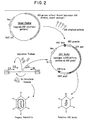
- Co-transfected cells were then infected with adenovirus type 5 ( Jones and Shenk (1978) Cell 13:181-188 ) to provide remaining replication and packaging machinery ( Figure 2 ).
- the resulting stock consisted of packaged AAV- lac vectors (AAV lac ) and progeny helper adenovirus; helper virus was then eliminated by heating at 56°C for 30 minutes. The complete elimination of adenovirus was confirmed by the inability to detect any viral plaques in cultured cells 1 week following infection with this viral stock.
- AAV vectors were then titered by infection of cultured 293 cells, histochemical staining for ⁇ -galactosidase expression and counting of blue cells. There was no difference in the number of cells observed at 1 and 5 days following infection, demonstrating an absence of vector replication and spread. When the process was repeated using a lac Z plasmid without the AAV recognition signals, no positive cells were observed following infection with the resulting stock. This indicates that the lac Z gene was packaged into an AAV virus which was incapable of autonomous replication while residual adenovirus was completely eliminated.
- AAV Vectors Can Transfer and Stably Express A Foreign Gene in The Adult Rat Brain
- AAV lac was stereotaxically microinjected into various regions of the adult rat brain, including caudate nucleus, amygdala, striatum and hippocampus. Animals were initially sacrificed between 1 and 3 days following injection and sections were processed for X-gal histochemistry. Positive cells were demonstrated within each region. The efficiency of gene transfer into the brain appeared to be at least equivalent to that observed previously with HSV or adenovirus vectors.
- PCR polymerase chain reaction
- the AAV Vector Yields Expression of Tyrosine Hydroxylase in the Caudate Nucleus of 6-OHDA Lesioned Rats
- Parkinson's Disease is a neurodegenerative disorder characterized by loss of the nigrostriatal pathway and is responsive to treatments which facilitate dopaminergic transmission in the caudate-putamen.
- PD Parkinson's Disease
- genetically modified cells that express tyrosine hydroxylase, and thereby synthesize dihydroxyphenylalanine (L-Dopa) induce behavioral recovery in rodent models of PD.
- HSV-1 vector expressing TH has shown that this approach may be a viable alternative to tissue transplantation.
- Soc. Neurosci Abstr. 18:331-8 Soc. Neurosci Abstr. 18:331-8 .
- HSV-1 vectors currently have several limitations as described above. In order to generate a vector which may have therapeutic utility in human PD patients, we inserted a human TH cDNA (form II) ( O'Malley et al. Biochemistry 26:6910-14 ) into our AAV vector (AAVth). AAVth was packaged and helper virus was eliminated as described above for AAV lac .
- Unilateral 6-hydroxydopamine lesions of the substantia nigra have been used to generate an established rodent model of PD.
- the asymmetry caused by differing postsynaptic receptor sensitivities between the denervated and intact striatum results in rotational behavior following systemic administration of dopaminergic agents, such as apomorphine ( Hefti et al. (1980) Brain Res. 195:123-7 ).
- dopaminergic agents such as apomorphine
- the rate of asymmetrical rotation is directly related to the severity of the striatal dopamine deficit and this model has predictive ability in defining treatments which have therapeutic efficacy in PD.
- Lesioned rats were tested for apomorphine-induced rotation every two weeks on a minimum of three occasions, and animals that satisfied behavioral criteria of > 95 % lesion efficacy (> 10 rotations/minutes) were identified (Hefti et al . 1980).
- AAVth or AAV lac virus, or vehicle alone (phosphate buffered saline, [PBS]), was delivered by stereotactic injection into the denervated striatum. Animals were tested for apomorphine-induced asymmetrical rotation at 2, 4 and 9 weeks. The rotational behavior of the AAV lac injected animals was similar to the PBS injected animals.
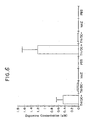
- AAVth injected animals demonstrated significant behavioral recovery ( Fig 3 ), compared to AAV lac or PBS injected groups (control groups).
- the average behavioral recovery caused by AAVth was 31 ⁇ 6 % at 4 weeks and was maintained at 32+3% at 9 weeks (P ⁇ 0.01) after injection.
- TH TH immunoreactivity within the striatum is limited to the dopaminergic afferent fibers in unlesioned animals and is absent in the completely denervated striatum.
- TH-IR striatal TH immunoreactivity
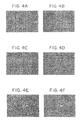
- TH monoclonal antibody a rabbit polyclonal antibody to glial fibrillary acidic protein (GFAP), a marker of astrocytes and oligodendrocytes.
- Other sections were double labelled with TH antibody and antibodies for glutamic acid decarboxylase (GAD), a marker of GABAergic neurons, the predominant neuronal population of the neostriatum. Double labelling revealed that the majority of TH-IR cells were immunoreactive for GAD, while a small percentage of TH-IR cells were GFAP positive.
- GAD glutamic acid decarboxylase
- GABAergic neurons constitute approximately 95 % of the intrinsic striatal neuron population with choline acetyl transferase (ChAT, cholinergic) positive cells making up the remainder. Double labelling with TH and ChAT also revealed expression of vector encoded TH in striatal cholinergic neurons.
- ChAT choline acetyl transferase
- the titre of the AAVth stock used for these in vivo studies was 5 x 10 6 infectious particles (i.p.)/ml. Therefore a single injection of 2 ml would result in 10,000 positive cells if the efficiency of infection was 100% and each i.p. infected a different cell.
- AAVth might also infect axons and terminals and following retrograde transport be expressed in the cell body regions of the striatal afferents ( e .
- the surviving dopamine nigral neurons the cortex, reticular nucleus of the thalamus and dorsal raphe nuclei.
- the total number of striatal cells containing TH-IR consistently exceeded 1000 for each of the 2 ml injections suggesting a minimum of 10% in vivo efficiency, significantly greater than previous observations using defective HSV-1 vectors (@ 2%).
- the level of expression was also examined at times ranging from 3 days to 7 months. Expression persisted throughout this 7 month period, although the level of expression diminished by approximately 50%.
- Dopamine synthesis is catalyzed by two enzymes, TH and aromatic acid decarboxylase (AADC).
- TH aromatic acid decarboxylase
- AADC aromatic acid decarboxylase
- the reaction catalyzed by TH results in the synthesis of L-Dopa, and this is the rate-limiting step in the synthesis of dopamine.
- Dopamine then results from conversion of L-Dopa by AADC.
- striatum does not contain cells which endogenously produce TH, there are a small percentage of striatal cells which produce AADC. Therefore, behavioral recovery in animals treated with AAVth (or other approaches using TH alone) presumably occurs secondary to conversion of the resulting L-Dopa to dopamine by endogenous striatal AADC.
- the AADC gene was inserted into the vector. Creation of two independent expression units, with two promoters and two polyadenylation signals, would have resulted in an insert size so large as to be incompatible with the constraints of the AAV vector. Therefore, an IRES element was inserted between the Flag-TH and AADC cDNAs. Most eukaryotic mRNAs are monocistronic; they contain a single-open reading frame, and when translation of a peptide is stopped and the ribosome falls off of the transcript, additional downstream translational start sites cannot be utilized.
- IRES Internal Ribosome Entry Site
- CMV CMV
- SV40 mRNA polyadenylation signal
- each of the independent expression parameters were tested in culture.
- the plasmid was transfected into 293T cells, and then the following day the substrate tyrosine and an essential co-factor (tetrahydrobiopterin) were added to the tissue culture medium of some of these cultures.
- additional cells were transfected with the plasmid AAV lac or were mock-transfected. Samples of medium were obtained at 30 minutes and 60 minutes after addition of co-factors (or mock treatment), and these were analyzed for the presence of dopamine by high-performance liquid chromatography (HPLC).
- HPLC high-performance liquid chromatography
- AAVFlag-TH contains a monocistronic insert with the Flag-TH open reading frame but lacking both the IRES sequence and the AADC open reading frame. 293T cells were then transfected with AAV Flag-TH/AADC, AAVFlag-TH, AAV lac or no plasmid.
- the Flag epitope was also shown to be a specific, independent marker of AAV-derived TH protein production without adversely influencing TH enzymatic activity.
- Table 1 Release of L-Dopa and Dopamine into the Culture Medium of 293T Cells Following Plasmid Transfection. L-Dopa (pg/ml) Dopamine (pg/ml) Blank ⁇ 40 ⁇ 40 Lac Z ⁇ 40 ⁇ 40 Flag-TH 8200 ⁇ 40 TH-AADC 800 4050
- the great potential of the bicistronic vector as a therapeutic agent for Parkinson's disease has led to the rapid initiation of primate studies.
- the primate model of Parkinson's disease is considered to be the gold-standard model for evaluation of potential therapies prior to entering human clinical trials.
- This model was originally developed from the observation in the early 1980s that groups of younger people were developing a neurodegenerative disorder strikingly similar to idiopathic Parkinson's disease. The source of this disorder was traced to the use of a street drug, and the specific causative agent was found to be 1-methyl-4 phenyl-1,2,3,6-tetrahydropyridine (MPTP) ( Langston (1985) Trends Pharmacol. Sci. 6:375-378 ).
- MPTP 1-methyl-4 phenyl-1,2,3,6-tetrahydropyridine
- MPTP monoamine oxidase B
- MAO-B monoamine oxidase B
- This compound is then selectively concentrated within the dopaminergic neurons of the substantia nigra via an energy-dependent, presynaptic uptake mechanism. This may be enhanced by the ability of neuromelanin, found within nigral neurons, to bind MPP+ ( D'Amato et al (1986) Science 231:987-989 ).
- MPP+ is a potent neurotoxin which eventually causes the degeneration of nigral dopaminergic neurons and loss of the nigro-striatal dopamine pathway, as is seen in Parkinson's disease.
- Biochemical analysis of tissue samples from treated primates further indicated that the vector did cause an increase in striatal dopamine (During et al (1994)).
- the level of dopamine from a striatal tissue sample near the site of AAV injection was 18.93ng/mg protein.
- An equivalent tissue sample from the uninjected, contralateral striatum yielded a dopamine level of 7.97 ng/mg protein.
- Tissue samples from distal sites on the injected and uninjected sides resulted in dopamine levels of 2.48 ng/mg and 2.27 ng/mg respectively.
- peripherally administered MPTP should result in roughly equal lesions to the substantia nigra bilaterally, the approximately 140% increase in dopamine levels in the injected striatum compared with the untreated side suggests that the AAV vector resulted in expression of functionally active enzymes.
- a second study employed more severely lesioned primates in order to determine whether there is a therapeutic potential for AAV Flag-TH/AADC.
- Subjects were divided into two groups, with the treated group receiving AAV Flag-TH/AADC and controls receiving AAV lac . All animals received bilateral stereotaxic injections, with the same virus infused into the striatum on both sides of the brain. Subjects were then followed for 2.5 months after surgery. Observations suggest that the bicistronic vector resulted in sustained improvement in parkinsonian behavior (During et al (1994)).
- Monthly assessments of control and treated animals by blinded caretakers reported virtually no change in the behavior of animals which were subsequently determined to have been controls, while the response in treated subjects varied from modest improvement to substantial recovery of function.
- AAV vectors may result in behavioral recovery of parkinsonian primates. It should also be noted that in both primate studies, there was no behavioral or histological evidence of toxicity due to the AAV vector. All of the data indicate that safe, long-term improvement of human neurological diseases may be possible via genetic modification of adult brain cells in vivo using AAV vectors.
- Expression of a growth factor from an AAV vector can yield recovery of function following neuronal lesions
- AAV vector An additional AAV vector has been developed as an alternative approach to the treatment of Parkinson's disease.
- the majority of therapeutic strategies for PD have concentrated upon increasing striatal dopamine levels.
- behavioral recovery in animal models has been repeatedly demonstrated, this is not a cure for the disease but rather symptomatic palliation.
- Neuronal degeneration in the substantia nigra is the pathological result of the disease process, and progression of neurodegeneration is not altered by increasing striatal dopamine.
- growth factors such as glial-derived neurotrophic factor (GDNF) can be protective of and trophic for neurons of the substantia nigra ( Lin et al (1993) Science 260:1130-1132 ). Therefore, an AAV vector was created containing the cDNA for GDNF under the control of the CMV promoter.
- GDNF glial-derived neurotrophic factor
- Rats were lesioned with 6-OHDA and subsequently received injections AAVgdnf, AAV lac or saline into the lesioned substantia nigra (During et al (1994)). After several weeks, dopamine release into the striatum on the lesioned side was determined using intracerebral microdialysis. This technique permits sampling of local neurotransmitter release within a specific brain region of living animals ( During and Spencer (1993) Lancet 341:1607-1610 ). Baseline dopamine levels were sampled three times and there was no difference between groups. Animals were then treated with potassium which induces release of dopamine from presynaptic terminals.
- gene therapy can be useful for both palliation of PD through striatal expression of synthetic enzymes for dopamine as well as for treatment of the underlying disease process by expressing growth factors which may protect or regenerate dopaminergic neurons.
- the present invention is the first demonstration that AAV vectors can safely and efficiently transfer and express a foreign gene marker gene ( lac Z) in the adult rat brain. Furthermore, stability of viral DNA and lac Z expression within the brain was observed for at least 7 months with no evidence of pathology or toxicity. Expression of human tyrosine hydroxylase (hTH) was demonstrated in both neurons and glia of rat brains which had previously received unilateral 6-hydroxydopamine (6-OHDA) lesions in the substantia nigra.
- 6-OHDA 6-hydroxydopamine
Landscapes
- Health & Medical Sciences (AREA)
- Chemical & Material Sciences (AREA)
- Life Sciences & Earth Sciences (AREA)
- Organic Chemistry (AREA)
- Engineering & Computer Science (AREA)
- Bioinformatics & Cheminformatics (AREA)
- Genetics & Genomics (AREA)
- General Health & Medical Sciences (AREA)
- Zoology (AREA)
- Wood Science & Technology (AREA)
- Medicinal Chemistry (AREA)
- Biomedical Technology (AREA)
- Biochemistry (AREA)
- General Engineering & Computer Science (AREA)
- Biotechnology (AREA)
- Animal Behavior & Ethology (AREA)
- Chemical Kinetics & Catalysis (AREA)
- General Chemical & Material Sciences (AREA)
- Veterinary Medicine (AREA)
- Nuclear Medicine, Radiotherapy & Molecular Imaging (AREA)
- Public Health (AREA)
- Molecular Biology (AREA)
- Pharmacology & Pharmacy (AREA)
- Microbiology (AREA)
- Neurology (AREA)
- Neurosurgery (AREA)
- Biophysics (AREA)
- Toxicology (AREA)
- Plant Pathology (AREA)
- Proteomics, Peptides & Aminoacids (AREA)
- Physics & Mathematics (AREA)
- Virology (AREA)
- Gastroenterology & Hepatology (AREA)
- Heart & Thoracic Surgery (AREA)
- Psychiatry (AREA)
- Endocrinology (AREA)
- Diabetes (AREA)
- Hospice & Palliative Care (AREA)
- Cardiology (AREA)
- Psychology (AREA)
Applications Claiming Priority (3)
| Application Number | Priority Date | Filing Date | Title |
|---|---|---|---|
| US22731994A | 1994-04-13 | 1994-04-13 | |
| US227319 | 1994-04-13 | ||
| PCT/US1995/004587 WO1995028493A1 (en) | 1994-04-13 | 1995-04-13 | Aav-mediated delivery of dna to cells of the nervous system |
Publications (2)
| Publication Number | Publication Date |
|---|---|
| EP0755454A1 EP0755454A1 (en) | 1997-01-29 |
| EP0755454B1 true EP0755454B1 (en) | 2008-02-13 |
Family
ID=22852632
Family Applications (1)
| Application Number | Title | Priority Date | Filing Date |
|---|---|---|---|
| EP95916379A Expired - Lifetime EP0755454B1 (en) | 1994-04-13 | 1995-04-13 | Aav-mediated delivery of dna to cells of the nervous system |
Country Status (7)
| Country | Link |
|---|---|
| US (2) | US6180613B1 (enExample) |
| EP (1) | EP0755454B1 (enExample) |
| JP (3) | JPH10501686A (enExample) |
| AT (1) | ATE386131T1 (enExample) |
| CA (1) | CA2187626C (enExample) |
| DE (1) | DE69535703T2 (enExample) |
| WO (1) | WO1995028493A1 (enExample) |
Families Citing this family (338)
| Publication number | Priority date | Publication date | Assignee | Title |
|---|---|---|---|---|
| CA2187626C (en) * | 1994-04-13 | 2009-11-03 | Michael G. Kaplitt | Aav-mediated delivery of dna to cells of the nervous system |
| US20020159979A1 (en) * | 1994-06-06 | 2002-10-31 | Children's Hospital, Inc. | Adeno-associated virus materials and methods |
| US5856152A (en) * | 1994-10-28 | 1999-01-05 | The Trustees Of The University Of Pennsylvania | Hybrid adenovirus-AAV vector and methods of use therefor |
| US20040220128A1 (en) * | 1995-10-26 | 2004-11-04 | Sirna Therapeutics, Inc. | Nucleic acid based modulation of female reproductive diseases and conditions |
| US20040142895A1 (en) * | 1995-10-26 | 2004-07-22 | Sirna Therapeutics, Inc. | Nucleic acid-based modulation of gene expression in the vascular endothelial growth factor pathway |
| AU1073797A (en) * | 1995-11-14 | 1997-06-05 | Somatix Therapy Corporation | Joint expression of gtp cyclohydrolase and tyrosine hydroxylase |
| US5858351A (en) * | 1996-01-18 | 1999-01-12 | Avigen, Inc. | Methods for delivering DNA to muscle cells using recombinant adeno-associated virus vectors |
| US5846528A (en) | 1996-01-18 | 1998-12-08 | Avigen, Inc. | Treating anemia using recombinant adeno-associated virus virions comprising an EPO DNA sequence |
| US5962313A (en) | 1996-01-18 | 1999-10-05 | Avigen, Inc. | Adeno-associated virus vectors comprising a gene encoding a lyosomal enzyme |
| US5952221A (en) * | 1996-03-06 | 1999-09-14 | Avigen, Inc. | Adeno-associated virus vectors comprising a first and second nucleic acid sequence |
| US20020037867A1 (en) * | 1999-02-26 | 2002-03-28 | James M. Wilson | Method for recombinant adeno-associated virus-directed gene therapy |
| US5866552A (en) * | 1996-09-06 | 1999-02-02 | The Trustees Of The University Of Pennsylvania | Method for expressing a gene in the absence of an immune response |
| US20030215422A1 (en) * | 1996-09-11 | 2003-11-20 | John A. Chiorini | Aav4 vector and uses thereof |
| GB9622500D0 (en) | 1996-10-29 | 1997-01-08 | Oxford Biomedica Ltd | Therapeutic gene |
| US6924123B2 (en) | 1996-10-29 | 2005-08-02 | Oxford Biomedica (Uk) Limited | Lentiviral LTR-deleted vector |
| GB2333527B (en) * | 1996-10-29 | 2001-05-02 | Oxford Biomedica Ltd | Therapeutic gene |
| US6083910A (en) * | 1996-12-13 | 2000-07-04 | Chiron Corporation | Therapeutic uses of resolved intact or clipped native-sequence PDGF-BB dimers |
| WO1998046273A2 (en) * | 1997-04-17 | 1998-10-22 | Paola Leone | Delivery system for gene therapy to the brain |
| US6251677B1 (en) | 1997-08-25 | 2001-06-26 | The Trustees Of The University Of Pennsylvania | Hybrid adenovirus-AAV virus and methods of use thereof |
| US6302685B1 (en) * | 1997-09-16 | 2001-10-16 | University Of Medicine And Dentistry Of New Jersey | Human lysosomal protein and methods of its use |
| WO1999061066A2 (en) | 1998-05-27 | 1999-12-02 | Avigen, Inc. | Convection-enhanced delivery of aav vectors |
| EP1621626B1 (en) * | 1998-05-27 | 2009-07-08 | Genzyme Corporation | AAV Vectors for the manufacture of medicaments for convection enhanced delivery |
| DE69939169D1 (de) * | 1998-05-28 | 2008-09-04 | Us Gov Health & Human Serv | Aav5 vektoren und deren verwendung |
| US6759237B1 (en) | 1998-11-05 | 2004-07-06 | The Trustees Of The University Of Pennsylvania | Adeno-associated virus serotype 1 nucleic acid sequences, vectors and host cells containing same |
| EP1135468B1 (en) | 1998-11-10 | 2010-01-06 | University Of North Carolina At Chapel Hill | Virus vectors and methods of making and administering the same |
| AU775525B2 (en) * | 1999-01-22 | 2004-08-05 | Auckland Technology Enabling Corporation Limited | Vaccine-mediated treatment of neurological disorders |
| US6387368B1 (en) | 1999-02-08 | 2002-05-14 | The Trustees Of The University Of Pennsylvania | Hybrid adenovirus-AAV virus and methods of use thereof |
| EP1162887A4 (en) * | 1999-03-15 | 2003-06-25 | John Guy | GENE TRANSFER BY RECOMBINANT ADENO-ASSOCIATED VIRUS INFLUENCING DEMYELINIZATION |
| EP1916258B1 (en) | 1999-08-09 | 2014-04-23 | Targeted Genetics Corporation | Enhancement of expression of a single-stranded, heterologous nucleotide sequence from recombinant viral vectors by designing the sequence such that it forms intrastrand base pairs |
| EP1083227A1 (en) * | 1999-08-24 | 2001-03-14 | Universite Libre De Bruxelles | Antibiotic inducible/repressible genetic construct for gene therapy or gene immunization |
| US6780639B1 (en) | 1999-08-24 | 2004-08-24 | Universite Libre De Bruxelles | Antibiotic inducible/repressible genetic construct for gene therapy or gene immunization |
| US8273866B2 (en) * | 2002-02-20 | 2012-09-25 | Merck Sharp & Dohme Corp. | RNA interference mediated inhibition of gene expression using chemically modified short interfering nucleic acid (SINA) |
| US20050032733A1 (en) * | 2001-05-18 | 2005-02-10 | Sirna Therapeutics, Inc. | RNA interference mediated inhibition of gene expression using chemically modified short interfering nucleic acid (SiNA) |
| US20080039414A1 (en) * | 2002-02-20 | 2008-02-14 | Sima Therapeutics, Inc. | RNA interference mediated inhibition of gene expression using chemically modified short interfering nucleic acid (siNA) |
| US8202979B2 (en) * | 2002-02-20 | 2012-06-19 | Sirna Therapeutics, Inc. | RNA interference mediated inhibition of gene expression using chemically modified short interfering nucleic acid |
| WO2002081628A2 (en) * | 2001-04-05 | 2002-10-17 | Ribozyme Pharmaceuticals, Incorporated | Modulation of gene expression associated with inflammation proliferation and neurite outgrowth, using nucleic acid based technologies |
| EP1265995A2 (en) * | 2000-02-11 | 2002-12-18 | Ribozyme Pharmaceuticals, Inc. | Method and reagent for the modulation and diagnosis of cd20 and nogo gene expression |
| US20030065155A1 (en) * | 2000-03-06 | 2003-04-03 | Nassim Usman | Nucleic acid sensor molecules |
| US20040009510A1 (en) * | 2000-03-06 | 2004-01-15 | Scott Seiwert | Allosteric nucleic acid sensor molecules |
| US6855314B1 (en) * | 2000-03-22 | 2005-02-15 | The United States Of America As Represented By The Department Of Health And Human Services | AAV5 vector for transducing brain cells and lung cells |
| AU6808001A (en) * | 2000-05-23 | 2001-12-03 | Neurologix Inc | Glutamic acid decarboxylase (gad) based delivery systems |
| US20030190635A1 (en) * | 2002-02-20 | 2003-10-09 | Mcswiggen James A. | RNA interference mediated treatment of Alzheimer's disease using short interfering RNA |
| US20050209179A1 (en) * | 2000-08-30 | 2005-09-22 | Sirna Therapeutics, Inc. | RNA interference mediated treatment of Alzheimer's disease using short interfering nucleic acid (siNA) |
| US20080032942A1 (en) * | 2000-08-30 | 2008-02-07 | Mcswiggen James | RNA interference mediated treatment of Alzheimer's disease using short interfering nucleic acid (siNA) |
| US7588757B2 (en) * | 2001-03-14 | 2009-09-15 | Genzyme Corporation | Methods of treating Parkinson's disease using recombinant adeno-associated virus virions |
| FR2823975B1 (fr) * | 2001-04-27 | 2003-05-30 | Sanofi Synthelabo | Nouvelle utilisation de pyridoindolone |
| US20060019913A1 (en) * | 2001-05-18 | 2006-01-26 | Sirna Therapeutics, Inc. | RNA interference mediated inhibtion of protein tyrosine phosphatase-1B (PTP-1B) gene expression using short interfering nucleic acid (siNA) |
| US20040209831A1 (en) * | 2002-02-20 | 2004-10-21 | Mcswiggen James | RNA interference mediated inhibition of hepatitis C virus (HCV) gene expression using short interfering nucleic acid (siNA) |
| US20050164966A1 (en) * | 2001-05-18 | 2005-07-28 | Sirna Therapeutics, Inc. | RNA interference mediated inhibition of type 1 insulin-like growth factor receptor gene expression using short interfering nucleic acid (siNA) |
| US20040198682A1 (en) * | 2001-11-30 | 2004-10-07 | Mcswiggen James | RNA interference mediated inhibition of placental growth factor gene expression using short interfering nucleic acid (siNA) |
| US20050191638A1 (en) * | 2002-02-20 | 2005-09-01 | Sirna Therapeutics, Inc. | RNA interference mediated treatment of polyglutamine (polyQ) repeat expansion diseases using short interfering nucleic acid (siNA) |
| US20050176664A1 (en) * | 2001-05-18 | 2005-08-11 | Sirna Therapeutics, Inc. | RNA interference mediated inhibition of cholinergic muscarinic receptor (CHRM3) gene expression using short interfering nucleic acid (siNA) |
| US20050080031A1 (en) * | 2001-05-18 | 2005-04-14 | Sirna Therapeutics, Inc. | Nucleic acid treatment of diseases or conditions related to levels of Ras, HER2 and HIV |
| US20070270579A1 (en) * | 2001-05-18 | 2007-11-22 | Sirna Therapeutics, Inc. | RNA interference mediated inhibition of gene expression using short interfering nucleic acid (siNA) |
| WO2002097114A2 (en) * | 2001-05-29 | 2002-12-05 | Sirna Therapeutics, Inc. | Nucleic acid treatment of diseases or conditions related to levels of ras, her2 and hiv |
| US20050287128A1 (en) * | 2001-05-18 | 2005-12-29 | Sirna Therapeutics, Inc. | RNA interference mediated inhibition of TGF-beta and TGF-beta receptor gene expression using short interfering nucleic acid (siNA) |
| US20050148530A1 (en) * | 2002-02-20 | 2005-07-07 | Sirna Therapeutics, Inc. | RNA interference mediated inhibition of vascular endothelial growth factor and vascular endothelial growth factor receptor gene expression using short interfering nucleic acid (siNA) |
| US20050054596A1 (en) * | 2001-11-30 | 2005-03-10 | Mcswiggen James | RNA interference mediated inhibition of vascular endothelial growth factor and vascular endothelial growth factor receptor gene expression using short interfering nucleic acid (siNA) |
| US20050182007A1 (en) * | 2001-05-18 | 2005-08-18 | Sirna Therapeutics, Inc. | RNA interference mediated inhibition of interleukin and interleukin receptor gene expression using short interfering nucleic acid (SINA) |
| US20050124566A1 (en) * | 2001-05-18 | 2005-06-09 | Sirna Therapeutics, Inc. | RNA interference mediated inhibition of myostatin gene expression using short interfering nucleic acid (siNA) |
| US20050288242A1 (en) * | 2001-05-18 | 2005-12-29 | Sirna Therapeutics, Inc. | RNA interference mediated inhibition of RAS gene expression using short interfering nucleic acid (siNA) |
| US20050079610A1 (en) * | 2001-05-18 | 2005-04-14 | Sirna Therapeutics, Inc. | RNA interference mediated inhibition of Fos gene expression using short interfering nucleic acid (siNA) |
| US7517864B2 (en) * | 2001-05-18 | 2009-04-14 | Sirna Therapeutics, Inc. | RNA interference mediated inhibition of vascular endothelial growth factor and vascular endothelial growth factor receptor gene expression using short interfering nucleic acid (siNA) |
| US20050182006A1 (en) * | 2001-05-18 | 2005-08-18 | Sirna Therapeutics, Inc | RNA interference mediated inhibition of protein kinase C alpha (PKC-alpha) gene expression using short interfering nucleic acid (siNA) |
| US20050209180A1 (en) * | 2001-05-18 | 2005-09-22 | Sirna Therapeutics, Inc. | RNA interference mediated inhibition of hepatitis C virus (HCV) expression using short interfering nucleic acid (siNA) |
| US20050267058A1 (en) * | 2001-05-18 | 2005-12-01 | Sirna Therapeutics, Inc. | RNA interference mediated inhibition of placental growth factor gene expression using short interfering nucleic acid (sINA) |
| US20050159379A1 (en) * | 2001-05-18 | 2005-07-21 | Sirna Therapeutics, Inc | RNA interference mediated inhibition of gastric inhibitory polypeptide (GIP) and gastric inhibitory polypeptide receptor (GIPR) gene expression using short interfering nucleic acid (siNA) |
| US20060142226A1 (en) * | 2001-05-18 | 2006-06-29 | Sirna Therapeutics, Inc. | RNA interference mediated inhibition of cholesteryl ester transfer protein (CETP) gene expression using short interfering nucleic acid (siNA) |
| US20050233996A1 (en) * | 2002-02-20 | 2005-10-20 | Sirna Therapeutics, Inc. | RNA interference mediated inhibition of hairless (HR) gene expression using short interfering nucleic acid (siNA) |
| US20050222066A1 (en) * | 2001-05-18 | 2005-10-06 | Sirna Therapeutics, Inc. | RNA interference mediated inhibition of vascular endothelial growth factor and vascular endothelial growth factor receptor gene expression using short interfering nucleic acid (siNA) |
| US20050164224A1 (en) * | 2001-05-18 | 2005-07-28 | Sirna Therapeutics, Inc. | RNA interference mediated inhibition of cyclin D1 gene expression using short interfering nucleic acid (siNA) |
| US20050119212A1 (en) * | 2001-05-18 | 2005-06-02 | Sirna Therapeutics, Inc. | RNA interference mediated inhibition of FAS and FASL gene expression using short interfering nucleic acid (siNA) |
| US20050176665A1 (en) * | 2001-05-18 | 2005-08-11 | Sirna Therapeutics, Inc. | RNA interference mediated inhibition of hairless (HR) gene expression using short interfering nucleic acid (siNA) |
| US20050124567A1 (en) * | 2001-05-18 | 2005-06-09 | Sirna Therapeutics, Inc. | RNA interference mediated inhibition of TRPM7 gene expression using short interfering nucleic acid (siNA) |
| US20050014172A1 (en) * | 2002-02-20 | 2005-01-20 | Ivan Richards | RNA interference mediated inhibition of muscarinic cholinergic receptor gene expression using short interfering nucleic acid (siNA) |
| US20080161256A1 (en) * | 2001-05-18 | 2008-07-03 | Sirna Therapeutics, Inc. | RNA interference mediated inhibition of gene expression using short interfering nucleic acid (siNA) |
| US20080188430A1 (en) * | 2001-05-18 | 2008-08-07 | Sirna Therapeutics, Inc. | RNA interference mediated inhibition of hypoxia inducible factor 1 (HIF1) gene expression using short interfering nucleic acid (siNA) |
| US20060142225A1 (en) * | 2001-05-18 | 2006-06-29 | Sirna Therapeutics, Inc. | RNA interference mediated inhibition of cyclin dependent kinase-2 (CDK2) gene expression using short interfering nucleic acid (siNA) |
| US20050164968A1 (en) * | 2001-05-18 | 2005-07-28 | Sirna Therapeutics, Inc. | RNA interference mediated inhibition of ADAM33 gene expression using short interfering nucleic acid (siNA) |
| US20050203040A1 (en) * | 2001-05-18 | 2005-09-15 | Sirna Therapeutics, Inc. | RNA interference mediated inhibition of vascular cell adhesion molecule (VCAM) gene expression using short interfering nucleic acid (siNA) |
| US20050159380A1 (en) * | 2001-05-18 | 2005-07-21 | Sirna Therapeutics, Inc. | RNA interference mediated inhibition of angiopoietin gene expression using short interfering nucleic acid (siNA) |
| US20050256068A1 (en) * | 2001-05-18 | 2005-11-17 | Sirna Therapeutics, Inc. | RNA interference mediated inhibition of stearoyl-CoA desaturase (SCD) gene expression using short interfering nucleic acid (siNA) |
| US20050054598A1 (en) * | 2002-02-20 | 2005-03-10 | Sirna Therapeutics, Inc. | RNA interference mediated inhibition hairless (HR) gene expression using short interfering nucleic acid (siNA) |
| US20050143333A1 (en) * | 2001-05-18 | 2005-06-30 | Sirna Therapeutics, Inc. | RNA interference mediated inhibition of interleukin and interleukin receptor gene expression using short interfering nucleic acid (SINA) |
| US9994853B2 (en) | 2001-05-18 | 2018-06-12 | Sirna Therapeutics, Inc. | Chemically modified multifunctional short interfering nucleic acid molecules that mediate RNA interference |
| US20060211642A1 (en) * | 2001-05-18 | 2006-09-21 | Sirna Therapeutics, Inc. | RNA inteference mediated inhibition of hepatitis C virus (HVC) gene expression using short interfering nucleic acid (siNA) |
| US20050227935A1 (en) * | 2001-05-18 | 2005-10-13 | Sirna Therapeutics, Inc. | RNA interference mediated inhibition of TNF and TNF receptor gene expression using short interfering nucleic acid (siNA) |
| US20050153915A1 (en) * | 2001-05-18 | 2005-07-14 | Sirna Therapeutics, Inc. | RNA interference mediated inhibition of early growth response gene expression using short interfering nucleic acid (siNA) |
| US20050153914A1 (en) * | 2001-05-18 | 2005-07-14 | Sirna Therapeutics, Inc. | RNA interference mediated inhibition of MDR P-glycoprotein gene expression using short interfering nucleic acid (siNA) |
| US20050196765A1 (en) * | 2001-05-18 | 2005-09-08 | Sirna Therapeutics, Inc. | RNA interference mediated inhibition of checkpoint Kinase-1 (CHK-1) gene expression using short interfering nucleic acid (siNA) |
| US20050176666A1 (en) * | 2001-05-18 | 2005-08-11 | Sirna Therapeutics, Inc. | RNA interference mediated inhibition of GPRA and AAA1 gene expression using short interfering nucleic acid (siNA) |
| US20050282188A1 (en) * | 2001-05-18 | 2005-12-22 | Sirna Therapeutics, Inc. | RNA interference mediated inhibition of gene expression using short interfering nucleic acid (siNA) |
| US20050233344A1 (en) * | 2001-05-18 | 2005-10-20 | Sirna Therapeutics, Inc. | RNA interference mediated inhibition of platelet derived growth factor (PDGF) and platelet derived growth factor receptor (PDGFR) gene expression using short interfering nucleic acid (siNA) |
| US20050124568A1 (en) * | 2001-05-18 | 2005-06-09 | Sirna Therapeutics, Inc. | RNA interference mediated inhibition of acetyl-CoA-carboxylase gene expression using short interfering nucleic acid (siNA) |
| US20040219671A1 (en) * | 2002-02-20 | 2004-11-04 | Sirna Therapeutics, Inc. | RNA interference mediated treatment of parkinson disease using short interfering nucleic acid (siNA) |
| US20050164967A1 (en) * | 2001-05-18 | 2005-07-28 | Sirna Therapeutics, Inc. | RNA interference mediated inhibition of platelet-derived endothelial cell growth factor (ECGF1) gene expression using short interfering nucleic acid (siNA) |
| US20050136436A1 (en) * | 2001-05-18 | 2005-06-23 | Sirna Therapeutics, Inc. | RNA interference mediated inhibition of G72 and D-amino acid oxidase (DAAO) gene expression using short interfering nucleic acid (siNA) |
| US20050159382A1 (en) * | 2001-05-18 | 2005-07-21 | Sirna Therapeutics, Inc. | RNA interference mediated inhibition of polycomb group protein EZH2 gene expression using short interfering nucleic acid (siNA) |
| US20050130181A1 (en) * | 2001-05-18 | 2005-06-16 | Sirna Therapeutics, Inc. | RNA interference mediated inhibition of wingless gene expression using short interfering nucleic acid (siNA) |
| US20050187174A1 (en) * | 2001-05-18 | 2005-08-25 | Sirna Therapeutics, Inc. | RNA interference mediated inhibition of intercellular adhesion molecule (ICAM) gene expression using short interfering nucleic acid (siNA) |
| US20050233997A1 (en) * | 2001-05-18 | 2005-10-20 | Sirna Therapeutics, Inc. | RNA interference mediated inhibition of matrix metalloproteinase 13 (MMP13) gene expression using short interfering nucleic acid (siNA) |
| US20070042983A1 (en) * | 2001-05-18 | 2007-02-22 | Sirna Therapeutics, Inc. | RNA interference mediated inhibition of gene expression using short interfering nucleic acid (siNA) |
| US20050119211A1 (en) * | 2001-05-18 | 2005-06-02 | Sirna Therapeutics, Inc. | RNA mediated inhibition connexin gene expression using short interfering nucleic acid (siNA) |
| US20050137155A1 (en) * | 2001-05-18 | 2005-06-23 | Sirna Therapeutics, Inc. | RNA interference mediated treatment of Parkinson disease using short interfering nucleic acid (siNA) |
| US20050182009A1 (en) * | 2001-05-18 | 2005-08-18 | Sirna Therapeutics, Inc. | RNA interference mediated inhibition of NF-Kappa B / REL-A gene expression using short interfering nucleic acid (siNA) |
| US20050159376A1 (en) * | 2002-02-20 | 2005-07-21 | Slrna Therapeutics, Inc. | RNA interference mediated inhibition 5-alpha reductase and androgen receptor gene expression using short interfering nucleic acid (siNA) |
| US20060241075A1 (en) * | 2001-05-18 | 2006-10-26 | Sirna Therapeutics, Inc. | RNA interference mediated inhibition of desmoglein gene expression using short interfering nucleic acid (siNA) |
| US20050196767A1 (en) * | 2001-05-18 | 2005-09-08 | Sirna Therapeutics, Inc. | RNA interference mediated inhibition of GRB2 associated binding protein (GAB2) gene expression using short interfering nucleic acis (siNA) |
| US20030140362A1 (en) * | 2001-06-08 | 2003-07-24 | Dennis Macejak | In vivo models for screening inhibitors of hepatitis B virus |
| AU2002329799B2 (en) * | 2001-08-20 | 2007-03-15 | Maiken Nedergaard | Treatment of glial tumors with glutamate antagonists |
| WO2003018065A1 (en) * | 2001-08-29 | 2003-03-06 | Kwang-Hoe Chung | Anti-cancer agents comprising disintegrin genes and the treating methods |
| US20030050273A1 (en) * | 2001-08-29 | 2003-03-13 | Keiya Ozawa | Compositions and methods for treating neurodegenerative diseases |
| EP1298581A1 (fr) * | 2001-09-27 | 2003-04-02 | C.S.E.M. Centre Suisse D'electronique Et De Microtechnique Sa | Procédé et dispositif pour calculer les valeurs des neurones d'un réseau neuronal |
| WO2003037260A2 (en) * | 2001-10-30 | 2003-05-08 | Biogen, Inc. | Methods and compositions for treating parkinson's disease |
| US20040138163A1 (en) * | 2002-05-29 | 2004-07-15 | Mcswiggen James | RNA interference mediated inhibition of vascular edothelial growth factor and vascular edothelial growth factor receptor gene expression using short interfering nucleic acid (siNA) |
| US20070203333A1 (en) * | 2001-11-30 | 2007-08-30 | Mcswiggen James | RNA interference mediated inhibition of vascular endothelial growth factor and vascular endothelial growth factor receptor gene expression using short interfering nucleic acid (siNA) |
| US20050075304A1 (en) * | 2001-11-30 | 2005-04-07 | Mcswiggen James | RNA interference mediated inhibition of vascular endothelial growth factor and vascular endothelial growth factor receptor gene expression using short interfering nucleic acid (siNA) |
| JP2005516949A (ja) * | 2001-12-19 | 2005-06-09 | リジュン・ワン | Gdnfの骨格筋へのアデノ随伴ウイルス媒介性のデリバリー |
| US20050042632A1 (en) * | 2002-02-13 | 2005-02-24 | Sirna Therapeutics, Inc. | Antibodies having specificity for nucleic acids |
| US20050222064A1 (en) * | 2002-02-20 | 2005-10-06 | Sirna Therapeutics, Inc. | Polycationic compositions for cellular delivery of polynucleotides |
| US9657294B2 (en) | 2002-02-20 | 2017-05-23 | Sirna Therapeutics, Inc. | RNA interference mediated inhibition of gene expression using chemically modified short interfering nucleic acid (siNA) |
| US20050137153A1 (en) * | 2002-02-20 | 2005-06-23 | Sirna Therapeutics, Inc. | RNA interference mediated inhibition of alpha-1 antitrypsin (AAT) gene expression using short interfering nucleic acid (siNA) |
| US20050096284A1 (en) * | 2002-02-20 | 2005-05-05 | Sirna Therapeutics, Inc. | RNA interference mediated treatment of polyglutamine (polyQ) repeat expansion diseases using short interfering nucleic acid (siNA) |
| US9181551B2 (en) | 2002-02-20 | 2015-11-10 | Sirna Therapeutics, Inc. | RNA interference mediated inhibition of gene expression using chemically modified short interfering nucleic acid (siNA) |
| US20040018520A1 (en) * | 2002-04-22 | 2004-01-29 | James Thompson | Trans-splicing enzymatic nucleic acid mediated biopharmaceutical and protein |
| AU2003223766A1 (en) * | 2002-04-30 | 2003-11-17 | University Of North Carolina At Chapel Hill | Secretion signal vectors |
| US7419817B2 (en) * | 2002-05-17 | 2008-09-02 | The United States Of America As Represented By The Secretary Department Of Health And Human Services, Nih. | Scalable purification of AAV2, AAV4 or AAV5 using ion-exchange chromatography |
| US20040014698A1 (en) * | 2002-07-18 | 2004-01-22 | Gonzalo Hortelano | Oral administration of therapeutic agent coupled to transporting agent |
| US20040016013A1 (en) * | 2002-07-18 | 2004-01-22 | Gonzalo Hortelano | Transgenic animals produced using oral administration of a genetic agent coupled to a transporting agent |
| US7923547B2 (en) | 2002-09-05 | 2011-04-12 | Sirna Therapeutics, Inc. | RNA interference mediated inhibition of gene expression using chemically modified short interfering nucleic acid (siNA) |
| US20050143330A1 (en) * | 2002-09-30 | 2005-06-30 | Ron Mandel | Method for the treatment of Parkinson's Disease |
| US20050010261A1 (en) * | 2002-10-21 | 2005-01-13 | The Cleveland Clinic Foundation | Application of stimulus to white matter to induce a desired physiological response |
| FR2846329B1 (fr) | 2002-10-23 | 2004-12-03 | Sanofi Synthelabo | Derives de pyridoindolone substitues en -3 par un phenyle, leur preparation et leur application en therapeutique |
| US7456193B2 (en) * | 2002-10-23 | 2008-11-25 | Sanofi-Aventis | Pyridoindolone derivatives substituted in the 3-position by a heterocyclic group, their preparation and their application in therapeutics |
| US7605249B2 (en) * | 2002-11-26 | 2009-10-20 | Medtronic, Inc. | Treatment of neurodegenerative disease through intracranial delivery of siRNA |
| US7618948B2 (en) * | 2002-11-26 | 2009-11-17 | Medtronic, Inc. | Devices, systems and methods for improving and/or cognitive function through brain delivery of siRNA |
| US7829694B2 (en) * | 2002-11-26 | 2010-11-09 | Medtronic, Inc. | Treatment of neurodegenerative disease through intracranial delivery of siRNA |
| US20040231231A1 (en) * | 2002-12-20 | 2004-11-25 | Cataldo Dominic A. | Use of colloidal clays for sustained release of active ingredients |
| CA2511521C (en) | 2002-12-30 | 2012-02-07 | Angiotech International Ag | Drug delivery from rapid gelling polymer composition |
| US7994149B2 (en) | 2003-02-03 | 2011-08-09 | Medtronic, Inc. | Method for treatment of Huntington's disease through intracranial delivery of sirna |
| US7732591B2 (en) * | 2003-11-25 | 2010-06-08 | Medtronic, Inc. | Compositions, devices and methods for treatment of huntington's disease through intracranial delivery of sirna |
| US7341847B2 (en) * | 2003-04-02 | 2008-03-11 | Agency For Science, Technology And Research | Promoter construct for gene expression in neuronal cells |
| EP1620133B1 (en) | 2003-05-01 | 2015-12-09 | Genzyme Corporation | Gene therapy for neurometabolic disorders |
| US20040258666A1 (en) * | 2003-05-01 | 2004-12-23 | Passini Marco A. | Gene therapy for neurometabolic disorders |
| US8927269B2 (en) | 2003-05-19 | 2015-01-06 | The United States Of America, As Represented By The Secretary, Department Of Health And Human Services | Avian adenoassociated virus and uses thereof |
| US7186699B2 (en) * | 2003-06-03 | 2007-03-06 | Cell Genesys, Inc. | Method for treating cancer by vector-mediated delivery of one or more anti-angiogenic or pro-apoptotic genes |
| EP2289547B1 (en) * | 2003-09-12 | 2015-12-16 | Agenus Inc. | Vaccine for treatment and prevention of herpes simplex virus infection |
| CN1897977A (zh) * | 2003-10-20 | 2007-01-17 | Ns基因公司 | 帕金森氏病的体内基因治疗 |
| DK1677833T3 (da) | 2003-10-20 | 2010-05-17 | Nsgene As | Virusvektor til anvendelse til in vivo-genterapi af Parkinsons sygdom |
| WO2005056807A2 (en) * | 2003-12-04 | 2005-06-23 | The Government Of The United States Of America, As Represented By The Secretary, Department Of Health And Human Services, National Institutes Of Health | Bovine adeno-associated viral (baav) vector and uses thereof |
| US20050208032A1 (en) * | 2004-01-16 | 2005-09-22 | Gonzalo Hortelano | Oral administration of therapeutic agent coupled to transporting agent |
| US20050208090A1 (en) * | 2004-03-18 | 2005-09-22 | Medtronic, Inc. | Methods and systems for treatment of neurological diseases of the central nervous system |
| FR2869316B1 (fr) | 2004-04-21 | 2006-06-02 | Sanofi Synthelabo | Derives de pyridoindolone substitues en -6, leur preparation et leur application en therapeutique. |
| US20060171926A1 (en) * | 2004-04-30 | 2006-08-03 | Passini Marco A | Gene therapy for neurometabolic disorders |
| WO2005116224A2 (en) * | 2004-05-18 | 2005-12-08 | Children's Memorial Hospital | Tetracycline-regulated adeno-associated viral (aav) vectors for gene delivery to the nervous system |
| US10508277B2 (en) | 2004-05-24 | 2019-12-17 | Sirna Therapeutics, Inc. | Chemically modified multifunctional short interfering nucleic acid molecules that mediate RNA interference |
| AU2005287393A1 (en) * | 2004-06-18 | 2006-03-30 | The University Of Montana | AAV mediated gene delivery to cochlear cells |
| US20080188431A1 (en) * | 2004-09-08 | 2008-08-07 | Chiorini John A | Transcytosis of Adeno-Associated Viruses |
| JP4981681B2 (ja) * | 2004-12-09 | 2012-07-25 | アルナイラム ファーマシューティカルズ, インコーポレイテッド | 哺乳類における免疫応答誘導組成物および方法、ならびに短鎖干渉rnaなどのオリゴヌクレオチド剤に対する免疫応答の回避方法 |
| AU2005316476A1 (en) | 2004-12-15 | 2006-06-22 | University Of Florida Research Foundation, Inc. | Chimeric vectors |
| US20090055941A1 (en) * | 2005-03-22 | 2009-02-26 | Agency For Science, Technology And Research | Novel Neural Cell Specific Promoter And Baculovirus And Method For Gene Delivery |
| JP2008537551A (ja) | 2005-03-31 | 2008-09-18 | カランド ファーマシューティカルズ, インコーポレイテッド | リボヌクレオチドレダクターゼサブユニット2の阻害剤およびその使用 |
| US20060253068A1 (en) * | 2005-04-20 | 2006-11-09 | Van Bilsen Paul | Use of biocompatible in-situ matrices for delivery of therapeutic cells to the heart |
| US8283151B2 (en) * | 2005-04-29 | 2012-10-09 | The United States Of America, As Represented By The Secretary, Department Of Health And Human Services | Isolation, cloning and characterization of new adeno-associated virus (AAV) serotypes |
| JP5766389B2 (ja) * | 2005-05-02 | 2015-08-19 | ジェンザイム・コーポレーション | 脊髄疾患の遺伝子療法 |
| PL1879624T3 (pl) | 2005-05-02 | 2012-02-29 | Genzyme Corp | Terapia genowa dla zaburzeń neurometabolicznych |
| US7902352B2 (en) * | 2005-05-06 | 2011-03-08 | Medtronic, Inc. | Isolated nucleic acid duplex for reducing huntington gene expression |
| WO2006121960A2 (en) * | 2005-05-06 | 2006-11-16 | Medtronic, Inc. | Methods and sequences to suppress primate huntington gene expression |
| US9133517B2 (en) * | 2005-06-28 | 2015-09-15 | Medtronics, Inc. | Methods and sequences to preferentially suppress expression of mutated huntingtin |
| US20080280843A1 (en) * | 2006-05-24 | 2008-11-13 | Van Bilsen Paul | Methods and kits for linking polymorphic sequences to expanded repeat mutations |
| CN101237778A (zh) * | 2005-07-07 | 2008-08-06 | 建新公司 | 编码超氧化物歧化酶的aav载体 |
| WO2007024391A2 (en) | 2005-07-22 | 2007-03-01 | The Board Of Trustees Of The Leland Stanford Junior University | Light-activated cation channel and uses thereof |
| US10052497B2 (en) | 2005-07-22 | 2018-08-21 | The Board Of Trustees Of The Leland Stanford Junior University | System for optical stimulation of target cells |
| US20090093403A1 (en) | 2007-03-01 | 2009-04-09 | Feng Zhang | Systems, methods and compositions for optical stimulation of target cells |
| US8926959B2 (en) | 2005-07-22 | 2015-01-06 | The Board Of Trustees Of The Leland Stanford Junior University | System for optical stimulation of target cells |
| US9274099B2 (en) | 2005-07-22 | 2016-03-01 | The Board Of Trustees Of The Leland Stanford Junior University | Screening test drugs to identify their effects on cell membrane voltage-gated ion channel |
| US9238150B2 (en) | 2005-07-22 | 2016-01-19 | The Board Of Trustees Of The Leland Stanford Junior University | Optical tissue interface method and apparatus for stimulating cells |
| US20090176725A1 (en) * | 2005-08-17 | 2009-07-09 | Sirna Therapeutics Inc. | Chemically modified short interfering nucleic acid molecules that mediate rna interference |
| FR2892416B1 (fr) * | 2005-10-20 | 2008-06-27 | Sanofi Aventis Sa | Derives de 6-heteroarylpyridoindolone, leur preparation et leur application en therapeutique |
| BRPI0707590A2 (pt) | 2006-02-08 | 2011-05-10 | Genzyme Corp | terapia gÊnica para a doenÇa de niemann-pick do tipo a |
| EP2012819A2 (en) * | 2006-03-30 | 2009-01-14 | The Research Foundation Of the City university of New York | Stimulation of neuron regeneration by secretory leukocyte protease inhibitor |
| PL2019683T5 (pl) | 2006-04-25 | 2022-12-05 | The Regents Of The University Of California | Podawanie czynników wzrostu do leczenia zaburzeń OUN |
| EP2023949A4 (en) * | 2006-04-26 | 2009-08-26 | Univ California | COMPOSITIONS AND METHODS FOR CONVECTION-REINFORCED RELEASE OF NEUROTHERAPEUTICS WITH HIGH MOLECULAR WEIGHT |
| US9273356B2 (en) | 2006-05-24 | 2016-03-01 | Medtronic, Inc. | Methods and kits for linking polymorphic sequences to expanded repeat mutations |
| EP2489733B1 (en) | 2006-06-07 | 2019-02-13 | Genzyme Corporation | Gene therapy for amyotrophic lateral sclerosis and other spinal cord disorders |
| US20080039415A1 (en) * | 2006-08-11 | 2008-02-14 | Gregory Robert Stewart | Retrograde transport of sirna and therapeutic uses to treat neurologic disorders |
| WO2008042420A2 (en) | 2006-10-03 | 2008-04-10 | Genzyme Corporation | Gene therapy for amyotrophic lateral sclerosis and other spinal cord disorders |
| US9375440B2 (en) * | 2006-11-03 | 2016-06-28 | Medtronic, Inc. | Compositions and methods for making therapies delivered by viral vectors reversible for safety and allele-specificity |
| US8324367B2 (en) | 2006-11-03 | 2012-12-04 | Medtronic, Inc. | Compositions and methods for making therapies delivered by viral vectors reversible for safety and allele-specificity |
| US7819842B2 (en) * | 2006-11-21 | 2010-10-26 | Medtronic, Inc. | Chronically implantable guide tube for repeated intermittent delivery of materials or fluids to targeted tissue sites |
| US7988668B2 (en) * | 2006-11-21 | 2011-08-02 | Medtronic, Inc. | Microsyringe for pre-packaged delivery of pharmaceuticals |
| WO2008086470A1 (en) | 2007-01-10 | 2008-07-17 | The Board Of Trustees Of The Leland Stanford Junior University | System for optical stimulation of target cells |
| US20080171906A1 (en) * | 2007-01-16 | 2008-07-17 | Everaerts Frank J L | Tissue performance via hydrolysis and cross-linking |
| WO2008101128A1 (en) | 2007-02-14 | 2008-08-21 | The Board Of Trustees Of The Leland Stanford Junior University | System, method and applications involving identification of biological circuits such as neurological characteristics |
| WO2008144453A1 (en) * | 2007-05-15 | 2008-11-27 | Helicon Therapeutics, Inc. | Methods of treating cognitive disorders by inhibition of gpr12 |
| HRP20151409T1 (hr) | 2007-05-16 | 2016-01-29 | The Brigham And Women's Hospital, Inc. | Lijeäśenje sinukleinopatija |
| PL3252161T3 (pl) | 2007-06-06 | 2022-03-07 | Genzyme Corporation | Terapia genowa dla lizosomalnych chorób spichrzeniowych |
| JP5049713B2 (ja) * | 2007-09-14 | 2012-10-17 | 株式会社コナミデジタルエンタテインメント | ゲームシステム並びにこれを構成するゲーム装置及び課題報知装置 |
| US10035027B2 (en) | 2007-10-31 | 2018-07-31 | The Board Of Trustees Of The Leland Stanford Junior University | Device and method for ultrasonic neuromodulation via stereotactic frame based technique |
| US10434327B2 (en) | 2007-10-31 | 2019-10-08 | The Board Of Trustees Of The Leland Stanford Junior University | Implantable optical stimulators |
| CA2704786C (en) * | 2007-11-02 | 2019-04-09 | Cornell University | Materials and methods for gene mediated therapy of psychiatric disorders |
| BRPI0911332A2 (pt) | 2008-04-04 | 2019-09-24 | Calando Pharmaceuticals Inc | composições e uso de inibidores de epas1 |
| JP5801188B2 (ja) | 2008-04-23 | 2015-10-28 | ザ ボード オブ トラスティーズ オブ ザ レランド スタンフォード ジュニア ユニバーシティー | 標的細胞を光刺激するためのシステム、方法、および組成物 |
| ES2532235T3 (es) | 2008-05-29 | 2015-03-25 | The Board Of Trustees Of The Leland Stanford Junior University | Línea celular, sistema y procedimiento para el control óptico de mensajeros secundarios |
| US10711242B2 (en) | 2008-06-17 | 2020-07-14 | The Board Of Trustees Of The Leland Stanford Junior University | Apparatus and methods for controlling cellular development |
| US9101759B2 (en) | 2008-07-08 | 2015-08-11 | The Board Of Trustees Of The Leland Stanford Junior University | Materials and approaches for optical stimulation of the peripheral nervous system |
| NZ602416A (en) | 2008-11-14 | 2014-08-29 | Univ Leland Stanford Junior | Optically-based stimulation of target cells and modifications thereto |
| WO2010071454A1 (en) * | 2008-12-17 | 2010-06-24 | Auckland Uniservices Limited | Adeno-associated viral vectors and uses thereof |
| US20120021039A1 (en) | 2009-01-23 | 2012-01-26 | Nsgene A/S | Expression of neuropeptides in mammalian cells |
| WO2010093784A2 (en) | 2009-02-11 | 2010-08-19 | The University Of North Carolina At Chapel Hill | Modified virus vectors and methods of making and using the same |
| PT2424991T (pt) | 2009-05-02 | 2018-10-19 | Genzyme Corp | Terapia génica para distúrbios neurodegenerativos |
| WO2010138263A2 (en) * | 2009-05-28 | 2010-12-02 | University Of Massachusetts | Novel aav 's and uses thereof |
| CN106701757B (zh) * | 2009-12-09 | 2019-11-01 | 日东电工株式会社 | Hsp47表达的调节 |
| MY175954A (en) | 2010-03-17 | 2020-07-16 | The Board Of Trustees Of Leland Stanford Junior Univ | Light-sensitive ion-passing molecules |
| EP2826860B1 (en) | 2010-04-23 | 2018-08-22 | University of Massachusetts | CNS targeting AAV vectors and methods of use thereof |
| RU2012153703A (ru) | 2010-06-24 | 2014-07-27 | Кварк Фармасьютикалс, Инк. | Соединения двухцепочечных рнк к rhoa и их применение |
| EP2634253B1 (en) * | 2010-10-27 | 2016-05-11 | Jichi Medical University | Adeno-associated virus virions for transferring genes into neural cells |
| EP2632472B1 (en) | 2010-10-29 | 2017-12-13 | Sirna Therapeutics, Inc. | Rna interference mediated inhibition of gene expression using short interfering nucleic acids (sina) |
| EP2635346B1 (en) | 2010-11-05 | 2017-03-29 | The Board of Trustees of the Leland Stanford Junior University | Optogenetic control of reward-related behaviors |
| CA2817175C (en) | 2010-11-05 | 2019-09-24 | The Board Of Trustees Of The Leland Stanford Junior University | Upconversion of light using lanthanide-doped nanoparticles for use in optogenetic methods |
| WO2012061744A2 (en) | 2010-11-05 | 2012-05-10 | The Board Of Trustees Of The Leland Stanford Junior University | Stabilized step function opsin proteins and methods of using the same |
| EP2635108B1 (en) | 2010-11-05 | 2019-01-23 | The Board of Trustees of the Leland Stanford Junior University | Light-activated chimeric opsins and methods of using the same |
| ES2661093T3 (es) | 2010-11-05 | 2018-03-27 | The Board Of Trustees Of The University Of The Leland Stanford Junior University | Control y caracterización de la función de la memoria |
| CA3056186A1 (en) | 2010-11-05 | 2012-05-10 | Board Of Trustees Of The Leland Stanford Junior University | Optically-controlled cns dysfunction |
| US8696722B2 (en) | 2010-11-22 | 2014-04-15 | The Board Of Trustees Of The Leland Stanford Junior University | Optogenetic magnetic resonance imaging |
| TWI658830B (zh) | 2011-06-08 | 2019-05-11 | 日東電工股份有限公司 | Hsp47表現調控強化用類視色素脂質體 |
| US10196637B2 (en) | 2011-06-08 | 2019-02-05 | Nitto Denko Corporation | Retinoid-lipid drug carrier |
| PL2718261T3 (pl) | 2011-06-08 | 2016-08-31 | Nitto Denko Corp | Związki do nakierowywania dostarczania leku i podwyższające aktywność sirna |
| US9011903B2 (en) | 2011-06-08 | 2015-04-21 | Nitto Denko Corporation | Cationic lipids for therapeutic agent delivery formulations |
| WO2013006514A2 (en) * | 2011-07-01 | 2013-01-10 | University Of South Florida | Recombinant adeno-associated virus-mediated expression of fractalkine for treatment of neuroinflammatory and neurodegenerative diseases |
| US10531655B2 (en) | 2011-12-02 | 2020-01-14 | The Regents Of The University Of California | Reperfusion protection solution and uses thereof |
| WO2013090356A2 (en) | 2011-12-16 | 2013-06-20 | The Board Of Trustees Of The Leland Stanford Junior University | Opsin polypeptides and methods of use thereof |
| US20140024701A1 (en) | 2012-02-21 | 2014-01-23 | Circuit Therapeutics, Inc. | Compositions and Methods for Treating Neurogenic Disorders of the Pelvic Floor |
| JP6387350B2 (ja) | 2012-09-28 | 2018-09-05 | ザ・ユニヴァーシティ・オヴ・ノース・キャロライナ・アト・チャペル・ヒル | 希突起神経膠細胞を標的とするアデノ随伴ウイルスベクター |
| US9636380B2 (en) | 2013-03-15 | 2017-05-02 | The Board Of Trustees Of The Leland Stanford Junior University | Optogenetic control of inputs to the ventral tegmental area |
| CA2906756A1 (en) | 2013-03-15 | 2014-09-18 | The Board Of Trustees Of The Leland Stanford Junior University | Optogenetic control of behavioral state |
| CN105431046B (zh) | 2013-04-29 | 2020-04-17 | 小利兰·斯坦福大学托管委员会 | 用于靶细胞中的动作电位的光遗传学调节的装置、系统和方法 |
| CN105829538A (zh) | 2013-08-14 | 2016-08-03 | 小利兰·斯坦福大学托管委员会 | 用于控制疼痛的组合物和方法 |
| HUE044540T2 (hu) | 2013-11-13 | 2019-10-28 | Childrens Medical Center | Nukleáz közvetítette génexpresszió-szabályozás |
| US10577627B2 (en) | 2014-06-09 | 2020-03-03 | Voyager Therapeutics, Inc. | Chimeric capsids |
| WO2016065001A1 (en) | 2014-10-21 | 2016-04-28 | University Of Massachusetts | Recombinant aav variants and uses thereof |
| BR112017009497A2 (pt) | 2014-11-05 | 2018-02-06 | Voyager Therapeutics, Inc. | polinucleotídeos de aadc para o tratamento da doença de parkinson |
| KR20230145206A (ko) | 2014-11-14 | 2023-10-17 | 보이저 테라퓨틱스, 인크. | 조절성 폴리뉴클레오티드 |
| RU2716422C2 (ru) | 2014-11-14 | 2020-03-11 | Вояджер Терапьютикс, Инк. | Композиции и способы лечения бокового амиотрофического склероза (als) |
| US11697825B2 (en) | 2014-12-12 | 2023-07-11 | Voyager Therapeutics, Inc. | Compositions and methods for the production of scAAV |
| CA2982129A1 (en) | 2015-04-08 | 2016-10-13 | The United States Of America, As Represented By The Secretary, Department Of Health And Human Services | Viral gene therapy as treatment for cholesterol storage disease or disorder |
| CA2985235A1 (en) | 2015-05-07 | 2016-11-10 | Shire Human Genetic Therapies, Inc. | Glucocerebrosidase gene therapy for parkinson's disease |
| US10016514B2 (en) | 2015-05-15 | 2018-07-10 | New Hope Research Foundation | Polynucleotides, vectors and methods for insertion and expression of transgenes |
| WO2016209654A1 (en) | 2015-06-22 | 2016-12-29 | The Board Of Trustees Of The Leland Stanford Junior University | Methods and devices for imaging and/or optogenetic control of light-responsive neurons |
| WO2017075335A1 (en) | 2015-10-28 | 2017-05-04 | Voyager Therapeutics, Inc. | Regulatable expression using adeno-associated virus (aav) |
| US11326182B2 (en) | 2016-04-29 | 2022-05-10 | Voyager Therapeutics, Inc. | Compositions for the treatment of disease |
| EP3448987A4 (en) | 2016-04-29 | 2020-05-27 | Voyager Therapeutics, Inc. | COMPOSITIONS FOR TREATING A DISEASE |
| KR102427379B1 (ko) | 2016-05-18 | 2022-08-02 | 보이저 테라퓨틱스, 인크. | 헌팅톤 질환을 치료하기 위한 조성물 및 방법 |
| WO2017201248A1 (en) | 2016-05-18 | 2017-11-23 | Voyager Therapeutics, Inc. | Modulatory polynucleotides |
| EP3831281B1 (en) | 2016-08-30 | 2026-02-25 | The Regents of The University of California | Devices and systems for biomedical targeting and delivery |
| AU2017341849B2 (en) | 2016-10-13 | 2024-03-21 | University Of Massachusetts | AAV capsid designs |
| US11294165B2 (en) | 2017-03-30 | 2022-04-05 | The Board Of Trustees Of The Leland Stanford Junior University | Modular, electro-optical device for increasing the imaging field of view using time-sequential capture |
| BR112019020777A2 (pt) | 2017-04-03 | 2020-04-28 | Encoded Therapeutics, Inc. | expressão de transgene seletiva para tecido |
| US10898585B2 (en) | 2017-04-14 | 2021-01-26 | Ptc Therapeutics .Inc. | Gene therapy for AADC deficiency |
| AU2018261003A1 (en) | 2017-05-05 | 2019-11-14 | Voyager Therapeutics, Inc. | Compositions and methods of treating Huntington's Disease |
| WO2018204786A1 (en) | 2017-05-05 | 2018-11-08 | Voyager Therapeutics, Inc. | Compositions and methods of treating amyotrophic lateral sclerosis (als) |
| WO2018204797A1 (en) * | 2017-05-05 | 2018-11-08 | Voyager Therapeutics, Inc. | Modulatory polynucleotides |
| JOP20190269A1 (ar) | 2017-06-15 | 2019-11-20 | Voyager Therapeutics Inc | بولي نوكليوتيدات aadc لعلاج مرض باركنسون |
| US12116577B2 (en) | 2017-06-20 | 2024-10-15 | The United States Of America, As Represented By The Secretary, Department Of Health And Human Services | Codon-optimized human NPC1 genes for the treatment of Niemann-Pick type C1 deficiency and related conditions |
| EP3654860A1 (en) | 2017-07-17 | 2020-05-27 | Voyager Therapeutics, Inc. | Trajectory array guide system |
| US11512327B2 (en) | 2017-08-03 | 2022-11-29 | Voyager Therapeutics, Inc. | Compositions and methods for delivery of AAV |
| WO2019067840A1 (en) | 2017-09-29 | 2019-04-04 | Voyager Therapeutics, Inc. | RESTRICTING CENTRAL AND PERIPHERAL NEUROLOGICAL PHENOTYPE FROM FRIEDREICH ATAXIA BY INTRAVENOUS ADMINISTRATION |
| TW202413649A (zh) | 2017-10-16 | 2024-04-01 | 美商航海家醫療公司 | 肌萎縮性脊髓側索硬化症(als)之治療 |
| WO2019079242A1 (en) | 2017-10-16 | 2019-04-25 | Voyager Therapeutics, Inc. | TREATMENT OF AMYOTROPHIC LATERAL SCLEROSIS (ALS) |
| KR20200107949A (ko) | 2017-12-01 | 2020-09-16 | 엔코디드 테라퓨틱스, 인크. | 조작된 dna 결합 단백질 |
| AU2019215150A1 (en) | 2018-02-01 | 2020-09-24 | Homology Medicines, Inc. | Adeno-associated virus compositions for PAH gene transfer and methods of use thereof |
| BR112020015798A2 (pt) | 2018-02-01 | 2021-03-09 | Homology Medicines, Inc. | Composições de vírus adeno-associado para restaurar função de gene da pah e métodos de uso das mesmas |
| JP7244547B2 (ja) | 2018-02-19 | 2023-03-22 | ホモロジー・メディシンズ・インコーポレイテッド | F8遺伝子機能を回復させるためのアデノ随伴ウイルス組成物及びその使用の方法 |
| US20210010028A1 (en) | 2018-03-06 | 2021-01-14 | Voyager Therapeutics, Inc. | Insect cell manufactured partial self-complementary aav genomes |
| SG11202009451VA (en) | 2018-04-03 | 2020-10-29 | Stridebio Inc | Antibody-evading virus vectors |
| BR112020020341A2 (pt) | 2018-04-03 | 2021-01-05 | Stridebio, Inc. | Vetores de vírus direcionados a tecidos oftálmicos |
| MX2020010464A (es) | 2018-04-03 | 2021-01-29 | Vectores de virus que evitan anticuerpos. | |
| EP3810781A4 (en) | 2018-04-27 | 2022-08-17 | Spacecraft Seven, LLC | GENE THERAPY FOR CNS DEGENERATION |
| WO2019222329A1 (en) | 2018-05-15 | 2019-11-21 | Voyager Therapeutics, Inc. | Compositions and methods for delivery of aav |
| CA3099306A1 (en) | 2018-05-15 | 2019-11-21 | Voyager Therapeutics, Inc. | Compositions and methods for the treatment of parkinson's disease |
| US20210214749A1 (en) | 2018-05-16 | 2021-07-15 | Voyager Therapeutics, Inc. | Directed evolution |
| WO2019222441A1 (en) | 2018-05-16 | 2019-11-21 | Voyager Therapeutics, Inc. | Aav serotypes for brain specific payload delivery |
| WO2019226832A1 (en) | 2018-05-22 | 2019-11-28 | Jie Shen | Gene therapy for alzheimer's disease |
| EP3807404A1 (en) | 2018-06-13 | 2021-04-21 | Voyager Therapeutics, Inc. | Engineered 5' untranslated regions (5' utr) for aav production |
| US20210361318A1 (en) | 2018-07-02 | 2021-11-25 | Voyager Therapeutics, Inc. | Cannula system and use thereof |
| CA3103963A1 (en) | 2018-07-02 | 2020-01-09 | Voyager Therapeutics, Inc. | Treatment of amyotrophic lateral sclerosis and disorders associated with the spinal cord |
| CN112770812A (zh) | 2018-07-24 | 2021-05-07 | 沃雅戈治疗公司 | 产生基因治疗制剂的系统和方法 |
| JP7528066B2 (ja) | 2018-09-28 | 2024-08-05 | ボイジャー セラピューティクス インコーポレイテッド | 操作されたプロモータを有するフラタキシン発現コンストラクトおよびその使用方法 |
| US20210348242A1 (en) | 2018-10-04 | 2021-11-11 | Voyager Therapeutics, Inc. | Methods for measuring the titer and potency of viral vector particles |
| AU2019354793A1 (en) | 2018-10-05 | 2021-05-13 | Voyager Therapeutics, Inc. | Engineered nucleic acid constructs encoding AAV production proteins |
| US20210371470A1 (en) | 2018-10-12 | 2021-12-02 | Voyager Therapeutics, Inc. | Compositions and methods for delivery of aav |
| CA3116701A1 (en) | 2018-10-15 | 2020-04-23 | Voyager Therapeutics, Inc. | Expression vectors for large-scale production of raav in the baculovirus/sf9 system |
| JP2022522995A (ja) | 2019-01-18 | 2022-04-21 | ボイジャー セラピューティクス インコーポレイテッド | Aav粒子を生成するための方法及びシステム |
| AU2020241888A1 (en) | 2019-03-21 | 2021-09-30 | Ginkgo Bioworks, Inc. | Recombinant adeno-associated virus vectors |
| CN109971729B (zh) * | 2019-04-19 | 2021-07-16 | 上海信致医药科技有限公司 | 一种酶组合物 |
| US20220243225A1 (en) | 2019-04-29 | 2022-08-04 | Voyager Therapeutics, Inc. | SYSTEMS AND METHODS FOR PRODUCING BACULOVIRAL INFECTED INSECT CELLS (BIICs) IN BIOREACTORS |
| WO2020242892A1 (en) | 2019-05-24 | 2020-12-03 | The Brigham And Women's Hospital, Inc. | Gene therapy for alzheimer's disease |
| TWI872078B (zh) | 2019-05-29 | 2025-02-11 | 美商編碼製藥公司 | 用於選擇性基因調節的組合物和方法 |
| EP4010465A1 (en) | 2019-08-09 | 2022-06-15 | Voyager Therapeutics, Inc. | Cell culture medium for use in producing gene therapy products in bioreactors |
| US20220364114A1 (en) | 2019-08-26 | 2022-11-17 | Voyager Therapeutics, Inc. | Controlled expression of viral proteins |
| EP4045524A1 (en) | 2019-10-17 | 2022-08-24 | Stridebio, Inc. | Aav transfer cassette |
| CN114787180A (zh) | 2019-10-17 | 2022-07-22 | 斯特里迪比奥公司 | 用于治疗c型尼曼-匹克病的腺相关病毒载体 |
| MX2022006499A (es) | 2019-11-29 | 2022-08-15 | Paros Bio Inc | Terapia genica para trastornos neurodegenerativos. |
| TW202140791A (zh) | 2020-01-13 | 2021-11-01 | 美商霍蒙拉奇醫藥公司 | 治療苯酮尿症之方法 |
| TW202208632A (zh) | 2020-05-27 | 2022-03-01 | 美商同源醫藥公司 | 用於恢復pah基因功能的腺相關病毒組成物及其使用方法 |
| WO2021247995A2 (en) | 2020-06-04 | 2021-12-09 | Voyager Therapeutics, Inc. | Compositions and methods of treating neuropathic pain |
| WO2022017630A1 (en) | 2020-07-23 | 2022-01-27 | Ucl Business Ltd | GENE THERAPY VECTOR FOR eEF1A2 AND USES THEREOF |
| JP2023536091A (ja) | 2020-07-27 | 2023-08-23 | ボイジャー セラピューティクス インコーポレイテッド | グルコシルセラミダーゼベータ欠損に関連する神経障害の治療のための組成物及び方法 |
| WO2022026410A2 (en) | 2020-07-27 | 2022-02-03 | Voyager Therapeutics, Inc | Compositions and methods for the treatment of niemann-pick type c1 disease |
| US20230295656A1 (en) | 2020-08-06 | 2023-09-21 | Voyager Therapeutics, Inc. | Cell culture medium for use in producing gene therapy products in bioreactors |
| AU2021328475A1 (en) | 2020-08-19 | 2023-03-16 | Sarepta Therapeutics, Inc. | Adeno-associated virus vectors for treatment of Rett syndrome |
| EP4301768A2 (en) | 2021-03-03 | 2024-01-10 | Voyager Therapeutics, Inc. | Controlled expression of viral proteins |
| WO2022187548A1 (en) | 2021-03-03 | 2022-09-09 | Voyager Therapeutics, Inc. | Controlled expression of viral proteins |
| US20250034559A1 (en) | 2021-11-17 | 2025-01-30 | Voyager Therapeutics, Inc. | Compositions and methods for the treatment of tau-related disorders |
| US20250049955A1 (en) | 2021-11-17 | 2025-02-13 | Voyager Therapeutics, Inc. | Compositons and methods for the treatment of neurological disorders related to glucosylceramidase beta deficiency |
| US20260085328A1 (en) | 2022-09-08 | 2026-03-26 | Voyager Therapeutics, Inc. | Controlled expression of viral proteins |
| CN118256562A (zh) * | 2022-12-26 | 2024-06-28 | 科辉智药(深圳)新药研究中心有限公司 | 一种用于中枢神经系统疾病治疗的基因序列构建体及其应用 |
| TW202444902A (zh) | 2022-12-29 | 2024-11-16 | 美商航海家醫療公司 | 用於調控mapt之組合物及方法 |
| WO2024163012A1 (en) | 2023-02-02 | 2024-08-08 | Voyager Therapeutics, Inc. | Compositions and methods for the treatment of neurological disorders related to glucosylceramidase beta deficiency |
| IL322484A (en) | 2023-02-03 | 2025-09-01 | Janssen Pharmaceutica Nv | Gene therapy vectors for use in Parkinson's disease |
| US20260275352A1 (en) | 2023-04-26 | 2026-09-17 | Voyager Therapeutics, Inc. | Compositions and methods for treating amyotrophic lateral sclerosis |
| EP4705484A1 (en) | 2023-05-03 | 2026-03-11 | Voyager Therapeutics, Inc. | Compositions and methods for the treatment of tau-related disorders |
| EP4705487A2 (en) | 2023-05-03 | 2026-03-11 | Voyager Therapeutics, Inc. | Compositions and methods for the treatment of disorders related to frataxin deficiency |
| CN121079310A (zh) | 2023-05-03 | 2025-12-05 | 沃雅戈治疗公司 | 用于治疗与cdkl5缺乏相关的病症的组合物及方法 |
| WO2024229164A2 (en) | 2023-05-03 | 2024-11-07 | Voyager Therapeutics, Inc. | Compositions and methods for the treatment of disorders related to dystrophia myotonica protein kinase |
| WO2025038795A1 (en) | 2023-08-16 | 2025-02-20 | Voyager Therapeutics, Inc. | Compositions and methods for the treatment of disorders related to dystrophia myotonica protein kinase |
| WO2025038796A1 (en) | 2023-08-16 | 2025-02-20 | Voyager Therapeutics, Inc. | Compositions and methods for the treatment of disorders related to cdkl5 deficiency |
| CN122514605A (zh) | 2023-12-05 | 2026-08-04 | 沃雅戈治疗公司 | 用于治疗与共济蛋白缺陷相关的病症的组合物及方法 |
| WO2025122532A1 (en) | 2023-12-05 | 2025-06-12 | Voyager Therapeutics, Inc. | Compositions and methods for the treatment of disorders related to ataxin-2 |
| WO2025122548A1 (en) | 2023-12-05 | 2025-06-12 | Voyager Therapeutics, Inc. | Compositions and methods for the treatment of disorders related to cdkl5 deficiency |
| AR134556A1 (es) | 2023-12-05 | 2026-01-28 | Voyager Therapeutics Inc | Composiciones y métodos para el tratamiento de trastornos relacionados con la proteína quinasa de la distrofia miotónica |
| WO2025122530A1 (en) | 2023-12-05 | 2025-06-12 | Voyager Therapeutics, Inc. | Compositions and methods for the treatment of disorders related to glucosylceramidase beta 1 deficiency |
| WO2025122543A1 (en) | 2023-12-05 | 2025-06-12 | Voyager Therapeutics, Inc. | Compositions and methods for the treatment of disorders related to syntaxin-binding protein 1 deficiency |
| WO2025137219A1 (en) | 2023-12-21 | 2025-06-26 | Voyager Therapeutics, Inc. | Compositions and methods for the treatment of disorders related to dystrophia myotonica protein kinase |
| WO2026096599A1 (en) | 2024-10-30 | 2026-05-07 | Neurocrine Biosciences, Inc. | Compositions and methods for delivering syntaxin-binding protein-1 |
| WO2026096603A1 (en) | 2024-10-30 | 2026-05-07 | Neurocrine Biosciences, Inc. | Compositions and methods for delivering syntaxin-binding protein-1 |
| WO2026096600A1 (en) | 2024-10-30 | 2026-05-07 | Neurocrine Biosciences, Inc. | Compositions and methods for delivering cyclin-dependent kinase-like 5 protein |
| WO2026096611A1 (en) | 2024-10-30 | 2026-05-07 | Neurocrine Biosciences, Inc. | Compositions and methods for delivering cyclin-dependent kinase-like 5 protein |
Citations (1)
| Publication number | Priority date | Publication date | Assignee | Title |
|---|---|---|---|---|
| WO1993024641A2 (en) * | 1992-06-02 | 1993-12-09 | The United States Of America, As Represented By The Secretary, Department Of Health & Human Services | Adeno-associated virus with inverted terminal repeat sequences as promoter |
Family Cites Families (11)
| Publication number | Priority date | Publication date | Assignee | Title |
|---|---|---|---|---|
| US4797368A (en) * | 1985-03-15 | 1989-01-10 | The United States Of America As Represented By The Department Of Health And Human Services | Adeno-associated virus as eukaryotic expression vector |
| US5139941A (en) * | 1985-10-31 | 1992-08-18 | University Of Florida Research Foundation, Inc. | AAV transduction vectors |
| US5173414A (en) * | 1990-10-30 | 1992-12-22 | Applied Immune Sciences, Inc. | Production of recombinant adeno-associated virus vectors |
| US5212082A (en) * | 1991-03-13 | 1993-05-18 | New York University | Genetically modified tyrosine hydroxylase and uses thereof |
| US5252479A (en) * | 1991-11-08 | 1993-10-12 | Research Corporation Technologies, Inc. | Safe vector for gene therapy |
| US5585479A (en) * | 1992-07-24 | 1996-12-17 | The United States Of America As Represented By The Secretary Of The Navy | Antisense oligonucleotides directed against human ELAM-I RNA |
| US5478745A (en) | 1992-12-04 | 1995-12-26 | University Of Pittsburgh | Recombinant viral vector system |
| WO1995013365A1 (en) | 1993-11-09 | 1995-05-18 | Targeted Genetics Corporation | Generation of high titers of recombinant aav vectors |
| ES2220923T3 (es) | 1993-11-09 | 2004-12-16 | Medical College Of Ohio | Lineas celulares estables capaces de expresar el gen de replicacion del virus adeno-asociado. |
| AU1176095A (en) | 1993-11-10 | 1995-05-29 | University Of British Columbia, The | Method of treatment using, process of preparing, and composition comprising a recombinant hsv-1 |
| CA2187626C (en) * | 1994-04-13 | 2009-11-03 | Michael G. Kaplitt | Aav-mediated delivery of dna to cells of the nervous system |
-
1995
- 1995-04-13 CA CA002187626A patent/CA2187626C/en not_active Expired - Lifetime
- 1995-04-13 JP JP7527094A patent/JPH10501686A/ja active Pending
- 1995-04-13 EP EP95916379A patent/EP0755454B1/en not_active Expired - Lifetime
- 1995-04-13 WO PCT/US1995/004587 patent/WO1995028493A1/en not_active Ceased
- 1995-04-13 AT AT95916379T patent/ATE386131T1/de not_active IP Right Cessation
- 1995-04-13 DE DE69535703T patent/DE69535703T2/de not_active Expired - Lifetime
- 1995-06-06 US US08/467,044 patent/US6180613B1/en not_active Expired - Lifetime
-
2000
- 2000-04-13 US US09/548,176 patent/US6503888B1/en not_active Expired - Lifetime
-
2005
- 2005-09-14 JP JP2005267194A patent/JP2006051038A/ja not_active Withdrawn
-
2008
- 2008-11-26 JP JP2008301501A patent/JP4843663B2/ja not_active Expired - Fee Related
Patent Citations (1)
| Publication number | Priority date | Publication date | Assignee | Title |
|---|---|---|---|---|
| WO1993024641A2 (en) * | 1992-06-02 | 1993-12-09 | The United States Of America, As Represented By The Secretary, Department Of Health & Human Services | Adeno-associated virus with inverted terminal repeat sequences as promoter |
Non-Patent Citations (1)
| Title |
|---|
| SAMULSKI R.J. ET AL: "Helper-free stocks of recombinant adeno-associated viruses: normal integration does not require viral gene expression", JOURNAL OF VIROLOGY, vol. 9, September 1989 (1989-09-01), US, pages 3822 - 3828 * |
Also Published As
| Publication number | Publication date |
|---|---|
| JPH10501686A (ja) | 1998-02-17 |
| JP2006051038A (ja) | 2006-02-23 |
| CA2187626C (en) | 2009-11-03 |
| US6503888B1 (en) | 2003-01-07 |
| WO1995028493A1 (en) | 1995-10-26 |
| JP2009060919A (ja) | 2009-03-26 |
| EP0755454A1 (en) | 1997-01-29 |
| US6180613B1 (en) | 2001-01-30 |
| JP4843663B2 (ja) | 2011-12-21 |
| ATE386131T1 (de) | 2008-03-15 |
| CA2187626A1 (en) | 1995-10-26 |
| DE69535703D1 (de) | 2008-03-27 |
| DE69535703T2 (de) | 2009-02-19 |
Similar Documents
| Publication | Publication Date | Title |
|---|---|---|
| US6503888B1 (en) | AAV-mediated delivery of DNA to cells of the nervous system | |
| Kaplitt et al. | Long-term gene expression and phenotypic correction using adeno-associated virus vectors in the mammalian brain | |
| US6780409B2 (en) | Glutamic acid decarboxylase (GAD) based delivery system | |
| US7456015B2 (en) | Tetracycline-regulated adeno-associated viral (AAV) vectors for gene delivery to the nervous system | |
| Hsich et al. | Critical issues in gene therapy for neurologic disease | |
| Kaspar et al. | Targeted retrograde gene delivery for neuronal protection | |
| US6936243B2 (en) | Adeno-associated viral vector-mediated delivery of DNA to cells of the liver | |
| US6998118B2 (en) | Targeted retrograde gene delivery for neuronal protection | |
| EP3062884B1 (en) | Compositions for use in the treatment of retinitis pigmentosa | |
| US7955595B2 (en) | Glutamic acid decarboxylase (GAD) based delivery system | |
| AU2001268080A1 (en) | Glutamic acid decarboxylase (gad) based delivery systems | |
| Bowers et al. | Gene therapeutic strategies for neuroprotection: implications for Parkinson's disease | |
| Mandel et al. | Progress in direct striatal delivery of L-dopa via gene therapy for treatment of Parkinson's disease using recombinant adeno-associated viral vectors | |
| MX2007006807A (es) | Expresion regulada de transgenes en el sistema nervioso central de mamiferos. | |
| AU2020258972B2 (en) | A new type of enzyme composition | |
| WO1997039629A1 (en) | Viral vectors including polynucleotides encoding neurotrophic factors and uses therefor | |
| EP4347791A1 (en) | Drug for genetic and gene-cell-based therapy | |
| KR100403893B1 (ko) | 글루타메이트 디 카르복실라제(gad) 활성을 암호화하는 재조합바이러스 | |
| RS62236B1 (sr) | Rekombinantni dgkk gen za gensku terapiju fragilnog x sindroma | |
| AU2004101085A4 (en) | Glutamic acid decarboxylase (GAD)based delivery systems | |
| Okada et al. | Shin-ichi Muramatsu, Lijun Wang,*† Kunihiko Ikeguchi, Ken-ichi Fujimoto | |
| Isenmann | Viral gene delivery |
Legal Events
| Date | Code | Title | Description |
|---|---|---|---|
| PUAI | Public reference made under article 153(3) epc to a published international application that has entered the european phase |
Free format text: ORIGINAL CODE: 0009012 |
|
| 17P | Request for examination filed |
Effective date: 19961113 |
|
| AK | Designated contracting states |
Kind code of ref document: A1 Designated state(s): AT BE CH DE DK ES FR GB GR IE IT LI LU MC NL PT SE |
|
| 17Q | First examination report despatched |
Effective date: 19990219 |
|
| RIC1 | Information provided on ipc code assigned before grant |
Free format text: 7C 12N 15/864 A, 7A 61K 48/00 B, 7C 12N 9/02 B, 7C 12N 9/88 B, 7A 61K 38/43 B, 7C 12N 15/53 B, 7C 12N 15/60 B |
|
| 17Q | First examination report despatched |
Effective date: 19990219 |
|
| GRAP | Despatch of communication of intention to grant a patent |
Free format text: ORIGINAL CODE: EPIDOSNIGR1 |
|
| GRAS | Grant fee paid |
Free format text: ORIGINAL CODE: EPIDOSNIGR3 |
|
| GRAA | (expected) grant |
Free format text: ORIGINAL CODE: 0009210 |
|
| AK | Designated contracting states |
Kind code of ref document: B1 Designated state(s): AT BE CH DE DK ES FR GB GR IE IT LI LU MC NL PT SE |
|
| REG | Reference to a national code |
Ref country code: GB Ref legal event code: FG4D |
|
| REG | Reference to a national code |
Ref country code: CH Ref legal event code: EP |
|
| REG | Reference to a national code |
Ref country code: IE Ref legal event code: FG4D |
|
| REF | Corresponds to: |
Ref document number: 69535703 Country of ref document: DE Date of ref document: 20080327 Kind code of ref document: P |
|
| REG | Reference to a national code |
Ref country code: CH Ref legal event code: NV Representative=s name: PATENTANWAELTE SCHAAD, BALASS, MENZL & PARTNER AG |
|
| PG25 | Lapsed in a contracting state [announced via postgrant information from national office to epo] |
Ref country code: ES Free format text: LAPSE BECAUSE OF FAILURE TO SUBMIT A TRANSLATION OF THE DESCRIPTION OR TO PAY THE FEE WITHIN THE PRESCRIBED TIME-LIMIT Effective date: 20080524 |
|
| PGFP | Annual fee paid to national office [announced via postgrant information from national office to epo] |
Ref country code: LU Payment date: 20080505 Year of fee payment: 14 |
|
| NLV1 | Nl: lapsed or annulled due to failure to fulfill the requirements of art. 29p and 29m of the patents act | ||
| PG25 | Lapsed in a contracting state [announced via postgrant information from national office to epo] |
Ref country code: AT Free format text: LAPSE BECAUSE OF FAILURE TO SUBMIT A TRANSLATION OF THE DESCRIPTION OR TO PAY THE FEE WITHIN THE PRESCRIBED TIME-LIMIT Effective date: 20080213 |
|
| ET | Fr: translation filed | ||
| PGFP | Annual fee paid to national office [announced via postgrant information from national office to epo] |
Ref country code: MC Payment date: 20080418 Year of fee payment: 14 |
|
| PG25 | Lapsed in a contracting state [announced via postgrant information from national office to epo] |
Ref country code: SE Free format text: LAPSE BECAUSE OF FAILURE TO SUBMIT A TRANSLATION OF THE DESCRIPTION OR TO PAY THE FEE WITHIN THE PRESCRIBED TIME-LIMIT Effective date: 20080513 Ref country code: PT Free format text: LAPSE BECAUSE OF FAILURE TO SUBMIT A TRANSLATION OF THE DESCRIPTION OR TO PAY THE FEE WITHIN THE PRESCRIBED TIME-LIMIT Effective date: 20080714 Ref country code: NL Free format text: LAPSE BECAUSE OF FAILURE TO SUBMIT A TRANSLATION OF THE DESCRIPTION OR TO PAY THE FEE WITHIN THE PRESCRIBED TIME-LIMIT Effective date: 20080213 Ref country code: DK Free format text: LAPSE BECAUSE OF FAILURE TO SUBMIT A TRANSLATION OF THE DESCRIPTION OR TO PAY THE FEE WITHIN THE PRESCRIBED TIME-LIMIT Effective date: 20080213 |
|
| PGFP | Annual fee paid to national office [announced via postgrant information from national office to epo] |
Ref country code: NL Payment date: 20080424 Year of fee payment: 14 Ref country code: IE Payment date: 20080425 Year of fee payment: 14 |
|
| PLBE | No opposition filed within time limit |
Free format text: ORIGINAL CODE: 0009261 |
|
| STAA | Information on the status of an ep patent application or granted ep patent |
Free format text: STATUS: NO OPPOSITION FILED WITHIN TIME LIMIT |
|
| 26N | No opposition filed |
Effective date: 20081114 |
|
| PG25 | Lapsed in a contracting state [announced via postgrant information from national office to epo] |
Ref country code: IT Free format text: LAPSE BECAUSE OF FAILURE TO SUBMIT A TRANSLATION OF THE DESCRIPTION OR TO PAY THE FEE WITHIN THE PRESCRIBED TIME-LIMIT Effective date: 20080213 |
|
| PG25 | Lapsed in a contracting state [announced via postgrant information from national office to epo] |
Ref country code: MC Free format text: LAPSE BECAUSE OF NON-PAYMENT OF DUE FEES Effective date: 20090430 Ref country code: IE Free format text: LAPSE BECAUSE OF NON-PAYMENT OF DUE FEES Effective date: 20090413 |
|
| PG25 | Lapsed in a contracting state [announced via postgrant information from national office to epo] |
Ref country code: GR Free format text: LAPSE BECAUSE OF FAILURE TO SUBMIT A TRANSLATION OF THE DESCRIPTION OR TO PAY THE FEE WITHIN THE PRESCRIBED TIME-LIMIT Effective date: 20080514 |
|
| PG25 | Lapsed in a contracting state [announced via postgrant information from national office to epo] |
Ref country code: LU Free format text: LAPSE BECAUSE OF NON-PAYMENT OF DUE FEES Effective date: 20090413 |
|
| PGFP | Annual fee paid to national office [announced via postgrant information from national office to epo] |
Ref country code: CH Payment date: 20130412 Year of fee payment: 19 Ref country code: DE Payment date: 20130508 Year of fee payment: 19 Ref country code: BE Payment date: 20130415 Year of fee payment: 19 Ref country code: GB Payment date: 20130410 Year of fee payment: 19 |
|
| PGFP | Annual fee paid to national office [announced via postgrant information from national office to epo] |
Ref country code: FR Payment date: 20130625 Year of fee payment: 19 |
|
| REG | Reference to a national code |
Ref country code: DE Ref legal event code: R119 Ref document number: 69535703 Country of ref document: DE |
|
| REG | Reference to a national code |
Ref country code: CH Ref legal event code: PL |
|
| GBPC | Gb: european patent ceased through non-payment of renewal fee |
Effective date: 20140413 |
|
| REG | Reference to a national code |
Ref country code: FR Ref legal event code: ST Effective date: 20141231 |
|
| PG25 | Lapsed in a contracting state [announced via postgrant information from national office to epo] |
Ref country code: CH Free format text: LAPSE BECAUSE OF NON-PAYMENT OF DUE FEES Effective date: 20140430 Ref country code: LI Free format text: LAPSE BECAUSE OF NON-PAYMENT OF DUE FEES Effective date: 20140430 Ref country code: GB Free format text: LAPSE BECAUSE OF NON-PAYMENT OF DUE FEES Effective date: 20140413 Ref country code: DE Free format text: LAPSE BECAUSE OF NON-PAYMENT OF DUE FEES Effective date: 20141101 |
|
| REG | Reference to a national code |
Ref country code: DE Ref legal event code: R119 Ref document number: 69535703 Country of ref document: DE Effective date: 20141101 |
|
| PG25 | Lapsed in a contracting state [announced via postgrant information from national office to epo] |
Ref country code: FR Free format text: LAPSE BECAUSE OF NON-PAYMENT OF DUE FEES Effective date: 20140430 |
|
| PG25 | Lapsed in a contracting state [announced via postgrant information from national office to epo] |
Ref country code: BE Free format text: LAPSE BECAUSE OF NON-PAYMENT OF DUE FEES Effective date: 20140430 |