EP0584709B1 - Verwendung von wasserlöslichen Copolymeren auf Basis von Acrylamidoalkylensulfonsäure als Waschmittelzusatz - Google Patents
Verwendung von wasserlöslichen Copolymeren auf Basis von Acrylamidoalkylensulfonsäure als Waschmittelzusatz Download PDFInfo
- Publication number
- EP0584709B1 EP0584709B1 EP93113207A EP93113207A EP0584709B1 EP 0584709 B1 EP0584709 B1 EP 0584709B1 EP 93113207 A EP93113207 A EP 93113207A EP 93113207 A EP93113207 A EP 93113207A EP 0584709 B1 EP0584709 B1 EP 0584709B1
- Authority
- EP
- European Patent Office
- Prior art keywords
- weight
- detergent
- formula
- structural units
- alkyl
- Prior art date
- Legal status (The legal status is an assumption and is not a legal conclusion. Google has not performed a legal analysis and makes no representation as to the accuracy of the status listed.)
- Expired - Lifetime
Links
Classifications
-
- C—CHEMISTRY; METALLURGY
- C11—ANIMAL OR VEGETABLE OILS, FATS, FATTY SUBSTANCES OR WAXES; FATTY ACIDS THEREFROM; DETERGENTS; CANDLES
- C11D—DETERGENT COMPOSITIONS; USE OF SINGLE SUBSTANCES AS DETERGENTS; SOAP OR SOAP-MAKING; RESIN SOAPS; RECOVERY OF GLYCEROL
- C11D3/00—Other compounding ingredients of detergent compositions covered in group C11D1/00
- C11D3/16—Organic compounds
- C11D3/37—Polymers
- C11D3/3746—Macromolecular compounds obtained by reactions only involving carbon-to-carbon unsaturated bonds
- C11D3/378—(Co)polymerised monomers containing sulfur, e.g. sulfonate
-
- C—CHEMISTRY; METALLURGY
- C11—ANIMAL OR VEGETABLE OILS, FATS, FATTY SUBSTANCES OR WAXES; FATTY ACIDS THEREFROM; DETERGENTS; CANDLES
- C11D—DETERGENT COMPOSITIONS; USE OF SINGLE SUBSTANCES AS DETERGENTS; SOAP OR SOAP-MAKING; RESIN SOAPS; RECOVERY OF GLYCEROL
- C11D3/00—Other compounding ingredients of detergent compositions covered in group C11D1/00
- C11D3/0005—Other compounding ingredients characterised by their effect
- C11D3/0021—Dye-stain or dye-transfer inhibiting compositions
Definitions
- the laundry washed in the household and industry nowadays consists of uniform or, especially in the household, mostly from different Types of fibers, in particular from natural fibers, primarily cotton and Wool, from regenerated cellulose fibers, e.g. Viscose, made of synthetic fibers, e.g. Polyester, polyamide and polyacrylonitrile, and from mixtures of such fibers.
- the so-called "white wash” which is made from undyed textiles exists
- the so-called "colored laundry” made of colored textiles is mostly in different shades and depths, from light or pastel to dark composed. It goes without saying that in one wash Colored household laundry Textiles with a wide variety of color fastnesses available could be.
- EP-A-0 506 613 published on September 30, 1992, describes lubricants which consist of a mixture of polyethylene glycol di-fatty acid esters and a copolymer of an unsaturated carboxylic acid, one sulfonated monovinyl compound and optionally N-vinylpyrrolidone or a N-vinyl substituted amide exist, and are used for washing textiles.
- EP-A-0 113 048 describes a process for the preparation of powdered polymers based on water-soluble ethylenically unsaturated monomers. The Polymers thus obtained are used as grinding aids and dispersants for Pigments and as incrustation and graying inhibitors for detergents used.
- wash items are out Cellulose fibers, especially called cotton; this is mostly with Direct dyes, reactive dyes, sulfur dyes, vat dyes or Colored naphthol dyes, mainly with direct dyes or Reactive dyes.
- Direct dyes reactive dyes
- sulfur dyes sulfur dyes
- vat dyes colored naphthol dyes
- Both dyeings with direct dyes and dyeings with Reactive dyes on cellulose tend to more or after repeated washing less pronounced "bleeding" in the wash liquors - in the wash liquors consequently there are, for example, unfixed dye, hydrolyzed dye and / or cleaved dye - which leads to the problems described above leads.
- Another way to prevent color transfer is to incorporate it polymeric color transfer inhibitors in the detergent formulation.
- the detached dye particles in the wash liquor are trapped by the polymer complexed and stabilized and thus prevented from being pulled back onto the fiber.
- a disadvantage of these polymeric color transfer inhibitors is that they are often low Solubility, especially with modified polyvinylpyrrolidones, the one Incorporation into liquid detergent formulations difficult.
- Suitable copolymers contain the monomers 2-acrylamido-2-methylpropanesulfonic acid (AMPS), diallyldimethylammonium chloride (DADMAC), N-vinyl-N-methylacetamide (VIMA), N-vinyl pyrrolidone (VIPY), acrylamide (AM), vinyl acetamide (VA) and vinyl formamide (VF).
- AMPS 2-acrylamido-2-methylpropanesulfonic acid
- DMAC diallyldimethylammonium chloride
- VIMA N-vinyl-N-methylacetamide
- VIPY N-vinyl pyrrolidone
- AM acrylamide
- VA vinyl acetamide
- VF vinyl formamide
- Examples are copolymers with 40-70% by weight of 2-acrylamido-2-methylpropanesulfonic acid (3), 10-30% by weight vinyl acetamide and 0-60% by weight acrylamide or 5 - 60 wt .-% 2-acrylamido-2-methyl-propanesulfonic acid or Vinyl sulfonic acid, 2 - 20% by weight vinyl acetamide and 45 - 90% by weight acrylamide.
- the weight average molecular weights M w of the copolymers used are 50,000 to 20 ⁇ 10 6 .
- the molecular weights M w for copolymers with low molecular weight are in the range between 50,000 and 3 ⁇ 10 6 , preferably 200,000 - 10 6 .
- High molecular weight copolymers have molecular weights M w in the range of more than 3 ⁇ 10 6 to 20 ⁇ 10 6 .
- copolymers described above use is preferably made of copolymers which are available under the trademarks ®Hostamer and ®Hostadrill (Hoechst AG, DE).
- the invention also relates to detergents which contain these copolymers, these detergents being free from polyols esterified with C 8 -C 26 fatty acids.
- the detergents can be both industrial detergents as well Be a household detergent. These include in particular powdery and liquid Heavy duty detergent, powder and liquid mild detergent, Dishwasher boosters such as stain salts and pastes as well Laundry after-treatment agent (fabric conditioner and fabric softener).
- the most essential Components of the detergents are the detersive surfactants, which are primarily (a) anionic, non-ionic and / or zwitterionic detergent surfactants are.
- the anionic detergent surfactants are primarily sulfonates such as Alkylarylsulfonates, e.g. Dodecylbenzenesulfonate, alkyl sulfonates and alkenyl sulfonates, and sulfates, e.g. Alkyl sulfates, sulfates of ethoxylated amides, esters of ⁇ -sulfo fatty acids or soaps from natural, optionally modified or synthetic fatty acids, the anionic surfactants advantageously in salt form are present, e.g. as alkali metal salt (sodium, potassium), as ammonium salt or as Salt of organic bases, especially monoethanolamine, diethanolamine or Triethanolamine salts.
- the anionic surfactants also include sulfosuccinates, Alkyl ether sulfates, alkyl ether carboxylates and fatty acid condensation products such as they are usually used in washing and cleaning formulations.
- Non-ionogenic detergent surfactants Polyethylene glycol ethers of higher alcohols or alkylphenols, polyethylene glycol esters of fatty acids and polyoxyethylation products of fatty acid amides.
- the fat residues or alkyl and alkylene residues in the above-mentioned surfactants or Alcohols or fatty acids contain, for example, 8-20 carbon atoms;
- Aryl primarily stands for phenyl;
- the polyethylene glycol chains can, for example, 3 - Contain 80 ethyleneoxy groups and optionally from propyleneoxy units consist.
- Typical non-ionic surfactants are alkyl polyethoxylates, Alkyl polyglycosides, glucamides, alkylamine N-oxides, alkylphosphine oxides and Condensation products from fatty alcohols with ethylene oxide and propylene oxide.
- anionic surfactants are the alkylbenzenesulfonates which Alkane sulfonates, the alkyl sulfonates and soaps and among the non-ionogenic Surfactants the alkyl polyglycol ether.
- zwitterionic surfactants are derivatives of aliphatic quaternary ones Ammonium, phosphonium and sulphonium compounds as made from US-A-3 925 262 and US-A-3 929 678 are known.
- sequestering agents (b) are, for example aminopolyacetates (in particular nitrilotriacetate or Ethylenediaminetetraacetate, aminopolymethylene phosphates, sodium triphosphate, Sodium tripolyphosphates, sodium aluminum silicates, sodium silicate, magnesium silicate, Zeolite A, polyacrylates (e.g. ammonium polyacrylates), poly- ⁇ -hydroxyacrylates and Salts of hydroxycarboxylic acids (e.g. sodium citrate, sodium tartrate and Sodium gluconate).
- aminopolyacetates in particular nitrilotriacetate or Ethylenediaminetetraacetate
- aminopolymethylene phosphates aminopolymethylene phosphates
- sodium triphosphate sodium triphosphate
- Sodium tripolyphosphates sodium aluminum silicates
- sodium silicate sodium silicate
- magnesium silicate Zeolite A
- polyacrylates e.g. ammonium polyacrylates
- proteases The usual proteases, lipases and Amylases can be mentioned.
- Customary peroxy compounds can be mentioned as bleaching agents (d), for example perborates, percarbonates, perphosphates or peroxides, especially as alkali metal salts or, especially in liquid formulations, too Hydrogen peroxide.
- bleaching agents for example perborates, percarbonates, perphosphates or peroxides, especially as alkali metal salts or, especially in liquid formulations, too Hydrogen peroxide.
- the above sequestering agents come into question, and as optionally present activators can be conventional carboxylic acids or Amido derivatives may be mentioned.
- washing alkalis for example Ammonium or alkali metal silicates, phosphates, carbonates, borates or hydroxides; the above respective alkaline per compounds can may also act as washing alkalis.
- dirt carriers e.g. benzotriazoles, ethylene thiourea, cellulose ethers (e.g. Carboxymethyl cellulose) or polyvinyl pyrrolidones.
- the detergents can contain further additives, for example defoamers (or foam stabilizers), fragrances, Disinfectants, buffer salts, active chlorine-releasing compounds, Corrosion protection agents, solvents, solubilizers, equipment or Carriers, preservatives and other electrolytes (e.g. Sodium sulfate).
- defoamers or foam stabilizers
- fragrances Disinfectants
- buffer salts active chlorine-releasing compounds
- Corrosion protection agents e.g. Sodium sulfate
- solvents e.g. Sodium sulfate
- the quantitative compositions of the detergents can vary Manufacturer and purpose vary widely.
- the polyvinyl alcohols used according to the invention can individually in the Wash liquors are added or, if desired, can be added to the detergent be incorporated.
- Washing takes place primarily under slightly acidic to clearly basic Conditions, advantageously at pH values in the range from 6 to 12, preferably 7 to 10.
- the additives according to the invention are advantageously used in concentrations of 0.05 to 10 g / l, preferably 0.5 to 4 g / l aqueous washing liquor used.
- the salary of these compounds in the detergent formulation is advantageously in the range of 0.2 to 10% by weight, preferably 1-6% by weight.
- Washing can take place under normal conditions and as in the respective Washing programs provided by commercial washing machines, expedient in a total washing process in which all components in the Fleet are present and are preferably added.
- the washing temperature can also fluctuate in common areas, e.g. in the range of 15 - 95 ° C, where the temperatures for colored laundry and today's common temperatures in the range from 30 - 60 ° C are preferred here.
- any materials can be washed, as they are in industry and Household are provided for the respective washing processes, e.g. loose fibers, Filaments, threads, bobbins, woven fabrics, knitted fabrics, nonwovens, open webs, Tubular goods, velvet, felt, tufted goods, carpets, structured, porous fabric-like Plastic materials (such as those used for household and clothing) and especially semi-finished and finished goods.
- the substrates can be made from any usual materials, e.g. natural or regenerated cellulose (e.g. Cotton, linen, hemp, viscose), natural polyamides (e.g. wool, silk) or synthetic materials (e.g. polyamides, polyesters, polyacrylonitriles, Polypropylene or polyurethane) and mixtures thereof.
- the cellulose-containing substrates and, above all, colorful ones Laundry containing colored cellulose substrates.
- the detergent additives according to the invention are mixed with the usual detergents, e.g. as listed above, well tolerated and practically do not affect them Washing effect, but can even support them. You prevent surprisingly good recovery of bled dyes and Dye degradation products on the washed, especially on the washed material and can be analogous to the others Wash out wash liquor components from the washed material. she do not attack the laundry. They stand out from the known ones polymeric color transfer inhibitors through mostly superior performance out. Due to the good water solubility, it is easy to incorporate into given liquid washing and cleaning formulations.
- the washing tests were carried out in a Launder-o-meter at 40 ° C.
- the Washing time was 20 minutes, the detergent concentration 4 g / l WMP Test detergent (laundry research Krefeld), water hardness 16 ° dH.
Landscapes
- Chemical & Material Sciences (AREA)
- Life Sciences & Earth Sciences (AREA)
- Engineering & Computer Science (AREA)
- Chemical Kinetics & Catalysis (AREA)
- Oil, Petroleum & Natural Gas (AREA)
- Wood Science & Technology (AREA)
- Organic Chemistry (AREA)
- Detergent Compositions (AREA)
- Addition Polymer Or Copolymer, Post-Treatments, Or Chemical Modifications (AREA)
Description
- Ablösung der Farbstoffpartikel von der Textilfaser
- Redeposition auf einer anderen Stelle des Waschgutes.
5 - 90 Gew.-% Struktureinheiten der Formel

- R1
- Wasserstoff oder Methyl,
- R2
- C2-C10-Alkylen, bevorzugt C2-C6-Alkylen, besonders bevorzugt C4-Alkylen und
- Me
- Ammonium oder ein Alkalimetallion bedeutet,

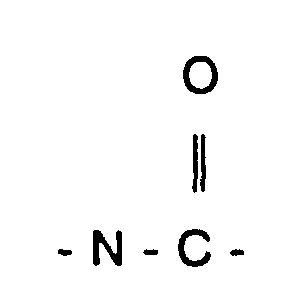
0 - 90 Gew.-% Struktureinheiten der Formel
- X ein Halogen, vorzugsweise Chlorid
- R5 und R6 unabhängig voneinander C1-C6-Alkyl, vorzugsweise C1-C3-Alkyl, insbesondere Methyl oder Ethyl bedeuten und
- R7
- Waserstoff oder Methyl und R8CONH2, CON(CH3)2, Cyano, SO3H, SO3Me, C6H4SO3H, C6H4SO3Me, CH2SO3H, CH2SO3Mr, COOH, COOMe oder eine Estergruppe COOR, wobei R für C1-C15-Alkyl, vorzugsweise C1-C8-Alkyl steht, als Waschmittelzusatz zur
| Verbindung | Remission des weißen Gewebes nach der Wäsche |
| ®Hostadrill 3118 | 59,9 % |
| ®Hostadrill 2825 | 60,8 % |
| ®Dispersant M | 60,2 % |
| ®Hostamer 3212 | 65,4 % |
| Vergleich | |
| Polyvinylpyrrolidon | 56,1 % |
| ohne Zusatz | 55,2 % |
Claims (10)
- Verwendung von wasserlöslichen Copolymeren auf Basis von Acrylamidoalkylensulfonsäure, Vinylacetamid und gegebenenfalls weiteren Monomeren, enthaltend
5 - 90 Gew.-% Struktureinheiten der Formelworin
- R1
- Wasserstoff oder Methyl,
- R2
- C2-C10-Alkylen, bevorzugt C2-C6-Alkylen, besonders bevorzugt C4-Alkylen und
- Me
- Ammonium oder ein Alkalimetallion bedeutet,
worin
R3 und R4 unabhängig voneinander Wasserstoff, Methyl oder Ethyl oder R3 und R4 zusammen eine Propylengruppe, die unter Einschluß eines Resteseinen Pyrrolidonrest bildet, bedeutet,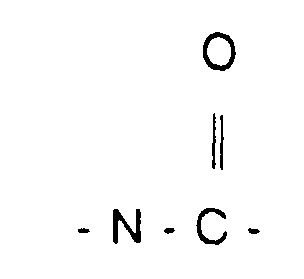
0 - 90 Gew.-% Struktureinheiten der Formel0 - 90 Gew.-% Struktureinheiten der FormelX ein Halogen, vorzugsweise ChloridR5 und R6 unabhängig voneinander C1-C6-Alkyl, vorzugsweise C1-C3-Alkyl, insbesondere Methyl oder Ethyl bedeuten und- R7
- Waserstoff oder Methyl und
- R8
- CONH2, CON(CH3)2, Cyano, SO3H, SO3Me, C6H4SO3H, C6H4SO3Me, CH2SO3H, CH2SO3Mr, COOH, COOMe oder eine Estergruppe COOR, wobei R für C1-C15-Alkyl, vorzugsweise C1-C8-Alkyl steht, als
- Verwendung von Verbindungen nach Anspruch 1, dadurch gekennzeichnet, daß die eingesetzten Copolymere aus40 - 90 Gew.-% Struktureinheiten der Formel (I),10 - 60 Gew.-% Struktureinheiten der Formel (II) und0 - 40 Gew.-% Struktureinheiten der Formel (III) bestehen.
- Verwendung von Verbindungen nach Anspruch 1, dadurch gekennzeichnet, daß die eingesetzten Copolymere aus40 - 70 Gew.-% 2-Acrylamido-2-methyl-propansulfonsäure oder Vinylsulfonsäure,2 - 20 Gew.-% Vinylacetamid und45 - 90 Gew.-% Acrylamid bestehen.
- Verwendung von Verbindungen nach einem der Ansprüche 1 bis 3, dadurch gekennzeichnet, daß Copolymere mit einem Molekulargewicht (Mw) von 50 000 bis 20·106 eingesetzt werden.
- Verwendung nach Anspruch 1 als Zusatz für Textilwaschmittel, Waschmittelbooster und/oder Wäschenachbehandlungsmittel.
- Verwendung gemäß Anspruch 5 als Zusatz zu industriellen Waschmitteln oder Haushaltswaschmitteln.
- Waschmittel gekennzeichnet durch einen Gehalt an wasserlöslichen Copolymeren gemäß Anspruch 1, wobei diese Waschmittel frei sind von mit C8-C26-Fettsäuren veresterten Polyolen.
- Waschmittel nach Anspruch 7, dadurch gekennzeichnet, daß es sich um Textilwaschmittel, Waschmittelbooster oder Wäschenachbehandlungsmittel handelt.
- Waschmittel gemäß Anspruch 7, enthaltend anionische, nicht-ionische und/oder zwitterionische Tenside.
- Waschmittel gemäß Anspruch 7 enthaltend Sequestriermittel, optische Aufheller, Enzyme, Bleichmittel und gegebenenfalls Stabilisatoren und Aktivatoren und/oder Waschalkalien.
Applications Claiming Priority (2)
| Application Number | Priority Date | Filing Date | Title |
|---|---|---|---|
| DE4227912 | 1992-08-22 | ||
| DE4227912 | 1992-08-22 |
Publications (3)
| Publication Number | Publication Date |
|---|---|
| EP0584709A2 EP0584709A2 (de) | 1994-03-02 |
| EP0584709A3 EP0584709A3 (en) | 1996-05-08 |
| EP0584709B1 true EP0584709B1 (de) | 1998-10-21 |
Family
ID=6466191
Family Applications (1)
| Application Number | Title | Priority Date | Filing Date |
|---|---|---|---|
| EP93113207A Expired - Lifetime EP0584709B1 (de) | 1992-08-22 | 1993-08-18 | Verwendung von wasserlöslichen Copolymeren auf Basis von Acrylamidoalkylensulfonsäure als Waschmittelzusatz |
Country Status (7)
| Country | Link |
|---|---|
| US (1) | US5607618A (de) |
| EP (1) | EP0584709B1 (de) |
| JP (1) | JPH06179893A (de) |
| AT (1) | ATE172489T1 (de) |
| CA (1) | CA2104507A1 (de) |
| DE (1) | DE59309078D1 (de) |
| ES (1) | ES2123601T3 (de) |
Cited By (3)
| Publication number | Priority date | Publication date | Assignee | Title |
|---|---|---|---|---|
| US7179778B2 (en) | 2002-12-06 | 2007-02-20 | Henkel Kommanditgesellschaft Auf Aktien (Henkel Kgaa) | Liquid acid detergent comprising a phthaloylamino peroxy caproic acid |
| US7947087B2 (en) | 2006-03-14 | 2011-05-24 | Henkel Ag & Co. Kgaa | Color transfer inhibitors, detergent compositions containing the same and uses therefor |
| US8263541B2 (en) | 2005-08-19 | 2012-09-11 | Henkel Ag & Co. Kgaa | Triazine derivative dye transfer inhibitors, washing products containing the same and uses therefor |
Families Citing this family (24)
| Publication number | Priority date | Publication date | Assignee | Title |
|---|---|---|---|---|
| US5273896A (en) * | 1989-10-13 | 1993-12-28 | Novo Nordisk A/S | Hemopeptide having peroxidase activity for bleaching dyes |
| CA2180071A1 (en) * | 1995-07-11 | 1997-01-12 | Thomas Cleveland Kirk | Fabric washing composition and method for inhibiting deposition of dye |
| AU718027B2 (en) * | 1995-07-11 | 2000-04-06 | Rohm And Haas Company | Washing composition and use of polymer to clean and provide soil resistance to an article |
| CA2268531A1 (en) * | 1996-10-17 | 1998-04-23 | Procter & Gamble Far East Inc. | A method of washing fabrics using a detergent composition comprising a terpolymer |
| JPH11500181A (ja) * | 1996-10-17 | 1999-01-06 | ザ、プロクター、エンド、ギャンブル、カンパニー | ターポリマーを含む洗剤組成物 |
| US6207637B1 (en) | 1998-10-23 | 2001-03-27 | The Lubrizol Corporation | Disulfonated alkylamines as degreasers and hydrotropes |
| FR2790759B1 (fr) * | 1999-03-11 | 2001-06-08 | Snf Sa | Nouveaux agents epaississants polymeres et leurs applications notamment dans des pates d'impression sur textiles, et en cosmetique |
| US6555512B1 (en) | 2001-09-18 | 2003-04-29 | Washing Systems, Inc. | Peroxide containing liquid laundry formulation |
| US20050119151A1 (en) * | 2002-04-10 | 2005-06-02 | Konstanze Mayer | Textile cleaning agent which is gentle on textiles |
| FR2839977B1 (fr) * | 2002-05-27 | 2005-08-12 | Rhodia Chimie Sa | Utilisation, dans une composition lavante et rincante de la vaisselle en machine, d'un copolymere amphotere comme agent anti-redeposition des salissures |
| US20050215449A1 (en) * | 2002-11-20 | 2005-09-29 | Josef Penninger | Textile care product |
| DE10322269A1 (de) * | 2003-05-16 | 2004-12-02 | Clariant Gmbh | Flüssige Wasch- und Reinigungsmittel mit Konsistenzgebenden Polymeren |
| US7196039B2 (en) * | 2003-12-11 | 2007-03-27 | Chevron Philips Chemical Company Lp | Methods of reducing fluid loss in a wellbore servicing fluid |
| TW200540263A (en) * | 2004-02-13 | 2005-12-16 | Kao Corp | Process for washing |
| DE102004020015A1 (de) * | 2004-04-21 | 2005-11-10 | Henkel Kgaa | Textilpflegemittel |
| DE102004021732A1 (de) * | 2004-04-30 | 2005-11-24 | Henkel Kgaa | Textilplegemittel mit amingruppenhaltigem Celluloseether |
| US20060264346A1 (en) * | 2005-05-19 | 2006-11-23 | Sullivan Mary K | Timed-release cleansing and/or treatment formulation and method for making and using the same |
| JP4869823B2 (ja) * | 2005-08-08 | 2012-02-08 | 花王株式会社 | 衣料用洗剤組成物 |
| AU2006203268A1 (en) * | 2005-08-08 | 2007-02-22 | Kao Corporation | Detergent composition for clothing |
| JP4827132B2 (ja) * | 2005-08-15 | 2011-11-30 | 花王株式会社 | 洗濯方法 |
| WO2007020949A1 (en) * | 2005-08-15 | 2007-02-22 | Kao Corporation | Process for washing and powder detergent composition |
| WO2007134614A1 (de) * | 2006-05-18 | 2007-11-29 | Henkel Ag & Co. Kgaa | Farbschützendes waschmittel |
| GB0716228D0 (en) * | 2007-08-20 | 2007-09-26 | Reckitt Benckiser Nv | Detergent composition |
| DE102018133468A1 (de) | 2018-12-21 | 2020-06-25 | Henkel Ag & Co. Kgaa | Wasch- oder Reinigungsmittel enthaltend mindestens ein Vinylamidhomopolymer und/oder Vinylamid-Vinylpyrrolidoncopolymer |
Family Cites Families (11)
| Publication number | Priority date | Publication date | Assignee | Title |
|---|---|---|---|---|
| BE785653A (de) * | 1971-07-02 | 1973-01-02 | Procter & Gamble Europ | |
| US3925262A (en) * | 1974-08-01 | 1975-12-09 | Procter & Gamble | Detergent composition having enhanced particulate soil removal performance |
| US3929678A (en) * | 1974-08-01 | 1975-12-30 | Procter & Gamble | Detergent composition having enhanced particulate soil removal performance |
| DE3364096D1 (en) * | 1982-12-04 | 1986-07-17 | Basf Ag | Process for preparing powdery polymers, and their use |
| DE3711299C2 (de) * | 1987-04-03 | 1995-07-20 | Basf Ag | Verwendung von Pfropfpolymerisaten auf Basis von Polyvinylpyrrolidon als Vergrauungsinhibitoren beim Waschen und Nachbehandeln von Synthesefasern enthaltendem Textilgut |
| DE3803630A1 (de) * | 1988-02-06 | 1989-08-17 | Henkel Kgaa | Waschmittelzusatz |
| DE3934184A1 (de) * | 1989-10-13 | 1991-04-18 | Basf Ag | Verwendung von wasserloeslichen oder in wasser dispergierbaren polymerisaten, die mit einem oxidationsmittel behandelt wurden, als zusatz zu waschmitteln und reinigungsmitteln |
| PE14291A1 (es) * | 1989-10-13 | 1991-04-27 | Novo Nordisk As | Procedimiento para inhibir la transferencia de tintes |
| DE4016002A1 (de) * | 1990-05-18 | 1991-11-21 | Basf Ag | Verwendung von wasserloeslichen oder wasserdispergierbaren gepfropften proteinen als zusatz zu wasch- und reinigungsmitteln |
| JPH04153330A (ja) * | 1990-10-16 | 1992-05-26 | Kanebo Ltd | 精紡機の粗糸搬送方法 |
| DE59206084D1 (de) * | 1991-03-25 | 1996-05-30 | Ciba Geigy Ag | Gleitmittel enthaltende wässrige Zubereitungen von Mischpolymerisaten |
-
1993
- 1993-08-18 DE DE59309078T patent/DE59309078D1/de not_active Expired - Fee Related
- 1993-08-18 ES ES93113207T patent/ES2123601T3/es not_active Expired - Lifetime
- 1993-08-18 EP EP93113207A patent/EP0584709B1/de not_active Expired - Lifetime
- 1993-08-18 AT AT93113207T patent/ATE172489T1/de not_active IP Right Cessation
- 1993-08-19 JP JP5205285A patent/JPH06179893A/ja not_active Withdrawn
- 1993-08-19 US US08/109,229 patent/US5607618A/en not_active Expired - Fee Related
- 1993-08-20 CA CA002104507A patent/CA2104507A1/en not_active Abandoned
Cited By (4)
| Publication number | Priority date | Publication date | Assignee | Title |
|---|---|---|---|---|
| US7179778B2 (en) | 2002-12-06 | 2007-02-20 | Henkel Kommanditgesellschaft Auf Aktien (Henkel Kgaa) | Liquid acid detergent comprising a phthaloylamino peroxy caproic acid |
| US8263541B2 (en) | 2005-08-19 | 2012-09-11 | Henkel Ag & Co. Kgaa | Triazine derivative dye transfer inhibitors, washing products containing the same and uses therefor |
| US8785362B2 (en) | 2005-08-19 | 2014-07-22 | Henkel Ag & Co. Kgaa | Triazine derivative dye transfer inhibitors, washing products containing the same and uses therefor |
| US7947087B2 (en) | 2006-03-14 | 2011-05-24 | Henkel Ag & Co. Kgaa | Color transfer inhibitors, detergent compositions containing the same and uses therefor |
Also Published As
| Publication number | Publication date |
|---|---|
| EP0584709A2 (de) | 1994-03-02 |
| US5607618A (en) | 1997-03-04 |
| EP0584709A3 (en) | 1996-05-08 |
| ES2123601T3 (es) | 1999-01-16 |
| CA2104507A1 (en) | 1994-02-23 |
| DE59309078D1 (de) | 1998-11-26 |
| ATE172489T1 (de) | 1998-11-15 |
| JPH06179893A (ja) | 1994-06-28 |
Similar Documents
| Publication | Publication Date | Title |
|---|---|---|
| EP0584709A2 (de) | Verwendung von wasserlöslichen Copolymeren auf Basis von Acrylamidoalkylensulfonsäure als Waschmittelzusatz | |
| EP0610846B1 (de) | Verwendung von Copolymeren auf Basis von Vinylmonomeren und Carbonsäureamiden als Waschmittelzusatz | |
| EP0859825B1 (de) | Verwendung von polymeren aminodicarbonsäuren in waschmitteln | |
| EP0934382B1 (de) | Verwendung von polykationischen kondensationsprodukten als farbübertragungsinhibierenden und farbablösungsvermindernden zusatz zu waschmitteln und wäschenachbehandlungsmitteln | |
| CA1240230A (en) | Laundry detergent composition | |
| DE2530524A1 (de) | Bleichmittel und verfahren zum bleichen und fleckenentfernen | |
| DE2232353B2 (de) | Wasch- und Reinigungsmittelmischung mit verbesserter Hemmwirkung bezüglich Farbstoffübertragung | |
| CN108285834B (zh) | 洗涤剂组合物 | |
| CA2127419A1 (en) | Process and laundry formulations for preventing the transfer of dye in laundry processes | |
| DE2814329A1 (de) | Waschmittel mit einem gehalt an verfaerbungsinhibierenden zusaetzen | |
| DE1816348A1 (de) | Wasch-,Bleich- und Reinigungsmittel | |
| DE69627076T2 (de) | Waschmittelzusammensetzung und Verfahren zur Verhinderung der Absetzung von Farbstoff | |
| EP0937126B1 (de) | Verwendung von quaternierten vinylimidazol-einheiten enthaltenden polymerisaten als farbfixierenden und farbübertragungsinhibierenden zusatz zu wäschenachbehandlungsmitteln und zu waschmitteln | |
| DE1924300B2 (de) | Wasch-, bleich- und reinigungsmittel | |
| EP0584736B1 (de) | Verwendung von Polyvinylalkoholen als Waschmittelzusatz | |
| EP2992075B1 (de) | Kammpolymere als waschkraftverstärker für waschmittel | |
| DE2165898A1 (de) | Waschmittel mit einem gehalt an vergrauungsverhuetenden zusaetzen | |
| DE2557783A1 (de) | Waschmittel mit verbesserter aufhellerwirkung | |
| EP0639665A1 (de) | Phosphatfreies Reduktionsbleichmittel | |
| DE2165834A1 (de) | Waschmittel mit einem gehalt an vergrauungsverhuetenden zusaaetzen | |
| EP0801165B1 (de) | Vorbehandlung von Textilien | |
| DE69413987T2 (de) | Amidoferoxocarbonsäuren als bleichmittel | |
| US3067143A (en) | Composition and method for washing textiles | |
| DE60033052T2 (de) | Waschmittelzusammensetzungen | |
| DE102005039971A1 (de) | Flüssigwaschmittelformulierung |
Legal Events
| Date | Code | Title | Description |
|---|---|---|---|
| PUAI | Public reference made under article 153(3) epc to a published international application that has entered the european phase |
Free format text: ORIGINAL CODE: 0009012 |
|
| AK | Designated contracting states |
Kind code of ref document: A2 Designated state(s): AT BE CH DE ES FR GB IT LI NL |
|
| PUAL | Search report despatched |
Free format text: ORIGINAL CODE: 0009013 |
|
| AK | Designated contracting states |
Kind code of ref document: A3 Designated state(s): AT BE CH DE ES FR GB IT LI NL |
|
| 17P | Request for examination filed |
Effective date: 19961108 |
|
| 17Q | First examination report despatched |
Effective date: 19970923 |
|
| RAP1 | Party data changed (applicant data changed or rights of an application transferred) |
Owner name: CLARIANT GMBH |
|
| GRAG | Despatch of communication of intention to grant |
Free format text: ORIGINAL CODE: EPIDOS AGRA |
|
| GRAG | Despatch of communication of intention to grant |
Free format text: ORIGINAL CODE: EPIDOS AGRA |
|
| GRAH | Despatch of communication of intention to grant a patent |
Free format text: ORIGINAL CODE: EPIDOS IGRA |
|
| GRAH | Despatch of communication of intention to grant a patent |
Free format text: ORIGINAL CODE: EPIDOS IGRA |
|
| GRAA | (expected) grant |
Free format text: ORIGINAL CODE: 0009210 |
|
| AK | Designated contracting states |
Kind code of ref document: B1 Designated state(s): AT BE CH DE ES FR GB IT LI NL |
|
| REF | Corresponds to: |
Ref document number: 172489 Country of ref document: AT Date of ref document: 19981115 Kind code of ref document: T |
|
| REG | Reference to a national code |
Ref country code: CH Ref legal event code: EP |
|
| REF | Corresponds to: |
Ref document number: 59309078 Country of ref document: DE Date of ref document: 19981126 |
|
| GBT | Gb: translation of ep patent filed (gb section 77(6)(a)/1977) |
Effective date: 19981222 |
|
| REG | Reference to a national code |
Ref country code: ES Ref legal event code: FG2A Ref document number: 2123601 Country of ref document: ES Kind code of ref document: T3 |
|
| ET | Fr: translation filed | ||
| PGFP | Annual fee paid to national office [announced via postgrant information from national office to epo] |
Ref country code: NL Payment date: 19990723 Year of fee payment: 7 Ref country code: FR Payment date: 19990723 Year of fee payment: 7 Ref country code: DE Payment date: 19990723 Year of fee payment: 7 Ref country code: AT Payment date: 19990723 Year of fee payment: 7 |
|
| PGFP | Annual fee paid to national office [announced via postgrant information from national office to epo] |
Ref country code: GB Payment date: 19990726 Year of fee payment: 7 |
|
| PGFP | Annual fee paid to national office [announced via postgrant information from national office to epo] |
Ref country code: CH Payment date: 19990728 Year of fee payment: 7 |
|
| PGFP | Annual fee paid to national office [announced via postgrant information from national office to epo] |
Ref country code: BE Payment date: 19990813 Year of fee payment: 7 |
|
| PGFP | Annual fee paid to national office [announced via postgrant information from national office to epo] |
Ref country code: ES Payment date: 19990825 Year of fee payment: 7 |
|
| PLBE | No opposition filed within time limit |
Free format text: ORIGINAL CODE: 0009261 |
|
| 26N | No opposition filed | ||
| PG25 | Lapsed in a contracting state [announced via postgrant information from national office to epo] |
Ref country code: GB Free format text: LAPSE BECAUSE OF NON-PAYMENT OF DUE FEES Effective date: 20000818 Ref country code: AT Free format text: LAPSE BECAUSE OF NON-PAYMENT OF DUE FEES Effective date: 20000818 |
|
| PG25 | Lapsed in a contracting state [announced via postgrant information from national office to epo] |
Ref country code: ES Free format text: LAPSE BECAUSE OF NON-PAYMENT OF DUE FEES Effective date: 20000819 |
|
| PG25 | Lapsed in a contracting state [announced via postgrant information from national office to epo] |
Ref country code: LI Free format text: LAPSE BECAUSE OF NON-PAYMENT OF DUE FEES Effective date: 20000831 Ref country code: CH Free format text: LAPSE BECAUSE OF NON-PAYMENT OF DUE FEES Effective date: 20000831 Ref country code: BE Free format text: LAPSE BECAUSE OF NON-PAYMENT OF DUE FEES Effective date: 20000831 |
|
| BERE | Be: lapsed |
Owner name: CLARIANT G.M.B.H. Effective date: 20000831 |
|
| PG25 | Lapsed in a contracting state [announced via postgrant information from national office to epo] |
Ref country code: NL Free format text: LAPSE BECAUSE OF NON-PAYMENT OF DUE FEES Effective date: 20010301 |
|
| GBPC | Gb: european patent ceased through non-payment of renewal fee |
Effective date: 20000818 |
|
| REG | Reference to a national code |
Ref country code: CH Ref legal event code: PL |
|
| PG25 | Lapsed in a contracting state [announced via postgrant information from national office to epo] |
Ref country code: FR Free format text: LAPSE BECAUSE OF NON-PAYMENT OF DUE FEES Effective date: 20010430 |
|
| NLV4 | Nl: lapsed or anulled due to non-payment of the annual fee |
Effective date: 20010301 |
|
| PG25 | Lapsed in a contracting state [announced via postgrant information from national office to epo] |
Ref country code: DE Free format text: LAPSE BECAUSE OF NON-PAYMENT OF DUE FEES Effective date: 20010501 |
|
| REG | Reference to a national code |
Ref country code: FR Ref legal event code: ST |
|
| REG | Reference to a national code |
Ref country code: ES Ref legal event code: FD2A Effective date: 20010911 |
|
| PG25 | Lapsed in a contracting state [announced via postgrant information from national office to epo] |
Ref country code: IT Free format text: LAPSE BECAUSE OF NON-PAYMENT OF DUE FEES Effective date: 20050818 |