EP0452610A2 - Verfahren zur Herstellung einer Lösung von Cellulose in N-Methylmorpholin-N-oxid und Wasser - Google Patents
Verfahren zur Herstellung einer Lösung von Cellulose in N-Methylmorpholin-N-oxid und Wasser Download PDFInfo
- Publication number
- EP0452610A2 EP0452610A2 EP90890335A EP90890335A EP0452610A2 EP 0452610 A2 EP0452610 A2 EP 0452610A2 EP 90890335 A EP90890335 A EP 90890335A EP 90890335 A EP90890335 A EP 90890335A EP 0452610 A2 EP0452610 A2 EP 0452610A2
- Authority
- EP
- European Patent Office
- Prior art keywords
- cellulose
- water
- nmmo
- solution
- methylmorpholine
- Prior art date
- Legal status (The legal status is an assumption and is not a legal conclusion. Google has not performed a legal analysis and makes no representation as to the accuracy of the status listed.)
- Withdrawn
Links
- 239000001913 cellulose Substances 0.000 title claims abstract description 54
- 229920002678 cellulose Polymers 0.000 title claims abstract description 54
- LFTLOKWAGJYHHR-UHFFFAOYSA-N N-methylmorpholine N-oxide Chemical compound CN1(=O)CCOCC1 LFTLOKWAGJYHHR-UHFFFAOYSA-N 0.000 title claims abstract description 44
- 238000000034 method Methods 0.000 title claims abstract description 16
- 238000002360 preparation method Methods 0.000 title claims description 3
- XLYOFNOQVPJJNP-UHFFFAOYSA-N water Substances O XLYOFNOQVPJJNP-UHFFFAOYSA-N 0.000 claims abstract description 55
- 239000000203 mixture Substances 0.000 claims abstract description 13
- IVNPXOUPZCTJAK-UHFFFAOYSA-N 4-methylmorpholin-4-ium;hydroxide Chemical compound O.CN1CCOCC1 IVNPXOUPZCTJAK-UHFFFAOYSA-N 0.000 claims abstract description 6
- 239000003381 stabilizer Substances 0.000 claims description 8
- MUBZPKHOEPUJKR-UHFFFAOYSA-N Oxalic acid Chemical compound OC(=O)C(O)=O MUBZPKHOEPUJKR-UHFFFAOYSA-N 0.000 claims description 6
- NBIIXXVUZAFLBC-UHFFFAOYSA-N Phosphoric acid Chemical compound OP(O)(O)=O NBIIXXVUZAFLBC-UHFFFAOYSA-N 0.000 claims description 4
- YCIMNLLNPGFGHC-UHFFFAOYSA-N catechol Chemical compound OC1=CC=CC=C1O YCIMNLLNPGFGHC-UHFFFAOYSA-N 0.000 claims description 4
- LNTHITQWFMADLM-UHFFFAOYSA-N gallic acid Chemical compound OC(=O)C1=CC(O)=C(O)C(O)=C1 LNTHITQWFMADLM-UHFFFAOYSA-N 0.000 claims description 4
- QULIOZDJZXKLNY-UHFFFAOYSA-N 3,4,5-trihydroxy-2-propylbenzoic acid Chemical compound CCCC1=C(O)C(O)=C(O)C=C1C(O)=O QULIOZDJZXKLNY-UHFFFAOYSA-N 0.000 claims description 3
- -1 pyrrogallol Chemical compound 0.000 claims description 3
- AFSDNFLWKVMVRB-UHFFFAOYSA-N Ellagic acid Chemical compound OC1=C(O)C(OC2=O)=C3C4=C2C=C(O)C(O)=C4OC(=O)C3=C1 AFSDNFLWKVMVRB-UHFFFAOYSA-N 0.000 claims description 2
- ATJXMQHAMYVHRX-CPCISQLKSA-N Ellagic acid Natural products OC1=C(O)[C@H]2OC(=O)c3cc(O)c(O)c4OC(=O)C(=C1)[C@H]2c34 ATJXMQHAMYVHRX-CPCISQLKSA-N 0.000 claims description 2
- 229920002079 Ellagic acid Polymers 0.000 claims description 2
- 229910000147 aluminium phosphate Inorganic materials 0.000 claims description 2
- 235000004132 ellagic acid Nutrition 0.000 claims description 2
- 229960002852 ellagic acid Drugs 0.000 claims description 2
- 150000002148 esters Chemical class 0.000 claims description 2
- 235000004515 gallic acid Nutrition 0.000 claims description 2
- 229940074391 gallic acid Drugs 0.000 claims description 2
- FAARLWTXUUQFSN-UHFFFAOYSA-N methylellagic acid Natural products O1C(=O)C2=CC(O)=C(O)C3=C2C2=C1C(OC)=C(O)C=C2C(=O)O3 FAARLWTXUUQFSN-UHFFFAOYSA-N 0.000 claims description 2
- 235000006408 oxalic acid Nutrition 0.000 claims description 2
- 235000011007 phosphoric acid Nutrition 0.000 claims description 2
- GCLGEJMYGQKIIW-UHFFFAOYSA-H sodium hexametaphosphate Chemical compound [Na]OP1(=O)OP(=O)(O[Na])OP(=O)(O[Na])OP(=O)(O[Na])OP(=O)(O[Na])OP(=O)(O[Na])O1 GCLGEJMYGQKIIW-UHFFFAOYSA-H 0.000 claims description 2
- 235000019982 sodium hexametaphosphate Nutrition 0.000 claims description 2
- 239000001577 tetrasodium phosphonato phosphate Substances 0.000 claims description 2
- 239000000243 solution Substances 0.000 description 42
- 238000000354 decomposition reaction Methods 0.000 description 8
- 238000009987 spinning Methods 0.000 description 7
- 230000015556 catabolic process Effects 0.000 description 4
- 230000005496 eutectics Effects 0.000 description 4
- 230000010355 oscillation Effects 0.000 description 4
- 238000001556 precipitation Methods 0.000 description 4
- 239000000126 substance Substances 0.000 description 4
- 238000012360 testing method Methods 0.000 description 4
- OKKJLVBELUTLKV-UHFFFAOYSA-N Methanol Chemical compound OC OKKJLVBELUTLKV-UHFFFAOYSA-N 0.000 description 3
- 230000015572 biosynthetic process Effects 0.000 description 3
- 239000000835 fiber Substances 0.000 description 3
- TWNIBLMWSKIRAT-VFUOTHLCSA-N levoglucosan Chemical group O[C@@H]1[C@@H](O)[C@H](O)[C@H]2CO[C@@H]1O2 TWNIBLMWSKIRAT-VFUOTHLCSA-N 0.000 description 3
- 238000005259 measurement Methods 0.000 description 3
- 239000000725 suspension Substances 0.000 description 3
- UYQJCPNSAVWAFU-ZEUIETHYSA-N (2r,3r,4r,5r)-4-[(2s,3r,4r,5s,6r)-5-[(2s,3r,4r,5s,6r)-3,4-dihydroxy-6-(hydroxymethyl)-5-[(2s,3r,4s,5s,6r)-3,4,5-trihydroxy-6-(hydroxymethyl)oxan-2-yl]oxyoxan-2-yl]oxy-3,4-dihydroxy-6-(hydroxymethyl)oxan-2-yl]oxy-2,3,5,6-tetrahydroxyhexanal Chemical compound O[C@@H]1[C@@H](O)[C@H](O[C@H]([C@H](O)CO)[C@H](O)[C@@H](O)C=O)O[C@H](CO)[C@H]1O[C@H]1[C@H](O)[C@@H](O)[C@H](O[C@H]2[C@@H]([C@@H](O)[C@H](O)[C@@H](CO)O2)O)[C@@H](CO)O1 UYQJCPNSAVWAFU-ZEUIETHYSA-N 0.000 description 2
- CSCPPACGZOOCGX-UHFFFAOYSA-N Acetone Chemical compound CC(C)=O CSCPPACGZOOCGX-UHFFFAOYSA-N 0.000 description 2
- 241000157282 Aesculus Species 0.000 description 2
- 238000010586 diagram Methods 0.000 description 2
- 238000001704 evaporation Methods 0.000 description 2
- 238000001125 extrusion Methods 0.000 description 2
- 239000000706 filtrate Substances 0.000 description 2
- 235000010181 horse chestnut Nutrition 0.000 description 2
- 150000004682 monohydrates Chemical class 0.000 description 2
- 238000001558 permutation test Methods 0.000 description 2
- 239000002904 solvent Substances 0.000 description 2
- 238000003756 stirring Methods 0.000 description 2
- XNWFRZJHXBZDAG-UHFFFAOYSA-N 2-METHOXYETHANOL Chemical compound COCCO XNWFRZJHXBZDAG-UHFFFAOYSA-N 0.000 description 1
- 229920000875 Dissolving pulp Polymers 0.000 description 1
- 240000000731 Fagus sylvatica Species 0.000 description 1
- 235000010099 Fagus sylvatica Nutrition 0.000 description 1
- LSNNMFCWUKXFEE-UHFFFAOYSA-N Sulfurous acid Chemical compound OS(O)=O LSNNMFCWUKXFEE-UHFFFAOYSA-N 0.000 description 1
- 239000012223 aqueous fraction Substances 0.000 description 1
- 230000015271 coagulation Effects 0.000 description 1
- 238000005345 coagulation Methods 0.000 description 1
- 230000007423 decrease Effects 0.000 description 1
- 238000006731 degradation reaction Methods 0.000 description 1
- 230000007613 environmental effect Effects 0.000 description 1
- 239000000374 eutectic mixture Substances 0.000 description 1
- 230000008020 evaporation Effects 0.000 description 1
- 238000002474 experimental method Methods 0.000 description 1
- 238000004880 explosion Methods 0.000 description 1
- 239000012634 fragment Substances 0.000 description 1
- 125000002791 glucosyl group Chemical group C1([C@H](O)[C@@H](O)[C@H](O)[C@H](O1)CO)* 0.000 description 1
- 239000008241 heterogeneous mixture Substances 0.000 description 1
- 230000006698 induction Effects 0.000 description 1
- 239000007791 liquid phase Substances 0.000 description 1
- 238000004519 manufacturing process Methods 0.000 description 1
- 230000008018 melting Effects 0.000 description 1
- 238000002844 melting Methods 0.000 description 1
- 230000003287 optical effect Effects 0.000 description 1
- 239000002002 slurry Substances 0.000 description 1
- 239000007787 solid Substances 0.000 description 1
- 238000012916 structural analysis Methods 0.000 description 1
- 238000012982 x-ray structure analysis Methods 0.000 description 1
Images


Classifications
-
- C—CHEMISTRY; METALLURGY
- C08—ORGANIC MACROMOLECULAR COMPOUNDS; THEIR PREPARATION OR CHEMICAL WORKING-UP; COMPOSITIONS BASED THEREON
- C08J—WORKING-UP; GENERAL PROCESSES OF COMPOUNDING; AFTER-TREATMENT NOT COVERED BY SUBCLASSES C08B, C08C, C08F, C08G or C08H
- C08J3/00—Processes of treating or compounding macromolecular substances
- C08J3/02—Making solutions, dispersions, lattices or gels by other methods than by solution, emulsion or suspension polymerisation techniques
- C08J3/09—Making solutions, dispersions, lattices or gels by other methods than by solution, emulsion or suspension polymerisation techniques in organic liquids
- C08J3/091—Making solutions, dispersions, lattices or gels by other methods than by solution, emulsion or suspension polymerisation techniques in organic liquids characterised by the chemical constitution of the organic liquid
- C08J3/096—Nitrogen containing compounds
-
- C—CHEMISTRY; METALLURGY
- C08—ORGANIC MACROMOLECULAR COMPOUNDS; THEIR PREPARATION OR CHEMICAL WORKING-UP; COMPOSITIONS BASED THEREON
- C08B—POLYSACCHARIDES; DERIVATIVES THEREOF
- C08B1/00—Preparatory treatment of cellulose for making derivatives thereof, e.g. pre-treatment, pre-soaking, activation
- C08B1/003—Preparation of cellulose solutions, i.e. dopes, with different possible solvents, e.g. ionic liquids
-
- D—TEXTILES; PAPER
- D01—NATURAL OR MAN-MADE THREADS OR FIBRES; SPINNING
- D01F—CHEMICAL FEATURES IN THE MANUFACTURE OF ARTIFICIAL FILAMENTS, THREADS, FIBRES, BRISTLES OR RIBBONS; APPARATUS SPECIALLY ADAPTED FOR THE MANUFACTURE OF CARBON FILAMENTS
- D01F2/00—Monocomponent artificial filaments or the like of cellulose or cellulose derivatives; Manufacture thereof
-
- C—CHEMISTRY; METALLURGY
- C08—ORGANIC MACROMOLECULAR COMPOUNDS; THEIR PREPARATION OR CHEMICAL WORKING-UP; COMPOSITIONS BASED THEREON
- C08J—WORKING-UP; GENERAL PROCESSES OF COMPOUNDING; AFTER-TREATMENT NOT COVERED BY SUBCLASSES C08B, C08C, C08F, C08G or C08H
- C08J2301/00—Characterised by the use of cellulose, modified cellulose or cellulose derivatives
- C08J2301/02—Cellulose; Modified cellulose
Definitions
- the present invention relates to a method for producing a solution of cellulose in N-methylmorpholine-N-oxide and water, in which the three components are mixed together, and a solution of cellulose in N-methylmorpholine-N-oxide and water.
- inequality I If inequality II is also automatically fulfilled, the cellulose will certainly dissolve in N-methylmorpholine-N-oxide (hereinafter referred to as NMMO) and water. If only the inequality II, but not the inequality I, is fulfilled, a complete solution of the cellulose occurs only with a certain probability, but not with certainty.
- NMMO N-methylmorpholine-N-oxide
- the cited US patent also specifies lower limits for the water or cellulose content (curves C and D in FIG. 5). If the water content drops too much, the solution can be achieved by shear induction crystallize even at very high temperatures. Such a solution can no longer be processed even by further raising the temperature. In addition, when the water content is low, the temperature and concentration range is close to the decomposition and explosion limit of the NMMO-Cellulose system. According to DSC measurements, the start of the decomposition is just above 170 ° C. In order to ensure the safety of a process, the distance to the initial temperature of the decomposition must be as large as possible.
- an aqueous NMMO solution is then used as a precipitant.
- the precipitation bath can be concentrated and cleaned in a chemical cycle and then returned to the solution preparation.
- the object of the invention is to provide a process for producing a solution of cellulose in NMMO and water with an increased water content, which increases the safety of the process and the initial temperature of the decomposition and which saves on expensive solvent and precipitant, that must be regenerated can be achieved.
- the NMMO used can be either technically cleaned or already circulated NMMO (as described above).
- the temperature while the mixture is subjected to the shear rates is 70-120 ° C, preferably about 100 ° C.
- the cellulose dissolves particularly well at these temperatures, and the decomposition temperature of the NMMO is still sufficiently far away.
- One of the components or the mixture is preferably added to 0-1% of a known stabilizer, such as gallic acid and its esters, especially propyl gallic acid, pyrocatechol, ellagic acid, pyrrogallol, oxalic acid, phosphoric acid and sodium hexametaphosphate.
- a known stabilizer such as gallic acid and its esters, especially propyl gallic acid, pyrocatechol, ellagic acid, pyrrogallol, oxalic acid, phosphoric acid and sodium hexametaphosphate.
- FIG. 1 shows the maximum solubility of cellulose as a function of the water content
- Figure 2 is a two-substance diagram for the NMMO / H2O system.
- FIG. 3 shows the result of an X-ray structure analysis of cellotetrose and anhydro-NMMO.
- NMMO / water system shows not only one eutectic, but two (see FIG. 2). So far, it has only been possible to use cellulose to dissolve the eutectic, which is based on a monohydrate (MH). Surprisingly, by using high shear rates, it is also possible to use the second eutectic, at 26% water and 74% NMMO. The melting point of this eutectic is 36 ° C; it corresponds to a molar ratio of 1 mol of NMMO to 2.3 mol of water (NMMO-2,3-hydrate, DH).
- the NMMO-2,3 hydrate is advantageous because the water molecules can be exchanged for cell-OH molecules during solution formation.
- the dissolving range can be expanded as follows:
- the maximum cellulose concentration (anhydrous solution) results from FIG. 3, according to which each anhydroglucose unit can bind a maximum of one NMMO.
- Fig. 1 the two limit concentrations, which are specified in the above-cited US Pat. No. 4,196,282, namely curves A and B in Fig. 5 thereof, are shown and also designated A and B.
- the area between curves A and B on the one hand and C on the other hand is opened up by the present invention. 1 further points are drawn in, which correspond to the examples described below.
- the cellulose content was determined gravimetrically by precipitation of the cellulose with water.
- the NMMO concentration in the filtrate is determined potentiometrically.
- the water concentration is determined after the cellulose has precipitated with methanol in the filtrate using a Karl Fischer reagent.
- Examples 1 and 21 are in the known and not in the range according to the invention. They were only included to show that the use of a stabilizer is definitely useful to reduce cellulose degradation. The higher the stabilizer concentration, the lower the cellulose breakdown (DP).
- Examples 13, 14 and 20 are outside the predicted dissolving range: the cellulose does not dissolve either. In Example 17, there were still many undissolved fiber fragments.
- Water is distilled off in vacuo from a suspension consisting of a 60% aqueous NMMO solution, cellulose and 0.01% GPE as a stabilizer in an 11-stirred tank (see Table 2).
- the solution formation is monitored using the increase in viscosity (power consumption of the stirrer) or under the microscope.
- This solution was / pressed with 10 g / min through a 100 hole / 130 to nozzle, warped in the air gap and coagulated in a coagulation bath, wherein fibers were obtained.
- Example 3O Spinning test, 501 stirred tank
- the average residence time of the cellulose was about 4 minutes. From a rheological point of view, these are solutions. Some are a bit cloudy, i.e. that undissolved portions are included.
Landscapes
- Chemical & Material Sciences (AREA)
- Chemical Kinetics & Catalysis (AREA)
- General Chemical & Material Sciences (AREA)
- Engineering & Computer Science (AREA)
- Health & Medical Sciences (AREA)
- Medicinal Chemistry (AREA)
- Polymers & Plastics (AREA)
- Organic Chemistry (AREA)
- Life Sciences & Earth Sciences (AREA)
- Dispersion Chemistry (AREA)
- Biochemistry (AREA)
- Materials Engineering (AREA)
- Textile Engineering (AREA)
- Artificial Filaments (AREA)
- Compositions Of Macromolecular Compounds (AREA)
- Polysaccharides And Polysaccharide Derivatives (AREA)
- Detergent Compositions (AREA)
- Cosmetics (AREA)
- Processes Of Treating Macromolecular Substances (AREA)
Abstract
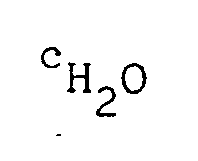
= Masseanteil Wasser):
Description
- Die vorliegende Erfindung betrifft ein Verfahren zur Herstellung einer Lösung von Cellulose in N-Methylmorpholin-N-oxid und Wasser, bei dem die drei Komponenten miteinander vermischt werden, sowie eine Lösung von Cellulose in N-Methylmorpholin-N-oxid und Wasser.
- Ein derartiges Verfahren ist beispielsweise aus der US-PS 4 196 282 bekannt. Um die maximale Cellulosekonzentration experimentell zu ermitteln, wurde gemäß dieser US-PS das Dreistoffsystem als heterogene Stoffmischung angesetzt und durch Erhöhung der Temperatur, Rühren und Abdampfen von Wasser daraus eine homogene Spinnmasse hergestellt. Es hat sich nämlich gezeigt, daß die maximale Cellulosekonzentration sinkt, wenn der Wasseranteil steigt, bzw. daß es - bei gegebener Cellulosekonzentration - eine maximal zulässige Wasserkonzentration gibt. Sinkt nun während des Abdampfens von Wasser die Wasserkonzentration, so geht die Cellulose irgendwann vollständig in Lösung. Aus den zu diesem Zeitpunkt herrschenden Massenanteilen in der Lösung ergibt sich bei einem bestimmten Wasseranteil der zugehörige maximale Celluloseanteil.
- Durch umfangreiche Serienversuche konnten gemäß der zitierten US-PS folgende Zusammenhänge zwischen dem Massenanteil bzw. der Konzentration der Cellulose (cCell) und dem Massenanteil bzw. der Konzentration des Wassers

festgestellt werden:
- Diese beiden Ungleichungen sind in Fig. 5 der US-PS dargestellt, wobei die Kurve A Ungleichung II und die Kurve B Ungleichung I entspricht.
- Ist die Ungleichung I erfüllt (dann ist die Ungleichung II automatisch auch erfüllt), so löst sich die Cellulose mit Sicherheit in N-Methylmorpholin-N-oxid (im folgenden NMMO genannt) und Wasser. Ist nur die Ungleichung II, nicht jedoch die Ungleichung I erfüllt, so tritt nur mit einer gewissen Wahrscheinlichkeit, nicht jedoch mit Sicherheit, vollständige Lösung der Cellulose ein.
- In der zitierten US-PS sind auch untere Grenzen für den Wasser- bzw. Cellulosegehalt angegeben (Kurven C und D in Fig. 5). Sinkt nämlich der Wassergehalt zu sehr ab, kann die Lösung durch Scherinduktion auch bei sehr hohen Temperaturen auskristallisieren. Eine solche Lösung läßt sich auch durch weiteres Anheben der Temperatur nicht mehr verarbeiten. Außerdem kommt man bei niedrigem Wassergehalt in einen Temperatur- und Konzentrationsbereich, der nahe der Zersetzungs- und Explosionsgrenze des Systems NMMO-Cellulose liegt. Nach DSC-Messungen liegt der Beginn der Zersetzung knapp oberhalb 170°C. Um die Sicherheit eines Verfahrens zu gewährleisten, muß aber der Abstand zur Initialtemperatur der Zersetzung so groß wie möglich sein.
- Bei der Lösung von Cellulose in NMMO und Wasser hat das Wasser mehrere Funktionen. Einer der Vorteile ist, daß in einer Mischung von NMMO und Wasser mehr Cellulose gelöst werden kann als in reinem NMMO. Dadurch wird eine Extrusion der Lösung z.B. zum Spinnen von Fäden möglich. Der Wassergehalt darf allerdings auch nicht zu hoch sein, weil eine Erhöhung des Wassergehaltes die maximal mögliche Cellulosekonzentration linear herabsetzt (Ungleichung I).
- Wenn die Lösung extrudiert wird, wird danach eine wässerige NMMO-Lösung als Fällmittel eingesetzt. Das Fällbad kann in einem Chemikalienkreislauf aufkonzentriert und gereinigt und anschliessend zur Lösungsherstellung rückgeführt werden.
- Die gesamte Wirtschaftlichkeit und Umweltverträglichkeit des Verfahrens ist davon abhängig, wieweit man den gekoppelten NMMO/Wasser-Kreislauf im Griff hat. Gelingt es, das sehr teure Lösungsmittel NMMO durch Wasser in der Spinnmasse teilweise zu ersetzen, so kann man direkte Einsparungen bei den Verfahrenskosten verzeichnen.
- Verwendet man Lösungen mit erhöhtem Wassergehalt zur Extrusion, so kann man außerdem Fällbad sparen.
- Aus den dargelegten Gründen hat sich die Erfindung die Aufgabe gestellt, ein Verfahren zur Herstellung einer Lösung von Cellulose in NMMO und Wasser mit erhöhtem Wassergehalt bereitzustellen, wodurch die Sicherheit des Verfahrens und die Initialtemperatur der Zersetzung erhöht wird und wodurch Einsparungen an teurem Lösungsmittel und Fällungsmittel, das regeneriert werden muß, erzielt werden.
- Diese Aufgabe wird durch ein Verfahren der eingangs genannten Art erfindungsgemäß dadurch gelöst, daß die Mischung Scherraten von 400 - 3000 s⁻¹, vorzugsweise 500-800 s⁻¹, unterworfen wird und daß der Masseanteil Cellulose cCell und der Masseanteil Wasser

folgende Bedingung erfüllen:
- Es wurde nämlich überraschenderweise gefunden, daß sich wesentlich mehr Cellulose bei gegebener Wasserkonzentration löst, wenn die Mischung hohen Scherraten unterworfen wird. Es kommt dabei tatsächlich nicht so sehr auf die Rührenergie an als auf die dadurch erzielten Scherraten.
- Das eingesetzte NMMO kann dabei entweder technisch gereinigtes oder bereits im Kreis geführtes NMMO (wie oben beschreiben) sein.
- Es ist zweckmäßig, wenn die Temperatur, während die Mischung den Scherraten unterworfen wird, 70-120°C, vorzugsweise etwa 100°C beträgt. Bei diesen Temperaturen löst sich die Cellulose besonders gut, und von der Zersetzungstemperatur des NMMO ist man noch ausreichend weit entfernt.
- Vorzugsweise wird einer der Komponenten oder der Mischung 0-1% eines bekannten Stabilisators, wie Gallussäure und deren Ester, speziell Gallussäurepropylester, Brenzkatechin, Ellagsäure, Pyrrogallol, Oxalsäure, Phosphorsäure und Natriumhexametaphosphat zugesetzt. Derartige Stabilisatoren verhindern bzw. vermindern den Zerfall von NMMO und den Abbau von Cellulose.
- Die maximale Cellulosekonzentration, die mit dem erfindungsgemäßen Verfahren erzielt werden kann, läßt sich durch folgende Ungleichung ausdrücken:

- Es soll daher auch eine Lösung von Cellulose in N-Methylmorpholin-N-oxid und Wasser geschützt sein, sofern der Masseanteil Cellulose cCell und der Masseanteil

folgende Bedingungen erfüllen:
- Für die Ungleichung IV wurde von den Erfindern eine theoretische Erklärung gefunden, wobei sie durch diese Theorie nicht gebunden sein möchten. Die Theorie wird anhand der beiliegenden Zeichnungen näher erläutert. Es zeigt: Fig. I die maximale Löslichkeit von Cellulose in Abhängigkeit vom Wassergehalt; Fig. 2 ein Zweistoffdiagramm für das System NMMO/H₂O; und Fig. 3 das Ergebnis einer Röntgenstrukturanalyse von Cellotetrose und Anhydro-NMMO.
- Es ist bekannt, daß das System NMMO/Wasser nicht nur ein Eutektikum zeigt, sondern zwei (s. Fig. 2). Zur Lösung von Cellulose war es bisher nur möglich, das Eutektikum, dem ein Monohydrat (MH) zugrunde liegt, auszunützen. Überraschenderweise ist es durch Einsatz hoher Scherraten auch möglich, das zweite Eutektikum, bei 26% Wasser und 74% NMMO, auszunützen. Der Schmelzpunkt dieses Eutektikums liegt bei 36°C; es entspricht einem molaren Verhältnis von 1 Mol NMMO zu 2,3 Mol Wasser (NMMO-2,3-Hydrat,DH).
- Das NMMO-2,3 Hydrat ist deshalb vorteilhaft, weil bei der Lösungsbildung die Wassermoleküle durch Cell-OH-Moleküle ausgetauscht werden können. So zeigt z.B. eine Röntgenstrukturanalyse von Cellotetrose und Anhydro-NMMO (AF), daß nur eine Glucoseeinheit gebunden ist.
- (S. Maia, E.R.; Peguy, A.; Perez, S.; Cellulose organic solutions.I. The structure of anhydrous NMMO and NMMO monyhydrate. Acta Crystallogr., Sect.B 1981, B37(10), 1858-62, Jan. 1, 1981.)
- Unter der Annahme, daß auch das NMMO-2, 3 Hydrat auch in der flüssigen Phase (L) die Wassermolekülle beliebig durch Cell-OH auszutauschen in der Lage ist, können Lösungen mit wesentlich höherem Wasseranteil, als in der oben genannten US-PS 4 196 282 angeführt, erhalten werden.
- Unter Berücksichtigung oben gemachter Annahmen, d.h. daß in einer Lösung das "freie" NMMO in Form von NMMO-(2 bis 2, 3H-Brückenbindung) (vgl. die eutektische Mischung in Fig. 2) vorliegt und daß jede Anhydroglucoseeinheit der Cellulose ein Anhydro-NMMO bindet, läßt sich der Lösebereich wie folgt erweitern: Die maximal mögliche Wasserkonzentration in einer NMMO-Cellulose-Wasser-Lösung ergibt sich aus dem Zweistoffdiagramm (Fig. 2), d.h. hier ist die Cellulosekonzentration = 0%:

Die maximale Cellulosekonzentration (wasserfreie Lösung) ergibt sich aus Fig. 3, wonach jede Anhydroglucoseeinheit maximal ein NMMO zu binden vermag. D.h. das molare Verhältnis NMMO:Anhydroglucose beträgt 1.


Aus diesen beiden Gleichungen ergibt sich:
cNMMO = 42%; cCell = 58%
Daraus ergibt sich für die rechte Grenze (C) des Löslichkeitsbereiches in Fig. 1 durch lineare Interpolation:
oder umgeformt:
Außerdem muß gelten:
- In Fig. 1 sind außerdem die beiden Grenzkonzentrationen, die in der oben zitierten US-PS 4 196 282 angegeben sind, nämlich Kurven A und B in deren Fig. 5, eingezeichnet und ebenfalls mit A und B bezeichnet. Der Bereich zwischen den Kurven A bzw. B einerseits und C anderseits wird durch die vorliegende Erfindung erschlossen. In Fig. 1 sind weiters Punkte eingezeichnet, die den im folgenden beschriebenen Beispielen entsprechen.
- In den Beispielen erfolgte die Bestimmung des Cellulosegehaltes gravimetrisch durch Ausfällen der Cellulose mit Wasser. Im Filtrat wird die NMMO-Konzentration potentiometrisch ermittelt. Die Bestimmung der Wasserkonzentration erfolgt nach Ausfällen der Cellulose mit Methanol im Filtrat mittels Karl-Fischer-Reagens.
- Der Cellulose-DP wurde durch Errechnung des Zahlenmittels und Bestimmung der Grenzviskositätszahl nach der Cuen-Methode TAPPI T230 ermittelt. Gemessen wurde im Modus Oszillation (W = Winkelgeschwindigkeit).
- Beurteilung der Lösung:
- - optisch:
- unter dem Mikroskop
- - viskosimetrisch:
- mitels eines Rotationsviskosimeters der Firma HAAKE, Typ RV20 System Platte-Platte (PQI, Spalt: 1mm, Meßtemperatur: 95°C, Oszillationsmodus).
- In einem 31-Kneter, Typ: Werner & Pfleiderer, LUK 5 III-1, wurden die Komponenten: Cellulose, NMMO (aus Aceton umkristallisiert), Wasser und GPE (Gallussäurepropylester)als Stabilisator 15 bis 115 min bei 70°C bis 120°C (Tabelle 1) geknetet, bis eine unter dem Mikroskop durchsichtige Lösung entstanden ist.
- Die genauen Versuchsparameter und die Ergebnisse sind in Tabelle 1 zusammengefaßt.
- Die Beispiele 1 und 21 liegen im bekannten und nicht im erfindungsgemäßen Bereich. Sie wurden nur aufgenommen, um zu zeigen, daß die Verwendung eines Stabilisators auf alle Fälle sinnvoll ist, um den Celluloseabbau zu reduzieren. Je höher die Stabilisatorkonzentration, desto geringer ist der Celluloseabbau (DP).
- Die Beispiele 13, 14 und 20 befinden sich außerhalb des prognostizierten Lösebereichs: es tritt auch keine Lösung der Cellulose ein. Bei Beispiel 17 waren noch viele ungelöste Faserbruchstücke vorhanden.

- In einem 11-Rührbehälter wird aus einer Suspension, bestehend aus einer 60%-igen wässerigen NMMO-Lösung, Cellulose und 0,01 % GPE als Stabilisator, Wasser im Vakuum abdestilliert (siehe Tabelle 2). Die Lösungsbildung wird anhand der Viskositätserhöhung (Leistungsaufnahme des Rührers) bzw. unter dem Mikroskop verfolgt.
- Die genauen Versuchsparameter und die Ergebnisse sind in Tabelle 2 zusammengefaßt.
- Erklärung:
- 1. Zeile:
- Beginn der Lösungsbildung (Anstieg der Viskosität): Zeit = 0; bis dahin wurde schon eine gewisse Menge Wasser abgedampft - siehe Zusammensetzung
- 2. Zeile:
- Zeit = XX; Ende des Lösevorganges
- In einem 51-Rührbehälter wird aus einer Suspension bestehend aus einer 60%-igen wässerigen NMMO-Lösung,Cellulose (Buckeye V5-Zellstoff) und GPE, Wasser im Vakuum abdestilliert. Nach zirka 3 h wurden dabei 3000 g Lösung mit folgender Zusammensetzung erhalten:
9,0 % Cellulose (Buckeye V5)
18,3 % Wasser
79,5 % NMMO
0,02% GPE
Lösungstemperatur : 94 - 96°C
Komplexe Viskosität der Spinnmasse bei 95°C
(RV20, Oszillation bei einer Winkelgeschwindigkeit w = 0,31 1/s): 550 Pa.s
Scherrate: 500¹/s - Diese Lösung wurde mit 10 g/min durch eine 100 Loch/130/um-Düse gepreßt, im Luftspalt verzogen und in einem Fällbad koaguliert, wobei Fasern erhalten wurden.
- In einem 51-Rührbehälter wird aus einer Suspension, bestehend aus einer 60%-igen wässerigen NMMO-Lösung und Cellulose, Wasser im Vakuum abdestilliert. Nach zirka 5 h wurden dabei 3000 g Lösung mit folgender Zusammensetzung erhalten:
15,9 % Cellulose (Avicell, DP = 170)
14,4 % Wasser
69,7 % NMMO
0,02% GPE
Lösungstemperatur: 94 - 96°C
Komplexe Viskosität der Spinnmasse bei 95°C
(RV20, Oszillation bei w = 0,31 1/s): 293 Pa.s
Scherrate: 500 s⁻¹ - Diese Lösung wurde mit 10 g/min durch eine 100 Loch/130/um-Düse gepreßt, in einem 2 cm Luftspalt verzogen und in einem Fällbad koaguliert. Die dabei erhaltene Faser hatte folgende Eigenschaften:

- 2276 g eines Buchensulfitzellstoffs (Feststoff- oder Trockengehalt 94%, DP 750, α= 90%) und 0,02 % GPE als Stabilisator werden in 26139 g 60%-iger wässeriger N-Methylmorpholinoxid-Lösung suspendiert und während 2 h bei 100°C und einem Vakuum von 50 bis 300 mbar 9415 g Wasser abdestilliert. Die dabei entstandene Lösung wird anhand der Viskosität und unter dem Mikroskop beurteilt.
Scherrate: 370 ¹/s
Lösezeit ... jene Zeit, die insgesamt zum Abdestillieren des Wassers und bis zur Lösungsbildung benötigt wird.
- An einem Filmtruder der Firma BUSS (Typ HS-0050: 0,5 m² Fläche, Scherrate zirka 3000 l/s, Spalt: 1,5 mm) in der Schweiz wurden Lösungen hergestellt. Dabei wurde ein Slurry aus 60%-iger wässeriger NMMO-Lösung und Cellulose oben zugeführt und im Vakuum (100 mbar) soviel Wasser abgedampft, bis die unten angeführte Zusammensetzung erreicht wurde:

- Die mittlere Verweilzeit der Cellulose betrug etwa 4 min. Nach rheologischen Gesichtspunkten handelt es sich um Lösungen. Manche sind etwas trüb, d.h. daß ungelöste Anteile enthalten sind.
- In diesen Beispielen wurde durch DSC-Messungen an NMMO-Monohydrat und cellulosischen Lösungen die Zersetzungstemperatur bestimmt. Von diesem Beispielen liegt nur Beispiel 40 im erfindungsgemäßen Bereich. Die Ergebnisse sind in Tabelle 3 zusammengefaßt. Darin bedeutet:
- Beginn ...
- der Zersetzung (Initialtemperatur)
- Maximum ..
- Temperatur, bei der die Exothermie ihr Maximum durchschreitet
- Ende ....
- der Exothermie


Cellulose in der Lösung reduziert die Initialtemperatur der Zersetzung (vgl. mit Beispiel 36). Bei Lösungen mit höherer Wasserkonzentration bei den entsprechenden Cellulosekonzentrationen werden höhere Initialtemperaturen erreicht.
Claims (5)
- Verfahren zur Herstellung einer Lösung von Cellulose in N-Methylmorpholin-N-oxid und Wasser, bei dem die drei Komponenten miteinander vermischt werden, dadurch gekennzeichnet, daß die Mischung Scherraten von 400-3000 s⁻¹, vorzugsweise 500-800 s⁻¹, unterworfen wird und daß der Masseanteil Cellulose CCell und der Masseanteil Wasser


- Verfahren nach Anspruch 1, dadurch gekennzeichnet, daß die Temperatur, während die Mischung den Scherraten unterworfen wird, 70-120°C, vorzugsweise etwa 100°C, beträgt.
- Verfahren nach Anspruch 1 oder 2, dadurch gekennzeichnet, daß einer der Komponenten oder der Mischung 0-1% eines bekannten Stabilisators, wie Gallussäure und deren Ester, speziell Gallussäurepropylester, Brenzkatechin, Ellagsäure, Pyrrogallol, Oxalsäure, Phosphorsäure und Natriumhexametaphosphat zugesetzt wird.
- Verfahren nach einem der Ansprüche 1 bis 3, dadurch gekennzeichnet, daß zusätzlich folgende Bedingung erfüllt ist:

- Lösung von Cellulose in N-Methylmorpholin-N-oxid und Wasser, dadurch gekennzeichnet, daß der Masseanteil Cellulose CCell und der Masseanteil


Applications Claiming Priority (2)
| Application Number | Priority Date | Filing Date | Title |
|---|---|---|---|
| AT0092690A ATA92690A (de) | 1990-04-20 | 1990-04-20 | Verfahren zur herstellung einer loesung von cellulose in n-methylmorpholin-n-oxid und wasser |
| AT926/90 | 1990-04-20 |
Publications (2)
| Publication Number | Publication Date |
|---|---|
| EP0452610A2 true EP0452610A2 (de) | 1991-10-23 |
| EP0452610A3 EP0452610A3 (en) | 1992-01-08 |
Family
ID=3503033
Family Applications (1)
| Application Number | Title | Priority Date | Filing Date |
|---|---|---|---|
| EP19900890335 Withdrawn EP0452610A3 (en) | 1990-04-20 | 1990-12-18 | Process for the preparation of an aqueous n-methylmorpholine n-oxide solution of cellulose |
Country Status (15)
| Country | Link |
|---|---|
| EP (1) | EP0452610A3 (de) |
| JP (1) | JPH05156084A (de) |
| AT (1) | ATA92690A (de) |
| BG (1) | BG60069B2 (de) |
| CA (1) | CA2040844A1 (de) |
| ES (1) | ES2029970T1 (de) |
| FI (1) | FI911916A7 (de) |
| GR (1) | GR910300144T1 (de) |
| HU (1) | HUT58775A (de) |
| IE (1) | IE911316A1 (de) |
| NO (1) | NO911463L (de) |
| PL (1) | PL289950A1 (de) |
| PT (1) | PT97394A (de) |
| RO (1) | RO107664B1 (de) |
| ZA (1) | ZA912710B (de) |
Cited By (9)
| Publication number | Priority date | Publication date | Assignee | Title |
|---|---|---|---|---|
| EP0494852A3 (en) * | 1991-01-09 | 1993-03-17 | Lenzing Aktiengesellschaft | Process for the production of cellulosic articles |
| DE4244609A1 (de) * | 1992-12-31 | 1994-07-07 | Thueringisches Inst Textil | Stabile Form- und Spinnmasse |
| WO1994025492A1 (de) * | 1993-05-05 | 1994-11-10 | Lenzing Aktiengesellschaft | Stabile form- bzw. spinnmasse enthaltend cellulose |
| WO1995011261A1 (de) * | 1993-10-19 | 1995-04-27 | Lenzing Aktiengesellschaft | Verfahren zur herstellung von lösungen von cellulose |
| US5413631A (en) * | 1993-05-24 | 1995-05-09 | Courtaulds (Holding) Limited | Formation of a cellulose-based premix |
| AT399519B (de) * | 1993-09-14 | 1995-05-26 | Chemiefaser Lenzing Ag | Form- bzw. spinnmasse enthaltend cellulose und verfahren zur herstellung cellulosischer formkörper |
| DE4439149A1 (de) * | 1994-11-03 | 1996-05-09 | Thueringisches Inst Textil | Verfahren zur Herstellung einer homogenen Celluloselösung |
| DE4441468A1 (de) * | 1994-11-22 | 1996-05-23 | Thueringisches Inst Textil | Verfahren zur Herstellung einer homogenen Lösung von Cellulose in wasserhaltigem N-Methylmorpholin-N-oxid |
| US6482940B1 (en) | 1997-07-14 | 2002-11-19 | Wolff Walsrode Ag | Cellulose ethers and method for producing the same |
Family Cites Families (4)
| Publication number | Priority date | Publication date | Assignee | Title |
|---|---|---|---|---|
| US4144080A (en) * | 1977-07-26 | 1979-03-13 | Akzona Incorporated | Process for making amine oxide solution of cellulose |
| US4196282A (en) * | 1977-11-25 | 1980-04-01 | Akzona Incorporated | Process for making a shapeable cellulose and shaped cellulose products |
| WO1983004415A1 (en) * | 1982-06-08 | 1983-12-22 | Courtaulds Plc | Polymer solutions |
| DD226573A1 (de) * | 1984-09-24 | 1985-08-28 | Schwarza Chemiefaser | Verfahren zur herstellung homogener, konzentrierter polymerloesungen |
-
1990
- 1990-04-20 AT AT0092690A patent/ATA92690A/de unknown
- 1990-12-18 ES ES199090890335T patent/ES2029970T1/es active Pending
- 1990-12-18 EP EP19900890335 patent/EP0452610A3/de not_active Withdrawn
-
1991
- 1991-04-11 ZA ZA912710A patent/ZA912710B/xx unknown
- 1991-04-15 NO NO91911463A patent/NO911463L/no unknown
- 1991-04-16 BG BG094271A patent/BG60069B2/bg unknown
- 1991-04-16 JP JP3083807A patent/JPH05156084A/ja active Pending
- 1991-04-18 RO RO147381A patent/RO107664B1/ro unknown
- 1991-04-18 PT PT97394A patent/PT97394A/pt not_active Application Discontinuation
- 1991-04-19 CA CA002040844A patent/CA2040844A1/en not_active Abandoned
- 1991-04-19 HU HU911304A patent/HUT58775A/hu unknown
- 1991-04-19 PL PL28995091A patent/PL289950A1/xx unknown
- 1991-04-19 FI FI911916A patent/FI911916A7/fi not_active Application Discontinuation
- 1991-04-19 IE IE131691A patent/IE911316A1/en unknown
-
1992
- 1992-06-30 GR GR91300144T patent/GR910300144T1/el unknown
Cited By (17)
| Publication number | Priority date | Publication date | Assignee | Title |
|---|---|---|---|---|
| EP0494852A3 (en) * | 1991-01-09 | 1993-03-17 | Lenzing Aktiengesellschaft | Process for the production of cellulosic articles |
| TR27259A (tr) * | 1991-01-09 | 1994-12-22 | Chemiefaser Lenzing Ag | Selülozik bir sekilli esyanin imali icin usul. |
| DE4244609A1 (de) * | 1992-12-31 | 1994-07-07 | Thueringisches Inst Textil | Stabile Form- und Spinnmasse |
| WO1994025492A1 (de) * | 1993-05-05 | 1994-11-10 | Lenzing Aktiengesellschaft | Stabile form- bzw. spinnmasse enthaltend cellulose |
| GB2284207B (en) * | 1993-05-05 | 1996-10-23 | Chemiefaser Lenzing Ag | Stable moulding material and spinning material containing cellulose |
| GB2284207A (en) * | 1993-05-05 | 1995-05-31 | Chemiefaser Lenzing Ag | Stable moulding or spinning compound containing cellulose |
| US5413631A (en) * | 1993-05-24 | 1995-05-09 | Courtaulds (Holding) Limited | Formation of a cellulose-based premix |
| AT399519B (de) * | 1993-09-14 | 1995-05-26 | Chemiefaser Lenzing Ag | Form- bzw. spinnmasse enthaltend cellulose und verfahren zur herstellung cellulosischer formkörper |
| GB2288806A (en) * | 1993-10-19 | 1995-11-01 | Chemiefaser Lenzing Ag | Method of preparing cellulose solutions |
| WO1995011261A1 (de) * | 1993-10-19 | 1995-04-27 | Lenzing Aktiengesellschaft | Verfahren zur herstellung von lösungen von cellulose |
| GB2288806B (en) * | 1993-10-19 | 1997-05-28 | Chemiefaser Lenzing Ag | Process for the preparation of cellulose solutions |
| AU685241B2 (en) * | 1993-10-19 | 1998-01-15 | Lenzing Aktiengesellschaft | Method of preparing cellulose solutions |
| DE4439149A1 (de) * | 1994-11-03 | 1996-05-09 | Thueringisches Inst Textil | Verfahren zur Herstellung einer homogenen Celluloselösung |
| DE4441468A1 (de) * | 1994-11-22 | 1996-05-23 | Thueringisches Inst Textil | Verfahren zur Herstellung einer homogenen Lösung von Cellulose in wasserhaltigem N-Methylmorpholin-N-oxid |
| DE4441468C2 (de) * | 1994-11-22 | 2000-02-10 | Ostthueringische Materialpruef | Verfahren zur Herstellung einer homogenen Lösung von Cellulose in wasserhaltigem N-Methylmorpholin-N-oxid |
| US6482940B1 (en) | 1997-07-14 | 2002-11-19 | Wolff Walsrode Ag | Cellulose ethers and method for producing the same |
| US6939960B2 (en) | 1997-07-14 | 2005-09-06 | Wolff Walsrode Ag | Cellulose ethers |
Also Published As
| Publication number | Publication date |
|---|---|
| CA2040844A1 (en) | 1991-10-21 |
| RO107664B1 (ro) | 1993-12-30 |
| NO911463L (no) | 1991-10-21 |
| HUT58775A (en) | 1992-03-30 |
| PT97394A (pt) | 1992-01-31 |
| FI911916L (fi) | 1991-10-21 |
| PL289950A1 (en) | 1991-10-21 |
| ZA912710B (en) | 1992-01-29 |
| NO911463D0 (no) | 1991-04-15 |
| HU911304D0 (en) | 1991-10-28 |
| ATA92690A (de) | 1992-06-15 |
| ES2029970T1 (es) | 1992-10-16 |
| BG60069B2 (bg) | 1993-09-30 |
| IE911316A1 (en) | 1991-10-23 |
| GR910300144T1 (en) | 1992-06-30 |
| FI911916A7 (fi) | 1991-10-21 |
| EP0452610A3 (en) | 1992-01-08 |
| JPH05156084A (ja) | 1993-06-22 |
| FI911916A0 (fi) | 1991-04-19 |
Similar Documents
| Publication | Publication Date | Title |
|---|---|---|
| DE3027033C2 (de) | ||
| EP0467008B1 (de) | Lösung von Cellulose in Wasser und N-Methyl-morpholin-N-oxid | |
| WO1996007778A1 (de) | Verfahren zur herstellung eines cellulosischen formkörpers | |
| DE3534357C2 (de) | ||
| DE4439149C2 (de) | Verfahren zur Herstellung einer homogenen Celluloselösung | |
| DE3050992C2 (de) | ||
| DE4439149C9 (de) | Verfahren zur Herstellung einer homogenen Celluloselösung | |
| DE69700778T2 (de) | Verfahren zur herstellung von cellulosefasern und filamenten | |
| WO2013144082A1 (de) | Lignocellulose-spinnlösung, lignocellulose-regeneratfaser sowie verfahren zu deren herstellung | |
| DE3534371A1 (de) | Zyklisches verfahren zur herstellung einer alkalischen loesung von cellulosecarbamat, zur faellung des carbamats und zur rueckgewinnung der chemikalien | |
| DE2752743C2 (de) | Verfahren zur Herstellung von Filamenten oder Folien durch Verspinnen einer Celluloselösung | |
| DE927140C (de) | Verfahren zur Fraktionierung von Staerke | |
| DE744891C (de) | Verfahren zur Herstellung von Kunstseide, Fasern und Faeden aus Viscose | |
| JPH05156084A (ja) | セルロースのn−メチルモルホリン−n−酸化物水溶液とその調製方法 | |
| EP0012928B1 (de) | Verfahren zur Herstellung von Viskose | |
| DE1261978B (de) | Verfahren zum Herstellen von Faeden aus regenerierter Zellulose | |
| DE1083016B (de) | Verfahren zur Herstellung von kuenstlichen Gebilden, wie Faeden oder Filme, aus Viscose | |
| EP0007518B1 (de) | Verfahren zur Stabilisierung von Spinnlösungen aus Acrylnitrilpolymeren und die stabilisierten Spinnlösungen | |
| DE19910105A1 (de) | Poröse Cellulose-Matrix in Form von Schwämmen oder Tüchern und Verfahren zur Herstellung | |
| DE2732187A1 (de) | Neue formbare celluloseloesungen und verfahren zu ihrer herstellung | |
| DE946387C (de) | Verfahren zur Herstellung von Zellwolle durch Verspinnen von Viscose | |
| WO2005118923A1 (de) | Verfahren zur herstellung von cellulosischen formkörpern | |
| DE512160C (de) | Verfahren zur Herstellung von Faeden oder Filmen aus Loesungen von AEthern und Estern der Cellulose | |
| AT157094B (de) | Verfahren zur Herstellung von Lösungen von Cellulose in Schwefelsäure. | |
| WO2019170743A1 (de) | Lyocell-fasern ohne mannan |
Legal Events
| Date | Code | Title | Description |
|---|---|---|---|
| PUAI | Public reference made under article 153(3) epc to a published international application that has entered the european phase |
Free format text: ORIGINAL CODE: 0009012 |
|
| 17P | Request for examination filed |
Effective date: 19901228 |
|
| AK | Designated contracting states |
Kind code of ref document: A2 Designated state(s): AT BE CH DE DK ES FR GB GR IT LI LU NL SE |
|
| PUAL | Search report despatched |
Free format text: ORIGINAL CODE: 0009013 |
|
| AK | Designated contracting states |
Kind code of ref document: A3 Designated state(s): AT BE CH DE DK ES FR GB GR IT LI LU NL SE |
|
| ITCL | It: translation for ep claims filed |
Representative=s name: STUDIO BIANCHETTI |
|
| EL | Fr: translation of claims filed | ||
| GBC | Gb: translation of claims filed (gb section 78(7)/1977) | ||
| STAA | Information on the status of an ep patent application or granted ep patent |
Free format text: STATUS: THE APPLICATION IS DEEMED TO BE WITHDRAWN |
|
| REG | Reference to a national code |
Ref country code: ES Ref legal event code: BA2A Ref document number: 2029970 Country of ref document: ES Kind code of ref document: T1 |
|
| 18D | Application deemed to be withdrawn |
Effective date: 19920709 |