WO2021085120A1 - ポリヒドロキシアルカン酸の製造方法およびその利用 - Google Patents
ポリヒドロキシアルカン酸の製造方法およびその利用 Download PDFInfo
- Publication number
- WO2021085120A1 WO2021085120A1 PCT/JP2020/038635 JP2020038635W WO2021085120A1 WO 2021085120 A1 WO2021085120 A1 WO 2021085120A1 JP 2020038635 W JP2020038635 W JP 2020038635W WO 2021085120 A1 WO2021085120 A1 WO 2021085120A1
- Authority
- WO
- WIPO (PCT)
- Prior art keywords
- pha
- dispersant
- aqueous suspension
- poly
- powder
- Prior art date
- Legal status (The legal status is an assumption and is not a legal conclusion. Google has not performed a legal analysis and makes no representation as to the accuracy of the status listed.)
- Ceased
Links
Images
Classifications
-
- C—CHEMISTRY; METALLURGY
- C08—ORGANIC MACROMOLECULAR COMPOUNDS; THEIR PREPARATION OR CHEMICAL WORKING-UP; COMPOSITIONS BASED THEREON
- C08J—WORKING-UP; GENERAL PROCESSES OF COMPOUNDING; AFTER-TREATMENT NOT COVERED BY SUBCLASSES C08B, C08C, C08F, C08G or C08H
- C08J3/00—Processes of treating or compounding macromolecular substances
- C08J3/12—Powdering or granulating
-
- C—CHEMISTRY; METALLURGY
- C08—ORGANIC MACROMOLECULAR COMPOUNDS; THEIR PREPARATION OR CHEMICAL WORKING-UP; COMPOSITIONS BASED THEREON
- C08L—COMPOSITIONS OF MACROMOLECULAR COMPOUNDS
- C08L101/00—Compositions of unspecified macromolecular compounds
- C08L101/16—Compositions of unspecified macromolecular compounds the macromolecular compounds being biodegradable
-
- C—CHEMISTRY; METALLURGY
- C08—ORGANIC MACROMOLECULAR COMPOUNDS; THEIR PREPARATION OR CHEMICAL WORKING-UP; COMPOSITIONS BASED THEREON
- C08L—COMPOSITIONS OF MACROMOLECULAR COMPOUNDS
- C08L67/00—Compositions of polyesters obtained by reactions forming a carboxylic ester link in the main chain; Compositions of derivatives of such polymers
- C08L67/04—Polyesters derived from hydroxycarboxylic acids, e.g. lactones
-
- C—CHEMISTRY; METALLURGY
- C08—ORGANIC MACROMOLECULAR COMPOUNDS; THEIR PREPARATION OR CHEMICAL WORKING-UP; COMPOSITIONS BASED THEREON
- C08L—COMPOSITIONS OF MACROMOLECULAR COMPOUNDS
- C08L71/00—Compositions of polyethers obtained by reactions forming an ether link in the main chain; Compositions of derivatives of such polymers
- C08L71/02—Polyalkylene oxides
-
- C—CHEMISTRY; METALLURGY
- C12—BIOCHEMISTRY; BEER; SPIRITS; WINE; VINEGAR; MICROBIOLOGY; ENZYMOLOGY; MUTATION OR GENETIC ENGINEERING
- C12P—FERMENTATION OR ENZYME-USING PROCESSES TO SYNTHESISE A DESIRED CHEMICAL COMPOUND OR COMPOSITION OR TO SEPARATE OPTICAL ISOMERS FROM A RACEMIC MIXTURE
- C12P7/00—Preparation of oxygen-containing organic compounds
- C12P7/62—Carboxylic acid esters
Definitions
- the present invention relates to a method for producing polyhydroxyalkanoic acid and its use.
- PHA Polyhydroxyalkanoates
- a step of separating and purifying PHA from the cells of microorganisms is required in order to use PHA as a plastic.
- the step of separating and purifying PHA cells of PHA-containing microorganisms are crushed or biological components other than PHA are solubilized, and then PHA is taken out from the obtained aqueous suspension.
- separation operations such as centrifugation, filtration, and drying are performed.
- a spray dryer, a fluidized bed dryer, a drum dryer, or the like is used for the drying operation, but a spray dryer is preferably used because the operation is simple.
- the present inventor has used polyvinyl alcohol (PVA) as a dispersant before adjusting the pH of an aqueous suspension to 7 or less in order to prevent aggregation of PHA in an aqueous suspension having a pH of 7 or less.
- PVA polyvinyl alcohol
- Patent Document 1 The above-mentioned technique of Patent Document 1 is excellent, but there is room for further improvement.
- an object of the present invention is to provide a production method capable of obtaining PHA (for example, PHA powder) with high productivity.
- the present inventors have been able to prevent the aggregation of PHA when adjusting the pH of the aqueous suspension to 7 or less by using a specific dispersant. At the same time, they have found a new finding that the adhesion to the shaft of the extruder during powder processing can be suppressed, and have completed the present invention.
- one aspect of the present invention is (a) a step of preparing an aqueous suspension containing polyhydroxyalkanoic acid and a dispersant and having a pH of 7 or less, and (b) the step (a).
- the dispersant comprises a step of spray-drying the aqueous suspension, wherein the dispersant is composed of a block of poly (ethylene oxide) (PEO) and a hydrophobic group, and the PEO block in the dispersant is ethylene oxide.
- PEO poly (ethylene oxide)
- the present invention relates to a method for producing polyhydroxyalkanoic acid, wherein the number of repetitions of (EO) is 20 or more.
- one aspect of the present invention is an aqueous suspension containing polyhydroxyalkanoic acid and a dispersant and having a pH of 7 or less, wherein the dispersant is a block of poly (ethylene oxide) (PEO).
- PEO poly (ethylene oxide)
- one aspect of the present invention contains a dispersant composed of a polyhydroxyalkanoic acid and a block of poly (ethylene oxide) (PEO) and a hydrophobic group, and has a bulk density of 0.30 to 0. It relates to a polyhydroxyalkanoic acid powder having a median particle size of 80 to 200 ⁇ m and 70 kg / L.
- a dispersant composed of a polyhydroxyalkanoic acid and a block of poly (ethylene oxide) (PEO) and a hydrophobic group, and has a bulk density of 0.30 to 0. It relates to a polyhydroxyalkanoic acid powder having a median particle size of 80 to 200 ⁇ m and 70 kg / L.
- PHA for example, PHA powder
- the method for producing polyhydroxyalkanoic acid according to an embodiment of the present invention contains (a) polyhydroxyalkanoic acid and a dispersant, and has a pH of 7 or less.
- the dispersant comprises a step of preparing an aqueous suspension and (b) a step of spray-drying the aqueous suspension prepared in the step (a), wherein the dispersant comprises a block of poly (ethylene oxide) (PEO).
- PEO block in the dispersant is composed of a hydrophobic group, and the number of repetitions of ethylene oxide (EO) is 20 or more.
- the present inventor has diligently studied a dispersant that prevents PHA from agglomerating in an aqueous suspension having a pH of 7 or less and does not adhere to the shaft of an extruder during powder processing after drying. ..
- a specific dispersant specifically, a dispersant composed of a block of poly (ethylene oxide) (PEO) and a hydrophobic group
- the pH of the aqueous suspension is reduced to 7 or less. It has been found that the agglomeration of PHA can be prevented at the time of adjusting the pH, and the adhesion to the shaft of the extruder during powder processing can also be suppressed.
- the present inventor surprisingly (i) correlates the number of repeating units of EO in the dispersant with the thermal stability of the PHA powder after granulation. (Ii) The thermal stability of the PHA powder after drying is excellent by using a dispersant containing EO above a certain level, and (iii) by using a dispersant containing EO above a certain level, the pH is 7 or less. For the first time, we have found that the aggregation of PHA in an aqueous suspension can be suppressed.
- the PEO block which is composed of a sex group and is contained in the dispersant, has 20 or more repetitions of ethylene oxide (EO).
- step (a) of the present production method an aqueous suspension containing PHA and a specific dispersant and having a pH of 7 or less is prepared.
- PHA is present dispersed in the aqueous medium, and the dispersant is dissolved in the aqueous medium.
- an aqueous suspension containing at least PHA may be abbreviated as "PHA aqueous suspension”.
- PHA is a general term for polymers having hydroxyalkanoates as a monomer unit.
- the hydroxyalkanoic acid constituting PHA is not particularly limited, and is, for example, 3-hydroxybutanoic acid, 4-hydroxybutanoic acid, 3-hydroxypropionic acid, 3-hydroxypentanoic acid, 3-hydroxyhexanoic acid, 3-hydroxy. Examples thereof include heptanic acid and 3-hydroxyoctanoic acid.
- These polymers may be homopolymers or copolymers containing two or more kinds of monomer units.
- the PHA includes, for example, poly (3-hydroxybutyrate) (P3HB), poly (3-hydroxybutyrate-co-3-hydroxyhexanoate) (P3HB3HH), and poly (3-hydroxybutyrate).
- P3HB3HV poly (3-hydroxybutyrate-co-4-hydroxybutyrate)
- P3HB4HB poly (3-hydroxybutyrate-co-3-hydroxyoctanoate)
- P3HB3HO poly (3-hydroxybutyrate-co-3-hydroxyoctadecanoate)
- P3HB3HOD poly (3-hydroxybutyrate-co-3-hydroxydecanoate
- P3HB3HD poly (3) -Hydroxybutyrate-co-3-hydroxyvariate-co-3-hydroxyhexanoate
- P3HB3HV3HH poly (3) -Hydroxybutyrate-co-3-hydroxyvariate-co-3-hydroxyhexanoate
- P3HB3HV3HH poly (3) -Hydroxybutyrate
- the melting point and crystallinity can be changed, and as a result, the physical properties such as Young's modulus and heat resistance can be changed, and the physical properties between polypropylene and polyethylene can be changed.
- a copolymer of 3-hydroxybutyric acid and 3-hydroxyhexanoic acid from the viewpoint that it can be imparted and that it is a plastic that is industrially easy to produce and is physically useful as described above. Certain P3HB3HH is more preferred.
- the composition ratio of the repeating unit of P3HB3HH is such that the composition ratio of 3-hydroxybutyrate unit / 3-hydroxyhexanoate unit is 80/20 or more from the viewpoint of the balance between flexibility and strength. It is preferably 99/1 (mol / mol), more preferably 85/15 to 97/3 (mo1 / mo1).
- the composition ratio of 3-hydroxybutyrate unit / 3-hydroxyhexanoate unit is 99/1 (mol / mol) or less, sufficient flexibility is obtained, and when it is 80/20 (mol / mol) or more. If there is, sufficient hardness can be obtained.
- the step (a) preferably includes the following steps (a1) and (a2).
- Step (a1) A step of adding a dispersant to the aqueous suspension of PHA (here, the dispersant is composed of a block of poly (ethylene oxide) (PEO) and a hydrophobic group, and is contained in the dispersant. In the PEO block of, the number of repetitions of ethylene oxide (EO) is 20 or more.
- Step (a2) Step of adjusting the pH of the aqueous suspension of PHA to 7 or less
- the order in which the steps (a1) and (a2) are carried out is not particularly limited, but the aggregation of PHA in the step (a2) is not particularly limited. It is preferable to carry out the step (a2) after the step (a1) from the viewpoint of obtaining an aqueous suspension that is suppressed and has more excellent dispersion stability of PHA.
- the PHA aqueous suspension (PHA aqueous suspension to which no dispersant is added) used as a starting material in the step (a) is not particularly limited, but for example, a microorganism having an ability to generate PHA in cells is used. It can be obtained by a method including a culturing step of culturing, and a purification step of decomposing and / or removing a substance other than PHA after the culturing step.
- a step of obtaining a PHA aqueous suspension (a PHA aqueous suspension to which a dispersant is not added) is performed (for example, a step including the above-mentioned culture step and purification step). It may be included.
- the microorganism used in the step is not particularly limited as long as it is a microorganism capable of producing PHA in the cell. For example, microorganisms isolated from nature or microorganisms deposited in a strain depository (for example, IFO, ATCC, etc.), or mutants or transformants that can be prepared from them can be used.
- Cupriavidus Alcaligenes, Ralstonia, Pseudomonas, Bacillus, Aeromonas, Azotobacter, Nocardia, Nocardia, Nocardia
- bacteria of the genus include bacteria of the genus (Aeromonas).
- microorganisms belonging to the genus Aeromonas, Alcaligenes, Ralstonia, or Cupriavidus are preferable.
- strains of Alcaligenes lipolytica, Alcaligenes latus, Aeromonas caviae, Aeromonas hydrophila, Cupriavidus necator, etc. Is more preferred, and Capriavidus nectar is most preferred.
- the target PHA synthase gene and / or a mutant thereof is applied to the microorganism.
- the transformant obtained by introduction can also be used.
- the PHA synthase gene used for producing such a transformant is not particularly limited, but a PHA synthase gene derived from Aeromonas cavier is preferable.
- a purification step for decomposing and / or removing impurities other than PHA is usually performed. Can be carried out.
- this purification step physical treatment, chemical treatment, biological treatment and the like which can be considered by those skilled in the art can be applied without particular limitation, and for example, the purification described in International Publication No. 2010/067543. The method is preferably applicable.
- the amount of impurities remaining in the final product is roughly determined by the above purification step, it is preferable to reduce these impurities as much as possible.
- impurities may be mixed as long as the physical properties of the final product are not impaired, but when high-purity PHA is required for medical applications, etc., impurities can be reduced as much as possible. preferable.
- the amount of protein in the aqueous suspension of PHA can be mentioned.
- the amount of the protein is preferably 30,000 ppm or less, more preferably 15,000 ppm or less, still more preferably 10,000 ppm or less, and most preferably 7500 ppm or less per PHA weight.
- the purification means is not particularly limited, and for example, the above-mentioned known methods can be applied.
- the concentration of the organic solvent compatible with water is not particularly limited as long as it is equal to or less than the solubility of the organic solvent used in water.
- the organic solvent compatible with water is not particularly limited, but for example, methanol, ethanol, 1-propanol, 2-propanol, 1-butanol, 2-butanol, iso-butanol, pentanol, hexanol, heptanol and the like.
- Alcohols such as acetone and methyl ethyl ketone; ethers such as tetrahydrofuran and dioxane; nitriles such as acetonitrile and propionitrile; amides such as dimethylformamide and acetamide; dimethylsulfoxide, pyridine, piperidine and the like.
- methanol, ethanol, 1-propanol, 2-propanol, 1-butanol, 2-butanol, iso-butanol, acetone, methyl ethyl ketone, tetrahydrofuran, dioxane, acetonitrile, propionitrile and the like are preferable because they are easy to remove.
- aqueous medium constituting the PHA aqueous suspension may contain other solvents, bacterial cell-derived components, compounds generated during purification, etc., as long as the essence of the present invention is not impaired.
- the aqueous medium constituting the PHA aqueous suspension in the present production method contains water.
- the content of water in the aqueous medium is preferably 5% by weight or more, more preferably 10% by weight or more, still more preferably 30% by weight or more, and particularly preferably 50% by weight or more.
- the dispersant in the step (a) of the present production method is composed of a block of poly (ethylene oxide) (PEO) and a hydrophobic group, and the PEO block in the dispersant is the number of repetitions of ethylene oxide (EO). Is 20 or more.
- the dispersant in the step (a) of the present production method has the characteristic structure as described above, it is possible to prevent the aggregation of PHA when adjusting the pH of the aqueous PHA suspension to 7 or less. In addition, it also has the effect of suppressing adhesion to the shaft of the extruder during powder processing.
- block of poly (ethylene oxide) (PEO) means a polymer portion formed by polymerizing ethylene oxide (EO) in the structure of the dispersant.
- hydrophobic group means a substituent exhibiting hydrophobic properties other than the block of poly (ethylene oxide) (PEO) in the structure of the dispersant.
- the dispersant in the step (a) of the present production method is not particularly limited as long as it is included in the above definition.
- the number of repetitions of ethylene oxide (EO) in the PEO block in the dispersant may be 20 or more, preferably 22 or more, and more preferably 24 or more.
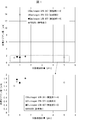
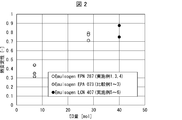
- the upper limit of the number of repetitions of ethylene oxide (EO) in the PEO block in the dispersant is, for example, 60 or less, preferably 55 or less, and more preferably 50. It is as follows. When the number of repetitions of ethylene oxide (EO) is within the above range, the effect of maintaining the PHA molecular weight when the aqueous PHA suspension is heated is exhibited.
- the dispersant is preferably a compound represented by the following formula (1).
- R is, for example, a hydrocarbon group having 1 to 20 carbon atoms, preferably a hydrocarbon group having 2 to 20 carbon atoms, and more preferably 5 carbon atoms. ⁇ 20 hydrocarbon groups.
- the hydrocarbon group may be in any form of linear, branched or cyclic, preferably linear, more preferably linear alkyl group.
- n is, for example, 20 to 60, preferably 22 to 60, and more preferably 25 to 60.
- n is 60 or less, the melting point of the dispersant becomes low, so that it is easy to use.
- n 20 or more, the effect of maintaining the PHA molecular weight when the aqueous PHA suspension is heated is high.
- the dispersant used in the step (a) (particularly, the step (a1)) of the present production method is not particularly limited, and for example, a commercially available product can be used.
- commercially available products include Emulsogen EPN 287 (manufactured by CLARIANT), Emulsogen LCN 407 (manufactured by CLARIANT), Neugen TDS (manufactured by Dai-ichi Kogyo Seiyaku), DKS NL (manufactured by Dai-ichi Kogyo Seiyaku), and Neugen SD (manufactured by Dai-ichi Kogyo Seiyaku). ) Etc. can be used.
- the amount of the dispersant added to the aqueous suspension of PHA in step (a) (particularly, step (a1)) of the present production method is not particularly limited, but is 0 with respect to 100 parts by weight of PHA contained in the aqueous suspension. .1 to 20 parts by weight is preferable, 0.5 to 10 parts by weight is more preferable, and 0.75 to 5 parts by weight is further preferable.
- the amount of the dispersant added in the above range the dispersion stability of PHA in the aqueous PHA suspension is further improved, and spray drying tends to be carried out more efficiently.
- the PHA aqueous suspension (PHA aqueous suspension before the dispersant is added) before being applied to the step (a) of the present production method usually exceeds 7 by undergoing the above purification step. Has pH. Therefore, the pH of the PHA aqueous suspension is adjusted to 7 or less by the step (a) (particularly, the step (a2)) of the present production method.
- the adjustment method is not particularly limited, and examples thereof include a method of adding an acid.
- the acid is not particularly limited, and may be either an organic acid or an inorganic acid, and may or may not be volatile. More specifically, as the acid, for example, sulfuric acid, hydrochloric acid, phosphoric acid, acetic acid and the like can be used.
- the upper limit of the pH of the Aqueous PHA suspension adjusted in the above adjustment step 7 from the viewpoint of reducing the coloring when the PHA is heated and melted and ensuring the stability of the molecular weight during heating and / or drying. It is less than or equal to, preferably 5 or less, and more preferably 4 or less.
- the lower limit of pH is preferably 1 or more, more preferably 2 or more, and further preferably 3 or more from the viewpoint of acid resistance of the container.
- PEO poly (ethylene oxide)
- the concentration of PHA in the aqueous suspension of PHA obtained in the step (a) of the present production method is economically advantageous from the viewpoint of drying utility and improves productivity, so it is preferably 30% by weight or more, preferably 40% by weight. % Or more is more preferable, and 50% by weight or more is further preferable. Further, the upper limit of the concentration of PHA is preferably 65% by weight or less, more preferably 60% by weight or less, because it is densely packed and sufficient fluidity may not be ensured.
- the method for adjusting the concentration of PHA is not particularly limited, and examples thereof include a method of adding an aqueous medium or removing a part of the aqueous medium (for example, by removing the supernatant after centrifugation). .. The adjustment of the PHA concentration may be carried out at any stage of the step (a), or may be carried out at a stage before the step (a).
- the concentration of polyhydroxyalkanoic acid in the aqueous suspension prepared in step (a) is 30% by weight or more and 65% by weight or less.
- volume median diameter of PHA in the aqueous suspension of PHA obtained by the step (a) of the present production method is the volume median diameter of the primary particles of PHA (hereinafter, referred to as "PHA volume median diameter"). , 50 times or less, more preferably 20 times or less, still more preferably 10 times or less. Since the volume median diameter of PHA is 50 times or less the primary particle diameter, the PHA aqueous suspension exhibits more excellent fluidity, so that the subsequent step (b) can be carried out with high efficiency, and PHA can be carried out with high efficiency. Productivity tends to improve further.
- the volume median diameter of PHA is preferably 0.5 to 5 ⁇ m, more preferably 1 to 4.5 ⁇ m, and preferably 1 to 4 ⁇ m, for example, from the viewpoint of achieving excellent fluidity. More preferred.
- the volume median diameter of PHA is measured by the method described in Examples.
- the volume median diameter of PHA can be used as an index of the dispersed state of PHA in the aqueous suspension of PHA.
- the method for adjusting the volume median diameter of PHA is not particularly limited, and known means (stirring or the like) can be applied.
- known means for a PHA aqueous suspension whose dispersed state has collapsed due to exposure to acidic conditions (for example, when the step (a2) is carried out before the step (a1)
- the PHA in the aqueous suspension of PHA can be returned to the dispersed state (for example, the state having the volume median diameter of PHA described above) by subjecting the PHA to a possible physical treatment, chemical treatment, biological treatment, or the like. ..
- the PHA aqueous suspension prepared in the step (a) is spray-dried.
- the spray drying method include a method in which a PHA aqueous suspension is supplied into a dryer in the form of fine droplets and dried while being in contact with hot air in the dryer.
- the method (atomizer) for supplying the PHA aqueous suspension in the form of fine droplets into the dryer is not particularly limited, and known methods such as a method using a rotating disk and a method using a nozzle can be mentioned.
- the contact method between the droplet and the hot air in the dryer is not particularly limited, and examples thereof include a parallel flow type, a countercurrent type, and a method in which these are used in combination.
- the drying temperature at the time of spray drying in the step (b) may be a temperature that can remove most of the aqueous medium from the droplets of the PHA aqueous suspension, and can be dried to the desired moisture content, and can be dried. It can be appropriately set under conditions that do not cause deterioration of quality (decrease in molecular weight, decrease in color tone, etc.), melting, etc. as much as possible.
- the temperature of the hot air blown into the spray dryer can be appropriately selected in the range of 100 to 300 ° C.
- the amount of hot air in the dryer can be appropriately set according to, for example, the size of the dryer.
- the present production method may include, after the step (b), a step of further drying the obtained PHA (PHA powder or the like) (for example, a step of subjecting to vacuum drying or the like).
- the present production method may include other steps (for example, a step of adding various additives to a PHA aqueous suspension).
- this production method it is possible to obtain a dry PHA with high productivity and excellent thermal stability. Further, according to this manufacturing method, it is possible to reduce the cost of the drying process (equipment cost, utility, etc.) in particular. Further, according to this production method, since PHA can be obtained in a powder state, PHA having excellent handleability can be obtained with high efficiency.
- the polyhydroxyalkanoic acid powder according to one embodiment of the present invention includes polyhydroxyalkanoic acid, a block of poly (ethylene oxide) (PEO), and a hydrophobic group. It contains a dispersant composed of, has a bulk density of 0.3 to 0.5 kg / L, and has a median particle size of 80 to 200 ⁇ m.
- the bulk density of the PHA powder is not particularly limited, but is preferably 0.30 to 0.70 kg / L, more preferably 0.35 to 0.60 kg / L, from the viewpoint of achieving excellent fluidity. , 0.40 to 0.55 kg / L is more preferable.
- the bulk density of the PHA powder is measured by the method described in Examples.
- the median particle size of the PHA powder is not particularly limited, but is preferably 80 to 200 ⁇ m, more preferably 100 to 180 ⁇ m, and even more preferably 120 to 170 ⁇ m from the viewpoint of achieving excellent fluidity.
- the median particle size of the PHA powder is measured by the method described in Examples.
- the PHA powder may contain the above dispersant.
- the content of the dispersant in the PHA powder is not particularly limited, but is preferably 0.1 to 20 parts by weight, more preferably 0.5 to 10 parts by weight, based on 100 parts by weight of PHA constituting the PHA powder. , 0.75 to 5 parts by weight is more preferable. By setting the amount of the dispersant added within the above range, the productivity of the PHA powder tends to be further improved.
- the PHA powder may contain various components generated or not removed in the process of the present production method as long as the effect of the present invention is exhibited.
- This PHA powder can be used for various purposes such as paper, film, sheet, tube, plate, stick, container (for example, bottle container, etc.), bag, parts, etc.
- one embodiment of the present invention includes the following inventions.
- ⁇ 1> (a) A step of preparing an aqueous suspension containing polyhydroxyalkanoic acid and a dispersant and having a pH of 7 or less, and (b) an aqueous suspension prepared in the above step (a).
- the dispersant is composed of a block of poly (ethylene oxide) (PEO) and a hydrophobic group.
- the PEO block in the dispersant is a method for producing polyhydroxyalkanoic acid, wherein the number of repetitions of ethylene oxide (EO) is 20 or more.
- EO ethylene oxide
- EO ethylene oxide
- R is a hydrocarbon group having 1 to 20 carbon atoms, and n is 20 to 60.
- ⁇ 5> It contains polyhydroxyalkanoic acid and a dispersant composed of a block of poly (ethylene oxide) (PEO) and a hydrophobic group, and has a bulk density of 0.30 to 0.70 kg / L.
- the PHA powders obtained in the following Examples and Comparative Examples were used.
- the PHA powder was preheated at 160 ° C. for 7 minutes and then heated for 20 minutes to prepare a PHA sheet. After dissolving 10 mg of this PHA sheet in 10 ml of chloroform, the insoluble matter was removed by filtration.
- This solution (filtrate) was subjected to molecular weight measurement using chloroform as a mobile phase using a GPC system manufactured by Shimadzu Corporation equipped with "Shodex K805L (300 x 8 mm, two connections)" (manufactured by Showa Denko KK).
- Commercially available standard polystyrene was used as the molecular weight standard sample.
- the molecular weight of the PHA powder was also measured by the same procedure as above except that the PHA sheet was not prepared.
- the evaluation of thermal stability was carried out using the molecular weight retention rate (weight average molecular weight of PHA sheet ⁇ weight average molecular weight of PHA powder ⁇ 100) by applying heat at 160 ° C. for 20 minutes as an index, and the molecular weight retention rate. When is 70% or more, it is judged that the thermal stability is good. If the molecular weight retention rate was less than 70%, it was judged that the thermal stability was poor.
- the particle size in the PHA aqueous suspension was measured using a laser diffraction / scattering particle size distribution measuring device LA-950 manufactured by HORIBA.
- the average particle size of the PHA powder after spray drying obtained by this production method was measured by the following method.
- the average particle size was measured using a laser diffraction / scattering type particle size distribution measuring device LA-950 (HORIBA).
- LA-950 laser diffraction / scattering type particle size distribution measuring device LA-950 (HORIBA).
- 0.05 g of sodium dodecyl sulfate, which is a surfactant was added as a dispersant to 20 mL of ion-exchanged water to obtain an aqueous surfactant solution.
- 0.2 g of the resin particle group to be measured was added to the surfactant aqueous solution, and the resin particle group was dispersed in the surfactant aqueous solution to obtain a dispersion liquid for measurement.
- the prepared dispersion was introduced into the laser diffraction / scattering type particle size distribution measuring device and measured.
- the bulk density of the PHA powder was measured by the following method. That is, a funnel having a lower opening of 20 mm to 30 mm on the upper part of a metal cylinder (receiver) having a volume of 100 ml ⁇ 0.5 ml and an inner diameter of 45 mm ⁇ 5 mm and a smooth inner surface finished by the method described in JIS K-7365. The measurement was performed using a device in which a damper (for example, a metal plate) was attached to the device. A scale capable of measuring up to 0.1 g was used. As a specific measurement method, first, the funnel and the cylinder were held vertically so that the axes of the funnel and the cylinder coincided with each other.
- Example 1 (Preparation of bacterial cell culture solution)
- the Ralstonia utrofa KNK-005 strain described in paragraph [0049] of WO 2008/010296 is cultured by the method described in paragraphs [0050] to [0053] of the same document, and cells containing PHA are obtained. A cell culture solution containing the cells was obtained. Ralstonia eutropha is now classified as Cupriavidus necata.
- the cell culture solution obtained above was heated and stirred at an internal temperature of 60 to 80 ° C. for 20 minutes to sterilize.
- Example 2 A PHA aqueous suspension having a solid content concentration of 52% was prepared by the same operation as in Example 1 until the purification treatment. Next, 0.5 phr of the dispersant shown in Table 1 (trade name: Emulsogen EPN 287, manufactured by Clariant) was added to the PHA aqueous suspension (solid content concentration 52%), and then the solid content concentration was adjusted to 50%. .. After stirring this solution for 30 minutes, sulfuric acid was added to adjust the pH until it stabilized at 4. The PHA aqueous suspension thus obtained was spray-dried by the same operation as in Example 1. The volume median diameter of PHA in the aqueous suspension, as well as the thermal stability, median particle size and bulk density of the PHA powder were measured and / or evaluated by the methods described above. The results are shown in Table 2.
- Example 3 A PHA aqueous suspension having a solid content concentration of 52% was prepared by the same operation as in Example 1 until the purification treatment. Next, 0.75 phr of the dispersant shown in Table 1 (trade name: Emulsogen EPN 287, manufactured by Clariant) was added to the PHA aqueous suspension (solid content concentration 52%), and then the solid content concentration was adjusted to 50%. .. After stirring this solution for 30 minutes, sulfuric acid was added to adjust the pH until it stabilized at 4. The PHA aqueous suspension thus obtained was spray-dried by the same operation as in Example 1. The volume median diameter of PHA in the aqueous suspension, as well as the thermal stability, median particle size and bulk density of the PHA powder were measured and / or evaluated by the methods described above. The results are shown in Table 2.
- Example 4 A PHA aqueous suspension having a solid content concentration of 46% was prepared by the same operation as in Example 1 until the purification treatment. Next, 5 phr of the dispersant shown in Table 1 (trade name: Emulsogen EPN 287, manufactured by Clariant) was added to the PHA aqueous suspension (solid content concentration 46%), and then the solid content concentration was adjusted to 44%. After stirring this solution for 30 minutes, sulfuric acid was added to adjust the pH until it stabilized at 3.3. The PHA aqueous suspension thus obtained was spray-dried by the same operation as in Example 1. The volume median diameter of PHA in the aqueous suspension, as well as the thermal stability, median particle size and bulk density of the PHA powder were measured and / or evaluated by the methods described above. The results are shown in Table 2.
- Example 5 A PHA aqueous suspension having a solid content concentration of 52% was prepared by the same operation as in Example 1 until the purification treatment. Next, 1 phr of the dispersant shown in Table 1 (trade name: Emulsogen LCN 407, manufactured by Clariant) was added to the PHA aqueous suspension (solid content concentration 52%), and then the solid content concentration was adjusted to 50%. After stirring this solution for 30 minutes, sulfuric acid was added to adjust the pH until it stabilized at 4. The PHA aqueous suspension thus obtained was spray-dried by the same operation as in Example 1. The volume median diameter of PHA in the aqueous suspension, as well as the thermal stability, median particle size and bulk density of the PHA powder were measured and / or evaluated by the methods described above. The results are shown in Table 2.
- Example 6 A PHA aqueous suspension having a solid content concentration of 52% was prepared by the same operation as in Example 1 until the purification treatment. Next, 0.75 phr of the dispersant shown in Table 1 (trade name: Emulsogen LCN 407, manufactured by Clariant) was added to the PHA aqueous suspension (solid content concentration 52%), and then the solid content concentration was adjusted to 50%. .. After stirring this solution for 30 minutes, sulfuric acid was added to adjust the pH until it stabilized at 4. The PHA aqueous suspension thus obtained was spray-dried by the same operation as in Example 1. The volume median diameter of PHA in the aqueous suspension, as well as the thermal stability, median particle size and bulk density of the PHA powder were measured and / or evaluated by the methods described above. The results are shown in Table 2.
- Example 1 A PHA aqueous suspension having a solid content concentration of 52% was prepared by the same operation as in Example 1 until the purification treatment. Next, 0.42 phr of the dispersant shown in Table 1 (trade name: Emulsogen EPA 073, manufactured by Clariant) was added to the PHA aqueous suspension (solid content concentration 52%), and then the solid content concentration was adjusted to 50%. .. After stirring this solution for 30 minutes, sulfuric acid was added to adjust the pH until it stabilized at 4. The volume median diameter of PHA and the thermal stability of PHA powder in the aqueous suspension were measured and / or evaluated by the methods described above. The results are shown in Table 2. The volume median diameter of PHA in the aqueous suspension could not be measured because the viscosity of the aqueous suspension became too high.
- Example 2 A PHA aqueous suspension having a solid content concentration of 52% was prepared by the same operation as in Example 1 until the purification treatment. Next, 1.5 phr of the dispersant shown in Table 1 (trade name: Emulsogen EPA 073, manufactured by Clariant) was added to the PHA aqueous suspension (solid content concentration 52%), and then the solid content concentration was adjusted to 50%. .. After stirring this solution for 30 minutes, sulfuric acid was added to adjust the pH until it stabilized at 4. The thermal stability of the PHA powder in the aqueous suspension was measured and / or evaluated by the method described above. The results are shown in Table 2.
- Example 3 A PHA aqueous suspension having a solid content concentration of 52% was prepared by the same operation as in Example 1 until the purification treatment. Next, 1 phr of the dispersant shown in Table 1 (trade name: Emulsogen EPA 073, manufactured by Clariant) was added to the PHA aqueous suspension (solid content concentration 52%), and then the solid content concentration was adjusted to 50%. After stirring this solution for 30 minutes, sulfuric acid was added to adjust the pH until it stabilized at 4. The volume median diameter of PHA and the thermal stability of PHA powder in the aqueous suspension were measured and / or evaluated by the methods described above. The results are shown in Table 2.
- PHA for example, PHA powder
- this production method can produce PHA (for example, PHA powder) with high productivity, it can be advantageously used in the production of PHA.
- the PHA powder or the like obtained by this production method can be suitably used in agriculture, fisheries, forestry, horticulture, medicine, sanitary goods, clothing, non-clothing, packaging, automobiles, building materials, and other fields. ..
Landscapes
- Chemical & Material Sciences (AREA)
- Organic Chemistry (AREA)
- Health & Medical Sciences (AREA)
- Chemical Kinetics & Catalysis (AREA)
- Medicinal Chemistry (AREA)
- Polymers & Plastics (AREA)
- Life Sciences & Earth Sciences (AREA)
- Engineering & Computer Science (AREA)
- Zoology (AREA)
- Wood Science & Technology (AREA)
- Microbiology (AREA)
- General Chemical & Material Sciences (AREA)
- Biotechnology (AREA)
- Biochemistry (AREA)
- Bioinformatics & Cheminformatics (AREA)
- General Engineering & Computer Science (AREA)
- General Health & Medical Sciences (AREA)
- Genetics & Genomics (AREA)
- Processes Of Treating Macromolecular Substances (AREA)
- Emulsifying, Dispersing, Foam-Producing Or Wetting Agents (AREA)
Priority Applications (1)
| Application Number | Priority Date | Filing Date | Title |
|---|---|---|---|
| JP2021554308A JP7209434B2 (ja) | 2019-10-31 | 2020-10-13 | ポリヒドロキシアルカン酸の製造方法およびその利用 |
Applications Claiming Priority (2)
| Application Number | Priority Date | Filing Date | Title |
|---|---|---|---|
| JP2019-199011 | 2019-10-31 | ||
| JP2019199011 | 2019-10-31 |
Publications (1)
| Publication Number | Publication Date |
|---|---|
| WO2021085120A1 true WO2021085120A1 (ja) | 2021-05-06 |
Family
ID=75716235
Family Applications (1)
| Application Number | Title | Priority Date | Filing Date |
|---|---|---|---|
| PCT/JP2020/038635 Ceased WO2021085120A1 (ja) | 2019-10-31 | 2020-10-13 | ポリヒドロキシアルカン酸の製造方法およびその利用 |
Country Status (2)
| Country | Link |
|---|---|
| JP (1) | JP7209434B2 (https=) |
| WO (1) | WO2021085120A1 (https=) |
Cited By (4)
| Publication number | Priority date | Publication date | Assignee | Title |
|---|---|---|---|---|
| WO2023021878A1 (ja) * | 2021-08-19 | 2023-02-23 | 株式会社カネカ | ポリヒドロキシアルカン酸の製造方法およびその利用 |
| JP2023086317A (ja) * | 2021-12-10 | 2023-06-22 | 株式会社カネカ | ポリヒドロキシアルカン酸粒子およびその製造方法 |
| WO2023149511A1 (ja) * | 2022-02-07 | 2023-08-10 | 株式会社カネカ | ポリヒドロキシアルカン酸粉体およびその利用 |
| WO2024135408A1 (ja) * | 2022-12-20 | 2024-06-27 | 株式会社カネカ | ポリヒドロキシアルカン酸の製造方法 |
Citations (7)
| Publication number | Priority date | Publication date | Assignee | Title |
|---|---|---|---|---|
| JP2003175092A (ja) * | 2001-07-10 | 2003-06-24 | Canon Inc | ポリヒドロキシアルカノエートを含有する粒状体及びその製造方法ならびにその用途 |
| JP2003319792A (ja) * | 2002-02-28 | 2003-11-11 | Canon Inc | 側鎖にフェニル構造、チエニル構造、シクロヘキシル構造を有する残基を含むユニットを分子中に含むポリヒドロキシアルカノエートの分子量制御方法、およびポリヒドロキシアルカノエート |
| JP2004512419A (ja) * | 2000-10-27 | 2004-04-22 | メタボリックス・インコーポレーテッド | 低分子量ポリヒドロキシアルカノエート含有組成物およびその使用方法 |
| JP2010268797A (ja) * | 2002-09-12 | 2010-12-02 | Metabolix Inc | 補酵素a依存性アルデヒドデヒドロゲナーゼ経路によるポリヒドロキシアルカノエート産生 |
| JP2017530232A (ja) * | 2014-09-29 | 2017-10-12 | エルジー・ハウシス・リミテッドLg Hausys,Ltd. | 重合体粉末及びこの製造方法 |
| WO2018117168A1 (ja) * | 2016-12-20 | 2018-06-28 | 株式会社カネカ | ポリヒドロキシアルカン酸の製造方法及び微生物 |
| JP2019097518A (ja) * | 2017-12-06 | 2019-06-24 | 株式会社カネカ | ポリヒドロキシアルカノエート分散液の製造方法 |
-
2020
- 2020-10-13 WO PCT/JP2020/038635 patent/WO2021085120A1/ja not_active Ceased
- 2020-10-13 JP JP2021554308A patent/JP7209434B2/ja active Active
Patent Citations (7)
| Publication number | Priority date | Publication date | Assignee | Title |
|---|---|---|---|---|
| JP2004512419A (ja) * | 2000-10-27 | 2004-04-22 | メタボリックス・インコーポレーテッド | 低分子量ポリヒドロキシアルカノエート含有組成物およびその使用方法 |
| JP2003175092A (ja) * | 2001-07-10 | 2003-06-24 | Canon Inc | ポリヒドロキシアルカノエートを含有する粒状体及びその製造方法ならびにその用途 |
| JP2003319792A (ja) * | 2002-02-28 | 2003-11-11 | Canon Inc | 側鎖にフェニル構造、チエニル構造、シクロヘキシル構造を有する残基を含むユニットを分子中に含むポリヒドロキシアルカノエートの分子量制御方法、およびポリヒドロキシアルカノエート |
| JP2010268797A (ja) * | 2002-09-12 | 2010-12-02 | Metabolix Inc | 補酵素a依存性アルデヒドデヒドロゲナーゼ経路によるポリヒドロキシアルカノエート産生 |
| JP2017530232A (ja) * | 2014-09-29 | 2017-10-12 | エルジー・ハウシス・リミテッドLg Hausys,Ltd. | 重合体粉末及びこの製造方法 |
| WO2018117168A1 (ja) * | 2016-12-20 | 2018-06-28 | 株式会社カネカ | ポリヒドロキシアルカン酸の製造方法及び微生物 |
| JP2019097518A (ja) * | 2017-12-06 | 2019-06-24 | 株式会社カネカ | ポリヒドロキシアルカノエート分散液の製造方法 |
Cited By (5)
| Publication number | Priority date | Publication date | Assignee | Title |
|---|---|---|---|---|
| WO2023021878A1 (ja) * | 2021-08-19 | 2023-02-23 | 株式会社カネカ | ポリヒドロキシアルカン酸の製造方法およびその利用 |
| JP2023086317A (ja) * | 2021-12-10 | 2023-06-22 | 株式会社カネカ | ポリヒドロキシアルカン酸粒子およびその製造方法 |
| JP7824760B2 (ja) | 2021-12-10 | 2026-03-05 | 株式会社カネカ | ポリヒドロキシアルカン酸粒子およびその製造方法 |
| WO2023149511A1 (ja) * | 2022-02-07 | 2023-08-10 | 株式会社カネカ | ポリヒドロキシアルカン酸粉体およびその利用 |
| WO2024135408A1 (ja) * | 2022-12-20 | 2024-06-27 | 株式会社カネカ | ポリヒドロキシアルカン酸の製造方法 |
Also Published As
| Publication number | Publication date |
|---|---|
| JP7209434B2 (ja) | 2023-01-20 |
| JPWO2021085120A1 (https=) | 2021-05-06 |
Similar Documents
| Publication | Publication Date | Title |
|---|---|---|
| CN114729131B (zh) | 聚羟基烷酸酯的制造方法及其利用 | |
| JP6993980B2 (ja) | ポリヒドロキシアルカン酸の製造方法 | |
| JP7209434B2 (ja) | ポリヒドロキシアルカン酸の製造方法およびその利用 | |
| JP7781749B2 (ja) | ポリヒドロキシアルカン酸の製造方法およびその利用 | |
| JP7379126B2 (ja) | ポリヒドロキシアルカン酸の製造方法およびその利用 | |
| EP4692177A1 (en) | Resin powder and method for producing same | |
| JP2021195470A (ja) | ポリヒドロキシアルカン酸の製造方法およびその利用 | |
| CN115087689A (zh) | 聚羟基烷酸酯的制造方法及其利用 | |
| CN118632885A (zh) | 聚羟基烷酸酯粉体及其利用 | |
| US12528910B2 (en) | Method for producing polyhydroxyalkanoate and use of same | |
| WO2023120193A1 (ja) | ポリヒドロキシアルカノエートの製造方法およびその利用 | |
| JP7824760B2 (ja) | ポリヒドロキシアルカン酸粒子およびその製造方法 | |
| WO2023037710A1 (ja) | ポリヒドロキシアルカン酸の製造方法およびその利用 | |
| JP2023076176A (ja) | ポリヒドロキシアルカン酸シートの製造方法およびその利用 | |
| JP2023178063A (ja) | ポリヒドロキシアルカン酸の製造方法およびその利用 | |
| WO2024029220A1 (ja) | ポリヒドロキシアルカノエートの製造方法およびその利用 | |
| JP2024028034A (ja) | ポリヒドロキシアルカン酸の製造方法およびその利用 | |
| WO2021251162A1 (ja) | ポリヒドロキシアルカン酸シートの製造方法およびその利用 | |
| CN117881717A (zh) | 聚羟基烷酸酯的制造方法及其利用 | |
| JP2026009708A (ja) | ポリヒドロキシアルカノエート融着体の製造方法 | |
| WO2025169880A1 (ja) | ポリヒドロキシアルカン酸乾燥顆粒の製造方法およびその利用 | |
| WO2023120310A1 (ja) | ポリヒドロキシアルカノエートの製造方法およびその利用 |
Legal Events
| Date | Code | Title | Description |
|---|---|---|---|
| 121 | Ep: the epo has been informed by wipo that ep was designated in this application |
Ref document number: 20882953 Country of ref document: EP Kind code of ref document: A1 |
|
| ENP | Entry into the national phase |
Ref document number: 2021554308 Country of ref document: JP Kind code of ref document: A |
|
| NENP | Non-entry into the national phase |
Ref country code: DE |
|
| 122 | Ep: pct application non-entry in european phase |
Ref document number: 20882953 Country of ref document: EP Kind code of ref document: A1 |