WO2021045138A1 - 過敏性腸症候群の改善のための組成物 - Google Patents
過敏性腸症候群の改善のための組成物 Download PDFInfo
- Publication number
- WO2021045138A1 WO2021045138A1 PCT/JP2020/033384 JP2020033384W WO2021045138A1 WO 2021045138 A1 WO2021045138 A1 WO 2021045138A1 JP 2020033384 W JP2020033384 W JP 2020033384W WO 2021045138 A1 WO2021045138 A1 WO 2021045138A1
- Authority
- WO
- WIPO (PCT)
- Prior art keywords
- genes
- composition
- astaxanthin
- expression
- gene
- Prior art date
- Legal status (The legal status is an assumption and is not a legal conclusion. Google has not performed a legal analysis and makes no representation as to the accuracy of the status listed.)
- Ceased
Links
Images





Classifications
-
- A—HUMAN NECESSITIES
- A23—FOODS OR FOODSTUFFS; TREATMENT THEREOF, NOT COVERED BY OTHER CLASSES
- A23K—FODDER
- A23K20/00—Accessory food factors for animal feeding-stuffs
- A23K20/10—Organic substances
- A23K20/105—Aliphatic or alicyclic compounds
-
- A—HUMAN NECESSITIES
- A23—FOODS OR FOODSTUFFS; TREATMENT THEREOF, NOT COVERED BY OTHER CLASSES
- A23L—FOODS, FOODSTUFFS OR NON-ALCOHOLIC BEVERAGES, NOT OTHERWISE PROVIDED FOR; PREPARATION OR TREATMENT THEREOF
- A23L33/00—Modifying nutritive qualities of foods; Dietetic products; Preparation or treatment thereof
- A23L33/10—Modifying nutritive qualities of foods; Dietetic products; Preparation or treatment thereof using additives
-
- A—HUMAN NECESSITIES
- A61—MEDICAL OR VETERINARY SCIENCE; HYGIENE
- A61K—PREPARATIONS FOR MEDICAL, DENTAL OR TOILETRY PURPOSES
- A61K31/00—Medicinal preparations containing organic active ingredients
- A61K31/12—Ketones
- A61K31/122—Ketones having the oxygen directly attached to a ring, e.g. quinones, vitamin K1, anthralin
-
- A—HUMAN NECESSITIES
- A61—MEDICAL OR VETERINARY SCIENCE; HYGIENE
- A61K—PREPARATIONS FOR MEDICAL, DENTAL OR TOILETRY PURPOSES
- A61K35/00—Medicinal preparations containing materials or reaction products thereof with undetermined constitution
- A61K35/66—Microorganisms or materials therefrom
- A61K35/74—Bacteria
-
- A—HUMAN NECESSITIES
- A61—MEDICAL OR VETERINARY SCIENCE; HYGIENE
- A61P—SPECIFIC THERAPEUTIC ACTIVITY OF CHEMICAL COMPOUNDS OR MEDICINAL PREPARATIONS
- A61P1/00—Drugs for disorders of the alimentary tract or the digestive system
-
- A—HUMAN NECESSITIES
- A61—MEDICAL OR VETERINARY SCIENCE; HYGIENE
- A61P—SPECIFIC THERAPEUTIC ACTIVITY OF CHEMICAL COMPOUNDS OR MEDICINAL PREPARATIONS
- A61P1/00—Drugs for disorders of the alimentary tract or the digestive system
- A61P1/06—Anti-spasmodics, e.g. drugs for colics, esophagic dyskinesia
-
- A—HUMAN NECESSITIES
- A61—MEDICAL OR VETERINARY SCIENCE; HYGIENE
- A61P—SPECIFIC THERAPEUTIC ACTIVITY OF CHEMICAL COMPOUNDS OR MEDICINAL PREPARATIONS
- A61P1/00—Drugs for disorders of the alimentary tract or the digestive system
- A61P1/10—Laxatives
-
- A—HUMAN NECESSITIES
- A61—MEDICAL OR VETERINARY SCIENCE; HYGIENE
- A61P—SPECIFIC THERAPEUTIC ACTIVITY OF CHEMICAL COMPOUNDS OR MEDICINAL PREPARATIONS
- A61P1/00—Drugs for disorders of the alimentary tract or the digestive system
- A61P1/12—Antidiarrhoeals
-
- A—HUMAN NECESSITIES
- A61—MEDICAL OR VETERINARY SCIENCE; HYGIENE
- A61P—SPECIFIC THERAPEUTIC ACTIVITY OF CHEMICAL COMPOUNDS OR MEDICINAL PREPARATIONS
- A61P43/00—Drugs for specific purposes, not provided for in groups A61P1/00-A61P41/00
Definitions
- the present invention relates to a composition for improving bowel movement abnormalities or gastrointestinal diseases associated therewith, such as irritable bowel syndrome.
- IBS Irritable bowel syndrome
- Irritable bowel syndrome causes abdominal symptoms such as abdominal pain and abdominal discomfort, and / or abnormal bowel movements such as constipation and diarrhea, even though no organic lesions such as inflammation and tumors are observed.
- Irritable bowel syndrome can be classified into constipation type, diarrhea type, mixed type and unclassified type based on the difference in the number of defecations and stool properties.
- adonixanthin and astaxanthin are a kind of carotenoids and are widely distributed in animals, plants and microorganisms.
- adonixanthin and astaxanthin have various effects.
- Patent Document 1 describes that a carotenoid mixture containing astaxanthin as a main component may be useful for preventing retinal damage.
- the present invention provides new technical means for effectively ameliorating bowel movement abnormalities or gastrointestinal disorders associated therewith, such as irritable bowel syndrome.
- the present invention includes the following inventions.
- a composition for ameliorating irritable bowel syndrome which comprises one or more carotenoids containing adonixanthine or a pharmaceutically acceptable salt thereof.
- the carotenoid further comprises astaxanthin or a pharmaceutically acceptable salt thereof.
- the carotenoid is a microbial, animal or plant-derived product or a chemically synthesized product.
- the microorganism is Paracoccus carotinifaciens.
- Stuff. Containing one or more carotenoids, including adonixanthine or a pharmaceutically acceptable salt thereof, for ameliorating at least one symptom selected from the group consisting of abnormal bowel movements, abdominal pain, and abdominal discomfort.
- [7] The composition according to [6], wherein the carotenoid further comprises astaxanthin or a pharmaceutically acceptable salt thereof.
- composition according to any one of [1] to [8] for humans [10] The composition according to any one of [1] to [9], wherein the composition is a food or drink or a food additive. [11] The composition according to any one of [1] to [10], wherein the composition is a functional food. [12] The composition according to any one of [1] to [9], wherein the composition is a pharmaceutical product. [13] Use of one or more carotenoids, including adonixanthine or a pharmaceutically acceptable salt thereof, in the manufacture of compositions for the amelioration of irritable bowel syndrome.
- a method of ameliorating irritable bowel syndrome in a subject in which an effective amount of one or more carotenoids, including adonixanthine or a pharmaceutically acceptable salt thereof, is administered to the subject in need thereof. Or a method that involves feeding.
- the present invention it is possible to effectively improve a subject's bowel movement abnormality or a gastrointestinal disease associated therewith, for example, irritable bowel syndrome.
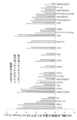
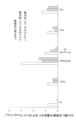
- the Fold change of the fluorescence intensity of the gene in the control group with WAS, the astaxanthin administration group, or the adonixanthin administration group was converted by log 2 with respect to the fluorescence intensity of the gene in the control group without WAS. Indicates a value. It shows a gene whose expression was upregulated in the frontal lobe by water avoidance stress and whose upregulation was suppressed by astaxanthin.
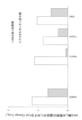
- the Folder change (log 2 ) in the figure is the same as that in FIG. It shows a gene whose expression was upregulated in the frontal lobe by water avoidance stress and whose upregulation was suppressed by adonixanthin.
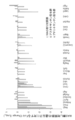
- the Folder change (log 2 ) in the figure is the same as that in FIG. A gene whose expression was suppressed in the frontal lobe by water avoidance stress and whose expression suppression was alleviated by both astaxanthin and adonixanthin is shown.
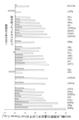
- the Folder change (log 2 ) in the figure is the same as that in FIG. It shows a gene whose expression was suppressed in the frontal lobe by water avoidance stress and whose expression was alleviated by astaxanthin.
- the Folder change (log 2 ) in the figure is the same as that in FIG. It shows a gene whose expression was suppressed in the frontal lobe by water avoidance stress and whose expression was alleviated by adonixanthine.
- the Folder change (log 2 ) in the figure is the same as that in FIG. A gene whose expression was upregulated in the large intestine by water avoidance stress and whose upregulation was suppressed by both astaxanthin and adonixanthin is shown.
- the Folder change (log 2 ) in the figure is the same as that in FIG. It shows a gene whose expression was upregulated in the large intestine by water avoidance stress and whose upregulation was suppressed by astaxanthin.
- the Folder change (log 2 ) in the figure is the same as that in FIG. It shows a gene whose expression was upregulated in the large intestine by water avoidance stress and whose upregulation was suppressed by adonixanthine.
- the Folder change (log 2 ) in the figure is the same as that in FIG. A gene whose expression was suppressed in the large intestine by water avoidance stress and whose expression was alleviated by both astaxanthin and adonixanthin is shown.
- the Folder change (log 2 ) in the figure is the same as that in FIG. It shows a gene whose expression was suppressed in the large intestine by water avoidance stress and whose expression was alleviated by astaxanthin.
- the Folder change (log 2 ) in the figure is the same as that in FIG. It shows a gene whose expression was suppressed in the large intestine by water avoidance stress and whose expression was alleviated by adonixanthine.
- the Folder change (log 2 ) in the figure is the same as that in FIG.
- composition of the present invention for ameliorating bowel movements or gastrointestinal disorders associated therewith, such as irritable bowel syndrome comprises one or more carotenoids comprising adonixanthine or a pharmaceutically acceptable salt thereof. It is characterized by becoming. It is a surprising fact that the above-mentioned carotenoids can remarkably suppress bowel movement abnormalities as shown in Test Example 1 described later.
- carotenoids of the invention include one or more carotenoids, including adonixanthine or a pharmaceutically acceptable salt thereof.
- adonixanthin is 3,3'-dihydroxy- ⁇ , ⁇ - carotene-4-one (C 40 H 54 0 3, molecular weight 582.869) and the structural formula is represented by the following formula.
- the carotenoids of the present invention include combinations or mixtures of two or more carotenoids containing astaxanthin or a pharmaceutically acceptable salt thereof as well as adonixanthin or a pharmaceutically acceptable salt thereof. ..
- Astaxanthin belongs to the kind xanthophyll carotenoid red pigment, its chemical formula is 3,3'-dihydroxy- ⁇ , ⁇ - carotene-4,4'-dione (C 40 H 52 0 4, molecular weight 596.852) Yes, the structural formula is represented by the following formula.
- the carotenoids of the present invention include one or more carotenoids selected from adonixanthin, astaxanthin, and pharmaceutically acceptable salts thereof.
- the carotenoid of the present invention includes one or more carotenoids containing astaxanthin or a pharmaceutically acceptable salt thereof.
- the carotenoid of the present invention may be a free form or a fatty acid ester form. From the viewpoint of absorbability, it is preferable to use a free carotenoid.
- the carotenoid of the present invention may be a stereoisomer such as an optical isomer or a cis-trans isomer.
- the optical isomer of adonixanthine is at least one selected from the group consisting of 3S, 3'R-form, 3S, 3'S-form, 3R, 3'S-form and 3R, 3'R-form. It can be mentioned, preferably 3S, 3'R-form.
- the cis-trans isomer of adonixanthin may be a cis isomer, a trans isomer or a combination thereof.
- the cis-trans isomer of adonixanthine is preferably a combination of cis and trans isomers.
- optical isomer of astaxanthin examples include at least one selected from the group consisting of 3S, 3'S-form, 3S, 3'R-form (meso-form), and 3R, 3'R-form. It is preferably a 3S, 3'S-form.
- astaxanthin may be a conjugated double bond cis form in the center of the molecule, an isomer of a trans form, or a combination thereof.
- the cis form include a 9-cis form, a 13-cis form, a 15-cis form, a Zisis form, or a combination thereof. Astaxanthin is preferably a combination of cis and trans isomers.
- the carotenoid of the present invention as an active ingredient.
- the carotenoid may be in the form of pharmaceutically acceptable salts, and these salts are also included in the carotenoid in the present invention.
- carotenoids may also form salts with acids or bases.
- the pharmaceutically acceptable salt is not particularly limited as long as it forms a pharmaceutically acceptable salt with adonixanthin and / or astaxanthin.
- hydrohalogenate for example, hydrofluoride salt, hydrochloride, hydrobromide, hydroiodide, etc.
- inorganic acid salt for example, sulfate, nitrate, excess.
- organic carboxylates eg, acetates, oxalates, maleates, tartrates, fuma
- the carotenoid of the present invention may be a commercially available product, or is produced by a chemically synthesized product produced by a conventional chemical synthesis method, a fermentation method using a microorganism, or extraction and purification from a microorganism, an animal, a plant, or the like.
- Microbial, animal or plant-derived products can be used.
- Such microorganisms include bacteria, algae and yeast.
- the microorganism, animal or plant-derived product is a product obtained from the microorganism, animal or plant, and is preferably a product derived from a Paracoccus genus microorganism.
- examples of the Paracoccus genus microorganisms include Paracoccus carotinifaciens, Paracoccus marcusii, Paracoccus haeundaensis and Paracoccus haeundaensis and Paracoccus zeaxianthis. Is preferably used, and more preferably Paracoccus carotinifaciens.
- Examples of specific strains of Paracoccus microorganisms include Paracoccus carotinifaciens E-396 strain and Paracoccus bacterium A581-1 strain (FERM BP-4671), and these mutant strains are also preferably used in the present invention. Be done.
- the following methods can be mentioned as methods for extracting and purifying astaxanthin and adonixanthin from microorganisms.
- the dried cells of Paracoccus carotinifaciens are subjected to room temperature extraction using acetone, and the extract is concentrated to dryness with an evaporator.
- the concentrated dry matter is dissolved in chloroform, and each carotenoid is separated on a silica gel column (using the product name "silica gel 60" (Nacalai Tesque, Inc.) as silica gel).
- the fraction eluted with acetone from the silica gel column is further purified by HPLC (Shim-pack PRC-SIL, 15 ⁇ m, 25 cm ⁇ 20 mm ID (Shimadzu Corporation), acetone: hexane (4: 6)).
- HPLC Shi-pack PRC-SIL, 15 ⁇ m, 25 cm ⁇ 20 mm ID (Shimadzu Corporation), acetone: hexane (4: 6)
- Adonixanthin free form can be obtained.
- the astaxanthin free form can be obtained as crystals by concentrating the fraction eluted with acetone: hexane (5: 5) from the silica gel column and leaving it at 4 ° C.
- a carotenoid mixture containing adonixanthin and astaxanthin may be used.
- a carotenoid mixture preferably further comprises at least one selected from the group consisting of adonylbin, canthaxanthin, asteroidenone, ⁇ -carotene, echinenone and 3-hydroxyechinenone.
- the carotenoid mixture further contains adonylvin, canthaxanthin, asteroidenone, ⁇ -carotene, echinenone and 3-hydroxyechinenone.
- the carotenoid mixture extracted from the dried cells of Paracoccus carotinifaciens according to the methods described in JP-A-2007-261972 and JP-A-2009-50237 preferably contains astaxanthin and adonixanthin. Further comprises at least one selected from the group consisting of adonylvin, canthaxanthin, asteroidenone, ⁇ -carotene, echinenone, and 3-hydroxyechinenone.
- the content of the carotenoid in the composition of the present invention is not particularly limited as long as it does not interfere with the effect of the present invention, but is, for example, 0.001 to 99% by mass, preferably 0.003 to 0.003 to the whole composition. It is 98% by mass, more preferably 0.005 to 97% by mass, still more preferably 0.01 to 96% by mass.
- the content of the carotenoid is, for example, the content of adonixanthin when the carotenoid is only adonixanthin, and the carotenoid is a mixture of a plurality of types of carotenoids (for example, adonixanthin and astaxanthin). If so, it is the total content of multiple carotenoids.
- the content of astaxanthin and adonixanthin in the composition of the present invention can be measured by the HPLC method according to the procedure described in Toxicol Rep. 2014 Aug 25; 1: 582-588.
- composition of the present invention can be provided as a composition containing the above carotenoids and optionally an orally acceptable or pharmaceutically acceptable additive.
- additives solvents, solubilizers, solubilizers, lubricants, emulsifiers, isotonic agents, stabilizers, preservatives, preservatives, surfactants, adjusters, chelating agents, pH adjusters, buffers.
- examples include agents, excipients, thickeners, colorants, fragrances or fragrances.
- composition of the present invention can be prepared by a known method such as mixing, dissolving, dispersing and suspending the above carotenoid and optionally an orally acceptable or pharmaceutically acceptable additive. Further, in the preparation of the composition of the present invention, the mixture, solution, dispersion, suspension and the like prepared by the above method are subjected to homogenization treatment and sterilization treatment as long as the effects of the present invention are not impaired. May be good.
- composition of the present invention is not particularly limited as long as it does not interfere with the effect of the present invention, and may be solid, semi-solid (including paste and gel) or liquid (including oil and slurry). It may be solid or liquid.
- the dosage form of the composition of the present invention is not particularly limited as long as it does not interfere with the effects of the present invention, but is an injection, a tablet (for example, a naked tablet, a sugar-coated tablet, a film-coated tablet, an enteric coated tablet, a sustained-release tablet, an oral cavity).
- a tablet for example, a naked tablet, a sugar-coated tablet, a film-coated tablet, an enteric coated tablet, a sustained-release tablet, an oral cavity.
- capsules eg, hard capsules, soft capsules
- elixirs pills, powders, powders, granules, liquids, troches, syrups, dry syrups, Emulsions, suspensions, liquids, jellies, inhalants, aerosols, powder inhalants, suppositories, ointments, creams, gels, patches, bops, lotions, drops, eye ointments, eye drops , Nasal drops and the like.
- the dosage form of the composition of the present invention is preferably a dosage form for oral ingestion or administration, and is a tablet, capsule, pill, powder, powder, granule, syrup, dry syrup, emulsion, liquid, suspension.
- examples include turbid agents, liquid agents, troche agents, jelly agents and the like.
- the method of administration or ingestion of the composition of the present invention is not particularly limited, but is limited to injection such as infusion, intravenous injection, intramuscular injection, subcutaneous injection, intradermal injection, oral, transmucosal, transdermal, intranasal, oral.
- injection such as infusion, intravenous injection, intramuscular injection, subcutaneous injection, intradermal injection, oral, transmucosal, transdermal, intranasal, oral.
- Intra- and intraperitoneal administration or ingestion is mentioned, and oral ingestion or administration is preferable.
- composition of the present invention examples include foods and drinks such as foods and beverages, food additives, feeds, pharmaceuticals, quasi-drugs, and cosmetics, and foods and drinks are preferable from the viewpoint of convenience of ingestion.
- the food or drink of the present invention is prepared by preparing the composition of the present invention as a food or drink as it is, various proteins, sugars, fats, trace elements, vitamins, plant extracts, and other active ingredients (for example, lactic acid bacteria, Bacillus spp.) Bacteria such as Bacillus), fungi such as yeast, dietary fiber, DHA or EPA) and the like may be further blended, and the composition of the present invention may be liquid, semi-solid or solid such as a solution. , The composition of the present invention may be added to general foods and drinks.
- foods and drinks include instant foods such as instant noodles, retort foods, canned foods, microwave foods, instant soups / miso juices, and freeze-dried foods; soft drinks, fruit juice drinks, vegetable drinks, and soy milk.
- the foods and drinks of the present invention include health foods, supplements, functional foods (including, for example, foods for specified health use, foods with nutritional function or foods with functional claims), special-purpose foods (for example, foods for the sick, preparations for infants). It also includes powdered milk, pregnant women, powdered milk for lactating women or foods for people who have difficulty swallowing or chewing) or liquid prepared milk for infants (also referred to as liquid milk for infants).
- the composition of the present invention has an effect of improving irritable bowel syndrome or an effect of improving at least one symptom selected from the group consisting of abnormal bowel movements, abdominal pain, and abdominal discomfort.
- Food and drink are provided for improving irritable bowel syndrome, or for improving at least one symptom selected from the group consisting of abnormal bowel movements, abdominal pain, and abdominal discomfort. That is, the food and drink of the present invention can be provided as a food and drink for a person with abdominal pain, for a person with abdominal discomfort, or for a person with abnormal bowel movements. Furthermore, in foods and drinks such as functional foods, indications such as "for those who have a stomachache", “for those who have a stomach discomfort”, and "for those who have problems with bowel movements (for example, diarrhea, constipation, etc.)" May be provided with.
- the intake or dose of the composition of the present invention is not particularly limited, and the formulation of the composition, the type and purity of the carotenoid, the type of the subject, the age or body weight of the subject, the symptoms, the intake or administration time, and the form of the composition. It can be determined depending on the ingestion or administration method, the combination of carotenoids or drugs other than the carotenoid of the present invention, and the like.
- the composition of the present invention is an effective amount for improving irritable bowel syndrome or at least one symptom selected from the group consisting of abnormal bowel movements, abdominal pain, and abdominal discomfort. It is preferably composed of the form of daily intake units.
- the carotenoid of the present invention when the composition of the present invention is orally ingested, is in the range of 0.01 to 1000 mg, preferably 0.05 to 100 mg, more preferably 0.1 to 50 mg per day for an adult weighing 60 kg.
- the carotenoid can be added to the composition to the intake or dose of.
- Carotenoids or drugs other than the carotenoids of the present invention used in combination with the carotenoids of the present invention can also be appropriately determined based on the clinically used intake or dose, respectively.
- the daily intake or dose of the composition of the present invention is appropriately selected according to the formulation of the composition and the like, similarly to the intake or dose of the composition described above.
- the daily intake or dose of the composition of the present invention may be, for example, one or more times ingested or administered to the subject, but it is preferable that the subject is ingested or administered once. .. Therefore, the number of times of ingestion or administration of the composition of the present invention per day may be 1 to 5 times a day, preferably 1 to 3 times a day, and more preferably once a day. Is.
- the subject to which the composition of the present invention is applied is not particularly limited as long as it does not interfere with the effects of the present invention, but is preferably a mammal, more preferably a primate such as a human. Dogs and cats.
- the subject may be a healthy person (healthy animal) or a patient (patient animal).
- the composition of the present invention is provided as a composition for ameliorating irritable bowel syndrome.
- the term "improvement” of a disease or “improvement” of a symptom in the present specification merely includes the meaning of "treatment” of stopping, alleviating or delaying the progression or aggravation of a disease or symptom by medical practice. It also includes stopping, alleviating or delaying the development or exacerbation of the disease or symptoms by non-medical practice.
- “improvement” includes the meaning of "prevention” in which the occurrence or recurrence of a disease or symptom is prevented by non-medical or medical practice in advance in preparation for the expected deterioration of the disease or symptom.
- the irritable bowel syndrome is not particularly limited, and examples thereof include constipation type, diarrhea type, mixed type, and unclassified type irritable bowel syndrome, and preferably constipation type, diarrhea type, or mixed type irritable bowel syndrome. It is a syndrome.
- the classification of such irritable bowel syndrome is based on the Rome III diagnostic criteria (Longstreth et al., Gastroenterology, 2006; 130: 1480-1491).
- the irritable bowel syndrome is selected from the group consisting of abnormal bowel movements (eg, constipation, diarrhea, or a combination thereof, etc.) and abdominal symptoms (eg, abdominal pain, abdominal bloating, abdominal discomfort, or a combination thereof, etc.). May have at least one symptom.
- the compositions of the invention have abnormal bowel movements (eg, constipation, diarrhea, or a combination thereof, etc.) and abdominal symptoms (eg, abdominal pain, bloating, abdominal discomfort or a combination thereof). It is possible to improve at least one symptom selected from the group consisting of combinations, etc.).
- a symptom may be a symptom of a gastrointestinal disease such as an intestinal disease or a symptom caused by the symptom.
- the composition of the present invention is provided as a composition for improving at least one symptom selected from the group consisting of abnormal bowel movements and abdominal symptoms or gastrointestinal diseases associated therewith.
- the gastrointestinal tract disease include functional gastrointestinal tract diseases such as diseases caused by the environment and functional bowel diseases. Specific examples of functional bowel disease include functional abdominal distension, functional constipation, functional diarrhea, irritable bowel syndrome, and unspecified functional bowel disease.
- the composition of the present invention can effectively suppress the expression of a gene whose expression is enhanced in the frontal lobe or the large intestine.
- suppression of gene expression may include suppression or relaxation of gene expression enhancement.
- genes are preferably genes whose expression is upregulated in the frontal lobe or large intestine due to stress, the frontal lobe of subjects with irritable bowel syndrome and / or subjects with at least one symptom selected from bowel movement abnormalities and abdominal symptoms. Genes whose expression is upregulated in the large intestine are more preferred.
- the stress is not particularly limited, and includes psychological and / or physical stress. Specific examples thereof include water avoidance stress, restraint stress, colonic extension stimulation using a balloon, water immersion stress, and low temperature stress. , Chronic stress of mother-infant separation in early childhood, TNBS (2,4,6-trinitrobenzene sulfonic acid) administration inflammation, mouse Trichinella spiralis infection, and water avoidance stress is preferable.
- genes whose expression is upregulated in the frontal lobe as described above include genes related to stress, inflammation and / or obesity (eg, Rn4.5s, C1qbp, Cbl, Prlr, Dclk1, etc.), genes related to nerve cell development and / or disorders (eg, genes related to nerve cell development and / or disorders).
- genes whose expression is upregulated in the large intestine include genes related to stress and / or inflammation (eg, Hp, etc.), genes related to cell proliferation, cell cycle and / or tumor (eg, Hsph1 etc.), and genes related to immune response.
- IgG2akappa VP7-specific Ab, Ig (lambda, constant), Ig (lambda, variable), etc.
- genes related to circadianism and / or hypertension eg, Dbp, etc.
- genes related to nerve cell development and / or protection Examples include genes for anti-apoptosis and / or tumors (eg, Faim3, etc.), genes for coagulation / fibrinolytic systems and / or apoptosis (eg, Serpine1 etc.), and the like.
- the composition of the present invention comprises a gene whose expression is enhanced in the frontal lobe, preferably a gene whose expression is enhanced in the frontal lobe due to stress, specifically, Rn4.5s, C1qbp, Cbl, Prlr, Gene6430527G18Rik, Tuba1a, Gja1, Serpini1, 6530418L21Rik, Slit3, Slc1a1, Zfp605, Usp22, Eif3e, Stac3, Ccdc144b, Rpl31, Zfp101, Zfp605, Nadk, E130309D02Rik It is possible to suppress the expression of at least one gene selected from the group consisting of Cdc123, Hmgb1 and Zbtb11.
- the composition of the invention comprises a gene whose expression is upregulated in the large intestine, preferably a gene whose expression is upregulated in the large intestine due to stress, specifically Hp, Hsph1,. It is possible to suppress the expression of at least one gene selected from the group consisting of IgG2akappa, VP7-specific Ab, Ig (lambda, constant), Ig (lambda, variable), Dbp, Nrg1, Faim3, and Serpine1. is there.
- the composition of the present invention can effectively promote the expression of a gene whose expression is suppressed in the frontal lobe or the large intestine.
- promotion of gene expression may include relaxation of suppression of gene expression.
- genes are preferably genes whose expression is suppressed in the frontal lobe or large intestine by stress, and are the frontal lobe or the frontal lobe of subjects with irritable bowel syndrome and / or subjects with at least one symptom selected from abnormal bowel movements and abdominal symptoms. Genes whose expression is suppressed in the large intestine are more preferred.
- genes whose expression is suppressed in the frontal lobe as described above include genes related to nerve cell development and / or disorders (eg, Jph4, Tshz3, Gmppa, Lmtk2, Scyl3, Dcaf8, Anks1, Ap1s1, Kcnq2, Bcan, etc.), stress and / Or genes related to inflammatory response (eg, Tnfrsf1a, Mast3, Uba52, etc.), genes related to cell proliferation, cell cycle and / or tumor (eg, Commd5, Wdr3, Arhgap44, Metap1, Terf2, Evi5, Dcun1d4, Rrm1, skiv2l2, Hist2h2ac , Etc.), genes related to mitochondria and / or energy production (eg, Pmpcb, Mtrf1, Atp11b, Mfn1, Mrps35, etc.), genes related to cell motility (eg, Cox6b2, etc.), genes related to cell membrane (eg, Fx
- genes whose expression is suppressed in the colon include genes related to stress, oxidation, inflammatory response, digestive enzymes and / or microbial defense (for example, Reg1, Prss1, Pnliprp2, Rpl17, Secisbp2, Pla2g6, Aig1 etc.) and stress.
- Oxidation, inflammatory response, digestive enzymes and / or genes for microbial defense eg, Reg3a, Reg2, Reg3d, Prss2, Ctrc, Pla2g1b, Pdia2, Erp27, etc.
- Antioxidant and / or anti-inflammatory genes eg, Ctrb1, Saa3, Idh2, Dyrk1b, etc.
- genes for anti-inflammatory and / or microbial defense eg, Rnase1, etc.
- genes for anti-apoptosis, tumor and / or mitochondria eg, Reg3g, Mrps35, Bfar, etc.
- apoptosis eg, autophagy and / Or genes for antitumor (eg, Expi, Rb1cc1, Eaf1, etc.), genes for apoptosis and / or antitumor (eg, Serpini2, etc.), genes for anti-apulosis, tumor and / or Crohn's
- the composition of the present invention comprises a gene whose expression is suppressed in the frontal lobe, preferably a gene whose expression is suppressed in the frontal lobe due to stress, specifically, Jph4, Tshz3, and the like.
- the composition of the present invention comprises a gene whose expression is suppressed in the large intestine, preferably a gene whose expression is suppressed in the large intestine due to stress, specifically, Reg1, Prss1, etc.
- a method of ameliorating a subject's irritable bowel syndrome comprising administering or ingesting a composition comprising an effective amount of the carotenoid of the invention to the subject, or.
- a method of improving at least one symptom selected from the group consisting of abnormal bowel movements, abdominal pain, and abdominal discomfort of a subject is provided.
- a method of ameliorating a subject's irritable bowel syndrome or ameliorating at least one symptom selected from the group consisting of a subject's bowel movements, abdominal pain, and abdominal discomfort is provided that comprises administering or ingesting an effective amount of the carotenoid of the invention to a subject in need thereof.
- a gene whose expression is upregulated in the frontal lobe or large intestine of the subject comprising administering or ingesting a composition comprising an effective amount of the carotenoid of the invention to the subject.
- a method of suppressing the expression of a gene, or a method of promoting the expression of a gene whose expression is suppressed in the frontal lobe or the large intestine of a subject is provided.
- a method for suppressing the expression of a gene whose expression is enhanced in the frontal lobe or the large intestine of the subject or a method for promoting the expression of a gene whose expression is suppressed in the frontal lobe or the large intestine of the subject.
- a method comprising administering or ingesting an effective amount of the carotenoid of the present invention to a subject in need thereof.
- the "effective amount" can be set in the same manner as the content of the carotenoid of the present invention in the daily intake unit.
- Symptoms of the irritable bowel syndrome include abnormal bowel movements, abdominal symptoms (for example, abdominal pain, abdominal discomfort, etc.), or a combination thereof, and abnormal bowel movements and abdominal symptoms are preferable.
- the above method can also be applied to the subject only by non-medical practice.
- a method of ameliorating a subject's irritable bowel syndrome which comprises administering or ingesting a composition comprising an effective amount of the carotenoid of the present invention to the subject, or subject.
- a method (excluding medical practice) for improving at least one symptom selected from the group consisting of abnormal bowel movements, abdominal pain, and abdominal discomfort is provided.
- a method for improving the irritable bowel syndrome of the subject or a method for improving at least one symptom selected from the group consisting of abnormal bowel movement, abdominal pain, and abdominal discomfort of the subject.
- a method comprising administering or ingesting an effective amount of the carotenoid of the present invention to a subject in need thereof.
- the above method of the present invention can be carried out according to the contents described in the present specification in the composition of the present invention.
- the present invention for the improvement of irritable bowel syndrome, or for the improvement of at least one symptom selected from the group consisting of abnormal bowel movements, abdominal pain, and abdominal discomfort.
- the use of the carotenoids of the present invention is provided.
- the present invention is used to suppress the expression of a gene whose expression is enhanced in the frontal lobe or the large intestine, or to promote the expression of a gene whose expression is suppressed in the frontal lobe or the large intestine.
- the use of the carotenoids of the invention is provided.
- irritable bowel syndrome for the improvement of irritable bowel syndrome, or for the improvement of at least one symptom selected from the group consisting of abnormal bowel movements, abdominal pain, and abdominal discomfort.
- the use of the carotenoids of the present invention in the manufacture of compositions is provided.
- the use of the carotenoids of the present invention in the manufacture of the above is provided.
- the present invention for the improvement of irritable bowel syndrome, or for the improvement of at least one symptom selected from the group consisting of abnormal bowel movements, abdominal pain, and abdominal discomfort.
- the carotenoids of the present invention are provided.
- the present invention is used to suppress the expression of a gene whose expression is enhanced in the frontal lobe or the large intestine, or to promote the expression of a gene whose expression is suppressed in the frontal lobe or the large intestine.
- the carotenoids of the invention are provided.
- a composition comprising one or more carotenoids selected from astaxanthin, adonixanthin and pharmaceutically acceptable salts thereof is upregulated in the frontal lobe or colon. It is possible to effectively suppress the expression of a gene and / or effectively promote the expression of a gene whose expression is suppressed in the frontal lobe or the colon. Therefore, the present invention further effectively suppresses the expression of genes whose expression is enhanced in the frontal lobe or large intestine, and / or effectively promotes the expression of genes whose expression is suppressed in the frontal lobe or large intestine. It also provides new technical means for this.
- the present invention also includes the following inventions.
- the microorganism is Paracoccus carotinifaciens.
- (Vii) It comprises administering or ingesting an effective amount of one or more carotenoids selected from astaxanthin, adonixanthin, and pharmaceutically acceptable salts thereof to the subject.
- (Ix) One or more carotenoids selected from astaxanthin, adonixanthin, and pharmaceutically acceptable salts thereof in the manufacture of compositions for suppressing the expression of genes whose expression is upregulated in the frontal lobe or large intestine.
- Use of. (X) Of one or more carotenoids selected from astaxanthin, adonixanthin and pharmaceutically acceptable salts thereof in the manufacture of compositions for promoting expression of genes whose expression is suppressed in the frontal lobe or large intestine. use.
- (Xi) One or more carotenoids selected from astaxanthin, adonixanthin, and pharmaceutically acceptable salts thereof for suppressing the expression of genes whose expression is upregulated in the frontal lobe or large intestine.
- Xii One or more carotenoids selected from astaxanthin, adonixanthin, and pharmaceutically acceptable salts thereof for promoting the expression of genes whose expression is suppressed in the frontal lobe or large intestine
- the expression of a gene whose expression is enhanced in the frontal lobe or the large intestine is effectively suppressed, and / or the expression of a gene whose expression is suppressed in the frontal lobe or the large intestine is effectively suppressed. Can be promoted.
- a composition comprising one or more carotenoids selected from astaxanthin, adonixanthin and pharmaceutically acceptable salts thereof of the invention can be expressed in the frontal lobe or large intestine.
- the expression of a gene that is enhanced preferably a gene whose expression is enhanced in the frontal lobe or the large intestine due to stress, can be effectively suppressed.
- suppression of gene expression may include suppression of enhanced expression of a gene whose expression has been enhanced.
- the genes whose expression is upregulated in the frontal lobe include genes related to stress, inflammation and / or obesity (eg, Rn4. 5s, C1qbp, Cbl, Prlr, Dclk1, etc.), genes related to nerve cell development and / or disorders (eg Gene6430527G18Rik, Tuba1a, Gja1, Serpini1, 6530418L21Rik, Slit3, Slc1a1, Zbtb11, etc.), genes related to DNA repair (eg Zfp605) , Hmgb1 etc.), genes related to cell proliferation, cell cycle and / or tumor (eg Usp22 etc.), genes related to cell cycle, cell proliferation, diabetes, inflammation (eg Cdc123 etc.), genes related to apoptosis and / or cell aging (eg Usp22 etc.) Genes related to cell motility (eg Stac
- the genes whose expression is upregulated in the frontal lobe include genes related to stress and / or inflammation (for example, Nr3c1 etc.) and nerve cells.
- Genes for development and / or disorders eg Zic1, Adam10, Gtf2ird1, Epha5, Fxr2, Thra, etc.
- genes for immune response eg, Arhgef26, etc.
- genes for DNA repair eg, Mest, etc.
- cell proliferation eg, cells Cycle and / or tumor genes (eg, Dhx30, Paqr4, Xpo1, etc.)
- apoptosis and / or cell aging genes eg, Prickle1, Gng11, Bcl2l13, etc.
- spasm genes eg, Scn2a1, etc.
- mitochondria and / Or genes related to energy production eg Ak2, Fxn, etc.
- genes related to cell membrane eg Tmem145, etc.
- genes related to cell skeleton eg Epb4.9, etc.
- genes related to cell motility eg 4933411K20Rik, Acta2, etc.
- the genes whose expression is upregulated in the colon include genes related to stress and / or inflammation (eg, Hp, etc.). Genes related to cell proliferation, cell cycle and / or tumor (eg, Hsph1 etc.), genes related to immune response (eg IgG2akappa, VP7-specific Ab, Ig (lambda, constant), Ig (lambda, variable), etc.), circadianism And / or genes for hypertension (eg, Dbp, etc.), genes for nerve cell development and / or protection (eg, Nrg1, etc.), genes for anti-apoptosis and / or tumors (eg, Faim3, etc.), coagulation / fibrinolytic system and / or Genes related to apoptosis (for example, Serpine1 etc.) and the like can be mentioned.
- stress and / or inflammation eg, Hp, etc.
- Genes related to cell proliferation, cell cycle and / or tumor eg, Hs
- the genes whose expression is upregulated in the colon include genes related to stress, inflammatory response and / or microbial defense (eg, Defb50, etc.), and anti. Genes related to apoptosis, tumor and / or stress (eg, Hspa1a, Tspan4, Pdk4, etc.) and the like.
- the genes whose expression is upregulated in the frontal lobe include, specifically, when the carotenoid of the present invention contains astaxanthin, Rn4.5s, C1qbp, Cbl, Prlr, Gene6430527G18Rik, Tuba1a, Gja1, Serpini1, 6530418L21Rik, Slit3, Slc1a1, Zfp605, Usp22, Eif3e, Stac3, Ccdc144b, Rpl31, Zfp101, Zfp605, Nadk, E130309D02Rik, 1190003J15Rik, 4833447P13Rik, 4833447P13Rik
- the carotenoid of the present invention contains astaxanthin, Nr3c1, Zic1, Adam10, Gtf2ird1, Epha5, Fxr2, Thra, Arhgef26, Mest
- the carotenoid of the present invention contains astaxanthin, Hp, Hsph1, IgG2akappa, VP7-specific Ab. , Ig (lambda, constant), Ig (lambda, variable), Dbp, Nrg1, Faim3, and Serpine1. Included are at least one gene selected from the group consisting of Hspa1a, Tspan4, and Pdk4, such as Defb50.
- a composition comprising one or more carotenoids selected from astaxanthin, adonixanthin and pharmaceutically acceptable salts thereof of the invention can be expressed in the frontal lobe or large intestine. It is possible to promote the expression of a gene that is suppressed, preferably a gene whose expression is suppressed in the frontal lobe or large intestine by stress. Here, promotion of gene expression may include relaxation of suppression of expression of a gene whose expression has been suppressed.
- the gene whose expression is suppressed in the frontal lobe includes a gene related to nerve cell development and / or disorder (for example, Jph4, Genes for Tshz3, Gmppa, Lmtk2, Scyl3, Dcaf8, etc., stress and / or inflammatory response (eg, Tnfrsf1a, Mast3, Uba52, etc.), cell proliferation, cell cycle and / or tumor genes (eg, Commd5, Wdr3, Arhgap44) , Metap1, Terf2, Evi5, Dcun1d4, Rrm1, skiv2l2, Hist2h2ac, etc., genes related to mitochondria and / or energy production (eg, Pmpcb, Mtrf1, Atp11b, Mfn1, Mrps35, etc.), genes related to cell motility (eg, Cox6b2, etc.)
- a gene related to nerve cell development and / or disorder for example, Jph4, Genes for Tshz
- the genes whose expression is suppressed in the frontal lobe include genes related to stress, antioxidant and / or inflammatory response (eg, 5730469M10Rik, etc.), nerves, etc.
- Genes for cell development and / or protection eg Adnp, etc.
- genes for DNA repair eg, Rad52, Rnaseh2b, etc.
- genes for immune response eg, Tfrc, Dnase1l1, etc.
- genes related to cell motility and / or adhesion eg, Kcnk6, Cdkl4, etc.
- genes related to transcription and / or proteolysis eg, 2210012G02Rik, Zfp39, etc.
- Golga5, Fam76b, etc. Golga5, Fam76b, etc.
- the genes whose expression is suppressed in the colon include stress, oxidation, inflammatory response, digestive enzymes and / or microbial protection.
- Genes related to eg Reg1, Prss1, Pnliprp2, Rpl17, Secisbp2, Pla2g6, Aig1, etc.
- genes related to stress, oxidation, inflammatory response, digestive enzymes and / or microbial defense eg Reg3a, Reg2, Reg3d, Prss2, Ctrc, Pla2g1b, Pdia2, Erp27, etc.
- genes for antioxidant and / or anti-inflammatory eg, Ctrb1, Saa3, Idh2, Dyrk1b, etc.
- genes for anti-inflammatory and / or microbial defense eg, Rnase1, etc.
- anti-apoptosis tumor And / or genes for mitochondria
- the genes whose expression is suppressed in the colon include genes related to stress, inflammatory response and / or tumor (eg, Sumo3, Egfr, Eif2ak1, Genes for Nat2, Ppip5k2, etc.), genes for antioxidant, mitochondrial and / or anti-inflammatory (eg, Otc, Cyp2d9, etc.), genes for anti-apoptosis, cell proliferation and / or tumor (eg, Birc3, Egf, etc.), genes for immune response Genes for circadianism and / or hypertension (eg, Edn1, Mettl14, etc.), genes for cell development and / or homeostasis (eg, Ear2, Cnih4, Yipf6, Hoxb3, AA415398, etc.), transcription and / Alternatively, genes related to translation (for example, Zfp512, B630005N14Rik, E330013P08Rik
- genes whose expression is suppressed in the frontal lobe for example, when the carotenoid of the present invention contains astaxanthin, specifically, Jph4, Tshz3, Gmppa, Lmtk2, Scyl3, Dcaf8, Tnfrsf1a, Mast3, Uba52, Commd5, Wdr3, Arhgap44, Metap1, Terf2, Evi5, Dcun1d4, Rrm1, skiv2l2, Hist2h2ac, Pmpcb, Mtrf1, Atp11b, Pmpcb, Mtrf1, Atp11b, Mfn1, At least one gene selected from the group consisting of Rps3, ⁇ necut2, P Bedfordlr1c, Srsf5, Pts, Chchd5, Echdc2, Fuca1, Anks1, Ap1s1, Kcnq2, Bcan, and Rap2b, 1700113I22Rik (Pt
- the carotenoid contains astaxanthin
- the carotenoid of the present invention contains astaxanthin, specifically, 5730469M10Rik, Adnp, Rad52, Rnaseh2b, Tfrc, Dnase1l1, Tpd52l1, Ift122, Haus4, Nasp, Polr2e, Kcnk6, Included are at least one gene selected from the group consisting of Cdkl4, 2210012G02Rik, Zfp39, Golga5, Fam76b, and Echdc2.
- the genes whose expression is suppressed in the colon include, for example, when the carotenoid contains astaxanthin, specifically, Reg1, Prss1, Pnliprp2, Rpl17, Secisbp2, Pla2g6.
- a composition comprising one or more carotenoids selected from astaxanthin, adonixanthin and pharmaceutically acceptable salts thereof of the invention can be expressed in the frontal lobe or large intestine. It may be provided as a composition for ameliorating a disease or symptom associated with or resulting from the expression of an enhanced gene.
- diseases or symptoms associated with or caused by the expression of a gene whose expression is upregulated in the frontal lobe or colon include inflammation, obesity, tumors, etc. when the gene is C1qbp, and the gene is Cbl.
- obesity, diabetes and the like can be mentioned, when the gene is Gene6430527G18Rik, nerve damage and the like can be mentioned, and when the gene is Chm, retinal disorders and the like can be mentioned.
- a composition comprising one or more carotenoids selected from astaxanthin, adonixanthin and pharmaceutically acceptable salts thereof of the invention can be expressed in the frontal lobe or large intestine. It may be provided as a composition for ameliorating a disease or symptom associated with or caused by expression of a suppressed gene.
- diseases or symptoms associated with or caused by the expression of a gene whose expression is suppressed in the frontal lobe or colon include neuropathy when the gene is Gmppa or Dcaf8, and the gene is Pts.
- obesity and the like can be mentioned, and when the gene is Chchd5, hypertension, obesity and the like can be mentioned, and when the gene is 5730469M10Rik, Tnfrsf1 or Mast3, inflammation and the like can be mentioned.
- a method of suppressing the expression of a gene whose expression is enhanced in the frontal lobe or the large intestine of the subject or a method of promoting the expression of a gene whose expression is suppressed in the frontal lobe or the large intestine of the subject. It comprises administering or ingesting an effective amount of one or more carotenoids selected from astaxanthin, adonixanthin and pharmaceutically acceptable salts thereof to subjects in need thereof.
- the method is provided.
- administration or ingestion of a composition comprising an effective amount of one or more carotenoids selected from astaxanthin, adonixanthin and pharmaceutically acceptable salts thereof.
- a method of suppressing the expression of a gene whose expression is enhanced in the frontal lobe or the large intestine of a subject or a method of promoting the expression of a gene whose expression is suppressed in the frontal lobe or the large intestine of the subject. ..
- astaxanthin for suppressing the expression of a gene whose expression is enhanced in the frontal lobe or the large intestine, or for promoting the expression of a gene whose expression is suppressed in the frontal lobe or the large intestine.
- a composition for suppressing the expression of a gene whose expression is enhanced in the frontal lobe or the large intestine, or for promoting the expression of a gene whose expression is suppressed in the frontal lobe or the large intestine is provided.
- astaxanthin for suppressing the expression of a gene whose expression is enhanced in the frontal lobe or the large intestine, or for promoting the expression of a gene whose expression is suppressed in the frontal lobe or the large intestine.
- carotenoids selected from adonixanthins and their pharmaceutically acceptable salts are provided.
- the embodiments (i) to (xii) above, the embodiments, and the compounds (carotenoids) all comprise one or more carotenoids of the present invention, including adonixanthine or a pharmaceutically acceptable salt thereof. It can be carried out according to the description regarding the composition.
- Preparation Example 1 Preparation of adonixanthin and astaxanthin
- the dried cells of Paracoccus carotinifaciens were subjected to room temperature extraction using acetone.
- the obtained extract was concentrated to dryness with an evaporator.
- the concentrated dry matter was dissolved in chloroform, and each carotenoid was separated by a silica gel column (product name "silica gel 60", # 30721-85 (Nacalai Tesque, Inc.) was used as silica gel).
- the fraction eluted with acetone from the silica gel column is further purified by HPLC (Shim-pack PRC-SIL, 15 ⁇ m, 25 cm ⁇ 20 mm ID (Shimadzu Corporation), acetone: hexane (4: 6)). Then, an adonixanthin free form (hereinafter, also simply referred to as adonixanthin) was obtained. Further, the fraction eluted with acetone: hexane (5: 5) was concentrated from the silica gel column and left at 4 ° C. to obtain astaxanthin free as crystals (hereinafter, also simply referred to as astaxanthin).
- Preparation Example 2 Preparation of Astaxanthin-Containing Composition (Administration Solution) and Adonixanthin-Containing Composition (Administration Solution) Weigh the required amount of astaxanthin obtained in Preparation Example 1 and grind it on a milk bowl while olive oil (Fuji Film Wako Pure Chemical Industries, Ltd.). It was mixed with Yakuhin Co., Ltd.) and prepared so that 300 mg of astaxanthin was contained in 10 mL of olive oil to obtain an astaxanthin administration solution. The adonixanthin administration solution was also obtained in the same manner as the astaxanthin administration solution.
- adonixanthin obtained in Preparation Example 1 is weighed, mixed with olive oil while mashing on a mortar, and prepared so that 300 mg of adonixanthine is contained in 10 mL of olive oil to obtain an adonixanthine administration solution. It was.
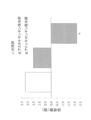
- Test Example 1 Test of suppressing the number of defecations of astaxanthin or adonixanthin using a water avoidance stress (WAS) model mouse An increase in the number of defecations was observed by applying water avoidance stress to rodents, and this phenomenon occurred.
- Rodent water avoidance stress is widely used as a model for irritable bowel syndrome because it resembles defecation symptoms in patients with irritable bowel syndrome. Therefore, the symptom-improving effect of the composition of the present invention on irritable bowel syndrome was examined using the number of defecations in the mouse water avoidance stress model as an index.
- test substance was administered for 14 days in each experimental group (here, the administration start date was calculated as the first day).
- the astaxanthin administration solution or the adonixanthin administration solution obtained in Preparation Example 2 was used, and olive oil was used as the control solution. Table 1 shows the test substance in each experimental group, and the dose and solution amount per administration.
- Administration was performed once a day by oral administration using a disposable oral sonde and a syringe. During the test, each mouse was allowed to freely ingest solid feed and tap water, and was bred at a 12-hour light-dark cycle, 18-28 ° C., and a relative humidity of 30-80%.
- a WAS load test was performed for 60 minutes 30 minutes after administration of the test substance on the 11th to 14th days, and the number of feces excreted during that period was measured as the number of defecations.
- the WAS load test was conducted as follows. First, a platform (height 6 cm x top surface [3 cm x 3 cm]) was installed in the center of the water tank (30 cm x 30 cm x 30 cm), and water was added so that the water level was about 0.5 to 1 cm below the top surface of the platform. .. For 4 days on the 11th to 14th days after the administration of the test substance, 30 minutes after the administration of the test substance, the mice were placed in a water tank for 60 minutes to apply a load, and the number of defecations during that period was measured.
- the number of defecations varied widely among the experimental groups, and some individuals did not defecate during the 4-day water avoidance stress load. Therefore, the top 6 animals with the total number of defecations during the 4-day load were selected as individuals susceptible to water avoidance stress, and the amount of change in the number of defecations between the 11th and 14th days was evaluated.
- the difference between the number of defecations on the 14th day and the number of defecations on the 11th day (the number of defecations on the 14th day-11 the number of defecations on the 11th day) of the test substance is shown in FIG.
- the measured values are expressed as average values. As shown in FIG.
- the adonixanthin-administered group significantly suppressed the number of defecations as compared with the control group (*: p ⁇ 0.05 vs control group (Student's t-test)). It was confirmed that the astaxanthin-administered group also suppressed the number of defecations as compared with the control group.
- Test Example 2 Microarray analysis of water avoidance stress (WAS) model mice for astaxanthin or adonixanthin
- WAS water avoidance stress
- a WAS loading test was performed in the same manner as in Test Example 1 except that a control group without WAS was added.
- the control group without WAS was a group to which the control solution was administered and the WAS load test was not performed, and 4 animals were used in the group.
- the control group with WAS in Test Example 2 is the same as the control group in Test Example 1.
- RNA later (Sigma-Aldrich) and cryopreserved.
- RNA preparation / quality control> The frontal lobe and large intestine of mice treated with RNAlater and cryopreserved were quickly thawed before the start of extraction.
- the frontal lobe or large intestine of each individual was extracted with RNAiso plus (Takara Bio Inc.) as usual, and further treated with DNase in the liquid phase, and purified with RNeasy MinElute Cleanup Kit (QIAGEN). Then, RNA was quantified. Specifically, the obtained RNA was measured for absorbance (260 nm, 280 nm and 320 nm), concentration was calculated and purity was confirmed (2.0 or more at a ratio of 260 nm / 280 nm).
- RNA was stored frozen (-70 ° C or lower).
- the obtained RNA was electrophoresed using a microchip electrophoresis device (Agilent 2100 Bioanalyzer, Agilent Technologies, Inc.) equipped with chips (RNA Nano Chips, Agilent Technologies, Ltd.), and RIN (RNA Integrity). Number) was calculated. Only RNA having a RIN value of the reference value (6.5) or more was used. RNA above the reference value was stored frozen (-70 ° C or lower) until the next step.
- RNA samples were pooled for each group, and Cy3-labeled cRNA synthesis and purification were performed using the Low Input Quick Amp Labeling Kit (Agilent Technologies, Inc.).
- concentration of the obtained labeled cRNA and Cy3 corporation were calculated from the absorbances at 260 nm, 280 nm, 550 nm and 320 nm, and it was confirmed that the reference value (Cy3-CTP isolation> 6 pmol / ⁇ g) was satisfied.
- each labeled cRNA was fragmented using Gene Expression Hybridization Kit (Agilent Technology Co., Ltd.), applied to Whole Mouse Geneme Microarray Ver2.0 (Agilent Technology Co., Ltd.), and hybridized at 65 ° C. for 17 hours. did.
- the array slides were then washed using Gene Expression Wash Buffers 1 and 2 (Agilent Technologies, Inc.).
- the control group with WAS and the control group without WAS were compared, and a gene of Fold change (vs vs. control group without WAS) ⁇ 0.5 was extracted as a gene suppressed by WAS (hereinafter, WAS suppression).
- a gene of 2 ⁇ Fold change (vs vs. control group without WAS) was extracted as a gene enhanced by WAS (hereinafter, also referred to as a WAS-enhanced gene).
- the Fold change (vs vs. control group without WAS) is indicated by the fluorescence intensity value of the control group with WAS / the fluorescence intensity value of the control group without WAS.
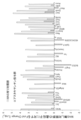
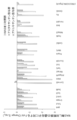
- FIGS. 2-13 show the results obtained by converting the Fold change of the fluorescence intensity of the genes of the control group with WAS, the astaxanthin administration group, and the adonixanthin administration group with respect to the genes of the control group without WAS by log 2.
- Table 3 and FIG. 2 show genes whose expression was upregulated in the frontal lobe by WAS and whose upregulation was suppressed by both astaxanthin and adonixanthin.
- genes related to stress and / or inflammation (Rn4.5s, C1qbp, Cbl, Prlr), nerve cell development / disorder (6430527G18Rik, Tuba1a, Gja1,) in both astaxanthin administration and adonixanthin administration. It was confirmed that the expression of genes related to Serpini1, 6530418L21Rik, Slit3, Slc1a1) and apoptosis (Eif3e) was suppressed.
- Tables 4 and 3 show genes whose expression was upregulated in the frontal lobe by WAS and whose expression was suppressed by astaxanthin.
- the stress and inflammation and glucocorticoid response genes are the genes whose expression was suppressed by astaxanthin, similar to the genes whose expression was suppressed by both astaxanthin and adonixantin.
- Nerve cell development / disorder Zic1, Adam10, Gtf2ird1, Epha5, Fxr2, Thra
- apoptotic gene Primaryckle1, Gng11, Bcl2l13
- genes related to mitochondria-related genes Ak2, Fxn
- convulsions Scn2a1 were also extracted.
- Nr3c1, Zic1, Adam10, Epha5, Arhgef26, Mest, Dhx30, Prickle1, Gng11, Bcl2l13, Scn2a1, Tmem145, 4933411K20Rik, Naca, Anapc13, Cst6, Snx3, Elovl6, Acaca The value of the nikanthine-administered group / control group without WAS) was lower than that of the Fold change (control group with WAS / control group without WAS). Therefore, it is considered that the upregulation of such a gene is also suppressed by adonixanthin.
- Tables 5 and 4 show genes whose expression was upregulated in the frontal lobe by WAS and whose upregulation was suppressed by adonixanthine.
- genes related to chronic inflammation Dclk1
- genes related to intellectual impairment Zbtb11
- DNA repair-related genes Hmgb1
- cell cycle genes A gene related to diabetes and inflammation (Cdc123) was confirmed in. All of the above genes had lower values in the Fold change (astaxanthin administration group / control group without WAS) than in the Fold change (control group with WAS / control group without WAS). Therefore, it is considered that the upregulation of such a gene is also suppressed by astaxanthin.
- Table 6 and FIG. 5 show genes whose expression was suppressed in the frontal lobe by WAS and whose suppression was alleviated by both astaxanthin and adonixanthin.
- both astaxanthin administration and adonixanthin administration resulted in nerve cell development / disorder (Jph4, Tshz3, Gmppa, Lmtk2, Scyl3, Dcaf8), and tumor marker genes involved in cell proliferation / cycle (Commd5, Wdr3).
- Arhgap44, Metap1, Terf2, Evi5, Dcun1d4 genes related to diabetes and obesity (Pts, Chchd5), etc. were confirmed to be suppressed and relaxed.
- Tables 7 and 6 show genes whose expression was suppressed in the frontal lobe by WAS and whose expression was alleviated by astaxanthin.
- Tables 8 and 7 show genes whose expression was suppressed in the frontal lobe by WAS and whose expression was alleviated by adonixanthine.
- Table 9 and FIG. 8 show genes whose expression was enhanced in the large intestine by WAS and whose expression was suppressed by both astaxanthin and adonixanthin.
- Hp stress and inflammation
- Hsph1 cell proliferation / tumor
- IgG2akappa immune response
- VP7-specific Ab nerve cell development
- Tables 10 and 9 show genes whose expression was upregulated in the large intestine by WAS and whose expression was suppressed by astaxanthin.
- Table 11 and FIG. 10 show genes whose expression was enhanced in the large intestine by WAS and whose expression was suppressed by adonixanthine.
- the anti-apoptosis / tumor marker gene (Faim3), the fibrinolytic gene PAI-1 (Serpine1), the immune gene (Ig (lambda, constant), and Ig (lambda)) that are involved in apoptosis by administration of adonixanthin. , Variable))
- All of the above genes had lower values in the Fold change (astaxanthin administration group / control group without WAS) than in the Fold change (control group with WAS / control group without WAS). Therefore, it is considered that the upregulation of such a gene is also suppressed by astaxanthin.
- Table 12 and FIG. 11 show genes whose expression was suppressed in the large intestine by WAS and whose expression suppression was alleviated by both astaxanthin and adonixanthin.
- Tables 13 and 12 show genes whose expression was suppressed in the large intestine by WAS and whose expression was alleviated by astaxanthin.
- genes related to stress / inflammation / tumor (umo3, Egfr, Eif2ak1, Nat2, Ppip5k2), antioxidant / mitochondria / anti-inflammatory (Otc, Cyp2d9), anti-apoptosis / cell proliferation / It was confirmed that the suppression of the expression of tumors (Birc3, Egf), immune response (Tlr2), and genes related to blood pressure and diurnal rhythm (Edn1, Mettl14) was alleviated.
- Tables 14 and 13 show genes whose expression was suppressed in the large intestine by WAS and whose expression was alleviated by adonixanthine.
- anti-inflammatory / microbial protection (Rnase1), apoptosis / antitumor (Serpini2), immune response / anti-inflammatory (Lepr, Tff2), anti-apoptosis / tumor / Crohn's disease (Cuzd1, Ctrl, Cpa2, Cpb1, Try5, Cpa1) , Gp2), and genes related to lipid metabolism, obesity, and tumors (Amy2a5, Cela2a, Cela3b, Pnliprp1, Cel, Pnlip, Clps, Try4), etc. were alleviated.
Landscapes
- Health & Medical Sciences (AREA)
- Life Sciences & Earth Sciences (AREA)
- Chemical & Material Sciences (AREA)
- Veterinary Medicine (AREA)
- General Health & Medical Sciences (AREA)
- Engineering & Computer Science (AREA)
- Medicinal Chemistry (AREA)
- Pharmacology & Pharmacy (AREA)
- Public Health (AREA)
- Animal Behavior & Ethology (AREA)
- Bioinformatics & Cheminformatics (AREA)
- Chemical Kinetics & Catalysis (AREA)
- General Chemical & Material Sciences (AREA)
- Nuclear Medicine, Radiotherapy & Molecular Imaging (AREA)
- Organic Chemistry (AREA)
- Polymers & Plastics (AREA)
- Epidemiology (AREA)
- Food Science & Technology (AREA)
- Mycology (AREA)
- Nutrition Science (AREA)
- Microbiology (AREA)
- Molecular Biology (AREA)
- Animal Husbandry (AREA)
- Zoology (AREA)
- Pharmaceuticals Containing Other Organic And Inorganic Compounds (AREA)
- Medicines That Contain Protein Lipid Enzymes And Other Medicines (AREA)
- Acyclic And Carbocyclic Compounds In Medicinal Compositions (AREA)
Priority Applications (1)
| Application Number | Priority Date | Filing Date | Title |
|---|---|---|---|
| JP2021544018A JPWO2021045138A1 (https=) | 2019-09-04 | 2020-09-03 |
Applications Claiming Priority (2)
| Application Number | Priority Date | Filing Date | Title |
|---|---|---|---|
| JP2019161387 | 2019-09-04 | ||
| JP2019-161387 | 2019-09-04 |
Publications (1)
| Publication Number | Publication Date |
|---|---|
| WO2021045138A1 true WO2021045138A1 (ja) | 2021-03-11 |
Family
ID=74852201
Family Applications (1)
| Application Number | Title | Priority Date | Filing Date |
|---|---|---|---|
| PCT/JP2020/033384 Ceased WO2021045138A1 (ja) | 2019-09-04 | 2020-09-03 | 過敏性腸症候群の改善のための組成物 |
Country Status (2)
| Country | Link |
|---|---|
| JP (1) | JPWO2021045138A1 (https=) |
| WO (1) | WO2021045138A1 (https=) |
Citations (5)
| Publication number | Priority date | Publication date | Assignee | Title |
|---|---|---|---|---|
| JP2007261972A (ja) * | 2006-03-28 | 2007-10-11 | Asahi Kasei Pharma Kk | カロテノイドの製造方法 |
| JP2015140346A (ja) * | 2014-01-30 | 2015-08-03 | Jx日鉱日石エネルギー株式会社 | 虚血性疾患を予防するための薬剤 |
| JP2019077664A (ja) * | 2017-10-27 | 2019-05-23 | Jxtgエネルギー株式会社 | カロテノイド組成物を含有する脳機能低下抑制剤または脳機能低下予防剤 |
| JP2019131527A (ja) * | 2018-02-02 | 2019-08-08 | 富士化学工業株式会社 | 腸内細菌叢中のアッカーマンシアを増やすためにアスタキサンチンを使用する方法及び医薬組成物 |
| JP2019135242A (ja) * | 2019-04-01 | 2019-08-15 | Jxtgエネルギー株式会社 | カロテノイド含有組成物 |
-
2020
- 2020-09-03 JP JP2021544018A patent/JPWO2021045138A1/ja active Pending
- 2020-09-03 WO PCT/JP2020/033384 patent/WO2021045138A1/ja not_active Ceased
Patent Citations (5)
| Publication number | Priority date | Publication date | Assignee | Title |
|---|---|---|---|---|
| JP2007261972A (ja) * | 2006-03-28 | 2007-10-11 | Asahi Kasei Pharma Kk | カロテノイドの製造方法 |
| JP2015140346A (ja) * | 2014-01-30 | 2015-08-03 | Jx日鉱日石エネルギー株式会社 | 虚血性疾患を予防するための薬剤 |
| JP2019077664A (ja) * | 2017-10-27 | 2019-05-23 | Jxtgエネルギー株式会社 | カロテノイド組成物を含有する脳機能低下抑制剤または脳機能低下予防剤 |
| JP2019131527A (ja) * | 2018-02-02 | 2019-08-08 | 富士化学工業株式会社 | 腸内細菌叢中のアッカーマンシアを増やすためにアスタキサンチンを使用する方法及び医薬組成物 |
| JP2019135242A (ja) * | 2019-04-01 | 2019-08-15 | Jxtgエネルギー株式会社 | カロテノイド含有組成物 |
Non-Patent Citations (1)
| Title |
|---|
| YASUDA RITSU ET AL.: "Intestinal Flora changes and effects on stress-Hormone-Induced Bowel mobility disorder caused by Astaxanthin", PROGRAM/ABSTRACTS OF THE 72ND MEETING OF THE SOCIETY FOR FREE RADICAL RESEARCH JAPAN, 27 June 2019 (2019-06-27), pages 124 * |
Also Published As
| Publication number | Publication date |
|---|---|
| JPWO2021045138A1 (https=) | 2021-03-11 |
Similar Documents
| Publication | Publication Date | Title |
|---|---|---|
| US6265450B1 (en) | Anti-stress composition | |
| JP6785509B2 (ja) | ロイコノストック メセンテロイデスが産生する菌体外多糖を有効成分として含む代謝異常の予防または治療用組成物 | |
| KR101974975B1 (ko) | 생체 대사 파라미터를 개선하기 위한 조성물 | |
| JP2009173634A (ja) | ポリ−γ−グルタミン酸を含有する脂質吸収阻害剤 | |
| KR20140021598A (ko) | 조성물, 및 당대사 개선제, 및 당대사 개선방법 | |
| JP2013075917A (ja) | グリコーゲンを含む食品とその用途 | |
| JP5749880B2 (ja) | D−タガトースを有効成分とする体脂肪蓄積改善剤およびメタボリックシンドローム改善剤 | |
| JP7311336B2 (ja) | 腸内短鎖脂肪酸産生促進用組成物 | |
| TW202308605A (zh) | 用於炎症性腸疾病之預防或改善之組合物、以及用於腸內細菌叢調節之組合物 | |
| JP2007223914A (ja) | 経口投与組成物 | |
| JP2007084504A (ja) | 大麦を発酵に付したものを有効成分とする血管新生阻害の作用を有する組成物 | |
| WO2014103410A1 (ja) | Igf-1産生促進剤 | |
| WO2021045138A1 (ja) | 過敏性腸症候群の改善のための組成物 | |
| JPWO2019107531A1 (ja) | 血中脂質の上昇抑制または低減用組成物 | |
| JP6173850B2 (ja) | 筋肉増量剤、運動併用時の筋肉増量剤、及び筋肉増量用の飲食品 | |
| JP7216260B2 (ja) | コプロコッカス属菌の増殖促進用組成物 | |
| JP2012162472A (ja) | 脂質排泄促進剤 | |
| JP2022041955A (ja) | アッカーマンシア属細菌増殖促進剤 | |
| JP2023055389A (ja) | バクテロイデス属細菌の増殖促進剤 | |
| JPWO2020059745A1 (ja) | 脳腫瘍またはそれに起因する症状の抑制または治療のための組成物 | |
| JP2021084903A (ja) | Nrcam遺伝子発現抑制用組成物 | |
| JP4228371B2 (ja) | カロチノイド含有馬鈴薯に含まれるアポトーシス誘導物質、馬鈴薯由来の胃癌細胞増殖抑制作用又は胃癌発生阻害作用を有する抗癌剤 | |
| WO2007034958A1 (ja) | 穀類由来の成分を有効成分とする血管新生阻害の作用を有する組成物 | |
| JP2023175313A (ja) | 機能性組成物及び機能性表示食品 | |
| JP2023175314A (ja) | 便通改善用組成物及び機能性表示食品 |
Legal Events
| Date | Code | Title | Description |
|---|---|---|---|
| 121 | Ep: the epo has been informed by wipo that ep was designated in this application |
Ref document number: 20861318 Country of ref document: EP Kind code of ref document: A1 |
|
| ENP | Entry into the national phase |
Ref document number: 2021544018 Country of ref document: JP Kind code of ref document: A |
|
| NENP | Non-entry into the national phase |
Ref country code: DE |
|
| 122 | Ep: pct application non-entry in european phase |
Ref document number: 20861318 Country of ref document: EP Kind code of ref document: A1 |