WO2016186210A1 - 価格設定支援システム、価格設定支援プログラム、価格設定支援方法、知的財産評価支援システム、知的財産評価支援プログラム及び知的財産評価設定支援方法 - Google Patents
価格設定支援システム、価格設定支援プログラム、価格設定支援方法、知的財産評価支援システム、知的財産評価支援プログラム及び知的財産評価設定支援方法 Download PDFInfo
- Publication number
- WO2016186210A1 WO2016186210A1 PCT/JP2016/065078 JP2016065078W WO2016186210A1 WO 2016186210 A1 WO2016186210 A1 WO 2016186210A1 JP 2016065078 W JP2016065078 W JP 2016065078W WO 2016186210 A1 WO2016186210 A1 WO 2016186210A1
- Authority
- WO
- WIPO (PCT)
- Prior art keywords
- intellectual property
- price
- product
- service
- information
- Prior art date
- Legal status (The legal status is an assumption and is not a legal conclusion. Google has not performed a legal analysis and makes no representation as to the accuracy of the status listed.)
- Ceased
Links
Images










Classifications
-
- G—PHYSICS
- G06—COMPUTING OR CALCULATING; COUNTING
- G06Q—INFORMATION AND COMMUNICATION TECHNOLOGY [ICT] SPECIALLY ADAPTED FOR ADMINISTRATIVE, COMMERCIAL, FINANCIAL, MANAGERIAL OR SUPERVISORY PURPOSES; SYSTEMS OR METHODS SPECIALLY ADAPTED FOR ADMINISTRATIVE, COMMERCIAL, FINANCIAL, MANAGERIAL OR SUPERVISORY PURPOSES, NOT OTHERWISE PROVIDED FOR
- G06Q30/00—Commerce
- G06Q30/02—Marketing; Price estimation or determination; Fundraising
- G06Q30/0201—Market modelling; Market analysis; Collecting market data
- G06Q30/0206—Price or cost determination based on market factors
-
- G—PHYSICS
- G06—COMPUTING OR CALCULATING; COUNTING
- G06Q—INFORMATION AND COMMUNICATION TECHNOLOGY [ICT] SPECIALLY ADAPTED FOR ADMINISTRATIVE, COMMERCIAL, FINANCIAL, MANAGERIAL OR SUPERVISORY PURPOSES; SYSTEMS OR METHODS SPECIALLY ADAPTED FOR ADMINISTRATIVE, COMMERCIAL, FINANCIAL, MANAGERIAL OR SUPERVISORY PURPOSES, NOT OTHERWISE PROVIDED FOR
- G06Q30/00—Commerce
- G06Q30/02—Marketing; Price estimation or determination; Fundraising
- G06Q30/0283—Price estimation or determination
-
- G—PHYSICS
- G06—COMPUTING OR CALCULATING; COUNTING
- G06Q—INFORMATION AND COMMUNICATION TECHNOLOGY [ICT] SPECIALLY ADAPTED FOR ADMINISTRATIVE, COMMERCIAL, FINANCIAL, MANAGERIAL OR SUPERVISORY PURPOSES; SYSTEMS OR METHODS SPECIALLY ADAPTED FOR ADMINISTRATIVE, COMMERCIAL, FINANCIAL, MANAGERIAL OR SUPERVISORY PURPOSES, NOT OTHERWISE PROVIDED FOR
- G06Q20/00—Payment architectures, schemes or protocols
- G06Q20/08—Payment architectures
- G06Q20/12—Payment architectures specially adapted for electronic shopping systems
- G06Q20/123—Shopping for digital content
- G06Q20/1235—Shopping for digital content with control of digital rights management [DRM]
-
- G—PHYSICS
- G06—COMPUTING OR CALCULATING; COUNTING
- G06Q—INFORMATION AND COMMUNICATION TECHNOLOGY [ICT] SPECIALLY ADAPTED FOR ADMINISTRATIVE, COMMERCIAL, FINANCIAL, MANAGERIAL OR SUPERVISORY PURPOSES; SYSTEMS OR METHODS SPECIALLY ADAPTED FOR ADMINISTRATIVE, COMMERCIAL, FINANCIAL, MANAGERIAL OR SUPERVISORY PURPOSES, NOT OTHERWISE PROVIDED FOR
- G06Q50/00—Information and communication technology [ICT] specially adapted for implementation of business processes of specific business sectors, e.g. utilities or tourism
- G06Q50/10—Services
- G06Q50/18—Legal services
- G06Q50/184—Intellectual property management
Definitions
- the present invention relates to a price setting support system, a price setting support program, and a price setting support method for calculating a reference price from various data when setting prices of products, services, and the like, and supporting price setting.
- the present invention relates to an intellectual property evaluation support system, an intellectual property evaluation support program, and an intellectual property evaluation support method that can be used to determine whether or not to maintain the rights of various intellectual property rights and to evaluate rewards.
- a product price determination support device as in Patent Document 1 can be cited.
- This device is considered for the purpose of determining parts with a large manufacturing cost reduction effect, and is intended to be competitive by reducing the price due to cost reduction.
- the intellectual property economic value calculation system like patent document 2 is mentioned, for example. This system is configured to calculate the economic value of the intellectual property related to the product according to the degree of contribution based on the economic effect based on the function and performance of the entire product to be evaluated.
- Patent Document 1 cannot grasp the relationship between the product or service and the intellectual property used in providing the product or service.
- the intellectual property economic value calculation system described in Patent Document 2 calculates the economic value of intellectual property according to the contribution based on the economic effect based on the function / performance. It was difficult to guide.
- the present invention provides a price setting support system, a price setting support program, and a price setting support method capable of grasping the relationship between a product or service and an intellectual property used for providing the product or service. With the goal.
- the present invention also provides an intellectual property evaluation support system, an intellectual property evaluation support program, and an intellectual property evaluation support method that can be used to determine whether or not to maintain the rights of various intellectual property rights and to evaluate rewards. The purpose is to do.
- the present invention is characterized by the following.
- a price setting support system that supports price setting for a product or service, and displays information indicating the value of intellectual property related to the product or service together with a price calculation result.
- the price setting support system according to (1) wherein the display is displayed only by access from an authorized price determiner.
- a pricing support system for calculating a price to which the value of the intellectual property related to the product or service is applied in the pricing support system for calculating the price of the product or service.
- the price setting support system according to (1) or (2) wherein a price to which the value of the intellectual property is applied is calculated.
- the price to which the value of the intellectual property is applied is at least one of an intellectual property coefficient that is a numerical value of 1.0 or more that can be arbitrarily set and an intellectual property amount that is an amount that can be arbitrarily set Based on the intellectual property information including one of them, at least one of the multiplication of the intellectual property coefficient and the addition of the intellectual property amount to the profit amount of the product or service calculated by another method
- Price setting support system (12)
- the present invention it is possible to grasp the relationship between a product or service and an intellectual property used for providing the product or service. Further, according to the present invention, it is possible to support the evaluation of intellectual property used for determining the necessity of maintaining the rights of various intellectual property rights, reward project evaluation, and the like.
- FIG. 1 is a flowchart showing an example of a price setting support system, a price setting support program, and a price setting support method according to the present invention.
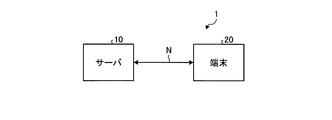
- FIG. 2 is a diagram illustrating an example of a main configuration of the price setting support system.
- FIG. 3 is a diagram illustrating an example of the configuration of the server.
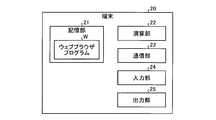
- FIG. 4 is a diagram illustrating an example of the configuration of the terminal.
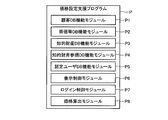
- FIG. 5 is a diagram showing an example of the configuration of the price setting support program.
- FIG. 6 is a diagram illustrating an example of data included in the customer DB.
- FIG. 7 is a diagram illustrating an example of data included in the cost etc. DB.
- FIG. 8 is a diagram illustrating an example of data included in the intellectual property DB.
- FIG. 1 is a flowchart showing an example of a price setting support system, a price setting support program, and a price setting support method according to the present invention.
- FIG. 2 is a diagram illustrating an example of a
- FIG. 9 is a diagram illustrating an example of data included in the intellectual property reference DB.
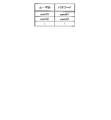
- FIG. 10 is a diagram illustrating an example of data included in the authorized user DB.
- FIG. 11 is a diagram illustrating an example of a login screen.
- FIG. 12 is a diagram illustrating an example of the top page screen.
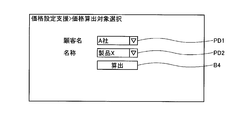
- FIG. 13 is a diagram illustrating an example of a price calculation target selection screen.
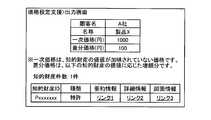
- FIG. 14 is a diagram illustrating an example of an output screen.
- FIG. 15 is a diagram illustrating an example of a summary information display screen.
- FIG. 16 is a diagram illustrating an example of an output screen on which intellectual property information including an intellectual property code is displayed.
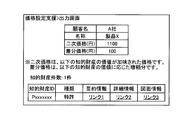
- FIG. 17 is a diagram illustrating an example of an output screen including a difference price.
- FIG. 18 is a diagram illustrating an example of an output screen including a differential price.
- FIG. 19 is a flowchart showing an example of the intellectual property evaluation support system, the intellectual property evaluation support program, and the intellectual property evaluation setting support method according to the present invention.
- FIG. 20 is a diagram illustrating another example of the output screen.
- FIG. 1 is a flowchart showing an example of a price setting support system, a price setting support program, and a price setting support method according to the present invention.
- a price setter uses an information terminal (hereinafter referred to as an interface) such as a personal computer, a tablet, or a smartphone, starts a program, and obtains information for reference of price setting.
- an information terminal hereinafter referred to as an interface
- the program is started by the action “START” for starting the program by the price setter.
- the process proceeds to the first step S1 in the drawing.
- contents such as a customer ID, an ordered product or an order service are acquired via the interface.
- the process proceeds to the second step S2 in the figure.
- the price is calculated.
- information from the cost etc. DB (D1) which is a database of cost etc. is used.
- the process proceeds to the third step S3 in the drawing.
- the price is recalculated.
- information from the intellectual property DB (D2) which is a database of intellectual property is used.
- the range of A consisting of the third step S3 and the intellectual property DB (D2) is a feature of this embodiment, and calculation is performed using an electronic computer.
- the process proceeds to the fourth step S4 in the drawing.
- the calculated price is output to the interface.
- the program ends at “STOP”.
- the price is calculated taking into account intellectual property information. Further, in a price setting support program for calculating the price of a product or service using an electronic computer, the price is calculated in consideration of intellectual property information. Further, in a price setting support method for calculating a price for a product or service using an electronic computer, the price is calculated in consideration of intellectual property information.
- FIG. 2 is a diagram illustrating an example of a main configuration of the price setting support system 1.
- the price setting support system 1 includes a server 10 and a terminal 20.
- the server 10 and the terminal 20 are communicably connected via a communication line N.
- the communication line N is constructed by, for example, a public communication line such as the Internet, a local area network (LAN), a dedicated line, a satellite communication line, or other communication lines, or a combination of a plurality thereof.
- a specific form of the communication line N may be wired communication, wireless communication, or a combination of wired communication and wireless communication.
- the communication protocol (protocol) adopted in the communication between the server 10 and the terminal 20 is, for example, TCP / IP, but is not limited to this, and any communication protocol that can realize communication is adopted. Can be done.
- FIG. 3 is a diagram illustrating an example of the configuration of the server 10.
- the server 10 is an information processing apparatus including a computer such as a personal computer (PC, so-called personal computer) or a workstation, and includes a storage unit 11, a calculation unit 12, a communication unit 13, and the like.
- the storage unit 11 includes, for example, a hard disk drive, a solid state drive, a flash memory, and other storage devices, and stores various programs and data related to the operation of the server 10 such as a price setting support program P described later.
- the storage unit 11 includes a RAM (Random Access Memory).
- the RAM functions as a temporary storage area related to the execution of the program by the calculation unit 12.
- the calculation unit 12 includes a calculation device such as a CPU (Central Processing Unit), for example, and performs various calculation processes related to the operation of the server 10. Specifically, the arithmetic unit 12 reads out and executes a program from the storage unit 11, and controls the operation of the server 10 by performing various processes determined by the program.
- the communication unit 13 includes, for example, a network circuit controller (Network interface controller), a communication circuit according to a communication standard adopted between the server 10 and the terminal 20, and other configurations necessary for communication, and is necessary for communication. Various types of processing are performed.
- FIG. 4 is a diagram illustrating an example of the configuration of the terminal 20.
- the terminal 20 is an information processing apparatus including a computer such as a personal computer, a tablet, or a smartphone, and includes a storage unit 21, a calculation unit 22, a communication unit 23, an input unit 24, an output unit 25, and the like.
- the functions of the storage unit 21, the calculation unit 22, and the communication unit 23 are the same as the storage unit 11, the calculation unit 12, and the communication unit 13 included in the server 10 unless otherwise specified.
- the program and data stored in the storage unit 11 of the server 10 are different from the program and data stored in the storage unit 21 of the terminal 20.
- the storage unit 21 of the terminal 20 stores various programs and data related to the operation of the terminal 20, such as a program (web browser program W) that enables the use of a web browser by execution.
- the input unit 24 includes, for example, one or more of a touch panel type input device provided integrally with the display device, a keyboard, a microphone, and other various input devices, according to the operation content performed via the input device. Input.
- a user of the terminal 20 can input to the terminal 20 via an input device provided in the input unit 24.
- the output unit 25 includes any one or more of a display output device such as a liquid crystal display, an audio output device such as a speaker, and other various output devices, and performs various outputs accompanying the operation of the terminal 20.
- the terminal 20 functions as an interface by exchanging information with the server 10. If a specific example is given, the memory
- FIG. 5 is a diagram showing an example of the configuration of the price setting support program P.
- the storage unit 11 stores a price setting support program P.
- the price setting support program P outputs various data according to information transmitted in response to a request from the interface.
- the price setting support program P includes, for example, a customer DB function module P1, a cost DB function module P2, an intellectual property DB function module P3, an intellectual property reference DB function module P4, and an authorized user DB function module P5.
- Customer DB function module P1, cost DB function module P2, intellectual property DB function module P3, intellectual property reference DB function module P4, authorized user DB function module P5, display control module P6, login control module P7, and price calculation module P8 is a software program implemented as part of the function of the price setting support program P.
- the price setting support program P of the present embodiment is established by combining a plurality of modules.
- this is an example of a specific form of the price setting support program P, and is limited to this.
- two or more of the plurality of modules may be provided as non-independent software programs.
- FIG. 6 is a diagram showing an example of data held in the customer DB.
- the customer DB function module P1 is a program that causes the server 10 to function as a customer DB. Specifically, for example, as shown in FIG. 6, the customer DB associates a customer ID with a customer name.
- the server 10 that functions as a customer DB by executing the customer DB function module P1 holds data indicating each of customer IDs and customer names of one or more customers as information relating to each product or service.
- the customer DB of this embodiment is a database for storing a data set by a combination of data indicating each of a customer ID and a customer name as information related to each customer.
- Customer ID is a unique character string assigned to each customer related to a product or service.
- the customer name indicates the name of the customer related to the product or service.
- the name of the customer is, for example, the name of a person or a corporation that is a product or service provider.
- the customer name may further include “XX factory”, “XX office”, and the like.
- the customer DB stores “business It may have additional attributes (data items) such as “location name”. Further, the customer DB may have an additional attribute (data item) for classifying the customer.
- additional attributes include “corporate or individual”, “store type”, and the like.
- data such as “Corporate” and “Individual” is set, for example, so that customers can be classified.
- store type for example, “agent”, “large-scale retail store”, “small-scale retail store”, and the like are set, so that customers can be classified by this.
- FIG. 7 is a diagram showing an example of data held in the cost etc. DB.
- the cost etc. DB function module P2 is a program that causes the server 10 to function as a cost etc. DB. Specifically, as shown in FIG. 7, for example, the cost etc. DB associates a customer ID, a name, a cost, and a product etc. ID. The server 10 functioning as the cost etc. DB by executing the cost etc. DB function module P2 uses each of the customer ID, name, cost, product ID etc. of one or a plurality of products or services as information relating to each product or service. Holds the data shown.
- the cost etc. DB of the present embodiment is a database for storing a data set by a combination of data indicating each of a customer ID, a name, a cost, and a product ID as information relating to each product or service.
- the customer ID of the cost etc. DB is the same as the customer ID of the customer DB.
- the name indicates a name for identifying another product or service, such as a name of a product or service, a model number, or the like.
- attributes data items
- the cost indicates the cost of the product or service indicated by the name.
- the product ID is a unique character string assigned to the product or service indicated by the name.
- the data stored in the cost etc. DB is a plurality of sets, and there exists a set of data in which only the customer ID and the cost are different and the other attributes (name and product ID etc.) are the same. There can be. This is a case where, for example, data assuming that products or services are provided at different prices for each of the customers indicated by a plurality of customer IDs is stored. Specifically, if the price is higher or lower for a specific customer due to some special agreement, and there is no such special agreement for other customers, the same product or service in the cost etc. DB A data set is provided for each customer.
- FIG. 8 is a diagram showing an example of data held in the intellectual property DB.
- the intellectual property DB function module P3 is a program that causes the server 10 to function as an intellectual property DB.
- the intellectual property DB includes an intellectual property ID, an intellectual property amount, an intellectual property coefficient, an intellectual property expiration date, and related product IDs. Associate.
- the server 10 that functions as the intellectual property DB by executing the intellectual property DB function module P3 has the intellectual property ID, intellectual property amount, intellectual property information of one or more intellectual property rights as information relating to the intellectual property right. Data indicating each of the ID of the intellectual property coefficient, the intellectual property expiration date, and related products.
- the intellectual property DB of this embodiment is an intellectual property database that includes a combination of data indicating each of an intellectual property ID, an intellectual property amount, an intellectual property coefficient, an intellectual property expiration date, and related product IDs. It is a database for memorizing as information concerning each right.
- the intellectual property ID is a unique character string for identifying the intellectual property.
- the intellectual property ID is determined by a combination of a code indicating the type of intellectual property right such as a patent right, a utility model right, a design right, and a trademark right, and a number for specifying the intellectual property right. ing.
- a code indicating the patent right is P
- an intellectual property ID “Pxxxxxxxx” is assigned to the patent right having the registration number of the patent No. xxxxxxxx as shown in FIG.
- individual codes are assigned to other intellectual property rights such as utility model rights, design rights, and trademark rights.
- Such a method for determining the intellectual property ID is merely an example and is not limited to this, and can be changed as appropriate.
- the intellectual property DB only needs to have data for setting an intellectual property ID for each intellectual property right as unique information for individually identifying the intellectual property right.
- Intellectual property amount indicates a specific amount brought about by intellectual property rights. For example, when a profit of 100 yen can be added to a product or service by a certain intellectual property right, the intellectual property amount paired with the intellectual property ID of the intellectual property right is 100 [yen]. is there.
- the unit of the intellectual property amount is, for example, a unit of currency in the country in which the price setting support system 1 is operated, but this is an example and is not limited thereto.
- the unit of the amount of intellectual property is arbitrary.
- Intellectual property coefficient indicates the multiplication factor of the price when raising the price of a product or service with intellectual property rights.
- the intellectual property coefficient is a numerical value of 1 (1.0) or more, for example.
- the profit amount of the product or service is multiplied by 1. That is, when the intellectual property coefficient is 1, the profit ratio of the product or service is 100%, and the price of the product or service does not change regardless of the presence or absence of the intellectual property right.
- the intellectual property coefficient is 1.5, the amount of profit of the product or service is 1.5 times. That is, when the intellectual property coefficient is 1.5, the profit ratio of the product or service is 150%, and the price of the product or service increases due to the intellectual property right.
- the difference between the amount of intellectual property and the intellectual property coefficient is whether the amount of profit to be added is an absolute amount or an amount based on multiples, and the intent of setting both is the same in other respects .
- Intellectual property expiration date indicates the expiration date of the intellectual property right.
- the intellectual property expiration date is valid if the intellectual property right becomes invalid for some reason, such as the number of days elapsed from the filing date of the application for which the intellectual property right has been obtained, or the payment of fees for maintaining the right is terminated. It is set in order to notify the authorized user described later.
- the intellectual property expiration date is data indicating the expiration date of the effective period of the intellectual property right, that is, the date indicating the day before the date when the intellectual property right becomes invalid.
- the related product ID indicates a product or service that uses the intellectual property for which intellectual property rights have been acquired. For example, if the product ID of a product corresponding to an invention (patented invention) for which the patent right “Pxxxxxxxx” has been acquired is “0000001”, it is paired with the intellectual property ID of the patent right.
- the related product etc. ID includes “0000001” as shown in FIG. The same applies to other intellectual property rights and other products or services.
- knowledge is obtained from the relationship between the data set of cost etc. DB (particularly product etc. ID) and the data set of intellectual property DB (particularly intellectual property ID and related product ID etc.). Expresses the relationship between intellectual property rights and products or services. If the product ID in the cost etc.
- the related product ID in the intellectual property DB matches, it corresponds to the product or service corresponding to that product ID and the intellectual property ID that is paired with the related product ID etc.
- Part or all of the data held by the intellectual property DB can function as information indicating the value of the intellectual property related to the product or service. For example, for the product or service associated with the related product etc. ID, the intellectual property amount of the intellectual property having the related product etc. ID, the intellectual property coefficient, the intellectual property expiration date, etc. It can function as information indicating the value of the intellectual property related to the product or service indicated by the ID.
- a plurality of product IDs may be set in one attribute (data item) called a related product ID, or an attribute corresponding to the number of a plurality of products related to the exercise of intellectual property rights. May be provided in the intellectual property DB, and product IDs may be set one by one as the value of each attribute.
- an attribute corresponding to the number of a plurality of products related to the exercise of the intellectual property right is provided as a serial number attribute such as “related product ID 1”, “related product ID 2”, and the like.
- the same character string as the product etc. ID is set for each of “related product etc. ID1” and “related product etc. ID2”.
- FIG. 9 is a diagram illustrating an example of data included in the intellectual property reference DB.
- the intellectual property reference DB function module P4 is a program that causes the server 10 to function as an intellectual property reference DB. Specifically, as shown in FIG. 9, for example, the intellectual property reference DB associates an intellectual property ID, a type, and reference information (for example, summary information, detailed information, and drawing information).
- the server 10 functioning as the intellectual property reference DB by executing the intellectual property reference DB function module P4 has the intellectual property ID, type, and type of one or more intellectual property rights as information relating to each of the intellectual property rights. Data indicating each of summary information, detailed information, and drawing information is held.
- the intellectual property reference DB of the present embodiment stores a data set by a combination of data indicating each of the intellectual property ID, type, summary information, detailed information, and drawing information as information related to each intellectual property right. It is a database for.
- the intellectual property ID of the intellectual property reference DB is the same as the intellectual property ID of the intellectual property DB.
- the type indicates the type of intellectual property. For example, when the intellectual property right is a patent right, the type of the intellectual property is set to “patent”, for example. Similarly, utility model rights, design rights, trademark rights, and the like are set as, for example, “utility model”, “design”, and “trademark”.
- the summary information indicates information related to a summary of specific contents of the intellectual property for which the intellectual property right has been acquired. For example, if the intellectual property right is a patent right, the summary information paired with the intellectual property ID of the intellectual property right is a hyperlink to data indicating a summary of the specific content of the patented invention.
- the character string indicating the hyperlink is, for example, a URL (Uniform Resource Locator).
- the data indicating the summary is, for example, summary data in a gazette such as a patent gazette or text data including text copied from the summary in the official gazette and drawing data showing a representative diagram.
- the specific contents of the summary can be changed as appropriate.
- the detailed information indicates information related to details of specific contents of the intellectual property for which the intellectual property right is acquired. For example, if the intellectual property right is a patent right, the information relating to the details of the specific contents of the intellectual property is the patent application, claim, description, etc. of the application that acquired the patent right. It is a sentence described in each document.
- the drawing information indicates information related to the drawing in which specific contents of the intellectual property that has acquired the intellectual property right are described.
- a drawing in which specific contents of an intellectual property are described is, for example, a drawing of an application that has acquired a patent right if the intellectual property right is a patent right. Except for the difference in specific contents, the detailed information and the drawing information are set with the same intention as the summary information.
- character strings indicating hyperlinks of patent summary information, detailed information, and drawing information having an intellectual property ID of “Pxxxxxxxx” are indicated by “link 1”, “link 2”, and “link 3”, respectively. Yes.
- character strings indicating hyperlinks of summary information, detailed information, and drawing information of patents having an intellectual property ID of “Pyyyyyyyy” are denoted by “link 4”, “link 5”, and “link 6”, respectively. Show.
- the provider of the product or service indicated by the data set stored in the cost etc. DB is the same as the right holder of the intellectual property right indicated by the data set stored in the intellectual property DB and the intellectual property reference DB.
- a provider of a product or service is included as at least one of the rights holders. That is, the price setting support program P of the present embodiment provides the value of the intellectual property right when the right holder who has acquired the intellectual property right provides a product or service related to the exercise of the intellectual property right. This program assumes that the price of the service is taken into account.
- the right holder is not limited to the person who has the intellectual property right, and may include a person who has obtained a license such as a dedicated license and a normal license.
- FIG. 10 is a diagram illustrating an example of data included in the authorized user DB.
- the authorized user DB function module P5 is a program that causes the server 10 to function as an authorized user DB. Specifically, for example, as shown in FIG. 10, the authorized user DB associates a user ID with a password.
- the server 10 that functions as the authorized user DB by executing the authorized user DB function module P5 holds data indicating each of the user IDs and passwords of one or more authorized users as information related to the authorized user.
- the authorized user DB of the present embodiment is a database for storing a data set by a combination of data indicating each of a user ID and a password as information relating to each authorized user.
- the user ID is a unique character string assigned individually to each authorized user.
- the password is a character string used in combination with the user ID in the authorized user authentication process.
- the display control module P6 is a program for performing processing related to display output of information output from the server 10 in connection with execution of the price setting support program P. Specifically, the display control module P6 performs display output related to the execution of the price setting support program P in a format that can be displayed by a web browser, for example. More specifically, the display control module P6 is a program that dynamically generates a description that can be interpreted by a web browser, such as HyperText Markup Language (HTML).
- HTML HyperText Markup Language
- FIG. 11 is a diagram illustrating an example of a login screen.
- FIGS. 11A and 11B are diagrams illustrating examples of display contents in a window of a web browser executed by the interface.
- the server 10 transmits initial screen display data for displaying a login screen as shown in FIG. 11 to the interface. .
- the interface receives initial screen display data, and the web browser running on the interface displays a login screen as shown in FIG.
- the login screen shown in FIG. 11 includes two text boxes T1 and T2 for individually inputting a user ID and a password, and a “login” button B1 for inputting a login execution instruction.
- the screen displayed on the interface in connection with the execution of the price setting support program P is displayed on the interface by the server 10 executing the display control module P6 sending data corresponding to the display content of the screen to the interface. It is a screen.
- FIG. 12 is a diagram showing an example of the top page screen.
- the login control module P7 is a program for performing processing (authentication processing) related to determination as to whether or not a user who requests information via the terminal 20 is an authorized user. For example, when the “login” button B1 is operated in a state where the user ID and password are input on the login screen shown in FIG. 11, data indicating the user ID and password is transmitted from the interface to the server 10. The server 10 executes the login control module P7 and determines whether or not the data set that matches the combination of the user ID and password transmitted from the interface is in the data set stored in the authorized user DB.
- processing authentication processing
- the server 10 displays a login error screen (not shown) and uses the interface. That the user is not confirmed as an authorized user.
- the server 10 When the data set that matches the combination of the user ID and password transmitted from the interface is in the data set stored in the authorized user DB, the server 10 permits subsequent access from the interface. This indicates that the user who accesses from the interface is a price determiner who is permitted to use the price setting support system 1. In this case, the server 10 displays a top page screen as shown in FIG. 12, for example.
- the top page screen shown in FIG. 12 includes a “price calculation” button B2 and a “logout” button B3.
- the “logout” button B3 is operated on the top page screen, the login state is canceled. In this case, the server 10 performs display control indicating that the login state has been canceled, such as displaying a logout screen (not shown).
- the display control after the login state is canceled is not limited to this, and can be changed as appropriate.
- the top page screen may include notification information (for example, “notification”) for the user of the interface, such as the operating status of the server of the price setting support system, precautions, and the like.
- the price setting support program P may be programmed to display a price calculation target selection screen described later without displaying the top page screen when there is no such notification information.
- there is a “logout” button on the top page screen and there is no “logout” button on other screens to be described later, but a “logout” button may be provided on each screen.
- FIG. 13 is a diagram showing an example of a price calculation target selection screen.
- the server 10 displays a price calculation target selection screen as shown in FIG. 13, for example.
- the price calculation target selection screen shown in FIG. 13 includes a first designation unit PD1 for designating a customer name, a second designation unit PD2 for designating the name of one product or service, and a “calculation” button B4. including.
- the first designation unit PD1 and the second designation unit PD2 are, for example, pull-down menu format selection designation units. However, this is a specific example of the first designation unit PD1 and the second designation unit PD2, and is not limited thereto. .
- the first designation unit PD1 and the second designation unit PD2 only need to have an input format in which a customer name and a product or service name can be designated.
- the first designation part PD1 and the second designation part PD2 may be radio button type selection designation parts or text boxes.
- the options displayed in the first designation part PD1 are all customer names stored in the customer DB.
- the option displayed in the second designating part PD2 is the name in the data set stored in the cost etc. DB, that is, the name of the product or service.
- the customer ID is uniquely determined by designating the customer name in the first designation unit PD1.
- the product etc. ID is uniquely determined.
- the server 10 can specify information related to a combination of a specified customer and a product or service by extracting a set of data having both a uniquely determined customer ID and product etc. ID from the cost etc. DB. .
- the customer DB has additional attributes (data items) such as “establishment name”, “corporate or individual”, “store type”, etc.
- an additional designating unit corresponding to the additional attribute The price calculation target selection screen may be provided, or the first designation unit PD1 may designate the customer in a lump including the customer name and the business office name.
- the data is not limited to the data uniquely determined by the “customer name” of the first designation unit PD1, but data such as “corporation or individual”, “store type”, etc. can be extracted according to the customer classification. It may be.
- all the data corresponding to both the classification of the selected customer and the product or service designated by the second designation unit PD2 is “a combination of the designated customer and the product or service”.
- the DB has an additional attribute (data item) such as “model number”, an additional designation unit corresponding to the additional attribute may be provided on the price calculation target selection screen.
- the customer may be designated in a lump including the customer name, the business office name, and the like in the second designation unit PD2.
- the price setting support program P includes a program (such as a module) for functioning as a search engine. The program searches the text input in the text box included in the price calculation target selection screen using the customer DB and the cost etc. DB as search targets, and extracts a corresponding data set.
- the server 10 selects the first specifying unit from the data set stored in the cost etc. DB as the option of the second specifying unit PD2.
- the display contents of the price calculation target selection screen may be dynamically changed so as to be limited to the names of products or services included in the data set including the customer ID of the customer name selected and designated by PD1.
- the customer name may be limited by the same mechanism when the name of the product or service is designated by the second designation unit PD2.
- the price calculation module P8 is a program for calculating the price of the price calculation target requested by the user.
- the price calculation target is a product or service for a customer designated by the user via the interface.
- the price calculation target is selected, for example, via a price calculation target selection screen shown in FIG.
- the “Calculation” button B4 is operated in a state where the customer name and the product or service name are selected on the price calculation target selection screen, the customer ID corresponding to the customer name, the ordered product or order service corresponding to the name, etc.
- the data including the information (for example, product etc. ID) indicating the contents of is transmitted from the interface to the server 10.
- the server 10 that has received the data executes the price calculation module P8 and performs processing related to the calculation of the price to be calculated.
- the selection designation of the price calculation target and the operation of the “calculation” button B4 on the price calculation target selection screen correspond to the “first step S1”.
- the server 10 calculates a price (primary price) that does not take into account an increase in value due to intellectual property rights.
- the process related to the calculation of the primary price corresponds to the above “second step S2”.
- the server 10 refers to the cost etc. DB and specifies a data set corresponding to the combination of the customer ID and product ID transmitted from the interface.
- the server 10 reads the cost of the specified data set and calculates a primary price by applying an arithmetic expression including a predetermined variable to the cost.
- An arithmetic expression including a predetermined variable is, for example, an expression for calculating an amount (profit amount) obtained by adding, subtracting, or multiplying a predetermined variable to a cost, and adding the calculated profit amount and the cost. Therefore, the present invention is not limited to this, and can be changed as appropriate.
- the value set in the predetermined variable is an arbitrary value set by the administrator of the server 10 in consideration of profit.
- the manager of the server 10 may be a person who has the authority to determine the price (price manager) or an operator who inputs data under the supervision of the price manager.
- the server 10 calculates “cost + profit” as the primary price using, for example, the above arithmetic expression.
- the server 10 calculates a price (secondary price) that takes into account the increase in value due to intellectual property rights.
- the process relating to the calculation of the secondary price corresponds to the above “third step S3”.
- the server 10 calculates the secondary price, for example, by adding the intellectual property amount or multiplying the intellectual property coefficient to the primary price. More specifically, the server 10 refers to the intellectual property DB, and specifies a data set in which the same character string as the product ID transmitted from the interface is set in the related product ID.
- the server 10 reads the intellectual property amount or the intellectual property coefficient of the specified data set, adds the intellectual property amount to the primary price or calculates the intellectual property coefficient for the “profit amount” used for calculating the primary price.
- the secondary price is calculated by multiplying. That is, the server 10 calculates either “cost + profit amount + intellectual property amount” or “cost + (profit amount ⁇ intellectual property coefficient)” as the secondary price.
- FIG. 14 is a diagram illustrating an example of an output screen.
- the server 10 causes the interface to display an output screen including the calculated primary price and secondary price in the display content.
- the process related to the display of the output screen corresponds to the above “fourth step S4”.
- the output screen includes, for example, a customer name, a product or service name, a primary price, a secondary price, and intellectual property information.
- the customer name and product or service name included in the output screen are character strings indicating the customer name and product or service name specified via the interface.
- additional attributes data items
- the server 10 inputs these on the price calculation target selection screen.
- the information corresponding to the attribute of is further included in the output screen.
- the primary price and secondary price included in the output screen are numerical values indicating the primary price and secondary price calculated by the server 10.
- the server 10 may output a sentence relating to display contents included in the output screen, such as an annotation relating to a difference between the primary price and the secondary price.
- the price setting support program P includes a function for outputting the sentence in advance.
- the intellectual property information included in the output screen includes contents indicating information relating to the intellectual property right used in calculating the secondary price.
- the intellectual property information includes, for example, an intellectual property ID, a type, summary information, detailed information, and drawing information.
- the server 10 reads the intellectual property ID included in the data set of the intellectual property DB specified in connection with the calculation of the secondary price.
- the server 10 refers to the intellectual property reference DB and identifies a data set including the read intellectual property ID.
- the server 10 outputs the intellectual property ID, type, summary information, detailed information, and drawing information included in the specified data set as intellectual property information on the output screen.
- the server 10 outputs the summary information, the detailed information, and the drawing information so as to function as a hyperlink.
- FIG. 15 is a diagram showing an example of a summary information display screen.
- the server 10 displays a summary information display screen including a sentence showing a summary of intellectual property as shown in FIG. 15, for example.
- the input to the hyperlink is, for example, a click operation on the underlined “link 1” or the like.
- summary information is taken as an example, but detailed information and drawing information are also displayed by the same mechanism as the summary information.
- a summary information display screen is displayed as a separate screen from the output screen, but this is an example of a text display form related to the description of the contents of the intellectual property. It is not limited to this.
- summary information displayed via a hyperlink may be displayed in the same window as the output screen.
- the output screen of FIG. 14 includes hyperlinks of summary information, detailed information, and drawing information, but the method of outputting intellectual property information is not limited to this.
- a character string of the intellectual property ID may be used as a hyperlink to summary information, and summary information (for example, summary text and representative diagram) may be displayed when an input to the hyperlink is performed.
- summary information for example, summary text and representative diagram
- a “detailed information” or “drawing information” button or a hyperlink is provided on the screen including the summary information, and an authorized user who wants to see more detailed information makes an input to these buttons, etc. May be allowed to be browsed.
- the hyperlink of summary information, detailed information, and drawing information in FIG.
- the name of the intellectual property such as the name of the invention may be displayed.
- the intellectual property DB has a corresponding attribute (for example, an item of data called “name of intellectual property”), and an intellectual property such as the name of the invention is included in each data set of the intellectual property DB. Is set.
- the information indicating the relationship between the product or service and the intellectual property used for providing the product or service by displaying the intellectual property information of the product or service together with the price calculation result.
- the present embodiment it is possible to grasp the relationship between a product or service and an intellectual property used for providing the product or service.
- the price calculation result and the intellectual property information are displayed only by an authorized price determiner (for example, an authorized user), so that only those who have the authority to view information on the price and intellectual property are displayed.
- Information can be provided.
- authorized price determiners for example, by making only those who have received a predetermined education on intellectual property as authorized price determiners, products or services only to those who can understand intellectual property more accurately It becomes possible to provide information related to the intellectual property used in connection with the provision of. For example, the person who determines the price of a product or service is often a sales representative, and there is no understanding of the relationship between the product or service and the intellectual property and the specific value of the intellectual property.
- an intellectual property coefficient that is at least one arbitrarily set value of 1.0 or more, and the product of the amount of profit (for example, primary price) calculated by other methods and the intellectual property coefficient is calculated.
- the price it is possible to formulate a mechanism for setting the price of a product or service that involves the use of intellectual property.
- the price is calculated using the sum of the amount of profit (for example, primary price) calculated by other methods and the amount of intellectual property.
- the present invention is not limited to the above-described embodiments, and each part can be appropriately changed within the scope of the claims.
- the price is set so that the one with effective intellectual property can obtain higher profits. Should be calculated.
- the product or service included in the effective intellectual property may be calculated to have a higher price than other similar products or other similar services that are not included in the effective intellectual property. These are achieved by calculating the secondary price when the intellectual property amount is larger than 0 or the intellectual property coefficient is larger than 1.0.
- the intellectual property information should be based on at least one of patent, utility model, design, trademark, copyright, and trade secret information. Accordingly, it is possible to provide the price setting support system 1 that can deal with more intellectual property.
- the intellectual property information includes at least one arbitrarily settable intellectual property coefficient of 1.0 or more, and the product of the amount of profit calculated by other methods and the intellectual property coefficient.
- the price should be calculated using.
- the intellectual property information has at least one arbitrarily settable amount of intellectual property, and the price is calculated using the sum of the amount of profit and the amount of intellectual property calculated by other methods. It may be calculated.
- the amount of profit calculated by another method is, for example, the amount of profit included in the primary price.
- the intellectual property coefficient or the intellectual property amount can be corrected, and the correction date and the reason for the correction should be recordable. Moreover, it is good to be able to browse the history of correction date and reason for correction. This is because the initial intellectual property coefficient or intellectual property amount may be less competitive due to the appearance of competing products and services, in which case the intellectual property coefficient or intellectual property amount It is possible to secure a share by reviewing the numerical values.
- an administrator for example, an intellectual property manager
- the corrected data may be corrected.
- the administrator of the server 10 uses a database language such as SQL or application software for inputting such commands to set the data sets for the stored contents of various databases. Corrections such as addition or deletion, change of a part or all of data included in an existing data set, and the like may be performed.
- the administrator of the server 10 can naturally correct the intellectual property coefficient or the intellectual property amount of the intellectual property DB.
- the correction date and the reason for correction may be recorded.
- various databases including the intellectual property DB may further have correction date and correction reason attributes (data items).
- the administrator of the server 10 sets the correction date for the correction date included in the database set that has been corrected, and sets the reason for the correction as the correction reason.
- the first set date of data and the subsequent correction date may be distinguished.
- the setter and the corrector may be recordable.
- various databases including the intellectual property DB may have attributes (data items) of a setting date, a setting person, a correction date, a correcting person, and a correction reason, for example.
- the setter is data indicating the first setter of the data.
- the name of the administrator of the server 10 is set.
- the setting date indicates the data setting date.
- the corrector is data indicating a corrector of the data, and for example, the name of the administrator of the server 10 is set.
- Various types of data corresponding to these additional items may be input each time the database is initially set or corrected.
- an input unit such as a keyboard and an output unit such as a display device are connected to the server 10. That is, when correction is performed, a state in which data stored in the server 10 can be edited is provided to the administrator of the server 10.
- the work related to the correction may be performed remotely by operation from another computer connected via the communication line N or other network. There may be a plurality of types of administrators of the server 10.
- the price manager the intellectual property manager who has the authority to set information related to intellectual property, the data manager who sets or corrects data under the direction of these managers, etc. .
- a dedicated input screen may be provided so that these multiple types of administrators can individually set or correct data.
- the price setting support program P corresponds to a database including identification information (for example, an administrator ID and a password) for distinguishing the administrator, a program related to the authentication process of the administrator, and a result of the authentication process.
- the price setting support program P may further include a correction history recording module.
- the correction history recording module checks which data has changed, and corrects the “correction” of the data set including the changed data. It is a program for automatically recording the date when the change relating to “day” was made.
- the server 10 executes the correction history recording module using, for example, an input start related to the database change as a trigger, and stores the recording in a storage device such as the storage unit 11 of the server 10. Further, when the “correction date” is recorded, the server 10 may display an input window that prompts the administrator of the server 10 to input the reason for correction through the output unit of the server 10.
- the server 10 associates the correction date with the correction reason and stores them in the storage device as a correction history. Further, the server 10 may display the correction history so that it can be browsed in response to an operation from the manager of the server 10 such as a price manager.
- both the intellectual property amount and the intellectual property coefficient may be set in one data set stored in the intellectual property DB.
- the cost etc. DB may further have an attribute (data item) of priority information.
- the priority information is information indicating how the secondary price is calculated when both the intellectual property amount and the intellectual property coefficient are set.
- the priority information is represented by a numerical value of any one of 1, 2, 3, and 4, for example.
- the server 10 determines the priority in calculating the secondary price of the product or service indicated by the data set having the product ID associated with the intellectual property in which both the intellectual property amount and the intellectual property coefficient are set. Process according to information. As a specific example, when the priority information is “1”, the server 10 calculates the secondary price by adding the intellectual property amount to the primary price.
- the server 10 calculates the secondary price by multiplying the primary price by the intellectual property coefficient. Further, when the priority information is “3”, the server 10 calculates the secondary price by adding the intellectual property amount to the primary price and further multiplying by the intellectual property coefficient. Further, when the priority information is “4”, the server 10 calculates the secondary price by multiplying the primary price by the intellectual property coefficient and further adding the intellectual property amount.
- the pricing support program P applies, for example, one or more of the intellectual property amount and the intellectual property coefficient according to the comparison result between the price of the product or service (for example, cost or primary price) and a predetermined threshold value. It may be programmed to do.
- the secondary price determination method may be changed according to the price of the product or service.
- the price to which the value of the intellectual property is applied is at least one of an intellectual property coefficient that is a numerical value of 1.0 or more that can be arbitrarily set and an intellectual property amount that is an amount that can be arbitrarily set.
- the price may be calculated by an operation that performs the following.
- the price setting support program P may further include a notification module.
- the notification module is a program for notifying the administrator (such as an intellectual property manager) of the server 10 that the predetermined condition is satisfied when the predetermined condition is satisfied.
- the server 10 can input information necessary for notification, such as the mail address of the administrator of the server 10.
- the server 10 stores information necessary for notification.
- the server 10 May notify the notification destination indicated by the information necessary for the notification to urge the abandonment of the intellectual property right indicated by the data set.
- the intellectual property coefficient is changed to 1.0 and the intellectual property amount is preferably changed to 0 after the date when the intellectual property that is the basis is lost.
- the price setting support system 1 may include an expiration date management module, for example.
- the expiration date management module checks whether there is a set of intellectual property data that has passed the intellectual property expiration date of the intellectual property DB at a predetermined timing (for example, midnight) every day. This is a program that automatically performs an update process that sets the intellectual property coefficient in the intellectual property data set that has passed the intellectual property expiration date to 1.0 and sets the intellectual property amount to 0.
- the intellectual property information may be registered for each product or service in an existing cost database, or may be called from a database having other intellectual property information.
- an intellectual property ID indicating an intellectual property used by a product or service of the data set is individually set for each data set stored in the existing cost DB or the like.
- it may function as the price setting support system 1 by adding information indicating the relevance with the intellectual property to the existing cost DB.
- the cost etc. DB and the intellectual property DB may be different hardware.
- the server 10 is a server system in which a plurality of hardware cooperates.
- the calculation procedure may be calculated without first taking into account intellectual property information, and may be recalculated by taking into account the intellectual property information using the results and progress. You may calculate using the registered calculation formula.
- the second step S2 and the third step S3 may be performed sequentially, or the second step S2 and the third step S3 may be performed in parallel processing.
- the calculation formula is, for example, an intellectual property value that is a numerical value of 1.0 or more registered by the intellectual property manager in the profit obtained by subtracting the cost from the price calculated without taking into account the intellectual property information. It may be calculated by multiplying the coefficient, or it may be calculated by adding the intellectual property amount, which is the amount registered by the intellectual property manager, to the price calculated without taking into account intellectual property information Good.
- the intellectual property manager may determine the intellectual property coefficient and the amount of intellectual property by comprehensively judging them, It may be calculated by multiplying each intellectual property coefficient, or may be calculated by adding each intellectual property amount.
- the product or service indicated by the related product ID is a plurality of intellectual property.
- Products or services related to the exercise of rights for example, all the intellectual property amounts may be simply added, all the intellectual property coefficients may be multiplied by the “profit amount”, or one product or service These amounts may be adjusted according to the number of intellectual property rights related to price determination.
- the price calculation module P8 may be programmed so that there is an upper limit to the price that increases due to the intellectual property right, and the amount exceeding the upper limit is automatically rounded down.
- the upper limit of the price that rises due to the intellectual property right is set by, for example, an absolute amount or a multiplication factor with respect to the “profit amount”, but this is an example of the upper limit and is not limited thereto.
- the upper limit of the price that rises due to intellectual property rights can be changed as appropriate.
- the calculation result may present both the price when calculated without taking into account intellectual property information and the price when added. This is accomplished, for example, by both presenting the primary price and the secondary price on the output screen.
- Examples of the target product include a direct drive motor main body, a direct drive motor control device, a bearing, a ball screw, a track guide bearing, an actuator, a robot, a sensor, a vehicle component such as a steering device or a transmission, or an exposure device.
- a direct drive motor main body a direct drive motor control device
- a bearing a ball screw
- a track guide bearing an actuator
- a robot a sensor
- vehicle component such as a steering device or a transmission, or an exposure device.
- it can be applied to products and services that require any pricing.
- intellectual property information may be owned either in Japan or abroad, but it is desirable that the information be based on the rights in each country. That is, it is desirable to have intellectual property information for each country and calculate the price in that country.
- the intellectual property DB may further have a “country” attribute (data item).
- the “country” data indicates the country in which the intellectual property right is acquired. For example, when the patent corresponding to the intellectual property ID of “Pxxxxxxxx” is a Japanese patent, “Japan” is set as the data of “country” in the data set including the intellectual property ID. Will be. In this case, an item for selecting and specifying “country” on the price calculation target selection screen is added.
- the server 10 When calculating the secondary price, the server 10 refers to the intellectual property DB, sets the same character string as the product ID transmitted from the interface to the related product ID, and selects it on the price calculation target selection screen.
- the data set in which the “country” is set is specified, and the intellectual property amount and the intellectual property coefficient of the data set are used for calculating the secondary price.
- the intellectual property information informs that the data is not input when the data is not input and does not exist.
- the server 10 may not store any data in the intellectual property DB, or may not include a part of the data set even if the data is stored.
- a notification that prompts an administrator (an intellectual property manager or the like) of the server 10 to input information on the intellectual property right may be sent by e-mail transmission or the like.
- the intellectual property DB may further have an attribute (data item) of “new entry prevention sign”.
- the “new entry prevention sign” is used to notify whether or not to give up the intellectual property right when the intellectual property coefficient becomes 1.0 and / or the intellectual property amount becomes 0 For example, it is represented by a binary value (such as 0 or 1).
- the server 10 When the value of the new entry prevention sign is 0, when the intellectual property coefficient of the data set becomes 1.0 and / or the intellectual property amount becomes 0, the server 10 Give notice to renounce property rights. On the other hand, when the value of the new entry prevention sign is 1, even if the intellectual property coefficient of the data set becomes 1.0 and / or the intellectual property amount becomes 0, the server 10 Will not give notice to renounce its intellectual property rights.
- data stored in various databases such as the registration contents of the intellectual property DB including the “new entry prevention sign”, various software commands such as SQL, application software for inputting such commands, etc. It may be provided so as to allow browsing.
- the intellectual property information is a patent, utility model, design, and trademark
- the progress information such as application, publication, registration, abandonment, expiration, etc. can be entered and viewed. Further, it may be linked to an in-company database or an external database so that it can be browsed.
- the intellectual property reference DB may further have attributes (data items) related to the progress information.
- the attributes relating to the progress information are, for example, “application”, “publication”, “registration”, “abandonment”, and the like.
- Application indicates the filing date of a patent, utility model, design or trademark (hereinafter referred to as a patent, etc.).
- Public indicates the date of publication of a patent or the like.
- “Registration” indicates the registration date of rights of patents and the like. “Abandonment” indicates the date of abandonment of a patent right or the like. “Expiration” indicates the expiration date of the right of the patent or the like. As for the expiration of the right, the same information can be set by the above “expiration date of intellectual property”.
- These data are not necessarily included in the intellectual property DB, and may be stored in another database (for example, an in-company database or an external database), for example. In this case, an attribute (data item) for setting information for linking the intellectual property DB and another database may be provided in the intellectual property DB.
- the intellectual property information when it is a patent, a utility model, a design, or a trademark, it may be linked to an in-company database or an external database so that a summary of rights can be viewed.
- the server 10 outputs information (such as a hyperlink) that enables access to a system including a database relating to an external intellectual property right, such as a website of an electronic patent library (IPDL) or the like, on an output screen. You may do it.
- the server 10 can access another database in which text data indicating an outline of the intellectual property right corresponding to the intellectual property ID stored at least in the intellectual property DB is stored instead of the IPDL.
- the information to be output may be output on an output screen or other screens.
- the intellectual property database used for price recalculation is performed by using the name number, edition, figure number, etc. It is desirable to have a correspondence table with application numbers in the intellectual property database. Further, this may be managed by a set of a certain name number or the like to which product codes are allocated. Alternatively, management may be performed by a set of management numbers of certain intellectual property to which intellectual property codes are allocated.
- the intellectual property DB may further have additional attributes (data items). Additional attributes include, for example, an application number, a number used for publication such as a publication number, information indicating the original application (application number of the original application, the number of original applications, etc.), a representative diagram, and the like.
- Each of the data sets of the intellectual property DB can function as the above correspondence table by further including data indicating these attributes. If there is no original application and the information indicating that there is no original application (for example, the number of original applications: 0) is set, the intellectual property DB more clearly understands that there is no original application. Can be a source of information.
- the intellectual property DB may further have an attribute of an intellectual property code.
- the intellectual property code is a character string that indicates a set of intellectual property that is defined by a predetermined rule and is used for management of intellectual property, and is represented by a unique character string for each set.
- different intellectual property codes are assigned to categories of intellectual property that can be adopted for a certain type of product and categories of intellectual property that can be adopted for another type of product. In this way, by grouping intellectual property by intellectual property code, it becomes easier to manage intellectual property by purpose or application.
- the same product code may be assigned to products (or services) belonging to the same category for the purpose of categorizing products or services. In this case, the cost etc. DB has a product code as an additional attribute.
- the product code is a character string that indicates a set of products (or services) that is defined by a predetermined rule and is used for managing the product (or service), and is represented by a unique character string for each set.
- FIG. 16 is a diagram illustrating an example of an output screen displaying intellectual property information including an intellectual property code.
- the intellectual property right having the intellectual property ID “Paaaaa” and the intellectual property right having the intellectual property ID “Pbbbbb” (two intellectual property rights) included in the intellectual property information shown in FIG. Grouped by the intellectual property code. This indicates that the two intellectual property rights are in the same category.
- FIG. 16 is an output example of intellectual property information on the output screen, and shows that a product or service having the name “product Z” relates to the exercise of two intellectual property rights.
- hyperlinks of summary information, detailed information, and drawing information are provided as information on each of the two intellectual property rights, as in the example shown in FIG. Data can be browsed.
- a character string indicating an intellectual property ID functions as a hyperlink, and the hyperlink is associated with text data indicating information related to the intellectual property such as a gazette of each intellectual property. It may be.
- the intellectual property ID such as “Paaaaa” may be a number indicating the intellectual property right (for example, patent No. XXXX), a character string indicating the name of the invention, etc. It may be.
- the order status may be checked regularly, and if there is no order received, it may be urged to confirm that there is no infringement of intellectual property in the competing product.
- the price setting support system 1 may be provided so as to be able to communicate data with, for example, a sales management system for managing sales for each product or service for each customer.
- the price setting support system 1 may further include an order management module.
- the order management module compares the sales of products or services input from the sales management system before and after the price increase when there is a price increase or an increase in the intellectual property coefficient or intellectual property amount.
- the reason that orders are unnaturally lowered is that there may be other companies that offer products or services related to the exercise of intellectual property rights at a lower price by infringing on effective intellectual property rights. It is.
- the intellectual property coefficient may include an exclusive index that is granted by evaluating the exclusive power of the right and a functional index that is granted by evaluating the function of the right.
- the intellectual property coefficient is calculated, for example, by adding or multiplying the exclusive index and the function index.
- the exclusive index and the function index are numerical values of 1 (1.0) or more, for example.
- the exclusive index is a numerical value that is set based on the degree to which it is difficult for other companies to provide similar products or services due to the intellectual property right, for example, and is set by the intellectual property manager.
- the function index is a numerical value set based on the degree to which it is difficult for other companies to imitate the product or service related to the exercise of the intellectual property right due to, for example, the level (eg, complexity) of the intellectual property right.
- the intellectual property DB may further have attributes of an exclusive index and a function index.
- the amount of intellectual property may include an exclusive amount that is granted by evaluating the exclusive power of the right and a functional amount that is granted by evaluating the function of the right.
- the intellectual property amount is calculated, for example, by adding or multiplying the exclusive amount and the function amount.
- the exclusive amount and the functional amount are numerical values indicating an amount of 0 or more, for example.
- the exclusive amount is, for example, an amount set based on the degree to which it becomes difficult for other companies to provide similar products or services due to the intellectual property right, and is set by the intellectual property manager.
- the functional amount is, for example, an amount that is set based on the degree to which it is difficult for other companies to imitate the product or service related to the exercise of the intellectual property right due to the advanced level (for example, complexity) of the intellectual property right.
- the intellectual property DB may further have an attribute of an exclusive amount and a functional amount.
- the above-described function index and function amount may reflect the result of evaluating a product or the like with a longer life (long life), higher safety, comfort related to use, etc. by a predetermined evaluation method.
- each may be calculated by providing a coefficient of contribution rate. It is preferable that the contribution rate can be input, viewed, and corrected.
- an attribute (data item) for indicating the relationship between the cost etc. DB and the intellectual property DB is provided in the cost etc. DB instead of the “related product etc. ID” of the intellectual property DB. .
- additional attributes (data items) such as “related intellectual property ID” and “contribution rate” may be provided in the cost etc. DB.
- ⁇ оло ⁇ ение ID is provided such that a plurality of intellectual property IDs can be individually set, for example, “related intellectual property ID 1” and “related intellectual property ID 2”. . Also, among the additional attributes, “contribution rate” can be set individually for each “contribution rate” of multiple “related product IDs” such as “contribution rate 1” and “contribution rate 2”. Provided. “Contribution rate 1” is the contribution rate of the intellectual property right indicated by the intellectual property ID of “related intellectual property ID 1”. “Contribution rate 2” is the contribution rate of the intellectual property right indicated by the intellectual property ID of “related intellectual property ID 2”.
- the character strings “Paaaaaa” and “Pbbbbbbbb” are set in “Related Intellectual Property ID 1” and “Related Intellectual Property ID 2”, respectively, among the data sets stored in the cost etc. DB.
- the product or service indicated by this data set indicates that the product or service is related to the exercise of two intellectual property rights indicated by the intellectual property IDs of “Paaaaaa” and “Pbbbbbbbbbb”.
- the server 10 that has executed the price calculation module P8 uses the intellectual property rights of “Paaaaaa” and “Pbbbbbbb” based on the data set to “contribution rate 1” and “contribution rate 2”. Determine the increment.
- the server 10 individually calculates an increase in profit for each intellectual property right using the intellectual property amount or the intellectual property coefficient set for each of the plurality of intellectual property rights. .
- the server 10 reflects the contribution rate by multiplying the increase in profit for each intellectual property right by the contribution rate for each intellectual property right.
- the server 10 calculates the secondary price by adding the value obtained by adding all the increments of profit for each of the plurality of intellectual property rights reflecting the contribution rate, the cost, and the “profit amount”.
- the intellectual property information may be entered and viewed by including costs such as actual costs and overhead costs for acquiring the rights. Moreover, you may enable it to browse the recovery rate for the cost by the obtained profit.
- the intellectual property DB may further have an attribute of intellectual property acquisition cost.
- the intellectual property acquisition cost indicates the amount of expenses or the like spent on acquiring the intellectual property right.
- the intellectual property acquisition cost data is set by, for example, an administrator (such as an intellectual property manager) of the server 10.
- the server 10 is assigned, for example, the number of sales of products or services obtained from the above-mentioned sales management system to each product or service.
- the product ID is counted for each intellectual property right set as the related product ID.
- the server 10 calculates the “recovery amount” for each intellectual property right using the counted cost of the product or service and the intellectual property amount or the intellectual property coefficient.
- the server 10 calculates the recovery rate by dividing the value of “recovery amount” by the value set in the intellectual property acquisition cost.
- the recovery rate may be notified to an administrator (such as an intellectual property manager) of the server 10 by the function of the above notification module.
- the price setting support system, the price setting support program, and the price setting support method according to the present application may be a product or service price and intellectual property information that belongs to the company, and may support the setting of the selling price.
- the service price and intellectual property information may be those of another company and support for setting the purchase price may be provided.
- the intellectual property information information that is publicly disclosed is mainly used, but information such as a contract that is not disclosed may be included.
- the authorized user is a user who belongs to a product or service provider, and acquires information related to a price offered to a customer who is a product or service provider.
- the price setting support system 1 is used, this is an example of use of the price setting support system 1 and is not limited to this.
- the authorized user is a user who belongs to a user of a product or service
- the price setting support system 1 may be used to acquire information related to a suggested price from a product or service provider.
- the customer name in the customer DB is the name of a person or corporation that is the provider of the product or service.
- the customer DB in this case substantially functions as a product or service provider DB.
- the intellectual property DB is mainly provided to store information based on publicly disclosed gazettes such as patent information that is open to the public. However, information such as a contract that has not been disclosed is further made into intellectual property. Such information may be included in the intellectual property DB.
- the price since the price may be determined by the balance between supply and demand, the price calculation including demand information and supply information may be performed. Specifically, for example, a correction coefficient or a correction amount corresponding to each of demand information and supply information may be set in the price calculation module P8. Further, these correction coefficients or correction amounts may be determined in advance by an administrator such as an intellectual property manager, or may be input and designated from a price calculation target selection screen.
- the sales performance is periodically counted to obtain the intellectual property coefficient, intellectual property with high intellectual property value, intellectual property inventor, creator, creator or author of intellectual property with high sales value You may be encouraged to reward those who have contributed.
- the server 10 uses a function of the notification module, for example, to calculate a recovery rate using the intellectual property acquisition cost described above, and to obtain a predetermined number (for example, counting from the top) with a higher recovery rate.
- Information indicating intellectual property rights (within the localization) for example, intellectual property ID
- the server 10 indicates information indicating a predetermined number of intellectual property rights having a higher intellectual property amount (or intellectual property coefficient or both) in the data set stored in the intellectual property DB. May be notified to an administrator (such as an intellectual property manager) of the server 10.
- the notified information can be used as “information for encouraging a person who has contributed to the acquisition of a reward”.
- an administrator an intellectual property manager or the like of the server 10 who has derived the intellectual property right from information indicating the intellectual property right (for example, in the case of a patent right, the inventor of the patented invention, etc.) ) Is identified and rewards are achieved.
- the server 10 conversely has a lower predetermined number with a lower recovery rate or smaller intellectual property amount.
- Information indicating the intellectual property right may be notified to the administrator (such as an intellectual property manager) of the server 10.
- the reported information should be "a comparison of the intellectual property coefficient and intellectual property with a high intellectual property amount and the intellectual property acquisition process with a low intellectual property, and how to obtain the right is considered. It can be used as “information to encourage feedback to future rights acquisition operations”.
- an administrator (such as an intellectual property manager) of the server 10 compares and examines texts indicating the contents of the upper predetermined number of intellectual property rights and the lower predetermined number of intellectual property rights.
- the purpose can be achieved by using it as a reference opportunity for activities related to the acquisition of intellectual property rights.
- the price setting support system 1 may be a system that communicates between the server 10 and the interface via an input / output screen provided by dedicated application software that can be executed by the interface, for example.
- Customer DB and information related to customer DB may be omitted. That is, when a uniform price is applied to all customers, information for identifying the customer such as a customer ID is not required, and it is not necessary to select and specify a customer on the price calculation target selection screen.
- volume discounts may be applied according to the scale of products or services that are ordered or received at a time.
- the price calculation target selection screen may have an input item (for example, a text box) for designating the quantity of the product or service.
- the price calculation module P8 further has a function for calculating a primary price and a secondary price corresponding to the quantity of the input product or service. More specifically, the price calculation module P8 determines that the price (unit price) per product or service when the input quantity is greater than or equal to a predetermined threshold and when the quantity is less than the predetermined threshold. ) May be programmed to calculate the price so as to be relatively cheap.
- the server 10 that has executed the price calculation module P8 has a profit amount or a profit amount that has been increased by an intellectual property when the input quantity is equal to or greater than a predetermined threshold. A predetermined amount may be subtracted from this amount.
- the server 10 that has executed the price calculation module P8 if the input quantity is equal to or greater than a predetermined threshold, increases the profit amount or the amount after the profit increase by the intellectual property to the profit amount. You may make it multiply the predetermined coefficient below. By performing such processing, volume discount can be performed. Further, the server 10 may display the unit price and the total amount in parallel on the output screen.
- the user ID and password are set for the authorized user and used as the authorized user identification information.
- this is an example of identification information and is not limited thereto.
- fingerprints, vein patterns, retinas, voiceprints, and any other identification information that is considered inseparable from the user can be used as the identification information of the authorized user in the present invention.
- a mechanism for authentication such as a one-time password may be used for authentication of an authorized user in the present invention.
- the server 10 calculates the primary price and the secondary price
- the terminal 20 functioning as the interface displays the intellectual property information related to the primary price, the secondary price, and the secondary price.
- Some or all of the functions constituting the price setting support program P may be provided by independent hardware such as a dedicated circuit.
- the price setting support program P may be provided so as to be executable on the terminal 20.
- the terminal 20 that has executed the price setting support program P functions as a price setting support apparatus having the configurations of both the server 10 and the terminal 20 described above.
- the price setting support program P may be stored in a non-rewritable storage device such as a ROM (Read Only Memory).
- the program may be recorded on a recording medium such as an optical medium or a magnetic medium.
- the price setting support system 1 may simultaneously provide the price of two or more products or services and the intellectual property information related to those products or services.
- the price setting support system 1 is programmed so that, for example, two or more products or services can be simultaneously selected using a check box or the like on a price calculation target selection screen.
- whether or not the price and the intellectual property information can be browsed is determined according to the determination result as to whether or not the user is an authorized user, but is not limited thereto.
- the price setting support program P performs a process similar to that of an authorized user except that the intellectual property information is not output on the output screen for the user interface determined to be not an authorized user. It may be programmed.
- the user who is not an authorized user can use the top page screen and the price calculation target selection screen in the same manner as the authorized user, but the primary product or service selected on the output screen that does not include intellectual property information. Only price and secondary price can be confirmed.
- various databases such as a customer DB, a cost DB, an intellectual property DB, and an intellectual property reference DB may further have additional attributes (data items).
- “commendation history” for example, data indicating persons who have been awarded for intellectual property is set.
- “technical department memo” for example, data indicating an appendix written by a person belonging to the technical department involved in the creation of intellectual property is set.
- data indicating an appendix written by a person belonging to a department that manages the intellectual property is set.
- management department memo for example, data indicating an appendix written by a person who belongs to a department that manages intellectual property, products, or customers is set.
- sales memo for example, data indicating a supplementary note written by a person who conducts sales of a product or the like is set.
- other memo data indicating additional notes that are not classified into specific attributes (data items) is set. When these additional attributes are set, any or a plurality of data set in these may be viewable on the output screen or the screen related to the output of intellectual property information.
- the price setting support program P is provided with buttons or hyperlinks corresponding to each of these data on the output screen, and displays the corresponding data when an input to the buttons or the like is performed.
- the button or the like corresponding to the additional attribute is displayed in a state linked to the item related to the content of the data.
- “Intellectual Property Department Memo” or the like is displayed on the same line as the intellectual property ID of the corresponding intellectual property as one of the intellectual property information. The same applies to other attributes.
- the present invention it is possible to indicate the existence of intellectual property to the price setter and prompt appropriate price setting considering the intellectual property.
- PDCA plane-do-check-act
- appropriate intellectual property value judgment and review of intellectual property acquisition maintenance activities are reviewed. make it possible.
- by proactively licensing the invention of the present application it is possible to raise the price of each company's products and services based on an appropriate basis, quickly achieving the price increase target of 2.0%, and helping to escape from deflation. Can do.
- the primary price and the secondary price are calculated, but the calculation based on the value of the intellectual property is not limited to this.
- a value indicating the difference between the primary price and the secondary price may be calculated.
- the server 10 sets the difference price to at least one of a value obtained by multiplying the primary price by an intellectual property coefficient, a value indicated by the intellectual property amount, and a value obtained by adding these values.
- the value may be displayed, and may be displayed on the terminal 20 together with the primary price or the secondary price.
- 17 and 18 are diagrams illustrating an example of an output screen including a differential price.
- the secondary price is derived by adding the primary price and the differential price. And the price of the product or service to which the value is applied.
- the secondary price and the differential price are displayed as shown in FIG. 18, the user of the terminal 20 can know the value of the intellectual property and the price of the product or service to which the value is applied. .
- the primary price can be derived by subtracting the differential price from the secondary price.
- the user of the terminal 20 can know the difference between the primary price and the secondary price. And the price of the product or service to which the value is applied.
- the differential price can be derived by subtracting the primary price from the secondary price.
- the server 10 may cause the terminal 20 to display all of the primary price, the differential price, and the secondary price (see FIG. 20).
- the server 10 When calculating at least one of the differential price and the secondary price, the server 10 first calculates the primary price, and then calculates at least one of the differential price and the secondary price based on the primary price. It is recommended to perform recalculation. Accordingly, it is possible to easily calculate at least one of the differential price and the secondary price based on the calculated primary price and at least one of the intellectual property coefficient and the intellectual property amount.
- the server 10 may calculate the primary price and at least one of the differential price and the secondary price in parallel.
- the claims of the present invention may include the following.
- a pricing support system in which a server and a terminal are communicably connected, and the server provides information indicating the price of a product or service to the terminal.
- the terminal An input unit that accepts input for designating a specific product or service by a user of the terminal; A first transmitter that transmits information indicating the specific product or service designated via the input unit to the server; A first receiver for receiving information transmitted from the server; A first output unit that performs output according to information transmitted from the server,
- the server A first storage unit for storing information on prices of a plurality of products or services; A second storage unit that stores information indicating intellectual property individually associated with each of the plurality of products or services; A second receiver for receiving information transmitted from the first transmitter; A first specifying unit for specifying information on the price of the specific product or service based on the information received by the second receiving unit and the information stored in the first storage unit; A second specifying unit that specifies information indicating the value of the intellectual property associated with the specific product or service based
- the first transmission unit transmits identification information of the terminal to the server,
- the server A third storage unit that stores identification information of an authorized user who is permitted to view information indicating the price of the product or service and the intellectual property associated with the product or service;
- a determination unit that determines whether or not the user of the terminal is an authorized user based on whether or not the identification information of the terminal transmitted by the first transmission unit is included in the identification information stored in the third storage unit;
- the server transmits information indicating the price calculated by the calculation unit and information specified by the second specifying unit to the terminal only when it is determined that the user of the terminal is an authorized user.
- a pricing support system in which a server and a terminal are communicably connected, and the server provides information indicating the price of a product or service to the terminal,
- the terminal An input unit that accepts input for designating a specific product or service by a user of the terminal; A first transmitter that transmits information indicating the specific product or service designated via the input unit to the server; A first receiver for receiving information transmitted from the server; A first output unit that performs output according to information transmitted from the server, The server A first storage unit for storing information on prices of a plurality of products or services; A second storage unit that stores information indicating intellectual property individually associated with each of the plurality of products or services; A second receiver for receiving information transmitted from the first transmitter; A first specifying unit for specifying information on the price of the specific product or service based on the information received by the second receiving unit and the information stored in the first storage unit; Information indicating the intellectual property associated with the specific product or service and information indicating the value of the intellectual property based on the information received by the second receiving unit and the information stored in the second
- the second storage unit further stores information indicating the value of the intellectual property
- the calculation unit calculates a primary price that is a price of the specific product or service to which the value of the intellectual property is not applied, and the difference price and the difference that are increased to the primary price by the value of the intellectual property
- the first output unit displays information indicating intellectual property associated with at least two of the primary price, the differential price, and the secondary price and the specific product or service.
- the information indicating the value of the intellectual property is a numerical value indicating that the secondary price is higher than the primary price at least when the intellectual property right exists (3) or ( 4) Pricing support system.
- the price setting support system according to (3) to (5), wherein the intellectual property includes at least one of patents, utility models, designs, trademarks, copyrights, and trade secrets.
- the information indicating the value of the intellectual property includes at least one of an intellectual property coefficient that is a numerical value that is arbitrarily set to 1.0 and an intellectual property amount that is a numerical value that indicates an arbitrarily set amount.
- the secondary price is calculated by performing an operation on at least one of the multiplication of the intellectual property coefficient and the addition of the intellectual property amount on the primary price (3) to (6) Pricing support system.
- the server An input unit for receiving an input for correcting at least one of the intellectual property coefficient and the intellectual property amount; (7) The price setting support system according to (7), further comprising: a recording unit that records a date when the correction of at least one of the intellectual property coefficient and the amount of the intellectual property is performed and a reason for the correction. (9) When the intellectual property coefficient becomes 1.0 and / or the intellectual property amount becomes 0, the server outputs information for prompting the abandonment of the intellectual property right.
- the second storage unit includes information indicating an expiration date of the intellectual property
- the server changes the intellectual property coefficient to 1.0 when the intellectual property coefficient is set to the intellectual property whose expiration date has passed, and the intellectual property whose expiration date has passed is changed to the intellectual property coefficient that has passed the expiration date.
- the price setting support system according to any one of (7) to (9), further including a changing unit that changes the intellectual property amount to 0 when the intellectual property amount is set.
- a primary price that is a price of the specific product or service to which the value of the intellectual property is not applied, a differential price that is increased to the primary price by the value of the intellectual property, and the differential price are applied Calculating at least one of the secondary prices that are the price of the specific product or service;
- the price setting support system according to any one of (1) to (10), wherein information indicating at least two of the primary price, the differential price, and the secondary price is displayed.
- a pricing support program for outputting information indicating the price of a product or service in response to input of information specifying a specific product or service comprising: First storage means for storing information on prices of a plurality of products or services; Second storage means for storing information indicating intellectual property individually associated with each of the plurality of products or services; First specifying means for specifying information on a price of the specific product or service based on information specifying the specific product or service; Second specifying means for specifying information indicating the value of the intellectual property associated with the specific product or service based on the information specifying the specific product or service; Calculating means for calculating the price of the specific product or service using information on the price of the specified specific product or service; Output means for outputting information indicating the calculated price and information indicating the value of the intellectual property associated with the specific product or service; A pricing support program that works as a (13) A pricing support program that outputs information indicating the price of a product or service in response to input of information specifying a specific product or service, the computer comprising:
- a specific product or service using information related to the price of a plurality of products or services stored in advance and information relating to intellectual property individually associated with each of the plurality of products or services.
- a pricing support method for outputting information indicating the price of a product or service in response to input of information specifying Identifying information relating to the price of the particular product or service based on information specifying the particular product or service; Identifying information indicating the value of the intellectual property associated with the specific product or service based on the information specifying the specific product or service; Calculating the price of the specific product or service using information regarding the price of the specific product or service identified;
- a price setting support method for outputting information indicating the calculated price and information indicating the value of the intellectual property associated with the specific product or service.
- a specific product or service using information related to the price of a plurality of products or services stored in advance and information relating to intellectual property individually associated with each of the plurality of products or services.
- a pricing support method for outputting information indicating the price of a product or service in response to input of information specifying Identifying information relating to a price of the particular product or service based on information designating the particular product or service; Identifying information indicating intellectual property associated with the specific product or service based on information designating the specific product or service and information indicating the value of the intellectual property;
- a price setting support apparatus for calculating a price for a product or service which calculates the price in consideration of intellectual property information. 2. When there are multiple products or services that have effective intellectual property and those that do not have effective intellectual property, the price is such that those with effective intellectual property can obtain higher profits. 1 is calculated. Pricing support device. 3.
- the intellectual property information includes information based on at least one of patent, utility model, design, trademark, copyright, and trade secret. Or 2. Pricing support device. 4).
- the intellectual property information includes at least one arbitrarily settable intellectual property coefficient of 1.0 or more, and a product of the profit amount calculated by another method and the intellectual property coefficient. 1. Calculate the price using ⁇ 3. Pricing support device. 5.
- the intellectual property information includes an intellectual property amount that is at least one arbitrarily settable amount, and the price is calculated using the sum of the profit amount calculated by another method and the intellectual property amount. 1. Calculate ⁇ 4. Pricing support device. 6). The intellectual property coefficient or the intellectual property amount can be corrected, and the correction date and the reason for correction can be recorded. Or 5. Pricing support device. 7). 3. When the intellectual property coefficient becomes 1.0 and / or when the intellectual property amount becomes 0, the waiver of the intellectual property right is promoted. ⁇ 6. Pricing support device. 8). 3. The intellectual property coefficient is changed to 1.0 and the amount of intellectual property is changed to 0 after the date when the intellectual property that becomes the basis is lost. ⁇ 7. Pricing support device.
- the intellectual property evaluation support is performed using the intellectual property coefficient or the intellectual property amount.
- Ranking may be performed for those having a high numerical value to provide information to the intellectual property evaluator. Also, the ranking information may be stored in the intellectual property DB, and the ranking ranking may be displayed when each intellectual property is inquired.
- FIG. 19 is a flowchart showing an example of the intellectual property evaluation support system, the intellectual property evaluation support program, and the intellectual property evaluation setting support method according to the present invention.
- a price setter uses an information terminal (hereinafter referred to as an interface) such as a personal computer, a tablet, or a smartphone, starts a program, and obtains information for reference of intellectual property evaluation. It is assumed that the stored information is stored.
- an information terminal hereinafter referred to as an interface
- the program is started by the action “START” of the program start by the intellectual property evaluator.
- the process proceeds to the first step 2S1 in the drawing.
- conditions such as a product group and a service group are acquired through the interface.
- the process proceeds to the second step 2S2 in the figure.
- price increase products and price increase services are extracted from the price etc. DB (2D1) which is a database of prices and the like.
- the process proceeds to the third step 2S3 in the drawing.
- products and services whose sales performance has not decreased are extracted from the sales performance DB (2D2) which is a database of sales performance.
- the process proceeds to the fourth step 2S4 in the drawing.
- the target intellectual property is extracted from the intellectual property DB (2D3) which is a database of intellectual property, and the evaluation point of the target intellectual property is determined according to the price increase, sales volume, profit margin improvement level, etc. increase.
- the evaluation score may be a score assigned using the intellectual property coefficient or the intellectual property amount.
- Ranking may be performed for those having a high evaluation score, and information may be given to the intellectual property evaluator. Also, the ranking information may be stored in the intellectual property DB, and the ranking ranking may be displayed when each intellectual property is inquired. Then, when the intellectual property evaluator performs an action such as clicking the “end” button, the program ends.
- the intellectual property evaluation support system that supports the evaluation of intellectual property related to products or services supports the evaluation of intellectual property using at least one of the intellectual property coefficient and the intellectual property value.
- an intellectual property evaluation support program that supports the evaluation of intellectual property related to products or services using an electronic computer
- the intellectual property is evaluated using at least one of the intellectual property coefficient and the intellectual property amount.
- the intellectual property evaluation support method that supports the evaluation of intellectual property related to products or services using an electronic computer
- the intellectual property evaluation is supported using at least one of the intellectual property coefficient and the intellectual property amount. is doing. If you try to raise the price of intellectual property for products and services, the intellectual property evaluation support system, intellectual property evaluation support program, and intellectual property evaluation setting support method according to this example are effective. is there.
- the claims of the present invention may include the following.
- the terminal A first receiver for receiving information transmitted from the server;
- a first output unit that performs output according to information transmitted from the server,
- the server A storage unit that individually stores information indicating the value of the intellectual property individually associated with each of the plurality of products or services for the plurality of intellectual property;
- a determination unit that individually determines evaluation points for a plurality of intellectual property using information indicating the value of the intellectual property;
- An intellectual property evaluation support system comprising: a transmission unit that associates information indicating individual intellectual property with respect to a plurality of intellectual properties and information indicating the evaluation point of the intellectual property and transmits the information to the terminal.
- An intellectual property evaluation support program for providing information indicating the result of an evaluation process of intellectual property related to a product or service, comprising: Storage means for individually storing information indicating the value of the intellectual property individually associated with each of the plurality of products or services for the plurality of intellectual property; Determining means for individually determining evaluation points for a plurality of intellectual properties using information indicating the value of the intellectual property; An output means for individually outputting information indicating the intellectual property and information indicating the evaluation point of the intellectual property for a plurality of intellectual properties; Intellectual property evaluation support program to function as (18) An intellectual property evaluation support method for providing information indicating the result of evaluation processing of intellectual property related to a product or service, Using the information indicating the value of the intellectual property individually associated with each of the plurality of products or services, individually determining the evaluation score for the plurality of intellectual property, An intellectual property evaluation support method for outputting information indicating individual intellectual property for a plurality of intellectual properties and information indicating the evaluation point of the intellectual property in association with each other.
- Evaluation of intellectual property by the intellectual property evaluation support system, the intellectual property evaluation support program, and the intellectual property evaluation setting support method may be performed by the price setting support system, the price setting support program, and the price setting support method.
- the evaluation point is not limited to relative evaluation of a plurality of intellectual properties, and may be used to express the value of one or more intellectual properties by a value other than a monetary price.
- the claims of the present invention may include the following. (19) The price setting support system according to any one of (7) to (11), wherein the calculation unit calculates an evaluation point of the intellectual property based on at least one of the intellectual property coefficient and the intellectual property amount. (20) The information indicating the value of the intellectual property is at least one of an intellectual property coefficient that is a numerical value of 1.0 or more that can be arbitrarily set and an intellectual property amount that is a numerical value that can be arbitrarily set. Including either The price calculating support program according to (12) or (13), wherein the calculating means calculates an evaluation point of the intellectual property based on at least one of the intellectual property coefficient and the intellectual property amount.
- the information indicating the value of the intellectual property includes at least one of an intellectual property coefficient that is a numerical value of 1.0 or more that can be arbitrarily set and an intellectual property amount that is a numerical value that can arbitrarily be set. Including either The price setting support method according to (14) or (15), wherein an intellectual property evaluation score is calculated based on at least one of the intellectual property coefficient and the intellectual property amount.
- FIG. 20 is a diagram showing another example of the output screen.
- the server 10 may cause the terminal 20 to display information indicating the number of intellectual property related to the product or service.
- 14, 16 to 18, and 20 exemplify the case where the display item “number of intellectual property cases” is displayed above the intellectual property list, this is an example of the display. It is not limited to. The specific layout in the display output may be changed as appropriate.
- 14, 17, and 18 exemplify a case where the number of intellectual property cases is 1 [case].
- FIG. 16 illustrates a case where the number of intellectual property cases is 2 [cases].
- the server 10 may cause the terminal 20 to display a list of intellectual property related to the product or service.
- the list may include hyperlinks of intellectual property IDs, intellectual property types and summary information, detailed information, and drawing information as shown in FIGS. 14 and 16 to 18, for example. It may include matters.
- FIG. 20 in addition to the intellectual property ID, the type of intellectual property and the hyperlink of summary information, detailed information, and drawing information, each of the intellectual property registration number, the intellectual property name, and the intellectual property provides Individual differential prices that individually indicate differential prices are included as items in the intellectual property list, but this is an example of a list item and is not limited to this, and items may be added, changed, or deleted as appropriate. May be.
- the data corresponding to the items displayed by the list is the intellectual property ID, type, summary information, detailed information, and drawing information of one or more intellectual property rights described above as information relating to each of the intellectual property rights. Like the data indicating each of the above, it is held by the server 10. More specifically, for example, data corresponding to the items in the list illustrated in FIG. 20 is stored in the storage unit 11 of the server 10 as data included in the intellectual property DB. In other words, the data possessed by the intellectual property DB can be appropriately changed according to the data items handled as information relating to the intellectual property.
- FIG. 20 shows a display example when the number of intellectual property cases is 3 [cases] and patents, designs and trademarks are included in the list one by one.
- FIG. 20 illustrates the case where the design right having the registration number of design No. ccccccc is assigned with the intellectual property ID “Dccccccc”, where D represents the design right.
- FIG. 20 illustrates a case where the symbol indicating the trademark right is R, and the intellectual property ID “Ddddddd” is assigned to the trademark right having the registration number of the trademark “ddddddddd”.
- the name of the intellectual property corresponds to “name of invention” described in the specification.
- the individual differential price indicates the increase in price that each intellectual property brings to the unit price of the product or service.
- the server 10 may individually calculate a differential price for each of the plurality of intellectual property and treat it as an individual differential price. In this case, the server 10 may calculate the differential price by adding up the individual differential prices.
- the differential price matches the total of the individual differential prices in the list.
- yen which is the currency of Japan. It is not limited. You may make it display these prices, a face value, etc. by the unit which can grasp
- the intellectual property ID, the registration number, and the type of intellectual property are listed in the list.
- the registration number and the intellectual property type may be displayed by displaying the intellectual property ID by a combination of a code indicating the intellectual property type and a registration number. That is, more information can be provided with less display content by making the configuration rules of the intellectual property ID related to the user of the terminal 20 known.
- the name of the intellectual property is included in the list item, but this is an example of a method of displaying the name of the intellectual property, and is not limited thereto.
- the server 10 may perform display output so that the name of the intellectual property can be confirmed on another display output screen referred to using a hyperlink.
- the server 10 does not directly display the list, but indirectly displays and outputs it via a hyperlink or the like. Information may be provided in a possible state.
- the claims of the present invention may include the following.
- (22) The price setting support system according to any one of (1) to (11), wherein after calculating the primary price, at least one of a differential price and a secondary price is calculated based on the primary price.
- (23) The price setting support system according to any one of (1) to (11) and (22), which outputs the number of intellectual properties associated with a product or service.
- (24) storing intellectual property information including information indicating the value of the intellectual property;
- (25) A price setting support system according to any one of (1) to (11) and (22) to (24) that outputs a registration number of an intellectual property right associated with a product or service.
Landscapes
- Business, Economics & Management (AREA)
- Engineering & Computer Science (AREA)
- Strategic Management (AREA)
- Accounting & Taxation (AREA)
- Finance (AREA)
- Development Economics (AREA)
- Entrepreneurship & Innovation (AREA)
- Theoretical Computer Science (AREA)
- General Physics & Mathematics (AREA)
- General Business, Economics & Management (AREA)
- Physics & Mathematics (AREA)
- Tourism & Hospitality (AREA)
- Marketing (AREA)
- Economics (AREA)
- Technology Law (AREA)
- Primary Health Care (AREA)
- Human Resources & Organizations (AREA)
- General Health & Medical Sciences (AREA)
- Health & Medical Sciences (AREA)
- Operations Research (AREA)
- Game Theory and Decision Science (AREA)
- Data Mining & Analysis (AREA)
- Management, Administration, Business Operations System, And Electronic Commerce (AREA)
Abstract
Description
また、各種知的財産権の権利維持要否の判断や報奨案件評価等に使用可能な、知的財産評価支援システム、知的財産評価支援プログラム及び知的財産評価支援方法に関する。
(1)製品又はサービスについて、価格設定を支援する価格設定支援システムにおいて、該当製品又はサービスに係る知的財産の価値を示す情報を価格算出結果とともに表示する価格設定支援システム。
(2)前記表示は、認定された価格決定者からのみのアクセスにて表示される(1)の価格設定支援システム。
(3)製品又はサービスについて価格を算出する価格設定支援システムにおいて、該当製品又はサービスに係る知的財産の価値が適用された価格を算出する価格設定支援システム。
(4)前記知的財産の価値が適用された価格を算出する(1)又は(2)の価格設定支援システム。
(5)前記製品又は前記サービスは複数あり、有効な知的財産を有するものと有効な知的財産を有しないものとがあるとき、有効な知的財産を有するものの方が高い利益を得られるように価格を算出する(3)又は(4)の価格設定支援システム。
(6)前記知的財産は、少なくとも特許、実用新案、意匠、商標、著作権及び営業秘密のうち何れか1つ以上の情報に基づくものがある(3)~(5)の価格設定支援システム。
(7)前記知的財産の価値が適用された価格は、任意に設定可能な1.0以上の数値である知的財産係数と任意に設定可能な金額である知的財産額のうち少なくともいずれか一方を含む知的財産情報に基づいて、他の方法で算出された当該製品又はサービスの利益の額に対して、前記知的財産係数の乗算と前記知的財産額の加算のうち少なくともいずれか一方を行う演算によって算出される(3)~(6)の価格設定支援システム。
(8)前記知的財産係数又は前記知的財産額は補正可能であり、補正日及び補正理由を記録可能である(7)の価格設定支援システム。
(9)前記知的財産係数が1.0になり、且つ/又は前記知的財産額が0になった際、その知的財産権の放棄を促す(7)又は(8)の価格設定支援システム。
(10)根拠となる知的財産を有しなくなる日以降、前記知的財産係数は1.0に変更され、前記知的財産額は0に変更される(7)~(9)の価格設定支援システム。
(11)前記知的財産の価値が適用されない前記特定の製品又はサービスの価格である一次価格、並びに、前記知的財産の価値により前記一次価格に増額される差分価格及び前記差分価格が適用された前記特定の製品又はサービスの価格である二次価格の少なくともいずれか一方を算出し、前記一次価格、前記差分価格及び前記二次価格のうち少なくとも2つを示す情報を表示する(1)~(10)の価格設定支援システム。
(12)電子計算機を用いて製品又はサービスについて価格を算出する価格設定支援プログラムにおいて、該当製品又はサービスに係る知的財産の価値を示す情報を価格算出結果とともに表示する価格設定支援プログラム。
(13)電子計算機を用いて製品又はサービスについて価格を算出する価格設定支援プログラムにおいて、該当製品又はサービスに係る知的財産の価値が適用された価格を算出する価格設定支援プログラム。
(14)電子計算機を用いて製品又はサービスについて価格を算出する価格設定支援方法において、該当製品又はサービスに係る知的財産の価値を示す情報を価格算出結果とともに表示する価格設定支援方法。
(15)電子計算機を用いて製品又はサービスについて価格を算出する価格設定支援方法において、該当製品又はサービスに係る知的財産の価値が適用された価格を算出する価格設定支援方法。
(16)製品又はサービスに係る知的財産の評価を支援する知的財産評価支援システムにおいて、少なくとも知的財産係数および知的財産額の一方を用いて知的財産の評価を支援する知的財産評価支援システム。
(17)電子計算機を用いて製品又はサービスに係る知的財産の評価を支援する知的財産評価支援援プログラムにおいて、少なくとも知的財産係数および知的財産額の一方を用いて知的財産の評価を支援する知的財産評価支援プログラム。
(18)電子計算機を用いて製品又はサービスに係る知的財産の評価を支援する知的財産評価支援方法において、少なくとも知的財産係数および知的財産額の一方を用いて知的財産の評価を支援する知的財産評価支援方法。
(1)サーバと端末とが通信可能に接続され、サーバが製品又はサービスの価格を示す情報を端末に提供する価格設定支援システムであって、
端末は、
端末のユーザによる特定の製品又はサービスを指定するための入力を受け付ける入力部と、
前記入力部を介して指定された前記特定の製品又はサービスを示す情報を前記サーバに送信する第1送信部と、
前記サーバから送信された情報を受信する第1受信部と、
前記サーバから送信された情報に応じた出力を行う第1出力部とを備え、
サーバは、
複数の製品又はサービスの価格に関する情報を記憶する第1記憶部と、
前記複数の製品又はサービスの各々と個別に対応付けられた知的財産を示す情報を記憶する第2記憶部と、
前記第1送信部から送信された情報を受信する第2受信部と、
前記第2受信部により受信した情報と前記第1記憶部に記憶された情報とに基づいて前記特定の製品又はサービスの価格に関する情報を特定する第1特定部と、
前記第2受信部により受信した情報と前記第2記憶部に記憶された情報とに基づいて前記特定の製品又はサービスと対応付けられた知的財産の価値を示す情報を特定する第2特定部と、
前記第1特定部により特定された前記特定の製品又はサービスの価格に関する情報を用いて前記特定の製品又はサービスの価格を算出する算出部と、
前記算出部により算出された価格を示す情報と前記第2特定部により特定された情報とを前記端末に送信する第2送信部とを備え、
前記第1出力部は、前記特定の製品又はサービスの価格と前記特定の製品又はサービスと対応付けられた知的財産の価値を示す情報とを出力する
価格設定支援システム。
(2)前記第1送信部は、前記端末の識別情報を前記サーバに送信し、
前記サーバは、
製品又はサービスの価格及び製品又はサービスと対応付けられた知的財産を示す情報の閲覧が許可されたユーザである認定ユーザの識別情報を記憶する第3記憶部と、
前記第1送信部により送信された前記端末の識別情報が前記第3記憶部に記憶された識別情報に含まれるか否かにより前記端末のユーザが認定ユーザであるか否か判定する判定部とを備え、
前記サーバは、前記端末のユーザが認定ユーザであると判定された場合のみ、前記算出部により算出された価格を示す情報と前記第2特定部により特定された情報とを前記端末に送信する
(1)の価格設定支援システム。
(3)サーバと端末とが通信可能に接続され、サーバが製品又はサービスの価格を示す情報を端末に提供する価格設定支援システムであって、
端末は、
端末のユーザによる特定の製品又はサービスを指定するための入力を受け付ける入力部と、
前記入力部を介して指定された前記特定の製品又はサービスを示す情報を前記サーバに送信する第1送信部と、
前記サーバから送信された情報を受信する第1受信部と、
前記サーバから送信された情報に応じた出力を行う第1出力部とを備え、
サーバは、
複数の製品又はサービスの価格に関する情報を記憶する第1記憶部と、
前記複数の製品又はサービスの各々と個別に対応付けられた知的財産を示す情報を記憶する第2記憶部と、
前記第1送信部から送信された情報を受信する第2受信部と、
前記第2受信部により受信した情報と前記第1記憶部に記憶された情報とに基づいて前記特定の製品又はサービスの価格に関する情報を特定する第1特定部と、
前記第2受信部により受信した情報と前記第2記憶部に記憶された情報とに基づいて前記特定の製品又はサービスと対応付けられた知的財産を示す情報及び知的財産の価値を示す情報を特定する第2特定部と、
前記第1特定部により特定された前記特定の製品又はサービスの価格に関する情報を用いて前記特定の製品又はサービスの価格を算出する算出部と、
前記算出部により算出された価格を示す情報と前記第2特定部により特定された情報とを前記端末に送信する第2送信部とを備え、
前記算出部は、前記知的財産の価値が適用されない前記特定の製品又はサービスの価格である一次価格を算出するとともに、前記知的財産の価値により前記一次価格に増額される差分価格と前記差分価格が適用された前記特定の製品又はサービスの価格である二次価格の少なくともいずれか一方を算出し、
前記第1出力部は、前記一次価格、前記差分価格及び前記二次価格のうち少なくとも2つを出力する
価格設定支援システム。
(4)前記第2記憶部は、知的財産の価値を示す情報をさらに記憶し、
前記算出部は、前記知的財産の価値が適用されない前記特定の製品又はサービスの価格である一次価格を算出するとともに、前記知的財産の価値により前記一次価格に増額される差分価格と前記差分価格が適用された前記特定の製品又はサービスの価格である二次価格の少なくともいずれか一方を算出し、
前記第1出力部は、前記一次価格、前記差分価格及び前記二次価格のうち少なくとも2つ及び前記特定の製品又はサービスと対応付けられた知的財産を示す情報を表示する
(1)又は(2)の価格設定支援システム。
(5)前記知的財産の価値を示す情報は、少なくとも知的財産の権利が存続している場合に、前記二次価格が前記一次価格より高くなることを示す数値である
(3)又は(4)の価格設定支援システム。
(6)前記知的財産は、少なくとも特許、実用新案、意匠、商標、著作権及び営業秘密のうち何れか1つ以上を含む
(3)~(5)の価格設定支援システム。
(7)前記知的財産の価値を示す情報は、任意に設定可能な1.0以上の数値である知的財産係数と任意に設定可能な金額を示す数値である知的財産額の少なくともいずれか一方を含み、前記知的財産係数の乗算と前記知的財産額の加算のうち少なくともいずれか一方を前記一次価格に対して行う演算によって前記二次価格を算出する
(3)~(6)の価格設定支援システム。
(8)前記サーバは、
前記知的財産係数と前記知的財産額の少なくともいずれか一方を補正するための入力を受け付ける入力部と、
前記知的財産係数と前記知的財産額の少なくともいずれか一方の補正が行われた日及び補正の理由を記録する記録部とを備える
(7)の価格設定支援システム。
(9)前記サーバは、前記知的財産係数が1.0になり、且つ/又は前記知的財産額が0になった場合、その知的財産権の放棄を促すための情報を出力する第2出力部を備える
(7)又は(8)の価格設定支援システム。
(10)前記第2記憶部は、知的財産の有効期限を示す情報を含み、
サーバは、前記有効期限が過ぎた知的財産に前記知的財産係数が設定されている場合に前記知的財産係数を1.0に変更し、前記有効期限が過ぎた知的財産に前記知的財産額が設定されている場合に前記知的財産額を0に変更する変更部を備える
(7)~(9)の価格設定支援システム。
(11)前記知的財産の価値が適用されない前記特定の製品又はサービスの価格である一次価格、並びに、前記知的財産の価値により前記一次価格に増額される差分価格及び前記差分価格が適用された前記特定の製品又はサービスの価格である二次価格の少なくともいずれか一方を算出し、
前記一次価格、前記差分価格及び前記二次価格のうち少なくとも2つを示す情報を表示する
(1)~(10)の価格設定支援システム。
(12)特定の製品又はサービスを指定する情報の入力に応じて製品又はサービスの価格を示す情報を出力する価格設定支援プログラムであって、コンピュータを、
複数の製品又はサービスの価格に関する情報を記憶する第1記憶手段、
前記複数の製品又はサービスの各々と個別に対応付けられた知的財産を示す情報を記憶する第2記憶手段、
前記特定の製品又はサービスを指定する情報に基づいて前記特定の製品又はサービスの価格に関する情報を特定する第1特定手段、
前記特定の製品又はサービスを指定する情報に基づいて前記特定の製品又はサービスと対応付けられた知的財産の価値を示す情報を特定する第2特定手段、
特定された前記特定の製品又はサービスの価格に関する情報を用いて前記特定の製品又はサービスの価格を算出する算出手段、
算出された価格を示す情報と前記特定の製品又はサービスと対応付けられた知的財産の価値を示す情報とを出力する出力手段、
として機能させる価格設定支援プログラム。
(13)特定の製品又はサービスを指定する情報の入力に応じて製品又はサービスの価格を示す情報を出力する価格設定支援プログラムであって、コンピュータを、
複数の製品又はサービスの価格に関する情報を記憶する第1記憶手段、
前記複数の製品又はサービスの各々と個別に対応付けられた知的財産を示す情報を記憶する第2記憶手段、
前記特定の製品又はサービスを指定する情報に基づいて前記特定の製品又はサービスの価格に関する情報を特定する第1特定手段、
前記特定の製品又はサービスを指定する情報に基づいて前記特定の製品又はサービスと対応付けられた知的財産を示す情報及び当該知的財産の価値を示す情報を特定する第2特定手段、
特定された前記特定の製品又はサービスの価格に関する情報を用いて前記特定の製品又はサービスの価格を算出する算出手段、
算出された価格を示す情報と前記特定の製品又はサービスと対応付けられた知的財産を示す情報とを出力する出力手段、
として機能させ、
前記算出手段は、前記知的財産の価値が適用されない前記特定の製品又はサービスの価格である一次価格を算出するとともに、前記知的財産の価値により前記一次価格に増額される差分価格と前記差分価格が適用された前記特定の製品又はサービスの価格である二次価格の少なくともいずれか一方を算出し、
前記出力手段は、前記一次価格、前記差分価格及び前記二次価格のうち少なくとも2つを示す情報を出力する
価格設定支援プログラム。
(14)コンピュータが、予め記憶された複数の製品又はサービスの価格に関する情報及び前記複数の製品又はサービスの各々と個別に対応付けられた知的財産に係る情報を用いて、特定の製品又はサービスを指定する情報の入力に応じて製品又はサービスの価格を示す情報を出力する価格設定支援方法であって、
前記特定の製品又はサービスを指定する情報に基づいて前記特定の製品又はサービスの価格に関する情報を特定し、
前記特定の製品又はサービスを指定する情報に基づいて前記特定の製品又はサービスと対応付けられた知的財産の価値を示す情報を特定し、
特定された前記特定の製品又はサービスの価格に関する情報を用いて前記特定の製品又はサービスの価格を算出し、
算出された価格を示す情報と前記特定の製品又はサービスと対応付けられた知的財産の価値を示す情報とを出力する
価格設定支援方法。
(15)コンピュータが、予め記憶された複数の製品又はサービスの価格に関する情報及び前記複数の製品又はサービスの各々と個別に対応付けられた知的財産に係る情報を用いて、特定の製品又はサービスを指定する情報の入力に応じて製品又はサービスの価格を示す情報を出力する価格設定支援方法であって、
前記特定の製品又はサービスを指定する情報に基づいて前記特定の製品又はサービスの価格に関する情報を特定するステップ、
前記特定の製品又はサービスを指定する情報に基づいて前記特定の製品又はサービスと対応付けられた知的財産を示す情報及び当該知的財産の価値を示す情報を特定するステップ、
特定された前記特定の製品又はサービスの価格に関する情報を用いて前記特定の製品又はサービスの価格を算出する算出ステップ、
算出された価格を示す情報と前記特定の製品又はサービスと対応付けられた知的財産の価値を示す情報とを出力する出力ステップを含み、
前記算出ステップにおいて、前記知的財産の価値が適用されない前記特定の製品又はサービスの価格である一次価格を算出するとともに、前記知的財産の価値により前記一次価格に増額される差分価格と前記差分価格が適用された前記特定の製品又はサービスの価格である二次価格の少なくともいずれか一方を算出し、
前記出力ステップにおいて、前記一次価格、前記差分価格及び前記二次価格のうち少なくとも2つを示す情報を出力する
価格設定支援方法。
1.製品又はサービスについて価格を算出する価格設定支援装置において、知的財産情報を加味して価格を算出する価格設定支援装置。
2.前記製品又は前記サービスは複数あり、有効な知的財産を有するものと有効な知的財産を有しないものとがあるとき、有効な知的財産を有するものの方が高い利益を得られるように価格を算出する1.の価格設定支援装置。
3.前記知的財産情報には、少なくとも特許、実用新案、意匠、商標、著作権及び営業秘密のうち何れか1つ以上の情報に基づくものがある1.又は2.の価格設定支援装置。
4.前記知的財産情報には、少なくとも1つの任意に設定可能な1.0以上の数値である知的財産係数があり、他の方法で算出された利益の額と前記知的財産係数との積を用いて価格を算出する1.~3.の価格設定支援装置。
5.前記知的財産情報には、少なくとも1つの任意に設定可能な金額である知的財産額があり、他の方法で算出された利益の額と前記知的財産額との和を用いて価格を算出する1.~4.の価格設定支援装置。
6.前記知的財産係数又は前記知的財産額は補正可能であり、補正日及び補正理由を記録可能である4.又は5.の価格設定支援装置。
7.前記知的財産係数が1.0になり、且つ/又は前記知的財産額が0になった際、その知的財産権の放棄を促す4.~6.の価格設定支援装置。
8.根拠となる知的財産を有しなくなる日以降、前記知的財産係数は1.0に変更され、前記知的財産額は0に変更される4.~7.の価格設定支援装置。
製品、サービスについて知的財産を権利化後、値上げを試みる活動を行うと、本実施例に係る知的財産評価支援システム、知的財産評価支援プログラム及び知的財産評価設定支援方法は効果的である。
(16)サーバと端末とが通信可能に接続され、サーバが実行した製品又はサービスに係る知的財産の評価処理の結果を示す情報を端末に提供する知的財産評価支援システムであって、
端末は、
前記サーバから送信された情報を受信する第1受信部と、
前記サーバから送信された情報に応じた出力を行う第1出力部とを備え、
サーバは、
複数の製品又はサービスの各々と個別に対応付けられた知的財産の価値を示す情報を、複数の知的財産について個別に記憶する記憶部と、
前記知的財産の価値を示す情報を用いて複数の知的財産に対して個別に評価点を決定する決定部と、
複数の知的財産について個別に知的財産を示す情報と当該知的財産の前記評価点を示す情報とを対応付けて前記端末に送信する送信部とを備える
知的財産評価支援システム。
(17)製品又はサービスに係る知的財産の評価処理の結果を示す情報を提供するための知的財産評価支援プログラムであって、コンピュータを、
複数の製品又はサービスの各々と個別に対応付けられた知的財産の価値を示す情報を、複数の知的財産について個別に記憶する記憶手段、
前記知的財産の価値を示す情報を用いて複数の知的財産に対して個別に評価点を決定する決定手段、
複数の知的財産について個別に知的財産を示す情報と当該知的財産の前記評価点を示す情報とを対応付けて出力する出力手段、
として機能させる知的財産評価支援プログラム。
(18)製品又はサービスに係る知的財産の評価処理の結果を示す情報を提供するための知的財産評価支援方法であって、
複数の製品又はサービスの各々と個別に対応付けられた知的財産の価値を示す情報を用いて複数の知的財産に対して個別に評価点を決定し、
複数の知的財産について個別に知的財産を示す情報と当該知的財産の前記評価点を示す情報とを対応付けて出力する
知的財産評価支援方法。
(19)前記算出部は、前記知的財産係数と前記知的財産額のうち少なくともいずれか一方に基づいて知的財産の評価点を算出する
(7)~(11)の価格設定支援システム。
(20)前記知的財産の価値を示す情報は、任意に設定可能な1.0以上の数値である知的財産係数と任意に設定可能な金額を示す数値である知的財産額の少なくともいずれか一方を含み、
前記算出手段は、前記知的財産係数と前記知的財産額のうち少なくともいずれか一方に基づいて知的財産の評価点を算出する
(12)又は(13)の価格設定支援プログラム。
(21)前記知的財産の価値を示す情報は、任意に設定可能な1.0以上の数値である知的財産係数と任意に設定可能な金額を示す数値である知的財産額の少なくともいずれか一方を含み、
前記知的財産係数と前記知的財産額のうち少なくともいずれか一方に基づいて知的財産の評価点を算出する
(14)又は(15)の価格設定支援方法。
(22)前記一次価格を算出した後に当該一次価格に基づいて差分価格及び二次価格の少なくともいずれか一方を算出する
(1)~(11)の価格設定支援システム。
(23)製品又はサービスと対応付けられた知的財産の件数を出力する
(1)~(11),(22)の価格設定支援システム。
(24)前記知的財産の価値を示す情報を含む知的財産情報を記憶し、
知的採算情報を示すリストを出力する
(1)~(11),(22),(23)の価格設定支援システム。
(25)製品又はサービスと対応付けられた知的財産権の登録番号を出力する
(1)~(11),(22)~(24)の価格設定支援システム。
(26)製品又はサービスと対応付けられた知的財産の名称を出力する
(1)~(11),(22)~(25)の価格設定支援システム。
(27)製品又はサービスと対応付けられた知的財産の参照情報へのハイパーリンクを出力する
(1)~(11),(22)~(26)の価格設定支援システム。
10 サーバ
20 端末
P 価格設定支援プログラム
S1 第1ステップ
S2 第2ステップ
S3 第3ステップ
S4 第4ステップ
D1 原価等DB
D2 知的財産DB
Claims (18)
- 製品又はサービスについて、価格設定を支援する価格設定支援システムにおいて、該当製品又はサービスに係る知的財産の価値を示す情報を価格算出結果とともに表示する
価格設定支援システム。 - 前記表示は、認定された価格決定者からのみのアクセスにて表示される
請求項1に記載の価格設定支援システム。 - 製品又はサービスについて価格を算出する価格設定支援システムにおいて、該当製品又はサービスに係る知的財産の価値が適用された価格を算出する
価格設定支援システム。 - 前記知的財産の価値が適用された価格を算出する
請求項1又は2に記載の価格設定支援システム。 - 前記製品又は前記サービスは複数あり、有効な知的財産を有するものと有効な知的財産を有しないものとがあるとき、有効な知的財産を有するものの方が高い利益を得られるように価格を算出する
請求項3又は4に記載の価格設定支援システム。 - 前記知的財産は、少なくとも特許、実用新案、意匠、商標、著作権及び営業秘密のうち何れか1つ以上の情報に基づくものがある
請求項3~5に記載の価格設定支援システム。 - 前記知的財産の価値が適用された価格は、任意に設定可能な1.0以上の数値である知的財産係数と任意に設定可能な金額である知的財産額のうち少なくともいずれか一方を含む知的財産情報に基づいて、他の方法で算出された当該製品又はサービスの利益の額に対して、前記知的財産係数の乗算と前記知的財産額の加算のうち少なくともいずれか一方を行う演算によって算出される
請求項3~6に記載の価格設定支援システム。 - 前記知的財産係数又は前記知的財産額は補正可能であり、補正日及び補正理由を記録可能である
請求項7に記載の価格設定支援システム。 - 前記知的財産係数が1.0になり、且つ/又は前記知的財産額が0になった際、その知的財産権の放棄を促す
請求項7又は8に記載の価格設定支援システム。 - 根拠となる知的財産を有しなくなる日以降、前記知的財産係数は1.0に変更され、前記知的財産額は0に変更される
請求項7~9に記載の価格設定支援システム。 - 前記知的財産の価値が適用されない前記特定の製品又はサービスの価格である一次価格、並びに、前記知的財産の価値により前記一次価格に増額される差分価格及び前記差分価格が適用された前記特定の製品又はサービスの価格である二次価格の少なくともいずれか一方を算出し、
前記一次価格、前記差分価格及び前記二次価格のうち少なくとも2つを示す情報を表示する
請求項1~10に記載の価格設定支援システム。 - 電子計算機を用いて製品又はサービスについて価格を算出する価格設定支援プログラムにおいて、該当製品又はサービスに係る知的財産の価値を示す情報を価格算出結果とともに表示する
価格設定支援プログラム。 - 電子計算機を用いて製品又はサービスについて価格を算出する価格設定支援プログラムにおいて、該当製品又はサービスに係る知的財産の価値が適用された価格を算出する
価格設定支援プログラム。 - 電子計算機を用いて製品又はサービスについて価格を算出する価格設定支援方法において、該当製品又はサービスに係る知的財産の価値を示す情報を価格算出結果とともに表示する
価格設定支援方法。 - 電子計算機を用いて製品又はサービスについて価格を算出する価格設定支援方法において、該当製品又はサービスに係る知的財産の価値が適用された価格を算出する
価格設定支援方法。 - 製品又はサービスに係る知的財産の評価を支援する知的財産評価支援システムにおいて、少なくとも知的財産係数および知的財産額の一方を用いて知的財産の評価を支援する知的財産評価支援システム。
- 電子計算機を用いて製品又はサービスに係る知的財産の評価を支援する知的財産評価支援援プログラムにおいて、少なくとも知的財産係数および知的財産額の一方を用いて知的財産の評価を支援する知的財産評価支援プログラム。
- 電子計算機を用いて製品又はサービスに係る知的財産の評価を支援する知的財産評価支援方法において、少なくとも知的財産係数および知的財産額の一方を用いて知的財産の評価を支援する知的財産評価支援方法。
Priority Applications (4)
| Application Number | Priority Date | Filing Date | Title |
|---|---|---|---|
| KR1020177033249A KR102693350B1 (ko) | 2015-05-20 | 2016-05-20 | 가격 설정 지원 시스템, 가격 설정 지원 프로그램을 기록한 컴퓨터로 판독 가능한 기록 매체, 가격 설정 지원 방법, 지적재산 평가 지원 시스템, 지적재산 평가 지원 프로그램을 기록한 컴퓨터로 판독 가능한 기록 매체 및 지적재산 평가 지원 방법 |
| JP2017519421A JPWO2016186210A1 (ja) | 2015-05-20 | 2016-05-20 | 価格設定支援システム、価格設定支援プログラム、価格設定支援方法、知的財産評価支援システム、知的財産評価支援プログラム及び知的財産評価設定支援方法 |
| CN201680028120.XA CN107533713A (zh) | 2015-05-20 | 2016-05-20 | 价格设定辅助系统、价格设定辅助程序、价格设定辅助方法、知识财产评价辅助系统、知识财产评价辅助程序及知识财产评价设定辅助方法 |
| US15/494,788 US20170228750A1 (en) | 2015-05-20 | 2017-04-24 | Server and price setting support method |
Applications Claiming Priority (2)
| Application Number | Priority Date | Filing Date | Title |
|---|---|---|---|
| JP2015-102339 | 2015-05-20 | ||
| JP2015102339 | 2015-05-20 |
Related Child Applications (1)
| Application Number | Title | Priority Date | Filing Date |
|---|---|---|---|
| US15/494,788 Continuation US20170228750A1 (en) | 2015-05-20 | 2017-04-24 | Server and price setting support method |
Publications (1)
| Publication Number | Publication Date |
|---|---|
| WO2016186210A1 true WO2016186210A1 (ja) | 2016-11-24 |
Family
ID=57320353
Family Applications (1)
| Application Number | Title | Priority Date | Filing Date |
|---|---|---|---|
| PCT/JP2016/065078 Ceased WO2016186210A1 (ja) | 2015-05-20 | 2016-05-20 | 価格設定支援システム、価格設定支援プログラム、価格設定支援方法、知的財産評価支援システム、知的財産評価支援プログラム及び知的財産評価設定支援方法 |
Country Status (5)
| Country | Link |
|---|---|
| US (1) | US20170228750A1 (ja) |
| JP (3) | JPWO2016186210A1 (ja) |
| KR (1) | KR102693350B1 (ja) |
| CN (1) | CN107533713A (ja) |
| WO (1) | WO2016186210A1 (ja) |
Families Citing this family (4)
| Publication number | Priority date | Publication date | Assignee | Title |
|---|---|---|---|---|
| CN110223201B (zh) * | 2019-06-06 | 2021-09-17 | 南京睦泽信息科技有限公司 | 一种基于可视化的知识产权运营管理系统 |
| WO2022144996A1 (ja) * | 2020-12-28 | 2022-07-07 | 三菱電機株式会社 | 送信データ設定支援プログラム、ゲートウェイ装置および送信データ設定支援方法 |
| CN113313516B (zh) * | 2021-05-26 | 2024-09-13 | 广州长盛科技有限公司 | 基于音视频平台的成本核算方法 |
| JP2023092940A (ja) * | 2021-12-22 | 2023-07-04 | Ngb株式会社 | 管理装置および管理方法 |
Citations (7)
| Publication number | Priority date | Publication date | Assignee | Title |
|---|---|---|---|---|
| JP2001290932A (ja) * | 2000-01-17 | 2001-10-19 | Sony Computer Entertainment Inc | 販売管理システム |
| JP2002099776A (ja) * | 2000-09-21 | 2002-04-05 | Koji Sera | ネットワーク利用の知的財産権取引方法及びシステム装置 |
| US20020077835A1 (en) * | 2000-11-30 | 2002-06-20 | Theodore Hagelin | Method for valuing intellectual property |
| JP2002197265A (ja) * | 2000-12-27 | 2002-07-12 | Komatsu Ltd | 知的財産経済価値算出方法および知的財産経済価値算出システム |
| JP2008287527A (ja) * | 2007-05-17 | 2008-11-27 | Panasonic Corp | 情報提供装置、情報提供方法、サービス提供方法及びサービス提供システム |
| JP2012505438A (ja) * | 2008-05-28 | 2012-03-01 | エムピーアンドエス インテレクチュアル プロパティー アソシエイツ エルエルシー | 取引において知的財産を集約および価値付けするための方法 |
| JP2015097082A (ja) * | 2013-10-08 | 2015-05-21 | 日本精工株式会社 | 価格設定支援システム、価格設定支援プログラム及び価格設定支援方法 |
Family Cites Families (30)
| Publication number | Priority date | Publication date | Assignee | Title |
|---|---|---|---|---|
| US6018714A (en) * | 1997-11-08 | 2000-01-25 | Ip Value, Llc | Method of protecting against a change in value of intellectual property, and product providing such protection |
| JP2002007737A (ja) * | 2000-06-21 | 2002-01-11 | Konica Corp | プリントシステム、プリンタクライアント、サービスシステム、プリントシステムにおける料金計算方法、および、プリントシステムにおける課金方法 |
| US7228288B2 (en) * | 2000-01-11 | 2007-06-05 | Teq Development | Method of repeatedly securitizing intellectual property assets and facilitating investments therein |
| JP3494971B2 (ja) * | 2000-10-10 | 2004-02-09 | 株式会社ウェブマネー | 電子取引システム、販売サーバ、決済サーバ、販売方法、決済方法、ならびに、情報記録媒体 |
| US20020082973A1 (en) * | 2000-12-27 | 2002-06-27 | Alain Marbach | Intellectual property bid method and system |
| US7099849B1 (en) * | 2000-12-28 | 2006-08-29 | Rightsline, Inc. | Integrated media management and rights distribution apparatus |
| JP2002245119A (ja) * | 2001-02-16 | 2002-08-30 | Ibiden Co Ltd | 木材加工の発注システムおよび発注方法 |
| JP2003044752A (ja) * | 2001-07-31 | 2003-02-14 | Canon Inc | 販売価格決定装置、販売価格決定システム、販売価格決定方法、コンピュータ読み取り可能な記録媒体、及びコンピュータプログラム |
| JP2004062669A (ja) * | 2002-07-30 | 2004-02-26 | Alps Electric Co Ltd | 知的財産権売買システム、知的財産権売買方法及びそのプログラム並びに記録媒体 |
| JP2004213081A (ja) * | 2002-12-26 | 2004-07-29 | Alps Electric Co Ltd | 知的財産管理装置及び知的財産管理プログラム |
| JP2004234233A (ja) | 2003-01-29 | 2004-08-19 | Alps Electric Co Ltd | 知的財産評価装置及び知的財産評価プログラム |
| JP2004326702A (ja) | 2003-04-28 | 2004-11-18 | Ichiro Kudo | 知的財産仕組債権評価装置 |
| JP2005085202A (ja) * | 2003-09-11 | 2005-03-31 | Konica Minolta Business Technologies Inc | 画像処理装置、その制御方法及びプログラム |
| JP2005115831A (ja) * | 2003-10-10 | 2005-04-28 | Ip Trading Japan Co Ltd | 知的財産評価管理装置、知的財産評価管理方法、知的財産評価管理プログラム |
| JP2006189931A (ja) * | 2004-12-28 | 2006-07-20 | Canon Marketing Japan Inc | 画像形成装置、画像形成装置の制御方法、及びプログラム |
| US8355932B2 (en) * | 2005-04-08 | 2013-01-15 | Ocean Tomo Llc | System and method for managing intellectual property-based risks |
| JP2007114481A (ja) * | 2005-10-20 | 2007-05-10 | Konica Minolta Business Technologies Inc | 画像コピー装置および画像コピーシステム |
| AU2007240074A1 (en) * | 2006-04-13 | 2007-10-25 | Matthew D. Powell | Method and system for facilitating transfer of an intellectual asset |
| CA2575063C (en) * | 2007-01-16 | 2017-07-11 | Bernard Jobin | Method and system for developing and evaluating and marketing products through use of intellectual capital derivative rights |
| TW201025156A (en) * | 2008-12-24 | 2010-07-01 | Ind Tech Res Inst | Intellectual property management method and intellectual property bank system |
| RU2012123741A (ru) * | 2009-11-13 | 2013-12-20 | Чун Воей ЧИ | Способ и система для управления единицей ценной бумаги, связанной с активами в виде интеллектуальной собственности |
| KR20110061167A (ko) * | 2009-12-01 | 2011-06-09 | 한국과학기술정보연구원 | 지적재산정보 분석을 통한 기업의 가치 평가 방법 및 시스템 |
| JP5541963B2 (ja) | 2010-05-12 | 2014-07-09 | 三菱電機株式会社 | 製品価格決定支援装置、製品価格決定支援方法および製品価格決定支援プログラム |
| CN102385731A (zh) * | 2010-09-03 | 2012-03-21 | 简昭珩 | 知识产权的交易方法及其交易系统 |
| CN102567476A (zh) * | 2011-12-15 | 2012-07-11 | 浙江大学 | 一种技术相似性专利的筛选与评价方法 |
| US20150026079A1 (en) * | 2013-07-21 | 2015-01-22 | Patent Properties, Inc. | Systems and methods for determining packages of licensable assets |
| CN103996141A (zh) * | 2014-06-13 | 2014-08-20 | 陶冶 | 专利收益的计算方法和模型 |
| CN104599167A (zh) * | 2015-01-09 | 2015-05-06 | 西安融成科技有限公司 | 一种以知识服务为中心的知识交易系统和方法 |
| CN104574150A (zh) * | 2015-01-12 | 2015-04-29 | 陶冶 | 专利许可价格的计算方法和系统 |
| CN105809269A (zh) * | 2016-01-04 | 2016-07-27 | 冠研(上海)专利技术有限公司 | 专利价值的评估方法 |
-
2016
- 2016-05-20 KR KR1020177033249A patent/KR102693350B1/ko active Active
- 2016-05-20 JP JP2017519421A patent/JPWO2016186210A1/ja active Pending
- 2016-05-20 CN CN201680028120.XA patent/CN107533713A/zh active Pending
- 2016-05-20 WO PCT/JP2016/065078 patent/WO2016186210A1/ja not_active Ceased
-
2017
- 2017-04-24 US US15/494,788 patent/US20170228750A1/en not_active Abandoned
-
2021
- 2021-02-25 JP JP2021028179A patent/JP7160123B2/ja active Active
-
2022
- 2022-08-19 JP JP2022130904A patent/JP7480809B2/ja active Active
Patent Citations (7)
| Publication number | Priority date | Publication date | Assignee | Title |
|---|---|---|---|---|
| JP2001290932A (ja) * | 2000-01-17 | 2001-10-19 | Sony Computer Entertainment Inc | 販売管理システム |
| JP2002099776A (ja) * | 2000-09-21 | 2002-04-05 | Koji Sera | ネットワーク利用の知的財産権取引方法及びシステム装置 |
| US20020077835A1 (en) * | 2000-11-30 | 2002-06-20 | Theodore Hagelin | Method for valuing intellectual property |
| JP2002197265A (ja) * | 2000-12-27 | 2002-07-12 | Komatsu Ltd | 知的財産経済価値算出方法および知的財産経済価値算出システム |
| JP2008287527A (ja) * | 2007-05-17 | 2008-11-27 | Panasonic Corp | 情報提供装置、情報提供方法、サービス提供方法及びサービス提供システム |
| JP2012505438A (ja) * | 2008-05-28 | 2012-03-01 | エムピーアンドエス インテレクチュアル プロパティー アソシエイツ エルエルシー | 取引において知的財産を集約および価値付けするための方法 |
| JP2015097082A (ja) * | 2013-10-08 | 2015-05-21 | 日本精工株式会社 | 価格設定支援システム、価格設定支援プログラム及び価格設定支援方法 |
Also Published As
| Publication number | Publication date |
|---|---|
| KR102693350B1 (ko) | 2024-08-09 |
| JP7480809B2 (ja) | 2024-05-10 |
| US20170228750A1 (en) | 2017-08-10 |
| JP2021093196A (ja) | 2021-06-17 |
| JP7160123B2 (ja) | 2022-10-25 |
| CN107533713A (zh) | 2018-01-02 |
| KR20180008499A (ko) | 2018-01-24 |
| JP2022159518A (ja) | 2022-10-17 |
| JPWO2016186210A1 (ja) | 2018-03-08 |
Similar Documents
| Publication | Publication Date | Title |
|---|---|---|
| JP7480809B2 (ja) | 知的財産評価支援システム、知的財産評価支援プログラム、知的財産評価支援方法、サーバ及び知的財産評価支援装置 | |
| Gray et al. | Syntax for calculation of discounting indices from the monetary choice questionnaire and probability discounting questionnaire | |
| US9836795B2 (en) | Computerized system and method for pre-filling of insurance data using third party sources | |
| US9830663B2 (en) | System and method for determination of insurance classification and underwriting determination for entities | |
| KR101307661B1 (ko) | 네트워킹된 광고 환경에서의 자동 광고 그룹 생성 | |
| US9038014B2 (en) | Intelligently recommending schemas based on user input | |
| US20170046787A1 (en) | Web Data Scraping, Tokenization, and Classification System and Method | |
| US10970356B2 (en) | Autonomous and dynamic generation of a living website for continuous user engagement | |
| KR101938097B1 (ko) | 온라인 출판플랫폼 시스템을 이용한 출판관리방법 | |
| KR20200022202A (ko) | 블록체인 기반의 탈 중앙화 콘텐츠 공유 시스템 및 방법 | |
| US9076169B2 (en) | Digital delivery system and method | |
| US20230230187A1 (en) | Methods for validating the veracity of a completed task | |
| Wörsdörfer | Apple’s antitrust paradox | |
| JP6384554B2 (ja) | 価格設定支援システム、価格設定支援プログラム、価格設定支援方法、サーバ及び価格設定支援装置 | |
| CN104756067A (zh) | 用于管理元数据的方法和系统 | |
| KR102362836B1 (ko) | 웹진 제작과 관리 시스템 및 그 방법 | |
| JP2010157006A (ja) | インターネット上の各webサイト属性判定方法 | |
| Weiss | Websites, Search Engine Optimization, and Online Consultation | |
| JP6897281B2 (ja) | 販売数予測プログラム、シミュレーションプログラム、シミュレーション方法、及びシミュレーション装置 | |
| Kapoor | Determinants of patient satisfaction with urology practice | |
| US20250117835A1 (en) | Calculating apparatus, calculating method, and program | |
| JP2004192267A (ja) | 管理情報作成装置、管理情報作成方法およびその方法をコンピュータに実行させるプログラム | |
| JP2025074787A (ja) | 販売方法、及び販売サーバ | |
| JP2006011817A (ja) | 顧客及び販売機器の管理システム | |
| Zmau et al. | Current Initiatives Aimed at Mitigating Access Issues |
Legal Events
| Date | Code | Title | Description |
|---|---|---|---|
| 121 | Ep: the epo has been informed by wipo that ep was designated in this application |
Ref document number: 16796603 Country of ref document: EP Kind code of ref document: A1 |
|
| ENP | Entry into the national phase |
Ref document number: 2017519421 Country of ref document: JP Kind code of ref document: A |
|
| ENP | Entry into the national phase |
Ref document number: 20177033249 Country of ref document: KR Kind code of ref document: A |
|
| NENP | Non-entry into the national phase |
Ref country code: DE |
|
| 122 | Ep: pct application non-entry in european phase |
Ref document number: 16796603 Country of ref document: EP Kind code of ref document: A1 |