WO2016006661A1 - 内装用オーバーコート塗料組成物および内装塗料組成物 - Google Patents
内装用オーバーコート塗料組成物および内装塗料組成物 Download PDFInfo
- Publication number
- WO2016006661A1 WO2016006661A1 PCT/JP2015/069779 JP2015069779W WO2016006661A1 WO 2016006661 A1 WO2016006661 A1 WO 2016006661A1 JP 2015069779 W JP2015069779 W JP 2015069779W WO 2016006661 A1 WO2016006661 A1 WO 2016006661A1
- Authority
- WO
- WIPO (PCT)
- Prior art keywords
- interior
- coating film
- overcoat
- moisture absorption
- paint
- Prior art date
- Legal status (The legal status is an assumption and is not a legal conclusion. Google has not performed a legal analysis and makes no representation as to the accuracy of the status listed.)
- Ceased
Links
Images

Classifications
-
- C—CHEMISTRY; METALLURGY
- C09—DYES; PAINTS; POLISHES; NATURAL RESINS; ADHESIVES; COMPOSITIONS NOT OTHERWISE PROVIDED FOR; APPLICATIONS OF MATERIALS NOT OTHERWISE PROVIDED FOR
- C09D—COATING COMPOSITIONS, e.g. PAINTS, VARNISHES OR LACQUERS; FILLING PASTES; CHEMICAL PAINT OR INK REMOVERS; INKS; CORRECTING FLUIDS; WOODSTAINS; PASTES OR SOLIDS FOR COLOURING OR PRINTING; USE OF MATERIALS THEREFOR
- C09D1/00—Coating compositions, e.g. paints, varnishes or lacquers, based on inorganic substances
-
- C—CHEMISTRY; METALLURGY
- C09—DYES; PAINTS; POLISHES; NATURAL RESINS; ADHESIVES; COMPOSITIONS NOT OTHERWISE PROVIDED FOR; APPLICATIONS OF MATERIALS NOT OTHERWISE PROVIDED FOR
- C09D—COATING COMPOSITIONS, e.g. PAINTS, VARNISHES OR LACQUERS; FILLING PASTES; CHEMICAL PAINT OR INK REMOVERS; INKS; CORRECTING FLUIDS; WOODSTAINS; PASTES OR SOLIDS FOR COLOURING OR PRINTING; USE OF MATERIALS THEREFOR
- C09D7/00—Features of coating compositions, not provided for in group C09D5/00; Processes for incorporating ingredients in coating compositions
- C09D7/40—Additives
-
- C—CHEMISTRY; METALLURGY
- C09—DYES; PAINTS; POLISHES; NATURAL RESINS; ADHESIVES; COMPOSITIONS NOT OTHERWISE PROVIDED FOR; APPLICATIONS OF MATERIALS NOT OTHERWISE PROVIDED FOR
- C09D—COATING COMPOSITIONS, e.g. PAINTS, VARNISHES OR LACQUERS; FILLING PASTES; CHEMICAL PAINT OR INK REMOVERS; INKS; CORRECTING FLUIDS; WOODSTAINS; PASTES OR SOLIDS FOR COLOURING OR PRINTING; USE OF MATERIALS THEREFOR
- C09D129/00—Coating compositions based on homopolymers or copolymers of compounds having one or more unsaturated aliphatic radicals, each having only one carbon-to-carbon double bond, and at least one being terminated by an alcohol, ether, aldehydo, ketonic, acetal, or ketal radical; Coating compositions based on hydrolysed polymers of esters of unsaturated alcohols with saturated carboxylic acids; Coating compositions based on derivatives of such polymers
- C09D129/02—Homopolymers or copolymers of unsaturated alcohols
-
- C—CHEMISTRY; METALLURGY
- C09—DYES; PAINTS; POLISHES; NATURAL RESINS; ADHESIVES; COMPOSITIONS NOT OTHERWISE PROVIDED FOR; APPLICATIONS OF MATERIALS NOT OTHERWISE PROVIDED FOR
- C09D—COATING COMPOSITIONS, e.g. PAINTS, VARNISHES OR LACQUERS; FILLING PASTES; CHEMICAL PAINT OR INK REMOVERS; INKS; CORRECTING FLUIDS; WOODSTAINS; PASTES OR SOLIDS FOR COLOURING OR PRINTING; USE OF MATERIALS THEREFOR
- C09D167/00—Coating compositions based on polyesters obtained by reactions forming a carboxylic ester link in the main chain; Coating compositions based on derivatives of such polymers
-
- C—CHEMISTRY; METALLURGY
- C09—DYES; PAINTS; POLISHES; NATURAL RESINS; ADHESIVES; COMPOSITIONS NOT OTHERWISE PROVIDED FOR; APPLICATIONS OF MATERIALS NOT OTHERWISE PROVIDED FOR
- C09D—COATING COMPOSITIONS, e.g. PAINTS, VARNISHES OR LACQUERS; FILLING PASTES; CHEMICAL PAINT OR INK REMOVERS; INKS; CORRECTING FLUIDS; WOODSTAINS; PASTES OR SOLIDS FOR COLOURING OR PRINTING; USE OF MATERIALS THEREFOR
- C09D201/00—Coating compositions based on unspecified macromolecular compounds
-
- E—FIXED CONSTRUCTIONS
- E04—BUILDING
- E04F—FINISHING WORK ON BUILDINGS, e.g. STAIRS, FLOORS
- E04F13/00—Coverings or linings, e.g. for walls or ceilings
- E04F13/07—Coverings or linings, e.g. for walls or ceilings composed of covering or lining elements; Sub-structures therefor; Fastening means therefor
Definitions
- the present invention relates to interior coating, and more particularly, to an overcoat coating composition for interior and an interior coating composition.
- the inventors of the present invention have found that white spots occur on the surface of the interior coating film such as the inner wall in a hot and humid area such as Southeast Asia based on an original investigation. So far, there is no literature reporting on such white spots. However, the present inventors consider that a technique for suppressing such white spots is very important for improving the aesthetics of the interior.
- This invention is made
- the inventors of the present invention have (i) that the white patch is surprisingly formed of calcium lactate not contained in the interior paint, and (ii) the calcium lactate is used in the interior paint. It is presumed that it is produced by the reaction of calcium compounds such as calcium carbonate contained as extender pigments with lactic acid derived from living space, and (iii) for interiors having a moisture absorption rate above a certain level.
- the present invention has been completed.
- the interior overcoat paint composition according to the present invention is an interior overcoat paint composition for overcoating the interior paint film, and is 40.degree. H. It is characterized by a moisture absorption rate of 2.0% or more when left in an environment of 1 hour.
- the interior paint composition according to the present invention is an interior paint composition containing a calcium compound and has a 40.degree. H. It is characterized by a moisture absorption rate of 2.0% or more when left in an environment of 1 hour.
- the occurrence of a white patch can be suppressed.
- the present inventors have produced this calcium lactate by reacting a calcium compound such as calcium carbonate contained as an extender in the interior paint with lactic acid. It was estimated that lactic acid-producing organisms such as lactic acid bacteria that took in sugars present in living spaces and coatings were produced. That is, the white patch generation mechanism is considered as follows.
- an interior coating film 2 is formed on an inner wall 1 such as concrete.
- the interior coating film 2 generally contains a calcium compound 3 such as calcium carbonate as an extender pigment, as is the case with the paint described in Patent Document 1. Further, lactic acid bacteria and the like 4 exist in the space (life space) surrounded by the inner wall 1.
- Lactic acid bacteria and the like 4 decompose saccharides present in living spaces and the like to produce lactic acid 5.
- lactic acid 5 derived from this living space may adhere to the surface of the interior coating film 2.
- lactic acid 5 penetrates into the interior coating film 2 and reacts with the calcium compound 3 contained in the interior coating film 2 to generate calcium lactate.
- the present inventors were able to reproduce the occurrence of white patches by actually applying lactic acid to the interior coating film (see Comparative Examples 1 and 3 described later). Further, no white patch was generated even when lactic acid was applied to a coating film formed of a paint not containing a calcium compound such as calcium carbonate. From these things, the probability that the white patch is generated by the above-described mechanism is high.
- the present inventors have come up with a technology for suppressing white patch generation by suppressing crystallization of calcium lactate. And actually, as shown in the examples described later, the surface of the interior coating film is overcoated with an interior overcoat coating composition having a moisture absorption rate of a certain level or more, or the interior coating material has a moisture absorption rate of a certain level or more. It has been found that the occurrence of white patches can be suppressed by performing interior coating using the composition, and the present invention has been completed.
- each embodiment of the present invention will be described in detail.
- the present invention provides an interior overcoat paint composition.
- the interior overcoat coating composition refers to a coating composition for overcoating the interior coating film.
- the interior coating film refers to a coating film that is formed by painting on an interior wall, ceiling, floor, or the like, which is an interior of a building.
- the term “overcoating on the interior coating film” means to apply at least a part of the interior coating film, more preferably 50% or more, particularly preferably over the entire interior coating film.
- Another layer may be interposed between the coating film and another layer may be laminated on the coating film of the interior overcoat coating composition.
- the interior overcoat coating composition according to this embodiment is such an interior interior coating. It is suitably used for top coating of a coating film.
- the interior overcoat paint composition according to this embodiment preferably has a moisture absorption rate of 2.0% or more, and more preferably 3.8% or more.
- the upper limit of the moisture absorption rate is not particularly set, but can be, for example, 80.0% or less, particularly 60.0% or less, and further can be 30.0% or less.
- the moisture absorption rate refers to a value obtained by subtracting the weight of the dried sample from the weight of the moisture-absorbed sample and dividing it by the weight of the dried sample, and the moisture absorption of each composition in the present specification.
- the rate was 40 ° C. 90% R.D. after each composition was applied to a substrate, the solvent was completely removed and dried.
- H The moisture absorption rate when the sample is left in the environment for 1 hour to absorb moisture.
- the interior overcoat paint composition according to this embodiment can suppress the occurrence of white patches by overcoating the interior coating film.
- the interior overcoat paint composition according to this embodiment is a white patch suppression film forming composition that forms a white patch suppression film that suppresses the occurrence of white patches by overcoating the interior coating film.
- the overcoat coating composition for interior according to this embodiment forms a calcium lactate crystallization inhibiting film that suppresses crystallization of calcium lactate generated in the interior coating by overcoating the interior coating. It can be a calcium lactate crystallization inhibiting film-forming composition.
- the interior overcoat paint composition according to this embodiment can be used in a method for suppressing the occurrence of white patches and a method for suppressing crystallization of calcium lactate produced in the interior coating film. That is, the method for suppressing the occurrence of white patches may include a step of overcoating the interior overcoat coating composition according to the present embodiment on the interior coating film. In addition, the method for suppressing crystallization of calcium lactate produced in the interior coating film may include a step of overcoating the interior coating film with the overcoat coating composition for interior according to the present embodiment.
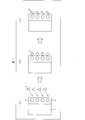
- FIG. 2 is a view for explaining a mechanism by which the overcoat paint composition for interior according to this embodiment suppresses the occurrence of white patches.
- an interior coating film 2 is formed on an inner wall 1 such as concrete, and the interior coating film 2 is overcoated with the interior overcoat paint composition according to this embodiment. 7 (white patch suppression film, calcium lactate crystallization suppression film) is formed.
- the interior coating film 2 contains a calcium compound 3 such as calcium carbonate. Further, lactic acid bacteria and the like 4 exist in the space (life space) surrounded by the inner wall 1.
- lactic acid 5 produced by lactic acid bacteria 4 or the like may adhere to the surface of the overcoat 7.
- the overcoat 7 and the interior coating film 2 swell in a high temperature and high humidity environment, the lactic acid 5 penetrates into the overcoat 7 and the interior coating film 2 and reacts with the calcium compound 3 contained in the interior coating film 2. May produce calcium lactate.
- “suppressing the occurrence of white patches” is any of reducing the amount of white patches (occurrence range) and reducing the speed of occurrence of white patches, or Refers to both of them.
- a white patch may occur, but even in that case, the range is reduced or the range is expanded. The speed is reduced, or the period from when the white patch is wiped once to when the white patch occurs again becomes longer.
- the interior overcoat paint composition according to the present embodiment is not particularly limited as long as it has a moisture absorption rate of a certain level or more, and includes a known film-forming resin. May be.
- the film-forming resin may be a room temperature drying type or a forced drying type.
- the film-forming resin may be an organic solvent type (including a non-aqueous dispersion type) or a water dispersion type.
- the organic solvent type film-forming resin may be a reaction curable type or a non-crosslinked type.
- a curable resin composition containing a base resin which is a resin or a resin mixture containing an epoxy group as an essential functional group component, and a curing catalyst, is dissolved or dispersed in an organic solvent; Resin, alkyd resin, styrene-butadiene resin, acrylic resin, cellulose resin, fluororesin, vinyl chloride Of resin or the like, a solution or dispersion to form a coating film by the organic solvent is volat
- the organic solvent is not particularly limited, and for example, hydrocarbon-based, ester-based, alcohol-based, ketone-based, etc. can be used, but particularly weak such as aliphatic hydrocarbon-based solvents, high-boiling aromatic hydrocarbon-based solvents, etc. Solvents are preferred.
- the weak solvent include solvent kerosene, mineral spirit, solvent naphtha, aromatic naphtha, “Swazol (registered trademark) 310”, “Swazole (registered trademark) 1000”, and “Swazole (registered trademark) 1500” manufactured by Cosmo Oil.
- Solveso (registered trademark) 100 “Solveso (registered trademark) 150” and “Solveso (registered trademark) 200” manufactured by Esso Oil Co., Ltd., n-hexane, cyclohexane, n-decane and the like can be mentioned.
- the water-dispersible film-forming resin may be a cross-linked type or a non-cross-linked type, and those containing a known water-dispersible resin or water-soluble resin can be used.
- water-dispersible resins or water-soluble resins include, for example, acrylic resin emulsions that are cross-linked systems based on carbonyl groups and hydrazide groups, cross-linked systems based on hydroxyl groups and isocyanate groups, and combinations of acrylic urethane resin emulsions and cross-linking agents.
- acrylic resin emulsions vinyl acetate emulsions, ethylene-vinyl acetate emulsions, vinyl acetate-acrylic resin emulsions, epoxy resin emulsions, alkyd resin emulsions, silicon acrylic emulsions, polyurethane emulsions, urethane resin emulsions, polyvinyl alcohols Water-soluble acrylic resin, natural or synthetic rubber latex, and the like.
- the interior overcoat paint composition according to the present embodiment includes a surface conditioner, an antiseptic, an antifungal agent, an antifoaming agent, a light stabilizer, an antioxidant, a viscosity modifier, a curing catalyst, an ultraviolet absorber, and the like. Further known additives may be further contained.
- the interior overcoat paint composition according to the present embodiment preferably contains any selected from the group consisting of polyvinyl alcohol, hydrophilic silica, and polyester resin.
- any selected from the group consisting of polyvinyl alcohol, hydrophilic silica, and polyester resin By containing these substances in the interior overcoat paint composition, an interior overcoat paint composition having a moisture absorption rate of a certain level or more can be suitably realized.
- Polyvinyl alcohol is not particularly limited, and for example, the degree of saponification can be selected according to desired characteristics. Further, it may be a modified polyvinyl alcohol modified with a carboxyl group or other hydrophilic group.
- the hydrophilic silica is not particularly limited, and fumed silica, colloidal silica or the like can be used as long as it has a hydrophilic group.
- the polyester resin is not particularly limited, but preferably contains a predetermined amount of a hydrophilic functional group.
- the moisture absorption rate is related to the hydroxyl value (OHV), and those skilled in the art can refer to the hydroxyl value of a known substance to determine the interior overcoat coating composition having a moisture absorption rate above a certain level.
- the composition can be appropriately selected from known substances.
- the method of overcoating the interior overcoat paint composition according to the present embodiment on the interior coating film is not particularly limited.
- the method is applied by soaking in cotton, the method of applying using a roller, and the method of applying by spraying.
- a known coating method such as a method or a method using a brush can be used.
- coating is not specifically limited, A well-known method can be used.
- the film thickness of the overcoat formed by the overcoat paint composition for interior according to the present embodiment is not particularly limited.
- the dry film thickness is 1 ⁇ m or more and 100 ⁇ m or less, more preferably 3 ⁇ m or more and 40 ⁇ m or less. Can do.
- the present invention provides an interior coating composition.
- the interior paint composition refers to a paint used for painting for the interior of a building, for example, painting on an inner wall, ceiling, floor or the like.
- application standards for example, the amount of aldehyde, the amount of solvent
- an exterior paint cannot be used for an interior paint as it is.
- the pigment volume concentration (PVC) in the coating is different from that of the exterior coating.
- the interior paint composition according to the present embodiment preferably has a moisture absorption rate of 2.0% or more, and more preferably 3.8% or more.
- the upper limit of the moisture absorption rate is not particularly set, but can be, for example, 80.0% or less, particularly 60.0% or less, and further can be 30.0% or less.
- the interior paint composition according to this embodiment may contain a calcium compound such as calcium carbonate as an extender pigment, as is the case with general interior paint compositions.
- a calcium compound such as calcium carbonate as an extender pigment
- the occurrence of white patches on the surface of the interior coating film formed by the interior coating composition can be suppressed.
- crystallization of calcium lactate generated in the interior coating film formed by the interior coating composition can be suppressed.
- the interior coating composition according to this embodiment can be used in a method for suppressing the generation of white patches on the surface of the interior coating film and a method for suppressing crystallization of calcium lactate generated in the interior coating film. That is, the method for suppressing the occurrence of white patches on the surface of the interior coating film may include a step of forming the interior coating film using the interior coating composition according to this embodiment. Moreover, the method of suppressing crystallization of the calcium lactate produced
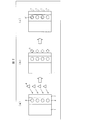
- FIG. 3 is a diagram for explaining a mechanism by which the interior coating composition according to the present embodiment suppresses the occurrence of white patches.
- an interior coating film 8 is formed on the inner wall 1 such as concrete by the interior coating composition according to the present embodiment.
- the interior coating film 8 contains a calcium compound 3 such as calcium carbonate. Further, lactic acid bacteria and the like 4 exist in the space (life space) surrounded by the inner wall 1.
- lactic acid 5 produced by lactic acid bacteria 4 or the like may adhere to the surface of the interior coating film 8.
- lactic acid 5 penetrates into the interior coating film 8 and reacts with a calcium compound 3 such as calcium carbonate contained in the interior coating film 8 to generate calcium lactate.
- a calcium compound 3 such as calcium carbonate contained in the interior coating film 8 to generate calcium lactate.
- the interior coating film 8 has a moisture absorption rate of a certain level or more, so that drying of the interior coating film 8 can be avoided.
- crystallization of the calcium lactate 5 'produced in the interior coating film 8 can be suppressed, and the generation of the white patch 6 (calcium lactate crystal) can be suppressed.
- the occurrence of white patches can be suppressed by adjusting the composition of the interior coating composition.
- a white patch may occur, but even in that case, the range is reduced or the expansion speed of the range is reduced. Or a period from when the white patch is wiped off to when the white patch occurs again is longer.
- the interior coating composition according to the present embodiment is not particularly limited as long as it has a moisture absorption rate of a certain level or more, and the composition thereof is not particularly limited except for the calcium compound. May be included.
- the coating film-forming resin As the coating film-forming resin, the same one as described in [Embodiment 1] can be used.
- the pigment is not particularly limited, and a known pigment may be used.
- calcium compounds such as calcium carbonate, extender pigments such as talc, clay, mica, pearlite, organic color pigments, carbon black, bengara, titanium dioxide
- a coloring pigment such as an inorganic coloring pigment, etc., a matting agent such as silica powder, or the like can be used.
- the pigment volume concentration (PVC) in the interior coating composition is more preferably in the range of 20% to 60%, and still more preferably in the range of 30% to 50%.
- the interior coating composition according to this embodiment is a known surface modifier, preservative, antifungal agent, antifoaming agent, light stabilizer, antioxidant, viscosity modifier, curing catalyst, ultraviolet absorber, and the like.
- An additive may be further contained.
- the interior coating composition according to this embodiment contains any selected from the group consisting of polyvinyl alcohol, hydrophilic silica, and polyester resin.
- an interior paint composition having a moisture absorption rate of a certain level or more can be suitably realized.
- composition of the interior coating composition having a moisture absorption rate of a certain level or more from known substances by referring to the hydroxyl value or hydroxyl value of a known substance.
- the method of forming the interior coating film with the interior coating composition according to the present embodiment is not particularly limited.
- a method of applying using a roller to a building inner wall, ceiling, floor, etc. a method of applying by spraying
- Well-known coating methods such as a coating method using a brush and a coating method using various coaters can be used.
- coating is also not specifically limited, A well-known method can be used.
- the film thickness of the interior coating film formed by the interior coating composition according to the present embodiment is not particularly limited.
- the dry film thickness may be 2 ⁇ m or more and 100 ⁇ m or less, more preferably 10 ⁇ m or more and 40 ⁇ m or less. .
- the overcoat paint composition for interiors according to the present invention is an overcoat paint composition for interiors for overcoating on an interior paint film, and is 40 ° C. and 90% R.C. H. It is characterized by a moisture absorption rate of 2.0% or more when left in an environment of 1 hour.
- the interior overcoat coating composition contains at least one substance selected from the group consisting of polyvinyl alcohol, hydrophilic silica and polyester resin.
- the interior overcoat paint composition has a moisture absorption rate of 3.8% or more.
- the interior coating film to be overcoated is an interior coating film containing a calcium compound.
- the interior overcoat coating composition is a calcium lactate crystallization inhibiting film that forms a calcium lactate crystallization inhibiting film that suppresses crystallization of calcium lactate formed in the interior coating film by overcoating the interior coating film. It can be a forming composition.
- the interior paint composition according to the present invention is an interior paint composition containing a calcium compound and has a 40.degree. H. It is characterized by a moisture absorption rate of 2.0% or more when left in an environment of 1 hour.
- the interior coating composition further contains at least one substance selected from the group consisting of polyvinyl alcohol, hydrophilic silica and polyester resin.
- the interior paint composition preferably has a moisture absorption rate of 3.8% or more.
- the interior paint composition may be one in which crystallization of calcium lactate generated in the interior coating film formed by the interior paint composition is suppressed.
- the weight of the glass plate before applying the overcoat coating composition for interior was A, and the coating film was formed after standing for 30 minutes at 140 ° C. to completely remove the solvent and completely dry it.
- the weight of the glass plate is B, and further 40 ° C., 90% R.D. H.
- Moisture absorption was determined by the following equation, where C is the weight of the glass plate on which the coating film has been formed after standing for 1 hour.
- Moisture absorption (%) (CB) / (BA) ⁇ 100 (Evaluation of white patch generation)
- Commercially available interior paint (Nippon Paint's interior water-based paint “Eco-Flat (registered trademark) 70”, gray, containing 10-15% by weight of calcium carbonate, moisture absorption 0.2%, hereinafter “Eco-Flat 70 Gray” was applied onto a glass plate using a doctor blade (8MIL). After the coating film of the interior paint is dried at room temperature for 3 hours, the interior paint described above is used using cotton in which each of the interior overcoat paint compositions according to Examples 1 to 11 or Comparative Example 1 or 2 is dyed. Each overcoat paint composition for interior was overcoated on the entire coating film.
- lactic acid (“lactic acid (85.0-92.0%, manufactured by Wako Pure Chemical Industries, Ltd.) was used. Aqueous solution) ”, hereinafter simply referred to as“ lactic acid ”) was applied to the entire coating film of each interior overcoat coating composition by spraying. Then, the glass plate on which the coating films of the interior paint and the overcoat paint compositions for interiors were respectively formed was applied at 40 ° C. and 90% R.D. H. For 12 hours, followed by 23 ° C. and 30% R.D. H. After standing for 12 hours in this environment, the amount of white patches generated was visually confirmed. In addition, the dry film thickness of the coating film of the said interior coating material was 35 micrometers, and the dry film thickness of the coating film of each overcoat coating composition for interiors was all 3 micrometers.
- a state where no patch is generated is indicated by “ ⁇ ”
- a state where the patch is generated in about 1 ⁇ 4 of the coating area is indicated by “ ⁇ ⁇ ”.
- the state that occurred to the extent was designated as “ ⁇ ”
- the state that occurred in the entire coating film was designated as “x”.
- Example 1 Polyvinyl alcohol (“N-type Gohsenol NM-14” manufactured by Nippon Synthetic Chemical Co., Ltd., hereinafter referred to as “polyvinyl alcohol A”) was used as the overcoat coating composition for interior.
- the measurement result of the moisture absorption rate was 29.3%.
- the evaluation result of the amount of white patches generated was “ ⁇ ”.
- Example 2 Clear paint for automobile repair with a total solid weight of 100 parts by weight (“Aegis (3: 1) Griffith Clear” manufactured by Nippon Paint Co., Ltd., moisture absorption rate 1.2%, hereinafter simply referred to as “clear paint for automobile repair”) A mixture of 80 parts by weight of polyvinyl alcohol A and 20 parts by weight of polyvinyl alcohol A was used as an overcoat coating composition for interior use. The measurement result of the moisture absorption rate was 6.6%. The evaluation result of the white patch generation amount was “ ⁇ ⁇ ”.
- Example 3 A solid coating weight of 100 parts by weight and a mixture of 95 parts by weight of clear paint for repairing automobiles and 5 parts by weight of polyvinyl alcohol A was used as an overcoat paint composition for interior use. The measurement result of the moisture absorption rate was 3.0%. The evaluation result of the amount of white patches generated was “ ⁇ ”.
- Example 4 Polyvinyl alcohol (“Nichigo G Polymer OKS-1109” manufactured by Nippon Synthetic Chemical Co., Ltd., hereinafter referred to as “polyvinyl alcohol B”) was used as the overcoat coating composition for interior.
- the measurement result of the moisture absorption rate was 28.4%.
- the evaluation result of the amount of white patches generated was “ ⁇ ”.
- Example 5 A solid coating weight of 100 parts by weight, and a mixture of clear paint for automobile repair: 80 parts by weight and polyvinyl alcohol B: 20 parts by weight was used as the overcoat paint composition for interior.
- the measurement result of the moisture absorption rate was 5.1%.
- the evaluation result of the white patch generation amount was “ ⁇ ⁇ ”.
- Example 6 A total of 100 parts by weight of the solid content and a mixture of 95 parts by weight of a clear paint for repairing automobiles and 5 parts by weight of polyvinyl alcohol B was used as an overcoat paint composition for interior use. The measurement result of the moisture absorption rate was 2.8%. The evaluation result of the amount of white patches generated was “ ⁇ ”.
- Example 7 Clear coating for automobile repair: 95 parts by weight with a total solid content of 100 parts by weight and hydrophilic silica (“Hydrophilic fumed silica Aerosil 200” manufactured by Evonik Industries, hereinafter simply referred to as “hydrophilic silica”): 5 What mixed the weight part was used as the overcoat coating composition for interior. The measurement result of the moisture absorption rate was 19.8%. The evaluation result of the white patch generation amount was “ ⁇ ⁇ ”.
- Example 8 A total solid weight of 100 parts by weight, and a mixture of 98 parts by weight of clear paint for repairing automobiles and 2 parts by weight of hydrophilic silica, was used as an overcoat paint composition for interior use.
- the measurement result of the moisture absorption rate was 5.0%.
- the evaluation result of the white patch generation amount was “ ⁇ ⁇ ”.
- polyester resin A polyester polyol dendrimer “BOLTORN H4001” manufactured by Perstorpure Beer Co., Ltd., hereinafter referred to as “polyester resin A” was used as an interior overcoat coating composition.
- the measurement result of the moisture absorption rate was 6.8%.
- the evaluation result of the white patch generation amount was “ ⁇ ⁇ ”.
- Example 10 A solid coating weight of 100 parts by weight and a mixture of clear paint for automobile repair: 80 parts by weight and polyester resin A: 20 parts by weight was used as an overcoat paint composition for interior use. The measurement result of the moisture absorption rate was 3.9%. The evaluation result of the white patch generation amount was “ ⁇ ⁇ ”.
- Example 11 A solid coating weight of 100 parts by weight, and a mixture of clear paint for automobile repair: 95 parts by weight and polyester resin A: 5 parts by weight was used as an interior overcoat paint composition. The measurement result of the moisture absorption rate was 2.1%. The evaluation result of the amount of white patches generated was “ ⁇ ”.
- Each interior coating composition according to Examples 12 to 19 or Comparative Example 3 was applied onto a glass plate using a doctor blade (8MIL). After the coating film of each interior coating composition was dried at room temperature for 3 hours, lactic acid was applied to the entire coating film of each interior coating composition by spraying. Thereafter, the glass plate on which the coating film of each interior coating composition was formed was subjected to 40 ° C. and 90% R.D. H. For 12 hours, followed by 23 ° C. and 30% R.D. After leaving it in an H environment for 12 hours, the amount of white patches generated was visually confirmed. In addition, all the dry film thicknesses of the coating film of each interior coating composition were 35 micrometers. As the evaluation standard of the amount of white patch generated, [1. The same standard was used.
- Example 12 The total solid content was 100 parts by weight, and a mixture of Ecoflat 70 gray: 80 parts by weight and polyvinyl alcohol A: 20 parts by weight was used as the interior coating composition. The measurement result of the moisture absorption rate was 5.3%. The evaluation result of the white patch generation amount was “ ⁇ ⁇ ”.
- Example 13 The total solid content was 100 parts by weight, and a mixture of Ecoflat 70 gray: 95 parts by weight and polyvinyl alcohol A: 5 parts by weight was used as the interior coating composition. The measurement result of the moisture absorption rate was 2.9%. The evaluation result of the amount of white patches generated was “ ⁇ ”.
- Example 14 The total solid content was 100 parts by weight, and a mixture of Ecoflat 70 gray: 80 parts by weight and polyvinyl alcohol B: 20 parts by weight was used as the interior coating composition. The measurement result of the moisture absorption rate was 3.8%. The evaluation result of the white patch generation amount was “ ⁇ ⁇ ”.
- Example 15 The total solid content was 100 parts by weight, and a mixture of Ecoflat 70 gray: 95 parts by weight and polyvinyl alcohol B: 5 parts by weight was used as the interior coating composition. The measurement result of the moisture absorption rate was 2.1%. The evaluation result of the amount of white patches generated was “ ⁇ ”.
- Example 16 The total solid content was 100 parts by weight, and a mixture of Ecoflat 70 gray: 95 parts by weight and hydrophilic silica: 5 parts by weight was used as the interior coating composition. The measurement result of the moisture absorption rate was 14.0%. The evaluation result of the white patch generation amount was “ ⁇ ⁇ ”.
- Example 17 The total solid content was 100 parts by weight, and a mixture of Ecoflat 70 gray: 98 parts by weight and hydrophilic silica: 2 parts by weight was used as the interior coating composition. The measurement result of the moisture absorption rate was 4.0%. The evaluation result of the white patch generation amount was “ ⁇ ⁇ ”.
- Example 18 The total solid content was 100 parts by weight, and a mixture of Ecoflat 70 gray: 80 parts by weight and polyester resin A: 20 parts by weight was used as the interior coating composition. The measurement result of the moisture absorption rate was 3.5%. The evaluation result of the amount of white patches generated was “ ⁇ ”.
- Example 19 The total solid content was 100 parts by weight, and a mixture of Ecoflat 70 gray: 95 parts by weight and polyester resin A: 5 parts by weight was used as the interior coating composition. The measurement result of the moisture absorption rate was 2.0%. The evaluation result of the amount of white patches generated was “ ⁇ ”.
- the present invention can be used in the field of interior painting.
Landscapes
- Chemical & Material Sciences (AREA)
- Engineering & Computer Science (AREA)
- Life Sciences & Earth Sciences (AREA)
- Materials Engineering (AREA)
- Wood Science & Technology (AREA)
- Organic Chemistry (AREA)
- Architecture (AREA)
- Civil Engineering (AREA)
- Structural Engineering (AREA)
- Inorganic Chemistry (AREA)
- Chemical Kinetics & Catalysis (AREA)
- Paints Or Removers (AREA)
Abstract
高温多湿地域において内装塗膜の表面に発生する白い斑点の発生を抑制する。内装用オーバーコート塗料組成物は、内装塗膜に上塗りするための内装用オーバーコート塗料組成物であって、40℃90%R.H.の環境に1時間静置したときの吸湿率が2.0%以上である。内装塗料組成物は、カルシウム化合物を含有する内装塗料組成物であって、40℃90%R.H.の環境に1時間静置したときの吸湿率が2.0%以上である。
Description
本発明は、内装塗装に関するものであり、詳細には、内装用オーバーコート塗料組成物および内装塗料組成物に関するものである。
従来、建物の内装を整える方法として、壁紙を貼付する方法の他、内装塗料を用いて塗装する方法が知られている。従来技術における内装塗料の例としては、特許文献1に記載されたものが挙げられる。
本発明者らは、独自の調査に基づき、東南アジアのような高温多湿地域において、内壁等の内装塗膜の表面に白い斑点が発生することを見出している。これまで、このような白い斑点について報告した文献は存在しない。しかし、本発明者らは、内装の美観の向上のためには、このような白い斑点を抑制する技術は非常に重要であると考えている。
本発明は、上記課題に鑑みてなされたものであり、高温多湿地域において内装塗膜の表面に発生する白い斑点(以降「ホワイトパッチ」と記載)の発生を抑制する技術を提供することを主たる目的とする。
本発明者らは、独自の検討に基づき、(i)ホワイトパッチは、驚くべきことに、内装塗料に含まれていない乳酸カルシウムによって形成されていること、(ii)この乳酸カルシウムは、内装塗料に体質顔料として含まれている炭酸カルシウム等のカルシウム化合物と、生活空間由来の乳酸とが反応して生じたものであると推定されること、および(iii)一定以上の吸湿率を有する内装用オーバーコート塗料組成物によって内装塗膜の表面を上塗りするか、または、一定以上の吸湿率を有する内装塗料組成物を用いて内装塗装を行うことで、ホワイトパッチの発生を抑制し得ることを見出し、本発明を完成させた。
すなわち、本発明に係る内装用オーバーコート塗料組成物は、内装塗膜に上塗りするための内装用オーバーコート塗料組成物であって、40℃90%R.H.の環境に1時間静置したときの吸湿率が2.0%以上であることを特徴としている。
本発明に係る内装塗料組成物は、カルシウム化合物を含有する内装塗料組成物であって、40℃90%R.H.の環境に1時間静置したときの吸湿率が2.0%以上であることを特徴としている。
本発明によれば、ホワイトパッチの発生を抑制することができる。
〔ホワイトパッチの発生メカニズム〕
本発明者らは、ホワイトパッチの発生を抑制する技術の開発に当たり、まず、ホワイトパッチの発生メカニズムを検討した。本発明者らが、ホワイトパッチが発生している内装塗膜の表面から白色の物質を採取して分析したところ、乳酸カルシウムであることを同定することができた。驚くべきことに、乳酸カルシウムは内装塗料に含まれてはいない。
本発明者らは、ホワイトパッチの発生を抑制する技術の開発に当たり、まず、ホワイトパッチの発生メカニズムを検討した。本発明者らが、ホワイトパッチが発生している内装塗膜の表面から白色の物質を採取して分析したところ、乳酸カルシウムであることを同定することができた。驚くべきことに、乳酸カルシウムは内装塗料に含まれてはいない。
本発明者らは、独自の知見に基づき、この乳酸カルシウムは、内装塗料に体質顔料として含まれている炭酸カルシウム等のカルシウム化合物と、乳酸とが反応して生じたものであり、この乳酸は、生活空間や塗膜中に存在する糖を取り込んだ乳酸菌等の乳酸産生生物が生成したものであると推定した。すなわち、ホワイトパッチの発生メカニズムは、以下の通りであると考えられる。
図1の(a)に示すように、コンクリート等の内壁1上に、内装塗膜2が形成されているものとする。内装塗膜2には、特許文献1に記載の塗料がそうであるように、一般に、体質顔料として炭酸カルシウム等のカルシウム化合物3が含まれている。また、内壁1で囲まれた空間(生活空間)には、乳酸菌等4が存在している。
乳酸菌等4は、生活空間等に存在する糖を分解し、乳酸5を生成する。図1の(b)に示すように、この生活空間由来の乳酸5が内装塗膜2表面に付着することがある。ここで、高温多湿環境下において内装塗膜2が膨潤すると、乳酸5が内装塗膜2中に浸透し、内装塗膜2に含まれるカルシウム化合物3と反応して、乳酸カルシウムを生成する。
そして、温度および湿度が変化し、膨潤していた内装塗膜2が乾燥すると、内装塗膜2において生成した乳酸カルシウムが、内装塗膜2の表面において結晶化して、図1の(c)に示すように、ホワイトパッチ6(乳酸カルシウム結晶)を発生させる。
本発明者らは、実際に、内装塗膜に乳酸を塗布することによってホワイトパッチの発生を再現することができた(後述する比較例1、3を参照)。また、炭酸カルシウム等のカルシウム化合物を含まない塗料によって形成した塗膜に乳酸を塗布してもホワイトパッチは発生しなかった。これらのことから、ホワイトパッチが上述したメカニズムで発生している蓋然性は高い。
以上の推定に基づき、本発明者らは、乳酸カルシウムの結晶化を抑制することによるホワイトパッチ発生の抑制技術に想到した。そして、実際に、後述する実施例に示すように、一定以上の吸湿率を有する内装用オーバーコート塗料組成物によって内装塗膜の表面を上塗りするか、または、一定以上の吸湿率を有する内装塗料組成物を用いて内装塗装を行うことで、ホワイトパッチの発生を抑制し得ることを見出し、本発明を完成させた。以下、本発明の各実施形態について詳細に説明する。
〔実施形態1.内装用オーバーコート塗料組成物〕
本発明は、一実施形態において、内装用オーバーコート塗料組成物を提供する。内装用オーバーコート塗料組成物とは、内装塗膜に上塗りするための塗料組成物を指す。内装塗膜とは、建物の内装となる塗膜、例えば、内壁、天井、床等への塗装によって形成される塗膜を指す。「内装塗膜に上塗りする」とは、内装塗膜の少なくとも一部、より好ましくは50%以上、特に好ましくは全体に重ねて塗布することを指し、内装塗膜と内装用オーバーコート塗料組成物の塗膜との間に他の層が介在していてもよく、内装用オーバーコート塗料組成物の塗膜上にさらに他の層が積層されてもよい。
本発明は、一実施形態において、内装用オーバーコート塗料組成物を提供する。内装用オーバーコート塗料組成物とは、内装塗膜に上塗りするための塗料組成物を指す。内装塗膜とは、建物の内装となる塗膜、例えば、内壁、天井、床等への塗装によって形成される塗膜を指す。「内装塗膜に上塗りする」とは、内装塗膜の少なくとも一部、より好ましくは50%以上、特に好ましくは全体に重ねて塗布することを指し、内装塗膜と内装用オーバーコート塗料組成物の塗膜との間に他の層が介在していてもよく、内装用オーバーコート塗料組成物の塗膜上にさらに他の層が積層されてもよい。
一般的な内装塗膜であれば、ホワイトパッチを発生させるに十分な炭酸カルシウム等のカルシウム化合物を含んでいるものであり、本実施形態に係る内装用オーバーコート塗料組成物は、このような内装塗膜の上塗り用として好適に用いられる。
本実施形態に係る内装用オーバーコート塗料組成物は、吸湿率が2.0%以上であることが好ましく、3.8%以上であることがより好ましい。吸湿率の上限は特に設定されないが、例えば、80.0%以下とすることができ、特に60.0%以下とすることができ、更に30.0%以下とすることができる。
なお、本明細書において、吸湿率とは、吸湿した試料の質量から乾燥した試料の質量を引いたものを当該乾燥した試料の質量で除した値を指し、本明細書における各組成物の吸湿率は、基材に各組成物を塗布し、溶剤を完全に除去して乾燥させた後に、40℃90%R.H.の環境に1時間静置して吸湿させたときの吸湿率を指す。
本実施形態に係る内装用オーバーコート塗料組成物は、内装塗膜に上塗りすることにより、ホワイトパッチの発生を抑制することができる。換言すれば、本実施形態に係る内装用オーバーコート塗料組成物は、内装塗膜に上塗りすることにより、ホワイトパッチの発生を抑制するホワイトパッチ抑制膜を形成するホワイトパッチ抑制膜形成組成物であり得る。さらに換言すれば、本実施形態に係る内装用オーバーコート塗料組成物は、内装塗膜に上塗りすることにより、内装塗膜において生成した乳酸カルシウムの結晶化を抑制する乳酸カルシウム結晶化抑制膜を形成する乳酸カルシウム結晶化抑制膜形成組成物であり得る。
また、本実施形態に係る内装用オーバーコート塗料組成物は、ホワイトパッチの発生を抑制する方法および内装塗膜において生成した乳酸カルシウムの結晶化を抑制する方法に使用することができる。すなわち、ホワイトパッチの発生を抑制する方法は、本実施形態に係る内装用オーバーコート塗料組成物を当該内装塗膜に上塗りする工程を包含してもよい。また、内装塗膜において生成した乳酸カルシウムの結晶化を抑制する方法は、本実施形態に係る内装用オーバーコート塗料組成物を当該内装塗膜に上塗りする工程を包含してもよい。
図2は、本実施形態に係る内装用オーバーコート塗料組成物が、ホワイトパッチの発生を抑制するメカニズムを説明する図である。
図2の(a)に示すように、コンクリート等の内壁1上に、内装塗膜2が形成されており、内装塗膜2上に本実施形態に係る内装用オーバーコート塗料組成物によってオーバーコート7(ホワイトパッチ抑制膜、乳酸カルシウム結晶化抑制膜)が形成されているものとする。内装塗膜2には、炭酸カルシウム等のカルシウム化合物3が含まれている。また、内壁1で囲まれた空間(生活空間)には、乳酸菌等4が存在している。
図2の(b)に示すように、乳酸菌等4が生成した乳酸5が、オーバーコート7表面に付着することがある。そして、高温多湿環境下においてオーバーコート7および内装塗膜2が膨潤すると、乳酸5がオーバーコート7および内装塗膜2中に浸透し、内装塗膜2に含まれるカルシウム化合物3と反応して、乳酸カルシウムを生成することがある。
しかし、温度および湿度が変化しても、一定以上の吸湿率を有するオーバーコート7の存在によって、内装塗膜2の乾燥を避けることができる。これにより、図2の(c)に示すように、内装塗膜2において生成した乳酸カルシウム5’の結晶化を抑制し、ホワイトパッチ6(乳酸カルシウム結晶)の発生を抑制することができる。
なお、本明細書において、「ホワイトパッチの発生を抑制する」とは、ホワイトパッチの発生量(発生範囲)を低減すること、および、ホワイトパッチの発生速度を低減することの何れか、または、それらの両方を指す。
本実施形態に係る内装用オーバーコート塗料組成物によって内装塗膜を上塗りしても、ホワイトパッチが生じる場合もあるが、その場合であっても、その範囲が縮小しているか、その範囲の拡大速度が低減されているか、または、ホワイトパッチを一度拭き取ってから、再度、ホワイトパッチが発生するまでの期間が長くなっている。
本実施形態に係る内装用オーバーコート塗料組成物は、上述したように、一定以上の吸湿率を有するものであればよく、その組成は特に限定されないが、公知の塗膜形成性樹脂を含んでいてもよい。塗膜形成性樹脂は、常温乾燥型であってもよいし、強制乾燥型であってもよい。また、塗膜形成性樹脂は、有機溶剤型(非水分散型を含む)であってもよいし、水分散型であってもよい。
有機溶剤型の塗膜形成性樹脂としては、反応硬化型であってもよいし、非架橋型であってもよく、例えば、アクリル系樹脂、ポリエステル樹脂、アルキド樹脂、フッ素系樹脂、シリコーン系樹脂等の水酸基含有樹脂である基体樹脂と、ポリイソシアネート化合物等の硬化剤とを含む硬化性樹脂組成物を有機溶剤に溶解または分散させたもの;シラノール基および加水分解性シリル基の少なくとも一方、水酸基ならびにエポキシ基を必須官能基成分として含有する樹脂または樹脂混合物である基体樹脂と、硬化触媒とを含む硬化性樹脂組成物を有機溶剤に溶解または分散させたもの;例えば、ウレタン樹脂系、酢酸ビニル樹脂系、アルキド樹脂系、スチレン-ブタジエン樹脂系、アクリル樹脂系、セルロース樹脂系、フッ素樹脂系、塩化ビニル樹脂系等の、有機溶剤が揮発することによって塗膜を形成する溶液または分散液;等が挙げられる。
有機溶剤は特に限定されず、例えば、炭化水素系、エステル系、アルコール系、ケトン系等を用いることができるが、特に、脂肪族炭化水素系溶剤、高沸点芳香族炭化水素系溶剤等の弱溶剤が好ましい。弱溶剤としては、例えば、ソルベント灯油、ミネラルスピリット、ソルベントナフサ、芳香族ナフサ、コスモ石油社製「スワゾール(登録商標)310」、「スワゾール(登録商標)1000」および「スワゾール(登録商標)1500」、エッソ石油社製「ソルベッソ(登録商標)100」、「ソルベッソ(登録商標)150」および「ソルベッソ(登録商標)200」、n-ヘキサン、シクロヘキサン、n-デカン等が挙げられる。
水分散型の塗膜形成性樹脂としては、架橋型であってもよいし、非架橋型であってもよく、公知の水分散性樹脂または水溶性樹脂を含むものを用いることができる。そのような水分散性樹脂または水溶性樹脂としては、例えば、カルボニル基とヒドラジド基とによる架橋系、水酸基とイソシアネート基とによる架橋系であるアクリル樹脂エマルション、アクリルウレタン樹脂エマルションと架橋剤との組合せ、さらにはこれら以外のアクリル樹脂エマルション、酢酸ビニルエマルション、エチレン-酢酸ビニルエマルション、酢酸ビニル-アクリル樹脂エマルション、エポキシ樹脂エマルション、アルキド樹脂エマルション、シリコンアクリルエマルション、ポリウレタンエマルション、ウレタン樹脂エマルション、ポリビニルアルコ-ル、水溶性アクリル樹脂、天然もしくは合成ゴムラテックス等が挙げられる。
また、本実施形態に係る内装用オーバーコート塗料組成物は、表面調整剤、防腐剤、防かび剤、消泡剤、光安定剤、酸化防止剤、粘性調整剤、硬化触媒、紫外線吸収剤等の公知の添加物をさらに含有していてもよい。
特に、本実施形態に係る内装用オーバーコート塗料組成物は、ポリビニルアルコール、親水性シリカおよびポリエステル樹脂からなる群より選択される何れかを含有していることがより好ましい。内装用オーバーコート塗料組成物にこれらの物質を含有させることにより、一定以上の吸湿率を有する内装用オーバーコート塗料組成物を好適に実現することができる。
ポリビニルアルコールとしては、特に限定されず、例えば、所望の特性に応じてケン化度を選択することができる。また、カルボキシル基、その他の親水性間の基で変性した変性ポリビニルアルコールであってもよい。
親水性シリカとしては、特に限定されず、親水性基を有する限り、ヒュームドシリカ、コロイダルシリカ等を用いることができる。
ポリエステル樹脂としては、特に限定されないが、親水性官能基を所定量含有することが好ましい。
また、吸湿率は、水酸基価(OHV)に関連しており、当業者であれば、公知の物質の水酸基価を参照することにより、一定以上の吸湿率を有する内装用オーバーコート塗料組成物の組成を、公知の物質から適宜選択することができる。
本実施形態に係る内装用オーバーコート塗料組成物を、内装塗膜に上塗りする方法は特に限定されず、例えば、コットンに染み込ませて塗布する方法、ローラーを用いて塗布する方法、スプレーにより塗布する方法、刷毛を用いて塗布する方法等、公知の塗布方法を用いることができる。また、塗布後の内装用オーバーコート塗料組成物を乾燥させる方法も特に限定されず、公知の方法を用いることができる。
また、本実施形態に係る内装用オーバーコート塗料組成物によって形成するオーバーコートの膜厚は特に限定されないが、例えば、乾燥膜厚として、1μm以上100μm以下、より好ましくは3μm以上40μm以下とすることができる。
〔実施形態2.内装塗料組成物〕
本発明は、一実施形態において、内装塗料組成物を提供する。内装塗料組成物とは、建物の内装のための塗装、例えば、内壁、天井、床等への塗装に用いる塗料を指す。なお、内装塗料組成物と外装塗料組成物とは適用規格(例えば、アルデヒド量、溶剤量)が異なるため、外装塗料をそのまま内装塗料に使用することはできない。また、内装塗料組成物には、内装に求められる意匠を付与するために、外装塗料とは塗料中における顔料体積濃度(PVC)が異なっている。
本発明は、一実施形態において、内装塗料組成物を提供する。内装塗料組成物とは、建物の内装のための塗装、例えば、内壁、天井、床等への塗装に用いる塗料を指す。なお、内装塗料組成物と外装塗料組成物とは適用規格(例えば、アルデヒド量、溶剤量)が異なるため、外装塗料をそのまま内装塗料に使用することはできない。また、内装塗料組成物には、内装に求められる意匠を付与するために、外装塗料とは塗料中における顔料体積濃度(PVC)が異なっている。
本実施形態に係る内装塗料組成物は、吸湿率が2.0%以上であることが好ましく、3.8%以上であることがより好ましい。吸湿率の上限は特に設定されないが、例えば、80.0%以下とすることができ、特に60.0%以下とすることができ、更に30.0%以下とすることができる。
本実施形態に係る内装塗料組成物は、一般的な内装塗料組成物がそうであるように、体質顔料として、炭酸カルシウム等のカルシウム化合物を含有していてもよい。但し、本実施形態に係る内装塗料組成物によれば、当該内装塗料組成物が形成する内装塗膜の表面におけるホワイトパッチの発生を抑制することができる。換言すれば、本実施形態に係る内装塗料組成物によれば、当該内装塗料組成物が形成する内装塗膜において生成した乳酸カルシウムの結晶化を抑制することができる。
また、本実施形態に係る内装塗料組成物は、内装塗膜の表面におけるホワイトパッチの発生を抑制する方法および内装塗膜において生成した乳酸カルシウムの結晶化を抑制する方法に使用することができる。すなわち、内装塗膜の表面におけるホワイトパッチの発生を抑制する方法は、本実施形態に係る内装塗料組成物を用いて当該内装塗膜を形成する工程を包含してもよい。また、内装塗膜において生成した乳酸カルシウムの結晶化を抑制する方法は、本実施形態に係る内装塗料組成物を用いて当該内装塗膜を形成する工程を包含してもよい。
図3は、本実施形態に係る内装塗料組成物が、ホワイトパッチの発生を抑制するメカニズムを説明する図である。
図3の(a)に示すように、コンクリート等の内壁1上に、本実施形態に係る内装塗料組成物によって内装塗膜8を形成する。内装塗膜8には、炭酸カルシウム等のカルシウム化合物3が含まれている。また、内壁1で囲まれた空間(生活空間)には、乳酸菌等4が存在している。
図3の(b)に示すように、乳酸菌等4が生成した乳酸5が、内装塗膜8表面に付着することがある。そして、高温多湿環境下において内装塗膜8が膨潤すると、乳酸5が内装塗膜8中に浸透し、内装塗膜8に含まれる炭酸カルシウム等のカルシウム化合物3と反応して、乳酸カルシウムを生成することがある。
しかし、温度および湿度が変化しても、内装塗膜8は一定以上の吸湿率を有するため、内装塗膜8の乾燥を避けることができる。これにより、図3の(c)に示すように、内装塗膜8において生成した乳酸カルシウム5’の結晶化を抑制し、ホワイトパッチ6(乳酸カルシウム結晶)の発生を抑制することができる。このように、内装塗料組成物の配合を調整することにより、ホワイトパッチの発生を抑制することができる。
本実施形態に係る内装塗料組成物によって内装塗膜を形成しても、ホワイトパッチが生じる場合もあるが、その場合であっても、その範囲が縮小しているか、その範囲の拡大速度が低減されているか、または、ホワイトパッチを一度拭き取ってから、再度、ホワイトパッチが発生するまでの期間が長くなっている。
本実施形態に係る内装塗料組成物は、上述したように、一定以上の吸湿率を有するものであればよく、その組成はカルシウム化合物以外は特に限定されないが、公知の塗膜形成性樹脂および顔料を含んでいてもよい。
塗膜形成性樹脂としては、〔実施形態1〕において説明したものと同様のものを用いることができる。顔料としては、特に限定されず、公知の顔料を用いればよく、例えば、炭酸カルシウム等のカルシウム化合物、タルク、クレー、マイカ、パライト等の体質顔料、有機系着色顔料、カーボンブラック、ベンガラ、二酸化チタン等の無機系着色顔料等の着色顔料、シリカ粉末等の艶消し剤等を用いることができる。なお、内装塗料組成物中における顔料体積濃度(PVC)は、20%以上60%以下の範囲であることがより好ましく、30%以上50%以下の範囲であることがさらに好ましい。
また、本実施形態に係る内装塗料組成物は、表面調整剤、防腐剤、防かび剤、消泡剤、光安定剤、酸化防止剤、粘性調整剤、硬化触媒、紫外線吸収剤等の公知の添加物をさらに含有していてもよい。
特に、本実施形態に係る内装塗料組成物は、ポリビニルアルコール、親水性シリカおよびポリエステル樹脂からなる群より選択される何れかを含有していることがより好ましい。内装塗料組成物にこれらの物質を含有させることにより、一定以上の吸湿率を有する内装塗料組成物を好適に実現することができる。
また、当業者であれば、公知の物質のヒドロキシル価または水酸基価を参照することにより、一定以上の吸湿率を有する内装塗料組成物の組成を、公知の物質から適宜選択することができる。
本実施形態に係る内装塗料組成物によって内装塗膜を形成する方法は特に限定されず、例えば、建物の内壁、天井、床等に対して、ローラーを用いて塗布する方法、スプレーにより塗布する方法、刷毛を用いて塗布する方法、各種コータを用いて塗布する方法等、公知の塗布方法を用いることができる。また、塗布後の内装塗料組成物を乾燥させる方法も特に限定されず、公知の方法を用いることができる。
また、本実施形態に係る内装塗料組成物によって形成する内装塗膜の膜厚は特に限定されないが、例えば、乾燥膜厚として、2μm以上100μm以下、より好ましくは10μm以上40μm以下とすることができる。
(まとめ)
本発明に係る内装用オーバーコート塗料組成物は、内装塗膜に上塗りするための内装用オーバーコート塗料組成物であって、40℃90%R.H.の環境に1時間静置したときの吸湿率が2.0%以上であることを特徴としている。
本発明に係る内装用オーバーコート塗料組成物は、内装塗膜に上塗りするための内装用オーバーコート塗料組成物であって、40℃90%R.H.の環境に1時間静置したときの吸湿率が2.0%以上であることを特徴としている。
上記内装用オーバーコート塗料組成物は、ポリビニルアルコール、親水性シリカおよびポリエステル樹脂からなる群より選択される少なくとも一つの物質を含有していることがより好ましい。
上記内装用オーバーコート塗料組成物は、上記吸湿率が3.8%以上であることがより好ましい。
上記内装用オーバーコート塗料組成物では、上塗り対象である上記内装塗膜が、カルシウム化合物を含有する内装塗膜であることがより好ましい。
上記内装用オーバーコート塗料組成物は、上記内装塗膜に上塗りすることにより、当該内装塗膜において生成した乳酸カルシウムの結晶化を抑制する乳酸カルシウム結晶化抑制膜を形成する乳酸カルシウム結晶化抑制膜形成組成物であり得る。
本発明に係る内装塗料組成物は、カルシウム化合物を含有する内装塗料組成物であって、40℃90%R.H.の環境に1時間静置したときの吸湿率が2.0%以上であることを特徴としている。
上記内装塗料組成物は、ポリビニルアルコール、親水性シリカおよびポリエステル樹脂からなる群より選択される少なくとも一つの物質をさらに含有していることがより好ましい。
上記内装塗料組成物は、上記吸湿率が3.8%以上であることがより好ましい。
上記内装塗料組成物は、上記内装塗料組成物が形成する内装塗膜において生成した乳酸カルシウムの結晶化が抑制されるものであり得る。
本発明は上述した各実施形態に限定されるものではなく、請求項に示した範囲で種々の変更が可能であり、異なる実施形態にそれぞれ開示された技術的手段を適宜組み合わせて得られる実施形態についても本発明の技術的範囲に含まれる。
以下、実施例により本発明をより具体的に説明するが、本発明はこれら実施例によって何ら限定されない。
〔1.内装用オーバーコート塗料組成物〕
(吸湿率の測定)
実施例1~11または比較例1もしくは2に係る各内装用オーバーコート塗料組成物を、ドクターブレード(8MIL)を用いてガラス板上に塗布した。各内装用オーバーコート塗料組成物の塗膜を140℃で30分間乾燥させて溶媒を完全に除去した後、当該塗膜が形成されたガラス板の重量を測定した。さらに、上記塗膜が形成されたガラス板を40℃、90%R.H.の環境に1時間静置した後、その重量を測定した。なお、上記塗膜の乾燥膜厚は3μmであった。
(吸湿率の測定)
実施例1~11または比較例1もしくは2に係る各内装用オーバーコート塗料組成物を、ドクターブレード(8MIL)を用いてガラス板上に塗布した。各内装用オーバーコート塗料組成物の塗膜を140℃で30分間乾燥させて溶媒を完全に除去した後、当該塗膜が形成されたガラス板の重量を測定した。さらに、上記塗膜が形成されたガラス板を40℃、90%R.H.の環境に1時間静置した後、その重量を測定した。なお、上記塗膜の乾燥膜厚は3μmであった。
内装用オーバーコート塗料組成物を塗布する前のガラス板の重量をAとし、140℃で30分間静置して溶剤を完全に除去して完全に乾燥させた後の上記塗膜が形成されたガラス板の重量をBとし、さらに40℃、90%R.H.の環境に1時間静置した後の上記塗膜が形成されたガラス板の重量をCとして、吸湿率を以下の式により求めた。
吸湿率(%)=(C-B)/(B-A)×100
(ホワイトパッチ発生量の評価)
市販の内装塗料(日本ペイント社製内装用水性塗料「エコフラット(登録商標)70」、グレー色、炭酸カルシウムを10~15重量%含有、吸湿率0.2%、以降「エコフラット70グレー」と記載)を、ドクターブレード(8MIL)を用いてガラス板上に塗布した。当該内装塗料の塗膜を室温で3時間乾燥させた後、実施例1~11または比較例1もしくは2に係る各内装用オーバーコート塗料組成物を染込ませたコットンを用いて、上記内装塗料の塗膜全体に対して各内装用オーバーコート塗料組成物を上塗りした。上記内装塗料の塗膜上に形成した各内装用オーバーコート塗料組成物の塗膜を室温で3時間乾燥させた後、乳酸(和光純薬工業社製「乳酸(85.0-92.0%水溶液)」、以降単に「乳酸」と記載)を、各内装用オーバーコート塗料組成物の塗膜全体にスプレーにより塗布した。その後、上記内装塗料および各内装用オーバーコート塗料組成物の塗膜がそれぞれ形成されたガラス板を、40℃90%R.H.の環境に12時間静置し、続いて23℃30%R.H.の環境に12時間静置した後、目視によりホワイトパッチの発生量を確認した。なお、上記内装塗料の塗膜の乾燥膜厚は35μmであり、各内装用オーバーコート塗料組成物の塗膜の乾燥膜厚は何れも3μmであった。
(ホワイトパッチ発生量の評価)
市販の内装塗料(日本ペイント社製内装用水性塗料「エコフラット(登録商標)70」、グレー色、炭酸カルシウムを10~15重量%含有、吸湿率0.2%、以降「エコフラット70グレー」と記載)を、ドクターブレード(8MIL)を用いてガラス板上に塗布した。当該内装塗料の塗膜を室温で3時間乾燥させた後、実施例1~11または比較例1もしくは2に係る各内装用オーバーコート塗料組成物を染込ませたコットンを用いて、上記内装塗料の塗膜全体に対して各内装用オーバーコート塗料組成物を上塗りした。上記内装塗料の塗膜上に形成した各内装用オーバーコート塗料組成物の塗膜を室温で3時間乾燥させた後、乳酸(和光純薬工業社製「乳酸(85.0-92.0%水溶液)」、以降単に「乳酸」と記載)を、各内装用オーバーコート塗料組成物の塗膜全体にスプレーにより塗布した。その後、上記内装塗料および各内装用オーバーコート塗料組成物の塗膜がそれぞれ形成されたガラス板を、40℃90%R.H.の環境に12時間静置し、続いて23℃30%R.H.の環境に12時間静置した後、目視によりホワイトパッチの発生量を確認した。なお、上記内装塗料の塗膜の乾燥膜厚は35μmであり、各内装用オーバーコート塗料組成物の塗膜の乾燥膜厚は何れも3μmであった。
ホワイトパッチ発生量の評価基準としては、全く発生していない状態を「○」とし、塗膜面積の1/4程度に発生している状態を「○△」とし、塗膜面積の1/2程度に発生している状態を「△」とし、塗膜全体に発生している状態を「×」とした。
(実施例1)
ポリビニルアルコール(日本合成化学社製「N型ゴーセノール NM-14」、以降「ポリビニルアルコールA」と記載)を内装用オーバーコート塗料組成物として用いた。吸湿率の測定結果は29.3%であった。ホワイトパッチ発生量の評価結果は「○」であった。
ポリビニルアルコール(日本合成化学社製「N型ゴーセノール NM-14」、以降「ポリビニルアルコールA」と記載)を内装用オーバーコート塗料組成物として用いた。吸湿率の測定結果は29.3%であった。ホワイトパッチ発生量の評価結果は「○」であった。
(実施例2)
固形分重量合計を100重量部として、自動車補修用クリヤー塗料(日本ペイント社製「イージス(3:1)グリフィスクリヤー」、吸湿率1.2%、以降単に「自動車補修用クリヤー塗料」と記載):80重量部およびポリビニルアルコールA:20重量部を混合したものを内装用オーバーコート塗料組成物として用いた。吸湿率の測定結果は6.6%であった。ホワイトパッチ発生量の評価結果は「○△」であった。
固形分重量合計を100重量部として、自動車補修用クリヤー塗料(日本ペイント社製「イージス(3:1)グリフィスクリヤー」、吸湿率1.2%、以降単に「自動車補修用クリヤー塗料」と記載):80重量部およびポリビニルアルコールA:20重量部を混合したものを内装用オーバーコート塗料組成物として用いた。吸湿率の測定結果は6.6%であった。ホワイトパッチ発生量の評価結果は「○△」であった。
(実施例3)
固形分重量合計を100重量部として、自動車補修用クリヤー塗料:95重量部およびポリビニルアルコールA:5重量部を混合したものを内装用オーバーコート塗料組成物として用いた。吸湿率の測定結果は3.0%であった。ホワイトパッチ発生量の評価結果は「△」であった。
固形分重量合計を100重量部として、自動車補修用クリヤー塗料:95重量部およびポリビニルアルコールA:5重量部を混合したものを内装用オーバーコート塗料組成物として用いた。吸湿率の測定結果は3.0%であった。ホワイトパッチ発生量の評価結果は「△」であった。
(実施例4)
ポリビニルアルコール(日本合成化学社製「ニチゴーGポリマー OKS-1109」、以降「ポリビニルアルコールB」と記載)を内装用オーバーコート塗料組成物として用いた。吸湿率の測定結果は28.4%であった。ホワイトパッチ発生量の評価結果は「○」であった。
ポリビニルアルコール(日本合成化学社製「ニチゴーGポリマー OKS-1109」、以降「ポリビニルアルコールB」と記載)を内装用オーバーコート塗料組成物として用いた。吸湿率の測定結果は28.4%であった。ホワイトパッチ発生量の評価結果は「○」であった。
(実施例5)
固形分重量合計を100重量部として、自動車補修用クリヤー塗料:80重量部およびポリビニルアルコールB:20重量部を混合したものを内装用オーバーコート塗料組成物として用いた。吸湿率の測定結果は5.1%であった。ホワイトパッチ発生量の評価結果は「○△」であった。
固形分重量合計を100重量部として、自動車補修用クリヤー塗料:80重量部およびポリビニルアルコールB:20重量部を混合したものを内装用オーバーコート塗料組成物として用いた。吸湿率の測定結果は5.1%であった。ホワイトパッチ発生量の評価結果は「○△」であった。
(実施例6)
固形分重量合計を100重量部として、自動車補修用クリヤー塗料:95重量部およびポリビニルアルコールB:5重量部を混合したものを内装用オーバーコート塗料組成物として用いた。吸湿率の測定結果は2.8%であった。ホワイトパッチ発生量の評価結果は「△」であった。
固形分重量合計を100重量部として、自動車補修用クリヤー塗料:95重量部およびポリビニルアルコールB:5重量部を混合したものを内装用オーバーコート塗料組成物として用いた。吸湿率の測定結果は2.8%であった。ホワイトパッチ発生量の評価結果は「△」であった。
(実施例7)
固形分重量合計を100重量部として、自動車補修用クリヤー塗料:95重量部および親水性シリカ(エボニックインダストリーズ社製「親水性ヒュームドシリカ アエロジル200」、以降単に「親水性シリカ」と記載):5重量部を混合したものを内装用オーバーコート塗料組成物として用いた。吸湿率の測定結果は19.8%であった。ホワイトパッチ発生量の評価結果は「○△」であった。
固形分重量合計を100重量部として、自動車補修用クリヤー塗料:95重量部および親水性シリカ(エボニックインダストリーズ社製「親水性ヒュームドシリカ アエロジル200」、以降単に「親水性シリカ」と記載):5重量部を混合したものを内装用オーバーコート塗料組成物として用いた。吸湿率の測定結果は19.8%であった。ホワイトパッチ発生量の評価結果は「○△」であった。
(実施例8)
固形分重量合計を100重量部として、自動車補修用クリヤー塗料:98重量部および親水性シリカ:2重量部を混合したものを内装用オーバーコート塗料組成物として用いた。吸湿率の測定結果は5.0%であった。ホワイトパッチ発生量の評価結果は「○△」であった。
固形分重量合計を100重量部として、自動車補修用クリヤー塗料:98重量部および親水性シリカ:2重量部を混合したものを内装用オーバーコート塗料組成物として用いた。吸湿率の測定結果は5.0%であった。ホワイトパッチ発生量の評価結果は「○△」であった。
(実施例9)
ポリエステル樹脂(ペルストルプ アー・ベー社製ポリエステルポリオールデンドリマー「BOLTORN H4001」、以降「ポリエステル樹脂A」と記載)を内装用オーバーコート塗料組成物として用いた。吸湿率の測定結果は6.8%であった。ホワイトパッチ発生量の評価結果は「○△」であった。
ポリエステル樹脂(ペルストルプ アー・ベー社製ポリエステルポリオールデンドリマー「BOLTORN H4001」、以降「ポリエステル樹脂A」と記載)を内装用オーバーコート塗料組成物として用いた。吸湿率の測定結果は6.8%であった。ホワイトパッチ発生量の評価結果は「○△」であった。
(実施例10)
固形分重量合計を100重量部として、自動車補修用クリヤー塗料:80重量部およびポリエステル樹脂A:20重量部を混合したものを内装用オーバーコート塗料組成物として用いた。吸湿率の測定結果は3.9%であった。ホワイトパッチ発生量の評価結果は「○△」であった。
固形分重量合計を100重量部として、自動車補修用クリヤー塗料:80重量部およびポリエステル樹脂A:20重量部を混合したものを内装用オーバーコート塗料組成物として用いた。吸湿率の測定結果は3.9%であった。ホワイトパッチ発生量の評価結果は「○△」であった。
(実施例11)
固形分重量合計を100重量部として、自動車補修用クリヤー塗料:95重量部およびポリエステル樹脂A:5重量部を混合したものを内装用オーバーコート塗料組成物として用いた。吸湿率の測定結果は2.1%であった。ホワイトパッチ発生量の評価結果は「△」であった。
固形分重量合計を100重量部として、自動車補修用クリヤー塗料:95重量部およびポリエステル樹脂A:5重量部を混合したものを内装用オーバーコート塗料組成物として用いた。吸湿率の測定結果は2.1%であった。ホワイトパッチ発生量の評価結果は「△」であった。
(比較例1)
内装用オーバーコート塗料組成物を内装塗料の塗膜上に塗布せずに、ホワイトパッチの評価を行った。ホワイトパッチ発生量の評価結果は「×」であった。
内装用オーバーコート塗料組成物を内装塗料の塗膜上に塗布せずに、ホワイトパッチの評価を行った。ホワイトパッチ発生量の評価結果は「×」であった。
(比較例2)
自動車補修用クリヤー塗料を内装用オーバーコート塗料組成物として用いた。吸湿率の測定結果は1.2%であった。ホワイトパッチ発生量の評価結果は「×」であった。
自動車補修用クリヤー塗料を内装用オーバーコート塗料組成物として用いた。吸湿率の測定結果は1.2%であった。ホワイトパッチ発生量の評価結果は「×」であった。
(まとめ)
以上の結果を以下の表1にまとめる。
以上の結果を以下の表1にまとめる。

〔2.内装塗料組成物〕
(吸湿率の測定)
ガラス板に対し、上記内装用オーバーコート塗料組成物の替りに、実施例12~19または比較例3に係る内装塗料組成物を塗布したこと以外は、〔1.〕と同様に吸湿率を測定した。なお、内装塗料組成物の塗膜の乾燥膜厚は35μmであった。
(吸湿率の測定)
ガラス板に対し、上記内装用オーバーコート塗料組成物の替りに、実施例12~19または比較例3に係る内装塗料組成物を塗布したこと以外は、〔1.〕と同様に吸湿率を測定した。なお、内装塗料組成物の塗膜の乾燥膜厚は35μmであった。
(ホワイトパッチ発生量の評価)
実施例12~19または比較例3に係る各内装塗料組成物を、ドクターブレード(8MIL)を用いてガラス板上に塗布した。各内装塗料組成物の塗膜を室温で3時間乾燥させた後、乳酸を各内装塗料組成物の塗膜全体にスプレーにより塗布した。その後、各内装塗料組成物の塗膜が形成されたガラス板を、40℃90%R.H.の環境に12時間静置し、続いて23℃30%R.Hの環境に12時間静置した後、目視によりホワイトパッチの発生量を確認した。なお、各内装塗料組成物の塗膜の乾燥膜厚は何れも35μmであった。ホワイトパッチ発生量の評価基準としては、〔1.〕と同じ基準を用いた。
実施例12~19または比較例3に係る各内装塗料組成物を、ドクターブレード(8MIL)を用いてガラス板上に塗布した。各内装塗料組成物の塗膜を室温で3時間乾燥させた後、乳酸を各内装塗料組成物の塗膜全体にスプレーにより塗布した。その後、各内装塗料組成物の塗膜が形成されたガラス板を、40℃90%R.H.の環境に12時間静置し、続いて23℃30%R.Hの環境に12時間静置した後、目視によりホワイトパッチの発生量を確認した。なお、各内装塗料組成物の塗膜の乾燥膜厚は何れも35μmであった。ホワイトパッチ発生量の評価基準としては、〔1.〕と同じ基準を用いた。
(実施例12)
固形分重量合計を100重量部として、エコフラット70グレー:80重量部およびポリビニルアルコールA:20重量部を混合したものを内装塗料組成物として用いた。吸湿率の測定結果は5.3%であった。ホワイトパッチ発生量の評価結果は「○△」であった。
固形分重量合計を100重量部として、エコフラット70グレー:80重量部およびポリビニルアルコールA:20重量部を混合したものを内装塗料組成物として用いた。吸湿率の測定結果は5.3%であった。ホワイトパッチ発生量の評価結果は「○△」であった。
(実施例13)
固形分重量合計を100重量部として、エコフラット70グレー:95重量部およびポリビニルアルコールA:5重量部を混合したものを内装塗料組成物として用いた。吸湿率の測定結果は2.9%であった。ホワイトパッチ発生量の評価結果は「△」であった。
固形分重量合計を100重量部として、エコフラット70グレー:95重量部およびポリビニルアルコールA:5重量部を混合したものを内装塗料組成物として用いた。吸湿率の測定結果は2.9%であった。ホワイトパッチ発生量の評価結果は「△」であった。
(実施例14)
固形分重量合計を100重量部として、エコフラット70グレー:80重量部およびポリビニルアルコールB:20重量部を混合したものを内装塗料組成物として用いた。吸湿率の測定結果は3.8%であった。ホワイトパッチ発生量の評価結果は「○△」であった。
固形分重量合計を100重量部として、エコフラット70グレー:80重量部およびポリビニルアルコールB:20重量部を混合したものを内装塗料組成物として用いた。吸湿率の測定結果は3.8%であった。ホワイトパッチ発生量の評価結果は「○△」であった。
(実施例15)
固形分重量合計を100重量部として、エコフラット70グレー:95重量部およびポリビニルアルコールB:5重量部を混合したものを内装塗料組成物として用いた。吸湿率の測定結果は2.1%であった。ホワイトパッチ発生量の評価結果は「△」であった。
固形分重量合計を100重量部として、エコフラット70グレー:95重量部およびポリビニルアルコールB:5重量部を混合したものを内装塗料組成物として用いた。吸湿率の測定結果は2.1%であった。ホワイトパッチ発生量の評価結果は「△」であった。
(実施例16)
固形分重量合計を100重量部として、エコフラット70グレー:95重量部および親水性シリカ:5重量部を混合したものを内装塗料組成物として用いた。吸湿率の測定結果は14.0%であった。ホワイトパッチ発生量の評価結果は「○△」であった。
固形分重量合計を100重量部として、エコフラット70グレー:95重量部および親水性シリカ:5重量部を混合したものを内装塗料組成物として用いた。吸湿率の測定結果は14.0%であった。ホワイトパッチ発生量の評価結果は「○△」であった。
(実施例17)
固形分重量合計を100重量部として、エコフラット70グレー:98重量部および親水性シリカ:2重量部を混合したものを内装塗料組成物として用いた。吸湿率の測定結果は4.0%であった。ホワイトパッチ発生量の評価結果は「○△」であった。
固形分重量合計を100重量部として、エコフラット70グレー:98重量部および親水性シリカ:2重量部を混合したものを内装塗料組成物として用いた。吸湿率の測定結果は4.0%であった。ホワイトパッチ発生量の評価結果は「○△」であった。
(実施例18)
固形分重量合計を100重量部として、エコフラット70グレー:80重量部およびポリエステル樹脂A:20重量部を混合したものを内装塗料組成物として用いた。吸湿率の測定結果は3.5%であった。ホワイトパッチ発生量の評価結果は「△」であった。
固形分重量合計を100重量部として、エコフラット70グレー:80重量部およびポリエステル樹脂A:20重量部を混合したものを内装塗料組成物として用いた。吸湿率の測定結果は3.5%であった。ホワイトパッチ発生量の評価結果は「△」であった。
(実施例19)
固形分重量合計を100重量部として、エコフラット70グレー:95重量部およびポリエステル樹脂A:5重量部を混合したものを内装塗料組成物として用いた。吸湿率の測定結果は2.0%であった。ホワイトパッチ発生量の評価結果は「△」であった。
固形分重量合計を100重量部として、エコフラット70グレー:95重量部およびポリエステル樹脂A:5重量部を混合したものを内装塗料組成物として用いた。吸湿率の測定結果は2.0%であった。ホワイトパッチ発生量の評価結果は「△」であった。
(比較例3)
エコフラット70グレーを内装塗料組成物として用いた。吸湿率の測定結果は0.2%であった。ホワイトパッチ発生量の評価結果は「×」であった。
エコフラット70グレーを内装塗料組成物として用いた。吸湿率の測定結果は0.2%であった。ホワイトパッチ発生量の評価結果は「×」であった。
(まとめ)
以上の結果を以下の表2にまとめる。
以上の結果を以下の表2にまとめる。

本発明は、内装塗装分野に利用することができる。
1 内壁
2 内装塗膜
3 カルシウム化合物
4 乳酸菌等
5 乳酸
5’ 乳酸カルシウム
6 ホワイトパッチ(乳酸カルシウム結晶)
7 オーバーコート
8 内装塗膜
2 内装塗膜
3 カルシウム化合物
4 乳酸菌等
5 乳酸
5’ 乳酸カルシウム
6 ホワイトパッチ(乳酸カルシウム結晶)
7 オーバーコート
8 内装塗膜
Claims (9)
- 内装塗膜に上塗りするための内装用オーバーコート塗料組成物であって、
40℃90%R.H.の環境に1時間静置したときの吸湿率が2.0%以上であることを特徴とする内装用オーバーコート塗料組成物。 - ポリビニルアルコール、親水性シリカおよびポリエステル樹脂からなる群より選択される少なくとも一つの物質を含有していることを特徴とする請求項1に記載の内装用オーバーコート塗料組成物。
- 上記吸湿率が3.8%以上であることを特徴とする請求項1または2に記載の内装用オーバーコート塗料組成物。
- 上塗り対象である上記内装塗膜が、カルシウム化合物を含有する内装塗膜であることを特徴とする請求項1~3の何れか一項に記載の内装用オーバーコート塗料組成物。
- 上記内装塗膜に上塗りすることにより、当該内装塗膜において生成した乳酸カルシウムの結晶化を抑制する乳酸カルシウム結晶化抑制膜を形成する乳酸カルシウム結晶化抑制膜形成組成物であることを特徴とする請求項1~4の何れか一項に記載の内装用オーバーコート塗料組成物。
- カルシウム化合物を含有する内装塗料組成物であって、
40℃90%R.H.の環境に1時間静置したときの吸湿率が2.0%以上であることを特徴とする内装塗料組成物。 - ポリビニルアルコール、親水性シリカおよびポリエステル樹脂からなる群より選択される少なくとも一つの物質をさらに含有していることを特徴とする請求項6に記載の内装塗料組成物。
- 上記吸湿率が3.8%以上であることを特徴とする請求項6または7に記載の内装塗料組成物。
- 上記内装塗料組成物が形成する内装塗膜において生成した乳酸カルシウムの結晶化が抑制されるものであることを特徴とする請求項6~8の何れか一項に記載の内装塗料組成物。
Applications Claiming Priority (2)
| Application Number | Priority Date | Filing Date | Title |
|---|---|---|---|
| JP2014142687A JP2016017166A (ja) | 2014-07-10 | 2014-07-10 | 内装用オーバーコート塗料組成物および内装塗料組成物 |
| JP2014-142687 | 2014-07-10 |
Publications (1)
| Publication Number | Publication Date |
|---|---|
| WO2016006661A1 true WO2016006661A1 (ja) | 2016-01-14 |
Family
ID=55064289
Family Applications (1)
| Application Number | Title | Priority Date | Filing Date |
|---|---|---|---|
| PCT/JP2015/069779 Ceased WO2016006661A1 (ja) | 2014-07-10 | 2015-07-09 | 内装用オーバーコート塗料組成物および内装塗料組成物 |
Country Status (2)
| Country | Link |
|---|---|
| JP (1) | JP2016017166A (ja) |
| WO (1) | WO2016006661A1 (ja) |
Families Citing this family (2)
| Publication number | Priority date | Publication date | Assignee | Title |
|---|---|---|---|---|
| JP6262384B1 (ja) | 2016-10-03 | 2018-01-17 | 東洋スチレン株式会社 | 難燃性樹脂組成物及び難燃性樹脂成形体 |
| CN106476367B (zh) * | 2016-10-14 | 2018-05-11 | 中信格义循环经济有限公司 | 木质素酚醛树脂环保板材 |
Citations (10)
| Publication number | Priority date | Publication date | Assignee | Title |
|---|---|---|---|---|
| JPS5543176A (en) * | 1978-09-25 | 1980-03-26 | Nippon Synthetic Chem Ind Co Ltd:The | Top coating composition |
| JPS5727176A (en) * | 1980-07-26 | 1982-02-13 | Kikusui Kagaku Kogyo Kk | Method for dew condensation preventive coating of building |
| JPS62265364A (ja) * | 1986-05-13 | 1987-11-18 | Mitsubishi Mining & Cement Co Ltd | 壁面結露防止用塗料 |
| JPS6347440A (ja) * | 1986-04-24 | 1988-02-29 | 三菱マテリアル株式会社 | 建築用内装材 |
| JPH02191679A (ja) * | 1988-10-17 | 1990-07-27 | Nippon Shokubai Kagaku Kogyo Co Ltd | 結露防止用塗料 |
| JP2002020654A (ja) * | 2000-07-10 | 2002-01-23 | Home Depot Kk | 調湿材料 |
| JP2003073659A (ja) * | 2001-08-31 | 2003-03-12 | Sk Kaken Co Ltd | クーリング層形成体 |
| JP2003089770A (ja) * | 2001-09-19 | 2003-03-28 | Masaya Rikino | 複合塗料及び複合塗料の製造方法並びに建築構造物の施工方法 |
| JP2008019406A (ja) * | 2006-07-13 | 2008-01-31 | Moroto No Ie Kk | 建物内装仕上げ材及びその施工方法 |
| JP2008138167A (ja) * | 2006-11-09 | 2008-06-19 | Shizen Sozai Kenkyusho:Kk | コーティング剤、調湿建材、壁紙及び接着剤 |
-
2014
- 2014-07-10 JP JP2014142687A patent/JP2016017166A/ja active Pending
-
2015
- 2015-07-09 WO PCT/JP2015/069779 patent/WO2016006661A1/ja not_active Ceased
Patent Citations (10)
| Publication number | Priority date | Publication date | Assignee | Title |
|---|---|---|---|---|
| JPS5543176A (en) * | 1978-09-25 | 1980-03-26 | Nippon Synthetic Chem Ind Co Ltd:The | Top coating composition |
| JPS5727176A (en) * | 1980-07-26 | 1982-02-13 | Kikusui Kagaku Kogyo Kk | Method for dew condensation preventive coating of building |
| JPS6347440A (ja) * | 1986-04-24 | 1988-02-29 | 三菱マテリアル株式会社 | 建築用内装材 |
| JPS62265364A (ja) * | 1986-05-13 | 1987-11-18 | Mitsubishi Mining & Cement Co Ltd | 壁面結露防止用塗料 |
| JPH02191679A (ja) * | 1988-10-17 | 1990-07-27 | Nippon Shokubai Kagaku Kogyo Co Ltd | 結露防止用塗料 |
| JP2002020654A (ja) * | 2000-07-10 | 2002-01-23 | Home Depot Kk | 調湿材料 |
| JP2003073659A (ja) * | 2001-08-31 | 2003-03-12 | Sk Kaken Co Ltd | クーリング層形成体 |
| JP2003089770A (ja) * | 2001-09-19 | 2003-03-28 | Masaya Rikino | 複合塗料及び複合塗料の製造方法並びに建築構造物の施工方法 |
| JP2008019406A (ja) * | 2006-07-13 | 2008-01-31 | Moroto No Ie Kk | 建物内装仕上げ材及びその施工方法 |
| JP2008138167A (ja) * | 2006-11-09 | 2008-06-19 | Shizen Sozai Kenkyusho:Kk | コーティング剤、調湿建材、壁紙及び接着剤 |
Also Published As
| Publication number | Publication date |
|---|---|
| JP2016017166A (ja) | 2016-02-01 |
Similar Documents
| Publication | Publication Date | Title |
|---|---|---|
| US7678456B2 (en) | Aqueous coating composition | |
| RU2516109C2 (ru) | Многослойное покрытие поверхности с барьерным слоем | |
| JP6317035B2 (ja) | 金属基材およびプラスチック基材用の選択的に剥離可能なコーティング | |
| KR100635996B1 (ko) | 자동차 플라스틱 내장재용 수용성 도료 조성물 | |
| JP3694032B2 (ja) | 耐チッピング塗料 | |
| JP2013087228A (ja) | 紫外線・近赤外線遮断水性塗料、該塗料からなる塗膜が形成された遮熱処理ガラス及び該塗料を用いた窓ガラスの遮熱処理方法 | |
| JP2016087569A5 (ja) | ||
| WO2016006661A1 (ja) | 内装用オーバーコート塗料組成物および内装塗料組成物 | |
| JP2020139017A (ja) | ポリイソシアネート組成物、塗料組成物及び塗膜 | |
| JP6198801B2 (ja) | 構造物の塗装方法 | |
| US12522737B2 (en) | Crosslinkable flame-retardant coating composition | |
| JP5065236B2 (ja) | 防汚コーティング液、防汚コーティング層形成方法、および防汚コーティング層を有する窯業建材 | |
| CN100365089C (zh) | 多彩花纹涂料组合物以及花纹面的形成方法 | |
| JP4842599B2 (ja) | 建築土木用水性塗料 | |
| CN102459432B (zh) | 具有发泡支撑层的多层表面覆盖层 | |
| US20190375880A1 (en) | One component polyurethane dispersion for vinyl windows and other substrates | |
| CN104744660B (zh) | 水性聚氨基甲酸酯树脂及其制造方法暨其于合成皮革的应用 | |
| JP6000604B2 (ja) | ゴム塗装方法並びにこのゴム塗装方法で使用されるゴム用塗料、ゴム用塗料組成物及びゴム塗装用下地処理剤 | |
| JP2002201419A (ja) | 塗料組成物 | |
| CA2280652A1 (en) | Protective coating for tire sidewalls and method for protecting tire sidewalls | |
| KR20170124841A (ko) | 컬러 프라이머-서페이서 도료 조성물 및 이를 이용한 자동차의 보수 방법 | |
| CN103298873B (zh) | 湿固化型涂料的低湿固化 | |
| JP4053192B2 (ja) | 水性組成物、コーティング剤およびインキジェット用記録剤 | |
| JP5579062B2 (ja) | 水性被覆剤、その製造法及びその使用 | |
| JP3378821B2 (ja) | 水性速乾性塗料組成物 |
Legal Events
| Date | Code | Title | Description |
|---|---|---|---|
| 121 | Ep: the epo has been informed by wipo that ep was designated in this application |
Ref document number: 15818819 Country of ref document: EP Kind code of ref document: A1 |
|
| NENP | Non-entry into the national phase |
Ref country code: DE |
|
| 122 | Ep: pct application non-entry in european phase |
Ref document number: 15818819 Country of ref document: EP Kind code of ref document: A1 |