WO2011129053A1 - 電極保護膜形成剤及び電解液 - Google Patents
電極保護膜形成剤及び電解液 Download PDFInfo
- Publication number
- WO2011129053A1 WO2011129053A1 PCT/JP2011/001503 JP2011001503W WO2011129053A1 WO 2011129053 A1 WO2011129053 A1 WO 2011129053A1 JP 2011001503 W JP2011001503 W JP 2011001503W WO 2011129053 A1 WO2011129053 A1 WO 2011129053A1
- Authority
- WO
- WIPO (PCT)
- Prior art keywords
- group
- ether
- carbon atoms
- hydrogen atom
- protective film
- Prior art date
- Legal status (The legal status is an assumption and is not a legal conclusion. Google has not performed a legal analysis and makes no representation as to the accuracy of the status listed.)
- Ceased
Links
Classifications
-
- H—ELECTRICITY
- H01—ELECTRIC ELEMENTS
- H01G—CAPACITORS; CAPACITORS, RECTIFIERS, DETECTORS, SWITCHING DEVICES, LIGHT-SENSITIVE OR TEMPERATURE-SENSITIVE DEVICES OF THE ELECTROLYTIC TYPE
- H01G11/00—Hybrid capacitors, i.e. capacitors having different positive and negative electrodes; Electric double-layer [EDL] capacitors; Processes for the manufacture thereof or of parts thereof
- H01G11/22—Electrodes
- H01G11/26—Electrodes characterised by their structure, e.g. multi-layered, porosity or surface features
-
- H—ELECTRICITY
- H01—ELECTRIC ELEMENTS
- H01G—CAPACITORS; CAPACITORS, RECTIFIERS, DETECTORS, SWITCHING DEVICES, LIGHT-SENSITIVE OR TEMPERATURE-SENSITIVE DEVICES OF THE ELECTROLYTIC TYPE
- H01G11/00—Hybrid capacitors, i.e. capacitors having different positive and negative electrodes; Electric double-layer [EDL] capacitors; Processes for the manufacture thereof or of parts thereof
- H01G11/54—Electrolytes
- H01G11/58—Liquid electrolytes
- H01G11/64—Liquid electrolytes characterised by additives
-
- H—ELECTRICITY
- H01—ELECTRIC ELEMENTS
- H01M—PROCESSES OR MEANS, e.g. BATTERIES, FOR THE DIRECT CONVERSION OF CHEMICAL ENERGY INTO ELECTRICAL ENERGY
- H01M10/00—Secondary cells; Manufacture thereof
- H01M10/05—Accumulators with non-aqueous electrolyte
- H01M10/052—Li-accumulators
-
- H—ELECTRICITY
- H01—ELECTRIC ELEMENTS
- H01M—PROCESSES OR MEANS, e.g. BATTERIES, FOR THE DIRECT CONVERSION OF CHEMICAL ENERGY INTO ELECTRICAL ENERGY
- H01M10/00—Secondary cells; Manufacture thereof
- H01M10/05—Accumulators with non-aqueous electrolyte
- H01M10/056—Accumulators with non-aqueous electrolyte characterised by the materials used as electrolytes, e.g. mixed inorganic/organic electrolytes
- H01M10/0564—Accumulators with non-aqueous electrolyte characterised by the materials used as electrolytes, e.g. mixed inorganic/organic electrolytes the electrolyte being constituted of organic materials only
- H01M10/0566—Liquid materials
- H01M10/0567—Liquid materials characterised by the additives
-
- H—ELECTRICITY
- H01—ELECTRIC ELEMENTS
- H01M—PROCESSES OR MEANS, e.g. BATTERIES, FOR THE DIRECT CONVERSION OF CHEMICAL ENERGY INTO ELECTRICAL ENERGY
- H01M10/00—Secondary cells; Manufacture thereof
- H01M10/42—Methods or arrangements for servicing or maintenance of secondary cells or secondary half-cells
- H01M10/4235—Safety or regulating additives or arrangements in electrodes, separators or electrolyte
-
- H—ELECTRICITY
- H01—ELECTRIC ELEMENTS
- H01M—PROCESSES OR MEANS, e.g. BATTERIES, FOR THE DIRECT CONVERSION OF CHEMICAL ENERGY INTO ELECTRICAL ENERGY
- H01M50/00—Constructional details or processes of manufacture of the non-active parts of electrochemical cells other than fuel cells, e.g. hybrid cells
- H01M50/40—Separators; Membranes; Diaphragms; Spacing elements inside cells
- H01M50/46—Separators, membranes or diaphragms characterised by their combination with electrodes
-
- Y—GENERAL TAGGING OF NEW TECHNOLOGICAL DEVELOPMENTS; GENERAL TAGGING OF CROSS-SECTIONAL TECHNOLOGIES SPANNING OVER SEVERAL SECTIONS OF THE IPC; TECHNICAL SUBJECTS COVERED BY FORMER USPC CROSS-REFERENCE ART COLLECTIONS [XRACs] AND DIGESTS
- Y02—TECHNOLOGIES OR APPLICATIONS FOR MITIGATION OR ADAPTATION AGAINST CLIMATE CHANGE
- Y02E—REDUCTION OF GREENHOUSE GAS [GHG] EMISSIONS, RELATED TO ENERGY GENERATION, TRANSMISSION OR DISTRIBUTION
- Y02E60/00—Enabling technologies; Technologies with a potential or indirect contribution to GHG emissions mitigation
- Y02E60/10—Energy storage using batteries
-
- Y—GENERAL TAGGING OF NEW TECHNOLOGICAL DEVELOPMENTS; GENERAL TAGGING OF CROSS-SECTIONAL TECHNOLOGIES SPANNING OVER SEVERAL SECTIONS OF THE IPC; TECHNICAL SUBJECTS COVERED BY FORMER USPC CROSS-REFERENCE ART COLLECTIONS [XRACs] AND DIGESTS
- Y02—TECHNOLOGIES OR APPLICATIONS FOR MITIGATION OR ADAPTATION AGAINST CLIMATE CHANGE
- Y02E—REDUCTION OF GREENHOUSE GAS [GHG] EMISSIONS, RELATED TO ENERGY GENERATION, TRANSMISSION OR DISTRIBUTION
- Y02E60/00—Enabling technologies; Technologies with a potential or indirect contribution to GHG emissions mitigation
- Y02E60/13—Energy storage using capacitors
Definitions
- the present invention relates to an electrode protective film forming agent and an electrolytic solution particularly useful for lithium secondary batteries or lithium ion capacitors.
- Non-aqueous electrolyte secondary batteries such as lithium secondary batteries are characterized by high voltage and high energy density, so they are widely used in the field of portable information equipment, and the demand is rapidly expanding.
- a position as a standard battery for mobile information devices such as mobile phones and notebook computers has been established.
- higher performance for example, higher capacity and higher energy density
- various methods such as higher density by improving the filling rate of electrodes, development of new high-capacity active materials, and the like have been performed. In reality, the capacity of the non-aqueous electrolyte secondary battery is reliably increased by these methods.
- a cobalt composite oxide which is an active material of a non-aqueous electrolyte secondary battery having an operating voltage of 4.2 V class, has a charge capacity of about 155 mAh / g when charged to 4.3 V based on the current Li standard.
- LiCoO 2 cobalt composite oxide
- the utilization rate of a positive electrode active material becomes large by the improvement of a charging voltage.
- Patent Document 1 and Patent Document 2 propose adding a sulfur compound as an additive to the electrolytic solution. Although it is described that these sulfur compounds are adsorbed on the surface of the positive electrode to suppress oxidative decomposition of the electrolytic solution, even if these sulfur compounds are used, charge / discharge cycle characteristics and high-temperature storage characteristics are not sufficient.
- JP 7-320779 A Japanese Patent Laid-Open No. 10-64591
- Electrode protective film forming agent having high voltage, high capacity, excellent charge / discharge cycle performance and high-temperature storage characteristics, electrolyte solution containing the same (in particular, for lithium secondary battery or lithium ion capacitor), and using these
- An object is to provide a lithium secondary battery or a lithium ion capacitor.
- the present invention provides an electrode protective film containing at least one compound (A) or (B) selected from the group consisting of the following (A1), (A2), (A3), (B1) and (B2).
- Forming agent (F) At least one compound (A) or (B) selected from the group consisting of the following (A1), (A2), (A3), (B1) and (B2).
- Polyoxyalkylene ether having polyhydric alcohol ether (B2) :( b) having at least one substituent (b) selected from the group [T 1 , T 2 and T 3 are a hydrogen atom or an alkyl group having 1 to 3 carbon atoms.
- R 2 is an alkylene group having 1 to 3 carbon atoms
- Q 1 , Q 2 and Q 3 are each independently a hydrogen atom, a halogen atom, an alkyl group having 1 to 4 carbon atoms, a carbon number 1 or 2 fluoroalkyl group, phenyl group, cyano group, carboxyl group, alkoxy group having 1 to 3 carbon atoms or alkoxycarbonyl group having 1 to 4 carbon atoms.
- R 3 is an alkylene group having 1 to 3 carbon atoms
- Q 4 is a hydrogen atom or a halogen atom
- Q 5 , Q 6 and Q 7 are each independently a hydrogen atom, a halogen atom or a carbon number.
- the present invention also provides an electrolytic solution containing the electrode protective film forming agent (F); a lithium secondary battery or a lithium ion capacitor containing the electrolytic solution; and an electrode active coated with the electrode protective film forming agent (F). It is a lithium secondary battery or a lithium ion capacitor having a substance.
- the electrode protective film forming agent (F) of the present invention can suppress the decomposition of the electrolytic solution on the electrode surface under a high voltage, and can improve the charge / discharge cycle characteristics and the high-temperature storage characteristics.
- a high-voltage, high-capacity lithium secondary battery or lithium ion capacitor can be obtained, and under these high voltages Charge / discharge cycle performance and high-temperature storage characteristics can be improved.
- the electrode protective film forming agent (F) of the present invention is used by being contained in an electrolytic solution, but can also be used by other methods such as mixing in an electrode or coating directly on the electrode surface.
- the electrode protective film-forming agent (F) of the present invention comprises at least one compound (A) or (B selected from the group consisting of the following (A1), (A2), (A3), (B1) and (B2). ).
- B2 having at least one substituent (b): (b): a polyoxyalkylene ether having (b)
- Compound (A) functions as a positive electrode protective film forming agent
- compound (B) functions as a negative electrode protective film forming agent. That is, the compound (A) and the compound (B) form a protective film that suppresses decomposition of the solvent at the positive electrode and the negative electrode, respectively, at the first charge.
- This protective film suppresses the decomposition of the electrolyte solution on the electrode surface under a high voltage and improves the charge / discharge cycle characteristics.
- the compound (A) is preferred.
- the compounds (A) (A1) to (A3) have an alkenyloxy group (a) represented by the general formula (1).
- T 1 , T 2 and T 3 are a hydrogen atom or an alkyl group having 1 to 3 carbon atoms. Specific examples include a vinyloxy group, a 1-propenyloxy group, a 1-butenyloxy group, and a 1-methylpropenyloxy group. Of these, a vinyloxy group and a 1-propenyloxy group are preferable.
- Examples of the aliphatic hydrocarbon in (A1) include linear or branched alkanes having 2 to 20 carbon atoms (ethane, propane, butane, pentane, hexane, octane, decane, tridecane, tetradecane, pentadecane, octadecane, eicosane, etc.
- alkenes having 2 to 20 carbon atoms ethylene, propene, butene, pentene, hexene, octene, decene, undecene, dodecene, tridecene, tetradecene, pentadecene, octadecene, eicosene, etc.
- Examples of (A1) include compounds in which one or more hydrogen atoms from the above alkane or alkene are substituted with an alkenyloxy group (a) [preferably a vinyloxy group and a 1-propenyloxy group].
- the polyhydric alcohol in (A2) is a dihydric to hexahydric polyhydric alcohol, specifically ethylene glycol, diethylene glycol, triethylene glycol, propylene glycol, dipropylene glycol, tripropylene glycol, 1,3-butanediol, Examples include 1,4-butanediol, glycerin, trimethylolethane, trimethylolpropane, 2-methylglycerin, diglycerin, triglycerin, tetraglycerin, pentaerythritol, dipentaerythritol, and sorbitol. Ethylene glycol, diethylene glycol and triethylene glycol are preferred.
- Examples of (A2) include ethers derived from compounds having the above polyhydric alcohols and alkenyloxy groups (a) [preferably vinyloxy groups and 1-propenyloxy groups].
- (A3) is a polyoxyalkylene ether derived from a compound having an alkenyloxy group (a) [preferably a vinyloxy group and a 1-propenyloxy group].
- (A3) can be obtained by adding alkylene oxide (hereinafter abbreviated as AO) to a compound having an alkenyloxy group (a).
- the AO to be added preferably has 2 to 4 carbon atoms, and specifically includes ethylene oxide (hereinafter abbreviated as EO), propylene oxide (hereinafter abbreviated as PO), 1,2-, 2,3. -, 1,3- or iso-butylene oxide, tetrahydrofuran, and combinations of two or more thereof may be mentioned. Of these, EO is preferred.
- the added mole number of AO is preferably 1 to 10 moles, more preferably 1 to 5 moles.
- compounds represented by the general formula (4) compounds represented by the general formula (5), and vinyloxy group or 1-propenyloxy group are preferable. It is a cyclohexane derivative having two or more.
- R 4 and R 5 each independently represent a hydrogen atom or a methyl group, and p is an integer of 1 to 10.
- R 6 CH ⁇ CH—O— (C 2 H 4 O) q —CH ⁇ CH—R 7 (5)
- R 6 and R 7 are each independently a hydrogen atom or a methyl group, and q is an integer of 1 to 5.
- Specific examples of the compound represented by the general formula (4) include 1,4-butanediol divinyl ether, 1,5-pentanediol divinyl ether, 1,6-hexanediol divinyl ether, 1,7-heptanediol divinyl ether.
- R 4 and R 5 are each a hydrogen atom and p is 6 to 8 from the viewpoint of charge / discharge cycle characteristics.
- Specific examples of the compound represented by the general formula (5) include ethylene glycol divinyl ether, diethylene glycol divinyl ether, triethylene glycol divinyl ether, tetraethylene glycol divinyl ether, pentaethylene glycol divinyl ether, ethylene glycol (1-propenyl) vinyl ether.
- Diethylene glycol (1-propenyl) vinyl ether Diethylene glycol (1-propenyl) vinyl ether, triethylene glycol (1-propenyl) vinyl ether, tetraethylene glycol (1-propenyl) vinyl ether, pentaethylene glycol (1-propenyl) vinyl ether, ethylene glycol di (1-propenyl) ether, diethylene glycol Di (1-propenyl) ether, triethylene glycol di (1-propenyl) ether Ether, tetraethylene glycol di (1-propenyl) ether and pentaethylene glycol di (1-propenyl) ether and the like. These can be obtained commercially.
- R 6 and R 7 are hydrogen atoms and q is 2 or 3 is preferable from the viewpoint of charge / discharge cycle characteristics.
- cyclohexane derivatives having two or more vinyloxy groups or 1-propenyloxy groups include 1,2-bis (1-propenoxymethyl) cyclohexane and 1,3-bis (1-propenoxymethyl) cyclohexane. 1,4-bis (1-propenoxymethyl) cyclohexane, 1,3,5-tris (1-propenoxymethyl) cyclohexane, 1,2-bis (vinyloxymethyl) cyclohexane, 1,3-bis (Vinyloxymethyl) cyclohexane, 1,4-bis (vinyloxymethyl) cyclohexane, 1,3,5-tris (vinyloxymethyl) cyclohexane and the like. These can be obtained commercially.
- Examples of the compound (B) include (B1) and (B2).
- (B1) and (B2) are composed of a substituent represented by the general formula (2), a substituent represented by the general formula (3), a (meth) acryloyloxyalkyl group, and a (meth) acryloylalkyl group. It has at least one substituent (b) selected from the group.
- substituents (b) the substituents represented by the general formula (2), the substituents represented by the general formula (3), and (meth) acryloyloxy are preferable from the viewpoint of easy formation of the negative electrode protective film. It is an alkyl group.
- R 2 in the general formula (2) is an alkylene group having 1 to 3 carbon atoms
- Q 1 , Q 2 and Q 3 are each independently a hydrogen atom, a halogen atom, an alkyl group having 1 to 4 carbon atoms, A fluoroalkyl group having 1 to 2 carbon atoms, a phenyl group, a cyano group, a carboxyl group, an alkoxy group having 1 to 3 carbon atoms, or an alkoxycarbonyl group having 1 to 4 carbon atoms.
- Examples of the alkylene group having 1 to 3 carbon atoms include a methylene group, an ethylene group, a 1,2-propylene group, and a 1,3-propylene group.
- a methylene group is preferable from the viewpoint of charge / discharge cycle characteristics.
- alkyl group having 1 to 4 carbon atoms examples include methyl group, ethyl group, n-propyl group, isopropyl group, n-butyl group and t-butyl group.
- halogen atom examples include a fluorine atom, a chlorine atom, a bromine atom, and an iodine atom.
- fluoroalkyl group having 1 to 2 carbon atoms include those in which 1 to 5 hydrogen atoms on a methyl group or an ethyl group are substituted with fluorine atoms, such as a fluoromethyl group, a difluoromethyl group, and a trifluoromethyl group.
- Examples of the alkoxy group having 1 to 3 carbon atoms include methoxy group, ethoxy group, n-propoxy group and isopropoxy group.
- Examples of the alkoxycarbonyl group having 1 to 4 carbon atoms include a methoxycarbonyl group, an ethoxycarbonyl group, an n-propoxycarbonyl group, and an isopropoxycarbonyl group.
- R 2 , Q 1 , Q 2 and Q 3 include the following (1) to (6).
- R 3 in the general formula (3) is an alkylene group having 1 to 3 carbon atoms
- Q 4 is a hydrogen atom or a halogen atom
- Q 5 , Q 6 and Q 7 are each independently a hydrogen atom, a halogen atom
- an alkylene group having 1 to 3 carbon atoms, a halogen atom, an alkyl group having 1 to 4 carbon atoms, a fluoroalkyl group having 1 or 2 carbon atoms, an alkoxy group having 1 to 3 carbon atoms, and 1 to 3 carbon atoms Specific examples of the alkoxycarbonyl group 4 are the same as those exemplified in the general formula (2).
- Q 4 is preferably a hydrogen atom, a fluorine atom or a chlorine atom, more preferably a hydrogen atom, from the viewpoint of the ease of forming a negative electrode protective film and the stability of the substituent represented by the general formula (3). It is.
- Q 5 is preferably a hydrogen atom, an alkyl group having 1 to 4 carbon atoms, and a halogen atom from the viewpoint of easy formation of the negative electrode protective film, and more preferably a hydrogen atom and an alkyl group having 1 to 4 carbon atoms. Particularly preferred is a hydrogen atom.
- Q 6 and Q 7 are preferably a hydrogen atom, an alkyl group having 1 to 4 carbon atoms, and a halogen atom from the viewpoint of easy formation of the negative electrode protective film, and more preferably a hydrogen atom and 1 to 4 carbon atoms. Of these, particularly preferred are a hydrogen atom and a methyl group, and most preferred is a hydrogen atom.
- R 3 , Q 4 , Q 5 , Q 6 and Q 7 include the following (1) to (12).
- the (meth) acryloyloxyalkyl group is preferably a (meth) acryloyloxyalkyl group having 1 to 2 carbon atoms such as acryloyloxymethyl group, acryloyloxyethyl group, methacryloyloxymethyl group and methacryloyloxyethyl group.
- the (meth) acryloylalkyl group is preferably a (meth) acryloylalkyl group having 1 to 2 carbon atoms such as acryloylmethyl group, acryloylethyl group, methacryloylmethyl group, and methacryloylethyl group.
- Examples of the polyhydric alcohol in (B1) include the same as those exemplified in (A2). Ethylene glycol, diethylene glycol and triethylene glycol are preferred.
- (B1) is an ether derived from a compound having a polyhydric alcohol and the substituent (b). Preferably it is a compound represented by General formula (6). X— (O—R 1 ) r —O—Y (6)
- X and Y in the general formula (6) are each independently a substituent represented by the general formula (2), a substituent represented by the general formula (3), a (meth) acryloyloxyalkyl group, or a (meth) acryloyl. It is an alkyl group.
- R 1 in the general formula (6) is an alkylene group having 1 to 3 carbon atoms, and examples thereof include a methylene group, an ethylene group, a 1,2-propylene group, and a 1,3-propylene group. Among these, an ethylene group is preferable from the viewpoint of output characteristics.
- r is an integer of 1 to 5, preferably from 1 to 4 and more preferably 2 from the viewpoint of charge / discharge cycle characteristics.
- (B1) examples include ethylene glycol di (2-butenoic acid methyl) ether, diethylene glycol di (2-butenoic acid methyl) ether, triethylene glycol di (2-butenoic acid methyl) ether, tetraethylene glycol di ( 2-butenoic acid methyl) ether, pentaethylene glycol di (2-butenoic acid methyl) ether, ethylene glycol dicinnamyl ether, diethylene glycol dicinnamyl ether, triethylene glycol dicinnamyl ether, tetraethylene glycol dicinnamyl ether, pentaethylene glycol dicine Namyl ether, ethylene glycol di (4-vinylbenzyl) ether, diethylene glycol di (4-vinylbenzyl) ether, triethylene glycol di (4-vinylbenzyl) Di) ether, tetraethylene glycol di (4-vinylbenzyl) ether, pentaethylene glycol di (4-vinyl
- (B2) is a polyoxyalkylene ether having a substituent (b), and is obtained by adding alkylene oxide (hereinafter abbreviated as AO) to a compound having (b).
- AO alkylene oxide
- Examples of the AO to be added include the same ones as exemplified in (A3).
- EO is preferred.
- the added mole number of AO is preferably 1 to 10 moles, more preferably 1 to 5 moles.
- the electrode protective film-forming agent (F) of the present invention comprises at least one compound (A) or (B selected from the group consisting of (A1), (A2), (A3), (B1) and (B2). ).
- the electrolytic solution of the present invention contains an electrolyte (G), a nonaqueous solvent (H), and an electrode protective film forming agent (F) as essential components.
- an electrode protective film forming agent (F) is contained in the electrode or the electrolytic solution and a voltage is applied to the electrode, (F) is polymerized on the surface of the active material to form a coating film, which becomes a protective film.
- the electrode protective film forming agent (F) is included in the electrode or electrolyte of a lithium secondary battery or lithium ion capacitor, the protective film is formed at the first charge, but as an electrode of a lithium secondary battery or lithium ion capacitor.
- an electrode in which a polymer coating of the electrode protective film (F) is separately formed on the electrode surface (active material surface) can also be used.
- LiPF 6 is preferable from the viewpoint of battery output and charge / discharge cycle characteristics.
- non-aqueous solvent (H) those used in ordinary electrolytic solutions can be used, for example, lactone compounds, cyclic or chain carbonates, chain carboxylates, cyclic or chain ethers, phosphate esters. , Nitrile compounds, amide compounds, sulfones, sulfolanes, and the like and mixtures thereof.
- lactone compound examples include 5-membered rings (such as ⁇ -butyrolactone and ⁇ -valerolactone) and 6-membered lactone compounds (such as ⁇ -valerolactone).
- Examples of the cyclic carbonate include propylene carbonate, ethylene carbonate and butylene carbonate.
- Examples of the chain carbonate include dimethyl carbonate, methyl ethyl carbonate, diethyl carbonate, methyl-n-propyl carbonate, ethyl-n-propyl carbonate, and di-n-propyl carbonate.
- chain carboxylic acid esters include methyl acetate, ethyl acetate, propyl acetate, and methyl propionate.
- cyclic ether examples include tetrahydrofuran, tetrahydropyran, 1,3-dioxolane, 1,4-dioxane and the like.
- chain ether examples include dimethoxymethane and 1,2-dimethoxyethane.
- phosphate esters include trimethyl phosphate, triethyl phosphate, ethyl dimethyl phosphate, diethyl methyl phosphate, tripropyl phosphate, tributyl phosphate, tri (trifluoromethyl) phosphate, tri (trichloromethyl) phosphate, Tri (trifluoroethyl) phosphate, tri (triperfluoroethyl) phosphate, 2-ethoxy-1,3,2-dioxaphosphoran-2-one, 2-trifluoroethoxy-1,3,2- Examples include dioxaphospholan-2-one and 2-methoxyethoxy-1,3,2-dioxaphosphoran-2-one.
- the nitrile compound include acetonitrile.
- the amide compound include dimethylformamide.
- Nonaqueous solvent (H) may be used independently and may use 2 or more types together.
- lactone compounds are preferred from the viewpoint of battery output and charge / discharge recycling characteristics, and more preferred are lactone compounds and chain carbonates.
- Esters particularly preferred are lactone compounds, most preferred are 5- or 6-membered lactone compounds, and particularly preferred are 5-membered lactone compounds.
- lactone compounds have a narrow potential window compared to carbonate compounds, they could not be used as non-aqueous solvents in conventional lithium battery applications.
- the electrolytic solution of the present invention has a protective film formed by the electrode protective film forming agent (F)
- a lactone compound can also be used as a non-aqueous solvent and is excellent in heat-resistant storage stability as compared with a carbonate compound. Therefore, high temperature storage characteristics can be improved.
- the electrolytic solution of the present invention preferably further contains a Lewis base (C).
- the compound (A) having the alkenyloxy group (a) is highly reactive, for example, easily with an acidic compound such as HF generated by a reaction between a minute amount of water mixed in the electrolyte and an electrolyte salt such as LiPF 6. Easy to react.
- the Lewis base (C) By adding the Lewis base (C) to the electrolytic solution, the stability of (A) in the electrolytic solution can be increased.
- (C) is an azacrown ether derivative (C1) described later, (C1) forms a negative electrode protective film, so that the charge / discharge cycle characteristics can be further improved.
- Lewis base (C) examples include an azacrown ether derivative (C1) and a triazole derivative (C2). Of these, (C1) is preferable from the viewpoint of cycle characteristics.
- the azacrown ether derivative (C1) has a 9- to 24-membered crown ether skeleton having 1 to 4 nitrogen atoms, and a polymerizable unsaturated double bond on one or more of the nitrogen atoms of the skeleton
- bonded is preferable.
- Examples of 9- to 24-membered crown ether skeletons having 1 to 4 nitrogen atoms include aza-9-crown-3-ether (4-aza-9-crown-3-ether and 4,7-diaza- 9-crown-3-ether, etc.), aza-12-crown-4-ether (such as 4-aza-12-crown-4-ether and 4,10-diaza-12-crown-4-ether), aza- 14-crown-4-ether (such as 4-aza-14-crown-4-ether and 4,10-diaza-14-crown 4-ether), aza-15-crown-5-ether (4-aza-15) -Crown-5-ether, 4,10-diaza-15-crown-5-ether, 4,14-diaza-15-crown-5 and 4,10,16-triaza-15-crown-5-ether Aza-18-crown-6-ether (4-aza-18-crown 6-ether, 4,10-diaza-18-crown-6-ether and 4,10,16-triaza
- aza-12-crown-4-ether, aza-14-crown-4-ether, aza-15-crown-5-ether and aza- are preferred from the viewpoint of coordination power with lithium ions.
- the number of nitrogen atoms in the azacrown ether skeleton is preferably 1 to 3, more preferably 1 or 2, from the viewpoint of coordination power to lithium ions.
- Examples of the substituent having a polymerizable unsaturated double bond that the azacrown ether derivative (C1) has include a substituent represented by the general formula (2) and a substituent represented by the general formula (3).
- azacrown ether derivative (C1) examples include N- (methyl 2-butenoate) -4-aza-12-crown-4-ether, N, N-di- (methyl 2-butenoate) -4 , 10-diaza-12-crown-4-ether, N- (methyl 2-butenoate) -4-aza-15-crown-5-ether, N, N-di- (methyl 2-butenoate) -4 , 10-diaza-15-crown-5-ether, N- (cinnamyl) -4-aza-12-crown-4-ether, N, N-di- (cinnamyl) -4,10-diaza-12-crown -4-ether, N- (cinnamyl) -4-aza-15-crown-5-ether, N, N-di- (cinnamyl) -4,10-diaza-15-crown-5-ether, N- ( 4-vinylbenzyl) -4-aza 12-crown-4-ether
- the azacrown ether derivative (C1) in the present invention can be produced by a usual method.
- organic solvent examples include nitrile organic solvents (acetonitrile, propiononitrile, benzonitrile, etc.), ketone organic solvents (acetone, methyl ethyl ketone, etc.), amide organic solvents (formamide, acetamide, dimethylformamide, dimethylacetamide, etc.) , Ether organic solvents (such as dimethyl ether, tetrahydrofuran and dioxane), ester organic solvents (such as ethyl acetate and diethyl maleate), sulfur-containing organic solvents (such as dimethyl sulfoxide and sulfolane), halogenated hydrocarbons (such as chloroform and dichloromethane) , Hydrocarbons (hexane, heptane, toluene, xylene, etc.) and mixtures of two or more of these solvents.
- nitrile organic solvents acetonitrile, propiononitrile, benzonitrile,
- Catalysts include alkali metal hydroxides (for example, lithium hydroxide, sodium hydroxide and potassium hydroxide), alkali metal carbonates (such as sodium bicarbonate, potassium bicarbonate, sodium carbonate and potassium carbonate) and alkali metal hydrides. (Such as sodium hydride and potassium hydride).
- the reaction temperature is usually 10 to 150 ° C., and the reaction time is usually 0.5 to 24 hours. After completion of the reaction, if necessary, the catalyst can be neutralized and treated with an adsorbent to remove and purify the catalyst.
- halogenated alkyl having a polymerizable unsaturated double bond examples include 4-bromo-2-butenoic acid methyl ester, 4-chloro-2-butenoic acid methyl ester, and 1-bromo-4-cyano-2-butene.
- 1-chloro-4-cyano-2-butene acrylic acid chloromethyl ester, acrylic acid bromomethyl ester, acrylic acid-2-chloroethyl ester, acrylic acid-2-bromoethyl ester, methacrylic acid chloromethyl ester, methacrylic acid
- examples include acid bromomethyl ester, methacrylic acid-2-chloroethyl ester, methacrylic acid-2-bromoethyl ester, cinnamilk chloride, cinnamyl bromide, 4- (chloromethyl) styrene, and 4- (bromomethyl) styrene.
- Examples of the triazole derivative (C2) include 1,2,3-benzotriazole, 5-methyl-1,2,3-benzotriazole, 5,6-dimethyl-1,2,3-benzotriazole, 1,2,4 -Triazole, 3-amino-1,2,4-triazole, 3,5-diamino-1,2,4-triazole, 3-amino-5-methyl-1,2,4-triazole, 3-amino-5 -Ethyl-1,2,4-triazole, 3-amino-5-propyl-1,2,4-triazole, 3-amino-5-butyl-1,2,4-triazole and the like. These can be obtained commercially. Of these, 3-amino-1,2,4-triazole is preferable from the viewpoint of charge / discharge cycle characteristics.
- the electrolytic solution of the present invention can further contain a negative electrode protective film forming agent (D) other than the compounds (A) and (B).
- a negative electrode protective film forming agent (D) other than the compounds (A) and (B).
- (D) includes vinylene carbonate, fluoroethylene carbonate, chloroethylene carbonate, ethylene sulfite, propylene sulfite, ⁇ -bromo- ⁇ -butyrolactone, and the like.
- vinylene carbonate is preferable from the viewpoint of cycle characteristics.
- the preferred contents or concentrations of the electrode protective film forming agent (F), Lewis base (C), negative electrode protective film forming agent (D), nonaqueous solvent (H) and electrolyte (G) in the electrolytic solution of the present invention are as follows: It is as follows.
- the content of the compound (A) as the electrode protective film forming agent (F) is preferably 0.01 to 10% by weight based on the weight of the electrolytic solution from the viewpoint of charge / discharge cycle characteristics, battery capacity and high storage characteristics. More preferably, it is 0.05 to 1% by weight.
- the content of the compound (B) as the electrode protective film forming agent (F) is preferably 0.01 to 10% by weight based on the weight of the electrolytic solution from the viewpoint of battery capacity, battery output and charge / discharge cycle characteristics. More preferably, the content is 0.01 to 1% by weight.
- the content of (C) is preferably 0 to 10% by weight, more preferably 0.01 to 10% by weight, still more preferably, based on the weight of the electrolytic solution, from the viewpoints of battery capacity, battery output and charge / discharge cycle characteristics. Is 0.05 to 1% by weight.
- the content of (D) is preferably 0 to 5% by weight, more preferably 0.01 to 5% by weight, still more preferably, based on the weight of the electrolyte, from the viewpoint of battery capacity, battery output and charge / discharge cycle characteristics. Is from 0.01 to 3% by weight.
- the content of the non-aqueous solvent (H) is preferably 70 to 99% by weight and more preferably 93 to 99% by weight based on the weight of the electrolytic solution from the viewpoint of battery output and charge / discharge cycle characteristics.
- the concentration of the electrolyte (G) in the electrolytic solution is preferably 0.01 to 3 mol / L, more preferably 0.05 to 1 based on the capacity of the electrolytic solution from the viewpoint of battery output and charge / discharge cycle characteristics. 0.5 mol / L.
- the electrolytic solution of the present invention may further contain additives such as an overcharge inhibitor, a dehydrating agent and a capacity stabilizer.
- overcharge inhibitor examples include biphenyl, alkylbiphenyl, terphenyl, partially hydrogenated terphenyl, aromatic compounds such as cyclohexylbenzene, t-butylbenzene, and t-amylbenzene.
- the amount of the overcharge inhibitor used is usually 0 to 5% by weight, preferably 0 to 3% by weight, based on the total weight of the electrolyte.
- the dehydrating agent examples include zeolite, silica gel and calcium oxide.
- the amount of the dehydrating agent used is usually 0 to 5% by weight, preferably 0 to 3% by weight, based on the total weight of the electrolyte for a lithium secondary battery.
- the capacity stabilizer examples include fluoroethylene carbonate, succinic anhydride, 1-methyl-2-piperidone, heptane and fluorobenzene.
- the amount of the capacity stabilizer used is usually 0 to 5% by weight, preferably 0 to 3% by weight, based on the total weight of the electrolytic solution.
- the electrolytic solution of the present invention is particularly useful as an electrolytic solution for a lithium secondary battery.
- a lithium secondary battery using the electrolytic solution of the present invention is obtained by injecting the electrolytic solution of the present invention into a battery can containing a positive electrode, a negative electrode, and a separator and sealing the battery can.
- a positive electrode in a lithium secondary battery As a positive electrode in a lithium secondary battery, a positive electrode active material, a conductive agent and a binder dispersed in a solvent and slurried are applied to a positive electrode current collector with a coating device such as a bar coater and dried. Then, the solvent can be removed and, if necessary, a product pressed with a press machine can be used.
- a coating device such as a bar coater
- composite oxides of lithium and transition metals for example, LiCoO 2 , LiNiO 2 , LiMnO 2 and LiMn 2 O 4 ), transition metal oxides (for example, MnO 2 and V 2 O 5 ), transition Examples thereof include metal sulfides (for example, MoS 2 and TiS 2 ), and conductive polymers (for example, polyaniline, polyvinylidene fluoride, polypyrrole, polythiophene, polyacetylene, poly-p-phenylene, polycarbazole, and the like).
- Examples of the conductive agent include graphite (for example, natural graphite and artificial graphite), carbon blacks (for example, carbon black, acetylene black, ketjen black, channel black, furnace black, lamp black, and thermal black), metal powder (for example, aluminum) Powder and nickel powder), conductive metal oxides (such as zinc oxide and titanium oxide), and the like.
- graphite for example, natural graphite and artificial graphite
- carbon blacks for example, carbon black, acetylene black, ketjen black, channel black, furnace black, lamp black, and thermal black
- metal powder for example, aluminum
- nickel powder conductive metal oxides (such as zinc oxide and titanium oxide), and the like.
- binder examples include polymer compounds such as starch, polyvinylidene fluoride, polyvinyl alcohol, carboxymethyl cellulose, polyvinyl pyrrolidone, tetrafluoroethylene, polyethylene, and polypropylene.
- Examples of the solvent include 1-methyl-2-pyrrolidone, methyl ethyl ketone, dimethylformamide, dimethylacetamide, N, N-dimethylaminopropylamine, and tetrahydrofuran.
- Examples of the current collector for positive electrode include aluminum, titanium, stainless steel, nickel, baked carbon, conductive polymer, conductive glass, and the like.
- the positive electrode active material is preferably 70 to 98% by weight, more preferably 90 to 98% by weight.
- the content of the conductive agent is preferably 1 to 29% by weight, more preferably 1 to 10% by weight.
- the content of the binder is preferably 1 to 29% by weight, more preferably 1 to 10% by weight.
- the amount of the solvent used in slurrying the positive electrode active material, the conductive agent and the binder is preferably 20 to 70% by weight, more preferably based on the total weight of the positive electrode active material, the conductive agent and the binder. 30 to 60% by weight.
- a negative electrode in a lithium secondary battery As a negative electrode in a lithium secondary battery, a negative electrode active material, a conductive agent and a binder dispersed in a solvent are applied to a negative electrode current collector with a coating device such as a bar coater and dried. What removed the solvent and pressed with the press if necessary can be used.
- a coating device such as a bar coater
- Examples of the negative electrode active material include graphite, polymer compound fired bodies (for example, those obtained by firing and carbonizing phenol resin and furan resin), cokes (for example, pitch coke, needle coke, and petroleum coke), carbon fiber, and conductivity. Examples thereof include polymers (for example, polyacetylene and polypyrrole), metal alloys (for example, lithium-aluminum alloy, lithium-aluminum-manganese alloy), and the like.
- the conductive agent, the binder and the solvent the same materials as those used for the production of the positive electrode can be used.
- Examples of the negative electrode current collector include copper, stainless steel, nickel, aluminum, titanium, calcined carbon, conductive polymer, conductive glass, and an aluminum-cadmium alloy.
- preferable contents of the negative electrode active material, the conductive agent, and the binder based on the total weight of the negative electrode are as follows.
- the content of the negative electrode active material is preferably 70 to 98% by weight, more preferably 90 to 98% by weight.
- the contents of the conductive agent and the binder are the same as in the case of the positive electrode.
- the amount of the solvent used in the slurry formation of the negative electrode active material, the conductive agent and the binder is the same as the amount of the solvent used in the slurry formation of the positive electrode active material, the conductive agent and the binder.
- polyethylene polypropylene film microporous membrane, porous polyethylene film and multilayer film of polypropylene, polyester fiber, aramid fiber, glass fiber, etc., and silica on the surface thereof , Alumina, titania and other ceramic fine particles attached thereto.
- the battery can in the lithium secondary battery, metal materials such as stainless steel, iron, aluminum and nickel-plated steel can be used, but plastic materials can also be used depending on the battery application.
- the battery can be formed into a cylindrical shape, a coin shape, a square shape, or any other shape depending on the application.
- the electrolytic solution of the present invention is particularly useful as an electrolytic solution for lithium ion capacitors.
- a lithium ion capacitor using the electrolytic solution of the present invention can be obtained by injecting the electrolytic solution of the present invention into a capacitor can containing a positive electrode, a negative electrode and a separator and sealing the capacitor can.
- activated carbon positive electrode active material
- a conductive agent As a positive electrode in a lithium ion capacitor, activated carbon (positive electrode active material), a conductive agent and a binder dispersed in a solvent and applied to a positive electrode current collector with a coating device such as a bar coater, What was dried and removed the solvent, and what was pressed with the press if necessary can be used.
- Examples of the conductive agent, the binder, the solvent, and the positive electrode current collector are the same as those in the case of the lithium secondary battery.
- preferable contents of the positive electrode active material, the conductive agent, and the binder based on the total weight of the positive electrode are as follows.
- the content of the positive electrode active material is preferably 70 to 98% by weight, more preferably 90 to 98% by weight.
- the content of the conductive agent is preferably 1 to 29% by weight, more preferably 1 to 10% by weight.
- the content of the binder is preferably 1 to 29% by weight, more preferably 1 to 10% by weight.
- the amount of the solvent used in slurrying the positive electrode active material, the conductive agent and the binder is preferably 20 to 70% by weight, more preferably based on the total weight of the positive electrode active material, the conductive agent and the binder. 30 to 60% by weight.
- a negative electrode in a lithium ion capacitor As a negative electrode in a lithium ion capacitor, a negative electrode active material, a conductive agent and a binder dispersed in a solvent are slurried, applied to a negative electrode current collector with a coating device such as a bar coater, and dried to obtain a solvent. Can be used if necessary.
- Examples of the negative electrode active material include amorphous carbon, graphite, tin and alloys thereof, silicon and alloys thereof.
- the conductive agent, the binder and the solvent the same materials as those used for the production of the positive electrode can be used.
- Examples of the negative electrode current collector include copper, stainless steel, nickel, aluminum, titanium, calcined carbon, conductive polymer, conductive glass, and an aluminum-cadmium alloy.
- preferable contents of the negative electrode active material, the conductive agent, and the binder based on the total weight of the negative electrode are as follows.
- the content of the negative electrode active material is preferably 70 to 98% by weight, more preferably 90 to 98% by weight.
- the contents of the conductive agent and the binder are the same as in the case of the positive electrode.
- the amount of the solvent used in the slurry formation of the negative electrode active material, the conductive agent and the binder is the same as the amount of the solvent used in the slurry formation of the positive electrode active material, the conductive agent and the binder.
- polyethylene As a separator in a lithium ion capacitor, polyethylene, a microporous film of a polypropylene film, a multilayer film of a porous polyethylene film and polypropylene, a non-woven fabric made of polyester fiber, aramid fiber, glass fiber, etc., and silica on the surface thereof, Examples include those to which ceramic fine particles such as alumina and titania are attached.
- the battery can in the lithium ion capacitor, metal materials such as stainless steel, iron, aluminum and nickel-plated steel can be used, but plastic materials can also be used depending on the battery application.
- the battery can be formed into a cylindrical shape, a coin shape, a square shape, or any other shape depending on the application.
- the electrode protective film forming agent (F) of the present invention can be used by adding to and contained in the positive electrode and / or the negative electrode of a lithium secondary battery or a lithium ion capacitor.
- (F) is added to a slurry obtained by dispersing a positive electrode active material, a conductive agent and a binder in a solvent, and the positive electrode current collector is applied with a coating device such as a bar coater.
- a coating device such as a bar coater.
- (F) is added to a slurry obtained by dispersing a negative electrode active material, a conductive agent and a binder in a solvent, and the negative electrode current collector is coated with a coating device such as a bar coater.
- a coating device such as a bar coater.
- the amount of (F) added to the positive electrode is preferably 0.1 to 10% by weight, more preferably 0.5 to 0.5% based on the positive electrode active material from the viewpoints of charge / discharge cycle characteristics, battery capacity and high storage characteristics. 5% by weight.
- the amount of (F) added to the negative electrode is preferably 0.1 to 10% by weight, more preferably 0.5 to 0.5% based on the negative electrode active material from the viewpoints of charge / discharge cycle characteristics, battery capacity and high storage characteristics. 5% by weight.
- a part shows a weight part.
- (AZ-3) is a general formula (2) in which a substituent having a polymerizable unsaturated double bond in which R 2 is a methylene group, Q 1 and Q 2 are hydrogen atoms, and Q 3 is a phenyl group is a nitrogen atom It is a diaza crown ether compound bonded to.
- Example 1 Synthesis of diethylene glycol di (2-butenoic acid methyl) ether (B-1); To a flask equipped with a stirrer, thermometer and condenser, diethylene glycol [manufactured by Tokyo Chemical Industry Co., Ltd.] 7.26 parts (68.4 mmol part), 4-bromo-2-butenoic acid methyl ester [Tokyo Chemical Industry Co., Ltd. )] 26.9 parts (150.3 mmol parts), 6.00 parts (150 mmol parts) of sodium hydroxide and 100 parts of toluene were uniformly dissolved with stirring, and then stirred at room temperature for 15 minutes. 1.32 parts (4.1 mmol parts) of butylammonium bromide was added.
- Example 2 Synthesis of diethylene glycol di (4-vinylbenzyl) ether (B-2); Instead of 26.9 parts (150.3 mmol parts) of 4-bromo-2-butenoic acid methyl ester, 22.9 parts (150.3 mmol parts) of 4-vinylbenzyl chloride [manufactured by Tokyo Chemical Industry Co., Ltd.] was used. Except that, 16.9 parts (49.9 mmol parts) of diethylene glycol di (4-vinylbenzyl) ether (B-2) was obtained in the same manner as in Example 1 (yield 73%).
- positive electrodes to which the electrode protective film forming agent (F) was added were prepared by the following method. After thoroughly mixing 90.0 parts of LiCoO2 powder, 5 parts of Ketjen black [manufactured by Aldrich], 5 parts of polyvinylidene fluoride [manufactured by Aldrich], and the weight (F) shown in Tables 4 to 7 in a mortar 1-methyl-2-pyrrolidone [manufactured by Tokyo Chemical Industry Co., Ltd.] was added and further mixed well in a mortar to obtain a slurry.
- the obtained slurry was applied to one side of an aluminum electrolytic foil having a thickness of 20 ⁇ m using a wire bar in the atmosphere, dried at 100 ° C. for 15 minutes, and further under reduced pressure (10 mmHg) at 80 ° C. for 5 minutes. It was dried and punched out to 15.95 mm ⁇ to produce positive electrodes for lithium ion batteries of Examples 36 to 67.
- negative electrodes to which the electrode protective film forming agent (F) was added were prepared by the following method. 92.5 parts of graphite powder having an average particle size of about 8 to 12 ⁇ m, 7.5 parts of polyvinylidene fluoride, 200 parts of 1-methyl-2-pyrrolidone [manufactured by Tokyo Chemical Industry Co., Ltd.] and the weights shown in Tables 4 to 7 (F) was sufficiently mixed in a mortar to obtain a slurry. The obtained slurry was applied to one side of a 20 ⁇ m thick copper foil, dried at 100 ° C. for 15 minutes to evaporate the solvent, punched to 16.15 mm ⁇ , and made 30 ⁇ m thick with a press machine. ⁇ 67 negative electrodes for lithium ion batteries were prepared.
- a positive electrode to which an electrode protective film forming agent (F) was added based on the formulation shown in Table 7 was prepared by the following method. 90.0 parts of activated carbon powder, 5.0 parts of Ketjen black [manufactured by Aldrich], 5.0 parts of polyvinylidene fluoride [manufactured by Aldrich], and the weight (F) shown in Tables 4 to 7 are sufficient in a mortar After mixing, 70.0 parts of 1-methyl-2-pyrrolidone [manufactured by Tokyo Chemical Industry Co., Ltd.] was added and further mixed well in a mortar to obtain a slurry.
- the obtained slurry was applied to one side of an aluminum electrolytic foil having a thickness of 20 ⁇ m using a wire bar in the atmosphere, dried at 100 ° C. for 15 minutes, and further under reduced pressure (10 mmHg) at 80 ° C. for 5 minutes. It was dried and punched out to 15.95 mm ⁇ to produce positive electrodes for lithium ion capacitors of Examples 68 to 71.
- a negative electrode to which the electrode protective film forming agent (F) was added was prepared by the following method. 92.5 parts of graphite powder having an average particle size of about 8 to 12 ⁇ m, 7.5 parts of polyvinylidene fluoride, 200 parts of 1-methyl-2-pyrrolidone [manufactured by Tokyo Chemical Industry Co., Ltd.] and the weights shown in Tables 4 to 7 (F) was sufficiently mixed in a mortar to obtain a slurry. The obtained slurry was applied to one side of a 20 ⁇ m thick copper foil, dried at 100 ° C.
- Example 68 The negative electrode for lithium ion capacitors of ⁇ 71 was produced.
- a positive electrode for a lithium ion battery of Comparative Example 4 was prepared in the same manner as in Examples 36 to 67 except that 1.5 parts of methylsulfone was added instead of the electrode protective film forming agent (F).
- a negative electrode for a lithium ion battery of Comparative Example 4 was prepared in the same manner as in Examples 36 to 67 except that the electrode protective film forming agent (F) was not added.
- a positive electrode for a lithium ion battery of Comparative Example 5 was prepared in the same manner as in Examples 36 to 67 except that 1.5 parts of 1,3-propane sultone was added instead of the electrode protective film forming agent (F).
- a negative electrode for a lithium ion battery of Comparative Example 5 was prepared in the same manner as in Examples 36 to 67 except that the electrode protective film forming agent (F) was not added.
- a positive electrode for a lithium ion capacitor of Comparative Example 6 was prepared in the same manner as in Examples 68 to 71 except that 1.5 parts of dimethyl sulfone was added instead of the electrode protective film forming agent (F).
- a negative electrode for a lithium ion capacitor of Comparative Example 6 was prepared in the same manner as in Examples 68 to 71 except that the electrode protective film forming agent (F) was not added.
- a positive electrode for a lithium ion capacitor of Comparative Example 7 was prepared in the same manner as in Examples 68 to 71 except that 1.5 parts of 1,3-propane sultone was added instead of the electrode protective film forming agent (F).
- a negative electrode for a lithium ion capacitor of Comparative Example 7 was prepared in the same manner as in Examples 68 to 71 except that the electrode protective film forming agent (F) was not added.
- the secondary battery cell was produced by arranging the positive electrode and the negative electrode at both ends of the 2032 type coin cell so that the respective coated surfaces face each other.
- the positive electrode active material activated carbon having a specific surface area obtained by an alkali activation method of about 2200 m 2 / g was used.
- Activated carbon powder, acetylene black, and polyvinylidene fluoride are mixed at a weight ratio of 80:10:10, and the mixture is added to N-methylpyrrolidone, which is a solvent, and mixed by stirring.
- N-methylpyrrolidone which is a solvent
- This slurry was applied onto an aluminum foil having a thickness of 30 ⁇ m by a doctor blade method, temporarily dried, and then cut so that the electrode size was 20 mm ⁇ 30 mm.
- the electrode thickness was about 50 ⁇ m. Before assembling the cell, it was dried in a vacuum at 120 ° C. for 10 hours to prepare a positive electrode for a lithium ion capacitor.
- the negative electrode obtained as described above was doped with lithium as follows.
- the negative electrode and lithium metal foil were sandwiched between separators (polypropylene nonwoven fabric) and set in a beaker cell, and a predetermined amount of lithium ions was occluded in the negative electrode over about 10 hours.
- the doping amount of lithium was about 75% of the negative electrode theoretical capacity.
- Capacitor cell assembly A separator (polypropylene nonwoven fabric) is inserted between the positive electrode and the negative electrode obtained as described above, impregnated with an electrolytic solution, and placed in a storage case made of a laminate film. And sealed to make a lithium ion capacitor.
- Lithium Ion Capacitor A capacitor cell was prepared by arranging the positive and negative electrodes of Examples 68 to 71 and Comparative Examples 6 and 7 so that their coated surfaces face each other in a storage case made of a laminate film. .
- Table 9 shows the results of evaluating the characteristics and the high temperature storage characteristics.
- the electrolytic solution using the electrode protective film forming agent (F) of the present invention has excellent cycle characteristics under high voltage and high-temperature storage stability
- the electrolytic solution for a lithium secondary battery or the electrolytic solution for a lithium ion capacitor is particularly preferable. It is useful as an electric vehicle.
Landscapes
- Engineering & Computer Science (AREA)
- Chemical & Material Sciences (AREA)
- Power Engineering (AREA)
- Chemical Kinetics & Catalysis (AREA)
- Electrochemistry (AREA)
- Microelectronics & Electronic Packaging (AREA)
- Manufacturing & Machinery (AREA)
- General Chemical & Material Sciences (AREA)
- Physics & Mathematics (AREA)
- Condensed Matter Physics & Semiconductors (AREA)
- General Physics & Mathematics (AREA)
- Inorganic Chemistry (AREA)
- Secondary Cells (AREA)
- Battery Electrode And Active Subsutance (AREA)
Abstract
高電圧、高容量であり、充放電サイクル性能及び高温貯蔵特性に優れたリチウム二次電池用電解液又はリチウムイオンキャパシタ用電解液を提供する。本発明は下記(A1)、(A2)、(A3)、(B1)及び(B2)からなる群より選ばれる少なくとも1種の化合物(A)又は(B)を含有する電極保護膜形成剤(F)である。 (A1):下記一般式(1)で表されるアルケニルオキシ基(a)を有する脂肪族炭化水素 (A2):(a)を有する多価アルコールのエーテル (A3):(a)を有するポリオキシアルキレンエーテル (B1):一般式(2)で表される置換基、一般式(3)で表される置換基、(メタ)アクリロイルオキシアルキル基、及び(メタ)アクリロイルアルキル基からなる群より選ばれる少なくとも1種の置換基(b)を有する多価アルコールのエーテル (B2):(b)を有するポリオキシアルキレンエーテル
Description
本発明は、特にリチウム二次電池又はリチウムイオンキャパシタに有用な電極保護膜形成剤及び電解液に関する。
リチウム二次電池等の非水電解液二次電池は、高電圧、高エネルギー密度という特徴を持つことから、携帯情報機器分野等において広く利用され、その需要が急速に拡大しており、現在、携帯電話、ノート型パソコンを始めとするモバイル情報化機器用の標準電池としてのポジションが確立されている。当然ながら、携帯機器等の高性能化と多機能化に伴い、その電源としての非水電解液二次電池に対しても更なる高性能化(例えば、高容量化と高エネルギー密度化)が求められている。この要求に応えるために種々の方法、例えば、電極の充填率の向上による高密度化、新規高容量の活物質の開発等が行われている。そして、現実に非水電解液二次電池がこれらの方法によって確実に高容量化されている。
また、非水電解液二次電池の更なる高容量化を図るために、正極活物質の利用率の向上や高電圧材料の開発が求められている。この中で、特に充電電圧の上昇による正極活物質の利用深度の向上が注目されている。例えば、作動電圧が4.2V級の非水電解液二次電池の活物質であるコバルト複合酸化物(LiCoO2)は、現在のLi基準で4.3Vまで充電すると充電容量が約155mAh/gであるのに対し、4.5Vまで充電すると約190mAh/g以上である。このように充電電圧の向上で正極活物質の利用率が大きくなる。
しかし、電池の高電圧化に伴って、電池の容量やエネルギー密度が向上する一方で、充放電サイクル特性の低下や、高温貯蔵時における膨れ等の問題が発生する。
従来、電池の充放電サイクルの低下や電池の膨れ等の問題を解決する技術は種々提案されている。例えば特許文献1及び特許文献2では、電解液に添加剤として硫黄化合物を加えることが提案されている。これらの硫黄化合物が正極表面に吸着することにより電解液の酸化分解を抑制することが記載されているが、これらの硫黄化合物を用いても、充放電サイクル特性や高温貯蔵特性は十分ではない。
高電圧、高容量であり、充放電サイクル性能及び高温貯蔵特性に優れた電極保護膜形成剤、これを含有する電解液(特に、リチウム二次電池用又はリチウムイオンキャパシタ用)、これらを用いたリチウム二次電池又はリチウムイオンキャパシタを提供することを目的とする。
本発明者は、上記の目的を達成するべく鋭意検討を行った結果、本発明に到達した。即ち、本発明は、下記(A1)、(A2)、(A3)、(B1)及び(B2)からなる群より選ばれる少なくとも1種の化合物(A)又は(B)を含有する電極保護膜形成剤(F)である。
(A1):下記一般式(1)で表されるアルケニルオキシ基(a)を有する脂肪族炭化水素
(A2):(a)を有する多価アルコールのエーテル
(A3):(a)を有するポリオキシアルキレンエーテル
(B1):下記一般式(2)で表される置換基、下記一般式(3)で表される置換基、(メタ)アクリロイルオキシアルキル基、及び(メタ)アクリロイルアルキル基からなる群より選ばれる少なくとも1種の置換基(b)を有する多価アルコールのエーテル
(B2):(b)を有するポリオキシアルキレンエーテル

[T1、T2及びT3は水素原子又は炭素数1~3のアルキル基である。]
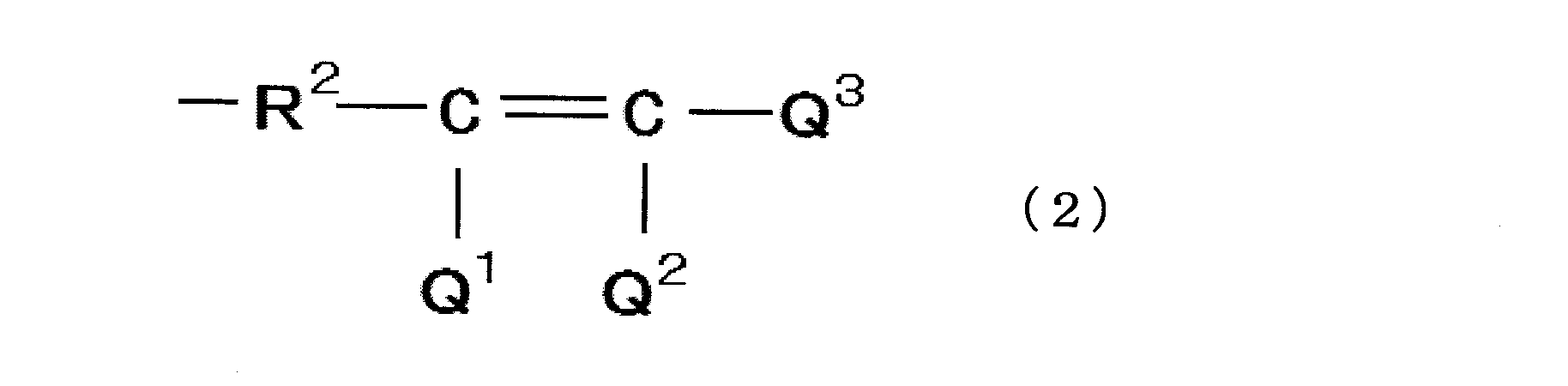
[式中、R2は炭素数1~3のアルキレン基であり、Q1、Q2及びQ3は、それぞれ独立に水素原子、ハロゲン原子、炭素数1~4のアルキル基、炭素数1若しくは2のフルオロアルキル基、フェニル基、シアノ基、カルボキシル基、炭素数1~3のアルコキシ基又は炭素数1~4のアルコキシカルボニル基である。]

[式中、R3は炭素数1~3のアルキレン基であり、Q4は水素原子又はハロゲン原子であり、Q5、Q6及びQ7は、それぞれ独立に水素原子、ハロゲン原子、炭素数1~4のアルキル基、炭素数1若しくは2のフルオロアルキル基、フェニル基、シアノ基、カルボキシル基、炭素数1~3のアルコキシ基又は炭素数1~4のアルコキシカルボニル基である。]
また、本発明は該電極保護膜形成剤(F)を含有する電解液;該電解液を含むリチウム二次電池又はリチウムイオンキャパシタ;並びに該電極保護膜形成剤(F)で被覆された電極活物質を有するリチウム二次電池又はリチウムイオンキャパシタである。
(A1):下記一般式(1)で表されるアルケニルオキシ基(a)を有する脂肪族炭化水素
(A2):(a)を有する多価アルコールのエーテル
(A3):(a)を有するポリオキシアルキレンエーテル
(B1):下記一般式(2)で表される置換基、下記一般式(3)で表される置換基、(メタ)アクリロイルオキシアルキル基、及び(メタ)アクリロイルアルキル基からなる群より選ばれる少なくとも1種の置換基(b)を有する多価アルコールのエーテル
(B2):(b)を有するポリオキシアルキレンエーテル
また、本発明は該電極保護膜形成剤(F)を含有する電解液;該電解液を含むリチウム二次電池又はリチウムイオンキャパシタ;並びに該電極保護膜形成剤(F)で被覆された電極活物質を有するリチウム二次電池又はリチウムイオンキャパシタである。
本発明の電極保護膜形成剤(F)は、高電圧下の電極表面での電解液の分解を抑制し、充放電サイクル特性及び高温貯蔵特性を向上させることができる。
本発明の電極保護膜形成剤(F)を含有する電解液を使用することで、特に、高電圧、高容量のリチウム二次電池又はリチウムイオンキャパシタが得られると共に、これらの高電圧下での充放電サイクル性能及び高温貯蔵特性を向上させることができる。
本発明の電極保護膜形成剤(F)を含有する電解液を使用することで、特に、高電圧、高容量のリチウム二次電池又はリチウムイオンキャパシタが得られると共に、これらの高電圧下での充放電サイクル性能及び高温貯蔵特性を向上させることができる。
本発明の電極保護膜形成剤(F)は電解液に含有させて使用する物であるが、その他にも電極中に混合する、直接電極表面にコーティングする等の方法で使用することもできる。
本発明の電極保護膜形成剤(F)は、下記(A1)、(A2)、(A3)、(B1)及び(B2)からなる群より選ばれる少なくとも1種の化合物(A)又は(B)を含有する。
(A1):一般式(1)で表されるアルケニルオキシ基(a)を有する脂肪族炭化水素
(A2):(a)を有する多価アルコールのエーテル
(A3):(a)を有するポリオキシアルキレンエーテル
(B1):一般式(2)で表される置換基、一般式(3)で表される置換基、(メタ)アクリロイルオキシアルキル基、及び(メタ)アクリロイルアルキル基からなる群より選ばれる少なくとも1種の置換基(b)を有する多価アルコールのエーテル
(B2):(b)を有するポリオキシアルキレンエーテル
本発明の電極保護膜形成剤(F)は、下記(A1)、(A2)、(A3)、(B1)及び(B2)からなる群より選ばれる少なくとも1種の化合物(A)又は(B)を含有する。
(A1):一般式(1)で表されるアルケニルオキシ基(a)を有する脂肪族炭化水素
(A2):(a)を有する多価アルコールのエーテル
(A3):(a)を有するポリオキシアルキレンエーテル
(B1):一般式(2)で表される置換基、一般式(3)で表される置換基、(メタ)アクリロイルオキシアルキル基、及び(メタ)アクリロイルアルキル基からなる群より選ばれる少なくとも1種の置換基(b)を有する多価アルコールのエーテル
(B2):(b)を有するポリオキシアルキレンエーテル
化合物(A)は正極保護膜形成剤として機能し、化合物(B)は負極保護膜形成剤として機能する。即ち、化合物(A)と化合物(B)は初回充電時に、それぞれ正極と負極で溶媒の分解を抑制する保護膜を形成する。この保護膜が、高電圧下の電極表面での電解液の分解を抑制し、充放電サイクル特性を向上させる。
化合物(A)及び(B)のうち、好ましくは化合物(A)である。
化合物(A)である(A1)~(A3)は、一般式(1)で表されるアルケニルオキシ基(a)を有する。一般式(1)中、T1、T2及びT3は水素原子又は炭素数1~3のアルキル基である。
具体的には、ビニルオキシ基、1-プロペニルオキシ基、1-ブテニルオキシ基及び1-メチルプロペニルオキシ基等が挙げられる。
これらのうち、好ましくはビニルオキシ基及び1-プロペニルオキシ基である。
具体的には、ビニルオキシ基、1-プロペニルオキシ基、1-ブテニルオキシ基及び1-メチルプロペニルオキシ基等が挙げられる。
これらのうち、好ましくはビニルオキシ基及び1-プロペニルオキシ基である。

(A1)における脂肪族炭化水素としては、炭素数2~20の直鎖又は分岐のアルカン(エタン、プロパン、ブタン、ペンタン、ヘキサン、オクタン、デカン、ドデカン、トリデカン、テトラデカン、ペンタデカン、オクタデカン及びエイコサン等)並びに炭素数2~20の直鎖又は分岐のアルケン(エチレン、プロペン、ブテン、ペンテン、ヘキセン、オクテン、デセン、ウンデセン、ドデセン、トリデセン、テトラデセン、ペンタデセン、オクタデセン及びエイコセン等)が挙げられる。
(A1)としては、上記アルカン又はアルケンから1つ以上の水素原子がアルケニルオキシ基(a)[好ましくはビニルオキシ基及び1-プロペニルオキシ基]で置換された化合物が挙げられる。
(A1)としては、上記アルカン又はアルケンから1つ以上の水素原子がアルケニルオキシ基(a)[好ましくはビニルオキシ基及び1-プロペニルオキシ基]で置換された化合物が挙げられる。
(A2)における多価アルコールとしては、2~6価の多価アルコール、具体的にはエチレングリコール、ジエチレングリコール、トリエチレングリコール、プロピレングリコール、ジプロピレングリコール、トリプロピレングリコール、1,3-ブタンジオール、1,4-ブタンジオール、グリセリン、トリメチロールエタン、トリメチロールプロパン、2-メチルグリセリン、ジグリセリン、トリグリセリン、テトラグリセリン、ペンタエリスリトール、ジペンタエリスリトール及びソルビトール等が挙げられる。
好ましくはエチレングリコール、ジエチレングリコール及びトリエチレングリコールである。
(A2)としては、上記多価アルコールとアルケニルオキシ基(a)[好ましくはビニルオキシ基及び1-プロペニルオキシ基]を有する化合物から誘導されるエーテルが挙げられる。
好ましくはエチレングリコール、ジエチレングリコール及びトリエチレングリコールである。
(A2)としては、上記多価アルコールとアルケニルオキシ基(a)[好ましくはビニルオキシ基及び1-プロペニルオキシ基]を有する化合物から誘導されるエーテルが挙げられる。
(A3)はアルケニルオキシ基(a)[好ましくはビニルオキシ基及び1-プロペニルオキシ基]を有する化合物から誘導されるポリオキシアルキレンエーテルである。
(A3)はアルケニルオキシ基(a)を有する化合物にアルキレンオキサイド(以下AOと略記する)を付加して得られる。
付加するAOとしては、炭素数が2~4のものが好ましく、具体的には、エチレンオキサイド(以下EOと略記する)、プロピレンオキサイド(以下POと略記する)、1,2-、2,3-、1,3-又はiso-ブチレンオキサイド、テトラヒドロフラン、並びにこれらの2種以上の併用が挙げられる。
これらの中で好ましくはEOである。AOの付加モル数は、好ましくは1~10モル、更に好ましくは1~5モルである。
(A3)はアルケニルオキシ基(a)を有する化合物にアルキレンオキサイド(以下AOと略記する)を付加して得られる。
付加するAOとしては、炭素数が2~4のものが好ましく、具体的には、エチレンオキサイド(以下EOと略記する)、プロピレンオキサイド(以下POと略記する)、1,2-、2,3-、1,3-又はiso-ブチレンオキサイド、テトラヒドロフラン、並びにこれらの2種以上の併用が挙げられる。
これらの中で好ましくはEOである。AOの付加モル数は、好ましくは1~10モル、更に好ましくは1~5モルである。
化合物(A)のうち、充放電サイクル特性の観点から好ましいのは、一般式(4)で表される化合物、一般式(5)で表される化合物及びビニルオキシ基若しくは1-プロペニルオキシ基を2つ以上有するシクロヘキサン誘導体である。
R4-CH=CH-O-(CH2)p-O-CH=CH-R5 (4)
[式中、R4及びR5はそれぞれ独立に水素原子又はメチル基であり、pは1~10の整数である。]
R6-CH=CH-O-(C2H4O)q-CH=CH-R7 (5)
[式中、R6及びR7はそれぞれ独立に水素原子又はメチル基であり、qは1~5の整数である。]
R4-CH=CH-O-(CH2)p-O-CH=CH-R5 (4)
[式中、R4及びR5はそれぞれ独立に水素原子又はメチル基であり、pは1~10の整数である。]
R6-CH=CH-O-(C2H4O)q-CH=CH-R7 (5)
[式中、R6及びR7はそれぞれ独立に水素原子又はメチル基であり、qは1~5の整数である。]
一般式(4)で示される化合物の具体例としては、1,4-ブタンジオールジビニルエーテル、1,5-ペンタンジオールジビニルエーテル、1,6-ヘキサンジオールジビニルエーテル、1,7-ヘプタンジオールジビニルエーテル、1,8-オクタンジオールジビニルエーテル、1,9-ノナンジオールジビニルエーテル、1,10-デカンジオールジビニルエーテル、1,4-ブタンジオール(1-プロペニル)ビニルエーテル、1,5-ペンタンジオール(1-プロペニル)ビニルエーテル、1,6-ヘキサンジオール(1-プロペニル)ビニルエーテル、1,7-ヘプタンジオール(1-プロペニル)ビニルエーテル、1,8-オクタンジオール(1-プロペニル)ビニルエーテル、1,9-ノナンジオール(1-プロペニル)ビニルエーテル、1,10-デカンジオール(1-プロペニル)ビニルエーテル、1,4-ブタンジオールジ(1-プロペニル)エーテル、1,5-ペンタジオールジ(1-プロペニル)エーテル、1,6-ヘキサンジオールジ(1-プロペニル)エーテル、1,7-ヘプタンジオールジ(1-プロペニル)エーテル、1,8-オクタンジオールジ(1-プロペニル)エーテル、1,9-ノナンジオールジ(1-プロペニル)エーテル及び1,10-デカンジオールジ(1-プロペニル)エーテルが挙げられる。これらは市販品を入手することができる。
これらの内、充放電サイクル特性の観点から好ましいのは、R4及びR5がそれぞれ水素原子でpが6~8である化合物である。
一般式(5)で示される化合物の具体例としては、エチレングリコールジビニルエーテル、ジエチレングリコールジビニルエーテル、トリエチレングリコールジビニルエーテル、テトラエチレングリコールジビニルエーテル、ペンタエチレングリコールジビニルエーテル、エチレングリコール(1-プロペニル)ビニルエーテル、ジエチレングリコール(1-プロペニル)ビニルエーテル、トリエチレングリコール(1-プロペニル)ビニルエーテル、テトラエチレングリコール(1-プロペニル)ビニルエーテル、ペンタエチレングリコール(1-プロペニル)ビニルエーテル、エチレングリコールジ(1-プロペニル)エーテル、ジエチレングリコールジ(1-プロペニル)エーテル、トリエチレングリコールジ(1-プロペニル)エーテル、テトラエチレングリコールジ(1-プロペニル)エーテル及びペンタエチレングリコールジ(1-プロペニル)エーテル等が挙げられる。これらは市販品を入手することができる。
これらの内、充放電サイクル特性の観点から好ましいのは、R6及びR7が水素原子かつqが2又は3である化合物である。
ビニルオキシ基又は1-プロペニルオキシ基を2つ以上有するシクロヘキサン誘導体の具体例としては、1,2-ビス(1-プロペノキシメチル)シクロヘキサン、1,3-ビス(1-プロペノキシメチル)シクロヘキサン、1,4-ビス(1-プロペノキシメチル)シクロヘキサン、1,3,5-トリス(1-プロペノキシメチル)シクロヘキサン、1,2-ビス(ビニロキシメチル)シクロヘキサン、1,3-ビス(ビニロキシメチル)シクロヘキサン、1,4-ビス(ビニロキシメチル)シクロヘキサン及び1,3,5-トリス(ビニロキシメチル)シクロヘキサン等が挙げられる。これらは市販品を入手することができる。
化合物(B)としては、(B1)及び(B2)が挙げられる。
(B1):上記一般式(2)で表される置換基、上記一般式(3)で表される置換基、(メタ)アクリロイルオキシアルキル基、及び(メタ)アクリロイルアルキル基からなる群より選ばれる少なくとも1種の置換基(b)を有する多価アルコールのエーテル
(B2):(b)を有するポリオキシアルキレンエーテル
(B1):上記一般式(2)で表される置換基、上記一般式(3)で表される置換基、(メタ)アクリロイルオキシアルキル基、及び(メタ)アクリロイルアルキル基からなる群より選ばれる少なくとも1種の置換基(b)を有する多価アルコールのエーテル
(B2):(b)を有するポリオキシアルキレンエーテル
(B1)及び(B2)は、一般式(2)で表される置換基、一般式(3)で表される置換基、(メタ)アクリロイルオキシアルキル基、及び(メタ)アクリロイルアルキル基からなる群より選ばれる少なくとも1種の置換基(b)を有する。
置換基(b)の内、負極保護膜の形成し易さの観点から好ましいのは、一般式(2)で示される置換基、一般式(3)で示される置換基及び(メタ)アクリロイルオキシアルキル基である。
置換基(b)の内、負極保護膜の形成し易さの観点から好ましいのは、一般式(2)で示される置換基、一般式(3)で示される置換基及び(メタ)アクリロイルオキシアルキル基である。
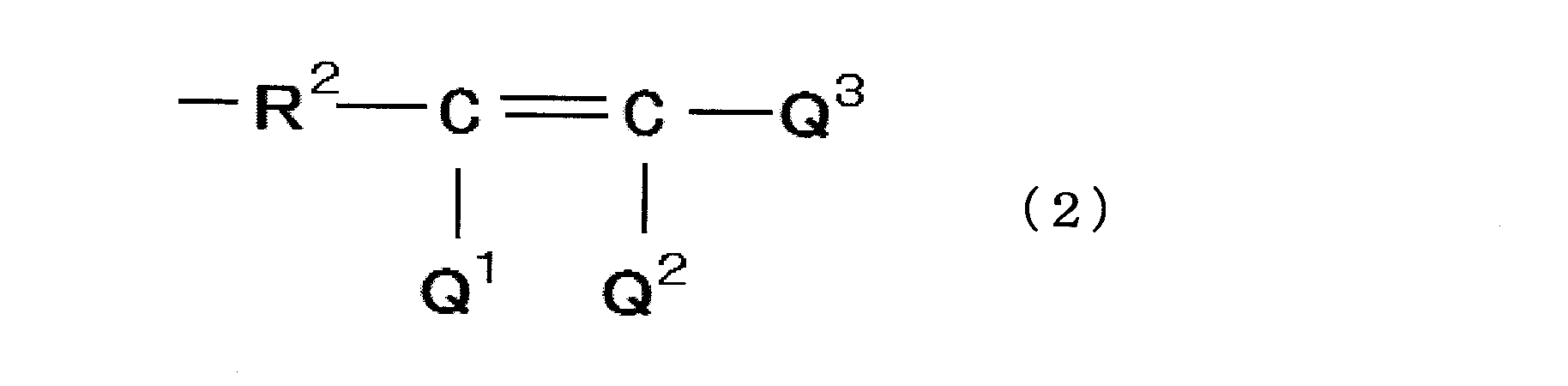
一般式(2)におけるR2は炭素数1~3のアルキレン基であり、Q1、Q2及びQ3は、それぞれ独立に水素原子、ハロゲン原子、炭素数1~4のアルキル基、炭素数1~2のフルオロアルキル基、フェニル基、シアノ基、カルボキシル基、炭素数1~3のアルコキシ基又は炭素数1~4のアルコキシカルボニル基である。
炭素数1~3のアルキレン基としては、メチレン基、エチレン基、1,2-プロピレン基及び1,3-プロピレン基が挙げられる。これらの内、充放電サイクル特性の観点から好ましいのはメチレン基である。
炭素数1~4のアルキル基としては、メチル基、エチル基、n-プロピル基、イソプロピル基、n-ブチル基及びt-ブチル基等が挙げられる。
ハロゲン原子としては、フッ素原子、塩素原子、臭素原子及びヨウ素原子が挙げられる。
炭素数1~2のフルオロアルキル基としては、メチル基又はエチル基上の水素原子の1~5個をフッ素原子に置換したものが挙げられ、例えば、フルオロメチル基、ジフルオロメチル基、トリフルオロメチル基、フルオロエチル基、ジフルオロエチル基、トリフルオロエチル基、テトラフルオロエチル基及びペンタフルオロエチル基等が挙げられる。
炭素数1~2のフルオロアルキル基としては、メチル基又はエチル基上の水素原子の1~5個をフッ素原子に置換したものが挙げられ、例えば、フルオロメチル基、ジフルオロメチル基、トリフルオロメチル基、フルオロエチル基、ジフルオロエチル基、トリフルオロエチル基、テトラフルオロエチル基及びペンタフルオロエチル基等が挙げられる。
炭素数1~3のアルコキシ基としては、例えば、メトキシ基、エトキシ基、n-プロポキシ基及びイソプロポキシ基が挙げられる。
炭素数1~4のアルコキシカルボニル基としては、例えば、メトキシカルボニル基、エトキシカルボニル基、n―プロポキシカルボニル基及びイソプロポキシカルボニル基等が挙げられる。
炭素数1~4のアルコキシカルボニル基としては、例えば、メトキシカルボニル基、エトキシカルボニル基、n―プロポキシカルボニル基及びイソプロポキシカルボニル基等が挙げられる。
R2、Q1、Q2及びQ3の好ましい組み合わせとしては、以下の(1)~(6)が挙げられる。
(1)R2=メチレン基、Q1=水素原子、Q2=水素原子、Q3=フェニル基
(2)R2=メチレン基、Q1=水素原子、Q2=水素原子、Q3=アルコキシカルボニル基
(3)R2=メチレン基、Q1=フェニル基、Q2=水素原子、Q3=フェニル基
(4)R2=メチレン基、Q1=フェニル基、Q2=水素原子、Q3=アルコキシカルボニル基
(5)R2=メチレン基、Q1=アルコキシカルボニル基、Q2=水素原子、Q3=フェニル基
(6)R2=メチレン基、Q1=アルコキシカルボニル基、Q2=水素原子、Q3=アルコキシカルボニル基
これらの組み合わせの内、更に好ましいのは(2)の組み合わせである。
(1)R2=メチレン基、Q1=水素原子、Q2=水素原子、Q3=フェニル基
(2)R2=メチレン基、Q1=水素原子、Q2=水素原子、Q3=アルコキシカルボニル基
(3)R2=メチレン基、Q1=フェニル基、Q2=水素原子、Q3=フェニル基
(4)R2=メチレン基、Q1=フェニル基、Q2=水素原子、Q3=アルコキシカルボニル基
(5)R2=メチレン基、Q1=アルコキシカルボニル基、Q2=水素原子、Q3=フェニル基
(6)R2=メチレン基、Q1=アルコキシカルボニル基、Q2=水素原子、Q3=アルコキシカルボニル基
これらの組み合わせの内、更に好ましいのは(2)の組み合わせである。

一般式(3)におけるR3は炭素数1~3のアルキレン基であり、Q4は水素原子又はハロゲン原子であり、Q5、Q6及びQ7は、それぞれ独立に水素原子、ハロゲン原子、炭素数1~4のアルキル基、炭素数1若しくは2のフルオロアルキル基、フェニル基、シアノ基、カルボキシル基、炭素数1~3のアルコキシ基又は炭素数1~4のアルコキシカルボニル基である。
一般式(3)における炭素数1~3のアルキレン基、ハロゲン原子、炭素数1~4のアルキル基、炭素数1又は2のフルオロアルキル基、炭素数1~3のアルコキシ基及び炭素数1~4のアルコキシカルボニル基の具体例としては、一般式(2)において例示したものと同様のものが挙げられる。
Q4として、負極保護膜の形成し易さ及び一般式(3)で表される置換基の安定性の観点から好ましいのは水素原子、フッ素原子及び塩素原子であり、更に好ましいのは水素原子である。
Q5として、負極保護膜の形成し易さの観点から好ましいのは水素原子、炭素数1~4のアルキル基及びハロゲン原子であり、更に好ましいのは水素原子及び炭素数1~4のアルキル基、特に好ましいのは水素原子である。
Q6及びQ7として、負極保護膜の形成し易さの観点から好ましいのは水素原子、炭素数1~4のアルキル基及びハロゲン原子であり、更に好ましいのは水素原子及び炭素数1~4のアルキル基、特に好ましいのは水素原子及びメチル基、最も好ましいのは水素原子である。
Q5として、負極保護膜の形成し易さの観点から好ましいのは水素原子、炭素数1~4のアルキル基及びハロゲン原子であり、更に好ましいのは水素原子及び炭素数1~4のアルキル基、特に好ましいのは水素原子である。
Q6及びQ7として、負極保護膜の形成し易さの観点から好ましいのは水素原子、炭素数1~4のアルキル基及びハロゲン原子であり、更に好ましいのは水素原子及び炭素数1~4のアルキル基、特に好ましいのは水素原子及びメチル基、最も好ましいのは水素原子である。
R3、Q4、Q5、Q6及びQ7の好ましい組み合わせとしては、以下の(1)~(12)が挙げられる。
(1)R3=メチレン基、Q4=水素原子、Q5=水素原子、Q6=水素原子、Q7=水素原子
(2)R3=メチレン基、Q4=フッ素原子、Q5=水素原子、Q6=水素原子、Q7=水素原子
(3)R3=メチレン基、Q4=塩素原子、Q5=水素原子、Q6=水素原子、Q7=水素原子
(4)R3=メチレン基、Q4=水素原子、Q5=水素原子、Q6=メチル基、Q7=水素原子
(5)R3=メチレン基、Q4=フッ素原子、Q5=水素原子、Q6=メチル基、Q7=水素原子
(6)R3=メチレン基、Q4=塩素原子、Q5=水素原子、Q6=メチル基、Q7=水素原子
(7)R3=メチレン基、Q4=水素原子、Q5=水素原子、Q6=水素原子、Q7=メチル基
(8)R3=メチレン基、Q4=フッ素原子、Q5=水素原子、Q6=水素原子、Q7=メチル基
(9)R3=メチレン基、Q4=塩素原子、Q5=水素原子、Q6=水素原子、Q7=メチル基
(10)R3=メチレン基、Q4=水素原子、Q5=水素原子、Q6=メチル基、Q7=メチル基
(11)R3=メチレン基、Q4=フッ素原子、Q5=水素原子、Q6=メチル基、Q7=メチル基
(12)R3=メチレン基、Q4=塩素原子、Q5=水素原子、Q6=メチル基、Q7=メチル基
これらの組み合わせの内、更に好ましくは(1)の組み合わせである。
(1)R3=メチレン基、Q4=水素原子、Q5=水素原子、Q6=水素原子、Q7=水素原子
(2)R3=メチレン基、Q4=フッ素原子、Q5=水素原子、Q6=水素原子、Q7=水素原子
(3)R3=メチレン基、Q4=塩素原子、Q5=水素原子、Q6=水素原子、Q7=水素原子
(4)R3=メチレン基、Q4=水素原子、Q5=水素原子、Q6=メチル基、Q7=水素原子
(5)R3=メチレン基、Q4=フッ素原子、Q5=水素原子、Q6=メチル基、Q7=水素原子
(6)R3=メチレン基、Q4=塩素原子、Q5=水素原子、Q6=メチル基、Q7=水素原子
(7)R3=メチレン基、Q4=水素原子、Q5=水素原子、Q6=水素原子、Q7=メチル基
(8)R3=メチレン基、Q4=フッ素原子、Q5=水素原子、Q6=水素原子、Q7=メチル基
(9)R3=メチレン基、Q4=塩素原子、Q5=水素原子、Q6=水素原子、Q7=メチル基
(10)R3=メチレン基、Q4=水素原子、Q5=水素原子、Q6=メチル基、Q7=メチル基
(11)R3=メチレン基、Q4=フッ素原子、Q5=水素原子、Q6=メチル基、Q7=メチル基
(12)R3=メチレン基、Q4=塩素原子、Q5=水素原子、Q6=メチル基、Q7=メチル基
これらの組み合わせの内、更に好ましくは(1)の組み合わせである。
(メタ)アクリロイルオキシアルキル基としては、アクリロイルオキシメチル基、アクリロイルオキシエチル基、メタクリロイルオキシメチル基及びメタクリロイルオキシエチル基等のアルキルの炭素数1~2の(メタ)アクリロイルオキシアルキル基が好ましい。
(メタ)アクリロイルアルキル基としては、アクリロイルメチル基、アクリロイルエチル基、メタクリロイルメチル基及びメタクリロイルエチル基等のアルキルの炭素数が1~2の(メタ)アクリロイルアルキル基が好ましい。
(B1)における多価アルコールとしては、(A2)において例示したものと同様のものが挙げられる。好ましくはエチレングリコール、ジエチレングリコール及びトリエチレングリコールである。
(B1)は、多価アルコールと上記置換基(b)を有する化合物から誘導されるエーテルである。
好ましくは一般式(6)で表される化合物である。
X-(O-R1)r-O-Y (6)
(B1)は、多価アルコールと上記置換基(b)を有する化合物から誘導されるエーテルである。
好ましくは一般式(6)で表される化合物である。
X-(O-R1)r-O-Y (6)
一般式(6)におけるX及びYは、それぞれ独立に一般式(2)で表される置換基、一般式(3)で表される置換基、(メタ)アクリロイルオキシアルキル基又は(メタ)アクリロイルアルキル基である。
一般式(6)におけるR1は炭素数1~3のアルキレン基であり、メチレン基、エチレン基、1,2-プロピレン基及び1,3-プロピレン基が挙げられる。これらの内、出力特性の観点からエチレン基が好ましい。
一般式(6)におけるrは1~5の整数であり、充放電サイクル特性の観点から好ましくは1~4の整数であり更に好ましくは2である。
一般式(6)におけるR1は炭素数1~3のアルキレン基であり、メチレン基、エチレン基、1,2-プロピレン基及び1,3-プロピレン基が挙げられる。これらの内、出力特性の観点からエチレン基が好ましい。
一般式(6)におけるrは1~5の整数であり、充放電サイクル特性の観点から好ましくは1~4の整数であり更に好ましくは2である。
(B1)の具体例としては、エチレングリコールジ(2-ブテン酸メチル)エーテル、ジエチレングリコールジ(2-ブテン酸メチル)エーテル、トリエチレングリコールジ(2-ブテン酸メチル)エーテル、テトラエチレングリコールジ(2-ブテン酸メチル)エーテル、ペンタエチレングリコールジ(2-ブテン酸メチル)エーテル、エチレングリコールジシンナミルエーテル、ジエチレングリコールジシンナミルエーテル、トリエチレングリコールジシンナミルエーテル、テトラエチレングリコールジシンナミルエーテル、ペンタエチレングリコールジシンナミルエーテル、エチレングリコールジ(4-ビニルベンジル)エーテル、ジエチレングリコールジ(4-ビニルベンジル)エーテル、トリエチレングリコールジ(4-ビニルベンジル)エーテル、テトラエチレングリコールジ(4-ビニルベンジル)エーテル、ペンタエチレングリコールジ(4-ビニルベンジル)エーテル、エチレングリコールジ(1-アクリロイルオキシエチル)エーテル、ジエチレングリコールジ(1-アクリロイルオキシエチル)エーテル、トリエチレングリコールジ(1-アクリロイルオキシエチル)エーテル、テトラエチレングリコールジ(1-アクリロイルオキシエチル)エーテル、ペンタエチレングリコールジ(1-アクリロイルオキシエチル)エーテル、ジエチレングリコール(2-ペンテン酸エチル)エーテル、トリエチレングリコール(2-ペンテン酸エチル)エーテル等が挙げられる。
これらは市販品を入手するか公知の方法で合成することができる。
これらは市販品を入手するか公知の方法で合成することができる。
(B2)は、置換基(b)を有するポリオキシアルキレンエーテルであり、(b)を有する化合物にアルキレンオキサイド(以下AOと略記する)を付加して得られる。
付加するAOは、(A3)において例示したものと同様のものが挙げられる。好ましくはEOである。AOの付加モル数は、好ましくは1~10モル、更に好ましくは1~5モルである。
付加するAOは、(A3)において例示したものと同様のものが挙げられる。好ましくはEOである。AOの付加モル数は、好ましくは1~10モル、更に好ましくは1~5モルである。
本発明の電極保護膜形成剤(F)は、上記(A1)、(A2)、(A3)、(B1)及び(B2)からなる群より選ばれる少なくとも1種の化合物(A)又は(B)を含有する。
本発明の電解液は、電解質(G)、非水溶媒(H)及び電極保護膜形成剤(F)を必須として含有する。
電極保護膜形成剤(F)を電極や電解液に含有させて、電極に電圧を印加することにより(F)が活物質表面で重合し被膜を形成し保護膜となる。
リチウム二次電池やリチウムイオンキャパシタの電極又は電解質に電極保護膜形成剤(F)を含有させた場合、初回充電時に上記保護膜が形成されるが、リチウム二次電池やリチウムイオンキャパシタの電極として、別途電極表面(活物質表面)に電極保護膜(F)の重合被膜を形成させた電極を使用することもできる。
電極保護膜形成剤(F)を電極や電解液に含有させて、電極に電圧を印加することにより(F)が活物質表面で重合し被膜を形成し保護膜となる。
リチウム二次電池やリチウムイオンキャパシタの電極又は電解質に電極保護膜形成剤(F)を含有させた場合、初回充電時に上記保護膜が形成されるが、リチウム二次電池やリチウムイオンキャパシタの電極として、別途電極表面(活物質表面)に電極保護膜(F)の重合被膜を形成させた電極を使用することもできる。
電解質(G)としては、通常の電解液に用いられているものが使用でき、例えば、LiPF6、LiBF4、LiSbF6、LiAsF6及びLiClO4等の無機酸のリチウム塩、LiN(CF3SO2)2、LiN(C2F5SO2)2、LiC(CF3SO2)3等の有機酸のリチウム塩が挙げられる。これらの内、電池出力及び充放電サイクル特性の観点から好ましいのはLiPF6である。
非水溶媒(H)としては、通常の電解液に用いられているものが使用でき、例えば、ラクトン化合物、環状又は鎖状炭酸エステル、鎖状カルボン酸エステル、環状又は鎖状エーテル、リン酸エステル、ニトリル化合物、アミド化合物、スルホン、スルホラン等及びこれらの混合物を用いることができる。
ラクトン化合物としては、5員環(γ-ブチロラクトン及びγ-バレロラクトン等)及び6員環のラクトン化合物(δ-バレロラクトン等)等を挙げることができる。
環状炭酸エステルとしては、プロピレンカーボネート、エチレンカーボネート及びブチレンカーボネート等が挙げられる。
鎖状炭酸エステルとしては、ジメチルカーボネート、メチルエチルカーボネート、ジエチルカーボネート、メチル-n-プロピルカーボネート、エチル-n-プロピルカーボネート及びジ-n-プロピルカーボネート等が挙げられる。
鎖状炭酸エステルとしては、ジメチルカーボネート、メチルエチルカーボネート、ジエチルカーボネート、メチル-n-プロピルカーボネート、エチル-n-プロピルカーボネート及びジ-n-プロピルカーボネート等が挙げられる。
鎖状カルボン酸エステルとしては、酢酸メチル、酢酸エチル、酢酸プロピル及びプロピオン酸メチル等が挙げられる。
環状エーテルとしては、テトラヒドロフラン、テトラヒドロピラン、1,3-ジオキソラン及び1,4-ジオキサン等が挙げられる。
鎖状エーテルとしては、ジメトキシメタン及び1,2-ジメトキシエタン等が挙げられる。
環状エーテルとしては、テトラヒドロフラン、テトラヒドロピラン、1,3-ジオキソラン及び1,4-ジオキサン等が挙げられる。
鎖状エーテルとしては、ジメトキシメタン及び1,2-ジメトキシエタン等が挙げられる。
リン酸エステルとしては、リン酸トリメチル、リン酸トリエチル、リン酸エチルジメチル、リン酸ジエチルメチル、リン酸トリプロピル、リン酸トリブチル、リン酸トリ(トリフルオロメチル)、リン酸トリ(トリクロロメチル)、リン酸トリ(トリフルオロエチル)、リン酸トリ(トリパーフルオロエチル)、2-エトキシ-1,3,2-ジオキサホスホラン-2-オン、2-トリフルオロエトキシ-1,3,2-ジオキサホスホラン-2-オン、2-メトキシエトキシ-1,3,2-ジオキサホスホラン-2-オン等が挙げられる。
ニトリル化合物としては、アセトニトリル等が挙げられる。アミド化合物としては、ジメチルホルムアミド等が挙げられる。
非水溶媒(H)は単独で用いてもよいし、2種以上を併用してもよい。
ニトリル化合物としては、アセトニトリル等が挙げられる。アミド化合物としては、ジメチルホルムアミド等が挙げられる。
非水溶媒(H)は単独で用いてもよいし、2種以上を併用してもよい。
非水溶媒(H)の内、電池出力及び充放電リサイクル特性の観点から好ましいのは、ラクトン化合物、鎖状炭酸エステル、鎖状炭酸エステル及びリン酸エステル、更に好ましいのはラクトン化合物及び鎖状炭酸エステル、特に好ましいのはラクトン化合物、最も好ましいのは5員環又は6員環のラクトン化合物、とりわけ好ましいのは5員環のラクトン化合物である。
ラクトン化合物は炭酸エステル化合物に比べ電位窓が狭いため、従来リチウム電池用途における非水溶媒としては使用できなかった。しかしながら、本発明の電解液は電極保護膜形成剤(F)による保護膜が存在するため、ラクトン化合物も非水溶媒として使用することができ、炭酸エステル化合物と比較して耐熱保存安定性に優れるため、高温貯蔵特性を向上させることができる。
本発明の電解液は、更にルイス塩基(C)を含有することが好ましい。前記アルケニルオキシ基(a)を有する化合物(A)は反応性が高く、例えば電解液中に微量に混在する水分とLiPF6等の電解質塩が反応して発生するHF等の酸性化合物と容易に反応しやすい。電解液中にルイス塩基(C)を添加することにより、(A)の電解液中での安定性を増すことができる。また、(C)が後述のアザクラウンエーテル誘導体(C1)である場合、(C1)が負極保護膜を形成することから、充放電サイクル特性を更に向上させることができる。
ルイス塩基(C)としては、アザクラウンエーテル誘導体(C1)及びトリアゾール誘導体(C2)等が挙げられる。これらのうち、サイクル特性の観点から好ましいのは(C1)である。
アザクラウンエーテル誘導体(C1)としては、窒素原子を1~4個有する9員環~24員環のクラウンエーテル骨格を有し、該骨格の窒素原子の1個以上に重合性不飽和二重結合を有する置換基が結合しているものが好ましい。
窒素原子を1~4個有する9員環~24員環のクラウンエーテル骨格としては、アザ-9-クラウン-3-エーテル(4-アザ-9-クラウン-3-エーテル及び4,7-ジアザ-9-クラウン-3-エーテル等)、アザ-12-クラウン-4-エーテル(4-アザ-12-クラウン-4-エーテル及び4,10-ジアザ-12-クラウン-4-エーテル等)、アザ-14-クラウン-4-エーテル(4-アザ-14-クラウン-4-エーテル及び4,10-ジアザ-14-クラウン4-エーテル等)、アザ-15-クラウン-5-エーテル(4-アザ-15-クラウン-5-エーテル、4,10-ジアザ-15-クラウン-5-エーテル、4,14-ジアザ-15-クラウン-5及び4,10,16-トリアザ-15-クラウン-5-エーテル等)、アザ-18-クラウン-6-エーテル(4-アザ-18-クラウン6-エーテル、4,10-ジアザ-18-クラウン-6-エーテル及び4,10,16-トリアザ-18-クラウン-6-エーテル等)、アザ-21-クラウン-7-エーテル(4-アザ-21-クラウン-7-エーテル、4,10-ジアザ-21-クラウン-7-エーテル及び4,10,16-トリアザ-21-クラウン-7-エーテル等)及びアザ-24-クラウン-8-エーテル(4-アザ-24-クラウン-8-エーテル、4,10-ジアザ-24-クラウン-8-エーテル及び4,10,16-トリアザ-24-クラウン-8-エーテル等)等が挙げられる。
これらのうち、リチウムイオンとの配位力の観点から、好ましいのはアザ-12-クラウン-4-エーテル、アザ-14-クラウン-4-エーテル、アザ-15-クラウン-5-エーテル及びアザ-18-クラウン-6-エーテルであり、更に好ましいのは4-アザ-12-クラウン-4-エーテル、4,10-ジアザ-12-クラウン-4-エーテル、4-アザ-15-クラウン-5-エーテル及び4,10-ジアザ-15-クラウン-5エーテルである。
これらのうち、リチウムイオンとの配位力の観点から、好ましいのはアザ-12-クラウン-4-エーテル、アザ-14-クラウン-4-エーテル、アザ-15-クラウン-5-エーテル及びアザ-18-クラウン-6-エーテルであり、更に好ましいのは4-アザ-12-クラウン-4-エーテル、4,10-ジアザ-12-クラウン-4-エーテル、4-アザ-15-クラウン-5-エーテル及び4,10-ジアザ-15-クラウン-5エーテルである。
アザクラウンエーテル骨格における窒素原子の数は、リチウムイオンに対する配位力の観点から好ましくは1~3個であり、更に好ましくは1又は2個である。
アザクラウンエーテル誘導体(C1)が有する、重合性不飽和二重結合を有する置換基としては、例えば、前述の一般式(2)で表される置換基、一般式(3)で表される置換基、(メタ)アクリロイルオキシアルキル基及び(メタ)アクリロイルアルキル基等が挙げられ、好ましいものも同様である。
アザクラウンエーテル誘導体(C1)の具体例としては、N-(2-ブテン酸メチル)-4-アザ-12-クラウン-4-エーテル、N,N-ジ-(2-ブテン酸メチル)-4,10-ジアザ-12-クラウン-4-エーテル、N-(2-ブテン酸メチル)-4-アザ-15-クラウン-5-エーテル、N,N-ジ-(2-ブテン酸メチル)-4,10-ジアザ-15-クラウン-5-エーテル、N-(シンナミル)-4-アザ-12-クラウン-4-エーテル、N,N-ジ-(シンナミル)-4,10-ジアザ-12-クラウン-4-エーテル、N-(シンナミル)-4-アザ-15-クラウン-5-エーテル、N,N-ジ-(シンナミル)-4,10-ジアザ-15-クラウン-5-エーテル、N-(4-ビニルベンジル)-4-アザ-12-クラウン-4-エーテル、N,N-ジ-(4-ビニルベンジル)-4,10-ジアザ-12-クラウン-4-エーテル、N-(4-ビニルベンジル)-4-アザ-15-クラウン-5-エーテル、N,N-ジ-(4-ビニルベンジル)-4,10-ジアザ-15-クラウン-5-エーテル、N,N-ジ-(1-アクリロイルオキシエチル)-4,10-ジアザ-15-クラウン-5-エーテル、N-(1-アクリロイルオキシエチル)-4-アザ-14-クラウン-4-エーテル、N-(2-ペンテン酸エチル)-4-アザ-18-クラウン-6-エーテル及びN,N-ジ-(2-ペンテン酸メチル)-4,14-ジアザ-18-クラウン-6-エーテル等が挙げられる。
本発明におけるアザクラウンエーテル誘導体(C1)は、通常の方法で製造することができる。例えば、有機溶媒中で、無触媒又は触媒の存在下、無置換のアザクラウンエーテルと、重合性不飽和二重結合を有するハロゲン化アルキルを反応させる方法が挙げられる。
有機溶媒としては、例えば、ニトリル系有機溶媒(アセトニトリル、プロピオノニトリル及びベンゾニトリル等)、ケトン系有機溶媒(アセトン及びメチルエチルケトン等)、アミド系有機溶媒(ホルムアミド、アセトアミド、ジメチルホルムアミド及びジメチルアセトアミド等)、エーテル系有機溶媒(ジメチルエーテル、テトラヒドロフラン及びジオキサン等)、エステル系有機溶媒(酢酸エチル及びマレイン酸ジエチル等)、硫黄含有有機溶剤(ジメチルスルホキシド及びスルホラン等)、ハロゲン化炭化水素(クロロホルム及びジクロロメタン等)、炭化水素(ヘキサン、ヘプタン、トルエン及びキシレン等)及びこれらの溶媒の二種以上の混合物が挙げられる。
触媒としては、アルカリ金属水酸化物(例えば水酸化リチウム、水酸化ナトリウム及び水酸化カリウム等)、アルカリ金属炭酸塩(炭酸水素ナトリウム、炭酸水素カリウム、炭酸ナトリウム及び炭酸カリウム等)及びアルカリ金属水素化物(水素化ナトリウム及び水素化カリウム等)等が挙げられる。反応温度は通常10~150℃、反応時間は通常0.5~24時間である。反応終了後は、必要により触媒を中和し、吸着剤で処理して触媒を除去・精製することができる。
有機溶媒としては、例えば、ニトリル系有機溶媒(アセトニトリル、プロピオノニトリル及びベンゾニトリル等)、ケトン系有機溶媒(アセトン及びメチルエチルケトン等)、アミド系有機溶媒(ホルムアミド、アセトアミド、ジメチルホルムアミド及びジメチルアセトアミド等)、エーテル系有機溶媒(ジメチルエーテル、テトラヒドロフラン及びジオキサン等)、エステル系有機溶媒(酢酸エチル及びマレイン酸ジエチル等)、硫黄含有有機溶剤(ジメチルスルホキシド及びスルホラン等)、ハロゲン化炭化水素(クロロホルム及びジクロロメタン等)、炭化水素(ヘキサン、ヘプタン、トルエン及びキシレン等)及びこれらの溶媒の二種以上の混合物が挙げられる。
触媒としては、アルカリ金属水酸化物(例えば水酸化リチウム、水酸化ナトリウム及び水酸化カリウム等)、アルカリ金属炭酸塩(炭酸水素ナトリウム、炭酸水素カリウム、炭酸ナトリウム及び炭酸カリウム等)及びアルカリ金属水素化物(水素化ナトリウム及び水素化カリウム等)等が挙げられる。反応温度は通常10~150℃、反応時間は通常0.5~24時間である。反応終了後は、必要により触媒を中和し、吸着剤で処理して触媒を除去・精製することができる。
重合性不飽和二重結合を有するハロゲン化アルキルとしては、例えば、4-ブロモ-2-ブテン酸メチルエステル、4-クロロ-2-ブテン酸メチルエステル、1-ブロモ-4-シアノ-2-ブテン、1-クロロ-4-シアノ-2-ブテン、アクリル酸クロロメチルエステル、アクリル酸ブロモメチルエステル、アクリル酸-2-クロロエチルエステル、アクリル酸-2-ブロモエチルエステル、メタクリル酸クロロメチルエステル、メタクリル酸ブロモメチルエステル、メタクリル酸-2-クロロエチルエステル、メタクリル酸-2-ブロモエチルエステル、シンナミルクロリド、シンナミルブロミド、4-(クロロメチル)スチレン及び4-(ブロモメチル)スチレンが挙げられる。
トリアゾール誘導体(C2)としては、1,2,3-ベンゾトリアゾール、5-メチル-1,2,3-ベンゾトリアゾール、5,6-ジメチル-1,2,3-ベンゾトリアゾール、1,2,4-トリアゾール、3-アミノ-1,2,4-トリアゾール、3,5-ジアミノ-1,2,4-トリアゾール、3-アミノ-5-メチル-1,2,4-トリアゾール、3-アミノ-5-エチル-1,2,4-トリアゾール、3-アミノ-5-プロピル-1,2,4-トリアゾール及び3-アミノ-5-ブチル-1,2,4-トリアゾール等が挙げられる。これらは市販品を入手することが出来る。これらのうち、充放電サイクル特性の観点から好ましいのは、3-アミノ-1,2,4-トリアゾールである。
本発明の電解液は、更に化合物(A)及び(B)以外の負極保護膜形成剤(D)を含有することができる。電解液が(D)を含有することにより、負極保護膜の安定性が更に向上し充放電サイクル特性を更に向上させることができる。
(D)としては、ビニレンカーボネート、フルオロエチレンカーボネート、クロロエチレンカーボネート、エチレンサルファイト、プロピレンサルファイト及びα-ブロモ-γ-ブチロラクトン等が挙げられる。これらのうちサイクル特性の観点から好ましいのはビニレンカーボネートである。
本発明の電解液における、電極保護膜形成剤(F)、ルイス塩基(C)、負極保護膜形成剤(D)、非水溶媒(H)及び電解質(G)のそれぞれ好ましい含有量又は濃度は以下の通りである。
電極保護膜形成剤(F)としての化合物(A)の含有量は、充放電サイクル特性、電池容量及び高貯蔵特性の観点から、電解液の重量に基づいて好ましくは0.01~10重量%、更に好ましくは0.05~1重量%である。
電極保護膜形成剤(F)としての化合物(B)の含有量は、電池容量、電池出力及び充放電サイクル特性の観点から、電解液の重量に基づいて好ましくは0.01~10重量%、更に好ましくは0.01~1重量%である。
(C)の含有量は、電池容量、電池出力及び充放電サイクル特性の観点から、電解液の重量に基づいて好ましくは0~10重量%、より好ましくは0.01~10重量%、更に好ましくは0.05~1重量%である。
(D)の含有量は、電池容量、電池出力及び充放電サイクル特性の観点から、電解液の重量に基づいて好ましくは0~5重量%、より好ましくは0.01~5重量%、更に好ましくは0.01~3重量%である。
電極保護膜形成剤(F)としての化合物(B)の含有量は、電池容量、電池出力及び充放電サイクル特性の観点から、電解液の重量に基づいて好ましくは0.01~10重量%、更に好ましくは0.01~1重量%である。
(C)の含有量は、電池容量、電池出力及び充放電サイクル特性の観点から、電解液の重量に基づいて好ましくは0~10重量%、より好ましくは0.01~10重量%、更に好ましくは0.05~1重量%である。
(D)の含有量は、電池容量、電池出力及び充放電サイクル特性の観点から、電解液の重量に基づいて好ましくは0~5重量%、より好ましくは0.01~5重量%、更に好ましくは0.01~3重量%である。
非水溶媒(H)の含有量は、電解液の重量に基づいて、電池出力及び充放電サイクル特性の観点から好ましくは70~99重量%であり、更に好ましくは93~99重量%である。
電解液中の電解質(G)の濃度は、電解液の容量に基づいて、電池出力及び充放電サイクル特性の観点から好ましくは0.01~3mol/Lであり、更に好ましくは0.05~1.5mol/Lである。
電解液中の電解質(G)の濃度は、電解液の容量に基づいて、電池出力及び充放電サイクル特性の観点から好ましくは0.01~3mol/Lであり、更に好ましくは0.05~1.5mol/Lである。
本発明の電解液は、更に過充電防止剤、脱水剤及び容量安定化剤等の添加剤を含有してもよい。
過充電防止剤としては、ビフェニル、アルキルビフェニル、ターフェニル、ターフェニルの部分水素化体、シクロヘキシルベンゼン、t-ブチルベンゼン及びt-アミルベンゼン等の芳香族化合物等が挙げられる。過充電防止剤の使用量は、電解液の全重量に基づいて、通常0~5重量%、好ましくは0~3重量%である。
脱水剤としては、ゼオライト、シリカゲル及び酸化カルシウム等が挙げられる。脱水剤の使用量は、リチウム二次電池用電解液の全重量に基づいて、通常0~5重量%、好ましくは0~3重量%である。
容量安定化剤としては、フルオロエチレンカーボネート、無水コハク酸、1-メチル-2-ピペリドン、ヘプタン及びフルオロベンゼン等が挙げられる。容量安定化剤の使用量は、電解液の全重量に基づいて、通常0~5重量%、好ましくは0~3重量%である。
本発明の電解液は、特にリチウム二次電池用の電解液として有用である。
本発明の電解液を用いたリチウム二次電池は、正極、負極及びセパレーターを収納した電池缶内に、本発明の電解液を注入し、電池缶を密封することで得られる。
本発明の電解液を用いたリチウム二次電池は、正極、負極及びセパレーターを収納した電池缶内に、本発明の電解液を注入し、電池缶を密封することで得られる。
リチウム二次電池における正極としては、正極活物質、導電剤及び結着剤を溶媒に分散してスラリー化したものを、正極用集電体にバーコーター等の塗工装置で塗布し、乾燥して溶媒を除去し、必要によりプレス機でプレスしたもの等が使用できる。
正極活物質としては、リチウムと遷移金属との複合酸化物(例えばLiCoO2、LiNiO2、LiMnO2及びLiMn2O4等)、遷移金属酸化物(例えばMnO2及びV2O5等)、遷移金属硫化物(例えばMoS2及びTiS2等)、及び導電性高分子(例えばポリアニリン、ポリフッ化ビニリデン、ポリピロール、ポリチオフェン、ポリアセチレン、ポリ-p-フェニレン及びポリカルバゾール等)等が挙げられる。
導電剤としては、黒鉛(例えば天然黒鉛及び人工黒鉛等)、カーボンブラック類(例えばカーボンブラック、アセチレンブラック、ケッチェンブラック、チャンネルブラック、ファーネスブラック、ランプブラック及びサーマルブラック等)、金属粉末(例えばアルミニウム粉及びニッケル粉等)、導電性金属酸化物(例えば酸化亜鉛及び酸化チタン等)等が挙げられる。
結着剤としては、例えば、デンプン、ポリフッ化ビニリデン、ポリビニルアルコール、カルボキシメチルセルロース、ポリビニルピロリドン、テトラフロオロエチレン、ポリエチレン及びポリプロピレン等の高分子化合物が挙げられる。
溶媒としては、例えば1-メチル-2-ピロリドン、メチルエチルケトン、ジメチルホルムアミド、ジメチルアセトアミド、N,N-ジメチルアミノプロピルアミン及びテトラヒドロフラン等が挙げられる。
正極用集電体としては、アルミニウム、チタン、ステンレス鋼、ニッケル、焼成炭素、導電性高分子及び導電性ガラス等が挙げられる。
正極用集電体としては、アルミニウム、チタン、ステンレス鋼、ニッケル、焼成炭素、導電性高分子及び導電性ガラス等が挙げられる。
リチウム二次電池において、正極の全重量に基づく正極活物質、導電剤及び結着剤のそれぞれの好ましい含有量は以下の通りである。
正極活物質の含有量は、好ましくは70~98重量%であり、更に好ましくは90~98重量%である。導電剤の含有量は、好ましくは1~29重量%であり、更に好ましくは1~10重量%である。結着剤の含有量は、好ましくは1~29重量%であり、更に好ましくは1~10重量%である。
正極活物質の含有量は、好ましくは70~98重量%であり、更に好ましくは90~98重量%である。導電剤の含有量は、好ましくは1~29重量%であり、更に好ましくは1~10重量%である。結着剤の含有量は、好ましくは1~29重量%であり、更に好ましくは1~10重量%である。
正極活物質、導電剤及び結着剤のスラリー化における溶媒の使用量としては、正極活物質、導電剤及び結着剤の全重量に基づいて好ましくは20~70重量%であり、更に好ましくは30~60重量%である。
リチウム二次電池における負極としては、負極活物質、導電剤及び結着剤を溶媒に分散してスラリー化したものを負極用集電体にバーコーター等の塗工装置で塗布し、乾燥して溶媒を除去し、必要によりプレス機でプレスしたもの等が使用できる。
負極活物質としては、黒鉛、高分子化合物焼成体(例えばフェノール樹脂及びフラン樹脂等を焼成し炭素化したもの)、コークス類(例えばピッチコークス、ニードルコークス及び石油コークス等)、炭素繊維、導電性高分子(例えばポリアセチレン及びポリピロール等)、金属合金(例えばリチウム-アルミニウム合金、リチウム-アルミニウム-マンガン合金等)等が挙げられる。
導電剤、結着剤及び溶媒は、正極の製造に用いられるものと同様のものが使用できる。
負極用集電体としては、銅、ステンレス鋼、ニッケル、アルミニウム、チタン、焼成炭素、導電性高分子、導電性ガラス及びアルミニウム-カドミウム合金等が挙げられる。
導電剤、結着剤及び溶媒は、正極の製造に用いられるものと同様のものが使用できる。
負極用集電体としては、銅、ステンレス鋼、ニッケル、アルミニウム、チタン、焼成炭素、導電性高分子、導電性ガラス及びアルミニウム-カドミウム合金等が挙げられる。
リチウム二次電池において、負極の全重量に基づく負極活物質、導電剤及び結着剤のそれぞれの好ましい含有量は以下の通りである。
負極活物質の含有量は、好ましくは70~98重量%であり、更に好ましくは90~98重量%である。導電剤及び結着剤の含有量は、正極の場合と同様である。
負極活物質の含有量は、好ましくは70~98重量%であり、更に好ましくは90~98重量%である。導電剤及び結着剤の含有量は、正極の場合と同様である。
負極活物質、導電剤及び結着剤のスラリー化における溶媒の使用量としては、正極活物質、導電剤及び結着剤のスラリー化における溶媒の使用量と同様である。
リチウム二次電池におけるセパレーターとしては、ポリエチレン、ポリプロピレン製フィルムの微多孔膜、多孔性のポリエチレンフィルムとポリプロピレンとの多層フィルム、ポリエステル繊維、アラミド繊維、ガラス繊維等からなる不織布、及びそれらの表面にシリカ、アルミナ、チタニア等のセラミック微粒子を付着させたものが挙げられる。
リチウム二次電池における電池缶としては、ステンレススチール、鉄、アルミニウム及びニッケルメッキスチール等の金属材料を用いることができるが、電池用途に応じてプラスチック材料を用いることもできる。また電池缶は、用途に応じて円筒型、コイン型、角型、その他任意の形状にすることができる。
本発明の電解液は、特にリチウムイオンキャパシタ用の電解液としても有用である。
本発明の電解液を用いたリチウムイオンキャパシタは、正極、負極及びセパレーターを収納したキャパシタ缶内に、本発明の電解液を注入し、キャパシタ缶を密封することで得られる。
本発明の電解液を用いたリチウムイオンキャパシタは、正極、負極及びセパレーターを収納したキャパシタ缶内に、本発明の電解液を注入し、キャパシタ缶を密封することで得られる。
リチウムイオンキャパシタにおける正極としては、活性炭(正極活物質)、導電剤及び結着剤を溶媒に分散してスラリー化したものを、正極用集電体にバーコーター等の塗工装置で塗布し、乾燥して溶媒を除去し、必要によりプレス機でプレスしたもの等が使用できる。
導電剤、結着剤、溶媒及び正極用集電体としては、リチウム二次電池の場合と同様のものが挙げられる。
リチウムイオンキャパシタにおいて、正極の全重量に基づく正極活物質、導電剤及び結着剤のそれぞれの好ましい含有量は以下の通りである。
正極活物質の含有量は、好ましくは70~98重量%であり、更に好ましくは90~98重量%である。導電剤の含有量は、好ましくは1~29重量%であり、更に好ましくは1~10重量%である。結着剤の含有量は、好ましくは1~29重量%であり、更に好ましくは1~10重量%である。
正極活物質の含有量は、好ましくは70~98重量%であり、更に好ましくは90~98重量%である。導電剤の含有量は、好ましくは1~29重量%であり、更に好ましくは1~10重量%である。結着剤の含有量は、好ましくは1~29重量%であり、更に好ましくは1~10重量%である。
正極活物質、導電剤及び結着剤のスラリー化における溶媒の使用量としては、正極活物質、導電剤及び結着剤の全重量に基づいて好ましくは20~70重量%であり、更に好ましくは30~60重量%である。
リチウムイオンキャパシタにおける負極としては、負極活物質、導電剤及び結着剤を溶媒に分散してスラリー化したものを負極用集電体にバーコーター等の塗工装置で塗布し、乾燥して溶媒を除去し、必要によりプレス機でプレスしたもの等が使用できる。
負極活物質としては、アモルファス炭素、グラファイト、スズおよびその合金、シリコンおよびその合金等が挙げられる。
導電剤、結着剤及び溶媒は、正極の製造に用いられるものと同様のものが使用できる。
負極用集電体としては、銅、ステンレス鋼、ニッケル、アルミニウム、チタン、焼成炭素、導電性高分子、導電性ガラス及びアルミニウム-カドミウム合金等が挙げられる。
導電剤、結着剤及び溶媒は、正極の製造に用いられるものと同様のものが使用できる。
負極用集電体としては、銅、ステンレス鋼、ニッケル、アルミニウム、チタン、焼成炭素、導電性高分子、導電性ガラス及びアルミニウム-カドミウム合金等が挙げられる。
リチウムイオンキャパシタにおいて、負極の全重量に基づく負極活物質、導電剤及び結着剤のそれぞれの好ましい含有量は以下の通りである。
負極活物質の含有量は、好ましくは70~98重量%であり、更に好ましくは90~98重量%である。導電剤及び結着剤の含有量は、正極の場合と同様である。
負極活物質の含有量は、好ましくは70~98重量%であり、更に好ましくは90~98重量%である。導電剤及び結着剤の含有量は、正極の場合と同様である。
負極活物質、導電剤及び結着剤のスラリー化における溶媒の使用量としては、正極活物質、導電剤及び結着剤のスラリー化における溶媒の使用量と同様である。
リチウムイオンキャパシタにおけるセパレーターとしては、ポリエチレン、ポリプロピレン製フィルムの微多孔膜、多孔性のポリエチレンフィルムとポリプロピレンとの多層フィルム、ポリエステル繊維、アラミド繊維、ガラス繊維等からなる不織布、及びそれらの表面にシリカ、アルミナ、チタニア等のセラミック微粒子を付着させたものが挙げられる。
リチウムイオンキャパシタにおける電池缶としては、ステンレススチール、鉄、アルミニウム及びニッケルメッキスチール等の金属材料を用いることができるが、電池用途に応じてプラスチック材料を用いることもできる。また電池缶は、用途に応じて円筒型、コイン型、角型、その他任意の形状にすることができる。
本発明の電極保護膜形成剤(F)は、リチウム二次電池又はリチウムイオンキャパシタの正極及び/又は負極に添加し、含有させて使用する事ができる。
正極に添加する方法としては、正極活物質、導電剤及び結着剤を溶媒に分散してスラリー化したものに(F)を添加し、正極用集電体にバーコーター等の塗工装置で塗布し、乾燥して溶媒を除去し、必要によりプレス機でプレスする方法等が挙げられる。
負極に添加する方法としては、負極活物質、導電剤及び結着剤を溶媒に分散してスラリー化したものに(F)を添加し、負極用集電体にバーコーター等の塗工装置で塗布し、乾燥して溶媒を除去し、必要によりプレス機でプレスする方法等が挙げられる。
正極に添加する場合の(F)の添加量は充放電サイクル特性、電池容量及び高貯蔵特性の観点から正極活物質に基づいて好ましくは0.1~10重量%、更に好ましくは0.5~5重量%である。
負極に添加する場合の(F)の添加量は充放電サイクル特性、電池容量及び高貯蔵特性の観点から負極活物質に基づいて好ましくは0.1~10重量%、更に好ましくは0.5~5重量%である。
負極に添加する場合の(F)の添加量は充放電サイクル特性、電池容量及び高貯蔵特性の観点から負極活物質に基づいて好ましくは0.1~10重量%、更に好ましくは0.5~5重量%である。
以下、実施例により本発明を更に説明するが、本発明はこれらに限定されるものではない。以下において部は重量部を示す。
[ルイス塩基(C)の合成]
<製造例1>
N,N-ジ-(2-ブテン酸メチル)-4,10-ジアザ-15-クラウン-5-エーテル(AZ-1)の合成;
攪拌機、温度計及び冷却管を取り付けたフラスコに、4,10-ジアザ-15-クラウン-5-エーテル[東京化成工業(株)製]0.61部(2.8mmol部)、4-ブロモ-2-ブテン酸メチルエステル[東京化成工業(株)製]1部(5.6mmol部)及びアセトニトリル10部を仕込み、攪拌しながら均一に溶解させた後、攪拌下室温で24時間反応させた。アセトニトリルを減圧(10mmHg)下に除去後、アセトンを溶剤としたアルミナカラム[150mesh、Brockman1,standard grade、アルドリッチ(株)製]によって反応物を精製し、N,N-ジ-(2-ブテン酸メチル)-4,10-ジアザ-15-クラウン-5-エーテル(AZ-1)0.85部(2.0mmol部)を得た(収率71%)。(AZ-1)は、一般式(2)において、R2がメチレン基、Q1及びQ2が水素原子、Q3がメトキシカルボニル基である重合性不飽和二重結合を有する置換基が窒素原子に結合したジアザクラウンエーテル化合物である。
<製造例1>
N,N-ジ-(2-ブテン酸メチル)-4,10-ジアザ-15-クラウン-5-エーテル(AZ-1)の合成;
攪拌機、温度計及び冷却管を取り付けたフラスコに、4,10-ジアザ-15-クラウン-5-エーテル[東京化成工業(株)製]0.61部(2.8mmol部)、4-ブロモ-2-ブテン酸メチルエステル[東京化成工業(株)製]1部(5.6mmol部)及びアセトニトリル10部を仕込み、攪拌しながら均一に溶解させた後、攪拌下室温で24時間反応させた。アセトニトリルを減圧(10mmHg)下に除去後、アセトンを溶剤としたアルミナカラム[150mesh、Brockman1,standard grade、アルドリッチ(株)製]によって反応物を精製し、N,N-ジ-(2-ブテン酸メチル)-4,10-ジアザ-15-クラウン-5-エーテル(AZ-1)0.85部(2.0mmol部)を得た(収率71%)。(AZ-1)は、一般式(2)において、R2がメチレン基、Q1及びQ2が水素原子、Q3がメトキシカルボニル基である重合性不飽和二重結合を有する置換基が窒素原子に結合したジアザクラウンエーテル化合物である。
<製造例2>
N,N-ジ-(1-アクリロイルオキシエチル)-4,10-ジアザ-15-クラウン-5-エーテル(AZ-2)の合成;
4-ブロモ-2-ブテン酸メチルエステル1部の代わりにアクリル酸-2-クロロエチルエステル[東京化成工業(株)製]0.76部(5.6mmol部)を使用したこと以外は製造例1と同様にしてN,N-ジ-(1-アクリロイルオキシエチル)-4,10-ジアザ-15-クラウン-5-エーテル(AZ-2)0.60部(1.9mmol部)を得た(収率68%)。
尚、4-ブロモ-2-ブテン酸メチルエステル1部をアクリル酸-2-クロロエチルエステル0.76部に変更するに際して、反応成分のモル比及び非反応成分(溶剤等)の重量比が、製造例1における場合と同等となるように各原料の量を調整して操作を行った。以下の製造例3についても同様に行った。
(AZ-2)は、重合性不飽和二重結合を有する置換基としてアクリロイルオキシエチル基が窒素原子に結合したジアザクラウンエーテル化合物である。
N,N-ジ-(1-アクリロイルオキシエチル)-4,10-ジアザ-15-クラウン-5-エーテル(AZ-2)の合成;
4-ブロモ-2-ブテン酸メチルエステル1部の代わりにアクリル酸-2-クロロエチルエステル[東京化成工業(株)製]0.76部(5.6mmol部)を使用したこと以外は製造例1と同様にしてN,N-ジ-(1-アクリロイルオキシエチル)-4,10-ジアザ-15-クラウン-5-エーテル(AZ-2)0.60部(1.9mmol部)を得た(収率68%)。
尚、4-ブロモ-2-ブテン酸メチルエステル1部をアクリル酸-2-クロロエチルエステル0.76部に変更するに際して、反応成分のモル比及び非反応成分(溶剤等)の重量比が、製造例1における場合と同等となるように各原料の量を調整して操作を行った。以下の製造例3についても同様に行った。
(AZ-2)は、重合性不飽和二重結合を有する置換基としてアクリロイルオキシエチル基が窒素原子に結合したジアザクラウンエーテル化合物である。
<製造例3>
N,N-ジシンナミル-4,10-ジアザ-15-クラウン-5-エーテル(AZ-3)の合成;
4-ブロモ-2-ブテン酸メチルエステル1部の代わりにシンナミルクロリド[東京化成工業(株)製]0.85部(5.6mmol部)を使用したこと以外は製造例1と同様にしてN,N-ジシンナミル-4,10-ジアザ-15-クラウン-5-エーテル(C1-3)0.92部(2.0mmol部)を得た(収率73%)。(AZ-3)は、一般式(2)において、R2がメチレン基、Q1及びQ2が水素原子、Q3がフェニル基である重合性不飽和二重結合を有する置換基が窒素原子に結合したジアザクラウンエーテル化合物である。
N,N-ジシンナミル-4,10-ジアザ-15-クラウン-5-エーテル(AZ-3)の合成;
4-ブロモ-2-ブテン酸メチルエステル1部の代わりにシンナミルクロリド[東京化成工業(株)製]0.85部(5.6mmol部)を使用したこと以外は製造例1と同様にしてN,N-ジシンナミル-4,10-ジアザ-15-クラウン-5-エーテル(C1-3)0.92部(2.0mmol部)を得た(収率73%)。(AZ-3)は、一般式(2)において、R2がメチレン基、Q1及びQ2が水素原子、Q3がフェニル基である重合性不飽和二重結合を有する置換基が窒素原子に結合したジアザクラウンエーテル化合物である。
<実施例1>
ジエチレングリコールジ(2-ブテン酸メチル)エーテル(B-1)の合成;
攪拌機、温度計及び冷却管を取り付けたフラスコに、ジエチレングリコール[東京化成工業(株)製]7.26部(68.4mmol部)、4-ブロモ-2-ブテン酸メチルエステル[東京化成工業(株)製]26.9部(150.3mmol部)、水酸化ナトリウム6.00部(150mmol部)及びトルエン100部を仕込み、攪拌しながら均一に溶解させた後、室温で15分間撹拌後、テトラブチルアンモニウムブロマイド1.32部(4.1mmol部)を加えた。65℃まで昇温した後、4時間攪拌して、エーテル化反応を行った。放冷後、水200部を加え、水層を分離した。更に有機層を水200部で洗浄した。トルエンを減圧(10mmHg)によって除去後、ヘキサンを溶剤としたアルミナカラム[150mesh、Brockman1,standard grade、アルドリッチ(株)製]によって反応物を精製し、ジエチレングリコールジ(2-ブテン酸メチル)エーテル(B-1)15.5部(51.3mmol部)を得た(収率75%)
ジエチレングリコールジ(2-ブテン酸メチル)エーテル(B-1)の合成;
攪拌機、温度計及び冷却管を取り付けたフラスコに、ジエチレングリコール[東京化成工業(株)製]7.26部(68.4mmol部)、4-ブロモ-2-ブテン酸メチルエステル[東京化成工業(株)製]26.9部(150.3mmol部)、水酸化ナトリウム6.00部(150mmol部)及びトルエン100部を仕込み、攪拌しながら均一に溶解させた後、室温で15分間撹拌後、テトラブチルアンモニウムブロマイド1.32部(4.1mmol部)を加えた。65℃まで昇温した後、4時間攪拌して、エーテル化反応を行った。放冷後、水200部を加え、水層を分離した。更に有機層を水200部で洗浄した。トルエンを減圧(10mmHg)によって除去後、ヘキサンを溶剤としたアルミナカラム[150mesh、Brockman1,standard grade、アルドリッチ(株)製]によって反応物を精製し、ジエチレングリコールジ(2-ブテン酸メチル)エーテル(B-1)15.5部(51.3mmol部)を得た(収率75%)
<実施例2>
ジエチレングリコールジ(4-ビニルベンジル)エーテル(B-2)の合成;
4-ブロモ-2-ブテン酸メチルエステル26.9部(150.3mmol部)の代わりに4-ビニルベンジルクロライド[東京化成工業(株)製]22.9部(150.3mmol部)を使用したこと以外は実施例1と同様にしてジエチレングリコールジ(4-ビニルベンジル)エーテル(B-2)16.9部(49.9mmol部)を得た(収率73%)。
ジエチレングリコールジ(4-ビニルベンジル)エーテル(B-2)の合成;
4-ブロモ-2-ブテン酸メチルエステル26.9部(150.3mmol部)の代わりに4-ビニルベンジルクロライド[東京化成工業(株)製]22.9部(150.3mmol部)を使用したこと以外は実施例1と同様にしてジエチレングリコールジ(4-ビニルベンジル)エーテル(B-2)16.9部(49.9mmol部)を得た(収率73%)。
<実施例3>
1,4-ビス(1-プロペノキシメチル)シクロヘキサン(A-1)の合成;
攪拌機、温度計及び冷却管を取り付けたフラスコに、1,4-シクロヘキサンジメタノール[東京化成工業(株)製]9.86部(68.4mmol部)、塩化アリル[東京化成工業(株)製]11.51部(150.3mmol部)、水酸化ナトリウム6.00部(150mmol部)及びトルエン100部を仕込み、攪拌しながら均一に溶解させた後、室温で15分間撹拌後、テトラブチルアンモニウムブロマイド1.32部(4.1mmol部)を加えた。2時間かけて65℃まで昇温し更に4時間攪拌して、エーテル化反応及び転位反応を行った。放冷後、水200部を加え水層を分離した。更に有機層を水200部で洗浄した。トルエンを減圧(10mmHg)によって除去後、ヘキサンを溶剤としたアルミナカラム[150mesh、Brockman1,standard grade、アルドリッチ(株)製]によって反応物を精製し、1,4-ビス(1-プロペノキシメチル)シクロヘキサン(A-1)10.9部(48.6mmol部)を得た(収率71%)。
尚、表1~3に記載の化合物(A)における1,4-ビス(ビニロキシメチル)シクロヘキサン、1,4-ブタンジオールジビニルエーテル及びトリエチレングリコールジビニルエーテルは、市販品[日本カーバイド工業(株)製]を使用した。
1,4-ビス(1-プロペノキシメチル)シクロヘキサン(A-1)の合成;
攪拌機、温度計及び冷却管を取り付けたフラスコに、1,4-シクロヘキサンジメタノール[東京化成工業(株)製]9.86部(68.4mmol部)、塩化アリル[東京化成工業(株)製]11.51部(150.3mmol部)、水酸化ナトリウム6.00部(150mmol部)及びトルエン100部を仕込み、攪拌しながら均一に溶解させた後、室温で15分間撹拌後、テトラブチルアンモニウムブロマイド1.32部(4.1mmol部)を加えた。2時間かけて65℃まで昇温し更に4時間攪拌して、エーテル化反応及び転位反応を行った。放冷後、水200部を加え水層を分離した。更に有機層を水200部で洗浄した。トルエンを減圧(10mmHg)によって除去後、ヘキサンを溶剤としたアルミナカラム[150mesh、Brockman1,standard grade、アルドリッチ(株)製]によって反応物を精製し、1,4-ビス(1-プロペノキシメチル)シクロヘキサン(A-1)10.9部(48.6mmol部)を得た(収率71%)。
尚、表1~3に記載の化合物(A)における1,4-ビス(ビニロキシメチル)シクロヘキサン、1,4-ブタンジオールジビニルエーテル及びトリエチレングリコールジビニルエーテルは、市販品[日本カーバイド工業(株)製]を使用した。
[電解液の調製]
<実施例4~35>
表1~3に示した重量割合で化合物(A)、(B)、(C)、(D)及び非水溶媒(H)を配合し、そこに1mol/Lの濃度になるようにLiPF6を溶解させ実施例4~35の電解液を調整した。
<実施例4~35>
表1~3に示した重量割合で化合物(A)、(B)、(C)、(D)及び非水溶媒(H)を配合し、そこに1mol/Lの濃度になるようにLiPF6を溶解させ実施例4~35の電解液を調整した。
<比較例1>
エチレンカーボネートとジエチルカーボネートの混合溶媒(体積比率3:7)に、LiPF6を1mol/Lの割合で溶解させた後、ビニレンカーボネートを2重量%の割合で混合して比較例1の電解液を調整した。
エチレンカーボネートとジエチルカーボネートの混合溶媒(体積比率3:7)に、LiPF6を1mol/Lの割合で溶解させた後、ビニレンカーボネートを2重量%の割合で混合して比較例1の電解液を調整した。
<比較例2>
エチレンカーボネートとジメチルカーボネートの混合溶媒(体積比率1:2)に、LiPF6を1mol/Lの割合で溶解させた後、ジメチルスルホンを0.1mol/Lとなるように混合し、比較例2の電解液を調整した。
エチレンカーボネートとジメチルカーボネートの混合溶媒(体積比率1:2)に、LiPF6を1mol/Lの割合で溶解させた後、ジメチルスルホンを0.1mol/Lとなるように混合し、比較例2の電解液を調整した。
<比較例3>
エチレンカーボネートとジメチルカーボネートの混合溶媒(体積比率1:1)に、LiPF6を1mol/Lの割合で溶解させた後、1,3-プロパンスルトンを5重量%の割合で混合し、比較例3の電解液を調整した。
エチレンカーボネートとジメチルカーボネートの混合溶媒(体積比率1:1)に、LiPF6を1mol/Lの割合で溶解させた後、1,3-プロパンスルトンを5重量%の割合で混合し、比較例3の電解液を調整した。

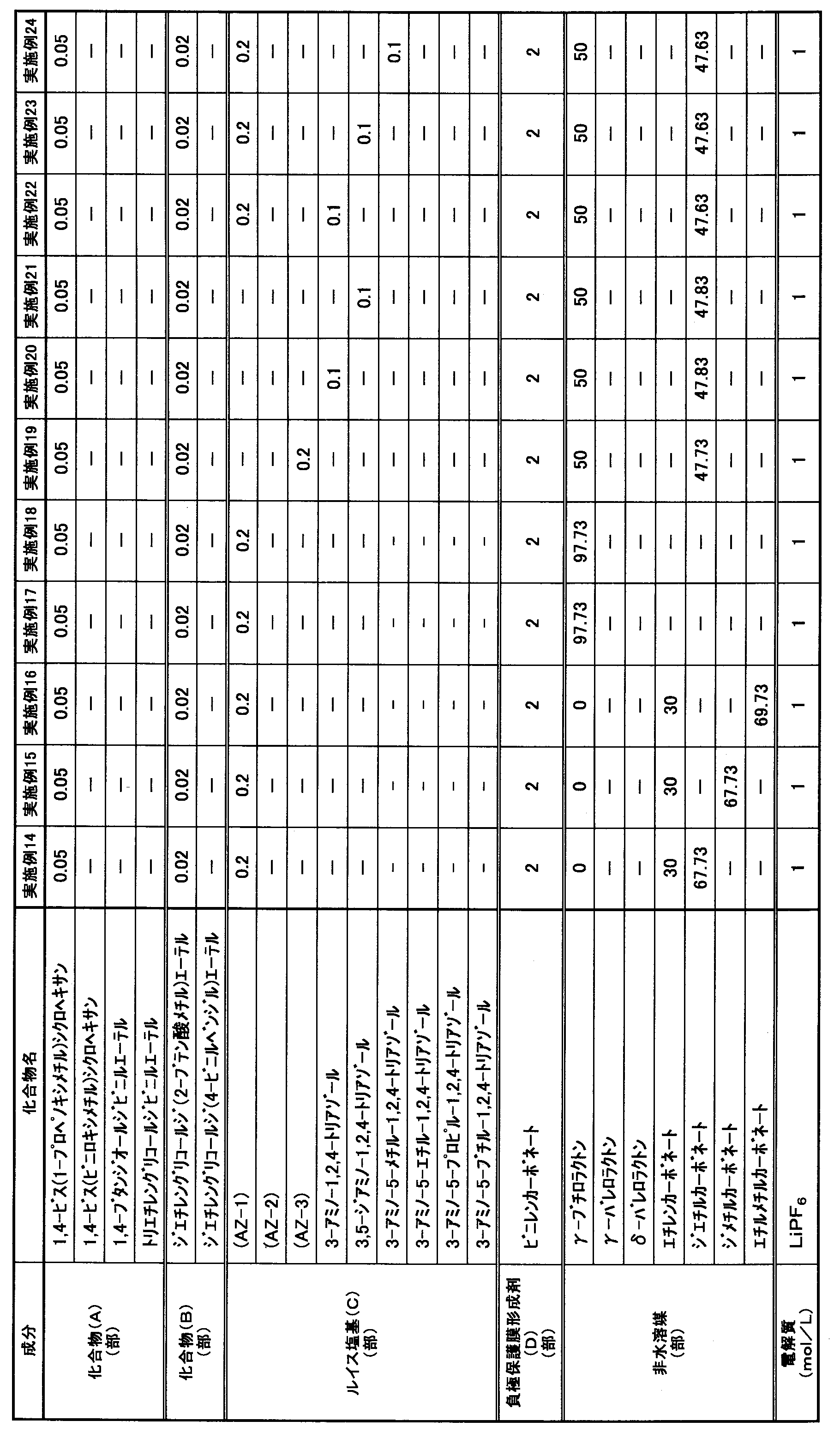
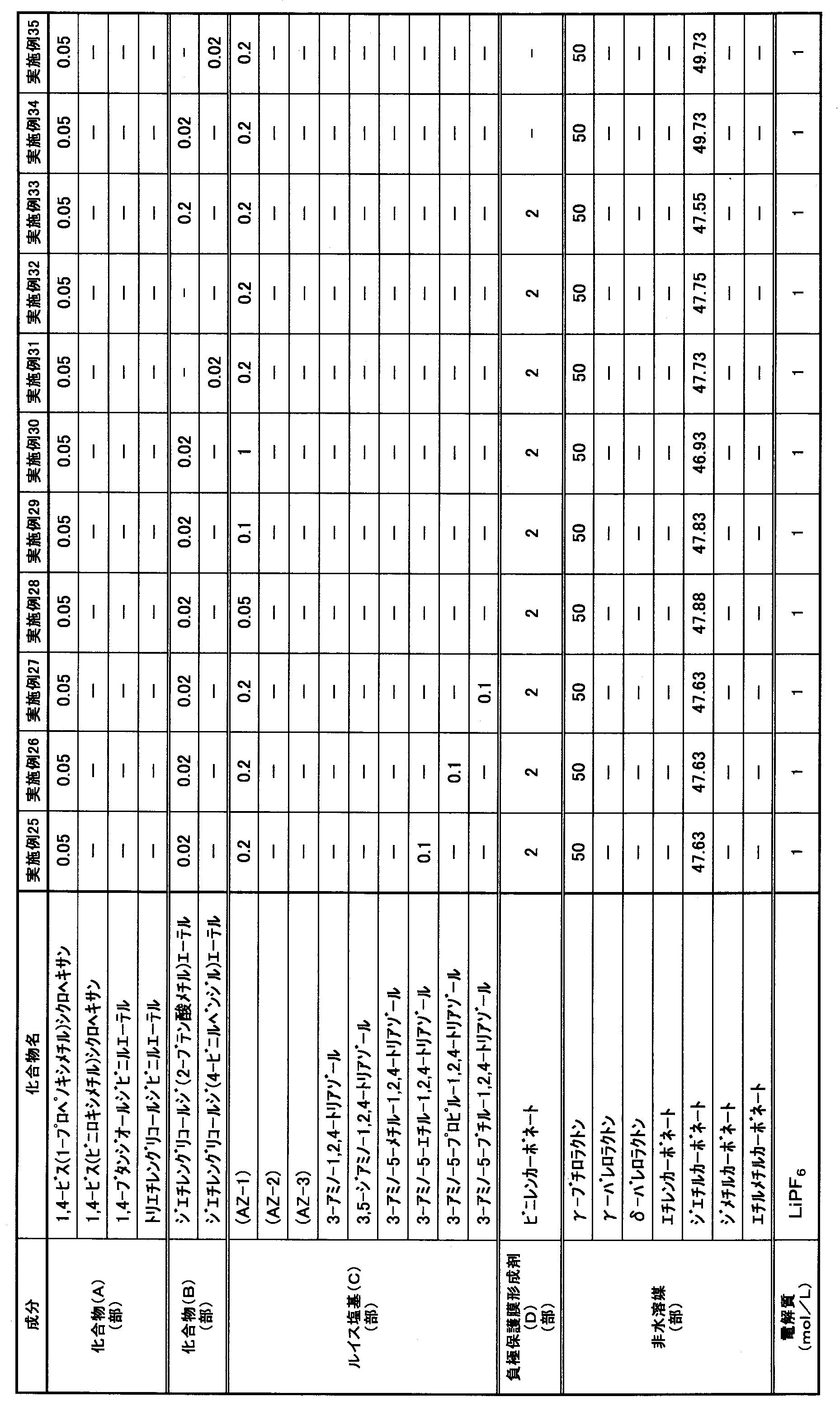
[リチウムイオン電池用正極の作成]
表4~7に示した処方に基づいて電極保護膜形成剤(F)を添加した正極を以下の方法で作成した。
LiCoO2粉末90.0部、ケチェンブラック[アルドリッチ社製]5部、ポリフッ化ビニリデン[アルドリッチ社製]5部、及び表4~7に示した重量の(F)を乳鉢で十分に混合した後、1-メチル-2-ピロリドン[東京化成工業(株)製]70.0部、を添加し、更に乳鉢で十分に混合してスラリーを得た。得られたスラリーを、大気中でワイヤーバーを用いて厚さ20μmのアルミニウム電解箔上の片面に塗布し、100℃で15分間乾燥させた後、更に減圧下(10mmHg)、80℃で5分間乾燥して、15.95mmφに打ち抜き、実施例36~67のリチウムイオン電池用正極を作製した。
表4~7に示した処方に基づいて電極保護膜形成剤(F)を添加した正極を以下の方法で作成した。
LiCoO2粉末90.0部、ケチェンブラック[アルドリッチ社製]5部、ポリフッ化ビニリデン[アルドリッチ社製]5部、及び表4~7に示した重量の(F)を乳鉢で十分に混合した後、1-メチル-2-ピロリドン[東京化成工業(株)製]70.0部、を添加し、更に乳鉢で十分に混合してスラリーを得た。得られたスラリーを、大気中でワイヤーバーを用いて厚さ20μmのアルミニウム電解箔上の片面に塗布し、100℃で15分間乾燥させた後、更に減圧下(10mmHg)、80℃で5分間乾燥して、15.95mmφに打ち抜き、実施例36~67のリチウムイオン電池用正極を作製した。
[リチウムイオン電池用負極の作成]
表4~7に示した処方に基づいて電極保護膜形成剤(F)を添加した負極を以下の方法で作成した。
平均粒子径約8~12μmの黒鉛粉末92.5部、ポリフッ化ビニリデン7.5部、1-メチル-2-ピロリドン[東京化成工業(株)製]200部及び表4~7に示した重量の(F)を乳鉢で十分に混合しスラリーを得た。得られたスラリーを、厚さ20μmの銅箔の片面に塗布し、100℃で15分間乾燥して溶媒を蒸発させた後、16.15mmφに打ち抜き、プレス機で厚さ30μmにして実施例36~67のリチウムイオン電池用負極を作製した。
表4~7に示した処方に基づいて電極保護膜形成剤(F)を添加した負極を以下の方法で作成した。
平均粒子径約8~12μmの黒鉛粉末92.5部、ポリフッ化ビニリデン7.5部、1-メチル-2-ピロリドン[東京化成工業(株)製]200部及び表4~7に示した重量の(F)を乳鉢で十分に混合しスラリーを得た。得られたスラリーを、厚さ20μmの銅箔の片面に塗布し、100℃で15分間乾燥して溶媒を蒸発させた後、16.15mmφに打ち抜き、プレス機で厚さ30μmにして実施例36~67のリチウムイオン電池用負極を作製した。
[リチウムイオンキャパシタ用正極の作成]
表7に示した処方に基づいて電極保護膜形成剤(F)を添加した正極を以下の方法で作成した。
活性炭粉末90.0部、ケチェンブラック[アルドリッチ社製]5.0部、ポリフッ化ビニリデン[アルドリッチ社製]5.0部、及び表4~7に示した重量の(F)を乳鉢で十分に混合した後、1-メチル-2-ピロリドン[東京化成工業(株)製]70.0部、を添加し、更に乳鉢で十分に混合してスラリーを得た。得られたスラリーを、大気中でワイヤーバーを用いて厚さ20μmのアルミニウム電解箔上の片面に塗布し、100℃で15分間乾燥させた後、更に減圧下(10mmHg)、80℃で5分間乾燥して、15.95mmφに打ち抜き、実施例68~71のリチウムイオンキャパシタ用正極を作製した。
表7に示した処方に基づいて電極保護膜形成剤(F)を添加した正極を以下の方法で作成した。
活性炭粉末90.0部、ケチェンブラック[アルドリッチ社製]5.0部、ポリフッ化ビニリデン[アルドリッチ社製]5.0部、及び表4~7に示した重量の(F)を乳鉢で十分に混合した後、1-メチル-2-ピロリドン[東京化成工業(株)製]70.0部、を添加し、更に乳鉢で十分に混合してスラリーを得た。得られたスラリーを、大気中でワイヤーバーを用いて厚さ20μmのアルミニウム電解箔上の片面に塗布し、100℃で15分間乾燥させた後、更に減圧下(10mmHg)、80℃で5分間乾燥して、15.95mmφに打ち抜き、実施例68~71のリチウムイオンキャパシタ用正極を作製した。
[リチウムイオンキャパシタ用負極の作成]
表7に示した処方に基づいて電極保護膜形成剤(F)を添加した負極を以下の方法で作成した。
平均粒子径約8~12μmの黒鉛粉末92.5部、ポリフッ化ビニリデン7.5部、1-メチル-2-ピロリドン[東京化成工業(株)製]200部及び表4~7に示した重量の(F)を乳鉢で十分に混合しスラリーを得た。得られたスラリーを、厚さ20μmの銅箔の片面に塗布し、100℃で15分間乾燥して溶媒を蒸発させた後、16.15mmφに打ち抜き、プレス機で厚さ30μmにした。得られた電極と、リチウム金属箔を、セパレータ(ポリプロピレン製不織布)で挟んでビーカーセルにセットし、負極理論容量の約75%のリチウムイオンを約10時間かけて負極に吸蔵させ、実施例68~71のリチウムイオンキャパシタ用負極を作製した。
表7に示した処方に基づいて電極保護膜形成剤(F)を添加した負極を以下の方法で作成した。
平均粒子径約8~12μmの黒鉛粉末92.5部、ポリフッ化ビニリデン7.5部、1-メチル-2-ピロリドン[東京化成工業(株)製]200部及び表4~7に示した重量の(F)を乳鉢で十分に混合しスラリーを得た。得られたスラリーを、厚さ20μmの銅箔の片面に塗布し、100℃で15分間乾燥して溶媒を蒸発させた後、16.15mmφに打ち抜き、プレス機で厚さ30μmにした。得られた電極と、リチウム金属箔を、セパレータ(ポリプロピレン製不織布)で挟んでビーカーセルにセットし、負極理論容量の約75%のリチウムイオンを約10時間かけて負極に吸蔵させ、実施例68~71のリチウムイオンキャパシタ用負極を作製した。
<比較例4>
電極保護膜形成剤(F)のかわりにメチルスルホン1.5部を添加すること以外、実施例36~67と同様の方法で比較例4のリチウムイオン電池用正極を作成した。
電極保護膜形成剤(F)を添加しないこと以外、実施例36~67と同様の方法で比較例4のリチウムイオン電池用負極を作成した。
電極保護膜形成剤(F)のかわりにメチルスルホン1.5部を添加すること以外、実施例36~67と同様の方法で比較例4のリチウムイオン電池用正極を作成した。
電極保護膜形成剤(F)を添加しないこと以外、実施例36~67と同様の方法で比較例4のリチウムイオン電池用負極を作成した。
<比較例5>
電極保護膜形成剤(F)のかわりに1,3-プロパンスルトン1.5部を添加すること以外、実施例36~67と同様の方法で比較例5のリチウムイオン電池用正極を作成した。
電極保護膜形成剤(F)を添加しないこと以外、実施例36~67と同様の方法で比較例5のリチウムイオン電池用負極を作成した。
電極保護膜形成剤(F)のかわりに1,3-プロパンスルトン1.5部を添加すること以外、実施例36~67と同様の方法で比較例5のリチウムイオン電池用正極を作成した。
電極保護膜形成剤(F)を添加しないこと以外、実施例36~67と同様の方法で比較例5のリチウムイオン電池用負極を作成した。
<比較例6>
電極保護膜形成剤(F)のかわりにジメチルスルホン1.5部を添加すること以外、実施例68~71と同様の方法で比較例6のリチウムイオンキャパシタ用正極を作成した。
電極保護膜形成剤(F)を添加しないこと以外、実施例68~71と同様の方法で比較例6のリチウムイオンキャパシタ用負極を作成した。
電極保護膜形成剤(F)のかわりにジメチルスルホン1.5部を添加すること以外、実施例68~71と同様の方法で比較例6のリチウムイオンキャパシタ用正極を作成した。
電極保護膜形成剤(F)を添加しないこと以外、実施例68~71と同様の方法で比較例6のリチウムイオンキャパシタ用負極を作成した。
<比較例7>
電極保護膜形成剤(F)のかわりに1,3-プロパンスルトン1.5部を添加すること以外、実施例68~71と同様の方法で比較例7のリチウムイオンキャパシタ用正極を作成した。
電極保護膜形成剤(F)を添加しないこと以外、実施例68~71と同様の方法で比較例7のリチウムイオンキャパシタ用負極を作成した。
電極保護膜形成剤(F)のかわりに1,3-プロパンスルトン1.5部を添加すること以外、実施例68~71と同様の方法で比較例7のリチウムイオンキャパシタ用正極を作成した。
電極保護膜形成剤(F)を添加しないこと以外、実施例68~71と同様の方法で比較例7のリチウムイオンキャパシタ用負極を作成した。
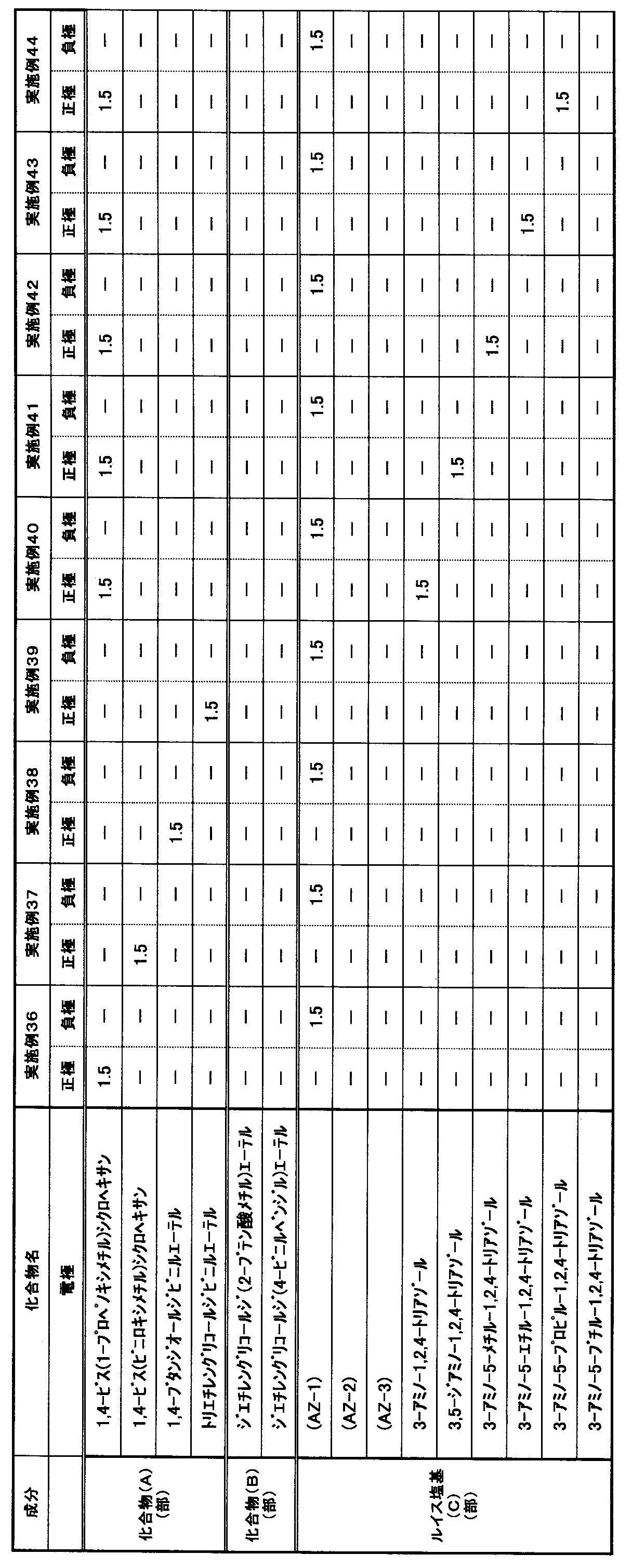
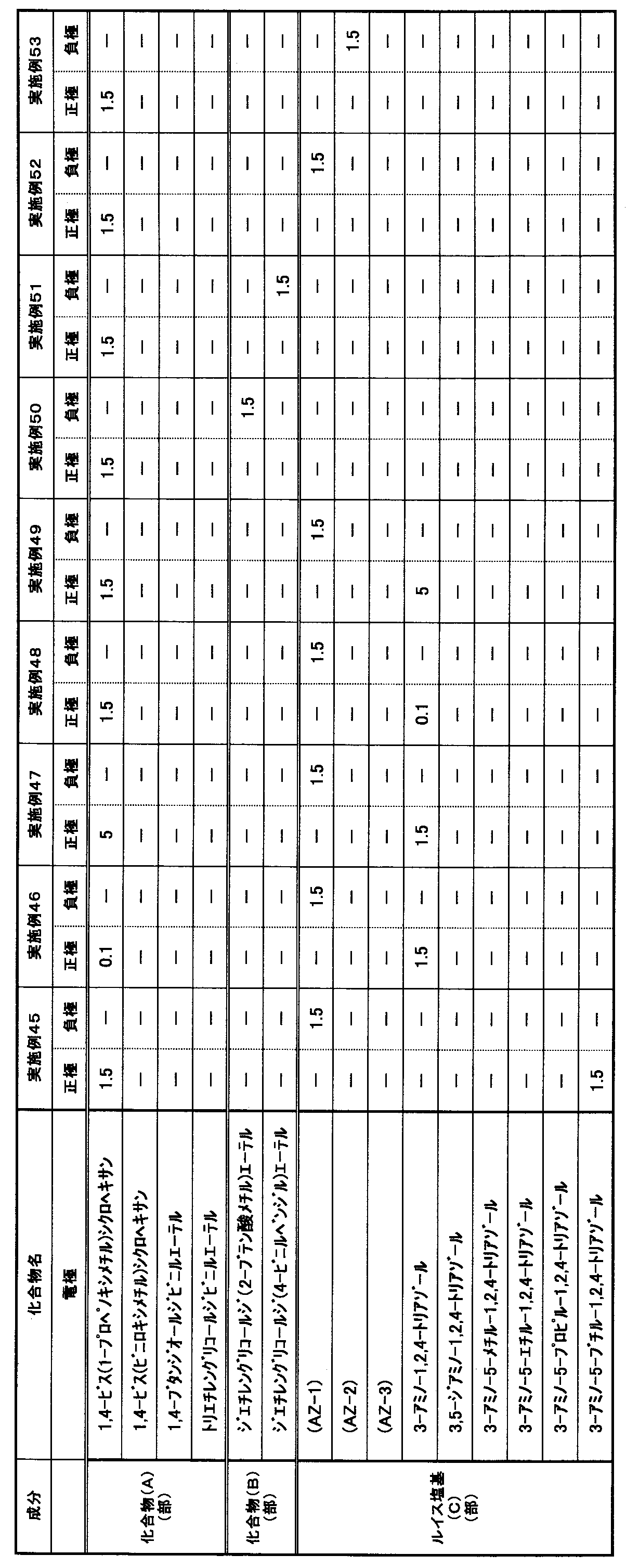
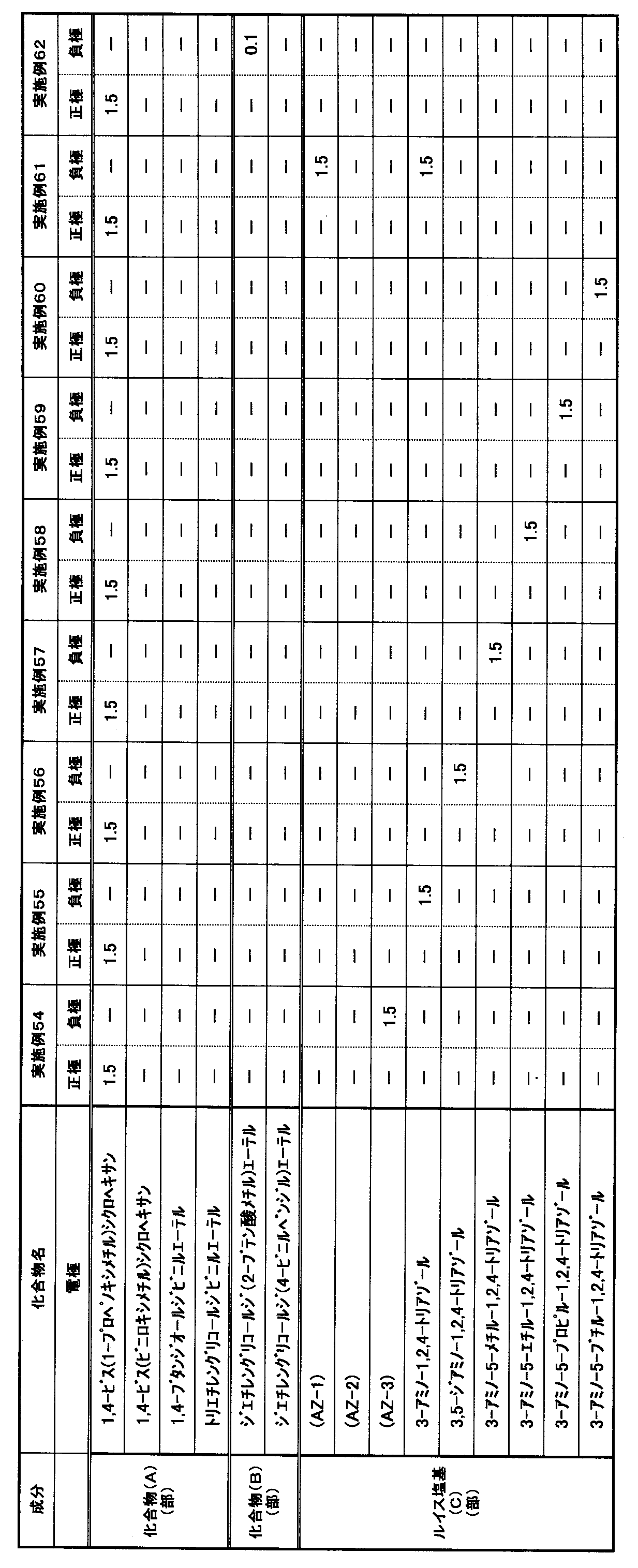
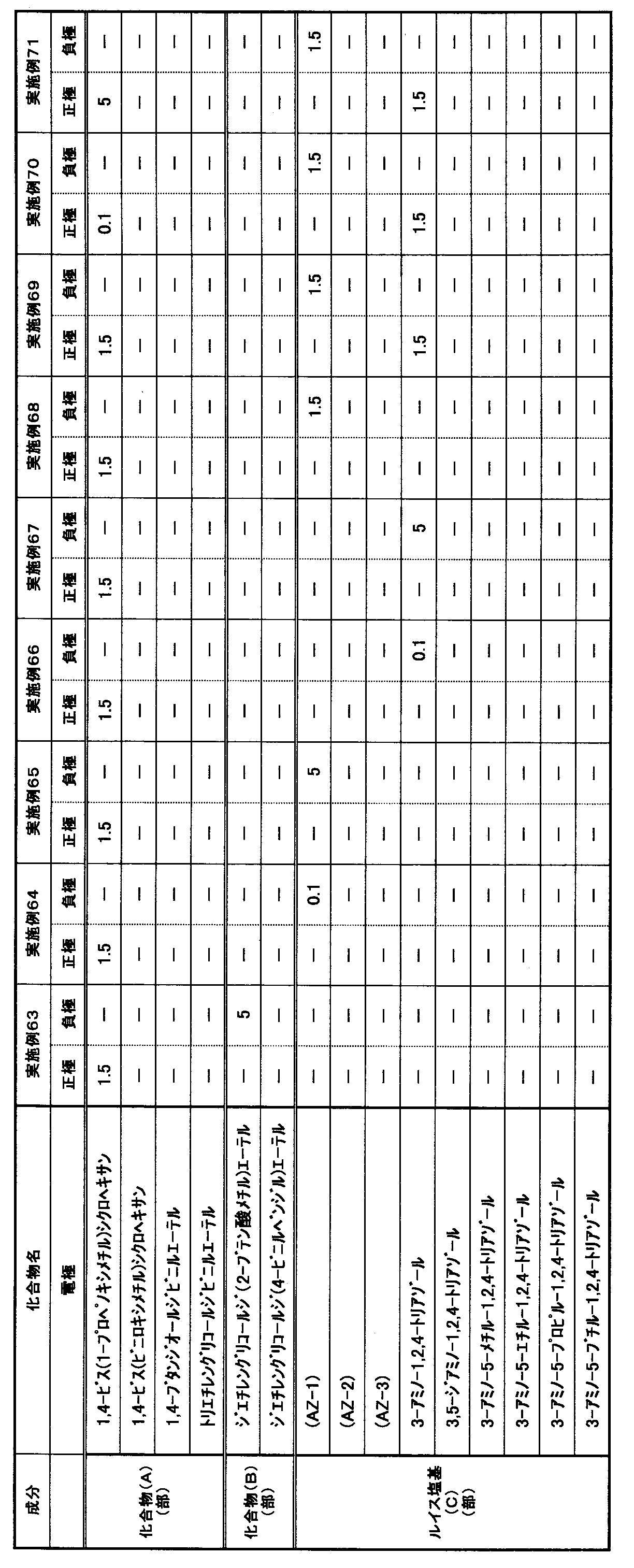
[リチウムイオン電池、リチウムイオンキャパシタの作成]
(1)リチウムイオン電池の作成
(1-1)正極の作製
LiCoO2粉末9.0部、ケチェンブラック[アルドリッチ社製]0.5部及びポリフッ化ビニリデン[アルドリッチ社製]0.5部を乳鉢で十分に混合した後、1-メチル-2-ピロリドン[東京化成工業(株)製]7.0部を添加し、更に乳鉢で十分に混合してスラリーを得た。得られたスラリーを、大気中でワイヤーバーを用いて厚さ20μmのアルミニウム電解箔上の片面に塗布し、100℃で15分間乾燥させた後、更に減圧下(10mmHg)、80℃で5分間乾燥して、15.95mmφに打ち抜き、膜厚30μmのリチウムイオン電池用の正極を作製した。
(1)リチウムイオン電池の作成
(1-1)正極の作製
LiCoO2粉末9.0部、ケチェンブラック[アルドリッチ社製]0.5部及びポリフッ化ビニリデン[アルドリッチ社製]0.5部を乳鉢で十分に混合した後、1-メチル-2-ピロリドン[東京化成工業(株)製]7.0部を添加し、更に乳鉢で十分に混合してスラリーを得た。得られたスラリーを、大気中でワイヤーバーを用いて厚さ20μmのアルミニウム電解箔上の片面に塗布し、100℃で15分間乾燥させた後、更に減圧下(10mmHg)、80℃で5分間乾燥して、15.95mmφに打ち抜き、膜厚30μmのリチウムイオン電池用の正極を作製した。
(1-2)負極の作製
平均粒子径約8~12μmの黒鉛粉末92.5部、ポリフッ化ビニリデン7.5部及び1-メチル-2-ピロリドン[東京化成工業(株)製]200部を乳鉢で十分に混合しスラリーを得た。得られたスラリーを、厚さ20μmの銅箔の片面に塗布し、100℃で15分間乾燥して溶媒を蒸発させた後、16.15mmφに打ち抜き、プレス機で厚さ30μmにしてリチウムイオン電池用の負極を作製した。
平均粒子径約8~12μmの黒鉛粉末92.5部、ポリフッ化ビニリデン7.5部及び1-メチル-2-ピロリドン[東京化成工業(株)製]200部を乳鉢で十分に混合しスラリーを得た。得られたスラリーを、厚さ20μmの銅箔の片面に塗布し、100℃で15分間乾燥して溶媒を蒸発させた後、16.15mmφに打ち抜き、プレス機で厚さ30μmにしてリチウムイオン電池用の負極を作製した。
(1-3)二次電池用セルの作製
2032型コインセル内の両端に、上記正極及び負極を、それぞれの塗布面が向き合うように配置して二次電池用セルを作製した。
2032型コインセル内の両端に、上記正極及び負極を、それぞれの塗布面が向き合うように配置して二次電池用セルを作製した。
(2)リチウムイオンキャパシタの作成
(2-1)正極の作製
正極活物質として、アルカリ賦活法によって得られた比表面積が約2200m2/gである活性炭を用いた。活性炭粉末、アセチレンブラック、及びポリフッ化ビニリデンを、それぞれ重量比80:10:10の割合となるように混合し、この混合物を、溶媒であるN-メチルピロリドン中に添加し、攪拌混合してスラリーを得た。このスラリーを、厚さ30μmのアルミニウム箔の上にドクターブレード法で塗布し、仮乾燥した後、電極サイズが20mm×30mmとなるように切り取った。電極の厚みは約50μmであった。セルの組み立て前には、真空中で120℃、10時間乾燥しリチウムイオンキャパシタ用の正極を作成した。
(2-1)正極の作製
正極活物質として、アルカリ賦活法によって得られた比表面積が約2200m2/gである活性炭を用いた。活性炭粉末、アセチレンブラック、及びポリフッ化ビニリデンを、それぞれ重量比80:10:10の割合となるように混合し、この混合物を、溶媒であるN-メチルピロリドン中に添加し、攪拌混合してスラリーを得た。このスラリーを、厚さ30μmのアルミニウム箔の上にドクターブレード法で塗布し、仮乾燥した後、電極サイズが20mm×30mmとなるように切り取った。電極の厚みは約50μmであった。セルの組み立て前には、真空中で120℃、10時間乾燥しリチウムイオンキャパシタ用の正極を作成した。
(2-2)負極の作製
平均粒子径約8~12μmの黒鉛粉末80部、アセチレンブラック10部、及びポリフッ化ビニリデン10部を混合し、この混合物を溶媒であるN-メチルピロリドンに添加して攪拌混合し、スラリーを得た。このスラリーを、厚さ18μmの銅箔の上にドクターブレード法で塗布し、仮乾燥した後、電極サイズが20mm×30mmとなるように切り取った。電極の厚みは、約50μmであった。セルの組み立て前に、真空中で120℃、5時間乾燥しリチウムイオンキャパシタ用の負極を作成した。
平均粒子径約8~12μmの黒鉛粉末80部、アセチレンブラック10部、及びポリフッ化ビニリデン10部を混合し、この混合物を溶媒であるN-メチルピロリドンに添加して攪拌混合し、スラリーを得た。このスラリーを、厚さ18μmの銅箔の上にドクターブレード法で塗布し、仮乾燥した後、電極サイズが20mm×30mmとなるように切り取った。電極の厚みは、約50μmであった。セルの組み立て前に、真空中で120℃、5時間乾燥しリチウムイオンキャパシタ用の負極を作成した。
(2-3)負極へのリチウムのドーピング
上記のようにして得られた負極に、以下のようにしてリチウムをドーピングさせた。負極と、リチウム金属箔を、セパレータ(ポリプロピレン製不織布)で挟んでビーカーセルにセットし、所定量のリチウムイオンを約10時間かけて負極に吸蔵させた。リチウムのドープ量は、負極理論容量の約75%とした。
上記のようにして得られた負極に、以下のようにしてリチウムをドーピングさせた。負極と、リチウム金属箔を、セパレータ(ポリプロピレン製不織布)で挟んでビーカーセルにセットし、所定量のリチウムイオンを約10時間かけて負極に吸蔵させた。リチウムのドープ量は、負極理論容量の約75%とした。
(2-4)キャパシタセルの組み立て
上記のようにして得られた正極と負極の間に、セパレータ(ポリプロピレン製不織布)を挿入し、これに電解液を含浸させ、ラミネートフィルムからなる収納ケースに入れて密封しリチウムイオンキャパシタを作成した。
上記のようにして得られた正極と負極の間に、セパレータ(ポリプロピレン製不織布)を挿入し、これに電解液を含浸させ、ラミネートフィルムからなる収納ケースに入れて密封しリチウムイオンキャパシタを作成した。
[評価]
電解液の評価
実施例4~35及び比較例1~3で調整した電解液を、それぞれ上記二次電池用セルに注液後密封し、以下の方法で高電圧充放電サイクル特性及び高温保存特性を評価した結果と、キャパシタセルに注液後密封し、以下の方法で高電圧充放電サイクル特性及び高温保存特性を評価した結果を表8に示す。
電解液の評価
実施例4~35及び比較例1~3で調整した電解液を、それぞれ上記二次電池用セルに注液後密封し、以下の方法で高電圧充放電サイクル特性及び高温保存特性を評価した結果と、キャパシタセルに注液後密封し、以下の方法で高電圧充放電サイクル特性及び高温保存特性を評価した結果を表8に示す。

電極の評価
(1)リチウム二次電池の作成
2032型コインセル内の両端に、実施例36~67及び比較例4,5の正極及び負極をそれぞれの塗布面が向き合うように配置して二次電池用セルを作製した。エチレンカーボネートとジメチルカーボネートの混合溶媒(体積比率1:1)に、LiPF6を1mol/Lの割合で溶解させた電解液を作成したセルに注液密封し、以下の方法で高電圧充放電サイクル特性及び高温保存特性を評価した結果を表9に示す。
(2)リチウムイオンキャパシタの作成
ラミネートフィルムからなる収納ケースに、実施例68~71及び比較例6,7の正極及び負極を、それぞれの塗布面が向き合うように配置してキャパシタ用セルを作製した。エチレンカーボネートとジメチルカーボネートの混合溶媒(体積比率1:1)に、LiPF6を1mol/Lの割合で溶解させた電解液を作成したセルに注液密封し、以下の方法で高電圧充放電サイクル特性及び高温保存特性を評価した結果を表9に示す。
(1)リチウム二次電池の作成
2032型コインセル内の両端に、実施例36~67及び比較例4,5の正極及び負極をそれぞれの塗布面が向き合うように配置して二次電池用セルを作製した。エチレンカーボネートとジメチルカーボネートの混合溶媒(体積比率1:1)に、LiPF6を1mol/Lの割合で溶解させた電解液を作成したセルに注液密封し、以下の方法で高電圧充放電サイクル特性及び高温保存特性を評価した結果を表9に示す。
(2)リチウムイオンキャパシタの作成
ラミネートフィルムからなる収納ケースに、実施例68~71及び比較例6,7の正極及び負極を、それぞれの塗布面が向き合うように配置してキャパシタ用セルを作製した。エチレンカーボネートとジメチルカーボネートの混合溶媒(体積比率1:1)に、LiPF6を1mol/Lの割合で溶解させた電解液を作成したセルに注液密封し、以下の方法で高電圧充放電サイクル特性及び高温保存特性を評価した結果を表9に示す。

<高電圧充放電サイクル特性の評価>
充放電測定装置「バッテリーアナライザー1470型」[東陽テクニカ(株)製]を用いて、0.1Cの電流で電圧4.5Vまで充電し、10分間の休止後、0.1Cの電流で電池電圧を3.5Vまで放電し、この充放電を繰り返した。この時の初回充電時の電池容量と50サイクル目充電時の電池容量を測定し、下記式から充放電サイクル特性を算出する。数値が大きい程、充放電サイクル特性が良好であることを示す。
高電圧充放電サイクル特性(%)=(50サイクル目充電時の電池容量/初回充電時の電池容量)×100
充放電測定装置「バッテリーアナライザー1470型」[東陽テクニカ(株)製]を用いて、0.1Cの電流で電圧4.5Vまで充電し、10分間の休止後、0.1Cの電流で電池電圧を3.5Vまで放電し、この充放電を繰り返した。この時の初回充電時の電池容量と50サイクル目充電時の電池容量を測定し、下記式から充放電サイクル特性を算出する。数値が大きい程、充放電サイクル特性が良好であることを示す。
高電圧充放電サイクル特性(%)=(50サイクル目充電時の電池容量/初回充電時の電池容量)×100
<高温保存特性の評価>
充放電測定装置「バッテリーアナライザー1470型」[東陽テクニカ(株)製]を用いて、0.1Cの電流で電圧4.5Vまで充電し、10分間の休止後、0.1Cの電流で電圧3.5Vまで放電し容量を測定する(初回電池容量)。更に0.1Cの電流で電圧4.5Vまで充電し、85℃で7日間保存後、0.1Cの電流で3.5Vまで放電を行い電池容量を測定する(高温保存後電池容量)。下記式から高温保存特性を算出する。数値が大きいほど、高温保存特性が良好であることを示す。
高温保存特性(%)=(高温保存後電池容量/初回電池容量)×100
充放電測定装置「バッテリーアナライザー1470型」[東陽テクニカ(株)製]を用いて、0.1Cの電流で電圧4.5Vまで充電し、10分間の休止後、0.1Cの電流で電圧3.5Vまで放電し容量を測定する(初回電池容量)。更に0.1Cの電流で電圧4.5Vまで充電し、85℃で7日間保存後、0.1Cの電流で3.5Vまで放電を行い電池容量を測定する(高温保存後電池容量)。下記式から高温保存特性を算出する。数値が大きいほど、高温保存特性が良好であることを示す。
高温保存特性(%)=(高温保存後電池容量/初回電池容量)×100
本発明の電極保護膜形成剤(F)を使用した電解液は高電圧下でのサイクル特性及び高温貯蔵安定性が優れているため、特にリチウム二次電池用電解液又はリチウムイオンキャパシタ用電解液として有用であり、電気自動車用として好適である。
Claims (16)
- 下記(A1)、(A2)、(A3)、(B1)及び(B2)からなる群より選ばれる少なくとも1種の化合物(A)又は(B)を含有する電極保護膜形成剤(F)。
(A1):下記一般式(1)で表されるアルケニルオキシ基(a)を有する脂肪族炭化水素
(A2):(a)を有する多価アルコールのエーテル
(A3):(a)を有するポリオキシアルキレンエーテル
(B1):下記一般式(2)で表される置換基、下記一般式(3)で表される置換基、(メタ)アクリロイルオキシアルキル基、及び(メタ)アクリロイルアルキル基からなる群より選ばれる少なくとも1種の置換基(b)を有する多価アルコールのエーテル
(B2):(b)を有するポリオキシアルキレンエーテル


- アルケニルオキシ基(a)が、ビニルオキシ基又は1-プロペニルオキシ基である請求項1に記載の電極保護膜形成剤(F)。
- (A1)、(A2)及び(A3)からなる群より選ばれる少なくとも1種の化合物(A)を含有してなり、化合物(A)が一般式(4)で表される化合物、一般式(5)で表される化合物又はビニルオキシ基若しくは1-プロペニルオキシ基を2つ以上有するシクロヘキサン誘導体である請求項1又は2に記載の電極保護膜形成剤(F)。
R4-CH=CH-O-(CH2)p-O-CH=CH-R5 (4)
[式中、R4及びR5はそれぞれ独立に水素原子又はメチル基であり、pは1~10の整数である。]
R6-CH=CH-O-(C2H4O)q-CH=CH-R7 (5)
[式中、R6及びR7はそれぞれ独立に水素原子又はメチル基であり、qは1~5の整数である。] - 請求項1~3のいずれか1項に記載の電極保護膜形成剤(F)を含有する電解液。
- 更に、ルイス塩基(C)を含有する請求項4に記載の電解液。
- 前記ルイス塩基(C)が、アザクラウンエーテル誘導体(C1)及び/又はトリアゾール誘導体(C2)である請求項5に記載の電解液。
- 前記アザクラウンエーテル誘導体(C1)が、アザクラウンエーテル環における窒素原子の1個以上に重合性不飽和二重結合を有する置換基を結合してなる誘導体である請求項6に記載の電解液。
- 前記重合性不飽和二重結合を有する置換基が、置換基(b)である請求項7に記載の電解液。
- 前記アザクラウンエーテル誘導体(C1)のアザクラウンエーテル骨格が、アザ-12-クラウン-4-エーテル、アザ-14-クラウン-4-エーテル、アザ-15-クラウン-5-エーテル又はアザ-18-クラウン-6-エーテルである請求項6~8のいずれか1項に記載の電解液。
- 前記トリアゾール誘導体(C2)が、3-アミノ-1,2,4-トリアゾール、3,5-ジアミノ-1,2,4-トリアゾール、3-アミノ-5-メチル-1,2,4-トリアゾール、3-アミノ-5-エチル-1,2,4-トリアゾール、3-アミノ-5-プロピル-1,2,4-トリアゾール又は3-アミノ-5-ブチル-1,2,4-トリアゾールである請求項6に記載の電解液。
- 更に、溶媒として、5員環又は6員環のラクトン化合物を含む請求項4~10のいずれか1項に記載の電解液。
- リチウム二次電池用又はリチウムイオンキャパシタ用である請求項4~11のいずれか1項に記載の電解液。
- 請求項12に記載の電解液を含むリチウム二次電池又はリチウムイオンキャパシタ。
- 請求項1~3のいずれか1項に記載の電極保護膜形成剤(F)が反応してできた膜(f)で被覆された電極活物質を有するリチウム二次電池又はリチウムイオンキャパシタ。
- 正極及び/又は負極に、請求項1~3のいずれか1項に記載の電極保護膜形成剤(F)を含有するリチウム二次電池又はリチウムイオンキャパシタ。
- 下記(A1)、(A2)、(A3)、(B1)及び(B2)からなる群より選ばれる少なくとも1種の化合物(A)又は(B)を含有する電極保護膜形成剤(F)を含有する電解液に充電することにより、電極表面に膜を形成する電極保護膜形成方法。
(A1):下記一般式(1)で表されるアルケニルオキシ基(a)を有する脂肪族炭化水素
(A2):(a)を有する多価アルコールのエーテル
(A3):(a)を有するポリオキシアルキレンエーテル
(B1):下記一般式(2)で表される置換基、下記一般式(3)で表される置換基、(メタ)アクリロイルオキシアルキル基、及び(メタ)アクリロイルアルキル基からなる群より選ばれる少なくとも1種の置換基(b)を有する多価アルコールのエーテル
(B2):(b)を有するポリオキシアルキレンエーテル
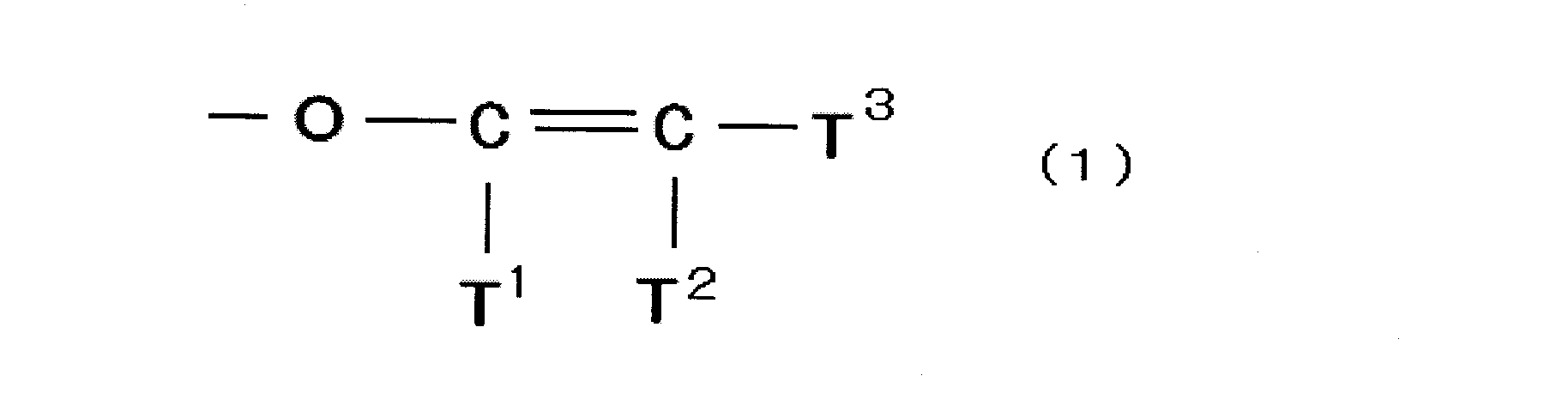
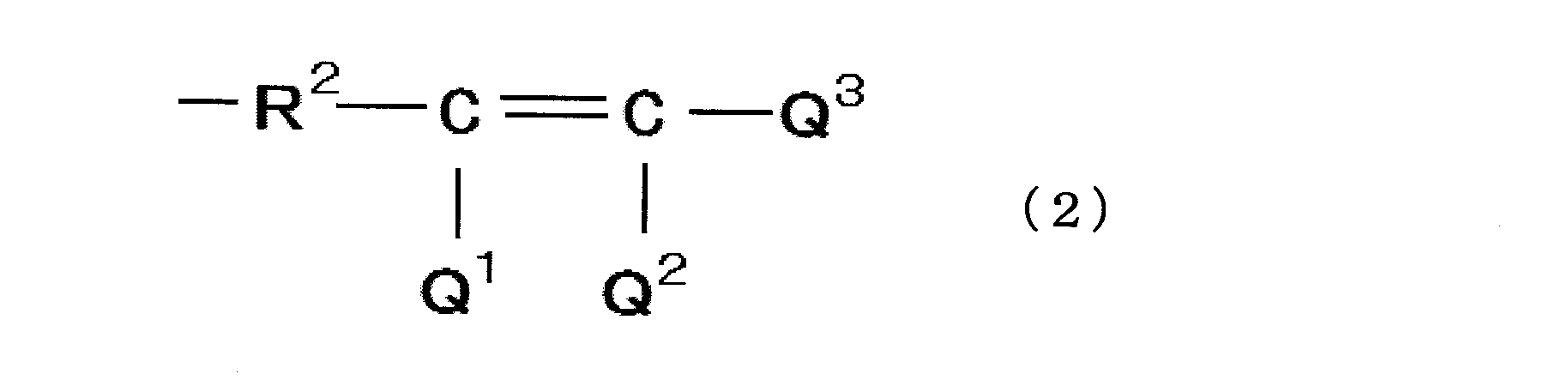

Priority Applications (1)
| Application Number | Priority Date | Filing Date | Title |
|---|---|---|---|
| JP2012510541A JPWO2011129053A1 (ja) | 2010-04-12 | 2011-03-15 | 電極保護膜形成剤及び電解液 |
Applications Claiming Priority (6)
| Application Number | Priority Date | Filing Date | Title |
|---|---|---|---|
| JP2010091199 | 2010-04-12 | ||
| JP2010-091199 | 2010-04-12 | ||
| JP2010-210634 | 2010-09-21 | ||
| JP2010210634 | 2010-09-21 | ||
| JP2011006753 | 2011-01-17 | ||
| JP2011-006753 | 2011-01-17 |
Publications (1)
| Publication Number | Publication Date |
|---|---|
| WO2011129053A1 true WO2011129053A1 (ja) | 2011-10-20 |
Family
ID=44798443
Family Applications (1)
| Application Number | Title | Priority Date | Filing Date |
|---|---|---|---|
| PCT/JP2011/001503 Ceased WO2011129053A1 (ja) | 2010-04-12 | 2011-03-15 | 電極保護膜形成剤及び電解液 |
Country Status (3)
| Country | Link |
|---|---|
| JP (1) | JPWO2011129053A1 (ja) |
| TW (1) | TW201203678A (ja) |
| WO (1) | WO2011129053A1 (ja) |
Cited By (8)
| Publication number | Priority date | Publication date | Assignee | Title |
|---|---|---|---|---|
| WO2012111335A1 (ja) * | 2011-02-18 | 2012-08-23 | 三洋化成工業株式会社 | 電極保護膜形成剤 |
| WO2013031487A1 (ja) * | 2011-08-26 | 2013-03-07 | 三洋化成工業株式会社 | 負極用添加剤、負極、重合被膜の形成方法、リチウム二次電池及びリチウムイオンキャパシタ |
| WO2013031045A1 (ja) * | 2011-08-26 | 2013-03-07 | 三洋化成工業株式会社 | 電極用添加剤及び電極 |
| WO2014073378A1 (ja) * | 2012-11-07 | 2014-05-15 | 三洋化成工業株式会社 | 電極保護膜形成剤、電極、電解液、リチウム二次電池、リチウムイオンキャパシタ、および、電極保護膜の製造方法 |
| JP2015062158A (ja) * | 2013-08-20 | 2015-04-02 | 三洋化成工業株式会社 | 電極保護膜形成剤 |
| CN109755044A (zh) * | 2013-07-12 | 2019-05-14 | Ioxus公司 | 用于电化学装置的稳定性增强添加剂 |
| CN110582877A (zh) * | 2017-05-01 | 2019-12-17 | 株式会社村田制作所 | 锂离子二次电池用负极及锂离子二次电池 |
| WO2024081666A3 (en) * | 2022-10-10 | 2024-05-16 | Rutgers, The State University Of New Jersey | Solvent compositions for lithium-metal batteries |
Families Citing this family (2)
| Publication number | Priority date | Publication date | Assignee | Title |
|---|---|---|---|---|
| CN106711506A (zh) * | 2016-12-22 | 2017-05-24 | 广州天赐高新材料股份有限公司 | 一种含苯乙烯及其衍生物的电解液和使用该电解液的锂二次电池 |
| CN116454418A (zh) * | 2023-04-07 | 2023-07-18 | 重庆理工大学 | 一种水系锌离子电解液、锌离子电池及其制备方法 |
Citations (11)
| Publication number | Priority date | Publication date | Assignee | Title |
|---|---|---|---|---|
| JPH06168739A (ja) * | 1992-11-30 | 1994-06-14 | Canon Inc | 二次電池 |
| JPH09251860A (ja) * | 1996-03-15 | 1997-09-22 | Fujitsu Ltd | リチウム二次電池用電解液及びリチウム二次電池 |
| JPH11329492A (ja) * | 1998-05-12 | 1999-11-30 | Asahi Glass Co Ltd | 二次電源 |
| US6120941A (en) * | 1995-06-19 | 2000-09-19 | Brookhaven Science Associates | Anion receptor compounds for non-aqueous electrolytes |
| JP2001148257A (ja) * | 1999-11-22 | 2001-05-29 | Denso Corp | 電池用電解液および非水電解液二次電池 |
| JP2002050398A (ja) * | 1999-06-30 | 2002-02-15 | Matsushita Electric Ind Co Ltd | 非水電解液二次電池と充電制御システムとを含む非水電解液二次電池システムおよびこれを搭載した機器 |
| JP2002518796A (ja) * | 1998-06-08 | 2002-06-25 | モルテック・コーポレーション | 安全保護用多官能反応性モノマーを含む非水電気化学セル |
| JP2005174945A (ja) * | 2005-01-07 | 2005-06-30 | Ube Ind Ltd | リチウム二次電池用非水電解液及び非水電解液二次電池 |
| JP2005251677A (ja) * | 2004-03-08 | 2005-09-15 | Nec Corp | 非水電解液二次電池 |
| JP2010500725A (ja) * | 2006-08-11 | 2010-01-07 | カリフォルニア インスティテュート オブ テクノロジー | フッ化物の溶解度増進をもたらす解離剤、配合物及び方法 |
| JP2010086954A (ja) * | 2008-09-03 | 2010-04-15 | Sanyo Chem Ind Ltd | 電解液用添加剤 |
-
2011
- 2011-03-15 WO PCT/JP2011/001503 patent/WO2011129053A1/ja not_active Ceased
- 2011-03-15 JP JP2012510541A patent/JPWO2011129053A1/ja not_active Withdrawn
- 2011-03-21 TW TW100109542A patent/TW201203678A/zh unknown
Patent Citations (11)
| Publication number | Priority date | Publication date | Assignee | Title |
|---|---|---|---|---|
| JPH06168739A (ja) * | 1992-11-30 | 1994-06-14 | Canon Inc | 二次電池 |
| US6120941A (en) * | 1995-06-19 | 2000-09-19 | Brookhaven Science Associates | Anion receptor compounds for non-aqueous electrolytes |
| JPH09251860A (ja) * | 1996-03-15 | 1997-09-22 | Fujitsu Ltd | リチウム二次電池用電解液及びリチウム二次電池 |
| JPH11329492A (ja) * | 1998-05-12 | 1999-11-30 | Asahi Glass Co Ltd | 二次電源 |
| JP2002518796A (ja) * | 1998-06-08 | 2002-06-25 | モルテック・コーポレーション | 安全保護用多官能反応性モノマーを含む非水電気化学セル |
| JP2002050398A (ja) * | 1999-06-30 | 2002-02-15 | Matsushita Electric Ind Co Ltd | 非水電解液二次電池と充電制御システムとを含む非水電解液二次電池システムおよびこれを搭載した機器 |
| JP2001148257A (ja) * | 1999-11-22 | 2001-05-29 | Denso Corp | 電池用電解液および非水電解液二次電池 |
| JP2005251677A (ja) * | 2004-03-08 | 2005-09-15 | Nec Corp | 非水電解液二次電池 |
| JP2005174945A (ja) * | 2005-01-07 | 2005-06-30 | Ube Ind Ltd | リチウム二次電池用非水電解液及び非水電解液二次電池 |
| JP2010500725A (ja) * | 2006-08-11 | 2010-01-07 | カリフォルニア インスティテュート オブ テクノロジー | フッ化物の溶解度増進をもたらす解離剤、配合物及び方法 |
| JP2010086954A (ja) * | 2008-09-03 | 2010-04-15 | Sanyo Chem Ind Ltd | 電解液用添加剤 |
Cited By (15)
| Publication number | Priority date | Publication date | Assignee | Title |
|---|---|---|---|---|
| WO2012111335A1 (ja) * | 2011-02-18 | 2012-08-23 | 三洋化成工業株式会社 | 電極保護膜形成剤 |
| WO2013031487A1 (ja) * | 2011-08-26 | 2013-03-07 | 三洋化成工業株式会社 | 負極用添加剤、負極、重合被膜の形成方法、リチウム二次電池及びリチウムイオンキャパシタ |
| WO2013031045A1 (ja) * | 2011-08-26 | 2013-03-07 | 三洋化成工業株式会社 | 電極用添加剤及び電極 |
| JPWO2014073378A1 (ja) * | 2012-11-07 | 2016-09-08 | 三洋化成工業株式会社 | 電極保護膜形成剤、電極、電解液、リチウム二次電池、リチウムイオンキャパシタ、および、電極保護膜の製造方法 |
| KR20150068462A (ko) * | 2012-11-07 | 2015-06-19 | 산요가세이고교 가부시키가이샤 | 전극 보호막 형성제, 전극, 전해액, 리튬 2 차 전지, 리튬 이온 캐패시터, 및, 전극 보호막의 제조 방법 |
| WO2014073378A1 (ja) * | 2012-11-07 | 2014-05-15 | 三洋化成工業株式会社 | 電極保護膜形成剤、電極、電解液、リチウム二次電池、リチウムイオンキャパシタ、および、電極保護膜の製造方法 |
| KR101692172B1 (ko) | 2012-11-07 | 2017-01-02 | 산요가세이고교 가부시키가이샤 | 전극 보호막 형성제, 전극, 전해액, 리튬 2 차 전지, 리튬 이온 캐패시터, 및, 전극 보호막의 제조 방법 |
| CN109755044A (zh) * | 2013-07-12 | 2019-05-14 | Ioxus公司 | 用于电化学装置的稳定性增强添加剂 |
| JP2015062158A (ja) * | 2013-08-20 | 2015-04-02 | 三洋化成工業株式会社 | 電極保護膜形成剤 |
| CN110582877A (zh) * | 2017-05-01 | 2019-12-17 | 株式会社村田制作所 | 锂离子二次电池用负极及锂离子二次电池 |
| EP3621135A4 (en) * | 2017-05-01 | 2020-12-30 | Murata Manufacturing Co., Ltd. | NEGATIVE ELECTRODE FOR RECHARGEABLE LITHIUM-ION BATTERY AND RECHARGEABLE LITHIUM-ION BATTERY |
| EP3621134A4 (en) * | 2017-05-01 | 2021-04-14 | Murata Manufacturing Co., Ltd. | CYCLIC COMPOUND, NEGATIVE ELECTRODE FOR RECHARGEABLE LITHIUM-ION BATTERY, AND RECHARGEABLE LITHIUM-ION BATTERY |
| CN110582877B (zh) * | 2017-05-01 | 2022-03-11 | 株式会社村田制作所 | 锂离子二次电池用负极及锂离子二次电池 |
| US11276878B2 (en) | 2017-05-01 | 2022-03-15 | Murata Manufacturing Co., Ltd. | Anode for lithium ion secondary battery and lithium ion secondary battery |
| WO2024081666A3 (en) * | 2022-10-10 | 2024-05-16 | Rutgers, The State University Of New Jersey | Solvent compositions for lithium-metal batteries |
Also Published As
| Publication number | Publication date |
|---|---|
| JPWO2011129053A1 (ja) | 2013-07-11 |
| TW201203678A (en) | 2012-01-16 |
Similar Documents
| Publication | Publication Date | Title |
|---|---|---|
| WO2011129053A1 (ja) | 電極保護膜形成剤及び電解液 | |
| KR101710246B1 (ko) | 전해액, 전기 화학 디바이스, 리튬 이온 이차 전지, 및 모듈 | |
| CN103891035B (zh) | 非水二次电池用电解液和二次电池 | |
| KR101685271B1 (ko) | 전해액, 전기 화학 디바이스, 리튬 이온 이차 전지, 및 모듈 | |
| WO2013002186A1 (ja) | 電極保護膜形成剤、電極、電解液、リチウム二次電池、リチウムイオンキャパシタ、及び、電極保護膜の形成方法 | |
| KR20180075406A (ko) | 전해액, 전기 화학 디바이스, 리튬 이온 이차 전지, 및 모듈 | |
| KR20150054953A (ko) | 전해액, 전기 화학 디바이스, 리튬 전지, 및 모듈 | |
| JP2024510336A (ja) | 正極活物質並びにそれを用いた電気化学装置及び電子装置 | |
| JP5764526B2 (ja) | 非水二次電池用電解液及び二次電池 | |
| JP2014154247A (ja) | 非水二次電池用電解液および非水二次電池、電解液用添加剤 | |
| JP2012064472A (ja) | 非水系電解液及びそれを用いたリチウム二次電池 | |
| WO2012039250A1 (ja) | 非水二次電池用電解液及びリチウム二次電池 | |
| JP2014235986A (ja) | 非水二次電池用電解液および非水二次電池 | |
| WO2012077326A1 (ja) | 電解液用添加剤及び電解液 | |
| JP2024505108A (ja) | リチウム二次電池用非水電解液およびそれを含むリチウム二次電池 | |
| JP5810014B2 (ja) | 非水二次電池用電解液及び二次電池 | |
| JP2010245034A (ja) | リチウム二次電池用電解液 | |
| JP2013026180A (ja) | 電極保護膜形成剤 | |
| WO2012111335A1 (ja) | 電極保護膜形成剤 | |
| JP2013012442A (ja) | 電極保護膜形成剤 | |
| JP2012256515A (ja) | 電極保護膜形成剤 | |
| JP2013254633A (ja) | 電気化学デバイス用電解液及びリチウムイオン二次電池 | |
| JP2018133183A (ja) | 電池用添加剤 | |
| WO2013031045A1 (ja) | 電極用添加剤及び電極 | |
| JP6150987B2 (ja) | 非水二次電池用電解液及び二次電池 |
Legal Events
| Date | Code | Title | Description |
|---|---|---|---|
| 121 | Ep: the epo has been informed by wipo that ep was designated in this application |
Ref document number: 11768580 Country of ref document: EP Kind code of ref document: A1 |
|
| WWE | Wipo information: entry into national phase |
Ref document number: 2012510541 Country of ref document: JP |
|
| NENP | Non-entry into the national phase |
Ref country code: DE |
|
| 122 | Ep: pct application non-entry in european phase |
Ref document number: 11768580 Country of ref document: EP Kind code of ref document: A1 |