EP3794024B1 - Activatable interleukin-2 polypeptides and methods of use thereof - Google Patents
Activatable interleukin-2 polypeptides and methods of use thereof Download PDFInfo
- Publication number
- EP3794024B1 EP3794024B1 EP19729416.8A EP19729416A EP3794024B1 EP 3794024 B1 EP3794024 B1 EP 3794024B1 EP 19729416 A EP19729416 A EP 19729416A EP 3794024 B1 EP3794024 B1 EP 3794024B1
- Authority
- EP
- European Patent Office
- Prior art keywords
- polypeptide
- cytokine
- protease
- linker
- binding
- Prior art date
- Legal status (The legal status is an assumption and is not a legal conclusion. Google has not performed a legal analysis and makes no representation as to the accuracy of the status listed.)
- Active
Links
Images

















Classifications
-
- C—CHEMISTRY; METALLURGY
- C07—ORGANIC CHEMISTRY
- C07K—PEPTIDES
- C07K14/00—Peptides having more than 20 amino acids; Gastrins; Somatostatins; Melanotropins; Derivatives thereof
- C07K14/435—Peptides having more than 20 amino acids; Gastrins; Somatostatins; Melanotropins; Derivatives thereof from animals; from humans
- C07K14/52—Cytokines; Lymphokines; Interferons
- C07K14/54—Interleukins [IL]
- C07K14/55—IL-2
-
- A—HUMAN NECESSITIES
- A61—MEDICAL OR VETERINARY SCIENCE; HYGIENE
- A61K—PREPARATIONS FOR MEDICAL, DENTAL OR TOILETRY PURPOSES
- A61K38/00—Medicinal preparations containing peptides
-
- A—HUMAN NECESSITIES
- A61—MEDICAL OR VETERINARY SCIENCE; HYGIENE
- A61P—SPECIFIC THERAPEUTIC ACTIVITY OF CHEMICAL COMPOUNDS OR MEDICINAL PREPARATIONS
- A61P35/00—Antineoplastic agents
-
- C—CHEMISTRY; METALLURGY
- C07—ORGANIC CHEMISTRY
- C07K—PEPTIDES
- C07K14/00—Peptides having more than 20 amino acids; Gastrins; Somatostatins; Melanotropins; Derivatives thereof
- C07K14/435—Peptides having more than 20 amino acids; Gastrins; Somatostatins; Melanotropins; Derivatives thereof from animals; from humans
- C07K14/705—Receptors; Cell surface antigens; Cell surface determinants
- C07K14/715—Receptors; Cell surface antigens; Cell surface determinants for cytokines; for lymphokines; for interferons
- C07K14/7155—Receptors; Cell surface antigens; Cell surface determinants for cytokines; for lymphokines; for interferons for interleukins [IL]
-
- C—CHEMISTRY; METALLURGY
- C07—ORGANIC CHEMISTRY
- C07K—PEPTIDES
- C07K16/00—Immunoglobulins [IG], e.g. monoclonal or polyclonal antibodies
- C07K16/18—Immunoglobulins [IG], e.g. monoclonal or polyclonal antibodies against material from animals or humans
- C07K16/24—Immunoglobulins [IG], e.g. monoclonal or polyclonal antibodies against material from animals or humans against cytokines, lymphokines or interferons
- C07K16/244—Interleukins [IL]
-
- C—CHEMISTRY; METALLURGY
- C07—ORGANIC CHEMISTRY
- C07K—PEPTIDES
- C07K16/00—Immunoglobulins [IG], e.g. monoclonal or polyclonal antibodies
- C07K16/18—Immunoglobulins [IG], e.g. monoclonal or polyclonal antibodies against material from animals or humans
- C07K16/28—Immunoglobulins [IG], e.g. monoclonal or polyclonal antibodies against material from animals or humans against receptors, cell surface antigens or cell surface determinants
- C07K16/2803—Immunoglobulins [IG], e.g. monoclonal or polyclonal antibodies against material from animals or humans against receptors, cell surface antigens or cell surface determinants against the immunoglobulin superfamily
- C07K16/2809—Immunoglobulins [IG], e.g. monoclonal or polyclonal antibodies against material from animals or humans against receptors, cell surface antigens or cell surface determinants against the immunoglobulin superfamily against the T-cell receptor (TcR)-CD3 complex
-
- C—CHEMISTRY; METALLURGY
- C07—ORGANIC CHEMISTRY
- C07K—PEPTIDES
- C07K2317/00—Immunoglobulins specific features
- C07K2317/90—Immunoglobulins specific features characterized by (pharmaco)kinetic aspects or by stability of the immunoglobulin
-
- C—CHEMISTRY; METALLURGY
- C07—ORGANIC CHEMISTRY
- C07K—PEPTIDES
- C07K2319/00—Fusion polypeptide
-
- C—CHEMISTRY; METALLURGY
- C07—ORGANIC CHEMISTRY
- C07K—PEPTIDES
- C07K2319/00—Fusion polypeptide
- C07K2319/20—Fusion polypeptide containing a tag with affinity for a non-protein ligand
- C07K2319/21—Fusion polypeptide containing a tag with affinity for a non-protein ligand containing a His-tag
-
- C—CHEMISTRY; METALLURGY
- C07—ORGANIC CHEMISTRY
- C07K—PEPTIDES
- C07K2319/00—Fusion polypeptide
- C07K2319/31—Fusion polypeptide fusions, other than Fc, for prolonged plasma life, e.g. albumin
-
- C—CHEMISTRY; METALLURGY
- C07—ORGANIC CHEMISTRY
- C07K—PEPTIDES
- C07K2319/00—Fusion polypeptide
- C07K2319/50—Fusion polypeptide containing protease site
Definitions
- cytokines including interleukin-2 [IL-2], IL-4, IL-7, IL-9, IL-15, and IL-21
- IL-2 is essential for thymic development of Treg cells and critically regulates several key aspects of mature peripheral Treg and antigen-activated conventional T cells.
- IL-2 Because of its potent T cell growth factor activity in vitro, IL-2 has been extensively studied in part because this activity offered a potential means to directly boost immunity, e.g., in cancer and AIDS-HIV patients, or a target to antagonize unwanted responses, e.g., transplantation rejection and autoimmune diseases. Although in vitro studies with IL-2 provided a strong rationale for these studies, the function of IL-2 in vivo is clearly much more complex as first illustrated in IL-2-deficient mice, where a rapid lethal autoimmune syndrome, not lack of immunity, was observed (Sadlack et al., 1993, 1995).
- cytokines such as interleukin-2 (IL-2) have shown positive antitumoral activity in patients with different types of tumors, such as kidney metastatic carcinoma, hairy cell leukemia, Kaposi sarcoma, melanoma, multiple myeloma, and the like.
- cytokines like IFN ⁇ , the Tumor Necrosis Factor (TNF) ⁇ , TNF ⁇ , IL-1, 4, 6, 12, 15 and the CSFs have shown a certain antitumoral activity on some types of tumors and therefore are the object of further studies.
- TNF Tumor Necrosis Factor
- WO2011/123682 relates to protease-activated cytokines
- DE 197001141 C1 relates to a gene construct that expresses a protein that can be activated by proteases
- EP1867669 A1 relates to a proteolytically cleavable fusion protein comprising a blood coagulation factor
- Puskas et al., Immunology (2011);133:206-220 describes activatable IL-2 fusion proteins.
- the present invention provides a fusion polypeptide of the formula: [A]-[L1]-[B]-[L2]-[D] or [A]-[L1]-[D]-[L2]-[B] or [D]-[L2]-[B]-[L1]-[A] or [B]-[L2]-[D]-[L1]-[A] or [D]-[L1]-[B]-[L1]-[A] or [B]-[L1]-[D]-[L1]-[A] wherein,
- the present invention also provides a nucleic acid encoding said fusion polypeptide, a vector comprising said nucleic acid, and a host cell comprising said vector.
- the present invention further provides a method of making a pharmaceutical composition, comprising culturing said host cell under suitable conditions for expression and collection of desired polypeptides.
- the present invention yet further provides a pharmaceutical composition
- a pharmaceutical composition comprising i) an effective amount of said fusion polypeptide, and ii) a pharmaceutically acceptable excipient.
- the present invention also provides said fusion polypeptide or pharmaceutical composition for use as a medicament.
- therapeutic fusion proteins Provided herein are therapeutic fusion proteins, nucleic acids that encode the fusion proteins, and pharmaceutical compositions comprising the fusion proteins.
- the invention features fusion proteins that are conditionally active variants of IL-2.
- the full-length polypeptides of the invention have reduced or minimal IL-2-receptor activating activity even though they contain a functional cytokine polypeptide.
- IL-2 can bind its receptor and effect signaling.
- the blocking moiety is an IL-2 blocking moiety that is an antibody or antigen-binding fragment of an antibody that binds the IL-2 polypeptide.
- the full-length fusion polypeptides contain a serum half-life extension element that is distinct from the blocking polypeptide moiety.
- the half-life extension element is human serum albumin or an antigen binding polypeptide which binds human serum albumin.
- this element is removed enzymatically in the desired body location (e.g. protease cleavage in the tumor microenvironment), restoring pharmacokinetic properties to the payload molecule (IL2) substantially similar to the naturally occurring payload molecule.
- the fusion proteins are targeted to a desired cell or tissue. As described herein targeting is accomplished through the action of a blocking polypeptide moiety that also binds to a desired target, or through a targeting domain.
- the domain that recognizes a target antigen on a preferred target may be attached to the cytokine via a cleavable or non-cleavable linker. If attached by a non-cleavable linker, the targeting domain may further aid in retaining the cytokine in the tumor, and may be considered a retention domain.
- the targeting domain does not necessarily need to be directly linked to the payload molecule, and may be linked directly to another element of the fusion protein. This is especially true if the targeting domain is attached via a cleavable linker.
- a fusion polypeptide comprising an IL-2 polypeptide and a blocking moiety.
- the blocking moiety is fused to the IL-2 polypeptide through a linker that contains a protease cleavage site as defined in the attached claims, and the cytokine polypeptide is released from the blocking moiety and can bind its receptor, upon protease mediated cleavage of the linker.
- the linker is designed to be cleaved at the site of desired cytokine activity, for example in the tumor microenvironment, avoiding off-target cytokine activity and reducing overall toxicity of cytokine therapy.
- the fusion polypeptide of the invention further comprises a separate serum half-life extension element.
- the fusion polypeptide further comprises a targeting domain.
- the serum half-life extension element is full length human serum albumin (HSA) or a fragment that preserves binding to FcRn, or a nanobody that binds to human serum albumin.
- compositions described herein preferably comprise at least one, or more targeting domains that bind to one or more target antigens or one or more regions on a single target antigen. It is contemplated herein that a polypeptide construct of the invention is cleaved, for example, in a disease-specific microenvironment or in the blood of a subject at the protease cleavage site and that the targeting domain(s) will bind to a target antigen on a target cell. At least one target antigen is involved in and/or associated with a disease, disorder or condition.
- target antigens include those associated with a proliferative disease, a tumorous disease, an inflammatory disease, an immunological disorder, an autoimmune disease, an infectious disease, a viral disease, an allergic reaction, a parasitic reaction, a graft-versus-host disease or a host-versus-graft disease.
- a target antigen is a cell surface molecule such as a protein, lipid or polysaccharide. In some embodiments, a target antigen is a on a tumor cell, virally infected cell, bacterially infected cell, damaged red blood cell, arterial plaque cell, or fibrotic tissue cell.
- Target antigens are expressed on the surface of a diseased cell or tissue, for example a tumor or a cancer cell.
- Target antigens for tumors include but are not limited to Fibroblast activation protein alpha (FAPa), Trophoblast glycoprotein (5T4), Tumor-associated calcium signal transducer 2 (Trop2), Fibronectin EDB (EDB-FN), fibronectin EIIIB domain, CGS-2, EpCAM, EGFR, HER-2, HER-3, c-Met, FOLR1, and CEA.
- Pharmaceutical compositions disclosed herein also include proteins comprising two antigen binding domains that bind to two different target antigens known to be expressed on a diseased cell or tissue. Exemplary pairs of antigen binding domains include but are not limited to EGFR/CEA, EpCAM/CEA, and HER-2/HER-3.
- the targeting polypeptides independently comprise a scFv, a VH domain, a VL domain, a non-Ig domain, or a ligand that specifically binds to the target antigen. In some embodiments, the targeting polypeptides specifically bind to a cell surface molecule. In some embodiments, the targeting polypeptides specifically bind to a tumor antigen. In some embodiments, the targeting polypeptides specifically and independently bind to a tumor antigen selected from at least one of EpCAM, EGFR, HER-2, HER-3, cMet, CEA, and FOLR1.
- the targeting polypeptides specifically and independently bind to two different antigens, wherein at least one of the antigens is a tumor antigen selected from EpCAM, EGFR, HER-2, HER-3, cMet, CEA, and FOLR1.
- the targeting polypeptide serves as a retention domain and is attached to the cytokine via a non-cleavable linker.
- the cytokine blocking moiety can bind to IL-2 and thereby block activation of the IL-2 cognate receptor.
- nucleic acids e.g., DNA, RNA, mRNA, that encode the fusion polypeptide defined in the claims, as well as vectors and host cells that contain such nucleic acids.
- compositions that contain an effective amount of the fusion polypeptide of the invention and a pharmaceutically acceptable carrier excipient.
- the disclosure also relates to the fusion polypeptide or pharmaceutical composition for use as a medicament, typically in a subject having, or at risk of developing, a proliferative disease, a tumorous disease, an inflammatory disease, an immunological disorder, an autoimmune disease, an infectious disease, a viral disease, an allergic reaction, a parasitic reaction, a graft-versus-host disease or a host-versus-graft disease.
- Cytokines are potent immune agonists, which lead to them being considered promising therapeutic agents for oncology.
- cytokines proved to have a very narrow therapeutic window.
- Cytokines have short serum half-lives and are also considered to be highly potent. Consequently, therapeutic administration of cytokines produced undesirable systemic effects and toxicities. These were exacerbated by the need to administer large quantities of cytokine in order to achieve the desired levels of cytokine at the intended site of cytokine action (e.g., a tumor).
- cytokines did not achieve the hoped for clinical advantages in the treatment of tumors.
- the fusion proteins contain cytokine polypeptides that have receptor agonist activity. But in the context of the fusion protein, the cytokine receptor agonist activity is attenuated and the circulating half-life is extended.
- the fusion proteins include protease cleavage sites, which are cleaved by proteases that are associated with a desired site of cytokine activity (e.g., a tumor), and are typically enriched or selectively present at the site of desired activity.
- the fusion proteins are preferentially (or selectively) and efficiently cleaved at the desired site of activity to limit cytokine activity substantially to the desired site of activity, such as the tumor microenvironment.
- Protease cleavage at the desired site of activity such as in a tumor microenvironment, releases a form of the cytokine from the fusion protein that is much more active as a cytokine receptor agonist than the fusion protein (typically at least about 100X more active than the fusion protein).
- the form of the cytokine that is released upon cleavage of the fusion protein typically has a short half-life, which is often substantially similar to the half-life of the naturally occurring cytokine, further restricting cytokine activity to the tumor microenvironment.
- the fusion proteins described herein enable the administration of an effective therapeutic dose of a cytokine to treat tumors with the activity of the cytokine substantially limited to the tumor microenvironment, and dramatically reduces or eliminates unwanted systemic effects and toxicity of the cytokine.
- the fusion proteins are as defined in the attached claims.
- Cytokine is a well-known term of art that refers to any of a class of immunoregulatory proteins (such as interleukin or interferon) that are secreted by cells especially of the immune system and that are modulators of the immune system.
- immunoregulatory proteins such as interleukin or interferon
- Cytokine polypeptides that can be used in fusion proteins include, but are not limited to transforming growth factors, such as TGF- ⁇ and TGF- ⁇ (e.g., TGFbeta1, TGFbeta2, TGFbeta3); interferons, such as interferon- ⁇ , interferon- ⁇ , interferon- ⁇ , interferon-kappa and interferon-omega; interleukins, such as IL-1, IL-1 ⁇ , IL-2, IL-3, IL-4, IL-5, IL-6, IL-7, IL-8, IL-9, IL-10, IL-11, IL-12, IL-13, IL-14, IL-15, IL-16, IL-17, IL-18, IL-21 and IL-25; tumor necrosis factors, such as tumor necrosis factor alpha and lymphotoxin; chemokines (e.g., C-X-C motif chemokine 10 (CXCL10), CCL19, CCL20,
- Cytokines are well-known to have short serum half-lives that frequently are only a few minutes or hours. Even forms of cytokines that have altered amino acid sequences intended to extend the serum half-life yet retain receptor agonist activity typically also have short serum half-lives.
- a "short-half-life cytokine" refers to a cytokine that has a substantially brief half-life circulating in the serum of a subject, such as a serum half-life that is less than 10, less than 15, less than 30, less than 60, less than 90, less than 120, less than 240, or less than 480 minutes.
- a short half-life cytokine includes cytokines which have not been modified in their sequence to achieve a longer than usual half-life in the body of a subject and polypeptides that have altered amino acid sequences intended to extend the serum half-life yet retain receptor agonist activity.
- a short half-life cytokine polypeptide such as an IL-2 polypeptide has a serum half-life that is comparable to naturally occurring IL-2, e.g., within 5 fold, 4 fold, 3 fold or 2 fold of naturally occurring IL-2. This latter case is not meant to include the addition of heterologous protein domains, such as a bona fide half-life extension element, such as serum albumin.
- Sortases are transpeptidases that modify proteins by recognizing and cleaving a carboxyl-terminal sorting signal embedded in or terminally attached to a target protein or peptide.
- Sortase A catalyzes the cleavage of the LPXTG motif (SEQ ID NO: 125) (where X is any standard amino acid) between the Thr and Gly residue on the target protein, with transient attachment of the Thr residue to the active site Cys residue on the enzyme, forming an enzyme-thioacyl intermediate.
- a biomolecule with an N-terminal nucleophilic group typically an oligoglycine motif, attacks the intermediate, displacing Sortase A and joining the two molecules.
- steric blocker refers to a polypeptide or polypeptide moiety that can be covalently bonded to a cytokine polypeptide directly or indirectly through other moieties such as linkers, for example in the form of a chimeric polypeptide (fusion protein), but otherwise does not covalently bond to the cytokine polypeptide.
- a steric blocker can non-covalently bond to the cytokine polypeptide, for example though electrostatic, hydrophobic, ionic or hydrogen bonding.
- a steric blocker typically inhibits or blocks the activity of the cytokine moiety due to its proximity to the cytokine moiety and comparative size.
- a steric blocker may also block by virtue of recruitment of a large protein binding partner.
- a large protein binding partner is an antibody which binds to serum albumin; while the antibody itself may or may not be large enough to block activation or binding on its own, recruitment of albumin allows for sufficient steric blocking.
- a "half-life extension element” is a part of the chimeric polypeptide that increases the serum half-life and improve pK, for example, by altering its size (e.g., to be above the kidney filtration cutoff), shape, hydrodynamic radius, charge, or parameters of absorption, biodistribution, metabolism, and elimination.
- activatable refers to the ability of a protein, i.e. a cytokine, that is part of a fusion protein, to bind its receptor and effectuate activity upon cleavage of additional elements from the fusion protein.
- Plasmids or “viral vectors” are agents that transport the disclosed nucleic acids into the cell without degradation and include a promoter yielding expression of the nucleic acid molecule and/or polypeptide in the cells into which it is delivered.
- peptide As used herein, the terms “peptide”, “polypeptide”, or “protein” are used broadly to mean two or more amino acids linked by a peptide bond. Protein, peptide, and polypeptide are also used herein interchangeably to refer to amino acid sequences. It should be recognized that the term polypeptide is not used herein to suggest a particular size or number of amino acids comprising the molecule and that a peptide can contain up to several amino acid residues or more.
- subject can be a vertebrate, more specifically a mammal (e.g. a human, horse, cat, dog, cow, pig, sheep, goat, mouse, rabbit, rat, and guinea pig), birds, reptiles, amphibians, fish, and any other animal.
- a mammal e.g. a human, horse, cat, dog, cow, pig, sheep, goat, mouse, rabbit, rat, and guinea pig
- the term does not denote a particular age or sex. Thus, adult and newborn subjects, whether male or female, are intended to be covered.
- patient or “subject” may be used interchangeably and can refer to a subject with a disease or disorder (e.g. cancer).
- a disease or disorder e.g. cancer
- patient or subject includes human and veterinary subjects.
- treatment refers to a method of reducing the effects of a disease or condition or symptom of the disease or condition.
- treatment can refer to at least about 10%, at least about 20%, at least about 30%, at least about 40%, at least about 50%, at least about 60%, at least about 70%, at least about 80%, at least about 90%, or substantially complete reduction in the severity of an established disease or condition or symptom of the disease or condition.
- a method for treating a disease is considered to be a treatment if there is a 10% reduction in one or more symptoms of the disease in a subject as compared to a control.
- the reduction can be a 10%, 20%, 30%, 40%, 50%, 60%, 70%, 80%, 90%, 100%, or any percent reduction in between 10% and 100% as compared to native or control levels. It is understood that treatment does not necessarily refer to a cure or complete ablation of the disease, condition, or symptoms of the disease or condition.
- the terms “prevent”, “preventing”, and “prevention” of a disease or disorder refers to an action, for example, administration of the chimeric polypeptide or nucleic acid sequence encoding the chimeric polypeptide, that occurs before or at about the same time a subject begins to show one or more symptoms of the disease or disorder, which inhibits or delays onset or exacerbation of one or more symptoms of the disease or disorder.
- references to "decreasing”, “reducing”, or “inhibiting” include a change of at least about 10%, of at least about 20%, of at least about 30%, of at least about 40%, of at least about 50%, of at least about 60%, of at least about 70%, of at least about 80%, of at least about 90% or greater as compared to a suitable control level.
- Such terms can include but do not necessarily include complete elimination of a function or property, such as agonist activity.
- an "attenuated cytokine receptor agonist” is a cytokine receptor agonist that has decreased receptor agonist activity as compared to the cytokine receptor's naturally occurring agonist.
- An attenuated cytokine agonist may have at least about 10X, at least about 50X, at least about 100X, at least about 250X, at least about 500X, at least about 1000X or less agonist activity as compared to the receptor's naturally occurring agonist.
- an “intact fusion protein” is a fusion protein in which no domain has been removed, for example by protease cleavage.
- a domain may be removable by protease cleavage or other enzymatic activity, but when the fusion protein is "intact", this has not occurred.
- moiety refers to a portion of a molecule that has a distinct function within that molecule, and that function may be performed by that moiety in the context of another molecule.
- a moiety may be a chemical entity with a particular function, or a portion of a biological molecule with a particular function.
- a "blocking moiety" within a fusion protein is a portion of the fusion protein which is capable of blocking the activity of some or all of the fusion polypeptide. This may be a protein domain, such as serum albumin. Blocking may be accomplished by a steric blocker or a specific blocker. A steric blocker blocks by virtue of size and position and not based upon specific binding; an examples is serum albumin.
- a specific blocker blocks by virtue of specific interactions with the moiety to be blocked.
- a specific blocker must be tailored to the particular cytokine or active domain; a steric blocker can be used regardless of the payload, as long as it is large enough.
- the blocking moiety is an antibody or antigen-binding fragment of an antibody that binds an IL-2 polypeptide.
- cytokines In general, the therapeutic use of cytokines is strongly limited by their systemic toxicity. TNF, for example, was originally discovered for its capacity of inducing the hemorrhagic necrosis of some tumors, and for its in vitro cytotoxic effect on different tumoral lines, but it subsequently proved to have strong pro-inflammatory activity, which can, in case of overproduction conditions, dangerously affect the human body.
- systemic toxicity is a fundamental problem with the use of pharmacologically active amounts of cytokines in humans, novel derivatives and therapeutic strategies are now under evaluation, aimed at reducing the toxic effects of this class of biological effectors while keeping their therapeutic efficacy.
- IL-2 exerts both stimulatory and regulatory functions in the immune system and is, along with other members of the common ⁇ chain ( ⁇ c) cytokine family, central to immune homeostasis.
- IL-2 mediates its action by binding to IL-2 receptors (IL-2R), consisting of either trimeric receptors made of IL-2R ⁇ (CD25), IL-2R ⁇ (CD122), and IL-2R ⁇ ( ⁇ c, CD132) chains or dimeric ⁇ IL-2Rs (1, 3). Both IL-2R variants are able to transmit signal upon IL-2 binding.
- IL-2R IL-2 receptors
- Trimeric ⁇ IL-2Rs have a roughly 10-100 times higher affinity for IL-2 than dimeric ⁇ IL-2Rs (3), implicating that CD25 confers high-affinity binding of IL-2 to its receptor but is not crucial for signal transduction.
- Trimeric IL-2Rs are found on activated T cells and CD4+ forkhead box P3 (FoxP3)+ T regulatory cells (Treg), which are sensitive to IL-2 in vitro and in vivo.
- antigen-experienced (memory) CD8+, CD44 high memory-phenotype (MP) CD8+, and natural killer (NK) cells are endowed with high levels of dimeric ⁇ IL-2Rs, and these cells also respond vigorously to IL-2 in vitro and in vivo.
- IL-2R ⁇ expression is absent on naive and memory T cells but is induced after antigen activation.
- IL-2R ⁇ is constitutively expressed by NK, NKT, and memory CD8+ T cells but is also induced on naive T cells after antigen activation.
- ⁇ c is much less stringently regulated and is constitutively expressed by all lymphoid cells.
- IL-2R signaling upregulates the expression of IL-2R ⁇ in part through StatS-dependent regulation of Il2ra transcription (Kim et al., 2001). This process represents a mechanism to maintain expression of the high-affinity IL-2R and sustain IL-2 signaling while there remains a source of IL-2.
- IL-2 is captured by IL-2R ⁇ through a large hydrophobic binding surface surrounded by a polar periphery that results in a relatively weak interaction (Kd 10-8 M) with rapid on-off binding kinetics.
- Kd 10-8 M relatively weak interaction
- the IL-2R ⁇ -IL-2 binary complex leads to a very small conformational change in IL-2 that promotes association with IL-2R ⁇ through a distinct polar interaction between IL-2 and IL-2R ⁇ .
- the pseudo-high affinity of the IL2/ ⁇ / ⁇ trimeric complex i.e.
- the IL2/ ⁇ / ⁇ trimer then recruits the ⁇ chain into the quaternary complex capable of signaling, which is facilitated by the large composite binding site on the IL2-bound ⁇ chain for the ⁇ chain.
- the ternary IL-2R ⁇ -IL-2R ⁇ -IL-2 complex then recruits ⁇ c through a weak interaction with IL-2 and a stronger interaction with IL-2R ⁇ to produce a stable quaternary high-affinity IL-2R (Kd 10-11 M which is 10 pM).
- Kd 10-11 M which is 10 pM.
- the formation of the high-affinity quaternary IL-2-IL-2R complex leads to signal transduction through the tyrosine kinases Jak1 and Jak3, which are associated with IL-2R ⁇ and ⁇ c, respectively (Nelson and Willerford, 1998).
- IL-2-IL-2R complex The quaternary IL-2-IL-2R complex is rapidly internalized, where IL-2, IL-2R ⁇ , and ⁇ c are rapidly degraded, but IL-2R ⁇ is recycled to the cell surface (Hémar et al., 1995; Yu and Malek, 2001).
- those functional activities that require sustained IL-2R signaling require a continued source of IL-2 to engage IL-2R ⁇ and form additional IL-2-IL-2R signaling complexes.
- Treg Regulatory T cells
- Developing drugs and methods to selectively activate regulatory T cells for the treatment of autoimmune disease is the subject of intense research and, until the development of the present invention, which can selectively deliver active IL-2 at the site of inflammation, has been largely unsuccessful.
- Regulatory T cells are a class of CD4+CD25+ T cells that suppress the activity of other immune cells. Treg are central to immune system homeostasis, and play a major role in maintaining tolerance to self-antigens and in modulating the immune response to foreign antigens.
- T1D Type 1 Diabetes
- SLE Systemic Lupus Erythematosus
- GVHD Graft-versus-Host Disease
- Treg cells characteristically express high constitutive levels of the high affinity IL-2 receptor, IL2R ⁇ , which is composed of the subunits IL2R ⁇ (CD25), IL2R ⁇ (CD122), and IL2R ⁇ (CD 132), and Treg cell growth has been shown to be dependent on IL-2 ( Malek, T. R., et al., 2010, Immunity, 33:153-65 ).
- IL-2 recombinant IL-2
- Proleukin ® recombinant IL-2
- High-dose IL-2 is used for the treatment of patients with metastatic melanoma and metastatic renal cell carcinoma with a long-term impact on overall survival.
- Aldesleukin (marketed as Proleukin ® by Prometheus Laboratories, San Diego, CA), the recombinant form of IL-2 used in these trials, is associated with high toxicity. Aldesleukin is approved for the treatment of metastatic melanoma and metastatic renal cancer, but its side effects are so severe that its use is only recommended in a hospital setting with access to intensive care (Web address: www.proleukin.com/assets/pdf/proleukin.pdf).
- IL-2 receptors are expressed on a variety of different immune cell types, including T cells, NK cells, eosinophils, and monocytes, and this broad expression pattern likely contributes to its pleiotropic effect on the immune system and high systemic toxicity.
- activated T effector cells express IL2R ⁇ , as do pulmonary epithelial cells. But, activating T effector cells runs directly counter to the goal of down-modulating and controlling an immune response, and activating pulmonary epithelial cells leads to known dose-limiting side effects of IL-2 including pulmonary edema.
- VLS vascular leak syndrome
- VLS is believed to be caused by the release of proinflammatory cytokines from IL-2-activated NK cells.
- pulmonary edema results from direct binding of IL-2 to lung endothelial cells, which expressed low to intermediate levels of functional ⁇ IL-2Rs.
- the pulmonary edema associated with interaction of IL-2 with lung endothelial cells was abrogated by blocking binding to CD25 with an anti-CD25 monoclonal antibody (mAb), in CD25-deficient host mice, or by the use of CD 122-specific IL-2/anti-IL-2 mAb (IL-2/mAb) complexes, thus preventing VLS.
- mAb monoclonal antibody
- IL-15 displays immune cell stimulatory activity similar to that of IL-2 but without the same inhibitory effects, thus making it a promising immunotherapeutic candidate.
- Clinical trials of recombinant human IL-15 for the treatment of metastatic malignant melanoma or renal cell cancer demonstrated appreciable changes in immune cell distribution, proliferation, and activation and suggested potential antitumor activity (Conlon et. al., 2014).
- IL-15 is currently in clinical trials to treat various forms of cancer.
- IL-15 therapy is known to be associated with undesired and toxic effects, such as exacerbating certain leukemias, graft-versus-host disease, hypotension, thrombocytopenia, and liver injury.
- compositions and methods comprising IL-2 and IL-15 and other cytokines, functional fragments and muteins of cytokines as well as conditionally active cytokines designed to address these risks and provide needed immunomodulatory therapeutics.
- the present invention is designed to address the shortcomings of direct IL-2 therapy using IL-2 blocking moieties, serum half-life extending polypeptides, targeting polypeptides, linking polypeptides, including protease cleavable linkers, and combinations thereof.
- Cytokines including interleukins (e.g., IL-2, IL-7, IL-12, IL-15, IL-18, IL-21 IL-23), interferons (IFNs, including IFNalpha, IFNbeta and IFNgamma), tumor necrosis factors (e.g., TNFalpha, lymphotoxin), transforming growth factors (e.g., TGFbeta1, TGFbeta2, TGFbeta3), chemokines (C-X-C motif chemokine 10 (CXCL10), CCL19, CCL20, CCL21), and granulocyte macrophage-colony stimulating factor (GM-CS) are highly potent when administered to patients.
- interleukins e.g., IL-2, IL-7, IL-12, IL-15, IL-18, IL-21 IL-23
- IFNs interferons
- tumor necrosis factors e.g., TNFalpha, lymphotoxin
- chemokine means a family of small cytokines with the ability to induce directed chemotaxis in nearby responsive cells Cytokines can provide powerful therapy, but are accompanied by undesired effects that are difficult to control clinically and which have limited the clinical use of cytokines.
- This disclosure relates to new forms of IL-2 that can be used in patients with reduced or eliminated undesired effects.
- pharmaceutical compositions including chimeric polypeptides (fusion proteins), nucleic acids encoding fusion proteins and pharmaceutical formulations of the foregoing that contain an IL-2 polypeptide that has decreased IL-2 receptor activating activity in comparison to the corresponding cytokine.
- the chimeric polypeptides activate their cognate receptors, often with the same or higher potency as the corresponding naturally occurring cytokine.
- this is typically achieved using an IL-2 blocking moiety that blocks or inhibits the receptor activating function of the cytokine, active fragment or mutein thereof under general conditions but not under selected conditions, such as those present at the desired site of cytokine activity (e.g., an inflammatory site or a tumor).
- the chimeric polypeptides and nucleic acids encoding the chimeric polypeptides can be made using any suitable method.
- nucleic acids encoding a chimeric polypeptide can be made using recombinant DNA techniques, synthetic chemistry or combinations of these techniques, and expressed in a suitable expression system, such as in CHO cells.
- Chimeric polypeptides can similarly be made, for example by expression of a suitable nucleic acid, using synthetic or semi-synthetic chemical techniques, and the like.
- the blocking moiety can be attached to the cytokine polypeptide via sortase-mediated conjugation.
- Sortases are transpeptidases that modify proteins by recognizing and cleaving a carboxyl-terminal sorting signal embedded in or terminally attached to a target protein or peptide.
- Sortase A catalyzes the cleavage of the LPXTG motif (SEQ ID NO: 125) (where X is any standard amino acid) between the Thr and Gly residue on the target protein, with transient attachment of the Thr residue to the active site Cys residue on the enzyme, forming an enzyme-thioacyl intermediate.
- a biomolecule with an N-terminal nucleophilic group typically an oligoglycine motif, attacks the intermediate, displacing Sortase A and joining the two molecules.
- the cytokine polypeptide is first tagged at the N-terminus with a polyglycine sequence, or alternatively, with at the C-terminus with a LPXTG motif (SEQ ID NO: 125).
- the blocking moiety or other element has respective peptides attached that serve as acceptor sites for the tagged polypeptides.
- the polypeptide will be tagged with an N-terminal poly-glycine stretch.
- the polypeptide For conjugation to domain carrying a poly-glycine peptide attached via its C-terminus, the polypeptide will be tagged at its C-terminus with a LPXTG sortase recognition sequence (SEQ ID NO: 125). Recognizing poly-glycine and LPXTG (SEQ ID NO: 125) sequences, sortase will form a peptide bond between polymer-peptide and tagged polypeptides. The sortase reaction cleaves off glycine residues as intermediates and occurs at room temperature.
- the pharmaceutical compositions include an IL-2 polypeptide and a blocking moiety with a protease cleavable linker comprising a protease cleavage site located between the IL-2 polypeptide and IL-2 blocking moiety or within the IL-2 blocking moiety.
- the blocking moiety can dissociate from cytokine, and the cytokine can then activate cytokine receptor.
- a cytokine moiety can also be blocked by a specific blocking moiety, such as an antibody, which binds an epitope found on the relevant cytokine.
- the linker can comprise glycine-glycine, a sortase-recognition motif, or a sortase-recognition motif and a peptide sequence (Gly 4 Ser) n (SEQ ID NO: 126) or (Gly 3 Ser) n (SEQ ID NO: 127), wherein n is 1, 2, 3, 4 or 5.
- the sortase-recognition motif comprises a peptide sequence LPXTG (SEQ ID NO: 125), where X is any amino acid.
- the covalent linkage is between a reactive lysine residue attached to the C-terminal of the cytokine polypeptide and a reactive aspartic acid attached to the N-terminal of the blocker or other domain. In other instances, the covalent linkage is between a reactive aspartic acid residue attached to the N-terminal of the cytokine polypeptide and a reactive lysine residue attached to the C-terminal of said blocker or other domain.
- a "steric blocker” refers to a polypeptide or polypeptide moiety that can be covalently bonded to a cytokine polypeptide directly or indirectly through other moieties such as linkers, for example in the form of a chimeric polypeptide (fusion protein), but otherwise does not covalently bond to the cytokine polypeptide.
- a steric blocker can non-covalently bond to the cytokine polypeptide, for example though electrostatic, hydrophobic, ionic or hydrogen bonding.
- a steric blocker typically inhibits or blocks the activity of the cytokine moiety due to its proximity to the cytokine moiety and comparative size.
- the steric inhibition of the cytokine moiety can be removed by spatially separating the cytokine moiety from the steric blocker, such as by enzymatically cleaving a fusion protein that contains a steric blocker and a cytokine polypeptide at a site between the steric blocker and the cytokine polypeptide.
- the blocking function can be combined with or due to the presence of additional functional components in the pharmaceutical composition, such as a targeting domain, a serum half-life extension element, and protease-cleavable linking polypeptides.
- a serum half-life extending polypeptide can also be a steric blocker.
- Various elements ensure the delivery and activity of IL-2 preferentially at the site of desired IL-2 activity and to severely limit systemic exposure to the interleukin via a blocking and optionally a targeting strategy linked to a serum half-life extension strategy.
- a blocking and optionally a targeting strategy linked to a serum half-life extension strategy In this serum half-life extension strategy, the blocked version of interleukin circulates for extended times (preferentially 1-2 or more weeks) but the activated version has the typical serum half-life of the interleukin.
- IL-2 has a very short plasma half-life of 85 minutes for intravenous administration and 3.3 hours subcutaneous administration ( Kirchner, G. I., et al., 1998, Br J Clin Pharmacol. 46:5-10 ).
- the half-life extension element is linked to the interleukin 2 via a linker which is cleaved at the site of action (e.g. by inflammation-specific or tumor-specific proteases) releasing the interleukin's full activity at the desired site and also separating it from the half-life extension of the uncleaved version.
- the fully active and free interleukin would have very different pharmacokinetic (pK) properties - a half-life of hours instead of weeks.
- exposure to active cytokine is limited to the site of desired cytokine activity (e.g., an inflammatory site or tumor) and systemic exposure to active cytokine, and associated toxicity and side effects, are reduced.
- cytokines have similar pharmacology (e.g. IL-15 as reported by Blood 2011 117:4787-4795; doi: doi.org/10,1182/blood-2010-10-311456 ) as IL-2 and accordingly, the designs of this disclosure can be used to address the shortcomings of using these agents directly, and provide chimeric polypeptides that can have extended half-life and/or be targeted to a site of desired activity (e.g., a site of inflammation or a tumor).
- a site of desired activity e.g., a site of inflammation or a tumor.
- an IL-2 polypeptide is present in the fusion polypeptides of the invention.
- IL-2 can be engineered to bind the IL-2R complex generally or one of the three IL-2R subunits specifically with an affinity that differs from that of the corresponding wild-type IL-2, for example toto selectively activate Tregs or Teff.
- IL-2 polypeptides that are said to have higher affinity for the trimeric form of the IL-2 receptor relative to the dimeric beta/gamma form of the Il-2 receptor in comparison to wild type IL-2 can have an amino acid sequence that includes one of the following sets of mutations with respect to SEQ ID NO:1 (a mature IL-2 protein comprising amino acids 21-153 of human IL-2 having the Uniprot Accession No.
- P60568-1) (a) K64R, V69A, and Q74P; (b) V69A, Q74P, and T101A; (c) V69A, Q74P, and I128T; (d) N30D, V69A, Q74P, and F103S; (e) K49E, V69A, A73V, and K76E; (f) V69A, Q74P, T101A, and T133N; (g) N30S, V69A, Q74P, and I128A; (h) V69A, Q74P, N88D, and S99P; (i) N30S, V69A, Q74P, and I128T; (j) K9T, Q11R, K35R, V69A, and Q74P; (k) A1T, M46L, K49R, E61D, V69A, and H79R; (1) K48E, E68D, N71T, N90H, F103S, and I114V
- muteins of other cytokines including interleukins (e.g., IL-2, IL-7, IL-12, IL-15, IL-18, IL-23), interferons (IFNs, including IFNalpha, IFNbeta and IFNgamma), tumor necrosis factors (e.g., TNFalpha, lymphotoxin), transforming growth factors (e.g., TGFbeta1, TGFbeta2, TGFbeta3) and granulocyte macrophage-colony stimulating factor (GM-CS).
- interleukins e.g., IL-2, IL-7, IL-12, IL-15, IL-18, IL-23
- IFNs interferons
- tumor necrosis factors e.g., TNFalpha, lymphotoxin
- transforming growth factors e.g., TGFbeta1, TGFbeta2, TGFbeta3
- GM-CS granulocyte macrophage-
- any of the mutant IL-2 polypeptides disclosed herein can include the sequences described; they can also be limited to the sequences described and otherwise identical to SEQ ID NO: 1. Moreover, any of the mutant IL-2 polypeptides disclosed herein can optionally include a substitution of the cysteine residue at position 125 with another residue (e.g., serine) and/or can optionally include a deletion of the alanine residue at position 1 of SEQ ID NO: 1.
- IL-2 IL-2 stimulation of human T cell proliferation in vitro required a minimum of 5-6 hours exposure to effective concentrations of IL-2 ( Cantrell, D. A., et. al., 1984, Science, 224: 1312-1316 ).
- IL-2 has a very short plasma half-life of 85 minutes for intravenous administration and 3.3 hours subcutaneous administration ( Kirchner, G. I., et al., 1998, Br J Clin Pharmacol. 46:5-10 ).
- IL-2 peak levels can activate IL2R ⁇ receptors and have other unintended or adverse effects, for example VLS as noted above.
- An IL-2 analog, or a multifunctional protein with IL-2 attached to a domain that enables binding to the FcRn receptor, with a longer circulating half-life than IL-2 can achieve a target drug concentration for a specified period of time at a lower dose than IL-2, and with lower peak levels.
- IL-2 analog will therefore require either lower doses or less frequent administration than IL-2 to effectively stimulate Treg cells. Less frequent subcutaneous administration of an IL-2 drug will also be more tolerable for patients. A therapeutic with these characteristics will translate clinically into improved pharmacological efficacy, reduced toxicity, and improved patient compliance with therapy.
- IL-2 or muteins of IL-2 (herein, "IL-2*”) can be selectively targeted to the intended site of action (e.g., sites of inflammation). This targeting can be achieved by one of several strategies, including the addition of domains to the administered agent that comprise blockers of the IL-2 (or muteins) that are cleaved away or by targeting domains or a combination of the two.
- IL-2* partial agonists can be tailored to bind with higher or lower affinity depending on the desired target; for example, an IL-2* can be engineered to bind with enhanced affinity to one of the receptor subunits and not the others.
- These types of partial agonists unlike full agonists or complete antagonists, offer the ability to tune the signaling properties to an amplitude that elicits desired functional properties while not meeting thresholds for undesired properties.
- a repertoire of IL-2 variants could be engineered to exhibit an even finer degree of distinctive signaling activities, ranging from almost full to partial agonism to complete antagonism.
- the IL-2* has altered affinity for IL-2R ⁇ . In some embodiments, the IL-2* has a higher affinity for IL-2R ⁇ than wild-type IL-2. In other embodiments, the IL-2* has altered affinity for IL-2R ⁇ . In one embodiment, IL-2* has enhanced binding affinity for IL-2R ⁇ , e.g., the N-terminus of IL-2R ⁇ , that eliminates the functional requirement for IL-2R ⁇ . In another embodiment, an IL-2 ⁇ is generated that has increased binding affinity for IL-2R ⁇ but that exhibited decreased binding to IL-2R ⁇ , and thereby is defective IL-2R ⁇ heterodimerization and signaling.
- Blocking moieties can also be used to favor binding to or activation of one or more receptors.
- blocking moieties are added such that IL-2R ⁇ binding or activation is blocked but IL-2R ⁇ binding or activation is not changed.
- blocking moieties are added such that IL-2R ⁇ binding or activation is diminished.
- blocking moieties are added such that binding to and or activation of all three receptors is inhibited. This blocking may be relievable by removal of the blocking moieties in a particular environment, for example by proteolytic cleavage of a linker linking one or more blocking moieties to the cytokine.
- the pharmacokinetics and/or pharmacodynamics of the cytokine e.g., IL-2, IL-7, IL-12, IL-15, IL-18, IL-21 IL-23, IFNalpha, IFNbeta and IFNgamma, TNFalpha, lymphotoxin, TGFbeta1, TGFbeta2, TGFbeta3 GM-CSF, CXCL10, CCL19, CCL20, and CCL21
- cytokine e.g., IL-2, IL-7, IL-12, IL-15, IL-18, IL-21 IL-23, IFNalpha, IFNbeta and IFNgamma, TNFalpha, lymphotoxin, TGFbeta1, TGFbeta2, TGFbeta3 GM-CSF, CXCL10, CCL19, CCL20, and CCL21
- effector cells e.g., effect T cells, NK cells
- compositions comprising at least one cytokine polypeptide, such as interleukins (e.g., IL-2, IL-7, IL-12, IL-15, IL-18, IL-21, IL-23), interferons (IFNs, including IFNalpha, IFNbeta and IFNgamma), tumor necrosis factors (e.g., TNFalpha, lymphotoxin), transforming growth factors (e.g., TGFbeta1, TGFbeta2, TGFbeta3), chemokines (e.g.
- interleukins e.g., IL-2, IL-7, IL-12, IL-15, IL-18, IL-21, IL-23
- IFNs interferons
- tumor necrosis factors e.g., TNFalpha, lymphotoxin
- TGFbeta1, TGFbeta2, TGFbeta3 transforming growth factors
- chemokines e.g.
- the polypeptide typically also includes at least one linker amino acid sequence, wherein the amino acid sequence is in certain instances capable of being cleaved by an endogenous protease.
- the linker comprises an amino acid sequence comprising HSSKLQ (SEQ ID NO: 25), GPLGVRG (SEQ ID NO: 128), IPVSLRSG (SEQ ID NO: 129), VPLSLYSG (SEQ ID NO: 130), or SGESPAYYTA (SEQ ID NO: 131).
- the chimeric polypeptide further contains a blocking moiety, e.g. a steric blocking polypeptide moiety, capable of blocking the activity of the interleukin polypeptide.
- the blocking moiety for example, can comprise a human serum albumin (HSA) binding domain or an optionally branched or multi-armed polyethylene glycol (PEG).
- the pharmaceutical composition comprises a first cytokine polypeptide or a fragment thereof, and blocking moiety, e.g. a steric blocking polypeptide moiety, wherein the blocking moiety blocks the activity of the cytokine polypeptide on the cytokine receptor, and wherein the blocking moiety in certain instances comprises a protease cleavable domain.
- the pharmaceutical compositions comprise an effective amount of a fusion polypeptide that comprises an IL-2 polypeptide, a half-life extension element, a blocking moiety and polypeptide linkers as defined in the attached claims, together with a pharmaceutically acceptable excipient.
- the pharmaceutical composition e.g., chimeric polypeptide can comprise two or more cytokines that must include an IL-2 polypeptide, which can be the same cytokine polypeptide or different cytokine polypeptides.
- the two or more different types of cytokines have complementary functions.
- a first cytokine is IL-2 and a second cytokine is IL-12.
- each of the two or more different types of cytokine polypeptides have activities that modulate the activity of the other cytokine polypeptides.
- a first cytokine polypeptide is T-cell activating, and a second cytokine polypeptide is non-T-cell-activating.
- a first cytokine is a chemoattractant, e.g. CXCL10, and a second cytokine is an immune cell activator.
- the cytokine polypetides (including functional fragments) that are included in the fusion proteins disclosed herein are not mutated or engineered to alter the properties of the naturally occurring cytokine, including receptor binding affinity and specificity or serum half-life.
- changes in amino acid sequence from naturally occurring (including wild type) cytokine are acceptable to facilitate cloning and to achieve desired expression levels, for example.
- CD25 binding is often discouraged in modified IL-2 constructs.
- the IL-2 polypeptides described herein preferably are not modified to avoid CD25 binding.
- the IL-2 polypeptides described herein bind CD25.
- the IL-2 fusion proteins described herein are capable of CD25 binding and blocking is directed to interactions with IL-2R beta and gamma (CD 122 and CD132).
- the blocking moiety inhibits the ability of the IL-2 polypeptide to activate its receptor.
- Fusion polypeptides that do not comprise a blocking moiety which is an antibody or antigen-binding fragment of an antibody that binds the IL-2 polypeptide are not encompassed by the wording of the claims, although they are considered useful for understanding the invention.
- a blocking moiety may inhibit the ability of the cytokine to bind and/or activate its receptor sterically blocking and/or by noncovalently binding to the cytokine.
- suitable blocking moieties include the full length or a cytokine-binding fragment or mutein of the cognate receptor of the cytokine.
- Antibodies and fragments thereof including, a polyclonal antibody, a recombinant antibody, a human antibody, a humanized antibody a single chain variable fragment (scFv), single-domain antibody such as a heavy chain variable domain (VH), a light chain variable domain (VL) and a variable domain of camelid-type nanobody (VHH), a dAb and the like that bind the cytokine can also be used.
- scFv single chain variable fragment
- VH heavy chain variable domain
- VL light chain variable domain
- VHH camelid-type nanobody
- Suitable antigen-binding domain that bind the cytokine can also be used, include non-immunoglobulin proteins that mimic antibody binding and/or structure such as, anticalins, affilins, affibody molecules, affimers, affitins, alphabodies, avimers, DARPins, fynomers, kunitz domain peptides, monobodies, and binding domains based on other engineered scaffolds such as SpA, GroEL, fibronectin, lipocallin and CTLA4 scaffolds.
- suitable blocking polypeptides include polypeptides that sterically inhibit or block binding of the cytokine to its cognate receptor.
- such moieties can also function as half-life extending elements.
- a peptide that is modified by conjugation to a water-soluble polymer, such as PEG can sterically inhibit or prevent binding of the cytokine to its receptor.
- Polypeptides, or fragments thereof, that have long serum half-lives can also be used, such as serum albumin (human serum albumin), immunoglobulin Fc, transferring and the like, as well as fragments and muteins of such polypeptides.
- antigen-binding polypeptides include a single chain variable fragment (scFv), single-domain antibody such as a heavy chain variable domain (VH), a light chain variable domain (VL) and a variable domain of camelid-type nanobody (VHH), a dAb and the like.
- antigen-binding domain that bind the cytokine can also be used, include non-immunoglobulin proteins that mimic antibody binding and/or structure such as, anticalins, affilins, affibody molecules, affimers, affitins, alphabodies, avimers, DARPins, fynomers, kunitz domain peptides, monobodies, and binding domains based on other engineered scaffolds such as SpA, GroEL, fibronectin, lipocallin and CTLA4 scaffolds.
- non-immunoglobulin proteins that mimic antibody binding and/or structure such as, anticalins, affilins, affibody molecules, affimers, affitins, alphabodies, avimers, DARPins, fynomers, kunitz domain peptides, monobodies, and binding domains based on other engineered scaffolds such as SpA, GroEL, fibronectin, lipocall
- the blocking moiety when IL-2 is the cytokine in the chimeric polypeptide, can be the full length or fragment or mutein of the alpha chain of IL-2 receptor (IL-2R ⁇ ) or beta (IL-2R ⁇ ) or gamma chain of IL-2 receptor (IL-2R ⁇ ), an anti-IL-2 single-domain antibody (dAb) or scFv, a Fab, an anti-CD25 antibody or fragment thereof, and anti-HAS dAb or scFv, and the like.
- the chimeric polypeptides comprise an in vivo half-life extension element. Increasing the in vivo half-life of therapeutic molecules with naturally short half-lives allows for a more acceptable and manageable dosing regimen without sacrificing effectiveness.
- a "half-life extension element" is a part of the chimeric polypeptide that increases the in vivo half-life and improve pK, for example, by altering its size (e.g., to be above the kidney filtration cutoff), shape, hydrodynamic radius, charge, or parameters of absorption, biodistribution, metabolism, and elimination.
- An exemplary way to improve the pK of a polypeptide is by expression of an element in the polypeptide chain that binds to receptors that are recycled to the plasma membrane of cells rather than degraded in the lysosomes, such as the FcRn receptor on endothelial cells and transferrin receptor.
- an element in the polypeptide chain that binds to receptors that are recycled to the plasma membrane of cells rather than degraded in the lysosomes, such as the FcRn receptor on endothelial cells and transferrin receptor.
- Three types of proteins, e.g., human IgGs, HSA (or fragments), and transferrin persist for much longer in human serum than would be predicted just by their size, which is a function of their ability to bind to receptors that are recycled rather than degraded in the lysosome.
- These proteins, or fragments of them that retain the FcRn binding are routinely linked to other polypeptides to extend their serum half-life.
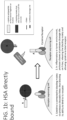
- the half-life extension element is a human serum albumin (HSA) binding domain.
- HSA (SEQ ID NO: 2) may also be directly bound to the pharmaceutical compositions or bound via a short linker. Fragments of HSA may also be used. HSA and fragments thereof can function as both a blocking moiety and a half-life extension element. Human IgGs and Fc fragments can also carry out a similar function. Fusion polypeptides that do not comprise a half-life extension element which is human serum albumin, or an antigen binding polypeptide which binds human serum albumin, are not encompassed by the wording of the claims, although they are considered useful for understanding the invention.
- the serum half-life extension element can also be antigen-binding polypeptide that binds to a protein with a long serum half-life such as serum albumin, transferrin and the like.
- polypeptides include antibodies and fragments thereof including, a polyclonal antibody, a recombinant antibody, a human antibody, a humanized antibody a single chain variable fragment (scFv), single-domain antibody such as a heavy chain variable domain (VH), a light chain variable domain (VL) and a variable domain of camelid-type nanobody (VHH), a dAb and the like.
- antigen-binding domain include non-immunoglobulin proteins that mimic antibody binding and/or structure such as, anticalins, affilins, affibody molecules, affimers, affitins, alphabodies, avimers, DARPins, fynomers, kunitz domain peptides, monobodies, and binding domains based on other engineered scaffolds such as SpA, GroEL, fibronectin, lipocallin and CTLA4 scaffolds.
- non-immunoglobulin proteins that mimic antibody binding and/or structure such as, anticalins, affilins, affibody molecules, affimers, affitins, alphabodies, avimers, DARPins, fynomers, kunitz domain peptides, monobodies, and binding domains based on other engineered scaffolds such as SpA, GroEL, fibronectin, lipocallin and CTLA4 scaffolds.
- antigen-binding polypeptides include a ligand for a desired receptor, a ligand-binding portion of a receptor, a lectin, and peptides that binds to or associates with one or more target antigens.
- Some preferred serum half-life extension elements are polypeptides that comprise complementarity determining regions (CDRs), and optionally non-CDR loops.
- CDRs complementarity determining regions
- serum half-life extension elements can extend the serum half-life of the cytokine, and also function as inhibitors of the cytokine (e.g., via steric blocking, non-covalent interaction or combination thereof) and/or as targeting domains.
- the serum half-life extension elements are domains derived from an immunoglobulin molecule (Ig molecule) or engineered protein scaffolds that mimic antibody structure and/or binding activity.
- the Ig may be of any class or subclass (IgG1, IgG2, IgG3, IgG4, IgA, IgE, IgM etc).
- a polypeptide chain of an Ig molecule folds into a series of parallel beta strands linked by loops. In the variable region, three of the loops constitute the "complementarity determining regions" (CDRs) which determine the antigen binding specificity of the molecule.
- An IgG molecule comprises at least two heavy (H) chains and two light (L) chains inter-connected by disulfide bonds, or an antigen binding fragment thereof.
- Each heavy chain is comprised of a heavy chain variable region (abbreviated herein as VH) and a heavy chain constant region.
- the heavy chain constant region is comprised of three domains, CH1, CH2 and CH3.
- Each light chain is comprised of a light chain variable region (abbreviated herein as VL) and a light chain constant region.
- the light chain constant region is comprised of one domain, CL.
- CL The VH and VL regions can be further subdivided into regions of hypervariability, termed complementarity determining regions (CDRs) with are hypervariable in sequence and/or involved in antigen recognition and/or usually form structurally defined loops, interspersed with regions that are more conserved, termed framework regions (FR).
- CDRs complementarity determining regions
- FR framework regions
- Each VH and VL is composed of three CDRs and four FRs, arranged from amino-terminus to carboxy-terminus in the following order: FR1, CDR1, FR2, CDR2, FR3, CDR3, FR4.
- variable domains of an immunoglobulin molecule has several beta strands that are arranged in two sheets.
- the variable domains of both light and heavy immunoglobulin chains contain three hypervariable loops, or complementarity-determining regions (CDRs)
- CDR1, CDR2, CDR3 cluster at one end of the beta barrel.
- the CDRs are the loops that connect beta strands B-C, C'-C", and F-G of the immunoglobulin fold, whereas the bottom loops that connect beta strands AB, CC', C" -D and E-F of the immunoglobulin fold, and the top loop that connects the D-E strands of the immunoglobulin fold are the non-CDR loops.
- at least some amino acid residues of a constant domain, CH1, CH2, or CH3 are part of the "non-CDR loop" of the binding moieties described herein.
- Non-CDR loops comprise, in some embodiments, one or more of AB, CD, EF, and DE loops of a C1-set domain of an Ig or an Ig-like molecule; AB, CC', EF, FG, BC, and EC' loops of a C2-set domain of an Ig or an Ig-like molecule; DE, BD, GF, A(A1A2)B, and EF loops of I(Intermediate)-set domain of an Ig or Ig-like molecule.
- the CDRs are believed to be responsible for antigen recognition and binding, while the FR residues are considered a scaffold for the CDRs.
- some of the FR residues play an important role in antigen recognition and binding.
- Framework region residues that affect Ag binding are divided into two categories. The first are FR residues that contact the antigen, thus are part of the binding-site, and some of these residues are close in sequence to the CDRs. Other residues are those that are far from the CDRs in sequence, but are in close proximity to it in the 3-D structure of the molecule, e.g., a loop in heavy chain.
- the serum half-life extension domain (e.g., a domain that comprises CDRs) can comprise at least one non-CDR loop.
- a non-CDR loop provides a binding site for binding to a cytokine, bulk serum protein or other target antigen.
- the serum half-life extension element in addition to or alternatively to containing CDRs, comprises a non-CDR loop.
- the non-CDR loop is modified to generate an antigen binding site specific for a desired target antigen, such as a bulk serum protein, such as albumin, or for the cytokine moiety or other targeting antigen.
- a desired target antigen such as a bulk serum protein, such as albumin
- various techniques can be used for modifying the non-CDR loop, e.g., site-directed mutagenesis, random mutagenesis, insertion of at least one amino acid that is foreign to the non-CDR loop amino acid sequence, amino acid substitution.
- An antigen peptide is inserted into a non-CDR loop, in some examples.
- an antigenic peptide is substituted for the non-CDR loop.
- the modification, to generate an antigen binding site is in some cases in only one non-CDR loop. In other instances, more than one non-CDR loop are modified. For instance, the modification is in any one of the non-CDR loops shown in Fig. 5 , i.e., AB, CC', C" D, EF, and D-E. In some cases, the modification is in the DE loop. In other cases the modifications are in all four of AB, CC', C" -D, E-F loops.
- the serum half-life extension element has dual binding specificity and contains CDRs that specifically bind a bulk serum proteins, such as serum albumin, and non-CDR loops that specifically bind and block the cytokine domain.
- the serum half-life extension element contains CDRs that specifically bind a target antigen, such as the cytokine domain or other target antigen, and non-CDR loops that specifically bind a bulk serum protein, such as serum albumin.
- the serum half-life extension element inhibits binding of the cytokine domain to the cognate cytokine receptor, e.g. via steric occlusion, via specific intermolecular interactions, or a combination of both.
- the serum half-life extension element noncovalently binds directly to the cytokine and inhibit its activity.
- the binding moiety binds to a cytokine via one or more of AB, CC', C" D, and E-F loop and binds to a bulk-serum protein, such as albumin, via one or more of BC, C'C", and FG loop.
- the binding moiety binds to a bulk serum protein, such as albumin, via its AB, CC', C" D, or EF loop and binds to a cytokine via its BC, C'C", or FG loop.
- the binding moiety of the binds to a bulk serum protein, such as albumin, via its AB, CC', C" D, and EF loop and is bound to a cytokine via its BC, C'C", and FG loop.
- the binding moiety binds to a bulk serum protein, such as albumin, via one or more of AB, CC', C" D, and E-F loop and binds to a cytokine, via one or more of BC, C'C", and FG loop.
- the binding moieties are any kinds of polypeptides.
- the binding moieties are natural peptides, synthetic peptides, or fibronectin scaffolds, or engineered bulk serum proteins
- the bulk serum protein comprises, for example, albumin, fibrinogen, or a globulin.
- the binding moieties are an engineered scaffolds.
- Engineered scaffolds comprise, for example, sdAb, a scFv a Fab, a VHH, a fibronectin type III domain, immunoglobulin-like scaffold (as suggested in Halaby et al., 1999. Prot Eng 12(7):563-571 ), DARPin, cystine knot peptide, lipocalin, three-helix bundle scaffold, protein G-related albumin-binding module, or a DNA or RNA aptamer scaffold.
- the serum half-life extension element binds to the cytokine domain via its non-CDR loops and the cytokine domain is further connected to a targeting domain as described herein.
- the serum half-life extending element comprises a binding site for a bulk serum protein.
- the CDRs provide the binding site for the bulk serum protein.
- the bulk serum protein is, in some examples, globulin, albumin, transferrin, IgG1, IgG2, IgG4, IgG3, IgA monomer, Factor XIII, Fibrinogen, IgE, or pentameric IgM.
- the CDR form a binding site for an immunoglobulin light chain, such as an Ig ⁇ free light chain or an Ig ⁇ free light chain.
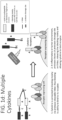
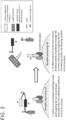
- a conditionally active protein is shown in Fig. 6 .
- the non-CDR loops in a serum albumin binding domain e.g. a dAb
- the binding site for serum albumin can be formed by the CDRs of the serum albumin binding domain.
- the serum half-life extension element can be any type of binding domain, including but not limited to, domains from a monoclonal antibody, a polyclonal antibody, a recombinant antibody, a human antibody, a humanized antibody.
- the binding moiety is a single chain variable fragment (scFv) single-domain antibody such as a heavy chain variable domain (VH), a light chain variable domain (VL) and a variable domain (VHH) of camelid derived nanobody.
- the binding moieties are non-Ig binding domains, i.e., antibody mimetic, such as anticalins, affilins, affibody molecules, affimers, affitins, alphabodies, avimers, DARPins, fynomers, kunitz domain peptides, and monobodies.
- antibody mimetic such as anticalins, affilins, affibody molecules, affimers, affitins, alphabodies, avimers, DARPins, fynomers, kunitz domain peptides, and monobodies.
- the serum half-life extension element can be a water-soluble polymer or a peptide that is conjugated to a water-soluble polymer, such as PEG.
- PEG polyethylene glycol
- PEG polyethylene glycol
- PEG polyethylene glycol
- PEG polyethylene glycol
- the term “PEG” also means a polymer that contains a majority, that is to say, greater than 50%, of -OCH 2 CH 2 - repeating subunits. With respect to specific forms, the PEG can take any number of a variety of molecular weights, as well as structures or geometries such as “branched,” “linear,” “forked,” “multifunctional,” and the like, to be described in greater detail below.
- the PEG is not limited to a particular structure and can be linear (e.g., an end capped, e.g., alkoxy PEG or a bifunctional PEG), branched or multi-armed (e.g., forked PEG or PEG attached to a polyol core), a dendritic (or star) architecture, each with or without one or more degradable linkages.
- the internal structure of the PEG can be organized in any number of different repeat patterns and can be selected from the group consisting of homopolymer, alternating copolymer, random copolymer, block copolymer, alternating tripolymer, random tripolymer, and block tripolymer.
- PEGs can be conjugated to polypeptide and peptides through any suitable method.
- a reactive PEG derivative such as N-hydroxysuccinamidyl ester PEG
- a peptide or polypeptide that includes amino acids with a side chain that contains an amine, sulfhydryl, carboxylic acid or hydroxyl functional group, such as cysteine, lysine, asparagine, glutamine, theonine, tyrosine, serine, aspartic acid, and glutamic acid.
- the construct may be desirable to maximize the amount of time the construct is present in its desired location in the body.
- This can be achieved by including one further domain in the chimeric polypeptide (fusion protein) to influence its movements within the body.
- the chimeric nucleic acids can encode a domain that directs the polypeptide to a location in the body, e.g., tumor cells or a site of inflammation; this domain is termed a "targeting domain” and/or encode a domain that retains the polypeptide in a location in the body, e.g., tumor cells or a site of inflammation; this domain is termed a "retention domain".
- a domain can function as both a targeting and a retention domain.
- the targeting domain and/or retention domain are specific to a protease-rich environment.
- the encoded targeting domain and/or retention domain are specific for regulatory T cells (Tregs), for example targeting the CCR4 or CD39 receptors.
- Tregs regulatory T cells
- Other suitable targeting and/or retention domains comprise those that have a cognate ligand that is overexpressed in inflamed tissues, e.g., the IL-1 receptor, or the IL-6 receptor.
- the suitable targeting and/or retention domains comprise those who have a cognate ligand that is overexpressed in tumor tissue, e.g., Epcam, CEA or mesothelin.
- the targeting domain is linked to the interleukin via a linker which is cleaved at the site of action (e.g. by inflammation or cancer specific proteases) releasing the interleukin full activity at the desired site.
- the targeting and/or retention domain is linked to the interleukin via a linker which is not cleaved at the site of action (e.g. by inflammation or cancer specific proteases), causing the cytokine to remain at the desired site.
- Antigens of choice are expressed on the surface of a diseased cell or tissue, for example a tumor or a cancer cell.
- Antigens useful for tumor targeting and retention include but are not limited to EpCAM, EGFR, HER-2, HER-3, c-Met, FOLR1, and CEA.
- Pharmaceutical compositions disclosed herein also include proteins comprising two targeting and/or retention domains that bind to two different target antigens known to be expressed on a diseased cell or tissue. Exemplary pairs of antigen binding domains include but are not limited to EGFR/CEA, EpCAM/CEA, and HER-2/HER-3.
- Suitable targeting and/or retention domains include antigen-binding domains, such as antibodies and fragments thereof including, a polyclonal antibody, a recombinant antibody, a human antibody, a humanized antibody a single chain variable fragment (scFv), single-domain antibody such as a heavy chain variable domain (VH), a light chain variable domain (VL) and a variable domain of camelid-type nanobody (VHH), a dAb and the like.
- antigen-binding domains such as antibodies and fragments thereof including, a polyclonal antibody, a recombinant antibody, a human antibody, a humanized antibody a single chain variable fragment (scFv), single-domain antibody such as a heavy chain variable domain (VH), a light chain variable domain (VL) and a variable domain of camelid-type nanobody (VHH), a dAb and the like.
- antigen-binding domain include non-immunoglobulin proteins that mimic antibody binding and/or structure such as, anticalins, affilins, affibody molecules, affimers, affitins, alphabodies, avimers, DARPins, fynomers, kunitz domain peptides, monobodies, and binding domains based on other engineered scaffolds such as SpA, GroEL, fibronectin, lipocallin and CTLA4 scaffolds.
- non-immunoglobulin proteins that mimic antibody binding and/or structure such as, anticalins, affilins, affibody molecules, affimers, affitins, alphabodies, avimers, DARPins, fynomers, kunitz domain peptides, monobodies, and binding domains based on other engineered scaffolds such as SpA, GroEL, fibronectin, lipocallin and CTLA4 scaffolds.
- antigen-binding polypeptides include a ligand for a desired receptor, a ligand-binding portion of a receptor, a lectin, and peptides that binds to or associates with one or more target antigens.
- the targeting and/or retention domains specifically bind to a cell surface molecule. In some embodiments, the targeting and/or retention domains specifically bind to a tumor antigen. In some embodiments, the targeting polypeptides specifically and independently bind to a tumor antigen selected from at least one of Fibroblast activation protein alpha (FAPa), Trophoblast glycoprotein (5T4), Tumor-associated calcium signal transducer 2 (Trop2), Fibronectin EDB (EDB-FN), fibronectin EIIIB domain, CGS-2, EpCAM, EGFR, HER-2, HER-3, cMet, CEA, and FOLR1.
- FAPa Fibroblast activation protein alpha
- T4 Trophoblast glycoprotein
- Trop2 Tumor-associated calcium signal transducer 2
- EDB-FN Fibronectin EDB
- fibronectin EIIIB domain CGS-2, EpCAM, EGFR, HER-2, HER-3, cMet, CEA, and FOLR1.
- the targeting polypeptides specifically and independently bind to two different antigens, wherein at least one of the antigens is a tumor antigen selected from Fibroblast activation protein alpha (FAPa), Trophoblast glycoprotein (5T4), Tumor-associated calcium signal transducer 2 (Trop2), Fibronectin EDB (EDB-FN), fibronectin EIIIB domain, CGS-2, EpCAM, EGFR, HER-2, HER-3, cMet, CEA, and FOLR1.
- FAPa Fibroblast activation protein alpha
- T4 Trophoblast glycoprotein
- Trop2 Tumor-associated calcium signal transducer 2
- EDB-FN Fibronectin EDB
- fibronectin EIIIB domain CGS-2, EpCAM, EGFR, HER-2, HER-3, cMet, CEA, and FOLR1.
- the targeting and/or retention antigen can be a tumor antigen expressed on a tumor cell.
- Tumor antigens are well known in the art and include, for example, EpCAM, EGFR, HER-2, HER-3, c-Met, FOLR1, PSMA, CD38, BCMA, and CEA.
- the targeting and/or retention antigen can be an immune checkpoint protein.
- immune checkpoint proteins include but are not limited to CD27, CD137, 2B4, TIGIT, CD155, ICOS, HVEM, CD40L, LIGHT, TIM-1, OX40, DNAM-1, PD-L1, PD1, PD-L2, CTLA-4, CD8, CD40, CEACAM1, CD48, CD70, A2AR, CD39, CD73, B7-H3, B7-H4, BTLA, IDO1, IDO2, TDO, KIR, LAG-3, TIM-3, or VISTA.
- the targeting and/or retention antigen can be a cell surface molecule such as a protein, lipid or polysaccharide.
- a targeting and/or retention antigen is a on a tumor cell, virally infected cell, bacterially infected cell, damaged red blood cell, arterial plaque cell, inflamed or fibrotic tissue cell.
- the targeting and/or retention antigen can comprise an immune response modulator.
- immune response modulator examples include but are not limited to granulocyte-macrophage colony stimulating factor (GM-CSF), macrophage colony stimulating factor (M-CSF), granulocyte colony stimulating factor (G-CSF), interleukin 2 (IL-2), interleukin 3 (IL-3), interleukin 12 (IL-12), interleukin 15 (IL-15), B7-1 (CD80), B7-2 (CD86), GITRL, CD3, or GITR.
- GM-CSF granulocyte-macrophage colony stimulating factor
- M-CSF macrophage colony stimulating factor
- G-CSF granulocyte colony stimulating factor
- interleukin 2 IL-2
- IL-3 interleukin 3
- IL-12 interleukin 12
- IL-15 interleukin 15
- B7-1 CD80
- B7-2 CD86
- GITRL GITRL
- the targeting and/or retention antigen can be a cytokine receptor.
- cytokine receptors include but are not limited to Type I cytokine receptors, such as GM-CSF receptor, G-CSF receptor, Type I IL receptors, Epo receptor, LIF receptor, CNTF receptor, TPO receptor; Type II Cytokine receptors, such as IFN-alpha receptor (IFNAR1, IFNAR2), IFB-beta receptor, IFN-gamma receptor (IFNGR1, IFNGR2), Type II IL receptors; chemokine receptors, such as CC chemokine receptors, CXC chemokine receptors, CX3C chemokine receptors, XC chemokine receptors; tumor necrosis receptor superfamily receptors, such as TNFRSF5/CD40, TNFRSF8/CD30, TNFRSF7/CD27, TNFRSF1A/TNFR1/CD120a, TNFRSF1B / TNFR2
- the pharmaceutical compositions comprise one or more linker sequences.
- a linker sequence serves to provide flexibility between polypeptides, such that, for example, the blocking moiety is capable of inhibiting the activity of the cytokine polypeptide.
- the linker sequence can be located between any or all of the cytokine polypeptide, the serum half-life extension element, and/or the blocking moiety.
- at least one of the linkers is protease cleavable, and contains a (one or more) cleavage site for a (one or more) desired protease.
- the desired protease is enriched or selectively expressed at the desired site of cytokine activity (e.g., the tumor microenvironment).
- the fusion protein is preferentially or selectively cleaved at the site of desired cytokine activity.
- Fusion polypeptides that do not comprise a protease-cleavable polypeptide linker and a further linker that is optionally protease cleavable, wherein for each, independently, the protease is selected from the group consisting of a kallikrein, thrombin, chymase, carboxypeptidase A, cathepsin G, an elastase, PR-3, granzyme M, a calpain, a matrix metalloproteinase (MMP), a plasminogen activator, a cathepsin, a caspase, a tryptase, or a tumor cell surface protease, are not encompassed by the wording of the claims, although they are considered useful for understanding the invention.
- MMP matrix metalloproteinase
- Suitable linkers can be of different lengths, such as from 1 amino acid (e.g., Gly) to 20 amino acids, from 2 amino acids to 15 amino acids, from 3 amino acids to 12 amino acids, including 4 amino acids to 10 amino acids, amino acids to 9 amino acids, 6 amino acids to 8 amino acids, or 7 amino acids to 8 amino acids, and may be 1, 2, 3, 4, 5, 6, 7, 8, 9, 10, 11, 12, 13, 14, 15, 16, 17, 18, 19, 20, 21, 22, 23, 24, 25, 26, 27, 28, 29, 30, 31, 32, 33, 34, 35, 36, 37, 38, 39, 40, 41, 42, 43, 44, 45, 46, 47, 48, 49, 50, 51, 52, 53, 54, 55, 56, 57, 58, 59, or 60 amino acids.
- 1 amino acid e.g., Gly
- a blocking moiety can be located C-terminally or N-terminally to a cytokine polypeptide.
- Proteases known to be associated with diseased cells or tissues include but are not limited to serine proteases, cysteine proteases, aspartate proteases, threonine proteases, glutamic acid proteases, metalloproteases, asparagine peptide lyases, serum proteases, cathepsins, Cathepsin B, Cathepsin C, Cathepsin D, Cathepsin E, Cathepsin K, Cathepsin L, kallikreins, hKl, hK10, hK15, plasmin, collagenase, Type IV collagenase, stromelysin, Factor Xa, chymotrypsin-like protease, trypsin-like protease, elastase-like protease, subtili sin-like protease, actinidain, bromelain, calpain, caspases, caspase-3
- Proteases capable of cleaving amino acid sequences encoded by the chimeric nucleic acid sequences provided herein can, for example, be selected from the group consisting of a prostate specific antigen (PSA), a matrix metalloproteinase (MMP), an A Disintigrin and a Metalloproteinase (ADAM), a plasminogen activator, a cathepsin, a caspase, a tumor cell surface protease, and an elastase.
- the MMP can, for example, be matrix metalloproteinase 2 (MMP2) or matrix metalloproteinase 9 (MMP9).
- Proteases useful in the methods disclosed herein are presented in Table 1, and exemplary proteases and their cleavage site are presented in Table 1a: Table 1.
- Proteases relevant to inflammation and cancer Protease Specificity Other aspects Secreted by killer T cells: Granzyme B (grB) Cleaves after Asp residues (asp-ase) Type of serine protease; strongly implicated in inducing perforin-dependent target cell apoptosis
- Other granzymes are also secreted by killer T cells, but not all are present in humans
- Caspase-8 Cleaves after Asp residues Type of cysteine protease plays essential role in TCR-induced cellular expansion-exact molecular role unclear Mucosa-associated lymphoid tissue
- compositions provided herein have a desired function.
- the compositions are comprised of at least an IL-2 polypeptide, a blocking moiety, e.g. a steric blocking polypeptide, and an optional serum half-life extension element, and an optional targeting polypeptide, with one or more linkers connecting each polypeptide in the composition.
- the first polypeptide e.g., an IL-2 mutein
- the blocking moiety is provided to block the activity of the interleukin.
- the linker polypeptide e.g., a protease cleavable polypeptide, is provided to be cleaved by a protease that is specifically expressed at the intended target of the active agent.
- the blocking moiety blocks the activity of the first polypeptide by binding the interleukin polypeptide.
- the blocking moiety e.g. a steric blocking peptide
- the blocking moiety is linked to the interleukin via a protease-cleavable linker which is cleaved at the site of action (e.g. by inflammation specific or tumor-specific proteases) releasing the cytokine full activity at the desired site.
- the protease cleavage site may be a naturally occurring protease cleavage site or an artificially engineered protease cleavage site.
- the artificially engineered protease cleavage site can be cleaved by more than one protease specific to the desired environment in which cleavage will occur, e.g. a tumor.
- the protease cleavage site may be cleavable by at least one protease, at least two proteases, at least three proteases, or at least four proteases.
- the linker comprises glycine-glycine, a sortase-recognition motif, or a sortase-recognition motif and a peptide sequence (Gly 4 Ser) n (SEQ ID NO: 126) or (Gly 3 Ser) n , (SEQ ID NO: 127) wherein n is 1, 2, 3, 4 or 5.
- the sortase-recognition motif comprises a peptide sequence LPXTG (SEQ ID NO: 125), where X is any amino acid.
- the covalent linkage is between a reactive lysine residue attached to the C-terminal of the cytokine polypeptide and a reactive aspartic acid attached to the N-terminal of the blocking or other moiety. In one instance, the covalent linkage is between a reactive aspartic acid residue attached to the N-terminal of the cytokine polypeptide and a reactive lysine residue attached to the C-terminal of the blocking or other moiety.
- the activity of the cytokine polypeptide the context of the fusion protein is attenuated, and protease cleavage at the desired site of activity, such as in a tumor microenvironment, releases a form of the cytokine from the fusion protein that is much more active as a cytokine receptor agonist than the fusion protein.
- the cytokine-receptor activating (agonist) activity of the fusion polypeptide can be at least about 10X, at least about 50X, at least about 100X, at least about 250X, at least about 500X, or at least about 1000x less than the cytokine receptor activating activity of the cytokine polypeptide as a separate molecular entity.
- the cytokine polypeptide that is part of the fusion protein exists as a separate molecular entity when it contains an amino acid that is substantially identical to the cytokine polypeptide and does not substantially include additional amino acids and is not associated (by covalent or non-covalent bonds) with other molecules. If necessary, a cytokine polypeptide as a separate molecular entity may include some additional amino acid sequences, such as a tag or short sequence to aid in expression and/or purification. In the fusion polypeptides of the invention, IL-2 receptor activating activity is attenuated.
- Embodiments in which the IL-2-receptor activating activity of the fusion polypeptide is not at least about 10 fold less than the IL-2 receptor activating activity of the polypeptide that contains the IL-2 polypeptide that is produced by cleavage of the protease-cleavable linker(s) are not encompassed by the wording of the claims, although they are considered useful for understanding the invention.
- the cytokine-receptor activating (agonist) activity of the fusion polypeptide is at least about 10X, at least about 50X, at least about 100X, at least about 250X, at least about 500X, or about 1000x less than the cytokine receptor activating activity of the polypeptide that contains the cytokine polypeptide that is produced by cleavage of the protease cleavable linker in the fusion protein.
- the cytokine receptor activating (agonist) activity of the polypeptide that contains the cytokine polypeptide that is produced by cleavage of the protease cleavable linker in the fusion protein is at least about 10X, at least about 50X, at least about 100X, at least about 250X, at least about 500X, or at least about 1000x greater than the cytokine receptor activating activity of the fusion protein.
- polypeptides described herein can include components (e.g., the cytokine, the blocking moiety) that have the same amino acid sequence of the corresponding naturally occurring protein (e.g., IL-2, IL-15, HSA) or can have an amino acid sequence that differs from the naturally occurring protein so long as the desired function is maintained. It is understood that one way to define any known modifications and derivatives or those that might arise, of the disclosed proteins and nucleic acids that encode them is through defining the sequence variants in terms of identity to specific known reference sequences.
- polypeptides and nucleic acids which have at least, 70, 71, 72, 73, 74, 75, 76, 77, 78, 79, 80, 81, 82, 83, 84, 85, 86, 87, 88, 89, 90, 91, 92, 93, 94, 95, 96, 97, 98, 99 percent identity to the chimeric polypeptides provided herein.
- polypeptides or nucleic acids that have at least, 70, 71, 72, 73, 74, 75, 76, 77, 78, 79, 80, 81, 82, 83, 84, 85, 86, 87, 88, 89, 90, 91, 92, 93, 94, 95, 96, 97, 98, 99 percent identity to the sequence of any of the nucleic acids or polypeptides described herein.
- the identity can be calculated after aligning the two sequences so that the identity is at its highest level.
- Optimal alignment of sequences for comparison may be conducted by the local identity algorithm of Smith and Waterman Adv. Appl. Math. 2:482 (1981 ), by the identity alignment algorithm of Needleman and Wunsch, J. Mol. Biol. 48:443 (1970 ), by the search for similarity method of Pearson and Lipman, Proc. Natl. Acad. Sci. USA 85:2444 (1988 ), by computerized implementations of these algorithms (GAP, BESTFIT, FASTA, and TFASTA in the Wisconsin Genetics Software Package, Genetics Computer Group, 575 Science Dr., Madison, Wis.), or by inspection.
- Protein modifications include amino acid sequence modifications. Modifications in amino acid sequence may arise naturally as allelic variations (e.g., due to genetic polymorphism), may arise due to environmental influence (e.g., by exposure to ultraviolet light), or may be produced by human intervention (e.g., by mutagenesis of cloned DNA sequences), such as induced point, deletion, insertion and substitution mutants. These modifications can result in changes in the amino acid sequence, provide silent mutations, modify a restriction site, or provide other specific mutations. Amino acid sequence modifications typically fall into one or more of three classes: substitutional, insertional or deletional modifications. Insertions include amino and/or carboxyl terminal fusions as well as intrasequence insertions of single or multiple amino acid residues.
- Insertions ordinarily will be smaller insertions than those of amino or carboxyl terminal fusions, for example, on the order of one to four residues.
- Deletions are characterized by the removal of one or more amino acid residues from the protein sequence. Typically, no more than about from 2 to 6 residues are deleted at any one site within the protein molecule. Amino acid substitutions are typically of single residues, but can occur at a number of different locations at once; insertions usually will be on the order of about from 1 to 10 amino acid residues; and deletions will range about from 1 to 30 residues.
- Deletions or insertions preferably are made in adjacent pairs, i.e. a deletion of 2 residues or insertion of 2 residues.
- substitutions, deletions, insertions or any combination thereof may be combined to arrive at a final construct.
- the mutations must not place the sequence out of reading frame and preferably will not create complementary regions that could produce secondary mRNA structure.
- Substitutional modifications are those in which at least one residue has been removed and a different residue inserted in its place. Such substitutions generally are made in accordance with the following Table 2 and are referred to as conservative substitutions. Table 2.
- Amino Acid Exemplary Substitutions Ala Ser, Gly, Cys Arg Lys, Gln, Met, Ile Asn Gln, His, Glu, Asp Asp Glu, Asn, Gln Cys Ser, Met, Thr Gln Asn, Lys, Glu, Asp Glu Asp, Asn, Gln Gly Pro, Ala His Asn, Gln Ile Leu, Val, Met Leu Ile, Val, Met Lys Arg, Gln, Met, Ile Met Leu, Ile, Val Phe Met, Leu, Tyr, Trp, His Ser Thr, Met, Cys Thr Ser, Met, Val Tip Tyr, Phe Tyr Trp, Phe, His Val Ile, Leu, Met
- Modifications including the specific amino acid substitutions, are made by known methods. For example, modifications are made by site specific mutagenesis of nucleotides in the DNA encoding the polypeptide, thereby producing DNA encoding the modification, and thereafter expressing the DNA in recombinant cell culture. Techniques for making substitution mutations at predetermined sites in DNA having a known sequence are well known, for example M13 primer mutagenesis and PCR mutagenesis.
- Modifications can be selected to optimize binding.
- affinity maturation techniques can be used to alter binding of the scFv by introducing random mutations inside the complementarity determining regions (CDRs).
- CDRs complementarity determining regions
- Such random mutations can be introduced using a variety of techniques, including radiation, chemical mutagens or error-prone PCR. Multiple rounds of mutation and selection can be performed using, for example, phage display.
- the disclosure also relates to nucleic acids that encode the chimeric polypeptides described herein, and to the use of such nucleic acids to produce the chimeric polypeptides and for therapeutic purposes.
- the invention includes DNA and RNA molecules (e.g., mRNA, selfreplicating RNA) that encode a chimeric polypeptide and to the therapeutic use of such DNA and RNA molecules.
- Exemplary fusion proteins of the invention combine the above described elements in a variety of orientations as defined in the claims.
- the orientations described in this section are meant as examples and are not to be considered limiting.
- the fusion protein comprises an IL-2 polypeptide, a blocking moiety and a half-life extension element.
- the IL-2 polypeptide is positioned between the half-life extension element and the blocking moiety.
- the IL-2 polypeptide is N-terminal to the blocking moiety and the half-life extension element.
- the IL-2 polypeptide is proximal to the blocking moiety; in some such embodiments, the IL-2 polypeptide is proximal to the half-life extension element.
- At least one protease-cleavable linker must be included in all embodiments, such that the IL-2 polypeptide may be active upon cleavage.
- the IL-2 polypeptide is C-terminal to the blocking moiety and the half-life extension element. Additional elements may be attached to one another by a cleavable linker, a non-cleavable linker, or by direct fusion. In some cases it is beneficial to include two of the same cytokine to facilitate dimerization.
- the blocking domains used are capable of extending half-life, and the IL-2 polypeptide is positioned between two such blocking domains. In some embodiments, the IL-2 polypeptide is positioned between two blocking domains, one of which is capable of extending half-life.
- two cytokines are included in the same construct, at least one being IL-2.
- the cytokines are connected to two blocking domains each (three in total in one molecule), with a blocking domain between the two cytokine domains.
- one or more additional half-life extension domains may be included to optimize pharmacokinetic properties.
- three cytokines are included in the same construct.
- the third cytokine may function to block the other two in place of a blocking domain between the two cytokines.
- Preferred half-life extension elements for use in the fusion proteins are human serum albumin (HSA), an antibody or antibody fragment (e.g., scFV, dAb) which binds serum albumin, a human or humanized IgG, or a fragment of any of the foregoing.
- the blocking moiety is human serum albumin (HSA), or an antibody or antibody fragment which binds serum albumin, an antibody which binds the cytokine and prevents activation of binding or activation of the cytokine receptor, another cytokine, or a fragment of any of the foregoing.
- the targeting domain is an antibody which binds a cell surface protein which is enriched on the surface of cancer cells, such as EpCAM, FOLR1, and Fibronectin.
- a disease or disorder such as proliferative disease, a tumorous disease, an inflammatory disease, an immunological disorder, an autoimmune disease, an infectious disease, a viral disease, an allergic reaction, a parasitic reaction, or graft-versus-host disease.
- the methods administering to a subject in need thereof an effective amount of a fusion protein as disclosed herein that is typically administered as a pharmaceutical composition.
- the method further comprises selecting a subject with or at risk of developing such a disease or disorder.
- the pharmaceutical composition preferably comprises a blocked cytokine, fragment or mutein thereof that is activated at a site of inflammation or a tumor.
- the chimeric polypeptide comprises a cytokine polypeptide, fragment or mutein thereof and a serum half-life extension element.
- the chimeric polypeptide comprises a cytokine polypeptide, fragment or mutein thereof and a blocking moiety, e.g. a steric blocking polypeptide, wherein the steric blocking polypeptide is capable of sterically blocking the activity of the cytokine polypeptide, fragment or mutein thereof.
- the chimeric polypeptide comprises a cytokine polypeptide, fragment or mutein thereof, a blocking moiety, and a serum half-life extension element.
- Inflammation is part of the complex biological response of body tissues to harmful stimuli, such as pathogens, damaged cells, or irritants, and is a protective response involving immune cells, blood vessels, and molecular mediators.
- the function of inflammation is to eliminate the initial cause of cell injury, clear out necrotic cells and tissues damaged from the original insult and the inflammatory process, and to initiate tissue repair.
- Inflammation can occur from infection, as a symptom or a disease, e.g., cancer, atherosclerosis, allergies, myopathies, HIV, obesity, or an autoimmune disease.
- An autoimmune disease is a chronic condition arising from an abnormal immune response to a self-antigen.
- Autoimmune diseases that may be treated with the polypeptides disclosed herein include but are not limited to lupus, celiac disease, diabetes mellitus type 1, Graves disease, inflammatory bowel disease, multiple sclerosis, psoriasis, rheumatoid arthritis, and systemic lupus erythematosus.
- the pharmaceutical composition can comprise one or more protease-cleavable linker sequences.
- the linker sequence serves to provide flexibility between polypeptides, such that each polypeptide is capable of inhibiting the activity of the first polypeptide.
- the linker sequence can be located between any or all of the cytokine polypeptide, fragment or mutein thereof, the blocking moiety, and serum half-life extension element.
- the composition comprises, two, three, four, or five linker sequences.
- the linker sequence, two, three, or four linker sequences can be the same or different linker sequences.
- the linker sequence comprises GGGGS (SEQ ID NO: 132), GSGSGS (SEQ ID NO: 133), or G(SGGG) 2 SGGT (SEQ ID NO: 134).
- the linker comprises a protease-cleavable sequence selected from group consisting of HSSKLQ (SEQ ID NO: 25), GPLGVRG (SEQ ID NO: 128), IPVSLRSG (SEQ ID NO: 129), VPLSLYSG (SEQ ID NO: 130), and SGESPAYYTA (SEQ ID NO: 131).
- At least one linker is cleaved by a protease selected from the group consisting of a kallikrein, thrombin, chymase, carboxypeptidase A, cathepsin G, an elastase, PR-3, granzyme M, a calpain, a matrix metalloproteinase (MMP), a plasminogen activator, a cathepsin, a caspase, a tryptase, or a tumor cell surface protease.
- a protease selected from the group consisting of a kallikrein, thrombin, chymase, carboxypeptidase A, cathepsin G, an elastase, PR-3, granzyme M, a calpain, a matrix metalloproteinase (MMP), a plasminogen activator, a cathepsin, a caspase, a trypta
- Suitable linkers can be of different lengths, such as from 1 amino acid (e.g., Gly) to 20 amino acids, from 2 amino acids to 15 amino acids, from 3 amino acids to 12 amino acids, including 4 amino acids to 10 amino acids, amino acids to 9 amino acids, 6 amino acids to 8 amino acids, or 7 amino acids to 8 amino acids, and may be 1, 2, 3, 4, 5, 6, 7, 8, 9, 10, 11, 12, 13, 14, 15, 16, 17, 18, 19, 20, 21, 22, 23, 24, 25, 26, 27, 28, 29, 30, 31, 32, 33, 34, 35, 36, 37, 38, 39, 40, 41, 42, 43, 44, 45, 46, 47, 48, 49, 50, 51, 52, 53, 54, 55, 56, 57, 58, 59, or 60 amino acids.
- 1 amino acid e.g., Gly
- the methods comprise administering to the subject in need thereof an effective amount of a chimeric polypeptide (a fusion protein) as disclosed herein that is typically administered as a pharmaceutical composition.
- the method further comprises selecting a subject with or at risk of developing cancer.
- the pharmaceutical composition preferably comprises a blocked cytokine, fragment or mutein thereof that is activated at a tumor site.
- the tumor is a solid tumor.
- the cancer may be, but not limited to, a colon cancer, a lung cancer, a melanoma, a sarcoma, a renal cell carcinoma, and a breast cancer.
- the method can further involve the administration of one or more additional agents to treat cancer, such as chemotherapeutic agents (e.g., Adriamycin, Cerubidine, Bleomycin, Alkeran, Velban, Oncovin, Fluorouracil, Thiotepa, Methotrexate, Bisantrene, Noantrone, Thiguanine, Cytaribine, Procarabizine), immuno-oncology agents (e.g., anti-PD-L1, anti-CTLA4, anti-PD-1, anti-CD47, anti-GD2), cellular therapies (e.g, CAR-T, T-cell therapy), oncolytic viruses and the like.
- chemotherapeutic agents e.g., Adriamycin, Cerubidine, Bleomycin, Alkeran, Velban, Oncovin, Fluorouracil, Thiotepa, Methotrexate, Bisantrene, Noantrone, Thiguanine, Cytaribine, Procarabizine
- immuno-oncology agents e.g
- compositions are suitable for administration in vitro or in vivo.
- pharmaceutically acceptable carrier is meant a material that is not biologically or otherwise undesirable, i.e., the material is administered to a subject without causing undesirable biological effects or interacting in a deleterious manner with the other components of the pharmaceutical formulation or composition in which it is contained.
- the carrier is selected to minimize degradation of the active ingredient and to minimize adverse side effects in the subject.
- Suitable carriers and their formulations are described in Remington: The Science and Practice of Pharmacy, 21st Edition, David B. Troy, ed., Lippicott Williams & Wilkins (2005 ).
- an appropriate amount of a pharmaceutically-acceptable salt is used in the formulation to render the formulation isotonic, although the formulate can be hypertonic or hypotonic if desired.
- the pharmaceutically-acceptable carriers include, but are not limited to, sterile water, saline, buffered solutions like Ringer's solution, and dextrose solution. The pH of the solution is generally about 5 to about 8 or from about 7 to 7.5.
- Other carriers include sustained release preparations such as semipermeable matrices of solid hydrophobic polymers containing the immunogenic polypeptides.
- Matrices are in the form of shaped articles, e.g., films, liposomes, or microparticles. Certain carriers may be more preferable depending upon, for instance, the route of administration and concentration of composition being administered. Carriers are those suitable for administration of the chimeric polypeptides or nucleic acid sequences encoding the chimeric polypeptides to humans or other subjects.
- compositions are administered in a number of ways depending on whether local or systemic treatment is desired and on the area to be treated.
- the compositions are administered via any of several routes of administration, including topically, orally, parenterally, intravenously, intra-articularly, intraperitoneally, intramuscularly, subcutaneously, intracavity, transdermally, intrahepatically, intracranially, nebulization/inhalation, or by installation via bronchoscopy.
- the compositions are administered locally (non-systemically), including intratumorally, intra-articularly, intrathecally, etc.
- Preparations for parenteral administration include sterile aqueous or non-aqueous solutions, suspensions, and emulsions.
- non-aqueous solvents are propylene glycol, polyethylene glycol, vegetable oils such as olive oil, and injectable organic esters such as ethyl oleate.
- Aqueous carriers include water, alcoholic/aqueous solutions, emulsions or suspensions, including saline and buffered media.
- Parenteral vehicles include sodium chloride solution, Ringer's dextrose, dextrose and sodium chloride, lactated Ringer's, or fixed oils.
- Intravenous vehicles include fluid and nutrient replenishers, electrolyte replenishers (such as those based on Ringer's dextrose), and the like. Preservatives and other additives are optionally present such as, for example, antimicrobials, antioxidants, chelating agents, and inert gases and the like.
- Formulations for topical administration include ointments, lotions, creams, gels, drops, suppositories, sprays, liquids, and powders.
- Conventional pharmaceutical carriers, aqueous, powder, or oily bases, thickeners and the like are optionally necessary or desirable.
- compositions for oral administration include powders or granules, suspension or solutions in water or non-aqueous media, capsules, sachets, or tables. Thickeners, flavorings, diluents, emulsifiers, dispersing aids or binders are optionally desirable.
- the chimeric polypeptides or nucleic acid sequences encoding the chimeric polypeptides are administered by a vector.
- a vector There are a number of compositions and methods which can be used to deliver the nucleic acid molecules and/or polypeptides to cells, either in vitro or in vivo via, for example, expression vectors. These methods and compositions can largely be broken down into two classes: viral based delivery systems and non-viral based delivery systems. Such methods are well known in the art and readily adaptable for use with the compositions and methods described herein.
- compositions and methods can be used to transfect or transduce cells in vitro or in vivo, for example, to produce cell lines that express and preferably secrete the encoded chimeric polypeptide or to therapeutically deliver nucleic acids to a subject.
- the components of the chimeric nucleic acids disclosed herein typically are operably linked in frame to encode a fusion protein.
- plasmid or viral vectors are agents that transport the disclosed nucleic acids into the cell without degradation and include a promoter yielding expression of the nucleic acid molecule and/or polypeptide in the cells into which it is delivered.
- Viral vectors are, for example, Adenovirus, Adeno-associated virus, herpes virus, Vaccinia virus, Polio virus, Sindbis, and other RNA viruses, including these viruses with the HIV backbone. Also preferred are any viral families which share the properties of these viruses which make them suitable for use as vectors. Retroviral vectors, in general are described by Coffin et al., Retroviruses, Cold Spring Harbor Laboratory Press (1997 ).
- viruses as vectors are limited in the extent to which they can spread to other cell types, since they can replicate within an initial infected cell, but are unable to form new infectious viral particles.
- Recombinant adenoviruses have been shown to achieve high efficiency after direct, in vivo delivery to airway epithelium, hepatocytes, vascular endothelium, CNS parenchyma, and a number of other tissue sites.
- Other useful systems include, for example, replicating and host-restricted non-replicating vaccinia virus vectors.
- VLPs Virus like particles
- Methods for making and using virus like particles are described in, for example, Garcea and Gissmann, Current Opinion in Biotechnology 15:513-7 (2004 ).
- the provided polypeptides can be delivered by subviral dense bodies (DBs).
- DBs transport proteins into target cells by membrane fusion.
- Methods for making and using DBs are described in, for example, Pepperl-Klindworth et al., Gene Therapy 10:278-84 (2003 ).
- the provided polypeptides can be delivered by tegument aggregates. Methods for making and using tegument aggregates are described in International Publication No. WO 2006/110728 .
- Non-viral based delivery methods can include expression vectors comprising nucleic acid molecules and nucleic acid sequences encoding polypeptides, wherein the nucleic acids are operably linked to an expression control sequence.
- Suitable vector backbones include, for example, those routinely used in the art such as plasmids, artificial chromosomes, BACs, YACs, or PACs. Numerous vectors and expression systems are commercially available from such corporations as Novagen (Madison, Wis.), Clonetech (Pal Alto, Calif.), Stratagene (La Jolla, Calif.), and Invitrogen/Life Technologies (Carlsbad, Calif.). Vectors typically contain one or more regulatory regions.
- Regulatory regions include, without limitation, promoter sequences, enhancer sequences, response elements, protein recognition sites, inducible elements, protein binding sequences, 5' and 3' untranslated regions (UTRs), transcriptional start sites, termination sequences, polyadenylation sequences, and introns.
- a suitable host cell such as CHO cells.
- Preferred promoters controlling transcription from vectors in mammalian host cells may be obtained from various sources, for example, the genomes of viruses such as polyoma, Simian Virus 40 (SV40), adenovirus, retroviruses, hepatitis B virus, and most preferably cytomegalovirus (CMV), or from heterologous mammalian promoters, e.g. ⁇ -actin promoter or EF1 ⁇ promoter, or from hybrid or chimeric promoters (e.g., CMV promoter fused to the ⁇ -actin promoter).
- viruses such as polyoma, Simian Virus 40 (SV40), adenovirus, retroviruses, hepatitis B virus, and most preferably cytomegalovirus (CMV), or from heterologous mammalian promoters, e.g. ⁇ -actin promoter or EF1 ⁇ promoter, or from hybrid or chimeric promoters (e.g., CMV promoter fuse
- Enhancer generally refers to a sequence of DNA that functions at no fixed distance from the transcription start site and can be either 5' or 3' to the transcription unit. Furthermore, enhancers can be within an intron as well as within the coding sequence itself. They are usually between 10 and 300 base pairs (bp) in length, and they function in cis. Enhancers usually function to increase transcription from nearby promoters. Enhancers can also contain response elements that mediate the regulation of transcription. While many enhancer sequences are known from mammalian genes (globin, elastase, albumin, fetoprotein, and insulin), typically one will use an enhancer from a eukaryotic cell virus for general expression. Preferred examples are the SV40 enhancer on the late side of the replication origin, the cytomegalovirus early promoter enhancer, the polyoma enhancer on the late side of the replication origin, and adenovirus enhancers.
- the promoter and/or the enhancer can be inducible (e.g. chemically or physically regulated).
- a chemically regulated promoter and/or enhancer can, for example, be regulated by the presence of alcohol, tetracycline, a steroid, or a metal.
- a physically regulated promoter and/or enhancer can, for example, be regulated by environmental factors, such as temperature and light.
- the promoter and/or enhancer region can act as a constitutive promoter and/or enhancer to maximize the expression of the region of the transcription unit to be transcribed.
- the promoter and/or enhancer region can be active in a cell type specific manner.
- the promoter and/or enhancer region can be active in all eukaryotic cells, independent of cell type.
- Preferred promoters of this type are the CMV promoter, the SV40 promoter, the ⁇ -actin promoter, the EF1 ⁇ promoter, and the retroviral long terminal repeat (LTR).
- the vectors also can include, for example, origins of replication and/or markers.
- a marker gene can confer a selectable phenotype, e.g., antibiotic resistance, on a cell.
- the marker product is used to determine if the vector has been delivered to the cell and once delivered is being expressed.
- selectable markers for mammalian cells are dihydrofolate reductase (DHFR), thymidine kinase, neomycin, neomycin analog G418, hygromycin, puromycin, and blasticidin. When such selectable markers are successfully transferred into a mammalian host cell, the transformed mammalian host cell can survive if placed under selective pressure. Examples of other markers include, for example, the E.
- an expression vector can include a tag sequence designed to facilitate manipulation or detection (e.g., purification or localization) of the expressed polypeptide.
- Tag sequences such as GFP, glutathione S-transferase (GST), polyhistidine, c-myc, hemagglutinin, or FLAG TM tag (Kodak; New Haven, Conn.) sequences typically are expressed as a fusion with the encoded polypeptide.
- GFP glutathione S-transferase
- GST glutathione S-transferase
- polyhistidine polyhistidine
- c-myc hemagglutinin
- FLAG TM tag FLAG TM tag
- peptide, polypeptide, or protein are used broadly to mean two or more amino acids linked by a peptide bond. Protein, peptide, and polypeptide are also used herein interchangeably to refer to amino acid sequences. It should be recognized that the term polypeptide is not used herein to suggest a particular size or number of amino acids comprising the molecule and that a peptide of the invention can contain up to several amino acid residues or more.
- subject can be a vertebrate, more specifically a mammal (e.g. a human, horse, cat, dog, cow, pig, sheep, goat, mouse, rabbit, rat, and guinea pig), birds, reptiles, amphibians, fish, and any other animal.
- patient or subject may be used interchangeably and can refer to a subject with a disease or disorder (e.g. cancer).
- a disease or disorder e.g. cancer
- patient or subject includes human and veterinary subjects.
- a subject at risk of developing a disease or disorder can be genetically predisposed to the disease or disorder, e.g., have a family history or have a mutation in a gene that causes the disease or disorder, or show early signs or symptoms of the disease or disorder.
- a subject currently with a disease or disorder has one or more than one symptom of the disease or disorder and may have been diagnosed with the disease or disorder.
- a therapeutically effective amount of the chimeric polypeptides or chimeric nucleic acid sequences encoding the chimeric polypeptides described herein are administered to a subject prior to onset (e.g., before obvious signs of cancer or inflammation) or during early onset (e.g., upon initial signs and symptoms of cancer or inflammation).
- Prophylactic administration can occur for several days to years prior to the manifestation of symptoms of cancer or inflammation.
- Prophylactic administration can be used, for example, in the preventative treatment of subjects diagnosed with a genetic predisposition to cancer.
- Therapeutic treatment involves administering to a subject a therapeutically effective amount of the chimeric polypeptides or nucleic acid sequences encoding the chimeric polypeptides described herein after diagnosis or development of cancer or inflammation (e.g., an autoimmune disease). Prophylactic use may also apply when a patient is undergoing a treatment, e.g., a chemotherapy, in which inflammation is expected.
- a treatment e.g., a chemotherapy
- the subject is administered an effective amount of the agent (e.g., a chimeric polypeptide).
- effective amount and effective dosage are used interchangeably.
- the term effective amount is defined as any amount necessary to produce a desired physiologic response.
- Effective amounts and schedules for administering the agent may be determined empirically, and making such determinations is within the skill in the art.
- the dosage ranges for administration are those large enough to produce the desired effect in which one or more symptoms of the disease or disorder are affected (e.g., reduced or delayed). The dosage should not be so large as to cause substantial adverse side effects, such as unwanted cross-reactions, anaphylactic reactions, and the like.
- the dosage will vary with the age, condition, sex, type of disease, the extent of the disease or disorder, route of administration, or whether other drugs are included in the regimen, and can be determined by one of skill in the art.
- the dosage can be adjusted by the individual physician in the event of any contraindications. Dosages can vary and can be administered in one or more dose administrations daily, for one or several days. Guidance can be found in the literature for appropriate dosages for given classes of pharmaceutical products.
- treatment refers to a method of reducing the effects of a disease or condition or symptom of the disease or condition.
- treatment can refer to a 10%, 20%, 30%, 40%, 50%, 60%, 70%, 80%, 90%, or 100% reduction in the severity of an established disease or condition or symptom of the disease or condition.
- a method for treating a disease is considered to be a treatment if there is a 10% reduction in one or more symptoms of the disease in a subject as compared to a control.
- the reduction can be a 10%, 20%, 30%, 40%, 50%, 60%, 70%, 80%, 90%, 100%, or any percent reduction in between 10% and 100% as compared to native or control levels. It is understood that treatment does not necessarily refer to a cure or complete ablation of the disease, condition, or symptoms of the disease or condition.
- the terms prevent, preventing, and prevention of a disease or disorder refers to an action, for example, administration of the chimeric polypeptide or nucleic acid sequence encoding the chimeric polypeptide, that occurs before or at about the same time a subject begins to show one or more symptoms of the disease or disorder, which inhibits or delays onset or exacerbation of one or more symptoms of the disease or disorder.
- references to decreasing, reducing, or inhibiting include a change of 10%, 20%, 30%, 40%, 50%, 60%, 70%, 80%, 90% or greater as compared to a control level. Such terms can include but do not necessarily include complete elimination.
- IL-2 variants have been developed that are selective for IL2R ⁇ relative to IL2R ⁇ ( Shanafelt, A. B., et al., 2000, Nat Biotechnol.18:1197-202 ; Cassell, D. J., et. Al., 2002, Curr Pharm Des., 8:2171-83 ). These variants have amino acid substitutions which reduce their affinity for IL2R ⁇ . Because IL-2 has undetectable affinity for IL2R ⁇ , these variants consequently have reduced affinity for the IL2R ⁇ receptor complex and reduced ability to activate IL2R ⁇ -expressing cells, but retain the ability to bind IL2R ⁇ and the ability to bind and activate the IL2R ⁇ receptor complex.
- IL2/N88R Boy 50-4798
- Bay 50-4798 was shown to selectively stimulate the proliferation of activated T cells relative to NK cells, and was evaluated in phase I/II clinical trials in cancer patients ( Margolin, K., et. Al., 2007, Clin Cancer Res., 13:3312-9 ) and HIV patients ( Davey, R. T., et. Al., 2008, J Interferon Cytokine Res., 28:89-100 ).
- mutants can be made that selectively alter the affinity for the CD25 chain relative to native IL-2.
- IL-2 can be engineered to produce mutants that bind the IL-2R complex generally or the IL-2R ⁇ subunit specifically with an affinity that differs from that of the corresponding wild-type IL-2 or of a presently available mutant (referred to as C125S, as the cysteine residue at position 125 is replaced with a serine residue).
- C125S a presently available mutant
- the present invention features mutant interleukin-2 (IL-2*) polypeptides that include an amino acid sequence that is at least 80% identical to wild-type IL-2 (e.g., 85, 87, 90, 95, 97, 98, or 99% identical) and that bind, as compared to WT IL-2, with higher to the IL-2 trimeric receptor relative to the dimeric IL-2 receptor.
- the muteins will also bind an IL-2 receptor ⁇ subunit (IL-2R ⁇ ) with an affinity that is greater than the affinity with which wild type IL-2 binds the IL-2R ⁇ .
- mutant IL-2 polypeptides can vary from SEQ ID NO:1 (UniProtKB accession number P60568) by virtue of containing (or only containing) one or more amino acid substitutions, which may be considered conservative or non-conservative substitutions. Non-naturally occurring amino acids can also be incorporated.
- amino acid sequence can vary from SEQ ID NO:1 (which may be considered the "reference" sequence) by virtue of containing and addition and/or deletion of one or more amino acid residues.
- the amino acid sequence can differ from that of SEQ ID NO:1 by virtue of a mutation at least one of the following positions of SEQ ID NO:1: 1, 4, 8, 9, 10, 11, 13, 15, 26, 29, 30, 31, 35, 37, 46, 48, 49, 54, 61, 64, 67, 68, 69, 71, 73, 74, 75, 76, 79, 88, 89, 90, 92, 99, 101, 103, 114, 125, 128, or 133 (or combinations thereof). As noted, as few as one of these positions may be altered, as may two, three, four, five, six, seven, eight, nine, ten, or 11 or more (including up to all) of the positions.
- the amino acid sequence can differ from SEQ ID NO:1 at positions 69 and 74 and further at one or more of positions 30, 35, and 128.
- the amino acid sequence can also differ from SEQ ID NO:2 (as disclosed in US 7569215 ) at one of the following sets of positions: (a) positions 64, 69, and 74; (b) positions 69, 74, and 101; (c) positions 69, 74, and 128; (d) positions 30, 69, 74, and 103; (e) positions 49, 69, 73, and 76; (f) positions 69, 74, 101, and 133; (g) positions 30, 69, 74, and 128; (h) positions 69, 74, 88, and 99; (i) positions 30, 69, 74, and 128; (j) positions 9, 11, 35, 69, and 74; (k) positions 1, 46, 49, 61, 69, and 79; (1) positions 48, 68, 71, 90, 103,
- the amino acid sequence of the mutant IL-2 polypeptide can otherwise be identical to SEQ ID NO: 1.
- the amino acid sequence can differ from SEQ ID NO:1 by virtue of having one or more of the following mutations: A1T, S4P, K8R, K9T, T10A, Q11R, Q13R, E15K, N26D, N29S, N30S, N30D, N30T, Y31H, Y31C, K35R, T37A, T37R, M46L, K48E, K49R, K49E, K54R, E61D, K64R, E67G, E68D, V69A, N71T, N71A, N71R, A73V, Q74P, S75P, K76E, K76R, H79R, N88D, I89V, N90H, I92T, S99P, T101A, F103S, I114V, I128T, I1
- mutant polypeptides within the scope of the invention include those that include a mutant of SEQ ID NO:2 having substitutions at V69 (e.g. A) and Q74 (e.g., P).
- the amino acid sequence can include one of the following sets of mutations with respect to SEQ ID NO:2: (a) K64R, V69A, and Q74P; (b) V69A, Q74P, and T101A; (c) V69A, Q74P, and I128T; (d) N30D, V69A, Q74P, and F103S; (e) K49E, V69A, A73V, and K76E; (f) V69A, Q74P, T101A, and T133N; (g) N30S, V69A, Q74P, and I128A; (h) V69A, Q74P, N88D, and S99P; (i) N30S, V69A, Q74P, and I128T; (j) K9T, Q11R, K35R, V69A, and Q74P; (k) A1T, M46L, K49R, E61D, V69A, and H79R; (1) K48E,
- any of the mutant IL-2 polypeptides disclosed herein can include the sequences described; they can also be limited to the sequences described and otherwise identical to SEQ ID NO: 1. Moreover, any of the mutant IL-2 polypeptides described herein can optionally include a substitution of the cysteine residue at position 125 with another residue (e.g., serine) and/or can optionally include a deletion of the alanine residue at position 1 of SEQ ID NO: 1.
- the mutant IL-2 polypeptides disclosed herein can bind to the IL-2R ⁇ subunit with a K d of less than about 28 nM (e.g., less than about 25 nM; less than about 5 nM; about 1 nM; less than about 500 pM; or less than about 100 pM). More specifically, a mutant IL-2 polypeptide can have an affinity equilibrium constant less than 1.0 nM (e.g., about 0.8, 0.6, 0.4, or 0.2 nM). Affinity can also be expressed as a relative rate of dissociation from an IL-2R ⁇ subunit or from an IL-2 receptor complex (e.g., a complex expressed on the surface of a cell or otherwise membrane bound).
- the mutant IL-2 polypeptides can dissociate from, e.g., IL-2R ⁇ , at a decreased rate relative to a wild-type polypeptide or to an IL-2 based therapeutic, e.g., IL-2*.
- affinity can be characterized as the time, or average time, an IL-2* polypeptide persists on, for example, the surface of a cell expressing an IL-2R.
- an IL-2*polypeptide can persist on the receptor for at least about 2, 5, 10, 50, 100, or 250 times (or more).
- any subset or combination of these is also specifically contemplated and disclosed. This concept applies to all aspects of this disclosure including, but not limited to, steps in methods using the disclosed compositions. Thus, if there are a variety of additional steps that can be performed, it is understood that each of these additional steps can be performed with any specific method steps or combination of method steps of the disclosed methods, and that each such combination or subset of combinations is specifically contemplated and should be considered disclosed.
- Example 1 Detection of IL-2, IL-2 mutein, IL-2R ⁇ and IL-2R ⁇ in Fusion Proteins by ELISA
- IL-2 mutein is detected with a commercially available antibody, e.g., the anti-IL-2 monoclonal (JES6-1A12) (BD Pharmingen; San Jose, Calif.). A positive control is used to show whether the monoclonal antibody recognizes the cytokine or mutein. Antibodies against IL-2R ⁇ and IL-2R ⁇ chain are also used. Wells of a 96-well plate are coated with an antibody (2.5 ⁇ g/ml) in PBS. Wells are blocked with 5% non-fat milk in PBS with 0.2% Tween ® 20 (PBS-M-Tw) and fusion proteins are added for 1-2 hours at 37° C.
- JES6-1A12 anti-IL-2 monoclonal
- BD Pharmingen San Jose, Calif.
- a positive control is used to show whether the monoclonal antibody recognizes the cytokine or mutein.
- Antibodies against IL-2R ⁇ and IL-2R ⁇ chain are also used. Wells
- an anti-IL-2 biotin-labeled antibody e.g., JES5H4 (BD Pharmingen) is added and binding is detected using Strepavidin HRP (Southern Biotechnology Associates; Birmingham, Ala.).
- the ELISA plate is developed by adding 50 ⁇ l O-phenylenediamine (OPD) (Sigma-Aldrich) in 0.1M Citrate pH 4.5 and 0.04% H 2 O 2 , stopped by adding 50 ⁇ l/well 2N H 2 SO 4 and the absorbance was read at 490 nm.
- OPD O-phenylenediamine
- CTLL2 cells (ATCC) were plated in suspension at a concentration of 500,000 cells/well in culture media with or without 40mg/ml human serum albumin (HSA) and stimulated with a dilution series of recombinant hIL2 or activatable hIL2 for 72 hours at 37°C and 5% CO 2 .
- HSA human serum albumin
- Activity of uncleaved and cleaved activatable hIL2 was tested.
- Cleaved activatable hIL2 was generated by incubation with active MMP9.
- Cell activity was assessed using a CellTiter-Glo (Promega) luminescence-based cell viability assay. Results are shown in Figures 7-9 .
- Example 4 Protease Cleavage of the IL-2/IL-2R ⁇ /IL-2R ⁇ Chimeric Polypeptide Results in Increased Accessibility to Antibodies and Biologically Active IL-2 mutein
- the IL-2 mutein fusion proteins are biochemically characterized before and after cleavage with a protease, e.g., PSA. Immunoblot analyses will show that the fusion proteins can be cleaved by PSA and that there is an increase in intensity of the predicted low molecular weight cleavage product of approximately 20 kDa reactive with an anti-IL-2 antibody after treatment of the samples with PSA. The degree of cleavage is dependent upon the amount of PSA as well as the time of incubation. Interestingly, when the fusion protein is analyzed before and after PSA treatment by ELISA, it was found that the apparent amount of IL-2 is increased after PSA cleavage.
- the amount of IL-2 mutein increase will suggest that after PSA cleavage there is an increase in the predicted low molecular weight cleavage fragment of approximately 20 kDa reactive with an anti-IL-2 antibody, an increase in antibody accessibility, and most importantly, an increase in the amount of biologically active IL-2 mutein.
- the chimeric polypeptide is examined to determine if it could have biological effects in vivo.
- a system is used in which tumor cells injected intraperitoneally rapidly and preferentially attach and grow initially on the milky spots, a series of organized immune aggregates found on the omentum ( Gerber et al., Am. J. Pathol. 169: 1739-52 (2006 )).
- This system offers a convenient way to examine the effects of fusion protein treatment on tumor growth since fusion proteins can be delivered intraperitoneally multiple times and tumor growth can be analyzed by examining the dissociated omental cells.
- the Colon 38 cell line a rapidly growing tumor cell line that expresses both MMP2 and MMP9 in vitro, may be used.
- the omental tissue normally expresses a relatively small amount of MMP2 and MMP9, but, when Colon 38 tumor is present on the omentum, MMP levels increase.
- MMP2 and MMP9 the ability of IL-2 mutein fusion proteins to affect tumor growth is examined.
- Colon 38 cells are injected intraperitoneally, allowed to attach and grow for 1 day, and then treated daily with fusion protein interaperitoneally. At day 7, the animals are sacrificed and the omenta examined for tumor growth using flow cytometry and by a colony-forming assay.
- Example 6 Construction of an Exemplary Activatable IL2 Protein Targeting CD20 Generation of an activatable IL2 domain
- An IL-2 polypeptide capable of binding to CD20 polypeptide present in a tumor or on a tumor cell is produced as follows.
- a nucleic acid is produced that contains nucleic acid sequences: (1) encoding an IL-2 polypeptide sequence and (2) one or more polypeptide linkers.
- Activatable interleukin plasmid constructs can have optional Flag, His or other affinity tags, and are electroporated into HEK293 or other suitable human or mammalian cell lines and purified.
- Validation assays include T cell activation assays using T cells responsive to IL-2 stimulation in the presence of a protease.
- CD20 is one of the cell surface proteins present on B-lymphocytes.
- CD20 antigen is found in normal and malignant pre-B and mature B lymphocytes, including those in over 90% of B-cell non-Hodgkin's lymphomas (NHL).
- the antigen is absent in hematopoietic stem cells, activated B lymphocytes (plasma cells) and normal tissue.
- hematopoietic stem cells activated B lymphocytes (plasma cells) and normal tissue.
- Human or humanized anti-CD20 antibodies are therefore used to generate scFv sequences for CD20 binding domains of an activatable interleukin protein.
- DNA sequences coding for human or humanized VL and VH domains are obtained, and the codons for the constructs are, optionally, optimized for expression in cells from Homo sapiens.
- the order in which the VL and VH domains appear in the scFv is varied (i.e., VL-VH, or VH-VL orientation), and three copies of the "G4S" or "G 4 S" subunit (G 4 S) 3 connect the variable domains to create the scFv domain.
- Anti-CD20 scFv plasmid constructs can have optional Flag, His or other affinity tags, and are electroporated into HEK293 or other suitable human or mammalian cell lines and purified.
- Validation assays include binding analysis by FACS, kinetic analysis using Proteon, and staining of CD20-expressing cells.
- the activatable IL2 construct with protease cleavage site domains are used to construct an activatable interleukin protein in combination with an anti-CD20 scFv domain and a serum half-life extension element (e.g., a HSA binding peptide or VH domain).
- a serum half-life extension element e.g., a HSA binding peptide or VH domain.
- coding sequences of all protein domains are cloned into a mammalian expression vector system.
- gene sequences encoding the activatable interleukin domain, serum half-life extension element, and CD20 binding domain along with peptide linkers L1 and L2 are separately synthesized and subcloned.
- the resulting constructs are then ligated together in the order of CD20 binding domain - L1 - IL2 subunit 1- L2 - protease cleavage domain - L3 - IL2 subunit 2 - L4 - anti-CD20 scFv - L5 - serum half-life extension element to yield a final construct.
- All expression constructs are designed to contain coding sequences for an N-terminal signal peptide and a C-terminal hexahistidine (6xHis)-tag to facilitate protein secretion and purification, respectively.
- a CHO cell expression system (Flp-In ® , Life Technologies), a derivative of CHO-K1 Chinese Hamster ovary cells (ATCC, CCL-61) ( Kao and Puck, Proc. Natl. Acad Sci USA 1968;60(4): 1275-81 ), is used. Adherent cells are subcultured according to standard cell culture protocols provided by Life Technologies.
- cells are detached from tissue culture flasks and placed in serum-free medium. Suspension-adapted cells are cryopreserved in medium with 10% DMSO.
- Recombinant CHO cell lines stably expressing secreted activatable interleukin proteins are generated by transfection of suspension-adapted cells. During selection with the antibiotic Hygromycin B viable cell densities are measured twice a week, and cells are centrifuged and resuspended in fresh selection medium at a maximal density of 0.1 ⁇ 10 6 viable cells/mL. Cell pools stably expressing activatable interleukin proteins are recovered after 2-3 weeks of selection at which point cells are transferred to standard culture medium in shake flasks. Expression of recombinant secreted proteins is confirmed by performing protein gel electrophoresis or flow cytometry. Stable cell pools are cryopreserved in DMSO containing medium.
- Activatable IL2 proteins are produced in 10-day fed-batch cultures of stably transfected CHO cell lines by secretion into the cell culture supernatant.
- Cell culture supernatants are harvested after 10 days at culture viabilities of typically >75%. Samples are collected from the production cultures every other day and cell density and viability are assessed. On day of harvest, cell culture supernatants are cleared by centrifugation and vacuum filtration before further use.
- Protein expression titers and product integrity in cell culture supernatants are analyzed by SDS-PAGE.
- Activatable IL2 proteins are purified from CHO cell culture supernatants in a two-step procedure.
- the constructs are subjected to affinity chromatography in a first step followed by preparative size exclusion chromatography (SEC) on Superdex 200 in a second step.
- SEC preparative size exclusion chromatography
- Samples are buffer-exchanged and concentrated by ultrafiltration to a typical concentration of >1 mg/mL. Purity and homogeneity (typically >90%) of final samples are assessed by SDS PAGE under reducing and non-reducing conditions, followed by immunoblotting using an anti-HSA or anti idiotype antibody as well as by analytical SEC, respectively.
- Purified proteins are stored at aliquots at -80°C until use.
- Example 7 Determination of antigen affinity by flow cytometry
- the activatable IL2 proteins of Example 6 are tested for their binding affinities to human CD20 + cells and cynomolgus CD20 + cells.
- CD20 + cells are incubated with 100 ⁇ L of serial dilutions of the activatable interleukin proteins of Example 6 and at least one protease. After washing three times with FACS buffer the cells are incubated with 0.1 mL of 10 ⁇ g/mL mouse monoclonal anti-idiotype antibody in the same buffer for 45 min on ice. After a second washing cycle, the cells are incubated with 0.1 mL of 15 ⁇ g/mL FITC-conjugated goat anti-mouse IgG antibodies under the same conditions as before.
- cells are incubated with the anti-His IgG followed by the FITC-conjugated goat anti-mouse IgG antibodies without the activatable IL2 proteins.
- the cells were then washed again and resuspended in 0.2 mL of FACS buffer containing 2 ⁇ g/mL propidium iodide (PI) in order to exclude dead cells.
- PI propidium iodide
- the fluorescence of 1 ⁇ 10 4 living cells is measured using a Beckman-Coulter FC500 MPL flow cytometer using the MXP software (Beckman-Coulter, Krefeld, Germany) or a Millipore Guava EasyCyte flow cytometer using the Incyte software (Merck Millipore, Schwalbach, Germany).
- Mean fluorescence intensities of the cell samples are calculated using CXP software (Beckman-Coulter, Krefeld, Germany) or Incyte software (Merck Millipore, Schwalbach, Germany). After subtracting the fluorescence intensity values of the cells stained with the secondary and tertiary reagents alone the values are then used for calculation of the K D values with the equation for one-site binding (hyperbola) of the GraphPad Prism (version 6.00 for Windows, GraphPad Software, La Jolla California USA).
- CD20 binding and crossreactivity are assessed on the human CD20 + tumor cell lines.
- the K D ratio of crossreactivity is calculated using the K D values determined on the CHO cell lines expressing either recombinant human or recombinant cynomolgus antigens.
- the activatable IL2 protein of Example 6 is evaluated in vitro on its mediation of immune response to CD20 + target cells.
- Fluorescence labeled CD20 + REC-1 cells (a Mantle cell lymphoma cell line, ATCC CRL-3004) are incubated with isolated PBMC of random donors or CB15 T-cells (standardized T-cell line) as effector cells in the presence of the activatable IL2 protein of Example 6 and at least one protease. After incubation for 4 h at 37°C in a humidified incubator, the release of the fluorescent dye from the target cells into the supernatant is determined in a spectrofluorimeter. Target cells incubated without the activatable IL2 protein of Example 6 and target cells totally lysed by the addition of saponin at the end of the incubation serve as negative and positive controls, respectively.
- the percentage of specific cell lysis is calculated according to the following formula: [1-(number of living targets (sample) /number of living targets (spontaneous) )] ⁇ 100%.
- Sigmoidal dose response curves and EC 50 values are calculated by nonlinear regression/4-parameter logistic fit using the GraphPad Software. The lysis values obtained for a given antibody concentration are used to calculate sigmoidal dose-response curves by 4 parameter logistic fit analysis using the Prism software.
- the activatable IL2 protein of Example 6 is evaluated for half-time elimination in animal studies.
- the activatable IL2 protein is administered to cynomolgus monkeys as a 0.5 mg/kg bolus injection into the saphenous vein.
- Another cynomolgus monkey group receives a comparable IL2 construct in size, but lacking a serum half-life extension element.
- a third and fourth group receive an IL2 construct with serum half-life extension element and a cytokine with CD20 and serum half-life extension elements respectively, and both comparable in size to the activatable interleukin protein.
- Each test group consists of 5 monkeys. Serum samples are taken at indicated time points, serially diluted, and the concentration of the proteins is determined using a binding ELISA to CD20.
- Pharmacokinetic analysis is performed using the test article plasma concentrations.
- Group mean plasma data for each test article conforms to a multi-exponential profile when plotted against the time post-dosing.
- the data are fit by a standard two-compartment model with bolus input and first-order rate constants for distribution and elimination phases.
- the ⁇ -phase is the initial phase of the clearance and reflects distribution of the protein into all extracellular fluid of the animal, whereas the second or ⁇ -phase portion of the decay curve represents true plasma clearance.
- the activatable IL2 protein of Example 6 has improved pharmacokinetic parameters such as an increase in elimination half-time as compared to proteins lacking a serum half-life extension element.
- the activatable IL2 protein of Example 6 is evaluated in a xenograft model.
- mice Female immune-deficient NOD/scid mice are sub-lethally irradiated (2 Gy) and subcutaneously inoculated with 4 ⁇ 10 6 Ramos RA1 cells into the right dorsal flank. When tumors reach 100 to 200 mm 3 , animals are allocated into 3 treatment groups. Groups 2 and 3 (8 animals each) are intraperitoneally injected with 1.5 ⁇ 10 7 activated human T-cells. Three days later, animals from Group 3 are subsequently treated with a total of 9 intravenous doses of 50 ⁇ g activatable interleukin protein of Example 6 (qdx9d). Groups 1 and 2 are only treated with vehicle. Body weight and tumor volume are determined for 30 days.
- mice treated with the activatable IL2 protein of Example 6 have a statistically significant delay in tumor growth in comparison to the respective vehicle-treated control group.
- HEK-Blue IL2 cells (InvivoGen) were plated in suspension at a concentration of 50,000 cells/well in culture media with or without 15-40mg/ml human serum albumin (HSA) and stimulated with a dilution series of recombinant hIL2 or activatable hIL2 for 24 hours at 37°C and 5% CO 2 .
- HSA human serum albumin
- Activity of uncleaved and cleaved activatable hIL2 was tested.
- Cleaved inducible hIL2 was generated by incubation with active MMP9.
- IL12 activity was assessed by quantification of Secreted Alkaline Phosphatase (SEAP) activity using the reagent QUANTI-Blue (InvivoGen), a colorimetric based assay. Results are shown in Fig. 11 .
- SEAP Secreted Alkaline Phosphatase
- the MC38 cell line a rapidly growing colon adenocarcinoma cell line that expresses MMP9 in vitro, was used. Using this tumor model, the ability of fusion proteins to affect tumor growth was examined.
- Example 12b MC38 IL-2
- Example 12c Treatment with ACP16, ACP132, and ACP21
- mice were anaesthetized with isoflurane for implant of cells to reduce the ulcerations.
- CR female C57BL/6 mice were set up with 5 ⁇ 10 5 MC38 tumor cells in 0% Matrigel sc in flank.
- Cell Injection Volume was 0.1 mL/mouse.
- Mouse age at start date was 8 to 12 weeks.Pair matches were performed when tumors reach an average size of 100 - 150 mm 3 and begin treatment.
- ACP16 was dosed at 17, 55, 70, or 230 ug/animal;
- ACP132 was dosed at 9, 28, 36, or 119ug/animal;
- ACP21 was dosed at 13, 42, 54, or 177ug/animal.
- Body weights were taken at initiation and then biweekly to the end.
- Caliper measurements were taken biweekly to the end. Any adverse reactions were to be reported immediately. Any individual animal with a single observation of > than 30% body weight loss or three consecutive measurements of >25% body weight loss was euthanized. Any group with a mean body weight loss of >20 % or >10% mortality stopped dosing; the group was not euthanized and recovery is allowed. Within a group with >20% weight loss, individuals hitting the individual body weight loss endpoint were euthanized. If the group treatment related body weight loss is recovered to within 10% of the original weights, dosing resumed at a lower dose or less frequent dosing schedule. Exceptions to non-treatment body weight % recovery were allowed on a case-by-case basis. Endpoint was tumor growth delay (TGD).
- TGD tumor growth delay
- Example 12d MC38 rechallenge
- mice were anaesthetized with isoflurane for implant of cells to reduce the ulcerations. This portion of the study began on the day of implant (Day 1).
- Group 1 consisted of 33 CR female C57BL/6 mice set up with 5 ⁇ 10 5 MC38 tumor cells in 0% Matrigel subcutaneously in the flank.
- Groups 2-6 consisted of 33 CR female C57BL/6 mice set up with 5 ⁇ 10 5 MC38 tumor cells in 0% Matrigel sc in the left flank .
- the tumors from the previous MC38 experiment (Example 12b) were implanted in the right flank of each animal.
- Cell Injection Volume was 0.1 mL/mouse. Age of control mice at initiation was 14 to 17 weeks.
- mice were age matched to mice from the previous MC38 experiment (Example 12b). No dosing of active agent occurred during rechallenge. Body Weights were take biweekly until end, as were caliper measurements. Any adverse reactions or death were reported immediately. Any individual animal with a single observation of > than 30% body weight loss or three consecutive measurements of >25% body weight loss was euthanized. Endpoint was tumor growth delay (TGD). Animals were monitored individually. The endpoint of the experiment was a tumor volume of 1000 mm 3 or 45 days, whichever comes first. Responders were followed longer when possible. When the endpoint is reached, the animals were euthanized. Results are shown in Fig. 15 .
- Example 13 Conditionally Active Fusion Proteins That Contain a Blocking Moiety that is a Serum Albumin Binding Domain
- fusion proteins preferably cytokines, that have inducible activity, i.e., they are inactive until induced, typically by separation of a blocking moiety from the active moiety upon cleavage of a linker between the blocking moiety and the active moiety.
- the fusion proteins contain a single antibody variable domain (a dAb) that binds serum albumin via the CDR loops, and binds to an active moiety (here an anti-CD3 scFV) via one or more non-CDR loops (e.g., the C loop).
- the serum albumin-binding blocking moiety is operably linked to the active moiety through a protease cleavable linker, and active moiety is operably linked to a targeting domain (here an anti-epidermal growth factor receptor (EGFR) dAb or anti-prostate-specific membrane antigen (PSMA) dAb) through a linker that is not protease cleavable.
- a targeting domain here an anti-epidermal growth factor receptor (EGFR) dAb or anti-prostate-specific membrane antigen (PSMA) dAb
- EGFR anti-epidermal growth factor receptor
- PSMA anti-prostate-specific membrane antigen
- Similar fusion proteins that contain a desired cytokine (e.g., IL-2, IL-12, an Interferon) or functional fragment or mutein thereof, a targeting domain and an albumin-binding dAb that also binds and inhibits the cytokine or functional fragment or mutein thereof can be prepared using the methods described and exemplified herein.
- Anti-serum albumin dAb that bind and inhibit the activity of a desired cytokine or functional fragment or mutein thereof can provide both steric masking of the cytokine (through the cytokines proximity to bound serum albumin) and specific masking of the cytokine (through binding to cytokine via the non-CDR loop (e.g., the C loop)).
- Anti-serum albumin dAb that bind and inhibit the activity of a desired cytokine or functional fragment or mutein thereof can be obtained using suitable methods, such as by introducing amino acid sequence diversity into the non-CDR loops (e.g., C loop) of an anti-serum albumin binding dAb and screening for binding to the desired cytokine. Any suitable methods can be used for the selection, such as phage display.
- an exemplary anti-serum albumin dab that can be used has the following sequence, and the amino acid sequence in the C loop (Bold Underlined) can be diversified (e.g., randomized) and resulting dAbs screened for binding to serum albumin via CDR interaction and to cytokine via non-CDR loop interaction. If desired, the amino acid sequence of a known cytokine binding peptide can be grafted into the C loop.
- ProTriTAC Prodrug
- non-cleavable ProTriTAC Prodrug (non-cleavable)
- recombinant active drug fragment mimicking the protease-activated ProTriTAC active drug
- soluble ProTriTAC proteins for ELISA, soluble ProTriTAC proteins at the indication concentrations were incubated with immobilized recombinant human CD3e (R&D Systems) for 1 h at room temperature in PBS supplemented with 15 mg/ml human serum albumin. Plates were blocked using SuperBlock (Thermo Fisher), washed using PBS with 0.05% Tween-20, and detected using a non-competitive anti-CD3 idiotype monoclonal antibody 11D3 followed by peroxidase-labeled secondary antibody and TMB-ELISA substrate solution (Thermo Fisher).
- soluble ProTriTAC proteins were incubated with purified human primary T cells for 1 h at 4°C in the presence of PBS with 2% fetal bovine serum and 15 mg/ml human serum albumin. Plates were washed with PBS with 2% fetal bovine serum, detected using AlexaFluor 647-labeled non-competitive anti-CD3 idiotype monoclonal antibody 11D3, and data was analyzed using FlowJo 10 (FlowJo, LLC).
- soluble ProTriTAC proteins for functional potency in a T cell-dependent cellular cytotoxicity assays, soluble ProTriTAC proteins at the indicated concentrations were incubated with purified resting human T cells (effector cell) and HCT116 cancer cell (target cell) at 10:1 effector:target cell ratio for 48 h at 37°C.
- the HCT116 target cell line has been stably transfected with a luciferase reporter gene to allow specific T cell-mediated cell killing measurement by ONE-Glo (Promega).
- ProTriTAC exhibits potent, protease-dependent, anti-tumor activity in a rodent tumor xenograft model
- Expi293F cells (Life Technologies A14527) were maintained in suspension in Optimum Growth Flasks (Thomson) between 0.2 to 8 ⁇ 1e6 cells/ml in Expi 293 media. Purified plasmid DNA was transfected into Expi293 cells in accordance with Expi293 Expression System Kit (Life Technologies, A14635) protocols, and maintained for 4-6 days post transfection.
- fusion protein molecules were cloned into mammalian expression vector pDEF38 (CMC ICOS) transfected into CHO-DG44 dhfr- cells, stable pools generated, and cultured in production media for up to 12 days prior to purification.
- the amount of the exemplary fusion proteins in conditioned media was quantified using an Octet RED 96 instrument with Protein A tips (ForteBio / Pall) using a control fusion protein for a standard curve.
- Conditioned media from either host cell was filtered and partially purified by affinity and desalting chromatography. Fusion proteins were subsequently polished by ion exchange and upon fraction pooling formulated in a neutral buffer containing excipients.
- fusion proteins in two formulations were sub-aliquoted into sterile tubes and stressed by five freeze-thaw cycles each comprising greater than 1 hour at -80°C and room temperature or by incubation at 37°C for 1 week. Stressed samples were evaluated for concentration and turbidity by UV spectrometry using UV transparent 96 well plates (Corning 3635) with a SpectraMax M2 and SoftMaxPro Software (Molecular Devices), SDS-PAGE, and analytical SEC and compared to the same analysis of control non-stressed samples. An overlay of chromatograms from analytical SEC of control and stressed samples for a single exemplary ProTriTAC molecule purified from 293 host cells is depicted below.
- PSMA-targeting ProTriTAC SEQ ID NO: 119
- non-cleavable ProTriTAC SEQ ID NO: 120
- non-masked/non-cleavable TriTAC SEQ ID NO: 123
- active drug mimicking protease-activated ProTriTAC SEQ ID NO: 121
- ProTriTAC concentrations were determined using ligand binding assays with biotinylated recombinant human PSMA (R&D systems) and sulfo-tagged anti-CD3 idiotype antibody cloned 11D3 in a MSD assay (Meso Scale Diagnostic, LLC). Pharmacokinetic parameters were estimated using Phoenix WinNonlin pharmacokinetic software using a non-compartmental approach consistent with the intravenous bolus route of administration.
- the concentration of active drug in circulation was estimated by solving the following system of differential equations where P is the concentration of prodrug, A is the concentration of active drug, k a is the rate of prodrug activation in circulation, k c,P is the clearance rate of the prodrug, and k c,A is the clearance rate of the active drug.
- dP dt ⁇ k c
- P P dA dt k a P ⁇ k c , A A
- the initial concentration of prodrug in circulation was determined empirically and the initial concentration of active drug was assumed to be zero.
- Example 13 show that fusion proteins that contain a polypeptide with desired therapeutic activity, such as a cytokine or functional fragment or mutein thereof or anti-CD3 scFV, can be prepared in which the therapeutic activity is masked by a masking domain that binds to both serum albumin and to the active polypeptide.
- the masking domain is operably linked to the active domain through a protease cleavable linker.
- this type of fusion protein can be administered as an inactive protein that becomes activated upon protease cleavage at the desired location of therapeutic activity, such as, at a tumor.
- Amino acid sequences of fusion proteins used in Example 13 are given as SEQ ID Nos: 116-123.
Landscapes
- Health & Medical Sciences (AREA)
- Chemical & Material Sciences (AREA)
- Life Sciences & Earth Sciences (AREA)
- Organic Chemistry (AREA)
- General Health & Medical Sciences (AREA)
- Medicinal Chemistry (AREA)
- Immunology (AREA)
- Proteomics, Peptides & Aminoacids (AREA)
- Biophysics (AREA)
- Genetics & Genomics (AREA)
- Molecular Biology (AREA)
- Biochemistry (AREA)
- Toxicology (AREA)
- Gastroenterology & Hepatology (AREA)
- Zoology (AREA)
- Pharmacology & Pharmacy (AREA)
- Animal Behavior & Ethology (AREA)
- Public Health (AREA)
- Veterinary Medicine (AREA)
- Chemical Kinetics & Catalysis (AREA)
- General Chemical & Material Sciences (AREA)
- Nuclear Medicine, Radiotherapy & Molecular Imaging (AREA)
- Engineering & Computer Science (AREA)
- Epidemiology (AREA)
- Bioinformatics & Cheminformatics (AREA)
- Cell Biology (AREA)
- Medicines That Contain Protein Lipid Enzymes And Other Medicines (AREA)
- Peptides Or Proteins (AREA)
- Micro-Organisms Or Cultivation Processes Thereof (AREA)
- Medicinal Preparation (AREA)
- Preparation Of Compounds By Using Micro-Organisms (AREA)
Priority Applications (1)
| Application Number | Priority Date | Filing Date | Title |
|---|---|---|---|
| EP23171719.0A EP4242238A3 (en) | 2018-05-14 | 2019-05-14 | Activatable interleukin-2 polypeptides and methods of use thereof |
Applications Claiming Priority (4)
| Application Number | Priority Date | Filing Date | Title |
|---|---|---|---|
| US201862671225P | 2018-05-14 | 2018-05-14 | |
| US201862756507P | 2018-11-06 | 2018-11-06 | |
| US201862756504P | 2018-11-06 | 2018-11-06 | |
| PCT/US2019/032321 WO2019222295A1 (en) | 2018-05-14 | 2019-05-14 | Activatable interleukin-2 polypeptides and methods of use thereof |
Related Child Applications (1)
| Application Number | Title | Priority Date | Filing Date |
|---|---|---|---|
| EP23171719.0A Division EP4242238A3 (en) | 2018-05-14 | 2019-05-14 | Activatable interleukin-2 polypeptides and methods of use thereof |
Publications (2)
| Publication Number | Publication Date |
|---|---|
| EP3794024A1 EP3794024A1 (en) | 2021-03-24 |
| EP3794024B1 true EP3794024B1 (en) | 2023-05-10 |
Family
ID=66794101
Family Applications (2)
| Application Number | Title | Priority Date | Filing Date |
|---|---|---|---|
| EP19729416.8A Active EP3794024B1 (en) | 2018-05-14 | 2019-05-14 | Activatable interleukin-2 polypeptides and methods of use thereof |
| EP23171719.0A Pending EP4242238A3 (en) | 2018-05-14 | 2019-05-14 | Activatable interleukin-2 polypeptides and methods of use thereof |
Family Applications After (1)
| Application Number | Title | Priority Date | Filing Date |
|---|---|---|---|
| EP23171719.0A Pending EP4242238A3 (en) | 2018-05-14 | 2019-05-14 | Activatable interleukin-2 polypeptides and methods of use thereof |
Country Status (15)
| Country | Link |
|---|---|
| US (5) | US10696724B2 (enExample) |
| EP (2) | EP3794024B1 (enExample) |
| JP (3) | JP7460609B2 (enExample) |
| KR (1) | KR20210021467A (enExample) |
| CN (1) | CN113840832A (enExample) |
| AU (3) | AU2019271148B9 (enExample) |
| BR (1) | BR112020023160A2 (enExample) |
| CA (1) | CA3100007A1 (enExample) |
| DK (1) | DK3794024T5 (enExample) |
| ES (1) | ES2955511T3 (enExample) |
| FI (1) | FI3794024T3 (enExample) |
| IL (2) | IL324989A (enExample) |
| MX (2) | MX2020012251A (enExample) |
| SG (1) | SG11202011349PA (enExample) |
| WO (1) | WO2019222295A1 (enExample) |
Families Citing this family (53)
| Publication number | Priority date | Publication date | Assignee | Title |
|---|---|---|---|---|
| BR112019008727A2 (pt) | 2016-11-28 | 2019-07-16 | Chugai Seiyaku Kabushiki Kaisha | domínio de ligação ao antígeno, e polipeptídeo incluindo seção de transporte |
| JP7626577B2 (ja) | 2016-11-28 | 2025-02-07 | 中外製薬株式会社 | リガンド結合活性が調整可能なリガンド結合分子 |
| JP7482630B2 (ja) | 2017-11-28 | 2024-05-14 | 中外製薬株式会社 | 抗原結合ドメインおよび運搬部分を含むポリペプチド |
| TWI880235B (zh) | 2017-11-28 | 2025-04-11 | 日商中外製藥股份有限公司 | 可調整配體結合活性的配體結合分子 |
| AU2019271148B9 (en) | 2018-05-14 | 2025-05-29 | Werewolf Therapeutics, Inc. | Activatable interleukin-2 polypeptides and methods of use thereof |
| WO2019222296A1 (en) * | 2018-05-14 | 2019-11-21 | Werewolf Therapeutics, Inc. | Activatable interleukin 12 polypeptides and methods of use thereof |
| AU2019288484B2 (en) | 2018-06-22 | 2024-06-20 | Cugene Inc. | Cytokine-based bioactivatable drugs and methods of uses thereof |
| AU2019301697A1 (en) * | 2018-07-13 | 2021-01-07 | Il-2Rx, Inc. | Compounds, compositions, methods, and uses for treating cancer and immunological disorders |
| US20210221864A1 (en) * | 2018-08-24 | 2021-07-22 | City Of Hope | Masked cytokine conjugates |
| US20220002370A1 (en) | 2018-09-27 | 2022-01-06 | Xilio Development, Inc. | Masked cytokine polypeptides |
| EP3969035A4 (en) | 2019-05-14 | 2023-06-21 | Werewolf Therapeutics, Inc. | SEPARATION UNITS AND METHODS AND THEIR USE |
| CA3141626A1 (en) | 2019-06-12 | 2020-12-17 | AskGene Pharma, Inc. | Novel il-15 prodrugs and methods of use thereof |
| WO2021016599A1 (en) * | 2019-07-25 | 2021-01-28 | Trutino Biosciences Inc | Il-2 cytokine prodrugs comprising a cleavable linker |
| MX2022005666A (es) | 2019-11-14 | 2022-10-07 | Werewolf Therapeutics Inc | Polipeptidos de citocina activables y metodos de uso de los mismos. |
| CN110950967B (zh) * | 2019-12-13 | 2022-05-13 | 山东民康生物科技有限公司 | 抗人血清白蛋白纳米抗体与il-2融合蛋白及制备方法 |
| WO2021127487A2 (en) | 2019-12-20 | 2021-06-24 | Regeneron Pharmaceuticals, Inc. | Novel il2 agonists and methods of use thereof |
| WO2021146436A2 (en) | 2020-01-14 | 2021-07-22 | Synthekine, Inc. | Biased il2 muteins methods and compositions |
| BR112022013993A2 (pt) * | 2020-01-15 | 2022-10-11 | Trutino Biosciences Inc | Profármacos de citocina compreendendo um ligante clivável |
| EP4093875A4 (en) * | 2020-01-20 | 2024-02-28 | Chugai Seiyaku Kabushiki Kaisha | Ligand-binding fusion proteins |
| EP4114857A4 (en) * | 2020-03-06 | 2024-06-26 | University of Pittsburgh - of the Commonwealth System of Higher Education | Serum albumin binding nanobody compositions and methods for using the same |
| WO2021188835A1 (en) * | 2020-03-18 | 2021-09-23 | City Of Hope | Multivalent chemokine receptor binding complexes |
| CN118271419A (zh) * | 2020-03-31 | 2024-07-02 | 韩美药品株式会社 | 新型免疫刺激il-2类似物 |
| TW202204388A (zh) * | 2020-04-01 | 2022-02-01 | 美商艾希利歐發展股份有限公司 | 經遮蔽之il-2細胞激素及其裂解產物 |
| WO2021207669A1 (en) | 2020-04-10 | 2021-10-14 | Cytomx Therapeutics, Inc. | Activatable cytokine constructs and related compositions and methods |
| EP4143220A4 (en) * | 2020-04-30 | 2024-05-29 | Immune Targeting Inc. | COMPOSITION OF ACTIVATABLE IL2 AND METHODS OF USE |
| IL298136A (en) | 2020-05-13 | 2023-01-01 | Bonum Therapeutics Inc | Preparations of protein complexes and methods of using them |
| CN113912734B (zh) * | 2020-07-08 | 2025-02-28 | 南京师范大学 | 融合多肽及其用途 |
| WO2022115865A2 (en) | 2020-11-25 | 2022-06-02 | Xilio Development, Inc. | Tumor-specific cleavable linkers |
| EP4259202A4 (en) * | 2020-12-09 | 2025-01-15 | Janux Therapeutics, Inc. | COMPOSITIONS AND METHODS RELATED TO TUMOR-ACTIVATED ANTIBODIES AGAINST TROP2 AND EFFECTOR CELL ANTIGENS |
| US20240101630A1 (en) * | 2020-12-18 | 2024-03-28 | Cullinan Amber Corp. | Bi-functional linear fusion collagen-localized immunomodulatory molecules and methods thereof |
| BR112023018735A2 (pt) | 2021-03-16 | 2023-11-28 | Cytomx Therapeutics Inc | Construtos de citocinas ativáveis mascarados e composições e métodos relacionados |
| TW202317623A (zh) | 2021-06-14 | 2023-05-01 | 美商再生元醫藥公司 | 基於il2之治療劑及其使用方法 |
| CA3226100A1 (en) * | 2021-07-21 | 2023-01-26 | Phillip S. KIM | Linker polypeptides |
| AR127343A1 (es) * | 2021-10-13 | 2024-01-31 | Cytomx Therapeutics Inc | Construcciones de citoquinas activables triméricas y composiciones y métodos relacionados |
| JP2025505434A (ja) * | 2022-01-31 | 2025-02-26 | オーフス ユニバーシテット | タンパク質構造変化に基づくバイオ医薬プロドラッグプラットホーム |
| JP7842232B2 (ja) * | 2022-02-18 | 2026-04-07 | 江蘇衆紅生物工程創薬研究院有限公司 | 生物活性分子の活性放出制御及び活性徐放を達成する方法及びその薬物への応用 |
| CN116178572B (zh) * | 2022-02-28 | 2025-12-23 | 厦门柏慈生物科技有限公司 | 构建嵌合蛋白的嵌合区域、构建方法、嵌合蛋白及其应用 |
| CN115141283A (zh) * | 2022-03-10 | 2022-10-04 | 厦门柏慈生物科技有限公司 | 一种融合蛋白、制备方法及其应用 |
| WO2023183935A2 (en) * | 2022-03-24 | 2023-09-28 | La Jolla Institute For Immunology | Herpes virus entry mediator proteins and methods of use thereof |
| CN119731199A (zh) * | 2022-05-10 | 2025-03-28 | 艾佩斯瑞生物制药公司 | 工程化的白细胞介素-2受体β降低结合的激动剂 |
| CN117683140A (zh) * | 2022-09-09 | 2024-03-12 | 北京昌平实验室 | 肿瘤靶向的以白介素2为活性成分的融合蛋白型药物前体 |
| JP2025534285A (ja) * | 2022-09-29 | 2025-10-15 | エフ・ホフマン-ラ・ロシュ・アクチェンゲゼルシャフト | プロテアーゼ活性化ポリペプチド |
| KR20240055222A (ko) * | 2022-10-19 | 2024-04-29 | 주식회사 에이프릴바이오 | 인터루킨-2 변이 단백질 및 혈청 알부민에 대한 항원 결합 단편을 포함하는 융합 단백질, 및 이의 용도 |
| CN117917438A (zh) * | 2022-10-21 | 2024-04-23 | 北京诺诚健华医药科技有限公司 | 抗体融合蛋白及其制备和应用 |
| WO2024218401A1 (en) * | 2023-04-21 | 2024-10-24 | John Innes Centre | Poly-glutamate specific proteases |
| WO2024261212A1 (en) * | 2023-06-22 | 2024-12-26 | Aarhus Universitet | Multi-specific proteinaceous prodrug constructs |
| AU2024321345A1 (en) | 2023-08-10 | 2026-01-29 | Werewolf Therapeutics, Inc. | Activatable il-10 polypeptides and methods of use thereof |
| WO2025072450A1 (en) | 2023-09-26 | 2025-04-03 | Werewolf Therapeutics, Inc. | Enhanced adoptive cell therapy |
| WO2025072443A2 (en) | 2023-09-26 | 2025-04-03 | Werewolf Therapeutics, Inc. | Activatable il-21 polypeptides and methods of use thereof and single domain human serum albumin antibodies |
| WO2025151274A1 (en) | 2024-01-08 | 2025-07-17 | Adimab, Llc | Inducible il-18 prodrugs |
| WO2025151273A1 (en) | 2024-01-08 | 2025-07-17 | Adimab, Llc | Il-18 polypeptides and uses thereof |
| WO2025162454A1 (zh) * | 2024-02-02 | 2025-08-07 | 北京昌平实验室 | 双特异性抗体和细胞因子融合蛋白及其应用 |
| WO2026072455A1 (en) | 2024-09-26 | 2026-04-02 | Werewolf Therapeutics, Inc. | Single domain human serum albumin antibodies |
Family Cites Families (184)
| Publication number | Priority date | Publication date | Assignee | Title |
|---|---|---|---|---|
| US4419446A (en) | 1980-12-31 | 1983-12-06 | The United States Of America As Represented By The Department Of Health And Human Services | Recombinant DNA process utilizing a papilloma virus DNA as a vector |
| US4601978A (en) | 1982-11-24 | 1986-07-22 | The Regents Of The University Of California | Mammalian metallothionein promoter system |
| US4560655A (en) | 1982-12-16 | 1985-12-24 | Immunex Corporation | Serum-free cell culture medium and process for making same |
| US4657866A (en) | 1982-12-21 | 1987-04-14 | Sudhir Kumar | Serum-free, synthetic, completely chemically defined tissue culture media |
| US4816567A (en) | 1983-04-08 | 1989-03-28 | Genentech, Inc. | Recombinant immunoglobin preparations |
| US4767704A (en) | 1983-10-07 | 1988-08-30 | Columbia University In The City Of New York | Protein-free culture medium |
| US4965199A (en) | 1984-04-20 | 1990-10-23 | Genentech, Inc. | Preparation of functional human factor VIII in mammalian cells using methotrexate based selection |
| GB8516415D0 (en) | 1985-06-28 | 1985-07-31 | Celltech Ltd | Culture of animal cells |
| US4676980A (en) | 1985-09-23 | 1987-06-30 | The United States Of America As Represented By The Secretary Of The Department Of Health And Human Services | Target specific cross-linked heteroantibodies |
| GB8601597D0 (en) | 1986-01-23 | 1986-02-26 | Wilson R H | Nucleotide sequences |
| US4927762A (en) | 1986-04-01 | 1990-05-22 | Cell Enterprises, Inc. | Cell culture medium with antioxidant |
| JP3101690B2 (ja) | 1987-03-18 | 2000-10-23 | エス・ビィ・2・インコーポレイテッド | 変性抗体の、または変性抗体に関する改良 |
| US5770701A (en) | 1987-10-30 | 1998-06-23 | American Cyanamid Company | Process for preparing targeted forms of methyltrithio antitumor agents |
| US5606040A (en) | 1987-10-30 | 1997-02-25 | American Cyanamid Company | Antitumor and antibacterial substituted disulfide derivatives prepared from compounds possessing a methyl-trithio group |
| ATE135397T1 (de) | 1988-09-23 | 1996-03-15 | Cetus Oncology Corp | Zellenzuchtmedium für erhöhtes zellenwachstum, zur erhöhung der langlebigkeit und expression der produkte |
| EP0368684B2 (en) | 1988-11-11 | 2004-09-29 | Medical Research Council | Cloning immunoglobulin variable domain sequences. |
| US5089261A (en) | 1989-01-23 | 1992-02-18 | Cetus Corporation | Preparation of a polymer/interleukin-2 conjugate |
| SE509359C2 (sv) | 1989-08-01 | 1999-01-18 | Cemu Bioteknik Ab | Användning av stabiliserade protein- eller peptidkonjugat för framställning av ett läkemedel |
| US5208020A (en) | 1989-10-25 | 1993-05-04 | Immunogen Inc. | Cytotoxic agents comprising maytansinoids and their therapeutic use |
| US6150584A (en) | 1990-01-12 | 2000-11-21 | Abgenix, Inc. | Human antibodies derived from immunized xenomice |
| US6673986B1 (en) | 1990-01-12 | 2004-01-06 | Abgenix, Inc. | Generation of xenogeneic antibodies |
| DE69120146T2 (de) | 1990-01-12 | 1996-12-12 | Cell Genesys Inc | Erzeugung xenogener antikörper |
| US6075181A (en) | 1990-01-12 | 2000-06-13 | Abgenix, Inc. | Human antibodies derived from immunized xenomice |
| US5891693A (en) | 1990-01-25 | 1999-04-06 | Alusuisse Holdings A.G. | Recombinant DNA methods vectors and host cells |
| EP0547163B1 (en) | 1990-08-29 | 2002-02-06 | Centre Hospitalier Regional De Nantes | Protein polyligands joined to a stable protein core |
| US5122469A (en) | 1990-10-03 | 1992-06-16 | Genentech, Inc. | Method for culturing Chinese hamster ovary cells to improve production of recombinant proteins |
| US5508192A (en) | 1990-11-09 | 1996-04-16 | Board Of Regents, The University Of Texas System | Bacterial host strains for producing proteolytically sensitive polypeptides |
| US5264365A (en) | 1990-11-09 | 1993-11-23 | Board Of Regents, The University Of Texas System | Protease-deficient bacterial strains for production of proteolytically sensitive polypeptides |
| US5650150A (en) | 1990-11-09 | 1997-07-22 | Gillies; Stephen D. | Recombinant antibody cytokine fusion proteins |
| US5571894A (en) | 1991-02-05 | 1996-11-05 | Ciba-Geigy Corporation | Recombinant antibodies specific for a growth factor receptor |
| US7018809B1 (en) | 1991-09-19 | 2006-03-28 | Genentech, Inc. | Expression of functional antibody fragments |
| FI941572A7 (fi) | 1991-10-07 | 1994-05-27 | Oncologix Inc | Anti-erbB-2-monoklonaalisten vasta-aineiden yhdistelmä ja käyttömenete lmä |
| WO1993008829A1 (en) | 1991-11-04 | 1993-05-13 | The Regents Of The University Of California | Compositions that mediate killing of hiv-infected cells |
| CA2372813A1 (en) | 1992-02-06 | 1993-08-19 | L.L. Houston | Biosynthetic binding protein for cancer marker |
| CA2118508A1 (en) | 1992-04-24 | 1993-11-11 | Elizabeth S. Ward | Recombinant production of immunoglobulin-like domains in prokaryotic cells |
| DK0752248T3 (da) | 1992-11-13 | 2000-11-13 | Idec Pharma Corp | Terapeutisk anvendelse af kimæriske og radioaktivt mærkede antistoffer mod humant B-lymfocytbegrænset differentieringsantig |
| US5635483A (en) | 1992-12-03 | 1997-06-03 | Arizona Board Of Regents Acting On Behalf Of Arizona State University | Tumor inhibiting tetrapeptide bearing modified phenethyl amides |
| US5780588A (en) | 1993-01-26 | 1998-07-14 | Arizona Board Of Regents | Elucidation and synthesis of selected pentapeptides |
| AU691811B2 (en) | 1993-06-16 | 1998-05-28 | Celltech Therapeutics Limited | Antibodies |
| US5773001A (en) | 1994-06-03 | 1998-06-30 | American Cyanamid Company | Conjugates of methyltrithio antitumor agents and intermediates for their synthesis |
| US5639635A (en) | 1994-11-03 | 1997-06-17 | Genentech, Inc. | Process for bacterial production of polypeptides |
| US5731168A (en) | 1995-03-01 | 1998-03-24 | Genentech, Inc. | Method for making heteromultimeric polypeptides |
| US5641870A (en) | 1995-04-20 | 1997-06-24 | Genentech, Inc. | Low pH hydrophobic interaction chromatography for antibody purification |
| US5869046A (en) | 1995-04-14 | 1999-02-09 | Genentech, Inc. | Altered polypeptides with increased half-life |
| US5739277A (en) | 1995-04-14 | 1998-04-14 | Genentech Inc. | Altered polypeptides with increased half-life |
| US5714586A (en) | 1995-06-07 | 1998-02-03 | American Cyanamid Company | Methods for the preparation of monomeric calicheamicin derivative/carrier conjugates |
| US5712374A (en) | 1995-06-07 | 1998-01-27 | American Cyanamid Company | Method for the preparation of substantiallly monomeric calicheamicin derivative/carrier conjugates |
| GB9603256D0 (en) | 1996-02-16 | 1996-04-17 | Wellcome Found | Antibodies |
| AU2660397A (en) | 1996-04-05 | 1997-10-29 | Board Of Regents, The University Of Texas System | Methods for producing soluble, biologically-active disulfide bond-containing eukaryotic proteins in bacterial cells |
| US5834597A (en) | 1996-05-20 | 1998-11-10 | Protein Design Labs, Inc. | Mutated nonactivating IgG2 domains and anti CD3 antibodies incorporating the same |
| DE19701141C1 (de) * | 1997-01-16 | 1998-04-09 | Hoechst Ag | Genkonstrukte für durch Proteasen aktivierbare Wirksubstanzen |
| US6277375B1 (en) | 1997-03-03 | 2001-08-21 | Board Of Regents, The University Of Texas System | Immunoglobulin-like domains with increased half-lives |
| US6083715A (en) | 1997-06-09 | 2000-07-04 | Board Of Regents, The University Of Texas System | Methods for producing heterologous disulfide bond-containing polypeptides in bacterial cells |
| ES2244066T3 (es) | 1997-06-24 | 2005-12-01 | Genentech, Inc. | Procedimiento y composiciones de glicoproteinas galactosiladas. |
| AU759779B2 (en) | 1997-10-31 | 2003-05-01 | Genentech Inc. | Methods and compositions comprising glycoprotein glycoforms |
| ATE375365T1 (de) | 1998-04-02 | 2007-10-15 | Genentech Inc | Antikörper varianten und fragmente davon |
| DK1071700T3 (da) | 1998-04-20 | 2010-06-07 | Glycart Biotechnology Ag | Glykosylerings-modifikation af antistoffer til forbedring af antistofafhængig cellulær cytotoksicitet |
| CA2704600C (en) | 1999-04-09 | 2016-10-25 | Kyowa Kirin Co., Ltd. | A method for producing antibodies with increased adcc activity |
| IT1306736B1 (it) | 1999-10-29 | 2001-10-02 | Benito Salmi | Dispositivo di contenimento e distribuzione di palloni per tiri alvolo. |
| AU767394C (en) | 1999-12-29 | 2005-04-21 | Immunogen, Inc. | Cytotoxic agents comprising modified doxorubicins and daunorubicins and their therapeutic use |
| EP2213743A1 (en) | 2000-04-12 | 2010-08-04 | Human Genome Sciences, Inc. | Albumin fusion proteins |
| US20040014652A1 (en) | 2000-06-01 | 2004-01-22 | Andre Trouet | Tumor activated prodrug compounds and methods of making and using the same |
| DE10045592A1 (de) | 2000-09-15 | 2002-03-28 | Klaus Pfizenmaier | Ein Antikörper-TNF-TNF Inhibitor Fusionsprotein (TNF-Selektokin) als zielspezifisches Prozytokin zur Tumortherapie |
| US7064191B2 (en) | 2000-10-06 | 2006-06-20 | Kyowa Hakko Kogyo Co., Ltd. | Process for purifying antibody |
| CA2430013C (en) | 2000-11-30 | 2011-11-22 | Medarex, Inc. | Transgenic transchromosomal rodents for making human antibodies |
| US7083784B2 (en) | 2000-12-12 | 2006-08-01 | Medimmune, Inc. | Molecules with extended half-lives, compositions and uses thereof |
| US6942853B2 (en) | 2001-01-09 | 2005-09-13 | Queen Mary And Westfield College | Latent fusion protein |
| AU2002335930B2 (en) | 2001-03-09 | 2005-07-28 | Morphosys Ag | Serum albumin binding moieties |
| NZ571596A (en) | 2001-08-03 | 2010-11-26 | Glycart Biotechnology Ag | Antibody glycosylation variants having increased antibody-dependent cellular cytotoxicity |
| WO2003015697A2 (en) | 2001-08-13 | 2003-02-27 | University Of Southern California | Interleukin-2 mutants with reduced toxicity |
| AU2002332041A1 (en) | 2001-10-05 | 2003-04-22 | Human Genome Sciences, Inc. | Albumin fusion proteins |
| CA2463879C (en) | 2001-10-25 | 2012-12-04 | Genentech, Inc. | Glycoprotein compositions |
| DK1454138T3 (da) * | 2001-12-04 | 2012-02-13 | Merck Patent Gmbh | Immunocytokiner med moduleret selektivitet |
| WO2003059934A2 (en) | 2001-12-21 | 2003-07-24 | Human Genome Sciences, Inc. | Albumin fusion proteins |
| AU2002364586A1 (en) | 2001-12-21 | 2003-07-30 | Delta Biotechnology Limited | Albumin fusion proteins |
| US20040093621A1 (en) | 2001-12-25 | 2004-05-13 | Kyowa Hakko Kogyo Co., Ltd | Antibody composition which specifically binds to CD20 |
| CA2481658A1 (en) | 2002-04-09 | 2003-10-16 | Kyowa Hakko Kogyo Co., Ltd. | Method of enhancing of binding activity of antibody composition to fcy receptor iiia |
| ATE503829T1 (de) | 2002-04-09 | 2011-04-15 | Kyowa Hakko Kirin Co Ltd | Zelle mit erniedrigter oder deletierter aktivität eines am gdp-fucosetransport beteiligten proteins |
| CA2481925A1 (en) | 2002-04-09 | 2003-10-16 | Kyowa Hakko Kogyo Co., Ltd. | Therapeutic agent for patients having human fc.gamma.riiia |
| EP1498490A4 (en) | 2002-04-09 | 2006-11-29 | Kyowa Hakko Kogyo Kk | PROCESS FOR PREPARING ANTIBODY COMPOSITION |
| EP1500400A4 (en) | 2002-04-09 | 2006-10-11 | Kyowa Hakko Kogyo Kk | MEDICAMENT WITH ANTIBODY COMPOSITION |
| GB0209893D0 (en) * | 2002-04-30 | 2002-06-05 | Molmed Spa | Conjugate |
| US8809504B2 (en) | 2002-09-03 | 2014-08-19 | Vit Lauermann | Inhibitor which is deactivatable by a reagent produced by a target cell |
| CN1703423A (zh) | 2002-10-14 | 2005-11-30 | 豪夫迈-罗氏公司 | Il-15拮抗剂 |
| US7361740B2 (en) | 2002-10-15 | 2008-04-22 | Pdl Biopharma, Inc. | Alteration of FcRn binding affinities or serum half-lives of antibodies by mutagenesis |
| WO2004041863A2 (en) | 2002-11-08 | 2004-05-21 | Ablynx N.V. | Single domain antibodies directed against interferon- gamma and uses therefor |
| TWI335821B (en) | 2002-12-16 | 2011-01-11 | Genentech Inc | Immunoglobulin variants and uses thereof |
| GEP20084487B (en) | 2002-12-26 | 2008-09-25 | Mountain View Pharmaceuticals | Polymer conjugates of cytokines, chemokines, growth factors, polypeptide hormones and antagonists thereof |
| US7625998B2 (en) | 2003-04-09 | 2009-12-01 | Asterion Limited | Cytokine polypeptides and antibodies containing a signal sequence for the attachment of glycosylphosphatidylinositol |
| WO2004110682A1 (de) | 2003-06-14 | 2004-12-23 | Stopinc Aktiengesellschaft | Giessanlage, insbesondere zum druckgiessen von metallschmelze |
| US7569215B2 (en) | 2003-07-18 | 2009-08-04 | Massachusetts Institute Of Technology | Mutant interleukin-2 (IL-2) polypeptides |
| JPWO2005035586A1 (ja) | 2003-10-08 | 2007-11-22 | 協和醗酵工業株式会社 | 融合蛋白質組成物 |
| JPWO2005035778A1 (ja) | 2003-10-09 | 2006-12-21 | 協和醗酵工業株式会社 | α1,6−フコシルトランスフェラーゼの機能を抑制するRNAを用いた抗体組成物の製造法 |
| EP2478912B1 (en) | 2003-11-06 | 2016-08-31 | Seattle Genetics, Inc. | Auristatin conjugates with anti-HER2 or anti-CD22 antibodies and their use in therapy |
| WO2005053742A1 (ja) | 2003-12-04 | 2005-06-16 | Kyowa Hakko Kogyo Co., Ltd. | 抗体組成物を含有する医薬 |
| HUE027902T2 (en) | 2004-02-09 | 2016-11-28 | Human Genome Sciences Inc Corp Service Company | Albumin fusion proteins |
| CN1735264A (zh) | 2004-08-10 | 2006-02-15 | 皇家飞利浦电子股份有限公司 | 用于点到点对等通信的方法和装置 |
| AU2006232287B2 (en) | 2005-03-31 | 2011-10-06 | Chugai Seiyaku Kabushiki Kaisha | Methods for producing polypeptides by regulating polypeptide association |
| WO2006110728A2 (en) | 2005-04-12 | 2006-10-19 | The Uab Research Foundation | Immunogenic cmv tegument aggregates |
| US20070269422A1 (en) | 2006-05-17 | 2007-11-22 | Ablynx N.V. | Serum albumin binding proteins with long half-lives |
| WO2007146038A2 (en) | 2006-06-07 | 2007-12-21 | Human Genome Sciences, Inc. | Albumin fusion proteins |
| US7939632B2 (en) | 2006-06-14 | 2011-05-10 | Csl Behring Gmbh | Proteolytically cleavable fusion proteins with high molar specific activity |
| EP1867660A1 (en) * | 2006-06-14 | 2007-12-19 | CSL Behring GmbH | Proteolytically cleavable fusion protein comprising a blood coagulation factor |
| WO2008033413A2 (en) | 2006-09-14 | 2008-03-20 | Human Genome Sciences, Inc. | Albumin fusion proteins |
| US20080302732A1 (en) | 2007-05-24 | 2008-12-11 | Hyongsok Soh | Integrated fluidics devices with magnetic sorting |
| US20090304719A1 (en) * | 2007-08-22 | 2009-12-10 | Patrick Daugherty | Activatable binding polypeptides and methods of identification and use thereof |
| WO2009103965A1 (en) | 2008-02-19 | 2009-08-27 | Asterion Limited | Modified linkers |
| WO2010014258A2 (en) | 2008-08-01 | 2010-02-04 | Nektar Therapeutics Al, Corporation | Conjugates having a releasable linkage |
| GB0815216D0 (en) | 2008-08-21 | 2008-09-24 | Asterion Ltd | Interleukin |
| RU2636046C2 (ru) | 2009-01-12 | 2017-11-17 | Сайтомкс Терапьютикс, Инк | Композиции модифицированных антител, способы их получения и применения |
| AU2010215761B2 (en) | 2009-02-23 | 2017-04-06 | Cytomx Therapeutics, Inc | Proproteins and methods of use thereof |
| EP2456787A4 (en) | 2009-07-24 | 2013-01-30 | Univ Leland Stanford Junior | CYTOKIN COMPOSITIONS AND METHOD FOR THEIR USE |
| US20130064788A1 (en) | 2009-10-10 | 2013-03-14 | Eleven Biotherapeutics, Inc. | Il-17 family cytokine compositions and uses |
| EP2553101A4 (en) * | 2010-04-02 | 2013-09-04 | Univ Rochester | PROTEASE-ACTIVATED CYTOKINES |
| EP2556087A1 (en) | 2010-04-09 | 2013-02-13 | Novozymes Biopharma DK A/S | Albumin derivatives and variants |
| AU2011316786A1 (en) | 2010-10-22 | 2013-05-02 | Protox Therapeutics Corp. | Use of human serum albumin to decrease antigenicity of therapeutic proteins |
| US20130225496A1 (en) | 2010-11-01 | 2013-08-29 | Novozymes Biopharma Dk A/S | Albumin Variants |
| WO2012065086A1 (en) | 2010-11-12 | 2012-05-18 | Nektar Therapeutics | Conjugates of an il-2 moiety and a polymer |
| CU23923B1 (es) | 2010-11-12 | 2013-07-31 | Ct De Inmunología Molecular | Polipéptidos derivados de la il-2 con actividad agonista |
| CN110078827A (zh) | 2012-04-27 | 2019-08-02 | 西托姆克斯治疗公司 | 结合表皮生长因子受体的可活化的抗体其使用方法 |
| MX341569B (es) | 2012-05-18 | 2016-08-25 | Nippon Steel & Sumikin Texeng Co Ltd | Mecanismo de separacion, robot manipulador, estanteria de almacenamiento, y metodo de separacion para separar cuchillas redondas y/o separadores. |
| EP2863948B1 (en) | 2012-06-22 | 2018-10-24 | Cytomx Therapeutics Inc. | Anti-jagged 1/jagged 2 cross-reactive antibodies, activatable anti-jagged antibodies and methods of use thereof |
| US9856314B2 (en) | 2012-06-22 | 2018-01-02 | Cytomx Therapeutics, Inc. | Activatable antibodies having non-binding steric moieties and methods of using the same |
| CN104619334A (zh) | 2012-08-09 | 2015-05-13 | 利兰斯坦福初级大学董事会 | 超级因子和合成因子:具有新的和增强的信号传导活性的经改造细胞因子 |
| EP2882844B1 (en) | 2012-08-10 | 2018-10-03 | Cytomx Therapeutics Inc. | Protease-resistant systems for polypeptide display and methods of making and using thereof |
| US9487590B2 (en) | 2012-09-25 | 2016-11-08 | Cytomx Therapeutics, Inc. | Activatable antibodies that bind interleukin-6 receptor and methods of use thereof |
| WO2014100014A1 (en) | 2012-12-17 | 2014-06-26 | The Board Of Trustees Of The Leland Stanford Junior University | Super-2 complexes with antibody to augment il-2 therapy |
| CN105008918A (zh) | 2013-01-04 | 2015-10-28 | 西托姆克斯治疗公司 | 用于检测生物系统中的蛋白酶活性的组合物和方法 |
| US9255155B2 (en) | 2013-01-31 | 2016-02-09 | The Regents Of The University Of California | Antibodies specific for urokinase-type plasminogen activator and methods of treating cancer |
| EP2968587A2 (en) | 2013-03-13 | 2016-01-20 | Bristol-Myers Squibb Company | Fibronectin based scaffold domains linked to serum albumin or a moiety binding thereto |
| CN105518143B (zh) * | 2013-03-15 | 2020-02-21 | 北京凯得尔森生物技术有限公司 | 融合蛋白分子和它的使用方法 |
| KR20160018579A (ko) | 2013-06-04 | 2016-02-17 | 싸이톰스 테라퓨틱스, 인크. | 활성화가능 항체를 접합하기 위한 조성물 및 방법 |
| CN105722859B (zh) | 2013-07-25 | 2021-05-07 | 西托姆克斯治疗公司 | 多特异性抗体、多特异性可活化抗体及其使用方法 |
| NZ718283A (en) | 2013-09-25 | 2022-05-27 | Cytomx Therapeutics Inc | Matrix metalloproteinase substrates and other cleavable moieties and methods of use thereof |
| WO2015066279A2 (en) | 2013-10-30 | 2015-05-07 | Cytomx Therapeutics, Inc. | Activatable antibodies that bind epidermal growth factor receptor and methods of use thereof |
| WO2015089283A1 (en) | 2013-12-11 | 2015-06-18 | Cytomx Therapeutics, Inc. | Antibodies that bind activatable antibodies and methods of use thereof |
| US9562073B2 (en) | 2014-01-31 | 2017-02-07 | Cytomx Therapeutics, Inc. | Matriptase and u-plasminogen activator substrates and other cleavable moieties and methods of use thereof |
| KR102410090B1 (ko) | 2014-02-21 | 2022-06-16 | 넥타르 테라퓨틱스 (인디아) 프라이빗 리미티드 | 항-ctla-4 항체 또는 항-pd-1 항체와 조합한 il-2r베타-선택적 효현제 |
| WO2015164815A1 (en) | 2014-04-24 | 2015-10-29 | The Board Of Trustees Of The Leland Stanford Junior University | Superagonists, partial agonists and antagonists of interleukin-2 |
| CA2955947A1 (en) | 2014-07-25 | 2016-01-28 | Cytomx Therapeutics, Inc. | Anti-cd3 antibodies, activatable anti-cd3 antibodies, multispecific anti-cd3 antibodies, multispecific activatable anti-cd3 antibodies, and methods of using the same |
| AU2015364396B2 (en) * | 2014-12-19 | 2018-08-09 | Alkermes, Inc. | Single chain Fc fusion proteins |
| MA41374A (fr) | 2015-01-20 | 2017-11-28 | Cytomx Therapeutics Inc | Substrats clivables par métalloprotéase matricielle et clivables par sérine protéase et procédés d'utilisation de ceux-ci |
| CN107207603A (zh) * | 2015-02-03 | 2017-09-26 | 吉安特科技股份有限公司 | 趋化因子‑免疫球蛋白融合多肽,其组合物、制备方法以及用途 |
| CN108112254B (zh) | 2015-03-13 | 2022-01-28 | 西托姆克斯治疗公司 | 抗-pdl1抗体、可活化的抗-pdl1抗体、及其使用方法 |
| BR112017023862A2 (pt) | 2015-05-04 | 2018-07-17 | Cytomx Therapeutics Inc | anticorpos anti-cd71, anticorpos anti-cd71 ativáveis, e métodos de uso destes |
| CA2984892A1 (en) | 2015-05-04 | 2016-11-10 | Cytomx Therapeutics, Inc. | Anti-itga3 antibodies, activatable anti-itga3 antibodies, and methods of use thereof |
| IL292798A (en) | 2015-05-04 | 2022-07-01 | Cytomx Therapeutics Inc | Anti-cd166 antibodies, activatable anti-cd166 antibodies, preparations containing them and their uses |
| US9708412B2 (en) | 2015-05-21 | 2017-07-18 | Harpoon Therapeutics, Inc. | Trispecific binding proteins and methods of use |
| US20160362469A1 (en) | 2015-06-12 | 2016-12-15 | Tianxin Wang | Methods for protein modification in pharmaceutical applications |
| MX383464B (es) | 2015-07-13 | 2025-03-14 | Cytomx Therapeutics Inc | Anticuerpos anti-pd-1, anticuerpos anti-pd-1 activables, y métodos de uso de los mismos. |
| CN109071667A (zh) | 2016-03-08 | 2018-12-21 | 马弗里克治疗公司 | 可诱导性结合蛋白和使用方法 |
| EP3493844A4 (en) | 2016-05-20 | 2021-03-24 | Harpoon Therapeutics Inc. | SINGLE DOMAIN SERUM ALBUMIN BINDING PROTEIN |
| CN106317226B (zh) * | 2016-08-19 | 2017-09-05 | 安源医药科技(上海)有限公司 | 用于构建融合蛋白的连接肽 |
| MY203000A (en) | 2016-10-14 | 2024-06-01 | Xencor Inc | Il15/il15r� heterodimeric fc-fusion proteins |
| US20190225702A1 (en) | 2016-10-14 | 2019-07-25 | Harpoon Therapeutics, Inc. | Innate immune cell trispecific binding proteins and methods of use |
| MY200695A (en) | 2016-11-03 | 2024-01-11 | Bristol Myers Squibb Co | Activatable anti-ctla-4 antibodies and uses thereof |
| WO2018136725A1 (en) | 2017-01-19 | 2018-07-26 | Harpoon Therapeutics, Inc. | Innate immune cell inducible binding proteins and methods of use |
| US11535668B2 (en) | 2017-02-28 | 2022-12-27 | Harpoon Therapeutics, Inc. | Inducible monovalent antigen binding protein |
| WO2018160877A1 (en) | 2017-03-01 | 2018-09-07 | Nektar Therapeutics | Immunotherapeutic tumor treatment method using an interleukin-2 receptor alpha, beta-selective agonist in combination with adoptive cell transfer therapy |
| WO2018165619A1 (en) | 2017-03-09 | 2018-09-13 | Cytomx Therapeutics, Inc. | Cd147 antibodies, activatable cd147 antibodies, and methods of making and use thereof |
| CN107082812B (zh) * | 2017-03-29 | 2018-11-13 | 上海科医联创生物科技有限公司 | 一种恢复衰竭性免疫细胞功能的融合蛋白及其应用 |
| WO2018204528A1 (en) | 2017-05-02 | 2018-11-08 | Nektar Therapeutics | Immunotherapeutic tumor treatment method |
| WO2018204717A1 (en) | 2017-05-03 | 2018-11-08 | Harpoon Therapeutics, Inc. | Compositions and methods for adoptive cell therapies |
| IL270634B2 (en) | 2017-05-15 | 2025-06-01 | Nektar Therapeutics | Long-acting interleukin-15 receptor agonists and related immunotherapeutic compositions and methods |
| CN110914302A (zh) | 2017-06-01 | 2020-03-24 | 赛托姆克斯治疗学股份有限公司 | 可活化抗pdl1抗体及其使用方法 |
| JP2020528878A (ja) | 2017-06-20 | 2020-10-01 | ザ ボード オブ リージェンツ オブ ザ ユニバーシティー オブ テキサス システム | がん治療用インターフェロンプロドラッグ |
| CN111133006A (zh) | 2017-07-14 | 2020-05-08 | 西托姆克斯治疗公司 | 抗cd166抗体及其用途 |
| JP2020530554A (ja) | 2017-07-20 | 2020-10-22 | シートムエックス セラピューティクス,インコーポレイテッド | 活性化抗体の特性を定性的および/または定量的に分析する方法およびその使用 |
| WO2019036031A2 (en) | 2017-08-17 | 2019-02-21 | Nektar Therapeutics | IMMUNOTHERAPEUTIC METHOD FOR TUMOR TREATMENT |
| WO2019046652A1 (en) | 2017-08-30 | 2019-03-07 | Cytomx Therapeutics, Inc. | ANTI-CD166 ACTIVABLE ANTIBODIES, AND METHODS OF USE |
| EP3694885A1 (en) | 2017-10-14 | 2020-08-19 | CytomX Therapeutics, Inc. | Antibodies, activatable antibodies, bispecific antibodies, and bispecific activatable antibodies and methods of use thereof |
| WO2019094396A1 (en) | 2017-11-07 | 2019-05-16 | Nektar Therapeutics | Immunotherapeutic combination for treating cancer |
| EP3762406A2 (en) | 2018-03-09 | 2021-01-13 | Askgene Pharma, Inc. | Cytokine prodrugs |
| CU24554B1 (es) | 2018-05-07 | 2021-11-04 | Ct Inmunologia Molecular | Proteínas de fusión compuestas por una muteína de interleucina 2 e interferón tipo 1 |
| WO2019222296A1 (en) * | 2018-05-14 | 2019-11-21 | Werewolf Therapeutics, Inc. | Activatable interleukin 12 polypeptides and methods of use thereof |
| AU2019271148B9 (en) * | 2018-05-14 | 2025-05-29 | Werewolf Therapeutics, Inc. | Activatable interleukin-2 polypeptides and methods of use thereof |
| AU2019288484B2 (en) | 2018-06-22 | 2024-06-20 | Cugene Inc. | Cytokine-based bioactivatable drugs and methods of uses thereof |
| US20220002370A1 (en) | 2018-09-27 | 2022-01-06 | Xilio Development, Inc. | Masked cytokine polypeptides |
| CA3141626A1 (en) | 2019-06-12 | 2020-12-17 | AskGene Pharma, Inc. | Novel il-15 prodrugs and methods of use thereof |
| WO2021016599A1 (en) | 2019-07-25 | 2021-01-28 | Trutino Biosciences Inc | Il-2 cytokine prodrugs comprising a cleavable linker |
| CA3148505A1 (en) | 2019-08-12 | 2021-02-18 | AskGene Pharma, Inc. | Novel il-2 fusion molecules |
| EP4126246A4 (en) | 2020-04-01 | 2024-05-15 | Xilio Development, Inc. | MASKED IL-15 CYTOKINE AND THEIR DECOMPOSITION PRODUCTS |
| JP7771076B2 (ja) | 2020-04-01 | 2025-11-17 | エクシリオ デベロップメント, インコーポレイテッド | マスクされたil-12サイトカイン及びその切断産物 |
| TW202204388A (zh) | 2020-04-01 | 2022-02-01 | 美商艾希利歐發展股份有限公司 | 經遮蔽之il-2細胞激素及其裂解產物 |
-
2019
- 2019-05-14 AU AU2019271148A patent/AU2019271148B9/en active Active
- 2019-05-14 KR KR1020207035894A patent/KR20210021467A/ko active Pending
- 2019-05-14 WO PCT/US2019/032321 patent/WO2019222295A1/en not_active Ceased
- 2019-05-14 SG SG11202011349PA patent/SG11202011349PA/en unknown
- 2019-05-14 CN CN201980047290.6A patent/CN113840832A/zh active Pending
- 2019-05-14 IL IL324989A patent/IL324989A/en unknown
- 2019-05-14 ES ES19729416T patent/ES2955511T3/es active Active
- 2019-05-14 JP JP2021514301A patent/JP7460609B2/ja active Active
- 2019-05-14 DK DK19729416.8T patent/DK3794024T5/da active
- 2019-05-14 BR BR112020023160-6A patent/BR112020023160A2/pt unknown
- 2019-05-14 EP EP19729416.8A patent/EP3794024B1/en active Active
- 2019-05-14 MX MX2020012251A patent/MX2020012251A/es unknown
- 2019-05-14 FI FIEP19729416.8T patent/FI3794024T3/fi active
- 2019-05-14 EP EP23171719.0A patent/EP4242238A3/en active Pending
- 2019-05-14 CA CA3100007A patent/CA3100007A1/en active Pending
- 2019-06-11 US US16/438,156 patent/US10696724B2/en active Active
-
2020
- 2020-05-21 US US16/880,606 patent/US11352403B2/en active Active
- 2020-11-10 IL IL278611A patent/IL278611B1/en unknown
- 2020-11-13 MX MX2025002886A patent/MX2025002886A/es unknown
-
2021
- 2021-05-14 US US17/320,779 patent/US11981716B2/en active Active
- 2021-11-10 US US17/523,432 patent/US11535658B2/en active Active
-
2022
- 2022-10-09 US US18/045,160 patent/US12534505B2/en active Active
-
2023
- 2023-08-23 AU AU2023219887A patent/AU2023219887C1/en active Active
- 2023-10-26 JP JP2023184171A patent/JP7846073B2/ja active Active
-
2025
- 2025-04-09 JP JP2025064555A patent/JP2025100669A/ja active Pending
- 2025-08-08 AU AU2025213666A patent/AU2025213666A1/en active Pending
Also Published As
Similar Documents
| Publication | Publication Date | Title |
|---|---|---|
| US12534505B2 (en) | Activatable interleukin-2 polypeptides and methods of use thereof | |
| US12275769B2 (en) | Activatable interleukin 12 polypeptides and methods of use thereof | |
| US12076371B2 (en) | Activatable cytokine polypeptides and methods of use thereof | |
| US20240174725A1 (en) | Activatable cytokine polypeptides and methods of use thereof | |
| US12617829B2 (en) | Activatable cytokine polypeptides and methods of use thereof | |
| HK40098030A (en) | Activatable interleukin-2 polypeptides and methods of use thereof | |
| RU2826454C2 (ru) | Активируемые полипептиды интерлейкина-2 и способы их применения | |
| HK40048553B (en) | Activatable interleukin-2 polypeptides and methods of use thereof | |
| HK40048553A (en) | Activatable interleukin-2 polypeptides and methods of use thereof |
Legal Events
| Date | Code | Title | Description |
|---|---|---|---|
| STAA | Information on the status of an ep patent application or granted ep patent |
Free format text: STATUS: UNKNOWN |
|
| STAA | Information on the status of an ep patent application or granted ep patent |
Free format text: STATUS: THE INTERNATIONAL PUBLICATION HAS BEEN MADE |
|
| PUAI | Public reference made under article 153(3) epc to a published international application that has entered the european phase |
Free format text: ORIGINAL CODE: 0009012 |
|
| STAA | Information on the status of an ep patent application or granted ep patent |
Free format text: STATUS: REQUEST FOR EXAMINATION WAS MADE |
|
| 17P | Request for examination filed |
Effective date: 20201214 |
|
| AK | Designated contracting states |
Kind code of ref document: A1 Designated state(s): AL AT BE BG CH CY CZ DE DK EE ES FI FR GB GR HR HU IE IS IT LI LT LU LV MC MK MT NL NO PL PT RO RS SE SI SK SM TR |
|
| AX | Request for extension of the european patent |
Extension state: BA ME |
|
| DAV | Request for validation of the european patent (deleted) | ||
| DAX | Request for extension of the european patent (deleted) | ||
| STAA | Information on the status of an ep patent application or granted ep patent |
Free format text: STATUS: EXAMINATION IS IN PROGRESS |
|
| 17Q | First examination report despatched |
Effective date: 20211013 |
|
| REG | Reference to a national code |
Ref country code: HK Ref legal event code: DE Ref document number: 40048553 Country of ref document: HK |
|
| GRAP | Despatch of communication of intention to grant a patent |
Free format text: ORIGINAL CODE: EPIDOSNIGR1 |
|
| STAA | Information on the status of an ep patent application or granted ep patent |
Free format text: STATUS: GRANT OF PATENT IS INTENDED |
|
| INTG | Intention to grant announced |
Effective date: 20230103 |
|
| GRAS | Grant fee paid |
Free format text: ORIGINAL CODE: EPIDOSNIGR3 |
|
| GRAA | (expected) grant |
Free format text: ORIGINAL CODE: 0009210 |
|
| STAA | Information on the status of an ep patent application or granted ep patent |
Free format text: STATUS: THE PATENT HAS BEEN GRANTED |
|
| AK | Designated contracting states |
Kind code of ref document: B1 Designated state(s): AL AT BE BG CH CY CZ DE DK EE ES FI FR GB GR HR HU IE IS IT LI LT LU LV MC MK MT NL NO PL PT RO RS SE SI SK SM TR |
|
| REG | Reference to a national code |
Ref country code: GB Ref legal event code: FG4D |
|
| REG | Reference to a national code |
Ref country code: AT Ref legal event code: REF Ref document number: 1566592 Country of ref document: AT Kind code of ref document: T Effective date: 20230515 Ref country code: CH Ref legal event code: EP |
|
| REG | Reference to a national code |
Ref country code: DE Ref legal event code: R096 Ref document number: 602019028740 Country of ref document: DE |
|
| REG | Reference to a national code |
Ref country code: IE Ref legal event code: FG4D |
|
| P01 | Opt-out of the competence of the unified patent court (upc) registered |
Effective date: 20230514 |
|
| RAP4 | Party data changed (patent owner data changed or rights of a patent transferred) |
Owner name: WEREWOLF THERAPEUTICS, INC. |
|
| REG | Reference to a national code |
Ref country code: FI Ref legal event code: FGE |
|
| REG | Reference to a national code |
Ref country code: DK Ref legal event code: T3 Effective date: 20230810 |
|
| REG | Reference to a national code |
Ref country code: LT Ref legal event code: MG9D |
|
| REG | Reference to a national code |
Ref country code: NL Ref legal event code: FP |
|
| REG | Reference to a national code |
Ref country code: SE Ref legal event code: TRGR |
|
| REG | Reference to a national code |
Ref country code: DE Ref legal event code: R081 Ref document number: 602019028740 Country of ref document: DE Owner name: WEREWOLF THERAPEUTICS, INC., WATERTOWN, US Free format text: FORMER OWNER: WEREWOLF THERAPEUTICS, INC., CAMBRIDGE, MA, US |
|
| REG | Reference to a national code |
Ref country code: NO Ref legal event code: T2 Effective date: 20230510 |
|
| REG | Reference to a national code |
Ref country code: AT Ref legal event code: MK05 Ref document number: 1566592 Country of ref document: AT Kind code of ref document: T Effective date: 20230510 |
|
| PG25 | Lapsed in a contracting state [announced via postgrant information from national office to epo] |
Ref country code: PT Free format text: LAPSE BECAUSE OF FAILURE TO SUBMIT A TRANSLATION OF THE DESCRIPTION OR TO PAY THE FEE WITHIN THE PRESCRIBED TIME-LIMIT Effective date: 20230911 Ref country code: AT Free format text: LAPSE BECAUSE OF FAILURE TO SUBMIT A TRANSLATION OF THE DESCRIPTION OR TO PAY THE FEE WITHIN THE PRESCRIBED TIME-LIMIT Effective date: 20230510 |
|
| PG25 | Lapsed in a contracting state [announced via postgrant information from national office to epo] |
Ref country code: RS Free format text: LAPSE BECAUSE OF FAILURE TO SUBMIT A TRANSLATION OF THE DESCRIPTION OR TO PAY THE FEE WITHIN THE PRESCRIBED TIME-LIMIT Effective date: 20230510 Ref country code: PL Free format text: LAPSE BECAUSE OF FAILURE TO SUBMIT A TRANSLATION OF THE DESCRIPTION OR TO PAY THE FEE WITHIN THE PRESCRIBED TIME-LIMIT Effective date: 20230510 Ref country code: LV Free format text: LAPSE BECAUSE OF FAILURE TO SUBMIT A TRANSLATION OF THE DESCRIPTION OR TO PAY THE FEE WITHIN THE PRESCRIBED TIME-LIMIT Effective date: 20230510 Ref country code: LT Free format text: LAPSE BECAUSE OF FAILURE TO SUBMIT A TRANSLATION OF THE DESCRIPTION OR TO PAY THE FEE WITHIN THE PRESCRIBED TIME-LIMIT Effective date: 20230510 Ref country code: IS Free format text: LAPSE BECAUSE OF FAILURE TO SUBMIT A TRANSLATION OF THE DESCRIPTION OR TO PAY THE FEE WITHIN THE PRESCRIBED TIME-LIMIT Effective date: 20230910 Ref country code: HR Free format text: LAPSE BECAUSE OF FAILURE TO SUBMIT A TRANSLATION OF THE DESCRIPTION OR TO PAY THE FEE WITHIN THE PRESCRIBED TIME-LIMIT Effective date: 20230510 Ref country code: GR Free format text: LAPSE BECAUSE OF FAILURE TO SUBMIT A TRANSLATION OF THE DESCRIPTION OR TO PAY THE FEE WITHIN THE PRESCRIBED TIME-LIMIT Effective date: 20230811 |
|
| REG | Reference to a national code |
Ref country code: ES Ref legal event code: FG2A Ref document number: 2955511 Country of ref document: ES Kind code of ref document: T3 Effective date: 20231204 |
|
| PG25 | Lapsed in a contracting state [announced via postgrant information from national office to epo] |
Ref country code: SK Free format text: LAPSE BECAUSE OF FAILURE TO SUBMIT A TRANSLATION OF THE DESCRIPTION OR TO PAY THE FEE WITHIN THE PRESCRIBED TIME-LIMIT Effective date: 20230510 |
|
| PG25 | Lapsed in a contracting state [announced via postgrant information from national office to epo] |
Ref country code: SM Free format text: LAPSE BECAUSE OF FAILURE TO SUBMIT A TRANSLATION OF THE DESCRIPTION OR TO PAY THE FEE WITHIN THE PRESCRIBED TIME-LIMIT Effective date: 20230510 Ref country code: SK Free format text: LAPSE BECAUSE OF FAILURE TO SUBMIT A TRANSLATION OF THE DESCRIPTION OR TO PAY THE FEE WITHIN THE PRESCRIBED TIME-LIMIT Effective date: 20230510 Ref country code: RO Free format text: LAPSE BECAUSE OF FAILURE TO SUBMIT A TRANSLATION OF THE DESCRIPTION OR TO PAY THE FEE WITHIN THE PRESCRIBED TIME-LIMIT Effective date: 20230510 Ref country code: EE Free format text: LAPSE BECAUSE OF FAILURE TO SUBMIT A TRANSLATION OF THE DESCRIPTION OR TO PAY THE FEE WITHIN THE PRESCRIBED TIME-LIMIT Effective date: 20230510 Ref country code: CZ Free format text: LAPSE BECAUSE OF FAILURE TO SUBMIT A TRANSLATION OF THE DESCRIPTION OR TO PAY THE FEE WITHIN THE PRESCRIBED TIME-LIMIT Effective date: 20230510 |
|
| REG | Reference to a national code |
Ref country code: DE Ref legal event code: R097 Ref document number: 602019028740 Country of ref document: DE |
|
| PG25 | Lapsed in a contracting state [announced via postgrant information from national office to epo] |
Ref country code: MC Free format text: LAPSE BECAUSE OF FAILURE TO SUBMIT A TRANSLATION OF THE DESCRIPTION OR TO PAY THE FEE WITHIN THE PRESCRIBED TIME-LIMIT Effective date: 20230510 |
|
| PG25 | Lapsed in a contracting state [announced via postgrant information from national office to epo] |
Ref country code: MC Free format text: LAPSE BECAUSE OF FAILURE TO SUBMIT A TRANSLATION OF THE DESCRIPTION OR TO PAY THE FEE WITHIN THE PRESCRIBED TIME-LIMIT Effective date: 20230510 |
|
| PLBE | No opposition filed within time limit |
Free format text: ORIGINAL CODE: 0009261 |
|
| STAA | Information on the status of an ep patent application or granted ep patent |
Free format text: STATUS: NO OPPOSITION FILED WITHIN TIME LIMIT |
|
| 26N | No opposition filed |
Effective date: 20240213 |
|
| PG25 | Lapsed in a contracting state [announced via postgrant information from national office to epo] |
Ref country code: SI Free format text: LAPSE BECAUSE OF FAILURE TO SUBMIT A TRANSLATION OF THE DESCRIPTION OR TO PAY THE FEE WITHIN THE PRESCRIBED TIME-LIMIT Effective date: 20230510 |
|
| PG25 | Lapsed in a contracting state [announced via postgrant information from national office to epo] |
Ref country code: SI Free format text: LAPSE BECAUSE OF FAILURE TO SUBMIT A TRANSLATION OF THE DESCRIPTION OR TO PAY THE FEE WITHIN THE PRESCRIBED TIME-LIMIT Effective date: 20230510 |
|
| REG | Reference to a national code |
Ref country code: DK Ref legal event code: T5 Effective date: 20240815 |
|
| PG25 | Lapsed in a contracting state [announced via postgrant information from national office to epo] |
Ref country code: BG Free format text: LAPSE BECAUSE OF FAILURE TO SUBMIT A TRANSLATION OF THE DESCRIPTION OR TO PAY THE FEE WITHIN THE PRESCRIBED TIME-LIMIT Effective date: 20230510 |
|
| PG25 | Lapsed in a contracting state [announced via postgrant information from national office to epo] |
Ref country code: BG Free format text: LAPSE BECAUSE OF FAILURE TO SUBMIT A TRANSLATION OF THE DESCRIPTION OR TO PAY THE FEE WITHIN THE PRESCRIBED TIME-LIMIT Effective date: 20230510 |
|
| PGFP | Annual fee paid to national office [announced via postgrant information from national office to epo] |
Ref country code: SE Payment date: 20250311 Year of fee payment: 7 |
|
| PGFP | Annual fee paid to national office [announced via postgrant information from national office to epo] |
Ref country code: NL Payment date: 20250421 Year of fee payment: 7 |
|
| PGFP | Annual fee paid to national office [announced via postgrant information from national office to epo] |
Ref country code: LU Payment date: 20250410 Year of fee payment: 7 |
|
| PGFP | Annual fee paid to national office [announced via postgrant information from national office to epo] |
Ref country code: FI Payment date: 20250428 Year of fee payment: 7 |
|
| PGFP | Annual fee paid to national office [announced via postgrant information from national office to epo] |
Ref country code: DE Payment date: 20250409 Year of fee payment: 7 |
|
| PGFP | Annual fee paid to national office [announced via postgrant information from national office to epo] |
Ref country code: ES Payment date: 20250609 Year of fee payment: 7 Ref country code: DK Payment date: 20250428 Year of fee payment: 7 |
|
| PGFP | Annual fee paid to national office [announced via postgrant information from national office to epo] |
Ref country code: NO Payment date: 20250425 Year of fee payment: 7 |
|
| PGFP | Annual fee paid to national office [announced via postgrant information from national office to epo] |
Ref country code: IT Payment date: 20250512 Year of fee payment: 7 Ref country code: BE Payment date: 20250411 Year of fee payment: 7 |
|
| PGFP | Annual fee paid to national office [announced via postgrant information from national office to epo] |
Ref country code: FR Payment date: 20250409 Year of fee payment: 7 |
|
| PGFP | Annual fee paid to national office [announced via postgrant information from national office to epo] |
Ref country code: CH Payment date: 20250601 Year of fee payment: 7 |
|
| PG25 | Lapsed in a contracting state [announced via postgrant information from national office to epo] |
Ref country code: CY Free format text: LAPSE BECAUSE OF FAILURE TO SUBMIT A TRANSLATION OF THE DESCRIPTION OR TO PAY THE FEE WITHIN THE PRESCRIBED TIME-LIMIT; INVALID AB INITIO Effective date: 20190514 |
|
| PGFP | Annual fee paid to national office [announced via postgrant information from national office to epo] |
Ref country code: IE Payment date: 20250408 Year of fee payment: 7 |
|
| PG25 | Lapsed in a contracting state [announced via postgrant information from national office to epo] |
Ref country code: HU Free format text: LAPSE BECAUSE OF FAILURE TO SUBMIT A TRANSLATION OF THE DESCRIPTION OR TO PAY THE FEE WITHIN THE PRESCRIBED TIME-LIMIT; INVALID AB INITIO Effective date: 20190514 |
|
| PG25 | Lapsed in a contracting state [announced via postgrant information from national office to epo] |
Ref country code: TR Free format text: LAPSE BECAUSE OF FAILURE TO SUBMIT A TRANSLATION OF THE DESCRIPTION OR TO PAY THE FEE WITHIN THE PRESCRIBED TIME-LIMIT Effective date: 20230510 |
|
| PGFP | Annual fee paid to national office [announced via postgrant information from national office to epo] |
Ref country code: GB Payment date: 20260320 Year of fee payment: 8 |