EP3710454B1 - Macrocyclic compounds and uses thereof - Google Patents
Macrocyclic compounds and uses thereof Download PDFInfo
- Publication number
- EP3710454B1 EP3710454B1 EP18816354.7A EP18816354A EP3710454B1 EP 3710454 B1 EP3710454 B1 EP 3710454B1 EP 18816354 A EP18816354 A EP 18816354A EP 3710454 B1 EP3710454 B1 EP 3710454B1
- Authority
- EP
- European Patent Office
- Prior art keywords
- alkyl
- cancer
- compound
- heteroc
- alkynyl
- Prior art date
- Legal status (The legal status is an assumption and is not a legal conclusion. Google has not performed a legal analysis and makes no representation as to the accuracy of the status listed.)
- Active
Links
Images









Classifications
-
- C—CHEMISTRY; METALLURGY
- C07—ORGANIC CHEMISTRY
- C07D—HETEROCYCLIC COMPOUNDS
- C07D493/00—Heterocyclic compounds containing oxygen atoms as the only ring hetero atoms in the condensed system
- C07D493/22—Heterocyclic compounds containing oxygen atoms as the only ring hetero atoms in the condensed system in which the condensed system contains four or more hetero rings
-
- A—HUMAN NECESSITIES
- A61—MEDICAL OR VETERINARY SCIENCE; HYGIENE
- A61P—SPECIFIC THERAPEUTIC ACTIVITY OF CHEMICAL COMPOUNDS OR MEDICINAL PREPARATIONS
- A61P35/00—Antineoplastic agents
-
- A—HUMAN NECESSITIES
- A61—MEDICAL OR VETERINARY SCIENCE; HYGIENE
- A61P—SPECIFIC THERAPEUTIC ACTIVITY OF CHEMICAL COMPOUNDS OR MEDICINAL PREPARATIONS
- A61P35/00—Antineoplastic agents
- A61P35/04—Antineoplastic agents specific for metastasis
Definitions
- the present invention provides novel macrocyclic compounds having tumor vascular remodeling effects and anti-CAF (Cancer Associated Fibroblast) activity.
- the compounds can be used for, e . g ., treating cancer or inhibiting tumor growth in a subject.
- FRANCIS G. FANG ET AL "Synthetic Studies Towards Halichondrins: Synthesis of the Left Halves of Norhalichondrins and Homohalichondrins", TETRAHEDRON LETTERS, vol. 33, no. 12, 1 March 1992, pages 1557-1560 , HICKFORD S J H ET AL: "Antitumour polyether macrolides: Four new halichondrins from the New Zealand deep-water marine sponge Lissodendoryx sp", BIOORGANIC & MEDICINAL CHEMISTRY, PERGAMON, GB, vol. 17, no.
- Halichondrins such as Halichondrin B, are anticancer agents originally isolated from the marine sponge Halichondria okadai (See, e.g., D. Uemura et al.
- Halichondrin A An Antitumor Polyether Macrolide from a Marine Sponge
- J. Am. Chem. Soc., 107, 4796 (1985 ) subsequently found in Axinella sp., Phakellia carteri, and Lissodendoryx sp.
- a total synthesis of Halichondrin B was published in 1992 (See, e.g., Y. Kishi et al. "Total Synthesis of Halichondrin B and Norhalichondrin B" J. Am. Chem. Soc., 114, 3162 (1992 )).
- Halichondrin B has demonstrated in vitro inhibition of tubulin polymerization, microtubule assembly, beta 5-tubulin crosslinking, GTP and vinblastine binding to tubulin, and tubulin-dependent GTP hydrolysis, and has shown in vitro and in vivo anti-cancer properties (See, e.g ., Y. Hirata et al. "Halichondrins-antitumor polyether macrolides from a marine sponge" Pure Appl. Chem., 58, 701 (1986 ); Fodstad et al. "Comparative antitumor activities of halichondrins and vinblastine against human tumor xenografts" J. of Experimental Therapeutics & Oncology 1996; 1: 119, 125 ).
- Halaven TM Eribulin mesylate
- Halichondrin B See, e . g ., International Publication No. WO 1999/065894, published December 23, 1999 ; International Publication No. WO 2005/118565, published December 15, 2005 ; and W. Zheng et al. "Macrocyclic ketone analogues of halichondrin B" Bioorganic & Medicinal Chemistry Letters 14, 5551-5554 (2004 )
- Halichondrins include U.S. Patent No. 5,436,238 to Kishi, et al., issued July 25, 1995 ; U.S. Patent No. 5,338,865 to Kishi, et al., issued August 16, 1994 ; and WO 2016/003975 filed by Kishi, et al. , all of which are assigned to the President and Fellows of Harvard College.
- Patent No. 8,987,479 U.S. Patent No. 8,203,010 ; U.S. Patent No. 8,445,701 ; U.S. Patent No. 8,884,031 ; U.S. Patent No. RE45,324 ; U.S. Patent No. 8,927,597 ; U.S. Patent No. 9,382,262 ; U.S. Patent No. 9,303,039 ; WO/2009/046308A1 ; WO/2006/076100A3 ; WO/2006/076100A2 ; WO/2015/085193A1 ; WO/2017/176560A1 ; U.S. Patent No. 9,278,979 ; U.S. Patent No.
- CAFs Cancer associated fibroblasts
- stromal cells which are widely found in a variety of solid tumors, are stromal cells. It is well known that CAFs play an important role in angiogenesis, invasion, and metastasis. There is a close correlation between the amount of CAFs and clinical prognosis in, for example, invasive breast cancer (See, e.g., M. Yamashita et al. "Role of stromal myofibroblasts in invasive breast cancer: stromal expression of alpha-smooth muscle actin correlates with worse clinical outcome" Breast Cancer 19, 170, 2012 ) and esophageal adenocarcinoma (See, e.g., T. J. Underwood et al.
- CAFs correlate to resistance in a variety of tumors, such as, for example, breast cancer (See, e . g ., P. Farmer et al. "A stroma-related gene signature predicts resistance to neoadjuvant chemotherapy in breast cancer” Nature Medicine., 15(1), 68, 2009 ), and head and neck cancer (See, e.g., S. Schmitz et al.
- Canceruximab promotes epithelial to mesenchymal transition and cancer associated fibroblasts in patients with head and neck cancer
- the tumor stromal features are associated with resistance to 5-FU-based chemoradiotherapy and a poor prognosis in patients with oral squamous cell carcinoma” APMIS 123(3), 205, 2015 ).
- tumor vascular remodeling effects and anti-CAF activity result in the improvement of the cancer microenvironment, which assists tumor treatment.
- Blood vessels are essential for the growth of tumors. Reconstructed blood vessels in tumors can deliver anti-cancer agents to the tumors, in addition to alleviating hypoxia.
- eribulin-induced remodeling of abnormal tumor vasculature leads to a more functional microenvironment that may reduce the aggressiveness of tumors due to the elimination of inner tumor hypoxia. Because abnormal tumor microenvironments enhance both drug resistance and metastasis, the apparent ability of eribulin to reverse these aggressive characteristics may contribute to its clinical benefits (See, e.g., Y. Funahashi et al.
- Halichondrins as well as analogs and derivatives thereof, are useful therapeutic agents. Examples of halichondrins, analogs, and derivatives thereof, as well as methods of using the same, and methods of synthesizing the same, can be found in, e . g ., U.S. Publication No. 2017/0137437, published May 18, 2017 ; International Publication No. WO 2016/003975, published January 7, 2016 ; U.S. Publication No. 2018/0230164, published August 16, 2018 ; International Publication No. WO 2016/176560, published November 3, 2016 ; U.S. Publication No. 2018/0155361, published June 7, 2018 ; and U.S. Patent No. 9,938,288, issued April 10, 2018 .
- the present invention relates to macrocyclic compounds ( e . g ., compounds of Formula ( I )), pharmaceutically acceptable salts and stereoisomers thereof, and pharmaceutical compositions thereof.
- the compounds have tumor vascular remodeling effects and anti-CAF activity.
- the invention also provides a compound, pharmaceutically acceptable salt and stereoisomer thereof for use in treating a proliferative disease in a subject.
- the invention includes a compound, pharmaceutically acceptable salt and stereoisomer thereof for use in treating a subject with cancer. Described aremethods for reversibly or irreversibly inhibiting mitosis in a cell.
- the invention includes a compound, pharmaceutically acceptable salt and stereoisomer thereof for use in inhibiting tumor growth in a subject. Also described are in vitro methods for inhibiting tumor growth.
- the present invention provides kits comprising a compound provided herein, or a pharmaceutically acceptable salt thereof, or a pharmaceutical composition thereof.
- the present invention provides compounds of Formula ( I ): and pharmaceutically acceptable salts and stereoisomers thereof, wherein:
- Compound (1) and all pharmaceutically acceptable salts thereof and isotopically labeled derivatives thereof are excluded from the invention.
- the invention provides pharmaceutical compositions comprising a compound provided herein, or a pharmaceutically acceptable salt or stereoisomer thereof.
- the pharmaceutical compositions comprise one or more pharmaceutically acceptable carriers and may comprise one or more pharmaceutically acceptable excipients.
- the pharmaceutical compositions may further comprise one or more additional therapeutic agents in combination, alternation, or other kind of synchronized therapy, to achieve the desired goal of treatment.
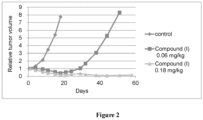
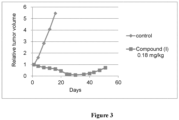
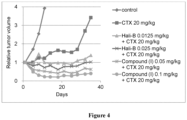
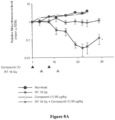
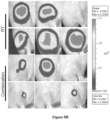
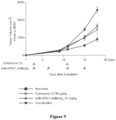
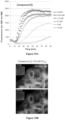
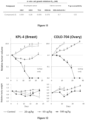
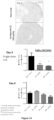
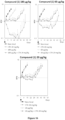
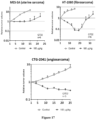
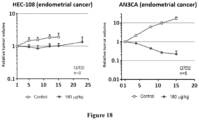
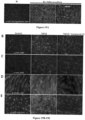
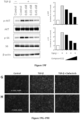
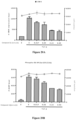
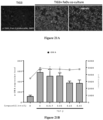
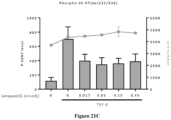
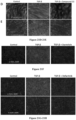
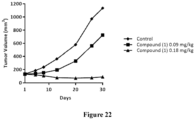
- the compounds provided herein have an advantageous effect on tumor vascular remodeling and has anti-CAF activity, as demonstrated in the Figures and Examples. Accordingly, the compounds provided herein have potential use in the treatment of proliferative diseases.
- the compounds can be used to treat cancer (e . g ., squamous cell carcinoma of the head and neck (SCCHN), breast cancer, esophageal cancer, uterine cancer, ovarian cancer, colorectal cancer, endometrial cancer, gastric cancer, lung cancer, small bowel cancer, bladder cancer, sweat gland cancer, sarcomas, rare cancers).
- cancer e . g ., squamous cell carcinoma of the head and neck (SCCHN), breast cancer, esophageal cancer, uterine cancer, ovarian cancer, colorectal cancer, endometrial cancer, gastric cancer, lung cancer, small bowel cancer, bladder cancer, sweat gland cancer, sarcomas, rare cancers.
- the present invention provides a compound, pharmaceutically acceptable salt and stereoisomer thereof for use in treating cancer or inhibiting tumor growth in a subject.
- the present invention provides a compound, pharmaceutically acceptable salt and stereoisomer thereof for use in inhibiting any tumor growth or cancer that will respond to a compound with tumor vascular remodeling effects and/or anti-CAF activity, in a subject, typically a human.
- a compound provided herein, or a pharmaceutically acceptable salt, or stereoisomer thereof, or a composition thereof may be administered in combination with any other active agent that provides beneficial results for the patient.
- a compound provided herein is used in combination, alternation, or other synchronized therapy with an immunotherapy.
- the immunotherapy is an anti-EGFR (epidermal growth factor receptor) antibody, an anti-HER2 (human epidermal growth factor receptor) antibody, an anti-PD-1 antibody, or an anti-PD-L1 antibody, as described in more detail below.
- a compound, pharmaceutically acceptable salt and stereoisomer thereof and composition thereof are provided for use in treating squamous cell carcinoma of the head and neck (SCCHN) in a subject, typically a human, in need thereof, in combination with an anti-EGFR (epidermal growth factor receptor) mAb therapy.
- the anti-EGFR (epidermal growth factor receptor) mAb is cetuximab.
- a compound, pharmaceutically acceptable salt and stereoisomer thereof and composition thereof are provided for use in treating breast cancer in a subject, typically a human, in need thereof, in combination with an HER2 (human epidermal growth factor receptor) mAb therapy.
- the HER2 (human epidermal growth factor receptor) mAb is trastuzumab.
- the compound may be used to treat breast cancer in combination with traditional chemotherapy, such as adriamycin, cyclophosphamide, taxol, etc., or an anti-estrogen such as a selective estrogen modulator (SERM), a selective estrogen degrader (SERD), a partial or total estrogen inhibitor (such as fulvestrant) or a CDK 4/6 inhibitor such as palbociclib (Pfizer).
- traditional chemotherapy such as adriamycin, cyclophosphamide, taxol, etc.
- an anti-estrogen such as a selective estrogen modulator (SERM), a selective estrogen degrader (SERD), a partial or total estrogen inhibitor (such as fulvestrant) or a CDK 4/6 inhibitor such as palbociclib (Pfizer).
- SERM selective estrogen modulator
- SELD selective estrogen degrader
- Pfizer a partial or total estrogen inhibitor
- CDK 4/6 inhibitor such as palbociclib
- kits described herein may include a single dose or multiple doses of the compound or pharmaceutical composition thereof.
- a kit of the invention may include instructions for using the provided therapeutic dosage forms ( e . g ., instructions for using the compound or pharmaceutical composition included in the kit).
- the present invention thus includes at least the following features:
- Compounds described herein can comprise one or more asymmetric centers, and thus can exist in various stereoisomeric forms, e . g ., enantiomers and/or diastereomers.
- the compounds described herein can be in the form of an individual enantiomer, diastereomer or geometric isomer, or can be in the form of a mixture of stereoisomers, including racemic mixtures and mixtures enriched in one or more stereoisomer.
- Isomers can be isolated from mixtures by methods known to those skilled in the art, including chiral high pressure liquid chromatography (HPLC) and the formation and crystallization of chiral salts; or preferred isomers can be prepared by asymmetric syntheses.
- HPLC high pressure liquid chromatography
- structures depicted herein are also meant to include compounds that differ only in the presence of one or more isotopically enriched atoms.
- compounds having the present structures except for the replacement of hydrogen by deuterium or tritium, replacement of 19 F with 18 F, or the replacement of 12 C with 13 C or 14 C are within the scope of the disclosure.
- Such compounds are useful, for example, as analytical tools or probes in biological assays.
- C 1-6 alkyl is intended to encompass, C 1 , C 2 , C 3 , C 4 , C 5 , C 6 , C 1-6 , C 1-5 , C 1-4 , C 1-3 , C 1-2 , C 2-6 , C 2-5 , C 2-4 , C 2-3 , C 3-6 , C 3-5 , C 3-4 , C 4-6 , C 4-5 , and C 5-6 alkyl.
- aliphatic refers to alkyl, alkenyl, alkynyl, and carbocyclic groups.
- heteroaliphatic refers to heteroalkyl, heteroalkenyl, heteroalkynyl, and heterocyclic groups.
- alkyl refers to a radical of a straight-chain or branched saturated hydrocarbon group having from 1 to 10 carbon atoms (“C 1-10 alkyl”). In some embodiments, an alkyl group has 1 to 9 carbon atoms ("C 1-9 alkyl”). In some embodiments, an alkyl group has 1 to 8 carbon atoms ("C 1-8 alkyl”). In some embodiments, an alkyl group has 1 to 7 carbon atoms (“C 1-7 alkyl”). In some embodiments, an alkyl group has 1 to 6 carbon atoms (“C 1-6 alkyl”). In some embodiments, an alkyl group has 1 to 5 carbon atoms (“C 1-5 alkyl”).
- an alkyl group has 1 to 4 carbon atoms ("C 1-4 alkyl”). In some embodiments, an alkyl group has 1 to 3 carbon atoms ("C 1-3 alkyl”). In some embodiments, an alkyl group has 1 to 2 carbon atoms ("C 1-2 alkyl”). In some embodiments, an alkyl group has 1 carbon atom (“C 1 alkyl”). In some embodiments, an alkyl group has 2 to 6 carbon atoms (“C 2-6 alkyl”).
- C 1-6 alkyl groups include methyl (C 1 ), ethyl (C 2 ), propyl (C 3 ) (e.g., n -propyl, iso -propyl), butyl (C 4 ) (e.g., n -butyl, tert -butyl, sec -butyl, iso -butyl), pentyl (C 5 ) ( e . g ., n -pentyl, 3-pentanyl, amyl, neopentyl, 3-methyl-2-butanyl, tertiary amyl), and hexyl (C 6 ) ( e .
- alkyl groups include n -heptyl (C 7 ) and n -octyl (C 8 ).
- each instance of an alkyl group is independently unsubstituted (an "unsubstituted alkyl") or substituted (a "substituted alkyl") with one or more substituents ( e . g ., halogen, such as F).
- the alkyl group is an unsubstituted C 1-10 alkyl (such as unsubstituted C 1-6 alkyl, e .
- the alkyl group is a substituted C 1-10 alkyl (such as substituted C 1-6 alkyl, e . g ., -CF 3 , Bn).
- haloalkyl is a substituted alkyl group, wherein one or more of the hydrogen atoms are independently replaced by a halogen, e.g ., fluoro, bromo, chloro, or iodo.
- the haloalkyl moiety has 1 to 8 carbon atoms ("C 1-8 haloalkyl”).
- the haloalkyl moiety has 1 to 6 carbon atoms ("C 1-6 haloalkyl”).
- the haloalkyl moiety has 1 to 4 carbon atoms ("C 1-4 haloalkyl").
- the haloalkyl moiety has 1 to 3 carbon atoms ("C 1-3 haloalkyl”). In some embodiments, the haloalkyl moiety has 1 to 2 carbon atoms ("C 1-2 haloalkyl”). Examples of haloalkyl groups include -CHF 2 , -CH 2 F, -CF 3 , -CH 2 CF 3 , -CF 2 CF 3 , -CF 2 CF 2 CF 3 , -CCl 3 , -CFCl 2 and -CF 2 Cl.
- heteroalkyl refers to an alkyl group, which further includes at least one heteroatom (e . g ., 1, 2, 3, or 4 heteroatoms) selected from oxygen, nitrogen, or sulfur within ( i . e ., inserted between adjacent carbon atoms of) and/or placed at one or more terminal position(s) of the parent chain.
- a heteroalkyl group refers to a saturated group having from 1 to 10 carbon atoms and 1 or more heteroatoms within the parent chain ("heteroC 1-10 alkyl").
- a heteroalkyl group is a saturated group having 1 to 9 carbon atoms and 1 or more heteroatoms within the parent chain (“heteroC 1-9 alkyl").
- a heteroalkyl group is a saturated group having 1 to 8 carbon atoms and 1 or more heteroatoms within the parent chain ("heteroC 1-8 alkyl"). In some embodiments, a heteroalkyl group is a saturated group having 1 to 7 carbon atoms and 1 or more heteroatoms within the parent chain ("heteroC 1-7 alkyl"). In some embodiments, a heteroalkyl group is a saturated group having 1 to 6 carbon atoms and 1 or more heteroatoms within the parent chain (“heteroC 1-6 alkyl"). In some embodiments, a heteroalkyl group is a saturated group having 1 to 5 carbon atoms and 1 or 2 heteroatoms within the parent chain (“heteroC 1-5 alkyl").
- a heteroalkyl group is a saturated group having 1 to 4 carbon atoms and 1 or 2 heteroatoms within the parent chain ("heteroC 1-4 alkyl"). In some embodiments, a heteroalkyl group is a saturated group having 1 to 3 carbon atoms and 1 heteroatom within the parent chain ("heteroC 1-3 alkyl”). In some embodiments, a heteroalkyl group is a saturated group having 1 to 2 carbon atoms and 1 heteroatom within the parent chain ("heteroC 1-2 alkyl"). In some embodiments, a heteroalkyl group is a saturated group having 1 carbon atom and 1 heteroatom (“heteroC 1 alkyl").
- a heteroalkyl group is a saturated group having 2 to 6 carbon atoms and 1 or 2 heteroatoms within the parent chain ("heteroC 2-6 alkyl"). Unless otherwise specified, each instance of a heteroalkyl group is independently unsubstituted (an "unsubstituted heteroalkyl") or substituted (a "substituted heteroalkyl") with one or more substituents. In certain embodiments, the heteroalkyl group is an unsubstituted heteroC 1-10 alkyl. In certain embodiments, the heteroalkyl group is a substituted heteroC 1-10 alkyl.
- alkenyl refers to a radical of a straight-chain or branched hydrocarbon group having from 2 to 10 carbon atoms and one or more carbon-carbon double bonds ( e.g ., 1, 2, 3, or 4 double bonds).
- an alkenyl group has 2 to 9 carbon atoms ("C 2-9 alkenyl”).
- an alkenyl group has 2 to 8 carbon atoms ("C 2-8 alkenyl”).
- an alkenyl group has 2 to 7 carbon atoms (“C 2-7 alkenyl”).
- an alkenyl group has 2 to 6 carbon atoms (“C 2-6 alkenyl”).
- an alkenyl group has 2 to 5 carbon atoms ("C 2-5 alkenyl”). In some embodiments, an alkenyl group has 2 to 4 carbon atoms ("C 2-4 alkenyl”). In some embodiments, an alkenyl group has 2 to 3 carbon atoms ("C 2-3 alkenyl”). In some embodiments, an alkenyl group has 2 carbon atoms ("C 2 alkenyl”).
- the one or more carbon-carbon double bonds can be internal (such as in 2-butenyl) or terminal (such as in 1-butenyl).
- Examples of C 2-4 alkenyl groups include ethenyl (C 2 ), 1-propenyl (C 3 ), 2-propenyl (C 3 ), 1-butenyl (C 4 ), 2-butenyl (C 4 ) and butadienyl (C 4 ).
- Examples of C 2-6 alkenyl groups include the aforementioned C 2-4 alkenyl groups as well as pentenyl (C 5 ), pentadienyl (C 5 ) and hexenyl (C 6 ).
- Additional examples of alkenyl include heptenyl (C 7 ), octenyl (C 8 ) and octatrienyl (C 8 ).
- each instance of an alkenyl group is independently unsubstituted (an "unsubstituted alkenyl") or substituted (a "substituted alkenyl") with one or more substituents.
- the alkenyl group is an unsubstituted C 2-10 alkenyl.
- the alkenyl group is a substituted C 2-10 alkenyl.
- heteroalkenyl refers to an alkenyl group, which further includes at least one heteroatom (e . g ., 1, 2, 3, or 4 heteroatoms) selected from oxygen, nitrogen, or sulfur within ( i.e ., inserted between adjacent carbon atoms of) and/or placed at one or more terminal position(s) of the parent chain.
- a heteroalkenyl group refers to a group having from 2 to 10 carbon atoms, at least one double bond, and 1 or more heteroatoms within the parent chain (“heteroC 2-10 alkenyl").
- a heteroalkenyl group has 2 to 9 carbon atoms at least one double bond, and 1 or more heteroatoms within the parent chain ("heteroC 2-9 alkenyl"). In some embodiments, a heteroalkenyl group has 2 to 8 carbon atoms, at least one double bond, and 1 or more heteroatoms within the parent chain ("heteroC 2-8 alkenyl”). In some embodiments, a heteroalkenyl group has 2 to 7 carbon atoms, at least one double bond, and 1 or more heteroatoms within the parent chain (“heteroC 2-7 alkenyl").
- a heteroalkenyl group has 2 to 6 carbon atoms, at least one double bond, and 1 or more heteroatoms within the parent chain ("heteroC 2-6 alkenyl"). In some embodiments, a heteroalkenyl group has 2 to 5 carbon atoms, at least one double bond, and 1 or 2 heteroatoms within the parent chain ("heteroC 2-5 alkenyl”). In some embodiments, a heteroalkenyl group has 2 to 4 carbon atoms, at least one double bond, and 1 or 2 heteroatoms within the parent chain (“heteroC 2-4 alkenyl").
- a heteroalkenyl group has 2 to 3 carbon atoms, at least one double bond, and 1 heteroatom within the parent chain ("heteroC 2-3 alkenyl"). In some embodiments, a heteroalkenyl group has 2 to 6 carbon atoms, at least one double bond, and 1 or 2 heteroatoms within the parent chain ("heteroC 2-6 alkenyl”). Unless otherwise specified, each instance of a heteroalkenyl group is independently unsubstituted (an "unsubstituted heteroalkenyl") or substituted (a "substituted heteroalkenyl") with one or more substituents. In certain embodiments, the heteroalkenyl group is an unsubstituted heteroC 2-10 alkenyl. In certain embodiments, the heteroalkenyl group is a substituted heteroC 2-10 alkenyl.
- alkynyl refers to a radical of a straight-chain or branched hydrocarbon group having from 2 to 10 carbon atoms and one or more carbon-carbon triple bonds (e.g., 1, 2, 3, or 4 triple bonds) ("C 2-10 alkynyl”). In some embodiments, an alkynyl group has 2 to 9 carbon atoms ("C 2-9 alkynyl”). In some embodiments, an alkynyl group has 2 to 8 carbon atoms (“C 2-8 alkynyl”). In some embodiments, an alkynyl group has 2 to 7 carbon atoms (“C 2-7 alkynyl”).
- an alkynyl group has 2 to 6 carbon atoms ("C 2-6 alkynyl”). In some embodiments, an alkynyl group has 2 to 5 carbon atoms ("C 2-5 alkynyl”). In some embodiments, an alkynyl group has 2 to 4 carbon atoms ("C 2-4 alkynyl”). In some embodiments, an alkynyl group has 2 to 3 carbon atoms ("C 2-3 alkynyl”). In some embodiments, an alkynyl group has 2 carbon atoms ("C 2 alkynyl”). The one or more carbon-carbon triple bonds can be internal (such as in 2-butynyl) or terminal (such as in 1-butynyl).
- Examples of C 2-4 alkynyl groups include, without limitation, ethynyl (C 2 ), 1-propynyl (C 3 ), 2-propynyl (C 3 ), 1-butynyl (C 4 ) and 2-butynyl (C 4 ).
- Examples of C 2-6 alkenyl groups include the aforementioned C 2-4 alkynyl groups as well as pentynyl (C 5 ) and hexynyl (C 6 ). Additional examples of alkynyl include heptynyl (C 7 ) and octynyl (C 8 ).
- each instance of an alkynyl group is independently unsubstituted (an "unsubstituted alkynyl") or substituted (a "substituted alkynyl") with one or more substituents.
- the alkynyl group is an unsubstituted C 2-10 alkynyl.
- the alkynyl group is a substituted C 2-10 alkynyl.
- heteroalkynyl refers to an alkynyl group, which further includes at least one heteroatom (e . g ., 1, 2, 3, or 4 heteroatoms) selected from oxygen, nitrogen, or sulfur within ( i . e ., inserted between adjacent carbon atoms of) and/or placed at one or more terminal position(s) of the parent chain.
- a heteroalkynyl group refers to a group having from 2 to 10 carbon atoms, at least one triple bond, and 1 or more heteroatoms within the parent chain ("heteroC 2-10 alkynyl").
- a heteroalkynyl group has 2 to 9 carbon atoms, at least one triple bond, and 1 or more heteroatoms within the parent chain ("heteroC 2-9 alkynyl"). In some embodiments, a heteroalkynyl group has 2 to 8 carbon atoms, at least one triple bond, and 1 or more heteroatoms within the parent chain ("heteroC 2-8 alkynyl”). In some embodiments, a heteroalkynyl group has 2 to 7 carbon atoms, at least one triple bond, and 1 or more heteroatoms within the parent chain (“heteroC 2-7 alkynyl").
- a heteroalkynyl group has 2 to 6 carbon atoms, at least one triple bond, and 1 or more heteroatoms within the parent chain ("heteroC 2-6 alkynyl"). In some embodiments, a heteroalkynyl group has 2 to 5 carbon atoms, at least one triple bond, and 1 or 2 heteroatoms within the parent chain ("heteroC 2-5 alkynyl"). In some embodiments, a heteroalkynyl group has 2 to 4 carbon atoms, at least one triple bond, and 1or 2 heteroatoms within the parent chain (“heteroC 2-4 alkynyl").
- a heteroalkynyl group has 2 to 3 carbon atoms, at least one triple bond, and 1 heteroatom within the parent chain ("heteroC 2-3 alkynyl"). In some embodiments, a heteroalkynyl group has 2 to 6 carbon atoms, at least one triple bond, and 1 or 2 heteroatoms within the parent chain ("heteroC 2-6 alkynyl"). Unless otherwise specified, each instance of a heteroalkynyl group is independently unsubstituted (an "unsubstituted heteroalkynyl") or substituted (a "substituted heteroalkynyl") with one or more substituents. In certain embodiments, the heteroalkynyl group is an unsubstituted heteroC 2-10 alkynyl. In certain embodiments, the heteroalkynyl group is a substituted heteroC 2-10 alkynyl.
- carbocyclyl refers to a radical of a non-aromatic cyclic hydrocarbon group having from 3 to 14 ring carbon atoms ("C 3-14 carbocyclyl") and zero heteroatoms in the non-aromatic ring system.
- a carbocyclyl group has 3 to 10 ring carbon atoms ("C 3-10 carbocyclyl”).
- a carbocyclyl group has 3 to 8 ring carbon atoms (“C 3-8 carbocyclyl”).
- a carbocyclyl group has 3 to 7 ring carbon atoms (“C 3-7 carbocyclyl”).
- a carbocyclyl group has 3 to 6 ring carbon atoms ("C 3-6 carbocyclyl”). In some embodiments, a carbocyclyl group has 4 to 6 ring carbon atoms ("C 4-6 carbocyclyl”). In some embodiments, a carbocyclyl group has 5 to 6 ring carbon atoms ("C 5-6 carbocyclyl”). In some embodiments, a carbocyclyl group has 5 to 10 ring carbon atoms ("C 5-10 carbocyclyl”).
- Exemplary C 3-6 carbocyclyl groups include, without limitation, cyclopropyl (C 3 ), cyclopropenyl (C 3 ), cyclobutyl (C 4 ), cyclobutenyl (C 4 ), cyclopentyl (C 5 ), cyclopentenyl (C 5 ), cyclohexyl (C 6 ), cyclohexenyl (C 6 ) and cyclohexadienyl (C 6 ).
- Exemplary C 3-8 carbocyclyl groups include, without limitation, the aforementioned C 3-6 carbocyclyl groups as well as cycloheptyl (C 7 ), cycloheptenyl (C 7 ), cycloheptadienyl (C 7 ), cycloheptatrienyl (C 7 ), cyclooctyl (C 8 ), cyclooctenyl (C 8 ), bicyclo[2.2.1]heptanyl (C 7 ) and bicyclo[2.2.2]octanyl (C 8 ).
- Exemplary C 3-10 carbocyclyl groups include, without limitation, the aforementioned C 3-8 carbocyclyl groups as well as cyclononyl (C 9 ), cyclononenyl (C 9 ), cyclodecyl (C 10 ), cyclodecenyl (C 10 ), octahydro-1H-indenyl (C 9 ), decahydronaphthalenyl (C 10 ) and spiro[4.5]decanyl (C 10 ).
- the carbocyclyl group is either monocyclic (“monocyclic carbocyclyl") or polycyclic ( e .
- Carbocyclyl also includes ring systems wherein the carbocyclyl ring, as defined above, is fused with one or more aryl or heteroaryl groups wherein the point of attachment is on the carbocyclyl ring, and in such instances, the number of carbons continue to designate the number of carbons in the carbocyclic ring system.
- each instance of a carbocyclyl group is independently unsubstituted (an "unsubstituted carbocyclyl") or substituted (a "substituted carbocyclyl") with one or more substituents.
- the carbocyclyl group is an unsubstituted C 3-14 carbocyclyl.
- the carbocyclyl group is a substituted C 3-14 carbocyclyl.
- “carbocyclyl” is a monocyclic, saturated carbocyclyl group having from 3 to 14 ring carbon atoms ("C 3-14 cycloalkyl”). In some embodiments, a cycloalkyl group has 3 to 10 ring carbon atoms ("C 3-10 cycloalkyl”). In some embodiments, a cycloalkyl group has 3 to 8 ring carbon atoms ("C 3-8 cycloalkyl”). In some embodiments, a cycloalkyl group has 3 to 6 ring carbon atoms ("C 3-6 cycloalkyl").
- a cycloalkyl group has 4 to 6 ring carbon atoms ("C 4-6 cycloalkyl”). In some embodiments, a cycloalkyl group has 5 to 6 ring carbon atoms ("C 5-6 cycloalkyl”). In some embodiments, a cycloalkyl group has 5 to 10 ring carbon atoms ("C 5-10 cycloalkyl”). Examples of C 5-6 cycloalkyl groups include cyclopentyl (C 5 ) and cyclohexyl (C 5 ).
- C 3-6 cycloalkyl groups include the aforementioned C 5-6 cycloalkyl groups as well as cyclopropyl (C 3 ) and cyclobutyl (C 4 ).
- Examples of C 3-8 cycloalkyl groups include the aforementioned C 3-6 cycloalkyl groups as well as cycloheptyl (C 7 ) and cyclooctyl (C 8 ).
- each instance of a cycloalkyl group is independently unsubstituted (an "unsubstituted cycloalkyl") or substituted (a "substituted cycloalkyl") with one or more substituents.
- the cycloalkyl group is an unsubstituted C 3-14 cycloalkyl.
- the cycloalkyl group is a substituted C 3-14 cycloalkyl.
- heterocyclyl refers to a radical of a 3- to 14-membered non-aromatic ring system having ring carbon atoms and 1 to 4 ring heteroatoms, wherein each heteroatom is independently selected from nitrogen, oxygen, and sulfur ("3-14 membered heterocyclyl").
- heterocyclyl groups that contain one or more nitrogen atoms, the point of attachment can be a carbon or nitrogen atom, as valency permits.
- a heterocyclyl group can either be monocyclic (“monocyclic heterocyclyl”) or polycyclic ( e .
- a fused, bridged or spiro ring system such as a bicyclic system ("bicyclic heterocyclyl”) or tricyclic system (“tricyclic heterocyclyl”)), and can be saturated or can contain one or more carbon-carbon double or triple bonds.
- Heterocyclyl polycyclic ring systems can include one or more heteroatoms in one or both rings.
- Heterocyclyl also includes ring systems wherein the heterocyclyl ring, as defined above, is fused with one or more carbocyclyl groups wherein the point of attachment is either on the carbocyclyl or heterocyclyl ring, or ring systems wherein the heterocyclyl ring, as defined above, is fused with one or more aryl or heteroaryl groups, wherein the point of attachment is on the heterocyclyl ring, and in such instances, the number of ring members continue to designate the number of ring members in the heterocyclyl ring system.
- each instance of heterocyclyl is independently unsubstituted (an "unsubstituted heterocyclyl") or substituted (a "substituted heterocyclyl") with one or more substituents.
- the heterocyclyl group is an unsubstituted 3-14 membered heterocyclyl. In certain embodiments, the heterocyclyl group is a substituted 3-14 membered heterocyclyl.
- a heterocyclyl group is a 5-10 membered non-aromatic ring system having ring carbon atoms and 1-4 ring heteroatoms, wherein each heteroatom is independently selected from nitrogen, oxygen, and sulfur ("5-10 membered heterocyclyl").
- a heterocyclyl group is a 5-8 membered non-aromatic ring system having ring carbon atoms and 1-4 ring heteroatoms, wherein each heteroatom is independently selected from nitrogen, oxygen, and sulfur ("5-8 membered heterocyclyl").
- a heterocyclyl group is a 5-6 membered non-aromatic ring system having ring carbon atoms and 1-4 ring heteroatoms, wherein each heteroatom is independently selected from nitrogen, oxygen, and sulfur ("5-6 membered heterocyclyl").
- the 5-6 membered heterocyclyl has 1-3 ring heteroatoms selected from nitrogen, oxygen, and sulfur.
- the 5-6 membered heterocyclyl has 1-2 ring heteroatoms selected from nitrogen, oxygen, and sulfur.
- the 5-6 membered heterocyclyl has 1 ring heteroatom selected from nitrogen, oxygen, and sulfur.
- Exemplary 3-membered heterocyclyl groups containing 1 heteroatom include, without limitation, azirdinyl, oxiranyl, and thiiranyl.
- Exemplary 4-membered heterocyclyl groups containing 1 heteroatom include, without limitation, azetidinyl, oxetanyl, and thietanyl.
- Exemplary 5-membered heterocyclyl groups containing 1 heteroatom include, without limitation, tetrahydrofuranyl, dihydrofuranyl, tetrahydrothiophenyl, dihydrothiophenyl, pyrrolidinyl, dihydropyrrolyl, and pyrrolyl-2,5-dione.
- Exemplary 5-membered heterocyclyl groups containing 2 heteroatoms include, without limitation, dioxolanyl, oxathiolanyl and dithiolanyl.
- Exemplary 5-membered heterocyclyl groups containing 3 heteroatoms include, without limitation, triazolinyl, oxadiazolinyl, and thiadiazolinyl.
- Exemplary 6-membered heterocyclyl groups containing 1 heteroatom include, without limitation, piperidinyl, tetrahydropyranyl, dihydropyridinyl, and thianyl.
- Exemplary 6-membered heterocyclyl groups containing 2 heteroatoms include, without limitation, piperazinyl, morpholinyl, dithianyl, and dioxanyl.
- Exemplary 6-membered heterocyclyl groups containing 3 heteroatoms include, without limitation, triazinyl.
- Exemplary 7-membered heterocyclyl groups containing 1 heteroatom include, without limitation, azepanyl, oxepanyl and thiepanyl.
- Exemplary 8-membered heterocyclyl groups containing 1 heteroatom include, without limitation, azocanyl, oxecanyl and thiocanyl.
- bicyclic heterocyclyl groups include, without limitation, indolinyl, isoindolinyl, dihydrobenzofuranyl, dihydrobenzothienyl, tetrahydrobenzothienyl, tetrahydrobenzofuranyl, tetrahydroindolyl, tetrahydroquinolinyl, tetrahydroisoquinolinyl, decahydroquinolinyl, decahydroisoquinolinyl, octahydrochromenyl, octahydroisochromenyl, decahydronaphthyridinyl, decahydro-1,8-naphthyridinyl, octahydropyrrolo[3,2-b]pyrrole, indolinyl, phthalimidyl, naphthalimidyl, chromanyl, chromenyl, 1H-benzo[e][1,4-
- aryl refers to a radical of a monocyclic or polycyclic (e . g ., bicyclic or tricyclic) 4n+2 aromatic ring system ( e . g ., having 6, 10, or 14 ⁇ electrons shared in a cyclic array) having 6-14 ring carbon atoms and zero heteroatoms provided in the aromatic ring system ("C 6-14 aryl”).
- an aryl group has 6 ring carbon atoms ("C 6 aryl”; e . g ., phenyl).
- an aryl group has 10 ring carbon atoms ("C 10 aryl”; e.g ., naphthyl such as 1-naphthyl and 2-naphthyl).
- an aryl group has 14 ring carbon atoms ("C 14 aryl”; e . g ., anthracyl).
- Aryl also includes ring systems wherein the aryl ring, as defined above, is fused with one or more carbocyclyl or heterocyclyl groups wherein the radical or point of attachment is on the aryl ring, and in such instances, the number of carbon atoms continue to designate the number of carbon atoms in the aryl ring system.
- each instance of an aryl group is independently unsubstituted (an "unsubstituted aryl") or substituted (a "substituted aryl") with one or more substituents.
- the aryl group is an unsubstituted C 6-14 aryl.
- the aryl group is a substituted C 6-14 aryl.
- heteroaryl refers to a radical of a 5-14 membered monocyclic or polycyclic ( e . g ., bicyclic, tricyclic) 4n+2 aromatic ring system ( e . g ., having 6, 10, or 14 ⁇ electrons shared in a cyclic array) having ring carbon atoms and 1-4 ring heteroatoms provided in the aromatic ring system, wherein each heteroatom is independently selected from nitrogen, oxygen, and sulfur ("5-14 membered heteroaryl").
- the point of attachment can be a carbon or nitrogen atom, as valency permits.
- Heteroaryl polycyclic ring systems can include one or more heteroatoms in one or both rings.
- Heteroaryl includes ring systems wherein the heteroaryl ring, as defined above, is fused with one or more carbocyclyl or heterocyclyl groups wherein the point of attachment is on the heteroaryl ring, and in such instances, the number of ring members continue to designate the number of ring members in the heteroaryl ring system.
- Heteroaryl also includes ring systems wherein the heteroaryl ring, as defined above, is fused with one or more aryl groups wherein the point of attachment is either on the aryl or heteroaryl ring, and in such instances, the number of ring members designates the number of ring members in the fused polycyclic (aryl/heteroaryl) ring system.
- Polycyclic heteroaryl groups wherein one ring does not contain a heteroatom e . g ., indolyl, quinolinyl and carbazolyl
- the point of attachment can be on either ring, i . e ., either the ring bearing a heteroatom ( e.g., 2-indolyl) or the ring that does not contain a heteroatom ( e.g., 5-indolyl).
- a heteroaryl group is a 5-10 membered aromatic ring system having ring carbon atoms and 1-4 ring heteroatoms provided in the aromatic ring system, wherein each heteroatom is independently selected from nitrogen, oxygen, and sulfur ("5-10 membered heteroaryl").
- a heteroaryl group is a 5-8 membered aromatic ring system having ring carbon atoms and 1-4 ring heteroatoms provided in the aromatic ring system, wherein each heteroatom is independently selected from nitrogen, oxygen, and sulfur ("5-8 membered heteroaryl").
- a heteroaryl group is a 5-6 membered aromatic ring system having ring carbon atoms and 1-4 ring heteroatoms provided in the aromatic ring system, wherein each heteroatom is independently selected from nitrogen, oxygen, and sulfur ("5-6 membered heteroaryl").
- the 5-6 membered heteroaryl has 1-3 ring heteroatoms selected from nitrogen, oxygen, and sulfur.
- the 5-6 membered heteroaryl has 1-2 ring heteroatoms selected from nitrogen, oxygen, and sulfur.
- the 5-6 membered heteroaryl has 1 ring heteroatom selected from nitrogen, oxygen, and sulfur.
- each instance of a heteroaryl group is independently unsubstituted (an "unsubstituted heteroaryl") or substituted (a "substituted heteroaryl") with one or more substituents.
- the heteroaryl group is an unsubstituted 5-14 membered heteroaryl.
- the heteroaryl group is a substituted 5-14 membered heteroaryl.
- Exemplary 5-membered heteroaryl groups containing 1 heteroatom include, without limitation, pyrrolyl, furanyl, and thiophenyl.
- Exemplary 5-membered heteroaryl groups containing 2 heteroatoms include, without limitation, imidazolyl, pyrazolyl, oxazolyl, isoxazolyl, thiazolyl, and isothiazolyl.
- Exemplary 5-membered heteroaryl groups containing 3 heteroatoms include, without limitation, triazolyl, oxadiazolyl, and thiadiazolyl.
- Exemplary 5-membered heteroaryl groups containing 4 heteroatoms include, without limitation, tetrazolyl.
- Exemplary 6-membered heteroaryl groups containing 1 heteroatom include, without limitation, pyridinyl.
- Exemplary 6-membered heteroaryl groups containing 2 heteroatoms include, without limitation, pyridazinyl, pyrimidinyl, and pyrazinyl.
- Exemplary 6-membered heteroaryl groups containing 3 or 4 heteroatoms include, without limitation, triazinyl and tetrazinyl, respectively.
- Exemplary 7-membered heteroaryl groups containing 1 heteroatom include, without limitation, azepinyl, oxepinyl, and thiepinyl.
- Exemplary 5,6-bicyclic heteroaryl groups include, without limitation, indolyl, isoindolyl, indazolyl, benzotriazolyl, benzothiophenyl, isobenzothiophenyl, benzofuranyl, benzoisofuranyl, benzimidazolyl, benzoxazolyl, benzisoxazolyl, benzoxadiazolyl, benzthiazolyl, benzisothiazolyl, benzthiadiazolyl, indolizinyl, and purinyl.
- Exemplary 6,6-bicyclic heteroaryl groups include, without limitation, naphthyridinyl, pteridinyl, quinolinyl, isoquinolinyl, cinnolinyl, quinoxalinyl, phthalazinyl, and quinazolinyl.
- Exemplary tricyclic heteroaryl groups include, without limitation, phenanthridinyl, dibenzofuranyl, carbazolyl, acridinyl, phenothiazinyl, phenoxazinyl, and phenazinyl.
- alkylene is the divalent moiety of alkyl
- alkenylene is the divalent moiety of alkenyl
- alkynylene is the divalent moiety of alkynyl
- heteroalkylene is the divalent moiety of heteroalkyl
- heteroalkenylene is the divalent moiety of heteroalkenyl
- heteroalkynylene is the divalent moiety of heteroalkynyl
- carbocyclylene is the divalent moiety of carbocyclyl
- heterocyclylene is the divalent moiety of heterocyclyl
- arylene is the divalent moiety of aryl
- heteroarylene is the divalent moiety of heteroaryl.
- a group is optionally substituted unless expressly provided otherwise.
- the term “optionally substituted” refers to being substituted or unsubstituted.
- alkyl, alkenyl, alkynyl, heteroalkyl, heteroalkenyl, heteroalkynyl, carbocyclyl, heterocyclyl, aryl, and heteroaryl groups are optionally substituted.
- Optionally substituted refers to a group which may be substituted or unsubstituted ( e .
- substituted means that at least one hydrogen present on a group is replaced with a permissible substituent, e . g ., a substituent which upon substitution results in a stable compound, e . g ., a compound which does not spontaneously undergo transformation such as by rearrangement, cyclization, elimination, or other reaction.
- a "substituted” group has a substituent at one or more substitutable positions of the group, and when more than one position in any given structure is substituted, the substituent is either the same or different at each position.
- substituted is contemplated to include substitution with all permissible substituents of organic compounds, and includes any of the substituents described herein that results in the formation of a stable compound.
- the present invention contemplates any and all such combinations in order to arrive at a stable compound.
- heteroatoms such as nitrogen may have hydrogen substituents and/or any suitable substituent as described herein which satisfy the valencies of the heteroatoms and results in the formation of a stable moiety.
- the invention is not intended to be limited in any manner by the exemplary substituents described herein.
- halo or halogen refers to fluorine (fluoro, -F), chlorine (chloro, -Cl), bromine (bromo, -Br), or iodine (iodo, -I).
- hydroxyl refers to the group -OH.
- amino refers to the group -NH 2 .
- substituted amino by extension, refers to a monosubstituted amino, a disubstituted amino, or a trisubstituted amino. In certain embodiments, the "substituted amino” is a monosubstituted amino or a disubstituted amino group.
- trisubstituted amino refers to an amino group wherein the nitrogen atom directly attached to the parent molecule is substituted with three groups, and includes groups selected from -N(R bb ) 3 and -N(R bb ) 3 + X - , wherein R bb and X - are as defined herein.
- sulfonyl refers to a group selected from -SO 2 N(R bb ) 2 , -SO 2 R aa , and - SO 2 OR 33 , wherein R aa and R bb are as defined herein.
- acyl groups include aldehydes (-CHO), carboxylic acids (-CO 2 H), ketones, acyl halides, esters, amides, imines, carbonates, carbamates, and ureas.
- Acyl substituents include, but are not limited to, any of the substituents described herein, that result in the formation of a stable moiety ( e .
- carboxylic acids e . g ., -CO 2 H
- aldehydes -CHO
- sil refers to the group -Si(R aa ) 3 , wherein R aa is as defined herein.
- Nitrogen atoms can be substituted or unsubstituted as valency permits, and include primary, secondary, tertiary, and quaternary nitrogen atoms.
- the substituent present on the nitrogen atom is a nitrogen protecting group (also referred to herein as an "amino protecting group").
- Nitrogen protecting groups such as carbamate groups include, but are not limited to, methyl carbamate, ethyl carbamate, 9-fluorenylmethyl carbamate (Fmoc), 9-(2-sulfo)fluorenylmethyl carbamate, 9-(2,7-dibromo)fluoroenylmethyl carbamate, 2,7-di-t-butyl-[9-(10,10-dioxo-10,10,10,10-tetrahydrothioxanthyl)]methyl carbamate (DBD-Tmoc), 4-methoxyphenacyl carbamate (Phenoc), 2,2,2-trichloroethyl carbamate (Troc), 2-trimethylsilylethyl carbamate (Teoc), 2-phenylethyl carbamate (hZ), 1-(1-adamantyl)-1-methylethyl
- Nitrogen protecting groups such as sulfonamide groups include, but are not limited to, p -toluenesulfonamide (Ts), benzenesulfonamide, 2,3,6-trimethyl-4-methoxybenzenesulfonamide (Mtr), 2,4,6-trimethoxybenzenesulfonamide (Mtb), 2,6-dimethyl-4-methoxybenzenesulfonamide (Pme), 2,3,5,6-tetramethyl-4-methoxybenzenesulfonamide (Mte), 4-methoxybenzenesulfonamide (Mbs), 2,4,6-trimethylbenzenesulfonamide (Mts), 2,6-dimethoxy-4-methylbenzenesulfonamide (iMds), 2,2,5,7,8-pentamethylchroman-6-sulfonamide (Pmc), methan
- nitrogen protecting groups include, but are not limited to, phenothiazinyl-(10)-acyl derivative, N'-p-toluenesulfonylaminoacyl derivative, N'-phenylaminothioacyl derivative, N-benzoylphenylalanyl derivative, N-acetylmethionine derivative, 4,5-diphenyl-3-oxazolin-2-one, N-phthalimide, N-dithiasuccinimide (Dts), N-2,3-diphenylmaleimide, N-2,5-dimethylpyrrole, N-1,1,4,4-tetramethyldisilylazacyclopentane adduct (STABASE), 5-substituted 1,3-dimethyl-1,3,5-triazacyclohexan-2-one, 5-substituted 1,3-dibenzyl-1,3,5-triazacyclohexan-2-one, 1-substituted 3,5-dinitro-4
- a nitrogen protecting group is benzyl (Bn), tert- butyloxycarbonyl (BOC), carbobenzyloxy (Cbz), 9-flurenylmethyloxycarbonyl (Fmoc), trifluoroacetyl, triphenylmethyl, acetyl (Ac), benzoyl (Bz), p -methoxybenzyl (PMB), 3,4-dimethoxybenzyl (DMPM), p -methoxyphenyl (PMP), 2,2,2-trichloroethyloxycarbonyl (Troc), triphenylmethyl (Tr), tosyl (Ts), brosyl (Bs), nosyl (Ns), mesyl (Ms), triflyl (Tf), or dansyl (Ds).
- Bn benzyl
- BOC tert- butyloxycarbonyl
- Cbz carbobenzyloxy
- Fmoc 9-flurenylmethyloxy
- the substituent present on an oxygen atom is an oxygen protecting group (also referred to herein as an "hydroxyl protecting group").
- oxygen protecting groups include, but are not limited to, methyl, methoxylmethyl (MOM), methylthiomethyl (MTM), t -butylthiomethyl, (phenyldimethylsilyl)methoxymethyl (SMOM), benzyloxymethyl (BOM), p- methoxybenzyloxymethyl (PMBM), (4-methoxyphenoxy)methyl ( p -AOM), guaiacolmethyl (GUM), t-butoxymethyl, 4-pentenyloxymethyl (POM), siloxymethyl, 2-methoxyethoxymethyl (MEM), 2,2,2-trichloroethoxymethyl, bis(2-chloroethoxy)methyl, 2-(trimethylsilyl)ethoxymethyl (SEMOR), tetrahydropyranyl (THP), 3-bromotetrahydropyranyl, tetrahydrothiopyranyl, 1-methoxycyclohexyl, 4-methoxytetrahydropyranyl (MTHP
- an oxygen protecting group is silyl.
- an oxygen protecting group is t-butyldiphenylsilyl (TBDPS), t-butyldimethylsilyl (TBDMS), triisoproylsilyl (TIPS), triphenylsilyl (TPS), triethylsilyl (TES), trimethylsilyl (TMS), triisopropylsiloxymethyl (TOM), acetyl (Ac), benzoyl (Bz), allyl carbonate, 2,2,2-trichloroethyl carbonate (Troc), 2-trimethylsilylethyl carbonate, methoxymethyl (MOM), 1-ethoxyethyl (EE), 2-methyoxy-2-propyl (MOP), 2,2,2-trichloroethoxyethyl, 2-methoxyethoxymethyl (MEM), 2-trimethylsilylethoxymethyl (SEM), methylthiomethyl (MTM), tetra
- the substituent present on a sulfur atom is a sulfur protecting group (also referred to as a "thiol protecting group").
- a sulfur protecting group is acetamidomethyl, t-Bu, 3-nitro-2-pyridine sulfenyl, 2-pyridine-sulfenyl, or triphenylmethyl.
- a "counterion” or “anionic counterion” is a negatively charged group associated with a positively charged group in order to maintain electronic neutrality.
- An anionic counterion may be monovalent ( i . e ., including one formal negative charge).
- An anionic counterion may also be multivalent ( i . e ., including more than one formal negative charge), such as divalent or trivalent.
- Exemplary counterions include halide ions ( e . g ., F - , Cl - , Br - , I ), NO 3 - , ClO 4 - , OH - , H 2 PO 4 - , HCO 3 - , HSO 4 - , sulfonate ions ( e .
- Exemplary counterions which may be multivalent include CO 3 2- , HPO 4 2- , PO 4 3- , B 4 O 7 2- , SO 4 2- , S 2 O 3 2- , carboxylate anions (e . g ., tartrate, citrate, fumarate, maleate, malate, malonate, gluconate, succinate, glutarate, adipate, pimelate, suberate, azelate, sebacate, salicylate, phthalates, aspartate and glutamate), and carboranes.
- carboxylate anions e . g ., tartrate, citrate, fumarate, maleate, malate, malonate, gluconate, succinate, glutarate, adipate, pimelate, suberate, azelate, sebacate, salicylate, phthalates, aspartate and glutamate
- At least one instance refers to 1, 2, 3, 4, or more instances, but also encompasses a range, e.g., for example, from 1 to 4, from 1 to 3, from 1 to 2, from 2 to 4, from 2 to 3, or from 3 to 4 instances, inclusive.
- salt refers to any and all salts, and encompasses pharmaceutically acceptable salts.
- pharmaceutically acceptable salt refers to those salts which are, within the scope of sound medical judgment, suitable for use in contact with the tissues of humans and lower animals without undue toxicity, irritation and allergic response, and are commensurate with a reasonable benefit/risk ratio.
- Pharmaceutically acceptable salts are well known in the art. For example, Berge et al. describe pharmaceutically acceptable salts in detail in J. Pharmaceutical Sciences, 1977, 66, 1-19 .
- Pharmaceutically acceptable salts of the compounds of this invention include those derived from suitable inorganic and organic acids and bases.
- Examples of pharmaceutically acceptable, nontoxic acid addition salts are salts of an amino group formed with inorganic acids, such as hydrochloric acid, hydrobromic acid, phosphoric acid, sulfuric acid, and perchloric acid or with organic acids, such as acetic acid, oxalic acid, maleic acid, tartaric acid, citric acid, succinic acid, or malonic acid or by using other methods known in the art such as ion exchange.
- inorganic acids such as hydrochloric acid, hydrobromic acid, phosphoric acid, sulfuric acid, and perchloric acid
- organic acids such as acetic acid, oxalic acid, maleic acid, tartaric acid, citric acid, succinic acid, or malonic acid or by using other methods known in the art such as ion exchange.
- salts include adipate, alginate, ascorbate, aspartate, benzenesulfonate, benzoate, bisulfate, borate, butyrate, camphorate, camphorsulfonate, citrate, cyclopentanepropionate, digluconate, dodecylsulfate, ethanesulfonate, formate, fumarate, glucoheptonate, glycerophosphate, gluconate, hemisulfate, heptanoate, hexanoate, hydroiodide, 2-hydroxy-ethanesulfonate, lactobionate, lactate, laurate, lauryl sulfate, malate, maleate, malonate, methanesulfonate, 2-naphthalenesulfonate, nicotinate, nitrate, oleate, oxalate, palmitate, pamoate, pectinate,
- Salts derived from appropriate bases include alkali metal, alkaline earth metal, ammonium, and N + (C 1-4 alkyl) 4 - salts.
- Representative alkali or alkaline earth metal salts include sodium, lithium, potassium, calcium and magnesium.
- Further pharmaceutically acceptable salts include, when appropriate, nontoxic ammonium, quaternary ammonium, and amine cations formed using counterions such as halide, hydroxide, carboxylate, sulfate, phosphate, nitrate, lower alkyl sulfonate, and aryl sulfonate.
- Compounds described herein are also provided, and can be administered, as a free base.
- composition and “formulation” are used interchangeably.
- a "subject" to which administration is contemplated refers to a human ( i . e ., male or female of any age group, e . g ., pediatric subject ( e . g ., infant, child, or adolescent) or adult subject ( e . g ., young adult, middle-aged adult, or senior adult)) or non-human animal.
- the non-human animal is a mammal (e . g ., primate ( e . g ., cynomolgus monkey or rhesus monkey), commercially relevant mammal ( e .
- the non-human animal is a fish, reptile, or amphibian.
- the non-human animal may be a male or female at any stage of development.
- the non-human animal may be a transgenic animal or genetically engineered animal.
- patient refers to a human subject in need of treatment of a disease.
- administer refers to implanting, absorbing, ingesting, injecting, inhaling, or otherwise introducing a compound described herein, or a composition thereof, in or on a subject.
- treatment refers to reversing, alleviating, delaying the onset of, or inhibiting the progress of a disease described herein.
- treatment may be administered after one or more signs or symptoms of the disease have developed or have been observed.
- treatment may be administered in the absence of signs or symptoms of the disease.
- treatment may be administered to a susceptible subject prior to the onset of symptoms. Treatment may also be continued after symptoms have resolved, for example, to delay or prevent recurrence.
- an "effective amount" of a compound described herein refers to an amount sufficient to elicit the desired biological response.
- An effective amount of a compound described herein may vary depending on such factors as the desired biological endpoint, the pharmacokinetics of the compound, the condition being treated, the mode of administration, and the age and health of the subject. In certain embodiments, an effective amount is a therapeutically effective amount. Alternatively, in a separate method or use, the invention may be used, where indicated and effective, as a prophylactic treatment. In certain embodiments, an effective amount is the amount of a compound described herein in a single dose. In certain embodiments, an effective amount is the combined amounts of a compound described herein in multiple doses.
- a “therapeutically effective amount” of a compound described herein is an amount sufficient to provide a therapeutic benefit in the treatment of a condition or to delay or minimize one or more symptoms associated with the condition.
- a therapeutically effective amount of a compound means an amount of therapeutic agent, alone or in combination with other therapies, which provides a therapeutic benefit in the treatment of the condition.
- the term "therapeutically effective amount” can encompass an amount that improves overall therapy, reduces or avoids symptoms, signs, or causes of the condition, and/or enhances the therapeutic efficacy of another therapeutic agent.
- a therapeutically effective amount is an amount sufficient for treating in any disease or condition described.
- inhibition refers to the ability of a compound to reduce, slow, halt, or prevent the activity of a biological process (e.g., tumor growth).
- the inhibition is about 45% to 50%.
- the inhibition is about 5%, 10%, 15%, 20%, 25%, 30%, 35%, 40%, 45%, 50%, 55%, 60%, 65%, 70%, 75%, 80%, 85%, 90%, 95%, 99.9%, or 100%.
- the present invention is described in detail below with reference to embodiments of the present invention.
- the invention provides compounds ( e . g ., compounds of Formula ( I )), and pharmaceutically acceptable salts or stereoisomers thereof, and pharmaceutical compositions thereof.
- the invention also provides a compound, and pharmaceutically acceptable salt or stereoisomer thereof, and compositions thereof, for use in treating proliferative diseases (e.g ., inhibiting tumor growth and/or treating cancer) in a subject.
- the compound or composition may be administered as a monotherapy or in combination with another therapy, as described herein. Also described are methods of preparing compounds of Formula ( I ), and synthetic intermediates useful to that end.
- the present invention provides compounds of Formula ( I ): and pharmaceutically acceptable salts and stereoisomers thereof, wherein:
- the compound of Formula (I) is of one of the following formulae: or or a pharmaceutically acceptable salt or stereoisomer thereof.
- the compound of Formula ( I ) is of one of the following formulae: or or a pharmaceutically acceptable salt or stereoisomer thereof.
- the compound of Formula ( I ) is selected from the group consisting of: and pharmaceutically acceptable salts and stereoisomers thereof.
- the compounds provided herein may optionally be in the form of a hydrate, solvate or polymorph, optionally in a pharmaceutically acceptable carrier or excipient.
- the present invention also provides stereoisomers of any one of the compounds described herein.
- Compounds provided herein may exist as a crystal polymorph, and the compound of the present invention may be in any of single crystal forms or a mixture of two or more crystal forms.
- Compounds provided herein can be in an amorphous form, or can be an anhydride or a solvate, such as a hydrate.
- isotopically labeled derivatives of compounds provided herein, and pharmaceutically acceptable salts thereof are equivalent to compounds provided herein, except that one or more atom(s) are replaced by atom(s) having an atomic mass or a mass number different from those usually found in nature.
- isotope that can be incorporated into the compound of the present invention include isotopes of hydrogen, carbon, nitrogen, oxygen, phosphorus, fluorine, iodine, bromine and chlorine, such as 2 H, 3 H, 11 C, 13 C, 14 C, 18 F, 35 S, 123 I, and 125 I.
- the isotopically labeled compound such as a compound into which a radioactive isotope of, for example, 3 H and/or 14 C is incorporated, is useful for a tissue distribution assay for a medicine and/or a matrix.
- the isotopes 3 H and 14 C are regarded to be useful because these isotopes can be easily prepared and detected.
- the isotopes 11 C and 18 F are useful in PET (positron emission tomography).
- the isotope 125 I is regarded to be useful in SPECT (single photon emission computed tomography), and can be useful in brain imaging.
- the isotopically labeled compound can be similarly prepared by using a readily available isotopically labeled reagent instead of a non-isotopically labeled reagent and by performing processes disclosed in schemes and/or examples described below.
- Compounds provided herein can be used as a chemical probe for capturing a target protein of a biologically active low molecular weight compound.
- the compound of the present invention can be transformed into an affinity chromatography probe or a photoaffinity probe by introducing a labeling group or a linker into a moiety other than a structural moiety indispensable to activity expression of the compound by a method described in J. Mass Spectrum. Soc. Jpn. Vol. 51, No. 5, 2003, p. 492-498 , WO 2007/139149 .
- Examples of the labeling group or the linker used in such a chemical probe include groups belonging to the following groups (1) to (5).
- Protein labeling groups such as photoaffinity labeling groups (such as a benzoyl group, a benzophenone group, an azide group, a carbonyl azide group, a diaziridine group, an enone group, a diazo group and a nitro group), and chemical affinity groups (such as a ketone group in which an alpha carbon atom is substituted by a halogen atom, a carbamoyl group, an ester group, an alkylthio group, a Michael acceptor of a, ⁇ -unsaturated ketone or ester, and an oxirane group);
- cleavable linkers such as S-S, O-Si-O, a monosaccharide (such as a glucose group or a galactose group) and a disaccharide (such as lactose), and oligopeptid
- a probe prepared by introducing, into the compound of the present invention, a labeling group selected from the above-described groups (1) to (5) by the method described in any of the aforementioned literatures can be used as a chemical probe for identifying a marker protein useful for research of a novel potential drug target.
- salts used herein include salts with inorganic acids, salts with organic acids, and salts with acidic amino acids, and in particular, pharmaceutically acceptable salts are preferred.
- a salt of the compound of the present invention embraces an anhydride of a pharmaceutically acceptable salt thereof and a solvate, such as a hydrate, of the pharmaceutically acceptable salt.
- a salt with an inorganic acid include salts with hydrochloric acid, hydrobromic acid, sulfuric acid, nitric acid and phosphoric acid
- a salt with an organic acid include salts with acetic acid, succinic acid, famaric acid, maleic acid, tartaric acid, citric acid, lactic acid, stearic acid, benzoic acid, methanesulfonic acid, ethanesulfonic acid, benzenesulfonic acid and p-toluenesulfonic acid.
- a salt with an acidic amino acid include salts with aspartic acid and glutamic acid.
- the salt and the hydrate can be converted to a free body of the compound by a conventional method.
- R N1 and R N2 are independently hydrogen, optionally substituted alkyl, optionally substituted acyl, or a nitrogen protecting group, optionally wherein R N1 and R N2 are joined together with the intervening atoms to form optionally substituted heterocyclyl or optionally substituted heteroaryl.
- R N1 is hydrogen.
- R N1 is optionally substituted alkyl.
- R N1 is optionally substituted acyl.
- R N1 is a nitrogen protecting group.
- R N1 is an ester protecting group.
- R N1 is an alloc protecting group.
- R N2 is hydrogen. In certain embodiments, R N2 is optionally substituted alkyl. In certain embodiments, R N2 is optionally substituted acyl. In certain embodiments, R N2 is a nitrogen protecting group. In certain embodiments, R N2 is an ester protecting group. In certain embodiments, R N2 is an alloc protecting group.
- R N1 and R N2 are both hydrogen. In certain embodiments, R N1 is hydrogen; and R N2 is a nitrogen protecting group. In certain embodiments, R N1 is hydrogen; and R N2 is alloc. In certain embodiments, R N1 and R N2 are joined together with the intervening atoms to form optionally substituted heterocyclyl. In certain embodiments, R N1 and R N2 are joined together with the intervening atoms to form optionally substituted heteroaryl.
- R P1 is hydrogen, optionally substituted alkyl, optionally substituted acyl, or an oxygen protecting group. In certain embodiments, R P1 is hydrogen. In certain embodiments, R P1 is optionally substituted alkyl. In certain embodiments, R P1 is optionally substituted acyl. In certain embodiments, R P1 is an oxygen protecting group. In certain embodiments, R P1 is silyl ( e.g., trialkylsilyl). In certain embodiments, R P1 is tert- butyldimethylsilyl (TBS or TBDMS).
- n is 1 or 2. In certain embodiments, n is 1. In certain embodiments, n is 2.
- R X is hydrogen or -OR Xa . In certain embodiments, R X is hydrogen. In certain embodiments, R X -OR Xa . In certain embodiments, R X is -OH.
- R Xa is hydrogen, optionally substituted alkyl, optionally substituted acyl, or an oxygen protecting group. In certain embodiments, R Xa is hydrogen. In certain embodiments, R Xa is optionally substituted alkyl. In certain embodiments, R Xa is optionally substituted acyl. In certain embodiments, R Xa is an oxygen protecting group.
- R Y is hydrogen or -OR Ya . In certain embodiments, R Y is hydrogen. In certain embodiments, R Y is -OR Ya . In certain embodiments, R Y is -OH.
- R Ya is hydrogen, optionally substituted alkyl, optionally substituted acyl, or an oxygen protecting group.
- R Ya is hydrogen.
- R Ya is optionally substituted alkyl.
- R Ya is optionally substituted acyl.
- R Ya is an oxygen protecting group.
- R Xa and R Ya are joined together with the intervening atoms to form optionally substituted heterocyclyl (e.g., optionally substituted 5-membered heterocyclyl).
- R X and R Y are hydrogen. In certain embodiments, R X is - OR Xa ; and R Y is -OR Ya . In certain embodiments, R X and R Y are -OH. In certain embodiments, R X is hydrogen; and R Y is -OR Ya . In certain embodiments, R X is hydrogen; and R Y is -OH.
- the present invention provides pharmaceutical compositions comprising a compound of Formula ( I ), , or a pharmaceutically acceptable salt or stereoisomer thereof, and a pharmaceutically acceptable carrier.
- the compound described herein, or pharmaceutically acceptable salt or stereoisomer thereof is provided in an effective amount in the pharmaceutical composition (e.g., a therapeutically effective amount).
- compositions described herein can be prepared by any method known in the art of pharmacology.
- preparatory methods include bringing a compound provided herein (i.e., the "active ingredient") into association with a carrier or excipient, and/or one or more other accessory ingredients, and then, if necessary and/or desirable, shaping, and/or packaging the product into a desired single- or multi-dose unit.
- a pharmaceutical composition of the invention could be prepared according to the known method such as a method described in the general rules for preparations of the Japanese Pharmacopoeia, 16th editi on, the United States Pharmacopoeia, and the European Pharmacopoeia, 9th editi on.
- a pharmaceutical composition of the invention could be administered to patients appropriately depending on the dosage form.
- compositions can be prepared, packaged, and/or sold in bulk, as a single unit dose, and/or as a plurality of single unit doses.
- a "unit dose” is a discrete amount of the pharmaceutical composition comprising a predetermined amount of the active ingredient.
- the amount of the active ingredient is generally equal to the dosage of the active ingredient which would be administered to a subject and/or a convenient fraction of such a dosage, such as one-half or one-third of such a dosage.
- Relative amounts of the active ingredient, the pharmaceutically acceptable excipient, and/or any additional ingredients in a pharmaceutical composition described herein will vary, depending upon the identity, size, and/or condition of the subject treated and further depending upon the route by which the composition is to be administered.
- the composition may comprise between 0.1% and 100% (w/w) active ingredient.
- compositions used in the manufacture of provided pharmaceutical compositions include inert diluents, dispersing and/or granulating agents, surface active agents and/or emulsifiers, disintegrating agents, binding agents, preservatives, buffering agents, lubricating agents, and/or oils. Excipients such as cocoa butter and suppository waxes, coloring agents, coating agents, sweetening, flavoring, and perfuming agents may also be present in the composition.
- the compound provided herein are typically formulated in dosage unit form for ease of administration and uniformity of dosage. It will be understood, however, that the total daily usage of the compositions described herein will be decided by a physician within the scope of sound medical judgment.
- the specific therapeutically effective dose level for any particular subject or organism will depend upon a variety of factors including the disease being treated and the severity of the disorder; the activity of the specific active ingredient employed; the specific composition employed; the age, body weight, general health, sex, and diet of the subject; the time of administration, route of administration, and rate of excretion of the specific active ingredient employed; the duration of the treatment; drugs used in combination or coincidental with the specific active ingredient employed; and like factors well known in the medical arts.
- the compounds of the present invention and compositions thereof provided herein can be administered by any route, including enteral (e.g., oral), parenteral, intravenous, intramuscular, intra-arterial, intramedullary, intrathecal, subcutaneous, intraventricular, transdermal, interdermal, rectal, intravaginal, intraperitoneal, topical (as by powders, ointments, creams, and/or drops), mucosal, nasal, bucal, sublingual; by intratracheal instillation, bronchial instillation, and/or inhalation; and/or as an oral spray, nasal spray, and/or aerosol.
- enteral e.g., oral
- parenteral intravenous, intramuscular, intra-arterial, intramedullary
- intrathecal subcutaneous, intraventricular, transdermal, interdermal, rectal, intravaginal, intraperitoneal
- topical as by powders, ointments, creams, and/or drops
- Specifically contemplated routes are oral administration, intravenous administration (e.g., systemic intravenous injection), regional administration via blood and/or lymph supply, and/or direct administration to an affected site.
- intravenous administration e.g., systemic intravenous injection
- regional administration via blood and/or lymph supply
- direct administration to an affected site.
- the most appropriate route of administration will depend upon a variety of factors including the nature of the agent (e.g., its stability in the environment of the gastrointestinal tract), and/or the condition of the subject ( e.g., whether the subject is able to tolerate oral administration).
- any two doses of the multiple doses include different or substantially the same amounts of a compound described herein.
- the frequency of administering the multiple doses to the subject or applying the multiple doses to the tissue or cell may be, in non-limiting examples, three doses a day, two doses a day, one dose a day, one dose every other day, one dose every third day, one dose every week, one dose every two weeks, one dose every three weeks, or one dose every four weeks, or even slow dose controlled delivery over a selected period of time using a drug delivery device.
- the frequency of administering the multiple doses to the subject or applying the multiple doses to the tissue or cell is one dose per day.
- the frequency of administering the multiple doses to the subject or applying the multiple doses to the tissue or cell is two doses per day. In certain embodiments, the frequency of administering the multiple doses to the subject or applying the multiple doses to the tissue or cell is three doses per day. In certain embodiments, when multiple doses are administered to a subject or applied to a tissue or cell, the duration between the first dose and last dose of the multiple doses is about or at least one day, two days, four days, one week, two weeks, three weeks, one month, two months, three months, four months, six months, nine months, one year, two years, three years, four years, five years, seven years, ten years, fifteen years, twenty years, or the lifetime of the subject, tissue, or cell.
- the duration between the first dose and last dose of the multiple doses is about or at least three months, six months, or one year. In certain embodiments, the duration between the first dose and last dose of the multiple doses is the lifetime of the subject, tissue, or cell.
- a dose (e.g., a single dose, or any dose of multiple doses) described herein includes independently between 0.001 mg/kg and 0.01 mg/kg, between 0.01 mg/kg and 0.1 mg/kg, between 0.1 mg/kg and 1 mg/kg, inclusive of a compound provided herein. Examples are dosage forms with at least about 0.05, 0.1, 0.5, 1, 1.5, 2, 2.5, 3, 3.5, 4, 4.5, 5, 10, 5, 20, 25, or 50 mg of active compound, or its salt in a dosage form.
- a dose (e.g., a single dose, or any of multiple doses) described herein includes independently between 1.0 ⁇ g/m 2 and 1.0 mg/m 2 , inclusive, of a compound provided herein.
- a dose (e.g., a single dose, or any dose of multiple doses) described herein includes independently between 1.0 ⁇ g/m 2 and 100.0 ⁇ g/m 2 , between 1.0 ⁇ g/m 2 and 50 ⁇ g/m 2 , between 10 ⁇ g/m 2 and 50 ⁇ g/m 2 , or between 10 ⁇ g/m 2 and 30 ⁇ g/m 2 , inclusive, of a compound provided herein. Examples are dosage forms with approximately 10, 11, 12, 13, 14, 15, 16, 17, 18, 19, 20, 21, 22, 23, 24, 25, 26, 27, 28, 29, 30, 31, 32, 33, 34, 35, 36, 37, 38, 39, and 40 ⁇ g of a compound provided herein .
- a compound provided herein is dosed approximately once every 1, 2, 3, 4, 5, 6, 7, 8, 9, 10, 11, 12, 13, 14, 15, 16, 17, 18, 19, 20, 21, 22, 23, 24, 25, 26, 27, 28, 29, or 30 days. In certain embodiments, a compound provided herein is dosed approximately twice a month. In certain embodiments, a compound provided herein is dosed approximately once every 15 days for the duration of the treatment. In certain embodiments, a compound provided herein is dosed on day 1 and day 15 of a 28-day cycle. In certain embodiments, a compound provided herein is dosed at approximately 25 ⁇ g/m 2 on approximately day 1 and approximately day 15 of an approximately 28-day cycle. In certain embodiments, a compound provided herein is dosed at 25 ⁇ g/m 2 at on day 1 and day 15 of a 28-day cycle. The number of cycles will be decided by a physician.
- Dose ranges as described herein provide guidance for the administration of provided pharmaceutical compositions to an adult.
- the amount to be administered to, for example, a child or an adolescent can be determined by a medical practitioner or person skilled in the art and can be lower or the same as that administered to an adult.
- kits e.g., pharmaceutical packs.
- the kits provided may comprise a pharmaceutical composition or compound provided herein and a container (e.g., a vial, ampule, bottle, syringe, and/or dispenser package, or other suitable container).
- a container e.g., a vial, ampule, bottle, syringe, and/or dispenser package, or other suitable container.
- provided kits may optionally further include a second container comprising a pharmaceutical excipient for dilution or suspension of a pharmaceutical composition or compound provided herein.
- the pharmaceutical composition or compound provided in the first container and the second container are combined to form one unit dosage form.
- a kit described herein may include one or more additional pharmaceutical agents described herein as a separate composition.
- compounds of Formula ( I ) have significant tumor vascular remodeling effects and anti-CAF activity, and therefore, have potential use for the treatment of proliferative diseases (e.g., treatment of cancer and/or the inhibition of tumor growth).
- a compound, or a pharmaceutically acceptable salt or stereoisomer thereof, or a pharmaceutical composition for use in treating a proliferative disease is provided herein.
- the present invention also provides a compound described herein, or a pharmaceutically acceptable salt or stereoisomer thereof, or a pharmaceutical composition thereof, for use in treating a proliferative disease in a subject.
- a compound provided herein, or a pharmaceutically acceptable salt or isotopically labeled derivative thereof, or a pharmaceutical composition thereof for the manufacture of a medicament for the treating a proliferative disease. Examples of proliferative diseases are described herein.
- a compound, or pharmaceutically acceptable salt or stereoisomer thereof, or a pharmaceutical composition thereof, for use in treating cancer in a subject The present invention also describes the use of a compound provided herein, or a pharmaceutically acceptable salt or isotopically labeled derivative thereof, or a pharmaceutical composition thereof, for the manufacture of a medicament for the treating cancer.
- Also provided herein is a compound, or pharmaceutically acceptable salt or stereoisomer thereof, or pharmaceutical composition for use in inhibiting tumor growth in a subject. Also described is the use of a compound provided herein, or a pharmaceutically acceptable salt or isotopically labeled derivative thereof, or a pharmaceutical composition thereof, for the manufacture of a medicament for inhibiting tumor growth.
- proliferative disease refers to a disease that occurs due to abnormal growth or extension by the multiplication of cells ( Walker, Cambridge Dictionary of Biology, Cambridge University Press: Cambridge, UK, 1990 ).
- a proliferative disease may be associated with: 1) the pathological proliferation of normally quiescent cells; 2) the pathological migration of cells from their normal location ( e.g., metastasis of neoplastic cells); 3) the pathological expression of proteolytic enzymes such as the matrix metalloproteinases (e.g., collagenases, gelatinases, and elastases); or 4) the pathological angiogenesis as in proliferative retinopathy and tumor metastasis.
- Exemplary proliferative diseases include cancers ( i.e., "malignant neoplasms"), benign neoplasms, angiogenesis, inflammatory diseases, and autoimmune diseases.
- angiogenesis refers to the physiological process through which new blood vessels form from pre-existing vessels.
- Angiogenesis is distinct from vasculogenesis, which is the de novo formation of endothelial cells from mesoderm cell precursors. The first vessels in a developing embryo form through vasculogenesis, after which angiogenesis is responsible for most blood vessel growth during normal or abnormal development.
- Angiogenesis is a vital process in growth and development, as well as in wound healing and in the formation of granulation tissue.
- angiogenesis is also a fundamental step in the transition of tumors from a benign state to a malignant one, leading to the use of angiogenesis inhibitors in the treatment of cancer.
- Angiogenesis may be chemically stimulated by angiogenic proteins, such as growth factors (e.g., VEGF).
- angiogenic proteins such as growth factors (e.g., VEGF).
- VEGF growth factors
- “Pathological angiogenesis” refers to abnormal (e.g., excessive or insufficient) angiogenesis that amounts to and/or is associated with a disease.
- neoplasm and “tumor” are used herein interchangeably and refer to an abnormal mass of tissue wherein the growth of the mass surpasses and is not coordinated with the growth of a normal tissue.
- a neoplasm or tumor may be “benign” or “malignant,” depending on the following characteristics: degree of cellular differentiation (including morphology and functionality), rate of growth, local invasion, and metastasis.
- a “benign neoplasm” is generally well differentiated, has characteristically slower growth than a malignant neoplasm, and remains localized to the site of origin.
- a benign neoplasm does not have the capacity to infiltrate, invade, or metastasize to distant sites.
- Exemplary benign neoplasms include, but are not limited to, lipoma, chondroma, adenomas, acrochordon, senile angiomas, seborrheic keratoses, lentigos, and sebaceous hyperplasias.
- certain "benign" tumors may later give rise to malignant neoplasms, which may result from additional genetic changes in a subpopulation of the tumor's neoplastic cells, and these tumors are referred to as "pre-malignant neoplasms.”
- An exemplary pre-malignant neoplasm is a teratoma.
- a malignant neoplasm is generally poorly differentiated (anaplasia) and has characteristically rapid growth accompanied by progressive infiltration, invasion, and destruction of the surrounding tissue. Furthermore, a malignant neoplasm generally has the capacity to metastasize to distant sites.
- the term “metastasis,” “metastatic,” or “metastasize” refers to the spread or migration of cancerous cells from a primary or original tumor to another organ or tissue and is typically identifiable by the presence of a “secondary tumor” or “secondary cell mass” of the tissue type of the primary or original tumor and not of that of the organ or tissue in which the secondary (metastatic) tumor is located.
- the disease to be treated is cancer.
- cancer refers to a class of diseases characterized by the development of abnormal cells that proliferate uncontrollably and have the ability to infiltrate and destroy normal body tissues.
- the cancer is head and neck cancer (e.g., squamous cell carcinoma of the head and neck (SCCHN), adenoid cystic carcinoma).
- SCCHN squamous cell carcinoma of the head and neck
- adenoid cystic carcinoma e.g., squamous cell carcinoma of the head and neck (SCCHN), adenoid cystic carcinoma.
- the cancer is oral cancer (e.g., buccal cavity cancer, lip cancer, tongue cancer, mouth cancer, pharynx cancer, hypopharynx cancer (e.g., hypopharyngeal carcinoma), throat cancer (e.g., laryngeal cancer, pharyngeal cancer, nasopharyngeal cancer, oropharyngeal cancer), salivary gland cancer).
- oral cancer e.g., buccal cavity cancer, lip cancer, tongue cancer, mouth cancer, pharynx cancer, hypopharynx cancer (e.g., hypopharyngeal carcinoma), throat cancer ( e.g., laryngeal cancer, pharyngeal cancer, nasopharyngeal cancer, oropharyngeal cancer), salivary gland cancer).
- the cancer is esophageal cancer (e.g., esophageal squamous cell carcinoma, esophageal adenocarcinoma, Barrett's adenocarcinoma, esophageal leiomyosarcoma).
- esophageal cancer e.g., esophageal squamous cell carcinoma, esophageal adenocarcinoma, Barrett's adenocarcinoma, esophageal leiomyosarcoma.
- the cancer is gastrointestinal cancer (e.g., anal cancer, colorectal cancer (e.g., colon cancer, rectal cancer, colorectal adenocarcinoma), gall bladder cancer, gastric cancer (e.g., stomach cancer ( e.g., stomach adenocarcinoma)), gastrointestinal stromal tumor (GIST), small bowel cancer (e.g., appendix cancer, small bowel carcinoma, e.g., small bowel adenocarcinoma), small intestine cancer, large bowel cancer, large intestine cancer).
- gastrointestinal cancer e.g., anal cancer, colorectal cancer (e.g., colon cancer, rectal cancer, colorectal adenocarcinoma), gall bladder cancer, gastric cancer (e.g., stomach cancer ( e.g., stomach adenocarcinoma)), gastrointestinal stromal tumor (GIST), small bowel cancer (e.g., appendix cancer, small bowel carcinoma,
- the cancer is cardiovascular cancer (e.g., primary cardiac tumors, angiosarcoma (e.g., lymphangiosarcoma, lymphangioendotheliosarcoma, hemangiosarcoma), endotheliosarcoma (e.g., Kaposi's sarcoma, multiple idiopathic hemorrhagic sarcoma), cardiac myxoma, cardiac rhabdomyoma).
- angiosarcoma e.g., lymphangiosarcoma, lymphangioendotheliosarcoma, hemangiosarcoma
- endotheliosarcoma e.g., Kaposi's sarcoma, multiple idiopathic hemorrhagic sarcoma
- cardiac myxoma e.g., cardiac rhabdomyoma
- the cancer is lung cancer (e.g., bronchus cancer (e.g., bronchogenic carcinoma, bronchial adenoma), alveolar carcinoma, mesothelioma, small cell lung cancer (SCLC), non-small cell lung cancer (NSCLC), lung adenocarcinoma, chondromatous hamartoma, papillary adenocarcinoma).
- lung cancer e.g., bronchus cancer (e.g., bronchogenic carcinoma, bronchial adenoma), alveolar carcinoma, mesothelioma, small cell lung cancer (SCLC), non-small cell lung cancer (NSCLC), lung adenocarcinoma, chondromatous hamartoma, papillary adenocarcinoma).
- SCLC small cell lung cancer
- NSCLC non-small cell lung cancer
- lung adenocarcinoma chondromatous hamartoma
- the cancer is a genitourinary cancer (e.g., bladder cancer (e.g., urothelial carcinoma), urethral cancer, kidney cancer (e.g., nephroblastoma a.k.a. Wilms' tumor, renal cell carcinoma), testicular cancer (e.g., seminoma, testicular embryonal carcinoma), germ cell cancer, prostate cancer (e.g., prostate adenocarcinoma), penile cancer (e.g., Paget's disease of the penis and scrotum)).
- bladder cancer e.g., urothelial carcinoma
- kidney cancer e.g., nephroblastoma a.k.a. Wilms' tumor, renal cell carcinoma
- testicular cancer e.g., seminoma, testicular embryonal carcinoma
- germ cell cancer e.g., prostate adenocarcinoma
- penile cancer e.g., Paget's disease of the pen
- the cancer is a gynecological cancer (e . g ., breast cancer (e.g., adenocarcinoma of the breast, papillary carcinoma of the breast, mammary cancer, medullary carcinoma of the breast, triple negative breast cancer, HER-2 positive breast cancer, HER2-negative breast cancer), endometrial cancer (e.g., uterine cancer (e.g., uterine sarcoma, choriocarcinoma), endometrial carcinoma), cervical cancer ( e.g., cervical adenocarcinoma), ovarian cancer ( e.g., cystadenocarcinoma, ovarian embryonal carcinoma, ovarian adenocarcinoma), germ cell cancer, vulvar cancer ( e.g., Paget's disease of the vulva) vaginal cancer, fallopian tube cancer).
- breast cancer e.g., adenocarcinoma of the breast, papillary carcinoma of the breast,
- the cancer is a hematopoietic cancer (e.g., leukemia (e.g., acute lymphocytic leukemia (ALL) (e.g., B-cell ALL, T -cell ALL), acute myelocytic leukemia (AML) ( e.g., B-cell AML, T -cell AML), chronic myelocytic leukemia (CML) ( e.g., B-cell CML, T -cell CML), chronic lymphocytic leukemia (CLL) ( e.g., B-cell CLL, T-cell CLL)); lymphoma (e.g., Hodgkin lymphoma (HL) ( e.g., B-cell HL, T -cell HL)), non-Hodgkin lymphoma (NHL) (e.g., B-cell NHL such as diffuse large cell lymphoma (DLCL) (e.g., diffuse large B-
- ALL acute lymphocytic
- TCL peripheral T-cell lymphoma
- CTCL cutaneous 7-cell lymphoma
- Sezary syndrome angioimmunoblastic T- cell lymphoma, extranodal natural killer T-cell lymphoma, enteropathy type T -cell lymphoma, subcutaneous panniculitis-like T- cell lymphoma, anaplastic large cell lymphoma
- heavy chain disease e.g., alpha chain disease, gamma chain disease, mu chain disease
- MPD myeloproliferative disorder
- the cancer is leukemia.
- the cancer is acute lymphoblastic leukemia (ALL).
- the cancer is early T-cell precursor (ETP)-acute lymphoblastic leukemia (ALL).
- the cancer is liver cancer (e.g., hepatocellular cancer (HCC) (e.g., hepatocellular carcinoma, hepatoblastoma, hepatocellular adenoma), malignant hepatoma, hemangiomas, biliary cancer (e.g., cholangiocarcinoma)).
- HCC hepatocellular cancer
- hepatoblastoma hepatocellular carcinoma
- hepatocellular adenoma hepatocellular adenoma
- malignant hepatoma hemangiomas
- biliary cancer e.g., cholangiocarcinoma
- the cancer is musculoskeletal cancer (e.g., bone cancer (e.g., osteosarcoma, osteoid osteoma, malignant fibrous histiocytoma, Ewing's sarcoma, chordoma, malignant giant cell tumor chordoma, chondrosarcoma osteochondroma, benign chondroma, chondroblastoma chondromyxofibroma, myelodysplastic syndrome (MDS)), muscle cancer (e.g., rhabdomyosarcoma, rhabdomyoma), connective tissue cancer, synovioma).
- bone cancer e.g., osteosarcoma, osteoid osteoma, malignant fibrous histiocytoma, Ewing's sarcoma, chordoma, malignant giant cell tumor chordoma, chondrosarcoma osteochondroma, benign chondroma, chondroblastoma chondromyxo
- the cancer is a nervous system cancer (e . g ., brain cancer (e.g., astrocytoma, medulloblastoma, glioma ( e.g., astrocytoma, oligodendroglioma), glioblastomas, glioblastoma multiform, medulloblastoma, ependymoma, germinoma ( i .
- brain cancer e.g., astrocytoma, medulloblastoma, glioma ( e.g., astrocytoma, oligodendroglioma), glioblastomas, glioblastoma multiform, medulloblastoma, ependymoma, germinoma ( i .
- neurofibroma e.g., neurofibromatosis (NF) type 1 or type 2, schwannomatosis
- neuroblastoma e.g., primitive neuroectodermal tumors (PNT)
- meningeal cancer e.g., meningioma, meningiosarcoma, gliomatosis
- skull cancer e.g., acoustic neuroma, ependymoma, hemangioblastoma, ocular cancer (e.g., intraocular melanoma, retinoblastoma)).
- the disease to be treated is a brain tumor.
- the disease is pleomorphic xenoanthrocytoma (PXA).
- the disease is pediatric pleomorphic xenoanthrocytoma (PXA).
- the cancer is selected from endocrine/exocrine cancers (e . g ., thyroid cancer (e.g., papillary thyroid carcinoma, follicular thyroid carcinoma; medullary thyroid carcinoma, multiple endocrine neoplasia type 2A, multiple endocrine neoplasia type 2B, familial medullary thyroid cancer, pheochromocytoma, paraganglioma), pancreatic cancer (e.g., pancreatic andenocarcinoma, intraductal papillary mucinous neoplasm (IPMN), Islet cell tumors, ductal adenocarcinoma, insulinoma, glucagonoma, vipoma), adrenal gland cancer, neuroendocrine cancer (e.g., gastroenteropancreatic neuroendoctrine tumor (GEP-NET), carcinoid tumor), sebaceous gland carcinoma, sweat gland carcinoma).
- the cancer is sweat gland carcinoma
- the cancer is skin cancer (e.g., squamous cell carcinoma (SCC), keratoacanthoma (KA), melanoma, basal cell carcinoma (BCC), dermatofribroma).
- SCC squamous cell carcinoma
- KA keratoacanthoma
- BCC basal cell carcinoma
- dermatofribroma dermatofribroma
- the cancer is a soft tissue cancer (e.g., intraepithelial neoplasms, epithelial carcinomas, epithelial sarcomas, adenocarcinomas, adenomas, fibrosarcomas, fibromas, liposarcomas, lipomas, myxomas, teratomas).
- a soft tissue cancer e.g., intraepithelial neoplasms, epithelial carcinomas, epithelial sarcomas, adenocarcinomas, adenomas, fibrosarcomas, fibromas, liposarcomas, lipomas, myxomas, teratomas.
- the cancer is a rare cancer.
- the term "rare cancer” refers to cancers that occur in a relatively small number of patients. Rare cancers include, but are not limited to, sarcomas (e.g., soft tissue sarcoma, liposarcoma, uterine sarcoma, leiomyosarcoma, myxofibrosarcoma, osteosarcoma, angiosarcoma, Ewing's sarcoma, synovial sarcoma, rhabdomyosarcoma, intimal sarcoma), malignant lymphomas, thymic cancer ( e.g., thymomas), mesothelioma, gastrointestinal stromal tumors (GISTs), neuroendocrine cancer, eye cancer, brain tumors, bone soft tissue tumors, skin cancer, and germ cell tumors.
- sarcomas e.g., soft tissue sarcoma, liposarcoma, uter
- the cancer is head and neck cancer (e.g., squamous cell carcinoma of the head and neck, adenoid cystic carcinoma, oral cancer, throat cancer, salivary gland cancer, tongue cancer).
- the cancer is breast cancer (e.g., HER2-positive breast cancer, HER2-negative breast cancer, triple negative breast cancer).
- the cancer is colorectal cancer (e.g., colon carcinoma).
- the cancer is esophageal cancer (e.g., esophageal adenocarcinoma).
- the cancer is uterine cancer (e.g., uterine sarcoma). In certain embodiments, the cancer is ovarian cancer. In certain embodiments, the cancer is a sarcoma (e.g., uterine sarcoma, fibrosarcoma, angiosarcoma, synovial sarcoma, soft tissue sarcoma, intimal sarcoma). In certain embodiments, the cancer is gastric cancer. In certain embodiments, the cancer is lung cancer ( e.g., non-small cell lung cancer). In certain embodiments, the cancer is bladder cancer ( e.g., urothelial carcinoma). In certain embodiments, the cancer is endometrial cancer.
- a sarcoma e.g., uterine sarcoma, fibrosarcoma, angiosarcoma, synovial sarcoma, soft tissue sarcoma, intimal sarcoma
- the cancer is gastric cancer.
- the cancer is small bowel cancer (e.g., small bowel carcinoma, e.g., small bowel adenocarcinoma).
- the cancer is sweat gland cancer (e.g., sweat gland carcinoma).
- the cancer is a rare cancer.
- compounds provided herein can be administered in combination with other therapeutic agents or treatment modalities.
- the compound is administered in combination with an anti-cancer agent.
- Anti-cancer agents encompass biotherapeutic anti-cancer agents as well as chemotherapeutic agents.
- biotherapeutic anti-cancer agents include, but are not limited to, interferons, cytokines (e.g., tumor necrosis factor, interferon ⁇ , interferon ⁇ ), vaccines, hematopoietic growth factors, monoclonal serotherapy, immunostimulants and/or immunodulatory agents (e.g., IL-1, 2, 4, 6, or 12), immune cell growth factors (e.g., GM-CSF), and antibodies ( e .
- interferons cytokines (e.g., tumor necrosis factor, interferon ⁇ , interferon ⁇ )
- vaccines e.g., hematopoietic growth factors, monoclonal serotherapy, immunostimulants and/or immunodulatory agents (e.g., IL-1, 2, 4, 6, or 12), immune cell growth factors (e.g., GM-CSF), and antibodies ( e .
- Herceptin (trastuzumab), T-DM1, AVASTIN (bevacizumab), ERBITUX (cetuximab), Vectibix (panitumumab), Rituxan (rituximab), Bexxar (tositumomab), and other antibodies described above.
- chemotherapeutic agents include, but are not limited to, anti-estrogens (e.g. tamoxifen, raloxifene, and megestrol), LHRH agonists (e.g. goscrclin and leuprolide), anti-androgens (e.g. flutamide and bicalutamide), photodynamic therapies (e.g. vertoporfin (BPD-MA), phthalocyanine, photosensitizer Pc4, and demethoxy-hypocrellin A (2BA-2-DMHA)), nitrogen mustards (e . g .
- anti-estrogens e.g. tamoxifen, raloxifene, and megestrol
- LHRH agonists e.g. goscrclin and leuprolide
- anti-androgens e.g. flutamide and bicalutamide
- photodynamic therapies e.g. vertoporfin (BPD-MA), phthal
- cyclophosphamide ifosfamide, trofosfamide, chlorambucil, estramustine, and melphalan
- nitrosoureas e. g . carmustine (BCNU) and lomustine (CCNU)
- alkylsulphonates e.g. busulfan and treosulfan
- triazenes e.g. dacarbazine, temozolomide
- platinum containing compounds e.g. . cisplatin, carboplatin, oxaliplatin
- vinca alkaloids e.g. vincristine, vinblastine, vindesine, and vinorelbine
- taxoids e.g.
- paclitaxel or a paclitaxel equivalent such as nanoparticle albumin-bound paclitaxel (Abraxane), docosahexaenoic acid bound-paclitaxel (DHA-paclitaxel, Taxoprexin), polyglutamate bound-paclitaxel (PG-paclitaxel, paclitaxel poliglumex, CT-2103, XYOTAX), the tumor-activated prodrug (TAP) ANG1005 (Angiopep-2 bound to three molecules of paclitaxel), paclitaxel-EC-1 (paclitaxel bound to the erbB2-recognizing peptide EC-1), and glucose-conjugated paclitaxel, e.g., 2'-paclitaxel methyl 2-glucopyranosyl succinate; docetaxel, taxol), epipodophyllins ( e .
- Abraxane docosahexaenoic acid bound-paclitaxel
- etoposide etoposide phosphate, teniposide, topotecan, 9-aminocamptothecin, camptoirinotecan, irinotecan, crisnatol, mitomycin C
- antimetabolites DHFR inhibitors ( e . g . methotrexate, dichloromethotrexate, trimetrexate, edatrexate), IMP dehydrogenase inhibitors ( e . g . mycophenolic acid, tiazofurin, ribavirin, and EICAR), ribonuclotide reductase inhibitors ( e . g .
- uracil analogs e . g . 5-fluorouracil (5-FU), floxuridine, doxifluridine, ratitrexed, tegafur-uracil, capecitabine
- cytosine analogs e . g . cytarabine (ara C), cytosine arabinoside, and fludarabine
- purine analogs e . g . mercaptopurine and Thioguanine
- Vitamin D3 analogs e.g. EB 1089, CB 1093, and KH 1060
- isoprenylation inhibitors e.g. lovastatin
- dopaminergic neurotoxins e.g.
- cell cycle inhibitors e.g. staurosporine
- actinomycin e.g. actinomycin D, dactinomycin
- bleomycin e.g. bleomycin A2, bleomycin B2, peplomycin
- anthracycline e . g . daunorubicin, doxorubicin, pegylated liposomal doxorubicin, idarubicin, epirubicin, pirarubicin, zorubicin, mitoxantrone
- NMR inhibitors e.g. verapamil
- Ca 2+ ATPase inhibitors e.g.
- thapsigargin imatinib, thalidomide, lenalidomide, tyrosine kinase inhibitors (e . g ., axitinib (AG013736), bosutinib (SKI-606), cediranib (RECENTIN TM , AZD2171), dasatinib (SPRYCEL ® , BMS-354825), erlotinib (TARCEVA ® ), gefitinib (IRESSA ® ), imatinib (Gleevec ® , CGP57148B, STI-571), lapatinib (TYKERB ® , TYVERB ® ), lestaurtinib (CEP-701), neratinib (HKI-272), nilotinib (TASIGNA ® ), semaxanib (semaxinib, SU5416), sunitinib (SUTENT ® ),
- a compound provided herein, or a pharmaceutically acceptable salt or stereoisomer thereof is used in combination with radiation therapy (RT).
- RT radiation therapy
- the compound is administered in combination with surgery.
- the compound is administered in combination with an immunotherapy.
- a compound of the present invention can be administered in combination with another therapeutic agent, such as anti-EGFR therapy, anti-HER2 therapy, anti-PD-1 therapy, anti-PD-L1 therapy, or irradiation therapy.
- another therapeutic agent such as anti-EGFR therapy, anti-HER2 therapy, anti-PD-1 therapy, anti-PD-L1 therapy, or irradiation therapy.
- a compound provided herein, or a pharmaceutically acceptable salt or stereoisomer thereof, or a pharmaceutical composition thereof is administered in combination with an anti-EGFR therapy (e.g., anti-EGFR monoclonal antibody (mAb), such as cetuximab).
- an anti-EGFR therapy e.g., anti-EGFR monoclonal antibody (mAb), such as cetuximab.
- mAb monoclonal antibody
- mAb monoclonal antibody
- mAb monoclonal antibody
- a compound provided herein, or a pharmaceutically acceptable salt or stereoisomer thereof, or a pharmaceutical composition thereof is administered in combination with an anti-HER2 therapy (e.g., anti-HER2 monoclonal antibody (mAb), such as trastuzumab).
- an anti-HER2 therapy e.g., anti-HER2 monoclonal antibody (mAb), such as trastuzumab.
- mAb monoclonal antibody
- trastuzumab e.g., trastuzumab
- mAb monoclonal antibody
- HER2 human epidermal growth factor receptor
- the anti-HER2 mAb is trastuzumab.
- a compound provided herein, or a pharmaceutically acceptable salt or stereoisomer thereof, or a pharmaceutical composition thereof is administered in combination with an anti-PD-1 or anti-PD-L1 therapy (e.g., anti-PD-1 or anti-PD-L1 monoclonal antibody).
- an anti-PD-1 or anti-PD-L1 therapy e.g., anti-PD-1 or anti-PD-L1 monoclonal antibody.
- a compound, or a pharmaceutically acceptable salt or stereoisomer thereof, or a pharmaceutical composition thereof for use in treating colorectal cancer in a subject in need thereof, in combination with an anti-PD-1 or anti-PD-L1 therapy (e.g., mAb therapy).
- the compound according to the present invention can be produced by the methods described in Examples below. However, these examples are only for illustrative purposes, and the compound according to the present invention is not limited to the specific examples mentioned below in any way.
- the silica gel for purification by using silica gel column chromatography was Hi-Flash TM Column (Silica Gel, 30 ⁇ m 60 ⁇ or 40 ⁇ m 60 ⁇ , Yamazen Corporation), the silica gel for purification by using NH silica gel column chromatography was Chromatorex NH silica gel (Fuji Silysia Chemical LTD).
- Analytical thin layer chromatography (TLC) was performed with TLC silica gel 60 F 254 , layer thickness 0.25mm (Merck KGaA) or Chromatorex TLC NH silica gel F 254 , layer thickness 0.25mm (Fuji Silysia Chemical LTD). TLC plates were visualized by staining with p-anisaldehyde stain, phosphomolybdic acid stain or Hanessian's Stain.
- NMR spectra were recorded on a JEOL ECZ500R (500 MHz), JEOL ECZ400S (400 MHz), Varian Inova 500 (500 MHz), Varian Mercury 400 (400 MHz) or Bruker Avance (600MHz) spectrometer. Chemical shifts are reported in parts per million (ppm).
- 1 H NMR spectra CDCl 3 , C 6 D 6 , and/or CD 3 OD
- the residual solvent peak was used as the internal reference (7.27 ppm in CDCl 3 ; 7.16 ppm in C 6 D 6 ; 3.31 ppm in CD 3 OD).
- High performance liquid chromatography was carried out with Shimadzu LC-10AD on a UV spectrophotometric detector (200 nm, Shimadzu SPD-10A).
- reaction mixture was stirred at -78 °C. After 90 min, the reaction was quenched with MeOH (4.37 mL) carefully at -78 °C, then removed the cooling bath. Saturated potassium sodium tartrate tetrahydrate solution (300 mL) was added to the reaction mixture, continued stirring for 2 hr at room temperature. The reaction mixture was poured into a separatory funnel, then the layers were separated. The aqueous layer was extracted with EtOAc (300 mL). The combined organic extracts were washed with brine (300 mL), dried over Na 2 SO 4 , filtered, concentrated under reduced pressure. The crude lactol was used for the next reaction without purification.
- reaction mixture was stirred at 20 °C for 2 hr.
- the reaction mixture was diluted with EtOAc and quenched with sat.NH 4 Cl aq, then the layers were separated.
- the aqueous layer was extracted with EtOAc.
- the combined organic extracts were washed with brine, dried over MgSO 4 , filtered and concentrated under reduced pressure.
- reaction mixture was quenched with sat.Na 2 SO 3 aq and the layers were separated.
- the aqueous layer was extracted with DCM.
- the combined organic extracts were washed with brine.
- the combined organic layers were dried over Na 2 SO 4 , filtered and concentrated under reduced pressure.
- Imidazole hydrochloride (155 mg, 1.48 mmol) was dissolved in DMF (2.9 mL) to give a 0.5 M imidazole hydrochloride solution in DMF. 1.0 mL of this solution was mixed with 1.0 mL of TBAF (1.0 M, THF solution) to give a premixed solution of 0.5 M TBAF and 0.25 M imidazole hydrochloride in THF-DMF (1:1).
- the title compound C-4 was obtained from Compound A-7: (S)-3-((2S,3S,5R,6R)-3,5-bis((tert-butyldimethylsilyl)oxy)-6-((( tert -butyldimethylsilyl)oxy)methyl)tetrahydro-2H-pyran-2-yl)butanal and Compound B-3 : ((3S,4R)-5-iodo-3-((4-methoxybenzyl)oxy)-4-methylpent-1-yn-1-yl)trimethylsilane according to the procedure for the preparation of Compound C-8, as shown in Scheme C.
- TBAF 1.0 mmol, 1.0 M THF solution
- toluene 3 ⁇ 1 mL
- imidazole hydrochloride 52 mg, 0.5 mmol
- DMF 2.0 mL
- Natural Halichondrin compounds and modified compounds thereof are known in the literature (See, e.g., D. Uemura et al. "Norhalichondrin A: An Antitumor Polyether Macrolide from a Marine Sponge” J. Am. Chem. Soc., 107, 4796 (1985 ); Marc Litaudon et al. "Antitumor Polyether Macrolides: New and Hemisynthetic Halichondrins from the New Zealand Deep-Water Sponge Lissodendoryx sp.” J. Org. Chem., 1997, 62, 1868-1871 ). However, most of them are not easily available. For example, Dr. Uemura et.al.
- Halichondrin B shows the strongest anti-tumor activities against B-16 melanoma cells in vitro and is highly active against L-1210 Leukemia in vivo (See, e.g., D.
- Halichondrin A An Antitumor Polyether Macrolide from a Marine Sponge
- Halichondrin C is also active in various in vivo models but unstable in aqueous solution in comparison with Halichondrin B.
- Norhalichondrin B is much weaker than Halichondrin B not only in vitro but also in vivo See, e.g., D. Uemura et al. "Norhalichondrin A: An Antitumor Polyether Macrolide from a Marine Sponge” J. Am. Chem. Soc., 107, 4796 (1985 )).
- the following pharmacological tests use Halichondrin B (Hali-B) as reference compounds as needed.
- FaDu cells were maintained in an RPMI-1640 (Wako Pure Chemical Industries, Ltd., 187-02021) medium containing 10% fetal bovine serum (FBS: Nichirei, 12D168), and penicillin and streptomycin in a 5% CO 2 incubator (37 °C).
- MDA-MB231 the growth inhibitory activity of test compounds in a human breast cancer cell line MDA-MB231 was measured.
- MDA-MB231 cells were maintained in Dulbecco's Modified Eagle's medium (Wako Pure Chemical Industries, Ltd., 044-29765) medium containing 10% fetal bovine serum (FBS: Nichirei, 12D168), and penicillin and streptomycin in a 5% CO 2 incubator (37 °C).
- HCC1954 the growth inhibitory activity of test compounds in a human breast cancer cell line HCC1954 was measured.
- HCC1954 cells were maintained in an RPMI-1640 medium modified to contain 2 mM L-glutamine, 10 mM HEPES, 1 mM sodium pyruvate, 4500 mg/L glucose, and 1500 mg/L sodium bicarbonate (ATCC 30-2001) containing 10% fetal bovine serum (FBS: Nichirei, 12D168), and penicillin and streptomycin in a 5% CO 2 incubator (37 °C).
- FBS fetal bovine serum
- penicillin and streptomycin penicillin and streptomycin in a 5% CO 2 incubator (37 °C).
- HCC1954 cell suspension adjusted to a concentration of 4 ⁇ 10 4 cells/mL with the culture medium was added, and the cells were incubated overnight in a 5% CO 2 incubator (37 °C).
- 25 ⁇ L of Compound (1) or Halichondrin B in three-fold dilution series suspended in the culture medium was added to each well, and the resultant was incubated for 3 days in a 5% CO 2 incubator (37 °C).
- a human squamous cell carcinoma of the head and neck (SCCHN) cell line FaDu which had been cultured in an RPMI-1640 medium containing 10% FBS, and penicillin and streptomycin, was adjusted to a concentration of 4.8 ⁇ 10 7 cells/mL with Hanks' Balanced Salt Solution to prepare a cell suspension.
- the cell suspension was inoculated in a volume of 100 ⁇ L into a subcutaneous part of a right flank of nude mice, 7 weeks of ages (CAnN.Cg-Foxn1nu/CrlCrlj, female, Charles River Laboratories Japan Inc.).
- Tumor volume mm 3 Longest diameter mm ⁇ Shortest diameter mm ⁇ Shortest diameter mm / 2 Relative tumor volume
- RTV Tumor volume day X / Tumor volume the first day
- Tumor Regression % 1 ⁇ minimum RTV ⁇ 100
- mice On the basis of the volumes of tumors obtained on the first day of administration, the mice were grouped such that averages of the tumor volumes were substantially equal among the groups. Each test compound was dissolved in DMSO and a solution was stored at the freezer before use. Immediately before the administration, the stock solution was diluted in saline with 100 ⁇ M of hydroxypropyl- ⁇ -cyclodextrin. Each evaluation sample was intravenously administered at a maximum tolerable dose (MTD). Incidentally, the experiment was conducted on groups each consisting of 4 mice. Tumor regression (%) of each test compound was shown in Table 4. Table 4 Test compound Dose (mg/kg) Tumor Regression (%) Halichondrin B 0.05 0 Compound (1) 0.2 43
- DMEM/Ham's F-12 (1: 1) medium containing 10% FBS, and penicillin and streptomycin was adjusted to a concentration of 1 ⁇ 10 8 cells/ml with PBS to prepare a cell suspension, and the suspension was mixed with Matrigel TM (BD Bioscience, #366237) in a ratio of 1:1 to prepare a cell suspension in a concentration of 5 ⁇ 10 7 cell/mL.
- the cell suspension was inoculated in a volume of 100 ⁇ L into a subcutaneous part of a right flank of nude mice, 5 weeks of ages (CAnN.Cg-Foxn1nu/CrlCrlj, female, Charles River Laboratories Japan, Inc.).
- Tumor volume mm 3 Longest diameter mm ⁇ Shortest diameter mm ⁇ Shortest diameter mm / 2 Relative tumor volume
- RTV Tumor volume day X / Tumor volume the first day
- Tumor Regression % 1 ⁇ minimum RTV ⁇ 100
- mice On the basis of the volumes of tumors obtained on the first day of administration, the mice were grouped such that averages of the tumor volumes were substantially equal among the groups. The experiment was conducted on groups each consisting of 6 mice. Test compound was dissolved in saline and intravenously administered at doses from 0.06 mg/kg to 0.18 mg/kg once a week for 2 weeks (Q7D ⁇ 2 schedule). Tumor regression (%) of each test dose is shown in Table 5. Table 5 Test compound Dose (mg/kg) Tumor Regression (%) Compound (1) 0.06 59 Compound (1) 0.18 90
- the cell suspension was inoculated in a volume of 100 ⁇ L into a subcutaneous part of a right flank of nude mice, 5 weeks of ages (CAnN.Cg-Foxn1nu/CrlCrlj, female, Charles River Laboratories Japan, Inc.).
- Tumor volume mm 3 Longest diameter mm ⁇ Shortest diameter mm ⁇ Shortest diameter mm / 2 Relative tumor volume
- RTV Tumor volume day X / Tumor volume the first day
- Tumor Regression % 1 ⁇ minimum RTV ⁇ 100
- mice On the basis of the volumes of tumors obtained on the first day of administration, the mice were grouped such that averages of the tumor volumes were substantially equal among the groups. The experiment was conducted on groups each consisting of 6 mice. Test compound was dissolved in saline and intravenously administered at 0.18 mg/kg once a week for 2 weeks (Q7D ⁇ 2 schedule). Tumor regression (%) for Compound (1) is shown in Table 6. Table 6 Test compound Dose (mg/kg) Tumor Regression (%) Compound (1) 0.18 90
- a human squamous cell carcinoma of the head and neck (SCCHN) cell line FaDu which had been cultured in an RPMI-1640 medium containing 10% FBS, and penicillin and streptomycin, was adjusted to a concentration of 5 ⁇ 10 7 cells/mL with Hanks' Balanced Salt Solution to prepare a cell suspension.
- the cell suspension was inoculated in a volume of 100 ⁇ L into a subcutaneous part of a right flank of nude mice, 7 weeks of ages (CAnN.Cg-Foxn1nu/CrlCrlj, female, Charles River Laboratories Japan Inc.).
- Tumor volume mm 3 Longest diameter mm ⁇ Shortest diameter mm ⁇ Shortest diameter mm / 2 Relative tumor volume
- mice On the basis of the volumes of tumors obtained on the first day of administration, the mice were grouped such that averages of the tumor volumes were substantially equal among the groups.
- Each test compound was dissolved in DMSO and a solution was stored at the freezer before use. Immediately before the administration, the stock solution was diluted in saline with 100 ⁇ M of hydroxypropyl- ⁇ -cyclodextrin.
- Each test compound and was intravenously administered at doses from 1/4 MTD to 1/2 MTD in combination with cetuximab (Erbitux, Merck Serono Co., Ltd.). Incidentally, the experiment was conducted on groups each consisting of 4 mice. Tumor regression on day 35 (%) of each test compound are shown in Table 7.
- a human HER-2 positive breast cancer cell line KPL-4 which had been cultured in an RPMI-1640 medium containing 10% FBS, and penicillin and streptomycin, was adjusted to a concentration of 1 ⁇ 10 8 cells/mL with Hank's Balanced Salt Solution to prepare a cell suspension.
- the cell suspension was inoculated in a volume of 100 ⁇ L into a subcutaneous part of a right flank of nude mice, 7 weeks of ages (CAnN.Cg-Foxn1nu/CrlCrlj, female, Charles River Laboratories Japan, Inc.).
- Tumor volume mm 3 Longest diameter mm ⁇ Shortest diameter mm ⁇ Shortest diameter mm / 2 Relative tumor volume
- RTV Tumor volume day X / Tumor volume the first day
- Tumor Regression % 1 ⁇ minimum RTV ⁇ 100
- mice On the basis of the volumes of tumors obtained on the first day of administration, the mice were grouped such that averages of the tumor volumes were substantially equal among the groups. The experiment was conducted on groups each consisting of 6 mice. Each test compound was dissolved in DMSO and a solution was stored at the freezer before use. Immediately before the administration, the stock solution was diluted in saline. The test compound was intravenously administered at 0.09 mg/kg or 0.18 mg/kg in combination with trastuzumab (Herceptin, Genentech, Inc.). Tumor regression for Compound (1) is shown in Table 8. Table 8 Test compound Dose (mg/kg) Trastuzumab (mg/kg) Tumor Regression (%) - - 10 0 Compound (1) 0.09 - 43 0.09 10 83 0.18 - 87 0.18 10 100
- a human squamous cell carcinoma of the head and neck (SCCHN) cell line FaDu which had been cultured in an RPMI-1640 medium containing 10% FBS, and penicillin and streptomycin, was adjusted to a concentration of 5 X 10 7 cells/mL with PBS to prepare a cell suspension.
- the cell suspension was inoculated in a volume of 100 ⁇ L into a subcutaneous part of a right flank of nude mice, 7 weeks of ages (CAnN.Cg-Foxn1nu/CrlCrlj, female, Charles River Laboratories Japan, Inc.).
- Sections were deparaffinized, conditioned and the antigens were retrieved with CC1 (Ventana Medical Systems). Slides were blocked with Blocker A and Blocker B (Endogenous biotin blocking kit, Roche Diagnostics). Rat anti-mouse IgG CD31 antibody (Dianova GmbH) was applied at 2 ⁇ g/mL. Sections were incubated with the antibody for 6 hr, followed by 32 minutes incubation with biotinylated anti-rat IgG antibody (Jackson ImmunoResearch Laboratories) at 2.2 ⁇ g/mL.
- the detection was performed with Streptavidin-HRP D for 16 min, followed by incubation with DAB D and DAB H 2 O 2 D (DABMap kit, Ventana Medical Systems, Inc) for 8 min. Slides were counterstained with Hematoxylin II (Roche Diagnostics) for 16 min, followed by incubation with Bluing reagent for 4 min. Sections were dehydrated in graded ethanols, defatted in xylene replacement and covered with DPX (Merck KGaA).
- a human squamous cell carcinoma of the head and neck (SCCHN) cell line FaDu which had been cultured in an RPMI-1640 medium containing 10% FBS, and penicillin and streptomycin, was adjusted to a concentration of 5 ⁇ 10 7 cells/mL with PBS to prepare a cell suspension.
- the cell suspension was inoculated in a volume of 100 ⁇ L into a subcutaneous part of a right flank of nude mice, 5 to 6 weeks of ages (CAnN.Cg-Foxn1nu/CrlCrlj, female, Charles River Laboratories Japan, Inc.).
- a test compound in saline with 100 ⁇ M of hydroxypropyl- ⁇ -cyclodextrin was intravenously administered at 1/2 MTD and MTD.
- the experiment was conducted on groups each consisting of 3 mice. Two days after administration, tumor samples were collected and fixed with IHC Zinc Fixative (BD Pharmingen) at 4 °C for 24 hr. Paraffin-embedded tissues were sectioned (3 ⁇ m), mounted on positively charged slides, and air-dried for 6 hr. Immunohistochemical staining of ⁇ -SMA was conducted using Ventana autostainer model Discover XT (Roche Diagnostics).
- Sections were deparaffinized, conditioned and the antigens were retrieved with proprietary buffers, EZPrep and CC1 (Ventana Medical Systems).
- Mouse anti- ⁇ -SMA monoclonal antibody conjugated with alkaline phosphatase (clone 1A4, Sigma) was applied at 5 ⁇ g/mL. Sections were incubated with the antibody for 6 hr. The detection was performed with RedMap kit (Ventana Medical Systems, Inc). Sections were dehydrated in graded ethanols, defatted in xylene replacement and covered with DPX (Merck KGaA). The serial tumor slices were deparaffinized and stained with Mayer's hematoxylin (Muto Pure Chemicals) for 1 min. Sections were dehydrated in graded ethanols, defatted in xylene replacement and covered with DPX (Merck KGaA).
- Immunostained slides were scanned using Vectra 2 Automated Slide Imaging System (Perkin Elmer Inc.).
- the area of the ⁇ -SMA-positive region in the whole tumor was quantified by counting the ⁇ -SMA-positive objects using inForm 2 software (PerkinElmer Inc.). Area of the tumor region was measured by assessing the hematoxylin-staining area using inForm 2 software (PerkinElmer Inc.).
- the area of the ⁇ -SMA positive region was normalized by the area of the tumor region.
- a suppression rate of the ⁇ -SMA positive area of the test compound-dosing group was calculated with the below formula, and shown in Table 10.
- Luciferase-transduced HSC-2-Luc cells were established by retrovirus-mediated gene transfer.
- the DNA fragment encoding firefly luciferase was obtained from pGL3-enhancer plasmid (GenBank#:U47297), and subcloned into the retroviral vector pCX4pur (GenBank#: AB086386).
- helper-free recombinant retroviruses were produced by transfecting the above retroviral expression vector together with pGP and pE-Ampho plasmids (Takara Bio; Shiga, Japan), into 293T cells (ATCC; Manassas, USA).
- HSC-2 cells were infected with the recombinant retroviruses, and were cultured for two weeks in the presence of puromycin (2 ⁇ g/mL). The infected cells were selected from a polyclonal proliferative population of the culture.
- the human SCCHN cell line, HSC-2-Luc was inoculated into tongue of female nude mice (1 ⁇ 10 6 cells in 50 ⁇ L of PBS), 6 weeks of ages (CAnN.Cg-Foxn1nu/CrlCrlj mice; Charles River, Inc.; Shizuoka, Japan). Seven days after transplantation, the tumor volume was analyzed using bioluminescence signal from HSC-2-Luc cells. For bioluminescence imaging, 0.1 mL of 15 mg/mL D-luciferin (Promega, Madison, WI) was injected intraperitoneally into nude mice under 1% to 2% inhaled isoflurane anesthesia.
- D-luciferin Promega, Madison, WI
- the bioluminescence signal was monitored using the IVIS SPECTRUM series (PerkinElmer, Waltham, MA), consisting of a highly sensitive, cooled chargecoupled device camera. Living Image software (PerkinElmer, Waltham, MA) was used to grid the imaging data and integrate the total bioluminescence signal in each region-of-interest (ROI). All bioluminescence images were acquired with a 1 second exposure. Data were analyzed using total photon flux emission (photons / second) in the ROIs.
- mice On the basis of the total photon flux emission obtained on the first day of administration, the mice were grouped such that averages of the total photon flux emission were substantially equal among the groups.
- Compound (1) or cisplatin was intravenously administered with or without cetuximab (Erbitux, Merck Serono Co., Ltd.) once a week for 3 weeks (Q7D ⁇ 3 schedule). Two experiments were conducted using the identical procedure and all data were collected from the experiments. Each group consisted of 16 mice.
- Luciferase-transduced FaDu-Luc cells were established by retrovirus-mediated gene transfer.
- the DNA fragment encoding firefly luciferase was obtained from pGL3-enhancer plasmid (GenBank#:U47297), and subcloned into the retroviral vector pCX4pur (GenBank#: AB086386).
- helper-free recombinant retroviruses were produced by transfecting the above retroviral expression vector together with pGP and pE-Ampho plasmids (Takara Bio; Shiga, Japan), into 293T cells (ATCC; Manassas, USA).
- FaDu cells were infected with the recombinant retroviruses, and were cultured for two weeks in the presence of puromycin (2 ⁇ g/mL). The infected cells were selected from a polyclonal proliferative population of the culture.
- a luciferase-transduced human SCCHN cell line FaDu-Luc which had been cultured in an RPMI-1640 medium containing 10% FBS, and penicillin and streptomycin, was adjusted to a concentration of 5 ⁇ 10 7 cells/mL with Hank's Balanced Salt Solution to prepare a cell suspension.
- the cell suspension was inoculated in a volume of 100 ⁇ L into a subcutaneous part of a right thigh of nude mice, 6 weeks of ages (CAnN.Cg-Foxn1nu/CrlCrlj, female, Charles River Laboratories Japan, Inc.). Thirteen days after the cell inoculation, the tumor volume was analyzed using bioluminescence signal from FaDu-Luc cells.
- bioluminescence imaging 0.1 mL of 15 mg/mL D-luciferin (Promega, Madison, WI) was injected intraperitoneally into nude mice under 1% to 2% inhaled isoflurane anesthesia.
- the bioluminescence signal was monitored using the IVIS SPECTRUM series (PerkinElmer, Waltham, MA), consisting of a highly sensitive, cooled chargecoupled device camera.
- Living Image software PerkinElmer, Waltham, MA was used to grid the imaging data and integrate the total bioluminescence signal in each region-of-interest (ROI). All bioluminescence images were acquired with a 1 second exposure. Data were analyzed using total photon flux emission (photons / second) in the ROIs.
- Relative bioluminescence level Total photon flux emission day X / Total photon flux emission the first day
- Tumor Regression % 1 ⁇ minimum Relative bioluminescence level ⁇ 100
- mice On the basis of the total photon flux emission obtained on the first day of administration, the mice were grouped such that averages of the total photon flux emission were substantially equal among the groups.
- the experiment was conducted on groups each consisting of 6 mice.
- Compound (1) was administrated via tail vein injection on day 1 and 8. Irradiation was performed 18 Gy on day 4 and day 11. Tumor regression for Compound (1) is shown in Table 12.
- Table 12 Test compound Dose (mg/kg) Radiation (Gy) Tumor Regression (%) - - 18 16 Compound (1) 0.09 - 0 0.09 18 97
- a murine undifferentiated colon carcinoma cell line CT26 which had been cultured in an RPMI-1640 medium containing 10% FBS, and penicillin and streptomycin, was adjusted to a concentration of 2 ⁇ 10 7 cells/mL with Hank's Balanced Salt Solution to prepare a cell suspension.
- the cell suspension was inoculated in a volume of 100 ⁇ L into a subcutaneous part of a right flank of BALB/c mice, 6 weeks of ages (BALB/cAnNCrlCrlj, female, Charles River Laboratories Japan, Inc.). Two days after the cell inoculation, the mice were randomly divided into four groups and each group consists of 8 mice.
- Tumor volume mm 3 Longest diameter mm ⁇ Shortest diameter mm ⁇ Shortest diameter mm / 2
- T / C mean tumor volume of treated group / mean tumor volume of control group
- Inhibition of tumor growth % 1 ⁇ T / C ⁇ 100
- test compound was intravenously administered at 0.09 mg/kg on days 3 and 11.
- Anti-mPD-1 antibody (BE0146, Bio X Cell) was intravenously administered at 10 mg/kg on days 3, 7, 11, and 15. Inhibition of tumor growth on day 15 (%) of each test compound is shown in Table 13.
- Tubulin Polymerization Assay kit was purchased from Cytoskeleton, Inc. (Cat.# BK011P). The kit contained 1 bottle of lyophilized tubulin protein purified from porcine brain, 3 tubes of lyophilized GTP, 2 bottles of lyophilized assay buffer, and 1 bottle of tubulin glycerol buffer. Assay buffer was prepared by dissolving the contents in 10 mL of deionized and sterilized water.
- This solution contained 80 mmol/L piperazine- N , N '-bis[2-ethanesulfonic acid] sesquisodium salt, 2.0 mmol/L magnesium chloride, 0.5 mmol/L ethylene glycol-bis(2-amino-ethyl ether) N , N , N' , N' -tetra-acetic acid, pH 6.9, and 10 ⁇ mol/L fluorescent reporter.
- the buffer was stored at -70 °C until use.
- Tubulin glycerol buffer consisted of 80 mmol/L piperazine-N,N'-bis[2-ethanesulfonic acid] sesquisodium salt, 2.0 mmol/L magnesium chloride, 0.5 mmol/L ethylene glycol-bis(2-amino-ethyl ether) N , N,N' , N' -tetra-acetic acid, and 60% v/v glycerol, pH 6.9. It was stored at 4 °C until use. GTP stock solution was prepared by dissolving the contents of each tube in 100 ⁇ L of deionized and sterilized water to achieve a concentration of 100 mmol/L GTP. Aliquots of this stock were stored at -70 °C until use.
- Tubulin stock solution (10 mg/mL) was prepared by dissolving the tubulin powder adding 1.1 mL of the mixture of assay buffer and GTP stock solution (100:1, v/v). Aliquots were frozen in liquid nitrogen, and then stored at -70 °C until use.
- reaction mixture was prepared by mixing 820 ⁇ L of assay buffer, 17.6 ⁇ L of GTP stock solution, and 600 ⁇ L of tubulin glycerol buffer. Reaction mixture (1015 ⁇ L) was combined with 240 ⁇ L of the tubulin stock solution. This solution was called as tubulin reaction mixture and used for the measurement of test and control wells. No tubulin reaction mixture was prepared by mixing 89.85 ⁇ L of reaction mixture and 21.25 ⁇ L of assay buffer for the measurement of blank wells.
- the Compound (1) solution (6.25-100 ⁇ mol/L; final concentrations 0.625-10 ⁇ mol/L), or vehicle was added at 5 ⁇ L to individual wells of a 96-well half-area microtiter plate.
- Tubulin reaction mixture or no tubulin reaction mixture was added at 45 ⁇ L to each well of the plate.
- Fluorescence emission at 460 nm (excitation wavelength at 360 nm) was measured every 2 minutes for 90 minutes using the SpectraMax ® M5e microplate reader (Molecular Devices).
- Tubulin polymerization was followed by fluorescence enhancement due to the incorporation of a fluorescence reporter into microtubules as polymerization occurred.
- the assay was performed in duplicate.
- Fluorescence intensity mean fluorescence measurement of test wells or control wells - mean fluorescence measurement of blank wells; blank well: with vehicle without tubulin; control well: with vehicle and tubulin; test well: with compounds and tubulin.
- a cell-based microtubule (MT) dynamics assay was conducted with the U2OS-EB3-AG osteosarcoma cell line, in which the fusion protein of EB3 (a microtubule plus end binding protein) and Azami-Green (EB3-AG) was stably expressed.
- U2OS-EB3-AG cells were culture in RPMI-1640 medium containing 10% FBS, and penicillin-streptomycin, at 37 °C in a humidified 5% CO 2 atmosphere.
- the MT dynamics in the live cells can be visualized as the movement of the comet-like structure of EB3- AG.
- U2OS-EB3-AG cells plated on glass-base culture plates were treated with Compound (1) at the indicated concentration and the microtubule dynamics were monitored by time-lapse imaging using fluorescent microscope with 60-fold magnification oil- immersed objective lens (BZ-X710, KEYENCE, Japan). The still images at the indicated time points were presented in Figure 10B . Higher magnification views of the boxed areas were shown in inlets.
- Compound (1) had the ability to suppress the MT dynamics.
- the in vitro antiproliferative assays for Compound (1) were conducted using a small panel of cancer cell lines including human squamous cell carcinoma of the esophagus (OE21, TE-8), human adenosarcoma of the esophagus (OE33), and human uterine sarcoma (MES-SA, MES-SA-Dx5-Rx1). All cell lines were cultured in RPMI-1640 medium containing 10% FBS, and penicillin-streptomycin (culture medium), in a 5% CO 2 incubator (37 °C).
- Value of the wells containing cells without adding the test compounds was defined as 100% and the value of the wells containing no cells was defined as 0%.
- the concentration of Compound (1) necessary for inhibiting the cell growth by 50% i.e., an IC 50 value
- the P-gp susceptibility was calculated as the ratio of the IC 50 value in MES-SA-Dx5-Rx1 cells, which overexpress P-gp, to the IC 50 value in MES-SA cells.
- a human HER-2 positive breast cancer cell line KPL-4 which had been cultured in a DMEM containing 10% FBS, and penicillin-streptomycin, was adjusted to a concentration of 1 ⁇ 10 8 cells/mL with Hanks' Balanced Salt Solution to prepare a cell suspension.
- the cell suspension was inoculated in a volume of 100 ⁇ L into a subcutaneous part of a right flank of nude mice, 8 weeks of ages (CAnN.Cg-Foxn1nu/CrlCrlj, female, Charles River Laboratories Japan Inc.).
- Tumor volume mm 3 Longest diameter mm ⁇ Shortest diameter mm ⁇ Shortest diameter mm / 2 Relative tumor volume
- RTV Tumor volume day X / Tumor volume the first day
- RBW Body weight day X / Body weight the first day
- mice On the basis of the volumes of tumors obtained on Day 1, the mice were grouped such that averages of the tumor volumes were substantially equal among the groups.
- the experiment was conducted on groups each consisting of six mice.
- the test compound was dissolved in DMSO and a solution was stored in the freezer before use. Immediately before the administration, the stock solution was diluted with saline.
- the test compound in saline was intravenously once-weekly administered at 20 ⁇ g/kg, 60 ⁇ g/kg, or 180 ⁇ g/kg for 2 weeks (on Day 1 and Day 8).
- the tumor regression was observed in 60 ⁇ g/kg- and 180 ⁇ g/kg-treated groups, and the administration at 180 ⁇ g/kg completely eradicated the xenograft tumors in all mice on Day 15.
- a human ovarian cancer cell line COLO-704 which had been cultured in a RPMI-1640 containing 10% FBS, and penicillin-streptomycin, was adjusted to a concentration of 1 ⁇ 10 8 cells/mL with Hanks' Balanced Salt Solution to prepare a cell suspension.
- the cell suspension was inoculated in a volume of 100 ⁇ L into a subcutaneous part of a right flank of nude mice, 5 weeks of ages (CAnN.Cg- Foxn1nu/CrlCrlj, female, Charles River Laboratories Japan Inc.).
- Tumor volume mm 3 Longest diameter mm ⁇ Shortest diameter mm ⁇ Shortest diameter mm / 2 Relative tumor volume
- RTV Tumor volume day X / Tumor volume the first day
- RBW Body weight day X / Body weight the first day
- mice On the basis of the volumes of tumors obtained on Day 1, the mice were grouped such that averages of the tumor volumes were substantially equal among the groups.
- the experiment was conducted on groups each consisting of six mice.
- the test compound was dissolved in DMSO and a solution was stored in the freezer before use. Immediately before the administration, the stock solution was diluted with saline.
- the test compound in saline was intravenously once-weekly administered at 20 ⁇ g/kg, 60 ⁇ g/kg, or 180 ⁇ g/kg for 2 weeks (on Day 1 and Day 8).
- the compound treatment induced tumor regression at 180 ⁇ g/kg and tumor growth delay at 60 ⁇ g/kg.
- the administration at 180 ⁇ g/kg completely eradicated the xenograft tumors in all mice on Day 22.
- a human squamous cell carcinoma of the head and neck (SCCHN) cell line FaDu which had been cultured in an RPMI-1640 medium containing 10% FBS, and penicillin-streptomycin (culture medium), was adjusted to a concentration of 5 ⁇ 10 7 cells/mL with culture medium to prepare a cell suspension.
- the cell suspension was inoculated in a volume of 100 ⁇ L into a subcutaneous part of a right flank of nude mice, 6 weeks of ages (CAnN.Cg-Foxn1nu/CrlCrlj, female, Charles River Laboratories Japan, Inc.).
- CAnN.Cg-Foxn1nu/CrlCrlj female, Charles River Laboratories Japan, Inc.
- mice Each test compound was dissolved in DMSO and a solution was stored in the freezer before use. Immediately before the administration, the stock solution was diluted with saline. The test compound in saline was intravenously administered at 20 ⁇ g/kg, 60 ⁇ g/kg,or 180 ⁇ g/kg. Five days after the single administration, tumor samples were collected and fixed with IHC Zinc Fixative (BD Pharmingen) at 4 °C for 24 hours. Paraffin-embedded tissues were sectioned (3 ⁇ m), mounted on positively charged slides, and air-dried.
- IHC Zinc Fixative BD Pharmingen
- the detection was performed with Streptavidin-HRP D for 16 minutes, followed by incubation with DAB D and DAB H 2 O 2 D (DABMap kit, Ventana Medical Systems, Inc.) for 8 minutes. Slides were counterstained with Hematoxylin II (Roche Diagnostics) for 16 min, followed by incubation with Bluing reagent for 4 minutes. Sections were dehydrated in graded ethanols, defatted in xylene replacement and covered with DPX ® (Merck KGaA). Immunostained slides were scanned using Vectra ® 2 Automated Slide Imaging System (Perkin Elmer Inc.).
- the number of blood vessels in the whole tumor was quantified by counting the CD31-positive objects using inform 2 software (PerkinElmer Inc.) Area of the tumor region was measured by assessing the hematoxylin-staining area using inform 2 software (PerkinElmer Inc.) The number of blood vessels was normalized by the area of the tumor region.
- the single administration of test compound at doses of 20, 60, and 180 ⁇ g/kg increased the tumor blood vessel number.
- a human squamous cell carcinoma of the head and neck (SCCHN) cell line FaDu which had been cultured in an RPMI-1640 medium containing 10% FBS, and penicillin-streptomycin (culture medium), was adjusted to a concentration of 5 ⁇ 10 7 cells/mL with culture medium to prepare a cell suspension.
- the cell suspension was inoculated in a volume of 100 ⁇ L into a subcutaneous part of a right flank of nude mice, 6 weeks of ages (CAnN.Cg-Foxn1nu/CrlCrlj, female, Charles River Laboratories Japan, Inc.).
- CAnN.Cg-Foxn1nu/CrlCrlj female, Charles River Laboratories Japan, Inc.
- mice Each test compound was dissolved in DMSO and a solution was stored in the freezer before use. Immediately before the administration, the stock solution was diluted with saline. The test compound in saline was intravenously administered at 20 ⁇ g/kg, 60 ⁇ g/kg,or 180 ⁇ g/kg. Two days or 5 days after the single administration, tumor samples were collected and fixed with IHC Zinc Fixative (BD Pharmingen) at 4 °C for 24 hours. Paraffin-embedded tissues were sectioned (3 ⁇ m), mounted on positively charged slides, and air-dried. Sections were deparaffinized, conditioned and the antigens were retrieved using microwave with 1 mM EDTA at pH 6.0.
- IHC Zinc Fixative BD Pharmingen
- Sections were blocked with 1% of BSA in TBS.
- Mouse anti- ⁇ -SMA monoclonal antibody conjugated with alkaline phosphatase (clone 1A4, Sigma) was applied at 5 ⁇ g/mL. Sections were incubated with the antibody for 2.5 hr. The detection was performed with Fast red II substrate kit (Nichirei Bioscience Inc.). Sections were counterstained with Mayer's Hematoxylin (Muto Pure Chemicals) for 50 seconds. Sections were dehydrated in graded ethanols, defatted in xylene replacement and covered with DPX (Merck KGaA). Immunostained slides were scanned using Vectra 2 Automated Slide Imaging System (Perkin Elmer Inc.).
- the area of ⁇ -SMA-positive region in the whole tumor was quantified by counting the ⁇ -SMA-positive objects using inform 2 software (PerkinElmer Inc.) Area of the tumor region was measured by assessing the hematoxylin-staining area using inform 2 software (PerkinElmer Inc.). The area of the ⁇ -SMA- positive region was normalized by the area of the tumor region.
- the single administration of test compound significantly reduced the ⁇ -SMA positive area at doses of 60 and 180 ⁇ g/kg on Day 3 and at a dose of 180 ⁇ g/kg on Day 6.
- a human squamous cell carcinoma of the head and neck (SCCHN) cell line FaDu which had been cultured in an RPMI-1640 medium containing 10% FBS, and penicillin-streptomycin (culture medium), was adjusted to a concentration of 5 ⁇ 10 7 cells/mL with culture medium to prepare a cell suspension.
- the cell suspension was inoculated in a volume of 100 ⁇ L into a subcutaneous part of a right flank of nude mice, 6 weeks of ages (CAnN.Cg-Foxn1nu/CrlCrlj, female, Charles River Laboratories Japan, Inc.).
- CAnN.Cg-Foxn1nu/CrlCrlj female, Charles River Laboratories Japan, Inc.
- Sections were deparaffinized, conditioned and the antigens were retrieved using microwave with 1 mM EDTA at pH 6.0 for Tenascin-C. For EDA-fibronectin, the antigens retrieval procedure was not necessary. Sections were incubated with BLOXALL Blocking Solution (Vector Labs) for 10 min to block endogenous peroxidase, and with Mouse on Mouse Ig Blocking Reagent (Vector Labs) for 1 hour, and then with 2.5% normal horse serum for 30 minutes. For immunohistochemical staining of Tenascin-C, mouse anti-Tenascin-C monoclonal antibody (clone 4C8MS, IBL) was applied at 5 ⁇ g/mL.
- Sections were incubated with the antibody overnight at 4 °C.
- mouse anti- EDA- fibronectin monoclonal antibody (clone IST-9, Abcam) was applied at 1.5 ⁇ g/mL. Sections were incubated with the antibody for 1 hour at room temperature. The detection was performed with Mouse On Mouse ImmPRESS TM Peroxidase Polymer Kit (Vector Labs). Sections were counterstained with Mayer's Hematoxylin (Muto Pure Chemicals) for 50 sec. Sections were dehydrated in graded ethanols, defatted in xylene replacement and covered with DPX (Merck KGaA).
- a human squamous cell carcinoma of the head and neck (SCCHN) cell line FaDu which had been cultured in an RPMI-1640 medium containing 10% FBS, and penicillin-streptomycin, was adjusted to a concentration of 5 ⁇ 10 7 cells/mL with Hanks' Balanced Salt Solution to prepare a cell suspension.
- the cell suspension was inoculated in a volume of 100 ⁇ L into a subcutaneous part of a right flank of athymic mice (CAnN.Cg-Foxn1nu/CrlCrlj, female, 7 weeks old, Charles River Japan Inc.).
- Tumor volume mm 3 Longest diameter mm ⁇ Shortest diameter mm ⁇ Shortest diameter mm / 2 Relative tumor volume
- RTV Tumor volume day X / Tumor volume the first day
- mice On the basis of TV, the mice were randomly grouped (Day 1). Each group was consisted in six mice. Compound (1) was dissolved in DMSO and a solution was stored in the freezer before use. Compound (1) (20, 60, or 180 ⁇ g/kg) and Cetuximab (CTX, Erbitux ® , Merck Serono Co., Ltd.) (10 mg/kg) was diluted with saline and intravenously injected on Day 1. Changes of RTV of each group were shown in Figure 16 . At doses of 180 ⁇ g/kg and 60 ⁇ g/kg, antitumor efficacies of Compound (1) with CTX were stronger than that of CTX monotherapy with tumor regression. The antitumor efficacy of Compound (1) at doses of 20 ⁇ g/kg in combination with CTX tended to be stronger than that of CTX monotherapy.
- CTX Cetuximab
- a human uterine sarcoma cell line MES-SA which had been cultured in an RPMI-1640 containing 10% FBS, and penicillin-streptomycin, was adjusted to a concentration of 2 ⁇ 10 8 cells/mL with Hanks' Balanced Salt Solution to prepare a cell suspension, and the suspension was mixed with Geltrex ® (Thermo Fisher Scientific Inc., #A1413202) in a ratio of 1:1 to prepare a cell suspension in a concentration of 1 ⁇ 10 8 cells/mL.
- Geltrex ® Thermo Fisher Scientific Inc., #A1413202
- the cell suspension was inoculated in a volume of 100 ⁇ L into a subcutaneous part of a right flank of nude mice, 6 weeks of ages (CAnN.Cg-Foxn1nu/CrlCrlj, female, Charles River Laboratories Japan Inc.).
- mice On the basis of the volumes of tumors obtained on Day 1, the mice were grouped such that averages of the tumor volumes were substantially equal among the groups.
- the experiment was conducted on groups each consisting of 6 mice.
- the test compound was dissolved in DMSO and a solution was stored in the freezer before use. Immediately before the administration, the stock solution was diluted with saline.
- the test compound in saline was intravenously once-weekly administered at 180 ⁇ g/kg for 2 weeks (on Day 1 and Day 8). The antitumor activity was observed with tumor growth delay in the treated group.
- a human fibrosarcoma cell line HT-1080 which had been cultured in an E-MEM containing 10% FBS, NEAA and antibiotics was adjusted to a concentration of 3 ⁇ 10 7 cells/mL with medium to prepare a cell suspension.
- the cell suspension was inoculated in a volume of 100 ⁇ L into a subcutaneous part of a right flank of athymic mice (CAnN.Cg-Foxn1nu/CrlCrlj, female, 6 weeks old, Charles River Japan Inc.).
- Tumor volume mm 3 Longest diameter mm ⁇ Shortest diameter mm ⁇ Shortest diameter mm / 2 Relative tumor volume
- RTV Tumor volume day X / Tumor volume the first day
- mice On the basis of TV, the mice were randomly grouped (Day 1). Each group was consisted in six mice. Compound (1) was dissolved in DMSO and a solution was stored in the freezer before use. Compound (1) (180 ⁇ g/kg) was diluted with saline and intravenously injected on Day 1 and Day 8. Changes of RTV of each group was shown in Figure 17 . The antitumor activity was observed with tumor regression in the treated group.
- mice When the volume of tumors reached approximately 200 mm 3 , animals are matched by tumor volume into treatment or control groups and dosing initiated on Day 1. Each group was consisted with five mice. Compound (1) was dissolved in DMSO and a solution was stored in the freezer before use. Compound (1) (100 ⁇ g/kg) diluted in saline and intravenously injected on Day 1 and Day 8. Changes of RTV of each group were shown in Figure 17 . The antitumor activity was observed with tumor regression in the treated group.
- a human endometrial cancer cell line HEC-108 which had been cultured in an E-MEM containing 15% FBS and antibiotics were adjusted to a concentration of 7.14 ⁇ 10 7 cells/mL with medium to prepare a cell suspension.
- the cell suspension was inoculated in a volume of 150 ⁇ L into a subcutaneous part of a right flank of athymic mice (CAnN.Cg-Foxn1nu/CrlCrlj, female, 6 weeks old, Charles River Japan Inc.).
- Tumor volume mm 3 Longest diameter mm ⁇ Shortest diameter mm ⁇ Shortest diameter mm / 2 Relative tumor volume
- RTV Tumor volume day X / Tumor volume the first day
- mice On the basis of TV, the mice were randomly grouped (Day 1). Each group was consisted in six mice. Compound (1) was dissolved in DMSO and a solution was stored in the freezer before use. Compound (1) (180 ⁇ g/kg) was diluted in saline and intravenously injected on Day 1 and Day 8. Changes of RTV of each group was shown in Figure 18 . The antitumor activity was observed with tumor growth delay in the treated group.
- a human endometrial cancer cell line AN3CA which had been cultured in an E-MEM containing 10% FBS, and penicillin-streptomycin, was adjusted to a concentration of 1.4 ⁇ 10 8 cells/mL with Hanks' Balanced Salt Solution to prepare a cell suspension, and the suspension was mixed with Geltrex ® (Thermo Fisher Scientific Inc., #A1413202) in a ratio of 1:1 to prepare a cell suspension in a concentration of 7 ⁇ 10 7 cells/mL.
- Geltrex ® Thermo Fisher Scientific Inc., #A1413202
- the cell suspension was inoculated in a volume of 100 ⁇ L into a subcutaneous part of a right flank of nude mice, 6 weeks of ages (CAnN.Cg-Foxn1nu/CrlCrlj, female, Charles River Laboratories Japan Inc.).
- mice On the basis of the volumes of tumors obtained on Day 1, the mice were grouped such that averages of the tumor volumes were substantially equal among the groups.
- the experiment was conducted on groups each consisting of five mice.
- the test compound was dissolved in DMSO and a solution was stored in the freezer before use. Immediately before the administration, the stock solution was diluted with saline.
- the test compound in saline was intravenously once-weekly administered at 180 ⁇ g/kg for 2 weeks (on Day 1 and Day 8). The antitumor activity was observed with tumor regression in the treated group.
- NCI-H23 cells were maintained in RPM-1640 (Wako Pure Chemical Industries, Ltd., 187-02021) medium containing 10% fetal bovine serum (FBS: Sigma, 172012), and penicillin and streptomycin (Wako Pure Chemical Industries, Ltd., 168-23191) in a 5% CO 2 incubator (37 °C).
- HCC1954 cells were maintained in RPMI-1640 medium modified to contain 2 mM L-glutamine, 10 mM HEPES, 1 mM sodium pyruvate, 4500 mg/L glucose, and 1500 mg/L sodium bicarbonate (ATCC 30-2001) containing 10% fetal bovine serum (FBS: Sigma, 172012), and penicillin and streptomycin (Wako Pure Chemical Industries, Ltd., 168-23191) in a 5% CO 2 incubator (37 °C).
- MES-SA cells were maintained in RPM-1640 (Wako Pure Chemical Industries, Ltd., 187-02021) medium containing 10% fetal bovine serum (FBS: Sigma, 172012), and penicillin and streptomycin (Wako Pure Chemical Industries, Ltd., 168-23191) in a 5% CO 2 incubator (37 °C).
- Compound (1) did not significantly change the TGF- ⁇ -induced phosphorylation and nuclear localization of Smad2/3 ( Figures 20D-20E ), but it did reduce the activation of the PI3K/AKT/mTOR pathway, which plays essential roles in TGF- ⁇ -induced ⁇ -SMA expression ( Figures 19C and 19F , Figures 20B-20C ). Moreover, TGF- ⁇ treatment enhanced ⁇ -tubulin expression and microtubule network formation, which were diminished by co-treatment with Compound (1) in BJ cells ( Figure 19D ) .
- focal adhesions which were detected as punctate structures with an antibody against phosphorylated FAK at tyrosine-397, after stimulation with TGF- ⁇ was decreased in BJ cells by treatment with Compound (1) ( Figure 19E ).
- Many signalling complexes are assembled in focal adhesion sites, and those complexes dispatch several downstream signals, including those involved in the PI3K/AKT/mTOR pathway. See, e.g ., Sulzmaier et. al. "FAK in cancer: mechanistic findings and clinical applications", Nature Reviews Cancer 2014, 14, 598-610 .
- RT4 and RT112/84 cells were maintained in a RPMI-1640 (FUJIFILM Wako Pure Chemical Corporation, 189-02025) medium containing 10% fetal bovine serum (FBS: SIGMALife Science, 172012-500ML), and penicillin and streptomycin (FUJIFILM Wako Pure Chemical Corporation, 168-23191) in a 5% CO 2 incubator (37 °C).
- UM-UC-3 cells were maintained in an E-MEM (FUJIFILM Wako Pure Chemical Corporation, 051-07615) medium containing 10% FBS, 1 mM Sodium Pyruvate (FUJIFILM Wako Pure Chemical Corporation, 190-14881), and penicillin and streptomycin in a 5% CO 2 incubator (37 °C).
- E-MEM E-MEM Wako Pure Chemical Corporation, 051-07615
- FBS 1 mM Sodium Pyruvate
- penicillin and streptomycin in a 5% CO 2 incubator
- a human synovial sarcoma cell line HS-SY-II which had been cultured in a DMEM containing 10% FBS, and penicillin-streptomycin, was adjusted to a concentration of 1 ⁇ 10 8 cells/mL with 50% Geltrex (Thermo Fisher Scientific) in Hanks' Balanced Salt Solution to prepare a cell suspension.
- the cell suspension was inoculated in a volume of 100 ⁇ L into a subcutaneous part of a right flank of nude mice, 5 weeks of ages (CAnN.Cg-Foxn1nu/CrlCrlj, female, Charles River Laboratories Japan Inc.).
- Tumor volume mm 3 Longest diameter mm ⁇ Shortest diameter mm ⁇ Shortest diameter mm / 2 Relative tumor volume
- RTV Tumor volume day X / Tumor volume the first day
- RBW Body weight day X / Body weight the first day
- mice On the basis of the volumes of tumors obtained on Day 1, the mice were grouped such that averages of the tumor volumes were substantially equal among the groups.
- the experiment was conducted on groups each consisting of six mice.
- Compound (1) was dissolved in DMSO and a solution was stored in the freezer before use.
- the stock solution was diluted with saline.
- the test compound in saline was intravenously once-weekly administered at 90 ⁇ g/kg or 180 ⁇ g/kg for 2 weeks (on Day 1 and Day 8).
- the tumor growth delay was observed in 90 ⁇ g/kg-treated group and the tumor regression was observed in 180 ⁇ g/kg-treated group.
- a human duodenal cell line HuTu 80 which had been cultured in a EMEM containing 10% FBS, and penicillin-streptomycin, was adjusted to a concentration of 3 ⁇ 10 7 cells/mL in PBS to prepare a cell suspension.
- the cell suspension was inoculated in a volume of 100 ⁇ L into a subcutaneous part of a right flank of nude mice, 7 weeks of ages (CAnN.Cg-Foxn1nu/CrlCrlj, female, Charles River Laboratories Japan Inc.).
- Tumor volume mm 3 Longest diameter mm ⁇ Shortest diameter mm ⁇ Shortest diameter mm / 2 Relative tumor volume
- RTV Tumor volume day X / Tumor volume the first day
- RBW Body weight day X / Body weight the first day
- mice On the basis of the volumes of tumors obtained on Day 1, the mice were grouped such that averages of the tumor volumes were substantially equal among the groups.
- the experiment was conducted on groups each consisting of six mice.
- Compound (1) was dissolved in DMSO and a solution was stored in the freezer before use. Immediately before the administration, the stock solution was diluted with saline.
- the test compound in saline was intravenously once-weekly administered at 45, 90, or 180 ⁇ g/kg for 2 weeks (on Day 1 and Day 8). The tumor growth delay was observed in 45 and 90 ⁇ g/kg-treated group and the tumor regression was observed in 180 ⁇ g/kg-treated group. Tumor regression (%) for Compound (1) is shown in Table 16.
Landscapes
- Organic Chemistry (AREA)
- Chemical & Material Sciences (AREA)
- Health & Medical Sciences (AREA)
- Life Sciences & Earth Sciences (AREA)
- General Health & Medical Sciences (AREA)
- Nuclear Medicine, Radiotherapy & Molecular Imaging (AREA)
- General Chemical & Material Sciences (AREA)
- Pharmacology & Pharmacy (AREA)
- Chemical Kinetics & Catalysis (AREA)
- Animal Behavior & Ethology (AREA)
- Medicinal Chemistry (AREA)
- Public Health (AREA)
- Veterinary Medicine (AREA)
- Oncology (AREA)
- Pharmaceuticals Containing Other Organic And Inorganic Compounds (AREA)
- Saccharide Compounds (AREA)
- Medicines Containing Antibodies Or Antigens For Use As Internal Diagnostic Agents (AREA)
- Heterocyclic Carbon Compounds Containing A Hetero Ring Having Oxygen Or Sulfur (AREA)
Priority Applications (1)
| Application Number | Priority Date | Filing Date | Title |
|---|---|---|---|
| EP23217658.6A EP4403560A3 (en) | 2017-11-15 | 2018-11-15 | Macrocyclic compounds and uses thereof |
Applications Claiming Priority (3)
| Application Number | Priority Date | Filing Date | Title |
|---|---|---|---|
| US201762586416P | 2017-11-15 | 2017-11-15 | |
| US201862765310P | 2018-08-20 | 2018-08-20 | |
| PCT/US2018/061250 WO2019099646A1 (en) | 2017-11-15 | 2018-11-15 | Macrocyclic compounds and uses thereof |
Related Child Applications (1)
| Application Number | Title | Priority Date | Filing Date |
|---|---|---|---|
| EP23217658.6A Division EP4403560A3 (en) | 2017-11-15 | 2018-11-15 | Macrocyclic compounds and uses thereof |
Publications (2)
| Publication Number | Publication Date |
|---|---|
| EP3710454A1 EP3710454A1 (en) | 2020-09-23 |
| EP3710454B1 true EP3710454B1 (en) | 2024-01-03 |
Family
ID=64664436
Family Applications (2)
| Application Number | Title | Priority Date | Filing Date |
|---|---|---|---|
| EP18816354.7A Active EP3710454B1 (en) | 2017-11-15 | 2018-11-15 | Macrocyclic compounds and uses thereof |
| EP23217658.6A Withdrawn EP4403560A3 (en) | 2017-11-15 | 2018-11-15 | Macrocyclic compounds and uses thereof |
Family Applications After (1)
| Application Number | Title | Priority Date | Filing Date |
|---|---|---|---|
| EP23217658.6A Withdrawn EP4403560A3 (en) | 2017-11-15 | 2018-11-15 | Macrocyclic compounds and uses thereof |
Country Status (6)
| Country | Link |
|---|---|
| US (3) | US11407762B2 (enExample) |
| EP (2) | EP3710454B1 (enExample) |
| JP (2) | JP7353281B2 (enExample) |
| CN (2) | CN111566113B (enExample) |
| ES (1) | ES2974243T3 (enExample) |
| WO (1) | WO2019099646A1 (enExample) |
Families Citing this family (5)
| Publication number | Priority date | Publication date | Assignee | Title |
|---|---|---|---|---|
| US10556910B2 (en) | 2014-06-30 | 2020-02-11 | President And Fellows Of Harvard College | Synthesis of halichondrin analogs and uses thereof |
| ES2931533T3 (es) | 2017-04-05 | 2022-12-30 | Harvard College | Compuesto macrocíclico y usos del mismo |
| US11498892B2 (en) | 2017-07-06 | 2022-11-15 | President And Fellows Of Harvard College | Fe/Cu-mediated ketone synthesis |
| BR112020000141A2 (pt) | 2017-07-06 | 2020-07-14 | President And Fellows Of Harvard College | síntese de halicondrinas |
| EP3710454B1 (en) | 2017-11-15 | 2024-01-03 | President And Fellows Of Harvard College | Macrocyclic compounds and uses thereof |
Family Cites Families (49)
| Publication number | Priority date | Publication date | Assignee | Title |
|---|---|---|---|---|
| DK187280A (da) | 1980-04-30 | 1981-10-31 | Novo Industri As | Ruhedsreducerende middel til et fuldvaskemiddel fuldvaskemiddel og fuldvaskemetode |
| JPS61191687A (ja) | 1985-02-20 | 1986-08-26 | Fujisawa Pharmaceut Co Ltd | ハリコンドリンb |
| US5436238A (en) | 1992-03-12 | 1995-07-25 | President And Fellows Of Harvard College | Halichondrins and related compounds |
| US5338865A (en) | 1992-03-12 | 1994-08-16 | President And Fellows Of Harvard College | Synthesis of halichondrin B and norhalichondrin B |
| GB9206244D0 (en) | 1992-03-23 | 1992-05-06 | Pharma Mar Sa | Cytotoxic compound from a marine sponge |
| DE4229425A1 (de) | 1992-09-03 | 1994-03-10 | Kodak Ag | Vorrichtung zum stapelweisen Ablegen und Ausrichten von einzeln zugeführten Blättern |
| US5352804A (en) | 1993-01-19 | 1994-10-04 | Arizona Board Of Regents, A Body Corporate, Acting On Behalf Of Arizona State University | Isolation and structure of Halistatin 2 |
| US5426194A (en) | 1993-01-19 | 1995-06-20 | Arizona Board Of Regents, A Body Corporate Acting On Behalf Of Arizona State University | Isolation and structure of Halistatin 1 |
| JP2818381B2 (ja) | 1994-01-18 | 1998-10-30 | 帝人株式会社 | 7−チアプロスタグランジン類およびその製造法 |
| US5519050A (en) * | 1995-04-07 | 1996-05-21 | Arizona Board Of Regents Acting On Behalf Of Arizona State University | Isolation and structural elucidation of halistatin 3 |
| US6653341B1 (en) | 1998-06-17 | 2003-11-25 | Eisai Co., Ltd. | Methods and compositions for use in treating cancer |
| US8097648B2 (en) * | 1998-06-17 | 2012-01-17 | Eisai R&D Management Co., Ltd. | Methods and compositions for use in treating cancer |
| AU762998B2 (en) | 1998-06-17 | 2003-07-10 | Eisai R&D Management Co., Ltd. | Macrocyclic analogs and methods of their use and preparation |
| JP2001305734A (ja) | 2000-04-20 | 2001-11-02 | Fuji Photo Film Co Ltd | 光重合性組成物 |
| JP2003261447A (ja) | 2002-03-07 | 2003-09-16 | Kyosei Seiyaku Kk | 抗腫瘍剤 |
| JP5226304B2 (ja) | 2004-06-03 | 2013-07-03 | エーザイ・アール・アンド・ディー・マネジメント株式会社 | ハリコンドリンb類似体の調製用中間体 |
| WO2006076100A2 (en) | 2004-12-09 | 2006-07-20 | Eisai Co. Ltd. | Tubulin isotype screening in cancer therapy using halichondrin b analogs |
| JP2009184924A (ja) | 2006-05-31 | 2009-08-20 | Eisai R & D Management Co Ltd | 生物学的試薬用化合物 |
| KR101251715B1 (ko) | 2007-03-07 | 2013-04-05 | 인터디지탈 테크날러지 코포레이션 | MAC-ehs 프로토콜 데이터 유닛을 생성하고 프로세싱하기 위한 방법 및 장치 |
| CN101918844A (zh) | 2007-06-18 | 2010-12-15 | 米迪缪尼有限公司 | 表达epha2和erbb2的细胞的协同治疗 |
| SG10201811715YA (en) | 2007-10-03 | 2019-02-27 | Eisai R&D Man Co Ltd | Intermediates and methods for the synthesis of halichondrin b analogs |
| US20090203771A1 (en) | 2007-11-16 | 2009-08-13 | Eisai R&D Management Co., Ltd. | Novel intermediate for halichondrin b analog synthesis and novel desulfonylation reaction used for the intermediate |
| EP2274309B1 (en) | 2008-04-04 | 2015-07-29 | Eisai R&D Management Co., Ltd. | Halichondrin b analogs |
| BR112012018232B8 (pt) | 2010-01-26 | 2023-01-10 | Eisai R&D Man Co Ltd | Compostos derivados de furo [3,2-b] pirano úteis na síntese de análogos de halicondrina b e métodos de sintetização de er-80402 e de eribulina |
| WO2012096926A2 (en) | 2011-01-10 | 2012-07-19 | President And Fellows Of Harvard College | Method for delivering agents into cells using bacterial toxins |
| WO2012147900A1 (en) | 2011-04-28 | 2012-11-01 | Eisai R&D Management Co., Ltd. | Microreactor process for halichondrin b analog synthesis |
| US9174956B2 (en) | 2011-12-16 | 2015-11-03 | Alphora Research Inc. | Process for preparation of 3-((2S,5S)-4-methylene-5-(3-oxopropyl)tetrahydrofuran-2-yl)propanol derivatives and intermediates useful thereof |
| JP6300030B2 (ja) | 2011-12-29 | 2018-03-28 | サンド アクツィエンゲゼルシャフト | 2−((2s,3s,4r,5r)−5−((s)−3−アミノ−2−ヒドロキシプロプ−1−イル)−4−メトキシ−3−(フェニルスルホニルメチル)テトラヒドロフラン−2−イル)アセトアルデヒド誘導体およびこれらを調製するためのプロセス |
| EP2831082B1 (en) | 2012-03-30 | 2019-02-20 | Sandoz AG | Synthetic process for preparation of macrocyclic c1-keto analogs of halichondrin b and intermediates useful therein |
| US9650397B2 (en) | 2013-05-15 | 2017-05-16 | Alphora Research Inc. | 3-((2S,5S)-4-methylene-5-(3-oxopropyl)tetrahydrofuran-2-yl)propanol derivatives, their preparation and intermediates useful thereof |
| JP6511613B2 (ja) | 2013-07-03 | 2019-05-15 | サンド・アクチエンゲゼルシヤフト | ハリコンドリンBの大環状C1−ケト類似体の製造のための合成方法及び該方法に有用な中間体、例えば−SO2−(p−トリル)基を含有する中間体 |
| EP3689881B1 (en) | 2013-11-04 | 2022-01-12 | Eisai R&D Management Co., Ltd. | Macrocyclization reactions and intermediates useful in the synthesis of analogs of halichondrin b |
| CN105916861B (zh) | 2013-12-06 | 2018-12-14 | 卫材R&D管理有限公司 | 可用于合成软海绵素b类似物的方法 |
| US10556910B2 (en) * | 2014-06-30 | 2020-02-11 | President And Fellows Of Harvard College | Synthesis of halichondrin analogs and uses thereof |
| EP3191479B1 (en) | 2014-09-09 | 2020-04-08 | Cipla Limited | "process for the preparation of macrocyclic ketone analogs of halichondrin b or pharmaceutically acceptable salts and intermediates thereof" |
| WO2016176560A1 (en) | 2015-04-30 | 2016-11-03 | President And Fellows Of Harvard College | Chromium-mediated coupling and application to the synthesis of halichondrins |
| EP3292130B1 (en) | 2015-05-07 | 2020-09-30 | Eisai R&D Management Co., Ltd. | Macrocyclization reactions and intermediates and other fragments useful in the synthesis of halichondrin macrolides |
| JOP20170053B1 (ar) | 2016-03-02 | 2021-08-17 | Eisai Randd Man Co Ltd | مترافقات جسم مضاد وعقار أساسها إيريبولين وطرق استخدامها |
| JP6963186B2 (ja) | 2016-07-07 | 2021-11-05 | 新日本理化株式会社 | 動力伝達用潤滑油基油 |
| JP6978758B2 (ja) | 2016-11-11 | 2021-12-08 | プレジデント アンド フェローズ オブ ハーバード カレッジ | パラジウム媒介ケトール化 |
| EP3582804A1 (en) | 2017-02-20 | 2019-12-25 | Polyphor Ag | Pharmaceutical combinations for treating cancer |
| US9938288B1 (en) | 2017-04-05 | 2018-04-10 | President And Fellows Of Harvard College | Macrocyclic compound and uses thereof |
| ES2931533T3 (es) | 2017-04-05 | 2022-12-30 | Harvard College | Compuesto macrocíclico y usos del mismo |
| JP2019013861A (ja) | 2017-07-03 | 2019-01-31 | 住友化学株式会社 | ガス分離膜エレメント、ガス分離膜モジュール、及びガス分離装置 |
| WO2019009956A1 (en) | 2017-07-06 | 2019-01-10 | President And Fellows Of Harvard College | SUMMARY OF MEDIUM MEDIATED KETONE |
| BR112020000141A2 (pt) * | 2017-07-06 | 2020-07-14 | President And Fellows Of Harvard College | síntese de halicondrinas |
| US20230135188A1 (en) | 2017-07-06 | 2023-05-04 | President And Fellows Of Harvard College | Fe/cu-mediated ketone synthesis |
| US11498892B2 (en) | 2017-07-06 | 2022-11-15 | President And Fellows Of Harvard College | Fe/Cu-mediated ketone synthesis |
| EP3710454B1 (en) | 2017-11-15 | 2024-01-03 | President And Fellows Of Harvard College | Macrocyclic compounds and uses thereof |
-
2018
- 2018-11-15 EP EP18816354.7A patent/EP3710454B1/en active Active
- 2018-11-15 WO PCT/US2018/061250 patent/WO2019099646A1/en not_active Ceased
- 2018-11-15 CN CN201880085912.XA patent/CN111566113B/zh active Active
- 2018-11-15 JP JP2020527111A patent/JP7353281B2/ja active Active
- 2018-11-15 ES ES18816354T patent/ES2974243T3/es active Active
- 2018-11-15 US US16/764,245 patent/US11407762B2/en active Active
- 2018-11-15 EP EP23217658.6A patent/EP4403560A3/en not_active Withdrawn
- 2018-11-15 CN CN202311787191.6A patent/CN117924310A/zh active Pending
-
2022
- 2022-06-23 US US17/808,418 patent/US11814398B2/en active Active
-
2023
- 2023-07-27 JP JP2023122183A patent/JP2023156359A/ja active Pending
- 2023-10-04 US US18/480,929 patent/US20240309014A1/en not_active Abandoned
Also Published As
| Publication number | Publication date |
|---|---|
| ES2974243T3 (es) | 2024-06-26 |
| WO2019099646A8 (en) | 2020-01-23 |
| WO2019099646A1 (en) | 2019-05-23 |
| EP4403560A2 (en) | 2024-07-24 |
| CN117924310A (zh) | 2024-04-26 |
| CN111566113A (zh) | 2020-08-21 |
| US11407762B2 (en) | 2022-08-09 |
| US20230016686A1 (en) | 2023-01-19 |
| JP2023156359A (ja) | 2023-10-24 |
| US20240309014A1 (en) | 2024-09-19 |
| CN111566113B (zh) | 2024-01-09 |
| US20200325152A1 (en) | 2020-10-15 |
| JP7353281B2 (ja) | 2023-09-29 |
| EP4403560A3 (en) | 2024-10-23 |
| EP3710454A1 (en) | 2020-09-23 |
| JP2021512046A (ja) | 2021-05-13 |
| US11814398B2 (en) | 2023-11-14 |
Similar Documents
| Publication | Publication Date | Title |
|---|---|---|
| US11814398B2 (en) | Macrocyclic compounds and uses thereof | |
| AU2025230659A1 (en) | Hdac6 inhibitors and uses thereof | |
| EP3087080B1 (en) | Cortistatin analogues and syntheses and uses thereof | |
| EP2550285B1 (en) | Trioxacarcins and uses thereof | |
| US11155562B2 (en) | Synthesis of halichondrin analogs and uses thereof | |
| EP2922575B1 (en) | Trioxacarcins, trioxacarcin-antibody conjugates, and uses thereof | |
| AU2016331190A1 (en) | Combination therapy of bromodomain inhibitors and checkpoint blockade | |
| EP3737362B1 (en) | Combination of a selective histone deacetylase 3 (hdac3) inhibitor and an immunotherapy agent for the treatment of cancer | |
| JP7675070B2 (ja) | 治療、特にmyd88変異疾患における使用のためのhck阻害剤としてのピラゾロピリミジン誘導体 | |
| WO2018165385A1 (en) | Inhibitors of malt1 and uses thereof | |
| US20230192679A1 (en) | Crystalline forms, pharmaceutical compositions and methods of use thereof | |
| WO2022169985A1 (en) | Hdac6 inhibitors and uses thereof | |
| WO2024220676A1 (en) | Mrna degraders and methods of use thereof | |
| WO2024097948A1 (en) | Degraders of mdm2 and uses thereof | |
| WO2019032961A1 (en) | TRIOXACARCIN-ANTIBODY CONJUGATES AND USES THEREOF | |
| WO2021142115A1 (en) | Sanglifehrin analogs and uses thereof |
Legal Events
| Date | Code | Title | Description |
|---|---|---|---|
| STAA | Information on the status of an ep patent application or granted ep patent |
Free format text: STATUS: UNKNOWN |
|
| STAA | Information on the status of an ep patent application or granted ep patent |
Free format text: STATUS: THE INTERNATIONAL PUBLICATION HAS BEEN MADE |
|
| PUAI | Public reference made under article 153(3) epc to a published international application that has entered the european phase |
Free format text: ORIGINAL CODE: 0009012 |
|
| STAA | Information on the status of an ep patent application or granted ep patent |
Free format text: STATUS: REQUEST FOR EXAMINATION WAS MADE |
|
| 17P | Request for examination filed |
Effective date: 20200611 |
|
| AK | Designated contracting states |
Kind code of ref document: A1 Designated state(s): AL AT BE BG CH CY CZ DE DK EE ES FI FR GB GR HR HU IE IS IT LI LT LU LV MC MK MT NL NO PL PT RO RS SE SI SK SM TR |
|
| AX | Request for extension of the european patent |
Extension state: BA ME |
|
| DAV | Request for validation of the european patent (deleted) | ||
| DAX | Request for extension of the european patent (deleted) | ||
| STAA | Information on the status of an ep patent application or granted ep patent |
Free format text: STATUS: EXAMINATION IS IN PROGRESS |
|
| 17Q | First examination report despatched |
Effective date: 20220404 |
|
| GRAP | Despatch of communication of intention to grant a patent |
Free format text: ORIGINAL CODE: EPIDOSNIGR1 |
|
| STAA | Information on the status of an ep patent application or granted ep patent |
Free format text: STATUS: GRANT OF PATENT IS INTENDED |
|
| INTG | Intention to grant announced |
Effective date: 20230621 |
|
| GRAS | Grant fee paid |
Free format text: ORIGINAL CODE: EPIDOSNIGR3 |
|
| GRAA | (expected) grant |
Free format text: ORIGINAL CODE: 0009210 |
|
| STAA | Information on the status of an ep patent application or granted ep patent |
Free format text: STATUS: THE PATENT HAS BEEN GRANTED |
|
| AK | Designated contracting states |
Kind code of ref document: B1 Designated state(s): AL AT BE BG CH CY CZ DE DK EE ES FI FR GB GR HR HU IE IS IT LI LT LU LV MC MK MT NL NO PL PT RO RS SE SI SK SM TR |
|
| REG | Reference to a national code |
Ref country code: GB Ref legal event code: FG4D |
|
| REG | Reference to a national code |
Ref country code: CH Ref legal event code: EP |
|
| REG | Reference to a national code |
Ref country code: DE Ref legal event code: R096 Ref document number: 602018063703 Country of ref document: DE |
|
| REG | Reference to a national code |
Ref country code: IE Ref legal event code: FG4D |
|
| P01 | Opt-out of the competence of the unified patent court (upc) registered |
Effective date: 20240102 |
|
| REG | Reference to a national code |
Ref country code: LT Ref legal event code: MG9D |
|
| REG | Reference to a national code |
Ref country code: NL Ref legal event code: MP Effective date: 20240103 |
|
| REG | Reference to a national code |
Ref country code: AT Ref legal event code: MK05 Ref document number: 1646698 Country of ref document: AT Kind code of ref document: T Effective date: 20240103 |
|
| REG | Reference to a national code |
Ref country code: ES Ref legal event code: FG2A Ref document number: 2974243 Country of ref document: ES Kind code of ref document: T3 Effective date: 20240626 |
|
| PG25 | Lapsed in a contracting state [announced via postgrant information from national office to epo] |
Ref country code: NL Free format text: LAPSE BECAUSE OF FAILURE TO SUBMIT A TRANSLATION OF THE DESCRIPTION OR TO PAY THE FEE WITHIN THE PRESCRIBED TIME-LIMIT Effective date: 20240103 |
|
| PG25 | Lapsed in a contracting state [announced via postgrant information from national office to epo] |
Ref country code: NL Free format text: LAPSE BECAUSE OF FAILURE TO SUBMIT A TRANSLATION OF THE DESCRIPTION OR TO PAY THE FEE WITHIN THE PRESCRIBED TIME-LIMIT Effective date: 20240103 |
|
| PG25 | Lapsed in a contracting state [announced via postgrant information from national office to epo] |
Ref country code: IS Free format text: LAPSE BECAUSE OF FAILURE TO SUBMIT A TRANSLATION OF THE DESCRIPTION OR TO PAY THE FEE WITHIN THE PRESCRIBED TIME-LIMIT Effective date: 20240503 |
|
| PG25 | Lapsed in a contracting state [announced via postgrant information from national office to epo] |
Ref country code: LT Free format text: LAPSE BECAUSE OF FAILURE TO SUBMIT A TRANSLATION OF THE DESCRIPTION OR TO PAY THE FEE WITHIN THE PRESCRIBED TIME-LIMIT Effective date: 20240103 |
|
| PG25 | Lapsed in a contracting state [announced via postgrant information from national office to epo] |
Ref country code: GR Free format text: LAPSE BECAUSE OF FAILURE TO SUBMIT A TRANSLATION OF THE DESCRIPTION OR TO PAY THE FEE WITHIN THE PRESCRIBED TIME-LIMIT Effective date: 20240404 |
|
| PG25 | Lapsed in a contracting state [announced via postgrant information from national office to epo] |
Ref country code: HR Free format text: LAPSE BECAUSE OF FAILURE TO SUBMIT A TRANSLATION OF THE DESCRIPTION OR TO PAY THE FEE WITHIN THE PRESCRIBED TIME-LIMIT Effective date: 20240103 Ref country code: RS Free format text: LAPSE BECAUSE OF FAILURE TO SUBMIT A TRANSLATION OF THE DESCRIPTION OR TO PAY THE FEE WITHIN THE PRESCRIBED TIME-LIMIT Effective date: 20240403 |
|
| PG25 | Lapsed in a contracting state [announced via postgrant information from national office to epo] |
Ref country code: CZ Free format text: LAPSE BECAUSE OF FAILURE TO SUBMIT A TRANSLATION OF THE DESCRIPTION OR TO PAY THE FEE WITHIN THE PRESCRIBED TIME-LIMIT Effective date: 20240103 Ref country code: AT Free format text: LAPSE BECAUSE OF FAILURE TO SUBMIT A TRANSLATION OF THE DESCRIPTION OR TO PAY THE FEE WITHIN THE PRESCRIBED TIME-LIMIT Effective date: 20240103 |
|
| PG25 | Lapsed in a contracting state [announced via postgrant information from national office to epo] |
Ref country code: RS Free format text: LAPSE BECAUSE OF FAILURE TO SUBMIT A TRANSLATION OF THE DESCRIPTION OR TO PAY THE FEE WITHIN THE PRESCRIBED TIME-LIMIT Effective date: 20240403 Ref country code: NO Free format text: LAPSE BECAUSE OF FAILURE TO SUBMIT A TRANSLATION OF THE DESCRIPTION OR TO PAY THE FEE WITHIN THE PRESCRIBED TIME-LIMIT Effective date: 20240403 Ref country code: LT Free format text: LAPSE BECAUSE OF FAILURE TO SUBMIT A TRANSLATION OF THE DESCRIPTION OR TO PAY THE FEE WITHIN THE PRESCRIBED TIME-LIMIT Effective date: 20240103 Ref country code: IS Free format text: LAPSE BECAUSE OF FAILURE TO SUBMIT A TRANSLATION OF THE DESCRIPTION OR TO PAY THE FEE WITHIN THE PRESCRIBED TIME-LIMIT Effective date: 20240503 Ref country code: HR Free format text: LAPSE BECAUSE OF FAILURE TO SUBMIT A TRANSLATION OF THE DESCRIPTION OR TO PAY THE FEE WITHIN THE PRESCRIBED TIME-LIMIT Effective date: 20240103 Ref country code: GR Free format text: LAPSE BECAUSE OF FAILURE TO SUBMIT A TRANSLATION OF THE DESCRIPTION OR TO PAY THE FEE WITHIN THE PRESCRIBED TIME-LIMIT Effective date: 20240404 Ref country code: CZ Free format text: LAPSE BECAUSE OF FAILURE TO SUBMIT A TRANSLATION OF THE DESCRIPTION OR TO PAY THE FEE WITHIN THE PRESCRIBED TIME-LIMIT Effective date: 20240103 Ref country code: BG Free format text: LAPSE BECAUSE OF FAILURE TO SUBMIT A TRANSLATION OF THE DESCRIPTION OR TO PAY THE FEE WITHIN THE PRESCRIBED TIME-LIMIT Effective date: 20240103 Ref country code: AT Free format text: LAPSE BECAUSE OF FAILURE TO SUBMIT A TRANSLATION OF THE DESCRIPTION OR TO PAY THE FEE WITHIN THE PRESCRIBED TIME-LIMIT Effective date: 20240103 |
|
| PG25 | Lapsed in a contracting state [announced via postgrant information from national office to epo] |
Ref country code: PT Free format text: LAPSE BECAUSE OF FAILURE TO SUBMIT A TRANSLATION OF THE DESCRIPTION OR TO PAY THE FEE WITHIN THE PRESCRIBED TIME-LIMIT Effective date: 20240503 Ref country code: PL Free format text: LAPSE BECAUSE OF FAILURE TO SUBMIT A TRANSLATION OF THE DESCRIPTION OR TO PAY THE FEE WITHIN THE PRESCRIBED TIME-LIMIT Effective date: 20240103 |
|
| PG25 | Lapsed in a contracting state [announced via postgrant information from national office to epo] |
Ref country code: SE Free format text: LAPSE BECAUSE OF FAILURE TO SUBMIT A TRANSLATION OF THE DESCRIPTION OR TO PAY THE FEE WITHIN THE PRESCRIBED TIME-LIMIT Effective date: 20240103 Ref country code: PT Free format text: LAPSE BECAUSE OF FAILURE TO SUBMIT A TRANSLATION OF THE DESCRIPTION OR TO PAY THE FEE WITHIN THE PRESCRIBED TIME-LIMIT Effective date: 20240503 Ref country code: PL Free format text: LAPSE BECAUSE OF FAILURE TO SUBMIT A TRANSLATION OF THE DESCRIPTION OR TO PAY THE FEE WITHIN THE PRESCRIBED TIME-LIMIT Effective date: 20240103 Ref country code: LV Free format text: LAPSE BECAUSE OF FAILURE TO SUBMIT A TRANSLATION OF THE DESCRIPTION OR TO PAY THE FEE WITHIN THE PRESCRIBED TIME-LIMIT Effective date: 20240103 |
|
| REG | Reference to a national code |
Ref country code: DE Ref legal event code: R097 Ref document number: 602018063703 Country of ref document: DE |
|
| PG25 | Lapsed in a contracting state [announced via postgrant information from national office to epo] |
Ref country code: DK Free format text: LAPSE BECAUSE OF FAILURE TO SUBMIT A TRANSLATION OF THE DESCRIPTION OR TO PAY THE FEE WITHIN THE PRESCRIBED TIME-LIMIT Effective date: 20240103 |
|
| PG25 | Lapsed in a contracting state [announced via postgrant information from national office to epo] |
Ref country code: SM Free format text: LAPSE BECAUSE OF FAILURE TO SUBMIT A TRANSLATION OF THE DESCRIPTION OR TO PAY THE FEE WITHIN THE PRESCRIBED TIME-LIMIT Effective date: 20240103 |
|
| PG25 | Lapsed in a contracting state [announced via postgrant information from national office to epo] |
Ref country code: EE Free format text: LAPSE BECAUSE OF FAILURE TO SUBMIT A TRANSLATION OF THE DESCRIPTION OR TO PAY THE FEE WITHIN THE PRESCRIBED TIME-LIMIT Effective date: 20240103 |
|
| PG25 | Lapsed in a contracting state [announced via postgrant information from national office to epo] |
Ref country code: SK Free format text: LAPSE BECAUSE OF FAILURE TO SUBMIT A TRANSLATION OF THE DESCRIPTION OR TO PAY THE FEE WITHIN THE PRESCRIBED TIME-LIMIT Effective date: 20240103 |
|
| PG25 | Lapsed in a contracting state [announced via postgrant information from national office to epo] |
Ref country code: SM Free format text: LAPSE BECAUSE OF FAILURE TO SUBMIT A TRANSLATION OF THE DESCRIPTION OR TO PAY THE FEE WITHIN THE PRESCRIBED TIME-LIMIT Effective date: 20240103 Ref country code: SK Free format text: LAPSE BECAUSE OF FAILURE TO SUBMIT A TRANSLATION OF THE DESCRIPTION OR TO PAY THE FEE WITHIN THE PRESCRIBED TIME-LIMIT Effective date: 20240103 Ref country code: RO Free format text: LAPSE BECAUSE OF FAILURE TO SUBMIT A TRANSLATION OF THE DESCRIPTION OR TO PAY THE FEE WITHIN THE PRESCRIBED TIME-LIMIT Effective date: 20240103 Ref country code: EE Free format text: LAPSE BECAUSE OF FAILURE TO SUBMIT A TRANSLATION OF THE DESCRIPTION OR TO PAY THE FEE WITHIN THE PRESCRIBED TIME-LIMIT Effective date: 20240103 Ref country code: DK Free format text: LAPSE BECAUSE OF FAILURE TO SUBMIT A TRANSLATION OF THE DESCRIPTION OR TO PAY THE FEE WITHIN THE PRESCRIBED TIME-LIMIT Effective date: 20240103 |
|
| PLBE | No opposition filed within time limit |
Free format text: ORIGINAL CODE: 0009261 |
|
| STAA | Information on the status of an ep patent application or granted ep patent |
Free format text: STATUS: NO OPPOSITION FILED WITHIN TIME LIMIT |
|
| 26N | No opposition filed |
Effective date: 20241007 |
|
| PGFP | Annual fee paid to national office [announced via postgrant information from national office to epo] |
Ref country code: DE Payment date: 20241127 Year of fee payment: 7 |
|
| PGFP | Annual fee paid to national office [announced via postgrant information from national office to epo] |
Ref country code: GB Payment date: 20241127 Year of fee payment: 7 |
|
| PGFP | Annual fee paid to national office [announced via postgrant information from national office to epo] |
Ref country code: FR Payment date: 20241126 Year of fee payment: 7 |
|
| PGFP | Annual fee paid to national office [announced via postgrant information from national office to epo] |
Ref country code: IT Payment date: 20241122 Year of fee payment: 7 Ref country code: ES Payment date: 20241202 Year of fee payment: 7 |
|
| PG25 | Lapsed in a contracting state [announced via postgrant information from national office to epo] |
Ref country code: SI Free format text: LAPSE BECAUSE OF FAILURE TO SUBMIT A TRANSLATION OF THE DESCRIPTION OR TO PAY THE FEE WITHIN THE PRESCRIBED TIME-LIMIT Effective date: 20240103 |
|
| REG | Reference to a national code |
Ref country code: CH Ref legal event code: PL |
|
| PG25 | Lapsed in a contracting state [announced via postgrant information from national office to epo] |
Ref country code: MC Free format text: LAPSE BECAUSE OF FAILURE TO SUBMIT A TRANSLATION OF THE DESCRIPTION OR TO PAY THE FEE WITHIN THE PRESCRIBED TIME-LIMIT Effective date: 20240103 |
|
| PG25 | Lapsed in a contracting state [announced via postgrant information from national office to epo] |
Ref country code: LU Free format text: LAPSE BECAUSE OF NON-PAYMENT OF DUE FEES Effective date: 20241115 |
|
| REG | Reference to a national code |
Ref country code: CH Ref legal event code: PL |
|
| PG25 | Lapsed in a contracting state [announced via postgrant information from national office to epo] |
Ref country code: CH Free format text: LAPSE BECAUSE OF NON-PAYMENT OF DUE FEES Effective date: 20241130 |
|
| REG | Reference to a national code |
Ref country code: BE Ref legal event code: MM Effective date: 20241130 |
|
| PG25 | Lapsed in a contracting state [announced via postgrant information from national office to epo] |
Ref country code: FI Free format text: LAPSE BECAUSE OF FAILURE TO SUBMIT A TRANSLATION OF THE DESCRIPTION OR TO PAY THE FEE WITHIN THE PRESCRIBED TIME-LIMIT Effective date: 20240103 |
|
| PG25 | Lapsed in a contracting state [announced via postgrant information from national office to epo] |
Ref country code: BE Free format text: LAPSE BECAUSE OF NON-PAYMENT OF DUE FEES Effective date: 20241130 |
|
| PG25 | Lapsed in a contracting state [announced via postgrant information from national office to epo] |
Ref country code: IE Free format text: LAPSE BECAUSE OF NON-PAYMENT OF DUE FEES Effective date: 20241115 |