EP3658148B1 - Macrocyclic compounds and uses thereof - Google Patents
Macrocyclic compounds and uses thereof Download PDFInfo
- Publication number
- EP3658148B1 EP3658148B1 EP18838274.1A EP18838274A EP3658148B1 EP 3658148 B1 EP3658148 B1 EP 3658148B1 EP 18838274 A EP18838274 A EP 18838274A EP 3658148 B1 EP3658148 B1 EP 3658148B1
- Authority
- EP
- European Patent Office
- Prior art keywords
- alkyl
- compound
- nhs
- cancer
- nhc
- Prior art date
- Legal status (The legal status is an assumption and is not a legal conclusion. Google has not performed a legal analysis and makes no representation as to the accuracy of the status listed.)
- Active
Links
Images








Classifications
-
- C—CHEMISTRY; METALLURGY
- C07—ORGANIC CHEMISTRY
- C07D—HETEROCYCLIC COMPOUNDS
- C07D498/00—Heterocyclic compounds containing in the condensed system at least one hetero ring having nitrogen and oxygen atoms as the only ring hetero atoms
- C07D498/12—Heterocyclic compounds containing in the condensed system at least one hetero ring having nitrogen and oxygen atoms as the only ring hetero atoms in which the condensed system contains three hetero rings
- C07D498/16—Peri-condensed systems
-
- C—CHEMISTRY; METALLURGY
- C07—ORGANIC CHEMISTRY
- C07D—HETEROCYCLIC COMPOUNDS
- C07D498/00—Heterocyclic compounds containing in the condensed system at least one hetero ring having nitrogen and oxygen atoms as the only ring hetero atoms
- C07D498/12—Heterocyclic compounds containing in the condensed system at least one hetero ring having nitrogen and oxygen atoms as the only ring hetero atoms in which the condensed system contains three hetero rings
- C07D498/18—Bridged systems
-
- A—HUMAN NECESSITIES
- A61—MEDICAL OR VETERINARY SCIENCE; HYGIENE
- A61K—PREPARATIONS FOR MEDICAL, DENTAL OR TOILETRY PURPOSES
- A61K31/00—Medicinal preparations containing organic active ingredients
- A61K31/33—Heterocyclic compounds
- A61K31/395—Heterocyclic compounds having nitrogen as a ring hetero atom, e.g. guanethidine or rifamycins
- A61K31/495—Heterocyclic compounds having nitrogen as a ring hetero atom, e.g. guanethidine or rifamycins having six-membered rings with two or more nitrogen atoms as the only ring heteroatoms, e.g. piperazine or tetrazines
- A61K31/505—Pyrimidines; Hydrogenated pyrimidines, e.g. trimethoprim
- A61K31/506—Pyrimidines; Hydrogenated pyrimidines, e.g. trimethoprim not condensed and containing further heterocyclic rings
-
- A—HUMAN NECESSITIES
- A61—MEDICAL OR VETERINARY SCIENCE; HYGIENE
- A61K—PREPARATIONS FOR MEDICAL, DENTAL OR TOILETRY PURPOSES
- A61K31/00—Medicinal preparations containing organic active ingredients
- A61K31/33—Heterocyclic compounds
- A61K31/395—Heterocyclic compounds having nitrogen as a ring hetero atom, e.g. guanethidine or rifamycins
- A61K31/495—Heterocyclic compounds having nitrogen as a ring hetero atom, e.g. guanethidine or rifamycins having six-membered rings with two or more nitrogen atoms as the only ring heteroatoms, e.g. piperazine or tetrazines
- A61K31/505—Pyrimidines; Hydrogenated pyrimidines, e.g. trimethoprim
- A61K31/517—Pyrimidines; Hydrogenated pyrimidines, e.g. trimethoprim ortho- or peri-condensed with carbocyclic ring systems, e.g. quinazoline, perimidine
-
- A—HUMAN NECESSITIES
- A61—MEDICAL OR VETERINARY SCIENCE; HYGIENE
- A61K—PREPARATIONS FOR MEDICAL, DENTAL OR TOILETRY PURPOSES
- A61K31/00—Medicinal preparations containing organic active ingredients
- A61K31/33—Heterocyclic compounds
- A61K31/395—Heterocyclic compounds having nitrogen as a ring hetero atom, e.g. guanethidine or rifamycins
- A61K31/495—Heterocyclic compounds having nitrogen as a ring hetero atom, e.g. guanethidine or rifamycins having six-membered rings with two or more nitrogen atoms as the only ring heteroatoms, e.g. piperazine or tetrazines
- A61K31/505—Pyrimidines; Hydrogenated pyrimidines, e.g. trimethoprim
- A61K31/519—Pyrimidines; Hydrogenated pyrimidines, e.g. trimethoprim ortho- or peri-condensed with heterocyclic rings
-
- A—HUMAN NECESSITIES
- A61—MEDICAL OR VETERINARY SCIENCE; HYGIENE
- A61K—PREPARATIONS FOR MEDICAL, DENTAL OR TOILETRY PURPOSES
- A61K31/00—Medicinal preparations containing organic active ingredients
- A61K31/33—Heterocyclic compounds
- A61K31/395—Heterocyclic compounds having nitrogen as a ring hetero atom, e.g. guanethidine or rifamycins
- A61K31/495—Heterocyclic compounds having nitrogen as a ring hetero atom, e.g. guanethidine or rifamycins having six-membered rings with two or more nitrogen atoms as the only ring heteroatoms, e.g. piperazine or tetrazines
- A61K31/505—Pyrimidines; Hydrogenated pyrimidines, e.g. trimethoprim
- A61K31/529—Pyrimidines; Hydrogenated pyrimidines, e.g. trimethoprim forming part of bridged ring systems
-
- A—HUMAN NECESSITIES
- A61—MEDICAL OR VETERINARY SCIENCE; HYGIENE
- A61K—PREPARATIONS FOR MEDICAL, DENTAL OR TOILETRY PURPOSES
- A61K31/00—Medicinal preparations containing organic active ingredients
- A61K31/33—Heterocyclic compounds
- A61K31/395—Heterocyclic compounds having nitrogen as a ring hetero atom, e.g. guanethidine or rifamycins
- A61K31/535—Heterocyclic compounds having nitrogen as a ring hetero atom, e.g. guanethidine or rifamycins having six-membered rings with at least one nitrogen and one oxygen as the ring hetero atoms, e.g. 1,2-oxazines
- A61K31/5375—1,4-Oxazines, e.g. morpholine
- A61K31/5377—1,4-Oxazines, e.g. morpholine not condensed and containing further heterocyclic rings, e.g. timolol
-
- A—HUMAN NECESSITIES
- A61—MEDICAL OR VETERINARY SCIENCE; HYGIENE
- A61K—PREPARATIONS FOR MEDICAL, DENTAL OR TOILETRY PURPOSES
- A61K39/00—Medicinal preparations containing antigens or antibodies
- A61K39/395—Antibodies; Immunoglobulins; Immune serum, e.g. antilymphocytic serum
- A61K39/39533—Antibodies; Immunoglobulins; Immune serum, e.g. antilymphocytic serum against materials from animals
- A61K39/3955—Antibodies; Immunoglobulins; Immune serum, e.g. antilymphocytic serum against materials from animals against proteinaceous materials, e.g. enzymes, hormones, lymphokines
-
- A—HUMAN NECESSITIES
- A61—MEDICAL OR VETERINARY SCIENCE; HYGIENE
- A61P—SPECIFIC THERAPEUTIC ACTIVITY OF CHEMICAL COMPOUNDS OR MEDICINAL PREPARATIONS
- A61P35/00—Antineoplastic agents
-
- C—CHEMISTRY; METALLURGY
- C07—ORGANIC CHEMISTRY
- C07K—PEPTIDES
- C07K16/00—Immunoglobulins [IG], e.g. monoclonal or polyclonal antibodies
- C07K16/18—Immunoglobulins [IG], e.g. monoclonal or polyclonal antibodies against material from animals or humans
- C07K16/28—Immunoglobulins [IG], e.g. monoclonal or polyclonal antibodies against material from animals or humans against receptors, cell surface antigens or cell surface determinants
- C07K16/2863—Immunoglobulins [IG], e.g. monoclonal or polyclonal antibodies against material from animals or humans against receptors, cell surface antigens or cell surface determinants against receptors for growth factors, growth regulators
-
- A—HUMAN NECESSITIES
- A61—MEDICAL OR VETERINARY SCIENCE; HYGIENE
- A61K—PREPARATIONS FOR MEDICAL, DENTAL OR TOILETRY PURPOSES
- A61K39/00—Medicinal preparations containing antigens or antibodies
- A61K2039/505—Medicinal preparations containing antigens or antibodies comprising antibodies
-
- A—HUMAN NECESSITIES
- A61—MEDICAL OR VETERINARY SCIENCE; HYGIENE
- A61K—PREPARATIONS FOR MEDICAL, DENTAL OR TOILETRY PURPOSES
- A61K2300/00—Mixtures or combinations of active ingredients, wherein at least one active ingredient is fully defined in groups A61K31/00 - A61K41/00
-
- A—HUMAN NECESSITIES
- A61—MEDICAL OR VETERINARY SCIENCE; HYGIENE
- A61K—PREPARATIONS FOR MEDICAL, DENTAL OR TOILETRY PURPOSES
- A61K45/00—Medicinal preparations containing active ingredients not provided for in groups A61K31/00 - A61K41/00
- A61K45/06—Mixtures of active ingredients without chemical characterisation, e.g. antiphlogistics and cardiaca
Definitions
- Protein kinases are key regulators for cell growth, proliferation and survival. Genetic and epigenetic alterations accumulate in cancer cells leading to abnormal activation of signal transduction pathways which drive malignant processes. ( Manning, G. et al, The protein kinase complement of the human genome. Science 2002, 298, 1912-1934 ). Pharmacological inhibition of these signaling pathways presents promising intervention opportunities for targeted cancer therapies. ( Sawyers, C. Targeted cancer therapy. Nature 2004, 432, 294-297 ).
- WO 2015/112806 A2 and WO 2017/004342 A1 relate to chiral dialkyl macrocyclic derivatives, pharmaceutical compositions containing them and such compositions for use in methods for treating cancer, pain, neurological diseases, autoimmune diseases and inflammation.
- HGF Hepatocyte growth factor
- SF scatter factor
- MET and/or HGF Over-expression of MET and/or HGF has been detected in a large variety of solid tumors such as liver, breast, pancreas, lung, kidney, bladder, ovary, brain, prostate, and many others, and is often associated with a metastatic phenotype and poor prognosis ( Maulik, G., et al. Role of the hepatocyte growth factor receptor, MET, in oncogenesis and potential for therapeutic inhibition. Cytokine Growth Factor Rev. 2002, 13, 41-59 ). MET amplification has been reported in different human cancers including gastroesophageal carcinomas, colorectal cancers, NSCLC, medulloblastomas, and glioblastomas ( Smolen, G. A., et al.
- Amplification of MET may identify a subset of cancers with extreme sensitivity to the selective tyrosine kinase inhibitor PHA-665752. Proc. Natl. Acad. Sci. U. S. A. 2006, 103, 2316-2321 ).
- a diverse set of MET mutations in the tyrosine kinase domain, juxtamembrane, and extracellular domain of both germline and somatic mutations have been described in many solid tumors, including hereditary and sporadic human papillary renal carcinomas, lung cancer, ovarian cancer, childhood hepatocellular carcinomas, squamous cell carcinoma of the head and neck, and gastric cancer ( Ghiso, E.; Giordano, S.
- K-Ras mutant cancers are more dependent on K-Ras in anchorage-independent culture conditions than in monolayer culture conditions.
- Enhanced Met expression and signaling is essential for anchorage-independent growth of K-Ras mutant cancer cells and suggests that pharmacological inhibitors of MET could be effective for K-Ras mutant tumor patients ( Fujita-Sato, S., et al. Enhanced MET Translation and Signaling Sustains K-Ras-Driven Proliferation under Anchorage-Independent Growth Conditions. Cancer Res. 2015, 75, 2851-2862 ).
- Cytoplasmic tyrosine kinases of the SRC family play important roles in signal transduction induced by a large number of extracellular stimuli including growth factors and integrins ( Parsons, S. J., et al. Src family kinases, key regulators of signal transduction. Oncogene, 2004, 23, 7906-7909 ). Elevated expression of the non-receptor tyrosine kinase SRC and/or increased SRC kinase activity has been reported in a wide variety of human cancers, including breast, colon, lung, and head and neck cancers.
- SRC and STAT3 Increased activation of SRC and STAT3 was reported to be associated with many epithelial cancers and linked to the expression of a number of growth factors such as vascular endothelial growth factor and HGF.
- SRC and STAT3 can act cooperatively as upstream regulators of HGF expression, resulting in establishment of an HGF autocrine loop, signal amplification, and an invasive phenotype ( Wojcik, E. J., et al. A novel activating function of SRC and STAT3 on HGF transcription in mammary carcinoma cells. Oncogene. 2006, 25, 2773-84 ). Therefore, targeting SRC/STAT3-signalling pathway may be an effective for disruption of autocrine HGF loops in cancers.
- EGFR inhibitors have good response only in EGFR-mutant NSCLC patients.
- the wildtype EGFR activation of invasive phenotypes rely largely on EGFR-SRC-MET signaling through HGF-independent pathway ( Dulak AM, et al. HGF-independent potentiation of EGFR action by MET. Oncogene. 2011, 30, 3625-3635 ).
- EGFR ligands induce accumulation of activated MET, which begins at 8 h and continues for 48 h, leading to an increase in MET expression and phosphorylation of critical MET tyrosine residues without activation of mitogen-activated protein kinase (MAPK) or AKT.
- MAPK mitogen-activated protein kinase
- HGF/MET pathway Aberrant activation of HGF/MET pathway has frequently been found in human cancers via protein over-expression, mutation, gene amplification, and also paracrine or autocrine upregulation.
- HGF/MET signaling confers resistance to cancer therapies.
- SRC activation is implicated for ligand-dependent and independent activation of MET.
- CSF1R plays an import role in regulation of tumor associated macrophage. Therefore, the polypharmacologic inhibition of MET/SRC/CSF1R has great potential for therapeutic interventions in cancers.
- compounds that inhibit MET/SRC and/or CSF1R have been elusive. As such, there exists a significant unmet need.
- cycloalkyl may be advantageously of limited size such as C 3 -C 13 , C 3 -C 9 , C 3 -C 6 and C 4 -C 6 .
- Cycloalkyl may be unsubstituted, or substituted as described for alkyl or as described in the various embodiments provided herein.
- Illustrative cycloalkyl groups include, but are not limited to, cyclopropyl, cyclobutyl, cyclopentyl, cyclopentenyl, cyclopentadienyl, cyclohexyl, cyclohexenyl, cycloheptyl, adamantyl, norbornyl, norbornenyl, 9 H -fluoren-9-yl, and the like.
- Illustrative examples of cycloalkyl groups shown in graphical representations include the following entities, in the form of properly bonded moieties:
- heterocycloalkyl groups include, but are not limited to, oxiranyl, thianaryl, azetidinyl, oxetanyl, tetrahydrofuranyl, pyrrolidinyl, tetrahydropyranyl, piperidinyl, 1,4-dioxanyl, morpholinyl, 1,4-dithianyl, piperazinyl, oxepanyl, 3,4-dihydro-2H-pyranyl, 5,6-dihydro-2H-pyranyl, 2H-pyranyl, 1, 2, 3, 4-tetrahydropyridinyl, and the like.
- Illustrative examples of heterocycloalkyl groups shown in graphical representations include the following entities, in the form of properly bonded moieties:
- hydroxy or ""hydroxyl” refers to an -OH group.
- mercapto refers to an -SH group.
- alkylthio refers to an -S-(alkyl) or an -S-(unsubstituted cycloalkyl) group. Representative examples include, but are not limited to, methylthio, ethylthio, propylthio, butylthio, cyclopropylthio, cyclobutylthio, cyclopentylthio, cyclohexylthio, and the like.
- arylthio refers to an -S-aryl or an -S-heteroaryl group. Representative examples include, but are not limited to, phenylthio, pyridinylthio, furanylthio, thienylthio, pyrimidinylthio, and the like.
- halo or halogen refers to fluorine, chlorine, bromine or iodine.
- cyano refers to a -CN group.
- oxo represents a carbonyl oxygen.
- a cyclopentyl substituted with oxo is cyclopentanone.
- bond refers to a covalent bond
- any formula given herein is also intended to represent unlabeled forms as well as isotopically labeled forms of the compounds.
- Isotopically labeled compounds have structures depicted by the formulas given herein except that one or more atoms are replaced by an atom having a selected atomic mass or mass number.
- isotopes that can be incorporated into compounds of the disclosure include isotopes of hydrogen, carbon, nitrogen, oxygen, phosphorous, fluorine, chlorine, and iodine, such as 2 H, 3 H, 11 C, 13 C, 14 C, 15 N, 18 O, 17 O, 31 P, 32 P, 35 S, 18 F, 36 Cl, and 125 I, respectively.
- Such isotopically labelled compounds are useful in metabolic studies (preferably with 14 C), reaction kinetic studies (with, for example 2 H or 3 H), detection or imaging techniques [such as positron emission tomography (PET) or single-photon emission computed tomography (SPECT)] including drug or substrate tissue distribution assays, or in radioactive treatment of patients.
- detection or imaging techniques such as positron emission tomography (PET) or single-photon emission computed tomography (SPECT)
- PET positron emission tomography
- SPECT single-photon emission computed tomography
- substitution with heavier isotopes such as deuterium (i.e., 2 H) may afford certain therapeutic advantages resulting from greater metabolic stability, for example increased in vivo half-life or reduced dosage requirements.
- X 1 is -N(R 8 )-. In some embodiments, X 2 is -O-. In some embodiments, X 1 is -N(R 8 )-, and X 2 is -O-.
- R 2 is C 1 -C 6 alkyl, wherein each hydrogen atom in C 1 -C 6 alkyl is independently optionally substituted with one or more moieties selected from group consisting of -F, -OH, -OC 1 -C 6 alkyl, -NH 2 , -NH(C 1 -C 6 alkyl), and -N(C 1 -C 6 alkyl) 2 , and R 3 is H.
- R 2 is methyl.
- R 2 is methyl, and R 3 is H.
- R 4 is H. In some embodiments, R 4 is C 1 -C 6 alkyl or 3- to 7-membered heterocycloalkyl, wherein each hydrogen atom in C 1 -C 6 alkyl or 3-to 7-membered heterocycloalkyl is independently optionally substituted by halogen, -OH, -CN, -OC 1 -C 6 alkyl, -NH 2 , -NH(C 1 -C 6 alkyl), -N(C 1 -C 6 alkyl) 2 , -CO 2 H, -C(O)OC 1 -C 6 alkyl, -C(O)NH 2 ,-C(O)NH(C 1 -C 6 alkyl), -C(O)N(C 1 -C 6 alkyl) 2 , C 3 -C 6 cycloalkyl, or monocyclic 5- to 7-membered heterocycloalkyl.
- R 8 is C 1 -C 6 alkyl, wherein each hydrogen atom is independently optionally substituted by fluoro, chloro, bromo, -OH, -CN, -OC 1 -C 6 alkyl, -NH 2 , -NH(C 1 -C 6 alkyl), -N(C 1 -C 6 alkyl) 2 , C 3 -C 7 cycloalkyl, 3-to 7-membered heterocycloalkyl, C 6 -C 10 aryl, 5- to 7-membered heteroaryl, -CO 2 H, -C(O)OC 1 -C 6 alkyl, -C(O)NH 2 , -C(O)NH(C 1 -C 6 alkyl), or -C(O)N(C 1 -C 6 alkyl) 2 .
- R 8 is ethyl, propyl, isopropyl, or methylcyclopropyl.
- the compound of Formula I is selected from the group consisting of (7 S )-3-amino-12-chloro-14-ethyl-11-fluoro-7-methyl-6,7,13,14-tetrahydro-1,15-ethenopyrazolo[4,3- f ][1,4,8,10]benzoxatriazacyclotridecin-4(5 H )-one, (7 S )-3-amino-14-ethyl-11-fluoro-7-methyl-4-oxo-4,5,6,7,13,14-hexahydro-1,15-ethenopyrazolo[4,3- f ][1,4,8,10]benzoxatriazacyclotridecine-12-carbonitrile, (7 S )-3-amino-14-ethyl-7-methyl-4-oxo-4,5,6,7,13,14-hexahydro-1,15-ethenopyrazolo[4,3- f ][1,4,8,10]benzoxa
- compositions are also contemplated by the description, including compositions that are in accord with national and local regulations governing such compositions.
- the compounds the description may be provided in a solid form, such as a tablet or capsule, or as a solution, emulsion, or suspension.
- the compounds of the description may be formulated to yield a dosage of, e.g., from about 0.1 mg to 1 g daily, or about 1 mg to 50 mg daily, or about 50 to 250 mg daily, or about 250 mg to 1 g daily.
- Oral tablets may include the active ingredient(s) mixed with compatible pharmaceutically acceptable excipients such as diluents, disintegrating agents, binding agents, lubricating agents, sweetening agents, flavoring agents, coloring agents and preservative agents.
- Capsules for oral administration include hard and soft gelatin capsules.
- active ingredient(s) may be mixed with a solid, semi-solid, or liquid diluent.
- Soft gelatin capsules may be prepared by mixing the active ingredient with water, an oil, such as peanut oil or olive oil, liquid paraffin, a mixture of mono and di-glycerides of short chain fatty acids, polyethylene glycol 400, or propylene glycol.
- treat or “treatment” encompass both “preventative” and “curative” treatment.
- Preventative treatment is meant to indicate a postponement of development of a disease, a symptom of a disease, or medical condition, suppressing symptoms that may appear, or reducing the risk of developing or recurrence of a disease or symptom.
- “Curative” treatment includes reducing the severity of or suppressing the worsening of an existing disease, symptom, or condition.
- cancers include, but are not limited to, oral cancer, thyroid cancer, endocrine cancer, skin cancer, gastric cancer, esophageal cancer, laryngeal cancer, pancreatic cancer, colon cancer, bladder cancer, bone cancer, ovarian cancer, cervical cancer, uterine cancer, breast cancer, testicular cancer, prostate cancer, renal cancer, rectal cancer, kidney cancer, liver cancer, glioblastoma, or head & neck cancer, and lung cancers, such as non-small cell lung cancer, small cell lung cancer, and the like.
- the disclosure is directed to a compound that inhibits SRC and MET, and/or CSF1R, or a pharmaceutically acceptable salt thereof, for use in the treatment of cancer in a patient.
- the compound that inhibits SRC and MET, and/or CSF 1R is of the Formula I.
- the cancer is gastric cancer, colon cancer, renal cancer, liver cancer, lung cancer, glioblastoma, or head & neck cancer.
- the disclosure is directed to use of a compound that inhibits SRC and MET, and/or CSF 1R, or a pharmaceutically acceptable salt thereof, in the preparation of a medicament for the treatment of cancer in a patient.
- the compound that inhibits SRC and MET, and/or CSF 1R is of the Formula I.
- the cancer is gastric cancer, colon cancer, renal cancer, liver cancer, lung cancer, glioblastoma, or head & neck cancer.
- an "effective amount” means an amount sufficient to inhibit the target. Measuring such target modulation may be performed by routine analytical methods such as those described below. Such modulation is useful in a variety of settings, including in vitro assays.
- the cell can be a cancer cell with abnormal signaling due to upregulation, mutation, aberrant activity of, and/or changes in SRC and MET, and/or CSF 1R.
- an "effective amount” means an amount or dose sufficient to generally bring about the desired therapeutic benefit in subjects needing such treatment.
- Effective amounts or doses of the compounds of the description may be ascertained by routine methods, such as modeling, dose escalation, or clinical trials, taking into account routine factors, e.g., the mode or route of administration or drug delivery, the pharmacokinetics of the agent, the severity and course of the infection, the subject's health status, condition, and weight, and the judgment of the treating physician.
- An exemplary dose is in the range of about from about 0.1 mg to 1 g daily, or about 1 mg to 50 mg daily, or about 50 to 250 mg daily, or about 250 mg to 1 g daily.
- the total dosage may be given in single or divided dosage units (e.g., BID, TID, QID).
- the dose may be adjusted for preventative or maintenance treatment.
- the dosage or the frequency of administration, or both may be reduced as a function of the symptoms, to a level at which the desired therapeutic or prophylactic effect is maintained.
- treatment may cease. Patients may, however, require intermittent treatment on a long-term basis upon any recurrence of symptoms. Patients may also require chronic treatment on a long-term basis.
- inventive compounds described herein may be used in pharmaceutical compositions or methods in combination with one or more additional active ingredients in the treatment of the diseases and disorders described herein.
- Further additional active ingredients include other therapeutics or agents that mitigate adverse effects of therapies for the intended disease targets. Such combinations may serve to increase efficacy, ameliorate other disease symptoms, decrease one or more side effects, or decrease the required dose of an inventive compound.
- the additional active ingredients may be administered in a separate pharmaceutical composition from a compound of the present description or may be included with a compound of the present description in a single pharmaceutical composition.
- the additional active ingredients may be administered simultaneously with, prior to, or after administration of a compound of the present description.
- Combination agents include additional active ingredients are those that are known or discovered to be effective in treating the diseases and disorders described herein, including those active against another target associated with the disease.
- compositions and formulations of the description, as well as methods of treatment can further comprise other drugs or pharmaceuticals, e.g., other active agents useful for treating or palliative for the target diseases or related symptoms or conditions.
- Such additional agents include, but are not limited to, kinase inhibitors, such as EGFR inhibitors (e.g., erlotinib, gefitinib), Raf inhibitors ( e.g., vemurafenib), VEGFR inhibitors ( e.g., sunitinib), ALK inhibitors (e.g., crizotinib) standard chemotherapy agents such as alkylating agents, antimetabolites, anti-tumor antibiotics, topoisomerase inhibitors, platinum drugs, mitotic inhibitors, antibodies, hormone therapies, or corticosteroids.
- suitable combination agents include anti-inflammatories such as NSAIDs.
- the pharmaceutical compositions of the description may additional comprise one or more of such active agents, and methods of treatment may additionally comprise administering an effective amount of one or more of such active agents.
- the disclosure is directed to a compound of formula I for use in a method of treating cancer in a patient comprising, a. administering a therapeutically effective amount of a compound that inhibits SRC and MET, and/or CSF 1R; and b. administering a therapeutically effective amount of at least one additional anti-cancer agent.
- the at least one additional anti-cancer agent is an EGFR inhibitor, or a pharmaceutically acceptable salt thereof.
- the additional anti-cancer agent is an antibody of EGFR.
- the compound that inhibits SRC and MET, and/or CSF 1R is of the Formula I.
- the cancer is gastric cancer, liver cancer, lung cancer, or head & neck cancer.
- the disclosure is directed to a compound that inhibits SRC and MET, and/or CSF1R, or a pharmaceutically acceptable salt thereof, in combination with a therapeutically effective amount of at least one additional anti-cancer agent, or a pharmaceutically acceptable salt thereof, for use in the treatment of cancer in a patient.
- the at least one additional anti-cancer agent is an EGFR inhibitor, or a pharmaceutically acceptable salt thereof.
- the additional anti-cancer agent is an antibody of EGFR.
- the compound that inhibits SRC and MET, and/or CSF 1R is of the Formula I.
- the cancer is gastric cancer, liver cancer, lung cancer, or head & neck cancer.
- the disclosure is directed to use of a compound that inhibits SRC and MET, and/or CSF1R, or a pharmaceutically acceptable salt thereof, in the preparation of a medicament for the treatment of cancer in a patient in combination with a therapeutically effective amount of at least one additional anti-cancer agent.
- the compound that inhibits SRC and MET, and/or CSF 1R is of the Formula I.
- the cancer is gastric cancer, liver cancer, lung cancer, or head & neck cancer.
- the at least one additional anti-cancer agent is an EGFR inhibitor, or a pharmaceutically acceptable salt thereof.
- the additional anti-cancer agent is an antibody of EGFR.
- Step 4 To a solution of A-5-4 (1.50 g, 3.24 mmol, 1.00 eq.) in DMF (20.0 mL) was added Pd(dppf)Cl 2 (237 mg, 324 ⁇ mol, 0.10 eq.), Zn(CN) 2 (570 mg, 4.86 mmol, 308 ⁇ L, 1.50 eq.) and Zn (10.6 mg, 162 ⁇ mol, 0.05 eq.) at 20 °C under N 2 atmosphere. The mixture was heated to 120 °C and stirred for 15 hours. The mixture was diluted with water (100 mL) and extracted with ethyl acetate (50.0 mL ⁇ 3).
- Step 1 A solution of A-2-4 (3.00 g, 13.7 mmol, 1 eq .) and ethanamine (1.24 g, 27.4 mmol, 2.00 eq .) in methanol (30.0 mL) was stirred for 30 min at 25 °C and then NaBH 4 (1.04 g, 27.4 mmol, 2.00 eq .) was added, the reaction mixture was stirred at 25 °C for 12 hours. The solvent was removed and the result mixture was diluted with water (20 mL), extracted with ethyl acetate (100 mL).
- Step 1 To a solution of A-2-4 (250 mg, 1.14 mmol) and chloro(methoxy)methane (119 mg, 1.48 mmol, 113 ⁇ L) in THF (5.7 mL) was added DIEA(368 mg, 2.85 mmol) at -78 °C under Ar atmosphere. The mixture was slowly warmed to 25 °C and stirred for 14 hours. Then the mixture was quenched by water (10 mL) and extracted with DCM (3 ⁇ 15 mL). The organic layer was dried over anhydrous sodium sulfate, filtered and concentrated. Flash chromatography (ISCO system, silica (12 g), 5-15% ethyl acetate in hexane) provided A-8-1 (96.6 mg, 32% yield).
- Step 2 To a solution of A-8-1 (96.6 mg, 0.367 mmol) and A-8-1A (111 mg, 0.918 mmol) in THF (1.0 mL), Me-THF (1.0 mL) and diglyme (52 ⁇ L) was added Ti(OEt) 4 (586 mg, 2.57 mmol, 538 ⁇ L) under Ar atmosphere. The mixture was heated to 75 °C and stirred for 2 hours. The mixture was cooled to room temperature and poured into a 5:1 MeOH:water solution (60 mL). To this suspension was added celite and the mixture filtered through a bed a celite. The celite pad was washed with MeOH (50 mL) and ethyl acetate (50 mL).
- Step 3 To a solution of A-8-2 (101.6 mg, 0.28 mmol) and water (15.0 mg, 0.83 mmol) in THF (1.4 mL) at -78 °C was added NaBH 4 (31.5 mg, 0.83 mmol) in one portion. The mixture was slowly warmed to 25 °C and stirred for 14 hours. Then the mixture was cooled to-20 °C and quenched with water (10.0 mL) and extracted with DCM (3 ⁇ 15 mL). Combined extracts were dried with Na 2 SO 4 then concentrated under reduced pressure. Flash chromatography (ISCO system, silica (12 g), 30-60% ethyl acetate in hexane) provided A-8-3 (quantitative).
- Step 1 To a solution of azeotrope dried phenol A-2 (100 mg, 0.274 mmol) and (R)-tert- butyl (2-hydroxypropyl)carbamate (95.9 mg, 0.547 mmol) in dichloromethane (182 ⁇ L) was added PPh3 (144 mg, 0.547 mmol). The mixture was stirred until completely dissolved then cooled to 0 °C and DIAD (116 mg, 0.574 mmol, 113 ⁇ L) was added dropwise with mixing. The mixture was warmed to 35 °C and stirred for 18 hours. Flash chromatography (ISCO system, silica (12 g), 0-80% ethyl acetate in hexane) provided 2-1. (81.1 mg, 155 ⁇ mol, 56% yield).
- Step 2 To a solution of 2-1 (81.1 mg, 155 ⁇ mol) in DCM (1.5 mL) was added HCl in 1,4-dioxane (4 M, 1.5 mL). The mixture was stirred ambient temperature for 1 hour, concentrated under reduced pressure, and dried under high vacuum to provide 2-2.
- Step 3 To a solution of 2-2 (65.6 mg, 155 ⁇ mol) in toluene (3.1 mL) was added triemethylaluminum in THF (2 M, 465 ⁇ L). The mixture was heated to 100 °C and stirred for 1 hour. The mixture was cooled to room temperature and quenched with 2.0N aqueous HCl (4mL), diluted with water (10mL) and extracted with ethyl acetate (3x10 mL). Combined organic layers was washed with brine and dried over sodium sulfate and concentrated under reduced pressure. Flash chromatography (ISCO system, silica (12 g), 0-10% methanol in dichloromethane) provided 2. (29.0 mg, 77 ⁇ mol, 49% yield).
- Step 1 was converted to 4-1 following step 1 in general method H.
- Step 2. 4-1 was converted to 4-2 following step 2 in general method H.
- Step 3 To a degassed mixture of 4-2 (8.0 mg, 17.9 ⁇ mol), Zn(CN) 2 (10.5 mg, 8i9.2 ⁇ mol), Zn (0.12 mg, 1.8 ⁇ mol) and dppf (3.96 mg, 7.14 ⁇ mol) in DMA (1.12 mL) was added Pd 2 (dba) 3 (3.3 mg, 3.6 ⁇ mol). The mixture was heated to 130 °C for 3 hours. The reaction was cooled and water (3 mL) added followed by extracted with dichloromethane (3 ⁇ 3 mL) Combined extracts were dried with Na 2 SO 4 then concentrated under reduced pressure.
- 1 H NMR (400 MHz, CHLOROFORM- d ) ⁇ 10.20 (br s, 1H), 6.80 (br s, 1H), 1.55 (s, 9H).
- Step 2 To a solution of A-10-2 (2.26 kg, 7.91 mol, 1.0 eq.) in dimethyl formamide (4.1 L) was added NH 2 NH 2 •H 2 O (1.91 kg, 19.0 mol, 1.85 L, 50% in water, 2.40 eq.). The mixture was stirred at 100 °C for 6 hours. The mixture was cooled to room temperature and concentrated to give compound A-10-3 (2.7 kg, crude) as a black brown oil.
- 1 H NMR (400MHz, DMSO- d 6 ) ⁇ 5.29 (br s, 2H), 3.39 (br s, 2H), 1.47 (s, 9H).
- Step 4 To a solution of A-10-4 (987 g, 3.79 mol, 1.0 eq.) in dichloromethane (6.0 L) was added triethylamine (1.51 kg, 14.9 mol, 2.08 L, 3.93 eq.) and paratoluensulfonyl chloride (750 g, 3.93 mol, 1.04 eq.). The mixture was stirred at 0°C-25°C for 5 hours. The mixture was cooled to room temperature and concentrated to give crude product. The crude product was dissolved in dichloromethane (5.0L) and washed by water (4.0 L ⁇ 3).
- Step 1 A solution of A-2-4 (1.0 g, 4.57 mmol), 10-1A (1.14 g, 4.79 mmol) and K 2 CO 3 (1.89 g, 13.7 mmol) in DMF (15 mL) was stirred for 3 hours at 25 °C. The reaction mixture was diluted with DCM (100 mL) and water (75 mL) and adjusted till acidic with 20% citric acid solution and stirred vigorously for 10 min. The organic layer was removed and the aqueous layer extracted with DCM (2 ⁇ 25 mL). The combined extracts were washed with brine (50 mL), dried over anhydrous sodium sulfate, filtered and concentrated to dryness. Flash chromatography (ISCO system, silica (80 g), 10-40% ethyl acetate in hexane) provided 10- 1 (1.70 g, 99% yield).
- Step 3 To a mixture of A-10-5 (2.8 g, 6.92 mmol), 10-2 (2.98 g, 7.27 mmol) and molecular sieve (3g) in n-butanol (10.0 mL) was added DIEA (4.47 g, 34.6 mmol). The mixture was heated to 90 °C and stirred for 26 hours. The reaction was cooled and diluted with DCM (100 mL) then filtered through celite. The filtrate was washed with 1 M Na 2 CO 3 solution (50 mL) then brine (50 mL) and dried over anhydrous sodium sulfate, filtered and concentrated. Flash chromatography (ISCO system, silica (120 g), 0-60% ethyl acetate in dichloromethane) provided 10-3 (4.07 g, 91% yield).
- the biochemical kinase assay was performed at Reaction Biology Corporation (www.reactionbiology.com, Malvern, PA) following the procedures described in the reference ( Anastassiadis T, et al Nat Biotechnol. 2011, 29, 1039 ).
- Specific kinase / substrate pairs along with required cofactors were prepared in reaction buffer; 20 mM Hepes pH 7.5, 10 mM MgCl2, 1 mM EGTA, 0.02% Brij35, 0.02 mg/ml BSA, 0.1 mM Na3VO4, 2 mM DTT, 1% DMSO (for specific details of individual kinase reaction components see Supplementary Table 2).
- Antibodies were typically incubated overnight at 4 °C with gentle shake, followed by washes and incubation with the appropriate HRP-conjugated secondary antibodies.
- Membranes were incubated with chemiluminescent substrate for 5 min at room temperature (SuperSignal West Femto, Thermo Scientific).
- the chemiluminescent images were acquired with a C-DiGit Imaging System (LI-COR Biosciences).
- the relative density of the chemiluminescent bands were quantified via Image Studio Digits from LICOR.
- the half inhibitory concentration (IC 50 ) value is calculated using non-linear regression analysis through GraphPad Prism software (GraphPad, Inc., San Diego, CA).
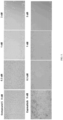
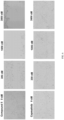
- MKN-45 or HCC827 cells were seeded in 24-well plate. After 12-24 hours, confluent cell monolayers were gently scraped with a sterile pipette tip to form a scratch. The plates were washed with fresh medium, and the cells were incubated with medium alone or medium containing various concentration of compounds. After 36-48 hours, the plates were examined and recorded by an EVOS FL microscopy (Life Technology) to monitor resealing of the cell monolayer.
- MKN-45 and Ba/F3 ETV6-CSF1R cells were cultured using standard techniques in RPMI-1640 medium (Corning, Inc) with 10% fetal bovine serum (Thermo Fisher Scientific, Inc) at 37°C in a humidified atmosphere with 5% CO 2 .
- RPMI-1640 medium Corning, Inc
- 10% fetal bovine serum Thermo Fisher Scientific, Inc
- cells were harvested and pelleted by centrifugation at 250g for 2 minutes. Cells were washed once and resuspended in serum-free medium supplemented with 50% matrigel (v/v).
- mice Female athymic nude mice (5-8 weeks of age) were obtained from Charles River Laboratory and were housed in Innovive IVC disposable cages on HEPA filtered ventilated racks with ad libitum access to rodent chow and water. Five million cells in 100 ⁇ L serum-free medium supplemented with 50% matrigel (Corning, Inc) were implanted subcutaneously in the right flank region of the mouse. Tumor size and body weight were measured on designated days. Tumor size was measured with an electronic caliper and tumor volume was calculated as the product of length * width 2 * 0.5. Mice were randomized by tumor size into treatment groups when tumor volume reached about 200 mm 3 and Compound 5 was administered orally (BID) at determined doses.
- BID Compound 5 was administered orally
- mice bearing xenograft tumors were humanely euthanized and tumors were resected and snap frozen in liquid nitrogen and stored at -80°C. Frozen tumor samples were processed at 4°C in 1x Cell Lysis Buffer (Cell Signaling Technologies) to extract proteins. SDS loading samples were prepared by adding one volume of 4X LDS Sample Buffer (Life Technologies, Inc) to three volumes of protein lysate. Tumor SDS protein samples were processed by SDS-PAGE and immunoblotted with rabbit anti-phosphorylated MET, mouse anti-MET and mouse anti-actin antibodies (Cell Signaling Technologies). The signals from immunoblot were detected by C-DiGit Blot Scanner from LI-COR and the signal intensity were quantified using the Image Studio Digit software (LI-COR).
- mice Female BALB/c nude mice (6-7 weeks) were obtained from Beijing Anikeeper Biotech Co. Ltd (Beijing, China). Primary human tumor xenograft model LU2503 tumors were grown in stock mice. Tumor fragments (2-3 mm in diameter) were harvested from stock mice and inoculated into the right front back of each mouse for tumor development. 16 mice were enrolled in the study. All animals were randomly allocated to the 2 different study groups. Tumor size and body weight were measured on designated days. Tumor size was measured using a caliper and tumor volume was calculated as the product of length * width 2 * 0.5. Mice were randomized by tumor size into treatment groups when tumor volume reached about 200 mm 3 and Compound 5 was administered orally (BID) at 15 mg/kg.
- BID Compound 5 was administered orally
- mice C57BL/6J female mice (6 weeks) were purchased from the Jackson Laboratory, and maintained in accordance with the guidelines for the care and use of laboratory animals.
- Half million MC38 cancer cells in 100 ⁇ L serum-free medium were implanted subcutaneously in the right flank region of the mouse. Tumor size and body weight were measured on designated days. Tumor size was measured with an electronic caliper and tumor volume was calculated as the product of length * width 2 * 0.5. Mice were randomized by tumor size into treatment groups when tumor volume reached about 70-90 mm 3 .
- Vehicle control, Compound 5, PD-1 antibody or Compound 5 plus PD-1 antibody were administered orally (BID) at determined doses.
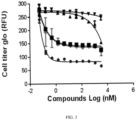
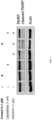
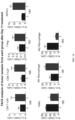
- Compound 5 caused the suppression of MET autophosphorylation as well as the downstream STATS, ERK and AKT phosphorylation at IC 50 s of around 1-3 nM in SNU-5 and MKN-45 cell lines ( FIGS. 1 &2).
- the antitumor efficacy of Compound 5 was evaluated in several tumor xenograft models representing cancer populations in which dysregulation of MET is implicated.
- the Met gene amplification in MKN-45 cells underlies the molecular mechanism for tumor growth.
- Athymic nude mice bearing MKN-45 tumors (at the average tumor size of 210 mm 3 ) were dosed with Compound 5 orally BID for twelve days ( FIG. 7 ).
- the control group of mice were given vehicle only.
- Tumor volume (TMV) was measured by caliper on the indicated days and is shown at mean ⁇ sem in FIG. 7 .
- the mean TMVs are significantly lower in the treated groups compared to that of the control group (p ⁇ 0.05) as determined by two-way repeated ANOVA followed by post hoc analysis.
- Tumor growth inhibition was calculated as 100%* ⁇ 1-[(TMV Treated Last Day of Treatment -TMV Treated First Day of Treatment )/(TMV Control on Last Day of Treatment -TMV Control on First Day of Treatment )] ⁇ when TMV Treated Last Day of Treatment ⁇ TMV Treated First Day of Treatment .
- tumor regression was calculated as 100%*(1- TMV Treated Last Day of Treatment /TMV Treated First Day of Treatment ).
- Compound 5 demonstrated the ability to inhibit tumor growth at 47% at the dose of 3 mg/kg, BID.
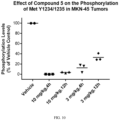
- MKN-45 tumors were harvested at either 0.5 hour after an oral dose of Compound 5 at 10 mg/kg.
- the level of MET phosphorylation was determined by immunoblotting combined with signal quantification by the Image Studio Digit Software.
- Compound 5 inhibited MET phosphorylation to 16% and 13% of the control level at Tyr-1234 and Tyr-1349, respectively ( FIG. 9 ).
- tumors were harvested after repeated dose administration at 4 hours and 12 hours after last dose of Compound 5.
- the level of MET phosphorylation at Tyr-1234 was determined by ELISA.
- Compound 5 inhibited MET phosphorylation to 0.2% and 4.0% of control level at 4 hours and 12 hours after last dose of 10 mg/kg Compound 5 treatment; Compound 5 inhibited MET phosphorylation to 12.7% and 33.1% of control level at 4 hours and 12 hours after last dose of 10 mg/kg Compound 5 treatment ( FIG. 10 ).
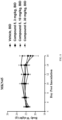
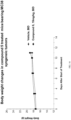
- the LU2503 is a PDX model derived from a NSCLC patient and harboring gene amplification and exon 14 skipping mutation of the Met gene. Treating mice bearing LU2503 tumors with Compound 5 at 15 mg/kg, BID for 13 days resulted in a 85% tumor regression, whereas the tumors grew from 189 mm 3 to 2032 mm 3 in the vehicle treated group ( FIG. 11 ). No body weight loss was observed after 21 days of BID treatment with Compound 5 at 15 mg/kg ( FIG.12 ).
- Anti-tumor effects of Compound 5 on MC38 syngeneic tumors was analyzed by tumor volume.
- the average tumor volume of vehicle control group (G1) on day 7 was 696.3 ⁇ 299.7, while Compound 5 treated group (G2) was 473.5 ⁇ 170.4 mm 3 .
- the average tumor volume of G1 and G2 were 1142.6 ⁇ 290.0 and 610.4 ⁇ 151.8mm 3 , respectively.
- tumor volume showed statistically significant difference between treatment groups with p ⁇ 0.006, while the difference was not statistically significant on Day 7.
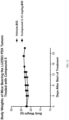
- Percent tumor volume change is shown in FIG. 15 . No body weight loss and overt abnormality was observed in mice treated with Compound 5 at 15 mg/kg BID for 7 or 11 days, as showed in FIG 16 .
- TAM tumor associated macrophages
- M1 and M2 myeloid derived suppression cells
- CTL cytotoxic T lymphocytes
- CD4+ T cells CD4+ T cells
- Treg regulatory T cells
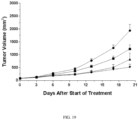
- Anti-tumor effects of Compound 5 combined with PD-1 antibody on MC38 syngeneic tumors was analyzed by tumor volume.
- the average tumor volume of vehicle control group (G1) on day 20 was 1938.58 ⁇ 729.41
- Compound 5 treated group (G2) was 1220.03 ⁇ 521.39 mm3
- PD-1 antibody treatment group was 821.24 ⁇ 767.16, and Compound 5 plus PD-1 antibody treatment was 515.63 ⁇ 350.47.
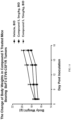
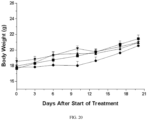
- an anti-tumor synergy was observed compared the combination group to the groups of Compound 5 or PD-1 antibody treated alone. No body weight loss and overt abnormality was observed in mice treated Compound 5 and/or PD-1 antibody. Data are shown in FIG 19 and 20 .
Landscapes
- Health & Medical Sciences (AREA)
- Chemical & Material Sciences (AREA)
- Organic Chemistry (AREA)
- Life Sciences & Earth Sciences (AREA)
- Medicinal Chemistry (AREA)
- General Health & Medical Sciences (AREA)
- Veterinary Medicine (AREA)
- Public Health (AREA)
- Animal Behavior & Ethology (AREA)
- Pharmacology & Pharmacy (AREA)
- Epidemiology (AREA)
- Nuclear Medicine, Radiotherapy & Molecular Imaging (AREA)
- Chemical Kinetics & Catalysis (AREA)
- General Chemical & Material Sciences (AREA)
- Immunology (AREA)
- Proteomics, Peptides & Aminoacids (AREA)
- Molecular Biology (AREA)
- Genetics & Genomics (AREA)
- Biophysics (AREA)
- Biochemistry (AREA)
- Endocrinology (AREA)
- Engineering & Computer Science (AREA)
- Bioinformatics & Cheminformatics (AREA)
- Microbiology (AREA)
- Mycology (AREA)
- Pharmaceuticals Containing Other Organic And Inorganic Compounds (AREA)
- Nitrogen And Oxygen Or Sulfur-Condensed Heterocyclic Ring Systems (AREA)
- Medicines That Contain Protein Lipid Enzymes And Other Medicines (AREA)
- Medicines Containing Antibodies Or Antigens For Use As Internal Diagnostic Agents (AREA)
- Heterocyclic Compounds That Contain Two Or More Ring Oxygen Atoms (AREA)
- Organic Low-Molecular-Weight Compounds And Preparation Thereof (AREA)
Priority Applications (4)
| Application Number | Priority Date | Filing Date | Title |
|---|---|---|---|
| SM20240343T SMT202400343T1 (it) | 2017-07-28 | 2018-07-26 | Composti macrociclici e loro usi |
| HRP20241197TT HRP20241197T1 (hr) | 2017-07-28 | 2018-07-26 | Makrociklični spojevi i primjene istih |
| RS20240945A RS65884B1 (sr) | 2017-07-28 | 2018-07-26 | Makrociklična jedinjenja i primene istih |
| SI201831143T SI3658148T1 (sl) | 2017-07-28 | 2018-07-26 | Makrociklične spojine in njihova uporaba |
Applications Claiming Priority (3)
| Application Number | Priority Date | Filing Date | Title |
|---|---|---|---|
| US201762538193P | 2017-07-28 | 2017-07-28 | |
| US201862700990P | 2018-07-20 | 2018-07-20 | |
| PCT/US2018/043817 WO2019023417A1 (en) | 2017-07-28 | 2018-07-26 | MACROCYCLIC COMPOUNDS AND USES THEREOF |
Publications (3)
| Publication Number | Publication Date |
|---|---|
| EP3658148A1 EP3658148A1 (en) | 2020-06-03 |
| EP3658148A4 EP3658148A4 (en) | 2021-04-28 |
| EP3658148B1 true EP3658148B1 (en) | 2024-07-10 |
Family
ID=65039935
Family Applications (1)
| Application Number | Title | Priority Date | Filing Date |
|---|---|---|---|
| EP18838274.1A Active EP3658148B1 (en) | 2017-07-28 | 2018-07-26 | Macrocyclic compounds and uses thereof |
Country Status (29)
| Country | Link |
|---|---|
| US (4) | US11286264B2 (enExample) |
| EP (1) | EP3658148B1 (enExample) |
| JP (2) | JP7224334B2 (enExample) |
| KR (1) | KR102645316B1 (enExample) |
| CN (1) | CN111182903A (enExample) |
| AU (1) | AU2018306328B2 (enExample) |
| BR (1) | BR112020001695A2 (enExample) |
| CA (1) | CA3069232A1 (enExample) |
| CL (1) | CL2020000169A1 (enExample) |
| CO (1) | CO2020000633A2 (enExample) |
| DK (1) | DK3658148T3 (enExample) |
| ES (1) | ES2986593T3 (enExample) |
| FI (1) | FI3658148T3 (enExample) |
| HR (1) | HRP20241197T1 (enExample) |
| IL (1) | IL271964B2 (enExample) |
| LT (1) | LT3658148T (enExample) |
| MY (1) | MY201925A (enExample) |
| PE (1) | PE20200700A1 (enExample) |
| PH (1) | PH12020500033A1 (enExample) |
| PL (1) | PL3658148T3 (enExample) |
| PT (1) | PT3658148T (enExample) |
| RS (1) | RS65884B1 (enExample) |
| SA (1) | SA520411108B1 (enExample) |
| SG (1) | SG11202000356VA (enExample) |
| SI (1) | SI3658148T1 (enExample) |
| SM (1) | SMT202400343T1 (enExample) |
| TW (1) | TWI818917B (enExample) |
| UA (1) | UA126158C2 (enExample) |
| WO (1) | WO2019023417A1 (enExample) |
Families Citing this family (25)
| Publication number | Priority date | Publication date | Assignee | Title |
|---|---|---|---|---|
| WO2015112806A2 (en) | 2014-01-24 | 2015-07-30 | Tp Therapeutics, Inc. | Diaryl macrocycles as modulators of protein kinases |
| RU2732405C2 (ru) | 2015-07-02 | 2020-09-16 | Тёрнинг Поинт Терапьютикс, Инк. | Хиральные диарильные макроциклы в качестве модуляторов протеинкиназ |
| WO2017015367A1 (en) | 2015-07-21 | 2017-01-26 | Tp Therapeutics, Inc. | Chiral diaryl macrocycles and uses thereof |
| AU2017302019A1 (en) | 2016-07-28 | 2019-02-07 | Turning Point Therapeutics, Inc. | Macrocycle kinase inhibitors |
| TWI808958B (zh) | 2017-01-25 | 2023-07-21 | 美商特普醫葯公司 | 涉及二芳基巨環化合物之組合療法 |
| PT3658148T (pt) | 2017-07-28 | 2024-08-26 | Turning Point Therapeutics Inc | Compostos macrocíclicos e utilizações dos mesmos |
| CN109516999B (zh) * | 2017-11-01 | 2021-08-17 | 郑州泰基鸿诺医药股份有限公司 | 用作蛋白质激酶调节剂的化合物及其应用 |
| RS63787B1 (sr) | 2017-12-19 | 2022-12-30 | Turning Point Therapeutics Inc | Makrociklična jedinjenja za lečenje bolesti |
| CN111902417B (zh) | 2018-04-25 | 2023-07-28 | 北京普祺医药科技股份有限公司 | 一种二芳基巨环化合物、药物组合物以及其用途 |
| RS66346B1 (sr) | 2018-10-22 | 2025-01-31 | Alumis Inc | Inhibitori tyk2 i njihova upotreba |
| US20220177486A1 (en) * | 2019-03-11 | 2022-06-09 | Esker Therapeutics, Inc. | Tyk2 inhibitors and uses thereof |
| US12410191B2 (en) | 2019-05-21 | 2025-09-09 | Zhejiang Hisun Pharmaceutical Co., Ltd. | Macrolide derivatives, preparation method and application thereof |
| WO2021063276A1 (zh) * | 2019-09-30 | 2021-04-08 | 浙江海正药业股份有限公司 | 大环类衍生物及其制备方法和用途 |
| US20250262216A1 (en) * | 2020-03-02 | 2025-08-21 | Turning Point Therapeutics, Inc. | Therapeutic uses of macrocyclic compounds |
| WO2021244609A1 (zh) * | 2020-06-04 | 2021-12-09 | 成都倍特药业股份有限公司 | 具有大环结构的化合物及其用途 |
| CN111620881B (zh) * | 2020-07-08 | 2023-03-31 | 浙江合聚生物医药有限公司 | 拉罗替尼衍生物及其制备方法和应用 |
| IL301385A (en) | 2020-09-16 | 2023-05-01 | Alumis Inc | TYK2 inhibitors and their use |
| CN116635076A (zh) * | 2020-12-17 | 2023-08-22 | 荣山医药股份有限公司 | 大环化合物及其用途 |
| CN114685532B (zh) * | 2020-12-31 | 2026-06-16 | 正大天晴药业集团股份有限公司 | 大环类化合物及其医药用途 |
| WO2022171139A1 (zh) * | 2021-02-10 | 2022-08-18 | 北京国鸿生物医药科技有限公司 | 一种巨环化合物、药物组合物以及其用途 |
| WO2022246092A1 (en) * | 2021-05-21 | 2022-11-24 | Blossomhill Therapeutics, Inc. | Macrocyclic compounds for treating disease |
| CN116063326B (zh) * | 2021-11-02 | 2025-08-05 | 赛诺哈勃药业(成都)有限公司 | 作为蛋白激酶调节剂的含氨基大环化合物 |
| EP4433462A4 (en) * | 2021-11-16 | 2025-07-16 | Prodeg Llc | USP9X INHIBITORS |
| US12168640B2 (en) | 2021-11-16 | 2024-12-17 | ProDeg, LLC | USP9X inhibitors |
| WO2023129667A1 (en) | 2021-12-30 | 2023-07-06 | Biomea Fusion, Inc. | Pyrazine compounds as inhibitors of flt3 |
Family Cites Families (35)
| Publication number | Priority date | Publication date | Assignee | Title |
|---|---|---|---|---|
| ES2149869T3 (es) | 1993-03-25 | 2000-11-16 | Upjohn Co | Derivados de indol sustituidos por formil o ciano con actividad dopominergica. |
| KR100340159B1 (ko) | 1993-12-07 | 2002-11-23 | 일라이 릴리 앤드 캄파니 | 단백질키나제c억제제 |
| RS49779B (sr) | 1998-01-12 | 2008-06-05 | Glaxo Group Limited, | Biciklična heteroaromatična jedinjenja kao inhibitori protein tirozin kinaze |
| ATE328888T1 (de) | 2000-08-25 | 2006-06-15 | Sloan Kettering Inst Cancer | Radicicol und monocillin und ihre analogen und ihre anwendungen |
| RU2275373C2 (ru) | 2000-12-08 | 2006-04-27 | Орто-Макнейл Фармасьютикал, Инк. | Макрогетероциклические соединения |
| ES2668834T3 (es) | 2008-09-08 | 2018-05-22 | Merck Serono Sa | Pirimidinas macrociclicas como inhibidores de proteína quinasas |
| SI2350075T1 (sl) | 2008-09-22 | 2014-06-30 | Array Biopharma, Inc. | Substituirane imidazo (1,2b)piridazinske spojine kot Trk kinazni inhibitorji |
| CN102264736B (zh) | 2008-10-22 | 2013-08-14 | 阵列生物制药公司 | 作为TRK激酶抑制剂的取代的吡唑并[1,5-a]嘧啶化合物 |
| BRPI0914404A2 (pt) | 2008-10-31 | 2019-03-06 | Genentech Inc | "compostos, composição farmacêutica e método para tratar ou atenuar a gravidade de uma doença ou condição responsiva à inibição da atividade jak quinase em um paciente" |
| WO2011045330A1 (en) | 2009-10-13 | 2011-04-21 | Tibotec Pharmaceuticals | Macrocyclic integrase inhibitors |
| SA111320200B1 (ar) | 2010-02-17 | 2014-02-16 | ديبيوفارم اس ايه | مركبات ثنائية الحلقة واستخداماتها كمثبطات c-src/jak مزدوجة |
| BR122019024201B1 (pt) | 2010-05-20 | 2021-08-03 | Array Biopharma Inc | Composto macrocíclico como inibidores de trk quinase, seu uso, e composição farmacêutica |
| UY33597A (es) | 2010-09-09 | 2012-04-30 | Irm Llc | Compuestos y composiciones como inhibidores de la trk |
| EP2508607A1 (en) | 2011-04-07 | 2012-10-10 | Helmholtz-Zentrum für Infektionsforschung GmbH | Medicament for liver regeneration and for treatment of liver failure |
| CA2772974C (en) | 2011-06-10 | 2016-04-05 | Maintech Co., Ltd. | Anti-soiling agent composition for dry part of paper-making process |
| WO2013001310A1 (en) | 2011-06-30 | 2013-01-03 | Centro Nacional De Investigaciones Oncológicas (Cnio) | Macrocyclic compounds and their use as cdk8 inhibitors |
| MX2014001945A (es) | 2011-08-19 | 2014-03-27 | Merck Sharp & Dohme | Procedimiento e intermedios para la preparacion de macrolactamas. |
| MX347765B (es) | 2011-09-30 | 2017-05-12 | Oncodesign Sa | Inhibidores macrociclicos de la quinasa flt3. |
| CA2863892C (en) | 2012-03-06 | 2016-08-30 | Pfizer Inc. | Macrocyclic derivatives for the treatment of proliferative diseases |
| DK2834243T3 (en) | 2012-03-09 | 2018-07-23 | Lexicon Pharmaceuticals Inc | Pyrazole [1,5-a] pyrimidine-based compounds, compositions comprising them and methods for their use |
| RU2014140739A (ru) | 2012-03-09 | 2016-04-27 | Лексикон Фармасьютикалз, Инк. | Соединения на основе имидазо[1, 2-b]пиридазина, композиции таких соединений и способы их применения |
| GB201205669D0 (en) | 2012-03-30 | 2012-05-16 | Agency Science Tech & Res | Bicyclic heterocyclic derivatives as mnk2 and mnk2 modulators and uses thereof |
| WO2015073267A1 (en) | 2013-11-15 | 2015-05-21 | Calitor Sciences, Llc | Substituted heteroaryl compounds and methods of use |
| WO2015112806A2 (en) | 2014-01-24 | 2015-07-30 | Tp Therapeutics, Inc. | Diaryl macrocycles as modulators of protein kinases |
| TWI688567B (zh) * | 2014-09-11 | 2020-03-21 | 美商特普醫葯公司 | 作為蛋白質激酶之調節劑的二芳基巨環 |
| RU2732405C2 (ru) | 2015-07-02 | 2020-09-16 | Тёрнинг Поинт Терапьютикс, Инк. | Хиральные диарильные макроциклы в качестве модуляторов протеинкиназ |
| BR112018000297A2 (pt) * | 2015-07-06 | 2018-09-04 | Tp Therapeutics Inc | polimorfo de macrociclo de diarila |
| WO2017015367A1 (en) | 2015-07-21 | 2017-01-26 | Tp Therapeutics, Inc. | Chiral diaryl macrocycles and uses thereof |
| RS63359B1 (sr) * | 2015-11-06 | 2022-07-29 | Incyte Corp | Heterociklična jedinjenja kao inhibitori pi3k-gama |
| AU2017302019A1 (en) | 2016-07-28 | 2019-02-07 | Turning Point Therapeutics, Inc. | Macrocycle kinase inhibitors |
| AU2017348826B2 (en) * | 2016-10-28 | 2021-12-02 | Centaurus Biopharma Co., Ltd. | Amino pyrazolopyrimidine compound used as neurotrophic factor tyrosine kinase receptor inhibitor |
| TWI808958B (zh) | 2017-01-25 | 2023-07-21 | 美商特普醫葯公司 | 涉及二芳基巨環化合物之組合療法 |
| PT3658148T (pt) * | 2017-07-28 | 2024-08-26 | Turning Point Therapeutics Inc | Compostos macrocíclicos e utilizações dos mesmos |
| WO2019120267A1 (zh) | 2017-12-22 | 2019-06-27 | 成都先导药物开发股份有限公司 | 一种咪唑并[1,2-b]哒嗪大环类激酶抑制剂 |
| US11584759B2 (en) | 2018-04-18 | 2023-02-21 | Hitgen Inc. | Macrocyclic kinase inhibitor |
-
2018
- 2018-07-26 PT PT188382741T patent/PT3658148T/pt unknown
- 2018-07-26 AU AU2018306328A patent/AU2018306328B2/en not_active Ceased
- 2018-07-26 ES ES18838274T patent/ES2986593T3/es active Active
- 2018-07-26 JP JP2020504026A patent/JP7224334B2/ja active Active
- 2018-07-26 PL PL18838274.1T patent/PL3658148T3/pl unknown
- 2018-07-26 SM SM20240343T patent/SMT202400343T1/it unknown
- 2018-07-26 CN CN201880049611.1A patent/CN111182903A/zh active Pending
- 2018-07-26 PE PE2020000127A patent/PE20200700A1/es unknown
- 2018-07-26 SI SI201831143T patent/SI3658148T1/sl unknown
- 2018-07-26 LT LTEPPCT/US2018/043817T patent/LT3658148T/lt unknown
- 2018-07-26 KR KR1020207000229A patent/KR102645316B1/ko active Active
- 2018-07-26 WO PCT/US2018/043817 patent/WO2019023417A1/en not_active Ceased
- 2018-07-26 IL IL271964A patent/IL271964B2/en unknown
- 2018-07-26 FI FIEP18838274.1T patent/FI3658148T3/fi active
- 2018-07-26 EP EP18838274.1A patent/EP3658148B1/en active Active
- 2018-07-26 CA CA3069232A patent/CA3069232A1/en active Pending
- 2018-07-26 US US16/634,289 patent/US11286264B2/en active Active
- 2018-07-26 UA UAA202000271A patent/UA126158C2/uk unknown
- 2018-07-26 RS RS20240945A patent/RS65884B1/sr unknown
- 2018-07-26 DK DK18838274.1T patent/DK3658148T3/da active
- 2018-07-26 MY MYPI2019007871A patent/MY201925A/en unknown
- 2018-07-26 BR BR112020001695-0A patent/BR112020001695A2/pt not_active Application Discontinuation
- 2018-07-26 SG SG11202000356VA patent/SG11202000356VA/en unknown
- 2018-07-26 HR HRP20241197TT patent/HRP20241197T1/hr unknown
- 2018-07-27 TW TW107126181A patent/TWI818917B/zh not_active IP Right Cessation
-
2020
- 2020-01-02 PH PH12020500033A patent/PH12020500033A1/en unknown
- 2020-01-20 CL CL2020000169A patent/CL2020000169A1/es unknown
- 2020-01-21 SA SA520411108A patent/SA520411108B1/ar unknown
- 2020-01-21 CO CONC2020/0000633A patent/CO2020000633A2/es unknown
-
2021
- 2021-03-25 US US17/213,093 patent/US11155563B2/en active Active
-
2022
- 2022-02-22 US US17/676,942 patent/US11981684B2/en active Active
-
2023
- 2023-02-07 JP JP2023016586A patent/JP7554300B2/ja active Active
-
2024
- 2024-04-09 US US18/630,760 patent/US12606571B2/en active Active
Also Published As
Similar Documents
| Publication | Publication Date | Title |
|---|---|---|
| US12606571B2 (en) | Macrocyclic compounds and uses thereof | |
| US11286265B2 (en) | Macrocyclic compounds for treating disease | |
| EP3317285B1 (en) | Chiral diaryl macrocycles as modulators of protein kinases | |
| US10689400B2 (en) | Macrocycle kinase inhibitors | |
| CA2992324A1 (en) | Chiral diaryl macrocycles and uses thereof | |
| OA19985A (en) | Macrocyclic compounds and uses thereof. | |
| EA040712B1 (ru) | Макроциклические соединения и их использование |
Legal Events
| Date | Code | Title | Description |
|---|---|---|---|
| REG | Reference to a national code |
Ref country code: HR Ref legal event code: TUEP Ref document number: P20241197T Country of ref document: HR |
|
| STAA | Information on the status of an ep patent application or granted ep patent |
Free format text: STATUS: THE INTERNATIONAL PUBLICATION HAS BEEN MADE |
|
| PUAI | Public reference made under article 153(3) epc to a published international application that has entered the european phase |
Free format text: ORIGINAL CODE: 0009012 |
|
| STAA | Information on the status of an ep patent application or granted ep patent |
Free format text: STATUS: REQUEST FOR EXAMINATION WAS MADE |
|
| 17P | Request for examination filed |
Effective date: 20200226 |
|
| AK | Designated contracting states |
Kind code of ref document: A1 Designated state(s): AL AT BE BG CH CY CZ DE DK EE ES FI FR GB GR HR HU IE IS IT LI LT LU LV MC MK MT NL NO PL PT RO RS SE SI SK SM TR |
|
| AX | Request for extension of the european patent |
Extension state: BA ME |
|
| DAV | Request for validation of the european patent (deleted) | ||
| DAX | Request for extension of the european patent (deleted) | ||
| REG | Reference to a national code |
Ref country code: HK Ref legal event code: DE Ref document number: 40032561 Country of ref document: HK |
|
| A4 | Supplementary search report drawn up and despatched |
Effective date: 20210326 |
|
| RIC1 | Information provided on ipc code assigned before grant |
Ipc: A61K 31/519 20060101AFI20210323BHEP Ipc: C07D 498/18 20060101ALI20210323BHEP Ipc: A61P 35/00 20060101ALI20210323BHEP |
|
| GRAP | Despatch of communication of intention to grant a patent |
Free format text: ORIGINAL CODE: EPIDOSNIGR1 |
|
| STAA | Information on the status of an ep patent application or granted ep patent |
Free format text: STATUS: GRANT OF PATENT IS INTENDED |
|
| RIC1 | Information provided on ipc code assigned before grant |
Ipc: A61P 35/00 20060101ALI20231026BHEP Ipc: C07D 498/18 20060101ALI20231026BHEP Ipc: A61K 31/519 20060101AFI20231026BHEP |
|
| INTG | Intention to grant announced |
Effective date: 20231113 |
|
| GRAJ | Information related to disapproval of communication of intention to grant by the applicant or resumption of examination proceedings by the epo deleted |
Free format text: ORIGINAL CODE: EPIDOSDIGR1 |
|
| STAA | Information on the status of an ep patent application or granted ep patent |
Free format text: STATUS: REQUEST FOR EXAMINATION WAS MADE |
|
| GRAP | Despatch of communication of intention to grant a patent |
Free format text: ORIGINAL CODE: EPIDOSNIGR1 |
|
| STAA | Information on the status of an ep patent application or granted ep patent |
Free format text: STATUS: GRANT OF PATENT IS INTENDED |
|
| INTC | Intention to grant announced (deleted) | ||
| INTG | Intention to grant announced |
Effective date: 20240202 |
|
| GRAS | Grant fee paid |
Free format text: ORIGINAL CODE: EPIDOSNIGR3 |
|
| GRAA | (expected) grant |
Free format text: ORIGINAL CODE: 0009210 |
|
| STAA | Information on the status of an ep patent application or granted ep patent |
Free format text: STATUS: THE PATENT HAS BEEN GRANTED |
|
| RAP3 | Party data changed (applicant data changed or rights of an application transferred) |
Owner name: TURNING POINT THERAPEUTICS, INC. |
|
| P01 | Opt-out of the competence of the unified patent court (upc) registered |
Effective date: 20240521 |
|
| AK | Designated contracting states |
Kind code of ref document: B1 Designated state(s): AL AT BE BG CH CY CZ DE DK EE ES FI FR GB GR HR HU IE IS IT LI LT LU LV MC MK MT NL NO PL PT RO RS SE SI SK SM TR |
|
| REG | Reference to a national code |
Ref country code: CH Ref legal event code: EP |
|
| REG | Reference to a national code |
Ref country code: DE Ref legal event code: R096 Ref document number: 602018071668 Country of ref document: DE |
|
| PGFP | Annual fee paid to national office [announced via postgrant information from national office to epo] |
Ref country code: LU Payment date: 20240730 Year of fee payment: 7 |
|
| REG | Reference to a national code |
Ref country code: PT Ref legal event code: SC4A Ref document number: 3658148 Country of ref document: PT Date of ref document: 20240826 Kind code of ref document: T Free format text: AVAILABILITY OF NATIONAL TRANSLATION Effective date: 20240821 |
|
| PGFP | Annual fee paid to national office [announced via postgrant information from national office to epo] |
Ref country code: NL Payment date: 20240726 Year of fee payment: 7 |
|
| REG | Reference to a national code |
Ref country code: FI Ref legal event code: FGE |
|
| REG | Reference to a national code |
Ref country code: DK Ref legal event code: T3 Effective date: 20241001 |
|
| PGFP | Annual fee paid to national office [announced via postgrant information from national office to epo] |
Ref country code: BG Payment date: 20240730 Year of fee payment: 7 |
|
| REG | Reference to a national code |
Ref country code: NL Ref legal event code: FP Ref country code: SK Ref legal event code: T3 Ref document number: E 44778 Country of ref document: SK |
|
| PGFP | Annual fee paid to national office [announced via postgrant information from national office to epo] |
Ref country code: LT Payment date: 20240805 Year of fee payment: 7 Ref country code: FI Payment date: 20240918 Year of fee payment: 7 Ref country code: MC Payment date: 20240911 Year of fee payment: 7 Ref country code: IE Payment date: 20240801 Year of fee payment: 7 |
|
| PGFP | Annual fee paid to national office [announced via postgrant information from national office to epo] |
Ref country code: DK Payment date: 20240930 Year of fee payment: 7 |
|
| PGFP | Annual fee paid to national office [announced via postgrant information from national office to epo] |
Ref country code: PT Payment date: 20240821 Year of fee payment: 7 Ref country code: SM Payment date: 20240910 Year of fee payment: 7 |
|
| PGFP | Annual fee paid to national office [announced via postgrant information from national office to epo] |
Ref country code: BE Payment date: 20240725 Year of fee payment: 7 |
|
| PGFP | Annual fee paid to national office [announced via postgrant information from national office to epo] |
Ref country code: CH Payment date: 20240802 Year of fee payment: 7 |
|
| REG | Reference to a national code |
Ref country code: SE Ref legal event code: TRGR |
|
| PGFP | Annual fee paid to national office [announced via postgrant information from national office to epo] |
Ref country code: CZ Payment date: 20240730 Year of fee payment: 7 |
|
| PGFP | Annual fee paid to national office [announced via postgrant information from national office to epo] |
Ref country code: AT Payment date: 20240729 Year of fee payment: 7 |
|
| PGFP | Annual fee paid to national office [announced via postgrant information from national office to epo] |
Ref country code: PL Payment date: 20240729 Year of fee payment: 7 |
|
| PGFP | Annual fee paid to national office [announced via postgrant information from national office to epo] |
Ref country code: SK Payment date: 20240730 Year of fee payment: 7 Ref country code: SI Payment date: 20240729 Year of fee payment: 7 |
|
| PGFP | Annual fee paid to national office [announced via postgrant information from national office to epo] |
Ref country code: LV Payment date: 20240909 Year of fee payment: 7 |
|
| PGFP | Annual fee paid to national office [announced via postgrant information from national office to epo] |
Ref country code: RO Payment date: 20240730 Year of fee payment: 7 Ref country code: NO Payment date: 20240827 Year of fee payment: 7 Ref country code: RS Payment date: 20240826 Year of fee payment: 7 Ref country code: SE Payment date: 20240801 Year of fee payment: 7 |
|
| REG | Reference to a national code |
Ref country code: HR Ref legal event code: ODRP Ref document number: P20241197T Country of ref document: HR Payment date: 20240830 Year of fee payment: 7 |
|
| REG | Reference to a national code |
Ref country code: ES Ref legal event code: FG2A Ref document number: 2986593 Country of ref document: ES Kind code of ref document: T3 Effective date: 20241112 |
|
| REG | Reference to a national code |
Ref country code: EE Ref legal event code: FG4A Ref document number: E024557 Country of ref document: EE Effective date: 20240919 |
|
| REG | Reference to a national code |
Ref country code: HR Ref legal event code: T1PR Ref document number: P20241197 Country of ref document: HR |
|
| REG | Reference to a national code |
Ref country code: GR Ref legal event code: EP Ref document number: 20240402172 Country of ref document: GR Effective date: 20241111 |
|
| PGFP | Annual fee paid to national office [announced via postgrant information from national office to epo] |
Ref country code: TR Payment date: 20240918 Year of fee payment: 7 Ref country code: MT Payment date: 20240805 Year of fee payment: 7 |
|
| PGFP | Annual fee paid to national office [announced via postgrant information from national office to epo] |
Ref country code: GR Payment date: 20241002 Year of fee payment: 7 |
|
| PGFP | Annual fee paid to national office [announced via postgrant information from national office to epo] |
Ref country code: EE Payment date: 20240821 Year of fee payment: 7 |
|
| PGFP | Annual fee paid to national office [announced via postgrant information from national office to epo] |
Ref country code: IS Payment date: 20241009 Year of fee payment: 7 |
|
| PGFP | Annual fee paid to national office [announced via postgrant information from national office to epo] |
Ref country code: HR Payment date: 20241106 Year of fee payment: 7 Ref country code: AL Payment date: 20240722 Year of fee payment: 7 |
|
| REG | Reference to a national code |
Ref country code: DE Ref legal event code: R097 Ref document number: 602018071668 Country of ref document: DE |
|
| PGFP | Annual fee paid to national office [announced via postgrant information from national office to epo] |
Ref country code: CY Payment date: 20240906 Year of fee payment: 7 |
|
| PLBE | No opposition filed within time limit |
Free format text: ORIGINAL CODE: 0009261 |
|
| STAA | Information on the status of an ep patent application or granted ep patent |
Free format text: STATUS: NO OPPOSITION FILED WITHIN TIME LIMIT |
|
| 26N | No opposition filed |
Effective date: 20250411 |
|
| PG25 | Lapsed in a contracting state [announced via postgrant information from national office to epo] |
Ref country code: IT Free format text: LAPSE BECAUSE OF NON-PAYMENT OF DUE FEES Effective date: 20240726 |
|
| PGFP | Annual fee paid to national office [announced via postgrant information from national office to epo] |
Ref country code: ES Payment date: 20250807 Year of fee payment: 8 |
|
| PGFP | Annual fee paid to national office [announced via postgrant information from national office to epo] |
Ref country code: DE Payment date: 20250604 Year of fee payment: 8 |
|
| PGFP | Annual fee paid to national office [announced via postgrant information from national office to epo] |
Ref country code: MK Payment date: 20240812 Year of fee payment: 7 |
|
| REG | Reference to a national code |
Ref country code: AT Ref legal event code: UEP Ref document number: 1701453 Country of ref document: AT Kind code of ref document: T Effective date: 20240710 |
|
| REG | Reference to a national code |
Ref country code: HR Ref legal event code: PBON Ref document number: P20241197 Country of ref document: HR Effective date: 20250726 |
|
| REG | Reference to a national code |
Ref country code: DK Ref legal event code: EBP Effective date: 20250731 |
|
| REG | Reference to a national code |
Ref country code: CH Ref legal event code: H13 Free format text: ST27 STATUS EVENT CODE: U-0-0-H10-H13 (AS PROVIDED BY THE NATIONAL OFFICE) Effective date: 20260224 |
|
| REG | Reference to a national code |
Ref country code: LT Ref legal event code: MM4D Effective date: 20250726 |
|
| REG | Reference to a national code |
Ref country code: NL Ref legal event code: MM Effective date: 20250801 |
|
| REG | Reference to a national code |
Ref country code: SK Ref legal event code: MM4A Ref document number: E 44778 Country of ref document: SK Effective date: 20250726 |
|
| REG | Reference to a national code |
Ref country code: AT Ref legal event code: MM01 Ref document number: 1701453 Country of ref document: AT Kind code of ref document: T Effective date: 20250726 |
|
| PG25 | Lapsed in a contracting state [announced via postgrant information from national office to epo] |
Ref country code: LU Free format text: LAPSE BECAUSE OF NON-PAYMENT OF DUE FEES Effective date: 20250726 |
|
| REG | Reference to a national code |
Ref country code: BE Ref legal event code: MM Effective date: 20250731 |
|
| PG25 | Lapsed in a contracting state [announced via postgrant information from national office to epo] |
Ref country code: SM Free format text: LAPSE BECAUSE OF NON-PAYMENT OF DUE FEES Effective date: 20260218 |
|
| PG25 | Lapsed in a contracting state [announced via postgrant information from national office to epo] |
Ref country code: LT Free format text: LAPSE BECAUSE OF NON-PAYMENT OF DUE FEES Effective date: 20250726 |
|
| PG25 | Lapsed in a contracting state [announced via postgrant information from national office to epo] |
Ref country code: NO Free format text: LAPSE BECAUSE OF NON-PAYMENT OF DUE FEES Effective date: 20250731 |
|
| PG25 | Lapsed in a contracting state [announced via postgrant information from national office to epo] |
Ref country code: FI Free format text: LAPSE BECAUSE OF NON-PAYMENT OF DUE FEES Effective date: 20250726 Ref country code: HR Free format text: LAPSE BECAUSE OF NON-PAYMENT OF DUE FEES Effective date: 20250726 Ref country code: AT Free format text: LAPSE BECAUSE OF NON-PAYMENT OF DUE FEES Effective date: 20250726 |
|
| PG25 | Lapsed in a contracting state [announced via postgrant information from national office to epo] |
Ref country code: RO Free format text: LAPSE BECAUSE OF NON-PAYMENT OF DUE FEES Effective date: 20250726 Ref country code: BE Free format text: LAPSE BECAUSE OF NON-PAYMENT OF DUE FEES Effective date: 20250731 |
|
| PG25 | Lapsed in a contracting state [announced via postgrant information from national office to epo] |
Ref country code: NL Free format text: LAPSE BECAUSE OF NON-PAYMENT OF DUE FEES Effective date: 20250801 |
|
| PG25 | Lapsed in a contracting state [announced via postgrant information from national office to epo] |
Ref country code: RS Free format text: LAPSE BECAUSE OF NON-PAYMENT OF DUE FEES Effective date: 20250726 |
|
| PG25 | Lapsed in a contracting state [announced via postgrant information from national office to epo] |
Ref country code: CH Free format text: LAPSE BECAUSE OF NON-PAYMENT OF DUE FEES Effective date: 20250731 Ref country code: PT Free format text: LAPSE BECAUSE OF NON-PAYMENT OF DUE FEES Effective date: 20260126 Ref country code: CZ Free format text: LAPSE BECAUSE OF NON-PAYMENT OF DUE FEES Effective date: 20250726 |
|
| PG25 | Lapsed in a contracting state [announced via postgrant information from national office to epo] |
Ref country code: CY Free format text: LAPSE BECAUSE OF NON-PAYMENT OF DUE FEES Effective date: 20250726 Ref country code: GR Free format text: LAPSE BECAUSE OF NON-PAYMENT OF DUE FEES Effective date: 20260204 |
|
| PG25 | Lapsed in a contracting state [announced via postgrant information from national office to epo] |
Ref country code: EE Free format text: LAPSE BECAUSE OF NON-PAYMENT OF DUE FEES Effective date: 20250731 Ref country code: LV Free format text: LAPSE BECAUSE OF NON-PAYMENT OF DUE FEES Effective date: 20250726 Ref country code: SK Free format text: LAPSE BECAUSE OF NON-PAYMENT OF DUE FEES Effective date: 20250726 |
|
| PG25 | Lapsed in a contracting state [announced via postgrant information from national office to epo] |
Ref country code: BG Free format text: LAPSE BECAUSE OF NON-PAYMENT OF DUE FEES Effective date: 20250726 |
|
| REG | Reference to a national code |
Ref country code: SI Ref legal event code: KO00 Effective date: 20250727 |
|
| PG25 | Lapsed in a contracting state [announced via postgrant information from national office to epo] |
Ref country code: DK Free format text: LAPSE BECAUSE OF NON-PAYMENT OF DUE FEES Effective date: 20250731 |
|
| PGFP | Annual fee paid to national office [announced via postgrant information from national office to epo] |
Ref country code: GB Payment date: 20260608 Year of fee payment: 9 |
|
| PG25 | Lapsed in a contracting state [announced via postgrant information from national office to epo] |
Ref country code: IE Free format text: LAPSE BECAUSE OF NON-PAYMENT OF DUE FEES Effective date: 20250726 |
|
| PG25 | Lapsed in a contracting state [announced via postgrant information from national office to epo] |
Ref country code: MC Free format text: LAPSE BECAUSE OF NON-PAYMENT OF DUE FEES Effective date: 20250731 |
|
| PGFP | Annual fee paid to national office [announced via postgrant information from national office to epo] |
Ref country code: FR Payment date: 20260608 Year of fee payment: 9 |
|
| PG25 | Lapsed in a contracting state [announced via postgrant information from national office to epo] |
Ref country code: IS Free format text: LAPSE BECAUSE OF NON-PAYMENT OF DUE FEES Effective date: 20260203 |
|
| PG25 | Lapsed in a contracting state [announced via postgrant information from national office to epo] |
Ref country code: SE Free format text: LAPSE BECAUSE OF NON-PAYMENT OF DUE FEES Effective date: 20250727 |