EP3552613B1 - Zusammensetzung zur induzierung der proliferation oder akkumulation von regulatorischen t-zellen - Google Patents
Zusammensetzung zur induzierung der proliferation oder akkumulation von regulatorischen t-zellen Download PDFInfo
- Publication number
- EP3552613B1 EP3552613B1 EP19174499.4A EP19174499A EP3552613B1 EP 3552613 B1 EP3552613 B1 EP 3552613B1 EP 19174499 A EP19174499 A EP 19174499A EP 3552613 B1 EP3552613 B1 EP 3552613B1
- Authority
- EP
- European Patent Office
- Prior art keywords
- cells
- composition
- mice
- clostridium
- bacteria
- Prior art date
- Legal status (The legal status is an assumption and is not a legal conclusion. Google has not performed a legal analysis and makes no representation as to the accuracy of the status listed.)
- Active
Links
Images











Classifications
-
- A—HUMAN NECESSITIES
- A61—MEDICAL OR VETERINARY SCIENCE; HYGIENE
- A61K—PREPARATIONS FOR MEDICAL, DENTAL OR TOILETRY PURPOSES
- A61K39/00—Medicinal preparations containing antigens or antibodies
- A61K39/39—Medicinal preparations containing antigens or antibodies characterised by the immunostimulating additives, e.g. chemical adjuvants
-
- A—HUMAN NECESSITIES
- A61—MEDICAL OR VETERINARY SCIENCE; HYGIENE
- A61K—PREPARATIONS FOR MEDICAL, DENTAL OR TOILETRY PURPOSES
- A61K35/00—Medicinal preparations containing materials or reaction products thereof with undetermined constitution
- A61K35/66—Microorganisms or materials therefrom
- A61K35/74—Bacteria
- A61K35/741—Probiotics
- A61K35/742—Spore-forming bacteria, e.g. Bacillus coagulans, Bacillus subtilis, clostridium or Lactobacillus sporogenes
-
- A—HUMAN NECESSITIES
- A01—AGRICULTURE; FORESTRY; ANIMAL HUSBANDRY; HUNTING; TRAPPING; FISHING
- A01K—ANIMAL HUSBANDRY; AVICULTURE; APICULTURE; PISCICULTURE; FISHING; REARING OR BREEDING ANIMALS, NOT OTHERWISE PROVIDED FOR; NEW BREEDS OF ANIMALS
- A01K67/00—Rearing or breeding animals, not otherwise provided for; New or modified breeds of animals
- A01K67/027—New or modified breeds of vertebrates
- A01K67/0275—Genetically modified vertebrates, e.g. transgenic
-
- A—HUMAN NECESSITIES
- A61—MEDICAL OR VETERINARY SCIENCE; HYGIENE
- A61K—PREPARATIONS FOR MEDICAL, DENTAL OR TOILETRY PURPOSES
- A61K35/00—Medicinal preparations containing materials or reaction products thereof with undetermined constitution
- A61K35/66—Microorganisms or materials therefrom
- A61K35/74—Bacteria
-
- A—HUMAN NECESSITIES
- A61—MEDICAL OR VETERINARY SCIENCE; HYGIENE
- A61K—PREPARATIONS FOR MEDICAL, DENTAL OR TOILETRY PURPOSES
- A61K39/00—Medicinal preparations containing antigens or antibodies
- A61K39/0005—Vertebrate antigens
- A61K39/0008—Antigens related to auto-immune diseases; Preparations to induce self-tolerance
-
- A—HUMAN NECESSITIES
- A61—MEDICAL OR VETERINARY SCIENCE; HYGIENE
- A61K—PREPARATIONS FOR MEDICAL, DENTAL OR TOILETRY PURPOSES
- A61K39/00—Medicinal preparations containing antigens or antibodies
- A61K39/02—Bacterial antigens
- A61K39/08—Clostridium, e.g. Clostridium tetani
-
- A—HUMAN NECESSITIES
- A61—MEDICAL OR VETERINARY SCIENCE; HYGIENE
- A61K—PREPARATIONS FOR MEDICAL, DENTAL OR TOILETRY PURPOSES
- A61K45/00—Medicinal preparations containing active ingredients not provided for in groups A61K31/00 - A61K41/00
-
- A—HUMAN NECESSITIES
- A61—MEDICAL OR VETERINARY SCIENCE; HYGIENE
- A61K—PREPARATIONS FOR MEDICAL, DENTAL OR TOILETRY PURPOSES
- A61K45/00—Medicinal preparations containing active ingredients not provided for in groups A61K31/00 - A61K41/00
- A61K45/06—Mixtures of active ingredients without chemical characterisation, e.g. antiphlogistics and cardiaca
-
- A—HUMAN NECESSITIES
- A61—MEDICAL OR VETERINARY SCIENCE; HYGIENE
- A61K—PREPARATIONS FOR MEDICAL, DENTAL OR TOILETRY PURPOSES
- A61K9/00—Medicinal preparations characterised by special physical form
- A61K9/0012—Galenical forms characterised by the site of application
- A61K9/0053—Mouth and digestive tract, i.e. intraoral and peroral administration
-
- A—HUMAN NECESSITIES
- A61—MEDICAL OR VETERINARY SCIENCE; HYGIENE
- A61K—PREPARATIONS FOR MEDICAL, DENTAL OR TOILETRY PURPOSES
- A61K9/00—Medicinal preparations characterised by special physical form
- A61K9/48—Preparations in capsules, e.g. of gelatin, of chocolate
-
- A—HUMAN NECESSITIES
- A61—MEDICAL OR VETERINARY SCIENCE; HYGIENE
- A61P—SPECIFIC THERAPEUTIC ACTIVITY OF CHEMICAL COMPOUNDS OR MEDICINAL PREPARATIONS
- A61P1/00—Drugs for disorders of the alimentary tract or the digestive system
-
- A—HUMAN NECESSITIES
- A61—MEDICAL OR VETERINARY SCIENCE; HYGIENE
- A61P—SPECIFIC THERAPEUTIC ACTIVITY OF CHEMICAL COMPOUNDS OR MEDICINAL PREPARATIONS
- A61P1/00—Drugs for disorders of the alimentary tract or the digestive system
- A61P1/04—Drugs for disorders of the alimentary tract or the digestive system for ulcers, gastritis or reflux esophagitis, e.g. antacids, inhibitors of acid secretion, mucosal protectants
-
- A—HUMAN NECESSITIES
- A61—MEDICAL OR VETERINARY SCIENCE; HYGIENE
- A61P—SPECIFIC THERAPEUTIC ACTIVITY OF CHEMICAL COMPOUNDS OR MEDICINAL PREPARATIONS
- A61P1/00—Drugs for disorders of the alimentary tract or the digestive system
- A61P1/12—Antidiarrhoeals
-
- A—HUMAN NECESSITIES
- A61—MEDICAL OR VETERINARY SCIENCE; HYGIENE
- A61P—SPECIFIC THERAPEUTIC ACTIVITY OF CHEMICAL COMPOUNDS OR MEDICINAL PREPARATIONS
- A61P19/00—Drugs for skeletal disorders
- A61P19/02—Drugs for skeletal disorders for joint disorders, e.g. arthritis, arthrosis
-
- A—HUMAN NECESSITIES
- A61—MEDICAL OR VETERINARY SCIENCE; HYGIENE
- A61P—SPECIFIC THERAPEUTIC ACTIVITY OF CHEMICAL COMPOUNDS OR MEDICINAL PREPARATIONS
- A61P25/00—Drugs for disorders of the nervous system
-
- A—HUMAN NECESSITIES
- A61—MEDICAL OR VETERINARY SCIENCE; HYGIENE
- A61P—SPECIFIC THERAPEUTIC ACTIVITY OF CHEMICAL COMPOUNDS OR MEDICINAL PREPARATIONS
- A61P29/00—Non-central analgesic, antipyretic or antiinflammatory agents, e.g. antirheumatic agents; Non-steroidal antiinflammatory drugs [NSAID]
-
- A—HUMAN NECESSITIES
- A61—MEDICAL OR VETERINARY SCIENCE; HYGIENE
- A61P—SPECIFIC THERAPEUTIC ACTIVITY OF CHEMICAL COMPOUNDS OR MEDICINAL PREPARATIONS
- A61P3/00—Drugs for disorders of the metabolism
- A61P3/08—Drugs for disorders of the metabolism for glucose homeostasis
- A61P3/10—Drugs for disorders of the metabolism for glucose homeostasis for hyperglycaemia, e.g. antidiabetics
-
- A—HUMAN NECESSITIES
- A61—MEDICAL OR VETERINARY SCIENCE; HYGIENE
- A61P—SPECIFIC THERAPEUTIC ACTIVITY OF CHEMICAL COMPOUNDS OR MEDICINAL PREPARATIONS
- A61P31/00—Antiinfectives, i.e. antibiotics, antiseptics, chemotherapeutics
-
- A—HUMAN NECESSITIES
- A61—MEDICAL OR VETERINARY SCIENCE; HYGIENE
- A61P—SPECIFIC THERAPEUTIC ACTIVITY OF CHEMICAL COMPOUNDS OR MEDICINAL PREPARATIONS
- A61P31/00—Antiinfectives, i.e. antibiotics, antiseptics, chemotherapeutics
- A61P31/04—Antibacterial agents
-
- A—HUMAN NECESSITIES
- A61—MEDICAL OR VETERINARY SCIENCE; HYGIENE
- A61P—SPECIFIC THERAPEUTIC ACTIVITY OF CHEMICAL COMPOUNDS OR MEDICINAL PREPARATIONS
- A61P37/00—Drugs for immunological or allergic disorders
-
- A—HUMAN NECESSITIES
- A61—MEDICAL OR VETERINARY SCIENCE; HYGIENE
- A61P—SPECIFIC THERAPEUTIC ACTIVITY OF CHEMICAL COMPOUNDS OR MEDICINAL PREPARATIONS
- A61P37/00—Drugs for immunological or allergic disorders
- A61P37/02—Immunomodulators
-
- A—HUMAN NECESSITIES
- A61—MEDICAL OR VETERINARY SCIENCE; HYGIENE
- A61P—SPECIFIC THERAPEUTIC ACTIVITY OF CHEMICAL COMPOUNDS OR MEDICINAL PREPARATIONS
- A61P37/00—Drugs for immunological or allergic disorders
- A61P37/02—Immunomodulators
- A61P37/04—Immunostimulants
-
- A—HUMAN NECESSITIES
- A61—MEDICAL OR VETERINARY SCIENCE; HYGIENE
- A61P—SPECIFIC THERAPEUTIC ACTIVITY OF CHEMICAL COMPOUNDS OR MEDICINAL PREPARATIONS
- A61P37/00—Drugs for immunological or allergic disorders
- A61P37/02—Immunomodulators
- A61P37/06—Immunosuppressants, e.g. drugs for graft rejection
-
- A—HUMAN NECESSITIES
- A61—MEDICAL OR VETERINARY SCIENCE; HYGIENE
- A61P—SPECIFIC THERAPEUTIC ACTIVITY OF CHEMICAL COMPOUNDS OR MEDICINAL PREPARATIONS
- A61P37/00—Drugs for immunological or allergic disorders
- A61P37/08—Antiallergic agents
-
- A—HUMAN NECESSITIES
- A61—MEDICAL OR VETERINARY SCIENCE; HYGIENE
- A61P—SPECIFIC THERAPEUTIC ACTIVITY OF CHEMICAL COMPOUNDS OR MEDICINAL PREPARATIONS
- A61P43/00—Drugs for specific purposes, not provided for in groups A61P1/00-A61P41/00
-
- C—CHEMISTRY; METALLURGY
- C12—BIOCHEMISTRY; BEER; SPIRITS; WINE; VINEGAR; MICROBIOLOGY; ENZYMOLOGY; MUTATION OR GENETIC ENGINEERING
- C12Q—MEASURING OR TESTING PROCESSES INVOLVING ENZYMES, NUCLEIC ACIDS OR MICROORGANISMS; COMPOSITIONS OR TEST PAPERS THEREFOR; PROCESSES OF PREPARING SUCH COMPOSITIONS; CONDITION-RESPONSIVE CONTROL IN MICROBIOLOGICAL OR ENZYMOLOGICAL PROCESSES
- C12Q1/00—Measuring or testing processes involving enzymes, nucleic acids or microorganisms; Compositions therefor; Processes of preparing such compositions
- C12Q1/68—Measuring or testing processes involving enzymes, nucleic acids or microorganisms; Compositions therefor; Processes of preparing such compositions involving nucleic acids
- C12Q1/6876—Nucleic acid products used in the analysis of nucleic acids, e.g. primers or probes
- C12Q1/6888—Nucleic acid products used in the analysis of nucleic acids, e.g. primers or probes for detection or identification of organisms
- C12Q1/689—Nucleic acid products used in the analysis of nucleic acids, e.g. primers or probes for detection or identification of organisms for bacteria
-
- G—PHYSICS
- G01—MEASURING; TESTING
- G01N—INVESTIGATING OR ANALYSING MATERIALS BY DETERMINING THEIR CHEMICAL OR PHYSICAL PROPERTIES
- G01N33/00—Investigating or analysing materials by specific methods not covered by groups G01N1/00 - G01N31/00
- G01N33/48—Biological material, e.g. blood, urine; Haemocytometers
- G01N33/50—Chemical analysis of biological material, e.g. blood, urine; Testing involving biospecific ligand binding methods; Immunological testing
- G01N33/5005—Chemical analysis of biological material, e.g. blood, urine; Testing involving biospecific ligand binding methods; Immunological testing involving human or animal cells
- G01N33/5008—Chemical analysis of biological material, e.g. blood, urine; Testing involving biospecific ligand binding methods; Immunological testing involving human or animal cells for testing or evaluating the effect of chemical or biological compounds, e.g. drugs, cosmetics
- G01N33/5044—Chemical analysis of biological material, e.g. blood, urine; Testing involving biospecific ligand binding methods; Immunological testing involving human or animal cells for testing or evaluating the effect of chemical or biological compounds, e.g. drugs, cosmetics involving specific cell types
- G01N33/5047—Cells of the immune system
- G01N33/505—Cells of the immune system involving T-cells
-
- A—HUMAN NECESSITIES
- A01—AGRICULTURE; FORESTRY; ANIMAL HUSBANDRY; HUNTING; TRAPPING; FISHING
- A01K—ANIMAL HUSBANDRY; AVICULTURE; APICULTURE; PISCICULTURE; FISHING; REARING OR BREEDING ANIMALS, NOT OTHERWISE PROVIDED FOR; NEW BREEDS OF ANIMALS
- A01K2217/00—Genetically modified animals
- A01K2217/07—Animals genetically altered by homologous recombination
- A01K2217/072—Animals genetically altered by homologous recombination maintaining or altering function, i.e. knock in
-
- A—HUMAN NECESSITIES
- A01—AGRICULTURE; FORESTRY; ANIMAL HUSBANDRY; HUNTING; TRAPPING; FISHING
- A01K—ANIMAL HUSBANDRY; AVICULTURE; APICULTURE; PISCICULTURE; FISHING; REARING OR BREEDING ANIMALS, NOT OTHERWISE PROVIDED FOR; NEW BREEDS OF ANIMALS
- A01K2217/00—Genetically modified animals
- A01K2217/20—Animal model comprising regulated expression system
- A01K2217/203—Animal model comprising inducible/conditional expression system, e.g. hormones, tet
-
- A—HUMAN NECESSITIES
- A01—AGRICULTURE; FORESTRY; ANIMAL HUSBANDRY; HUNTING; TRAPPING; FISHING
- A01K—ANIMAL HUSBANDRY; AVICULTURE; APICULTURE; PISCICULTURE; FISHING; REARING OR BREEDING ANIMALS, NOT OTHERWISE PROVIDED FOR; NEW BREEDS OF ANIMALS
- A01K2227/00—Animals characterised by species
- A01K2227/10—Mammal
- A01K2227/105—Murine
-
- A—HUMAN NECESSITIES
- A01—AGRICULTURE; FORESTRY; ANIMAL HUSBANDRY; HUNTING; TRAPPING; FISHING
- A01K—ANIMAL HUSBANDRY; AVICULTURE; APICULTURE; PISCICULTURE; FISHING; REARING OR BREEDING ANIMALS, NOT OTHERWISE PROVIDED FOR; NEW BREEDS OF ANIMALS
- A01K2267/00—Animals characterised by purpose
- A01K2267/03—Animal model, e.g. for test or diseases
- A01K2267/0306—Animal model for genetic diseases
- A01K2267/0325—Animal model for autoimmune diseases
-
- A—HUMAN NECESSITIES
- A61—MEDICAL OR VETERINARY SCIENCE; HYGIENE
- A61K—PREPARATIONS FOR MEDICAL, DENTAL OR TOILETRY PURPOSES
- A61K39/00—Medicinal preparations containing antigens or antibodies
- A61K2039/51—Medicinal preparations containing antigens or antibodies comprising whole cells, viruses or DNA/RNA
- A61K2039/52—Bacterial cells; Fungal cells; Protozoal cells
-
- A—HUMAN NECESSITIES
- A61—MEDICAL OR VETERINARY SCIENCE; HYGIENE
- A61K—PREPARATIONS FOR MEDICAL, DENTAL OR TOILETRY PURPOSES
- A61K39/00—Medicinal preparations containing antigens or antibodies
- A61K2039/54—Medicinal preparations containing antigens or antibodies characterised by the route of administration
- A61K2039/541—Mucosal route
- A61K2039/542—Mucosal route oral/gastrointestinal
-
- A—HUMAN NECESSITIES
- A61—MEDICAL OR VETERINARY SCIENCE; HYGIENE
- A61K—PREPARATIONS FOR MEDICAL, DENTAL OR TOILETRY PURPOSES
- A61K39/00—Medicinal preparations containing antigens or antibodies
- A61K2039/555—Medicinal preparations containing antigens or antibodies characterised by a specific combination antigen/adjuvant
- A61K2039/55588—Adjuvants of undefined constitution
- A61K2039/55594—Adjuvants of undefined constitution from bacteria
-
- A—HUMAN NECESSITIES
- A61—MEDICAL OR VETERINARY SCIENCE; HYGIENE
- A61K—PREPARATIONS FOR MEDICAL, DENTAL OR TOILETRY PURPOSES
- A61K39/00—Medicinal preparations containing antigens or antibodies
- A61K2039/57—Medicinal preparations containing antigens or antibodies characterised by the type of response, e.g. Th1, Th2
-
- A—HUMAN NECESSITIES
- A61—MEDICAL OR VETERINARY SCIENCE; HYGIENE
- A61K—PREPARATIONS FOR MEDICAL, DENTAL OR TOILETRY PURPOSES
- A61K39/00—Medicinal preparations containing antigens or antibodies
- A61K2039/57—Medicinal preparations containing antigens or antibodies characterised by the type of response, e.g. Th1, Th2
- A61K2039/577—Medicinal preparations containing antigens or antibodies characterised by the type of response, e.g. Th1, Th2 tolerising response
-
- A—HUMAN NECESSITIES
- A61—MEDICAL OR VETERINARY SCIENCE; HYGIENE
- A61K—PREPARATIONS FOR MEDICAL, DENTAL OR TOILETRY PURPOSES
- A61K35/00—Medicinal preparations containing materials or reaction products thereof with undetermined constitution
-
- C—CHEMISTRY; METALLURGY
- C12—BIOCHEMISTRY; BEER; SPIRITS; WINE; VINEGAR; MICROBIOLOGY; ENZYMOLOGY; MUTATION OR GENETIC ENGINEERING
- C12Q—MEASURING OR TESTING PROCESSES INVOLVING ENZYMES, NUCLEIC ACIDS OR MICROORGANISMS; COMPOSITIONS OR TEST PAPERS THEREFOR; PROCESSES OF PREPARING SUCH COMPOSITIONS; CONDITION-RESPONSIVE CONTROL IN MICROBIOLOGICAL OR ENZYMOLOGICAL PROCESSES
- C12Q2600/00—Oligonucleotides characterized by their use
- C12Q2600/158—Expression markers
-
- G—PHYSICS
- G01—MEASURING; TESTING
- G01N—INVESTIGATING OR ANALYSING MATERIALS BY DETERMINING THEIR CHEMICAL OR PHYSICAL PROPERTIES
- G01N2333/00—Assays involving biological materials from specific organisms or of a specific nature
- G01N2333/195—Assays involving biological materials from specific organisms or of a specific nature from bacteria
- G01N2333/33—Assays involving biological materials from specific organisms or of a specific nature from bacteria from Clostridium (G)
-
- G—PHYSICS
- G01—MEASURING; TESTING
- G01N—INVESTIGATING OR ANALYSING MATERIALS BY DETERMINING THEIR CHEMICAL OR PHYSICAL PROPERTIES
- G01N2500/00—Screening for compounds of potential therapeutic value
- G01N2500/10—Screening for compounds of potential therapeutic value involving cells
Definitions
- composition which has an effect of inducing proliferation or accumulation of regulatory T cells, and which comprises, as an active ingredient, bacteria belonging to the genus Clostridium, a physiologically active substance derived from the bacteria, bacterial spores, or the like.
- Non-Patent Document 3 abnormality in the regulation of cross-talk between commensal bacteria and an immune system (intestinal dysbiosis) may lead to overly robust immune response to environmental antigens, so that inflammatory bowel disease (IBD) is caused (Non-Patent Documents 8 to 10) .
- IBD inflammatory bowel disease
- Non-Patent Document 14 Short-chain fatty acids derived from several commensal bacteria are known to suppress intestinal inflammation. Moreover, it is presumed that the presence of some species of intestinal microbiota exerts a great influence on the differentiation of regulatory T cells (hereafter referred to as "Treg cells”) which maintain homeostasis of the immune system.
- Treg cells regulatory T cells
- Non-Patent Documents 8, 9, 15, and 16 regulatory T cells which have been identified as a subset suppressing immunity
- the Foxp3-expressing cells are present in a large number especially in the colon, and only Treg cells present locally in the colon constantly expresses IL-10, which is an immunosuppressive cytokine, at a high level (Non-Patent Document 17) .
- IL-10 which is an immunosuppressive cytokine
- immunosuppression can be enhanced, which in turn can be applied to treatment of autoimmune diseases such as inflammatory bowel disease, as well as to organ transplantation.
- Faecalibacterium prausnitzii is an anti-inflammatory commensal bacterium identified by gut microbiota analysis of Crohn disease patients
- Proc Natl Acad Sci USA 105 (43): 16731-16736 proposes Faecalibacterium prausnitzii (belonging to Clostridium cluster IV) as candidate probiotic agent in the treatment of Crohn's disease (CD).
- EP 1 955 706 A1 relates to a composition containing interferon alpha and natural bile pigment C-Phycocyanin, for treating autoimmune diseases, allergy and cancer, by inducing regulatory T cells.
- BAKKEN (2009) Anaerobe 15:285-289 relates to Faecal bacteriotherapy as a treatment for recurrent Clostridium difficile infection.
- the invention is defined in the claims, and provides a composition for use in a method of treating or preventing an allergic disease by inducing proliferation or accumulation of transcription factor Foxp3-positive regulatory T cells, the composition comprising, as an active ingredient, bacteria belonging to the genus Clostridium of clusters XIVa and/or IV, wherein the bacteria induce said proliferation or accumulation of transcription factor Foxp3-positive regulatory T cells.
- Other aspects of the invention are also defined in the claims.
- the present inventors have found that a chloroform-treated fraction and a spore-forming fraction of a fecal sample obtained from a mammal induces accumulation of regulatory T cells (Treg cells) in the colon. Moreover, the present inventors have found that bacteria belonging to the genus Clostridium induce proliferation or accumulation of regulatory T cells in the colon. The present inventors have also found that the regulatory T cells induced by these bacteria suppress proliferation of effector T cells. Furthermore, the present inventors have also found that colonization of bacteria belonging to the genus Clostridium and resultant proliferation or accumulation of Treg cells regulate local and systemic immune responses.
- Treg cells regulatory T cells
- the present inventors have found that the use of bacteria belonging to the genus Clostridium, spores thereof, or a physiologically active substance derived therefrom makes it possible to induce the proliferation or accumulation of regulatory T cells (Treg cells), and further to suppress immune functions.
- Teg cells regulatory T cells
- compositions described herein containing as an active ingredient bacteria belonging to the genus Clostridium or a physiologically active substance derived from the bacteria serves as an excellent composition for inducing the proliferation or accumulation of regulatory T cells (Treg cells).
- Immunity in a living organism can be suppressed in accordance with the claims through administration of the composition of the present invention as defined in the claims as a pharmaceutical product or ingestion of the composition as a food or beverage. Accordingly, the composition of the present invention can be used, for example, to prevent or treat allergic diseases
- a food or beverage such as a health food comprises the composition of the present invention
- healthy individuals can ingest the composition easily and routinely.
- composition that induces proliferation or accumulation of regulatory T cells, the composition comprising, as an active ingredient, at least one substance selected from the group consisting of the following (a) to (c):
- regulatory T cells mean T cells which have a function of suppressing an abnormal or excessive immune response, and which play a role in immune tolerance.
- the regulatory T cells of the invention are transcription factor Foxp3-positive CD4-positive T cells.
- other regulatory T cells also include transcription factor Foxp3-negative regulatory T cells that are IL-10-producing CD4-positive T cells.
- the meaning of the " induces proliferation or accumulation of regulatory T cells” in the present invention includes an effect of inducing the differentiation of immature T cells into regulatory T cells, which differentiation leads to the proliferation or the accumulation of regulatory T cells.
- the meaning of the " induces proliferation or accumulation of regulatory T cells” in the present invention includes in-vivo effects, in vitro effects, and ex vivo effects.
- an effect of inducing in vivo proliferation or accumulation of regulatory T cells through administration or ingestion of the bacteria belonging to the genus Clostridium or the physiologically active substance or the like derived from the bacteria; an effect of inducing proliferation or accumulation of cultured regulatory T cells by causing the bacteria belonging to the genus Clostridium or the physiologically active substance or the like derived from the bacteria to act on the cultured regulatory T cells; and an effect of inducing proliferation or accumulation of regulatory T cells which are collected from a living organism and which are intended to be subsequently introduced into a living organism, such as the organism from which they were obtained or another organism, by causing the bacteria belonging to the genus Clostridium or the physiologically active substance or the like derived from the bacteria to act on the regulatory T cells.
- the effect of inducing proliferation or accumulation of regulatory T cells can be evaluated, for example, as follows. Specifically, the bacteria belonging to the genus Clostridium or the physiologically active substance or the like derived from the bacteria is orally administered to an experimental animal such as a germ-free mouse, then CD4-positive cells in the colon are isolated, and the ratio of regulatory T cells contained in the CD4-positive cells is measured by flow cytometry (refer to Example 7).
- the regulatory T cells of which proliferation or accumulation is induced by the composition of the present invention are transcription factor Foxp3-positive regulatory T cells.
- bacteria belonging to the genus Clostridium which are the active ingredient in the composition of the present invention, are defined in the claims, and have the effect of inducing proliferation or accumulation of regulatory T cells.
- One strain of the bacteria alone can be used for the composition of the present invention, but two or more strains of the bacteria can be used together for the composition of the present invention.
- the use of multiple strains of bacteria belonging to the cluster XIVa or the cluster IV in combination can bring about an excellent effect on regulatory T cells.
- bacteria belonging to other clusters for example, bacteria belonging to the cluster III
- bacteria belonging to the cluster III can also be used in combination. If more than one strain of bacteria is used (e.g.,one or more strain belonging to cluster XIVa, one or more strain belonging to cluster IV, one or more strain belonging to a cluster other than cluster XIVa or cluster IV, such as one or more strain belonging to cluster III), the type and number of strains used can vary widely.
- the type and number to be used can be determined based on a variety of factors (e.g., the desired effect, such as induction or inhibition of proliferation or accumulation of regulatory T cells; the disease or condition to be treated, prevented or reduced in severity; the age or gender of the recipient)
- the strains can be present in a single composition , in which case they will be consumed or ingested together, or can be present in more than one composition (e.g., each can be in a separate composition), in which case they can be consumed individually or the compositions can be combined and the resulting combination (combined compositions) consumed or ingested.
- strains that proves effective can be administered.
- any number or combination of strains that proves effective e.g., any number from one to 200, such as 1 to 100, 1 to 50, 1 to 40, 1 to 30, 1 to 20, 1 to 10, 1 to 5 and any number therebetween
- a combination of some or all of the 46 strains described in Document Itoh, K., and Mitsuoka, T. Characterization of clostridia isolated from faeces of limited flora mice and their effect on caecal size when associated with germ-free mice. Lab. Animals 19: 111-118 (1985 )) is used.
- the 46 described strains can be used. They can be used in combination with one another and in combination with strains not described in the cited reference (e.g, in combination with one or more strains belonging to cluster III).
- the cluster of "bacteria belonging to the genus Clostridium" can be identified, for example, as follows. Specifically, the bacteria belonging to the genus Clostridium are classified by PCR using a primer set consisting of SEQ ID NOs 64 and 65 (for Clostridium spp.
- the bacteria belonging to the genus Clostridium are classified by sequencing of 16S rRNA gene amplified using a primer set consisting of SEQ ID NOs 19 and 20 (refer to Example 7).
- Viable cells of the bacteria belonging to the genus Clostridium can be used for the composition of the present invention, and killed cells thereof may also be used for the composition.
- the bacteria belonging to the genus Clostridium are preferably in the form of spore.
- physiologically active substance derived from bacteria belonging to the genus Clostridium includes substances contained in the bacteria, secretion products of the bacteria, and metabolites of the bacteria.
- a physiologically active substance can be identified by purifying an active component from the bacteria, a culture supernatant thereof, or intestinal tract contents in the intestinal tract of a mouse in which only bacteria belonging to the genus Clostridium are colonized by an already known purification method.
- the active ingredient "spore-forming fraction of a fecal sample obtained from a mammal" in the composition as described herein includes spore-forming bacteria present in feces of a mammal, and has the effect of inducing proliferation or accumulation of regulatory T cells.
- chloroform-treated fraction of a fecal sample obtained from a mammal in the composition as described herein is obtained by treating feces of a mammal with chloroform (for example, 3% chloroform), and has the effect of inducing proliferation or accumulation of regulatory T cells.
- chloroform for example, 3% chloroform
- mice herein includes humans, mice, rats, cattle, horses, pigs, sheep, monkeys, dogs, and cats.
- the "spore-forming fraction of a fecal sample obtained from a mammal” or the "chloroform-treated fraction of a fecal sample obtained from a mammal” is cultured in a medium, substances contained in the bacteria, secretion products of the bacteria, metabolites of the bacteria are released from the bacteria and the like contained in the fraction.
- the meaning of the active ingredient "culture supernatant of the fraction" in the composition described herein includes such substances, secretion products, and metabolites.
- the culture supernatant is not particularly limited, as long as the culture supernatant has the effect of inducing proliferation or accumulation of regulatory T cells.
- Examples of the culture supernatant include a protein fraction of the culture supernatant, a polysaccharide fraction of the culture supernatant, a lipid fraction of the culture supernatant, and a low-molecular weight metabolite fraction of the culture supernatant.
- the composition of the present invention may be in the form of a pharmaceutical composition, a food or beverage (which may also be an animal feed), or a reagent used for an animal model experiment, the pharmaceutical composition, the food or beverage, and the reagent having the effect of inducing proliferation or accumulation of regulatory T cells.
- a pharmaceutical composition a food or beverage (which may also be an animal feed), or a reagent used for an animal model experiment, the pharmaceutical composition, the food or beverage, and the reagent having the effect of inducing proliferation or accumulation of regulatory T cells.
- An example herein revealed that regulatory T cells (Treg cells) induced by bacteria or the like belonging to the genus Clostridium suppressed the proliferation of effector T-cells.
- the composition of the present invention can be used suitably as defined in the claims as a composition having an immunosuppressive effect.
- the immunosuppressive effect can be evaluated, for example, as follows.
- regulatory T cells isolated from an experimental animal, such as a mouse, to which the composition of the present invention is orally administered are caused to act on effector T-cells (CD4 + CD25 - cells) isolated from the spleen, and then proliferation ability thereof is measured by using the intake amount of [ 3 H]-thymidine as an index (refer to Example 14).
- composition of the present invention can be used, for example, as claimed as a pharmaceutical composition for preventing or treating an allergic disease such as pollenosis or asthma a food or beverage for improving immune functions; or a reagent for suppressing the proliferation or function of effector T-cells.
- an allergic disease such as pollenosis or asthma
- a food or beverage for improving immune functions or a reagent for suppressing the proliferation or function of effector T-cells.
- Autoimmune diseases, allergic diseases, and rejection in organ transplantations and the like include inflammatory bowel disease (IBD), ulcerative colitis, Crohn's disease, sprue, autoimmune arthritis, rheumatoid arthritis, Type I diabetes, multiple sclerosis, graft vs. host disease following bone marrow transplantation, osteoarthritis, juvenile chronic arthritis, Lyme arthritis, psoriatic arthritis, reactive arthritis, spondy loarthropathy, systemic lupus erythematosus, insulin dependent diabetes mellitus, thyroiditis,.
- IBD inflammatory bowel disease
- ulcerative colitis Crohn's disease
- sprue autoimmune arthritis
- rheumatoid arthritis Type I diabetes
- multiple sclerosis multiple sclerosis
- graft vs. host disease following bone marrow transplantation osteoarthritis
- juvenile chronic arthritis Lyme arthritis
- psoriatic arthritis reactive arthritis
- spondy loarthropathy systemic lupus ery
- compositions of the present invention can be formulated from the composition of the present invention by already known drug formulation methods.
- the composition of the present invention can be used orally or parenterally in the forms of capsules, tablets, pills, liquids, powders, granules, fine granules, film-coated preparations, pellets, troches, sublingual preparations, chewables, buccal preparations, pastes, syrups, suspensions, elixirs, emulsions, liniments, ointments, plasters, cataplasms, transdermal absorption systems, lotions, inhalations, aerosols, injections, suppositories, and the like.
- the composition of the present invention can be used in appropriate combination with carriers acceptable pharmacologically or acceptable for a food or beverage, specifically, with sterile water, physiological saline, vegetable oil, solvent, a base material, an emulsifier, a suspending agent, a surfactant, a stabilizer, a flavoring agent, an aromatic, an excipient, a vehicle, a preservative, a binder, a diluent, a tonicity adjusting agent, a soothing agent, a bulking agent, a disintegrating agent, a buffer agent, a coating agent, a lubricant, a colorant, a sweetener, a thickening agent, a flavor corrigent, a solubilizer, other additives, or the like.
- a composition which enables an efficient delivery of the composition of the present invention to the colon from the viewpoint of more efficiently inducing the proliferation or accumulation of regulatory T cells in the colon.
- Such a composition or method which enables the delivery to the colon is not particularly limited, and known compositions or methods can be employed as appropriate.
- examples thereof include pH sensitive compositions, more specifically, enteric polymers which release their contents when the pH becomes alkaline after the enteric polymers pass through the stomach.
- the pH sensitive composition is preferably a polymer whose pH threshold of the decomposition of the composition is 6.8 to 7.5.
- Such a numeric value range is a range where the pH shifts toward the alkaline side at a distal portion of the stomach, and hence is a suitable range for use in the delivery to the colon.
- composition enabling the delivery to the colon is a composition which ensures the delivery to the colon by delaying the release of the contents by approximately 3 to 5 hours, which corresponds to the small intestinal transit time.
- a hydrogel is used as a shell. The hydrogel is hydrated and swells upon contact with gastrointestinal fluid, so that the contents are effectively released.
- the delayed release dosage units include drug-containing compositions having a material which coats or selectively coats a drug. Examples of such a selective coating material include in vivo degradable polymers, gradually hydrolyzable polymers, gradually water-soluble polymers, and/or enzyme degradable polymers.
- a preferred coating material for efficiently delaying the release is not particularly limited, and examples thereof include cellulose-based polymers such as hydroxypropyl cellulose, acrylic acid polymers and copolymers such as methacrylic acid polymers and copolymers, and vinyl polymers and copolymers such as polyvinylpyrrolidone.
- composition enabling the delivery to the colon further include bioadhesive compositions which specifically adhere to the colonic mucosal membrane (for example, a polymer described in the specification of US Patent No. 6.368.586 ), and compositions into which a protease inhibitor is incorporated for protecting particularly a biopharmaceutical preparation in the gastrointestinal tracts from decomposition due to an activity of a protease.
- bioadhesive compositions which specifically adhere to the colonic mucosal membrane
- compositions into which a protease inhibitor is incorporated for protecting particularly a biopharmaceutical preparation in the gastrointestinal tracts from decomposition due to an activity of a protease for example, a polymer described in the specification of US Patent No. 6.368.586
- An example of a system enabling the delivery to the colon is a system of delivering a composition to the colon by pressure change in such a way that the contents are released by utilizing pressure change caused by generation of gas in bacterial fermentation at a distal portion of the stomach.
- a system is not particularly limited, and a more specific example thereof is a capsule which has contents dispersed in a suppository base and which is coated with a hydrophobic polymer (for example, ethyl cellulose).
- Another example of the system enabling the delivery to the colon is a system of delivering a composition to the colon, the system being specifically decomposed by an enzyme (for example, a carbohydrate hydrolase or a carbohydrate reductase) present in the colon.
- an enzyme for example, a carbohydrate hydrolase or a carbohydrate reductase
- Such a system is not particularly limited, and more specific examples thereof include systems which use food components such as non-starch polysaccharides, amylose, xanthan gum, and azopolymers.
- the composition of the present invention may be used in combination with an already known pharmaceutical composition for use in immunosuppression.
- a known pharmaceutical composition is not particularly limited, and may be at least one therapeutic composition selected from the group consisting of corticosteroids, mesalazine, mesalamine, sulfasalazine, sulfasalazine derivatives, immunosuppressive drugs, cyclosporin A, mercaptopurine, azathiopurine, prednisone, methotrexate, antihistamines, glucocorticoids, epinephrine, theophylline, cromolyn sodium, anti-leukotrienes, anti-cholinergic drugs for rhinitis, anti-cholinergic decongestants, mast-cell stabilizers, monoclonal anti-IgE antibodies, vaccines (preferably vaccines used for vaccination where the amount of an allergen is gradually increased), and combinations thereof. It is preferable to use
- the food or beverage can be, for example, a health food, a functional food, a food for specified health use, a dietary supplement, a food for patients, or an animal feed.
- the food or beverage of the present invention can be ingested in the forms of the compositions as described above, and also can be ingested in the forms of various foods and beverages.
- the foods and beverages include various beverages such as juices, refreshing beverages, tea beverages, drink preparations, jelly beverages, and functional beverages; alcoholic beverages such as beers; carbohydrate-containing foods such as rice food products, noodles, breads, and pastas; paste products such as fish hams, sausages, paste products of seafood; retort pouch products such as curries, food dressed with a thick starchy sauces, and Chinese soups; soups; dairy products such as milk, dairy beverages, ice creams, cheeses, and yogurts; fermented products such as fermented soybean pastes, yogurts, fermented beverages, and pickles; bean products; various confectionery products such as Western confectionery products including biscuits, cookies, and the like, Japanese confectionery products including steamed bean-jam buns, soft adzuki-bean jellies, and the like, candies, chewing gums, gummies, cold desserts including jellies, creme caramels, and frozen desserts; instant foods such as instant soups and instant soy-bean soup
- the examples also include health foods and beverages prepared in the forms of powders, granules, tablets, capsules, liquids, pastes, and jellies.
- the composition of the present invention can be used for animals including humans.
- the animals, other than humans, are not particularly limited, and the composition can be used for various livestock, poultry, pets, experimental animals, and the like.
- Specific examples of the animals include pigs, cattle, horses, sheep, goats, chickens, wild ducks, ostriches, domestic ducks, dogs, cats, rabbits, hamsters, mice, rats, monkeys, and the like, but the animals are not limited thereto.
- the composition of the present disclosure is capable of conditioning absorption of nutrients and improving feed efficiency. From such a viewpoint, the composition of the present disclosure can be used for promoting body weight gain, or for an animal feed good in feed efficiency.
- composition of the present disclosure to an antibiotic-free animal feed makes it possible to increase the body weight of a subject that ingests the animal feed to a level equal to or higher than those achieved by antibiotic-containing animal feeds, and also makes it possible to reduce pathogenic bacteria in the stomach to a level equal to those achieved by typical antibiotic-containing animal feeds. Accordingly, the composition of the present disclosure can be used for an animal feed which does not need the addition of antibiotics.
- composition of the present invention in the spore form can be pelletized, sprayed, or easily mixed with an animal feed, and also can be added to drinking water.
- the feeding of such an animal feed using the composition described herein is not particularly limited, and the animal feed may be fed to a subject at regular intervals in a selective manner, or may be fed for a certain period (for example, at its birth, during weaning, or when the subject to be fed is relocated or shipped).
- the composition of the present disclosure can be preferably used for malnourished humans.
- the composition can be used for promoting the body weight gain, and enhancing the energy absorption from foods.
- Food or beverage can be manufactured by a manufacturing technique which is well known in the technical field.
- one or more components for example, a nutrient
- the food or beverage may be combined with another component or another functional food exhibiting a function other than the function of the improvement of an immune function to thereby serve as a multi-functional food or beverage.
- the composition described herein can be incorporated into foods requiring a processing step which may destroy ordinary probiotic strains.
- most commercially usable probiotic strains cannot be incorporated into foods which need to be processed by any one of a heat treatment, long term storage, a freezing treatment, a mechanical stress treatment, and a high-pressure treatment (for example, extrusion forming or roll forming).
- a high-pressure treatment for example, extrusion forming or roll forming.
- the composition of the present invention can be easily incorporated into such processed foods.
- compositions in the form of spore can survive even in a dried food, and can remain living even after being ingested.
- the composition described herein can withstand low-temperature sterilization processes, typically processes at a temperature in a range from 70°C to the boiling point, both inclusive.
- the composition described herein can be incorporated into all kinds of dairy products.
- the composition described herein can withstand long-term storage of many years; high-temperature processing such as baking and boiling; low-temperature processing such as freezing and cold storage; and high-pressure treatments such as extrusion forming and roll forming.
- the foods which need to be processed under such harsh conditions are not particularly limited, and examples thereof include foods which need to be processed in a microwave oven to be edible (for example, oatmeal), foods which need to be baked to be edible (for example, muffin), foods which need to be subjected to a sterilization high-temperature treatment for a short period of time to be edible (for example, milk), and foods which need to be heated to be drinkable (for example, hot tea).
- a microwave oven to be edible for example, oatmeal
- foods which need to be baked to be edible for example, muffin
- foods which need to be subjected to a sterilization high-temperature treatment for a short period of time to be edible for example, milk
- foods which need to be heated to be drinkable for example, hot tea
- the amount thereof for the administration or ingestion is selected as appropriate depending on the age, body weight, symptoms, health conditions, of a subject, the kind of the composition (a pharmaceutical product, a food or beverage, or the like), and the like.
- the amount per administration or ingestion is generally 0.01 mg/kg body weight to 100 mg/kg body weight, and preferably 1 mg/kg body weight to 10 mg/kg body weight.
- the present disclosure also includes a method for suppressing the immunity of a subject, the method being characterized in that the bacteria belonging to the genus Clostridium or the physiologically active substance derived from the bacteria is administered into or ingested by the subject as described above.
- a product of the composition of the present invention (a pharmaceutical product, a food or beverage, or a reagent) or a manual thereof may be provided with a note stating that the product can be used to suppress the immunity (including a note stating that the product has an immunosuppressive effect, and a note stating that the product has an effect of suppressing the proliferation or function of effector T-cells).
- the "provision to the product or the manual thereof with the note” means that the note is provided to a main body, a container, a package, or the like of the product, or the note is provided to a manual, a package insert, a leaflet, or other printed matters, which disclose information on the product.
- the administration of the composition described herein to an individual makes it possible to induce proliferation or accumulation of regulatory T cells in the individual.
- the present disclosure includes a method for inducing proliferation or accumulation of regulatory T cells in an individual, the method comprising a step of administering, to the individual, at least one substance selected from the group consisting of the following (a) to (c):
- the "individual” in the present disclosure is not particularly limited, and examples thereof include humans, various kinds of livestock, poultry, pets, experimental animals, and the like.
- the “individual” may be in a healthy state or a diseased state.
- the present disclosure includes a method for inducing proliferation or accumulation of regulatory T cells in an individual, the method comprising a step of administering an antibiotic against Gram-negative bacteria to the individual.
- the "antibiotic against Gram-negative bacteria” is not particularly limited, and examples thereof include aminoglycoside antibiotics (amikacin, gentamicin, kanamycin, neomycin, netilmicin, tobramycin, and paromomycin), cephalosporin antibiotics (cefaclor, cefamandole, cefoxitin, cefprozil, cefuroxime, cefixime, cefdinir, cefditoren, cefoperazone, cefotaxime, ceftazidime, ceftibuten, ceftizoxime, ceftriaxone, and cefoxotin), sulfonamides, ampicillin, and streptomycin.
- the "antibiotic against Gram-negative bacteria” according to the present invention is preferably one which reduces Gram-negative bacteria, and contributes to the colonization of Gram-positive bacteria.
- a prebiotic composition such as almond skin, inulin, oligofructose, raffinose, lactulose, pectin, hemicellulose (such as xyloglucan and alpha-glucans), amylopectin, and resistant starch which are not decomposed in the upper gastrointestinal tract and promote the growth of intestinal microbes in the intestinal tract, as well as growth factors such as acetyl-Co A, biotin, beet molasses, and yeast extracts, contribute to the proliferation of bacteria belonging to the genus Clostridium.
- the present disclosure includes a method for inducing proliferation or accumulation of regulatory T cells in an individual, the method comprising a step of administering, to the individual, at least one substance selected from the group consisting of these substances.
- the composition of the present disclosure in a "method for inducing proliferation or accumulation of regulatory T cells", the composition of the present disclosure, the above-described "antibiotic against Gram-negative bacteria,” and the above-described “prebiotic composition or growth factor” may be used in combination.
- Such combined use is not particularly limited, and examples of the combined use are as follows: the "antibiotic against Gram-negative bacteria” is administered to an individual in advance, and then the composition of the present invention is administered; the "antibiotic against Gram-negative bacteria” and the composition of the present invention are simultaneously administered to an individual; the “prebiotic composition or growth factor” is administered to an individual in advance, and then the composition of the present invention is administered; the “prebiotic composition or growth factor” and the composition of the present invention are simultaneously administered to an individual; the composition of the present invention, the "antibiotic against Gram-negative bacteria,” and the “prebiotic composition or growth factor” are administered to an individual simultaneously or individually at any appropriate time.
- a therapeutic composition may be administered to an individual together with at least one substance selected from the group consisting of the composition of the present disclosure, the "antibiotic against Gram-negative bacteria," and the "prebiotic composition or growth factor.”
- Such a therapeutic composition is not particularly limited, and may be at least one therapeutic composition selected from the group consisting of corticosteroids, mesalazine, mesalamine, sulfasalazine, sulfasalazine derivatives, immunosuppressive drugs, cyclosporin A, mercaptopurine, azathiopurine, prednisone, methotrexate, antihistamines, glucocorticoids, epinephrine, theophylline, cromolyn sodium, anti-leukotrienes, anti-cholinergic drugs for rhinitis, anti-cholinergic decongestants, mast-cell stabilizers, monoclonal anti-IgE antibodies, vaccines (preferably, vaccines used for vaccination where the amount of an allergen is gradually increased), and combinations thereof. It is preferable to use these therapeutic compositions in combination with the above-described substance.
- the therapeutic composition with at least one substance selected from the group consisting of the composition of the present disclosure, the "antibiotic against Gram-negative bacteria," and the “prebiotic composition or growth factor".
- the "one substance” and the therapeutic composition are administered orally or parenterally to an individual simultaneously or individually at any appropriate time.
- whether or not the administration of the composition described herein or the like actually induces the proliferation or accumulation of regulatory T cells can be determined by using, as an index, increase or reinforcement of at least one selected from the group consisting of the number of regulatory T cells, the ratio of regulatory T cells in the T cell group of the colon, a function of regulatory T cells, and expression of a marker of regulatory T cells. It is preferable to use one measurement selected from the group consisting of promotion of IL-10 expression, promotion of CTLA4 expression, promotion of IDO expression, and suppression of IL-4 expression, as the index of the induction of proliferation or accumulation of regulatory T cells.
- examples of a method for detecting such expression include the northern blotting, the RT-PCR, and the dot blotting for detection of gene expression at the transcription level; and the ELISA, the radioimmunoassay, the immunoblotting, the immunoprecipitation, and the flow cytometry for detection of gene expression at the translation level.
- a sample used for measuring such an index is not particularly limited, and examples thereof include blood sampled from an individual and tissue pieces obtained in a biopsy.
- Described herein is a method in which the absolute amount or the ratio of bacteria belonging to the genus Clostridium in a microbiota of an individual is determined, and, when the ratio or the absolute value of the bacteria belonging to the genus Clostridium is reduced in comparison with a base line value obtained by performing a similar determination on an individual in a typical health state, it is determined that the individual is possibly responsive to the composition described herein.
- the method comprises measuring the percentage or absolute amounts of Clostridium clusters IV and XIV in the microbiota of the subject and comparing them to a baseline value of the same measurements in a prototypical healthy subject, wherein a decreased absolute amount or percentage level of Clostridium clusters IV and/or XIV indicates that the subject may respond favorably to the compositions described herein.
- the method may further comprise measuring the composition of the microbiota of the subject after administration of the substance, wherein an increase in the percentage or absolute number of Clostridium spp. belonging to clusters IV, XIV after administration of the compositions of the present invention relative to prior to the administering is a positive indicator of enhanced immunosuppression (or immunoregulation).
- the measurement of the composition of the subject's microbiota can be made with techniques known in the art, such as 16srRNA sequencing.
- the substance is at least one substance selected from the group consisting of the following (a) to (e):
- the present disclosure also includes a method for inhibiting proliferation or accumulation of regulatory T cells in an individual, the method comprising a step of administering an antibiotic against Gram-positive bacteria to the individual.
- antibiotic against Gram-positive bacteria is not particularly limited, and examples thereof include cephalosporin antibiotics (cephalexin, cefuroxime, cefadroxil, cefazolin, cephalothin, cefaclor, cefamandole, cefoxitin, cefprozil, and ceftobiprole) ; fluoroquinolone antibiotics (cipro, Levaquin, floxin, tequin, avelox, and norflox); tetracycline antibiotics (tetracycline, minocycline, oxytetracycline, and doxycycline); penicillin antibiotics (amoxicillin, ampicillin, penicillin V, dicloxacillin, carbenicillin, vancomycin, and methicillin); and carbapenem antibiotics (ertapenem, doripenem, imipenem/cilastatin, and meropenem).
- cephalosporin antibiotics cephalexin, cefuroxime, cefadroxil
- the term “individual” is not particularly limited, and examples thereof include humans, various kinds of livestock, poultry, pets, experimental animals, and the like.
- the “individual” may be in a healthy state or a diseased state.
- Such a diseased state is not particularly limited, and examples thereof include states of being subjected to cancer immunotherapy and of suffering from an infectious disease.
- the present disclosure includes a method for inhibiting proliferation or accumulation of regulatory T cells in an individual, the method comprising a step of administering, to the individual, any one of an antibody, an antibody fragment, and a peptide, which are against an antigen that is at least one substance selected from the group consisting of the following (a) to (c):
- the present disclosure includes a "vaccine composition comprising at least one substance selected from the group consisting of the following (a) to (c) : (a) bacteria belonging to the genus Clostridium; (b) a spore of bacteria in a spore-forming fraction of a fecal sample obtained from a mammal; and (c) bacteria in a chloroform-treated fraction of a fecal sample obtained from a mammal" and a "method for treating, aiding in treating, reducing the severity of, or preventing at least one disease selected from infectious diseases and autoimmune diseases in an individual, the method comprising administering the vaccine composition to the individual.”
- autoimmune diseases are not particularly limited, and examples thereof include those described as the “specific examples of target diseases” in ⁇ Composition Having Effect of Inducing Proliferation or Accumulation of Regulatory T cells>.
- infectious diseases are also not particularly limited, and examples thereof include infectious diseases associated with “infectious pathogens” described as the “example of infectious pathogens” in ⁇ Composition Having Effect of Inducing Proliferation or Accumulation of Regulatory T cells>.
- test substance as used herein is not particularly limited, as long as the test substance is a substance prepared from at least one substance selected from the group consisting of the substances (a) to (c).
- test substance include proteins, polysaccharides, lipids, and nucleic acids which are derived from at least one substance selected from the group consisting of the above described substances (a) to (c).
- non-human mammal in which a reporter gene is to be expressed under control of IL-10 gene expression is not particularly limited, as long as the non-human mammal is a non-human mammal having a reporter gene whose expression is controlled by an IL-10 gene expression control region (for example, a promoter, or an enhancer).
- a reporter gene include genes encoding fluorescent proteins (for example, GFP), and genes encoding luciferase.
- an I110 venus mouse to be shown later in Examples can be preferably used.
- contact is not particularly limited, and examples thereof include administration of the test substance to the non-human mammal orally or parenterally (for example, intraperitoneal injection, or intravenous injection).
- a method for isolating, from a sample of bacteria belonging to the genus Clostridium, a compound having an activity to promote proliferation or accumulation of regulatory T cells comprising the following steps (1) to (3) :
- methods for the preparation and the isolation are not particularly limited, and known techniques for an in-vitro or in-vivo system can be used as appropriate.
- the compound isolated by this method is not particularly limited, and examples thereof include nucleic acids (for example, a DNA, a mRNA, and a rRNA) derived from bacteria belonging to the genus Clostridium, as well as polypeptides and proteins derived from the bacteria belonging to the genus Clostridium.
- the method for determining the composition of the microbiota is not particularly limited, and known techniques (for example, 16S rRNA sequencing) can be used as appropriate.
- Also described is a method for measuring differentiation of Treg cells wherein the increase in differentiation of Treg cells in an individual after administration of the composition described herein to the individual with respect to that before the administration is used as an index of increased immunosuppression (or immunoregulation).
- composition described herein can also be administered to an individual under an antibiotic treatment.
- the timing of the administration is not particularly limited, and the composition can be administered before or simultaneously with the antibiotic treatment, for example.
- the composition is preferably administered in the spore form from the viewpoint of resistance to antibiotics.
- the composition is administered after or simultaneously with administration of an antibiotic against Gram-positive bacteria, for example.
- an antibiotic against Gram-positive bacteria is not particularly limited, and examples thereof include cephalosporin antibiotics (cephalexin, cefuroxime, cefadroxil, cefazolin, cephalothin, cefaclor, cefamandole, cefoxitin, cefprozil, and cef tobiprole); fluoroquinolone antibiotics (cipro, Levaquin, floxin, tequin, avelox, and norflox); tetracycline antibiotics (tetracycline, minocycline, oxytetracycline, and doxycycline); penicillin antibiotics (amoxicillin, ampicillin, penicillin V, dicloxacillin, carbenicillin, vancomycin, and methicillin); and carbapenem antibiotics (ertapenem, doripenem, imipenem/c
- the composition is administered after (or simultaneously with) a treatment using vancomycin, metronidazole, linezolid, ramoplanin, or fidaxomicin, for example.
- mice used in Examples were prepared or produced as follows. In the following description, mice may be referred to with “SPF” or “GF” attached in front thereof. These “SPF” and “GF” indicate that the mice were maintained in the absence of specific pathogenic bacteria (specific pathogen-free, SPF), and that the mice were maintained under Germ-Free (GF) conditions, respectively.
- SPF specific pathogenic bacteria
- GF Germ-Free
- C57BL/6, Balb/c, and IQI mice maintained under SPF or GF conditions were purchased from Sankyo Labo Service Corporation, Inc. (Japan), JAPAN SLC, INC. (Japan), CLEA Japan, Inc. (Japan), or The Jackson Laboratory (USA) .
- GF mice and gnotobiotic mice were bread and maintained within the gnotobiotic facility of The University of Tokyo, Yakult Central Institute for Microbiological Research, or Sankyo Labo Service Corporation, Inc.
- Myd88 -/- , Rip2 -/- , and Card9 -/- mice were produced as described in Non-Patent Documents 1 to 3, and backcrossed for 8 generations or more, so that a C57BL/6 genetic background was achieved.
- Foxp3 eGFP mice were purchased from the Jackson Laboratory.
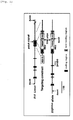
- a targeting construct was first created. Specifically, a cassette (IRES-Venus-SV40 polyA signal cassette, refer to Non-Patent Document 4) which was made of an internal ribosome entry site (IRES), a yellow fluorescent protein (Venus), and a SV40 polyA signal (SV40 polyA) and which was arranged next to a neomycin-resistant gene (neo), was inserted between a stop codon and a polyA signal (Exon 5) of a Il10 gene. Next, the obtained targeting construct was used to cause homologous recombination with the Il10 gene region in the genome of mice.
- a cassette (IRES-Venus-SV40 polyA signal cassette, refer to Non-Patent Document 4) which was made of an internal ribosome entry site (IRES), a yellow fluorescent protein (Venus), and a SV40 polyA signal (SV40 polyA) and which was arranged next to a neomycin-resistant gene (neo), was
- Il10 venus mice having an Il10 venus alleles were produced (refer to Fig. 1 ).
- tk represents a gene coding thymidine kinase
- neo represents the neomycin-resistant gene
- BamH1 represents a cleavage site by the restriction enzyme BamH1.
- Genomic DNAs were extracted from the Il10 venus mice, treated with BamH1, and Southern blotted by use of a probe shown in Fig. 1 .
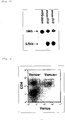
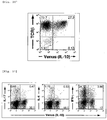
- Fig. 2 shows the obtained results. Wild-type and Il10 venus alleles were detected as bands having sizes of 19 kb and 5.5 kb, respectively. Hence, as is apparent from the results shown in Fig. 2 , it was found that the homologous recombination shown in Fig. 1 occurred in the genome of the Il10 venus mice.
- CD4 + Venus - cells or CD4 + Venus + cells in the colonic lamina intestinal of the Il10 venus mice were sorted by use of a FACSAria. Then, real-time RT-PCR was carried out on an ABI 7300 system by a method to be described later, to determine the amount of IL-10 mRNA expressed.
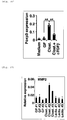
- Figs. 3 and 4 show the obtained results. As is apparent from the results shown in Figs. 3 and 4 , it was found that, since the development of the IL-10 mRNA was detected only in the CD4 + Venus + cells, the expression of IL-10 mRNA in the Il10 venus mice was correctly reflected in the expression of Venus.
- Il10 venus mice were established in Central Institute for Experimental Animals (Kawasaki, Japan).
- the Il10 venus mice in the germ-free states were maintained in vinyl isolators in Sankyo Labo Service Corporation, Inc. (Tokyo, Japan), and used in the following Examples.
- mice in which SFB or Clostridium were colonized were produced.
- Cecal contents or feces of the obtained gnotobiotic mice were dissolved in sterile water or an anaerobic dilution solution.
- the dissolved cecal contents or feces as they were or after a chloroform treatment were orally administered to GF mice.
- Three strains of the Lactobacillus and 16 strains of the Bacteroides were cultured separately from each other in a BL or EG agar medium in an anaerobic manner.
- the cultured bacteria were harvested, suspended in an anaerobic TS broth, and orally administrated forcibly to GF mice.
- the state of the colonization of the bacteria in the mice was assessed by microscopic observation conducted on a smear preparation of fecal pellets.
- the small intestine and the colon were collected, and cut open longitudinally. Then, fecal content and the like thereinside were washed to remove. Subsequently, the small intestine and the colon were shaken in HBSS containing 5 mM of EDTA at 37°C for 20 minutes. After removal of epithelium and fat tissue, the intestinal tissues were cut into small pieces.
- RPMI 1640 4% fetal bovine serum (FBS), 1 mg/ml of collagenase D, 0.5 mg/ml of dispase, and 40 ⁇ g/ml of DNaseI (all of which were manufactured by Roche Diagnostics K.K.)
- FBS fetal bovine serum
- dispase 0.5 mg/ml of dispase
- 40 ⁇ g/ml of DNaseI 40 ⁇ g/ml of DNaseI (all of which were manufactured by Roche Diagnostics K.K.)
- the digested tissues were washed with HBSS containing 5 mM of EDTA, and resuspended in 5 ml of 40% percoll (GE Healthcare).
- the suspension was overlayered on 2.5 ml of 80% percoll in a 15-ml Falcon tube.
- centrifugation was carried out at room temperature and at 2000 rpm for 20 minutes to conduct cell separation by percoll density gradient centrifugation.
- Cells at the interface were collected, and used as lamina intestinal lymphocytes.
- the collected cells were suspend in a staining buffer (PBS, 2% FBS, 2 mM EDTA, and 0.09% NaN 3 ), and stained by use of an anti-CD4 antibody (RM4-5, BD Biosciences) labeled with PE or PE-Cy7.
- a staining buffer PBS, 2% FBS, 2 mM EDTA, and 0.09% NaN 3
- CD4 Foxp3 in the cells were stained by use of Cytofix/Cytoperm Kit Plus with Golgistop (BD Biosciences) or Foxp3 Staining Buffer Set (eBioscience), as well as an anti-Foxp3 antibody (FJK-16s, eBioscience) labeled with Alexa647.
- Flow cytometry was performed by use of a FACScant II, and the data were analyzed by FlowJo software (TreeStar Inc.). The sorting of the cells were performed by use of a FACSAria.
- RNA prepared by using RNeasy Mini Kit Qiagen
- a cDNA was synthesized by use of a MMV reverse transcriptase (Promega KK).
- the obtained cDNA was analyzed by real-time RT-PCR using Power SYBR Green PCR Master Mix (Applied Biosystems) and ABI 7300 real time PCR system (Applied Biosystems),or real-time RT-PCR using SYBR Premix Ex Taq (TAKARA) and Light Cycler 480.
- TAKARA SYBR Premix Ex Taq
- Light Cycler 480 For each sample, a value obtained was normalized for the amount of GAPDH.
- a primer set was designed by using Primer Express Version 3.0 (Applied Biosystems), and those exhibiting a 90% or higher sequence identity at an initial evaluation were selected. The primer set used was as follows:
- the colon was collected, cut open longitudinally, and rinsed with PBS. Subsequently, the colon was treated with 1mM dithiothreitol (DTT) at 37°C for 30 minutes on a shaker, and then vortexed for one minute to disrupt the epithelial integrity.
- DTT dithiothreitol
- the released IECs were collected, and suspended in 5 ml of 20% percoll. The suspension was overlayered on 2.5 ml of 80% percoll in a 15-ml Falcon tube. Then, the tube was centrifuged at 25°C and 780 g for 20 minutes to conduct cell separation by percoll density gradient centrifugation. Cells at the interface were collected, and used as colonic IECs (purity: 90% or higher, viability: 95%).
- the obtained IECs thus collected were suspended in RPMI containing 10% FBS, and 1 ⁇ 10 5 cells of the IECs were cultured in a 24-well plate for 24 hours. Thereafter, the culture supernatant was collected, and measured for active TGF- ⁇ 1 level by ELISA (Promega).
- a fecal suspension of Clostridium-colonized mice was orally administered to C57BL/6 mice (2-week old), and grown in a conventional environment for six weeks.
- mice were presensitized by transdermally applying, onto the mice, 150 ⁇ l of a 3% oxazolone (4-ethoxymethylene-2-phenyl-2-oxazolin-5-one, Sigma-Aldrich)/100% ethanol solution.
- 150 ⁇ l of a 1% oxazolone/50% ethanol solution was intrarectally administered again to the presensitized mice under a light anesthesia. Note that the intrarectal administration was conducted by using a 3.5F catheter.
- Each mouse was analyzed daily for body weight, occult blood, bleeding visible with the naked eyes (gross blood), and the hardness of stool. Moreover, the body weight loss percentage, intestinal bleeding (no bleeding, occult blood (hemoccult+), or bleeding visible with the naked eyes), and the hardness of stool (normal stool, loose stool, or diarrhea) were evaluated numerically, and the disease activity index (DAI) was calculated in accordance with the description in " S. Wirtz, C. Neufert, B. Weigmann, M. F. Neurath, Nat Protoc 2, 541 (2007 )."
- mice BALB/c SPF mice were inoculated with a fecal suspension of Clostridium-colonized mice (2-week old), and grown in a conventional environment. Then, 1 ⁇ g of OVA (grade V, Sigma) and 2 mg of alum (Thermo Scientific), 0.2 ml in total, were intraperitoneally injected to the mice (at their ages of 4 weeks and 6 weeks). Sera were collected every week from the mice at the root of their tail, and OVA-specific IgE was measured by ELISA (Chondrex).
- splenic cells were collected, inoculated in a 96-well plate at 1 ⁇ 10 6 cells per well, and stimulated with OVA (100 ⁇ g/ml) for three days. Thereafter, the culture supernatant was collected, and measured for IL-4 and IL-10 levels by ELISA (R&D) .
- control and experimental groups were evaluated by the Student's t-test.
- Treg cells regulatory T cells
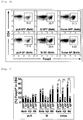
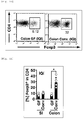
- lymphocytes were isolated from peripheral lymph nodes (pLN) of Balb/c mice bred in the absence of specific pathogenic bacteria (SPF) or from lamina intestinal of the colon or the small intestine (SI) of the mice.
- the CD4 and Foxp3 were stained by antibodies.
- the ratio of Foxp3 + cells in CD4 + lymphocytes was analyzed by flow cytometry.
- Fig. 5 shows the obtained results. As is apparent from the results shown in Fig.
- Example 1 it was investigated whether or not the temporal accumulation of the Treg cells in the colon as found in Example 1 had a relationship with the colonization of intestinal commensal microbiota.
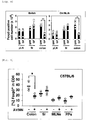
- the expression of CD4 and the expression of Foxp3 in lymphocytes isolated from the small intestine, the colon, and the peripheral lymph nodes of mice bred under a germ-free (GF) or SPF environment (8 weeks old: Balb/c mice, IQI mice, and C57BL/6 mice) were analyzed. Similar results were obtained in three or more independent experiments.
- Figs. 6 and 7 show the obtained results. Note that, in Fig. 7 , each white circle represents the absolute number of CD4 + Foxp3 + cells in an individual mouse, and the error bars represent standard deviations (SDs).
- SDs standard deviations
- Fig. 8 shows the obtained results. Note that in Fig. 8 each white circle represents the absolute number of CD4 + Foxp3 + cells in an individual mouse, ** indicates that "P ⁇ 0.001", and * indicates that "P ⁇ 0.01."
- lymphocytes were isolated from the lamina intestinal of the colon, the lamina intestinal of the small intestine (SI), Peyer's patches (PPs), and mesenteric lymph nodes (MLNs) of mice (SPF C57BL/6 mice) to which antibiotics were orally administered with water for eight weeks.
- CD4 and Foxp3 were stained with antibodies.
- the lymphocytes were analyzed by FACS. Similar results were obtained in two or more independent experiments.
- Fig. 9 shows the obtained results (the ratio of the Foxp3 + cells in the CD4 + cells of an individual mouse) . Note that the following antibiotics were used in combination in accordance with the description in the following document:
- each white circle represents the absolute number of the CD4 + Foxp3 + cells in an individual mouse
- each horizontal bar represents the average value of the absolute numbers
- * indicates that "P ⁇ 0.01”
- "AVMN" represents the kinds of the administered antibiotics by using the first letters of the antibiotics.
- the number of the Foxp3 + CD4 + cells in the colonic lamina intestinal of the GF mice was decreased significantly in comparison with that of the SPF mice (refer to Figs. 6 and 7 ).
- This decrease was commonly observed among mice of different genetic backgrounds (Balb/c, IQI, and C57BL/6), as well as among mice bred in different animal facilities (refer to Fig. 7 for the data regarding the different genetic backgrounds, the data regarding the mice bred in the different animal facilities are not shown in the drawings) .
- the number of Treg cells in the colonic lamina limbal/6 mice to which the antibiotics were administered was decreased significantly (refer to Fig. 9 ).
- FIG. 11 represents the absolute number of CD4 + Foxp3 + cells in an individual mouse, the error bars represent standard deviations (SD), * indicates that "P ⁇ 0.01" in Student's t-test, and ** indicates that "P ⁇ 0.001.”
- SD standard deviations
- * indicates that "P ⁇ 0.01” in Student's t-test
- ** indicates that "P ⁇ 0.001.”
- the LT ⁇ R-Ig was again injected intraperitoneally into fetuses obtained from such mice, so that mice from which isolated lymphoid follicles (ILFs), Peyer's patches (PPs), and colonic-patches (CPs) were completely removed were produced. Then, the ratios of Foxp3 + cells in CD4 + cells in the colonic lamina intestinal of the mice treated with the LT ⁇ R-Ig, and mice treated with rat IgG (control) were analyzed by FACS.
- Fig. 12 shows the obtained results. Note that in Fig. 12 each white circle represents the ratio of Foxp3 + cells in an individual mouse, and the error bars represent standard deviations. As is apparent from the results shown in Fig.
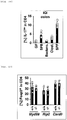
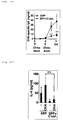
- Fig. 30 shows the obtained results. Note that, in Fig. 30 , "SPF" indicates the result of SPF mice (control), “poly B” indicates the result of the SPF mice to which polymyxin B was administered, and “Vanco.” indicates the result of the SPF mice to which vancomycin was administered. Meanwhile, * indicates that "P ⁇ 0.01."
- spore-forming bacteria play an important role in intestinal T cells response (see V. Gaboriau-Routhiau et al., Immunity 31, 677 (Oct 16, 2009 )).
- fecal microorganisms spore-forming fraction
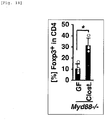
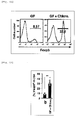
- Fig. 31 shows the obtained results. Note that, in Fig. 31 , "GF” indicates the result of GF mice, and “+chloro” indicates the result of the GF mice to which the chloroform-treated feces were administered. Meanwhile, ** indicates that "P ⁇ 0.001.”
- Example 5 it was revealed that the specific components of the indigenous microbiota were highly likely to belong to the Gram-positive group, and that the spore-forming fraction played an important role in the induction of Treg cells.
- SLB segmented filamentous bacteria
- Bacteroides spp. Bacteroides spp.
- Actero. 6 strains of B. vulgatus, 7 of the B. acidifaciens group 1, and 3 of the B. acidifaciens group 2)
- Lactobacillus Lacto. (L. acidophilus, L. fermentum, and L. murinum )
- Clostridium spp. 46 strains of Clostridium spp.
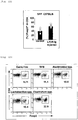
- mice Characterization of clostridia isolated from faeces of limited flora mice and their effect on caecal size when associated with germ-free mice. Lab. Animals 19: 111-118 (1985 ))"), or microbiota collected from mice (SPF) bred under a conventional environment was orally administered to GF-Balb/c mice or GF-IQI mice. The mice were maintained in vinyl isolators for three weeks. Then, CD4 cells were isolated from the colon and the small intestine of these mice. The numbers of Treg cells in the colon and the small intestine were analyzed by flow cytometry.
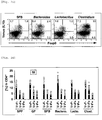
- Fig. 13 shows FACS dot-plots obtained when a gate was set on CD4 + cells of the Balb/c mice.
- Fig. 14 shows the ratio of Foxp3 + cells in CD4 + cells of each mouse.
- the bacteria belonging to the genus Clostridium are classified by sequencing of 16S rRNA gene, as follows. Specifically, the 16S rRNA genes of the bacteria were amplified by PCR using 16S rRNA gene-specific primer pairs: 5'-AGAGTTTGATCMTGGCTCAG-3' (SEQ ID NO: 19) and 5'-ATTACCGCGGCKGCTG-3' (SEQ ID NO: 20) (see T. Aebischer et al., Vaccination prevents Helicobacter pylori-induced alterations of the gastric flora in mice. FEMS Immunol. Med. Microbiol. 46,221-229(2006 )). The 1.5-kb PCR product was then introduced into pCR-Blunt Vector.
- the inserts were sequenced and aligned using the ClustalW software program.
- the resulting sequences of 16S rRNA genes derived from strain 1-41 of 46 strains of Clostridium spp. were shown in SEQ ID NO: 21-61.
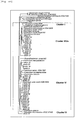
- Phylogenetic tree which was constructed by the neighbor-joining method with the resulting sequences of the 41 strains of Clostridium and those of known bacteria obtained from Genbank database using Mega software was shown in Fig.49 .
- Figs. 32 and 33 show the obtained results. Note that, in Figs. 32 and 33 , “GF” or “Germ Free” indicates the results of the GF mice, “SPF” indicates the results of the SPF mice, “Lacto.” indicates the results of the Lactobacillus-colonized mice, and “Clost.” indicates the results of the Clostridium-colonized mice.
- the vertical axis represents the ratio of Helios - cells in the Foxp3 + cell group ([%] Helios - in Foxp3 + ), and ** indicates that "P ⁇ 0.001.”
- Figs 32 and 33 most Foxp3 + cells found in the SPF mice or the Clostridium-colonized mice did not express Helios.
- Helios is a transcription factor known to be expressed in thymic-derived natural Treg cells (see A. M. Thornton et al., J Immunol 184, 3433 (Apr 1, 2010 )). Accordingly, it was suggested that most of the Treg cells in the SPF mice and the Clostridium-colonized mice were Treg cells induced in peripheral portions, i.e., so-called iTreg cells.
- cytokines were stained by using an anti-IL-17 PE antibody (TC11-18H10) and an anti-IFN-g FITC antibody (BD Bioscience) in accordance with the manual of a cytofix/cytoperm kit (BD Bioscience) . Then, the ratio of IFN- ⁇ + cells or IL-17 + cells in CD4 + leucocytes was analyzed by flow cytometry.
- Figs. 15 and 16 show the obtained results. Note that, in Figs. 15 and 16 , each white circle represents the absolute number of CD4 + IFN- ⁇ + cells or the absolute number of CD4 + IL-17 + cells in each individual mouse, and the error bars represent standard deviations (SD) . As is apparent from the results shown in Figs.
- the colonization of the Clostridium did not have any influence on Th1 cells (CD4 + IFN- ⁇ + cells) in the colon, and caused only a slight increase of Th17 cells (CD4 + IL-17 + cells). Accordingly, it was suggested that the genus Clostridium was a genus of bacteria which specifically induced Treg cells.
- Clostridium regulates the immune system in various aspects, and that Clostridium exhibits a marked ability to induce and maintain Treg cells especially in the colon, as described above.
- cytokines transforming growth factor- ⁇ (TGF- ⁇ )
- TGF- ⁇ transforming growth factor- ⁇
- the amount of TGF- ⁇ produced in the colons of the Clostridium-colonized mice was significantly larger than those of the GF mice and the Lactobacillus-colonized mice.
- IECs intestinal epithelial cells
- TGF- ⁇ 1 active TGF- ⁇
- TGF- ⁇ was detected in the culture supernatant of the IECs isolated from the Clostridium-colonized mice, whereas no TGF- ⁇ was detected in the culture supernatant of the IECs isolated from the GF mice.
- splenic CD4 + T cells were cultured for five days together with a 50% conditioned medium in which IECs isolated from the GF mice or the Clostridium-colonized mice were cultured, and with the anti-CD3 antibody, in the presence or absence of an anti-TGF- ⁇ antibody. Then, the T cells were collected, and analyzed for expression of Foxp3 by real-time RT-PCR. Fig. 36 shows the obtained results. Note that, in Fig.
- “Medium” indicates the result of a medium in which no cells were cultured
- “GF” indicates the result of the conditioned medium in which the IECs of the GF mice were cultured
- “Clost.” indicates the result of the conditioned medium in which the IECs of the Clostridium-colonized mice were cultured
- “Clost. + ⁇ TGF ⁇ ” indicates the result of the conditioned medium to which the anti-TGF- ⁇ antibody was added and in which the IECs of the Clostridium-colonized mice were cultured. Meanwhile, ** indicates that "P ⁇ 0.001.”
- MMP2, MMP9, and MMP13 which are thought to contribute to the activation of latent TGF- ⁇ was investigated.
- IDO indoleamine 2,3-dioxygenase
- 46 bacterial strains of the genus Clostridium (Clost.), or three bacterial strains of the genus Lactobacillus (Lacto.) were orally administered to C57BL/6 germ-free mice.
- Figs. 37 to 40 show the obtained results. Note that, in Figs. 37 to 40 , "GF#1 to 3" indicate the results of GF mice, “Clost.#1 to 3” indicate the results of the Clostridium-colonized mice, and “Lacto.#1 to 3” indicate the results of the Lactobacillus-colonized mice.
- Treg cell accumulation induced by the colonization of the Clostridium was dependant on signal transmission by pathogen-associated molecular pattern recognition receptors. Specifically, the numbers of Treg cells in the colonic lamina intestinal of each of SPF mice of Myd88 -/- (deficient in Myd88 (signaling adaptor for Toll-like receptor)), Rip2 -/- (deficient in Rip2 (NOD receptor adaptor)), and Card9 -/- (deficient in Card9 (essential signal transmission factor for Dectin-1 signal transmission)) were examined. In addition, Clostridium spp. were caused to be colonized in the Myd88 -/- GF mice, and the change in the number of Treg cells was investigated.
- Figs. 17 and 18 show the obtained results.
- the number of Treg cells of each kind of the SPF mice deficient in the associated factors of the pathogen-associated molecular pattern recognition receptors did not change relative to that of wild-type mice of the same litter, which served as a control.
- Intestinal tract Foxp3 + Treg cells are known to exert some immunosuppressive functions through IL-10 production (refer to Non-Patent Document 9) .
- animals having CD4 + Foxp3 + cells from which IL-10 is specifically removed are known to develop inflammatory bowel disease (refer to Non-Patent Document 18) .
- the expression of IL-10 in lymphocytes of various tissues was examined. Specifically, lymphocytes were isolated from various tissues of SPF Il10 venus mice, and the expression of CD4 and the expression of Venus were analyzed by flow cytometry.
- Fig. 19 shows the obtained results. Note that each numeric value in Fig. 19 represents the ratio of cells within the corresponding one of regions divided into four.
- Fig. 20 shows the obtained results (FACS dot-plots obtained when a gate was set on CD4 + cells) . Note that each numeric value in Fig. 20 represents the ratio of cells within the corresponding one of regions divided into four.
- lymphocytes in the colonic lamina intestinal lamina intestinal were isolated from Il10 venus mice.
- the lymphocytes were stimulated with PMA (50 ng/ml) and ionomycin (1 ⁇ g/ml) for four hours in the presence of Golgistop (BD Bioscience) .
- intracellular cytokines were stained by using an anti-IL-17 PE antibody, an anti-IL-4 APC antibody (11B11), and an anti-IFN-g FITC antibody (BD Bioscience) in accordance with the manual of a cytofix/cytoperm kit (BD Bioscience) .
- Fig. 21 shows the obtained results (FACS dot-plots obtained when a gate was set on CD4 + cells). Note that each numeric value in Fig. 21 represents the ratio of cells within the corresponding one of regions divided into four.
- Foxp3 + CD4 + cells and Foxp3 - CD4 + cells were isolated from the spleen (Spl) of Foxp3 eGFP reporter mice, and Venus + cells were isolated from the colonic lamina intestinal and the small intestine (SI) lamina intestinal of Il10 venus mice. Then, the obtained cells were analyzed in terms of the expression of predetermined genes. The gene expression was analyzed by real-time RT-PCR using a Power SYBR Green PCR Master Mix (Applied Biosystems) and an ABI 7300 real time PCR system (Applied Biosystems). Here, the value for each cell was normalized for the amount of GAPDH.
- Fig. 22 shows the obtained results. Note that in Fig. 22 the error bars represent standard deviations.
- the Venus + CD4 + T cells expressed Foxp3 and other Treg cell-associated factors such as a cytotoxic T-Lymphocyte antigen (CTLA-4) and a glucocorticoid-induced TNFR-associated protein (GITR) although the Venus + CD4 + T cells showed none of the phenotypes of Th2 (IL-4-producing) and Th17 (IL-17-producing) (refer to Figs. 21 and 22 ) .
- CTLA-4 cytotoxic T-Lymphocyte antigen
- GITR glucocorticoid-induced TNFR-associated protein
- Venus + cells can be classified into at least two subsets, namely, Venus + Foxp3 + double positive (DP) Treg cells and Venus + Foxp3 - Treg cells on the basis of intracellular Foxp3 expression.
- Cells of the latter subset correspond to type 1 regulatory T cells (Tr1) (refer to Non-Patent Documents 8 and 9).
- Tr1 type 1 regulatory T cells
- the Venus + cells (IL-10-producing cells) observed in Example 8 were investigated in terms of the expression of Foxp3.
- Fig. 23 shows the obtained results (dot-plots obtained when a gate was set on CD4 + cells).
- Fig. 24 shows the obtained results (dot-plots obtained when a gate was set on CD4 + cells). Note that each numeric value in Fig. 24 represents the ratio of cells within the corresponding one of regions divided into four.
- FIG. 25 shows dot-plots obtained when a gate was set on colonic CD4 + cells
- Figs. 26 and 27 show the ratios in the CD4 + cell group of each mouse. Note that each numeric value in Fig. 25 represents the ratio of cells within the corresponding one of regions divided into four. Meanwhile, the error bars in Figs. 26 and 27 represent standard deviations, * indicates that "P ⁇ 0.02,” and ** indicates that "P ⁇ 0.001.”
- antibiotics were orally given with water to five or six Il10 venus mice per group for 10 weeks.
- the following antibiotics were used in combination.
- ampicillin A; 500 mg/L Sigma
- vancomycin V; 500 mg/L NACALAI TESQUE, INC.
- metronidazole M; 1 g/L NACALAI TESQUE, INC.
- neomycin N; 1 g/L NACALAI TESQUE, INC.
- Fig. 28 shows the obtained results (the ratio of Venus + cells in CD4 + cells in each sample) . Note that each white circle in Fig. 28 represents an individual sample, each horizontal bar represents an average value, * indicates that "P ⁇ 0.02," and "AVMN" represents the kinds of the administered antibiotics by using the first letters of the antibiotics.
- Treg cells used in Example 14 were CD4 + GFP + T cells isolated from the spleen of Foxp3 eGFP reporter mice, or CD4 + Venus + T cells in the colonic lamina intestinal of GF Il10 venus mice in which Clostridium spp. were colonized or SPF Il10 venus mice. Then, proliferation of the cells was determined based on the uptake amount of [ 3 H]-thymidine, and represented by a count per minute (cpm) value.
- cpm count per minute
- the DSS-induced colitis model was prepared as described above, and the influence, on the model mice, of the inoculation of the Clostridium and the proliferation of Treg cells was investigated. Specifically, control mice and Clostridium-inoculated mice were treated with 2% DSS, then observed and measured for six days for the body weight loss, the hardness of stool, and bleeding, and then were evaluated numerically. In addition, on day 6, the colons were collected, dissected, and analyzed histologically by HE staining. Figs. 41 to 43 show the obtained results. Note that, in Figs.
- "SPF+Clost.” or “SPF+Clost.#1 to 3” indicate the results of C57BL/6 mice inoculated with a fecal suspension of Clostridium-colonized mice, and grown in a conventional environment for six weeks
- "SPF” or “SPF#1 to 3” indicate the results of C57BL/6 mice (control mice) grown in a conventional environment for six weeks without being inoculated with the fecal suspension.
- the vertical axis "Disease score” represents the disease activity index (DAI) described above
- the horizontal axis "post 2% DSS (d)” represents the days elapsed after the initial administration of 2% DSS to the mice.
- Figs. 41 to 43 the symptoms of the colitis such as body weight loss and rectal bleeding were significantly suppressed in the mice having a large number of Clostridium (hereinafter also referred to as "Clostridium-abundant mice") in comparison with the control mice (see Fig. 41 ). All the features typical for colonic inflammation, such as shortening of the colon, edema, and hemorrhage, were observed markedly in the control mice in comparison with the Clostridium-abundant mice (see Fig. 42 ). Moreover, histological features such as mucosal erosion, edema, cellular infiltration, and crypt loss were less severe in the DSS-treated Clostridium-abundant mice than in the control mice (see Fig. 43 ).
- oxazolone-induced colitis model was prepared as described above, and the influence, on the model mice, of the inoculation of Clostridium and the proliferation of Treg cells was investigated. Specifically, control mice and Clostridium-inoculated mice were sensitized with oxazolone, and subsequently the inside of the rectums thereof were treated with a 1% oxazolone/50% ethanol solution. Then, the body weight loss was observed and measured. In addition, the colons were dissected, and analyzed histologically by HE staining. Figs. 44 and 45 show the obtained results. Note that, in Figs.
- SPF+Clost indicates the results of C57BL/6 mice (Clostridium-abundant mice) inoculated with a fecal suspension of Clostridium-colonized mice, and grown in a conventional environment for six weeks
- SPF indicates the results of C57BL/6 mice (control mice) grown in a conventional environment for six weeks without being inoculated with the fecal suspension.
- the vertical axis "Weight (% of initial) " represents the body weight after the administration of 1% oxazolone where the body weight before the administration was taken as 100%
- the horizontal axis "post 1% oxazolone (d)” represents the days elapsed after the administration of 1% oxazolone to the mice.
- "SPF+Clost.” indicates the results of BALB/c SPF mice (Clostridium-abundant mice) inoculated with a fecal suspension of Clostridium-colonized mice, and grown in a conventional environment
- "SPF” indicates the results of BALB/c SPF mice (control mice) grown in a conventional environment without being inoculated with the fecal suspension
- ** indicates that "P ⁇ 0.001.”
- the vertical axis "OVA-specific IgE (ng/ml)" represents the concentration of OVA-specific IgE in the sera.
- Fig. 46 the vertical axis "OVA-specific IgE (ng/ml)" represents the concentration of OVA-specific IgE in the sera.
- the horizontal axis represents the days elapsed after the initial administration of the alum-absorbed ovalbumin to the Clostridium-abundant mice or the control mice (4-week old), and "OVA+Alum” indicates the timing of the administration of the alum-absorbed ovalbumin.
- "OVA” on the horizontal axis indicates the results in the case where the in-vitro OVA restimulation was performed, and "-” indicates the results in the case where no in-vitro OVA restimulation was performed.
- the vertical axes "IL-4 (pg/ml)” and “IL-10 (pg/ml)” show the IL-4 concentration and the IL-10 concentration in culture supernatants of splenic cells, respectively.
- the IgE level was significantly lower in the Clostridium-abundant mice than in the control mice (see Fig. 46 ). Moreover, the IL-4 production by the OVA restimulation was reduced (see Fig. 47 ) and the IL-10 production thereby was increased (see Fig. 48 ) in the splenic cells of the Clostridium-abundant mice sensitized with OVA and alum, in comparison with those of the control mice.
- GF Balb/c were colonized with three strains of Clostridium belonging to cluster IV(strains 22, 23 and 32 listed in Fig.49 ).
- colonic Foxp3 + Treg cells were analyzed by FACS.
- Fig.50 shows the obtained results.
- gnotobiotic mice colonized with three strains of Clostridium showed an intermediate pattern of Treg induction between GF mice and mice inoculated with all 46 strains.
- a spore-forming (for example, a chloroform resistant) fraction of a fecal sample obtained from humans had the effect of inducing proliferation or accumulation of regulatory T cells similar to the spore-forming fraction of the fecal sample obtained from mice.
- human stool from a healthy volunteer (Japanese, male, 29years old) was suspended with phosphate-buffered saline (PBS), mixed with chloroform (final concentration 3%), and then incubated in a shaking water bath for 60 min. After evaporation of chloroform by bubbling with N 2 gas, the aliquots containing chloroform-resistant (for example, spore-forming) fraction of human intestinal bacteria were orally inoculated into germ-free (GF) mice (IQI, 8 weeks old). The treated mice were kept in a vinyl isolator for 3 weeks.
- PBS phosphate-buffered saline
- chloroform final concentration 3%
- the colon was collected and opened longitudinally, washed to remove fecal content, and shaken in Hanks' balanced salt solution (HBSS) containing 5 mM EDTA for 20 min at 37°C. After removing epithelial cells and fat tissue, the colon was cut into small pieces and incubated with RPMI1640 containing 4% fetal bovine serum, 1 mg/ml collagenase D, 0.5 mg/ml dispase and 40 ⁇ g/ml DNase I (all manufactured by Roche Diagnostics) for 1 hour at 37°C in a shaking water bath.
- HBSS Hanks' balanced salt solution
- the digested tissue was washed with HBSS containing 5 mMEDTA, resuspended in 5 ml of 40% Percoll (manufactured by GE Healthcare) and overlaid on 2.5 ml of 80% Percoll in a 15-ml Falcon tube. Percoll gradient separation was performed by centrifugation at 780 g for 20 min at 25°C. The interface cells were collected and suspended in staining buffer containing PBS, 2% FBS, 2 mM EDTA and 0.09% NaN 3 and stained for surface CD4 with Phycoerythrin-label ed anti-CD4 Ab (RM4-5, manufactured by BD Biosciences).
- RM4-5 Phycoerythrin-label ed anti-CD4 Ab
- Intracellular staining of Foxp3 was performed using the Alexa647-labeled anti-Foxp3 Ab (FJK-16s, manufactured by eBioscience) and Foxp3 Staining Buffer Set (manufactured by eBioscience). The percentage of Foxp3positive cells within the CD4 positive lymphocyte population was analyzed by flow cytometry. Figs. 51 and 52 show the obtained results.
- FIG. 51 representative histograms ( FIG. 51 ) and combined data ( FIG. 52 ) for Foxp3 expression by CD4 positive lymphocytes from GFmice (GF) or GF mice gavaged with chloroform-treated human stool (GF+Chloro.) are shown.
- numbers in Fig. 51 indicate the percentages of cells in the gate.
- Each circle in Fig. 52 represents a separate animal, error bars indicate the SD, and ** indicates that "P ⁇ 0.001.”
- bacterial genomic DNA was isolated from the human stool from a healthy volunteer as described above (human stool) or fecal pellets from GFmice gavaged with chloroform-treated human stool (GF+Chloro.) .
- Quantitative PCR analysis was carried out using a LightCycler 480 (manufactured by Roche). Relative quantity was calculated by the ⁇ Ct method and normalized to the amount of total bacteria, dilution, and weight of the sample. The following primer sets were used:
- Fig. 53 shows the obtained results.
- mice gavaged with chloroform-treated human stool exhibited high amounts of spore-forming bacteria, such as Clostridium clusters XIVa and IV, and a severe decrease of non-spore-forming bacteria, such as Bacteroides, compared with the human stool before chloroform treatment.
- spore-forming bacteria such as Clostridium clusters XIVa and IV
- non-spore-forming bacteria such as Bacteroides
- the present disclosure makes it possible to provide an excellent composition for inducing proliferation or accumulation of regulatory T cells (Treg cells) by utilizing bacteria belonging to the genus Clostridium or a physiologically active substance or the like derived from the bacteria. Since the composition of the present invention has immunosuppressive effects, the composition can be used as defined in the claims.
- Healthy individuals can easily and routinely ingest the composition as a food or beverage, such as a health food, to improve their immune functions.
Landscapes
- Health & Medical Sciences (AREA)
- Life Sciences & Earth Sciences (AREA)
- Chemical & Material Sciences (AREA)
- General Health & Medical Sciences (AREA)
- Veterinary Medicine (AREA)
- Animal Behavior & Ethology (AREA)
- Medicinal Chemistry (AREA)
- Public Health (AREA)
- Pharmacology & Pharmacy (AREA)
- Immunology (AREA)
- Engineering & Computer Science (AREA)
- Organic Chemistry (AREA)
- General Chemical & Material Sciences (AREA)
- Chemical Kinetics & Catalysis (AREA)
- Bioinformatics & Cheminformatics (AREA)
- Nuclear Medicine, Radiotherapy & Molecular Imaging (AREA)
- Epidemiology (AREA)
- Microbiology (AREA)
- Mycology (AREA)
- Molecular Biology (AREA)
- Biomedical Technology (AREA)
- Cell Biology (AREA)
- Zoology (AREA)
- Analytical Chemistry (AREA)
- Biotechnology (AREA)
- Hematology (AREA)
- Urology & Nephrology (AREA)
- Environmental Sciences (AREA)
- Proteomics, Peptides & Aminoacids (AREA)
- Physics & Mathematics (AREA)
- Biochemistry (AREA)
- Rheumatology (AREA)
- Diabetes (AREA)
- Wood Science & Technology (AREA)
- Pathology (AREA)
- General Physics & Mathematics (AREA)
- Toxicology (AREA)
- Food Science & Technology (AREA)
- Tropical Medicine & Parasitology (AREA)
- Biodiversity & Conservation Biology (AREA)
Claims (15)
- Zusammensetzung zur Verwendung in einem Verfahren zum Behandeln oder Vorbeugen einer allergischen Krankheit durch Induzieren von Proliferation oder Akkumulieren von Transkriptionsfaktor-Foxp3-positiven regulatorischen T-Zellen, die Zusammensetzung umfassend, als einen Wirkstoff, Bakterien, welche zum Genus Clostridium des Clusters XIVa und/oder IV gehören, wobei die Bakterien die Proliferation oder Akkumulation von Transkriptionsfaktor-Foxp3-positiven regulatorischen T-Zellen induzieren.
- Zusammensetzung zur Verwendung gemäß Anspruch 1, wobei die Bakterien zu den Clostridium-Clustern XIVa und IV in Kombination gehören.
- Zusammensetzung zur Verwendung gemäß Anspruch 1 oder Anspruch 2, wobei die Zusammensetzung weitergehend Bakterien umfasst, welche zu einem anderen Clostridium-Cluster als Clostridium-Cluster XIVa oder -Cluster IV gehören.
- Zusammensetzung zur Verwendung gemäß Anspruch 2 oder 3, wobei die Bakterien, welche zu den Clostridium-Clustern XIVa und IV in Kombination gehören, mehrere Stämme von Bakterien in Kombination als einen Wirkstoff umfassen, welche zum Clostridium-Cluster XIVa oder -Cluster IV gehören.
- Zusammensetzung zur Verwendung gemäß irgendeinem der vorstehenden Ansprüche, wobei die Bakterien gemäß irgendeinem der vorstehenden Ansprüche in Form von Sporen vorliegen.
- Zusammensetzung zur Verwendung gemäß irgendeinem der vorstehenden Ansprüche, wobei die Bakterien von einer von einem Menschen erhaltenen Fäkalprobe erhalten werden.
- Zusammensetzung zur Verwendung in einem Verfahren zum Behandeln oder Vorbeugen einer allergischen Krankheit durch Induzieren von Proliferation oder Akkumulieren von Transkriptionsfaktor-Foxp3-positiven regulatorischen T-Zellen, die Zusammensetzung umfassend, als einen Wirkstoff, eine Sporen-bildende Fraktion humaner Fäkalien, wobei die Sporen-bildende Fraktion die Proliferation oder Akkumulation von Transkriptionsfaktor-Foxp3-positiven regulatorischen T-Zellen induziert.
- Zusammensetzung zur Verwendung gemäß Anspruch 7, wobei die Sporen-bildende Fraktion durch Chloroform-Behandlung menschlicher Fäkalien erhältlich ist.
- Zusammensetzung zur Verwendung gemäß irgendeinem der vorstehenden Ansprüche, wobei die allergische Krankheit Lebensmittelallergie ist.
- Zusammensetzung zur Verwendung gemäß irgendeinem der Ansprüche 1-8, wobei die allergische Krankheit Heuschnupfen (pollenosis) oder Asthma ist.
- Zusammensetzung zur Verwendung gemäß irgendeinem der vorstehenden Ansprüche, wobei die Zusammensetzung Proliferation von Effektor-T-Zellen supprimiert.
- Zusammensetzung zur Verwendung gemäß irgendeinem der vorstehenden Ansprüche, wobei die Zusammensetzung als eine pharmazeutische Zusammensetzung für orale Verabreichung formuliert ist.
- Zusammensetzung zur Verwendung gemäß irgendeinem der vorstehenden Ansprüche, wobei die Zusammensetzung als eine pharmazeutische Zusammensetzung unter Verwendung einer Zusammensetzung, welche Abgabe in den Dickdarm ermöglicht, formuliert ist.
- Zusammensetzung zur Verwendung gemäß Anspruch 13, wobei die Zusammensetzung als eine Dosierungseinheit mit verzögerter Wirkstoffabgabe formuliert ist, welche ein Überzugsmaterial aufweist, welches geeignet ist, um die Abgabe für 3-5 Stunden zu verzögern.
- Zusammensetzung zur Verwendung gemäß Anspruch 13, wobei die Zusammensetzung als eine pharmazeutische Zusammensetzung formuliert ist, unter Verwendung einer pH-empfindlichen Zusammensetzung, welche ein enterisches Polymer umfasst.
Applications Claiming Priority (5)
| Application Number | Priority Date | Filing Date | Title |
|---|---|---|---|
| JP2010129134 | 2010-06-04 | ||
| PCT/JP2010/071746 WO2011151941A1 (ja) | 2010-06-04 | 2010-12-03 | 制御性t細胞の増殖または集積を誘導する作用を有する組成物 |
| PCT/JP2011/063302 WO2011152566A2 (en) | 2010-06-04 | 2011-06-03 | Composition for inducing proliferation or accumulation of regulatory t cells |
| EP11728077.6A EP2575835B1 (de) | 2010-06-04 | 2011-06-03 | Zusammensetzung zur induzierung der proliferation oder akkumulation von regulatorischen t-zellen |
| EP16188203.0A EP3178483B1 (de) | 2010-06-04 | 2011-06-03 | Zusammensetzung zur induzierung der proliferation oder akkumulation von regulatorischen t-zellen |
Related Parent Applications (3)
| Application Number | Title | Priority Date | Filing Date |
|---|---|---|---|
| EP16188203.0A Division EP3178483B1 (de) | 2010-06-04 | 2011-06-03 | Zusammensetzung zur induzierung der proliferation oder akkumulation von regulatorischen t-zellen |
| EP16188203.0A Division-Into EP3178483B1 (de) | 2010-06-04 | 2011-06-03 | Zusammensetzung zur induzierung der proliferation oder akkumulation von regulatorischen t-zellen |
| EP11728077.6A Division EP2575835B1 (de) | 2010-06-04 | 2011-06-03 | Zusammensetzung zur induzierung der proliferation oder akkumulation von regulatorischen t-zellen |
Publications (2)
| Publication Number | Publication Date |
|---|---|
| EP3552613A1 EP3552613A1 (de) | 2019-10-16 |
| EP3552613B1 true EP3552613B1 (de) | 2020-04-29 |
Family
ID=45066335
Family Applications (7)
| Application Number | Title | Priority Date | Filing Date |
|---|---|---|---|
| EP11728077.6A Revoked EP2575835B1 (de) | 2010-06-04 | 2011-06-03 | Zusammensetzung zur induzierung der proliferation oder akkumulation von regulatorischen t-zellen |
| EP20169573.1A Ceased EP3750549A3 (de) | 2010-06-04 | 2011-06-03 | Zusammensetzung zur induzierung der proliferation oder akkumulation von regulatorischen t-zellen |
| EP21205539.6A Active EP4014982B1 (de) | 2010-06-04 | 2011-06-03 | Zusammensetzung zur induzierung der proliferation oder akkumulation von regulatorischen t-zellen |
| EP19174499.4A Active EP3552613B1 (de) | 2010-06-04 | 2011-06-03 | Zusammensetzung zur induzierung der proliferation oder akkumulation von regulatorischen t-zellen |
| EP19168383.8A Revoked EP3539548B1 (de) | 2010-06-04 | 2011-06-03 | Zusammensetzung zur induzierung der proliferation oder akkumulation von regulatorischen zellen |
| EP25187765.0A Pending EP4617662A3 (de) | 2010-06-04 | 2011-06-03 | Zusammensetzung zur induzierung der proliferation oder anhäufung von regulatorischen t-zellen |
| EP16188203.0A Revoked EP3178483B1 (de) | 2010-06-04 | 2011-06-03 | Zusammensetzung zur induzierung der proliferation oder akkumulation von regulatorischen t-zellen |
Family Applications Before (3)
| Application Number | Title | Priority Date | Filing Date |
|---|---|---|---|
| EP11728077.6A Revoked EP2575835B1 (de) | 2010-06-04 | 2011-06-03 | Zusammensetzung zur induzierung der proliferation oder akkumulation von regulatorischen t-zellen |
| EP20169573.1A Ceased EP3750549A3 (de) | 2010-06-04 | 2011-06-03 | Zusammensetzung zur induzierung der proliferation oder akkumulation von regulatorischen t-zellen |
| EP21205539.6A Active EP4014982B1 (de) | 2010-06-04 | 2011-06-03 | Zusammensetzung zur induzierung der proliferation oder akkumulation von regulatorischen t-zellen |
Family Applications After (3)
| Application Number | Title | Priority Date | Filing Date |
|---|---|---|---|
| EP19168383.8A Revoked EP3539548B1 (de) | 2010-06-04 | 2011-06-03 | Zusammensetzung zur induzierung der proliferation oder akkumulation von regulatorischen zellen |
| EP25187765.0A Pending EP4617662A3 (de) | 2010-06-04 | 2011-06-03 | Zusammensetzung zur induzierung der proliferation oder anhäufung von regulatorischen t-zellen |
| EP16188203.0A Revoked EP3178483B1 (de) | 2010-06-04 | 2011-06-03 | Zusammensetzung zur induzierung der proliferation oder akkumulation von regulatorischen t-zellen |
Country Status (9)
| Country | Link |
|---|---|
| US (21) | US20130149339A1 (de) |
| EP (7) | EP2575835B1 (de) |
| JP (4) | JP5592958B2 (de) |
| CN (2) | CN110652528A (de) |
| CA (1) | CA2837679A1 (de) |
| DK (1) | DK2575835T3 (de) |
| ES (5) | ES2809232T3 (de) |
| PL (3) | PL2575835T3 (de) |
| WO (2) | WO2011151941A1 (de) |
Families Citing this family (122)
| Publication number | Priority date | Publication date | Assignee | Title |
|---|---|---|---|---|
| AUPQ899700A0 (en) | 2000-07-25 | 2000-08-17 | Borody, Thomas Julius | Probiotic recolonisation therapy |
| WO2011094027A1 (en) | 2010-02-01 | 2011-08-04 | Hlavka Edwin J | Bacteriotherapy for clostridium difficile colitis |
| WO2011151941A1 (ja) | 2010-06-04 | 2011-12-08 | 国立大学法人東京大学 | 制御性t細胞の増殖または集積を誘導する作用を有する組成物 |
| KR102435108B1 (ko) | 2010-08-04 | 2022-08-22 | 핀치 테라퓨틱스 홀딩스 엘엘씨 | 분변 세균총 이식을 위한 조성물, 그의 제조 방법과 사용 방법, 및 그를 전달하기 위한 장치 |
| CN103561752B (zh) | 2011-03-09 | 2016-04-20 | 明尼苏达大学评议会 | 用于移植结肠微生物群的组合物和方法 |
| GB201112091D0 (en) | 2011-07-14 | 2011-08-31 | Gt Biolog Ltd | Bacterial strains isolated from pigs |
| GB201117313D0 (en) | 2011-10-07 | 2011-11-16 | Gt Biolog Ltd | Bacterium for use in medicine |
| EP2987870B1 (de) | 2011-10-21 | 2020-02-19 | Oxford Nanopore Technologies Limited | Verfahren zur kennzeichnung eines zielpolynukleotids mit einer transmembranpore und eines molekularen motors |
| EP2785828B1 (de) | 2011-12-01 | 2020-04-08 | The University of Tokyo | Menschliche bakterien zur induzierung der proliferation oder anhäufung von regulatorischen t-zellen |
| WO2013130773A2 (en) | 2012-02-29 | 2013-09-06 | Ethicon Endo-Surgery, Inc. | Compositions of microbiota and methods related thereto |
| JP6203816B2 (ja) | 2012-03-29 | 2017-09-27 | セラバイオーム,エルエルシー | 回腸及び虫垂に対して活性の胃腸部位特異的経口ワクチン接種製剤 |
| WO2013176774A1 (en) | 2012-05-25 | 2013-11-28 | Arizona Board Of Regents | Microbiome markers and therapies for autism spectrum disorders |
| US10808231B2 (en) | 2012-07-19 | 2020-10-20 | Oxford Nanopore Technologies Limited | Modified helicases |
| NZ709392A (en) | 2012-11-23 | 2016-10-28 | Seres Therapeutics Inc | Synergistic bacterial compositions and methods of production and use thereof |
| US8906668B2 (en) | 2012-11-23 | 2014-12-09 | Seres Health, Inc. | Synergistic bacterial compositions and methods of production and use thereof |
| US11185562B2 (en) | 2013-02-04 | 2021-11-30 | Seres Therapeutics, Inc. | Compositions and methods for inhibition of pathogenic bacterial growth |
| EP3904502A3 (de) | 2013-02-04 | 2022-02-23 | Seres Therapeutics, Inc. | Zusammensetzungen und verfahren |
| AU2014239883B2 (en) | 2013-03-14 | 2019-01-17 | Therabiome, Llc | Targeted gastrointestinal tract delivery of probiotic organisms and/or therapeutic agents |
| WO2014145970A1 (en) | 2013-03-15 | 2014-09-18 | President And Fellows Of Harvard College | Modulation of regulatory t cells via g-coupled protein receptor 43 |
| HK1220326A1 (zh) | 2013-03-15 | 2017-05-05 | Seres Therapeutics, Inc. | 基於网络微生物组成和方法 |
| GB201306536D0 (en) | 2013-04-10 | 2013-05-22 | Gt Biolog Ltd | Polypeptide and immune modulation |
| US9511100B2 (en) | 2013-06-05 | 2016-12-06 | Rebiotix, Inc. | Microbiota restoration therapy (MRT), compositions and methods of manufacture |
| US9782445B2 (en) | 2013-06-05 | 2017-10-10 | Rebiotix, Inc. | Microbiota restoration therapy (MRT), compositions and methods of manufacture |
| US9694039B2 (en) | 2013-06-05 | 2017-07-04 | Rebiotix, Inc. | Microbiota restoration therapy (MRT), compositions and methods of manufacture |
| US10383901B2 (en) | 2013-06-05 | 2019-08-20 | Rebiotix, Inc. | Microbiota restoration therapy (MRT), compositions and methods of manufacture |
| US9511099B2 (en) | 2013-06-05 | 2016-12-06 | Rebiotix, Inc. | Microbiota restoration therapy (MRT), compositions and methods of manufacture |
| EP4234011A3 (de) | 2013-06-05 | 2023-09-20 | Rebiotix, Inc. | Mikrobiotawiederherstellungstherapie (mrt), zusammensetzungen und verfahren zur herstellung |
| WO2015013214A2 (en) | 2013-07-21 | 2015-01-29 | Whole Biome, Inc. | Methods and systems for microbiome characterization, monitoring and treatment |
| CN117947149A (zh) | 2013-10-18 | 2024-04-30 | 牛津纳米孔科技公开有限公司 | 经修饰的酶 |
| MX367109B (es) | 2013-11-25 | 2019-08-05 | Seres Therapeutics Inc | Composiciones bacterianas sinergicas y sus metodos de produccion y usos. |
| WO2015095241A2 (en) | 2013-12-16 | 2015-06-25 | Seres Health, Inc. | Bacterial compositions and methods of use thereof for treatment of immune system disorders |
| CN106659746A (zh) * | 2014-04-10 | 2017-05-10 | 国立研究开发法人理化学研究所 | 用于诱导th17细胞的组合物及方法 |
| GB201417712D0 (en) | 2014-10-07 | 2014-11-19 | Oxford Nanopore Tech Ltd | Method |
| CA2964480A1 (en) | 2014-10-31 | 2016-05-06 | Whole Biome Inc. | Methods and compositions relating to microbial treatment and diagnosis of disorders |
| MA41020A (fr) | 2014-11-25 | 2017-10-03 | Evelo Biosciences Inc | Compositions probiotiques et prébiotiques, et leurs procédés d'utilisation pour la modulation du microbiome |
| KR20170091157A (ko) | 2014-12-23 | 2017-08-08 | 4디 파마 리서치 리미티드 | 피린 폴리펩티드 및 면역 조정 |
| PL3065748T3 (pl) | 2014-12-23 | 2018-07-31 | 4D Pharma Research Limited | Szczep Bacteroides thetaiotaomicron i jego zastosowanie w zmniejszaniu zapalenia |
| SE1550189A1 (en) * | 2015-02-19 | 2016-08-20 | Achim Biotherapeutics Ab | Therapeutic and prophylactic composition produced by microbiota |
| WO2016172196A1 (en) | 2015-04-20 | 2016-10-27 | Pätzold Bernhard | Methods and compositions for changing the composition of the skin microbiome using complex mixtures of bacterial strains |
| CA2985827A1 (en) | 2015-05-14 | 2016-11-17 | Crestovo Holdings Llc | Compositions for fecal floral transplantation and methods for making and using them and devices for delivering them |
| NZ776366A (en) | 2015-05-22 | 2023-02-24 | Univ Minnesota | Methods for treating autism spectrum disorder and associated symptoms |
| US10905726B2 (en) | 2015-06-09 | 2021-02-02 | Rebiotix, Inc. | Microbiota restoration therapy (MRT) compositions and methods of manufacture |
| US10799539B2 (en) | 2015-06-09 | 2020-10-13 | Rebiotix, Inc. | Microbiota restoration therapy (MRT) compositions and methods of manufacture |
| CN107921072A (zh) | 2015-06-09 | 2018-04-17 | 雷柏奥提斯有限公司 | 微生物群恢复治疗(mrt)组合物和制造方法 |
| US10828340B2 (en) | 2015-06-09 | 2020-11-10 | Rebiotix, Inc. | Microbiota restoration therapy (MRT) compositions and methods of manufacture |
| SI3240554T1 (sl) | 2015-06-15 | 2019-12-31 | 4D Pharma Research Limited, | Blautia stercosis in wexlerae za uporabo v zdravljenju vnetnih in avtoimunskih bolezni |
| MA41060B1 (fr) | 2015-06-15 | 2019-11-29 | 4D Pharma Res Ltd | Compositions comprenant des souches bactériennes |
| EA201890050A1 (ru) | 2015-06-15 | 2018-06-29 | 4Д Фарма Рисёрч Лимитед | Композиции, содержащие бактериальные штаммы |
| MD3650033T2 (ro) | 2015-06-15 | 2022-08-31 | 4D Pharma Res Ltd | Compoziții conţinând tulpini bacteriene |
| MA41010B1 (fr) | 2015-06-15 | 2020-01-31 | 4D Pharma Res Ltd | Compositions comprenant des souches bactériennes |
| WO2016209806A1 (en) * | 2015-06-22 | 2016-12-29 | President And Fellows Of Harvard College | Induction of lamina propria regulatory t cells |
| US11291693B2 (en) | 2015-06-25 | 2022-04-05 | Synlogic Operating Company, Inc. | Bacteria engineered to treat metabolic diseases |
| IL298281A (en) | 2015-11-03 | 2023-01-01 | Brigham & Womens Hospital Inc | Medical microbiota for the treatment and/or prevention of food allergy |
| GB201520497D0 (en) | 2015-11-20 | 2016-01-06 | 4D Pharma Res Ltd | Compositions comprising bacterial strains |
| AU2016357554B2 (en) | 2015-11-20 | 2019-04-04 | Cj Bioscience, Inc. | Compositions comprising bacterial strains |
| GB201520638D0 (en) | 2015-11-23 | 2016-01-06 | 4D Pharma Res Ltd | Compositions comprising bacterial strains |
| GB201520631D0 (en) | 2015-11-23 | 2016-01-06 | 4D Pharma Res Ltd | Compositions comprising bacterial strains |
| EP3520801A1 (de) | 2016-03-04 | 2019-08-07 | 4D Pharma Plc | Zusammensetzungen mit bakteriellen blautia-stämmen zur behandlung von viszeraler überempfindlichkeit |
| GB201612191D0 (en) | 2016-07-13 | 2016-08-24 | 4D Pharma Plc | Compositions comprising bacterial strains |
| EP4249053A3 (de) | 2016-03-04 | 2024-06-19 | The Regents of The University of California | Mikrobielles konsortium und verwendungen davon |
| US11260083B2 (en) | 2016-03-15 | 2022-03-01 | The Regents Of The University Of Michigan | Compositions and methods for treating and preventing graft versus host disease |
| CN109196116B (zh) | 2016-05-25 | 2022-09-27 | 牛津纳米孔科技公开有限公司 | 一种表征靶多核苷酸的方法 |
| US9999641B2 (en) | 2016-06-14 | 2018-06-19 | Vedanta Biosciences, Inc. | Treatment of clostridium difficile infection |
| ES2960053T3 (es) | 2016-06-14 | 2024-02-29 | Vedanta Biosciences Inc | Tratamiento de infección por Clostridium difficile |
| US20170360848A1 (en) | 2016-06-15 | 2017-12-21 | Arizona Board Of Regents On Behalf Of Arizona State University | Methods for treating autism spectrum disorder and associated symptoms |
| US10722600B2 (en) | 2016-06-17 | 2020-07-28 | New York University | Methods and compositions for treating cancer |
| US10849936B2 (en) | 2016-07-01 | 2020-12-01 | Regents Of The University Of Minnesota | Compositions and methods for C. difficile treatment |
| TW201821093A (zh) | 2016-07-13 | 2018-06-16 | 英商4D製藥有限公司 | 包含細菌菌株之組合物 |
| US20180036352A1 (en) | 2016-08-03 | 2018-02-08 | Crestovo Holdings Llc | Methods for treating ulcerative colitis |
| JP6408092B2 (ja) * | 2016-08-29 | 2018-10-17 | 国立大学法人 東京大学 | 糞便微生物叢を含む組成物 |
| WO2018071536A1 (en) | 2016-10-11 | 2018-04-19 | Crestovo Holdings Llc | Compositions and methods for treating primary sclerosing cholangitis and related disorders |
| US11026978B2 (en) | 2016-10-11 | 2021-06-08 | Finch Therapeutics Holdings Llc | Compositions and methods for treating multiple sclerosis and related disorders |
| US10092601B2 (en) | 2016-10-11 | 2018-10-09 | Crestovo Holdings Llc | Compositions and methods for treating multiple sclerosis and related disorders |
| JP7235654B2 (ja) | 2016-10-19 | 2023-03-08 | エス-バイオメディック・ナームローゼ・フェンノートシャップ | 細菌株の複合混合物を用いた皮膚マイクロバイオームの組成を変化させる方法および組成物 |
| US20180110800A1 (en) * | 2016-10-24 | 2018-04-26 | LifeBridge Health, Inc. | Targeted synbiotic therapy for dysbiosis-related intestinal and extra-intestinal disorders |
| GB201621123D0 (en) | 2016-12-12 | 2017-01-25 | 4D Pharma Plc | Compositions comprising bacterial strains |
| WO2018107365A1 (zh) * | 2016-12-13 | 2018-06-21 | 深圳华大基因研究院 | 粪厌氧棒杆菌(Anaerostipes caccae)及其应用 |
| US20200268813A1 (en) * | 2017-02-15 | 2020-08-27 | President And Fellows Of Harvard College | Modulation of host immune cell populations using gut microbiota |
| EP3606325B1 (de) | 2017-04-03 | 2024-09-04 | Gusto Global, LLC | Rationaler entwurf von biotherapeutika auf mikrobenbasis |
| CA3058818A1 (en) | 2017-04-05 | 2018-10-11 | Crestovo Holdings Llc | Compositions and methods for treating parkinson's disease (pd) and related disorders |
| US11040073B2 (en) | 2017-04-05 | 2021-06-22 | Finch Therapeutics Holdings Llc | Compositions and methods for treating diverticulitis and related disorders |
| JP7212945B2 (ja) | 2017-05-22 | 2023-01-26 | フォーディー ファーマ リサーチ リミテッド | 細菌株を含む組成物 |
| TW201907931A (zh) | 2017-05-24 | 2019-03-01 | 英商4D製藥研究有限公司 | 包含細菌菌株之組合物 |
| CA3064773A1 (en) | 2017-05-26 | 2018-11-29 | Crestovo Holdings Llc | Lyophilized compositions comprising fecal microbe-based therapeutic agents and methods for making and using same |
| CN115813955A (zh) | 2017-06-14 | 2023-03-21 | 4D制药研究有限公司 | 包含细菌菌株的组合物 |
| WO2018229188A1 (en) | 2017-06-14 | 2018-12-20 | 4D Pharma Research Limited | Compositions comprising bacterial strains |
| MD3804737T2 (ro) | 2017-06-14 | 2022-10-31 | 4D Pharma Res Limited | Compoziții care conțin tulpini bacteriene |
| JP6404413B1 (ja) | 2017-07-13 | 2018-10-10 | 大王製紙株式会社 | マスク用耳ゴム及びマスク |
| CN110891583B (zh) * | 2017-07-18 | 2023-06-06 | 学校法人庆应义塾 | 针对Th1细胞诱导性细菌的抗菌组合物 |
| CA3072032A1 (en) | 2017-08-07 | 2019-02-14 | Finch Therapeutics, Inc. | Compositions and methods for maintaining and restoring a healthy gut barrier |
| AU2018318132B2 (en) | 2017-08-14 | 2025-06-26 | Seres Therapeutics, Inc. | Compositions and methods for treating cholestatic disease |
| TWI793151B (zh) | 2017-08-23 | 2023-02-21 | 瑞士商諾華公司 | 3-(1-氧異吲哚啉-2-基)之氫吡啶-2,6-二酮衍生物及其用途 |
| WO2019046646A1 (en) | 2017-08-30 | 2019-03-07 | Whole Biome Inc. | METHODS AND COMPOSITIONS FOR THE TREATMENT OF MICROBIOMA ASSOCIATED DISORDERS |
| JP2020533408A (ja) | 2017-09-08 | 2020-11-19 | 学校法人慶應義塾 | 炎症性腸疾患を制御するためのバクテリオファージ |
| EP3703720A1 (de) | 2017-10-30 | 2020-09-09 | Seres Therapeutics, Inc. | Zusammensetzungen und verfahren zur behandlung von antibiotika-resistenz |
| WO2019199895A1 (en) | 2018-04-10 | 2019-10-17 | Siolta Therapeutics, Inc. | Microbial consortia |
| WO2019246312A1 (en) | 2018-06-20 | 2019-12-26 | Progenity, Inc. | Treatment of a disease of the gastrointestinal tract with an immunomodulator |
| AR116109A1 (es) | 2018-07-10 | 2021-03-31 | Novartis Ag | Derivados de 3-(5-amino-1-oxoisoindolin-2-il)piperidina-2,6-diona y usos de los mismos |
| CU20210002A7 (es) | 2018-07-10 | 2021-08-06 | Novartis Ag | Derivados de 3-(5-hidroxi-1-oxoisoindolin-2-il)piperidina-2,6-diona y su uso en el tratamiento de trastornos dependientes de la proteína con dedos de zinc 2 de la familia ikaros (ikzf2) |
| US11166990B2 (en) | 2018-07-13 | 2021-11-09 | Finch Therapeutics Holdings Llc | Methods and compositions for treating ulcerative colitis |
| JP7811843B2 (ja) | 2018-07-19 | 2026-02-06 | ペンデュラム セラピューティクス, インコーポレイテッド | 微生物生着のための方法および組成物 |
| JP7558170B2 (ja) | 2018-08-17 | 2024-09-30 | ヴェダンタ バイオサイエンシーズ インコーポレーテッド | 腸内毒素症を減少させ、微生物叢を復元する方法 |
| US12144834B2 (en) | 2018-09-13 | 2024-11-19 | Xbiome Inc. | Methods and compositions for treating gastrointestinal and inflammatory disorders |
| CA3114423A1 (en) | 2018-09-27 | 2020-04-02 | Finch Therapeutics Holdings Llc | Compositions and methods for treating epilepsy and related disorders |
| CN109402223A (zh) * | 2018-11-12 | 2019-03-01 | 河南弘腾农业有限公司 | 一种基于动物粪便样品构建测序文库的方法及其应用 |
| CN113891721A (zh) | 2019-03-07 | 2022-01-04 | 学校法人庆应义塾 | 用于调节炎症性肠病的噬菌体 |
| EP3952864A4 (de) * | 2019-03-08 | 2023-05-10 | The Regents of the University of California | Zusammensetzungen und verfahren zur modulation des lipid- und steroidstoffwechsels |
| WO2020250068A1 (en) | 2019-06-14 | 2020-12-17 | University College Cork – National University Of Ireland, Cork | Materials and methods for assessing virome and microbiome matter |
| EP3997212B1 (de) | 2019-07-09 | 2026-03-18 | The Children's Mercy Hospital | Genetisch modifizierte regulatorische t-zellen |
| CA3147629A1 (en) | 2019-07-19 | 2021-01-28 | Finch Therapeutics Holdings Llc. | Methods and products for treatment of gastrointestinal disorders |
| US20250270498A1 (en) * | 2019-08-16 | 2025-08-28 | Janssen Biotech, Inc. | Optimized culture media for clostridia bacteria |
| US20230057586A1 (en) | 2019-08-16 | 2023-02-23 | Janssen Biotech, Inc. | Optimized culture media for clostridia bacteria |
| US20220282206A1 (en) | 2019-08-16 | 2022-09-08 | Janssen Biotech, Inc. | Optimized culture media for clostridia bacteria |
| EP4041264A1 (de) | 2019-10-07 | 2022-08-17 | Siolta Therapeutics, Inc. | Therapeutische pharmazeutische zusammensetzungen |
| MX2022008048A (es) * | 2020-01-31 | 2022-07-27 | Univ Iowa State Res Found Inc | Tratamiento a base de bacteria intestinal para incrementar la salud intestinal de las aves de corral y la seguridad del alimento. |
| EP4110473A4 (de) * | 2020-02-24 | 2024-05-08 | The Children's Medical Center Corporation | Verfahren und zusammensetzungen zur behandlung oder prävention einer allergie oder anaphylaxe |
| EP3895710A1 (de) | 2020-04-15 | 2021-10-20 | DSM IP Assets B.V. | Nahrungs- und / oder futtermittelzusammensetzungen zur verwaltung von immunhomöostase |
| US20230321163A1 (en) | 2020-08-21 | 2023-10-12 | Seoul National University R&Db Foundation | Composition For Treating or Preventing Clostridium Difficile Infection |
| WO2023278477A1 (en) * | 2021-06-28 | 2023-01-05 | Vedanta Biosciences, Inc. | Methods of colonizing a microbiome, treating and/or preventing inflammatory bowel disease and graft versus host disease |
| CN114540272B (zh) * | 2021-12-31 | 2024-05-28 | 浙江大学 | 一种高效高活性的小鼠肠道上皮与免疫细胞分离提取方法 |
| US20250161241A1 (en) * | 2022-03-02 | 2025-05-22 | Boyce Thompson Institute For Plant Research, Inc. | Cysteamides, therapeutic compositions thereof, and related methods |
| KR102628942B1 (ko) * | 2023-08-08 | 2024-01-26 | 주식회사 바이오뱅크힐링 | 레비락토바실러스 브레비스 균주, 및 그의 유래의 소포체및 그의 항염증 및 항균 용도 |
Citations (3)
| Publication number | Priority date | Publication date | Assignee | Title |
|---|---|---|---|---|
| WO2004085628A1 (en) | 2003-03-27 | 2004-10-07 | Rowett Research Institute | Lactic acid utilising bacteria and their therapeutic use |
| JP2009084215A (ja) | 2007-09-28 | 2009-04-23 | Nippon Paper Chemicals Co Ltd | 炎症性腸疾患予防・治療剤 |
| WO2013080561A1 (en) | 2011-12-01 | 2013-06-06 | University Of Tokyo | Human-derived bacteria that induce proliferation or accumulation of regulatory t cells |
Family Cites Families (90)
| Publication number | Priority date | Publication date | Assignee | Title |
|---|---|---|---|---|
| JPS5592958A (en) | 1979-01-08 | 1980-07-14 | Hitachi Ltd | Input terminal equipment |
| EP0030615B1 (de) | 1979-11-16 | 1984-08-29 | STEROSYNT Ltd. | 6-Alpha-9-alpha-difluor-16-beta-methyl-prednisolon-17,21-diester und pharmazeutische Zusammensetzungen, die sie enthalten |
| US5443826A (en) | 1988-08-02 | 1995-08-22 | Borody; Thomas J. | Treatment of gastro-intestinal disorders with a fecal composition or a composition of bacteroides and E. Coli |
| US5599795A (en) | 1994-08-19 | 1997-02-04 | Mccann; Michael | Method for treatment of idiopathic inflammatory bowel disease (IIBD) |
| US5700787A (en) | 1994-09-02 | 1997-12-23 | Brigham & Women's Hospital, Inc. | Capsular polysaccharide immunomodulator |
| AUPM864894A0 (en) | 1994-10-07 | 1994-11-03 | Borody, Thomas Julius | Treatment of bowel-dependent neurological disorders |
| DE69635496T2 (de) | 1995-09-15 | 2006-07-27 | Gerding, Dale N., Chicago | Verfahren und zusammensetzung zur vorbeugung und behandlung von mit clostridium difficile assoziierten erkrankungen |
| US6368586B1 (en) | 1996-01-26 | 2002-04-09 | Brown University Research Foundation | Methods and compositions for enhancing the bioadhesive properties of polymers |
| KR20000064729A (ko) * | 1996-03-20 | 2000-11-06 | 번스 필프 앤드 컴파니 리미티드 | 위장관에서의미생물개체군의변경 |
| US5922352A (en) | 1997-01-31 | 1999-07-13 | Andrx Pharmaceuticals, Inc. | Once daily calcium channel blocker tablet having a delayed release core |
| US6551632B2 (en) | 1997-04-01 | 2003-04-22 | Thomas Julius Borody | Methods and compositions for treating inflammatory bowel disease |
| ID29150A (id) | 1999-01-15 | 2001-08-02 | Entpr Ireland Cs | Penggunaan lactobacillus salivarius |
| JP2001112485A (ja) * | 1999-10-19 | 2001-04-24 | Yakult Honsha Co Ltd | 腸内細菌用プライマー及び該プライマーを用いた検出方法 |
| FR2808689B1 (fr) | 2000-05-11 | 2004-09-03 | Agronomique Inst Nat Rech | Utilisation de souches acetogenes hydrogenotrophes pour la prevention ou le traitement de troubles digestifs |
| US20040170617A1 (en) | 2000-06-05 | 2004-09-02 | Finegold Sydney M. | Method of treating diseases associated with abnormal gastrointestinal flora |
| AUPQ899700A0 (en) | 2000-07-25 | 2000-08-17 | Borody, Thomas Julius | Probiotic recolonisation therapy |
| SV2003000753A (es) | 2000-12-05 | 2003-06-16 | Brigham & Womens Hospital | Uso de polisacaridos zwitterionicos para la especifica modulacion del progreso inmunologico |
| US7094555B2 (en) | 2001-04-05 | 2006-08-22 | Benaroya Research Institute At Virginia Mason | Methods of MHC class II epitope mapping, detection of autoimmune T cells and antigens, and autoimmune treatment |
| PE20030283A1 (es) | 2001-07-26 | 2003-05-01 | Alimentary Health Ltd | Cepas de lactobacillus casei |
| US20040219160A1 (en) | 2003-03-31 | 2004-11-04 | The Brigham And Women's Hospital, Inc. | Zwitterionic immunomodulators for the treatment of asthma and allergy |
| WO2004104175A2 (en) | 2003-05-14 | 2004-12-02 | University Of Georgia Research Foundation, Inc. | Probiotic bacteria and methods |
| JP2005124495A (ja) * | 2003-10-24 | 2005-05-19 | Yakult Honsha Co Ltd | ヒト腸内細菌検出用プライマー |
| EP1749538A4 (de) * | 2004-03-31 | 2009-11-11 | Kirin Pharma Kk | Verfahren zur auslösung der differenzierung von regulatorischen t-zellen und ihrer proliferation mit gpi-anker-protein-agonisten und medizinische zusammensetzung dafür |
| CN101138573A (zh) * | 2007-01-29 | 2008-03-12 | 青岛东海药业有限公司 | 酪酸梭菌、凝结芽孢杆菌制备治疗炎症性肠病药物中的应用 |
| US8092793B2 (en) | 2004-12-15 | 2012-01-10 | Qingdao East Sea Pharmaceuticals, Ltd. | Treating inflammatory bowel disease with live bacteria |
| CA2599909C (en) | 2005-03-03 | 2014-12-02 | Meiji Dairies Corporation | Immune function modulating agents |
| MY149604A (en) * | 2005-04-18 | 2013-09-13 | Schering Plough Ltd | C.perfringens alpha toxoid vaccine |
| CU23581A1 (es) * | 2005-10-28 | 2010-10-30 | Ct Ingenieria Genetica Biotech | Interferon alfa y c-ficocianina para el tratamiento de enfermedades autoinmunes, alérgicas y cáncer |
| US8206726B2 (en) | 2006-02-06 | 2012-06-26 | The Brigham And Women's Hospital, Inc. | Zwitterionic polysaccharides for promotion of immune system maturation and health |
| DE102006062250A1 (de) * | 2006-12-22 | 2008-06-26 | Roland Saur-Brosch | Verwendung einer Zusammensetzung aus Mineralstoffen und/oder Vitaminen und gegebenenfalls acetogenen und/oder butyrogenen Bakterien zur oralen oder rektalen Verabreichung für die Behandlung und Vorbeugung von abdominalen Beschwerden |
| DK1964570T3 (da) | 2007-03-02 | 2012-12-17 | Protectimmun Gmbh | Farmaceutisk sammensætning til beskyttelse mod allergier og inflammatoriske sygdomme |
| EP1974743A1 (de) | 2007-03-28 | 2008-10-01 | Nestec S.A. | Probiotika zur Verbesserung der Darm-Biozönose |
| CN101306020A (zh) * | 2007-05-20 | 2008-11-19 | 青岛东海药业有限公司 | 酪酸梭菌在制备预防和治疗肠癌药物组合物中的应用 |
| CN101310730A (zh) * | 2007-05-27 | 2008-11-26 | 青岛东海药业有限公司 | 酪酸梭菌在制备防治类风湿性关节炎、强直性脊柱炎微生物制剂中的应用 |
| CN101357142B (zh) * | 2007-08-05 | 2012-08-22 | 青岛东海药业有限公司 | 酪酸梭菌在制备防治心脑血管疾病药物组合物中的应用 |
| WO2009050486A2 (en) * | 2007-10-19 | 2009-04-23 | The University Of Surrey | Peptide manipulators of regulatory t cell activity |
| EP2217250A4 (de) | 2007-11-09 | 2011-01-05 | California Inst Of Techn | Immunmodulierende verbindungen und relevante zusammensetzungen und verfahren |
| CN101496819A (zh) | 2008-01-31 | 2009-08-05 | 青岛东海药业有限公司 | 真杆菌、梭菌制剂及其应用 |
| KR100913405B1 (ko) | 2008-03-25 | 2009-08-21 | 광주과학기술원 | Th2-매개 면역 질환의 예방 또는 치료용 조성물 |
| WO2009149149A1 (en) | 2008-06-04 | 2009-12-10 | Trustees Of Dartmouth College | Prevention or treatment of immune-relevant disease by modification of microfloral populations |
| JP2010129134A (ja) | 2008-11-28 | 2010-06-10 | Pulstec Industrial Co Ltd | ホログラム記録装置及びホログラム再生装置 |
| ES2799891T3 (es) | 2009-02-13 | 2020-12-22 | Univ California | Dispositivo, composición y método para el diagnóstico basado en tejidos |
| GB0903016D0 (en) | 2009-02-23 | 2009-04-08 | Univ Gent | Method for alleviating intestinal problems and novel bacterial strains therefor |
| US20120058936A1 (en) | 2009-03-13 | 2012-03-08 | Assistance Publique - Hopitaux De Paris | Compositions and methods for elimination of gram negative bacteria |
| JP2012524910A (ja) | 2009-04-23 | 2012-10-18 | カリフォルニア インスティチュート オブ テクノロジー | 免疫調節物質の同定方法及びシステム |
| US20100311686A1 (en) | 2009-06-03 | 2010-12-09 | Kasper Lloyd H | Nutraceutical composition and methods for preventing or treating multiple sclerosis |
| WO2011005756A1 (en) | 2009-07-06 | 2011-01-13 | Puretech Ventures, Llc | Delivery of agents targeted to microbiota niches |
| DE102009042647B4 (de) | 2009-08-07 | 2015-12-31 | Junghans Microtec Gmbh | Elektronische Schaltung für Zeitgeberanwendungen kleinster Leistungsaufnahme und Verfahren zur Kalibrierung und zum Betreiben derselben |
| WO2011022542A2 (en) | 2009-08-19 | 2011-02-24 | Puretech Ventures, Llc | Administration of factors normally present in a microbial niche to improve health |
| WO2011022660A1 (en) | 2009-08-21 | 2011-02-24 | Puretech Ventures, Llc | Methods of diagnosing and treating microbiome-associated disease using interaction network parameters |
| WO2011027956A2 (ko) | 2009-09-04 | 2011-03-10 | 주식회사이언메딕스 | 그람 양성 박테리아에서 유래한 세포밖 소포체 및 이를 이용한 질병 모델 |
| WO2011046616A2 (en) | 2009-10-15 | 2011-04-21 | New York University | Methods for modulating bacterial infection |
| JP5600179B2 (ja) | 2009-11-11 | 2014-10-01 | アリメンタリー、ヘルス、リミテッド | ビフィズス菌株 |
| BR112012020003A2 (pt) | 2010-02-10 | 2020-08-18 | Japan Eco-Science Co., Ltd. | mistura, solução de dissolução e agente farmacêutico cada um compreendendo micro-organismo termofílico |
| WO2011151941A1 (ja) | 2010-06-04 | 2011-12-08 | 国立大学法人東京大学 | 制御性t細胞の増殖または集積を誘導する作用を有する組成物 |
| US20120020941A1 (en) | 2010-07-26 | 2012-01-26 | Suomen Punainen Risti Veripalvelu | Use of blood group status iii |
| WO2012013861A2 (en) | 2010-07-26 | 2012-02-02 | Suomen Punainen Risti Veripalvelu | Use of blood group status iii |
| ES2388662B1 (es) | 2010-11-10 | 2014-04-11 | Consejo Superior De Investigaciones Científicas (Csic) | Nuevas cepas de duganella aisladas de la rizosfera de olivo silvestre y cultivado y su uso en la producción de violaceína. |
| US20140171339A1 (en) | 2011-06-06 | 2014-06-19 | The University Of North Carolina At Chapel Hill | Methods and kits for detecting adenomas, colorectal cancer, and uses thereof |
| US20140363397A1 (en) | 2011-09-14 | 2014-12-11 | Queen's University At Kingston | Method for treatment of disorders of the gastrointestinal system |
| GB201117313D0 (en) | 2011-10-07 | 2011-11-16 | Gt Biolog Ltd | Bacterium for use in medicine |
| US8906668B2 (en) | 2012-11-23 | 2014-12-09 | Seres Health, Inc. | Synergistic bacterial compositions and methods of production and use thereof |
| JP2016501852A (ja) | 2012-11-26 | 2016-01-21 | トーマス・ジュリアス・ボロディ | 糞便微生物叢の回復のための組成物、ならびにそれらを作製および使用する方法 |
| US11185562B2 (en) | 2013-02-04 | 2021-11-30 | Seres Therapeutics, Inc. | Compositions and methods for inhibition of pathogenic bacterial growth |
| EP2971148A4 (de) | 2013-03-14 | 2016-08-17 | Seres Therapeutics Inc | Verfahren zur krankheitserregererkennung und anreicherung von materialien und zusammensetzungen |
| AU2014239883B2 (en) | 2013-03-14 | 2019-01-17 | Therabiome, Llc | Targeted gastrointestinal tract delivery of probiotic organisms and/or therapeutic agents |
| HK1220326A1 (zh) | 2013-03-15 | 2017-05-05 | Seres Therapeutics, Inc. | 基於网络微生物组成和方法 |
| JP2016530239A (ja) | 2013-07-09 | 2016-09-29 | ピュアテック ベンチャーズ、エルエルシー | 微生物叢由来生物活性分子の組み合わせを含む疾患治療用組成物 |
| CN106659746A (zh) | 2014-04-10 | 2017-05-10 | 国立研究开发法人理化学研究所 | 用于诱导th17细胞的组合物及方法 |
| EP3162150B1 (de) | 2014-06-27 | 2018-09-12 | Telefonaktiebolaget LM Ericsson (publ) | Netzwerkknoten und verfahren zur unterstützung von zeitsensiblen diensten in einem kommunikationsnetzwerk |
| CN106999477B (zh) | 2014-06-30 | 2020-04-10 | 萨利克斯药品公司 | 用于重复治疗肠易激综合征(ibs)的方法 |
| MA41020A (fr) | 2014-11-25 | 2017-10-03 | Evelo Biosciences Inc | Compositions probiotiques et prébiotiques, et leurs procédés d'utilisation pour la modulation du microbiome |
| CA2987013C (en) | 2015-05-30 | 2022-05-31 | Japan Eco-Science Co., Ltd. | Probiotic or prebiotic, method for producing same, microbial preparation, health food, and medicine |
| GB201520631D0 (en) | 2015-11-23 | 2016-01-06 | 4D Pharma Res Ltd | Compositions comprising bacterial strains |
| US9642281B1 (en) | 2015-12-28 | 2017-05-02 | Martas Precision Slide Co., Ltd. | Buckle set for sliding rail of industrial rackmount chassis |
| WO2017160711A1 (en) | 2016-03-14 | 2017-09-21 | Holobiome, Inc. | Modulation of the gut microbiome to treat mental disorders or diseases of the central nervous system |
| US11260083B2 (en) | 2016-03-15 | 2022-03-01 | The Regents Of The University Of Michigan | Compositions and methods for treating and preventing graft versus host disease |
| US20170290889A1 (en) | 2016-04-11 | 2017-10-12 | New York University | Methods and compositions for treating dysbiosis and gastrointestinal and inflammatory disorders |
| JP6792103B2 (ja) | 2016-06-01 | 2020-11-25 | 株式会社テックコーポレーション | 微細気泡水供給システム |
| US9999641B2 (en) | 2016-06-14 | 2018-06-19 | Vedanta Biosciences, Inc. | Treatment of clostridium difficile infection |
| CN110352236A (zh) | 2016-11-01 | 2019-10-18 | 学校法人庆应义塾 | 诱导Th1细胞的细菌 |
| IL296740B2 (en) | 2016-12-23 | 2023-09-01 | Univ Keio | Compositions and methods for the induction of cd8+ t-cells |
| EP3665181A4 (de) | 2017-08-07 | 2021-06-09 | Finch Therapeutics, Inc. | Zusammensetzungen und verfahren zur entkolonisierung von antibiotikaresistenten bakterien im darm |
| JP2019046634A (ja) | 2017-08-31 | 2019-03-22 | パナソニックIpマネジメント株式会社 | 照明システム及びコントローラ |
| US10507221B2 (en) | 2017-11-09 | 2019-12-17 | Vedanta Biosciences, Inc. | Compositions and methods for the treatment of allergy |
| EP3723776A4 (de) | 2017-12-11 | 2022-07-27 | Vedanta Biosciences, Inc. | Zusammensetzungen und verfahren zur unterdrückung pathogener organismen |
| WO2019156234A1 (en) | 2018-02-09 | 2019-08-15 | Keio University | Compositions and methods for the induction of cd8+ t-cells |
| JP7558170B2 (ja) | 2018-08-17 | 2024-09-30 | ヴェダンタ バイオサイエンシーズ インコーポレーテッド | 腸内毒素症を減少させ、微生物叢を復元する方法 |
| WO2020234746A1 (en) | 2019-05-18 | 2020-11-26 | Janssen Biotech, Inc. | Materials and methods for microbiome modulation |
| WO2023278477A1 (en) | 2021-06-28 | 2023-01-05 | Vedanta Biosciences, Inc. | Methods of colonizing a microbiome, treating and/or preventing inflammatory bowel disease and graft versus host disease |
-
2010
- 2010-12-03 WO PCT/JP2010/071746 patent/WO2011151941A1/ja not_active Ceased
-
2011
- 2011-06-03 EP EP11728077.6A patent/EP2575835B1/de not_active Revoked
- 2011-06-03 US US13/701,467 patent/US20130149339A1/en not_active Abandoned
- 2011-06-03 EP EP20169573.1A patent/EP3750549A3/de not_active Ceased
- 2011-06-03 PL PL11728077T patent/PL2575835T3/pl unknown
- 2011-06-03 WO PCT/JP2011/063302 patent/WO2011152566A2/en not_active Ceased
- 2011-06-03 JP JP2012554145A patent/JP5592958B2/ja active Active
- 2011-06-03 DK DK11728077.6T patent/DK2575835T3/en active
- 2011-06-03 EP EP21205539.6A patent/EP4014982B1/de active Active
- 2011-06-03 EP EP19174499.4A patent/EP3552613B1/de active Active
- 2011-06-03 EP EP19168383.8A patent/EP3539548B1/de not_active Revoked
- 2011-06-03 ES ES19168383T patent/ES2809232T3/es active Active
- 2011-06-03 ES ES19174499T patent/ES2807270T3/es active Active
- 2011-06-03 EP EP25187765.0A patent/EP4617662A3/de active Pending
- 2011-06-03 CN CN201910914490.9A patent/CN110652528A/zh active Pending
- 2011-06-03 CA CA2837679A patent/CA2837679A1/en active Pending
- 2011-06-03 PL PL19168383T patent/PL3539548T3/pl unknown
- 2011-06-03 ES ES21205539T patent/ES3041643T3/es active Active
- 2011-06-03 PL PL21205539.6T patent/PL4014982T3/pl unknown
- 2011-06-03 ES ES11728077.6T patent/ES2610146T3/es active Active
- 2011-06-03 EP EP16188203.0A patent/EP3178483B1/de not_active Revoked
- 2011-06-03 ES ES16188203T patent/ES2808776T3/es active Active
- 2011-06-03 CN CN201180037900.8A patent/CN103079582B/zh active Active
-
2014
- 2014-08-01 JP JP2014158066A patent/JP5853063B2/ja active Active
- 2014-09-22 US US14/492,850 patent/US9433652B2/en active Active
-
2015
- 2015-12-01 US US14/955,532 patent/US9415079B2/en active Active
- 2015-12-01 US US14/955,630 patent/US9421230B2/en active Active
- 2015-12-07 JP JP2015238780A patent/JP6115971B2/ja active Active
-
2016
- 2016-07-21 US US15/216,015 patent/US9801933B2/en active Active
- 2016-12-09 US US15/374,693 patent/US9662381B2/en active Active
- 2016-12-09 US US15/374,488 patent/US9642882B2/en active Active
-
2017
- 2017-03-15 JP JP2017049543A patent/JP6551944B2/ja active Active
- 2017-03-29 US US15/472,840 patent/US9827276B2/en active Active
- 2017-03-29 US US15/472,871 patent/US9833483B2/en active Active
- 2017-05-09 US US15/590,257 patent/US9808519B2/en active Active
- 2017-10-11 US US15/730,203 patent/US10092603B2/en active Active
-
2018
- 2018-08-30 US US16/117,054 patent/US10322150B2/en active Active
- 2018-10-26 US US16/171,558 patent/US10328108B2/en active Active
-
2019
- 2019-04-19 US US16/389,380 patent/US10588925B2/en active Active
- 2019-05-29 US US16/425,030 patent/US10555978B2/en active Active
-
2020
- 2020-02-03 US US16/780,116 patent/US11090343B2/en active Active
-
2021
- 2021-07-09 US US17/371,692 patent/US12409196B2/en active Active
-
2024
- 2024-05-24 US US18/674,756 patent/US20260115235A1/en active Pending
- 2024-05-28 US US18/676,470 patent/US12214003B2/en active Active
- 2024-06-07 US US18/737,799 patent/US20240307463A1/en not_active Abandoned
-
2025
- 2025-08-14 US US19/299,447 patent/US20250375488A1/en active Pending
Patent Citations (3)
| Publication number | Priority date | Publication date | Assignee | Title |
|---|---|---|---|---|
| WO2004085628A1 (en) | 2003-03-27 | 2004-10-07 | Rowett Research Institute | Lactic acid utilising bacteria and their therapeutic use |
| JP2009084215A (ja) | 2007-09-28 | 2009-04-23 | Nippon Paper Chemicals Co Ltd | 炎症性腸疾患予防・治療剤 |
| WO2013080561A1 (en) | 2011-12-01 | 2013-06-06 | University Of Tokyo | Human-derived bacteria that induce proliferation or accumulation of regulatory t cells |
Non-Patent Citations (20)
| Title |
|---|
| 14TH INTERNATIONAL CONGRESS OF IMMUNOLOGY, 22 August 2010 (2010-08-22), Kyoto |
| ATARASHI K; TANOUE T; SHIMA T; IMAOKA A; KUWAHARA T; MOMOSE Y; CHENG G; YAMASAKI S; SAITO T; OHBA Y; TANIGUCHI T; TAKEDA K; HORI S: "Induction of Colonic Regulatory T Cells by Indigenous Clostridium Species", SCIENCE, vol. 331, no. 6015, 21 January 2011 (2011-01-21), pages 337 - 341, XP055598571 |
| BIDDLE AMY S., ET AL: "The complete genome sequence of Clostridium indolis DSM 755T", STANDARDS IN GENOMIC SCIENCES, vol. 9, no. 3, 1 January 2014 (2014-01-01), pages 1089 - 1104, XP055981585, DOI: 10.4056/sigs.5281010 |
| BORODY T J, ET AL: "Treatment of ulcerative colitis using fecal bacteriotherapy", JOURNAL OF CLINICAL GASTROENTEROLOGY., RAVEN PRESS LTD., NEW YORK, NY., US, vol. 37, no. 1, 1 January 2003 (2003-01-01), US , pages 42 - 47, XP008093566, ISSN: 0192-0790, DOI: 10.1097/00004836-200307000-00012 |
| BRUCE ROBERTS: "CSO Vedanta Biosciences", 1ST MICROBIOME DRUG DEVELOPMENT SUMMIT, 28 June 2016 (2016-06-28), pages 1 - 17, XP055777039 |
| DENISE KELLY, SHAUN CONWAY AND RUSTAM AMINOV: "Commensal gut bacteria: mechanisms of immune modulation", TRENDS IN IMMUNOLOGY, vol. 26, no. 6, June 2005 (2005-06-01), pages 326 - 333, XP027724315 |
| HAYASHI H, SAKAMOTO M, BENNO Y: "Phylogenetic analysis of the human gut microbiota using 16S rDNA clone libraries and strictly anaerobic culture-based methods", MICROBIOLOGY AND IMMUNOLOGY, CENTER FOR ACADEMIC PUBLICATIONS JAPAN|, JP, vol. 46, no. 8, 1 January 2002 (2002-01-01), JP , pages 535 - 548, XP003017192, ISSN: 0385-5600 |
| HONDA, ET AL: "Regulation of T Cell Responses by Intestinal Cornmensal Bacteria", J. INTEST. MICROBIOL, vol. 25, no. 2, 1 January 2011 (2011-01-01), pages 104, XP055402357 |
| ITOH K, MITSUOKA T: "Characterization of clostridia isolated from faeces of limited flora mice and their effect on caecal size when associated with germ-free mice", LABORATORY ANIMALS., LABORATORY ANIMALS, LONDON., GB, vol. 19, no. 2, 1 April 1985 (1985-04-01), GB , pages 111 - 118, XP002657282, ISSN: 0023-6772 |
| ITOH K; MITSUOKA T: "Characterization of Clostridia isolated from faeces of limited flora mice and their effect on caecal size when associated with germ-free mice", LABORATORY ANIMALS, vol. 19, no. 2, 1 April 1985 (1985-04-01), pages 111 - 118, XP002657282 |
| JAWETZ, MELNICK: "Chapter 11. Spore-Forming Gram-PositiveBacilli: Bacillus and Clostridium Species", MEDICAL MICROBIOLOGY, vol. 11, 1 November 2012 (2012-11-01), pages 1 - 15, XP055402634 |
| K. ATARASHI, TANOUE T., SHIMA T., IMAOKA A., KUWAHARA T., MOMOSE Y., CHENG G., YAMASAKI S., SAITO T., OHBA Y., TANIGUCHI T., TAKED: "Induction of Colonic Regulatory T Cells by Indigenous Clostridium Species", NIH PUBLIC ACCESS AUTHOR MANUSCRIPT, vol. 331, no. 6015, 21 January 2011 (2011-01-21), pages 1 - 10, XP055598571, DOI: 10.1126/science.1198469 |
| KOJI ATARASHI; TAKESHI TANOUE; KENSHIRO OSHIMA; WATARU SUDA; YUJI NAGANO; HIROYOSHI NISHIKAWA; SHINJI FUKUDA; TAKURO SAITO; SEIKO : "Treg induction by a rationally selected mixture of Clostridia strains from the human microbiota", NATURE, vol. 500, no. 7461, 10 July 2013 (2013-07-10), pages 232 - 236, XP055178303 |
| KROGIUS-KURIKKA L., ANNA KASSINEN, LARS PAULIN, JUKKA CORANDER, HARRI MAKIVUOKKO, JARNO TUIMALA, AIRI PALVA: "Sequence analysis of percent G+C fraction libraries of human faecal bacterial DNA reveals a high number of Actinobacteria", BMC MICROBIOLOGY, vol. 9, no. 68, 8 April 2009 (2009-04-08), pages 1 - 13, XP021048239 |
| MOMOSE Y, ET AL: "16 rRNA gene sequence based analysis of clostridia related to conversion of germfree mice to the normal state", JOURNAL OF APPLIED MICROBIOLOGY, 1 January 2009 (2009-01-01), pages 2088 - 2097, XP055402299, DOI: 10.1111/j.1365-2672.2009.04431.x |
| SGHIR ABDELGHANI ET AL: "Quantification of bacterial groups within human fecal flora by oligonucleotide probe hybridization.", APPLIED AND ENVIRONMENTAL MICROBIOLOGY, AMERICAN SOCIETY FOR MICROBIOLOGY, US, vol. 66, no. 5, 1 May 2000 (2000-05-01), US , pages 2263 - 2266, XP002166836, ISSN: 0099-2240, DOI: 10.1128/AEM.66.5.2263-2266.2000 |
| TAKESHI TANOUE, YOSHINORI UMESAKI, AND KENYA HONDA: "Immune responses to gut microbiota-commensals and pathogens", GUT MICROBES, LANDES BIOSCIENCE, UNITED STATES, vol. 1, no. 4, 1 July 2010 (2010-07-01), United States , pages 224 - 233, XP002657283, ISSN: 1949-0976, DOI: 10.4161/gmic.1.4.12613 |
| THOMAS J. BORODY, MD, FRACP, FACG, FACP, ELOISE F. WARREN, BSCM, SHARYN LEIS, RN, ROSA SURACE, ORI ASHMAN, MA: "Treatment of Ulcerative Colitis Using Fecal Bacteriotherapy", J CLIN GASTROENTEROL, vol. 37, no. 1, 2003, pages 42 - 47, XP008093566 |
| VALÉRIE GABORIAU-ROUTHIAU, SABINE RAKOTOBE, EMELYNE LÉCUYER, IMKE MULDER, ANNAÏG LAN, CHANTAL BRIDONNEAU, VIOLAINE ROCHET, ANNAMAR: "The Key Role of Segmented Filamentous Bacteria in the Coordinated Maturation of Gut Helper T Cell Responses", IMMUNITY, CELL PRESS, vol. 31, no. 4, 1 October 2009 (2009-10-01), pages 677 - 689, XP055005245, ISSN: 10747613, DOI: 10.1016/j.immuni.2009.08.020 |
| WELLS CAROL L., TRACY D. WILKINS: "Chapter 18 Clostridia: Sporeforming Anaerobic Bacilli", MEDICAL MICROBIOLOGY, 1996, pages 1 - 20, XP055402640 |
Also Published As
Similar Documents
| Publication | Publication Date | Title |
|---|---|---|
| US12214003B2 (en) | Composition for inducing proliferation or accumulation of regulatory T cells | |
| HK40075389A (en) | Composition for inducing proliferation or accumulation of regulatory t cells |
Legal Events
| Date | Code | Title | Description |
|---|---|---|---|
| STAA | Information on the status of an ep patent application or granted ep patent |
Free format text: STATUS: EXAMINATION IS IN PROGRESS |
|
| PUAI | Public reference made under article 153(3) epc to a published international application that has entered the european phase |
Free format text: ORIGINAL CODE: 0009012 |
|
| 17P | Request for examination filed |
Effective date: 20190514 |
|
| AC | Divisional application: reference to earlier application |
Ref document number: 3178483 Country of ref document: EP Kind code of ref document: P Ref document number: 2575835 Country of ref document: EP Kind code of ref document: P |
|
| AK | Designated contracting states |
Kind code of ref document: A1 Designated state(s): AL AT BE BG CH CY CZ DE DK EE ES FI FR GB GR HR HU IE IS IT LI LT LU LV MC MK MT NL NO PL PT RO RS SE SI SK SM TR |
|
| RIN1 | Information on inventor provided before grant (corrected) |
Inventor name: TANOUE, TAKESHI Inventor name: HONDA, KENYA Inventor name: ITOH, KIKUJI Inventor name: ATARASHI, KOJI |
|
| GRAP | Despatch of communication of intention to grant a patent |
Free format text: ORIGINAL CODE: EPIDOSNIGR1 |
|
| STAA | Information on the status of an ep patent application or granted ep patent |
Free format text: STATUS: GRANT OF PATENT IS INTENDED |
|
| GRAS | Grant fee paid |
Free format text: ORIGINAL CODE: EPIDOSNIGR3 |
|
| INTG | Intention to grant announced |
Effective date: 20200226 |
|
| GRAA | (expected) grant |
Free format text: ORIGINAL CODE: 0009210 |
|
| STAA | Information on the status of an ep patent application or granted ep patent |
Free format text: STATUS: THE PATENT HAS BEEN GRANTED |
|
| AC | Divisional application: reference to earlier application |
Ref document number: 3178483 Country of ref document: EP Kind code of ref document: P Ref document number: 2575835 Country of ref document: EP Kind code of ref document: P |
|
| AK | Designated contracting states |
Kind code of ref document: B1 Designated state(s): AL AT BE BG CH CY CZ DE DK EE ES FI FR GB GR HR HU IE IS IT LI LT LU LV MC MK MT NL NO PL PT RO RS SE SI SK SM TR |
|
| REG | Reference to a national code |
Ref country code: GB Ref legal event code: FG4D |
|
| REG | Reference to a national code |
Ref country code: CH Ref legal event code: EP |
|
| REG | Reference to a national code |
Ref country code: AT Ref legal event code: REF Ref document number: 1262294 Country of ref document: AT Kind code of ref document: T Effective date: 20200515 |
|
| REG | Reference to a national code |
Ref country code: DE Ref legal event code: R096 Ref document number: 602011066618 Country of ref document: DE |
|
| REG | Reference to a national code |
Ref country code: IE Ref legal event code: FG4D |
|
| REG | Reference to a national code |
Ref country code: NL Ref legal event code: FP |
|
| REG | Reference to a national code |
Ref country code: LT Ref legal event code: MG4D |
|
| PG25 | Lapsed in a contracting state [announced via postgrant information from national office to epo] |
Ref country code: FI Free format text: LAPSE BECAUSE OF FAILURE TO SUBMIT A TRANSLATION OF THE DESCRIPTION OR TO PAY THE FEE WITHIN THE PRESCRIBED TIME-LIMIT Effective date: 20200429 Ref country code: NO Free format text: LAPSE BECAUSE OF FAILURE TO SUBMIT A TRANSLATION OF THE DESCRIPTION OR TO PAY THE FEE WITHIN THE PRESCRIBED TIME-LIMIT Effective date: 20200729 Ref country code: IS Free format text: LAPSE BECAUSE OF FAILURE TO SUBMIT A TRANSLATION OF THE DESCRIPTION OR TO PAY THE FEE WITHIN THE PRESCRIBED TIME-LIMIT Effective date: 20200829 Ref country code: GR Free format text: LAPSE BECAUSE OF FAILURE TO SUBMIT A TRANSLATION OF THE DESCRIPTION OR TO PAY THE FEE WITHIN THE PRESCRIBED TIME-LIMIT Effective date: 20200730 Ref country code: SE Free format text: LAPSE BECAUSE OF FAILURE TO SUBMIT A TRANSLATION OF THE DESCRIPTION OR TO PAY THE FEE WITHIN THE PRESCRIBED TIME-LIMIT Effective date: 20200429 Ref country code: PT Free format text: LAPSE BECAUSE OF FAILURE TO SUBMIT A TRANSLATION OF THE DESCRIPTION OR TO PAY THE FEE WITHIN THE PRESCRIBED TIME-LIMIT Effective date: 20200831 Ref country code: LT Free format text: LAPSE BECAUSE OF FAILURE TO SUBMIT A TRANSLATION OF THE DESCRIPTION OR TO PAY THE FEE WITHIN THE PRESCRIBED TIME-LIMIT Effective date: 20200429 |
|
| REG | Reference to a national code |
Ref country code: AT Ref legal event code: MK05 Ref document number: 1262294 Country of ref document: AT Kind code of ref document: T Effective date: 20200429 |
|
| PG25 | Lapsed in a contracting state [announced via postgrant information from national office to epo] |
Ref country code: RS Free format text: LAPSE BECAUSE OF FAILURE TO SUBMIT A TRANSLATION OF THE DESCRIPTION OR TO PAY THE FEE WITHIN THE PRESCRIBED TIME-LIMIT Effective date: 20200429 Ref country code: BG Free format text: LAPSE BECAUSE OF FAILURE TO SUBMIT A TRANSLATION OF THE DESCRIPTION OR TO PAY THE FEE WITHIN THE PRESCRIBED TIME-LIMIT Effective date: 20200729 Ref country code: LV Free format text: LAPSE BECAUSE OF FAILURE TO SUBMIT A TRANSLATION OF THE DESCRIPTION OR TO PAY THE FEE WITHIN THE PRESCRIBED TIME-LIMIT Effective date: 20200429 Ref country code: HR Free format text: LAPSE BECAUSE OF FAILURE TO SUBMIT A TRANSLATION OF THE DESCRIPTION OR TO PAY THE FEE WITHIN THE PRESCRIBED TIME-LIMIT Effective date: 20200429 |
|
| PG25 | Lapsed in a contracting state [announced via postgrant information from national office to epo] |
Ref country code: AL Free format text: LAPSE BECAUSE OF FAILURE TO SUBMIT A TRANSLATION OF THE DESCRIPTION OR TO PAY THE FEE WITHIN THE PRESCRIBED TIME-LIMIT Effective date: 20200429 |
|
| PG25 | Lapsed in a contracting state [announced via postgrant information from national office to epo] |
Ref country code: MC Free format text: LAPSE BECAUSE OF FAILURE TO SUBMIT A TRANSLATION OF THE DESCRIPTION OR TO PAY THE FEE WITHIN THE PRESCRIBED TIME-LIMIT Effective date: 20200429 Ref country code: DK Free format text: LAPSE BECAUSE OF FAILURE TO SUBMIT A TRANSLATION OF THE DESCRIPTION OR TO PAY THE FEE WITHIN THE PRESCRIBED TIME-LIMIT Effective date: 20200429 Ref country code: SM Free format text: LAPSE BECAUSE OF FAILURE TO SUBMIT A TRANSLATION OF THE DESCRIPTION OR TO PAY THE FEE WITHIN THE PRESCRIBED TIME-LIMIT Effective date: 20200429 Ref country code: EE Free format text: LAPSE BECAUSE OF FAILURE TO SUBMIT A TRANSLATION OF THE DESCRIPTION OR TO PAY THE FEE WITHIN THE PRESCRIBED TIME-LIMIT Effective date: 20200429 Ref country code: AT Free format text: LAPSE BECAUSE OF FAILURE TO SUBMIT A TRANSLATION OF THE DESCRIPTION OR TO PAY THE FEE WITHIN THE PRESCRIBED TIME-LIMIT Effective date: 20200429 Ref country code: RO Free format text: LAPSE BECAUSE OF FAILURE TO SUBMIT A TRANSLATION OF THE DESCRIPTION OR TO PAY THE FEE WITHIN THE PRESCRIBED TIME-LIMIT Effective date: 20200429 Ref country code: CZ Free format text: LAPSE BECAUSE OF FAILURE TO SUBMIT A TRANSLATION OF THE DESCRIPTION OR TO PAY THE FEE WITHIN THE PRESCRIBED TIME-LIMIT Effective date: 20200429 |
|
| REG | Reference to a national code |
Ref country code: CH Ref legal event code: PL Ref country code: DE Ref legal event code: R026 Ref document number: 602011066618 Country of ref document: DE |
|
| PLBI | Opposition filed |
Free format text: ORIGINAL CODE: 0009260 |
|
| PLAX | Notice of opposition and request to file observation + time limit sent |
Free format text: ORIGINAL CODE: EPIDOSNOBS2 |
|
| REG | Reference to a national code |
Ref country code: ES Ref legal event code: FG2A Ref document number: 2807270 Country of ref document: ES Kind code of ref document: T3 Effective date: 20210222 |
|
| PG25 | Lapsed in a contracting state [announced via postgrant information from national office to epo] |
Ref country code: SK Free format text: LAPSE BECAUSE OF FAILURE TO SUBMIT A TRANSLATION OF THE DESCRIPTION OR TO PAY THE FEE WITHIN THE PRESCRIBED TIME-LIMIT Effective date: 20200429 Ref country code: PL Free format text: LAPSE BECAUSE OF FAILURE TO SUBMIT A TRANSLATION OF THE DESCRIPTION OR TO PAY THE FEE WITHIN THE PRESCRIBED TIME-LIMIT Effective date: 20200429 |
|
| 26 | Opposition filed |
Opponent name: STRAWMAN LIMITED Effective date: 20210129 Opponent name: POTTER CLARKSON LLP Effective date: 20210129 |
|
| PG25 | Lapsed in a contracting state [announced via postgrant information from national office to epo] |
Ref country code: LU Free format text: LAPSE BECAUSE OF NON-PAYMENT OF DUE FEES Effective date: 20200603 |
|
| REG | Reference to a national code |
Ref country code: BE Ref legal event code: MM Effective date: 20200630 |
|
| PG25 | Lapsed in a contracting state [announced via postgrant information from national office to epo] |
Ref country code: IE Free format text: LAPSE BECAUSE OF NON-PAYMENT OF DUE FEES Effective date: 20200603 Ref country code: CH Free format text: LAPSE BECAUSE OF NON-PAYMENT OF DUE FEES Effective date: 20200630 Ref country code: LI Free format text: LAPSE BECAUSE OF NON-PAYMENT OF DUE FEES Effective date: 20200630 |
|
| PLAF | Information modified related to communication of a notice of opposition and request to file observations + time limit |
Free format text: ORIGINAL CODE: EPIDOSCOBS2 |
|
| PG25 | Lapsed in a contracting state [announced via postgrant information from national office to epo] |
Ref country code: BE Free format text: LAPSE BECAUSE OF NON-PAYMENT OF DUE FEES Effective date: 20200630 |
|
| PLBB | Reply of patent proprietor to notice(s) of opposition received |
Free format text: ORIGINAL CODE: EPIDOSNOBS3 |
|
| PG25 | Lapsed in a contracting state [announced via postgrant information from national office to epo] |
Ref country code: TR Free format text: LAPSE BECAUSE OF FAILURE TO SUBMIT A TRANSLATION OF THE DESCRIPTION OR TO PAY THE FEE WITHIN THE PRESCRIBED TIME-LIMIT Effective date: 20200429 Ref country code: MT Free format text: LAPSE BECAUSE OF FAILURE TO SUBMIT A TRANSLATION OF THE DESCRIPTION OR TO PAY THE FEE WITHIN THE PRESCRIBED TIME-LIMIT Effective date: 20200429 Ref country code: CY Free format text: LAPSE BECAUSE OF FAILURE TO SUBMIT A TRANSLATION OF THE DESCRIPTION OR TO PAY THE FEE WITHIN THE PRESCRIBED TIME-LIMIT Effective date: 20200429 |
|
| PG25 | Lapsed in a contracting state [announced via postgrant information from national office to epo] |
Ref country code: MK Free format text: LAPSE BECAUSE OF FAILURE TO SUBMIT A TRANSLATION OF THE DESCRIPTION OR TO PAY THE FEE WITHIN THE PRESCRIBED TIME-LIMIT Effective date: 20200429 |
|
| P01 | Opt-out of the competence of the unified patent court (upc) registered |
Effective date: 20230523 |
|
| PG25 | Lapsed in a contracting state [announced via postgrant information from national office to epo] |
Ref country code: SI Free format text: LAPSE BECAUSE OF FAILURE TO SUBMIT A TRANSLATION OF THE DESCRIPTION OR TO PAY THE FEE WITHIN THE PRESCRIBED TIME-LIMIT Effective date: 20200429 |
|
| PLCK | Communication despatched that opposition was rejected |
Free format text: ORIGINAL CODE: EPIDOSNREJ1 |
|
| REG | Reference to a national code |
Ref country code: DE Ref legal event code: R100 Ref document number: 602011066618 Country of ref document: DE |
|
| PLBN | Opposition rejected |
Free format text: ORIGINAL CODE: 0009273 |
|
| STAA | Information on the status of an ep patent application or granted ep patent |
Free format text: STATUS: OPPOSITION REJECTED |
|
| 27O | Opposition rejected |
Effective date: 20231113 |
|
| PGFP | Annual fee paid to national office [announced via postgrant information from national office to epo] |
Ref country code: DE Payment date: 20250627 Year of fee payment: 15 |
|
| PGFP | Annual fee paid to national office [announced via postgrant information from national office to epo] |
Ref country code: GB Payment date: 20250627 Year of fee payment: 15 |
|
| PGFP | Annual fee paid to national office [announced via postgrant information from national office to epo] |
Ref country code: NL Payment date: 20250626 Year of fee payment: 15 |
|
| PGFP | Annual fee paid to national office [announced via postgrant information from national office to epo] |
Ref country code: FR Payment date: 20250625 Year of fee payment: 15 |
|
| PGFP | Annual fee paid to national office [announced via postgrant information from national office to epo] |
Ref country code: ES Payment date: 20250701 Year of fee payment: 15 |
|
| PGFP | Annual fee paid to national office [announced via postgrant information from national office to epo] |
Ref country code: IT Payment date: 20250619 Year of fee payment: 15 |