EP3478830B1 - Optimized binuclease fusions and methods - Google Patents
Optimized binuclease fusions and methods Download PDFInfo
- Publication number
- EP3478830B1 EP3478830B1 EP17743419.8A EP17743419A EP3478830B1 EP 3478830 B1 EP3478830 B1 EP 3478830B1 EP 17743419 A EP17743419 A EP 17743419A EP 3478830 B1 EP3478830 B1 EP 3478830B1
- Authority
- EP
- European Patent Office
- Prior art keywords
- domain
- binuclease
- optimized
- linker
- amino acid
- Prior art date
- Legal status (The legal status is an assumption and is not a legal conclusion. Google has not performed a legal analysis and makes no representation as to the accuracy of the status listed.)
- Active
Links
Images

Classifications
-
- A—HUMAN NECESSITIES
- A61—MEDICAL OR VETERINARY SCIENCE; HYGIENE
- A61K—PREPARATIONS FOR MEDICAL, DENTAL OR TOILETRY PURPOSES
- A61K47/00—Medicinal preparations characterised by the non-active ingredients used, e.g. carriers or inert additives; Targeting or modifying agents chemically bound to the active ingredient
- A61K47/50—Medicinal preparations characterised by the non-active ingredients used, e.g. carriers or inert additives; Targeting or modifying agents chemically bound to the active ingredient the non-active ingredient being chemically bound to the active ingredient, e.g. polymer-drug conjugates
- A61K47/51—Medicinal preparations characterised by the non-active ingredients used, e.g. carriers or inert additives; Targeting or modifying agents chemically bound to the active ingredient the non-active ingredient being chemically bound to the active ingredient, e.g. polymer-drug conjugates the non-active ingredient being a modifying agent
- A61K47/68—Medicinal preparations characterised by the non-active ingredients used, e.g. carriers or inert additives; Targeting or modifying agents chemically bound to the active ingredient the non-active ingredient being chemically bound to the active ingredient, e.g. polymer-drug conjugates the non-active ingredient being a modifying agent the modifying agent being an antibody, an immunoglobulin or a fragment thereof, e.g. an Fc-fragment
- A61K47/6801—Drug-antibody or immunoglobulin conjugates defined by the pharmacologically or therapeutically active agent
-
- A—HUMAN NECESSITIES
- A61—MEDICAL OR VETERINARY SCIENCE; HYGIENE
- A61K—PREPARATIONS FOR MEDICAL, DENTAL OR TOILETRY PURPOSES
- A61K38/00—Medicinal preparations containing peptides
- A61K38/16—Peptides having more than 20 amino acids; Gastrins; Somatostatins; Melanotropins; Derivatives thereof
- A61K38/43—Enzymes; Proenzymes; Derivatives thereof
- A61K38/46—Hydrolases (3)
- A61K38/465—Hydrolases (3) acting on ester bonds (3.1), e.g. lipases, ribonucleases
-
- A—HUMAN NECESSITIES
- A61—MEDICAL OR VETERINARY SCIENCE; HYGIENE
- A61K—PREPARATIONS FOR MEDICAL, DENTAL OR TOILETRY PURPOSES
- A61K47/00—Medicinal preparations characterised by the non-active ingredients used, e.g. carriers or inert additives; Targeting or modifying agents chemically bound to the active ingredient
- A61K47/50—Medicinal preparations characterised by the non-active ingredients used, e.g. carriers or inert additives; Targeting or modifying agents chemically bound to the active ingredient the non-active ingredient being chemically bound to the active ingredient, e.g. polymer-drug conjugates
- A61K47/51—Medicinal preparations characterised by the non-active ingredients used, e.g. carriers or inert additives; Targeting or modifying agents chemically bound to the active ingredient the non-active ingredient being chemically bound to the active ingredient, e.g. polymer-drug conjugates the non-active ingredient being a modifying agent
- A61K47/62—Medicinal preparations characterised by the non-active ingredients used, e.g. carriers or inert additives; Targeting or modifying agents chemically bound to the active ingredient the non-active ingredient being chemically bound to the active ingredient, e.g. polymer-drug conjugates the non-active ingredient being a modifying agent the modifying agent being a protein, peptide or polyamino acid
- A61K47/65—Peptidic linkers, binders or spacers, e.g. peptidic enzyme-labile linkers
-
- A—HUMAN NECESSITIES
- A61—MEDICAL OR VETERINARY SCIENCE; HYGIENE
- A61P—SPECIFIC THERAPEUTIC ACTIVITY OF CHEMICAL COMPOUNDS OR MEDICINAL PREPARATIONS
- A61P1/00—Drugs for disorders of the alimentary tract or the digestive system
-
- A—HUMAN NECESSITIES
- A61—MEDICAL OR VETERINARY SCIENCE; HYGIENE
- A61P—SPECIFIC THERAPEUTIC ACTIVITY OF CHEMICAL COMPOUNDS OR MEDICINAL PREPARATIONS
- A61P1/00—Drugs for disorders of the alimentary tract or the digestive system
- A61P1/04—Drugs for disorders of the alimentary tract or the digestive system for ulcers, gastritis or reflux esophagitis, e.g. antacids, inhibitors of acid secretion, mucosal protectants
-
- A—HUMAN NECESSITIES
- A61—MEDICAL OR VETERINARY SCIENCE; HYGIENE
- A61P—SPECIFIC THERAPEUTIC ACTIVITY OF CHEMICAL COMPOUNDS OR MEDICINAL PREPARATIONS
- A61P1/00—Drugs for disorders of the alimentary tract or the digestive system
- A61P1/16—Drugs for disorders of the alimentary tract or the digestive system for liver or gallbladder disorders, e.g. hepatoprotective agents, cholagogues, litholytics
-
- A—HUMAN NECESSITIES
- A61—MEDICAL OR VETERINARY SCIENCE; HYGIENE
- A61P—SPECIFIC THERAPEUTIC ACTIVITY OF CHEMICAL COMPOUNDS OR MEDICINAL PREPARATIONS
- A61P15/00—Drugs for genital or sexual disorders; Contraceptives
-
- A—HUMAN NECESSITIES
- A61—MEDICAL OR VETERINARY SCIENCE; HYGIENE
- A61P—SPECIFIC THERAPEUTIC ACTIVITY OF CHEMICAL COMPOUNDS OR MEDICINAL PREPARATIONS
- A61P15/00—Drugs for genital or sexual disorders; Contraceptives
- A61P15/08—Drugs for genital or sexual disorders; Contraceptives for gonadal disorders or for enhancing fertility, e.g. inducers of ovulation or of spermatogenesis
-
- A—HUMAN NECESSITIES
- A61—MEDICAL OR VETERINARY SCIENCE; HYGIENE
- A61P—SPECIFIC THERAPEUTIC ACTIVITY OF CHEMICAL COMPOUNDS OR MEDICINAL PREPARATIONS
- A61P17/00—Drugs for dermatological disorders
-
- A—HUMAN NECESSITIES
- A61—MEDICAL OR VETERINARY SCIENCE; HYGIENE
- A61P—SPECIFIC THERAPEUTIC ACTIVITY OF CHEMICAL COMPOUNDS OR MEDICINAL PREPARATIONS
- A61P19/00—Drugs for skeletal disorders
- A61P19/02—Drugs for skeletal disorders for joint disorders, e.g. arthritis, arthrosis
-
- A—HUMAN NECESSITIES
- A61—MEDICAL OR VETERINARY SCIENCE; HYGIENE
- A61P—SPECIFIC THERAPEUTIC ACTIVITY OF CHEMICAL COMPOUNDS OR MEDICINAL PREPARATIONS
- A61P19/00—Drugs for skeletal disorders
- A61P19/04—Drugs for skeletal disorders for non-specific disorders of the connective tissue
-
- A—HUMAN NECESSITIES
- A61—MEDICAL OR VETERINARY SCIENCE; HYGIENE
- A61P—SPECIFIC THERAPEUTIC ACTIVITY OF CHEMICAL COMPOUNDS OR MEDICINAL PREPARATIONS
- A61P21/00—Drugs for disorders of the muscular or neuromuscular system
-
- A—HUMAN NECESSITIES
- A61—MEDICAL OR VETERINARY SCIENCE; HYGIENE
- A61P—SPECIFIC THERAPEUTIC ACTIVITY OF CHEMICAL COMPOUNDS OR MEDICINAL PREPARATIONS
- A61P21/00—Drugs for disorders of the muscular or neuromuscular system
- A61P21/04—Drugs for disorders of the muscular or neuromuscular system for myasthenia gravis
-
- A—HUMAN NECESSITIES
- A61—MEDICAL OR VETERINARY SCIENCE; HYGIENE
- A61P—SPECIFIC THERAPEUTIC ACTIVITY OF CHEMICAL COMPOUNDS OR MEDICINAL PREPARATIONS
- A61P25/00—Drugs for disorders of the nervous system
-
- A—HUMAN NECESSITIES
- A61—MEDICAL OR VETERINARY SCIENCE; HYGIENE
- A61P—SPECIFIC THERAPEUTIC ACTIVITY OF CHEMICAL COMPOUNDS OR MEDICINAL PREPARATIONS
- A61P27/00—Drugs for disorders of the senses
- A61P27/02—Ophthalmic agents
-
- A—HUMAN NECESSITIES
- A61—MEDICAL OR VETERINARY SCIENCE; HYGIENE
- A61P—SPECIFIC THERAPEUTIC ACTIVITY OF CHEMICAL COMPOUNDS OR MEDICINAL PREPARATIONS
- A61P29/00—Non-central analgesic, antipyretic or antiinflammatory agents, e.g. antirheumatic agents; Non-steroidal antiinflammatory drugs [NSAID]
-
- A—HUMAN NECESSITIES
- A61—MEDICAL OR VETERINARY SCIENCE; HYGIENE
- A61P—SPECIFIC THERAPEUTIC ACTIVITY OF CHEMICAL COMPOUNDS OR MEDICINAL PREPARATIONS
- A61P3/00—Drugs for disorders of the metabolism
- A61P3/08—Drugs for disorders of the metabolism for glucose homeostasis
- A61P3/10—Drugs for disorders of the metabolism for glucose homeostasis for hyperglycaemia, e.g. antidiabetics
-
- A—HUMAN NECESSITIES
- A61—MEDICAL OR VETERINARY SCIENCE; HYGIENE
- A61P—SPECIFIC THERAPEUTIC ACTIVITY OF CHEMICAL COMPOUNDS OR MEDICINAL PREPARATIONS
- A61P31/00—Antiinfectives, i.e. antibiotics, antiseptics, chemotherapeutics
- A61P31/04—Antibacterial agents
-
- A—HUMAN NECESSITIES
- A61—MEDICAL OR VETERINARY SCIENCE; HYGIENE
- A61P—SPECIFIC THERAPEUTIC ACTIVITY OF CHEMICAL COMPOUNDS OR MEDICINAL PREPARATIONS
- A61P37/00—Drugs for immunological or allergic disorders
-
- A—HUMAN NECESSITIES
- A61—MEDICAL OR VETERINARY SCIENCE; HYGIENE
- A61P—SPECIFIC THERAPEUTIC ACTIVITY OF CHEMICAL COMPOUNDS OR MEDICINAL PREPARATIONS
- A61P37/00—Drugs for immunological or allergic disorders
- A61P37/02—Immunomodulators
-
- A—HUMAN NECESSITIES
- A61—MEDICAL OR VETERINARY SCIENCE; HYGIENE
- A61P—SPECIFIC THERAPEUTIC ACTIVITY OF CHEMICAL COMPOUNDS OR MEDICINAL PREPARATIONS
- A61P7/00—Drugs for disorders of the blood or the extracellular fluid
-
- A—HUMAN NECESSITIES
- A61—MEDICAL OR VETERINARY SCIENCE; HYGIENE
- A61P—SPECIFIC THERAPEUTIC ACTIVITY OF CHEMICAL COMPOUNDS OR MEDICINAL PREPARATIONS
- A61P7/00—Drugs for disorders of the blood or the extracellular fluid
- A61P7/06—Antianaemics
-
- A—HUMAN NECESSITIES
- A61—MEDICAL OR VETERINARY SCIENCE; HYGIENE
- A61P—SPECIFIC THERAPEUTIC ACTIVITY OF CHEMICAL COMPOUNDS OR MEDICINAL PREPARATIONS
- A61P9/00—Drugs for disorders of the cardiovascular system
-
- C—CHEMISTRY; METALLURGY
- C12—BIOCHEMISTRY; BEER; SPIRITS; WINE; VINEGAR; MICROBIOLOGY; ENZYMOLOGY; MUTATION OR GENETIC ENGINEERING
- C12N—MICROORGANISMS OR ENZYMES; COMPOSITIONS THEREOF; PROPAGATING, PRESERVING, OR MAINTAINING MICROORGANISMS; MUTATION OR GENETIC ENGINEERING; CULTURE MEDIA
- C12N9/00—Enzymes; Proenzymes; Compositions thereof; Processes for preparing, activating, inhibiting, separating or purifying enzymes
- C12N9/14—Hydrolases (3)
- C12N9/16—Hydrolases (3) acting on ester bonds (3.1)
- C12N9/22—Ribonucleases [RNase]; Deoxyribonucleases [DNase]
-
- C—CHEMISTRY; METALLURGY
- C12—BIOCHEMISTRY; BEER; SPIRITS; WINE; VINEGAR; MICROBIOLOGY; ENZYMOLOGY; MUTATION OR GENETIC ENGINEERING
- C12Y—ENZYMES
- C12Y301/00—Hydrolases acting on ester bonds (3.1)
- C12Y301/21—Endodeoxyribonucleases producing 5'-phosphomonoesters (3.1.21)
- C12Y301/21001—Deoxyribonuclease I (3.1.21.1)
-
- C—CHEMISTRY; METALLURGY
- C12—BIOCHEMISTRY; BEER; SPIRITS; WINE; VINEGAR; MICROBIOLOGY; ENZYMOLOGY; MUTATION OR GENETIC ENGINEERING
- C12Y—ENZYMES
- C12Y301/00—Hydrolases acting on ester bonds (3.1)
- C12Y301/27—Endoribonucleases producing 3'-phosphomonoesters (3.1.27)
- C12Y301/27005—Pancreatic ribonuclease (3.1.27.5)
-
- A—HUMAN NECESSITIES
- A61—MEDICAL OR VETERINARY SCIENCE; HYGIENE
- A61K—PREPARATIONS FOR MEDICAL, DENTAL OR TOILETRY PURPOSES
- A61K38/00—Medicinal preparations containing peptides
-
- C—CHEMISTRY; METALLURGY
- C07—ORGANIC CHEMISTRY
- C07K—PEPTIDES
- C07K2317/00—Immunoglobulins specific features
- C07K2317/70—Immunoglobulins specific features characterized by effect upon binding to a cell or to an antigen
- C07K2317/72—Increased effector function due to an Fc-modification
-
- C—CHEMISTRY; METALLURGY
- C07—ORGANIC CHEMISTRY
- C07K—PEPTIDES
- C07K2319/00—Fusion polypeptide
- C07K2319/30—Non-immunoglobulin-derived peptide or protein having an immunoglobulin constant or Fc region, or a fragment thereof, attached thereto
Definitions
- WO 2011/053982 A2 and WO 2012/149440 A2 each relate to hybrid nuclease molecules and methods for treating an immune-related disease or disorder in a mammal.
- WO 2015/066550 A1 relates to hybrid nuclease-albumin molecules with increased pharmacokinetic properties.
- WO 2013/063702 A1 relates to scaffolds having heavy chains that are asymmetric in the various domains (e.g. CH2 and CH3).
- WO 2014/012085 A2 relates to bispecific asymmetric heterodimers comprising anti-CD3 constructs.
- the invention relates, in part, to optimized binuclease fusion proteins which are heterodimeric binuclease fusion proteins which are capable of binding multiple substrates with high nuclease activity.
- the optimized binuclease fusion proteins alleviate the problem of expressing dual-functional nuclease-Fc chains and mitigate potential steric hindrance of one or more nuclease domains.
- the present invention provides a heterodimer comprising a first polypeptide sequence and a second polypeptide sequence, wherein the first polypeptide sequence comprises a first nuclease domain, a second nuclease domain and a first Fc domain, and wherein the second polypeptide sequence consists of a second Fc domain, wherein the first nuclease domain is DNase1 and the second nuclease domain is RNase1, and wherein the first and second Fc domains comprise one or more CH3 mutations to preferentially form heterodimers, and wherein the DNase1 is operably linked with or without a linker to the N-terminus of the first Fc domain, and the RNase1 is operably linked with or without a linker to the C-terminus of the first Fc domain.
- heterodimeric binuclease fusion protein exhibits enhanced pharmacokinetic activity relative to the either first or second nuclease domain alone.
- Such heterodimeric binuclease fusion proteins exhibit altered, e.g., improved, serum half-life relative to either the first or second nuclease domain alone.
- the optimized binuclease fusion protein is that represented in Figure 1 as RSLV-148.
- the RNase domain is a wild-type RNase, such as wild-type human RNase1.
- the RNase domain is a mutant RNase, such as an aglycosylated, underglycosylated, or deglycosylated RNase 1, such as human RNase1 N34S/N76S/N88S (SEQ ID NO: 28).
- the RNase containing optimized binuclease fusion protein degrades circulating RNA and RNA in immune complexes, or inhibits interferon-alpha production, or both.
- the activity of the RNase is not less than about 10-fold less, such as 9-fold less, 8-fold less, 7-fold less, 6-fold less, 5-fold less, 4-fold less, 3-fold less, or 2-fold less than the activity of a control RNase molecule. In yet other embodiments, the activity of the RNase is about equal to the activity of a control RNase molecule.
- the DNase domain is wild type DNase, such as wild type, human DNase1.
- the DNase domain is a mutant DNase domain, such as mutant, human DNase1 A114F (SEQ ID NO: 21) or an aglycosylated, underglycosylated, or deglycosylated human DNase, such as mutant, human DNase1 N18S/N106S/A114F (SEQ ID NO: 24).
- the DNase containing optimized binuclease fusion protein degrades circulating DNA and DNA in immune complexes, or inhibits interferon-alpha production, or both.
- the activity of the DNase is not less than about 10-fold less, such as 9-fold less, 8-fold less, 7-fold less, 6-fold less, 5-fold less, 4-fold less, 3-fold less, or 2-fold less than the activity of a control DNase molecule. In yet other embodiments, the activity of the DNase is about equal to the activity of a control DNase molecule.
- the optimized binuclease fusion protein has a gly-ser linker separating the second nuclease domain from the Fc domain.
- the optimized binuclease fusion protein has an increased serum half-life and/or activity relative to a molecule that does not contain the Fc domain.
- the optimized binuclease fusion protein may include the mutant, human DNase1 A114F domain set forth in SEQ ID NO: 21. In another embodiment, the optimized binuclease fusion protein may include the mutant, human DNase1 N18S/N106S/A114F domain set forth in SEQ ID NO: 24. In some embodiments, the DNase domain is mutant human DNase1 E13R/N74K/A114F/T205K (SEQ ID NO: 25). In other embodiments, the DNase domain is mutant human DNase1 E13R/N74K/A114F/T205K/N18S/N106S (SEQ ID NO: 26).
- DNase1 and RNase1 domains are aglycosylated, underglycosylated, or deglycosylated.
- the DNase domain is a mutant DNase domain, such as mutant, human DNase1 and an aglycosylated, underglycosylated, or deglycosylated DNase domain, such as an aglycosylated, underglycosylated, or deglycosylated human DNase1.
- the human DNase1 includes an alteration (e.g., a substitution) at one or more sites of N-linked glycosylation, such as N18 and N106 and at least one additional mutation selected from A114, E13, N74, T205, and combinations thereof.
- the human DNase1 includes an alteration (e.g., a substitution) at N18, N106, or both N18 and N106 and an additional alertation (e.g., a substitution) at A114, E13, N74, T205, and combinations thereof.
- the human DNase1 includes an alteration at N18, N106, A114, E13, N74 and T205, such as a substitution, e.g., N18S/N106S/A114F/E13R/N74K/T205K (SEQ ID NO: 26).
- the optimized binuclease fusion protein with altered glycosylation includes the human, wild-type RNase1 domain set forth in SEQ ID NO: 27 In another embodiment, the optimized binuclease fusion protein with altered glycosylation includes the human, mutant RNase1 N34S/N76S/N88S domain set forth in SEQ ID NO: 28.
- the DNase 1 is operably linked with a linker to the N-terminus of the first Fc domain and the RNase1 is operably linked without a linker to the C-terminus of the second Fc domain. In some aspects, the DNase 1 is operably linked without a linker to the N-terminus of the first Fc domain and the RNase1 is operably linked without a linker to the C-terminus of the second Fc domain. In some aspects the DNase 1 is operably linked with a linker to the N-terminus of the first Fc domain and the RNase1 is operably linked with a linker to the C-terminus of the second Fc domain.
- the DNase 1 is operably linked without a linker to the N-terminus of the first Fc domain and the RNase1 is operably linked with a linker to the C-terminus of the first Fc domain. In some aspects, the DNase 1 is operably linked with a linker to the N-terminus of the first Fc domain and the RNase1 is operably linked with a without a linker to the C-terminus of the first Fc domain.
- a heterodimer comprises a first and second polypeptide sequence selected from the group consisting of
- the heterodimer comprises a first Fc domain comprising CH3 mutations T350V, L351Y, F405A, and Y407V, and a second Fc domain comprising CH3 mutations T350V, T366L, K392L, T394W, numbering according to the EU index.
- compositions comprising any of the foregoing heterodimer and a pharmaceutically acceptable carrier.
- Nucleic acid molecules encoding the foregoing heterodimers, recombinant expression vectors and host cell transformed with the recombinant expression vectors, as well as methods of making the foregoing heterodimers are also disclosed.
- Also disclosed herein is a method of making a tandem optimized binuclease fusion protein disclosed herein involving providing a host cell comprising a nucleic acid sequence that encodes the optimized binuclease fusion protein; and maintaining the host cell under conditions in which the optimized binuclease fusion protein is expressed.
- a heterodimer or composition for use in a method for treating or preventing a condition associated with an abnormal immune response by administering to a patient in need thereof an effective amount of a optimized binuclease fusion protein disclosed herein.
- the condition is an autoimmune disease.
- the autoimmune disease is selected from the group consisting of insulin-dependent diabetes mellitus, multiple sclerosis, experimental autoimmune encephalomyelitis, rheumatoid arthritis, experimental autoimmune arthritis, myasthenia gravis, thyroiditis, an experimental form of uveoretinitis, Hashimoto's thyroiditis, primary myxoedema, thyrotoxicosis, pernicious anaemia, autoimmune atrophic gastritis, IgG4 related disease, Addison's disease, premature menopause, male infertility, juvenile diabetes, Goodpasture's syndrome, pemphigus vulgaris, pemphigoid, sympathetic ophthalmia, phacogenic uveitis, autoimmune haemolytic anaemia, idiopathic leucopenia, primary biliary cirrhosis, active chronic hepatitis Hbs-ve, cryptogenic cirrhosis, ulcerative colitis, Sjo
- a heterodimer or composition for use in a method of treating SLE or Sjogren's syndrome comprising administering to a subject a optimized binuclease fusion protein conatining composition in an amount effective to degrade immune complexes containing RNA, DNA or both RNA and DNA.
- the composition includes a pharmaceutically acceptable carrier and a optimized binuclease fusion protein as described herein.
- the composition includes a optimized binuclease fusion protein having an amino acid sequence set forth in SEQ ID NO: 1.
- the invention relates to optimized binuclease fusion proteins for use in treating diseases characterized by defective clearance or processing of apoptotic cells and cell debris, such as SLE.
- the optimized binuclease fusion protein comprises amino acid sequences set forth in SEQ ID NOs: 5 and 6.
- SLE Systemic lupus erythematosus
- SLE Systemic lupus erythematosus
- nucleoproteins ribo- and deoxy-ribonucleoproteins
- the nucleoproteins cause damage through three mechanisms: i) activation of the innate immune system to produce inflammatory cytokines; ii) serve as antigens to generate circulating immune complexes; and iii) serve as antigens to generate in situ complex formation at local sites such as the kidney.
- the present invention provides heterodimers or compositions for use in methods for treating diseases characterized by defective clearance or processing of apoptotic cells and cell debris, such as SLE and Sjogren's syndrome, by administering an effective amount of a long-acting nuclease activity to degrade extracellular RNA and DNA containing immune complexes.
- Such treatment can inhibit production of Type I interferons (IFNs) which are prominent cytokines in SLE and are strongly correlated with disease activity and nephritis.
- IFNs Type I interferons
- the present invention relates, in part, to the provision of such long-acting nucleases.
- the invention relates to an optimized binuclease fusion protein.
- the invention provides a heterodimer comprising a first polypeptide sequence and a second polypeptide sequence, wherein the first polypeptide sequence comprises a first nuclease domain, a second nuclease domain and a first Fc domain, and wherein the second polypeptide sequence consists of a second Fc domain, wherein the first nuclease domain is DNase1 and the second nuclease domain is RNase1, and wherein the first and second Fc domains comprise one or more CH3 mutations to preferentially form heterodimers, and wherein the DNase1 is operably linked with or without a linker to the N-terminus of the first Fc domain, and the RNase1 is operably linked with or without a linker to the C-terminus of the first Fc domain.
- the optimized binuclease fusion protein exhibits enhanced pharmacokinetic activity relative to the either first or second nuclease domain alone.
- Such optimized binuclease fusion proteins exhibit altered, e.g., improved, serum half-life relative to either the first or second nuclease domain alone.
- a subject with a disease characterized by defective clearance or processing of apoptotic cells and cell debris is treated by administering a optimized binuclease fusion protein, which includes both DNase1 and RNase1, such that the optimized binuclease fusion protein has increased bioavailability and/or serum half-life relative to the non-conjugated nuclease domains.
- a optimized binuclease fusion protein which includes both DNase1 and RNase1
- amino acid refers to naturally occurring and synthetic amino acids, as well as amino acid analogs and amino acid mimetics that function in a manner similar to the naturally occurring amino acids.
- Naturally occurring amino acids are those encoded by the genetic code, as well as those amino acids that are later modified, e.g., hydroxyproline, ⁇ -carboxyglutamate, and O-phosphoserine.
- Amino acid analogs refers to compounds that have the same basic chemical structure as a naturally occurring amino acid, i.e., an a carbon that is bound to a hydrogen, a carboxyl group, an amino group, and an R group, e.g., homoserine, norleucine, methionine sulfoxide, methionine methyl sulfonium. Such analogs have modified R groups (e.g., norleucine) or modified peptide backbones, but retain the same basic chemical structure as a naturally occurring amino acid.
- Amino acid mimetics refer to chemical compounds that have a structure that is different from the general chemical structure of an amino acid, but that function in a manner similar to a naturally occurring amino acid.
- Amino acids can be referred to herein by either their commonly known three letter symbols or by the one-letter symbols recommended by the IUPAC-IUB Biochemical Nomenclature Commission. Nucleotides, likewise, can be referred to by their commonly accepted single-letter codes.
- amino acid substitution refers to the replacement of at least one existing amino acid residue in a predetermined amino acid sequence (an amino acid sequence of a starting polypeptide) with a second, different “replacement” amino acid residue.
- amino acid insertion refers to the incorporation of at least one additional amino acid into a predetermined amino acid sequence. While the insertion will usually consist of the insertion of one or two amino acid residues, larger “peptide insertions” can be made, e.g. insertion of about three to about five or even up to about ten, fifteen, or twenty amino acid residues. The inserted residue(s) may be naturally occurring or non-naturally occurring as disclosed above.
- amino acid deletion refers to the removal of at least one amino acid residue from a predetermined amino acid sequence.
- Polypeptide “peptide,” and “protein” are used interchangeably herein to refer to a polymer of amino acid residues. The terms apply to amino acid polymers in which one or more amino acid residue is an artificial chemical mimetic of a corresponding naturally occurring amino acid, as well as to naturally occurring amino acid polymers and non-naturally occurring amino acid polymer.
- Nucleic acid refers to deoxyribonucleotides or ribonucleotides and polymers thereof in either single- or double-stranded form. Unless specifically limited, the term encompasses nucleic acids containing known analogues of natural nucleotides that have similar binding properties as the reference nucleic acid and are metabolized in a manner similar to naturally occurring nucleotides. Unless otherwise indicated, a particular nucleic acid sequence also implicitly encompasses conservatively modified variants thereof (e.g., degenerate codon substitutions) and complementary sequences, as well as the sequence explicitly indicated.
- degenerate codon substitutions can be achieved by generating sequences in which the third position of one or more selected (or all) codons is substituted with mixed-base and/or deoxyinosine residues ( Batzer et al., Nucleic Acid Res 1991;19:5081 ; Ohtsuka et al., JBC 1985;260:2605-8 ); Rossolini et al., Mol Cell Probes 1994;8:91-8 ).
- modifications at the second base can also be conservative.
- nucleic acid is used interchangeably with gene, cDNA, and mRNA encoded by a gene.
- Polynucleotides of the present invention can be composed of any polyribonucleotide or polydeoxribonucleotide, which can be unmodified RNA or DNA or modified RNA or DNA.
- polynucleotides can be composed of single- and double-stranded DNA, DNA that is a mixture of single- and double-stranded regions, single- and double-stranded RNA, and RNA that is mixture of single- and double-stranded regions, hybrid molecules comprising DNA and RNA that can be single-stranded or, more typically, double-stranded or a mixture of single- and double-stranded regions.
- polynucleotide can be composed of triple-stranded regions comprising RNA or DNA or both RNA and DNA.
- a polynucleotide can also contain one or more modified bases or DNA or RNA backbones modified for stability or for other reasons.
- Modified bases include, for example, tritylated bases and unusual bases such as inosine.
- a variety of modifications can be made to DNA and RNA; thus, "polynucleotide” embraces chemically, enzymatically, or metabolically modified forms.
- operably linked or “operably coupled” refers to a juxtaposition wherein the components described are in a relationship permitting them to function in their intended manner.
- glycosylation refers to a process or result of adding sugar moieties to a molecule (e.g., an optimized binuclease fusion protein).
- altered glycosylation refers to a molecule that is aglycosylated, deglycosylated, or underglycosylated.
- glycosylation site(s) refers to both sites that potentially could accept a carbohydrate moiety, as well as sites within the protein on which a carbohydrate moiety has actually been attached and includes any amino acid sequence that could act as an acceptor for an oligosaccharide and/or carbohydrate.
- the term "aglycosylation” or “aglycosylated” refers to the production of a molecule (e.g., an optimized binuclease fusion protein) in an unglycosylated form (e.g., by engineering an optimized binuclease fusion protein to lack amino acid residues that serve as acceptors of glycosylation).
- the optimized binuclease fusion protein can be expressed in, e.g., E. coli, to produce an aglycosylated optimized binuclease fusion protein.
- deglycosylation or “deglycosylated” refers to the process or result of enzymatic removal of sugar moieties on a molecule.
- underglycosylation or "underglycosylated” refers to a molecule in which one or more carbohydrate structures that would normally be present if produced in a mammalian cell has been omitted, removed, modified, or masked.
- Fc region and "Fc domain” is the portion of a native immunoglobulin formed by the respective Fc domains (or Fc moieties) of its two heavy chains without the variable regions which bind antigen.
- an Fc domain begins in the hinge region just upstream of the papain cleavage site and ending at the C-terminus of the antibody. Accordingly, a complete Fc domain comprises at least a hinge domain, a CH2 domain, and a CH3 domain.
- an Fc domain comprises at least one of: a hinge (e.g., upper, middle, and/or lower hinge region) domain, a CH2 domain, a CH3 domain, a CH4 domain, or a variant, portion, or fragment thereof.
- an Fc domain comprises a complete Fc domain (i.e., a hinge domain, a CH2 domain, and a CH3 domain).
- an Fc domain comprises a hinge domain (or portion thereof) fused to a CH3 domain (or portion thereof).
- an Fc domain comprises a CH2 domain (or portion thereof) fused to a CH3 domain (or portion thereof).
- an Fc domain consists of a CH3 domain or portion thereof.
- an Fc domain consists of a hinge domain (or portion thereof) and a CH3 domain (or portion thereof). In another embodiment, an Fc domain consists of a CH2 domain (or portion thereof) and a CH3 domain. In another embodiment, an Fc domain consists of a hinge domain (or portion thereof) and a CH2 domain (or portion thereof). In one embodiment, an Fc domain lacks at least a portion of a CH2 domain (e.g., all or part of a CH2 domain). In one embodiment, an Fc domain of the invention comprises at least the portion of an Fc molecule known in the art to be required for FcRn binding.
- an Fc domain of the invention comprises at least the portion of an Fc molecule known in the art to be required for Protein A binding. In one embodiment, an Fc domain of the invention comprises at least the portion of an Fc molecule known in the art to be required for protein G binding.
- An Fc domain herein generally refers to a polypeptide comprising all or part of the Fc domain of an immunoglobulin heavy-chain. This includes, but is not limited to, polypeptides comprising the entire CHI, hinge, CH2, and/or CH3 domains as well as fragments of such peptides comprising only, e.g., the hinge, CH2, and CH3 domain.
- the Fc domain may be derived from an immunoglobulin of any species and/or any subtype, including, but not limited to, a human IgGl, IgG2, IgG3, IgG4, IgD, IgA, IgE, or IgM antibody.
- the Fc domain encompasses native Fc and Fc variant molecules.
- Fc domain includes molecules in monomeric or multimeric form, whether digested from whole antibody or produced by other means.
- any Fc domain may be modified such that it varies in amino acid sequence from the native Fc domain of a naturally occurring immunoglobulin molecule.
- the Fc domains of an optimized binuclease fusion protein of the disclosure may be derived from different immunoglobulin molecules.
- an Fc domain of an optimized binuclease fusion protein may comprise a CH2 and/or CH3 domain derived from an IgGl molecule and a hinge region derived from an IgG3 molecule.
- an Fc domain can comprise a chimeric hinge region derived, in part, from an IgGl molecule and, in part, from an IgG3 molecule.
- an Fc domain can comprise a chimeric hinge derived, in part, from an IgGl molecule and, in part, from an IgG4 molecule.
- the wild type human IgG1 Fc domain has the amino acid sequence set forth in SEQ ID NO: 45.
- serum half-life refers to the time required for the in vivo serum optimized binuclease fusion protein concentration to decline by 50%. The shorter the serum half-life of the optimized binuclease fusion protein, the shorter time it will have to exert a therapeutic effect.
- an optimized binuclease fusion protein refers to polypeptides that comprise at least two nuclease domains operably linked, with or without a linker, to an Fc domain, or a variant or fragment thereof, and nucleic acids encoding such polypeptides.
- an optimized binuclease fusion protein is a tandem binuclease fusion protein, e.g., a one or more DNase 1 domains and one or more RNase 1 domains linked in tandem to either the N- or C- terminus of one or more Fc domain.
- an optimized binuclease fusion protein is a heterodimeric binuclease fusion protein.
- tandem binuclease fusion protein refers to a polypeptide that comprises at least two nuclease domains linked in tandem (from N- to C-terminus) and an Fc domain, or a variant or fragment thereof, and nucleic acids encoding such polypeptides.
- a tandem binuclease fusion protein is a polypeptide comprising at least one DNase1 domain and at least one RNase1 domain operably linked in tandem to at least one Fc domain.
- a tandem binuclease fusion protein includes from N- to C- terminus a DNase1 domain, a first linker, an RNase1 domain, a second linker, and an Fc domain, or a variant or fragment thereof.
- heterodimeric binuclease fusion protein refers to a heterodimer comprising a first and a second polypeptide, which together comprise at least two nuclease domains and two Fc domains, variants or fragment thereof, and nucleic acids encoding such polypeptides.
- a heterodimeric binuclease fusion protein is a heterodimer comprising at least one DNase1 domain and at least one RNase1 domain operably linked to at least one Fc domain, wherein the DNase 1 domain is operably linked with or without a linker to the N- or C- terminus of a first Fc domain and an RNase1 domain is operably linked with or without a linker the N- or C- terminus of a same (first Fc domain) or a different Fc domain (second Fc domain), such that the DNase 1 domain and the RNase 1 domain are located on opposite ends (N- or C-terminus) of either the same (first Fc domain) or different Fc domain (second Fc domain).
- the heterodimer comprises a DNase 1 domain operably linked with or without a linker to the N- or C- terminus of a first Fc domain, and a RNase 1 operably linked with or without a linker to the N- or C- terminus of the second Fc domain, such that the DNase 1 and RNase 1 domains are located at the same end (N- or C-terminus) of the heterodimer in tandem.
- the heterodimer comprises a DNase 1 domain operably linked with or without a linker to the N- terminus of a first Fc domain, and a RNase 1 operably linked with or without a linker to the C-terminus of the first Fc domain.
- the RNase1 is operably linked with or without a linker to the N- terminus of the first Fc domain
- the DNase1 is operably linked with or without a linker to the C- terminus of the first Fc domain.
- variant refers to a polypeptide derived from a wild-type nuclease or Fc domain and differs from the wild-type by one or more alteration(s), i.e., a substitution, insertion, and/or deletion, at one or more positions.
- a substitution means a replacement of an amino acid occupying a position with a different amino acid.
- a deletion means removal of an amino acid occupying a position.
- An insertion means adding 1 or more, such as 1-3 amino acids, immediately adjacent to an amino acid occupying a position.
- Variant polypeptides necessarily have less than 100% sequence identity or similarity with the wild-type polypeptide.
- the variant polypeptide will have an amino acid sequence from about 75% to less than 100% amino acid sequence identity or similarity with the amino acid sequence of wild-type polypeptide, or from about 80% to less than 100%, or from about 85% to less than 100%, or from about 90% to less than 100% (e.g., 91%, 92%, 93%, 94%, 95%, 96%, 97%, 98%o, 99%) or from about 95% to less than 100%, e.g., over the length of the variant polypeptide.
- the optimized binuclease fusion proteins employ one or more "linker domains,” such as polypeptide linkers.
- linker domain refers to one or more amino acids which connect two or more peptide domains in a linear polypeptide sequence.
- polypeptide linker refers to a peptide or polypeptide sequence (e.g., a synthetic peptide or polypeptide sequence) which connects two or more polypeptide domains in a linear amino acid sequence of a protein.
- polypeptide linkers may be used to operably link a first and second nuclease domain to each other, or a first or second nuclease domain to an Fc domain.
- polypeptide linkers in some embodiments provide flexibility to the polypeptide molecule.
- the polypeptide linker is used to connect (e.g., genetically fuse) a DNase1 to an RNase1 and/or RNase1 to an Fc domain.
- An optimized binuclease fusion protein may include more than one linker domain or peptide linker.
- Various peptide linkers are known in the art.
- gly-ser polypeptide linker refers to a peptide that consists of glycine and serine residues.
- An exemplary gly/ser polypeptide linker comprises the amino acid sequence (Gly 4 Ser)n.
- n is 1 or more, such as 2 or more, 3 or more, 4 or more, 5 or more, 6 or more, 7 or more, 8 or more, 9 or more, or 10 or more (e.g., (Gly 4 Ser)10).
- Another exemplary gly/ser polypeptide linker comprises the amino acid sequence Ser(Gly 4 Ser)n.
- n is 1 or more, such as 2 or more, 3 or more, 4 or more, 5 or more, 6 or more, 7 or more, 8 or more, 9 or more, or 10 or more (e.g., Ser(Gly 4 Ser)10).
- Coupled As used herein, the terms “coupled,” “linked,” “fused,” or “fusion,” are used interchangeably. These terms refer to the joining together of two more elements or components or domains, by whatever means including chemical conjugation or recombinant means. Methods of chemical conjugation (e.g., using heterobifunctional crosslinking agents) are known in the art.
- a polypeptide or amino acid sequence "derived from” a designated polypeptide or protein refers to the origin of the polypeptide.
- the polypeptide or amino acid sequence which is derived from a particular sequence has an amino acid sequence that is essentially identical to that sequence or a portion thereof, wherein the portion consists of at least 10-20 amino acids, preferably at least 20-30 amino acids, more preferably at least 30-50 amino acids, or which is otherwise identifiable to one of ordinary skill in the art as having its origin in the sequence.
- Polypeptides derived from another peptide may have one or more mutations relative to the starting polypeptide, e.g., one or more amino acid residues which have been substituted with another amino acid residue or which has one or more amino acid residue insertions or deletions.
- Identity or similarity with respect to this sequence is defined herein as the percentage of amino acid residues in the candidate sequence that are identical (i.e., same residue) with the starting amino acid residues, after aligning the sequences and introducing gaps, if necessary, to achieve the maximum percent sequence identity.
- a polypeptide of the disclosure consists of, consists essentially of, or comprises an amino acid sequence as set forth in the Sequence Listing or Sequence Table disclosed herein and functionally active variants thereof.
- a polypeptide includes an amino acid sequence at least 80%, such as at least 81%, at least 82%, at least 83%, at least 84%, at least 85%, at least 86%, at least 87%, at least 88%, at least 89%, at least 90%, at least 91%, at least 92%, at least 93%, at least 94%, at least 95%, at least 96%, at least 97%, at least 98%, or at least 99% identical to an amino acid sequence set forth in the Sequence Listing or Sequence Table disclosed herein.
- a polypeptide includes a contiguous amino acid sequence at least 80%, such as at least 81%, at least 82%, at least 83%, at least 84%, at least 85%, at least 86%, at least 87%, at least 88%, at least 89%, at least 90%, at least 91%, at least 92%, at least 93%, at least 94%, at least 95%, at least 96%, at least 97%, at least 98%, or at least 99% identical to a contiguous amino acid sequence set forth in the Sequence Listing or Sequence Table disclosed herein.
- a polypeptide includes an amino acid sequence having at least 10, such as at least 15, at least 20, at least 25, at least 30, at least 35, at least 40, at least 45, at least 50, at least 55, at least 60, at least 65, at least 70, at least 75, at least 80, at least 85, at least 90, at least 95, at least 100, at least 200, at least 300, at least 400, or at least 500 (or any integer within these numbers) contiguous amino acids of an amino acid sequence set forth in Sequence Listing or Sequence Table disclosed herein.
- the optimized binuclease fusion proteins of the disclosure are encoded by a nucleotide sequence.
- Nucleotide sequences of the disclosure can be useful for a number of applications, including: cloning, gene therapy, protein expression and purification, mutation introduction, DNA vaccination of a host in need thereof, antibody generation for, e.g., passive immunization, PCR, primer and probe generation, siRNA design and generation (see, e.g., the Dharmacon siDesign website), and the like.
- the nucleotide sequence of the disclosure comprises, consists of, or consists essentially of, a nucleotide sequence that encodes the amino acid sequence of the optimized binuclease fusion proteins selected from the Sequence Table or Sequence Listing.
- a nucleotide sequence includes a nucleotide sequence at least 80%, such as at least 81%, at least 82%, at least 83%, at least 84%, at least 85%, at least 86%, at least 87%, at least 88%, at least 89%, at least 90%, at least 91%, at least 92%, at least 93%, at least 94%, at least 95%, at least 96%, at least 97%, at least 98%, or at least 99% identical to a nucleotide sequence encoding an amino acid sequence of the Sequence Listing or Sequence Table disclosed herein.
- a nucleotide sequence includes a contiguous nucleotide sequence at least 80%, such as at least 81%, at least 82%, at least 83%, at least 84%, at least 85%, at least 86%, at least 87%, at least 88%, at least 89%, at least 90%, at least 91%, at least 92%, at least 93%, at least 94%, at least 95%, at least 96%, at least 97%, at least 98%, or at least 99% identical to a contiguous nucleotide sequence encoding an amino acid sequence set forth in the Sequence Listing or Sequence Table disclosed herein.
- a nucleotide sequence includes a nucleotide sequence having at least 10, such as at least 15, such as at least 20, at least 25, at least 30, at least 35, at least 40, at least 45, at least 50, at least 55, at least 60, at least 65, at least 70, at least 75, at least 80, at least 85, at least 90, at least 95, at least 100, at least 200, at least 300, at least 400, or at least 500 (or any integer within these numbers) contiguous nucleotides of a nucleotide sequence encoding an amino acid sequence set forth in the Sequence Listing or Sequence Table disclosed herein.
- the optimized binuclease fusion proteins may be altered such that they vary in sequence from the naturally occurring or native sequences from which their components (e.g., nuclease domains, linker domains, and Fc domains) are derived, while retaining the desirable activity of the native sequences.
- nucleotide or amino acid substitutions leading to conservative substitutions or changes at "non-essential" amino acid residues may be made.
- An isolated nucleic acid molecule encoding a non-natural variant can be created by introducing one or more nucleotide substitutions, additions or deletions into the nucleotide sequence of the optimized binuclease fusion protein such that one or more amino acid substitutions, additions or deletions are introduced into the encoded protein. Mutations may be introduced by standard techniques, such as site-directed mutagenesis and PCR-mediated mutagenesis.
- the optimized binuclease fusion proteins may comprise conservative amino acid substitutions at one or more amino acid residues, e.g., at essential or non-essential amino acid residues.
- a "conservative amino acid substitution” is one in which the amino acid residue is replaced with an amino acid residue having a similar side chain.
- Families of amino acid residues having similar side chains have been defined in the art, including basic side chains (e.g., lysine, arginine, histidine), acidic side chains (e.g., aspartic acid, glutamic acid), uncharged polar side chains (e.g., glycine, asparagine, glutamine, serine, threonine, tyrosine, cysteine), nonpolar side chains (e.g., alanine, valine, leucine, isoleucine, proline, phenylalanine, methionine, tryptophan), beta-branched side chains (e.g., threonine, valine, isoleucine), and aromatic side chains (e.g., tyrosine, phenylalanine, tryptophan, histidine).
- basic side chains e.g., lysine, arginine, histidine
- acidic side chains e.g., aspartic acid
- a nonessential amino acid residue in an optimized binuclease fusion protein is preferably replaced with another amino acid residue from the same side chain family.
- a string of amino acids can be replaced with a structurally similar string that differs in order and/or composition of side chain family members.
- mutations may be introduced randomly along all or part of a coding sequence, such as by saturation mutagenesis, and the resultant mutants can be incorporated into the optimized binuclease fusion proteins and screened for their ability to bind to the desired target.
- ameliorating refers to any therapeutically beneficial result in the treatment of a disease state, e.g., an autoimmune disease state (e.g., SLE, Sjogren's syndrome), including prophylaxis, lessening in the severity or progression, remission, or cure thereof.
- a disease state e.g., an autoimmune disease state (e.g., SLE, Sjogren's syndrome)
- prophylaxis e.g., SLE, Sjogren's syndrome
- in situ refers to processes that occur in a living cell growing separate from a living organism, e.g., growing in tissue culture.
- in vivo refers to processes that occur in a living organism.
- mammal or “subject” or “patient” as used herein includes both humans and non-humans and include but is not limited to humans, non-human primates, canines, felines, murines, bovines, equines, and porcines.
- percent “identity,” in the context of two or more nucleic acid or polypeptide sequences, refer to two or more sequences or subsequences that have a specified percentage of nucleotides or amino acid residues that are the same, when compared and aligned for maximum correspondence, as measured using one of the sequence comparison algorithms described below (e.g., BLASTP and BLASTN or other algorithms available to persons of skill) or by visual inspection.
- sequence comparison algorithms e.g., BLASTP and BLASTN or other algorithms available to persons of skill
- the percent “identity” can exist over a region of the sequence being compared, e.g., over a functional domain, or, alternatively, exist over the full length of the two sequences to be compared.
- sequence comparison typically one sequence acts as a reference sequence to which test sequences are compared.
- test and reference sequences are input into a computer, subsequence coordinates are designated, if necessary, and sequence algorithm program parameters are designated.
- sequence comparison algorithm then calculates the percent sequence identity for the test sequence(s) relative to the reference sequence, based on the designated program parameters.
- Optimal alignment of sequences for comparison can be conducted, e.g., by the local homology algorithm of Smith & Waterman, Adv Appl Math 1981;2:482 , by the homology alignment algorithm of Needleman & Wunsch, J Mol Biol 1970;48:443 , by the search for similarity method of Pearson & Lipman, PNAS 1988;85:2444 , by computerized implementations of these algorithms (GAP, BESTFIT, FASTA, and TFASTA in the Wisconsin Genetics Software Package, Genetics Computer Group, 575 Science Dr., Madison, Wis.), or by visual inspection (see generally Ausubel et al, infra ).
- BLAST algorithm One example of an algorithm that is suitable for determining percent sequence identity and sequence similarity is the BLAST algorithm, which is described in Altschul et al., J Mol Biol 1990;215:403-10 .
- Software for performing BLAST analyses is publicly available through the National Center for Biotechnology Information website.
- sufficient amount means an amount sufficient to produce a desired effect.
- therapeutically effective amount is an amount that is effective to ameliorate a symptom of a disease.
- a therapeutically effective amount can be a “prophylactically effective amount” as prophylaxis can be considered therapy.
- the optimized binuclease fusion proteins of the disclosure include an Fc domain, or a variant or fragment thereof, that alters the serum half-life of the nuclease molecules to which it is fused compared to nuclease molecules that are not fused to the Fc domain, or a variant or fragment thereof.
- the optimized binuclease fusion proteins of the present invention are a heterodimer comprising a first polypeptide sequence and a second polypeptide sequence, wherein the first polypeptide sequence comprises a first nuclease domain, a second nuclease domain and a first Fc domain, and wherein the second polypeptide sequence consists of a second Fc domain, wherein the first nuclease domain is DNase1 and the second nuclease domain is RNasel, and wherein the first and second Fc domains comprise one or more CH3 mutations to preferentially form heterodimers, and wherein the DNase1 is operably linked with or without a linker to the N-terminus of the first Fc domain, and the RNase1 is operably linked with or without a linker to the C-terminus of the first Fc domain.
- a composition of the disclosure includes an optimized binuclease fusion protein.
- an optimized binuclease fusion protein includes a nuclease domain operably coupled to an Fc domain, or a variant or fragment thereof.
- the nuclease domain is operably coupled to the Fc domain, or a variant or fragment thereof, via a linker domain.
- the linker domain is a linker peptide.
- the linker domain is a linker nucleotide.
- the optimized binuclease fusion protein includes a leader molecule, e.g., a leader peptide.
- the leader molecule is a leader peptide positioned at the N-terminus of the nuclease domain.
- an optimized binuclease fusion protein of the invention comprises a leader peptide at the N-terminus of the molecule, wherein the leader peptide is later cleaved from the optimized binuclease fusion protein.
- any of the optimized binuclease fusion proteins of the present invention can be expressed either with or without a leader fused to their N-terminus.
- the protein sequence of an optimized binuclease fusion protein of the present disclosure following cleavage of a fused leader peptide can be predicted and/or deduced by one of skill in the art.
- the leader is a VK3 leader peptide (VK3LP), wherein the leader peptide is fused to the N-terminus of the optimized binuclease fusion protein.
- VK3LP VK3 leader peptide
- Such leader sequences can improve the level of synthesis and secretion of the optimized binuclease fusion protein in mammalian cells.
- the leader is cleaved, yielding optimized binuclease fusion proteins.
- an optimized binuclease fusion protein of the present invention is expressed without a leader peptide fused to its N-terminus, and the resulting optimized binuclease fusion protein has an N-terminal methionine.
- the optimized binuclease fusion protein includes two nuclease domains operably coupled to each other in tandem and further operably coupled to the N- or C-terminus of the same or different Fc domains, or a variant or fragment thereof.
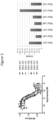
- Figure 1 displays exemplary configurations of optimized binuclease fusion proteins
- the Sequence Table provides the sequences of exemplary optimized binuclease fusion proteins of various configurations.
- an optimized binuclease fusion protein is a multi-nuclease protein (e.g., both RNase and DNase or two RNA or DNA nucleases with different specificity for substrate) fused to the same or different Fc domains, or a variant or fragment thereof, that specifically binds to extracellular immune complexes.
- a multi-nuclease protein e.g., both RNase and DNase or two RNA or DNA nucleases with different specificity for substrate
- the nuclease domain is operably coupled (e.g., chemically conjugated or genetically fused (e.g., either directly or via a polypeptide linker)) to the N-terminus of a Fc domain, or a variant or fragment thereof.
- the nuclease domain is operably coupled (e.g., chemically conjugated or genetically fused (e.g., either directly or via a polypeptide linker)) to the C-terminus of a Fc domain, or a variant or fragment thereof.
- a nuclease domain is operably coupled (e.g., chemically conjugated or genetically fused (e.g., either directly or via a polypeptide linker)) via an amino acid side chain of a Fc domain, or a variant or fragment thereof.
- the optimized binuclease fusion proteins of the disclosure comprise two or more nuclease domains and at least one Fc domain, or a variant or fragment thereof.
- nuclease domains may be operably coupled to both the N-terminus and C-terminus of the same or different Fc domains, or variants or fragments thereof, with optional linkers between the nuclease domains and the Fc domain(s), variant(s) or fragment(s) thereof.
- the nuclease domains are identical, e.g., RNase and RNase, or DNase1 and DNase1. In other embodiments, the nuclease domains are different, e.g., DNase and RNase.
- two or more nuclease domains are operably coupled to each other (e.g., via a polypeptide linker) in series, and the tandem array of nuclease domains is operably coupled (e.g., chemically conjugated or genetically fused (e.g., either directly or via a polypeptide linker)) to either the C-terminus or the N-terminus of the same or different Fc domains, or variants or fragments thereof.
- the tandem array of nuclease domains is operably coupled to both the N-terminus and the C-terminus of the same Fc domain, or a variant or fragment thereof.
- the nuclease domains are operably linked in tandem (e.g., N- DNase-RNase -C or N- RNase-DNase -C) with or without a linker to the N-or C- terminus of the same or different Fc domains.
- the tandem binuclease fusion proteins form a homodimer or a heterodimer.
- one or more nuclease domains may be inserted between two Fc domains, or variants or fragments thereof.
- one or more nuclease domains may form all or part of a polypeptide linker of a optimized binuclease fusion protein of the disclosure.
- the optimized binuclease fusion proteins comprise at least two nuclease domains (e.g., RNase and DNase), at least one linker domain, and at least one Fc domain, or a variant or fragment thereof.
- the optimized binuclease fusion proteins of the disclosure comprise a Fc domain, or a variant or fragment thereof, as described supra, thereby increasing serum half-life and bioavailability of the optimized binuclease fusion proteins.
- an optimized binuclease fusion protein comprises one or more polypeptides such as a polypeptide comprising an amino acid sequence as shown in any of SEQ ID NOs: 1-17.
- nuclease domains and Fc domains are possible, with the inclusion of optional linkers between the nuclease domains and/or between the nuclease domains and Fc domain. It will also be understood that domain orientation can be altered, so long as the nuclease domains are active in the particular configuration tested.
- the optimized binuclease fusion proteins of the disclosure have at least one nuclease domain specific for a target molecule which mediates a biological effect.
- binding of the optimized binuclease fusion proteins of the disclosure to a target molecule results in the reduction or elimination of the target molecule, e.g., from a cell, a tissue, or from circulation.
- the optimized binuclease fusion proteins of the disclosure may be assembled together or with other polypeptides to form binding proteins having two or more polypeptides ("multimers"), wherein at least one polypeptide of the multimer is an optimized binuclease fusion protein of the invention.
- multimeric forms include dimeric, trimeric, tetrameric, and hexameric altered binding proteins and the like.
- the polypeptides of the multimer are the same (i.e., homomeric altered binding proteins, e.g., homodimers, homotetramers).
- the polypeptides of the multimer are different (e.g., heteromeric).
- an optimized binuclease fusion protein has a serum half-life that is increased at least about 1.5-fold, such as at least 3-fold, at least 5-fold, at least 10-fold, at least about 20-fold, at least about 50-fold, at least about 100-fold, at least about 200-fold, at least about 300-fold, at least about 400-fold, at least about 500-fold, at least about 600-fold, at least about 700-fold, at least about 800-fold, at least about 900-fold, at least about 1000-fold, or 1000-fold or greater relative to the corresponding nuclease molecules not fused to the Fc domain, or a variant or fragment thereof.
- an optimized binuclease fusion protein has a serum half-life that is decreased at least about 1.5-fold, such as at least 3-fold, at least 5-fold, at least 10-fold, at least about 20-fold, at least about 50-fold, at least about 100-fold, at least about 200-fold, at least about 300-fold, at least about 400-fold, at least about 500-fold, or 500-fold or lower relative to the corresponding nuclease molecules not fused to the Fc domain, or a variant or fragment thereof.
- Routine art-recognized methods can be used to determine the serum half-life of optimized binuclease fusion proteins of the disclosure.
- the activity of the RNase in the optimized binuclease fusion protein is not less than about 10-fold less, such as 9-fold less, 8-fold less, 7-fold less, 6-fold less, 5-fold less, 4-fold less, 3-fold less, or 2-fold less than the activity of a control RNase molecule. In some embodiments, the activity of the RNase in the optimized binuclease fusion protein is about equal to the activity of a control RNase molecule.
- the activity of the DNase in the optimized binuclease fusion protein is not less than about 10-fold less, such as 9-fold less, 8-fold less, 7-fold less, 6-fold less, 5-fold less, 4-fold less, 3-fold less, or 2-fold less than the activity of a control DNase molecule. In some embodiments, the activity of the DNase in the optimized binuclease fusion protein is about equal to the activity of a control DNase molecule.
- the optimized binuclease fusion proteins can be active towards extracellular immune complexes containing DNA and/or RNA, e.g., either in soluble form or deposited as insoluble complexes.
- the activity of the optimized binuclease fusion protein is detectable in vitro and/or in vivo.
- the optimized binuclease fusion protein binds to a cell, a malignant cell, or a cancer cell and interferes with its biologic activity.
- a multifunctional RNase or DNase molecule is provided that is attached to another enzyme or antibody having binding specificity, such as an scFv targeted to RNA or DNA or a second nuclease domain with the same or different specificities as the first domain.
- linker domains include (gly4ser) 3, 4 or 5 variants that alter the length of the linker by 5 amino acid progressions.
- a linker domain is approximately 18 amino acids in length and includes an N-linked glycosylation site, which can be sensitive to protease cleavage in vivo.
- an N-linked glycosylation site can protect the optimized binuclease fusion proteins from cleavage in the linker domain.
- an N-linked glycosylation site can assist in separating the folding of independent functional domains separated by the linker domain.
- the linker domain is an NLG linker (VDGASSPVNVSSPSVQDI) (SEQ ID NO: 41).
- the optimized binuclease fusion protein includes substantially all or at least an enzymatically active fragment of a DNase.
- the DNase is a Type I secreted DNase, preferably a human DNase such as mature human pancreatic DNase 1 (UniProtKB entry P24855, SEQ ID NO: 20).
- a naturally occurring variant allele, A114F (SEQ ID NO: 21), which shows reduced sensitivity to actin is included in a DNase1 optimized binuclease fusion protein (see Pan et al., JBC 1998;273:18374-81 ; Zhen et al., BBRC 1997;231:499-504 ; Rodriguez et al., Genomics 1997;42:507-13 ).
- a naturally occurring variant allele, G105R (SEQ ID NO: 22), which exhibits high DNase activity relative to wild type DNasel, is included in a DNase1 optimized binuclease fusion protein (see Yasuda et al., Int J Biochem Cell Biol 2010,42:1216-25 ).
- this mutation is introduced into an optimized binuclease fusion protein to generate a more stable derivative of human DNase1.
- the DNase is human, wild type DNase1 or human, DNase1 A114F mutated to remove all potential N-linked glycosylation sites, i.e., asparagine residues at positions 18 and 106 of the DNase1 domain set forth in SEQ ID NO: 20 (i.e., human DNase1 N18S/N106S/A114F, SEQ ID NO: 24), which correspond to asparagine residues at positions 40 and 128, respectively, of full length pancreatic DNase1 with the native leader (SEQ ID NO: 23).
- the DNase is a human DNase1 comprising one or more basic ( i.e., positively charged) amino acid substitutions to increase DNase functionality and chromatin cleavage.
- basic amino acids are introduced into human DNase1 at the DNA binding interface to enhance binding with negatively charged phosphates on DNA substrates (see US 7407785 ; US 6391607 ).
- This hyperactive DNase1 may be referred to as "chromatin cutter.”
- 1, 2, 3, 4, 5 or 6 basic amino acid substitutions are introduced into DNase1.
- one or more of the following residues is mutated to enhance DNA binding: Gln9, Glu13, Thr14, His44, Asn74, Asn110, Thr205.
- one or more of the foregoing amino acids are substituted with basic amino acids such as, arginine, lysine and/or histidine.
- a mutant human DNase can include one or more of the following substitutions: Q9R, E13R, T14K, H44K, N74K, N110R, T205K.
- the mutant human DNase1 also includes an A114F substitution, which reduces sensitivity to actin (see US 6348343 ). In one embodiment, the mutant human DNase1 includes the following substitutions: E13R, N74K, A114F and T205K.
- the mutant human DNase1 further includes mutations to remove potential glycosylation sites, e.g ., asparagine residues at positions 18 and 106 of the DNase1 domain set forth in SEQ ID NO: 20, which correspond to asparagines residues at positions 40 and 128, respectively of full length pancreatic DNase1 with the native leader.
- the mutant human DNase1 includes the following substitutions: E13R/N74K/A114F/T205K/N18S/N106S.
- the DNase is DNase 1-like (DNaseL) enzyme, 1-3 (UniProtKB entry Q13609; SEQ ID NO: 46). In some embodiments, the DNase is three prime repair exonuclease 1 (TREX1; UniProtKB entry Q9NSU2; SEQ ID NO: 47). In some embodiments, the DNase is DNase2. In some embodiments, the DNase2 is DNAse2 alpha (i.e., DNase2; UnitProtKB entry O00115SEQ ID NO: 48) or DNase2 beta (i.e., DNase2-like acid DNase; UnitProtKB entry Q8WZ79; SEQ ID NO: 49).
- DNaseL DNase 1-like enzyme
- 1-3 UniProtKB entry Q13609; SEQ ID NO: 46
- the DNase is three prime repair exonuclease 1 (TREX1; UniProtKB entry Q9NSU2; SEQ ID NO: 47).
- the DNase is DNase2.
- the DNase2 is
- the N-linked glycosylation sites of DNase 1L3, TREX1, DNase2 alpha, or DNase2 beta are mutated such as to remove potential N-linked glycosylation sites.
- a DNase-linker-Fc domain containing a 20 or 25 aa linker domain is made.
- the optimized binuclease fusion protein includes a RNasel, preferably human pancreatic RNase1 (UniProtKB entry P07998; SEQ ID NO: 27) of the RNase A family.
- the human RNase1 is mutated to remove all potential N-linked glycosylation sites, i.e., asparagine residues at positions 34, 76, and 88 of the RNase1 domain set forth in SEQ ID NO: 27 (human RNase1 N34S/N76S/N88S, SEQ ID NO: 28), which correspond to asparagine residues at positions 62, 104, and 116, respectively, of full length pancreatic RNase1 with the native leader (SEQ ID NO: 29).
- a RNase1-linker-Fc containing a 20 or 25 aa linker domain is made.
- optimized binuclease fusion proteins include DNase-linker-RNase-Fc, wherein the RNase1 domain is located at the COOH side of the Fc. In other embodiments, optimized binuclease fusion proteins include DNase-linker-RNase-Fc, wherein the RNase1 domain is located at the NH2 side of the Fc.
- optimized binuclease fusion proteins include: DNase-Fc and RNase-Fc; DNase1-Fc-linker-RNase and Fc domain; DNase1-Fc and Fc-linker-RNase; Fc-linker-DNase1 and Fc-linker-RNase; RNase-Fc-linker-DNase and Fc domain; Fc-linker-DNase and Rnase-Fc; and RNase-Fc-linker-DNase.
- fusion junctions between enzyme domains and the other domains of the optimized binuclease fusion protein is optimized.
- the targets of the RNase enzyme activity of optimized binuclease fusion proteins are primarily extracellular, consisting of, e.g., RNA contained in immune complexes with anti-RNP autoantibody and RNA expressed on the surface of cells undergoing apoptosis.
- the optimized binuclease fusion protein is active in the acidic environment of the endocytic vesicles.
- an optimized binuclease fusion protein including a Fc domain, or a variant or fragment thereof, is adapted to be active both extracellularly and in the endocytic environment.
- this allows an optimized binuclease fusion protein including a wild-type Fc domain, or a variant or fragment thereof, to stop TLR7 signaling through previously engulfed immune complexes or by RNAs that activate TLR7 after viral infection.
- the wild type RNase of an optimized binuclease fusion protein is not resistant to inhibition by an RNase cytoplasmic inhibitor.
- the wild type RNase of an optimized binuclease fusion protein is not active in the cytoplasm of a cell.
- optimized binuclease fusion proteins include both DNase and RNase. In some embodiments, these optimized binuclease fusion proteins improve therapy of SLE because they digest or degrade immune complexes containing RNA, DNA, or a combination of both RNA and DNA, and are active extracellularly.
- the first and second Fc domains comprise one or more CH3 mutations to preferentially form heterodimers.
- An Fc domain serves as a scaffold as well as a means to increase the serum half-life of the polypeptide.
- the one or more nuclease domains and/or the Fc domain is aglycosylated, deglycosylated, or underglycosylated.
- Suitable Fc domains are well-known in the art and include, but are not limited to, Fc and Fc variants, such as those disclosed in WO2011/053982 , WO 02/060955 , WO 02/096948 , WO05/047327 , WO05/018572 , and US 2007/0111281 . It is within the abilities of the skilled artisan to use routine methods to introduce Fc domains (e.g., cloning, conjugation) into the optimized binuclease fusion proteins disclosed herein (with or without altered glycosylation).
- Fc domains e.g., cloning, conjugation
- a wild type human IgG1 Fc is shown in SEQ ID NO: 45.
- an Fc domain may be altered or modified, e.g., by mutation which results in an amino acid addition, deletion, or substitution.
- the term "Fc domain variant" refers to an Fc domain having at least one amino acid modification, such as an amino acid substitution, as compared to the wild-type Fc from which the Fc domain is derived.
- a variant comprises at least one amino acid mutation (e.g., substitution) as compared to a wild type amino acid at the corresponding position of the human IgG1 Fc region.
- the amino acid substitution(s) of an Fc variant may be located at a position within the Fc domain referred to as corresponding to the position number that that residue would be given in an Fc region in an antibody (numbering according to EU index).
- the Fc variant comprises one or more amino acid substitutions at an amino acid position(s) located in a hinge region or portion thereof. In another embodiment, the Fc variant comprises one or more amino acid substitutions at an amino acid position(s) located in a CH2 domain or portion thereof. In another embodiment, the Fc variant comprises one or more amino acid substitutions at an amino acid position(s) located in a CH3 domain or portion thereof. In another embodiment, the Fc variant comprises one or more amino acid substitutions at an amino acid position(s) located in a CH4 domain or portion thereof.
- the Fc region has a mutation at N83 (i.e., N297 by Kabat numbering), yielding an aglycosylated Fc region (e.g., Fc N83S; SEQ ID NO: 50).
- the Fc domain includes mutations in one or more of the three hinge region cysteines (residues 220, 226, and 229, numbering according to the EU index).
- one or more of the three hinge cysteines in the Fc domain can be mutated to SCC (SEQ ID NO: 51) or SSS (SEQ ID NO: 52), where in "S" represents an amino acid substitution of cysteine with serine.
- SCC indicates an amino acid substitution to serine of only the first cysteine of the three hinge region cysteines (residues 220, 226, and 229, numbering according to the EU index)
- SSS indicates that all three cysteines in the hinge region are substituted with serine (residues 220, 226, and 229, numbering according to the EU index).
- the Fc domain is a mutant human IgG1 Fc domain.
- a mutant Fc domain comprises one or more mutations in the hinge, CH2, and/or CH3 domains.
- a mutant Fc domain includes a P238S mutation. In some aspects, a mutant Fc domain includes a P331S mutation. In some aspects, a mutant Fc domain includes a P238S mutation and a P331S mutation. In some aspects, a mutant Fc domain comprises P238S and/or P331S, and may include mutations in one or more of the three hinge cysteines (residues 220, 226, and 229), numbering according to the EU index. In some aspects, a mutant Fc domain comprises P238S and/or P331S, and/or one or more mutations in the three hinge cysteines (residues 220, 226, and 229), numbering according to the EU index.
- a mutant Fc domain comprises P238S and/or P331S, and/or mutations in a hinge cysteine to SCC or in the three hinge cysteines to SSS. In some aspects, a mutant Fc domain comprises P238S and P331S and mutations in at least one of the three hinge cysteines. In some aspects, a mutant Fc domain comprises P238S and P331S and SCC. In some aspects, a mutant Fc domain comprises P238S and P331S and SSS. In some aspects, a mutant Fc domain includes P238S and SCC or SSS. In some aspects, a mutant Fc domain includes P331S and SCC or SSS. (All numbering according to the EU index).
- a mutant Fc domain includes a mutation at a site of N-linked glycosylation, such as N297, e.g., a substitution of asparagine for another amino acid such as serine, e.g., N297S.
- a mutant Fc domain includes a mutation at a site of N-linked glycosylation, such as N297, e.g., a substitution of asparagine for another amino acid such as serine, e.g., N297S and a mutation in one or more of the three hinge cysteines.
- a mutant Fc domain includes a mutation at a site of N-linked glycosylation, such as N297, e.g., a substitution of asparagine for another amino acid such as serine, e.g., N297S and mutations in one of the three hinge cysteines to SCC or all three cysteines to SSS.
- a mutant Fc domain includes a mutation at a site of N-linked glycosylation, such as N297, e.g., a substitution of asparagine for another amino acid such as serine, e.g., N297 and one or more mutations in the CH2 domain which decrease FcyR binding and/or complement activation, such as mutations at P238 or P331 or both, e.g., P238S or P331S or both P238S and P331S.
- such mutant Fc domains can further include a mutation in the hinge region, e.g., SCC or SSS. (All numbering according to the EU index.)
- the mutant Fc domain is as shown in the Sequence Table or Sequence Listing herein.
- Heterodimers can be preferentially formed by mutations in the CH3 domain of the Fc domain on the heterodimeric binuclease fusion proteins disclosed herein.
- Heavy chains were first engineered for heterodimerization using a "knobs-into-holes" strategy ( Rigway B, et al., Protein Eng., 9 (1996) pp. 617-621 ).
- the term "knob-into-hole” refers to the technology directing the pairing of two polypeptides together in vitro or in vivo by introducing a pertuberance (knob) into one polypeptide and a cavity (hole) into the other polypeptide at an interface in which they interact.
- a combination of mutations in the CH3 domain can be used to preferentially form heterodimers, for example, S354C, T366W in the "knob” heavy chain, and Y349C, T366S, L368A, Y407V in the "hole” heavy chain.
- the heterodimeric binuclease fusion protein disclosed herein includes a first CH3 domain having the knob mutation T366W and a second CH3 domain having the hole mutations T366S, L368A, and Y407V (Numbering according to the EU index.)
- the CH3 mutations are those described by Zymeworks ( US 2012/0149876 A1 ; and Von Kreudenstein, T.S. et al. mABs, 5 (2013), pp. 646-654 ) and include the following mutations: T350V, L351Y, F405A, and Y407V (first CH3 domain); and T350V, T366L, K392L, T394W (second CH3 domain).
- the heterodimeric binuclease fusion protein disclosed herein includes a first CH3 domain having T350V, L351Y, F405A, and Y407V mutations and a second CH3 domain having T350V, T366L, K392L, T394W mutations. (Numbering according to the EU index.)
- the CH3 mutations are those described by Moore, G.L. et al. (mABs, 3 (2011), pp. 546-557 ) and include the following mutations: S364H and F405A (first CH3 domain); and Y349T and T394F (second CH3 domain).
- the heterodimeric binuclease fusion protein disclosed herein includes a first CH3 domain having S364H and F405A mutations and a second CH3 domain having Y349T and T394F mutations. (Numbering according to the EU index.)
- the CH3 mutations are those described by Gunasekaran, K. et al. (J. Biol. Chem., 285 (2010), pp. 19637-19646 ) and include the following mutations: K409D and K392D (first CH3 domain); and D399K and E365K (second CH3 domain).
- the heterodimeric binuclease fusion protein disclosed herein includes a first CH3 domain having K409D and K392D mutations and a second CH3 domain having D399K and E365K mutations. (Numbering according to the EU index.)
- the optimized binuclease fusion proteins of the disclosure may employ art-recognized Fc variants which are known to impart an alteration in effector function and/or FcR binding.
- a change e.g., a substitution
- WO88/07089A1 WO96/14339A1
- WO98/05787A1 WO98/23289A1
- WO99/51642A1 WO99/58572A1
- WO00/09560A2 WO00/32767A1
- WO00/42072A2 WO02/44215A2
- WO02/060919A2 WO03/074569A2
- WO04/016750A2 WO04/029207A2 , WO04/035752A2 , WO04/063351 A2 , WO04/074455
- the specific change (e.g., the specific substitution of one or more amino acids disclosed in the art) may be made at one or more of the disclosed amino acid positions.
- a different change at one or more of the disclosed amino acid positions (e.g., the different substitution of one or more amino acid position disclosed in the art) may be made.
- mutations at positions 238, 239, 248, 249, 252, 254, 255, 256, 258, 265, 267, 268, 269, 270, 272, 279, 280, 283, 285, 298, 289, 290, 292, 293, 294, 295, 296, 298, 301, 303, 305, 307, 312, 315, 322, 324, 327, 329, 330, 331, 333, 334, 335, 337, 338, 340, 356, 360, 373, 376, 378, 379, 382, 388, 389, 398, 414, 416, 419, 430, 434, 435, 437, 438 or 439 of the Fc region can alter binding as described in U.S.
- Fc variants that exhibit reduced binding to Fc gamma receptors, reduced antibody dependent cell-mediated cytotoxicity, or reduced complement dependent cytotoxicity, that comprise at least one amino acid modification in the Fc region, including 232G, 234G, 234H, 235D, 235G, 235H, 236I, 236N, 236P, 236R, 237K, 237L, 237N, 237P, 238K, 239R, 265G, 267R, 269R, 270H, 297S, 299A, 299I, 299V, 325A, 325L, 327R, 328R, 329K, 330I, 330L, 330N, 330P, 330R, and 331L (numbering is according to the EU index), as well as double mutants 2
- mutations contemplated for use as described in this publication include 227G, 234D, 234E, 234G, 234I, 234Y, 235D, 235I, 235S, 236S, 239D, 246H, 255Y, 258H, 260H, 2641, 267D, 267E, 268D, 268E, 272H, 272I, 272R, 281D, 282G, 283H, 284E, 293R, 295E, 304T, 324G, 324I, 327D, 327A, 328A, 328D, 328E, 328F, 328I, 328M, 328N, 328Q, 328T, 328V, 328Y, 330I, 330L, 330Y, 332D, 332E, 335D, an insertion of G between positions 235 and 236, an insertion of A between positions 235 and 236, an insertion of S between positions 235 and 236, an
- mutations described in U.S. Pat. App. Pub. No. 2006/0235208 include 227G/332E, 234D/332E, 234E/332E, 234Y/332E, 234I/332E, 234G/332E, 235I/332E, 235S/332E, 235D/332E, 235E/332E, 236S/332E, 236A/332E, 236S/332D, 236A/332D, 239D/268E, 246H/332E, 255Y/332E, 258H/332E, 260H/332E, 264I/332E, 267E/332E, 267D/332E, 268D/332D, 268E/332D, 268E/332E, 268D/332E, 268E/330Y, 268D/330Y, 272R/332E, 272H/332E, 283H/332E, 284E/332E, 293R/332E,
- the mutant L234A/L235A is described, e.g., in U.S. Pat. App. Pub. No. 2003/0108548, published June 12, 2003 .
- the described modifications are included either individually or in combination. (Numbering according to the EU index.)
- an optimized binuclease fusion protein includes a linker domain. In some embodiments, an optimized binuclease fusion protein includes a plurality of linker domains. In some embodiments, the linker domain is a polypeptide linker. In certain aspects, it is desirable to employ a polypeptide linker to fuse Fc, or a variant or fragment thereof, with one or more nuclease domains to form an optimized binuclease fusion protein.
- the polypeptide linker is synthetic.
- synthetic with respect to a polypeptide linker includes peptides (or polypeptides) which comprise an amino acid sequence (which may or may not be naturally occurring) that is linked in a linear sequence of amino acids to a sequence (which may or may not be naturally occurring) (e.g., a Fc sequence) to which it is not naturally linked in nature.
- the polypeptide linker may comprise non-naturally occurring polypeptides which are modified forms of naturally occurring polypeptides (e.g., comprising a mutation such as an addition, substitution or deletion) or which comprise a first amino acid sequence (which may or may not be naturally occurring).
- polypeptide linkers of the invention may be employed, for instance, to ensure that Fc, or a variant or fragment thereof, is juxtaposed to ensure proper folding and formation of a functional Fc, or a variant or fragment thereof.
- a polypeptide linker compatible with the instant invention will be relatively non-immunogenic and not inhibit any non-covalent association among monomer subunits of a binding protein.
- the optimized binuclease fusion protein employs an NLG linker as set forth in SEQ ID NO: 41.
- the optimized binuclease fusion proteins of the disclsoure employ a polypeptide linker to join any two or more domains in frame in a single polypeptide chain.
- the two or more domains may be independently selected from any of the Fc domains, or variants or fragments thereof, or nuclease domains discussed herein.
- a polypeptide linker can be used to fuse identical Fc fragments, thereby forming a homodimeric Fc region.
- a polypeptide linker can be used to fuse different Fc fragments, thereby forming a heterodimeric Fc region.
- a polypeptide linker of the invention can be used to genetically fuse the C-terminus of a first Fc fragment to the N-terminus of a second Fc fragment to form a complete Fc domain.
- a polypeptide linker comprises a portion of a Fc domain, or a variant or fragment thereof.
- a polypeptide linker can comprise a Fc fragment (e.g., C or N domain), or a different portion of a Fc domain or variant thereof.
- a polypeptide linker comprises or consists of a gly-ser linker.
- gly-ser linker refers to a peptide that consists of glycine and serine residues.
- An exemplary gly/ser linker comprises an amino acid sequence of the formula (Gly 4 Ser)n, wherein n is a positive integer (e.g., 1, 2, 3, 4, or 5).
- a preferred gly/ser linker is (Gly 4 Ser)4.
- Another preferred gly/ser linker is (Gly 4 Ser)3.
- Another preferred gly/ser linker is (Gly 4 Ser)5.
- the gly-ser linker may be inserted between two other sequences of the polypeptide linker (e.g., any of the polypeptide linker sequences described herein).
- a gly-ser linker is attached at one or both ends of another sequence of the polypeptide linker (e.g., any of the polypeptide linker sequences described herein).
- two or more gly-ser linker are incorporated in series in a polypeptide linker.
- a polypeptide linker of the invention comprises a biologically relevant peptide sequence or a sequence portion thereof.
- a biologically relevant peptide sequence may include, but is not limited to, sequences derived from an anti-rejection or anti-inflammatory peptide.
- Said anti-rejection or anti-inflammatory peptides may be selected from the group consisting of a cytokine inhibitory peptide, a cell adhesion inhibitory peptide, a thrombin inhibitory peptide, and a platelet inhibitory peptide.
- a polypeptide linker comprises a peptide sequence selected from the group consisting of an IL-1 inhibitory or antagonist peptide sequence, an erythropoietin (EPO)-mimetic peptide sequence, a thrombopoietin (TPO)-mimetic peptide sequence, G-CSF mimetic peptide sequence, a TNF-antagonist peptide sequence, an integrin-binding peptide sequence, a selectin antagonist peptide sequence, an anti-pathogenic peptide sequence, a vasoactive intestinal peptide (VIP) mimetic peptide sequence, a calmodulin antagonist peptide sequence, a mast cell antagonist, a SH3 antagonist peptide sequence, an urokinase receptor (UKR) antagonist peptide sequence, a somatostatin or cortistatin mimetic peptide sequence, and a macrophage and/or T-cell inhibiting peptide sequence.
- EPO erythrop
- the serine-rich linkers disclosed in US 5,525,491
- the stable linkers disclosed in Chen
- linkers include GS linkers (i.e., (GS)n), GGSG (SEQ ID NO: 70) linkers (i.e., (GGSG)n), GSAT linkers (SEQ ID NO: 44), SEG linkers, and GGS linkers (i.e., (GGSGGS)n), wherein n is a positive integer (e.g., 1, 2, 3, 4, or 5).
- GS linkers i.e., (GS)n
- GGSG SEQ ID NO: 70
- GSAT linkers SEQ ID NO: 44
- SEG linkers i.e., (GGSGGS)n
- n is a positive integer (e.g., 1, 2, 3, 4, or 5).
- Other suitable linkers for use in the optimized binuclease fusion proteins can be found using publicly available databases, such as the Linker Database (ibi.vu.nl/programs/linkerdbwww).
- the Linker Database is a database of inter-domain linkers in multi-functional enzymes
- variant forms of these exemplary polypeptide linkers can be created by introducing one or more nucleotide substitutions, additions or deletions into the nucleotide sequence encoding a polypeptide linker such that one or more amino acid substitutions, additions or deletions are introduced into the polypeptide linker. Mutations may be introduced by standard techniques, such as site-directed mutagenesis and PCR-mediated mutagenesis.
- Polypeptide linkers of the disclosure are at least one amino acid in length and can be of varying lengths.
- a polypeptide linker of the invention is from about 1 to about 50 amino acids in length.
- the term "about” indicates +/- two amino acid residues. Since linker length must be a positive integer, the length of from about 1 to about 50 amino acids in length, means a length of from 1 to 48-52 amino acids in length.
- a polypeptide linker of the disclosure is from about 10-20 amino acids in length. In another embodiment, a polypeptide linker of the disclosure is from about 15 to about 50 amino acids in length.
- a polypeptide linker of the disclosure is from about 20 to about 45 amino acids in length. In another embodiment, a polypeptide linker of the disclosure is from about 15 to about 25 amino acids in length. In another embodiment, a polypeptide linker of the disclosure is 1, 2, 3, 4, 5, 6, 7, 8, 9, 10, 11, 12, 13, 14, 15, 16, 17, 18, 19, 20, 21, 22, 23, 24, 25, 26, 27, 28, 29, 30, 31, 32, 33, 34, 35, 36, 37, 38, 39, 40, 41, 42, 43, 44, 45, 46, 47, 48, 49, 50, 51, 52, 53, 54, 55, 56 ,57, 58, 59, 60, or 61 or more amino acids in length.
- Polypeptide linkers can be introduced into polypeptide sequences using techniques known in the art. Modifications can be confirmed by DNA sequence analysis. Plasmid DNA can be used to transform host cells for stable production of the polypeptides produced.
- the optimized binuclease fusion proteins of the invention are modular, and can be configured to incorporate various individual domains, provided that the optimized binuclease fusion proteins of the invention are a heterodimer comprising a first polypeptide sequence and a second polypeptide sequence, wherein the first polypeptide sequence comprises a first nuclease domain, a second nuclease domain and a first Fc domain, and wherein the second polypeptide sequence consists of a second Fc domain, wherein the first nuclease domain is DNase1 and the second nuclease domain is RNasel, and wherein the first and second Fc domains comprise one or more CH3 mutations to preferentially form heterodimers, and wherein the DNase1 is operably linked with or without a linker to the N-terminus of the first Fc domain, and the RNase1 is operably linked with or without a linker to the C-terminus of the first Fc domain.
- the optimized binuclease fusion protein may include the mutant, human DNase1 A114F domain set forth in (SEQ ID NO: 21).
- the optimized binuclease fusion protein may include the mutant, human DNase1 N18S/N106S/A114F domain set forth in SEQ ID NO: 24.
- the optimized binuclease fusion protein may include the human, wild-type RNase1 domain set forth in SEQ ID NO: 27.
- the optimized binuclease fusion protein may include the human, mutant RNase1 N34S/N76S/N88S domain set forth in SEQ ID NO: 28.
- the optimized binuclease fusion protein may include the (Gly 4 Ser)3 linker domain set forth in SEQ ID NO: 30.
- the optimized binuclease fusion protein may include the NLG linker set forth in SEQ ID NO: 41.
- the optimized binuclease fusion protein may include a VK3LP leader (SEQ ID NO: 54). It will be understood to the skilled artisan that these individual domains can be operably coupled to each other in any order to form an optimized binuclease fusion protein that is enzymatically active.
- RNase1 can be operably coupled to an Fc domain.
- RNase1 can be operatively coupled to Fc domain via a (Gly 4 Ser)3 linker domain.
- DNase1 A114F can be operatively coupled to Fc domain.
- DNase1 A114F can be operatively coupled to Fc domain via a (Gly 4 Ser)3 linker domain.
- Various other configurations are possible, with non-limiting exemplary configurations disclosed herein, in Figure 1 and in the Sequence Table.
- an optimized binuclease fusion protein comprising a wild-type, human RNase1 domain operably coupled to a mutant Fc domain comprising SCC hinge and CH2 mutations P238S and P331S, or fragment thereof, and a mutated human DNase1 domain operably coupled to the human RNasel, thereby forming a tandem homodimer.
- the DNase1 is linked to the RNase1 via a peptide linker, such as an NLG linker disclosed herein.
- the RNase1 is operably linked with or without a linker to the N-terminus of the Fc domain.
- an optimized binuclease fusion protein comprises a polypeptide having the amino acid sequence set forth in SEQ ID NO: 1.
- the RNase1 is operably linked with or without a linker to the C-terminus of the Fc domain.
- an optimized binuclease fusion protein comprises a polypeptide having the amino acid sequence set forth in SEQ ID NO: 2.
- the optimized binuclease fusion protein is homodimeric or heterodimeric.
- An optimized binuclease fusion protein disclosed herein is a heterodimer comprising mutant human DNase 1 domain operably coupled with or without a linker to a first mutant Fc domain, having SCC hinge, CH2 mutations P238S, P331S, and CH3 mutations T350V, L351Y, F405A and Y407V, or a variant or fragment thereof, and a wild-type human RNase 1 domain operably coupled with or without a linker to a second mutant Fc domain comprising SCC hinge, CH2 mutations P238S and P331S and CH3 mutations T350V, T366L, K392L and T394W, or a fragment thereof.
- an optimized binuclease fusion protein is a heterodimer comprising a polypeptide comprising the amino acid sequence set forth in SEQ ID NOs: 3 and a polypeptide comprising the amino acid sequence set for in SEQ ID NO: 4.
- an optimized binuclease fusion protein is a heterodimer comprising a mutant human DNase 1 domain and wild-type human RNase 1 domain, both operably coupled with or without a linker to a first mutant Fc domain, comprising SCC hinge, CH2 mutations P238S and P331S and CH3 mutations T350V, T366L, K392L and T394W, or a fragment thereof, and a second mutant Fc domain, having mutations T350V, T366L, K392L and T394W, or fragment thereof.
- the DNase1 and RNase 1 are linked to the N-terminus and C-terminus, respectively, of the first and second Fc domains.
- an optimized binuclease fusion protein is a heterodimer comprising a polypeptide comprising the sequence set forth in SEQ ID NO: 5 and a polypeptide comprising the amino acid sequence set forth in SEQ ID NO: 6.
- An optimized binuclease fusion protein disclosed herein is a heterodimer comprising a mutant human DNase 1 domain, operably coupled with or without a linker to a mutant Fc domain comprising SCC hinge, CH2 mutations P238S, P331S and CH3 mutations T350V, L351Y, F405A and Y407V, or fragment thereof, and wild-type human RNase 1 domain, operably coupled with or without a linker to a mutant Fc domain comprising SCC hinge, CH2 mutations P238S, P331S and CH3 mutations T350V, T366L, K392L and T394W, or fragment thereof.
- an optimized binuclease fusion protein is a heterodimer comprising a polypeptide comprising the sequence set forth in SEQ ID NO: 7 and a polypeptide comprising the amino acid sequence set forth in SEQ ID NO: 8.
- An optimized binuclease fusion protein disclosed herein is a heterodimer comprising a mutant human DNase 1 domain operably coupled with or without a linker to a mutant Fc domain comprising SCC hinge, CH2 mutations P238S, P331S and CH3 mutations T350V, L351Y, F405A and Y407V, or fragment thereof, and a wild-type human RNase 1 domain operably coupled with or without a linker to a mutant Fc domain comprising SCC hinge, CH2 mutations P238S, P331S and CH3 mutations T350V, T366L, K392L and T394W, or fragment thereof.
- an optimized binuclease fusion protein is a heterodimer comprising a polypeptide comprising the sequence set forth in SEQ ID NO: 9 and a polypeptide comprising the amino acid sequence set forth in SEQ ID NO: 10.
- an optimized binuclease fusion protein is a heterodimer comprising a polypeptide comprising the sequence set forth in SEQ ID NO: 11 and a polypeptide comprising the amino acid sequence set forth in SEQ ID NO: 12.
- An optimized binuclease fusion protein disclosed herein is a heterodimer comprising a mutant human DNase 1 domain and wild-type human RNase 1 domain, both operably coupled with or without a linker to a mutant Fc domain comprising SCC hinge, CH2 mutations P238S, P331S and CH3 mutations T350V, L351Y, F405A and Y407V, or fragment thereof, and a mutant Fc domain comprising SCC hinge, CH2 mutations P238S, P331S and CH3 mutations T350V, T366L, K392L and T394W, or fragment thereof.
- an optimized binuclease fusion protein is a heterodimer comprising a polypeptide comprising the sequence set forth in SEQ ID NO: 13 and a polypeptide comprising the amino acid sequence set forth in SEQ ID NO: 14.
- An optimized binuclease fusion protein disclosed herein is a heterodimer comprising a mutant human DNase 1 domain, operably coupled with or without a linker to a mutant Fc domain comprising SCC hinge, CH2 mutations P238S, P331S and CH3 mutations T350V, L351Y, F405A and Y407V, or fragment thereof, and wild-type human RNase 1 domain, operably coupled with or without a linker to a mutant Fc domain comprising SCC hinge, CH2 mutations P238S, P331S and CH3 mutations T350V, T366L, K392L and T394W, or fragment thereof.
- an optimized binuclease fusion protein is a heterodimer comprising a polypeptide comprising the sequence set forth in SEQ ID NO: 15 and a polypeptide comprising the amino acid sequence set forth in SEQ ID NO: 16.
- an optimized binuclease fusion protein comprising a polypeptide having an amino acid sequence at least 80% identical, such as 85%, 90%, 91%, 92%, 93%, 94%, 95%, 96%, 97%, 98%, 99%, or at least 99.5% identical to an amino acid sequence of any one of SEQ ID NOs: 1-17.
- the polypeptide comprises an amino acid sequence set for in any one of SEQ ID NOs: 1-17.
- the foregoing optimized binuclease fusion proteins have a leader sequence.
- the leader and linker sequences are optional and are not limited to those described in the embodiments above.
- the RNase and/or DNase domains can be directly fused to the N- and/or C-terminus of Fc, or variant or fragment thereof;
- the leader domain can be any of those known in the art to be useful for its intended purpose, e.g., to increase protein expression and/or secretion (e.g., a Gaussia luciferase signal peptide (MGVKVLFALICIAVAEA; SEQ ID NO: 31));
- the linker can be any linker known in the art, e.g., (Gly 4 Ser)n, NLG (VDGASSPVNVSSPSVQDI; SEQ ID NO: 41), LE, thrombin-sensitive disulphide cyclopeptide linker, LEA(EAAAK) 4 ALEA(EAAAK) 4 (SEQ ID NO: 32), or an in vivo cleavable disulphide cyclopeptide
- the optimized binuclease fusion proteins of this disclosure largely may be made in transformed or transfected host cells using recombinant DNA techniques.
- a recombinant DNA molecule coding for the peptide is prepared. Methods of preparing such DNA molecules are well known in the art. For instance, sequences coding for the peptides could be excised from DNA using suitable restriction enzymes. Alternatively, the DNA molecule could be synthesized using chemical synthesis techniques, such as the phosphoramidate method. Also, a combination of these techniques could be used.
- the invention also includes a vector capable of expressing the peptides in an appropriate host.
- the vector comprises the DNA molecule that codes for the peptides operably coupled to appropriate expression control sequences.
- Expression control sequences include promoters, activators, enhancers, operators, ribosomal nuclease domains, start signals, stop signals, cap signals, polyadenylation signals, and other signals involved with the control of transcription or translation.
- the resulting vector having the DNA molecule thereon is used to transform or transfect an appropriate host. This transformation or transfection may be performed using methods well known in the art.
- any of a large number of available and well-known host cells may be used in the practice of this invention.
- the selection of a particular host is dependent upon a number of factors recognized by the art. These include, for example, compatibility with the chosen expression vector, toxicity of the peptides encoded by the DNA molecule, rate of transformation or transfection, ease of recovery of the peptides, expression characteristics, bio-safety and costs. A balance of these factors must be struck with the understanding that not all hosts may be equally effective for the expression of a particular DNA sequence.
- useful microbial hosts include bacteria (such as E. coli), yeast (such as Saccharomyces) and other fungi, insects, plants, mammalian (including human) cells in culture, or other hosts known in the art.
- the optimized binuclease fusion proteins are produced in CHO cells.
- Host cells may be cultured under conventional fermentation or culture conditions so that the desired compounds are expressed. Such fermentation and culture conditions are well known in the art.
- the peptides are purified from culture by methods well known in the art.
- the compounds may also be made by synthetic methods.
- solid phase synthesis techniques may be used. Suitable techniques are well known in the art, and include those described in Merrifield (1973), Chem. Polypeptides, pp. 335-61 (Katsoyannis and Panayotis eds .); Merrifield (1963), J. Am. Chem. Soc. 85: 2149 ; Davis et al., Biochem Intl 1985;10: 394-414 ; Stewart and Young (1969), Solid Phase Peptide Synthesis ; U.S. Pat. No. 3,941,763 ; Finn et al. (1976), The Proteins (3rd ed.) 2: 105-253 ; and Erickson et al.
- Solid phase synthesis is the preferred technique of making individual peptides since it is the most cost-effective method of making small peptides.
- Compounds that contain derivatized peptides or which contain non-peptide groups may be synthesized by well-known organic chemistry techniques.
- Glycosylation e.g., O-lined or N-linked glycosylation
- the optimized binuclease fusion prteins of the disclosure are prepared in aglycosylated, deglycosylated, or underglycosylated form.
- N-linked glycosylation is altered and the optimized binuclease fusion protein is aglycosyated.
- all asparagine residues in an optimized binuclease fusion protein that conform to the Asn-X-Ser/Thr (X can be any other naturally occurring amino acid except Pro) consensus are mutated to residues that do not serve as acceptors of N-linked glycosylation (e.g., serine, glutamine), thereby eliminating glycosylation of the optimized binuclease fusion protein when synthesized in a cell that glycosylates proteins.
- N-linked glycosylation e.g., serine, glutamine
- optimized binuclease fusion proteins lacking N-linked glycosylation sites are produced in mammalian cells.
- the mammalian cell is a CHO cell. Accordingly, in a specific embodiment, an aglycosylated optimized binuclease fusion protein is produced in a CHO cell.
- a reduction or lack of N-glycosylation is achieved by, e.g., producing optimized binuclease fusion proteins in a host (e.g., bacteria such as E. coli ), mammalian cells engineered to lack one or more enzymes important for glycosylation, or mammalian cells treated with agents that prevent glycosylation, such as tunicamycin (an inhibitor of Dol-PP-GlcNAc formation).
- a host e.g., bacteria such as E. coli
- mammalian cells engineered to lack one or more enzymes important for glycosylation or mammalian cells treated with agents that prevent glycosylation, such as tunicamycin (an inhibitor of Dol-PP-GlcNAc formation).
- the optimized binuclease fusion proteins are produced in lower eukaryotes engineered to produce glycoproteins with complex N-glycans, rather than high mannose type sugars (see, e.g., US2007/0105127 ).
- glycosylated optimized binuclease fusion proteins are treated chemically or enzymatically to remove one or more carbohydrate residues (e.g., one or more mannose, fucose, and/or N-acetylglucosamine residues) or to modify or mask one or more carbohydrate residues.
- carbohydrate residues e.g., one or more mannose, fucose, and/or N-acetylglucosamine residues
- modifications or masking may reduce binding of the optimized binuclease fusion proteins to mannose receptors, and/or asialoglycoprotein receptors, and/or other lectin-like receptors.
- Chemical deglycosylation can be achieved by treating an optimized binuclease fusion protein with trifluoromethane sulfonic acid (TFMS), as disclosed in, e.g., Sojar et al., JBC 1989;264:2552-9 and Sojar et al., Methods Enzymol 1987;138:341-50 , or by treating with hydrogen fluoride, as disclosed in Sojar et al. (1987, supra ).
- Enzymatic removal of N-linked carbohydrates from optimized binuclease fusion proteins can be achieved by treating an optimized binuclease fusion protein with protein N-glycosidase (PNGase) A or F, as disclosed in Thotakura et al.
- PNGase protein N-glycosidase
- deglycosylating enzymes that are suitable for use include endo-alpha-N-acetyl-galactosaminidase, endoglycosidase F1, endoglycosidase F2, endoglycosidase F3, and endoglycosidase H.
- endo-alpha-N-acetyl-galactosaminidase endoglycosidase F1, endoglycosidase F2, endoglycosidase F3, and endoglycosidase H.
- one or more of these enzymes can be used to deglycosylate the optimized binuclease fusion proteins of the disclosure.
- Alternative methods for deglycosylation are disclosed in, e.g., US 8,198,063 .
- the optimized binuclease fusion proteins are partially deglycosylated. Partial deglycosylation can be achieved by treating the optimized binuclease fusion proteins with an endoglycosidase (e.g., endoglycosidase H), which cleaves N-linked high mannose carbohydrate but not complex type carbohydrates, leaving a single GlcNAc residue linked to the asparagine.
- endoglycosidase H e.g., endoglycosidase H
- Optimized binuclease fusion proteins treated with endoglycosidase H will lack high mannose carbohydrates, resulting in a reduced interaction with the hepatic mannose receptor. Although this receptor recognizes terminal GlcNAc, the probability of a productive interaction with the single GlcNAc on the protein surface is not as great as with an intact high mannose structure.
- glycosylation of an optimized binuclease fusion protein is modified, e.g., by oxidation, reduction, dehydration, substitution, esterification, alkylation, sialylation, carbon-carbon bond cleavage, or the like, to reduce clearance of the optimized binuclease fusion proteins from blood.
- the optimized binuclease fusion proteins are treated with periodate and sodium borohydride to modify the carbohydrate structure. Periodate treatment oxidizes vicinal diols, cleaving the carbon-carbon bond and replacing the hydroxyl groups with aldehyde groups; borohydride reduces the aldehydes to hydroxyls.
- a method for treatment with periodate and sodium borohydride is disclosed in Hickman et al., BBRC 1974;57:55-61 .
- a method for treatment with periodate and cyanoborohydride, which increases the serum half-life and tissue distribution of ricin, is disclosed in Thorpe et al. Eur J Biochem 1985;147: 197-206 .
- the carbohydrate structures of an optimized binuclease fusion protein can be masked by addition of one or more additional moieties (e.g., carbohydrate groups, phosphate groups, alkyl groups, etc.) that interfere with recognition of the structure by a mannose or asialoglycoprotein receptor or other lectin-like receptors.
- additional moieties e.g., carbohydrate groups, phosphate groups, alkyl groups, etc.
- one or more potential glycosylation sites are removed by mutation of the nucleic acid encoding the optimized binuclease fusion protein, thereby reducing glycosylation (underglycosylation) of the optimized binuclease fusion protein when synthesized in a cell that glycosylates proteins, e.g., a mammalian cell such as a CHO cell.
- other amino acids in the vicinity of glycosylation acceptors can be modified, disrupting a recognition motif for glycosylation enzymes without necessarily changing the amino acid that would normally be glycosylated.
- glycosylation of an optimized binuclease fusion protein can be altered by introducing glycosylation sites.
- the amino acid sequence of the optimized binuclease fusion protein can be modified to introduce the consensus sequence for N-linked glycosylation of Asp-X-Ser/Thr (X is any amino acid other than proline).
- Additional N-linked glycosylation sites can be added anywhere throughout the amino acid sequence of the optimized binuclease fusion protein.
- the glycosylation sites are introduced in position in the amino acid sequence that does not substantially reduce the nuclease (e.g., RNase and/or DNase) activity of the optimized binuclease fusion protein.
- O-linked glycosylation sites has been reported to alter serum half-life of proteins, such as growth hormone, follicle-stimulating hormone, IGFBP-6, Factor IX, and many others (e.g., as disclosed in Okada et al., Endocr Rev 2011;32:2-342 ; Weenen et al., J Clin Endocrinol Metab 2004;89:5204-12 ; Marinaro et al., European Journal of Endocrinology 2000;142:512-6 ; US 2011/0154516 ). Accordingly, in some embodiments, O-linked glycosylation (on serine/threonine residues) of the optimized binuclease fusion proteins is altered.
- Methods for altering O-linked glycosylation are routine in the art and can be achieved, e.g., by beta-elimination (see, e.g., Huang et al., Rapid Communications in Mass Spectrometry 2002;16:1199-204 ; Conrad, Curr Protoc Mol Biol 2001; Chapter 17:Unit17.15A ; Fukuda, Curr Protoc Mol Biol 2001;Chapter 17;Unit 17.15B ; Zachara et al., Curr Protoc Mol Biol 2011; Unit 17.6 ; ); by using commercially available kits (e.g., GlycoProfile TM Beta-Elimination Kit, Sigma); or by subjecting optimized binuclease fusion protein to treatment with a series of exoglycosidases such as, but not limited to, ⁇ 1-4 galactosidase and ⁇ -N-acetylglucosaminidase, until only Gal ⁇ 1-3GalNAc and/or
- the optimized binuclease fusion proteins are altered to introduce O-linked glycosylation in the optimized binuclease fusion protein as disclosed in, e.g., Okada et al. ( supra ), Weenen et al. ( supra ), US2008/0274958 ; and US2011/0171218 .
- one or more O-linked glycosylation consensus sites are introduced into the optimized binuclease fusion protein, such as CXXGGT/S-C (SEQ ID NO: 33) ( van den Steen et al., In Critical Reviews in Biochemistry and Molecular Biology, Michael Cox, ed., 1998;33:151-208 ), NST-E/D-A (SEQ ID NO: 34), NITQS (SEQ ID NO: 35), QSTQS (SEQ ID NO: 36), D/E-FT-R/K-V (SEQ ID NO: 37), C-E/D-SN (SEQ ID NO: 38), and GGSC-K/R (SEQ ID NO: 39).
- CXXGGT/S-C SEQ ID NO: 33
- NITQS SEQ ID NO: 35
- QSTQS SEQ ID NO: 36
- D/E-FT-R/K-V SEQ ID NO: 37
- C-E/D-SN SEQ ID NO: 38
- O-linked glycosylation sites can be added anywhere throughout the amino acid sequence of the optimized binuclease fusion protein.
- the glycosylation sites are introduced in position in the amino acid sequence that does not substantially reduce the nuclease (e.g., RNase and/or DNase) activity of the optimized binuclease fusion protein.
- O-linked sugar moieties are introduced by chemically modifying an amino acid in the optimized binuclease fusion protein as described in, e.g., WO 87/05330 and Aplin et al., CRC Crit Rev Biochem 1981;259-306 ).
- both N-linked and O-linked glycosylation sites are introduced into the optimized binuclease fusion proteins, preferably in positions in the amino acid sequence that do not substantially reduce the nuclease (e.g., RNase and/or DNase) activity of the optimized binuclease fusion protein.
- nuclease e.g., RNase and/or DNase
- glycosylation e.g., N-linked or O-linked glycosylation
- the optimized binuclease fusion protein may comprise an altered glycoform (e.g., an underfucosylated or fucose-free glycan).
- an optimized binuclease fusion protein with altered glycosylation has a serum half-life that is increased at least about 1.5-fold, such as at least 3-fold, at least 5-fold, at least 10-fold, at least about 20-fold, at least about 50-fold, at least about 100-fold, at least about 200-fold, at least about 300-fold, at least about 400-fold, at least about 500-fold, at least about 600-fold, at least about 700-fold, at least about 800-fold, at least about 900-fold, at least about 1000-fold, or 1000-fold or greater relative to the corresponding glycosylated optimized binuclease fusion proteins (e.g., an optimized binuclease fusion protein in which potential N-linked glycosylation sites are not mutated). Routine art-recognized methods can be used to determine the serum half-life of optimized binuclease fusion proteins with altered glycosylation status.
- Routine art-recognized methods can be used to determine the serum half
- an optimized binuclease fusion protein with altered glycosylation e.g., a aglycosylated, deglycosylated, or underglycosylated optimized binuclease fusion proteins
- altering the glycosylation status of the optimized binuclease fusion proteins may increase nuclease activity, either by directly increasing enzymatic activity, or by increasing bioavailability (e.g., serum half-life).
- the nuclease activity of an optimized binuclease fusion protein with altered glycosylation is increased by at least 1.3-fold, such as at least 1.5-fold, at least 2-fold, at least 2.5-fold, at least 3-fold, at least 3.5-fold, at least 4-fold, at least 4.5-fold, at least 5-fold, at least 5.5-fold, at least 6-fold, at least 6.5-fold, at least 7-fold, at least 7.5-fold, at least 8-fold, at least 8.5-fold, at least 9-fold, at least 9.5 fold, or 10-fold or greater, relative to the corresponding glycosylated optimized binuclease fusion protein (e.g., an optimized binuclease fusion protein in which
- the skilled artisan can readily determine the glycosylation status of optimized binuclease fusion proteins using art-recognized methods.
- the glycosylation status is determined using mass spectrometry.
- interactions with Concanavalin A can be assessed to determine whether an optimized binuclease fusion protein is underglycosylated.
- An underglycosylated optimized binuclease fusion protein is expected to exhibit reduced binding to Con A-Sepharose when compared to the corresponding glycosylated optimized binuclease fusion protein.
- SDS-PAGE analysis can also be used to compare the mobility of an underglycosylated protein and corresponding glycosylated protein.
- the underglycosylated protein is expected to have a greater mobility in SDS-PAGE compared to the glycosylated protein.
- Other suitable art-recognized methods for analyzing protein glycosylation status are disclosed in, e.g., Roth et al., International Journal of Carbohydrate Chemistry 2012;1-10 .
- Pharmacokinetics such as serum half-life, of optimized binuclease fusion proteins with different glycosylation status can be assayed using routine methods, e.g., by introducing the optimized binuclease fusion proteins in mice, e.g., intravenously, taking blood samples at pre-determined time points, and assaying and comparing levels and/or enzymatic activity of the optimized binuclease fusion proteins in the samples.
- an optimized binuclease fusion protein is administered alone. In certain embodiments, an optimized binuclease fusion protein is administered prior to the administration of at least one other therapeutic agent. In certain embodiments, an optimized binuclease fusion protein is administered concurrent with the administration of at least one other therapeutic agent. In certain embodiments, an optimized binuclease fusion protein is administered subsequent to the administration of at least one other therapeutic agent. In other embodiments, an optimized binuclease fusion protein is administered prior to the administration of at least one other therapeutic agent. As will be appreciated by one of skill in the art, in some embodiments, the optimized binuclease fusion protein is combined with the other agent/compound.
- the optimized binuclease fusion protein and other agent are administered concurrently. In some embodiments, the optimized binuclease fusion protein and other agent are not administered simultaneously, with the optimized binuclease fusion protein being administered before or after the agent is administered. In some embodiments, the subject receives both the optimized binuclease fusion protein and the other agent during a same period of prevention, occurrence of a disorder, and/or period of treatment.
- compositions of the invention can be administered in combination therapy, i.e., combined with other agents.
- the combination therapy comprises the optimized binuclease fusion protein, in combination with at least one other agent.
- Agents include, but are not limited to, in vitro synthetically prepared chemical compositions, antibodies, antigen binding regions, and combinations and conjugates thereof.
- an agent can act as an agonist, antagonist, allosteric modulator, or toxin.
- the invention provides for pharmaceutical compositions comprising a optimized binuclease fusion protein together with a pharmaceutically acceptable diluent, carrier, solubilizer, emulsifier, preservative and/or adjuvant.
- the invention provides for pharmaceutical compositions comprising a optimized binuclease fusion protein and a therapeutically effective amount of at least one additional therapeutic agent, together with a pharmaceutically acceptable diluent, carrier, solubilizer, emulsifier, preservative and/or adjuvant.
- acceptable formulation materials preferably are nontoxic to recipients at the dosages and concentrations employed.
- the formulation material(s) are for s.c. and/or I. V administration.
- the pharmaceutical composition can contain formulation materials for modifying, maintaining or preserving, for example, the pH, osmolality, viscosity, clarity, color, isotonicity, odor, sterility, stability, rate of dissolution or release, adsorption or penetration of the composition.
- suitable formulation materials include, but are not limited to, amino acids (such as glycine, glutamine, asparagine, arginine or lysine); antimicrobials; antioxidants (such as ascorbic acid, sodium sulfite or sodium hydrogen-sulfite); buffers (such as borate, bicarbonate, Tris-HCl, citrates, phosphates or other organic acids); bulking agents (such as mannitol or glycine); chelating agents (such as ethylenediamine tetraacetic acid (EDTA)); complexing agents (such as caffeine, polyvinylpyrrolidone, beta-cyclodextrin or hydroxypropyl-beta-cyclodextrin); fillers; monosaccharides; disaccharides; and other carbohydrates (such as glucose, mannose or dextrins); proteins (such as gelatin); coloring, flavoring and diluting agents; emulsifying agents; hydrophilic polymers (such as polyvinyl, glut
- the formulation comprises PBS; 20 mM NaOAC, pH 5.2, 50 mM NaCl; and/or 10 mM NAOAC, pH 5.2, 9% Sucrose.
- a optimized binuclease fusion protein and/or a therapeutic molecule is linked to a half-life extending vehicle known in the art.
- vehicles include, but are not limited to, polyethylene glycol, glycogen (e.g., glycosylation of the optimized binuclease fusion protein), and dextran.
- glycogen e.g., glycosylation of the optimized binuclease fusion protein
- dextran dextran
- the optimal pharmaceutical composition will be determined by one skilled in the art depending upon, for example, the intended route of administration, delivery format and desired dosage. See, for example, Remington's Pharmaceutical Sciences, supra. In certain embodiments, such compositions may influence the physical state, stability, rate of in vivo release and rate of in vivo clearance of the antibodies of the invention.
- the primary vehicle or carrier in a pharmaceutical composition can be either aqueous or non-aqueous in nature.
- a suitable vehicle or carrier can be water for injection, physiological saline solution or artificial cerebrospinal fluid, possibly supplemented with other materials common in compositions for parenteral administration.
- the saline comprises isotonic phosphate-buffered saline.
- pharmaceutical compositions comprise Tris buffer of about pH 7.0-8.5, or acetate buffer of about H 4.0-5.5, which can further include sorbitol or a suitable substitute therefore.
- a composition comprising an optimized binuclease fusion protein, with or without at least one additional therapeutic agents can be prepared for storage by mixing the selected composition having the desired degree of purity with optional formulation agents (Remington's Pharmaceutical Sciences, supra ) in the form of a lyophilized cake or an aqueous solution.
- a composition comprising an optimized binuclease fusion protein, with or without at least one additional therapeutic agent can be formulated as a lyophilizate using appropriate excipients such as sucrose.
- the pharmaceutical composition can be selected for parenteral delivery. In certain embodiments, the compositions can be selected for inhalation or for delivery through the digestive tract, such as orally.
- the preparation of such pharmaceutically acceptable compositions is within the ability of one skilled in the art.
- the formulation components are present in concentrations that are acceptable to the site of administration.
- buffers are used to maintain the composition at physiological pH or at a slightly lower pH, typically within a pH range of from about 5 to about 8.
- a therapeutic composition when parenteral administration is contemplated, can be in the form of a pyrogen-free, parenterally acceptable aqueous solution comprising a desired optimized binuclease fusion protein, with or without additional therapeutic agents, in a pharmaceutically acceptable vehicle.
- a vehicle for parenteral injection is sterile distilled water in which an optimized binuclease fusion protein, with or without at least one additional therapeutic agent, is formulated as a sterile, isotonic solution, properly preserved.
- the preparation can involve the formulation of the desired molecule with an agent, such as injectable microspheres, bio-erodible particles, polymeric compounds (such as polylactic acid or polyglycolic acid), beads or liposomes, that can provide for the controlled or sustained release of the product which can then be delivered via a depot injection.
- an agent such as injectable microspheres, bio-erodible particles, polymeric compounds (such as polylactic acid or polyglycolic acid), beads or liposomes, that can provide for the controlled or sustained release of the product which can then be delivered via a depot injection.
- hyaluronic acid can also be used, and can have the effect of promoting sustained duration in the circulation.
- implantable drug delivery devices can be used to introduce the desired molecule.
- a pharmaceutical composition can be formulated for inhalation.
- an optimized binuclease fusion protein, with or without at least one additional therapeutic agent can be formulated as a dry powder for inhalation.
- an inhalation solution comprising an optimized binuclease fusion protein, with or without at least one additional therapeutic agent, can be formulated with a propellant for aerosol delivery.
- solutions can be nebulized. Pulmonary administration is further described in PCT application no. PCT/US94/001875 , which describes pulmonary delivery of chemically modified proteins.
- formulations can be administered orally.
- an optimized binuclease fusion protein, with or without at least one additional therapeutic agents, that is administered in this fashion can be formulated with or without those carriers customarily used in the compounding of solid dosage forms such as tablets and capsules.
- a capsule can be designed to release the active portion of the formulation at the point in the gastrointestinal tract when bioavailability is maximized and pre-systemic degradation is minimized.
- at least one additional agent can be included to facilitate absorption of an optimized binuclease fusion protein and/or any additional therapeutic agents.
- diluents, flavorings, low melting point waxes, vegetable oils, lubricants, suspending agents, tablet disintegrating agents, and binders can also be employed.
- a pharmaceutical composition can involve an effective quantity of an optimized binuclease fusion protein, with or without at least one additional therapeutic agents, in a mixture with non-toxic excipients which are suitable for the manufacture of tablets.
- suitable excipients include, but are not limited to, inert diluents, such as calcium carbonate, sodium carbonate or bicarbonate, lactose, or calcium phosphate; or binding agents, such as starch, gelatin, or acacia; or lubricating agents such as magnesium stearate, stearic acid, or talc.
- sustained-release preparations can include semipermeable polymer matrices in the form of shaped articles, e.g.
- Sustained release matrices can include polyesters, hydrogels, polylactides ( U.S. Pat. No. 3,773,919 and EP 058,481 ), copolymers of L-glutamic acid and gamma ethyl-L-glutamate ( Sidman et al, Biopolymers, 22:547-556 (1983 )), poly (2-hydroxyethyl-methacrylate) ( Langer et al., J Biomed Mater Res, 15: 167-277 (1981 ) and Langer, Chem Tech, 12:98-105 (1982 )), ethylene vinyl acetate (Langer et al, supra ) or poly-D(-)-3-hydroxybutyric acid ( EP 133,988 ).
- sustained release compositions can also include liposomes, which can be prepared by any of several methods known in the art. See, e.g., Eppstein et al, PNAS, 82:3688-3692 (1985 ); EP 036,676 ; EP 088,046 and EP 143,949 .
- the pharmaceutical composition to be used for in vivo administration typically is sterile. In certain embodiments, this can be accomplished by filtration through sterile filtration membranes. In certain embodiments, where the composition is lyophilized, sterilization using this method can be conducted either prior to or following lyophilization and reconstitution. In certain embodiments, the composition for parenteral administration can be stored in lyophilized form or in a solution. In certain embodiments, parenteral compositions generally are placed into a container having a sterile access port, for example, an intravenous solution bag or vial having a stopper pierceable by a hypodermic injection needle.
- the pharmaceutical composition once the pharmaceutical composition has been formulated, it can be stored in sterile vials as a solution, suspension, gel, emulsion, solid, or as a dehydrated or lyophilized powder. In certain embodiments, such formulations can be stored either in a ready-to-use form or in a form (e.g., lyophilized) that is reconstituted prior to administration.
- kits are provided for producing a single-dose administration unit.
- the kit can contain both a first container having a dried protein and a second container having an aqueous formulation.
- kits containing single and multi-chambered pre-filled syringes e.g., liquid syringes and lyosyringes are included.
- the effective amount of a pharmaceutical composition comprising an optimized binuclease fusion protein, with or without at least one additional therapeutic agent, to be employed therapeutically will depend, for example, upon the therapeutic context and objectives.
- the appropriate dosage levels for treatment will thus vary depending, in part, upon the molecule delivered, the indication for which an optimized binuclease fusion protein, with or without at least one additional therapeutic agent, is being used, the route of administration, and the size (body weight, body surface or organ size) and/or condition (the age and general health) of the patient.
- the clinician can titer the dosage and modify the route of administration to obtain the optimal therapeutic effect.
- a typical dosage can range from about 0.1 ⁇ g/kg to up to about 100 mg/kg or more, depending on the factors mentioned above. In certain embodiments, the dosage can range from 0.1 ⁇ g/kg up to about 100 mg/kg; or 1 ⁇ g/kg up to about 100 mg/kg; or 5 ⁇ g/kg up to about 100 mg/kg.
- the frequency of dosing will take into account the pharmacokinetic parameters of an optimized binuclease fusion protein and/or any additional therapeutic agents in the formulation used.
- a clinician will administer the composition until a dosage is reached that achieves the desired effect.
- the composition can therefore be administered as a single dose, or as two or more doses (which may or may not contain the same amount of the desired molecule) over time, or as a continuous infusion via an implantation device or catheter. Further refinement of the appropriate dosage is routinely made by those of ordinary skill in the art and is within the ambit of tasks routinely performed by them.
- appropriate dosages can be ascertained through use of appropriate dose-response data.
- the route of administration of the pharmaceutical composition is in accord with known methods, e.g. orally, through injection by intravenous, intraperitoneal, intracerebral (intra-parenchymal), intracerebroventricular, intramuscular, subcutaneously, intra-ocular, intraarterial, intraportal, or intralesional routes; by sustained release systems or by implantation devices.
- the compositions can be administered by bolus injection or continuously by infusion, or by implantation device.
- the composition can be administered locally via implantation of a membrane, sponge or another appropriate material onto which the desired molecule has been absorbed or encapsulated.
- the device can be implanted into any suitable tissue or organ, and delivery of the desired molecule can be via diffusion, timed-release bolus, or continuous administration.
- a pharmaceutical composition comprising an optimized binuclease fusion protein, with or without at least one additional therapeutic agent, in an ex vivo manner.
- cells, tissues and/or organs that have been removed from the patient are exposed to a pharmaceutical composition comprising an optimized binuclease fusion protein, with or without at least one additional therapeutic agent, after which the cells, tissues and/or organs are subsequently implanted back into the patient.
- an optimized binuclease fusion protein and/or any additional therapeutic agents can be delivered by implanting certain cells that have been genetically engineered, using methods such as those described herein, to express and secrete the polypeptides.
- such cells can be animal or human cells, and can be autologous, heterologous, or xenogeneic.
- the cells can be immortalized.
- the cells in order to decrease the chance of an immunological response, the cells can be encapsulated to avoid infiltration of surrounding tissues.
- the encapsulation materials are typically biocompatible, semi-permeable polymeric enclosures or membranes that allow the release of the protein product(s) but prevent the destruction of the cells by the patient's immune system or by other detrimental factors from the surrounding tissues.
- cultured human PBMCs from normal or lupus patient PBMCs are isolated, cultured, and treated with various stimuli (e.g., TLR ligands, costimulatory antibodies, immune complexes, and normal or autoimmune sera), in the presence or absence of the optimized binuclease fusion proteins.
- stimuli e.g., TLR ligands, costimulatory antibodies, immune complexes, and normal or autoimmune sera
- Cytokine production by the stimulated cells can be measured using commercially available reagents, such as the antibody pair kits from Biolegend (San Diego, CA) for various cytokines (e.g., IL-6, IL-8, IL-10, IL-4, IFN-gamma, and TNF-alpha).
- Culture supernatants are harvested at various time points as appropriate for the assay (e.g., 24, 48 hours, or later time points) to determine the effects that the optimized binuclease fusion proteins have on cytokine production.
- IFN-alpha production is measured using, e.g., anti-human IFN-alpha antibodies and standard curve reagents available from PBL interferon source (Piscataway, NJ). Similar assays are performed using human lymphocyte subpopulations (isolated monocytes, B cells, pDCs, T cells, etc.); purified using, e.g., commercially available magnetic bead based isolation kits available from Miltenyi Biotech (Auburn, CA).
- Multi-color flow cytometry can be used to assess the effects of the optimized binuclease fusion proteins on immune cell activation by measuring the expression of lymphocyte activation receptors such as CD5, CD23, CD69, CD80, CD86, and CD25 in PBMCs or isolated cell subpopulations at various time points after stimulation using routine art-recognized methods.
- lymphocyte activation receptors such as CD5, CD23, CD69, CD80, CD86, and CD25 in PBMCs or isolated cell subpopulations at various time points after stimulation using routine art-recognized methods.
- the efficacy of optimized binuclease fusion proteins can also be tested by incubating SLE patient serum with normal human pDCs to activate IFN output, as described in, e.g., Ahlin et al., Lupus 2012:21:586-95 ; Mathsson et al., Clin Expt Immunol 2007;147:513-20 ; and Chiang et al., J Immunol 2011;186:1279-1288 .
- circulating nucleic acid-containing immune complexes in SLE patient sera facilitate nucleic acid antigen entry into pDC endosomes via Fc receptor-mediated endocytosis, followed by binding of nucleic acids to and activation of endosomal TLRs 7, 8, and 9.
- SLE patient sera or plasma is pretreated with the optimized binuclease fusion proteins, followed by addition to cultures of pDC cells isolated from healthy volunteers. Levels of IFN- ⁇ produced are then determined at multiple time points. By degrading nucleic-acid containing immune complexes, effective optimized binuclease fusion proteins are expected to reduce the quantity of IFN- ⁇ produced.
- the effectiveness of optimized binuclease fusion proteins is demonstrated by comparing the results of an assay from cells treated with an optimized binuclease fusion protein disclosed herein to the results of the assay from cells treated with control formulations.
- the levels of the various markers e.g., cytokines, cell-surface receptors, proliferation
- the levels of the various markers are generally improved in an effective optimized binuclease fusion protein treated group relative to the marker levels existing prior to the treatment, or relative to the levels measured in a control group.
- the optimized binuclease fusion proteins of the disclosure are particularly effective in the treatment of autoimmune disorders or abnormal immune responses.
- the optimized binuclease fusion proteins of the present disclosure may be used to control, suppress, modulate, treat, or eliminate unwanted immune responses to both external and autoantigens.
- an optimized binuclease fusion protein is adapted for preventing (prophylactic) or treating (therapeutic) a disease or disorder, such as an autoimmune disease, in a mammal by administering an optimized binuclease fusion protein in a therapeutically effective amount or a sufficient amount to the mammal in need thereof, wherein the disease is prevented or treated.
- a route of administration suitable for achieving the desired effect is contemplated by the invention (e.g., intravenous, intramuscular, subcutaneous). Treatment of the disease condition may result in a decrease in the symptoms associated with the condition, which may be long-term or short-term, or even a transient beneficial effect.
- the disease or disorder is an autoimmune disease or cancer.
- the autoimmune disease is insulin-dependent diabetes mellitus, multiple sclerosis, experimental autoimmune encephalomyelitis, rheumatoid arthritis, experimental autoimmune arthritis, myasthenia gravis, thyroiditis, an experimental form of uveoretinitis, Hashimoto's thyroiditis, primary myxoedema, thyrotoxicosis, pernicious anaemia, autoimmune atrophic gastritis, Addison's disease, premature menopause, male infertility, juvenile diabetes, Goodpasture's syndrome, pemphigus vulgaris, pemphigoid, sympathetic ophthalmia, phacogenic uveitis, autoimmune haemolytic anaemia, idiopathic leucopenia, primary biliary cirrhosis,
- an optimized binuclease fusion protein is used to prevent or treat SLE or Sjogren's syndrome.
- the effectiveness of an optimized binuclease fusion protein is demonstrated by comparing the IFN-alpha levels, IFN-alpha response gene levels, autoantibody titers, kidney function and pathology, and/or circulating immune complex levels in mammals treated with an optimized binuclease fusion protein disclosed herein to mammals treated with control formulations.
- a human subject in need of treatment is selected or identified (e.g., a patient who fulfills the American College of Rheumatology criteria for SLE, or a patient who fulfills the American-European Consensus Sjogren's Classification Criteria).
- the subject can be in need of, e.g., reducing a cause or symptom of SLE or Sjogren's syndrome.
- the identification of the subject can occur in a clinical setting, or elsewhere, e.g., in the subject's home through the subject's own use of a self-testing kit.
- a suitable first dose of an optimized binuclease fusion protein is administered to the subject.
- the optimized binuclease fusion protein is formulated as described herein.
- the subject's condition is evaluated, e.g., by measuring IFN-alpha levels, IFN-alpha response gene levels, autoantibody titers, kidney function and pathology, and/or circulating immune complex levels. Other relevant criteria can also be measured.
- the number and strength of doses are adjusted according to the subject's needs.
- the subject's IFN-alpha levels, IFN-alpha response gene levels, autoantibody titers, kidney function and pathology, and/or circulating immune complex levels are lowered and/or improved relative to the levels existing prior to the treatment, or relative to the levels measured in a similarly afflicted but untreated/control subject.
- a rodent subject in need of treatment is selected or identified (see, e.g., Example 7).
- the identification of the subject can occur in a laboratory setting or elsewhere.
- a suitable first dose of an optimized binuclease fusion protein is administered to the subject.
- the optimized binuclease fusion protein is formulated as described herein.
- the subject's condition is evaluated, e.g., by measuring IFN-alpha levels, IFN-alpha response gene levels, autoantibody titers, kidney function and pathology, and/or circulating immune complex levels. Other relevant criteria can also be measured.
- the number and strength of doses are adjusted according to the subject's needs.
- the subject's IFN-alpha levels, IFN-alpha response gene levels, autoantibody titers, kidney function and pathology, and/or circulating immune complex levels are lowered and/or improved relative to the levels existing prior to the treatment, or relative to the levels measured in a similarly afflicted but untreated/control subject.
- Another aspect of the present invention is to use gene therapy methods for treating or preventing disorders, diseases, and conditions with one or more optimized binuclease fusion proteins.
- the gene therapy methods relate to the introduction of optimized binuclease fusion protein nucleic acid (DNA, RNA and antisense DNA or RNA) sequences into an animal in need thereof to achieve expression of the polypeptide or polypeptides of the present disclosure.
- This method can include introduction of one or more polynucleotides encoding an optimized binuclease fusion protein of the present disclosure operably coupled to a promoter and any other genetic elements necessary for the expression of the polypeptide by the target tissue.
- Gene therapy includes both conventional gene therapies where a lasting effect is achieved by a single treatment, and the administration of gene therapeutic agents, which involves the one time or repeated administration of a therapeutically effective DNA or mRNA.
- the oligonucleotides can be modified to enhance their uptake, e.g ., by substituting their negatively charged phosphodiester groups by uncharged groups.
- FIG. 1 Various exemplary optimized binuclease fusion proteins of the disclosure are shown in Figure 1 , with amino acid sequences of each presented in the Sequence Table.
- binuclease fusion proteins with the configurations shown in Figure 1 were constructed. Specifically, starting from the amino acid sequence of the optimized binuclease fusion proteins, polynucleotides encoding the optimized binuclease fusion proteins were directly synthesized using codon optimization by Genescript (Genescript, Piscatawy, N.J.) to allow for optimal expression in mammalian cells.
- Genescript Genescript, Piscatawy, N.J.
- the process of optimization involved, e.g., avoiding regions of very high (>80%) or very low ( ⁇ 30%) GC content when possible, and avoiding cis-acting sequence motifs, such as internal TATA-boxes, chi-sites and ribosomal entry sites, AT-rich or GC-rich sequence stretches, RNA instability motifs, repeat sequences and RNA secondary structures, and cryptic splice donor and acceptor sites in higher eukaryotes.
- DNAs encoding the optimized binuclease fusion proteins are cloned into the pcDNA3.1+ mammalian expression vector. Optimized binuclease fusion proteins with the following configurations were generated.
- Tandem homodimer RSLV-145 (SEQ ID NO: 1), which is a comparative example, has the configuration DNase-linker-RNase-Fc, wherein a wild-type, human RNasel domain (SEQ ID NO: 27) is operably coupled without a linker to the N-terminus to a mutant Fc region comprising SCC hinge and CH2 mutations P238S, P331S (SEQ ID NO: 55) and a mutant human DNasel domain (SEQ ID NO: 25) is operably coupled to the N-terminus of the RNasel domain via a NLG linker (SEQ ID NO: 41).
- each of the Fc domains in the following constructs included complementary CH3 mutations: T350V, L351Y, F405A, and Y407V; and T350V, T366L, K392L, and T394W (numbering according to the EU index.)
- Tandem heterodimer RSLV-147 which is a comparative example, has the configuration DNase-Fc (SEQ ID NO: 3) and RNase-Fc (SEQ ID NO: 4), wherein a mutant human DNasel domain (SEQ ID NO: 25) is operably coupled to the N-terminus of a first mutant Fc region comprising SCC hinge, CH2 mutations P238S, P331S and CH3 mutations, and wherein a wild-type, human RNasel domain (SEQ ID NO: 27) is operably coupled to the N-terminus of a second mutant Fc region comprising SCC hinge, CH2 mutations P238S, P331S and CH3 mutations.
- DNase-Fc SEQ ID NO: 3
- RNase-Fc SEQ ID NO: 4
- Heterodimer RSLV-148 which is a heterodimer in accordance with the present invention, has the configuration DNase-first Fc domain-linker-RNase (SEQ ID NO: 5) and a mutant second Fc domain (N-terminal truncation including first cysteine in CCC hinge) comprising CH2 mutations P238S, P331S and CH3 mutations (SEQ ID NO: 6), wherein a mutant human DNasel domain (SEQ ID NO: 25) is operably coupled to the N-terminus of a first mutant Fc region comprising SCC hinge, CH2 mutations P238S, P331S and CH3 mutations, and wherein a wild-type, human RNasel domain (SEQ ID NO: 27) is operably coupled via an NLG linker to the C-terminus of the first Fc region.
- DNase-first Fc domain-linker-RNase SEQ ID NO: 5
- a mutant second Fc domain N-terminal truncation including first
- Heterodimer RSLV-149 which is a comparative example, has the configuration DNase-Fc (SEQ ID NO: 7) and Fc-linker-RNase (SEQ ID NO: 8), wherein a mutant human DNase1 domain (SEQ ID NO: 25) is operably coupled to the N-terminus of a first mutant Fc region comprising SCC hinge, CH2 mutations P238S, P331S and CH3 mutations, and wherein a wild-type, human RNasel domain (SEQ ID NO: 27) is operably coupled via an NLG linker to the C-terminus of a second mutant Fc region comprising CH2 mutations P238S, P331S and CH3 mutations (SEQ ID NO:6).
- DNase-Fc SEQ ID NO: 7
- Fc-linker-RNase SEQ ID NO: 8
- Heterodimer RSLV-152 which is a comparative example, has the configuration RNase-first mutant Fc-linker-DNase (SEQ ID NO: 13) and a second mutant Fc domain comprising CH2 mutations P238S, P331S, and CH3 mutations (SEQ ID NO: 14), wherein a wild-type, human RNasel domain (SEQ ID NO: 27) is operably coupled to the N-terminus of a first mutant Fc region comprising SCC hinge and CH2 mutations P238S, P331S and CH3 mutations, and wherein a mutant human DNasel domain (SEQ ID NO: 25) is operably coupled via an NLG liner to the C-terminus of the first mutant Fc region.
- RNase-first mutant Fc-linker-DNase SEQ ID NO: 13
- a second mutant Fc domain comprising CH2 mutations P238S, P331S, and CH3 mutations
- SEQ ID NO: 27 a wild-type, human R
- Heterodimer RSLV-153 which is a comparative example, has the configuration Fc-linker-DNase (SEQ ID NO: 15) and RNase-Fc (SEQ ID NO: 16), wherein a mutant human DNase1 domain (SEQ ID NO: 25) is operably coupled via an NLG linker to the C-terminus of a first mutant Fc region comprising CH2 mutations P238S, P331S and CH3 mutations, and wherein a wild-type, human RNasel domain (SEQ ID NO: 27) is operably coupled to the N-terminus of a second mutant Fc region comprising SCC hinge, CH2 mutations P238S, P331S and CH3 mutations.
- Fc-linker-DNase SEQ ID NO: 15
- RNase-Fc SEQ ID NO: 16
- RLSV-327 a binuclease containing RNase 1 and DNase 1 linked to human serum albumin; RNase-linker-HSA-linker-DNase E13R/N74K/A114F/T205K) and RSLV-132 (RNase-Fc), containing DNase and RNase moieties, were used as controls.
- expression vectors from Example 1 containing the optimized binuclease fusion protein inserts are transiently trasfected using FreeStyle TM MAX Reagent into Chinese Hamster Ovary (CHO) cells, e.g., CHO-S cells (e.g., FreeStyle TM CHO-S cells, Invitrogen), using the manufacturer recommended transfection protocol.
- CHO-S cells are maintained in FreeStyle TM CHO Expression Medium containing 2 mM L-Glutamine and penicillin-streptomycin.
- Stable CHO-S cell lines expressing the optimized binuclease fusion proteins are generated using routine methods known in the art.
- CHO-S cells can be infected with a virus (e.g., retrovirus, lentivirus) comprising the nucleic acid sequences of an optimized binuclease fusion protein, as well as the nucleic acid sequences encoding a marker (e.g., GFP, surface markers selectable by magnetic beads) that is selected for using, e.g., flow cytometry or magnetic bead separation (e.g., MACSelect TM system).
- a virus e.g., retrovirus, lentivirus
- a marker e.g., GFP, surface markers selectable by magnetic beads
- CHO-S cells are transfected using any transfection method known in the art, such as electroporation (Lonza) or the FreeStyle TM MAX Reagent as mentioned above, with a vector comprising the nucleic acid sequences of the optimized binuclease fusion proteins and a selectable marker, followed by selection using, e.g., flow cytometry.
- the selectable marker can be incorporated into the same vector as that encoding the optimized binuclease fusion proteins or a separate vector.
- Optimized binuclease fusion proteins are purified from culture supernatant by capturing the molecules using a column packed with Protein-A sepharose beads , followed by washes in column wash buffer (e.g., 90 mM Tris, 150 mM NaCl, 0.05% sodium azide) and releasing the molecules from the column using a suitable elution buffer (e.g., 0.1 M citrate buffer, pH 3.0). The eluted material is further concentrated by buffer exchange through serial spins in PBS using Centricon concentrators, followed by filtration through 0.2 ⁇ m filter devices. The concentration of the optimized binuclease fusion proteins is determined using standard spectrophotometric methods (e.g., Bradford, BCA, Lowry, Biuret assays).
- concentration of the optimized binuclease fusion proteins is determined using standard spectrophotometric methods (e.g., Bradford, BCA, Lowry, Biuret assays).
- RNase activity of optimized binuclease fusion proteins present in mouse sera was analyzed.
- the proteins were added at doses of 12.5 to 100 ng to 2.5 mg/ml of poly-IC (Sigma) in 50 mM Hepes and 100 mM NaCl at pH 7.3 and incubated for 37°C for 50 minutes. TCA was added to final concentration of 5% and left on ice. Samples were filtered to remove precipated and the filtrate was collected for OD 260 readings. The results are shown in Figure 2 .
- RSLV-132 and RSLV-145 both containing 2 RNase moieties per molar equivalent of construct, were both active, with RSLV-145 being more active than RSLV-132.
- RSLV-147, RSLV-152, RSLV-153 and RSLV-327 were comparable and in line with RSLV-132.
- RSLV-148 and RLSV-149 possessed activity greater than RSLV-132 and other single RNase constructs. These constructs each contain the RNase moiety attached at the C-terminus of the Fc domain.
- DNasel activity of the optimized binuclease fusion proteins containing DNasel domains was measured using ODN-2006-G5 (InvivoGen, tlrl-2006g5), a DNA oligonucleotide agonist of TLR9.
- ODN-2006-G5 InvivoGen, tlrl-2006g5
- the proteins, in dosages ranging from 0.24 ng/ml to 500 ng/ml) were incubated for 1 hour at 37 0 C with ODN-2006-G5 in DMEM containing 25 mM Hepes and 10% FBS.
- the reaction mixtures were applied to hTLR9 HEKBlue cells, engineered to secrete alkaline phosphatase (SEAP) in response to TLR9 agonists, overnight at 37 0 C.
- SEAP alkaline phosphatase
- RSLV-145 All 6 constructs (RSLV-145, RSLV-147, RSLV-148, RSLV-149, RSLV-152 and RSLV-153) possessed robust DNase activity and were at least 5000-fold more active than recombinant huDNase1.
- RSLV-145 appeared to be approximately 2x more active than other heterodimer constructs and RSLV-327, likely due to the 2 DNase domains in RSLV-145 compared to 1 DNase domain in the other constructs.
- RSLV-152 was consistently the least active of the constructs.
- Human PBMCs are isolated from normal patients and lupus patients and cultured. The cells are treated with various stimulatory TLR ligands, costimulatory antibodies, immune complexes, and normal or autoimmune sera, with or without the optimized binuclease fusion proteins of Example 2. Culture supernatant is collected at various time points (e.g., 6 hrs, 12 hrs, 24 hrs, 48 hrs, etc) and levels of a panel of cytokines, including human IL-6, IL-8, IL-10, IL-4, IFN-gamma, IFN-alpha and TNF-alpha are measured using commercially available ELISA kits from, e.g., Thermo Fisher Scientific, Inc. Effective optimized binuclease fusion proteins are expected to reduce the levels of cytokines produced by stimulated PBMCs relative to controls.
- Human PBMCs are isolated from normal patients and lupus patients and cultured. The cells are treated with various stimulatory TLR ligands, costimulatory antibodies, immune complexes, and normal or autoimmune sera, with or without the optimized binuclease fusion proteins of Example 2. Cells are then subjected to multi-color flow cytometry to measure the expression of lymphocyte activation receptors CD5, CD23, CD69, CD80, CD86, and CD25 at various time points (e.g., 6 hrs, 12 hrs, 24 hrs, 48 hrs, etc.) after stimulation using routine art-recognized methods. Suitable antibodies for these receptors are commercially available from, e.g., BD/PharMingen. Effective optimized binuclease fusion proteins are expected to reduce the expression of the lymphocyte activation receptors in stimulated PBMCs relative to controls.
- Isolated pDCs from healthy volunteers are isolated using art-recognized methods or commercially available kits, such as the EasySep TM Human EpCAM Positive Selection Kit (StemCell Technologies, Inc.). Isolated pDCs are cultured in, e.g., 96-well flat-bottom plates, at a densities ranging from 5 ⁇ 10 4 to 2.5 ⁇ 10 5 /well in 0.1 ml in an appropriate medium (e.g., complete RPMI medium containing 10% FBS, 2 mM glutamine, 55 ⁇ M ⁇ -mercaptoethanol, 1 mM sodium pyruvate, 100 U/ml penicillin, and 100 ⁇ g/ml streptomycin).
- an appropriate medium e.g., complete RPMI medium containing 10% FBS, 2 mM glutamine, 55 ⁇ M ⁇ -mercaptoethanol, 1 mM sodium pyruvate, 100 U/ml penicillin, and 100 ⁇ g/ml streptomycin.
- Cultured pDCs are activated by adding sera or plasma from individual SLE patients diluted with culture medium at a 1:5 ratio, and 0.1 ml of these samples are added to the cell-containing wells (final patient serum concentration is 10%). Cultures are incubated at 37°C for 40 hr, after which the conditioned media is harvested and assessed for IFN ⁇ content using a commercially available ELISA kit. Serum samples obtained from healthy volunteers are used as controls. To assess the impact of the optimized binuclease fusion proteins, SLE patient sera or plasma is pretreated with the optimized binuclease fusion proteins (1-10 ⁇ g/ml) for 30 min and added to the pDC cultures. Effective optimized binuclease fusion proteins are expected to reduce the quantity of IFN ⁇ produced as a result of degrading the nucleic acid-containing ICs.
Landscapes
- Health & Medical Sciences (AREA)
- Chemical & Material Sciences (AREA)
- Life Sciences & Earth Sciences (AREA)
- Organic Chemistry (AREA)
- Engineering & Computer Science (AREA)
- Bioinformatics & Cheminformatics (AREA)
- General Health & Medical Sciences (AREA)
- Medicinal Chemistry (AREA)
- Pharmacology & Pharmacy (AREA)
- Animal Behavior & Ethology (AREA)
- Veterinary Medicine (AREA)
- Public Health (AREA)
- General Chemical & Material Sciences (AREA)
- Chemical Kinetics & Catalysis (AREA)
- Nuclear Medicine, Radiotherapy & Molecular Imaging (AREA)
- Wood Science & Technology (AREA)
- Genetics & Genomics (AREA)
- Zoology (AREA)
- Biochemistry (AREA)
- General Engineering & Computer Science (AREA)
- Diabetes (AREA)
- Immunology (AREA)
- Molecular Biology (AREA)
- Biomedical Technology (AREA)
- Physical Education & Sports Medicine (AREA)
- Hematology (AREA)
- Endocrinology (AREA)
- Orthopedic Medicine & Surgery (AREA)
- Neurology (AREA)
- Microbiology (AREA)
- Biotechnology (AREA)
- Gastroenterology & Hepatology (AREA)
- Epidemiology (AREA)
- Reproductive Health (AREA)
- Rheumatology (AREA)
- Proteomics, Peptides & Aminoacids (AREA)
- Dermatology (AREA)
- Ophthalmology & Optometry (AREA)
- Neurosurgery (AREA)
- Emergency Medicine (AREA)
Priority Applications (2)
| Application Number | Priority Date | Filing Date | Title |
|---|---|---|---|
| EP24162480.8A EP4410378A3 (en) | 2016-07-01 | 2017-06-30 | Optimized binuclease fusions and methods |
| HRP20240603TT HRP20240603T1 (hr) | 2016-07-01 | 2017-06-30 | Optimizirane fuzije binukleaze i postupci njihove upotrebe |
Applications Claiming Priority (2)
| Application Number | Priority Date | Filing Date | Title |
|---|---|---|---|
| US201662357756P | 2016-07-01 | 2016-07-01 | |
| PCT/US2017/040267 WO2018005954A2 (en) | 2016-07-01 | 2017-06-30 | Optimized binuclease fusions and methods |
Related Child Applications (1)
| Application Number | Title | Priority Date | Filing Date |
|---|---|---|---|
| EP24162480.8A Division EP4410378A3 (en) | 2016-07-01 | 2017-06-30 | Optimized binuclease fusions and methods |
Publications (2)
| Publication Number | Publication Date |
|---|---|
| EP3478830A2 EP3478830A2 (en) | 2019-05-08 |
| EP3478830B1 true EP3478830B1 (en) | 2024-04-10 |
Family
ID=59399475
Family Applications (2)
| Application Number | Title | Priority Date | Filing Date |
|---|---|---|---|
| EP17743419.8A Active EP3478830B1 (en) | 2016-07-01 | 2017-06-30 | Optimized binuclease fusions and methods |
| EP24162480.8A Pending EP4410378A3 (en) | 2016-07-01 | 2017-06-30 | Optimized binuclease fusions and methods |
Family Applications After (1)
| Application Number | Title | Priority Date | Filing Date |
|---|---|---|---|
| EP24162480.8A Pending EP4410378A3 (en) | 2016-07-01 | 2017-06-30 | Optimized binuclease fusions and methods |
Country Status (10)
| Country | Link |
|---|---|
| US (4) | US20190241878A1 (enExample) |
| EP (2) | EP3478830B1 (enExample) |
| JP (4) | JP7308034B2 (enExample) |
| CN (2) | CN109790526A (enExample) |
| AU (2) | AU2017290389B2 (enExample) |
| CA (1) | CA3029627A1 (enExample) |
| DK (1) | DK3478830T3 (enExample) |
| HR (1) | HRP20240603T1 (enExample) |
| MA (1) | MA45554A (enExample) |
| WO (1) | WO2018005954A2 (enExample) |
Families Citing this family (13)
| Publication number | Priority date | Publication date | Assignee | Title |
|---|---|---|---|---|
| HUE041426T2 (hu) | 2009-11-02 | 2019-05-28 | Univ Washington | Terápiás nukleáz-készítmények és eljárások |
| CA2834626A1 (en) | 2011-04-29 | 2012-11-01 | University Of Washington | Therapeutic nuclease compositions and methods |
| SI3063275T1 (sl) | 2013-10-31 | 2020-02-28 | Resolve Therapeutics, Llc | Terapevtske fuzije nukleaza-albumin in postopki |
| MA45554A (fr) | 2016-07-01 | 2019-05-08 | Resolve Therapeutics Llc | Fusions de binucléase optimisées. |
| CN111315767B (zh) | 2017-08-22 | 2025-03-18 | 萨纳生物有限责任公司 | 可溶性干扰素受体及其用途 |
| CA3124352A1 (en) * | 2019-01-04 | 2020-07-09 | Resolve Therapeutics, Llc | Treatment of sjogren's disease with nuclease fusion proteins |
| CA3166299A1 (en) * | 2020-01-11 | 2021-07-15 | Paul STABACH | Compositions and methods for treating, ameliorating, and/or preventing diseases or disorders caused by or associated with dnase1 and/or dnase1l3 deficiency |
| CA3181572A1 (en) * | 2020-06-08 | 2021-12-16 | Paul STABACH | Compositions and methods for treating and/or preventing coagulopathy and/or sepsis in patients suffering from bacterial and/or viral infections |
| EP4182455A1 (en) * | 2020-07-15 | 2023-05-24 | University of Rochester | Targeted rna cleavage with dcasl3-rnase fusion proteins |
| CN112322607B (zh) * | 2020-11-20 | 2023-03-28 | 江南大学 | 一种融合型腈水合酶及其应用 |
| EP4294916A2 (en) | 2021-02-19 | 2023-12-27 | Theripion, Inc. | Dnase fusion polypeptides and related compositions and methods |
| WO2025147696A1 (en) * | 2024-01-05 | 2025-07-10 | Resolve Therapeutics, Llc | Treatment of symptoms associated with sars-cov viral infection or a prior sars-cov viral infection with nuclease agents |
| US12416020B2 (en) | 2024-02-20 | 2025-09-16 | Wyvern Pharmaceuticals Inc. | Plasmid encoding a TLR3 and Fc fusion protein |
Citations (5)
| Publication number | Priority date | Publication date | Assignee | Title |
|---|---|---|---|---|
| WO2011053982A2 (en) * | 2009-11-02 | 2011-05-05 | University Of Washington | Therapeutic nuclease compositions and methods |
| WO2012149440A2 (en) * | 2011-04-29 | 2012-11-01 | University Of Washington | Therapeutic nuclease compositions and methods |
| WO2013063702A1 (en) * | 2011-11-04 | 2013-05-10 | Zymeworks Inc. | Stable heterodimeric antibody design with mutations in the fc domain |
| WO2014012085A2 (en) * | 2012-07-13 | 2014-01-16 | Zymeworks Inc. | Bispecific asymmetric heterodimers comprising anti-cd3 constructs |
| WO2015066550A1 (en) * | 2013-10-31 | 2015-05-07 | Resolve Therapeutics, Llc | Therapeutic nuclease-albumin fusions and methods |
Family Cites Families (241)
| Publication number | Priority date | Publication date | Assignee | Title |
|---|---|---|---|---|
| US2011A (en) | 1841-03-18 | Appabatxts for piling saws | ||
| US154516A (en) | 1874-08-25 | Improvement in pistons for steam-engines | ||
| US3773919A (en) | 1969-10-23 | 1973-11-20 | Du Pont | Polylactide-drug mixtures |
| US4179337A (en) | 1973-07-20 | 1979-12-18 | Davis Frank F | Non-immunogenic polypeptides |
| US3941763A (en) | 1975-03-28 | 1976-03-02 | American Home Products Corporation | PGlu-D-Met-Trp-Ser-Tyr-D-Ala-Leu-Arg-Pro-Gly-NH2 and intermediates |
| US4263428A (en) | 1978-03-24 | 1981-04-21 | The Regents Of The University Of California | Bis-anthracycline nucleic acid function inhibitors and improved method for administering the same |
| JPS6023084B2 (ja) | 1979-07-11 | 1985-06-05 | 味の素株式会社 | 代用血液 |
| IE52535B1 (en) | 1981-02-16 | 1987-12-09 | Ici Plc | Continuous release pharmaceutical compositions |
| US4640835A (en) | 1981-10-30 | 1987-02-03 | Nippon Chemiphar Company, Ltd. | Plasminogen activator derivatives |
| EP0088046B1 (de) | 1982-02-17 | 1987-12-09 | Ciba-Geigy Ag | Lipide in wässriger Phase |
| HUT35524A (en) | 1983-08-02 | 1985-07-29 | Hoechst Ag | Process for preparing pharmaceutical compositions containing regulatory /regulative/ peptides providing for the retarded release of the active substance |
| EP0143949B1 (en) | 1983-11-01 | 1988-10-12 | TERUMO KABUSHIKI KAISHA trading as TERUMO CORPORATION | Pharmaceutical composition containing urokinase |
| US4496689A (en) | 1983-12-27 | 1985-01-29 | Miles Laboratories, Inc. | Covalently attached complex of alpha-1-proteinase inhibitor with a water soluble polymer |
| FR2560212B1 (fr) | 1984-02-24 | 1989-12-29 | Unicet | Anticorps monoclonaux contre l'interferon a2 et hybridomes produisant de tels anticorps |
| US4965188A (en) | 1986-08-22 | 1990-10-23 | Cetus Corporation | Process for amplifying, detecting, and/or cloning nucleic acid sequences using a thermostable enzyme |
| US4683195A (en) | 1986-01-30 | 1987-07-28 | Cetus Corporation | Process for amplifying, detecting, and/or-cloning nucleic acid sequences |
| US4683202A (en) | 1985-03-28 | 1987-07-28 | Cetus Corporation | Process for amplifying nucleic acid sequences |
| EP0206448B1 (en) | 1985-06-19 | 1990-11-14 | Ajinomoto Co., Inc. | Hemoglobin combined with a poly(alkylene oxide) |
| US4800159A (en) | 1986-02-07 | 1989-01-24 | Cetus Corporation | Process for amplifying, detecting, and/or cloning nucleic acid sequences |
| JPS63502716A (ja) | 1986-03-07 | 1988-10-13 | マサチューセッツ・インステチュート・オブ・テクノロジー | 糖タンパク安定性の強化方法 |
| US5453269A (en) | 1986-04-14 | 1995-09-26 | The General Hospital Corporation | Heterobifunctional antibodies having dual specificity for fibrin and thrombolylic agents and methods of use |
| US4791192A (en) | 1986-06-26 | 1988-12-13 | Takeda Chemical Industries, Ltd. | Chemically modified protein with polyethyleneglycol |
| JP3101690B2 (ja) | 1987-03-18 | 2000-10-23 | エス・ビィ・2・インコーポレイテッド | 変性抗体の、または変性抗体に関する改良 |
| US5559212A (en) | 1988-04-06 | 1996-09-24 | Alfacell Corporation | Frog embryo and egg-derived tumor cell anti-proliferation protein |
| US6780613B1 (en) | 1988-10-28 | 2004-08-24 | Genentech, Inc. | Growth hormone variants |
| IL88377A (en) | 1988-11-14 | 1996-09-12 | Yeda Res & Dev | Cloning and expression of a protein which modulates cellular response to type I interferon |
| US5225538A (en) | 1989-02-23 | 1993-07-06 | Genentech, Inc. | Lymphocyte homing receptor/immunoglobulin fusion proteins |
| FR2653445B1 (fr) | 1989-10-20 | 1994-07-29 | Centre Nat Rech Scient | Fragment d'adnc codant pour le gene du recepteur de l'interferon alpha et procede de preparation d'une proteine correspondante. |
| US5889151A (en) | 1989-10-20 | 1999-03-30 | Societe Leb-Tech | Purified human alpha interferon receptor |
| US5840840A (en) | 1990-04-17 | 1998-11-24 | The United States Of America As Represented By The Department Of Health And Human Services | Selective RNase cytotoxic reagents |
| US5525491A (en) | 1991-02-27 | 1996-06-11 | Creative Biomolecules, Inc. | Serine-rich peptide linkers |
| EP0537166B1 (fr) | 1991-04-17 | 1999-07-07 | Medisup International N.V. | Polypeptides hydrosolubles ayant une haute affinite pour les interferons alpha et beta |
| US5637481A (en) | 1993-02-01 | 1997-06-10 | Bristol-Myers Squibb Company | Expression vectors encoding bispecific fusion proteins and methods of producing biologically active bispecific fusion proteins in a mammalian cell |
| IE922437A1 (en) | 1991-07-25 | 1993-01-27 | Idec Pharma Corp | Recombinant antibodies for human therapy |
| US5994514A (en) | 1991-08-14 | 1999-11-30 | Genentech, Inc. | Immunoglobulin variants |
| JPH06510061A (ja) | 1991-08-30 | 1994-11-10 | ジェネンテク,インコーポレイテッド | Iddmの治療法 |
| FR2686899B1 (fr) | 1992-01-31 | 1995-09-01 | Rhone Poulenc Rorer Sa | Nouveaux polypeptides biologiquement actifs, leur preparation et compositions pharmaceutiques les contenant. |
| US5470582A (en) | 1992-02-07 | 1995-11-28 | Syntex (U.S.A.) Inc. | Controlled delivery of pharmaceuticals from preformed porous polymeric microparticles |
| EP0563487A1 (en) | 1992-03-31 | 1993-10-06 | Laboratoire Europeen De Biotechnologie S.A. | Monoclonal antibodies against the interferon receptor, with neutralizing activity against type I interferon |
| EP0671926B1 (en) | 1992-08-11 | 2002-11-13 | President And Fellows Of Harvard College | Immunomodulatory peptides |
| US5423269A (en) | 1992-11-24 | 1995-06-13 | Gunderson, Inc. | Railroad well car body including side sill reinforcing walkway structure |
| GB9300686D0 (en) | 1993-01-15 | 1993-03-03 | Imp Cancer Res Tech | Compounds for targeting |
| US20030108548A1 (en) | 1993-06-01 | 2003-06-12 | Bluestone Jeffrey A. | Methods and materials for modulation of the immunosuppressive activity and toxicity of monoclonal antibodies |
| IL107378A (en) | 1993-10-24 | 2005-05-17 | Yeda Res & Dev | SOLUBLE INTERFERON alpha-RECEPTOR, ITS PREPARATION AND USE |
| GB9422383D0 (en) | 1994-11-05 | 1995-01-04 | Wellcome Found | Antibodies |
| US5932462A (en) | 1995-01-10 | 1999-08-03 | Shearwater Polymers, Inc. | Multiarmed, monofunctional, polymer for coupling to molecules and surfaces |
| US6348343B2 (en) | 1995-02-24 | 2002-02-19 | Genentech, Inc. | Human DNase I variants |
| US5731168A (en) | 1995-03-01 | 1998-03-24 | Genentech, Inc. | Method for making heteromultimeric polypeptides |
| US5869046A (en) | 1995-04-14 | 1999-02-09 | Genentech, Inc. | Altered polypeptides with increased half-life |
| US5739277A (en) | 1995-04-14 | 1998-04-14 | Genentech Inc. | Altered polypeptides with increased half-life |
| US6096871A (en) | 1995-04-14 | 2000-08-01 | Genentech, Inc. | Polypeptides altered to contain an epitope from the Fc region of an IgG molecule for increased half-life |
| US6121022A (en) | 1995-04-14 | 2000-09-19 | Genentech, Inc. | Altered polypeptides with increased half-life |
| US5780027A (en) | 1995-07-14 | 1998-07-14 | Meiogen Biotechnology Corporation | Methods of treatment of down syndrome by interferon antagonists |
| US6127977A (en) | 1996-11-08 | 2000-10-03 | Cohen; Nathan | Microstrip patch antenna with fractal structure |
| US5989830A (en) | 1995-10-16 | 1999-11-23 | Unilever Patent Holdings Bv | Bifunctional or bivalent antibody fragment analogue |
| US6482626B2 (en) | 1996-02-05 | 2002-11-19 | Genentech, Inc. | Human DNase |
| US6716974B1 (en) | 1996-05-31 | 2004-04-06 | Maine Medical Center Research Institute | Therapeutic and diagnostic methods and compositions based on jagged/notch proteins and nucleic acids |
| US6391607B1 (en) | 1996-06-14 | 2002-05-21 | Genentech, Inc. | Human DNase I hyperactive variants |
| AU3968897A (en) | 1996-08-02 | 1998-02-25 | Bristol-Myers Squibb Company | A method for inhibiting immunoglobulin-induced toxicity resulting from the use of immunoglobulins in therapy and in vivo diagnosis |
| US7247302B1 (en) | 1996-08-02 | 2007-07-24 | Bristol-Myers Squibb Company | Method for inhibiting immunoglobulin-induced toxicity resulting from the use of immunoglobulins in therapy and in vivo diagnosis |
| ES2191827T3 (es) | 1996-10-17 | 2003-09-16 | Immunomedics Inc | Conjugado de toxina no antigenica y proteina de fusion de un sistema receptor de penetracion intracelular. |
| US6653104B2 (en) | 1996-10-17 | 2003-11-25 | Immunomedics, Inc. | Immunotoxins, comprising an internalizing antibody, directed against malignant and normal cells |
| WO1998023289A1 (en) | 1996-11-27 | 1998-06-04 | The General Hospital Corporation | MODULATION OF IgG BINDING TO FcRn |
| US6277375B1 (en) | 1997-03-03 | 2001-08-21 | Board Of Regents, The University Of Texas System | Immunoglobulin-like domains with increased half-lives |
| EP0979281B1 (en) | 1997-05-02 | 2005-07-20 | Genentech, Inc. | A method for making multispecific antibodies having heteromultimeric and common components |
| US20020132252A1 (en) | 1997-06-16 | 2002-09-19 | Genentech, Inc. | Secreted and transmembrane polypeptides and nucleic acids encoding the same |
| US20020192659A1 (en) | 1997-09-17 | 2002-12-19 | Genentech, Inc. | Secreted and transmembrane polypeptides and nucleic acids encoding the same |
| US6280991B1 (en) | 1997-10-15 | 2001-08-28 | Wisconsin Alumni Research Foundation | Engineered cytotoxic ribonclease |
| US5840296A (en) | 1997-10-15 | 1998-11-24 | Raines; Ronald T. | Engineered cytotoxic ribonuclease A |
| PL197568B1 (pl) | 1997-12-19 | 2008-04-30 | Applied Research Systems | Kompleks zawierający IFN typu I oraz podjednostkę IFNAR, jego zastosowanie, cząsteczka DNA i wektor ją zawierający, komórka gospodarza transformowana wektorem, kompozycja farmaceutyczna, lek, zastosowanie IFNAR, zastosowanie IFN typu I i podjednostki IFNAR, sposób wytwarzania białka fuzyjnego oraz sposób przedłużania okresu trwałości IFN |
| US6242195B1 (en) | 1998-04-02 | 2001-06-05 | Genentech, Inc. | Methods for determining binding of an analyte to a receptor |
| US6194551B1 (en) | 1998-04-02 | 2001-02-27 | Genentech, Inc. | Polypeptide variants |
| CA2323757C (en) | 1998-04-02 | 2011-08-02 | Genentech, Inc. | Antibody variants and fragments thereof |
| US6528624B1 (en) | 1998-04-02 | 2003-03-04 | Genentech, Inc. | Polypeptide variants |
| GB9809951D0 (en) | 1998-05-08 | 1998-07-08 | Univ Cambridge Tech | Binding molecules |
| US20030175778A1 (en) | 1998-06-05 | 2003-09-18 | Jian Ni | Interferon Receptor HKAEF92 |
| JP2002522063A (ja) | 1998-08-17 | 2002-07-23 | アブジェニックス インコーポレイテッド | 増加した血清半減期を有する改変された分子の生成 |
| AU2342900A (en) | 1998-09-23 | 2000-05-01 | Cleveland Clinic Foundation, The | Novel interferon stimulated and repressed genes |
| US6660843B1 (en) | 1998-10-23 | 2003-12-09 | Amgen Inc. | Modified peptides as therapeutic agents |
| AUPP670698A0 (en) | 1998-10-23 | 1998-11-19 | Monash University | A method of regulation |
| EP1006183A1 (en) | 1998-12-03 | 2000-06-07 | Max-Planck-Gesellschaft zur Förderung der Wissenschaften e.V. | Recombinant soluble Fc receptors |
| US6239257B1 (en) | 1998-12-30 | 2001-05-29 | Alfacell Corporation | Family of proteins belonging to the pancreatic ribonuclease a superfamily |
| US6737056B1 (en) | 1999-01-15 | 2004-05-18 | Genentech, Inc. | Polypeptide variants with altered effector function |
| HUP0104865A3 (en) | 1999-01-15 | 2004-07-28 | Genentech Inc | Polypeptide variants with altered effector function |
| EP1194451A1 (en) | 1999-07-02 | 2002-04-10 | Genentech, Inc. | Fusion peptides comprising a peptide ligand domain and a multimerization domain |
| US6175003B1 (en) | 1999-09-10 | 2001-01-16 | Alfacell Corporation | Nucleic acids encoding ribonucleases and methods of making them |
| US7118751B1 (en) | 1999-10-14 | 2006-10-10 | Trubion Pharmaceuticals, Inc. | DNA vaccines encoding antigen linked to a domain that binds CD40 |
| AU2001257001A1 (en) | 2000-04-10 | 2001-10-23 | Mount Sinai School Of Medicine Of New York University | Screening methods for identifying viral proteins with interferon antagonizing functions and potential antiviral agents |
| US7029872B2 (en) | 2000-06-28 | 2006-04-18 | Glycofi, Inc | Methods for producing modified glycoproteins |
| GB0029407D0 (en) | 2000-12-01 | 2001-01-17 | Affitech As | Product |
| EP1355919B1 (en) | 2000-12-12 | 2010-11-24 | MedImmune, LLC | Molecules with extended half-lives, compositions and uses thereof |
| JP4394350B2 (ja) | 2001-01-09 | 2010-01-06 | ベイラー リサーチ インスティテュート | 対象における自己免疫疾患の治療法及びinvitro診断アッセイ |
| US7754208B2 (en) | 2001-01-17 | 2010-07-13 | Trubion Pharmaceuticals, Inc. | Binding domain-immunoglobulin fusion proteins |
| US20030133939A1 (en) | 2001-01-17 | 2003-07-17 | Genecraft, Inc. | Binding domain-immunoglobulin fusion proteins |
| US7829084B2 (en) | 2001-01-17 | 2010-11-09 | Trubion Pharmaceuticals, Inc. | Binding constructs and methods for use thereof |
| AU2002327164A1 (en) | 2001-01-29 | 2002-12-09 | Idec Pharmaceuticals Corporation | Engineered tetravalent antibodies and methods of use |
| BR0206985A (pt) | 2001-01-29 | 2005-04-19 | Idec Pharma Corp | Anticorpos modificados e métodos de uso |
| US7087726B2 (en) | 2001-02-22 | 2006-08-08 | Genentech, Inc. | Anti-interferon-α antibodies |
| DK1366067T3 (da) | 2001-03-07 | 2012-10-22 | Merck Patent Gmbh | Ekspressionsteknologi for proteiner indeholdende en hybrid isotype-antistof-enhed |
| JP4586310B2 (ja) | 2001-07-04 | 2010-11-24 | 株式会社Ihi | セラミックス複合部材の製造方法 |
| US7176278B2 (en) | 2001-08-30 | 2007-02-13 | Biorexis Technology, Inc. | Modified transferrin fusion proteins |
| US20060040262A1 (en) | 2002-12-27 | 2006-02-23 | Morris David W | Novel compositions and methods in cancer |
| IL147414A0 (en) | 2001-12-31 | 2002-08-14 | Yeda Res & Dev | Ifnar2 mutants, their production and use |
| US20040002587A1 (en) | 2002-02-20 | 2004-01-01 | Watkins Jeffry D. | Fc region variants |
| US7317091B2 (en) | 2002-03-01 | 2008-01-08 | Xencor, Inc. | Optimized Fc variants |
| US20040018557A1 (en) | 2002-03-01 | 2004-01-29 | Immunomedics, Inc. | Bispecific antibody point mutations for enhancing rate of clearance |
| US8093357B2 (en) | 2002-03-01 | 2012-01-10 | Xencor, Inc. | Optimized Fc variants and methods for their generation |
| US20040132101A1 (en) | 2002-09-27 | 2004-07-08 | Xencor | Optimized Fc variants and methods for their generation |
| WO2003097877A1 (fr) | 2002-05-17 | 2003-11-27 | Riken | Procede de detection d'un polymorphisme genique |
| CA2489446A1 (en) | 2002-06-14 | 2003-12-24 | Wisconsin Alumni Research Foundation | Ribonuclease zymogen design |
| PT1534335E (pt) | 2002-08-14 | 2012-02-28 | Macrogenics Inc | Anticorpos específicos de fcγriib e processos para a sua utilização |
| US20060235208A1 (en) | 2002-09-27 | 2006-10-19 | Xencor, Inc. | Fc variants with optimized properties |
| CA2832136C (en) | 2002-09-27 | 2015-11-17 | Xencor | Optimized fc variants and methods for their generation |
| ATE480562T1 (de) | 2002-10-15 | 2010-09-15 | Facet Biotech Corp | Veränderung von fcrn-bindungsaffinitäten oder von serumhalbwertszeiten von antikörpern mittels mutagenese |
| AU2003284357A1 (en) | 2002-11-01 | 2004-06-07 | Genentech, Inc. | Compositions and methods for the treatment of immune related diseases |
| GB2395337B (en) | 2002-11-14 | 2005-12-28 | Gary Michael Wilson | Warning Unit |
| US7355008B2 (en) | 2003-01-09 | 2008-04-08 | Macrogenics, Inc. | Identification and engineering of antibodies with variant Fc regions and methods of using same |
| US8388955B2 (en) | 2003-03-03 | 2013-03-05 | Xencor, Inc. | Fc variants |
| US20090010920A1 (en) | 2003-03-03 | 2009-01-08 | Xencor, Inc. | Fc Variants Having Decreased Affinity for FcyRIIb |
| US7067298B2 (en) | 2003-03-31 | 2006-06-27 | Ambion, Inc. | Compositions and methods of using a synthetic Dnase I |
| US7666417B2 (en) | 2003-04-22 | 2010-02-23 | Fred Hutchinson Cancer Research Center | Methods and compositions for treating autoimmune diseases or conditions |
| CA2522957C (en) | 2003-04-23 | 2013-10-22 | Medarex, Inc. | Compositions and methods for the therapy of inflammatory bowel disease |
| US9051373B2 (en) | 2003-05-02 | 2015-06-09 | Xencor, Inc. | Optimized Fc variants |
| US20040266993A1 (en) | 2003-06-30 | 2004-12-30 | Evans Glen A. | Non-immunoglobulin binding polypeptides |
| US7754209B2 (en) | 2003-07-26 | 2010-07-13 | Trubion Pharmaceuticals | Binding constructs and methods for use thereof |
| AU2004266159A1 (en) | 2003-08-22 | 2005-03-03 | Biogen Idec Ma Inc. | Improved antibodies having altered effector function and methods for making the same |
| GB0324368D0 (en) | 2003-10-17 | 2003-11-19 | Univ Cambridge Tech | Polypeptides including modified constant regions |
| CA2541523A1 (en) | 2003-10-21 | 2005-05-06 | Applied Research Systems Ars Holding N.V. | Minimal dna sequence acting as a chromatin insulator and its use in protein expression |
| HUE038955T2 (hu) | 2003-11-05 | 2018-12-28 | Roche Glycart Ag | Antigén-kötõ molekulák fokozott Fc receptor-kötõ affinitással és effektor funkcióval |
| WO2005063815A2 (en) | 2003-11-12 | 2005-07-14 | Biogen Idec Ma Inc. | Fcϝ receptor-binding polypeptide variants and methods related thereto |
| WO2005047327A2 (en) | 2003-11-12 | 2005-05-26 | Biogen Idec Ma Inc. | NEONATAL Fc RECEPTOR (FcRn)-BINDING POLYPEPTIDE VARIANTS, DIMERIC Fc BINDING PROTEINS AND METHODS RELATED THERETO |
| EP1697520A2 (en) | 2003-12-22 | 2006-09-06 | Xencor, Inc. | Fc polypeptides with novel fc ligand binding sites |
| EP1699821B1 (en) | 2003-12-31 | 2012-06-20 | Merck Patent GmbH | Fc-ERYTHROPOIETIN FUSION PROTEIN WITH IMPROVED PHARMACOKINETICS |
| JP4762156B2 (ja) | 2004-01-12 | 2011-08-31 | アプライド モレキュラー エボリューション,インコーポレイテッド | Fc領域変異体 |
| JP5150103B2 (ja) | 2004-02-13 | 2013-02-20 | イミューノメディクス、インコーポレイテッド | 組み換え細胞毒性RNAseを含む融合タンパク質 |
| US7276585B2 (en) | 2004-03-24 | 2007-10-02 | Xencor, Inc. | Immunoglobulin variants outside the Fc region |
| WO2005123780A2 (en) | 2004-04-09 | 2005-12-29 | Protein Design Labs, Inc. | Alteration of fcrn binding affinities or serum half-lives of antibodies by mutagenesis |
| JP2008505853A (ja) | 2004-04-13 | 2008-02-28 | クインテセンス バイオサイエンシーズ インコーポレーティッド | 細胞傷害性薬剤としての非天然のリボヌクレアーゼ複合体 |
| WO2006085967A2 (en) | 2004-07-09 | 2006-08-17 | Xencor, Inc. | OPTIMIZED ANTI-CD20 MONOCONAL ANTIBODIES HAVING Fc VARIANTS |
| EP3342782B1 (en) | 2004-07-15 | 2022-08-17 | Xencor, Inc. | Optimized fc variants |
| KR20070041781A (ko) | 2004-08-11 | 2007-04-19 | 트루비온 파마슈티칼스, 인코포레이티드 | 결합 도메인 융합 단백질 |
| JP2006071409A (ja) | 2004-09-01 | 2006-03-16 | Kansai Tlo Kk | シェーグレン症候群診断キット |
| US20060074225A1 (en) | 2004-09-14 | 2006-04-06 | Xencor, Inc. | Monomeric immunoglobulin Fc domains |
| NZ554065A (en) | 2004-10-07 | 2010-12-24 | Univ Zuerich | Use of an anti-interferon-alpha antibody for prevention and treatment of psoriasis |
| WO2006047350A2 (en) | 2004-10-21 | 2006-05-04 | Xencor, Inc. | IgG IMMUNOGLOBULIN VARIANTS WITH OPTIMIZED EFFECTOR FUNCTION |
| DE102005009219A1 (de) | 2005-02-25 | 2006-08-31 | Martin-Luther-Universität Halle-Wittenberg | Ribonuclease-Tandemenzyme und Verfahren zu ihrer Herstellung |
| US20110123440A1 (en) | 2005-03-29 | 2011-05-26 | Genevieve Hansen | Altered Antibody FC Regions and Uses Thereof |
| EP1888649A2 (en) | 2005-05-09 | 2008-02-20 | GlycArt Biotechnology AG | Antigen binding molecules having modified fc regions and altered binding to fc receptors |
| DE602006017705D1 (de) | 2005-06-16 | 2010-12-02 | Wisconsin Alumni Res Found | Zytotoxische ribonukleasevarianten |
| WO2006138558A2 (en) | 2005-06-16 | 2006-12-28 | Wisconsin Alumni Research Foundation | Cytotoxic ribonuclease variants |
| US7732167B2 (en) | 2005-06-17 | 2010-06-08 | Regeneron Pharmaceuticals, Inc. | Interferon-α/β binding fusion proteins and therapeutic uses thereof |
| US20080279850A1 (en) | 2005-07-25 | 2008-11-13 | Trubion Pharmaceuticals, Inc. | B-Cell Reduction Using CD37-Specific and CD20-Specific Binding Molecules |
| AU2006272555B2 (en) | 2005-07-25 | 2012-03-08 | Aptevo Research And Development Llc | B-cell reduction using CD37-specific and CD20-specific binding molecules |
| US8980246B2 (en) | 2005-09-07 | 2015-03-17 | Sillajen Biotherapeutics, Inc. | Oncolytic vaccinia virus cancer therapy |
| US7608395B2 (en) | 2005-09-15 | 2009-10-27 | Baylor Research Institute | Systemic lupus erythematosus diagnostic assay |
| US9168286B2 (en) | 2005-10-13 | 2015-10-27 | Human Genome Sciences, Inc. | Methods and compositions for use in treatment of patients with autoantibody positive disease |
| WO2007045465A1 (en) | 2005-10-21 | 2007-04-26 | F. Hoffmann-La Roche Ag | Method for the recombinant expression of a polypeptide |
| US7892740B2 (en) | 2006-01-19 | 2011-02-22 | The University Of Chicago | Prognosis and therapy predictive markers and methods of use |
| DK1999154T3 (da) | 2006-03-24 | 2012-12-03 | Merck Patent Gmbh | Fremstillede heterodimere proteindomæner |
| EP2007808A4 (en) | 2006-04-14 | 2010-07-21 | Trubion Pharmaceuticals Inc | BINDING PROTEINS HAVING AN IMMUNOGLOBULIN HINGE AND FC REGIONS WITH ALTERED EFFECTOR FUNCTIONS |
| EP2010221B1 (en) | 2006-04-21 | 2012-02-29 | mAB-Factory GmbH | Antibody-rnase-conjugate |
| WO2007136789A2 (en) | 2006-05-19 | 2007-11-29 | Medimmune, Inc. | Methods of preventing, treating or ameliorating enhanced respiratory disease via innate immune mechanisms |
| GB0611444D0 (en) | 2006-06-09 | 2006-07-19 | Medical Res Council Technology | Rnase H2 complex and genes therefor |
| CN105837690A (zh) | 2006-06-12 | 2016-08-10 | 新兴产品开发西雅图有限公司 | 具有效应功能的单链多价结合蛋白 |
| WO2007147901A1 (en) | 2006-06-22 | 2007-12-27 | Novo Nordisk A/S | Production of bispecific antibodies |
| CN101516388B (zh) | 2006-07-21 | 2012-10-31 | 诺和诺德公司 | 通过o-联糖基化序列的肽的糖基化 |
| DK2046826T3 (da) | 2006-07-24 | 2011-10-24 | Biorexis Pharmaceutical Corp | Exendin-fusionsproteiner |
| US8198063B1 (en) | 2006-09-12 | 2012-06-12 | Pro Zyme, Inc | Rapid deglycosylation of glycoproteins |
| EP1905841A1 (en) | 2006-09-25 | 2008-04-02 | Max Delbrück Centrum für Molekulare Medizin (MDC) Berlin-Buch; | Trex1 as a marker for lupus erythematosus |
| US8277797B2 (en) | 2006-11-22 | 2012-10-02 | The Regents Of The University Of California | Interferon-β production modulating Listeria strains and methods for using same |
| CA2682605A1 (en) | 2007-04-18 | 2008-10-30 | Zymogenetics, Inc. | Single chain fc, methods of making and methods of treatment |
| WO2008137838A2 (en) | 2007-05-03 | 2008-11-13 | Medimmune, Llc | Interferon alpha-induced pharmacodynamic markers |
| MX2009012343A (es) | 2007-05-14 | 2010-02-10 | Biogen Idec Inc | Regiones fc (sc fc) de cadena sencilla, polipeptidos de enlace que comprenden las mismas, y metodos relacionados con ello. |
| US20090258005A1 (en) | 2007-05-29 | 2009-10-15 | Trubion Pharmaceuticals Inc. | Therapeutic compositions and methods |
| CN101842389A (zh) | 2007-06-12 | 2010-09-22 | 惠氏有限责任公司 | 抗cd20治疗组合物和方法 |
| WO2009023386A2 (en) | 2007-07-06 | 2009-02-19 | Trubion Pharmaceuticals, Inc. | Binding peptides having a c-terminally disposed specific binding domain |
| WO2009015345A1 (en) | 2007-07-25 | 2009-01-29 | Amgen Inc. | Pharmaceutical compositions comprising fc fusion proteins |
| US8067548B2 (en) | 2007-07-26 | 2011-11-29 | Novagen Holding Corporation | Fusion proteins having mutated immunoglobulin hinge region |
| AU2008311973B2 (en) | 2007-10-15 | 2013-10-03 | Cangene Corporation | Human Factor IX variants with an extended half life |
| EP2220125A4 (en) | 2007-11-13 | 2010-12-29 | Sapphire Energy Inc | PRODUCTION OF FC HYBRID POLYPEPTIDES IN EUKARYOTIC ALGAE |
| EP3663318A1 (en) | 2008-01-07 | 2020-06-10 | Amgen Inc. | Method for making antibody fc-heterodimeric molecules using electrostatic steering effects |
| NZ603059A (en) | 2008-04-11 | 2014-07-25 | Emergent Product Dev Seattle | Cd37 immunotherapeutic and combination with bifunctional chemotherapeutic thereof |
| EP2300501B1 (en) | 2008-07-23 | 2014-08-20 | Hanmi Science Co., Ltd. | A polypeptide complex comprising non-peptidyl polymer having three functional ends |
| JP2012503985A (ja) | 2008-09-26 | 2012-02-16 | ジェネンテック, インコーポレイテッド | ループスの治療、診断、モニタリング方法 |
| BRPI0920743A2 (pt) | 2008-10-01 | 2016-09-20 | Quintessence Biosciences Inc | ribonucleases terapeuticas |
| WO2010123501A1 (en) | 2009-04-22 | 2010-10-28 | Massachusetts Institute Of Technology | Innate immune suppression enables repeated delivery of long rna molecules |
| US10837020B2 (en) | 2009-04-22 | 2020-11-17 | Massachusetts Institute Of Technology | Innate immune suppression enables repeated delivery of long RNA molecules |
| EP3524275A1 (en) | 2009-04-22 | 2019-08-14 | Massachusetts Institute Of Technology | Innate immune supression enables repeated delivery of long rna molecules |
| TWI507525B (zh) | 2009-06-26 | 2015-11-11 | Regeneron Pharma | 具天然免疫球蛋白形式之易分離的雙專一性抗體 |
| EP2507267B1 (en) | 2009-12-02 | 2016-09-14 | Acceleron Pharma, Inc. | Compositions and methods for increasing serum half-life of fc fusion proteins |
| CA2791652C (en) | 2010-03-02 | 2018-06-12 | Kyowa Kirin Co., Ltd. | Modified antibody composition |
| KR20130070576A (ko) | 2010-04-09 | 2013-06-27 | 노보자임스 바이오파마 디케이 에이/에스 | 알부민 유도체 및 변이체 |
| PT2560993T (pt) | 2010-04-20 | 2024-09-16 | Genmab As | Proteínas contendo anticorpo heterodimérico fc e métodos para a produção das mesmas |
| EP2580243B1 (en) | 2010-06-09 | 2019-10-16 | Genmab A/S | Antibodies against human cd38 |
| JP2013537416A (ja) | 2010-08-13 | 2013-10-03 | メディミューン リミテッド | 変異型Fc領域を含むモノマーポリペプチド及び使用方法 |
| CN103429620B (zh) | 2010-11-05 | 2018-03-06 | 酵活有限公司 | 在Fc结构域中具有突变的稳定异源二聚的抗体设计 |
| CN105859889B (zh) | 2010-11-17 | 2020-01-07 | 中外制药株式会社 | 具有代替凝血因子viii的功能的功能的多特异性抗原结合分子 |
| WO2012068630A1 (en) | 2010-11-26 | 2012-05-31 | The University Of Melbourne | Methods and compositions comprising antagonists of type 1 interferon-mediated signalling for reducing a neuroinflammatory response in the central nervous system following a stroke |
| US20120201746A1 (en) | 2010-12-22 | 2012-08-09 | Abbott Laboratories | Half immunoglobulin binding proteins and uses thereof |
| TWI529163B (zh) | 2011-01-25 | 2016-04-11 | 陶氏農業科學公司 | 用於製備4-胺基-5-氟-3-鹵素-6-(經取代之)吡啶甲酸酯的方法 |
| SG191977A1 (en) | 2011-02-01 | 2013-08-30 | Genmab As | Human antibodies and antibody-drug conjugates against cd74 |
| MX363013B (es) | 2011-02-25 | 2019-03-04 | Recombinetics Inc | Animales genéticamente modificados y métodos para su obtención. |
| CA2832387A1 (en) | 2011-04-20 | 2012-10-26 | Genmab A/S | Bispecifc antibodies against her2 |
| US20140170148A1 (en) | 2011-04-20 | 2014-06-19 | Genmab A/S | Bispecific antibodies against her2 |
| WO2012143524A2 (en) | 2011-04-20 | 2012-10-26 | Genmab A/S | Bispecific antibodies against her2 and cd3 |
| SI3505528T1 (sl) | 2011-04-21 | 2021-04-30 | Glaxo Group Limited | Modulacija izražanja virusa hepatitisa B (HBV) |
| US9862926B2 (en) | 2011-06-27 | 2018-01-09 | Cellscript, Llc. | Inhibition of innate immune response |
| US20140178479A1 (en) | 2011-08-12 | 2014-06-26 | Perosphere, Inc. | Concentrated Felbamate Formulations for Parenteral Administration |
| WO2013059299A1 (en) | 2011-10-17 | 2013-04-25 | The Uab Research Foundation | Antibodies for interferon subtypes and interferon/interferon receptor ternary complex and uses thereof |
| IN2014CN03887A (enExample) | 2011-10-27 | 2015-10-16 | Genmab As | |
| JP6351572B2 (ja) * | 2012-05-10 | 2018-07-04 | ザイムワークス,インコーポレイテッド | Fcドメインに突然変異を有する免疫グロブリン重鎖のヘテロ多量体構築物 |
| WO2013180295A1 (ja) | 2012-06-01 | 2013-12-05 | 日本電信電話株式会社 | パケット転送処理方法およびパケット転送処理装置 |
| CN104603152A (zh) | 2012-06-13 | 2015-05-06 | 米迪缪尼有限公司 | 针对抗i型干扰素受体(ifnar)抗体的固定剂量方案 |
| WO2014004586A1 (en) * | 2012-06-25 | 2014-01-03 | Zymeworks Inc. | Process and methods for efficient manufacturing of highly pure asymmetric antibodies in mammalian cells |
| GB2503883A (en) | 2012-07-09 | 2014-01-15 | King S College London | Variant IgE with reduced affinity to CD23 |
| UY35148A (es) | 2012-11-21 | 2014-05-30 | Amgen Inc | Immunoglobulinas heterodiméricas |
| US10047167B2 (en) | 2013-03-15 | 2018-08-14 | Eli Lilly And Company | Methods for producing fabs and bi-specific antibodies |
| MX2015013163A (es) | 2013-03-15 | 2016-04-04 | Zyngenia Inc | Complejos multiespecificos multivalente y monovalentes y sus usos. |
| US9861681B2 (en) | 2013-04-18 | 2018-01-09 | The United States of America as represented by the Secretary of the Army, on behalf of the United States Army Medical Research Institute of Infectious Diseases | Therapeutic compositions for neutralizing type I interferons, and methods of use |
| HUE056580T2 (hu) | 2013-05-30 | 2022-02-28 | Kiniksa Pharmaceuticals Ltd | Onkosztatin-M-receptor antigénjét kötõ fehérjék |
| EP3004174B1 (en) | 2013-05-31 | 2019-04-17 | Zymeworks Inc. | Heteromultimers with reduced or silenced effector function |
| CN113248613B (zh) | 2014-01-15 | 2024-08-23 | 豪夫迈·罗氏有限公司 | 具有修饰的FCRN结合性质的Fc区变体 |
| US9300829B2 (en) | 2014-04-04 | 2016-03-29 | Canon Kabushiki Kaisha | Image reading apparatus and correction method thereof |
| KR20150140177A (ko) | 2014-06-05 | 2015-12-15 | 한미약품 주식회사 | 단백질 및 펩타이드의 면역원성을 감소시키는 방법 |
| WO2016069889A1 (en) * | 2014-10-31 | 2016-05-06 | Resolve Therapeutics, Llc | Therapeutic nuclease-transferrin fusions and methods |
| ES2935274T3 (es) | 2014-12-05 | 2023-03-03 | Merck Patent Gmbh | Anticuerpo con intercambio de dominios |
| WO2016087648A1 (en) | 2014-12-05 | 2016-06-09 | Universität Für Bodenkultur Wien | Immunoglobulins with incorporated heterologous ch3 domains resulting in a prolonged half-life |
| MA41375A (fr) | 2015-01-22 | 2017-11-28 | Lilly Co Eli | Anticorps igg bispécifiques et leurs procédés de préparation |
| CA2984458A1 (en) | 2015-05-13 | 2016-11-17 | Zymeworks Inc. | Antigen-binding constructs targeting her2 |
| US9693229B2 (en) | 2015-11-05 | 2017-06-27 | International Business Machines Corporation | Logical subscriber identification module (SIM) |
| CN107007606B (zh) | 2016-02-04 | 2021-10-26 | 南京舒鹏生物科技有限公司 | 一种用于干燥综合症预防及治疗的药物及其组合 |
| US11291721B2 (en) | 2016-03-21 | 2022-04-05 | Marengo Therapeutics, Inc. | Multispecific and multifunctional molecules and uses thereof |
| WO2017185177A1 (en) | 2016-04-25 | 2017-11-02 | Zymeworks Inc. | Methods of using bispecific antigen-binding constructs targeting her2 |
| KR102527840B1 (ko) | 2016-04-29 | 2023-05-03 | 화이자 인코포레이티드 | 인터페론 베타 항체 및 그의 용도 |
| MA45554A (fr) | 2016-07-01 | 2019-05-08 | Resolve Therapeutics Llc | Fusions de binucléase optimisées. |
| HUE065861T2 (hu) | 2016-08-26 | 2024-06-28 | Sanofi Sa | Szelektív könnyûlánc-párosítást elõsegítõ multispecifikus antitestek |
| US10072296B2 (en) | 2016-09-19 | 2018-09-11 | The Charlotte Mecklenburg Hospital Authority | Compositions and methods for sjögren's syndrome |
| JP6349003B1 (ja) | 2017-03-17 | 2018-06-27 | 東洋ビーネット株式会社 | 耐熱性ルシフェラーゼ |
| CN111315767B (zh) | 2017-08-22 | 2025-03-18 | 萨纳生物有限责任公司 | 可溶性干扰素受体及其用途 |
| CA3124352A1 (en) | 2019-01-04 | 2020-07-09 | Resolve Therapeutics, Llc | Treatment of sjogren's disease with nuclease fusion proteins |
| US20230355722A1 (en) | 2020-06-29 | 2023-11-09 | Resolve Therapeutics, Llc | Treatment of sjogren’s syndrome with nuclease fusion proteins |
-
2017
- 2017-06-30 MA MA045554A patent/MA45554A/fr unknown
- 2017-06-30 CN CN201780053637.9A patent/CN109790526A/zh active Pending
- 2017-06-30 WO PCT/US2017/040267 patent/WO2018005954A2/en not_active Ceased
- 2017-06-30 EP EP17743419.8A patent/EP3478830B1/en active Active
- 2017-06-30 CN CN202410960265.XA patent/CN119120423A/zh active Pending
- 2017-06-30 HR HRP20240603TT patent/HRP20240603T1/hr unknown
- 2017-06-30 EP EP24162480.8A patent/EP4410378A3/en active Pending
- 2017-06-30 CA CA3029627A patent/CA3029627A1/en active Pending
- 2017-06-30 AU AU2017290389A patent/AU2017290389B2/en active Active
- 2017-06-30 JP JP2018569138A patent/JP7308034B2/ja active Active
- 2017-06-30 DK DK17743419.8T patent/DK3478830T3/da active
- 2017-06-30 US US16/313,656 patent/US20190241878A1/en not_active Abandoned
-
2021
- 2021-12-23 US US17/560,522 patent/US12077790B2/en active Active
-
2022
- 2022-08-01 JP JP2022122570A patent/JP7817106B2/ja active Active
-
2023
- 2023-12-11 JP JP2023208402A patent/JP2024026334A/ja active Pending
-
2024
- 2024-07-10 US US18/768,662 patent/US20250002885A1/en active Pending
- 2024-07-10 US US18/768,643 patent/US20250002884A1/en active Pending
- 2024-09-09 AU AU2024219520A patent/AU2024219520A1/en active Pending
-
2026
- 2026-01-13 JP JP2026003402A patent/JP2026063077A/ja active Pending
Patent Citations (5)
| Publication number | Priority date | Publication date | Assignee | Title |
|---|---|---|---|---|
| WO2011053982A2 (en) * | 2009-11-02 | 2011-05-05 | University Of Washington | Therapeutic nuclease compositions and methods |
| WO2012149440A2 (en) * | 2011-04-29 | 2012-11-01 | University Of Washington | Therapeutic nuclease compositions and methods |
| WO2013063702A1 (en) * | 2011-11-04 | 2013-05-10 | Zymeworks Inc. | Stable heterodimeric antibody design with mutations in the fc domain |
| WO2014012085A2 (en) * | 2012-07-13 | 2014-01-16 | Zymeworks Inc. | Bispecific asymmetric heterodimers comprising anti-cd3 constructs |
| WO2015066550A1 (en) * | 2013-10-31 | 2015-05-07 | Resolve Therapeutics, Llc | Therapeutic nuclease-albumin fusions and methods |
Non-Patent Citations (3)
| Title |
|---|
| DWYER MARY A ET AL: "Expression and characterization of a DNase I-Fc fusion enzyme", JOURNAL OF BIOLOGICAL CHEMISTRY, AMERICAN SOCIETY FOR BIOCHEMISTRY AND MOLECULAR BIOLOGY, US, vol. 274, no. 14, 2 April 1999 (1999-04-02), pages 9738 - 9743, XP002697473, ISSN: 0021-9258, DOI: 10.1074/JBC.274.14.9738 * |
| GREGORY L. MOORE ET AL: "A novel bispecific antibody format enables simultaneous bivalent and monovalent co-engagement of distinct target antigens", MABS, vol. 3, no. 6, 1 November 2011 (2011-11-01), pages 546 - 557, XP055030488, ISSN: 1942-0862, DOI: 10.4161/mabs.3.6.18123 * |
| KRAUSS J ET AL: "Efficient killing of CD22^+ tumor cells by a humanized diabody-RNase fusion protein", BIOCHEMICAL AND BIOPHYSICAL RESEARCH COMMUNICATIONS, ELSEVIER, AMSTERDAM, NL, vol. 331, no. 2, 3 June 2005 (2005-06-03), pages 595 - 602, XP004867598, ISSN: 0006-291X, DOI: 10.1016/J.BBRC.2005.03.215 * |
Also Published As
| Publication number | Publication date |
|---|---|
| MA45554A (fr) | 2019-05-08 |
| DK3478830T3 (da) | 2024-05-21 |
| AU2017290389B2 (en) | 2024-09-26 |
| JP7308034B2 (ja) | 2023-07-13 |
| JP7817106B2 (ja) | 2026-02-18 |
| JP2026063077A (ja) | 2026-04-10 |
| US20190241878A1 (en) | 2019-08-08 |
| US20220112474A1 (en) | 2022-04-14 |
| JP2019530430A (ja) | 2019-10-24 |
| WO2018005954A3 (en) | 2018-03-29 |
| US20250002885A1 (en) | 2025-01-02 |
| WO2018005954A2 (en) | 2018-01-04 |
| JP2022153588A (ja) | 2022-10-12 |
| US12077790B2 (en) | 2024-09-03 |
| CA3029627A1 (en) | 2018-01-04 |
| EP4410378A3 (en) | 2024-10-09 |
| US20250002884A1 (en) | 2025-01-02 |
| CN119120423A (zh) | 2024-12-13 |
| CN109790526A (zh) | 2019-05-21 |
| AU2017290389A1 (en) | 2019-02-14 |
| EP4410378A2 (en) | 2024-08-07 |
| AU2024219520A1 (en) | 2024-10-03 |
| EP3478830A2 (en) | 2019-05-08 |
| JP2024026334A (ja) | 2024-02-28 |
| HRP20240603T1 (hr) | 2024-07-19 |
Similar Documents
| Publication | Publication Date | Title |
|---|---|---|
| US12077790B2 (en) | Optimized binuclease fusions and methods | |
| US12338466B2 (en) | Therapeutic nuclease compositions and methods | |
| US12163165B2 (en) | Nucleic acid molecules encoding nuclease-albumin fusion proteins | |
| WO2016069889A1 (en) | Therapeutic nuclease-transferrin fusions and methods | |
| HK40113640A (en) | Optimized binuclease fusions and methods | |
| HK40005410A (en) | Optimized binuclease fusions and methods | |
| HK40118868A (en) | Optimized binuclease fusions and methods | |
| HK40004560A (en) | Optimized binuclease fusions and methods | |
| HK40005595A (en) | Therapeutic nuclease compositions and methods | |
| HK1196067A (en) | Therapeutic nuclease compositions and methods | |
| HK1196067B (en) | Therapeutic nuclease compositions and methods | |
| HK1228946B (en) | Therapeutic nuclease-albumin fusions and methods | |
| HK1228946A1 (en) | Therapeutic nuclease-albumin fusions and methods |
Legal Events
| Date | Code | Title | Description |
|---|---|---|---|
| REG | Reference to a national code |
Ref country code: HR Ref legal event code: TUEP Ref document number: P20240603T Country of ref document: HR |
|
| STAA | Information on the status of an ep patent application or granted ep patent |
Free format text: STATUS: UNKNOWN |
|
| STAA | Information on the status of an ep patent application or granted ep patent |
Free format text: STATUS: THE INTERNATIONAL PUBLICATION HAS BEEN MADE |
|
| PUAI | Public reference made under article 153(3) epc to a published international application that has entered the european phase |
Free format text: ORIGINAL CODE: 0009012 |
|
| STAA | Information on the status of an ep patent application or granted ep patent |
Free format text: STATUS: REQUEST FOR EXAMINATION WAS MADE |
|
| 17P | Request for examination filed |
Effective date: 20190201 |
|
| AK | Designated contracting states |
Kind code of ref document: A2 Designated state(s): AL AT BE BG CH CY CZ DE DK EE ES FI FR GB GR HR HU IE IS IT LI LT LU LV MC MK MT NL NO PL PT RO RS SE SI SK SM TR |
|
| AX | Request for extension of the european patent |
Extension state: BA ME |
|
| REG | Reference to a national code |
Ref country code: HK Ref legal event code: DE Ref document number: 40005410 Country of ref document: HK |
|
| STAA | Information on the status of an ep patent application or granted ep patent |
Free format text: STATUS: EXAMINATION IS IN PROGRESS |
|
| PUAG | Search results despatched under rule 164(2) epc together with communication from examining division |
Free format text: ORIGINAL CODE: 0009017 |
|
| 17Q | First examination report despatched |
Effective date: 20200710 |
|
| B565 | Issuance of search results under rule 164(2) epc |
Effective date: 20200710 |
|
| RIC1 | Information provided on ipc code assigned before grant |
Ipc: A61P 7/00 20060101ALI20200707BHEP Ipc: A61P 19/02 20060101ALI20200707BHEP Ipc: A61P 3/10 20060101ALI20200707BHEP Ipc: A61P 15/00 20060101ALI20200707BHEP Ipc: A61P 1/16 20060101ALI20200707BHEP Ipc: A61P 7/06 20060101ALI20200707BHEP Ipc: A61P 29/00 20060101ALI20200707BHEP Ipc: A61K 38/00 20060101ALI20200707BHEP Ipc: A61P 1/04 20060101ALI20200707BHEP Ipc: C12N 9/22 20060101AFI20200707BHEP Ipc: A61P 1/00 20060101ALI20200707BHEP Ipc: A61P 31/04 20060101ALI20200707BHEP Ipc: A61P 25/00 20060101ALI20200707BHEP Ipc: A61K 38/46 20060101ALI20200707BHEP Ipc: A61P 21/00 20060101ALI20200707BHEP Ipc: A61P 9/00 20060101ALI20200707BHEP Ipc: A61P 37/02 20060101ALI20200707BHEP Ipc: A61P 27/00 20060101ALI20200707BHEP Ipc: A61P 17/00 20060101ALI20200707BHEP |
|
| 17Q | First examination report despatched |
Effective date: 20200716 |
|
| 17Q | First examination report despatched |
Effective date: 20200724 |
|
| 17Q | First examination report despatched |
Effective date: 20200803 |
|
| 17Q | First examination report despatched |
Effective date: 20200811 |
|
| RIC1 | Information provided on ipc code assigned before grant |
Ipc: A61P 9/00 20060101ALI20200806BHEP Ipc: A61P 21/00 20060101ALI20200806BHEP Ipc: A61P 25/00 20060101ALI20200806BHEP Ipc: C12N 9/22 20060101AFI20200806BHEP Ipc: A61K 38/46 20060101ALI20200806BHEP Ipc: A61P 27/00 20060101ALI20200806BHEP Ipc: A61P 17/00 20060101ALI20200806BHEP Ipc: A61P 19/02 20060101ALI20200806BHEP Ipc: A61P 37/02 20060101ALI20200806BHEP Ipc: A61P 3/10 20060101ALI20200806BHEP Ipc: A61P 31/04 20060101ALI20200806BHEP Ipc: A61P 7/00 20060101ALI20200806BHEP Ipc: A61P 1/16 20060101ALI20200806BHEP Ipc: A61P 29/00 20060101ALI20200806BHEP Ipc: A61P 1/00 20060101ALI20200806BHEP Ipc: A61P 7/06 20060101ALI20200806BHEP Ipc: A61K 38/00 20060101ALI20200806BHEP Ipc: A61P 15/00 20060101ALI20200806BHEP Ipc: A61P 1/04 20060101ALI20200806BHEP |
|
| 17Q | First examination report despatched |
Effective date: 20200811 |
|
| RIC1 | Information provided on ipc code assigned before grant |
Ipc: A61P 7/06 20060101ALI20200807BHEP Ipc: A61P 29/00 20060101ALI20200807BHEP Ipc: C12N 9/22 20060101AFI20200807BHEP Ipc: A61K 38/00 20060101ALI20200807BHEP Ipc: A61P 31/04 20060101ALI20200807BHEP Ipc: A61P 25/00 20060101ALI20200807BHEP Ipc: A61K 38/46 20060101ALI20200807BHEP Ipc: A61P 9/00 20060101ALI20200807BHEP Ipc: A61P 19/02 20060101ALI20200807BHEP Ipc: A61P 37/02 20060101ALI20200807BHEP Ipc: A61P 17/00 20060101ALI20200807BHEP Ipc: A61P 3/10 20060101ALI20200807BHEP Ipc: A61P 1/04 20060101ALI20200807BHEP Ipc: A61P 1/16 20060101ALI20200807BHEP Ipc: A61P 1/00 20060101ALI20200807BHEP Ipc: A61P 27/00 20060101ALI20200807BHEP Ipc: A61P 21/00 20060101ALI20200807BHEP Ipc: A61P 7/00 20060101ALI20200807BHEP Ipc: A61P 15/00 20060101ALI20200807BHEP |
|
| R17C | First examination report despatched (corrected) |
Effective date: 20200910 |
|
| P01 | Opt-out of the competence of the unified patent court (upc) registered |
Effective date: 20230518 |
|
| GRAP | Despatch of communication of intention to grant a patent |
Free format text: ORIGINAL CODE: EPIDOSNIGR1 |
|
| STAA | Information on the status of an ep patent application or granted ep patent |
Free format text: STATUS: GRANT OF PATENT IS INTENDED |
|
| INTG | Intention to grant announced |
Effective date: 20231019 |
|
| GRAS | Grant fee paid |
Free format text: ORIGINAL CODE: EPIDOSNIGR3 |
|
| GRAA | (expected) grant |
Free format text: ORIGINAL CODE: 0009210 |
|
| STAA | Information on the status of an ep patent application or granted ep patent |
Free format text: STATUS: THE PATENT HAS BEEN GRANTED |
|
| RAP3 | Party data changed (applicant data changed or rights of an application transferred) |
Owner name: RESOLVE THERAPEUTICS, LLC |
|
| AK | Designated contracting states |
Kind code of ref document: B1 Designated state(s): AL AT BE BG CH CY CZ DE DK EE ES FI FR GB GR HR HU IE IS IT LI LT LU LV MC MK MT NL NO PL PT RO RS SE SI SK SM TR |
|
| REG | Reference to a national code |
Ref country code: GB Ref legal event code: FG4D |
|
| REG | Reference to a national code |
Ref country code: CH Ref legal event code: EP |
|
| REG | Reference to a national code |
Ref country code: DE Ref legal event code: R096 Ref document number: 602017080849 Country of ref document: DE |
|
| REG | Reference to a national code |
Ref country code: IE Ref legal event code: FG4D |
|
| REG | Reference to a national code |
Ref country code: DK Ref legal event code: T3 Effective date: 20240513 |
|
| REG | Reference to a national code |
Ref country code: SE Ref legal event code: TRGR |
|
| REG | Reference to a national code |
Ref country code: NL Ref legal event code: FP |
|
| REG | Reference to a national code |
Ref country code: HR Ref legal event code: ODRP Ref document number: P20240603T Country of ref document: HR Payment date: 20240605 Year of fee payment: 8 |
|
| REG | Reference to a national code |
Ref country code: HR Ref legal event code: T1PR Ref document number: P20240603 Country of ref document: HR |
|
| REG | Reference to a national code |
Ref country code: GR Ref legal event code: EP Ref document number: 20240401257 Country of ref document: GR Effective date: 20240716 |
|
| REG | Reference to a national code |
Ref country code: LT Ref legal event code: MG9D |
|
| REG | Reference to a national code |
Ref country code: AT Ref legal event code: MK05 Ref document number: 1674947 Country of ref document: AT Kind code of ref document: T Effective date: 20240410 |
|
| PG25 | Lapsed in a contracting state [announced via postgrant information from national office to epo] |
Ref country code: IS Free format text: LAPSE BECAUSE OF FAILURE TO SUBMIT A TRANSLATION OF THE DESCRIPTION OR TO PAY THE FEE WITHIN THE PRESCRIBED TIME-LIMIT Effective date: 20240810 |
|
| PG25 | Lapsed in a contracting state [announced via postgrant information from national office to epo] |
Ref country code: BG Free format text: LAPSE BECAUSE OF FAILURE TO SUBMIT A TRANSLATION OF THE DESCRIPTION OR TO PAY THE FEE WITHIN THE PRESCRIBED TIME-LIMIT Effective date: 20240410 |
|
| PG25 | Lapsed in a contracting state [announced via postgrant information from national office to epo] |
Ref country code: FI Free format text: LAPSE BECAUSE OF FAILURE TO SUBMIT A TRANSLATION OF THE DESCRIPTION OR TO PAY THE FEE WITHIN THE PRESCRIBED TIME-LIMIT Effective date: 20240410 |
|
| PG25 | Lapsed in a contracting state [announced via postgrant information from national office to epo] |
Ref country code: PT Free format text: LAPSE BECAUSE OF FAILURE TO SUBMIT A TRANSLATION OF THE DESCRIPTION OR TO PAY THE FEE WITHIN THE PRESCRIBED TIME-LIMIT Effective date: 20240812 |
|
| PG25 | Lapsed in a contracting state [announced via postgrant information from national office to epo] |
Ref country code: ES Free format text: LAPSE BECAUSE OF FAILURE TO SUBMIT A TRANSLATION OF THE DESCRIPTION OR TO PAY THE FEE WITHIN THE PRESCRIBED TIME-LIMIT Effective date: 20240410 |
|
| PG25 | Lapsed in a contracting state [announced via postgrant information from national office to epo] |
Ref country code: AT Free format text: LAPSE BECAUSE OF FAILURE TO SUBMIT A TRANSLATION OF THE DESCRIPTION OR TO PAY THE FEE WITHIN THE PRESCRIBED TIME-LIMIT Effective date: 20240410 |
|
| PG25 | Lapsed in a contracting state [announced via postgrant information from national office to epo] |
Ref country code: PL Free format text: LAPSE BECAUSE OF FAILURE TO SUBMIT A TRANSLATION OF THE DESCRIPTION OR TO PAY THE FEE WITHIN THE PRESCRIBED TIME-LIMIT Effective date: 20240410 |
|
| PG25 | Lapsed in a contracting state [announced via postgrant information from national office to epo] |
Ref country code: LV Free format text: LAPSE BECAUSE OF FAILURE TO SUBMIT A TRANSLATION OF THE DESCRIPTION OR TO PAY THE FEE WITHIN THE PRESCRIBED TIME-LIMIT Effective date: 20240410 |
|
| PG25 | Lapsed in a contracting state [announced via postgrant information from national office to epo] |
Ref country code: PT Free format text: LAPSE BECAUSE OF FAILURE TO SUBMIT A TRANSLATION OF THE DESCRIPTION OR TO PAY THE FEE WITHIN THE PRESCRIBED TIME-LIMIT Effective date: 20240812 Ref country code: PL Free format text: LAPSE BECAUSE OF FAILURE TO SUBMIT A TRANSLATION OF THE DESCRIPTION OR TO PAY THE FEE WITHIN THE PRESCRIBED TIME-LIMIT Effective date: 20240410 Ref country code: NO Free format text: LAPSE BECAUSE OF FAILURE TO SUBMIT A TRANSLATION OF THE DESCRIPTION OR TO PAY THE FEE WITHIN THE PRESCRIBED TIME-LIMIT Effective date: 20240710 Ref country code: LV Free format text: LAPSE BECAUSE OF FAILURE TO SUBMIT A TRANSLATION OF THE DESCRIPTION OR TO PAY THE FEE WITHIN THE PRESCRIBED TIME-LIMIT Effective date: 20240410 Ref country code: IS Free format text: LAPSE BECAUSE OF FAILURE TO SUBMIT A TRANSLATION OF THE DESCRIPTION OR TO PAY THE FEE WITHIN THE PRESCRIBED TIME-LIMIT Effective date: 20240810 Ref country code: FI Free format text: LAPSE BECAUSE OF FAILURE TO SUBMIT A TRANSLATION OF THE DESCRIPTION OR TO PAY THE FEE WITHIN THE PRESCRIBED TIME-LIMIT Effective date: 20240410 Ref country code: ES Free format text: LAPSE BECAUSE OF FAILURE TO SUBMIT A TRANSLATION OF THE DESCRIPTION OR TO PAY THE FEE WITHIN THE PRESCRIBED TIME-LIMIT Effective date: 20240410 Ref country code: BG Free format text: LAPSE BECAUSE OF FAILURE TO SUBMIT A TRANSLATION OF THE DESCRIPTION OR TO PAY THE FEE WITHIN THE PRESCRIBED TIME-LIMIT Effective date: 20240410 Ref country code: AT Free format text: LAPSE BECAUSE OF FAILURE TO SUBMIT A TRANSLATION OF THE DESCRIPTION OR TO PAY THE FEE WITHIN THE PRESCRIBED TIME-LIMIT Effective date: 20240410 Ref country code: RS Free format text: LAPSE BECAUSE OF FAILURE TO SUBMIT A TRANSLATION OF THE DESCRIPTION OR TO PAY THE FEE WITHIN THE PRESCRIBED TIME-LIMIT Effective date: 20240710 |
|
| REG | Reference to a national code |
Ref country code: DE Ref legal event code: R097 Ref document number: 602017080849 Country of ref document: DE |
|
| PG25 | Lapsed in a contracting state [announced via postgrant information from national office to epo] |
Ref country code: EE Free format text: LAPSE BECAUSE OF FAILURE TO SUBMIT A TRANSLATION OF THE DESCRIPTION OR TO PAY THE FEE WITHIN THE PRESCRIBED TIME-LIMIT Effective date: 20240410 |
|
| PG25 | Lapsed in a contracting state [announced via postgrant information from national office to epo] |
Ref country code: CZ Free format text: LAPSE BECAUSE OF FAILURE TO SUBMIT A TRANSLATION OF THE DESCRIPTION OR TO PAY THE FEE WITHIN THE PRESCRIBED TIME-LIMIT Effective date: 20240410 |
|
| PG25 | Lapsed in a contracting state [announced via postgrant information from national office to epo] |
Ref country code: SK Free format text: LAPSE BECAUSE OF FAILURE TO SUBMIT A TRANSLATION OF THE DESCRIPTION OR TO PAY THE FEE WITHIN THE PRESCRIBED TIME-LIMIT Effective date: 20240410 Ref country code: RO Free format text: LAPSE BECAUSE OF FAILURE TO SUBMIT A TRANSLATION OF THE DESCRIPTION OR TO PAY THE FEE WITHIN THE PRESCRIBED TIME-LIMIT Effective date: 20240410 |
|
| PG25 | Lapsed in a contracting state [announced via postgrant information from national office to epo] |
Ref country code: SM Free format text: LAPSE BECAUSE OF FAILURE TO SUBMIT A TRANSLATION OF THE DESCRIPTION OR TO PAY THE FEE WITHIN THE PRESCRIBED TIME-LIMIT Effective date: 20240410 |
|
| PG25 | Lapsed in a contracting state [announced via postgrant information from national office to epo] |
Ref country code: SM Free format text: LAPSE BECAUSE OF FAILURE TO SUBMIT A TRANSLATION OF THE DESCRIPTION OR TO PAY THE FEE WITHIN THE PRESCRIBED TIME-LIMIT Effective date: 20240410 Ref country code: SK Free format text: LAPSE BECAUSE OF FAILURE TO SUBMIT A TRANSLATION OF THE DESCRIPTION OR TO PAY THE FEE WITHIN THE PRESCRIBED TIME-LIMIT Effective date: 20240410 Ref country code: RO Free format text: LAPSE BECAUSE OF FAILURE TO SUBMIT A TRANSLATION OF THE DESCRIPTION OR TO PAY THE FEE WITHIN THE PRESCRIBED TIME-LIMIT Effective date: 20240410 Ref country code: EE Free format text: LAPSE BECAUSE OF FAILURE TO SUBMIT A TRANSLATION OF THE DESCRIPTION OR TO PAY THE FEE WITHIN THE PRESCRIBED TIME-LIMIT Effective date: 20240410 Ref country code: CZ Free format text: LAPSE BECAUSE OF FAILURE TO SUBMIT A TRANSLATION OF THE DESCRIPTION OR TO PAY THE FEE WITHIN THE PRESCRIBED TIME-LIMIT Effective date: 20240410 Ref country code: MC Free format text: LAPSE BECAUSE OF FAILURE TO SUBMIT A TRANSLATION OF THE DESCRIPTION OR TO PAY THE FEE WITHIN THE PRESCRIBED TIME-LIMIT Effective date: 20240410 |
|
| PG25 | Lapsed in a contracting state [announced via postgrant information from national office to epo] |
Ref country code: IT Free format text: LAPSE BECAUSE OF FAILURE TO SUBMIT A TRANSLATION OF THE DESCRIPTION OR TO PAY THE FEE WITHIN THE PRESCRIBED TIME-LIMIT Effective date: 20240410 |
|
| PLBE | No opposition filed within time limit |
Free format text: ORIGINAL CODE: 0009261 |
|
| STAA | Information on the status of an ep patent application or granted ep patent |
Free format text: STATUS: NO OPPOSITION FILED WITHIN TIME LIMIT |
|
| PG25 | Lapsed in a contracting state [announced via postgrant information from national office to epo] |
Ref country code: LU Free format text: LAPSE BECAUSE OF NON-PAYMENT OF DUE FEES Effective date: 20240630 |
|
| 26N | No opposition filed |
Effective date: 20250113 |
|
| PG25 | Lapsed in a contracting state [announced via postgrant information from national office to epo] |
Ref country code: SI Free format text: LAPSE BECAUSE OF FAILURE TO SUBMIT A TRANSLATION OF THE DESCRIPTION OR TO PAY THE FEE WITHIN THE PRESCRIBED TIME-LIMIT Effective date: 20240410 |
|
| VS25 | Lapsed in a validation state [announced via postgrant information from nat. office to epo] |
Ref country code: MD Free format text: LAPSE BECAUSE OF FAILURE TO SUBMIT A TRANSLATION OF THE DESCRIPTION OR TO PAY THE FEE WITHIN THE PRESCRIBED TIME-LIMIT Effective date: 20240410 |
|
| REG | Reference to a national code |
Ref country code: HR Ref legal event code: ODRP Ref document number: P20240603 Country of ref document: HR Payment date: 20250429 Year of fee payment: 9 |
|
| PGFP | Annual fee paid to national office [announced via postgrant information from national office to epo] |
Ref country code: CH Payment date: 20250701 Year of fee payment: 9 |
|
| VS25 | Lapsed in a validation state [announced via postgrant information from nat. office to epo] |
Ref country code: MA Free format text: FAILURE TO ELECT DOMICILE IN THE NATIONAL COUNTRY Effective date: 20240711 |
|
| PG25 | Lapsed in a contracting state [announced via postgrant information from national office to epo] |
Ref country code: CY Free format text: LAPSE BECAUSE OF FAILURE TO SUBMIT A TRANSLATION OF THE DESCRIPTION OR TO PAY THE FEE WITHIN THE PRESCRIBED TIME-LIMIT; INVALID AB INITIO Effective date: 20170630 |
|
| PG25 | Lapsed in a contracting state [announced via postgrant information from national office to epo] |
Ref country code: HU Free format text: LAPSE BECAUSE OF FAILURE TO SUBMIT A TRANSLATION OF THE DESCRIPTION OR TO PAY THE FEE WITHIN THE PRESCRIBED TIME-LIMIT; INVALID AB INITIO Effective date: 20170630 |
|
| VS25 | Lapsed in a validation state [announced via postgrant information from nat. office to epo] |
Ref country code: MA Free format text: LAPSE BECAUSE OF FAILURE TO SUBMIT A TRANSLATION OF THE DESCRIPTION OR TO PAY THE FEE WITHIN THE PRESCRIBED TIME-LIMIT Effective date: 20240410 |
|
| PG25 | Lapsed in a contracting state [announced via postgrant information from national office to epo] |
Ref country code: TR Free format text: LAPSE BECAUSE OF FAILURE TO SUBMIT A TRANSLATION OF THE DESCRIPTION OR TO PAY THE FEE WITHIN THE PRESCRIBED TIME-LIMIT Effective date: 20240410 |
|
| PGFP | Annual fee paid to national office [announced via postgrant information from national office to epo] |
Ref country code: NL Payment date: 20260514 Year of fee payment: 10 |
|
| PG25 | Lapsed in a contracting state [announced via postgrant information from national office to epo] |
Ref country code: LT Free format text: LAPSE BECAUSE OF FAILURE TO SUBMIT A TRANSLATION OF THE DESCRIPTION OR TO PAY THE FEE WITHIN THE PRESCRIBED TIME-LIMIT Effective date: 20240410 |
|
| REG | Reference to a national code |
Ref country code: CH Ref legal event code: U11 Free format text: ST27 STATUS EVENT CODE: U-0-0-U10-U11 (AS PROVIDED BY THE NATIONAL OFFICE) Effective date: 20260701 |
|
| REG | Reference to a national code |
Ref country code: HR Ref legal event code: ODRP Ref document number: P20240603 Country of ref document: HR Payment date: 20260423 Year of fee payment: 10 |
|
| PGFP | Annual fee paid to national office [announced via postgrant information from national office to epo] |
Ref country code: GB Payment date: 20260511 Year of fee payment: 10 Ref country code: DK Payment date: 20260611 Year of fee payment: 10 |
|
| PGFP | Annual fee paid to national office [announced via postgrant information from national office to epo] |
Ref country code: GR Payment date: 20260513 Year of fee payment: 10 |
|
| PGFP | Annual fee paid to national office [announced via postgrant information from national office to epo] |
Ref country code: DE Payment date: 20260506 Year of fee payment: 10 |
|
| PGFP | Annual fee paid to national office [announced via postgrant information from national office to epo] |
Ref country code: SE Payment date: 20260511 Year of fee payment: 10 |
|
| PGFP | Annual fee paid to national office [announced via postgrant information from national office to epo] |
Ref country code: IE Payment date: 20260410 Year of fee payment: 10 Ref country code: BE Payment date: 20260514 Year of fee payment: 10 |
|
| PGFP | Annual fee paid to national office [announced via postgrant information from national office to epo] |
Ref country code: HR Payment date: 20260423 Year of fee payment: 10 |
|
| PGFP | Annual fee paid to national office [announced via postgrant information from national office to epo] |
Ref country code: FR Payment date: 20260511 Year of fee payment: 10 |