EP3199554A1 - Antikörper zur neutralisierung einer substanz mit alternativer aktivität zur funktion des blutgerinnungsfaktors viii (fviii) - Google Patents
Antikörper zur neutralisierung einer substanz mit alternativer aktivität zur funktion des blutgerinnungsfaktors viii (fviii) Download PDFInfo
- Publication number
- EP3199554A1 EP3199554A1 EP15843808.5A EP15843808A EP3199554A1 EP 3199554 A1 EP3199554 A1 EP 3199554A1 EP 15843808 A EP15843808 A EP 15843808A EP 3199554 A1 EP3199554 A1 EP 3199554A1
- Authority
- EP
- European Patent Office
- Prior art keywords
- fviii
- seq
- antibody
- amino acid
- antibodies
- Prior art date
- Legal status (The legal status is an assumption and is not a legal conclusion. Google has not performed a legal analysis and makes no representation as to the accuracy of the status listed.)
- Pending
Links
Images


Classifications
-
- C—CHEMISTRY; METALLURGY
- C07—ORGANIC CHEMISTRY
- C07K—PEPTIDES
- C07K16/00—Immunoglobulins [IG], e.g. monoclonal or polyclonal antibodies
- C07K16/18—Immunoglobulins [IG], e.g. monoclonal or polyclonal antibodies against material from animals or humans
- C07K16/36—Immunoglobulins [IG], e.g. monoclonal or polyclonal antibodies against material from animals or humans against blood coagulation factors
-
- C—CHEMISTRY; METALLURGY
- C07—ORGANIC CHEMISTRY
- C07K—PEPTIDES
- C07K16/00—Immunoglobulins [IG], e.g. monoclonal or polyclonal antibodies
- C07K16/42—Immunoglobulins [IG], e.g. monoclonal or polyclonal antibodies against immunoglobulins
- C07K16/4208—Immunoglobulins [IG], e.g. monoclonal or polyclonal antibodies against immunoglobulins against an idiotypic determinant on Ig
- C07K16/4241—Immunoglobulins [IG], e.g. monoclonal or polyclonal antibodies against immunoglobulins against an idiotypic determinant on Ig against anti-human or anti-animal Ig
-
- C—CHEMISTRY; METALLURGY
- C07—ORGANIC CHEMISTRY
- C07K—PEPTIDES
- C07K16/00—Immunoglobulins [IG], e.g. monoclonal or polyclonal antibodies
-
- C—CHEMISTRY; METALLURGY
- C07—ORGANIC CHEMISTRY
- C07K—PEPTIDES
- C07K16/00—Immunoglobulins [IG], e.g. monoclonal or polyclonal antibodies
- C07K16/42—Immunoglobulins [IG], e.g. monoclonal or polyclonal antibodies against immunoglobulins
-
- C—CHEMISTRY; METALLURGY
- C12—BIOCHEMISTRY; BEER; SPIRITS; WINE; VINEGAR; MICROBIOLOGY; ENZYMOLOGY; MUTATION OR GENETIC ENGINEERING
- C12N—MICROORGANISMS OR ENZYMES; COMPOSITIONS THEREOF; PROPAGATING, PRESERVING, OR MAINTAINING MICROORGANISMS; MUTATION OR GENETIC ENGINEERING; CULTURE MEDIA
- C12N15/00—Mutation or genetic engineering; DNA or RNA concerning genetic engineering, vectors, e.g. plasmids, or their isolation, preparation or purification; Use of hosts therefor
- C12N15/09—Recombinant DNA-technology
-
- C—CHEMISTRY; METALLURGY
- C12—BIOCHEMISTRY; BEER; SPIRITS; WINE; VINEGAR; MICROBIOLOGY; ENZYMOLOGY; MUTATION OR GENETIC ENGINEERING
- C12N—MICROORGANISMS OR ENZYMES; COMPOSITIONS THEREOF; PROPAGATING, PRESERVING, OR MAINTAINING MICROORGANISMS; MUTATION OR GENETIC ENGINEERING; CULTURE MEDIA
- C12N5/00—Undifferentiated human, animal or plant cells, e.g. cell lines; Tissues; Cultivation or maintenance thereof; Culture media therefor
- C12N5/10—Cells modified by introduction of foreign genetic material
-
- A—HUMAN NECESSITIES
- A61—MEDICAL OR VETERINARY SCIENCE; HYGIENE
- A61K—PREPARATIONS FOR MEDICAL, DENTAL OR TOILETRY PURPOSES
- A61K39/00—Medicinal preparations containing antigens or antibodies
- A61K2039/505—Medicinal preparations containing antigens or antibodies comprising antibodies
- A61K2039/507—Comprising a combination of two or more separate antibodies
-
- C—CHEMISTRY; METALLURGY
- C07—ORGANIC CHEMISTRY
- C07K—PEPTIDES
- C07K2317/00—Immunoglobulins specific features
- C07K2317/30—Immunoglobulins specific features characterized by aspects of specificity or valency
- C07K2317/31—Immunoglobulins specific features characterized by aspects of specificity or valency multispecific
-
- C—CHEMISTRY; METALLURGY
- C07—ORGANIC CHEMISTRY
- C07K—PEPTIDES
- C07K2317/00—Immunoglobulins specific features
- C07K2317/50—Immunoglobulins specific features characterized by immunoglobulin fragments
- C07K2317/55—Fab or Fab'
-
- C—CHEMISTRY; METALLURGY
- C07—ORGANIC CHEMISTRY
- C07K—PEPTIDES
- C07K2317/00—Immunoglobulins specific features
- C07K2317/70—Immunoglobulins specific features characterized by effect upon binding to a cell or to an antigen
- C07K2317/76—Antagonist effect on antigen, e.g. neutralization or inhibition of binding
Definitions
- the present invention relates to antibodies to be used for methods of measuring reactivity of FVIII in the presence of a substance having an activity of functionally substituting for coagulation factor VIII (FVIII).
- Hemophilia is a hemorrhagic disease caused by a congenital defect or dysfunction of FVIII or coagulation factor IX (FIX).
- the former is called hemophilia A and the latter is called hemophilia B.
- Both of these genes are located on the X chromosome; and since they are X-chromosome-linked recessive genetic abnormalities, 99% or more of those who develop the disease are men. It is known that the prevalence rate is approximately one in 10,000 male births, and the ratio between hemophilia A and hemophilia B is approximately 5:1.
- hemophilia patients include intraarticular, intramuscular, subcutaneous, intraoral, intracranial, digestive tract, intranasal, and such.
- intraarticular bleeding can develop into hemophilic arthropathy accompanied by articular disorders and difficulty in walking, which eventually may require joint replacement. Therefore, it is a major factor that lowers the QOL of hemophilia patients.
- the severity of hemophilia correlates well with the FVIII activity or FIX activity in blood.
- Patients with a coagulation factor activity of less than 1% are classified as severe, patients with an activity of 1% or more to less than 5% are classified as moderate, and patients with an activity of 5% or more and less than 40% are classified as mild.
- vWF von Willebrand's disease caused by functional abnormality or deficiency of von Willebrand factor
- vWF is not only necessary for platelets to undergo normal adhesion to the subendothelial tissues at lesion sites of vascular walls, but it is also necessary for forming a complex with FVIII and keeping FVIII in the blood at a normal level. In von Willebrand's disease patients, these functions are decreased, leading to hemostasis dysfunction.
- blood coagulation factors purified from plasma or those produced by genetic engineering techniques are mainly used.
- maintaining the FVIII activity or FIX activity in the blood at 1% or more by FVIII or FIX replacement therapy are considered to be effective for preventing manifestation of bleeding symptoms (Non-patent Documents 1, 2).
- antibodies against FVIII or FIX which are called inhibitors may be generated. When such inhibitors are generated, the effect of the coagulation factor formulation is blocked by the inhibitors.
- neutralization treatment using large amounts of the coagulation factor formulation, or bypass treatment using a complex concentrate or an activated coagulation factor VII formulation (FVIIa formulation) is carried out.
- Measurement of the FVIII activity in hemophilia A is carried out mainly by one-stage clotting assay based on activated partial thromboplastin time (APTT) (Non-patent Document 3) and chromogenic assay which is a system reconstructed using a purified coagulation factor (Non-patent Document 4).
- APTT activated partial thromboplastin time
- Non-patent Document 4 chromogenic assay which is a system reconstructed using a purified coagulation factor
- the bispecific antibody shortens the APTT of plasma derived from a hemophilia A patient regardless of the presence of an FVIII inhibitor, and increases the production of thrombin.
- the APTT-shortening effect of the bispecific antibody was remarkable in comparison to FVIII.
- FVIII in plasma shows cofactor activity only after activation by activated factor X (FXa) or thrombin, whereas the above-mentioned bispecific antibody does not need such activation process, and for that reason, exhibits the cofactor function more quickly.
- Non-patent Document 9 antibodies against FIXa Fab and against FX Fab of the bispecific antibody were obtained, and the concentrations of the bispecific antibody in plasma samples from animal testing were determined.
- the bispecific antibody substitutes for the cofactor function of FVIII, thus affecting the assay system that measures the reactivity of FVIII itself.
- the action of promoting the shortening of coagulation time of the bispecific antibody strongly interferes in the presence of the bispecific antibody, which greatly impairs the accuracy of measurement.
- the action of promoting the shortening of coagulation time of the bispecific antibody strongly interferes in the presence of the bispecific antibody, which greatly impairs the accuracy of measurement. That is, in patients administered with the bispecific antibody, the FVIII activity and FVIII inhibitor titer cannot be accurately measured. Therefore, methods that enable measurement of the FVIII activity and FVIII inhibitor titer even in the presence of a bispecific antibody are desired.
- the present invention relates to antibodies used for methods for measuring the reactivity of FVIII in the presence of a substance having an activity of functionally substituting for FVIII, for example, methods for measuring FVIII activity or FVIII inhibitor titer. Furthermore, an objective of the present invention is to provide antibodies included in kits or the like for measuring the reactivity of FVIII, such as FVIII activity and FVIII inhibitor titer, in the presence of a substance having an activity of functionally substituting for FVIII.
- the present inventors produced substances that neutralize the activity of the bispecific antibody and by targeting the test items that measure the reactivity of FVIII, searched for measurement conditions that ensure accuracy even in the presence of the bispecific antibody.
- the present inventors found out that by using neutralizing antibodies against the bispecific antibody at appropriate concentrations (for example, concentrations at which the bispecific antibody can be sufficiently neutralized), the FVIII activity in the plasma of hemophilia A patients can be evaluated accurately by APTT-based one-stage clotting assay, and also found out that the FVIII inhibitor titer in the plasma of a hemophilia A patient carrying the FVIII inhibitor can be evaluated accurately by APTT-based Bethesda assay. Furthermore, the present inventors successfully discovered kits containing neutralizing antibodies against the bispecific antibody having an FVIII-substituting activity for use in the measurement. The present invention is based on these findings and provides the following:
- the present invention provides antibodies used for measuring FVIII activity and FVIII inhibitor titer without being influenced by the activity of a substance having an FVIII-substituting activity.
- a substance having an FVIII-substituting activity includes a bispecific antibody that binds to FIX and/or FIXa and FX and/or FXa.
- the method for measuring FVIII activity of the present invention comprises the step of contacting (1) and (2) described below. Otherwise, the method can be carried out according to methods generally used for measuring FVIII activity. Details will be explained in the Examples as well.
- the FVIII activity measurement methods that are generally used and known to those skilled in the art can be used, and for example, one can use a one-stage clotting assay ( Casillas et al., (1971) Coagulation 4: 107-11 ) that uses factor VIII-deficient plasma (Sysmex, Kobe, Japan), which is based on coagulation time (aPTT measurements).
- a one-stage clotting assay is carried out, for example, by the following method.
- the coagulation time of the test plasma is converted to FVIII activity using the calibration curve, and FVIII activity in the test plasma is calculated.
- the phrase “measurement of FVIII activity” is used as a phrase that may include “measurement of activated coagulation factor VIII (FVIIIa) activity”.
- thrombin generation assay TGA
- FVIII chromogenic assay FVIII chromogenic assay
- coagulation waveform analysis thrombin and activated factor X production assay
- the method for measuring FVIII inhibitor titer of the present invention includes the step of contacting (1) and (2) described below. Otherwise, the method can be carried out according to generally used methods for measuring FVIII inhibitor titer. Details will be explained in the Examples as well.
- the FVIII inhibitor titer measurement methods that are generally used and known to those skilled in the art can be used, and for example, one can use Bethesda assay ( Kasper et al., (1975) Thrombos Diath Haemorrh 34: 869-872 ), ELISA method, and Nijmegen Bethesda assay (Nijmegen modification assay) ( Verbruggen et al., (1995) Thromb Haemost 73: 247-251 ). Bethesda assay is carried out, for example, by the following method.
- a solution produced by mixing equal amounts of normal plasma and test plasma is incubated at 37°C for two hours, and then the residual factor VIII activity in normal plasma is measured by one-stage clotting assay based on activated partial thromboplastin time (APTT).
- APTT activated partial thromboplastin time
- the action of inhibiting 50% of the factor VIII activity in normal plasma is specified as 1 Bethesda (1BU), and therefore the FVIII inhibitor titer is calculated in units of Bethesda.
- test plasma suitably diluted with a buffer is used to recalculate the Bethesda units, and subsequently, the value is multiplied by the dilution ratio to calculate the FVIII inhibitor titer in the test plasma.
- FVIII is one of a series of molecules involved in blood coagulation, which demonstrates cofactor activity when it is activated by thrombin or FXa and promotes the FX activation reaction by FIXa.
- the FVIII inhibitor is an isoantibody against foreign FVIII and is emerged in 20% to 30% of hemophilia A patients. An individual who is originally normal may produce autoantibodies against FVIII posteriori. Generally, most FVIII inhibitor isoantibodies and autoantibodies function as anti-FVIII neutralizing antibodies, and decrease or eliminate FVIII activity.
- a substance having an activity of functionally substituting for FVIII of the present invention can be rephrased as a substance having an FVIII-like activity.
- the phrase "functionally substitute/substituting for FVIII” means that FX activation by FIXa is promoted (FXa generation by FIXa is promoted). More specifically, in the present invention, the phrase "functionally substitute/substituting for FVIII” means recognizing FIX and/or FIXa, and FX and/or FXa, and promoting activation of FX by FIXa (promoting FXa generation by FIXa).
- the activity of promoting FXa generation can be evaluated using, for example, a measurement system comprising FIXa, FX, synthetic substrate S-2222 (synthetic substrate of FXa), and phospholipids.
- a measurement system comprising FIXa, FX, synthetic substrate S-2222 (synthetic substrate of FXa), and phospholipids.
- Such measurement system shows correlation between the severity of the disease and clinical symptoms in hemophilia A cases ( Rosen S, Andersson M, Blomba ⁇ ck M et al. Clinical applications of a chromogenic substrate method for determination of FVIII activity. Thromb Haemost 1985; 54: 811-23 ).
- a preferred embodiment of a substance having an activity of functionally substituting for FVIII of the present invention includes, for example, a bispecific antibody that binds to FIX and/or FIXa, and to FX and/or FXa.
- a bispecific antibody that binds to FIX and/or FIXa, and to FX and/or FXa.
- Such an antibody can be obtained according to methods described, for example, in WO2005/035756 , WO2006/109592 , and WO2012/067176 .
- the bispecific antibody of the present invention includes antibodies described in these documents.
- a preferred bispecific antibody includes, for example, ACE910 (Q499-z121/J327-z119/L404-k) which is a bispecific antibody described in a patent document ( WO2012/067176 ) (a bispecific antibody in which the H chain consisting of the amino acid sequence of SEQ ID NO: 9 and the L chain of SEQ ID NO: 10 are associated, and the H chain consisting of the amino acid sequence of SEQ ID NO: 11 and the L chain of SEQ ID NO: 10 are associated) and hBS23 (Q153-G4k/J142-G4h/L180-k) (a bispecific antibody in which the H chain consisting of the amino acid sequence of SEQ ID NO: 36 and the L chain of SEQ ID NO: 38 are associated, and the H chain consisting of the amino acid sequence of SEQ ID NO: 37 and the L chain of SEQ ID NO: 38 are associated), which are bispecific antibodies described in a patent document ( WO2012/067176 ).
- ACE910 Q499-z
- Neutralization in a substance that neutralizes the substance having an activity of functionally substituting for FVIII in the present invention refers to, for example, complete or partial inhibition of the activity of functionally substituting for FVIII of a substance that has an activity of functionally substituting for FVIII.
- complete or partial inhibition of the activity of functionally substituting for FVIII may be accomplished by completely or partially inhibiting binding of the antibody to the antigen, but is not limited thereto.
- substance of the neutralizing substance in the substance that neutralizes the substance having an activity of functionally substituting for FVIII in the present invention refers to, for example, peptides, polypeptides, organic compounds, aptamers, antibodies, and such that bind to the substance having an activity of functionally substituting for FVIII.
- a plurality of neutralizing substances can be used in combination, and for example, antibodies and aptamers can be used in combination.
- Polypeptides in the present invention normally refer to proteins and peptides having a length of approximately ten amino acids or longer. Generally, they are biologically derived polypeptides, but are not particularly limited to such polypeptides, and may be, for example, polypeptides comprising an artificially designed sequence. Furthermore, they may be any native polypeptides, or synthetic polypeptides, recombinant polypeptides, or such. Additionally, the fragments of the above-mentioned polypeptide are also included in the polypeptides of the present invention.
- Organic compounds in the present invention are, for example, low-molecular-weight compounds, preferably with a molecular weight of 1000 or less.
- aptamer refers to a nucleic acid molecule that binds specifically to a target molecule such as a polypeptide.
- aptamers of the present invention can be RNA aptamers capable of binding specifically to substances having an FVIII-substituting activity. Production and therapeutic use of aptamers are well established in this field.
- aptamers can be obtained by using the SELEX method (see U.S. Patent Nos. 5475096 , 5580737 , 5567588 , 5707796 , 5763177 , 6699843 , and such).
- antibodies that bind to the substance having an activity of functionally substituting for FVIII include antibodies selected from the group consisting of antibodies that bind to Fab containing an antigen-binding site that binds to FIX, antibodies that bind to Fab containing an antigen-binding site that binds to FIXa, antibodies that bind to Fab containing an antigen-binding site that binds to FX, antibodies that bind to Fab containing an antigen-binding site that binds to FXa, and bispecific antibodies that bind to Fab containing an antigen-binding site that binds to FIX and/or FIXa and to Fab containing an antigen-binding site that binds to FX and/or FXa.
- the above-mentioned antibodies can be used separately or in multi-combinations.
- it is possible to use multiple antibodies that bind to Fab containing an antigen-binding site that binds to one type of antigen for example, multiple types of antibodies that bind to Fab containing an antigen-binding site that binds to FIX.
- the substance having an activity of functionally substituting for FVIII is a bispecific antibody that binds to FIX and/or FIXa and to FX and/or FXa
- the following antibody combinations can be used:
- An example of an antibody that binds to Fab containing an antigen-binding site that binds to FIX and/or FIXa includes the AQ8, AQ1, and AQ512 antibodies.
- the nucleotide sequences of the variable regions and the amino acid sequences predicted therefrom were analyzed by GENETYX Ver. 9 (GENETYX CORPORATION).
- the amino acid sequence and the nucleotide sequence of the H chain variable region of AQ8 are indicated by the following SEQ ID NOs:
- An example of an antibody that binds to Fab containing an antigen-binding site that binds to FX and/or FXa includes the AJ540, AJ541, AJ522, AJ114, and AJ521 antibodies.
- the nucleotide sequences of the variable regions and the amino acid sequences predicted therefrom were analyzed by GENETYX Ver. 9 (GENETYX CORPORATION).
- the amino acid sequence and the nucleotide sequence of the H chain variable region of AJ540 are indicated by the following SEQ ID NOs:
- antibody is used in the broadest sense, and may be monoclonal antibodies, polyclonal antibodies, dimers, multimers, multispecific antibodies (for example, bispecific antibodies), antibody derivatives, and modified antibody products ( Miller K et al. J Immunol. 2003, 170(9), 4854-61 ) as long as they display a desired biological activity.
- the antibodies may be mouse antibodies, human antibodies, humanized antibodies, chimeric antibodies, or those derived from another species, or they may be artificially synthesized antibodies.
- the antibodies disclosed herein can be of any type (for example, IgG, IgE, IgM, IgD, and IgA), class (for example, IgG1, IgG2, IgG3, IgG4, IgAl and IgA2) or subclass of immunoglobulin molecules.
- the immunoglobulins can be derived from any species (for example, human, mouse, or rabbit).
- the terms "antibody”, “immune globulin” and “immunoglobulin” are used interchangeably in a broad sense.
- antibody derivative includes a portion of an antibody, preferably an antibody variable region, or at least an antigen-binding region of an antibody.
- Antibody derivatives include, for example, Fab, Fab', F(ab')2, Fv fragments, linear antibodies, and single-chain antibodies (scFv), sc(Fv) 2 , Fab 3 , domain antibodies (dAb) ( WO2004/058821 , WO2003/002609 ), diabodies, triabodies, tetrabodies, minibodies, and multispecific antibodies formed from antibody derivatives, but are not limited thereto.
- Fab is constructed from a single light chain and the CH1 domain and variable region of a single heavy chain.
- Fv is the smallest antibody derivative, and includes a complete antigen-recognizing region and an antigen-binding region.
- the antibody derivative may be, for example, a fusion between an IgG antibody and Fc.
- Example 2 in U.S. Patent No. 5641870 specification; Zapata G et al. Protein Eng.1995, 8(10), 1057-1062 ; Olafsen T et al. Protein Eng. Design & Sel. 2004, 17(4): 315-323 ; Holliger P et al. Nat. Biotechnol. 2005, 23(9): 1126-36 ; Fischer N et al. Pathobiology. 2007, 74(1): 3-14 ; Shen J et al. J Immunol Methods. 2007, 318, 65-74 ; and Wu et al. Nat Biotechnol. 2007, 25(11), 1290-7 .
- modified antibody products may include antibodies linked to various molecules such as polyethylene glycol (PEG).
- Antibodies of the present invention include such modified antibody products.
- the substance to be linked is not limited in the modified antibody products of the present invention.
- chemical modifications can be made to the obtained antibodies. Such methods are already established in this field.
- Bispecific antibodies refer to antibodies having variable regions that recognize different epitopes, where the regions are within the same antibody molecule. Bispecific antibodies may be antibodies that recognize two or more different antigens or antibodies that recognize two or more different epitopes on the same antigen. Bispecific antibodies may include not only whole antibodies but antibody derivatives. Antibodies of the present invention also include bispecific antibodies. Herein, anti-FIXa/FX bispecific antibody and bispecific antibody that binds to FIXa and FX are used synonymously.
- Recombinant antibodies produced by using genetic engineering techniques can be used as the antibodies.
- Recombinant antibodies can be obtained by cloning DNAs encoding the antibodies from hybridomas or antibody-producing cells such as sensitized lymphocytes that produce antibodies, inserting them into vectors, and then introducing them into hosts (host cells) to produce the antibodies.
- the antibodies include human antibodies, mouse antibodies, and rat antibodies, and their origin is not limited. They may also be genetically modified antibodies such as chimeric antibodies and humanized antibodies.
- transgenic animals carrying the entire repertoire of human antibody genes can be immunized with antigens of interest to obtain human antibodies of interest (see International Publication WO 93/12227 , WO 92/03918 , WO 94/02602 , WO 94/25585 , WO 96/34096 , and WO 96/33735 ).
- chimeric antibodies comprise H chain and L chain variable regions of an immunized animal antibody, and H chain and L chain constant regions of a human antibody.
- Chimeric antibodies can be obtained by linking DNAs encoding the variable regions of the antibody derived from the immunized animal, with DNAs encoding the constant regions of a human antibody, inserting this into an expression vector, and then introducing it into host to produce the antibodies.
- Humanized antibodies are modified antibodies that are also referred to as reshaped human antibodies.
- a humanized antibody is constructed by transferring the CDRs of an antibody derived from an immunized animal to the complementarity determining regions of a human antibody.
- Conventional genetic recombination techniques for such purposes are known (see European Patent Application Publication No. EP 239400 ; International Publication No. WO 96/02576 ; Sato K et al., Cancer Research 1993, 53: 851-856 ; International Publication No. WO 99/51743 ).
- Bispecific antibodies are antibodies that have specificity to two different antigens.
- bispecific antibodies are not limited to those of the IgG type, for example, IgG-type bispecific antibodies can be secreted from a hybrid hybridoma (quadroma) produced by fusing two types of hybridomas that produce IgG antibodies ( Milstein C. et al., Nature 1983, 305: 537-540 ). They can also be secreted by introducing the L chain and H chain genes constituting the two types of IgGs of interest, a total of four types of genes, into cells to co-express the genes.
- a hybrid hybridoma quadroma
- L chain and H chain genes constituting the two types of IgGs of interest, a total of four types of genes
- IgGs having a heterogeneous combination of H chains can be preferentially secreted ( Ridgway JB et al. Protein Engineering 1996, 9: 617-621 ; Merchant AM et al. Nature Biotechnology 1998, 16: 677-681 ; WO 2006/106905 ; Davis JH et al. Protein Eng Des Sel. 2010, 4: 195-202 ).
- the antibodies of the present invention may be antibodies comprising common L chains.
- Bispecific IgGs can be efficiently expressed by introducing the gene of the common L chain and both H chains into cells.
- Antibodies which are an embodiment of substances that neutralize the substance having an activity of functionally substituting for FVIII of in present invention include antibodies that bind to an epitope overlapping with an epitope bound by the antibodies described above, and preferably antibodies that bind to the same epitope.
- Whether an antibody recognizes the same epitope as or an epitope overlapping with an epitope that is recognized by another antibody can be confirmed by competition between the two antibodies against the epitope. Competition between the antibodies can be evaluated by competitive binding assays using means such as enzyme-linked immunosorbent assay (ELISA), fluorescence energy transfer method (FRET), and fluorometric microvolume assay technology (FMAT (Registered trademark)).
- ELISA enzyme-linked immunosorbent assay
- FRET fluorescence energy transfer method
- FMAT fluorometric microvolume assay technology
- the appropriately labeled antibodies and test antibodies are simultaneously added to the antigens, and then the bound antibodies are detected using the label.
- the amount of the antibodies bound to the antigen can be easily determined by labeling the antibodies in advance.
- This label is not particularly limited, and the labeling method is selected according to the assay technique used. Specific examples of the labeling method include fluorescent labeling, radiolabeling, and enzyme labeling.
- the "antibody that binds to the overlapping epitope” or “antibody that binds to the same epitope” refers to a test antibody that can reduce the amount of binding of the labeled antibody by at least 50% at a concentration that is usually 100 times higher, preferably 80 times higher, more preferably 50 times higher, even more preferably 30 times higher, and still more preferably 10 times higher than a concentration of the non-labeled antibody at which binding of the non-labeled antibody reduces the amount of binding of the labeled antibody by 50% (IC 50 ).
- the epitope recognized by the antibody can be analyzed by methods known to those skilled in the art, and for example, it can be performed by Western blotting and such.
- Antibodies of the present invention can be produced by methods known to those skilled in the art. Specifically, DNA encoding the antibody of interest is inserted into an expression vector. Insertion into an expression vector is carried out such that the expression will take place under the control of expression regulatory regions such as enhancers and promoters. Next, host cells are transformed using this expression vector to express the antibodies. Appropriate combinations of the host and expression vector can be used in this step.
- vectors examples include M13 series vectors, pUC series vectors, pBR322, pBluescript, and pCR-Script.
- pGEM-T, pDIRECT, or pT7 can also be used for the purpose of cDNA subcloning and excision.
- expression vectors are useful for using the vectors for the purpose of producing the antibody.
- the expression vectors indispensably have a promoter that permits efficient expression in E. coli, for example, lacZ promoter ( Ward et al., Nature (1989) 341, 544-546 ; and FASEB J (1992) 6, 2422-2427 ), araB promoter ( Better et al., Science (1988) 240, 1041-1043 ), or T7 promoter.
- vectors examples include the vectors mentioned above as well as pGEX-5X-1 (manufactured by Pharmacia), "QIAexpress system” (manufactured by QIAGEN), pEGFP, and pET (in this case, the host is preferably BL21 expressing T7 RNA polymerase).
- the vectors may contain a signal sequence for polypeptide secretion.
- pelB signal sequence Lei, S. P. et al., J. Bacteriol. (1987) 169, 4397 ) can be used as the signal sequence for polypeptide secretion.
- the vectors can be transferred to the host cells using, for example, calcium chloride methods or electroporation methods.
- examples of the vectors for producing the antibody of the present invention include mammal-derived expression vectors (e.g. , pcDNA3 (manufactured by Invitrogen Corp.), pEGF-BOS ( Nucleic Acids. Res.
- insect cell-derived expression vectors e.g ., "Bac-to-BAC baculovirus expression system” (manufactured by GIBCO BRL), and pBacPAK8), plant-derived expression vectors (e.g ., pMH1 and pMH2), animal virus-derived expression vectors (e.g ., pHSV, pMV, and pAdexLcw), retrovirus-derived expression vectors (e.g., pZIPneo), yeast-derived expression vectors (e.g., "Pichia Expression Kit” (manufactured by Invitrogen Corp.), pNV11, and SP-Q01), and Bacillus subtilis -derived expression vectors (e.g., pPL608 and pKTH50).
- Bacillus subtilis -derived expression vectors e.g., pPL608 and pKTH50.
- the vectors indispensably have a promoter necessary for intracellular expression, for example, SV40 promoter ( Mulligan et al., Nature (1979) 277, 108 ), MMTV-LTR promoter, EF1 ⁇ promoter ( Mizushima et al., Nucleic Acids Res (1990) 18, 5322 ), CAG promoter ( Gene (1991) 108, 193 ), or CMV promoter and, more preferably, have a gene for screening for transformed cells (e.g., a drug resistance gene that can work as a marker by a drug (neomycin, G418, etc .)).
- a promoter necessary for intracellular expression for example, SV40 promoter ( Mulligan et al., Nature (1979) 277, 108 ), MMTV-LTR promoter, EF1 ⁇ promoter ( Mizushima et al., Nucleic Acids Res (1990) 18, 5322 ), CAG promoter ( Gene (1991) 108, 193
- An exemplary method intended to stably express the gene and increase the number of intracellular gene copies involves transfecting CHO cells deficient in nucleic acid synthesis pathway with vectors having a DHFR gene serving as a complement thereto (e.g., pCHOI) and using methotrexate (MTX) in the gene amplification.
- An exemplary method intended to transiently express the gene involves using COS cells having a gene which expresses an SV40 T antigen on their chromosomes to transform the cells with vectors having a replication origin of SV40 (pcD, etc.).
- a replication origin derived from polyomavirus, adenovirus, bovine papillomavirus (BPV), or the like may be used.
- the expression vectors for increasing the number of gene copies in a host cell system can additionally contain a selection marker such as an aminoglycoside transferase (APH) gene, a thymidine kinase (TK) gene, an E. coli xanthine guanine phosphoribosyltransferase (Ecogpt) gene, or a dihydrofolate reductase (dhfr) gene.
- APH aminoglycoside transferase
- TK thymidine kinase
- Eugpt E. coli xanthine guanine phosphoribosyltransferase
- dhfr dihydrofolate reductase
- the antibodies of the present invention obtained by the methods described above can be isolated from inside host cells or from outside of the cells (the medium, or such), and purified to practically pure and homogeneous antibodies.
- the antibodies can be separated and purified by methods routinely used for separating and purifying antibodies, and the type of method is not limited.
- the antibodies can be separated and purified by appropriately selecting and combining column chromatography, filtration, ultrafiltration, salting-out, solvent precipitation, solvent extraction, distillation, immunoprecipitation, SDS-polyacrylamide gel electrophoresis, isoelectrofocusing, dialysis, recrystallization, and such.
- the chromatographies include, for example, affinity chromatography, ion exchange chromatography, hydrophobic chromatography, gel filtration, reverse phase chromatography, and adsorption chromatography ( strategies for Protein Purification and Characterization: A Laboratory Course Manual. Ed Daniel R. Marshak et al., Cold Spring Harbor Laboratory Press, 1996 ).
- the chromatographic methods described above can be conducted using liquid-chromatography, for example, HPLC and FPLC.
- Columns used for affinity chromatography include protein A columns and protein G columns.
- Columns using protein A include, for example, Hyper D, POROS, and Sepharose FF (GE Amersham Biosciences).
- the present invention includes antibodies that are highly purified using these purification methods.
- the obtained antibodies can be purified to homogeneity. Separation and purification of the antibodies can be performed using separation and purification methods generally used for protein separation and purification. For example, the antibodies can be separated and purified by appropriately selecting and combining column chromatography such as affinity chromatography, filtration, ultrafiltration, salting-out, dialysis, SDS-polyacrylamide gel electrophoresis, isoelectric focusing, and such, without limitation ( Antibodies: A Laboratory Manual. Ed Harlow and David Lane, Cold Spring Harbor Laboratory, 1988 ). Columns used for affinity chromatography include, for example, protein A columns and protein G columns.
- blood-derived samples are preferably blood-derived samples collected from a test subject.
- Such blood-derived samples can be obtained from test subjects administered with a substance having an FVIII-substituting activity.
- a test subject includes, for example, a patient with hemorrhagic symptoms at any part in the body (hemorrhagic disease patient).
- the main bleeding sites are intraarticular, intramuscular, subcutaneous, intraoral, intracranial, digestive tract, intranasal, and such, but are not limited thereto.
- the hemorrhagic disease patient is preferably a patient with hemorrhagic disease caused by decrease or deficiency in an FVIII activity and/or FVIIIa activity.
- the patient with hemorrhagic disease caused by decrease or deficiency in the FVIII activity and/or FVIIIa activity is a patient with hemorrhagic symptoms, and examples include patients with a priori or posteriori decrease or deficiency in either or both of the FVIII activity and FVIIIa activity.
- Decrease in the activities of FVIII and FVIIIa means that in comparison to those of healthy individuals, these activities are preferably less than 40% (for example, less than 40%, less than 30%, less than 20%, or less than 10%), more preferably less than 10% (for example, less than 10%, less than 9%, less than 8%, less than 7%, or less than 6%), even more preferably less than 5% (for example, less than 5%, less than 4%, less than 3%, or less than 2%), and particularly preferably less than 1% in a patient, without being limited thereto.
- 40% for example, less than 40%, less than 30%, less than 20%, or less than 10%
- more preferably less than 10% for example, less than 10%, less than 9%, less than 8%, less than 7%, or less than 6%
- even more preferably less than 5% for example, less than 5%, less than 4%, less than 3%, or less than 2%
- particularly preferably less than 1% in a patient without being limited thereto.
- diseases include diseases selected from among hemophilia (hemophilia A and hemophilia B), acquired hemophilia, and von Willebrand's disease caused by functional abnormality or deficiency of von Willebrand factor (vWF), but are not limited thereto.
- Blood-derived samples include serum, plasma, or whole blood. In the present invention, use of plasma samples is preferred. Methods for obtaining blood-derived samples from test subjects are well known to those skilled in the art.
- kits Various types of reagents such as buffers required for the method for measuring the reactivity of FVIII that uses an antibody of the present invention can be packaged in advance and provided as a kit.
- the kit of the present invention may include in addition to the buffer, plasma samples isolated from a human whose FVIII activity and FIX activity in the blood are normal, a substance having an FVIII-substituting activity, and anything that can be used in FVIII activity measurement, or anything that can be used in FVIII inhibitor titer measurement.
- the various types of reagents included in the kit can be made into a powder or liquid form according to their mode of use. Furthermore, they can be stored in appropriate containers and used when suitable.
- the disease severity of a patient administered with the substance having an activity of functionally substituting for FVIII can be diagnosed by using the method that utilizes an antibody of the present invention.
- Reactivity of FVIII can be measured using the method that utilizes an antibody of this invention, and the disease severity and/or inhibitor titer for the patient can be diagnosed/assessed based on the measurement results.
- the diagnosis and assessment methods can be performed by methods known to those skilled in the art.
- the pharmacological activity of an FVIII formulation in patients administered with the FVIII formulation and a substance having an activity of functionally substituting for FVIII, for example, can be monitored by using the methods that utilize an antibody of the present invention. Monitoring can be carried out by methods known to those skilled in the art.
- the kit that includes an antibody of the present invention can be used as a kit for diagnosing the disease severity of a patient administered with a substance having an activity of functionally substituting for FVIII. Reactivity of FVIII can be measured using the kit that includes an antibody of this invention, and the disease severity and/or inhibitor titer of the patient can be diagnosed/assessed based on the measurement results.
- the diagnosis and assessment methods can be performed by methods known to those skilled in the art.
- the kit that includes an antibody of the present invention can be used, for example, as a kit for monitoring the pharmacological activity of an FVIII formulation in a patient administered with the FVIII formulation and a substance having an activity of functionally substituting for FVIII. Monitoring can be carried out by methods known to those skilled in the art.
- the present invention may use a method for treating a patient, which comprises the steps of:
- the present invention may use, for example, a method for treating a patient, which comprises the steps of:
- the substance having an activity of functionally substituting for FVIII is preferably a bispecific antibody that binds to FIX and/or FIXa and to FX and/or FXa. It is more preferably the antibody described below, which is a bispecific antibody in which a first polypeptide is associated with a third polypeptide and a second polypeptide is associated with a fourth polypeptide:
- the dose is, for example, 0.001 mg/kg to 100 mg/kg for the aforementioned bispecific antibody. It is preferably approximately 0.001 mg/kg, approximately 0.003 mg/kg, approximately 0.005 mg/kg, approximately 0.01 mg/kg, approximately 0.03 mg/kg, approximately 0.05 mg/kg, approximately 0.1 mg/kg, approximately 0.3 mg/kg, approximately 0.5 mg/kg, approximately 1 mg/kg, approximately 3 mg/kg, approximately 5 mg/kg, approximately 10 mg/kg, approximately 20 mg/kg, approximately 30 mg/kg, approximately 40 mg/kg, approximately 50 mg/kg, approximately 60 mg/kg, approximately 70 mg/kg, approximately 80 mg/kg, approximately 90 mg/kg, and approximately 100 mg/kg.
- the administration interval is, for example, at least one day or more.
- the interval is preferably 1 day, 2 days, 3 days, 4 days, 5 days, 6 days, 1 week, 2 weeks, 3 weeks, 4 weeks, 5 weeks, 6 weeks, 7 weeks, 8 weeks, 9 weeks, 10 weeks, 11 weeks, 12 weeks, 13 weeks, 14 weeks, 15 weeks, 16 weeks, 17 weeks, 18 weeks, 19 weeks, 20 weeks, 21 weeks, 22 weeks, 23 weeks, 24 weeks, 25 weeks, 1 month, 2 months, 3 months, 4 months, 5 months, 6 months, 7 months, 8 months, 9 months, 10 months, 11 months, or 1 year.
- the doses before and after the monitoring step may be the same or different.
- the dose intervals before and after the monitoring step may be the same or different.
- the target patients for the methods that use an antibody of the present invention or kits including an antibody of the present invention are, for example, hemophilia A patients, acquired hemophilia A patients, von Willebrand disease patients, and hemophilia A patients with emergence of an inhibitor against FVIII and/or FVIIIa.
- embodiments represented by the expression “comprising " include embodiments represented by the expression “essentially consisting of " and embodiments represented by the expression “consisting of ".
- mice and rats were immunized with anti-FIXa-F(ab')2 or anti-FX-F(ab')2.
- Cells obtained from the spleen removed from the mice or rats or from rat lymph nodes were subjected to cell fusion with mouse myeloma cells by following general methods to produce the hybridomas.
- the culture supernatants of the hybridomas were evaluated by ELISA which detects the binding of ACE910 to the anti-FIXa-arm or the anti-FX-arm, and ultimately, mouse antibodies, AQ8 and AQ1, and rat antibody, AQ512, which bind only to the anti-FIXa-arm but not to the anti-FX-arm of ACE910, and rat antibodies, AJ540, AJ114, AJ521, AJ522, and AJ541, which bind only to the anti-FX-arm but not to the anti-FIXa-arm of ACE910 were selected.
- the nucleotide sequences of the variable regions of the AQ8 antibody or the AJ540 antibody were analyzed.
- the nucleotide sequences of the variable regions of AQ8 and AJ540, and amino acid sequences predicted therefrom were analyzed using GENETYX Ver.9 (GENETYX CORPORATION).
- Example 2 Production of expression vectors for recombinant mouse antibody AQ8 and recombinant rat-rabbit chimeric antibody AJ540.
- Recombinant mouse antibody AQ8 was prepared by combining the variable region sequences of the AQ8 antibody obtained in Example 1 with a known mouse IgG2b constant region sequences (heavy chain: EMBL accession No. J00461; light chain: EMBL accession No. V00807) to produce the full-length antibody gene, and then inserting it into an expression vector.
- a recombinant rat-rabbit chimeric antibody AJ540 was produced by combining a known rabbit IgG (heavy chain: EMBL accession No. L29172, light chain: EMBL accession No. X00231) with the variable regions of the AJ540 antibody.
- the produced expression clone plasmids were introduced into HEK293 cells, large-scale culturing and purification with Protein A and gel filtration were performed, and recombinant mouse antibody AQ8 (rAQ8-mIgG2b) and recombinant rat-rabbit chimeric antibody AJ540 (rAJ540-rbtIgG) were produced.
- Example 3 One-stage clotting assay carried out under neutralization of the anti-FIXa/FX bispecific antibody using rAQ8-mIgG2b and rAJ540-rbtIgG
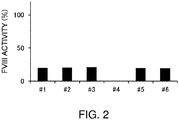
- each of the prepared plasma samples was divided into the following two groups to prepare measurement sample solutions: a group subjected to ten-fold dilution using an imidazole buffer (Kyowa Medex); and a group subjected to ten-fold dilution using an imidazole buffer supplemented with 300 ⁇ g/mL each of rAQ8-mIgG2b and rAJ540-rbtIgG. Amounts of rAQ8-mIgG2b and rAJ540-rbtIgG required to sufficiently neutralize ACE910 were added. Details of the combinations are shown below. [Table 1] Sample No.
- Coagulation time of a measurement sample was converted to FVIII activity according to the coagulation time at each FVIII activity of the calibration curve solution.
- Fig. 1 The results are shown in Fig. 1 .
- FVIII-deficient plasma containing 10 U/dL or 100 U/dL recombinant FVIII supplemented with an anti-FIXa/FX bispecific antibody was diluted with a buffer (#3, #7), the FVIII activities were shown to be above the range of the calibration curve, and could not be accurately measured.
- each of the prepared plasma was divided into three groups to prepare measurement sample solutions: a group subjected to ten-fold dilution using an imidazole buffer (Kyowa Medex); a group subjected to ten-fold dilution using an imidazole buffer supplemented with 100 ⁇ g/mL each of AQ1 and AJ541; and a group subjected to ten-fold dilution using an imidazole buffer supplemented with 100 ⁇ g/mL each of AQ1 and AJ522. Amounts of AQ1, AJ541 and AJ522 required to sufficiently neutralize ACE910 were added. Details of the combinations are shown below. [Table 2] Sample No.
- Coagulation time of a measurement sample was converted to FVIII activity according to the coagulation time at each FVIII activity of the calibration curve solution.
- Example 5 One-stage clotting assay carried out under neutralization of the anti-FIXa/FX bispecific antibody using AQ512 and AJ114 or AQ512 and AJ521
- each of the prepared plasma was divided into three groups to prepare measurement sample solutions: a group subjected to ten-fold dilution using an imidazole buffer (Kyowa Medex); a group subjected to ten-fold dilution using an imidazole buffer supplemented with 100 ⁇ g/mL each of AQ512 andAJ114; and a group subjected to ten-fold dilution using an imidazole buffer supplemented with 100 ⁇ g/mL each of AQ512 and AJ521. Amounts of AQ512, AJ114, and AJ521 required to sufficiently neutralize hBS23 were added. Details of the combinations are shown below. [Table 3] Sample No.
- Coagulation time of a measurement sample was converted to FVIII activity according to the coagulation time at each FVIII activity of the calibration curve solution.
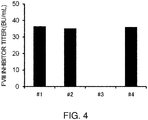
- anti-FIXa/FX bispecific antibody ACE910 was added at 0 ⁇ g/mL or 300 ⁇ g/mL. Furthermore, each of the prepared plasma samples was subjected to 25-fold dilution or 30-fold dilution using a 0.25% (w/v) bovine serum albumin (Sigma-Aldrich)-containing imidazole buffer (Kyowa Medex) (hereinafter referred to as BSA-imidazole).
- BSA-imidazole bovine serum albumin
- rAQ8-mIgG2b and rAJ540-rbtIgG were either not added, or they were added at 300 ⁇ g/mL each.
- Coagulation time of a measurement sample was converted to FVIII activity according to the coagulation time at each FVIII activity of the calibration curve solution. Furthermore, when the residual FVIII activity was 50%, this was specified as 1 Bethesda, and after calculating the Bethesda values in the measurement sample, mean value calculated by multiplying the value by 25 or 30 was determined as the inhibitor titer in each of the original sample solutions.
- the results are shown in Fig. 4 .
- the FVIII inhibitor plasma containing only the anti-FIXa/FX bispecific antibody (#3) showed an activity that was 100% or more of FVIII of the calibration curve; therefore, the FVIII inhibitor titer could not be determined.
- FVIII inhibitor plasma containing the anti-FIXa/FX bispecific antibody and the two types of antibodies against the anti-FIXa/FX bispecific antibody (#4) showed an FVIII inhibitor titer similar to that of the inhibitor plasma without additives (#1). Therefore, this shows that the antibodies against the anti-FIXa/FX bispecific antibody completely neutralized the activity of the bispecific antibody to enable accurate measurement of the FVIII inhibitor titer in plasma even in the presence of the bispecific antibody.
- FVIII inhibitor plasma containing only the two types of antibodies against the anti-FIXa/FX bispecific antibody (#2) showed similar results to that of #1; therefore, antibodies against the anti-FIXa/FX bispecific antibody were found to have neutralizing effects specific to the bispecific antibody.
- the present invention provides antibodies used for the methods for measuring the reactivity of FVIII in the presence of a bispecific antibody having an activity of functionally substituting for FVIII, for example, the methods for measuring FVIII activity or FVIII inhibitor titer.
- the methods that use the antibodies of the present invention enable accurate measurement of the reactivity of FVIII in patients during treatment of hemorrhagic diseases, such as hemophilia, by using the bispecific antibody.
Landscapes
- Health & Medical Sciences (AREA)
- Chemical & Material Sciences (AREA)
- Organic Chemistry (AREA)
- Genetics & Genomics (AREA)
- Life Sciences & Earth Sciences (AREA)
- Immunology (AREA)
- General Health & Medical Sciences (AREA)
- Biochemistry (AREA)
- Engineering & Computer Science (AREA)
- Molecular Biology (AREA)
- Biophysics (AREA)
- Medicinal Chemistry (AREA)
- Proteomics, Peptides & Aminoacids (AREA)
- Biomedical Technology (AREA)
- Wood Science & Technology (AREA)
- Biotechnology (AREA)
- Zoology (AREA)
- Bioinformatics & Cheminformatics (AREA)
- General Engineering & Computer Science (AREA)
- Microbiology (AREA)
- Hematology (AREA)
- Plant Pathology (AREA)
- Physics & Mathematics (AREA)
- Cell Biology (AREA)
- Peptides Or Proteins (AREA)
- Preparation Of Compounds By Using Micro-Organisms (AREA)
- Micro-Organisms Or Cultivation Processes Thereof (AREA)
- Measuring Or Testing Involving Enzymes Or Micro-Organisms (AREA)
- Investigating Or Analysing Biological Materials (AREA)
Applications Claiming Priority (2)
| Application Number | Priority Date | Filing Date | Title |
|---|---|---|---|
| JP2014197207 | 2014-09-26 | ||
| PCT/JP2015/076854 WO2016047656A1 (ja) | 2014-09-26 | 2015-09-24 | 凝固第viii因子(fviii)機能代替活性を有する物質を中和する抗体 |
Publications (2)
| Publication Number | Publication Date |
|---|---|
| EP3199554A1 true EP3199554A1 (de) | 2017-08-02 |
| EP3199554A4 EP3199554A4 (de) | 2018-07-18 |
Family
ID=55581180
Family Applications (1)
| Application Number | Title | Priority Date | Filing Date |
|---|---|---|---|
| EP15843808.5A Pending EP3199554A4 (de) | 2014-09-26 | 2015-09-24 | Antikörper zur neutralisierung einer substanz mit alternativer aktivität zur funktion des blutgerinnungsfaktors viii (fviii) |
Country Status (17)
| Country | Link |
|---|---|
| US (1) | US11214623B2 (de) |
| EP (1) | EP3199554A4 (de) |
| JP (2) | JP6702877B2 (de) |
| KR (1) | KR102517509B1 (de) |
| CN (1) | CN107108746B (de) |
| AR (1) | AR102092A1 (de) |
| AU (1) | AU2015322662B2 (de) |
| CA (1) | CA2961968C (de) |
| IL (1) | IL251111B (de) |
| MX (1) | MX388728B (de) |
| MY (1) | MY192018A (de) |
| NZ (1) | NZ730611A (de) |
| RU (1) | RU2737145C2 (de) |
| SG (1) | SG11201702259RA (de) |
| TW (1) | TWI700300B (de) |
| WO (1) | WO2016047656A1 (de) |
| ZA (1) | ZA201701844B (de) |
Cited By (1)
| Publication number | Priority date | Publication date | Assignee | Title |
|---|---|---|---|---|
| EP3199952B1 (de) | 2014-09-26 | 2022-11-02 | Chugai Seiyaku Kabushiki Kaisha | Verfahren zur messung der reaktivität von fviii |
Families Citing this family (11)
| Publication number | Priority date | Publication date | Assignee | Title |
|---|---|---|---|---|
| TWI452136B (zh) | 2010-11-17 | 2014-09-11 | 中外製藥股份有限公司 | A multiple specific antigen-binding molecule that replaces the function of Factor VIII in blood coagulation |
| TWI700300B (zh) | 2014-09-26 | 2020-08-01 | 日商中外製藥股份有限公司 | 中和具有第viii凝血因子(fviii)機能替代活性的物質之抗體 |
| CR20180554A (es) | 2016-04-28 | 2019-01-10 | Chugai Pharmaceutical Co Ltd | Preparaciones que contienen anticuerpos |
| CN110461358A (zh) * | 2017-03-31 | 2019-11-15 | 公立大学法人奈良县立医科大学 | 可用于预防和/或治疗凝血因子ⅸ异常、包含代替凝血因子ⅷ的功能的多特异性抗原结合分子的药物组合物 |
| GB201709970D0 (en) | 2017-06-22 | 2017-08-09 | Kymab Ltd | Bispecific antigen-binding molecules |
| CN107449925A (zh) * | 2017-09-22 | 2017-12-08 | 郑州大学第附属医院 | 一种用于凝血因子viii抑制物检测的缓冲液以及检测方法 |
| CN119161488A (zh) | 2017-11-01 | 2024-12-20 | 中外制药株式会社 | 具有降低的生物活性的抗体变体和同种型 |
| AU2019313550B2 (en) * | 2018-08-01 | 2024-02-08 | Novo Nordisk A/S | Improved procoagulant antibodies |
| US10815308B2 (en) | 2018-12-21 | 2020-10-27 | Kymab Limited | FIXaxFX bispecific antibody with common light chain |
| JP7547350B2 (ja) | 2019-01-22 | 2024-09-09 | クレムソン・ユニバーシティ・リサーチ・ファウンデーション | 抗エラスチン抗体及び使用方法 |
| JP7752613B2 (ja) * | 2020-05-22 | 2025-10-10 | 中外製薬株式会社 | 凝固第viii因子(f.viii)機能代替活性を有する物質を中和する抗体 |
Family Cites Families (88)
| Publication number | Priority date | Publication date | Assignee | Title |
|---|---|---|---|---|
| US4208479A (en) | 1977-07-14 | 1980-06-17 | Syva Company | Label modified immunoassays |
| US4474893A (en) | 1981-07-01 | 1984-10-02 | The University of Texas System Cancer Center | Recombinant monoclonal antibodies |
| US4444878A (en) | 1981-12-21 | 1984-04-24 | Boston Biomedical Research Institute, Inc. | Bispecific antibody determinants |
| EP0152746B1 (de) | 1984-01-12 | 1991-08-14 | Chiron Corporation | Hybridom-Zellinien und monoklonale Antikörper gegen Faktor-VIII-C |
| US6010902A (en) | 1988-04-04 | 2000-01-04 | Bristol-Meyers Squibb Company | Antibody heteroconjugates and bispecific antibodies for use in regulation of lymphocyte activity |
| IL89491A0 (en) | 1988-11-17 | 1989-09-10 | Hybritech Inc | Bifunctional chimeric antibodies |
| DE3920358A1 (de) | 1989-06-22 | 1991-01-17 | Behringwerke Ag | Bispezifische und oligospezifische, mono- und oligovalente antikoerperkonstrukte, ihre herstellung und verwendung |
| JPH0332287A (ja) | 1989-06-29 | 1991-02-12 | Pioneer Electron Corp | 記録媒体演奏装置 |
| WO1991008770A1 (en) | 1989-12-11 | 1991-06-27 | Immunomedics, Inc. | Method for antibody targeting of diagnostic or therapeutic agents |
| TW212184B (de) | 1990-04-02 | 1993-09-01 | Takeda Pharm Industry Co Ltd | |
| JPH05184383A (ja) | 1990-06-19 | 1993-07-27 | Dainabotsuto Kk | 二重特異性抗体 |
| JPH05199894A (ja) | 1990-08-20 | 1993-08-10 | Takeda Chem Ind Ltd | 二重特異性抗体および抗体含有薬剤 |
| JPH05304992A (ja) | 1991-06-20 | 1993-11-19 | Takeda Chem Ind Ltd | ハイブリッド・モノクローナル抗体および抗体含有薬剤 |
| JPH06104071A (ja) | 1991-08-30 | 1994-04-15 | Jasco Corp | 発熱体セラミックス溶接加工方法 |
| ATE207080T1 (de) | 1991-11-25 | 2001-11-15 | Enzon Inc | Multivalente antigen-bindende proteine |
| US5667988A (en) | 1992-01-27 | 1997-09-16 | The Scripps Research Institute | Methods for producing antibody libraries using universal or randomized immunoglobulin light chains |
| JPH05203652A (ja) | 1992-01-28 | 1993-08-10 | Fuji Photo Film Co Ltd | 抗体酵素免疫分析法 |
| JPH05213775A (ja) | 1992-02-05 | 1993-08-24 | Otsuka Pharmaceut Co Ltd | Bfa抗体 |
| US6749853B1 (en) | 1992-03-05 | 2004-06-15 | Board Of Regents, The University Of Texas System | Combined methods and compositions for coagulation and tumor treatment |
| US6129914A (en) | 1992-03-27 | 2000-10-10 | Protein Design Labs, Inc. | Bispecific antibody effective to treat B-cell lymphoma and cell line |
| US5744446A (en) | 1992-04-07 | 1998-04-28 | Emory University | Hybrid human/animal factor VIII |
| ES2156149T3 (es) | 1992-12-04 | 2001-06-16 | Medical Res Council | Proteinas de union multivalente y multiespecificas, su fabricacion y su uso. |
| CA2143126A1 (en) | 1993-07-01 | 1995-01-12 | Shamay Tang | Process for the preparation of factor x depleted plasma |
| DE69519929T2 (de) | 1994-07-11 | 2001-05-23 | Board Of Regents, The University Of Texas System | Verfahren und zusammensetzungen für die spezifische koagulation von tumorgefässen |
| AU4289496A (en) | 1994-12-02 | 1996-06-19 | Chiron Corporation | Method of promoting an immune response with a bispecific antibody |
| US5641870A (en) | 1995-04-20 | 1997-06-24 | Genentech, Inc. | Low pH hydrophobic interaction chromatography for antibody purification |
| MA24512A1 (fr) | 1996-01-17 | 1998-12-31 | Univ Vermont And State Agrienl | Procede pour la preparation d'agents anticoagulants utiles dans le traitement de la thrombose |
| JPH10165184A (ja) | 1996-12-16 | 1998-06-23 | Tosoh Corp | 抗体、遺伝子及びキメラ抗体の製法 |
| US5755446A (en) | 1996-12-24 | 1998-05-26 | United Technologies Corporation | Seal apparatus between a shaft and a non-linear inner surface of a housing |
| ATE299938T1 (de) | 1997-05-02 | 2005-08-15 | Genentech Inc | Ein verfahren zur herstellung multispezifischer antikörper die heteromultimere und gemeinsame komponenten besitzen |
| US20020062010A1 (en) | 1997-05-02 | 2002-05-23 | Genentech, Inc. | Method for making multispecific antibodies having heteromultimeric and common components |
| US20030207346A1 (en) | 1997-05-02 | 2003-11-06 | William R. Arathoon | Method for making multispecific antibodies having heteromultimeric and common components |
| DE19725586C2 (de) | 1997-06-17 | 1999-06-24 | Gsf Forschungszentrum Umwelt | Verfahren zur Herstellung von Zellpräparaten zur Immunisierung mittels heterologer intakter bispezifischer und/oder trispezifischer Antikörper |
| US6207805B1 (en) | 1997-07-18 | 2001-03-27 | University Of Iowa Research Foundation | Prostate cell surface antigen-specific antibodies |
| US6342220B1 (en) | 1997-08-25 | 2002-01-29 | Genentech, Inc. | Agonist antibodies |
| CN1073412C (zh) | 1998-03-19 | 2001-10-24 | 中国科学院化学研究所 | 一种高分子微包囊的制备方法 |
| EP1074842A1 (de) | 1999-07-21 | 2001-02-07 | Institut National De La Sante Et De La Recherche Medicale (Inserm) | Katalytische gegen Faktor VIII spezifische Alloantikörper |
| AT411997B (de) | 1999-09-14 | 2004-08-26 | Baxter Ag | Faktor ix/faktor ixa aktivierende antikörper und antikörper-derivate |
| CA2409991A1 (en) | 2000-05-24 | 2001-11-29 | Imclone Systems Incorporated | Bispecific immunoglobulin-like antigen binding proteins and method of production |
| US7160540B2 (en) | 2000-06-30 | 2007-01-09 | Regents Of The University Of Minnesota | Methods for detecting activity of clottings factors |
| JP4908721B2 (ja) | 2000-07-17 | 2012-04-04 | 中外製薬株式会社 | 生理活性を有するリガンドのスクリーニング方法 |
| AU2002213441B2 (en) | 2000-10-12 | 2006-10-26 | Genentech, Inc. | Reduced-viscosity concentrated protein formulations |
| AU1091802A (en) | 2000-10-20 | 2002-04-29 | Chugai Pharmaceutical Co Ltd | Degraded agonist antibody |
| CA2463879C (en) | 2001-10-25 | 2012-12-04 | Genentech, Inc. | Glycoprotein compositions |
| DE10156482A1 (de) | 2001-11-12 | 2003-05-28 | Gundram Jung | Bispezifisches Antikörper-Molekül |
| WO2003087163A1 (en) | 2002-04-15 | 2003-10-23 | Chugai Seiyaku Kabushiki Kaisha | METHOD OF CONSTRUCTING scDb LIBRARY |
| DE60327199D1 (de) | 2002-04-26 | 2009-05-28 | Chugai Pharmaceutical Co Ltd | Verfahren zum screening auf agonistische antikörper |
| DK2314629T4 (da) | 2002-07-18 | 2023-02-06 | Merus Nv | Rekombinant produktion af blandinger af antistoffer |
| JPWO2004060919A1 (ja) | 2002-12-26 | 2006-05-11 | 中外製薬株式会社 | ヘテロ受容体に対するアゴニスト抗体 |
| US8337841B2 (en) | 2003-01-21 | 2012-12-25 | Chugai Seiyaku Kabushiki Kaisha | Methods of screening for antibody light chains |
| KR101235507B1 (ko) | 2003-02-28 | 2013-02-20 | 추가이 세이야쿠 가부시키가이샤 | 단백질을 함유하는 안정화 제제 |
| GB2400851B (en) | 2003-04-25 | 2004-12-15 | Bioinvent Int Ab | Identifying binding of a polypeptide to a polypeptide target |
| JP4794301B2 (ja) | 2003-06-11 | 2011-10-19 | 中外製薬株式会社 | 抗体の製造方法 |
| US7297336B2 (en) | 2003-09-12 | 2007-11-20 | Baxter International Inc. | Factor IXa specific antibodies displaying factor VIIIa like activity |
| WO2005035753A1 (ja) | 2003-10-10 | 2005-04-21 | Chugai Seiyaku Kabushiki Kaisha | 機能蛋白質を代替する二重特異性抗体 |
| AU2003271186A1 (en) | 2003-10-14 | 2005-04-27 | Chugai Seiyaku Kabushiki Kaisha | Double specific antibodies substituting for functional protein |
| US20050266425A1 (en) | 2003-12-31 | 2005-12-01 | Vaccinex, Inc. | Methods for producing and identifying multispecific antibodies |
| AU2006232287B2 (en) | 2005-03-31 | 2011-10-06 | Chugai Seiyaku Kabushiki Kaisha | Methods for producing polypeptides by regulating polypeptide association |
| PT1876236E (pt) | 2005-04-08 | 2014-10-22 | Chugai Pharmaceutical Co Ltd | Anticorpos para substituição da função do factor de coagulação sanguínea viii |
| AU2006270168B2 (en) | 2005-07-15 | 2012-05-03 | The University Of Vermont And State Agriculture College | Highly sensitive immunoassays and antibodies for detection of blood factor VIII |
| CN104761637B (zh) | 2006-03-31 | 2021-10-15 | 中外制药株式会社 | 调控抗体血液动力学的方法 |
| EP2009101B1 (de) | 2006-03-31 | 2017-10-25 | Chugai Seiyaku Kabushiki Kaisha | Antikörpermodifikationsverfahren für die aufreinigung eines bispezifischen antikörpers |
| JP2010502224A (ja) * | 2006-09-08 | 2010-01-28 | アボット・ラボラトリーズ | インターロイキン13結合タンパク質 |
| JP2010536363A (ja) | 2007-08-23 | 2010-12-02 | エルエフビー バイオテクノロジース | ファクターviiiのc1ドメインに対する阻害抗体の阻害活性を中性化する抗イデオタイプ抗体 |
| ES2595638T3 (es) | 2007-09-26 | 2017-01-02 | Chugai Seiyaku Kabushiki Kaisha | Método para modificar el punto isoeléctrico de un anticuerpo mediante la sustitución de aminoácidos en una CDR |
| PE20091174A1 (es) | 2007-12-27 | 2009-08-03 | Chugai Pharmaceutical Co Ltd | Formulacion liquida con contenido de alta concentracion de anticuerpo |
| WO2009088105A1 (en) * | 2008-01-11 | 2009-07-16 | Gene Techno Science Co., Ltd. | HUMANIZED ANTI-α9 INTEGRIN ANTIBODIES AND THE USES THEREOF |
| FR2933496B1 (fr) | 2008-07-02 | 2012-10-05 | Lfb Biotechnologies | Procede de mesure du taux de facteur vii active dans un echantillon |
| CN101906160A (zh) | 2009-06-05 | 2010-12-08 | 苏州泽璟生物制药有限公司 | 一种抗人凝血因子ⅷ单克隆抗体及其制备方法和用途 |
| EP2332994A1 (de) * | 2009-12-09 | 2011-06-15 | Friedrich-Alexander-Universität Erlangen-Nürnberg | Trispezifische Therapeutika zur Behandlung akuter myeloischer Leukämie |
| CA2785414C (en) | 2009-12-25 | 2019-01-22 | Tomoyuki Igawa | Polypeptide modification method for purifying polypeptide multimers |
| AR080428A1 (es) | 2010-01-20 | 2012-04-11 | Chugai Pharmaceutical Co Ltd | Formulaciones liquidas estabilizadas contentivas de anticuerpos |
| TW201217527A (en) * | 2010-07-09 | 2012-05-01 | Biogen Idec Hemophilia Inc | Processable single chain molecules and polypeptides made using same |
| TWI452136B (zh) | 2010-11-17 | 2014-09-11 | 中外製藥股份有限公司 | A multiple specific antigen-binding molecule that replaces the function of Factor VIII in blood coagulation |
| RS54644B1 (sr) | 2012-03-08 | 2016-08-31 | F. Hoffmann-La Roche Ag | Formulacija abeta antitela |
| BR112015006634B1 (pt) * | 2012-09-28 | 2022-06-14 | Chugai Seiyaku Kabushiki Kaisha | Método e kit para avaliação de reação de coagulação sanguínea |
| CA2942654A1 (en) * | 2013-03-15 | 2014-09-18 | Bullet Biotechnology, Inc. | Specific multivalent virus-like particle vaccines and uses thereof |
| ES2881306T3 (es) | 2013-09-27 | 2021-11-29 | Chugai Pharmaceutical Co Ltd | Método para la producción de heteromultímeros de polipéptidos |
| TWI831106B (zh) | 2014-06-20 | 2024-02-01 | 日商中外製藥股份有限公司 | 用於因第viii凝血因子及/或活化的第viii凝血因子的活性降低或欠缺而發病及/或進展的疾病之預防及/或治療之醫藥組成物 |
| TWI700300B (zh) | 2014-09-26 | 2020-08-01 | 日商中外製藥股份有限公司 | 中和具有第viii凝血因子(fviii)機能替代活性的物質之抗體 |
| TWI701435B (zh) * | 2014-09-26 | 2020-08-11 | 日商中外製藥股份有限公司 | 測定fviii的反應性之方法 |
| JP6962819B2 (ja) | 2015-04-10 | 2021-11-05 | アディマブ, エルエルシー | 親ホモ二量体抗体種からのヘテロ二量体多重特異性抗体の精製方法 |
| JP6698102B2 (ja) | 2015-04-17 | 2020-05-27 | エフ.ホフマン−ラ ロシュ アーゲーF. Hoffmann−La Roche Aktiengesellschaft | 凝固因子と多重特異的抗体を用いた併用療法 |
| JP2018123055A (ja) | 2015-04-24 | 2018-08-09 | 公立大学法人奈良県立医科大学 | 血液凝固第viii因子(fviii)の機能を代替する多重特異性抗原結合分子を含有する、血液凝固第xi因子(fxi)異常症の予防および/または治療に用いられる医薬組成物 |
| JOP20170017B1 (ar) | 2016-01-25 | 2021-08-17 | Amgen Res Munich Gmbh | تركيب صيدلي يتضمن تركيبات جسم مضاد ثنائي الاختصاص |
| CR20180554A (es) | 2016-04-28 | 2019-01-10 | Chugai Pharmaceutical Co Ltd | Preparaciones que contienen anticuerpos |
| CN110461358A (zh) | 2017-03-31 | 2019-11-15 | 公立大学法人奈良县立医科大学 | 可用于预防和/或治疗凝血因子ⅸ异常、包含代替凝血因子ⅷ的功能的多特异性抗原结合分子的药物组合物 |
| CN119161488A (zh) | 2017-11-01 | 2024-12-20 | 中外制药株式会社 | 具有降低的生物活性的抗体变体和同种型 |
-
2015
- 2015-09-23 TW TW104131372A patent/TWI700300B/zh active
- 2015-09-24 SG SG11201702259RA patent/SG11201702259RA/en unknown
- 2015-09-24 AU AU2015322662A patent/AU2015322662B2/en active Active
- 2015-09-24 EP EP15843808.5A patent/EP3199554A4/de active Pending
- 2015-09-24 KR KR1020177011033A patent/KR102517509B1/ko active Active
- 2015-09-24 MX MX2017003693A patent/MX388728B/es unknown
- 2015-09-24 CA CA2961968A patent/CA2961968C/en active Active
- 2015-09-24 NZ NZ730611A patent/NZ730611A/en unknown
- 2015-09-24 JP JP2016550341A patent/JP6702877B2/ja active Active
- 2015-09-24 US US15/512,094 patent/US11214623B2/en active Active
- 2015-09-24 RU RU2017113732A patent/RU2737145C2/ru active
- 2015-09-24 WO PCT/JP2015/076854 patent/WO2016047656A1/ja not_active Ceased
- 2015-09-24 CN CN201580059193.0A patent/CN107108746B/zh active Active
- 2015-09-24 MY MYPI2017700979A patent/MY192018A/en unknown
- 2015-09-25 AR ARP150103098A patent/AR102092A1/es unknown
-
2017
- 2017-03-12 IL IL251111A patent/IL251111B/en active IP Right Grant
- 2017-03-15 ZA ZA2017/01844A patent/ZA201701844B/en unknown
-
2020
- 2020-03-17 JP JP2020045941A patent/JP2020108395A/ja active Pending
Cited By (1)
| Publication number | Priority date | Publication date | Assignee | Title |
|---|---|---|---|---|
| EP3199952B1 (de) | 2014-09-26 | 2022-11-02 | Chugai Seiyaku Kabushiki Kaisha | Verfahren zur messung der reaktivität von fviii |
Also Published As
| Publication number | Publication date |
|---|---|
| US20170275376A1 (en) | 2017-09-28 |
| AU2015322662A1 (en) | 2017-04-06 |
| TW201619201A (zh) | 2016-06-01 |
| MX388728B (es) | 2025-03-20 |
| AU2015322662B2 (en) | 2020-12-10 |
| IL251111A0 (en) | 2017-04-30 |
| ZA201701844B (en) | 2021-10-27 |
| JPWO2016047656A1 (ja) | 2017-07-13 |
| MY192018A (en) | 2022-07-22 |
| MX2017003693A (es) | 2017-06-26 |
| IL251111B (en) | 2021-03-25 |
| NZ730611A (en) | 2021-12-24 |
| SG11201702259RA (en) | 2017-04-27 |
| KR102517509B1 (ko) | 2023-04-04 |
| BR112017005801A2 (pt) | 2017-12-19 |
| RU2017113732A3 (de) | 2019-01-30 |
| CN107108746A (zh) | 2017-08-29 |
| RU2017113732A (ru) | 2018-10-23 |
| EP3199554A4 (de) | 2018-07-18 |
| WO2016047656A1 (ja) | 2016-03-31 |
| RU2737145C2 (ru) | 2020-11-25 |
| US11214623B2 (en) | 2022-01-04 |
| TWI700300B (zh) | 2020-08-01 |
| JP2020108395A (ja) | 2020-07-16 |
| JP6702877B2 (ja) | 2020-06-03 |
| CA2961968A1 (en) | 2016-03-31 |
| CN107108746B (zh) | 2021-06-08 |
| KR20170064539A (ko) | 2017-06-09 |
| AR102092A1 (es) | 2017-02-01 |
| CA2961968C (en) | 2023-01-24 |
Similar Documents
| Publication | Publication Date | Title |
|---|---|---|
| US11214623B2 (en) | Antibody capable of neutralizing substance having activity alternative to function of coagulation factor VIII (FVIII) | |
| EP3199952B1 (de) | Verfahren zur messung der reaktivität von fviii | |
| JP7752613B2 (ja) | 凝固第viii因子(f.viii)機能代替活性を有する物質を中和する抗体 | |
| NZ729317B2 (en) | Method for measuring reactivity of fviii | |
| BR112017005801B1 (pt) | Anticorpo que neutraliza uma substância com atividade de substituir funcionalmente o fator viii da coagulação, e seu método de produção | |
| BR122024008704B1 (pt) | Anticorpo que neutraliza uma substância com atividade de substituir funcionalmente o fator viii da coagulação, seu método de produção, composição e solução | |
| BR122024008704A2 (pt) | Anticorpo que neutraliza uma substância com atividade de substituir funcionalmente o fator viii da coagulação, seu método de produção, composição e solução | |
| HK1235415A1 (en) | Antibody capable of neutralizing substance having activity alternative to function of coagulation factor viii (fviii) | |
| HK1232288B (zh) | 用於测量fviii的反应性的方法 | |
| HK1235415B (zh) | 能够中和具有替换凝固因子viii(fviii)的功能的活性的物质的抗体 |
Legal Events
| Date | Code | Title | Description |
|---|---|---|---|
| STAA | Information on the status of an ep patent application or granted ep patent |
Free format text: STATUS: THE INTERNATIONAL PUBLICATION HAS BEEN MADE |
|
| PUAI | Public reference made under article 153(3) epc to a published international application that has entered the european phase |
Free format text: ORIGINAL CODE: 0009012 |
|
| STAA | Information on the status of an ep patent application or granted ep patent |
Free format text: STATUS: REQUEST FOR EXAMINATION WAS MADE |
|
| 17P | Request for examination filed |
Effective date: 20170421 |
|
| AK | Designated contracting states |
Kind code of ref document: A1 Designated state(s): AL AT BE BG CH CY CZ DE DK EE ES FI FR GB GR HR HU IE IS IT LI LT LU LV MC MK MT NL NO PL PT RO RS SE SI SK SM TR |
|
| AX | Request for extension of the european patent |
Extension state: BA ME |
|
| DAV | Request for validation of the european patent (deleted) | ||
| DAX | Request for extension of the european patent (deleted) | ||
| RIC1 | Information provided on ipc code assigned before grant |
Ipc: C12N 5/10 20060101ALI20180213BHEP Ipc: C12N 15/09 20060101ALI20180213BHEP Ipc: C07K 16/00 20060101ALI20180213BHEP Ipc: C12N 1/21 20060101ALI20180213BHEP Ipc: C12N 1/19 20060101ALI20180213BHEP Ipc: C07K 16/42 20060101AFI20180213BHEP Ipc: C12P 21/08 20060101ALI20180213BHEP Ipc: C12N 1/15 20060101ALI20180213BHEP Ipc: C07K 16/36 20060101ALI20180213BHEP |
|
| A4 | Supplementary search report drawn up and despatched |
Effective date: 20180619 |
|
| RIC1 | Information provided on ipc code assigned before grant |
Ipc: C07K 16/00 20060101ALI20180613BHEP Ipc: C12N 15/09 20060101ALI20180613BHEP Ipc: C07K 16/42 20060101AFI20180613BHEP Ipc: C12N 5/10 20060101ALI20180613BHEP Ipc: C12P 21/08 20060101ALI20180613BHEP Ipc: C07K 16/36 20060101ALI20180613BHEP Ipc: C12N 1/19 20060101ALI20180613BHEP Ipc: C12N 1/15 20060101ALI20180613BHEP Ipc: C12N 1/21 20060101ALI20180613BHEP |
|
| STAA | Information on the status of an ep patent application or granted ep patent |
Free format text: STATUS: EXAMINATION IS IN PROGRESS |
|
| 17Q | First examination report despatched |
Effective date: 20190327 |