EP3071040B2 - Method for scalable skeletal muscle lineage specification and cultivation - Google Patents
Method for scalable skeletal muscle lineage specification and cultivation Download PDFInfo
- Publication number
- EP3071040B2 EP3071040B2 EP14858383.4A EP14858383A EP3071040B2 EP 3071040 B2 EP3071040 B2 EP 3071040B2 EP 14858383 A EP14858383 A EP 14858383A EP 3071040 B2 EP3071040 B2 EP 3071040B2
- Authority
- EP
- European Patent Office
- Prior art keywords
- cell line
- myogenic
- differentiation
- self
- cell
- Prior art date
- Legal status (The legal status is an assumption and is not a legal conclusion. Google has not performed a legal analysis and makes no representation as to the accuracy of the status listed.)
- Active
Links
Images














Classifications
-
- C—CHEMISTRY; METALLURGY
- C12—BIOCHEMISTRY; BEER; SPIRITS; WINE; VINEGAR; MICROBIOLOGY; ENZYMOLOGY; MUTATION OR GENETIC ENGINEERING
- C12N—MICROORGANISMS OR ENZYMES; COMPOSITIONS THEREOF; PROPAGATING, PRESERVING, OR MAINTAINING MICROORGANISMS; MUTATION OR GENETIC ENGINEERING; CULTURE MEDIA
- C12N5/00—Undifferentiated human, animal or plant cells, e.g. cell lines; Tissues; Cultivation or maintenance thereof; Culture media therefor
- C12N5/06—Animal cells or tissues; Human cells or tissues
- C12N5/0602—Vertebrate cells
- C12N5/0652—Cells of skeletal and connective tissues; Mesenchyme
- C12N5/0658—Skeletal muscle cells, e.g. myocytes, myotubes, myoblasts
-
- A—HUMAN NECESSITIES
- A23—FOODS OR FOODSTUFFS; TREATMENT THEREOF, NOT COVERED BY OTHER CLASSES
- A23L—FOODS, FOODSTUFFS OR NON-ALCOHOLIC BEVERAGES, NOT OTHERWISE PROVIDED FOR; PREPARATION OR TREATMENT THEREOF
- A23L13/00—Meat products; Meat meal; Preparation or treatment thereof
-
- A—HUMAN NECESSITIES
- A61—MEDICAL OR VETERINARY SCIENCE; HYGIENE
- A61K—PREPARATIONS FOR MEDICAL, DENTAL OR TOILETRY PURPOSES
- A61K35/00—Medicinal preparations containing materials or reaction products thereof with undetermined constitution
- A61K35/12—Materials from mammals; Compositions comprising non-specified tissues or cells; Compositions comprising non-embryonic stem cells; Genetically modified cells
- A61K35/28—Bone marrow; Haematopoietic stem cells; Mesenchymal stem cells of any origin, e.g. adipose-derived stem cells
-
- A—HUMAN NECESSITIES
- A61—MEDICAL OR VETERINARY SCIENCE; HYGIENE
- A61K—PREPARATIONS FOR MEDICAL, DENTAL OR TOILETRY PURPOSES
- A61K35/00—Medicinal preparations containing materials or reaction products thereof with undetermined constitution
- A61K35/12—Materials from mammals; Compositions comprising non-specified tissues or cells; Compositions comprising non-embryonic stem cells; Genetically modified cells
- A61K35/48—Reproductive organs
- A61K35/54—Ovaries; Ova; Ovules; Embryos; Foetal cells; Germ cells
- A61K35/545—Embryonic stem cells; Pluripotent stem cells; Induced pluripotent stem cells; Uncharacterised stem cells
-
- C—CHEMISTRY; METALLURGY
- C12—BIOCHEMISTRY; BEER; SPIRITS; WINE; VINEGAR; MICROBIOLOGY; ENZYMOLOGY; MUTATION OR GENETIC ENGINEERING
- C12N—MICROORGANISMS OR ENZYMES; COMPOSITIONS THEREOF; PROPAGATING, PRESERVING, OR MAINTAINING MICROORGANISMS; MUTATION OR GENETIC ENGINEERING; CULTURE MEDIA
- C12N5/00—Undifferentiated human, animal or plant cells, e.g. cell lines; Tissues; Cultivation or maintenance thereof; Culture media therefor
- C12N5/10—Cells modified by introduction of foreign genetic material
-
- A—HUMAN NECESSITIES
- A23—FOODS OR FOODSTUFFS; TREATMENT THEREOF, NOT COVERED BY OTHER CLASSES
- A23V—INDEXING SCHEME RELATING TO FOODS, FOODSTUFFS OR NON-ALCOHOLIC BEVERAGES AND LACTIC OR PROPIONIC ACID BACTERIA USED IN FOODSTUFFS OR FOOD PREPARATION
- A23V2002/00—Food compositions, function of food ingredients or processes for food or foodstuffs
-
- C—CHEMISTRY; METALLURGY
- C12—BIOCHEMISTRY; BEER; SPIRITS; WINE; VINEGAR; MICROBIOLOGY; ENZYMOLOGY; MUTATION OR GENETIC ENGINEERING
- C12N—MICROORGANISMS OR ENZYMES; COMPOSITIONS THEREOF; PROPAGATING, PRESERVING, OR MAINTAINING MICROORGANISMS; MUTATION OR GENETIC ENGINEERING; CULTURE MEDIA
- C12N2501/00—Active agents used in cell culture processes, e.g. differentation
- C12N2501/30—Hormones
- C12N2501/38—Hormones with nuclear receptors
- C12N2501/39—Steroid hormones
- C12N2501/392—Sexual steroids
-
- C—CHEMISTRY; METALLURGY
- C12—BIOCHEMISTRY; BEER; SPIRITS; WINE; VINEGAR; MICROBIOLOGY; ENZYMOLOGY; MUTATION OR GENETIC ENGINEERING
- C12N—MICROORGANISMS OR ENZYMES; COMPOSITIONS THEREOF; PROPAGATING, PRESERVING, OR MAINTAINING MICROORGANISMS; MUTATION OR GENETIC ENGINEERING; CULTURE MEDIA
- C12N2501/00—Active agents used in cell culture processes, e.g. differentation
- C12N2501/40—Regulators of development
-
- C—CHEMISTRY; METALLURGY
- C12—BIOCHEMISTRY; BEER; SPIRITS; WINE; VINEGAR; MICROBIOLOGY; ENZYMOLOGY; MUTATION OR GENETIC ENGINEERING
- C12N—MICROORGANISMS OR ENZYMES; COMPOSITIONS THEREOF; PROPAGATING, PRESERVING, OR MAINTAINING MICROORGANISMS; MUTATION OR GENETIC ENGINEERING; CULTURE MEDIA
- C12N2501/00—Active agents used in cell culture processes, e.g. differentation
- C12N2501/40—Regulators of development
- C12N2501/415—Wnt; Frizzeled
-
- C—CHEMISTRY; METALLURGY
- C12—BIOCHEMISTRY; BEER; SPIRITS; WINE; VINEGAR; MICROBIOLOGY; ENZYMOLOGY; MUTATION OR GENETIC ENGINEERING
- C12N—MICROORGANISMS OR ENZYMES; COMPOSITIONS THEREOF; PROPAGATING, PRESERVING, OR MAINTAINING MICROORGANISMS; MUTATION OR GENETIC ENGINEERING; CULTURE MEDIA
- C12N2501/00—Active agents used in cell culture processes, e.g. differentation
- C12N2501/60—Transcription factors
-
- C—CHEMISTRY; METALLURGY
- C12—BIOCHEMISTRY; BEER; SPIRITS; WINE; VINEGAR; MICROBIOLOGY; ENZYMOLOGY; MUTATION OR GENETIC ENGINEERING
- C12N—MICROORGANISMS OR ENZYMES; COMPOSITIONS THEREOF; PROPAGATING, PRESERVING, OR MAINTAINING MICROORGANISMS; MUTATION OR GENETIC ENGINEERING; CULTURE MEDIA
- C12N2501/00—Active agents used in cell culture processes, e.g. differentation
- C12N2501/60—Transcription factors
- C12N2501/602—Sox-2
-
- C—CHEMISTRY; METALLURGY
- C12—BIOCHEMISTRY; BEER; SPIRITS; WINE; VINEGAR; MICROBIOLOGY; ENZYMOLOGY; MUTATION OR GENETIC ENGINEERING
- C12N—MICROORGANISMS OR ENZYMES; COMPOSITIONS THEREOF; PROPAGATING, PRESERVING, OR MAINTAINING MICROORGANISMS; MUTATION OR GENETIC ENGINEERING; CULTURE MEDIA
- C12N2501/00—Active agents used in cell culture processes, e.g. differentation
- C12N2501/60—Transcription factors
- C12N2501/603—Oct-3/4
-
- C—CHEMISTRY; METALLURGY
- C12—BIOCHEMISTRY; BEER; SPIRITS; WINE; VINEGAR; MICROBIOLOGY; ENZYMOLOGY; MUTATION OR GENETIC ENGINEERING
- C12N—MICROORGANISMS OR ENZYMES; COMPOSITIONS THEREOF; PROPAGATING, PRESERVING, OR MAINTAINING MICROORGANISMS; MUTATION OR GENETIC ENGINEERING; CULTURE MEDIA
- C12N2501/00—Active agents used in cell culture processes, e.g. differentation
- C12N2501/60—Transcription factors
- C12N2501/604—Klf-4
-
- C—CHEMISTRY; METALLURGY
- C12—BIOCHEMISTRY; BEER; SPIRITS; WINE; VINEGAR; MICROBIOLOGY; ENZYMOLOGY; MUTATION OR GENETIC ENGINEERING
- C12N—MICROORGANISMS OR ENZYMES; COMPOSITIONS THEREOF; PROPAGATING, PRESERVING, OR MAINTAINING MICROORGANISMS; MUTATION OR GENETIC ENGINEERING; CULTURE MEDIA
- C12N2501/00—Active agents used in cell culture processes, e.g. differentation
- C12N2501/70—Enzymes
- C12N2501/72—Transferases [EC 2.]
-
- C—CHEMISTRY; METALLURGY
- C12—BIOCHEMISTRY; BEER; SPIRITS; WINE; VINEGAR; MICROBIOLOGY; ENZYMOLOGY; MUTATION OR GENETIC ENGINEERING
- C12N—MICROORGANISMS OR ENZYMES; COMPOSITIONS THEREOF; PROPAGATING, PRESERVING, OR MAINTAINING MICROORGANISMS; MUTATION OR GENETIC ENGINEERING; CULTURE MEDIA
- C12N2501/00—Active agents used in cell culture processes, e.g. differentation
- C12N2501/70—Enzymes
- C12N2501/72—Transferases [EC 2.]
- C12N2501/727—Kinases (EC 2.7.)
-
- C—CHEMISTRY; METALLURGY
- C12—BIOCHEMISTRY; BEER; SPIRITS; WINE; VINEGAR; MICROBIOLOGY; ENZYMOLOGY; MUTATION OR GENETIC ENGINEERING
- C12N—MICROORGANISMS OR ENZYMES; COMPOSITIONS THEREOF; PROPAGATING, PRESERVING, OR MAINTAINING MICROORGANISMS; MUTATION OR GENETIC ENGINEERING; CULTURE MEDIA
- C12N2501/00—Active agents used in cell culture processes, e.g. differentation
- C12N2501/999—Small molecules not provided for elsewhere
-
- C—CHEMISTRY; METALLURGY
- C12—BIOCHEMISTRY; BEER; SPIRITS; WINE; VINEGAR; MICROBIOLOGY; ENZYMOLOGY; MUTATION OR GENETIC ENGINEERING
- C12N—MICROORGANISMS OR ENZYMES; COMPOSITIONS THEREOF; PROPAGATING, PRESERVING, OR MAINTAINING MICROORGANISMS; MUTATION OR GENETIC ENGINEERING; CULTURE MEDIA
- C12N2506/00—Differentiation of animal cells from one lineage to another; Differentiation of pluripotent cells
- C12N2506/02—Differentiation of animal cells from one lineage to another; Differentiation of pluripotent cells from embryonic cells
-
- C—CHEMISTRY; METALLURGY
- C12—BIOCHEMISTRY; BEER; SPIRITS; WINE; VINEGAR; MICROBIOLOGY; ENZYMOLOGY; MUTATION OR GENETIC ENGINEERING
- C12N—MICROORGANISMS OR ENZYMES; COMPOSITIONS THEREOF; PROPAGATING, PRESERVING, OR MAINTAINING MICROORGANISMS; MUTATION OR GENETIC ENGINEERING; CULTURE MEDIA
- C12N2506/00—Differentiation of animal cells from one lineage to another; Differentiation of pluripotent cells
- C12N2506/45—Differentiation of animal cells from one lineage to another; Differentiation of pluripotent cells from artificially induced pluripotent stem cells
Definitions
- the present disclosure relates to methods for enhancing cultured meat production, such as livestock-autonomous meat production.
- the conceptual promises of "cultured meat” include increased production efficiency, reduced environmental impacts, expanded culinary application utility, enhanced nutritional value, pest-free production and improved food safety relative to conventionally produced meats. Technologies, to date however, have not advanced sufficiently to support scalable, economically sustainable production.
- the current laboratory-scale cultivation of prototype tissues has utilized primary animal components such as animal tissues and serum, thereby largely negating the advantages of animal-autonomous meat production.
- current methods fail to resolve the animal dependence from cultured meat production sufficiently to realize the conceptual promises of "cultured meat” and provide a commercially advantageous product. Therefore, there is a need to provide new and improved methods for scalable meat cultivation from a self-renewing source in vitro for dietary nutrition and other applications.
- the example embodiments provide a scalable platform for skeletal muscle cultivation that utilizes cell lines with the potential to differentiate as skeletal muscle.
- the cell lines are from livestock such as domestic cattle, pigs, sheep, goats, camels, water buffalo, rabbits and the like.
- the cells lines are from poultry such as domestic chicken, turkeys, ducks, geese, pigeons and the like.
- the cell lines are from common game species such as wild deer, gallinaceous fowl, waterfowl, hare and the like.
- the cell lines are from exotic, conserved or extinct animal species.
- the cell lines are from any metazoan species demonstrating the capacity for skeletal muscle tissue specification.
- the cell lines are for research or for therapeutic purposes, such as humans, primates, rodents including rats and mice, and companion animals such as dogs, cats, horses, and the like.
- the cell lines from any organisms are self-renewing stem cell lines.
- an in vitro method for producing a cultured meat product for dietary consumption comprising: modifying a self-renewing cell line of livestock, poultry, or game, species with an inducible myogenic transcription factor to produce a myogenic-transcription-factor-modified cell line, wherein said self-renewing cell line is a pluripotent embryonic stem cell line or an induced pluripotent stem cell line; maintaining said modified cell line in a self-renewal process followed by inducing myogenic differentiation of said modified cell line by exogenous regulation of the inducible myogenic transcription factor, wherein inducing of the myogenic differentiation further comprises contacting said modified cell line with an inhibitor of DNA methylation, and wherein the differentiated modified cell line forms myocytes and multinucleated myotubes, both comprising myonuclei; and culturing the myocytes and multinucleated myotubes to generate skeletal muscle fibers, thereby producing a cultured meat product for dietary
- the self-renewing cell line may be a pluripotent embryonic stem cell line.
- the cell line is derived from species intended for dietary consumption.
- myogenic transcription factors include, alone or III combination, MYODI, MYOG, MYF5, MYF6, PAX3, PAX7, paralogs, orthologs, genetic variants thereof, or transcriptional activation agonists of the respective promoter recognition DNA sequences of the myogenic transcription factors as further described herein.
- the porcine induced pluripotent cell line O2K may be employed as the self-renewing cell line.
- the method may comprise modifying a O2K stem cell line with an inducible MyoD transcription factor to produce a myogenic-transcription-factor-modified O2KM cell line, and inducing such O2KM cell line by exogenous regulation to direct self-renewal or differentiation processes.
- the aforementioned modifying step may further comprise modifying the cell line with a chromosomally integrated vector constitutively expressing an inducible fusion of the MYOD1 transcription factor and an ESRI ligand binding domain from a constitutively active promoter region.
- the inducible activity of the translated fusion transcript e.g., MyoDER
- the ESRI agonist e.g., 17- ⁇ Estradiol (E2)
- the inducing step may further comprise the self-renewal sub-step and the differentiation sub-step regulated by a double-switch mechanism.
- the self-renewal sub-step the modified cell line undifferentiated ground-state is preserved, such as in the presence of doxycycline (DOX), whereby the cell line is maintained in a stem cell self-renewal state by the induced expression of the pluripotency transgenes POU5F1 and KLF4.
- DOX doxycycline
- the modified cell line is treated, such as with E2 in the absence of DOX, whereas the cell line is efficiently specified to skeletal myocytes, i.e., the myogenic lineage, by the inducible MyoD transcription factor, resulting in characteristic elongated cells with spindle-like morphology.
- the derivative myocytes can fuse into multinucleated myotubes, precursors to skeletal muscle fibers.
- the differentiation sub-step can further comprise adding certain reagents in the culture medium for activating the canonical WNT signaling pathway to prevent cell death and facilitate myogenic differentiation, and adding epigenetic modulators to the culture medium to alter the chromatin structure for enhanced myogenic gene expression.
- Certain aspects of the disclosure employ genetically enhanced cells for unlimited renewal capacity and efficient conversation to skeletal muscle, the predominant tissue lineage constituting non-offal meat products, in serum-free culture medium.
- tissue engineering approach When coupled with a scalable tissue engineering approach, such methods can revolutionize the way meat is produced and marketed for consumers by enabling cultivation of animal tissue in unlimited quantities for animal-autonomous cultured meat production. Additional applications contemplated include in vivo xeno-transplantation use and in vitro models for drug screening, developmental physiology, and developmental biology.
- a or “an” entity refers to one or more of that entity; for example, “a polynucleotide,” is understood to represent one or more polynucleotides.
- the terms “a” (or “an”), “one or more,” and “at least one” can be used interchangeably herein.
- meat is any metazoan tissue or cell-derived comestible product intended for use as a comestible food or nutritional component by humans, companion animals, domesticated or captive animals whose carcasses are intended for comestible use, service animals, conserved animal species, animals used for experimental purposes, or cell cultures.
- the cell source is a stem cell source, for example, a self-renewable stem cell line.
- Certain aspect of the methods employ a myogenic, inducible transgene-modified self-renewable cell line derived from an intended species.
- the intended species can be any edible species including livestock and poultry species.
- the intended species are livestock species such as domestic cattle, pigs, sheep, goats, camels, water buffalo, rabbits and the like.
- the intended species are poultry species such as domestic chicken, turkeys, ducks, geese, pigeons and the like.
- the intended species are common game species such as wild deer, gallinaceous fowl, waterfowl, hare and the like. In certain aspects, the intended species are exotic, conserved or extinct animal species. In certain aspects, the intended species are any metazoan species demonstrating the capacity for skeletal muscle tissue specification. In certain aspects, the intended species are for research or for therapeutic purposes, such as humans, primates, rodents including rats and mice, and companion animals such as dogs, cats, horses, and the like.
- the cell line is regulated by a double-switch mechanism to either maintain the cell line in self-renewal process or direct myogenic differentiation.
- a parent/host cell line of aspects disclosed herein has the properties of being immortal (self-renewing) and having the potential to differentiate, reprogram, specify or otherwise convert to skeletal muscle lineage, such as following regimens comprising one or more components that direct myogenic conversion.
- Three classes of stem cell may be employed as cell sources for scalable cultivation: (1) lineage-restricted primary adult progenitor stem cell isolations, (2) lineage-restricted immortalized cell lines, and (3) pluripotent stem cells lines. It has been determined that each of these approaches has advantages and disadvantages in serving as a cell source for cultured meat production.
- Lineage-Restricted Primary Adult Progenitor Stem Cell Isolations include adult progenitor cells committed to lineages constituting meat products such as skeletal muscle. Skeletal muscle progenitor cells include, but are not limited, to satellite cells, myoblasts and myocytes. Their advantages include: i) primary adult progenitor cells are restricted to specific lineages and require little or no in vitro specification to desired lineages; and ii) primary adult progenitor cells do not require genetic modification for lineage specification. Their disadvantages include: i) they must either be harvested from a freshly slaughtered animal carcass or procured from an invasive biopsy.
- Either method conveys dependence on livestock and compromises the benefit of livestock-autonomous production to the extent that livestock are used in the process; ii) primary cell isolation is a highly inefficient process.
- the desired cells comprise a fraction of the source tissue. A subfraction of the desired cells survive the isolation process. Desired cell lineages must be isolated from mixed populations of surviving cells, requiring additional purification and expansion steps;
- iii) primary adult progenitor cells are subject to the 'Hayflick Limit', wherein cells can divide only limited number of times before they lose their capacity to proliferate. Moreover, primary adult progenitor cells lose their ability to terminally differentiate in a manner concordant with extended passage.
- additional cells must be procured from primary cell isolations, thereby limiting cultivation scalability from a single isolation; and iv) primary cell culture of lineages of tissues applicable to cultured meat production, such as skeletal muscle, are anchorage dependent-limiting methods for volumetric scalability of cultures. In suspension culture, these cells may be susceptible to cell death by anoikis.
- Lineage-Restricted Immortalized Cell Lines are lineage-committed primary cells that are genetically altered to self-renew indefinitely while retaining their capacity to terminally differentiate or lineage-restricted.
- Their advantages include: i) "perpetually self-renewing" (i.e. not subject to the 'Hayflick Limit') and can expand indefinitely for scalable and livestock-autonomous cultivation; ii) restricted to specific lineages and require little or no further in vitro specification.
- Their disadvantages include: i) immortalized, lineage-restricted cell lines from certain species with the capacity to differentiate along lineages applicable to cultured meat production (e.g.
- skeletal muscle may require development; ii) cultures of lineage-committed cell lines are anchorage dependent, limiting scalability. In suspension culture, lineage-committed cell lines may be susceptible to cell death by anoikis; and iii) cellular transformation(s) enabling 'immortalization' necessitates genetic modification. The necessary genetic modifications that immortalize applicable primary cell populations without interfering with their capacity to terminally differentiate are not well characterized.
- Pluripotent stem cell lines include embryonic stem cells or induced pluripotent stem cells (iPSC) that maintain the capacity to self-renew in the undifferentiated state, or alternately differentiate to any tissue lineage.
- iPSC induced pluripotent stem cells
- Their advantages include: i) in general, pluripotent stem cell lines proliferate at a higher rate than primary or immortalized lineage-restricted cell lines, reducing the time required for biomass expansion in production processes; ii) pluripotent stem cells may be cultivated as embryoid bodies in suspension culture, thereby enhancing culture scalability per unit of culture volume.
- embryoid bodies may be cultured as 'bio-ink' compatible with micromold and bioprinting tissue assembly methods; and iii) like immortalized lineage-restricted cell lines, pluripotent stem cells are not subject to the 'Hayflick Limit' and can expand indefinitely for scalable, livestock-autonomous cultivation.
- Their disadvantages include: i) authentic embryonic stem cell lines derived from certain species may require development; ii) methods for reprogramming and self-renewal of iPSC may be transgene-dependent. Hence, iPSC pluripotency may require genetic modification for induction and self-renewal of the undifferentiated state.
- Efficient iPSC differentiation requires mechanisms for silencing the transgenes used for reprogramming and maintenance of the undifferentiated state mutually exclusive to the differentiated state to avoid conflicting transcription network activation disadvantageous to desired lineage specification; and iii) relative to lineage-restricted primary adult progenitor stem cells and immortalized cell lines, pluripotent stem cells, in general, require additional lineage specification steps to develop and enrich the desired lineage specification.
- induced trophoblast cell lines (representing non-pluripotent, non-somatic immortalized cells of extra-embryonic type), whose myogenic potential was established previously by the teratoma assay, may be suitable for myogenic conversion as well.
- somatic cell lines partially reprogrammed to pluripotency may possess myogenic potential but fail to form teratomas representing three embryonic germ layers.
- STAP cell lines (stimulus-triggered acquisition of pluripotency) may be myo-potent and self-renewing.
- the O2K cell line is an induced pluripotent stem cell line established from the inner cell mass of a pre-implantation porcine embryo.
- the O2K cell line has been studied and it was discovered that the self-renewal state of O2K can be maintained by transcriptional activation of POU5F1 and KLF4 transgenes by doxycycline (i.e. DOX) using a 'Tet-On' induction system.
- DOX doxycycline
- MYOD1 transcription factor is a dominant regulator of skeletal muscle lineage commitment.
- the MyoDER construct has been described previously, consisting of a genetic fusion of the murine MYOD1 gene and the sequence encoding the ligand binding domain of the human estrogen receptor ⁇ , shown in Figure 1 (SEQ ID NO: 1).
- the MyoDER consists of a genetic fusion between the murine MYODI gene at the Nar I restriction endonuclease digest site with the ligand binding domain coding sequence of the ESR1 (i.e. human estrogen receptor ⁇ ) nucleotides 844-1781.
- ESR1 i.e. human estrogen receptor ⁇
- MyoDER fusion construct The myogenic specification activity of the MyoDER fusion construct is post-translationally induced by addition of the estrogen receptor ⁇ ligand, 17 ⁇ -Estradiol (i.e., E2). In the absence of the 17 ⁇ -estradiol, MyoDER remains in an inactive state.
- the MyoDER construct is herein referred to as "inducible MyoD.”
- one aspect is cell-stock-expansion, i.e., expansion of the cell line in self-renewal conditions necessary for the maintenance of cell stocks for continued scalable cultivation.
- Another aspect is the lineage-specification/differentiation, i.e., inducing myogenic lineage differentiation for further tissue cultivation process.
- certain aspects may be summarized as comprising two main steps: i) modifying a selected self-renewing cell line with a myogenic transcription factor to produce an myogenic-transcription-factor-modified cell line, and ii) inducing such modified cell line by exogenous regulation to maintain in self-renewal process or advance to differentiation process.
- modifying" a cell line with an myogenic transcription factor refers to inserting a nucleic acid vector or construct operably encoding a myogenic transcription factor (such as by transfection, transduction, transformation, and the like) into the cell line, wherein the modified cell line expresses the myogenic transcription factor.
- the inserted myogenic transcription factor is inducibly-expressed to produce an inducible-myogenic transcription factor cell modified cell line.
- inducibly refers to any genetically engineered approaches that may be used to exogenously regulate the activities of a gene product such as a myogenic transcription factor.
- Inducible approaches include, but are not limited to, regulation of myogenic transcription factor activity by ligand inducible transcription factor technology (e.g., tet-on, tet-off, RheoSwitch), site-directed recombination technology (e.g., Cre-LoxP, flp-FRT), transposon technology (e.g. Sleeping Beauty, PiggyBac), ligand binding receptor fusion technology (e.g., estrogen, progesterone, androgen, thyroid hormone, glucocorticoid hormone, tamoxifen ligand agonists), and transient transfection of extrachromosomal expression vectors bearing a myogenic transcription factor gene.
- ligand inducible transcription factor technology e.g., tet-on, tet-off, RheoSwitch
- site-directed recombination technology e.g., Cre-LoxP, flp-FRT
- transposon technology
- the nucleic acid construct or vector is chromosomally integrated into the modified cell line.
- Representative examples of self-renewing cell lines include those selected from a group consisting of embryonic stem cells, induced pluripotent stem cells, and immortal lineage-restricted cell lines. In certain aspects, such self-renewing cell lines are derived from species intended for dietary consumption or for research or for therapeutic purposes.
- Representative examples of myogenic transcription factors include, used alone or in combination, MYOD1, MYOG, MYF5, MYF6, PAX3, PAX7, paralogs, orthologs, genetic variants thereof, or transcriptional activation agonists of the respective promoter recognition DNA sequences of the myogenic transcription factors disclosed herein.
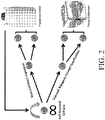
- FIG. 3 includes exemplary schematic illustrations of the double-switch mechanism of the myogenic modified O2KM cell line regulated by DOX or E2.
- the expression of the pluripotency transgenes POU5F1 and KLF4 is induced in the presence of DOX in the self-renewal medium (SRM), while such expression is repressed when DOX is absent.
- SRM self-renewal medium
- myogenic differentiation is activated by the inducible MyoD transgene in the presence of E2 in the myogenic induction medium (MIM), while such directed differentiation is inactive when E2 is absent.
- MIM myogenic induction medium
- Certain aspects provide differentiation/specification methods comprising additional reagents other than E2 in the MIM to prevent cell death and to modulate the epigenetic state of chromatin.
- additional reagents other than E2 in the MIM for example, a Glyogen Synthase Kinase-3 ⁇ (GSK3 ⁇ ) inhibitor can be added to the SRM and MIM to activate the canonical WNT signaling pathway, in turn, enhance myogenic differentiation and reduce cell death at the time of DOX withdrawal.
- GSK3 ⁇ Glyogen Synthase Kinase-3 ⁇
- the epigenetic modular alters the chromatin activation by myogenic transcription factors and/or enhances expression of myogenic transcription factors, such as MYF5.
- GSK3 ⁇ inhibition includes targeting with small-molecules.
- Gene editing is also a promising approach to enhance skeletal muscle specification by WNT signaling activation.
- GSK3 ⁇ may be inhibited in the host/parental cell line by mutating the GSK3 ⁇ alleles either by sequence-specific insertion or deletion technology (i.e. Zinc-Finger Nuclease, TALEN, CRISPR). Mutating the endogenous promotor region can be used to repress expression of GSK3 ⁇ .
- the GSK3 ⁇ open reading frame may be deleted or mutated using the same methods to abolish GSK3 ⁇ activity.
- downstream phosphorylation target of GSK3 ⁇ beta-catenin (CTNNB1) may be mutated at the codons coding for residues phosphorylated by GSK3 ⁇ , thereby preventing phosphorylation of CTNNB1 by GSK3 ⁇ , resulting in a constitutively active, stable CTNNB1.
- CTNNB1 beta-catenin
- Such "gene-editing" methods would reduce the cost of GSK3 ⁇ inhibition by small-molecule targeting and potentially improve the safety profile of the meat product, as additional chemicals would not be required to inhibit GSK3 ⁇ during the process.
- a third approach to Wnt-signaling inhibition includes the use of anti-sense nucleic acid inhibitors to GSK3 ⁇ or other factors antagonistic to the WNT pathway. These may include RNA interference methods using sequence-targeting shRNA or miRNA.
- GSK3 ⁇ inhibitor to promote cell survival, for example at the time of DOX withdrawal.
- a GSK3 ⁇ inhibitor is CHIR99021.
- Additional representative GSK3 ⁇ inhibitors may include, without limitation: lithium chloride, BIO, SB216763, CHIR-98014, TWS119, Tideglusib, IM-12, 1-Azakenpullone, AR-A014418, and SB415286. Without being bound by theory, it is believed that concomitant with DOX, both self-renewal of undifferentiated cells is maintained by a WNT signaling pathway involving the inhibition of GSK3 ⁇ .
- the GSK3 ⁇ inhibitor enhanced expression of the myogenic transcription factor MYF5 in differentiating O2K.
- a GSK3 ⁇ inhibitor such as CHIR99021, enhanced the terminal differentiation of the myogenic murine C2C12 cell line into multi-nucleated myotubes, as shown in Table 1.
- Table 1 lists the influences of extracellular matrix effectors (i.e. Gelatin, Poly-D-Lysine, Laminin, MATRIGEL) and soluble factors (E2, CHIR99021) on the terminal differentiation of the murine C2C12 myoblast by assessment of the size and extent of myotube formation proceeding a 5-day differentiation time course. (Cultures were scored from [*****], indicating robust myotube formation to [-] indicating non-detectable myotube formation.) Table 1. Influence of Extracellular Matrix effectors and Soluble factors on the terminal differentiation.
- extracellular matrix effectors i.e. Gelatin, Poly-D-Lysine, Laminin, MATRIGEL
- E2, CHIR99021 soluble factors
- a GSK3 ⁇ inhibitor when retained in the culture medium during differentiation (in the absence of DOX), is deemed compatible with the inducible myogenic transcription factor directed lineage specification and subsequent terminal differentiation conditions by derivative myocytes.
- CHIR99021 was retained in the O2KM cultures following DOX withdrawal during subsequent E2-induced lineage-specification and terminal differentiation processes.
- MYF5 expression was enhanced and cells exhibited a refractive myofibril morphology, whereas myocytes derived in the absence of 5AC expressed reduced MYF5 and exhibited an flattened morphology atypical to mature myofibrils. This distinction may explained by the enhanced expression of the myogenic transcription factor MYF5 observed only in the 5AC-exposed O2KM prior to and following 48 hours of DOX withdrawal
- non-phosphorylated myogenin isoform known to be the active transactivator
- the morphological distinction among these cultures may be explained by MYF5 expression enhanced by 5AC exposure.
- epigenetic modulation entails alteration of chromatin structure influencing transcription factor binding and targeted transcriptional activation by altering the DNA methylation patterns and post-translational modification of nucleosome- associated histones.
- epigenetic modulation may entail small-molecule agonists or antagonists targeting epigenetic pathways or expressed proteins comprising epigenetic machinery.
- a small-molecule epigenetic modulator is 5-Aza-Cytidine (5AC).
- small molecule epigenetic modulators include 5-Aza-2'-deoxycytidine, RG108, Scriptaid, sodium butyrate, trichostatin A, Suberoylanilide Hydroxamic Acid, MS-275, CI-994, BML-210, M344, MGCD0103, PXD101, LBH-589, Tubastatin A, NSC3825, NCH-51, NSC-3852, HNHA, BML-281, CBHA, Salermide, Pimelic Diphenylamide, ITF-2357, PCI-24781, APHA Compound 8, Droxinostat, and SB-939.
- proteins involved in epigenetic modulation include histone deacetylase paralogs, histone acetyltransferase paralogs, tet-methycytosine dioxygenase paralogs, histone demethylase paralogs, histone methyltransferase paralogs, and DNA methyltransferase paralogs, histones, and subunits of chromatin remodeling complexes including Mi-2/NuRD (and its components such as methyl-CpG-binding domain protein 3 (MBD2)) and SWI/SNF (and its components such as BAF60 and BAF60C).
- Mi-2/NuRD and its components such as methyl-CpG-binding domain protein 3 (MBD2)
- SWI/SNF and its components such as BAF60 and BAF60C
- respective activities of protein epigenetic modulators may be influenced by representative modalities such as targeting by small-molecule factors, over-expression of a respective exogenous transcript, anti-sense RNA-targeted respective transcript degradation, RNAi, and targeted mutation at the genetic locus.
- O2KM cell line was derived from the parental O2K cell line by lentiviral insertion of a blastidicin-selectable transgene cassette containing the MyoDER open reading frame sequence (ORF).
- ORF MyoDER open reading frame sequence
- O2K cells/cell line and piPSC cells are used interchangeably.
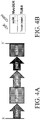
- the lentiviral vector, illustrated in Figure 4A was prepared by cloning the MyoDER ORF (Addgene #13494) downstream of the CMV promoter of the pLentiCMVBlast destination vector (Addgene # 17451) between the attR1 and attR2 recombination sites from an pENTR/D-TOPO entry vector (Life Technologies #K2435-20) clone containing the PCR-amplified MyoDER ORF.
- O2K was transduced with pseudovirus concentrated from the 293FT supernatant.
- Transduced O2K were cultured in phenol-red free culture medium and selected four days with 10 ⁇ g/mL blasticidin followed by two additional days with 15 ⁇ g/mL blasticidin. Selected cells were designated as O2KM. Expression of MyoDER in the O2KM stock was verified by Western blot, Figure 4B
- O2KM stem cell stock expansion in presence of DOX O2KM stem cell renewal milieu was conducted as for the parental O2K line, with the following exception: phenol-red free formulations of DMEM/F-12 and neurobasal medium were substituted for the phenol-red containing formulations to avert pleotropic agonistic effects on MyoDER (i.e. activation).
- the O2KM cell stock self-renewal medium consisted of the following components: phenol-red-free neurobasal medium (Life Technologies #12348-017), phenol-red free DMEM-F12 (Life Technologies #11039-021), IX non-essential amino acids (Sigma-Aldrich #M7145), 0.5X Glutamax (Life Technologies #35050061), 0.000007% ⁇ -Mercaptoethanol, 0.5X N2 Supplement (Life Technologies #17502048), 0.5X B27 Supplement Minus Vitamin A (Life Technologies #12587010), 0.1 mg/mL Bovine Serum Albumin, 2 ⁇ g/mL doxacycline hyclate (i.e.
- DOX 10 ng/mL human leukemia inhibitory factor (hLIF, Millipore #LIF1050), 3 ⁇ M CHIR99021, 0.8 ⁇ M PD032591 and 0.1 ⁇ M PD173074.
- the three inhibitors CHIR99021, PD032591 and PD173074 are collectively regarded as '3i'.
- N-2 and B-27 serum replacements were substituted using 15% KnockOut Serum Replecement (KOSR; Life Technologies #A15870).
- O2KM maintained by enzymatic dissociation of colonies and passages of cells onto culture dishes coated with poly-D lysine and murine laminin in phenol-free SRM under 5% O 2 every 3d. In these self-renewal conditions, O2KM maintained compact, stem cell-like morphology as the parental O2K line, as shown in Figure 5 .
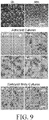
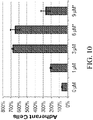
- a culture medium formulation including CHIR99021 when retained in the SRM basal medium in the absence of hLIF, DOX, PD032591 and PD173074, supported both cell survival during differentiation as determined by (1) phase-contrast microscopy, as shown in Figure 9 , panels iii. - viii., (2) cell adhesion assay, as shown in Figure 10 , (3) CPP32 cleavage inhibition as shown in Figure 17B , and ( 4 ) Annexin V labeling, as shown in Figure 11 .
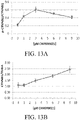
- CHIR99021 exposure during primordial differentiation stabilizes and modulates the phosphorylation status of the GSK3 ⁇ substrate, CTNNB1, as shown in Figure 12 , 13A and 13B , the phospho-regulated downstream effector of the canonical WNT signaling pathway known to direct mesodermal differentiation during embryonic lineage specification, myogenic enrichment of mesodermal progenitors, and terminal differentiation of skeletal myocytes.
- CHIR99021 supplemented basal medium supported pre-myogenic paraxial mesoderm lineage specification of differentiating O2K, as shown in Figure 14 and when included in low-mitogen differentiation cultures (2% horse serum/DMEM) of the myogenic murine C2C12 cell line, enhanced terminal differentiation into skeletal myotubes, listed in Table. 1.
- CHIR99021 repressed cell death supported differentiation toward paraxial mesoderm by the differentiating O2K cell line and enhanced terminal differentiation by the C2C12 cell line, precedent was established to retain the compound in all culture stages.
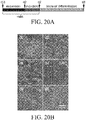
- 3 ⁇ M CHIR99021 was retained in the culture medium during expansion, induction and terminal differentiation steps ( Figure 20A ) unless stated otherwise.
- O2KM myogenic induction O2KM cells were seeded onto culture dishes coated with poly-D lysine, murine laminin and MATRIGEL at a density of 4.1 x 10 3 cells/cm 2 and cultured under 5% O 2 in self-renewal medium for 3d. To facilitate differentiation, cultures were transferred to a 20% O 2 basal differentiation milieu, designated by withdrawal of PD032591, PD173074, DOX, hLIF and ⁇ -mercaptoethanol. To conditionally induce the expressed MyoDER protein, 10 ⁇ M E2 was added to the medium.
- E2-directed myogenic lineage specification following 2d induction culture was confirmed by (1) adoption of spindle-like morphology characteristic of skeletal myocytes in treated cultures, as shown in Figure 6 , (2) expression of endogenous the MYOG skeletal muscle transcription factor, as shown in Figure 7 and ( 3 ) uniform expression of the skeletal myocyte cell surface marker, NCAM, as shown in Figure 8 .
- the gene expression program in the 02KM-derived myocytes was not sufficient to enable terminal differentiation as per the established conditions.
- 5AC a small-molecule epigenetic modulator
- 5AC exposure was further determined to enhance terminal differentiation by the C2C12 cell line.
- 250 nM 5AC the highest dose tolerated by undifferentiated O2KM, was included during in the proliferative O2KM expansion and induction regimens, as shown in Figure 20A .
- terminal differentiation medium TDM
- MATRIGEL-coated culture dished in terminal differentiation medium TDM was formulated from the same components as MIM, except for the following modifications: withdrawal of E2, addition of 4 ⁇ M A 83-01, and 100 nM IGF-1. N-2 and B-27 supplements were used exclusively as serum replacements. Cultures were differentiated for up to 6d following under 20% O 2 following induction regimens ( Figure 20A ). Cultures exposed to 5AC during expansion and induction regimens formed refractive, anisotropic myotubes during the terminal differentiation regimen, shown in Figure 20B .
- Figure 20C shows uniform expression of myosin heavy chain by d6, and Figure 20E shows increasing expression of desmin (DES) and myogenin (MYOG) over the 8d course.
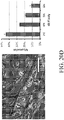
- Myotube polyploidy was observed during terminal differentiation, as shown in Figure 20D , left panel.
- the relative distribution of myonuclei in d8 myotubes according to ploidy is shown in Figure 20D , right panel.
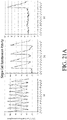
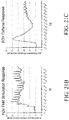
- Contractile potential of terminally differentiating skeletal muscle myotubes was validated by (1) structural development of well-organized sarcomeres, as shown in Figure 20G ; (2) asynchronous spontaneous contraction, as shown in Figure 21A ; (3) contractile stimulation and synchronization by field stimulation, as shown in Figure 21B ; (4) caffeine-stimulated contraction, as shown in Figure 21C ; and ( 5 ) acetylcholine-stimulated contraction, as shown in Figure 21D .
- FIG. 9 shows phase-contrast images of ground-state piPSC colonies cultured under 5% O 2 in the self-renewal milieu (i.) and following 48h under 20% O 2 in the absence of DOX, LIF and 3i, (ii.).
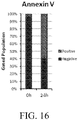
- Figure 16 shows Annexin V labeling of apoptotic cells prior to, and following 24h transition of cultures.
- Figure 17A shows Western blot detection of full-length CPP32 ( ⁇ 32 kD procaspase 3a) and the large cleaved fragment ( ⁇ 17kD cleaved-caspase 3a) in ground-state colonies prior to (0h) and following (12-48h) differentiation milieu transition (12-48h).
- Figure 9 shows phase contrast images of adherent cultures (iii, iv, vi, and vi) and non-adherent embryoid body cultures (vii and viii) following 48h culture in differentiation milieu supplemented with CHIR99021 as indicated.
- Figure 11 shows Annexin V labeling of apoptotic cells following 24h transition of cultures to differentiation milieu supplemented with CHIR99021 as indicated.
- Figure 17B shows Western blot detection of full-length CPP32 and the cleaved fragment in colonies following 42h transition to the differentiation milieu in the presence of CHIR99021 levels indicated.
- TUBA is detected an internal protein loading control.
- CHIR99021 stabilizes CTNNB1 and supports differentiation from the ground state.
- Figure 12 shows Western blot detection of CTNNB1 and p-CTNNB1 (total and phospho-S33,37,T41 ⁇ -catenin, respectively) following 24h differentiation milieu transition in the presence of CHIR99021, as indicated.
- TUBA detected as an internal protein loading control.
- Figure 13A indicates ratios of p-CTNNB1/CTNNB1 bands.
- Figure 13B indicates ratios of CTNNB1/TUBA bands.
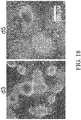
- Figure 18 shows outgrowth morphology of embryoid bodies formed in a differentiation milieu containing 6 ⁇ M CHIR99021 for two days and following transfer to a Poly-D Lysine + Laminin + MATRIGEL coated substrate for one (d3, left panel ) or three (d5, right panel ) additional days.
- Figure 14 shows Western blot analysis of PAX3, POU5F1 and KLF4 expression in ground-state milieu (d0) and differentiation milieu cultures (d1 - d5) according to one regimen aspect described elsewhere herein.
- TUBA detection is shown as an internal protein loading control.
- FIG. 4A shows a Blasticidin (BLAST)-selectable MyoDER expression cassette. Arrows and boxes indicate promoter and gene sequences, respectively.
- Figure 4B shows Western blot detection of MyoDER in the unmodified (O2K) and MyoDER expression cassette-modified (O2KM) piPSC line. MyoDER was detected with an antibody raised against a MyoD peptide.
- Figure 7 shows Western blot detection of MyoDER ( ⁇ 75 kD), MYF5 and MYOG following 2d piPSC induction. Endogenous MYOD1 ( ⁇ 45 kD, expected) was not detected.
- O2KM were seeded onto poly-D lysine + Martigel + murine laminin coated culture dishes and cultured with hLIF, 3i & DOX for three days in the presence (i.e. expansion, Figure 20A ) or absence of 5AC, followed by respective transition to a -/+ 5AC differentiation milieu supplemented with E2 (i.e. 17 ⁇ estradiol) and 3 ⁇ M CHIR99021 for two days.
- Double Arrow Partially resolved MYOG isoforms.
- Figure 19A and 19B Determinants of MYF5 activation: Western blot analyses.
- FIG 19B shows MYF5 activation in the presence of DOX, LIF and 3i.
- MYODER-modified piPSC were cultured 3 days in self-renewal or expansion milieu.
- 5AC exposure supported detectable MYF5 expression levels, as shown in Figure 19B , after 3 days of expansion culture.
- MYF5 was not detected following 3 days of renewal culture (-5AC), as shown in Figure 19B .
- TUBA is detected as an internal protein loading control.
- Figure 6 shows the morphology of selected piPSC cultures following lineage specification induction culture regimens ( Figure 20A ) described elsewhere herein.
- Figure 8 shows immunocytoflourescent detection of nuclei (DAPI) and NCAM in piPSC-MyoDER cultures prior to (d0, left panel ) and following (d2, right panel ) 10 ⁇ M E2 exposure, in the presence of 5AC.
- Terminal Myogenesis of Lineage-Specified piPSC Prior to terminal differentiation, cultures were expanded for 3 days in the presence of 5AC, induced for 2 days in the presence of E2 & 5AC, and terminally differentiated in the absence of 5AC & E2 as shown in Figure 20A.
- Figure 20B shows myotube morphology and conformation.
- Post-induction (d2), piPSC developed as elongated, anisotropic, refractive myotubes. Where 5AC was not included in the expansion and induction steps, cells exhibited a flattened, non-refractive morphology.
- Figure 20C and Figure 20E show terminal myogenesis protein expression.
- FIG. 20D shows myotube multinucleation.
- Left panel enlarged image of d4 terminal differentiation cultures. Bracketed arrows indicate multiple nuclei within a single myotube.
- Figure 20E shows Western blot analyses. MyoD (MYOD1), myogenin (MYOG) and desmin (DES) expression, d0 -d8.
- TUBA is detected as an internal protein loading control.
- Figure 20F shows cell-cycle withdrawal coinciding with terminal differentiation.
- d3 modified piPSC renewal, expansion cultures and d8 terminal differentiation cultures were labeled with EdU, and the S-phase fraction was determined by flow cytometry.
- n 3 with standard deviation shown.
- Figure 20G Transmission Electron Microscopy, d6 myotubes. Sarcomeric structural units were aligned in single ( left panels ) and staggered, parallel rows ( right panel ).
- FIG. 21A shows representative asynchronous, single-cell transient cycles ( left, middle and right panels) were observed in spontaneously contracting d6 myotube subpopulations.
- Figure 21B shows FOV activation and synchronization of calcium transient cycles by 1.0 Hz field stimulation in d6 myotubes.
- Figure 21C shows FOV calcium transient activation of d6 myotubes by 10 mM caffeine.
- Figures 21D single-cell analysis of representative calcium transient activation in a d7 myotubes by 100 nM acetylcholine.
Landscapes
- Health & Medical Sciences (AREA)
- Life Sciences & Earth Sciences (AREA)
- Engineering & Computer Science (AREA)
- Biomedical Technology (AREA)
- Chemical & Material Sciences (AREA)
- Biotechnology (AREA)
- Zoology (AREA)
- Cell Biology (AREA)
- Genetics & Genomics (AREA)
- Bioinformatics & Cheminformatics (AREA)
- Wood Science & Technology (AREA)
- Organic Chemistry (AREA)
- General Health & Medical Sciences (AREA)
- Developmental Biology & Embryology (AREA)
- Rheumatology (AREA)
- Microbiology (AREA)
- Biochemistry (AREA)
- General Engineering & Computer Science (AREA)
- Immunology (AREA)
- Virology (AREA)
- Veterinary Medicine (AREA)
- Medicinal Chemistry (AREA)
- Pharmacology & Pharmacy (AREA)
- Epidemiology (AREA)
- Animal Behavior & Ethology (AREA)
- Public Health (AREA)
- Reproductive Health (AREA)
- Nutrition Science (AREA)
- Food Science & Technology (AREA)
- Polymers & Plastics (AREA)
- Hematology (AREA)
- Gynecology & Obstetrics (AREA)
- Micro-Organisms Or Cultivation Processes Thereof (AREA)
- Fodder In General (AREA)
- Medicines Containing Material From Animals Or Micro-Organisms (AREA)
Applications Claiming Priority (2)
| Application Number | Priority Date | Filing Date | Title |
|---|---|---|---|
| US201361962068P | 2013-10-30 | 2013-10-30 | |
| PCT/US2014/063250 WO2015066377A1 (en) | 2013-10-30 | 2014-10-30 | Method for scalable skeletal muscle lineage specification and cultivation |
Related Child Applications (1)
| Application Number | Title | Priority Date | Filing Date |
|---|---|---|---|
| EP19220227.3 Division-Into | 2019-12-31 |
Publications (4)
| Publication Number | Publication Date |
|---|---|
| EP3071040A1 EP3071040A1 (en) | 2016-09-28 |
| EP3071040A4 EP3071040A4 (en) | 2017-06-21 |
| EP3071040B1 EP3071040B1 (en) | 2020-01-01 |
| EP3071040B2 true EP3071040B2 (en) | 2022-12-28 |
Family
ID=53005145
Family Applications (1)
| Application Number | Title | Priority Date | Filing Date |
|---|---|---|---|
| EP14858383.4A Active EP3071040B2 (en) | 2013-10-30 | 2014-10-30 | Method for scalable skeletal muscle lineage specification and cultivation |
Country Status (10)
| Country | Link |
|---|---|
| US (3) | US20160251625A1 (enExample) |
| EP (1) | EP3071040B2 (enExample) |
| JP (2) | JP6728049B2 (enExample) |
| CN (2) | CN111154726A (enExample) |
| AU (2) | AU2014342180B2 (enExample) |
| BR (1) | BR112016009803B1 (enExample) |
| CA (1) | CA2928726A1 (enExample) |
| ES (1) | ES2782380T5 (enExample) |
| IL (2) | IL296889A (enExample) |
| WO (1) | WO2015066377A1 (enExample) |
Families Citing this family (43)
| Publication number | Priority date | Publication date | Assignee | Title |
|---|---|---|---|---|
| US20160251625A1 (en) | 2013-10-30 | 2016-09-01 | The Curators Of The University Of Missouri | Method for scalable skeletal muscle lineage specification and cultivation |
| WO2017100498A1 (en) | 2015-12-11 | 2017-06-15 | The Johns Hopkins University | Isolation of fusion-competent myoblasts and therapeutic applications thereof related to muscular dystrophy |
| MX2018008733A (es) * | 2016-01-14 | 2019-01-28 | Memphis Meats Inc | Metodos para extender la capacidad replicativa de las celulas somaticas durante un proceso de cultivo ex vivo. |
| IL320653A (en) | 2016-07-11 | 2025-07-01 | Yissum Res Dev Co Of Hebrew Univ Jerusalem Ltd | Systems and methods for growing cells in vitro |
| ES2985769T3 (es) | 2017-05-06 | 2024-11-07 | Upside Foods Inc | Composiciones y métodos para aumentar la densidad de cultivo de una biomasa celular dentro de una infraestructura de cultivo |
| US20200140821A1 (en) * | 2017-06-07 | 2020-05-07 | Wild Type, Inc. | Ex vivo meat production |
| US11479792B2 (en) | 2017-07-13 | 2022-10-25 | Upside Foods, Inc. | Compositions and methods for increasing the efficiency of cell cultures used for food production |
| KR20200071061A (ko) | 2017-07-15 | 2020-06-18 | 알레프 팜스 리미티드 | 배양된 육류 조성물 |
| GB2573327B (en) * | 2018-05-03 | 2021-05-12 | Mosa Meat Bv | Apparatus and process for production of tissue from cells |
| US12478571B2 (en) | 2018-12-17 | 2025-11-25 | Pontis Biologics, Inc. | Enzyme based compositions and methods for removing dental calculi |
| EP3969571A4 (en) | 2019-05-14 | 2023-05-24 | Aleph Farms Ltd. | PLURIPOTENTE CELL AGGREGATES AND THEIR USE |
| IL288338B2 (en) | 2019-05-28 | 2023-02-01 | Upside Foods Inc | Apparatuses and methods for preparing a comestible meat product |
| MX2022006095A (es) | 2019-11-20 | 2022-08-16 | Upside Foods Inc | Aparatos y sistemas para preparar un producto carnico. |
| PH12022551329A1 (en) * | 2019-12-02 | 2024-06-24 | Avant Meats Company Ltd | Methods of meat production by in vitro cell cultivation |
| US20210235733A1 (en) | 2020-02-04 | 2021-08-05 | Memphis Meats, Inc. | Characteristics of meat products |
| CN115989318A (zh) | 2020-06-05 | 2023-04-18 | 阿普賽德食品公司 | 用于产生免屠宰肉的营养培养基 |
| GB202008821D0 (en) * | 2020-06-10 | 2020-07-22 | Highersteaks Ltd | Systems and methods for cell conversion |
| US12252681B2 (en) | 2020-08-18 | 2025-03-18 | Upside Foods, Inc. | Systems, devices, and methods for sterilizing bioreactors and culture media |
| US20220195368A1 (en) * | 2020-12-21 | 2022-06-23 | Upside Foods, Inc. | Fluid conduit with radial expansion of fluid flow |
| US11912967B2 (en) | 2020-12-22 | 2024-02-27 | Upside Foods, Inc. | Systems and methods for cultivating tissue on porous substrates |
| WO2022156939A1 (en) * | 2021-01-22 | 2022-07-28 | HigherSteaks Limited | Products for cell conversion |
| US20240352423A1 (en) | 2021-03-10 | 2024-10-24 | Terasaki Institute For Biomedical Innovation | Methods and systems of producing products such as animal derived products |
| AU2022254053A1 (en) | 2021-04-07 | 2023-10-12 | The Upside Group Inc. | Generation of cell-based products for consumption that comprise proteins derived from exotic, endangered, and extinct species |
| WO2022232322A1 (en) | 2021-04-28 | 2022-11-03 | Upside Foods, Inc. | Generation of cell-based products for human consumption |
| WO2022234586A1 (en) | 2021-05-06 | 2022-11-10 | Yeda Research And Development Co. Ltd. | Method for inducing hypertrophic muscle fibers for industrial meat production |
| BR112023024911A2 (pt) * | 2021-05-28 | 2024-02-20 | Abs Global Inc | Sistemas e métodos de reprodução in vitro em pecuária |
| US20220400716A1 (en) | 2021-06-11 | 2022-12-22 | Upside Foods, Inc. | Comestible cell-based meat products comprising dry cell powder and methods of making such products |
| WO2022265632A1 (en) | 2021-06-16 | 2022-12-22 | Upside Foods, Inc. | Plant fat-based scaffolds for the growth of cell-based meats and methods of making such products |
| US20240327794A1 (en) | 2021-07-09 | 2024-10-03 | Suprême | Foodstuffs comprising cells differentiated from engineered oligopotent stem cells |
| EP4418874A4 (en) | 2021-10-19 | 2025-09-24 | Eat Scifi Inc | PLANT/ANIMAL CELL BASED HYBRID MEAT SUBSTITUTE |
| WO2023122688A1 (en) * | 2021-12-23 | 2023-06-29 | Upside Foods, Inc. | Scaling up myogenic tissue: late passage myogenicity |
| WO2023240152A1 (en) | 2022-06-07 | 2023-12-14 | Upside Foods, Inc. | Engineering cell lines capable of proliferation in growth factor free media formulations |
| EP4292440A1 (en) | 2022-06-14 | 2023-12-20 | Upside Foods, Inc. | Suspension based chicken product formulation |
| EP4293109A1 (en) | 2022-06-14 | 2023-12-20 | Upside Foods, Inc. | Non-skeletal muscle-derived cells as a source of suspension capable myogenic cells for cultured foods |
| US11981884B2 (en) | 2022-10-17 | 2024-05-14 | Upside Foods, Inc. | Pipe-based bioreactors for producing comestible meat products and methods of using the same |
| US12653214B2 (en) | 2023-01-06 | 2026-06-16 | Upside Foods, Inc. | Compositions and methods of making comestible cell-based meat fillets |
| WO2024218715A1 (en) | 2023-04-19 | 2024-10-24 | Btl Healthcare Technologies A.S. | Culture media based on protein hydrolysate and a process for preparing thereof |
| CN121464211A (zh) * | 2023-07-10 | 2026-02-03 | 中国农业大学 | 一种猪多能干细胞的肌源性分化方法及其用于细胞培养肉制备 |
| EP4497814A1 (de) | 2023-07-28 | 2025-01-29 | Green Elephant Biotech GmbH | Vorrichtung zur vermehrung von differenzierten und undifferenzierten zellen und verwendung der vorrichtung für die herstellung von kultivierten lebensmitteln |
| IL325324A (en) | 2023-09-01 | 2026-02-01 | Upside Foods Inc | Transposon system and methods of using it |
| US20250120418A1 (en) * | 2023-10-12 | 2025-04-17 | Btl Healthcare Technologies A.S. | Pet food, methods and devices for producing pet food |
| US12668774B2 (en) | 2023-10-12 | 2026-06-30 | Btl Healthcare Technologies A.S. | Product, system and method of cell cultivation |
| WO2025141211A1 (en) * | 2023-12-29 | 2025-07-03 | Meatable B.V. | Cells for forward programming |
Citations (2)
| Publication number | Priority date | Publication date | Assignee | Title |
|---|---|---|---|---|
| US20130004466A1 (en) † | 2011-06-14 | 2013-01-03 | Tremblay Jacques P | Myogenic differentiation of stem cells and and uses thereof |
| WO2013073246A1 (en) † | 2011-11-18 | 2013-05-23 | Kyoto University | Method of inducing differentiation from pluripotent stem cells to skeletal muscle cells |
Family Cites Families (36)
| Publication number | Priority date | Publication date | Assignee | Title |
|---|---|---|---|---|
| US5510254A (en) | 1986-04-18 | 1996-04-23 | Advanced Tissue Sciences, Inc. | Three dimensional cell and tissue culture system |
| IE904639A1 (en) * | 1989-12-21 | 1991-07-17 | Univ Georgia | Bovine myogenic factor gene |
| US5298422A (en) * | 1991-11-06 | 1994-03-29 | Baylor College Of Medicine | Myogenic vector systems |
| WO1999031222A1 (en) | 1997-12-18 | 1999-06-24 | Willem Frederik Van Eelen | Industrial scale production of meat from in vitro cell cultures |
| WO1999043786A2 (en) | 1998-02-27 | 1999-09-02 | Purdue Research Foundation | Submucosa gel compositions |
| US6537782B1 (en) | 1998-06-01 | 2003-03-25 | Chugai Seiyaku Kabushiki Kaisha | Media for culturing animal cells and process for producing protein by using the same |
| US6835390B1 (en) | 2000-11-17 | 2004-12-28 | Jon Vein | Method for producing tissue engineered meat for consumption |
| AU2004249812B8 (en) * | 2003-06-25 | 2011-09-15 | Ottawa Hospital Research Institute | Methods and compositions for modulating stem cell growth and differentiation |
| DE102004017484B4 (de) | 2004-04-08 | 2006-07-06 | Fraunhofer-Gesellschaft zur Förderung der angewandten Forschung e.V. | Verfahren zur Herstellung einer biologischen Materialzusammensetzung tierischen Ursprungs |
| US20060121006A1 (en) | 2004-09-10 | 2006-06-08 | Chancellor Michael B | Production of nutritional and therapeutic products from cultured animal cells |
| PL1789063T3 (pl) | 2004-09-17 | 2012-05-31 | Hampton Creek Inc | Mięso do spożycia hodowane techniką inżynierii tkankowej i sposób wytwarzania mięsa do spożycia hodowanego techniką inżynierii tkankowej |
| EP1956923A1 (en) * | 2005-11-02 | 2008-08-20 | Nestec S.A. | Isoflavone compositions for reducing accumulation of body fat in male mammals, and methods for their use |
| CA2644046A1 (en) * | 2006-02-28 | 2007-09-07 | Trustees Of Boston University | Metabolic regulators and uses thereof |
| DE102007029699B4 (de) | 2007-06-27 | 2010-12-02 | Fraunhofer-Gesellschaft zur Förderung der angewandten Forschung e.V. | Isolierte proliferierende Zellen mit Stammzelleigenschaften aus adultem Gewebe von wechselwarmen Wirbeltieren, stabile Zellkulturen davon und Verfahren zu deren Herstellung |
| CN101624570B (zh) | 2008-07-07 | 2011-04-13 | 刘志军 | 中药培养养殖肉灵芝方法及养殖肉灵芝保健品的制备方法 |
| US20110301249A1 (en) | 2008-12-12 | 2011-12-08 | Kedar Challakere | Stem cell enhanced protein products and uses therof |
| US20110091604A1 (en) | 2009-10-21 | 2011-04-21 | Seth Adrian Miller | Synthetic meat |
| US8883502B2 (en) | 2010-09-09 | 2014-11-11 | The Regents Of The University Of California | Expandable cell source of neuronal stem cell populations and methods for obtaining and using them |
| WO2012170995A2 (en) * | 2011-06-10 | 2012-12-13 | University Of Georgia Research Foundation, Inc. | Avian induced pluripotent stem cells and their use |
| US8883503B2 (en) | 2011-06-23 | 2014-11-11 | Indian Institute Of Technology Kanpur | Hydrogel scaffolds for tissue engineering |
| KR20210095240A (ko) | 2011-07-12 | 2021-07-30 | 임파서블 푸즈 인크. | 소비재를 위한 방법 및 조성물 |
| US10039306B2 (en) | 2012-03-16 | 2018-08-07 | Impossible Foods Inc. | Methods and compositions for consumables |
| CN103747693B (zh) | 2011-07-26 | 2017-08-01 | 密苏里大学董事会 | 可食用工程肉 |
| CA2792081C (en) * | 2011-10-11 | 2020-10-27 | Bond University Ltd | Layered compositions comprising 3d nanofibre webbing for tissue repair |
| EP2825694A4 (en) | 2012-03-16 | 2016-04-20 | Impossible Foods Inc | AFFINITY REAGENTS FOR PROTEIN CLEANING |
| EP2831291B1 (en) | 2012-03-28 | 2019-04-24 | Modern Meadow, Inc. | Engineered leather and methods of manufacture thereof |
| AU2014205122B2 (en) | 2013-01-11 | 2017-11-02 | Impossible Foods Inc. | Non-dairy cheese replica comprising a coacervate |
| US10525075B2 (en) | 2013-02-22 | 2020-01-07 | The Board Of Trustees Of The Leland Stanford Junior University | Compounds, compositions, methods, and kits relating to telomere extension |
| WO2015038988A1 (en) | 2013-09-13 | 2015-03-19 | Modern Meadow, Inc. | Edible and animal-product-free microcarriers for engineered meat |
| US20160251625A1 (en) | 2013-10-30 | 2016-09-01 | The Curators Of The University Of Missouri | Method for scalable skeletal muscle lineage specification and cultivation |
| US20150296834A1 (en) | 2014-04-17 | 2015-10-22 | Savage River, Inc. dba Beyond Meat, Inc. | Plant based meat structured protein products |
| US9526267B2 (en) | 2014-04-17 | 2016-12-27 | Savage River, Inc. | Nutrient-dense meat structured protein products |
| WO2017019125A1 (en) | 2015-07-24 | 2017-02-02 | Synthetic Genomics, Inc. | A protein rich food ingredient from biomass and methods of production |
| MX2018008733A (es) | 2016-01-14 | 2019-01-28 | Memphis Meats Inc | Metodos para extender la capacidad replicativa de las celulas somaticas durante un proceso de cultivo ex vivo. |
| ES2985769T3 (es) | 2017-05-06 | 2024-11-07 | Upside Foods Inc | Composiciones y métodos para aumentar la densidad de cultivo de una biomasa celular dentro de una infraestructura de cultivo |
| US11479792B2 (en) | 2017-07-13 | 2022-10-25 | Upside Foods, Inc. | Compositions and methods for increasing the efficiency of cell cultures used for food production |
-
2014
- 2014-10-30 US US15/033,207 patent/US20160251625A1/en not_active Abandoned
- 2014-10-30 BR BR112016009803-0A patent/BR112016009803B1/pt not_active IP Right Cessation
- 2014-10-30 WO PCT/US2014/063250 patent/WO2015066377A1/en not_active Ceased
- 2014-10-30 CA CA2928726A patent/CA2928726A1/en active Pending
- 2014-10-30 JP JP2016552246A patent/JP6728049B2/ja not_active Expired - Fee Related
- 2014-10-30 AU AU2014342180A patent/AU2014342180B2/en not_active Ceased
- 2014-10-30 CN CN202010084479.7A patent/CN111154726A/zh active Pending
- 2014-10-30 EP EP14858383.4A patent/EP3071040B2/en active Active
- 2014-10-30 ES ES14858383T patent/ES2782380T5/es active Active
- 2014-10-30 IL IL296889A patent/IL296889A/en unknown
- 2014-10-30 CN CN201480061537.7A patent/CN105899079A/zh not_active Withdrawn
-
2016
- 2016-04-20 US US15/134,252 patent/US10920196B2/en active Active
- 2016-04-24 IL IL245292A patent/IL245292B2/en unknown
-
2019
- 2019-04-02 AU AU2019202244A patent/AU2019202244B2/en not_active Ceased
-
2020
- 2020-01-17 JP JP2020005873A patent/JP2020089381A/ja active Pending
-
2021
- 2021-02-12 US US17/175,324 patent/US20210171912A1/en not_active Abandoned
Patent Citations (2)
| Publication number | Priority date | Publication date | Assignee | Title |
|---|---|---|---|---|
| US20130004466A1 (en) † | 2011-06-14 | 2013-01-03 | Tremblay Jacques P | Myogenic differentiation of stem cells and and uses thereof |
| WO2013073246A1 (en) † | 2011-11-18 | 2013-05-23 | Kyoto University | Method of inducing differentiation from pluripotent stem cells to skeletal muscle cells |
Non-Patent Citations (23)
| Title |
|---|
| Asp et al, "Genome-wide remodeling of the epigenetic landscape during myogenic differentiation" PNAS, 2011 † |
| BHAT, ZUHAIB FAYAZ ET AL.: "Animal-free meat biofabrication", AMERICAN JOURNAL OF FOOD TECHNOLOGY, vol. 6, no. 6, 15 May 2011 (2011-05-15), pages 441 - 459 † |
| BLACK, BRIAN L. ET AL.: "Transcriptional control of muscle development by myocyte enhancer factor-2 (MEF2) proteins", ANNUAL REVIEW OF CELL AND DEVELOPMENTAL BIOLOGY, vol. 14, no. 1, 1998, pages 167 - 196, DOI: 10.1146/annurev.cellbio.14.1.167 † |
| Carstea et al., "Germline competence of mouse ES and iPS cell lines:Chimera technologies and genetic background" World Journal of Stem Cells, 2009 † |
| Chen et al, Human pluripotent stem cell culture: considerations for maintenance, expansion, and therapeutics. Cell Stem Cell. 2014 Jan 2; 14(1): 13-26. † |
| CHEN, ZIRONG ET AL.: "DNA methyltransferase inhibitor CDA-II inhibits myogenic differentiation", BIOCHEMICAL AND BIOPHYSICAL RESEARCH COMMUNICATIONS, vol. 422, no. 3, June 2012 (2012-06-01), pages 522 - 526 † |
| CHOI, SANG-WOON ET AL.: "Epigenetics: a new bridge between nutrition and health", ADVANCES IN NUTRITION, vol. 1, no. 1, 2010, pages 8 - 16, DOI: 10.3945/an.110.1004 † |
| DESBOIS-MOUTHON, CHRISTÈLE ET AL.: "Insulin and IGF-1 stimulate the beta-catenin pathway through two signalling cascades involving GSK-3beta inhibition and Ras activation", ONCOGENE, vol. 20, no. 2, 12 March 2001 (2001-03-12), pages 252 - 259 † |
| DING, VANESSA MY ET AL.: "FGF-2 modulates Wnt signaling in undifferentiated hESC and iPS cells through activated PI3-K/GSK3beta signaling", JOURNAL OF CELLULAR PHYSIOLOGY, vol. 225, no. 2, 2010, pages 417 - 428, DOI: 10.1002/jcp.22214 † |
| Ezashi et al (2009) PNAS 106 27 10993-10998 † |
| GENOVESE, NICHOLAS J. ET AL.: "Enhanced development of skeletal myotubes from porcine induced pluripotent stem cells", SCIENTIFIC REPORTS, vol. 7, 2017, pages 41833, DOI: 10.1038/srep41833 † |
| Hall et al., "Temporal Repression of Endogenous Pluripotency Genes during Reprogramming of Porcine Induced Pluripotent Stem Cells " CELLULAR REPROGRAMMING, 2012 † |
| HUPKES, MARLINDA ET AL.: "DNA methylation restricts spontaneous multi-lineage differentiation of mesenchymal progenitor cells, but is stable during growth factor-induced terminal differentiation", BIOCHIMICA ET BIOPHYSICA ACTA (BBA)-MOLECULAR CELL RESEARCH, vol. 1813, no. 5, 2011, pages 839 - 849, DOI: 10.1016/j.bbamcr.2011.01.022 † |
| HUPKES, MARLINDA ET AL.: "Epigenetics: DNA demethylation promotes skeletal myotube maturation", THE FASEB JOURNAL, vol. 25, no. 11, November 2011 (2011-11-01), pages 3861 - 3872 † |
| MOLKENTIN, JEFFERY D. ET AL.: "Cooperative activation of muscle gene expression by MEF2 and myogenic bHLH proteins", CELL, vol. 83, no. 7, 29 December 1995 (1995-12-29), pages 1125 - 1136 † |
| NOWAK-IMIALEK, MONIKA ET AL.: "Pluripotent cells in farm animals: state of the art and future perspectives", REPRODUCTION, FERTILITY AND DEVELOPMENT, vol. 25, no. 1, 2012, pages 103 - 128 † |
| Ogorevc et al., "Cellular reprogramming in farm animals: an overview of iPSC generation in the mammalian farm animal species" Journal of Animal Science and Biotechnology, 2016 † |
| Okita et al (2011) Nature Methods (2011), 8: 409-412 † |
| POST, MARK J.: "Cultured meat from stem cells: Challenges and prospects", MEAT SCIENCE, vol. 92, no. 3, 2012, pages 297 - 301, DOI: 10.1016/j.meatsci.2012.04.008 † |
| RINKEVICH, BARUCH: "Cell cultures from marine invertebrates: new insights for capturing endless sternness", MARINE BIOTECHNOLOGY, vol. 13, no. 3, 7 January 2011 (2011-01-07), pages 345 - 354, DOI: 10.1007/s10126-010-9354-3 † |
| SCHNAPP, ESTHER ET AL.: "Induced early expression of mrf4 but not myog rescues myogenesis in the myod/myf5 double-morphant zebrafish embryo", JOURNAL OF CELL SCIENCE, vol. 122, no. 4, 15 February 2009 (2009-02-15), pages 481 - 488 † |
| Su et al., "Establishment of Bovine- Induced Pluripotent Stem Cells" International Journal of Molecular Sciences, 2021 † |
| Vallier et al Activin/Nodal and FGF pathways cooperate to maintain pluripotency of human embryonic stem cells. J Cell Sci. 2005 Oct1:118(Pt 19):4495-509. doi:10.1242/jcs.02553. PMID: 16179608 † |
Also Published As
| Publication number | Publication date |
|---|---|
| US20210171912A1 (en) | 2021-06-10 |
| US10920196B2 (en) | 2021-02-16 |
| AU2014342180B2 (en) | 2019-01-03 |
| BR112016009803A8 (pt) | 2018-01-30 |
| US20160227830A1 (en) | 2016-08-11 |
| EP3071040B1 (en) | 2020-01-01 |
| JP2016535601A (ja) | 2016-11-17 |
| CN111154726A (zh) | 2020-05-15 |
| US20160251625A1 (en) | 2016-09-01 |
| IL296889A (en) | 2022-12-01 |
| BR112016009803B1 (pt) | 2022-02-08 |
| AU2019202244A1 (en) | 2019-04-18 |
| IL245292B (en) | 2022-10-01 |
| ES2782380T5 (es) | 2023-05-08 |
| WO2015066377A1 (en) | 2015-05-07 |
| IL245292A0 (en) | 2016-06-30 |
| CN105899079A (zh) | 2016-08-24 |
| ES2782380T3 (es) | 2020-09-14 |
| JP6728049B2 (ja) | 2020-07-22 |
| EP3071040A1 (en) | 2016-09-28 |
| BR112016009803A2 (pt) | 2017-12-05 |
| IL245292B2 (en) | 2023-02-01 |
| JP2020089381A (ja) | 2020-06-11 |
| CA2928726A1 (en) | 2015-05-07 |
| EP3071040A4 (en) | 2017-06-21 |
| AU2019202244B2 (en) | 2021-09-23 |
| AU2014342180A1 (en) | 2016-05-19 |
Similar Documents
| Publication | Publication Date | Title |
|---|---|---|
| AU2019202244B2 (en) | Method for scalable skeletal muscle lineage specification and cultivation | |
| Xu et al. | A zebrafish embryo culture system defines factors that promote vertebrate myogenesis across species | |
| EP2955223B1 (en) | Production methods for megakaryocytes and platelets | |
| CA3062600A1 (en) | Method for producing intestinal organoid derived from pluripotent stem cells | |
| EP3584313A1 (en) | Maintenance culture of intestinal stem cells derived from induced pluripotent stem cells | |
| Walczak et al. | Directed differentiation of human iPSC into insulin producing cells is improved by induced expression of PDX1 and NKX6. 1 factors in IPC progenitors | |
| Świerczek et al. | From pluripotency to myogenesis: a multistep process in the dish | |
| JP6351018B2 (ja) | アミノ酸組成変更培地を用いた幹細胞の分化誘導方法、及び該培地を含む培地キット | |
| US11697798B2 (en) | Enhanced differentiation and maturation of pluripotent stem cell-derived myogenic cells | |
| US20240279613A1 (en) | Method of producing enteroendocrine cell, enteroendocrine cell derived from pluripotent stem cell, culture medium or culture medium kit, and use thereof | |
| Sandoval et al. | Tumor suppressors inhibit reprogramming of African spiny mouse (Acomys) fibroblasts to induced pluripotent stem cells | |
| HK1229164A1 (en) | Method for scalable skeletal muscle lineage specification and cultivation | |
| HK1229164B (en) | Method for scalable skeletal muscle lineage specification and cultivation | |
| WO2018088240A1 (ja) | ヒト多能性幹細胞由来ライディッヒ様細胞の作製方法及びヒト多能性幹細胞由来ライディッヒ様細胞 | |
| WO2017073763A1 (ja) | 多能性幹細胞の分化抵抗性を減弱する方法 | |
| WO2023067090A1 (en) | Ipsc induction and progeny derivation | |
| KR101768581B1 (ko) | 자발적 불멸화된 체세포의 단일 세포로부터 리프로그래밍 세포주의 제조방법 | |
| CA3002156C (en) | Multi-lineage hematopoietic precursor cell production by genetic programming | |
| Heffernan et al. | Induction of pluripotency | |
| Page et al. | Methods for Inducing Pluripotency | |
| Mulholland | Characterization of pluripotency factors in human umbilical cord blood derived multi lineage progenitor cells treated with small molecules |
Legal Events
| Date | Code | Title | Description |
|---|---|---|---|
| PUAI | Public reference made under article 153(3) epc to a published international application that has entered the european phase |
Free format text: ORIGINAL CODE: 0009012 |
|
| 17P | Request for examination filed |
Effective date: 20160523 |
|
| AK | Designated contracting states |
Kind code of ref document: A1 Designated state(s): AL AT BE BG CH CY CZ DE DK EE ES FI FR GB GR HR HU IE IS IT LI LT LU LV MC MK MT NL NO PL PT RO RS SE SI SK SM TR |
|
| AX | Request for extension of the european patent |
Extension state: BA ME |
|
| DAX | Request for extension of the european patent (deleted) | ||
| A4 | Supplementary search report drawn up and despatched |
Effective date: 20170519 |
|
| RIC1 | Information provided on ipc code assigned before grant |
Ipc: C12N 5/077 20100101ALI20170515BHEP Ipc: C12N 5/10 20060101ALI20170515BHEP Ipc: A61K 35/545 20150101ALI20170515BHEP Ipc: A61K 35/35 20150101ALI20170515BHEP Ipc: A01N 63/00 20060101AFI20170515BHEP Ipc: A61K 35/28 20150101ALI20170515BHEP Ipc: A23L 13/00 20160101ALI20170515BHEP Ipc: A01N 65/00 20090101ALI20170515BHEP |
|
| REG | Reference to a national code |
Ref country code: HK Ref legal event code: DE Ref document number: 1229164 Country of ref document: HK |
|
| STAA | Information on the status of an ep patent application or granted ep patent |
Free format text: STATUS: EXAMINATION IS IN PROGRESS |
|
| 17Q | First examination report despatched |
Effective date: 20180219 |
|
| GRAP | Despatch of communication of intention to grant a patent |
Free format text: ORIGINAL CODE: EPIDOSNIGR1 |
|
| STAA | Information on the status of an ep patent application or granted ep patent |
Free format text: STATUS: GRANT OF PATENT IS INTENDED |
|
| INTG | Intention to grant announced |
Effective date: 20190719 |
|
| GRAS | Grant fee paid |
Free format text: ORIGINAL CODE: EPIDOSNIGR3 |
|
| GRAA | (expected) grant |
Free format text: ORIGINAL CODE: 0009210 |
|
| STAA | Information on the status of an ep patent application or granted ep patent |
Free format text: STATUS: THE PATENT HAS BEEN GRANTED |
|
| AK | Designated contracting states |
Kind code of ref document: B1 Designated state(s): AL AT BE BG CH CY CZ DE DK EE ES FI FR GB GR HR HU IE IS IT LI LT LU LV MC MK MT NL NO PL PT RO RS SE SI SK SM TR |
|
| REG | Reference to a national code |
Ref country code: GB Ref legal event code: FG4D |
|
| REG | Reference to a national code |
Ref country code: CH Ref legal event code: EP Ref country code: AT Ref legal event code: REF Ref document number: 1218639 Country of ref document: AT Kind code of ref document: T Effective date: 20200115 |
|
| REG | Reference to a national code |
Ref country code: IE Ref legal event code: FG4D |
|
| REG | Reference to a national code |
Ref country code: DE Ref legal event code: R096 Ref document number: 602014059472 Country of ref document: DE |
|
| REG | Reference to a national code |
Ref country code: DE Ref legal event code: R081 Ref document number: 602014059472 Country of ref document: DE Owner name: UPSIDE FOODS, INC., BERKELEY, US Free format text: FORMER OWNERS: MEMPHIS MEATS, INC., SAN LEANDRO, CA, US; THE CURATORS OF THE UNIVERSITY OF MISSOURI, COLUMBIA, MO., US Ref country code: DE Ref legal event code: R081 Ref document number: 602014059472 Country of ref document: DE Owner name: THE CURATORS OF THE UNIVERSITY OF MISSOURI, CO, US Free format text: FORMER OWNERS: MEMPHIS MEATS, INC., SAN LEANDRO, CA, US; THE CURATORS OF THE UNIVERSITY OF MISSOURI, COLUMBIA, MO., US |
|
| RAP2 | Party data changed (patent owner data changed or rights of a patent transferred) |
Owner name: THE CURATORS OF THE UNIVERSITY OF MISSOURI Owner name: MEMPHIS MEATS, INC. |
|
| REG | Reference to a national code |
Ref country code: NL Ref legal event code: FP |
|
| RIN2 | Information on inventor provided after grant (corrected) |
Inventor name: GENOVESE, NICHOLAS, J. Inventor name: TELUGU, BHANU, PRAKASH, V., L. Inventor name: ROBERTS, R., MICHAEL |
|
| REG | Reference to a national code |
Ref country code: LT Ref legal event code: MG4D |
|
| PG25 | Lapsed in a contracting state [announced via postgrant information from national office to epo] |
Ref country code: FI Free format text: LAPSE BECAUSE OF FAILURE TO SUBMIT A TRANSLATION OF THE DESCRIPTION OR TO PAY THE FEE WITHIN THE PRESCRIBED TIME-LIMIT Effective date: 20200101 Ref country code: NO Free format text: LAPSE BECAUSE OF FAILURE TO SUBMIT A TRANSLATION OF THE DESCRIPTION OR TO PAY THE FEE WITHIN THE PRESCRIBED TIME-LIMIT Effective date: 20200401 Ref country code: RS Free format text: LAPSE BECAUSE OF FAILURE TO SUBMIT A TRANSLATION OF THE DESCRIPTION OR TO PAY THE FEE WITHIN THE PRESCRIBED TIME-LIMIT Effective date: 20200101 Ref country code: PT Free format text: LAPSE BECAUSE OF FAILURE TO SUBMIT A TRANSLATION OF THE DESCRIPTION OR TO PAY THE FEE WITHIN THE PRESCRIBED TIME-LIMIT Effective date: 20200527 Ref country code: LT Free format text: LAPSE BECAUSE OF FAILURE TO SUBMIT A TRANSLATION OF THE DESCRIPTION OR TO PAY THE FEE WITHIN THE PRESCRIBED TIME-LIMIT Effective date: 20200101 |
|
| PG25 | Lapsed in a contracting state [announced via postgrant information from national office to epo] |
Ref country code: IS Free format text: LAPSE BECAUSE OF FAILURE TO SUBMIT A TRANSLATION OF THE DESCRIPTION OR TO PAY THE FEE WITHIN THE PRESCRIBED TIME-LIMIT Effective date: 20200501 Ref country code: GR Free format text: LAPSE BECAUSE OF FAILURE TO SUBMIT A TRANSLATION OF THE DESCRIPTION OR TO PAY THE FEE WITHIN THE PRESCRIBED TIME-LIMIT Effective date: 20200402 Ref country code: BG Free format text: LAPSE BECAUSE OF FAILURE TO SUBMIT A TRANSLATION OF THE DESCRIPTION OR TO PAY THE FEE WITHIN THE PRESCRIBED TIME-LIMIT Effective date: 20200401 Ref country code: SE Free format text: LAPSE BECAUSE OF FAILURE TO SUBMIT A TRANSLATION OF THE DESCRIPTION OR TO PAY THE FEE WITHIN THE PRESCRIBED TIME-LIMIT Effective date: 20200101 Ref country code: LV Free format text: LAPSE BECAUSE OF FAILURE TO SUBMIT A TRANSLATION OF THE DESCRIPTION OR TO PAY THE FEE WITHIN THE PRESCRIBED TIME-LIMIT Effective date: 20200101 Ref country code: HR Free format text: LAPSE BECAUSE OF FAILURE TO SUBMIT A TRANSLATION OF THE DESCRIPTION OR TO PAY THE FEE WITHIN THE PRESCRIBED TIME-LIMIT Effective date: 20200101 |
|
| REG | Reference to a national code |
Ref country code: ES Ref legal event code: FG2A Ref document number: 2782380 Country of ref document: ES Kind code of ref document: T3 Effective date: 20200914 |
|
| REG | Reference to a national code |
Ref country code: DE Ref legal event code: R026 Ref document number: 602014059472 Country of ref document: DE |
|
| PLBI | Opposition filed |
Free format text: ORIGINAL CODE: 0009260 |
|
| PLAX | Notice of opposition and request to file observation + time limit sent |
Free format text: ORIGINAL CODE: EPIDOSNOBS2 |
|
| PG25 | Lapsed in a contracting state [announced via postgrant information from national office to epo] |
Ref country code: DK Free format text: LAPSE BECAUSE OF FAILURE TO SUBMIT A TRANSLATION OF THE DESCRIPTION OR TO PAY THE FEE WITHIN THE PRESCRIBED TIME-LIMIT Effective date: 20200101 Ref country code: RO Free format text: LAPSE BECAUSE OF FAILURE TO SUBMIT A TRANSLATION OF THE DESCRIPTION OR TO PAY THE FEE WITHIN THE PRESCRIBED TIME-LIMIT Effective date: 20200101 Ref country code: SK Free format text: LAPSE BECAUSE OF FAILURE TO SUBMIT A TRANSLATION OF THE DESCRIPTION OR TO PAY THE FEE WITHIN THE PRESCRIBED TIME-LIMIT Effective date: 20200101 Ref country code: CZ Free format text: LAPSE BECAUSE OF FAILURE TO SUBMIT A TRANSLATION OF THE DESCRIPTION OR TO PAY THE FEE WITHIN THE PRESCRIBED TIME-LIMIT Effective date: 20200101 Ref country code: EE Free format text: LAPSE BECAUSE OF FAILURE TO SUBMIT A TRANSLATION OF THE DESCRIPTION OR TO PAY THE FEE WITHIN THE PRESCRIBED TIME-LIMIT Effective date: 20200101 Ref country code: SM Free format text: LAPSE BECAUSE OF FAILURE TO SUBMIT A TRANSLATION OF THE DESCRIPTION OR TO PAY THE FEE WITHIN THE PRESCRIBED TIME-LIMIT Effective date: 20200101 |
|
| 26 | Opposition filed |
Opponent name: GLEISS GROSSE SCHRELL UND PARTNER MBB Effective date: 20201001 |
|
| REG | Reference to a national code |
Ref country code: AT Ref legal event code: MK05 Ref document number: 1218639 Country of ref document: AT Kind code of ref document: T Effective date: 20200101 |
|
| PG25 | Lapsed in a contracting state [announced via postgrant information from national office to epo] |
Ref country code: AT Free format text: LAPSE BECAUSE OF FAILURE TO SUBMIT A TRANSLATION OF THE DESCRIPTION OR TO PAY THE FEE WITHIN THE PRESCRIBED TIME-LIMIT Effective date: 20200101 |
|
| PLBB | Reply of patent proprietor to notice(s) of opposition received |
Free format text: ORIGINAL CODE: EPIDOSNOBS3 |
|
| PG25 | Lapsed in a contracting state [announced via postgrant information from national office to epo] |
Ref country code: SI Free format text: LAPSE BECAUSE OF FAILURE TO SUBMIT A TRANSLATION OF THE DESCRIPTION OR TO PAY THE FEE WITHIN THE PRESCRIBED TIME-LIMIT Effective date: 20200101 Ref country code: PL Free format text: LAPSE BECAUSE OF FAILURE TO SUBMIT A TRANSLATION OF THE DESCRIPTION OR TO PAY THE FEE WITHIN THE PRESCRIBED TIME-LIMIT Effective date: 20200101 |
|
| REG | Reference to a national code |
Ref country code: DE Ref legal event code: R119 Ref document number: 602014059472 Country of ref document: DE |
|
| REG | Reference to a national code |
Ref country code: CH Ref legal event code: PL |
|
| REG | Reference to a national code |
Ref country code: NL Ref legal event code: MM Effective date: 20201101 |
|
| GBPC | Gb: european patent ceased through non-payment of renewal fee |
Effective date: 20201030 |
|
| PG25 | Lapsed in a contracting state [announced via postgrant information from national office to epo] |
Ref country code: MC Free format text: LAPSE BECAUSE OF FAILURE TO SUBMIT A TRANSLATION OF THE DESCRIPTION OR TO PAY THE FEE WITHIN THE PRESCRIBED TIME-LIMIT Effective date: 20200101 Ref country code: LU Free format text: LAPSE BECAUSE OF NON-PAYMENT OF DUE FEES Effective date: 20201030 |
|
| REG | Reference to a national code |
Ref country code: BE Ref legal event code: MM Effective date: 20201031 |
|
| PG25 | Lapsed in a contracting state [announced via postgrant information from national office to epo] |
Ref country code: NL Free format text: LAPSE BECAUSE OF NON-PAYMENT OF DUE FEES Effective date: 20201101 Ref country code: DE Free format text: LAPSE BECAUSE OF NON-PAYMENT OF DUE FEES Effective date: 20210501 Ref country code: FR Free format text: LAPSE BECAUSE OF NON-PAYMENT OF DUE FEES Effective date: 20201031 |
|
| PG25 | Lapsed in a contracting state [announced via postgrant information from national office to epo] |
Ref country code: LI Free format text: LAPSE BECAUSE OF NON-PAYMENT OF DUE FEES Effective date: 20201031 Ref country code: GB Free format text: LAPSE BECAUSE OF NON-PAYMENT OF DUE FEES Effective date: 20201030 Ref country code: BE Free format text: LAPSE BECAUSE OF NON-PAYMENT OF DUE FEES Effective date: 20201031 Ref country code: CH Free format text: LAPSE BECAUSE OF NON-PAYMENT OF DUE FEES Effective date: 20201031 |
|
| RAP4 | Party data changed (patent owner data changed or rights of a patent transferred) |
Owner name: THE CURATORS OF THE UNIVERSITY OF MISSOURI Owner name: UPSIDE FOODS, INC. |
|
| PG25 | Lapsed in a contracting state [announced via postgrant information from national office to epo] |
Ref country code: IE Free format text: LAPSE BECAUSE OF NON-PAYMENT OF DUE FEES Effective date: 20201030 |
|
| REG | Reference to a national code |
Ref country code: DE Ref legal event code: R073 Ref document number: 602014059472 Country of ref document: DE |
|
| REG | Reference to a national code |
Ref country code: NL Ref legal event code: NE Effective date: 20211201 |
|
| REG | Reference to a national code |
Ref country code: GB Ref legal event code: S28 Free format text: APPLICATION FILED |
|
| REG | Reference to a national code |
Ref country code: DE Ref legal event code: R081 Ref document number: 602014059472 Country of ref document: DE Owner name: UPSIDE FOODS, INC., BERKELEY, US Free format text: FORMER OWNERS: MEMPHIS MEATS, INC., BERKELEY, CA, US; THE CURATORS OF THE UNIVERSITY OF MISSOURI, COLUMBIA, MO, US Ref country code: DE Ref legal event code: R081 Ref document number: 602014059472 Country of ref document: DE Owner name: THE CURATORS OF THE UNIVERSITY OF MISSOURI, CO, US Free format text: FORMER OWNERS: MEMPHIS MEATS, INC., BERKELEY, CA, US; THE CURATORS OF THE UNIVERSITY OF MISSOURI, COLUMBIA, MO, US |
|
| REG | Reference to a national code |
Ref country code: DE Ref legal event code: R074 Ref document number: 602014059472 Country of ref document: DE |
|
| REG | Reference to a national code |
Ref country code: GB Ref legal event code: S28 Free format text: RESTORATION ALLOWED Effective date: 20220223 |
|
| PG25 | Lapsed in a contracting state [announced via postgrant information from national office to epo] |
Ref country code: DE Free format text: LAPSE BECAUSE OF NON-PAYMENT OF DUE FEES Effective date: 20210501 |
|
| PGRI | Patent reinstated in contracting state [announced from national office to epo] |
Ref country code: DE Effective date: 20220106 |
|
| PG25 | Lapsed in a contracting state [announced via postgrant information from national office to epo] |
Ref country code: TR Free format text: LAPSE BECAUSE OF FAILURE TO SUBMIT A TRANSLATION OF THE DESCRIPTION OR TO PAY THE FEE WITHIN THE PRESCRIBED TIME-LIMIT Effective date: 20200101 Ref country code: MT Free format text: LAPSE BECAUSE OF FAILURE TO SUBMIT A TRANSLATION OF THE DESCRIPTION OR TO PAY THE FEE WITHIN THE PRESCRIBED TIME-LIMIT Effective date: 20200101 Ref country code: CY Free format text: LAPSE BECAUSE OF FAILURE TO SUBMIT A TRANSLATION OF THE DESCRIPTION OR TO PAY THE FEE WITHIN THE PRESCRIBED TIME-LIMIT Effective date: 20200101 |
|
| PG25 | Lapsed in a contracting state [announced via postgrant information from national office to epo] |
Ref country code: MK Free format text: LAPSE BECAUSE OF FAILURE TO SUBMIT A TRANSLATION OF THE DESCRIPTION OR TO PAY THE FEE WITHIN THE PRESCRIBED TIME-LIMIT Effective date: 20200101 Ref country code: AL Free format text: LAPSE BECAUSE OF FAILURE TO SUBMIT A TRANSLATION OF THE DESCRIPTION OR TO PAY THE FEE WITHIN THE PRESCRIBED TIME-LIMIT Effective date: 20200101 |
|
| PG25 | Lapsed in a contracting state [announced via postgrant information from national office to epo] |
Ref country code: FR Free format text: LAPSE BECAUSE OF NON-PAYMENT OF DUE FEES Effective date: 20201031 |
|
| PGRI | Patent reinstated in contracting state [announced from national office to epo] |
Ref country code: FR Effective date: 20220503 |
|
| PUAH | Patent maintained in amended form |
Free format text: ORIGINAL CODE: 0009272 |
|
| STAA | Information on the status of an ep patent application or granted ep patent |
Free format text: STATUS: PATENT MAINTAINED AS AMENDED |
|
| REG | Reference to a national code |
Ref country code: NL Ref legal event code: NF Effective date: 20221212 |
|
| 27A | Patent maintained in amended form |
Effective date: 20221228 |
|
| AK | Designated contracting states |
Kind code of ref document: B2 Designated state(s): AL AT BE BG CH CY CZ DE DK EE ES FI FR GB GR HR HU IE IS IT LI LT LU LV MC MK MT NL NO PL PT RO RS SE SI SK SM TR |
|
| REG | Reference to a national code |
Ref country code: DE Ref legal event code: R102 Ref document number: 602014059472 Country of ref document: DE |
|
| REG | Reference to a national code |
Ref country code: NL Ref legal event code: HC Owner name: UPSIDE FOODS, INC.; US Free format text: DETAILS ASSIGNMENT: CHANGE OF OWNER(S), CHANGE OF OWNER(S) NAME; FORMER OWNER NAME: THE CURATORS OF THE UNIVERSITY OF MISSOURI Effective date: 20230112 |
|
| PG25 | Lapsed in a contracting state [announced via postgrant information from national office to epo] |
Ref country code: NL Free format text: LAPSE BECAUSE OF NON-PAYMENT OF DUE FEES Effective date: 20201101 |
|
| PGRI | Patent reinstated in contracting state [announced from national office to epo] |
Ref country code: NL Effective date: 20221212 |
|
| REG | Reference to a national code |
Ref country code: NL Ref legal event code: FP |
|
| REG | Reference to a national code |
Ref country code: ES Ref legal event code: DC2A Ref document number: 2782380 Country of ref document: ES Kind code of ref document: T5 Effective date: 20230508 |
|
| P01 | Opt-out of the competence of the unified patent court (upc) registered |
Effective date: 20230525 |
|
| PGFP | Annual fee paid to national office [announced via postgrant information from national office to epo] |
Ref country code: NL Payment date: 20231026 Year of fee payment: 10 |
|
| PGFP | Annual fee paid to national office [announced via postgrant information from national office to epo] |
Ref country code: ES Payment date: 20231110 Year of fee payment: 10 |
|
| PGFP | Annual fee paid to national office [announced via postgrant information from national office to epo] |
Ref country code: IT Payment date: 20231024 Year of fee payment: 10 Ref country code: FR Payment date: 20231026 Year of fee payment: 10 Ref country code: DE Payment date: 20231027 Year of fee payment: 10 |
|
| PGFP | Annual fee paid to national office [announced via postgrant information from national office to epo] |
Ref country code: GB Payment date: 20241003 Year of fee payment: 11 |
|
| REG | Reference to a national code |
Ref country code: DE Ref legal event code: R119 Ref document number: 602014059472 Country of ref document: DE |
|
| REG | Reference to a national code |
Ref country code: NL Ref legal event code: MM Effective date: 20241101 |
|
| PG25 | Lapsed in a contracting state [announced via postgrant information from national office to epo] |
Ref country code: DE Free format text: LAPSE BECAUSE OF NON-PAYMENT OF DUE FEES Effective date: 20250501 |
|
| PG25 | Lapsed in a contracting state [announced via postgrant information from national office to epo] |
Ref country code: NL Free format text: LAPSE BECAUSE OF NON-PAYMENT OF DUE FEES Effective date: 20241101 |
|
| PG25 | Lapsed in a contracting state [announced via postgrant information from national office to epo] |
Ref country code: FR Free format text: LAPSE BECAUSE OF NON-PAYMENT OF DUE FEES Effective date: 20241031 |
|
| PG25 | Lapsed in a contracting state [announced via postgrant information from national office to epo] |
Ref country code: IT Free format text: LAPSE BECAUSE OF NON-PAYMENT OF DUE FEES Effective date: 20241030 |
|
| REG | Reference to a national code |
Ref country code: ES Ref legal event code: FD2A Effective date: 20251205 |
|
| PG25 | Lapsed in a contracting state [announced via postgrant information from national office to epo] |
Ref country code: ES Free format text: LAPSE BECAUSE OF NON-PAYMENT OF DUE FEES Effective date: 20241031 |
|
| GBPC | Gb: european patent ceased through non-payment of renewal fee |
Effective date: 20251030 |
|
| PG25 | Lapsed in a contracting state [announced via postgrant information from national office to epo] |
Ref country code: GB Free format text: LAPSE BECAUSE OF NON-PAYMENT OF DUE FEES Effective date: 20251030 |