EP2768907B1 - Trisazo-säurefarbstoffe - Google Patents
Trisazo-säurefarbstoffe Download PDFInfo
- Publication number
- EP2768907B1 EP2768907B1 EP12774935.6A EP12774935A EP2768907B1 EP 2768907 B1 EP2768907 B1 EP 2768907B1 EP 12774935 A EP12774935 A EP 12774935A EP 2768907 B1 EP2768907 B1 EP 2768907B1
- Authority
- EP
- European Patent Office
- Prior art keywords
- alkyl
- substituted
- unsubstituted
- signifies
- unbranched
- Prior art date
- Legal status (The legal status is an assumption and is not a legal conclusion. Google has not performed a legal analysis and makes no representation as to the accuracy of the status listed.)
- Active
Links
- MXVYJZNEWIGHQA-UHFFFAOYSA-N CCc1cccc(S(O)(=O)=O)c1 Chemical compound CCc1cccc(S(O)(=O)=O)c1 MXVYJZNEWIGHQA-UHFFFAOYSA-N 0.000 description 2
- AXUIAVVJFLVRFU-UHFFFAOYSA-N CN[NH+](c1ccccc1)[NH-] Chemical compound CN[NH+](c1ccccc1)[NH-] AXUIAVVJFLVRFU-UHFFFAOYSA-N 0.000 description 1
Classifications
-
- C—CHEMISTRY; METALLURGY
- C09—DYES; PAINTS; POLISHES; NATURAL RESINS; ADHESIVES; COMPOSITIONS NOT OTHERWISE PROVIDED FOR; APPLICATIONS OF MATERIALS NOT OTHERWISE PROVIDED FOR
- C09B—ORGANIC DYES OR CLOSELY-RELATED COMPOUNDS FOR PRODUCING DYES, e.g. PIGMENTS; MORDANTS; LAKES
- C09B31/00—Disazo and polyazo dyes of the type A->B->C, A->B->C->D, or the like, prepared by diazotising and coupling
- C09B31/16—Trisazo dyes
- C09B31/18—Trisazo dyes from a coupling component "D" containing a directive amine group
-
- C—CHEMISTRY; METALLURGY
- C09—DYES; PAINTS; POLISHES; NATURAL RESINS; ADHESIVES; COMPOSITIONS NOT OTHERWISE PROVIDED FOR; APPLICATIONS OF MATERIALS NOT OTHERWISE PROVIDED FOR
- C09D—COATING COMPOSITIONS, e.g. PAINTS, VARNISHES OR LACQUERS; FILLING PASTES; CHEMICAL PAINT OR INK REMOVERS; INKS; CORRECTING FLUIDS; WOODSTAINS; PASTES OR SOLIDS FOR COLOURING OR PRINTING; USE OF MATERIALS THEREFOR
- C09D11/00—Inks
- C09D11/30—Inkjet printing inks
- C09D11/32—Inkjet printing inks characterised by colouring agents
- C09D11/328—Inkjet printing inks characterised by colouring agents characterised by dyes
Definitions
- the invention relates to novel acid dyes, to a process for their preparation and to their use for dyeing organic substrates.
- R 1 is preferably hydrogen or SO 2 Y.
- R 2 preferably hydrogen, sulfo or -NHCH 2 CH 2 OH.
- R 3 is preferably hydrogen, C 1 -C 4 -alkyl, in particular methyl, or C 1 -C 4 -alkoxy, in particular methoxy.
- R 4 is preferably hydrogen, C 1 -C 4 -alkyl, in particular methyl, or C 1 -C 4 -alkoxy, in particular methoxy.
- R 7 is preferably hydrogen or C 1 -C 4 -alkyl, in particular methyl.
- R 8 is benzyl or -CH 2 -phenylene-sulfo.
- R 9 preferably C 1 -C 4 -alkyl, in particular methyl or ethyl.
- the compounds of formula (I) have at least one anionic substituent, preferably 1 or 2 or 3 anionic substituents, with 2 anionic substituents being particularly preferred.
- Preferred anionic substituents are sulfo groups.
- Preferred compounds of formula (I) have 1, 2 or 3, most preferably 2 sulfo groups.
- Aryl is preferably phenyl or naphthyl.
- the substituents of the branched C 3 -C 6 -alkyl groups or unbranched C 1 -C 6 -alkyl groups and the unbranched C 1 -C 6 -alkoxy groups or branched C 3 -C 6 -alkoxy groups are preferably hydroxy groups or cyano groups.
- the preferred alkyl groups or alkoxy groups are methyl, ethyl, propyl, methoxy, ethoxy. Very particular preference is given to methyl, ethyl and methoxy groups.
- the invention also relates to a process for the preparation of compounds of the formula (I), where a compound of the formula (II) diazotised and coupled to one equivalent of a compound of formula (III) is, the resulting amine of formula (IV) diazotised and to one equivalent of a compound of formula (V) is coupled, and the resulting amine of formula (VI) diazotised and to one equivalent of a compound of formula (VII) is coupled.
- the diazotization and coupling conditions can be selected analogously to conventional diazotization and coupling reactions.
- the respective amine is cooled to 0 to 10 ° C, preferably to 0 to 5 ° C and diazotized by the addition of nitrosylsulfuric acid or sodium nitrite. Thereafter, the diazotized amine is allowed to react with the corresponding coupling component, preferably in aqueous solution.
- the dyes of formula (I) can be isolated from the reaction medium according to known methods, for example by salting out with an alkali metal salt, filtration and drying, optionally in vacuo at elevated temperature.
- the dyes of formula (I) can be obtained as free acid, as salt or as mixed salt, for example one or more cations selected from alkali metal ions, for example the sodium ion, or an ammonium ion or alkylammonium cation, for example, mono-, di- or trimethyl- or -ethylammonium cations.
- the dye can be converted from the free acid to a salt or mixed salt by conventional techniques, or vice versa, or from one salt form to another. If desired, the dyes may be further purified by diafiltration to separate unwanted salts and synthetic by-products from the crude anionic dye.
- the separation of unwanted salts and synthesis by-products and the partial separation of water from the crude dye solution can be carried out by means of a semipermeable membrane under application of pressure, whereby the dye without the undesirable salts and synthesis by-products is obtained as a solution and if necessary as a solid in the usual way and can be obtained.
- the dyes of formula (I) and their salts are particularly suitable for dyeing or printing in fibrous material containing or consisting of natural or synthetic polyamide in violet to black shades.
- the dyes of formula (I) and their salts are useful to make inkjet inks and to print fibrous material containing or consisting of natural or synthetic polyamide or cellulose (eg paper) with these inkjet inks.
- the invention therefore relates, in another aspect, to the use of the dyes of the formula (I), their salts and mixtures for dyeing and / or printing fibrous materials which contain or consist of natural or synthetic polyamides.
- Another aspect is the production of inkjet inks and their use for printing fibrous materials containing or consisting of natural or synthetic polyamides.
- the dyeing can be carried out according to known methods.
- the substrate to be dyed z. B. in the form of yarn, fabric, knitted or carpet.
- Fully-fashioned dyeings are also on delicate substrates, eg. Lambswool, cashmere, alpaca and mohair very well possible.
- the novel dyes are particularly suitable for dyeing fine-denier fibers (microfibers).
- the dyes according to the present invention and their salts show good compatibility with known acid dyes. Accordingly, the dyes of formula (I), their salts or mixtures may be used alone in a dyeing or printing process or as a component in a combination dyeing or printing composition along with other acid dyes of the same class, ie acid dyes having comparable dyeing properties have, such as fastness properties and Ausziehraten from Därbebad on the substrate. In particular, the dyes of the present invention may be used in conjunction with certain other dyes with suitable chromophores. The ratio in which the dyes are present in a combination dye or print composition is dictated by the hue that one wishes to obtain.
- the dyestuffs of the formula (I) according to the invention are outstandingly suitable for dyeing natural and synthetic polyamides, ie wool, silk and all types of nylon on which dyeings having a high level of fastness, in particular good light fastness and good wet fastness properties (wash, alkaline sweat). to be obtained.
- the dyes of formula (I) and their salts show a high Ausziehrate.
- the build-up ability of the dyes of formula (I) and their salt is also very good. Tone-on-tone staining on the substrates mentioned shows excellent quality. All colors also show a constant shade under artificial light. Worth mentioning are also the good Dekatur- and Verkochbe functionalmaschine.
- a key advantage of the new dyes is that they are metal-free and provide very level dyeings.
- the pamphlets EP0490195 A1 . EP0524372 A2 . EP1832628 A1 . WO2011 / 024890 A1 such as EP0098522 A2 disclose all trisazo dyes which have a very similar basic structure to the compounds according to the application and in some cases give good light or wet fastness properties.
- the compounds according to the invention can be used as a single dye or because of their good combinability as a combination element with other dyes of the same class, the comparable dyeing properties z. B. concerning general fastness properties, Ausziehwert, etc., are used.
- the resulting combination dyeings show good fastness properties as well as the dyeings with the single dye.
- the dyes of the formula (I) according to the invention can also be used as blue components in the trichromatic dyeing process or trichromatic printing process.
- Trichromiefärben- or printing can be used on all conventional and known dyeing and printing methods, such.
- composition of the individual dye components in the trichromatic dye mixture used in the process of the invention depends on the desired hue. For example, for a shade of brown, preferably 20 to 40% by weight of a yellow component, 40 to 60% by weight of a Orange or red component and 10 to 20 wt .-% of the blue component according to the invention used.
- the blue component can, as described above, consist of a single component or of a mixture of different blue individual components corresponding to formula (I). Preferred are two and three combinations.
- a suspension of 44.7 parts of 1-aminonaphthalene-6-sulfonic acid in 250 parts of water was treated with a diazonium salt solution which was prepared in the usual manner from 44.7 parts of the aminoazo compound (VII) and 56.5 parts by volume of a 40% solution.
- sodium nitrite solution at 0 to 5 ° C was prepared.
- the diazonium salt solution thus obtained was added with stirring over 30 minutes to a solution of 49.6 parts of 3-N-ethyl-N-benzylamino-1-methylbenzene in 150 parts by volume of water.
- the pH was kept by adding sodium carbonate solution between 4 and 4.5.
- a dye bath of 40 ° C consisting of 2000 parts of water, 1 part of a weakly cationic, dye-affinity leveling agent based on an ethoxylated Aminopropylfettklamids, 0.25 parts of the dye of Example 1, with 1 to 2 parts of 40% aqueous acetic acid on pH 5, 100 parts of polyamide 6 fabric are added.
- the dyebath is heated with a temperature increase of 1 ° C per minute to 98 ° C and then left at boiling temperature 45 to 60 minutes. It is then cooled to 70 ° C within 15 minutes.
- the dye is taken out of the bath, rinsed with warm and then cold water and dried. The result is a blue polyamide dyeing, which shows good light and wet fastness.
- a dye bath of 40 ° C consisting of 2000 parts of water, 1 part of a weakly cationic dye-like leveling agent based on an ethoxylated Aminopropylfettklamids, 0.3 parts of the dye of Example 1, with 1 to 2 parts of 40% acetic acid to pH 5.5, 100 parts of nylon 6,6 fabric are added.
- the dyebath is heated with a temperature increase of 1.5 ° C per minute to 120 ° C and then left for 15-25 minutes at this temperature. It is then cooled to 70 ° C within 25 minutes.
- the dye is removed from the dyebath, rinsed with warm and then cold water and dried. The result is a blue polyamide dyeing of good levelness, which has good light and wet fastness.
- a dye bath of 40 ° C consisting of 4000 parts of water, 1 part of a weakly dye-like leveling agent with amphoteric character based on a sulfated, ethoxylated fatty acid amide, 0.4 parts of the dye of Example 1, with 1 to 2 parts 40% strength Acetic acid was adjusted to pH 5, 100 parts of wool fabric are added.
- the dyebath is heated with a temperature increase of 1 ° C per minute to boiling temperature and then 40 to 60 minutes at boiling temperature leave. It is then cooled to 70 ° C within 20 minutes.
- the dye is taken out of the bath, rinsed with warm and then cold water and dried. The result is a blue wool dye with good light and wet fastness.
- the pressure is fixed for 6 minutes in saturated steam at 100 ° C, rinsed and dried. You get an equally colored blue and white patterned fabric.
- a dye bath of 40 ° C consisting of 2000 parts of water, 1 part of a weakly cationic, dye-affinity leveling agent based on an ethoxylated Aminopropylfettklamids, 0.2 parts of the red dye of Example 8 from WO-2002/46318 , 1.5 parts of a commercially available preparation of CI Acid Yellow 236 (Nylosan Yellow FL) and 0.5 parts of the blue dye from Example 1, which was adjusted to pH 5 with 1 to 2 parts of 40% acetic acid, become 100 parts of polyamide 6.6 Fabric added.
- the dyebath is heated with a temperature increase of 1 ° C per minute to 98 ° C and then left for 45 to 60 minutes at boiling temperature. It is then cooled to 70 ° C within 15 minutes.
- the dye is taken out of the bath, rinsed with warm and then cold water and dried. The result is a level gray polyamide dyeing, which shows good light and wet fastness.
- the application example G was carried out with equally good results also with the dyes 1, 2 and 4 to 60.
- a dyebath consisting of 1000 water, 80 parts of calcined Glauber's salt, 1 part of nitrobenzene-3-sulfonic acid sodium and 1 part of the dye of Example 1 is heated to 80 ° C within 10 minutes. Then, 100 parts of mercerized cotton are added. It is dyed at 80 ° C for 5 minutes and then heated to 95 ° C within 15 minutes. After 10 minutes at 95 ° C, 3 parts of soda, after 20 minutes, another 7 parts of soda and after 30 minutes at 95 ° C again added 10 parts of soda. Subsequently, dyeing is continued at 95 ° C. for 60 minutes. Then the dyed material is removed from the dyebath and rinsed for 3 minutes in flowing, demineralized water.
Landscapes
- Chemical & Material Sciences (AREA)
- Organic Chemistry (AREA)
- Life Sciences & Earth Sciences (AREA)
- Engineering & Computer Science (AREA)
- Materials Engineering (AREA)
- Wood Science & Technology (AREA)
- Coloring (AREA)
- Organic Low-Molecular-Weight Compounds And Preparation Thereof (AREA)
- Inks, Pencil-Leads, Or Crayons (AREA)
- Ink Jet Recording Methods And Recording Media Thereof (AREA)
Description
- Die Erfindung betrifft neue Säurefarbstoffe, ein Verfahren zu deren Herstellung und deren Verwendung zum Färben von organischen Substraten.
- Gegenstand der Erfindung sind Verbindungen der allgemeinen Formel (I)

- R1
- Wasserstoff, unsubstituiertes, unverzweigtes C1-C6-Alkyl oder unsubstituiertes, verzweigtes C3-C6-Alkyl, oder substituiertes, unverzweigtes C1-C6-Alkyl oder substituiertes, verzweigtes C3-C6-Alkyl, oder SO2Y,
- R2
- Wasserstoff, unsubstituiertes, unverzweigtes C1-C6-Alkyl oder unsubstituiertes, verzweigtes C3-C6-Alkyl, oder substituiertes, unverzweigtes C1-C6-Alkyl oder substituiertes, verzweigtes C3-C6-Alkyl, Sulfo, SO2Y oder -NHCH2CH2OH,
- Y
- eine Hydroxy- oder Hydroxyethylgruppe,
- R3 und R4
- unabhängig voneinander Wasserstoff, unsubstituiertes, unverzweigtes C1-C6-Alkyl oder unsubstituiertes, verzweigtes C3-C6-Alkyl, oder substituiertes, unverzweigtes C1-C6-Alkyl oder substituiertes, verzweigtes C3-C6-Alkyl, unsubstituiertes, unverzweigtes C1-C6-Alkoxy oder unsubstituiertes, verzweigtes C3-C6-Alkoxy, oder substituiertes, unverzweigtes C1-C6-Alkoxy oder substituiertes, verzweigtes C3-C6-Alkoxy,
- R5
- Wasserstoff oder Sulfo,
- R6
- Wasserstoff oder Sulfo,
- R7
- Wasserstoff, unsubstituiertes, unverzweigtes C1-C6-Alkyl oder unsubstituiertes, verzweigtes C3-C6-Alkyl, oder substituiertes, unverzweigtes C1-C6-Alkyl oder substituiertes, verzweigtes C3-C6-Alkyl,
- R8 und R9
- unabhängig voneinander unsubstituiertes, unverzweigtes C1-C6-Alkyl oder unsubstituiertes, verzweigtes C3-C6-Alkyl, oder substituiertes, unverzweigtes C1-C6-Alkyl oder substituiertes, verzweigtes C3-C6-Alkyl, oder Aryl, oder -(CH2)n-Aryl mit n = 1, 2, 3 oder 4, wobei die Arylreste substituiert sei können;
- In den erfindungsgemäßen Farbstoffen der Formel (I) bedeutet
R1 bevorzugt Wasserstoff oder SO2Y. - In den erfindungsgemäßen Farbstoffen der Formel (I) bedeutet
R2 bevorzugt Wasserstoff, Sulfo oder -NHCH2CH2OH. - In den erfindungsgemäßen Farbstoffen der Formel (I) bedeutet
R3 bevorzugt Wasserstoff, C1-C4-alkyl, insbesondere Methyl, oder C1-C4-Alkoxy, insbesondere Methoxy. - In den erfindungsgemäßen Farbstoffen der Formel (I) bedeutet
R4 bevorzugt Wasserstoff, C1-C4-alkyl, insbesondere Methyl, oder C1-C4-Alkoxy, insbesondere Methoxy. - In den erfindungsgemäßen Farbstoffen der Formel (I) bedeutet
R7 bevorzugt Wasserstoff oder C1-C4-alkyl, insbesondere Methyl. - In den erfindungsgemäßen Farbstoffen der Formel (I) bedeutet
R8 bevorzugt substituiertes oder unsubstituiertes -(CH2)n-Phenyl oder substituiertes oder unsubstituiertes -(CH2)n-Naphthyl mit n = 1, 2, 3 oder 4, insbesondere eine -(CH2)1-2 -Phenylgruppe oder eine -(CH2)1-2 -Phenylgruppe, bei der der Phenylrest mit einer Sulfogruppe oder einer Nitrogruppe substituiert ist. Ganz besonders bevorzugt bedeutet R8 Benzyl oder -CH2-phenylen-sulfo. - In den erfindungsgemäßen Farbstoffen der Formel (I) bedeutet
R9 bevorzugt C1-C4-Alkyl, insbesondere Methyl oder Ethyl. - Die Verbindungen der Formel (I) tragen mindestens einen anionischen Substituenten, bevorzugt sind es 1 oder 2 oder 3 anionische Substituenten, wobei 2 anionische Substituenten besonders bevorzugt sind.
Bevorzugte anionische Substituenten sind Sulfogruppen. - Bevorzugte Verbindungen der Formel (I) haben 1, 2 oder 3, ganz besonders bevorzugt 2 Sulfogruppen.
- Aryl bedeutet bevorzugt Phenyl oder Naphthyl.
- Die Substituenten der verzweigten C3-C6-Alkylgruppen oder unverzweigten C1-C6-Alkylgruppen und der unverzweigten C1-C6-Alkoxygruppen oder verzweigten C3-C6-Alkoxygruppen sind vorzugsweise Hydroxygruppen oder Cyangruppen.
- In den bevorzugten Verbindungen der Formel (I) sind die bevorzugten Alkylgruppen bzw. die bevorzugten Alkoxygruppen Methyl-, Ethyl-, Propyl-, Methoxy-, Ethoxygruppen. Ganz besonders bevorzugt sind Methyl-, Ethyl-, und Methoxygruppen.
- In besonders bevorzugten Verbindungen der allgemeinen Formel (I) bedeuten
- R1
- Wasserstoff oder SO2Y,
- Y
- eine Hydroxy- oder Hydroxyethylgruppe,
- R2
- Wasserstoff, SO2Y oder -NHCH2CH2OH,
- R3 und R4
- unabhängig voneinander Wasserstoff, Methyl oder Methoxy;
- R5
- Wasserstoff oder Sulfo,
- R6
- Wasserstoff oder Sulfo,
- R7
- Wasserstoff oder Methyl;
- R8
- C1-C2-Alkylen-phenyl oder C1-C2-Alkylen-phenylen-sulfo;
- R9
- Methyl oder Ethyl.
- Die Erfindung betrifft auch ein Verfahren zur Herstellung von Verbindungen der Formel (I),
wobei eine Verbindung der Formel (II)


- Die Diazotierungs- und Kupplungsbedingungen können analog üblicher Diazotierungs- und Kupplungsreaktionen gewählt werden.
- Zur Diazotierung wird beispielsweise das jeweilige Amin auf 0 bis10 °C, vorzugsweise auf 0 bis 5 °C abgekühlt und durch Zugabe von Nitrosylschwefelsäure oder Natriumnitrit diazotiert. Danach lässt man das diazotierte Amin mit der entsprechenden Kupplungskomponente, vorzugsweise in wässriger Lösung, reagieren.
- Die Farbstoffe der Formel (I) können aus dem Reaktionsmedium gemäss bekannten Verfahren isoliert werden, beispielsweise durch Aussalzen mit einem Alkalimetallsalz, Filtration und Trocknen, gegebenenfalls im Vakuum bei erhöhter Temperatur.
- Abhängig von den Reaktions- und/oder Isolationsbedingungen können die Farbstoffe der Formel (I) als freie Säure, als Salz oder als gemischtes Salz erhalten werden, welches beispielsweise ein oder mehrere Kationen ausgewählt aus Alkalimetallionen, beispielsweise das Natriumion, oder ein Ammoniumion oder Alkylammoniumkation, beispielsweise Mono-, Di- oder Trimethyl- oder -äthylammoniumkationen, enthält. Der Farbstoff kann durch herkömmliche Techniken aus der freien Säure in ein Salz oder in ein gemischtes Salz oder umgekehrt oder von einer Salzform in eine andere umgewandelt werden. Falls erwünscht, können die Farbstoffe durch Diafiltration weiter gereinigt werden, wobei vom anionischen Rohfarbstoff unerwünschte Salze und Synthesenebenprodukte abgetrennt werden.
- Die Abtrennung von unerwünschten Salzen und Synthesenebenprodukten und die teilweise Abtrennung von Wasser von der Rohfarbstofflösung kann mittels einer halbdurchlässigen Membran unter Anlegen eines Drucks durchgeführt werden, wodurch der Farbstoff ohne die unerwünschten Salze und Synthesenebenprodukte als Lösung erhalten wird und bei Bedarf als Festkörper in der üblichen Art und Weise erhalten werden kann.
- Die Farbstoffe der Formel (I) und deren Salze sind besonders geeignet, um faserhaltiges Material, welches natürliches oder synthetisches Polyamid enthält oder daraus besteht, in violetten bis schwarzen Tönen zu färben oder zu bedrucken. Die Farbstoffe der Formel (I) und deren Salze sind geeignet, um Inkjetdrucktinten herzustellen und mit diesen Inkjetdrucktinten faserhaltiges Material, welches natürliches oder synthetisches Polyamid oder Cellulose (z. B. Papier) enthält oder daraus besteht, zu bedrucken.
- Die Erfindung betrifft deshalb unter einem anderen Aspekt die Verwendung der Farbstoffe der Formel (I), deren Salze und Mischungen zum Färben und/oder Bedrucken von faserhaltigen Materialien, welche natürliche oder synthetische Polyamide enthalten oder daraus bestehen. Ein weiterer Aspekt ist die Herstellung von Inkjetdrucktinten und deren Verwendung zum Bedrucken von faserhaltigen Materialien, welche natürliche oder synthetische Polyamide enthalten oder daraus bestehen.
- Das Färben kann gemäss bekannten Verfahren durchgeführt werden. Vorzugsweise wird im Auszugsverfahren bei einer Temperatur von 30 bis 140 °C, besonders bevorzugt 80 bis 120 °C, ganz besonders bevorzugt bei einer Temperatur von 80 bis 100 °C, und bei einem Flottenverhältnis von 1:3 bis 1:40 gefärbt.
- Das zu färbende Substrat kann z. B. in Form von Garn, Gewebe, Gewirke oder Teppich vorliegen. Fully-fashioned Färbungen sind auch auf delikaten Substraten, z. B. Lammwolle, Cashmere, Alpaka und Mohair sehr gut möglich. Besonders geeignet sind die erfindungsgemässen Farbstoffe zum Färben feintitriger Fasern (Mikrofasern).
- Die Farbstoffe gemäss der vorliegenden Erfindung und deren Salze zeigen eine gute Kompatibilität mit bekannten Säurefarbstoffen. Dementsprechend können die Farbstoffe der Formel (I), deren Salze oder Mischungen alleine in einem Färbe- oder Druckverfahren verwendet werden oder auch als Komponente in einer Kombinationsfärbe- oder -druckzusammensetzung zusammen mit anderen Säurefarbstoffen der gleichen Klasse, d. h. mit Säurefarbstoffen, welche vergleichbare färberische Eigenschaften besitzen, wie beispielsweise Echtheitseigenschaften und Ausziehraten vom Färbebad auf das Substrat. Die Farbstoffe der vorliegenden Erfindung können insbesondere zusammen mit gewissen anderen Farbstoffen mit geeigneten Chromophoren verwendet werden. Das Verhältnis in dem die Farbstoffe in einer Kombinationsfärbe- oder -druckzusammensetzung vorhanden sind, wird durch den Farbton, den man erhalten will, diktiert.
- Die erfindungsgemäßen Farbstoffe der Formel (I) eignen sich ausgezeichnet zum Färben von natürlichen und synthetischen Polyamiden, das heisst von Wolle, Seide und sämtlichen Nylon-Typen, auf denen Färbungen mit hohem Echtheitsniveau, insbesondere guter Lichtechtheit und guten Nassechtheiten (Wäsche, alkalischer Schweiss) erhalten werden. Die Farbstoffe der Formel (I) und deren Salze zeigen eine hohe Ausziehrate. Die Aufbaufähigkeit der Farbstoffe der Formel (I) und deren Salz ist ebenfalls sehr gut. Ton-in-Ton Färbungen auf den genannten Substraten zeigen hervorragende Qualität. Alle Färbungen zeigen auch eine konstante Nuance unter Kunstlicht. Zu erwähnen sind ferner die gute Dekatur- und Verkochbeständigkeit.
- Ein entscheidender Vorteil der neuen Farbstoffe ist, dass sie metallfrei sind und sehr egale Färbungen liefern.
- Die Druckschriften
EP0490195 A1 ,EP0524372 A2 ,EP1832628 A1 ,WO2011/024890 A1 sowieEP0098522 A2 offenbaren alle Trisazofarbstoffe, die eine sehr ähnliche Grundstruktur wie die anmeldungsgemässen Verbindungen aufweisen und z.T. gute Licht- bzw. Nassechtheiten ergeben. Die Verbindungen gemäss der Erfindung können als Einzelfarbstoff oder wegen ihrer guten Kombinierbarkeit auch als Kombinationselement mit anderen Farbstoffen derselben Klasse, die vergleichbare färberische Eigenschaften z. B. betreffend allgemeine Echtheiten, Ausziehwert, etc. besitzen, verwendet werden. Die erhaltenen Kombinationsfärbungen zeigen ebenso gute Echtheiten wie die Färbungen mit dem Einzelfarbstoff. - Die erfindungsgemäßen Farbstoffe der Formel (I) können auch als Blaukomponenten im Trichromiefärbeverfahren oder Trichromiedruckverfahren verwendet werden. Zum Trichromiefärben- oder bedrucken kann auf alle üblichen und bekannten Färbe- und Druckverfahren zurückgegriffen werden, wie z. B. dem Kontinueverfahren, Ausziehverfahren, Schaumfärbeverfahren und Ink-Jetverfahren.
- Die Zusammensetzung der einzelnen Farbstoffkomponenten in der Trichromiefarbstoffmischung, die im erfindungsgemäßen Verfahren verwendet wird, hängt vom gewünschten Farbton ab. Z. B. für einen Braunton werden bevorzugt 20 bis 40 Gew.-% einer Gelbkomponente, 40 bis 60 Gew.-% einer Orange- bzw. Rotkomponente und 10 bis 20 Gew.-% der erfindungsgemäßen Blaukomponente verwendet.
- Die Blaukomponente kann, wie oben beschrieben aus einer einzelnen Komponente bestehen oder aus einem Gemisch von unterschiedlichen blauen Einzelkomponenten, die der Formel (I) entsprechen. Bevorzugt sind Zweier- und Dreierkombinationen.
- In den folgenden Beispielen bedeuten die Teile Gewichtsteile, die Prozente Gewichtsprozente; die Temperaturen sind in Celsiusgraden angegeben.
- 34,6 Teile 1-Aminobenzol-3-sulfonsäure wurden in eine Mischung aus 100 Teilen Eis und 25 Volumenteilen ca. 30 %iger wässriger Salzsäure eingetragen und ca. 30 Minuten verrührt. Bei 0 bis 5 °C wurden nun 35 Volumenteile einer 40 %igen Natriumnitritlösung binnen 30 Minuten zugetropft. Die Temperatur wurde dabei durch Zugabe von Eis bei 0 bis 5 °C gehalten. Nach Beendigung der Diazotierung wurde überschüssiges Natriumnitrit mit Amidosulfonsäure zerstört.
- 24,6 Teile p-Xylidin wurden in 300 Teilen Wasser suspendiert. Mit Natriumcarbonat wurde die Suspension auf einen pH-Wert von 9 bis 9,5 gestellt. Innerhalb von 30 Minuten wurde nun die Diazosuspension unter starkem Rühren dazugegeben. Der pH wurde dabei durch Zudosieren von Soda-Lösung bei ca. 9 gehalten.
- Nach beendeter Kupplungsreaktion wurden 50 Volumenteile ca. 30 %iger wässriger Salzsäure dazugegeben und ca. 30 Minuten verrührt. Die erhaltene Verbindung der Formel

- Eine Suspension von 44,7 Teilen 1-Aminonaphthalin-6-sulfonsäure in 250 Teilen Wasser wurde mit einer Diazoniumsalz-Lösung versetzt, welche auf übliche Art und Weise aus 44,7 Teilen der Aminoazoverbindung (VII) und 56,5 Volumenteilen einer 40 %igen Natriumnitritlösung bei 0 bis 5 °C hergestellt wurde. Nach beendeter Kupplung wurde der erhaltene Aminofarbstoff der Formel


- Die folgende Tabelle beinhaltet Farbstoffe, die analog der in Beispiel 1 beschriebenen Methode unter Verwendung der entsprechenden Ausgangsmaterialien hergestellt wurden. Diese Farbstoffe liefern auf Polyamidfasern und Wolle blaue Färbungen mit sehr guten Licht- und Nassechtheiten.

Beispiel R1 R2 R3 R4 R5 R6 R7 R8 R9 λmax 2 -SO3H H Me Me H -SO3H Me 
Et 592 3 H -SO3H Me Me H -SO3H Me 
Et 585 4 H -SO3H Me Me -SO3H H Me 
Et 596 5 H -SO2CH2CH2OH Me Me H -SO3H Me 
Et 594 6 H -SO2CH2CH2OH Me Me -SO3H H Me 
Et 594 7 -SO2CH2CH2OH H Me Me H -SO3H Me 
Et 596 8 -SO2CH2CH2OH H Me Me -SO3H H Me 
Et 595 9 -SO3H H Me Me H H Me 
Et 594 10 -SO3H H Me Me H H Me 
Et 590 11 H -SO3H Me Me H H Me 
Et 588 12 H -SO3H Me Me H H Me 
Et 597 13 -SO3H H Me Me H H H 
Et 593 14 -SO3H H Me Me H -SO3H Me 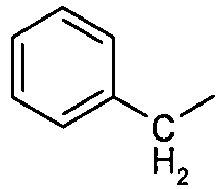
Me 592 15 -SO3H H Me Me -SO3H H Me 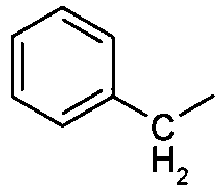
Me 597 16 H -SO3H H H H -SO3H Me 
Et 596 17 H -SO3H H H -SO3H H Me 
Et 589 18 -SO2CH2CH2OH -NH2CH2CH2OH Me Me -SO3H H Me 
Et 592 19 -SO2CH2CH2OH -NH2CH2CH2OH Me Me -SO3H H H 
Et 590 20 -SO2CH2CH2OH -NH2CH2CH2OH Me Me H -SO3H Me 
Et 595 21 -SO2CH2CH2OH -NH2CH2CH2OH Me Me H -SO3H H 
Et 596 22 -SO2CH2CH2OH -NH2CH2CH2OH Me Me -SO3H H Me 
Et 587 23 -SO2CH2CH2OH -NH2CH2CH2OH Me Me -SO3H H H 
Et 589 24 -SO2CH2CH2OH -NH2CH2CH2OH Me Me H -SO3H Me 
Et 588 25 -SO2CH2CH2OH -NH2CH2CH2OH Me Me H -SO3H H 
Et 588 26 -SO2CH2CH2OH -NH2CH2CH2OH Me Me -SO3H H Me 
Me 591 27 -SO2CH2CH2OH -NH2CH2CH2OH Me Me -SO3H H H 
Me 592 28 -SO2CH2CH2OH -NH2CH2CH2OH Me Me H -SO3H Me 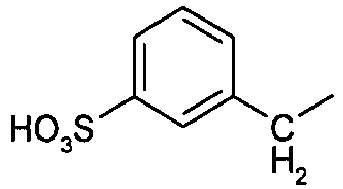
Me 592 29 -SO2CH2CH2OH -NH2CH2CH2OH Me -OMe -SO3H H Me 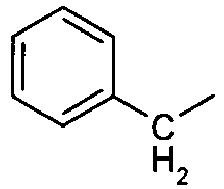
Et 599 30 -SO2CH2CH2OH -NH2CH2CH2OH Me -OMe -SO3H H H 
Et 598 31 -SO2CH2CH2OH -NH2CH2CH2OH Me -OMe H -SO3H Me 
Et 601 32 -SO2CH2CH2OH -NH2CH2CH2OH Me -OMe H -SO3H H 
Et 602 33 -SO2CH2CH2OH -NH2CH2CH2OH Me -OMe -SO3H H Me 
Et 594 34 -SO2CH2CH2OH -NH2CH2CH2OH Me -OMe -SO3H H H 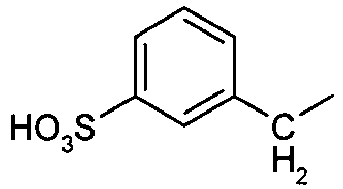
Et 592 35 -SO2CH2CH2OH -NH2CH2CH2OH Me -OMe H -SO3H Me 
Et 589 36 -SO2CH2CH2OH -NH2CH2CH2OH Me -OMe H -SO3H H 
Et 592 37 -SO2CH2CH2OH -NH2CH2CH2OH -OMe -OMe -SO3H H Me 
Et 591 38 -SO2CH2CH2OH -NH2CH2CH2OH -OMe -OMe -SO3H H H 
Et 588 39 -SO2CH2CH2OH -NH2CH2CH2OH -OMe -OMe H -SO3H Me 
Et 587 40 -SO2CH2CH2OH -NH2CH2CH2OH -OMe -OMe H -SO3H H 
Et 588 41 -SO2CH2CH2OH -NH2CH2CH2OH -OMe -OMe -SO3H H Me 
Me 596 42 -SO2CH2CH2OH -NH2CH2CH2OH -OMe -OMe H -SO3H Me 
Me 594 43 -SO3H H Me -OMe H -SO3H Me 
Et 588 44 -SO3H H Me -OMe -SO3H H Me 
Et 590 45 H -SO3H Me -OMe H -SO3H Me 
Et 589 46 H -SO3H Me -OMe -SO3H H Me 
Et 588 47 -SO3H H -OMe -OMe H -SO3H Me 
Et 593 48 -SO3H H -OMe -OMe -SO3H H Me 
Et 591 49 H -SO3H -OMe -OMe H -SO3H Me 
Et 592 50 H -SO3H -OMe -OMe -SO3H H Me 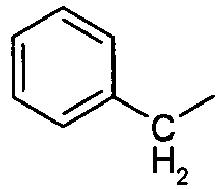
Et 596 51 H -SO3H Me -OMe H H Me 
Et 589 52 H -SO3H -OMe -OMe H H Me 
Et 587 53 -SO3H H Me Me H -SO3H Me 
Et 586 54 H -SO3H Me Me H -SO3H Me 
Et 589 55 H -SO3H Me Me -SO3H H Me 
Et 592 56 -SO3H H Me Me H -SO3H Me 
Et 595 57 -SO3H H Me Me H -SO3H H 
Et 594 58 H -SO3H Me Me H -SO3H H 
Et 590 59 H -SO3H Me Me -SO3H H H 
Et 592 60 -SO3H H Me Me -SO3H H H 
Et 593 - Einem Färbebad von 40 °C, bestehend aus 2000 Teilen Wasser, 1 Teil eines schwach kationaktiven, farbstoffaffinen Egalisiermittels auf der Basis eines äthoxylierten Aminopropylfettsäureamids, 0,25 Teile des Farbstoffs aus Beispiel 1, das mit 1 bis 2 Teilen 40 %iger wässriger Essigsäure auf pH 5 eingestellt wurde, werden 100 Teile Polyamid 6-Gewebe zugesetzt. Nach 10 Minuten bei 40 °C wird das Färbebad mit einer Temperatursteigerung von 1 °C pro Minute auf 98 °C erhitzt und dann 45 bis 60 Minuten bei Siedetemperatur belassen. Anschliessend wird innert 15 Minuten auf 70 °C abgekühlt. Die Färbung wird aus dem Bad genommen, mit warmem und dann mit kaltem Wasser gespült und getrocknet. Es resultiert eine blaue Polyamidfärbung, die gute Licht- und Nassechtheiten zeigt.
- Einem Färbebad von 40 °C, bestehend aus 2000 Teilen Wasser, 1 Teil eines schwach kationaktiven, farbstoffaffinen Egalisiermittels auf der Basis eines äthoxylierten Aminopropylfettsäureamids, 0,3 Teile des Farbstoffs aus Beispiel 1, das mit 1 bis 2 Teilen 40 %iger Essigsäure auf pH 5,5 eingestellt wurde, werden 100 Teile Polyamid 6,6-Gewebe zugesetzt. Nach 10 Minuten bei 40 °C wird das Färbebad mit einer Temperatursteigerung von 1,5 °C pro Minute auf 120 °C erhitzt und dann 15 - 25 Minuten bei dieser Temperatur belassen. Anschliessend wird innert 25 Minuten auf 70 °C abgekühlt. Die Färbung wird aus dem Färbebad genommen, mit warmem und dann mit kaltem Wasser gespült und getrocknet. Es resultiert eine blaue Polyamidfärbung von guter Egalität, die gute Licht- und Nassechtheiten aufweist.
- Einem Färbebad von 40 °C, bestehend aus 4000 Teilen Wasser, 1 Teil eines schwach farbstoffaffinen Egalisiermittels mit amphoteren Charakter auf der Basis eines sulfatierten, äthoxylierten Fettsäureamids, 0,4 Teile des Farbstoffs aus Beispiel 1, das mit 1 bis 2 Teilen 40 %iger Essigsäure auf pH 5 eingestellt wurde, werden 100 Teile Wollgewebe zugesetzt. Nach 10 Minuten bei 40 °C wird das Färbebad mit einer Temperatursteigerung von 1 °C pro Minute auf Siedetemperatur erhitzt und dann 40 bis 60 Minuten bei Siedetemperatur belassen. Anschliessend wird innert 20 Minuten auf 70 °C abgekühlt. Die Färbung wird aus dem Bad genommen, mit warmem und dann mit kaltem Wasser gespült und getrocknet. Es resultiert eine blaue Wollfärbung mit guten Licht- und Nassechtheiten.
- 100 Teile einer Polyamid 6-Webware werden mit einer Flotte von 50 °C bestehend aus
- 40
- Teilen des Farbstoffs aus Beispiel 1,
- 100
- Teilen Harnstoff,
- 20
- Teilen eines nicht-ionogenen Lösungsvermittlers auf der Basis von Butyldiglykol,
- 15 - 20
- Teilen Essigsäure (zur Einstellung des pH-Wertes auf 4),
- 10
- Teilen eines schwach kationaktiven, farbstoffaffinen Egalisiermittels auf der Basis eines äthoxylierten Aminopropylfettsäureamids und
- 810 - 815
- Teilen Wasser (Ergänzung auf 1000 Teile Foulardflotte),
- Ein textiles Velours-Flächengebilde aus Polyamid 6 mit einem synthetischen Grundgewebe wird mit einer Flotte, die in 1000 Teilen
- 1
- Teil Farbstoff aus Beispiel 1
- 4
- Teile eines handelsüblichen Verdickungsmittels auf Kernmehlätherbasis
- 2
- Teile eines nicht-ionogenen Äthylenoxydadduktes eines höheren Alkylphenols
- 1
- Teil Essigsäure 60 % enthält,
- 20
- Teile handelsübliches alkoxyliertes Fettalkylamin
- 20
- Teile eines handelsüblichen Verdickungsmittel auf Kernmehlätherbasis.
- Der Druck wird während 6 Minuten in Sattdampf bei 100 °C fixiert, gespült und getrocknet. Man erhält einen egal gefärbten blau und weiss gemusterten Bezugsstoff.
- Einem Färbebad von 40 °C, bestehend aus 2000 Teilen Wasser, 1 Teil eines schwach kationaktiven, farbstoffaffinen Egalisiermittels auf der Basis eines äthoxylierten Aminopropylfettsäureamids, 0,2 Teile des roten Farbstoffs aus Beispiel 8 aus
WO-2002/46318 - Die Anwendungsbeispiele A bis F wurden mit ebenso guten Resultaten auch mit den Farbstoffen 2 bis 60 durchgeführt.
- 3 Teile des Farbstoffs aus Beispiel 3 werden in 82 Teilen entmineralisiertem Wasser und 15 Teilen Diäthylenglykol bei 60 °C gelöst. Nach dem Abkühlen auf Raumtemperatur erhält man eine blaue Drucktinte, die sich sehr gut für den Ink Jet-Druck auf Papier oder Polyamid- und Wolltextilien eignet.
- Das Anwendungsbeispiel G wurde mit ebenso guten Resultaten auch mit den Farbstoffen 1, 2 und 4 bis 60 durchgeführt.
- Ein Färbebad bestehend aus 1000 Wasser, 80 Teilen kalziniertem Glaubersalz, 1 Teil Nitrobenzol-3-sulfonsaurem Natrium und 1 Teil Farbstoff aus Beispiel 1wird innerhalb von 10 Minuten auf 80 °C erwärmt. Dann werden 100 Teile mercerisierte Baumwolle zugefügt. Es wird 5 Minuten bei 80 °C gefärbt und dann innert 15 Minuten auf 95 °C erwärmt. Nach 10 Minuten bei 95 °C werden 3 Teile Soda, nach 20 Minuten weitere 7 Teile Soda und nach 30 Minuten bei 95 °C nochmals 10 Teile Soda zugesetzt. Anschliessend wird 60 Minuten bei 95 °C weiter gefärbt. Dann wird das gefärbte Material aus dem Färbebad entfernt und 3 Minuten in fliessendem, entmineralisiertem Wasser gespült. Nun wird zweimal während 10 Minuten in je 5000 Teilen kochendem entmineralisiertem Wasser gewaschen, anschliessend wird 3 Minuten in fliessendem, entmineralisiertem Wasser von 60 °C und eine Minute mit kaltem Leitungswasser gespült. Nach dem Trocknen erhält man eine brillante blaue Baumwollfärbung mit guten Echtheiten.
- 0,2 Teile des Farbstoffs aus Beispiel 1 werden in 100 Teilen heissem Wasser gelöst und die Lösung auf Raumtemperatur abgekühlt. Diese Lösung gibt man zu 100 Teilen chemisch gebleichter Sulfitzellulose, die in 2000 Teilen Wasser in einem Holländer gemahlen wurde. Nach 15 Minuten Durchmischung wird auf übliche Art mit Harzleim und Aluminiumsulfat geleimt. Papier, das aus diesem Stoff hergestellt wird, besitzt eine blaue Nuance mit guten Nassechtheiten.
- Die Anwendungsbeispiele H und J wurden mit ebenso guten Resultaten auch mit den Farbstoffen 2 bis 60 durchgeführt.
wobei die Verbindung der Formel (I) mindestens eine anionische Gruppe enthält.
Claims (15)
- Verbindung der allgemeinen Formel (I)

wobeiR1 Wasserstoff, unsubstituiertes, unverzweigtes C1-C6-Alkyl oder unsubstituiertes, verzweigtes C3-C6-Alkyl, oder substituiertes, unverzweigtes C1-C6-Alkyl oder substituiertes, verzweigtes C3-C6-Alkyl, oder SO2Y,R2 Wasserstoff, unsubstituiertes, unverzweigtes C1-C6-Alkyl oder unsubstituiertes, verzweigtes C3-C6-Alkyl, oder substituiertes, unverzweigtes C1-C6-Alkyl oder substituiertes, verzweigtes C3-C6-Alkyl, Sulfo, SO2Y oder -NHCH2CH2OH,Y eine Hydroxy- oder Hydroxyethylgruppe,R3 und R4 unabhängig voneinander Wasserstoff, unsubstituiertes, unverzweigtes C1-C6-Alkyl oder unsubstituiertes, verzweigtes C3-C6-Alkyl, oder substituiertes, unverzweigtes C1-C6-Alkyl oder substituiertes, verzweigtes C3-C6-Alkyl, unsubstituiertes, unverzweigtes C1C6-Alkoxy oder unsubstituiertes, verzweigtes C3-C6-Alkoxy, oder substituiertes, unverzweigtes C1-C6-Alkoxy oder substituiertes, verzweigtes C3-C6- Alkoxy,R5 Wasserstoff oder Sulfo,R6 Wasserstoff oder Sulfo,R7 Wasserstoff, unsubstituiertes, unverzweigtes C1-C6-Alkyl oder unsubstituiertes, verzweigtes C3-C6-Alkyl, oder substituiertes, unverzweigtes C1-C6-Alkyl oder substituiertes, verzweigtes C3-C6-Alkyl,R8 und R9 unabhängig voneinander unsubstituiertes, unverzweigtes C1-C6-Alkyl oder unsubstituiertes, verzweigtes C3-C6-Alkyl, oder substituiertes, unverzweigtes C1-C6-Alkyl oder substituiertes, verzweigtes C3-C6- Alkyl, oder Aryl, oder -(CH2)n-Aryl mit n = 1, 2, 3 oder 4, wobei die Arylreste substituiert sei können;bedeuten,
wobei die Verbindung der Formel (I) mindestens eine anionische Gruppe enthält. - Verbindung nach Anspruch 1 , dadurch gekennzeichnet, dass die mindestens eine anionische Gruppe 1 , 2 oder 3, vorzugsweise 2, Sulfogruppen bedeutet.
- Verbindung nach Anspruch 1 oder 2, dadurch gekennzeichnet, dass R1 Wasserstoff oder SO2Y bedeutet.
- Verbindung nach einem oder mehreren der Ansprüche 1 bis 3, dadurch gekennzeichnet, dass R2 Wasserstoff, Sulfo oder -NHCH2CH2OH bedeutet.
- Verbindung nach einem oder mehreren der Ansprüche 1 bis 4, dadurch gekennzeichnet, dass R3 Wasserstoff oder C1-C4-alkyl bedeutet.
- Verbindung nach einem oder mehreren der Ansprüche 1 bis 5, dadurch gekennzeichnet, dass R4 Wasserstoff oder C1 -C4-alkyl bedeutet.
- Verbindung nach einem oder mehreren der Ansprüche 1 bis 6, dadurch gekennzeichnet, dass R7 Wasserstoff oder C1-C4-alkyl bedeutet.
- Verbindung nach einem oder mehreren der Ansprüche 1 bis 7, dadurch gekennzeichnet, dass R8 substituiertes oder unsubstituiertes -(CH2)n-Phenyl oder substituiertes oder unsubstituiertes -(CH2)n-Naphthyl mit n = 1, 2, 3 oder 4 bedeutet.
- Verbindung nach einem oder mehreren der Ansprüche 1 bis 8, dadurch gekennzeichnet, dass R9 C1-C4-Alkyl bedeutet.
- Verbindung nach einem oder mehreren der Ansprüche 1 bis 9, dadurch gekennzeichnet, dass R8 eine -(CH2)1-2-Phenylgruppe oder eine -(CH2)1-2-Phenylgruppe, bei der der Phenylrest mit einer Sulfogruppe oder einer Nitrogruppe substituiert ist, bedeutet.
- Verbindung nach einem oder mehreren der Ansprüche 1 bis 10, dadurch gekennzeichnet, dassR1 Wasserstoff oder SO2Y,Y eine Hydroxy- oder Hydroxyethylgruppe,R2 Wasserstoff, SO2Y oder -NHCH2CH2OH,R3 und R4 unabhängig voneinander Wasserstoff, Methyl oder Methoxy;R5 Wasserstoff oder Sulfo,R6 Wasserstoff oder Sulfo,wobei R5 und R6 nicht gleichzeitig Sulfo bedeuten;R7 Wasserstoff oder Methyl;R8 C1- C2-Alkylen-phenyl oder C1-C2-Alkylen-phenylen-sulfo;R9 Methyl oder Ethyl, bedeuten.
- Verfahren zur Herstellung einer Verbindung nach einem oder mehreren der Ansprüche 1 bis 11, dadurch gekennzeichnet, dass man eine Verbindung der Formel (II)


- Verwendung einer Verbindung gemäß einem oder mehreren der Ansprüche 1 bis 11 zum Färben oder Bedrucken von faserhaltigen Materialien, welche natürliche oder synthetische Polyamide enthalten oder daraus bestehen.
- Verwendung nach Anspruch 13, dadurch gekennzeichnet, dass die Polyamide Wolle, Seide oder Nylon sind.
- Verwendung nach Anspruch 13 oder 14 als Blaukomponente in einem Trichromiefärbeverfahren oder Trichromiedruckverfahren.
Applications Claiming Priority (2)
| Application Number | Priority Date | Filing Date | Title |
|---|---|---|---|
| DE102011116716 | 2011-10-22 | ||
| PCT/EP2012/004372 WO2013056838A1 (de) | 2011-10-22 | 2012-10-18 | Trisazo-säurefarbstoffe |
Publications (2)
| Publication Number | Publication Date |
|---|---|
| EP2768907A1 EP2768907A1 (de) | 2014-08-27 |
| EP2768907B1 true EP2768907B1 (de) | 2017-05-17 |
Family
ID=47044952
Family Applications (1)
| Application Number | Title | Priority Date | Filing Date |
|---|---|---|---|
| EP12774935.6A Active EP2768907B1 (de) | 2011-10-22 | 2012-10-18 | Trisazo-säurefarbstoffe |
Country Status (10)
| Country | Link |
|---|---|
| EP (1) | EP2768907B1 (de) |
| JP (2) | JP2014530927A (de) |
| KR (1) | KR102022227B1 (de) |
| CN (1) | CN104011143B (de) |
| BR (1) | BR112014009390B1 (de) |
| ES (1) | ES2637631T3 (de) |
| MX (1) | MX347075B (de) |
| PT (1) | PT2768907T (de) |
| TW (1) | TWI561588B (de) |
| WO (1) | WO2013056838A1 (de) |
Families Citing this family (6)
| Publication number | Priority date | Publication date | Assignee | Title |
|---|---|---|---|---|
| TWI561588B (en) * | 2011-10-22 | 2016-12-11 | Archroma Ip Gmbh | Trisazo acid dyes |
| PT2910608T (pt) | 2014-02-25 | 2017-08-30 | Archroma Ip Gmbh | Corantes monoazo aniónicos diméricos |
| BR112017019876B1 (pt) * | 2015-03-16 | 2022-10-04 | Archroma Ip Gmbh | Composto, processo para a preparação de um composto, uso de um composto, processo para tingir ou imprimir um substrato, substrato e composição de corante |
| EP3683276B1 (de) * | 2019-01-17 | 2023-11-15 | Archroma IP GmbH | Neue bisazo-säurefarbstoffe |
| CN111040466B (zh) * | 2019-12-26 | 2021-02-23 | 金华双宏化工有限公司 | 三偶氮红色酸性染料及其制备方法 |
| CN114958026B (zh) * | 2022-05-30 | 2023-05-23 | 金华双宏化工有限公司 | 改进型三偶氮红色酸性染料及其制备方法 |
Family Cites Families (20)
| Publication number | Priority date | Publication date | Assignee | Title |
|---|---|---|---|---|
| JPS58138768A (ja) * | 1982-02-10 | 1983-08-17 | Hitachi Ltd | 液晶組成物及び表示体 |
| US4588517A (en) * | 1982-06-30 | 1986-05-13 | Hitachi, Ltd. | Liquid crystal composition |
| JPS594674A (ja) * | 1982-06-30 | 1984-01-11 | Mitsubishi Chem Ind Ltd | ゲスト―ホスト型液晶組成物 |
| JPS5993776A (ja) * | 1982-11-18 | 1984-05-30 | Nippon Kanko Shikiso Kenkyusho:Kk | アゾ色素の液晶に対する溶解性の改良方法および液晶用二色性アゾ色素 |
| JP2715541B2 (ja) * | 1988-05-13 | 1998-02-18 | 三菱化学株式会社 | アゾ系化合物及び該化合物を含有する液晶組成物 |
| JPH04202571A (ja) * | 1990-11-30 | 1992-07-23 | Canon Inc | インク、これを用いたインクジェット記録方法及びかかるインクを用いた機器 |
| US5167703A (en) * | 1990-11-30 | 1992-12-01 | Canon Kabushiki Kaisha | Ink, ink-jet recording process and instrument making use of the ink |
| US5258505A (en) * | 1991-07-26 | 1993-11-02 | Canon Kabushiki Kaisha | Trisazo compounds, and dye compositions containing same |
| JP3244754B2 (ja) * | 1991-07-26 | 2002-01-07 | キヤノン株式会社 | アゾ化合物、これを含有するインク及びこのインクを用いる記録方法 |
| JPH086047B2 (ja) * | 1994-03-07 | 1996-01-24 | 三井東圧化学株式会社 | 液晶表示用二色性トリスアゾ色素 |
| JPH08302257A (ja) * | 1995-04-27 | 1996-11-19 | Canon Inc | インクジェット用インク、これを用いたインクジェット記録方法及び記録装置 |
| JPH1060446A (ja) * | 1996-08-23 | 1998-03-03 | Mitsubishi Chem Corp | 二色性色素、液晶組成物および液晶素子 |
| JP4988140B2 (ja) | 2000-12-05 | 2012-08-01 | クラリアント ファイナンス (ビーブイアイ) リミティド | 三原色染色法 |
| RU2298000C2 (ru) * | 2001-10-08 | 2007-04-27 | Клариант Файненс (Бви) Лимитед | Трисазосоединения, содержащие галогензамещенные пиримидиновые реакционноспособные группы, и их применение для окрашивания |
| KR101206593B1 (ko) * | 2003-12-04 | 2012-11-29 | 클라리언트 파이넌스 (비브이아이)리미티드 | 염료의 농축된 수성 조성물 |
| JP2005187786A (ja) * | 2003-12-26 | 2005-07-14 | Fuji Photo Film Co Ltd | アゾ染料、画像形成用着色組成物、インク、インクジェット記録方法、感熱記録材料、カラートナーおよびカラーフイルター |
| JP5422864B2 (ja) * | 2004-12-27 | 2014-02-19 | 三菱化学株式会社 | トリスアゾ色素、該色素を含む異方性色素膜用組成物、異方性色素膜及び偏光素子 |
| JP4973100B2 (ja) * | 2006-09-29 | 2012-07-11 | 三菱化学株式会社 | 湿式成膜法により形成された異方性色素膜及び偏光素子 |
| JP2011048308A (ja) * | 2009-08-28 | 2011-03-10 | Fujifilm Corp | 偏光子積層体、カラーフィルタ、及び表示装置 |
| TWI561588B (en) * | 2011-10-22 | 2016-12-11 | Archroma Ip Gmbh | Trisazo acid dyes |
-
2012
- 2012-10-11 TW TW101137472A patent/TWI561588B/zh active
- 2012-10-18 CN CN201280051764.2A patent/CN104011143B/zh active Active
- 2012-10-18 WO PCT/EP2012/004372 patent/WO2013056838A1/de not_active Ceased
- 2012-10-18 MX MX2014004823A patent/MX347075B/es active IP Right Grant
- 2012-10-18 BR BR112014009390-3A patent/BR112014009390B1/pt active IP Right Grant
- 2012-10-18 PT PT127749356T patent/PT2768907T/pt unknown
- 2012-10-18 ES ES12774935.6T patent/ES2637631T3/es active Active
- 2012-10-18 KR KR1020147013705A patent/KR102022227B1/ko active Active
- 2012-10-18 JP JP2014536141A patent/JP2014530927A/ja active Pending
- 2012-10-18 EP EP12774935.6A patent/EP2768907B1/de active Active
-
2016
- 2016-09-30 JP JP2016192615A patent/JP6272973B2/ja active Active
Non-Patent Citations (1)
| Title |
|---|
| None * |
Also Published As
| Publication number | Publication date |
|---|---|
| BR112014009390B1 (pt) | 2021-01-19 |
| TW201326316A (zh) | 2013-07-01 |
| MX2014004823A (es) | 2014-05-20 |
| JP2014530927A (ja) | 2014-11-20 |
| WO2013056838A1 (de) | 2013-04-25 |
| CN104011143B (zh) | 2016-10-26 |
| EP2768907A1 (de) | 2014-08-27 |
| KR102022227B1 (ko) | 2019-09-19 |
| TWI561588B (en) | 2016-12-11 |
| JP2017020044A (ja) | 2017-01-26 |
| KR20140091012A (ko) | 2014-07-18 |
| MX347075B (es) | 2017-04-10 |
| ES2637631T3 (es) | 2017-10-13 |
| JP6272973B2 (ja) | 2018-01-31 |
| BR112014009390A2 (pt) | 2017-04-18 |
| PT2768907T (pt) | 2017-08-24 |
| CN104011143A (zh) | 2014-08-27 |
Similar Documents
| Publication | Publication Date | Title |
|---|---|---|
| EP2307509B1 (de) | Verwendung von säurefarbstoffen | |
| WO2013056838A1 (de) | Trisazo-säurefarbstoffe | |
| EP2027213B1 (de) | Disazosäurefarbstoffe | |
| DE2525418C3 (de) | Trisazoverbindungen, deren Herstellung und Verwendung | |
| EP2324080B1 (de) | Säurefarbstoffe | |
| EP3271424B1 (de) | Trisazosäurefarbstoffe | |
| EP2035506B1 (de) | Säurefarbstoffe | |
| EP2418256B1 (de) | Saure Farbstoffe | |
| EP1031614B1 (de) | Monoazofarbstoffe, deren Herstellung und Verwendung | |
| EP0014432A2 (de) | Wasserlösliche, faserreaktive Disazofarbstoffe, Verfahren zu deren Herstellung und ihre Verwendung zum Färben und Bedrucken von hydroxygruppen- und carbonamidgruppenhaltigen Fasermaterialien | |
| EP1753822B1 (de) | Verbrückte monoazofarbstoffe | |
| EP2016135B1 (de) | Säurefarbstoffe | |
| DE2154942A1 (de) | Neue monoazo-reaktivfarbstoffe, ihre verwendung und verfahren zu ihrer herstellung | |
| DE69918161T2 (de) | Faserreaktive disazofarbstoffe | |
| EP0235521A2 (de) | Wasserlösliche Azoverbindungen, Verfahren zu ihrer Herstellung und ihre Verwendung als Farbstoffe | |
| DE3629574A1 (de) | Wasserloesliche disazoverbindungen, verfahren zu ihrer herstellung und ihre verwendung als farbstoffe | |
| DE574463C (de) | Verfahren zur Darstellung von wasserunloeslichen Monoazofarbstoffen | |
| EP2307508B1 (de) | Säurefarbstoffe | |
| EP0265828A1 (de) | Wasserlösliche Disazoverbindungen, Verfahren zu ihrer Herstellung und ihre Verwendung als Farbstoffe | |
| EP0230909B1 (de) | Wasserlösliche Azoverbindungen, Verfahren zu ihrer Herstellung und ihre Verwendung als Farbstoffe | |
| EP0266714A1 (de) | Wasserlösliche Azoverbindungen, Verfahren zu ihrer Herstellung und ihre Verwendung als Farbstoffe | |
| EP0439423B1 (de) | Azofarbstoffe, Verfahren zu deren Herstellung und deren Verwendung | |
| DE2044162C3 (de) | Azoverbindungen und ihre Verwendung | |
| CH626112A5 (en) | Process for preparing new 1:2 chromium mixed complex dyes | |
| EP2721113A1 (de) | Säurefarbstoffmischungen für polyamid und wolle enthaltend dimere säurefarbstoffe |
Legal Events
| Date | Code | Title | Description |
|---|---|---|---|
| PUAI | Public reference made under article 153(3) epc to a published international application that has entered the european phase |
Free format text: ORIGINAL CODE: 0009012 |
|
| 17P | Request for examination filed |
Effective date: 20140514 |
|
| AK | Designated contracting states |
Kind code of ref document: A1 Designated state(s): AL AT BE BG CH CY CZ DE DK EE ES FI FR GB GR HR HU IE IS IT LI LT LU LV MC MK MT NL NO PL PT RO RS SE SI SK SM TR |
|
| DAX | Request for extension of the european patent (deleted) | ||
| RAP1 | Party data changed (applicant data changed or rights of an application transferred) |
Owner name: ARCHROMA IP GMBH |
|
| GRAP | Despatch of communication of intention to grant a patent |
Free format text: ORIGINAL CODE: EPIDOSNIGR1 |
|
| INTG | Intention to grant announced |
Effective date: 20161020 |
|
| GRAJ | Information related to disapproval of communication of intention to grant by the applicant or resumption of examination proceedings by the epo deleted |
Free format text: ORIGINAL CODE: EPIDOSDIGR1 |
|
| STAA | Information on the status of an ep patent application or granted ep patent |
Free format text: STATUS: REQUEST FOR EXAMINATION WAS MADE |
|
| GRAS | Grant fee paid |
Free format text: ORIGINAL CODE: EPIDOSNIGR3 |
|
| INTC | Intention to grant announced (deleted) | ||
| STAA | Information on the status of an ep patent application or granted ep patent |
Free format text: STATUS: GRANT OF PATENT IS INTENDED |
|
| GRAP | Despatch of communication of intention to grant a patent |
Free format text: ORIGINAL CODE: EPIDOSNIGR1 |
|
| INTG | Intention to grant announced |
Effective date: 20170309 |
|
| GRAA | (expected) grant |
Free format text: ORIGINAL CODE: 0009210 |
|
| STAA | Information on the status of an ep patent application or granted ep patent |
Free format text: STATUS: THE PATENT HAS BEEN GRANTED |
|
| AK | Designated contracting states |
Kind code of ref document: B1 Designated state(s): AL AT BE BG CH CY CZ DE DK EE ES FI FR GB GR HR HU IE IS IT LI LT LU LV MC MK MT NL NO PL PT RO RS SE SI SK SM TR |
|
| REG | Reference to a national code |
Ref country code: GB Ref legal event code: FG4D Free format text: NOT ENGLISH |
|
| REG | Reference to a national code |
Ref country code: CH Ref legal event code: EP |
|
| REG | Reference to a national code |
Ref country code: IE Ref legal event code: FG4D Free format text: LANGUAGE OF EP DOCUMENT: GERMAN |
|
| REG | Reference to a national code |
Ref country code: AT Ref legal event code: REF Ref document number: 894440 Country of ref document: AT Kind code of ref document: T Effective date: 20170615 |
|
| REG | Reference to a national code |
Ref country code: DE Ref legal event code: R096 Ref document number: 502012010383 Country of ref document: DE |
|
| REG | Reference to a national code |
Ref country code: CH Ref legal event code: NV Representative=s name: JACOBACCI AND PARTNERS SA, CH |
|
| REG | Reference to a national code |
Ref country code: PT Ref legal event code: SC4A Ref document number: 2768907 Country of ref document: PT Date of ref document: 20170824 Kind code of ref document: T Free format text: AVAILABILITY OF NATIONAL TRANSLATION Effective date: 20170814 |
|
| REG | Reference to a national code |
Ref country code: NL Ref legal event code: MP Effective date: 20170517 |
|
| REG | Reference to a national code |
Ref country code: LT Ref legal event code: MG4D |
|
| REG | Reference to a national code |
Ref country code: ES Ref legal event code: FG2A Ref document number: 2637631 Country of ref document: ES Kind code of ref document: T3 Effective date: 20171013 |
|
| PG25 | Lapsed in a contracting state [announced via postgrant information from national office to epo] |
Ref country code: HR Free format text: LAPSE BECAUSE OF FAILURE TO SUBMIT A TRANSLATION OF THE DESCRIPTION OR TO PAY THE FEE WITHIN THE PRESCRIBED TIME-LIMIT Effective date: 20170517 Ref country code: GR Free format text: LAPSE BECAUSE OF FAILURE TO SUBMIT A TRANSLATION OF THE DESCRIPTION OR TO PAY THE FEE WITHIN THE PRESCRIBED TIME-LIMIT Effective date: 20170818 Ref country code: NO Free format text: LAPSE BECAUSE OF FAILURE TO SUBMIT A TRANSLATION OF THE DESCRIPTION OR TO PAY THE FEE WITHIN THE PRESCRIBED TIME-LIMIT Effective date: 20170817 Ref country code: FI Free format text: LAPSE BECAUSE OF FAILURE TO SUBMIT A TRANSLATION OF THE DESCRIPTION OR TO PAY THE FEE WITHIN THE PRESCRIBED TIME-LIMIT Effective date: 20170517 Ref country code: LT Free format text: LAPSE BECAUSE OF FAILURE TO SUBMIT A TRANSLATION OF THE DESCRIPTION OR TO PAY THE FEE WITHIN THE PRESCRIBED TIME-LIMIT Effective date: 20170517 |
|
| REG | Reference to a national code |
Ref country code: FR Ref legal event code: PLFP Year of fee payment: 6 |
|
| PG25 | Lapsed in a contracting state [announced via postgrant information from national office to epo] |
Ref country code: PL Free format text: LAPSE BECAUSE OF FAILURE TO SUBMIT A TRANSLATION OF THE DESCRIPTION OR TO PAY THE FEE WITHIN THE PRESCRIBED TIME-LIMIT Effective date: 20170517 Ref country code: SE Free format text: LAPSE BECAUSE OF FAILURE TO SUBMIT A TRANSLATION OF THE DESCRIPTION OR TO PAY THE FEE WITHIN THE PRESCRIBED TIME-LIMIT Effective date: 20170517 Ref country code: NL Free format text: LAPSE BECAUSE OF FAILURE TO SUBMIT A TRANSLATION OF THE DESCRIPTION OR TO PAY THE FEE WITHIN THE PRESCRIBED TIME-LIMIT Effective date: 20170517 Ref country code: IS Free format text: LAPSE BECAUSE OF FAILURE TO SUBMIT A TRANSLATION OF THE DESCRIPTION OR TO PAY THE FEE WITHIN THE PRESCRIBED TIME-LIMIT Effective date: 20170917 Ref country code: LV Free format text: LAPSE BECAUSE OF FAILURE TO SUBMIT A TRANSLATION OF THE DESCRIPTION OR TO PAY THE FEE WITHIN THE PRESCRIBED TIME-LIMIT Effective date: 20170517 Ref country code: BG Free format text: LAPSE BECAUSE OF FAILURE TO SUBMIT A TRANSLATION OF THE DESCRIPTION OR TO PAY THE FEE WITHIN THE PRESCRIBED TIME-LIMIT Effective date: 20170817 Ref country code: RS Free format text: LAPSE BECAUSE OF FAILURE TO SUBMIT A TRANSLATION OF THE DESCRIPTION OR TO PAY THE FEE WITHIN THE PRESCRIBED TIME-LIMIT Effective date: 20170517 |
|
| PG25 | Lapsed in a contracting state [announced via postgrant information from national office to epo] |
Ref country code: RO Free format text: LAPSE BECAUSE OF FAILURE TO SUBMIT A TRANSLATION OF THE DESCRIPTION OR TO PAY THE FEE WITHIN THE PRESCRIBED TIME-LIMIT Effective date: 20170517 Ref country code: CZ Free format text: LAPSE BECAUSE OF FAILURE TO SUBMIT A TRANSLATION OF THE DESCRIPTION OR TO PAY THE FEE WITHIN THE PRESCRIBED TIME-LIMIT Effective date: 20170517 Ref country code: SK Free format text: LAPSE BECAUSE OF FAILURE TO SUBMIT A TRANSLATION OF THE DESCRIPTION OR TO PAY THE FEE WITHIN THE PRESCRIBED TIME-LIMIT Effective date: 20170517 Ref country code: DK Free format text: LAPSE BECAUSE OF FAILURE TO SUBMIT A TRANSLATION OF THE DESCRIPTION OR TO PAY THE FEE WITHIN THE PRESCRIBED TIME-LIMIT Effective date: 20170517 Ref country code: EE Free format text: LAPSE BECAUSE OF FAILURE TO SUBMIT A TRANSLATION OF THE DESCRIPTION OR TO PAY THE FEE WITHIN THE PRESCRIBED TIME-LIMIT Effective date: 20170517 |
|
| REG | Reference to a national code |
Ref country code: DE Ref legal event code: R097 Ref document number: 502012010383 Country of ref document: DE |
|
| PG25 | Lapsed in a contracting state [announced via postgrant information from national office to epo] |
Ref country code: SM Free format text: LAPSE BECAUSE OF FAILURE TO SUBMIT A TRANSLATION OF THE DESCRIPTION OR TO PAY THE FEE WITHIN THE PRESCRIBED TIME-LIMIT Effective date: 20170517 |
|
| PLBE | No opposition filed within time limit |
Free format text: ORIGINAL CODE: 0009261 |
|
| STAA | Information on the status of an ep patent application or granted ep patent |
Free format text: STATUS: NO OPPOSITION FILED WITHIN TIME LIMIT |
|
| 26N | No opposition filed |
Effective date: 20180220 |
|
| PG25 | Lapsed in a contracting state [announced via postgrant information from national office to epo] |
Ref country code: MC Free format text: LAPSE BECAUSE OF FAILURE TO SUBMIT A TRANSLATION OF THE DESCRIPTION OR TO PAY THE FEE WITHIN THE PRESCRIBED TIME-LIMIT Effective date: 20170517 Ref country code: SI Free format text: LAPSE BECAUSE OF FAILURE TO SUBMIT A TRANSLATION OF THE DESCRIPTION OR TO PAY THE FEE WITHIN THE PRESCRIBED TIME-LIMIT Effective date: 20170517 |
|
| REG | Reference to a national code |
Ref country code: IE Ref legal event code: MM4A |
|
| PG25 | Lapsed in a contracting state [announced via postgrant information from national office to epo] |
Ref country code: LU Free format text: LAPSE BECAUSE OF NON-PAYMENT OF DUE FEES Effective date: 20171018 |
|
| REG | Reference to a national code |
Ref country code: BE Ref legal event code: MM Effective date: 20171031 |
|
| PG25 | Lapsed in a contracting state [announced via postgrant information from national office to epo] |
Ref country code: BE Free format text: LAPSE BECAUSE OF NON-PAYMENT OF DUE FEES Effective date: 20171031 |
|
| PG25 | Lapsed in a contracting state [announced via postgrant information from national office to epo] |
Ref country code: MT Free format text: LAPSE BECAUSE OF FAILURE TO SUBMIT A TRANSLATION OF THE DESCRIPTION OR TO PAY THE FEE WITHIN THE PRESCRIBED TIME-LIMIT Effective date: 20170517 |
|
| REG | Reference to a national code |
Ref country code: FR Ref legal event code: PLFP Year of fee payment: 7 |
|
| PG25 | Lapsed in a contracting state [announced via postgrant information from national office to epo] |
Ref country code: IE Free format text: LAPSE BECAUSE OF NON-PAYMENT OF DUE FEES Effective date: 20171018 |
|
| REG | Reference to a national code |
Ref country code: AT Ref legal event code: MM01 Ref document number: 894440 Country of ref document: AT Kind code of ref document: T Effective date: 20171018 |
|
| PG25 | Lapsed in a contracting state [announced via postgrant information from national office to epo] |
Ref country code: AT Free format text: LAPSE BECAUSE OF NON-PAYMENT OF DUE FEES Effective date: 20171018 |
|
| PG25 | Lapsed in a contracting state [announced via postgrant information from national office to epo] |
Ref country code: HU Free format text: LAPSE BECAUSE OF FAILURE TO SUBMIT A TRANSLATION OF THE DESCRIPTION OR TO PAY THE FEE WITHIN THE PRESCRIBED TIME-LIMIT; INVALID AB INITIO Effective date: 20121018 |
|
| PG25 | Lapsed in a contracting state [announced via postgrant information from national office to epo] |
Ref country code: CY Free format text: LAPSE BECAUSE OF NON-PAYMENT OF DUE FEES Effective date: 20170517 |
|
| PG25 | Lapsed in a contracting state [announced via postgrant information from national office to epo] |
Ref country code: MK Free format text: LAPSE BECAUSE OF FAILURE TO SUBMIT A TRANSLATION OF THE DESCRIPTION OR TO PAY THE FEE WITHIN THE PRESCRIBED TIME-LIMIT Effective date: 20170517 |
|
| PG25 | Lapsed in a contracting state [announced via postgrant information from national office to epo] |
Ref country code: AL Free format text: LAPSE BECAUSE OF FAILURE TO SUBMIT A TRANSLATION OF THE DESCRIPTION OR TO PAY THE FEE WITHIN THE PRESCRIBED TIME-LIMIT Effective date: 20170517 |
|
| REG | Reference to a national code |
Ref country code: CH Ref legal event code: PK Free format text: BERICHTIGUNGEN |
|
| PGFP | Annual fee paid to national office [announced via postgrant information from national office to epo] |
Ref country code: PT Payment date: 20241001 Year of fee payment: 13 |
|
| PGFP | Annual fee paid to national office [announced via postgrant information from national office to epo] |
Ref country code: DE Payment date: 20241029 Year of fee payment: 13 |
|
| PGFP | Annual fee paid to national office [announced via postgrant information from national office to epo] |
Ref country code: GB Payment date: 20241022 Year of fee payment: 13 |
|
| PGFP | Annual fee paid to national office [announced via postgrant information from national office to epo] |
Ref country code: CH Payment date: 20241101 Year of fee payment: 13 |
|
| PGFP | Annual fee paid to national office [announced via postgrant information from national office to epo] |
Ref country code: TR Payment date: 20241001 Year of fee payment: 13 |
|
| PGFP | Annual fee paid to national office [announced via postgrant information from national office to epo] |
Ref country code: IT Payment date: 20251022 Year of fee payment: 14 |
|
| PGFP | Annual fee paid to national office [announced via postgrant information from national office to epo] |
Ref country code: FR Payment date: 20251027 Year of fee payment: 14 |
|
| PGFP | Annual fee paid to national office [announced via postgrant information from national office to epo] |
Ref country code: ES Payment date: 20251118 Year of fee payment: 14 |