EP2617618B1 - Système de frein à main électronique, procédé de démarrage d'assistant associé pour véhicule automobile - Google Patents
Système de frein à main électronique, procédé de démarrage d'assistant associé pour véhicule automobile Download PDFInfo
- Publication number
- EP2617618B1 EP2617618B1 EP10855828.9A EP10855828A EP2617618B1 EP 2617618 B1 EP2617618 B1 EP 2617618B1 EP 10855828 A EP10855828 A EP 10855828A EP 2617618 B1 EP2617618 B1 EP 2617618B1
- Authority
- EP
- European Patent Office
- Prior art keywords
- motor vehicle
- signal
- engine
- acceleration
- parking brake
- Prior art date
- Legal status (The legal status is an assumption and is not a legal conclusion. Google has not performed a legal analysis and makes no representation as to the accuracy of the status listed.)
- Active
Links
Images

Classifications
-
- B—PERFORMING OPERATIONS; TRANSPORTING
- B60—VEHICLES IN GENERAL
- B60T—VEHICLE BRAKE CONTROL SYSTEMS OR PARTS THEREOF; BRAKE CONTROL SYSTEMS OR PARTS THEREOF, IN GENERAL; ARRANGEMENT OF BRAKING ELEMENTS ON VEHICLES IN GENERAL; PORTABLE DEVICES FOR PREVENTING UNWANTED MOVEMENT OF VEHICLES; VEHICLE MODIFICATIONS TO FACILITATE COOLING OF BRAKES
- B60T7/00—Brake-action initiating means
- B60T7/12—Brake-action initiating means for automatic initiation; for initiation not subject to will of driver or passenger
-
- B—PERFORMING OPERATIONS; TRANSPORTING
- B60—VEHICLES IN GENERAL
- B60T—VEHICLE BRAKE CONTROL SYSTEMS OR PARTS THEREOF; BRAKE CONTROL SYSTEMS OR PARTS THEREOF, IN GENERAL; ARRANGEMENT OF BRAKING ELEMENTS ON VEHICLES IN GENERAL; PORTABLE DEVICES FOR PREVENTING UNWANTED MOVEMENT OF VEHICLES; VEHICLE MODIFICATIONS TO FACILITATE COOLING OF BRAKES
- B60T7/00—Brake-action initiating means
- B60T7/02—Brake-action initiating means for personal initiation
- B60T7/04—Brake-action initiating means for personal initiation foot actuated
- B60T7/042—Brake-action initiating means for personal initiation foot actuated by electrical means, e.g. using travel or force sensors
-
- B—PERFORMING OPERATIONS; TRANSPORTING
- B60—VEHICLES IN GENERAL
- B60W—CONJOINT CONTROL OF VEHICLE SUB-UNITS OF DIFFERENT TYPE OR DIFFERENT FUNCTION; CONTROL SYSTEMS SPECIALLY ADAPTED FOR HYBRID VEHICLES; ROAD VEHICLE DRIVE CONTROL SYSTEMS FOR PURPOSES NOT RELATED TO THE CONTROL OF A PARTICULAR SUB-UNIT
- B60W10/00—Conjoint control of vehicle sub-units of different type or different function
- B60W10/18—Conjoint control of vehicle sub-units of different type or different function including control of braking systems
- B60W10/182—Conjoint control of vehicle sub-units of different type or different function including control of braking systems including control of parking brakes
-
- B—PERFORMING OPERATIONS; TRANSPORTING
- B60—VEHICLES IN GENERAL
- B60W—CONJOINT CONTROL OF VEHICLE SUB-UNITS OF DIFFERENT TYPE OR DIFFERENT FUNCTION; CONTROL SYSTEMS SPECIALLY ADAPTED FOR HYBRID VEHICLES; ROAD VEHICLE DRIVE CONTROL SYSTEMS FOR PURPOSES NOT RELATED TO THE CONTROL OF A PARTICULAR SUB-UNIT
- B60W30/00—Purposes of road vehicle drive control systems not related to the control of a particular sub-unit, e.g. of systems using conjoint control of vehicle sub-units
- B60W30/18—Propelling the vehicle
- B60W30/18009—Propelling the vehicle related to particular drive situations
- B60W30/18027—Drive off, accelerating from standstill
-
- B—PERFORMING OPERATIONS; TRANSPORTING
- B60—VEHICLES IN GENERAL
- B60W—CONJOINT CONTROL OF VEHICLE SUB-UNITS OF DIFFERENT TYPE OR DIFFERENT FUNCTION; CONTROL SYSTEMS SPECIALLY ADAPTED FOR HYBRID VEHICLES; ROAD VEHICLE DRIVE CONTROL SYSTEMS FOR PURPOSES NOT RELATED TO THE CONTROL OF A PARTICULAR SUB-UNIT
- B60W40/00—Estimation or calculation of non-directly measurable driving parameters for road vehicle drive control systems not related to the control of a particular sub unit, e.g. by using mathematical models
- B60W40/10—Estimation or calculation of non-directly measurable driving parameters for road vehicle drive control systems not related to the control of a particular sub unit, e.g. by using mathematical models related to vehicle motion
-
- B—PERFORMING OPERATIONS; TRANSPORTING
- B60—VEHICLES IN GENERAL
- B60W—CONJOINT CONTROL OF VEHICLE SUB-UNITS OF DIFFERENT TYPE OR DIFFERENT FUNCTION; CONTROL SYSTEMS SPECIALLY ADAPTED FOR HYBRID VEHICLES; ROAD VEHICLE DRIVE CONTROL SYSTEMS FOR PURPOSES NOT RELATED TO THE CONTROL OF A PARTICULAR SUB-UNIT
- B60W10/00—Conjoint control of vehicle sub-units of different type or different function
- B60W10/18—Conjoint control of vehicle sub-units of different type or different function including control of braking systems
-
- B—PERFORMING OPERATIONS; TRANSPORTING
- B60—VEHICLES IN GENERAL
- B60W—CONJOINT CONTROL OF VEHICLE SUB-UNITS OF DIFFERENT TYPE OR DIFFERENT FUNCTION; CONTROL SYSTEMS SPECIALLY ADAPTED FOR HYBRID VEHICLES; ROAD VEHICLE DRIVE CONTROL SYSTEMS FOR PURPOSES NOT RELATED TO THE CONTROL OF A PARTICULAR SUB-UNIT
- B60W2510/00—Input parameters relating to a particular sub-units
- B60W2510/02—Clutches
- B60W2510/0275—Clutch torque
-
- B—PERFORMING OPERATIONS; TRANSPORTING
- B60—VEHICLES IN GENERAL
- B60W—CONJOINT CONTROL OF VEHICLE SUB-UNITS OF DIFFERENT TYPE OR DIFFERENT FUNCTION; CONTROL SYSTEMS SPECIALLY ADAPTED FOR HYBRID VEHICLES; ROAD VEHICLE DRIVE CONTROL SYSTEMS FOR PURPOSES NOT RELATED TO THE CONTROL OF A PARTICULAR SUB-UNIT
- B60W2510/00—Input parameters relating to a particular sub-units
- B60W2510/06—Combustion engines, Gas turbines
- B60W2510/0638—Engine speed
-
- B—PERFORMING OPERATIONS; TRANSPORTING
- B60—VEHICLES IN GENERAL
- B60W—CONJOINT CONTROL OF VEHICLE SUB-UNITS OF DIFFERENT TYPE OR DIFFERENT FUNCTION; CONTROL SYSTEMS SPECIALLY ADAPTED FOR HYBRID VEHICLES; ROAD VEHICLE DRIVE CONTROL SYSTEMS FOR PURPOSES NOT RELATED TO THE CONTROL OF A PARTICULAR SUB-UNIT
- B60W2540/00—Input parameters relating to occupants
- B60W2540/10—Accelerator pedal position
-
- B—PERFORMING OPERATIONS; TRANSPORTING
- B60—VEHICLES IN GENERAL
- B60W—CONJOINT CONTROL OF VEHICLE SUB-UNITS OF DIFFERENT TYPE OR DIFFERENT FUNCTION; CONTROL SYSTEMS SPECIALLY ADAPTED FOR HYBRID VEHICLES; ROAD VEHICLE DRIVE CONTROL SYSTEMS FOR PURPOSES NOT RELATED TO THE CONTROL OF A PARTICULAR SUB-UNIT
- B60W2540/00—Input parameters relating to occupants
- B60W2540/14—Clutch pedal position
Definitions
- the present invention relates to the technical field of the manufacturing of brake system for motor vehicle, and in particular relates to an electronic parking brake system and assistant starting method thereof for a motor vehicle.
- a driver may use a series of special devices mounted on the motor vehicle to force the road surface to apply definite external force on the motor vehicle wheels in the direction being opposite to the running direction of the motor vehicle, thus generating forced brake on the motor vehicle to certain extent.
- Such controllable external force for braking the motor vehicle is called as braking force
- a series of special devices used for generating the braking force are called as brake system.
- the braking systems are classified into two types, namely the service brake system and the parking brake system.
- the service brake system refers to a series of devices designed to allow the running motor vehicle to speed down or even stop, acting as the major brake system for the motor vehicle.
- the parking brake system refers to the device designed to maintain the standstill state of the motor vehicle in parking, playing the role as the auxiliary brake system for the motor vehicle.
- the parking brake system is also divided into two types, namely the traditional mechanical type parking brake system and the electronic parking brake system.
- the parking brake pull rod is manipulated by the driver, and the parking brake pull rod drives the brake drum to open up or drives the braking caliper piston to move to complete parking.
- the braking force is completely originated from the driver. Since different drivers may apply different forces, it is very likely that insufficient braking force may be caused, leading to the risk of slipping.
- the mechanical type parking brake system may have many inconveniences in operation, manly including: at the time of starting the motor vehicle , the driver is not only required to control the steering as well as the accelerator pedal and the clutch, and is also required to release the parking brake pull rod, so that the starting operations become very complicated. Such complicated operations are particularly reflected in the starting on a slope. In such case, the driver is also required to select the opportunity to release the parking brake pull rod. If the parking brake pull rod is released too soon, the risk of slipping along the slope will be generated; if it is released too late, flame-out of the engine will be caused.
- EPB system is designed to apply the braking force through the motor.
- the driver is merely required to press the parking button, and the controller of EPB system will control the rotate of the motor and thus complete parking. It can always apply the maximal pressing force.
- EPB system can also make communication with the other control modules of vehicle (such as engine controller, ABS/ESP controller and vehicle body controller), so as to realize the function of automatic parking/ automatic release, simplify the driver's operations and ensure the safety and comfort level in driving.
- the French Patent document FR2828450A1 discloses an uphill start-up assistance device for motor vehicle.
- the disclosed device is provided with a means for determining the torque from a priori knowledge of the clutch friction curve representing the friction torque as a function of clutch-pedal position, and the clutch-pedal position is determined by a sensor coupled to the clutch pedal for detecting the degree of depression of the clutch pedal.
- the technical objective of the present invention to provide an electronic parking brake system and assistant starting method thereof for a motor vehicle. Based on the original structure of the motor vehicle, the present invention can realize automatic release of the motor vehicle and assistant starting without need for making any transformation.
- the present invention provides an assistant starting method of electronic parking brake system for a motor vehicle, the electronic parking brake system receives all sensor signals and detection signals of the motor vehicle; the sensor signals received by the electronic parking brake system from the motor vehicle include the engine rotate speed signal obtained from the sensors on the engine and the effective torque signals output by the engine, but do not include the clutch position information obtained by a clutch position sensor; when any one of the following conditions is satisfied, the brake will be released to assist a driver in starting:
- the present invention also provides an electronic parking brake system for a motor vehicle, comprising an EPB controller and an actuating mechanism; the electronic parking brake system does not comprise a clutch position sensor; the EPB controller also comprises a main control module and a CAN interface module, wherein the main control module includes a main control unit, a storage unit and one or more of calculation units; wherein, the CAN interface module is designed to transmit signals or commands between the motor vehicle body CAN bus and the main control unit, and wherein, the signals received by the main control unit include the engine rotate speed signal obtained from the sensors on the engine and the effective torque signals output by the engine, but do not include the clutch position information obtained by a clutch position sensor; according to the received sensor signals or the detection signals, the main control unit judges the type of the sensor signals or the detection signals, selects the corresponding calculation unit to make calculation; according to the calculated results obtained by the calculation unit or the sensor signals or detection signals received by the main control unit, the main control unit determines whether the current motor vehicle meets the condition for releasing the brake; when the condition for
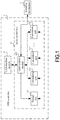
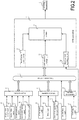
- the electronic parking brake system for a motor vehicle comprises an EPB controller 1 and an actuating mechanism 2, wherein the EPB controller 1 comprises a controller area network (CAN for short) interface module 11 and a main control module 121; the main control module 121 comprises a main control unit 12, a storage unit 122 and one or more of calculation units 123.
- the EPB controller 1 comprises a controller area network (CAN for short) interface module 11 and a main control module 121;
- the main control module 121 comprises a main control unit 12, a storage unit 122 and one or more of calculation units 123.
- a vehicle body CAN bus is respectively connected with a engine controller 4, an anti-lock brake system (ABS for short)/ electronic stability program (ESP for short) controller 5 and a vehicle body controller 6, wherein the engine controller 4 is respectively connected with an engine rotate speed sensor, an engine torque sensor, a throttle position sensor and an accelerator pedal sensor to respectively obtain an engine rotate speed signal 41, an engine torque signal 42, an throttle position signal 43 and an accelerator pedal signal 44.
- the ESP/ABS controller 5 is respectively connected with a wheel speed sensor and a brake signal sensor to respectively obtain a wheel speed signal 51 and a brake signal 52.
- the acceleration sensor located in the other circuit or system directly sends the acceleration signal from the vehicle body CAN bus 3 to the EPB controller 1.
- the acceleration signal can also be obtained from an acceleration sensing circuit 13 in the EPB controller 1. As shown in Fig 2 , the acceleration sensing circuit 13 is used to detect the acceleration of the motor vehicle and to send the detected acceleration signal to the main control unit 121.
- the vehicle body controller 6 is connected with a reversing light circuit to control the on/off of the reversing light and to send the reversing signal 61 through the vehicle body CAN bus.
- the EPB controller also comprises an electrical level matching circuit 14, wherein the electrical level matching circuit is used to match the electrical level of the reversing signal 61 transmitted from the reversing light circuit into an acceptable electrical level to the main control unit 12 and to send the electrical acceptable level to the main control unit 12.
- the CAN interface module 11 in the EPB controller 1 can transmit signals or commands between the vehicle body CAN bus 3 and the main control unit 12, wherein the CAN interface module 11 can receive all sensor signals or detection signals from the vehicle body CAN bus 3 and send these signals to the main control unit 12.
- the main control unit 121 judges the type of the sensor signals or the detection signals, selects the corresponding calculation unit 123 to make calculation; according to the calculated results obtained by the calculation unit 123 or the sensor signals or detection signals received by the main control unit 121, the main control unit determines whether the current motor vehicle meets the condition for releasing the brake; when the condition for releasing the brake is satisfied, the main control unit controls the actuating mechanism 2 to operate and thus release the braking completed by the parking brake system; or through the CAN interface module 11, the main control unit sends to the ESP system of the motor vehicle by way of the vehicle body CAN bus 3 the command to release the braking pipeline pressure, so as to release the braking completed by ESP system. As shown in Fig 2 , the CAN interface module 11 sends command to the ABS/ESP controller 5 through the vehicle body CAN bus 3, and ABS/ESP controller 5 sends the driving brake pipeline pressure signal 53.
- the one or more of calculation units make calculation, and the calculated results are provided to the main control unit to determine whether the condition for releasing brake is satisfied, so as to assist the driver in starting.
- the calculation unit 123 can be used to calculate different kinds of data.
- the calculation unit 123 can be torque calculation unit, inclination calculation unit, sub-acceleration calculation unit and vehicle body attitude calculation unit, etc. The specific description on the calculation unit will be given later.
- All sensor signals or detection signals received by the CAN interface module from the vehicle body CAN bus include a clutch pedal signal and a acceleration pedal signal, or a acceleration signal, or a engine rotate speed signal and a throttle position signal, or a wheel speed or rotate angle signal of the driving wheel; the CAN interface module also sends these signals to the main control unit 121 in the EPB controller 1, the main control unit 121 coordinates with the calculation units to process of obtained motor vehicle data, judge whether the motor vehicle has been engaged a gear and whether the clutch has started combination, without need for adding clutch position sensors and gear position sensors. When the motor vehicle has engaged a gear and the clutch has started combination, the power of the engine will be gradually transmitted to the driving wheel.
- EPB controller 1 controls the actuating mechanism 2 to release the parking brake or send the command of releasing brake pipeline pressure to the ESP/ABS controller 5 through the vehicle body CAN bus 3, so as to release the driving brake and achieve the objective of assistant starting.
- the present invention provides an assistant starting method of said electronic parking brake system for a motor vehicle, wherein, the electronic parking brake system receives all sensor signals and detection signals of the motor vehicle; when any one of the following conditions is satisfied, the brake will be released to assist a driver in starting:
- the storage unit 122 stores the corresponding table of the torque T n required for starting, the model of the motor vehicle, the gradient of the ground surface where the motor vehicle is located (the inclination ⁇ between the present position of the motor vehicle and the horizontal plane is used as a parameter) and the reversing signal etc., as shown in Table 1,the torque T n provided in this table is sufficient to guarantee that no sliding slope will occur under different kinds of conditions, and it is a value obtained through a series of tests.
- the main control module 121 can select the torque T n required for starting according to the current condition, the main control module compares the calculated results obtained by a torque calculation unit and the selected torque T n required for starting; when the torque T c obtained by the torque calculation unit is greater than the torque T n required for starting, it is judged that the current motor vehicle meets the condition for releasing brake.
- Table 1 Model Flat ground ⁇ 1 ⁇ 2 ⁇ Reversal Forward direction Reversal Forward direction Reversal Forward direction A T n0 T n1 ⁇ 1 T n2 ⁇ 1 T n1 ⁇ 2 T n2 ⁇ 2 ⁇ ⁇
- step S100 judge whether parking is completed by the actuating mechanism; if yes, implement the step S110; if no, this flow stops. It is noted that, this embodiment only describes the braking completed by the parking brake system. Of course, this embodiment can also describe the braking completed by ESP system. Since methods are similar, no repeated description will be provided herein.
- Step S110 judge whether the motor vehicle is starting on slope.
- the specific judgment method detect whether the acceleration signal is received; if acceleration signal can still be received in the process of braking, it is indicated that this motor vehicle stops on slope. If the motor vehicle is starting on slope, turn to step S120. If not, turn to step Sill.
- Step S111 judge whether there is change in the rotate speed of the engine; if any, implement the step S112; if no change, terminate.
- Step S112 the main control unit 121 sends the received rotate speed and torque signals of the engine to the torque calculation unit, and the torque calculation unit makes calculation according to equation (1).
- Step S113 select a specific data of the torque T n required for starting, and compare whether the T c calculated by the torque calculation unit according to equation (1) is greater than the torque T n required by starting. If yes, judge that the condition for starting is satisfied, and implement the step S114; if no, terminate.
- Step S114 release parking.
- Step S120 judge whether the reversing signal is received. Concretely, according to whether the signals sent from the reversing light circuit are received, judge whether the reversing signals are received. If yes, proceed to step S111, implement the flow from step S111 to step S114; if no, proceed to Step S121.
- Step S121 judge whether there is change in the rotate speed of the engine; if any, implement the step S112; if no change, terminate.
- Step S122 the main control unit 121 sends the received acceleration signal to the inclination calculation unit; the inclination calculation unit calculates the inclination ⁇ between the present position of the motor vehicle and the horizontal plane according to the acceleration signal; according to the inclination ⁇ , select a specific data of the torque T n required for starting, wherein the inclination ⁇ can be calculated through trigonometric function.
- Step S123 the main control unit 121 sends the received rotate speed and torque signals of the engine to the torque calculation unit, and the torque calculation unit calculates the torque T c transmitted by the clutch according to equation (1).
- Step S124 select a specific data of the torque T n required for starting, and compare whether the T c calculated by the torque calculation unit according to equation (1) is greater than the torque T n required by starting. If yes, judge that the condition for starting is satisfied, and implement the step S125; if no, terminate.
- Step S 125 release parking.
- EPB controller 1 when EPB controller 1 has received the engine rotate speed signal through the vehicle body CAN bus 3, if the engine rotate speed is greater than the engine idle speed, it also simultaneously receives the clutch pedal signal 45 and the acceleration pedal signal 44; if the condition (2) is satisfied, release the braking to assist the driver in starting.
- the main control module In the running process of the engine, if the main control module detects the clutch pedal and the acceleration pedal are depressed simultaneously, the main control module believes that the driver has the intention of starting, and then it is feasible to release braking.
- a switch is provided at the pedal of the clutch; when the clutch pedal is depressed, this switch sends a switching signal; when the main control module receives the switching signal, it is feasible to determine that the clutch pedal is depressed.
- the acceleration pedal will always output an electric signal; when the acceleration pedal is depressed, the electric signal will change. If the main control module detects any change in the electric signal, it can determine that the acceleration pedal is depressed.
- the electronic parking brake system of the present invention receives all sensor signals from the motor vehicle. When it detects that the motor vehicle has the trend of starting, it releases brake to assist the driver in starting. Specifically, it judges whether the motor vehicle has the trend of starting according to the changes in the vehicle body acceleration or the vehicle body attitude.
- the EPB controller 1 receives the vehicle body acceleration signals sent by the other electronic controller modules (such as ESP system) on the vehicle or obtains the vehicle body acceleration signal through its internal integrated acceleration sensing circuit 13.
- the other electronic controller modules such as ESP system
- the main control unit 121 records the acceleration information of the vehicle along the vehicle body coordinate axes; at the time of starting, since the parking brake has not been released while the vehicle has engaged a gear, in the engagement process of the clutch, the power of the engine is transmitted to the front wheels; in the process that the wheel driving force is gradually increasing, since the particular suspension structure of the vehicle, in case of rear wheel lockup, certain acceleration will be generated on X-axis and Z-axis of vehicle body co-ordinates.
- Different acceleration threshold values are set according to different vehicles; when the X-axis acceleration reaches the threshold value, it releases brake (namely, when the acceleration in the direction of forward motion reaches the threshold value, it releases brake).
- one of the calculation units as shown in Fig 1 is a sub- acceleration calculation unit and is used to decompose the obtained acceleration information into sub-acceleration signals on X-axis and Z axis in vehicle body co-ordinates; the main control unit 121 compares the sub-acceleration signal on X-axis as obtained by the sub-acceleration calculation unit with the threshold value stored in the storage unit; if the threshold value is reached, it is feasible to judge that the vehicle has the trend of starting.
- one of the one or more of calculation units is a vehicle body attitude calculation unit, wherein the vehicle body attitude calculation unit decomposes the received acceleration signals into sub-acceleration signals in X-axis, Y-axis and Z-axis directions in the vehicle body coordinate system; according to the sub-acceleration signals in X-axis, Y-axis and Z-axis, it is feasible to obtain the current attitude data of the motor vehicle body.
- the main control unit 121 compares the current attitude data with the vehicle body attitude data in static state; when the vehicle body attitude change value reaches the threshold value, it is judged that this vehicle meets the condition for starting.
- attitude data such as the inclination in the vehicle body coordinate system concretely refers to the inclination of three coordinate axes in the vehicle body coordinate system; the specific calculation method for these three inclinations is the same as the calculation method for the inclination ⁇ .
- the electronic parking brake system of the present invention receives all sensor signals from the motor vehicle; when the rotate speed of the engine is less than the first pre-determined threshold value, the brake is released to assist the driver in starting.
- the gas injection quantity of the engine basically remains constant, while the output power also remains constant.
- the torque is inversely proportional to the rotate speed.
- the motor vehicle has engaged a gear, in the process that the clutch is gradually engaged, the rotary resistance of the engine gradually increases; to maintain the engine rotate speed, the engine is required to increase the output torque.
- the throttle opening remains unchanged, the engine rotate speed will gradually decrease when the engine torque is increased.
- the rotate speed threshold value can be calculated through the detected throttle opening data, namely the aforementioned first threshold value; when the rotate speed of the engine is less than the threshold value, it is judged that the clutch has been engaged, the condition for starting is satisfied, and it is feasible to release the brake.
- P e T ⁇ n e
- the electronic parking brake system of the present invention receives all sensor signals from the motor vehicle; when it detects that the value of wheel speed signal or rotate angle signal is greater than the pre-determined threshold value, it releases the braking to assist the driver in starting; wherein the threshold value is a constant preset value and is relevant with the vehicle model and the accuracy of the wheel speed sensor.
- the power of the motor is transmitted to the driving wheel; when the driving force reaches the value required for starting, the driving wheel will generate rotate; the wheel speed sensor can detect the rotate direction and speed of the driving wheel and output the value of the wheel speed or rotate angle signal; according to the rotate direction of the driving wheel, it is feasible to judge whether the forward gear position or reversing gear position is currently engaged by the driver; according to the value of wheel speed or rotate angle, it is feasible to judge whether the condition for starting is satisfied; when the condition for starting is satisfied, the braking is released.
- the EPB controller 1 of the electronic parking brake system has two methods for releasing the braking: when the braking is completed by the parking brake system, and any of the conditions (1)-(5) is satisfied, the EPB controller 1 controls the motor in the actuating mechanism 2 to rotate and release the braking; when the braking is completed by the ESP system of the motor vehicle, and any of the conditions (1)-(5) is satisfied, through the CAN interface module 11, the EPB controller 1 sends to the ESP system of the motor vehicle by way of the vehicle body CAN bus the command to release the braking pipeline pressure, so as to release the braking.
- the actuating mechanism 2 comprises a motor and a gear-down mechanism, and the gearing-down mechanism magnifies the output torque of the motor and applies the output torque to the parking brake through mechanical connection, so as to complete parking and parking release action.
- the electronic parking brake system and assistant starting method thereof for a motor vehicle as provided by the present invention, there is no need to additionally a mount clutch position sensor and a gear position sensor; according to all the available sensor signals and detection signals on the motor vehicle, the system can accurately judge whether the brake can be automatically released, and there is no need to modify the existing motor vehicle, featuring low lost and accurate judgment.
Landscapes
- Engineering & Computer Science (AREA)
- Transportation (AREA)
- Mechanical Engineering (AREA)
- Automation & Control Theory (AREA)
- Chemical & Material Sciences (AREA)
- Combustion & Propulsion (AREA)
- Physics & Mathematics (AREA)
- Mathematical Physics (AREA)
- Regulating Braking Force (AREA)
Claims (13)
- Procédé de démarrage assisté de système électronique de freinage de stationnement destiné à un véhicule automobile, dans lequel le système électronique de freinage de stationnement reçoit tous les signaux de capteurs et les signaux de détection du véhicule automobile, le procédé est caractérisé en ce que les signaux de capteurs et de détection reçus par le système électronique de freinage de stationnement en provenance du véhicule automobile pour déterminer s'il faut relâcher le frein incluent le signal de vitesse de rotation du moteur, obtenu à partir des capteurs du moteur et les signaux de couple efficace délivrés par le moteur, un signal de pédale d'embrayage, un signal de pédale d'accélérateur, un signal d'accélération et une vitesse ou un angle de rotation d'une roue motrice, dans lequel un couple Tc transmis par un embrayage est calculé sur la base du signal de vitesse de rotation du moteur et des signaux de couple efficace délivrés par le moteur ; lorsque l'une quelconque des conditions suivantes sera satisfaite, le frein sera relâché pour assister un conducteur au démarrage :condition (1) : le couple calculé Tc transmis par l'embrayage est supérieur à un couple Tn nécessaire pour démarrer le véhicule automobile ;condition (2) : une vitesse de rotation du moteur est supérieure à une vitesse de ralenti du moteur, et une pédale d'accélérateur ainsi qu'une pédale d'embrayage sont enfoncées simultanément ;condition (3) : une tendance au démarrage du véhicule automobile est détectée ;condition (4) : la vitesse détectée de rotation du moteur est inférieure à une première valeur de seuil prédéterminée, calculée en fonction de données d'ouverture du papillon des gaz ;condition (5) : une vitesse ou un angle de rotation de roue motrice détecté(e) est supérieur(e) à une valeur de seuil prédéterminée de vitesse ou d'angle de rotation,et dans lequel sous la condition (1), le couple Tc transmis par l'embrayage est calculé au moyen de l'équation (1) suivante :
 Tc, le couple transmis par l'embrayage est le résultat de calcul final ;Te, le couple efficace délivré par le moteur, correspondant au signal reçu de couple moteur ;Ie, le moment d'inertie du moteur est une constante stockée dans l'unité de stockage ;αe, l'accélération angulaire du moteur est une variable intermédiaire ;ωe, la vitesse angulaire du moteur est une variable intermédiaire ;ne, la vitesse de rotation du moteur, correspondant au signal reçu de vitesse de rotation du moteur.
 - Procédé de démarrage assisté de système électronique de freinage de stationnement destiné à un véhicule automobile selon la revendication 1, caractérisé par les étapes suivantes : lorsque les signaux de capteurs reçus par le système électronique de freinage de stationnement en provenance du véhicule automobile incluent un signal d'accélération, détecter s'il a également reçu un signal de recul ; si ledit signal de recul n'a pas été reçu, en fonction du signal d'accélération, calculer une inclinaison α entre la position actuelle du moteur et le plan horizontal ; en fonction de l'inclinaison α, sélectionner le couple Tn requis pour démarrer sous la condition (1) correspondante ; dans lequel le signal de recul est obtenu par détection du circuit de feux de recul.
- Procédé de démarrage assisté de système électronique de freinage de stationnement destiné à un véhicule automobile selon la revendication 1, caractérisé par les étapes suivantes : les signaux de capteurs reçus par le système électronique de freinage de stationnement en provenance du véhicule automobile incluent un signal de pédale d'embrayage envoyé par le contacteur de position d'embrayage sur la pédale d'embrayage et un signal de pédale d'accélérateur envoyé par la pédale d'accélérateur ; sous la condition (2), lorsque le système électronique de freinage de stationnement a reçu le signal de pédale d'embrayage, il est déterminé que la pédale d'embrayage est enfoncée ; lorsqu'il existe une variation du signal de pédale d'accélérateur, il est déterminé que la pédale d'accélérateur est enfoncée.
- Procédé de démarrage assisté de système électronique de freinage de stationnement destiné à un véhicule automobile selon la revendication 1, caractérisé par les étapes suivantes : les signaux de capteurs reçus par le système électronique de freinage de stationnement en provenance du véhicule automobile incluent un signal d'accélération ; sous la condition (3), la tendance au démarrage du véhicule automobile est détectée au moyen des étapes suivantes :étape 31 : après avoir reçu le signal d'accélération, le système électronique de freinage de stationnement décompose le signal d'accélération en signaux de sous-accélération dans les directions de l'axe X et de l'axe Z dans le système de coordonnées de carrosserie du véhicule ;étape 32 : compare le signal de sous-accélération dans la direction de l'axe X à la valeur de seuil d'accélération ;étape 33 : lorsque le signal de sous-accélération dans la direction de l'axe X atteint la valeur de seuil, il est déterminé que le véhicule automobile présente la tendance au démarrage ; ou les signaux de capteurs reçus par le système électronique de freinage de stationnement en provenance du véhicule automobile incluent un signal d'accélération, sous la condition (3), la tendance au démarrage du véhicule automobile est détectée au moyen des étapes suivantes :étape 31' : après avoir reçu le signal d'accélération, le système électronique de freinage de stationnement décompose le signal d'accélération en signaux de sous-accélération dans les directions de l'axe X, de l'axe Y et de l'axe Z dans le système de coordonnées de carrosserie du véhicule ;étape 32' : en fonction des signaux de sous-accélération dans les directions de l'axe X, de l'axe Y et de l'axe Z, obtenir les données d'assiette actuelle de la carrosserie du véhicule automobile ;étape 33' : compare les données d'assiette actuelle de la carrosserie du véhicule automobile aux données d'assiette du véhicule automobile à l'état statique, de manière à obtenir la valeur de modification d'assiette de la carrosserie du véhicule automobile ;étape 34' : lorsque la valeur de modification d'assiette de la carrosserie du véhicule automobile atteint une valeur de seuil, il est déterminé que le véhicule automobile présente la tendance au démarrage.
- Procédé de démarrage assisté de système électronique de freinage de stationnement destiné à un véhicule automobile selon la revendication 1, caractérisé par les étapes suivantes : les signaux de capteurs reçus par le système électronique de freinage de stationnement en provenance du véhicule automobile incluent un signal de vitesse de rotation du moteur, obtenu par le capteur de vitesse sur le moteur et un signal de papillon des gaz, obtenu par le capteur de position de papillon des gaz sur le corps de papillon des gaz ;
sous la condition (4), après avoir reçu le signal de papillon des gaz, le système électronique de freinage de stationnement calcule la première valeur de seuil prédéterminée, en fonction des données d'ouverture représentées par le signal de papillon des gaz ; après avoir reçu le signal de vitesse de rotation du moteur, le système électronique de freinage de stationnement compare la vitesse de rotation du moteur à la première valeur de seuil prédéterminée ; lorsque la vitesse de rotation du moteur est inférieure à la première valeur de seuil prédéterminée, le système électronique de freinage de stationnement relâche le freinage. - Procédé de démarrage assisté de système électronique de freinage de stationnement destiné à un véhicule automobile selon la revendication 1, caractérisé en ce que le frein est relâché sous le mode suivant :lorsque le freinage est achevé par le système de freinage de stationnement, et que l'une quelconque des conditions (1) à (5) est satisfaite, le système électronique de freinage de stationnement relâche le freinage ;lorsque le freinage est achevé par le système ESP du véhicule automobile, et que l'une quelconque des conditions (1) à (5) est satisfaite, le système électronique de freinage de stationnement envoie la commande de relâchement d'une pression de conduite de frein au système ESP, et le système ESP relâche le freinage.
- Système électronique de freinage de stationnement destiné à un véhicule automobile, comprenant un dispositif de commande de frein de stationnement électronique (EPB, electronic parking brake), caractérisé en ce que le dispositif de commande EPB comprend un module de commande principal et un module d'interface CAN, dans lequel le module de commande principal comporte une unité de commande principale, une unité de stockage et une ou plusieurs unité(s) de calcul ;
dans lequel le module d'interface CAN est conçu pour transmettre des signaux ou des commandes entre le bus CAN de carrosserie du véhicule automobile et l'unité de commande principale, et dans lequel les signaux reçus par l'unité de commande principale pour déterminer s'il faut relâcher le frein incluent le signal de vitesse de rotation du moteur, obtenu à partir des capteurs du moteur et les signaux de couple efficace délivrés par le moteur ;
en fonction des signaux de capteurs reçus ou des signaux de détection, l'unité de commande principale détermine le type des signaux de capteurs ou des signaux de détection, sélectionne l'unité de calcul correspondante pour effectuer le calcul, dans lequel le calcul inclut le calcul d'un couple Tc transmis par un embrayage sur la base du signal de vitesse de rotation du moteur et du signal de couple efficace délivré par le moteur ; en fonction des résultats de calcul obtenus par l'unité de calcul ou des signaux de capteurs ou encore des signaux de détection reçus par l'unité de commande principale, l'unité de commande principale détermine si l'actuel véhicule automobile répond à la condition de relâchement du frein ; lorsque la condition de relâchement du frein est satisfaite, l'unité de commande principale commande le mécanisme d'actionnement pour actionner et ainsi relâcher le freinage achevé par le système de freinage de stationnement ; ou au moyen du module d'interface CAN, l'unité de commande principale envoie au système ESP du véhicule automobile, par le biais du bus CAN de carrosserie du véhicule, la commande de relâchement de la pression de conduite de freinage, de manière à relâcher le freinage achevé par le système ESP ;
en fonction des signaux de capteurs ou des signaux de détection envoyés par l'unité de commande principale, ainsi que des paramètres pertinents dans l'unité de stockage, l'unité ou les unité(s) de calcul effectue(nt) le calcul, et les résultats de calcul sont fournis à l'unité de commande principale pour déterminer si la condition de relâchement du frein est satisfaite,
et dans lequel l'une parmi l'unité ou les unités de calcul est une unité de calcul de couple, dans lequel l'unité de calcul de couple est utilisée pour calculer le couple Tc transmis par l'embrayage, au moyen de l'équation (1) suivante : Te, le couple efficace délivré par le moteur, correspondant au signal reçu de couple moteur ;Ie, le moment d'inertie du moteur est une constante stockée dans l'unité de stockage ;αe, l'accélération angulaire du moteur est une variable intermédiaire ;ωe, la vitesse angulaire du moteur est une variable intermédiaire ;ne, la vitesse de rotation du moteur, correspondant au signal reçu de vitesse de rotation du moteur.
 - Système électronique de freinage de stationnement destiné à un véhicule automobile selon la revendication 7, caractérisé en ce que le dispositif de commande EPB comprend également un circuit de détection d'accélération, dans lequel le circuit de détection d'accélération est utilisé pour détecter l'accélération du véhicule automobile et pour envoyer le signal d'accélération détectée à l'unité de commande principale ; le dispositif de commande EPB comprend également un circuit d'adaptation de niveau électrique, dans lequel le circuit d'adaptation de niveau électrique est connecté au circuit de feux de recul du véhicule automobile et est utilisé pour adapter le niveau électrique du signal de recul transmis en provenance du circuit de feux de recul, à un niveau électrique acceptable, à l'unité de commande principale et pour envoyer le niveau électrique acceptable à l'unité de commande principale.
- Système électronique de freinage de stationnement destiné à un véhicule automobile selon la revendication 7, caractérisé en ce que l'une parmi l'unité ou les unités de calcul est une unité de calcul d'inclinaison et est utilisée pour calculer une inclinaison α entre la position actuelle du véhicule automobile et le plan horizontal, en fonction du signal d'accélération ; l'unité de stockage stocke la table correspondante du couple Tn requis pour démarrer, le modèle du véhicule automobile, l'inclinaison α, le signal de recul, etc. ; au moyen de cette table correspondante, le module de commande principal peut sélectionner le couple Tn requis pour démarrer en fonction de la condition actuelle, le module de commande principal compare les résultats de calcul obtenus par une unité de calcul de couple et le couple sélectionné Tn requis pour démarrer ; lorsque le couple Tc obtenu par l'unité de calcul de couple est supérieur au couple Tn requis pour démarrer, il est déterminé que l'actuel véhicule automobile répond à la condition de relâchement du frein.
- Système électronique de freinage de stationnement destiné à un véhicule automobile selon la revendication 7 ou 8, caractérisé en ce que l'une parmi l'unité ou les unités de calcul est une unité de calcul de sous-accélération, dans lequel l'unité de calcul de sous-accélération est utilisée pour décomposer le signal d'accélération reçu en signaux de sous-accélération dans les directions de l'axe X et de l'axe Z dans le système de coordonnées de carrosserie du véhicule ; la valeur de seuil de la sous-accélération dans la direction de l'axe X est stockée dans l'unité de stockage qui est fournie à l'unité de commande principale pour comparer le signal de sous-accélération dans la direction de l'axe X à la valeur de seuil ; lorsque le signal de sous-accélération dans la direction de l'axe X est supérieur à la valeur de seuil, il est déterminé que l'actuel véhicule automobile répond à la condition de relâchement de frein.
- Système électronique de freinage de stationnement destiné à un véhicule automobile selon la revendication 8, caractérisé en ce que l'une parmi l'unité ou les unités de calcul est une unité de calcul d'assiette de carrosserie de véhicule, dans lequel l'unité de calcul d'assiette de carrosserie de véhicule décompose les signaux d'accélération reçus en signaux de sous-accélération dans les directions de l'axe X, de l'axe Y et de l'axe Z dans le système de coordonnées de carrosserie du véhicule ; en fonction des signaux de sous-accélération dans les directions de l'axe X, de l'axe Y et de l'axe Z, il est possible d'obtenir les données d'assiette actuelle de la carrosserie du véhicule automobile ; l'unité de stockage stocke également les données d'assiette de carrosserie du véhicule lorsque le véhicule automobile est à l'état statique et la valeur de seuil de la valeur de modification d'assiette de carrosserie du véhicule ; l'unité de commande principale compare les données d'assiette actuelle aux données d'assiette de carrosserie du véhicule à l'état statique ; lorsque la valeur de modification d'assiette de carrosserie du véhicule atteint la valeur de seuil, il est déterminé que l'actuel véhicule automobile répond à la condition de relâchement de frein.
- Système électronique de freinage de stationnement destiné à un véhicule automobile selon la revendication 7, caractérisé en ce que le mécanisme d'actionnement comprend un moteur de freinage et un mécanisme de réduction de vitesse connecté au moteur de freinage, dans lequel le moteur de freinage reçoit une commande en provenance de l'unité de commande principale, exécute l'action correspondante en fonction de la commande ; le mécanisme de réduction de vitesse est connecté au frein de stationnement.
- Système électronique de freinage de stationnement destiné à un véhicule automobile selon la revendication 8, caractérisé en ce que tous les signaux de capteurs ou les signaux de détection reçus par le module d'interface CAN en provenance du bus CAN de carrosserie du véhicule incluent un signal de pédale d'embrayage et un signal de pédale d'accélérateur, ou un signal d'accélération, ou un signal de vitesse de rotation du moteur et un signal de position de papillon des gaz, ou un signal de vitesse de roue ou d'angle de rotation de la roue motrice.
Applications Claiming Priority (2)
| Application Number | Priority Date | Filing Date | Title |
|---|---|---|---|
| CN2010102589525A CN101941436B (zh) | 2010-08-13 | 2010-08-13 | 一种应用于机动车的电子驻车制动系统及其辅助起步方法 |
| PCT/CN2010/080003 WO2012019408A1 (fr) | 2010-08-13 | 2010-12-20 | Système de frein à main électronique, procédé de démarrage d'assistant associé pour véhicule automobile |
Publications (3)
| Publication Number | Publication Date |
|---|---|
| EP2617618A1 EP2617618A1 (fr) | 2013-07-24 |
| EP2617618A4 EP2617618A4 (fr) | 2014-03-05 |
| EP2617618B1 true EP2617618B1 (fr) | 2018-05-09 |
Family
ID=43433698
Family Applications (1)
| Application Number | Title | Priority Date | Filing Date |
|---|---|---|---|
| EP10855828.9A Active EP2617618B1 (fr) | 2010-08-13 | 2010-12-20 | Système de frein à main électronique, procédé de démarrage d'assistant associé pour véhicule automobile |
Country Status (6)
| Country | Link |
|---|---|
| US (1) | US8948965B2 (fr) |
| EP (1) | EP2617618B1 (fr) |
| JP (1) | JP5793191B2 (fr) |
| KR (1) | KR101506552B1 (fr) |
| CN (1) | CN101941436B (fr) |
| WO (1) | WO2012019408A1 (fr) |
Families Citing this family (64)
| Publication number | Priority date | Publication date | Assignee | Title |
|---|---|---|---|---|
| CN103492250B (zh) * | 2011-03-30 | 2016-09-14 | 丰田自动车株式会社 | 车辆控制装置 |
| CN102935847B (zh) * | 2012-02-21 | 2015-01-28 | 奇瑞汽车股份有限公司 | 一种电子行车制动和电子驻车制动一体化控制系统的控制方法 |
| CN103569085B (zh) * | 2012-08-03 | 2015-04-15 | 广州汽车集团股份有限公司 | 电子驻车制动器磨合装置和方法及电子驻车系统和车辆 |
| CN102849051B (zh) * | 2012-09-26 | 2016-03-02 | 芜湖伯特利汽车安全系统股份有限公司 | 一种应用于自动变速器的驻车制动控制系统及控制方法 |
| KR101984149B1 (ko) * | 2012-10-23 | 2019-05-30 | 콘티넨탈 오토모티브 시스템 주식회사 | 듀얼클러치 트랜스미션이 구비된 차량의 전자 제어식 유압 브레이크 제어 방법 |
| JP6027482B2 (ja) * | 2013-04-12 | 2016-11-16 | 日野自動車株式会社 | 電動パーキングブレーキシステム |
| JP5881251B2 (ja) * | 2013-05-23 | 2016-03-09 | 本田技研工業株式会社 | 車両制御装置 |
| CN103786699B (zh) * | 2014-02-12 | 2017-01-11 | 浙江吉利汽车研究院有限公司 | 一种手动挡汽车自动手刹系统及其控制方法 |
| FR3021280B1 (fr) * | 2014-05-21 | 2017-12-22 | Renault Sas | Procede de controle d'un groupe motopropulseur d'un vehicule, dispositif et vehicule correspondant. |
| CN104057950B (zh) * | 2014-05-21 | 2016-04-27 | 重庆长安汽车股份有限公司 | 一种全自动泊车系统 |
| US9242648B1 (en) * | 2014-09-05 | 2016-01-26 | Caterpillar Inc. | Boosting parking brake drive-through torque |
| CN106143492B (zh) * | 2015-04-21 | 2019-03-29 | 比亚迪股份有限公司 | 电动车辆的驻车控制方法及驻车控制系统 |
| CN104908747B (zh) * | 2015-07-14 | 2017-08-29 | 詹志勇 | 基于离合器位移及can总线的自动上坡辅助系统及其控制方法 |
| CN105128837B (zh) * | 2015-08-28 | 2018-03-23 | 芜湖伯特利汽车安全系统股份有限公司 | 一种应用于机动车电子驻车制动系统的辅助起步熄火保护方法 |
| CN105128846A (zh) * | 2015-08-28 | 2015-12-09 | 芜湖伯特利汽车安全系统股份有限公司 | 一种电子驻车制动系统及其驻车控制方法 |
| CN105128859B (zh) * | 2015-08-28 | 2017-09-26 | 芜湖伯特利汽车安全系统股份有限公司 | 一种发动机启停系统的熄火防溜坡保护控制方法 |
| CN105774655B (zh) * | 2016-03-11 | 2018-04-17 | 江苏大学 | 一种倾斜车位探测装置及方法 |
| CN105774701B (zh) * | 2016-04-21 | 2018-03-09 | 北京汽车研究总院有限公司 | 一种车身控制系统、控制方法及汽车 |
| DE102016012617A1 (de) * | 2016-10-20 | 2018-04-26 | Lucas Automotive Gmbh | System mit getrennten Steuereinheiten für die Stelleinheiten einer elektrischen Parkbremse |
| CN106627547B (zh) | 2016-11-17 | 2019-01-29 | 广州汽车集团股份有限公司 | 兼容自动驻车功能的电子驻车制动系统、起步方法及车辆 |
| CN108944931B (zh) * | 2017-05-25 | 2020-06-12 | 长城汽车股份有限公司 | 雪地模式下的坡道起步辅助方法及装置 |
| DE102017214748A1 (de) * | 2017-08-23 | 2019-02-28 | Volkswagen Aktiengesellschaft | Verfahren zum Betreiben eines Fahrerassistenzsystems eines Kraftfahrzeugs sowie Kraftfahrzeug mit einer elektronischen Recheneinrichtung |
| CN108177558A (zh) * | 2017-11-20 | 2018-06-19 | 浙江亚太机电股份有限公司 | 一种电动汽车驻车控制系统 |
| CN108657155B (zh) * | 2017-12-27 | 2021-06-04 | 罗伯特·博世有限公司 | 用于实现车辆受控减速制动的方法和装置 |
| CN110182190B (zh) * | 2018-02-22 | 2022-08-05 | 罗伯特·博世有限公司 | 用于驻车制动释放的方法、装置和控制单元 |
| JP6996402B2 (ja) * | 2018-04-16 | 2022-01-17 | 株式会社豊田自動織機 | 電動パーキングブレーキシステム |
| CN110733494A (zh) * | 2018-07-02 | 2020-01-31 | 罗伯特·博世有限公司 | 唤醒电子控制系统的方法以及车辆的电子控制系统 |
| CN109532796A (zh) * | 2018-11-13 | 2019-03-29 | 东莞理工学院 | 一种自动刹车装置 |
| CN109572698B (zh) * | 2018-12-01 | 2020-05-22 | 郑州日产汽车有限公司 | 电动汽车坡道驻坡、起步控制方法 |
| KR20200077210A (ko) | 2018-12-20 | 2020-06-30 | 이민우 | 에어컨 실외기 쿨러 |
| CN109866749A (zh) * | 2019-03-07 | 2019-06-11 | 威马智慧出行科技(上海)有限公司 | 一种电子驻车系统及其解除驻车控制方法 |
| CN110254414A (zh) * | 2019-05-06 | 2019-09-20 | 万向钱潮股份有限公司 | 一种四轮制动的电子驻车系统 |
| CN110554883B (zh) * | 2019-08-29 | 2023-08-29 | 奇瑞商用车(安徽)有限公司 | 一种集成式epb变量配置方法 |
| CN112744195B (zh) * | 2019-10-31 | 2025-02-11 | 罗伯特·博世有限公司 | 车辆制动控制方法和系统、车辆以及计算机可读存储介质 |
| CN112810595B (zh) * | 2019-11-15 | 2022-06-21 | 湖南力行动力科技有限公司 | 一种用于电驱动车辆的电机电制动控制方法、装置 |
| CN113093775B (zh) * | 2019-12-23 | 2024-03-29 | 巨驰自行车配件(常熟)有限公司 | 车辆平衡控制方法及系统 |
| IT202000003098A1 (it) * | 2020-02-17 | 2021-08-17 | Texa Spa | Sistema e metodo di controllo per veicoli a propulsione endotermica, elettrica e/o ibrida con cambio automatico |
| CN111605529A (zh) * | 2020-05-18 | 2020-09-01 | 奇瑞商用车(安徽)有限公司 | 纯电动汽车的p挡联动epb控制系统及其控制方法 |
| CN113734174A (zh) * | 2020-05-27 | 2021-12-03 | 纬湃科技投资(中国)有限公司 | 运行电子挡位控制系统的方法、电子挡位控制系统、机动车 |
| CN111731300B (zh) * | 2020-06-24 | 2023-03-24 | 韦季李 | 一种车辆控制方法、装置和车辆 |
| KR20220019211A (ko) | 2020-08-09 | 2022-02-16 | 김강수 | 전류 감지 센서를 이용하여 실외기를 냉각하는 전력 절감 시스템 |
| US11760317B2 (en) | 2020-08-21 | 2023-09-19 | Ford Global Technologies, Llc | System and method for controlling an electronic parking brake |
| CN112572389B (zh) * | 2020-12-04 | 2022-03-18 | 东风汽车集团有限公司 | Epb紧急备份控制系统和控制方法 |
| CN112590790B (zh) * | 2020-12-15 | 2022-06-10 | 东风汽车集团有限公司 | 一种epb驶离释放防碰撞方法及系统 |
| CN112677994A (zh) * | 2021-01-07 | 2021-04-20 | 广西汽车集团有限公司 | 一种防止自动驾驶车辆溜坡的方法 |
| CN113212435B (zh) * | 2021-05-19 | 2022-06-17 | 东风汽车集团股份有限公司 | 一种加速踏板扭矩的计算方法、计算装置及汽车 |
| CN113212336B (zh) * | 2021-05-31 | 2023-02-03 | 江苏中之天智能科技有限公司 | 电动车测速及刹车距离检测方法、装置、电动车和系统 |
| CN113740073B (zh) * | 2021-08-19 | 2023-09-26 | 中国第一汽车股份有限公司 | 一种轮式车辆驻坡溜车检测方法及装置 |
| CN113446396B (zh) * | 2021-09-02 | 2022-01-04 | 盛瑞传动股份有限公司 | 换挡控制方法、装置设备及存储介质 |
| CN114211968A (zh) * | 2021-10-15 | 2022-03-22 | 东风汽车股份有限公司 | 一种新能源汽车虚拟p挡驻坡和防溜坡控制方法 |
| CN113954632B (zh) * | 2021-11-26 | 2022-12-27 | 华清科盛(北京)信息技术有限公司 | 一种厂内车辆的车速控制装置及方法 |
| JP7476914B2 (ja) * | 2022-02-02 | 2024-05-01 | トヨタ自動車株式会社 | 車両 |
| CN114771488B (zh) * | 2022-06-20 | 2022-09-20 | 坤泰车辆系统(常州)股份有限公司 | 适用于epb与eps集成方案的起步自动释放控制方法 |
| CN115257664B (zh) * | 2022-07-21 | 2024-07-19 | 中联重科股份有限公司 | 用于工程车辆的控制方法及控制装置、控制器和工程车辆 |
| CN115320554A (zh) * | 2022-08-31 | 2022-11-11 | 东风商用车有限公司 | 一种应用于商用车的自动驻车方法、系统及车辆 |
| CN115743125B (zh) * | 2022-11-28 | 2026-03-20 | 中国重汽集团济南动力有限公司 | 一种车辆联合制动控制系统及方法 |
| CN116424282A (zh) * | 2023-03-28 | 2023-07-14 | 中国第一汽车股份有限公司 | 目标车辆的控制方法、车辆及存储介质 |
| CN116691615B (zh) * | 2023-05-09 | 2025-10-17 | 岚图汽车科技有限公司 | 符合功能安全的电子驻车控制方法、仲裁系统及系统 |
| CN116572981B (zh) * | 2023-05-26 | 2025-10-17 | 清华大学 | 具备控制器失效冗余控制功能的电子机械制动系统及方法 |
| CN116639094B (zh) * | 2023-05-31 | 2026-04-07 | 中国煤炭科工集团太原研究院有限公司 | 一种井下防爆车辆自动驻车系统、井下防爆车辆及方法 |
| CN116494940B (zh) * | 2023-06-25 | 2023-09-22 | 江西五十铃汽车有限公司 | 一种新能源汽车自动驻坡方法、系统、存储介质及设备 |
| TWI893459B (zh) * | 2023-09-23 | 2025-08-11 | 光陽工業股份有限公司 | 電動車防溜坡控制系統及方法 |
| CN118438970B (zh) * | 2024-05-29 | 2026-03-10 | 奇瑞新能源汽车股份有限公司 | 应用于电动汽车的车辆控制模组和车载终端设备 |
| KR20260056828A (ko) | 2024-10-17 | 2026-04-27 | 한성대학교 산학협력단 | 실외기 물 분무 장치 |
Family Cites Families (21)
| Publication number | Priority date | Publication date | Assignee | Title |
|---|---|---|---|---|
| US3880263A (en) * | 1973-10-23 | 1975-04-29 | Bendix Corp | Surge brake actuator |
| US4629043A (en) * | 1983-01-31 | 1986-12-16 | Mazda Motor Corporation | Electric parking brake system for a vehicle |
| US4611696A (en) | 1985-04-24 | 1986-09-16 | Allied Corporation | Brake control device |
| JPS61278454A (ja) * | 1985-06-03 | 1986-12-09 | Nissan Motor Co Ltd | 坂道発進補助装置 |
| JP2689256B2 (ja) * | 1988-04-27 | 1997-12-10 | 株式会社小松製作所 | 油圧駆動車の走行制御方法 |
| US5417624A (en) * | 1989-06-20 | 1995-05-23 | Volkswagen Ag | Actuating means for a motor vehicle locking brake |
| DE19621628A1 (de) * | 1996-05-30 | 1997-12-04 | Bosch Gmbh Robert | Verfahren und Vorrichtung zur Steuerung der Bremsanlage eines Fahrzeugs |
| FR2828450B1 (fr) | 2001-08-07 | 2003-10-03 | Renault | Dispositif d'assistance au demarrage en cote pour vehicule automobile |
| FR2841199B1 (fr) | 2002-06-20 | 2004-08-27 | Renault Sa | Dispositif et procede de desserrage automatique du frein de parking automatique au demarrage |
| DE10361042B3 (de) * | 2003-12-23 | 2005-05-25 | Lucas Automotive Gmbh | Feststellbremse und Verfahren zur Steuerung derselben |
| JP4492197B2 (ja) * | 2004-04-16 | 2010-06-30 | 日産自動車株式会社 | 自動解除パーキングブレーキ装置 |
| CN100335337C (zh) * | 2004-06-02 | 2007-09-05 | 上海大众汽车有限公司 | 汽车短暂驻车和起步的驾驶辅助方法及其系统 |
| JP2006306301A (ja) * | 2005-04-28 | 2006-11-09 | Hi-Lex Corporation | 電動パーキングブレーキ用制御装置 |
| JP2007127155A (ja) | 2005-11-01 | 2007-05-24 | Hino Motors Ltd | 発進補助装置 |
| JP4408434B2 (ja) | 2006-01-06 | 2010-02-03 | 富士重工業株式会社 | 車両制御方法、傾斜判定方法、電動パーキングブレーキ制御方法、車両制御装置、傾斜判定装置、及び、電動パーキングブレーキ制御装置 |
| FR2915158B1 (fr) * | 2007-04-19 | 2009-10-02 | Renault Sas | Procede d'assistance aux manoeuvres en cote pour un vehicule. |
| FR2923791B1 (fr) * | 2007-11-21 | 2009-11-20 | Renault Sas | Procede d'assistance aux manoeuvres en cote |
| US20090187324A1 (en) * | 2008-01-23 | 2009-07-23 | Jianbo Lu | Vehicle Stability Control System and Method |
| JP5503128B2 (ja) | 2008-09-03 | 2014-05-28 | 日立オートモティブシステムズ株式会社 | 車両発進補助装置 |
| CN101537831B (zh) * | 2009-04-13 | 2012-10-03 | 浙江亚太机电股份有限公司 | 手动变速汽车电控驻车和辅助起步控制方法及其系统 |
| CN201784619U (zh) * | 2010-08-13 | 2011-04-06 | 芜湖伯特利汽车安全系统有限公司 | 一种应用于机动车的电子驻车制动系统 |
-
2010
- 2010-08-13 CN CN2010102589525A patent/CN101941436B/zh active Active
- 2010-12-20 JP JP2013523466A patent/JP5793191B2/ja active Active
- 2010-12-20 US US13/701,812 patent/US8948965B2/en active Active
- 2010-12-20 KR KR1020137006493A patent/KR101506552B1/ko active Active
- 2010-12-20 EP EP10855828.9A patent/EP2617618B1/fr active Active
- 2010-12-20 WO PCT/CN2010/080003 patent/WO2012019408A1/fr not_active Ceased
Non-Patent Citations (1)
| Title |
|---|
| None * |
Also Published As
| Publication number | Publication date |
|---|---|
| US20130073163A1 (en) | 2013-03-21 |
| US8948965B2 (en) | 2015-02-03 |
| EP2617618A4 (fr) | 2014-03-05 |
| JP2013533165A (ja) | 2013-08-22 |
| WO2012019408A1 (fr) | 2012-02-16 |
| EP2617618A1 (fr) | 2013-07-24 |
| KR20130061728A (ko) | 2013-06-11 |
| CN101941436B (zh) | 2013-10-30 |
| KR101506552B1 (ko) | 2015-04-07 |
| JP5793191B2 (ja) | 2015-10-14 |
| CN101941436A (zh) | 2011-01-12 |
Similar Documents
| Publication | Publication Date | Title |
|---|---|---|
| US8948965B2 (en) | Electronic parking brake system, assistant starting method thereof for motor vehicle | |
| EP4206045B1 (fr) | Procédé et système de commande de maintien automatique pour véhicule automobile | |
| CN110778710B (zh) | 用于辅助换出驻车挡的车辆驻车系统及方法 | |
| CN102849051B (zh) | 一种应用于自动变速器的驻车制动控制系统及控制方法 | |
| US7206682B2 (en) | Uphill start-up assistance device for motor vehicle | |
| US10647320B2 (en) | Method and a system for controlling vehicle speed | |
| US8412436B2 (en) | Hill start assistance method for motor vehicles | |
| CN106043303B (zh) | 交通状况中的车辆控制 | |
| US8688328B2 (en) | Apparatus and method for movement control of a vehicle | |
| US10576950B2 (en) | Method and a system for controlling vehicle speed | |
| US8924105B1 (en) | Methods and systems for reducing the speed of a vehicle | |
| US8862303B2 (en) | Industrial vehicle | |
| RU2482988C2 (ru) | Способ и устройство для управления скоростью вращения двигателя во время фазы пуска транспортного средства | |
| CN101827737A (zh) | 用于控制车载的自动驻车制动装置的释放的系统和方法 | |
| JP2004515402A (ja) | 車両の運転モード中に発生するアクアプレーニングの危険性を検出するための装置 | |
| US11866057B2 (en) | Garage mode control unit, control system and control method | |
| CN109969188A (zh) | 一种电动车坡道起步控制方法 | |
| EP3174768B1 (fr) | Procédé de commande de frein de stationnement à commande électronique d'un véhicule ayant une transmission à double embrayage | |
| CN111086515A (zh) | 机动车辆制动备用系统的运行方法 | |
| CN103195922A (zh) | 车辆及其的上坡控制方法和装置 | |
| WO2020153145A1 (fr) | Procédé et dispositif de commande de véhicule | |
| CN117698664A (zh) | 具有换挡出驻车挡支持的制动系统 | |
| KR20100106405A (ko) | 언덕 기동을 보조하는 방법 | |
| CN106314417B (zh) | 一种起步系统、汽车以及方法 | |
| KR102817285B1 (ko) | 수동 변속기 차량의 원격 시동 방법 및 그 장치 |
Legal Events
| Date | Code | Title | Description |
|---|---|---|---|
| PUAI | Public reference made under article 153(3) epc to a published international application that has entered the european phase |
Free format text: ORIGINAL CODE: 0009012 |
|
| 17P | Request for examination filed |
Effective date: 20130114 |
|
| AK | Designated contracting states |
Kind code of ref document: A1 Designated state(s): AL AT BE BG CH CY CZ DE DK EE ES FI FR GB GR HR HU IE IS IT LI LT LU LV MC MK MT NL NO PL PT RO RS SE SI SK SM TR |
|
| DAX | Request for extension of the european patent (deleted) | ||
| A4 | Supplementary search report drawn up and despatched |
Effective date: 20140130 |
|
| RIC1 | Information provided on ipc code assigned before grant |
Ipc: B60W 40/10 20120101ALI20140124BHEP Ipc: B60T 7/12 20060101ALI20140124BHEP Ipc: B60W 10/18 20120101AFI20140124BHEP |
|
| 17Q | First examination report despatched |
Effective date: 20150128 |
|
| GRAP | Despatch of communication of intention to grant a patent |
Free format text: ORIGINAL CODE: EPIDOSNIGR1 |
|
| INTG | Intention to grant announced |
Effective date: 20170629 |
|
| GRAJ | Information related to disapproval of communication of intention to grant by the applicant or resumption of examination proceedings by the epo deleted |
Free format text: ORIGINAL CODE: EPIDOSDIGR1 |
|
| GRAP | Despatch of communication of intention to grant a patent |
Free format text: ORIGINAL CODE: EPIDOSNIGR1 |
|
| INTG | Intention to grant announced |
Effective date: 20171124 |
|
| GRAS | Grant fee paid |
Free format text: ORIGINAL CODE: EPIDOSNIGR3 |
|
| GRAA | (expected) grant |
Free format text: ORIGINAL CODE: 0009210 |
|
| AK | Designated contracting states |
Kind code of ref document: B1 Designated state(s): AL AT BE BG CH CY CZ DE DK EE ES FI FR GB GR HR HU IE IS IT LI LT LU LV MC MK MT NL NO PL PT RO RS SE SI SK SM TR |
|
| REG | Reference to a national code |
Ref country code: GB Ref legal event code: FG4D |
|
| REG | Reference to a national code |
Ref country code: CH Ref legal event code: EP Ref country code: AT Ref legal event code: REF Ref document number: 997311 Country of ref document: AT Kind code of ref document: T Effective date: 20180515 |
|
| REG | Reference to a national code |
Ref country code: IE Ref legal event code: FG4D |
|
| REG | Reference to a national code |
Ref country code: DE Ref legal event code: R096 Ref document number: 602010050563 Country of ref document: DE |
|
| REG | Reference to a national code |
Ref country code: SE Ref legal event code: TRGR |
|
| REG | Reference to a national code |
Ref country code: NL Ref legal event code: MP Effective date: 20180509 |
|
| REG | Reference to a national code |
Ref country code: LT Ref legal event code: MG4D |
|
| PG25 | Lapsed in a contracting state [announced via postgrant information from national office to epo] |
Ref country code: BG Free format text: LAPSE BECAUSE OF FAILURE TO SUBMIT A TRANSLATION OF THE DESCRIPTION OR TO PAY THE FEE WITHIN THE PRESCRIBED TIME-LIMIT Effective date: 20180809 Ref country code: FI Free format text: LAPSE BECAUSE OF FAILURE TO SUBMIT A TRANSLATION OF THE DESCRIPTION OR TO PAY THE FEE WITHIN THE PRESCRIBED TIME-LIMIT Effective date: 20180509 Ref country code: NO Free format text: LAPSE BECAUSE OF FAILURE TO SUBMIT A TRANSLATION OF THE DESCRIPTION OR TO PAY THE FEE WITHIN THE PRESCRIBED TIME-LIMIT Effective date: 20180809 Ref country code: ES Free format text: LAPSE BECAUSE OF FAILURE TO SUBMIT A TRANSLATION OF THE DESCRIPTION OR TO PAY THE FEE WITHIN THE PRESCRIBED TIME-LIMIT Effective date: 20180509 Ref country code: LT Free format text: LAPSE BECAUSE OF FAILURE TO SUBMIT A TRANSLATION OF THE DESCRIPTION OR TO PAY THE FEE WITHIN THE PRESCRIBED TIME-LIMIT Effective date: 20180509 |
|
| PG25 | Lapsed in a contracting state [announced via postgrant information from national office to epo] |
Ref country code: HR Free format text: LAPSE BECAUSE OF FAILURE TO SUBMIT A TRANSLATION OF THE DESCRIPTION OR TO PAY THE FEE WITHIN THE PRESCRIBED TIME-LIMIT Effective date: 20180509 Ref country code: NL Free format text: LAPSE BECAUSE OF FAILURE TO SUBMIT A TRANSLATION OF THE DESCRIPTION OR TO PAY THE FEE WITHIN THE PRESCRIBED TIME-LIMIT Effective date: 20180509 Ref country code: GR Free format text: LAPSE BECAUSE OF FAILURE TO SUBMIT A TRANSLATION OF THE DESCRIPTION OR TO PAY THE FEE WITHIN THE PRESCRIBED TIME-LIMIT Effective date: 20180810 Ref country code: RS Free format text: LAPSE BECAUSE OF FAILURE TO SUBMIT A TRANSLATION OF THE DESCRIPTION OR TO PAY THE FEE WITHIN THE PRESCRIBED TIME-LIMIT Effective date: 20180509 Ref country code: LV Free format text: LAPSE BECAUSE OF FAILURE TO SUBMIT A TRANSLATION OF THE DESCRIPTION OR TO PAY THE FEE WITHIN THE PRESCRIBED TIME-LIMIT Effective date: 20180509 |
|
| REG | Reference to a national code |
Ref country code: AT Ref legal event code: MK05 Ref document number: 997311 Country of ref document: AT Kind code of ref document: T Effective date: 20180509 |
|
| PG25 | Lapsed in a contracting state [announced via postgrant information from national office to epo] |
Ref country code: CZ Free format text: LAPSE BECAUSE OF FAILURE TO SUBMIT A TRANSLATION OF THE DESCRIPTION OR TO PAY THE FEE WITHIN THE PRESCRIBED TIME-LIMIT Effective date: 20180509 Ref country code: RO Free format text: LAPSE BECAUSE OF FAILURE TO SUBMIT A TRANSLATION OF THE DESCRIPTION OR TO PAY THE FEE WITHIN THE PRESCRIBED TIME-LIMIT Effective date: 20180509 Ref country code: EE Free format text: LAPSE BECAUSE OF FAILURE TO SUBMIT A TRANSLATION OF THE DESCRIPTION OR TO PAY THE FEE WITHIN THE PRESCRIBED TIME-LIMIT Effective date: 20180509 Ref country code: DK Free format text: LAPSE BECAUSE OF FAILURE TO SUBMIT A TRANSLATION OF THE DESCRIPTION OR TO PAY THE FEE WITHIN THE PRESCRIBED TIME-LIMIT Effective date: 20180509 Ref country code: AT Free format text: LAPSE BECAUSE OF FAILURE TO SUBMIT A TRANSLATION OF THE DESCRIPTION OR TO PAY THE FEE WITHIN THE PRESCRIBED TIME-LIMIT Effective date: 20180509 Ref country code: PL Free format text: LAPSE BECAUSE OF FAILURE TO SUBMIT A TRANSLATION OF THE DESCRIPTION OR TO PAY THE FEE WITHIN THE PRESCRIBED TIME-LIMIT Effective date: 20180509 Ref country code: SK Free format text: LAPSE BECAUSE OF FAILURE TO SUBMIT A TRANSLATION OF THE DESCRIPTION OR TO PAY THE FEE WITHIN THE PRESCRIBED TIME-LIMIT Effective date: 20180509 |
|
| REG | Reference to a national code |
Ref country code: DE Ref legal event code: R097 Ref document number: 602010050563 Country of ref document: DE |
|
| PG25 | Lapsed in a contracting state [announced via postgrant information from national office to epo] |
Ref country code: IT Free format text: LAPSE BECAUSE OF FAILURE TO SUBMIT A TRANSLATION OF THE DESCRIPTION OR TO PAY THE FEE WITHIN THE PRESCRIBED TIME-LIMIT Effective date: 20180509 Ref country code: SM Free format text: LAPSE BECAUSE OF FAILURE TO SUBMIT A TRANSLATION OF THE DESCRIPTION OR TO PAY THE FEE WITHIN THE PRESCRIBED TIME-LIMIT Effective date: 20180509 |
|
| PLBE | No opposition filed within time limit |
Free format text: ORIGINAL CODE: 0009261 |
|
| STAA | Information on the status of an ep patent application or granted ep patent |
Free format text: STATUS: NO OPPOSITION FILED WITHIN TIME LIMIT |
|
| 26N | No opposition filed |
Effective date: 20190212 |
|
| PG25 | Lapsed in a contracting state [announced via postgrant information from national office to epo] |
Ref country code: SI Free format text: LAPSE BECAUSE OF FAILURE TO SUBMIT A TRANSLATION OF THE DESCRIPTION OR TO PAY THE FEE WITHIN THE PRESCRIBED TIME-LIMIT Effective date: 20180509 |
|
| REG | Reference to a national code |
Ref country code: CH Ref legal event code: PL |
|
| PG25 | Lapsed in a contracting state [announced via postgrant information from national office to epo] |
Ref country code: LU Free format text: LAPSE BECAUSE OF NON-PAYMENT OF DUE FEES Effective date: 20181220 Ref country code: MC Free format text: LAPSE BECAUSE OF FAILURE TO SUBMIT A TRANSLATION OF THE DESCRIPTION OR TO PAY THE FEE WITHIN THE PRESCRIBED TIME-LIMIT Effective date: 20180509 |
|
| REG | Reference to a national code |
Ref country code: IE Ref legal event code: MM4A |
|
| REG | Reference to a national code |
Ref country code: BE Ref legal event code: MM Effective date: 20181231 |
|
| PG25 | Lapsed in a contracting state [announced via postgrant information from national office to epo] |
Ref country code: IE Free format text: LAPSE BECAUSE OF NON-PAYMENT OF DUE FEES Effective date: 20181220 |
|
| PG25 | Lapsed in a contracting state [announced via postgrant information from national office to epo] |
Ref country code: BE Free format text: LAPSE BECAUSE OF NON-PAYMENT OF DUE FEES Effective date: 20181231 Ref country code: AL Free format text: LAPSE BECAUSE OF FAILURE TO SUBMIT A TRANSLATION OF THE DESCRIPTION OR TO PAY THE FEE WITHIN THE PRESCRIBED TIME-LIMIT Effective date: 20180509 |
|
| PG25 | Lapsed in a contracting state [announced via postgrant information from national office to epo] |
Ref country code: CH Free format text: LAPSE BECAUSE OF NON-PAYMENT OF DUE FEES Effective date: 20181231 Ref country code: LI Free format text: LAPSE BECAUSE OF NON-PAYMENT OF DUE FEES Effective date: 20181231 |
|
| PG25 | Lapsed in a contracting state [announced via postgrant information from national office to epo] |
Ref country code: MT Free format text: LAPSE BECAUSE OF NON-PAYMENT OF DUE FEES Effective date: 20181220 |
|
| PG25 | Lapsed in a contracting state [announced via postgrant information from national office to epo] |
Ref country code: TR Free format text: LAPSE BECAUSE OF FAILURE TO SUBMIT A TRANSLATION OF THE DESCRIPTION OR TO PAY THE FEE WITHIN THE PRESCRIBED TIME-LIMIT Effective date: 20180509 |
|
| PG25 | Lapsed in a contracting state [announced via postgrant information from national office to epo] |
Ref country code: PT Free format text: LAPSE BECAUSE OF FAILURE TO SUBMIT A TRANSLATION OF THE DESCRIPTION OR TO PAY THE FEE WITHIN THE PRESCRIBED TIME-LIMIT Effective date: 20180509 |
|
| PG25 | Lapsed in a contracting state [announced via postgrant information from national office to epo] |
Ref country code: MK Free format text: LAPSE BECAUSE OF NON-PAYMENT OF DUE FEES Effective date: 20180509 Ref country code: CY Free format text: LAPSE BECAUSE OF FAILURE TO SUBMIT A TRANSLATION OF THE DESCRIPTION OR TO PAY THE FEE WITHIN THE PRESCRIBED TIME-LIMIT Effective date: 20180509 Ref country code: HU Free format text: LAPSE BECAUSE OF FAILURE TO SUBMIT A TRANSLATION OF THE DESCRIPTION OR TO PAY THE FEE WITHIN THE PRESCRIBED TIME-LIMIT; INVALID AB INITIO Effective date: 20101220 |
|
| PG25 | Lapsed in a contracting state [announced via postgrant information from national office to epo] |
Ref country code: IS Free format text: LAPSE BECAUSE OF FAILURE TO SUBMIT A TRANSLATION OF THE DESCRIPTION OR TO PAY THE FEE WITHIN THE PRESCRIBED TIME-LIMIT Effective date: 20180909 |
|
| REG | Reference to a national code |
Ref country code: DE Ref legal event code: R082 Ref document number: 602010050563 Country of ref document: DE Representative=s name: CBDL PATENTANWAELTE GBR, DE Ref country code: DE Ref legal event code: R082 Ref document number: 602010050563 Country of ref document: DE Representative=s name: CBDL PATENTANWAELTE EGBR, DE |
|
| P01 | Opt-out of the competence of the unified patent court (upc) registered |
Effective date: 20230321 |
|
| PGFP | Annual fee paid to national office [announced via postgrant information from national office to epo] |
Ref country code: GB Payment date: 20251222 Year of fee payment: 16 |
|
| PGFP | Annual fee paid to national office [announced via postgrant information from national office to epo] |
Ref country code: FR Payment date: 20251215 Year of fee payment: 16 |
|
| PGFP | Annual fee paid to national office [announced via postgrant information from national office to epo] |
Ref country code: SE Payment date: 20251216 Year of fee payment: 16 |
|
| PGFP | Annual fee paid to national office [announced via postgrant information from national office to epo] |
Ref country code: DE Payment date: 20251222 Year of fee payment: 16 |