EP2480658B1 - Method of preparing plant-derived vlps - Google Patents
Method of preparing plant-derived vlps Download PDFInfo
- Publication number
- EP2480658B1 EP2480658B1 EP10818190.0A EP10818190A EP2480658B1 EP 2480658 B1 EP2480658 B1 EP 2480658B1 EP 10818190 A EP10818190 A EP 10818190A EP 2480658 B1 EP2480658 B1 EP 2480658B1
- Authority
- EP
- European Patent Office
- Prior art keywords
- plant
- vlps
- fraction
- protein
- vlp
- Prior art date
- Legal status (The legal status is an assumption and is not a legal conclusion. Google has not performed a legal analysis and makes no representation as to the accuracy of the status listed.)
- Active
Links
Images



Classifications
-
- C—CHEMISTRY; METALLURGY
- C07—ORGANIC CHEMISTRY
- C07K—PEPTIDES
- C07K14/00—Peptides having more than 20 amino acids; Gastrins; Somatostatins; Melanotropins; Derivatives thereof
- C07K14/415—Peptides having more than 20 amino acids; Gastrins; Somatostatins; Melanotropins; Derivatives thereof from plants
-
- A—HUMAN NECESSITIES
- A61—MEDICAL OR VETERINARY SCIENCE; HYGIENE
- A61K—PREPARATIONS FOR MEDICAL, DENTAL OR TOILETRY PURPOSES
- A61K39/00—Medicinal preparations containing antigens or antibodies
- A61K39/12—Viral antigens
-
- A—HUMAN NECESSITIES
- A61—MEDICAL OR VETERINARY SCIENCE; HYGIENE
- A61K—PREPARATIONS FOR MEDICAL, DENTAL OR TOILETRY PURPOSES
- A61K39/00—Medicinal preparations containing antigens or antibodies
- A61K39/12—Viral antigens
- A61K39/145—Orthomyxoviridae, e.g. influenza virus
-
- A—HUMAN NECESSITIES
- A61—MEDICAL OR VETERINARY SCIENCE; HYGIENE
- A61P—SPECIFIC THERAPEUTIC ACTIVITY OF CHEMICAL COMPOUNDS OR MEDICINAL PREPARATIONS
- A61P31/00—Antiinfectives, i.e. antibiotics, antiseptics, chemotherapeutics
-
- A—HUMAN NECESSITIES
- A61—MEDICAL OR VETERINARY SCIENCE; HYGIENE
- A61P—SPECIFIC THERAPEUTIC ACTIVITY OF CHEMICAL COMPOUNDS OR MEDICINAL PREPARATIONS
- A61P31/00—Antiinfectives, i.e. antibiotics, antiseptics, chemotherapeutics
- A61P31/12—Antivirals
- A61P31/14—Antivirals for RNA viruses
- A61P31/16—Antivirals for RNA viruses for influenza or rhinoviruses
-
- A—HUMAN NECESSITIES
- A61—MEDICAL OR VETERINARY SCIENCE; HYGIENE
- A61P—SPECIFIC THERAPEUTIC ACTIVITY OF CHEMICAL COMPOUNDS OR MEDICINAL PREPARATIONS
- A61P37/00—Drugs for immunological or allergic disorders
- A61P37/02—Immunomodulators
- A61P37/04—Immunostimulants
-
- C—CHEMISTRY; METALLURGY
- C07—ORGANIC CHEMISTRY
- C07K—PEPTIDES
- C07K1/00—General methods for the preparation of peptides, i.e. processes for the organic chemical preparation of peptides or proteins of any length
- C07K1/14—Extraction; Separation; Purification
- C07K1/34—Extraction; Separation; Purification by filtration, ultrafiltration or reverse osmosis
-
- C—CHEMISTRY; METALLURGY
- C12—BIOCHEMISTRY; BEER; SPIRITS; WINE; VINEGAR; MICROBIOLOGY; ENZYMOLOGY; MUTATION OR GENETIC ENGINEERING
- C12N—MICROORGANISMS OR ENZYMES; COMPOSITIONS THEREOF; PROPAGATING, PRESERVING, OR MAINTAINING MICROORGANISMS; MUTATION OR GENETIC ENGINEERING; CULTURE MEDIA
- C12N15/00—Mutation or genetic engineering; DNA or RNA concerning genetic engineering, vectors, e.g. plasmids, or their isolation, preparation or purification; Use of hosts therefor
- C12N15/09—Recombinant DNA-technology
- C12N15/63—Introduction of foreign genetic material using vectors; Vectors; Use of hosts therefor; Regulation of expression
- C12N15/79—Vectors or expression systems specially adapted for eukaryotic hosts
- C12N15/82—Vectors or expression systems specially adapted for eukaryotic hosts for plant cells, e.g. plant artificial chromosomes (PACs)
- C12N15/8201—Methods for introducing genetic material into plant cells, e.g. DNA, RNA, stable or transient incorporation, tissue culture methods adapted for transformation
- C12N15/8202—Methods for introducing genetic material into plant cells, e.g. DNA, RNA, stable or transient incorporation, tissue culture methods adapted for transformation by biological means, e.g. cell mediated or natural vector
- C12N15/8203—Virus mediated transformation
-
- C—CHEMISTRY; METALLURGY
- C12—BIOCHEMISTRY; BEER; SPIRITS; WINE; VINEGAR; MICROBIOLOGY; ENZYMOLOGY; MUTATION OR GENETIC ENGINEERING
- C12N—MICROORGANISMS OR ENZYMES; COMPOSITIONS THEREOF; PROPAGATING, PRESERVING, OR MAINTAINING MICROORGANISMS; MUTATION OR GENETIC ENGINEERING; CULTURE MEDIA
- C12N15/00—Mutation or genetic engineering; DNA or RNA concerning genetic engineering, vectors, e.g. plasmids, or their isolation, preparation or purification; Use of hosts therefor
- C12N15/09—Recombinant DNA-technology
- C12N15/63—Introduction of foreign genetic material using vectors; Vectors; Use of hosts therefor; Regulation of expression
- C12N15/79—Vectors or expression systems specially adapted for eukaryotic hosts
- C12N15/82—Vectors or expression systems specially adapted for eukaryotic hosts for plant cells, e.g. plant artificial chromosomes (PACs)
- C12N15/8241—Phenotypically and genetically modified plants via recombinant DNA technology
- C12N15/8242—Phenotypically and genetically modified plants via recombinant DNA technology with non-agronomic quality (output) traits, e.g. for industrial processing; Value added, non-agronomic traits
- C12N15/8257—Phenotypically and genetically modified plants via recombinant DNA technology with non-agronomic quality (output) traits, e.g. for industrial processing; Value added, non-agronomic traits for the production of primary gene products, e.g. pharmaceutical products, interferon
-
- C—CHEMISTRY; METALLURGY
- C12—BIOCHEMISTRY; BEER; SPIRITS; WINE; VINEGAR; MICROBIOLOGY; ENZYMOLOGY; MUTATION OR GENETIC ENGINEERING
- C12N—MICROORGANISMS OR ENZYMES; COMPOSITIONS THEREOF; PROPAGATING, PRESERVING, OR MAINTAINING MICROORGANISMS; MUTATION OR GENETIC ENGINEERING; CULTURE MEDIA
- C12N15/00—Mutation or genetic engineering; DNA or RNA concerning genetic engineering, vectors, e.g. plasmids, or their isolation, preparation or purification; Use of hosts therefor
- C12N15/09—Recombinant DNA-technology
- C12N15/63—Introduction of foreign genetic material using vectors; Vectors; Use of hosts therefor; Regulation of expression
- C12N15/79—Vectors or expression systems specially adapted for eukaryotic hosts
- C12N15/82—Vectors or expression systems specially adapted for eukaryotic hosts for plant cells, e.g. plant artificial chromosomes (PACs)
- C12N15/8241—Phenotypically and genetically modified plants via recombinant DNA technology
- C12N15/8242—Phenotypically and genetically modified plants via recombinant DNA technology with non-agronomic quality (output) traits, e.g. for industrial processing; Value added, non-agronomic traits
- C12N15/8257—Phenotypically and genetically modified plants via recombinant DNA technology with non-agronomic quality (output) traits, e.g. for industrial processing; Value added, non-agronomic traits for the production of primary gene products, e.g. pharmaceutical products, interferon
- C12N15/8258—Phenotypically and genetically modified plants via recombinant DNA technology with non-agronomic quality (output) traits, e.g. for industrial processing; Value added, non-agronomic traits for the production of primary gene products, e.g. pharmaceutical products, interferon for the production of oral vaccines (antigens) or immunoglobulins
-
- C—CHEMISTRY; METALLURGY
- C12—BIOCHEMISTRY; BEER; SPIRITS; WINE; VINEGAR; MICROBIOLOGY; ENZYMOLOGY; MUTATION OR GENETIC ENGINEERING
- C12N—MICROORGANISMS OR ENZYMES; COMPOSITIONS THEREOF; PROPAGATING, PRESERVING, OR MAINTAINING MICROORGANISMS; MUTATION OR GENETIC ENGINEERING; CULTURE MEDIA
- C12N7/00—Viruses; Bacteriophages; Compositions thereof; Preparation or purification thereof
-
- C—CHEMISTRY; METALLURGY
- C12—BIOCHEMISTRY; BEER; SPIRITS; WINE; VINEGAR; MICROBIOLOGY; ENZYMOLOGY; MUTATION OR GENETIC ENGINEERING
- C12N—MICROORGANISMS OR ENZYMES; COMPOSITIONS THEREOF; PROPAGATING, PRESERVING, OR MAINTAINING MICROORGANISMS; MUTATION OR GENETIC ENGINEERING; CULTURE MEDIA
- C12N7/00—Viruses; Bacteriophages; Compositions thereof; Preparation or purification thereof
- C12N7/02—Recovery or purification
-
- A—HUMAN NECESSITIES
- A61—MEDICAL OR VETERINARY SCIENCE; HYGIENE
- A61K—PREPARATIONS FOR MEDICAL, DENTAL OR TOILETRY PURPOSES
- A61K39/00—Medicinal preparations containing antigens or antibodies
- A61K2039/51—Medicinal preparations containing antigens or antibodies comprising whole cells, viruses or DNA/RNA
- A61K2039/517—Plant cells
-
- A—HUMAN NECESSITIES
- A61—MEDICAL OR VETERINARY SCIENCE; HYGIENE
- A61K—PREPARATIONS FOR MEDICAL, DENTAL OR TOILETRY PURPOSES
- A61K39/00—Medicinal preparations containing antigens or antibodies
- A61K2039/51—Medicinal preparations containing antigens or antibodies comprising whole cells, viruses or DNA/RNA
- A61K2039/525—Virus
- A61K2039/5258—Virus-like particles
-
- C—CHEMISTRY; METALLURGY
- C12—BIOCHEMISTRY; BEER; SPIRITS; WINE; VINEGAR; MICROBIOLOGY; ENZYMOLOGY; MUTATION OR GENETIC ENGINEERING
- C12N—MICROORGANISMS OR ENZYMES; COMPOSITIONS THEREOF; PROPAGATING, PRESERVING, OR MAINTAINING MICROORGANISMS; MUTATION OR GENETIC ENGINEERING; CULTURE MEDIA
- C12N2760/00—MICROORGANISMS OR ENZYMES; COMPOSITIONS THEREOF; PROPAGATING, PRESERVING, OR MAINTAINING MICROORGANISMS; MUTATION OR GENETIC ENGINEERING; CULTURE MEDIA ssRNA viruses negative-sense
- C12N2760/00011—Details
- C12N2760/16011—Orthomyxoviridae
- C12N2760/16111—Influenzavirus A, i.e. influenza A virus
- C12N2760/16123—Virus like particles [VLP]
-
- C—CHEMISTRY; METALLURGY
- C12—BIOCHEMISTRY; BEER; SPIRITS; WINE; VINEGAR; MICROBIOLOGY; ENZYMOLOGY; MUTATION OR GENETIC ENGINEERING
- C12N—MICROORGANISMS OR ENZYMES; COMPOSITIONS THEREOF; PROPAGATING, PRESERVING, OR MAINTAINING MICROORGANISMS; MUTATION OR GENETIC ENGINEERING; CULTURE MEDIA
- C12N2760/00—MICROORGANISMS OR ENZYMES; COMPOSITIONS THEREOF; PROPAGATING, PRESERVING, OR MAINTAINING MICROORGANISMS; MUTATION OR GENETIC ENGINEERING; CULTURE MEDIA ssRNA viruses negative-sense
- C12N2760/00011—Details
- C12N2760/16011—Orthomyxoviridae
- C12N2760/16111—Influenzavirus A, i.e. influenza A virus
- C12N2760/16134—Use of virus or viral component as vaccine, e.g. live-attenuated or inactivated virus, VLP, viral protein
-
- C—CHEMISTRY; METALLURGY
- C12—BIOCHEMISTRY; BEER; SPIRITS; WINE; VINEGAR; MICROBIOLOGY; ENZYMOLOGY; MUTATION OR GENETIC ENGINEERING
- C12N—MICROORGANISMS OR ENZYMES; COMPOSITIONS THEREOF; PROPAGATING, PRESERVING, OR MAINTAINING MICROORGANISMS; MUTATION OR GENETIC ENGINEERING; CULTURE MEDIA
- C12N2760/00—MICROORGANISMS OR ENZYMES; COMPOSITIONS THEREOF; PROPAGATING, PRESERVING, OR MAINTAINING MICROORGANISMS; MUTATION OR GENETIC ENGINEERING; CULTURE MEDIA ssRNA viruses negative-sense
- C12N2760/00011—Details
- C12N2760/16011—Orthomyxoviridae
- C12N2760/16111—Influenzavirus A, i.e. influenza A virus
- C12N2760/16151—Methods of production or purification of viral material
Definitions
- the present invention relates to methods of preparing plant-derived virus-like particles (VLPs).
- VLPs Virus-like particles
- Suprastructures such as VLPs mimic the structure of the viral capsid, but lack a genome, and thus cannot replicate or provide a means for a secondary infection.
- VLPs offer an improved alternative to isolated (soluble) recombinant antigens for stimulating a strong immune response.
- VLPs are assembled upon expression of specific viral proteins and present an external surface resembling that of their cognate virus but, unlike true viral particle, do not incorporate genetic material.
- the presentation of antigens in a particulate and multivalent structure similar to that of the native virus achieves an enhanced stimulation of the immune response with balanced humoral and cellular components.
- enveloped VLPs present the surface antigens in their natural membrane-bound state ( Grgacic and Anderson, 2006, Methods 40, 60-65 ).
- Influenza VLPs with their nanoparticle organization, have been shown to be better vaccine candidates compared to recombinant hemagglutinin (HA) (i.e. monomeric HA, or HA organized into rosettes; assembly of 3-8 trimers of HA), and they are able to activate both humoral and cellular immune response. ( Bright, R.A., et. al.,. 2007, Vaccine 25, 3871-3878 ).
- HA hemagglutinin
- influenza vaccines The vast majority of the influenza vaccines currently on the market are composed of viral particle or virus antigens obtained from egg-grown virions.
- the production of egg-derived vaccines relies on the culture of live viruses in embryonated hen eggs.
- Split-influenza vaccines are obtained after chemical inactivation and disruption of purified virions with a detergent.
- Recombinant influenza antigens are an effective alternative to virus-derived antigens as pandemic vaccine products.
- Recombinant antigens can be produced from information on the genetic makeup of a new strain once this information is made available, and allows a rapid initiation of the production process.
- Influenza VLPs have been obtained in cultured mammalian cells from the co-expression of all 10 influenza proteins ( Mena et al., 1996, J. Virol. 70, 5016-5024 ).
- Several viral proteins are dispensable for the production of VLPs, and influenza VLPs in vaccine development programs have been produced from the co-expression of the 2 major antigenic envelope proteins (HA and NA) with M1 or from the co-expression of HA and M1 only ( Kang et al., 2009, Virus Res. 143, 140-146 ).
- Chen et al. 2007, J. Virol. 81, 7111-7123 ) have shown that HA alone is capable of driving VLP formation and budding and M1 co-expression could be omitted in their system.
- HA was found to bind to sialylated glycoproteins on the surface of the mammalian cells producing the VLPs, a viral sialidase was co-expressed to allow the release of VLPs from the producing cell after budding.
- VLP production system for example, one that relies on the expression of only one or a few viral proteins without requiring expression of non-structural viral proteins is desirable to accelerate the development of vaccines.
- Production of viral antigens, including VLPs, in plant systems provides an advantage for production, in that they may be grown in a greenhouse or field, and don't require aseptic tissue culture methods and handling.
- PCT Publication WO 2006/119516 discloses expression of full length and truncated human-codon optimized H5 HA of Influenza A/Vietnam/1194/2004 in plants.
- the truncated construct lacks the membrane anchoring domain.
- the highest accumulation of HA protein was obtained with constructs that targeted to the ER.
- Constructs lacking a membrane targeting domain did not yield detectable HA.
- the production of VLPs was not reported.
- influenza HA VLPs that comprise a lipid envelope
- WO 2009/009876 and WO 2009/076778 to D'Aoust et al.
- D'Aoust et al. 2008, Plant Biotechnol. J. 6:930-940
- a lipid layer or membrane to be retained by the virus.
- the composition of the lipid may vary with the system (e.g. a plant-produced enveloped virus would include plant lipids or phytosterols in the envelope), and may contribute to an improved immune response.
- HBV surface antigen HBV surface antigen
- NVCP viral capsid protein
- Non-enveloped VLPs have also been obtained from the expression of HBV core antigen (HBcAg; Huang et al., 2009, Biotechnol. Bioeng. 103, 706-714 ), and the human papillomavirus (HPV) major capsid protein L1 ( Varsani et al., 2003, Arch. Virol. 148, 1771-1786 ).
- HBV core antigen HBV core antigen
- HPV human papillomavirus
- VLPs may be desirable to separate the VLPs from some, or all of the proteins, carbohydrates, etc. present in the plant or plant matter before the VLP is used in vaccine formulation.
- a method for extracting protein from the intercellular space of plants, comprising a vacuum and centrifugation process to provide an interstitial fluid extract comprising the protein of interest is described in PCT Publication WO 00/09725 (to Turpen et al. ). This approach is suitable for small proteins (of 50 kDa or smaller) that pass through pores under vacuum and centrifugation, but is not suitable for larger superstructure proteins or protein complexes such as a VLP.
- McCormick et al 1999 discloses use of a rice amylase signal peptide fused to a single-chain Fv (scFv) epitope to target the expressed protein to the extracellular compartment, followed by vacuum infiltration of leaf and stem tissue for recovery of the scFv polypeptides.
- scFv single-chain Fv
- PCT Publication WO 2003/025124 discloses expression of scFv immunoglobulins in plants, targeting to the apoplastic space using murine signal sequences.
- Fischer et al. 1999 J Imm Meth 226:1-10 discloses affinity purification of a recombinant full-size antibody from a tobacco suspension culture.
- VLPs Given the complexity of VLPs and the plant tissue in which they may be produced, methods of preparing VLPs that are substantially free of, or easily separated from plant proteins, yet retain the structural and immunogenic characteristics of the enveloped virus are desired.
- the present invention relates to methods of preparing plant-derived virus-like particles (VLPs). More specifically, the present invention is directed to methods of preparing VLPs comprising influenza antigens.
- the present invention provides a method (A) of preparing plant derived VLPs comprising obtaining a plant or plant matter comprising plant-derived VLPs localized within the apoplast; producing a protoplast and an apoplast fraction, the apoplast fraction comprising plant-derived VLPs; and recovering the apoplast fraction.
- the method may further comprise a step of purifying the plant derived VLPs from the apoplast fraction.
- the plant-derived VLP may be a chimeric plant-derived VLP.
- the plant derived VLP may be selected from the group of viral envelope proteins, viral structural proteins, viral capsid proteins, and viral coat proteins.
- the plant derived VLPs may comprise influenza hemagglutinin.
- the apoplast and protoplast fractions may be produced by treatment of the plant or plant matter by an enzyme composition.
- the enzyme composition comprises one or more than one cellulase, or one or more than one pectinase and one or more than one cellulase. Furthermore, if desired, the enzyme composition does not include a lipase or protease, or the composition does not include an added lipase or protease.
- Plant or plant matter may be obtained by growing, harvesting or growing and harvesting the plant.
- the plant matter may comprise some or all of the plant, one ore more than one leaves, stems, or roots.
- the present invention provides a method of preparing plant derived VLPs as described above (Method A), wherein a nucleic acid encoding the VLP selected from the group of viral envelope proteins, viral structural proteins, viral capsid proteins, and viral coat proteins is introduced into the plant in a transient manner. Alternatively, the nucleic acid is stably integrated within a genome of the plant.
- the present invention provides a method of preparing plant derived VLPs as described above (Method A) further comprising a step of purifying the plant derived VLPs from the apoplast fraction.
- the step of purifying may comprise filtering the apoplast fraction using depth filtration to produce a clarified extract, followed by chromatography of the clarified extract using a cation exchange resin.
- proteins obtained from the apoplast are more homogenous, as the intermediate forms of post-translationally modified proteins, or proteins comprising other types of processing that occurs in various intracellular compartments are not co-extracted.
- a higher degree of homogeneity of a recombinant protein typically results in a higher quality of a preparation comprising the protein, and may result in a product with beneficial properties including higher potency, longer half-life, or better immunogenic capacity.
- blood proteins containing high-mannose glycosylation are eliminated in blood circulation more rapidly than proteins comprising complex glycosylation.
- a glycosylated protein produce in the apoplastic fraction exhibits more complex-type glycosylation. Therefore, an apoplast-derived protein prepared using the methods described herein, involving cell-wall digestion, exhibit, for example, a better half life in circulation.
- the present invention also provides for a method (B) of preparing plant-derived VLPs comprising a plant-derived lipid envelope, the method comprising, obtaining a plant, or plant matter comprising VLPs localized within the apoplast; treating the plant or plant matter with an enzyme composition to produce a protoplast fraction, and one or more than one apoplastic protein composition; separating the one or more than one apoplastic protein complex from the protoplast fraction, wherein the one or more than one apoplastic protein complexes comprise the VLPs.
- the enzyme composition comprises one or more than one cellulase, or one or more than one pectinase and one or more than one cellulase.
- the enzyme composition does not include a lipase or protease, or the composition does not include an added lipase or protease.
- the plant-derived VLP may be a chimeric plant-derived VLP.
- the plant derived VLP may be selected from the group of viral envelope proteins, viral structural proteins, viral capsid proteins, and viral coat proteins.
- the plant derived VLPs may comprise influenza hemagglutinin.
- the present invention provides a method of preparing plant derived VLPs as described above (Method B), wherein a nucleic acid encoding the VLP selected from the group of viral envelope proteins, viral structural proteins, viral capsid proteins, and viral coat proteins is introduced into the plant in a transient manner. Alternatively, the nucleic acid is stably integrated within a genome of the plant.
- the present invention provides a method of preparing plant derived VLPs as described above (Method B) further comprising a step of purifying the plant derived VLPs from the apoplast fraction.
- the step of purifying may comprise filtering the apoplast fraction using depth filtration to produced a clarified extract, followed by chromatography of the clarified extract using a cation exchange resin.
- the plant derived VLPs may include VLPs comprising one or more influenza HA polypeptides.
- the influenza HA polypeptide may also be a chimeric HA polypeptide.
- the plant-derived VLPs may further comprise hemagglutinating activity.
- Plant or plant matter may be obtained by growing, harvesting or growing and harvesting the plant.
- the plant matter may comprise some or all of the plant, or one or more than one leaves, stems, or roots.
- the present invention also provides a method (C) of preparing plant derived VLPs, comprising obtaining a plant or plant matter comprising plant-derived VLPs, digesting the plant matter using a cell wall degrading enzyme composition to produced a digested fraction, and filtering the digested fraction to produced a filtered fraction and recovering the plant-derived VLPs from the filtered fraction.
- C a method of preparing plant derived VLPs, comprising obtaining a plant or plant matter comprising plant-derived VLPs, digesting the plant matter using a cell wall degrading enzyme composition to produced a digested fraction, and filtering the digested fraction to produced a filtered fraction and recovering the plant-derived VLPs from the filtered fraction.
- the enzyme composition may comprise one or more than one pectinase, one or more than one cellulase, or one or more than one pectinase and one or more than one cellulase. Furthermore, if desired, the enzyme composition does not include a lipase or protease, or the composition does not include an added lipase or protease.
- the plant-derived VLP may be a chimeric plant-derived VLP.
- the plant derived VLP may be selected from the group of viral envelope proteins, viral structural proteins, viral capsid proteins, and viral coat proteins.
- the plant derived VLPs may comprise influenza hemagglutinin.
- the present invention provides a method of preparing plant derived VLPs as described above (Method C), wherein a nucleic acid encoding the VLP selected from the group of viral envelope proteins, viral structural proteins, viral capsid proteins, and viral coat proteins is introduced into the plant in a transient manner. Alternatively, the nucleic acid is stably integrated within a genome of the plant.
- the present invention provides a method of preparing plant derived VLPs as described above (Method C) further comprising a step of separating the VLPs in the filtered fraction from the cellular debris and insoluble materials.
- the step of separating may be performed by centrifugation, by depth filtration, or bother centrifugation and depth filtration to produce a clarified fraction.
- the plant derived VLPs may be further purified by chromatography, for example, the clarified extract may be purified using a cation exchange resin.
- the plant derived VLPs may include VLPs comprising one or more influenza HA polypeptides.
- the influenza HA polypeptide may also be a chimeric HA polypeptide.
- the plant-derived VLPs may further comprise hemagglutinating activity.
- Plant or plant matter may be obtained by growing, harvesting or growing and harvesting the plant.
- the plant matter may comprise some or all of the plant, or one or more than one leaves, stems, or roots.
- plant-made VLPs comprising plant derived lipids, may induce a stronger immune reaction than VLPs made in other manufacturing systems and that the immune reaction induced by these plant-made VLPs is stronger when compared to the immune reaction induced by live or attenuated whole virus vaccines.
- composition of a protein extract obtained from a host cell is complex and typically comprises intercellular and intracellular components along with a protein or suprastructure of interest that is to be isolated.
- Preparation of an apoplastic fraction, followed by a step to segregate the intracellular proteins and components is advantageous since the protein or suprastructure of interest can be enriched and increase efficiency within a manufacturing process. Having a simpler process, comprising fewer efficient steps, may result in significant yield increases, and cost reduction.
- the process of digesting the cell wall using cell wall degrading enzymes increases VLP protein yield even if protoplasts do not remain intact during the extraction procedure.
- the step of cell wall digestion may loosen the polymeric components of the cells wall and assist in release of the VLPs otherwise associated within the cell wall. This protocol may also minimize contamination of the VLPs within intracellular components.
- the methods described herein result in less disruption, and contamination of a plant-derived VLP extract when compared to methods for preparing plant-derived VLPs involving homogenization, blending or grinding.
- the methods described herein provide an apoplast fraction of the plant tissue and that may maintain the integrity of protoplasts and their components.
- the method as described herein is effective in purifying VLPs even if the protoplasts, or a portion of the protoplasts, lose their integrity and are no longer intact.
- VLPs provide a higher yield of VLPs when compared to methods of VLP extraction involving standard tissue disruption techniques, for example, homogenization, blending or grinding.
- the greater yield may be due to, in part, a reduction of the shearing forces that disrupt the structural integrity of the VLPs and/or the lipid envelope.
- Preparation of VLPs from an apoplastic fraction may be advantageous, as apoplastic fractions are significantly reduced, or free of, cytoplasmic proteins. Therefore, VLP separation from other proteins and matter, including HA monomers, trimers or fragments of HA, in the apoplastic fraction is easily carried out.
- increased yields of VLPs may also be obtained using the methods described herein, even if the protoplast preparation, or a portion of the protoplast preparation, is not intact.
- the VLPs of the present invention are also characterized as exhibiting a greater hemagglutinating activity than those obtained using standard tissue disruption techniques. This improved hemagglutinating activity may result from a greater yield of intact VLPs (fewer HA monomers or trimers free in solution), a greater yield of intact VLPs with intact lipid envelopes, or a combination thereof.
- VLPs made using VLPs provide the advantage, when compared to vaccines made of whole viruses, that they are non-infectious. Therefore, biological containment is not an issue and it is not required for production.
- Plant-made VLPs provide a further advantage by allowing the expression system to be grown in a greenhouse or field, thus being significantly more economical and suitable for scale-up.
- VLPs may be produced in the absence of neuraminidase (NA), and there is no need to co-express NA, or to treat the producing cells or extract with sialidase (neuraminidase), to ensure VLP production in plants
- NA neuraminidase
- the present invention relates to methods of preparing plant-derived virus-like particles (VLPs). More specifically, the present invention is directed to methods of preparing VLPs comprising influenza hemagglutinin (HA).
- VLPs plant-derived virus-like particles
- HA influenza hemagglutinin
- the present invention provides a method for obtaining a protein, or protein suprastructure of interest.
- the protein of interest may be present in the apoplast or extracellular compartment, corresponding to the plant cell portion excluding the protoplast/spheroplast compartment.
- the method involves removing, digesting or both digesting and removing the cellulosic plant cell wall that surrounds plant cells. By digesting the cell wall the polymeric components of the cell wall are loosened, and the protein or protein suprastructure of interest may be more readily released.
- the protein or protein suprastructure of interest is enriched since the protoplast/spheroplast compartment that contains a majorly host-cell proteins and components is segregated from the apoplast.
- the method as provided herein is still effective in obtaining a protein or protein suprastructure of interest if, during the process, the integrity of the protoplast/spheroplast compartment is lost, if the protoplast/spheroplast compartment is not intact, and if a portion of host cell proteins and components from the protoplast/spheroplast compartment are present in the apoplast fraction.
- protein suprastructures are structures comprised of two or more polypeptides; the polypeptides may be the same, or different; if different, they may be present in a ratio of about 1:1 to about 10:1 or greater.
- the protein suprastructure may further comprise one or more lipids, phospholipids, nucleic acids, membranes or the like.
- the two or more polypeptides may be connected by a covalent bond, a disulfide bridge, charge interaction, hydrophobic attraction, van der waals forces, hydrogen bonds or the like.
- An example of a protein suprastructure is a virus like particle (VLP), which may be enveloped, or non-enveloped, for example, a viral envelope protein, a viral structural protein, a viral capsid protein, or a viral coat protein.
- VLP virus like particle
- the present invention also provides a method of preparing plant-derived virus like particles (VLPs).
- the method involves obtaining a plant or plant matter comprising plant-derived VLPs localized within the apoplast; producing a protoplast/spheroplast fraction, and an apoplast fraction from the plant matter, the apoplast fraction comprising plant-derived VLPs, and recovering the apoplast fraction.
- the plant derived VLPs may be purified from the apoplast fraction.
- the present invention also provides a method of preparing VLPs comprising a plant-derived lipid envelope.
- the method includes obtaining a plant, or plant matter comprising VLPs, treating the plant or plant matter with an enzyme composition to produce one or more than one apoplastic protein complex and a protoplast/spheroplast fraction, and separating the one or more than one apoplastic protein complex from the protoplast fraction.
- the one or more than one apoplastic protein complex comprises the VLPs comprising a plant derived lipid envelope.
- the present invention also provides a method of preparing plant derived VLPs, comprising obtaining a plant or plant matter that comprise the plant-derived VLPs, digesting the plant matter using a cell wall degrading enzyme composition to produced a digested fraction, and filtering the digested fraction to produced a filtered fraction and recovering the plant-derived VLPs from the filtered fraction.
- integrity of the protoplasts may not be required.
- a protoplast is a plant cell that has had its cell wall completely or partially removed.
- a spheroplast may have partial removal of the cell wall.
- a protoplast, a spheroplast, or both a protoplast and spheroplast (protoplast/spheroplast) may be used as described herein, and the terms as used herein are interchangeable.
- the cell wall may be disrupted and removed mechanically (e.g. via homogenization, blending), the cell wall may be fully or partially digested enzymatically, or the cell wall may be removed using a combination of mechanical and enzymatic methods, for example homogenization followed by treatment with enzymes for digestion of the cell wall.
- Standard reference works setting forth the general principles of plant tissue culture, cultured plant cells, and production of protoplasts, spheroplasts and the like include: Introduction to Plant Tissue Culture, by MK Razdan 2nd Ed. (Science Publishers, 2003 ), or see for example, the following URL: molecular-plant-biotechnology.info/plant-tissue-culture/protoplast-isolation.htm. Methods and techniques relating to protoplast (or spheroplast) production and manipulation are reviewed in, for example, Davey MR et al., 2005 (Biotechnology Advances 23:131-171 ).
- Enzymes useful for digesting or degrading plant cell walls for release or protoplasts or spheroplasts are known to one of skill in the art and may include cellulase (EC 3.2.1.4), pectinase (EC 3.2.1.15), xylanase (EC 3.2.1.8), chitinases (EC 3.2.1.14), hemicellulase, or a combination thereof.
- Non- limiting examples of suitable enzymes includes a multi-component enzyme mixture comprising cellulase, hemicellulase, and pectinase, for example MACEROZYME TM (containing approximately: Cellulase: 0.1U/mg, Hemicellulase: 0.25U/mg, and Pectinase: 0.5U/mg).
- MACEROZYME TM containing approximately: Cellulase: 0.1U/mg, Hemicellulase: 0.25U/mg, and Pectinase: 0.5U/mg.
- Other examples of commercial enzymes, enzyme mixtures and suppliers are listed in Table 1 (see: Introduction to Plant Tissue Culture, by MK Razdan 2nd Ed.., Science Publishers, 2003 ).
- Alternate names, and types of cellulases include endo-1,4- ⁇ -D-glucanase; P-1,4-glucanase; ⁇ -1,4-endoglucan hydrolase; cellulase A; cellulosin AP; endoglucanase D; alkali cellulase; cellulase A 3; celludextrinase; 9.5 cellulase; avicelase; pancellase SS and 1,4-(1,3;1,4)-P-D-glucan 4-glucanohydrolase.
- pectinases include pectin depolymerase; pectinase; endopolygalacturonase; pectolase; pectin hydrolase; pectin polygalacturonase; endo-polygalacturonase; poly-a-1,4-galacturonide glycanohydrolase; endogalacturonase; endo-D-galacturonase and poly(1,4- ⁇ -D-galacturonide) glycanohydrolase.
- Alternate names, and types of xylanases include hemicellulase, endo-(1 ⁇ 4)- ⁇ -xylan 4-xylanohydrolase; endo-1,4-xylanase; xylanase; ⁇ -1,4-xylanase; endo-1,4-xylanase; endo- ⁇ -1,4-xylanase; endo-1,4- ⁇ -D-xylanase; 1,4- ⁇ -xylan xylanohydrolase; ⁇ -xylanase; ⁇ -1,4-xylan xylanohydrolase; endo-1,4- ⁇ -xylanase; ⁇ -D-xylanase.
- chitinases include chitodextrinase; 1,4- ⁇ -poly- N -acetylglucosaminidase; poly- ⁇ -glucosaminidase; ⁇ -1,4-poly- N- acetyl glucosamidinase; poly[1,4-( N -acetyl- ⁇ -D-glucosaminide)] glycanohydrolase.
- Table 1 Non-limiting examples of commercially available enzymes for protoplast isolation Enzyme Source Supplier Cellulases Cellulase ONOZUKA R-10 Trichoderma viride Kinki Yakult Mfg. Col. Ltd.
- Choice of a particular enzyme or combination of enzymes, and concentration and reaction conditions may depend on the type of plant tissue used from which the protoplast and apoplast fraction comprising the VLPs is obtained.
- a mixture of cellulase, hemicellulase and pectinase, for example, a pectinase MACEROZYMETM or Multifect may be used in a concentration ranging from 0.01% to2.5% (v/v), for example 0.01, 0.02, 0.04, 0.06, 0.08, 0.1, 0.2, 0.3, 0.4, 0.5, 0.6, 0.7, 0.8, 0.9, 1.0, 1.1,.1.2, 1.3, 1.4, 1.5, 1.6, 1.7, 1.8, 1.9, 2.0, 2.1, 2.2, 2.3, 2.4, or 2.5% (v/v), or any amount therebetween.
- MACEROZYMETM or Multifect may be used alone, or in combination with other enzymes, e.g cellulase, pectinase, hemicellulase, or a combination thereof.
- Cellulase may be used in a concentration ranging from 0.1% to 5%, for example 0.1, 0.25, 0.5, 0.75, 1.0, 1.25, 1.5, 1.75, 2.0, 2.25, 2.5, 2.75. 3.0. 3.25, 3.5, 3.75, 4.0, 4.25, 4.5, 4.75, 5.0% (w/v) or any amount therebetween.
- the enzyme solution (alternately referred to as a cell wall degrading composition, digesting solution) will generally comprise a buffer or buffer system, an osmoticum, and one or more than one salts, divalent cations or other additives.
- the buffer or buffer system is selected to maintain a pH in the range suitable for enzyme activity and the stability of the protein(s), or VLP, to purify, for example, within the range of about pH 5.0 to about 8.0, or any value therebetween.
- the selected pH used may vary depending upon the VLP to be recovered, for example the pH may be 5.0, 5.2, 5.4, 5.6, 5.8, 6.0, 6.2, 6.4, 6.6, 6.8, 7.0, 7.2, 7.4, 7.6, 7.8, 8.0, or any pH therebetween.
- buffers or buffer systems include, but are not limited to, MES, phosphate, citrate and the like.
- One or more buffers or buffer systems may be combined in an enzyme solution (digesting solution); the one or more buffers may be present at a concentration from 0 mM to about 200 mM, or any amount therebetween, for example 10, 20, 30, 40, 50, 60, 70, 80, 90, 100, 110, 120, 130, 140, 150, 160, 170, 180 or 190 mM or any amount therebetween.
- an osmoticum component can be added if desired. The osmoticum and its concentration are selected to raise the osmotic strength of the enzyme solution.
- osmoticum examples include mannitol, sorbitol or other sugar alcohols, polyethylene glycol (PEG) of varying polymer lengths, and the like. Concentration ranges of osmoticum may vary depending on the plant species, the type of osmoticum used, and the type of plant tissue selected (species or organ of origin e.g. leaf or stem) - generally the range is from 0M to about 0.8 M, for example 0.05, 0.1, 0.15, 0.2, 0.25, 0.3.
- osmoticum 0.35, 0.4, 0.5, 0.6, 0.7, or 0.75 M, or any amount therebetween, for example, 0, 50, 100, 150, 200, 250, 300, 350, 400, 450, 500, 550, 600 nM mannitol, or any amount therebetween.
- concentration of osmoticum may also be expressed as a percentage (w/v).
- the osmoticum can also be omitted during digestion.
- Temperature may be controlled if desired during the digestion process. Useful temperature range should be between 4°C and 40 °C or any temperature therebetween, for example from about 4°C to about 15°C, or any amount therebetween, or from about 4°C to about 22°C, or any temperature therebetween. Depending to the temperature chosen, the other digestion experimental parameters may be adjusted to maintain optimal extraction conditions.
- Cations, salts or both may be added to improve plasma membrane stability, for example divalent cations, such as Ca 2+ , or Mg 2+ , at 0.5-50mM, or any amount therebetween, salts, for example CaCl 2 , NaCl, CuSO 4 , KNO 3 , and the like, from about 0 to about 750 mM, or any amount therebetween, for example 10, 20, 30, 40, 50, 100, 200, 300, 400, 500, 600, 700 or 750 mM.
- divalent cations such as Ca 2+ , or Mg 2+
- salts for example CaCl 2 , NaCl, CuSO 4 , KNO 3 , and the like, from about 0 to about 750 mM, or any amount therebetween, for example 10, 20, 30, 40, 50, 100, 200, 300, 400, 500, 600, 700 or 750 mM.
- additives may also be added including a chelator for example, but not limited to, EDTA, EGTA, from about 0 to about 200 mM, or any amount therebetween, for example 5, 10, 15, 20, 25, 50, 75, 100, 125, 150, 175, 200 mM, or any amount therebetween, a reducing agent to prevent oxidation such as, but not limited to, sodium bisulfite or ascorbic acid, at 0.005-0.4% or any amount therebetween, for example 0.01, 0.02, 0.03, 0.04, 0.05, 0.06, 0.07, 0.08, 0.09, 0.1, 0.15, 0.2, 0,25, 0.3, 0.35, 0.4%, or any amount therebetween, specific enzyme inhibitors (see below), and if desired, an inhibitor of foliar senescence, for example, cycloheximide, kinetin, or one or more polyamines.
- a chelator for example, but not limited to, EDTA, EGTA, from about 0 to about 200 mM
- the digestion solution may also comprise one or more of mannitol from about 0 to about 600 mM, NaCl from about 0 to about 500 mM, EDTA from about 0 to about 50 mM, cellulase from about 1% to about 2% v/v, pectinase from about 0 to about 1% v/v, sodium metabisulfite from about 0.03 to about 0.04%, citrate from about 0 to about 125 mM or NaPO 4 from about 0 to 75 mM.
- the plant matter may be treated to enhance access of the enzymes or enzyme composition to the plant cell wall.
- the epidermis of the leaf may be removed or 'peeled' before treatment with an enzyme composition.
- the plant matter may be cut into small pieces (manually, or with a shredding or cutting device such as an Urschel slicer); the cut up plant matter may be further infiltrated with an enzyme composition under a partial vacuum ( Nishimura and Beevers 1978, Plant Physiol 62:40-43 ; Newell et al., 1998, J. Exp Botany 49:817-827 ).
- Mechanical perturbation of the plant matter may also be applied to the plant tissues ( Giridhar et al., 1989. Protoplasma 151:151-157 ) before or during treatment with an enzyme composition.
- an enzyme composition that lacks, or that has inactivated lipases or proteases.
- one or more protease, or lipase inhibitors may be included in the enzyme composition.
- lipase inhibitors include RHC80267 (SigmaAldrich); examples of protease inhibitors include E-64, Na 2 EDTA, Pepstatin, aprotinin, PMSF, Pefabloc, Leupeptin, bestatin and the like.
- any suitable method of mixing or agitating the plant matter in the enzyme composition may be used.
- the plant matter may be gently swirled or shaken in a tray or pan or via a rotary shaker, tumbled in a rotating or oscillating drum.
- Precaution should be taken in order to minimize the protoplast (and/or spheroplast) damage until they are removed form the digestion soup.
- the digestion vessel should be selected accordingly.
- an enzyme composition comprising 1.5% cellulase (Onozuka R-10) and 0.375% MACEROZYMETM in 500 mM mannitol, 10 m CaCl 2 and 5 mM MES (pH 5.6) may be used for protoplast (or spheroplast) production from some Nicotiana tissues.
- the concentration of mannitol may also be varied from about 0 to about 500mM, or any amount therebetween.
- One of skill in the art provided with the information disclosed herein, will be able to determine a suitable enzyme composition for the age and strain of the Nicotiana sp, or for another species used for production of VLPs.
- a protoplast fraction comprising protoplasts and/or spheroplasts
- an "apoplast fraction” is obtained.
- a "digested fraction” may be obtained.
- integrity of the protoplast fraction may not be required to produce high yields of protein as described herein, therefore, an apoplast fraction or a digested fraction may be used for the extraction of proteins, for example, but not limited to, VLPs, viral envelope proteins, viral structural proteins, viral capsid proteins, viral coat proteins.
- apoplast fraction it is meant a fraction that is obtained following enzymatic digestion, or partial enzymatic digestion, using cell wall degrading enzymes of the plant matter in the presence of an osmoticum and/or other ingredients that may be used to assist in maintaining integrity of the protoplast.
- the apoplast fraction may comprise some components arising from disrupted protoplasts (or spheroplasts).
- the apoplast fraction may comprise from about 0 to about 50% (v/v) or any amount therebetween, of the components from the protoplast fraction, or 0, 0.1, 0.5, 1, 5, 10, 15, 20, 25, 30, 35, 40, 45, or 50% (v/v) or any amount therebetween of the components from the protoplast fraction.
- a digested fraction it is meant the fraction that remains following enzymatic digestion, or partial enzymatic digestion, using cell wall degrading enzymes of the plant matter, however, integrity of the protoplast is not required, and the digested fraction may comprise intact, disrupted, or both intact and disrupted protoplasts.
- the composition comprising the cell wall degrading enzymes used to produce the digested fraction may comprise an osmoticum, or the osmoticum may be present at a reduced amount when compared to the amount present in standard procedures used to obtain protoplasts, or the osmoticum may be absent from the composition.
- the digested fraction comprises the apoplast fraction and the protoplast/spheroplast fraction, however, the protoplast/spheroplast fraction may or may not be intact.
- the digested fraction contains intracellular components and extracellular components. Intracellular components may be found in the form of protoplasts/spheroplasts if an osmoticum is used to maintain the protoplast/spheroplast intact. If no osmoticum is used in the digestion solution, then the protoplasts/spheroplasts may be disrupted and the intracellular and extracellular components may be combined in the digested fraction. As described herein , the VLPs, may be separated from components of the digested fraction using any suitable technique.
- the step of cell wall digestion may loosen the polymeric components of the cells wall and assist in release VLPs, otherwise trapped within the cell wall.
- This protocol also minimizes contamination of theVLPs, with the intracellular components.
- the VLPs may be separated from cellular debris following enzymatic digestion using low speed centrifugation followed by filtration, depth filtration, sedimentation, precipitation for example , but not limited to ammonium sulfate precipitation, or a combination thereof to obtain a separated fraction comprising the proteins or suprastructure proteins of interest.
- the protoplast/spheroplast fraction, or fraction comprising protoplasts may be separated from the apoplast fraction using any suitable technique, for example but not limited to, centrifugation, filtration, depth filtration, sedimentation, precipitation, or a combination thereof to obtain a separated fraction comprising the VLPs and/or comprising protoplasts/spheroplasts that comprise the VLPs.
- the protoplast (and spheroplast) fraction, or fraction comprising protoplasts may be separated from the apoplast fraction using any suitable technique, for example but not limited to, centrifugation, filtration, depth filtration, sedimentation, precipitation, or a combination thereof to obtain a separated fraction.
- the separated fraction may be for example a supernatant (if centrifuged, sedimented, or precipitated), or a filtrate (if filtered), and is enriched for VLPs.
- the separated fraction may be further processed to isolate, purify, concentrate or a combination thereof, the VLPs by, for example, additional centrifugation steps, precipitation, chromatographic steps (e.g. size exclusion, ion exchange chromatography), tangential flow filtration, or a combination thereof.
- the presence of purified VLPs may be confirmed by, for example, native or SDS-PAGE, Western analysis using an appropriate detection antibody, capillary electrophoresis, or any other method as would be evident to one of skill in the art.
- the apoplast is the portion of the plant cell outside the plasma membrane, and includes the cell wall and intercellular spaces of the plant. While it is preferred that the integrity of the protoplasts (and/or spheroplasts) be maintained during digestion and further processing, it is not required that the protoplasts remain intact in order to enrich for VLPs.
- VLPs are excreted outside of the plasma membrane.
- VLPs are of an average size of about 20 nm to 1 ⁇ m, or any amount therebetween, for example 60, 65, 70, 75, 80, 85, 90, 95, 100, 105, 110, 120, 130, 140, 150 160, 170, 180, 190, or 200 nm, or any amount therebetween, for example 100 nm, and may include a lipid membrane. Due to their size, once synthesized, VLPs may remain trapped between the plasma membrane and cell wall and may be inaccessible for isolation or further purification using standard mechanical methods used to obtain plant proteins.
- VLPs In order to maximize yields, minimize contamination of the VLP fraction with cellular proteins, maintain the integrity of the VLPs and, in some embodiments, the associated lipid envelope or membrane, methods of disrupting the cell wall to release the VLPs that minimize mechanical damage to the protoplast (and/or spheroplasts) may be useful, such as the enzymatic methods described herein. However, it is not required that the integrity of all of the protoplasts be retained during the procedure.
- a VLP produced in a plant according to some aspects of the invention may be complexed with plant-derived lipids.
- the VLP may comprise an HA0 precursor form, or the HA1 or HA2 domains retained together by disulphide bridges form.
- the plant-derived lipids may be in the form of a lipid bilayer, and may further comprise an envelope surrounding the VLP.
- the plant derived lipids may comprise lipid components of the plasma membrane of the plant where the VLP is produced, including, but not limited to, phosphatidylcholine (PC), phosphatidylethanolamine (PE), glycosphingolipids, phytosterols or a combination thereof.
- a plant-derived lipid may alternately be referred to as a 'plant lipid'. Examples of phytosterols are known in the art, and include, for example, stigmasterol, sitosterol, 24-methylcholesterol and cholesterol ( Mongrand et al., 2004, J. Biol Chem 279:36277-86 ).
- VLPs and in particular VLPs comprising a plant derived lipid envelope, may provide for a superior immune response when administered to a subject, relative to administration of the structural protein monomer.
- polypeptide expression may be targeted to any intracellular or extracellular space, organelle or tissue of a plant.
- the nucleic acid encoding the polypeptide may be linked to a nucleic acid sequence encoding a signal peptide.
- a signal peptide may alternately be referred to as a transit peptide or signal sequence.
- Signal peptides or peptide sequences for directing localization of an expressed polypeptide to the apoplast include, but are not limited to, a rice amylase signal peptide ( McCormick 1999, Proc Natl Acad Sci USA 96:703-708 ), protein disulfide isomerase signal peptide (PDI) having the amino acid sequence:
- an expressed polypeptide may accumulate in specific intercellular or extracellular space (such as the apoplast), organelle or tissue, for example when the polypeptide is expressed and secreted in the absence of a signal peptide or transit peptide.
- virus like particle refers to structures that self-assemble and comprise viral surface proteins, for example an influenza HA protein, or a chimeric influenza HA protein.
- VLPs and chimeric VLPs are generally morphologically and antigenically similar to virions produced in an infection, but lack genetic information sufficient to replicate and thus are non-infectious.
- VLPs and chimeric VLPs may be produced in suitable host cells including plant host cells, and if desired further purified.
- influenza VLPs and chimeric influenza VLPs are exemplified herein, the methods described herein may be used for any plant-derived VLPs that localize in, or are secreted to, the apoplast.
- chimeric protein or “chimeric polypeptide”
- chimeric polypeptide it is meant a protein or polypeptide that comprises amino acid sequences from two or more than two sources, for example but not limited to, two or more influenza types or subtypes, that are fused as a single polypeptide.
- the chimeric protein or polypeptide may include a signal peptide that is the same (i.e. native) as, or heterologous with, the remainder of the polypeptide or protein.
- the chimeric protein or chimeric polypeptide may be produced as a transcript from a chimeric nucleotide sequence, and remain intact, or if required, the chimeric protein or chimeric polypeptide may be cleaved following synthesis.
- a chimeric protein or a chimeric polypeptide may also include a protein or polypeptide comprising subunits that are associated via disulphide bridges (i.e. a multimeric protein).
- a chimeric polypeptide comprising amino acid sequences from two or more than two sources may be processed into subunits, and the subunits associated via disulphide bridges to produce a chimeric protein or chimeric polypeptide.
- the polypeptide may be influenza hemagglutinin (HA), and each of the two or more than two amino acid sequences that make up the polypeptide may be obtained from different HA's to produce a chimeric HA, or chimeric influenza HA.
- a chimeric HA may also include a amino acid sequence comprising heterologous signal peptide (a chimeric HA pre-protein) that is cleaved after synthesis. Examples of HA proteins that may be used in the invention described herein may be found in WO 2009/009876 ; WO 2009/076778 ; WO 2010/003225 .
- a nucleic acid encoding a chimeric polypeptide may be described as a "chimeric nucleic acid", or a "chimeric nucleotide sequence”.
- a virus-like particle comprised of chimeric HA may be described as a "chimeric VLP”.
- Chimeric VLPs are further described in PCT Application No. PCT/CA2010/000983 filed June 25, 2010 , and U.S. Provisional Application No. 61/220,161 (filed June 24, 2009 ). VLPs can be obtained from expression of native or chimeric HA.
- the HA of the VLPs prepared according to a method provided by the present invention include known sequences and variant HA sequences that may be developed or identified. Furthermore, VLPs produced as described herein do not comprise neuraminidase (NA) or other components for example M1 (M protein), M2, NS and the like. However, NA and M1 may be co-expressed with HA should VLPs comprising HA and NA be desired.
- NA neuraminidase
- lipid refers to a fat-soluble (lipophilic), naturally-occurring molecules.
- a chimeric VLP produced in a plant according to some aspects of the invention may be complexed with plant-derived lipids.
- the plant-derived lipids may be in the form of a lipid bilayer, and may further comprise an envelope surrounding the VLP.
- the plant derived lipids may comprise lipid components of the plasma membrane of the plant where the VLP is produced, including phospholipids, tri-, di- and monoglycerides, as well as fat-soluble sterol or metabolites comprising sterols.
- Examples include phosphatidylcholine (PC), phosphatidylethanolamine (PE), phosphatidylinositol, phosphatidylserine, glycosphingolipids, phytosterols or a combination thereof.
- a plant-derived lipid may alternately be referred to as a 'plant lipid'.
- phytosterols include campesterol, stigmasterol, ergosterol, brassicasterol, delta-7-stigmasterol, delta-7-avenasterol, daunosterol, sitosterol, 24-methylcholesterol, cholesterol or beta-sitosterol ( Mongrand et al., 2004, J. Biol Chem 279:36277-86 ).
- the lipid composition of the plasma membrane of a cell may vary with the culture or growth conditions of the cell or organism, or species, from which the cell is obtained.
- Cell membranes generally comprise lipid bilayers, as well as proteins for various functions. Localized concentrations of particular lipids may be found in the lipid bilayer, referred to as 'lipid rafts'. These lipid raft microdomains may be enriched in sphingolipids and sterols. Without wishing to be bound by theory, lipid rafts may have significant roles in endo and exocytosis, entry or egress of viruses or other infectious agents, inter-cell signal transduction, interaction with other structural components of the cell or organism, such as intracellular and extracellular matrices.
- VLPs comprising a lipid envelope has been previously described in WO 2009/009876 ; WO 2009/076778 , and WO 2010/003225 .
- hemagglutinin or "HA” as used herein refers to a structural glycoprotein of influenza viral particles.
- the HA of the present invention may be obtained from any subtype.
- the HA may be of subtype H1, H2, H3, H4, H5, H6, H7, H8, H9, H10, H11, H12, H13, H14, H15, or H16, or of influenza types B or C.
- the recombinant HA of the present invention may also comprise an amino acid sequence based on the sequence of any hemagglutinin.
- influenza hemagglutinin The structure of influenza hemagglutinin is well-studied and demonstrates a high degree of conservation in secondary, tertiary and quaternary structure. This structural conservation is observed even though the amino acid sequence may vary (see, for example, Skehel and Wiley, 2000 Ann Rev Biochem 69:531-69 ; Vaccaro et al 2005).
- NCBI National Center for Biotechnology Information
- the present invention also pertains to methods of preparing, isolating, or both preparing and isolating VLPs, including influenza VLPs of viruses which infect humans, or host animals, for example primates, horses, pigs, birds, sheep, avian water fowl, migratory birds, quail, duck, geese, poultry, chicken, camel, canine, dogs, feline, cats, tiger, leopard, civet, mink, stone marten, ferrets, house pets, livestock, mice, rats, seal, whale and the like.
- influenza viruses may infect more than one host animal.
- Amino acid variation is tolerated in hemagglutinins of influenza viruses. This variation provides for new strains that are continually being identified. Infectivity between the new strains may vary. However, formation of hemagglutinin trimers, which subsequently form VLPs is maintained.
- the present invention also includes methods of preparing any plant-derived VLPs, regardless of the HA subtype or sequence, or chimeric HA comprising the VLP, or species of origin.
- Correct folding of the hemagglutinins may be important for stability of the protein, formation of multimers, formation of VLPs and function of the HA (ability to hemagglutinate), among other characteristics of influenza hemagglutinins.
- Folding of a protein may be influenced by one or more factors, including, but not limited to, the sequence of the protein, the relative abundance of the protein, the degree of intracellular crowding, the availability of cofactors that may bind or be transiently associated with the folded, partially folded or unfolded protein, the presence of one or more chaperone proteins, or the like.
- Heat shock proteins or stress proteins are examples of chaperone proteins, which may participate in various cellular processes including protein synthesis, intracellular trafficking, prevention of misfolding, prevention of protein aggregation, assembly and disassembly of protein complexes, protein folding, and protein disaggregation.
- chaperone proteins include, but are not limited to, Hsp60, Hsp65, Hsp 70, Hsp90, Hsp100, Hsp20-30, Hsp10, Hsp100-200, Hsp100, Hsp90, Lon, TF55, FKBPs, cyclophilins, ClpP, GrpE, ubiquitin, calnexin, and protein disulfide isomerases (see, for example, Macario, A.J.L., Cold Spring Harbor Laboratory Res. 25:59-70. 1995 ; Parsell, D.A. & Lindquist, S. Ann. Rev. Genet. 27:437-496 (1993 ); U.S. Patent No.
- Chaperone proteins for example but not limited to Hsp40 and Hsp70 may be used to ensure folding of a chimeric HA (PCT Application No. PCT/CA2010/000983 filed June 25, 2010 , and U.S. Provisional Application No. 61/220,161, filed June 24, 2009 ; WO 2009/009876 and WO 2009/076778 ).
- Protein disulfide isomerase (PDI; Accession No. Z11499) may also be used.
- VLPs may be assessed for structure, size potency or activity by, for example, hemagglutination assay, electron microscopy, light scattering, size exclusion chromatography, HPLC, Western blot analysis, or electrophoresis. These and other methods for assessing size, concentration, activity and composition of VLPs are known in the art.
- a preparation comprising VLPs may be obtained by the methods described herein, and insoluble material removed by centrifugation. Precipitation with PEG may also be of benefit.
- the recovered protein may be quantified using conventional methods (for example, Bradford Assay, BCA), and the extract passed through a size exclusion column, using for example SEPHACRYLTM, SEPHADEXTM, or similar medium, and the fractions collected. Blue Dextran 2000 or a suitable protein, may be used as a calibration standard.
- the extract may also be passed through a cation exchange column and active fractions collected. Following chromatography, fractions may be further analyzed by protein electrophoresis, immunoblot, or both, to confirm the presence of VLPs and the protein complement of the fraction.
- a hemagglutination assay may be used to assess the hemagglutinating activity of the VLP-containing fractions, using methods well-known in the art. Without wishing to be bound by theory, the capacity of HA to bind to RBC from different animals is driven by the affinity of HA for sialic acids ⁇ 2,3 or ⁇ 2,3 and the presence of these sialic acids on the surface of RBC.
- Equine and avian HA from influenza viruses agglutinate erythrocytes from all several species, including turkeys, chickens, ducks, guinea pigs, humans, sheep, horses and cows; whereas human HAs will bind to erythrocytes of turkey, chickens, ducks, guinea pigs, humans and sheep ( Ito T. et al, 1997, Virology, 227:493-499 ; Medeiros R et al, 2001. Virology 289:74-85 ).
- a hemagglutination inhibition (HI, or HAI) assay may also be used to demonstrate the efficacy of antibodies induced by a vaccine, or vaccine composition comprising chimeric HA or chimeric VLP can inhibit the agglutination of red blood cells (RBC) by recombinant HA.
- Hemagglutination inhibitory antibody titers of serum samples may be evaluated by microtiter HAI (Aymard et al 1973). Erythrocytes from any of several species may be used - e.g. horse, turkey, chicken or the like. This assay gives indirect information on assembly of the HA trimer on the surface of VLP, confirming the proper presentation of antigenic sites on HAs.
- Cross-reactivity HAI titres may also be used to demonstrate the efficacy of an immune response to other strains of virus related to the vaccine subtype.
- serum from a subject immunized with a vaccine composition comprising a chimeric hemagglutinin comprising an HDC of a first influenza type or subtype may be used in an HAI assay with a second strain of whole virus or virus particles , and the HAI titer determined.
- Methods for transformation, and regeneration of transgenic plants, plant cells, plant matter or seeds comprising VLPs are established in the art and known to one of skill in the art.
- the method of obtaining transformed and regenerated plants is not critical to the present invention.
- transformation it is meant the interspecific transfer of genetic information (nucleotide sequence) that is manifested genotypically, phenotypically or both.
- the interspecific transfer of genetic information from a chimeric construct to a host may be heritable (i.e. integrated within the genome of the host) and the transfer of genetic information considered stable, or the transfer may be transient and the transfer of genetic information is not inheritable.
- plant matter any material derived from a plant.
- Plant matter consists of an entire plant, tissue, or any fraction thereof.
- plant matter may comprise intracellular plant components, extracellular plant components, liquid or solid extracts of plants, or a combination thereof.
- plant matter consists of plants, tissue, a liquid extract, or a combination thereof, from plant leaves, stems, fruit, roots or a combination thereof.
- Plant matter may comprise a plant or portion thereof which has not been subjected to any processing steps.
- a portion of a plant may comprise plant matter.
- Plants or plant matter may be harvested or obtained by any method, for example, the whole plant may be used, or the leaves or other tissues specifically removed for use in the described methods.
- Transgenic plants expressing and secreting VLPs may also be used as a starting material for processing as described herein.
- the constructs of the present invention can be introduced into plant cells using Ti plasmids, Ri plasmids, plant virus vectors, direct DNA transformation, micro-injection, electroporation, infiltration, and the like.
- Ti plasmids Ri plasmids
- plant virus vectors direct DNA transformation, micro-injection, electroporation, infiltration, and the like.
- Transient expression methods may be used to express the constructs of the present invention (see Liu and Lomonossoff, 2002, Journal of Virological Methods, 105:343-348 ).
- a vacuum-based transient expression method as described in PCT Publications WO 00/063400 , WO 00/037663 may be used. These methods may include, for example, but are not limited to, a method of Agro-inoculation or Agro-infiltration, however, other transient methods may also be used as noted above.
- a mixture of Agrobacteria comprising the desired nucleic acid enter the intercellular spaces of a tissue, for example the leaves, aerial portion of the plant (including stem, leaves and flower), other portion of the plant (stem, root, flower), or the whole plant.
- a tissue for example the leaves, aerial portion of the plant (including stem, leaves and flower), other portion of the plant (stem, root, flower), or the whole plant.
- the Agrobacterium After crossing the epidermis the Agrobacterium infect and transfer t-DNA copies into the cells.
- the t-DNA is episomally transcribed and the mRNA translated, leading to the production of the protein of interest in infected cells, however, the passage of t-DNA inside the nucleus is transient.
- influenza VLPs prepared by methods of the present invention may be used in conjunction with an existing influenza vaccine, to supplement the vaccine, render it more efficacious, or to reduce the administration dosages necessary.
- the vaccine may be directed against one or more than one influenza virus.
- suitable vaccines include, but are not limited to, those commercially available from Sanofi-Pasteur, ID Biomedical, Merial, Sinovac, Chiron, Roche, MedImmune, GlaxoSmithKline, Novartis, Sanofi-Aventis, Serono, Shire Pharmaceuticals and the like.
- the VLPs of the present invention may be admixed with a suitable adjuvant as would be known to one of skill in the art.
- the VLP may be used in a vaccine composition comprising an effective dose of the VLP for the treatment of a target organism, as defined above.
- the VLP produced according to the present invention may be co-expressed with other protein components or reconstituted with other VLPs or influenza protein components, for example, neuraminidase (NA), M1, and M2,. It can also be co-expressed or reconstituted with other VLP made of vaccinal proteins such as malaria antigens, HIV antigens, respiratory syncytial virus (RSV) antigens, and the like.
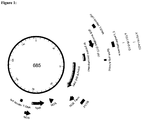
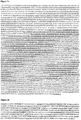
- SEQ ID NO: Description Figure 1 Nucleic acid sequence (construct 685) 2A 2 Amino acid sequence encoded by SEQ ID NO: 1 2B 3 pBinPlus.2613c: AGGAAGGGAAGAAAGCGAAAGGAG 4 Mut-ATG115.r: GTGCCGAAGCACGATCTGACAACGT TGAAGATCGCTCACGCAAGAAAGACAAGAGA 5 Mut-ATG161.c: 6 LC-C5-1.110r: TCTCCTGGAGTCACAGACAGGGTGG 7 ApaI-H5 (A-Indo).lc: 8 H5 (A-Indo)-StuI.1707r: AAATAGGCCTTTAAATGCAAATTC TGCATTGTAACGA 9 nucleic acid sequence (construct 660) 5 10 PDI signal peptide: MAKNVAIFGLLFSLLLLVPSQIFAEE 11 Plasto-443c 12 supP19-plasto.r 13 sup
- Constructs that may be used for the production of VLPs are described U.S. Provisional Application No. 61/220,161 (filed June 24, 2009 ), WO 2009/009876 , WO 2009/076778 and WO2010/003225 . Constructs may also include those listed in Table 2. Assembly of these constructs is described in WO 2009/009876 , WO 2009/076778 , WO2010/003225 and US 61/220,161 . However other constructs comprising known HA's, including but not limited to, those provided in Table 2, and combined with similar or different regulatory elements and promoters, may also be used for the production of VLPs as described herein.
- Table 2 Non-limiting examples of constructs that can be used for hemagglutinin production.
- Cassette number Corresponding HA HA abbreviation 540 SpPDI-H1 from strain A/New Caledonia/20/99 (H1N1) H1/NC 560 SpPDI-H1 A/California/4/2009 in 2X35S/CPMV- HT expression cassette H1/Cal WT 580 SpPDI-H1 A/New Caledonia/20/99 in 2x35S/CPMV- HT expression cassette H1/NC 660 H5 from strain A/indonesia/5/2005 (H5N1) H1/Indo 663 H5 A/Indonesia/5/2005 H1/Indo 685 H5 A/Indonesia/5/2005 in CPMV- HT expression cassette H1/Indo 686 SpPDI-H5 A/Indonesia/5/2005 in CPMV- HT expression cassette H1/Indo 690 H1 A/B
- CPMV- HT expression cassettes included the 35S promoter to control the expression of an mRNA comprising a coding sequence of interest flanked, in 5' by nucleotides 1-512 from the Cowpea mosaic virus (CPMV) RNA2 with mutated ATG at positions 115 and 161 and in 3', by nucleotides 3330-3481 from the CPMV RNA2 (corresponding to the 3' UTR) followed by the NOS terminator.
- Plasmid pBD-C5-1LC ( Sainsbury et al. 2008; Plant Biotechnology Journal 6: 82-92 and PCT Publication WO 2007/135480 ), was used for the assembly of CPMV- HT- based hemagglutinin expression cassettes.
- the mutation of ATGs at position 115 and 161 of the CPMV RNA2 was done using a PCR-based ligation method presented in Darveau et al. (Methods in Neuroscience 26: 77-85 (1995 )). Two separate PCRs were performed using pBD-C5-1LC as template.
- the primers for the first amplification were pBinPlus.2613c (SEQ ID NO: 3) and Mut-ATG115.r (SEQ ID NO: 4).
- the primers for the second amplification were Mut-ATG161.c (SEQ ID NO: 5) and LC-C5-1.110r (SEQ ID NO: 6).
- the two fragments were then mixed and used as template for a third amplification using pBinPlus.2613c (SEQ ID NO: 3) and LC-C5-1.10r (SEQ ID NO: 6) as primers.
- the resulting fragment was digested with PacI and ApaI and cloned into pBD-C5-1LC digested with the same enzyme.
- the expression cassette generated was named 828.
- H5 from A/Indonesia/5/2005 was cloned into CPMV- HT as follows: restriction sites ApaI (immediately upstream of the initial ATG) and StuI (immediately downstream of a stop codon) were added to the hemagglutinin coding sequence by performing a PCR amplification with primers ApaI-H5 (A-Indo).1c (SEQ ID NO: 7) and H5 (A-Indo)-StuI.1707r (SEQ ID NO: 8) using construct number 660 ( D'Aoust et al., Plant Biotechnology Journal 6:930-940 (2008 )) as template.
- Construct 660 comprises an alfalfa plastocyanin promoter and 5' UTR, hemagglutinin coding sequence of H5 from A/Indonesia/5/2005 (Construct # 660), alfalfa plastocyanin 3' UTR and terminator sequences (SEQ ID NO: 9; Fig. 5 ).
- the resulting fragment was digested with ApaI and StuI restriction enzymes and cloned into construct number 828, previously digested with the same enzymes.
- the resulting cassette was named construct number 685 ( Fig. 1 , 2 ).
- Post-transcriptional gene silencing may be involved in limiting expression of transgenes in plants, and co-expression of a suppressor of silencing from the potato virus Y (HcPro) may be used to counteract the specific degradation of transgene mRNAs (Brigneti et al., 1998).
- Alternate suppressors of silencing are well known in the art and may be used as described herein ( Chiba et al., 2006, Virology 346:7-14 ), for example but not limited to, TEV-p1/HC-Pro (Tobacco etch virus-p1/HC-Pro), BYV -p21, p19 of Tomato bushy stunt virus (TBSV p19), capsid protein of Tomato crinkle virus (TCV -CP), 2b of Cucumber mosaic virus; CMV-2b), p25 of Potato virus X (PVX-p25), pa11 of Potato virus M (PVM-p11), pa11 of Potato virus S (PVS-p11), p16 of Blueberry scorch virus, (BScV -p16), p23 of Citrus tristeza virus (CTV-p23), p24 of Grapevine leafroll-associated virus-2, (GLRaV-2 p24), p10 of Grapevine virus A, (GVA-p10), p14 of Grape
- a suppressor of silencing for example, but not limited to, HcPro, TEV -pl/HC-Pro, BYV-p21, TBSV p19, TCV-CP, CMV-2b, PVX-p25, PVM-p11, PVS-p11, BScV-p16, CTV-p23, GLRaV-2 p24, GBV-p14, HLV-p10, GCLV-p16 or GVA-p10, may be co-expressed along with the nucleic acid sequence encoding the protein of interest to further ensure high levels of protein production within a plant.
- p19 The construction of p19 is described in described in WO 2010/0003225 . Briefly, the coding sequence of p19 protein of tomato bushy stunt virus (TBSV) was linked to the alfalfa plastocyanin expression cassette by the PCR-based ligation method presented in Darveau et al. (Methods in Neuroscience 26: 77-85(1995 )). In a first round of PCR, a segment of the plastocyanin promoter was amplified using primers Plasto-443c:
- HcPro construct 35HcPro was prepared as described in Hamilton et al. (2002). All clones were sequenced to confirm the integrity of the constructs. The plasmids were used to transform Agrobacteium tumefaciens (AGL1; ATCC, Manassas, VA 20108, USA) by electroporation (Mattanovich et al., 1989). The integrity of all A. tumefaciens strains were confirmed by restriction mapping.
- Nicotiana benthamiana plants were grown from seeds in flats filled with a commercial peat moss substrate. The plants were allowed to grow in the greenhouse under a 16/8 photoperiod and a temperature regime of 25°C day/20°C night. Three weeks after seeding, individual plantlets were picked out, transplanted in pots and left to grow in the greenhouse for three additional weeks under the same environmental conditions. After six weeks, plants have an average weight of 80 g and 30 cm in height.
- Agrobacterium strain AGL1 was transfected (electroporation) with constructs as identified below, using the methods described by D'Aoust et al 2008 (Plant Biotechnology Journal 6:930-940 ).
- Transfected Agrobacterium were grown in YEB medium supplemented with 10 mM 2-(N-morpholino)ethanesulfonic acid (MES), 20 ⁇ M acetosyringone, 50 ⁇ g/ml kanamycin and 25 ⁇ g/ml of carbenicillin pH5.6 to an OD 600 between 0.6 and 1.6.
- Agrobacterium suspensions were centrifuged before use and resuspended in infiltration medium (10 mM MgCl 2 and 10 mM MES pH 5.6).
- Plants were agroinfiltrated as described in D'Aoust et al ( supra ) . Briefly, for vacuum-infiltration, A. tumefaciens suspensions were centrifuged, resuspended in the infiltration medium and stored overnight at 4°C. On the day of infiltration, culture batches were diluted in 2.5 culture volumes and allowed to warm before use. Whole plants of N. benthamiana were placed upside down in the bacterial suspension in an air-tight stainless steel tank under a vacuum of 20-40 Torr for 2-min. Unless otherwise specified, all infiltrations were performed as co-infiltration with a bacterial transformed with R472 (strain AGL1/R472) at a 1:1 ratio. Following vacuum infiltration, plants were returned to the greenhouse for a 4-6 day incubation period until harvest.
- the slurry of ground plant material was centrifuged at 5,000 g for 5min at 4°C and the crude extracts (supernatant) kept for analysis.
- the total protein content of clarified crude extracts was determined by the Bradford assay (Bio-Rad, Hercules, CA) using bovine serum albumin as the reference standard.
- Leaf tissue was collected from the Nicotiana benthamiana plants and cut into ⁇ 1 cm 2 pieces. The leaf pieces were soaked in 500 mM mannitol for 30 minutes at room temperature (RT). The mannitol solution was then removed and changed with the enzyme mix (mixture of cellulases from Trichoderma viride (Onozuka R-10; 3% v/v) and a mixture of pectinases from Rhizopus sp. (MACEROZYMETM; 0.75% v/v; both from Yakult Pharmaceuticals) in protoplasting solution (500 mM mannitol, 10mM CaCl 2 and 5 mM MES/KOH (pH 5.6)). The ratio used was 20 g of leaf pieces per 100 mL solution. This preparation was spread evenly into a shallow vessel ( ⁇ 11x18 cm) and incubated for 16 hours on a rotary shaker at 40 rpm and 26°C.
- the enzyme mix mixture of cellulases from Trichoderma viride (
- VLP extraction may be performed as follows: plants were agroinfiltrated with AGL1/#685 as described in example 1. Leaf tissue was collected from the N. benthamiana plants at day 6 post-infiltration and cut into ⁇ 1 cm 2 pieces. Multifect Pectinase FE, Multifect CX CG and Multifect CX B (Genencor) were added to 1.0% each (v/v) in a 600 mM Mannitol, 75 mM Citrate, 0.04% sodium bisulfite pH 6.0 buffer using a ratio of 1:2.5 (w/v) fresh biomass; digestion buffer. The biomass was digested for 15h at room temperature in a orbital shaker.
- a hemagglutination assay for H5 was based on a method described by Nayak and Reichl (2004). Briefly, serial double dilutions of the test samples (100 ⁇ L) were made in V-bottomed 96-well microtiter plates containing 100 ⁇ L PBS, leaving 100 ⁇ L of diluted sample per well. One hundred microliters of a 0.25% turkey red blood cells suspension (Bio Link Inc., Syracuse, NY) were added to each well, and plates were incubated for 2h at room temperature. The reciprocal of the highest dilution showing complete hemagglutination was recorded as hemagglutination activity. In parallel, a recombinant HA5 standard (A/Vietnam/1203/2004 H5N1) (Protein Science Corporation, Meriden, CT) was diluted in PBS and run as a control on each plate.
- HA5 standard was prepared with purified virus-like particles which were disrupted by treatment with 1% Triton X-100 followed by mechanical agitation in a Tissue LyserTM (Qiagen) for 1 min.
- U-bottom 96-well microtiter plates were coated with 10 ⁇ g/mL of capture antibody (Immune Technology Corporation, #IT-003-005I) in 50 mM carbonate-bicarbonate coating buffer (pH 9.6) for 16-18 hours at 4°C. All washes were performed with 0.01 M PBS (phosphate-buffered saline), pH 7.4 containing 0.1% Tween-20. After incubation, plates were washed three times and blocked with 1% casein in PBS for 1 hour at 37°C.
- PBS phosphate-buffered saline
- HA5 standard was diluted in a mock extract (prepared from leaf tissue infiltrated with AGL1/R472 alone) to generate a standard curve from 500 to 50 ng/mL.
- Samples to quantify were treated in 1% Triton X-100 prior to loading the microplate. Plates were further incubated for 1 hour at 37°C. After washing, sheep polyclonal antibody raised against HA5 (CBER/FDA) diluted 1:1000 was added and the plates were incubated for 1 hour at 37°C. After washing, horseradish peroxidase-conjugated rabbit anti-sheep antibody diluted 1:1000 was added and the plates were incubated for 1 hour at 37°C.
- Example 1 Enzymatic extraction of plant tissue releases high quantities of HA having an elevated relative activity.
- HA obtained from the present enzymatic extraction method were compared with that of HA obtained from common mechanical extraction methods.
- N. benthamiana plants were infiltrated with AGL1/685 and the leaves were harvested after a five to six-day incubation period.
- Leaf homogenates were prepared as follows : Two grams of leaves were homogenized with a Polytron homogenizer; 4g of leaves were ground with a mortar and a pestle; and 25kg of leaves were homogenized with a COMITROLTM processor (Urschel Laboratories) in an extraction buffer (50 mM Tris, 150 mM NaCl pH 8.0, ratio of 1:1 w/v).
- Enzymatic extraction was carried as follow: Twenty grams of harvested leaves were subjected to digestion with Macerozyme pectinases and Onozuka R-10 cellulases as described above. Following digestion, leaf debris were removed by filtration (nylon filter, 250 ⁇ m mesh). Protoplasts in suspension were removed by centrifugation at 200xg (15 min), and the supernatant further clarified by centrifugation at 5000xg (15 min).
- the quantity and relative activity of HA in each of these plant extracts is shown in Table 3.
- the quantity of HA obtained from the enzymatic extraction method is significantly greater than that obtained from the mechanical methods.
- Table 3 Comparative quantities and relative activities of HA obtained from mechanical and enzymatic extraction of plant leaves. All data have been adjusted to take into account the differences in volume of liquid added for each extraction method.
- the ComitrolTM extraction method was chosen as the standard value for the purpose of the present comparative analysis. Extraction method Relative activity Quantity* Comitrol TM extract 100% 100% Polytron extract 50% 150% Mortar extract 100% 220% Digestion extract 440% 570% Quantity was evaluated by ELISA analysis
- Example 2 Enzymatic digestion of plant tissue releases HA organized into VLPs.
- a combination of differential centrifugation and size exclusion chromatography (SEC) was used to demonstrate that the HA obtained by the enzymatic extraction method described herein were organized as VLPs.
- N. benthamiana plants were agroinfiltrated with AGL1/685 as described in Example 1. Leaves were collected from the plants 6 days post-infiltration, cut into ⁇ 1 cm 2 pieces and then digested, coarse-filtered and centrifuged as described in Example 1.
- the clarified samples were then centrifuged at 70,000xg to allow for segregation of VLPs.
- the centrifugation pellet, containing the VLPs, was gently resuspended in 1/50 volume of Phosphate buffered saline (PBS; 0.1M sodium phosphate, 0.15M NaCl pH 7.2) before being loaded on a SEC column.
- PBS Phosphate buffered saline
- SEC columns of 32 ml SEPHACRYLTM S-500 high resolution beads (S-500 HR : GE Healthcare, Uppsala, Sweden, Cat. No. 17-0613-10) were prepared with equilibration/elution buffer (50 mM Tris, 150 mM NaCl, pH8).
- SEC chromatography was performed with the loading of a 1.5 mL VLP sample onto the equilibrated column, and its elution with 45 mL of equilibration/elution buffer.
- the eluate was collected in fractions of 1.7 mL, and the protein content of each fraction was evaluated by mixing 10 ⁇ L of the eluate fraction with 200 ⁇ L of diluted Bio-Rad protein dye reagent (Bio-Rad, Hercules, CA). Each separation was preceded by a calibration with Blue Dextran 2000 (GE Healthcare Bio-Science Corp., Piscataway, NJ, USA). Comparison of the elution profiles of both Blue Dextran 2000 and host proteins was performed for each separation to ensure uniformity of the separations.
- Total protein content of clarified crude extracts was determined by the Bradford assay (Bio-Rad, Hercules, CA) using bovine serum albumin as the reference standard. Proteins present in SEC eluate fractions were precipitated with acetone (Bollag et al., 1996), resuspended in either 0.25 volume or 0.05 volume of denaturing sample loading buffer (0.1M Tris pH 6.8, 0.05% bromophenol blue, 12.5% glycerol, 4% SDS and 5% beta-mercaptoethanol) for SDS-PAGE analysis or immunoblot analysis, respectively. Separation by SDS-PAGE was performed under reducing conditions, and Coomassie Brillant Blue R-250 was used for protein staining.
- Denaturing sample loading buffer 0.1M Tris pH 6.8, 0.05% bromophenol blue, 12.5% glycerol, 4% SDS and 5% beta-mercaptoethanol
- Hemagglutination assay for H5 was performed based on a method described by Nayak and Reichl (2004). Briefly, successive double dilutions of the test samples (100 ⁇ L) were made in V-bottomed 96-well microtiter plates containing 100 ⁇ L PBS, leaving 100 ⁇ L of diluted sample per well. One hundred microliters of a 0.25% turkey red blood cells suspension (Bio Link Inc., Syracuse, NY) were added to each well, and plates were incubated for 2h at room temperature. The reciprocal of the highest dilution showing complete hemagglutination was recorded as hemagglutination activity. In parallel, a recombinant H5 standard (A/Vietnam/1203/2004 H5N1) (Protein Science Corporation, Meriden, CT) was diluted in PBS and run as a control on each plate.
- A/Vietnam/1203/2004 H5N1 Protein Science Corporation, Meriden, CT
- Figure 3A shows that the hemagglutination activity is concentrated in the fractions corresponding to the void volume of the column, confirming that the hemagglutination activity originates from a high molecular weight structural organization.
- SDS-PAGE analysis revealed that those same void volume fractions (fractions 7-10) also present the highest HA content, with a band corresponding to the HA0 monomer being detectable at approximately 75 kDa.
- Example 3 Enzymatic digestion of plant tissue releases HA-VLPs with fewer contaminants
- N. benthamiana plants were agroinfiltrated with AGL1/685 as described in Example 1. Leaves were collected on day 6 post-infiltration, cut into ⁇ 1 cm 2 pieces, digested, coarse-filtered and centrifuged as described in Example 1.
- Figure 4 shows a SDS-PAGE analysis of the resulting solution obtained following the controlled enzymatic digestion of leaves tissue as described previously, with lane 1 showing the enzyme mixture used and lane 2 showing the resulting solution following the enzymatic digestion.
- the protein content of a crude extract from ComitrolTM is provided on lane 3 for comparison.
- the biomass:buffer ratio for the extract presented in lane 2 was 1:5 (w/v) while it was 1:1 (w/v) for that in lane 3.
- Each of lanes 2 and 3 therefore contain proteins derived from an equivalent quantity of starting material.
- a mechanical plant extract contained a protein concentration of approximately 3.5-4 mg/ml, while the enzymatic plant extract obtained according to the present method presented a protein concentration of approximately 1 mg/ml.
- the major contaminant present in lane 3 was found to be RubisCo (Ribulose-1,5-bisphosphate carboxylase oxygenase), which is made of two types of protein subunits: a large-chain (L, about 55 kDa) and a small-chain (S, about 13 kDa). A total of eight large-chain dimers and eight small-chains usually assemble with each other into a RubisCo 540 kDa larger complex. While this plant protein contaminant is found in large amount in plant extracts originating from mechanical extraction method (see arrow in Figure 4 ), it is virtually absent in plant extracts obtained by the enzymatic digestion method described herein. Therefore, the present method allows for the elimination of this major plant protein contaminant, amongst others, at an early stage of the process.
- RubisCo Rostase
- Example 4 Enzymatic digestion of plant tissue releases HA-VLP in conditions where it can be directly captured on a cation exchange resin.
- N. benthamiana plants were agroinfiltrated with AGL1/685 as described in Example 1. Leaves were collected on day 6 post-infiltration, cut into ⁇ 1 cm 2 pieces and digested for 15h at room temperature in an orbital shaker.
- the digestion buffer contained 1.0% (v/v) Multifect Pectinase FE, 1.0% (v/v) Multifect CX CG orand 1.0% (v/v) Multifect CX B (all from Genencor), each in a solution of 600 mM Mannitol, 75 mM Citrate, 0.04% sodium bisulfite pH 6.0 buffer using a biomass : digestion buffer ratio of 1:2.5 (w/v).
- the apoplastic fraction was filtered through a 400 ⁇ m nylon filter to remove coarse undigested vegetal tissue ( ⁇ 5% of starting biomass).
- the filtered extract was then centrifuged at room temperature for 15 min at 5000xg to remove protoplasts and intracellular contaminants (proteins, DNA, membranes, vesicles, pigments, etc).
- the supernatant was depth-filtered (for clarification) using a 0.65 ⁇ m glass fiber filter (Sartopore2/Sartorius Stedim) and a 0.45/0.2 ⁇ m filter, before being subjected to chromatography.
- the clarified apoplastic fraction was loaded over a cation exchange column (Poros HS Applied Biosystems) equilibrated with an equilibration/elution buffer (50 mM NaPO 4 , 100 mM NaCl, 0.005% Tween 80 pH 6.0). Once the UV was back to zero, the extract was step-eluted with the equilibration/elution buffer containing increasing concentrations of NaCl (500 mM). Where necessary, the chromatographic fractions were concentrated 10 times using AmiconTM devices equipped with 10 kDa MWCO. Protein analysis was performed as described in previous examples.
- N. benthamiana plants were agroinfiltrated with Agrobacterium AGL1 strains carrying a construct expressing a hemagglutinin of interest (H1/Cal WT, B/Flo, H5/Indo or H1/Cal X179A) as described in Example 1. Leaves were collected on day 6 post-infiltration, cut into ⁇ 1 cm 2 pieces and digested according to Example 4, except where noted below. Filtration, centrifugation and clarification were performed as described in Example 4.
- NaCl was added to digestion buffer to evaluate its potential effect on the HA-VLP recovery rate.
- the suspected advantages were the potential prevention of non-specific association of HA with plant cells or with particle in suspension that are removed during clarification and potential effect on achievement and/or maintenance and/or improvement of colloidal stability of the HA-VLP.
- Table 4 Effect of the addition of NaCl to the digestion step on the HA-VLP recovery yield (as measured by hemagglutination activity unit, dil : reciprocal of dilution) HA strain Digestion conditions
- HA strain Digestion conditions Recovery after depth filtration 1 Increase in recovery (X-fold) H5/Indo (#972) ⁇ NaCl 100% 1.0 500 mM NaCl 100% H1/Cal WT (#604) ⁇ NaCl 25% 3.0 500 mM NaCl 75% H1/Cal X-179A (#605) ⁇ NaCl 50% 2.0 500 mM NaCl 100% Recovery is expressed in percentage of hemagglutination activity obtained after depth filtration compared to the activity found in the centrifuged digested extract.
- NTA Nanoparticle Tracking Analysis
- the addition of NaCl to the digestion buffer reduced HA-VLP self-association for H1/Cal, as shown by the fairly monodisperse particle distribution found in Figure 7C .
- the number of particles at 150 nm for H1/Cal WT-VLPs was enhanced (ca 5-fold) by the addition of 500 mM NaCl to the digestion buffer.
- N. benthamiana plants were agroinfiltrated with Agrobacterium AGL1 strains carrying a construct expressing a hemagglutinin of interest (H5/Indo) as described in Example 1. Leaves were collected on day 6 post-infiltration, cut into ⁇ 1 cm 2 pieces, and digested as described in Example 4, with addition of either 500 mM NaCl or 500 mM NaCl and 25 mM EDTA to the digestion buffer. Filtration, centrifugation and clarification were performed as described in Example 4.
- N. benthamiana plants were agroinfiltrated with Agrobacterium AGL1 strains carrying a construct expressing a hemagglutinin of interest (H5/Indo) as described in Example 1. Leaves were collected on day 6 post-infiltration, cut into ⁇ 1 cm 2 pieces and digested according to Example 4, with modification of digestion buffer to include 0%, 0.25%, 0.5%, 0.75% or 1% v/v Multifect Pectinase FE, Multifect CX- CG cellulase and Multifect CX B cellulase as noted in Tables 7-9. Filtration, centrifugation and clarification were as described in Example 4.
- Controlling the pH during the digestion can be critical for the extraction of some VLPs. Taking into account that the depolymerisation of the cell wall occurring during the digestion step can release acid sugars that could acidify the solution (i.e. from pH 6 to 5) in the presence of appropriate buffers, and that some VLPs (such as those comprising H3/Bris and B/Flo HA) have already demonstrated a strong sensitivity to mildly acidic conditions, impact of such a potential acidification on the yield of VLP produced was investigated.
- N. benthamiana plants were agroinfiltrated with Agrobacterium AGL1 strains carrying a construct expressing a hemagglutinin of interest (B/Flo, H5/Indo, H3/Bris) as described in Example 1. Leaves were collected on day 6 post-infiltration, cut into ⁇ 1 cm 2 pieces and digested according to Example 4, with modification of digestion conditions to include 500 mM NaCl; 25 or 50 mM EDTA; 0.03 or 0.04 % sodium bisulfite; 0, 100, 200 or 600 mM mannitol, 75, 125 or 150 mM citrate; and/or 75 mM NaPO 4 ; with the pH of the digestion buffer adjusted as set out in Tables 10-14. Filtration, centrifugation and clarification were as described in Example 4.
- Buffer composition 1 Concentration of B/Flo VLP (dil/ml) Protein concentration (mg/ml) pH post-digestion 75 mM Citrate + 500mM NaCl + 25 mM EDTA pH 6.0 1 0.92 5.0 75 mM Citrate pH 6.0 0 1.43 5.6 125 mM Citrate + 500mM NaCl + 25 mM EDTA pH 6.0 1.5 1.07 5.4 150 mM Citrate + 500mM NaCl + 25 mM EDTA pH 6.0 1.5 1.07 5.4 125 mM Citrate + 75mM NaPO 4 + 500mM NaCl + 25 mM EDTA pH 6.5 4 2.19 5.9 All buffers contained 600 mM mannitol, sodium metabisulfite 0.04%
- Table 12 illustrates modifications that can be applied to the digestion solution in order to enhance the extraction yield of B/Flo VLPs, while obtaining a post-digestion pH of 5.4 -5.7. Such modifications include increasing the concentration of citrate and adding a PO 4 buffer. It has been found that increasing the concentration of EDTA generally led to a more acidified extract and to lower VLP extraction yields. Table 12: Effect of various digestion buffer components on the extraction yield of B/Flo VLPs.
- Buffer composition was further modified to improve the extraction yield of H3/Brisbane VLPs (Table 13)
- Table 13 Effect of the concentrations of mannitol and sodium bisulfite in the digestion solution on the extraction yield of H3/Bris VLPs.
- Buffer composition Mannitol (mM) Sodium bisulfite (%) EDTA (mM) pH Protein concentration (mg/ml) pH post-digestion 600 0.04 25 6.2 1.87 5.7 600 0.04 50 6.2 1.62 5.6 200 0.03 25 6.2 1.89 5.7 200 0.03 50 6.2 1.24 5.6 1 All buffers containing 125 mM Citrate, 75 mM NaPO 4 , 500 mM NaCl.
- mannitol concentration could be reduced to 200 mM without significantly affecting VLPs extraction yield. Further reduction of mannitol concentrations to 100 mM, and even the total omission of mannitol from the digestion solution, did not significantly affect the level of HA-VLP obtained (Table 14).
- Table 14 Released of H5/Indo VLP from digestion of biomass performed in buffers with different concentration of mannitol.
- Mannitol concentration of the digestion solution 1 Concentration of H5/Indo VLP (dil/ml) Protein concentration (mg/ml) 2 Trial 1: without mannitol 2304 1.62 2 Trial 1: with 600 mM mannitol 3072 1.73 2 Trial 2: with 100 mM mannitol 4608 1.77 2 Trial 2: with 600 mM mannitol 4608 2.0 1 All buffers containing 75 mM Citrate pH 6.0 + sodium metabisulfite 0.04%. 2 Two trials were performed to compare the extraction yields of VLPs without mannitol (Trial 1) and with 100mM mannitol (Trial 2) versus 600 mM mannitol.
- Example 9 Suitability of enzymatic digestion to a broad variety of HA-VLPs
- the enzymatic digestion method for plant biomass described herein has the potential to be applied to extracting of a broad variety of HA-VLPs. Adding to the extraction of HA-VLPs comprising H5/Indo, H1/Cal WT VLP, H3/Bris and B/Flo shown in previous examples, the method described herein was also shown to be suitable for the extraction of HA-VLPs from seasonal H1/Bris and H1/NC, as shown in Table 15. Table 15 : Release of seasonal H1/Bris and H1/NC VLP from digestion of agroinfiltrated N . benthamiana leaves. (concentration in HA measured by hemagglutination activity, dil : reciprocal of dilution) HA strain Concentration in HA (dil /ml) H1/Bri 1536 H1/NC 384
Landscapes
- Health & Medical Sciences (AREA)
- Life Sciences & Earth Sciences (AREA)
- Genetics & Genomics (AREA)
- Chemical & Material Sciences (AREA)
- Engineering & Computer Science (AREA)
- Organic Chemistry (AREA)
- Molecular Biology (AREA)
- Biomedical Technology (AREA)
- Bioinformatics & Cheminformatics (AREA)
- Zoology (AREA)
- Wood Science & Technology (AREA)
- Biotechnology (AREA)
- Medicinal Chemistry (AREA)
- General Health & Medical Sciences (AREA)
- General Engineering & Computer Science (AREA)
- Microbiology (AREA)
- Virology (AREA)
- Biochemistry (AREA)
- Immunology (AREA)
- Pharmacology & Pharmacy (AREA)
- Biophysics (AREA)
- Plant Pathology (AREA)
- Physics & Mathematics (AREA)
- Cell Biology (AREA)
- Animal Behavior & Ethology (AREA)
- Veterinary Medicine (AREA)
- Public Health (AREA)
- Epidemiology (AREA)
- Mycology (AREA)
- Pulmonology (AREA)
- Proteomics, Peptides & Aminoacids (AREA)
- Chemical Kinetics & Catalysis (AREA)
- General Chemical & Material Sciences (AREA)
- Nuclear Medicine, Radiotherapy & Molecular Imaging (AREA)
- Gastroenterology & Hepatology (AREA)
- Botany (AREA)
- Oncology (AREA)
- Communicable Diseases (AREA)
- Water Supply & Treatment (AREA)
- Analytical Chemistry (AREA)
Priority Applications (3)
| Application Number | Priority Date | Filing Date | Title |
|---|---|---|---|
| PL10818190T PL2480658T3 (pl) | 2009-09-22 | 2010-09-21 | Sposób otrzymywania VLP pochodzenia roślinnego |
| HRP20171564TT HRP20171564T1 (hr) | 2009-09-22 | 2010-09-21 | Postupak za pripremu biljnih čestica sličnih virusu (vlp) |
| SI201031558T SI2480658T1 (sl) | 2009-09-22 | 2010-09-21 | Postopek priprave vlp-jev, izpeljanih iz rastlin |
Applications Claiming Priority (2)
| Application Number | Priority Date | Filing Date | Title |
|---|---|---|---|
| US24478609P | 2009-09-22 | 2009-09-22 | |
| PCT/CA2010/001488 WO2011035422A1 (en) | 2009-09-22 | 2010-09-21 | Method of preparing plant-derived vlps |
Publications (3)
| Publication Number | Publication Date |
|---|---|
| EP2480658A1 EP2480658A1 (en) | 2012-08-01 |
| EP2480658A4 EP2480658A4 (en) | 2013-02-27 |
| EP2480658B1 true EP2480658B1 (en) | 2017-09-06 |
Family
ID=43795254
Family Applications (3)
| Application Number | Title | Priority Date | Filing Date |
|---|---|---|---|
| EP10818190.0A Active EP2480658B1 (en) | 2009-09-22 | 2010-09-21 | Method of preparing plant-derived vlps |
| EP10818191.8A Active EP2480560B1 (en) | 2009-09-22 | 2010-09-21 | Method of preparing plant-derived proteins |
| EP18157629.9A Active EP3354657B1 (en) | 2009-09-22 | 2010-09-21 | Method of preparing plant-derived proteins |
Family Applications After (2)
| Application Number | Title | Priority Date | Filing Date |
|---|---|---|---|
| EP10818191.8A Active EP2480560B1 (en) | 2009-09-22 | 2010-09-21 | Method of preparing plant-derived proteins |
| EP18157629.9A Active EP3354657B1 (en) | 2009-09-22 | 2010-09-21 | Method of preparing plant-derived proteins |
Country Status (28)
| Country | Link |
|---|---|
| US (2) | US11826419B2 (enExample) |
| EP (3) | EP2480658B1 (enExample) |
| JP (2) | JP5551780B2 (enExample) |
| KR (4) | KR20120093223A (enExample) |
| CN (4) | CN102549148A (enExample) |
| AR (2) | AR078433A1 (enExample) |
| AU (2) | AU2010300033B2 (enExample) |
| BR (2) | BR112012006415B1 (enExample) |
| CA (2) | CA2772962C (enExample) |
| DK (3) | DK2480560T3 (enExample) |
| ES (3) | ES2642631T3 (enExample) |
| HR (3) | HRP20220478T1 (enExample) |
| HU (3) | HUE036776T2 (enExample) |
| IL (4) | IL218393A0 (enExample) |
| IN (2) | IN2012DN02591A (enExample) |
| MX (2) | MX2012003373A (enExample) |
| MY (2) | MY164704A (enExample) |
| NO (2) | NO2480658T3 (enExample) |
| NZ (2) | NZ598481A (enExample) |
| PH (2) | PH12012500565B1 (enExample) |
| PL (3) | PL3354657T3 (enExample) |
| PT (3) | PT3354657T (enExample) |
| RU (2) | RU2579903C2 (enExample) |
| SG (2) | SG178918A1 (enExample) |
| SI (3) | SI2480560T1 (enExample) |
| TR (1) | TR201803560T4 (enExample) |
| WO (2) | WO2011035422A1 (enExample) |
| ZA (2) | ZA201202835B (enExample) |
Families Citing this family (37)
| Publication number | Priority date | Publication date | Assignee | Title |
|---|---|---|---|---|
| CA2615372A1 (en) | 2007-07-13 | 2009-01-13 | Marc-Andre D'aoust | Influenza virus-like particles (vlps) comprising hemagglutinin |
| KR20100120157A (ko) | 2007-11-27 | 2010-11-12 | 메디카고 인코포레이티드 | 헤마글루티닌을 발현하는 트랜스제닉 식물에서 생산된 재조합 인플루엔자 바이러스-유사 입자(VLPs) |
| HRP20180706T1 (hr) | 2009-06-24 | 2018-06-01 | Medicago Inc. | Kimerna gripa nalik čestici koja sadrži hemaglutinin |
| JP5551780B2 (ja) | 2009-09-22 | 2014-07-16 | メディカゴ インコーポレイテッド | 植物由来のタンパク質を調製する方法 |
| TWI526539B (zh) | 2010-12-22 | 2016-03-21 | 苜蓿股份有限公司 | 植物中生產類病毒顆粒(vlp)的方法及以該方法生產之vlp |
| TWI620816B (zh) | 2011-03-23 | 2018-04-11 | 苜蓿股份有限公司 | 植物衍生蛋白回收方法 |
| MY166220A (en) * | 2011-06-13 | 2018-06-22 | Medicago Inc | Rabies virus like particle production in plants |
| CA2849822C (en) | 2011-09-23 | 2021-05-11 | Gary J. Nabel, M.D. | Novel influenza hemagglutinin protein-based vaccines |
| WO2013044390A1 (en) | 2011-09-30 | 2013-04-04 | Medicago Inc. | Increasing virus-like particle yield in plants |
| US11390878B2 (en) | 2011-09-30 | 2022-07-19 | Medicago Inc. | Increasing protein yield in plants |
| CN104114696B (zh) * | 2011-12-21 | 2017-05-03 | 阿普斯有限责任公司 | 使用具有对水解酶抗性的衣壳的vlp的方法 |
| JP6406655B2 (ja) * | 2012-02-22 | 2018-10-17 | 三菱商事フードテック株式会社 | 植物性食品素材の軟化方法、軟化製剤、軟化した植物性食品素材およびそれを用いた食品 |
| CA2864733C (en) * | 2012-03-22 | 2018-09-18 | Fraunhofer Usa, Inc. | Virus-like particles comprising a matrix protein from a plant enveloped virus and uses thereof |
| SG11201501523XA (en) | 2012-09-05 | 2015-03-30 | Medicago Inc | Picornavirus-like particle production in plants |
| US9617297B2 (en) * | 2012-10-11 | 2017-04-11 | The Regents Of The University Of California | Apoplast wash fluid recovery for improved recombinant endoglucanase extraction in tabacco leaves |
| US12467058B2 (en) | 2013-03-28 | 2025-11-11 | Aramis Biotechnologies Inc. | Influenza virus-like particle production in plants |
| EP2978848B1 (en) * | 2013-03-28 | 2020-05-06 | Medicago Inc. | Influenza virus-like particle production in plants |
| JP6358257B2 (ja) * | 2013-09-06 | 2018-07-18 | 三菱ケミカル株式会社 | 植物を用いたタンパク質の製造方法 |
| EP3054971B1 (en) | 2013-10-11 | 2021-03-10 | The United States of America, represented by the Secretary, Department of Health and Human Services | Epstein-barr virus vaccines |
| CA2936350C (en) | 2014-01-10 | 2023-01-31 | Medicago Inc. | Cpmv enhancer elements |
| RU2731295C2 (ru) | 2014-07-11 | 2020-09-01 | Медикаго Инк. | Модификация продуцирования белков в растениях |
| CN107427571A (zh) | 2014-12-31 | 2017-12-01 | 美利坚合众国,由健康及人类服务部部长代表 | 基于纳米颗粒的新型多价疫苗 |
| JP2019129705A (ja) * | 2016-03-31 | 2019-08-08 | 日本たばこ産業株式会社 | 植物に物質を導入する方法 |
| CA3035443A1 (en) | 2016-09-02 | 2018-03-08 | The Usa, As Represented By The Secretary, Dept. Of Health And Human Services | Stabilized group 2 influenza hemagglutinin stem region trimers and uses thereof |
| PH12020550732A1 (en) * | 2017-11-30 | 2021-04-19 | Medicago Inc | Modified norovirus vp1 proteins and vlps comprising modified norovirus vp1 proteins |
| BR112020026638A2 (pt) | 2018-06-27 | 2021-04-06 | Medicago Inc. | Mutantes de hemaglutinina do vírus influenza |
| EP3821014A4 (en) * | 2018-07-13 | 2022-04-20 | Medicago Inc. | Modified norovirus vp1 proteins and vlps comprising modified norovirus vp1 proteins |
| CN109112093B (zh) * | 2018-09-05 | 2021-11-09 | 上海交通大学 | 一种青蒿原生质体高效分离及瞬时转化的方法 |
| US20220192201A1 (en) * | 2019-04-25 | 2022-06-23 | Flagship Pioneering Innovations Vi, Llc | Compositions and methods relating to plant messenger packs |
| CN110483616B (zh) * | 2019-07-31 | 2021-06-04 | 中国农业科学院农产品加工研究所 | 从感染病原菌的植物组织中分离病原菌分泌的质外体效应蛋白的方法 |
| CN111060696B (zh) * | 2019-12-27 | 2023-09-08 | 湖南农业大学 | 一种降低植物小分子信号肽假阳性率的方法 |
| CN111718394A (zh) * | 2020-06-28 | 2020-09-29 | 广西壮族自治区农业科学院 | 一种基于bpp法的甘蔗组织变性蛋白提取方法 |
| CN111826394A (zh) * | 2020-08-07 | 2020-10-27 | 浙江华缔药业集团医药开发有限公司 | 植物瞬时表达载体的构建及应用 |
| EP4351320A1 (en) | 2021-06-09 | 2024-04-17 | ImmunityBio, Inc. | Methods and systems for producing a protein of interest in a plant |
| CN114934007B (zh) * | 2022-07-01 | 2023-11-24 | 广东省农业科学院作物研究所 | 一种甘薯原生质体的制备方法 |
| JP7745040B1 (ja) * | 2024-06-21 | 2025-09-26 | デンカ株式会社 | 目的タンパク質の回収方法及び製造方法 |
| CN120082594B (zh) * | 2025-04-07 | 2025-10-28 | 贵州大学 | NbClpT2在调控植物抗PVY侵染中的应用 |
Family Cites Families (77)
| Publication number | Priority date | Publication date | Assignee | Title |
|---|---|---|---|---|
| US4945050A (en) | 1984-11-13 | 1990-07-31 | Cornell Research Foundation, Inc. | Method for transporting substances into living cells and tissues and apparatus therefor |
| US5036006A (en) | 1984-11-13 | 1991-07-30 | Cornell Research Foundation, Inc. | Method for transporting substances into living cells and tissues and apparatus therefor |
| US5100792A (en) | 1984-11-13 | 1992-03-31 | Cornell Research Foundation, Inc. | Method for transporting substances into living cells and tissues |
| JPS62501263A (ja) | 1984-11-29 | 1987-05-21 | スクリツプス クリニツク アンド リサ−チ フアウンデ−シヨン | 脱グリコシル化ウイルス糖タンパク質に関連するポリペプチド類および抗体 |
| JPS61265086A (ja) * | 1985-05-21 | 1986-11-22 | Mitsui Toatsu Chem Inc | プロトプラストの培養法 |
| US5232833A (en) | 1988-09-14 | 1993-08-03 | Stressgen Biotechnologies Corporation | Accumulation of heat shock proteins for evaluating biological damage due to chronic exposure of an organism to sublethal levels of pollutants |
| US6403865B1 (en) | 1990-08-24 | 2002-06-11 | Syngenta Investment Corp. | Method of producing transgenic maize using direct transformation of commercially important genotypes |
| ATE142883T1 (de) | 1991-03-28 | 1996-10-15 | Rooperol Na Nv | Zusammensetzungen von phytosterolen mit phytosterolinen als immunmodulatoren |
| UA48104C2 (uk) | 1991-10-04 | 2002-08-15 | Новартіс Аг | Фрагмент днк, який містить послідовність,що кодує інсектицидний протеїн, оптимізовану для кукурудзи,фрагмент днк, який забезпечує направлену бажану для серцевини стебла експресію зв'язаного з нею структурного гена в рослині, фрагмент днк, який забезпечує специфічну для пилку експресію зв`язаного з нею структурного гена в рослині, рекомбінантна молекула днк, спосіб одержання оптимізованої для кукурудзи кодуючої послідовності інсектицидного протеїну, спосіб захисту рослин кукурудзи щонайменше від однієї комахи-шкідника |
| US6326470B1 (en) | 1997-04-15 | 2001-12-04 | The Penn State Research Foundation | Enhancement of accessibility of cellulose by expansins |
| US5762939A (en) | 1993-09-13 | 1998-06-09 | Mg-Pmc, Llc | Method for producing influenza hemagglutinin multivalent vaccines using baculovirus |
| GB9414118D0 (en) | 1994-07-13 | 1994-08-31 | Axis Genetics Ltd | Modified plant viruses as vectors of heterologous peptides |
| WO1997004122A1 (en) * | 1995-07-20 | 1997-02-06 | Washington State University Research Foundation | Production of secreted foreign polypeptides in plant cell culture |
| US5773695A (en) * | 1996-01-26 | 1998-06-30 | North Carolina State University | Plant nuclear scaffold attachment region and method for increasing gene expression in transgenic cells |
| US6042832A (en) | 1996-08-28 | 2000-03-28 | Thomas Jefferson University | Polypeptides fused with alfalfa mosaic virus or ilarvirus capsid proteins |
| US20010006950A1 (en) | 1998-02-11 | 2001-07-05 | Juha Punnonen | Genetic vaccine vector engineering |
| US6489537B1 (en) | 1998-08-07 | 2002-12-03 | The Trustees Of The University Of Pennsylvania | Phytochelatin synthases and uses therefor |
| BR9912875A (pt) * | 1998-08-11 | 2002-02-13 | Large Scale Biology Corp | Método para a recuperação de proteìnas a partir do fluido intersticial de tecidos vegetais |
| US6287570B1 (en) | 1998-11-23 | 2001-09-11 | Patricia L. Foley | Vaccine against swine influenza virus |
| CA2352488A1 (en) | 1998-12-23 | 2000-06-29 | The Samuel Roberts Noble Foundation, Inc. | Plant transformation process |
| FR2791358B1 (fr) | 1999-03-22 | 2003-05-16 | Meristem Therapeutics | Promoteurs chimeriques d'expression, cassettes d'expression, plasmides, vecteurs, plantes et semences transgeniques les contenant et leurs methodes d'obtention |
| EP1171618A2 (en) | 1999-04-21 | 2002-01-16 | The Samuel Roberts Noble Foundation | Plant transformation process |
| US7125978B1 (en) | 1999-10-04 | 2006-10-24 | Medicago Inc. | Promoter for regulating expression of foreign genes |
| CA2418091A1 (en) * | 2000-08-08 | 2002-02-14 | The Kitasato Institute | Virus-like particles and process for producing the same |
| CA2435000C (en) | 2001-01-18 | 2014-03-25 | Vlaams Interuniversitair Instituut Voor Biotechnologie Vzw | Oligomeric complexes of chimeric proteins with enhanced immunogenic potential |
| DE60238497D1 (de) | 2001-09-14 | 2011-01-13 | Fraunhofer Ges Forschung | Immunglobulin mit einem bestimmten rahmengerüst und verfahren zu dessen herstellung und verwendung |
| ES2806412T3 (es) | 2002-02-13 | 2021-02-17 | Wisconsin Alumni Res Found | Señal para el empaquetamiento de vectores del virus de la gripe |
| WO2003068933A2 (en) | 2002-02-14 | 2003-08-21 | Novavax, Inc. | Optimization of gene sequences of virus-like particles for expression in insect cells |
| EP2319934B1 (en) | 2002-03-19 | 2015-09-02 | Stichting Dienst Landbouwkundig Onderzoek | GnTIII (UDP-N-acetylglucosamine:Beta -D mannoside Beta (1,4)-N-acetylglucosaminyltransferase III) expression in plants. |
| ATE473271T1 (de) | 2003-05-05 | 2010-07-15 | Thompson Boyce Plant Res | Vektoren und zellen zur herstellung von aus transgenen pflanzen gewonnenen immunprotektiven zusammensetzungen |
| EP1635772A4 (en) | 2003-05-05 | 2008-02-13 | Dow Agrosciences Llc | STERILE IMMUNOPROPHYLACTIC AND THERAPEUTIC COMPOSITIONS DERIVED FROM TRANSGENIC VEGETABLE CELLS AND METHODS OF PRODUCTION THEREOF |
| CA2529647C (en) | 2003-06-16 | 2013-08-13 | Medimmune Vaccines, Inc. | Influenza hemagglutinin and neuraminidase variants |
| US8592197B2 (en) | 2003-07-11 | 2013-11-26 | Novavax, Inc. | Functional influenza virus-like particles (VLPs) |
| CN1560227A (zh) * | 2004-02-25 | 2005-01-05 | 福建师范大学 | 雨生红球藻原生质体制备与再生技术 |
| CN101065145B (zh) | 2004-08-13 | 2010-12-15 | 印度科学工业研究所 | 嵌合g蛋白基狂犬疫苗 |
| US9155483B2 (en) | 2004-12-03 | 2015-10-13 | The Invention Science Fund I, Llc | Vision modification with reflected image |
| AU2006227965B2 (en) * | 2005-03-15 | 2013-01-31 | Bp Corporation North America Inc. | Cellulases, nucleic acids encoding them and methods for making and using them |
| ES2381200T3 (es) | 2005-04-29 | 2012-05-24 | University Of Cape Town | Expresión de proteínas virales en las plantas |
| CN100410378C (zh) | 2005-05-09 | 2008-08-13 | 中国农业科学院生物技术研究所 | 编码禽流感血凝素的基因及其植物表达载体和应用 |
| BRPI0613153A2 (pt) * | 2005-06-24 | 2010-12-21 | Bayer Bioscience Nv | métodos para alterar a reatividade de paredes celulares de plantas |
| WO2007011904A2 (en) | 2005-07-19 | 2007-01-25 | Dow Global Technologies Inc. | Recombinant flu vaccines |
| US7871626B2 (en) | 2005-08-04 | 2011-01-18 | St. Jude Children's Research Hospital | Modified influenza virus for monitoring and improving vaccine efficiency |
| CA2625406C (en) | 2005-10-18 | 2016-08-09 | Novavax, Inc. | Functional influenza virus like particles (vlps) |
| JP5215865B2 (ja) * | 2005-11-22 | 2013-06-19 | ノバルティス ヴァクシンズ アンド ダイアグノスティクス インコーポレイテッド | ノロウイルス抗原およびサポウイルス抗原 |
| AU2007215080A1 (en) | 2006-02-13 | 2007-08-23 | Fraunhofer Usa, Inc. | Influenza antigens, vaccine compositions, and related methods |
| CA2650091A1 (en) | 2006-04-21 | 2008-05-22 | Dow Agrosciences Llc | Vaccine for avian influenza and methods of use |
| WO2007130327A2 (en) | 2006-05-01 | 2007-11-15 | Technovax, Inc. | Influenza virus-like particle (vlp) compositions |
| CA2657849A1 (en) | 2006-05-18 | 2008-05-08 | Pharmexa Inc. | Inducing immune responses to influenza virus using polypeptide and nucleic acid compositions |
| CA2651907C (en) | 2006-05-22 | 2016-12-20 | Plant Bioscience Limited | Bipartite system, method and composition for the constitutive and inducible expression of high levels of foreign proteins in plants |
| US20070286873A1 (en) | 2006-05-23 | 2007-12-13 | Williams John V | Recombinant Influenza H5 Hemagluttinin Protein And Nucleic Acid Coding Therefor |
| JP5188510B2 (ja) | 2007-01-17 | 2013-04-24 | ラーナー・メディカル・デバイセズ・インコーポレイテッド | 光ファイバー式の光線療法装置 |
| US7730950B2 (en) | 2007-01-19 | 2010-06-08 | Halliburton Energy Services, Inc. | Methods for treating intervals of a subterranean formation having variable permeability |
| DK2155880T3 (en) | 2007-06-15 | 2016-12-05 | Medicago Inc | Modification of glycoproteinproduktion i plants |
| KR100964462B1 (ko) | 2007-07-10 | 2010-06-16 | 성균관대학교산학협력단 | 형질전환 식물 유래의 조류독감 바이러스 백신 및 그 제조방법 |
| CA2615372A1 (en) | 2007-07-13 | 2009-01-13 | Marc-Andre D'aoust | Influenza virus-like particles (vlps) comprising hemagglutinin |
| RU2358981C2 (ru) * | 2007-08-07 | 2009-06-20 | Центр "Биоинженерия" Российской Академии Наук | Универсальная вакцина против вируса гриппа птиц |
| CA2696764A1 (en) | 2007-08-20 | 2009-02-26 | Fraunhofer Usa, Inc. | Prophylactic and therapeutic influenza vaccines, antigens, compositions, and methods |
| CN101422128B (zh) * | 2007-10-29 | 2011-06-08 | 中国水产科学研究院黄海水产研究所 | 马尾藻原生质体的分离和再生 |
| KR20100120157A (ko) * | 2007-11-27 | 2010-11-12 | 메디카고 인코포레이티드 | 헤마글루티닌을 발현하는 트랜스제닉 식물에서 생산된 재조합 인플루엔자 바이러스-유사 입자(VLPs) |
| JP2011508034A (ja) | 2007-12-28 | 2011-03-10 | ユニリーバー・ナームローゼ・ベンノートシヤープ | 茶から香気成分を回収する方法 |
| US8799801B2 (en) | 2008-01-16 | 2014-08-05 | Qualcomm Incorporated | Interactive ticker |
| KR101956910B1 (ko) | 2008-01-21 | 2019-03-12 | 메디카고 인코포레이티드 | 헤마글루티닌을 발현하는 트랜스제닉 식물에서 생산된 재조합 인플루엔자 바이러스-유사 입자(VLPs) |
| CN102089432A (zh) | 2008-07-08 | 2011-06-08 | 麦迪卡格公司 | 可溶性重组流感抗原 |
| CN101626276A (zh) | 2008-07-10 | 2010-01-13 | 华为技术有限公司 | 广告替换方法、装置及系统 |
| AU2009270404B2 (en) | 2008-07-18 | 2015-01-29 | Medicago Inc. | New influenza virus immunizing epitope |
| WO2010025285A1 (en) | 2008-08-27 | 2010-03-04 | Arizona Board Of Regents For And On Behalf Of Arizona State University | A dna replicon system for high-level rapid production of vaccines and monoclonal antibody therapeutics in plants |
| US20100167376A1 (en) * | 2008-10-06 | 2010-07-01 | Genvault Corporation | Methods for providing cellular lysates from cell wall-containing samples |
| WO2010077712A1 (en) | 2008-12-09 | 2010-07-08 | Novavax, Inc. | Bovine respiratory syncytial virus virus-like particle (vlps) |
| CN102365295A (zh) | 2009-01-30 | 2012-02-29 | 阿德利夫股份有限公司 | 构象动力肽 |
| EP3682895A1 (en) | 2009-06-10 | 2020-07-22 | NoNO Inc. | Co-administration of an agent linked to a tat-internalization peptide with a mast cell degranulation inhibitor |
| LT2440183T (lt) | 2009-06-10 | 2018-08-10 | Arbutus Biopharma Corporation | Patobulinta lipido kompozicija |
| HRP20180706T1 (hr) | 2009-06-24 | 2018-06-01 | Medicago Inc. | Kimerna gripa nalik čestici koja sadrži hemaglutinin |
| JP5551780B2 (ja) | 2009-09-22 | 2014-07-16 | メディカゴ インコーポレイテッド | 植物由来のタンパク質を調製する方法 |
| CA2815887C (en) | 2010-11-04 | 2013-12-10 | Medicago Inc. | Plant expression system |
| LT2635257T (lt) | 2010-11-05 | 2017-09-25 | Novavax, Inc. | Pasiutligės glikoproteino į virusą panašios dalelės (vlps) |
| TWI526539B (zh) | 2010-12-22 | 2016-03-21 | 苜蓿股份有限公司 | 植物中生產類病毒顆粒(vlp)的方法及以該方法生產之vlp |
| TWI620816B (zh) * | 2011-03-23 | 2018-04-11 | 苜蓿股份有限公司 | 植物衍生蛋白回收方法 |
-
2010
- 2010-09-21 JP JP2012530060A patent/JP5551780B2/ja active Active
- 2010-09-21 RU RU2012115661/10A patent/RU2579903C2/ru active
- 2010-09-21 SI SI201031656T patent/SI2480560T1/en unknown
- 2010-09-21 MY MYPI2012001251A patent/MY164704A/en unknown
- 2010-09-21 SI SI201032108T patent/SI3354657T1/sl unknown
- 2010-09-21 NO NO10818190A patent/NO2480658T3/no unknown
- 2010-09-21 HU HUE10818190A patent/HUE036776T2/hu unknown
- 2010-09-21 EP EP10818190.0A patent/EP2480658B1/en active Active
- 2010-09-21 KR KR1020127010044A patent/KR20120093223A/ko not_active Ceased
- 2010-09-21 US US13/497,757 patent/US11826419B2/en active Active
- 2010-09-21 PL PL18157629T patent/PL3354657T3/pl unknown
- 2010-09-21 SI SI201031558T patent/SI2480658T1/sl unknown
- 2010-09-21 KR KR1020127009357A patent/KR101773431B1/ko active Active
- 2010-09-21 ES ES10818190.0T patent/ES2642631T3/es active Active
- 2010-09-21 CA CA2772962A patent/CA2772962C/en active Active
- 2010-09-21 ES ES18157629T patent/ES2911037T3/es active Active
- 2010-09-21 SG SG2012014254A patent/SG178918A1/en unknown
- 2010-09-21 JP JP2012530059A patent/JP5554414B2/ja active Active
- 2010-09-21 MY MYPI2012001248A patent/MY158475A/en unknown
- 2010-09-21 HR HRP20220478TT patent/HRP20220478T1/hr unknown
- 2010-09-21 BR BR112012006415-0A patent/BR112012006415B1/pt not_active IP Right Cessation
- 2010-09-21 IN IN2591DEN2012 patent/IN2012DN02591A/en unknown
- 2010-09-21 NZ NZ598481A patent/NZ598481A/en unknown
- 2010-09-21 IN IN2637DEN2012 patent/IN2012DN02637A/en unknown
- 2010-09-21 DK DK10818191.8T patent/DK2480560T3/en active
- 2010-09-21 KR KR1020187005775A patent/KR20180026562A/ko not_active Ceased
- 2010-09-21 NO NO10818191A patent/NO2480560T3/no unknown
- 2010-09-21 WO PCT/CA2010/001488 patent/WO2011035422A1/en not_active Ceased
- 2010-09-21 RU RU2012115996/10A patent/RU2567012C2/ru active
- 2010-09-21 CN CN2010800423330A patent/CN102549148A/zh active Pending
- 2010-09-21 EP EP10818191.8A patent/EP2480560B1/en active Active
- 2010-09-21 AU AU2010300033A patent/AU2010300033B2/en active Active
- 2010-09-21 CN CN201710005957.9A patent/CN107090021A/zh active Pending
- 2010-09-21 HR HRP20180509TT patent/HRP20180509T1/hr unknown
- 2010-09-21 CN CN201710164586.9A patent/CN107129973A/zh active Pending
- 2010-09-21 MX MX2012003373A patent/MX2012003373A/es active IP Right Grant
- 2010-09-21 DK DK10818190.0T patent/DK2480658T3/da active
- 2010-09-21 CN CN2010800423364A patent/CN102549008A/zh active Pending
- 2010-09-21 HR HRP20171564TT patent/HRP20171564T1/hr unknown
- 2010-09-21 AU AU2010300034A patent/AU2010300034B2/en active Active
- 2010-09-21 PL PL10818191T patent/PL2480560T3/pl unknown
- 2010-09-21 HU HUE18157629A patent/HUE058165T2/hu unknown
- 2010-09-21 KR KR1020197012547A patent/KR102115226B1/ko active Active
- 2010-09-21 ES ES10818191.8T patent/ES2662778T3/es active Active
- 2010-09-21 PT PT181576299T patent/PT3354657T/pt unknown
- 2010-09-21 SG SG2012014718A patent/SG178947A1/en unknown
- 2010-09-21 PT PT108181918T patent/PT2480560T/pt unknown
- 2010-09-21 PT PT108181900T patent/PT2480658T/pt unknown
- 2010-09-21 MX MX2012003372A patent/MX2012003372A/es active IP Right Grant
- 2010-09-21 CA CA2772964A patent/CA2772964C/en active Active
- 2010-09-21 PH PH1/2012/500565A patent/PH12012500565B1/en unknown
- 2010-09-21 WO PCT/CA2010/001489 patent/WO2011035423A1/en not_active Ceased
- 2010-09-21 EP EP18157629.9A patent/EP3354657B1/en active Active
- 2010-09-21 TR TR2018/03560T patent/TR201803560T4/tr unknown
- 2010-09-21 PL PL10818190T patent/PL2480658T3/pl unknown
- 2010-09-21 NZ NZ598508A patent/NZ598508A/en unknown
- 2010-09-21 HU HUE10818191A patent/HUE038557T2/hu unknown
- 2010-09-21 PH PH1/2012/500566A patent/PH12012500566A1/en unknown
- 2010-09-21 US US13/497,767 patent/US11833200B2/en active Active
- 2010-09-21 DK DK18157629.9T patent/DK3354657T3/da active
- 2010-09-21 BR BR112012006414-2A patent/BR112012006414B1/pt not_active IP Right Cessation
- 2010-09-22 AR ARP100103460A patent/AR078433A1/es unknown
- 2010-09-22 AR ARP100103458A patent/AR078432A1/es unknown
-
2012
- 2012-02-29 IL IL218393A patent/IL218393A0/en unknown
- 2012-03-01 IL IL218422A patent/IL218422B/en active IP Right Grant
- 2012-04-18 ZA ZA2012/02835A patent/ZA201202835B/en unknown
- 2012-04-18 ZA ZA2012/02836A patent/ZA201202836B/en unknown
-
2018
- 2018-01-31 IL IL257261A patent/IL257261B/en active IP Right Grant
-
2019
- 2019-11-14 IL IL270661A patent/IL270661B/en unknown
Non-Patent Citations (1)
| Title |
|---|
| None * |
Also Published As
Similar Documents
| Publication | Publication Date | Title |
|---|---|---|
| EP2480658B1 (en) | Method of preparing plant-derived vlps | |
| AU2017202473B2 (en) | Method of recovering plant-derived proteins | |
| HK1259510B (en) | Method of Preparing Plant-Derived Proteins METHOD OF PREPARING PLANT-DERIVED PROTEINS | |
| HK1259510A1 (en) | Method of preparing plant-derived proteins | |
| HK1242372A1 (en) | Method of preparing plant-derived vlps | |
| HK1171787A (en) | Method of preparing plant-derived vlps | |
| HK1168115B (en) | Method of preparing plant-derived proteins | |
| HK1168115A (en) | Method of preparing plant-derived proteins |
Legal Events
| Date | Code | Title | Description |
|---|---|---|---|
| PUAI | Public reference made under article 153(3) epc to a published international application that has entered the european phase |
Free format text: ORIGINAL CODE: 0009012 |
|
| 17P | Request for examination filed |
Effective date: 20120418 |
|
| AK | Designated contracting states |
Kind code of ref document: A1 Designated state(s): AL AT BE BG CH CY CZ DE DK EE ES FI FR GB GR HR HU IE IS IT LI LT LU LV MC MK MT NL NO PL PT RO SE SI SK SM TR |
|
| DAX | Request for extension of the european patent (deleted) | ||
| REG | Reference to a national code |
Ref country code: DE Ref legal event code: R079 Ref document number: 602010045111 Country of ref document: DE Free format text: PREVIOUS MAIN CLASS: C12N0007020000 Ipc: C07K0001140000 |
|
| A4 | Supplementary search report drawn up and despatched |
Effective date: 20130128 |
|
| RIC1 | Information provided on ipc code assigned before grant |
Ipc: C12N 5/04 20060101ALI20130122BHEP Ipc: C07K 1/34 20060101ALI20130122BHEP Ipc: C07K 1/14 20060101AFI20130122BHEP Ipc: C07K 14/415 20060101ALI20130122BHEP Ipc: C12N 15/00 20060101ALI20130122BHEP Ipc: C12N 15/82 20060101ALI20130122BHEP |
|
| 17Q | First examination report despatched |
Effective date: 20131023 |
|
| STAA | Information on the status of an ep patent application or granted ep patent |
Free format text: STATUS: EXAMINATION IS IN PROGRESS |
|
| GRAP | Despatch of communication of intention to grant a patent |
Free format text: ORIGINAL CODE: EPIDOSNIGR1 |
|
| STAA | Information on the status of an ep patent application or granted ep patent |
Free format text: STATUS: GRANT OF PATENT IS INTENDED |
|
| INTG | Intention to grant announced |
Effective date: 20170406 |
|
| GRAJ | Information related to disapproval of communication of intention to grant by the applicant or resumption of examination proceedings by the epo deleted |
Free format text: ORIGINAL CODE: EPIDOSDIGR1 |
|
| GRAL | Information related to payment of fee for publishing/printing deleted |
Free format text: ORIGINAL CODE: EPIDOSDIGR3 |
|
| GRAS | Grant fee paid |
Free format text: ORIGINAL CODE: EPIDOSNIGR3 |
|
| STAA | Information on the status of an ep patent application or granted ep patent |
Free format text: STATUS: EXAMINATION IS IN PROGRESS |
|
| GRAR | Information related to intention to grant a patent recorded |
Free format text: ORIGINAL CODE: EPIDOSNIGR71 |
|
| STAA | Information on the status of an ep patent application or granted ep patent |
Free format text: STATUS: GRANT OF PATENT IS INTENDED |
|
| GRAA | (expected) grant |
Free format text: ORIGINAL CODE: 0009210 |
|
| STAA | Information on the status of an ep patent application or granted ep patent |
Free format text: STATUS: THE PATENT HAS BEEN GRANTED |
|
| INTC | Intention to grant announced (deleted) | ||
| INTG | Intention to grant announced |
Effective date: 20170726 |
|
| AK | Designated contracting states |
Kind code of ref document: B1 Designated state(s): AL AT BE BG CH CY CZ DE DK EE ES FI FR GB GR HR HU IE IS IT LI LT LU LV MC MK MT NL NO PL PT RO SE SI SK SM TR |
|
| REG | Reference to a national code |
Ref country code: GB Ref legal event code: FG4D |
|
| REG | Reference to a national code |
Ref country code: CH Ref legal event code: EP Ref country code: AT Ref legal event code: REF Ref document number: 925790 Country of ref document: AT Kind code of ref document: T Effective date: 20170915 |
|
| REG | Reference to a national code |
Ref country code: IE Ref legal event code: FG4D |
|
| REG | Reference to a national code |
Ref country code: FR Ref legal event code: PLFP Year of fee payment: 8 |
|
| REG | Reference to a national code |
Ref country code: RO Ref legal event code: EPE |
|
| REG | Reference to a national code |
Ref country code: CH Ref legal event code: NV Representative=s name: NOVAGRAAF INTERNATIONAL SA, CH |
|
| REG | Reference to a national code |
Ref country code: HR Ref legal event code: TUEP Ref document number: P20171564 Country of ref document: HR |
|
| REG | Reference to a national code |
Ref country code: DE Ref legal event code: R096 Ref document number: 602010045111 Country of ref document: DE |
|
| REG | Reference to a national code |
Ref country code: NL Ref legal event code: FP |
|
| REG | Reference to a national code |
Ref country code: DK Ref legal event code: T3 Effective date: 20171102 |
|
| REG | Reference to a national code |
Ref country code: SE Ref legal event code: TRGR |
|
| REG | Reference to a national code |
Ref country code: PT Ref legal event code: SC4A Ref document number: 2480658 Country of ref document: PT Date of ref document: 20171113 Kind code of ref document: T Free format text: AVAILABILITY OF NATIONAL TRANSLATION Effective date: 20171026 |
|
| REG | Reference to a national code |
Ref country code: HR Ref legal event code: T1PR Ref document number: P20171564 Country of ref document: HR Ref country code: ES Ref legal event code: FG2A Ref document number: 2642631 Country of ref document: ES Kind code of ref document: T3 Effective date: 20171117 |
|
| REG | Reference to a national code |
Ref country code: NO Ref legal event code: T2 Effective date: 20170906 |
|
| REG | Reference to a national code |
Ref country code: LT Ref legal event code: MG4D |
|
| PG25 | Lapsed in a contracting state [announced via postgrant information from national office to epo] |
Ref country code: LT Free format text: LAPSE BECAUSE OF FAILURE TO SUBMIT A TRANSLATION OF THE DESCRIPTION OR TO PAY THE FEE WITHIN THE PRESCRIBED TIME-LIMIT Effective date: 20170906 |
|
| PG25 | Lapsed in a contracting state [announced via postgrant information from national office to epo] |
Ref country code: LV Free format text: LAPSE BECAUSE OF FAILURE TO SUBMIT A TRANSLATION OF THE DESCRIPTION OR TO PAY THE FEE WITHIN THE PRESCRIBED TIME-LIMIT Effective date: 20170906 |
|
| REG | Reference to a national code |
Ref country code: GR Ref legal event code: EP Ref document number: 20170402784 Country of ref document: GR Effective date: 20180330 |
|
| PG25 | Lapsed in a contracting state [announced via postgrant information from national office to epo] |
Ref country code: EE Free format text: LAPSE BECAUSE OF FAILURE TO SUBMIT A TRANSLATION OF THE DESCRIPTION OR TO PAY THE FEE WITHIN THE PRESCRIBED TIME-LIMIT Effective date: 20170906 Ref country code: SM Free format text: LAPSE BECAUSE OF FAILURE TO SUBMIT A TRANSLATION OF THE DESCRIPTION OR TO PAY THE FEE WITHIN THE PRESCRIBED TIME-LIMIT Effective date: 20170906 |
|
| REG | Reference to a national code |
Ref country code: DE Ref legal event code: R097 Ref document number: 602010045111 Country of ref document: DE |
|
| PG25 | Lapsed in a contracting state [announced via postgrant information from national office to epo] |
Ref country code: MC Free format text: LAPSE BECAUSE OF FAILURE TO SUBMIT A TRANSLATION OF THE DESCRIPTION OR TO PAY THE FEE WITHIN THE PRESCRIBED TIME-LIMIT Effective date: 20170906 Ref country code: LU Free format text: LAPSE BECAUSE OF NON-PAYMENT OF DUE FEES Effective date: 20170921 |
|
| PLBE | No opposition filed within time limit |
Free format text: ORIGINAL CODE: 0009261 |
|
| STAA | Information on the status of an ep patent application or granted ep patent |
Free format text: STATUS: NO OPPOSITION FILED WITHIN TIME LIMIT |
|
| REG | Reference to a national code |
Ref country code: HU Ref legal event code: AG4A Ref document number: E036776 Country of ref document: HU |
|
| 26N | No opposition filed |
Effective date: 20180607 |
|
| REG | Reference to a national code |
Ref country code: FR Ref legal event code: PLFP Year of fee payment: 9 |
|
| PG25 | Lapsed in a contracting state [announced via postgrant information from national office to epo] |
Ref country code: MT Free format text: LAPSE BECAUSE OF NON-PAYMENT OF DUE FEES Effective date: 20170921 |
|
| REG | Reference to a national code |
Ref country code: SK Ref legal event code: T3 Ref document number: E 29024 Country of ref document: SK |
|
| REG | Reference to a national code |
Ref country code: HR Ref legal event code: ODRP Ref document number: P20171564 Country of ref document: HR Payment date: 20190725 Year of fee payment: 10 |
|
| PG25 | Lapsed in a contracting state [announced via postgrant information from national office to epo] |
Ref country code: CY Free format text: LAPSE BECAUSE OF NON-PAYMENT OF DUE FEES Effective date: 20170906 |
|
| PG25 | Lapsed in a contracting state [announced via postgrant information from national office to epo] |
Ref country code: MK Free format text: LAPSE BECAUSE OF FAILURE TO SUBMIT A TRANSLATION OF THE DESCRIPTION OR TO PAY THE FEE WITHIN THE PRESCRIBED TIME-LIMIT Effective date: 20170906 |
|
| REG | Reference to a national code |
Ref country code: AT Ref legal event code: UEP Ref document number: 925790 Country of ref document: AT Kind code of ref document: T Effective date: 20170906 |
|
| PG25 | Lapsed in a contracting state [announced via postgrant information from national office to epo] |
Ref country code: AL Free format text: LAPSE BECAUSE OF FAILURE TO SUBMIT A TRANSLATION OF THE DESCRIPTION OR TO PAY THE FEE WITHIN THE PRESCRIBED TIME-LIMIT Effective date: 20170906 |
|
| REG | Reference to a national code |
Ref country code: HR Ref legal event code: ODRP Ref document number: P20171564 Country of ref document: HR Payment date: 20200903 Year of fee payment: 11 |
|
| REG | Reference to a national code |
Ref country code: HR Ref legal event code: ODRP Ref document number: P20171564 Country of ref document: HR Payment date: 20210913 Year of fee payment: 12 |
|
| REG | Reference to a national code |
Ref country code: HR Ref legal event code: ODRP Ref document number: P20171564 Country of ref document: HR Payment date: 20220920 Year of fee payment: 13 |
|
| P01 | Opt-out of the competence of the unified patent court (upc) registered |
Effective date: 20230516 |
|
| PGFP | Annual fee paid to national office [announced via postgrant information from national office to epo] |
Ref country code: PT Payment date: 20230630 Year of fee payment: 14 Ref country code: DK Payment date: 20230627 Year of fee payment: 14 |
|
| PGFP | Annual fee paid to national office [announced via postgrant information from national office to epo] |
Ref country code: PL Payment date: 20230627 Year of fee payment: 14 |
|
| REG | Reference to a national code |
Ref country code: HR Ref legal event code: ODRP Ref document number: P20171564 Country of ref document: HR Payment date: 20230731 Year of fee payment: 14 |
|
| PGFP | Annual fee paid to national office [announced via postgrant information from national office to epo] |
Ref country code: TR Payment date: 20230920 Year of fee payment: 14 Ref country code: RO Payment date: 20230824 Year of fee payment: 14 Ref country code: NO Payment date: 20230911 Year of fee payment: 14 Ref country code: IE Payment date: 20230710 Year of fee payment: 14 Ref country code: FI Payment date: 20230912 Year of fee payment: 14 Ref country code: CZ Payment date: 20230831 Year of fee payment: 14 Ref country code: BG Payment date: 20230714 Year of fee payment: 14 |
|
| PGFP | Annual fee paid to national office [announced via postgrant information from national office to epo] |
Ref country code: SK Payment date: 20230814 Year of fee payment: 14 Ref country code: SI Payment date: 20230725 Year of fee payment: 14 Ref country code: SE Payment date: 20230810 Year of fee payment: 14 Ref country code: IS Payment date: 20230905 Year of fee payment: 14 Ref country code: HU Payment date: 20230815 Year of fee payment: 14 Ref country code: HR Payment date: 20230731 Year of fee payment: 14 Ref country code: GR Payment date: 20230811 Year of fee payment: 14 |
|
| PGFP | Annual fee paid to national office [announced via postgrant information from national office to epo] |
Ref country code: CH Payment date: 20231001 Year of fee payment: 14 |
|
| PGFP | Annual fee paid to national office [announced via postgrant information from national office to epo] |
Ref country code: ES Payment date: 20241004 Year of fee payment: 15 |
|
| REG | Reference to a national code |
Ref country code: AT Ref legal event code: PC Ref document number: 925790 Country of ref document: AT Kind code of ref document: T Owner name: ARAMIS BIOTECHNOLOGIES INC., CA Effective date: 20250113 |
|
| REG | Reference to a national code |
Ref country code: BE Ref legal event code: PD Owner name: ARAMIS BIOTECHNOLOGIES INC.; CA Free format text: DETAILS ASSIGNMENT: CHANGE OF OWNER(S), OTHER; FORMER OWNER NAME: MEDICAGO INC. Effective date: 20241128 |
|
| REG | Reference to a national code |
Ref country code: HR Ref legal event code: PBON Ref document number: P20171564 Country of ref document: HR Effective date: 20240921 |
|
| REG | Reference to a national code |
Ref country code: DE Ref legal event code: R081 Ref document number: 602010045111 Country of ref document: DE Owner name: ARAMIS BIOTECHNOLOGIES INC., CA Free format text: FORMER OWNER: MEDICAGO INC., QUEBEC, CA |
|
| PG25 | Lapsed in a contracting state [announced via postgrant information from national office to epo] |
Ref country code: PT Free format text: LAPSE BECAUSE OF NON-PAYMENT OF DUE FEES Effective date: 20250321 |
|
| PG25 | Lapsed in a contracting state [announced via postgrant information from national office to epo] |
Ref country code: FI Free format text: LAPSE BECAUSE OF NON-PAYMENT OF DUE FEES Effective date: 20240921 |
|
| PG25 | Lapsed in a contracting state [announced via postgrant information from national office to epo] |
Ref country code: BG Free format text: LAPSE BECAUSE OF NON-PAYMENT OF DUE FEES Effective date: 20240921 |
|
| REG | Reference to a national code |
Ref country code: NL Ref legal event code: PD Owner name: ARAMIS BIOTECHNOLOGIES INC.; CA Free format text: DETAILS ASSIGNMENT: CHANGE OF OWNER(S), ASSIGNMENT; FORMER OWNER NAME: MEDICAGO INC. Effective date: 20250409 |
|
| REG | Reference to a national code |
Ref country code: DK Ref legal event code: EBP Effective date: 20240930 |
|
| PG25 | Lapsed in a contracting state [announced via postgrant information from national office to epo] |
Ref country code: CZ Free format text: LAPSE BECAUSE OF NON-PAYMENT OF DUE FEES Effective date: 20240921 |
|
| REG | Reference to a national code |
Ref country code: SE Ref legal event code: EUG |
|
| REG | Reference to a national code |
Ref country code: CH Ref legal event code: PL |
|
| REG | Reference to a national code |
Ref country code: SK Ref legal event code: MM4A Ref document number: E 29024 Country of ref document: SK Effective date: 20240921 |
|
| PG25 | Lapsed in a contracting state [announced via postgrant information from national office to epo] |
Ref country code: NO Free format text: LAPSE BECAUSE OF NON-PAYMENT OF DUE FEES Effective date: 20240930 Ref country code: HU Free format text: LAPSE BECAUSE OF NON-PAYMENT OF DUE FEES Effective date: 20240922 |
|
| PG25 | Lapsed in a contracting state [announced via postgrant information from national office to epo] |
Ref country code: HR Free format text: LAPSE BECAUSE OF NON-PAYMENT OF DUE FEES Effective date: 20240921 |
|
| PG25 | Lapsed in a contracting state [announced via postgrant information from national office to epo] |
Ref country code: GR Free format text: LAPSE BECAUSE OF NON-PAYMENT OF DUE FEES Effective date: 20250407 |
|
| PG25 | Lapsed in a contracting state [announced via postgrant information from national office to epo] |
Ref country code: CH Free format text: LAPSE BECAUSE OF NON-PAYMENT OF DUE FEES Effective date: 20240930 |
|
| PG25 | Lapsed in a contracting state [announced via postgrant information from national office to epo] |
Ref country code: RO Free format text: LAPSE BECAUSE OF NON-PAYMENT OF DUE FEES Effective date: 20240921 |
|
| PG25 | Lapsed in a contracting state [announced via postgrant information from national office to epo] |
Ref country code: SK Free format text: LAPSE BECAUSE OF NON-PAYMENT OF DUE FEES Effective date: 20240921 |
|
| PG25 | Lapsed in a contracting state [announced via postgrant information from national office to epo] |
Ref country code: IE Free format text: LAPSE BECAUSE OF NON-PAYMENT OF DUE FEES Effective date: 20240921 |
|
| REG | Reference to a national code |
Ref country code: GB Ref legal event code: 732E Free format text: REGISTERED BETWEEN 20250703 AND 20250709 |
|
| REG | Reference to a national code |
Ref country code: SI Ref legal event code: KO00 Effective date: 20240922 |
|
| PGFP | Annual fee paid to national office [announced via postgrant information from national office to epo] |
Ref country code: NL Payment date: 20250814 Year of fee payment: 16 |
|
| PG25 | Lapsed in a contracting state [announced via postgrant information from national office to epo] |
Ref country code: DK Free format text: LAPSE BECAUSE OF NON-PAYMENT OF DUE FEES Effective date: 20240930 |
|
| PGFP | Annual fee paid to national office [announced via postgrant information from national office to epo] |
Ref country code: DE Payment date: 20250730 Year of fee payment: 16 |
|
| PG25 | Lapsed in a contracting state [announced via postgrant information from national office to epo] |
Ref country code: SE Free format text: LAPSE BECAUSE OF NON-PAYMENT OF DUE FEES Effective date: 20240922 |
|
| PGFP | Annual fee paid to national office [announced via postgrant information from national office to epo] |
Ref country code: IT Payment date: 20250825 Year of fee payment: 16 |
|
| PGFP | Annual fee paid to national office [announced via postgrant information from national office to epo] |
Ref country code: BE Payment date: 20250818 Year of fee payment: 16 Ref country code: GB Payment date: 20250731 Year of fee payment: 16 |
|
| PGFP | Annual fee paid to national office [announced via postgrant information from national office to epo] |
Ref country code: FR Payment date: 20250721 Year of fee payment: 16 Ref country code: AT Payment date: 20250827 Year of fee payment: 16 |