EP2207429B2 - Lipidzusammensetzungen für die behandlung von magen-darm-störungen - Google Patents
Lipidzusammensetzungen für die behandlung von magen-darm-störungen Download PDFInfo
- Publication number
- EP2207429B2 EP2207429B2 EP08808110.4A EP08808110A EP2207429B2 EP 2207429 B2 EP2207429 B2 EP 2207429B2 EP 08808110 A EP08808110 A EP 08808110A EP 2207429 B2 EP2207429 B2 EP 2207429B2
- Authority
- EP
- European Patent Office
- Prior art keywords
- fatty acids
- composition
- diet
- total
- palmitic acid
- Prior art date
- Legal status (The legal status is an assumption and is not a legal conclusion. Google has not performed a legal analysis and makes no representation as to the accuracy of the status listed.)
- Active
Links
Images


Classifications
-
- A—HUMAN NECESSITIES
- A23—FOODS OR FOODSTUFFS; TREATMENT THEREOF, NOT COVERED BY OTHER CLASSES
- A23L—FOODS, FOODSTUFFS OR NON-ALCOHOLIC BEVERAGES, NOT OTHERWISE PROVIDED FOR; PREPARATION OR TREATMENT THEREOF
- A23L33/00—Modifying nutritive qualities of foods; Dietetic products; Preparation or treatment thereof
- A23L33/10—Modifying nutritive qualities of foods; Dietetic products; Preparation or treatment thereof using additives
- A23L33/115—Fatty acids or derivatives thereof; Fats or oils
-
- A—HUMAN NECESSITIES
- A23—FOODS OR FOODSTUFFS; TREATMENT THEREOF, NOT COVERED BY OTHER CLASSES
- A23D—EDIBLE OILS OR FATS, e.g. MARGARINES, SHORTENINGS OR COOKING OILS
- A23D7/00—Edible oil or fat compositions containing an aqueous phase, e.g. margarines
- A23D7/001—Spread compositions
-
- A—HUMAN NECESSITIES
- A23—FOODS OR FOODSTUFFS; TREATMENT THEREOF, NOT COVERED BY OTHER CLASSES
- A23K—FODDER
- A23K20/00—Accessory food factors for animal feeding-stuffs
- A23K20/10—Organic substances
- A23K20/158—Fatty acids; Fats; Products containing oils or fats
-
- A—HUMAN NECESSITIES
- A23—FOODS OR FOODSTUFFS; TREATMENT THEREOF, NOT COVERED BY OTHER CLASSES
- A23K—FODDER
- A23K50/00—Feeding-stuffs specially adapted for particular animals
- A23K50/10—Feeding-stuffs specially adapted for particular animals for ruminants
-
- A—HUMAN NECESSITIES
- A23—FOODS OR FOODSTUFFS; TREATMENT THEREOF, NOT COVERED BY OTHER CLASSES
- A23K—FODDER
- A23K50/00—Feeding-stuffs specially adapted for particular animals
- A23K50/40—Feeding-stuffs specially adapted for particular animals for carnivorous animals, e.g. cats or dogs
-
- A—HUMAN NECESSITIES
- A61—MEDICAL OR VETERINARY SCIENCE; HYGIENE
- A61P—SPECIFIC THERAPEUTIC ACTIVITY OF CHEMICAL COMPOUNDS OR MEDICINAL PREPARATIONS
- A61P1/00—Drugs for disorders of the alimentary tract or the digestive system
-
- A—HUMAN NECESSITIES
- A61—MEDICAL OR VETERINARY SCIENCE; HYGIENE
- A61P—SPECIFIC THERAPEUTIC ACTIVITY OF CHEMICAL COMPOUNDS OR MEDICINAL PREPARATIONS
- A61P1/00—Drugs for disorders of the alimentary tract or the digestive system
- A61P1/04—Drugs for disorders of the alimentary tract or the digestive system for ulcers, gastritis or reflux esophagitis, e.g. antacids, inhibitors of acid secretion, mucosal protectants
-
- A—HUMAN NECESSITIES
- A61—MEDICAL OR VETERINARY SCIENCE; HYGIENE
- A61P—SPECIFIC THERAPEUTIC ACTIVITY OF CHEMICAL COMPOUNDS OR MEDICINAL PREPARATIONS
- A61P29/00—Non-central analgesic, antipyretic or antiinflammatory agents, e.g. antirheumatic agents; Non-steroidal antiinflammatory drugs [NSAID]
-
- A—HUMAN NECESSITIES
- A61—MEDICAL OR VETERINARY SCIENCE; HYGIENE
- A61P—SPECIFIC THERAPEUTIC ACTIVITY OF CHEMICAL COMPOUNDS OR MEDICINAL PREPARATIONS
- A61P31/00—Antiinfectives, i.e. antibiotics, antiseptics, chemotherapeutics
- A61P31/04—Antibacterial agents
-
- A—HUMAN NECESSITIES
- A21—BAKING; EDIBLE DOUGHS
- A21D—TREATMENT OF FLOUR OR DOUGH FOR BAKING, e.g. BY ADDITION OF MATERIALS; BAKING; BAKERY PRODUCTS
- A21D2/00—Treatment of flour or dough by adding materials thereto before or during baking
- A21D2/08—Treatment of flour or dough by adding materials thereto before or during baking by adding organic substances
- A21D2/14—Organic oxygen compounds
- A21D2/16—Fatty acid esters
- A21D2/165—Triglycerides
-
- A—HUMAN NECESSITIES
- A23—FOODS OR FOODSTUFFS; TREATMENT THEREOF, NOT COVERED BY OTHER CLASSES
- A23D—EDIBLE OILS OR FATS, e.g. MARGARINES, SHORTENINGS OR COOKING OILS
- A23D7/00—Edible oil or fat compositions containing an aqueous phase, e.g. margarines
- A23D7/003—Compositions other than spreads
-
- A—HUMAN NECESSITIES
- A23—FOODS OR FOODSTUFFS; TREATMENT THEREOF, NOT COVERED BY OTHER CLASSES
- A23L—FOODS, FOODSTUFFS OR NON-ALCOHOLIC BEVERAGES, NOT OTHERWISE PROVIDED FOR; PREPARATION OR TREATMENT THEREOF
- A23L33/00—Modifying nutritive qualities of foods; Dietetic products; Preparation or treatment thereof
- A23L33/10—Modifying nutritive qualities of foods; Dietetic products; Preparation or treatment thereof using additives
- A23L33/115—Fatty acids or derivatives thereof; Fats or oils
- A23L33/12—Fatty acids or derivatives thereof
-
- A—HUMAN NECESSITIES
- A23—FOODS OR FOODSTUFFS; TREATMENT THEREOF, NOT COVERED BY OTHER CLASSES
- A23L—FOODS, FOODSTUFFS OR NON-ALCOHOLIC BEVERAGES, NOT OTHERWISE PROVIDED FOR; PREPARATION OR TREATMENT THEREOF
- A23L33/00—Modifying nutritive qualities of foods; Dietetic products; Preparation or treatment thereof
- A23L33/40—Complete food formulations for specific consumer groups or specific purposes, e.g. infant formula
-
- A—HUMAN NECESSITIES
- A23—FOODS OR FOODSTUFFS; TREATMENT THEREOF, NOT COVERED BY OTHER CLASSES
- A23V—INDEXING SCHEME RELATING TO FOODS, FOODSTUFFS OR NON-ALCOHOLIC BEVERAGES AND LACTIC OR PROPIONIC ACID BACTERIA USED IN FOODSTUFFS OR FOOD PREPARATION
- A23V2002/00—Food compositions, function of food ingredients or processes for food or foodstuffs
-
- A—HUMAN NECESSITIES
- A61—MEDICAL OR VETERINARY SCIENCE; HYGIENE
- A61K—PREPARATIONS FOR MEDICAL, DENTAL OR TOILETRY PURPOSES
- A61K31/00—Medicinal preparations containing organic active ingredients
- A61K31/21—Esters, e.g. nitroglycerine, selenocyanates
- A61K31/215—Esters, e.g. nitroglycerine, selenocyanates of carboxylic acids
- A61K31/22—Esters, e.g. nitroglycerine, selenocyanates of carboxylic acids of acyclic acids, e.g. pravastatin
- A61K31/23—Esters, e.g. nitroglycerine, selenocyanates of carboxylic acids of acyclic acids, e.g. pravastatin of acids having a carboxyl group bound to a chain of seven or more carbon atoms
-
- A—HUMAN NECESSITIES
- A61—MEDICAL OR VETERINARY SCIENCE; HYGIENE
- A61K—PREPARATIONS FOR MEDICAL, DENTAL OR TOILETRY PURPOSES
- A61K31/00—Medicinal preparations containing organic active ingredients
- A61K31/21—Esters, e.g. nitroglycerine, selenocyanates
- A61K31/215—Esters, e.g. nitroglycerine, selenocyanates of carboxylic acids
- A61K31/22—Esters, e.g. nitroglycerine, selenocyanates of carboxylic acids of acyclic acids, e.g. pravastatin
- A61K31/23—Esters, e.g. nitroglycerine, selenocyanates of carboxylic acids of acyclic acids, e.g. pravastatin of acids having a carboxyl group bound to a chain of seven or more carbon atoms
- A61K31/231—Esters, e.g. nitroglycerine, selenocyanates of carboxylic acids of acyclic acids, e.g. pravastatin of acids having a carboxyl group bound to a chain of seven or more carbon atoms having one or two double bonds
-
- A—HUMAN NECESSITIES
- A61—MEDICAL OR VETERINARY SCIENCE; HYGIENE
- A61K—PREPARATIONS FOR MEDICAL, DENTAL OR TOILETRY PURPOSES
- A61K31/00—Medicinal preparations containing organic active ingredients
- A61K31/21—Esters, e.g. nitroglycerine, selenocyanates
- A61K31/215—Esters, e.g. nitroglycerine, selenocyanates of carboxylic acids
- A61K31/22—Esters, e.g. nitroglycerine, selenocyanates of carboxylic acids of acyclic acids, e.g. pravastatin
- A61K31/23—Esters, e.g. nitroglycerine, selenocyanates of carboxylic acids of acyclic acids, e.g. pravastatin of acids having a carboxyl group bound to a chain of seven or more carbon atoms
- A61K31/232—Esters, e.g. nitroglycerine, selenocyanates of carboxylic acids of acyclic acids, e.g. pravastatin of acids having a carboxyl group bound to a chain of seven or more carbon atoms having three or more double bonds, e.g. etretinate
Definitions
- This invention relates to the field of gastrointestinal diseases and disorders.
- Neonatal nutritional requirements vary with metabolic states, degree of prematurity and diseases affecting the gastrointestinal, pulmonary, and cardiac systems.
- Infants may suffer from several digestive system disorders that may vary from light discomforts to severe life threatening diseases.
- preterm births The rising incidence of preterm births, coupled with improved survival as a result of highly evolving technologies, has resulted in an increased need to develop innovative and cost-effective treatment modalities for preterm infants during the neonatal period and in later life.
- Pre-term babies do not achieve the intestinal maturity normally accreted during the third trimester of pregnancy, and are often born with immature gastrointestinal tract, and gastrointestinal diseases and disorders.
- US2003/0072865 describes an infant formula comprising a lipid component in which palmitic acid residues make up more than 10% of total fatty acid residues present in the triglycerides resulting in reduced constipation, abdominal discomfort, and gastrointestinal problems.
- WO2006/114791 A describes an enzymatically prepared fat base composition comprising a mixture of vegetable-derived triglycerides, characterised in that at least 60%, preferably at least 75%, more preferably at least 85% of the saturated fatty acids at the sn-2 position of the glycerol backbone are palmitic acid residues.
- Betapol an infant formula fat rich in mid-position C16:0 reduces the risk of constipation or even, in extreme cases, bowel obstruction
- Betapol A breakthrough in infant formula fats", World of ingredients, C&S Publishers, vol. 3, 1 Jan. 1996, page 41/42, 1 )
- EP 0 965 578 A teaches that the triglyceride structure in human breast milk is predicted to be such that there is a high proportion of triglycerides in which palmitic acid (16:0) is bonded to position 2 of the triglyceride, and a high proportion of triglycerides in which highly unsaturated fatty acid or medium chain fatty acid is bonded to positions 1 and 3.
- intestinal epithelial cells During life, intestinal epithelial cells have to fulfill different roles, including classical digestive and absorptive functions, maintenance of a barrier against noxious antigens and bacteria, and secretion of water and electrolytes to keep a proper viscosity of the luminal contents and flush out oxious components.
- the present invention provides a lipid composition
- a lipid composition comprising at least one synthetic triglyceride of the following formula I: wherein R1, R2 and R3 may be identical or different and are each independently selected from H or an acyl group, wherein said acyl group is selected from a group consisting of saturated, mono-unsaturated and poly-unsaturated fatty acid residues, and wherein the total palmitic acid residue content is from about 15% to about 55% of the total fatty acid residues in the composition wherein at least 30% of the total palmitic acid residues are bonded at the sn-2 position of the triglyceride backbone, for use in the prevention and treatment of short bowel syndrome, inflammatory bowel diseases, and necrotizing enterocolitis.
- the present invention provides a lipid composition
- a lipid composition comprising at least one synthetic triglyceride of the following formula I: wherein R1, R2 and R3 may be identical or different and are each independently selected from H or an acyl group, wherein said acyl group is selected from a group consisting of saturated, mono-unsaturated and poly-unsaturated fatty acid residues, and wherein the total palmitic acid residue content is from about 15% to about 55% of the total fatty acid residues in the composition wherein at least 30% of the total palmitic acid residues are bonded at the sn-2 position of the triglyceride backbone, for use in the prevention and treatment of short bowel syndrome, inflammatory bowel diseases, and necrotizing enterocolitis.
- the lipid composition for use accordance with the invention typically comprises a mixture of said triglycerides of formula I.
- a mixture comprises two or more triglycerides of formula I.
- compositions of the subject invention are intended for treating or preventing gastrointestinal diseases and disorders in a subject.
- subject as used herein should be understood to encompass any mammal, including, but not limited to, humans, household animals (e.g. cat, dog), and farm animals (e.g. cow, goat, ship). Said subject may be in any stage of development or maturity in its life cycle.
- the subject can be, but is not limited to, a newborn, a preterm and term infant, a toddler, a child, an adolescent, an adult or a geriatric subject.
- An infant as used herein can be any infant, such as, but not limited to, a newborn, a preterm and term infant, small premature infants, which are susceptible to immature gastrointestinal tract, infants with very low birth weight (VLBW) or extreme low birth weight (ELBW), particularly those with increased risk of necrotizing enterocolitis and others.
- VLBW very low birth weight
- ELBW extreme low birth weight
- a composition as used herein can be, but is not limited to, a nutritional composition (such as infant formula), a nutraceutical composition (such as a dietary supplement), a functional food, a medical food, or a pharmaceutical composition.
- a lipid composition for use according to the invention is prepared from a natural, synthetic or semi-synthetic source.
- said natural source is any one of plant, animal or microorganism source.
- the production of said lipid composition involves an enzymatic catalysis.
- a nutritional composition as used herein can be any nutritional composition including, but not limited to, human milk fat substitute, infant formula, dairy product, ice-cream, biscuit, soy product, bakery, pastry and bread, sauce, soup, prepared food, frozen food, condiment, confectionary, oils and fat, margarine, spread, filling, cereal, instant product, infant food, toddler food, bar, snack, candy and chocolate product.
- a functional food as used herein can be any functional food, including, but not limited to, dairy product, ice-cream, biscuit, soy product, bakery, pastry and bread, sauce, soup, prepared food, frozen food, condiment, confectionary, oils and fat, margarine, spread, filling, cereal, instant product, drinks and shake, infant food, bar, snack, candy and chocolate product.
- a nutraceutical composition as used herein can be any nutraceutical, which can be any substance that may be considered a food or part of a food and provides medical or health benefits, including the prevention and treatment of disease.
- nutraceutical compositions include, but are not limited to, a food additive, a food supplement, a dietary supplement, genetically engineered foods such as for example vegetables, herbal products, and processed foods such as cereals, soups and beverages and stimulant functional food, medical food and pharmafood.
- the pharmaceutical or nutraceutical compositions are in a dosage delivery form.
- Suitable routes of administration for the compositions for use according to the subject invention are oral, buccal and sublingual administration or administration via a feeding tube.
- the compounds are administered orally.
- compositions will necessarily be dependent upon the therapeutic effect to be achieved (e.g. treatment of gastrointestinal disease) and may vary with the particular formula, the route of administration, and the age and condition of the individual subject to whom the composition is to be administered.
- the present invention thus also provides pharmaceutical compositions for use in the invention in admixture with pharmaceutically acceptable auxiliaries, and optionally other therapeutic agents.
- the auxiliaries must be "acceptable” in the sense of being compatible with the other ingredients of the composition and not deleterious to the recipients thereof.
- the pharmaceutical composition further comprises at least one pharmaceutically active agent.
- compositions may be prepared by any method well known in the art of pharmacy. Such methods include the step of bringing in association the ingredients with any auxiliary agent.
- auxiliary agent(s), also named accessory ingredient(s) include those conventional in the art, such as carriers, fillers, binders, diluents, disintegrants, lubricants, colorants, flavouring agents, anti-oxidants, and wetting agents.
- compositions suitable for oral administration may be presented as discrete dosage units such as pills, tablets, dragees or capsules, or as a powder or granules, or as a solution or suspension.
- compositions may be presented in unit-dose or multi-dose containers, for example sealed vials and ampoules, and may be stored in a freeze-dried (lyophilised) condition requiring only the addition of sterile liquid carrier, for example water, prior to use.
- sterile liquid carrier for example water
- the invention further provides a commercial package for preparing a composition for use in the invention such as an edible fat source or food article in accordance with the invention comprising (a) a fat source which upon enteral administration to a subject prevents or treats digestive system disorders; (b) optionally at least one of edible physiologically acceptable protein, carbohydrate, vitamin, mineral, amino acid, nucleotide and active or non-active additive; (c) optionally at least one edible physiologically acceptable carrier or diluent for carrying the constituent/s defined in (a) and (b); (d) means and receptacles for admixing the constituents defined in (a), (b) and/or (c); and (e) instructions for use such as, but not limited to terms of storage, instructions for preparation of the fat source or food article for administration, required dilutions, dosages, frequency of administration and the like.
- a commercial package in accordance with the invention may also contain a fat source of the invention in a ready-to-use form, together with instructions for use. Dosages are usually determined according to age, weight, sex and condition of the subject, in accordance with good medical practice known to the attending physician and other medical personnel.
- Gastrointestinal disease or disorder as used herein should be understood to encompass gastroesophageal reflux (GER), Gastroesophageal reflux disease (GERD), necrotizing enterocolitis (NEC), Hyperbillirubinemia, , Inflammatory bowel diseases (such as but not limited to Crohn's disease and Ulcerative colitis), , short bowel syndrome, intestinal sections or incisions, intestinal re-anastomosis, ulcer, surgical interventions for example for treating intestinal adhesions, and intestinal obstruction.
- GER gastroesophageal reflux
- GERD Gastroesophageal reflux disease
- NEC necrotizing enterocolitis
- Hyperbillirubinemia e.ophageal reflux
- Inflammatory bowel diseases such as but not limited to Crohn's disease and Ulcerative colitis
- short bowel syndrome intestinal sections or incisions
- intestinal re-anastomosis re-anastomosis
- surgical interventions for example for treating intestinal adhesions, and intestinal obstruction
- intestine should be understood to encompass a segment of the alimentary canal extending from the stomach to the anus.
- the intestine consists of two segments, the small intestine (in humans further subdivided into the duodenum, jejunum and ileum) and the large intestine (in humans further subdivided into the cecum and colon).
- Other mammals may have a further complexed intestine.
- NEC is a gastrointestinal disease that mostly affects premature infants; it involves infection and inflammation that causes destruction of the bowel (intestine) or part of the bowel. NEC is the most common and serious gastrointestinal disorder among hospitalized preterm infants.
- NEC typically occurs after milk feeding has begun. Premature infants have immature bowels, which are sensitive to changes in blood flow and prone to infection.
- NEC Newcastle disease virus
- the infant is unable to continue feedings and starts to appear ill if bacteria continue to spread through the wall of the intestines and sometimes into the bloodstream. Because the infant's body systems are immature, even with quick treatment for NEC there may be serious complications.
- IBD Inflammatory bowel disease
- Ulcerative colitis is an inflammatory disease of the large intestine.
- ulcerative colitis the inner lining - or mucosa - of the intestine becomes inflamed (meaning the lining of the intestinal wall reddens and swells) and develops ulcers meaning an open, painful wound.
- IBD Inflammatory bowel disease
- Crohn's disease differs from ulcerative colitis in the areas of the bowel it involves - it most commonly affects the last part of the small intestine (called the terminal ileum) and parts of the large intestine. However, Crohn's disease isn't limited to these areas and can attack any part of the digestive tract. Crohn's disease causes inflammation that extends much deeper into the layers of the intestinal wall than ulcerative colitis does. Crohn's disease generally tends to involve the entire bowel wall, whereas ulcerative colitis affects only the lining of the bowel.
- Short bowel syndrome is a malabsorption disorder caused by the surgical removal of the small intestine, or rarely due to the complete dysfunction of a large segment of bowel. Most cases are acquired, although some children are born with a congenital short bowel. SBS usually does not develop unless a person has lost more than two thirds of their small intestine.
- Surgical intervention as used herein should be understood to encompass an intervention for e.g. diagnosis and/or treatment of injury, deformity, or disease.
- Such intervention may involve an operation or procedure in the gastrointestinal tract, such as, but not limited to, an intestinal section or incision and intestinal reanastomosis.
- Such an intestinal section or incision may be a cut or a wound made by cutting the intestine with a sharp instrument, such as one used during surgery.
- Intestinal reanastomosis is a connection between two vessels in the body.
- Surgical anastomosis involves the deliberate joining of two vessels or hollow parts of an organ; for example, when part of the intestine has been removed and the remaining free ends are brought together and stitched.
- Intestinal adhesions are bands of fibrous tissue that can connect the loops of the intestines to each other, or the intestines to other abdominal organs, or the intestines to the abdominal wall. These bands can pull sections of the intestines out of place and may block passage of food. Adhesions are a major cause of intestinal obstruction. Adhesions may be present at birth (congenital) or may form after abdominal surgery or inflammation.
- Intestinal obstruction refers to the partial or complete mechanical or nonmechanical blockage of the small or large intestine. Infants under one year of age are most likely to have intestinal obstruction caused by meconium ileus, volvulus, and intussusception. Meconium ileus, which is the inability to pass the first fecal excretion after birth (meconium), is a disorder of newborns. It may also occur in very low birth weight (VLBW) infants. In meconium ileus, the abnormal meconium must be removed with an enema or through surgery. Volvulus is twisting of either the small or large bowel, that may cut off the blood supply to the bowel, leading to tissue death (gangrene). In intussusception, the bowel telescopes into itself like a radio antenna folding up. It is most common in children between the ages of three and nine months, although it also occurs in older children. Almost twice as many boys suffer intussusception as girls.
- a fat source is used in the preparation of a composition (such as an infant formula) according to claim 1.
- a composition such as an infant formula
- Such composition may further comprise other components such as, but not limited to a protein source, a carbohydrate source, minerals, vitamins, nucleotides, amino acids and optionally at least one of a carrier, diluent, additive or excipient, all of which are edible.
- a fat blend as used herein for the preparation of a composition according to claim 1, such as an infant formula can be, but is not limited to, any fat source, such as those described in WO05/036987 , which include fat concentrates (also named fat bases).
- the fat blend used in the present invention can be any dietary ingredient comprising an edible fat source.
- Fat blends are those which are based on synthetic triglycerides (which can be produced both chemically and enzymatically) which mimic the triglyceride composition of human breast milk fat.
- such fat base contains a high level of palmitic acid at the sn -2 position of the triglycerides of formula I (e.g., at least 30%), and a high level of unsaturated fatty acids at sn -1 and sn -3 positions of the triglyceride of formula I (e.g. at least 50% of the total fatty acid at sn -1 and sn-3 positions).
- a non-limiting example is a blend named In Fat TM (Enzymotec Ltd., Migdal HaEmeq, Israel).
- fat blends are prepared by blending fat base with other oils
- the fatty acid composition of the fat blends results from the fatty acid composition of both the fat base and the other oils mixed with the fat base.
- composition for use in the present invention can be in the form of an infant formula, which can be a substitute human milk fat composition comprising a fat blend consisting of at least 25% of a fat base with up to 75% of at least one vegetable oil.
- Non-limiting examples of vegetable oil used in the preparation of blends used in the invention are soy, palm tree, canola, coconut, palm kernel, sunflower, corn and rapeseed oil, as well as other vegetable oils and fats and mixtures thereof.
- lipid related to fats and fatlike compounds, which are essentially insoluble in water and which include, but are not limited to, triglycerides, sterols, fatty acids, and so forth.
- fatty acid relates to a carboxylic acid with a long unbranched aliphatic tail (chain), which is either saturated or unsaturated having one unsaturated bond (mono-unsaturated fatty acids) or two or more unsaturated bonds (poly-unsaturated fatty acids).
- Non-limiting examples of saturated fatty acids which may be used in this invention include: Butyric acid (Butanoic acid, C4:0), Caproicacid (Hexanoic acid, C6:0), Caprylic acid (Octanoic acid, C8:0), Capric acid (Decanoic acid, C10:0), Lauric acid (Dodecanoic acid, C12:0), Myristic acid (Tetradecanoic acid, C14:0), Palmitic acid (Hexadecanoic acid, C16:0), Stearic acid (Octadecanoic acid, C18:0), Arachidicaicd (Eicosanoic acid, C20:0), Behenic acid (Docosanoic acid C22:0).
- Non-limiting examples of unsaturated fatty acids which may be used in this invention include: Myristoleic acid ( ⁇ -5, C14:1), Palmitoleic acid ( ⁇ -7, C16:1), Oleic acid ( ⁇ -9, C18:1), Linoleic acid ( ⁇ -6, C18:2), Alpha-linolenic acid ( ⁇ -3, C18:3), Arachidonic acid ( ⁇ -6, C20:4), Eicosapentaenoic acid ( ⁇ -3, C20:5), Erucic acid ( ⁇ -9, C22:1) and Docosahexaenoic acid ( ⁇ -3, C22:6).
- R 2 is a saturated fatty acid residue.
- the saturated fatty residue is selected from C 14 -C 18 saturated fatty acid residues.
- the saturated fatty acid is a palmitic acid residue.
- the total palmitic acid residue content is from about 15% to about 40% of the total fatty acid residues in the composition. In another embodiment, the total palmitic acid residue content is from about 15% to about 33% of the total fatty acid residues in the composition.
- R 1 and R 3 are both H.
- At least 13% of the total fatty acids at the sn -2 position of the triglyceride backbone are palmitic acid residues. In another embodiment, at least 15% of the total fatty acids at the sn-2 position of the triglyceride backbone are palmitic acid residues. In yet another embodiment, at least 18% of the total fatty acids at the sn -2 position of the triglyceride backbone are palmitic acid residues. In yet another embodiment, at least 22% of the total fatty acids at the sn -2 position of the triglyceride backbone are palmitic acid residues.
- At least 30% of the total palmitic acid residues in the composition are bonded at the sn -2 position of the triglyceride backbone. In another embodiment, at least 33% of the total palmitic acid residues are bonded at the sn-2 position of the triglyceride backbone. In yet another embodiment, at least 38% of the total palmitic acid residues are bonded at the sn -2 position of the triglyceride backbone. In yet another embodiment, at least 40% of the total palmitic acid residues are bonded at the sn -2 position of the triglyceride backbone.
- R 1 and R 3 are unsaturated fatty acid residues.
- At least 50% of the total fatty acid residues at the sn -1 and sn -3 positions of the triglyceride backbone are unsaturated.
- at least 70% of the total fatty acid residues at the sn -1 and sn -3 positions of the triglyceride backbone are unsaturated.
- said unsaturated fatty acid residue is selected from the group consisting of oleic acid, linoleic acid, linolenic acid and gadoleic acid.
- at least 35% of the unsaturated fatty acid residues at the sn -1 and sn -3 positions are oleic acid residues.
- at least 40% of the unsaturated fatty acid residues at the sn-1 and sn-3 positions are oleic acid residues.
- At least 4% of said unsaturated fatty acid residues at the sn -1 and sn -3 positions are linoleic acid residues. In a further specific embodiment, at least 6% of said unsaturated fatty acid residues at the sn -1 and sn -3 positions are linoleic acid residues.
- said lipid composition consists of:
- said lipid composition consists of:
- the compounds provided herein may contain chiral centers. Such chiral centers may be of either the ( R ) or ( S ) configuration, or may be any mixture thereof.
- the compounds provided herein may be enantiomerically pure, or be stereoisomeric or diastereomeric mixtures such as racemic or non-racemic mixtures.
- Table 1 details the contents of several fat bases enriched with a high content of palmitic acid at the sn-2 position (hereinafter “fat bases”).
- Table 2 details the contents of several fat sources (hereinafter “fat blends”) comprising either fat base 1, 7, 8, 9, 10 or 11 for use in the subject invention.
- the fat base may represent about 30% up to about 83% of the fat blends suitable for use in a formula for use in the invention.
- C16:0 represents the total palmitic acid content.
- C16:0 at the sn -2 represents the % palmitic acid at sn -2 of total sn -2 positioned fatty acids.
- the ratio means the % of sn -2 palmitic acid of total palmitic acid ⁇ (% of sn-2 palmitic of total sn-2 positioned fatty acids) / 3)/ (%total palmitic acid) ⁇ x100.
- C16:0 at the sn- 2 represents the % palmitic acid at sn- 2 of total sn- 2 positioned fatty acids.
- the ratio means the % of sn- 2 palmitic acid of total palmitic acid (% of sn -2 palmitic of total sn-2 positioned fatty acids) / 3)/ (%total palmitic acid) ⁇ x100. All numbers represent % (w/w), except the ratio which is defined as %.
- An infant formula comprising a fat base and additional oils and fats (i.e. fat blends) that mimic the human breast milk fat composition were prepared as follows:
- the fat fraction produced by the blending of fat base with other oils and fats as described above was further blended with other nutrients such as proteins, minerals, vitamins and carbohydrates to yield a food product supplying an infant with the major nutrients also found in human milk.
- the nutrients and fats were homogenized using pressure homogenization and spray dried to yield a homogenous powder.
- the powder was further re-dispersed in water (approx. 9 g powder per 60 ml water) to yield a ready-to-feed formula.
- the fat content of the ready feed was approx. 3.5 g per 100 ml which corresponds to the fat content of human breast milk, which is in the range of 30-40g/L.
- Table 3 shows the fatty acid composition of Fat blend 11 comprising a fat base of the invention (30%) which is mixed/blended with other oils and fats used to create a fat source used in an infant formula for use in the invention.
- Table 4 shows details of the ingredients and properties of the infant formula comprising the fat source of Table 3. Since fat blends are prepared by blending fat base with other oils, the fatty acids composition of the blends results from the fatty acids composition of both the fat base and of the other oils mixed with the fat base.
- C16:0 at the sn- 2 represents the % palmitic acid at sn -2 of total sn -2 positioned fatty acids.
- the ratio means the % of sn -2 palmitic acid of total palmitic acid ⁇ (% of sn- 2 palmitic of total sn-2 positioned fatty acids) / 3)/ (%total palmitic acid) ⁇ x100.
- Vitamin D I.U. 300 40.2 Vitamin E (mg) 10 1.3 Vitamin K (mcg) 45 6 Vitamin C (mg) 60 8 Vitamin B 1 (mcg) 400 53 Vitamin B 2 (mcg) 800 127 Vitamin B 6 (mcg) 375 50 Vitamin B 12 (mcg) 1.15 0.2 Niacin (mg) 6 0.8 Panthothenic acid (mg) 3 0.4 Folic acid (mcg) 67 9 Biotin (mcg) 14.3 1.9 Choline (mg) 37.5 5 Inositol (mg) 22.5 3 Moisture % 3
- the level of fat and the exact composition can be controlled in order to yield infant formulas designed to mimic the different lactation periods.
- Table 5 shows the fatty acid composition of Fat blend 12 comprising a fat base of the invention blended with other oils and fats used to create a fat source used in an infant formula for use in the invention.
- Table 5 Fatty acid % from total Fatty acids C8:0 1.6 C10:0 1.5 C12:0 10.6 C14:0 3.9 C16:0 17.2 C16:0 at sn- 2 of total fatty acids at sn-2 26.3 Ratio (%) of sn-2 palmitic acid of total palmitic acid 51 C18:0 2.4 C18:1 41.1 C18:2 18.2 C18:3 2.2 % fat base (concentrate) in fat blend 43 Vegetable Oil Randomized Coconut oil 22 Randomized Sunflower 15 Randomized Rapeseed 20 All numbers represent % (w/w), except the ratio which is defined as %.
- C16:0 represents the total palmitic acid content.
- C16:0 at the sn -2 represents the % palmitic acid at sn- 2 of total sn -2 positioned fatty acids.
- the ratio means the % of sn -2 palmitic acid of total palmitic acid ⁇ (% of sn- 2 palmitic of total sn-2 positioned fatty acids) / 3)/ (%total palmitic acid) ⁇ x100.
- the study includes three groups of animals that receive formulas that differ only in their fat composition, mainly the palmitic acid content.
- One group is administered standard rat milk substitute (that mimics rat milk)
- the second group is administered rat milk substitute that contains a palmitic acid fat content of about 8% of total fatty acid, of which about 10% is at sn -2 position of the triglyceride
- the third group is administered a rat milk substitute that contains fat blend 1 (see Table 2) which contains a total palmitic acid fat content of about 20% of fatty acid, of which ⁇ 50% is at sn -2 position of the triglyceride.
- the formula is administered to all groups for 3 months and their GI tolerance is examined by detailed known GI tolerance and general health at baseline and during the study approximately every month. Further, the intestinal maturity of the study subjects is examined by histological assays at the end of the study. The animals in the first and third group demonstrate better GI tolerance and intestinal maturity than the second group as determined by statistical analysis of questionnaires and by the histological tests. The animals in the third group demonstrate even better GI tolerance and intestinal maturity than the first group as determined by statistical analysis of questionnaires and by the histological tests.
- mice 60 Male Sprague-Dawley rats were obtained from the Harlan Laboratories (Rehovot, Israel) at 21 days of age, immediately after weaning and at body weight of 40-50g. The rats were randomly assigned to receive one of 3 different diets (see Tables 6 and 7); the diets supplied were different only in their fat content:
- mice Following the 8 th or 15 th day of feeding, animals were anesthetized, sacrificed and the small intestine was removed and divided into three segments: duodenum, proximal jejunum and terminal ileum.
- the small intestine segments were used for gross pathology, morphology and histological assays, which indicate intestinal maturity of the study animals.
- C16:0 represents the total palmitic acid content.
- C16:0 at the sn -2 represents the % palmitic acid at sn- 2 of total sn -2 positioned fatty acids.
- the ratio means the % of sn -2 palmitic acid of total palmitic acid ⁇ (% of sn -2 palmitic of total sn-2 positioned fatty acids) / 3)/ (%total palmitic acid) ⁇ x100.
- Palmitic acid at sn-2 of total saturated fatty acid at sn-2 represents the % palmitic acid at sn-2 of total sn-2 positioned saturated fatty acids.
- the small intestine was removed and divided into three segments: duodenum, proximal jejunum and terminal ileum. Each segment was weighed and the weight per cm of bowel length was calculated. The segments were opened; bowel circumference in every segment was measured in three different sites and mean bowel circumference was calculated. Mucosa was scraped off and weighed. Bowel and mucosal weight was expressed as mg/cm bowel length/ 100g body weight
- Histological sections were prepared from the jejunal and ileal remnants.
- the intestine for histology was split on the antimesenteric border and washed with iced saline. Pieces of proximal jejunum immediately distal to Treitz ligament and terminal ileum near the ileo-cecal junction were fixed for 24 hours in 5% formalin, washed with absolute alcohol, and embedded in paraffin. Transverse 5 ⁇ m sections were prepared in a standardized fashion and were stained with Hematoxylin and Eosin. The villus height and crypt depth was measured using the Image Pro Plus 4 image analysis software (Media Cybernetics, Baltimore, Maryland, USA) and expressed in ⁇ m.
- Crypt cell proliferation was assessed using a biotinylated monoclonal anti-BrdU antibody system provided in a kit form (Zymed Laboratories, Inc, San Francisco, CA).
- Standard 5-bromodeoxyuridine (5-BrdU) labeling reagent (Cat. No. 00-0103, Zymed Laboratories, Inc, San Francisco, CA) was injected intraperitoneally at a concentration of 1ml/ 100g body weight 2 hours before sacrifice.
- Tissue slices (5 ⁇ m) were deparaffinized and rehydrated with xylene and graded alcohol. The slides were heated for 10 minutes in citrate buffer, pre-treated with denaturating solution for 20 minutes, and incubated with blocking solution for 10 minutes.
- the sections were stained with a biotinylated monoclonal anti-BrdU antibody for 60 minutes and were then treated with streptavidin-peroxidase for 10 minutes. BRDU-positive color development was obtained by incubating the sections with DUB mixture for 3-5 minutes. An index of proliferation was determined as the ratio of crypt cells staining positively for BrdU per 10 crypts ( Shamir et al.,2005, Digestive Diseases and Sciences, Vol. 50, No. 7 pp. 1239-1244 and Sukhotnik et al., 2008 Dig Dis Sci.; Vol 53(5):1231-9 ).
- intestinal mucosal parameters Effects of dietary treatment on intestinal mucosal parameters were different in proximal and distal intestine.
- the tested intestinal mucosal parameters were bowel circumference, bowel weight and mucosal weight. Those parameters indicate the physiological development of the intestinal tissue.
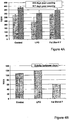
- Figure 1 shows that Diet A had an overall improved effect on mucosal weight after two weeks of dietary treatment compared to Diets B and C. Bowel and mucosal weight was expressed as mg/cm bowel length/ 100gr body weight (BW)
- Figure 2 shows that Diet A had an overall improved effect on microscopic bowel appearance after two weeks of dietary treatment compared to Diets B and C.
- diet A group exerted a strong stimulation of enterocyte proliferation when compared to diet C group (Table 10).
- diet A group exerted a strong stimulation of enterocyte proliferation in ileum.
- the dynamic process of intestinal cell turnover is a function of crypt cell proliferation rates, migration along the crypt-villus axis, enterocyte differentiation, and cell death via apoptosis.
- a significant increase in cell proliferation following Diet A administration was accompanied by a trend toward increase in cell apoptosis, suggesting accelerated cell turnover during intestinal growth.
- a high amount of palmitic acid of which a high amount is conjugated at the sn-2 position is an important factor in intestinal growth in post-weaning rats.
- Diet A resulted in prominent enhanced intestinal development, growth and maturation compared with diets containing a mix of standard vegetable oil mixed with compositions with a high content of palmitic acid or low content of palmitic acid.
- the prominent enhanced intestinal development, growth and maturation appeared after 1 week and was enhanced after 2 weeks of dietary treatment. Diet A further exerted greater stimulating effects on enterocyte proliferation and turnover compared to the other diets.
- the effect of a fat blend on proliferation and differentiation in tissue culture was examined in Caco-2 cells.
- the Caco-2 cell line has been used to date in many qualitative and quantitative studies as an in vitro intestinal epithelial cell model.
- the cells are grown on permeable inserts from tight-junctions and attain many of the morphological and functional characteristics of small intestinal enterocytes ( Artursson P., Karlsson J., 1991, Biochem. Biophys. Res. Commun., Vol 175, 880-885 ).
- This cellular model system demonstrated the positive effect of a fat supplement of the invention on intestinal maturation, through cell proliferation and paracellular permeability.
- Caco-2 cells originating from a human colorectal carcinoma, were provided by the ATCC (American Type Culture Collection, ATCC® Number HTB-37). Cells were propagated in Caco-2 Growth Medium under sterile conditions. The cells were subcultured twice prior to treatment. The cell cultures were incubated at 37 ⁇ 1°C, 5 ⁇ 0.5% CO 2 and 95 ⁇ 5% humidity, in plastic flasks (NUNC). Caco-2 cellular differentiation and maturation were assessed by cells confluence and paracellular transport.
- TEER Trans-Epithelial-Electrical-Resistance
- the Caco-2 cell's TEER value in the presence of LPO oil was 233 ⁇ 59 ohms/cm 2 .
- the Caco-2 cell's TEER value increased by 119.4 ( Fig 4B ) and reached 352.5 ⁇ 37 ohms/cm 2 ( Fig 4A ).
- the Caco-2 cells TEER value was 330 ⁇ 11 ohms/cm 2 and following additional two days 389 ⁇ 26 ohms/cm 2 ( Fig 4A ), i.e. increased by 59.2 ( Fig. 4B ) ohms/cm 2 .
- TEER measurement of the control cells showed 325 ⁇ 12 ohms/cm 2 and 432 ⁇ 11, 7 and 9 days post seeding correspondingly ( Fig4A ); a total increase of 107.2 ohms/cm 2 i.e. more than in the presence of Fat blend 7 ( Fig 4B ).
- Fig4A a total increase of 107.2 ohms/cm 2 i.e. more than in the presence of Fat blend 7
- Fig 4B As the layer growth rate saturates approached full monolayer, the changes in the LPO oil, being the highest, indicated them to be the least differentiated of the three oils.
- Animals after either a bowel transection with re-anastomosis or partly small bowel resection are randomly assigned to one of the diet groups that differ only in their palmitic acid content. Following a feeding period, animals are sacrificed and the histological parameters of intestine and the proliferation and apoptosis of enterocytes are studied.
- Body weight and non-consumed food are weighed.
- Food intake is calculated and expressed as grams per day.
- Energy and fat intake are calculated corresponding to the amount of ingested food.
- necrotizing enterocolitis The effect of diets with different palmitic acid content on prevention and treatment of necrotizing enterocolitis (NEC) is investigated in a hypoxia-hypothermia-formula-fed preterm animal model study.
- Experimental NEC is developed by the following procedure; new born rat pups, starting from 2 hr of age and then every 12 hr, are challenged with hypoxia by breathing 100% nitrogen gas in a closed, clear plastic chamber for 60 s, followed by hypothermia, exposure to cold at 4°C for 10 min.
- the rat pups are randomly assigned to one of diet groups that differ only in their palmitic acid content.
- the rats are fed from birth by orogastric gavage. All rat pups are observed hourly for clinical signs of NEC such as abdominal distension, respiratory distress, and lethargy. 96 hours after birth, or at signs of illness, the pups are euthanized via decapitation ( Travadi et al., 2006, Pediatr Res. Vol 60(2): 185-9 ).
- the animal's intestinal tissue is processed and examined for gross and histological scoring of damage (NEC).
- bromodeoxyuridine is administered intraperitoneally 18 hours before sacrifice, with intestine subjected to bromodeoxy-uridine immunohistochemistry ( Feng J, Besner GE., 2007, J Pediatr Surg. Vol ;42(1):214-20 ).
- the ability of high palmitic acid at sn-2 position to protect the intestines from NEC is due, in part, to its ability to preserve enterocyte migration and proliferation.
- DSS dextran sulfate sodium
- DSS is a sulfated polymer that induces patchy mucosal injury in a dose-dependent manner. It also induces inflammation, initially through a direct toxic effect on epithelial cells, thereby leading to the development of severe colitis ( Vicario et al, 2007, J Nutr.;Vol 137(8): 1931-7 ).
- Body weight and non-consumed food are weighed.
- Food intake is calculated and expressed as grams per day.
- Energy and fat intake are calculated corresponding to the amount of ingested food.
- mice are randomly assigned to the different diets. After a feeding period each group is randomly divided into two experimental groups, one receives DSS in their drinking water and the other receives only tap water and the incidence and severity of inflammatory bowel disease are monitored, by measuring of production of some of the mediators involved in the intestinal inflammatory response, such as leukotriene B(4) (LTB(4)), tumor necrosis factor alpha (TNFalpha) and nitric oxide (NO) ( Camuesco D, 2005, J Nutr. Vol;135(4):687-94 ).
- LTB(4) leukotriene B(4)
- TNFalpha tumor necrosis factor alpha
- NO nitric oxide
- Animals after induction of short bowel syndrome by partly small bowel resection are randomly assigned to one of the diet groups that differ only in their palmitic acid content.
- the effect of the different diets on fat malabsorption and intestinal uptake is monitored. It is commonly assumed that when the gastrointestinal symptoms are improved, the amount of energy available from the diet is improved.
- stool samples are collected, as are food records. Stools are analyzed for gross energy, total nitrogen, fat content, and fatty acid concentration. Total caloric excretion is tested. The energy content per gram of stool samples is measured by ballistic bomb calorimetry ( Miller PS, Payne PR. 1959, A ballistic bomb calorimeter. Br. J Nutr;Vol 13:501-8 ) on a sample of freeze dried stool. ( Murphy et al., 1991, Archives of Disease in Childhood; Vol 66: 495-500 ).
- DSS dextran sulfate sodium
- DSS is a sulfated polymer that induces patchy mucosal injury in a dose-dependent manner. It also induces inflammation, initially through a direct toxic effect on epithelial cells, thereby leading to the development of severe colitis ( Vicario et al, 2007, J Nutr.;Vol 137(8): 1931-7 ).
- Body weight and non-consumed food are weighed.
- Food intake is calculated and expressed as grams per day.
- Energy and fat intake are calculated corresponding to the amount of ingested food.
- Survivors of inflammatory bowel disease are randomly assigned into diet groups and fed with the different diets. Following a treatment period, animals are monitored for clinical findings (body weight loss, bloody diarrhea, reduced physical activity, severe anemia, shortened colonic length, and perianal injury) ( Kishimoto S, 2000, Dig Dis Sci. Vol ;45(8):1608-16 ) and intestinal permeability assay is preformed.
- LPS lipopolysaccharide
- Escherichia coli serotype 0111:B4 Escherichia coli serotype 0111:B4; Sigma-Aldrich
- LPS is given to the animals by gavage. Thirty minutes after loading with LPS, the animals are sacrificed, and blood is collected for analysis by endotoxin assay using the limulus ameobocyte lystate (LAL) kit (BioWhittaker, Walkersville, MD) ( Lambert et al., 2003, J Pharmacol Exp Ther. Vol 305(3):880-6 ).
- LAL limulus ameobocyte lystate
- Feeding animals after inflammatory bowel diseases induction with Diet I results in prevention of increased intestinal permeability. Diet I feeding is causing a decrease in the levels of plasma endotoxin compared with Diet II and Diet III. The results show that the intestine of animals fed with Diet I is capable of restoring decreases in barrier function during recovery from inflammatory bowel disease.
Landscapes
- Health & Medical Sciences (AREA)
- Chemical & Material Sciences (AREA)
- Life Sciences & Earth Sciences (AREA)
- Polymers & Plastics (AREA)
- Engineering & Computer Science (AREA)
- Food Science & Technology (AREA)
- General Health & Medical Sciences (AREA)
- Medicinal Chemistry (AREA)
- Veterinary Medicine (AREA)
- Pharmacology & Pharmacy (AREA)
- Public Health (AREA)
- Animal Behavior & Ethology (AREA)
- Oil, Petroleum & Natural Gas (AREA)
- Mycology (AREA)
- Nutrition Science (AREA)
- Emergency Medicine (AREA)
- Epidemiology (AREA)
- Animal Husbandry (AREA)
- Zoology (AREA)
- Birds (AREA)
- Organic Chemistry (AREA)
- Nuclear Medicine, Radiotherapy & Molecular Imaging (AREA)
- General Chemical & Material Sciences (AREA)
- Chemical Kinetics & Catalysis (AREA)
- Pediatric Medicine (AREA)
- Bioinformatics & Cheminformatics (AREA)
- Rheumatology (AREA)
- Pain & Pain Management (AREA)
- Oncology (AREA)
- Communicable Diseases (AREA)
- Acyclic And Carbocyclic Compounds In Medicinal Compositions (AREA)
- Coloring Foods And Improving Nutritive Qualities (AREA)
Claims (14)
- Lipidzusammensetzung, umfassend zumindest ein synthetisches Triglyzerid der folgenden Formel 1:

- Zusammensetzung zur Verwendung nach Anspruch 1, wobei R2 ein Rest gesättigter Fettsäure ist.
- Zusammensetzung zur Verwendung nach Anspruch 2, wobei die gesättigte Fettsäure ein Palmitinsäurerest ist.
- Zusammensetzung zur Verwendung nach Anspruch 1, wobei zumindest 13 % der Gesamtfettsäuren an der sn-2-Position des Triglyzeridrückgrats Palmitinsäurereste sind.
- Zusammensetzung zur Verwendung nach Anspruch 1, wobei R1 und R3 Reste ungesättigter Fettsäure sind.
- Zusammensetzung zur Verwendung nach Anspruch 5, wobei zumindest 50 % des Gesamtfettsäurerests an der sn-1- und der sn-3-Position des Triglyzeridrückgrats ungesättigt sind.
- Zusammensetzung zur Verwendung nach Anspruch 6, wobei zumindest 35 % des Rests ungesättigter Fettsäure an der sn-1-und der sn-3-Position Ölsäurereste sind.
- Zusammensetzung zur Verwendung nach Anspruch 7, wobei zumindest 4 % der Reste ungesättigter Fettsäure an der sn-1-und der sn-3-Position Linolsäurereste sind.
- Zusammensetzung zur Verwendung nach Anspruch 8, wobei zumindest 6 % der Reste ungesättigter Fettsäure an der sn-1-und der sn-3-Position Linolsäurereste sind.
- Zusammensetzung zur Verwendung nach Anspruch 1, wobei das Lipid besteht aus:0 bis 10% C8:0-Fettsäuren der Gesamtfettsäuren;0 bis 10% C10:0-Fettsäuren der Gesamtfettsäuren;0 bis 22% C12:0-Fettsäuren der Gesamtfettsäuren;0 bis 15% C14:0-Fettsäuren der Gesamtfettsäuren;15 bis 55% C16:0-Fettsäuren der Gesamtfettsäuren: wobei zumindest 30% an der sn-2-Position;1 bis 7% C18-0-Fettsäuren der Gesamtfettsäuren;20 bis 75% C18:1-Fettsäuren der Gesamtfettsäuren;2 bis 40% C18:2-Fettsäuren der Gesamtfettsäuren;0 bis 8% C18:3-Fettsäuren der Gesamtfettsäuren;andere Fettsäuren sind in Mengen von weniger als 8 % der Gesamtfettsäuren vorhanden.
- Zusammensetzung zur Verwendung nach einem der Ansprüche 1 bis 10, wobei die Lipidzusammensetzung aus einer natürlichen, synthetischen oder halbsynthetischen Quelle hergestellt ist.
- Zusammensetzung zur Verwendung nach Anspruch 11, wobei die Herstellung der Lipidzusammensetzung eine enzymatische Katalyse umfasste.
- Zusammensetzung zur Verwendung nach Anspruch 1, wobei die Zusammensetzung eine Nährwertzusammensetzung, eine pharmazeutische Zusammensetzung, eine nutrazeutische Zusammensetzung oder ein funktionelles Nahrungsmittel ist.
- Zusammensetzung zur Verwendung nach Anspruch 13, wobei die Nährwertzusammensetzung aus humanem Milch-fettersatz, Säuglingsnahrung, Milchprodukt, Eiscreme, Keks, Sojaprodukt, Backwaren, Gebäck und Brot, Sauce, Suppe, Fertigkost, Tiefkühlkost, Gewürz, Konditorwaren, Ölen und Fetten, Margarine, Aufstrich, Füllung, Zerealie, lnstantprodukt, Säuglingskost, Kleinkindkost, Riegel, Snack, Süsswaren und Schokoladeprodukt ausgewählt ist.
Applications Claiming Priority (2)
| Application Number | Priority Date | Filing Date | Title |
|---|---|---|---|
| US96066407P | 2007-10-09 | 2007-10-09 | |
| PCT/IL2008/001311 WO2009047754A2 (en) | 2007-10-09 | 2008-10-02 | Lipid compositions for the treatment of gastro-intestinal disorders and the promotion of intestinal development and maturation |
Publications (3)
| Publication Number | Publication Date |
|---|---|
| EP2207429A2 EP2207429A2 (de) | 2010-07-21 |
| EP2207429B1 EP2207429B1 (de) | 2013-06-05 |
| EP2207429B2 true EP2207429B2 (de) | 2016-12-28 |
Family
ID=40445529
Family Applications (1)
| Application Number | Title | Priority Date | Filing Date |
|---|---|---|---|
| EP08808110.4A Active EP2207429B2 (de) | 2007-10-09 | 2008-10-02 | Lipidzusammensetzungen für die behandlung von magen-darm-störungen |
Country Status (12)
| Country | Link |
|---|---|
| US (3) | US9107439B2 (de) |
| EP (1) | EP2207429B2 (de) |
| KR (1) | KR101354547B1 (de) |
| CN (1) | CN101896073B (de) |
| AU (1) | AU2008309140B9 (de) |
| BR (1) | BRPI0818079B8 (de) |
| CA (1) | CA2701161C (de) |
| DK (1) | DK2207429T4 (de) |
| ES (1) | ES2426591T5 (de) |
| MX (1) | MX2010003651A (de) |
| RU (1) | RU2469545C2 (de) |
| WO (1) | WO2009047754A2 (de) |
Families Citing this family (23)
| Publication number | Priority date | Publication date | Assignee | Title |
|---|---|---|---|---|
| MX2010004820A (es) * | 2007-11-01 | 2010-08-10 | Enzymotec Ltd | Mezcla lipidica para nutricion infantil. |
| US9491955B2 (en) | 2008-08-25 | 2016-11-15 | Brandeis University | Balanced myristate- and laurate-containing edible oil |
| WO2011071367A1 (en) * | 2009-12-11 | 2011-06-16 | N.V. Nutricia | Metabolic imprinting effects of structured lipids |
| NZ623342A (en) | 2010-04-26 | 2014-12-24 | Enzymotec Ltd | Methods and lipid compositions for promoting development of gut flora |
| ES2674430T3 (es) * | 2010-12-29 | 2018-06-29 | Abbott Laboratories | Producto nutricional para mejorar la tolerancia, digestión y absorción de nutrientes liposolubles en un lactante, niño pequeño o niño |
| AR092566A1 (es) * | 2012-09-13 | 2015-04-22 | Specialites Pet Food | Composiciones grasas para mantener una palatabilidad de alimentos para animales domesticos en el tiempo |
| CN105072917B (zh) | 2013-02-12 | 2019-05-03 | 荷兰洛德斯克罗科兰有限公司 | 脂肪组合物 |
| JP6853665B2 (ja) * | 2013-03-13 | 2021-03-31 | プロラクタ バイオサイエンス,インコーポレイテッド | 高脂質ヒト乳製品 |
| EP2991508A1 (de) * | 2013-04-10 | 2016-03-09 | Nestec S.A. | Säuglingsnahrung mit geringem mcfas-anteil in spezifischem verhältnis und einem relativ hohen anteil an ungesättigten fettsäuren und deren verwendung zur förderung des gesunden aufbaus der kognitiven funktion bei kleinkindern |
| EP2986155A1 (de) * | 2013-04-10 | 2016-02-24 | Nestec S.A. | Säuglingsnahrung mit geringem gehalt an mittelkettigen fettsäuren in spezifischem verhältnis und deren verwendung zur förderung und/oder sicherstellung eines ausgewogenen wachstums von kleinkindern |
| CN104623637A (zh) | 2013-11-07 | 2015-05-20 | 健能隆医药技术(上海)有限公司 | Il-22二聚体在制备静脉注射药物中的应用 |
| CN107529807A (zh) * | 2015-05-04 | 2018-01-02 | 酶学技术有限公司 | 用于改善睡眠的脂质组合物 |
| US20210392934A1 (en) * | 2016-03-10 | 2021-12-23 | Enzymotec Ltd. | Lipid compositions and uses thereof |
| ES2930351T3 (es) | 2016-04-15 | 2022-12-09 | Evive Biotechnology Shanghai Ltd | Un dímero de IL-22 para su uso en el tratamiento de enterocolitis necrosante |
| CN107518382A (zh) * | 2016-06-21 | 2017-12-29 | 丰益(上海)生物技术研发中心有限公司 | 一种提升肠道的中短链酸丰度的方法 |
| EP3968787A1 (de) | 2019-05-15 | 2022-03-23 | N.V. Nutricia | Fermentierte formel zur verbesserung der darmentwicklung |
| CN111011864A (zh) * | 2019-12-27 | 2020-04-17 | 内蒙古蒙牛乳业(集团)股份有限公司 | 一种促进肠道健康的营养组分 |
| WO2021164744A1 (en) | 2020-02-19 | 2021-08-26 | Evive Biotechnology (Shanghai) Ltd | Methods for treating graft versus host disease |
| AU2021253529A1 (en) | 2020-04-09 | 2022-09-08 | Société des Produits Nestlé S.A. | Method for manufacturing sn-2 palmitic triacylglycerols |
| IL297288A (en) * | 2020-04-27 | 2022-12-01 | Nestle Sa | A method for making products like milk |
| CN111700178A (zh) * | 2020-06-16 | 2020-09-25 | 江南大学 | 一种罗非鱼油或其分提物的应用 |
| CN115104651A (zh) * | 2022-05-05 | 2022-09-27 | 上海交通大学 | 有效改善代谢的油脂组合物及其应用 |
| CN116473132B (zh) * | 2023-03-30 | 2024-02-13 | 江南大学 | 一种富含山柚油的组合物、制备方法及应用 |
Citations (12)
| Publication number | Priority date | Publication date | Assignee | Title |
|---|---|---|---|---|
| EP0216419A2 (de) † | 1985-09-26 | 1987-04-01 | The Procter & Gamble Company | Für enterale oder parenterale Produkte geeignetes Ernährungsfett |
| US4876107A (en) † | 1985-07-12 | 1989-10-24 | Unilever Patent Holdings Bv | Substitute milk fat compositions |
| WO1993021912A1 (de) † | 1992-04-28 | 1993-11-11 | Fresenius Ag | Verwendung einer omega-3-fettsäuren enthaltenden emulsion zur herstellung eines parenteral zu verabreichenden arzneimittels zur behandlung von entzündlichen erkrankungen |
| WO1998036745A2 (en) † | 1997-02-21 | 1998-08-27 | Abbot Laboratories | Use of polyunsaturated fatty acids for reducing the incidence of necrotizing enterocolitis |
| EP1034704A1 (de) † | 1999-03-12 | 2000-09-13 | Societe Des Produits Nestle S.A. | Nahrungszusammensetzung insbesondere für die spezifische gastrointestinale Reifung in frühgeborenen Säugetieren |
| WO2001041581A1 (en) † | 1999-12-13 | 2001-06-14 | N.V. Nutricia | Infant formula with improved protein content |
| WO2005036987A1 (en) † | 2003-10-22 | 2005-04-28 | Enzymotec Ltd. | Human breast milk lipid mimetic as dietary supplement |
| WO2007046699A2 (en) † | 2005-10-21 | 2007-04-26 | N.V. Nutricia | Method for stimulating intestinal barrier integrity after non-natural birth |
| WO2007058523A1 (en) † | 2005-11-17 | 2007-05-24 | N.V. Nutricia | Composition with docosapentaenoic acid |
| WO2007088160A1 (en) † | 2006-01-31 | 2007-08-09 | Nestec S.A. | Nutritional composition for low birth weight infants |
| WO2009039101A1 (en) † | 2007-09-17 | 2009-03-26 | Cornell University | Branched chain fatty acids for prevention or treatment of gastrointestinal disorders |
| EP2143340A1 (de) † | 2008-07-07 | 2010-01-13 | Nestec S.A. | Nährstoffzusammensetzung mit freien Aminosäuren und strukturierten Lipiden |
Family Cites Families (4)
| Publication number | Priority date | Publication date | Assignee | Title |
|---|---|---|---|---|
| EP0698078B1 (de) * | 1993-05-13 | 1997-08-20 | Loders Croklaan B.V. | Muttermilch-ersatzstoffe aus umgeestertentriglyceridmischungen |
| PT893064E (pt) * | 1997-07-22 | 2003-04-30 | Nestle Sa | Composicao lipidica para formulacao infantil e processo de preparacao |
| JP4175698B2 (ja) | 1998-06-19 | 2008-11-05 | サントリー株式会社 | 新規なトリグリセリド及びそれを含む組成物 |
| KR101368603B1 (ko) | 2005-04-27 | 2014-02-27 | 엔지모테크 리미티드 | 모유 지방 대체물 |
-
2008
- 2008-10-02 BR BRPI0818079A patent/BRPI0818079B8/pt not_active IP Right Cessation
- 2008-10-02 US US12/682,311 patent/US9107439B2/en active Active
- 2008-10-02 WO PCT/IL2008/001311 patent/WO2009047754A2/en not_active Ceased
- 2008-10-02 CA CA2701161A patent/CA2701161C/en not_active Expired - Fee Related
- 2008-10-02 MX MX2010003651A patent/MX2010003651A/es active IP Right Grant
- 2008-10-02 KR KR1020107010038A patent/KR101354547B1/ko active Active
- 2008-10-02 ES ES08808110.4T patent/ES2426591T5/es active Active
- 2008-10-02 RU RU2010117211/13A patent/RU2469545C2/ru active
- 2008-10-02 EP EP08808110.4A patent/EP2207429B2/de active Active
- 2008-10-02 DK DK08808110.4T patent/DK2207429T4/en active
- 2008-10-02 AU AU2008309140A patent/AU2008309140B9/en active Active
- 2008-10-02 CN CN2008801199513A patent/CN101896073B/zh active Active
-
2013
- 2013-12-20 US US14/136,373 patent/US8980949B2/en active Active
-
2015
- 2015-07-09 US US14/795,497 patent/US9561207B2/en active Active
Patent Citations (12)
| Publication number | Priority date | Publication date | Assignee | Title |
|---|---|---|---|---|
| US4876107A (en) † | 1985-07-12 | 1989-10-24 | Unilever Patent Holdings Bv | Substitute milk fat compositions |
| EP0216419A2 (de) † | 1985-09-26 | 1987-04-01 | The Procter & Gamble Company | Für enterale oder parenterale Produkte geeignetes Ernährungsfett |
| WO1993021912A1 (de) † | 1992-04-28 | 1993-11-11 | Fresenius Ag | Verwendung einer omega-3-fettsäuren enthaltenden emulsion zur herstellung eines parenteral zu verabreichenden arzneimittels zur behandlung von entzündlichen erkrankungen |
| WO1998036745A2 (en) † | 1997-02-21 | 1998-08-27 | Abbot Laboratories | Use of polyunsaturated fatty acids for reducing the incidence of necrotizing enterocolitis |
| EP1034704A1 (de) † | 1999-03-12 | 2000-09-13 | Societe Des Produits Nestle S.A. | Nahrungszusammensetzung insbesondere für die spezifische gastrointestinale Reifung in frühgeborenen Säugetieren |
| WO2001041581A1 (en) † | 1999-12-13 | 2001-06-14 | N.V. Nutricia | Infant formula with improved protein content |
| WO2005036987A1 (en) † | 2003-10-22 | 2005-04-28 | Enzymotec Ltd. | Human breast milk lipid mimetic as dietary supplement |
| WO2007046699A2 (en) † | 2005-10-21 | 2007-04-26 | N.V. Nutricia | Method for stimulating intestinal barrier integrity after non-natural birth |
| WO2007058523A1 (en) † | 2005-11-17 | 2007-05-24 | N.V. Nutricia | Composition with docosapentaenoic acid |
| WO2007088160A1 (en) † | 2006-01-31 | 2007-08-09 | Nestec S.A. | Nutritional composition for low birth weight infants |
| WO2009039101A1 (en) † | 2007-09-17 | 2009-03-26 | Cornell University | Branched chain fatty acids for prevention or treatment of gastrointestinal disorders |
| EP2143340A1 (de) † | 2008-07-07 | 2010-01-13 | Nestec S.A. | Nährstoffzusammensetzung mit freien Aminosäuren und strukturierten Lipiden |
Non-Patent Citations (21)
| Title |
|---|
| "Betapol", THE WORLD OF INGREDIENTS, pages 41 - 42 † |
| ARMAND M. ET AL: "Effect of Human Milk of Formula on Gastric Function and Fat Digestion in the Premature Infant¹", PEDIATRIC RESEARCH, vol. 40, 1996, pages 429 - 437 † |
| CAMUESCO D. ET AL: "Biochemical and Molecular Actions of Nutrients", THE JOURNAL OF NUTRITION, vol. 135, 2005, pages 687 - 694 † |
| DVORAK B. ET AL: "Epidermal growth factor reduces the development of necrotizin enterocolitis in aneonatal rat model", AM J PHYSIOL GASTROINTEST LIVER PHYSIOL, vol. 282, 2002, pages G156 - G164 † |
| Effect of lipid compositions on intestinal re-growth after massive bowel resection in a rat † |
| Food composition and nutrition table, cocoa butter † |
| Food composition and nutrition table, palm oil † |
| GRUGER E.H. JR.: "Fatty Acid Composition of Fish Oils", pages: 3 - 30 † |
| HIDALGO I.J. ET AL: "Characterization of the Human Colon Carcinoma Cell Line (Caco-2) as a Model System for Intestinal Epithelial Permeability", GASTROENTEROLOGY, vol. 96, 1989, pages 736 - 749 † |
| High sn-2-Palmitate Fat Controle the Intestinal Inflammatory Response and LimitsIntestinal Damage in Mucin Muc2 Deficient Mice † |
| ITO Y. ET AL: "Intestinal Microcirulatory Dysfunction During the Development of Experimental Necrotizing Enterocolitis", PEDIATRIC RESEARCH, vol. 61, no. 2, 2007, pages 180 - 184 † |
| LU J. ET AL: "Polyunsaturated Fatty Acid Supplementation Alters Proinflammatory Gene Expression and Reduces the Incidence of Necrotizing Enterocolitis in a Neonatal Rat Model", PEDIATR RES., vol. 61, no. 4, April 2007 (2007-04-01), pages 427 - 432 † |
| LUCAS A. ET AL.: "Randomised controlled trial of a synthetic triglyceride milk formula for preterminfants", ARCHIVES OF DISEASE IN CHILDHOOD, vol. 77, 1997, pages F178 - F184, XP009104542 † |
| MANGELL P. ET AL: "Inflamm Res", vol. 56, 2007, SPRINGER, pages: 189 - 194 † |
| SAIFY Z.S. ET AL: "A Study on the Fatty Acid Composition of Fisch Liver Oil from Two Marine Fish, Eusphyra blochii and Carcharhinus bleekeri", TURK J. CHEM., vol. 27, 2003, pages 251 - 258 † |
| SUKHOTNIK I. ET AL: "Effect of dietary fat on early morphological intestinal adaptation in a rat withshort bowel syndrome", PEDIATR SURG INT, vol. 20, no. 4, 2004, pages 419 - 424 † |
| Table: Fatty acid composition and positional distribution of Betapol † |
| TRAVADL J. ET AL: "Pentoxifylline Reduces the Incidence and Severity of Necrotizing Enterocolitis in a Neonatal Rat Model", PEDIATRIC RESEARCH, vol. 60, no. 2, 2006, pages 185 - 189 † |
| UAUY R. ET AL: "Effect of Dietary Nucleosides on Growth and Maturation of the Developing Gut in the Rat", JOURNAL OF PEDIATRIC GASTROENTEROLOGY AND NUTRITION, vol. 10, 1990, pages 497 - 503 † |
| VICARIO M. HARM. ET AL: "Induction of Colitis in Young Rats by Dextran Sulfate Sodium", DIGESTIVE DISEASES AND SCIENCES, vol. 50, no. 1, January 2005 (2005-01-01), pages 143 - 150, XP019237106, DOI: doi:10.1007/s10620-005-1292-y † |
| WEALE A.R. ET AL: "Intestinal adaptation after massive intestinal resection", POSTGRAD MED J., vol. 81, 2005, pages 178 - 184 † |
Also Published As
| Publication number | Publication date |
|---|---|
| EP2207429A2 (de) | 2010-07-21 |
| ES2426591T5 (es) | 2017-08-16 |
| US9107439B2 (en) | 2015-08-18 |
| US9561207B2 (en) | 2017-02-07 |
| CN101896073A (zh) | 2010-11-24 |
| MX2010003651A (es) | 2010-07-05 |
| EP2207429B1 (de) | 2013-06-05 |
| KR20100106951A (ko) | 2010-10-04 |
| BRPI0818079A2 (pt) | 2017-06-13 |
| US20100273881A1 (en) | 2010-10-28 |
| KR101354547B1 (ko) | 2014-01-22 |
| DK2207429T4 (en) | 2017-04-10 |
| AU2008309140A1 (en) | 2009-04-16 |
| CA2701161C (en) | 2014-01-14 |
| RU2010117211A (ru) | 2011-11-20 |
| WO2009047754A2 (en) | 2009-04-16 |
| US8980949B2 (en) | 2015-03-17 |
| ES2426591T3 (es) | 2013-10-24 |
| DK2207429T3 (da) | 2013-09-08 |
| AU2008309140B9 (en) | 2013-07-04 |
| BRPI0818079B1 (pt) | 2019-11-05 |
| CA2701161A1 (en) | 2009-04-16 |
| US20140187632A1 (en) | 2014-07-03 |
| BRPI0818079A8 (pt) | 2017-10-03 |
| WO2009047754A3 (en) | 2009-05-22 |
| RU2469545C2 (ru) | 2012-12-20 |
| BRPI0818079B8 (pt) | 2021-07-27 |
| AU2008309140B2 (en) | 2013-05-09 |
| US20160030377A1 (en) | 2016-02-04 |
| CN101896073B (zh) | 2013-11-20 |
Similar Documents
| Publication | Publication Date | Title |
|---|---|---|
| EP2207429B1 (de) | Lipidzusammensetzungen für die behandlung von magen-darm-störungen und die förderung der darmentwicklung und reifung | |
| US8623825B2 (en) | Edible fat composition for enhancing bone strength | |
| Morita et al. | Safety assessment of diacylglycerol oil as an edible oil: a review of the published literature | |
| US20090131523A1 (en) | Lipid compositions for the treatment and prevention of proliferative diseases and for the reduction of incidences of mutagenesis and carinogenesis | |
| WO2001091587A9 (en) | Oil compositions comprising short, medium and long chain triglycerides and use thereof in reducing weight gain | |
| CN102791264B (zh) | 用于预防或治疗糖尿病的油脂组合物 | |
| JP2004075653A (ja) | 体脂肪分解促進剤および飲食物 | |
| JP6422705B2 (ja) | Gip上昇抑制剤 | |
| AU2017231043B2 (en) | Lipid compositions and uses thereof | |
| JPH10262607A (ja) | 乳幼児用栄養組成物 | |
| IL204926A (en) | Lipid composition for the treatment of digestive disorders and to stimulate the development and maturation of the intestines | |
| JPWO2002094039A1 (ja) | 蛋白質・エネルギー低栄養状態改善用飲食物 | |
| Brown et al. | Nonlipid formula components and fat absorption in the low-birth-weight newborn | |
| TW202106336A (zh) | 用於促進glp-1分泌之組成物 | |
| JP5479696B2 (ja) | 生体内のプラスマローゲン増加剤 | |
| Yang et al. | Early enteral fat supplementation improves protein absorption in premature infants with an enterostomy | |
| HK40098676A (zh) | 使用至少一种甘氨酸或其衍生物和/或至少一种n-乙酰半胱氨酸或其衍生物以及至少一种百里酚和/或香芹酚的组合物和方法 | |
| TW202042801A (zh) | 用於促進酮體產生之組成物 | |
| HK1259452B (zh) | 脂质组合物及其用途 |
Legal Events
| Date | Code | Title | Description |
|---|---|---|---|
| PUAI | Public reference made under article 153(3) epc to a published international application that has entered the european phase |
Free format text: ORIGINAL CODE: 0009012 |
|
| 17P | Request for examination filed |
Effective date: 20100430 |
|
| AK | Designated contracting states |
Kind code of ref document: A2 Designated state(s): AT BE BG CH CY CZ DE DK EE ES FI FR GB GR HR HU IE IS IT LI LT LU LV MC MT NL NO PL PT RO SE SI SK TR |
|
| AX | Request for extension of the european patent |
Extension state: AL BA MK RS |
|
| DAX | Request for extension of the european patent (deleted) | ||
| RAP1 | Party data changed (applicant data changed or rights of an application transferred) |
Owner name: ENZYMOTEC LTD. |
|
| RAP1 | Party data changed (applicant data changed or rights of an application transferred) |
Owner name: ENZYMOTEC LTD. |
|
| GRAP | Despatch of communication of intention to grant a patent |
Free format text: ORIGINAL CODE: EPIDOSNIGR1 |
|
| GRAS | Grant fee paid |
Free format text: ORIGINAL CODE: EPIDOSNIGR3 |
|
| GRAA | (expected) grant |
Free format text: ORIGINAL CODE: 0009210 |
|
| AK | Designated contracting states |
Kind code of ref document: B1 Designated state(s): AT BE BG CH CY CZ DE DK EE ES FI FR GB GR HR HU IE IS IT LI LT LU LV MC MT NL NO PL PT RO SE SI SK TR |
|
| REG | Reference to a national code |
Ref country code: GB Ref legal event code: FG4D |
|
| REG | Reference to a national code |
Ref country code: CH Ref legal event code: EP |
|
| REG | Reference to a national code |
Ref country code: AT Ref legal event code: REF Ref document number: 615102 Country of ref document: AT Kind code of ref document: T Effective date: 20130615 |
|
| REG | Reference to a national code |
Ref country code: IE Ref legal event code: FG4D |
|
| REG | Reference to a national code |
Ref country code: DE Ref legal event code: R096 Ref document number: 602008025189 Country of ref document: DE Effective date: 20130801 |
|
| REG | Reference to a national code |
Ref country code: DK Ref legal event code: T3 |
|
| REG | Reference to a national code |
Ref country code: CH Ref legal event code: NV Representative=s name: MARKS AND CLERK (LUXEMBOURG) LLP, CH |
|
| REG | Reference to a national code |
Ref country code: SE Ref legal event code: TRGR |
|
| REG | Reference to a national code |
Ref country code: NL Ref legal event code: T3 |
|
| REG | Reference to a national code |
Ref country code: AT Ref legal event code: MK05 Ref document number: 615102 Country of ref document: AT Kind code of ref document: T Effective date: 20130605 |
|
| REG | Reference to a national code |
Ref country code: ES Ref legal event code: FG2A Ref document number: 2426591 Country of ref document: ES Kind code of ref document: T3 Effective date: 20131024 |
|
| PG25 | Lapsed in a contracting state [announced via postgrant information from national office to epo] |
Ref country code: NO Free format text: LAPSE BECAUSE OF FAILURE TO SUBMIT A TRANSLATION OF THE DESCRIPTION OR TO PAY THE FEE WITHIN THE PRESCRIBED TIME-LIMIT Effective date: 20130905 Ref country code: SI Free format text: LAPSE BECAUSE OF FAILURE TO SUBMIT A TRANSLATION OF THE DESCRIPTION OR TO PAY THE FEE WITHIN THE PRESCRIBED TIME-LIMIT Effective date: 20130605 Ref country code: GR Free format text: LAPSE BECAUSE OF FAILURE TO SUBMIT A TRANSLATION OF THE DESCRIPTION OR TO PAY THE FEE WITHIN THE PRESCRIBED TIME-LIMIT Effective date: 20130906 Ref country code: AT Free format text: LAPSE BECAUSE OF FAILURE TO SUBMIT A TRANSLATION OF THE DESCRIPTION OR TO PAY THE FEE WITHIN THE PRESCRIBED TIME-LIMIT Effective date: 20130605 Ref country code: LT Free format text: LAPSE BECAUSE OF FAILURE TO SUBMIT A TRANSLATION OF THE DESCRIPTION OR TO PAY THE FEE WITHIN THE PRESCRIBED TIME-LIMIT Effective date: 20130605 Ref country code: FI Free format text: LAPSE BECAUSE OF FAILURE TO SUBMIT A TRANSLATION OF THE DESCRIPTION OR TO PAY THE FEE WITHIN THE PRESCRIBED TIME-LIMIT Effective date: 20130605 |
|
| REG | Reference to a national code |
Ref country code: LT Ref legal event code: MG4D |
|
| PG25 | Lapsed in a contracting state [announced via postgrant information from national office to epo] |
Ref country code: PL Free format text: LAPSE BECAUSE OF FAILURE TO SUBMIT A TRANSLATION OF THE DESCRIPTION OR TO PAY THE FEE WITHIN THE PRESCRIBED TIME-LIMIT Effective date: 20130605 Ref country code: HR Free format text: LAPSE BECAUSE OF FAILURE TO SUBMIT A TRANSLATION OF THE DESCRIPTION OR TO PAY THE FEE WITHIN THE PRESCRIBED TIME-LIMIT Effective date: 20130605 Ref country code: BG Free format text: LAPSE BECAUSE OF FAILURE TO SUBMIT A TRANSLATION OF THE DESCRIPTION OR TO PAY THE FEE WITHIN THE PRESCRIBED TIME-LIMIT Effective date: 20130905 |
|
| PG25 | Lapsed in a contracting state [announced via postgrant information from national office to epo] |
Ref country code: LV Free format text: LAPSE BECAUSE OF FAILURE TO SUBMIT A TRANSLATION OF THE DESCRIPTION OR TO PAY THE FEE WITHIN THE PRESCRIBED TIME-LIMIT Effective date: 20130605 |
|
| PG25 | Lapsed in a contracting state [announced via postgrant information from national office to epo] |
Ref country code: IS Free format text: LAPSE BECAUSE OF FAILURE TO SUBMIT A TRANSLATION OF THE DESCRIPTION OR TO PAY THE FEE WITHIN THE PRESCRIBED TIME-LIMIT Effective date: 20131005 Ref country code: PT Free format text: LAPSE BECAUSE OF FAILURE TO SUBMIT A TRANSLATION OF THE DESCRIPTION OR TO PAY THE FEE WITHIN THE PRESCRIBED TIME-LIMIT Effective date: 20131007 Ref country code: EE Free format text: LAPSE BECAUSE OF FAILURE TO SUBMIT A TRANSLATION OF THE DESCRIPTION OR TO PAY THE FEE WITHIN THE PRESCRIBED TIME-LIMIT Effective date: 20130605 Ref country code: SK Free format text: LAPSE BECAUSE OF FAILURE TO SUBMIT A TRANSLATION OF THE DESCRIPTION OR TO PAY THE FEE WITHIN THE PRESCRIBED TIME-LIMIT Effective date: 20130605 |
|
| PG25 | Lapsed in a contracting state [announced via postgrant information from national office to epo] |
Ref country code: RO Free format text: LAPSE BECAUSE OF FAILURE TO SUBMIT A TRANSLATION OF THE DESCRIPTION OR TO PAY THE FEE WITHIN THE PRESCRIBED TIME-LIMIT Effective date: 20130605 |
|
| PLBI | Opposition filed |
Free format text: ORIGINAL CODE: 0009260 |
|
| PLAX | Notice of opposition and request to file observation + time limit sent |
Free format text: ORIGINAL CODE: EPIDOSNOBS2 |
|
| 26 | Opposition filed |
Opponent name: N.V. NUTRICIA Effective date: 20140305 |
|
| REG | Reference to a national code |
Ref country code: DE Ref legal event code: R026 Ref document number: 602008025189 Country of ref document: DE Effective date: 20140305 |
|
| PG25 | Lapsed in a contracting state [announced via postgrant information from national office to epo] |
Ref country code: MC Free format text: LAPSE BECAUSE OF FAILURE TO SUBMIT A TRANSLATION OF THE DESCRIPTION OR TO PAY THE FEE WITHIN THE PRESCRIBED TIME-LIMIT Effective date: 20130605 |
|
| PLAF | Information modified related to communication of a notice of opposition and request to file observations + time limit |
Free format text: ORIGINAL CODE: EPIDOSCOBS2 |
|
| PLBB | Reply of patent proprietor to notice(s) of opposition received |
Free format text: ORIGINAL CODE: EPIDOSNOBS3 |
|
| PG25 | Lapsed in a contracting state [announced via postgrant information from national office to epo] |
Ref country code: CY Free format text: LAPSE BECAUSE OF FAILURE TO SUBMIT A TRANSLATION OF THE DESCRIPTION OR TO PAY THE FEE WITHIN THE PRESCRIBED TIME-LIMIT Effective date: 20130605 Ref country code: TR Free format text: LAPSE BECAUSE OF FAILURE TO SUBMIT A TRANSLATION OF THE DESCRIPTION OR TO PAY THE FEE WITHIN THE PRESCRIBED TIME-LIMIT Effective date: 20130605 |
|
| PG25 | Lapsed in a contracting state [announced via postgrant information from national office to epo] |
Ref country code: LU Free format text: LAPSE BECAUSE OF NON-PAYMENT OF DUE FEES Effective date: 20131002 Ref country code: HU Free format text: LAPSE BECAUSE OF FAILURE TO SUBMIT A TRANSLATION OF THE DESCRIPTION OR TO PAY THE FEE WITHIN THE PRESCRIBED TIME-LIMIT; INVALID AB INITIO Effective date: 20081002 |
|
| PG25 | Lapsed in a contracting state [announced via postgrant information from national office to epo] |
Ref country code: MT Free format text: LAPSE BECAUSE OF FAILURE TO SUBMIT A TRANSLATION OF THE DESCRIPTION OR TO PAY THE FEE WITHIN THE PRESCRIBED TIME-LIMIT Effective date: 20130605 |
|
| REG | Reference to a national code |
Ref country code: FR Ref legal event code: PLFP Year of fee payment: 8 |
|
| APAH | Appeal reference modified |
Free format text: ORIGINAL CODE: EPIDOSCREFNO |
|
| APBM | Appeal reference recorded |
Free format text: ORIGINAL CODE: EPIDOSNREFNO |
|
| APBP | Date of receipt of notice of appeal recorded |
Free format text: ORIGINAL CODE: EPIDOSNNOA2O |
|
| APBU | Appeal procedure closed |
Free format text: ORIGINAL CODE: EPIDOSNNOA9O |
|
| REG | Reference to a national code |
Ref country code: FR Ref legal event code: PLFP Year of fee payment: 9 |
|
| PUAH | Patent maintained in amended form |
Free format text: ORIGINAL CODE: 0009272 |
|
| STAA | Information on the status of an ep patent application or granted ep patent |
Free format text: STATUS: PATENT MAINTAINED AS AMENDED |
|
| 27A | Patent maintained in amended form |
Effective date: 20161228 |
|
| AK | Designated contracting states |
Kind code of ref document: B2 Designated state(s): AT BE BG CH CY CZ DE DK EE ES FI FR GB GR HR HU IE IS IT LI LT LU LV MC MT NL NO PL PT RO SE SI SK TR |
|
| REG | Reference to a national code |
Ref country code: DE Ref legal event code: R102 Ref document number: 602008025189 Country of ref document: DE |
|
| RIC2 | Information provided on ipc code assigned after grant |
Ipc: A61K 31/23 20060101ALI20161118BHEP Ipc: C11C 3/08 20060101ALI20161118BHEP Ipc: A23D 9/00 20060101AFI20161118BHEP |
|
| REG | Reference to a national code |
Ref country code: CH Ref legal event code: AELC |
|
| PG25 | Lapsed in a contracting state [announced via postgrant information from national office to epo] |
Ref country code: LV Free format text: LAPSE BECAUSE OF FAILURE TO SUBMIT A TRANSLATION OF THE DESCRIPTION OR TO PAY THE FEE WITHIN THE PRESCRIBED TIME-LIMIT Effective date: 20161228 |
|
| REG | Reference to a national code |
Ref country code: DK Ref legal event code: T4 Effective date: 20170404 |
|
| REG | Reference to a national code |
Ref country code: SE Ref legal event code: RPEO |
|
| REG | Reference to a national code |
Ref country code: NL Ref legal event code: FP |
|
| PG25 | Lapsed in a contracting state [announced via postgrant information from national office to epo] |
Ref country code: LV Free format text: LAPSE BECAUSE OF FAILURE TO SUBMIT A TRANSLATION OF THE DESCRIPTION OR TO PAY THE FEE WITHIN THE PRESCRIBED TIME-LIMIT Effective date: 20130605 |
|
| REG | Reference to a national code |
Ref country code: ES Ref legal event code: DC2A Ref document number: 2426591 Country of ref document: ES Kind code of ref document: T5 Effective date: 20170816 |
|
| REG | Reference to a national code |
Ref country code: FR Ref legal event code: PLFP Year of fee payment: 10 |
|
| REG | Reference to a national code |
Ref country code: FR Ref legal event code: PLFP Year of fee payment: 11 |
|
| PGFP | Annual fee paid to national office [announced via postgrant information from national office to epo] |
Ref country code: CZ Payment date: 20200923 Year of fee payment: 13 |
|
| PGFP | Annual fee paid to national office [announced via postgrant information from national office to epo] |
Ref country code: DK Payment date: 20201028 Year of fee payment: 13 |
|
| PGFP | Annual fee paid to national office [announced via postgrant information from national office to epo] |
Ref country code: BE Payment date: 20201027 Year of fee payment: 13 |
|
| REG | Reference to a national code |
Ref country code: DK Ref legal event code: EBP Effective date: 20211031 |
|
| PG25 | Lapsed in a contracting state [announced via postgrant information from national office to epo] |
Ref country code: CZ Free format text: LAPSE BECAUSE OF NON-PAYMENT OF DUE FEES Effective date: 20211002 |
|
| REG | Reference to a national code |
Ref country code: BE Ref legal event code: MM Effective date: 20211031 |
|
| PG25 | Lapsed in a contracting state [announced via postgrant information from national office to epo] |
Ref country code: BE Free format text: LAPSE BECAUSE OF NON-PAYMENT OF DUE FEES Effective date: 20211031 |
|
| PG25 | Lapsed in a contracting state [announced via postgrant information from national office to epo] |
Ref country code: DK Free format text: LAPSE BECAUSE OF NON-PAYMENT OF DUE FEES Effective date: 20211031 |
|
| PGFP | Annual fee paid to national office [announced via postgrant information from national office to epo] |
Ref country code: NL Payment date: 20250912 Year of fee payment: 18 Ref country code: IT Payment date: 20250922 Year of fee payment: 18 |
|
| PGFP | Annual fee paid to national office [announced via postgrant information from national office to epo] |
Ref country code: GB Payment date: 20250904 Year of fee payment: 18 |
|
| PGFP | Annual fee paid to national office [announced via postgrant information from national office to epo] |
Ref country code: FR Payment date: 20250908 Year of fee payment: 18 |
|
| PGFP | Annual fee paid to national office [announced via postgrant information from national office to epo] |
Ref country code: SE Payment date: 20250910 Year of fee payment: 18 |
|
| PGFP | Annual fee paid to national office [announced via postgrant information from national office to epo] |
Ref country code: IE Payment date: 20250909 Year of fee payment: 18 |
|
| REG | Reference to a national code |
Ref country code: CH Ref legal event code: U11 Free format text: ST27 STATUS EVENT CODE: U-0-0-U10-U11 (AS PROVIDED BY THE NATIONAL OFFICE) Effective date: 20251101 |
|
| PGFP | Annual fee paid to national office [announced via postgrant information from national office to epo] |
Ref country code: DE Payment date: 20250902 Year of fee payment: 18 |
|
| PGFP | Annual fee paid to national office [announced via postgrant information from national office to epo] |
Ref country code: CH Payment date: 20251101 Year of fee payment: 18 |
|
| PGFP | Annual fee paid to national office [announced via postgrant information from national office to epo] |
Ref country code: ES Payment date: 20251106 Year of fee payment: 18 |