EP2201115B2 - Mutanten mit fähigkeit zur produktion von 1,4-butandiol und verfahren zur herstellung von 1,4-butandiol unter verwendung davon - Google Patents
Mutanten mit fähigkeit zur produktion von 1,4-butandiol und verfahren zur herstellung von 1,4-butandiol unter verwendung davon Download PDFInfo
- Publication number
- EP2201115B2 EP2201115B2 EP08793214.1A EP08793214A EP2201115B2 EP 2201115 B2 EP2201115 B2 EP 2201115B2 EP 08793214 A EP08793214 A EP 08793214A EP 2201115 B2 EP2201115 B2 EP 2201115B2
- Authority
- EP
- European Patent Office
- Prior art keywords
- succinate
- butanediol
- gene
- mutant
- hydroxybutyrate
- Prior art date
- Legal status (The legal status is an assumption and is not a legal conclusion. Google has not performed a legal analysis and makes no representation as to the accuracy of the status listed.)
- Active
Links
Images

Classifications
-
- C—CHEMISTRY; METALLURGY
- C12—BIOCHEMISTRY; BEER; SPIRITS; WINE; VINEGAR; MICROBIOLOGY; ENZYMOLOGY; MUTATION OR GENETIC ENGINEERING
- C12N—MICROORGANISMS OR ENZYMES; COMPOSITIONS THEREOF; PROPAGATING, PRESERVING, OR MAINTAINING MICROORGANISMS; MUTATION OR GENETIC ENGINEERING; CULTURE MEDIA
- C12N15/00—Mutation or genetic engineering; DNA or RNA concerning genetic engineering, vectors, e.g. plasmids, or their isolation, preparation or purification; Use of hosts therefor
- C12N15/09—Recombinant DNA-technology
- C12N15/10—Processes for the isolation, preparation or purification of DNA or RNA
-
- C—CHEMISTRY; METALLURGY
- C12—BIOCHEMISTRY; BEER; SPIRITS; WINE; VINEGAR; MICROBIOLOGY; ENZYMOLOGY; MUTATION OR GENETIC ENGINEERING
- C12N—MICROORGANISMS OR ENZYMES; COMPOSITIONS THEREOF; PROPAGATING, PRESERVING, OR MAINTAINING MICROORGANISMS; MUTATION OR GENETIC ENGINEERING; CULTURE MEDIA
- C12N15/00—Mutation or genetic engineering; DNA or RNA concerning genetic engineering, vectors, e.g. plasmids, or their isolation, preparation or purification; Use of hosts therefor
- C12N15/09—Recombinant DNA-technology
- C12N15/63—Introduction of foreign genetic material using vectors; Vectors; Use of hosts therefor; Regulation of expression
- C12N15/74—Vectors or expression systems specially adapted for prokaryotic hosts other than E. coli, e.g. Lactobacillus, Micromonospora
- C12N15/77—Vectors or expression systems specially adapted for prokaryotic hosts other than E. coli, e.g. Lactobacillus, Micromonospora for Corynebacterium; for Brevibacterium
-
- C—CHEMISTRY; METALLURGY
- C12—BIOCHEMISTRY; BEER; SPIRITS; WINE; VINEGAR; MICROBIOLOGY; ENZYMOLOGY; MUTATION OR GENETIC ENGINEERING
- C12N—MICROORGANISMS OR ENZYMES; COMPOSITIONS THEREOF; PROPAGATING, PRESERVING, OR MAINTAINING MICROORGANISMS; MUTATION OR GENETIC ENGINEERING; CULTURE MEDIA
- C12N15/00—Mutation or genetic engineering; DNA or RNA concerning genetic engineering, vectors, e.g. plasmids, or their isolation, preparation or purification; Use of hosts therefor
- C12N15/02—Preparation of hybrid cells by fusion of two or more cells, e.g. protoplast fusion
- C12N15/03—Bacteria
-
- C—CHEMISTRY; METALLURGY
- C12—BIOCHEMISTRY; BEER; SPIRITS; WINE; VINEGAR; MICROBIOLOGY; ENZYMOLOGY; MUTATION OR GENETIC ENGINEERING
- C12N—MICROORGANISMS OR ENZYMES; COMPOSITIONS THEREOF; PROPAGATING, PRESERVING, OR MAINTAINING MICROORGANISMS; MUTATION OR GENETIC ENGINEERING; CULTURE MEDIA
- C12N15/00—Mutation or genetic engineering; DNA or RNA concerning genetic engineering, vectors, e.g. plasmids, or their isolation, preparation or purification; Use of hosts therefor
- C12N15/09—Recombinant DNA-technology
-
- C—CHEMISTRY; METALLURGY
- C12—BIOCHEMISTRY; BEER; SPIRITS; WINE; VINEGAR; MICROBIOLOGY; ENZYMOLOGY; MUTATION OR GENETIC ENGINEERING
- C12N—MICROORGANISMS OR ENZYMES; COMPOSITIONS THEREOF; PROPAGATING, PRESERVING, OR MAINTAINING MICROORGANISMS; MUTATION OR GENETIC ENGINEERING; CULTURE MEDIA
- C12N9/00—Enzymes; Proenzymes; Compositions thereof; Processes for preparing, activating, inhibiting, separating or purifying enzymes
- C12N9/0004—Oxidoreductases (1.)
- C12N9/0006—Oxidoreductases (1.) acting on CH-OH groups as donors (1.1)
-
- C—CHEMISTRY; METALLURGY
- C12—BIOCHEMISTRY; BEER; SPIRITS; WINE; VINEGAR; MICROBIOLOGY; ENZYMOLOGY; MUTATION OR GENETIC ENGINEERING
- C12N—MICROORGANISMS OR ENZYMES; COMPOSITIONS THEREOF; PROPAGATING, PRESERVING, OR MAINTAINING MICROORGANISMS; MUTATION OR GENETIC ENGINEERING; CULTURE MEDIA
- C12N9/00—Enzymes; Proenzymes; Compositions thereof; Processes for preparing, activating, inhibiting, separating or purifying enzymes
- C12N9/0004—Oxidoreductases (1.)
- C12N9/0008—Oxidoreductases (1.) acting on the aldehyde or oxo group of donors (1.2)
-
- C—CHEMISTRY; METALLURGY
- C12—BIOCHEMISTRY; BEER; SPIRITS; WINE; VINEGAR; MICROBIOLOGY; ENZYMOLOGY; MUTATION OR GENETIC ENGINEERING
- C12N—MICROORGANISMS OR ENZYMES; COMPOSITIONS THEREOF; PROPAGATING, PRESERVING, OR MAINTAINING MICROORGANISMS; MUTATION OR GENETIC ENGINEERING; CULTURE MEDIA
- C12N9/00—Enzymes; Proenzymes; Compositions thereof; Processes for preparing, activating, inhibiting, separating or purifying enzymes
- C12N9/0004—Oxidoreductases (1.)
- C12N9/001—Oxidoreductases (1.) acting on the CH-CH group of donors (1.3)
-
- C—CHEMISTRY; METALLURGY
- C12—BIOCHEMISTRY; BEER; SPIRITS; WINE; VINEGAR; MICROBIOLOGY; ENZYMOLOGY; MUTATION OR GENETIC ENGINEERING
- C12N—MICROORGANISMS OR ENZYMES; COMPOSITIONS THEREOF; PROPAGATING, PRESERVING, OR MAINTAINING MICROORGANISMS; MUTATION OR GENETIC ENGINEERING; CULTURE MEDIA
- C12N9/00—Enzymes; Proenzymes; Compositions thereof; Processes for preparing, activating, inhibiting, separating or purifying enzymes
- C12N9/10—Transferases (2.)
- C12N9/13—Transferases (2.) transferring sulfur containing groups (2.8)
-
- C—CHEMISTRY; METALLURGY
- C12—BIOCHEMISTRY; BEER; SPIRITS; WINE; VINEGAR; MICROBIOLOGY; ENZYMOLOGY; MUTATION OR GENETIC ENGINEERING
- C12P—FERMENTATION OR ENZYME-USING PROCESSES TO SYNTHESISE A DESIRED CHEMICAL COMPOUND OR COMPOSITION OR TO SEPARATE OPTICAL ISOMERS FROM A RACEMIC MIXTURE
- C12P7/00—Preparation of oxygen-containing organic compounds
- C12P7/02—Preparation of oxygen-containing organic compounds containing a hydroxy group
- C12P7/04—Preparation of oxygen-containing organic compounds containing a hydroxy group acyclic
- C12P7/18—Preparation of oxygen-containing organic compounds containing a hydroxy group acyclic polyhydric
-
- C—CHEMISTRY; METALLURGY
- C12—BIOCHEMISTRY; BEER; SPIRITS; WINE; VINEGAR; MICROBIOLOGY; ENZYMOLOGY; MUTATION OR GENETIC ENGINEERING
- C12Y—ENZYMES
- C12Y101/00—Oxidoreductases acting on the CH-OH group of donors (1.1)
- C12Y101/01—Oxidoreductases acting on the CH-OH group of donors (1.1) with NAD+ or NADP+ as acceptor (1.1.1)
- C12Y101/01061—4-Hydroxybutyrate dehydrogenase (1.1.1.61)
-
- C—CHEMISTRY; METALLURGY
- C12—BIOCHEMISTRY; BEER; SPIRITS; WINE; VINEGAR; MICROBIOLOGY; ENZYMOLOGY; MUTATION OR GENETIC ENGINEERING
- C12Y—ENZYMES
- C12Y102/00—Oxidoreductases acting on the aldehyde or oxo group of donors (1.2)
- C12Y102/01—Oxidoreductases acting on the aldehyde or oxo group of donors (1.2) with NAD+ or NADP+ as acceptor (1.2.1)
- C12Y102/01024—Succinate-semialdehyde dehydrogenase (NAD+) (1.2.1.24)
-
- C—CHEMISTRY; METALLURGY
- C12—BIOCHEMISTRY; BEER; SPIRITS; WINE; VINEGAR; MICROBIOLOGY; ENZYMOLOGY; MUTATION OR GENETIC ENGINEERING
- C12Y—ENZYMES
- C12Y103/00—Oxidoreductases acting on the CH-CH group of donors (1.3)
- C12Y103/99—Oxidoreductases acting on the CH-CH group of donors (1.3) with other acceptors (1.3.99)
- C12Y103/99002—Butyryl-CoA dehydrogenase (1.3.99.2), i.e. short chain acyl-CoA dehydrogenase
Definitions
- the present invention relates to a mutant microorganism capable of producing 1,4-butanediol and a method of preparing 1,4-butanediol using the same.
- Biodegradable polymers have been suggested as an alternative to synthetic polymers, which are one of the major causes of serious environmental pollution.
- poly- ⁇ -hydroxybutyrate a biodegradable polymer stored by various microorganisms in a state of unbalanced nutrition, has excellent characteristics such as biodegradability, water-resistance, piezoelectricity and biocompatibility.
- 4-hydroxybutyrate an example of polyhydroxyalkanoate (PHA)
- PHA polyhydroxyalkanoate
- 4-hydroxybutyrate can be easily converted into various chemicals having 4 carbon atoms, such as 1,4-butanediol, ⁇ -butyrolactone (GBL) and THF.
- 1,4-butanediol is an important industrial chemical in various forms such as polymer, solvent and a fine chemical intermediate.
- most chemicals having 4 carbon atoms are currently synthesized from 1,4-butanediol, maleic anhydride and so on, increasing production costs caused by an increase in the price of oil is necessitating development of another process for compensating and substituting a conventional chemical production process.
- a biological process has been suggested as such an alternative.
- succinate dicarboxylic acid having 4 carbon atoms
- succinate-producing cells various microorganisms are used as succinate-producing cells, and its production cost has become lower due to an effective fermentation process and development of a separation and purification process.
- 4-hydroxybutyrate may be produced from succinate, and various organic acids having 4 carbon atoms can be derived from 4-hydroxybutyrate.
- PCT Publication No. WO 2005/052135 is an example of a patent application disclosing a method of efficiently producing succinate, in which a Rumen bacterial mutant produces succinate in high concentration without producing other organic acids, and a method of preparing succinate using the mutant.
- a method of preparing an E. coli mutant capable of producing succinate in high concentration is disclosed in Korean Patent Application No. 10-2004-60149
- a method of preparing succinate using a novel gene is disclosed in Korean Patent Application Nos. 10-2005-0076301 , 10-2005-0076317 and 10-2005-0076348 .
- the present invention is directed to providing a mutant microorganism capable of producing 1,4-butanediol with high efficiency and a method of preparing 1,4-butanediol using the same.
- a microorganism capable of producing succinate, and preferably, a mutant exhibiting high production of 1,4-butanediol in which a gene encoding an enzyme converting succinate into 4-hydrozybutyrate and a gene encoding an enzyme converting 4-hydroxybutyrate into 1,4-butanediol are introduced or amplified, and a method of preparing 1,4-butanediol using the same, are provided according to the independent claims. Preferred embodiments are disclosed in the subclaims.
- a butyl-CoA dehydrogenase gene of SEQ ID NO: 8 or 9, which effectively produces 1,4-butanediol from 4-hydroxybutyl-CoA, and a recombinant vector having the same are provided.
- the present inventors developed a mutant microorganism producing 1,4-butanediol by inducing or amplifying a gene associated with 4-hydroxybutyrate biosynthesis and/or a gene associated with 1,4-butanediol biosynthesis in the microorganism capable of producing succinate, and found that the mutant microorganism effectively produced 1,4-butanediol. This finding led to the present invention.
- amplification used herein means an increase in gene expression level compared to original expression level. If there is no gene to be amplified in a microorganism before mutation, the at least one gene may be introduced to the microorganism and then amplified. And if there is a gene to be amplified in a microorganism before mutation, the at least one gene may be introduced to the microorganism by the same method described above, or a gene originally present in the microorganism may be manipulated by a genetic engineering technique to increase gene expression. For example, when a gene amplifying expression is present in a microorganism to be mutated, an original promoter for operating gene expression may be substituted with a stronger promoter, thereby amplifying gene expression.
- the microorganism capable of producing succinate may exhibit high production of succinate, the microorganism is one selected from the group consisting of bacteria, for example, Rumen bacteria, Corynebacterium species, Brevibacterium species and E.coli.
- the Rumen bacteria may have inactive genes encoding lactate dehydrogenase ( ldhA ) and pyruvate-formate lyase ( pfl ), and produce succinate in high concentration without other organic acids under anaerobic conditions.
- inactivation means that a gene is not transcribed due to mutation, or transcribed mRNA is not properly translated into original protein.
- mutation may be conducted by missing a gene or changing a nucleic acid sequence of a gene.
- Rumen bacteria may have inactive genes encoding lactate dehydrogenase ( ldhA ), pyruvate-formate lyase ( pfl ) , phosphotransacetylase ( pta ) and acetate kinase ( ackA ), and produce succinate in high concentration without substantial production of other organic acids in an anaerobic condition.
- lactate dehydrogenase ldhA
- pfl pyruvate-formate lyase
- pta phosphotransacetylase
- ackA acetate kinase
- the Rumen bacteria may have inactive genes encoding lactate dehydrogenase ( ldhA ), pyruvate-formate lyase ( pfl ) and phosphopyruvate carboxylase ( ppc ), and produce succinate in high concentration without substantial production of other organic acids in an anaerobic condition.
- lactate dehydrogenase ldhA
- pyruvate-formate lyase pfl
- ppc phosphopyruvate carboxylase
- the Rumen bacteria may be selected from the group consisting of Mannheimia sp., Actinobacillus sp. and Anaerobiospirllum sp., but the present invention is not limited to these examples. Mannheimia sp. is preferable, and Mannheimia succiniciproducens MBEL55E (KCTC 0769BP), Mannheimia sp. LPK (KCTC 10558BP), LPK4 and LPK7 (KCTC 10626BP) are more preferable.
- the E. coli may have inactive genes encoding glucose phosphotransferase ( ptsG ) and pyruvate kinase ( pykA and pykF ), and produce succinate in high concentration without substantial production of other organic acids in an anaerobic condition.
- the E. coli mutant is preferably W3110GFA disclosed in Korean Patent Publication No. 10-2006-0011345 .
- the Rumen bacteria may be prepared in a method disclosed in PCT Publication No. WO 2005/052135 . That is, a gene of lactic dehydrogenase ( ldhA ) and a gene of pyruvate-formate lyase ( pfl ) are inactivated in Mannheimia succiniciproducens 55E, thereby constructing a mutant strain, i.e., Mannheimnia sp. LPK (KCTC 10558BP).
- genes of phosphotransacetylase gene ( pta ) and acetate kinase gene ( ackA ) , and a gene of phosphopyruvate carboxylase ( ppc ), are independently inactivated, thereby constructing mutant strains ( Mannheimia sp. LPK7 and LPK4) which are then cultured in an anaerobic condition to produce succinate with high yield.
- E. coli may be constructed by a method disclosed in Korean Patent Publication No. 10-2006-0011345 . That is, mutant E. coli strain W3110GFA is yielded by inactivating a gene encoding glucose phosphotransferase ( ptsG ) and two genes encoding pyruvate kinase ( pykA and pykF ) in W3110 strain transformed with a recombinant expression vector expressing a bacteriophage red operon (exo-beta-gam). Then, when the mutant E.coli strain W3110GFA is cultured in an anaerobic condition, it can be confirmed that productivity of the mutant is greater than that of a mother strain W3110.
- ptsG glucose phosphotransferase
- pykA and pykF pyruvate kinase
- a gene of an enzyme converting the succinate into 4-hydroxybutyrate and a gene of an enzyme associated with conversion of the succinate semialdehyde into succinate may be derived from Clostridium kluyveri, and a gene of an enzyme converting the 4-hydroxybutyrate into 1,4-butanediol may be derived from Clostridium acetobutylicum.
- Clostridium kluyveri and Clostridium acetobutylicum do not produce 4-hydroxybutyrate and 1,4-butanediol, the enzymes cloned in these strains play an important role in producing 4-hydroxybutyrate and 1,4-butanediol.
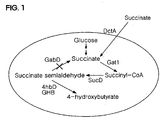
- the gene of the enzyme converting succinate into 4-hydroxybutyrate is selected from the group consisting of a gene encoding succinyl-CoA transferase (Cat1), a gene encoding succinate semialdehyde dehydrogenase (SucD), and a gene encoding 4-hydroxybutyrate dehydrogenase (hbD or GHB).
- Cat1 has a base sequence of SEQ ID NO: 1
- the gene encoding SucD has a base sequence of SEQ ID NO: 2
- the gene encoding 4hbD has a base sequence of SEQ ID NO: 3
- the gene encoding GHB has a base sequence of SEQ ID NO: 4.
- a mutant microorganism according to the present invention may have a gene encoding Cat1, a gene encoding SucD and a gene encoding 4hbD, or a gene encoding Cat1, a gene encoding SucD and a gene encoding GHB, but the present invention is not limited to these examples.
- the mutant microorganism according to the present invention may also have an inactive gene associated with conversion of succinate semialdehyde into succinate, which is preferably a gene encoding succinic GabD.
- the gene encoding GabD has a base sequence of SEQ ID NO: 10, but the present invention is not limited to the sequence.
- C4-dicarboxylate transport protein (DctA) enzyme associated with transport of succinate may be amplified.
- the mutant microorganism may further have a gene encoding Dct4 associated with transport of succinate, which is introduced thereinto or amplified, and a gene encoding Dct4 preferably has a base sequence of SEQ ID NO: 11.
- genes of enzymes converting 4-hydroxybutyrate into 1,4-butanediol are genes encoding phosphotransbutyrylase, butyryl kinase and alcohol dehydrogenase reducing 4-hydroxybutyrate-CoA.
- the gene encoding 4-hydroxybutyrate-CoA transferase may have a base sequence of SEQ ID NO: 5.
- Phosphotransbutyrylase ( ptb ; SEQ ID NO: 6) and butyryl kinase ( BuK ; SEQ ID NO: 7) convert 4-hydroxybutyrate into 4-hydroxybutyrate-CoA.
- the alcohol dehydrogenase may be butyl-CoA dehydrogenase derived from Clostridium acetobutylicum, and the gene encoding butyl-CoA dehydrogenase preferably has a base sequence of SEQ ID NO: 8 or 9 (CAP0035 or CAP0162).
- SEQ. ID. NOs: 8 and 9 are very useful to produce 1, 4-butanediol in the mutant microorganism according to the present invention. Accordingly, the present invention provides a gene encoding butyl-CoA dehydrogenase and a recombinant vector containing the same.
- the term "vector” means a DNA construct containing a DNA sequence operably linked to a control sequence suitable for expressing DNA in a suitable host.
- the vector may comprise a plasmid vector, a bacteriophage vector, a cosmid vector, a Yeast Artificial Chromosome (YAC) vector, and preferably a plasmid vector.
- the plasmid vector may have a constitution comprising (a) a replication origin for effective replication to have several hundreds of copies in one host cell, (b) an antibiotic-resistance gene for selecting a host cell transformed with the plasmid vector, and (c) a restriction enzyme site into which a foreign DNA fragment is capable of being inserted.
- the vector may be easily ligated with the foreign DNA using a synthetic oligonucleotide adaptor or a linker according to a conventional method.
- the present description also discloses a microorganism capable of producing succinate, and preferably, a mutant microorganism exhibiting high production of 1,4-butanediol in which a gene encoding GabD is inactivated, and all of a gene encoding Cat1, a gene encoding SucD, a gene encoding 4hbD (or GHB), a gene encoding 4-hydroxybutyrate-CoA transferase and a gene encoding butyl-CoA dehydrogenase are introduced or amplified.
- the present invention provides a microorganism capable of producing succinate, and preferably, a mutant microorganism exhibiting high production of 1,4-butanediol in which a gene encoding phosphobutyrylase and a gene encoding butyryl kinase, and a gene encoding butyl-CoA dehydrogenase are introduced or amplified, and a method of preparing 1,4-butanediol using the same.
- the present invention further provides a method of preparing 1,4-butanediol comprising culturing the mutant in a medium containing a carbon source, wherein said carbon source is glucose, and obtaining 1,4-butanediol from the culture.
- the present invention provides a microorganism capable of producing succinate in high concentration, and more particularly, a mutant exhibiting high production of 1,4-butanediol that is a chemical having 4 carbon atoms having a wide range of important applications in chemical industry, and a biological method of preparing 1,4-butanediol using the same.
- 1, 4-butanediol uses Rumen bacteria such as mutants Mannheimia sp. LPK (KCTC 10558BP), LPK7 and LPK4, which have an inactive gene derived from a Mannheimia sp. strain and produce succinate in high concentration, E. coli and mutant E. coli W3110GFA, it will be also clearly understood by those skilled in the art that 1,4-butanediol may be produced by yielding a mutant producing succinate in high concentration using another Rumen bacteria strain, and introducing and amplifying a gene associated with producing 1,4-butanediol.
- Rumen bacteria such as mutants Mannheimia sp. LPK (KCTC 10558BP), LPK7 and LPK4, which have an inactive gene derived from a Mannheimia sp. strain and produce succinate in high concentration, E. coli and mutant E. coli W3110GFA
- a medium used herein may be different from a hydrolysate such as whey or corn steep liquor, or various culture methods such as fed-batch culture and continuous culture may be used.
- a microorganism, a Rumen bacterium, exhibiting high production of succinate according to the present invention was prepared by the method disclosed in PCT Publication No. WO 2005/052135 . That is, a mutant strain Mannheimia sp. LPK (KCTC 10558BP) was prepared by inactivating a gene of lactate dehydrogenase ( ldhA ) and a gene of pyruvate-formate lyase ( pfl ) in Mannheimia succiniciproducens 55E, which is one of the Rumen bacteria species, and mutant strains ( Mannheimia sp.
- LPK7 and LPK4 were prepared by inactivating a gene of phosphotransacetylase ( pta ), a gene of acetate kinase ( ackA ) and a gene of phosphopyruvate carboxylase ( ppc ) in the LPK strain.
- pta phosphotransacetylase
- ackA a gene of acetate kinase
- ppc phosphopyruvate carboxylase
- a microorganism, E. coli, exhibiting high production of succinate according to the present invention was prepared by the method disclosed in Korean Patent Publication No. 10-2006-0011345 . That is, a mutant E. coli strain W3110GFA was yielded by inactivating a gene encoding glucose phototransferase ( ptsG ) and two genes encoding pyruvate kinase ( pykA and pykF ) in W3110 strain, which was transformed with a recombinant expression vector pTrcEBG expressing a bacteriophage red operon (exo-beta-gam).
- ptsG glucose phototransferase
- pykA and pykF pyruvate kinase
- the present inventors amplified cat1, sucD and 4hbD genes by polymerase chain reaction (PCR) using oligonucleotide primers synthesized based on a known gene sequence (L21902) in order to clone operons for genes encoding Cat1, SucD and 4hbD derived from Clostridium kluyveri DSM 555.
- the primers used for PCR were as follows.
- expression vector pTacLac4HB1 To construct expression vector pTacLac4HB1, the operon for the amplified cat1, sucD and 4hbD genes were inserted into expression vector pTacLacI, which was cleaved with Sac I/ Xba I .
- the vector pTacLacI was constructed by cleaving vector pTac99A ( Park and Lee, J. Bacteriol. 185, 5391-5397, 2003 ) with Ssp I, and ligating the cleaved vector with pTrc991 (Amersham Pharmacia Biotech), which was also cleaved with Ssp I.
- the vector pTacLacI has the same sequence as pTrc99A, and loses an Nco I restriction enzyme recognition site (restriction site) present in the pTrc99A from Multi Cloning sites (MCS).
- MCS Multi Cloning sites
- a DctA gene was amplified by DNA-PCR using oligonucleotide primers synthesized based on a known gene sequence (NC_000913).
- the primers used for PCR were as follows.
- expression vector p10499DctA To construct expression vector p10499DctA, the amplified DctA gene was cleaved with EcoRI/XbaI and then inserted into expression vector p10499A ( Park et al. (2002) FEMS Microbiol. Lett 214:217-222 ).
- cap0035 and cap0162 genes were amplified by DNA-PCR using oligonucleotide primers synthesized based on a known gene sequence (NC_003030). The primers used for PCR were as follows.
- expression vectors pTacLacCAP35 and pTacLacCAP 162 the amplified cap0035 and cap0162 genes were independently inserted into expression vectors pTacLacI, which were cleaved with Sac I/ Xba I and EcoR I/ Xba I .
- an operon of a Cat2 gene of SEQ ID NO: 5 was amplified by DNA-PCR using oligonucleotide primers synthesized based on the sequence of SEQ ID NO: 5.
- the primers for PCR were as follows.
- operons for ptb and buk genes of SEQ ID NOs: 6 and 7 were amplified by DNA-PCR using oligonucleotide primers synthesized based on the sequences of SEQ ID NOs: 6 and 7.
- the primers used for PCR were as follows.
- operons for the amplified ptb and buk genes were inserted into expression vector pTacLacI, which was cleaved with Eco RI/ Xba I, thereby obtaining pTacLacPtbBuk.
- the vector pTacLacPtbBuk was cleaved with Ssp I to obtain a gene fragment including a tac promoter, the ptb and buk genes and a transcription terminator, and the gene fragment was inserted into vector pBBR1MCS2 ( Kovach et al., Gene. 166:175, 1995 ) which was cleaved with Eco RV, thereby obtaining vector pMCS2TacPtbBuk.
- Vectors pTacCAP162 and pMCS2Tacptbbuk were simultaneously transformed with E. coli XL1-Blue by electroporation and then plated on a LB plate containing 100ug/ml ampicillin and 50ug/ml kinamycin and cultured overnight at 37°C.
- the cultured colony was inoculated into a 15ml tube (Falcon, USA) having 3ml LB liquid medium containing 100ug/ml ampicillin, and grown in a shaking incubator overnight at 200rpm and 37°C.
- the incubated cells were inoculated into a fresh LB liquid medium containing 100ml of 2% glucose and 100ug/ml ampicillin, and then grown in a shaking incubator at 200rpm and 37°C. When OD 600 reached 0.7, IPTG was added at a final concentration of 1mM to induce protein expression and the cells were cultured overnight.
- the culture was centrifuged and the supernatant was removed therefrom. Then, the cell pellet was washed with an MR medium once, resuspended in an MR medium containing 50ml of 2% glucose, and 2% gamma-butyrolactone and 1mM IPTG, and fuzzed using gas mixture of 5% H 2 , 5% CO 2 and N 2 balance for 30 minutes to set up an anaerobic condition.
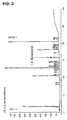
- the culture was grown in a shaking incubator overnight for about 3 days at 200rpm and 37°C, and then centrifuged to obtain a supernatant. The obtained supernatant was concentrated two times, and used as a GC analysis sample for analysis to confirm production of 1,4-butanediol. The analysis was conducted under the following conditions, and the results are shown in FIG. 3 .
Landscapes
- Life Sciences & Earth Sciences (AREA)
- Health & Medical Sciences (AREA)
- Chemical & Material Sciences (AREA)
- Engineering & Computer Science (AREA)
- Genetics & Genomics (AREA)
- Organic Chemistry (AREA)
- Zoology (AREA)
- Wood Science & Technology (AREA)
- Bioinformatics & Cheminformatics (AREA)
- Biotechnology (AREA)
- General Engineering & Computer Science (AREA)
- Biomedical Technology (AREA)
- Microbiology (AREA)
- Biochemistry (AREA)
- General Health & Medical Sciences (AREA)
- Molecular Biology (AREA)
- Plant Pathology (AREA)
- Biophysics (AREA)
- Physics & Mathematics (AREA)
- Medicinal Chemistry (AREA)
- Chemical Kinetics & Catalysis (AREA)
- General Chemical & Material Sciences (AREA)
- Cell Biology (AREA)
- Crystallography & Structural Chemistry (AREA)
- Micro-Organisms Or Cultivation Processes Thereof (AREA)
- Preparation Of Compounds By Using Micro-Organisms (AREA)
Claims (14)
- Mutant, der eine hohe Produktion von 1,4-Butandiol zeigt, der hergestellt ist durch Einführen oder Amplifizieren von Genen, die Enzyme kodieren, die Succinat in 4-Hydroxybutyrat und 4-Hydroxybutyrat in 1,4-Butandiol umwandeln, in einen bzw. einem Mikroorganismus, der zur Produktion von Succinat fähig ist,
wobei der zur Produktion von Succinat fähige Mikroorganismus ein Bakterium ist,
das Gen, das das Enzym kodiert, das Succinat in 4-Hydroxybutyrat umwandelt, ausgewählt ist aus der Gruppe, bestehend aus Genen, die Succinyl-CoA-Transferase, Succinatsemialdehyd-Dehydrogenase, und 4-Hydroxybutyrat-Dehydrogenase kodieren, und
das Gen, das das Enzym kodiert, das 4-Hydroxybutyrat in 1,4-Butandiol umwandelt, ein Gen, das Phosphotransbutyrylase kodiert, ein Gen, das Butyryl-Kinase kodiert, und ein Gen, das Alkohol-Dehydrogenase kodiert, die 4-Hydroxybutyrat-CoA reduziert, ist. - Mutant nach Anspruch 1, wobei das Bakterium ausgewählt ist aus der Gruppe, bestehend aus Rumen-Bakterien, Corynebacterium-Spezies, Brevibacterium-Spezies und E. coli.
- Mutant nach Anspruch 2, wobei die Rumen-Bakterien inaktive Gene aufweisen, die (i) Laktat-Dehydrogenase (ldhA) und Pyruvat-Formiat-Lyase (pfl); ii) Laktat-Dehydrogenase (ldhA), Pyruvat-Formiat-Lyase (Pfl), Phosphotransacetylase (pta) und Acetat-Kinase (ackA); oder (iii) Laktat-Dehydrogenase (ldhA), Pyruvat-Formiat-Lyase (Pfl) und Phosphopyruvat-Carboxylase (PPc) kodieren, und Succinat in hoher Konzentration ohne wesentliche Produktion anderer organischer Säuren in einem anaeroben Zustand produzieren.
- Mutant nach Anspruch 2 oder 3, wobei die Rumen-Bakterien ausgewählt sind aus der Gruppe, bestehend aus Mannheimia-Spezies, Actinobacillus-Spezies und Anaerobiospirillum-Spezies.
- Mutant nach Anspruch 4, wobei die Rumen-Bakterien ausgewählt sind aus der Gruppe, bestehend aus Mannheimia succiniciproducens MBEL55E (KCTC 0769BP), und Mannheimia-Spezies LPK (KCTC 10558BP), LPK4 und LPK7 (KCTC 10626BP).
- Mutant nach Anspruch 2, wobei das E. coli inaktive Gene aufweist, die Glukose-Phosphotransferase (ptsG) und Pyruvat-Kinase (pykA und pykF) kodieren, und Succinat in hoher Konzentration ohne wesentliche Produktion anderer organischer Säuren in einem anaeroben Zustand produziert.
- Mutant nach Anspruch 6, wobei der E. coli-Mutant W3110GFA ist.
- Mutant nach Anspruch 1, wobei das Gen, das das Enzym kodiert, das Succinat in 4-Hydroxybutyrat umwandelt, gewonnen ist aus Clostridium kluyveri.
- Mutant nach Anspruch 1, wobei das Gen, das das Enzym kodiert, das 4-Hydroxybutyrat in 1,4-Butandiol umwandelt, gewonnen ist aus Clostridium acetobutylicum.
- Mutant nach Anspruch 1, wobei die Alkohol-Deyhydrogenase Butyl-CoA-Dehydrogenase ist, die aus Clostridium acetobutylicum gewonnen ist.
- Mutant nach Anspruch 1, wobei der Mutant ein inaktives Gen aufweist, das mit der Umwandlung von Succinatsemialdehyd in Succinat zusammenhängt.
- Mutant nach Anspruch 11, wobei das Gen, das mit der Umwandlung von Succinatsemialdehyd in Succinat zusammenhängt, ein Gen ist, das Bernsteinsäuresemialdehyd-Dehydrogenase kodiert.
- Mutant nach Anspruch 1, wobei ein Gen, das C4-Dicarboxylat-transport-Protein (DctA) kodiert, das mit dem Transport von Succinat zusammenhängt, weiter in den Mutanten eingeführt oder darin amplifiziert wird.
- Verfahren zur Herstellung von 1,4-Butandiol, welches umfasst:Kultivieren des Mutanten nach einem der Ansprüche 1 bis 13 in einem Medium, das Glucose enthält; undGewinnen von 1,4-Butandiol aus dem Medium.
Applications Claiming Priority (2)
| Application Number | Priority Date | Filing Date | Title |
|---|---|---|---|
| KR1020070091081A KR101042242B1 (ko) | 2007-09-07 | 2007-09-07 | 1,4-부탄디올 생성능을 가지는 변이체 및 이를 이용한1,4-부탄디올의 제조방법 |
| PCT/KR2008/004700 WO2009031766A2 (en) | 2007-09-07 | 2008-08-13 | Mutants having capability to produce 1,4-butanediol and method for preparing 1,4-butanediol using the same |
Publications (4)
| Publication Number | Publication Date |
|---|---|
| EP2201115A2 EP2201115A2 (de) | 2010-06-30 |
| EP2201115A4 EP2201115A4 (de) | 2010-09-22 |
| EP2201115B1 EP2201115B1 (de) | 2012-10-24 |
| EP2201115B2 true EP2201115B2 (de) | 2016-07-20 |
Family
ID=40429511
Family Applications (1)
| Application Number | Title | Priority Date | Filing Date |
|---|---|---|---|
| EP08793214.1A Active EP2201115B2 (de) | 2007-09-07 | 2008-08-13 | Mutanten mit fähigkeit zur produktion von 1,4-butandiol und verfahren zur herstellung von 1,4-butandiol unter verwendung davon |
Country Status (8)
| Country | Link |
|---|---|
| US (2) | US9096860B2 (de) |
| EP (1) | EP2201115B2 (de) |
| KR (1) | KR101042242B1 (de) |
| CN (1) | CN101883853B (de) |
| AU (1) | AU2008295788B2 (de) |
| DK (1) | DK2201115T4 (de) |
| ES (1) | ES2396179T5 (de) |
| WO (1) | WO2009031766A2 (de) |
Families Citing this family (42)
| Publication number | Priority date | Publication date | Assignee | Title |
|---|---|---|---|---|
| TWI568847B (zh) * | 2007-03-16 | 2017-02-01 | 奇諾麥提卡公司 | 用於1,4-丁二醇及其前驅物之生物合成的組合物及方法 |
| US7947483B2 (en) * | 2007-08-10 | 2011-05-24 | Genomatica, Inc. | Methods and organisms for the growth-coupled production of 1,4-butanediol |
| US7803589B2 (en) | 2008-01-22 | 2010-09-28 | Genomatica, Inc. | Methods and organisms for utilizing synthesis gas or other gaseous carbon sources and methanol |
| SI2262901T1 (sl) | 2008-03-05 | 2019-02-28 | Genomatica, Inc. | Primarni alkohol producirajoči organizmi |
| CA2735883C (en) | 2008-09-10 | 2020-05-05 | Genomatica, Inc. | Microorganisms for the production of 1,4-butanediol |
| KR102115497B1 (ko) | 2009-04-30 | 2020-05-26 | 게노마티카 인코포레이티드 | 1,3-부탄다이올 생산 유기체 |
| AU2010242849A1 (en) | 2009-04-30 | 2011-11-24 | Genomatica, Inc. | Organisms for the production of isopropanol, n-butanol, and isobutanol |
| US8129169B2 (en) | 2009-06-04 | 2012-03-06 | Genomatica, Inc. | Microorganisms for the production of 1,4-butanediol and related methods |
| KR20180042467A (ko) | 2009-06-04 | 2018-04-25 | 게노마티카 인코포레이티드 | 발효액 성분들의 분리 방법 |
| WO2011017560A1 (en) | 2009-08-05 | 2011-02-10 | Genomatica, Inc. | Semi-synthetic terephthalic acid via microorganisms that produce muconic acid |
| EP2475775A4 (de) * | 2009-09-09 | 2013-03-20 | Genomatica Inc | Mikroorganismen und verfahren zur gleichzeitigen herstellung von isopropanol und primären alkoholen, diolen und säuren |
| KR20120088753A (ko) | 2009-10-23 | 2012-08-08 | 게노마티카 인코포레이티드 | 아닐린의 제조를 위한 미생물 |
| WO2011066076A1 (en) | 2009-11-25 | 2011-06-03 | Genomatica, Inc. | Microorganisms and methods for the coproduction of 1,4-butanediol and gamma-butyrolactone |
| CA2783096A1 (en) | 2009-12-10 | 2011-06-16 | Genomatica, Inc. | Methods and organisms for converting synthesis gas or other gaseous carbon sources and methanol to 1,3-butanediol |
| BR112012018620A2 (pt) | 2010-01-29 | 2015-09-15 | Genomatica Inc | organismo microbiano de ocorrência não-natural, método para produzir (2-hidroxi-3-metil-4-oxobutoxi) fosfonato, método para produção de p-toluato, método para produzir tereftalato |
| CN102781901B (zh) | 2010-02-11 | 2016-08-03 | 梅塔玻利克斯公司 | 用于从经遗传修饰的聚羟基链烷酸酯生物质制备单体组分的方法 |
| US9023636B2 (en) | 2010-04-30 | 2015-05-05 | Genomatica, Inc. | Microorganisms and methods for the biosynthesis of propylene |
| SG187174A1 (en) | 2010-07-26 | 2013-02-28 | Genomatica Inc | Microorganisms and methods for the biosynthesis of aromatics, 2,4-pentadienoate and 1,3-butadiene |
| CN102191237A (zh) * | 2011-03-25 | 2011-09-21 | 福建省麦丹生物集团有限公司 | 一种增强l-苯丙氨酸合成代谢途径的方法 |
| WO2012170793A1 (en) | 2011-06-08 | 2012-12-13 | Metabolix, Inc. | Biorefinery process for thf production |
| WO2012172050A1 (en) * | 2011-06-15 | 2012-12-20 | B.R.A.I.N. Biotechnology Research And Information Network Ag | New means and methods for producing propanediol |
| WO2012177943A1 (en) * | 2011-06-22 | 2012-12-27 | Genomatica, Inc. | Microorganisms for producing 1,4-butanediol and methods related thereto |
| US20140170714A1 (en) | 2011-08-10 | 2014-06-19 | Metabolix, Inc. | Post process purification for gamma-butyrolactone production |
| KR101587618B1 (ko) * | 2011-12-07 | 2016-01-22 | 한국과학기술원 | 4-하이드록시부티릭산 고생성능을 가지는 변이 미생물 및 이를 이용한 4-하이드록시부티릭산의 제조방법 |
| KR20130094115A (ko) * | 2012-02-15 | 2013-08-23 | 삼성전자주식회사 | 1,4-부탄디올의 생산을 위한 변형 미생물 |
| SI2855687T1 (sl) | 2012-06-04 | 2020-09-30 | Genomatica, Inc. | Mikroorganizmi in metode za proizvodnjo 4-hidroksibutirat, 1,4-butandiola in sorodne spojine |
| KR20140014648A (ko) | 2012-07-25 | 2014-02-06 | 삼성전자주식회사 | 1,4-부탄디올의 고효율 생산을 위한 변형 미생물 |
| KR102023618B1 (ko) | 2012-07-27 | 2019-09-20 | 삼성전자주식회사 | 1,4-bdo 생성능이 개선된 변이 미생물 및 이를 이용한 1,4-bdo의 제조방법 |
| US9657316B2 (en) | 2012-08-27 | 2017-05-23 | Genomatica, Inc. | Microorganisms and methods for enhancing the availability of reducing equivalents in the presence of methanol, and for producing 1,4-butanediol related thereto |
| US9932611B2 (en) | 2012-10-22 | 2018-04-03 | Genomatica, Inc. | Microorganisms and methods for enhancing the availability of reducing equivalents in the presence of methanol, and for producing succinate related thereto |
| EP3862421A1 (de) | 2012-12-17 | 2021-08-11 | Genomatica, Inc. | Mikroorganismen und verfahren zur erhöhung der verfügbarkeit von reduzierungsäquivalenten in gegenwart von methanol und zur herstellung von adipat, 6-aminocaproat, hexamethylendiamin oder caprolactam |
| CN105209414B (zh) | 2013-03-15 | 2018-04-17 | 基因组股份公司 | 用于从发酵肉汤中获得1,4‑丁二醇的方法和系统 |
| KR101581504B1 (ko) | 2013-03-18 | 2015-12-31 | 지에스칼텍스 주식회사 | 2,3-부탄디올의 생성능이 증강된 재조합 미생물 및 이를 이용한 2,3-부탄디올의 생산 방법 |
| EP2818551B1 (de) * | 2013-06-28 | 2017-04-05 | Samsung Electronics Co., Ltd | Corynebakterium, in dem die für Koenzym A unabhängige Succinat-Semialdehyddehydrogenease und L-Laktat Dehydrogenase kodierenden Gene attenuiert sind und ein Verfahren zur Herstellung von C4-Verbindungen, z.B. 4-Hydroxybutyrat |
| KR102097065B1 (ko) | 2013-08-23 | 2020-04-03 | 삼성전자주식회사 | 4-히드록시부티레이트 생산 균주 및 이를 이용한 4-히드록시부티레이트의 혐기적 생산 방법 |
| KR101748930B1 (ko) * | 2015-02-09 | 2017-06-20 | 지에스칼텍스 주식회사 | 다이올 생산용 재조합 미생물 |
| CN104926930B (zh) * | 2015-06-30 | 2018-02-06 | 西南大学 | 出芽短梗霉二羧酸转运蛋白及其重组载体和应用 |
| JP6905518B2 (ja) * | 2015-10-13 | 2021-07-21 | ランザテク・ニュージーランド・リミテッド | エネルギー発生発酵経路を含む遺伝子操作細菌 |
| CN105647953A (zh) * | 2016-03-18 | 2016-06-08 | 黑龙江大学 | 高产2,3-丁二醇的产酸克雷伯氏基因工程菌株的构建方法及其发酵方法 |
| CN112877269B (zh) | 2020-01-15 | 2021-12-24 | 中国科学院天津工业生物技术研究所 | 生产赖氨酸的微生物以及赖氨酸的生产方法 |
| CN117980472A (zh) * | 2021-08-31 | 2024-05-03 | 基因组股份公司 | 甲酸脱氢酶变体和使用方法 |
| CN117736950A (zh) * | 2023-11-06 | 2024-03-22 | 清华大学 | 生产4-羟基丁酸或1,4-丁二醇的重组微生物及其构建方法与应用 |
Family Cites Families (9)
| Publication number | Priority date | Publication date | Assignee | Title |
|---|---|---|---|---|
| EP0977865A1 (de) * | 1997-02-13 | 2000-02-09 | James Madison University | Verfahren zur herstellung von 4-hydroxybutyrat monomereinheiten enthaltenden polyhydroxyalkanoaten |
| GB0219062D0 (en) * | 2002-08-15 | 2002-09-25 | Rockwool Int | Method and environment for growing plants |
| WO2005052135A1 (en) * | 2003-11-27 | 2005-06-09 | Korea Advanced Institute Of Science And Technology | Novel rumen bacteria variants and process for preparing succinic acid employing the same |
| KR100630819B1 (ko) * | 2004-04-23 | 2006-10-02 | 한국과학기술원 | 신규 루멘 박테리아 변이균주 및 이를 이용한 숙신산의제조방법 |
| GB0409704D0 (en) * | 2004-04-30 | 2004-06-02 | Nokia Corp | A method for verifying a first identity and a second identity of an entity |
| KR20060001134A (ko) * | 2004-06-30 | 2006-01-06 | 삼성전기주식회사 | 고주파 id 리더간 통신 기능을 갖는 고주파 id 리더 |
| KR100656590B1 (ko) | 2004-07-30 | 2006-12-11 | 한국과학기술원 | 박테리아 변이균주 및 이를 이용한 숙신산 및 아미노산의제조방법 |
| KR20070096348A (ko) | 2006-03-23 | 2007-10-02 | 주식회사 엘지화학 | 1,4―butanediol〔1,4―BDO〕생성능을가지는 변이체 및 이를 이용한 1,4―BDO의 제조방법 |
| US7947483B2 (en) * | 2007-08-10 | 2011-05-24 | Genomatica, Inc. | Methods and organisms for the growth-coupled production of 1,4-butanediol |
-
2007
- 2007-09-07 KR KR1020070091081A patent/KR101042242B1/ko active Active
-
2008
- 2008-08-13 EP EP08793214.1A patent/EP2201115B2/de active Active
- 2008-08-13 CN CN2008801059842A patent/CN101883853B/zh active Active
- 2008-08-13 DK DK08793214.1T patent/DK2201115T4/en active
- 2008-08-13 WO PCT/KR2008/004700 patent/WO2009031766A2/en not_active Ceased
- 2008-08-13 AU AU2008295788A patent/AU2008295788B2/en active Active
- 2008-08-13 ES ES08793214.1T patent/ES2396179T5/es active Active
- 2008-08-13 US US12/676,840 patent/US9096860B2/en active Active
-
2015
- 2015-07-17 US US14/802,681 patent/US9920325B2/en active Active
Also Published As
| Publication number | Publication date |
|---|---|
| CN101883853B (zh) | 2013-12-25 |
| AU2008295788B2 (en) | 2013-01-17 |
| WO2009031766A3 (en) | 2009-04-30 |
| KR20090025902A (ko) | 2009-03-11 |
| ES2396179T5 (es) | 2017-02-01 |
| DK2201115T3 (da) | 2013-02-11 |
| US9096860B2 (en) | 2015-08-04 |
| EP2201115B1 (de) | 2012-10-24 |
| US20150353964A1 (en) | 2015-12-10 |
| ES2396179T3 (es) | 2013-02-19 |
| CN101883853A (zh) | 2010-11-10 |
| EP2201115A2 (de) | 2010-06-30 |
| US20100330634A1 (en) | 2010-12-30 |
| DK2201115T4 (en) | 2016-11-07 |
| WO2009031766A2 (en) | 2009-03-12 |
| EP2201115A4 (de) | 2010-09-22 |
| AU2008295788A1 (en) | 2009-03-12 |
| US9920325B2 (en) | 2018-03-20 |
| KR101042242B1 (ko) | 2011-06-17 |
Similar Documents
| Publication | Publication Date | Title |
|---|---|---|
| EP2201115B1 (de) | Mutanten mit fähigkeit zur produktion von 1,4-butandiol und verfahren zur herstellung von 1,4-butandiol unter verwendung davon | |
| KR100679638B1 (ko) | 포메이트 디하이드로게나제 d 또는 e를 코딩하는 유전자로 형질전환된 미생물 및 이를 이용한 숙신산의 제조방법 | |
| KR100676160B1 (ko) | 말릭효소를 코딩하는 유전자로 형질전환된 재조합 미생물 및 이를 이용한 숙신산의 제조방법 | |
| CN102317437B (zh) | 用于制备聚(5-羟基戊酸)和5碳化合物的绿色工艺和组合物 | |
| US8962272B2 (en) | Engineered bacteria produce succinate from sucrose | |
| CN106062178B (zh) | 具有增加的碳通量效率的方法和生物 | |
| KR20070096348A (ko) | 1,4―butanediol〔1,4―BDO〕생성능을가지는 변이체 및 이를 이용한 1,4―BDO의 제조방법 | |
| SG192706A1 (en) | Cells and methods for producing isobutyric acid | |
| CN113481217A (zh) | 用于精细化学品的改进生产的重组微生物 | |
| US12031123B2 (en) | Recombinant bacterial cells and methods for producing poly(3-hydroxybutyrate-co-3-hydroxyvalerate) | |
| KR101587618B1 (ko) | 4-하이드록시부티릭산 고생성능을 가지는 변이 미생물 및 이를 이용한 4-하이드록시부티릭산의 제조방법 | |
| KR100727054B1 (ko) | 푸마레이트 하이드라타제 c를 코딩하는 유전자로 형질전환된 재조합 미생물 및 이를 이용한 숙신산의 제조방법 | |
| CN101679963A (zh) | 用于产生3-羧基黏康酸内酯的基因被破坏的菌株、重组质粒、转化体和方法 | |
| CN109153998A (zh) | 能够从木糖生产聚(乳酸-共-乙醇酸)或其共聚物的重组微生物以及使用其制备聚(乳酸-共-乙醇酸)或其共聚物的方法 | |
| US9447439B2 (en) | Microorganism producing 4-hydroxybutyrate and a method for producing 4-hydroxybutyrate in anaerobic condition using the same | |
| RU2466186C2 (ru) | БАКТЕРИЯ Escherichia coli - ПРОДУЦЕНТ ЯНТАРНОЙ КИСЛОТЫ И СПОСОБ ПОЛУЧЕНИЯ ЯНТАРНОЙ КИСЛОТЫ | |
| KR102682476B1 (ko) | 이타콘산을 생산하는 신규 대사 경로 및 이를 이용한 이타콘산의 생산 방법 | |
| KR100957772B1 (ko) | 4―hydroxybutyrate(4HB)생성능을가지는 변이체 및 이를 이용한 4HB의 제조방법 | |
| KR20150025482A (ko) | 피루베이트 데히드로게나제 변이체를 포함하는 미생물 및 이를 이용한 c4 화합물의 생산 방법 | |
| RU2573936C1 (ru) | Штамм бактерий escherichia coli - продуцент фумаровой кислоты и способ получения фумаровой кислоты с использованием этого штамма | |
| EP4698672A2 (de) | Verfahren und mikroorganismen zur herstellung eines produkts unter verwendung von ethanol als kohlenstoffquelle | |
| RU2603004C1 (ru) | Штамм бактерий escherichia coli - продуцент янтарной кислоты (варианты) и способ получения янтарной кислоты с использованием этого штамма | |
| JP2006246701A (ja) | 中央代謝系の酵素活性が増強された酢酸菌、及び該酢酸菌を用いた食酢の製造方法 |
Legal Events
| Date | Code | Title | Description |
|---|---|---|---|
| PUAI | Public reference made under article 153(3) epc to a published international application that has entered the european phase |
Free format text: ORIGINAL CODE: 0009012 |
|
| 17P | Request for examination filed |
Effective date: 20100407 |
|
| AK | Designated contracting states |
Kind code of ref document: A2 Designated state(s): AT BE BG CH CY CZ DE DK EE ES FI FR GB GR HR HU IE IS IT LI LT LU LV MC MT NL NO PL PT RO SE SI SK TR |
|
| AX | Request for extension of the european patent |
Extension state: AL BA MK RS |
|
| A4 | Supplementary search report drawn up and despatched |
Effective date: 20100823 |
|
| 17Q | First examination report despatched |
Effective date: 20110825 |
|
| GRAP | Despatch of communication of intention to grant a patent |
Free format text: ORIGINAL CODE: EPIDOSNIGR1 |
|
| DAX | Request for extension of the european patent (deleted) | ||
| GRAS | Grant fee paid |
Free format text: ORIGINAL CODE: EPIDOSNIGR3 |
|
| GRAA | (expected) grant |
Free format text: ORIGINAL CODE: 0009210 |
|
| AK | Designated contracting states |
Kind code of ref document: B1 Designated state(s): AT BE BG CH CY CZ DE DK EE ES FI FR GB GR HR HU IE IS IT LI LT LU LV MC MT NL NO PL PT RO SE SI SK TR |
|
| REG | Reference to a national code |
Ref country code: GB Ref legal event code: FG4D |
|
| REG | Reference to a national code |
Ref country code: CH Ref legal event code: EP |
|
| REG | Reference to a national code |
Ref country code: AT Ref legal event code: REF Ref document number: 581002 Country of ref document: AT Kind code of ref document: T Effective date: 20121115 |
|
| REG | Reference to a national code |
Ref country code: IE Ref legal event code: FG4D |
|
| REG | Reference to a national code |
Ref country code: DE Ref legal event code: R096 Ref document number: 602008019648 Country of ref document: DE Effective date: 20121227 |
|
| REG | Reference to a national code |
Ref country code: NL Ref legal event code: T3 |
|
| REG | Reference to a national code |
Ref country code: DK Ref legal event code: T3 |
|
| REG | Reference to a national code |
Ref country code: ES Ref legal event code: FG2A Ref document number: 2396179 Country of ref document: ES Kind code of ref document: T3 Effective date: 20130219 |
|
| REG | Reference to a national code |
Ref country code: AT Ref legal event code: MK05 Ref document number: 581002 Country of ref document: AT Kind code of ref document: T Effective date: 20121024 |
|
| PG25 | Lapsed in a contracting state [announced via postgrant information from national office to epo] |
Ref country code: FI Free format text: LAPSE BECAUSE OF FAILURE TO SUBMIT A TRANSLATION OF THE DESCRIPTION OR TO PAY THE FEE WITHIN THE PRESCRIBED TIME-LIMIT Effective date: 20121024 Ref country code: HR Free format text: LAPSE BECAUSE OF FAILURE TO SUBMIT A TRANSLATION OF THE DESCRIPTION OR TO PAY THE FEE WITHIN THE PRESCRIBED TIME-LIMIT Effective date: 20121024 Ref country code: SE Free format text: LAPSE BECAUSE OF FAILURE TO SUBMIT A TRANSLATION OF THE DESCRIPTION OR TO PAY THE FEE WITHIN THE PRESCRIBED TIME-LIMIT Effective date: 20121024 Ref country code: NO Free format text: LAPSE BECAUSE OF FAILURE TO SUBMIT A TRANSLATION OF THE DESCRIPTION OR TO PAY THE FEE WITHIN THE PRESCRIBED TIME-LIMIT Effective date: 20130124 Ref country code: IS Free format text: LAPSE BECAUSE OF FAILURE TO SUBMIT A TRANSLATION OF THE DESCRIPTION OR TO PAY THE FEE WITHIN THE PRESCRIBED TIME-LIMIT Effective date: 20130224 |
|
| PG25 | Lapsed in a contracting state [announced via postgrant information from national office to epo] |
Ref country code: PL Free format text: LAPSE BECAUSE OF FAILURE TO SUBMIT A TRANSLATION OF THE DESCRIPTION OR TO PAY THE FEE WITHIN THE PRESCRIBED TIME-LIMIT Effective date: 20121024 Ref country code: GR Free format text: LAPSE BECAUSE OF FAILURE TO SUBMIT A TRANSLATION OF THE DESCRIPTION OR TO PAY THE FEE WITHIN THE PRESCRIBED TIME-LIMIT Effective date: 20130125 Ref country code: BE Free format text: LAPSE BECAUSE OF FAILURE TO SUBMIT A TRANSLATION OF THE DESCRIPTION OR TO PAY THE FEE WITHIN THE PRESCRIBED TIME-LIMIT Effective date: 20121024 Ref country code: LV Free format text: LAPSE BECAUSE OF FAILURE TO SUBMIT A TRANSLATION OF THE DESCRIPTION OR TO PAY THE FEE WITHIN THE PRESCRIBED TIME-LIMIT Effective date: 20121024 Ref country code: SI Free format text: LAPSE BECAUSE OF FAILURE TO SUBMIT A TRANSLATION OF THE DESCRIPTION OR TO PAY THE FEE WITHIN THE PRESCRIBED TIME-LIMIT Effective date: 20121024 Ref country code: PT Free format text: LAPSE BECAUSE OF FAILURE TO SUBMIT A TRANSLATION OF THE DESCRIPTION OR TO PAY THE FEE WITHIN THE PRESCRIBED TIME-LIMIT Effective date: 20130225 |
|
| PG25 | Lapsed in a contracting state [announced via postgrant information from national office to epo] |
Ref country code: AT Free format text: LAPSE BECAUSE OF FAILURE TO SUBMIT A TRANSLATION OF THE DESCRIPTION OR TO PAY THE FEE WITHIN THE PRESCRIBED TIME-LIMIT Effective date: 20121024 |
|
| PG25 | Lapsed in a contracting state [announced via postgrant information from national office to epo] |
Ref country code: CZ Free format text: LAPSE BECAUSE OF FAILURE TO SUBMIT A TRANSLATION OF THE DESCRIPTION OR TO PAY THE FEE WITHIN THE PRESCRIBED TIME-LIMIT Effective date: 20121024 Ref country code: BG Free format text: LAPSE BECAUSE OF FAILURE TO SUBMIT A TRANSLATION OF THE DESCRIPTION OR TO PAY THE FEE WITHIN THE PRESCRIBED TIME-LIMIT Effective date: 20130124 Ref country code: SK Free format text: LAPSE BECAUSE OF FAILURE TO SUBMIT A TRANSLATION OF THE DESCRIPTION OR TO PAY THE FEE WITHIN THE PRESCRIBED TIME-LIMIT Effective date: 20121024 Ref country code: EE Free format text: LAPSE BECAUSE OF FAILURE TO SUBMIT A TRANSLATION OF THE DESCRIPTION OR TO PAY THE FEE WITHIN THE PRESCRIBED TIME-LIMIT Effective date: 20121024 |
|
| PLBI | Opposition filed |
Free format text: ORIGINAL CODE: 0009260 |
|
| PG25 | Lapsed in a contracting state [announced via postgrant information from national office to epo] |
Ref country code: RO Free format text: LAPSE BECAUSE OF FAILURE TO SUBMIT A TRANSLATION OF THE DESCRIPTION OR TO PAY THE FEE WITHIN THE PRESCRIBED TIME-LIMIT Effective date: 20121024 Ref country code: IT Free format text: LAPSE BECAUSE OF FAILURE TO SUBMIT A TRANSLATION OF THE DESCRIPTION OR TO PAY THE FEE WITHIN THE PRESCRIBED TIME-LIMIT Effective date: 20121024 |
|
| PLAX | Notice of opposition and request to file observation + time limit sent |
Free format text: ORIGINAL CODE: EPIDOSNOBS2 |
|
| 26 | Opposition filed |
Opponent name: GENOMATICA, INC. Effective date: 20130724 |
|
| PLAB | Opposition data, opponent's data or that of the opponent's representative modified |
Free format text: ORIGINAL CODE: 0009299OPPO |
|
| REG | Reference to a national code |
Ref country code: DE Ref legal event code: R026 Ref document number: 602008019648 Country of ref document: DE Effective date: 20130724 |
|
| R26 | Opposition filed (corrected) |
Opponent name: GENOMATICA, INC. Effective date: 20130724 |
|
| PG25 | Lapsed in a contracting state [announced via postgrant information from national office to epo] |
Ref country code: CY Free format text: LAPSE BECAUSE OF FAILURE TO SUBMIT A TRANSLATION OF THE DESCRIPTION OR TO PAY THE FEE WITHIN THE PRESCRIBED TIME-LIMIT Effective date: 20121024 |
|
| PLAF | Information modified related to communication of a notice of opposition and request to file observations + time limit |
Free format text: ORIGINAL CODE: EPIDOSCOBS2 |
|
| PLBB | Reply of patent proprietor to notice(s) of opposition received |
Free format text: ORIGINAL CODE: EPIDOSNOBS3 |
|
| REG | Reference to a national code |
Ref country code: CH Ref legal event code: PL |
|
| PG25 | Lapsed in a contracting state [announced via postgrant information from national office to epo] |
Ref country code: LI Free format text: LAPSE BECAUSE OF NON-PAYMENT OF DUE FEES Effective date: 20130831 Ref country code: CH Free format text: LAPSE BECAUSE OF NON-PAYMENT OF DUE FEES Effective date: 20130831 Ref country code: MC Free format text: LAPSE BECAUSE OF FAILURE TO SUBMIT A TRANSLATION OF THE DESCRIPTION OR TO PAY THE FEE WITHIN THE PRESCRIBED TIME-LIMIT Effective date: 20121024 |
|
| REG | Reference to a national code |
Ref country code: IE Ref legal event code: MM4A |
|
| PG25 | Lapsed in a contracting state [announced via postgrant information from national office to epo] |
Ref country code: LT Free format text: LAPSE BECAUSE OF FAILURE TO SUBMIT A TRANSLATION OF THE DESCRIPTION OR TO PAY THE FEE WITHIN THE PRESCRIBED TIME-LIMIT Effective date: 20121024 Ref country code: IE Free format text: LAPSE BECAUSE OF NON-PAYMENT OF DUE FEES Effective date: 20130813 |
|
| REG | Reference to a national code |
Ref country code: FR Ref legal event code: PLFP Year of fee payment: 8 |
|
| PG25 | Lapsed in a contracting state [announced via postgrant information from national office to epo] |
Ref country code: TR Free format text: LAPSE BECAUSE OF FAILURE TO SUBMIT A TRANSLATION OF THE DESCRIPTION OR TO PAY THE FEE WITHIN THE PRESCRIBED TIME-LIMIT Effective date: 20121024 Ref country code: MT Free format text: LAPSE BECAUSE OF FAILURE TO SUBMIT A TRANSLATION OF THE DESCRIPTION OR TO PAY THE FEE WITHIN THE PRESCRIBED TIME-LIMIT Effective date: 20121024 |
|
| PG25 | Lapsed in a contracting state [announced via postgrant information from national office to epo] |
Ref country code: HU Free format text: LAPSE BECAUSE OF FAILURE TO SUBMIT A TRANSLATION OF THE DESCRIPTION OR TO PAY THE FEE WITHIN THE PRESCRIBED TIME-LIMIT; INVALID AB INITIO Effective date: 20080813 Ref country code: LU Free format text: LAPSE BECAUSE OF NON-PAYMENT OF DUE FEES Effective date: 20130813 |
|
| PUAH | Patent maintained in amended form |
Free format text: ORIGINAL CODE: 0009272 |
|
| STAA | Information on the status of an ep patent application or granted ep patent |
Free format text: STATUS: PATENT MAINTAINED AS AMENDED |
|
| 27A | Patent maintained in amended form |
Effective date: 20160720 |
|
| AK | Designated contracting states |
Kind code of ref document: B2 Designated state(s): AT BE BG CH CY CZ DE DK EE ES FI FR GB GR HR HU IE IS IT LI LT LU LV MC MT NL NO PL PT RO SE SI SK TR |
|
| REG | Reference to a national code |
Ref country code: DE Ref legal event code: R102 Ref document number: 602008019648 Country of ref document: DE |
|
| REG | Reference to a national code |
Ref country code: FR Ref legal event code: PLFP Year of fee payment: 9 |
|
| REG | Reference to a national code |
Ref country code: NL Ref legal event code: FP |
|
| REG | Reference to a national code |
Ref country code: DK Ref legal event code: T4 Effective date: 20161031 |
|
| REG | Reference to a national code |
Ref country code: ES Ref legal event code: DC2A Ref document number: 2396179 Country of ref document: ES Kind code of ref document: T5 Effective date: 20170201 |
|
| REG | Reference to a national code |
Ref country code: FR Ref legal event code: PLFP Year of fee payment: 10 |
|
| REG | Reference to a national code |
Ref country code: FR Ref legal event code: PLFP Year of fee payment: 11 |
|
| P01 | Opt-out of the competence of the unified patent court (upc) registered |
Effective date: 20230524 |
|
| PGFP | Annual fee paid to national office [announced via postgrant information from national office to epo] |
Ref country code: NL Payment date: 20250722 Year of fee payment: 18 |
|
| PGFP | Annual fee paid to national office [announced via postgrant information from national office to epo] |
Ref country code: ES Payment date: 20250911 Year of fee payment: 18 |
|
| PGFP | Annual fee paid to national office [announced via postgrant information from national office to epo] |
Ref country code: DK Payment date: 20250724 Year of fee payment: 18 Ref country code: DE Payment date: 20250721 Year of fee payment: 18 |
|
| PGFP | Annual fee paid to national office [announced via postgrant information from national office to epo] |
Ref country code: GB Payment date: 20250722 Year of fee payment: 18 |
|
| PGFP | Annual fee paid to national office [announced via postgrant information from national office to epo] |
Ref country code: FR Payment date: 20250725 Year of fee payment: 18 |