EP1529092B1 - Gasodorierung mit ketonen - Google Patents
Gasodorierung mit ketonen Download PDFInfo
- Publication number
- EP1529092B1 EP1529092B1 EP03784160A EP03784160A EP1529092B1 EP 1529092 B1 EP1529092 B1 EP 1529092B1 EP 03784160 A EP03784160 A EP 03784160A EP 03784160 A EP03784160 A EP 03784160A EP 1529092 B1 EP1529092 B1 EP 1529092B1
- Authority
- EP
- European Patent Office
- Prior art keywords
- acrylate
- alkyl
- methacrylate
- methyl
- carbon atoms
- Prior art date
- Legal status (The legal status is an assumption and is not a legal conclusion. Google has not performed a legal analysis and makes no representation as to the accuracy of the status listed.)
- Expired - Lifetime
Links
- 0 CC(CC1)CC(N)=C(*)C1=O Chemical compound CC(CC1)CC(N)=C(*)C1=O 0.000 description 4
Classifications
-
- C—CHEMISTRY; METALLURGY
- C10—PETROLEUM, GAS OR COKE INDUSTRIES; TECHNICAL GASES CONTAINING CARBON MONOXIDE; FUELS; LUBRICANTS; PEAT
- C10L—FUELS NOT OTHERWISE PROVIDED FOR; NATURAL GAS; SYNTHETIC NATURAL GAS OBTAINED BY PROCESSES NOT COVERED BY SUBCLASSES C10G OR C10K; LIQUIFIED PETROLEUM GAS; USE OF ADDITIVES TO FUELS OR FIRES; FIRE-LIGHTERS
- C10L3/00—Gaseous fuels; Natural gas; Synthetic natural gas obtained by processes not covered by subclass C10G, C10K; Liquefied petroleum gas
- C10L3/003—Additives for gaseous fuels
- C10L3/006—Additives for gaseous fuels detectable by the senses
Definitions
- the present invention relates to the use of mixtures containing alkyl acrylates and / or alkyl methacrylates and acyclic or cyclic ketones for the odorization of natural gas, a process for the odorization of natural gas and natural gas containing these mixtures.
- the city and coke oven gas previously used for public gas supply contained intensely smelling components and therefore had a strong odor, so that escaping gas could be easily perceived.
- Gas odorization means the addition of odor-intensive substances acting as warning or alarm substances (odorizing agents) to otherwise odorless gases.
- Natural gas consists mainly of methane (typical methane contents are in the range 50 to 99 wt .-%, usually in the range 60 to 90 wt .-%) and, depending on the origin, besides different proportions of ethane, propane and higher molecular weight hydrocarbons.
- gas is therefore odorized by the addition of odorous substances.
- DVGW German Association of Gas and Water.
- TFT tetrahydrothiophene
- mercaptans or thioethers is also common.
- shock odorization up to three times the amount of odorant is added to the gas as compared to conventional odorization.
- the shock odorization is used, for example, when commissioning new networks or line sections for faster achievement of minimum odorant concentration or to detect small leaks in the gas installation.
- THT and mercaptans are ideal for reliable odorization of gas.
- combustion of such odorized gases produces sulfur oxides as combustion products - hundreds of tons per year across the country.
- JP-B-51-007481 mentions that acrylic acid alkyl esters such as methyl acrylate, ethyl acrylate and butyl acrylate are known to have weak odorant properties for fuel gases and have practically no significance in this respect.
- the document describes and claims allyl acrylate as an effective odorizing component.
- JP-A-55-104393 it is described that odorants containing an alkyne and at least 2 compounds selected from a group consisting of methyl acrylate, ethyl acrylate, methymethacrylate, allyl methacrylate, ethyl propionate, methyl n-butyrate, Methyl iso-butyrate and prenyl acrylate is, and optionally tert-butylmercaptan, are suitable for the odorization of fuel gases.
- JP-B-51-034841 "odor thresholds" of various substances were determined, with n-valeric acid, n-butyric acid, isobutyraldehyde and various methylamines having low odor odor thresholds. Nevertheless, it was found that ethyl acrylate or n-valeric acid used alone, because of their odor properties, not sufficiently odorizing act.
- the optimized mixture comprised ethyl acrylate, n-valeric acid and triethylamine, this mixture containing equal parts by weight of n-valeric acid and triethylamine and 30 to 80% by weight of ethyl acrylate.
- Another object of the present invention is a method for the odorization of fuel gases with a methane content of at least 60 wt .-% with the mixtures according to the invention.
- Another object of the present invention are fuel gases with a methane content of at least 60 wt .-% containing the mixtures of the invention.
- mixtures according to the invention are excellent alternatives to known sulfur-free odorizing agents.
- alkyl or alkenyl groups mentioned may be methyl, ethyl, ethenyl, n-propyl, 1-propen-1-yl, 2-propen-1-yl, 2-propyl, 1 Propen-2-yl, n-butyl, 1-butenyl, 2-butenyl, 3-butenyl, sec-butyl, 1-ethylethenyl, 1-methyl-1-propenyl, 1-methyl 2-propenyl, 1,3-butadien-1-yl, 1,3-butadien-2-yl, 1-methylene-3-butenyl, 2-methylpropyl, 2-methyl-1-propenyl , 2-methyl-2-propenyl, 1,1-dimethylethyl, n-pentyl, 1-pentenyl, 2-pentenyl, 3-pentenyl, 4-pentenyl, 1,3-pentadienyl, 2 , 4-pentadienyl, 1-methylbutyl, 1-methyl
- the compounds of the formula (I) may be present in the respective (E) or (Z) form or as a mixture of the double bond isomers.
- inventively preferred compounds of formula (I) are liquid at 25 ° C and 1013 mbar. These liquids can also be highly viscous or oily.
- the acrylic acid C 1 -C 6 -alkyl esters are advantageously selected from the group comprising methyl acrylate, ethyl acrylate, n-propyl acrylate, isopropyl acrylate, n-butyl acrylate, iso-butyl acrylate, acrylic acid tert. butyl ester, n-pentyl acrylate, iso-pentyl acrylate and n-hexyl acrylate.
- Acrylic acid-C 1 -C 4 -alkyl in particular methyl acrylate, ethyl acrylate, n-propyl ester, acrylic acid iso-propyl ester, acrylic acid-n-butyl acrylate and iso-butyl are preferred.
- Very particularly preferred acrylic acid C 1 -C 4 -alkyl esters are methyl acrylate, ethyl acrylate and n-butyl acrylate.
- the methacrylic acid C 1 -C 6 -alkyl esters are advantageously selected from the group comprising methyl methacrylate, ethyl methacrylate, n-propyl methacrylate, isopropyl methacrylate, n-butyl methacrylate, iso-butyl methacrylate, Tert-butyl methacrylate, n-pentyl methacrylate, iso-pentyl methacrylate and n-hexyl methacrylate.
- methacrylic acid-C 1 -C 4 -alkyl esters in particular methyl methacrylate, ethyl methacrylate, n-propyl methacrylate, isopropyl methacrylate, n-butyl methacrylate and iso-butyl methacrylate.
- Very particularly preferred methacrylic acid-C 1 -C 4 alkyl esters are methyl methacrylate and ethyl methacrylate.
- Preferred odorants contain at least 2 or at least 3 acrylic acid alkyl esters, at least 2 or at least 3 alkyl methacrylates or at least one acrylic acid alkyl ester and at least one methacrylic acid alkyl ester.
- Particularly preferred odorizing agents contain at least 2 or at least 3 acrylic acid alkyl esters.
- the acrylate mixtures contain the low molecular weight alkyl acrylate and the higher molecular weight alkyl acrylate preferably in a weight ratio of 9: 1 to 1: 9, preferably from 7: 3 to 3: 7.
- the odorant contains at least two acrylic acid C 1 -C 4 alkyl esters side by side; most preferably methyl acrylate and ethyl acrylate.
- the compounds of the formula (I) can be used in the mixtures according to the invention in amounts of 1 to 100, preferably 10 to 100, in particular 20 to 50 parts by weight per 1000 parts by weight of acrylic acid C 1 -C 6 -alkyl ester and / or methacrylic acid-C 1 -C 6- alkyl esters are used.
- the odorant according to the invention can be added, for example, to increase the stability of common antioxidants.
- examples include vitamin C and derivatives (eg ascorbyl palmitate, ascorbyl acetate), tocopherols and derivatives (eg vitamin E, vitamin E acetate), vitamin A and derivatives (Vitamin A - palmitate) phenolic benzylamines, formic acid, acetic acid, benzoic acid, sorbic acid, hexamethylenetetramine, tert-butylhydroxytoluene, tert-butylated hydroxyanisole, ⁇ -hydroxyacids (eg citric acid, lactic acid, malic acid), hydroquinone monomethyl ether.
- Preferred antioxidants are tert-butylhydroxytoluene (BHT, Jonol), tert-butylhydroxyanisole, hydroquinone monomethyl ether and ⁇ -tocopherol.
- the odorants can be added to an odorant also several antioxidants.
- the odorants contain one, two or three antioxidants, preferably one or two antioxidants.
- the antioxidants are preferably used in amounts of 0.01 to 5, in particular 0.05 to 2, especially 0.1 to 1 parts by weight per 1000 parts by weight of acrylic acid alkyl ester and / or methacrylic acid ester.
- the total amount of antioxidants in the odorant is usually in the range 0.001-1 wt%, preferably in the range 0.01-0.5 wt%, particularly preferably in the range 0.05-0.25 wt%.
- the amount of odorant with respect to the gas to be odorized is typically in the range 5 - 100 mg / m 3, preferably 5: - 50 mg / m 3, particularly preferably 10-40 mg / m 3 and most preferably 12-30 mg / m 3 .
- the odorants according to the invention were evaluated in concentrations of 10, 25 and 50 mg / m 3 natural gas (methane content: 85 wt .-%) by smell with respect to their warning smell and their warning intensity against unodorated natural gas (blank). These concentrations correspond to the typical concentrations of odorant in natural gas under normal conditions or in shock odorization.
- concentrations of odorant in natural gas under normal conditions or in shock odorization correspond to the typical concentrations of odorant in natural gas under normal conditions or in shock odorization.
- THT or a mixture according to JP-B-51-034841 contained (60 wt .-% ethyl acrylate, 20 wt .-% n-valeric acid and 20 wt .-% triethylamine).
- the experiment was carried out at room temperature (about 20 ° C) such that in a gas stream in a tube, the odorant is metered. At the end of this 2 m long tube (within the tube is the homogenization), the exiting odorized gas is evaluated by a group of trained examiners (8 to 12 people) odor. The rating was on a scale from 1 (very weak / very little warning) to 10 (very strong / very warning), the values given are mean values. The industry standard THT was given the value 10.
- Table 1 shows references and mixtures according to the invention in comparison.
- Table 2 shows the evaluations for cyclic ketones of the formula (Ia), which was carried out as described in Example 1.
- Table 3 shows the evaluations for acyclic ketones of the formula (Ib), the procedure was carried out as described in Example 1.
- Table 4 shows odorants according to the invention with acrylates containing antioxidants.
- Table 5 shows odorants according to the invention with methacrylates containing antioxidants.
- Table 6 shows odorants according to the invention containing mixtures of compounds of the formula (I) according to the invention and antioxidants.
- Table 7 shows odorants according to the invention with acrylates and methacrylates containing 0.1 parts by weight of antioxidants (BHT or BHA).
- BHT antioxidants
Landscapes
- Chemical & Material Sciences (AREA)
- Oil, Petroleum & Natural Gas (AREA)
- Engineering & Computer Science (AREA)
- Chemical Kinetics & Catalysis (AREA)
- General Chemical & Material Sciences (AREA)
- Organic Chemistry (AREA)
- Organic Low-Molecular-Weight Compounds And Preparation Thereof (AREA)
- Liquid Carbonaceous Fuels (AREA)
Description
- Die vorliegende Erfindung betrifft die Verwendung von Mischungen enthaltend Acrylsäurealkylester und/oder Methacrylsäurealkylester und acyclische oder cyclische Ketone zur Odorierung von Erdgas, ein Verfahren zur Odorierung von Erdgas und Erdgas enthaltend diese Mischungen.
- Die früher zur öffentlichen Gasversorgung verwendeten Stadt- und Kokereigase enthielten intensiv riechende Komponenten und besaßen deshalb einen starken Eigengeruch, so dass austretendes Gas leicht wahrgenommen werden konnte.
- Unter Gasodorierung versteht man den Zusatz geruchsintensiver, als Warn- oder Alarmstoffe wirkender Substanzen (Odoriermittel), zu ansonsten geruchlosen Gasen.
- Erdgas besteht hauptsächlich aus Methan (typische Methangehalte liegen im Bereich 50 bis 99 Gew.-%, meist im Bereich 60 bis 90 Gew.-%) und kann, je nach Herkunft, daneben unterschiedliche Anteile an Ethan, Propan und höhermolekularen Kohlenwasserstoffen enthalten.
- Auf Grund seines hohen Reinheitsgrades ist das heute im öffentlichen Netz verwendete, üblicherweise aus Erdgas gewonnene, Gas an sich nahezu geruchslos.
- Wenn Leckagen nicht rechtzeitig bemerkt werden, bauen sich schnell explosionsfähige Gas/Luft-Gemische mit hohem Gefahrenpotenzial auf.
- Aus Sicherheitsgründen wird Gas deswegen durch Zusatz von geruchsintensiven Stoffen odoriert. So ist in Deutschland beispielsweise vorgeschrieben, dass alle Gase, welche keinen ausreichenden Eigengeruch besitzen und in der öffentlichen Gasversorgung verteilt werden, nach dem DVGW-Arbeitsblatt G 280 odoriert werden (DVGW = Deutscher Verein des Gas- und Wasserfaches e.V.). Diese Odoriermittel sind auch noch in großer Verdünnung wahrnehmbar und rufen auf Grund ihres außergewöhnlich unangenehmen Geruchs wunschgemäß eine Alarmassoziation beim Menschen hervor. In Deutschland werden zurzeit etwa 90 % des Brauchgases mit Tetrahydrothiophen (THT) odoriert (12 - 25 mg / m3); daneben ist auch noch die Odorierung mit Mercaptanen oder Thioethern üblich.
- Es kann sinnvoll sein, dem Gas über einen längeren Zeitraum eine höhere Odoriermittelmenge zuzusetzen. Bei der sogenannten Stoßodorierung wird dem Gas, im Vergleich zur üblichen Odorierung, eine bis zu dreifache Menge an Odoriermittel zugeführt. Die Stoßodorierung wird beispielsweise bei Inbetriebnahme neuer Netze oder Leitungsabschnitte zur schnelleren Erreichung der Mindest-Odoriermittelkonzentration angewendet oder auch um kleine Undichtigkeiten an der Gasinstallation festzustellen.
- THT und Mercaptane sind für eine zuverlässige Odorierung von Gas hervorragend geeignet. Im Zuge eines sensibleren Umgangs mit der Umwelt ist jedoch zu beachten, dass bei der Verbrennung derart odorierter Gase Schwefeloxide als Verbrennungsprodukte anfallen - landesweit einige hundert Tonnen pro Jahr.
- Da eine Reduzierung oder Vermeidung von Schwefelverbindungen angestrebt wird, wurden bereits Versuche unternommen, schwefelfreie Odoriermittel zu entwickeln.
-
JP-B-51-007481 - In
JP-A-55-104393 - In
JP-B-51-034841 - In
DE-A 19837066 wurde das Problem der schwefelfreien Gasodorierung mittels Mischungen enthaltend mindestens einen Acrylsäure-C1-C12-alkylester und eine Stickstoffverbindung mit einem Siedepunkt im Bereich 90 bis 210°C und einem Molekulargewicht von 80 bis 160 gelöst, wobei Mischungen enthaltend mindestens zwei verschiedene Acrylsäurealkylester, bevorzugt sind. Als besonders geeignete Stickstoffverbindungen werden alkylsubstituierte 1,4-Pyrazine beschrieben. - Es wurden alternative Odoriermittel zur Odorierung von Erdgas bzw. hauptsächlich aus Methan bestehenden Brenngasen gesucht, insbesondere solche, die weder S-noch N-haltige Verbindungen enthalten.
- Gegenstand der vorliegenden Erfindung ist die Verwendung von Mischungen enthaltend mindestens einen Acrylsäure-C1-C6-alkylester oder mindestens einen Methacrylsäure-C1-C6-alkylester, mindestens eine Verbindung der Formel (I)

- X
- eine Alkylgruppe mit 1 bis 3 Kohlenstoffatomen oder eine Alkenylgruppe mit 2 bis 4 Kohlenstoffatomen bedeutet;
- Y
- Wasserstoff, eine Alkylgruppe mit 1 bis 5 Kohlenstoffatomen oder eine Alkenylgruppe mit 2 bis 5 Kohlenstoffatomen bedeutet;
- A
- Wasserstoff, Methyl, Ethyl, Methoxy, Acetoxy bedeutet;
- Z
- Wasserstoff, eine Alkylgruppe mit 1 bis 5 Kohlenstoffatomen oder eine Alkenylgruppe mit 2 bis 5 Kohlenstoffatomen bedeutet;
- In dem Fall, dass es sich bei dem Symbol "" um eine Einfachbindung handelt, sind die freien Valenzen durch Wasserstoffatome besetzt.

- Ein weiterer Gegenstand der vorliegenden Erfindung ist ein Verfahren zur Odorierung von Brenngasen mit einem Methan-Anteil von mindestens 60 Gew.-% mit den erfindungsgemäßen Mischungen.
- Ein weiterer Gegenstand der vorliegenden Erfindung sind Brenngase mit einem Methan-Anteil von mindestens 60 Gew.-% enthaltend die erfindungsgemäßen Mischungen.
- Die erfindungsgemäßen Mischungen (Odoriermittel) sind hervorragende Alternativen zu bekannten schwefelfreien Odoriermitteln.
- Bei den genannten Alkyl- oder Alkenylgruppen kann es sich um Methyl-, Ethyl-, Ethenyl-, n-Propyl-, 1-Propen-1-yl-, 2-Propen-1-yl-, 2-Propyl-, 1-Propen-2-yl-, n-Butyl-, 1-Butenyl-, 2-Butenyl-, 3-Butenyl-, sec.-Butyl-, 1-Ethylethenyl-, 1-Methyl-1-propenyl-, 1-Methyl-2-propenyl-, 1,3-Butadien-1-yl-, 1,3-Butadien-2-yl-, 1-Methylen-3-butenyl-, 2-Methylpropyl-, 2-Methyl-1-propenyl-, 2-Methyl-2-propenyl-, 1,1-Dimethylethyl-, n-Pentyl-, 1-Pentenyl-, 2-Pentenyl-, 3-Pentenyl-, 4-Pentenyl-, 1,3-Pentadienyl-, 2,4-Pentadienyl-, 1-Methylbutyl-, 1-Methyl-1-butenyl-, 1-Methyl-1,3-butadienyl-, 1-Methyl-2-butenyl-, 1-Methyl-3-bütenyl-, 1-Methylenbutyl-, 1-Methylen-2-bütenyl-, 2-Methylbutyl-, 2-Methyl-1-butenyl-, 2-Methyl-1,3-butadienyl-, 2-Methyl-2-butenyl-, 2-Methyl-3-butenyl-, 2-Methylenbutyl-, 2-Methylen-3-butenyl-, 3-Methylbutyl-, 3-Methyl-1-butenyl-, 3-Methyl-1,3-butadienyl-, 3-Methyl-2-butenyl-, 3-Methyl-3-butenyl-, 1,1-Dimethylpropyl-, 1,1-Dimethyl-2-propenyl-, 2,2-Dimethylpropyl-, 2,3-Dimethylpropyl-, 2,3-Dimethyl-1-propenyl-, 2,3-Dimethyl-2-propenyl-, 2-Methylen-3-methylpropyl-, 2-Methylen-3-methyl-2-propenyl-, 1-Ethylpropyl-, 1-Ethyl-1-propenyl-, 1-Ethenyl-1-propenyl-, 1-Ethyl-2-propenyl-, 1-Ethylen-2-propenylgruppen handeln.
- Enthalten die Verbindungen der Formel (I) Doppelbindungen, so können die in der jeweiligen (E)- oder (Z)-Form bzw. als Gemisch der Doppelbindungsisomere vorliegen.
- Vorteilhaft sind Verbindung der Formel (I), wobei
- X
- Methyl oder Ethyl bedeutet;
- Y
- Wasserstoff, eine Alkylgruppe mit 1 bis 3 Kohlenstoffatomen oder eine Alkenylgruppe mit 2 oder 3 Kohlenstoffatomen bedeutet;
- A
- Wasserstoff, Methyl, Methoxy, Acetoxy bedeutet;
- Z
- Wasserstoff, eine Alkylgruppe mit 1 bis 4 Kohlenstoffatomen oder eine Alkenylgruppe mit 2 bis 4 Kohlenstoffatomen bedeutet;
- Die erfindungsgemäß bevorzugten Verbindungen der Formel (I) sind bei 25°C und 1013 mbar flüssig. Diese Flüssigkeiten können auch hochviskos oder ölig sein.
- Besonders vorteilhafte Verbindungen der Formel (I) sind Cycloalkenone und entsprechen der Formel (Ia):

- A und Y
- die oben genannte Bedeutung haben;
- m
- 0 oder 1 ist.
- Besonders vorteilhafte Verbindungen sind ferner acyclische Ketone und entsprechen der Formel (Ib):

- X
- Methyl oder Ethyl bedeutet;
- Y
- Wasserstoff, eine Alkylgruppe mit 1 bis 3 Kohlenstoffatomen oder eine Alkenylgruppe mit 2 oder 3 Kohlenstoffatomen bedeutet;
- Z
- Wasserstoff, eine Alkylgruppe mit 1 bis 4 Kohlenstoffatomen oder eine Alkenylgruppe mit 2 bis 4 Kohlenstoffatomen bedeutet;
- Die Acrylsäure-C1-C6-alkylester werden vorteilhaft gewählt aus der Gruppe umfassend Acrylsäuremethylester, Acrylsäureethylester, Acrylsäure-n-propylester, Acrylsäure-iso-propylester, Acrylsäure-n-butylester, Acrylsäure-iso-butylester, Acrylsäure-tert.-butylester, Acrylsäure-n-pentylester, Acrylsäure-iso-pentylester und Acrylsäure-n-hexylester.
- Bevorzugt sind Acrylsäure-C1-C4-alkylester, insbesondere Acrylsäuremethylester, Acrylsäureethylester, Acrylsäure-n-propylester, Acrylsäure-iso-propylester, Acrylsäure-n-butylester und Acrylsäure-iso-butylester. Ganz besonders bevorzugte Acrylsäure-C1-C4-alkylester sind Acrylsäuremethylester, Acrylsäureethylester und Acrylsäure-n-butylester.
- Die Methacrylsäure-C1-C6-alkylester werden vorteilhaft gewählt aus der Gruppe umfassend Methacrylsäuremethylester, Methacrylsäureethylester, Methacrylsäure-n-propylester, Methacrylsäure-iso-propylester, Methacrylsäure-n-butylester, Methacrylsäure-iso-butylester, Methacrylsäure-tert.-butylester, Methacrylsäure-n-pentylester, Methacrylsäure-iso-pentylester und Methacrylsäure-n-hexylester.
- Bevorzugt sind Methacrylsäure-C1-C4-alkylester, insbesondere Methacrylsäuremethylester, Methacrylsäureethylester, Methacrylsäure-n-propylester, Methacrylsäure-iso-propylester, Methacrylsäure-n-butylester und Methacrylsäure-iso-butylester. Ganz besonders bevorzugte Methacrylsäure-C1-C4-alkylester sind Methacrylsäuremethylester und Methacrylsäureethylester.
- Bevorzugte Odoriermittel enthalten mindestens 2 oder mindestens 3 Acrylsäurealkylester, mindestens 2 oder mindestens 3 Methacrylsäurealkylester oder mindestens einen Acrylsäurealkylester und mindestens einen Methacrylsäurealkylester.
- Besonders bevorzugte Odoriermittel enthalten mindestens 2 oder mindestens 3 Acrylsäurealkylester. Die Acrylatmischungen enthalten den niedermolekularen Acrylsäurealkylester und den höhermolekularen Acrylsäurealkylester bevorzugt im Gewichtsverhältnis von 9:1 bis 1:9, vorzugsweise von 7:3 bis 3:7.
- In einer bevorzugten Ausführungsform enthält das Odoriermittel nebeneinander mindestens zwei Acrylsäure-C1-C4-alkylester; ganz bevorzugt Acrylsäuremethylester und Acrylsäureethylester.
- Die Verbindungen der Formel (I) können in den erfindungsgemäßen Mischungen in Mengen von 1 bis 100, vorzugsweise 10 bis 100, insbesondere 20 bis 50 Gewichtsteilen pro 1000 Gewichtsteile Acrylsäure-C1-C6-alkylester und/oder Methacrylsäure-C1-C6-alkylester eingesetzt werden.
- Dem erfindungsgemäßen Odoriermittel können beispielsweise zur Stabilitätserhöhung gängige Antioxidantien zugesetzt werden. Beispielhaft sollen genannt werden Vitamin C und Derivate (z.B. Ascorbylpalmitat, Ascorbylacetat), Tocopherole und Derivate (z.B. Vitamin E, Vitamin E - acetat), Vitamin A und Derivate (Vitamin A - palmitat) phenolische Benzylamine, Ameisensäure, Essigsäure, Benzoesäure, Sorbinsäure, Hexamethylentetramin, tert.-Butylhydroxytoluol, tert.-Butylhydroxyanisol, α-Hydroxysäuren (z.B. Zitronensäure, Milchsäure, Apfelsäure), Hydrochinonmonomethylether. Bevorzugte Antioxidantien sind tert.-Butylhydroxytoluol (BHT, Jonol), tert.-Butylhydroxyanisol, Hydrochinonmonomethylether und α-Tocopherol.
- Es können einem Odoriermittel auch mehrere Antioxidantien zugesetzt werden. Vorteilhafterweise enthalten die Odoriermittel ein, zwei oder drei Antioxidantien, bevorzugt sind ein oder zwei Antioxidantien.
- Die Antioxidantien werden bevorzugt in Mengen von 0,01 bis 5, insbesondere 0,05 bis 2, speziell 0,1 bis 1 Gewichtsteilen pro 1000 Gewichsteile Acrylsäurealkylester und/oder Methacrylsäureester eingesetzt.
- Die Gesamtmenge an Antioxidantien im Odoriermittel liegt üblicherweise im Bereich 0,001 - 1 Gew.-%, bevorzugt im Bereich 0,01 - 0,5 Gew.-%, besonders bevorzugt im Bereich 0,05 - 0,25 Gew.-%.
- Die Menge an Odoriermittel bezogen auf das zu odorierende Gas liegt typischerweise im Bereich 5 - 100 mg/m3, bevorzugt 5 - 50 mg/m3, besonders bevorzugt 10 - 40 mg/m3 und ganz besonders bevorzugt 12 - 30 mg/m3.
- Die folgenden Beispiele erläutern die Erfindung:,
Sofern nicht anders angegeben beziehen sich alle Angaben auf das Gewicht. - Verwendete Abkürzungen:
- Me-Ac: Methylacrylat; Et-Ac: Ethylacrylat; Bu-Ac: n-Butylacrylat; Me-Me: Methylmethacrylat; Et-Me: Ethylmethacrylat; Bu-Me: n-Butylinethacrylat; BHT: tert.-Butylhydroxytoluol; BHA: tert.-Butylhydroxyanisol; Hydr: Hydrochinonmonomethylether
- Die erfindungsgemäßen Odoriermittel wurden in Konzentrationen von 10, 25 und 50 mg / m3 Erdgas (Methan-Gehalt: 85 Gew.-%) geruchlich bezüglich ihres Warngeruchs und ihrer Warnintensität gegen unodoriertes Erdgas (Blindwert) bewertet. Diese Konzentrationen entsprechen den typischen Konzentrationen an Odoriermittel im Erdgas bei üblichen Bedingungen bzw. bei Stoßodorierierung. Als Referenz diente odoriertes Erdgas, das die gleichen Konzentrationen an THT bzw. an einem Gemisch gemäß
JP-B-51-034841 - Die Versuchsdurchführung erfolgte bei Raumtemperatur (etwa 20°C) derart, dass in einen Gasstrom in einem Rohr das Odoriermittel eindosiert wird. Am Ende dieses 2 m langen Rohres (innerhalb des Rohres erfolgt die Homogenisierung) wird das austretende odorierte Gas von einer Gruppe geschulter Prüfer (8 bis 12 Personen) geruchlich bewertet. Die Bewertung erfolgte auf einer Skala von 1 (sehr schwach / sehr wenig warnend) bis 10 (sehr stark / sehr warnend), die angegebenen Werte sind Mittelwerte. Dem Industristandard THT wurde dabei der Wert 10 gegeben.
- Die Ergebnisse waren für die 3 untersuchten Konzentrationen (10, 25 und 50 mg / m3 Gas) weitgehend gleich. Tabelle 1 zeigt Referenzen und erfindungsgemäße Mischungen im Vergleich.
Tabelle 1: Stoff(e) Stoff(e) Me-Ac Et-Ac Bewertung THT 100 - - 10 n-Valeriansäure + Triethylamin (1:1) 40 - 60 4 Acrylsäureethylester - 100 6 3-Penten-1-on 5 35 60 8,5 6-Methyl-5-hepten-2-on 5 35 60 8,5 3-Methyl-3-penten-2-on 5 35 60 8 Cyclopenten-2-on 5 35 60 8,5 3-Acetoxy-2-cyclohexen-1-on 5 35 60 8 3-Methyl-2-cylopenten-1-on 5 35 60 8,5 - Tabelle 2 zeigt die Bewertungen für cyclische Ketone der Formel (Ia), die Durchführung erfolgte wie in Beispiel 1 beschrieben.
Tabelle 2: Stoff Stoff Me-Ac Et-Ac Bu-Ac Bewertung Cyclopenten-2-on 3 37 60 - 8 Cyclopenten-2-on 3 97 - - 7,5 3-Acetoxy-2-cyclohexen-1-on 3 97 - - 7 3-Methyl-2-cylopenten-1-on 3 20 70 17 8 3-Methoxy-2-cyclohexen-1-on 3 37 60 - 7,5 Cyclopenten-2-on 3 17 50 30 8 - Tabelle 3 zeigt die Bewertungen für acyclische Ketone der Formel (Ib), die Durchführung erfolgte wie in Beispiel 1 beschrieben.
Tabelle 3: Stoff Stoff Me-Ac Et-Ac Bu-Ac Bewertung 3-Penten-1-on 3 37 60 - 8,5 3-Penten-1-on 3 97 - - 8 3-Penten-1-on 3 10 60 27 7,5 3-Methyl-3-penten-2-on 3 37 60 - 8 3-Methyl-3-penten-2-on 3 27 60 10 8 6-Methyl-5-hepten-2-on 3 17 50 30 8 6-Methyl-5-hepten-2-on 3 - 97 - 8 - Tabelle 4 zeigt erfindungsgemäße Odoriermittel mit Acrylaten enthaltend Antioxidantien.
Tabelle 4: Stoff Stoff Me-Ac Et-Ac Bu-Ac BHT BHA Hydr 3-Penten-1-on 3 60 36,9 - 0,1 - - 3-Penten-1-on 3 37 59,9 - - - 0,1 3-Methoxy-2-cyclohexen-1-on 3 20 46,9 30 - 0,1 - 3-Methyl-3-penten-2-on 3 40 40 16,8 - 0,1 0,1 3-Methyl-3-penten-2-on 3 - 96,9 - - 0,1 - 6-Methyl-5-hepten-2-on 3 40 56,9 - 0,1 - - 6-Methyl-5-hepten-2-on 3 39,9 37 20 - 0,1 - 3-Acetoxy-2-cyclohexen-1-on 4 39,9 46 10 0,1 - - 3-Acetoxy-2-cyclohexen-1-on 3,5 20 76,3 - 0,1 0,1 - Cyclopenten-2-on 2,5 35 40 22,4 0,1 - - Cyclopenten-2-on 3 66,9 20 10 0,1 - - 3-Methyl-2-cylopenten-1-on 3 47 49,9 - - 0,1 - 3-Methyl-2-cylopenten-1-on 3 96,9 - - - - 0,1 - Tabelle 5 zeigt erfindungsgemäße Odoriermittel mit Methacrylaten enthaltend Antioxidantien.
Tabelle 5: Stoff Stoff Me-Me Et-Me Bu-Me BHT BHA Hydr 3-Penten-1-on 3 60 36,9 - 0,1 - - 3-Penten-1-on 3 96,9 - - 0,1 - - 3-Methoxy-2-cyclohexen-1-on 3 37 59,9 - - - 0,1 3-Methyl-3-penten-2-on 3 20 46,9 30 - 0,1 - 3-Methyl-3-penten-2-on 3 40 40 16,8 - 0,1 0,1 6-Methyl-5-hepten-2-on 3 - 96,9 - 0,1 - - 6-Methyl-5-hepten-2-on 3 40 56,9 - 0,1 - - 3-Acetoxy-2-cyclohexen-1-on 4 39,9 46 10 0,1 - - 3-Acetoxy-2-cyclohexen-1-on 3 96,9 - - - 0,1 - Cyclopenten-2-on 3,5 20 76,3 - 0,1 0,1 - Cyclopenten-2-on 2,5 35 40 22,4 0,1 - - 3-Methyl-2-cylopenten-1-on 3 96,9 - - - 0,1 - 3-Methyl-2-cylopenten-1-on , 3 66,9 20 10 0,1 - - - Tabelle 6 zeigt erfindungsgemäße Odoriermittel enthaltend Mischungen von erfindungsgemäßen Verbindungen der Formel (I) und Antioxidantien.
Tabelle 6: Stoffe Stoffe Me-Ac Et-Ac Me-Me BHT 3-Penten-1-on / Cyclopenten-2-on (1:1) 4 36 59,9 - 0,1 3-Methyl-2-cylopenten-1-on/ Cyclopenten-2-on (1:2) 3 37 59,9 - 0,1 3-Methyl-2-cylopenten-1-on / 3-Penfen-1-on (1:1) 3 96,9 - - 0,1 3-Methoxy-2-cyclohexen-1-on / 6-Methyl-5-hepten-2-on (1:2) 3 45 39,8 12 0,2 3-Methyl-3-penten-2-on / 3-Penten-1-on (2:1) 3 37 59,9 - 0,1 3-Acetoxy-2-cyclohexen-1-on / 3-Methyl-3-penten-2-on (2:3) 3 20 59,9 17 0,1 3-Acetoxy-2-cyclohexen-1-on / Cyclopenten-2-on (1:1) 3 34,9 35 27 0,1 - Tabelle 7 zeigt erfindungsgemäße Odoriermittel mit Acrylaten und Methacrylaten enthaltend 0,1 Gewichtsanteile Antioxidantien (BHT oder BHA).
Tabelle 7: Stoff Stoff Me-Me Et-Me Me-Me Et-Me 3-Penten-1-on 3 30 36,9 15 15 3-Penten-1-on 3 20 59,9 17 - 3-Penten-1-on 3 30 20 20 26,9 3-Methyl-3-penten-2-on 3 40 40 16,9 - 3-Methyl-3-penten-2-on 3 20 56,9 - 20 6-Methyl-5-hepten-2-on 4 39,9 40 16 - 6-Methyl-5-hepten-2-on 3 39,9 27 30 - 3-Acetoxy-2-cyclohexen-1-on 3 30 20 36,9 10 3-Acetoxy-2-cyclohexen-1-on 3,5 20 36,4 20 20 Cyclopenten-2-on 2,5 35 30 22,4 10 Cyclopenten-2-on 3 56,9 20 10 10 3-Methyl-2-cylopenten-1-on 3 30 41,9 5 20 3-Methyl-2-eylbpenten-1-on 3 30 20 20 26,9 3-Methoxy-2-cyclohexen-1-on 3 30 41,9 5 20 3-Methoxy-2-cyclohexen-1-on 3 20 56,9 - 20

oder wahlweise X und Z zusammen einen insgesamt 5- bis 8-gliedrigen Kohlenstoffring bilden, der gegebenenfalls eine weitere Doppelbindung und/oder höchstens weitere 2 Substituenten der Gruppe Methoxy, Methyl oder Ethyl aufweist,
sowie gegebenenfalls ein Antioxidans, zur Odorierung von Brenngas mit einem Methan-Anteil von mindestens 60 Gew.-%.

oder wahlweise X und Z zusammen einen insgesamt 5- bis 6-gliedrigen Kohlenstoffring bilden, der gegebenenfalls eine weitere Doppelbindung und/oder höchstens einen weiteren Substituenten der Gruppe Methoxy, Methyl oder Ethyl aufweist.

Claims (13)
- Verwendung von Mischungen enthaltend mindestens einen Acrylsäure-C1-C6-alkylester oder mindestens einen Methacrylsäure-C1-C6-alkylester, mindestens eine Verbindung der Formel (I)
 X eine Alkylgruppe mit 1 bis 3 Kohlenstoffatomen oder eine Alkenylgruppe mit 2 bis 4 Kohlenstoffatomen bedeutet;Y Wasserstoff, eine Alkylgruppe mit 1 bis 5 Kohlenstoffatomen oder eine Alkenylgruppe mit 2 bis 5 Kohlenstoffatomen bedeutet;A Wasserstoff, Methyl, Ethyl, Methoxy, Acetoxy bedeutet;Z Wasserstoff, eine Alkylgruppe mit 1 bis 5 Kohlenstoffatomen oder eine Alkenylgruppe mit 2 bis 5 Kohlenstoffatomen bedeutet;das Symbol "" eine Einfach- oder Doppelbindung bedeutet;
oder wahlweise X und Z zusammen einen insgesamt 5- bis 8-gliedrigen Kohlenstoffring bilden, der gegebenenfalls eine weitere Doppelbindung und/oder höchstens weitere 2 Substituenten der Gruppe Methoxy, Methyl oder Ethyl aufweist;
sowie gegebenenfalls ein Antioxidans
zur Odorierung von Brenngas mit einem Methan-Anteil von mindestens 60 Gew.-%. - Verwendung nach Anspruch 1, dadurch gekennzeichnet, dass die Verbindungen der Formel (I) ausgewählt sind aus Verbindungen der Formel (Ia)
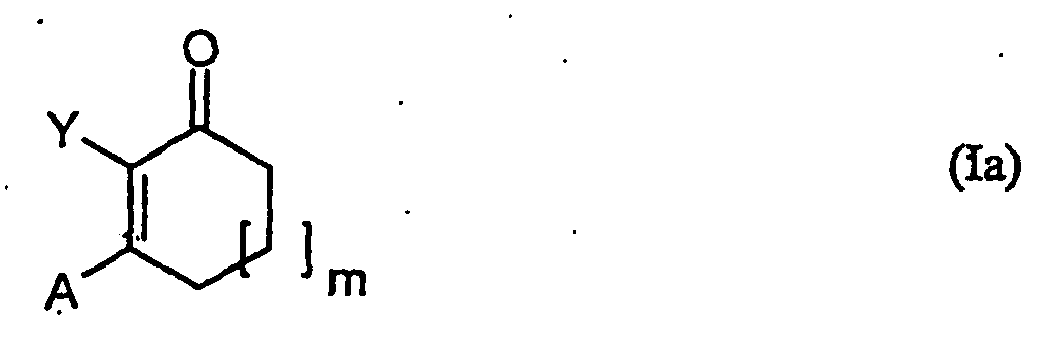 A und Y die in Anspruch 1 genannte Bedeutung haben;m 0 oder 1 ist.
 - Verwendung nach Anspruch 1, dadurch gekennzeichnet, dass die Verbindungen der Formel (I) ausgewählt sind aus Verbindungen der Formel (Ib)
 X Methyl oder Ethyl bedeutet;Y Wasserstoff, eine Alkylgruppe mit 1 bis 3 Kohlenstoffatomen oder eine Alkenylgruppe mit 2 oder 3 Kohlenstoffatomen bedeutet;Z Wasserstoff, eine Alkylgruppe mit 1 bis 4 Kohlenstoffatomen oder eine Alkenylgruppe mit 2 bis 4 Kohlenstoffatomen bedeutet;das Symbol "" eine Einfach- oder Doppelbindung bedeutet.
- Verwendung nach mindestens einem der Ansprüche 1 bis 3, dadurch gekennzeichnet, dass die Acrylsäure-C1-C6-alkylester gewählt werden aus Acrylsäuremethylester, Acrylsäureethylester, Acrylsäure-n-propylester, Acrylsäure-iso-propylester, Acrylsäure-n-butylester, Acrylsätire-iso-butylester, Acrylsäure-tert.-butylester, Acrylsäure-n-pentylester, Acrylsäure-iso-pentylester, Acrylsäure-n-hexylester.
- Verwendung nach mindestens einem der Ansprüche 1 bis 3, dadurch gekennzeichnet, dass die Methacrylsäure-C1-C6-alkylester gewählt werden aus Methacrylsäuremethylester, Methacrylsäureethylester, Methacrylsäure-n-propylester, Methacrylsäure-iso-propylester, Methacrylsäure-n-butylester, Methacrylsäure-iso-butylester, Methacrylsäure-tert.-butylester, Methacrylsäure-n-pentylester, Methacrylsäure-iso-pentylester und Methacrylsäure-n-hexylester.
- Verwendung nach mindestens einem der Ansprüche 1 bis 5, dadurch gekennzeichnet, dass die Mischungen mindestens zwei Acrylsäure-C1-C6-alkylester enthalten.
- Verwendung nach mindestens einem der Ansprüche 1 bis 6, dadurch gekennzeichnet, dass die Mischungen die Verbindungen der Formel (I) mit einem Gewichtsanteil von 1 bis 100 pro 1000 Gewichtsteile Acrylsäure-C1-C6-alkylester und/oder Methacrylsäure-C1-C6-alkylester enthalten.
- Brenngas mit einem Methan-Anteil von mindestens 60 Gew.-% enthaltend mindestens einen Acrylsäure-C1-C6-alkylester oder mindestens einen Methacrylsäure-C1-C6-alkylester, mindestens eine Verbindung der Formel (I) sowie gegebenenfalls ein Antioxidans.
- Brenngas nach Anspruch 8, dadurch gekennzeichnet, dass das Brenngas Erdgas ist.
- Brenngas nach Anspruch 8 oder 9, dadurch gekennzeichnet, dass das Antioxidans gewählt ist aus tert.-Butylhydrokytoluol, tert.-Butylhydroxyanisol, Hydrochinonmonomethylether und α-Tocopherol.
- Verfahren zur Odorierung von Brenngas mit einem Methan-Anteil von mindestens 60 Gew.-%, dadurch gekennzeichnet, dass dem Brenngas eine Mischung enthaltend mindestens einen Acrylsäure-C1-C6-alkylester oder mindestens einen Methacrylsäure-C1-C6-alkylester, mindestens eine Verbindung der Formel (I), sowie gegebenenfalls ein Antioxidans, zugesetzt wird.
- Verfahren nach Anspruch 11, dadurch gekennzeichnet, dass die Gesamtmenge an Antioxidantien in der Mischung bei 0,001 - 1 Gew.-% liegt.
- Verfahren nach Anspruch 11 oder 12, dadurch gekennzeichnet, dass die Mischung dem Brenngas in einer Menge von 5 - 200 mg/m3 Gas zugesetzt wird.
Applications Claiming Priority (3)
| Application Number | Priority Date | Filing Date | Title |
|---|---|---|---|
| DE10235750 | 2002-08-05 | ||
| DE10235750A DE10235750A1 (de) | 2002-08-05 | 2002-08-05 | Gasodorierung mit Ketonen |
| PCT/EP2003/008594 WO2004015037A1 (de) | 2002-08-05 | 2003-08-02 | Gasodorierung mit ketonen |
Publications (2)
| Publication Number | Publication Date |
|---|---|
| EP1529092A1 EP1529092A1 (de) | 2005-05-11 |
| EP1529092B1 true EP1529092B1 (de) | 2007-07-04 |
Family
ID=30469442
Family Applications (1)
| Application Number | Title | Priority Date | Filing Date |
|---|---|---|---|
| EP03784160A Expired - Lifetime EP1529092B1 (de) | 2002-08-05 | 2003-08-02 | Gasodorierung mit ketonen |
Country Status (5)
| Country | Link |
|---|---|
| EP (1) | EP1529092B1 (de) |
| AT (1) | ATE366297T1 (de) |
| AU (1) | AU2003255361A1 (de) |
| DE (2) | DE10235750A1 (de) |
| WO (1) | WO2004015037A1 (de) |
Families Citing this family (2)
| Publication number | Priority date | Publication date | Assignee | Title |
|---|---|---|---|---|
| EP1828355B1 (de) * | 2004-12-22 | 2010-04-21 | Symrise GmbH & Co. KG | Auf acrylat und acetophenon basierendes odoriermittel für wasserstoff |
| US9717815B2 (en) | 2014-07-30 | 2017-08-01 | Georgia-Pacific Consumer Products Lp | Air freshener dispensers, cartridges therefor, systems, and methods |
Family Cites Families (3)
| Publication number | Priority date | Publication date | Assignee | Title |
|---|---|---|---|---|
| NL34989C (de) * | 1932-05-17 | |||
| US4487613A (en) * | 1983-09-26 | 1984-12-11 | International Flavors & Fragrances Inc. | Odorization of combustible hydrocarbon gases |
| DE19837066A1 (de) * | 1998-08-17 | 2000-02-24 | Haarmann & Reimer Gmbh | Odorierung von Gas |
-
2002
- 2002-08-05 DE DE10235750A patent/DE10235750A1/de not_active Withdrawn
-
2003
- 2003-08-02 EP EP03784160A patent/EP1529092B1/de not_active Expired - Lifetime
- 2003-08-02 DE DE50307624T patent/DE50307624D1/de not_active Expired - Lifetime
- 2003-08-02 AT AT03784160T patent/ATE366297T1/de not_active IP Right Cessation
- 2003-08-02 AU AU2003255361A patent/AU2003255361A1/en not_active Abandoned
- 2003-08-02 WO PCT/EP2003/008594 patent/WO2004015037A1/de not_active Ceased
Also Published As
| Publication number | Publication date |
|---|---|
| ATE366297T1 (de) | 2007-07-15 |
| AU2003255361A1 (en) | 2004-02-25 |
| EP1529092A1 (de) | 2005-05-11 |
| DE50307624D1 (de) | 2007-08-16 |
| WO2004015037A1 (de) | 2004-02-19 |
| DE10235750A1 (de) | 2004-02-19 |
Similar Documents
| Publication | Publication Date | Title |
|---|---|---|
| EP1109881B1 (de) | Odorierung von gas | |
| EP1537193B1 (de) | Schwefelarme odoriermittel f r fl ssiggas | |
| EP1694801B1 (de) | Odorierung von brenngas mit schwefelarmen odoriermitteln | |
| EP1927646B1 (de) | Odoriermittel mit verbesserter Stabilität | |
| EP2066766B1 (de) | Schwefelarme odoriermittel mit verbesserter stabilität | |
| WO2004015038A1 (de) | Gasodorierung mit carbonsäuren und alkinen | |
| EP1529093B1 (de) | Gasodorierung mit phenolen und/oder phenolethern | |
| EP1529092A1 (de) | Gasodorierung mit ketonen | |
| EP1529091B1 (de) | Ester zur odorierung von brenngasen | |
| WO2004024853A1 (de) | Alkoxypyrazine zur gasodorierung | |
| CN114561236B (zh) | 一种适用于可燃气体泄露警示的环保添加剂 | |
| WO2004015039A1 (de) | Stickstoffverbindungen zur gasodorierung | |
| DE3151215A1 (de) | Geruchstoffe zur odorierung von heizgasen und ihre verwendung | |
| CN114507552B (zh) | 一种适用于可燃气体泄露警示的低硫添加剂 | |
| JPS5842234B2 (ja) | ネンリヨウガスヨウフシユウザイ |
Legal Events
| Date | Code | Title | Description |
|---|---|---|---|
| PUAI | Public reference made under article 153(3) epc to a published international application that has entered the european phase |
Free format text: ORIGINAL CODE: 0009012 |
|
| 17P | Request for examination filed |
Effective date: 20050307 |
|
| AK | Designated contracting states |
Kind code of ref document: A1 Designated state(s): AT BE BG CH CY CZ DE DK EE ES FI FR GB GR HU IE IT LI LU MC NL PT RO SE SI SK TR |
|
| AX | Request for extension of the european patent |
Extension state: AL LT LV MK |
|
| DAX | Request for extension of the european patent (deleted) | ||
| GRAP | Despatch of communication of intention to grant a patent |
Free format text: ORIGINAL CODE: EPIDOSNIGR1 |
|
| GRAS | Grant fee paid |
Free format text: ORIGINAL CODE: EPIDOSNIGR3 |
|
| GRAA | (expected) grant |
Free format text: ORIGINAL CODE: 0009210 |
|
| AK | Designated contracting states |
Kind code of ref document: B1 Designated state(s): AT BE BG CH CY CZ DE DK EE ES FI FR GB GR HU IE IT LI LU MC NL PT RO SE SI SK TR |
|
| RAP1 | Party data changed (applicant data changed or rights of an application transferred) |
Owner name: E.ON RUHRGAS AG Owner name: SYMRISE GMBH & CO. KG |
|
| REG | Reference to a national code |
Ref country code: GB Ref legal event code: FG4D Free format text: NOT ENGLISH |
|
| REG | Reference to a national code |
Ref country code: CH Ref legal event code: EP |
|
| REG | Reference to a national code |
Ref country code: IE Ref legal event code: FG4D Free format text: LANGUAGE OF EP DOCUMENT: GERMAN |
|
| REF | Corresponds to: |
Ref document number: 50307624 Country of ref document: DE Date of ref document: 20070816 Kind code of ref document: P |
|
| NLV1 | Nl: lapsed or annulled due to failure to fulfill the requirements of art. 29p and 29m of the patents act | ||
| GBV | Gb: ep patent (uk) treated as always having been void in accordance with gb section 77(7)/1977 [no translation filed] |
Effective date: 20070704 |
|
| PG25 | Lapsed in a contracting state [announced via postgrant information from national office to epo] |
Ref country code: SI Free format text: LAPSE BECAUSE OF FAILURE TO SUBMIT A TRANSLATION OF THE DESCRIPTION OR TO PAY THE FEE WITHIN THE PRESCRIBED TIME-LIMIT Effective date: 20070704 Ref country code: PT Free format text: LAPSE BECAUSE OF FAILURE TO SUBMIT A TRANSLATION OF THE DESCRIPTION OR TO PAY THE FEE WITHIN THE PRESCRIBED TIME-LIMIT Effective date: 20071204 Ref country code: ES Free format text: LAPSE BECAUSE OF FAILURE TO SUBMIT A TRANSLATION OF THE DESCRIPTION OR TO PAY THE FEE WITHIN THE PRESCRIBED TIME-LIMIT Effective date: 20071015 Ref country code: BG Free format text: LAPSE BECAUSE OF FAILURE TO SUBMIT A TRANSLATION OF THE DESCRIPTION OR TO PAY THE FEE WITHIN THE PRESCRIBED TIME-LIMIT Effective date: 20071004 Ref country code: NL Free format text: LAPSE BECAUSE OF FAILURE TO SUBMIT A TRANSLATION OF THE DESCRIPTION OR TO PAY THE FEE WITHIN THE PRESCRIBED TIME-LIMIT Effective date: 20070704 Ref country code: FI Free format text: LAPSE BECAUSE OF FAILURE TO SUBMIT A TRANSLATION OF THE DESCRIPTION OR TO PAY THE FEE WITHIN THE PRESCRIBED TIME-LIMIT Effective date: 20070704 |
|
| BERE | Be: lapsed |
Owner name: E.ON RUHRGAS A.G. Effective date: 20070831 Owner name: SYMRISE G.M.B.H. & CO. KG Effective date: 20070831 |
|
| EN | Fr: translation not filed | ||
| REG | Reference to a national code |
Ref country code: IE Ref legal event code: FD4D |
|
| REG | Reference to a national code |
Ref country code: CH Ref legal event code: PL |
|
| PG25 | Lapsed in a contracting state [announced via postgrant information from national office to epo] |
Ref country code: MC Free format text: LAPSE BECAUSE OF NON-PAYMENT OF DUE FEES Effective date: 20070831 Ref country code: LI Free format text: LAPSE BECAUSE OF NON-PAYMENT OF DUE FEES Effective date: 20070831 Ref country code: GR Free format text: LAPSE BECAUSE OF FAILURE TO SUBMIT A TRANSLATION OF THE DESCRIPTION OR TO PAY THE FEE WITHIN THE PRESCRIBED TIME-LIMIT Effective date: 20071005 Ref country code: CH Free format text: LAPSE BECAUSE OF NON-PAYMENT OF DUE FEES Effective date: 20070831 Ref country code: DK Free format text: LAPSE BECAUSE OF FAILURE TO SUBMIT A TRANSLATION OF THE DESCRIPTION OR TO PAY THE FEE WITHIN THE PRESCRIBED TIME-LIMIT Effective date: 20070704 |
|
| PLBE | No opposition filed within time limit |
Free format text: ORIGINAL CODE: 0009261 |
|
| STAA | Information on the status of an ep patent application or granted ep patent |
Free format text: STATUS: NO OPPOSITION FILED WITHIN TIME LIMIT |
|
| PG25 | Lapsed in a contracting state [announced via postgrant information from national office to epo] |
Ref country code: SK Free format text: LAPSE BECAUSE OF FAILURE TO SUBMIT A TRANSLATION OF THE DESCRIPTION OR TO PAY THE FEE WITHIN THE PRESCRIBED TIME-LIMIT Effective date: 20070704 Ref country code: IE Free format text: LAPSE BECAUSE OF FAILURE TO SUBMIT A TRANSLATION OF THE DESCRIPTION OR TO PAY THE FEE WITHIN THE PRESCRIBED TIME-LIMIT Effective date: 20070704 Ref country code: CZ Free format text: LAPSE BECAUSE OF FAILURE TO SUBMIT A TRANSLATION OF THE DESCRIPTION OR TO PAY THE FEE WITHIN THE PRESCRIBED TIME-LIMIT Effective date: 20070704 Ref country code: GB Free format text: LAPSE BECAUSE OF FAILURE TO SUBMIT A TRANSLATION OF THE DESCRIPTION OR TO PAY THE FEE WITHIN THE PRESCRIBED TIME-LIMIT Effective date: 20070704 |
|
| 26N | No opposition filed |
Effective date: 20080407 |
|
| PG25 | Lapsed in a contracting state [announced via postgrant information from national office to epo] |
Ref country code: RO Free format text: LAPSE BECAUSE OF FAILURE TO SUBMIT A TRANSLATION OF THE DESCRIPTION OR TO PAY THE FEE WITHIN THE PRESCRIBED TIME-LIMIT Effective date: 20070704 Ref country code: SE Free format text: LAPSE BECAUSE OF FAILURE TO SUBMIT A TRANSLATION OF THE DESCRIPTION OR TO PAY THE FEE WITHIN THE PRESCRIBED TIME-LIMIT Effective date: 20071004 |
|
| PG25 | Lapsed in a contracting state [announced via postgrant information from national office to epo] |
Ref country code: FR Free format text: LAPSE BECAUSE OF FAILURE TO SUBMIT A TRANSLATION OF THE DESCRIPTION OR TO PAY THE FEE WITHIN THE PRESCRIBED TIME-LIMIT Effective date: 20080229 |
|
| PG25 | Lapsed in a contracting state [announced via postgrant information from national office to epo] |
Ref country code: BE Free format text: LAPSE BECAUSE OF NON-PAYMENT OF DUE FEES Effective date: 20070831 |
|
| PG25 | Lapsed in a contracting state [announced via postgrant information from national office to epo] |
Ref country code: AT Free format text: LAPSE BECAUSE OF NON-PAYMENT OF DUE FEES Effective date: 20070802 |
|
| PG25 | Lapsed in a contracting state [announced via postgrant information from national office to epo] |
Ref country code: EE Free format text: LAPSE BECAUSE OF FAILURE TO SUBMIT A TRANSLATION OF THE DESCRIPTION OR TO PAY THE FEE WITHIN THE PRESCRIBED TIME-LIMIT Effective date: 20070704 |
|
| PG25 | Lapsed in a contracting state [announced via postgrant information from national office to epo] |
Ref country code: CY Free format text: LAPSE BECAUSE OF FAILURE TO SUBMIT A TRANSLATION OF THE DESCRIPTION OR TO PAY THE FEE WITHIN THE PRESCRIBED TIME-LIMIT Effective date: 20070704 |
|
| PG25 | Lapsed in a contracting state [announced via postgrant information from national office to epo] |
Ref country code: LU Free format text: LAPSE BECAUSE OF NON-PAYMENT OF DUE FEES Effective date: 20070802 |
|
| PG25 | Lapsed in a contracting state [announced via postgrant information from national office to epo] |
Ref country code: HU Free format text: LAPSE BECAUSE OF FAILURE TO SUBMIT A TRANSLATION OF THE DESCRIPTION OR TO PAY THE FEE WITHIN THE PRESCRIBED TIME-LIMIT Effective date: 20080105 Ref country code: TR Free format text: LAPSE BECAUSE OF FAILURE TO SUBMIT A TRANSLATION OF THE DESCRIPTION OR TO PAY THE FEE WITHIN THE PRESCRIBED TIME-LIMIT Effective date: 20070704 |
|
| PGFP | Annual fee paid to national office [announced via postgrant information from national office to epo] |
Ref country code: DE Payment date: 20090909 Year of fee payment: 7 |
|
| PG25 | Lapsed in a contracting state [announced via postgrant information from national office to epo] |
Ref country code: IT Free format text: LAPSE BECAUSE OF NON-PAYMENT OF DUE FEES Effective date: 20070831 |
|
| REG | Reference to a national code |
Ref country code: DE Ref legal event code: R119 Ref document number: 50307624 Country of ref document: DE Effective date: 20110301 |
|
| PG25 | Lapsed in a contracting state [announced via postgrant information from national office to epo] |
Ref country code: DE Free format text: LAPSE BECAUSE OF NON-PAYMENT OF DUE FEES Effective date: 20110301 |