EP0683804B1 - Methods of polymer impregnation - Google Patents
Methods of polymer impregnation Download PDFInfo
- Publication number
- EP0683804B1 EP0683804B1 EP94908776A EP94908776A EP0683804B1 EP 0683804 B1 EP0683804 B1 EP 0683804B1 EP 94908776 A EP94908776 A EP 94908776A EP 94908776 A EP94908776 A EP 94908776A EP 0683804 B1 EP0683804 B1 EP 0683804B1
- Authority
- EP
- European Patent Office
- Prior art keywords
- impregnation
- supercritical fluid
- carrier liquid
- additive
- microspheres
- Prior art date
- Legal status (The legal status is an assumption and is not a legal conclusion. Google has not performed a legal analysis and makes no representation as to the accuracy of the status listed.)
- Expired - Lifetime
Links
Images



Classifications
-
- D—TEXTILES; PAPER
- D06—TREATMENT OF TEXTILES OR THE LIKE; LAUNDERING; FLEXIBLE MATERIALS NOT OTHERWISE PROVIDED FOR
- D06P—DYEING OR PRINTING TEXTILES; DYEING LEATHER, FURS OR SOLID MACROMOLECULAR SUBSTANCES IN ANY FORM
- D06P1/00—General processes of dyeing or printing textiles, or general processes of dyeing leather, furs, or solid macromolecular substances in any form, classified according to the dyes, pigments, or auxiliary substances employed
- D06P1/94—General processes of dyeing or printing textiles, or general processes of dyeing leather, furs, or solid macromolecular substances in any form, classified according to the dyes, pigments, or auxiliary substances employed using dyes dissolved in solvents which are in the supercritical state
-
- A—HUMAN NECESSITIES
- A61—MEDICAL OR VETERINARY SCIENCE; HYGIENE
- A61K—PREPARATIONS FOR MEDICAL, DENTAL OR TOILETRY PURPOSES
- A61K9/00—Medicinal preparations characterised by special physical form
- A61K9/14—Particulate form, e.g. powders, Processes for size reducing of pure drugs or the resulting products, Pure drug nanoparticles
- A61K9/16—Agglomerates; Granulates; Microbeadlets ; Microspheres; Pellets; Solid products obtained by spray drying, spray freeze drying, spray congealing,(multiple) emulsion solvent evaporation or extraction
- A61K9/1605—Excipients; Inactive ingredients
- A61K9/1629—Organic macromolecular compounds
- A61K9/1641—Organic macromolecular compounds obtained otherwise than by reactions only involving carbon-to-carbon unsaturated bonds, e.g. polyethylene glycol, poloxamers
- A61K9/1647—Polyesters, e.g. poly(lactide-co-glycolide)
-
- A—HUMAN NECESSITIES
- A61—MEDICAL OR VETERINARY SCIENCE; HYGIENE
- A61K—PREPARATIONS FOR MEDICAL, DENTAL OR TOILETRY PURPOSES
- A61K9/00—Medicinal preparations characterised by special physical form
- A61K9/14—Particulate form, e.g. powders, Processes for size reducing of pure drugs or the resulting products, Pure drug nanoparticles
- A61K9/16—Agglomerates; Granulates; Microbeadlets ; Microspheres; Pellets; Solid products obtained by spray drying, spray freeze drying, spray congealing,(multiple) emulsion solvent evaporation or extraction
- A61K9/1605—Excipients; Inactive ingredients
- A61K9/1629—Organic macromolecular compounds
- A61K9/1658—Proteins, e.g. albumin, gelatin
-
- A—HUMAN NECESSITIES
- A61—MEDICAL OR VETERINARY SCIENCE; HYGIENE
- A61K—PREPARATIONS FOR MEDICAL, DENTAL OR TOILETRY PURPOSES
- A61K9/00—Medicinal preparations characterised by special physical form
- A61K9/14—Particulate form, e.g. powders, Processes for size reducing of pure drugs or the resulting products, Pure drug nanoparticles
- A61K9/16—Agglomerates; Granulates; Microbeadlets ; Microspheres; Pellets; Solid products obtained by spray drying, spray freeze drying, spray congealing,(multiple) emulsion solvent evaporation or extraction
- A61K9/1682—Processes
- A61K9/1694—Processes resulting in granules or microspheres of the matrix type containing more than 5% of excipient
-
- A—HUMAN NECESSITIES
- A61—MEDICAL OR VETERINARY SCIENCE; HYGIENE
- A61L—METHODS OR APPARATUS FOR STERILISING MATERIALS OR OBJECTS IN GENERAL; DISINFECTION, STERILISATION OR DEODORISATION OF AIR; CHEMICAL ASPECTS OF BANDAGES, DRESSINGS, ABSORBENT PADS OR SURGICAL ARTICLES; MATERIALS FOR BANDAGES, DRESSINGS, ABSORBENT PADS OR SURGICAL ARTICLES
- A61L17/00—Materials for surgical sutures or for ligaturing blood vessels ; Materials for prostheses or catheters
- A61L17/005—Materials for surgical sutures or for ligaturing blood vessels ; Materials for prostheses or catheters containing a biologically active substance, e.g. a medicament or a biocide
-
- C—CHEMISTRY; METALLURGY
- C08—ORGANIC MACROMOLECULAR COMPOUNDS; THEIR PREPARATION OR CHEMICAL WORKING-UP; COMPOSITIONS BASED THEREON
- C08J—WORKING-UP; GENERAL PROCESSES OF COMPOUNDING; AFTER-TREATMENT NOT COVERED BY SUBCLASSES C08B, C08C, C08F, C08G or C08H
- C08J7/00—Chemical treatment or coating of shaped articles made of macromolecular substances
- C08J7/04—Coating
- C08J7/06—Coating with compositions not containing macromolecular substances
- C08J7/065—Low-molecular-weight organic substances, e.g. absorption of additives in the surface of the article
-
- D—TEXTILES; PAPER
- D06—TREATMENT OF TEXTILES OR THE LIKE; LAUNDERING; FLEXIBLE MATERIALS NOT OTHERWISE PROVIDED FOR
- D06M—TREATMENT, NOT PROVIDED FOR ELSEWHERE IN CLASS D06, OF FIBRES, THREADS, YARNS, FABRICS, FEATHERS OR FIBROUS GOODS MADE FROM SUCH MATERIALS
- D06M23/00—Treatment of fibres, threads, yarns, fabrics or fibrous goods made from such materials, characterised by the process
- D06M23/10—Processes in which the treating agent is dissolved or dispersed in organic solvents; Processes for the recovery of organic solvents thereof
- D06M23/105—Processes in which the solvent is in a supercritical state
-
- A—HUMAN NECESSITIES
- A61—MEDICAL OR VETERINARY SCIENCE; HYGIENE
- A61L—METHODS OR APPARATUS FOR STERILISING MATERIALS OR OBJECTS IN GENERAL; DISINFECTION, STERILISATION OR DEODORISATION OF AIR; CHEMICAL ASPECTS OF BANDAGES, DRESSINGS, ABSORBENT PADS OR SURGICAL ARTICLES; MATERIALS FOR BANDAGES, DRESSINGS, ABSORBENT PADS OR SURGICAL ARTICLES
- A61L2300/00—Biologically active materials used in bandages, wound dressings, absorbent pads or medical devices
- A61L2300/20—Biologically active materials used in bandages, wound dressings, absorbent pads or medical devices containing or releasing organic materials
- A61L2300/252—Polypeptides, proteins, e.g. glycoproteins, lipoproteins, cytokines
-
- A—HUMAN NECESSITIES
- A61—MEDICAL OR VETERINARY SCIENCE; HYGIENE
- A61L—METHODS OR APPARATUS FOR STERILISING MATERIALS OR OBJECTS IN GENERAL; DISINFECTION, STERILISATION OR DEODORISATION OF AIR; CHEMICAL ASPECTS OF BANDAGES, DRESSINGS, ABSORBENT PADS OR SURGICAL ARTICLES; MATERIALS FOR BANDAGES, DRESSINGS, ABSORBENT PADS OR SURGICAL ARTICLES
- A61L2300/00—Biologically active materials used in bandages, wound dressings, absorbent pads or medical devices
- A61L2300/40—Biologically active materials used in bandages, wound dressings, absorbent pads or medical devices characterised by a specific therapeutic activity or mode of action
- A61L2300/404—Biocides, antimicrobial agents, antiseptic agents
- A61L2300/406—Antibiotics
-
- A—HUMAN NECESSITIES
- A61—MEDICAL OR VETERINARY SCIENCE; HYGIENE
- A61L—METHODS OR APPARATUS FOR STERILISING MATERIALS OR OBJECTS IN GENERAL; DISINFECTION, STERILISATION OR DEODORISATION OF AIR; CHEMICAL ASPECTS OF BANDAGES, DRESSINGS, ABSORBENT PADS OR SURGICAL ARTICLES; MATERIALS FOR BANDAGES, DRESSINGS, ABSORBENT PADS OR SURGICAL ARTICLES
- A61L2300/00—Biologically active materials used in bandages, wound dressings, absorbent pads or medical devices
- A61L2300/40—Biologically active materials used in bandages, wound dressings, absorbent pads or medical devices characterised by a specific therapeutic activity or mode of action
- A61L2300/43—Hormones, e.g. dexamethasone
-
- A—HUMAN NECESSITIES
- A61—MEDICAL OR VETERINARY SCIENCE; HYGIENE
- A61L—METHODS OR APPARATUS FOR STERILISING MATERIALS OR OBJECTS IN GENERAL; DISINFECTION, STERILISATION OR DEODORISATION OF AIR; CHEMICAL ASPECTS OF BANDAGES, DRESSINGS, ABSORBENT PADS OR SURGICAL ARTICLES; MATERIALS FOR BANDAGES, DRESSINGS, ABSORBENT PADS OR SURGICAL ARTICLES
- A61L2300/00—Biologically active materials used in bandages, wound dressings, absorbent pads or medical devices
- A61L2300/40—Biologically active materials used in bandages, wound dressings, absorbent pads or medical devices characterised by a specific therapeutic activity or mode of action
- A61L2300/442—Colorants, dyes
-
- A—HUMAN NECESSITIES
- A61—MEDICAL OR VETERINARY SCIENCE; HYGIENE
- A61L—METHODS OR APPARATUS FOR STERILISING MATERIALS OR OBJECTS IN GENERAL; DISINFECTION, STERILISATION OR DEODORISATION OF AIR; CHEMICAL ASPECTS OF BANDAGES, DRESSINGS, ABSORBENT PADS OR SURGICAL ARTICLES; MATERIALS FOR BANDAGES, DRESSINGS, ABSORBENT PADS OR SURGICAL ARTICLES
- A61L2300/00—Biologically active materials used in bandages, wound dressings, absorbent pads or medical devices
- A61L2300/60—Biologically active materials used in bandages, wound dressings, absorbent pads or medical devices characterised by a special physical form
- A61L2300/62—Encapsulated active agents, e.g. emulsified droplets
- A61L2300/622—Microcapsules
-
- Y—GENERAL TAGGING OF NEW TECHNOLOGICAL DEVELOPMENTS; GENERAL TAGGING OF CROSS-SECTIONAL TECHNOLOGIES SPANNING OVER SEVERAL SECTIONS OF THE IPC; TECHNICAL SUBJECTS COVERED BY FORMER USPC CROSS-REFERENCE ART COLLECTIONS [XRACs] AND DIGESTS
- Y02—TECHNOLOGIES OR APPLICATIONS FOR MITIGATION OR ADAPTATION AGAINST CLIMATE CHANGE
- Y02P—CLIMATE CHANGE MITIGATION TECHNOLOGIES IN THE PRODUCTION OR PROCESSING OF GOODS
- Y02P20/00—Technologies relating to chemical industry
- Y02P20/50—Improvements relating to the production of bulk chemicals
- Y02P20/54—Improvements relating to the production of bulk chemicals using solvents, e.g. supercritical solvents or ionic liquids
Definitions
- This invention relates to methods of impregnating polymeric materials with additives utilizing supercritical fluids.
- additives A variety of methodologies have been employed in an attempt to impregnate polymers, and in particular thermoplastic polymers, with various impregnation additives.
- certain polymers can be impregnated with selected additives by immersing the polymers in a solution comprised of the additives for an extended period of time.
- additives may be impregnated into polymers by dissolving the additives into various compounds, such as CO 2 , N 2 O, and ethylene, maintained at or near their supercritical temperatures and pressures, and contacting this mixture with the polymer or polymers to be impregnated. Above a defined temperature and pressure, these pressurized compounds form supercritical fluids that serve both as swelling agents for the polymers to be impregnated, and as volatile solvents for additives to be impregnated into the polymers.
- a fragrance, a pest control agent, or a pharmaceutical composition by dissolving the impregnation material in a volatile swelling agent (e.g., CO 2 ) maintained at or near supercritical conditions, swelling the thermoplastic polymer by contacting it with the supercritical or nearly supercritical volatile swelling agent containing the impregnation material, and reducing the pressure so the volatile swelling agent diffuses out of the thermoplastic polymer.
- a volatile swelling agent e.g., CO 2
- the impregnation material must be soluble in the volatile swelling agent, and that the volatile swelling agent be compatible with (i.e. soluble in) the polymer to be impregnated.
- the impregnation materials disclosed in Sand are also lipophilic. See also, U.S. Patent No. 4,678,684; EPO Patent Application Nos. 0 200 197, 0 401 713, 0 405 284; and Australian Patent Application No. 57091/86.
- U.S. Patent No. 4,820,752 (Berens et al.) discloses a process for infusing an additive into a polymer by dissolving the additive into a compressed normally gaseous fluid solvent (e.g., CO 2 ) that has a boiling point below room temperature and a density of at least 0.01 g/cc, contacting the solution of the additive and normally gaseous fluid solvent with a polymeric material for a time sufficient to allow at least part of the solution to be absorbed into the polymeric material, and separating the normally gaseous fluid solvent from the polymeric material leaving the additive infused within the polymeric material.
- a compressed normally gaseous fluid solvent e.g., CO 2
- supercritical fluids have also been used as a solvent to re-impregnate aromatic components into a tea residue after the caffeine component of the tea had been extracted (U.S. Patent No. 4,167,589; Vitzthum et al.), as a solvent during the preparation of substance embedded microspheres, by dissolving a substance and polymeric carrier, with or without a liquid medium, into a supercritical gas (U.S. Patent No. 5,043,280; Fisher et al.), and as a solvent for various monomers or polymers to be impregnated into porous materials, such as wood, to increase the strength and other properties of the porous materials (U.S. Patents Nos. 4,992,308 and 5,169,687; Sunol).
- WO-A-92/17640 relates to a method and a plant for processing paper products with a heavy pressurized fluid containing a solution of one or more active substance(s).
- impregnation additives that are substantially insoluble in a supercritical fluid can be impregnated into polymer substrates by simultaneously contacting the polymer substrate with the impregnation additive and a carrier liquid, such as water, in the presence of the supercritical fluid.
- a carrier liquid such as water
- the present invention provides a method of impregnating a polymeric substrate with an impregnation additive comprising:
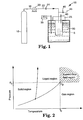
- Fig. 1 schematically illustrates an impregnation apparatus 10 for the impregnation of polymers with selected impregnation additives according to the methods of the present invention.
- the major components of the impregnation apparatus 10, include a tank 15 that holds the material to be used as a supercritical fluid, a compressor 20 to pressurize and transfer the supercritical fluid from the tank 15 to a pressure vessel 25, a water or oil bath 30 in which the pressure vessel 25 is suspended, a temperature regulator 35 to maintain the water/oil bath 30 at a predetermined temperature, a pressure transducer 40 to monitor and maintain the pressure within the pressure vessel 25 at a predetermined level, and a vent line 45, to be used to vent the supercritical fluid from the pressure vessel 25 after impregnation of a polymer has been accomplished.
- a tank 15 that holds the material to be used as a supercritical fluid
- a compressor 20 to pressurize and transfer the supercritical fluid from the tank 15 to a pressure vessel 25, a water or oil bath 30 in which the
- a polymer sample to be impregnated (not shown) is placed in a container 5, such as a beaker or test tube, within the pressure vessel 25.
- the polymer sample is covered with a solution of a carrier liquid and one or more impregnation additives (not shown), and maintained completely submerged in this solution via a glass wool plug or other inert material placed in the top of the container 5.
- the pressure vessel 25 is then sealed, and placed or maintained in water/oil bath 30.
- a selected material such as carbon dioxide
- tank 15 via line 16 to compressor 20, where it is pressurized to the critical pressure (P c ) of the material, or greater.
- P c critical pressure of the material
- the compressed material leaves compressor 20 via line 22 and valve 24, and is transferred into the pressure vessel 25 containing the polymer sample to be impregnated, after which valve 24 is closed.
- the pressurized material When the pressurized material enters pressure vessel 25, it may already comprise a supercritical fluid, so long as the temperature of the pressurized material exceeds the critical temperature (T c ) of the material. However, if the pressurized material has not yet reached or exceeded T c , then water/oil bath 30 can be heated using temperature regulator 35 to rapidly convert the pressurized material into a supercritical fluid capable of swelling the polymer sample according to the methods of the present invention.
- both temperature regulator 35 and pressure transducer 40 can be used to maintain pressure vessel 25, including the supercritical fluid, polymer sample, impregnation additive, and carrier liquid contained therein, at a preselected temperature and pressure above the T c and P c of the supercritical fluid.
- pressure vessel 25 After sufficient time has passed to complete impregnation of an impregnation additive into the polymer sample in container 5, the supercritical fluid contained in pressure vessel 25 is vented from the pressure vessel 25 via vent line 45 by keeping valve 24 closed, and opening valve 46.
- pressure vessel 25 should be vented in a controlled manner (e.g., at a slow regular rate) to prevent damage (e.g., fracturing and/or foaming) to the polymer samples.
- vent line 45 may be vented directly to the atmosphere, or may be vented into a holding container (not shown), re-circulated to tank 15, as need be. After the supercritical fluid has been vented, pressure vessel 25 can be opened, and the impregnated polymer sample recovered from container 5.
- a supercritical fluid refers to a material maintained at or above its critical temperature (T c ) and critical pressure (P c ) (i.e. above its critical point (C p )), so as to place the material in a supercritical fluid state.
- supercritical fluids are gases at ambient temperature (approximately 22°C) and pressure (approximately 1.01 5 mega Pascals (MPa)).
- MPa mega Pascals
- the supercritical fluid displays properties of both a gas and a liquid.
- such a supercritical fluid has the solvent characteristics of a liquid, but the low surface tension of a gas. Accordingly, as with a gas, the supercritical fluid can more readily diffuse into a selected solute material, such as a polymer.
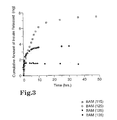
- Fig. 2 diagrammatically illustrates the various states of matter of a typical material capable of forming a supercritical fluid.
- the selected material may take the form of a solid, a liquid, or a gas.
- the material takes the form of a supercritical fluid displaying the properties noted above.
- the supercritical fluid region for such a material is defined by the shaded region of Fig. 2, encompassing all temperatures and pressures beyond the C p of the material.
- Table 1 lists several nonlimiting examples of supercritical fluids, including their critical temperatures and pressures, that are useful in the methods of the present invention.
- a large number of other materials are also useful in the methods of the present invention, including without limitation, nitrogen, propane, propylene, cyclohexane, isopropanol, benzene, toluene, p-xylene, ammonia, water, methane, trichlorofluoromethane, tetrafluoroethylene, perfluoroethane, tetrafluoromethane, trifluoromethane, and 1,1 difluoroethylene.
- T c and P c for each of these materials, and for any other supercritical fluid useful in the methods of the present invention, are readily obtainable in a number of standard references, including the CRC Handbook of Chemistry and Physics, 67th ed., CRC Press, Inc., Boca Raton, Florida, 1987, Matheson Gas Data Book, 6th ed., Matheson Co., Inc., Lyndhurst, NJ, 1980, Merck Index, 10th ed., Merck and Co., Rahway, NJ, 1983, and Lange's Handbook of Chemistry, 12th ed., McGraw Hill Book Co., New York, NY, 1979, the disclosures of which are herein incorporated by reference. Furthermore, it is also contemplated that mixtures of two or more supercritical fluids could also be used in the methods of the present invention.
- the supercritical fluid be substantially nonreactive and nontoxic (i.e. inert) with respect to the impregnation additives, carrier liquids, and polymers used in the methods of the present invention.
- the relative inertness of the supercritical fluid used in the methods of the present invention is particularly important with many of the biologically active additives impregnated into polymers according to the methods of the present invention. For example, when impregnating an active polypeptide (e.g. insulin) into a polymer substrate, a reactive supercritical fluid could inhibit or completely destroy the desired biological activity of such a polypeptide.
- a toxic supercritical fluid may remain as a residual additive within the polymer substrate along with the impregnated polypeptide. Under either or both scenarios, the usefulness of impregnating such a polypeptide additive into a polymer substrate would be compromised or lost.
- T c of the supercritical fluid be as close as possible to ambient conditions (e.g. approximately 22°C), such that the supercritical fluid can be maintained at a temperature of from about 0°C to about 100°C, preferably from about 20°C to about 90°C, and most preferably from about 30°C to about 80°C.
- ambient conditions e.g. approximately 22°C
- the supercritical fluid can be maintained at a temperature of from about 0°C to about 100°C, preferably from about 20°C to about 90°C, and most preferably from about 30°C to about 80°C.
- the preferred limits on the P c and the operating pressures of the supercritical fluid used in the methods of the present invention are practical in nature.
- the upper limits of the operating pressures will be dictated, among other things, by the cost and availability of equipment capable of containing pressures in excess of 138 MPa (20,000 psi), as well as the susceptibility of the impregnation additive and/or polymer to degradation at higher pressures.
- the supercritical fluid be maintained at pressures from about 4 MPa to about 138 MPa, preferably from about 5 MPa to about 45 MPa, and most preferably from about 7 MPa to about 30 MPa.
- biologically active additives will preferably be subjected to the minimum critical pressures necessary to ensure impregnation according to the methods of the present invention.
- the selected supercritical fluid show minimal solubility in the polymer to be impregnated.
- the supercritical fluid should have sufficient solubility to swell the polymer matrix, and thereby allow for the penetration of the carrier liquid and impregnation additive therein, but not provide such a degree of solubility that the polymer matrix loses its form and/or dissolves substantially into the supercritical fluid.
- supercritical carbon dioxide provides a particularly preferred supercritical fluid for use in the methods of the present invention.
- Supercritical carbon dioxide is a low cost, inert, material displaying a T c of 31.1°C and a P c of 7.38 MPa.
- supercritical carbon dioxide displays sufficient solubility to swell a wide variety of polymeric materials, including both homopolymers and copolymers, such as polyethylene, polypropylene, polyamide, polyurethane, silicone, albumin, lactic acid polymers, and glycolic acid polymers, without dissolving or otherwise dissociating the polymer matrix.
- the impregnation additive can comprise any element, compound or composition capable of being impregnated into a polymer using a supercritical fluid and a carrier liquid according to the present invention, so long as the impregnation additive is substantially insoluble in the supercritical fluid.
- an impregnation additive is substantially insoluble in a supercritical fluid when none or virtually none of the impregnation additive will dissolve into the supercritical fluid at a predetermined temperature and pressure above the C p of the supercritical fluid.
- an impregnation additive will be considered to be substantially insoluble in a supercritical fluid, so long as no more than an insignificant quantity, not readily detected by conventional means, dissolves into the supercritical fluid.
- the impregnation additives useful in the methods of the present invention include antibiotics, anti-inflammatory agents, cardiovascular agents, analgesics, calcium channel blockers, beta-blockers, antidepressants, antacids, antidiabetics, cerebral stimulants, sedatives, anti-parasitics, decongestants, muscle relaxants, anti-Parkinsonism agents, antiviral agents, bronchodilators, vitamins and dietary supplements and combinations thereof, enzymes, hormones, immunomodulators, growth factors, antitumorals and steroidals.
- Nonlimiting examples of suitable polypeptides and proteins useful as impregnation additives in the methods of the present invention include immunomodulators such as Thymic Humoral Factor, growth factors such as Human Growth Factor and Fibroblast Growth Factor, antitumorals such as BCNU and epirubian, hormones such as LHRH, and steroidals such as medroxyprogesterone acetate and magestrol acetate.
- immunomodulators such as Thymic Humoral Factor, growth factors such as Human Growth Factor and Fibroblast Growth Factor, antitumorals such as BCNU and epirubian, hormones such as LHRH, and steroidals such as medroxyprogesterone acetate and magestrol acetate.
- the impregnation additive according to the present invention is substantially insoluble over the entire critical temperature and pressure ranges of the supercritical fluid used in the methods of the present invention.
- the impregnation additive need only be substantially insoluble in the supercritical fluid maintained at the set temperature and pressure employed in step (d) to be considered within the scope of the present invention.
- One method of determining the insolubility of an impregnation additive in a supercritical fluid is to compare the solubility parameter of the impregnation additive with that of the supercritical fluid at a set temperature and pressure, or over a temperature and pressure range.
- solubility parameter for a solvent and a solute are within about 1 (cal/cc) 1/2 , then complete miscibility between the solvent and solute will generally occur.
- the solute will becoming increasingly less soluble in the solvent, until a point is reached where the solute is substantially insoluble in the selected solvent.
- solubility parameters of most materials are readily available and/or determinable by those skilled in the art.
- such parameters can typically be found in a number of standard references, including Volume 21 of the Encyc. of Chemical Technology , 3rd ed., Wiley & Sons, New York, NY, pp. 377-401, 1984, the disclosures of which are herein incorporated by reference.
- solubility parameters such as Giddings equations.
- the solubility, or lack thereof, of the impregnation additive in the supercritical fluid can be determined by a simple series of tests utilizing an apparatus, such as the impregnation apparatus illustrated in Fig. 1 herein. Specifically, in a first test, the impregnation additive and polymer to be impregnated can be placed in separate open containers 5 and 5' (not shown) inside of pressure vessel 25, which is then charged with the selected supercritical fluid at a predetermined temperature and pressure. After a predetermined period of time, typically an hour or more, the pressure vessel 25 is vented via vent line 45, and the polymer and impregnation additive removed.
- the impregnation additive and polymer should be simultaneously contacted with a carrier liquid in pressure vessel 25 using the same supercritical fluid and conditions according to the method of the present invention. Thereafter, the pressure vessel 25 is vented via vent line 45, and the polymer removed.
- Both polymer samples can then be visualized or otherwise assayed by means well known to those skilled in the art to determine whether or not the impregnation additive impregnated the polymer sample. If the polymer sample subjected to the method of the present invention shows impregnation, but the polymer sample maintained in separate containers does not, then it can be concluded that the impregnation additive was insoluble in the supercritical fluid at the selected conditions, and accordingly, that only the method of the present invention can provide for the impregnation of the polymer with the impregnation additive at the given temperature and pressure conditions.
- the carrier liquid used in the method of the present invention is normally a liquid at atmospheric pressures and room temperature, and will typically remain a liquid during contact with the supercritical fluid.
- the carrier liquid should be capable of partially or completely dissolving (i.e., forming a solution with) the impregnation additive to be impregnated into a polymer substrate according to the methods of the present invention.
- solubility of the impregnation additive into the carrier liquid is not required to practice the method of the present invention.
- colloidal suspensions and two-phase dispersions of the impregnation additive and carrier liquid are also considered to fall within the scope of the methods of the present invention.
- the carrier liquid will preferably be low cost, and inert (i.e. nonreactive and nontoxic) with respect to the impregnation additive, polymer substrate, and supercritical fluid.
- the carrier liquid will preferably be substantially insoluble in the polymer to be impregnated, but at the very least, the carrier liquid must not dissolve or otherwise dissociate the polymer substrate to be impregnated.
- the carrier liquid does not have a high degree of solubility in the supercritical fluid under the process conditions, as the carrier liquid would then evaporate from the impregnation additive/carrier liquid solution, leaving a dry or nearly dry impregnation additive incapable of forming a solution with the supercritical fluid, and therefore incapable of impregnating the chosen polymer.
- water is the preferred carrier liquid for use in the methods of the present invention.
- Water is a low cost, inert liquid, that is poorly soluble or insoluble in most supercritical fluids and polymers to be impregnated.
- water is an excellent solvent for a wide variety of ionic compounds, and is readily capable of forming molecular solutions, colloidal suspensions, and various two phase dispersions.
- carrier liquids may also be used in the methods of the present invention, including, without limitation, methanol, ethanol (EtOH), hexane, and combinations thereof. All of these carrier liquids typically suffer from one or more disadvantages (e.g. toxicity, reactivity, cost, solubility in the polymer substrate, and/or solubility in the supercritical fluid) with respect to water, that make them less preferred in the methods of the present invention. However, some of these shortcomings may be overcome or diminished by using various mixtures of carrier liquids (e.g a mixture of water and EtOH) as the carrier liquid component in the methods of the present invention.
- EtOH can serve as a useful carrier liquid in the methods of the present invention, particularly when the impregnated polymer is being employed in a nonbiological system.
- EtOH is also somewhat soluble in typical supercritical fluids, such as supercritical carbon dioxide.
- supercritical fluids such as supercritical carbon dioxide.
- Nonlimiting examples of polymeric materials useful in the method of the present invention include polyolefins, polyamides, polyimides, polyesters, polyurethanes, polyacrylates, polycarbonates, polyacetylenes, polyisoprene polymers, polystyrenes, styrenebutadiene polymers, chloroprene polymers, polyether-amides, vinyl chloride polymers, vinylidene chloride polymers, natural rubbers, butyl rubbers, nitrile rubbers, silicone, polyvinyl alcohol polymers, cellulose derivative polymers, protein derivative polymers (e.g., albumin), lactic acid polymers, glycolic acid polymers, and combinations thereof.
- polymeric materials useful in the method of the present invention include polyolefins, polyamides, polyimides, polyesters, polyurethanes, polyacrylates, polycarbonates, polyacetylenes, polyisoprene polymers, polystyrenes, styrenebutadiene
- Preferred polymers include, without limitation, low density polyethylene, linear low density polyethylene, polypropylene, polyamide polymers, albumin (e.g., BSA), and polymers prepared from lactic acid alone, glycolic acid alone, or lactic acid and glycolic acid copolymers.
- the polymeric substrates can be impregnated without altering or compromising the pre-impregnate shape and dimensions of the polymeric substrate.
- polymeric sutures, films, beads and the like can be formed and then impregnated. This is particularly advantageous when impregnating materials that are susceptible to degradation at temperatures typically associated with formation extrusion, coating, molding and the like of the polymeric substrate.
- the method of the present invention functions to impregnate polymer substrates with an impregnation additive in a significantly different manner than that of the prior art.
- the supercritical fluid serves both as a solvent for the additive and as a swelling agent for the polymer to be impregnated.
- the impregnation additive is substantially insoluble in the supercritical fluid. Therefore, the supercritical fluid acts only to swell the polymer, after which the impregnation additive solubilized in the carrier liquid impregnates or otherwise diffuses into the polymer substrate.
- the impregnation additive solubilized in the carrier liquid impregnates or otherwise diffuses into the polymer substrate.
- the pressure in the pressure vessel containing the polymer and supercritical fluid is slowly reduced. It is believed that the gradual release of the pressure decreases the swelling of the polymer, thereby entrapping an amount of the impregnation additive within the polymer substrate.
- the CL/IA solution an ionic or molecular solution of a carrier liquid and impregnation additive
- the CL/IA solution impregnate a swollen polymer
- the gradual shrinking of the swollen polymer by releasing the pressure in the pressure vessel resulting in the precipitation or other deposition of the impregnation material from the CL/IA solution, eventually entrapping the impregnation additive within the polymer matrix, without gross deformation or degradation of the polymer matrix.
- the methods of the present invention should function whether the impregnation additive forms an ionic or molecular solution, a colloidal suspension, or a two phase dispersion with the carrier liquid.
- the mixture of the impregnation additive and carrier liquid may require pulsating or continuous agitation during impregnation to ensure that the additive remains essentially evenly dispersed or suspended in the carrier liquid. Absent such agitation, it is believed that an ionic or molecular solution of the impregnation additive in the carrier liquid will be a preferred manner of practicing the method of the present invention.
- a number of parameters and characteristics of the selected supercritical fluid, impregnation additive, carrier liquid, and polymer substrate influence the degree to which the impregnation additive impregnates the polymer substrate. For example, three important variables, temperature, pressure, and time, come into play during the impregnation of a polymer substrate by an impregnation additive.
- the ability to use higher impregnation temperatures is tempered, among other things, by the susceptibility of the impregnation additive to thermal degradation.
- many biologically active materials, and in particular biologically active polypeptides are readily subject to thermal degradation.
- the susceptibility of the polymer substrate to thermal degradation and/or melting will also place a practical limit on the temperatures employed in polymer impregnation.
- the pressures employed during polymer impregnation are also limited by practical considerations. While increased pressures generally lead to increased swelling of the polymer substrate, a point is reached where the surface pressure exerted by the supercritical fluid at very high pressures may counteract the increased swelling of the polymer substrate, thereby placing a practical cap on the pressures that can or should be employed in such a method.
- many biologically active materials such as polypeptides, degrade or otherwise lose their activity when exposed to high pressure conditions, particularly over an extended period of time. Accordingly, such materials should be impregnated at as low a pressure as possible, while still staying at or above the P c of the supercritical fluid being used in the methods of the present invention.
- the crystallinity, density, orientation, and amount of crosslinking appear to influence the degree to which any given polymer can be impregnated with an impregnation additive.
- the higher the density, crystallinity, orientation and crosslinking of the polymer substrate the more rigorous the conditions needed to successfully impregnate an impregnation additive into a polymer substrate.
- a low density, nonoriented polymer that is highly amorphous and non-crosslinked in structure should be relatively easier to impregnate with a given additive than a similar high density, oriented, crystalline polymer with a relatively high degree of crosslinking.
- the methods of polymer impregnation of the present invention provide a number of advantages over presently available methods. Principal among these is the ability to impregnate additives which are substantially insoluble in the supercritical fluid swelling agent. To date, existing methods have required the impregnation material to be capable of forming a solution with the supercritical fluid in order to impregnate the impregnation material into a polymer substrate. Thus, only the methods of the present invention can provide for the impregnation of this class of materials into polymer substrates.
- hydrophilic impregnation additives can be impregnated into hydrophobic polymers such as polyethylene, polypropylene, and polyurethane via the methods of the present invention.
- hydrophilic impregnation additives could not be impregnated using existing supercritical methods, since these additives are incompatible (i.e., insoluble) with both the lipophilic supercritical fluid (e.g., supercritical-CO 2 ) and the hydrophobic polymer substrates.
- the preferred carrier liquid of the present method is water, which is likewise incompatible with preferred supercritical fluids and hydrophobic polymer substrates.
- the method of the present invention utilizes impregnation additives that are substantially insoluble in the supercritical fluid, it will be appreciated that the use of carrier liquids according to the present invention could enhance the impregnation of additives with a low degree of solubility in the supercritical fluid.
- CO 2 as the preferred supercritical fluid
- water as the preferred carrier liquid
- Both CO 2 and water are low cost, inert (e.g., nonreactive and nontoxic) materials, that are easy and safe to work with, and in most instances will have no deleterious effects on either the polymer substrate or impregnation additive.
- water is an excellent solvent or dispersing medium for many impregnation additives, but is substantially insoluble in supercritical CO 2 over a wide range of temperature and pressure conditions.
- T c of CO 2 is relatively close to ambient conditions, such that a wide variety of biologically active additives can be impregnated into polymer substrates without significantly altering their desired biological activity.
- the impregnation additives of the present invention are substantially insoluble in the supercritical fluids allows for the impregnation of several different additives into polymer substrates at the same time, without unwanted cross-contamination between the various samples.
- this same property in combination with an inert carrier liquid such as water, will allow for complete recovery of often costly unimpregnated additives after the impregnation process is complete.
- the use of a carrier liquid will, in many cases, prevent the unwanted extraction of various components, such as plasticizers and tackifiers, from the polymer substrates during the impregnation process.
- the polymeric materials were contacted with, or remained separate from, an impregnation additive consisting of 0.25 g of rose bengal dye (Aldrich Chemical Co.) in either a dry, powdered form, or in a solution or dispersion of 0.25 g of rose bengal dye in 15 ml of various carrier liquids, including deionized water, hexane, or ethyl alcohol (ETOH).
- an impregnation additive consisting of 0.25 g of rose bengal dye (Aldrich Chemical Co.) in either a dry, powdered form, or in a solution or dispersion of 0.25 g of rose bengal dye in 15 ml of various carrier liquids, including deionized water, hexane, or ethyl alcohol (ETOH).
- EOH ethyl alcohol
- each of the dried polymer beads were analyzed using a Minolta Chroma Meter No. CR-200/CR-231 tristimulus color analyzer to determine the degree of rose bengal dye impregnation, if any. Undyed and untreated polymer beads and pellets were utilized as controls.
- the Chroma Meter is a compact tristimulus color analyzer for measuring reflective colors of surfaces. Absolute measurements were taken in L * a * b * (CIE 1976) in the Munsell color system.
- the Chroma Meter Prior to measuring the reflective color of the beads, the Chroma Meter was color corrected on a standard white plate. Thereafter, control and treated polymer beads were placed in a small plastic weigh boat on the standard white plate in such a way that a layer, two beads thick, could be maintained. The Chroma Meter was placed in intimate contact with the beads and three readings were taken per sample in different locations on the beads. Mean values of L, a and b color space were obtained using the internal statistic capability of the unit.
- Total color difference ⁇ E is defined by the geometric mean of the differences in the L, a, and b color coordinates between the control and treated polymer beads.
- the color chromatic coordinates (L, a and b) for the control beads and sample beads of Reference Examples 1, and 5-10, and Reference Comparative Examples 2-4, and 11-13, as well as the color difference ( ⁇ E) between the control and sample beads are shown below in Table 3.
- Reference Comparative examples 2-4 show that rose bengal dye, whether separate or in contact, dry or in solution with water separate from the PE beads, does not impregnate the PE beads, and thus is insoluble in supercritical CO 2 at the disclosed conditions. Only by practicing the method of Reference Example 1, by simultaneously contacting the PE beads with an aqueous solution of rose bengal dye, is impregnation of the beads accomplished.
- Reference Example 10 shows that impregnation can be accomplished via a carrier liquid in a vapor (e.g., humid H 2 O) rather than a liquid state. However, in such an instance the degree of visible dye impregnation is considerably lower than that accomplished using the carrier liquid in a liquid state (compare Reference Examples 1 and 10).
- Reference Comparative Example 11 shows that some, albeit a significantly lesser degree of dye impregnation, can be accomplished using subcritical CO 2 (e.g., 1.3 MPa-v-13.8 MPa). However, use of subcritical N 2 does not result in dye impregnation. See Reference Comparative Example 12. Furthermore, Reference Comparative Example 13 confirms the result of Reference Comparative Example 3, except using ETOH versus water as the carrier liquid.
- melt index 95°C, Aldrich Chemical Co.
- a blue dye solution of 0.0437 g indigo carmine dye (Aldrich Chemical Co.) in 10 ml deionized water was placed in one vial, and a red dye solution of 0.0755 g rose bengal dye (Aldrich Chemical Co.) in 10 ml deionized water was placed in the second vial.
- Each vial was covered with a plug of glass wool to maintain the polyamide pellets immersed in the dye solutions.
- the vials were stacked in a 180 cc MICRO SERIESTM pressure vessel (Newport Scientific Inc.), and the pressure vessel sealed.
- the vessel was charged with CO 2 , stabilized at 13.8 MPa and 60°C, and maintained at these conditions for 17 hours.
- the vessel was slowly vented over a 15 minute period and the sample pellets recovered.
- Some of the polyamide pellets in the indigo carmine solution were floating, and showed visible blue dye impregnation where they were submerged in the dye solution, and no dye impregnation where they had floated above the dye solution.
- the polyamide pellets in the rose bengal dye solution remained completely submerged, and showed complete pink dye impregnation. There was no evidence of cross-contamination between the vials containing the dye solutions, as the dye solutions retained their original blue and rose tints, which in turn demonstrated insolubility of the dyes and dye solutions in supercritical CO 2 at the indicated temperature and pressure conditions.
- the impregnated polyamide pellets contained approximately 16% rose bengal dye, and 13% indigo carmine dye respectively, assuming negligible loss of dye during impregnation.
- a glass wool plug was used to keep the polymer samples submerged in the dye solution.
- the vial was placed in a 180 cc MICRO SERIESTM pressure vessel, which was sealed, charged with carbon dioxide, stabilized at 50°C and 13.8 MPa, and maintained for 17 hours. Thereafter, the vessel was vented down over a 1 minute period, and the polymer samples and dye solution recovered. Each of the polymer samples were rinsed with two portions of deionized water and blotted dry. The polyurethane film was removed, and the polyamide pellets and polyethylene beads were separated from one another by shape differentiation. All polymer samples were colored bluish-rose indicating impregnation by both dyes therein.
- Each of the three polymer samples were placed in a beaker containing 20 mils of a pH 9 aqueous buffer solution (Fisher Scientific Co., Fairlawn, NJ), and stirred overnight.
- aqueous buffer solutions were qualitatively analyzed in a Perkin-Elmer, Lambda 4B, uv-vis spectrometer (Perkin-Elmer, Wilton, CT) at wavelengths of 514 nm and 550 nm.
- Both the buffer solutions containing the polyamide pellets and the polyethylene beads contained partially extracted dyes, which when analyzed showed absorbencies at 514 nm and 550 nm for the FD&C blue dye No. 1, and rose bengal dye, respectively.
- the buffer solution containing the polyurethane film sample did not contain any extracted dyes.
- the pressure vessel was closed, charged with CO 2 , stabilized at 20.7 MPa and 40°C, and maintained for 4 hours. Thereafter, the pressure vessel was vented down over a 2 minute period, and the polymer samples recovered and rinsed with deionized water.
- the polyethylene beads were pink, and the silicone film was red, indicating impregnation by the rose bengal dye.
- the polyurethane side of the PU/PET film was red, indicating dye impregnation, but the PET layer on the opposite side of the film laminate remained clear.
- the disclosed impregnations conditions were sufficient to provide impregnation of all but the PET polymer.
- the PET would probably require more rigorous temperature and pressure conditions to provide for impregnation of the rose bengal dye therein.
- PVC tubing Two pieces of polyvinyl chloride (PVC) tubing (TYGONTM tubing; Norton Co., Worcester, MA), which contain a plasticizing agent were weighed.
- the first sample weighed 2.0732 grams and was placed in a test tube without water.
- the second sample weighed 2.1546 grams and was placed in a test tube containing a solution of 0.1050 g of indigo carmine dye (Aldrich Chemical Co.) in 20 ml of deionized water.
- Both test tubes were placed in a pressure vessel, which was sealed, charged with CO 2 , stabilized at 20.7 MPa and 50°C, and maintained for 5 hours. Thereafter, the pressure vessel was rapidly vented down to atmospheric pressure, and the samples were recovered.
- the test tube containing the first sample also contained a small portion of an oily liquid, assumed to contain extracted plasticizer, based on the stiff physical characteristics of the foamed tubing.
- the second sample of PVC tubing immersed in the indigo carmine dye solution retained its soft, pliable character, and foamed due to the rapid venting of the pressure vessel.
- the final weight of the second sample was 2.0770 grams, a slight increase of 3.8 mg, most likely due to absorption of moisture into the foamed tubing.
- none of the oily substance observed with the first sample was observed on the tubing, or in the dye test tube containing the dye solution.
- no impregnation of the indigo carmine dye was observed in the second sample of foamed tubing.
- BAM crosslinked bovine serum albumin microspheres
- Bovine serum albumin microspheres were made using a procedure similar to that described in US Patent No. 4,147,767, Example 1, Sample A and such description is incorporated herein by reference.
- the major differences between the procedure described in U.S. Patent No. 4,147,767 and the one used in the following examples are (1) the omission of the drug, so that the drug can be impregnated afterward using the process of the present invention and (2) Bovine serum albumin was used instead of human serum albumin.
- Bovine serum albumin (BSA) (Sigma Chemical Co., St. Louis, MO) was dissolved in water to make a 30 (w/v) % solution.
- BSA Bovine serum albumin
- One liter of corn oil (Mazola Corn Oil, Best Foods, CPC International, Inc., Englewood Cliffs, NJ) was placed in a flat-bottomed beaker (110 mm high by 60 mm in diameter) equipped with four baffles (8 mm depth) positioned against the wall of the beaker.
- a motor-driven three-blade propeller-type stirrer was placed in the center of the beaker, two-thirds into the oil, so that there was a distance of 23 mm between the baffles and the propeller.
- a 20 ml syringe with a 26G1/2 hypodermic needle was filled with 15 ml of the BSA solution.
- the solution was added dropwise to the oil as it was being stirred at 1500 rpm forming a water-in-oil emulsion. While the stirring was continued, the temperature of the oil bath was raised to 115°C for Example 18 and Comparative Examples A-C, 120°C for Examples 21, 23 and Comparative Examples D-E, 125°C for Example 19, and 135°C for Examples 20 and 22.
- Cross-linked microspheres were formed by holding the desired temperature of the oil for 1 hour. The oil bath was allowed to cool back to room temperature (25°C) while stirring at 2000 rpm.
- the microspheres were filtered from the oil on a 0.25 ⁇ m MilliporeTM filter (Millipore Corporation, Milford, MA) using vacuum filtration.
- the filtered microspheres were washed three times in 100 ml aliquots of n-heptane and sonicated in a bath sonicator ("Branson Model 2200" from Branson Ultrasonics Corp., Danbury, CT) for 30 seconds in 100 ml of n-heptane to avoid any agglomeration and to remove the final traces of oil.
- the microspheres were filtered from n-heptane as described above for filtering from oil. The residual n-heptane was removed from the microspheres under vacuum.
- the diameter of the microspheres ranged from 10 to 150 microns, but those microspheres which ranged in size from 25 ⁇ m to 52 ⁇ m were selected by using a Sonic AutoSiever (Model GA-1) commercially available from Gilson Co., Worthington, OH. The pulse amplitude was set at power level 60 with alternate vertical/horizontal tapping.
- Sieves No. 100 (150 micrometers, ⁇ m), No. 120 (125 ⁇ m), No. 140 (106 ⁇ m), No. 200 (74 ⁇ m), No. 230 (63 ⁇ m) , No. 270 (53 ⁇ m), No. 325 (45 ⁇ m), No. 400 (38 ⁇ m) , No. 500 (25 ⁇ m) were used to separate the microspheres. Only those microspheres from Sieve Nos. 325, 400, and 500 were used in Examples 18-23 and Comparative Examples A, B, D and E. In Comparative Example C, the microspheres ranged from 10 - 50 ⁇ m in diameter.
- bovine albumin microspheres were placed in a microcentrifuge filter unit (Denville Scientific, Inc., Denville, NJ) in a 300 cubic centimeter MICRO SERIESTM pressure vessel (2-9/16 inch outside diameter, 11-3/4 inch overall length; Newport Scientific, Inc., Jessup, MD) for Comparative Examples A-E or in a 500 cubic centimeter pressure vessel (316 Stainless Steel (SS) 3-3/4 inch outside diameter, 7-1/2 inch overall length without the head; Parr Instrument, Moline, IL) for Examples 18-23.
- the BAM were contacted with, or remained separate from, 35 mg of bovine insulin (Sigma Chemical Co., St.
- Example 23 also included 5 microliters of a fluorochemical surfactant (Fluorad Brand fluorochemical surfactant FC-170C from 3M, St. Paul, MN). After placement of the BAM, and insulin or trypsin (with or without a carrier liquid) in the pressure vessel, the vessel was closed and charged with pure CO 2 .
- a fluorochemical surfactant Fluorad Brand fluorochemical surfactant FC-170C from 3M, St. Paul, MN.
- the enclosed system was adjusted to supercritical temperature and pressure conditions of 8.3 MPa (1,200 psig) or 13.8 MPa (2,000 psig) at 35°C. The system was maintained at this condition for 2 hours before slowly venting down to ambient conditions.
- the microcentrifuge filter units contain a polypropylene microcentrifuge tube with a filter insert having a volume capacity of 3.0 ml.
- the filter insert that is useful for general filtration of aqueous or organic samples is a microporous nylon membrane filter with a pore size of 0.45 ⁇ m. This filter insert was used for removing particulate from the supercritical fluid during the loading process and for preventing microspheres from overflowing during the venting down process after impregnation.
- microsphere suspensions were allowed to stand overnight (14-16 hours) at 4°C to allow complete removal of air bubbles.
- the suspensions were filtered and both the filtrate (C F ) and the microspheres were used to evaluate for insulin or trypsin content.
- the microspheres were air-dried and stored at -70°C in a low-temperature freezer until tested.
- the crushed microspheres were sonicated in a bath sonicator ("Branson Model 2200" from Branson Ultrasonics Corp., Danbury, CT) for 30 minutes to insure complete solubilization of insulin or trypsin. At the end of sonication, the temperature of the sample was 40 ⁇ 4°C. The sonicated microsphere preparation was centrifuged and the insulin or trypsin content of the resulting supernatant (C R ) was used to evaluate insulin or trypsin content.
- HPLC high performance liquid chromatography
- RIA radio-immuno assay
- BAM specific combination of BAM, impregnation additive, carrier medium (if any), supercritical fluid, including temperature and pressures utilized, method of sample treatment, and percent of insulin loading (if any) for Examples 18-20 and Comparative Examples A-C are summarized in Table 4 or percent of trypsin loading (if any) for Examples 21-23 and Comparative Examples D and E are summarized in Table 5.
- Analytical determinations of insulin were made using a HPLC method with spectrometric UV determination (214 nm).
- the apparatus used consisted of an injector (Shimadzu Model Sil-9A, Shimadzu, Columbia, MD), a solvent delivery system (Waters 625, Millipore Corporation, Milford, MA), a variable wavelength detector (Waters 490E, Millipore Corporation) and an integrator (Waters Baseline, Millipore Corporation).
- the insulin containing solutions were injected into the Beckman Ultrapore reversed phase(RP) C-18 column (7.5 cm, 4.6 mm) attached to a guard column packed with RP C-18.
- the mobile phase was a gradient mixture of acetonitrile and 0.1% trifluoroacetic acid (TFA) in water.
- the gradient conditions in terms of acetonitrile content were 20-30% in 25 minutes and 30-45% in 5 minutes at a flow rate of 1.0 ml/min.
- the assays for trypsin activity were performed using a modification of the original kinetic assay described by Kawabata, S., et al. (European Journal of Biochemistry, 172:17, 1988).
- the procedure used N-t-boc-Gln-Ala-Arg-7-amido-4-methyl-coumarin (Sigma Chemical Co.) as a substrate.
- the incubation mixture (volume 1.0 ml) contained 0.95 ml of normal saline and 50 ⁇ l of diluted trypsin samples from release experiments.
- the reaction was initiated by the addition of 200 ⁇ l of 1 mM substrate solution.
- the substrates were added as 10% dimethylformamide solution, the final concentration of solvent in the assay did not exceed 1.7% (v/v).
- the assays were run in duplicate, and sets containing no enzyme were used to determine the non-enzymatic rate.
- the increase in fluorescence due to the liberation of fluorescent methyl-coumarin was continuously monitored with a Perkin-Elmer spectro-fluorometer for 3 minutes.
- the excitation wavelength was 370 nm and sample emission was recorded at 460 nm.
- Amounts of trypsin in the samples were calculated from the standard curves by converting the initial velocities of fluorescence increase into concentrations of trypsin.
- Comparative Examples A and D showed that insulin or trypsin, when separate and dry did not impregnate the BAM, and thus were insoluble in supercritical CO 2 at the disclosed conditions.
- Comparative Examples B, C and E showed that insulin or trypsin when in contact and dry slightly impregnated the BAM, but these results were due to surface adsorption of the insulin or trypsin on the BAM.
- the percent loading was significantly less than that obtained by practicing the method of the present invention in Example 19 or Example 21 by simultaneously contacting the BAM with an aqueous solution of insulin or a PBS of trypsin.
- Examples 19, 20, and 22 illustrated that the same or similiar results could be achieved with other conditions of crosslinking the BAM.
- Example 23 showed that the addition of a fluorochemical surfactant doubles the percent of loading of BAM.
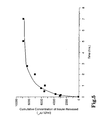
- the buffer solution was magnetically agitated at moderate stirring speed (100 rpm). Aliquots (0.2 ml) were withdrawn at predetermined times over a 60 hour period with a 1 ml syringe from the reservoir through the side arm. The samples were filtered through 0.22 ⁇ m Costar syringe filter to exclude any BAM particulate and collected in 1.5 ml tubes. The insulin or trypsin concentration was determined by the methods described above. The results of the drug release study are shown in Figures 3 and 4 in terms of cumulative amount of insulin or trypsin in mg.
- Figure 3 showed the effect of crosslinking on the amount of insulin released from BAM.
- the higher the temperature used to crosslink the BAM the greater the degree of crosslinking.
- Higher crosslinking resulted in surface loading instead of core loading, thus the insulin was released slower from Example 18 (less crosslinking) where the BAM was crosslinked at 115°C than from Examples 19 and 20 (more crosslinking) where the BAM was crosslinked at 125°C and 135°C, respectively.
- Figure 4 showed the effect of adding a surfactant to the carrier medium as well as the effect of crosslinking on the amount of trypsin released from BAM.
- the BAM in Example 23 were crosslinked at the same temperature as those in Example 21 , but the BAM in Example 23 contained a surfactant in the carrier medium with the impregnation additive.
- the BAM in Example 23 released at nearly the same rate as those in Example 21.
- the BAM in Example 22 were crosslinked more and released faster than the BAM in Examples 21 or 23.
- Bovine serum albumin (BSA) (Sigma Chemical Co., St. Louis, MO) was dissolved in water to make a 30 (w/v) % solution.
- Microspheres were formed by injecting the albumin solution through a 20 gauge hypodermic needle into 800 ml of corn oil (Mazola Corn Oil, Best Foods, CPC International, Inc., Englewood Cliffs, NJ) in a heated bath while stirring at 500-2500 rpm. Stirring rates were measured with a tachometer. The rate of stirring determines to a significant extent the ultimate particle size distribution of the resulting spheres. The average diameter of the microspheres was 10 microns. Stirring was continued while the oil bath temperature was raised from ambient to 115°C over a 15-30 minute time period.
- the bath was held at that temperature for 1 hour. After that time period, the oil bath and its contents were cooled back to room temperature and the resulting microspheres were separated from the oil on Whatman #5 filter paper using vacuum filtration. Final traces of oil were removed from the microspheres by washing them several times with 100-200 ml aliquots of heptane. The microspheres were air dried and were stored at 4°C with a desiccant until needed.
- gentamicin sulfate Sigma Chemical Co., St. Louis, MO
- sterile deionized water sterile deionized water
- 10%, 20%, and 40% by weight solutions Approximately 0.3 g of albumin microspheres were placed in an open vial with 2 1/2 to 3 ml of 10%, 20%, or 40% gentamicin solution.
- the vial was placed in a 300 cc pressure vessel (Newport Scientific, Inc., Jessup, MD) which was charged with CO 2 and adjusted to 13.8 Megapascal (MPa) (2,000 psi) at 35°C. The system was maintained at this condition for 4 hours before venting down to ambient pressure.
- the microspheres were recovered from each vial and rinsed in 500 ml distilled water. Samples were rinsed with 100 ml of heptane and air dried.
- PBS phosphate buffered saline
- gentamicin loaded BAM microspheres were dissolved in 1 ml of 2N HCl:ethanol:methanol (1:0.95:1) for 2 hours at 55°C.
- the solution was diluted 1:100 with phosphate buffered saline (PBS), pH 7.0.
- PBS phosphate buffered saline
- Bacillus subtilis commercially available as "ATCC 6633" from American Type Culture Collection, Rockville, MD, was grown in trypticase soybroth (TSB) to an optical density of 20 Klett Units/Red Filter (540-700 nm) measured using a Klett-Summersen Spectrophotometer, Klett Manufacturing Co., New York, NY.
- the culture was diluted 1:10 in TSB.
- the diluted culture 2.5 ml
- TSA molten trypticase soy agar
- the seeded agar was poured into petri dishes to a depth of 3-4 mm.
- the PBS/gentamicin-albumin solution was placed in 4 mm diameter wells punched in the agar.
- the petri dishes were incubated right side up at 37°C.
- Zones of inhibition which are the clear zones surrounding the wells, were measured and the gentamicin concentration was calculated from a standard curve obtained by making gentamicin solutions of 2, 4, 8, 16, 32 and 64 ⁇ g/ml; adding the solutions to the seeded agar wells and incubating at 37°C; plotting a graph of the effect of gentamicin concentration on zone of inhibition size; and calculating a regression line using an exponential curve fitting program.
- the weight percent of gentamicin loaded in the albumin microspheres for Examples 24-26 and Comparative Examples F-I are given in Table 6.
- Comparative Examples F-I showed that gentamicin, when separate or in contact and dry did not impregnate the BAM, and thus was insoluble in supercritical CO 2 at the disclosed conditions. Comparative Example I showed that gentamicin when in contact and dry slightly impregnated the BAM when evaluated using Procedure A, but these results were due to surface adsorption of the gentamicin on the BAM. The percent loading was significantly less than that obtained by practicing the method of the present invention in Examples 24-26 by simultaneously contacting the BAM with an aqueous solution of gentamicin. In addition, Examples 24-26 illustrated that the same or similiar results were achieved with different concentrations of gentamicin in the carrier medium.
- Bovine serum albumin (BSA) (Sigma Chemical Co., St. Louis, MO) was dissolved in water to make a 30 (w/v) % solution.
- Microspheres were formed by injecting the albumin solution through a 16 1/2 or 18 1/2 gauge hypodermic needle into 800 ml of corn oil (Mazola Corn Oil, Best Foods, CPC International, Inc., Englewood Cliffs, NJ) in a heated bath while stirring at 1000 rpm. Stirring rates were measured with a tachometer. The diameter of the microspheres ranged from 10 to 50 microns as determined by scanning electron microscope. Stirring was continued while the oil bath temperature was raised from ambient to 110°C over a 15-30 minute time period. The bath was held at that temperature for approximately 1 hour.
- the oil bath and its contents were cooled back to 15°C and the resulting microspheres were separated from the oil on Whatman #5 filter paper using vacuum filtration. Final traces of oil were removed from the microspheres by washing them several times with 60 ml aliquots of heptane.
- the microspheres were lyophilized at -50°C for 24 hours, air dried and stored at 4°C with a desiccant until needed.
- Bovine albumin microspheres (300 mg) were added to 2 ml of an aqueous solution of bovine insulin (15 mg/ml) (Sigma Chemical Co., St. Louis, MO) in a microcentrifuge tube. The specific activity of insulin was 24.4 IU/mg.
- the tube was placed in a 300 cc pressure vessel which was charged with CO 2 and adjusted to 8.3 MPa (1,200 psi) at 35°C. The system was maintained at this condition for 2 hours before venting down to ambient pressure.
- the microsphere suspension was allowed to stand overnight (14-16 hours) at 4°C to allow complete removal of air bubbles.
- the suspension was filtered and the filtrate and the microspheres were evaluated for insulin content.
- the microspheres were air-dried and stored at -70°C in a low- temperature freezer until tested for insulin release.
- phosphate buffered saline (PBS) solution at room temperature in 150 ml Corning sterile filter unit with 0.22 ⁇ m cellulose acetate membrane. The washes were saved to analyze for insulin content.
- the microsphere particles were transferred into a glass homogenizing tube and manually homogenized for 5 minutes in 28 ml of 0.1 N HCl in which the insulin was easily soluble.
- the crushed microspheres were sonicated in a bath sonicator ("Branson Model 2200" from Branson Ultrasonics Corp., Danbury, CT) for 1 hour to insure a complete solubilization of insulin. At the end of sonication, the temperature of the sample was 44°C. Insulin concentration was measured by high performance liquid chromatography (HPLC) or radio-immuno assay (RIA) on the supernatant obtained after centrifugation.
- HPLC high performance liquid chromatography
- RIA radio-immuno assay
- Insulin was measured following RIA procedure using the "Coat-A-Count Kit” commercially available from Diagnostic Product Corp., Los Angeles, CA. The antibody of insulin was incubated for a day at room temperature with insulin samples or standard dilution of insulin and radiolabelled [ 125 I] insulin. The next day, bound [ 125 I] insulin was separated by decanting the contents of tubes and counted for 1 minute in a gamma counter.
- Analytical determinations of insulin were made using a HPLC method with spectrometric UV determination (214 nm).
- the apparatus used consisted of an injector (Shimadzu Model Sil-9A, Shimadzu, Columbia, MD), a solvent delivery system (Waters 625, Millipore Corporation, Milford, MA), a variable wavelength detector (Waters 490E, Millipore Corporation, Milford, MA) and an integrator (Waters Baseline, Millipore Corporation, Milford, MA).
- the insulin containing solutions were injected into the Vydac reversed phase (RP) C-18 column (25 cm, 4.6 mm) attached to a guard column packed with RP C-18.
- RP Vydac reversed phase
- the mobile phase was a gradient mixture of acetonitrile and 0.1% trifluoroacetic acid (TFA) in water.
- the gradient conditions in terms of percent acetonitrile were 5-34% in 30 minutes, 34-36% in 6 minutes, and 36-46% in 8 minutes at a flow rate of 1.0 ml/min.
- Insulin was measured to be increasingly released from 5 minutes to 6 hours where a maximal release of 8020 ⁇ IU/ml was reached at 6 hours. No further increase was detected after 24 hours.
- Bovine serum albumin (BSA) (Sigma Chemical Co., St. Louis, MO) was dissolved in water to make a 30 (w/v) % solution.
- Microspheres were formed by injecting the albumin solution through a 20-25 gauge hypodermic needle into 500-800 ml of corn oil (Mazola Corn Oil, Best Foods, CPC International, Inc., Englewood Cliffs, NJ) in a heated bath while stirring at 500-2500 rpm. Stirring rates were measured with a tachometer. The rate of stirring determines to a significant extent the ultimate particle size distribution of the resulting spheres. The average diameter of the microspheres was 10 microns.
- gentamicin sulfate Sigma Chemical Co., St. Louis, MO
- concentrations of gentamicin sulfate were prepared by dissolving 1.0061, and 2.0076 grams in sterile deionized water to form 20% and 40% by weight solutions, respectively.
- a 50 (w/v) % solution of gentamicin was made by dissolving 0.5 g gentamicin sulfate per ml sterile deionized water.
- Approximately 0.3 g (the exact amount for each example is given in Table 3) of albumin microspheres were placed in an open vial with 2 1/2 to 3 ml of 20%, 40% or 50% gentamicin solution.
- the vial was placed in a 300 cc pressure vessel commercially available from Newport Scientific, Inc., Jessup, MD which was charged with CO 2 and adjusted to 13.8 Megapascal (MPa) (2,000 psi) at 35°C. The system was maintained at this condition for 4 hours before venting down to ambient pressure.
- the microspheres were recovered and rinsed in sterile deionized water. The microspheres were air dried overnight at room temperature and stored at 4°C with a desiccant until evaluated for core loading and/or drug release.
- gentamicin loaded albumin microspheres were dissolved in 1 ml of 2N HCl:ethanol:methanol (1:0.95:1) for 20 minutes at 55°C.
- the solution was diluted 1:100 with phosphate buffered saline (PBS), pH 7.0.
- PBS phosphate buffered saline
- Bacillus subtilis ("ATCC 6633" from American Type Culture Collection, Rockville, MD) was grown in trypticase soybroth (TSB) to an optical density of 20 Klett Units/Red Filter (540-700 nm) measured using a Klett-Summersen Spectrophotometer, Klett Manufacturing Co., New York, NY.
- the culture was diluted 1:10 in TSB.
- the diluted culture (2.5 ml) was added to 500 ml molten trypticase soy agar (TSA) to obtain a population of 5x10 5 Bacillus subtilis cells per ml.
- the seeded agar was poured into petri dishes to a depth of 3-4 mm.
- the PBS/gentamicin-albumin solution was placed in 4 mm diameter wells punched in the agar.
- the petri dishes were incubated right side up at 37°C.
- Zones of inhibition which are the clear zones surrounding the wells, were measured and the gentamicin concentration was calculated from a standard curve obtained by making gentamicin solutions of 2, 4, 8, 16, 32 and 64 ⁇ g/ml; adding the solutions to the seeded agar wells and incubating at 37°C; plotting a graph of the effect of gentamicin concentration on zone of inhibition size; and calculating a regression line using an exponential curve fitting program.
- the weight percent of gentamicin loaded in the albumin microspheres for Examples 28-36 is reported in Table 8.
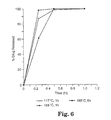
- Examples 33-36 were evaluated for drug release using the following procedure: 10 milligrams of gentamicin loaded albumin microspheres were suspended in 1 ml of PBS in a microcentrifuge tube. The tubes were incubated on a tube rotator (Scientific Equipment Products, Baltimore, MD) at room temperature. After 1/4 hour the tubes were centrifuged for 3-5 minutes in a Fisher Model 235C microcentrifuge (Fisher Scientific, Pittsburgh, PA). The supernatants were removed and stored at 4°C until assayed by the gentamicin biological assay described above. The microspheres were resuspended in 1 ml of fresh PBS and returned to the rotator for the next time point. Total time points were 1/4, 1/2 and 1 hour. The drug release rate for Examples 32, 34, and 35 is shown in Fig. 6.
- Example 28 was evaluated for drug release using the following procedure. Ten milligrams of gentamicin loaded albumin microspheres were suspended in 10 ml of PBS in a microcentrifuge tube. The tubes were agitated gently at room temperature. At 1, 2, 3, and 4 hour intervals 0.5 ml aliquots were removed, and were centrifuged for 3-5 minutes to pellet the microspheres in a Fisher Model 235C microcentrifuge (Fisher Scientific, Pittsburgh, PA). The supernatants were removed and stored at 4°C until assayed by the gentamicin biological assay described above. The drug release rate for Example 28 is shown in Fig. 7.
- gentamicin sulfate Three concentrations of gentamicin sulfate (Sigma Chemical Co., St. Louis, MO)were prepared by dissolving 0.5018, 1.0061, and 2.0076 grams in sterile deionized water to form 10%, 20%, and 40% by weight solutions, respectively.
- the albumin microspheres were made as described for Examples 28-36 except the temperature of the oil bath was 115°C and the amount of time the temperature was held was for 1 hr.
- the polyglycolic acid/polylactic acid (PGA/PLA), 50/50, microspheres were obtained as "DuPont Medisorb Microspheres" from Medisorb Technologies International L.P., Cincinnati, OH.
- Table 9 shows the amount, particle size and type of microsphere placed in each individual open vial with 2 1/2 to 3 ml of the gentamicin solution.
- the vials were placed in the 300 cc pressure vessel which was charged with CO 2 and adjusted to 13.8 MPa (2,000 psi) at 35°C. These conditions were maintained for 4 hours and then the vessel was slowly returned to ambient conditions over several minutes. The vials were removed, the samples recovered and the excess gentamicin solution was removed by vacuum filtration. The microspheres were quickly rinsed with 2 ml of sterile deionized water and dried in a desiccator overnight. The microspheres were stored at 4°C with a desiccant until evaluated for core loading using the procedure described for Examples 28-36 .
- Example 9 The results are shown in Table 9 for Examples 37-41 .
- the PGA/PLA microspheres (Examples 37-38) foamed which may explain the lower percent of core loading for this substrate.
- the effect of gentamicin concentration on weight percent core loading of albumin microspheres was demonstrated in Examples 39-41 . The higher the concentration the greater the amount of loading.
- These microspheres were less crosslinked than the ones used in Examples 28-36 .
- High molecular weight polylactic acid was purchased as a powder or granules from CCA Biochem, Gorinchem, Holland, and converted to various size microspheres.
- gentamicin sulfate Sigma Chemical Co., St. Louis, MO
- concentrations of gentamicin sulfate were prepared by dissolving 1.0061, and 2.0076 grams in sterile deionized water to form 20% and 40% by weight solutions, respectively.
- Approximately 0.3 g of PLA microspheres were placed in an open vial with 2 1/2 to 3 ml of 20% or 40% gentamicin solution.
- the vial was placed in a 300 cc pressure vessel commercially available from Newport Scientific, Inc., Jessup, MD, which was charged with CO 2 and adjusted to 13.8 Megapascal (MPa) (2,000 psi) at 35°C.
- MPa Megapascal
- the system was maintained at this condition for 3 hours before venting down to ambient pressure.
- the microspheres were recovered and rinsed in deionized water. The microspheres were air dried overnight at room temperature and stored at 4°C until evaluated for core loading.
- High molecular weight polylactic acid was purchased as powder or granules from CCA Biochem, Gorinchem, Holland, and converted to various size microspheres.
- a concentration of gentamicin sulfate commercially available from Sigma Chemical Co. was prepared by dissolving 2.0076 grams in sterile deionized water to form a 40% by weight solution.
- Approximately 0.3 g of PLA microspheres were placed in an open vial with 2 1/2 to 3 ml of 40% gentamicin solution.
- the vial was placed in a 300 cc pressure vessel (Newport Scientific, Inc., Jessup, MD)which was charged with CO 2 or N 2 O and adjusted to 13.8 Megapascal (MPa) (2,000 psi) at 35°C or 60°C.
- MPa Megapascal
- the system was maintained at this condition for 3 hours or overnight (14-16 hours) before venting down to ambient pressure.
- the microspheres were recovered and rinsed in sterile deionized water. The microspheres were air dried overnight at room temperature and stored at 4°C until evaluated for core loading and drug release.
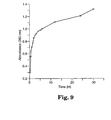
- gentamicin loaded PLA microspheres 100 mg were suspended in 50 ml of PBS and incubated with gentle agitation at 37°C. 0.5 ml of the suspension were removed at 1/4, 1/2, 1, 2, 3, 4, and 5 hour timepoints and filtered through a 0.45 micron cellulose acetate filter to remove the microspheres. Filtrates were stored at 4°C until evaluated using the gentamicin biological assay described for Examples 28-36 . The specific loading conditions and the weight percent core loading are shown in Table 11 . The results of the drug release for Examples 50-52 are shown in Fig. 8 . Effect of Supercritical Conditions on Loading of Gentamicin into PLA Microspheres.
- Example 50 showed the best results with Example 51 showing sustained release also.
- Rate of drug release of tetracycline from albumin microspheres Rate of drug release of tetracycline from albumin microspheres.
- Albumin microspheres were made as described in Examples 28-36 except the temperature of the oil bath was 117°C and the temperature was held for 1 hr.
- BAM Approximately 0.3 g of BAM were placed in an open vial with 2 1/2 to 3 ml of tetracycline (Sigma Chemical Co.) saturated water (5 g/20 ml deionized water).
- the vial was placed in a 300 cc pressure vessel (Newport Scientific, Inc., Jessup, MD)which was charged with CO 2 and adjusted to 13.8 Megapascal (MPa) (2,000 psi) at 35°C.
- MPa Megapascal
- the system was maintained at this condition for 4 hours before venting down to ambient pressure.
- the microspheres were recovered and rinsed in sterile deionized water. The microspheres were air dried overnight at room temperature and stored at 4°C until evaluated for drug release.
- Tetracycline loaded albumin microspheres (200 mg) were added to 10 ml of PBS, pH 6.2, in a centrifuge tube. The tube was incubated at room temperature on a hematology mixer. At time intervals of 10, 20, 30, 60, 90, 120, 150, 180, 240, 300, 360, 720, 1440, and 1820 minutes, the tube was centrifuged at 500 rpm for 5 minutes and the supernatant evaluated by determining the absorbance at 360 nm in a Beckman spectrophotometer. Figure 9 shows the result of this measurement. The supernatant fluid was replaced in the centrifuge tube and reincubated until time for the next measurement.
- Polyglycolic acid sutures (“Dexon 'S' 4-0" and “Dexon 'S' 7-0” from Davis & Geck, Danbury, CT); Coated VICRYLTM undyed braided (Polyglactin 910) suture coated with polyglactin 370 and calcium stearate (“Ethicon 3-0" and “Ethicon 4-0” from Ethicon, Inc., a Johnson & Johnson Company, Sommerville, NJ); and polydioxanone (“PDS-II 0" from Ethicon, Inc., a Johnson & Johnson company, Sommerville, NJ); were impregnated with tetracycline (Sigma Chemical Co.).
- sutures were placed in an open vial with 2 1/2 to 3 ml of tetracycline saturated water (5 g/20 ml deionized water).
- the vial was placed in a 300 cc pressure vessel (Newport Scientific, Inc., Jessup, MD) which was charged with CO 2 and adjusted to 14.5 Megapascal (MPa) (2,100 psi) at 35°C. The system was maintained at this condition for 17 hours before venting down to ambient pressure.
- the sutures were recovered and rinsed in sterile deionized water.
- the sutures were towel dried and placed in polyethylene bags in a desiccator until evaluated for core loading and drug release.
- the sutures were dissolved in 10 ml of methylene chloride. 20 ml of methanol was added to the solution. The absorbance of the solution was measured at 360 nm on a Bausch and Lomb Spectronic 20 spectrophotometer. The weight percent core loading was calculated from a standard curve prepared from known concentrations of tetracycline in methylene chloride and methanol. The results are shown in Table 12 .
- the tetracycline loaded sutures (10 mg) were added to 30 ml of buffer (Physiosol Irrigation Solution, pH 6.2) in a 250 ml side-arm flask. The flask and its contents were incubated at room temperature on a rotary shaker at 100 rpm. At time intervals of 15 minutes for the first hour, 1 hour intervals for the first 12 hours, and every twelve hours until 96 hours, the absorbance of the solution was measured at 360 nm using a Bausch and Lomb Spectronic 20 spectrophotometer. The results are shown in Figure 10 . Tetracycline was present in the sutures and was slowly released for 50 hours. Sutures cannot be loaded before formation due to degradation of antibiotics during extrusion of the polymer.
- buffer Physiosol Irrigation Solution, pH 6.2
- Core loading ranged from 0.6 to 7.6 % with a release rate of 2 to 4 days.
- the suture in Example 58 did not dissolve well, which may explain the lower core loading.
- the curves in Figure 10 are similar to each other in that they have an initial burst (50% of drug released at the first timepoint) and then a slower rate of release.
- the tetracycline release rate was slower than the release rate for gentamicin due to the fact that tetracycline was much less soluble in water than gentamicin.
Landscapes
- Health & Medical Sciences (AREA)
- Engineering & Computer Science (AREA)
- Chemical & Material Sciences (AREA)
- Bioinformatics & Cheminformatics (AREA)
- Life Sciences & Earth Sciences (AREA)
- Public Health (AREA)
- Veterinary Medicine (AREA)
- Epidemiology (AREA)
- Medicinal Chemistry (AREA)
- Animal Behavior & Ethology (AREA)
- General Health & Medical Sciences (AREA)
- Pharmacology & Pharmacy (AREA)
- Textile Engineering (AREA)
- Materials Engineering (AREA)
- Polymers & Plastics (AREA)
- Molecular Biology (AREA)
- Dispersion Chemistry (AREA)
- Surgery (AREA)
- Vascular Medicine (AREA)
- Chemical Kinetics & Catalysis (AREA)
- Biomedical Technology (AREA)
- Organic Chemistry (AREA)
- Treatments Of Macromolecular Shaped Articles (AREA)
- Medicinal Preparation (AREA)
- Materials For Medical Uses (AREA)
- Coating Of Shaped Articles Made Of Macromolecular Substances (AREA)
- Compositions Of Macromolecular Compounds (AREA)
Applications Claiming Priority (3)
| Application Number | Priority Date | Filing Date | Title |
|---|---|---|---|
| US16603 | 1987-02-19 | ||
| US08/016,603 US5340614A (en) | 1993-02-11 | 1993-02-11 | Methods of polymer impregnation |
| PCT/US1994/001557 WO1994018264A1 (en) | 1993-02-11 | 1994-02-10 | Methods of polymer impregnation |
Publications (2)
| Publication Number | Publication Date |
|---|---|
| EP0683804A1 EP0683804A1 (en) | 1995-11-29 |
| EP0683804B1 true EP0683804B1 (en) | 2001-04-18 |
Family
ID=21777994
Family Applications (1)
| Application Number | Title | Priority Date | Filing Date |
|---|---|---|---|
| EP94908776A Expired - Lifetime EP0683804B1 (en) | 1993-02-11 | 1994-02-10 | Methods of polymer impregnation |
Country Status (6)
| Country | Link |
|---|---|
| US (2) | US5340614A (enExample) |
| EP (1) | EP0683804B1 (enExample) |
| JP (1) | JP3263080B2 (enExample) |
| CA (1) | CA2154359A1 (enExample) |
| DE (1) | DE69427121T2 (enExample) |
| WO (1) | WO1994018264A1 (enExample) |
Cited By (2)
| Publication number | Priority date | Publication date | Assignee | Title |
|---|---|---|---|---|
| CN108368283A (zh) * | 2015-12-08 | 2018-08-03 | 斯沃奇集团研究和开发有限公司 | 用于浸渍由塑料材料制成的部件的方法 |
| WO2019122387A1 (de) | 2017-12-22 | 2019-06-27 | Uhde High Pressure Technologies Gmbh | Vorrichtung und verfahren zum hochdruckbehandeln von schüttgut durch extrahieren und/oder imprägnieren sowie verwendung |
Families Citing this family (180)
| Publication number | Priority date | Publication date | Assignee | Title |
|---|---|---|---|---|
| US5340614A (en) * | 1993-02-11 | 1994-08-23 | Minnesota Mining And Manufacturing Company | Methods of polymer impregnation |
| US5352378A (en) * | 1993-05-27 | 1994-10-04 | Minnesota Mining And Manufacturing Company | Nonflammable lubricious composition |
| US5583114A (en) | 1994-07-27 | 1996-12-10 | Minnesota Mining And Manufacturing Company | Adhesive sealant composition |
| USRE38827E1 (en) | 1994-07-27 | 2005-10-11 | 3M Innovative Properties Company | Adhesive sealant composition |
| US5830526A (en) * | 1994-12-28 | 1998-11-03 | Fibermark, Inc. | Light-activated antimicrobial and antiviral materials |
| EP0854952B1 (de) * | 1995-10-06 | 2001-08-29 | Amann & Söhne GmbH & Co. | Verfahren zum färben eines textilen substrates |
| DE59609515D1 (de) * | 1995-10-17 | 2002-09-05 | Amann & Soehne | Verfahren zum färben eines textilen substrates in mindestens einem überkritischen fluid |
| US5863298A (en) * | 1996-03-08 | 1999-01-26 | Battelle Memorial Institute | Method for sizing and desizing yarns with liquid and supercritical carbon dioxide solvent |
| US5756657A (en) * | 1996-06-26 | 1998-05-26 | University Of Massachusetts Lowell | Method of cleaning plastics using super and subcritical media |
| US20020006469A1 (en) * | 1996-08-14 | 2002-01-17 | Gilles Baillet | Method for incorporating additives in an ophthalmic article by means of a supercritical fluid |
| US5766637A (en) * | 1996-10-08 | 1998-06-16 | University Of Delaware | Microencapsulation process using supercritical fluids |
| US5938794A (en) * | 1996-12-04 | 1999-08-17 | Amann & Sohne Gmbh & Co. | Method for the dyeing of yarn from a supercritical fluid |
| ATE241722T1 (de) * | 1996-12-04 | 2003-06-15 | Amann & Soehne | Verfahren zum färben von textilen substraten |
| US7217754B2 (en) | 1997-02-26 | 2007-05-15 | Integument Technologies, Inc. | Polymer composites and methods for making and using same |
| US6548590B1 (en) | 2000-03-22 | 2003-04-15 | Integument Technologies, Inc. | Polymer and inorganic-organic hybrid composites and methods for making and using same |
| AU734159B2 (en) | 1997-02-26 | 2001-06-07 | Integument Technologies, Inc. | Polymer composites and methods for making and using same |
| US6232386B1 (en) | 1997-02-26 | 2001-05-15 | Integument Technologies, Inc. | Polymer composites having an oxyhalo surface and methods for making same |
| US5977241A (en) * | 1997-02-26 | 1999-11-02 | Integument Technologies, Inc. | Polymer and inorganic-organic hybrid composites and methods for making same |
| GB9800936D0 (en) * | 1997-05-10 | 1998-03-11 | Univ Nottingham | Biofunctional polymers |
| US6287640B1 (en) | 1997-05-30 | 2001-09-11 | Micell Technologies, Inc. | Surface treatment of substrates with compounds that bind thereto |
| WO1998054397A1 (en) | 1997-05-30 | 1998-12-03 | Micell Technologies | Surface treatment |
| US6165560A (en) | 1997-05-30 | 2000-12-26 | Micell Technologies | Surface treatment |
| US6344243B1 (en) | 1997-05-30 | 2002-02-05 | Micell Technologies, Inc. | Surface treatment |
| IT1296464B1 (it) * | 1997-11-19 | 1999-06-25 | Vectorpharma Int | Composizioni farmaceutiche in forma di polveri di polimeri reticolati caricati con farmaci e relativo processo di preparazione mediante |
| US6120613A (en) * | 1998-04-30 | 2000-09-19 | Micell Technologies, Inc. | Carbon dioxide cleaning and separation systems |
| US6497921B1 (en) | 1998-11-06 | 2002-12-24 | North Carolina State University | Method for meniscus coating with liquid carbon dioxide |
| US6083565A (en) | 1998-11-06 | 2000-07-04 | North Carolina State University | Method for meniscus coating with liquid carbon dioxide |
| US6420455B1 (en) | 1999-06-18 | 2002-07-16 | 3M Innovative Properties Company | Antimicrobial composition containing photosensitizers articles, and methods of use |
| US6680284B1 (en) | 1999-07-13 | 2004-01-20 | Degussa Ag | Method for producing powdery particle-reduced formulations with the aid of compressed gases |
| US6521284B1 (en) | 1999-11-03 | 2003-02-18 | Scimed Life Systems, Inc. | Process for impregnating a porous material with a cross-linkable composition |
| NL1014395C2 (nl) * | 2000-02-16 | 2001-08-20 | Stork Brabant Bv | Werkwijze voor het verven van textielmaterialen in een superkritisch flu´dum. |
| EP1257257B1 (en) | 2000-02-17 | 2018-10-31 | Neomend, Inc. | Method for producing delivery systems using preformed biodegradable polymer compositions |
| IT1318404B1 (it) * | 2000-03-17 | 2003-08-25 | Eurand Int | Processo per la preparazione di formulazioni a rilascio accelerato conimpiego di fluidi compressi. |
| US6599962B2 (en) | 2000-04-12 | 2003-07-29 | The Regents Of The University Of California | Incorporation of additives into polymers |
| CA2409003C (en) * | 2000-05-16 | 2010-10-19 | Ortho-Mcneil Pharmaceutical, Inc. | Process for coating medical devices using super-critical carbon dioxide |
| JP2004501683A (ja) * | 2000-06-28 | 2004-01-22 | サルザー カーボメディクス インコーポレイテッド | 埋込可能医療装置用抗菌物質レザバー |
| US20060036026A1 (en) * | 2000-07-05 | 2006-02-16 | White Max Co., Ltd. | Resin composition and manufacturing method therefor |
| US6562898B2 (en) * | 2000-07-05 | 2003-05-13 | Katsuhisa Masumoto | Resin composition and manufacturing method therefor |
| JP2002086491A (ja) * | 2000-07-14 | 2002-03-26 | Canon Inc | 多層構造の樹脂成形品及び多層構造の樹脂成形品の製造方法 |
| US8568766B2 (en) | 2000-08-24 | 2013-10-29 | Gattadahalli M. Anantharamaiah | Peptides and peptide mimetics to treat pathologies associated with eye disease |
| CN1252151C (zh) * | 2000-08-28 | 2006-04-19 | 三井化学株式会社 | 聚合物组合物,包含该组合物的模塑制品,和生产其的方法 |
| US6521258B1 (en) * | 2000-09-08 | 2003-02-18 | Ferro Corporation | Polymer matrices prepared by supercritical fluid processing techniques |
| EP1330347B1 (en) * | 2000-09-29 | 2006-08-16 | Depuy Orthopaedics, Inc. | Supercritical fluid treatment of an irradiated preform of a prosthesis bearing made of polyethylene |
| US6506437B1 (en) * | 2000-10-17 | 2003-01-14 | Advanced Cardiovascular Systems, Inc. | Methods of coating an implantable device having depots formed in a surface thereof |
| AU2002212551A1 (en) * | 2000-11-10 | 2002-05-21 | Cambridge University Technical Services Limited | Delivery devices |
| US7498042B2 (en) * | 2000-11-30 | 2009-03-03 | Kyoto Medical Planning Co., Ltd. | Stent for blood vessel and material for stent for blood vessel |
| US6544582B1 (en) * | 2001-01-05 | 2003-04-08 | Advanced Cardiovascular Systems, Inc. | Method and apparatus for coating an implantable device |
| US20030044514A1 (en) * | 2001-06-13 | 2003-03-06 | Richard Robert E. | Using supercritical fluids to infuse therapeutic on a medical device |
| US20070196415A1 (en) * | 2002-11-14 | 2007-08-23 | Guohua Chen | Depot compositions with multiple drug release rate controls and uses thereof |
| MXPA04004665A (es) | 2001-11-14 | 2004-09-10 | Alza Corp | Composiciones de deposito inyectable y uso de los mismos. |
| KR20040058100A (ko) * | 2001-11-14 | 2004-07-03 | 알자 코포레이션 | 주입가능한 데포 조성물 및 그의 용도 |
| AU2003205552A1 (en) * | 2002-02-18 | 2003-09-04 | Nkt Research And Innovation A/S | Methods of treating polymeric substrates |
| JP5105698B2 (ja) * | 2002-03-07 | 2012-12-26 | エウランド ファルマチェウティカルズ リミテッド | 超臨界流体によってポリマー上に薬剤を組込みかつ熱力学的に活性化するためのプロセス |
| GB0205868D0 (en) * | 2002-03-13 | 2002-04-24 | Univ Nottingham | Polymer composite with internally distributed deposition matter |
| US20030181749A1 (en) * | 2002-03-21 | 2003-09-25 | Kunzler Jay F. | Supercritical fluid extraction of vitreoretinal silicone tamponades |
| US20040001889A1 (en) | 2002-06-25 | 2004-01-01 | Guohua Chen | Short duration depot formulations |
| MXPA05001244A (es) * | 2002-07-31 | 2005-06-08 | Alza Corp | Composiciones de deposito de polimero multimodal inyectable y usos de las mismas. |
| AU2002359397B2 (en) * | 2002-07-31 | 2009-01-29 | Durect Corporation | Injectable depot compositions and uses thereof |
| WO2004016659A1 (ja) * | 2002-08-16 | 2004-02-26 | Nihon University | 高分子複合材料の製造方法 |
| GB0221150D0 (en) | 2002-09-12 | 2002-10-23 | Matthews Siobhan O | Incorporation of functional materials into bulk materials |
| US7771818B2 (en) * | 2002-09-20 | 2010-08-10 | Bha Group, Inc. | Treatment of porous article |
| WO2004044281A2 (en) * | 2002-11-12 | 2004-05-27 | The Regents Of The University Of California | Nano-porous fibers and protein membranes |
| US20050070989A1 (en) * | 2002-11-13 | 2005-03-31 | Whye-Kei Lye | Medical devices having porous layers and methods for making the same |
| KR100826574B1 (ko) * | 2002-11-13 | 2008-04-30 | 유니버시티 오브 버지니아 페이턴트 파운데이션 | 다공성 층을 갖는 의료장치 및 이를 제조하는 방법 |
| US20060121080A1 (en) * | 2002-11-13 | 2006-06-08 | Lye Whye K | Medical devices having nanoporous layers and methods for making the same |
| US9770349B2 (en) * | 2002-11-13 | 2017-09-26 | University Of Virginia Patent Foundation | Nanoporous stents with enhanced cellular adhesion and reduced neointimal formation |
| US20040098106A1 (en) * | 2002-11-14 | 2004-05-20 | Williams Michael S. | Intraluminal prostheses and carbon dioxide-assisted methods of impregnating same with pharmacological agents |
| US7285287B2 (en) * | 2002-11-14 | 2007-10-23 | Synecor, Llc | Carbon dioxide-assisted methods of providing biocompatible intraluminal prostheses |
| US7217749B2 (en) * | 2003-01-20 | 2007-05-15 | Northern Technologies International Corporation | Process for infusing an alkali metal nitrite into a synthetic resinous material |
| US7217750B2 (en) * | 2003-01-20 | 2007-05-15 | Northern Technologies International Corporation | Process for incorporating one or more materials into a polymer composition and products produced thereby |
| US6932930B2 (en) * | 2003-03-10 | 2005-08-23 | Synecor, Llc | Intraluminal prostheses having polymeric material with selectively modified crystallinity and methods of making same |
| FR2854071B1 (fr) * | 2003-04-25 | 2009-01-30 | Ethypharm Sa | Procede de dispersion de substances hydrosolubles ou hydrophiles dans un fluide a pression supercritique |
| AT412969B (de) * | 2003-05-19 | 2005-09-26 | Klaus Dr Lederer | Vernetztes, ultra-hochmolekulares polyethylen (uhmw-pe) |
| DK200301027A (da) * | 2003-07-04 | 2005-01-05 | Nkt Res & Innovation As | A method of producing interpenetrating polymer networks (IPN) and applications of IPN'S |
| JP4726625B2 (ja) * | 2003-07-24 | 2011-07-20 | 株式会社クラレ | 酸素吸収体およびその製造方法ならびにそれを用いた包装材 |
| EP1611877A1 (en) * | 2004-06-28 | 2006-01-04 | Universidade de Coimbra | Method for preparing sustained-release therapeutic ophthalmic articles using compressed fluids for impregnation of drugs |
| JP4630011B2 (ja) * | 2004-06-29 | 2011-02-09 | 株式会社イノアックコーポレーション | 導電性樹脂成形体の製造方法及び導電性樹脂成形体 |
| JP5176320B2 (ja) * | 2004-08-11 | 2013-04-03 | コニカミノルタエムジー株式会社 | リポソーム含有製剤の製造方法 |
| GB2417900A (en) * | 2004-09-11 | 2006-03-15 | Medway Science Technologies Lt | Composition for oral drug delivery |
| US20060127442A1 (en) * | 2004-12-09 | 2006-06-15 | Helmus Michael N | Use of supercritical fluids to incorporate biologically active agents into nanoporous medical articles |
| JP2007131864A (ja) * | 2005-04-27 | 2007-05-31 | Hitachi Maxell Ltd | ポリマー部材 |
| WO2007011708A2 (en) | 2005-07-15 | 2007-01-25 | Micell Technologies, Inc. | Stent with polymer coating containing amorphous rapamycin |
| ES2691646T3 (es) | 2005-07-15 | 2018-11-28 | Micell Technologies, Inc. | Revestimientos poliméricos que contienen polvo de fármaco de morfología controlada |
| DE102005045501A1 (de) * | 2005-09-23 | 2007-03-29 | Braun Gmbh | Verfahren zum Einfärben von Zahnbürstenfilamenten |
| US8201564B2 (en) * | 2005-12-30 | 2012-06-19 | Philip Morris Usa Inc. | Cigarette filters |
| EP1976459A4 (en) | 2006-01-19 | 2012-06-20 | Warsaw Orthopedic Inc | POROUS BONE IMPLANT |
| ES2672625T3 (es) | 2006-02-10 | 2018-06-15 | Biocompatibles Uk Limited | Carga de fármacos hidrófobos en sistemas de suministro poliméricos hidrófilos |
| CA2577760A1 (en) * | 2006-02-27 | 2007-08-27 | Tyco Healthcare Group Lp | Pressurized dip coating system |
| CA2650590C (en) | 2006-04-26 | 2018-04-03 | Micell Technologies, Inc. | Coatings containing multiple drugs |
| WO2008030473A2 (en) * | 2006-09-05 | 2008-03-13 | University Of Wyoming | Process for forming nanoparticles by micellization of blocky copolymers in subcritical and supercritical solvents |
| US8636767B2 (en) | 2006-10-02 | 2014-01-28 | Micell Technologies, Inc. | Surgical sutures having increased strength |
| RU2318839C1 (ru) * | 2006-10-13 | 2008-03-10 | Институт элементоорганических соединений РАН (ИНЭОС РАН) | Способ импрегнации гидроксилсодержащих полимеров |
| WO2008052000A2 (en) | 2006-10-23 | 2008-05-02 | Micell Technologies, Inc. | Holder for electrically charging a substrate during coating |
| US11426494B2 (en) | 2007-01-08 | 2022-08-30 | MT Acquisition Holdings LLC | Stents having biodegradable layers |
| JP5603598B2 (ja) | 2007-01-08 | 2014-10-08 | ミセル テクノロジーズ、インコーポレイテッド | 生物分解層を有するステント |
| JP5060791B2 (ja) * | 2007-01-26 | 2012-10-31 | 独立行政法人森林総合研究所 | 木材の乾燥方法、木材への薬剤浸透方法及び乾燥装置 |
| EP2170418B1 (en) | 2007-05-25 | 2016-03-16 | Micell Technologies, Inc. | Polymer films for medical device coating |
| EP2195340A4 (en) | 2007-08-28 | 2011-05-11 | Uab Research Foundation | SYNTHETIC APOLIPOPROTEIN E-IMITATING POLYPEPTIDES AND METHOD OF USE |
| US9422363B2 (en) | 2007-08-28 | 2016-08-23 | Uab Research Foundation | Synthetic apolipoprotein E mimicking polypeptides and methods of use |
| AU2009251504B2 (en) | 2008-04-17 | 2013-09-05 | Micell Technologies, Inc. | Stents having bioabsorbable layers |
| US20090269480A1 (en) * | 2008-04-24 | 2009-10-29 | Medtronic Vascular, Inc. | Supercritical Fluid Loading of Porous Medical Devices With Bioactive Agents |
| GB0812742D0 (en) | 2008-07-11 | 2008-08-20 | Critical Pharmaceuticals Ltd | Process |
| WO2010009335A1 (en) | 2008-07-17 | 2010-01-21 | Micell Technologies, Inc. | Drug delivery medical device |
| US9510856B2 (en) | 2008-07-17 | 2016-12-06 | Micell Technologies, Inc. | Drug delivery medical device |
| US8834913B2 (en) | 2008-12-26 | 2014-09-16 | Battelle Memorial Institute | Medical implants and methods of making medical implants |
| JP5603059B2 (ja) | 2009-01-20 | 2014-10-08 | 大陽日酸株式会社 | 複合樹脂材料粒子及びその製造方法 |
| US20100256746A1 (en) * | 2009-03-23 | 2010-10-07 | Micell Technologies, Inc. | Biodegradable polymers |
| CA2757276C (en) | 2009-04-01 | 2017-06-06 | Micell Technologies, Inc. | Coated stents |
| EP2419058B1 (en) | 2009-04-17 | 2018-02-28 | Micell Technologies, Inc. | Stents having controlled elution |
| FR2945449B1 (fr) * | 2009-05-15 | 2012-10-05 | Pf Medicament | Procede d'impregnation par co2 supercritique |
| WO2011031882A2 (en) * | 2009-09-09 | 2011-03-17 | Sabin Corporation | Methods of manufacturing drug-loaded substrates |
| WO2011042613A2 (en) * | 2009-10-08 | 2011-04-14 | Taiga Polymers Oy | Antimicrobial composition |
| EP2511322B1 (en) * | 2009-12-12 | 2017-03-29 | Taiyo Nippon Sanso Corporation | Composite resinous particles and process for producing same |
| WO2011097103A1 (en) | 2010-02-02 | 2011-08-11 | Micell Technologies, Inc. | Stent and stent delivery system with improved deliverability |
| US8795762B2 (en) | 2010-03-26 | 2014-08-05 | Battelle Memorial Institute | System and method for enhanced electrostatic deposition and surface coatings |
| JP5604154B2 (ja) | 2010-04-02 | 2014-10-08 | 株式会社メニコン | ポリマー材料、眼用レンズ及びコンタクトレンズ |
| US10232092B2 (en) | 2010-04-22 | 2019-03-19 | Micell Technologies, Inc. | Stents and other devices having extracellular matrix coating |
| CA2805631C (en) | 2010-07-16 | 2018-07-31 | Micell Technologies, Inc. | Drug delivery medical device |
| JP5732079B2 (ja) | 2011-02-07 | 2015-06-10 | 大陽日酸株式会社 | 複合樹脂材料粒子の製造方法 |
| US10464100B2 (en) | 2011-05-31 | 2019-11-05 | Micell Technologies, Inc. | System and process for formation of a time-released, drug-eluting transferable coating |
| US8568493B2 (en) | 2011-07-25 | 2013-10-29 | Cool Planet Energy Systems, Inc. | Method for producing negative carbon fuel |
| US9493379B2 (en) | 2011-07-25 | 2016-11-15 | Cool Planet Energy Systems, Inc. | Method for the bioactivation of biochar for use as a soil amendment |
| US10173937B2 (en) | 2011-06-06 | 2019-01-08 | Cool Planet Energy Systems, Inc. | Biochar as a microbial carrier |
| US8317891B1 (en) | 2011-06-06 | 2012-11-27 | Cool Planet Biofuels, Inc. | Method for enhancing soil growth using bio-char |
| US12421176B2 (en) | 2011-06-06 | 2025-09-23 | Carbon Technology Holdings, LLC | Biochar as a microbial carrier |
| US12084392B2 (en) | 2011-06-06 | 2024-09-10 | Carbon Technology Holdings, LLC | Treated biochar for use in water treatment systems |
| US9809502B2 (en) | 2011-06-06 | 2017-11-07 | Cool Planet Energy Systems, Inc. | Enhanced Biochar |
| US10550044B2 (en) | 2011-06-06 | 2020-02-04 | Cool Planet Energy Systems, Inc. | Biochar coated seeds |
| US10322389B2 (en) | 2014-10-01 | 2019-06-18 | Cool Planet Energy Systems, Inc. | Biochar aggregate particles |
| US10233129B2 (en) | 2011-06-06 | 2019-03-19 | Cool Planet Energy Systems, Inc. | Methods for application of biochar |
| US10640429B2 (en) | 2011-06-06 | 2020-05-05 | Cool Planet Energy System, Inc. | Methods for application of biochar |
| US12054440B2 (en) | 2011-06-06 | 2024-08-06 | Carbon Technology Holdings, LLC | Method for application of biochar in turf grass and landscaping environments |
| US10392313B2 (en) | 2011-06-06 | 2019-08-27 | Cool Planet Energy Systems, Inc. | Method for application of biochar in turf grass and landscaping environments |
| US9980912B2 (en) | 2014-10-01 | 2018-05-29 | Cool Planet Energy Systems, Inc. | Biochars for use with animals |
| US10118870B2 (en) | 2011-06-06 | 2018-11-06 | Cool Planet Energy Systems, Inc. | Additive infused biochar |
| US11214528B2 (en) | 2011-06-06 | 2022-01-04 | Carbon Technology Holdings, LLC | Treated biochar for use in water treatment systems |
| US11279662B2 (en) | 2011-06-06 | 2022-03-22 | Carbon Technology Holdings, LLC | Method for application of biochar in turf grass and landscaping environments |
| US10252951B2 (en) | 2011-06-06 | 2019-04-09 | Cool Planet Energy Systems, Inc. | Biochars and biochar treatment processes |
| US10696603B2 (en) | 2011-06-06 | 2020-06-30 | Carbon Technology Holdings, LLC | Mineral solubilizing microorganism infused biochars |
| US10059634B2 (en) | 2011-06-06 | 2018-08-28 | Cool Planet Energy Systems, Inc. | Biochar suspended solution |
| WO2013012689A1 (en) | 2011-07-15 | 2013-01-24 | Micell Technologies, Inc. | Drug delivery medical device |
| US10188772B2 (en) | 2011-10-18 | 2019-01-29 | Micell Technologies, Inc. | Drug delivery medical device |
| DE102012221522A1 (de) | 2011-11-24 | 2013-06-27 | Fraunhofer-Gesellschaft zur Förderung der angewandten Forschung e.V. | Verfahren zur Einbringung mikroskaliger Partikel in polymere Oberflächen und Bauteil mit einer derartigen Oberfläche |
| EP2682519A1 (de) | 2012-07-02 | 2014-01-08 | Huntsman Textile Effects (Germany) GmbH | Verfahren und Zusammensetzungen für die Ausrüstung oder Färbung von Fasermaterialien |
| AU2014248508B2 (en) | 2013-03-12 | 2018-11-08 | Micell Technologies, Inc. | Bioabsorbable biomedical implants |
| CA2912387C (en) | 2013-05-15 | 2019-04-16 | Micell Technologies, Inc. | Bioabsorbable biomedical implants |
| GB201317756D0 (en) | 2013-10-08 | 2013-11-20 | Critical Pharmaceuticals Ltd | New process |
| WO2015088990A1 (en) | 2013-12-09 | 2015-06-18 | Durect Corporation | Pharmaceutically active agent complexes, polymer complexes, and compositions and methods involving the same |
| JP6626834B2 (ja) * | 2014-03-25 | 2019-12-25 | オーソペディック イノヴェイション セントル インコーポレイテッド | 付加製造法によって製造された抗菌性物品 |
| JP7081923B2 (ja) | 2014-07-31 | 2022-06-07 | ユーエイビー リサーチ ファンデーション | アポe模倣ペプチド及び血漿コレステロールを取り除くためのより高い効果 |
| EP3174918A1 (en) * | 2014-07-31 | 2017-06-07 | SABIC Global Technologies B.V. | Method of making plastic article |
| EP2980308A1 (de) | 2014-07-31 | 2016-02-03 | Huntsman Textile Effects (Germany) GmbH | Zusammensetzungen für die Behandlung von Fasermaterialien |
| US10472297B2 (en) | 2014-10-01 | 2019-11-12 | Cool Planet Energy System, Inc. | Biochars for use in composting |
| US11053171B2 (en) | 2014-10-01 | 2021-07-06 | Carbon Technology Holdings, LLC | Biochars for use with animals |
| US12599151B2 (en) | 2014-10-01 | 2026-04-14 | Talipot Cool Extract (Ip), Llc | Biochars, biochar extracts and biochar extracts having soluble signaling compounds and method for capturing material extracted from biochar |
| US10870608B1 (en) | 2014-10-01 | 2020-12-22 | Carbon Technology Holdings, LLC | Biochar encased in a biodegradable material |
| CA2963444C (en) | 2014-10-01 | 2023-12-05 | Cool Planet Energy Systems, Inc. | Biochars and biochar treatment processes |
| US11426350B1 (en) | 2014-10-01 | 2022-08-30 | Carbon Technology Holdings, LLC | Reducing the environmental impact of farming using biochar |
| US11097241B2 (en) | 2014-10-01 | 2021-08-24 | Talipot Cool Extract (Ip), Llc | Biochars, biochar extracts and biochar extracts having soluble signaling compounds and method for capturing material extracted from biochar |
| EP3722499B1 (en) | 2015-02-20 | 2023-11-29 | NIKE Innovate C.V. | Supercritical fluid material finishing |
| EP3259397A1 (en) * | 2015-02-20 | 2017-12-27 | NIKE Innovate C.V. | Supercritical fluid material scouring |
| WO2016134253A1 (en) | 2015-02-20 | 2016-08-25 | Nike Innovate C.V. | Supercritical fluid rolled or spooled material finishing |
| CA3013049A1 (en) * | 2016-01-28 | 2017-08-03 | Carbon Technology Holdings, LLC | Biochars for use with animals |
| RU2759926C2 (ru) * | 2016-11-16 | 2021-11-18 | ХАНТСМЭН ИНТЕРНЭШНЛ ЭлЭлСи | Способ окрашивания и вспенивания термопластичного полиуретана |
| JP7011237B2 (ja) * | 2017-05-12 | 2022-01-26 | 住友ゴム工業株式会社 | ポリマー含浸基材樹脂の製造方法 |
| FR3066764B1 (fr) * | 2017-05-24 | 2019-07-19 | Sensient Cosmetic Technologies | Procede d'impregnation de particules de polymethacrylate de methyle avec un colorant |
| JP2019014818A (ja) * | 2017-07-06 | 2019-01-31 | 出光興産株式会社 | 固体状ポリプロピレン系樹脂組成物 |
| US12129349B2 (en) * | 2017-10-31 | 2024-10-29 | Huntsman International Llc | Method for producing expanded thermoplastic polymers with controlled density |
| MX2020006266A (es) | 2017-12-15 | 2021-01-20 | Talipot Cool Extract Ip Llc | Biocarbones y extractos de biocarbón que tienen compuestos de señalización solubles y método de captura de material extracto de biocarbón. |
| DE202017007003U1 (de) | 2017-12-22 | 2019-03-25 | Thyssenkrupp Ag | Vorrichtung zum Hochdruckbehandeln von Schüttgut durch Extrahieren und/oder Imprägnieren sowie Verwendung |
| JP7405392B2 (ja) * | 2018-07-03 | 2023-12-26 | 国立研究開発法人産業技術総合研究所 | 機能性多孔質素材及びその製造方法 |
| DE102019109425B4 (de) | 2019-04-10 | 2022-01-05 | Uvex Safety Gloves Gmbh & Co. Kg | Verfahren zur Herstellung eines imprägnierten Polymersubstrats, Verfahren zur Herstellung von Chemikalienschutzhandschuhen und Verwendung eines imprägnierten Polymersubstrats für Schutzkleidung |
| FR3105078B1 (fr) | 2019-12-20 | 2024-04-05 | Commissariat Energie Atomique | Procédé de traitement d'un matériau choisi parmi un polyamide, un polyester et un poly(méth)acrylate |
| EP4090353A4 (en) | 2020-01-13 | 2023-08-09 | Durect Corporation | Sustained release drug delivery systems with reduced impurities and related methods |
| US11623978B2 (en) | 2020-05-28 | 2023-04-11 | Ford Global Technologies, Llc | Post-harvest method for natural fiber nanoparticle reinforcement using supercritical fluids |
| US11697227B2 (en) * | 2020-09-10 | 2023-07-11 | Guangzhou Green And Health Biotech Co., Ltd. | Foaming and dyeing integrated production line for polymer material product, and method thereof |
| WO2022128166A1 (en) * | 2020-12-18 | 2022-06-23 | Agiplast Italia Srl | Process for extracting at least one benzene sulfonamide plasticizer from a polyamide - associated polyamides uses and products |
| EP4277702A1 (en) | 2021-01-12 | 2023-11-22 | Durect Corporation | Sustained release drug delivery systems and related methods |
| US11497834B1 (en) * | 2021-11-02 | 2022-11-15 | Bio Protectant Technologies, Inc. | Supercritical method of making a biocompatible composite implant |
| US20230145146A1 (en) * | 2021-11-09 | 2023-05-11 | North Carolina State University | Polymer color analysis by transmission spectrophotometry using high refractive index composite liquids |
Citations (1)
| Publication number | Priority date | Publication date | Assignee | Title |
|---|---|---|---|---|
| US4598006A (en) * | 1985-05-02 | 1986-07-01 | Hercules Incorporated | Method for impregnating a thermoplastic polymer |
Family Cites Families (19)
| Publication number | Priority date | Publication date | Assignee | Title |
|---|---|---|---|---|
| US3773919A (en) * | 1969-10-23 | 1973-11-20 | Du Pont | Polylactide-drug mixtures |
| US4167589A (en) * | 1971-06-03 | 1979-09-11 | Otto Vitzthum | Method for the manufacture of caffeine free black tea |
| CA1077842A (en) * | 1975-10-09 | 1980-05-20 | Minnesota Mining And Manufacturing Company | Albumin medicament carrier system |
| US4678684A (en) * | 1985-05-02 | 1987-07-07 | Hercules Incorporated | Method for impregnating a thermoplastic polymer |
| CA1303770C (en) * | 1985-10-21 | 1992-06-16 | Goodrich(B.F.) Company (The) | Process for incorporating an additive into a polymer and product produced thereby |
| US4820752A (en) * | 1985-10-21 | 1989-04-11 | Berens Alan R | Process for incorporating an additive into a polymer and product produced thereby |
| DE3744329A1 (de) * | 1987-12-28 | 1989-07-06 | Schwarz Pharma Gmbh | Verfahren zur herstellung einer mindestens einen wirkstoff und einen traeger umfassenden zubereitung |
| US5169687A (en) * | 1988-09-16 | 1992-12-08 | University Of South Florida | Supercritical fluid-aided treatment of porous materials |
| US4992308A (en) * | 1988-09-16 | 1991-02-12 | University Of South Florida | Supercritical fluid-aided treatment of porous materials |
| US5094892A (en) * | 1988-11-14 | 1992-03-10 | Weyerhaeuser Company | Method of perfusing a porous workpiece with a chemical composition using cosolvents |
| DE3906724C2 (de) * | 1989-03-03 | 1998-03-12 | Deutsches Textilforschzentrum | Verfahren zum Färben von textilen Substraten |
| US5183663A (en) * | 1989-06-07 | 1993-02-02 | Hercules Incorporated | Treating skin lesions |
| CA2017332A1 (en) * | 1989-06-29 | 1990-12-29 | Richard W. Greiner | Pharmaceutically impregnated catheters |
| CA2020755A1 (en) * | 1989-07-10 | 1991-01-11 | David M. Lokensgard | Solvent extraction process |
| GB8928250D0 (en) * | 1989-12-14 | 1990-02-21 | Erba Carlo Spa | Use of supercritical fluids to obtain porous sponges of biodegradable polymers |
| FR2674872A1 (fr) | 1991-04-04 | 1992-10-09 | Commissariat Energie Atomique | Procede et installation de traitement de matieres fibreuses ou poreuses, notamment du papier, par un fluide dense sous pression. |
| DE4202320A1 (de) * | 1992-01-29 | 1993-08-05 | Dierk Dr Knittel | Verfahren zum impraegnieren von substraten |
| US5308648A (en) | 1992-09-30 | 1994-05-03 | Union Carbide Chemicals & Plastics Technology Corporation | Spray application of plastics additives to polymers |
| US5340614A (en) * | 1993-02-11 | 1994-08-23 | Minnesota Mining And Manufacturing Company | Methods of polymer impregnation |
-
1993
- 1993-02-11 US US08/016,603 patent/US5340614A/en not_active Expired - Lifetime
-
1994
- 1994-02-10 WO PCT/US1994/001557 patent/WO1994018264A1/en not_active Ceased
- 1994-02-10 EP EP94908776A patent/EP0683804B1/en not_active Expired - Lifetime
- 1994-02-10 DE DE69427121T patent/DE69427121T2/de not_active Expired - Fee Related
- 1994-02-10 US US08/193,170 patent/US5508060A/en not_active Expired - Lifetime
- 1994-02-10 JP JP51837294A patent/JP3263080B2/ja not_active Expired - Fee Related
- 1994-02-10 CA CA002154359A patent/CA2154359A1/en not_active Abandoned
Patent Citations (1)
| Publication number | Priority date | Publication date | Assignee | Title |
|---|---|---|---|---|
| US4598006A (en) * | 1985-05-02 | 1986-07-01 | Hercules Incorporated | Method for impregnating a thermoplastic polymer |
Cited By (7)
| Publication number | Priority date | Publication date | Assignee | Title |
|---|---|---|---|---|
| CN108368283A (zh) * | 2015-12-08 | 2018-08-03 | 斯沃奇集团研究和开发有限公司 | 用于浸渍由塑料材料制成的部件的方法 |
| US10946414B2 (en) | 2015-12-08 | 2021-03-16 | The Swatch Group Research And Development Ltd. | Method for impregnation of a part made of plastic material |
| CN108368283B (zh) * | 2015-12-08 | 2021-11-05 | 斯沃奇集团研究和开发有限公司 | 用于浸渍由塑料材料制成的部件的方法 |
| WO2019122387A1 (de) | 2017-12-22 | 2019-06-27 | Uhde High Pressure Technologies Gmbh | Vorrichtung und verfahren zum hochdruckbehandeln von schüttgut durch extrahieren und/oder imprägnieren sowie verwendung |
| US11612831B2 (en) | 2017-12-22 | 2023-03-28 | Uhde High Pressure Technologies Gmbh | Device and method for the high-pressure treatment of bulk material by extraction and/or impregnation and use |
| US11980832B2 (en) | 2017-12-22 | 2024-05-14 | Uhde High Pressure Technologies Gmbh | Device and method for the continuous high-pressure treatment of bulk material and use thereof |
| US12145080B2 (en) | 2017-12-22 | 2024-11-19 | Uhde High Pressure Technologies Gmbh | Device and method for the continuous high-pressure treatment of bulk material and use thereof |
Also Published As
| Publication number | Publication date |
|---|---|
| CA2154359A1 (en) | 1994-08-18 |
| US5508060A (en) | 1996-04-16 |
| WO1994018264A1 (en) | 1994-08-18 |
| DE69427121T2 (de) | 2001-09-27 |
| JP3263080B2 (ja) | 2002-03-04 |
| EP0683804A1 (en) | 1995-11-29 |
| JPH08506612A (ja) | 1996-07-16 |
| US5340614A (en) | 1994-08-23 |
| DE69427121D1 (de) | 2001-05-23 |
Similar Documents
| Publication | Publication Date | Title |
|---|---|---|
| US5508060A (en) | Method of polymer impregnation | |
| CA1174600A (en) | Encapsulation of live animal cells | |
| Farmer et al. | [18] Liposome-encapsulated hemoglobin as an artificial oxygen-carrying system | |
| EP1654011B1 (en) | Process for making water-swellable material comprising coated water-swellable polymers | |
| JP2547769B2 (ja) | 高分子医薬化合物の遅延/持続形放出制御素材 | |
| Soppimath et al. | Controlled release of antihypertensive drug from the interpenetrating network poly (vinyl alcohol)–guar gum hydrogel microspheres | |
| US5766637A (en) | Microencapsulation process using supercritical fluids | |
| US6183783B1 (en) | Method for preparing microcapsules comprising active materials coated with a polymer and novel microcapsules in particular obtained according to the method | |
| US5585111A (en) | Transdermal delivery device | |
| US5523118A (en) | Method of coating microporous membranes | |
| US5041292A (en) | Biodegradable hydrogel matrices for the controlled release of pharmacologically active agents | |
| JP2980978B2 (ja) | 浸蝕性マクロ多孔性ヒドロゲル粒子及びその調製法 | |
| Shukla et al. | Preparation and characterization of microcapsules of water-soluble pesticide monocrotophos using polyurethane as carrier material | |
| AU7132287A (en) | Method for delivering an active ingredient by controlled time release utilizing a novel delivery vehicle which can be prepared by a process utilizing the active ingredient as a porogen | |
| CH628823A5 (en) | Process for encapsulation of a material in a semipermeable membrane | |
| Stithit et al. | Development and characterization of buoyant theophylline microspheres with near zero order release kinetics | |
| JP3233631B2 (ja) | コラーゲン粒子の製造法及びその活性基質に対する担体としての使用法 | |
| CN106474459A (zh) | 一种聚多巴胺包裹血红蛋白氧载体及其制备方法与应用 | |
| Yunoki et al. | A novel method for continuous formation of cord‐like collagen gels to fabricate durable fibers in which collagen fibrils are longitudinally aligned | |
| JPH05149797A (ja) | 保存温度管理用インジケーター | |
| Lévy et al. | Microencapsulation IV: Cross-linked hemoglobin microcapsules | |
| CA1094402A (en) | Discrete polyurea microcapsules | |
| CN121796313A (zh) | 一种具有超薄壳层的多重响应微凝胶及其制备方法 | |
| EP1140353B1 (en) | Preparation of multiwall polymeric microcapsules from hydrophilic polymers | |
| Garbers et al. | Activity of immobilized trypsin in the layer structure of polyelectrolyte microcapsules (PEMC) |
Legal Events
| Date | Code | Title | Description |
|---|---|---|---|
| PUAI | Public reference made under article 153(3) epc to a published international application that has entered the european phase |
Free format text: ORIGINAL CODE: 0009012 |
|
| 17P | Request for examination filed |
Effective date: 19950817 |
|
| AK | Designated contracting states |
Kind code of ref document: A1 Designated state(s): DE FR GB IT |
|
| 17Q | First examination report despatched |
Effective date: 19960605 |
|
| GRAG | Despatch of communication of intention to grant |
Free format text: ORIGINAL CODE: EPIDOS AGRA |
|
| GRAG | Despatch of communication of intention to grant |
Free format text: ORIGINAL CODE: EPIDOS AGRA |
|
| GRAG | Despatch of communication of intention to grant |
Free format text: ORIGINAL CODE: EPIDOS AGRA |
|
| GRAH | Despatch of communication of intention to grant a patent |
Free format text: ORIGINAL CODE: EPIDOS IGRA |
|
| GRAH | Despatch of communication of intention to grant a patent |
Free format text: ORIGINAL CODE: EPIDOS IGRA |
|
| GRAA | (expected) grant |
Free format text: ORIGINAL CODE: 0009210 |
|
| AK | Designated contracting states |
Kind code of ref document: B1 Designated state(s): DE FR GB IT |
|
| REF | Corresponds to: |
Ref document number: 69427121 Country of ref document: DE Date of ref document: 20010523 |
|
| ET | Fr: translation filed | ||
| ITF | It: translation for a ep patent filed | ||
| REG | Reference to a national code |
Ref country code: GB Ref legal event code: IF02 |
|
| PLBE | No opposition filed within time limit |
Free format text: ORIGINAL CODE: 0009261 |
|
| STAA | Information on the status of an ep patent application or granted ep patent |
Free format text: STATUS: NO OPPOSITION FILED WITHIN TIME LIMIT |
|
| 26N | No opposition filed | ||
| PG25 | Lapsed in a contracting state [announced via postgrant information from national office to epo] |
Ref country code: IT Free format text: LAPSE BECAUSE OF NON-PAYMENT OF DUE FEES;WARNING: LAPSES OF ITALIAN PATENTS WITH EFFECTIVE DATE BEFORE 2007 MAY HAVE OCCURRED AT ANY TIME BEFORE 2007. THE CORRECT EFFECTIVE DATE MAY BE DIFFERENT FROM THE ONE RECORDED. Effective date: 20050210 |
|
| PGFP | Annual fee paid to national office [announced via postgrant information from national office to epo] |
Ref country code: GB Payment date: 20070223 Year of fee payment: 14 |
|
| PGFP | Annual fee paid to national office [announced via postgrant information from national office to epo] |
Ref country code: DE Payment date: 20070330 Year of fee payment: 14 |
|
| PGFP | Annual fee paid to national office [announced via postgrant information from national office to epo] |
Ref country code: FR Payment date: 20070221 Year of fee payment: 14 |
|
| GBPC | Gb: european patent ceased through non-payment of renewal fee |
Effective date: 20080210 |
|
| REG | Reference to a national code |
Ref country code: FR Ref legal event code: ST Effective date: 20081031 |
|
| PG25 | Lapsed in a contracting state [announced via postgrant information from national office to epo] |
Ref country code: DE Free format text: LAPSE BECAUSE OF NON-PAYMENT OF DUE FEES Effective date: 20080902 |
|
| PG25 | Lapsed in a contracting state [announced via postgrant information from national office to epo] |
Ref country code: FR Free format text: LAPSE BECAUSE OF NON-PAYMENT OF DUE FEES Effective date: 20080229 |
|
| PG25 | Lapsed in a contracting state [announced via postgrant information from national office to epo] |
Ref country code: GB Free format text: LAPSE BECAUSE OF NON-PAYMENT OF DUE FEES Effective date: 20080210 |