WO2024177122A1 - 成形体、焼成体、およびそれらの製造方法 - Google Patents
成形体、焼成体、およびそれらの製造方法 Download PDFInfo
- Publication number
- WO2024177122A1 WO2024177122A1 PCT/JP2024/006397 JP2024006397W WO2024177122A1 WO 2024177122 A1 WO2024177122 A1 WO 2024177122A1 JP 2024006397 W JP2024006397 W JP 2024006397W WO 2024177122 A1 WO2024177122 A1 WO 2024177122A1
- Authority
- WO
- WIPO (PCT)
- Prior art keywords
- precious metal
- alloy powder
- powder
- alloy
- particle size
- Prior art date
- Legal status (The legal status is an assumption and is not a legal conclusion. Google has not performed a legal analysis and makes no representation as to the accuracy of the status listed.)
- Ceased
Links
Images



Classifications
-
- B—PERFORMING OPERATIONS; TRANSPORTING
- B22—CASTING; POWDER METALLURGY
- B22F—WORKING METALLIC POWDER; MANUFACTURE OF ARTICLES FROM METALLIC POWDER; MAKING METALLIC POWDER; APPARATUS OR DEVICES SPECIALLY ADAPTED FOR METALLIC POWDER
- B22F1/00—Metallic powder; Treatment of metallic powder, e.g. to facilitate working or to improve properties
- B22F1/07—Metallic powder characterised by particles having a nanoscale microstructure
-
- C—CHEMISTRY; METALLURGY
- C22—METALLURGY; FERROUS OR NON-FERROUS ALLOYS; TREATMENT OF ALLOYS OR NON-FERROUS METALS
- C22C—ALLOYS
- C22C5/00—Alloys based on noble metals
-
- B—PERFORMING OPERATIONS; TRANSPORTING
- B22—CASTING; POWDER METALLURGY
- B22F—WORKING METALLIC POWDER; MANUFACTURE OF ARTICLES FROM METALLIC POWDER; MAKING METALLIC POWDER; APPARATUS OR DEVICES SPECIALLY ADAPTED FOR METALLIC POWDER
- B22F1/00—Metallic powder; Treatment of metallic powder, e.g. to facilitate working or to improve properties
- B22F1/05—Metallic powder characterised by the size or surface area of the particles
-
- B—PERFORMING OPERATIONS; TRANSPORTING
- B22—CASTING; POWDER METALLURGY
- B22F—WORKING METALLIC POWDER; MANUFACTURE OF ARTICLES FROM METALLIC POWDER; MAKING METALLIC POWDER; APPARATUS OR DEVICES SPECIALLY ADAPTED FOR METALLIC POWDER
- B22F1/00—Metallic powder; Treatment of metallic powder, e.g. to facilitate working or to improve properties
- B22F1/10—Metallic powder containing lubricating or binding agents; Metallic powder containing organic material
- B22F1/107—Metallic powder containing lubricating or binding agents; Metallic powder containing organic material containing organic material comprising solvents, e.g. for slip casting
-
- B—PERFORMING OPERATIONS; TRANSPORTING
- B22—CASTING; POWDER METALLURGY
- B22F—WORKING METALLIC POWDER; MANUFACTURE OF ARTICLES FROM METALLIC POWDER; MAKING METALLIC POWDER; APPARATUS OR DEVICES SPECIALLY ADAPTED FOR METALLIC POWDER
- B22F1/00—Metallic powder; Treatment of metallic powder, e.g. to facilitate working or to improve properties
- B22F1/14—Treatment of metallic powder
- B22F1/142—Thermal or thermo-mechanical treatment
-
- B—PERFORMING OPERATIONS; TRANSPORTING
- B22—CASTING; POWDER METALLURGY
- B22F—WORKING METALLIC POWDER; MANUFACTURE OF ARTICLES FROM METALLIC POWDER; MAKING METALLIC POWDER; APPARATUS OR DEVICES SPECIALLY ADAPTED FOR METALLIC POWDER
- B22F1/00—Metallic powder; Treatment of metallic powder, e.g. to facilitate working or to improve properties
- B22F1/14—Treatment of metallic powder
- B22F1/145—Chemical treatment, e.g. passivation or decarburisation
-
- B—PERFORMING OPERATIONS; TRANSPORTING
- B22—CASTING; POWDER METALLURGY
- B22F—WORKING METALLIC POWDER; MANUFACTURE OF ARTICLES FROM METALLIC POWDER; MAKING METALLIC POWDER; APPARATUS OR DEVICES SPECIALLY ADAPTED FOR METALLIC POWDER
- B22F10/00—Additive manufacturing of workpieces or articles from metallic powder
- B22F10/20—Direct sintering or melting
- B22F10/28—Powder bed fusion, e.g. selective laser melting [SLM] or electron beam melting [EBM]
-
- B—PERFORMING OPERATIONS; TRANSPORTING
- B22—CASTING; POWDER METALLURGY
- B22F—WORKING METALLIC POWDER; MANUFACTURE OF ARTICLES FROM METALLIC POWDER; MAKING METALLIC POWDER; APPARATUS OR DEVICES SPECIALLY ADAPTED FOR METALLIC POWDER
- B22F10/00—Additive manufacturing of workpieces or articles from metallic powder
- B22F10/30—Process control
- B22F10/34—Process control of powder characteristics, e.g. density, oxidation or flowability
-
- B—PERFORMING OPERATIONS; TRANSPORTING
- B22—CASTING; POWDER METALLURGY
- B22F—WORKING METALLIC POWDER; MANUFACTURE OF ARTICLES FROM METALLIC POWDER; MAKING METALLIC POWDER; APPARATUS OR DEVICES SPECIALLY ADAPTED FOR METALLIC POWDER
- B22F3/00—Manufacture of workpieces or articles from metallic powder characterised by the manner of compacting or sintering; Apparatus specially adapted therefor ; Presses and furnaces
- B22F3/02—Compacting only
-
- B—PERFORMING OPERATIONS; TRANSPORTING
- B22—CASTING; POWDER METALLURGY
- B22F—WORKING METALLIC POWDER; MANUFACTURE OF ARTICLES FROM METALLIC POWDER; MAKING METALLIC POWDER; APPARATUS OR DEVICES SPECIALLY ADAPTED FOR METALLIC POWDER
- B22F3/00—Manufacture of workpieces or articles from metallic powder characterised by the manner of compacting or sintering; Apparatus specially adapted therefor ; Presses and furnaces
- B22F3/10—Sintering only
-
- B—PERFORMING OPERATIONS; TRANSPORTING
- B22—CASTING; POWDER METALLURGY
- B22F—WORKING METALLIC POWDER; MANUFACTURE OF ARTICLES FROM METALLIC POWDER; MAKING METALLIC POWDER; APPARATUS OR DEVICES SPECIALLY ADAPTED FOR METALLIC POWDER
- B22F3/00—Manufacture of workpieces or articles from metallic powder characterised by the manner of compacting or sintering; Apparatus specially adapted therefor ; Presses and furnaces
- B22F3/10—Sintering only
- B22F3/1003—Use of special medium during sintering, e.g. sintering aid
-
- B—PERFORMING OPERATIONS; TRANSPORTING
- B22—CASTING; POWDER METALLURGY
- B22F—WORKING METALLIC POWDER; MANUFACTURE OF ARTICLES FROM METALLIC POWDER; MAKING METALLIC POWDER; APPARATUS OR DEVICES SPECIALLY ADAPTED FOR METALLIC POWDER
- B22F9/00—Making metallic powder or suspensions thereof
- B22F9/02—Making metallic powder or suspensions thereof using physical processes
- B22F9/04—Making metallic powder or suspensions thereof using physical processes starting from solid material, e.g. by crushing, grinding or milling
-
- B—PERFORMING OPERATIONS; TRANSPORTING
- B22—CASTING; POWDER METALLURGY
- B22F—WORKING METALLIC POWDER; MANUFACTURE OF ARTICLES FROM METALLIC POWDER; MAKING METALLIC POWDER; APPARATUS OR DEVICES SPECIALLY ADAPTED FOR METALLIC POWDER
- B22F9/00—Making metallic powder or suspensions thereof
- B22F9/16—Making metallic powder or suspensions thereof using chemical processes
- B22F9/18—Making metallic powder or suspensions thereof using chemical processes with reduction of metal compounds
- B22F9/20—Making metallic powder or suspensions thereof using chemical processes with reduction of metal compounds starting from solid metal compounds
-
- C—CHEMISTRY; METALLURGY
- C22—METALLURGY; FERROUS OR NON-FERROUS ALLOYS; TREATMENT OF ALLOYS OR NON-FERROUS METALS
- C22C—ALLOYS
- C22C1/00—Making non-ferrous alloys
- C22C1/04—Making non-ferrous alloys by powder metallurgy
- C22C1/0466—Alloys based on noble metals
-
- C—CHEMISTRY; METALLURGY
- C22—METALLURGY; FERROUS OR NON-FERROUS ALLOYS; TREATMENT OF ALLOYS OR NON-FERROUS METALS
- C22C—ALLOYS
- C22C30/00—Alloys containing less than 50% by weight of each constituent
-
- C—CHEMISTRY; METALLURGY
- C23—COATING METALLIC MATERIAL; COATING MATERIAL WITH METALLIC MATERIAL; CHEMICAL SURFACE TREATMENT; DIFFUSION TREATMENT OF METALLIC MATERIAL; COATING BY VACUUM EVAPORATION, BY SPUTTERING, BY ION IMPLANTATION OR BY CHEMICAL VAPOUR DEPOSITION, IN GENERAL; INHIBITING CORROSION OF METALLIC MATERIAL OR INCRUSTATION IN GENERAL
- C23C—COATING METALLIC MATERIAL; COATING MATERIAL WITH METALLIC MATERIAL; SURFACE TREATMENT OF METALLIC MATERIAL BY DIFFUSION INTO THE SURFACE, BY CHEMICAL CONVERSION OR SUBSTITUTION; COATING BY VACUUM EVAPORATION, BY SPUTTERING, BY ION IMPLANTATION OR BY CHEMICAL VAPOUR DEPOSITION, IN GENERAL
- C23C14/00—Coating by vacuum evaporation, by sputtering or by ion implantation of the coating forming material
- C23C14/22—Coating by vacuum evaporation, by sputtering or by ion implantation of the coating forming material characterised by the process of coating
- C23C14/34—Sputtering
-
- B—PERFORMING OPERATIONS; TRANSPORTING
- B22—CASTING; POWDER METALLURGY
- B22F—WORKING METALLIC POWDER; MANUFACTURE OF ARTICLES FROM METALLIC POWDER; MAKING METALLIC POWDER; APPARATUS OR DEVICES SPECIALLY ADAPTED FOR METALLIC POWDER
- B22F3/00—Manufacture of workpieces or articles from metallic powder characterised by the manner of compacting or sintering; Apparatus specially adapted therefor ; Presses and furnaces
- B22F3/02—Compacting only
- B22F2003/023—Lubricant mixed with the metal powder
-
- B—PERFORMING OPERATIONS; TRANSPORTING
- B22—CASTING; POWDER METALLURGY
- B22F—WORKING METALLIC POWDER; MANUFACTURE OF ARTICLES FROM METALLIC POWDER; MAKING METALLIC POWDER; APPARATUS OR DEVICES SPECIALLY ADAPTED FOR METALLIC POWDER
- B22F2301/00—Metallic composition of the powder or its coating
- B22F2301/25—Noble metals, i.e. Ag Au, Ir, Os, Pd, Pt, Rh, Ru
-
- B—PERFORMING OPERATIONS; TRANSPORTING
- B22—CASTING; POWDER METALLURGY
- B22F—WORKING METALLIC POWDER; MANUFACTURE OF ARTICLES FROM METALLIC POWDER; MAKING METALLIC POWDER; APPARATUS OR DEVICES SPECIALLY ADAPTED FOR METALLIC POWDER
- B22F2304/00—Physical aspects of the powder
- B22F2304/05—Submicron size particles
- B22F2304/054—Particle size between 1 and 100 nm
-
- B—PERFORMING OPERATIONS; TRANSPORTING
- B82—NANOTECHNOLOGY
- B82Y—SPECIFIC USES OR APPLICATIONS OF NANOSTRUCTURES; MEASUREMENT OR ANALYSIS OF NANOSTRUCTURES; MANUFACTURE OR TREATMENT OF NANOSTRUCTURES
- B82Y30/00—Nanotechnology for materials or surface science, e.g. nanocomposites
-
- B—PERFORMING OPERATIONS; TRANSPORTING
- B82—NANOTECHNOLOGY
- B82Y—SPECIFIC USES OR APPLICATIONS OF NANOSTRUCTURES; MEASUREMENT OR ANALYSIS OF NANOSTRUCTURES; MANUFACTURE OR TREATMENT OF NANOSTRUCTURES
- B82Y35/00—Methods or apparatus for measurement or analysis of nanostructures
-
- B—PERFORMING OPERATIONS; TRANSPORTING
- B82—NANOTECHNOLOGY
- B82Y—SPECIFIC USES OR APPLICATIONS OF NANOSTRUCTURES; MEASUREMENT OR ANALYSIS OF NANOSTRUCTURES; MANUFACTURE OR TREATMENT OF NANOSTRUCTURES
- B82Y40/00—Manufacture or treatment of nanostructures
Definitions
- the present invention relates to a molded body, a sintered body, and a method for producing the same.
- Powder metallurgy is a technology in which raw metal powder is mixed with a binder as necessary, then molded and sintered to obtain a metal product (sintered body). This powder metallurgy technology allows the production of products in a variety of shapes by using a mold shaped to match the product. Powder metallurgy can also be used to produce products made from alloys of multiple metal powders by mixing them together. In this case, by adjusting the mixing ratio of each metal powder, it is possible to change the alloy composition of the resulting product and the various physical properties that are determined by it. Because of these advantages, powder metallurgy is used to manufacture a variety of products.
- Powder metallurgy is primarily used to manufacture products made from Fe, Cu, Ni, Cr, W, Mo, Ti, etc., but it has also been proposed to be used to manufacture precious metal alloy products.
- Patent Document 1 proposes the production of a sintered precious metal alloy consisting of elements such as Au, Ag, and Cu by mixing multiple raw material powders consisting of different components, and then molding and sintering the mixture.
- examples of precious metal elements include gold (Au), silver (Ag), platinum (Pt), palladium (Pd), rhodium (Rh), iridium (Ir), ruthenium (Ru), and osmium (Os).
- Au gold
- silver Ag
- platinum Pt
- palladium Pd
- Rh rhodium
- Ir iridium
- Ru ruthenium
- Os osmium
- high-entropy alloys made from precious metals.
- high-entropy alloys refer to alloys that contain five or more elements in roughly equiatomic amounts and form a single-phase solid solution. They have attracted attention because they exhibit properties that are significantly different from those of ordinary alloys.
- High-entropy alloys are generally made using base metal elements such as Cr, Mn, Fe, Co, and Ni, but high-entropy alloys made only from precious metal elements have also been synthesized.
- Non-Patent Document 1 a powder of a high-entropy alloy consisting of eight kinds of precious metal elements is produced by a wet reduction method (also called a liquid-phase reduction method or a chemical reduction method).
- a wet reduction method also called a liquid-phase reduction method or a chemical reduction method.
- Non-Patent Document 1 also reveals that the powder exhibits extremely excellent catalytic activity for hydrogen generation reaction.
- the material may become brittle and crumble when the resin is removed by firing, and the fired body may not be able to retain its shape.
- the reason for this is not entirely clear, but one possible reason is that there are large differences in properties such as melting points between precious metal elements.
- the present invention aims to solve the above problems and provide molded and sintered bodies of precious metal alloys that have high crystallinity and excellent compositional uniformity.
- the inventors of the present invention conducted research to achieve the above-mentioned objective, and discovered that the above-mentioned problems could be solved by using a precious metal alloy powder having a specific average particle size, crystallite size, and number of peaks in the X-ray diffraction spectrum as a raw material, instead of using multiple powders of different components.
- the present invention was completed based on the above findings, and its gist is as follows.
- a molded body made of alloy powder and resin The alloy powder is a precious metal alloy powder made of an alloy of five or more kinds of precious metal elements, and The average particle size is 0.1 to 100 ⁇ m, The crystallite size is 60 nm or more, A molded product, in which the number of peaks observed in an X-ray diffraction spectrum within a diffraction angle 2 ⁇ range of 38 to 44° is 1.
- a sintered body of a precious metal alloy is a precious metal alloy consisting of five or more precious metal elements,
- the sintered body is A sintered body having a crystallite size of 60 nm or more, and having one peak observed in an X-ray diffraction spectrum at a diffraction angle 2 ⁇ of 38 to 44°.
- a method for producing a molded body made of an alloy powder and a resin comprising the steps of: an alloy powder preparation step of preparing the alloy powder as a raw material; a mixing step of mixing the resin with the alloy powder; a molding step of applying pressure to the alloy powder and the resin mixed in the mixing step to form the molded body,
- the alloy powder is a precious metal alloy powder made of an alloy of five or more kinds of precious metal elements, and
- the average particle size is 0.1 to 100 ⁇ m,
- the crystallite size is 60 nm or more
- a method for producing a molded body, in which the number of peaks observed in an X-ray diffraction spectrum within a diffraction angle 2 ⁇ range of 38 to 44° is 1.
- a solvent is mixed with the alloy powder in addition to the resin; 6.
- a method for producing a sintered precious metal alloy comprising the steps of: an alloy powder preparation step of preparing an alloy powder as a raw material; a mixing step of mixing the alloy powder with a resin; a molding step of applying pressure to the alloy powder and the resin mixed in the mixing step to form a compact; A firing step of firing the molded body to obtain a fired body,
- the alloy powder is a precious metal alloy powder made of an alloy of five or more kinds of precious metal elements, and The average particle size is 0.1 to 100 ⁇ m, The crystallite size is 60 nm or more,
- a method for producing a sintered body, in which the number of peaks observed in an X-ray diffraction spectrum at a diffraction angle 2 ⁇ in the range of 38 to 44° is 1.
- a solvent is mixed with the alloy powder in addition to the resin; 8.
- the present invention makes it possible to provide molded and sintered precious metal alloys that have high crystallinity and excellent compositional uniformity.
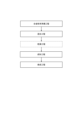
- FIG. 2 is a flow diagram showing a method for producing a precious metal alloy formed body in one embodiment of the present invention.
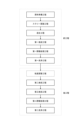
- FIG. 2 is a flow diagram showing a method for producing a sintered precious metal alloy body in one embodiment of the present invention.
- FIG. 2 is a flow diagram showing an example of a method for producing a precious metal alloy powder as a raw material.
- FIG. 4 is a flow diagram showing another example of a method for producing a precious metal alloy powder as a raw material.
- FIG. 4 is a flow diagram showing another example of a method for producing a precious metal alloy powder as a raw material.
- the molded article according to one embodiment of the present invention is a molded article made of an alloy powder and a resin.
- the alloy powder is a precious metal alloy powder made of an alloy of five or more kinds of precious metal elements, and satisfies the following conditions.
- ⁇ Average particle size is 0.1 to 100 ⁇ m
- the crystallite size is 60 nm or more.
- the number of peaks observed in the X-ray diffraction spectrum at a diffraction angle 2 ⁇ of 38 to 44° is 1.
- the precious metal constituting the precious metal alloy is not particularly limited and any precious metal element can be used. That is, the precious metal alloy is an alloy containing at least five elements selected from the group consisting of Au, Ag, Pt, Pd, Rh, Ir, Ru, and Os.
- the precious metal alloy is an alloy consisting of at least five elements selected from the group consisting of Au, Ag, Pt, Pd, Rh, Ir, and Ru.
- the number of precious metal elements constituting the alloy may be 5 or more, and there is no particular upper limit. In other words, the alloy may contain all eight types of precious metal elements. The number of precious metal elements may be 6 or 7.
- the ratio (content) of each precious metal element contained in the precious metal alloy powder is not particularly limited and can be any value.
- the ratio of each precious metal element contained in the precious metal alloy powder may be set to be approximately equal.
- ⁇ C defined as the difference (Cmax-Cmin) between the maximum content (Cmax) and the minimum content (Cmin) of all the precious metal elements contained in the precious metal alloy powder (atomic %), is preferably 10.0 atomic % or less, more preferably 5.0 atomic % or less, even more preferably 3.0 atomic % or less, and most preferably 2.0 atomic % or less.
- the lower the ⁇ C the better, and the lower limit may be 0 atomic %.
- ⁇ Average particle size 0.1-100 ⁇ m If the average particle size of the alloy powder is less than 0.1 ⁇ m, the apparent density is significantly low. If the apparent density of the powder is low, the shrinkage (reduction in volume) during molding becomes extremely large. The average particle size is 0.1 ⁇ m or more. On the other hand, if the average particle size is more than 100 ⁇ m, the molded body becomes brittle. Therefore, the average particle size is 100 ⁇ m or less, preferably 80 ⁇ m or less, more preferably 50 ⁇ m or less. More preferably, the thickness is 20 ⁇ m or less, and most preferably, the thickness is 10 ⁇ m or less.
- the average particle size of the precious metal alloy powder is defined here as the 50% particle size D50 in the cumulative particle size distribution based on volume, i.e., the median diameter.
- the average particle size can be measured using a laser diffraction particle size distribution analyzer.
- the noble metal alloy powder contained in the compact has high crystallinity, specifically, a crystallite size of 60 nm or more, preferably 80 nm or more.
- the upper limit of the crystallite size is not particularly limited, but may be typically 140 nm or less, or may be 120 nm or less.
- the above crystallite size can be determined from the half-width of the diffraction peak obtained by X-ray diffraction (XRD) measurement.
- the coefficient of variation CV of the content measured by energy dispersive X-ray spectroscopy is preferably 0.2 or less, more preferably 0.15 or less.
- the coefficient of variation CV of 0.2 or less means that the coefficient of variation CV of the content of each of the precious metal elements constituting the precious metal alloy powder is 0.2 or less. According to the manufacturing method described below, it is possible to obtain a very uniform precious metal alloy powder having the coefficient of variation CV of 0.2 or less.
- the coefficient of variation CV may be 0.05 or more, and may be 0.08 or more.
- the applications of the above-mentioned molded body are not particularly limited, and it can be used for any application.
- the molded body can be used as it is as a final product.
- the molded body may also be used to manufacture a fired body, which will be described later.
- the sintered body in one embodiment of the present invention is a sintered body of a precious metal alloy, and the precious metal alloy satisfies the following conditions.
- the crystallite size is 60 nm or more.
- the number of peaks observed in the X-ray diffraction spectrum at a diffraction angle 2 ⁇ of 38 to 44° is 1.
- the precious metal constituting the precious metal alloy is not particularly limited and any precious metal element can be used. That is, the precious metal alloy is an alloy containing at least five elements selected from the group consisting of Au, Ag, Pt, Pd, Rh, Ir, Ru, and Os.
- the precious metal alloy is an alloy consisting of at least five elements selected from the group consisting of Au, Ag, Pt, Pd, Rh, Ir, and Ru.
- the number of precious metal elements constituting the alloy may be 5 or more, and there is no particular upper limit. In other words, the alloy may contain all eight types of precious metal elements. The number of precious metal elements may be 6 or 7.
- the proportion (content) of each precious metal element contained in the precious metal alloy sintered body of the present invention is not particularly limited and can be any value.
- the proportion of each precious metal element contained in the precious metal alloy sintered body may be set to an approximately equal value.
- ⁇ C defined as the difference (Cmax-Cmin) between the maximum content (Cmax) and the minimum content (Cmin) is preferably 10.0 atomic % or less, more preferably 5.0 atomic % or less, even more preferably 3.0 atomic % or less, and most preferably 2.0 atomic % or less.
- the lower the ⁇ C the better, and the lower limit may be 0 atomic %.
- Crystallite size 60 nm or more
- the sintered body in the present invention has high crystallinity, specifically, a crystallite size of 60 nm or more, preferably 80 nm or more.
- the upper limit of the crystallite size is not particularly limited, but may be typically 140 nm or less, or may be 120 nm or less.
- the above crystallite size can be determined from the half-width of the diffraction peak obtained by X-ray diffraction (XRD) measurement.
- Number of peaks in XRD spectrum 1
- the number of peaks observed in the above range is set to 1. If there is one peak in the XRD spectrum, it can be said that the alloy is uniformly alloyed.
- the reason why the range of diffraction angle 2 ⁇ for counting the number of peaks is set to 38 to 44° here is because the peaks of precious metal elements (Au, Ag, Pt, Pd, Rh, Ir, Ru, and Os) are observed in that range.
- the coefficient of variation CV of the content measured by energy dispersive X-ray spectroscopy (EDX) for all metal elements constituting the precious metal alloy is preferably 0.2 or less, more preferably 0.15 or less.
- the coefficient of variation CV of 0.2 or less means that the coefficient of variation CV of the content of each of the precious metal elements constituting the precious metal alloy is 0.2 or less.
- a very uniform sintered precious metal alloy having the coefficient of variation CV of 0.2 or less can be obtained.
- the coefficient of variation CV may be 0.05 or more, and may be 0.08 or more.
- the application of the sintered body is not particularly limited, and it can be used for any application.
- it can be used for applications such as hydrogen storage bodies, molecular sieves, catalysts, electrodes, and contacts.
- the sintered body of the present invention is uniformly alloyed as described above, and therefore provides a uniform reaction field. Therefore, the reaction can proceed uniformly throughout the sintered body, and the reaction efficiency per unit amount of precious metal used can be increased.
- high crystallinity means that the precious metal element exists in a stable state. Therefore, deterioration during use is suppressed, and excellent durability is obtained.
- FIG. 1 is a flow diagram showing a method for manufacturing a molded body in one embodiment of the present invention.
- FIG. 2 is a flow diagram showing a method for manufacturing a sintered body in one embodiment of the present invention.
- the method for manufacturing a molded body in one embodiment of the present invention includes an alloy powder preparation step, a mixing step, and a molding step.
- the method for manufacturing a sintered body in one embodiment of the present invention further includes a sintering step in addition to the steps of the method for manufacturing the molded body.
- the manufacturing method of the molded body and the sintered body in another embodiment of the present invention can further include a drying step of evaporating the solvent after the mixing step and before the molding step.
- a drying step of evaporating the solvent after the mixing step and before the molding step.
- an alloy powder is prepared as a raw material.
- the alloy powder is a precious metal alloy powder made of an alloy of five or more kinds of precious metal elements and must satisfy the following conditions: ⁇ Average particle size is 0.1 to 10 ⁇ m, -Crystallite size is 60 nm or more; The number of peaks observed in the X-ray diffraction spectrum at a diffraction angle 2 ⁇ of 38 to 44° is 1.
- ⁇ Average particle size 0.1-100 ⁇ m If the average particle size of the alloy powder is less than 0.1 ⁇ m, the apparent density is significantly low. If the apparent density of the powder is low, the shrinkage (reduction in volume) during molding and sintering is extremely large. Therefore, it is not suitable for manufacturing a molded body or a sintered body. Therefore, the average particle size is set to 0.1 ⁇ m or more. On the other hand, if the average particle size is more than 100 ⁇ m, the finally obtained sintered body becomes brittle. Therefore, the average particle size is set to 100 ⁇ m or less, preferably 80 ⁇ m or less, more preferably 50 ⁇ m or less, further preferably 20 ⁇ m or less, and most preferably 10 ⁇ m or less.
- the crystallite size of the alloy powder needs to be 60 nm or more. Therefore, the crystallite size of the alloy powder is set to 60 nm or more, preferably 80 nm or more.
- the upper limit of the crystallite size is not particularly limited, but may be typically 140 nm or less, or may be 120 nm or less.
- the above crystallite size can be determined from the half-width of the diffraction peak obtained by X-ray diffraction (XRD) measurement.
- the coefficient of variation CV of the content measured by energy dispersive X-ray spectroscopy is preferably 0.2 or less, more preferably 0.15 or less.
- the coefficient of variation CV of 0.2 or less means that the coefficient of variation CV of the content of each precious metal element constituting the precious metal alloy powder is 0.2 or less.
- the coefficient of variation CV can be made 0.2 or less in the precious metal alloy sintered body finally obtained. The lower the coefficient of variation CV, the better, so there is no particular restriction on the lower limit.
- the coefficient of variation CV may be 0.05 or more, and may be 0.08 or more.
- the method for preparing the alloy powder is not particularly limited.
- a precious metal alloy powder produced by the method described below can be used as the alloy powder.
- the manufacturing methods disclosed here can be broadly divided into two methods: a method in which sintering is performed only once, and a method in which sintering is performed multiple times.
- the former is a method suitable for producing powder with a relatively small average particle size
- the latter is a method suitable for producing powder with a relatively large average particle size. Each manufacturing method will be described below.
- FIG. 3 is a flow diagram showing a method for producing a precious metal alloy powder according to one embodiment of the present invention.
- the method for producing a precious metal alloy powder according to one embodiment of the present invention includes the following steps (1) to (6).
- This manufacturing method is suitable for producing powders with a relatively small average particle size. Specifically, this manufacturing method is suitable for producing powders with an average particle size of approximately 10 ⁇ m or less, more suitable for producing powders with an average particle size of 5 ⁇ m or less, and even more suitable for producing powders with an average particle size of 3 ⁇ m or less. Each step is described in detail below.
- raw material powders to be used as raw materials for producing the precious metal alloy powder are prepared.
- the raw material powders are prepared separately for each of the precious metal elements constituting the precious metal alloy to be finally produced. For example, when producing a quinary alloy, five raw material powders are prepared.
- the particle size of the raw material powder is not particularly limited, but it is preferable to use fine raw material powder from the viewpoint of making the final precious metal alloy powder more uniform.
- the average particle size of each raw material powder used is preferably 1000 nm or less, more preferably 500 nm or less, and even more preferably 100 nm or less.
- the lower limit of the average particle size is not particularly limited, but may be, for example, 1 nm or more, 5 nm or more, or 10 nm or more.
- the average particle size of the raw material powder is defined as the average particle size d calculated from the specific surface area of the raw material powder using a true sphere model.
- the raw material powder may be either a metal powder or a metal oxide powder.
- Pt powder may be used, but platinum oxide (PtO 2 ) powder may also be used.
- oxide powders such as rhodium oxide (RhO 2 , RhO 3 ) and palladium oxide (PdO) may also be used. These oxide powders are thermally decomposed during firing to function as a precious metal source. Basically, the function as a raw material is the same whether a metal powder or a metal oxide powder is used, so the powder may be selected depending on the availability of the powder.
- Ru it is preferable to use metallic ruthenium powder as the raw material, rather than ruthenium oxide (RuO 2 ) powder.
- the amount of calcium carbonate added is not particularly limited, but from the viewpoint of enhancing the above-mentioned effect, it is preferable that the weight ratio of the total raw material powder is 0.1 times or more, more preferably 0.2 times or more, and even more preferably 0.5 times or more.
- the upper limit is also not particularly limited, but even if an excessive amount is added, the effect becomes saturated. Therefore, it is preferable that the weight ratio of the total raw material powder is 10 times or less, more preferably 5 times or less, and even more preferably 2 times or less.
- the calcium carbonate can be added in any form. Typically, calcium carbonate powder may be used.
- the average particle size of the calcium carbonate powder is not particularly limited, but is preferably 0.2 to 1.0 ⁇ m.
- the average particle size of the calcium carbonate is defined here as the average particle size d calculated from the specific surface area of the calcium carbonate using a true sphere model.
- pH: 8.0 or more In the above-mentioned slurry preparation step, it is important to set the pH of the slurry to 8.0 or more. If the pH of the slurry is less than 8.0, the uniformity of the composition of the finally obtained precious metal alloy powder decreases, and the coefficient of variation CV in the EDX measurement increases. In addition, if the pH of the slurry is less than 8.0, the number of peaks observed in the XRD spectrum in the diffraction angle 2 ⁇ range of 38 to 44° cannot be set to 1.
- the method for adjusting the pH of the slurry is not particularly limited, but for example, when the pH is less than 8.0, an alkali may be added to the slurry.
- the pH can be adjusted by adding at least one selected from the group consisting of an alkali metal hydroxide, an alkaline earth metal hydroxide, and ammonia to the slurry.
- the alkali metal hydroxide include sodium hydroxide and potassium hydroxide.
- Examples of the alkaline earth metal hydroxide include calcium hydroxide.
- the pH of the slurry may be measured with a general pH meter.
- the upper limit of the pH of the slurry is not particularly limited. However, even if the pH is increased above 10, the effect of homogenizing the alloy is saturated. Furthermore, if the pH is increased above 10, a large amount of alkali must be added. As a result, the sodium and potassium added as the alkali may remain in large amounts as impurities. Furthermore, if ammonia is used as the alkali, it is dangerous because a large amount of harmful ammonia gas is generated during the manufacturing process. Therefore, it is preferable that the pH of the slurry be 10 or less.
- the mixing step the slurry is mixed.
- Any mixer can be used for the mixing without any particular limitation.
- the mixer include a ball mill, a planetary mill (planetary type ball mill), a bead mill, and an attritor. From the viewpoint of more uniform mixing, it is preferable to use a bead mill or a planetary mill, and among them, it is preferable to use a bead mill.
- the slurry mixed in the mixing step is sintered in a non-oxidizing atmosphere to obtain alloy powder.
- the purity can be higher than that in the case of using a wet reduction method.
- the sintering can be performed in any device without particular limitations. Typically, an electric furnace can be used.
- the first firing step is carried out in a non-oxidizing atmosphere to prevent oxidation of the components.
- the non-oxidizing atmosphere is not particularly limited, and any non-oxidizing atmosphere can be used.
- a nitrogen gas atmosphere, an argon gas atmosphere, an atmosphere consisting of hydrogen gas and nitrogen gas, or an atmosphere consisting of hydrogen gas and argon gas can be used. From the viewpoint of reliably preventing oxidation of the raw materials, it is preferable to use an atmosphere consisting of hydrogen gas and nitrogen gas, or hydrogen gas and argon gas.
- the firing temperature (first firing temperature) in the first firing step is not particularly limited, and can be any temperature that can fire the powder.
- the preferred first firing temperature depends on the melting point T M determined by the composition of the precious metal alloy used. From the viewpoint of promoting the diffusion of the raw material powder and further increasing the crystallinity, the first firing temperature T 1 is preferably set to be equal to or higher than T L defined by the following formula.
- the upper limit of the first firing temperature is not particularly limited, but if the first firing temperature is excessively high, the alloy particles may neck together, resulting in coarse powder. Therefore, the first firing temperature T 1 is preferably set to be equal to or lower than T H defined by the following formula.
- T L (°C) T M (K) x 0.55-273.15
- T H (°C) T M (K) x 0.77-273.15
- T M is the weighted average of the melting points of all the precious metal elements constituting the precious metal alloy, and the content (mass %) of each precious metal element is used to calculate the weighted average.
- the firing time in the first firing step is not particularly limited, but from the viewpoint of alloy grain growth, it is preferable to set it to 1 hour or more. On the other hand, from the viewpoint of production efficiency, it is preferable to set it to 5 hours or less.
- the fired product obtained in the first firing step is treated with acetic acid.
- acetic acid By carrying out the acetic acid treatment, calcium contained in the fired product can be removed.
- an acid other than acetic acid e.g., hydrochloric acid or nitric acid
- the method of the acetic acid treatment is not particularly limited, but typically, the calcined product is stirred in an aqueous acetic acid solution to dissolve the calcium contained in the calcined product.
- the acetic acid treatment can be carried out any number of times, one or more times. From the viewpoint of reducing the amount of calcium remaining as an impurity as much as possible, it is preferable to carry out the acetic acid treatment two or more times, and more preferably three or more times. When the acetic acid treatment is carried out multiple times, a new aqueous acetic acid solution can be used for each time.
- the fired product When carrying out the acetic acid treatment, the fired product may be placed in a pre-prepared aqueous solution of acetic acid, but it is also possible to first place the fired product in pure water, and then add acetic acid to the pure water.
- the fired product is placed in pure water and stirred. This converts the calcium oxide contained in the fired product into calcium hydroxide.
- acetic acid is added and stirred to dissolve the calcium hydroxide. After that, stirring is stopped and the product is left to stand, the powder is allowed to settle, and the supernatant liquid is removed. This completes one acetic acid treatment. After that, pure water and acetic acid are added, and the process of stirring, standing, and removing the supernatant liquid is repeated two more times.
- pure water for the water washing.
- pure water can be added and washed by stirring. After stopping the stirring, the powder is allowed to settle by leaving it to stand, and the supernatant liquid is removed. It is preferable to repeat the water washing at least two times, and more preferably three times or more. After the water washing, it is preferable to filter to separate the water and the powder, and then subject the obtained powder to the next drying step.
- the drying can be performed by any method that can remove moisture. Natural drying is also acceptable, but heat drying is preferable to efficiently remove moisture.
- the heating temperature is not particularly limited, but is preferably 50°C or higher, and more preferably 80°C or higher. It may be 100°C or higher.
- the upper limit of the heating temperature is not particularly limited, but is typically preferably 200°C or lower, and more preferably 150°C or lower.
- the drying time is also not particularly limited, and can be any time depending on the amount of powder to be dried. From the viewpoint of sufficient drying, it is preferably 1 hour or more, and more preferably 5 hours or more. It may be 10 hours or more.
- the upper limit of the heating time is not particularly limited, but is typically preferably 100 hours or less, and more preferably 50 hours or less.
- the manufacturing method of this embodiment is a method suitable for manufacturing a relatively large powder having an average particle size of up to 100 ⁇ m. Specifically, this manufacturing method is suitable for manufacturing a powder with an average particle size of more than 5 ⁇ m, and more suitable for manufacturing a powder with an average particle size of more than 10 ⁇ m.
- firing is performed multiple times.
- the manufacturing method of this embodiment can be broadly divided into two methods: a method in which firing is performed twice, and a method in which firing is performed three times. Each method will be described below.
- FIG. 4 is a flow diagram showing a production method when firing is performed twice.
- the production method of a precious metal alloy powder in one embodiment of the present invention further includes a second firing step (7) in addition to the steps (1) to (6) in the embodiment shown in Fig. 3.
- the process from the raw material preparation process to the first washing process will be referred to as the "pre-process,” and the process from the first firing process onwards will be referred to as the "post-process.”
- a particle size adjustment process may be further included.
- the particle size adjustment process will be included in the post-process, as shown in Figures 4 and 5.
- a powder with high crystallinity and excellent uniformity of composition is produced.
- the powder obtained at this stage is composed of relatively small particles (primary particles) with an average particle size of approximately 10 ⁇ m or less.
- the primary particles then aggregate together to form roughly spherical aggregates (secondary particles), and the secondary particles have particle sizes on the order of several tens to several hundred ⁇ m. Therefore, by further processing the powder in the post-processing step, it is possible to further increase the average particle size while maintaining high crystallinity and uniformity of composition.
- the particle size of the alloy powder after the first washing step may be adjusted prior to the next first firing step (particle size adjustment step).
- particle size adjustment step By adjusting the particle size, it is possible to more easily obtain a precious metal alloy powder with a desired particle size.
- the particle size of the finally obtained precious metal alloy powder is approximately equal to the particle size of the powder after particle size adjustment (i.e., the powder to be subjected to the next first firing step). Therefore, in the particle size adjustment step, the particle size may be adjusted to match the particle size of the precious metal alloy powder that is finally desired to be obtained.
- the method for adjusting the particle size is not particularly limited, but typically, the alloy powder is sieved.
- the sieve is not particularly limited and any sieve can be used. Either the powder that passed through the sieve (under the sieve) or the powder that did not pass through the sieve (over the sieve) can be used.
- the particle size can also be adjusted by sieving the alloy powder two or more times. For example, the alloy powder is first sieved and the powder that passed through the sieve is collected. This removes coarse particles in the alloy powder. Next, the collected powder is sieved through a sieve with finer openings, and the powder remaining on the sieve is collected. This removes excessively fine powder. By sieving through two sieves with different openings in this way, a powder of the desired particle size can be obtained.
- Sieving alloy powder not only adjusts the particle size, but also spheroidizes the powder particles. This is thought to be because the alloy powder, which is an agglomerate, is subjected to mechanical forces such as vibration, rolling, and friction on the sieve, reducing the unevenness of the particle surface.
- the spheroidizing effect can be obtained in both under-sieve and over-sieve powder, but is more pronounced in over-sieve powder. Therefore, from the perspective of increasing the spheroidizing effect, it is preferable to sieve the alloy powder at least once in the particle size adjustment process and use the powder that did not pass through the sieve (over-sieve powder).
- Second Firing Step the alloy powder is subjected to a second firing (second firing step). If no particle size adjustment is performed, the alloy powder after the first washing step is fired. If particle size adjustment is performed, the alloy powder after particle size adjustment is fired.
- the secondary particles before the second firing are brittle and easily disintegrate due to physical contact or impact. Therefore, by performing the second firing, the primary particles forming the secondary particles are necked together, and the particle state is fixed.
- calcium carbonate is used in the third firing process to prevent necking between secondary particles.
- the secondary particles before the second firing are brittle, so if they are mixed with calcium carbonate before the second firing, the secondary particle agglomerates will break apart, making it difficult to control the particle size. Therefore, by carrying out the second firing to stabilize the structure of the secondary particles and then mixing them with calcium carbonate, it becomes possible to appropriately control the particle size.
- the temperature at which the second firing is performed (second firing temperature) is not particularly limited, and can be any temperature at which sintering between primary particles occurs.
- T M is the weighted average of the melting points of all the precious metal elements constituting the precious metal alloy, and the content (mass %) of each precious metal element is used to calculate the weighted average.
- the time for which the second baking is performed is not particularly limited, but is preferably 5 hours or less, and more preferably 2 hours or less.
- the second baking time is preferably 30 minutes or more, more preferably 40 minutes or more, and even more preferably 50 minutes or more.
- the second firing step is carried out in a non-oxidizing atmosphere to prevent oxidation of the components.
- the non-oxidizing atmosphere is not particularly limited, and any non-oxidizing atmosphere can be used.
- a nitrogen gas atmosphere, an argon gas atmosphere, an atmosphere consisting of hydrogen gas and nitrogen gas, or an atmosphere consisting of hydrogen gas and argon gas can be used. From the viewpoint of reliably preventing oxidation of the raw materials, it is preferable to use an atmosphere consisting of hydrogen gas and nitrogen gas, or hydrogen gas and argon gas.
- FIG. 5 is a flow diagram showing a manufacturing method in which firing is performed three times.
- the manufacturing method of a precious metal alloy powder in one embodiment of the present invention further includes (8) a third firing step, (9) a second acetic acid treatment step, and (10) a second washing step in addition to steps (1) to (7) in the embodiment shown in Fig. 4.
- steps (8) to (10) will be described below.
- a particle size adjustment step can be optionally performed after the first washing step and before the second firing step.
- Third sintering step The alloy powder after the second sintering step is further sintered in a non-oxidizing atmosphere (third sintering step).
- third sintering step By sintering the alloy powder obtained in the previous step in two steps in this way, the primary particles constituting the secondary particles can be more firmly bonded to each other, and the sphericity of the particles can be further increased.
- the third sintering step can be performed in any device without any particular limitation. Typically, an electric furnace can be used.
- the material in order to prevent the secondary particles from bonding together to form coarse particles, the material is fired in a state where it is mixed with calcium carbonate, a sintering inhibitor.
- the amount and form of the calcium carbonate added are not particularly limited, but can be the same as in the first firing step described above.
- the third firing step is carried out in a non-oxidizing atmosphere to prevent oxidation of the components.
- the non-oxidizing atmosphere is not particularly limited, and any non-oxidizing atmosphere can be used.
- a nitrogen gas atmosphere, an argon gas atmosphere, an atmosphere consisting of hydrogen gas and nitrogen gas, or an atmosphere consisting of hydrogen gas and argon gas can be used. From the viewpoint of reliably preventing oxidation of the raw materials, it is preferable to use an atmosphere consisting of hydrogen gas and nitrogen gas, or hydrogen gas and argon gas.
- the firing temperature in the third firing step is not particularly limited, and can be any temperature that can fire the powder.
- the preferred third firing temperature depends on the melting point T M determined by the composition of the precious metal alloy used.
- the third firing temperature T 3 is preferably set to be equal to or higher than T L defined by the following formula.
- the upper limit of the third firing temperature is not particularly limited, but if the third firing temperature is excessively high, the alloy particles may neck together, resulting in coarse powder. Therefore, the third firing temperature T 3 is preferably set to be equal to or lower than T H defined by the following formula.
- T L (°C) T M (K) x 0.55-273.15
- T H (°C) T M (K) x 0.77-273.15
- T M is the weighted average of the melting points of all the precious metal elements constituting the precious metal alloy, and the content (mass %) of each precious metal element is used to calculate the weighted average.
- the firing time in the second firing step is not particularly limited, but is preferably 1 hour or more. On the other hand, from the viewpoint of production efficiency, it is preferably 5 hours or less.
- Second Acetic Acid Treatment Step the alloy powder (calcined product) after the third calcination step is treated with acetic acid (second acetic acid treatment step).
- acetic acid By carrying out the acetic acid treatment, calcium contained in the calcined product can be removed.
- an acid other than acetic acid e.g., hydrochloric acid or nitric acid
- the conditions for the second acetic acid treatment step are not particularly limited, but can be the same as those for the first acetic acid treatment step described above.
- Second Washing Step The alloy powder after the first acetic acid treatment is washed with water and dried (second washing step). By washing with water, acetic acid and calcium dissolved in the acetic acid can be removed.
- the conditions for the second washing step are not particularly limited, but can be the same as those for the first washing step described above.
- the alloy powder prepared as a raw material in the alloy powder preparation step is mixed with a resin (mixing step).
- the resin is not particularly limited and any resin can be used.
- the resin may be at least one selected from the group consisting of known polyamides such as nylon 11, nylon 12, and nylon 6, acrylonitrile-styrene (AS) resin, acrylonitrile-butadiene-styrene (ABS) resin, acrylonitrile-ethylene-styrene (AES) resin, vinyl acetate resin, polystyrene, polyethylene, polypropylene, polyvinyl chloride, acrylic resin, methacrylic resin, polyvinyl alcohol resin, polyvinyl ether, polyacetal, polycarbonate, polyethylene terephthalate, polybutylene terephthalate, polyvinyl butyral, polysulfone, polyetherimide, ethyl cellulose, cellulose acetate, fluorine-based resin, polyolefin elastomer, and saturated polyester resin.
- a plurality of resins can also be used in combination. Among them, it is prefer
- a solvent in addition to the resin, can be mixed into the alloy powder in the mixing step.
- the solvent is not particularly limited and any solvent can be used, but it is preferable that the boiling point is 300°C or less.
- an organic solvent can be used as the solvent.
- acetate, ether, hydrocarbon, etc. can be used as the solvent. More specifically, it is preferable to use at least one selected from dibutyl carbitol, butyl carbitol acetate, and Texanol, and it is more preferable to use Texanol.
- the mixing is not particularly limited and can be performed by any method.
- the precious metal alloy powder and the resin can be mixed using any mixing means.
- a solvent used, the precious metal alloy powder, the resin, and the solvent can be mixed using any mixing means.
- the mixing means include a ball mill, a planetary mill (planetary type ball mill), a bead mill, an attritor, and a mortar. From the viewpoint of more uniform mixing, it is preferable to use a bead mill or a planetary mill, and of these, it is preferable to use a bead mill.
- a solvent When using a solvent, it is preferable to mix the components and then knead them from the viewpoint of uniformly dispersing the precious metal alloy powder in the solvent.
- the kneading can be performed using various devices, such as a sand mill, roll mill, ball mill, colloid mill, jet mill, bead mill, kneader, homogenizer, and propellerless mixer. Of these, it is preferable to use a roll mill.
- the roll mill for example, a two-roll mill, a three-roll mill, etc. can be used, and it is preferable to use a three-roll mill.
- the drying method is not particularly limited, but usually, the solvent can be evaporated by heating the paste containing the solvent obtained in the mixing step. In this case, in order to promote evaporation, it is preferable to spread the paste on the surface of a substrate such as a resin and heat it in that state.
- a PET (polyethylene terephthalate) film can be used as the substrate.
- the heating temperature can be adjusted depending on the solvent used, but can be, for example, about 120 to 200°C.
- the heating method is also not particularly limited, and heating can be performed by any method.
- the substrate to which the paste is applied may be heated with a hot plate or a dryer.
- the mixture may be pulverized to a powder form prior to the next molding step.
- the pulverization method is not particularly limited, and any method may be used.
- the mixture may be pulverized using a ball mill, planetary mill (planetary type ball mill), bead mill, attritor, mortar, or the like.
- pulverizing it is not necessary to pulverize excessively finely, and it is sufficient to pulverize to a size that can fit into the mold to be used in the next molding step.
- the mixed alloy powder and resin are subjected to pressure to form a compact (also called a green compact) (molding process).
- a compact also called a green compact
- the powder may be filled into a die and molding pressure may be applied, as in normal powder metallurgy.
- the method of applying the molding pressure is not particularly limited, but typically a press machine can be used. There is no particular limit to the press machine, and any press machine can be used.
- the press machine may be a twist press machine.
- the molding pressure is not particularly limited, but from the viewpoint of ensuring the strength of the molded body, it is preferably 1000N or more, more preferably 1500N or more, and even more preferably 2000N or more.
- the upper limit of the molding pressure is not particularly limited, but it may be 1000N or less, or 5000N or less.
- the molded body obtained in the above molding step is further sintered to produce a sintered body (sintering step) as shown in Fig. 2.
- sintering step the resin added as a binder is decomposed and removed, and the precious metal alloy particles are bonded together to produce a sintered body.
- the conditions for sintering are not particularly limited and may be adjusted according to the precious metal alloy powder and resin used.
- the firing temperature is preferably 500°C or higher, more preferably 800°C or higher, and even more preferably 1000°C or higher.
- the firing temperature is preferably 1000°C or higher, more preferably 1200°C or higher, and even more preferably 1400°C or higher.
- the fired body obtained by firing at such a high temperature is sometimes called a sintered body.
- the firing temperature is preferably 1800°C or lower, more preferably 1700°C or lower, and even more preferably 1600°C or lower. In cases where it is not necessary to proceed with sintering, firing at a lower temperature is sufficient. In that case, the firing temperature is preferably 1500°C or lower, more preferably 1400°C or lower, and even more preferably 1300°C or lower.
- the temperature can be raised to the firing temperature at any speed.
- the time from the start of the temperature rise until the firing temperature is reached may be 30 to 240 minutes, or 60 to 180 minutes.
- the time for which the firing temperature is maintained is not particularly limited, but may be, for example, 1 to 5 hours, or 2 to 4 hours.
- the firing step is preferably carried out in a non-oxidizing atmosphere to prevent oxidation of the components.
- the non-oxidizing atmosphere is not particularly limited, and any non-oxidizing atmosphere can be used.
- a nitrogen gas atmosphere, an argon gas atmosphere, an atmosphere consisting of hydrogen gas and nitrogen gas, or an atmosphere consisting of hydrogen gas and argon gas can be used. From the viewpoint of reliably preventing oxidation of the raw materials, it is preferable to use an atmosphere consisting of hydrogen gas and nitrogen gas, or hydrogen gas and argon gas.
- the firing can be performed using any heating device, for example, an electric furnace. It is preferable to use an electric furnace equipped with a means for controlling the atmosphere inside the furnace.
- a quinary precious metal alloy powder consisting of Ru, Rh, Pd, Ir, and Pt was prepared by the following procedure.
- Powder No. 1 having a relatively small average particle size was prepared according to the procedure shown in Figure 3. The specific conditions are described below.
- Pt, Pd, IrO2 , Ru, and Rh powders were prepared.
- Pt black, Pd black, and Rh black were used as the Pt, Pd, and Ph powders, respectively.
- the Ru powder was prepared by reducing RuO2 powder.
- the raw material powder was mixed with calcium carbonate powder and water (pure water) to make a slurry. At that time, an alkali was added to adjust the pH of the slurry to 9.0 as necessary.
- the slurry was then mixed in a planetary ball mill.
- the mixing conditions were a rotation speed of 200 rpm and a mixing time of 6 hours.
- a polyamide pot was used as the mixing container, and polyamide balls with a diameter of 10 mm were used as the media.
- the mixed slurry was sintered in a N 2 -H 2 atmosphere to obtain an alloy powder. Specifically, the slurry was first dried in a dryer at 130°C to remove moisture, and a mixed powder was obtained. The mixed powder was then placed in a crucible and sintered. The sintering was performed using an atmospheric heating electric furnace. The sintering atmosphere was a 3% H 2 /97% N 2 gas atmosphere, the sintering temperature was 1300°C, and the sintering time was 5 hours.
- the alloy powder obtained in the firing process was treated with acetic acid, washed with pure water, and dried.
- the acetic acid treatment was carried out three times according to the following procedure. First, the fired product (alloy powder) was placed in pure water and stirred. As a result, calcium oxide contained in the fired product was converted to calcium hydroxide. Next, acetic acid was further added and stirred to dissolve the calcium hydroxide. After that, stirring was stopped and the mixture was left to stand, the powder was allowed to settle, and the supernatant liquid was removed. This was one acetic acid treatment. Then, pure water and acetic acid were further added, and the process of stirring, standing, and removing the supernatant was repeated twice.
- washing with pure water was performed three times according to the following procedure. First, after removing the supernatant liquid from the third acetic acid treatment, pure water was added and stirred. After stopping the stirring, the powder was left to settle and the supernatant liquid was removed. The above washing was repeated three times.
- the dried powder was sieved to break down any agglomerated powder.
- a stainless steel test sieve with 125 ⁇ m openings was used as the sieve. No particles remained on the sieve, and all particles passed through the sieve.
- powder No. 2 having a relatively small average particle size was prepared according to the procedure shown in Figure 5. Specifically, the above powder No. 1 was subjected to a post-processing step under the following conditions.
- the alloy powder obtained in the previous step was subjected to particle size adjustment. Specifically, the alloy powder was sieved through a sieve with a mesh size of 53 ⁇ m, and the powder that passed through the sieve was further sieved through a sieve with a mesh size of 38 ⁇ m. A stainless steel test sieve was used as the sieve.
- the alloy powder after the particle size adjustment process was subjected to a second firing in a non-oxidizing atmosphere.
- the second firing was performed by putting the alloy powder in a crucible and using an atmospheric heating electric furnace.
- the firing atmosphere was a 100% N2 gas atmosphere, the second firing temperature was 1000°C, and the second firing time was 1 hour.
- the powder after the second firing step was mixed with calcium carbonate and subjected to a third firing. Specifically, the powder after the second firing step was first mixed with calcium carbonate powder to obtain a mixed powder. At that time, the amount of calcium carbonate added was 5 times the volume ratio of the powder. The mixing was performed for 1 minute using a powder mixer. Next, the mixed powder was placed in a crucible and fired in a non-oxidizing atmosphere. The firing was performed using an atmospheric heating electric furnace. The firing atmosphere was a 100% N2 gas atmosphere, the third firing temperature was 1300°C, and the third firing time was 5 hours.
- the alloy powder obtained in the firing step was subjected to a second acetic acid treatment.
- the second acetic acid treatment was carried out three times in the same manner as the first acetic acid treatment step, following the procedure below.
- the fired product alloy powder
- acetic acid was further added and stirred to dissolve the calcium hydroxide. After that, stirring was stopped and the mixture was left to stand, the powder was allowed to settle, and the supernatant liquid was removed. This constitutes one acetic acid treatment.
- pure water and acetic acid were further added, and the process of stirring, standing, and removing the supernatant was repeated twice.
- washing step washing with pure water was performed three times in the same manner as in the first washing step, according to the following procedure.
- the average particle size of the obtained precious metal alloy powder was measured using a Microtrackbell laser diffraction type particle size distribution analyzer MT-3000. Specifically, the alloy powder was placed in an aqueous solution of sodium hexametaphosphate circulating inside the particle size distribution analyzer, and dispersed by ultrasonic waves for 1 minute, after which the particle size distribution was measured. The obtained volume-based 50% particle size (D50) was taken as the average particle size of the precious metal alloy powder.
- Crystallite Size The crystallite size of the obtained precious metal alloy powder was measured by an Ultima IV X-ray diffractometer manufactured by Rigaku. In the measurement, the powder to be measured was filled into a glass cell for powder measurement to prepare a sample. The measurement conditions were as follows: target: Cu, tube voltage: 40 kV, tube current: 40 mA, scanning range: 10 to 100°, sampling interval: 0.02°, and scan speed: 30°/min. The crystallite size was calculated from the half-width of the diffraction peak obtained by the measurement using the Scherrer formula.
- the precious metal alloy powder, resin, and solvent were first weighed out and mixed to form a paste, with the final paste content being 80% by mass precious metal alloy powder, 1.8% by mass resin, and 18.2% by mass solvent.
- Ethyl cellulose was used as the resin, and Texanol was used as the solvent.
- the resulting paste was then further mixed using a three-roll mill to thoroughly disperse each component (mixing process).
- the paste was then applied to an alumina substrate in the form of a film by screen printing. It was then dried at 120°C to volatilize the solvent contained in the applied paste to form a thin film (drying process).
- the thin film obtained was peeled off from the substrate and crushed in a crucible to obtain an alloy powder-resin mixed powder in which the precious metal alloy powder and resin were thoroughly and uniformly mixed.
- the molded body obtained in the molding step was fired to obtain a fired body.
- the firing temperature was as shown in Table 2.
- the firing atmosphere was a 3% H 2 -97% N 2 gas atmosphere, and the firing time was 5 hours.
- a mixed powder was used instead of the alloy powder to produce a compact and a sintered body.
- the mixed powder used was a mixture of Ru powder, Rh powder, Pd powder, Ir powder, and Pt powder, with each precious metal element being mixed in equiatomic amounts.
- the other conditions were the same as in the above-mentioned examples.
- the average particle size of the alloy powder contained in the compact was measured using a Microtrackbell laser diffraction particle size distribution analyzer MT-3000. Specifically, the alloy powder was placed in an aqueous solution of sodium hexametaphosphate circulating inside the particle size distribution analyzer, and dispersed by ultrasonic waves for 1 minute, after which the particle size distribution was measured. The obtained 50% particle size (D50) based on volume was taken as the average particle size of the precious metal alloy powder. The average particle size in the compact was the same as that of the precious metal alloy powder used as the raw material. The average particle size was not measured for the sintered body. This is because the particles in the sintered body are sintered together and do not maintain their particle shape.
- the XRD spectrum of the obtained sample was measured by an X-ray diffractometer Ultima IV manufactured by Rigaku. The measurement conditions were as follows: target: Cu, tube voltage: 40 kV, tube current: 40 mA, scanning range: 10 to 100°, sampling interval: 0.02°, and scan speed: 30°/min.
- target Cu
- tube voltage 40 kV
- tube current 40 mA
- scanning range 10 to 100°
- sampling interval 0.02°
- scan speed 30°/min.
- the number of peaks observed in the diffraction angle 2 ⁇ range of 38 to 44° was determined.
- the XRD peaks were separated by Gaussian fitting, and peaks with a peak width of 0.1° or more and a peak intensity of 1/100 or more of the maximum peak were considered to be peaks.
- Crystallite Size The crystallite size of the obtained precious metal alloy powder was measured by an Ultima IV X-ray diffractometer manufactured by Rigaku. In the measurement, the powder to be measured was filled into a glass cell for powder measurement to prepare a sample. The measurement conditions were as follows: target: Cu, tube voltage: 40 kV, tube current: 40 mA, scanning range: 10 to 100°, sampling interval: 0.02°, and scan speed: 30°/min. The crystallite size was calculated from the half-width of the diffraction peak obtained by the measurement using the Scherrer formula.
- the coefficient of variation CV of the content of each precious metal element contained in the obtained sample was calculated from the measurement results of energy dispersive X-ray spectroscopy.
- a scanning electron microscope (SEM)-energy dispersive X-ray analyzer (EDX) JSM-6010LA manufactured by JEOL Ltd. was used for the measurement.
- the measurement was performed by fixing the alumina substrate and the film formed thereon to a sample stage with carbon tape.
- the measurement conditions were a magnification of 3000 times and an acceleration voltage of 20 kV. Under the above conditions, EDX quantitative measurement was performed at 30 randomly selected points to determine the content of each precious metal element.
- the coefficient of variation CV was calculated from the average value and standard deviation of the obtained content.
- the molded body and sintered body of the present invention had one peak in the XRD spectrum, and the coefficient of variation CV in EDX was 0.2 or less for all five precious metal elements. This shows that the precious metal alloy elements were completely alloyed, and the uniformity of the composition was extremely high. In contrast, in the comparative example using the mixed powder, the alloying was not sufficiently advanced, and the composition was non-uniform.
Landscapes
- Chemical & Material Sciences (AREA)
- Engineering & Computer Science (AREA)
- Mechanical Engineering (AREA)
- Materials Engineering (AREA)
- Metallurgy (AREA)
- Organic Chemistry (AREA)
- Manufacturing & Machinery (AREA)
- Chemical Kinetics & Catalysis (AREA)
- Physics & Mathematics (AREA)
- General Chemical & Material Sciences (AREA)
- Thermal Sciences (AREA)
- Crystallography & Structural Chemistry (AREA)
- Nanotechnology (AREA)
- Automation & Control Theory (AREA)
- Plasma & Fusion (AREA)
- Powder Metallurgy (AREA)
- Manufacture Of Metal Powder And Suspensions Thereof (AREA)
- Physical Vapour Deposition (AREA)
Priority Applications (4)
| Application Number | Priority Date | Filing Date | Title |
|---|---|---|---|
| CN202480007623.3A CN120529978A (zh) | 2023-02-22 | 2024-02-21 | 一种成型体、烧制体及其制造方法 |
| EP24760420.0A EP4670870A1 (en) | 2023-02-22 | 2024-02-21 | MOLDED BODY, FRIED BODY AND THEIR PRODUCTION PROCESSES |
| KR1020257027806A KR20250137170A (ko) | 2023-02-22 | 2024-02-21 | 성형체, 소성체, 및 이들의 제조 방법 |
| JP2024549751A JP7797678B2 (ja) | 2023-02-22 | 2024-02-21 | 成形体、焼成体、およびそれらの製造方法 |
Applications Claiming Priority (6)
| Application Number | Priority Date | Filing Date | Title |
|---|---|---|---|
| JP2023-026471 | 2023-02-22 | ||
| JP2023026471A JP7300565B1 (ja) | 2023-02-22 | 2023-02-22 | 貴金属合金粉末およびその製造方法 |
| JP2023106369 | 2023-06-28 | ||
| JP2023-106367 | 2023-06-28 | ||
| JP2023106367 | 2023-06-28 | ||
| JP2023-106369 | 2023-06-28 |
Publications (1)
| Publication Number | Publication Date |
|---|---|
| WO2024177122A1 true WO2024177122A1 (ja) | 2024-08-29 |
Family
ID=92500900
Family Applications (2)
| Application Number | Title | Priority Date | Filing Date |
|---|---|---|---|
| PCT/JP2024/006397 Ceased WO2024177122A1 (ja) | 2023-02-22 | 2024-02-21 | 成形体、焼成体、およびそれらの製造方法 |
| PCT/JP2024/006398 Ceased WO2024177123A1 (ja) | 2023-02-22 | 2024-02-21 | スパッタリングターゲットおよびその製造方法 |
Family Applications After (1)
| Application Number | Title | Priority Date | Filing Date |
|---|---|---|---|
| PCT/JP2024/006398 Ceased WO2024177123A1 (ja) | 2023-02-22 | 2024-02-21 | スパッタリングターゲットおよびその製造方法 |
Country Status (6)
| Country | Link |
|---|---|
| EP (2) | EP4671408A1 (https=) |
| JP (2) | JP7700383B2 (https=) |
| KR (2) | KR20250138766A (https=) |
| CN (2) | CN120530223A (https=) |
| TW (1) | TW202438698A (https=) |
| WO (2) | WO2024177122A1 (https=) |
Citations (6)
| Publication number | Priority date | Publication date | Assignee | Title |
|---|---|---|---|---|
| JPH0657303A (ja) | 1992-08-12 | 1994-03-01 | Mitsubishi Materials Corp | 銀および銅を含む貴金属混合粉末の焼結方法 |
| JPH08325602A (ja) * | 1995-05-31 | 1996-12-10 | Tanaka Kikinzoku Internatl Kk | 高結晶パラジウム粉末及び高結晶銀パラジウム合金粉末の製造方法 |
| JPH10102106A (ja) * | 1996-09-30 | 1998-04-21 | Tanaka Kikinzoku Kogyo Kk | ロジウム粉末の製造方法 |
| WO2018154292A1 (en) * | 2017-02-23 | 2018-08-30 | Swansea University | Multicomponent metallic alloys |
| WO2021020377A1 (ja) * | 2019-07-29 | 2021-02-04 | 国立大学法人京都大学 | 合金ナノ粒子、合金ナノ粒子の集合体、触媒および合金ナノ粒子の製造方法 |
| WO2022132883A1 (en) * | 2020-12-15 | 2022-06-23 | University Of Maryland, College Park | Multi-element compound nanoparticles, and systems and methods of making and use thereof |
Family Cites Families (10)
| Publication number | Priority date | Publication date | Assignee | Title |
|---|---|---|---|---|
| JPH10102105A (ja) * | 1996-09-25 | 1998-04-21 | Taiheiyo Kinzoku Kk | 金属微粉末の製造方法 |
| JP4007702B2 (ja) | 1998-10-05 | 2007-11-14 | 株式会社フルヤ金属 | 薄膜形成用スパッタリングターゲット材およびそれを用いて形成されて成る薄膜、および光学記録媒体 |
| US7235143B2 (en) * | 2002-08-08 | 2007-06-26 | Praxair S.T. Technology, Inc. | Controlled-grain-precious metal sputter targets |
| JPWO2005056851A1 (ja) * | 2003-12-10 | 2007-12-13 | 田中貴金属工業株式会社 | 反射率維持特性に優れた銀合金 |
| JP4616033B2 (ja) | 2005-02-21 | 2011-01-19 | 株式会社フルヤ金属 | スパークプラグ用電極チップ |
| JP6108064B2 (ja) | 2012-08-24 | 2017-04-05 | 三菱マテリアル株式会社 | 磁気記録媒体膜形成用スパッタリングターゲットおよびその製造方法 |
| JP6311912B2 (ja) | 2012-10-17 | 2018-04-18 | 三菱マテリアル株式会社 | Cu−Ga二元系スパッタリングターゲット及びその製造方法 |
| WO2021112004A1 (ja) * | 2019-12-02 | 2021-06-10 | 三菱マテリアル株式会社 | Ag合金スパッタリングターゲット |
| JP7854354B2 (ja) | 2022-07-12 | 2026-05-01 | 田中貴金属工業株式会社 | Co-Cr-Pt-酸化物系スパッタリングターゲット |
| JP7300565B1 (ja) * | 2023-02-22 | 2023-06-29 | 田中貴金属工業株式会社 | 貴金属合金粉末およびその製造方法 |
-
2024
- 2024-02-21 EP EP24760421.8A patent/EP4671408A1/en active Pending
- 2024-02-21 WO PCT/JP2024/006397 patent/WO2024177122A1/ja not_active Ceased
- 2024-02-21 JP JP2024538502A patent/JP7700383B2/ja active Active
- 2024-02-21 CN CN202480007619.7A patent/CN120530223A/zh active Pending
- 2024-02-21 KR KR1020257027802A patent/KR20250138766A/ko active Pending
- 2024-02-21 KR KR1020257027806A patent/KR20250137170A/ko active Pending
- 2024-02-21 WO PCT/JP2024/006398 patent/WO2024177123A1/ja not_active Ceased
- 2024-02-21 EP EP24760420.0A patent/EP4670870A1/en active Pending
- 2024-02-21 JP JP2024549751A patent/JP7797678B2/ja active Active
- 2024-02-21 CN CN202480007623.3A patent/CN120529978A/zh active Pending
- 2024-02-22 TW TW113106426A patent/TW202438698A/zh unknown
Patent Citations (6)
| Publication number | Priority date | Publication date | Assignee | Title |
|---|---|---|---|---|
| JPH0657303A (ja) | 1992-08-12 | 1994-03-01 | Mitsubishi Materials Corp | 銀および銅を含む貴金属混合粉末の焼結方法 |
| JPH08325602A (ja) * | 1995-05-31 | 1996-12-10 | Tanaka Kikinzoku Internatl Kk | 高結晶パラジウム粉末及び高結晶銀パラジウム合金粉末の製造方法 |
| JPH10102106A (ja) * | 1996-09-30 | 1998-04-21 | Tanaka Kikinzoku Kogyo Kk | ロジウム粉末の製造方法 |
| WO2018154292A1 (en) * | 2017-02-23 | 2018-08-30 | Swansea University | Multicomponent metallic alloys |
| WO2021020377A1 (ja) * | 2019-07-29 | 2021-02-04 | 国立大学法人京都大学 | 合金ナノ粒子、合金ナノ粒子の集合体、触媒および合金ナノ粒子の製造方法 |
| WO2022132883A1 (en) * | 2020-12-15 | 2022-06-23 | University Of Maryland, College Park | Multi-element compound nanoparticles, and systems and methods of making and use thereof |
Non-Patent Citations (1)
| Title |
|---|
| JOURNAL OF THE AMERICAN CHEMICAL SOCIETY, vol. 144, no. 8, February 2022 (2022-02-01), pages 3365 - 3369 |
Also Published As
| Publication number | Publication date |
|---|---|
| JPWO2024177123A1 (https=) | 2024-08-29 |
| CN120529978A (zh) | 2025-08-22 |
| JP7700383B2 (ja) | 2025-06-30 |
| EP4671408A1 (en) | 2025-12-31 |
| TW202440249A (zh) | 2024-10-16 |
| WO2024177123A1 (ja) | 2024-08-29 |
| JP7797678B2 (ja) | 2026-01-13 |
| CN120530223A (zh) | 2025-08-22 |
| JPWO2024177122A1 (https=) | 2024-08-29 |
| KR20250137170A (ko) | 2025-09-17 |
| TW202438698A (zh) | 2024-10-01 |
| KR20250138766A (ko) | 2025-09-22 |
| EP4670870A1 (en) | 2025-12-31 |
Similar Documents
| Publication | Publication Date | Title |
|---|---|---|
| CN111545767B (zh) | 一种纳米尺度多元合金的制备方法 | |
| WO2021020377A1 (ja) | 合金ナノ粒子、合金ナノ粒子の集合体、触媒および合金ナノ粒子の製造方法 | |
| CN111940750B (zh) | 一种合金粉体材料的制备方法 | |
| CN1494966A (zh) | 用于制造金属粉末的方法 | |
| WO2009090748A1 (ja) | 複合銀ナノ粒子、その製法及び製造装置 | |
| CN107585768B (zh) | 一种氧化-还原法制备超细碳化钨粉末的方法 | |
| CN101778684A (zh) | 包含银以及至少两种含非银的单质的多元素合金粉末 | |
| JP5525301B2 (ja) | 金属微粒子・金属酸化物微粒子の製造方法、金属微粒子・金属酸化物微粒子、並びに金属含有ペーストおよび金属膜・金属酸化物膜 | |
| TWI295597B (en) | Metal power for electrically conductive paste and electrically conductive paste | |
| JP7300565B1 (ja) | 貴金属合金粉末およびその製造方法 | |
| JP7797678B2 (ja) | 成形体、焼成体、およびそれらの製造方法 | |
| US20230364678A1 (en) | Alloy powder and preparation method therefor | |
| TWI917876B (zh) | 成形體、燒成體及該等之製造方法 | |
| JP2012224885A (ja) | 金属多孔質体の製造方法 | |
| JP7766207B2 (ja) | 貴金属合金粉末、貴金属合金ペースト、貴金属合金膜、およびそれらの製造方法 | |
| JP2007297671A (ja) | 銀粉及びその製造方法、該銀粉を含有する導電性ペースト | |
| CN120815985B (zh) | 一种具有高烧结活性W-Cu复合粉体的制备方法及相应的材料 | |
| WO2020203076A1 (ja) | 銀パラジウム合金粉末およびその利用 | |
| KR100707855B1 (ko) | 분말사출성형용 금속 미세입자 피드스톡의 제조방법 | |
| JP2008190018A (ja) | ZnPd系微粒子およびその製造方法 | |
| CN121380648A (zh) | 一种熔渗法制备细晶铜钨合金工艺 | |
| KR20180003121A (ko) | 매체형 교반 분쇄방법을 이용한 카본 나노튜브 코팅층 포함 금속 복합재료의 제조방법 | |
| KR20230125362A (ko) | 미세 입자로 크기 조절이 가능한 전기화학 반응용 촉매의 제조방법 | |
| JP2012246521A (ja) | 金属多孔質体の製造方法 | |
| JP2002363602A (ja) | 金属フレーク製造方法 |
Legal Events
| Date | Code | Title | Description |
|---|---|---|---|
| WWE | Wipo information: entry into national phase |
Ref document number: 2024549751 Country of ref document: JP |
|
| 121 | Ep: the epo has been informed by wipo that ep was designated in this application |
Ref document number: 24760420 Country of ref document: EP Kind code of ref document: A1 |
|
| WWE | Wipo information: entry into national phase |
Ref document number: 202480007623.3 Country of ref document: CN |
|
| ENP | Entry into the national phase |
Ref document number: 1020257027806 Country of ref document: KR Free format text: ST27 STATUS EVENT CODE: A-0-1-A10-A15-NAP-PA0105 (AS PROVIDED BY THE NATIONAL OFFICE) |
|
| WWE | Wipo information: entry into national phase |
Ref document number: 1020257027806 Country of ref document: KR |
|
| WWP | Wipo information: published in national office |
Ref document number: 202480007623.3 Country of ref document: CN |
|
| WWE | Wipo information: entry into national phase |
Ref document number: 2024760420 Country of ref document: EP |
|
| NENP | Non-entry into the national phase |
Ref country code: DE |
|
| ENP | Entry into the national phase |
Ref document number: 2024760420 Country of ref document: EP Effective date: 20250922 |
|
| ENP | Entry into the national phase |
Ref document number: 2024760420 Country of ref document: EP Effective date: 20250922 |
|
| WWP | Wipo information: published in national office |
Ref document number: 2024760420 Country of ref document: EP |