WO2021255900A1 - 新型コロナウイルス感染者の重症化リスクの検査方法、その検査キット、コンパニオン診断薬及びその重症化リスクマーカー - Google Patents
新型コロナウイルス感染者の重症化リスクの検査方法、その検査キット、コンパニオン診断薬及びその重症化リスクマーカー Download PDFInfo
- Publication number
- WO2021255900A1 WO2021255900A1 PCT/JP2020/023982 JP2020023982W WO2021255900A1 WO 2021255900 A1 WO2021255900 A1 WO 2021255900A1 JP 2020023982 W JP2020023982 W JP 2020023982W WO 2021255900 A1 WO2021255900 A1 WO 2021255900A1
- Authority
- WO
- WIPO (PCT)
- Prior art keywords
- admission
- fabp
- urinary
- concentration
- risk
- Prior art date
- Legal status (The legal status is an assumption and is not a legal conclusion. Google has not performed a legal analysis and makes no representation as to the accuracy of the status listed.)
- Ceased
Links
Images





Classifications
-
- G—PHYSICS
- G01—MEASURING; TESTING
- G01N—INVESTIGATING OR ANALYSING MATERIALS BY DETERMINING THEIR CHEMICAL OR PHYSICAL PROPERTIES
- G01N33/00—Investigating or analysing materials by specific methods not covered by groups G01N1/00 - G01N31/00
- G01N33/48—Biological material, e.g. blood, urine; Haemocytometers
- G01N33/50—Chemical analysis of biological material, e.g. blood, urine; Testing involving biospecific ligand binding methods; Immunological testing
- G01N33/53—Immunoassay; Biospecific binding assay; Materials therefor
- G01N33/569—Immunoassay; Biospecific binding assay; Materials therefor for microorganisms, e.g. protozoa, bacteria, viruses
- G01N33/56983—Viruses
-
- G—PHYSICS
- G01—MEASURING; TESTING
- G01N—INVESTIGATING OR ANALYSING MATERIALS BY DETERMINING THEIR CHEMICAL OR PHYSICAL PROPERTIES
- G01N33/00—Investigating or analysing materials by specific methods not covered by groups G01N1/00 - G01N31/00
- G01N33/48—Biological material, e.g. blood, urine; Haemocytometers
- G01N33/50—Chemical analysis of biological material, e.g. blood, urine; Testing involving biospecific ligand binding methods; Immunological testing
- G01N33/68—Chemical analysis of biological material, e.g. blood, urine; Testing involving biospecific ligand binding methods; Immunological testing involving proteins, peptides or amino acids
- G01N33/6893—Chemical analysis of biological material, e.g. blood, urine; Testing involving biospecific ligand binding methods; Immunological testing involving proteins, peptides or amino acids related to diseases not provided for elsewhere
-
- G—PHYSICS
- G01—MEASURING; TESTING
- G01N—INVESTIGATING OR ANALYSING MATERIALS BY DETERMINING THEIR CHEMICAL OR PHYSICAL PROPERTIES
- G01N33/00—Investigating or analysing materials by specific methods not covered by groups G01N1/00 - G01N31/00
- G01N33/48—Biological material, e.g. blood, urine; Haemocytometers
- G01N33/50—Chemical analysis of biological material, e.g. blood, urine; Testing involving biospecific ligand binding methods; Immunological testing
- G01N33/92—Chemical analysis of biological material, e.g. blood, urine; Testing involving biospecific ligand binding methods; Immunological testing involving lipids, e.g. cholesterol, lipoproteins, or their receptors
-
- G—PHYSICS
- G01—MEASURING; TESTING
- G01N—INVESTIGATING OR ANALYSING MATERIALS BY DETERMINING THEIR CHEMICAL OR PHYSICAL PROPERTIES
- G01N2333/00—Assays involving biological materials from specific organisms or of a specific nature
- G01N2333/005—Assays involving biological materials from specific organisms or of a specific nature from viruses
- G01N2333/08—RNA viruses
- G01N2333/165—Coronaviridae, e.g. avian infectious bronchitis virus
-
- G—PHYSICS
- G01—MEASURING; TESTING
- G01N—INVESTIGATING OR ANALYSING MATERIALS BY DETERMINING THEIR CHEMICAL OR PHYSICAL PROPERTIES
- G01N2800/00—Detection or diagnosis of diseases
- G01N2800/26—Infectious diseases, e.g. generalised sepsis
-
- G—PHYSICS
- G01—MEASURING; TESTING
- G01N—INVESTIGATING OR ANALYSING MATERIALS BY DETERMINING THEIR CHEMICAL OR PHYSICAL PROPERTIES
- G01N2800/00—Detection or diagnosis of diseases
- G01N2800/52—Predicting or monitoring the response to treatment, e.g. for selection of therapy based on assay results in personalised medicine; Prognosis
Definitions
- the present invention relates to a method for testing a person infected with a new type of coronavirus (for example, SARS-CoV-2) at a severe risk, a test kit thereof, a companion diagnostic agent, and a risk marker for the aggravation thereof.
- a new type of coronavirus for example, SARS-CoV-2
- liver-type fatty acid-binding protein (L-type Fatty Acid Binding Protein; hereinafter, also simply referred to as “L-FABP”) is present in the cytoplasm of proximal tubules such as liver and kidney.
- L-FABP liver-type Fatty Acid Binding Protein
- the amount of excretion into urine increases in response to ischemia or oxidative stress due to tubular damage (for example, Non-Patent Document 1). Therefore, it is possible to test for renal disease based on the detection of the total amount of L-FABP protein derived from kidney tissue in urine (for example, Patent Documents 1 and 2).
- L-FABP has physiological characteristics that correlate with microhemodynamics, and urinary L-FABP is conventionally known as an index of renal tubular injury such as acute renal disease (AKI) (for example, non-patented). Documents 2-5).
- AKI acute renal disease
- the present invention has been made in view of the actual circumstances of such prior art, and is a method for examining the risk of aggravation of a COVID-19 infected person who can use urine as a sample, a test kit thereof, a companion diagnostic agent, and a companion diagnostic agent thereof.
- the purpose is to provide a severity risk marker.
- the present inventors have found that the urinary L-FABP concentration can become higher as the risk of aggravation in the future increases, and COVID-is independent of renal damage. It was found that it can be applied to the discrimination of 19 aggravation risks.
- the present invention has been completed based on the above findings. That is, the present invention is as follows.
- ⁇ 1> Including the step of quantifying the hepatic fatty acid-binding protein in urine collected from the subject.
- COVID-19 SARS-CoV-2 infection
- ⁇ 2> The method according to ⁇ 1>, wherein the quantification is performed at least twice at predetermined days intervals.
- ⁇ 4> The COVID-19 aggravation risk test kit according to ⁇ 3>, wherein the substance capable of quantifying the hepatic fatty acid-binding protein is an anti-L-FABP antibody.
- a COVID-19 aggravation risk marker comprising a liver-type fatty acid-binding protein and used as a quantification target in the method according to ⁇ 1> or ⁇ 2>.
- urine containing SARS-CoV-2 that can be collected without being exposed to droplets can be used as a sample, and the risk of COVID-19 becoming severe is examined at an early stage by a non-invasive method. be able to.
- the risk of aggravation can be triaged (risk classification) at an early stage.
- POC point-of-care
- ICU intensive care unit
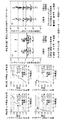
- FIG. 1 is a diagram showing the ROC analysis result of the urinary L-FABP concentration (ng / ml) at the time of admission regarding the distinctiveness of the severity one week after the admission, and (e) is the serum creatinine concentration at the time of admission.
- Mg / dL is a diagram showing the progression of (mg / dL) and severity
- (f) is a diagram showing the urinary L-FABP concentration (ng / ml) and the progression of severity at admission.
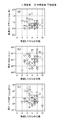
- FIG. 2 is a two-dimensional plot showing a comparison of the correlation with SARS-CoV-2 aggravation risk between urinary L-FABP concentration and serum creatinine concentration.
- A) and (b) are diagrams showing the results of ROC analysis of the serum creatinine concentration (mg / dL) at the time of admission regarding the distinctiveness of the severity one week after admission, (c) and (d).
- E) is a diagram showing the ROC analysis result of the urinary L-FABP concentration ( ⁇ g / gCre) at the time of admission corrected by the urinary creatinine concentration for the distinctiveness of the severity one week after admission.
- Serum creatinine concentration (mg / dL) at admission and progression of severity
- (f) shows urinary L-FABP concentration ( ⁇ g / gCre) at admission and severe urinary creatinine adjusted for urinary creatinine concentration. It is a figure which shows the progress of degree.
- FIG. 2 is a two-dimensional plot showing a comparison between urinary L-FABP concentration (corrected by urinary creatinine concentration) and serum creatinine concentration in correlation with SARS-CoV-2 aggravation risk.
- the serum creatinine concentration (mg / dL) at the time of admission and the urinary NAG were compared with the number of days (days) from the onset to admission (concentration measurement). It is a figure which plotted the urinary L-FABP concentration ( ⁇ g / gCre) at the time of admission corrected by (N-acetyl- ⁇ -D-glucosaminidase) concentration (U / L) and urinary creatinine concentration. It is a figure which shows the correlation of the urine marker measurement value at the time of admission of 41 mild cases, and the pathological progress after 1 week.
- L-FABP The amino acid sequence and gene sequence of L-FABP have already been reported (Verkamp and Matman, Prog. Lipid Res., 34: 17-52, 1995).
- SEQ ID NO: 1 represents the amino acid sequence of wild-type human L-FABP. Even if it is a mutant protein due to substitution, insertion, deletion, etc. on the amino acid sequence of the wild-type human liver-type fatty acid-binding protein shown in SEQ ID NO: 1 of the sequence listing, the mutation is 3 of the wild-type human liver-type fatty acid-binding protein. All of the mutations that are highly conserved in the dimensional structure can belong to the range of liver-type fatty acid-binding proteins.
- the side chains of amino acids which are the constituents of proteins, differ in hydrophobicity, charge, size, and the like.
- Several highly conservative relationships are known empirically and by physicochemical measurements in the sense that they do not substantially affect the three-dimensional structure (also referred to as the three-dimensional structure) of the entire protein. For example, for the substitution of amino acid residues, glycine (Gly) and proline (Pro), Gly and alanin (Ala) or valine (Val), leucine (Leu) and isoleucine (Ile), glutamine (Glu) and glutamine (Gln).
- the method for obtaining L-FABP is not particularly limited, and may be a protein synthesized by chemical synthesis or a recombinant protein prepared by genetic recombination technology.
- a first aspect of the present invention comprises the step of quantifying L-FABP in urine collected from a subject (for example, a patient), and based on the result of the quantification, examines the risk of aggravation of COVID-19 in the future. How to do it.
- the higher the risk of future aggravation the higher the urinary L-FABP concentration is, regardless of the increase in urinary markers due to renal impairment or to the extent that it significantly exceeds the increase in urinary markers due to renal impairment. Can be overpriced.
- the subject may have been confirmed to be infected with SARS-CoV-2 or infected with COVID-19.
- the subject is preferably a pre-severe subject of COVID-19 (that is, a mild (including asymptomatic) or moderately ill person, preferably a mild person).
- the subject to be quantified is preferably within 20 days from the onset, more preferably within 14 days from the onset, further preferably within 12 days from the onset, and within 10 days from the onset. Is particularly preferable.
- the lower limit of the number of days from the onset is not particularly limited, and may be the day of the onset, one day or later from the onset, or two days or later from the onset. It may or may not be before the onset.
- the onset means the appearance of a medical condition, and the appearance of a mild, moderate, severe or the like classified according to the following eight-step criteria (1) to (8) can be mentioned.
- the severity of COVID-19 includes mild, moderate, and severe, and the severity includes mild to moderate or severe, and moderate to severe.
- the severity of mild, moderate, severe, etc. is referred to as Cao B, Wang Y, Wen D, et al. A Trial of Lopinavir-Ritonavir in Adults Hospitalized with Severe Cvid-19. N Engl J Med. 2020. It is classified according to the following eight-step criteria (1) to (8) described in. (1) Not hospitalized due to resumption of normal activities. (2) I have not been hospitalized, but I have not been able to resume normal activities. (3) He is hospitalized and does not require oxygen supplementation. (4) He is hospitalized and needs oxygen supplementation.
- the urinary L-FABP concentration may or may not be the urinary L-FABP concentration ( ⁇ g / gCre) corrected by the urinary creatinine concentration.
- a predetermined value pathological condition identification value
- the urinary L-FABP concentration may or may not be the urinary L-FABP concentration ( ⁇ g / gCre) corrected by the urinary creatinine concentration.
- the risk of COVID-19 becoming severe can be easily tested based only on the urinary L-FABP concentration, and the test is performed using a simple tool such as a POC kit. obtain.
- the concentration of urinary components can fluctuate greatly depending on the shade of urine.
- the cutoff value for differentiating a mild or moderately ill person from having or having a high risk of becoming severely ill in the future is 35 ng / ml to 40 ng / ml. It is preferably in the range, more preferably in the range of 36 ng / ml to 39 ng / ml, and even more preferably in the range of 37 ng / ml to 38 ng / ml.
- the cutoff value in the case of the urinary L-FABP concentration ( ⁇ g / gCre) corrected by the urinary creatinine concentration is preferably in the range of 18 ⁇ g / gCre to 25 ⁇ g / gCre, and is preferably 20 ⁇ g / gCre to 24 ⁇ g. It is more preferably in the range of / gCre, and even more preferably in the range of 21 ⁇ g / gCre to 23 ⁇ g / gCre. If the cutoff value is lower than the lower limit, false positives will increase, and if it is higher than the upper limit, there is a risk of missing a patient at risk of becoming severely ill.
- the urinary L-FABP concentration (ng / ml) is not more than a predetermined value (cutoff value)
- the urinary L-FABP concentration may or may not be the urinary L-FABP concentration ( ⁇ g / gCre) corrected by the urinary creatinine concentration.
- the cutoff value for distinguishing a mildly ill person from being mild and having no or low risk of future aggravation includes, for example, being in the range of 35 ng / ml to 30 ng / ml, and 34 ng / ml to 31 ng.
- the cutoff value in the case of the urinary L-FABP concentration ( ⁇ g / gCre) corrected by the urinary creatinine concentration is in the range of 12 ⁇ g / gCre to 7 ⁇ g / gCre, and 11 ⁇ g / gCre to 11 ⁇ g / gCre. It is preferably in the range of 8 ⁇ g / gCre, more preferably in the range of 10 ⁇ g / gCre to 9 ⁇ g / gCre. If the cutoff value is higher than the upper limit, the risk of missing a severely ill patient increases, and if it is lower than the lower limit, the risk of missing a non-severe patient increases.
- the cutoff value for differentiating a mildly ill person from having or having a high risk of becoming moderate or severe in the future is preferably in the range of 30 ng / ml to 35 ng / ml, preferably 31 ng / ml to. It is more preferably in the range of 34 ng / ml, and even more preferably in the range of 32 ng / ml to 33 ng / ml.
- the cutoff value in the case of the urinary L-FABP concentration ( ⁇ g / gCre) corrected by the urinary creatinine concentration is preferably in the range of 9 ⁇ g / gCre to 14 ⁇ g / gCre, and is preferably 10 ⁇ g / gCre to 13 ⁇ g. It is more preferably in the range of / gCre, and even more preferably in the range of 11 ⁇ g / gCre to 12 ⁇ g / gCre. If the cutoff value is lower than the lower limit, false positives will increase, and if it is higher than the upper limit, there is a risk of missing patients at risk of becoming moderately or severely ill.
- the cut-off value for differentiating a mildly ill person from having no or low risk of becoming moderate or severe in the future is, for example, in the range of 34 ng / ml to 30 ng / ml, 33 ng. It is preferably in the range of / ml to 31 ng / ml, more preferably in the range of 32.5 ng / ml to 31.5 ng / ml.
- the cutoff value in the case of the urinary L-FABP concentration ( ⁇ g / gCre) corrected by the urinary creatinine concentration is in the range of 14 ⁇ g / gCre to 9 ⁇ g / gCre, and is 12 ⁇ g / gCre to 12 ⁇ g / gCre. It is preferably in the range of 10 ⁇ g / gCre, more preferably in the range of 11.5 ⁇ g / gCre to 10.5 ⁇ g / gCre. If the cutoff value is higher than the upper limit, false negatives will increase, and if it is lower than the lower limit, there is a risk of missing patients who do not become severe.
- the degree of the number of days in which the aggravation risk can be predicted is not particularly limited as long as the aggravation risk due to COVID-19 can be predicted.
- the aggravation risk one day or more ahead can be predicted from the above quantification.
- 2 days or more more (more preferably 3 days or more, still more preferably 4 days or more, particularly preferably 5 days or more, especially preferably 6 days or more) from the above quantification. It is preferable in that it can predict the risk of aggravation (first, most preferably 7 days or more).
- the upper limit of the degree of the above prediction is not particularly limited, but is, for example, 30 days or less, 20 days or less, and 15 days or less.
- the subject is preferably a mildly ill person from the viewpoint of pathological progress, follow-up monitoring, or monitoring of aggravation progress.
- the above quantification should be performed a plurality of times (preferably at least 2 times, more preferably 3 times or more, still more preferably 4 times or more) at predetermined days intervals from the viewpoint of monitoring the progress of pathological condition, progress or aggravation. Is preferable.
- the upper limit of the number of times of the above-mentioned quantification is not particularly limited, and examples thereof include 15 times or less or 10 times or less.
- the number of days interval when the above quantification is performed a plurality of times is not particularly limited, but includes 3 days or more (quantified once in 1), preferably 4 days or more, more preferably 5 days or more, and particularly 7 days or more. preferable.
- the upper limit of the number of days interval when a plurality of the above quantifications are performed is not particularly limited, and examples thereof include once every three weeks and once every two weeks.
- the method for testing the risk of aggravation of COVID-19 according to the first aspect may or may not include a step of collecting urine from a subject.
- the test method according to the first aspect may or may not include a step of detecting L-FABP in urine.
- an enzyme immunoassay EIA, ELISA
- FLEIA fluorescent enzyme immunoassay
- FLEIA chemiluminescent enzyme immunoassay
- CLEIA chemiluminescent enzyme immunoassay
- CLIA chemiluminescence immunoassay
- ELIA chemiluminescence immunoassay
- ELIA chemiluminescence immunoassay
- FAB chemiluminescence immunoassay
- ELIA chemiluminescence immunoassay
- ELIA chemiluminescence immunoassay
- FAB chemiluminescence immunoassay
- ELIA chemiluminescence immunoassay
- FAB chemiluminescence
- the anti-L-FABP antibody to be used is not particularly limited as long as L-FABP can be recognized, and may be a known antibody or an antibody to be developed in the future.
- an antibody that recognizes a site exposed to the outside by the following denaturation treatment can be mentioned.
- quantification When quantification is performed using an anti-L-FABP antibody, quantification may be performed under the conditions formed by denaturing L-FABP in the blood with a surfactant. As a result, the three-dimensional structure can be denatured by cleaving hydrogen bonds, disulfide bonds, etc. while maintaining the primary structure of L-FABP, and the antibody may bind to the internal region of the L-FABP molecule.
- L-FABP can be detected or quantified with high sensitivity and specifically without being affected by the oxidation state of L-FABP.
- the surfactant sodium dodecyl sulfate (SDS) is preferable.
- the modification treatment includes an appropriate concentration (for example, 0.2% by mass / volume% (w / v%) to 10% by mass / volume) at room temperature (for example, 25 ° C.) or heating conditions (for example, 37 ° C.). %, preferably 0.4% by mass / volume% (w / v%) or more, 0.5% by mass / volume% (w / v%) or more, or 0.7% by mass / volume% (w / v%) or more. There may be a method of treating with a surfactant for an appropriate time (for example, 5 to 60 minutes). Typically, denaturation treatment with 1 w / v% SDS at 25 ° C. for 10 minutes can be mentioned.
- a sandwich ELISA method using a combination of two types of antibodies having different recognition sites for an antigen is preferable.
- the two types of antibodies having different recognition sites it is preferable to use one as a immobilized antibody bound to the surface in the well of the microplate and the other as a labeled antibody for detection or quantification.
- the labeling in the above-mentioned labeled antibody is not particularly limited, and examples thereof include enzyme labeling such as peroxidase labeling, fluorescent labeling, ultraviolet labeling, and radiation labeling.
- Examples of the antibody having a different recognition site for the antigen include an antibody containing an antibody selected from the group consisting of anti-L-FABP antibody clone 1, clone 2, clone L and clone F (for example, Patent No. 1). 6174778, Patent No. 6218983, Japanese Patent No. 6059388), a combination containing anti-L-FABP antibody clone L, or a combination containing anti-L-FABP antibody clone 2, preferably an anti-L-FABP antibody.
- an antibody containing an antibody selected from the group consisting of anti-L-FABP antibody clone 1, clone 2, clone L and clone F for example, Patent No. 1). 6174778, Patent No. 6218983, Japanese Patent No. 6059388
- a combination containing anti-L-FABP antibody clone L or a combination containing anti-L-FABP antibody clone 2, preferably an anti-L-FABP antibody.
- a combination containing clone L is more preferable, an anti-L-FABP antibody clone L is used as an immobilized antibody, and an arbitrary anti-L-FABP antibody is further preferably used as a labeled antibody, and an anti-L-FABP antibody clone is used. It is particularly preferred to use L as the immobilized antibody and the anti-L-FABP antibody clone 2 as the labeled antibody.
- L-FABP measurement kits using the sandwich ELISA method include "Lenapro L-FABP Test TMB” (manufactured by CMIC HOLDINGS Co., Ltd.) and “Lenapro L-FABP Test HS (high sensitivity)” (manufactured by CMIC HOLDINGS Co., Ltd.). And so on.
- the above-mentioned quantification includes the intensity of the labeled label to be measured (for example, absorbance, enzyme labeling intensity, fluorescence intensity, ultraviolet intensity, radiation intensity, etc.) and the amount of L-FABP (for example, concentration). ), And a calibration curve may or may not be quantified based on the above calibration curve (for example, in comparison).
- the inspection method according to the first aspect preferably allows inspection with an area under the curve (AUC) of 70% or more (0.70 or more) as a result of ROC (receiver operating characteristic) analysis. , 80% or more (0.80 or more) is more preferable, and 85% or more (0.85 or more) is further preferable.
- AUC area under the curve
- the test method according to the first aspect may or may not include a method for diagnosing the risk of aggravation of COVID-19.
- the present invention relates to the method for inspecting the risk of aggravation of COVID-19 according to the first aspect, and the present invention.
- the process of giving the subject treatment according to the aggravation risk determined by the method preferably the aggravation risk after a predetermined number of days
- the aggravation risk determined by the method preferably the aggravation risk after a predetermined number of days
- Shall be related to a method for treating or preventing COVID-19, which comprises at least one step selected from the group consisting of steps of administering a therapeutic or prophylactic agent for COVID-19 to a subject. It does not have to be a thing.
- the risk of aggravation of the subject is low (for example, when the subject is a mildly ill person and the subject remains mild after a predetermined number of days, it is determined by the above method), as the above-mentioned treatment to be given to the subject.
- Treatment eg, waiting observation, monitoring, etc.
- isolation eg, home care, home care, accommodation care, etc.
- administration of over-the-counter cold remedies eg, common cold remedies, anti-inflammatory analgesics, etc.
- hydration etc.
- the treatments given to the subject include hospitalization, ICU transfer, antibacterial drug administration from the perspective of comorbid bacterial infection, oxygen supplementation, high flow nasal cannula oxygen therapy, non-invasive or Invasive ventilator wearing, ECMO wearing, acute blood purification method, blood adsorption therapy and the like can be mentioned.
- the COVID-19 therapeutic or prophylactic agents include anti-viral agents (eg, remdecibir, fabipyrabil, cyclesonide, ibermectin), cytokine storm-improving or acute respiratory distress syndrome (ARDS) -improving agents (eg, tocilizumab, salilumab), vaccines and Antibodies (eg, monoclonal or polyclonal antibodies, preferably antibodies that bind to SARS-CoV-2, more preferably antibodies that selectively bind to SARS-CoV-2, more preferably specific to SARS-CoV-2. Included is at least one drug selected from the group consisting of (antibodies that bind).
- anti-viral agents eg, remdecibir, fabipyrabil, cyclesonide, ibermectin
- ARDS acute respiratory distress syndrome
- Antibodies eg, monoclonal or polyclonal antibodies, preferably antibodies that bind to SARS-CoV-2, more preferably antibodies that selectively
- the second aspect of the present invention is a COVID-19 aggravation risk test kit containing a substance capable of quantifying L-FABP, and is preferably a test kit used in the test method according to the first aspect, preferably a POC kit. Is more preferable.
- a third aspect of the present invention is a companion diagnostic agent containing a substance capable of quantifying the amount of liver-type fatty acid-binding protein, and the risk of aggravation (preferably after a predetermined number of days) determined by the test method according to the first aspect.
- a fourth aspect of the present invention comprises a liver-type fatty acid-binding protein and is a COVID-19 aggravation risk marker used as a quantification target in the method according to the first aspect.
- the "companion diagnostic agent” is the effect or risk of the treatment to be performed on each COVID-19 patient according to the determined severity risk, and the drug to be administered (therapeutic agent, etc.). A diagnostic drug used in tests performed before actually starting treatment, medication, etc. in order to predict the effect of (preventive drug, etc.), the risk of side effects, and the appropriate dosage.
- the treatments to be performed for individual COVID-19 patients according to the determined risk of aggravation are as described above.
- the COVID-19 therapeutic or prophylactic agent is as described above.
- the substances capable of quantifying L-FABP include enzyme immunoassay (EIA, ELISA), fluorescent enzyme immunoassay (FLEIA), and the like.
- Chemiluminescent enzyme immunoassay (CLEIA), chemiluminescent immunoassay (CLIA), chemiluminescent immunoassay (ECLIA), latex-enhanced immunoturbidimetric assembly (LTIA), immunochromatography, fluorescent antibody
- CLIA Chemiluminescent enzyme immunoassay
- CLIA chemiluminescent immunoassay
- ELIA chemiluminescent immunoassay
- LTIA latex-enhanced immunoturbidimetric assembly
- fluorescent antibody include substances that quantify L-FABP or oxidized L-FABP based on method (FA), radioimmunosassay (RIA), western blot (WB), immunoblotting, etc., and specific examples include anti-L-.
- FABP antibodies are preferred.
- the anti-L-FABP antibody to be used is not particularly limited as long as L-FABP can be recognized, and may be a known antibody or an antibody to be developed in the future.
- an antibody that recognizes a site exposed to the outside by the above-mentioned denaturation treatment, the above-mentioned oxidation of methionine, or the like can be mentioned.
- an assay system adopting a sandwich ELISA method in which two types of antibodies having different recognition sites for an antigen (L-FABP) are used in combination is preferable.
- the two types of antibodies having different recognition sites are as described above in ⁇ Method for Examining the Severity Risk of COVID-19 >>.
- the quantification means it is preferable to include the anti-L-FABP antibody as a reagent, more preferably to further contain a labeled anti-L-FABP antibody, and if necessary, an anti-adsorption agent (bovine serum albumin (BSA), casein). , Skim milk, polyethylene glycol, etc.), pretreatment solution (arbitrary surfactant, arbitrary buffer solution, etc.), reaction buffer solution (arbitrary buffer solution, etc.), color-developing substrate (3,3', 5,5'-tetra Methylbenzidine, hydrogen peroxide solution, etc.) may be contained.
- BSA bovine serum albumin
- pretreatment solution arbitrary surfactant, arbitrary buffer solution, etc.
- reaction buffer solution arbitrary buffer solution, etc.
- color-developing substrate 3,3', 5,5'-tetra Methylbenzidine, hydrogen peroxide solution, etc.
- the content of the adsorption inhibitor in the quantification means is not particularly limited as long as the effect of the present invention is not impaired
- kits using a sandwich ELISA method in which two types of antibodies having different recognition sites for antigens are used in combination is preferable, and anti-L-FABP antibody clone L is used for the solid phase and anti-L-FABP is used for the labeled antibody. It is more preferable that the kit uses antibody clone 2.
- the test kit according to the second aspect and the companion diagnostic agent according to the third aspect are quantified with an anti-L-FABP antibody
- the test kit according to the second aspect may be provided with a means for denaturing L-FABP with a surfactant prior to the quantification.
- the test kit according to the second aspect may or may not further include a means for denaturing the L-FABP in urine with a surfactant and a means for quantifying the L-FABP after the denaturation treatment. ..
- the surfactant is as described above.
- a surfactant having an arbitrary concentration for example, 0.2% by volume /% by volume to 10% by volume / volume% at room temperature (for example, 25 ° C.) or under heating conditions (for example, 37 ° C.)
- room temperature for example, 25 ° C.
- heating conditions for example, 37 ° C.
- a modification treatment liquid containing the above-mentioned surfactant, an arbitrary buffer liquid, etc. can be mentioned.
- kits using the sandwich ELISA method include, for example, a kit including the following (1) to (10).
- L-FABP antibody-immobilized microplate Anti-human L-FABP mouse monoclonal antibody-binding well, for example, derived from a clone L-producing cell line)
- Modification treatment liquid for example, any surfactant
- Reaction buffer (4)
- Enzyme-labeled antibody Peroxidase-labeled anti-human L-FABP mouse monoclonal antibody (for example, derived from a clone 2-producing cell line)
- Enzyme substrate solution (6)
- Detergent arbitrary buffer solution, surfactant, etc.
- Reaction stop solution (1N sulfuric acid, etc.)
- Standard buffer solution arbitrary buffer solution, etc.
- Liver-type fatty acid-binding protein standard 10
- the concentration of the liver-type fatty acid-binding protein standard is not particularly limited
- the test kit according to the second aspect and the companion diagnostic agent according to the third aspect preferably contain a protein storage buffer solution containing BSA for the purpose of preventing protein adsorption.
- a protein storage buffer solution containing BSA for the purpose of preventing protein adsorption.
- the following protein storage buffer can be mentioned.
- ng / ml) and serum creatinine concentration (mg / dL) were measured, and ROC analysis was performed for the differentiation of severity one week after admission.
- Serum creatinine concentration was measured according to a conventional method. Serum creatinine concentration is generally used as an index of renal tissue damage, and when the glomerular filtration function decreases, serum creatinine concentration increases.
- the urinary L-FABP concentration (ng / ml) was measured as follows.
- FIG. 1 (a) shows the ROC analysis result of the serum creatinine concentration (mg / dL) at the time of admission of "patients who are severely ill one week after admission” with respect to "patients who are moderately or mildly ill one week after admission”. It is a figure.
- the cut-off point value (pathological condition identification value) of the serum creatinine concentration at admission of "patients who are severely ill one week after admission” is 0.92 (mg / mg /).
- dL) was obtained, the specificity at that time was 69.2%, the sensitivity was 55.6%, and the AUC was 60.5%.
- FIG. 1 (b) shows the ROC analysis result of the serum creatinine concentration (mg / dL) at the time of admission of "patients who are mildly ill one week after admission” to "patients who are severely or moderately ill one week after admission”. It is a figure.
- a cut-off point value of 0.8 (mg / dL) for the serum creatinine concentration at admission of "patients who are mildly ill one week after admission” was obtained.
- the specificity was 50%
- the sensitivity was 87.5%
- the AUC was 62.1%.
- FIG. 1 (c) shows ROC analysis of the urinary L-FABP concentration (ng / ml) at admission of “patients who are severely ill one week after admission” for “patients who are moderately or mildly ill one week after admission”. It is a figure which shows the result.
- the cut-off point value 38 (ng) of the urinary L-FABP concentration (ng / ml) at the time of admission of "patients who are severely ill one week after admission”. / Ml) was obtained, the specificity at that time was 76.9%, the sensitivity was 88.9%, and the AUC was 87%.
- FIG. 1 (d) shows ROC analysis of the urinary L-FABP concentration (ng / ml) at admission of “patients who are mildly ill one week after admission” for “patients who are severely or moderately ill one week after admission”. It is a figure which shows the result.
- the cut-off point value 33 (ng) of the urinary L-FABP concentration (ng / ml) at the time of admission of "patients who are mildly ill one week after admission”. / Ml) was obtained, the specificity at that time was 87.5%, the sensitivity was 87.5%, and the AUC was 87.4%.
- the urinary L at admission was higher than the serum creatinine concentration at admission. It can be seen that the FABP concentration has a larger AUC, higher accuracy, and higher sensitivity and specificity.
- the urinary L-FABP concentration becomes higher as the risk of aggravation in the future increases, regardless of the increase in urinary marker due to renal disorder or to the extent that it significantly exceeds the increase in urinary marker due to renal disorder. It can be said that the effect of increased urinary markers due to renal damage can be eliminated and the risk of aggravation in the future can be examined.
- FIG. 1 (e) is a diagram showing serum creatinine concentration (mg / dL) at admission of the 58 SARS-CoV-2 positive patients, and is a left (at admission) plot and a right (1 week later). The plot of the same serum creatinine concentration in the plot shows the same positive patients.
- both the left (at admission) plot and the right (1 week later) plot for the same positive patient are plots of severity one week after admission. (Severe: ⁇ , moderate: ⁇ , mild: ⁇ ) is attached.
- the severity at each time point at the time of admission (left) and one week after admission (right) is distinguished by hatching (pattern).
- FIG. 1 (f) is a diagram showing the urinary L-FABP concentration (ng / ml) of the 58 SARS-CoV-2 positive patients at admission, and is a left (at admission) plot and a right (1). Weekly later) plots of the same urinary L-FABP concentration show the same positive patients.
- both the left (at admission) plot and the right (1 week later) plot for the same positive patient are plots of severity one week after admission. (Severe: ⁇ , moderate: ⁇ , mild: ⁇ ) is attached.
- the severity at each time point at the time of admission (left) and one week after admission (right) is distinguished by hatching (pattern).
- plots (patients) with a cutoff point value of 33 ng / ml or less are mild at admission and, with some exceptions, remain mild even one week later, and do not become severe or have a low risk of becoming severe. I can say.
- Example 2 In order to eliminate the influence of the shade of urine, the ROC analysis result of the urinary L-FABP concentration of the 58 SARS-CoV-2 positive patients obtained in Example 1 above and the urinary L-FABP concentration at the time of admission were examined. Corrected by urinary creatinine concentration. Urinary creatinine concentration was measured according to a conventional method. The results are shown in FIGS. 3 (c), (d) and (f). As a comparative reference, FIGS. 1 (a) and 1 (b) showing the results of ROC analysis of the serum creatinine concentration (mg / dL) are shown in FIGS.
- FIGS. 1 (a), (b) and (e) and FIGS. 3 (a), (b) and (e) are the same, respectively.
- FIG. 3 (c) shows the differentiation of "patients who are moderately or mildly ill one week after admission” to "patients who are severely ill one week after admission", adjusted for urinary creatinine concentration in urinary L at admission.
- -It is a figure which shows the ROC analysis result of FABP concentration ( ⁇ g / gCre).
- the urinary L-FABP concentration ( ⁇ g / gCre) at admission adjusted for the urinary creatinine concentration of "patients who are severely ill one week after admission”.
- a cutoff point value of 22 was obtained, at which time the specificity was 84.6%, the sensitivity was 88.9%, and the AUC was 92.6%.
- FIG. 3 (d) shows the urinary L-FABP concentration at admission adjusted for the urinary creatinine concentration of "patients who are mildly ill one week after admission” to "patients who are severely or moderately ill one week after admission”. It is a figure which shows the ROC analysis result of ⁇ g / gCre).
- a cutoff point value of 9 was obtained, with a specificity of 84.4%, a sensitivity of 93.8%, and an AUC of 88.3%.
- the urinary L-at admission adjusted for the urinary creatinine concentration in both the patients who became severe and the patients who did not become severe (patients who remained mild).
- the AUC is large, the accuracy is high, the sensitivity and the sensitivity are similar to the ROC analysis result of the urinary L-FABP concentration at admission which is not corrected by the urinary creatinine concentration shown in FIGS. 1 (c) and 1 (d).
- the specificity is also high. That is, with or without concentration correction with urinary creatinine concentration (ie, with or without eliminating the effect of urinary shading), urinary L-FABP concentration is highly accurate, sensitive and specific. , It can be said that the risk of aggravation of COVID-19 can be examined.
- FIG. 3 (f) is a diagram showing the urinary L-FABP concentration ( ⁇ g / gCre) corrected for the urinary creatinine concentration at the time of admission of the above 58 SARS-CoV-2 positive patients, and is shown on the left (at the time of admission). ) And the plot of the same urinary L-FABP concentration in the plot on the right (after 1 week) show the same positive patients.
- both the left (at admission) plot and the right (1 week later) plot for the same positive patient show the form of severity one week after admission (1 week later). Severe: ⁇ , moderate: ⁇ , mild: ⁇ ).
- FIG. 3 (f) is a diagram showing the urinary L-FABP concentration ( ⁇ g / gCre) corrected for the urinary creatinine concentration at the time of admission of the above 58 SARS-CoV-2 positive patients, and is shown on the left (at the time of admission). ) And the plot of the same urinary L-FABP concentration in the plot on the right (after 1 week) show
- the severity at each time point at the time of admission (left) and one week after admission (right) is distinguished by hatching (pattern).
- hatching pattern
- the cut-off point value (severe case) is 22 ( ⁇ g / gCre) obtained from FIG. 3 (c)
- the cut-off point value (mild case) is shown in FIG. 3 (mild case). 9 ( ⁇ g / gCre) obtained from d).
- Example 3 For the above 58 SARS-CoV-2 positive patients, the serum creatinine concentration (mg / dL) at the time of admission and the urinary NAG were compared with the number of days (days) from the onset to admission (concentration measurement). The (N-acetyl- ⁇ -D-glucosaminidase) concentration (U / L) and the urinary L-FABP concentration ( ⁇ g / gCre) corrected by the urinary creatinine concentration were plotted respectively. NAG is a marker enzyme present in renal tissue cells, and urinary NAG concentration (mg / dL) is generally used as an index of renal tissue damage.
- each plot (each patient) is marked with the form of severity (severe: ⁇ , moderate: ⁇ , mild: ⁇ ) one week after admission and hatching.
- Urinary L-FABP creatinine correction value ( ⁇ g / gCre), urinary L-FABP concentration (ng / ml) and serum creatinine concentration (mg / dL) at admission to 41 SARS-CoV-2 positive mild cases ) was measured in the same manner as above.
- the severity (mild, moderate, and severe) one week after admission of the 41 mildly ill persons was differentiated. The results are shown in FIGS. 6 (a) to 6 (c).
- FIG. 6 is a diagram showing the correlation between the measured values of urine markers at admission and the progression of pathological conditions after 1 week in 41 mildly ill patients at admission.
- the patients who are still mild after 1 week are referred to as "mild-mild”.
- the patients who become moderately ill one week later are referred to as "mild-moderate”.
- the patients who become severely ill one week later are referred to as "mild-severe”.
- FIG. 6A shows the average value of the urinary L-FABP creatinine correction value at the time of admission of 32 patients with the above-mentioned "mild-mild", and the total number of patients with the above-mentioned “mold-moderate” and "mild-severe”. It is a figure which shows the average value of the urinary L-FABP creatinine correction value at the time of admission of 9 patients.
- the average value of the urinary L-FABP creatinine correction value of the above-mentioned "mild-mild” patient is 12.8 ⁇ g / g Cre, while the above-mentioned "mild”.
- the average value of the urinary L-FABP creatinine correction values of "-moderate” and "mild-severe” patients was 50.9 ⁇ g / g Cre. From this result, the urinary L-FABP creatinine correction value for mildly ill patients who turn moderate or severe after 1 week is higher than the urinary L-FABP creatinine correction value for mildly ill patients who remain mild after 1 week. It can be seen that the p-value ⁇ 0.01 is significantly higher.
- FIG. 6 (b) shows the average value of the urinary L-FABP concentration at the time of admission of 32 patients with the above-mentioned "mild-mild", and a total of 9 patients with the above-mentioned “mild-moderate” and "mild-severe". It is a figure which shows the average value of the urinary L-FABP concentration at the time of admission. As is clear from the results shown in FIG. 6 (b), the average value of the urinary L-FABP concentration of the above-mentioned "mild-mild” patient is 37.9 ng / ml, whereas the above-mentioned "mild-moderate” is shown.
- the average urinary L-FABP concentration of "mild-severe" patients was 149.7 ng / ml. From this result, the urinary L-FABP concentration of mildly ill patients at admission who turned moderate or severe after 1 week was p-valued with respect to the urinary L-FABP concentration of mildly ill patients at admission who remained mild after 1 week. It can be seen that ⁇ 0.01 is significantly higher.
- FIG. 6 (c) shows the average serum creatinine concentration (mg / dL) of 32 patients with the above-mentioned "mild-mild” at the time of admission, and the total number of patients with the above-mentioned “mild-moderate” and “mild-severe”. It is a figure which shows the average value of the serum creatinine concentration (mg / dL) at the time of admission of 9 patients. As is clear from the results shown in FIG.
- the average serum creatinine concentration of the above-mentioned "mild-mild” patients is 0.84 mg / dL, whereas the above-mentioned “mild-moderate” and ""
- the average serum creatinine concentration in "mild-severe” patients was 0.91 mg / dL. From this result, it can be seen that there is no significant difference between the serum creatinine concentration of the mildly ill patients at admission who turn to moderate or severe after 1 week and the serum creatinine concentration of the mildly ill patients who remain mild after 1 week.
- a value of 32.50 ng / ml is obtained, and it can be seen that the AUC is as large as 0.84896 (84.896%).
- serum creatinine the AUC was only 0.63889 (63.889%). That is, it can be said that a mild patient who is mild at the time of admission but has a risk of becoming moderate or severe after one week can be differentiated with high accuracy by measuring the urinary L-FABP concentration at the time of admission. ..
Landscapes
- Health & Medical Sciences (AREA)
- Life Sciences & Earth Sciences (AREA)
- Engineering & Computer Science (AREA)
- Molecular Biology (AREA)
- Immunology (AREA)
- Chemical & Material Sciences (AREA)
- Biomedical Technology (AREA)
- Urology & Nephrology (AREA)
- Hematology (AREA)
- Cell Biology (AREA)
- General Health & Medical Sciences (AREA)
- Biotechnology (AREA)
- Pathology (AREA)
- Food Science & Technology (AREA)
- Medicinal Chemistry (AREA)
- Physics & Mathematics (AREA)
- Analytical Chemistry (AREA)
- Biochemistry (AREA)
- Microbiology (AREA)
- General Physics & Mathematics (AREA)
- Virology (AREA)
- Proteomics, Peptides & Aminoacids (AREA)
- Tropical Medicine & Parasitology (AREA)
- Biophysics (AREA)
- Endocrinology (AREA)
- Investigating Or Analysing Biological Materials (AREA)
Priority Applications (4)
| Application Number | Priority Date | Filing Date | Title |
|---|---|---|---|
| US17/928,371 US20230221337A1 (en) | 2020-06-18 | 2020-06-18 | Method for testing aggravation risk of person infected with novel coronavirus, test kit therefor, companion diagnostic drug and aggravation risk marker thereof |
| JP2021523527A JP6933834B1 (ja) | 2020-06-18 | 2020-06-18 | 新型コロナウイルス感染者の重症化リスクの検査方法、その検査キット、コンパニオン診断薬及びその重症化リスクマーカー |
| PCT/JP2020/023982 WO2021255900A1 (ja) | 2020-06-18 | 2020-06-18 | 新型コロナウイルス感染者の重症化リスクの検査方法、その検査キット、コンパニオン診断薬及びその重症化リスクマーカー |
| JP2021130913A JP2022000635A (ja) | 2020-06-18 | 2021-08-10 | 新型コロナウイルス感染者の重症化リスクの検査方法、その検査キット、コンパニオン診断薬及びその重症化リスクマーカー |
Applications Claiming Priority (1)
| Application Number | Priority Date | Filing Date | Title |
|---|---|---|---|
| PCT/JP2020/023982 WO2021255900A1 (ja) | 2020-06-18 | 2020-06-18 | 新型コロナウイルス感染者の重症化リスクの検査方法、その検査キット、コンパニオン診断薬及びその重症化リスクマーカー |
Publications (1)
| Publication Number | Publication Date |
|---|---|
| WO2021255900A1 true WO2021255900A1 (ja) | 2021-12-23 |
Family
ID=77549998
Family Applications (1)
| Application Number | Title | Priority Date | Filing Date |
|---|---|---|---|
| PCT/JP2020/023982 Ceased WO2021255900A1 (ja) | 2020-06-18 | 2020-06-18 | 新型コロナウイルス感染者の重症化リスクの検査方法、その検査キット、コンパニオン診断薬及びその重症化リスクマーカー |
Country Status (3)
| Country | Link |
|---|---|
| US (1) | US20230221337A1 (https=) |
| JP (2) | JP6933834B1 (https=) |
| WO (1) | WO2021255900A1 (https=) |
Cited By (1)
| Publication number | Priority date | Publication date | Assignee | Title |
|---|---|---|---|---|
| WO2024029523A1 (ja) * | 2022-08-02 | 2024-02-08 | 応用酵素医学研究所株式会社 | コロナウイルス感染症の評価項目を判断するための情報を提供する方法 |
Families Citing this family (4)
| Publication number | Priority date | Publication date | Assignee | Title |
|---|---|---|---|---|
| JPWO2022030629A1 (https=) * | 2020-08-07 | 2022-02-10 | ||
| WO2023007809A1 (ja) * | 2021-07-29 | 2023-02-02 | 国立大学法人東北大学 | コロナウイルス感染症の重症化リスクの評価方法、およびコロナウイルス感染症の重症化リスク評価キット |
| WO2023063021A1 (ja) * | 2021-10-11 | 2023-04-20 | 国立大学法人大阪大学 | 患者の分類方法、キットおよびバイオマーカーの使用 |
| JP7849689B2 (ja) * | 2021-12-15 | 2026-04-22 | 三洋化成工業株式会社 | 検査方法及び検査試薬 |
Citations (3)
| Publication number | Priority date | Publication date | Assignee | Title |
|---|---|---|---|---|
| JP2020056621A (ja) * | 2018-09-28 | 2020-04-09 | シミックホールディングス株式会社 | 肝型脂肪酸結合タンパク質を定量する方法、その定量用キット、腎疾患の検査方法、その検査キット及びコンパニオン診断薬 |
| US10689716B1 (en) * | 2020-03-19 | 2020-06-23 | University Of Miami | Materials and methods for detecting coronavirus |
| US20200253562A1 (en) * | 2015-07-19 | 2020-08-13 | Sanmina Corporation | System and method for screening and prediction of severity of infection |
-
2020
- 2020-06-18 WO PCT/JP2020/023982 patent/WO2021255900A1/ja not_active Ceased
- 2020-06-18 JP JP2021523527A patent/JP6933834B1/ja active Active
- 2020-06-18 US US17/928,371 patent/US20230221337A1/en active Pending
-
2021
- 2021-08-10 JP JP2021130913A patent/JP2022000635A/ja active Pending
Patent Citations (3)
| Publication number | Priority date | Publication date | Assignee | Title |
|---|---|---|---|---|
| US20200253562A1 (en) * | 2015-07-19 | 2020-08-13 | Sanmina Corporation | System and method for screening and prediction of severity of infection |
| JP2020056621A (ja) * | 2018-09-28 | 2020-04-09 | シミックホールディングス株式会社 | 肝型脂肪酸結合タンパク質を定量する方法、その定量用キット、腎疾患の検査方法、その検査キット及びコンパニオン診断薬 |
| US10689716B1 (en) * | 2020-03-19 | 2020-06-23 | University Of Miami | Materials and methods for detecting coronavirus |
Non-Patent Citations (3)
| Title |
|---|
| AN PENG-JIAO, ZHU YI ZHUN, YANG LI-PING: "Biochemical indicators of coronavirus disease 2019 exacerbation and the clinical implications", PHARMACOLOGICAL RESEARCH, ELSEVIER, AMSTERDAM, NL, vol. 159, 1 September 2020 (2020-09-01), AMSTERDAM, NL, pages 104946, XP055891161, ISSN: 1043-6618, DOI: 10.1016/j.phrs.2020.104946 * |
| OKUBO, Y. ET AL.: "Increased Urinary Liver-Type Fatty Acid-Binding Protein Level Predicts Worsening Renal Function in Patients With Acute Heart Failure", JOURNAL OF CARDIAC FAILURE, vol. 24, no. 8, August 2018 (2018-08-01), pages 520 - 524, XP085472666, DOI: 10.1016/j.cardfail.2018.07.003 * |
| WANG CHANG‐ZHENG, HU SHUN‐LIN, WANG LIN, LI MIN, LI HUAN‐TIAN: "Early risk factors of the exacerbation of coronavirus disease 2019 pneumonia", JOURNAL OF MEDICAL VIROLOGY, JOHN WILEY & SONS, INC., US, vol. 92, no. 11, 1 November 2020 (2020-11-01), US , pages 2593 - 2599, XP055891155, ISSN: 0146-6615, DOI: 10.1002/jmv.26071 * |
Cited By (1)
| Publication number | Priority date | Publication date | Assignee | Title |
|---|---|---|---|---|
| WO2024029523A1 (ja) * | 2022-08-02 | 2024-02-08 | 応用酵素医学研究所株式会社 | コロナウイルス感染症の評価項目を判断するための情報を提供する方法 |
Also Published As
| Publication number | Publication date |
|---|---|
| JP2022000635A (ja) | 2022-01-04 |
| US20230221337A1 (en) | 2023-07-13 |
| JPWO2021255900A1 (https=) | 2021-12-23 |
| JP6933834B1 (ja) | 2021-09-08 |
Similar Documents
| Publication | Publication Date | Title |
|---|---|---|
| JP6933834B1 (ja) | 新型コロナウイルス感染者の重症化リスクの検査方法、その検査キット、コンパニオン診断薬及びその重症化リスクマーカー | |
| JP5179011B2 (ja) | 胎盤虚血および多臓器不全のモニタリング | |
| US7141382B1 (en) | Methods for detection of IL-18 as an early marker for diagnosis of acute renal failure and predictor of mortality | |
| JP5565607B2 (ja) | 敗血症又は多臓器不全の予後診断方法及び予後診断用キット | |
| CN103403554A (zh) | 慢性心力衰竭的预后和诊断方法 | |
| WO2010143423A1 (ja) | 糖尿病性腎症の検査方法 | |
| JP2006510895A (ja) | Cvd分析 | |
| KR102077987B1 (ko) | 신장 질환 진단용 바이오 마커 | |
| KR102319190B1 (ko) | 신장 질환 진단용 바이오 마커 | |
| JP2023521339A (ja) | 急性腎障害の予測および早期診断 | |
| EP2674755B1 (en) | Method for diagnosing acute lung injury | |
| US20240103014A1 (en) | Inspection Method Enabling Specific Diagnosis of Pathological State of Diabetic Nephropathy at Early Stage | |
| JP5801895B2 (ja) | 全身性炎症反応症候群を伴わない術後感染症の検出方法 | |
| EP2391653B1 (en) | Biomarkers associated with nephropathy | |
| CN112805565A (zh) | 对肝型脂肪酸结合蛋白质进行定量的方法、其定量用试剂盒、肾疾病的检查方法、其检查试剂盒及伴随诊断药 | |
| JP2007163151A (ja) | 対象生物の生理状態を判定する方法 | |
| US8697368B2 (en) | Diagnostic marker for lung cancer comprising HPαR as active ingredient | |
| JP7307479B2 (ja) | IgA腎症診断用キット | |
| JP7818217B2 (ja) | 呼吸器感染症の重篤度判別方法および試薬 | |
| JPH02293665A (ja) | 腎疾患の検査方法 | |
| CA3036256C (en) | Inspection method enabling specific diagnosis of pathological state of diabetic nephropathy at early stage | |
| JP2025100373A (ja) | Anca関連血管炎に関する血中マーカーの検出方法とその利用 | |
| WO2023277130A1 (ja) | 尿細管間質障害の検出用バイオマーカー並びにその用途 | |
| WO2023074723A1 (ja) | 腎機能障害診断マーカーの検出方法、腎予後の判定方法、腎機能障害診断マーカーの検出キット及び腎機能障害診断マーカー | |
| WO2022221264A1 (en) | Methods and compositions for analysis of acute kidney injury |
Legal Events
| Date | Code | Title | Description |
|---|---|---|---|
| ENP | Entry into the national phase |
Ref document number: 2021523527 Country of ref document: JP Kind code of ref document: A |
|
| 121 | Ep: the epo has been informed by wipo that ep was designated in this application |
Ref document number: 20941018 Country of ref document: EP Kind code of ref document: A1 |
|
| NENP | Non-entry into the national phase |
Ref country code: DE |
|
| 122 | Ep: pct application non-entry in european phase |
Ref document number: 20941018 Country of ref document: EP Kind code of ref document: A1 |