WO2020175324A1 - 軟質ポリウレタンフォーム製造用ポリオール組成物及び軟質ポリウレタンフォーム - Google Patents
軟質ポリウレタンフォーム製造用ポリオール組成物及び軟質ポリウレタンフォーム Download PDFInfo
- Publication number
- WO2020175324A1 WO2020175324A1 PCT/JP2020/006856 JP2020006856W WO2020175324A1 WO 2020175324 A1 WO2020175324 A1 WO 2020175324A1 JP 2020006856 W JP2020006856 W JP 2020006856W WO 2020175324 A1 WO2020175324 A1 WO 2020175324A1
- Authority
- WO
- WIPO (PCT)
- Prior art keywords
- polyol
- weight
- polyurethane foam
- flexible polyurethane
- polyol composition
- Prior art date
- Legal status (The legal status is an assumption and is not a legal conclusion. Google has not performed a legal analysis and makes no representation as to the accuracy of the status listed.)
- Ceased
Links
Classifications
-
- C—CHEMISTRY; METALLURGY
- C08—ORGANIC MACROMOLECULAR COMPOUNDS; THEIR PREPARATION OR CHEMICAL WORKING-UP; COMPOSITIONS BASED THEREON
- C08G—MACROMOLECULAR COMPOUNDS OBTAINED OTHERWISE THAN BY REACTIONS ONLY INVOLVING UNSATURATED CARBON-TO-CARBON BONDS
- C08G18/00—Polymeric products of isocyanates or isothiocyanates
- C08G18/06—Polymeric products of isocyanates or isothiocyanates with compounds having active hydrogen
- C08G18/28—Polymeric products of isocyanates or isothiocyanates with compounds having active hydrogen characterised by the compounds used containing active hydrogen
- C08G18/40—High-molecular-weight compounds
- C08G18/42—Polycondensates having carboxylic or carbonic ester groups in the main chain
- C08G18/4244—Polycondensates having carboxylic or carbonic ester groups in the main chain containing oxygen in the form of ether groups
- C08G18/4247—Polycondensates having carboxylic or carbonic ester groups in the main chain containing oxygen in the form of ether groups derived from polyols containing at least one ether group and polycarboxylic acids
- C08G18/4252—Polycondensates having carboxylic or carbonic ester groups in the main chain containing oxygen in the form of ether groups derived from polyols containing at least one ether group and polycarboxylic acids derived from polyols containing polyether groups and polycarboxylic acids
-
- C—CHEMISTRY; METALLURGY
- C08—ORGANIC MACROMOLECULAR COMPOUNDS; THEIR PREPARATION OR CHEMICAL WORKING-UP; COMPOSITIONS BASED THEREON
- C08G—MACROMOLECULAR COMPOUNDS OBTAINED OTHERWISE THAN BY REACTIONS ONLY INVOLVING UNSATURATED CARBON-TO-CARBON BONDS
- C08G18/00—Polymeric products of isocyanates or isothiocyanates
- C08G18/06—Polymeric products of isocyanates or isothiocyanates with compounds having active hydrogen
- C08G18/08—Processes
- C08G18/14—Manufacture of cellular products
-
- C—CHEMISTRY; METALLURGY
- C08—ORGANIC MACROMOLECULAR COMPOUNDS; THEIR PREPARATION OR CHEMICAL WORKING-UP; COMPOSITIONS BASED THEREON
- C08G—MACROMOLECULAR COMPOUNDS OBTAINED OTHERWISE THAN BY REACTIONS ONLY INVOLVING UNSATURATED CARBON-TO-CARBON BONDS
- C08G18/00—Polymeric products of isocyanates or isothiocyanates
- C08G18/06—Polymeric products of isocyanates or isothiocyanates with compounds having active hydrogen
- C08G18/08—Processes
- C08G18/10—Prepolymer processes involving reaction of isocyanates or isothiocyanates with compounds having active hydrogen in a first reaction step
- C08G18/12—Prepolymer processes involving reaction of isocyanates or isothiocyanates with compounds having active hydrogen in a first reaction step using two or more compounds having active hydrogen in the first polymerisation step
-
- C—CHEMISTRY; METALLURGY
- C08—ORGANIC MACROMOLECULAR COMPOUNDS; THEIR PREPARATION OR CHEMICAL WORKING-UP; COMPOSITIONS BASED THEREON
- C08G—MACROMOLECULAR COMPOUNDS OBTAINED OTHERWISE THAN BY REACTIONS ONLY INVOLVING UNSATURATED CARBON-TO-CARBON BONDS
- C08G18/00—Polymeric products of isocyanates or isothiocyanates
- C08G18/06—Polymeric products of isocyanates or isothiocyanates with compounds having active hydrogen
- C08G18/28—Polymeric products of isocyanates or isothiocyanates with compounds having active hydrogen characterised by the compounds used containing active hydrogen
- C08G18/40—High-molecular-weight compounds
- C08G18/4009—Two or more macromolecular compounds not provided for in one single group of groups C08G18/42 - C08G18/64
- C08G18/4018—Mixtures of compounds of group C08G18/42 with compounds of group C08G18/48
-
- C—CHEMISTRY; METALLURGY
- C08—ORGANIC MACROMOLECULAR COMPOUNDS; THEIR PREPARATION OR CHEMICAL WORKING-UP; COMPOSITIONS BASED THEREON
- C08G—MACROMOLECULAR COMPOUNDS OBTAINED OTHERWISE THAN BY REACTIONS ONLY INVOLVING UNSATURATED CARBON-TO-CARBON BONDS
- C08G18/00—Polymeric products of isocyanates or isothiocyanates
- C08G18/06—Polymeric products of isocyanates or isothiocyanates with compounds having active hydrogen
- C08G18/28—Polymeric products of isocyanates or isothiocyanates with compounds having active hydrogen characterised by the compounds used containing active hydrogen
- C08G18/40—High-molecular-weight compounds
- C08G18/4009—Two or more macromolecular compounds not provided for in one single group of groups C08G18/42 - C08G18/64
- C08G18/4072—Mixtures of compounds of group C08G18/63 with other macromolecular compounds
-
- C—CHEMISTRY; METALLURGY
- C08—ORGANIC MACROMOLECULAR COMPOUNDS; THEIR PREPARATION OR CHEMICAL WORKING-UP; COMPOSITIONS BASED THEREON
- C08G—MACROMOLECULAR COMPOUNDS OBTAINED OTHERWISE THAN BY REACTIONS ONLY INVOLVING UNSATURATED CARBON-TO-CARBON BONDS
- C08G18/00—Polymeric products of isocyanates or isothiocyanates
- C08G18/06—Polymeric products of isocyanates or isothiocyanates with compounds having active hydrogen
- C08G18/28—Polymeric products of isocyanates or isothiocyanates with compounds having active hydrogen characterised by the compounds used containing active hydrogen
- C08G18/40—High-molecular-weight compounds
- C08G18/42—Polycondensates having carboxylic or carbonic ester groups in the main chain
- C08G18/4205—Polycondensates having carboxylic or carbonic ester groups in the main chain containing cyclic groups
- C08G18/4208—Polycondensates having carboxylic or carbonic ester groups in the main chain containing cyclic groups containing aromatic groups
- C08G18/4211—Polycondensates having carboxylic or carbonic ester groups in the main chain containing cyclic groups containing aromatic groups derived from aromatic dicarboxylic acids and dialcohols
-
- C—CHEMISTRY; METALLURGY
- C08—ORGANIC MACROMOLECULAR COMPOUNDS; THEIR PREPARATION OR CHEMICAL WORKING-UP; COMPOSITIONS BASED THEREON
- C08G—MACROMOLECULAR COMPOUNDS OBTAINED OTHERWISE THAN BY REACTIONS ONLY INVOLVING UNSATURATED CARBON-TO-CARBON BONDS
- C08G18/00—Polymeric products of isocyanates or isothiocyanates
- C08G18/06—Polymeric products of isocyanates or isothiocyanates with compounds having active hydrogen
- C08G18/28—Polymeric products of isocyanates or isothiocyanates with compounds having active hydrogen characterised by the compounds used containing active hydrogen
- C08G18/40—High-molecular-weight compounds
- C08G18/42—Polycondensates having carboxylic or carbonic ester groups in the main chain
- C08G18/4244—Polycondensates having carboxylic or carbonic ester groups in the main chain containing oxygen in the form of ether groups
-
- C—CHEMISTRY; METALLURGY
- C08—ORGANIC MACROMOLECULAR COMPOUNDS; THEIR PREPARATION OR CHEMICAL WORKING-UP; COMPOSITIONS BASED THEREON
- C08G—MACROMOLECULAR COMPOUNDS OBTAINED OTHERWISE THAN BY REACTIONS ONLY INVOLVING UNSATURATED CARBON-TO-CARBON BONDS
- C08G18/00—Polymeric products of isocyanates or isothiocyanates
- C08G18/06—Polymeric products of isocyanates or isothiocyanates with compounds having active hydrogen
- C08G18/28—Polymeric products of isocyanates or isothiocyanates with compounds having active hydrogen characterised by the compounds used containing active hydrogen
- C08G18/40—High-molecular-weight compounds
- C08G18/48—Polyethers
- C08G18/4804—Two or more polyethers of different physical or chemical nature
- C08G18/4812—Mixtures of polyetherdiols with polyetherpolyols having at least three hydroxy groups
-
- C—CHEMISTRY; METALLURGY
- C08—ORGANIC MACROMOLECULAR COMPOUNDS; THEIR PREPARATION OR CHEMICAL WORKING-UP; COMPOSITIONS BASED THEREON
- C08G—MACROMOLECULAR COMPOUNDS OBTAINED OTHERWISE THAN BY REACTIONS ONLY INVOLVING UNSATURATED CARBON-TO-CARBON BONDS
- C08G18/00—Polymeric products of isocyanates or isothiocyanates
- C08G18/06—Polymeric products of isocyanates or isothiocyanates with compounds having active hydrogen
- C08G18/28—Polymeric products of isocyanates or isothiocyanates with compounds having active hydrogen characterised by the compounds used containing active hydrogen
- C08G18/40—High-molecular-weight compounds
- C08G18/48—Polyethers
- C08G18/4804—Two or more polyethers of different physical or chemical nature
- C08G18/4816—Two or more polyethers of different physical or chemical nature mixtures of two or more polyetherpolyols having at least three hydroxy groups
-
- C—CHEMISTRY; METALLURGY
- C08—ORGANIC MACROMOLECULAR COMPOUNDS; THEIR PREPARATION OR CHEMICAL WORKING-UP; COMPOSITIONS BASED THEREON
- C08G—MACROMOLECULAR COMPOUNDS OBTAINED OTHERWISE THAN BY REACTIONS ONLY INVOLVING UNSATURATED CARBON-TO-CARBON BONDS
- C08G18/00—Polymeric products of isocyanates or isothiocyanates
- C08G18/06—Polymeric products of isocyanates or isothiocyanates with compounds having active hydrogen
- C08G18/28—Polymeric products of isocyanates or isothiocyanates with compounds having active hydrogen characterised by the compounds used containing active hydrogen
- C08G18/40—High-molecular-weight compounds
- C08G18/48—Polyethers
- C08G18/4833—Polyethers containing oxyethylene units
- C08G18/4837—Polyethers containing oxyethylene units and other oxyalkylene units
-
- C—CHEMISTRY; METALLURGY
- C08—ORGANIC MACROMOLECULAR COMPOUNDS; THEIR PREPARATION OR CHEMICAL WORKING-UP; COMPOSITIONS BASED THEREON
- C08G—MACROMOLECULAR COMPOUNDS OBTAINED OTHERWISE THAN BY REACTIONS ONLY INVOLVING UNSATURATED CARBON-TO-CARBON BONDS
- C08G18/00—Polymeric products of isocyanates or isothiocyanates
- C08G18/06—Polymeric products of isocyanates or isothiocyanates with compounds having active hydrogen
- C08G18/28—Polymeric products of isocyanates or isothiocyanates with compounds having active hydrogen characterised by the compounds used containing active hydrogen
- C08G18/40—High-molecular-weight compounds
- C08G18/63—Block or graft polymers obtained by polymerising compounds having carbon-to-carbon double bonds on to polymers
- C08G18/632—Block or graft polymers obtained by polymerising compounds having carbon-to-carbon double bonds on to polymers onto polyethers
-
- C—CHEMISTRY; METALLURGY
- C08—ORGANIC MACROMOLECULAR COMPOUNDS; THEIR PREPARATION OR CHEMICAL WORKING-UP; COMPOSITIONS BASED THEREON
- C08G—MACROMOLECULAR COMPOUNDS OBTAINED OTHERWISE THAN BY REACTIONS ONLY INVOLVING UNSATURATED CARBON-TO-CARBON BONDS
- C08G18/00—Polymeric products of isocyanates or isothiocyanates
- C08G18/06—Polymeric products of isocyanates or isothiocyanates with compounds having active hydrogen
- C08G18/70—Polymeric products of isocyanates or isothiocyanates with compounds having active hydrogen characterised by the isocyanates or isothiocyanates used
- C08G18/72—Polyisocyanates or polyisothiocyanates
- C08G18/74—Polyisocyanates or polyisothiocyanates cyclic
- C08G18/76—Polyisocyanates or polyisothiocyanates cyclic aromatic
- C08G18/7614—Polyisocyanates or polyisothiocyanates cyclic aromatic containing only one aromatic ring
- C08G18/7621—Polyisocyanates or polyisothiocyanates cyclic aromatic containing only one aromatic ring being toluene diisocyanate including isomer mixtures
-
- C—CHEMISTRY; METALLURGY
- C08—ORGANIC MACROMOLECULAR COMPOUNDS; THEIR PREPARATION OR CHEMICAL WORKING-UP; COMPOSITIONS BASED THEREON
- C08G—MACROMOLECULAR COMPOUNDS OBTAINED OTHERWISE THAN BY REACTIONS ONLY INVOLVING UNSATURATED CARBON-TO-CARBON BONDS
- C08G2101/00—Manufacture of cellular products
-
- C—CHEMISTRY; METALLURGY
- C08—ORGANIC MACROMOLECULAR COMPOUNDS; THEIR PREPARATION OR CHEMICAL WORKING-UP; COMPOSITIONS BASED THEREON
- C08G—MACROMOLECULAR COMPOUNDS OBTAINED OTHERWISE THAN BY REACTIONS ONLY INVOLVING UNSATURATED CARBON-TO-CARBON BONDS
- C08G2110/00—Foam properties
- C08G2110/0008—Foam properties flexible
-
- C—CHEMISTRY; METALLURGY
- C08—ORGANIC MACROMOLECULAR COMPOUNDS; THEIR PREPARATION OR CHEMICAL WORKING-UP; COMPOSITIONS BASED THEREON
- C08G—MACROMOLECULAR COMPOUNDS OBTAINED OTHERWISE THAN BY REACTIONS ONLY INVOLVING UNSATURATED CARBON-TO-CARBON BONDS
- C08G2110/00—Foam properties
- C08G2110/0083—Foam properties prepared using water as the sole blowing agent
Definitions
- the present invention relates to a polyol composition for producing a flexible polyurethane foam and a flexible polyurethane foam using the same. More specifically, the present invention relates to a flexible polyurethane foam excellent in low impact resilience and air permeability and a suitable polyol composition for producing the flexible polyurethane foam.
- Flexible polyurethane foams are widely used for mattresses for furniture and bedding, seat cushions for automobiles, clothes and the like. Especially for pillows and mattresses for bedding, those with high breathability and low impact resilience are preferred.
- a flexible polyurethane foam obtained by reacting a polyester composition containing polyester triol in the presence of an organic polyisocyanate, a foaming agent, a catalyst, and a foam stabilizer is known.
- Patent Document 1 a flexible polyurethane foam obtained by reacting a polyester composition containing polyester triol in the presence of an organic polyisocyanate, a foaming agent, a catalyst, and a foam stabilizer is known.
- the polyol composition for polyurethane foam described in Patent Document 1 exhibits excellent low impact resilience at room temperature, but has a problem of insufficient air permeability.
- Patent Document 1 Japanese Patent Laid-Open No. 20 1 4 _ 1 8 5 3 35
- the present invention provides a soft polymer that exhibits excellent low impact resilience at room temperature and has good air permeability. ⁇ 2020/175324 2 ⁇ (:171? 2020 /006856
- An object is to provide a polyol composition capable of producing a urethane foam.
- the present invention contains a polyol composition (8) and a polyether polyol (M), and satisfies the following (1) to (4): And this polyol composition for producing flexible polyurethane foam ( ⁇ ), organic polyisocyanate (mouth)
- a flexible polyurethane foam comprising a reaction product of a mixture containing a foaming agent (Mitsumi), a catalyst (), and a foam stabilizer ( ⁇ ).
- an ester group concentration of the polyol _ le composition ( ⁇ ) in, based on the weight of the polyol _ le composition ( ⁇ ) is ⁇ 4-4 0 111 111 0 1/9..;
- the content of the oxyethylene group unit in the polyol composition ( ⁇ 3) is 15 to 40% by weight based on the weight of the polyol composition ( ⁇ );
- the polyester polyol (8) has 2 to 4 hydroxyl groups per molecule obtained by polymerizing a raw material containing a polyvalent hydroxyl group-containing compound (3) and a polycarboxylic acid or an acid anhydride thereof. Contains Polyester Polyol (Eighty One)
- the polyether polyol (Mitsumi) contains an oxyethylene group-containing polyether polyol (Mitsumi 1).
- a flexible polyurethane foam having both excellent low impact resilience and air permeability can be produced.
- the polyol composition ( ⁇ ) for producing a flexible polyurethane foam of the present invention comprises a polyester polyol (8) and a polyether polyol (M). ⁇ 2020/175324 3 ⁇ (:171? 2020 /006856
- the ester group concentration is based on the weight of the polyol composition
- the content of the oxyethylene group unit is 15 to 40% by weight based on the weight of the polyol composition ( ⁇ );
- Polyester polyol (8) is a polyester polyol having 2 to 4 hydroxyl groups per molecule obtained by polymerizing a raw material containing a compound (3) containing a polyvalent hydroxyl group and polycarboxylic acid or an acid anhydride thereof. Containing (8 1);
- the polyether polyol (Mitsumi) contains an oxyethylene group-containing polyether polyol (Mitsumi 1).
- polyester polyol (8) a polyester having 2 to 4 hydroxyl groups per molecule obtained by polymerizing a raw material containing a polyvalent hydroxyl group-containing compound (3) and polycarboxylic acid or an acid anhydride thereof
- Polyester polyol (8 1) having 2 to 4 hydroxyl groups per molecule formed by polymerizing a raw material containing a polyvalent hydroxyl group-containing compound (3) and a polycarboxylic acid or an acid anhydride thereof Is a reaction product obtained by polymerizing a raw material containing a polyvalent hydroxyl group-containing compound (8) and a polycarboxylic acid or an acid anhydride thereof, and is a polyester polyol having 2 to 4 hydroxyl groups per molecule.
- polyester polyol (8 1) a polyhydric hydroxyl group-containing compound (3) and a condensation reaction product of a polycarboxylic acid or an acid anhydride thereof [a polyhydric hydroxyl group-containing compound (a) and a lower alkyl of a polycarboxylic acid] (Including the product of transesterification reaction with ester) (8 11) and polyhydric hydroxyl group-containing compound (3) with alkylene oxide (hereinafter abbreviated as 80) added to polyether polyol. ⁇ 2020/175324 4 ⁇ (:171? 2020 /006856
- polyester polyol (81) one type may be used alone, or two or more types may be used in combination.
- the polyhydric hydroxyl group-containing compound (3) includes polyhydric alcohols (31) and polyhydric alcohols. Compounds (3 2) containing polyvalent hydroxyl groups other than 1) are mentioned.
- polyhydric alcohol (3 1) a dihydric alcohol with carbon number 2-2 0, 4-8 monohydric alcohol _ Le etc. trivalent alcohols _ le and carbon number 4-2 0 3-2 0 carbon atoms Can be mentioned.
- dihydric alcohols having 2 to 20 carbon atoms examples include aliphatic diols (ethylene glycol, propylene glycol, 1,3- or 1,4-butanediol, 1,6-hexanediol, neopentyl glycol, etc.) and fats. Examples thereof include cyclic diol (cyclohexanediol, cyclohexanedimethanol, etc.).
- Examples of the trihydric alcohol having 3 to 20 carbon atoms include aliphatic triols (glycerin, trimethylolpropane, etc.) and the like.
- Aliphatic polyols penentaerythritol, sorbitol, mannitol, sorbitan, diglycerin, diventaerythritol, etc.
- sugars sucrose, glucose, mannose, fructose
- C4 to C20 polyhydric alcohols having 4 to 20 carbon atoms.
- Methyl glucoside and its derivatives, etc. and the like.
- Examples of the polyhydric hydroxyl group-containing compound (3 2) other than the polyhydric alcohol (3 1) include polyhydric phenols (hydroquinone, bisphenol 8, bisphenol, bisphenol 3, 1, 3, 6, 8 — tetra Hydroxynaphthalene, anthrole, 1,4,5,8-tetrahydroxyanthracene and 1-hydroxypyrene, etc.), polybutadiene polyol, castor oil-based polyol, polymer of hydroxyl group-containing monomer [having 2 to 100 hydroxyl groups Hydroxyalkyl (meth)ac ⁇ 2020/175324 5 ⁇ (:171? 2020 /006856
- (meth)acrylate means methacrylate and/or acrylate, and the same applies below.
- polyhydric hydroxyl group-containing compound (3) a polyhydric alcohol (31) is preferable, propylene glycol and glycerin are more preferable, and glycerin is particularly preferable.
- polycarboxylic acid and its acid anhydride examples include an aliphatic polycarboxylic acid, an aromatic polycarboxylic acid, and a cyclic acid anhydride produced by dehydration condensation in these molecules.
- Examples of the aliphatic polycarboxylic acid include succinic acid, fumaric acid, sebacic acid and adipic acid.
- Aromatic polycarboxylic acids include phthalic acid, isophthalic acid, terephthalic acid, 2,2'-bibenzyldicarboxylic acid, trimellitic acid, hemilic acid, trimesic acid, pyromellitic acid, naphthalene-1,4 dicarboxylic acid.
- Aromatic polycarboxylic acids having 8 to 18 carbon atoms such as naphthalene-2,3,6-tricarboxylic acid, diphenic acid, 2,3-anthracene dicarboxylic acid, 2,3,6-anthracentricarboxylic acid and pyrenedicarboxylic acid An acid is mentioned.
- polycarboxylic acid and its acid anhydride from the viewpoint of hydrolysis resistance, aromatic dicarboxylic acid and its acid anhydride are preferable, and phthalic anhydride is more preferable.
- Examples of the lower alkyl ester of polycarboxylic acid include an ester of an aliphatic polycarboxylic acid or an aromatic polycarboxylic acid and an aliphatic alcohol having 1 to 4 carbon atoms.
- Examples of the aliphatic alcohol having 1 to 4 carbon atoms in the lower alkyl ester of polycarboxylic acid include methanol, ethanol, propanol and butanol, and specific examples of the lower alkyl ester of polycarboxylic acid include: ⁇ 2020/175324 6 ⁇ (:171? 2020 /006856
- the 80 used in the production of the polyester polyol (81) has 80 carbon atoms and has 4 to 4, for example, ethylene oxide (hereinafter abbreviated as "M"), 1,2-propylene oxide (hereinafter , Abbreviated as ⁇ ), 1, 3-propylene oxide,
- M ethylene oxide
- ⁇ 1,2-propylene oxide
- ⁇ 1, 3-propylene oxide
- the addition form may be block addition, random addition, or a combination thereof.
- the number of added moles of 80 is preferably 3 to 16 moles with respect to one hydroxyl group contained in the polyvalent hydroxyl group-containing compound (3).
- polyester polyols (81) a reaction product obtained by adding an aromatic dicarboxylic acid anhydride and O to a trifunctional polyether polyol is preferable from the viewpoint of foam hardness.
- polyester polyol (8 2) other than the polyester polyol (8 1) a polylactone polyol (8 2 1) [for example, a lactone (£-caprolactone using the above-mentioned polyhydric alcohol (3 1) as an initiator] Etc.) obtained by ring-opening polymerization of], polycarbonate polyol (8 22) [eg reaction product of polyhydric alcohol (3 1) above and alkylene carbonate]
- polyester polyol (8-2) one type may be used alone, or two or more types may be used in combination.
- Examples of 80 used in the polyester polyol (8 2) other than the polyester polyol (8 1) include the same as those used in (8 1).
- the hydroxyl value of the polyester polyol (8) is Change ⁇ 2020/175324 7 ⁇ (: 171-1?2020/006856
- the hydroxyl value in the present specification is the number of potassium hydroxides required to neutralize the acetic acid bound to the hydroxyl group when sample 19 is acetylated, and "" is 3 ⁇ 1 5 5 7-1 Polyol-polyurethane raw material polyol Test method 1-Part 1: Determination of hydroxyl value".
- the ester group concentration of the polyester polyol (8) is 0.5 to 10 .0 based on the weight of the polyester polyol (8) from the viewpoint of handling the polyester polyol (8). More preferably, ⁇ .
- the ester group concentration in the polyester polyol (8) was measured by infrared spectroscopic analysis of the polyester polyol (8) (see [3 ⁇ 4]), and the intensity of the peak derived from the ester group and the sample having a known ester group concentration were measured. It can be calculated using the calibration curve of the peak intensity and the ester group concentration prepared by using.
- the content of the polyester polyol (81) in the polyol composition ( ⁇ ) is preferably 7 to 65% by weight, based on the total weight of the polyol composition ( ⁇ ).
- Examples of the polyether polyol (Mitsumi) include an oxyethylene group-containing polyether polyol (Mitsumi 1) and a polyether polyol (Mitsumi 2) other than the above (Mitsumi 1). ) Is an essential ingredient.
- the polyether polyol (Mitsumi) does not include a compound having an ester group.
- Examples of the polyether polyol (M) of the present invention include 80 adducts of the active hydrogen group-containing compound (b), and the reaction product containing at least ethylene oxide as 80 is a polyether polyol (M 1), reaction containing no ethylene-oxa Lee de is polyethylene _ Teruporio _ le (only 2).
- Examples of the active hydrogen group-containing compound (swallow) include polyhydric alcohol (swallow 1), polyhydric hydroxyl group-containing compound (swallow 2) other than polyhydric alcohol (swallow 1), amino group-containing compound (swallow 3) , Thiol group-containing compound (Case 4) and phosphoric acid group-containing compound (Case 5) ⁇ 2020/175324 8 ⁇ (: 171-1? 2020 /006856
- the active hydrogen means a hydrogen atom bonded to an oxygen atom, a nitrogen atom, a sulfur atom, etc.
- the active hydrogen group-containing compound means an active hydrogen-containing functional group (hydroxyl group, amino group, A compound having a thiol group and a phosphoric acid group).
- the polyether polyol (Mimi) may be used alone or in combination of two or more.
- Examples of the polyhydric alcohol (cup 1) include those similar to the polyhydric alcohol (31).
- Examples of the polyvalent hydroxyl group-containing compound (cup 2) other than the polyhydric alcohol (cup 1) include the same compounds as the polyhydric hydroxyl group compound (3 2) other than the polyhydric alcohol (3 1).
- Examples of the amino group-containing compound (exterior 3) include ammonia, amines, polyamines, and amino alcohols. Specifically, ammonia, alkylamines having 1 to 20 carbon atoms (such as butylamine), aniline, aliphatic polyamines (such as ethylenediamine, hexamethylenediamine and diethylenetriamine)
- Heterocyclic polyamines (piperazine and 1 ⁇ 1 _ aminoethylpiperazine etc.), Alicyclic polyamines (dicyclohexylmethanediamine and isophorone diamine etc.), Aromatic polyamines (phenylenediamine, tolylenediamine and diphenylmethane) Diamine, etc.), alkanolamine (monoethanolamine, diethanolamine, triethanolamine, etc.), polyamide polyamine obtained by condensation of dicarboxylic acid and excess polyamine, polyether polyamine, hydrazine (hydrazine and monoalkylhydrazine, etc.), diamine Examples thereof include hydrazide (succinic acid dihydrazide, terephthalic acid dihydrazide, etc.), guanidine (putylguanidine and 1-cyanoguanidine, etc.), and disiandiamid.
- hydrazide succinic acid dihydrazide, terephthalic acid dihydrazi
- Examples of the thiol group-containing compound (deposit 4) include polythiol compounds.
- Examples of the polythiol include polyvalent thiol having 2 to 8 valences. Specific examples thereof include ethanedithiol and 1,6-hexanedithiol. ⁇ 2020/175 324 9 ⁇ (:171? 2020 /006856
- Examples of the phosphoric acid group-containing compound include phosphoric acid, phosphorous acid, and phosphonic acid.
- Addition polymerization to an active hydrogen group-containing compound is represented by ⁇ having 2 to 4 carbon atoms, such as ⁇ ⁇ , ⁇ , ⁇ , 3-propylene oxide, and 1,2-butylene oxide. And 1,4-butylene oxide.
- the addition form may be block addition, random addition, or a combination thereof.
- the polyether polyol which is an essential component, from the viewpoint of the air permeability of the foam, it is necessary to include at least Mi, and at least Mi and O are preferred.
- the number of added moles of 80 of the polyether polyol (Mitsumi 1) is based on one hydroxyl group contained in the polyvalent hydroxyl group-containing compound (Maru). It is preferably from 15 to 70 mol.
- the number of moles of polyether polyol (Minami 1) to be added is preferably 10 to 65 moles.
- the number of moles of 80 added to the polyether polyol (Mitsumi 2) is 3 to 9 with respect to one hydroxyl group contained in the polyvalent hydroxyl group-containing compound (Maru). 0 mol is preferred.
- the hydroxyl value of the polyether polyol (Mitsumi) is preferably from 20 to 50009 ⁇ 1 to 1/9, and more preferably from the viewpoint of impact resilience.
- the polyether polyol contains a bifunctional polyether polyol or a trifunctional polyether polyol, and from the viewpoint of foam hardness and foam return time. It is more preferable to contain a bifunctional polyether polyol and a trifunctional polyether polyol.
- the content of the polyether polyol (M1) in the polyol composition ( ⁇ ) is preferably 20 to 55% by weight, based on the total weight of the polyol composition ( ⁇ ). ⁇ 2020/175324 10 ⁇ (:171? 2020 /006856
- Flexible polyurethane foams for polyol composition of the present invention may contain other polyols other than the polyester polyol (eight) and the polyether _ ether polyol (snake).
- polyols include polymer polyol () and the like. Other polyols may be used alone or in combination of two or more.
- the polymer polyol () used in the present invention is a polymer polyol containing polymer particles (") having an ethylenically unsaturated compound as a constituent monomer.
- the volume average particle diameter of the polymer particles (”) is preferably from 0.1 to 1.5, more preferably from 0.3 to 1.1, and particularly preferably 0.4. It is ⁇ 0.91.
- Examples of the ethylenically unsaturated compound constituting the polymer particles (") include acrylonitrile, styrene, and other ethylenically unsaturated compounds. Of these, styrene and acrylonitrile are preferably used as essential components from the viewpoint of foam hardness.
- the ethylenically unsaturated compound from the viewpoint of hardness and dispersibility of the polymer particles (”), the total content of styrene and acrylonitrile is based on the weight of the ethylenically unsaturated compound constituting the polymer particles (”). As a quasi level, it is preferably 80 to 100% by weight.
- the content of the polymer particles (") is preferably 0 to 10% by weight based on the total weight of the polyol composition ( ⁇ 3).
- the polymer polyol () is obtained by polymerizing an ethylenically unsaturated compound in a polyol in the presence of a radical polymerization initiator.
- examples of the polyol of the polymer polyol () include polyester polyol (8) and polyether polyol (Mitsumi). From the viewpoint of homogeneity and dispersibility of the polymer particles (”) in the polyol, it is preferable to polymerize the ethylenically unsaturated compound in the polyether polyol (M).
- the weight of the polyol of the polymer polyol () is ⁇ 2020/175324 1 1 ⁇ (: 171-1?2020/006856
- the weight of the polyol of the polymer polyol () is treated as the polyether polyol (Mitsumi) in the polyol composition ( ⁇ ).
- polymer polyol () one type may be used alone, or two or more types may be used in combination.
- the polyol composition ( ⁇ ) in the present invention is a polyester polyol (8)
- Polyether polyol (Mitsumi) and other polyols can be easily mixed to obtain the same.
- a known mixing device (a container with a stirring device or the like) can be used as a mixing method for mixing.
- Polyol composition (when ⁇ contains polymer particles, polymer particles () contained in polymer polyol ()) are used as polymer particles, mixed with other raw materials as polymer polyol (), and softened. It is preferable to produce a polyol composition ( ⁇ 3) for producing polyurethane foam.
- the concentration of the ester group in the polyol composition ( ⁇ ) in the present invention is 0.4 to 4.0 010 1/10 ⁇ /9 based on the weight of the polyol composition ( ⁇ ), and the polio- Composition (from the viewpoint of handling of ⁇ , it is preferable that it is from 0.4 to 2.0 ⁇ 1 010 1 1/9. If it is less than 0.4 01 111 0 ⁇ /9, the polyurethane foam has high impact resilience, 4 ⁇ ⁇ ⁇ If it exceeds, the air permeability of the polyurethane foam will deteriorate.
- the concentration of the ester group in the polyol composition ( ⁇ ) was measured by infrared spectroscopic analysis ( ⁇ [3 ⁇ 4]) of the polyol composition ( ⁇ ), and the peak intensity derived from the ester group and the ester group It can be calculated using a calibration curve of the peak intensity and the ester group concentration prepared using a sample of known concentration.
- Polyol composition (The content of oxyethylene group units in ⁇ is ⁇ 2020/175324 12 boxes (: 171-1?2020/006856
- the viewpoint of reactivity it is 15 to 40% by weight, preferably 15 to 30% by weight, based on the total weight of the polyol composition ( ⁇ 3). If it is less than 15% by weight, the air permeability of the polyurethane foam is deteriorated, and if it exceeds 40% by weight, the moldability of the polyurethane foam is deteriorated.
- a polyester polyol _ le (eight) ⁇ beauty other polyols such as oxyethylene group units It also includes polyols that it has.
- the content of the oxyethylene group unit in the polyol composition ( ⁇ ) was measured by using ⁇ (gel permeation chromatography) for each polyol component in the polyol composition ( ⁇ ).
- the content of the oxyethylene group unit of each polyol was calculated by measuring the proton nuclear magnetic resonance analysis ( 1 1 to 1 _ 1 ⁇ /
- Oxyethylene group unit content in each polyol (wt%) 4 4 «X 100 0 / (4 4 «+ 58)
- the "starting substance of each polyol” refers to a compound other than 80 constituting each polyol.
- the starting material for polyester polyol (8) is polyvalent hydroxyl group-containing compound (3) and polycarboxylic acid or its acid anhydride. ⁇ 2020/175 324 13
- the starting material for polyether polyol is an active hydrogen group-containing compound ( ⁇ ).
- the hydroxyl value of the polyol composition ( ⁇ ) is preferably 80 to 20.
- the hydroxyl value of the polyol composition ( ⁇ ) is the weight of each of the hydroxyl values of the polyester polyol (8), the polyether polyol (M), the polymer polyol (), and other compounds containing a hydroxyl group. It is the total value (arithmetic mean) of the values obtained by multiplying the content ratio by ratio.
- the weight of polymer-polyol () also includes the weight of polymer particles (").
- the number average functional group number of the polyol contained in the polyol composition ( ⁇ is preferably 2.6 to 4.0, more preferably 2.7 to 3.0 from the viewpoint of air permeability and durability of the polyurethane foam. 8
- the number average number of functional groups is obtained by multiplying the functional groups of polyester polyol (8), polyether polyol (M) and other polyols contained in the polyol composition ( ⁇ 3) by their respective molar ratios. It is the total value (arithmetic mean value) of the values obtained by.
- the number average functionality of the polyol composition ( ⁇ are each polyol component in the polyol composition ( ⁇ ), O O aliquoted using a nuclear magnetic resonance analysis 1 3 0 for each polyol -! IV a It can be calculated by measuring.
- a soft polyurethane foam composed of a reaction product of the above-mentioned polyol composition ( ⁇ , organic polyisocyanate (mouth), foaming agent (M), catalyst (), and foam stabilizer ( ⁇ ) is also used. It is one of the inventions.
- Known organic polyisocyanates that can be used are all: aromatic polyisocyanate (0 1), aliphatic polyisocyanate (mouth 2), alicyclic polyisocyanate (mouth 3), araliphatic polyisocyanate (mouth 4), Modified polyisocyanates ( ⁇ 5) that are these modified products (urethane group, carbodiimide group, allophanate group, urea group, biuret group, isocyanurate group, oxazolidone group-containing modified product, etc.) and two or more of these A mixture may be mentioned.
- aromatic polyisocyanate (mouth 1), carbon number excluding carbon in the isocyanate group (in the following polyisocyanate, when carbon number is described, carbon in the isocyanate group is excluded) is examples thereof include aromatic diisocyanates having 6 to 16 carbon atoms, aromatic triisocyanates having 6 to 20 carbon atoms, and crude products of these isocyanates. Specific examples include 1, 3 — or 1, 4 — phenylene diisocyanate, 2, 4 — or 2, 6-tolylene diisocyanate (hereinafter, abbreviated as “D”), crude DIP, 2, 4′.
- D 6-tolylene diisocyanate
- One or 4, 4'-diphenylmethane diisocyanate hereinafter, (Abbreviated as ⁇ ), polymethylene polyphenylene polyisocyanate (hereinafter, crude (Abbreviated as ⁇ ), naphthylene-1,5-diisocyanate and triphenylmethane-4,4,4,4,1,3-triisocyanate and the like.
- Examples of the aliphatic polyisocyanate include aliphatic diisocyanates having 6 to 10 carbon atoms. Specific examples include 1,6-hexamethylene diisocyanate, 2,2,4-trimethylhexamethylene diisocyanate and lysine diisocyanate.
- Examples of the alicyclic polyisocyanate include alicyclic diisocyanate having 6 to 16 carbon atoms. Specific examples include isophorone diisocyanate, 4,4'-dicyclohexylmethane diisocyanate, 1,4-cyclohexane diisocyanate and norbornane diisocyanate.
- the araliphatic isocyanate (mouth 4) is an araliphatic having 8 to 12 carbon atoms. ⁇ 2020/175 324 15 ⁇ (: 171-1? 2020 /006856
- diisocyanate examples include xylylene diisocyanate and -Tetramethylxylylene diisocyanate and the like can be mentioned.
- modified polyisocyanate (05) examples include modification of urethane group, carbodiimide group, allophanate group, urea group, biuret group, isocyanurate group and dexazolidone group. I etc. are mentioned.
- aromatic polyisocyanates are preferable from the viewpoint of reactivity and impact resilience, and more preferably Dye 0
- the polyurethane foam is obtained by reacting a polyol composition ( ⁇ ) with an organic polyisocyanate (mouth), and the amount of the organic polyisocyanate ( ⁇ ) used is an isocyanate based on an active hydrogen atom in the raw material.
- the physical properties of polyurethane foam can be adjusted by adjusting the ratio of the groups (hereinafter abbreviated as N00 group).
- Isocyanate index (index) [(1 ⁇ ) (30 groups/group containing active hydrogen atom) XI 00] in the production of flexible polyurethane foam is preferably 70 to 150 from the viewpoint of resilience, It is more preferably 75 to 130, and particularly preferably 80 to 120.
- Examples of the foaming agent (Mitsumi) include water, liquefied carbon dioxide, and low boiling point compounds having a boiling point of 15 to 70°.
- Examples of the low-boiling compounds include hydrogen atom-containing halogenated hydrocarbons and low-boiling hydrocarbons.
- Specific examples of the hydrogen atom-containing halogenated hydrocarbons and low-boiling hydrocarbons include methylene chloride, 1 to 100 (hydrochlorofluorocarbon) (1 to 10 001 1 23, 1 to 1 001) 1 4 1 and 1 to 1 0 1 1 1 42 etc.)
- the amount of water used as the foaming agent is from 1.0 to 8.0 parts by weight of the polyol composition used in the production of polyurethane foam.
- the amount is preferably 1.5 parts by weight, and more preferably 1.5 to 4.0 parts by weight.
- the amount of the low boiling point compound used is preferably 30 parts by weight or less, more preferably 5 to 25 parts by weight, based on 100 parts by weight of the polyol composition ( ⁇ 3).
- the amount of liquefied carbon dioxide used is 100 parts by weight of the polyol composition ( ⁇ 3) 100 parts by weight.
- the amount is preferably 30 parts by weight or less, more preferably 1 to 25 parts by weight.
- any catalyst that accelerates the urethanization reaction can be used, but from the viewpoint of moldability, a tertiary amine ⁇ triethylenediamine, 1 ⁇ 1-ethylmorpholine, 1 ⁇ 1, 1 ⁇ 1 _Dimethylaminoethanol, bisdimethylaminoethyl ether and 1 ⁇ 1_ (1 ⁇ 1, ,1 ⁇ 1, ,_2-dimethylaminoethyl)morpholine, etc.) and carboxylic acid metal salts (potassium acetate, potassium octylate, octoate) Examples include sessyl citrate, dibutyl dilaurate dinitrate and lead octylate).
- triethylene diamine octyl octyl diacid, and dilauryl dibutyl dinis are preferable.
- the amount of the catalyst () used is preferably 0.01 to 5.0 parts by weight based on 100 parts by weight of the polyol composition ( ⁇ ) used during the production of the polyurethane foam. It is preferably 0.05 to 2.0 parts by weight.
- foam stabilizer ( ⁇ ) known foam stabilizers used in the production of polyurethane foam (such as silicone type foam stabilizers and non-silicone type foam stabilizers) can be used, and manufactured by Toray Dow Corning Co., Ltd. "3 1 1 959”, “3-2904", “3-1 1 42”, “3-1 720", “3-16751:”, “3-2936", “3-1 3601”, “ 38 ⁇ 294 8", "31 ⁇ 1-193", Nippon Unicar Co., Ltd. "I -— 540”, “I-— 3601", Momentive Performance Materials “I””--595"”I--598””!_-626", manufactured by Evonik Degussa Japan KK "Minami 87 1 5 !_”
- the amount of the foam stabilizer ( ⁇ ) is preferably 0.4 to 5.0 parts by weight, more preferably 0.001 to 100 parts by weight, and more preferably The amount is preferably 0.4 to 3.0 parts by weight.
- the foam stabilizer ( ⁇ ) may be used alone or in combination of two or more kinds.
- the flexible polyurethane foam of the present invention may be a foam that has been subjected to a urethanization reaction using other auxiliary agents described below.
- auxiliaries include colorants (dyes and pigments), plasticizers (phthalates and adipic acid esters), organic fillers (synthetic short fibers, hollow microspheres made of thermoplastic or thermosetting resin, etc.) ), flame retardants (phosphoric acid esters and halogenated phosphoric acid esters, etc.), antiaging agents (triazole, benzophenone, etc.), and antioxidants (hindered phenols, hindered amines, etc.), and other known auxiliary components.
- colorants dye and pigments
- plasticizers phthalates and adipic acid esters
- organic fillers synthetic short fibers, hollow microspheres made of thermoplastic or thermosetting resin, etc.
- flame retardants phosphoric acid esters and halogenated phosphoric acid esters, etc.
- antiaging agents triazole, benzophenone, etc.
- antioxidants hindered amines, etc.
- the addition amount of these auxiliaries is preferably 1 part by weight or less of the colorant with respect to 100 parts by weight of the polyol composition.
- the plasticizer is preferably 10 parts by weight or less.
- the amount of the organic filler is preferably 50 parts by weight or less, more preferably 30 parts by weight or less, and the flame retardant is preferably 30 parts by weight or less, more preferably 2 to 20 parts by weight.
- the amount of the antioxidant is preferably 1 part by weight or less, more preferably 0.01 to 0.5 part by weight. ⁇ 2020/175 324 18 ⁇ (:171? 2020 /006856
- the antioxidant is preferably 1 part by weight or less, more preferably 0.01 to 0.5 part by weight.
- the total amount of the auxiliaries used is preferably 50 parts by weight or less, and more preferably 0.2 to 30 parts by weight.
- the flexible polyurethane foam of the present invention can be produced by a known method.
- a polyol composition ( ⁇ , a foaming agent (Mitsumi), a catalyst ()
- the mixture is then rapidly mixed with the organic polyisocyanate (mouth) using a polyurethane foam foamer or stirrer.
- a flexible polyurethane foam can be obtained by continuously foaming the obtained mixed liquid (stock foaming liquid).
- a flexible polyurethane foam can be obtained by injecting the undiluted foaming solution into a closed or open mold (made of metal or resin) to cause a urethanization reaction, curing for a predetermined time, and then demolding.
- the rebound resilience of the flexible polyurethane foam of the present invention at 25° is preferably 5 to 12%, and more preferably 6 to 10% from the viewpoint of elasticity of the polyurethane foam. Within this range, the polyurethane foam has good foam hardness and excellent vibration damping properties.
- the impact resilience of the polyurethane foam according to the present invention is "" It is the value measured in accordance with 6400.
- the air permeability of the flexible polyurethane foam of the present invention is 200 The above is preferably, more preferably 3 0_Rei_rei / hundred! 2/3 or more.
- the breathability of the polyurethane foam according to the present invention is “” 3 It is a value measured based on 6400.
- the flexible polyurethane foam obtained by using the polyol composition ( ⁇ ) for producing a flexible polyurethane foam of the present invention is used for furniture, bedding pillow, bedding mattress, automobile seat cushion, clothing, etc. ..
- a reaction vessel 100 parts by weight (1 mol) of glycerin and 5 parts by weight of potassium hydroxide were used as catalysts, and at a reaction temperature of 95° to 1° 30°, 181 8 parts by weight (27.7 mol) were added. After the addition, an adsorbent (synthetic magnesium silicate) treatment and filtration are performed to remove potassium hydroxide. A glycerol adduct of glycerin was obtained.
- polyester ester (8 1- 2) got Hydroxyl value is 84 9 [ ⁇ 1 to 1/9, the ester group concentration was 6.01X11110 ⁇ /9.
- Polyestertriol (8 1-3) was obtained in the same manner as in Production Example 1 except that 965 parts by weight (6 mol) of phthalic anhydride was replaced with 639 parts by weight (6 mol) of maleic anhydride. Hydroxyl value is 62 9 [ ⁇ ⁇ The ester group concentration was 4. 4011110 ⁇ /9.
- a polyether polyol (Minami 2-1) was obtained in the same manner as in Production Example 5 except that, in the Production Example 5, ⁇ was not used and ⁇ was replaced with 7 13 parts by weight (11.3 mol). .. Hydroxyl value It was a 0 1 1. 3 mol addition product of glycerin.
- a polyether polyol (Min 2 -5) was obtained in the same manner as in Production Example 10 except that ⁇ was replaced by 5269 parts by weight (69.0 mol) in Production Example 11. Hydroxyl value 27 ⁇ 1 to 1/9 propylene glycol ⁇ 69. ⁇ Mol addition product.
- a polyether polyol ('11) was obtained in the same manner as in Production Example 5, except that ⁇ was replaced by 2940 parts by weight and 220 was added by weight.
- the resulting polyether polyol ('-1) has a hydroxyl value of 56. It was a random adduct of glycerin with 9 ⁇ 1 to 1/9 and a weight ratio of oxyethylene group units of 7% by weight.
- Catalyst (-1) Triethylenediamine manufactured by Air Products Japan Co., Ltd., "0 Hachimi ⁇ -33 [-X]
- Catalyst (-2) Bisdimethylaminoethyl ether manufactured by Air Products Japan Co., Ltd., "0 8 _ 0 _ 1 _! 22"
- Foam Stabilizer ( ⁇ ): Momentive Performance Performance Materials Silicone Foam Stabilizer "1 ⁇ 1 1 3 Father 3 I I ( ⁇ !_— 598")
- a mixture prepared according to the formulation shown in Tables 1 and 2 was foamed under the following foaming conditions to prepare a flexible polyurethane foam.
- the numerical values of the raw materials other than the organic polyisocyanate in the compounding recipes of Tables 1 and 2 mean the number of parts by weight, and the organic polyisocyanate was used in such an amount as to give the isocyanate index shown in the compounding recipe.
- Rotation speed of agitating blade 500 rotations/minute
- the measuring method of each item is as follows.
- the flexible polyurethane foams of Examples 1 to 15 all had a low impact resilience at room temperature and had good air permeability.
- ester group concentration in the polyol composition ( ⁇ ) is ⁇ . 1/
- the polyurethane foam of Comparative Example 1 having a ratio of less than 9 has a poor impact resilience, and the ester group concentration in the polyol composition ( ⁇ 3) exceeds 4.0 01 01 0 ⁇ /9. The foam contracted during standing and the physical properties of the polyurethane foam could not be measured.
- the polyurethane foams of Comparative Example 3 and Comparative Example 4 in which the content of oxyethylene group units in the polyol composition ( ⁇ ) was less than 15% by weight were good in impact resilience at room temperature, but were poor in breathability. Was bad.
- the polyol composition for producing a flexible polyurethane foam of the present invention (the flexible polyurethane foam obtained by using ⁇ has a low impact resilience at room temperature and good air permeability, and therefore has a seat cushion, bedding (mattress and mattress). Suitable for pillows) and furniture.
Landscapes
- Chemical & Material Sciences (AREA)
- Health & Medical Sciences (AREA)
- Chemical Kinetics & Catalysis (AREA)
- Medicinal Chemistry (AREA)
- Polymers & Plastics (AREA)
- Organic Chemistry (AREA)
- Engineering & Computer Science (AREA)
- Manufacturing & Machinery (AREA)
- Polyurethanes Or Polyureas (AREA)
Abstract
本発明の目的は、室温で優れた低反発弾性を発現し、かつ通気性が良好な軟質ポリウレタンフォームが製造できるポリオール組成物を提供することである。 本発明は、ポリエステルポリオール(A)及びポリエーテルポリオール(B)を含有してなり、下記(1)~(4)を満たしてなる軟質ポリウレタンフォーム製造用ポリオール組成物(C)である。 (1)前記ポリオール組成物(C)中のエステル基濃度が、ポリオール組成物(C)の重量に基づいて0.4~4.0mmol/gである; (2)前記ポリオール組成物(C)中のオキシエチレン基単位の含有量が、ポリオール組成物(C)の重量に基づいて15~40重量%である; (3)前記ポリエステルポリオール(A)が、多価水酸基含有化合物(a)とポリカルボン酸又はその酸無水物とを含んだ原料を重合してなる1分子あたり2~4個の水酸基を有するポリエステルポリオール(A1)を含有する; (4)前記ポリエーテルポリオール(B)が、オキシエチレン基を有するポリエーテルポリオール(B1)を含有する。
Description
〇 2020/175324 1 卩(:171? 2020 /006856 明 細 書
発明の名称 :
軟質ポリウレタンフォー厶製造用ポリオール組成物及び軟質ポリウレタン フオーム
技術分野
[0001 ] 本発明は軟質ポリウレタンフォーム製造用ポリオール組成物及びこれを用い た軟質ポリウレタンフォームに関する。 詳しくは、 低反発弾性と通気性に優 れた軟質ポリウレタンフォームとそれに適した軟質ポリウレタンフォーム製 造用ポリオール組成物に関する。
背景技術
[0002] 軟質ポリウレタンフォームは、 家具や寝具用マッ トレス、 自動車用シートク ッシヨン、 衣料用等に広く使用されている。 特に寝具用の枕やマッ トレスに は、 通気性が高く、 かつ低反発弾性のものが好まれている。
[0003] 軟質ポリウレタンフォームとしては、 ポリエステルトリオールを含有するポ リオール組成物を用いて、 有機ポリイソシアネート、 発泡剤、 触媒、 及び整 泡剤の存在下に反応させて得られる軟質ポリウレタンフォームが知られてい る (例えば特許文献 1) 。
[0004] しかし、 特許文献 1 に記載のポリウレタンフォーム用のポリオール組成物で は室温で優れた低反発弾性を発現しているが、 通気性が十分ではないという 課題がある。
先行技術文献
特許文献
[0005] 特許文献 1 :特開 2 0 1 4 _ 1 8 5 3 3 5号公報
発明の概要
発明が解決しようとする課題
[0006] 本発明は、 室温で優れた低反発弾性を発現し、 かつ通気性が良好な軟質ポリ
〇 2020/175324 2 卩(:171? 2020 /006856
ウレタンフォームが製造できるポリオール組成物を提供することを目的とす る。
課題を解決するための手段
[0007] 本発明者らは、 上記の目的を達成するべく検討を行った結果、 本発明に到達 した。
すなわち、 本発明は、 ポリエステルポリオール (八) 及びポリエーテルポリ 才ール (巳) を含有してなり、 下記 (1) 〜 (4) を満たしてなる軟質ポリ ウレタンフォーム製造用ポリオール組成物 (〇 ;及びこの軟質ポリウレタ ンフォーム製造用ポリオール組成物 (〇) 、 有機ポリイソシアネート (口)
、 発泡剤 (巳) 、 触媒 ( ) 及び整泡剤 (◦) を含む混合物の反応物からな る軟質ポリウレタンフォームである。
(1) 前記ポリオ _ル組成物 (〇) 中のエステル基濃度が、 ポリオ _ル組成 物 (〇) の重量に基づいて〇. 4〜 4 . 0 111 111 0 1 / 9である ;
(2) 前記ポリオール組成物 (<3) 中のオキシエチレン基単位の含有量が、 ポリオール組成物 (〇 の重量に基づいて 1 5〜 4 0重量%である ;
(3) 前記ポリエステルポリオール (八) が、 多価水酸基含有化合物 (3) とポリカルボン酸又はその酸無水物とを含んだ原料を重合してなる 1分子あ たり 2〜 4個の水酸基を有するポリエステルポリオール (八 1) を含有する
( 4) 前記ポリエーテルポリオール (巳) が、 オキシエチレン基を有するポ リエーテルポリオール (巳 1) を含有する。
発明の効果
[0008] 本発明の軟質ポリウレタンフォーム製造用ポリオール組成物を使用すること により、 優れた低反発弾性と通気性を両立する軟質ポリウレタンフォームが 製造できる。
発明を実施するための形態
[0009] 本発明の軟質ポリウレタンフォーム製造用ポリオール組成物 (〇) は、 ポリ エステルポリオール (八) 及びポリエーテルポリオール (巳) を含有してな
〇 2020/175324 3 卩(:171? 2020 /006856
り、 下記 (1) 〜 (4) を満たす。
(1) エステル基濃度がポリオール組成物 (〇 の重量に基づいて〇. 4〜

(2) オキシエチレン基単位の含有量がポリオール組成物 (〇 の重量に基 づいて 1 5〜 4 0重量%である ;
(3) ポリエステルポリオール (八) が、 多価水酸基含有化合物 (3) とポ リカルボン酸又はその酸無水物とを含んだ原料を重合してなる 1分子あたり 2〜 4個の水酸基を有するポリエステルポリオール (八 1) を含有する ;
(4) ポリエーテルポリオール (巳) が、 オキシエチレン基を有するポリエ —テルポリオール (巳 1) を含有する。
[0010] ポリエステルポリオール (八) としては、 多価水酸基含有化合物 (3) とポ リカルボン酸又はその酸無水物とを含んだ原料を重合してなる 1分子あたり 2〜 4個の水酸基を有するポリエステルポリオール (八 1) と、 ポリエステ ルポリオール (八 1) 以外のポリエステルポリオール (八2) が挙げられ、 ポリエステルポリオール (八 1) は必須成分である。
[001 1] 多価水酸基含有化合物 (3) とポリカルボン酸又はその酸無水物とを含んだ 原料を重合してなる 1分子あたり 2〜 4個の水酸基を有するポリエステルポ リオール (八 1) とは、 多価水酸基含有化合物 (8) とポリカルボン酸又は その酸無水物とを含んだ原料を重合してなる反応生成物であり、 1分子あた り 2〜 4個の水酸基を有するポリエステルポリオールである。 ポリエステル ポリオール (八 1) 1分子あたりの水酸基が 2個未満では発泡時にフォーム が崩壊し、 4個を超えるとフォームが収縮するため、 良質な軟質ポリウレタ ンフォームを製造することができない。
[0012] ポリエステルポリオール (八 1) としては、 多価水酸基含有化合物 (3) と ポリカルボン酸又はその酸無水物の縮合反応生成物 [多価水酸基含有化合物 (a) とポリカルボン酸の低級アルキルエステルとのエステル交換反応生成 物を含む] (八 1 1) 、 多価水酸基含有化合物 (3) にアルキレンオキサイ ド (以下、 八〇と略す) を付加したポリエーテルポリオールにさらにカルボ
〇 2020/175324 4 卩(:171? 2020 /006856
ン酸又はその酸無水物を付加したエステル基含有反応生成物 ( 1 2) 及び これらの (八 1 1) ~ (八 1 2) に更に八〇を付加した反応物 (八 1 3) 等 が挙げられる。
ポリエステルポリオール (八 1) は、 1種を単独で用いても、 複数種を併用 してもよい。
[0013] 多価水酸基含有化合物 (3) としては、 多価アルコール (3 1) 及び多価ア ルコール
 1) 以外の多価水酸基含有化合物 (3 2) が挙げられる。
多価アルコール (3 1) としては、 炭素数 2〜 2 0の 2価アルコール、 炭素 数 3〜 2 0の 3価アルコ _ル及び炭素数 4〜 2 0の 4〜 8価アルコ _ル等が 挙げられる。
炭素数 2〜 2 0の 2価アルコールとしては、 脂肪族ジオール (エチレングリ コール、 プロピレングリコール、 1 , 3—又は 1 , 4—ブタンジオール、 1 , 6—ヘキサンジオール及びネオペンチルグリコール等) 及び脂環式ジオー ル (シクロヘキサンジオール及びシクロへキサンジメタノール等) 等が挙げ られる。
[0014] 炭素数 3〜 2 0の 3価アルコールとしては、 脂肪族トリオール (グリセリン 及びトリメチロールプロパン等) 等が挙げられる。
炭素数 4〜 2 0の 4〜 8価の多価アルコールとしては、 脂肪族ポリオール ( ペンタエリスリ トール、 ソルビトール、 マンニトール、 ソルビタン、 ジグリ セリン及びジベンタエリスリ トール等) 及び糖類 (シヨ糖、 グルコース、 マ ンノース、 フルクトース、 メチルグルコシド及びその誘導体等) 等が挙げら れる。
[0015] 多価アルコール (3 1) 以外の多価水酸基含有化合物 (3 2) としては、 多 価フエノール (ヒドロキノン、 ビスフエノール八、 ビスフエノール 、 ビス フエノール 3、 1 , 3 , 6 , 8—テトラヒドロキシナフタレン、 アントロー ル、 1 , 4 , 5 , 8 -テトラヒドロキシアントラセン及び 1 -ヒドロキシピ レン等) 、 ポリブタジエンポリオール、 ひまし油系ポリオール、 水酸基含有 単量体の重合体 [水酸基数が 2〜 1 0 0のヒドロキシアルキル (メタ) アク
〇 2020/175324 5 卩(:171? 2020 /006856
リレートの (共) 重合体及びポリビニルアルコール等] 、 フェノールとホル ムアルデヒドとの縮合物 (ノボラック等) 及び米国特許 3 2 6 5 6 4 1号明 細書に記載のポリフェノール等が挙げられる。
なお、 (メタ) アクリレートとは、 メタクリレート及び/又はアクリレート を意味し、 以下において同様である。
[0016] 多価水酸基含有化合物 (3) としては、 多価アルコール (3 1) が好ましく 、 更に好ましくはプロピレングリコール及びグリセリンであり、 特に好まし いのはグリセリンである。
[0017] ポリカルボン酸及びその酸無水物としては、 脂肪族ポリカルボン酸、 芳香族 ポリカルボン酸及びこれらの分子内で脱水縮合して生成した環状酸無水物が 挙げられる。
[0018] 脂肪族ポリカルボン酸としては、 コハク酸、 フマル酸、 セバシン酸及びアジ ピン酸等が挙げられる。
芳香族ポリカルボン酸としては、 フタル酸、 イソフタル酸、 テレフタル酸、 2 , 2’ ービベンジルジカルボン酸、 トリメリッ ト酸、 へミリッ ト酸、 トリ メシン酸、 ピロメリッ ト酸、 ナフタレンー 1 , 4ジカルボン酸、 ナフタレン - 2 , 3 , 6 -トリカルボン酸、 ジフェン酸、 2 , 3 -アントラセンジカル ボン酸、 2 , 3 , 6—アントラセントリカルボン酸及びピレンジカルボン酸 等の炭素数 8〜 1 8の芳香族ポリカルボン酸が挙げられる。
[0019] ポリカルボン酸及びその酸無水物としては、 耐加水分解性の観点から、 芳香 族ジカルボン酸及びその酸無水物が好ましく、 更に好ましいのは無水フタル 酸である。
[0020] ポリカルボン酸の低級アルキルエステルとしては、 脂肪族ポリカルボン酸又 は芳香族ポリカルボン酸と炭素数 1〜 4の脂肪族アルコールとのエステル等 が挙げられる。
ポリカルボン酸の低級アルキルエステルにおける炭素数 1〜 4の脂肪族アル コールとしては、 メタノール、 エタノール、 プロパノール及びブタノールが 挙げられ、 ポリカルボン酸の低級アルキルエステルの具体例としては、 フタ
〇 2020/175324 6 卩(:171? 2020 /006856
ル酸ジメチルエステル及びテレフタル酸ジメチルエステル等が挙げられる。 [0021] ポリエステルポリオール (八 1) の製造に用いる八〇としては炭素数 2〜 4 の八〇、 例えば、 エチレンオキサイ ド (以下、 巳〇と略す) 、 1 , 2—プロ ピレンオキサイ ド (以下、 〇と略す) 、 1 , 3 -プロピレンオキサイ ド、
1 , 2 -ブチレンオキサイ ド及び 1 , 4 -ブチレンオキサイ ドが挙げられ、 反応性の観点から、 巳〇及び 〇が好ましく、 更に好ましいのは 〇である 。 八〇を 2種以上使用する場合の付加形式としては、 ブロック付加であって もランダム付加であってもよく、 これらの併用であってもよい。
八〇の付加モル数は、 ポリエステルポリオール (八 1) の粘度の観点から、 多価水酸基含有化合物 (3) が有する 1つの水酸基に対して、 3〜 1 6モル が好ましい。
[0022] これらのポリエステルポリオール (八 1) のうち、 フォーム硬さの観点から 、 3官能のポリエーテルポリオールに芳香族ジカルボン酸無水物と 〇とを 付加した反応生成物が好ましい。
[0023] ポリエステルポリオール (八 1) 以外のポリエステルポリオール (八2) と しては、 ポリラクトンポリオール (八2 1) [例えば前記の多価アルコール (3 1) を開始剤としてラクトン (£ -カプロラクトン等) を開環重合させ ることにより得られるもの] 、 ポリカーボネートポリオール (八 2 2) [例 えば前記の多価アルコール (3 1) とアルキレンカーボネートとの反応物]
、 及びこれらの (八2 1) 〜 (八 2 2) にさらに八〇を付加した反応物等が 挙げられる。
ポリエステルポリオール (八2) は、 1種を単独で用いても、 複数種を併用 してもよい。
[0024] ポリエステルポリオール (八 1) 以外のポリエステルポリオール (八2) に 用いられる八〇としては、 (八 1) で用いたものと同様のものが挙げられる
[0025] ポリエステルポリオール (八) の水酸基価は、 ポリエステルポリオール (八 ) のハンドリングの観点から、
 更
〇 2020/175324 7 卩(:171? 2020 /006856
更
〇 2020/175324 7 卩(:171? 2020 /006856
に好ましくは
 である。
である。
本明細書における水酸基価とは、 試料 1 9をアセチル化した場合に、 水酸基 と結合した酢酸を中和するのに必要とする水酸化カリウムの 9数であり、 「」 丨 3 < 1 5 5 7 - 1 プラスチックーポリウレタン原料ポリオール 試験方法一第 1部:水酸基価の求め方」 に記載の方法で測定される。
[0026] ポリエステルポリオール (八) のエステル基濃度は、 ポリエステルポリオー ル (八) のハンドリングの観点から、 ポリエステルポリオール (八) の重量 に基づいて〇. 5〜 1 0 .
 ましく、 更に好ましくは〇.
5〜 7 . 0 111 111 0 1 / 9である。
なお、 ポリエステルポリオール (八) 中のエステル基濃度は、 ポリエステル ポリオール (八) の赤外線分光分析 (丨 [¾) を測定し、 エステル基に由来す るピークの強度と、 エステル基濃度が既知のサンプルを用いて作成したピー ク強度とエステル基濃度との検量線とを用いて算出することができる。
ポリオール組成物 (〇) 中のポリエステルポリオール (八 1) の含有量は、 ポリオール組成物 (〇 の合計重量を基準として、 7〜 6 5重量%が好まし い。
[0027] ポリエーテルポリオール (巳) としては、 オキシエチレン基を有するポリエ —テルポリオール (巳 1) 及び前記 (巳 1) 以外のポリエーテルポリオール (巳 2) が挙げられ、 ポリエーテルポリオール (巳 1) は必須成分である。 本発明において、 ポリエーテルポリオール (巳) は、 エステル基を有する化 合物を含まない。
本発明のポリエーテルポリオール (巳) としては、 活性水素基含有化合物 ( b) の八〇付加物が挙げられ、 八〇として少なくともエチレンオキサイ ドを 含む反応物がポリエーテルポリオール (巳 1) 、 エチレンオキサイ ドを含ま ない反応物がポリエ _テルポリオ _ル (巳 2) である。
[0028] 活性水素基含有化合物 (匕) としては、 多価アルコール (匕 1) 、 多価アル コール (匕 1) 以外の多価水酸基含有化合物 (匕 2) 、 アミノ基含有化合物 (匕 3) 、 チオール基含有化合物 (匕 4) 及びリン酸基含有化合物 (匕 5)
〇 2020/175324 8 卩(:171? 2020 /006856
などが挙げられる。
なお、 活性水素とは、 酸素原子、 窒素原子及び硫黄原子等に結合した水素原 子を意味し、 活性水素基含有化合物とは、 分子内に活性水素含有官能基 (水 酸基、 アミノ基、 チオール基及びリン酸基等) を有する化合物を意味する。 ポリエーテルポリオール (巳) は、 1種を単独で用ぃても、 複数種を併用し てもよぃ。
[0029] 多価アルコール (匕 1) としては、 前記多価アルコール (3 1) と同様のも のが挙げられる。
多価アルコール (匕 1) 以外の多価水酸基含有化合物 (匕 2) としては、 前 記多価アルコール (3 1) 以外の多価水酸基含有化合物 (3 2) と同様のも のが挙げられる。
[0030] アミノ基含有化合物 (匕 3) としては、 アンモニア、 アミン、 ポリアミン及 びアミノアルコール等が挙げられる。 具体的には、 アンモニア、 炭素数 1〜 2 0のアルキルアミン (プチルアミン等) 、 アニリン、 脂肪族ポリアミン ( エチレンジアミン、 ヘキサメチレンジアミン及びジエチレントリアミン等)
、 複素環式ポリアミン (ピペラジン及び 1\1 _アミノエチルピぺラジン等) 、 脂環式ポリアミン (ジシクロヘキシルメタンジアミン及びイソホロンジアミ ン等) 、 芳香族ポリアミン (フエニレンジアミン、 トリレンジアミン及びジ フエニルメタンジアミン等) 、 アルカノールアミン (モノエタノールアミン 、 ジエタノールアミン及びトリエタノールアミン等) 、 ジカルボン酸と過剰 のポリアミンとの縮合により得られるポリアミ ドポリアミン、 ポリエーテル ポリアミン、 ヒドラジン (ヒドラジン及びモノアルキルヒドラジン等) 、 ジ ヒドラジッ ド (コハク酸ジヒドラジッ ド及びテレフタル酸ジヒドラジッ ド等 ) 、 グアニジン (プチルグアニジン及び 1 —シアノグアニジン等) 及びジシ アンジアミ ド等が挙げられる。
[0031 ] チオール基含有化合物 (匕 4) としては、 ポリチオール化合物が挙げられる 。 ポリチオールとしては、 2〜 8価の多価チオールが挙げられる。 具体的に はエタンジチオール及び 1 , 6 -ヘキサンジチオール等が挙げられる。
〇 2020/175324 9 卩(:171? 2020 /006856
[0032] リン酸基含有化合物 (匕 5) としてはリン酸、 亜リン酸及びホスホン酸等が 挙げられる。
[0033] 活性水素基含有化合物 (匕) に付加重合させる 〇としては炭素数 2〜 4の 八〇、 例えば、 巳〇、 〇、 1 , 3—プロピレンオキサイ ド、 1 , 2—プチ レンオキサイ ド及び 1 , 4 -ブチレンオキサイ ドが挙げられる。
八〇を 2種以上使用する場合の付加形式としては、 ブロック付加であっても ランダム付加であってもよく、 これらの併用であってもよい。
必須成分であるポリエーテルポリオール (巳 1) の場合は、 フォームの通気 性の観点から、 少なくとも必ず巳〇を含み、 巳〇及び 〇を含むものが好ま しい。
ポリエーテルポリオール (巳 2) の場合は、 〇を含むものが好ましい。
[0034] ポリエーテルポリオール (巳 1) の八〇の付加モル数は、 ポリエーテルポリ オール (巳 1) の粘度の観点から、 多価水酸基含有化合物 (匕) が有する 1 つの水酸基に対して、 1 5〜 7 0モルが好ましい。 ポリエーテルポリオール (巳 1) の巳〇の付加モル数は、 1 0〜 6 5モルが好ましい。
ポリエーテルポリオール (巳 2) の八〇の付加モル数は、 ポリエーテルポリ オール (巳 2) の粘度の観点から、 多価水酸基含有化合物 (匕) が有する 1 つの水酸基に対して、 3〜 9 0モルが好ましい。
[0035] ポリエーテルポリオール (巳) の水酸基価は、 反発弾性率の観点から、 2 0 〜 5 0 0 9<〇 1~1 / 9が好ましく、 更に好ましくは

1~1 / 9である。
[0036] ポリエーテルポリオール (巳) としては、 フォーム硬さの観点から、 2官能 のポリエーテルポリオール又は 3官能のポリエーテルポリオールを含有する ことが好ましく、 フォーム硬さ及びフォームの戻り時間の観点から、 2官能 のポリエーテルポリオール及び 3官能のポリエーテルポリオールを含有する ことが更に好ましい。
ポリオール組成物 (〇) 中のポリエーテルポリオール (巳 1) の含有量は、 ポリオール組成物 (〇 の合計重量を基準として、 2 0〜 5 5重量%が好ま
〇 2020/175324 10 卩(:171? 2020 /006856
しい。
[0037] 本発明の軟質ポリウレタンフォーム製造用ポリオール組成物 (〇) は、 前記 ポリエステルポリオール (八) 及び前記ポリエ _テルポリオール (巳) 以外 のその他のポリオールを含有してもよい。
その他のポリオールとしては、 ポリマーポリオール ( ) 等が挙げられる。 その他のポリオールは、 1種を単独で用いても、 複数種を併用してもよい。
[0038] 本発明で用いるポリマーポリオール ( ) とは、 エチレン性不飽和化合物を 構成単量体とする重合体粒子 (」) を含むポリマーポリオールである。 重合 体粒子 (」) の体積平均粒子径は、 ポリマーポリオール ( ) の粘度の観点 から、 〇. 1 ~ 1 . 5 が好ましく、 更に好ましくは〇. 3 ~ 1 . 1 、 特に好ましくは 0 . 4〜〇. 9 〇1である。
[0039] 重合体粒子 (」) を構成するエチレン性不飽和化合物としては、 アクリロニ トリル、 スチレン及びその他のエチレン性不飽和化合物等が挙げられる。 こ れらの内、 フォーム硬さの観点から、 スチレン及びアクリロニトリルを必須 成分とすることが好ましい。 エチレン性不飽和化合物としては、 重合体粒子 (」) の硬度及び分散性の観点から、 スチレン及びアクリロニトリルの合計 含有量が、 重合体粒子 (」) を構成するエチレン性不飽和化合物の重量を基 準として、 8 0 ~ 1 0 0重量%であることが好ましい。
重合体粒子 (」) の含有量は、 ポリオール組成物 (<3) 全体の重量を基準と して、 〇〜 1 0重量%が好ましい。
[0040] ポリマーポリオール ( ) は、 ポリオール中でラジカル重合開始剤の存在下 でエチレン性不飽和化合物を重合させて得られる。 ポリマーポリオール ( ) のポリオールとしては、 例えばポリエステルポリオール (八) 、 ポリエー テルポリオール (巳) 等が挙げられる。 ポリオール中の重合体粒子 (」) の 均質 ·分散性の観点から、 ポリエーテルポリオール (巳) 中でエチレン性不 飽和化合物を重合することが好ましい。
[0041 ] ポリマーポリオール ( ) のポリオールがポリエステルポリオール (八) で ある場合、 ポリマーポリオール ( ) のポリオールの重量は、 ポリオール組
〇 2020/175324 1 1 卩(:171? 2020 /006856
成物 (〇) 中のポリエステルポリオール (八) として扱う。
ポリマーポリオール ( ) のポリオールがポリエーテルポリオール (巳) で ある場合、 ポリマーポリオール ( ) のポリオールの重量は、 ポリオール組 成物 (〇) 中のポリエーテルポリオール (巳) として扱う。
[0042] ポリマーポリオール ( ) は、 1種を単独で用いても、 複数種を併用しても よい。
[0043] 本発明におけるポリオール組成物 (〇) は、 ポリエステルポリオール (八)
、 ポリエーテルポリオール (巳) 及びその他のポリオールを混合することに より容易に得られる。
混合する際の混合方法は公知の混合装置 (撹拌装置付き容器等) を用いるこ とができる。
ポリオール組成物 (〇 が重合体粒子を含む場合は、 重合体粒子としてはポ リマーポリオール ( ) に含まれる重合体粒子 (」) を用い、 ポリマーポリ オール ( ) として他の原料と混合し、 軟質ポリウレタンフォーム製造用ポ リオール組成物 (<3) を製造することが好ましい。
また、 保存安定性等の観点から、 混合する際には容器内部の酸素濃度を下げ ておくことが好ましい。
[0044] 本発明におけるポリオール組成物 (〇) 中のエステル基濃度は、 ポリオール 組成物 (〇) の重量に基づいて〇. 4〜 4 . 0〇1〇1〇 丨 / 9であり、 ポリオ —ル組成物 (〇 のハンドリングの観点から、 〇. 4〜 2 . 0〇1〇1〇 1 / 9 が好ましい。 〇. 4 01 111 0 丨 / 9未満であるとポリウレタンフォームの反発 弾性が高く、 4 . 〇 〇 丨
 を超えるとポリウレタンフォームの通気性 が悪化する。
[0045] なお、 ポリオール組成物 (〇) 中のエステル基濃度は、 ポリオール組成物 ( 〇) の赤外線分光分析 (丨 [¾) を測定し、 エステル基に由来するピークの強 度と、 エステル基濃度が既知のサンプルを用いて作成したピーク強度とエス テル基濃度との検量線とを用いて算出することができる。
[0046] ポリオール組成物 (〇 中のオキシエチレン基単位の含有量は、 通気性及び
〇 2020/175324 12 卩(:171? 2020 /006856
反応性の観点から、 ポリオール組成物 (<3) の合計重量に基づいて 1 5〜 4 0重量%であり、 好ましくは 1 5〜 3 0重量%である。 1 5重量%未満であ るとポリウレタンフォームの通気性が悪化し、 4 0重量%を超えるとポリウ レタンフォームの成形性が悪化する。
ポリオール組成物 (〇) 中のオキシエチレン基単位を有するものとしては、 ポリエーテルポリオール (巳) 以外にも、 ポリエステルポリオ _ル (八) 及 びその他のポリオール等であって、 オキシエチレン基単位を有するポリオー ルも含まれる。
[0047] なお、 ポリオール組成物 (〇) 中のオキシエチレン基単位の含有量は、 ポリ 才ール組成物 (〇) 中の各ポリオール成分を〇 〇 (ゲルパーミエーシヨン クロマトグラフィー) を用いて分取し、 各ポリオールについてプロトン核磁 気共鳴分析 (1 1~1 _ 1\/| [¾) を測定して以下に記載の式より算出した各ポリオ —ルのオキシエチレン基単位の含有量に、 ポリオール組成物 (〇) 中の各ポ リオールの重量比による含有比率をかけ算して得られた値の合計値 (相加平 均値) として算出することができる。
各ポリオール中のオキシエチレン基単位の含有量 (重量%) = 4 4 « X 1 0 0 / (4 4 « + 5 8)
ただし、
« = { (巳/八一 1) X 3 - 5 8 /3 } / (4 + 4 4 /3)

IV! :各ポリオ _ルの分子童
1~1 :各ポリオールのスタート物質の水素原子の数
3 :各ポリオールのスタート物質の分子童
ここで 「各ポリオールのスタート物質」 とは、 各ポリオールを構成する八〇 以外の化合物を指す。 例えば、 ポリエステルポリオール (八) のスタート物 質は、 多価水酸基含有化合物 (3) 及びポリカルボン酸又はその酸無水物で
〇 2020/175324 13 卩(:171? 2020 /006856
ある。 ポリエーテルポリオール (巳) のスタート物質は、 活性水素基含有化 合物 (匕) である。
[0048] ポリオール組成物 (〇) の水酸基価は、 好ましくは 8 0〜 2 0

/ 9であり、 更に好ましくは 9 5〜 1 3 8〇1 9<〇1~1 / 9である。 この範囲 にあると 2 5 °〇のポリウレタンフォームの反発弾性が低く、 また 0 °〇でもフ ォームが硬くならずフォーム硬さの温度依存性が低くなる。
[0049] ポリオール組成物 (〇) の水酸基価は、 ポリエステルポリオール (八) 、 ポ リエーテルポリオール (巳) 、 ポリマーポリオール ( ) 及びその他の水酸 基を含む化合物のそれぞれの水酸基価にそれぞれの重量比による含有比率を かけ算して得られた値の合計値 (相加平均値) である。 なお、 ポリマ—ポリ オール ( ) の重量には重合体粒子 (」) の重量も含める。
具体的には、 前記の 「」 丨 3 < 1 5 5 7 - 1 プラスチックーポリウレ タン原料ポリオール試験方法一第 1部:水酸基価の求め方」 に準拠して測定 される。
[0050] ポリオール組成物 (〇 に含まれるポリオールの数平均官能基数は、 ポリウ レタンフォームの通気性及び耐久性の観点から 2 . 6〜 4 . 0が好ましく、 更に好ましくは 2 . 7 ~ 3 . 8である。
数平均官能基数は、 ポリオール組成物 (<3) に含まれるポリエステルポリオ —ル (八) 、 ポリエーテルポリオール (巳) 及びその他のポリオールのそれ それの官能基数にそれぞれのモル比による含有比率をかけ算して得られた値 の合計値 (相加平均値) である。
また、 ポリオール組成物 (〇 の数平均官能基数は、 ポリオール組成物 (〇 ) 中の各ポリオール成分を、 〇 〇を用いて分取し、 各ポリオールについて 核磁気共鳴分析 1 3 0 - IV! を測定することにより算出することができる。
[0051 ] 前記のポリオール組成物 (〇 、 有機ポリイソシアネート (口) 、 発泡剤 ( 巳) 、 触媒 ( ) 及び整泡剤 (◦) を含む混合物の反応物からなる軟質ポリ ウレタンフォームもまた、 本発明の一つである。
[0052] 有機ポリイソシアネート (口) としては、 軟質ポリウレタンフォームに使用
〇 2020/175324 14 卩(:171? 2020 /006856
される公知の有機ポリイソシアネートはすべて使用でき、 芳香族ポリイソシ アネート (0 1) 、 脂肪族ポリイソシアネート (口 2) 、 脂環式ポリイソシ アネート (口3) 、 芳香脂肪族ポリイソシアネート (口4) 、 これらの変性 物である変性ポリイソシアネート (〇 5) (ウレタン基、 カルボジイミ ド基 、 アロファネート基、 ウレア基、 ビユーレツ ト基、 イソシアヌレート基及び オキサゾリ ドン基含有変性物等) 及びこれらの 2種以上の混合物が挙げられ る。
[0053] 芳香族ポリイソシアネート (口 1) としては、 イソシアネート基中の炭素を 除く炭素数 (以下のポリイソシアネートにおいて、 炭素数と記載した場合に はイソシアネート基中の炭素を除くものとする) が 6〜 1 6の芳香族ジイソ シアネート、 炭素数 6〜 2 0の芳香族トリイソシアネート及びこれらのイソ シアネートの粗製物等が挙げられる。 具体例としては、 1 , 3—又は 1 , 4 —フエニレンジイソシアネート、 2 , 4—又は 2 , 6—トリレンジイソシア ネート (以下、 丁〇 丨 と略す) 、 粗製丁〇 丨、 2 , 4’ 一又は 4 , 4’ ージ フエニルメタンジイソシアネート (以下、
 丨 と略す) 、 ポリメチレンポ リフエニレンポリイソシアネート (以下、 粗製
 丨 と略す) 、 ナフチレン - 1 , 5 -ジイソシアネート及びトリフエニルメタンー 4 , 4, , 4, , 一 トリイソシアネート等が挙げられる。
[0054] 脂肪族ポリイソシアネート (口 2) としては、 炭素数 6〜 1 0の脂肪族ジイ ソシアネート等が挙げられる。 具体例としては、 1 , 6 -ヘキサメチレンジ イソシアネート、 2 , 2 , 4—トリメチルヘキサメチレンジイソシアネート 及びリジンジイソシアネート等が挙げられる。
[0055] 脂環式ポリイソシアネート (口 3) としては、 炭素数 6〜 1 6の脂環式ジイ ソシアネート等が挙げられる。 具体例としては、 イソホロンジイソシアネー 卜、 4 , 4’ ージシクロヘキシルメタンジイソシアネート、 1 , 4—シクロ ヘキサンジイソシアネート及びノルボルナンジイソシアネート等が挙げられ る。
[0056] 芳香脂肪族イソシアネート (口4) としては、 炭素数 8〜 1 2の芳香脂肪族
〇 2020/175324 15 卩(:171? 2020 /006856
ジイソシアネート等が挙げられる。 具体例としては、 キシリレンジイソシア ネート及び
 ーテトラメチルキシリレンジイソシアネート 等が挙げられる。
変性ポリイソシアネート (05) としてはウレタン基、 カルボジイミ ド基、 アロファネート基、 ウレア基、 ビユーレツ ト基、 イソシアヌレート基及び才 キサゾリ ドン基の変性が挙げられ、 具体例としては、 カルポジイミ ド変性 IV! 0 I等が挙げられる。
[0057] これらの有機ポリイソシアネート (口) の中で、 反応性及び反発弾性の観点 から、 芳香族ポリイソシアネート (口 1) が好ましく、 更に好ましくは丁 0 |、 粗製丁〇 I、
 丨及びこれらのイソシアネートの変性物 であり、 特に好ましくは丁 0 丨、
 丨及び粗製 IV! 0 丨である。
[0058] ポリウレタンフォームは、 ポリオール組成物 (〇) と有機ポリイソシアネー 卜 (口) とを反応することで得られ、 用いられる有機ポリイソシアネート ( 〇) の量は原料中の活性水素原子に対するイソシアネート基 (以下、 N00 基と略す) の割合を調整することでポリウレタンフォームの物性が調整され る。
軟質ポリウレタンフォームの製造に際してのイソシアネート指数 (インデツ クス) [ (1\](30基/活性水素原子含有基) の当量比 X I 00] は、 反発弾 性の観点から、 70〜 1 50が好ましく、 更に好ましくは 75〜 1 30、 特 に好ましくは 80〜 1 20である。
[0059] 発泡剤 (巳) としては、 水、 液化炭酸ガス及び沸点が一 5〜 70°〇の低沸点 化合物等が挙げられる。
[0060] 低沸点化合物としては、 水素原子含有ハロゲン化炭化水素及び低沸点炭化水 素等が挙げられる。 水素原子含有ハロゲン化炭化水素及び低沸点炭化水素の 具体例としては、 塩化メチレン、 1~1〇 〇 (ハイ ドロクロロフルオロカーボ ン) (1~1〇 〇一 1 23、 1~1〇 〇一 1 4 1 匕及び 1~1〇 〇一 1 42匕等)
; 1~1 〇 (ハイ ドロフルオロカーボン) (1~1 〇一 1 343、 1~1 〇一 1 5 23、 1~^〇一356〇1干 1:、 1~^〇一2366 3、 1~^〇一245〇 3、
〇 2020/175324 16 卩(:171? 2020 /006856
 干〇等) 、 ブタン、 ペンタン及び シクロペンタン等が挙げられる。
これらのうち、 成形性の観点から、 水、 液化炭酸ガス、 塩化メチレン、 シク ロペンタン、 1~1〇 〇_ 1 4 1 13、 1~1 〇_ 1 343、 1~1 〇_356〇1干 干、 1~^〇一23663、 1~^〇一245〇 3、 1~^〇一245干 3、 1·^ 〇_365 †〇、 及びこれらの 2種以上の混合物を発泡剤 (巳) として使 用するのが好ましい。
[0061] 発泡剤 (巳) としての水の使用量は、 フォーム密度の観点から、 ポリウレタ ンフォーム製造時に使用するポリオール組成物 (〇 1 00重量部に対して 、 1. 〇〜 8. 0重量部が好ましく、 更に好ましくは 1. 5〜4. 0重量部 である。
低沸点化合物の使用量は、 成形性の観点から、 ポリオール組成物 (<3) 1 0 〇重量部に対して、 30重量部以下が好ましく、 更に好ましくは 5〜 25重 量部である。
液化炭酸ガスの使用量は、 ポリオール組成物 (<3) 1 00重量部に対して、
30重量部以下が好ましく、 更に好ましくは 1〜 25重量部である。
[0062] 触媒 ( ) としては、 ウレタン化反応を促進するすべての触媒を使用できる が、 成形性の観点から、 3級アミン {トリエチレンジアミン、 1\1 -エチルモ ルフォリン、 1\1, 1\1_ジメチルアミノエタノール、 ビスジメチルアミノエチ ルエーテル及び 1\1_ (1\1, , 1\1, , _ 2—ジメチルアミノエチル) モルフォ リン等} 及びカルボン酸金属塩 (酢酸カリウム、 オクチル酸カリウム、 オク チル酸第ースズ、 ジラウリル酸ジブチル第ニスズ及びオクチル酸鉛等) が挙 げられる。
これらの中でフォーム硬さ及び反発弾性率の観点から、 トリエチレンジアミ ン、 オクチル酸第ースズ及びジラウリル酸ジブチル第ニスズが好ましい。
[0063] 触媒 ( ) の使用量は、 成形性の観点から、 ポリウレタンフォーム製造時に 使用するポリオール組成物 (〇) 1 00重量部に対して、 〇. 01〜 5. 0 重量部が好ましく、 更に好ましくは〇. 05〜2. 0重量部である。 触媒 (
〇 2020/175324 17 卩(:171? 2020 /006856
) は 1種を単独で用いても 2種以上を併用してもよい。
[0064] 整泡剤 (◦) としては、 ポリウレタンフォームの製造に用いられる公知の整 泡剤 (シリコーン系整泡剤及び非シリコーン系整泡剤等) が使用でき、 東レ ダウコーニング (株) 製の 「3 一 1 959」 、 「3 ー2904」 、 「 3 - 1 1 42」 、 「3 - 1 720」 、 「3 - 1 6751:」 、 「3 - 2936 」 、 「3 一3601」 、 「38乂一294八」 、 「31~1- 1 9 3」 、 日本ユニカー (株) 製の 「I -— 540」 、 「I -— 3601」 、 モメン テイブ ·パフォーマンス ·マテリアルズ社製の 「I - -595」 「I - -598 」 「!_- 626」 、 エボニックデグサジャパン (株) 製 「巳 87 1 5 !_
2」 等として市場から入手できるものが挙げられる。
[0065] 整泡剤 (◦) の使用量は、 成形性及び反発弾性の観点から、 ポリオール組成 物 (〇 1 00重量部に対して、 〇. 4〜 5. 0重量部が好ましく、 更に好 ましくは〇. 4〜 3. 0重量部である。 整泡剤 (◦) は、 1種を単独で用い ても 2種以上を併用してもよい。
[0066] 本発明の軟質ポリウレタンフォームは、 さらに以下に述べるその他の助剤を 用いてウレタン化反応を行ったフォームでもよい。
その他の助剤としては、 着色剤 (染料及び顔料) 、 可塑剤 (フタル酸エステ ル及びアジピン酸エステル等) 、 有機充填剤 (合成短繊維、 熱可塑性又は熱 硬化性樹脂からなる中空微小球等) 、 難燃剤 (リン酸エステル及びハロゲン 化リン酸エステル等) 、 老化防止剤 (トリアゾール及びべンゾフエノン等) 及び酸化防止剤 (ヒンダードフエノール及びヒンダードアミン等) 等の公知 の補助成分が挙げられる。
[0067] これら助剤の添加量としては、 ポリオール組成物 (〇 1 00重量部に対し て、 着色剤は、 1重量部以下が好ましい。 可塑剤は、 1 〇重量部以下が好ま しく、 更に好ましくは 5重量部以下である。 有機充填剤は、 50重量部以下 が好ましく、 更に好ましくは 30重量部以下である。 難燃剤は、 30重量部 以下が好ましく、 更に好ましくは 2〜 20重量部である。 老化防止剤は、 1 重量部以下が好ましく、 更に好ましくは〇. 01〜〇. 5重量部である。 酸
〇 2020/175324 18 卩(:171? 2020 /006856
化防止剤は、 1重量部以下が好ましく、 更に好ましくは〇. 0 1〜〇. 5重 量部である。 助剤の合計使用量は、 5 0重量部以下が好ましく、 更に好まし くは〇. 2〜 3 0重量部である。
[0068] 本発明の軟質ポリウレタンフォームは公知の方法で製造できる。
一例を示せば、 まず、 ポリオール組成物 (〇 、 発泡剤 (巳) 、 触媒 ( )
、 整泡剤 (◦) 並びに必要によりその他の助剤を所定量混合し、 混合物を得 る。
次いで、 ポリウレタンフォーム発泡機又は攪拌機を使用して、 この混合物と 有機ポリイソシアネート (口) とを急速混合する。
得られた混合液 (発泡原液) を連続発泡して軟質ポリウレタンフォームを得 ることができる。
また、 密閉型又は開放型のモールド (金属製又は樹脂製) に発泡原液を注入 し、 ウレタン化反応を行わせ、 所定時間硬化後、 脱型して軟質ポリウレタン フォームを得ることもできる。
[0069] 本発明の軟質ポリウレタンフォームの 2 5 °〇での反発弾性率は、 ポリウレタ ンフォームの弾性の観点から 5〜 1 2 %が好ましく、 更に好ましくは 6〜 1 0 %である。 この範囲であるとフォーム硬さが良好であり、 制振性に優れる ポリウレタンフォームとすることができる。
本発明におけるポリウレタンフォームの反発弾性率は、 」 丨 3
 6 4 0 0 に準拠して測定した値である。
[0070] 本発明の軟質ポリウレタンフォームの通気性は、 2 0〇
 以上が 好ましく、 更に好ましくは 3 0〇〇 /〇〇! 2 / 3以上である。
本発明におけるポリウレタンフォームの通気性は、 」 丨 3
 6 4 0 0に準 拠して測定した値である。
[0071 ] 本発明の軟質ポリウレタンフォーム製造用ポリオール組成物 (〇) を用いて 得られる軟質ポリウレタンフォームは、 家具や寝具用枕、 寝具用マッ トレス 、 自動車用シートクッション及び衣料用等に使用される。
実施例
〇 2020/175324 19 卩(:171? 2020 /006856
[0072] 以下、 実施例及び比較例により本発明をさらに説明するが、 本発明はこれら に限定されるものではない。 以下、 特に定めない限り、 %は重量%、 部は重 星部 ¾ す。
[0073] 製造例 1 <ポリエステルポリオール (八 1 - 1) の製造>
反応容器でグリセリン 1 〇〇重量部 (1モル) と水酸化カリウム 5重量部を 触媒として用いて反応温度 95°〇~ 1 30°〇にて 〇 1 81 7重量部 (27 . 7モル) を付加した後、 吸着剤 (合成ケイ酸マグネシウム) 処理、 濾過を 行い、 水酸化カリウムを除去することで、 水酸基価が
 で あるグリセリンの 〇付加物を得た。
次いで、 無水フタル酸 965重量部 (6モル) を加えてエステル化反応を 1 時間行った。 さらに 〇373重量部を加えて付加反応を行い、 ポリエステ ルトリオール (八 1 - 1) を得た。 水酸基価は 56
 9 [<〇
9 [<〇
 エステ ル基濃度は 4. 01X11110 丨 /9であった。
[0074] 製造例 2 <ポリエステルポリオール (八 1 -2) の製造>
製造例 1 において、 グリセリン 1 00重量部 ( 1モル) に付加する 〇を 7 1 3重量部 (1 1. 3モル) に代える以外は製造例 1 と同様にして、 ポリエ ステルトリオール (八 1 -2) を得た。 水酸基価は 84
 9 [<〇 1~1/9、 エ ステル基濃度は 6. 01X11110 丨 /9であった。
[0075] 製造例 3 <ポリエステルポリオール (八 1 -3) の製造>
製造例 1 において、 無水フタル酸 965重量部 (6モル) を無水マレイン酸 639重量部 (6モル) に代える以外は製造例 1 と同様にして、 ポリエステ ルトリオール (八 1 -3) を得た。 水酸基価は 62
 9 [<〇
9 [<〇
 エステ ル基濃度は 4. 4011110 丨 /9であった。
[0076] 製造例 4 <ポリエステルポリオール (八 1 -4) の製造>
製造例 1 において、 無水フタル酸 965重量部 (6モル) を無水トリメリツ 卜酸 209重量部 (1モル) に、 エステル化反応後に付加する 〇を 379 重量部に代える以外は製造例 1 と同様にして、 ポリエステルポリオール (八 1 -4) を得た。 水酸基価は 1 08 9<〇!~1/9、 エステル基濃度は 1.
〇 2020/175324 20 卩(:171? 2020 /006856
40101〇 丨 / 9であった。
[0077] 製造例 5 <ポリエーテルポリオール (巳 1 - 1) の製造>
反応容器でグリセリン 1 〇〇重量部 (1モル) に対して 039 1重量部 ( 6. 2モル) と巳〇 1 1 43重量部 (23. 9モル) を、 水酸化カリウム 5 重量部を触媒として反応温度 95°0〜 1 30°◦にて反応付加した後、 吸着剤 (合成ケイ酸マグネシウム) 処理、 濾過を行い、 水酸化カリウムを除去する ことでポリエーテルポリオール (巳 1 - 1) を得た。 水酸基価 1 1 2
 〇 1~1/9であり、 オキシエチレン基単位の重量割合が 70重量%であるグリ セリンの 〇6. 2モル · 巳〇23. 9モルランダム付加物であった。
[0078] 製造例 6 <ポリエーテルポリオール (巳 1 -2) の製造>
製造例 5において、 〇を 902重量部 ( 1 4. 3モル) に、 巳〇を 266 〇重量部 (55. 6モル) に代える以外は製造例 5と同様にして、 ポリエー テルポリオール (巳 1 - 2) を得た。 水酸基価

オキシエチレン基単位の重量割合が 73重量%であるグリセリンの 〇 1 4 . 3モル · 巳〇 55. 6モルランダム付加物であった。
[0079] 製造例 7 <ポリエーテルポリオール (巳 1 -3) の製造>
製造例 5において、 グリセリンをプロピレングリコールに、 〇を298重 量部 (3. 9モル) に、 巳〇を 926重量部 (1 6. 0モル) に代える以外 は製造例 5と同様にして、 ポリエーテルポリオール (巳 1 —3) を得た。 水 酸基価 1 1
 オキシエチレン基単位の重量割合が 7 0重量%であるプロピレングリコールの 〇 3. 9モル · 巳〇 1 6. 0モル ランダム付加物であった。
[0080] 製造例 8 <ポリエーテルポリオール (巳 2- 1) の製造>
製造例 5において、 巳〇を使用せず、 〇を 7 1 3重量部 (1 1. 3モル) に代える以外は製造例 5と同様にして、 ポリエーテルポリオール (巳 2- 1 ) を得た。 水酸基価
 であるグリセリンの 〇 1 1. 3 モル付加物であった。
[0081] 製造例 9 <ポリエーテルポリオール (巳 2 -2) の製造>
〇 2020/175324 21 卩(:171? 2020 /006856
製造例 5において、 巳〇を使用せず、 〇を 3 1 6 1重量部 (5〇. 1モル ) に代える以外は製造例 5と同様にして、 ポリエーテルポリオール (巳 2-
2) を得た。 水酸基価
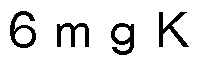 〇 1~1/9であるグリセリンの 050. 1 モル付加物であった。
[0082] 製造例 1 0 <ポリエーテルポリオール (巳 2 -3) の製造>
製造例 5において、 巳〇を使用せず、 〇を 5287重量部 (83. 8モル ) に代える以外は製造例 5と同様にして、 ポリエーテルポリオール (巳 2-
3) を得た。 水酸基価
 8 モル付加物であった。
[0083] 製造例 1 1 <ポリエーテルポリオール (巳 2 -4) の製造>
反応容器でプロピレングリコール 1 00重量部 (1モル) に対して 045 2重量部 (5. 9モル) を、 水酸化カリウム 5重量部を触媒として、 反応温 度 95°〇〜 1 30°〇にて反応付加した後、 吸着剤 (合成ケイ酸マグネシウム ) 処理、 濾過を行い、 水酸化カリウムを除去することでポリエーテルポリオ —ル (巳 2 - 4) を得た。 水酸基価

グリコールの 05. 9モル付加物であった。
[0084] 製造例 1 2 <ポリエーテルポリオール (巳 2 -5) の製造>
製造例 1 1 において、 〇を 5269重量部 (69. 0モル) に代える以外 は製造例 1 〇と同様にして、 ポリエーテルポリオール (巳 2 -5) を得た。 水酸基価 27
 〇 1~1/9であるプロピレングリコールの 〇 69. 〇モ ル付加物であった。
[0085] 製造例 1 3 <ポリマーポリオール ( 一 1) の製造>
製造例 5において、 〇を 2940重量部に代え、 巳〇を 220重量部追加 する以外は製造例 5と同様にして、 ポリエーテルポリオール ( ’ 一 1) を 得た。 得られたポリエーテルポリオール ( ’ - 1) の水酸基価が 56
 9 <〇 1~1 / 9であり、 オキシエチレン基単位の重量割合が 7重量%であるグリ セリンの 〇 巳〇ランダム付加物であった。
このポリエーテルポリオール ( ’ - 1) 中でスチレンとアクリロニトリル
〇 2020/175324 22 卩(:171? 2020 /006856
(スチレン/アクリロニトリルの重量比 = 7 0 / 3 0) を共重合させて ポ リマーポリオール ( 一 1) を得た。 得られた重合体ポリオール (重合体含 量 4 4 . 0重量%) の重合体粒子の体積平均粒子径は〇. 5〜〇. 7 で あった。
[0086] <ポリオール組成物 (〇 の作製>
表 1〜 2に記載の各成分を混合容器中で均一に混合し、 実施例 1〜 1 5及び 比較例 1〜 5のポリオール組成物を作製した。
[0087]
5〇
§8 〔¾二

〔谢-2

¾ ¾諸 〔 1谢 ¾室 ¾ ¾室 ^厂一 ^ ^† / 9一 0;〇0089— 5〇 12111〜〜〜+:1
〇 2020/175324 25 卩(:171? 2020 /006856
それ下記の通りである。
ポリエステルポリオール (八) 、 ポリエーテルポリオール (巳) 及びポリマ —ポリオール ( ) :上記の製造例 1〜 1 3で製造したもの。
[0090] 有機ポリイソシアネート (0) : 2, 4 -トルエンジイソシアネートと 2,
6 -トルエンジイソシアネートの混合物 (混合比率 = 80/20) ^0 I ) [製品名 :東ソ _ (株) 製 「コロネート丁一 80」 (イソシアネート基含 有量 = 48. 3重量%) ]
[0091] 発泡剤 (巳) :水
[0092] <触媒 ( ) >
触媒 ( ー 1) :エアプロダクツジャパン (株) 製トリエチレンジアミン、 「0八巳〇〇-33 [-X」
触媒 ( ー2) :エアプロダクツジャパン (株) 製ビスジメチルアミノエチ ルエーテル、 「〇八巳〇〇一巳 !_ 22」
触媒 ( ー3) : 日東化成 (株) 製オクチル酸第ースズ 「ネオスタン 11-2
8」
[0093] 整泡剤 (◦) :モメンティブ ·パフォーマンス ·マテリアルズ社製シリコー ン整泡剤 「1\1 1 3父 3 I I ( 〇〇门㊀ !_— 598」
[0094] <軟質ポリウレタンフォームの作製>
表 1〜 2に示した配合処方に従って配合した混合物を、 下記の発泡条件によ り発泡して軟質ポリウレタンフォームを作製した。
なお、 表 1〜 2の配合処方における有機ポリイソシアネート以外の原料の数 値は重量部数を意味し、 有機ポリイソシアネートは配合処方に示したイソシ アネート指数となる量を用いた。
[0095] <発泡条件>
型サイズ = 250111111X250111111X250111111
材質 :木材
ミキシング方法 :ハンドミキシング (必要試薬を所定の容器に必要量仕込 んだ後、 攪拌羽を容器中に挿入し、 回転数 5000回転/分で 6〜 20秒間
〇 2020/175324 26 卩(:171? 2020 /006856
攪拌させる発泡方法)
ミキシング時間 : 6〜 2 0秒
撹拌羽回転数 = 5 0 0 0回転/分
[0096] 得られた軟質ポリウレタンフォームを温度 2 5 °〇、 湿度 5 0 %にて 2 4時間 静置した後、 それぞれの軟質ポリウレタンフォームの反発弾性率、 通気性、 及び戻り時間を下記測定方法に基づいて測定し、 結果を表 1〜 2に示した。
[0097] <軟質ポリウレタンフォームの物性値の試験方法 >
各項目の測定方法は下記の通りである。

反発弾性率: 」 I 3 < 6 4 0 0に準拠して測定した (単位は%) 。
戻り時間 : 」 1 3 < 6 5 0 0 - 1 に準拠して準備した 5 0 X 2 0 0 X 2
0 0 ( 〇〇 の試験片を、 先端が鋭利な試験棒 (長さ 1 〇〇 、 直径 2 5〇 によって最大圧縮した後に、 負荷を取り除いてから元の厚さに復元する までの時間を測定した (単位は秒) 。
[0098] 表 1〜 2から明らかなように、 実施例 1〜 1 5の軟質ポリウレタンフォーム はいずれも室温での反発弾性率が低く、 通気性も良好であった。
その一方、 ポリオール組成物 (〇) 中のエステル基濃度が〇.
 1 /
1 /
9未満の比較例 1のポリウレタンフォームは反発弾性率が不良であり、 ポリ オール組成物 (<3) 中のエステル基濃度が 4 . 0 01 01 0 丨 / 9を超える比較 例 2では発泡後の静置中にフォームが収縮し、 ポリウレタンフォームとして の物性測定が行えなかった。
ポリオール組成物 (〇 中のオキシエチレン基単位の含有量が 1 5重量%未 満の比較例 3と比較例 4のポリウレタンフォームは室温での反発弾性率は良 好であったが、 通気性が
 と不良であった。
一方、 オキシエチレン基単位の含有量が 4 0重量%を超える比較例 5では一 度は発泡による見掛け体積の増加はあったが直ぐに潰れてしまったため、 軟 質ウレタンフォームが崩壊し、 物性値の測定が行えなかった。
\¥0 2020/175324 27 卩(:17 2020 /006856
産業上の利用可能性
[0099] 本発明の軟質ポリウレタンフォーム製造用ポリオール組成物 (〇 を用いて 得られる軟質ポリウレタンフォームは、 室温での反発弾性率が低く、 通気性 が良好なため、 シートクッション、 寝具 (マッ トレス及び枕等) 及び家具等 に適する。
Claims
\¥0 2020/175324 28 卩(:17 2020 /006856
請求の範囲
[請求項'! ] ポリエステルポリオール (八) 及びポリエーテルポリオール (巳) を 含有してなり、 下記 (1) 〜 (4) を満たしてなる軟質ポリウレタン フォーム製造用ポリオール組成物 (〇) :
(1) 前記ポリオール組成物 (〇) 中のエステル基濃度が、 ポリオー ル組成物 (〇 の重量に基づいて〇. 4〜 4 . 0 01 111 0 丨 / である
(2) 前記ポリオール組成物 (〇 中のオキシエチレン基単位の含有 量が、 ポリオール組成物 (〇) の重量に基づいて 1 5〜 4 0重量%で ある ;
(3) 前記ポリエステルポリオール (八) が、 多価水酸基含有化合物 (a) とポリカルボン酸又はその酸無水物とを含んだ原料を重合して なる 1分子あたり 2〜 4個の水酸基を有するポリエステルポリオール (八 1) を含有する ;
( 4) 前記ポリエーテルポリオール (巳) が、 オキシエチレン基を有 するポリエーテルポリオール (巳 1) を含有する。
[請求項 2] 前記ポリオール組成物 ( <3) の水酸基価が 8 0〜 2 0 0 m g K〇H /
9である請求項 1 に記載の軟質ポリウレタンフォーム製造用ポリオー ル組成物 (〇) 。
[請求項 3] 請求項 1又は 2に記載の軟質ポリウレタンフォーム製造用ポリオール 組成物 (<3) 、 有機ポリイソシアネート (口) 、 発泡剤 (巳) 、 触媒 ( ) 及び整泡剤 (◦) を含む混合物の反応物からなる軟質ポリウレ タンフォーム。
[請求項 4] 2 5 °〇での反発弾性率が 5〜 1 2 %である請求項 3に記載の軟質ポリ ウレタンフォーム。
Priority Applications (3)
| Application Number | Priority Date | Filing Date | Title |
|---|---|---|---|
| CN202080015842.8A CN113474391B (zh) | 2019-02-25 | 2020-02-20 | 软质聚氨酯泡沫制造用多元醇组合物和软质聚氨酯泡沫 |
| US17/432,256 US20220185939A1 (en) | 2019-02-25 | 2020-02-20 | Polyol composition for producing flexible polyurethane foam, and flexible polyurethane foam |
| JP2021502145A JP7157235B2 (ja) | 2019-02-25 | 2020-02-20 | 軟質ポリウレタンフォーム製造用ポリオール組成物及び軟質ポリウレタンフォーム |
Applications Claiming Priority (2)
| Application Number | Priority Date | Filing Date | Title |
|---|---|---|---|
| JP2019031866 | 2019-02-25 | ||
| JP2019-031866 | 2019-02-25 |
Publications (1)
| Publication Number | Publication Date |
|---|---|
| WO2020175324A1 true WO2020175324A1 (ja) | 2020-09-03 |
Family
ID=72238890
Family Applications (1)
| Application Number | Title | Priority Date | Filing Date |
|---|---|---|---|
| PCT/JP2020/006856 Ceased WO2020175324A1 (ja) | 2019-02-25 | 2020-02-20 | 軟質ポリウレタンフォーム製造用ポリオール組成物及び軟質ポリウレタンフォーム |
Country Status (5)
| Country | Link |
|---|---|
| US (1) | US20220185939A1 (ja) |
| JP (1) | JP7157235B2 (ja) |
| CN (1) | CN113474391B (ja) |
| TW (1) | TWI836017B (ja) |
| WO (1) | WO2020175324A1 (ja) |
Families Citing this family (1)
| Publication number | Priority date | Publication date | Assignee | Title |
|---|---|---|---|---|
| CN114854002B (zh) * | 2022-04-19 | 2023-05-26 | 万华化学(烟台)容威聚氨酯有限公司 | 对甲苯磺酰肼聚醚多元醇及其制备方法、阻燃聚氨酯泡沫及其制备方法 |
Citations (7)
| Publication number | Priority date | Publication date | Assignee | Title |
|---|---|---|---|---|
| JPH10218968A (ja) * | 1997-02-07 | 1998-08-18 | Nippon Polyurethane Ind Co Ltd | 軟質ポリウレタンフォーム用ポリイソシアネート |
| JP2010202761A (ja) * | 2009-03-03 | 2010-09-16 | Mitsui Chemicals Polyurethanes Inc | ポリオール組成物およびその用途 |
| WO2011132424A1 (ja) * | 2010-04-22 | 2011-10-27 | 三洋化成工業株式会社 | ポリウレタン製造用ポリオール及びこれを用いたポリウレタンの製造方法 |
| JP2012057060A (ja) * | 2010-09-09 | 2012-03-22 | Bridgestone Corp | ポリウレタンフォーム |
| JP2014005441A (ja) * | 2012-05-30 | 2014-01-16 | Sanyo Chem Ind Ltd | 軟質ポリウレタンフォーム製造用ポリオール組成物 |
| JP2014185335A (ja) * | 2013-02-22 | 2014-10-02 | Sanyo Chem Ind Ltd | 軟質ポリウレタンフォーム製造用ポリオール組成物 |
| JP2018178099A (ja) * | 2017-04-17 | 2018-11-15 | 三洋化成工業株式会社 | 軟質ポリウレタンフォーム製造用ポリオール組成物 |
Family Cites Families (4)
| Publication number | Priority date | Publication date | Assignee | Title |
|---|---|---|---|---|
| JP4309943B2 (ja) * | 1996-09-19 | 2009-08-05 | 株式会社東芝 | 電極および検出装置 |
| JP2013241572A (ja) | 2012-04-27 | 2013-12-05 | Sanyo Chem Ind Ltd | 軟質ポリウレタンフォーム製造用ポリオール組成物及びこれを用いたポリウレタンの製造方法 |
| WO2017021439A1 (de) * | 2015-08-04 | 2017-02-09 | Covestro Deutschland Ag | Verfahren zur herstellung polyesterurethanweichschaumstoffen mit erhöhter stauchhärte |
| CN112703217B (zh) * | 2018-08-21 | 2023-04-28 | 陶氏环球技术有限责任公司 | 粘弹性聚氨酯泡沫 |
-
2020
- 2020-02-20 CN CN202080015842.8A patent/CN113474391B/zh active Active
- 2020-02-20 WO PCT/JP2020/006856 patent/WO2020175324A1/ja not_active Ceased
- 2020-02-20 US US17/432,256 patent/US20220185939A1/en not_active Abandoned
- 2020-02-20 JP JP2021502145A patent/JP7157235B2/ja active Active
- 2020-02-24 TW TW109105837A patent/TWI836017B/zh active
Patent Citations (7)
| Publication number | Priority date | Publication date | Assignee | Title |
|---|---|---|---|---|
| JPH10218968A (ja) * | 1997-02-07 | 1998-08-18 | Nippon Polyurethane Ind Co Ltd | 軟質ポリウレタンフォーム用ポリイソシアネート |
| JP2010202761A (ja) * | 2009-03-03 | 2010-09-16 | Mitsui Chemicals Polyurethanes Inc | ポリオール組成物およびその用途 |
| WO2011132424A1 (ja) * | 2010-04-22 | 2011-10-27 | 三洋化成工業株式会社 | ポリウレタン製造用ポリオール及びこれを用いたポリウレタンの製造方法 |
| JP2012057060A (ja) * | 2010-09-09 | 2012-03-22 | Bridgestone Corp | ポリウレタンフォーム |
| JP2014005441A (ja) * | 2012-05-30 | 2014-01-16 | Sanyo Chem Ind Ltd | 軟質ポリウレタンフォーム製造用ポリオール組成物 |
| JP2014185335A (ja) * | 2013-02-22 | 2014-10-02 | Sanyo Chem Ind Ltd | 軟質ポリウレタンフォーム製造用ポリオール組成物 |
| JP2018178099A (ja) * | 2017-04-17 | 2018-11-15 | 三洋化成工業株式会社 | 軟質ポリウレタンフォーム製造用ポリオール組成物 |
Also Published As
| Publication number | Publication date |
|---|---|
| CN113474391A (zh) | 2021-10-01 |
| TW202041559A (zh) | 2020-11-16 |
| US20220185939A1 (en) | 2022-06-16 |
| TWI836017B (zh) | 2024-03-21 |
| JPWO2020175324A1 (ja) | 2021-06-03 |
| JP7157235B2 (ja) | 2022-10-19 |
| CN113474391B (zh) | 2023-01-03 |
Similar Documents
| Publication | Publication Date | Title |
|---|---|---|
| JP5390497B2 (ja) | ポリウレタンフォームの製造方法及びポリウレタンフォーム | |
| CN104797617B (zh) | 一种组合物 | |
| CN103562250B (zh) | 含有蓖麻油的高回弹性聚氨酯泡沫 | |
| CN101397359A (zh) | 用于制备低散发、再催化稳定的软质聚氨酯泡沫体的胺催化剂 | |
| TW200946594A (en) | Polyether polyol compositions, visco-elastic polyurethane foams prepared therewith and uses for the same | |
| ZA200304948B (en) | Process to enhance polyurethane foam performance. | |
| JPS62502970A (ja) | ポリ(アルキレンカ−ボネ−ト)ポリオ−ルから製造された軟質ポリウレタンフォ−ム | |
| JP5628359B2 (ja) | 軟質ポリウレタンフォーム製造用ポリオール組成物 | |
| WO2014003177A1 (ja) | ポリウレタン樹脂製造用の触媒組成物及びそれを用いたポリウレタン樹脂の製造方法 | |
| JP5833155B2 (ja) | 軟質ポリウレタンフォーム製造用ポリオール組成物 | |
| TW200842133A (en) | Process for the preparation of PIPA polyols for the production of highly elastic flexible polyurethane foams | |
| CN101410430A (zh) | 聚氨酯泡沫体制造方法 | |
| JP2018178099A (ja) | 軟質ポリウレタンフォーム製造用ポリオール組成物 | |
| CN110167984A (zh) | 可用于生产粘弹性泡沫的多元醇共混物 | |
| JP2003113219A (ja) | ポリウレタン樹脂の製造方法 | |
| JP6817985B2 (ja) | 軟質ポリウレタンフォーム | |
| WO2020175324A1 (ja) | 軟質ポリウレタンフォーム製造用ポリオール組成物及び軟質ポリウレタンフォーム | |
| JP2015063660A (ja) | 軟質ポリウレタンフォーム | |
| JP6892379B2 (ja) | 軟質ポリウレタンフォーム製造用ポリオール組成物 | |
| JP7133593B2 (ja) | 軟質ポリウレタンフォーム及び軟質ポリウレタンフォームの製造方法 | |
| JP6746644B2 (ja) | 軟質ポリウレタンフォーム | |
| CN109689723B (zh) | 多元醇组合物 | |
| JP2007146085A (ja) | ポリウレタンインテグラルスキンフォームの製造方法 | |
| JP5873653B2 (ja) | ポリウレタンフォーム製造用強度向上剤 | |
| JP4130357B2 (ja) | インテグラルスキン付きポリウレタンフォームおよびその製造方法 |
Legal Events
| Date | Code | Title | Description |
|---|---|---|---|
| 121 | Ep: the epo has been informed by wipo that ep was designated in this application |
Ref document number: 20762177 Country of ref document: EP Kind code of ref document: A1 |
|
| ENP | Entry into the national phase |
Ref document number: 2021502145 Country of ref document: JP Kind code of ref document: A |
|
| NENP | Non-entry into the national phase |
Ref country code: DE |
|
| 122 | Ep: pct application non-entry in european phase |
Ref document number: 20762177 Country of ref document: EP Kind code of ref document: A1 |