WO2017213112A1 - リチウム化合物、このリチウム化合物の製造方法、および非水系電解質二次電池用正極活物質の製造方法 - Google Patents
リチウム化合物、このリチウム化合物の製造方法、および非水系電解質二次電池用正極活物質の製造方法 Download PDFInfo
- Publication number
- WO2017213112A1 WO2017213112A1 PCT/JP2017/020910 JP2017020910W WO2017213112A1 WO 2017213112 A1 WO2017213112 A1 WO 2017213112A1 JP 2017020910 W JP2017020910 W JP 2017020910W WO 2017213112 A1 WO2017213112 A1 WO 2017213112A1
- Authority
- WO
- WIPO (PCT)
- Prior art keywords
- lithium compound
- lithium
- positive electrode
- active material
- amount
- Prior art date
- Legal status (The legal status is an assumption and is not a legal conclusion. Google has not performed a legal analysis and makes no representation as to the accuracy of the status listed.)
- Ceased
Links
Images
Classifications
-
- H—ELECTRICITY
- H01—ELECTRIC ELEMENTS
- H01M—PROCESSES OR MEANS, e.g. BATTERIES, FOR THE DIRECT CONVERSION OF CHEMICAL ENERGY INTO ELECTRICAL ENERGY
- H01M4/00—Electrodes
- H01M4/02—Electrodes composed of, or comprising, active material
- H01M4/36—Selection of substances as active materials, active masses, active liquids
- H01M4/48—Selection of substances as active materials, active masses, active liquids of inorganic oxides or hydroxides
- H01M4/52—Selection of substances as active materials, active masses, active liquids of inorganic oxides or hydroxides of nickel, cobalt or iron
- H01M4/525—Selection of substances as active materials, active masses, active liquids of inorganic oxides or hydroxides of nickel, cobalt or iron of mixed oxides or hydroxides containing iron, cobalt or nickel for inserting or intercalating light metals, e.g. LiNiO2, LiCoO2 or LiCoOxFy
-
- B—PERFORMING OPERATIONS; TRANSPORTING
- B03—SEPARATION OF SOLID MATERIALS USING LIQUIDS OR USING PNEUMATIC TABLES OR JIGS; MAGNETIC OR ELECTROSTATIC SEPARATION OF SOLID MATERIALS FROM SOLID MATERIALS OR FLUIDS; SEPARATION BY HIGH-VOLTAGE ELECTRIC FIELDS
- B03C—MAGNETIC OR ELECTROSTATIC SEPARATION OF SOLID MATERIALS FROM SOLID MATERIALS OR FLUIDS; SEPARATION BY HIGH-VOLTAGE ELECTRIC FIELDS
- B03C1/00—Magnetic separation
-
- B—PERFORMING OPERATIONS; TRANSPORTING
- B03—SEPARATION OF SOLID MATERIALS USING LIQUIDS OR USING PNEUMATIC TABLES OR JIGS; MAGNETIC OR ELECTROSTATIC SEPARATION OF SOLID MATERIALS FROM SOLID MATERIALS OR FLUIDS; SEPARATION BY HIGH-VOLTAGE ELECTRIC FIELDS
- B03C—MAGNETIC OR ELECTROSTATIC SEPARATION OF SOLID MATERIALS FROM SOLID MATERIALS OR FLUIDS; SEPARATION BY HIGH-VOLTAGE ELECTRIC FIELDS
- B03C1/00—Magnetic separation
- B03C1/002—High gradient magnetic separation
-
- B—PERFORMING OPERATIONS; TRANSPORTING
- B03—SEPARATION OF SOLID MATERIALS USING LIQUIDS OR USING PNEUMATIC TABLES OR JIGS; MAGNETIC OR ELECTROSTATIC SEPARATION OF SOLID MATERIALS FROM SOLID MATERIALS OR FLUIDS; SEPARATION BY HIGH-VOLTAGE ELECTRIC FIELDS
- B03C—MAGNETIC OR ELECTROSTATIC SEPARATION OF SOLID MATERIALS FROM SOLID MATERIALS OR FLUIDS; SEPARATION BY HIGH-VOLTAGE ELECTRIC FIELDS
- B03C1/00—Magnetic separation
- B03C1/02—Magnetic separation acting directly on the substance being separated
-
- C—CHEMISTRY; METALLURGY
- C01—INORGANIC CHEMISTRY
- C01D—COMPOUNDS OF ALKALI METALS, i.e. LITHIUM, SODIUM, POTASSIUM, RUBIDIUM, CAESIUM, OR FRANCIUM
- C01D1/00—Oxides or hydroxides of sodium, potassium or alkali metals in general
- C01D1/04—Hydroxides
- C01D1/28—Purification; Separation
-
- C—CHEMISTRY; METALLURGY
- C01—INORGANIC CHEMISTRY
- C01D—COMPOUNDS OF ALKALI METALS, i.e. LITHIUM, SODIUM, POTASSIUM, RUBIDIUM, CAESIUM, OR FRANCIUM
- C01D15/00—Lithium compounds
- C01D15/02—Oxides; Hydroxides
-
- C—CHEMISTRY; METALLURGY
- C01—INORGANIC CHEMISTRY
- C01G—COMPOUNDS CONTAINING METALS NOT COVERED BY SUBCLASSES C01D OR C01F
- C01G53/00—Compounds of nickel
- C01G53/40—Complex oxides containing nickel and at least one other metal element
- C01G53/42—Complex oxides containing nickel and at least one other metal element containing alkali metals, e.g. LiNiO2
-
- B—PERFORMING OPERATIONS; TRANSPORTING
- B03—SEPARATION OF SOLID MATERIALS USING LIQUIDS OR USING PNEUMATIC TABLES OR JIGS; MAGNETIC OR ELECTROSTATIC SEPARATION OF SOLID MATERIALS FROM SOLID MATERIALS OR FLUIDS; SEPARATION BY HIGH-VOLTAGE ELECTRIC FIELDS
- B03C—MAGNETIC OR ELECTROSTATIC SEPARATION OF SOLID MATERIALS FROM SOLID MATERIALS OR FLUIDS; SEPARATION BY HIGH-VOLTAGE ELECTRIC FIELDS
- B03C2201/00—Details of magnetic or electrostatic separation
- B03C2201/20—Magnetic separation of bulk or dry particles in mixtures
-
- C—CHEMISTRY; METALLURGY
- C01—INORGANIC CHEMISTRY
- C01P—INDEXING SCHEME RELATING TO STRUCTURAL AND PHYSICAL ASPECTS OF SOLID INORGANIC COMPOUNDS
- C01P2006/00—Physical properties of inorganic compounds
- C01P2006/40—Electric properties
-
- C—CHEMISTRY; METALLURGY
- C01—INORGANIC CHEMISTRY
- C01P—INDEXING SCHEME RELATING TO STRUCTURAL AND PHYSICAL ASPECTS OF SOLID INORGANIC COMPOUNDS
- C01P2006/00—Physical properties of inorganic compounds
- C01P2006/80—Compositional purity
-
- H—ELECTRICITY
- H01—ELECTRIC ELEMENTS
- H01M—PROCESSES OR MEANS, e.g. BATTERIES, FOR THE DIRECT CONVERSION OF CHEMICAL ENERGY INTO ELECTRICAL ENERGY
- H01M4/00—Electrodes
- H01M4/02—Electrodes composed of, or comprising, active material
- H01M2004/026—Electrodes composed of, or comprising, active material characterised by the polarity
- H01M2004/028—Positive electrodes
-
- Y—GENERAL TAGGING OF NEW TECHNOLOGICAL DEVELOPMENTS; GENERAL TAGGING OF CROSS-SECTIONAL TECHNOLOGIES SPANNING OVER SEVERAL SECTIONS OF THE IPC; TECHNICAL SUBJECTS COVERED BY FORMER USPC CROSS-REFERENCE ART COLLECTIONS [XRACs] AND DIGESTS
- Y02—TECHNOLOGIES OR APPLICATIONS FOR MITIGATION OR ADAPTATION AGAINST CLIMATE CHANGE
- Y02E—REDUCTION OF GREENHOUSE GAS [GHG] EMISSIONS, RELATED TO ENERGY GENERATION, TRANSMISSION OR DISTRIBUTION
- Y02E60/00—Enabling technologies; Technologies with a potential or indirect contribution to GHG emissions mitigation
- Y02E60/10—Energy storage using batteries
Definitions
- the present invention relates to a lithium compound, a method for producing the lithium compound, and a method for producing a positive electrode active material for a non-aqueous electrolyte secondary battery. More specifically, the present invention relates to a lithium compound in which the amount of magnetic deposits in the lithium compound is suppressed within a certain range, a method for producing the lithium compound, and a method for producing a positive electrode active material for a non-aqueous electrolyte secondary battery.
- non-aqueous electrolyte secondary batteries As a chargeable / dischargeable power source has increased rapidly.
- a lithium secondary battery has attracted attention because it is small and lightweight and has a high energy density.
- a lithium secondary battery includes a negative electrode, a positive electrode, an electrolytic solution, and the like, and a material capable of desorbing and inserting lithium is used as an active material of the negative electrode and the positive electrode.
- a positive electrode active material of a lithium secondary battery lithium cobalt composite oxide (LiCoO 2 ), which is relatively easy to synthesize, lithium nickel composite oxide (LiNiO 2 ) in which nickel cheaper than cobalt is used, manganese Lithium manganese composite oxide (LiMn 2 O 4 ) or the like using can be used.
- the positive electrode active material of a lithium secondary battery is a mixture of a “lithium compound” such as lithium hydroxide as a lithium source and a “metal compound” such as a hydroxide, carbonate, oxide, etc. ”And“ metal compound ”.
- the positive electrode of a battery is generally manufactured by applying a slurry containing a positive electrode active material and a binder to a current collector.
- the positive electrode active material contains metal powder such as iron powder and stainless steel (SUS) powder derived from raw materials or mixed in the manufacturing process, and micro short circuit occurs due to this metal powder. There is.
- SUS stainless steel
- the battery capacity is remarkably reduced, and in the worst case, the battery loses its function as a battery. Therefore, it is indispensable to reduce the amount of magnetic deposits that are metal powder in the positive electrode active material.
- the processing time of the magnetic deposit removal process becomes longer, the entire process becomes longer, and there is a problem that the manufacturing cost of the positive electrode active material increases.
- Patent Document 1 Japanese Patent Application Laid-Open No. 2009-164062
- the problem of internal short circuit and voltage drop failure can be solved by making the magnetic deposits contained in the positive electrode mixture paint 0.02 ppm or less.
- the magnetic material contained in each positive electrode mixture coating material is made 0.02 ppm or less, so that the magnetic material in the positive electrode mixture paint is made 0.02 ppm or less.
- Can do That is, with respect to the positive electrode active material that is one of the generation materials of the positive electrode mixture paint, it is necessary that the amount of the magnetic deposit is equivalent to 0.02 ppm for this positive electrode active material alone.
- the following documents are disclosed as a method for reducing the above.
- Patent Document 2 Japanese Patent Application Laid-Open No. 2005-15282
- the metal powder contained in the stage before the formation of a coprecipitate composed of any transition metal and substitution metal of manganese, nickel and cobalt is used.
- a method of adsorbing and removing by magnetic deposition is disclosed.
- This coprecipitate is the above “metal compound”, and the coprecipitate and the lithium compound are mixed and baked to produce a substitutional lithium transition metal composite oxide. It is said that a lithium secondary battery with a high cycle maintenance rate can be provided by the manufacturing method described in this document. Further, this document also discloses that when the coprecipitate and the lithium compound are wet-mixed, an operation of applying a magnetic field using a wet magnetic separator is further performed.
- Patent Document 3 Japanese Patent Application Laid-Open No. 2003-119026
- a mixture containing a lithium compound and a transition metal compound at the stage of the raw material before the synthesis of the lithium transition metal composite oxide (the above “metal compound”)
- the method for producing a lithium transition metal composite oxide is described in which a metal as a foreign substance is removed by passing the substance in a predetermined magnetic field.
- a metal as a foreign substance is removed by passing the substance in a predetermined magnetic field.
- a mixture in which a lithium compound and a metal compound are mixed, or a mixture in which a lithium compound and a transition metal compound are mixed is magnetically selected by a wet method. Therefore, there is a problem that the processing time of the entire process becomes long.
- a mixture in which a lithium compound and a metal compound are mixed has a problem that the treatment time of the drying step after the amount is increased.
- Patent Document 4 Japanese Patent Laid-Open No. 2015-60755 discloses a method for producing a positive electrode active material for a lithium ion secondary battery that can efficiently remove a magnetic component contained in the positive electrode active material for a lithium ion secondary battery.
- the total Fe concentration in the raw material is confirmed to be less than 20 ppm after passing the wet electromagnet from 40 ppm.
- JP 2009-164062 A Japanese Patent Laying-Open No. 2005-15282 JP 2003-1119026 A Japanese Patent Laying-Open No. 2015-60755
- the present invention can easily obtain a positive electrode active material capable of reducing the amount of magnetic deposits included while shortening the overall production time of the positive electrode active material for a non-aqueous electrolyte secondary battery. It is an object to provide a lithium compound, a method for producing the lithium compound, and a method for producing a positive electrode active material for a non-aqueous electrolyte secondary battery using the lithium compound.
- the present inventor conducted intensive research on magnetic deposits mixed in the positive electrode active material, and as a result, when producing a positive electrode active material using a transition metal composite hydroxide obtained by a crystallization reaction. Is the main cause of the magnetic deposit mixed in the positive electrode active material, and the use of the lithium compound in which the contained magnetic deposit is reduced makes it easy to produce the positive electrode active material with less mixed magnetic deposit.
- the present invention was completed with the knowledge that it can be obtained.
- the lithium compound of the first invention is mixed with a transition metal composite hydroxide obtained by crystallization reaction or a transition metal composite oxide obtained by heat-treating the transition metal composite hydroxide,
- a lithium compound used for producing a positive electrode active material for a non-aqueous electrolyte secondary battery which can be obtained by firing the obtained mixture to obtain a lithium transition metal composite oxide, the lithium compound containing water,
- a magnet having a magnetic flux density of 0.9 Tesla is added and mixed and stirred for 30 minutes, the amount of magnetic deposits captured by the magnet is 0.0007 mass relative to the amount of lithium contained in the lithium compound. % Or less.
- the lithium compound of the second invention is characterized in that, in the first invention, the lithium compound is any one of lithium hydroxide, lithium hydroxide hydrate, and a mixture of lithium hydroxide and its hydrate. To do.
- the lithium compound of the third invention is characterized in that, in the first invention or the second invention, the amount of the magnetic deposit is 0.0005 mass% or less with respect to the amount of lithium contained in the lithium compound.
- the amount of the magnetized material is obtained by dissolving the magnetized material adhering to the surface with an acid after ultrasonically washing the magnet with water, It is calculated by analysis.
- a method for producing a lithium compound for producing a positive electrode active material for a non-aqueous electrolyte secondary battery wherein the amount of magnetic deposits in the lithium compound is changed between a magnetized screen and the lithium. It is characterized in that the content is adjusted to 0.0007% by mass or less with respect to the amount of lithium contained in the lithium compound by a magnetic separator that contacts the compound and removes magnetic deposits.
- a method for producing a lithium compound according to the fifth aspect wherein the lithium compound is dry-type magnetically selected.
- the method for producing a lithium compound according to the fifth or sixth aspect wherein the screen has a magnetic flux density of 1 Tesla or more.
- a method for producing a positive electrode active material for a non-aqueous electrolyte secondary battery comprising: a lithium compound according to any one of the first to fourth aspects; and a transition metal composite hydroxide obtained by a crystallization reaction. After mixing, the obtained mixture is fired.
- a ninth aspect of the present invention there is provided a method for producing a positive electrode active material for a non-aqueous electrolyte secondary battery, wherein the lithium compound according to any one of the first to fourth aspects and the transition metal composite hydroxide obtained by crystallization reaction are heat-treated. The obtained transition metal composite oxide is mixed, and then the obtained mixture is fired.
- the method for producing a positive electrode active material for a non-aqueous electrolyte secondary battery according to a tenth aspect of the invention is characterized in that, in the eighth aspect or the ninth aspect, the amount of magnetic deposits in the mixture is 0.02 ppm by mass or less. .
- the amount of magnetic deposits captured by the magnet is reduced to the lithium compound.
- the amount of magnetic deposits in the produced positive electrode active material is 0.02 with respect to the positive electrode active material including the magnetic deposits. It can be made into mass ppm or less. That is, a positive electrode active material with a small amount of magnetized inclusions can be obtained while shortening the overall production time for producing a positive electrode active material for a non-aqueous electrolyte secondary battery.
- the lithium compound is either lithium hydroxide, lithium hydroxide hydrate, or a mixture of lithium hydroxide and its hydrate, so that lithium hydroxide has a low dissolution temperature. Since it has the property of dissolving during firing, the reactivity with the composite hydroxide or composite oxide can be increased.
- the amount of the magnetic deposit is 0.0005% by mass or less with respect to the amount of lithium contained in the lithium compound, whereby the positive electrode active material produced using the more reliably The amount of the magnetic deposit can be more effectively set to 0.02 mass ppm or less with respect to the positive electrode active material including the magnetic deposit.
- the amount of the magnetic deposit is calculated by chemical analysis after the magnet mixed with the lithium compound and stirred is ultrasonically washed with water, and the magnetic deposit adhering to the surface is dissolved with an acid.
- the amount of magnetic deposits in the lithium compound can be specified by a simple method.
- the amount of magnetic deposits in the lithium compound is set to 0. 0 with respect to the amount of lithium contained in the lithium compound by the magnetic separator that contacts the magnetized screen with the lithium compound and removes the magnetic deposits.
- the amount of magnetic deposits in the positive electrode active material manufactured using the manufactured lithium compound is set to 0.02 mass ppm or less with respect to the positive electrode active material including the magnetic deposits.
- a positive electrode active material with a small amount of magnetized inclusions can be obtained while shortening the overall production time for producing a positive electrode active material for a non-aqueous electrolyte secondary battery.
- the lithium compound is magnetically selected by a dry method, there is no loss due to dissolution with a water-soluble lithium compound as compared with the case where water is used as a solvent, and the lithium compound is dried after magnetic separation. A process becomes unnecessary and a process can be simplified.
- the magnetic flux density on the surface of the screen is 1 Tesla or higher, the magnetic deposit can be reliably captured, and the amount of the magnetic deposit can be easily reduced to 0.0007 mass% or less. .
- a lithium compound having a reduced amount of magnetic deposits and a transition metal composite hydroxide obtained by a crystallization reaction are mixed. After that, the obtained mixture is fired to easily obtain a positive electrode active material with a small amount of magnetized inclusions while reducing the total production time for producing a positive electrode active material for a non-aqueous electrolyte secondary battery. be able to.
- a lithium compound with a reduced amount of magnetic deposits and a transition metal composite hydroxide obtained by a crystallization reaction are heat-treated.
- the obtained transition metal composite oxide is mixed, and then the obtained mixture is fired to reduce the overall production time for producing the positive electrode active material for a non-aqueous electrolyte secondary battery, and encapsulate it.
- a positive electrode active material with a small amount of magnetic deposit can be easily obtained.
- the amount of magnetic deposits in the mixture is 0.02 ppm by mass or less, so that the occurrence of microshorts can be suppressed when the manufactured positive electrode active material is used for a battery.
- the lithium compound used in the production of the positive electrode active material for a non-aqueous electrolyte secondary battery of the present invention is obtained by heat-treating a transition metal composite hydroxide obtained by a crystallization reaction or the transition metal composite hydroxide.
- the amount of magnetic deposits captured by the magnet is 0.0007% by mass or less based on the amount of lithium contained in the lithium compound. .
- the positive electrode active material is magnetically selected to remove the magnetic deposits.
- the magnetized material in the positive electrode active material may be sintered with the positive electrode active material or may be taken into the aggregated particles of the positive electrode active material, after the positive electrode active material is formed. It is difficult to easily reduce the magnetic deposits.
- wet removal is more efficient than dry removal as a method of removing magnetic deposits.
- a wet process is performed after the formation of the positive electrode active material. In some cases, it is difficult to remove the magnetic deposits by a wet process. Therefore, it is important to reduce the magnetic deposits at the raw material stage used for manufacturing the positive electrode active material.
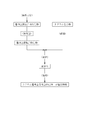
- FIG. 1 shows a flow chart of a method for producing a positive electrode active material for a non-aqueous electrolyte secondary battery. The process proceeds from the top to the bottom, the name in the frame represents the substance name, the name in parentheses represents the treatment name, and the dotted line portion indicates that this portion may not be processed.
- There are many production methods for producing a positive electrode active material For example, a method of obtaining a lithium transition metal composite compound that becomes a positive electrode active material by mixing a transition metal compound and a lithium compound and then firing is generally adopted. Often done.
- the transition metal composite hydroxide obtained by crystallization reaction is relatively easy to control the particle size and particle size distribution, and the characteristics of the resulting positive electrode active material Is good and has many advantages.
- the present inventor examined the process of mixing magnetic deposits in a method for producing a positive electrode active material using the transition metal composite hydroxide (hereinafter also simply referred to as “composite hydroxide”).
- composite hydroxide transition metal composite hydroxide
- the amount of the magnetic deposit contained in the lithium compound used was greatly influenced, and the knowledge that the amount of the magnetic deposit contained in the obtained positive electrode active material was increased when the amount of the magnetic deposit was large was obtained.
- the amount of magnetic deposits contained in the positive electrode active material increases, the frequency of occurrence of internal shorts and voltage drop defects in the production of non-aqueous electrolyte secondary batteries (hereinafter also simply referred to as “secondary batteries”) on an industrial scale. Therefore, it is important to reduce the amount of magnetic deposits.
- the transition metal composite hydroxide mixed with the lithium compound is obtained in the crystallization step, the magnetic deposit is greatly reduced. That is, the main magnetic deposits are compounds such as oxides containing Fe, Cr and Zn, but the elements constituting these compounds are used when preparing the transition metal-containing aqueous solution that is the raw material of the composite hydroxide. It will be in the state melt
- a transition metal composite hydroxide obtained by a crystallization reaction and a lithium compound are mixed and baked to obtain a lithium transition metal composite oxide
- Reducing the magnetic deposits contained in the lithium compound is effective in reducing the magnetic deposits contained in the positive electrode active material, and the amount of the magnetic deposit for the reduction is contained in the lithium compound. It is 0.0007 mass% or less with respect to the amount of lithium.
- the transition metal composite hydroxide mixed with the lithium compound is heat-treated to reduce the water generated during firing and improve the crystallinity of the lithium transition metal composite oxide. (Also referred to as “composite oxide”) (see FIG. 1).
- the amount of magnetic deposit is the total amount of Fe, Cr, and Zn that are mixed in water, a magnet having a magnetic flux density of 0.9 Tesla and a lithium compound, and stirred for 30 minutes to be captured by the magnet.
- the magnetized material captured by the magnet is, for example, ultrasonically washed with water with the magnet mixed and stirred with a lithium compound, and then the magnetized material adhering to the surface is dissolved with an acid, and Fe, Cr and Zn are analyzed by chemical analysis.
- the total value of the quantitative values of these three elements can be calculated as the amount of magnetic deposits.
- the amount of magnetic deposits contained in the lithium compound By adjusting the amount of magnetic deposits contained in the lithium compound to 0.0007% by mass or less, preferably 0.0005% by mass or less, based on the amount of lithium contained in the lithium compound, the amount of magnetic deposits in the positive electrode active material is reduced. In addition, it can be made 0.02 mass ppm or less with respect to the positive electrode active material including the magnetic deposit.
- the amount of the magnetic deposit contained in the lithium compound exceeds 0.0007 mass%, when mixed with the composite hydroxide and baked, the lithium transition metal composite oxide constituting the positive electrode active material is mixed with the magnetic deposit. Although the constituent elements Fe, Cr, and Zn are solid-solved and reduced as magnetic deposits, the amount of magnetic deposits in the positive electrode active material exceeds 0.02 mass ppm.
- the lithium compound may be any lithium compound that can be mixed and fired to obtain a lithium transition metal composite oxide.
- lithium carbonate, lithium nitrate, lithium hydroxide, lithium chloride, lithium oxalate and the like are used.
- composite hydroxide or the like is also collectively referred to as “composite hydroxide or the like”.
- composite hydroxide or the like is preferably used for the production of a positive electrode active material for a non-aqueous electrolyte secondary battery.
- the magnetic deposit is left outside the particles such as the composite hydroxide, There is a possibility that it may become more than lithium compounds such as lithium carbonate having a high melting temperature. For this reason, by making the amount of magnetic deposits 0.0007% by mass or less, the magnetic deposits in the positive electrode active material are reduced, and lithium hydroxide can be preferably used.
- the transition metal composite hydroxide is obtained by a known neutralization crystallization method using an aqueous solution containing a transition metal, and is selected according to the lithium transition metal composite oxide to be obtained.
- the composite hydroxide is, for example, a general formula (1): Ni 1-x M x (OH) 2 (where M is a transition metal element other than Ni and A nickel composite hydroxide represented by at least one selected from elements of Group 2, Group 13, and Group 14 and further 0 ⁇ x ⁇ 0.5 is preferably used.
- Ni 1-yz M 1 y N z (OH) 2 (wherein M 1 is at least one selected from Co and Mn, N is at least one selected from Al and Ti)
- nickel composite hydroxide represented by 0.02 ⁇ y ⁇ 0.35 and 0.005 ⁇ z ⁇ 0.05 is more preferably used.
- y in the general formula (2) is less than 0.02, the cycle characteristics may not be sufficiently improved. On the other hand, if y exceeds 0.35, the battery capacity may be reduced. More preferably, y is in the range of 0.03 to 0.2.
- z in the general formula (2) is less than 0.005, the effect of improving the thermal stability may not be sufficient, and when z exceeds 0.05, the battery capacity may be reduced. More preferably, z is in the range of 0.02 to 0.04.
- the manufacturing method of the lithium compound used for manufacturing the positive electrode active material for a non-aqueous electrolyte secondary battery of the present invention is a manufacturing method for manufacturing the above lithium compound, by bringing the magnetized screen into contact with the lithium compound.
- the magnetic separator which removes a magnetic deposit the amount of the magnetic deposit is set to 0.0007% by mass or less with respect to the amount of lithium contained in the lithium compound.
- the magnetic deposit is mainly composed of a compound such as an oxide containing Fe, Cr and Zn, and the magnetic deposit can be removed by bringing the lithium compound into contact with a magnet. At this time, it is necessary to reduce the amount of magnetic deposits to 0.0007% by mass or less with respect to the amount of lithium contained in the lithium compound. It is preferable to pass through a plurality of times, and the magnetic deposit is removed until it becomes 0.0007 mass% or less.
- the particle diameter of the lithium compound from which the magnetic deposits are removed by the magnetic separator is 1 to 50 ⁇ m in terms of a volume-based average particle size obtained by particle size measurement by the laser diffraction scattering method. It is preferable to do. Thereby, the magnetic deposit is more easily removed by the magnetic separator.
- the lithium compound is preferably magnetically selected by a dry method.
- Wet magnetic separation can reduce the particle size of the magnetically selected powder, and the magnet can be brought into contact with the powder without agglomeration, and the removal of magnetic deposits is more efficient than dry magnetic separation.
- a water-soluble lithium compound causes a loss due to dissolution.
- productivity falls.
- Magnetic separation by dry method is advantageous because there is no loss in melting and the process can be simplified. Further, even with dry magnetic separation, the amount of magnetic deposits can be 0.0007% by mass or less.
- the screen is magnetized by the electromagnet of the magnetic separator, but the magnetic flux density on the screen surface is preferably 1 Tesla or higher. Thereby, the amount of magnetic deposits can be easily reduced to 0.0007% by mass or less.
- Various types of magnetic separators are commercially available, and can be selected and used according to the processing amount and the powder shape of the lithium compound.
- the method for producing a positive electrode active material for a non-aqueous electrolyte secondary battery according to the present invention comprises mixing the above lithium compound and a transition metal composite hydroxide obtained by a crystallization reaction, followed by firing.
- a lithium transition metal composite oxide is obtained.
- the lithium compound mixed with the composite hydroxide has a magnetic deposit amount of 0.0007% by mass or less, and the amount of the magnetic deposit is sufficiently reduced by firing to obtain a lithium transition metal composite oxide.
- the composite hydroxide is heat treated to form a transition metal composite oxide, and then the lithium compound Can be mixed with. Also in this case, by using the lithium compound, a positive electrode active material in which the amount of magnetic deposits is sufficiently reduced can be obtained.
- the obtained positive electrode active material is selected from composite hydroxides in consideration of characteristics when the battery is constructed.
- a general formula (3) Li s Ni 1-x M x O 2
- M is at least one selected from transition metal elements other than Ni and elements of Group 2, Group 13, and Group 14. Further, 0.9 ⁇ s ⁇ 1.2, 0 ⁇ x ⁇ 0.
- the general formula (4) Li t Ni 1-yz M 1 y N z O 2 (wherein M 1 is at least one selected from Co and Mn, N is at least one selected from Al and Ti, and 0.95 ⁇ t ⁇ 1.1, 0.02 ⁇ y ⁇ 0.35, and 0.005 ⁇ z ⁇ 0.05.
- Lithium-nickel composite oxide is obtained, and the battery characteristics are excellent. Over preparative and occurrence frequency of the voltage drop defect is reduced, it becomes high in the productivity of the battery.
- Magnetic deposit 500 g of the positive electrode active material (sample) obtained in Examples and Comparative Examples was put into a 1000 ml plastic bottle, 400 ml of water and ⁇ 170 ⁇ 520 mm coated with tetrafluoroethylene and a magnet with a magnetic flux density of 0.9 Tesla, It was placed on a ball mill rotary mount and rotated for 30 minutes. Next, the magnet was taken out, placed in a 200 ml beaker, immersed in water and washed with an ultrasonic cleaner for 10 minutes to remove excess powder adhering to the magnet. The exchange of ion-exchanged water soaking the magnet and washing with ultrasonic waves were repeated three times.
- Example 1 The magnetized material was removed using a magnetic separator that was magnetized with an electromagnet from lithium hydroxide monohydrate (Li raw material) containing 0.0015% by mass of the magnetized material with respect to the amount of lithium contained.
- the electromagnet condition was such that the magnetic flux density on the surface of the screen magnetized by the electromagnet was 1.2 Tesla, and the magnetized material was adsorbed on the screen through a screen of ⁇ 140 mm having a slit structure of 5 mm.
- the amount of the magnetic deposits of the Li raw material with respect to the amount of lithium contained It decreased to 0.0005% by mass.
- a positive electrode active material made of lithium nickel composite oxide was prepared. When the amount of the obtained positive electrode active material magnetic deposit was measured, it was less than 0.015 mass ppm.
- Example 2 Lithium hydroxide monohydrate (Li raw material) containing a magnetic deposit of 0.0025% by mass with respect to the amount of lithium contained was subjected to the removal of the magnetic deposit three times in the same manner as in Example 1. As a result, the amount of magnetic deposits of the Li raw material decreased to 0.0002% by mass with respect to the amount of lithium contained. Using this Li raw material and a nickel composite oxide containing a magnetic deposit of less than 0.015 mass ppm with respect to the nickel composite oxide, it is expressed as Li 1.01 Ni 0.82 Co 0.15 Al 0.03 O 2 . A positive electrode active material made of lithium nickel composite oxide was prepared. When the amount of magnetic deposits of the obtained positive electrode active material was measured, it was less than 0.015 ppm by mass.
- Example 3 A nickel composite oxide containing a Li raw material having a magnetic deposit amount of 0.0005 mass relative to the lithium amount and a 0.028 mass ppm magnetic deposit relative to the nickel composite oxide, obtained in the same manner as in Example 1.
- a positive electrode active material composed of a lithium nickel composite oxide represented by Li 1.01 Ni 0.82 Co 0.15 Al 0.03 O 2 was used. When the amount of magnetic deposits of the obtained positive electrode active material was measured, it was less than 0.015 ppm by mass.
- Example 1 The magnetic deposit removal was performed in the same manner as in Example 1 with respect to lithium hydroxide monohydrate (Li raw material) containing 0.0025% by mass of the magnetic deposit with respect to the amount of lithium contained. As a result, the amount of magnetic deposits of the Li raw material decreased to 0.0015% by mass with respect to the amount of lithium contained.
- Li raw material and a nickel composite oxide containing a magnetic deposit of less than 0.015 mass ppm with respect to the nickel composite oxide it is expressed as Li 1.01 Ni 0.82 Co 0.15 Al 0.03 O 2 .
- a positive electrode active material made of lithium nickel composite oxide was prepared. It was 0.055 mass ppm when the amount of magnetic deposits of the obtained positive electrode active material was measured.
- lithium hydroxide monohydrate having a magnetic deposit amount of 0.0007% by mass or less based on the amount of lithium contained in the lithium compound is used as the Li raw material, and the obtained positive electrode active material magnetic deposit The amount is greatly reduced, and the amount of magnetic deposits is less than 0.015 ppm by mass with respect to the positive electrode active material.
- Example 3 although the amount of magnetic deposits of the nickel composite oxide is large, the amount of magnetic deposits of the positive electrode active material is reduced.
- Comparative Example 1 the amount of magnetic deposits of the Li raw material is large, so the amount of magnetic deposits of the obtained positive electrode active material is large.
- the influence of the amount of magnetized material contained in the Li raw material, that is, the lithium compound for producing the cathode active material for the non-aqueous electrolyte secondary battery, is large on the amount of magnetized material of the positive electrode active material, and the amount of magnetized material is 0 It can be seen that a positive electrode active material with a low amount of magnetic deposit can be obtained by reducing the content to 0007 mass% or less.
Landscapes
- Chemical & Material Sciences (AREA)
- Organic Chemistry (AREA)
- Inorganic Chemistry (AREA)
- Engineering & Computer Science (AREA)
- Materials Engineering (AREA)
- Chemical Kinetics & Catalysis (AREA)
- Electrochemistry (AREA)
- General Chemical & Material Sciences (AREA)
- Battery Electrode And Active Subsutance (AREA)
- Inorganic Compounds Of Heavy Metals (AREA)
Abstract
非水系電解質二次電池用正極の全体製造時間を短縮しながら、内包する磁着物量を少なくした正極活物質を容易に得ることができるリチウム化合物を提供する。 晶析反応で得られた遷移金属複合水酸化物等と混合され、混合されて得られた混合物を焼成してリチウム遷移金属複合酸化物を得ることが可能な、非水系電解質二次電池用正極活物質の製造に用いられるリチウム化合物であって、該リチウム化合物に、水、磁石を加えて混合し、撹拌した場合に、磁石に捕捉される磁着物量が、リチウム化合物のリチウム量に対して0.0007質量%以下であるリチウム化合物である。これにより正極活物質を製造するための全体製造時間を短縮しながら、内包する磁着物量が0.02質量ppm以下である正極活物質を容易に得ることができる。
Description
本発明は、リチウム化合物、このリチウム化合物の製造方法、および非水系電解質二次電池用正極活物質の製造方法に関する。更に詳しくは、リチウム化合物内の磁着物量を一定の範囲内に抑えられたリチウム化合物、このリチウム化合物の製造方法、および非水系電解質二次電池用正極活物質の製造方法に関するものである。
近年、携帯電話、ノートパソコンなどの小型電子機器の急速な拡大とともに、充放電可能な電源として、非水系電解質二次電池の需要が急激に伸びている。かかる非水系電解質二次電池として、小型かつ軽量であり、しかも高いエネルギー密度を有することから、リチウム二次電池が注目されている。
リチウム二次電池は、負極、正極、電解液などで構成され、負極および正極の活物質としてリチウムを脱離および挿入させることが可能な材料が用いられている。
例えば、リチウム二次電池の正極活物質には、合成が比較的容易なリチウムコバルト複合酸化物(LiCoO2)、コバルトよりも安価なニッケルが用いられたリチウムニッケル複合酸化物(LiNiO2)、マンガンを用いたリチウムマンガン複合酸化物(LiMn2O4)などを使用することができる。
例えば、リチウム二次電池の正極活物質には、合成が比較的容易なリチウムコバルト複合酸化物(LiCoO2)、コバルトよりも安価なニッケルが用いられたリチウムニッケル複合酸化物(LiNiO2)、マンガンを用いたリチウムマンガン複合酸化物(LiMn2O4)などを使用することができる。
リチウム二次電池の正極活物質は、リチウム源となる水酸化リチウムなどの「リチウム化合物」と、水酸化物、炭酸化物、酸化物などの「金属化合物」とを混合し、これらの「リチウム化合物」と「金属化合物」との混合物から生成される。
電池の正極は、一般に、正極活物質とバインダーとを含むスラリーを集電体に塗布して製造されている。ここで、正極活物質中には、原料に由来したり、製造工程において混入したりする鉄粉、ステンレス鋼(SUS)粉等の金属粉が含まれ、この金属粉によりマイクロショートが発生する場合がある。このマイクロショートが発生すると、電池容量が著しく低下し、最悪の場合は、電池が電池としての機能を失うため、正極活物質中の金属粉である磁着物量を軽減することが不可欠である。しかし磁着物除去工程の処理時間が長くなると、全体工程が長くなり、正極活物質の製造コストが高くなるという問題がある。
ここで、特許文献1(特開2009-164062号公報)では、正極合剤塗料中に含有される磁着物を0.02ppm以下にすることで、内部ショートおよび電圧低下不良の課題を解決できる点が開示されており、理論的には正極合剤塗料の生成材料の各々に含まれる磁着物を0.02ppm以下にすることで、正極合剤塗料中の磁着物を0.02ppm以下にすることができる。すなわち、正極合剤塗料の生成材料の一つである正極活物質については、この正極活物質単体で磁着物量を0.02ppm相当とすることが必要となり、この正極活物質内の磁着物量を低減する方法として以下のような文献が開示されている。
まず、特許文献2(特開2005-15282号公報)では、マンガン、ニッケルおよびコバルトのいずれかの遷移金属および置換金属からなる共沈物を生成させる前の段階で、含有されている金属粉を磁着により吸着除去する方法が開示されている。この共沈物とは、上記の「金属化合物」であり、共沈物とリチウム化合物とが混合され、焼成されることで置換型リチウム遷移金属複合酸化物が生成される。本文献記載の製造方法により、サイクル維持率の高いリチウム二次電池を提供することができるとされている。また、本文献には、共沈物とリチウム化合物を湿式混合する場合、更に湿式磁選機を用いて磁場をかける操作を行うことも開示されている。
本文献では、金属化合物とリチウム化合物とを混合し、混合物として量が増した状態で湿式磁選機にかけているため、量の多い混合物に対して乾燥工程を加える必要があり、全体工程の処理時間が長くなるという問題がある。
次に、特許文献3(特開2003-119026号公報)では、リチウム遷移金属複合酸化物の合成前の原料の段階で、リチウム化合物と、遷移金属化合物を含む混合物(上記の「金属化合物」に相当)とを、所定の磁場内を通過させることで、異物としての金属を除去するリチウム遷移金属複合酸化物の製造方法が記載されている。本文献では、原料を通過させる磁場の強さを、所定の値とすることで、電池材料への鉄の混入を防止することができ、更には、電池材料へのSUS粉の混入を防止することができるとされている。
本文献においては、リチウム化合物と金属化合物とがそれぞれ、またはリチウム化合物と、遷移金属化合物を含む混合物とが混合された混合物が、湿式で磁選されるようになり、磁選が行われた後乾燥などの工程が必要となるので、全体工程の処理時間が長くなるという問題がある。特にリチウム化合物と金属化合物とが混合された混合物については、量が多くなった後の乾燥工程の処理時間が長くなるという問題がある。
さらに、特許文献4(特開2015-60755号公報)では、リチウムイオン二次電池の正極活物質中に含まれる磁性成分を効率よく除去することができるリチウムイオン二次電池正極活物質の製造方法が具体的に記されており、原料中の総Fe濃度が40ppmから、湿式電磁石を通過させたのち、20ppm未満となることを確認している。
しかし、本文献においても、リチウム化合物と、金属化合物とが混合された混合物に、湿式で磁選をしているため、量が多くなった後の乾燥工程の処理時間が長くなるという問題がある。
本発明は上記事情に鑑み、非水系電解質二次電池用正極活物質の全体製造時間を短縮しながら、内包される磁着物量を低減することが可能な正極活物質を容易に得ることができる、リチウム化合物、このリチウム化合物の製造方法、およびこのリチウム化合物を用いた非水系電解質二次電池用正極活物質の製造方法を提供することを目的とする。
本発明者は、上記課題を解決するため、正極活物質に混入する磁着物について鋭意研究した結果、晶析反応によって得られた遷移金属複合水酸化物を用いて正極活物質を製造する場合には、リチウム化合物から混入する磁着物が、正極活物質に混入する磁着物の主因であり、含まれる磁着物が低減されたリチウム化合物を用いることで、磁着物の混入が少ない正極活物質が容易に得られるとの知見を得て、本発明を完成した。
第1発明のリチウム化合物は、晶析反応によって得られた遷移金属複合水酸化物、もしくは該遷移金属複合水酸化物を熱処理して得られた遷移金属複合酸化物と混合され、該混合されて得られた混合物を焼成してリチウム遷移金属複合酸化物を得ることが可能である、非水系電解質二次電池用正極活物質の製造に用いられるリチウム化合物であって、該リチウム化合物に、水、および磁束密度が0.9テスラの磁石を加えて混合し、30分間撹拌した場合に、前記磁石に捕捉される磁着物量が、前記リチウム化合物に含有されるリチウム量に対して0.0007質量%以下であることを特徴とする。
第2発明のリチウム化合物は、第1発明において、前記リチウム化合物は、水酸化リチウム、水酸化リチウムの水和物、水酸化リチウムとその水和物の混合物、のいずれかであることを特徴とする。
第3発明のリチウム化合物は、第1発明または第2発明において、前記磁着物量が、前記リチウム化合物に含有されるリチウム量に対して0.0005質量%以下であることを特徴とする。
第4発明のリチウム化合物は、第1発明から第3発明のいずれかにおいて、前記磁着物量は、前記磁石を水で超音波洗浄した後、表面に付着した磁着物を酸で溶解し、化学分析により算出されたものであることを特徴とする。
第5発明のリチウム化合物の製造方法は、非水系電解質二次電池用正極活物質の製造用リチウム化合物の製造方法であって、該リチウム化合物内の磁着物量を、磁化されたスクリーンと前記リチウム化合物とを接触させ、磁着物を除去する磁選装置により、リチウム化合物に含有されるリチウム量に対して0.0007質量%以下とすることを特徴とする。
第6発明のリチウム化合物の製造方法は、第5発明において、前記リチウム化合物が乾式で磁選されていることを特徴とする。
第7発明のリチウム化合物の製造方法は、第5発明または第6発明において、前記スクリーンの表面の磁束密度が1テスラ以上であることを特徴とする。
第8発明の非水系電解質二次電池用正極活物質の製造方法は、第1発明から第4発明のいずれかのリチウム化合物と、晶析反応によって得られた遷移金属複合水酸化物と、を混合した後、得られた混合物を焼成することを特徴とする。
第9発明の非水系電解質二次電池用正極活物質の製造方法は、第1発明から第4発明のいずれかのリチウム化合物と、晶析反応によって得られた遷移金属複合水酸化物を熱処理して得られた遷移金属複合酸化物と、を混合した後、得られた混合物を焼成することを特徴とする。
第10発明の非水系電解質二次電池用正極活物質の製造方法は、第8発明または第9発明において、前記混合物内の磁着物量が、0.02質量ppm以下であることを特徴とする。
第2発明のリチウム化合物は、第1発明において、前記リチウム化合物は、水酸化リチウム、水酸化リチウムの水和物、水酸化リチウムとその水和物の混合物、のいずれかであることを特徴とする。
第3発明のリチウム化合物は、第1発明または第2発明において、前記磁着物量が、前記リチウム化合物に含有されるリチウム量に対して0.0005質量%以下であることを特徴とする。
第4発明のリチウム化合物は、第1発明から第3発明のいずれかにおいて、前記磁着物量は、前記磁石を水で超音波洗浄した後、表面に付着した磁着物を酸で溶解し、化学分析により算出されたものであることを特徴とする。
第5発明のリチウム化合物の製造方法は、非水系電解質二次電池用正極活物質の製造用リチウム化合物の製造方法であって、該リチウム化合物内の磁着物量を、磁化されたスクリーンと前記リチウム化合物とを接触させ、磁着物を除去する磁選装置により、リチウム化合物に含有されるリチウム量に対して0.0007質量%以下とすることを特徴とする。
第6発明のリチウム化合物の製造方法は、第5発明において、前記リチウム化合物が乾式で磁選されていることを特徴とする。
第7発明のリチウム化合物の製造方法は、第5発明または第6発明において、前記スクリーンの表面の磁束密度が1テスラ以上であることを特徴とする。
第8発明の非水系電解質二次電池用正極活物質の製造方法は、第1発明から第4発明のいずれかのリチウム化合物と、晶析反応によって得られた遷移金属複合水酸化物と、を混合した後、得られた混合物を焼成することを特徴とする。
第9発明の非水系電解質二次電池用正極活物質の製造方法は、第1発明から第4発明のいずれかのリチウム化合物と、晶析反応によって得られた遷移金属複合水酸化物を熱処理して得られた遷移金属複合酸化物と、を混合した後、得られた混合物を焼成することを特徴とする。
第10発明の非水系電解質二次電池用正極活物質の製造方法は、第8発明または第9発明において、前記混合物内の磁着物量が、0.02質量ppm以下であることを特徴とする。
第1発明によれば、リチウム化合物に、水、および磁束密度が0.9テスラの磁石を加えて混合し、30分間撹拌した場合に、磁石に捕捉される磁着物量が、前記リチウム化合物に含有されるリチウム量に対して0.0007質量%以下となるリチウム化合物を用いることにより、製造される正極活物質中の磁着物量を、磁着物も含めた正極活物質に対して0.02質量ppm以下とすることができる。すなわち、内包する磁着物量が少ない正極活物質を、非水系電解質二次電池用正極活物質を製造するための全体製造時間を短縮しながら得ることができる。
第2発明によれば、リチウム化合物は、水酸化リチウム、水酸化リチウムの水和物、水酸化リチウムとその水和物の混合物、のいずれかであることにより、水酸化リチウムは溶解温度が低く、焼成中に溶解するという特性を有しているので、複合水酸化物や複合酸化物との反応性を高くすることができる。
第3発明によれば、磁着物量が、リチウム化合物に含有されるリチウム量に対して0.0005質量%以下であることにより、より確実に、それを用いて製造される正極活物質中の磁着物量を、磁着物を含めた正極活物質に対してより効果的に0.02質量ppm以下とできる。
第4発明によれば、磁着物量は、リチウム化合物と混合し撹拌した磁石を、水で超音波洗浄した後、表面に付着した磁着物を酸で溶解し、化学分析により算出されたものであることにより、簡易な方法でリチウム化合物内の磁着物量を特定できる。
第5発明によれば、リチウム化合物内の磁着物量を、磁化されたスクリーンとリチウム化合物とを接触させ、磁着物を除去する磁選装置により、リチウム化合物に含有されるリチウム量に対して0.0007質量%以下とすることにより、製造されたリチウム化合物を用いて製造される正極活物質中の磁着物量を、磁着物も含めた正極活物質に対して0.02質量ppm以下とすることができる。すなわち、内包する磁着物量が少ない正極活物質を、非水系電解質二次電池用正極活物質を製造するための全体製造時間を短縮しながら得ることができる。
第6発明によれば、リチウム化合物が乾式で磁選されていることにより、溶媒に水を用いた場合と比較して、水溶性のリチウム化合物での溶解によるロスがなく、また、磁選後に乾燥する工程が必要なくなり、工程が簡略化できる。
第7発明によれば、スクリーンの表面の磁束密度が1テスラ以上であることにより、磁着物を確実にとらえることができ、磁着物量を0.0007質量%以下に容易に低減することができる。
第8発明によれば、非水系電解質二次電池用正極活物質の製造方法として、磁着物量が低減されたリチウム化合物と、晶析反応によって得られた遷移金属複合水酸化物と、を混合した後、得られた混合物を焼成することにより、非水系電解質二次電池用正極活物質を製造するための全体製造時間を短縮しながら、内包する磁着物量の少ない正極活物質を容易に得ることができる。
第9発明によれば、非水系電解質二次電池用正極活物質の製造方法として、磁着物量が低減されたリチウム化合物と、晶析反応によって得られた遷移金属複合水酸化物を熱処理して得られた遷移金属複合酸化物と、を混合した後、得られた混合物を焼成することにより、非水系電解質二次電池用正極活物質を製造するための全体製造時間を短縮しながら、内包する磁着物量の少ない正極活物質を容易に得ることができる。
第10発明によれば、混合物内の磁着物量が、0.02質量ppm以下であることにより、製造された正極活物質を電池に使用した場合に、マイクロショートの発生を抑制できる。
第2発明によれば、リチウム化合物は、水酸化リチウム、水酸化リチウムの水和物、水酸化リチウムとその水和物の混合物、のいずれかであることにより、水酸化リチウムは溶解温度が低く、焼成中に溶解するという特性を有しているので、複合水酸化物や複合酸化物との反応性を高くすることができる。
第3発明によれば、磁着物量が、リチウム化合物に含有されるリチウム量に対して0.0005質量%以下であることにより、より確実に、それを用いて製造される正極活物質中の磁着物量を、磁着物を含めた正極活物質に対してより効果的に0.02質量ppm以下とできる。
第4発明によれば、磁着物量は、リチウム化合物と混合し撹拌した磁石を、水で超音波洗浄した後、表面に付着した磁着物を酸で溶解し、化学分析により算出されたものであることにより、簡易な方法でリチウム化合物内の磁着物量を特定できる。
第5発明によれば、リチウム化合物内の磁着物量を、磁化されたスクリーンとリチウム化合物とを接触させ、磁着物を除去する磁選装置により、リチウム化合物に含有されるリチウム量に対して0.0007質量%以下とすることにより、製造されたリチウム化合物を用いて製造される正極活物質中の磁着物量を、磁着物も含めた正極活物質に対して0.02質量ppm以下とすることができる。すなわち、内包する磁着物量が少ない正極活物質を、非水系電解質二次電池用正極活物質を製造するための全体製造時間を短縮しながら得ることができる。
第6発明によれば、リチウム化合物が乾式で磁選されていることにより、溶媒に水を用いた場合と比較して、水溶性のリチウム化合物での溶解によるロスがなく、また、磁選後に乾燥する工程が必要なくなり、工程が簡略化できる。
第7発明によれば、スクリーンの表面の磁束密度が1テスラ以上であることにより、磁着物を確実にとらえることができ、磁着物量を0.0007質量%以下に容易に低減することができる。
第8発明によれば、非水系電解質二次電池用正極活物質の製造方法として、磁着物量が低減されたリチウム化合物と、晶析反応によって得られた遷移金属複合水酸化物と、を混合した後、得られた混合物を焼成することにより、非水系電解質二次電池用正極活物質を製造するための全体製造時間を短縮しながら、内包する磁着物量の少ない正極活物質を容易に得ることができる。
第9発明によれば、非水系電解質二次電池用正極活物質の製造方法として、磁着物量が低減されたリチウム化合物と、晶析反応によって得られた遷移金属複合水酸化物を熱処理して得られた遷移金属複合酸化物と、を混合した後、得られた混合物を焼成することにより、非水系電解質二次電池用正極活物質を製造するための全体製造時間を短縮しながら、内包する磁着物量の少ない正極活物質を容易に得ることができる。
第10発明によれば、混合物内の磁着物量が、0.02質量ppm以下であることにより、製造された正極活物質を電池に使用した場合に、マイクロショートの発生を抑制できる。
本発明の非水系電解質二次電池用正極活物質の製造に用いられるリチウム化合物は、晶析反応によって得られた遷移金属複合水酸化物、もしくは該遷移金属複合水酸化物を熱処理して得られた遷移金属複合酸化物と混合され、該混合されて得られた混合物を焼成してリチウム遷移金属複合酸化物を得ることが可能であるリチウム化合物であって、水、および磁束密度が0.9テスラの磁石を加えて混合し、30分間撹拌した場合に、前記磁石に補足される磁着物量が、前記リチウム化合物に含有されるリチウム量に対して0.0007質量%以下となるものである。
非水系電解質二次電池用正極活物質(以下、単に「正極活物質」ともいう。)に含まれる磁着物量を低減するため、正極活物質を磁選して磁着物を除去することが行われているが、正極活物質中の磁着物は、正極活物質と焼結している場合や、正極活物質の凝集粒子内に取り込まれていたりする場合があり、正極活物質が形成された後に磁着物を容易に低減することは困難である。また、一般的に磁着物を取り除く方法としては、湿式による除去は乾式による除去よりも効率がよいことが知られているが、正極活物質の製造においては、正極活物質の形成後に湿式工程を設けない場合があるため、湿式による磁着物除去が困難なケースがある。したがって、正極活物質の製造に用いられる原料の段階で磁着物を低減しておくことが重要である。
図1には、非水系電解質二次電池用正極活物質の製造方法のフロー図を示す。上から下に向けて工程が進み、枠線内は物質名、カッコ内は処理名を表し、点線部分はこの部分の処理等がない場合があることを示している。正極活物質の製造には、多くの製造方法は存在するが、例えば、遷移金属化合物とリチウム化合物を混合した後、焼成することで正極活物質となるリチウム遷移金属複合化合物を得る方法が一般に採用されることが多い。さらに、遷移金属化合物には多くの種類があるが、晶析反応によって得られた遷移金属複合水酸化物は、粒径や粒度分布の制御が比較的容易であり、得られる正極活物質の特性が良好であり、多くの利点がある。
本発明者は、前記遷移金属複合水酸化物(以下、単に「複合水酸化物」ともいう。)を用いた正極活物質の製造方法において、磁着物が混入する過程を検討したところ、原料として用いられるリチウム化合物に含まれる磁着物量が大きく影響しており、磁着物量が多いと、得られる正極活物質に含まれる磁着物量が多くなるとの知見を得た。正極活物質に含まれる磁着物量が多くなると、非水系電解質二次電池(以下、単に「二次電池」ともいう。)の工業的規模での生産において、内部ショート及び電圧低下不良の発生頻度が高くなるとされており、磁着物量を低減することが重要である。
一方、リチウム化合物と混合される前記遷移金属複合水酸化物は、晶析工程で得られる際に磁着物が大幅に低減されたものとなる。すなわち、主な磁着物は、Fe、CrおよびZnを含む酸化物などの化合物であるが、これらの化合物を構成する元素は、複合水酸化物の原料となる遷移金属含有水溶液を調整する際に水溶液中に溶解した状態となり、晶析する際に複合水酸化物中に共沈してしまい、不純物としては残存するが、磁着物として存在しない状態となる。さらに後工程におけるリチウム化合物との焼成により、正極活物質中に固溶してしまい、磁着物として悪影響を及ぼすことがない。また、未溶解の微細な前記酸化物などの化合物も晶析時の複合水酸化物中に多くが取り込まれてしまう。
以上のように、晶析反応によって得られた遷移金属複合水酸化物と、リチウム化合物を混合し、焼成してリチウム遷移金属複合酸化物を得る非水系電解質二次電池用正極活物質の製造においては、リチウム化合物に含有される磁着物を低減することが、正極活物質に含まれる磁着物の低減に有効であり、その低減のための磁着物量の条件は、前記リチウム化合物に含有されるリチウム量に対して0.0007質量%以下である。リチウム化合物と混合する遷移金属複合水酸化物は、焼成する際に生成される水を減少させリチウム遷移金属複合酸化物の結晶性を向上させるため、熱処理して遷移金属複合酸化物(以下、単に「複合酸化物」ともいう。)として用いてもよい(図1参照)。
ここで、磁着物量とは、水と、磁束密度が0.9テスラの磁石とリチウム化合物を混合し30分間撹拌して磁石に補足されるFe,CrおよびZnの合計量である。磁石に捕捉された磁着物は、例えば、リチウム化合物と混合し撹拌した前記磁石を、水で超音波洗浄した後、表面に付着した磁着物を酸で溶解し、化学分析によりFe,CrおよびZnを定量し、これら3元素の定量値の合計値を磁着物量として算出することができる。
リチウム化合物に含有される磁着物量をリチウム化合物に含有されるリチウム量に対して0.0007質量%以下、好ましくは0.0005質量%以下とすることにより、正極活物質中の磁着物量を、磁着物も含めた正極活物質に対して0.02質量ppm以下とすることができる。
リチウム化合物に含有される磁着物量が0.0007質量%を超えると、複合水酸化物と混合されて焼成される際に、正極活物質を構成するリチウム遷移金属複合酸化物に、磁着物の構成元素であるFe,CrおよびZnが固溶して磁着物としては減少するものの、正極活物質中の磁着物量が0.02質量ppmを超えてしまう。
前記リチウム化合物は、混合し焼成してリチウム遷移金属複合酸化物を得ることができるリチウム化合物であればよく、例えば、炭酸リチウム、硝酸リチウム、水酸化リチウム、塩化リチウム、シュウ酸リチウムなどが用いられるが、水酸化リチウム、または水酸化リチウムの水和物、もしくは水酸化リチウムとその水和物の混合物であることが好ましい。水酸化リチウムは溶解温度が低く、焼成中に溶解するため、複合水酸化物や複合酸化物(以下、複合水酸化物と複合酸化物をまとめて「複合水酸化物等」ともいう。)との反応性が高く、非水系電解質二次電池用正極活物質の製造に好ましく用いられる。一方で、低い温度で溶解して複合水酸化物等の粒子内の粒界や空隙などに浸透するため、磁着物が複合水酸化物等の粒子外に取り残され、焼成後の磁着物が、溶解温度が高い炭酸リチウムなどのリチウム化合物より多くなる虞がある。このため、磁着物量を0.0007質量%以下とすることで、正極活物質中の磁着物が低減され、水酸化リチウムを好ましく用いることができる。
遷移金属複合水酸化物は、遷移金属を含む水溶液を用いた公知の中和晶析法によって得られるものであり、得ようとするリチウム遷移金属複合酸化物により選定される。複合水酸化物は、正極活物質を用いた電池の特性を考慮すると、例えば、一般式(1):Ni1-xMx(OH)2(式中、MはNi以外の遷移金属元素及び2属、13属、14族の元素から選択されるすくなくとも1種類であり、さらに、0<x≦0.5である。)で表されるニッケル複合水酸化物が好ましく用いられ、一般式(2):Ni1-y-zM1
yNz(OH)2(式中、M1は、CoおよびMnから選択される少なくとも1種、Nは、AlおよびTiから選択される少なくとも1種であり、0.02≦y≦0.35、0.005≦z≦0.05である。)で表されるニッケル複合水酸化物がより好ましく用いられる。
一般式(2)中のyが0.02未満であると、サイクル特性の改善が十分でない場合があり、一方、yが0.35を超えると、電池容量が低下することがある。yは、0.03~0.2の範囲にあることがより好ましい。
また、一般式(2)中のzが0.005未満では、熱安定性の改善効果が十分でない場合があり、zが0.05を超えると、電池容量が低下することがある。zは、0.02~0.04の範囲にあることがより好ましい。
本発明の非水系電解質二次電池用正極活物質の製造に用いられるリチウム化合物の製造方法は、上記のリチウム化合物を製造する製造方法であって、磁化されたスクリーンとリチウム化合物を接触させることにより磁着物を除去する磁選装置により、前記磁着物量を、前記リチウム化合物に含有されるリチウム量に対して0.0007質量%以下とする。
磁着物は、Fe、CrおよびZnを含む酸化物などの化合物から主に構成されており、リチウム化合物を磁石と接触させることにより、磁着物を除去することができる。この際、磁着物量をリチウム化合物に含有されるリチウム量に対して0.0007質量%以下となるまで低減させる必要があり、磁着物量の低減が不十分な場合は、リチウム化合物を磁選装置に複数回通過させることが好ましく、0.0007質量%以下となるまで磁着物を除去する。
磁選装置による磁着物の除去を容易にするため、磁選装置によって磁着物を除去するリチウム化合物の粒子径を、レーザー回折散乱法による粒度分測定で得られる体積基準の平均粒径で1~50μmとすることが好ましい。これにより、磁選装置によって磁着物がより容易に除去される。
前記リチウム化合物は、乾式で磁選することが好ましい。湿式による磁選は、磁選される粉体の粒径を細かくすることが可能で、凝集しない状態で磁石と粉体を接触させることが可能であり、乾式による磁選より磁着物の除去が効率的であるが、溶媒に水を用いた場合、水溶性のリチウム化合物では溶解によるロスが生じる。また、磁選後に乾燥する工程が必要となるため、生産性が低下する。乾式による磁選は、溶解にロスがなく、工程が簡略化できるため有利である。また、乾式による磁選であっても、磁着物量を0.0007質量%以下とすることが可能である。
前記磁選機の電磁石によりスクリーンは磁化されるが、スクリーンの表面の磁束密度が1テスラ以上であることが好ましい。これにより、磁着物量を0.0007質量%以下に容易に低減することができる。磁選機は、種々の形式のものが市販されており、処理量やリチウム化合物の粉体形状に合わせて選定して用いることができる。
本発明の非水系電解質二次電池用正極活物質の製造方法は、図1に示すように、上記のリチウム化合物と、晶析反応によって得られた遷移金属複合水酸化物とを混合し、焼成してリチウム遷移金属複合酸化物を得るものである。
複合水酸化物と混合されるリチウム化合物は、磁着物量が0.0007質量%以下であり、焼成してリチウム遷移金属複合酸化物を得ることによって、磁着物量が十分に低減された、好ましくは0.02質量ppm以下の正極活物質が得られる。
複合水酸化物は、上述のように焼成する際に生成される水を減少させリチウム遷移金属複合酸化物の結晶性を向上させるため、熱処理して遷移金属複合酸化物とした後、前記リチウム化合物と混合することができる。この場合も、上記リチウム化合物を用いることで、磁着物量が十分に低減された正極活物質が得られる。
得られる正極活物質は、電池を構成した際の特性を考慮して複合水酸化物を選定することで、例えば、好ましい態様として一般式(3):LisNi1-xMxO2(式中、MはNi以外の遷移金属元素及び2属、13属、14族の元素から選択されるすくなくとも1種類であり、さらに、0.9≦s≦1.2、0<x≦0.5である。)、より好ましい態様として一般式(4):LitNi1-y-zM1
yNzO2(式中、M1は、CoおよびMnから選択される少なくとも1種、Nは、AlおよびTiから選択される少なくとも1種であり、0.95≦t≦1.1、0.02≦y≦0.35、0.005≦z≦0.05である。)で表されるリチウムニッケル複合酸化物が得られ、電池特性の優れたものとなり、内部ショート及び電圧低下不良の発生頻度が低減され、電池の生産性においても高いものとなる。
(実施例)
以下、実施例を用いて本発明を詳細に説明するが、本発明は、これらの実施例によって何ら限定されるものではない。
以下、実施例を用いて本発明を詳細に説明するが、本発明は、これらの実施例によって何ら限定されるものではない。
(磁着物量)
実施例、比較例で得られた正極活物質(サンプル)を1000mlのポリボトルに500g入れ、水400mlとテトラフルオロエチレンで被膜されたφ170×520mmで磁束密度0.9テスラの磁石とを入れて、ボールミル回転架台にのせ、30分回転させた。次に、磁石を取り出し、200mlビーカーに入れて水に浸して超音波洗浄機にて10分間洗浄し、磁石に付着した余分な粉を除去した。磁石を浸しているイオン交換水の交換と超音波での洗浄を3回繰り返した。その後、水を取り除き、王水を加え20分間加温して磁着物を溶解させた。王水から磁石を取り出し、磁着物が溶解している王水を水で希釈した。希釈した王水をICPで分析し、Fe,CrおよびZnを定量し、これら3元素の定量値の合計値を磁着物量とした。
実施例、比較例で得られた正極活物質(サンプル)を1000mlのポリボトルに500g入れ、水400mlとテトラフルオロエチレンで被膜されたφ170×520mmで磁束密度0.9テスラの磁石とを入れて、ボールミル回転架台にのせ、30分回転させた。次に、磁石を取り出し、200mlビーカーに入れて水に浸して超音波洗浄機にて10分間洗浄し、磁石に付着した余分な粉を除去した。磁石を浸しているイオン交換水の交換と超音波での洗浄を3回繰り返した。その後、水を取り除き、王水を加え20分間加温して磁着物を溶解させた。王水から磁石を取り出し、磁着物が溶解している王水を水で希釈した。希釈した王水をICPで分析し、Fe,CrおよびZnを定量し、これら3元素の定量値の合計値を磁着物量とした。
(実施例1)
含まれるリチウム量に対して0.0015質量%の磁着物を含む水酸化リチウム一水和物(Li原料)から電磁石により磁着する磁選機を用いて磁着物除去を実施した。電磁石の条件は、電磁石によって磁化されるスクリーンの表面の磁束密度を1.2テスラとし、磁着物は、目開き5mmスリット構造のφ140mmのスクリーンを介してスクリーンに吸着させた。詳細を説明すると、Li原料を流速500kg/hでスクリーンを通過させ、300kg毎に磁着物の除去を行う作業を1回実施した結果、Li原料の磁着物量は、含まれるリチウム量に対して0.0005質量%まで低下した。このLi原料と、ニッケル複合酸化物に対して0.015質量ppm未満の磁着物を含むニッケル複合酸化物を用いてLi1.01Ni0.82Co0.15Al0.03O2で表されるリチウムニッケル複合酸化物からなる正極活物質を作製した。得られた正極活物質磁着物量を測定したところ、0.015質量ppm未満であった。
含まれるリチウム量に対して0.0015質量%の磁着物を含む水酸化リチウム一水和物(Li原料)から電磁石により磁着する磁選機を用いて磁着物除去を実施した。電磁石の条件は、電磁石によって磁化されるスクリーンの表面の磁束密度を1.2テスラとし、磁着物は、目開き5mmスリット構造のφ140mmのスクリーンを介してスクリーンに吸着させた。詳細を説明すると、Li原料を流速500kg/hでスクリーンを通過させ、300kg毎に磁着物の除去を行う作業を1回実施した結果、Li原料の磁着物量は、含まれるリチウム量に対して0.0005質量%まで低下した。このLi原料と、ニッケル複合酸化物に対して0.015質量ppm未満の磁着物を含むニッケル複合酸化物を用いてLi1.01Ni0.82Co0.15Al0.03O2で表されるリチウムニッケル複合酸化物からなる正極活物質を作製した。得られた正極活物質磁着物量を測定したところ、0.015質量ppm未満であった。
(実施例2)
含まれるリチウム量に対して0.0025質量%の磁着物を含む水酸化リチウム一水和物(Li原料)を実施例1と同様にして磁着物除去を3回繰り返して実施した。その結果、Li原料の磁着物量は、含まれるリチウム量に対して0.0002質量%まで低下した。このLi原料と、ニッケル複合酸化物に対して0.015質量ppm未満の磁着物を含むニッケル複合酸化物を用いてLi1.01Ni0.82Co0.15Al0.03O2で表されるリチウムニッケル複合酸化物からなる正極活物質を作製した。得られた正極活物質の磁着物量を測定したところ、0.015質量ppm未満であった。
含まれるリチウム量に対して0.0025質量%の磁着物を含む水酸化リチウム一水和物(Li原料)を実施例1と同様にして磁着物除去を3回繰り返して実施した。その結果、Li原料の磁着物量は、含まれるリチウム量に対して0.0002質量%まで低下した。このLi原料と、ニッケル複合酸化物に対して0.015質量ppm未満の磁着物を含むニッケル複合酸化物を用いてLi1.01Ni0.82Co0.15Al0.03O2で表されるリチウムニッケル複合酸化物からなる正極活物質を作製した。得られた正極活物質の磁着物量を測定したところ、0.015質量ppm未満であった。
(実施例3)
実施例1と同様にして得られた磁着物量がリチウム量に対して0.0005質量のLi原料と、ニッケル複合酸化物に対して0.028質量ppmの磁着物を含むニッケル複合酸化物を用いてLi1.01Ni0.82Co0.15Al0.03O2で表されるリチウムニッケル複合酸化物からなる正極活物質を作製した。得られた正極活物質の磁着物量を測定したところ、0.015質量ppm未満であった。
実施例1と同様にして得られた磁着物量がリチウム量に対して0.0005質量のLi原料と、ニッケル複合酸化物に対して0.028質量ppmの磁着物を含むニッケル複合酸化物を用いてLi1.01Ni0.82Co0.15Al0.03O2で表されるリチウムニッケル複合酸化物からなる正極活物質を作製した。得られた正極活物質の磁着物量を測定したところ、0.015質量ppm未満であった。
(比較例1)
含まれるリチウム量に対して0.0025質量%の磁着物を含む水酸化リチウム一水和物(Li原料)を実施例1と同様にして磁着物除去を実施した。その結果、Li原料の磁着物量は、含まれるリチウム量に対して0.0015質量%まで低下した。このLi原料と、ニッケル複合酸化物に対して0.015質量ppm未満の磁着物を含むニッケル複合酸化物を用いてLi1.01Ni0.82Co0.15Al0.03O2で表されるリチウムニッケル複合酸化物からなる正極活物質を作製した。得られた正極活物質の磁着物量を測定したところ、0.055質量ppmであった。
含まれるリチウム量に対して0.0025質量%の磁着物を含む水酸化リチウム一水和物(Li原料)を実施例1と同様にして磁着物除去を実施した。その結果、Li原料の磁着物量は、含まれるリチウム量に対して0.0015質量%まで低下した。このLi原料と、ニッケル複合酸化物に対して0.015質量ppm未満の磁着物を含むニッケル複合酸化物を用いてLi1.01Ni0.82Co0.15Al0.03O2で表されるリチウムニッケル複合酸化物からなる正極活物質を作製した。得られた正極活物質の磁着物量を測定したところ、0.055質量ppmであった。
実施例では、磁着物量がリチウム化合物に含有されるリチウム量に対して0.0007質量%以下の水酸化リチウム一水和物をLi原料として用いており、得られた正極活物質の磁着物量が大幅に低減され、正極活物質に対して0.015質量ppm未満の磁着物量となっている。実施例3は、ニッケル複合酸化物の磁着物量が多いにも関わらず、正極活物質の磁着物量が低減されている。また、比較例1では、Li原料の磁着物量が多いため、得られた正極活物質の磁着物量が多くなっている。
以上より、正極活物質の磁着物量に対してはLi原料、すなわち、非水電解質二次電池用正極活物質の製造用リチウム化合物に含まれる磁着物量の影響が大きく、磁着物量を0.0007質量%以下に低減することにより、磁着物量が低い正極活物質が得られることがわかる。
Claims (10)
- 晶析反応によって得られた遷移金属複合水酸化物、もしくは該遷移金属複合水酸化物を熱処理して得られた遷移金属複合酸化物と混合され、
該混合されて得られた混合物を焼成してリチウム遷移金属複合酸化物を得ることが可能である、
非水系電解質二次電池用正極活物質の製造に用いられるリチウム化合物であって、
該リチウム化合物に、水、および磁束密度が0.9テスラの磁石を加えて混合し、30分間撹拌した場合に、
前記磁石に捕捉される磁着物量が、前記リチウム化合物に含有されるリチウム量に対して0.0007質量%以下である、
ことを特徴とするリチウム化合物。 - 前記リチウム化合物は、
水酸化リチウム、水酸化リチウムの水和物、水酸化リチウムとその水和物の混合物、のいずれかである、
ことを特徴とする請求項1記載のリチウム化合物。 - 前記磁着物量が、前記リチウム化合物に含有されるリチウム量に対して0.0005質量%以下である、
ことを特徴とする請求項1または2に記載のリチウム化合物。 - 前記磁着物量は、
前記磁石を水で超音波洗浄した後、表面に付着した磁着物を酸で溶解し、
化学分析により算出されたものである、
ことを特徴とする請求項1から3のいずれかに記載のリチウム化合物。 - 非水系電解質二次電池用正極活物質の製造用リチウム化合物の製造方法であって、
該リチウム化合物内の磁着物量を、
磁化されたスクリーンと前記リチウム化合物とを接触させ、磁着物を除去する磁選装置により、
リチウム化合物に含有されるリチウム量に対して0.0007質量%以下とする、
ことを特徴とするリチウム化合物の製造方法。 - 前記リチウム化合物が乾式で磁選されている、
ことを特徴とする請求項6記載のリチウム化合物の製造方法。 - 前記スクリーンの表面の磁束密度が1テスラ以上である、
ことを特徴とする請求項5または6記載のリチウム化合物の製造方法。 - 請求項1から4のいずれかに記載のリチウム化合物と、
晶析反応によって得られた遷移金属複合水酸化物と、を混合した後、得られた混合物を焼成する、
ことを特徴とする非水系電解質二次電池用正極活物質の製造方法。 - 請求項1から4のいずれかに記載のリチウム化合物と、
晶析反応によって得られた遷移金属複合水酸化物を熱処理して得られた遷移金属複合酸化物と、を混合した後、得られた混合物を焼成する、
ことを特徴とする非水系電解質二次電池用正極活物質の製造方法。 - 前記混合物内の磁着物量が、0.02質量ppm以下である、
ことを特徴とする請求項8または9記載の非水系電解質二次電池用正極活物質の製造方法。
Priority Applications (3)
| Application Number | Priority Date | Filing Date | Title |
|---|---|---|---|
| US16/308,065 US11056688B2 (en) | 2016-06-07 | 2017-06-06 | Lithium compound, method for producing the lithium compound, and method for producing positive active material for nonaqueous electrolyte secondary battery |
| CN201780035079.3A CN109314229B (zh) | 2016-06-07 | 2017-06-06 | 锂化合物、该锂化合物的制造方法以及非水系电解质二次电池用正极活性物质的制造方法 |
| EP17810287.7A EP3467909A4 (en) | 2016-06-07 | 2017-06-06 | LITHIUM COMPOUND, LITHIUM COMPOUND PRODUCTION METHOD AND POSITIVE ELECTRODE ACTIVE MATERIAL PROCESS FOR USE IN A WATER-FREE SECONDARY BATTERY |
Applications Claiming Priority (2)
| Application Number | Priority Date | Filing Date | Title |
|---|---|---|---|
| JP2016-113196 | 2016-06-07 | ||
| JP2016113196A JP6970368B2 (ja) | 2016-06-07 | 2016-06-07 | リチウム化合物粉体、このリチウム化合物粉体の製造方法、および非水系電解質二次電池用正極活物質の製造方法 |
Publications (1)
| Publication Number | Publication Date |
|---|---|
| WO2017213112A1 true WO2017213112A1 (ja) | 2017-12-14 |
Family
ID=60578679
Family Applications (1)
| Application Number | Title | Priority Date | Filing Date |
|---|---|---|---|
| PCT/JP2017/020910 Ceased WO2017213112A1 (ja) | 2016-06-07 | 2017-06-06 | リチウム化合物、このリチウム化合物の製造方法、および非水系電解質二次電池用正極活物質の製造方法 |
Country Status (5)
| Country | Link |
|---|---|
| US (1) | US11056688B2 (ja) |
| EP (1) | EP3467909A4 (ja) |
| JP (1) | JP6970368B2 (ja) |
| CN (1) | CN109314229B (ja) |
| WO (1) | WO2017213112A1 (ja) |
Cited By (2)
| Publication number | Priority date | Publication date | Assignee | Title |
|---|---|---|---|---|
| WO2019189504A1 (ja) * | 2018-03-28 | 2019-10-03 | 住友金属鉱山株式会社 | リチウムニッケル複合酸化物、リチウムニッケル複合酸化物の製造方法 |
| CN112601716A (zh) * | 2018-08-20 | 2021-04-02 | 株式会社田中化学研究所 | 精制锂化合物的制备方法和锂过渡金属复合氧化物的制备方法 |
Families Citing this family (4)
| Publication number | Priority date | Publication date | Assignee | Title |
|---|---|---|---|---|
| KR102165275B1 (ko) * | 2019-05-15 | 2020-10-14 | 주식회사 에이치엔 | 리튬이차전지 원료 제조 공정의 폐액으로부터 리튬 화합물 회수 방법 및 리튬 화합물 회수 장치 |
| CN110137565B (zh) * | 2019-05-20 | 2021-05-11 | 天目湖先进储能技术研究院有限公司 | 一种硫化物固态电解质的大规模制备方法 |
| CN115475698B (zh) * | 2022-09-14 | 2025-03-11 | 格林美(湖北)新能源材料有限公司 | 一种正极活性材料中奥氏体不锈钢的选择性转型和脱除方法 |
| CN115432747A (zh) * | 2022-09-30 | 2022-12-06 | 格林爱科(荆门)新能源材料有限公司 | 一种降低三元前驱体磁性异物的方法及设备 |
Citations (11)
| Publication number | Priority date | Publication date | Assignee | Title |
|---|---|---|---|---|
| JPH03186363A (ja) * | 1989-12-15 | 1991-08-14 | Nkk Corp | 磁性物の除去方法 |
| JPH04193711A (ja) * | 1990-11-26 | 1992-07-13 | Nkk Corp | 高純度リチウム化合物の精製方法 |
| JP2003119026A (ja) | 2001-10-11 | 2003-04-23 | Mitsubishi Chemicals Corp | リチウム遷移金属複合酸化物の製造方法 |
| JP2003242976A (ja) * | 2002-02-18 | 2003-08-29 | Seimi Chem Co Ltd | リチウム二次電池用正極活物質の製造方法 |
| JP2004311297A (ja) * | 2003-04-09 | 2004-11-04 | Mitsubishi Chemicals Corp | 粉体状リチウム二次電池正極材料、リチウム二次電池正極、及びリチウム二次電池 |
| JP2005015282A (ja) | 2003-06-26 | 2005-01-20 | Mitsubishi Chemicals Corp | 共沈物の製造方法及び置換型リチウム遷移金属複合酸化物の製造方法 |
| JP2009164062A (ja) | 2008-01-10 | 2009-07-23 | Panasonic Corp | 非水系二次電池およびその製造装置 |
| JP2012092004A (ja) * | 2010-09-27 | 2012-05-17 | Jx Nippon Mining & Metals Corp | 炭酸リチウムの精製方法 |
| WO2014136760A1 (ja) * | 2013-03-04 | 2014-09-12 | 三井金属鉱業株式会社 | リチウム金属複合酸化物粉体 |
| US20140334997A1 (en) * | 2011-09-15 | 2014-11-13 | Orocobre Limited | Process for producing lithium carbonate from concentrated lithium brine |
| JP2015060755A (ja) | 2013-09-19 | 2015-03-30 | 日揮触媒化成株式会社 | リチウムイオン二次電池正極活物質の製造方法 |
Family Cites Families (14)
| Publication number | Priority date | Publication date | Assignee | Title |
|---|---|---|---|---|
| JP4365984B2 (ja) * | 1999-05-14 | 2009-11-18 | キヤノン株式会社 | 再生プラスチック材料の製造方法 |
| JP2001243947A (ja) * | 2000-02-29 | 2001-09-07 | Sony Corp | リチウムイオン電池の製造方法及び製造装置 |
| JP2002358952A (ja) * | 2001-05-30 | 2002-12-13 | Sony Corp | 非水電解質電池及びその製造方法、並びに正極の評価方法 |
| JP5341325B2 (ja) * | 2007-07-25 | 2013-11-13 | 日本化学工業株式会社 | リチウム二次電池用正極活物質、その製造方法及びリチウム二次電池 |
| JP5351457B2 (ja) * | 2008-07-25 | 2013-11-27 | 三井金属鉱業株式会社 | リチウム二次電池用正極活物質の評価方法及び製造方法 |
| CN102235950A (zh) * | 2010-04-27 | 2011-11-09 | 深圳市比克电池有限公司 | 一种锂离子电池粉体材料中磁性物质的检测方法 |
| US8652674B2 (en) * | 2010-06-24 | 2014-02-18 | Eaglepicher Technologies, Llc | Thermal battery cathode materials containing nickel disulfide and batteries including same |
| WO2012090749A1 (ja) * | 2010-12-28 | 2012-07-05 | 三井金属鉱業株式会社 | リチウム二次電池用正極活物質の製造方法 |
| GB2514021A (en) * | 2011-12-27 | 2014-11-12 | Mitsui Mining & Smelting Co | Spinel-type lithium manganese transition metal oxide |
| DE102012000914B4 (de) * | 2012-01-18 | 2012-11-15 | Süd-Chemie AG | Verfahren zur Herstellung von hochreinen Elektrodenmaterialien |
| JP2015020151A (ja) * | 2013-07-23 | 2015-02-02 | 日本マグネティックス株式会社 | 電磁分離機のスクリーン保持棒支持機構 |
| CN103884571A (zh) * | 2014-04-11 | 2014-06-25 | 深圳市德方纳米科技有限公司 | 锂离子电池正极材料中磁性物质含量的测试方法 |
| CN106575761B (zh) * | 2014-07-31 | 2021-06-11 | 住友金属矿山株式会社 | 非水系电解质二次电池用正极活性物质及其制造方法 |
| CN104386715B (zh) * | 2014-10-17 | 2016-04-13 | 金川集团股份有限公司 | 用盐湖锂盐制备低磁性高纯碳酸锂的方法 |
-
2016
- 2016-06-07 JP JP2016113196A patent/JP6970368B2/ja active Active
-
2017
- 2017-06-06 WO PCT/JP2017/020910 patent/WO2017213112A1/ja not_active Ceased
- 2017-06-06 CN CN201780035079.3A patent/CN109314229B/zh active Active
- 2017-06-06 EP EP17810287.7A patent/EP3467909A4/en not_active Withdrawn
- 2017-06-06 US US16/308,065 patent/US11056688B2/en active Active
Patent Citations (11)
| Publication number | Priority date | Publication date | Assignee | Title |
|---|---|---|---|---|
| JPH03186363A (ja) * | 1989-12-15 | 1991-08-14 | Nkk Corp | 磁性物の除去方法 |
| JPH04193711A (ja) * | 1990-11-26 | 1992-07-13 | Nkk Corp | 高純度リチウム化合物の精製方法 |
| JP2003119026A (ja) | 2001-10-11 | 2003-04-23 | Mitsubishi Chemicals Corp | リチウム遷移金属複合酸化物の製造方法 |
| JP2003242976A (ja) * | 2002-02-18 | 2003-08-29 | Seimi Chem Co Ltd | リチウム二次電池用正極活物質の製造方法 |
| JP2004311297A (ja) * | 2003-04-09 | 2004-11-04 | Mitsubishi Chemicals Corp | 粉体状リチウム二次電池正極材料、リチウム二次電池正極、及びリチウム二次電池 |
| JP2005015282A (ja) | 2003-06-26 | 2005-01-20 | Mitsubishi Chemicals Corp | 共沈物の製造方法及び置換型リチウム遷移金属複合酸化物の製造方法 |
| JP2009164062A (ja) | 2008-01-10 | 2009-07-23 | Panasonic Corp | 非水系二次電池およびその製造装置 |
| JP2012092004A (ja) * | 2010-09-27 | 2012-05-17 | Jx Nippon Mining & Metals Corp | 炭酸リチウムの精製方法 |
| US20140334997A1 (en) * | 2011-09-15 | 2014-11-13 | Orocobre Limited | Process for producing lithium carbonate from concentrated lithium brine |
| WO2014136760A1 (ja) * | 2013-03-04 | 2014-09-12 | 三井金属鉱業株式会社 | リチウム金属複合酸化物粉体 |
| JP2015060755A (ja) | 2013-09-19 | 2015-03-30 | 日揮触媒化成株式会社 | リチウムイオン二次電池正極活物質の製造方法 |
Non-Patent Citations (2)
| Title |
|---|
| IYAKUHIN ET AL.: "Fine Chemicals Seizo ni Okeru Jisei Ibutsu Jokyo Gijutsu", PLANT AND PROCESS, vol. 56, no. 7, July 2014 (2014-07-01), pages 53 - 57, XP009514305 * |
| See also references of EP3467909A4 |
Cited By (5)
| Publication number | Priority date | Publication date | Assignee | Title |
|---|---|---|---|---|
| WO2019189504A1 (ja) * | 2018-03-28 | 2019-10-03 | 住友金属鉱山株式会社 | リチウムニッケル複合酸化物、リチウムニッケル複合酸化物の製造方法 |
| JPWO2019189504A1 (ja) * | 2018-03-28 | 2021-04-01 | 住友金属鉱山株式会社 | リチウムニッケル複合酸化物、リチウムニッケル複合酸化物の製造方法 |
| US11430991B2 (en) | 2018-03-28 | 2022-08-30 | Sumitomo Metal Mining Co., Ltd. | Lithium-nickel composite oxide and method of producing lithium-nickel composite oxide |
| JP7279704B2 (ja) | 2018-03-28 | 2023-05-23 | 住友金属鉱山株式会社 | リチウムニッケル複合酸化物、リチウムニッケル複合酸化物の製造方法 |
| CN112601716A (zh) * | 2018-08-20 | 2021-04-02 | 株式会社田中化学研究所 | 精制锂化合物的制备方法和锂过渡金属复合氧化物的制备方法 |
Also Published As
| Publication number | Publication date |
|---|---|
| CN109314229B (zh) | 2022-03-01 |
| EP3467909A4 (en) | 2019-11-20 |
| JP6970368B2 (ja) | 2021-11-24 |
| CN109314229A (zh) | 2019-02-05 |
| US20190312273A1 (en) | 2019-10-10 |
| US11056688B2 (en) | 2021-07-06 |
| JP2017220334A (ja) | 2017-12-14 |
| EP3467909A1 (en) | 2019-04-10 |
Similar Documents
| Publication | Publication Date | Title |
|---|---|---|
| WO2017213112A1 (ja) | リチウム化合物、このリチウム化合物の製造方法、および非水系電解質二次電池用正極活物質の製造方法 | |
| KR101637412B1 (ko) | 리튬 금속 복합 산화물 분체 | |
| CN104362295B (zh) | 一种锂离子电池用镍基正极材料及其制备方法 | |
| CN105576314A (zh) | 一种锂离子电池正极片回收利用方法 | |
| CN105958068B (zh) | 一种纳米棒状锂离子电池负极材料钒酸铁的制备方法 | |
| JP2023529986A (ja) | 電池電極のリサイクル方法 | |
| Wang et al. | A green process for recycling and synthesis of cathode materials LiMn 2 O 4 from spent lithium-ion batteries using citric acid | |
| CN107534144A (zh) | 非水系电解质二次电池用正极活性物质及其制造方法以及使用了该正极活性物质的非水系电解质二次电池 | |
| CN108336349A (zh) | 一种核壳结构的镍钴锰酸锂三元材料的制备方法 | |
| EP3969207A1 (en) | Relithiation in oxidizing conditions | |
| JP2014207235A (ja) | スピネル型リチウムマンガン遷移金属酸化物 | |
| JP7315887B2 (ja) | リチウムイオン二次電池用正極活物質前駆体の製造方法、リチウムイオン二次電池用正極活物質中間物の製造方法、及びそれらを併せたリチウムイオン二次電池用正極活物質の製造方法 | |
| TW202408069A (zh) | 用於電池廢料的可規模化直接回收之方法及系統 | |
| JP2022177291A (ja) | 高強度リチウムイオン二次電池用正極活物質、及び、該正極活物質を用いたリチウムイオン二次電池 | |
| JP2017220334A5 (ja) | ||
| JP2018070442A (ja) | ニッケル複合水酸化物、ニッケル複合水酸化物の製造方法 | |
| JP5351457B2 (ja) | リチウム二次電池用正極活物質の評価方法及び製造方法 | |
| CN114196829B (zh) | 一种退役锂离子电池镍钴锰正极材料的回收方法 | |
| JP2023183355A (ja) | 再生正極材およびその製造方法、ならびに再生正極材の使用方法、再生正極、およびリチウムイオン二次電池 | |
| CN115041459B (zh) | 一种用于锂离子电池的正极材料表面残碱清洗的方法 | |
| JP2004165156A (ja) | リチウム二次電池用正極活物質の製造方法及びこれを用いた正極活物質並びに非水系リチウム二次電池 | |
| WO2024048571A1 (ja) | 電極活物質の製造方法、二次電池の製造方法及び二次電池 | |
| JP7279704B2 (ja) | リチウムニッケル複合酸化物、リチウムニッケル複合酸化物の製造方法 | |
| WO2023243385A1 (ja) | 再生正極材およびその製造方法、ならびに再生正極材の使用方法、再生正極、およびリチウムイオン二次電池 | |
| CN110224137A (zh) | 一种定向构筑含锰材料界面修饰层的方法 |
Legal Events
| Date | Code | Title | Description |
|---|---|---|---|
| 121 | Ep: the epo has been informed by wipo that ep was designated in this application |
Ref document number: 17810287 Country of ref document: EP Kind code of ref document: A1 |
|
| NENP | Non-entry into the national phase |
Ref country code: DE |
|
| ENP | Entry into the national phase |
Ref document number: 2017810287 Country of ref document: EP Effective date: 20190107 |