WO2017130482A1 - 報知制御装置及び報知制御方法 - Google Patents
報知制御装置及び報知制御方法 Download PDFInfo
- Publication number
- WO2017130482A1 WO2017130482A1 PCT/JP2016/081200 JP2016081200W WO2017130482A1 WO 2017130482 A1 WO2017130482 A1 WO 2017130482A1 JP 2016081200 W JP2016081200 W JP 2016081200W WO 2017130482 A1 WO2017130482 A1 WO 2017130482A1
- Authority
- WO
- WIPO (PCT)
- Prior art keywords
- notification
- driver
- control
- level
- transfer
- Prior art date
- Legal status (The legal status is an assumption and is not a legal conclusion. Google has not performed a legal analysis and makes no representation as to the accuracy of the status listed.)
- Ceased
Links
Images


Classifications
-
- B—PERFORMING OPERATIONS; TRANSPORTING
- B60—VEHICLES IN GENERAL
- B60W—CONJOINT CONTROL OF VEHICLE SUB-UNITS OF DIFFERENT TYPE OR DIFFERENT FUNCTION; CONTROL SYSTEMS SPECIALLY ADAPTED FOR HYBRID VEHICLES; ROAD VEHICLE DRIVE CONTROL SYSTEMS FOR PURPOSES NOT RELATED TO THE CONTROL OF A PARTICULAR SUB-UNIT
- B60W50/00—Details of control systems for road vehicle drive control not related to the control of a particular sub-unit, e.g. process diagnostic or vehicle driver interfaces
- B60W50/08—Interaction between the driver and the control system
- B60W50/14—Means for informing the driver, warning the driver or prompting a driver intervention
-
- B—PERFORMING OPERATIONS; TRANSPORTING
- B60—VEHICLES IN GENERAL
- B60W—CONJOINT CONTROL OF VEHICLE SUB-UNITS OF DIFFERENT TYPE OR DIFFERENT FUNCTION; CONTROL SYSTEMS SPECIALLY ADAPTED FOR HYBRID VEHICLES; ROAD VEHICLE DRIVE CONTROL SYSTEMS FOR PURPOSES NOT RELATED TO THE CONTROL OF A PARTICULAR SUB-UNIT
- B60W30/00—Purposes of road vehicle drive control systems not related to the control of a particular sub-unit, e.g. of systems using conjoint control of vehicle sub-units
- B60W30/10—Path keeping
-
- B—PERFORMING OPERATIONS; TRANSPORTING
- B60—VEHICLES IN GENERAL
- B60W—CONJOINT CONTROL OF VEHICLE SUB-UNITS OF DIFFERENT TYPE OR DIFFERENT FUNCTION; CONTROL SYSTEMS SPECIALLY ADAPTED FOR HYBRID VEHICLES; ROAD VEHICLE DRIVE CONTROL SYSTEMS FOR PURPOSES NOT RELATED TO THE CONTROL OF A PARTICULAR SUB-UNIT
- B60W30/00—Purposes of road vehicle drive control systems not related to the control of a particular sub-unit, e.g. of systems using conjoint control of vehicle sub-units
- B60W30/18—Propelling the vehicle
- B60W30/18009—Propelling the vehicle related to particular drive situations
- B60W30/18163—Lane change; Overtaking manoeuvres
-
- B—PERFORMING OPERATIONS; TRANSPORTING
- B60—VEHICLES IN GENERAL
- B60W—CONJOINT CONTROL OF VEHICLE SUB-UNITS OF DIFFERENT TYPE OR DIFFERENT FUNCTION; CONTROL SYSTEMS SPECIALLY ADAPTED FOR HYBRID VEHICLES; ROAD VEHICLE DRIVE CONTROL SYSTEMS FOR PURPOSES NOT RELATED TO THE CONTROL OF A PARTICULAR SUB-UNIT
- B60W50/00—Details of control systems for road vehicle drive control not related to the control of a particular sub-unit, e.g. process diagnostic or vehicle driver interfaces
- B60W50/08—Interaction between the driver and the control system
- B60W50/082—Selecting or switching between different modes of propelling
-
- B—PERFORMING OPERATIONS; TRANSPORTING
- B60—VEHICLES IN GENERAL
- B60W—CONJOINT CONTROL OF VEHICLE SUB-UNITS OF DIFFERENT TYPE OR DIFFERENT FUNCTION; CONTROL SYSTEMS SPECIALLY ADAPTED FOR HYBRID VEHICLES; ROAD VEHICLE DRIVE CONTROL SYSTEMS FOR PURPOSES NOT RELATED TO THE CONTROL OF A PARTICULAR SUB-UNIT
- B60W60/00—Drive control systems specially adapted for autonomous road vehicles
- B60W60/005—Handover processes
- B60W60/0053—Handover processes from vehicle to occupant
-
- B—PERFORMING OPERATIONS; TRANSPORTING
- B60—VEHICLES IN GENERAL
- B60W—CONJOINT CONTROL OF VEHICLE SUB-UNITS OF DIFFERENT TYPE OR DIFFERENT FUNCTION; CONTROL SYSTEMS SPECIALLY ADAPTED FOR HYBRID VEHICLES; ROAD VEHICLE DRIVE CONTROL SYSTEMS FOR PURPOSES NOT RELATED TO THE CONTROL OF A PARTICULAR SUB-UNIT
- B60W60/00—Drive control systems specially adapted for autonomous road vehicles
- B60W60/005—Handover processes
- B60W60/0059—Estimation of the risk associated with autonomous or manual driving, e.g. situation too complex, sensor failure or driver incapacity
-
- B—PERFORMING OPERATIONS; TRANSPORTING
- B62—LAND VEHICLES FOR TRAVELLING OTHERWISE THAN ON RAILS
- B62D—MOTOR VEHICLES; TRAILERS
- B62D1/00—Steering controls, i.e. means for initiating a change of direction of the vehicle
- B62D1/24—Steering controls, i.e. means for initiating a change of direction of the vehicle not vehicle-mounted
- B62D1/28—Steering controls, i.e. means for initiating a change of direction of the vehicle not vehicle-mounted non-mechanical, e.g. following a line or other known markers
-
- B—PERFORMING OPERATIONS; TRANSPORTING
- B62—LAND VEHICLES FOR TRAVELLING OTHERWISE THAN ON RAILS
- B62D—MOTOR VEHICLES; TRAILERS
- B62D15/00—Steering not otherwise provided for
- B62D15/02—Steering position indicators ; Steering position determination; Steering aids
- B62D15/025—Active steering aids, e.g. helping the driver by actively influencing the steering system after environment evaluation
- B62D15/0255—Automatic changing of lane, e.g. for passing another vehicle
-
- G—PHYSICS
- G08—SIGNALLING
- G08G—TRAFFIC CONTROL SYSTEMS
- G08G1/00—Traffic control systems for road vehicles
- G08G1/09—Arrangements for giving variable traffic instructions
- G08G1/0962—Arrangements for giving variable traffic instructions having an indicator mounted inside the vehicle, e.g. giving voice messages
-
- B—PERFORMING OPERATIONS; TRANSPORTING
- B60—VEHICLES IN GENERAL
- B60W—CONJOINT CONTROL OF VEHICLE SUB-UNITS OF DIFFERENT TYPE OR DIFFERENT FUNCTION; CONTROL SYSTEMS SPECIALLY ADAPTED FOR HYBRID VEHICLES; ROAD VEHICLE DRIVE CONTROL SYSTEMS FOR PURPOSES NOT RELATED TO THE CONTROL OF A PARTICULAR SUB-UNIT
- B60W50/00—Details of control systems for road vehicle drive control not related to the control of a particular sub-unit, e.g. process diagnostic or vehicle driver interfaces
- B60W2050/0062—Adapting control system settings
- B60W2050/0075—Automatic parameter input, automatic initialising or calibrating means
- B60W2050/0095—Automatic control mode change
-
- B—PERFORMING OPERATIONS; TRANSPORTING
- B60—VEHICLES IN GENERAL
- B60W—CONJOINT CONTROL OF VEHICLE SUB-UNITS OF DIFFERENT TYPE OR DIFFERENT FUNCTION; CONTROL SYSTEMS SPECIALLY ADAPTED FOR HYBRID VEHICLES; ROAD VEHICLE DRIVE CONTROL SYSTEMS FOR PURPOSES NOT RELATED TO THE CONTROL OF A PARTICULAR SUB-UNIT
- B60W50/00—Details of control systems for road vehicle drive control not related to the control of a particular sub-unit, e.g. process diagnostic or vehicle driver interfaces
- B60W50/08—Interaction between the driver and the control system
- B60W50/14—Means for informing the driver, warning the driver or prompting a driver intervention
- B60W2050/143—Alarm means
-
- B—PERFORMING OPERATIONS; TRANSPORTING
- B60—VEHICLES IN GENERAL
- B60W—CONJOINT CONTROL OF VEHICLE SUB-UNITS OF DIFFERENT TYPE OR DIFFERENT FUNCTION; CONTROL SYSTEMS SPECIALLY ADAPTED FOR HYBRID VEHICLES; ROAD VEHICLE DRIVE CONTROL SYSTEMS FOR PURPOSES NOT RELATED TO THE CONTROL OF A PARTICULAR SUB-UNIT
- B60W50/00—Details of control systems for road vehicle drive control not related to the control of a particular sub-unit, e.g. process diagnostic or vehicle driver interfaces
- B60W50/08—Interaction between the driver and the control system
- B60W50/14—Means for informing the driver, warning the driver or prompting a driver intervention
- B60W2050/146—Display means
-
- B—PERFORMING OPERATIONS; TRANSPORTING
- B60—VEHICLES IN GENERAL
- B60W—CONJOINT CONTROL OF VEHICLE SUB-UNITS OF DIFFERENT TYPE OR DIFFERENT FUNCTION; CONTROL SYSTEMS SPECIALLY ADAPTED FOR HYBRID VEHICLES; ROAD VEHICLE DRIVE CONTROL SYSTEMS FOR PURPOSES NOT RELATED TO THE CONTROL OF A PARTICULAR SUB-UNIT
- B60W2420/00—Indexing codes relating to the type of sensors based on the principle of their operation
- B60W2420/40—Photo, light or radio wave sensitive means, e.g. infrared sensors
- B60W2420/403—Image sensing, e.g. optical camera
-
- B—PERFORMING OPERATIONS; TRANSPORTING
- B60—VEHICLES IN GENERAL
- B60W—CONJOINT CONTROL OF VEHICLE SUB-UNITS OF DIFFERENT TYPE OR DIFFERENT FUNCTION; CONTROL SYSTEMS SPECIALLY ADAPTED FOR HYBRID VEHICLES; ROAD VEHICLE DRIVE CONTROL SYSTEMS FOR PURPOSES NOT RELATED TO THE CONTROL OF A PARTICULAR SUB-UNIT
- B60W2420/00—Indexing codes relating to the type of sensors based on the principle of their operation
- B60W2420/40—Photo, light or radio wave sensitive means, e.g. infrared sensors
- B60W2420/408—Radar; Laser, e.g. lidar
-
- B—PERFORMING OPERATIONS; TRANSPORTING
- B60—VEHICLES IN GENERAL
- B60W—CONJOINT CONTROL OF VEHICLE SUB-UNITS OF DIFFERENT TYPE OR DIFFERENT FUNCTION; CONTROL SYSTEMS SPECIALLY ADAPTED FOR HYBRID VEHICLES; ROAD VEHICLE DRIVE CONTROL SYSTEMS FOR PURPOSES NOT RELATED TO THE CONTROL OF A PARTICULAR SUB-UNIT
- B60W2540/00—Input parameters relating to occupants
- B60W2540/22—Psychological state; Stress level or workload
-
- B—PERFORMING OPERATIONS; TRANSPORTING
- B60—VEHICLES IN GENERAL
- B60W—CONJOINT CONTROL OF VEHICLE SUB-UNITS OF DIFFERENT TYPE OR DIFFERENT FUNCTION; CONTROL SYSTEMS SPECIALLY ADAPTED FOR HYBRID VEHICLES; ROAD VEHICLE DRIVE CONTROL SYSTEMS FOR PURPOSES NOT RELATED TO THE CONTROL OF A PARTICULAR SUB-UNIT
- B60W2540/00—Input parameters relating to occupants
- B60W2540/221—Physiology, e.g. weight, heartbeat, health or special needs
-
- B—PERFORMING OPERATIONS; TRANSPORTING
- B60—VEHICLES IN GENERAL
- B60W—CONJOINT CONTROL OF VEHICLE SUB-UNITS OF DIFFERENT TYPE OR DIFFERENT FUNCTION; CONTROL SYSTEMS SPECIALLY ADAPTED FOR HYBRID VEHICLES; ROAD VEHICLE DRIVE CONTROL SYSTEMS FOR PURPOSES NOT RELATED TO THE CONTROL OF A PARTICULAR SUB-UNIT
- B60W2540/00—Input parameters relating to occupants
- B60W2540/223—Posture, e.g. hand, foot, or seat position, turned or inclined
-
- B—PERFORMING OPERATIONS; TRANSPORTING
- B60—VEHICLES IN GENERAL
- B60W—CONJOINT CONTROL OF VEHICLE SUB-UNITS OF DIFFERENT TYPE OR DIFFERENT FUNCTION; CONTROL SYSTEMS SPECIALLY ADAPTED FOR HYBRID VEHICLES; ROAD VEHICLE DRIVE CONTROL SYSTEMS FOR PURPOSES NOT RELATED TO THE CONTROL OF A PARTICULAR SUB-UNIT
- B60W2540/00—Input parameters relating to occupants
- B60W2540/225—Direction of gaze
-
- B—PERFORMING OPERATIONS; TRANSPORTING
- B60—VEHICLES IN GENERAL
- B60W—CONJOINT CONTROL OF VEHICLE SUB-UNITS OF DIFFERENT TYPE OR DIFFERENT FUNCTION; CONTROL SYSTEMS SPECIALLY ADAPTED FOR HYBRID VEHICLES; ROAD VEHICLE DRIVE CONTROL SYSTEMS FOR PURPOSES NOT RELATED TO THE CONTROL OF A PARTICULAR SUB-UNIT
- B60W2554/00—Input parameters relating to objects
-
- B—PERFORMING OPERATIONS; TRANSPORTING
- B60—VEHICLES IN GENERAL
- B60W—CONJOINT CONTROL OF VEHICLE SUB-UNITS OF DIFFERENT TYPE OR DIFFERENT FUNCTION; CONTROL SYSTEMS SPECIALLY ADAPTED FOR HYBRID VEHICLES; ROAD VEHICLE DRIVE CONTROL SYSTEMS FOR PURPOSES NOT RELATED TO THE CONTROL OF A PARTICULAR SUB-UNIT
- B60W2554/00—Input parameters relating to objects
- B60W2554/20—Static objects
-
- B—PERFORMING OPERATIONS; TRANSPORTING
- B60—VEHICLES IN GENERAL
- B60W—CONJOINT CONTROL OF VEHICLE SUB-UNITS OF DIFFERENT TYPE OR DIFFERENT FUNCTION; CONTROL SYSTEMS SPECIALLY ADAPTED FOR HYBRID VEHICLES; ROAD VEHICLE DRIVE CONTROL SYSTEMS FOR PURPOSES NOT RELATED TO THE CONTROL OF A PARTICULAR SUB-UNIT
- B60W2554/00—Input parameters relating to objects
- B60W2554/40—Dynamic objects, e.g. animals, windblown objects
- B60W2554/402—Type
- B60W2554/4029—Pedestrians
-
- B—PERFORMING OPERATIONS; TRANSPORTING
- B60—VEHICLES IN GENERAL
- B60W—CONJOINT CONTROL OF VEHICLE SUB-UNITS OF DIFFERENT TYPE OR DIFFERENT FUNCTION; CONTROL SYSTEMS SPECIALLY ADAPTED FOR HYBRID VEHICLES; ROAD VEHICLE DRIVE CONTROL SYSTEMS FOR PURPOSES NOT RELATED TO THE CONTROL OF A PARTICULAR SUB-UNIT
- B60W2554/00—Input parameters relating to objects
- B60W2554/40—Dynamic objects, e.g. animals, windblown objects
- B60W2554/406—Traffic density
-
- B—PERFORMING OPERATIONS; TRANSPORTING
- B60—VEHICLES IN GENERAL
- B60W—CONJOINT CONTROL OF VEHICLE SUB-UNITS OF DIFFERENT TYPE OR DIFFERENT FUNCTION; CONTROL SYSTEMS SPECIALLY ADAPTED FOR HYBRID VEHICLES; ROAD VEHICLE DRIVE CONTROL SYSTEMS FOR PURPOSES NOT RELATED TO THE CONTROL OF A PARTICULAR SUB-UNIT
- B60W2554/00—Input parameters relating to objects
- B60W2554/60—Traversable objects, e.g. speed bumps or curbs
-
- B—PERFORMING OPERATIONS; TRANSPORTING
- B60—VEHICLES IN GENERAL
- B60W—CONJOINT CONTROL OF VEHICLE SUB-UNITS OF DIFFERENT TYPE OR DIFFERENT FUNCTION; CONTROL SYSTEMS SPECIALLY ADAPTED FOR HYBRID VEHICLES; ROAD VEHICLE DRIVE CONTROL SYSTEMS FOR PURPOSES NOT RELATED TO THE CONTROL OF A PARTICULAR SUB-UNIT
- B60W2555/00—Input parameters relating to exterior conditions, not covered by groups B60W2552/00, B60W2554/00
- B60W2555/20—Ambient conditions, e.g. wind or rain
-
- B—PERFORMING OPERATIONS; TRANSPORTING
- B60—VEHICLES IN GENERAL
- B60W—CONJOINT CONTROL OF VEHICLE SUB-UNITS OF DIFFERENT TYPE OR DIFFERENT FUNCTION; CONTROL SYSTEMS SPECIALLY ADAPTED FOR HYBRID VEHICLES; ROAD VEHICLE DRIVE CONTROL SYSTEMS FOR PURPOSES NOT RELATED TO THE CONTROL OF A PARTICULAR SUB-UNIT
- B60W2556/00—Input parameters relating to data
- B60W2556/45—External transmission of data to or from the vehicle
-
- B—PERFORMING OPERATIONS; TRANSPORTING
- B60—VEHICLES IN GENERAL
- B60W—CONJOINT CONTROL OF VEHICLE SUB-UNITS OF DIFFERENT TYPE OR DIFFERENT FUNCTION; CONTROL SYSTEMS SPECIALLY ADAPTED FOR HYBRID VEHICLES; ROAD VEHICLE DRIVE CONTROL SYSTEMS FOR PURPOSES NOT RELATED TO THE CONTROL OF A PARTICULAR SUB-UNIT
- B60W2556/00—Input parameters relating to data
- B60W2556/45—External transmission of data to or from the vehicle
- B60W2556/50—External transmission of data to or from the vehicle of positioning data, e.g. GPS [Global Positioning System] data
Definitions
- the present disclosure relates to a notification control device and a notification control method for notifying a driver of transfer of a control right related to a driving operation from an automatic driving function to a driver in a vehicle having an automatic driving function.
- the present disclosure is intended to provide a notification control device and a notification control method capable of notifying the driver of the transfer of control right so as not to feel the annoyance of having been changed by the initiative of the system.
- the transfer of the control right related to the driving operation from the automatic driving function to the driver is performed.
- the notification control device for notifying the driver by controlling at least one notification device mounted on the vehicle is a change implementation requiring a lane change in a situation where the driving operation of the vehicle is controlled by the automatic driving function.
- An estimation unit that estimates the occurrence of a scene, a determination unit that determines a level of difficulty of lane change control based on a plurality of driving environment factors in the change execution scene estimated by the estimation unit, and the determination unit
- the notification mode corresponding to the determined level uses the at least one notification device to indicate the possibility of transfer of the control right together with the reason for transfer of the control right.
- a notifying unit for notifying the driver.
- the driver when the occurrence of a change execution scene that requires a lane change is estimated, the driver is notified of both the possibility of transfer of the control right related to the driving operation and the reason for the transfer of the control right.
- the reason for the transfer of the control right is notified in a notification mode corresponding to the difficulty level of the lane change control. Therefore, the driver can receive the control right related to the driving operation after understanding the situation of the change execution scene that requires the lane change and preparing in advance. Therefore, it is possible to make it difficult for the driver to feel the troublesomeness that the system related to the automatic driving function has led and changed the driving.
- the transfer of the control right related to the driving operation from the automatic driving function to the driver is performed.
- the notification control method for notifying the driver by controlling at least one notification device mounted on the vehicle at least one processor is in a situation where the driving operation of the vehicle is controlled by the automatic driving function, Estimate the occurrence of a change execution scene that requires a lane change, determine the level of difficulty of lane change control based on a plurality of driving environment factors in the estimated change execution scene, and according to the notification mode corresponding to the determined level The possibility of the transfer of the control right is notified to the driver using the at least one notification device together with the reason for the transfer of the control right.
- the reason for the transfer of the control right is notified in a notification mode corresponding to the difficulty level of the lane change control. Therefore, the driver can receive the control right related to the driving operation after understanding the situation of the change execution scene that requires the lane change and preparing in advance. Therefore, it is possible to make it difficult for the driver to feel the troublesomeness that the system related to the automatic driving function has led and changed the driving.
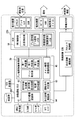
- FIG. 1 is a block diagram illustrating the overall configuration of the HCU, the automatic operation ECU, the vehicle control ECU, and the like according to the first embodiment.
- FIG. 2 is a diagram illustrating an example of specific configurations of the HCU, the automatic operation ECU, and the vehicle control ECU.
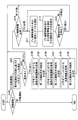
- FIG. 3 is a flowchart showing details of the notice notification process performed by the HUC.
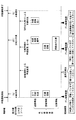
- FIG. 4 is a diagram illustrating a specific example of a scene in which pre-authority transfer is performed.
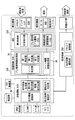
- FIG. 5 is a block diagram showing the overall configuration of the HCU, the automatic operation ECU, the vehicle control ECU, etc. in the second embodiment
- FIG. 6 is a block diagram illustrating the overall configuration of the HCU, the transfer control ECU, the automatic operation ECU, the vehicle control ECU, and the like according to the third embodiment.
- An HCU (HMI (Human Machine Interface) Control Unit) 20 according to the first embodiment of the present disclosure shown in FIGS. 1 and 2 is mounted on a vehicle A having an automatic driving function.
- the vehicle A is equipped with an automatic operation ECU 60 and a vehicle control ECU 80 as electronic control units for realizing an automatic operation function.
- the HCU 20 is electrically connected to a plurality of notification devices 10 that notify information to the driver and a plurality of detection devices 15 that detect the driver state.
- the automatic driving ECU 60 performs an acceleration / deceleration control and a steering control of the vehicle A in cooperation with the vehicle control ECU 80, thereby exhibiting an automatic driving function capable of performing a driving operation on behalf of the driver of the vehicle A.
- the automatic operation ECU 60 is mainly configured by a microcomputer having a processor 61a, a RAM 63a, a storage medium 64a, and an input / output interface 65a.
- the automatic operation ECU 60 is electrically connected to a GNSS receiver 71, a lidar 72, a millimeter wave radar 73, a camera unit 74, a map database 75, a V2X receiver 76, and the like.
- the automatic operation ECU 60 acquires information necessary for automatic operation from these configurations (71 to 76).
- a GNSS (Global Navigation Satellite System) receiver 71 receives positioning signals from a plurality of artificial satellites.
- the GNSS receiver 71 measures the current position of the vehicle A based on the received positioning signal.
- the GNSS receiver 71 sequentially outputs the measured position information of the vehicle A to the automatic operation ECU 60.
- the lidar 72, the millimeter wave radar 73, and the camera unit 74 are stationary objects such as moving objects such as pedestrians and other vehicles, falling objects on the road, traffic signals, guardrails, curbs, road signs, road markings, and marking lines. It is an autonomous sensor that detects an object.
- the lidar 72, the millimeter wave radar 73, and the camera unit 74 sequentially output detected object information relating to the detected moving object and stationary object to the automatic operation ECU 60, respectively.
- the lidar 72 irradiates the laser beam in the traveling direction of the vehicle A, and acquires the detected object information by receiving the laser beam reflected by a moving object and a stationary object existing in the traveling direction.
- the millimeter wave radar 73 irradiates the millimeter wave toward the traveling direction of the vehicle A, and acquires the detected object information by receiving the millimeter wave reflected by a moving object and a stationary object existing in the traveling direction.
- the millimeter wave radar 73 can detect an object farther away than the lidar 72.
- the camera unit 74 includes a monocular or compound-eye front camera that captures a front area of the vehicle A, and an image processing unit that analyzes an image of the front area captured by the front camera.
- the camera unit 74 acquires detected object information by extracting a moving object and a stationary object that appear in the image of the front area.
- the map database 75 is a storage medium that stores a large number of map data.
- the map data includes structural information such as the curvature, slope, and section length of each road, and non-temporary traffic regulation information such as speed limit and one-way traffic.
- the map database 75 causes the automatic driving ECU 60 to acquire map data around the current position of the vehicle A and the traveling direction.
- the V2X receiver 76 exchanges information by wireless communication with an in-vehicle communication device mounted on another vehicle and a roadside device installed on the side of the road.
- the V2X receiver 76 receives temporary traffic regulation information, congestion information, weather information, and the like through vehicle-to-vehicle communication with the vehicle-mounted communication device and road-to-vehicle communication with the roadside device, and sequentially outputs them to the autonomous driving ECU 60.
- the temporary traffic regulation information includes information such as traffic lane restrictions and road closures that occur on the road in the traveling direction of the vehicle A due to accidents and construction.
- the congestion information includes information such as the degree of traffic congestion on the road in the traveling direction and the state of traffic flow (for example, travel speed).
- the meteorological information includes the amount of rainfall, the amount of snowfall, and the occurrence of fog on the road in the traveling direction.
- the automatic driving ECU 60 automatically executes the automatic driving program stored in the storage medium 64a by the processor 61a to automatically operate the self-diagnosis function unit 64, the driving environment recognition unit 61, the driving plan generation unit 62, and the driving change determination unit 63. It is constructed as a functional block related to driving.
- the self-diagnosis function unit 64 diagnoses whether each function of the automatic driving ECU 60 is operating normally.
- the traveling environment recognition unit 61 recognizes the traveling environment of the vehicle A by combining the position information acquired from the GNSS receiver 71, the detected object information acquired from each autonomous sensor, the map data acquired from the map database 75, and the like. . Specifically, the traveling environment recognition unit 61 recognizes the shape and moving state of an object around the vehicle A mainly based on detected object information within the detection range of each autonomous sensor, and reproduces the actual traveling environment. Create a virtual space. In addition, the traveling environment recognition unit 61 recognizes the traveling environment using the map data and each information acquired from the V2X receiver 76 outside the detection range of each autonomous sensor.
- the travel plan generation unit 62 generates a travel plan for automatically driving the vehicle A by an automatic driving function based on the travel environment recognized by the travel environment recognition unit 61.
- the travel plan includes a long-term travel plan and a short-term travel plan.
- the travel plan formulated by the travel plan generation unit 62 is sequentially output from the automatic operation ECU 60 to the HCU 20 and the vehicle control ECU 80 together with operation information indicating whether or not the automatic operation is operating.
- the long-term driving plan defines a route for the vehicle A to go to the destination.
- the route defined by the long-term driving plan extends beyond the detection range of each autonomous sensor.
- the long and medium-term travel plan reflects structural information and non-temporary traffic regulation information included in the map data, temporary traffic regulation information received from the outside, and the like. As a result, not only the direction in which the vehicle A should travel at the branch point, but also a lane suitable for smooth passage such as a lane restriction area and a branch point is selected in the route according to the long-term travel plan.
- the short-term travel plan uses a virtual space around the vehicle A generated by the travel environment recognition unit 61 to define a planned travel locus for realizing travel according to the long- and medium-term travel plan.
- execution of steering for lane change, acceleration / deceleration for speed adjustment, and sudden braking for collision avoidance is specifically determined.
- the driving change determination unit 63 determines whether or not the driving operation can be continued by the automatic driving function.
- the driving change determination unit 63 determines that it is difficult or impossible to continue the driving operation by the automatic driving function when it is difficult to generate a short-term driving plan based on the recognized driving environment.
- the driving change determination unit 63 uses the automatic driving function when a system failure is detected based on the diagnosis results of the self-diagnosis function unit 64 of the automatic driving ECU 60 and the self-diagnosis function unit 82 of the vehicle control ECU 80 described later. It is determined that it is difficult or impossible to continue driving operation.
- the driving change determination unit 63 starts the driving change from the automatic driving function to the driver by outputting to the HCU 20 and the vehicle control ECU 80 a transfer execution signal for transferring the control right related to the driving operation.
- the vehicle control ECU 80 is electrically connected to a vehicle-mounted actuator group 90 mounted on the vehicle A, and integrally controls acceleration / deceleration and steering of the vehicle A.
- the vehicle control ECU 80 is mainly configured by a microcomputer having a processor 81a, a RAM 83a, a storage medium 84a, an input / output interface 85a, and the like.
- the in-vehicle actuator group 90 includes, for example, a throttle actuator, an injector, a brake actuator, a driving motor generator, a steering actuator, and the like.
- the vehicle control ECU 80 constructs the actuator control unit 81 and the self-diagnosis function unit 82 as functional blocks related to vehicle control by executing the vehicle control program stored in the storage medium 84a by the processor 81a.
- the actuator control unit 81 generates a control signal having a content according to the planned travel locus formulated by the travel plan generation unit 62 and outputs the control signal to the in-vehicle actuator group 90 in a state where the automatic driving function is operating.
- the actuator control unit 81 generates a control signal having contents according to the driving operation input by the driver when the automatic driving function is stopped, such as when the transfer execution signal is acquired, and the in-vehicle actuator group Output to 90.
- the self-diagnosis function unit 82 diagnoses whether each function of the vehicle control ECU 80 is operating normally.
- the notification device 10 is configured to notify various information related to the vehicle A to passengers of the vehicle A including the driver based on the notification control information output by the HCU 20.
- the notification device 10 may be configured to be mounted in advance on the vehicle A, or may be configured to be temporarily mounted on the vehicle A by being brought into the passenger compartment by a passenger of the vehicle A.
- the plurality of notification devices 10 include a speaker 12, a head-up display (HUD) device 13, a tactile sense presentation device 14, and the like.
- the speaker 12 notifies the driver and the like through hearing by reproducing the notification sound and the message sound in the passenger compartment.
- the HUD device 13 notifies the driver through vision by forming a virtual image in front of the driver.
- the tactile sense presentation device 14 is, for example, a vibration device provided on a steering wheel or a footrest capable of changing a posture. The tactile sense presentation device 14 notifies the driver through the tactile sense.
- the detection device 15 is configured to detect driver information related to the driving state of the driver and sequentially output the information to the HCU 20.
- the plurality of detection devices 15 include a steering sensor 16, a brake sensor 17, a driver status monitor (Driver Status Monitor, DSM) 18, and the like.
- the steering sensor 16 is a sensor that detects gripping of the steering wheel, a sensor that detects input of steering torque to the steering wheel, or the like. The steering sensor 16 detects whether or not the steering operation by the driver is possible as driver information.
- the brake sensor 17 is, for example, a sensor that detects placement of the driver's foot on the brake pedal. The brake sensor 17 detects whether or not the driver can perform a brake operation as driver information.
- the DSM 18 includes a near-infrared light source and a near-infrared camera, and a control unit that controls them.
- the DSM 18 photographs a driver's face irradiated with near-infrared light from a near-infrared light source with a near-infrared camera.
- the DSM 18 extracts, for example, the driver's face direction and the degree of opening of the eyes from the captured image, and detects the driver's look-aside and a decrease in the arousal level as the driver information.
- the HCU 20 is an electronic control unit that integrally controls the acquisition of operation information input by the driver and the presentation of information to the driver.
- the HCU 20 is an electronic control unit mainly composed of a microcomputer having a main processor 21, a drawing processor 22, a RAM 23, a storage medium 24, and an input / output interface 25.
- the HCU 20 constructs the pre-authority transfer processing unit 30, the main authority transfer processing unit 40, and the HMI control unit 50 as functional blocks by executing the notification control program stored in the storage medium 24 by the processors 21 and 22. .
- the pre-authority transfer processing unit 30 is a functional block that performs a process of notifying the driver of the transfer of control right from the automatic driving function to the driver before the transfer starts (hereinafter referred to as “pre-authority transfer”). is there.
- the pre-authority transfer is performed before the driving change determination unit 63 determines the driving change so as to start before a grace period (for example, about 30 seconds) set in advance with respect to the actual transfer start timing. Therefore, in the pre-right transfer, the driver is notified of the possibility of transfer of the control right, not the determination of transfer of the control right. In addition, in the pre-authorization transfer, the driver is also notified of the reason that it is determined that there is a possibility of transfer of control authority.
- a sub-functional block related to pre-authority transfer includes a zone estimation unit 31 and a determiner group 32 including at least a plurality (three) determiners 33 to 35.
- the zone estimation unit 31 determines whether or not the driving operation of the vehicle A is controlled by the automatic driving function based on the operation information output from the automatic driving ECU 60.
- the zone estimation unit 31 performs a change execution scene (hereinafter referred to as “LC scheduled zone”) that requires a lane change based on a long-term driving plan formulated by the driving plan generation unit 62 in a situation where the automatic driving function is in an operating state. ) Is estimated.
- LC scheduled zone a change execution scene that requires a lane change based on a long-term driving plan formulated by the driving plan generation unit 62 in a situation where the automatic driving function is in an operating state.
- the zone estimation unit 31 estimates the occurrence of the LC scheduled zone. Based on the map data, the merge point is set at a point where the main road is merged in relation to the interchange (IC), junction (JCT), service area (SA), and parking area (PA) on the route. . In addition, the zone estimation unit 31 estimates the occurrence of an LC scheduled zone based on temporary traffic regulation information acquired by the V2X receiver 76 even when lane regulation is performed on the route.
- the determiner group 32 estimates the level of difficulty of lane change control (hereinafter “LC level”) based on a plurality of driving environment factors in the planned LC zone estimated by the zone estimation unit 31.
- LC level level of difficulty of lane change control
- Each of the determiners 33 to 35 determines whether or not to raise the LC level based on a plurality of different driving environment factors.
- the determiner group 32 can classify the possibility of driving change into a plurality of stages, specifically, four levels of LC levels 0 to 3. Note that the higher the LC level, the higher the difficulty of lane change control.
- the first determiner 33 can acquire road structure information in the LC planned zone as one of the driving environment factors.
- the first determiner 33 may acquire the structure information output from the map database 75 to the automatic operation ECU 60 from the automatic operation ECU 60, or may extract the structure information reflected in the long-term driving plan. .
- the 1st determination device 33 determines LC level resulting from road structure as possibility of the 1st driving change using acquired structure information. For example, when the acceleration lane for merging to the main road is uphill, and when the acceleration lane is shorter than a predetermined distance, the first determination unit 33 affirms the possibility of the first driving change, Increase the LC level by one. On the other hand, when the acceleration lane is horizontal and has a standard distance, the first determiner 33 denies the possibility of the first driving change and maintains the LC level.
- the second determiner 34 acquires road congestion information in the LC scheduled zone as one of the driving environment factors.
- the second determiner 34 can acquire the congestion information output from the V2X receiver 76 to the automatic operation ECU 60 from the automatic operation ECU 60.
- the second determiner 34 uses the acquired congestion information to determine the LC level caused by the degree of traffic congestion as the possibility of the second driving change. For example, when the traffic flow (running speed) of the main lane that merges with the acceleration lane or the acceleration lane is poor, the second determination unit 34 affirms the possibility of the second driving change and sets one LC level. Pull up. On the other hand, when the traffic flow in the LC scheduled zone is smooth, the second determiner 34 denies the possibility of the second driving change and maintains the LC level.
- the third determiner 35 acquires weather information in the LC scheduled zone as one of the driving environment factors.
- the third determiner 35 can acquire the weather information output from the V2X receiver 76 to the automatic driving ECU 60 from the automatic driving ECU 60.
- the 3rd determination device 35 determines LC level resulting from a weather factor as a possibility of a 3rd driving
- the main authority transfer processing unit 40 performs a process of notifying the driver of execution of transfer of control authority (hereinafter referred to as “main authority transfer”) when the control authority is transferred to the driver from the automatic driving function. It is.
- the main authority transfer processing unit 40 causes the HMI control unit 50 to generate notification control information for performing the main authority transfer when the transfer execution signal based on the determination of the driving change determination unit 63 is acquired from the automatic driving ECU 60.
- the HMI control unit 50 is a functional block that performs processing related to acquisition of driver information detected by the detection device 15 and processing related to information presentation to the driver using the notification device 10.
- a response detector 51, a pre-notification device 52, and a transfer notification device 53 are constructed as sub functional blocks related to pre-authority transfer and main authority transfer.
- the response detector 51 extracts the driver's response to the pre-authority transfer from the driver information detected by each detection device 15.
- the response detector 51 determines whether the driver has gripped the steering wheel, can operate the brake pedal, and is looking at the front by transferring the pre-authority.
- the pre-notification device 52 uses at least one of the plurality of notification devices 10 to perform pre-authority transfer that notifies the driver of the possibility of transfer of the control right together with the reason for the transfer.
- the pre-notifier 52 can perform pre-authority transfer according to a notification mode corresponding to the level of difficulty of lane change control. Specifically, the pre-notifier 52 acquires the determination result by the determiner group 32 from the pre-authority transfer processing unit 30, and selects a pre-notification scenario corresponding to the acquired determination result.
- the pre-notification scenario among the driving environment factors such as structural information, congestion information, and weather information used for the determination of the LC level, all the driving environment factors that raised the LC level are the reasons for the transfer of the control right. It is included in the message to the driver.
- the pre-notifier 52 selects a pre-notification scenario in which the number of notification devices 10 used for pre-authority transfer is increased as the LC level increases. For example, when the LC level is “1”, the pre-authority transfer is performed by the virtual image display of the HUD device 13. When the LC level is “2”, pre-authority transfer is performed by the utterance by the speaker 12 and the virtual image display of the HUD device 13. Further, when the LC level is “3”, pre-authority transfer is performed by using all of the utterance by the speaker 12, the virtual image display of the HUD device 13, and the haptic presentation by the haptic presentation device 14. The pre-notifier 52 generates notification control information based on the selected pre-notification scenario, and outputs the notification control information to the notification device 10.
- the transfer notification unit 53 selects a transfer notification scenario for main authority transfer based on a command from the main authority transfer processing unit 40.
- the transfer notification device 53 selects an optimal transfer notification scenario so that the driving change is smoothly performed from the automatic driving function to the driver by the main authority transfer.
- the transfer notification device 53 generates notification control information based on the selected transfer notification scenario and outputs the notification control information to the notification device 10.
- the notice notification process shown in FIG. 3 is started by the HCU 20 when the ignition of the vehicle A is turned on.
- the notice notification process is repeatedly started by the HCU 20 until the ignition of the vehicle A is turned off.
- S101 the operating state of the automatic driving function is determined. If it is determined in S101 that the driving operation of the vehicle A is controlled by the automatic driving function, the process proceeds to S102. On the other hand, when it is a manual driving state in which the driving operation is performed by the driver and it is determined in S101 that the automatic driving function is stopped, the notice notification process is temporarily ended.
- S102 the occurrence of an LC scheduled zone is estimated based on the long-term driving plan, and the process proceeds to S103.
- S103 it is determined whether or not the occurrence of the LC scheduled zone is estimated in S102.
- the process returns to S101.
- the process proceeds to S104.
- S104 road structure information in the planned LC zone estimated in S102 is acquired, and the process proceeds to S105.
- S105 the possibility of the first driving change is determined based on the structure information acquired in S104, and the process proceeds to S106.
- the structural information acquired in S104 indicates the acceleration gradient of the acceleration lane in the LC scheduled zone or the short distance
- S105 the possibility of the first driving change is affirmed and the LC level is raised by one.
- the congestion information of the road in the LC scheduled zone estimated in S102 is acquired, and the process proceeds to S107.
- S107 based on the congestion information acquired in S106, the possibility of the second driving change is determined, and the process proceeds to S108.
- the congestion information acquired in S106 indicates a situation where the traffic flow is poor in the LC scheduled zone
- S107 the possibility of the second driving change is affirmed and the LC level is raised by one.
- the weather information in the LC scheduled zone estimated in S102 is acquired, and the process proceeds to S109.
- the possibility of the third driving change is determined based on the weather information acquired in S108, and the process proceeds to S110.
- the weather information acquired in S108 indicates a bad weather condition in the LC scheduled zone
- the possibility of the third driving change is affirmed and the LC level is raised by one.
- S110 it is determined whether or not pre-authority transfer is necessary based on the determination results in S105, S107, and S109. If all the first to third driving changes are denied and the LC level is zero, in S110, it is determined that pre-authority transfer is unnecessary, and the process returns to S101. In this case, under the control of the notification device 10, for example, a message not accompanied by the reason for transfer such as “Please be careful about the surroundings” may be displayed or uttered.
- S110 determines that pre-authority transfer is necessary, and the process proceeds to S111.
- S111 a pre-notification scenario for pre-authority transfer is selected based on the LC level based on the determination results in S105, S107, and S109, and the process proceeds to S112.
- pre-authority transfer based on the pre-notification scenario selected in S111 is executed, and the process proceeds to S113.
- S113 it is determined whether or not a driver response has been detected for the pre-authority transfer executed in S112. If it is determined in S113 that the driver's response has been detected, the process returns to S101. On the other hand, when it determines with a driver
- the process of determining the presence or absence of the driver's response by skipping S113 may be omitted.
- updated information such as cancellation of lane restrictions, deterioration or recovery of weather conditions, and recovery of traffic flow is presented to the driver.
- a message such as “Please prepare for driving change” is displayed or spoken.
- FIG. Fig. 4 shows the automatic driving function from the starting point of automatic driving set between the entrance of the expressway and the main road to the end point of automatic driving set between the main road and the exit of the highway. The case of activation is shown. This is a so-called gate-to-gate or ramp-to-lamp automatic operation.
- the zone estimation unit 31 When the long-term driving plan is generated by the operation of the automatic driving function accompanying the passage of the automatic driving start point, the zone estimation unit 31 immediately estimates the occurrence of the LC scheduled zone based on the presence of the merging point in the IC. .
- the determiner group 32 determines the LC level as “2” based on the structure information indicating the upward gradient of the acceleration lane as the LC scheduled zone and the congestion information indicating the congestion of the LC scheduled zone.
- the pre-notifier 52 Based on the determination result of the determiner group 32, the pre-notifier 52 performs pre-authority transfer including both the structure information and the congestion information whose LC level has been raised. Specifically, in the pre-authorization transfer, a message with the content “The view is bad and crowded. Please hold the handle.” Is displayed as a virtual image by the HUD device 13 and spoken by the speaker 12.
- the zone estimation unit 31 estimates the occurrence of the LC scheduled zone based on the lane restriction. If there is no driving environment factor that raises the LC level in all of the structure information, traffic information, and weather information, the determiner group 32 determines the LC level to be “0”. As a result, as a normal notification, for example, a message such as “Please pay attention to the surroundings” is displayed as a virtual image by the HUD device 13.
- the zone estimation unit 31 estimates the occurrence of an LC scheduled zone based on the presence of these points.
- the determination device group 32 sets a section in which a lane change from a left lane (for example, a traveling lane) to a right lane (for example, an overtaking lane) is performed as a first LC scheduled zone for branch preparation. Obtain such structural information, traffic information, and weather information.
- the determiner group 32 determines the LC level to be “2” based on the congestion information indicating congestion of the LC scheduled zone and the weather information indicating rainfall in the LC scheduled zone.
- the pre-notifier 52 Based on the determination result of the determiner group 32, the pre-notifier 52 performs pre-authority transfer including both congestion information and weather information whose LC level has been raised. Specifically, in the pre-authorization transfer, a message with the content “It is raining and crowded. Pay special attention to the surroundings” is displayed as a virtual image by the HUD device 13 and spoken by the speaker 12.
- the determiner group 32 uses the junction point from the JCT to the main road as the second LC scheduled zone, and acquires additional structural information, traffic information, and weather information related to the second LC scheduled zone. Based on the structural information indicating the standard length longer than the predetermined distance for the acceleration lane serving as the second LC scheduled zone and the congestion information indicating that the traffic flow is smooth, the determiner group 32 includes the pre-authority. It is determined that additional information presentation by transfer is unnecessary.
- the zone estimation unit 31 estimates the occurrence of an LC scheduled zone based on the presence of a merge point from SA or PA.
- the determiner group 32 determines the LC level as “1” based on the structure information indicating that the acceleration lane is shorter than the predetermined distance.
- the pre-notifier 52 Based on the determination result of the determiner group 32, the pre-notifier 52 performs pre-authority transfer including the structure information whose LC level is raised. Specifically, in the pre-authorization transfer, the HUD device 13 displays a message with the content “It is a short merging of the acceleration lane.
- the driver when the occurrence of the LC scheduled zone is estimated, the driver is notified of the possibility of transfer of the control right and the reason for the transfer of the control right by performing the pre-right transfer. Is done. With such a notice of notification based on scene estimation, a long time from the notification to the start of transfer can be secured.
- the reason for the transfer of the control right is notified in a notification mode corresponding to the difficulty level of the lane change control. Based on the above, the driver can understand the status of the LC scheduled zone in advance and make preparations in advance, and then receive the control right related to the driving operation. Therefore, the HCU 20 can make it difficult for the driver to feel the annoyance that has been led by the system related to the automatic driving function.
- the driver who has given time to start the driving change and understands the situation of the planned LC zone where the driving change will be performed, automatically completes the advance preparation of the driving change and then automatically It is also possible to acquire the control right from the operation function.
- so-called override can be easily implemented. Such an override makes it more difficult for the driver to feel the annoyance of having been changed.
- road structure information such as an acceleration lane serving as an LC scheduled zone is used to determine the level of difficulty of lane change control.
- Lane change control tends to be difficult when the acceleration lane serving as the LC scheduled zone has an upward slope or when the acceleration lane is short. Therefore, by using the structure information as the driving environment factor, the HCU 20 can accurately determine the level in advance.
- structural information such as poor prospects due to uphill slopes and short accelerating lanes is presented by delegation of pre-authority, the driver can understand the situation of the accelerating lane in detail and use the automatic driving function. You can receive control.
- the congestion information of the road serving as the LC scheduled zone is used for determining the level of difficulty of the lane change control.
- the congestion information is presented to the driver by the pre-authorization transfer, the driver can receive the control right from the automatic driving function with a detailed understanding of the situation of the LC scheduled zone.
- weather information in the LC scheduled zone is used to determine the level of difficulty of lane change control. Even if the weather conditions of the LC scheduled zone are bad, lane change control tends to be difficult. Therefore, by using the weather information as the driving environment factor, the HCU 20 can accurately determine the level in advance. In addition, if the weather information is presented to the driver by the pre-authorization transfer, the driver can receive the control right from the automatic driving function with a detailed understanding of the situation of the LC scheduled zone.
- the zone estimation unit 31 is configured such that the LC, JCT, and SA and PA, such as the merge from the main road to the main road, when the predefined merge point is on the route in the long-term driving plan, Estimate the occurrence of the planned zone. According to the estimated occurrence of the LC scheduled zone based on the map information included in the map data as described above, the HCU 20 performs the pre-control transfer with sufficient time with respect to the timing when the transfer of the control right is started. You can start.
- the zone estimation unit 31 estimates the occurrence of the LC scheduled zone. As described above, by using the temporary traffic regulation information for the occurrence estimation of the LC scheduled zone, the HCU 20 can estimate the occurrence of a scene forced to change lanes without omission.
- the driving environment factor that raised the LC level among the structure information, the congestion information, and the weather information is notified to the driver as the reason for the transfer of the control right. That is, all the driving environment factors that have increased the LC level are notified to the driver. Therefore, the driver can receive the control right with a more detailed understanding of the situation of the LC scheduled zone.
- the driver can sensuously grasp the difficulty of the lane change control in the scheduled LC schedule zone from the length of the message in the pre-authority transfer, and can prepare for the driving change.
- the HCU 20 increases the number of notification devices 10 used for pre-authority transfer. Therefore, when the probability of driving change is low, pre-authority transfer that is difficult to feel annoying is performed. On the other hand, information on a scene where the probability of occurrence of driving change in the estimated LC scheduled zone is particularly high is transmitted to the driver by the plurality of notification devices 10 without omission.
- the HCU 20 corresponds to a “notification control device”, and the main processor 21 and the drawing processor 22 correspond to a “processor”.
- the zone estimation unit 31 corresponds to an “estimation unit”
- the determiner group 32 corresponds to a “determination unit”
- the pre-notifier 52 corresponds to a “notification unit”.
- the second embodiment of the present disclosure shown in FIG. 5 is a modification of the first embodiment.
- the automatic operation ECU 260 of the second embodiment executes the automatic operation program by the processor 61a (see FIG. 2), and in addition to the functional units (61 to 64) substantially the same as those of the first embodiment, the pre-authority transfer The processing unit 30 and the main authority transfer processing unit 40 are constructed.
- the HCU 220 constructs the HMI control unit 50 by executing the notification control program by the main processor 21 and the drawing processor 22 (see FIG. 2). That is, the pre-authority transfer processing unit 30 and the main authority transfer processing unit 40 are not constructed in the HCU 220.
- the pre-authority transfer processing unit 30 is built in the automatic operation ECU 260, the pre-authority transfer based on the estimated occurrence of the LC scheduled zone can be performed. Therefore, in the second embodiment, the same effect as in the first embodiment can be obtained, and the driver can understand the situation of the planned LC zone in advance and make preparations in advance, and can receive the control right voluntarily. . Therefore, the automatic driving ECU 260 and the HCU 220 can make it difficult for the driver to feel the annoyance that the system related to the automatic driving function has led and changed the driving. In the second embodiment, the automatic operation ECU 260 and the HCU 220 correspond to a “notification control device”.
- the third embodiment of the present disclosure shown in FIG. 6 is another modification of the first embodiment.
- the in-vehicle network of the third embodiment is provided with a transfer control ECU 330 that is electrically connected to the automatic operation ECU 60 and the HCU 220.
- the transfer control ECU 330 is an electronic control unit mainly composed of a microcomputer having a processor, a RAM, a storage medium, and an input / output interface.
- the transfer control ECU 330 executes the transfer control program by the processor to construct the pre-authority transfer processing unit 30 and the main authority transfer processing unit 40 that are substantially the same as those in the first embodiment.
- the third embodiment in which the pre-authority transfer processing unit 30 is built in the transfer control ECU 330 also has the same effect as the first embodiment, and the driver understands the situation of the LC scheduled zone in advance. You can receive control right on your own after making advance preparations. Therefore, the transfer control ECU 330 and the HCU 220 can make it difficult for the driver to feel annoyance that the system related to the automatic driving function has led and changed the driving.
- the transfer control ECU 330 and the HCU 220 correspond to a “notification control device”.
- the zone estimation unit in the above embodiment has estimated the occurrence of an LC scheduled zone based on a merge point or lane regulation.
- the information used for the occurrence estimation of the LC scheduled zone by the zone estimation unit is not limited to the above information.
- the zone estimation unit can use various information related to lane change for LC generation zone generation estimation.
- the driving environment factor used in each determination device is not limited to the structure information, the congestion information, and the weather information as in the above embodiment.
- Various driving environment factors related to the difficulty of the lane change control can be used for the determination of the LC level by the determiner.
- the number of driving environment factors used for the determination of the LC level in each determination device may be two, or may be four or more.
- each determination unit of the above embodiment compares each acquired threshold value with the acquired information about the gradient and distance of the acceleration section, the travel speed of the traffic flow, the rainfall amount, the snowfall amount, etc. The possibility of driving change was affirmed or denied.
- a determiner constructed by machine learning may determine the possibility of driving change.
- the notification mode of pre-authorization transfer may be changed depending on not only the driving environment factors but also the driver's condition. For example, if the driver's heart rate or pulse rate can be acquired as driver information, the HCU can detect the driver's impatience. Therefore, when the pre-notification device detects the driver's impatience, the pre-notification device can change the message so as to calm the driver in the pre-authorization transfer. Furthermore, the pre-notification device can change the tone of the voice for performing pre-authority transfer to a calm atmosphere. Moreover, when the fall of a driver
- the pre-authority transfer in the above embodiment was started at the timing when the grace time until the start of the authority transfer was a predetermined time.
- the pre-notifier may start the pre-authorization transfer based on the distance to the LC scheduled zone.
- the pre-notifier need not notify all the driving environment factors that have increased the LC level. For example, when the LC level is high, the driver may be informed of only one of the plurality of driving environment factors that raise the LC level that makes lane change control the most difficult.
- the notification device used for pre-authority transfer can be changed as appropriate.
- the pre-authorization transfer sound may be reproduced so that only the driver can hear by using an ultrasonic speaker.
- the pre-authorization transfer display may be displayed on a display surface of a display device different from the HUD.
- Each function relating to the pre-authorization transfer may be appropriately realized by various electronic control units mounted on the vehicle as in the first to third embodiments. Further, various non-transitional tangible storage media such as a flash memory and a hard disk can be adopted as a configuration for storing a program executed by each processor.
- each section is expressed as S101, for example.
- each section can be divided into a plurality of subsections, while a plurality of sections can be combined into one section.
- each section configured in this manner can be referred to as a device, module, or means.
Landscapes
- Engineering & Computer Science (AREA)
- Transportation (AREA)
- Mechanical Engineering (AREA)
- Automation & Control Theory (AREA)
- Human Computer Interaction (AREA)
- Chemical & Material Sciences (AREA)
- Combustion & Propulsion (AREA)
- Physics & Mathematics (AREA)
- General Physics & Mathematics (AREA)
- Radar, Positioning & Navigation (AREA)
- Aviation & Aerospace Engineering (AREA)
- Remote Sensing (AREA)
- Traffic Control Systems (AREA)
- Control Of Driving Devices And Active Controlling Of Vehicle (AREA)
- Business, Economics & Management (AREA)
- Health & Medical Sciences (AREA)
- Artificial Intelligence (AREA)
- Evolutionary Computation (AREA)
- Game Theory and Decision Science (AREA)
- Medical Informatics (AREA)
- Navigation (AREA)
- Steering Control In Accordance With Driving Conditions (AREA)
Abstract
自動運転機能を備える車両(A)において、前記自動運転機能から運転者への運転操作に係る制御権の移譲を、当該車両に搭載された報知機器(10)を制御することで前記運転者に予告する報知制御装置は、前記自動運転機能によって前記車両の運転操作が制御されている状況にて、車線変更を要する変更実施場面の発生を推定する推定部(31)と、前記変更実施場面における複数の走行環境要因に基づいて車線変更制御の難しさのレベルを判定する判定部(32)と、前記レベルに対応した通知態様により、前記制御権の移譲の可能性を、前記制御権が移譲される理由と共に、前記報知機器を用いて前記運転者に通知する通知部(52)とを備える。
Description
本出願は、2016年1月26日に出願された日本特許出願番号2016-12760号に基づくもので、ここにその記載内容を援用する。
本開示は、自動運転機能を備える車両において、自動運転機能から運転者への運転操作に係る制御権の移譲を運転者に予告する報知制御装置、及び報知制御方法に関するものである。
従来、例えば特許文献1に開示の自動運転支援装置のように、運転者に代わって運転操作を実施可能なシステムでも、自車位置を特定する情報の信頼度の低下により、自動運転を継続困難となる状況が不可避的に生じ得る。そのため、特許文献1の自動運転支援装置では、自動運転を継続できる度合いを指標化し、直ちに自動運転を継続できなくなる可能性の高低を判定する。そして、判定結果に対応した報知の態様にて、制御権の移譲の可能性の高低が運転者に予め通知される。以上によれば、運転者は、直ちに自動運転を継続できなくなる可能性の高低を認識したうえで、自動運転支援装置から制御権を受け取ることができる。
しかし、特許文献1の自動運転支援装置では、自車位置を特定する各センサの信頼度の低下に基づき、自動運転を継続できなくなる可能性の通知を行っているため、通知の実施から制御権の移譲開始までの時間は、長く確保され難い。加えて、移譲の可能性の高低だけしか通知されないため、運転者は、制御権の移譲される場面の状況を理解できないまま、制御権を受け取ることになる。その結果、運転者は、自動運転支援装置のシステムが主導して運転交代させられたような煩わしさを感じ易かった。
本開示は、システムの主導で運転交代させられたような煩わしさを感じさせないように、制御権の移譲を運転者に予告可能な報知制御装置及び報知制御方法を提供することを目的とする。
本開示の第一の態様において、運転者に代わって運転操作を実施可能な自動運転機能を備える車両において、前記自動運転機能から前記運転者への運転操作に係る制御権の移譲を、当該車両に搭載された少なくとも一つの報知機器を制御することで前記運転者に予告する報知制御装置は、前記自動運転機能によって前記車両の運転操作が制御されている状況にて、車線変更を要する変更実施場面の発生を推定する推定部と、前記推定部にて推定された前記変更実施場面における複数の走行環境要因に基づいて車線変更制御の難しさのレベルを判定する判定部と、前記判定部によって判定された前記レベルに対応した通知態様により、前記制御権の移譲の可能性を、前記制御権が移譲される理由と共に、前記少なくとも一つの報知機器を用いて前記運転者に通知する通知部とを備える。
上記の報知制御装置では、車線変更を要する変更実施場面の発生が推定された場合に、運転操作に係る制御権の移譲の可能性と、制御権の移譲理由とが共に運転者に予告通知される。このような場面推定に基づく予告通知であれば、通知の実施から移譲の開始までの時間が長く確保され得る。
加えて、制御権の移譲理由は、車線変更制御の難しさのレベルに対応した通知態様にて通知される。故に、運転者は、車線変更を要する変更実施場面の状況を理解し、事前準備を整えたうえで、主体的に運転操作に係る制御権を受け取るようになり得る。したがって、自動運転機能に係るシステムが主導して運転交代させられたような煩わしさを、運転者に感じ難くさせることができる。
本開示の第二の態様において、運転者に代わって運転操作を実施可能な自動運転機能を備える車両において、前記自動運転機能から前記運転者への運転操作に係る制御権の移譲を、当該車両に搭載された少なくとも一つの報知機器を制御することで前記運転者に予告する報知制御方法では、少なくとも一つのプロセッサが、前記自動運転機能によって前記車両の運転操作が制御されている状況にて、車線変更を要する変更実施場面の発生を推定し、推定した前記変更実施場面における複数の走行環境要因に基づいて車線変更制御の難しさのレベルを判定し、判定した前記レベルに対応した通知態様により、前記制御権の移譲の可能性を、前記制御権が移譲される理由と共に、前記少なくとも一つの報知機器を用いて前記運転者に通知する。
上記の報知制御方法では、車線変更を要する変更実施場面の発生が推定された場合に、運転操作に係る制御権の移譲の可能性と、制御権の移譲理由とが共に運転者に予告通知される。このような場面推定に基づく予告通知であれば、通知の実施から移譲の開始までの時間が長く確保され得る。
加えて、制御権の移譲理由は、車線変更制御の難しさのレベルに対応した通知態様にて通知される。故に、運転者は、車線変更を要する変更実施場面の状況を理解し、事前準備を整えたうえで、主体的に運転操作に係る制御権を受け取るようになり得る。したがって、自動運転機能に係るシステムが主導して運転交代させられたような煩わしさを、運転者に感じ難くさせることができる。
本開示についての上記目的およびその他の目的、特徴や利点は、添付の図面を参照しながら下記の詳細な記述により、より明確になる。その図面は、
図1は、第一実施形態におけるHCU、自動運転ECU、及び車両制御ECU等の全体構成を示すブロック図であり、
図2は、HCU、自動運転ECU、及び車両制御ECUの具体的な構成の一例を示す図であり、
図3は、HUCによって実施される予告通知処理の詳細を示すフローチャートであり、
図4は、プレ権限移譲が実施されるシーンの具体例を示す図であり、
図5は、第二実施形態におけるHCU、自動運転ECU、及び車両制御ECU等の全体構成を示すブロック図であり、
図6は、第三実施形態におけるHCU、移譲制御ECU、自動運転ECU、及び車両制御ECU等の全体構成を示すブロック図である。
以下、本開示の複数の実施形態を図面に基づいて説明する。尚、各実施形態において対応する構成要素には同一の符号を付すことにより、重複する説明を省略する場合がある。各実施形態において構成の一部分のみを説明している場合、当該構成の他の部分については、先行して説明した他の実施形態の構成を適用することができる。また、各実施形態の説明において明示している構成の組み合わせばかりではなく、特に組み合わせに支障が生じなければ、明示していなくても複数の実施形態の構成同士を部分的に組み合せることができる。
(第一実施形態)
図1及び図2に示す本開示の第一実施形態によるHCU(HMI(Human Machine Interface)Control Unit)20は、自動運転機能を備えた車両Aに搭載されている。車両Aには、自動運転機能を実現するための電子制御ユニットとして、自動運転ECU60及び車両制御ECU80が搭載されている。HCU20は、自動運転ECU60に加えて、運転者へ向けて情報を通知する複数の報知機器10及び運転者状態を検出する複数の検出機器15と電気的に接続されている。
図1及び図2に示す本開示の第一実施形態によるHCU(HMI(Human Machine Interface)Control Unit)20は、自動運転機能を備えた車両Aに搭載されている。車両Aには、自動運転機能を実現するための電子制御ユニットとして、自動運転ECU60及び車両制御ECU80が搭載されている。HCU20は、自動運転ECU60に加えて、運転者へ向けて情報を通知する複数の報知機器10及び運転者状態を検出する複数の検出機器15と電気的に接続されている。
自動運転ECU60は、車両制御ECU80と協働して車両Aの加減速制御及び操舵制御を行うことにより、車両Aの運転者に代わって運転操作を実施可能な自動運転機能を発揮する。自動運転ECU60は、プロセッサ61a、RAM63a、記憶媒体64a、及び入出力インターフェース65aを有するマイクロコンピュータを主体に構成されている。自動運転ECU60は、GNSS受信器71、ライダ72、ミリ波レーダ73、カメラユニット74、地図データベース75、及びV2X受信器76等と電気的に接続されている。自動運転ECU60は、これらの構成(71~76)から自動運転に必要な情報を取得する。
GNSS(Global Navigation Satellite System)受信器71は、複数の人工衛星からの測位信号を受信する。GNSS受信器71は、受信した測位信号に基づいて車両Aの現在位置を計測する。GNSS受信器71は、計測した車両Aの位置情報を自動運転ECU60へ向けて逐次出力する。
ライダ72、ミリ波レーダ73、及びカメラユニット74は、歩行者及び他の車両等の移動物体、さらに路上の落下物、交通信号、ガードレール、縁石、道路標識、道路標示、及び区画線等の静止物体を検出する自律センサである。ライダ72、ミリ波レーダ73、及びカメラユニット74はそれぞれ、検出した移動物体及び静止物体に係る検出物情報を、自動運転ECU60へ向けて逐次出力する。
ライダ72は、車両Aの進行方向へ向けてレーザ光を照射し、進行方向に存在する移動物体及び静止物体等で反射されたレーザ光を受信することにより、検出物情報を取得する。ミリ波レーダ73は、車両Aの進行方向へ向けてミリ波を照射し、進行方向に存在する移動物体及び静止物体等で反射されたミリ波を受信することにより、検出物情報を取得する。ミリ波レーダ73は、ライダ72よりも遠方の物体を検出可能である。
カメラユニット74は、車両Aの前方領域を撮影する単眼式又は複眼式の前方カメラと、前方カメラによって撮像された前方領域の画像を解析する画像処理部とを有している。カメラユニット74は、前方領域の画像に写る移動物体及び静止物体を抽出することにより、検出物情報を取得する。
地図データベース75は、多数の地図データを格納している記憶媒体である。地図データには、各道路の曲率、勾配、及び区間の長さといった構造情報、並びに制限速度及び一方通行といった非一時的な交通規制情報等が含まれている。地図データベース75は、車両Aの現在位置の周辺及び進行方向の地図データを、自動運転ECU60に取得させる。
V2X受信器76は、他の車両に搭載された車載通信器及び道路脇に設置された路側器との間で、無線通信によって情報をやり取りする。V2X受信器76は、車載通信器との車車間通信及び路側器との路車間通信により、一時的な交通規制情報、混雑情報、及び気象情報等を受信し、自動運転ECU60へ向けて逐次出力する。一時的な交通規制情報には、事故及び工事によって車両Aの進行方向の道路に生じている車線規制及び通行止め等の情報が含まれている。混雑情報には、進行方向の道路における交通の混雑度合い、及び交通の流れの具合(例えば、走行速度)等の情報が含まれている。気象情報には、進行方向の道路における降雨量、降雪量、及び霧の発生情報等が含まれている。
自動運転ECU60は、記憶媒体64aに記憶された自動運転プログラムをプロセッサ61aによって実行することにより、自己診断機能部64、走行環境認識部61、走行計画生成部62、及び運転交代判定部63を自動運転に係る機能ブロックとして構築する。自己診断機能部64は、自動運転ECU60の各機能が正常に作動しているか否かを診断する。
走行環境認識部61は、GNSS受信器71から取得した位置情報、各自律センサから取得した検出物情報、及び地図データベース75から取得した地図データ等を組み合わせることで、車両Aの走行環境を認識する。具体的に、走行環境認識部61は、各自律センサの検出範囲内について、車両Aの周囲の物体の形状及び移動状態を主に検出物情報に基づいて認識し、実際の走行環境を再現した仮想空間を生成する。加えて走行環境認識部61は、各自律センサの検出範囲外について、地図データ及びV2X受信器76から取得した各情報を用いて、走行環境の認識を行う。
走行計画生成部62は、走行環境認識部61によって認識された走行環境に基づき、自動運転機能によって車両Aを自動走行させるための走行計画を生成する。走行計画には、長中期の走行計画と、短期の走行計画とが含まれている。走行計画生成部62によって策定された走行計画は、自動運転が作動しているか否かを示す作動情報と共に、自動運転ECU60からHCU20及び車両制御ECU80へ向けて逐次出力される。
長中期の走行計画は、車両Aを目的地へ向かわせるための経路を規定している。長中期の走行計画にて規定される経路は、各自律センサの検出範囲外まで及んでいる。長中期の走行計画には、地図データに含まれる構造情報及び非一時的な交通規制情報、並びに外部から受信した一時的な交通規制情報等が反映される。その結果、長中期の走行計画による経路では、分岐地点にて車両Aが進むべき方向だけでなく、車線規制エリア及び分岐地点等の円滑な通過に好適な車線も選択されている。
短期の走行計画は、走行環境認識部61にて生成された車両A周囲の仮想空間を用いて、長中期の走行計画に従った走行を実現するための予定走行軌跡を規定している。短期の走行計画では、具体的に、車線変更のための操舵、速度調整のための加減速、及び衝突回避のための急制動等の実行が決定される。
運転交代判定部63は、自動運転機能による運転操作の継続が可能であるか否かを判定する。運転交代判定部63は、認識された走行環境に基づく短期の走行計画の生成が困難な状況である場合に、自動運転機能による運転操作の継続が困難又は不可能であると判定する。加えて運転交代判定部63は、自動運転ECU60の自己診断機能部64及び後述する車両制御ECU80の自己診断機能部82の各診断結果に基づいてシステムの故障を検出した場合に、自動運転機能による運転操作の継続が困難又は不可能であると判定する。運転交代判定部63は、運転操作に係る制御権の移譲を実行させるための移譲実行信号を、HCU20及び車両制御ECU80へ向けて出力することにより、自動運転機能から運転者への運転交代を開始させる。
車両制御ECU80は、車両Aに搭載された車載アクチュエータ群90と電気的に接続されており、車両Aの加減速及び操舵を統合的に制御する。車両制御ECU80は、プロセッサ81a、RAM83a、記憶媒体84a、及び入出力インターフェース85a等を有するマイクロコンピュータを主体として構成されている。車載アクチュエータ群90には、例えばスロットルアクチュエータ、インジェクタ、ブレーキアクチュエータ、駆動用のモータジェネレータ、及び操舵アクチュエータ等が含まれている。
車両制御ECU80は、記憶媒体84aに記憶された車両制御プログラムをプロセッサ81aによって実行することにより、車両制御に係る機能ブロックとして、アクチュエータ制御部81及び自己診断機能部82を構築する。アクチュエータ制御部81は、自動運転機能が作動している状態において、走行計画生成部62によって策定された予定走行軌跡に従った内容の制御信号を生成し、車載アクチュエータ群90へ向けて出力する。加えてアクチュエータ制御部81は、移譲実行信号を取得した場合等、自動運転機能が停止している状態では、運転者により入力された運転操作に従った内容の制御信号を生成し、車載アクチュエータ群90へ向けて出力する。自己診断機能部82は、車両制御ECU80の各機能が正常に作動しているか否かを診断する。
報知機器10は、HCU20によって出力される報知制御情報に基づき、車両Aに係る種々の情報を、運転者を含む車両Aの乗員へ向けて報知する構成である。報知機器10は、車両Aに予め搭載された構成であってもよく、又は車両Aの乗員によって車室内に持ち込まれることにより、車両Aに一時的に搭載される構成であってもよい。複数の報知機器10には、スピーカ12、ヘッドアップディスプレイ(Head-Up Display,HUD)装置13、及び触覚提示デバイス14等が含まれている。
スピーカ12は、報知音及びメッセージ音声を車室内に再生させることにより、聴覚を通じた運転者等への報知を行う。HUD装置13は、運転者の前方に虚像を結像させることにより、視覚を通じた運転者への報知を行う。触覚提示デバイス14は、例えばステアリングホイールに設けられた振動デバイス、又は姿勢を変化させることが可能なフットレスト等である。触覚提示デバイス14は、触覚を通じた運転者への報知を行う。
検出機器15は、運転者の運転状態に係る運転者情報を検出し、HCU20へ向けて逐次出力する構成である。複数の検出機器15には、ステアリングセンサ16、ブレーキセンサ17、及びドライバステータスモニタ(Driver Status Monitor,DSM)18等が含まれている。
ステアリングセンサ16は、ステアリングホイールの把持を検出するセンサ、又はステアリングホイールへの操舵トルクの入力を検出するセンサ等である。ステアリングセンサ16は、運転者による操舵操作が可能な状態か否かを、運転者情報として検出する。ブレーキセンサ17は、例えばブレーキペダルへの運転者の足の載置を検出するセンサである。ブレーキセンサ17は、運転者によるブレーキ操作が可能な状態か否かを、運転者情報として検出する。
DSM18は、近赤外光源及び近赤外カメラと、これらを制御する制御ユニット等とによって構成されている。DSM18は、近赤外光源によって近赤外光を照射された運転者の顔を、近赤外カメラによって撮影する。DSM18は、例えば運転者の顔の向き及び目の開き具合等を撮像画像から抽出し、運転者における脇見及び覚醒度の低下等を運転者情報として検出する。
HCU20は、運転者によって入力された操作情報の取得と、運転者への情報提示とを統合的に制御する電子制御ユニットである。HCU20は、メインプロセッサ21、描画プロセッサ22、RAM23、記憶媒体24、及び入出力インターフェース25を有するマイクロコンピュータを主体とした電子制御ユニットである。HCU20は、記憶媒体24に記憶された報知制御プログラムを各プロセッサ21,22によって実行することにより、プレ権限移譲処理部30、メイン権限移譲処理部40、及びHMI制御部50を機能ブロックとして構築する。
プレ権限移譲処理部30は、自動運転機能から運転者への制御権の移譲について、移譲の開始前に運転者に対して予告通知(以下、「プレ権限移譲」)する処理を行う機能ブロックである。プレ権限移譲は、実際の移譲の開始タイミングに対して予め設定された猶予時間(例えば、30秒程度)前に開始されるよう、運転交代判定部63による運転交代の決定前に実施される。そのためプレ権限移譲では、制御権の移譲の決定ではなく、制御権の移譲の可能性が運転者に対して通知される。加えてプレ権限移譲では、制御権の移譲の可能性があると判定された理由も、運転者に対して通知される。プレ権限移譲処理部30には、プレ権限移譲に係るサブ機能ブロックとして、ゾーン推定部31及び複数(三つ)の判定器33~35を少なくとも含む判定器群32等が構築されている。
ゾーン推定部31は、自動運転機能によって車両Aの運転操作が制御されている状況か否かを、自動運転ECU60から出力された作動情報に基づいて判定する。ゾーン推定部31は、自動運転機能が作動状態にある状況にて、走行計画生成部62により策定された長中期の走行計画に基づき、車線変更を要する変更実施場面(以下、「LC予定ゾーン」)の発生を推定する。
具体的に、車両Aの進行方向、即ち、走行計画生成部62により策定された経路上に合流ポイントがある場合、ゾーン推定部31は、LC予定ゾーンの発生を推定する。合流ポイントは、地図データに基づき、経路上のインターチェンジ(IC)、ジャンクション(JCT)、並びにサービスエリア(SA)及びパーキングエリア(PA)等に関連して、本線車道に合流する地点に設定される。加えてゾーン推定部31は、V2X受信器76によって取得された一時的な交通規制情報に基づき、経路上にて車線規制が行われている場合にも、LC予定ゾーンの発生を推定する。
判定器群32は、ゾーン推定部31にて推定されたLC予定ゾーンにおける複数の走行環境要因に基づいて、車線変更制御の難しさのレベル(以下、「LCレベル」)を見積もる。各判定器33~35は、互いに異なった複数の走行環境要因に基づいてLCレベルを引き上げるか否かを判定する。以上により、判定器群32は、運転交代の可能性を複数段階以上、具体的にはLCレベル0~3の四段階にレベル分けできる。尚、LCレベルが高いほど、車線変更制御の難易度は高くなる。
第一判定器33は、走行環境要因の一つとして、LC予定ゾーンにおける道路の構造情報を取得可能である。第一判定器33は、地図データベース75から自動運転ECU60に出力された構造情報を、自動運転ECU60から取得してもよく、又は長中期の走行計画に反映された構造情報を抽出してもよい。第一判定器33は、取得した構造情報を用いて、第一の運転交代の可能性として、道路構造に起因したLCレベルを判定する。例えば、本線車道へ合流するための加速車線が上り勾配である場合、及び加速車線が所定距離よりも短い場合等に、第一判定器33は、第一の運転交代の可能性を肯定し、LCレベルを一つ引き上げる。一方で、加速車線が水平であって且つ標準的な距離を備えている場合、第一判定器33は、第一の運転交代の可能性を否定し、LCレベルを維持する。
第二判定器34は、走行環境要因の一つとして、LC予定ゾーンにおける道路の混雑情報を取得する。第二判定器34は、V2X受信器76から自動運転ECU60に出力された混雑情報を、自動運転ECU60から取得可能である。第二判定器34は、取得した混雑情報を用いて、第二の運転交代の可能性として、交通の混雑度に起因したLCレベルを判定する。例えば、加速車線又は加速車線と合流する本線車道の交通の流れ(走行速度)が悪い場合等に、第二判定器34は、第二の運転交代の可能性を肯定し、LCレベルを一つ引き上げる。一方で、LC予定ゾーンにおける交通の流れが円滑である場合には、第二判定器34は、第二の運転交代の可能性を否定し、LCレベルを維持する。
第三判定器35は、走行環境要因の一つとして、LC予定ゾーンにおける気象情報を取得する。第三判定器35は、V2X受信器76から自動運転ECU60に出力された気象情報を、自動運転ECU60から取得可能である。第三判定器35は、取得した気象情報を用いて、第三の運転交代の可能性として、天候要因に起因したLCレベルを判定する。例えば、LC予定ゾーンを含むエリアに降雨又は降雪がある場合、或いは霧の発生が有る場合に、第三判定器35は、第三の運転交代の可能性を肯定し、LCレベルを一つ引き上げる。一方で、LC予定ゾーンの気象条件が良好である場合には、第三判定器35は、第三の運転交代の可能性を否定し、LCレベルを維持する。
メイン権限移譲処理部40は、自動運転機能から運転者に制御権が移譲される際に、運転者に対して制御権の移譲実行を通知(以下「メイン権限移譲」)する処理を行う機能ブロックである。メイン権限移譲処理部40は、運転交代判定部63の決定に基づく移譲実行信号を自動運転ECU60から取得した場合に、メイン権限移譲を行うための報知制御情報をHMI制御部50に生成させる。
HMI制御部50は、検出機器15にて検出された運転者情報の取得に係る処理と、報知機器10を用いた運転者への情報提示に係る処理とを行う機能ブロックである。HMI制御部50には、プレ権限移譲及びメイン権限移譲に係るサブ機能ブロックとして、応答検出器51、プレ通知器52、及び移譲通知器53が構築されている。
応答検出器51は、各検出機器15によって検出された運転者情報から、プレ権限移譲に対する運転者の応答を抽出する。応答検出器51は、プレ権限移譲により、運転者がステアリングホイールを把持したか、ブレーキペダルを操作できる状態となったか、及び正面に視線を向けているかといった判定を行う。
プレ通知器52は、複数の報知機器10の少なくとも一つを用いることにより、制御権の移譲の可能性を、その移譲理由と共に運転者に予告するプレ権限移譲を行う。プレ通知器52は、車線変更制御の難しさのレベルに対応した通知態様により、プレ権限移譲を行うことができる。具体的に、プレ通知器52は、判定器群32による判定結果をプレ権限移譲処理部30から取得し、取得した判定結果に対応したプレ通知シナリオを選択する。プレ通知シナリオでは、LCレベルの判定に用いられた構造情報、混雑情報、及び気象情報等の走行環境要因のうちで、LCレベルを引き上げた全ての走行環境要因が、制御権の移譲理由として、運転者へのメッセージに含められている。
加えてプレ通知器52は、LCレベルが高くなるほど、プレ権限移譲に用いる報知機器10の数を増加させたプレ通知シナリオを選択する。例えば、LCレベルが「1」である場合、HUD装置13の虚像表示によってプレ権限移譲が行われる。また、LCレベルが「2」である場合、スピーカ12による発話とHUD装置13の虚像表示とによってプレ権限移譲が行われる。さらに、LCレベルが「3」である場合、スピーカ12による発話と、HUD装置13の虚像表示と、触覚提示デバイス14による触覚提示とを全て用いて、プレ権限移譲が行われる。プレ通知器52は、選択したプレ通知シナリオに基づく報知制御情報を生成し、報知機器10へ向けて出力する。
移譲通知器53は、メイン権限移譲処理部40からの指令に基づき、メイン権限移譲のための移譲通知シナリオを選択する。移譲通知器53は、メイン権限移譲によって自動運転機能から運転者へと円滑に運転交代が行われるよう、最適な移譲通知シナリオを選択する。移譲通知器53は、選択した移譲通知シナリオに基づく報知制御情報を生成し、報知機器10へ向けて出力する。
ここまで説明したプレ権限移譲を実現するための予告通知処理の詳細を、図3に基づき、図1を参照しつつ説明する。図3に示す予告通知処理は、車両Aのイグニッションがオン状態とされることにより、HCU20によって開始される。予告通知処理は、車両Aのイグニッションがオフ状態とされるまで、HCU20によって繰り返し開始される。
S101では、自動運転機能の作動状態を判定する。S101にて、自動運転機能により車両Aの運転操作が制御されていると判定した場合、S102に進む。一方で、運転者によって運転操作が行わる手動運転の状態であり、S101にて自動運転機能が停止していると判定した場合、予告通知処理を一旦終了する。
S102では、長中期の走行計画に基づき、LC予定ゾーンの発生を推定し、S103に進む。S103では、S102においてLC予定ゾーンの発生を推定したか否かを判定する。S102にて、LC予定ゾーンの発生を推定していない場合、S101に戻る。一方で、S102にて、LC予定ゾーンの発生を推定した場合、S104に進む。
S104では、S102にて推定したLC予定ゾーンにおける道路の構造情報を取得し、S105に進む。S105では、S104にて取得した構造情報に基づき、第一の運転交代の可能性を判定し、S106に進む。S104にて取得した構造情報がLC予定ゾーンの加速車線の上り勾配又は距離の短さを示していた場合、S105では、第一の運転交代の可能性を肯定し、LCレベルを一つ引き上げる。
S106では、S102にて推定したLC予定ゾーンにおける道路の混雑情報を取得し、S107に進む。S107では、S106にて取得した混雑情報に基づき、第二の運転交代の可能性を判定し、S108に進む。S106にて取得した混雑情報がLC予定ゾーンにおける交通流れの悪い状況を示していた場合、S107では、第二の運転交代の可能性を肯定し、LCレベルを一つ引き上げる。
S108では、S102にて推定したLC予定ゾーンにおける気象情報を取得し、S109に進む。S109では、S108にて取得した気象情報に基づき、第三の運転交代の可能性を判定し、S110に進む。S108にて取得した気象情報がLC予定ゾーンの悪い気象条件を示していた場合、S109では、第三の運転交代の可能性を肯定し、LCレベルを一つ引き上げる。
S110では、S105、S107、及びS109の各判定結果に基づき、プレ権限移譲が必要か否かを判定する。第一から第三の運転交代の可能性が全て否定され、LCレベルがゼロである場合、S110では、プレ権限移譲が不要であると判定し、S101に戻る。この場合、報知機器10の制御により、例えば「周りに注意してください」等の移譲理由を伴わないメッセージが表示又は発話されてよい。
一方、第一から第三の運転交代の可能性のうちの少なくとも一つが肯定されていた場合、S110では、プレ権限移譲が必要であると判定し、S111に進む。S111では、S105、S107、及びS109の判定結果によるLCレベルに基づき、プレ権限移譲のためのプレ通知シナリオを選択し、S112に進む。
S110の肯定判定に基づく初回のS112では、S111にて選択したプレ通知シナリオに基づくプレ権限移譲を実行し、S113に進む。S113では、S112にて実行されたプレ権限移譲に対して、運転者の応答が検出されたか否かを判定する。S113にて、運転者の応答が検出されたと判定した場合には、S101に戻る。一方で、S113にて、運転者の応答が検出されていないと判定した場合、S111及びS112を再び実行する。尚、各判定器33~35の判定によるLCレベルが低い(例えばレベル1)場合、S113のスキップにより、運転者の応答の有無を判定する処理は、省略されてもよい。
S113の否定判定に基づく二回目以降のS111及びS112では、車線規制の解除、気象条件の悪化又は回復、及び交通流れの回復といった更新情報が運転者に対して提示される。加えて、二回目以降のS112では、運転者への応答要求として、例えば「運転交代の準備をしてください」等のメッセージが表示又は発話される。その結果、運転者が適切な運転状態をとらない場合には、プレ権限移譲による報知が繰り返される。
以上の予告通知処理に基づく報知制御方法によってプレ権限移譲が行われる実際のシーンの例を、図4に基づき、図1を参照しつつ、時系列に沿って説明する。図4には、高速道路の入口と本線車道との間に設定された自動運転の開始ポイントから、本線車道と高速道路の出口との間に設定された自動運転の終了ポイントまで自動運転機能を作動させる場合が示されている。これは、いわゆるゲート・トゥ・ゲート又はランプ・トゥ・ランプの自動運転である。
自動運転の開始ポイントの通過に伴う自動運転機能の作動によって長中期の走行計画が生成されると、ゾーン推定部31は、ICにおける合流ポイントの存在に基づき、LC予定ゾーンの発生を即時推定する。判定器群32は、LC予定ゾーンとしての加速車線の上り勾配を示す構造情報と、LC予定ゾーンの混雑を示す混雑情報とに基づき、LCレベルを「2」と判定する。プレ通知器52は、判定器群32の判定結果に基づき、LCレベルを引き上げた構造情報と混雑情報とを共に含むプレ権限移譲を実施する。具体的に、プレ権限移譲では、「見通しが悪く、混雑しています。ハンドルを把持してください。」という内容のメッセージが、HUD装置13によって虚像表示され、且つスピーカ12によって発話される。
高速道路の本線車道にて車線規制が行われていた場合、ゾーン推定部31は、車線規制に基づいてLC予定ゾーンの発生を推定する。構造情報、交通情報、及び気象情報の全てにLCレベルを引き上げるような走行環境要因が無い場合、判定器群32は、LCレベルを「0」と判定する。その結果、通常の報知として、例えば「周りに注意してください」等のメッセージがHUD装置13により虚像表示される。
JCTによる分岐及び合流が連続する場合、ゾーン推定部31は、これらのポイントの存在に基づいてLC予定ゾーンの発生を推定する。判定器群32は、分岐準備のために左車線(例えば走行車線)から右車線(例えば追越車線)に車線変更を行う区間を第一のLC予定ゾーンとし、当該第一のLC予定ゾーンに係る構造情報、交通情報、及び気象情報を取得する。判定器群32は、LC予定ゾーンの混雑を示す混雑情報と、LC予定ゾーンの降雨を示す気象情報とに基づき、LCレベルを「2」と判定する。プレ通知器52は、判定器群32の判定結果に基づき、LCレベルを引き上げた混雑情報と気象情報を共に含むプレ権限移譲を実施する。具体的に、プレ権限移譲では、「雨で、混雑しています。周りに特に注意してください」という内容のメッセージが、HUD装置13によって虚像表示され、且つスピーカ12によって発話される。
次に判定器群32は、JCTから本線車道への合流ポイントを第二のLC予定ゾーンとし、当該第二のLC予定ゾーンに係る追加の構造情報、交通情報、及び気象情報を取得する。第二のLC予定ゾーンとなる加速車線について所定距離よりも長い標準的な長さを示す構造情報と、交通流れが円滑であることを示す混雑情報とに基づき、判定器群32は、プレ権限移譲による追加の情報提示を不要と判定する。
SA又はPAへの立ち寄り後に本線車道へ合流する場合、ゾーン推定部31は、SA又はPAからの合流ポイントの存在に基づき、LC予定ゾーンの発生を推定する。判定器群32は、加速車線が所定距離よりも短いことを示す構造情報に基づき、LCレベルを「1」と判定する。プレ通知器52は、判定器群32の判定結果に基づき、LCレベルを引き上げた構造情報を含むプレ権限移譲を実施する。具体的に、プレ権限移譲では、「加速車線の短い合流です。周りに注意してください。」という内容のメッセージが、HUD装置13によって虚像表示される。
ここまで説明した第一実施形態では、LC予定ゾーンの発生が推定された場合に、プレ権限移譲の実施により、制御権の移譲の可能性と制御権の移譲理由とが共に運転者に予告通知される。このような場面推定に基づく予告通知であれば、通知の実施から移譲の開始までの時間が長く確保され得る。
加えて、制御権の移譲理由は、車線変更制御の難しさのレベルに対応した通知態様にて通知される。以上によれば、運転者は、LC予定ゾーンの状況を予め理解し、事前準備を整えたうえで、主体的に運転操作に係る制御権を受け取るようになり得る。したがって、HCU20は、自動運転機能に係るシステムが主導して運転交代させられたような煩わしさを、運転者に感じ難くさせることができる。
さらに、運転交代の開始までに時間的な余裕を与えられ、且つ運転交代の行われるLC予定ゾーンの状況を理解した運転者は、運転交代の事前準備を完了させた後に、自らの意思で自動運転機能から制御権を取得することも可能となる。以上のように、プレ権限移譲の実施によれば、いわゆるオーバーライドの実施が容易となる。このようなオーバーライドによれば、運転者は、運転交代させられたような煩わしさをいっそう感じ難くなる。
また第一実施形態では、LC予定ゾーンとなる加速車線等の道路の構造情報が、車線変更制御の難しさのレベルの判定に用いられる。LC予定ゾーンとなる加速車線が上り勾配である場合、及び加速車線が短い場合等では、車線変更制御は困難になり易い。故に、走行環境要因としての構造情報を用いることで、HCU20は、レベルの判定を予め精度良く行い得る。加えて、上り勾配に起因した見通しの悪さ及び加速車線の短さといった構造情報がプレ権限移譲によって提示されれば、運転者は、加速車線の状況を詳細に理解した状態で、自動運転機能から制御権を受け取ることができる。
さらに第一実施形態では、LC予定ゾーンとなる道路の混雑情報が、車線変更制御の難しさのレベルの判定に用いられる。LC予定ゾーンとなる道路が混雑していた場合、車線変更制御は困難になり易い。故に、走行環境要因としての混雑情報を用いることで、HCU20は、レベルの判定を予め精度良く行い得る。加えて、混雑情報がプレ権限移譲によって運転者に提示されれば、運転者は、LC予定ゾーンの状況を詳細に理解した状態で、自動運転機能から制御権を受け取ることができる。
さらに加えて第一実施形態では、LC予定ゾーンにおける気象情報が、車線変更制御の難しさのレベルの判定に用いられる。LC予定ゾーンの気象条件が悪い場合でも、車線変更制御は困難になり易い。故に、走行環境要因としての気象情報を用いることで、HCU20は、レベルの判定を予め精度良く行い得る。加えて、気象情報がプレ権限移譲によって運転者に提示されれば、運転者は、LC予定ゾーンの状況を詳細に理解した状態で、自動運転機能から制御権を受け取ることができる。
また第一実施形態では、IC、JCT、並びにSA及びPAから本線車道への合流等、予め規定された合流ポイントが長中期の走行計画における経路上にある場合に、ゾーン推定部31は、LC予定ゾーンの発生を推定する。以上のような地図データに含まれた地図情報に基づくLC予定ゾーンの発生推定によれば、HCU20は、制御権の移譲が開始されるタイミングに対し、時間的な余裕を持ってプレ制御移譲を開始できる。
さらに第一実施形態では、長中期の走行計画による経路上に一時的な車線規制がある場合に、ゾーン推定部31は、LC予定ゾーンの発生を推定する。以上のように、LC予定ゾーンの発生推定に一時的な交通規制情報を用いることで、HCU20は、車線変更を強いられる場面の発生をさらに漏れ無く推定できるようになる。
加えて第一実施形態のプレ権限移譲では、構造情報、混雑情報、及び気象情報のうちでLCレベルを引き上げた走行環境要因は、制御権の移譲理由として運転者に通知される。即ち、LCレベルを引き上げた全ての走行環境要因が運転者へ向けて通知される。故に、運転者は、LC予定ゾーンの状況をさらに詳細に理解した状態で、制御権を受け取ることができる。加えて、予測される車線変更制御の難易度が上がるほど、プレ権限移譲にて提示されるメッセージは長くなる。故に、運転者は、プレ権限移譲におけるメッセージの長さから、遭遇予定のLC予定ゾーンにおける車線変更制御の難しさを感覚的に把握し、運転交代の準備を行うことができる。
また第一実施形態では、車線変更制御の難しさのレベルが高くなるほど、HCU20は、プレ権限移譲に用いる報知機器10の数を増加させる。故に、運転交代の確率が低い場合には、煩わしく感じられ難いプレ権限移譲が実施される。一方で、推定されるLC予定ゾーンのうちで運転交代の生じる確率が特に高い場面の情報は、複数の報知機器10によって漏れ無く運転者に伝えられる。
尚、第一実施形態において、HCU20が「報知制御装置」に相当し、メインプロセッサ21及び描画プロセッサ22が「プロセッサ」に相当する。また、ゾーン推定部31が「推定部」に相当し、判定器群32が「判定部」に相当し、プレ通知器52が「通知部」に相当する。
(第二実施形態)
図5に示す本開示の第二実施形態は、第一実施形態の変形例である。第二実施形態の自動運転ECU260は、プロセッサ61a(図2参照)によって自動運転プログラムを実行することにより、第一実施形態と実質同一の各機能部(61~64)に加えて、プレ権限移譲処理部30及びメイン権限移譲処理部40を構築する。一方、HCU220は、メインプロセッサ21及び描画プロセッサ22(図2参照)によって報知制御プログラムを実行することでHMI制御部50を構築する。即ち、HCU220には、プレ権限移譲処理部30及びメイン権限移譲処理部40が構築されない。
図5に示す本開示の第二実施形態は、第一実施形態の変形例である。第二実施形態の自動運転ECU260は、プロセッサ61a(図2参照)によって自動運転プログラムを実行することにより、第一実施形態と実質同一の各機能部(61~64)に加えて、プレ権限移譲処理部30及びメイン権限移譲処理部40を構築する。一方、HCU220は、メインプロセッサ21及び描画プロセッサ22(図2参照)によって報知制御プログラムを実行することでHMI制御部50を構築する。即ち、HCU220には、プレ権限移譲処理部30及びメイン権限移譲処理部40が構築されない。
以上のように、プレ権限移譲処理部30が自動運転ECU260に構築される形態でも、LC予定ゾーンの発生推定に基づくプレ権限移譲は、実施可能である。故に、第二実施形態においても、第一実施形態と同様の効果を奏し、運転者は、LC予定ゾーンの状況を予め理解し、事前準備を整えたうえで、主体的に制御権を受け取り得る。したがって、自動運転ECU260及びHCU220は、自動運転機能に係るシステムが主導して運転交代させられたような煩わしさを、運転者に感じ難くさせることができる。尚、第二実施形態では、自動運転ECU260及びHCU220が「報知制御装置」に相当する。
(第三実施形態)
図6に示す本開示の第三実施形態は、第一実施形態の別の変形例である。第三実施形態の車載ネットワークには、自動運転ECU60及びHCU220と電気的に接続された移譲制御ECU330が設けられている。移譲制御ECU330は、プロセッサ、RAM、記憶媒体、及び入出力インターフェースを有するマイクロコンピュータを主体とした電子制御ユニットである。移譲制御ECU330は、プロセッサによって移譲制御プログラムを実行することにより、第一実施形態と実質同一のプレ権限移譲処理部30及びメイン権限移譲処理部40を構築する。
図6に示す本開示の第三実施形態は、第一実施形態の別の変形例である。第三実施形態の車載ネットワークには、自動運転ECU60及びHCU220と電気的に接続された移譲制御ECU330が設けられている。移譲制御ECU330は、プロセッサ、RAM、記憶媒体、及び入出力インターフェースを有するマイクロコンピュータを主体とした電子制御ユニットである。移譲制御ECU330は、プロセッサによって移譲制御プログラムを実行することにより、第一実施形態と実質同一のプレ権限移譲処理部30及びメイン権限移譲処理部40を構築する。
以上のように、プレ権限移譲処理部30が移譲制御ECU330に構築される第三実施形態でも、第一実施形態と同様の効果を奏し、運転者は、LC予定ゾーンの状況を予め理解し、事前準備を整えたうえで、主体的に制御権を受け取り得る。したがって、移譲制御ECU330及びHCU220は、自動運転機能に係るシステムが主導して運転交代させられたような煩わしさを、運転者に感じ難くさせることができる。尚、第三実施形態では、移譲制御ECU330及びHCU220が「報知制御装置」に相当する。
(他の実施形態)
以上、複数の実施形態について説明したが、本開示は、上記実施形態に限定して解釈されるものではなく、本開示の要旨を逸脱しない範囲内において種々の実施形態及び組み合わせに適用することができる。
以上、複数の実施形態について説明したが、本開示は、上記実施形態に限定して解釈されるものではなく、本開示の要旨を逸脱しない範囲内において種々の実施形態及び組み合わせに適用することができる。
上記実施形態におけるゾーン推定部は、合流ポイント又は車線規制等に基づいてLC予定ゾーンの発生を推定していた。しかし、ゾーン推定部によるLC予定ゾーンの発生推定に用いられる情報は、上記の情報に限定されない。ゾーン推定部は、車線変更に関連する種々の情報をLC予定ゾーンの発生推定に利用できる。
各判定器にて用いられる走行環境要因は、上記実施形態のような構造情報、混雑情報、及び気象情報に限定されない。車線変更制御の難しさに関連する種々の走行環境要因が、判定器によるLCレベルの判定に利用可能である。さらに、各判定器にてLCレベルの判定に用いられる走行環境要因の数は、二つであってもよく、又は四つ以上であってもよい。
さらに、上記実施形態の各判定器は、加速区間の勾配及び距離、交通流れの走行速度、並びに降雨量及び降雪量等について、予め設定された各閾値と取得した情報とを比較することにより、運転交代の可能性を肯定又は否定していた。しかし、機械学習によって構築された判定器が運転交代の可能性を判定してもよい。
プレ権限移譲の通知態様は、走行環境要因だけでなく、運転者の状態によって変更されてもよい。例えば、運転者の心拍数又は脈拍数等を運転者情報として取得可能な形態であれば、HCUは、運転者の焦りを検知できる。故に、プレ通知器は、運転者の焦りを検知した場合に、プレ権限移譲において、運転者を落ち着かせるような内容にメッセージを変更可能である。さらに、プレ通知器は、プレ権限移譲を行う音声のトーンを落ち着いた雰囲気に変更可能である。また、検出機器による運転者情報に基づいて運転者の覚醒度の低下が検出されていた場合、プレ通知器52は、プレ権限移譲の開始タイミングを早める調整を実施してもよい。
上記実施形態のプレ権限移譲は、権限移譲開始までの猶予時間が所定時間となったタイミングで開始されていた。しかし、プレ通知器は、LC予定ゾーンまでの距離に基づいてプレ権限移譲を開始してもよい。また、プレ通知器は、LCレベルを引き上げた走行環境要因の全てを報知しなくてもよい。例えば、LCレベルが高い場合、LCレベルを引き上げている複数の走行環境要因のうちで、車線変更制御を最も困難にしている一つのみが運転者に報知されてもよい。
プレ権限移譲に用いられる報知機器は、適宜変更可能である。例えば、プレ権限移譲の音声は、超音波スピーカを用いることにより、運転者だけに聞こえるよう再生されてもよい。また、プレ権限移譲の表示は、HUDとは異なる表示デバイスの表示面に映し出されてもよい。
プレ権限移譲に係る各機能は、上記第一~第三実施形態のように車両に搭載された種々の電子制御ユニットによって適宜実現されてよい。さらに、フラッシュメモリ及びハードディスク等の種々の非遷移的実体的記憶媒体が、各プロセッサによって実行されるプログラムを格納する構成として採用可能である。
ここで、この出願に記載されるフローチャート、あるいは、フローチャートの処理は、複数のセクション(あるいはステップと言及される)から構成され、各セクションは、たとえば、S101と表現される。さらに、各セクションは、複数のサブセクションに分割されることができる、一方、複数のセクションが合わさって一つのセクションにすることも可能である。さらに、このように構成される各セクションは、デバイス、モジュール、ミーンズとして言及されることができる。
本開示は、実施例に準拠して記述されたが、本開示は当該実施例や構造に限定されるものではないと理解される。本開示は、様々な変形例や均等範囲内の変形をも包含する。加えて、様々な組み合わせや形態、さらには、それらに一要素のみ、それ以上、あるいはそれ以下、を含む他の組み合わせや形態をも、本開示の範疇や思想範囲に入るものである。
Claims (9)
- 運転者に代わって運転操作を実施可能な自動運転機能を備える車両(A)において、前記自動運転機能から前記運転者への運転操作に係る制御権の移譲を、当該車両に搭載された少なくとも一つの報知機器(10)を制御することで前記運転者に予告する報知制御装置であって、
前記自動運転機能によって前記車両の運転操作が制御されている状況にて、車線変更を要する変更実施場面の発生を推定する推定部(31)と、
前記推定部にて推定された前記変更実施場面における複数の走行環境要因に基づいて車線変更制御の難しさのレベルを判定する判定部(32)と、
前記判定部によって判定された前記レベルに対応した通知態様により、前記制御権の移譲の可能性を、前記制御権が移譲される理由と共に、前記少なくとも一つの報知機器を用いて前記運転者に通知する通知部(52)と、を備える報知制御装置。 - 前記判定部は、前記走行環境要因として、前記変更実施場面における道路の構造情報を用いて、前記レベルを判定し、
前記通知部は、前記構造情報に起因して前記レベルが引き上げられた場合に、前記制御権が移譲される理由として、前記運転者への通知に前記構造情報を含める請求項1に記載の報知制御装置。 - 前記判定部は、前記走行環境要因として、前記変更実施場面における道路の混雑情報を用いて、前記レベルを判定し、
前記通知部は、前記混雑情報に起因して前記レベルが引き上げられた場合に、前記制御権が移譲される理由として、前記運転者への通知に前記混雑情報を含める請求項1又は2に記載の報知制御装置。 - 前記判定部は、前記走行環境要因として、前記変更実施場面における気象情報を用いて、前記レベルを判定し、
前記通知部は、前記気象情報に起因して前記レベルが引き上げられた場合に、前記制御権が移譲される理由として、前記運転者への通知に前記気象情報を含める請求項1~3のいずれか一項に記載の報知制御装置。 - 前記推定部は、前記車両の進行方向の地図情報に基づき、予め設定された合流ポイントが進行方向にある場合に、前記変更実施場面の発生を推定する請求項1~4のいずれか一項に記載の報知制御装置。
- 前記推定部は、前記車両の外部から通信によって取得する交通規制情報に基づき、前記車両の進行方向にて車線規制が行われている場合に、前記変更実施場面の発生を推定する請求項1~5のいずれか一項に記載の報知制御装置。
- 前記通知部は、前記判定部の判定にて用いられる複数の前記走行環境要因のうちで、前記レベルを引き上げた全ての前記走行環境要因を、前記運転者へ向けて通知する請求項1~6のいずれか一項に記載の報知制御装置。
- 前記少なくとも一つの報知機器は、複数の報知機器を含み、
前記通知部は、前記レベルが高くなるほど、前記制御権の移譲の通知に用いる前記報知機器の数を増加させる請求項1~7のいずれか一項に記載の報知制御装置。 - 運転者に代わって運転操作を実施可能な自動運転機能を備える車両(A)において、前記自動運転機能から前記運転者への運転操作に係る制御権の移譲を、当該車両に搭載された少なくとも一つの報知機器(10)を制御することで前記運転者に予告する報知制御方法であって、
少なくとも一つのプロセッサ(21,22,61a)は、
前記自動運転機能によって前記車両の運転操作が制御されている状況にて、車線変更を要する変更実施場面の発生を推定し、
推定した前記変更実施場面における複数の走行環境要因に基づいて車線変更制御の難しさのレベルを判定し、
判定した前記レベルに対応した通知態様により、前記制御権の移譲の可能性を、前記制御権が移譲される理由と共に、前記少なくとも一つの報知機器を用いて前記運転者に通知する報知制御方法。
Priority Applications (2)
| Application Number | Priority Date | Filing Date | Title |
|---|---|---|---|
| US16/072,289 US10906555B2 (en) | 2016-01-26 | 2016-10-21 | Alert control apparatus and alert control method |
| US17/137,168 US11673569B2 (en) | 2016-01-26 | 2020-12-29 | Alert control apparatus and alert control method |
Applications Claiming Priority (2)
| Application Number | Priority Date | Filing Date | Title |
|---|---|---|---|
| JP2016-012760 | 2016-01-26 | ||
| JP2016012760A JP6508072B2 (ja) | 2016-01-26 | 2016-01-26 | 報知制御装置及び報知制御方法 |
Related Child Applications (2)
| Application Number | Title | Priority Date | Filing Date |
|---|---|---|---|
| US16/072,289 A-371-Of-International US10906555B2 (en) | 2016-01-26 | 2016-10-21 | Alert control apparatus and alert control method |
| US17/137,168 Continuation US11673569B2 (en) | 2016-01-26 | 2020-12-29 | Alert control apparatus and alert control method |
Publications (1)
| Publication Number | Publication Date |
|---|---|
| WO2017130482A1 true WO2017130482A1 (ja) | 2017-08-03 |
Family
ID=59397735
Family Applications (1)
| Application Number | Title | Priority Date | Filing Date |
|---|---|---|---|
| PCT/JP2016/081200 Ceased WO2017130482A1 (ja) | 2016-01-26 | 2016-10-21 | 報知制御装置及び報知制御方法 |
Country Status (3)
| Country | Link |
|---|---|
| US (2) | US10906555B2 (ja) |
| JP (1) | JP6508072B2 (ja) |
| WO (1) | WO2017130482A1 (ja) |
Cited By (6)
| Publication number | Priority date | Publication date | Assignee | Title |
|---|---|---|---|---|
| CN109849919A (zh) * | 2017-11-30 | 2019-06-07 | 财团法人车辆研究测试中心 | 自动驾驶接管的安全警示系统及其方法 |
| CN109933062A (zh) * | 2017-12-15 | 2019-06-25 | 百度(美国)有限责任公司 | 自动驾驶车辆的报警系统 |
| CN110271552A (zh) * | 2018-03-15 | 2019-09-24 | 本田技研工业株式会社 | 显示系统、显示方法及存储介质 |
| EP3690856A4 (en) * | 2017-09-26 | 2020-10-28 | Nissan Motor Co., Ltd. | DRIVING ASSISTANCE PROCESS AND APPARATUS |
| JP2023121319A (ja) * | 2022-02-21 | 2023-08-31 | トヨタ自動車株式会社 | 車両および自動運転キット |
| US12032372B2 (en) * | 2017-10-10 | 2024-07-09 | Toyota Jidosha Kabushiki Kaisha | Autonomous driving system |
Families Citing this family (77)
| Publication number | Priority date | Publication date | Assignee | Title |
|---|---|---|---|---|
| US11032017B2 (en) | 2005-10-26 | 2021-06-08 | Cortica, Ltd. | System and method for identifying the context of multimedia content elements |
| US20160085733A1 (en) | 2005-10-26 | 2016-03-24 | Cortica, Ltd. | System and method thereof for dynamically associating a link to an information resource with a multimedia content displayed in a web-page |
| US9646005B2 (en) | 2005-10-26 | 2017-05-09 | Cortica, Ltd. | System and method for creating a database of multimedia content elements assigned to users |
| US11386139B2 (en) | 2005-10-26 | 2022-07-12 | Cortica Ltd. | System and method for generating analytics for entities depicted in multimedia content |
| US11620327B2 (en) | 2005-10-26 | 2023-04-04 | Cortica Ltd | System and method for determining a contextual insight and generating an interface with recommendations based thereon |
| US8326775B2 (en) | 2005-10-26 | 2012-12-04 | Cortica Ltd. | Signature generation for multimedia deep-content-classification by a large-scale matching system and method thereof |
| US10742340B2 (en) | 2005-10-26 | 2020-08-11 | Cortica Ltd. | System and method for identifying the context of multimedia content elements displayed in a web-page and providing contextual filters respective thereto |
| US20160321253A1 (en) | 2005-10-26 | 2016-11-03 | Cortica, Ltd. | System and method for providing recommendations based on user profiles |
| US20140156901A1 (en) | 2005-10-26 | 2014-06-05 | Cortica Ltd. | Computing device, a system and a method for parallel processing of data streams |
| US11604847B2 (en) | 2005-10-26 | 2023-03-14 | Cortica Ltd. | System and method for overlaying content on a multimedia content element based on user interest |
| US11403336B2 (en) | 2005-10-26 | 2022-08-02 | Cortica Ltd. | System and method for removing contextually identical multimedia content elements |
| US11361014B2 (en) | 2005-10-26 | 2022-06-14 | Cortica Ltd. | System and method for completing a user profile |
| US11019161B2 (en) | 2005-10-26 | 2021-05-25 | Cortica, Ltd. | System and method for profiling users interest based on multimedia content analysis |
| US10848590B2 (en) | 2005-10-26 | 2020-11-24 | Cortica Ltd | System and method for determining a contextual insight and providing recommendations based thereon |
| US10949773B2 (en) | 2005-10-26 | 2021-03-16 | Cortica, Ltd. | System and methods thereof for recommending tags for multimedia content elements based on context |
| US11216498B2 (en) | 2005-10-26 | 2022-01-04 | Cortica, Ltd. | System and method for generating signatures to three-dimensional multimedia data elements |
| US11537636B2 (en) | 2007-08-21 | 2022-12-27 | Cortica, Ltd. | System and method for using multimedia content as search queries |
| US9542852B2 (en) | 2011-10-14 | 2017-01-10 | Stc, Inc. | Mass transit safety notification system and device |
| US12304538B2 (en) | 2011-10-14 | 2025-05-20 | Stc, Inc. | Railway safety notification system and device with proportional warnings |
| US11195043B2 (en) | 2015-12-15 | 2021-12-07 | Cortica, Ltd. | System and method for determining common patterns in multimedia content elements based on key points |
| US11037015B2 (en) | 2015-12-15 | 2021-06-15 | Cortica Ltd. | Identification of key points in multimedia data elements |
| US10551201B2 (en) * | 2016-02-25 | 2020-02-04 | Hitachi, Ltd. | Moving body control method, moving body, and moving body control system |
| JP6337382B2 (ja) * | 2016-05-19 | 2018-06-06 | 本田技研工業株式会社 | 車両制御システム、交通情報共有システム、車両制御方法、および車両制御プログラム |
| JP6473734B2 (ja) * | 2016-12-16 | 2019-02-20 | 本田技研工業株式会社 | 車両制御装置 |
| US11760387B2 (en) | 2017-07-05 | 2023-09-19 | AutoBrains Technologies Ltd. | Driving policies determination |
| WO2019012527A1 (en) | 2017-07-09 | 2019-01-17 | Cortica Ltd. | ORGANIZATION OF DEPTH LEARNING NETWORKS |
| CN111032472B (zh) * | 2017-09-01 | 2023-06-06 | 本田技研工业株式会社 | 车辆及其控制装置以及控制方法 |
| EP4550294A3 (en) * | 2017-10-24 | 2025-06-18 | Sony Semiconductor Solutions Corporation | Information processing device and information processing method |
| JP6791099B2 (ja) * | 2017-11-01 | 2020-11-25 | 株式会社デンソー | 車両制御装置 |
| JP6881244B2 (ja) * | 2017-11-06 | 2021-06-02 | トヨタ自動車株式会社 | 自動運転装置 |
| DE102017130549A1 (de) * | 2017-12-19 | 2019-06-19 | Volkswagen Aktiengesellschaft | Verfahren zur Durchführung einer Eigendiagnose bei einem autonomen Fahrzeug |
| US20190317492A1 (en) * | 2018-04-11 | 2019-10-17 | Hyundai Motor Company | Apparatus and method for providing safety strategy in vehicle |
| US11351989B2 (en) | 2018-04-11 | 2022-06-07 | Hyundai Motor Company | Vehicle driving controller, system including the same, and method thereof |
| CN112602107B (zh) * | 2018-06-22 | 2023-06-06 | 日产自动车株式会社 | 用于车辆调度系统的信息提供方法、车辆调度系统以及信息提供装置 |
| US10846544B2 (en) | 2018-07-16 | 2020-11-24 | Cartica Ai Ltd. | Transportation prediction system and method |
| EP3700108B1 (en) | 2019-02-20 | 2023-08-09 | Volkswagen Aktiengesellschaft | Method for supporting a first mobile station to predict the channel quality for a planned decentralized wireless communication to a communication partner station und mobile station |
| US11613261B2 (en) | 2018-09-05 | 2023-03-28 | Autobrains Technologies Ltd | Generating a database and alerting about improperly driven vehicles |
| US10839694B2 (en) | 2018-10-18 | 2020-11-17 | Cartica Ai Ltd | Blind spot alert |
| US11181911B2 (en) * | 2018-10-18 | 2021-11-23 | Cartica Ai Ltd | Control transfer of a vehicle |
| US20200133308A1 (en) | 2018-10-18 | 2020-04-30 | Cartica Ai Ltd | Vehicle to vehicle (v2v) communication less truck platooning |
| CN111091739B (zh) * | 2018-10-24 | 2022-08-02 | 百度在线网络技术(北京)有限公司 | 自动驾驶场景的生成方法、装置和存储介质 |
| US10748038B1 (en) | 2019-03-31 | 2020-08-18 | Cortica Ltd. | Efficient calculation of a robust signature of a media unit |
| US11270132B2 (en) | 2018-10-26 | 2022-03-08 | Cartica Ai Ltd | Vehicle to vehicle communication and signatures |
| US11904863B2 (en) | 2018-10-26 | 2024-02-20 | AutoBrains Technologies Ltd. | Passing a curve |
| US11392738B2 (en) | 2018-10-26 | 2022-07-19 | Autobrains Technologies Ltd | Generating a simulation scenario |
| US10789535B2 (en) | 2018-11-26 | 2020-09-29 | Cartica Ai Ltd | Detection of road elements |
| US10852727B2 (en) * | 2018-11-26 | 2020-12-01 | GM Global Technology Operations LLC | System and method for control of an autonomous vehicle |
| US20200207359A1 (en) * | 2018-12-27 | 2020-07-02 | Southern Taiwan University Of Science And Technology | Smart driving management system and method |
| JP6917401B2 (ja) | 2019-02-05 | 2021-08-11 | 本田技研工業株式会社 | 車両並びにその制御装置及び制御方法 |
| JP6841854B2 (ja) * | 2019-02-05 | 2021-03-10 | 本田技研工業株式会社 | 車両並びにその制御装置及び制御方法 |
| JP6818788B2 (ja) * | 2019-02-05 | 2021-01-20 | 本田技研工業株式会社 | 車両並びにその制御装置及び制御方法 |
| US11170647B2 (en) | 2019-02-07 | 2021-11-09 | Cartica Ai Ltd. | Detection of vacant parking spaces |
| US11643005B2 (en) | 2019-02-27 | 2023-05-09 | Autobrains Technologies Ltd | Adjusting adjustable headlights of a vehicle |
| US11285963B2 (en) | 2019-03-10 | 2022-03-29 | Cartica Ai Ltd. | Driver-based prediction of dangerous events |
| US11694088B2 (en) | 2019-03-13 | 2023-07-04 | Cortica Ltd. | Method for object detection using knowledge distillation |
| US11132548B2 (en) | 2019-03-20 | 2021-09-28 | Cortica Ltd. | Determining object information that does not explicitly appear in a media unit signature |
| US12055408B2 (en) | 2019-03-28 | 2024-08-06 | Autobrains Technologies Ltd | Estimating a movement of a hybrid-behavior vehicle |
| US11222069B2 (en) | 2019-03-31 | 2022-01-11 | Cortica Ltd. | Low-power calculation of a signature of a media unit |
| US10776669B1 (en) | 2019-03-31 | 2020-09-15 | Cortica Ltd. | Signature generation and object detection that refer to rare scenes |
| US11908242B2 (en) | 2019-03-31 | 2024-02-20 | Cortica Ltd. | Efficient calculation of a robust signature of a media unit |
| US11704292B2 (en) | 2019-09-26 | 2023-07-18 | Cortica Ltd. | System and method for enriching a concept database |
| US12162523B2 (en) * | 2019-10-22 | 2024-12-10 | Stc, Inc. | Railway safety notification system and device with track and direction information |
| BR112022011400A2 (pt) | 2019-12-10 | 2022-08-30 | Nissan Motor | Método de controle de direção e dispositivo de controle de direção |
| US11593662B2 (en) | 2019-12-12 | 2023-02-28 | Autobrains Technologies Ltd | Unsupervised cluster generation |
| KR20210076620A (ko) * | 2019-12-16 | 2021-06-24 | 현대자동차주식회사 | 차량 및 차량의 제어방법 |
| JP7078909B2 (ja) | 2019-12-19 | 2022-06-01 | トヨタ自動車株式会社 | 車両制御装置及び車両制御用コンピュータプログラム |
| JP7218752B2 (ja) * | 2020-01-10 | 2023-02-07 | 株式会社デンソー | 提示制御装置、提示制御プログラム及び運転制御装置 |
| DE112020006505T5 (de) * | 2020-01-10 | 2022-12-01 | Denso Corporation | Präsentationssteuervorrichtung, präsentationssteuerprogramm und fahrsteuervorrichtung |
| JP7474081B2 (ja) * | 2020-03-16 | 2024-04-24 | 本田技研工業株式会社 | 制御装置、システム、及びプログラム |
| US11590988B2 (en) | 2020-03-19 | 2023-02-28 | Autobrains Technologies Ltd | Predictive turning assistant |
| US11827215B2 (en) | 2020-03-31 | 2023-11-28 | AutoBrains Technologies Ltd. | Method for training a driving related object detector |
| JP7614485B2 (ja) * | 2020-04-30 | 2025-01-16 | 株式会社デンソーウェーブ | レーザ距離計測装置、物体検出システム |
| JP7167963B2 (ja) * | 2020-07-01 | 2022-11-09 | トヨタ自動車株式会社 | 車線変更計画装置及び車線変更計画用コンピュータプログラム |
| DE102020119774A1 (de) * | 2020-07-27 | 2022-01-27 | Harman Becker Automotive Systems Gmbh | System und Verfahren zum Übertragen unterschiedlicher Einstellungen zwischen Fahrzeugen unterschiedlicher Typen |
| DE112020007491T5 (de) * | 2020-08-05 | 2023-08-10 | Mitsubishi Electric Corporation | Benachrichtigungsvorrichtung und benachrichtigungsverfahren |
| JP7197553B2 (ja) * | 2020-12-28 | 2022-12-27 | 本田技研工業株式会社 | 車両並びにその制御装置及び制御方法 |
| US12205463B2 (en) * | 2022-01-24 | 2025-01-21 | Qualcomm Incorporated | Smart traffic management |
Citations (6)
| Publication number | Priority date | Publication date | Assignee | Title |
|---|---|---|---|---|
| JP2004185504A (ja) * | 2002-12-05 | 2004-07-02 | Denso Corp | 運転支援装置 |
| JP2008039501A (ja) * | 2006-08-03 | 2008-02-21 | Denso Corp | 車載用ナビゲーション装置 |
| JP2009029203A (ja) * | 2007-07-25 | 2009-02-12 | Honda Motor Co Ltd | 運転支援装置 |
| JP2009115717A (ja) * | 2007-11-08 | 2009-05-28 | Pioneer Electronic Corp | ナビゲーション装置、ナビゲーション方法、ナビゲーションプログラム、および記録媒体 |
| JP2009150821A (ja) * | 2007-12-21 | 2009-07-09 | Alpine Electronics Inc | 車載用ナビゲーション装置 |
| JP2015175825A (ja) * | 2014-03-18 | 2015-10-05 | アイシン・エィ・ダブリュ株式会社 | 経路探索システム、経路探索方法及びコンピュータプログラム |
Family Cites Families (9)
| Publication number | Priority date | Publication date | Assignee | Title |
|---|---|---|---|---|
| JP3878008B2 (ja) | 2001-12-07 | 2007-02-07 | 株式会社日立製作所 | 車両用走行制御装置及び地図情報データ記録媒体 |
| US8509982B2 (en) | 2010-10-05 | 2013-08-13 | Google Inc. | Zone driving |
| US8521352B1 (en) | 2012-05-07 | 2013-08-27 | Google Inc. | Controlling a vehicle having inadequate map data |
| EP2848488B2 (en) * | 2013-09-12 | 2022-04-13 | Volvo Car Corporation | Method and arrangement for handover warning in a vehicle having autonomous driving capabilities |
| JP6217482B2 (ja) | 2014-03-19 | 2017-10-25 | アイシン・エィ・ダブリュ株式会社 | 自動運転支援装置、自動運転支援方法及びプログラム |
| JP2015230573A (ja) * | 2014-06-05 | 2015-12-21 | アルパイン株式会社 | 車両運転支援装置、方法およびプログラム |
| JP6424761B2 (ja) | 2014-11-07 | 2018-11-21 | 株式会社デンソー | 運転支援システム及びセンタ |
| JP6552316B2 (ja) * | 2015-07-29 | 2019-07-31 | 修一 田山 | 車輌の自動運転システム |
| CA3014656C (en) * | 2016-02-15 | 2021-10-26 | Allstate Insurance Company | Early notification of non-autonomous area |
-
2016
- 2016-01-26 JP JP2016012760A patent/JP6508072B2/ja active Active
- 2016-10-21 WO PCT/JP2016/081200 patent/WO2017130482A1/ja not_active Ceased
- 2016-10-21 US US16/072,289 patent/US10906555B2/en active Active
-
2020
- 2020-12-29 US US17/137,168 patent/US11673569B2/en active Active
Patent Citations (6)
| Publication number | Priority date | Publication date | Assignee | Title |
|---|---|---|---|---|
| JP2004185504A (ja) * | 2002-12-05 | 2004-07-02 | Denso Corp | 運転支援装置 |
| JP2008039501A (ja) * | 2006-08-03 | 2008-02-21 | Denso Corp | 車載用ナビゲーション装置 |
| JP2009029203A (ja) * | 2007-07-25 | 2009-02-12 | Honda Motor Co Ltd | 運転支援装置 |
| JP2009115717A (ja) * | 2007-11-08 | 2009-05-28 | Pioneer Electronic Corp | ナビゲーション装置、ナビゲーション方法、ナビゲーションプログラム、および記録媒体 |
| JP2009150821A (ja) * | 2007-12-21 | 2009-07-09 | Alpine Electronics Inc | 車載用ナビゲーション装置 |
| JP2015175825A (ja) * | 2014-03-18 | 2015-10-05 | アイシン・エィ・ダブリュ株式会社 | 経路探索システム、経路探索方法及びコンピュータプログラム |
Cited By (10)
| Publication number | Priority date | Publication date | Assignee | Title |
|---|---|---|---|---|
| EP3690856A4 (en) * | 2017-09-26 | 2020-10-28 | Nissan Motor Co., Ltd. | DRIVING ASSISTANCE PROCESS AND APPARATUS |
| US11225257B2 (en) | 2017-09-26 | 2022-01-18 | Nissan Motor Co., Ltd. | Driving assistance method and driving assistance device |
| US12032372B2 (en) * | 2017-10-10 | 2024-07-09 | Toyota Jidosha Kabushiki Kaisha | Autonomous driving system |
| CN109849919A (zh) * | 2017-11-30 | 2019-06-07 | 财团法人车辆研究测试中心 | 自动驾驶接管的安全警示系统及其方法 |
| CN109849919B (zh) * | 2017-11-30 | 2020-09-11 | 财团法人车辆研究测试中心 | 自动驾驶接管的安全警示系统及其方法 |
| CN109933062A (zh) * | 2017-12-15 | 2019-06-25 | 百度(美国)有限责任公司 | 自动驾驶车辆的报警系统 |
| CN110271552A (zh) * | 2018-03-15 | 2019-09-24 | 本田技研工业株式会社 | 显示系统、显示方法及存储介质 |
| US11008016B2 (en) * | 2018-03-15 | 2021-05-18 | Honda Motor Co., Ltd. | Display system, display method, and storage medium |
| JP2023121319A (ja) * | 2022-02-21 | 2023-08-31 | トヨタ自動車株式会社 | 車両および自動運転キット |
| JP7571748B2 (ja) | 2022-02-21 | 2024-10-23 | トヨタ自動車株式会社 | 車両および自動運転キット |
Also Published As
| Publication number | Publication date |
|---|---|
| US10906555B2 (en) | 2021-02-02 |
| JP2017133893A (ja) | 2017-08-03 |
| US11673569B2 (en) | 2023-06-13 |
| JP6508072B2 (ja) | 2019-05-08 |
| US20190039627A1 (en) | 2019-02-07 |
| US20210114613A1 (en) | 2021-04-22 |
Similar Documents
| Publication | Publication Date | Title |
|---|---|---|
| US11673569B2 (en) | Alert control apparatus and alert control method | |
| JP7139717B2 (ja) | 車両用通信装置、車両用通信方法、及び制御プログラム | |
| US10766491B2 (en) | Driving change control device and driving change control method | |
| US20210339770A1 (en) | Information processing apparatus, information processing method, and program | |
| US11084497B2 (en) | Vehicle control device | |
| JP7586270B2 (ja) | 車両用渋滞判断装置、および車両用表示制御装置 | |
| US12151677B2 (en) | Vehicle control device, vehicle control method, program, and vehicle | |
| JP2017123007A (ja) | 運転支援装置 | |
| US11801853B2 (en) | Onboard display control device, onboard display device, display control method, and display control program | |
| WO2022145286A1 (ja) | 情報処理装置、情報処理方法、プログラム、移動装置、及び、情報処理システム | |
| US20240294188A1 (en) | Vehicle control device | |
| WO2017199708A1 (ja) | 自動運転システム、自動運転状態報知プログラム、および自動運転状態報知方法 | |
| CN115123207A (zh) | 驾驶辅助装置以及车辆 | |
| JP2007296978A (ja) | 合流運転支援装置 | |
| CN113401056A (zh) | 显示控制装置、显示控制方法以及计算机可读取存储介质 | |
| US12505744B2 (en) | Information processing device, information processing method, and program | |
| US20240371272A1 (en) | Vehicle control device and vehicle control method | |
| JP2021160708A (ja) | 提示制御装置、提示制御プログラム、自動走行制御システムおよび自動走行制御プログラム | |
| US12384400B2 (en) | Vehicle presentation control device, vehicle presentation control system, and vehicle presentation control method | |
| US20250006200A1 (en) | Information processing device, information processing method, and information processing program | |
| JP2018069894A (ja) | 車両制御装置 | |
| US20250128740A1 (en) | Information processing device, information processing method, and vehicle control system | |
| EP4494958A1 (en) | Driving assistance method and driving assistance device | |
| JP2023076380A (ja) | 車両用制御装置及び車両用制御方法 | |
| WO2021199964A1 (ja) | 提示制御装置、提示制御プログラム、自動走行制御システムおよび自動走行制御プログラム |
Legal Events
| Date | Code | Title | Description |
|---|---|---|---|
| 121 | Ep: the epo has been informed by wipo that ep was designated in this application |
Ref document number: 16888067 Country of ref document: EP Kind code of ref document: A1 |
|
| NENP | Non-entry into the national phase |
Ref country code: DE |
|
| 122 | Ep: pct application non-entry in european phase |
Ref document number: 16888067 Country of ref document: EP Kind code of ref document: A1 |