WO2014065376A1 - 耐コロナ性部材、耐コロナ性樹脂組成物及び樹脂成形品の耐コロナ性発現方法 - Google Patents
耐コロナ性部材、耐コロナ性樹脂組成物及び樹脂成形品の耐コロナ性発現方法 Download PDFInfo
- Publication number
- WO2014065376A1 WO2014065376A1 PCT/JP2013/078851 JP2013078851W WO2014065376A1 WO 2014065376 A1 WO2014065376 A1 WO 2014065376A1 JP 2013078851 W JP2013078851 W JP 2013078851W WO 2014065376 A1 WO2014065376 A1 WO 2014065376A1
- Authority
- WO
- WIPO (PCT)
- Prior art keywords
- inorganic filler
- corona
- plate
- resin
- resistant member
- Prior art date
- Legal status (The legal status is an assumption and is not a legal conclusion. Google has not performed a legal analysis and makes no representation as to the accuracy of the status listed.)
- Ceased
Links
Images


Classifications
-
- C—CHEMISTRY; METALLURGY
- C08—ORGANIC MACROMOLECULAR COMPOUNDS; THEIR PREPARATION OR CHEMICAL WORKING-UP; COMPOSITIONS BASED THEREON
- C08K—Use of inorganic or non-macromolecular organic substances as compounding ingredients
- C08K7/00—Use of ingredients characterised by shape
- C08K7/02—Fibres or whiskers
- C08K7/04—Fibres or whiskers inorganic
- C08K7/14—Glass
-
- C—CHEMISTRY; METALLURGY
- C08—ORGANIC MACROMOLECULAR COMPOUNDS; THEIR PREPARATION OR CHEMICAL WORKING-UP; COMPOSITIONS BASED THEREON
- C08J—WORKING-UP; GENERAL PROCESSES OF COMPOUNDING; AFTER-TREATMENT NOT COVERED BY SUBCLASSES C08B, C08C, C08F, C08G or C08H
- C08J5/00—Manufacture of articles or shaped materials containing macromolecular substances
- C08J5/04—Reinforcing macromolecular compounds with loose or coherent fibrous material
- C08J5/0405—Reinforcing macromolecular compounds with loose or coherent fibrous material with inorganic fibres
- C08J5/043—Reinforcing macromolecular compounds with loose or coherent fibrous material with inorganic fibres with glass fibres
-
- C—CHEMISTRY; METALLURGY
- C08—ORGANIC MACROMOLECULAR COMPOUNDS; THEIR PREPARATION OR CHEMICAL WORKING-UP; COMPOSITIONS BASED THEREON
- C08K—Use of inorganic or non-macromolecular organic substances as compounding ingredients
- C08K3/00—Use of inorganic substances as compounding ingredients
- C08K3/18—Oxygen-containing compounds, e.g. metal carbonyls
- C08K3/24—Acids; Salts thereof
- C08K3/26—Carbonates; Bicarbonates
-
- C—CHEMISTRY; METALLURGY
- C08—ORGANIC MACROMOLECULAR COMPOUNDS; THEIR PREPARATION OR CHEMICAL WORKING-UP; COMPOSITIONS BASED THEREON
- C08K—Use of inorganic or non-macromolecular organic substances as compounding ingredients
- C08K3/00—Use of inorganic substances as compounding ingredients
- C08K3/40—Glass
-
- C—CHEMISTRY; METALLURGY
- C08—ORGANIC MACROMOLECULAR COMPOUNDS; THEIR PREPARATION OR CHEMICAL WORKING-UP; COMPOSITIONS BASED THEREON
- C08K—Use of inorganic or non-macromolecular organic substances as compounding ingredients
- C08K7/00—Use of ingredients characterised by shape
-
- C—CHEMISTRY; METALLURGY
- C08—ORGANIC MACROMOLECULAR COMPOUNDS; THEIR PREPARATION OR CHEMICAL WORKING-UP; COMPOSITIONS BASED THEREON
- C08K—Use of inorganic or non-macromolecular organic substances as compounding ingredients
- C08K7/00—Use of ingredients characterised by shape
- C08K7/16—Solid spheres
- C08K7/18—Solid spheres inorganic
- C08K7/20—Glass
-
- C—CHEMISTRY; METALLURGY
- C08—ORGANIC MACROMOLECULAR COMPOUNDS; THEIR PREPARATION OR CHEMICAL WORKING-UP; COMPOSITIONS BASED THEREON
- C08J—WORKING-UP; GENERAL PROCESSES OF COMPOUNDING; AFTER-TREATMENT NOT COVERED BY SUBCLASSES C08B, C08C, C08F, C08G or C08H
- C08J2381/00—Characterised by the use of macromolecular compounds obtained by reactions forming in the main chain of the macromolecule a linkage containing sulfur with or without nitrogen, oxygen, or carbon only; Polysulfones; Derivatives of such polymers
- C08J2381/04—Polysulfides
-
- C—CHEMISTRY; METALLURGY
- C08—ORGANIC MACROMOLECULAR COMPOUNDS; THEIR PREPARATION OR CHEMICAL WORKING-UP; COMPOSITIONS BASED THEREON
- C08K—Use of inorganic or non-macromolecular organic substances as compounding ingredients
- C08K3/00—Use of inorganic substances as compounding ingredients
- C08K3/18—Oxygen-containing compounds, e.g. metal carbonyls
- C08K3/24—Acids; Salts thereof
- C08K3/26—Carbonates; Bicarbonates
- C08K2003/265—Calcium, strontium or barium carbonate
Definitions
- the present invention relates to a corona-resistant member having durability against corona discharge, a corona-resistant resin composition used for molding the corona-resistant member, and a method for expressing the corona resistance of a resin molded product.
- PAS resins polyarylene sulfide resins having the required performance
- the corona resistance alone is insufficient with the PAS resin alone, and various proposals for imparting the corona resistance to the resin molded product (composition) have been made (see, for example, Patent Documents 1 to 3).
- Patent Document 1 a material (biaxially stretched film) made of polyphenylene sulfide (hereinafter also referred to as “PPS resin”) whose corona resistance is improved by setting the sodium chloride content to 0.5% by weight or less. ) Is disclosed. Further, Patent Documents 2 and 3 describe molded products (cable parts, hard-to-snow rings) made of a resin composition containing a PAS resin, conductive carbon black, graphite, and an epoxy group-containing ⁇ -olefin copolymer. ) Is disclosed. This is the pursuit of various performances such as heat resistance, weather resistance, flame resistance, waterproofness, airtightness, and toughness as well as corona resistance, etc. by setting the volume resistivity of the resin composition to an appropriate value. is there.
- PPS resin polyphenylene sulfide
- JP 59-79903 A JP-A-11-53943 JP-A-11-150848
- the resin compositions (molded articles) described in the above-mentioned patent documents 1 to 3 provide a corona resistance effect of a certain level or more, but are not sufficient and leave room for improvement.
- the resin component (molded product) described in the above patent document is a PAS resin (PPS resin), but corona resistance is required regardless of the type of resin in an environment exposed to corona discharge. Is done.
- the present invention has been made in view of the above-mentioned conventional problems, and the problem is that a corona-resistant member having sufficient durability against corona discharge, a corona-resistant resin composition used for molding the corona-resistant member, And it is providing the corona-resistance expression method of a resin molded product.
- the plate-like inorganic filler after molding has a mode diameter of 1 to 200 ⁇ m in a volume-based particle size distribution measured by a laser diffraction / scattering method
- the mode diameter in the volume-based particle size distribution measured by a laser diffraction / scattering method of the granular inorganic filler after molding is 0.1 to 50 ⁇ m
- the inorganic filler is a fibrous inorganic filler
- (10) A method of developing corona resistance of a resin molded product obtained by molding the resin composition by adding a plate-like, granular or fibrous inorganic filler to the resin composition,
- the plate-like inorganic filler after molding so that the mode diameter in the volume-based particle size distribution measured by a laser diffraction / scattering method is 1 to 200 ⁇ m.
- the inorganic filler is a granular inorganic filler
- the granular inorganic filler is molded so that the mode diameter in the volume-based particle size distribution measured by a laser diffraction / scattering method is 0.1 to 50 ⁇ m.
- the inorganic filler is a fibrous inorganic filler
- the corona resistance of the resin molded product to which the fibrous inorganic filler is added so that the fiber diameter of the fibrous inorganic filler in the corona resistant resin composition is 3 to 9 ⁇ m. Expression method.
- a corona-resistant member having sufficient durability against corona discharge a corona-resistant resin composition used for molding the corona-resistant member, and a method for expressing corona resistance of a resin molded product are provided. Can do.
- the corona-resistant member of the present invention is a corona-resistant member formed by molding a corona-resistant resin composition obtained by melt-kneading at least a resin component and a plate-like, granular or fibrous inorganic filler.
- the inorganic filler is a plate-like inorganic filler
- the plate-like inorganic filler after molding has a mode diameter in a volume-based particle size distribution measured by a laser diffraction / scattering method of 1 to 200 ⁇ m
- the inorganic filler is In the case of a granular inorganic filler, when the granular inorganic filler after molding has a mode diameter in a volume-based particle size distribution measured by a laser diffraction / scattering method of 0.1 to 50 ⁇ m, and the inorganic filler is a fibrous inorganic filler
- the fiber diameter of the fibrous inorganic filler in the corona-resistant resin composition is 3 to 9 ⁇ m.
- the corona-resistant member of the present invention is formed by molding a corona-resistant resin composition containing an inorganic filler having a predetermined shape, and an electric tree generated when the corona-resistant member is exposed to corona discharge.
- the above-mentioned inorganic filler efficiently hinders and delays the progress of dendritic local destruction called. Specifically, for the plate-like inorganic filler, the plate-like shape delays the progress of the electric tree, and for the granular inorganic filler and the fibrous inorganic filler, the specific surface area is large, respectively.
- the corona-resistant resin composition used for molding the corona-resistant member of the present invention will be described below.
- the corona-resistant resin composition of the present invention is used for molding the corona-resistant member of the present invention, and is obtained by melt-kneading a resin component and a predetermined plate-like, granular or fibrous inorganic filler. can get. Below, each component of the corona-resistant resin composition of this invention is explained in full detail.
- the resin component is not particularly limited.
- the resin component is not particularly limited.
- Two or more kinds of resin components may be used in combination.
- polyarylene sulfide resin polybutylene terephthalate resin (hereinafter also referred to as “PBT resin”)
- PBT resin polybutylene terephthalate resin
- polyacetal resin polyacetal resin
- liquid crystal resin etc.
- engineering plastic Because of its excellent and workability, it is generically called engineering plastic and is used in a wide range of applications such as automobiles, electrical / electronic parts, etc.
- PAS resin and the PBT resin will be sequentially described.
- the PAS resin is a polymer compound mainly composed of — (Ar—S) — (wherein Ar is an arylene group) as a repeating unit, and a PAS resin having a molecular structure generally known in the present invention is used. can do.
- arylene group examples include p-phenylene group, m-phenylene group, o-phenylene group, substituted phenylene group, p, p′-diphenylene sulfone group, p, p′-biphenylene group, p, p′-.
- examples thereof include a diphenylene ether group, p, p′-diphenylenecarbonyl group, and naphthalene group.
- the PAS resin may be a homopolymer consisting only of the above repeating units, or a copolymer containing the following different types of repeating units may be preferable from the viewpoint of processability and the like.
- a polyphenylene sulfide resin (hereinafter also referred to as “PPS resin”) in which p-phenylene group is used as an arylene group and p-phenylene sulfide group is a repeating unit is preferably used.
- PPS resin polyphenylene sulfide resin
- the copolymer among the arylene sulfide groups comprising the above-mentioned arylene groups, two or more different combinations can be used, and among them, a combination containing a p-phenylene sulfide group and an m-phenylene sulfide group is particularly preferably used. It is done.
- those containing p-phenylene sulfide groups of 70 mol% or more, preferably 80 mol% or more are suitable from the viewpoint of physical properties such as heat resistance, moldability and mechanical properties.
- a high molecular weight polymer having a substantially linear structure obtained by condensation polymerization from a monomer mainly composed of a bifunctional halogen aromatic compound can be particularly preferably used. Two or more different types of molecular weight PAS resins may be mixed and used.
- a partially branched or crosslinked structure is formed by using a small amount of a monomer such as a polyhaloaromatic compound having 3 or more halogen substituents when performing condensation polymerization.
- a monomer such as a polyhaloaromatic compound having 3 or more halogen substituents
- examples thereof include polymers obtained by heating a polymer having a low molecular weight and a linear structure polymer having a low molecular weight at a high temperature in the presence of oxygen or the like to increase the melt viscosity by oxidative crosslinking or thermal crosslinking, thereby improving molding processability.
- the melt viscosity (310 ° C., shear rate 1216 sec ⁇ 1 ) of the PAS resin as the base resin used in the present invention is preferably 600 Pa ⁇ s or less, including the above mixed system, and is in the range of 8 to 300 Pa ⁇ s. Those having a good balance between mechanical properties and fluidity are particularly preferred.
- the PBT resin includes a dicarboxylic acid component containing at least terephthalic acid or an ester-forming derivative thereof (such as a lower alcohol ester), an alkylene glycol (1,4-butanediol) having at least 4 carbon atoms or an ester-forming derivative thereof (acetyl).
- the PBT resin is not limited to a homo PBT resin, but may be a copolymer (copolymerized PBT resin) containing 60 mol% or more (particularly 75 mol% or more and 95 mol% or less) of a butylene terephthalate unit.
- dicarboxylic acid components other than terephthalic acid and its ester-forming derivatives
- aromatic dicarboxylic acid components isophthalic acid, phthalic acid, naphthalenedicarboxylic acid, diphenyl ether dicarboxylic acid, etc., C 6 -C 12 aryl dicarboxylic acid etc.
- aliphatic dicarboxylic acid component C 4 -C 16 alkyl dicarboxylic acid such as succinic acid, adipic acid, azelaic acid, sebacic acid, etc.
- C 5 -C 10 cyclo such as cyclohexane dicarboxylic acid, etc.
- Alkyl dicarboxylic acids and the like or ester-forming derivatives of these dicarboxylic acid components.
- These dicarboxylic acid components can be used alone or in combination of two or more.
- Preferred dicarboxylic acid components include aromatic dicarboxylic acid components (especially C 6 -C 10 aryl dicarboxylic acids such as isophthalic acid) and aliphatic dicarboxylic acid components (particularly C such as adipic acid, azelaic acid and sebacic acid). 6 ⁇ C 12 alkyl dicarboxylic acids) are included.
- an aliphatic diol component for example, alkylene glycol (ethylene glycol, propylene glycol, trimethylene glycol, 1,3-butylene glycol, hexamethylene glycol, neopentyl glycol, C 2 ⁇ C 10 alkylene glycols such as 1,3-octanediol, diethylene glycol, triethylene glycol, polyoxy C 2 ⁇ C 4 alkylene glycol such as dipropylene glycol), cyclohexane dimethanol, Alicyclic diols such as hydrogenated bisphenol A], aromatic diol components [aromatic alcohols such as bisphenol A 4,4-dihydroxybiphenyl, bisphenol A 2 ⁇ C 4 alkylene oxide adduct (e.g., ethylene oxide 2 mol adduct of bisphenol A, propylene oxide 3 mol ad
- Preferred glycol components include aliphatic diol components (especially polyoxy C 2 -C 3 alkylene glycols such as C 2 -C 6 alkylene glycol, diethylene glycol, and cycloaliphatic diols such as cyclohexane dimethanol). .
- any of the homo PBT resin or copolymer PBT resin produced by polycondensation using the above compound as a monomer component can be used as the resin component of the present invention.
- the homo PBT resin and copolymer PBT resin can be used alone or in admixture of two or more.
- the plate-like shape in the plate-like inorganic filler means a shape having a different diameter ratio larger than 4 (aspect ratio is 1 to 1500), and the particle shape in the granular inorganic filler is 1 to 4 in different diameter ratio.
- it refers to a shape (including spherical shape) having an aspect ratio of 1 to 2
- the fibrous shape in the fibrous inorganic filler is a shape having a different diameter ratio of 1 to 4 and an aspect ratio of 2 to 1500.
- any shape is an initial shape (shape before melt-kneading).
- the different diameter ratio is “the major axis of the cross section perpendicular to the longitudinal direction (the longest linear distance of the cross section) / the minor axis (the longest linear distance of the major axis to the right direction)”
- the aspect ratio is “ The longest linear distance in the longitudinal direction / the short diameter of the cross section perpendicular to the longitudinal direction (the “longest linear distance in the cross section” and the longest linear distance in the perpendicular direction) ”.
- Plate-like inorganic filler those having a mode diameter of 1 to 200 ⁇ m in the volume-based particle size distribution measured by the laser diffraction / scattering method of the plate-like inorganic filler after molding are used.
- the thickness of the plate-like inorganic filler the thinner the thickness (for example, the average thickness is 20 ⁇ m or less), the more the absolute number of the sheets increases, so that the specific surface area increases and the labyrinth effect increases.
- the plate-like inorganic filler is not particularly limited as long as it can delay the progress of the electric tree.
- glass that is, glass flake
- talc plate
- mica Kaolin
- clay clay
- alumina alumina
- glass and talc are preferably used.
- glass flakes (marketed products) usable in the present invention for example, REFG-108 (average particle diameter (50% d): 623 ⁇ m) manufactured by Nippon Sheet Glass Co., Ltd., Fine Flakes (manufactured by Nippon Sheet Glass Co., Ltd.) Average particle diameter (50% d): 169 ⁇ m), manufactured by Nippon Sheet Glass Co., Ltd., REFG-301 (average particle diameter (50% d): 155 ⁇ m), manufactured by Nippon Sheet Glass Co., Ltd., REFG-401 (average particle diameter ( 50% d): 310 ⁇ m) and the like.
- REFG-108 average particle diameter (50% d): 623 ⁇ m
- Fine Flakes manufactured by Nippon Sheet Glass Co., Ltd.
- REFG-301 average particle diameter (50% d): 155 ⁇ m
- REFG-401 average particle diameter ( 50% d): 310 ⁇ m) and the like.
- examples of talc (commercially available product) that can be used in the present invention include Crown Talc PP manufactured by Matsumura Sangyo Co., Ltd., and Talcan Powder PKNN manufactured by Hayashi Kasei Co., Ltd.
- examples of mica (marketed product) that can be used in the present invention gold mica includes 150-S (average particle size (50% d): 163 ⁇ m), 325-S (average particle size) manufactured by West Japan Trading Co., Ltd. Diameter (50% d): 30 ⁇ m), 60-S (average particle diameter (50% d): 278 ⁇ m), etc.
- the average particle diameter (50% d) means a median diameter of 50% integrated value in the particle size distribution measured by the laser diffraction / scattering method.
- the granular inorganic filler As the granular inorganic filler, those having a mode diameter of 0.1 to 50 ⁇ m in the volume-based particle size distribution measured by a laser diffraction / scattering method of the granular inorganic filler after molding are used.
- the particulate inorganic filler is not particularly limited as long as it has a large specific surface area and can delay the progress of the electric tree.
- glass that is, glass beads
- calcium carbonate that is, glass beads
- talc talc
- silica those made of glass, calcium carbonate and silica are preferably used.
- a spherical inorganic filler is particularly preferable because it is speculated that discharge is mitigated by surface smoothness.
- glass beads that can be used in the present invention those that are commercially available include Potters Barotini, GL-BS (average particle size (50% d): 21 ⁇ m), Potters Barotini, And EMB-10 (average particle size (50% d): 5 ⁇ m).
- Examples of calcium carbonate include Toray Fine Chemical Co., Ltd., Whiten P-30 (average particle size (50% d): 5 ⁇ m), and the like.
- Examples of the silica include SC2000-ZD (average particle size (50% d): 0.5 ⁇ m) manufactured by Admatechs Co., Ltd.
- Fibrous inorganic filler those having a fiber diameter of 3 to 9 ⁇ m are used. When the fiber diameter exceeds 9 ⁇ m, the specific surface area cannot be increased and the corona resistance effect tends not to be sufficiently exhibited, and those having a fiber diameter of less than 3 ⁇ m are difficult to manufacture and difficult to obtain.
- the fiber diameter is preferably 3 to 6 ⁇ m.
- the fibrous inorganic filler is not limited as long as the specific surface area is large, and examples thereof include glass (that is, glass fiber), whisker, and wollastonite. Those made of glass are preferably used.
- Examples of commercially available glass fibers that can be used in the present invention include those manufactured by Nippon Electric Glass Co., Ltd., chopped glass fibers (ECS03T-790DE, average fiber diameter: 6 ⁇ m), manufactured by Fuji Fiber Glass Co., Ltd. And chopped glass fibers (CS 3DE-257, average fiber diameter: 6 ⁇ m), manufactured by Owens Corning Manufacturing Co., Ltd., chopped glass fibers (CS03DE 416A, average fiber diameter: 6 ⁇ m), and the like.
- the content is preferably 25 to 101 parts by mass, and 40 to 70 parts by mass with respect to 100 parts by mass of the PAS resin, from the viewpoint of obtaining sufficient corona resistance. It is more preferable.
- the corona-resistant resin composition according to the present invention is a lubricant, carbon black, a nucleating agent, a flame retardant, a flame retardant aid, an antioxidant, a metal deactivator, and other anti-aging agents as long as the effects of the present invention are not impaired. It may contain an additive, a polymer such as a UV absorber, a stabilizer, a plasticizer, a pigment, a dye, a colorant, an antistatic agent, a foaming agent, other resins, and additives.
- a polymer such as a UV absorber, a stabilizer, a plasticizer, a pigment, a dye, a colorant, an antistatic agent, a foaming agent, other resins, and additives.
- the method for expressing the corona resistance of the resin molded product of the present invention is a method of corona resistance of a resin molded product obtained by molding the resin composition by adding a plate-like, granular or fibrous inorganic filler to the resin composition.
- the inorganic filler is a plate-like inorganic filler
- the plate-like inorganic filler after molding has a mode diameter of 1 to 200 ⁇ m in a volume-based particle size distribution measured by a laser diffraction / scattering method.
- the mode diameter in the volume-based particle size distribution measured by the laser diffraction / scattering method of the granular inorganic filler after molding is 0.
- the particulate inorganic filler is added so as to have a thickness of 1 to 50 ⁇ m, and the inorganic filler is a fibrous inorganic filler
- the fiber in the corona-resistant resin composition The fibrous inorganic filler is added so that the fiber diameter of the fibrous inorganic filler is 3 to 9 ⁇ m.
- the corona-resistant member of the present invention exhibits corona resistance by adding a predetermined inorganic filler.
- Sex can be expressed.
- the resin component and the inorganic filler in the method for expressing the corona resistance of the resin molded product of the present invention are the same as the resin component and the inorganic filler in the corona resistant resin composition of the present invention described above, in order to develop the corona resistance. The same applies to preferred examples, addition amounts, and other components that can be added.
- the corona-resistant member of the present invention is formed by molding the corona-resistant resin composition of the present invention described above, but there is no particular limitation on the production method, and a known method can be adopted.
- the corona-resistant resin composition of the present invention which will be described later, is put into an extruder, melted and kneaded into pellets, and the pellets are put into an injection molding machine equipped with a predetermined mold and produced by injection molding. can do.
- the mode diameter in the volume-based particle size distribution measured by the laser diffraction / scattering method of the plate-like inorganic filler in the corona-resistant member is 1 to 200 ⁇ m. It is preferably 15 to 150 ⁇ m, more preferably 40 to 130 ⁇ m. If the mode diameter of the plate-like inorganic filler in the corona-resistant member is less than 1 ⁇ m (or the length is too short), it will be swallowed by the fountain flow and will be perpendicular to the flow direction. The effect tends to decrease.
- the mode diameter of the plate-like inorganic filler in the corona-resistant member can be measured using a laser diffraction / scattering particle size distribution analyzer LA-920 manufactured by Horiba, Ltd.
- the mode diameter in the volume-based particle size distribution measured by the laser diffraction / scattering method of the granular inorganic filler in the corona-resistant member is 0.1 to 50 ⁇ m. It is preferably 0.1 to 25 ⁇ m, more preferably 0.1 to 10 ⁇ m.
- the mode diameter of the granular inorganic filler in the corona-resistant member is less than 0.1 ⁇ m, the corona-resistant effect tends to be reduced.
- the mode diameter of the particulate inorganic filler in the corona-resistant member can be measured using a laser diffraction / scattering particle size distribution measuring apparatus LA-920 manufactured by Horiba, Ltd.
- the plate-like inorganic filler is preferably oriented so as to be orthogonal to the voltage direction caused by corona discharge. Specifically, when a voltage is applied to the corona-resistant member, the plate-like inorganic filler is oriented to be orthogonal to the voltage application direction, in other words, to be orthogonal to the voltage direction due to corona discharge.
- the plate-like inorganic filler in the corona-resistant member is preferably oriented in one direction so as to be parallel to each other.
- the orientation direction of the plate-like inorganic filler is orthogonal to the voltage direction caused by the corona discharge means that the normal direction of the plate-like inorganic filler and the voltage direction caused by the corona discharge coincide with each other, The normal direction and the voltage direction do not have to be completely coincident with each other, and may be deviated as long as the effects of the present invention are not impaired.
- the orientation state of the said plate-shaped inorganic filler is demonstrated with reference to FIG.2 and FIG.3.
- FIG. 2 and 3 schematically show how a high voltage is applied to the corona-resistant member.
- the high voltage electrode 12 is disposed above the flat corona-resistant members 10A and 10B, and the ground side electrode 14 is disposed below the high voltage electrode when high frequency / high voltage is applied by both electrodes.
- Corona discharge is generated in the vicinity of the tip of 12, and the surfaces of the corona-resistant members 10A and 10B are exposed to corona discharge.
- the plate-like inorganic filler 16 is oriented in the corona-resistant member 10A so as to be orthogonal to the voltage application direction.
- the plate-like inorganic filler 16 is oriented so as to be parallel to the voltage direction.
- the plate-like inorganic filler 16 when corona discharge is generated by applying a high frequency / high voltage, the plate-like inorganic filler 16 is oriented so as to obstruct the progress of the electrical tree in the configuration of FIG. Therefore, the progress can be delayed. As a result, it is thought that the lifetime improvement of 10 A of corona-resistant members can be achieved.
- the configuration of FIG. 3 there are many gaps in the traveling direction of the electric tree, and the obstruction effect of the electric tree is small.
- the corona-resistant member having the plate-like inorganic filler oriented as shown in FIG. 2 is arranged so that the plate-like inorganic filler inside thereof is orthogonal to the voltage application direction caused by corona discharge. The effect of corona property can be exhibited more effectively.
- the desired direction for orienting the plate-like inorganic filler is the flow direction of the resin. This can be realized by setting the gate position of the mold.
- the shape of the corona-resistant member can be, for example, a sheet shape, a plate shape, a cylindrical shape, or a film shape.
- the corona discharge generated due to the voltage applied in the thickness direction of the member is excellent.
- Durability can be expressed.
- a sheet-like corona-resistant member when a high frequency / high voltage is applied in the thickness direction of the sheet, that is, in a direction perpendicular to the sheet surface, the electrical tree advances in the sheet thickness direction by corona discharge.
- the plate-like inorganic filler is oriented as described above, the progress of the electric tree can be most effectively prevented, and the life of the sheet-like corona-resistant member can be extended. The same applies to other shapes.
- the corona-resistant member of the present invention can be used as a member that requires corona resistance.
- Examples of such a member include a casing of an ignition coil, an insulated wire, and an electrical insulating sheet.
- Examples 1 to 9, Comparative Examples 1 to 9 In each example and comparative example, the mixture obtained by dry blending each raw material component shown in Table 1 and Table 2 was put into a twin screw extruder having a cylinder temperature of 320 ° C. (glass fiber, glass fiber with different diameter cross section, Milled fiber, glass beads, glass flakes and mica were added separately from the side feed part of the extruder), melt-kneaded and pelletized. The detail of each raw material component shown in Table 1 and Table 2 is described below.
- PAS resin component PPS resin manufactured by Kureha Co., Ltd., Fortron KPS W214A (melt viscosity: 130 Pa ⁇ s (shear rate: 1216 sec ⁇ 1 , 310 ° C.))
- the melt viscosity of the PPS resin was measured as follows. (Measurement of melt viscosity of PPS resin) Using a Capillograph manufactured by Toyo Seiki Co., Ltd., a melt viscosity at a barrel temperature of 310 ° C. and a shear rate of 1216 sec ⁇ 1 was measured using a 1 mm ⁇ ⁇ 20 mmL / flat die as a capillary.
- Fibrous inorganic filler Glass fiber 1 Chopped glass fiber (manufactured by Nippon Electric Glass Co., Ltd., ECS03T-790DE), average fiber diameter: 6 ⁇ m
- Glass fiber 2 Chopped glass fiber (manufactured by Nippon Electric Glass Co., Ltd., ECS03T747), average fiber diameter: 13 ⁇ m
- Different diameter cross section glass 1 Flat glass (manufactured by Nitto Boseki Co., Ltd., CSG3PL830S), different diameter ratio 2 (10 ⁇ m ⁇ 20 ⁇ m)
- Different diameter cross section glass 2 flat glass (manufactured by Nitto Boseki Co., Ltd., CSG3PA830S), different diameter ratio 4 (7 ⁇ m ⁇ 28 ⁇ m)
- Milled fiber 1 manufactured by Nitto Boseki Co., Ltd., PF70E-001, average fiber diameter: 10 ⁇ m
- the average particle size (50% d) of the inorganic filler was measured as follows. (Measurement of average particle size (50% d) of inorganic filler) Using a laser diffraction / scattering particle size distribution analyzer LA-920 manufactured by HORIBA, Ltd. Under the following measurement conditions, the particle size distribution of each inorganic filler and the integrated value in the particle size distribution measured by the laser diffraction / scattering method A median diameter of 50% was measured.
- test piece 10 produced in each of the examples and comparative examples was fixed between a high voltage side electrode 12 ( ⁇ 9.5 mm) and a ground side electrode 14 ( ⁇ 25 mm), and a withstand voltage tester (Yamayo) Using a test machine YST-243WS-28), a temperature of 130 ° C., a frequency of 200 Hz and an applied voltage of 18 kV was applied in air, and the time until dielectric breakdown occurred was measured. The measurement results are shown in Tables 1 and 2.
- Examples 1 to 9 all had a long-term durability of 50 hours or more in the corona resistance test, whereas in Comparative Examples 1 to 9, the test was less than 50 hours. It can be seen that satisfactory results were not obtained. Moreover, regarding the glass beads, it can be seen that the corona resistance is improved as the mode diameter is reduced. In addition, among the granular inorganic fillers, a comparison between Examples 5, 6, and 9 using the spherical inorganic filler and Example 8 using the non-spherical granular inorganic filler shows that the spherical inorganic filler is particularly spherical inorganic. It can be seen that the corona resistance is improved by the filler.
Landscapes
- Chemical & Material Sciences (AREA)
- Health & Medical Sciences (AREA)
- Chemical Kinetics & Catalysis (AREA)
- Medicinal Chemistry (AREA)
- Polymers & Plastics (AREA)
- Organic Chemistry (AREA)
- Inorganic Chemistry (AREA)
- Engineering & Computer Science (AREA)
- Manufacturing & Machinery (AREA)
- Materials Engineering (AREA)
- Compositions Of Macromolecular Compounds (AREA)
Abstract
コロナ放電に対する十分な耐久性を有する耐コロナ性部材、当該耐コロナ性部材の成形に用いる耐コロナ性樹脂組成物を提供する。少なくとも、樹脂成分と、板状、粒状又は繊維状の無機フィラーとを溶融混練して得られる耐コロナ性樹脂組成物を成形してなる耐コロナ性部材、及び耐コロナ性部材の成形に用いる耐コロナ性樹脂組成物である。板状無機フィラーの場合、成形後における、レーザー回折・散乱法で測定した体積基準の粒度分布におけるモード径は1~200μmであることが好ましく、粒状無機フィラーの場合、上記モード径は0.1~50μmであることが好ましく、繊維状無機フィラーの場合、樹脂組成物における繊維径は3~9μmが好ましい。
Description
本発明は、コロナ放電に対する耐久性を有する耐コロナ性部材、当該耐コロナ性部材の成形に用いる耐コロナ性樹脂組成物、及び樹脂成形品の耐コロナ性発現方法に関する。
近年、電気機器類においては、筐体や内部の電気系統部品に種々の樹脂成形品が用いられている。電気機器類としては、一般的な家庭用電化製品や産業用電気製品のみならず、例えば、自動車、自動二輪車、又はトラックなどの車両内の電気系統を司る機器類も挙げられ、そのような機器類にも樹脂成形品が広く用いられている。車両内の電気機器類として、特にエンジンルーム内に配される機器に使用される樹脂成形品としては、イグニションコイル等に起因するコロナ放電に耐えることができるものが要求される。つまり、樹脂成形品がコロナ放電に晒されると、電気トリーと呼ばれる樹枝状の局部破壊が進行し樹脂成形品の寿命を縮めることになるがこれを未然に防ぐためである。
一方、車両内の電気機器類に使用される樹脂としては、耐熱性、難燃性等が要求されるため、その要求性能を具備するポリアリーレンスルフィド樹脂(以下、「PAS樹脂」とも呼ぶ。)が好適に使用される。しかし、PAS樹脂のみでは耐コロナ性が不十分であり、樹脂成形品(組成物)に耐コロナ性を付与するための提案が種々なされている(例えば、特許文献1~3参照)。
特許文献1には、塩化ナトリウムの含有量を0.5重量%以下とすることで耐コロナ性を向上させたポリフェニレンスルフィド(以下、「PPS樹脂」とも呼ぶ。)からなる材料(2軸延伸フィルム)が開示されている。
また、特許文献2及び3には、PAS樹脂と、導電性カーボンブラック、黒鉛、エポキシ基含有α-オレフィン系共重合体を含有する樹脂組成物からなる成形品(ケーブル用部品、難着雪リング)が開示されている。これは、樹脂組成物の体積抵抗率を適度な値にすることで耐コロナ性等とともに、耐熱性、耐候性、難燃性、防水性、気密性、靱性などの諸性能を追求したものである。
また、特許文献2及び3には、PAS樹脂と、導電性カーボンブラック、黒鉛、エポキシ基含有α-オレフィン系共重合体を含有する樹脂組成物からなる成形品(ケーブル用部品、難着雪リング)が開示されている。これは、樹脂組成物の体積抵抗率を適度な値にすることで耐コロナ性等とともに、耐熱性、耐候性、難燃性、防水性、気密性、靱性などの諸性能を追求したものである。
上記特許文献1~3に記載の樹脂組成物(成形品)により、一定以上の耐コロナ性の効果が得られるが十分なものではなく改善の余地が残されていた。また、上記特許文献に記載された樹脂組成物(成形品)の樹脂成分はいずれもPAS樹脂(PPS樹脂)であるが、コロナ放電に晒される環境では樹脂の種類を問わず耐コロナ性が要求される。
本発明は上記従来の問題点に鑑みなされたものであり、その課題は、コロナ放電に対する十分な耐久性を有する耐コロナ性部材、当該耐コロナ性部材の成形に用いる耐コロナ性樹脂組成物、及び樹脂成形品の耐コロナ性発現方法を提供することにある。
前記課題を解決する本発明は以下の通りである。
(1)少なくとも、樹脂成分と、板状、粒状又は繊維状の無機フィラーとを溶融混練して得られる耐コロナ性樹脂組成物を成形してなる耐コロナ性部材であって、
前記無機フィラーが板状無機フィラーの場合、成形後における該板状無機フィラーの、レーザー回折・散乱法で測定した体積基準の粒度分布におけるモード径が1~200μmであり、
前記無機フィラーが粒状無機フィラーの場合、成形後における該粒状無機フィラーの、レーザー回折・散乱法で測定した体積基準の粒度分布におけるモード径が0.1~50μmであり、
前記無機フィラーが繊維状無機フィラーの場合、前記耐コロナ性樹脂組成物における該繊維状無機フィラーの繊維径が3~9μmである耐コロナ性部材。
(1)少なくとも、樹脂成分と、板状、粒状又は繊維状の無機フィラーとを溶融混練して得られる耐コロナ性樹脂組成物を成形してなる耐コロナ性部材であって、
前記無機フィラーが板状無機フィラーの場合、成形後における該板状無機フィラーの、レーザー回折・散乱法で測定した体積基準の粒度分布におけるモード径が1~200μmであり、
前記無機フィラーが粒状無機フィラーの場合、成形後における該粒状無機フィラーの、レーザー回折・散乱法で測定した体積基準の粒度分布におけるモード径が0.1~50μmであり、
前記無機フィラーが繊維状無機フィラーの場合、前記耐コロナ性樹脂組成物における該繊維状無機フィラーの繊維径が3~9μmである耐コロナ性部材。
(2)前記板状、粒状又は繊維状の無機フィラーがガラスからなる前記(1)に記載の耐コロナ性部材。
(3)前記板状無機フィラーが、コロナ放電に起因する電圧方向と直交するように配向している前記(1)又は(2)に記載の耐コロナ性部材。
(4)前記粒状無機フィラーが球状である前記(1)又は(2)に記載の耐コロナ性部材。
(5)前記粒状無機フィラーが炭酸カルシウムからなる前記(1)に記載の耐コロナ性部材。
(6)前記樹脂成分が、ポリアリーレンスルフィド樹脂又はポリブチレンテレフタレート樹脂である前記(1)~(5)のいずれかに記載の耐コロナ性部材。
(7)前記板状、粒状又は繊維状の無機フィラーを、前記樹脂成分100質量部に対して25~101質量部含む前記(1)~(6)のいずれかに記載の耐コロナ性部材。
(8)形状が、シート状、板状、筒状、又は被膜状である前記(1)~(7)のいずれかに記載の耐コロナ性部材。
(9)前記(1)~(8)のいずれかに記載の耐コロナ性部材の成形に用いる耐コロナ性樹脂組成物。
(10)樹脂組成物に板状、粒状又は繊維状の無機フィラーを添加することにより、該樹脂組成物を成形して得られる樹脂成形品の耐コロナ性を発現させる方法であって、
前記無機フィラーが板状無機フィラーの場合、成形後における該板状無機フィラーの、レーザー回折・散乱法で測定した体積基準の粒度分布におけるモード径が1~200μmとなるように該板状無機フィラーを添加し、
前記無機フィラーが粒状無機フィラーの場合、成形後における該粒状無機フィラーの、レーザー回折・散乱法で測定した体積基準の粒度分布におけるモード径が0.1~50μmとなるように該粒状無機フィラーを添加し、
前記無機フィラーが繊維状無機フィラーの場合、前記耐コロナ性樹脂組成物における該繊維状無機フィラーの繊維径が3~9μmとなるように該繊維状無機フィラーを添加する樹脂成形品の耐コロナ性発現方法。
前記無機フィラーが板状無機フィラーの場合、成形後における該板状無機フィラーの、レーザー回折・散乱法で測定した体積基準の粒度分布におけるモード径が1~200μmとなるように該板状無機フィラーを添加し、
前記無機フィラーが粒状無機フィラーの場合、成形後における該粒状無機フィラーの、レーザー回折・散乱法で測定した体積基準の粒度分布におけるモード径が0.1~50μmとなるように該粒状無機フィラーを添加し、
前記無機フィラーが繊維状無機フィラーの場合、前記耐コロナ性樹脂組成物における該繊維状無機フィラーの繊維径が3~9μmとなるように該繊維状無機フィラーを添加する樹脂成形品の耐コロナ性発現方法。
本発明によれば、コロナ放電に対する十分な耐久性を有する耐コロナ性部材、当該耐コロナ性部材の成形に用いる耐コロナ性樹脂組成物、及び樹脂成形品の耐コロナ性発現方法を提供することができる。
本発明の耐コロナ性部材は、少なくとも、樹脂成分と、板状、粒状又は繊維状の無機フィラーとを溶融混練して得られる耐コロナ性樹脂組成物を成形してなる耐コロナ性部材であって、前記無機フィラーが板状無機フィラーの場合、成形後における該板状無機フィラーの、レーザー回折・散乱法で測定した体積基準の粒度分布におけるモード径が1~200μmであり、前記無機フィラーが粒状無機フィラーの場合、成形後における該粒状無機フィラーの、レーザー回折・散乱法で測定した体積基準の粒度分布におけるモード径が0.1~50μmであり、前記無機フィラーが繊維状無機フィラーの場合、前記耐コロナ性樹脂組成物における該繊維状無機フィラーの繊維径が3~9μmであることを特徴としている。
本発明の耐コロナ性部材は、上記所定形状の無機フィラーを含む耐コロナ性樹脂組成物を成形してなるものであり、当該耐コロナ性部材がコロナ放電に晒されるときに生じる、電気トリーと呼ばれる樹枝状の局部破壊の進行を、上記無機フィラーが効率よく妨害し、遅延させるものである。具体的には、上記板状無機フィラーについてはその板状形状が電気トリーの進行を遅延させること、上記粒状無機フィラー及び上記繊維状無機フィラーについてはその比表面積が大きいことが、それぞれ耐コロナ性の向上に寄与すると推察される。また、粒状無機フィラーの中でも、特に球状無機フィラーについては、表面平滑性により放電が緩和されることも、耐コロナ性の向上に寄与すると推察される。
以下に先ず、本発明の耐コロナ性部材の成形に用いる耐コロナ性樹脂組成物について説明する。
本発明の耐コロナ性部材は、上記所定形状の無機フィラーを含む耐コロナ性樹脂組成物を成形してなるものであり、当該耐コロナ性部材がコロナ放電に晒されるときに生じる、電気トリーと呼ばれる樹枝状の局部破壊の進行を、上記無機フィラーが効率よく妨害し、遅延させるものである。具体的には、上記板状無機フィラーについてはその板状形状が電気トリーの進行を遅延させること、上記粒状無機フィラー及び上記繊維状無機フィラーについてはその比表面積が大きいことが、それぞれ耐コロナ性の向上に寄与すると推察される。また、粒状無機フィラーの中でも、特に球状無機フィラーについては、表面平滑性により放電が緩和されることも、耐コロナ性の向上に寄与すると推察される。
以下に先ず、本発明の耐コロナ性部材の成形に用いる耐コロナ性樹脂組成物について説明する。
<耐コロナ性樹脂組成物>
本発明の耐コロナ性樹脂組成物は、本発明の耐コロナ性部材の成形に用いられるものであって、樹脂成分と、所定の板状、粒状又は繊維状の無機フィラーとを溶融混練して得られる。
以下に、本発明の耐コロナ性樹脂組成物の各成分について詳述する。
本発明の耐コロナ性樹脂組成物は、本発明の耐コロナ性部材の成形に用いられるものであって、樹脂成分と、所定の板状、粒状又は繊維状の無機フィラーとを溶融混練して得られる。
以下に、本発明の耐コロナ性樹脂組成物の各成分について詳述する。
[樹脂成分]
樹脂成分としては、特に限定はなく、例えば、ポリエチレン樹脂、ポリプロピレン樹脂、ポリアミド樹脂、ポリアセタール樹脂、変性ポリフェニレンエーテル樹脂、ポリエチレンテレフタレート樹脂、ポリブチレンテレフタレート樹脂、ポリエチレンナフタレート樹脂、ポリアリーレンサルファイド樹脂、ポリイミド樹脂、ポリアミドイミド樹脂、ポリエーテルイミド樹脂、ポリサルフォン樹脂、ポリエーテルサルフォン樹脂、ポリエーテルケトン樹脂、ポリエーテルエーテルケトン樹脂、液晶樹脂、弗素樹脂、熱可塑性エラストマー、各種の生分解性樹脂等が挙げられる。また、2種類以上の樹脂成分を併用してもよい。その中でも、ポリアリーレンサルファイド樹脂、ポリブチレンテレフタレート樹脂(以下、「PBT樹脂」とも言う。)、ポリアセタール樹脂、液晶樹脂等は、機械的性質、電気的性質、耐熱性その他物理的・化学的特性に優れ、且つ加工性が良好であるがゆえにエンジニアリングプラスチックと総称され自動車、電気・電子部品等の広範な用途に使用されている。
以下、PAS樹脂、PBT樹脂について順次説明する。
樹脂成分としては、特に限定はなく、例えば、ポリエチレン樹脂、ポリプロピレン樹脂、ポリアミド樹脂、ポリアセタール樹脂、変性ポリフェニレンエーテル樹脂、ポリエチレンテレフタレート樹脂、ポリブチレンテレフタレート樹脂、ポリエチレンナフタレート樹脂、ポリアリーレンサルファイド樹脂、ポリイミド樹脂、ポリアミドイミド樹脂、ポリエーテルイミド樹脂、ポリサルフォン樹脂、ポリエーテルサルフォン樹脂、ポリエーテルケトン樹脂、ポリエーテルエーテルケトン樹脂、液晶樹脂、弗素樹脂、熱可塑性エラストマー、各種の生分解性樹脂等が挙げられる。また、2種類以上の樹脂成分を併用してもよい。その中でも、ポリアリーレンサルファイド樹脂、ポリブチレンテレフタレート樹脂(以下、「PBT樹脂」とも言う。)、ポリアセタール樹脂、液晶樹脂等は、機械的性質、電気的性質、耐熱性その他物理的・化学的特性に優れ、且つ加工性が良好であるがゆえにエンジニアリングプラスチックと総称され自動車、電気・電子部品等の広範な用途に使用されている。
以下、PAS樹脂、PBT樹脂について順次説明する。
(ポリアリーレンスルフィド樹脂)
PAS樹脂は、主として、繰返し単位として-(Ar-S)-(但しArはアリーレン基)で構成された高分子化合物であり、本発明では一般的に知られている分子構造のPAS樹脂を使用することができる。
PAS樹脂は、主として、繰返し単位として-(Ar-S)-(但しArはアリーレン基)で構成された高分子化合物であり、本発明では一般的に知られている分子構造のPAS樹脂を使用することができる。
上記アリーレン基としては、例えば、p-フェニレン基、m-フェニレン基、o-フェニレン基、置換フェニレン基、p,p’-ジフェニレンスルフォン基、p,p’-ビフェニレン基、p,p’-ジフェニレンエーテル基、p,p’-ジフェニレンカルボニル基、ナフタレン基などが挙げられる。PAS樹脂は、上記繰返し単位のみからなるホモポリマーでもよいし、下記の異種繰返し単位を含んだコポリマーが加工性等の点から好ましい場合もある。
ホモポリマーとしては、アリーレン基としてp-フェニレン基を用いた、p-フェニレンサルファイド基を繰返し単位とするポリフェニレンスルフィド樹脂(以下、「PPS樹脂」とも言う。)が好ましく用いられる。また、コポリマーとしては、前記のアリーレン基からなるアリーレンサルファイド基の中で、相異なる2種以上の組み合わせが使用できるが、中でもp-フェニレンサルファイド基とm-フェニレンサルファイド基を含む組み合わせが特に好ましく用いられる。この中で、p-フェニレンサルファイド基を70モル%以上、好ましくは80モル%以上含むものが、耐熱性、成形性、機械的特性等の物性上の点から適当である。また、これらのPAS樹脂の中で、2官能性ハロゲン芳香族化合物を主体とするモノマーから縮重合によって得られる実質的に直鎖状構造の高分子量ポリマーが、特に好ましく使用できる。尚、異なる2種類以上の分子量のPAS樹脂を混合して用いてもよい。
尚、直鎖状構造のPAS樹脂以外にも、縮重合させるときに、3個以上のハロゲン置換基を有するポリハロ芳香族化合物等のモノマーを少量用いて、部分的に分岐構造または架橋構造を形成させたポリマーや、低分子量の直鎖状構造ポリマーを酸素等の存在下、高温で加熱して酸化架橋または熱架橋により溶融粘度を上昇させ、成形加工性を改良したポリマーも挙げられる。
本発明に使用する基体樹脂としてのPAS樹脂の溶融粘度(310℃・せん断速度1216sec-1)は、上記混合系の場合も含め600Pa・s以下が好ましく、中でも8~300Pa・sの範囲にあるものは、機械的物性と流動性のバランスが優れており、特に好ましい。
(ポリブチレンテレフタレート樹脂)
PBT樹脂は、少なくともテレフタル酸又はそのエステル形成性誘導体(低級アルコールエステルなど)を含むジカルボン酸成分と、少なくとも炭素原子数4のアルキレングリコール(1,4-ブタンジオール)又はそのエステル形成性誘導体(アセチル化物等)を含むグリコール成分とを重縮合して得られるポリブチレンテレフタレート系樹脂である。PBT樹脂は、ホモPBT樹脂に限らず、ブチレンテレフタレート単位を60モル%以上(特に75モル%以上95モル%以下)含有する共重合体(共重合PBT樹脂)であってもよい。
PBT樹脂は、少なくともテレフタル酸又はそのエステル形成性誘導体(低級アルコールエステルなど)を含むジカルボン酸成分と、少なくとも炭素原子数4のアルキレングリコール(1,4-ブタンジオール)又はそのエステル形成性誘導体(アセチル化物等)を含むグリコール成分とを重縮合して得られるポリブチレンテレフタレート系樹脂である。PBT樹脂は、ホモPBT樹脂に限らず、ブチレンテレフタレート単位を60モル%以上(特に75モル%以上95モル%以下)含有する共重合体(共重合PBT樹脂)であってもよい。
共重合PBT樹脂において、テレフタル酸及びそのエステル形成性誘導体以外のジカルボン酸成分(コモノマー成分)としては、例えば、芳香族ジカルボン酸成分(イソフタル酸、フタル酸、ナフタレンジカルボン酸、ジフェニルエーテルジカルボン酸等の、C6~C12アリールジカルボン酸等)、脂肪族ジカルボン酸成分(コハク酸、アジピン酸、アゼライン酸、セバシン酸等のC4~C16アルキルジカルボン酸、シクロヘキサンジカルボン酸等のC5~C10シクロアルキルジカルボン酸等)、またはそれらのジカルボン酸成分のエステル形成性誘導体が挙げられる。これらのジカルボン酸成分は、単独で又は2種以上を組み合わせて使用できる。
好ましいジカルボン酸成分(コモノマー成分)には、芳香族ジカルボン酸成分(特にイソフタル酸などのC6~C10アリールジカルボン酸)、脂肪族ジカルボン酸成分(特にアジピン酸、アゼライン酸、セバシン酸などのC6~C12アルキルジカルボン酸) が含まれる。
PBT樹脂において、1,4-ブタンジオール以外のグリコール成分(コモノマー成分)としては、例えば、脂肪族ジオール成分〔例えば、アルキレングリコール(エチレングリコール、プロピレングリコール、トリメチレングリコール、1,3-ブチレングリコール、ヘキサメチレングリコール、ネオペンチルグリコール、1,3-オクタンジオールなどのC2~C10アルキレングリコール、ジエチレングリコール、トリエチレングリコール、ジプロピレングリコールなどのポリオキシC2~C4アルキレングリコールなど)、シクロヘキサンジメタノール、水素化ビスフェノールAなどの脂環式ジオールなど〕、芳香族ジオール成分〔ビスフェノールA、4,4-ジヒドロキシビフェニルなどの芳香族アルコール、ビスフェノールAのC2~C4アルキレンオキサイド付加体(例えば、ビスフェノールAのエチレンオキサイド2モル付加体、ビスフェノールAのプロピレンオキサイド3モル付加体など)など〕、またはそれらのエステル形成誘導体などが挙げられる。これらのグリコール成分は、単独で又は2種以上を組み合わせて使用できる。
好ましいグリコール成分(コモノマー成分)には、脂肪族ジオール成分(特に、C2~C6アルキレングリコール、ジエチレングリコールなどのポリオキシC2~C3アルキレングリコール、シクロヘキサンジメタノールなどの脂環式ジオール)が含まれる。
前記化合物をモノマー成分とする重縮合により生成するホモPBT樹脂又は共重合PBT樹脂は、いずれも本発明の樹脂成分として使用できる。ホモPBT樹脂及び共重合PBT樹脂は、それぞれ単独でまたは2種以上混合して使用できる。
[無機フィラー]
本発明の耐コロナ性樹脂組成物に用いる、板状、粒状又は繊維状の無機フィラーについて、以下に説明する。
本発明において、板状無機フィラーにおける板状形状とは、異径比が4より大きい(アスペクト比は1~1500)形状をいい、粒状無機フィラーにおける粒状形状とは、異径比が1~4、かつ、アスペクト比が1~2の形状(球状を含む。)をいい、繊維状無機フィラーにおける繊維状形状とは、異径比が1~4、かつ、アスペクト比が2~1500の形状をいう。なお、いずれの形状も初期形状(溶融混練前の形状)である。
ここで、異径比とは、「長手方向に直角の断面の長径(断面の最長の直線距離)/短径(長径と直角方向の最長の直線距離)」であり、アスペクト比とは、「長手方向の最長の直線距離/長手方向に直角の断面の短径(「断面の最長の直線距離」と直角方向の最長の直線距離)」である。
本発明の耐コロナ性樹脂組成物に用いる、板状、粒状又は繊維状の無機フィラーについて、以下に説明する。
本発明において、板状無機フィラーにおける板状形状とは、異径比が4より大きい(アスペクト比は1~1500)形状をいい、粒状無機フィラーにおける粒状形状とは、異径比が1~4、かつ、アスペクト比が1~2の形状(球状を含む。)をいい、繊維状無機フィラーにおける繊維状形状とは、異径比が1~4、かつ、アスペクト比が2~1500の形状をいう。なお、いずれの形状も初期形状(溶融混練前の形状)である。
ここで、異径比とは、「長手方向に直角の断面の長径(断面の最長の直線距離)/短径(長径と直角方向の最長の直線距離)」であり、アスペクト比とは、「長手方向の最長の直線距離/長手方向に直角の断面の短径(「断面の最長の直線距離」と直角方向の最長の直線距離)」である。
(板状無機フィラー)
板状無機フィラーとしては、成形後における該板状無機フィラーの、レーザー回折・散乱法で測定した体積基準の粒度分布におけるモード径が1~200μmとなるものが用いられる。ここで、板状無機フィラーを上記モード径範囲とする手段としては特に制限はない。例えば、目標とするモード径範囲の上限よりも大きい径を有する板状無機フィラーを用い、押出条件等を適宜調整することにより得られる。
板状無機フィラーの厚みに関しては、薄いほど(例えば、平均厚みが20μm以下)、枚数の絶対数が増えるため、比表面積が大きくなり、ラビリンス効果が高まるので好ましい。
板状無機フィラーとしては、成形後における該板状無機フィラーの、レーザー回折・散乱法で測定した体積基準の粒度分布におけるモード径が1~200μmとなるものが用いられる。ここで、板状無機フィラーを上記モード径範囲とする手段としては特に制限はない。例えば、目標とするモード径範囲の上限よりも大きい径を有する板状無機フィラーを用い、押出条件等を適宜調整することにより得られる。
板状無機フィラーの厚みに関しては、薄いほど(例えば、平均厚みが20μm以下)、枚数の絶対数が増えるため、比表面積が大きくなり、ラビリンス効果が高まるので好ましい。
本発明において、板状無機フィラーとしては、電気トリーの進行を遅延させることができるものであればその素材については制限はなく、例えば、ガラス(つまり、ガラスフレーク)、タルク(板状)、マイカ、カオリン、クレイ、アルミナからなるものが挙げられ、中でも、ガラス、タルクからなるものが好適に用いられる。
本発明において使用可能なガラスフレーク(上市品)として、例えば、日本板硝子(株)製、REFG-108(平均粒子径(50%d):623μm)、(日本板硝子(株)製、ファインフレーク(平均粒子径(50%d):169μm)、日本板硝子(株)製、REFG-301(平均粒子径(50%d):155μm)、日本板硝子(株)製、REFG-401(平均粒子径(50%d):310μm)などが挙げられる。
また、本発明において使用可能なタルク(上市品)として、例えば、松村産業(株)製 クラウンタルクPP、林化成(株)製 タルカンパウダーPKNNなどが挙げられる。
さらに、本発明において使用可能なマイカ(上市品)として、金マイカとしては、西日本貿易(株)製、150-S(平均粒子径(50%d):163μm)、同325-S(平均粒子径(50%d):30μm)、同60-S(平均粒子径(50%d):278μm)などが挙げられる、また、白マイカとしては、(株)ヤマグチマイカ製、AB-25S(平均粒子径(50%d):24μm)などが挙げられる。
尚、平均粒径(50%d)とは、レーザー回折・散乱法により測定した粒度分布における積算値50%のメジアン径を意味する。
本発明において使用可能なガラスフレーク(上市品)として、例えば、日本板硝子(株)製、REFG-108(平均粒子径(50%d):623μm)、(日本板硝子(株)製、ファインフレーク(平均粒子径(50%d):169μm)、日本板硝子(株)製、REFG-301(平均粒子径(50%d):155μm)、日本板硝子(株)製、REFG-401(平均粒子径(50%d):310μm)などが挙げられる。
また、本発明において使用可能なタルク(上市品)として、例えば、松村産業(株)製 クラウンタルクPP、林化成(株)製 タルカンパウダーPKNNなどが挙げられる。
さらに、本発明において使用可能なマイカ(上市品)として、金マイカとしては、西日本貿易(株)製、150-S(平均粒子径(50%d):163μm)、同325-S(平均粒子径(50%d):30μm)、同60-S(平均粒子径(50%d):278μm)などが挙げられる、また、白マイカとしては、(株)ヤマグチマイカ製、AB-25S(平均粒子径(50%d):24μm)などが挙げられる。
尚、平均粒径(50%d)とは、レーザー回折・散乱法により測定した粒度分布における積算値50%のメジアン径を意味する。
(粒状無機フィラー)
粒状無機フィラーとしては、成形後における該粒状無機フィラーの、レーザー回折・散乱法で測定した体積基準の粒度分布におけるモード径が0.1~50μmとなるものが用いられる。ここで、粒状無機フィラーを上記モード径範囲とする手段としては特に制限はない。例えば、目標とするモード径範囲の上限よりも大きい径を有する粒状無機フィラーを用い、押出条件等を適宜調整することにより得られる。
本発明において、粒状無機フィラーとしては、比表面積が大きく電気トリーの進行を遅延させることができるものであればその素材については制限はなく、例えば、ガラス(つまり、ガラスビーズ)、炭酸カルシウム、タルク(粒状)、シリカからなるものが挙げられ、中でも、ガラス、炭酸カルシウム、シリカからなるものが好適に用いられる。また、粒状無機フィラーの中でも、特に球状無機フィラーは、表面平滑性により放電が緩和されると推察され、特に好ましい。
本発明において使用可能なガラスビーズとしては、上市しているものとしては、ポッターズ・バロティーニ(株)製、GL-BS(平均粒子径(50%d):21μm)、ポッターズ・バロティーニ製、EMB-10(平均粒子径(50%d):5μm)などが挙げられる。また、炭酸カルシウムとしては、東洋ファインケミカル(株)製、ホワイトンP-30(平均粒子径(50%d):5μm)などが挙げられる。また、シリカとしては、アドマテックス(株)製、SC2000-ZD(平均粒子径(50%d):0.5μm)などが挙げられる。
粒状無機フィラーとしては、成形後における該粒状無機フィラーの、レーザー回折・散乱法で測定した体積基準の粒度分布におけるモード径が0.1~50μmとなるものが用いられる。ここで、粒状無機フィラーを上記モード径範囲とする手段としては特に制限はない。例えば、目標とするモード径範囲の上限よりも大きい径を有する粒状無機フィラーを用い、押出条件等を適宜調整することにより得られる。
本発明において、粒状無機フィラーとしては、比表面積が大きく電気トリーの進行を遅延させることができるものであればその素材については制限はなく、例えば、ガラス(つまり、ガラスビーズ)、炭酸カルシウム、タルク(粒状)、シリカからなるものが挙げられ、中でも、ガラス、炭酸カルシウム、シリカからなるものが好適に用いられる。また、粒状無機フィラーの中でも、特に球状無機フィラーは、表面平滑性により放電が緩和されると推察され、特に好ましい。
本発明において使用可能なガラスビーズとしては、上市しているものとしては、ポッターズ・バロティーニ(株)製、GL-BS(平均粒子径(50%d):21μm)、ポッターズ・バロティーニ製、EMB-10(平均粒子径(50%d):5μm)などが挙げられる。また、炭酸カルシウムとしては、東洋ファインケミカル(株)製、ホワイトンP-30(平均粒子径(50%d):5μm)などが挙げられる。また、シリカとしては、アドマテックス(株)製、SC2000-ZD(平均粒子径(50%d):0.5μm)などが挙げられる。
(繊維状無機フィラー)
繊維状無機フィラーとしては、繊維径が3~9μmとなるものが用いられる。繊維径が9μmを超えると比表面積を大きくすることができず耐コロナ性効果が十分に発現しない傾向にあり、繊維径が3μm未満のものは、製造が難しく入手困難である。当該繊維径としては好ましくは3~6μmである。
繊維状無機フィラーとしては、繊維径が3~9μmとなるものが用いられる。繊維径が9μmを超えると比表面積を大きくすることができず耐コロナ性効果が十分に発現しない傾向にあり、繊維径が3μm未満のものは、製造が難しく入手困難である。当該繊維径としては好ましくは3~6μmである。
本発明において、繊維状無機フィラーとしては、比表面積が大きいものであればその素材については制限はなく、例えば、ガラス(つまり、ガラス繊維)、ウィスカー、ウォラストナイトからなるものが挙げられ、中でも、ガラスからなるものが好適に用いられる。
本発明において使用可能なガラス繊維として、上市しているものとしては、例えば、日本電気硝子(株)製、チョップドガラス繊維(ECS03T-790DE、平均繊維径:6μm)、富士ファイバーグラス(株)製、チョップドガラス繊維(CS 3DE-257、平均繊維径:6μm)、オーウェンスコーニング製造(株)製、チョップドガラス繊維(CS03DE 416A、平均繊維径:6μm)等が挙げられる。
本発明において使用可能なガラス繊維として、上市しているものとしては、例えば、日本電気硝子(株)製、チョップドガラス繊維(ECS03T-790DE、平均繊維径:6μm)、富士ファイバーグラス(株)製、チョップドガラス繊維(CS 3DE-257、平均繊維径:6μm)、オーウェンスコーニング製造(株)製、チョップドガラス繊維(CS03DE 416A、平均繊維径:6μm)等が挙げられる。
以上のいずれの無機フィラーにおいても、その含有量は、十分な耐コロナ性を得る観点から、PAS樹脂100質量部に対して25~101質量部であることが好ましく、40~70質量部であることがより好ましい。
[他の成分]
本発明に係る耐コロナ性樹脂組成物は、本発明の効果を妨げない範囲で、滑剤、カーボンブラック、核剤、難燃剤、難燃助剤、酸化防止剤、金属不活性剤、その他老化防止剤、及びUV吸収剤、安定剤、可塑剤、顔料、染料、着色剤、帯電防止剤、発泡剤、その他の樹脂等の高分子や、添加剤を含有していてもよい。
本発明に係る耐コロナ性樹脂組成物は、本発明の効果を妨げない範囲で、滑剤、カーボンブラック、核剤、難燃剤、難燃助剤、酸化防止剤、金属不活性剤、その他老化防止剤、及びUV吸収剤、安定剤、可塑剤、顔料、染料、着色剤、帯電防止剤、発泡剤、その他の樹脂等の高分子や、添加剤を含有していてもよい。
<樹脂成形品の耐コロナ性発現方法>
本発明の樹脂成形品の耐コロナ性発現方法は、樹脂組成物に板状、粒状又は繊維状の無機フィラーを添加することにより、該樹脂組成物を成形して得られる樹脂成形品の耐コロナ性を発現させる方法であって、前記無機フィラーが板状無機フィラーの場合、成形後における該板状無機フィラーの、レーザー回折・散乱法で測定した体積基準の粒度分布におけるモード径が1~200μmとなるように該板状無機フィラーを添加し、前記無機フィラーが粒状無機フィラーの場合、成形後における該粒状無機フィラーの、レーザー回折・散乱法で測定した体積基準の粒度分布におけるモード径が0.1~50μmとなるように該粒状無機フィラーを添加し、前記無機フィラーが繊維状無機フィラーの場合、前記耐コロナ性樹脂組成物における該繊維状無機フィラーの繊維径が3~9μmとなるように該繊維状無機フィラーを添加することを特徴としている。
既述の通り、本発明の耐コロナ性部材は、所定の無機フィラーを添加することで耐コロナ性を発現させている。換言すると、成形後の部材における無機フィラーのモード径等が上記規定の範囲内となるように、樹脂組成物に所定の無機フィラーを添加して成形することにより、その成形品たる部材に耐コロナ性を発現させることができる。
本発明の樹脂成形品の耐コロナ性発現方法における樹脂成分及び無機フィラーは、既述の本発明の耐コロナ性樹脂組成物における樹脂成分及び無機フィラーと同じであり、耐コロナ性を発現させるための各成分の好ましい例や添加量、添加し得る他の成分も同様である。
本発明の樹脂成形品の耐コロナ性発現方法は、樹脂組成物に板状、粒状又は繊維状の無機フィラーを添加することにより、該樹脂組成物を成形して得られる樹脂成形品の耐コロナ性を発現させる方法であって、前記無機フィラーが板状無機フィラーの場合、成形後における該板状無機フィラーの、レーザー回折・散乱法で測定した体積基準の粒度分布におけるモード径が1~200μmとなるように該板状無機フィラーを添加し、前記無機フィラーが粒状無機フィラーの場合、成形後における該粒状無機フィラーの、レーザー回折・散乱法で測定した体積基準の粒度分布におけるモード径が0.1~50μmとなるように該粒状無機フィラーを添加し、前記無機フィラーが繊維状無機フィラーの場合、前記耐コロナ性樹脂組成物における該繊維状無機フィラーの繊維径が3~9μmとなるように該繊維状無機フィラーを添加することを特徴としている。
既述の通り、本発明の耐コロナ性部材は、所定の無機フィラーを添加することで耐コロナ性を発現させている。換言すると、成形後の部材における無機フィラーのモード径等が上記規定の範囲内となるように、樹脂組成物に所定の無機フィラーを添加して成形することにより、その成形品たる部材に耐コロナ性を発現させることができる。
本発明の樹脂成形品の耐コロナ性発現方法における樹脂成分及び無機フィラーは、既述の本発明の耐コロナ性樹脂組成物における樹脂成分及び無機フィラーと同じであり、耐コロナ性を発現させるための各成分の好ましい例や添加量、添加し得る他の成分も同様である。
<耐コロナ性部材>
本発明の耐コロナ性部材は、既述の本発明の耐コロナ性樹脂組成物を成形してなるが、作製する方法としては特に限定はなく、公知の方法を採用することができる。例えば、後述する本発明の耐コロナ性樹脂組成物を押出機に投入して溶融混練してペレット化し、このペレットを所定の金型を装備した射出成形機に投入し、射出成形することで作製することができる。
本発明の耐コロナ性部材は、既述の本発明の耐コロナ性樹脂組成物を成形してなるが、作製する方法としては特に限定はなく、公知の方法を採用することができる。例えば、後述する本発明の耐コロナ性樹脂組成物を押出機に投入して溶融混練してペレット化し、このペレットを所定の金型を装備した射出成形機に投入し、射出成形することで作製することができる。
本発明の耐コロナ性部材は、板状無機フィラーを用いる場合、耐コロナ性部材中において、板状無機フィラーの、レーザー回折・散乱法で測定した体積基準の粒度分布におけるモード径は1~200μmであり、15~150μmであることが好ましく、40~130μmであることがより好ましい。耐コロナ性部材中における当該板状無機フィラーのモード径が1μm未満(又は長さが短すぎる)ではファウンテンフローにより、その流れに飲まれてしまい、流動方向と垂直に向くため、耐コロナ性の効果が低下する傾向がある。反対に、200μmを超える(又は長さが長すぎる)と、板状無機フィラーの絶対数が減り、当該板状無機フィラーが存在する場所と、存在しない場所が発現し、ラビリンス効果が劣るため、耐コロナ性の効果が低下する傾向がある。
尚、耐コロナ性部材中における板状無機フィラーのモード径は、(株)堀場製作所製、レーザ回折/散乱式粒度分布測定装置LA-920を用いて測定することができる。
尚、耐コロナ性部材中における板状無機フィラーのモード径は、(株)堀場製作所製、レーザ回折/散乱式粒度分布測定装置LA-920を用いて測定することができる。
本発明の耐コロナ性部材は、粒状無機フィラーを用いる場合、耐コロナ性部材中において、粒状無機フィラーの、レーザー回折・散乱法で測定した体積基準の粒度分布におけるモード径は0.1~50μmであり、0.1~25μmであることが好ましく、0.1~10μmであることがより好ましい。耐コロナ性部材中における当該粒状無機フィラーのモード径が0.1μm未満では耐コロナ性の効果が低下する傾向がある。反対に、50μmを超えると、粒状無機フィラーの絶対数が減り、当該粒状無機フィラーが存在する場所と、存在しない場所が発現し、ラビリンス効果が劣るため、耐コロナ性の効果が低下する傾向がある。
尚、耐コロナ性部材中における粒状無機フィラーのモード径は、(株)堀場製作所製、レーザ回折/散乱式粒度分布測定装置LA-920を用いて測定することができる。
尚、耐コロナ性部材中における粒状無機フィラーのモード径は、(株)堀場製作所製、レーザ回折/散乱式粒度分布測定装置LA-920を用いて測定することができる。
本発明の耐コロナ性部材は、無機フィラーとして板状無機フィラーを用いる場合、板状無機フィラーは、コロナ放電に起因する電圧方向と直交するように配向していることが好ましい。具体的には、耐コロナ性部材に電圧が印加された場合において、板状無機フィラーが電圧の印加方向と直交するように配向させる、換言するとコロナ放電に起因する電圧方向と直交するように、耐コロナ性部材中の板状無機フィラーが互いに平行となるように一方向に配向させることが好ましい。ここで、板状無機フィラーの配向方向が、コロナ放電に起因する電圧方向と直交するとは、板状無機フィラーの法線方向とコロナ放電に起因する電圧方向とが一致する状態を意味するが、当該法線方向と電圧方向とが完全に一致する必要はなく、本発明の効果を損なわない範囲においてずれていても構わない。
以下に、上記板状無機フィラーの配向状態について図2及び図3を参照して説明する。
以下に、上記板状無機フィラーの配向状態について図2及び図3を参照して説明する。
図2、図3は、耐コロナ性部材に高電圧を印加する様子を模式的に示している。図2、図3において、平板状の耐コロナ性部材10A、10Bの上方に高圧電極12、下方にアース側電極14が配置されており、両電極により高周波・高電圧を印加した場合に高圧電極12の先端近傍にコロナ放電が発生し、耐コロナ性部材10A、10Bの表面がコロナ放電に晒される。そして、図2においては、耐コロナ性部材10Aの内部には電圧の印加方向と直交するように板状無機フィラー16が配向しており、図3においては、耐コロナ性部材10Bの内部には電圧方向と平行になるように板状無機フィラー16が配向している。このような構成において、高周波・高電圧を印加してコロナ放電を発生させた場合、図2の構成では、電気トリーが発生してもその進行を妨害するように板状無機フィラー16が配向しているため、その進行を遅らせることができる。ひいては、耐コロナ性部材10Aの長寿命化を達成することができると考えられる。一方、図3の構成では、電気トリーの進行方向には隙間が多く存在し、電気トリーの進行の妨害効果は小さい。
以上より、図2に示すように板状無機フィラーを配向した耐コロナ性部材を、その内部の板状無機フィラーがコロナ放電に起因する電圧の印加方向と直交するように配置することで、耐コロナ性の効果をより効果的に発揮することができる。
以上より、図2に示すように板状無機フィラーを配向した耐コロナ性部材を、その内部の板状無機フィラーがコロナ放電に起因する電圧の印加方向と直交するように配置することで、耐コロナ性の効果をより効果的に発揮することができる。
上記のように、耐コロナ性部材中の板状無機フィラーを上記のような方向に配向させるには、例えば、射出成形時において、板状無機フィラーを配向させる所望の方向が樹脂の流動方向となるように金型のゲート位置を設定することで実現することができる。
耐コロナ性部材中の板状無機フィラーを上記のように配向させる場合において、当該耐コロナ性部材の形状としては、例えば、シート状、板状、筒状、または被膜状とすることができる。この場合、各形状の部材において、その肉厚方向と直交するように板状無機フィラーを配向させると、部材の肉厚方向に印加される電圧に起因して発生するコロナ放電に対して優れた耐久性を発現させることができる。
例えば、シート状の耐コロナ性部材においては、そのシートの肉厚方向、すなわちシート面と直交する方向に高周波・高電圧が印加された場合、コロナ放電によりシートの肉厚方向に電気トリーが進行するが、板状無機フィラーが上記のように配向していると電気トリーの進行を最も効果的に阻止することができ、シート状の耐コロナ性部材の寿命を長くすることが可能となる。他の形状においても同様である。
例えば、シート状の耐コロナ性部材においては、そのシートの肉厚方向、すなわちシート面と直交する方向に高周波・高電圧が印加された場合、コロナ放電によりシートの肉厚方向に電気トリーが進行するが、板状無機フィラーが上記のように配向していると電気トリーの進行を最も効果的に阻止することができ、シート状の耐コロナ性部材の寿命を長くすることが可能となる。他の形状においても同様である。
本発明の耐コロナ性部材は、耐コロナ性が要求される部材として用いることができる。このような部材としては、例えば、イグニションコイルの筐体、絶縁電線、電気絶縁シートが挙げられる。
以下に、実施例により本発明をさらに具体的に説明するが、本発明は以下の実施例に限定されるものではない。
[実施例1~9、比較例1~9]
各実施例・比較例において、表1及び表2に示す各原料成分をドライブレンドして得た混合物を、シリンダー温度320℃の二軸押出機に投入し(ガラス繊維、異径断面ガラス繊維、ミルドファイバー、ガラスビーズ、ガラスフレーク、マイカは押出機のサイドフィード部より別添加)、溶融混練し、ペレット化した。表1及び表2に示す各原料成分の詳細を以下に記す。
各実施例・比較例において、表1及び表2に示す各原料成分をドライブレンドして得た混合物を、シリンダー温度320℃の二軸押出機に投入し(ガラス繊維、異径断面ガラス繊維、ミルドファイバー、ガラスビーズ、ガラスフレーク、マイカは押出機のサイドフィード部より別添加)、溶融混練し、ペレット化した。表1及び表2に示す各原料成分の詳細を以下に記す。
(1)PAS樹脂成分
PPS樹脂:(株)クレハ製、フォートロンKPS W214A (溶融粘度:130Pa・s(せん断速度:1216sec-1、310℃))
尚、上記PPS樹脂の溶融粘度は以下のようにして測定した。
(PPS樹脂の溶融粘度の測定)
東洋精機(株)製キャピログラフを用い、キャピラリーとして1mmφ×20mmL/フラットダイを使用し、バレル温度310℃、せん断速度1216sec-1での溶融粘度を測定した。
PPS樹脂:(株)クレハ製、フォートロンKPS W214A (溶融粘度:130Pa・s(せん断速度:1216sec-1、310℃))
尚、上記PPS樹脂の溶融粘度は以下のようにして測定した。
(PPS樹脂の溶融粘度の測定)
東洋精機(株)製キャピログラフを用い、キャピラリーとして1mmφ×20mmL/フラットダイを使用し、バレル温度310℃、せん断速度1216sec-1での溶融粘度を測定した。
(2)無機フィラー
a)繊維状無機フィラー
ガラス繊維1:チョップドガラス繊維(日本電気硝子(株)製、ECS03T-790DE)、平均繊維径:6μm
ガラス繊維2:チョップドガラス繊維(日本電気硝子(株)製、ECS03T747) 、平均繊維径:13μm
異径断面ガラス1:扁平ガラス(日東紡績(株)製、CSG3PL830S)、異径比2(10μm×20μm)
異径断面ガラス2:扁平ガラス(日東紡績(株)製、CSG3PA830S)、異径比4(7μm×28μm)
ミルドファイバー1:日東紡績(株)製、PF70E-001、平均繊維径:10μm
b)板状無機フィラー
ガラスフレーク1:ガラスフレーク(日本板硝子(株)製、REFG-108)、平均粒子径(50%d):623μm
ガラスフレーク2:ガラスフレーク(日本板硝子(株)製、ファインフレーク、厚み:0.7μm)、平均粒子径(50%d):169μm
ガラスフレーク3:ガラスフレーク(日本板硝子(株)製、REFG-301)、平均粒子径(50%d):155μm
ガラスフレーク4:ガラスフレーク(日本板硝子(株)製、REFG-401)、平均粒子径(50%d):310μm
金マイカ1:西日本貿易(株)製、40-S(平均粒子径(50%d):351μm)
c)粒状無機フィラー
ガラスビーズ1:ポッターズ・バロティーニ(株)製、GL-BS、平均粒子径(50%d):21μm
ガラスビーズ2:ポッターズ・バロティーニ(株)製、EMB-10、平均粒子径(50%d):5μm
ガラスビーズ3:ポッターズ・バロティーニ(株)製、J-100、平均粒子径(50%d):121μm
ガラスビーズ4:ポッターズ・バロティーニ(株)製、J-54、平均粒子径(50%d):334μm
ガラスビーズ5:ポッターズ・バロティーニ(株)製、J-30、平均粒子径(50%d):696μm
炭酸カルシウム1:東洋ファインケミカル(株)製、ホワイトンP-30、平均粒子径(50%d):5μm
シリカ1:アドマテックス(株)製、SC2000-ZD、平均粒子径(50%d):0.5μm
a)繊維状無機フィラー
ガラス繊維1:チョップドガラス繊維(日本電気硝子(株)製、ECS03T-790DE)、平均繊維径:6μm
ガラス繊維2:チョップドガラス繊維(日本電気硝子(株)製、ECS03T747) 、平均繊維径:13μm
異径断面ガラス1:扁平ガラス(日東紡績(株)製、CSG3PL830S)、異径比2(10μm×20μm)
異径断面ガラス2:扁平ガラス(日東紡績(株)製、CSG3PA830S)、異径比4(7μm×28μm)
ミルドファイバー1:日東紡績(株)製、PF70E-001、平均繊維径:10μm
b)板状無機フィラー
ガラスフレーク1:ガラスフレーク(日本板硝子(株)製、REFG-108)、平均粒子径(50%d):623μm
ガラスフレーク2:ガラスフレーク(日本板硝子(株)製、ファインフレーク、厚み:0.7μm)、平均粒子径(50%d):169μm
ガラスフレーク3:ガラスフレーク(日本板硝子(株)製、REFG-301)、平均粒子径(50%d):155μm
ガラスフレーク4:ガラスフレーク(日本板硝子(株)製、REFG-401)、平均粒子径(50%d):310μm
金マイカ1:西日本貿易(株)製、40-S(平均粒子径(50%d):351μm)
c)粒状無機フィラー
ガラスビーズ1:ポッターズ・バロティーニ(株)製、GL-BS、平均粒子径(50%d):21μm
ガラスビーズ2:ポッターズ・バロティーニ(株)製、EMB-10、平均粒子径(50%d):5μm
ガラスビーズ3:ポッターズ・バロティーニ(株)製、J-100、平均粒子径(50%d):121μm
ガラスビーズ4:ポッターズ・バロティーニ(株)製、J-54、平均粒子径(50%d):334μm
ガラスビーズ5:ポッターズ・バロティーニ(株)製、J-30、平均粒子径(50%d):696μm
炭酸カルシウム1:東洋ファインケミカル(株)製、ホワイトンP-30、平均粒子径(50%d):5μm
シリカ1:アドマテックス(株)製、SC2000-ZD、平均粒子径(50%d):0.5μm
尚、上記無機フィラーの平均粒径(50%d)は以下のようにして測定した。
(無機フィラーの平均粒径(50%d)の測定)
(株)堀場製作所製、レーザ回折/散乱式粒度分布測定装置LA-920を用いて、以下の測定条件の下、各無機フィラーの粒度分布、レーザー回折・散乱法により測定した粒度分布における積算値50%のメジアン径を測定した。
~測定条件~
・循環速度:10
・レーザー光源:632.8nm He‐Neレーザ 1mW、タングステンランプ50W
・検出器:リング状75分割シリコンフォトダイオード×1、シリコンフォトダイオード×12
・分散媒:超純水
・超音波:有り
・透過率:80%
・水との相対屈折率:1.16(ガラスビーズ、ガラスフレーク、ファインフレーク)、1.18(マイカ、炭酸カルシウム)、1.09(シリカ)
(無機フィラーの平均粒径(50%d)の測定)
(株)堀場製作所製、レーザ回折/散乱式粒度分布測定装置LA-920を用いて、以下の測定条件の下、各無機フィラーの粒度分布、レーザー回折・散乱法により測定した粒度分布における積算値50%のメジアン径を測定した。
~測定条件~
・循環速度:10
・レーザー光源:632.8nm He‐Neレーザ 1mW、タングステンランプ50W
・検出器:リング状75分割シリコンフォトダイオード×1、シリコンフォトダイオード×12
・分散媒:超純水
・超音波:有り
・透過率:80%
・水との相対屈折率:1.16(ガラスビーズ、ガラスフレーク、ファインフレーク)、1.18(マイカ、炭酸カルシウム)、1.09(シリカ)
上述のようにして作製したペレットから、射出成形機(住友重機械工業(株)製、SE100D)により、シリンダー温度320℃、金型温度150℃で縦80mm、横80mm、厚み1mmの試験片(平板)を作製し、以下の評価を行った。
尚、実施例1~4、比較例9の各板状無機フィラーを用いた試験片の作製においては、試験片の肉厚方向と直交する方向に各板状無機フィラーを配向させるため、その配向方向が樹脂の流動方向となるように金型のゲート位置を設定した。
尚、実施例1~4、比較例9の各板状無機フィラーを用いた試験片の作製においては、試験片の肉厚方向と直交する方向に各板状無機フィラーを配向させるため、その配向方向が樹脂の流動方向となるように金型のゲート位置を設定した。
(耐コロナ性試験)
各実施例・比較例において作製した試験片10を、図1に示すように、高圧側電極12(φ9.5mm)とアース側電極14(φ25mm)の間に固定し、耐電圧試験機(ヤマヨ試験機有限会社製 YST-243WS-28)を用いて、空気中で、130℃、周波数200Hz、印加電圧18kVを加え、絶縁破壊が生じるまでの時間を測定した。測定結果を表1及び表2に示す。
各実施例・比較例において作製した試験片10を、図1に示すように、高圧側電極12(φ9.5mm)とアース側電極14(φ25mm)の間に固定し、耐電圧試験機(ヤマヨ試験機有限会社製 YST-243WS-28)を用いて、空気中で、130℃、周波数200Hz、印加電圧18kVを加え、絶縁破壊が生じるまでの時間を測定した。測定結果を表1及び表2に示す。
(成形品中での無機フィラーのモード径の測定)
各実施例・比較例において作製した80mm×1mmの平板試験片を空気中600℃で5時間放置し、樹脂成分を完全に除去した。得られた灰分から、(株)堀場製作所製、レーザ回折/散乱式粒度分布測定装置LA-920を用いて、以下の測定条件の下、各無機フィラーの粒度分布、モード径を測定した。
~測定条件~
・循環速度:10
・レーザー光源:632.8nm He‐Neレーザ 1mW、タングステンランプ50W
・検出器:リング状75分割シリコンフォトダイオード×1、シリコンフォトダイオード×12
・分散媒:超純水
・超音波:有り
・透過率:80%
・水との相対屈折率:1.16(ガラスビーズ、ガラスフレーク、ファインフレーク) 、1.18(マイカ、炭酸カルシウム)、1.09(シリカ)
各実施例・比較例において作製した80mm×1mmの平板試験片を空気中600℃で5時間放置し、樹脂成分を完全に除去した。得られた灰分から、(株)堀場製作所製、レーザ回折/散乱式粒度分布測定装置LA-920を用いて、以下の測定条件の下、各無機フィラーの粒度分布、モード径を測定した。
~測定条件~
・循環速度:10
・レーザー光源:632.8nm He‐Neレーザ 1mW、タングステンランプ50W
・検出器:リング状75分割シリコンフォトダイオード×1、シリコンフォトダイオード×12
・分散媒:超純水
・超音波:有り
・透過率:80%
・水との相対屈折率:1.16(ガラスビーズ、ガラスフレーク、ファインフレーク) 、1.18(マイカ、炭酸カルシウム)、1.09(シリカ)

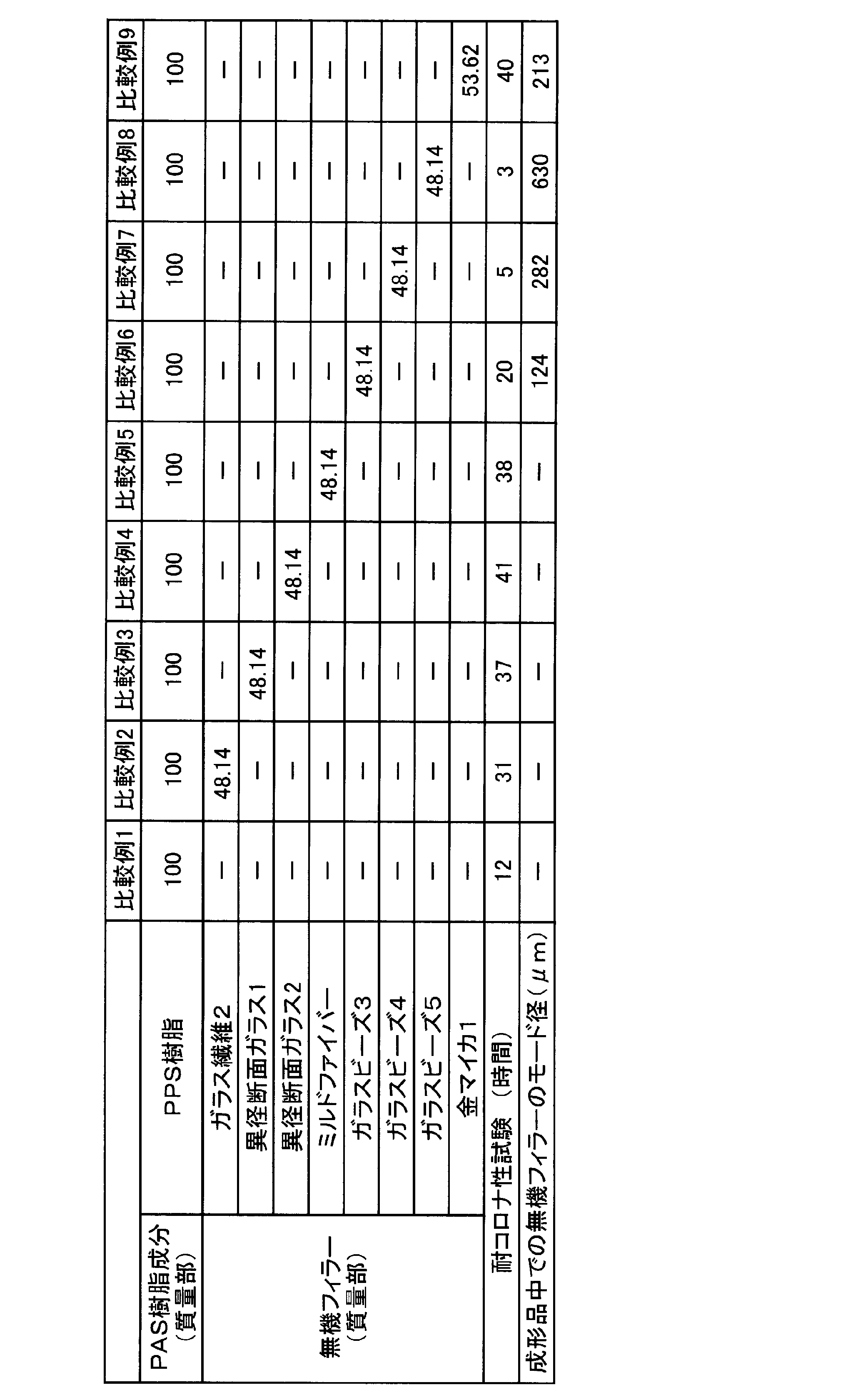
表1及び表2より、実施例1~9はいずれも耐コロナ性試験において50時間以上という長時間の耐久性が得られたのに対し、比較例1~9においては当該試験は50時間未満であり、満足できる結果が得られなかったことが分かる。
また、ガラスビーズに関しては、モード径が小さくなるほど耐コロナ性が向上することが分かる。また、粒状無機フィラーの中でも、球状無機フィラーを用いた実施例5、6、及び9と、球状ではない粒状無機フィラーを用いた実施例8との比較により、粒状無機フィラーの中でも、特に球状無機フィラーで耐コロナ性が向上することが分かる。
また、ガラスビーズに関しては、モード径が小さくなるほど耐コロナ性が向上することが分かる。また、粒状無機フィラーの中でも、球状無機フィラーを用いた実施例5、6、及び9と、球状ではない粒状無機フィラーを用いた実施例8との比較により、粒状無機フィラーの中でも、特に球状無機フィラーで耐コロナ性が向上することが分かる。
10 試験片
10A 耐コロナ性部材
10B 耐コロナ性部材
12 高圧側電極
14 アース側電極
16 板状無機フィラー
10A 耐コロナ性部材
10B 耐コロナ性部材
12 高圧側電極
14 アース側電極
16 板状無機フィラー
Claims (10)
- 少なくとも、樹脂成分と、板状、粒状又は繊維状の無機フィラーとを溶融混練して得られる耐コロナ性樹脂組成物を成形してなる耐コロナ性部材であって、
前記無機フィラーが板状無機フィラーの場合、成形後における該板状無機フィラーの、レーザー回折・散乱法で測定した体積基準の粒度分布におけるモード径が1~200μmであり、
前記無機フィラーが粒状無機フィラーの場合、成形後における該粒状無機フィラーの、レーザー回折・散乱法で測定した体積基準の粒度分布におけるモード径が0.1~50μmであり、
前記無機フィラーが繊維状無機フィラーの場合、前記耐コロナ性樹脂組成物における該繊維状無機フィラーの繊維径が3~9μmである耐コロナ性部材。 - 前記板状、粒状又は繊維状の無機フィラーがガラスからなる請求項1に記載の耐コロナ性部材。
- 前記板状無機フィラーが、コロナ放電に起因する電圧方向と直交するように配向している請求項1又は2に記載の耐コロナ性部材。
- 前記粒状無機フィラーが球状である請求項1又は2に記載の耐コロナ性部材。
- 前記粒状無機フィラーが炭酸カルシウムからなる請求項1に記載の耐コロナ性部材。
- 前記樹脂成分が、ポリアリーレンスルフィド樹脂又はポリブチレンテレフタレート樹脂である請求項1~5のいずれか1項に記載の耐コロナ性部材。
- 前記板状、粒状又は繊維状の無機フィラーを、前記樹脂成分100質量部に対して25~101質量部含む請求項1~6のいずれか1項に記載の耐コロナ性部材。
- 形状が、シート状、板状、筒状、又は被膜状である請求項1~7のいずれか1項に記載の耐コロナ性部材。
- 請求項1~8のいずれか1項に記載の耐コロナ性部材の成形に用いる耐コロナ性樹脂組成物。
- 樹脂組成物に板状、粒状又は繊維状の無機フィラーを添加することにより、該樹脂組成物を成形して得られる樹脂成形品の耐コロナ性を発現させる方法であって、
前記無機フィラーが板状無機フィラーの場合、成形後における該板状無機フィラーの、レーザー回折・散乱法で測定した体積基準の粒度分布におけるモード径が1~200μmとなるように該板状無機フィラーを添加し、
前記無機フィラーが粒状無機フィラーの場合、成形後における該粒状無機フィラーの、レーザー回折・散乱法で測定した体積基準の粒度分布におけるモード径が0.1~50μmとなるように該粒状無機フィラーを添加し、
前記無機フィラーが繊維状無機フィラーの場合、前記耐コロナ性樹脂組成物における該繊維状無機フィラーの繊維径が3~9μmとなるように該繊維状無機フィラーを添加する樹脂成形品の耐コロナ性発現方法。
Applications Claiming Priority (2)
| Application Number | Priority Date | Filing Date | Title |
|---|---|---|---|
| JP2012-236804 | 2012-10-26 | ||
| JP2012236804 | 2012-10-26 |
Publications (1)
| Publication Number | Publication Date |
|---|---|
| WO2014065376A1 true WO2014065376A1 (ja) | 2014-05-01 |
Family
ID=50544748
Family Applications (1)
| Application Number | Title | Priority Date | Filing Date |
|---|---|---|---|
| PCT/JP2013/078851 Ceased WO2014065376A1 (ja) | 2012-10-26 | 2013-10-24 | 耐コロナ性部材、耐コロナ性樹脂組成物及び樹脂成形品の耐コロナ性発現方法 |
Country Status (1)
| Country | Link |
|---|---|
| WO (1) | WO2014065376A1 (ja) |
Cited By (3)
| Publication number | Priority date | Publication date | Assignee | Title |
|---|---|---|---|---|
| WO2015064499A1 (ja) * | 2013-10-29 | 2015-05-07 | ポリプラスチックス株式会社 | 耐コロナ性樹脂組成物、樹脂組成物の耐コロナ性発現方法及び耐コロナ性部材 |
| WO2017057558A1 (ja) * | 2015-10-02 | 2017-04-06 | Dic株式会社 | ポリアリーレンスルフィド樹脂組成物、成形品及び製造方法 |
| JP2019014880A (ja) * | 2017-07-05 | 2019-01-31 | ポリプラスチックス株式会社 | ガスバリア性部材用樹脂組成物 |
Citations (9)
| Publication number | Priority date | Publication date | Assignee | Title |
|---|---|---|---|---|
| JP2002107402A (ja) * | 2000-10-03 | 2002-04-10 | Ebara Corp | モータの絶縁異常監視装置及び絶縁異常監視方法 |
| JP2003049017A (ja) * | 2001-08-09 | 2003-02-21 | Toray Ind Inc | ポリフェニレンスルフィド樹脂発泡成形品 |
| JP2004292764A (ja) * | 2003-03-28 | 2004-10-21 | Sumitomo Bakelite Co Ltd | 電気コイル注型用二液型エポキシ樹脂組成物 |
| JP2006056938A (ja) * | 2004-08-18 | 2006-03-02 | Toray Ind Inc | ポリアミド樹脂組成物 |
| JP2007254716A (ja) * | 2006-02-27 | 2007-10-04 | Toray Ind Inc | 液晶性樹脂組成物およびそれからなる成形品 |
| JP2007254717A (ja) * | 2006-02-27 | 2007-10-04 | Toray Ind Inc | 液晶性樹脂組成物およびそれからなる成形品 |
| JP2008075049A (ja) * | 2006-09-25 | 2008-04-03 | Toray Ind Inc | ポリフェニレンスルフィド樹脂組成物および成形品 |
| JP2008266616A (ja) * | 2007-03-23 | 2008-11-06 | Toray Ind Inc | ポリフェニレンスルフィド樹脂組成物 |
| WO2009104292A1 (ja) * | 2008-02-18 | 2009-08-27 | 株式会社 東芝 | 耐部分放電性樹脂組成物の製造方法、耐部分放電性樹脂組成物、および耐部分放電性絶縁材料 |
-
2013
- 2013-10-24 WO PCT/JP2013/078851 patent/WO2014065376A1/ja not_active Ceased
Patent Citations (9)
| Publication number | Priority date | Publication date | Assignee | Title |
|---|---|---|---|---|
| JP2002107402A (ja) * | 2000-10-03 | 2002-04-10 | Ebara Corp | モータの絶縁異常監視装置及び絶縁異常監視方法 |
| JP2003049017A (ja) * | 2001-08-09 | 2003-02-21 | Toray Ind Inc | ポリフェニレンスルフィド樹脂発泡成形品 |
| JP2004292764A (ja) * | 2003-03-28 | 2004-10-21 | Sumitomo Bakelite Co Ltd | 電気コイル注型用二液型エポキシ樹脂組成物 |
| JP2006056938A (ja) * | 2004-08-18 | 2006-03-02 | Toray Ind Inc | ポリアミド樹脂組成物 |
| JP2007254716A (ja) * | 2006-02-27 | 2007-10-04 | Toray Ind Inc | 液晶性樹脂組成物およびそれからなる成形品 |
| JP2007254717A (ja) * | 2006-02-27 | 2007-10-04 | Toray Ind Inc | 液晶性樹脂組成物およびそれからなる成形品 |
| JP2008075049A (ja) * | 2006-09-25 | 2008-04-03 | Toray Ind Inc | ポリフェニレンスルフィド樹脂組成物および成形品 |
| JP2008266616A (ja) * | 2007-03-23 | 2008-11-06 | Toray Ind Inc | ポリフェニレンスルフィド樹脂組成物 |
| WO2009104292A1 (ja) * | 2008-02-18 | 2009-08-27 | 株式会社 東芝 | 耐部分放電性樹脂組成物の製造方法、耐部分放電性樹脂組成物、および耐部分放電性絶縁材料 |
Cited By (6)
| Publication number | Priority date | Publication date | Assignee | Title |
|---|---|---|---|---|
| WO2015064499A1 (ja) * | 2013-10-29 | 2015-05-07 | ポリプラスチックス株式会社 | 耐コロナ性樹脂組成物、樹脂組成物の耐コロナ性発現方法及び耐コロナ性部材 |
| US10017643B2 (en) | 2013-10-29 | 2018-07-10 | Polyplastics Co., Ltd. | Corona-resistant resin composition, method for developing corona resistance of resin composition, and corona-resistant member |
| WO2017057558A1 (ja) * | 2015-10-02 | 2017-04-06 | Dic株式会社 | ポリアリーレンスルフィド樹脂組成物、成形品及び製造方法 |
| JPWO2017057558A1 (ja) * | 2015-10-02 | 2018-07-05 | Dic株式会社 | ポリアリーレンスルフィド樹脂組成物、成形品及び製造方法 |
| JP2019014880A (ja) * | 2017-07-05 | 2019-01-31 | ポリプラスチックス株式会社 | ガスバリア性部材用樹脂組成物 |
| JP7126879B2 (ja) | 2017-07-05 | 2022-08-29 | ポリプラスチックス株式会社 | ガスバリア性部材用樹脂組成物 |
Similar Documents
| Publication | Publication Date | Title |
|---|---|---|
| JP6240688B2 (ja) | 耐コロナ性樹脂組成物、樹脂組成物の耐コロナ性発現方法及び耐コロナ性部材 | |
| CN105377983B (zh) | 聚对苯二甲酸丁二醇酯树脂组合物和注射成型品 | |
| CN101861354A (zh) | 导热塑性树脂组合物 | |
| CN103030972A (zh) | 一种高耐热低翘曲尼龙66复合材料及其制备方法 | |
| JP7658726B2 (ja) | 熱可塑性樹脂組成物及び部材、並びに熱可塑性樹脂組成物からなる部材の製造方法及び機械強度の向上方法 | |
| CN115916905B (zh) | 热塑性树脂组合物、部件及其制造方法以及热塑性树脂组合物的导电性表达方法 | |
| CN115135722B (zh) | 聚芳硫醚树脂组合物 | |
| JP6294829B2 (ja) | 耐コロナ性部材、耐コロナ性樹脂組成物及び樹脂成形品の耐コロナ性発現方法 | |
| WO2014065376A1 (ja) | 耐コロナ性部材、耐コロナ性樹脂組成物及び樹脂成形品の耐コロナ性発現方法 | |
| KR102175291B1 (ko) | 폴리에스터 수지 조성물 및 이를 이용한 플라스틱 성형체 제조 | |
| CN104781342A (zh) | 聚对苯二甲酸丁二醇酯树脂组合物 | |
| JP6751160B2 (ja) | ポリアリーレンスルフィド樹脂成形品の耐コロナ性向上方法 | |
| JP7122491B2 (ja) | ポリアリーレンサルファイド樹脂組成物のバリ抑制方法 | |
| JP2019182967A (ja) | 耐コロナ性ポリアリーレンスルフィド樹脂組成物、耐コロナ性部材、並びにポリアリーレンスルフィド樹脂組成物の耐コロナ性及び絶縁性の発現方法 | |
| KR102201207B1 (ko) | 폴리아릴렌 설파이드 수지 조성물 | |
| JP7021074B2 (ja) | 耐コロナ性部材用樹脂組成物、樹脂組成物の耐コロナ性発現方法及び耐コロナ性部材 | |
| JP2015081331A (ja) | 樹脂組成物及びそれを用いた被覆材料 | |
| JP2022096861A (ja) | ポリアリーレンサルファイド樹脂組成物 | |
| JP7126879B2 (ja) | ガスバリア性部材用樹脂組成物 | |
| JP2024108192A (ja) | ポリアリーレンスルフィド樹脂組成物 | |
| JP2005171184A (ja) | ポリアリーレンサルファイド樹脂組成物の製造方法 | |
| JP2014177617A (ja) | 樹脂組成物及びそれを用いた被覆材料及び絶縁材 | |
| JPH07119356B2 (ja) | ポリアリーレンサルファイド樹脂組成物 |
Legal Events
| Date | Code | Title | Description |
|---|---|---|---|
| 121 | Ep: the epo has been informed by wipo that ep was designated in this application |
Ref document number: 13848679 Country of ref document: EP Kind code of ref document: A1 |
|
| NENP | Non-entry into the national phase |
Ref country code: DE |
|
| 122 | Ep: pct application non-entry in european phase |
Ref document number: 13848679 Country of ref document: EP Kind code of ref document: A1 |
|
| NENP | Non-entry into the national phase |
Ref country code: JP |