WO2013183239A1 - 車載表示装置、携帯情報端末の画像情報を車両用ディスプレイに表示させる方法、および、同上のための持続的有形コンピュータ読み取り媒体 - Google Patents
車載表示装置、携帯情報端末の画像情報を車両用ディスプレイに表示させる方法、および、同上のための持続的有形コンピュータ読み取り媒体 Download PDFInfo
- Publication number
- WO2013183239A1 WO2013183239A1 PCT/JP2013/003216 JP2013003216W WO2013183239A1 WO 2013183239 A1 WO2013183239 A1 WO 2013183239A1 JP 2013003216 W JP2013003216 W JP 2013003216W WO 2013183239 A1 WO2013183239 A1 WO 2013183239A1
- Authority
- WO
- WIPO (PCT)
- Prior art keywords
- display
- mode
- vehicle
- power saving
- information terminal
- Prior art date
- Legal status (The legal status is an assumption and is not a legal conclusion. Google has not performed a legal analysis and makes no representation as to the accuracy of the status listed.)
- Ceased
Links
Images


Classifications
-
- G—PHYSICS
- G09—EDUCATION; CRYPTOGRAPHY; DISPLAY; ADVERTISING; SEALS
- G09G—ARRANGEMENTS OR CIRCUITS FOR CONTROL OF INDICATING DEVICES USING STATIC MEANS TO PRESENT VARIABLE INFORMATION
- G09G5/00—Control arrangements or circuits for visual indicators common to cathode-ray tube indicators and other visual indicators
-
- B—PERFORMING OPERATIONS; TRANSPORTING
- B60—VEHICLES IN GENERAL
- B60K—ARRANGEMENT OR MOUNTING OF PROPULSION UNITS OR OF TRANSMISSIONS IN VEHICLES; ARRANGEMENT OR MOUNTING OF PLURAL DIVERSE PRIME-MOVERS IN VEHICLES; AUXILIARY DRIVES FOR VEHICLES; INSTRUMENTATION OR DASHBOARDS FOR VEHICLES; ARRANGEMENTS IN CONNECTION WITH COOLING, AIR INTAKE, GAS EXHAUST OR FUEL SUPPLY OF PROPULSION UNITS IN VEHICLES
- B60K35/00—Instruments specially adapted for vehicles; Arrangement of instruments in or on vehicles
- B60K35/10—Input arrangements, i.e. from user to vehicle, associated with vehicle functions or specially adapted therefor
-
- B—PERFORMING OPERATIONS; TRANSPORTING
- B60—VEHICLES IN GENERAL
- B60K—ARRANGEMENT OR MOUNTING OF PROPULSION UNITS OR OF TRANSMISSIONS IN VEHICLES; ARRANGEMENT OR MOUNTING OF PLURAL DIVERSE PRIME-MOVERS IN VEHICLES; AUXILIARY DRIVES FOR VEHICLES; INSTRUMENTATION OR DASHBOARDS FOR VEHICLES; ARRANGEMENTS IN CONNECTION WITH COOLING, AIR INTAKE, GAS EXHAUST OR FUEL SUPPLY OF PROPULSION UNITS IN VEHICLES
- B60K35/00—Instruments specially adapted for vehicles; Arrangement of instruments in or on vehicles
- B60K35/20—Output arrangements, i.e. from vehicle to user, associated with vehicle functions or specially adapted therefor
- B60K35/21—Output arrangements, i.e. from vehicle to user, associated with vehicle functions or specially adapted therefor using visual output, e.g. blinking lights or matrix displays
- B60K35/22—Display screens
-
- B—PERFORMING OPERATIONS; TRANSPORTING
- B60—VEHICLES IN GENERAL
- B60K—ARRANGEMENT OR MOUNTING OF PROPULSION UNITS OR OF TRANSMISSIONS IN VEHICLES; ARRANGEMENT OR MOUNTING OF PLURAL DIVERSE PRIME-MOVERS IN VEHICLES; AUXILIARY DRIVES FOR VEHICLES; INSTRUMENTATION OR DASHBOARDS FOR VEHICLES; ARRANGEMENTS IN CONNECTION WITH COOLING, AIR INTAKE, GAS EXHAUST OR FUEL SUPPLY OF PROPULSION UNITS IN VEHICLES
- B60K35/00—Instruments specially adapted for vehicles; Arrangement of instruments in or on vehicles
- B60K35/80—Arrangements for controlling instruments
-
- B—PERFORMING OPERATIONS; TRANSPORTING
- B60—VEHICLES IN GENERAL
- B60K—ARRANGEMENT OR MOUNTING OF PROPULSION UNITS OR OF TRANSMISSIONS IN VEHICLES; ARRANGEMENT OR MOUNTING OF PLURAL DIVERSE PRIME-MOVERS IN VEHICLES; AUXILIARY DRIVES FOR VEHICLES; INSTRUMENTATION OR DASHBOARDS FOR VEHICLES; ARRANGEMENTS IN CONNECTION WITH COOLING, AIR INTAKE, GAS EXHAUST OR FUEL SUPPLY OF PROPULSION UNITS IN VEHICLES
- B60K35/00—Instruments specially adapted for vehicles; Arrangement of instruments in or on vehicles
- B60K35/80—Arrangements for controlling instruments
- B60K35/81—Arrangements for controlling instruments for controlling displays
-
- G—PHYSICS
- G06—COMPUTING OR CALCULATING; COUNTING
- G06F—ELECTRIC DIGITAL DATA PROCESSING
- G06F1/00—Details not covered by groups G06F3/00 - G06F13/00 and G06F21/00
- G06F1/26—Power supply means, e.g. regulation thereof
- G06F1/32—Means for saving power
- G06F1/3203—Power management, i.e. event-based initiation of a power-saving mode
- G06F1/3234—Power saving characterised by the action undertaken
- G06F1/325—Power saving in peripheral device
- G06F1/3265—Power saving in display device
-
- G—PHYSICS
- G06—COMPUTING OR CALCULATING; COUNTING
- G06F—ELECTRIC DIGITAL DATA PROCESSING
- G06F3/00—Input arrangements for transferring data to be processed into a form capable of being handled by the computer; Output arrangements for transferring data from processing unit to output unit, e.g. interface arrangements
- G06F3/01—Input arrangements or combined input and output arrangements for interaction between user and computer
- G06F3/03—Arrangements for converting the position or the displacement of a member into a coded form
- G06F3/041—Digitisers, e.g. for touch screens or touch pads, characterised by the transducing means
-
- G—PHYSICS
- G06—COMPUTING OR CALCULATING; COUNTING
- G06F—ELECTRIC DIGITAL DATA PROCESSING
- G06F3/00—Input arrangements for transferring data to be processed into a form capable of being handled by the computer; Output arrangements for transferring data from processing unit to output unit, e.g. interface arrangements
- G06F3/14—Digital output to display device ; Cooperation and interconnection of the display device with other functional units
- G06F3/1454—Digital output to display device ; Cooperation and interconnection of the display device with other functional units involving copying of the display data of a local workstation or window to a remote workstation or window so that an actual copy of the data is displayed simultaneously on two or more displays, e.g. teledisplay
-
- H—ELECTRICITY
- H04—ELECTRIC COMMUNICATION TECHNIQUE
- H04M—TELEPHONIC COMMUNICATION
- H04M1/00—Substation equipment, e.g. for use by subscribers
- H04M1/60—Substation equipment, e.g. for use by subscribers including speech amplifiers
- H04M1/6033—Substation equipment, e.g. for use by subscribers including speech amplifiers for providing handsfree use or a loudspeaker mode in telephone sets
- H04M1/6041—Portable telephones adapted for handsfree use
- H04M1/6075—Portable telephones adapted for handsfree use adapted for handsfree use in a vehicle
- H04M1/6083—Portable telephones adapted for handsfree use adapted for handsfree use in a vehicle by interfacing with the vehicle audio system
-
- H—ELECTRICITY
- H04—ELECTRIC COMMUNICATION TECHNIQUE
- H04M—TELEPHONIC COMMUNICATION
- H04M1/00—Substation equipment, e.g. for use by subscribers
- H04M1/72—Mobile telephones; Cordless telephones, i.e. devices for establishing wireless links to base stations without route selection
- H04M1/724—User interfaces specially adapted for cordless or mobile telephones
- H04M1/72403—User interfaces specially adapted for cordless or mobile telephones with means for local support of applications that increase the functionality
- H04M1/72409—User interfaces specially adapted for cordless or mobile telephones with means for local support of applications that increase the functionality by interfacing with external accessories
- H04M1/724098—Interfacing with an on-board device of a vehicle
-
- H—ELECTRICITY
- H04—ELECTRIC COMMUNICATION TECHNIQUE
- H04W—WIRELESS COMMUNICATION NETWORKS
- H04W52/00—Power management, e.g. Transmission Power Control [TPC] or power classes
- H04W52/02—Power saving arrangements
- H04W52/0209—Power saving arrangements in terminal devices
- H04W52/0261—Power saving arrangements in terminal devices managing power supply demand, e.g. depending on battery level
- H04W52/0267—Power saving arrangements in terminal devices managing power supply demand, e.g. depending on battery level by controlling user interface components
- H04W52/027—Power saving arrangements in terminal devices managing power supply demand, e.g. depending on battery level by controlling user interface components by controlling a display operation or backlight unit
-
- B—PERFORMING OPERATIONS; TRANSPORTING
- B60—VEHICLES IN GENERAL
- B60K—ARRANGEMENT OR MOUNTING OF PROPULSION UNITS OR OF TRANSMISSIONS IN VEHICLES; ARRANGEMENT OR MOUNTING OF PLURAL DIVERSE PRIME-MOVERS IN VEHICLES; AUXILIARY DRIVES FOR VEHICLES; INSTRUMENTATION OR DASHBOARDS FOR VEHICLES; ARRANGEMENTS IN CONNECTION WITH COOLING, AIR INTAKE, GAS EXHAUST OR FUEL SUPPLY OF PROPULSION UNITS IN VEHICLES
- B60K2360/00—Indexing scheme associated with groups B60K35/00 or B60K37/00 relating to details of instruments or dashboards
- B60K2360/55—Remote control arrangements
- B60K2360/56—Remote control arrangements using mobile devices
- B60K2360/566—Mobile devices displaying vehicle information
-
- G—PHYSICS
- G09—EDUCATION; CRYPTOGRAPHY; DISPLAY; ADVERTISING; SEALS
- G09G—ARRANGEMENTS OR CIRCUITS FOR CONTROL OF INDICATING DEVICES USING STATIC MEANS TO PRESENT VARIABLE INFORMATION
- G09G2330/00—Aspects of power supply; Aspects of display protection and defect management
- G09G2330/02—Details of power systems and of start or stop of display operation
- G09G2330/021—Power management, e.g. power saving
-
- G—PHYSICS
- G09—EDUCATION; CRYPTOGRAPHY; DISPLAY; ADVERTISING; SEALS
- G09G—ARRANGEMENTS OR CIRCUITS FOR CONTROL OF INDICATING DEVICES USING STATIC MEANS TO PRESENT VARIABLE INFORMATION
- G09G2380/00—Specific applications
- G09G2380/10—Automotive applications
-
- H—ELECTRICITY
- H04—ELECTRIC COMMUNICATION TECHNIQUE
- H04M—TELEPHONIC COMMUNICATION
- H04M1/00—Substation equipment, e.g. for use by subscribers
- H04M1/72—Mobile telephones; Cordless telephones, i.e. devices for establishing wireless links to base stations without route selection
- H04M1/724—User interfaces specially adapted for cordless or mobile telephones
- H04M1/72403—User interfaces specially adapted for cordless or mobile telephones with means for local support of applications that increase the functionality
- H04M1/72409—User interfaces specially adapted for cordless or mobile telephones with means for local support of applications that increase the functionality by interfacing with external accessories
- H04M1/72412—User interfaces specially adapted for cordless or mobile telephones with means for local support of applications that increase the functionality by interfacing with external accessories using two-way short-range wireless interfaces
-
- Y—GENERAL TAGGING OF NEW TECHNOLOGICAL DEVELOPMENTS; GENERAL TAGGING OF CROSS-SECTIONAL TECHNOLOGIES SPANNING OVER SEVERAL SECTIONS OF THE IPC; TECHNICAL SUBJECTS COVERED BY FORMER USPC CROSS-REFERENCE ART COLLECTIONS [XRACs] AND DIGESTS
- Y02—TECHNOLOGIES OR APPLICATIONS FOR MITIGATION OR ADAPTATION AGAINST CLIMATE CHANGE
- Y02D—CLIMATE CHANGE MITIGATION TECHNOLOGIES IN INFORMATION AND COMMUNICATION TECHNOLOGIES [ICT], I.E. INFORMATION AND COMMUNICATION TECHNOLOGIES AIMING AT THE REDUCTION OF THEIR OWN ENERGY USE
- Y02D10/00—Energy efficient computing, e.g. low power processors, power management or thermal management
-
- Y—GENERAL TAGGING OF NEW TECHNOLOGICAL DEVELOPMENTS; GENERAL TAGGING OF CROSS-SECTIONAL TECHNOLOGIES SPANNING OVER SEVERAL SECTIONS OF THE IPC; TECHNICAL SUBJECTS COVERED BY FORMER USPC CROSS-REFERENCE ART COLLECTIONS [XRACs] AND DIGESTS
- Y02—TECHNOLOGIES OR APPLICATIONS FOR MITIGATION OR ADAPTATION AGAINST CLIMATE CHANGE
- Y02D—CLIMATE CHANGE MITIGATION TECHNOLOGIES IN INFORMATION AND COMMUNICATION TECHNOLOGIES [ICT], I.E. INFORMATION AND COMMUNICATION TECHNOLOGIES AIMING AT THE REDUCTION OF THEIR OWN ENERGY USE
- Y02D30/00—Reducing energy consumption in communication networks
- Y02D30/70—Reducing energy consumption in communication networks in wireless communication networks
Definitions
- the present disclosure relates to an in-vehicle display device that is communicably connected to a mobile information terminal such as a mobile phone and displays an image displayed on the screen of the mobile information terminal on a display mounted on the vehicle, and image information of the mobile information terminal On a vehicle display, and a persistent tangible computer readable medium for the same.
- a mobile information terminal such as a mobile phone
- a function that the portable information terminal has such as displaying a map image by the navigation function implemented in the portable information terminal on a display on the vehicle side.
- a portable information terminal such as a smartphone is provided with a so-called power saving mode in which power consumption is reduced by restricting some functions from the normal operation for the purpose of extending the operation time by the built-in battery.
- a main function of this type of power saving mode there is a function to reduce power consumption by limiting the display of the display, for example, when the portable information terminal is not operated for a certain time, the portable information terminal shifts to the power saving mode, The image display may be stopped.
- the in-vehicle information device that displays images in cooperation with the mobile information terminal operates the display even though nothing is displayed.
- wasteful power is consumed.
- vehicles that run on electric power stored in storage batteries such as electric cars, hybrid cars, plug-in hybrid cars, etc., it is especially important to save power, and ingenuity to suppress wasteful power consumption is indispensable. .
- An object of the present disclosure is to provide an in-vehicle display device that is communicably connected to a mobile information terminal such as a mobile phone and displays an image displayed on the screen of the mobile information terminal on a display mounted on the vehicle.
- a mobile information terminal such as a mobile phone
- displays an image displayed on the screen of the mobile information terminal on a display mounted on the vehicle To do.
- this indication aims at providing the continuous tangible computer reading medium for displaying the image information input from a portable information terminal on the display for vehicles mounted in the vehicle.
- this indication aims at providing the method of displaying the image information input from a portable information terminal on the display for vehicles mounted in the vehicle.
- the power consumption on the in-vehicle information device side is suppressed in the on-vehicle display device in conjunction with the transition of the portable information terminal to the power saving mode. Has been.
- the in-vehicle display device is communicably connected to a portable information terminal, and displays image information input from the portable information terminal on a vehicle display mounted on the vehicle.
- the in-vehicle display device includes a mode detection device that detects whether the portable information terminal is in a normal operation mode or a power saving mode that reduces power consumption related to image display, and a detection result by the mode detection device.
- the display on the vehicle display is a display mode that reduces power consumption related to image display from the normal display mode.
- the in-vehicle display device may shift to the power saving display mode that reduces the power consumption of the vehicle display in conjunction with the shift to the power saving mode of the mobile information terminal that is connected for communication. it can. In this way, it is possible to reduce wasteful power consumption such that the linked vehicle display continues to operate even though the portable information terminal stops displaying images in the power saving mode.
- a persistent tangible computer readable medium comprising instructions executed by a computer, wherein the instructions include image information input from a portable information terminal on a vehicle display mounted on the vehicle.
- the instructions include image information input from a portable information terminal on a vehicle display mounted on the vehicle.
- Including a computer-implemented method for displaying wherein the instructions detect whether the portable information terminal is in a normal operation mode or a power saving mode for reducing power consumption related to image display, and the portable information terminal
- the display on the vehicle display is changed from the normal display mode to the power saving display mode, which is a display mode for reducing power consumption related to image display, on the condition that the camera has shifted from the normal operation mode to the power saving mode.
- the power saving display mode which is a display mode for reducing power consumption related to image display, on the condition that the camera has shifted from the normal operation mode to the power saving mode.
- a method of displaying image information input from a portable information terminal on a vehicle display mounted on the vehicle is such that the portable information terminal is in a normal operation mode or an image It is detected whether the power saving mode for reducing power consumption related to the display, and the display on the vehicle display is changed to the normal display on the condition that the portable information terminal has shifted from the normal operation mode to the power saving mode. Changing from the mode to a power saving display mode which is a display mode for reducing power consumption related to image display.
- FIG. 1 is a block diagram showing a schematic configuration of the embodiment.
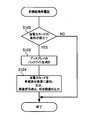
- FIG. 2 is a flowchart showing a procedure of processing executed by the multi-function mobile phone.
- FIG. 3 is a flowchart showing a procedure of processing executed by the in-vehicle display device.
- the in-vehicle display device 1 is a control device that is a corner of a video display system mounted on a vehicle, and is embodied by, for example, a vehicle navigation device or a media player such as video / audio.
- the vehicle-mounted display device 1 includes a control unit 10, a communication unit 11, a display unit 12, a storage unit 13, an input unit 14, a touch panel 15, and the like.
- a remote operation unit 16, a voice input unit 17, and a video input unit 18 installed in the vehicle are connected to the input unit 14 of the in-vehicle display device 1.
- the control unit 10 is an arithmetic processing device provided with a CPU, ROM, RAM, input / output interface and the like (not shown), and comprehensively controls the components of the in-vehicle display device 1.
- the control unit 10 executes processing related to image display based on a program or data read from the ROM or the storage unit 13.
- the control unit 10 is communicably connected to various ECUs (Electronic Control Units) mounted on the vehicle, and acquires information related to vehicle control (for example, charging status of the storage battery) from these ECUs.
- ECUs Electronic Control Units
- control unit 10 can execute a terminal mode in which the multi-function mobile phone 2 is communicatively connected via the communication unit 11 and operates in cooperation with each other.
- This terminal mode includes a function for enlarging and displaying an image displayed on the multi-function mobile phone 2 on the display unit 12 on the in-vehicle display device 1 based on an image signal supplied from the multi-function mobile phone 2. Further, processing based on a control signal supplied from the multi-function mobile phone 2 is performed.
- the control unit 10 displays an operation command based on a control signal supplied from the multi-function mobile phone 2 on the display unit 12 on the in-vehicle display device 1 side.
- the control unit 10 executes the power saving display mode in conjunction with the power saving mode executed by the multi-function mobile phone 2 in the terminal mode. A detailed procedure of the processing related to the power saving display mode will be described later.
- the communication unit 11 is a communication interface provided for data communication with the multi-function mobile phone 2 carried by a vehicle occupant.
- wireless communication conforming to a predetermined short-range wireless communication standard for example, Bluetooth (registered trademark), wireless LAN
- wired communication standard for example, USB: Universal Serial Serial Bus, HDMI ( (Registered trademark): It is assumed to perform wired communication according to High-Definition (Multimedia Interface).
- the display unit 12 is a color display device having a display surface such as a liquid crystal display panel.
- the display unit 12 displays a video output by a video device (not shown) mounted on the vehicle and a video based on image information transmitted from the multi-function mobile phone 2.
- the storage unit 13 is a storage device embodied by a hard disk drive, a rewritable nonvolatile semiconductor memory, or the like.
- the storage unit 13 stores a program, data, and the like for operating the in-vehicle display device 1.
- the input unit 14 is an input interface for processing operation information from various input devices such as the touch panel 15, the remote operation unit 16, the audio input unit 17, and the video input unit 18 and inputting them to the control unit 10.
- the touch panel 15 is a pointing device integrally provided on the display surface of the display unit 12, and senses and outputs information on the screen position touched by the user as operation information.
- the remote operation unit 16 is an input device for remotely operating the in-vehicle display device 1 from a position where the user can easily operate, such as a steering switch or a haptic device.
- the voice input unit 17 is a voice input device for inputting user's voice as operation information for the in-vehicle display device 1.
- the video input unit 18 is a video input device for inputting video such as a gesture by the user as operation information for the in-vehicle display device 1.
- the multi-function mobile phone 2 is a mobile information terminal such as a so-called smart phone having both functions of a mobile phone and a personal computer.
- the multifunctional mobile phone 2 includes a control unit 20, a communication unit 21, a storage unit 22, a display unit 23, a touch panel 24, and the like.
- the control unit 20 is an arithmetic processing unit having a CPU, ROM, RAM, input / output interface, etc. (not shown), and controls the components of the multi-function mobile phone 2 in an integrated manner. Based on the program and data read from the ROM and the storage unit 22, the control unit 20 realizes a function as a mobile phone and executes various application processes. Applications executed by the control unit 20 include those that display images. In addition, for the purpose of prolonging the operation time by the battery provided in the multi-function mobile phone 2, a so-called power saving mode (or sleep mode) that reduces power consumption by limiting some functions from the normal operation time. Is also implemented).
- a so-called power saving mode or sleep mode
- the function of the power saving mode is to reduce power consumption by limiting the display of images by the display unit 23. Specifically, when no operation is performed for a certain period of time, the mode is changed to the power saving mode, and the image display that has been operating is stopped (for example, the backlight of the liquid crystal panel is turned off or the image output is stopped). To do).
- control unit 20 can execute a terminal mode in which the in-vehicle display device 1 and the communication unit 21 are connected to communicate with each other and cooperate with each other. Specifically, the control unit 20 also supplies the in-vehicle display device 1 with image information displayed on the display unit 23 on the multifunctional mobile phone 2 side. Further, it operates based on an operation signal supplied from the in-vehicle display device 1. As an example, the control unit 20 supplies a control signal related to an operation command of the multi-function mobile phone 2 to the in-vehicle display device 1. And if the operation signal is received from the vehicle-mounted display apparatus 1 according to the supplied control signal, the process according to the operation signal will be performed. With such a mechanism, the operation of the multi-function mobile phone 2 can be performed on the in-vehicle display device 1 side.
- control unit 20 shifts to the power saving mode in the terminal mode, the control unit 20 executes processing for notifying the in-vehicle display device 1 of the shift to the power saving mode. A detailed procedure of the processing related to the power saving mode will be described later.
- the communication unit 21 is a communication interface corresponding to a predetermined wireless communication standard or wired communication standard, similarly to the communication unit 11 on the in-vehicle display device 1 side.
- the storage unit 22 is a storage device embodied by a rewritable nonvolatile semiconductor memory or the like.
- the storage unit 22 stores programs, data, and the like for operating the multi-function mobile phone 2.
- the display unit 23 is a color display device such as a liquid crystal display or an organic EL display.
- the display unit 23 displays an image output by the process executed by the control unit 20.
- the touch panel 24 is a pointing device provided integrally on the display surface of the display unit 23, senses information on the screen position touched by the user, and outputs it to the control unit 20 as operation information. Since other functions and configurations of the multi-function mobile phone 2 are in accordance with known techniques, a detailed description thereof is omitted here.
- the control unit 20 determines whether a condition for executing the power saving mode of the multi-function mobile phone 2 is satisfied.
- a condition for executing the power saving mode for example, there is a case where a state in which no operation is performed by the user on the multi-function mobile phone 2 continues for a certain period of time.
- S100: YES the condition for executing the power saving mode is satisfied
- the process proceeds to S102.
- S100: NO when the condition for shifting to the power saving mode is not satisfied (S100: NO), this processing is ended (execution of the normal operation mode).
- step S102 which is performed when the condition for executing the power saving mode is satisfied, the backlight of the display unit 23 is turned off (the power saving mode is executed). Alternatively, the supply of the image signal to the display unit 23 may be stopped and the display unit 23 may be put into a pause state.
- step S104 a control signal notifying that it is in the power saving mode is transmitted to the in-vehicle display device 1 via the communication unit 21. After transmission, this process is terminated.
- S104 instead of transmitting a control signal notifying that it is in the power saving mode, the supply of the image signal to the in-vehicle display device 1 is stopped when the power saving mode is executed, or a specific image signal (for example, An all-white image or an all-black image) may be supplied to the in-vehicle display device 1.
- a specific image signal for example, An all-white image or an all-black image
- the control unit 10 detects whether or not the multi-function mobile phone 2 is in the power saving mode.
- the process proceeds to S202.
- the process proceeds to S210.
- the power saving mode is detected by receiving from the multi-function mobile phone 2 a control signal for notifying that it is in the power saving mode via the communication unit 11.
- the control signal for notifying that it is in the power saving mode may be received periodically or at any timing when the state changes.
- the power saving mode is detected when a specific image (such as an all-white image or an all-black image) continues for a certain period of time.
- the power saving mode is detected when the supply of image signals from the multi-function mobile phone 2 is stopped.
- step S202 which is performed when it is detected that the multi-function mobile phone 2 is in the power saving mode, information on the application currently being executed on the multi-function mobile phone 2 is acquired through the communication unit 11, and a specific application is operating there. It is determined whether or not there is.
- a specific application is operating on the multi-function mobile phone 2 (S202: YES)
- the process proceeds to S212.
- the specific application is not operating in the multi-function mobile phone 2 (S202: NO)
- the process proceeds to S204.
- the specific application mentioned here includes, for example, an application that realizes a telephone function, a map display / route guidance function, a voice / video playback function, and the like. These are examples of specific applications in which an image is desired to be displayed on the vehicle-side display even during the power saving mode.
- a normal display mode is executed.
- an image supplied from the multi-function mobile phone 2 is displayed as usual without taking measures to reduce power consumption such as turning off the backlight of the display unit 12.
- S204 which is performed when a specific application is not in operation on the multi-function mobile phone 2, in addition to the multi-function mobile phone 2 that is currently connected for communication, communication connection within the communicable area of the communication unit 11 is possible. It is determined whether or not a communication device exists. Other communication devices to be searched for here are other multi-function mobile phones 2 carried by vehicle occupants and external communication infrastructures such as public wireless LAN base stations, which are registered in the in-vehicle display device 1. It is done. If there is another communication device that can be communicably connected (S204: YES), the process proceeds to S206. On the other hand, when there is no other communication device capable of communication connection (S204: NO), the process proceeds to S208.
- a power saving display mode for reducing power consumption related to image display by the display unit 12 is executed. Specifically, a measure is taken to turn off the backlight of the display unit 12.
- the in-vehicle display device 1 When the in-vehicle display device 1 is executing the power saving display mode, when an operation from the user is detected in the input unit 14, the power saving display mode is returned to the normal display mode. May be. At this time, the operation signal received by the input unit 14 can be transmitted to the multi-function mobile phone 2 through the communication unit 11.
- the control unit 10 determines that further power saving is necessary based on the charging state of the storage battery of the vehicle, the communication by the communication unit 11 or the input unit 14 and the touch panel 15 is performed in conjunction with the execution of the power saving display mode. You may transfer to the standby state which stops functions other than user operation reception. By carrying out like this, the power consumption of the vehicle-mounted display apparatus 1 whole can further be reduced as needed. In this case, when the multi-function mobile phone 2 detects the return to the normal operation mode via the communication unit 11 or when an operation from the user is detected via the input unit 14, the in-vehicle display device 1 is all Activate the function.
- the control unit 10 is configured to acquire the charging status of a storage battery for traveling such as an electric vehicle from the ECU of the vehicle and determine whether or not to shift to the power saving display mode according to the charging status. You can also. For example, when the traveling storage battery is being regeneratively charged, it is determined that the power saving display mode is not executed even if it is detected that the multi-function mobile phone 2 is in the power saving mode.
- the control unit 10 is supplied with the image display on the display unit 12 from the multi-function mobile phone 2 instead of executing the power saving display mode.
- the image information is switched to an image based on a video / audio source preset by the user.
- (5) In conjunction with the shift of the multi-function mobile phone 2 to the power saving mode, it may be configured so that the user can arbitrarily set whether or not to shift the in-vehicle display device 1 to the power saving display mode. .
- the on-vehicle display device 1 according to the embodiment has the following effects.
- the control unit 10 of the in-vehicle display device 1 reduces the power consumption of the display unit 12 on the vehicle side. It is possible to shift to the power saving display mode to be reduced. In this way, it is possible to reduce wasteful power consumption such that the vehicle display continues to operate despite the image display being stopped by the power saving mode on the multifunctional mobile phone 2 side.
- the control unit 10 of the in-vehicle display device 1 detects that the multi-function mobile phone 2 has returned from the power saving mode to the normal operation mode while the power saving display mode is being executed,
- the image display can be returned from the power saving display mode to the normal display mode.
- the in-vehicle display device 1 can be returned from the power saving display mode to the normal display mode in conjunction with the return of the multi-function mobile phone 2 to the normal operation mode.
- control part 10 of the vehicle-mounted display apparatus 1 displays the image display in the display part 12 on a power saving display, when input operation from a user is received in the input part 14 in the middle of implementing the power saving display mode.
- the mode can be returned to the normal display mode.
- the control unit 10 of the in-vehicle display device 1 changes the communication connection destination to the communication device when there is another communication device capable of communication connection under the condition that the multi-function mobile phone 2 is in the power saving mode.
- Image information supplied from the communication device can be displayed on the display unit 12. By doing in this way, it can replace with the multifunctional mobile telephone 2 which stopped image display, and can display the image of another communication connection destination. That is, when the multi-function mobile phone 2 is in the power saving mode, an opportunity to display image information can be effectively utilized without waste by a method different from reducing power consumption related to image display of the display unit 12.
- the control unit 10 of the in-vehicle display device 1 switches to the power saving display mode according to the type of application being executed on the multi-function mobile phone 2. It is possible to determine whether or not to migrate. For example, when a specific application is operating on the multi-function mobile phone 2, the in-vehicle display device 1 displays an image in the normal display mode even if the multi-function mobile phone 2 shifts to the power saving mode. According to such a configuration, it is convenient in a case where there is a specific application in which an image is to be displayed on the display on the vehicle side even when the multi-function mobile phone 2 is in the power saving mode.
Landscapes
- Engineering & Computer Science (AREA)
- Theoretical Computer Science (AREA)
- Physics & Mathematics (AREA)
- General Physics & Mathematics (AREA)
- Human Computer Interaction (AREA)
- Chemical & Material Sciences (AREA)
- Transportation (AREA)
- Mechanical Engineering (AREA)
- Combustion & Propulsion (AREA)
- General Engineering & Computer Science (AREA)
- Signal Processing (AREA)
- Computer Networks & Wireless Communication (AREA)
- Multimedia (AREA)
- Computer Hardware Design (AREA)
- Telephone Function (AREA)
- Navigation (AREA)
- Controls And Circuits For Display Device (AREA)
Abstract
車載表示装置(1)は、携帯情報端末(2)と通信し、前記携帯情報端末の画像情報を車両用ディスプレイ(12)に表示させる。車載表示装置(1)は、前記携帯情報端末が、通常の動作モードであるか、又は、省電力モードであるかを検知するモード検知装置(S200)と、前記携帯情報端末が通常の動作モードから前記省電力モードに移行したことを条件に、前記車両用ディスプレイにおける表示を、通常の表示モードから、画像表示に関する消費電力を低減させる表示モードである省電力表示モードに変更する表示制御装置(S208)とを備える。
Description
本開示は、2012年6月6日に出願された日本出願番号2012-128940号に基づくもので、ここにその記載内容を援用する。
本開示は、携帯電話等の携帯情報端末と通信可能に接続され、その携帯情報端末の画面に表示される画像を、車両に搭載されたディスプレイに表示する車載表示装置、携帯情報端末の画像情報を車両用ディスプレイに表示させる方法、および、同上のための持続的有形コンピュータ読み取り媒体に関するものである。
近年、車載情報機器と、いわゆるスマートフォン等の携帯情報端末とを通信によって接続して連携可能にする技術(例えば、後にミラーリンク(登録商標)に名称を変更した、ターミナルモード)が普及しつつある。この種の技術として、例えば、特許文献1に記載の情報表示システムが知られている。この情報表示システムでは、携帯電話の画面に表示されている表示データを車載機側に供給することで、その表示データを車載機側のディスプレイに表示させることができる。また、携帯電話のタッチスイッチを車載機側のディスプレイに表示させ、そのタッチスイッチを利用して車載機側から携帯電話を操作することが可能となっている。
このような技術により、例えば、ナビゲーション機能が実装されていない車載情報機器において、携帯情報端末に実装されたナビゲーション機能による地図画像を車両側のディスプレイに表示するといった具合に、携帯情報端末が持つ機能を車載情報機器で利用できる。
ところで、スマートフォン等の携帯情報端末には、内臓バッテリによる稼働時間を長らえる目的で、通常の動作時から一部機能を制限することで電力の消費を低減する、いわゆる省電力モードを実装するものがある。この種の省電力モードの主な機能として、ディスプレイの表示を制限することで消費電力を低減する機能があり、例えば一定時間操作が行われない場合に携帯情報端末が省電力モードに移行し、画像表示を停止する場合がある。
しかしながら、携帯情報端末が省電力モードにより画像表示を停止した場合、携帯情報端末と連携して画像表示をしていた車載情報機器では、表示するものがなくなったにも関わらず、ディスプレイが稼働し続け、無駄な電力を消費するという問題がある。特に、電気自動車や、ハイブリッドカー、プラグインハイブリッドカー等、蓄電池に貯めた電力で走行する車両においては、省電力化が殊更に重要であり、無駄な電力消費を抑えるための工夫が不可欠である。
しかしながら、特許文献1に記載の従来技術では、携帯情報端末が省電力モードに移行したときに、車載情報機器が連動して車両側のディスプレイの表示を制限することについては考慮されておらず、上述のような問題を解決することはできない。
本開示は、携帯電話等の携帯情報端末と通信可能に接続され、その携帯情報端末の画面に表示される画像を、車両に搭載されたディスプレイに表示する車載表示装置を提供することを目的とする。さらに、本開示は、携帯情報端末から入力される画像情報を車両に搭載された車両用ディスプレイに表示させるための持続的有形コンピュータ読み取り媒体を提供することを目的とする。さらには、本開示は、携帯情報端末から入力される画像情報を車両に搭載された車両用ディスプレイに表示させる方法を提供することを目的とする。特に、携帯情報端末の画像を車載情報機器で表示させているときに、携帯情報端末が省電力モードに移行するのに連動して、本車載表示装置においては車載情報機器側の電力消費が抑制されている。
本開示の第一の態様において、車載表示装置は、携帯情報端末と通信可能に接続され、前記携帯情報端末から入力される画像情報を車両に搭載された車両用ディスプレイに表示させる。車載表示装置は、前記携帯情報端末が、通常の動作モードであるか、又は、画像表示に関する消費電力を低減させる省電力モードであるかを検知するモード検知装置と、前記モード検知装置による検知結果に基づき、前記携帯情報端末が通常の動作モードから前記省電力モードに移行したことを条件に、前記車両用ディスプレイにおける表示を、通常の表示モードから、画像表示に関する消費電力を低減させる表示モードである省電力表示モードに変更する表示制御装置とを備える。
上記の車載表示装置において、通信接続している携帯情報端末の省電力モードへの移行と連動して、車載表示装置が、車両用ディスプレイの消費電力を低減させる省電力表示モードに移行することができる。このようにすることで、携帯情報端末が省電力モードにより画像の表示を停止したにも関わらず、連携中の車両用ディスプレイが稼働し続けるといった、無駄な電力消費を低減できる。
本開示の第二の態様において、コンピュータによって実施される命令を備える持続的有形コンピュータ読み取り媒体であって、当該命令は、携帯情報端末から入力される画像情報を車両に搭載された車両用ディスプレイに表示させるコンピュータ実施方法を含み、当該命令は、前記携帯情報端末が、通常の動作モードであるか、又は、画像表示に関する消費電力を低減させる省電力モードであるかを検知し、前記携帯情報端末が通常の動作モードから前記省電力モードに移行したことを条件に、前記車両用ディスプレイにおける表示を、通常の表示モードから、画像表示に関する消費電力を低減させる表示モードである省電力表示モードに変更することを備える。
上記の持続的有形コンピュータ読み取り媒体において、通信接続している携帯情報端末の省電力モードへの移行と連動して、車両用ディスプレイの消費電力を低減させる省電力表示モードに移行することができる。このようにすることで、携帯情報端末が省電力モードにより画像の表示を停止したにも関わらず、連携中の車両用ディスプレイが稼働し続けるといった、無駄な電力消費を低減できる。
本開示の第三の態様において、携帯情報端末から入力される画像情報を車両に搭載された車両用ディスプレイに表示させる方法は、前記携帯情報端末が、通常の動作モードであるか、又は、画像表示に関する消費電力を低減させる省電力モードであるかを検知し、前記携帯情報端末が通常の動作モードから前記省電力モードに移行したことを条件に、前記車両用ディスプレイにおける表示を、通常の表示モードから、画像表示に関する消費電力を低減させる表示モードである省電力表示モードに変更することを備える。
上記の方法において、通信接続している携帯情報端末の省電力モードへの移行と連動して、車両用ディスプレイの消費電力を低減させる省電力表示モードに移行することができる。このようにすることで、携帯情報端末が省電力モードにより画像の表示を停止したにも関わらず、連携中の車両用ディスプレイが稼働し続けるといった、無駄な電力消費を低減できる。
本開示についての上記目的およびその他の目的、特徴や利点は、添付の図面を参照しながら下記の詳細な記述により、より明確になる。その図面は、
図1は、実施形態の概略構成を示すブロック図であり、
図2は、多機能携帯電話が実行する処理の手順を示すフローチャートであり、
図3は、車載表示装置が実行する処理の手順を示すフローチャートである。
以下、本開示の一実施形態を図面に基づいて説明する。なお、本開示は下記の実施形態に何ら限定されるものではなく様々な態様にて実施することが可能である。
[車載表示装置1の構成の説明]
実施形態の車載表示装置1は、車両に搭載される映像表示システムの一角をなす制御装置であり、例えば車両用ナビゲーション装置や、映像・音声等のメディアプレーヤ等で具現化される。図1に示すように、車載表示装置1は、制御部10、通信部11、表示部12、記憶部13、入力部14、及び、タッチパネル15等を備える。また、車載表示装置1の入力部14には、車両に設置された遠隔操作ユニット16、音声入力ユニット17、映像入力ユニット18が接続されている。
実施形態の車載表示装置1は、車両に搭載される映像表示システムの一角をなす制御装置であり、例えば車両用ナビゲーション装置や、映像・音声等のメディアプレーヤ等で具現化される。図1に示すように、車載表示装置1は、制御部10、通信部11、表示部12、記憶部13、入力部14、及び、タッチパネル15等を備える。また、車載表示装置1の入力部14には、車両に設置された遠隔操作ユニット16、音声入力ユニット17、映像入力ユニット18が接続されている。
制御部10は、図示しないCPU,ROM,RAM,入出力インタフェース等を備えた演算処理装置であり、車載表示装置1の各部構成を統括制御する。制御部10は、ROMや記憶部13から読込んだプログラムやデータに基づいて、画像表示に関する処理を実行する。また、制御部10は、車両に搭載された各種ECU(Electronic Control Unit)と通信可能に接続されており、それらのECUから車両の制御に関する情報(例えば、蓄電池の充電状況)を取得する。
また、制御部10は、通信部11を介して多機能携帯電話2と通信接続し、互いに連携動作するターミナルモードを実行可能である。このターミナルモードには、多機能携帯電話2から供給される画像信号に基づき、多機能携帯電話2で表示される画像を車載表示装置1側の表示部12に拡大表示させる機能が含まれる。また、多機能携帯電話2から供給される制御信号に基づく処理を行う。一例として、制御部10は、多機能携帯電話2から供給された制御信号に基づく操作コマンドを車載表示装置1側の表示部12に表示する。そして、操作コマンドに基づくユーザからの操作が入力部14を通じて入力されると、該当する操作信号を多機能携帯電話2に供給する。さらに、制御部10は、ターミナルモードのとき、多機能携帯電話2が実行する省電力モードに連動して、省電力表示モードを実行する。この省電力表示モードに関する処理の詳細な手順については後述する。
通信部11は、車両の乗員が携帯する多機能携帯電話2との間でデータ通信をするために設けられた通信インタフェースである。本実施形態では、通信部11として、所定の近距離無線通信規格(例えば、Bluetooth(登録商標)、無線LAN)に準じた無線通信や、有線通信規格(例えば、USB:Universal Serial Bus、HDMI(登録商標):High-Definition Multimedia Interface)に準じた有線通信を行うものを想定している。
表示部12は、液晶表示パネル等の表示面を有するカラー表示装置である。この表示部12には、車両に搭載された映像機器(図示なし)により出力された映像や、多機能携帯電話2から送信されてきた画像情報に基づく映像が表示される。記憶部13は、ハードディスクドライブや書換え可能な不揮発性半導体メモリ等で具現化される記憶装置である。この記憶部13には、車載表示装置1が動作するためのプログラムやデータ等が記憶されている。
入力部14は、タッチパネル15、遠隔操作ユニット16、音声入力ユニット17、映像入力ユニット18等の各種入力装置からの操作情報を処理し、制御部10に入力するための入力インタフェースである。タッチパネル15は、表示部12の表示面に一体に設けられたポインティングデバイスであり、ユーザにより触れられた画面位置の情報を感知して操作情報として出力する。遠隔操作ユニット16は、ステアリングスイッチやハプティックデバイス等、ユーザが操作しやすい位置から車載表示装置1を遠隔操作するための入力装置である。音声入力ユニット17は、ユーザの音声を車載表示装置1に対する操作情報として入力するための音声入力装置である。映像入力ユニット18は、ユーザによるジェスチャー等の映像を車載表示装置1に対する操作情報として入力するための映像入力装置である。
多機能携帯電話2は、携帯電話とパソコンの機能とを併せ持つ、いわゆるスマートフォン等の携帯情報端末である。多機能携帯電話2は、制御部20、通信部21、記憶部22、表示部23、タッチパネル24等を備える。
制御部20は、図示しないCPU,ROM,RAM,入出力インタフェース等を備えた演算処理装置であり、多機能携帯電話2の各部構成を統括制御する。制御部20は、ROMや記憶部22から読込んだプログラムやデータに基づいて、携帯電話としての機能を実現する他、種々のアプリケーション処理を実行する。制御部20が実行するアプリケーションには、画像の表示を行うものが含まれる。また、多機能携帯電話2に備えられたバッテリによる稼働時間を長らえる目的で、通常の動作時から一部機能を制限することで電力の消費を低減する、いわゆる省電力モード(または、スリープモードと称する事例もある)が実装されている。本実施形態では、省電力モードの機能として、表示部23による画像の表示を制限することで消費電力を低減するものを想定している。具体的には、一定時間操作が行われない場合に省電力モードに移行し、それまで動作中であった画像表示を停止する(例えば、液晶パネルのバックライトをオフにしたり、画像出力を停止する)。
また、制御部20は、車載表示装置1と通信部21を介して通信接続し、互いに連携動作するターミナルモードを実行可能である。具体的には、制御部20は、多機能携帯電話2側の表示部23に表示している画像情報を車載表示装置1にも供給する。また、車載表示装置1から供給される操作信号に基づいて動作する。一例として、制御部20は、多機能携帯電話2の操作コマンドに関する制御信号を車載表示装置1に供給する。そして、供給した制御信号に応じて車載表示装置1から操作信号を受信すると、その操作信号に応じた処理を実行する。このような仕組みにより、多機能携帯電話2の操作を車載表示装置1側で行うことができるようになっている。
さらに、制御部20は、ターミナルモードのときに省電力モードへ移行した場合、省電力モードへの移行を車載表示装置1に通知する処理を実行する。この省電力モードに関する処理の詳細な手順については後述する。
通信部21は、車載表示装置1側の通信部11と同様に、所定の無線通信規格又は有線通信規格に対応した通信インタフェースである。記憶部22は、書換え可能な不揮発性半導体メモリ等で具現化される記憶装置である。この記憶部22には、多機能携帯電話2が動作するためのプログラムやデータ等が記憶されている。表示部23は、液晶ディスプレイや、有機ELディスプレイ等のカラー表示装置である。表示部23には、制御部20で実行される処理で出力される画像が表示される。タッチパネル24は、表示部23の表示面に一体に設けられたポインティングデバイスであり、ユーザにより触れられた画面位置の情報を感知し、それを操作情報として制御部20に出力する。なお、多機能携帯電話2のその他の機能や構成については公知技術に従っているので、ここでの詳細な説明は省略する。
[多機能携帯電話2が実行する処理の説明]
多機能携帯電話2の制御部20が実行する処理の手順について、図2のフローチャートを参照しながら説明する。この処理は、車載表示装置1とのターミナルモードを実行中において、所定時間ごとに繰返し実行される。
多機能携帯電話2の制御部20が実行する処理の手順について、図2のフローチャートを参照しながら説明する。この処理は、車載表示装置1とのターミナルモードを実行中において、所定時間ごとに繰返し実行される。
S100では、制御部20は、多機能携帯電話2の省電力モードを実行するための条件が成立しているか否かを判定する。省電力モードを実行するための条件としては、例えば、多機能携帯電話2に対してユーザから何も操作されていない状態が一定時間継続した場合が挙げられる。省電力モードを実行するための条件が成立している場合(S100:YES)、S102に進む。一方、省電力モードへ移行するための条件が成立していない場合(S100:NO)、本処理を終了する(通常の動作モードを実行)。
省電力モードを実行するための条件が成立した場合に進むS102では、表示部23のバックライトを消灯する(省電力モードを実行)。あるいは、表示部23への画像信号の供給を停止し、表示部23を休止状態にしてもよい。つぎのS104では、省電力モードであることを通知する制御信号を、通信部21を介して車載表示装置1に送信する。送信後、本処理を終了する。なお、S104では、省電力モードであることを通知する制御信号を送信する代わりに、省電力モードの実行時に車載表示装置1への画像信号の供給を停止したり、特定の画像信号(例えば、全白画像や全黒画像)を車載表示装置1へ供給してもよい。
[車載表示装置1が実行する処理の説明]
車載表示装置1の制御部10が実行する処理の手順について、図3のフローチャートを参照しながら説明する。この処理は、多機能携帯電話2とのターミナルモードを実行中において、所定時間ごとに繰返し実行される。
車載表示装置1の制御部10が実行する処理の手順について、図3のフローチャートを参照しながら説明する。この処理は、多機能携帯電話2とのターミナルモードを実行中において、所定時間ごとに繰返し実行される。
S200では、制御部10は、多機能携帯電話2が省電力モードであるか否かを検知する。省電力モードであることを検知した場合(S200:YES)、S202に進む。一方、省電力モードではなく通常の動作モードであることを検知した場合(S200:NO)、S210に進む。なお、ここでは、次の2とおりの方法の少なくとも何れかで多機能携帯電話2が省電力モードであることを検知できる。
(1)通信部11を介して、省電力モードであることを通知する制御信号を多機能携帯電話2から受信することで、省電力モードを検知する。なお、省電力モードであることを通知する制御信号は、定期的又は状態変化時の何れのタイミングで受信する構成であってもよい。
(2)通信部11を介して多機能携帯電話2から受信する画像信号において、特定の画像(全白画像や全黒画像等)が一定時間継続した場合、省電力モードを検知する。または、多機能携帯電話2から画像信号の供給が停止した場合に、省電力モードを検知する。
多機能携帯電話2が省電力モードであることを検知した場合に進むS202では、多機能携帯電話2で現在実行中のアプリケーションの情報を通信部11を通じて取得し、そこで特定のアプリケーションが動作中であるか否かを判定する。多機能携帯電話2において特定のアプリケーションが動作中である場合(S202:YES)、S212に進む。一方、多機能携帯電話2において特定のアプリケーションが動作中ではない場合(S202:NO)、S204に進む。なお、ここでいう特定のアプリケーションとしては、例えば、電話機能や、地図表示・経路案内機能、音声・動画再生機能等を実現するアプリケーションが挙げられる。これらは、省電力モード中であっても車両側のディスプレイにおいて画像を表示させておきたい特定のアプリケーションの一例である。
多機能携帯電話2において特定のアプリケーションが動作中である場合に進むS212では、通常の表示モードを実行する。通常の表示モードでは、表示部12のバックライトを消灯する等といった消費電力低減のための措置を行わず、通常どおりに多機能携帯電話2から供給される画像の表示を行う。
一方、多機能携帯電話2において特定のアプリケーションが動作中ではない場合に進むS204では、現在通信接続している多機能携帯電話2の他に、通信部11の通信可能圏内において通信接続可能な他の通信機器が存在するか否かを判定する。ここで探す他の通信機器は、車両の乗員が携帯する他の多機能携帯電話2や、公衆無線LANの基地局といった外部の通信インフラであって、車載表示装置1に登録済みのものが挙げられる。通信接続可能な他の通信機器が存在する場合(S204:YES)、S206に進む。一方、通信接続可能な他の通信機器が存在しない場合(S204:NO)、S208に進む。
通信接続可能な他の通信機器が存在する場合に進むS206では、それまで通信接続していた多機能携帯電話2から、通信接続可能な他の通信機器(多機能携帯電話2や無線基地局)に接続先を切替える。他の多機能携帯電話2に通信接続した場合、その多機能携帯電話2とターミナルモードで連携し、接続先から供給される画像情報を通常の表示モードで表示部12に表示する。また、他の無線基地局に通信接続した場合、その無線基地局からの通信サービスを受け、無線基地局から得られる画像情報を通常の表示モードで表示部12に表示する。
一方、通信接続可能な他の通信先がない場合に進むS208では、表示部12による画像表示に関する消費電力を低減する省電力表示モードを実行する。具体的には、表示部12のバックライトを消灯するといった措置を行う。
一方、S200で多機能携帯電話2が省電力モードではなく通常の動作モードであることを検知した場合に進むS210では、現時点で自己において省電力表示モードを実行中であるか否かを判定する。現時点で省電力表示モードを実行中でない場合(S210:NO)、本処理を終了する。一方、現時点で省電力表示モードを実行中である場合(S210:YES)、S212に進む。次のS212では、現在の省電力表示モードを終了して通常の表示モードを実行する。すなわち、表示部12のバックライトを消灯する等といった消費電力低減のための措置を終了し、通常どおりに多機能携帯電話2から供給される画像の表示を行う。
[車載表示装置1に適用可能なその他の工夫]
実施形態の車載表示装置1に適用可能なその他の工夫について、以下に述べる。
実施形態の車載表示装置1に適用可能なその他の工夫について、以下に述べる。
(1)車載表示装置1が省電力表示モードを実行している最中に、入力部14においてユーザからの操作を検知した場合、省電力表示モードから通常の表示モードに復帰させるように構成してもよい。このとき、入力部14が受付けた操作信号を、通信部11を通じて多機能携帯電話2に送信することもできる。
(2)車両の蓄電池の充電状況に基づき、制御部10が更なる節電が必要と判断したときには、省電力表示モードの実行に併せて、通信部11による通信や、入力部14及びタッチパネル15によるユーザ操作受付以外の機能を停止する待機状態に移行してもよい。こうすることにより、必要に応じて車載表示装置1全体の消費電力を更に低減できる。この場合、通信部11を介して多機能携帯電話2が通常の動作モードへの復帰を検知した場合、あるいは、入力部14を介してユーザからの操作を検知した場合、車載表示装置1は全ての機能を起動させる。
(3)制御部10が、電気自動車等の走行用蓄電池の充電状況を当該車両のECUから取得し、その充電状況に応じて省電力表示モードへの移行の可否を判断するように構成することもできる。例えば、走行用蓄電池が回生充電中である場合、たとえ多機能携帯電話2が省電力モードであることを検知した場合でも、省電力表示モードを実行しないと判断する。
(4)多機能携帯電話2が省電力モードに移行したときに、表示部12における画像表示を、車両に備えられた他の映像・音声ソース(地図や映像、音楽等)に切替えるよう、ユーザが任意に設定できるように構成してもよい。この場合、多機能携帯電話2が省電力モードに移行したときに、制御部10は、省電力表示モードを実行する代わりに、表示部12における画像表示を、多機能携帯電話2から供給される画像情報からユーザにより予め設定された映像・音声ソースによる画像に切替える。
(5)多機能携帯電話2の省電力モードへの移行に連動して、車載表示装置1を省電力表示モードに移行させるか否かを、ユーザが任意に設定できるように構成してもよい。
[効果]
実施形態の車載表示装置1によれば、以下の効果を奏する。
実施形態の車載表示装置1によれば、以下の効果を奏する。
車載表示装置1とターミナルモードで連携している多機能携帯電話2が省電力モードへ移行するのと連動して、車載表示装置1の制御部10が、車両側の表示部12の消費電力を低減させる省電力表示モードに移行することができる。このようにすることで、多機能携帯電話2側の省電力モードにより画像の表示が停止されたにも関わらず、車両用ディスプレイが稼働し続けるといった無駄な電力消費を低減できる。
車載表示装置1の制御部10は、省電力表示モードを実施している最中に、多機能携帯電話2が省電力モードから通常の動作モードに復帰したことを検知した場合、表示部12における画像表示を、省電力表示モードから通常の表示モードに戻すことができる。このようにすることで、多機能携帯電話2が通常の動作モードに復帰するのと連動して、車載表示装置1を省電力表示モードから通常の表示モードに復帰させることができる。
また、車載表示装置1の制御部10は、省電力表示モードを実施している最中に、入力部14においてユーザからの入力操作を受付けた場合、表示部12における画像表示を、省電力表示モードから通常の表示モードに戻すことができる。このようにすることで、ユーザが操作を必要とするときに、車載表示装置1を省電力表示モードから通常の表示モードに復帰させることができる。
車載表示装置1の制御部10は、多機能携帯電話2が省電力モードである条件下において、通信接続可能な他の通信機器が存在する場合、その通信機器に通信接続先を変更し、その通信機器から供給される画像情報を表示部12に表示させることができる。このようにすることで、画像表示を休止した多機能携帯電話2に代えて、別の通信接続先の画像表示させることができる。つまり、多機能携帯電話2が省電力モードであるときに、表示部12の画像表示に関する消費電力を低減するのとは異なる手法で、画像情報を表示できる機会を無駄なく有効的に活用できる。
車載表示装置1の制御部10は、多機能携帯電話2が省電力モードであると検知されたときに、その多機能携帯電話2で実行中のアプリケーションの種別に応じて、省電力表示モードへの移行の可否を判断することができる。例えば、多機能携帯電話2において特定のアプリケーションが動作中である場合は、たとえ多機能携帯電話2が省電力モードに移行しても、車載表示装置1は通常の表示モードで画像表示を行う。このような構成によれば、多機能携帯電話2が省電力モードであるときにも車両側のディスプレイにおいて画像を表示させておきたい特定のアプリケーションがあるケースにおいて、便利である。
本開示は、実施例に準拠して記述されたが、本開示は当該実施例や構造に限定されるものではないと理解される。本開示は、様々な変形例や均等範囲内の変形をも包含する。加えて、様々な組み合わせや形態、さらには、それらに一要素のみ、それ以上、あるいはそれ以下、を含む他の組み合わせや形態をも、本開示の範疇や思想範囲に入るものである。
Claims (7)
- 携帯情報端末(2)と通信可能に接続され、前記携帯情報端末から入力される画像情報を車両に搭載された車両用ディスプレイ(12)に表示させる車載表示装置(1)であって、
前記携帯情報端末が、通常の動作モードであるか、又は、画像表示に関する消費電力を低減させる省電力モードであるかを検知するモード検知装置(S200)と、
前記モード検知装置による検知結果に基づき、前記携帯情報端末が通常の動作モードから前記省電力モードに移行したことを条件に、前記車両用ディスプレイにおける表示を、通常の表示モードから、画像表示に関する消費電力を低減させる表示モードである省電力表示モードに変更する表示制御装置(S208)と、
を備える車載表示装置。 - 前記表示制御装置は、前記省電力表示モードで前記車両用ディスプレイを制御している場合に、前記モード検知装置による検知結果に基づき、前記携帯情報端末が前記省電力モードから通常の動作モードに復帰したことを条件に、前記車両用ディスプレイにおける表示を、前記省電力表示モードから通常の表示モードに戻す
請求項1に記載の車載表示装置。 - ユーザからの入力操作を受付ける入力装置(14)を更に備え、
前記表示制御装置は、前記省電力表示モードで前記車両用ディスプレイを制御している場合に、前記入力装置がユーザからの入力操作を受付けたことを条件に、前記車両用ディスプレイにおける表示を、前記省電力表示モードから通常の表示モードに戻す
請求項1又は請求項2に記載の車載表示装置。 - 前記表示制御装置は、前記携帯情報端末が前記省電力モードである条件下において、当該携帯情報端末とは別の通信接続可能な他の通信機器が存在する場合、通信接続先を当該他の通信機器に変更し
前記表示制御装置は、前記携帯情報端末が前記省電力モードである条件下において、通信接続可能な他の通信機器が存在しない場合、前記車両用ディスプレイにおける表示を、通常の表示モードから前記省電力表示モードに変更する
請求項1ないし請求項3の何れか1項に記載の車載表示装置。 - 前記表示制御装置は、前記携帯情報端末が前記省電力モードである条件下において、当該携帯情報端末において実行中のアプリケーションの種別に応じて、前記省電力表示モードへの移行の可否を判断する
請求項1ないし請求項4の何れか1項に記載の車載表示装置。 - コンピュータによって実施される命令を備える持続的有形コンピュータ読み取り媒体であって、当該命令は、携帯情報端末から入力される画像情報を車両に搭載された車両用ディスプレイ(12)に表示させるコンピュータ実施方法を含み、当該命令は、
前記携帯情報端末が、通常の動作モードであるか、又は、画像表示に関する消費電力を低減させる省電力モードであるかを検知し、
前記携帯情報端末が通常の動作モードから前記省電力モードに移行したことを条件に、前記車両用ディスプレイにおける表示を、通常の表示モードから、画像表示に関する消費電力を低減させる表示モードである省電力表示モードに変更することを備える、
持続的有形コンピュータ読み取り媒体。 - [規則91に基づく訂正 25.06.2013]
携帯情報端末から入力される画像情報を車両に搭載された車両用ディスプレイ(12)に表示させる方法であって、
前記携帯情報端末が、通常の動作モードであるか、又は、画像表示に関する消費電力を低減させる省電力モードであるかを検知し、
前記携帯情報端末が通常の動作モードから前記省電力モードに移行したことを条件に、前記車両用ディスプレイにおける表示を、通常の表示モードから、画像表示に関する消費電力を低減させる表示モードである省電力表示モードに変更することを備える、
車両用ディスプレイ(12)に表示させる方法。
Priority Applications (1)
| Application Number | Priority Date | Filing Date | Title |
|---|---|---|---|
| US14/405,373 US9257091B2 (en) | 2012-06-06 | 2013-05-21 | In-vehicle display device, method for displaying image information of mobile information terminal on vehicular display, and non-transitory tangible computer-readable medium for the same |
Applications Claiming Priority (2)
| Application Number | Priority Date | Filing Date | Title |
|---|---|---|---|
| JP2012128940A JP5884649B2 (ja) | 2012-06-06 | 2012-06-06 | 車載表示装置 |
| JP2012-128940 | 2012-06-06 |
Publications (1)
| Publication Number | Publication Date |
|---|---|
| WO2013183239A1 true WO2013183239A1 (ja) | 2013-12-12 |
Family
ID=49711647
Family Applications (1)
| Application Number | Title | Priority Date | Filing Date |
|---|---|---|---|
| PCT/JP2013/003216 Ceased WO2013183239A1 (ja) | 2012-06-06 | 2013-05-21 | 車載表示装置、携帯情報端末の画像情報を車両用ディスプレイに表示させる方法、および、同上のための持続的有形コンピュータ読み取り媒体 |
Country Status (3)
| Country | Link |
|---|---|
| US (1) | US9257091B2 (ja) |
| JP (1) | JP5884649B2 (ja) |
| WO (1) | WO2013183239A1 (ja) |
Cited By (2)
| Publication number | Priority date | Publication date | Assignee | Title |
|---|---|---|---|---|
| WO2016054122A1 (en) * | 2014-09-30 | 2016-04-07 | Microsoft Technology Licensing, Llc | Displaying content on a display in power save mode |
| US20230339484A1 (en) * | 2020-02-21 | 2023-10-26 | Hitachi Astemo, Ltd. | Vehicle control device |
Families Citing this family (12)
| Publication number | Priority date | Publication date | Assignee | Title |
|---|---|---|---|---|
| US20160104417A1 (en) * | 2014-10-10 | 2016-04-14 | Brett Jason Gahagan | Messaging system for vehicle |
| KR20160060968A (ko) * | 2014-11-21 | 2016-05-31 | 삼성전자주식회사 | 디스플레이 장치를 제어하기 위한 사용자 단말 및 이의 제어 방법 |
| KR102327803B1 (ko) * | 2014-11-21 | 2021-11-17 | 삼성전자 주식회사 | 전력 소모를 줄이기 위한 전력 제어 방법 및 장치 |
| CN105607727B (zh) * | 2015-12-29 | 2019-06-04 | 北京金山安全软件有限公司 | 一种信息显示方法、装置及电子设备 |
| JP6834253B2 (ja) * | 2016-08-29 | 2021-02-24 | アイシン・エィ・ダブリュ株式会社 | 地図表示操作システム、表示装置および地図表示操作プログラム |
| JP6883254B2 (ja) * | 2016-09-28 | 2021-06-09 | カシオ計算機株式会社 | 表示装置、表示方法及び表示システム |
| US10691138B2 (en) * | 2017-06-27 | 2020-06-23 | Veniam, Inc. | Systems and methods for managing fleets of autonomous vehicles to optimize electric budget |
| US10512025B2 (en) * | 2017-11-14 | 2019-12-17 | Apple Inc. | Activity mode for a cellular connection |
| KR102548467B1 (ko) * | 2017-12-04 | 2023-06-29 | 삼성디스플레이 주식회사 | Dc-dc 컨버터 및 이를 포함하는 표시 장치 |
| JP7070362B2 (ja) * | 2018-11-19 | 2022-05-18 | トヨタ自動車株式会社 | 端末装置、端末装置の制御方法、及びプログラム |
| US20260109224A1 (en) * | 2022-08-15 | 2026-04-23 | Google Llc | Single-instance multi-user support for vehicle operating systems |
| JP2025000246A (ja) * | 2023-06-19 | 2025-01-07 | 日本精機株式会社 | 車両用表示装置 |
Citations (2)
| Publication number | Priority date | Publication date | Assignee | Title |
|---|---|---|---|---|
| JP2002290320A (ja) * | 2001-03-28 | 2002-10-04 | Denso Corp | Bluetoothシステム及びBluetooth搭載機器 |
| JP2006157747A (ja) * | 2004-12-01 | 2006-06-15 | Hcx:Kk | 携帯電話充電機能を有する車載端末装置 |
Family Cites Families (3)
| Publication number | Priority date | Publication date | Assignee | Title |
|---|---|---|---|---|
| JP2003244343A (ja) | 2002-02-21 | 2003-08-29 | Toyota Motor Corp | 表示装置、携帯端末及び情報表示システム |
| JP2012222403A (ja) * | 2011-04-04 | 2012-11-12 | Denso Corp | 情報表示システム、当該システムを構成する車載装置及び携帯装置 |
| JP5734444B2 (ja) * | 2011-09-20 | 2015-06-17 | 三菱電機株式会社 | 情報表示装置 |
-
2012
- 2012-06-06 JP JP2012128940A patent/JP5884649B2/ja not_active Expired - Fee Related
-
2013
- 2013-05-21 US US14/405,373 patent/US9257091B2/en not_active Expired - Fee Related
- 2013-05-21 WO PCT/JP2013/003216 patent/WO2013183239A1/ja not_active Ceased
Patent Citations (2)
| Publication number | Priority date | Publication date | Assignee | Title |
|---|---|---|---|---|
| JP2002290320A (ja) * | 2001-03-28 | 2002-10-04 | Denso Corp | Bluetoothシステム及びBluetooth搭載機器 |
| JP2006157747A (ja) * | 2004-12-01 | 2006-06-15 | Hcx:Kk | 携帯電話充電機能を有する車載端末装置 |
Cited By (7)
| Publication number | Priority date | Publication date | Assignee | Title |
|---|---|---|---|---|
| WO2016054122A1 (en) * | 2014-09-30 | 2016-04-07 | Microsoft Technology Licensing, Llc | Displaying content on a display in power save mode |
| CN106716518A (zh) * | 2014-09-30 | 2017-05-24 | 微软技术许可有限责任公司 | 在省电模式下将内容显示在显示器上 |
| US10217401B2 (en) | 2014-09-30 | 2019-02-26 | Microsoft Technology Licensing, Llc | Displaying content on a display in power save mode |
| CN106716518B (zh) * | 2014-09-30 | 2020-08-11 | 微软技术许可有限责任公司 | 在省电模式下将内容显示在显示器上 |
| EP3719784A1 (en) * | 2014-09-30 | 2020-10-07 | Microsoft Technology Licensing, LLC | Displaying content on a display in power save mode |
| US20230339484A1 (en) * | 2020-02-21 | 2023-10-26 | Hitachi Astemo, Ltd. | Vehicle control device |
| US12103546B2 (en) * | 2020-02-21 | 2024-10-01 | Hitachi Astemo, Ltd. | Vehicle control device |
Also Published As
| Publication number | Publication date |
|---|---|
| US9257091B2 (en) | 2016-02-09 |
| JP2013255065A (ja) | 2013-12-19 |
| JP5884649B2 (ja) | 2016-03-15 |
| US20150194124A1 (en) | 2015-07-09 |
Similar Documents
| Publication | Publication Date | Title |
|---|---|---|
| JP5884649B2 (ja) | 車載表示装置 | |
| US8670756B2 (en) | Mobile terminal, in-vehicle apparatus, communication system, and control method for mobile terminal | |
| CN103568843B (zh) | 一种集成式汽车仪表系统 | |
| CN103359017B (zh) | 车载信息系统、信息终端、应用程序执行方法 | |
| JP5317991B2 (ja) | 交通手段に用いられる電子システム及び関連制御方法 | |
| KR101529930B1 (ko) | 이동 단말 및 그 제어 방법 | |
| JP5585545B2 (ja) | 近距離通信システム、車両用機器および携帯通信端末 | |
| CN111577010B (zh) | 汽车的遥控控制方法、装置及存储介质 | |
| KR20180096898A (ko) | 전기 자동차 및 그 제어방법 | |
| JP2014026387A (ja) | 電子機器及び消費電力表示方法 | |
| US9417082B2 (en) | Navigation apparatus and method | |
| CN111516674B (zh) | 汽车的遥控泊车方法、装置及存储介质 | |
| US20150116336A1 (en) | Display device | |
| US20100082231A1 (en) | Navigation apparatus and method | |
| JP5906384B2 (ja) | 無接点充電装置、そのプログラム、および無接点充電装置を搭載した車両 | |
| CN202600977U (zh) | 一种车载手持终端 | |
| US20150017969A1 (en) | In-vehicle communication system, in-vehicle communication apparatus, and mobile communication terminal | |
| US20140368328A1 (en) | Vehicle state display apparatus and method | |
| CN112590793B (zh) | 汽车的变道控制方法、装置及计算机存储介质 | |
| US10798550B2 (en) | Terminal device, method of controlling terminal device, and program | |
| JP2008232647A (ja) | 車載用携帯用兼用ナビゲーション装置 | |
| JP3910463B2 (ja) | 車載/携帯兼用地図表示装置 | |
| JP2012162140A (ja) | 車載機器システム及びそれに用いられる車載機器及び携帯端末 | |
| CN111191831A (zh) | 一种汽车行驶路线安全智能辅助方法和装置 | |
| JP5591524B2 (ja) | 制御装置、及び、制御方法 |
Legal Events
| Date | Code | Title | Description |
|---|---|---|---|
| 121 | Ep: the epo has been informed by wipo that ep was designated in this application |
Ref document number: 13800315 Country of ref document: EP Kind code of ref document: A1 |
|
| WWE | Wipo information: entry into national phase |
Ref document number: 14405373 Country of ref document: US |
|
| NENP | Non-entry into the national phase |
Ref country code: DE |
|
| 122 | Ep: pct application non-entry in european phase |
Ref document number: 13800315 Country of ref document: EP Kind code of ref document: A1 |