WO2013073323A1 - マグネトロンスパッタリング用ターゲットおよびその製造方法 - Google Patents
マグネトロンスパッタリング用ターゲットおよびその製造方法 Download PDFInfo
- Publication number
- WO2013073323A1 WO2013073323A1 PCT/JP2012/076395 JP2012076395W WO2013073323A1 WO 2013073323 A1 WO2013073323 A1 WO 2013073323A1 JP 2012076395 W JP2012076395 W JP 2012076395W WO 2013073323 A1 WO2013073323 A1 WO 2013073323A1
- Authority
- WO
- WIPO (PCT)
- Prior art keywords
- powder
- phase
- alloy
- nonmagnetic
- magnetic
- Prior art date
- Legal status (The legal status is an assumption and is not a legal conclusion. Google has not performed a legal analysis and makes no representation as to the accuracy of the status listed.)
- Ceased
Links
Images












Classifications
-
- H—ELECTRICITY
- H01—ELECTRIC ELEMENTS
- H01J—ELECTRIC DISCHARGE TUBES OR DISCHARGE LAMPS
- H01J37/00—Discharge tubes with provision for introducing objects or material to be exposed to the discharge, e.g. for the purpose of examination or processing thereof
- H01J37/32—Gas-filled discharge tubes
- H01J37/34—Gas-filled discharge tubes operating with cathodic sputtering
- H01J37/3411—Constructional aspects of the reactor
- H01J37/3414—Targets
- H01J37/3426—Material
- H01J37/3429—Plural materials
-
- B—PERFORMING OPERATIONS; TRANSPORTING
- B22—CASTING; POWDER METALLURGY
- B22F—WORKING METALLIC POWDER; MANUFACTURE OF ARTICLES FROM METALLIC POWDER; MAKING METALLIC POWDER; APPARATUS OR DEVICES SPECIALLY ADAPTED FOR METALLIC POWDER
- B22F3/00—Manufacture of workpieces or articles from metallic powder characterised by the manner of compacting or sintering; Apparatus specially adapted therefor ; Presses and furnaces
-
- B—PERFORMING OPERATIONS; TRANSPORTING
- B22—CASTING; POWDER METALLURGY
- B22F—WORKING METALLIC POWDER; MANUFACTURE OF ARTICLES FROM METALLIC POWDER; MAKING METALLIC POWDER; APPARATUS OR DEVICES SPECIALLY ADAPTED FOR METALLIC POWDER
- B22F3/00—Manufacture of workpieces or articles from metallic powder characterised by the manner of compacting or sintering; Apparatus specially adapted therefor ; Presses and furnaces
- B22F3/12—Both compacting and sintering
- B22F3/14—Both compacting and sintering simultaneously
-
- C—CHEMISTRY; METALLURGY
- C22—METALLURGY; FERROUS OR NON-FERROUS ALLOYS; TREATMENT OF ALLOYS OR NON-FERROUS METALS
- C22C—ALLOYS
- C22C19/00—Alloys based on nickel or cobalt
- C22C19/07—Alloys based on nickel or cobalt based on cobalt
-
- C—CHEMISTRY; METALLURGY
- C22—METALLURGY; FERROUS OR NON-FERROUS ALLOYS; TREATMENT OF ALLOYS OR NON-FERROUS METALS
- C22C—ALLOYS
- C22C27/00—Alloys based on rhenium or a refractory metal not mentioned in groups C22C14/00 or C22C16/00
- C22C27/06—Alloys based on chromium
-
- C—CHEMISTRY; METALLURGY
- C22—METALLURGY; FERROUS OR NON-FERROUS ALLOYS; TREATMENT OF ALLOYS OR NON-FERROUS METALS
- C22C—ALLOYS
- C22C30/00—Alloys containing less than 50% by weight of each constituent
-
- C—CHEMISTRY; METALLURGY
- C22—METALLURGY; FERROUS OR NON-FERROUS ALLOYS; TREATMENT OF ALLOYS OR NON-FERROUS METALS
- C22C—ALLOYS
- C22C5/00—Alloys based on noble metals
- C22C5/04—Alloys based on a platinum group metal
-
- C—CHEMISTRY; METALLURGY
- C23—COATING METALLIC MATERIAL; COATING MATERIAL WITH METALLIC MATERIAL; CHEMICAL SURFACE TREATMENT; DIFFUSION TREATMENT OF METALLIC MATERIAL; COATING BY VACUUM EVAPORATION, BY SPUTTERING, BY ION IMPLANTATION OR BY CHEMICAL VAPOUR DEPOSITION, IN GENERAL; INHIBITING CORROSION OF METALLIC MATERIAL OR INCRUSTATION IN GENERAL
- C23C—COATING METALLIC MATERIAL; COATING MATERIAL WITH METALLIC MATERIAL; SURFACE TREATMENT OF METALLIC MATERIAL BY DIFFUSION INTO THE SURFACE, BY CHEMICAL CONVERSION OR SUBSTITUTION; COATING BY VACUUM EVAPORATION, BY SPUTTERING, BY ION IMPLANTATION OR BY CHEMICAL VAPOUR DEPOSITION, IN GENERAL
- C23C14/00—Coating by vacuum evaporation, by sputtering or by ion implantation of the coating forming material
- C23C14/22—Coating by vacuum evaporation, by sputtering or by ion implantation of the coating forming material characterised by the process of coating
- C23C14/34—Sputtering
- C23C14/3407—Cathode assembly for sputtering apparatus, e.g. Target
- C23C14/3414—Metallurgical or chemical aspects of target preparation, e.g. casting, powder metallurgy
-
- G—PHYSICS
- G11—INFORMATION STORAGE
- G11B—INFORMATION STORAGE BASED ON RELATIVE MOVEMENT BETWEEN RECORD CARRIER AND TRANSDUCER
- G11B5/00—Recording by magnetisation or demagnetisation of a record carrier; Reproducing by magnetic means; Record carriers therefor
- G11B5/84—Processes or apparatus specially adapted for manufacturing record carriers
- G11B5/851—Coating a support with a magnetic layer by sputtering
-
- H—ELECTRICITY
- H01—ELECTRIC ELEMENTS
- H01F—MAGNETS; INDUCTANCES; TRANSFORMERS; SELECTION OF MATERIALS FOR THEIR MAGNETIC PROPERTIES
- H01F41/00—Apparatus or processes specially adapted for manufacturing or assembling magnets, inductances or transformers; Apparatus or processes specially adapted for manufacturing materials characterised by their magnetic properties
- H01F41/14—Apparatus or processes specially adapted for manufacturing or assembling magnets, inductances or transformers; Apparatus or processes specially adapted for manufacturing materials characterised by their magnetic properties for applying magnetic films to substrates
- H01F41/18—Apparatus or processes specially adapted for manufacturing or assembling magnets, inductances or transformers; Apparatus or processes specially adapted for manufacturing materials characterised by their magnetic properties for applying magnetic films to substrates by cathode sputtering
- H01F41/183—Sputtering targets therefor
-
- H—ELECTRICITY
- H01—ELECTRIC ELEMENTS
- H01J—ELECTRIC DISCHARGE TUBES OR DISCHARGE LAMPS
- H01J37/00—Discharge tubes with provision for introducing objects or material to be exposed to the discharge, e.g. for the purpose of examination or processing thereof
- H01J37/32—Gas-filled discharge tubes
- H01J37/34—Gas-filled discharge tubes operating with cathodic sputtering
- H01J37/3411—Constructional aspects of the reactor
- H01J37/3414—Targets
- H01J37/3426—Material
Definitions
- magnetron sputtering In magnetron sputtering, a magnet is arranged on the back side of the target, and the plasma is concentrated at high density by the leakage magnetic flux leaking to the front side of the target. Thereby, stable high-speed sputtering is enabled.
- a target used for magnetron sputtering is required to increase the amount of leakage magnetic flux leaking to the surface side of the target.
- Patent Document 1 discloses a magnetron sputtering target having Co, which has a magnetic phase containing Co, a nonmagnetic phase containing Co, and an oxide phase, and the magnetic phase and the nonmagnetic phase. And the oxide phase are dispersed in each other, the magnetic phase contains Co and Cr as main components, and the Co content in the magnetic phase is from 76 at% to 80 at%
- the nonmagnetic phase is a Pt—Co alloy phase containing Pt as a main component, and the Co content in the Pt—Co alloy phase is greater than 0 at% and less than or equal to 13 at%. It describes a magnetron sputtering target, characterized in that.
- magnetron sputtering targets can increase the amount of leakage magnetic flux from the target surface during magnetron sputtering without reducing the content of Co, which is a ferromagnetic metal element contained in the target. It can be done well.
- a plurality of nonmagnetic phases containing a ferromagnetic metal element and having different constituent elements or the content ratios of the constituent elements are provided. Therefore, while maintaining the amount of the ferromagnetic metal element in the entire target constant, The volume fraction of the magnetic phase containing the magnetic metal element with respect to the entire target can be reduced as compared with the conventional case, and the magnetic property of the entire target can be reduced as compared with the conventional case. Thereby, without reducing the content of the ferromagnetic metal element contained in the target, it is possible to increase the amount of leakage magnetic flux from the target surface during magnetron sputtering compared to the conventional case, and to perform magnetron sputtering satisfactorily. it can.
- At least one of the plurality of nonmagnetic phases is more finely dispersed in the oxide phase than the magnetic phase means that at least one of the plurality of nonmagnetic phases, It means that the average size of the nonmagnetic phase dispersed in the oxide phase is smaller than the average size of the magnetic phase.
- At least one of the plurality of nonmagnetic phases is more finely dispersed in the oxide phase than the magnetic phase, so even if the size of the magnetic phase is relatively large (average of magnetic phases) For example, the oxide is aggregated and a large oxide phase is prevented from being generated, and generation of nodules and particles during sputtering is suppressed. Defects are less likely to occur.
- the magnetic phase preferably has an average phase size of 40 ⁇ m or more and 80 ⁇ m or less in terms of further increasing the amount of leakage magnetic flux from the target surface.
- the plurality of nonmagnetic phases can be, for example, two types of nonmagnetic phases.
- the magnetic phase can be, for example, a Co—Cr alloy phase containing Co and Cr as main components.
- the volume fraction of the nonmagnetic phase with respect to the entire target is increased and the volume fraction of the magnetic phase is decreased.
- the Co content in the magnetic phase is preferably 85 at% or more.
- the magnetic phase is a phase composed of simple Co.
- Some of the targets can be suitably used for forming a magnetic recording layer.
- the magnetic metal powder is a powder having magnetism (except for a powder having a sufficiently small magnetism compared with a normal magnetic material), and the non-magnetic metal powder is a powder having zero magnetism.
- it is a concept that includes a powder that is sufficiently smaller in magnetism than a normal magnetic material.
- the ferromagnetic metal element is, for example, Co.
- a magnetic recording medium having excellent magnetic recording characteristics can be easily obtained.
- the magnetic metal powder contains Co and Cr as main components, and the content ratio of Co in the magnetic metal powder is preferably 85 at% or more from the viewpoint of improving the leakage magnetic flux rate of the target to be manufactured.
- the powder is more preferably composed of simple Co.
- At least one of the plurality of nonmagnetic metal powders is a Co—Cr alloy having a Co content of greater than 0 at% and 75 at% or less, or a Co—Cr alloy having a Co content of greater than 0 at% and less than 73 at%. It is preferable that it is made of a —Pt alloy, and at least one of the plurality of nonmagnetic metal powders is preferably made of a Co—Pt alloy having a Co content of greater than 0 at% and not more than 12 at%.
- the present invention it is possible to increase the amount of magnetic flux leakage from the target surface during magnetron sputtering without reducing the content of the ferromagnetic metal element contained in the target, and to improve magnetron sputtering.
- problems such as generation of nodules and particles are less likely to occur during sputtering.
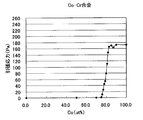
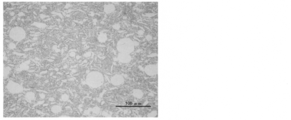
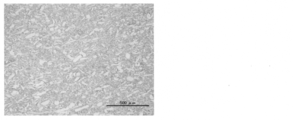
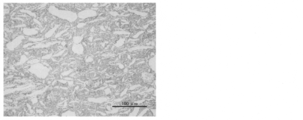
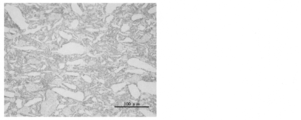
- Example metal micrograph showing the microstructure of a target according to this embodiment Graph showing the relationship between the Co content and magnetism in a Co-Cr alloy Graph showing the relationship between the Co content and magnetism in a Co-Pt alloy
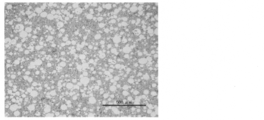
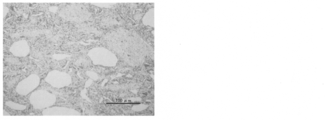
- a metallographic micrograph of a low-magnification cross section in the thickness direction of the test piece of Example 1 (photo magnification at the time of photographing 100 ⁇ , scale scale in the photo is 500 ⁇ m)
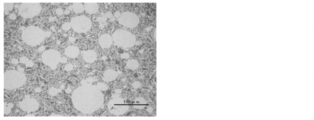
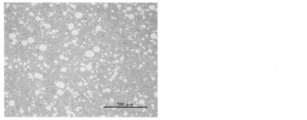
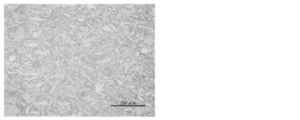
- Metallic micrograph of a high magnification of the cross section in the thickness direction of the test piece of Example 1 (photo magnification of 400 at the time of photographing, scale scale in the photo is 100 ⁇ m)
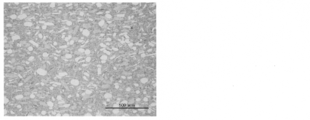
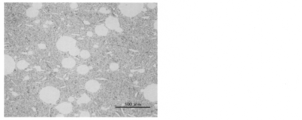
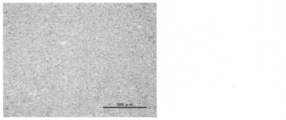
- a metallographic micrograph of a low-magnification cross section in the thickness direction of the test piece of Example 2 (photo magnification at the time of photographing 100 times, scale scale in the photo is 500 ⁇ m)
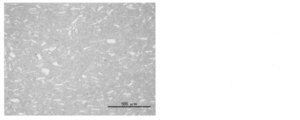
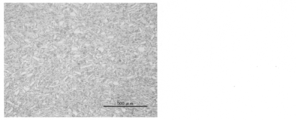
- Metallic micrograph of a high magnification of the cross section in the thickness direction of the test piece of Example 2 (photo magnification of 400 times
- a magnetron sputtering target according to the present invention is a magnetron sputtering target having a ferromagnetic metal element, and includes a magnetic phase containing the ferromagnetic metal element, the ferromagnetic metal element, and a constituent element or a constituent element.
- a plurality of nonmagnetic phases and oxide phases having different content ratios, and at least one of the plurality of nonmagnetic phases is more finely dispersed in the oxide phase than the magnetic phase. It is characterized by.
- the nonmagnetic phase is one phase of a Co—Cr alloy phase having a Co content of 75 at% or less or the Co content of 12 at% or less.
- the non-magnetic phase is composed of two phases: a Co—Cr alloy phase having a Co content of 75 at% or less and a Co—Pt alloy phase having a Co content of 12 at% or less.
- the volume fraction of the nonmagnetic phase relative to the entire target can be increased while the composition of the entire target is kept constant, and the volume fraction of the magnetic phase relative to the entire target can be decreased.
- the nonmagnetic phase containing the ferromagnetic metal element is made into a plurality of nonmagnetic phases having different constituent elements or constituent element content ratios, so that the composition of the entire target can be increased as compared with the case where the number of nonmagnetic phases is one.
- the volume fraction of the non-magnetic phase with respect to the entire target can be increased, the volume fraction of the magnetic phase with respect to the entire target can be decreased, and the magnetism of the entire target can be weakened. .
- the volume fraction of the non-magnetic phase with respect to the entire target is increased, and the volume fraction of the magnetic phase with respect to the entire target is decreased, thereby reducing the target volume.
- the magnetism as a whole can be weakened.
- the size of the magnetic phase is relatively large (the average size of the magnetic phase is within the range of 40 ⁇ m to 80 ⁇ m, for example), the reason is not clear at this stage, but the target Since the amount of leakage magnetic flux from the surface can be further increased, the size of the magnetic phase should be made relatively large (the average size of the magnetic phase should be in the range of 40 ⁇ m to 80 ⁇ m, for example). ) Is preferred.
- one of the plurality of nonmagnetic phases is more finely dispersed in the oxide phase than the magnetic phase, so even if the size of the magnetic phase is relatively large (the magnetic phase (Even if the average size falls within the range of 40 ⁇ m or more and 80 ⁇ m or less, for example), it is suppressed that the oxides aggregate and a large oxide phase is generated. It is also difficult for problems to occur.
- the average size of the magnetic phase is less than 40 ⁇ m, the effect of increasing the amount of magnetic flux leaked from the target surface is reduced.
- the average size of the magnetic phase is more than 80 ⁇ m, the target structure is uniform. The collapse of the material becomes too large, and there is a risk of malfunction during sputtering.
- the major axis and minor axis values of the white phase considered to be the magnetic phase are obtained in a metal micrograph having a magnification of 400 times at the time of photographing.
- the average value of the values is defined as the size of each magnetic phase.
- the sizes of the phases are obtained, and the average value of the obtained phase sizes is the average of the magnetic phases. Magnitude.
- a magnetic phase having a size of 10 ⁇ m or less is considered to have a very small influence on the amount of leakage magnetic flux of the target, and is therefore ignored when calculating the average size of the magnetic phase.
- the magnetron sputtering target according to the present invention has a ferromagnetic metal element, it can be used for production of a magnetic recording medium.
- the ferromagnetic metal element applicable to the present invention is not particularly limited, and for example, Co, Fe, and Ni can be used.
- Co is used as the ferromagnetic metal element, it becomes easy to form a recording layer (magnetic layer) having a large coercive force, and it becomes easy to make a target suitable for manufacturing a hard disk.
- the metal elements other than the ferromagnetic metal elements contained in the magnetic phase and the nonmagnetic phase are not particularly limited.
- Cr, Pt, Au, Ag, Ru, Rh, Pd , Ir, W, Ta, Cu, B, Mo, and other metal elements can be included in the magnetic phase and / or the nonmagnetic phase.
- a nonmagnetic phase that does not contain a ferromagnetic metal element may be provided. That is, a magnetic phase containing a ferromagnetic metal element and a nonmagnetic phase containing no ferromagnetic metal element other than a plurality of nonmagnetic phases containing a ferromagnetic metal element and having different constituent elements or constituent element content ratios May be provided.
- a phase containing a metal element such as Cr, Pt, Au, Ag, Ru, Rh, Pd, Ir, W, Ta, Cu, B, and Mo is provided. May be.
- the metal phase has a three-phase structure composed of one magnetic phase and two nonmagnetic phases, but the magnetic phase should be two or more magnetic phases having different constituent elements or constituent elements.
- the nonmagnetic phase may be three or more nonmagnetic phases having different constituent elements or constituent element contents
- the target phase structure may be a multiphase structure of four or more phases.
- the component of the target according to the present embodiment is Co—Cr—Pt—SiO 2 —TiO 2 —Cr 2 O 3 .
- Co, Cr, and Pt are constituent components of magnetic particles (fine magnets) in the granular structure of the magnetic recording layer formed by sputtering.
- Oxides (SiO 2 , TiO 2 , Cr 2 O 3 ) form a nonmagnetic matrix that partitions magnetic particles (fine magnets) in a granular structure.
- the content ratio of metal (Co, Cr, Pt) and the content ratio of oxide (SiO 2 , TiO 2 , Cr 2 O 3 ) with respect to the entire target is determined by the component composition of the target magnetic recording layer, and the metal with respect to the entire target.
- the content ratio of (Co, Cr, Pt) is 88 mol% or more and 94 mol% or less, and the content ratio of the oxide (SiO 2 , TiO 2 , Cr 2 O 3 ) with respect to the entire target is 6 mol% or more and 12 mol% or less.
- Co is a ferromagnetic metal element and plays a central role in the formation of granular magnetic particles (fine magnets) in the magnetic recording layer.
- the content ratio of Co is 60 at% or more and 80 at% or less with respect to the entire metal (Co, Cr, Pt).
- Cr has a function of reducing the magnetic moment of Co by alloying with Co in a predetermined composition range, and has a role of adjusting the magnetic strength of the magnetic particles.
- the content ratio of Cr is 4 at% or more and 24 at% or less with respect to the entire metal (Co, Cr, Pt).
- Pt has a function of increasing the magnetic moment of Co by alloying with Co in a predetermined composition range, and has a role of adjusting the magnetic strength of the magnetic particles.
- the content ratio of Pt is 1 at% or more and 22 at% or less with respect to the entire metal (Co, Cr, Pt).
- SiO 2 , TiO 2 , and Cr 2 O 3 are used as oxides.
- oxides to be used are not limited to SiO 2 , TiO 2 , and Cr 2 O 3.
- SiO 2 , TiO 2 are used.
- An oxide containing at least one of Nb 2 O 5 , MoO 3 , CeO 2 , Sm 2 O 3 , Gd 2 O 3 , WO 2 , WO 3 , HfO 2 , and NiO 2 can also be used.
- the microstructure of the target 10 has a magnetic phase 12 (the Co content is 85 atm). % Co—Cr alloy phase), the first nonmagnetic phase 14 (Co—Cr—Pt alloy phase having a Co content greater than 0 at% and less than 73 at%), and a second nonmagnetic phase 16 (Co The Co—Pt alloy phase having a content ratio of greater than 0 at% and not greater than 12 at% is dispersed in each other, and the first nonmagnetic phase 14 (Co—Cr— with a Co content ratio of greater than 0 at% and not greater than 73 at%).
- the Pt alloy phase) and the oxide phase 18 are more finely dispersed in the oxide phase 18 than the magnetic phase 12 and the second nonmagnetic phase 16.
- the magnetic phase 12 (Co—Cr alloy phase having a Co content of 85 at% or more) may be a Co single phase having a Co content of 100 at%, and the Co content is 85 at% or more.
- the Co—Cr alloy phase includes a Co single phase having a Co content of 100 at%.
- the magnetic phase 12 is a large substantially circular white phase
- the first nonmagnetic phase 14 is a fine white elongated phase finely dispersed with the oxide phase 18, and the second nonmagnetic phase 14.
- the magnetic phase 16 is a small, substantially circular white phase
- the oxide phase 18 is a dark gray phase.
- FIG. 1 is a metallographic micrograph of a cross-section of the sintered body produced in Example 1, but here is only taken up for convenience of description of the structure of the target 10 according to the present embodiment.
- the target of the form is not limited to Example 1, and the composition described here may not match the actual composition in Example 1 of the phase indicated by the reference numeral.
- the metal phase is not a single phase of the Co—Cr—Pt alloy phase, but one magnetic phase (Co—Cr alloy phase having a Co content of 85 at% or more) and two nonmagnetic phases (Co A three-phase structure composed of a Co—Cr—Pt alloy phase having a content ratio of greater than 0 at% and not greater than 73 at%, and a Co—Pt alloy phase having a Co content ratio of greater than 0 at% and not greater than 12 at%. It is possible to reduce the volume fraction of the magnetic phase with respect to the entire target while keeping the content ratio of each constituent element including the ferromagnetic metal element in the entire target constant.
- the reason why the Co content in the Co—Cr alloy phase, which is a magnetic phase, is 85 at% or more will be described.
- Table 1 below shows the experimental results of tensile stress on a magnetic evaluation scale measured by changing the Co content ratio in a Co—Cr alloy (magnetism increases as the value of tensile stress increases, as will be described later).
- FIG. 2 is a graph of the following Table 1, which is a graph showing the relationship between the Co content ratio and magnetism in a Co—Cr alloy, with the horizontal axis representing the Co content ratio and the vertical axis representing the Co content ratio. This is the tensile stress of the magnetic evaluation scale.
- the Co content in the Co—Cr alloy phase is set to 85 at% or more, and the Co— which is the magnetic phase is hardly increased compared to when the Co content is 83 at%.
- the content ratio of Co in the Cr alloy phase is increased.
- the larger the Co content in the Co—Cr alloy phase the smaller the volume fraction of the Co—Cr alloy phase, which is the magnetic phase, while keeping the Co content in the entire target constant, and the nonmagnetic phase (the Co content is less
- the volume fraction of the Co—Cr—Pt alloy phase greater than 0 at% and less than 73 at%, and the Co—Pt alloy phase where the Co content is greater than 0 at% and less than 12 at%) Can be reduced.
- Co—Cr alloy As shown in Table 1 and FIG. 2, in the Co—Cr alloy, by setting the Co content to 75 at% or less with respect to the total of Co and Cr, the magnetism of the Co—Cr alloy is kept at almost zero level. Co can be contained in the alloy. A Co—Cr—Pt alloy in which Pt is added to a Co—Cr alloy is considered to exhibit the same tendency. Therefore, if the Co content ratio to the total of Co, Cr, and Pt is 75 at% or less, the Co—Cr It can also be considered that Co can be contained in the alloy while the magnetism of the alloy is kept at a substantially zero level.
- the content ratio of Co to the total of Co, Cr, and Pt is set to 73 at. % Or less.
- the first nonmagnetic phase is a 68Co-22Cr-10Pt alloy phase (the Co content is 68 at% and is 73 at% or less), so that a large leakage magnetic flux rate is obtained. Has been obtained.
- the Co content is zero, the Co—Cr—Pt alloy phase, which is a nonmagnetic phase, does not contain Co, and the content of the constituent elements including Co in the entire target 10 is kept constant.
- the Co content in the Co—Cr—Pt alloy phase is set to be greater than 0 at% and equal to or less than 73 at%, and the content ratio of the constituent elements including Co in the entire target 10 is kept constant. -The volume fraction of the Cr alloy phase (magnetic phase) is reduced, and the magnetism of the entire target is reduced to enable good magnetron sputtering.
- FIG. 3 is a graph of the following Table 2.
- the graph shows the relationship between the Co content and the magnetism, with the horizontal axis representing the Co content and the vertical axis representing the Co content. This is the tensile stress of the magnetic evaluation scale.
- the magnetism of the Co—Pt alloy is kept almost at a zero level. Co can be contained in the alloy. However, when the content ratio of Co is zero, the volume fraction of the Co—Cr alloy phase (magnetic phase) is decreased while the content ratio of the constituent elements including Co in the entire target 10 is kept constant, and the magnetic properties of the entire target 10 are reduced. Does not contribute to reducing Therefore, in this embodiment, the Co content in the Co—Pt alloy phase is set to be greater than 0 at% and equal to or less than 12 at%, and the content ratio of the constituent elements including Co in the entire target 10 is kept constant. The volume fraction of the alloy phase (magnetic phase) is reduced, the magnetism of the entire target is reduced, and good magnetron sputtering can be performed.
- Table 1 Table 2, FIG. 2, and FIG. 3 are the data obtained by this inventor, and specifically measured as follows.
- Co and Cr are distributed so as to have a volume of 1 cm 3 , arc-melted, and a disk-shaped sample having a bottom area of 0.785 cm 2 is produced by changing the composition ratio. did.
- a magnet material ferrite
- the sample was pulled in a direction perpendicular to the bottom surface, and the force when it was separated from the magnet was measured.
- the Co—Cr—Pt alloy phase (the Co content is greater than 0 at% and less than 73 at%) and the Co—Pt alloy phase, which are nonmagnetic phases containing Co. (Co content ratio is larger than 0 at% and not more than 12 at%), so that the content ratio of each constituent element including Co in the entire target 10 is kept constant, while the Co—Cr alloy phase as the magnetic phase is kept constant.
- the volume fraction can be reduced, and the magnetism of the entire target 10 can be reduced.
- the Co content is 85 at% or more, so that the magnetism is hardly increased compared to when the Co content is 83 at%, and the Co—Cr alloy phase, which is a magnetic phase.
- the content ratio of Co in the —Cr alloy phase can be increased, and the volume fraction of the Co—Cr alloy phase as the magnetic phase can be reduced while keeping the amount of Co in the entire target constant. Magnetism can be reduced.
- the leakage magnetic flux from the target surface is not reduced during magnetron sputtering without reducing the content of the ferromagnetic metal element contained in the target (without changing the content of each constituent element contained in the target).
- the amount can be increased, and magnetron sputtering can be performed satisfactorily.
- the size of the magnetic phase (Co—Cr alloy phase having a Co content of 85 at% or more) is relatively large (when the average size of the phase is in the range of 40 ⁇ m to 80 ⁇ m, for example), the reason is Although it is not clarified at this stage, the amount of magnetic flux leaked from the target surface can be further increased, so the size of the magnetic phase (Co-Cr alloy phase having a Co content of 85 at% or more) is It is preferable to make it relatively large (for example, the average size of the phase is in the range of 40 ⁇ m to 80 ⁇ m).
- the second nonmagnetic metal powder (5Co-95Pt alloy powder) does not have to be mixed with the oxide powder by a ball mill, and the size of the second nonmagnetic phase (5Co-95Pt alloy phase) is the first. It may be larger than the nonmagnetic phase (68Co-22Cr-10Pt alloy phase).
- At least one of the plurality of nonmagnetic phases is more finely dispersed in the oxide phase than the magnetic phase and other nonmagnetic phases, so that the size of the magnetic phase is relatively small. Even if it is increased (even if the average size of the magnetic phase falls within the range of 40 ⁇ m or more and 80 ⁇ m or less, for example), or even if the size of other nonmagnetic phases is relatively large, Aggregation and generation of a large oxide phase are suppressed, and problems such as generation of nodules and particles are less likely to occur during sputtering.
- Target Manufacturing Method The target 10 according to the present embodiment can be manufactured as follows.
- Co and Cr are weighed so as to have a predetermined composition (Co content is 85 at% or more), a molten alloy is prepared, gas atomization is performed, and a predetermined composition (Co content is included).
- Co-Cr alloy atomized magnetic powder with a ratio of 85 at% or more is prepared.
- the produced Co—Cr alloy atomized magnetic powder is classified so that the particle size is not more than a predetermined particle size (for example, 106 ⁇ m or less).
- a predetermined particle size for example, 106 ⁇ m or less.
- the Co—Cr alloy atomized magnetic powder having a predetermined composition (Co content ratio of 85 at% or more)
- the atomized magnetic powder is also included.
- first nonmagnetic metal powder and nonmagnetic mixed powder Co, Cr, and Pt are weighed so as to have a predetermined composition (Co content is greater than 0 at% and less than 73 at%), and the molten alloy is prepared.
- the first nonmagnetic metal powder (Co—Cr—Pt alloy atomized nonmagnetic powder) having a predetermined composition (Co content ratio greater than 0 at% and less than 73 at%) is prepared by gas atomization.
- the produced first nonmagnetic metal powder (Co—Cr—Pt alloy atomized nonmagnetic powder) is classified so that the particle size is equal to or smaller than a predetermined particle size (for example, 106 ⁇ m or less).
- the prepared classified Co—Cr—Pt alloy atomized nonmagnetic powder and oxide powder (SiO 2 powder, TiO 2 powder, Cr 2 O 3 powder) are mixed and dispersed to prepare a nonmagnetic mixed powder.
- oxide powder SiO 2 powder, TiO 2 powder, Cr 2 O 3 powder
- fine primary particles are aggregated to form secondary particles, but the mixed dispersion is Co—Cr—Pt alloy atomized.
- non-magnetic powder and oxide powder (SiO 2 powder, TiO 2 powder, Cr 2 O 3 powder) are sufficiently finely dispersed (for example, Co—Cr—Pt alloy atomized non-magnetic powder and oxide powder Mix and disperse until the total number of revolutions by the ball mill reaches 1 million times or more).
- Second non-magnetic metal powder Co and Pt are weighed so as to have a predetermined composition (Co content is greater than 0 at% and not more than 12 at%), a molten alloy is produced, and gas atomization is performed. Then, a second nonmagnetic metal powder (Co—Pt alloy atomized nonmagnetic powder) having a predetermined composition (Co content ratio greater than 0 at% and not more than 12 at%) is produced. The produced second nonmagnetic metal powder is classified so that the particle size is equal to or smaller than a predetermined particle size (for example, 106 ⁇ m or less).
- a predetermined particle size for example, 106 ⁇ m or less.
- the nonmagnetic mixed powder produced in (2), the magnetic metal powder produced in (1), and the second nonmagnetic metal powder produced in (3) Mix and disperse until approximately uniform to produce a mixed powder for pressure sintering.
- the nonmagnetic mixed powder produced in (2), the magnetic metal powder produced in (1), and the second nonmagnetic metal powder produced in (3) If necessary, oxide powder may be added and mixed and dispersed. Note that the mixing and dispersion in this step is stopped to such an extent that each particle diameter does not become small. When mixing and dispersing are performed to such an extent that each particle size becomes small, the amount of leakage magnetic flux of the target obtained may be small.
- the pressure-sintered mixed powder produced in (4) is molded by pressure sintering, for example, by a vacuum hot press method, and a target is produced.
- the features of the manufacturing method according to the present embodiment are that the first nonmagnetic metal powder and the oxide powder produced in (2) are sufficiently fine as described in (2). This is to obtain a nonmagnetic mixed powder by mixing and dispersing until they are dispersed.
- the Co—Cr—Pt alloy powder and the oxide powder are sufficiently finely dispersed, so that the nonmagnetic mixed powder prepared in (2) and (1)
- the degree of mixing when preparing the mixed powder for pressure sintering by mixing and dispersing the magnetic metal powder prepared in Step 2 and the second non-magnetic metal powder prepared in (3) is small. Even if it is stopped to the extent that it does not occur, it is suppressed that oxides aggregate in the obtained target and a large oxide phase is generated, and problems such as generation of nodules and particles are less likely to occur during sputtering.
- the magnetic metal powder in the mixed powder for pressure sintering (the content ratio of Co is 85 at% or more) Co-Cr alloy powder) and second non-magnetic metal powder (Co-Pt alloy powder having a Co content of greater than 0 at% and less than 12 at%) can be increased in particle size, and the leakage flux of the target obtained The amount can be increased.
- Example 1 The composition of the entire target manufactured as Example 1 was 90 (71Co-10Cr-14Pt-5Ru) -7SiO 2 -3Cr 2 O 3 , and the target was prepared and evaluated as follows.
- each metal was weighed so that the alloy composition would be Co: 68 at%, Cr: 22 at%, Pt: 10 at%, heated to 1700 ° C. to form a 68Co-22Cr-10Pt alloy melt, and gas atomized to produce 68Co-22Cr— A 10 Pt alloy powder (first nonmagnetic metal powder) was produced.
- each metal was weighed so that the alloy composition would be Co: 5 at%, Pt: 95 at%, heated to 2000 ° C. to form a 5Co-95Pt alloy melt, gas atomized, and 5Co-95Pt alloy powder (second Nonmagnetic metal powder) was prepared.
- Co simple substance was heated to 1700 ° C. to make a molten metal of Co simple substance, and gas atomization was performed to produce Co powder (magnetic metal powder).
- 68Co-22Cr-10Pt alloy powder, 5Co-95Pt alloy powder, Co powder Three kinds of atomized metal powders (68Co-22Cr-10Pt alloy powder, 5Co-95Pt alloy powder, Co powder) thus prepared were classified with a 150 mesh sieve, and three kinds of atomized metal powders having a particle size of 106 ⁇ m or less ( 68Co-22Cr-10Pt alloy powder, 5Co-95Pt alloy powder, Co powder).
- the Co powder was further classified with a 325 mesh sieve to obtain an atomized metal powder having a particle size of 45 ⁇ m to 106 ⁇ m.
- FIG. 4 and 5 are metallographic micrographs of the cross section in the thickness direction of the obtained test piece.
- FIG. 4 is a photograph with a magnification of 100 times at the time of photographing (scale scale in the photograph is 500 ⁇ m).
- the dark gray phase is an oxide phase
- the white small elongated phase that is mixed and dispersed with the oxide phase is a 68Co-22Cr-10Pt alloy, which has a substantially circular white color.
- These phases are considered to be a Co phase and a 5Co-95Pt phase.
- the 68Co-22Cr-10Pt alloy powder is mixed with the oxide powder and the ball mill up to a total number of revolutions of 4,136,400, the 68Co-22Cr-10Pt alloy phase and the oxide phase are finely mixed and 68Co-22 This is because the -22Cr-10Pt alloy phase is considered to be deformed and elongated, whereas the Co powder and 5Co-95Pt powder are not mixed by a ball mill and are considered to maintain a substantially spherical shape.
- Example 1 since the Co powder and the 5Co-95Pt powder are not mixed by a ball mill, in FIGS. 4 and 5, the Co phase and the 5Co-95Pt alloy phase in the target are both substantially circular in shape. It is difficult to distinguish between the two. For this reason, in Example 1, the size of the Co phase in the target is not calculated. However, the Co powder is classified twice, and the particle size is aligned in the range of 45 ⁇ m to 106 ⁇ m, and the small particle size of less than 45 ⁇ m is not included, whereas the 5Co-95Pt powder is Since the classification is performed only once and the particle size range is 106 ⁇ m or less, in FIGS. 4 and 5, the large substantially circular white phase is mainly the Co phase, and the small approximately circular white phase is 5Co-95Pt. It is thought that the phase is the subject.
- the leakage magnetic flux was evaluated based on ASTM F2086-01 for the two produced targets.
- a horseshoe magnet material: alnico
- the magnet was attached to a leakage magnetic flux measuring device, and a Gauss meter was connected to the Hall probe.
- the hall probe was arranged so as to be located right above the center between the magnetic poles of the horseshoe magnet.
- the magnetic flux density in the horizontal direction on the surface of the table was measured, and the Source Field defined by ASTM was measured to be 897 (G) and 897 (G).
- the tip of the Hall probe is raised to the position at the time of measuring the leakage magnetic flux of the target (the thickness of the target + the height of 2 mm from the table surface), and is placed on the table surface without placing the target on the table surface.
- the leakage magnetic flux density in the direction was measured, and the Reference field defined by ASTM was measured to be 616 (G) and 614 (G).
- the target was placed on the table surface so that the distance between the center of the target surface and the point immediately below the hole probe on the target surface was 43.7 mm. Then, the target is rotated 5 times counterclockwise without moving the center position, and then the target is rotated 0 degrees, 30 degrees, 60 degrees, 90 degrees, 120 degrees without moving the center position. Then, the leakage magnetic flux density in the direction horizontal to the table surface was measured. The obtained five leakage magnetic flux density values were divided by the value of the Reference field and multiplied by 100 to obtain the leakage magnetic flux rate (%). The average of five points of leakage magnetic flux rate (%) was taken, and the average value was taken as the average leakage magnetic flux rate (%) of the target. As shown in Tables 3 and 4 below, the average leakage magnetic flux rates of the two produced targets are 72.2% and 73.3%, and the average of the average leakage magnetic flux rates of the two produced targets is 72.3%. It was 8%.
- Example 2 The composition of the entire target manufactured as Example 2 is 90 (71Co-10Cr-14Pt-5Ru) -7SiO 2 -3Cr 2 O 3, which is the same as that of Example 1, and the three types of manufactured atomized metals.
- the composition of the powder (68Co-22Cr-10Pt alloy powder, 5Co-95Pt alloy powder, Co powder) is also the same.
- Example 1 the metal powder mixed and dispersed with the oxide using a ball mill was only the first nonmagnetic metal powder (68Co-22Cr-10Pt alloy powder), but in Example 2, Not only the first nonmagnetic metal powder (68Co-22Cr-10Pt alloy powder) but also the second nonmagnetic metal powder (5Co-95Pt alloy powder) and magnetic metal powder (Co powder) are oxidized using a ball mill. The difference is that it is mixed and dispersed.
- Example 2 The target of Example 2 was produced and evaluated as follows.
- Atomization and classification were performed in the same manner as in Example 1 to obtain 68Co-22Cr-10Pt alloy powder (particle size 106 ⁇ m or less), 5Co-95Pt alloy powder (particle size 106 ⁇ m or less), and Co powder (particle size 45 ⁇ m or more and 106 ⁇ m or less). Obtained.
- FIG. 6 and 7 are metallographic micrographs of the cross section in the thickness direction of the obtained test piece.
- FIG. 6 is a photograph with a magnification of 100 times at the time of photographing (scale scale in the photograph is 500 ⁇ m).
- the white phase is a metal phase, but the substantially circular white phase is hardly present, and the white phase is an ellipse or a long and narrow phase.
- Example 2 it is considered that all the three types of atomized metal powders produced were mixed and dispersed with the oxide using a ball mill. However, the total number of rotations when mixing Co powder by a ball mill is 493,560, the total number of rotations of 68Co-22Cr-10Pt powder is 4,136,400, and the total number of rotations of 5Co-95Pt powder is 1,308.
- the average size of the Co phase was 45 ⁇ m.
- the average value of the major axis and the minor axis was used as the phase size. Further, in calculating the average value of the size of the Co phase in FIG. 7, the phase having a size of 10 ⁇ m or less was ignored.
- the white small elongated phases that are mixed and dispersed with the oxide phase are a 68Co-22Cr-10Pt alloy phase and a 5Co-95Pt alloy phase. Conceivable.
- FIGS. 6 and 7 of Example 2 comparing FIGS. 6 and 7 of Example 2 with FIGS. 4 and 5 of Example 1, the maximum value of the size of the white phase indicating the metal phase and the entire photograph of the white phase are shown.
- the ratio is observed to be larger in FIGS. 4 and 5 of Example 1 (the maximum value of the size of the white phase in FIG. 4 of Example 1 is 92 ⁇ m, whereas this example 2
- the maximum value of the size of the white phase in Fig. 7 is 71 ⁇ m, and the ratio of the white phase to the entire photograph is as shown in Figs. Since it is apparent at first glance that it is larger than FIG. 7, the sizes of the Co phase and the 5Co-95Pt alloy phase in the target of Example 1 are the Co phase and 5Co-95Pt alloy in the target of Example 2.
- Example 2 since all of the three types of atomized metal powders produced were mixed and dispersed with the oxide using a ball mill, the size of the white metal phase was reduced and the metal phase was finer than the oxide phase. It seems that the proportion of the area observed as a white phase is reduced by the dispersion.
- the leakage magnetic flux was evaluated in the same manner as in Example 1. As shown in Table 5 and Table 6 below, the average leakage magnetic flux ratios were 65.0% and 65.3%, and the average of the average leakage magnetic flux ratios of the two produced targets was 65.2%.
- Comparative Example 1 The composition of the entire target manufactured as Comparative Example 1 is 90 (71Co-10Cr-14Pt-5Ru) -7SiO 2 -3Cr 2 O 3 , which is the same as in Examples 1 and 2.
- the three kinds of atomized metal powders produced are 68Co-22Cr-10Pt alloy powder (nonmagnetic metal powder), 50Co-50Pt alloy powder (first magnetic metal powder), and Co powder (second magnetic metal powder).
- 5Co-95Pt alloy powder (nonmagnetic metal powder) of Examples 1 and 2 50Co-50Pt alloy powder (magnetic metal powder) was produced.
- the metal powder mixed and dispersed with the oxide using a ball mill is 68Co-22Cr-10Pt alloy powder (nonmagnetic metal powder) and 50Co-50Pt alloy powder (first magnetic metal powder).
- the Co powder (second magnetic metal powder) is not mixed and dispersed with the oxide using a ball mill.
- Example 2 Further, atomization and classification were performed in the same manner as in Example 1 except that only the alloy composition was changed, to obtain 50Co-50Pt alloy powder (particle size of 106 ⁇ m or less). The heating temperature and spraying temperature during atomization to obtain 50Co-50Pt alloy powder were 1800 ° C.
- Example 2 atomization was performed in the same manner as in Example 1 to obtain Co powder.
- the obtained Co powder was classified only by a 150-mesh sieve and classified into a Co powder having a particle size of 106 ⁇ m or less.
- the obtained Co powder was not mixed and dispersed with the oxide by a ball mill.
- non-magnetic mixed powder 68Co-22Cr-10Pt alloy powder and oxide powder mixed and dispersed
- magnetic mixed powder 50Co-50Pt alloy powder and oxide powder mixed and dispersed 293.57 g and 190.51 g of magnetic metal powder (Co powder) were mixed and mixed and dispersed with a tumbler shaker in the same manner as in Example 1 to obtain a mixed powder for pressure sintering.
- FIG. 8 and 9 are metallographic micrographs of the cross section in the thickness direction of the obtained test piece.
- FIG. 8 is a photograph with a magnification of 100 times at the time of photographing (scale scale in the photograph is 500 ⁇ m).
- a photograph with a magnification of 400 times at the time of photographing is 100 ⁇ m).
- the substantially circular white phase is a Co phase that is not mixed by a ball mill. Since the mixing by the ball mill is not performed, the Co phase is considered to maintain a substantially circular shape.
- the cumulative number of revolutions in the ball mill of 68Co-22Cr-10Pt alloy powder and oxide powder is 4,136,400
- the cumulative number of revolutions in the ball mill of 50Co-50Pt alloy powder and oxide powder is 2. , 805, 840 times, and the total number of rotations is large. Therefore, in FIGS. 8 and 9, the small white elongated phases that are mixed and dispersed with the oxide phase that is a dark gray phase are the 68Co-22Cr-10Pt alloy phase and the 50Co-50Pt alloy phase. Conceivable.
- the average size of the Co phase was 40 ⁇ m when all of the white phases having a substantially circular shape (here, the shape having an aspect ratio of 1.5 or less) was considered to be a Co phase.
- the average value of the longest diameter having the largest diameter and the average value of the shortest diameter having the smallest diameter was used as the phase size. Further, in calculating the average value of the size of the Co phase in FIG. 9, the phase having a size of 10 ⁇ m or less was ignored.
- nonmagnetic mixed powder powder in which 68Co-22Cr-10Pt alloy powder and oxide powder are mixed and dispersed
- first magnetic mixed powder in which 50Co-50Pt alloy powder and oxide powder are mixed and dispersed
- second magnetic mixed powder in which Co powder and oxide powder are mixed and dispersed
- the white phase is a metal phase, but the substantially circular white phase is scarcely present, and the white phase is an ellipse or an elongated phase.
- Comparative Example 3 it is considered that all three types of atomized metal powders produced were mixed and dispersed with oxides using a ball mill. However, the total number of rotations when mixing Co powder by a ball mill is 493,560, the total number of rotations of 68Co-22Cr-10Pt powder is 4,136,400 times, and the total number of rotations of 50Co-50Pt powder is 2,805.
- the average size of the Co phase was 35 ⁇ m.
- the average value of the major axis and the minor axis was used as the phase size.
- the phase having a size of 10 ⁇ m or less was ignored.
- Comparative Example 4 The composition of the entire target manufactured as Comparative Example 4 is 90 (71Co-10Cr-14Pt-5Ru) -7SiO 2 -3Cr 2 O 3 , which is the same as in Examples 1, 2, and Comparative Examples 1, 2, 3.
- the three kinds of atomized metal powders produced are 68Co-22Cr-10Pt alloy powder (nonmagnetic metal powder), 50Co-50Pt alloy powder (first magnetic metal powder), and Co powder (second magnetic metal powder).
- 50Co-50Pt alloy powder was produced in place of the 5Co-95Pt alloy powder (nonmagnetic metal powder) of Examples 1 and 2.
- Reference Example 1 The composition of the entire target manufactured as Reference Example 1 is 91 (71.5Co-11Cr-17.5Pt) -3SiO 2 -2TiO 2 -4Cr 2 O 3 .
- the three kinds of atomized metal powders produced are 68Co-22Cr-10Pt alloy powder (nonmagnetic metal powder), 50Co-50Pt alloy powder (first magnetic metal powder), and Co powder (second magnetic metal powder).
- 5Co-95Pt alloy powder (nonmagnetic metal powder) of Examples 1 and 2 50Co-50Pt alloy powder (magnetic metal powder) was produced.
- non-magnetic mixed powder powder in which 68Co-22Cr-10Pt alloy powder and oxide powder are mixed and dispersed
- magnetic mixed powder in which 50Co-50Pt alloy powder and oxide powder are mixed and dispersed
- Co powder 205.72 g were mixed and mixed and dispersed in the same manner as in Example 1 using a tumbler shaker to obtain a mixed powder for pressure sintering.
- FIGS. 16 and 17 are metallographic micrographs of the cross section in the thickness direction of the obtained test piece.
- FIG. 16 is a photograph at a magnification of 100 times at the time of photographing (scale scale in the photograph is 500 ⁇ m).
- a photograph with a magnification of 400 times at the time of photographing is 100 ⁇ m).
- the average size of the Co phase was 29 ⁇ m when all the white phases having a substantially circular shape (here, the shape having an aspect ratio of 1.5 or less) were considered to be a Co phase.
- the average value of the major axis and the minor axis was used as the phase size. Further, in calculating the average value of the size of the Co phase in FIG. 17, the phase having a size of 10 ⁇ m or less was ignored.
- the leakage magnetic flux was evaluated in the same manner as in Example 1. As shown in Table 15 and Table 16 below, the average leakage magnetic flux ratios were 46.9% and 47.1%, and the average of the average leakage magnetic flux ratios of the two produced targets was 47.0%. Note that the thickness of the target of Reference Example 1 is 6.5 mm, which is 1.5 mm thicker than the thickness of 5.0 mm of the targets of Examples 1 and 2 and Comparative Example 1-4. Note that is measured lower.
- Reference Example 2 The composition of the entire target manufactured as Reference Example 2 is 91 (71.5Co-11Cr-17.5Pt) -3SiO 2 -2TiO 2 -4Cr 2 O 3, which is the same as Reference Example 1. Also, the three types of atomized metal powders produced were, as in Comparative Example 1, 68Co-22Cr-10Pt alloy powder (nonmagnetic metal powder), 50Co-50Pt alloy powder (first magnetic metal powder), Co powder ( 50Co-50Pt alloy powder (magnetic metal powder) instead of the 5Co-95Pt alloy powder (nonmagnetic metal powder) of Example 1 and Example 2.
- the leakage flux was evaluated in the same manner as in Example 1. As shown in Table 17 to Table 20 below, the average leakage magnetic flux rates are 44.3%, 44.2%, 44.5%, and 44.7%. The average was 44.4%.
- Example 3 as in Example 2, all of the three types of atomized metal powders produced were mixed and dispersed with the oxide powder using a ball mill, and the first nonmagnetic metal powder ( 68Co-22Cr-10Pt alloy powder) is 1,082,160 times, and the second nonmagnetic metal powder (5Co-95Pt alloy powder) is 385,560 times.
- the total number of rotations of the ball mill with respect to the magnetic metal powder (Co powder) is 871,560.
- the magnetic metal powder (Co powder) is classified twice, and the particle size range is 45 ⁇ m or more and 106 ⁇ m or less, whereas in Example 3, it is classified only once.
- the magnetic particle powder (Co powder) is different from the first and second embodiments in that the particle size range is 106 ⁇ m or less.
- the target of Example 3 was produced and evaluated as follows.
- Atomization and classification were performed in the same manner as in Examples 1 and 2 to obtain 68Co-22Cr-10Pt alloy powder (particle size of 106 ⁇ m or less).
- Example 1 About the produced target, it evaluated similarly about Example 1 about the leakage magnetic flux. As shown in Table 21 below, the average leakage magnetic flux rate was 48.1%.
- Comparative Example 5 The composition of the entire target manufactured as Comparative Example 5 is 91 (73Co-11Cr-16Pt) -4SiO 2 -2TiO 2 -3Cr 2 O 3, which is the same as Example 3.
- the prepared three types of atomized metal powders are 68Co-22Cr-10Pt alloy powder (first nonmagnetic metal powder), 5Co-95Pt alloy powder (second nonmagnetic metal powder), and Co powder (magnetic metal powder). Yes, similar to Example 1-3.
- Comparative Example 5 as in Examples 2 and 3, all of the three types of atomized metal powders produced were mixed and dispersed with the oxide powder using a ball mill.
- the cumulative number of revolutions of the ball mill for the powder (68Co-22Cr-10Pt alloy powder) is 1,082,160 times, and the cumulative number of revolutions of the ball mill for the second nonmagnetic metal powder (5Co-95Pt alloy powder) is 385,560.
- the cumulative number of rotations of the ball mill with respect to the magnetic metal powder (Co powder) is 3,300,840 times.
- Example 1 the magnetic metal powder (Co powder) was classified twice, and the particle size range was 45 ⁇ m or more and 106 ⁇ m or less, whereas in Comparative Example 5, as in Example 3. This is different from Examples 1 and 2 in that classification is performed only once, and the range of the particle size of the magnetic metal powder (Co powder) is 106 ⁇ m or less. Further, in this comparative example 5, the cumulative number of rotations of the ball mill for the magnetic metal powder (Co powder) is 3,300,840 times, and the ball mill for the first nonmagnetic metal powder (68Co-22Cr-10Pt alloy powder) is used.
- the magnetic phase (Co phase) is considered to be more finely dispersed in the oxide phase than all the nonmagnetic phases (68Co-22Cr-10Pt alloy phase, 5Co-95Pt alloy phase). Is outside the scope of the present invention.
- Example 1-3 Further, atomization and classification were performed in the same manner as in Example 1-3 to obtain a 5Co-95Pt alloy powder (particle size of 106 ⁇ m or less).
- Example 3 atomization was performed in the same manner as in Example 1-3 to obtain Co powder.
- the obtained Co powder was classified only by a 150-mesh sieve and classified into Co powder having a particle size of 106 ⁇ m or less.
- the white phase is a metal phase, but the substantially circular white phase is hardly present, and the white phase is an ellipse or an elongated phase.
- Comparative Example 5 it is considered that all of the three types of atomized metal powders produced were mixed and dispersed with the oxide powder using a ball mill.
- the proportion of the white phase is observed to be slightly smaller than that in Example 3, but this produces a magnetic mixed powder (a powder in which Co powder and oxide powder are mixed and dispersed). This is probably because the cumulative number of rotations of the ball mill at this time was larger than that in Example 3, so that the particle size of the Co powder was reduced and finely mixed with the oxide powder.
- Example 1 About the produced target, it evaluated similarly about Example 1 about the leakage magnetic flux. As shown in Table 22 below, the average leakage magnetic flux rate was 39.9%.
- Comparative Example 6 The composition of the entire target manufactured as Comparative Example 6 is 91 (73Co-11Cr-16Pt) -4SiO 2 -2TiO 2 -3Cr 2 O 3, which is the same as in Examples 3 and 4.
- the prepared three types of atomized metal powders are 68Co-22Cr-10Pt alloy powder (first nonmagnetic metal powder), 5Co-95Pt alloy powder (second nonmagnetic metal powder), and Co powder (magnetic metal powder). Yes, similar to Example 1-3 and Comparative Example 5.
- Comparative Example 6 as in Examples 2, 3, and Comparative Example 5, all three types of atomized metal powders produced were mixed and dispersed with the oxide powder using a ball mill.
- the total number of rotations of the ball mill for nonmagnetic metal powder (68Co-22Cr-10Pt alloy powder) is 1,082,160 times, and the total number of rotations of the ball mill for second nonmagnetic metal powder (5Co-95Pt alloy powder). Is 547,560 times, and the total number of rotations of the ball mill with respect to the magnetic metal powder (Co powder) is 3,300,840 times.
- the magnetic metal powder (Co powder) was classified twice, and the particle size range was 45 ⁇ m or more and 106 ⁇ m or less, whereas in Comparative Example 6, Examples 3 and 4 Similarly, the classification is performed only once, and the particle size range of the magnetic metal powder (Co powder) is 106 ⁇ m or less, which is different from the first and second embodiments. Further, in this comparative example 6, the cumulative number of rotations of the ball mill for the magnetic metal powder (Co powder) is 3,300,840 times, and the ball mill for the first nonmagnetic metal powder (68Co-22Cr-10Pt alloy powder) is used.
- the magnetic phase (Co phase) is considered to be more finely dispersed in the oxide phase than all the nonmagnetic phases (68Co-22Cr-10Pt alloy phase, 5Co-95Pt alloy phase). Is outside the scope of the present invention.
- Example 1-3 Further, atomization and classification were performed in the same manner as in Example 1-3 and Comparative Example 5 to obtain 5Co-95Pt alloy powder (particle size of 106 ⁇ m or less).
- Example 1-3 atomization was performed in the same manner as in Example 1-3 and Comparative Example 5 to obtain Co powder.
- the obtained Co powder was classified only by a 150-mesh sieve and classified into a Co powder having a particle size of 106 ⁇ m or less.
- FIG. 24 and 25 are metallographic micrographs of the cross section in the thickness direction of the obtained test piece.
- FIG. 24 is a photograph with a magnification of 100 times at the time of photographing (scale scale in the photograph is 500 ⁇ m).
- the white phase is a metal phase, but the substantially circular white phase is hardly present, and the white phase is an ellipse or an elongated phase.
- Comparative Example 6 it is considered that all the three types of atomized metal powders produced were each mixed and dispersed with the oxide powder using a ball mill.
- the proportion of the white phase is observed to be slightly smaller than that of Comparative Example 5, but this is because the second non-magnetic mixed powder (5Co-95Pt alloy powder and oxide powder) This is because the total number of rotations of the ball mill when producing the mixed and dispersed powder was larger than that in Comparative Example 5, so that the particle size of the 5Co-95Pt alloy powder was reduced and finely mixed with the oxide powder. It is.
- Example 1 About the produced target, it evaluated similarly about Example 1 about the leakage magnetic flux. As shown in Table 23 below, the average leakage magnetic flux rate was 38.6%.
- Comparative Example 7 The composition of the entire target produced as Comparative Example 7 is 91 (73Co-11Cr-16Pt) -4SiO 2 -2TiO 2 -3Cr 2 O 3, which is the same as Example 3 and Comparative Examples 1 and 2.
- the prepared three types of atomized metal powders are 68Co-22Cr-10Pt alloy powder (first nonmagnetic metal powder), 5Co-95Pt alloy powder (second nonmagnetic metal powder), and Co powder (magnetic metal powder). Yes, similar to Example 1-3 and Comparative Examples 1 and 2.
- Comparative Example 7 As in Examples 2 and 3 and Comparative Examples 1 and 2, all three types of atomized metal powders produced were mixed and dispersed with the oxide powder using a ball mill,
- the cumulative number of rotations of the ball mill for the first nonmagnetic metal powder (68Co-22Cr-10Pt alloy powder) is 1,082,160
- the cumulative number of ball mills for the second nonmagnetic metal powder 5Co-95Pt alloy powder.
- the number of rotations is 1,573,560
- the total number of rotations of the ball mill for the magnetic metal powder (Co powder) is 3,300,840.
- Example 1 and 2 the magnetic metal powder (Co powder) was classified twice and the particle size range was 45 ⁇ m to 106 ⁇ m, whereas in Comparative Example 7, Example 3 and Comparative Example were used. Similar to Examples 5 and 6, classification is performed only once, and the particle diameter range of the magnetic metal powder (Co powder) is 106 ⁇ m or less, which is different from Examples 1 and 2. Further, in Comparative Example 7, the cumulative number of rotations of the ball mill for the magnetic metal powder (Co powder) is 3,300,840 times, and the ball mill for the first nonmagnetic metal powder (68Co-22Cr-10Pt alloy powder) is used.
- the magnetic phase (Co phase) is thought to be more finely dispersed in the oxide phase than all the nonmagnetic phases (68Co-22Cr-10Pt alloy phase, 5Co-95Pt alloy phase).
- Example 7 is outside the scope of the present invention.
- Example 1-3 atomization and classification were performed in the same manner as in Example 1-3 and Comparative Examples 5 and 6, and 5Co-95Pt alloy powder (particle size of 106 ⁇ m or less) was obtained.
- Example 3-5 atomization was performed in the same manner as in Example 1-3 and Comparative Examples 5 and 6 to obtain Co powder.
- the obtained Co powder was classified only by a 150-mesh sieve and classified into a Co powder having a particle size of 106 ⁇ m or less.
- FIG. 26 and 27 are metallographic micrographs of the cross section in the thickness direction of the obtained test piece.
- FIG. 26 is a photograph at a magnification of 100 times at the time of photographing (scale scale in the photograph is 500 ⁇ m).
- the white phase is a metal phase, but the substantially circular white phase is hardly present, and the white phase is an ellipse or an elongated phase.
- Example 6 it is considered that all of the three types of atomized metal powders produced were mixed and dispersed with the oxide powder using a ball mill.
- this comparative example 7 is smaller in the size of the white phase as compared with Example 3 and Comparative Examples 5 and 6, this is the case when preparing a mixed powder with the oxide powder.
- Example 1 About the produced target, it evaluated similarly about Example 1 about the leakage magnetic flux. As shown in Table 24 below, the average leakage magnetic flux rate was 35.5%.
- Comparative Example 8 The composition of the entire target produced as Comparative Example 8 is 91 (73Co-11Cr-16Pt) -4SiO 2 -2TiO 2 -3Cr 2 O 3, which is the same as Example 3 and Comparative Example 5-7.
- the prepared three types of atomized metal powders are 68Co-22Cr-10Pt alloy powder (first nonmagnetic metal powder), 5Co-95Pt alloy powder (second nonmagnetic metal powder), and Co powder (magnetic metal powder). Yes, similar to Example 1-3 and Comparative Example 5-7.
- Comparative Example 8 as in Examples 2 and 3 and Comparative Example 5-7, all of the three types of atomized metal powders produced were mixed and dispersed with the oxide powder using a ball mill.
- the cumulative number of rotations of the ball mill for the first nonmagnetic metal powder (68Co-22Cr-10Pt alloy powder) is 2,390,040, and the cumulative number of ball mills for the second nonmagnetic metal powder (5Co-95Pt alloy powder).
- the number of rotations is 1,573,560, and the total number of rotations of the ball mill for the magnetic metal powder (Co powder) is 3,300,840.
- Example 7 the magnetic metal powder (Co powder) was classified twice, and the particle size range was 45 ⁇ m or more and 106 ⁇ m or less, whereas in Example 7, Example 3-6 and Similarly, the classification is performed only once, and the particle size range of the magnetic metal powder (Co powder) is 106 ⁇ m or less, which is different from the first and second embodiments. Further, in Comparative Example 8, the cumulative number of rotations of the ball mill for the magnetic metal powder (Co powder) is 3,300,840 times, and the ball mill for the first nonmagnetic metal powder (68Co-22Cr-10Pt alloy powder) is used.
- the magnetic phase (Co phase) is thought to be more finely dispersed in the oxide phase than all the nonmagnetic phases (68Co-22Cr-10Pt alloy phase, 5Co-95Pt alloy phase).
- Example 8 is outside the scope of the present invention.
- Example 1-3 atomization and classification were performed in the same manner as in Example 1-3 and Comparative Example 5-7 to obtain 5Co-95Pt alloy powder (particle size of 106 ⁇ m or less).
- Example 1-3 atomization was performed in the same manner as in Example 1-3 and Comparative Example 5-7 to obtain Co powder.
- the obtained Co powder was classified only by a 150-mesh sieve and classified into Co powder having a particle size of 106 ⁇ m or less.
- FIGS. 28 and 29 are metallographic micrographs of the cross section in the thickness direction of the obtained test piece.
- FIG. 28 is a photograph with a magnification of 100 times at the time of photographing (scale scale in the photograph is 500 ⁇ m).
- a photograph with a magnification of 400 times at the time of photographing is 100 ⁇ m).
- the white phase is a metal phase, but the substantially circular white phase is hardly present, and the white phase is an ellipse or an elongated phase.
- Comparative Example 8 it is considered that all of the three types of atomized metal powders produced were mixed and dispersed with the oxide powder using a ball mill.
- the size of the white phase is further smaller than that of Comparative Example 7, which is the result of 68Co-22Cr- when producing a mixed powder with an oxide powder.
- the cumulative number of rotations of the ball mill for the 10Pt alloy powder (first nonmagnetic metal powder) is about twice the total number of rotations of the ball mill for 68Co-22Cr-10Pt alloy powder (first nonmagnetic metal powder) in Comparative Example 7. This is probably because the particle size of the 68Co-22Cr-10Pt alloy powder (first nonmagnetic metal powder) was considerably smaller in this Comparative Example 8 than in Comparative Example 7.
- Example 1 About the produced target, it evaluated similarly about Example 1 about the leakage magnetic flux. As shown in Table 25 below, the average leakage magnetic flux rate was 34.5%.
- Example 4 The composition of the entire target manufactured as Example 4 is 91 (73Co-11Cr-16Pt) -4SiO 2 -2TiO 2 -3Cr 2 O 3, which is the same as that of Example 3 and Comparative Example 5-8.
- the prepared three types of atomized metal powders are 68Co-22Cr-10Pt alloy powder (first nonmagnetic metal powder), 5Co-95Pt alloy powder (second nonmagnetic metal powder), and Co powder (magnetic metal powder). Yes, similar to Example 1-3 and Comparative Example 5-8. Further, in Example 4, as in Examples 2 and 3 and Comparative Example 5-8, all of the three types of atomized metal powders produced were mixed and dispersed with the oxide powder using a ball mill.
- the cumulative number of rotations of the ball mill for the first nonmagnetic metal powder (68Co-22Cr-10Pt alloy powder) is 1,082,160, and the cumulative number of ball mills for the second nonmagnetic metal powder (5Co-95Pt alloy powder).
- the number of rotations is 1,627,560, and the total number of rotations of the ball mill with respect to the magnetic metal powder (Co powder) is 871,560.
- Example 4 compared with Example 3, the cumulative number of rotations of the ball mill for the first nonmagnetic metal powder (68Co-22Cr-10Pt alloy powder) and the magnetic metal powder (Co powder) is the same.
- the cumulative number of rotations of the ball mill with respect to the second nonmagnetic metal powder (5Co-95Pt alloy powder) is about 4.2 times.
- Example 1 the magnetic metal powder (Co powder) was classified twice, and the particle size range was 45 ⁇ m or more and 106 ⁇ m or less, whereas in Example 4, Example 3 and Comparative Example were used. Similar to 5-8, classification is performed only once, and the particle size range of the magnetic metal powder (Co powder) is 106 ⁇ m or less, which is different from Examples 1 and 2.
- the target of Example 4 was produced and evaluated as follows.
- Example 1-3 atomization and classification were carried out in the same manner as in Example 1-3 and Comparative Example 5-8 to obtain 5Co-95Pt alloy powder (particle size of 106 ⁇ m or less).
- Example 1-3 atomization was performed in the same manner as in Example 1-3 and Comparative Example 5-8 to obtain Co powder.
- the obtained Co powder was classified only by a 150-mesh sieve and classified into a Co powder having a particle size of 106 ⁇ m or less.
- FIG. 30 and 31 are metallographic micrographs of the cross section in the thickness direction of the obtained test piece.
- FIG. 30 is a photograph with a magnification of 100 times at the time of photographing (scale scale in the photograph is 500 ⁇ m).
- the white phase is a metal phase, but the substantially circular white phase is scarcely present, and the white phase is an elliptical shape or an elongated phase.
- Example 8 it can be considered that all the three kinds of atomized metal powders produced were mixed and dispersed with the oxide powder using a ball mill.
- Example 4 Compared to Example 3, Example 4 has the same number of rotations of the ball mill for the first nonmagnetic metal powder (68Co-22Cr-10Pt alloy powder) and magnetic metal powder (Co powder). However, the cumulative number of rotations of the ball mill with respect to the second nonmagnetic metal powder (5Co-95Pt alloy powder) is about 4.2 times. For this reason, it seems that the size of the metal phase in Example 4 is slightly smaller than the size of the metal phase in Example 3.
- Example 1 About the produced target, it evaluated similarly about Example 1 about the leakage magnetic flux. As shown in Table 26 below, the average leakage magnetic flux rate was 43.4%.
- Example 5 The composition of the entire target manufactured as Example 5 is 91 (73Co-11Cr-16Pt) -4SiO 2 -2TiO 2 -3Cr 2 O 3, which is the same as that of Examples 3 and 4 and Comparative Example 5-8.
- the prepared three types of atomized metal powders are 68Co-22Cr-10Pt alloy powder (first nonmagnetic metal powder), 5Co-95Pt alloy powder (second nonmagnetic metal powder), and Co powder (magnetic metal powder). Yes, similar to Example 1-4 and Comparative Example 5-8.
- Example 5 as in Example 2-4 and Comparative Example 5-8, all of the three types of atomized metal powders produced were mixed and dispersed with the oxide powder using a ball mill.
- the cumulative number of rotations of the ball mill for the first nonmagnetic metal powder (68Co-22Cr-10Pt alloy powder) is 2,473,200, and the total number of ball mills for the second nonmagnetic metal powder (5Co-95Pt alloy powder).
- the number of rotations is 385,560 times, and the cumulative number of rotations of the ball mill for the magnetic metal powder (Co powder) is 871,560 times.
- Example 5 compared with Example 3, the cumulative number of rotations of the ball mill for the second nonmagnetic metal powder (5Co-95Pt alloy powder) and the magnetic metal powder (Co powder) is the same, but the first The total number of rotations of the ball mill with respect to the nonmagnetic metal powder (68Co-22Cr-10Pt alloy powder) is about 2.3 times.
- Example 1 the magnetic metal powder (Co powder) was classified twice, and the particle size range was 45 ⁇ m or more and 106 ⁇ m or less, whereas in Example 5, Examples 3, 4, Similar to Comparative Example 5-8, classification was performed only once, and the particle size range of magnetic metal powder (Co powder) was 106 ⁇ m or less, which was different from Examples 1 and 2.
- the target of Example 5 was produced and evaluated as follows.
- Example 1-4 atomization and classification were carried out in the same manner as in Example 1-4 and Comparative Example 5-8 to obtain 5Co-95Pt alloy powder (particle size of 106 ⁇ m or less).
- Example 1-4 atomization was performed in the same manner as in Example 1-4 and Comparative Example 5-8 to obtain Co powder.
- the obtained Co powder was classified only by a 150-mesh sieve and classified into a Co powder having a particle size of 106 ⁇ m or less.
- FIG. 32 and 33 are metallographic micrographs of the cross section in the thickness direction of the obtained test piece.
- FIG. 32 is a photograph with a magnification of 100 times at the time of photographing (scale scale in the photograph is 500 ⁇ m).
- the white phase is a metal phase, but the substantially circular white phase is hardly present, and the white phase is an ellipse or an elongated phase.
- Example 9 it is considered that all of the three types of atomized metal powders produced were mixed and dispersed with the oxide powder using a ball mill.
- Example 5 compared with Example 3, the cumulative number of rotations of the ball mill for the second nonmagnetic metal powder (5Co-95Pt alloy powder) and the magnetic metal powder (Co powder) is the same.
- the cumulative number of rotations of the ball mill with respect to the first nonmagnetic metal powder (68Co-22Cr-10Pt alloy powder) is about 2.3 times. For this reason, it seems that the size of the metal phase in Example 5 is slightly smaller than the size of the metal phase in Example 3.
- Example 1 About the produced target, it evaluated similarly about Example 1 about the leakage magnetic flux. As shown in Table 27 below, the average leakage magnetic flux rate was 45.7%.
- Example 6 The composition of the entire target produced as Example 6 is 91 (73Co-11Cr-16Pt) -4SiO 2 -2TiO 2 -3Cr 2 O 3, which is the same as Example 3-5 and Comparative Example 5-8.
- the prepared three types of atomized metal powders are 68Co-22Cr-10Pt alloy powder (first nonmagnetic metal powder), 5Co-95Pt alloy powder (second nonmagnetic metal powder), and Co powder (magnetic metal powder). Yes, similar to Example 1-5 and Comparative Example 5-8. Further, in Example 6, as in Example 2-5 and Comparative Example 5-8, all of the three types of prepared atomized metal powders were mixed and dispersed with the oxide powder using a ball mill.
- the total number of rotations of the ball mill for the first nonmagnetic metal powder (68Co-22Cr-10Pt alloy powder) is 2,390,040, and the total number of ball mills for the second nonmagnetic metal powder (5Co-95Pt alloy powder).
- the number of rotations is 1,573,560 times, and the total number of rotations of the ball mill for the magnetic metal powder (Co powder) is 871,560 times.
- Example 6 compared with Example 3, the cumulative number of ball mill rotations with respect to the magnetic metal powder (Co powder) is the same, but the first nonmagnetic metal powder (68Co-22Cr-10Pt alloy powder) and The cumulative number of rotations of the ball mill with respect to the second nonmagnetic metal powder (5Co-95Pt alloy powder) is about 2.2 times and about 4.1 times, respectively.
- Example 1 the magnetic metal powder (Co powder) was classified twice, and the particle size range was 45 ⁇ m or more and 106 ⁇ m or less.
- Example 6 Example 3-5, Similar to Comparative Example 5-8, classification was performed only once, and the particle size range of magnetic metal powder (Co powder) was 106 ⁇ m or less, which was different from Examples 1 and 2.
- Example 6 The target of Example 6 was produced and evaluated as follows.
- Example 1-5 atomization and classification were performed in the same manner as in Example 1-5 and Comparative Example 5-8 to obtain 5Co-95Pt alloy powder (particle size of 106 ⁇ m or less).
- Example 1-5 atomization was performed in the same manner as in Example 1-5 and Comparative Example 5-8 to obtain Co powder.
- the obtained Co powder was classified only by a 150-mesh sieve and classified into Co powder having a particle size of 106 ⁇ m or less.
- FIG. 34 and 35 are metallographic micrographs of the cross section in the thickness direction of the obtained test piece.
- FIG. 34 is a photograph at a magnification of 100 times at the time of photographing (scale scale in the photograph is 500 ⁇ m).
- the white phase is a metal phase, but the substantially circular white phase is scarcely present, and the white phase is an ellipse or an elongated phase.
- Example 6 it is considered that all of the three types of atomized metal powders produced were mixed and dispersed with the oxide powder using a ball mill.
- Example 6 Compared to Example 3, Example 6 has the same number of rotations of the ball mill with respect to the magnetic metal powder (Co powder), but the first nonmagnetic metal powder (68Co-22Cr-10Pt alloy powder). ) And the second nonmagnetic metal powder (5Co-95Pt alloy powder), the cumulative number of rotations of the ball mill is about 2.2 times and about 4.1 times, respectively. For this reason, it seems that the size of the metal phase in Example 6 is slightly smaller than the size of the metal phase in Example 3.
- Example 1 About the produced target, it evaluated similarly about Example 1 about the leakage magnetic flux. As shown in Table 28 below, the average leakage magnetic flux rate was 40.8%.
- Example 1-6 The measurement results of Example 1-6, Comparative Example 1-8, and Reference Examples 1 and 2 in which the average leakage magnetic flux rate was measured are summarized in Table 29 below.
- the thicker the target the smaller the average leakage magnetic flux rate, and the easier it is to measure.
- the target leakage thickness measured for the average leakage magnetic flux is 5.0 mm.
- the thickness of the target whose average leakage magnetic flux rate was measured in Reference Examples 1 and 2 was 6.5 mm
- the thickness of the target whose average leakage magnetic flux rate was measured in Example 3-6 and Comparative Example 5-8 Is 7.0 mm, and it should be noted that the thickness of the target is different.
- the composition of the entire target is 90 (71Co-10Cr-14Pt-5Ru) -7SiO 2 -3Cr 2 O 3
- the first nonmagnetic phase (68Co-22Cr-10Pt alloy phase) is more finely dispersed in the oxide phase than the magnetic phase (Co phase).
- Example 7 since Co is contained in both the first nonmagnetic phase and the second nonmagnetic phase, Co is contained in the two nonmagnetic phases. For this reason, the volume fraction of the magnetic phase (Co phase) can be decreased while keeping the amount of Co in the entire target constant, and the average leakage magnetic flux rate of the target can be increased.
- the average leakage magnetic flux ratios of Examples 1 and 2 are large as 72.8% and 65.2%, respectively.
- the average leakage magnetic flux rate of Example 2 is about 8% smaller than that of Example 1.
- the magnetic metal powder (Co powder) and the second nonmagnetic metal powder (5Co-95Pt powder) were mixed and dispersed with the oxide using a ball mill. It is considered that the leakage magnetic flux ratio of Example 2 was smaller than that of Example 1 because the sizes of the phase and the 5Co-95Pt phase were reduced.
- the second nonmagnetic phase (in the target) other than the magnetic phase (Co phase) in the target and the first nonmagnetic phase (68Co-22Cr-10Pt alloy phase) finely dispersed in the oxide phase ( 5Co-95Pt phase) is considered to be preferable in terms of increasing the leakage magnetic flux rate of the target.
- the composition of the entire target is 90 (71Co-10Cr-14Pt-5Ru) -7SiO 2 -3Cr 2 O 3, which is the same as in Examples 1 and 2, but the Co—Pt alloy
- the Co content in the phase is as large as 50 at%
- the Co—Pt alloy phase is a magnetic phase
- the nonmagnetic phase is only the 68Co-22Cr-10Pt alloy phase (one nonmagnetic phase). Is out of range.
- the volume fraction of the magnetic phase with respect to the entire target is larger than in Examples 1 and 2, and the average value of the average leakage magnetic flux in Comparative Example 1-4 is the average leakage magnetic flux in Examples 1 and 2. Is about 10% smaller than the average value. Therefore, it is considered that providing a plurality of nonmagnetic phases containing a ferromagnetic metal element is effective in improving the leakage magnetic flux rate of the target.
- Comparative Example 1-4 the average size of the second magnetic phase (Co phase) is changed while the composition of the entire target and the composition of each metal phase are kept the same. Comparing the average size and average leakage magnetic flux rate of each Co phase in Comparative Example 1-4, it can be seen that the average leakage magnetic flux rate increases as the average size of the Co phase increases. Therefore, increasing the average size of the Co phase is considered effective in improving the leakage magnetic flux rate of the target.
- the composition of the entire target is 91 (71.5Co-11Cr-17.5Pt) -3SiO 2 -2TiO 2 -4Cr 2 O 3 , but as in Comparative Example 1-4,
- the Co content of the Co—Pt alloy phase is as large as 50 at%
- the Co—Pt alloy phase is a magnetic phase
- the nonmagnetic phase is only the 68Co-22Cr-10Pt alloy phase (one nonmagnetic phase).
- the volume fraction of the magnetic phase with respect to the entire target is larger than those in Examples 1 and 2, and the average value of the average leakage magnetic flux in Reference Examples 1 and 2 is the average leakage magnetic flux in Examples 1 and 2. Is about 23% smaller than the average value. Therefore, it is considered that providing a plurality of nonmagnetic phases containing a ferromagnetic metal element is effective in improving the leakage magnetic flux rate of the target.
- the average leakage magnetic flux rates of the targets of Reference Examples 1 and 2 are 47.0% and 44.4%, respectively, and not only when compared with Examples 1 and 2, but also when compared with Comparative Example 1-4. Even so, it is much smaller.
- the thickness of the target of Reference Examples 1 and 2 is 6.5 mm, which is because it is 1.5 mm thicker than the thickness of the targets of Examples 1 and 2 and Comparative Example 1-4 (5.0 mm) it is conceivable that.
- the Co content in the targets of Examples 1 and 2 and Comparative Example 1-4 was about 64 mol%, whereas the Co content in the targets of Reference Examples 1 and 2 was about 65 mol%. In the targets of Examples 1 and 2, the content ratio of Co, which is a ferromagnetic metal element, is larger, but the difference is slight. Therefore, the difference in target thickness has a greater effect on the leakage magnetic flux rate. it is conceivable that.
- Example 3-6 (the composition of the entire target is 91 (73Co-11Cr-16Pt) -4SiO 2 -2TiO 2 -3Cr 2 O 3 ) is a magnetic phase (Co phase) containing Co (ferromagnetic metal element)
- a plurality of nonmagnetic phases (a first nonmagnetic phase (68Co-22Cr-10Pt alloy phase)) and a second non-magnetic phase containing Co (ferromagnetic metal element) and having different constituent elements or constituent element content ratios.
- the first nonmagnetic phase (68Co-22Cr-10Pt alloy phase) is more finely dispersed in the oxide phase than the magnetic phase (Co phase). Since it is suitable, it is included in the scope of the present invention.
- the average leakage magnetic flux rate of Example 3-6 is in the range of 40% to 49%, and the average value thereof is about 25% smaller than the average leakage flux rate of Examples 1 and 2.
- the numerical values are the same as those in Reference Examples 1 and 2. This is because the target of Example 3-6 has a thickness of 7.0 mm, which is 2.0 mm thicker than the thickness of the target of Examples 1 and 2 (5.0 mm). The cause is considered to be 0.5 mm thicker than the thickness (6.5 mm).
- Comparative Example 5-8 the cumulative number of rotations of the ball mill with respect to the magnetic metal powder (Co powder) is about 3.8 times that of Example 3, and the size of the Co phase is reduced. Conceivable.
- the average leakage magnetic flux rate of Comparative Example 5-8 is in the range of 34% to 40%, and the average value is about 10% of the average leakage magnetic flux rate (48.1%) of Example 3. It is getting smaller. Therefore, increasing the size of the magnetic metal phase (Co phase) is considered effective in improving the leakage magnetic flux rate of the target.
- the cumulative number of rotations of the ball mill with respect to the second nonmagnetic metal powder (5Co-95Pt alloy phase) is about 1.4 times and about 4.1 times, respectively.
- the average leakage magnetic flux rates of Comparative Examples 6 and 7 are 38.6% and 35.5%, respectively, which are about 1% and about 4%, respectively, than the average leakage magnetic flux rate (39.9%) of Comparative Example 5. It is getting smaller. Therefore, increasing the size of the second nonmagnetic metal phase (5Co-95Pt alloy phase) is considered effective for improving the leakage magnetic flux rate of the target.
- Example 4 compared with Example 3, the cumulative number of rotations of the ball mill for the first nonmagnetic metal powder (68Co-22Cr-10Pt alloy powder) and magnetic metal powder (Co powder) is the same.
- the cumulative number of rotations of the ball mill relative to the second nonmagnetic metal powder (5Co-95Pt alloy powder) is about 4.2 times, and Example 4 is more effective than Example 3 in the second nonmagnetic metal phase (5Co- 95Pt alloy phase) is considered to be finely dispersed in the oxide phase.
- the average leakage magnetic flux rate of Example 4 is 43.4%, which is about 5% smaller than the average leakage magnetic flux rate of Example 3 (48.1%). Therefore, increasing the size of the second nonmagnetic metal phase (5Co-95Pt alloy phase) is considered effective for improving the leakage magnetic flux rate of the target.
- the amount of decrease in the average leakage magnetic flux rate when the second nonmagnetic metal phase (5Co-95Pt alloy phase) is reduced is smaller than the amount of decrease in the average leakage magnetic flux rate when the magnetic metal phase (Co phase) is reduced. Therefore, increasing the size of the magnetic metal phase (Co phase) improves the average leakage magnetic flux ratio than increasing the size of the second nonmagnetic metal phase (5Co-95Pt alloy phase). It seems to be effective in terms.
- Example 5 compared with Example 3, the cumulative number of rotations of the ball mill for the second nonmagnetic metal powder (5Co-95Pt alloy powder) and the magnetic metal powder (Co powder) is the same, but the first The cumulative number of rotations of the ball mill with respect to the nonmagnetic metal powder (68Co-22Cr-10Pt alloy powder) is about 2.3 times.
- the average leakage magnetic flux rate of Example 5 is 45.7%, which is about 2% smaller than the average leakage magnetic flux rate of Example 3 (48.1%). Therefore, increasing the size of the first nonmagnetic metal phase (68Co-22Cr-10Pt alloy phase) is also considered effective in improving the leakage flux rate of the target.
- Comparative Example 8 the cumulative number of rotations of the ball mill for the second nonmagnetic metal powder (5Co-95Pt alloy powder) and the magnetic metal powder (Co powder) is the same as that of Comparative Example 7,
- the cumulative number of rotations of the ball mill for one nonmagnetic metal powder (68Co-22Cr-10Pt alloy powder) is about 2.2 times.
- the average leakage magnetic flux rate of Comparative Example 8 is 34.5%, which is about 1% smaller than the average leakage magnetic flux rate of Comparative Example 7 (35.5%). Therefore, increasing the size of the first nonmagnetic metal phase (68Co-22Cr-10Pt alloy phase) is also considered effective in improving the leakage flux rate of the target.
- the size of the second nonmagnetic metal phase (5Co-95Pt alloy phase) is larger when the first nonmagnetic metal phase (68Co-22Cr-10Pt alloy) is smaller. It seems that it is more effective in improving the average leakage magnetic flux ratio than increasing the phase).
- Example 6 the ball mill for the first non-magnetic metal powder (68Co-22Cr-10Pt alloy powder) was the same as in Example 3, but the cumulative number of rotations of the ball mill for the magnetic metal powder (Co powder) was the same.
- the total number of rotations of the ball mill with respect to the second non-magnetic metal powder (5Co-95Pt alloy powder) is about 4.1 times.
- the average leakage magnetic flux rate of Example 6 is 40.8%, which is about 7% smaller than the average leakage magnetic flux rate (48.1%) of Example 3. This is because the sizes of the first nonmagnetic metal phase (68Co-22Cr-10Pt alloy phase) and the second nonmagnetic metal phase (5Co-95Pt alloy phase) are smaller than in Example 3. Conceivable.
- Example 1 and 2 and Comparative Example 1-4 the 68Co-22Cr-10Pt alloy powder, which is a nonmagnetic metal powder, and the oxide powder were mixed by a ball mill up to a total number of rotations of 4,136,400 times. It is considered that the 68Co-22Cr-10Pt alloy phase and the oxide phase are finely dispersed in the obtained target.
- the obtained sintered body was actually observed with a metal microscope (FIGS. 4 to 15). However, it has been confirmed that the 68Co-22Cr-10Pt alloy phase and the oxide phase are finely dispersed.
- the 68Co-22Cr-10Pt alloy powder which is a non-magnetic metal powder, and the oxide powder are mixed by a ball mill up to 1,308,960 cumulative rotations. It is considered that the 68Co-22Cr-10Pt alloy phase and the oxide phase are finely dispersed in each other, but the obtained sintered body was actually observed with a metal microscope (FIGS. 16-19). It has been confirmed that the ⁇ 22Cr-10Pt alloy phase and the oxide phase are finely dispersed.
- Example 3-6 and Comparative Example 5-8 68Co-22Cr-10Pt alloy powder, which is a nonmagnetic metal powder, and oxide powder are mixed by a ball mill for a total number of rotations of 1,082,160 or more.
- FIG. 35 also confirms that the 68Co-22Cr-10Pt alloy phase and the oxide phase are finely dispersed.
- the 68Co-22Cr-10Pt alloy phase and the oxide phase are They are finely dispersed, and it is considered that defects such as nodules and particles hardly occur even if sputtering is actually performed using any of the targets of Example 1-6, Comparative Example 1-8, and Reference Examples 1 and 2. It is done.
- the target according to the present invention can be suitably used as a magnetron sputtering target.
- the manufacturing method which concerns on this invention can be used suitably as a manufacturing method of the target for magnetron sputtering.
Landscapes
- Chemical & Material Sciences (AREA)
- Engineering & Computer Science (AREA)
- Mechanical Engineering (AREA)
- Organic Chemistry (AREA)
- Materials Engineering (AREA)
- Metallurgy (AREA)
- Manufacturing & Machinery (AREA)
- Physics & Mathematics (AREA)
- Plasma & Fusion (AREA)
- Analytical Chemistry (AREA)
- Power Engineering (AREA)
- Chemical Kinetics & Catalysis (AREA)
- Physical Vapour Deposition (AREA)
- Manufacturing Of Magnetic Record Carriers (AREA)
- Powder Metallurgy (AREA)
Abstract
ターゲットに含まれる強磁性金属元素の含有量を減少させずに、マグネトロンスパッタリング時の漏洩磁束量を従来よりも増加させることができるマグネトロンスパッタリング用ターゲットを提供する。 強磁性金属元素を有するマグネトロンスパッタリング用ターゲット(10)であって、前記強磁性金属元素を含む磁性相(12)と、前記強磁性金属元素を含み、かつ、構成元素または構成元素の含有割合の異なる複数の非磁性相(14、16)と、酸化物相(18)と、を有しており、前記複数の非磁性相のうちの少なくとも1つの非磁性相(14)は、磁性相(12)よりも細かく酸化物相(18)と分散し合っている。
Description
本発明は、強磁性金属元素を有するマグネトロンスパッタリング用ターゲットおよびその製造方法に関する。
マグネトロンスパッタリングでは、ターゲットの裏面に磁石を配置し、ターゲットの表面側に漏れ出る漏洩磁束によりプラズマを高密度に集中させる。これにより、安定した高速スパッタリングを可能としている。
このため、マグネトロンスパッタリングに用いられるターゲットには、ターゲットの表面側に漏れ出る漏洩磁束の量を多くすることが求められる。
例えば、特許文献1には、Coを有するマグネトロンスパッタリング用ターゲットであって、Coを含む磁性相と、Coを含む非磁性相と、酸化物相と、を有し、該磁性相と該非磁性相と該酸化物相とが互いに分散しており、該磁性相はCoおよびCrを主成分として含み、該磁性相におけるCoの含有割合は、76at%以上80at%以下であることを特徴とするマグネトロンスパッタリング用ターゲットや、Coを有するマグネトロンスパッタリング用ターゲットであって、Coを含む磁性相と、Coを含む非磁性相と、を有し、該磁性相と該非磁性相とが互いに分散しており、該非磁性相はPtを主成分として含むPt-Co合金相であり、該Pt-Co合金相におけるCoの含有割合は、0at%より大きく13at%以下であることを特徴とするマグネトロンスパッタリング用ターゲットが記載されている。
これらのマグネトロンスパッタリング用ターゲットは、ターゲットに含まれる強磁性金属元素であるCoの含有量を減少させずに、マグネトロンスパッタリング時に、ターゲット表面からの漏洩磁束の量を増加させることができ、マグネトロンスパッタリングを良好に行うことができる。
しかしながら、ターゲットに含まれる強磁性金属元素の含有量を減少させずに、マグネトロンスパッタリング時の漏洩磁束量をさらに増加させることが求められている。
本発明は、かかる点に鑑みてなされたものであって、ターゲットに含まれる強磁性金属元素の含有量を減少させずに、マグネトロンスパッタリング時の漏洩磁束量を従来よりも増加させることができるマグネトロンスパッタリング用ターゲットおよびその製造方法を提供することを課題とする。
本発明は、強磁性金属元素を有するマグネトロンスパッタリング用ターゲットであって、前記強磁性金属元素を含む磁性相と、前記強磁性金属元素を含み、かつ、構成元素または構成元素の含有割合の異なる複数の非磁性相と、酸化物相と、を有しており、前記複数の非磁性相のうちの少なくとも1つは、前記磁性相よりも細かく前記酸化物相と分散し合っていることを特徴とするマグネトロンスパッタリング用ターゲットにより、前記課題を解決したものである。
ここで、「磁性相」とは、磁性を有している相(通常の磁性体と比べて磁性が十分に小さい相を除く)のことであり、「非磁性相」とは、磁性がゼロの相だけでなく、通常の磁性体と比べて磁性が十分に小さい相も含む概念である。
本発明では、強磁性金属元素を含み、かつ、構成元素または構成元素の含有割合の異なる複数の非磁性相を設けるので、ターゲット全体における強磁性金属元素の量を一定に保ったまま、前記強磁性金属元素を含む磁性相のターゲット全体に対する体積分率を従来よりも減少させることができ、ターゲット全体の磁性を従来よりも減少させることができる。これにより、ターゲットに含まれる強磁性金属元素の含有量を減少させずに、マグネトロンスパッタリング時に、ターゲット表面からの漏洩磁束の量を従来よりも増加させることができ、マグネトロンスパッタリングを良好に行うことができる。
また、「前記複数の非磁性相のうちの少なくとも1つは、前記磁性相よりも細かく前記酸化物相と分散し合っている」とは、前記複数の非磁性相のうちの少なくとも1つの、前記酸化物相と分散し合っている非磁性相の平均の大きさが、前記磁性相の平均の大きさよりも小さい状態のことを意味する。
本発明では、複数の非磁性相のうちの少なくとも1つは、磁性相よりも細かく酸化物相と分散し合っているので、磁性相の大きさを比較的大きくしても(磁性相の平均の大きさが例えば40μm以上80μm以下の範囲内に入るようにしても)、酸化物が凝集して大きな酸化物相が生じてしまうことが抑制されており、スパッタリング時にノジュールやパーティクルの発生等の不具合も発生しにくい。
また、前記複数の非磁性相のうちの1つが、他の非磁性相よりも細かく前記酸化物相と分散し合っているようにした場合には、他の非磁性相の大きさを比較的大きくすることができるので、ターゲット表面からの漏洩磁束の量をより増加させることができる可能性がある。ここで、「前記複数の非磁性相のうちの1つは、他の非磁性相よりも細かく前記酸化物相と分散し合っている」とは、前記複数の非磁性相のうちの1つの非磁性相の平均の大きさが、他の非磁性相の平均の大きさよりも小さい状態のことを意味する。
前記磁性相は、ターゲット表面からの漏洩磁束の量をより増加させる点で、相の平均の大きさが40μm以上80μm以下であることが好ましい。
前記複数の非磁性相は、例えば2種の非磁性相とすることができる。
前記強磁性金属元素は、例えばCoであり、この場合、前記ターゲットを用いてマグネトロンスパッタリングを行うと、磁気記録特性に優れた磁気記録媒体を得やすい。
前記磁性相は、例えばCoおよびCrを主成分として含むCo-Cr合金相とすることができ、この場合、ターゲット全体に対する非磁性相の体積分率を大きくして磁性相の体積分率を小さくし、ターゲット表面からの漏洩磁束の量を増加させる点で、該磁性相におけるCoの含有割合は、85at%以上であることが好ましい。さらに、前記の点で、前記磁性相をCo単体からなる相とすることはより好ましい。
前記非磁性相のうちの少なくとも1つは、Coの含有割合が0at%より大きく75at%以下であるCo-Cr合金相またはCoの含有割合が0at%より大きく73at%以下であるCo-Cr-Pt合金相からなることが好ましく、また、前記非磁性相のうちの少なくとも1つは、Coの含有割合が0at%より大きく12at%以下であるCo-Pt合金相からなることが好ましい。
前記酸化物相は、例えば、SiO2、TiO2、Ti2O3、Ta2O5、Cr2O3、CoO、Co3O4、B2O3、Fe2O3、CuO、Y2O3、MgO、Al2O3、ZrO2、Nb2O5、MoO3、CeO2、Sm2O3、Gd2O3、WO2、WO3、HfO2、NiO2のうちの少なくとも1種を含むものとすることができる。
前記ターゲットの中には、磁気記録層の形成に好適に用いることができるものがある。
前記ターゲットは、例えば、強磁性金属元素を含む第1の非磁性金属粉末を酸化物粉末と混合分散して非磁性混合粉末を得る工程、および、前記得られた非磁性混合粉末と、前記強磁性金属元素を含む磁性金属粉末と、前記強磁性金属元素を含み、かつ、構成元素または構成元素の含有割合が前記第1の非磁性金属粉末とは異なる第2の非磁性金属粉末と、を混合分散して加圧焼結用混合粉末を得る工程、を有することを特徴とするマグネトロンスパッタリング用ターゲットの製造方法により製造することができる。
また、前記ターゲットは、例えば、強磁性金属元素を含む第1の非磁性金属粉末を酸化物粉末と混合分散して非磁性混合粉末を得る工程、および、前記得られた非磁性混合粉末と、前記強磁性金属元素を含む磁性金属粉末と、前記強磁性金属元素を含み、かつ、構成元素または構成元素の含有割合が前記第1の非磁性金属粉末とは異なる第2の非磁性金属粉末と、酸化物粉末と、を混合分散して加圧焼結用混合粉末を得る工程、を有することを特徴とするマグネトロンスパッタリング用ターゲットの製造方法により製造することができる。
ここで、磁性金属粉末とは、磁性を有している粉末(通常の磁性体と比べて磁性が十分に小さい粉末を除く)のことであり、非磁性金属粉末とは、磁性がゼロの粉末だけでなく、通常の磁性体と比べて磁性が十分に小さい粉末も含む概念である。
前記製造方法において用いる非磁性金属粉末は、例えば2種とすることができる。
前記強磁性金属元素は、例えばCoであり、この場合、前記製造方法により製造したターゲットを用いてマグネトロンスパッタリングを行うと、磁気記録特性に優れた磁気記録媒体を得やすい。
前記磁性金属粉末はCoおよびCrを主成分として含み、該磁性金属粉末におけるCoの含有割合が85at%以上であることは、製造されるターゲットの漏洩磁束率を向上させる点で好ましく、前記磁性金属粉末はCo単体からなることがより好ましい。
前記複数の非磁性金属粉末のうち少なくとも1つは、Coの含有割合が0at%より大きく75at%以下であるCo-Cr合金またはCoの含有割合が0at%より大きく73at%以下であるCo-Cr-Pt合金からなることが好ましく、また、前記複数の非磁性金属粉末のうち少なくとも1つは、Coの含有割合が0at%より大きく12at%以下であるCo-Pt合金からなることが好ましい。
本発明によれば、ターゲットに含まれる強磁性金属元素の含有量を減少させずに、マグネトロンスパッタリング時に、ターゲット表面からの漏洩磁束の量を従来よりも増加させることができ、マグネトロンスパッタリングを良好に行うことができるとともに、スパッタリング時にノジュールやパーティクルの発生等の不具合も発生しにくい。
本発明に係るマグネトロンスパッタリング用ターゲットは、強磁性金属元素を有するマグネトロンスパッタリング用ターゲットであって、前記強磁性金属元素を含む磁性相と、前記強磁性金属元素を含み、かつ、構成元素または構成元素の含有割合の異なる複数の非磁性相と、酸化物相とを有しており、前記複数の非磁性相のうちの少なくとも1つは、前記磁性相よりも細かく前記酸化物相と分散し合っていることを特徴とする。
本発明は、強磁性金属元素を含み、かつ、構成元素または構成元素の含有割合の異なる複数の非磁性相を設けることにより、ターゲット全体における強磁性金属元素を含む各構成元素の含有割合を一定に保ったまま、ターゲット全体に対する非磁性相の体積分率を大きくすることができ、ターゲット全体に対する磁性相の体積分率を小さくすることができる。これによりターゲット全体としての磁性を弱めることができ、マグネトロンスパッタリング時に、ターゲット表面からの漏洩磁束の量を増加させることができ、マグネトロンスパッタリングを良好に行うことができる。
例えば、後述するように、Co-Cr合金ではCoの含有割合が75at%以下のときその磁性はほとんどゼロになり、Co-Pt合金ではCoの含有割合が12at%以下のときその磁性はほとんどゼロになる。したがって、ターゲットに含まれる金属元素がCo、Cr、Ptの三元素の場合、非磁性相をCoの含有割合が75at%以下のCo-Cr合金相の1相またはCoの含有割合が12at%以下のCo-Pt合金相の1相とするより、非磁性相をCoの含有割合が75at%以下のCo-Cr合金相およびCoの含有割合が12at%以下のCo-Pt合金相の2相とする方が、ターゲット全体の組成を一定に保ったまま、ターゲット全体に対する非磁性相の体積分率を大きくすることができ、ターゲット全体に対する磁性相の体積分率を小さくすることができる。
このように、強磁性金属元素を含む非磁性相を、構成元素または構成元素の含有割合の異なる複数の非磁性相とすることにより、非磁性相を1つとした場合よりも、ターゲット全体の組成を一定に保ったまま、ターゲット全体に対する非磁性相の体積分率を大きくすることができ、ターゲット全体に対する磁性相の体積分率を小さくすることができ、ターゲット全体としての磁性を弱めることができる。
なお、ターゲット全体の組成を一定に保ったまま、ターゲット全体に対する非磁性相の体積分率を大きくすると、磁性相の体積分率が小さくなり、磁性相の強磁性金属元素の含有割合は大きくなるが、後述するように、例えば、Co-Cr合金ではCoの含有割合が85at%以上となるとその磁性はCo単体の磁性と同程度となり、それ以上Coの含有割合が増えても磁性は同程度を保つ。したがって、磁性相の強磁性金属元素の含有割合が一定の値以上となると、磁性相の強磁性金属元素の含有割合がそれ以上大きくなっても、磁性相の磁性は大きくは上昇しないと考えられる。このため、磁性相の強磁性金属元素の含有割合が大きくなっても、ターゲット全体に対する非磁性相の体積分率を大きくして、ターゲット全体に対する磁性相の体積分率を小さくすることにより、ターゲット全体としての磁性を弱めることができる。
また、磁性相の大きさを比較的大きくすると(磁性相の平均の大きさが例えば40μm以上80μm以下の範囲内に入るようにすると)、理由は現段階では明確にはなっていないが、ターゲット表面からの漏洩磁束の量をより増加させることができるので、磁性相の大きさは比較的大きくすること(磁性相の平均の大きさを例えば40μm以上80μm以下の範囲内に入るようにすること)が好ましい。ここで、本発明では、複数の非磁性相のうちの1つが、磁性相よりも細かく酸化物相と分散し合っているので、磁性相の大きさを比較的大きくしても(磁性相の平均の大きさが例えば40μm以上80μm以下の範囲内に入るようにしても)、酸化物が凝集して大きな酸化物相が生じてしまうことが抑制されており、スパッタリング時にノジュールやパーティクルの発生等の不具合も発生しにくい。
磁性相の平均の大きさが40μmを下回ると、ターゲット表面からの漏洩磁束の量を増加させる効果が小さくなり、一方、磁性相の平均の大きさが80μmを上回ると、ターゲットの組織の均一性の崩れが大きくなりすぎて、スパッタリング時に不具合の発生するおそれがある。
ここで、本明細書において磁性相の大きさを求める際には、撮影時の倍率が400倍の金属顕微鏡写真において、磁性相と考えられる白色の相の長径と短径の値を求め、それらの値の平均値を個々の磁性相の大きさとする。そして、撮影時の倍率が400倍の金属顕微鏡写真に写った磁性相と考えられる白色の相の全てについてその相の大きさを求め、求めた相の大きさの平均値を磁性相の平均の大きさとする。ただし、大きさが10μm以下の磁性相は、ターゲットの漏洩磁束量への影響は極めて小さいと考えられるので、磁性相の平均の大きさを算出する際には無視するものとする。
また、本発明に係るマグネトロンスパッタリング用ターゲットは、強磁性金属元素を有するので、磁気記録媒体の作製に用いることができる。本発明に適用可能な強磁性金属元素は、特に限定されず、例えばCo、Fe、Niを用いることができる。強磁性金属元素としてCoを用いた場合、保磁力の大きい記録層(磁性層)を形成しやすくなり、ハードディスクの作製に好適なターゲットとしやすくなる。
また、本発明に係るマグネトロンスパッタリング用ターゲットにおいて、磁性相および非磁性相に含まれる強磁性金属元素以外の金属元素は特に限定されず、例えば、Cr、Pt、Au、Ag、Ru、Rh、Pd、Ir、W、Ta、Cu、B、Mo等の金属元素を磁性相および/または非磁性相に含ませることができる。
また、強磁性金属元素が含まれない非磁性相を設けてもよい。即ち、強磁性金属元素を含む磁性相と、強磁性金属元素を含み、かつ、構成元素または構成元素の含有割合の異なる複数の非磁性相以外に、強磁性金属元素が含まれない非磁性相を設けてもよい。強磁性金属元素が含まれない非磁性相としては、例えば、Cr、Pt、Au、Ag、Ru、Rh、Pd、Ir、W、Ta、Cu、B、Mo等の金属元素を含む相を設けてもよい。
以下では、磁気記録層の作製に好適に用いることができるCo-Cr-Pt-SiO2-TiO2-Cr2O3ターゲットを本発明の実施形態の例として取り上げ、具体的に説明する。本実施形態では、金属相を1つの磁性相と2つの非磁性相で構成した3相構造とするが、磁性相を構成元素または構成元素の含有割合の異なる2つ以上の磁性相とすることができ、また、非磁性相を構成元素または構成元素の含有割合の異なる3つ以上の非磁性相とすることもでき、ターゲットの相構造を4相以上の多相構造とすることもできる。
1.ターゲットの構成成分
本実施形態に係るターゲットの構成成分は、Co-Cr-Pt-SiO2-TiO2-Cr2O3である。Co、Cr、Ptは、スパッタリングによって形成される磁気記録層のグラニュラ構造において、磁性粒子(微小な磁石)の構成成分となる。酸化物(SiO2、TiO2、Cr2O3)は、グラニュラ構造において、磁性粒子(微小な磁石)を仕切る非磁性マトリックスとなる。
本実施形態に係るターゲットの構成成分は、Co-Cr-Pt-SiO2-TiO2-Cr2O3である。Co、Cr、Ptは、スパッタリングによって形成される磁気記録層のグラニュラ構造において、磁性粒子(微小な磁石)の構成成分となる。酸化物(SiO2、TiO2、Cr2O3)は、グラニュラ構造において、磁性粒子(微小な磁石)を仕切る非磁性マトリックスとなる。
ターゲット全体に対する金属(Co、Cr、Pt)の含有割合および酸化物(SiO2、TiO2、Cr2O3)の含有割合は、目的とする磁気記録層の成分組成によって決まり、ターゲット全体に対する金属(Co、Cr、Pt)の含有割合は88mol%以上94mol%以下、ターゲット全体に対する酸化物(SiO2、TiO2、Cr2O3)の含有割合は6mol%以上12mol%以下である。
Coは強磁性金属元素であり、磁気記録層のグラニュラ構造の磁性粒子(微小な磁石)の形成において中心的な役割を果たす。Coの含有割合は金属(Co、Cr、Pt)全体に対して60at%以上80at%以下である。
Crは、所定の組成範囲でCoと合金化することによりCoの磁気モーメントを低下させる機能を有し、磁性粒子の磁性の強さを調整する役割を有する。Crの含有割合は金属(Co、Cr、Pt)全体に対して4at%以上24at%以下である。
Ptは、所定の組成範囲でCoと合金化することによりCoの磁気モーメントを増加させる機能を有し、磁性粒子の磁性の強さを調整する役割を有する。Ptの含有割合は金属(Co、Cr、Pt)全体に対して1at%以上22at%以下である。
なお、本実施形態では酸化物としてSiO2、TiO2、Cr2O3を用いたが、用いる酸化物はSiO2、TiO2、Cr2O3に限定されず、例えば、SiO2、TiO2、Ti2O3、Ta2O5、Cr2O3、CoO、Co3O4、B2O3、Fe2O3、CuO、Y2O3、MgO、Al2O3、ZrO2、Nb2O5、MoO3、CeO2、Sm2O3、Gd2O3、WO2、WO3、HfO2、NiO2のうちの少なくとも1種を含む酸化物を用いることもできる。
2.ターゲットのミクロ構造
図1(実施例1のターゲットの厚さ方向断面のSEM写真)を例にとって示すように、本実施形態に係るターゲット10のミクロ構造は、磁性相12(Coの含有割合が85at%以上のCo-Cr合金相)、第1の非磁性相14(Coの含有割合が0at%より大きく73at%以下のCo-Cr-Pt合金相)、第2の非磁性相16(Coの含有割合が0at%より大きく12at%以下のCo-Pt合金相)がお互いに分散し、かつ、第1の非磁性相14(Coの含有割合が0at%より大きく73at%以下のCo-Cr-Pt合金相)と酸化物相18(SiO2-TiO2-Cr2O3相)とは、磁性相12および第2の非磁性相16よりも細かく酸化物相18と分散し合っている。なお、本実施形態では、磁性相12(Coの含有割合が85at%以上のCo-Cr合金相)をCoの含有割合が100at%のCo単体相としてもよく、Coの含有割合が85at%以上のCo-Cr合金相には、Coの含有割合が100at%のCo単体相も含まれるものとする。
図1(実施例1のターゲットの厚さ方向断面のSEM写真)を例にとって示すように、本実施形態に係るターゲット10のミクロ構造は、磁性相12(Coの含有割合が85at%以上のCo-Cr合金相)、第1の非磁性相14(Coの含有割合が0at%より大きく73at%以下のCo-Cr-Pt合金相)、第2の非磁性相16(Coの含有割合が0at%より大きく12at%以下のCo-Pt合金相)がお互いに分散し、かつ、第1の非磁性相14(Coの含有割合が0at%より大きく73at%以下のCo-Cr-Pt合金相)と酸化物相18(SiO2-TiO2-Cr2O3相)とは、磁性相12および第2の非磁性相16よりも細かく酸化物相18と分散し合っている。なお、本実施形態では、磁性相12(Coの含有割合が85at%以上のCo-Cr合金相)をCoの含有割合が100at%のCo単体相としてもよく、Coの含有割合が85at%以上のCo-Cr合金相には、Coの含有割合が100at%のCo単体相も含まれるものとする。
図1において、磁性相12は大きな略円形の白色の相であり、第1の非磁性相14は酸化物相18と細かく分散し合っている白色の微細な細長い相であり、第2の非磁性相16は小さな略円形の白色の相であり、酸化物相18は濃い灰色の相である。
なお、図1は実施例1で作製した焼結体断面の金属顕微鏡写真であるが、ここでは本実施形態に係るターゲット10の組織の説明のために便宜的に取り上げただけであり、本実施形態のターゲットが実施例1に限定されるわけではなく、また、ここで説明する組成が、符号で指し示す相の実施例1における実際の組成と一致していない場合もある。
本実施形態では、金属相をCo-Cr-Pt合金相の単相とせず、1つの磁性相(Coの含有割合が85at%以上のCo-Cr合金相)と2つの非磁性相(Coの含有割合が0at%より大きく73at%以下のCo-Cr-Pt合金相、Coの含有割合が0at%より大きく12at%以下のCo-Pt合金相)で構成した3相構造としており、これにより、ターゲット全体における強磁性金属元素を含む各構成元素の含有割合を一定に保ったまま、ターゲット全体に対する磁性相の体積分率を小さくすることができる。これにより、ターゲット全体における各構成元素の含有割合を一定に保ったまま、ターゲット全体としての磁性を弱めることができ、マグネトロンスパッタリング時に、ターゲット表面からの漏洩磁束の量を増加させることができ、マグネトロンスパッタリングを良好に行うことができる。
本実施形態において、磁性相であるCo-Cr合金相において、Coの含有割合を85at%以上とした理由について説明する。
下記の表1は、Co-Cr合金において、Coの含有割合を振って測定した磁性の評価尺度の引張応力(後述するように引張応力の値が大きいほど磁性が強くなる)についての実験結果であり、図2は、下記の表1をグラフにしたもので、Co-Cr合金において、Coの含有割合と磁性との関係を示すグラフ図であり、横軸がCoの含有割合、縦軸が磁性の評価尺度の引張応力である。
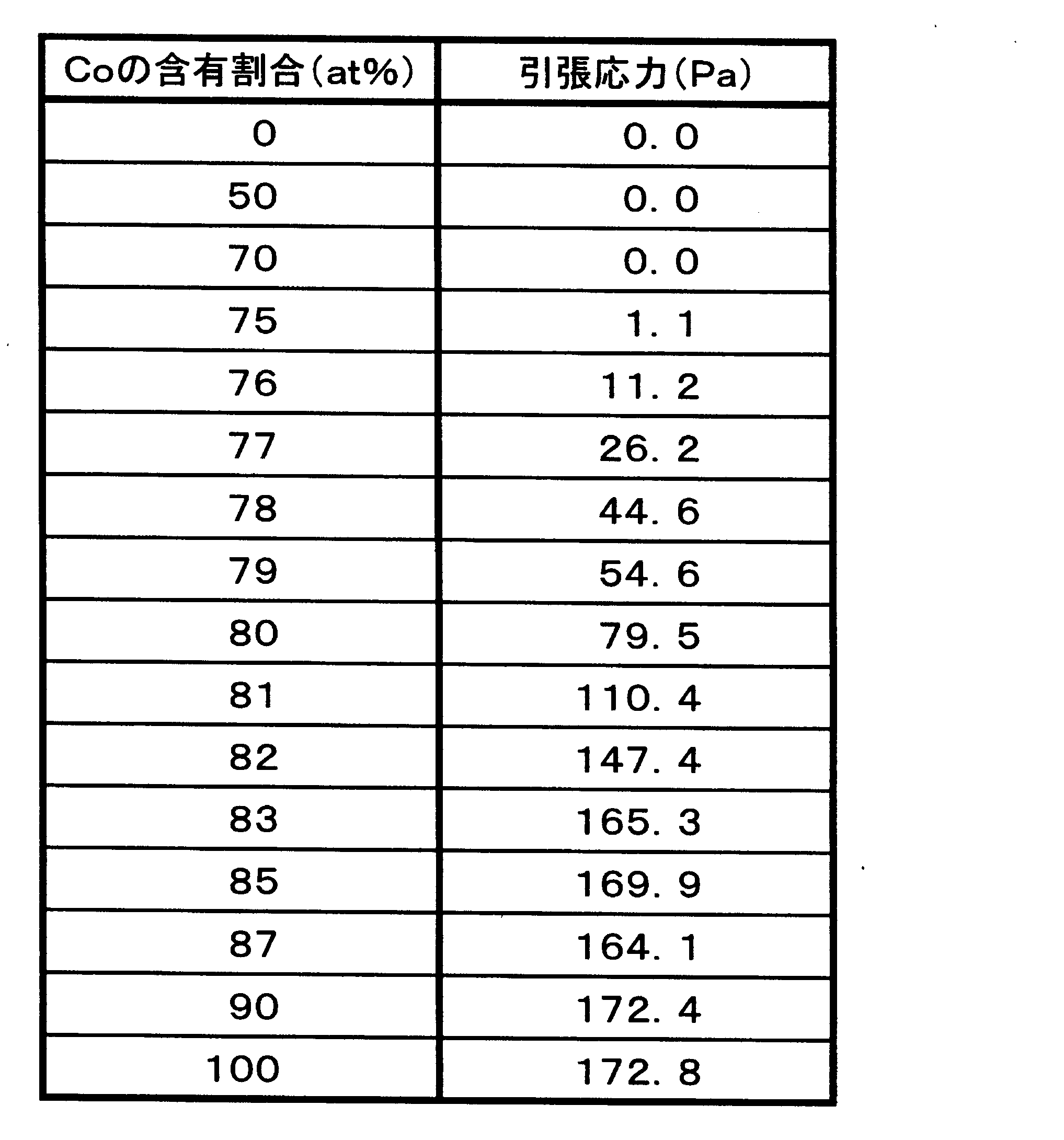
表1、図2に示すように、Co-Cr合金において、Coの含有割合が75at%以下では、Co-Cr合金の磁性はほとんど零であり、Coの含有割合が75at%を超えると、磁性が急激に大きくなり始め、Coの含有割合が83at%以上になると、磁性の増加が穏やかになりほぼ一定値となる。したがって、磁性相であるCo-Cr合金においては、Coの含有割合を83at%より増やしても、Coの含有割合が83at%以上のときと比べて磁性はほとんど大きくならない。
そこで、本実施形態においては、Co-Cr合金相におけるCoの含有割合を85at%以上とし、Coの含有割合が83at%のときと比べて磁性をほとんど大きくせずに、磁性相であるCo-Cr合金相におけるCoの含有割合を大きくしている。Co-Cr合金相におけるCoの含有割合が大きいほど、ターゲット全体におけるCo量を一定に保ちつつ、磁性相であるCo-Cr合金相の体積分率を小さく、非磁性相(Coの含有割合が0at%より大きく73at%以下のCo-Cr-Pt合金相、Coの含有割合が0at%より大きく12at%以下のCo-Pt合金相)の体積分率を大きくすることができ、ターゲット全体の磁性を小さくすることができる。
次に、Co-Cr-Pt合金相において、Coの含有割合を0at%より大きく73at%以下としている理由について説明する。
表1、図2に示すように、Co-Cr合金において、CoとCrの合計に対するCoの含有割合を75at%以下とすることにより、Co-Cr合金の磁性をほとんど零のレベルにしたまま、合金中にCoを含有させることができる。Co-Cr合金にPtを添加したCo-Cr-Pt合金においても同様の傾向を示すと考えられるので、Co、Cr、Ptの合計に対するCoの含有割合を75at%以下とすれば、Co-Cr合金の磁性をほとんど零のレベルにしたまま、合金中にCoを含有させることができると考えることもできる。しかしながら、前述したようにPtは所定の組成範囲でCoと合金化することによりCoの磁気モーメントを増加させる機能を有するので、本実施形態ではCo、Cr、Ptの合計に対するCoの含有割合を73at%以下とした。実際、後に示す実施例では、第1の非磁性相を68Co-22Cr-10Pt合金相(Coの含有割合は68at%であり、73at%以下である。)とすることにより、大きい漏洩磁束率が得られている。ただし、Coの含有割合が零では、非磁性相であるCo-Cr-Pt合金相にCoを含有させたことにならず、ターゲット10全体におけるCoを含む構成元素の含有割合を一定に保ったまま、Co-Cr合金相(磁性相)の体積分率を減少させることに寄与しない。そこで、本実施形態においては、Co-Cr-Pt合金相におけるCoの含有割合を0at%より大きく73at%以下として、ターゲット10全体におけるCoを含む構成元素の含有割合を一定に保ったまま、Co-Cr合金相(磁性相)の体積分率を減少させ、ターゲット全体の磁性を減少させて、良好なマグネトロンスパッタリングができるようにしている。
次に、Co-Pt合金相において、Coの含有割合を0at%より大きく12at%以下としている理由について説明する。
下記の表2は、Co-Pt合金において、Coの含有割合を振って測定した磁性の評価尺度の引張応力(後述するように引張応力の値が大きいほど磁性が強くなる)についての実験結果であり、図3は、下記の表2をグラフにしたもので、Co-Pt合金において、Coの含有割合と磁性との関係を示すグラフ図であり、横軸がCoの含有割合、縦軸が磁性の評価尺度の引張応力である。
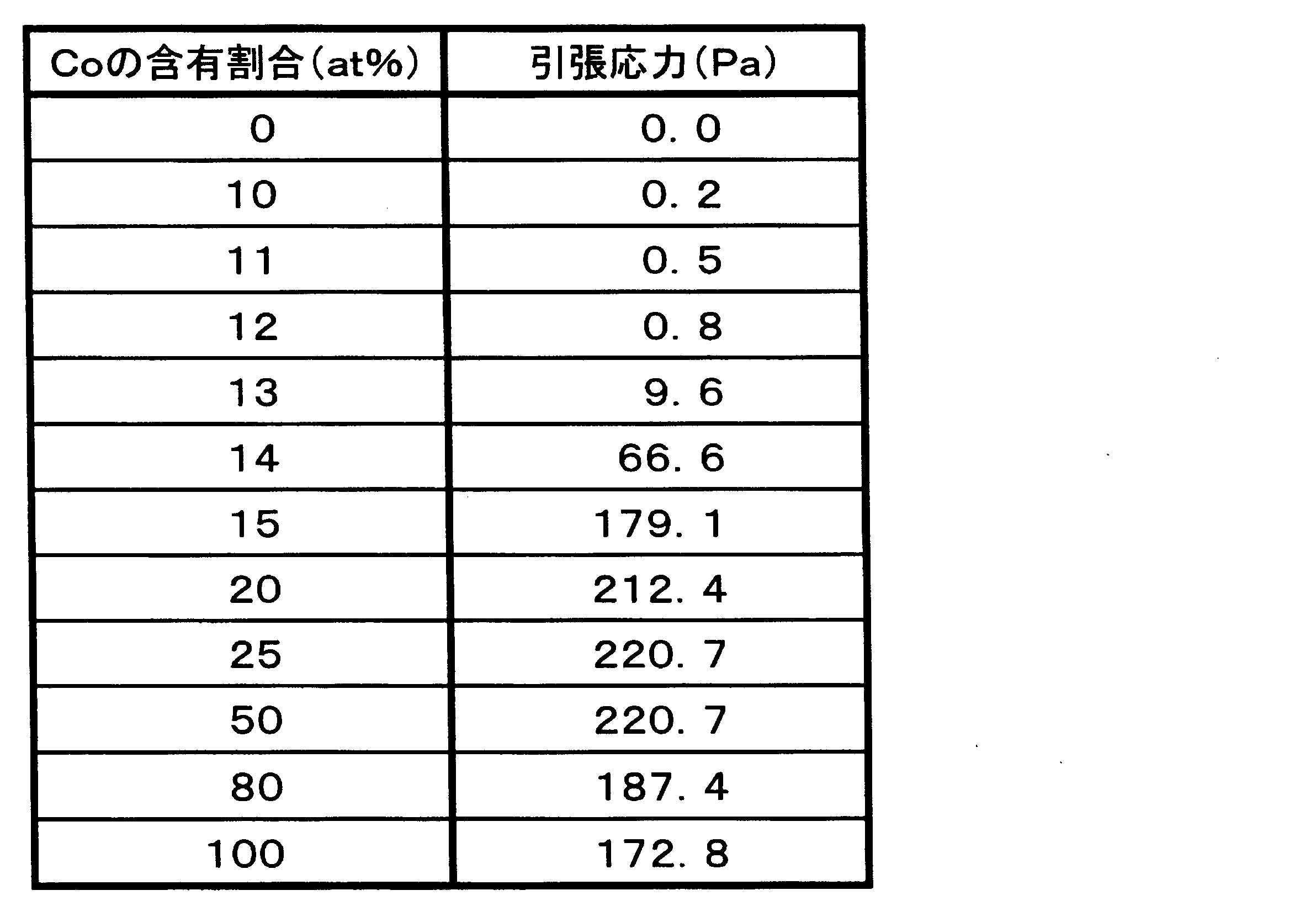
表2、図3に示すように、Co-Pt合金において、CoとPtの合計に対するCoの含有割合を12at%以下とすることにより、Co-Pt合金の磁性をほとんど零のレベルにしたまま、合金中にCoを含有させることができる。ただし、Coの含有割合が零では、ターゲット10全体におけるCoを含む構成元素の含有割合を一定に保ったまま、Co-Cr合金相(磁性相)の体積分率を減少させてターゲット全体の磁性を減少させることに寄与しない。そこで、本実施形態においては、Co-Pt合金相におけるCoの含有割合を0at%より大きく12at%以下として、ターゲット10全体におけるCoを含む構成元素の含有割合を一定に保ったまま、Co-Cr合金相(磁性相)の体積分率を減少させ、ターゲット全体の磁性を減少させて、良好なマグネトロンスパッタリングができるようにしている。
なお、表1、表2、図2、図3のデータは、本発明者が測定して得たデータであり、具体的には下記のようにして測定した。表1、図2のデータの場合、CoとCrを体積が1cm3になるように配材してアーク溶解し、底面積が0.785cm2である円盤状のサンプルを組成比を変えて作製した。そして、この円盤状のサンプルの底面を、残留磁束密度が500ガウスの磁石(材質フェライト)に付着させた後、底面と垂直な方向に引っ張り、磁石から離れたときの力を測定した。この力を底面積0.785cm2で除して求めた引張応力はサンプルの磁性と正の相関があるので、これを磁性の評価尺度とし、表1の数値、図2の縦軸とした。表2、図3のデータの場合、PtとCoを体積が1cm3になるように配材した以外は、表1、図2のデータの場合と同様にしてデータの取得を行った。
以上説明したように、本実施形態に係るターゲット10では、Coを含む非磁性相であるCo-Cr-Pt合金相(Coの含有割合は0at%より大きく73at%以下)およびCo-Pt合金相(Coの含有割合は0at%より大きく12at%以下)を設けているので、ターゲット10全体におけるCoを含む各構成元素の含有割合を一定に保ったまま、磁性相であるCo-Cr合金相の体積分率を減少させることができ、ターゲット10全体の磁性を減少させることができる。また、磁性相であるCo-Cr合金相において、Coの含有割合を85at%以上としているので、Coの含有割合が83at%のときと比べて磁性をほとんど大きくせずに、磁性相であるCo-Cr合金相におけるCoの含有割合を大きくすることができ、ターゲット全体におけるCo量を一定に保ちつつ、磁性相であるCo-Cr合金相の体積分率を小さくすることができ、ターゲット全体の磁性を小さくすることができる。
したがって、本実施形態では、ターゲットに含まれる強磁性金属元素の含有量を減少させず(ターゲットに含まれる各構成元素の含有割合を変えず)に、マグネトロンスパッタリング時に、ターゲット表面からの漏洩磁束の量を増加させることができ、マグネトロンスパッタリングを良好に行うことができる。
また、磁性相(Coの含有割合が85at%以上のCo-Cr合金相)の大きさを比較的大きくすると(相の平均の大きさを例えば40μm以上80μm以下の範囲内にすると)、理由は現段階では明確にはなっていないが、ターゲット表面からの漏洩磁束の量をより増加させることができるので、磁性相(Coの含有割合が85at%以上のCo-Cr合金相)の大きさは比較的大きくすること(相の平均の大きさを例えば40μm以上80μm以下の範囲内にすること)が好ましい。
また、第2の非磁性相の大きさを第1の非磁性相よりも大きくすると、理由は現段階では明確にはなっていないが、ターゲット表面からの漏洩磁束の量をより増加させる傾向があるので、第2の非磁性金属粉末(5Co-95Pt合金粉末)は酸化物粉末とボールミルで混合しなくてもよく、第2の非磁性相(5Co-95Pt合金相)の大きさを第1の非磁性相(68Co-22Cr-10Pt合金相)よりも大きくしてもよい。
ここで、本実施形態では、複数の非磁性相のうちの少なくとも1つが、磁性相および他の非磁性相よりも細かく酸化物相と分散し合っているので、磁性相の大きさを比較的大きくしても(磁性相の平均の大きさが例えば40μm以上80μm以下の範囲内に入るようにしても)、さらには他の非磁性相の大きさを比較的大きくしても、酸化物が凝集して大きな酸化物相が生じてしまうことが抑制されており、スパッタリング時にノジュールやパーティクルの発生等の不具合も発生しにくい。
3.ターゲットの製造方法
本実施形態に係るターゲット10は、以下のようにして製造することができる。
本実施形態に係るターゲット10は、以下のようにして製造することができる。
(1)磁性金属粉末の作製
所定の組成(Coの含有割合が85at%以上)となるようにCo、Crを秤量し、合金溶湯を作製して、ガスアトマイズを行い、所定の組成(Coの含有割合が85at%以上)のCo-Cr合金アトマイズ磁性粉末を作製する。作製したCo-Cr合金アトマイズ磁性粉末は分級して、粒径が所定の粒径以下(例えば106μm以下)となるようにする。ここで、Crを含有させずにCo単体のアトマイズ磁性粉末としてもよく、本実施形態では、所定の組成(Coの含有割合が85at%以上)のCo-Cr合金アトマイズ磁性粉末には、Co単体のアトマイズ磁性粉末も含まれるものとする。
所定の組成(Coの含有割合が85at%以上)となるようにCo、Crを秤量し、合金溶湯を作製して、ガスアトマイズを行い、所定の組成(Coの含有割合が85at%以上)のCo-Cr合金アトマイズ磁性粉末を作製する。作製したCo-Cr合金アトマイズ磁性粉末は分級して、粒径が所定の粒径以下(例えば106μm以下)となるようにする。ここで、Crを含有させずにCo単体のアトマイズ磁性粉末としてもよく、本実施形態では、所定の組成(Coの含有割合が85at%以上)のCo-Cr合金アトマイズ磁性粉末には、Co単体のアトマイズ磁性粉末も含まれるものとする。
(2)第1の非磁性金属粉末および非磁性混合粉末の作製
所定の組成(Coの含有割合が0at%より大きく73at%以下)となるようにCo、Cr、Ptを秤量し、合金溶湯を作製して、ガスアトマイズを行い、所定の組成(Coの含有割合が0at%より大きく73at%以下)の第1の非磁性金属粉末(Co-Cr-Pt合金アトマイズ非磁性粉末)を作製する。作製した第1の非磁性金属粉末(Co-Cr-Pt合金アトマイズ非磁性粉末)は分級して、粒径が所定の粒径以下(例えば106μm以下)となるようにする。
所定の組成(Coの含有割合が0at%より大きく73at%以下)となるようにCo、Cr、Ptを秤量し、合金溶湯を作製して、ガスアトマイズを行い、所定の組成(Coの含有割合が0at%より大きく73at%以下)の第1の非磁性金属粉末(Co-Cr-Pt合金アトマイズ非磁性粉末)を作製する。作製した第1の非磁性金属粉末(Co-Cr-Pt合金アトマイズ非磁性粉末)は分級して、粒径が所定の粒径以下(例えば106μm以下)となるようにする。
作製した分級後のCo-Cr-Pt合金アトマイズ非磁性粉末と酸化物粉末(SiO2粉末、TiO2粉末、Cr2O3粉末)とを混合分散して、非磁性混合粉末を作製する。酸化物粉末(SiO2粉末、TiO2粉末、Cr2O3粉末)は、微細な1次粒子が凝集して2次粒子を形成しているが、混合分散は、Co-Cr-Pt合金アトマイズ非磁性粉末と酸化物粉末(SiO2粉末、TiO2粉末、Cr2O3粉末)とが十分に細かく分散し合うまで行う(例えば、Co-Cr-Pt合金アトマイズ非磁性粉末と酸化物粉末とのボールミルによる累計回転回数が100万回以上になるまで混合分散を行う)。
(3)第2の非磁性金属粉末の作製
所定の組成(Coの含有割合が0at%より大きく12at%以下)となるようにCo、Ptを秤量し、合金溶湯を作製して、ガスアトマイズを行い、所定の組成(Coの含有割合が0at%より大きく12at%以下)である第2の非磁性金属粉末(Co-Pt合金アトマイズ非磁性粉末)を作製する。作製した第2の非磁性金属粉末は分級して、粒径が所定の粒径以下(例えば106μm以下)となるようにする。
所定の組成(Coの含有割合が0at%より大きく12at%以下)となるようにCo、Ptを秤量し、合金溶湯を作製して、ガスアトマイズを行い、所定の組成(Coの含有割合が0at%より大きく12at%以下)である第2の非磁性金属粉末(Co-Pt合金アトマイズ非磁性粉末)を作製する。作製した第2の非磁性金属粉末は分級して、粒径が所定の粒径以下(例えば106μm以下)となるようにする。
(4)加圧焼結用混合粉末の作製
(2)で作製した非磁性混合粉末と、(1)で作製した磁性金属粉末と、(3)で作製した第2の非磁性金属粉末とを概ね均一になるまで混合分散して、加圧焼結用混合粉末を作製する。この加圧焼結用混合粉末の作製の際には、(2)で作製した非磁性混合粉末、(1)で作製した磁性金属粉末、(3)で作製した第2の非磁性金属粉末に、必要に応じ酸化物粉末を加えて混合分散を行ってもよい。なお、この工程での混合分散は、各粒子径が小さくならない程度に止める。各粒子径が小さくなる程度まで混合分散を行うと、得られるターゲットの漏洩磁束量が小さくなってしまうおそれがある。
(2)で作製した非磁性混合粉末と、(1)で作製した磁性金属粉末と、(3)で作製した第2の非磁性金属粉末とを概ね均一になるまで混合分散して、加圧焼結用混合粉末を作製する。この加圧焼結用混合粉末の作製の際には、(2)で作製した非磁性混合粉末、(1)で作製した磁性金属粉末、(3)で作製した第2の非磁性金属粉末に、必要に応じ酸化物粉末を加えて混合分散を行ってもよい。なお、この工程での混合分散は、各粒子径が小さくならない程度に止める。各粒子径が小さくなる程度まで混合分散を行うと、得られるターゲットの漏洩磁束量が小さくなってしまうおそれがある。
(5)成形
(4)で作製した加圧焼結用混合粉末を、例えば真空ホットプレス法により加圧焼結して成形し、ターゲットを作製する。
(4)で作製した加圧焼結用混合粉末を、例えば真空ホットプレス法により加圧焼結して成形し、ターゲットを作製する。
(6)製造方法の特徴
本実施形態に係る製造方法の特徴は、(2)で作製した第1の非磁性金属粉末と酸化物粉末とを、(2)で記載したように、十分に細かく分散し合うまで混合分散を行って、非磁性混合粉末を得ていることである。
本実施形態に係る製造方法の特徴は、(2)で作製した第1の非磁性金属粉末と酸化物粉末とを、(2)で記載したように、十分に細かく分散し合うまで混合分散を行って、非磁性混合粉末を得ていることである。
(2)で作製した非磁性混合粉末において、Co-Cr-Pt合金粉末と酸化物粉末とは十分に細かく分散し合っているので、(2)で作製した非磁性混合粉末と、(1)で作製した磁性金属粉末と、(3)で作製した第2の非磁性金属粉末とを混合分散して、加圧焼結用混合粉末を作製する際の混合の程度を、各粒子径が小さくならない程度に止めても、得られるターゲット中において酸化物が凝集して大きな酸化物相が生じてしまうことが抑制されており、スパッタリング時にノジュールやパーティクルの発生等の不具合は発生しにくい。
このため、本実施形態に係る製造方法によれば、スパッタリング時のノジュールやパーティクル等の発生を抑制しつつ、加圧焼結用混合粉末中の磁性金属粉末(Coの含有割合が85at%以上のCo-Cr合金粉末)および第2の非磁性金属粉末(Coの含有割合が0at%より大きく12at%以下のCo-Pt合金粉末)の粒径を大きくすることができ、得られるターゲットの漏洩磁束量を大きくすることができる。
(実施例1)
実施例1として作製したターゲット全体の組成は、90(71Co-10Cr-14Pt-5Ru)-7SiO2-3Cr2O3であり、以下のようにしてターゲットの作製を行うとともに評価を行った。
実施例1として作製したターゲット全体の組成は、90(71Co-10Cr-14Pt-5Ru)-7SiO2-3Cr2O3であり、以下のようにしてターゲットの作製を行うとともに評価を行った。
合金組成がCo:68at%、Cr:22at%、Pt:10at%となるように各金属を秤量し、1700℃まで加熱して68Co-22Cr-10Pt合金溶湯とし、ガスアトマイズを行って68Co-22Cr-10Pt合金粉末(第1の非磁性金属粉末)を作製した。
また、合金組成がCo:5at%、Pt:95at%となるように各金属を秤量し、2000℃まで加熱して5Co-95Pt合金溶湯とし、ガスアトマイズを行って5Co-95Pt合金粉末(第2の非磁性金属粉末)を作製した。
また、Co単体を1700℃まで加熱してCo単体の溶湯とし、ガスアトマイズを行ってCo粉末(磁性金属粉末)を作製した。
作製した3種類のアトマイズ金属粉末(68Co-22Cr-10Pt合金粉末、5Co-95Pt合金粉末、Co粉末)をそれぞれ150メッシュのふるいで分級して、粒径が106μm以下の3種類のアトマイズ金属粉末(68Co-22Cr-10Pt合金粉末、5Co-95Pt合金粉末、Co粉末)を得た。
Co粉末については、さらに325メッシュのふるいで分級して、粒径が45μm以上106μm以下のアトマイズ金属粉末とした。
分級後の68Co-22Cr-10Pt合金粉末735.70gに、SiO2粉末106.53g、Cr2O3粉末115.46g、Ru粉末(粒径106μm以下)115.26gを添加してボールミルで混合分散を行い、非磁性混合粉末を得た。ボールミルの累計回転回数は4,136,400回であった。
次に、得られた非磁性混合粉末493.14gと、分級後の5Co-95Pt合金粉末(第2の非磁性金属粉末)197.68gと、分級後のCo粉末(磁性金属粉末)246.18gとを、ターブラーシェイカーで67rpm、30minの条件で混合して、加圧焼結用混合粉末を得た。
作製した加圧焼結用混合粉末30gを、焼結温度:1200℃、圧力:31MPa、時間:30min、雰囲気:5×10⁻²Pa以下の条件でホットプレスを行い、テストピース(φ30mm)を作製した。得られたテストピースの厚さは4.8mm程度であった。作製したテストピースの相対密度は98.65%であった。
図4および図5は、得られたテストピースの厚さ方向断面の金属顕微鏡写真であり、図4は撮影時の倍率が100倍の写真(写真中の縮尺目盛りは500μm)で、図5は撮影時の倍率が400倍の写真(写真中の縮尺目盛りは100μm)である。
図4および図5において、濃い灰色の相は酸化物相であり、この酸化物相と混ざり合って分散し合っている白色の小さな細長い相が68Co-22Cr-10Pt合金であり、略円形の白色の相はCo相および5Co-95Pt相であると考えられる。68Co-22Cr-10Pt合金粉末は酸化物粉末とボールミルで累計回転回数4,136,400回まで混合を行っているので、68Co-22Cr-10Pt合金相と酸化物相とは細かく混ざり合うとともに、68Co-22Cr-10Pt合金相は変形して細長くなると考えられる一方、Co粉末および5Co-95Pt粉末はボールミルによる混合がなされていないので略球状の形状を保っていると考えられるからである。
なお、本実施例1では、Co粉末および5Co-95Pt粉末はボールミルによる混合がなされていないので、図4および図5において、ターゲット中のCo相および5Co-95Pt合金相はどちらも略円形の形状だと考えられ、両者を区別することは困難である。このため、本実施例1では、ターゲット中のCo相の大きさを算出することはしていない。ただし、Co粉末については、2回分級して、粒径が45μm以上106μm以下の範囲に揃えられており、45μm未満の小さい粒径のものは含まれていないのに対し、5Co-95Pt粉末は分級が1回のみで、粒径の範囲が106μm以下であるので、図4および図5において、大きい略円形の白色の相はCo相が主体で、小さい略円形の白色の相は5Co-95Pt相が主体であると考えられる。
次に、作製した加圧焼結用混合粉末を用いて、焼結温度:1200℃、圧力:31MPa、時間:60min、雰囲気:5×10⁻²Pa以下の条件でホットプレスを行い、φ152.4mm×厚さ5.0mmのターゲットを2つ作製した。作製した2つのターゲットの相対密度は99.85%、99.86%であり、平均の相対密度は99.86%であった。
作製した2つのターゲットについて、ASTM F2086-01に基づき、漏洩磁束についての評価を行った。磁束を発生させるための磁石には馬蹄形磁石(材質:アルニコ)を用いた。この磁石を漏洩磁束の測定装置に取り付けるとともに、ホールプローブにガウスメータを接続した。ホールプローブは、前記馬蹄形磁石の磁極間の中心の真上に位置するように配置した。
まず、測定装置のテーブルにターゲットを置かずに、テーブルの表面における水平方向の磁束密度を測定し、ASTMで定義されるSource Fieldを測定したところ897(G)、897(G)であった。
次に、ホールプローブの先端を、ターゲットの漏洩磁束測定時の位置(テーブル表面からターゲットの厚さ+2mmの高さ位置)に上昇させ、テーブル面にターゲットを置かない状態で、テーブル面に水平な方向の漏洩磁束密度を測定し、ASTMで定義されるReference fieldを測定したところ616(G)、614(G)であった。
次に、ターゲット表面の中心と、ターゲット表面のホールプローブ直下の点の間の距離が43.7mmになるようにターゲットをテーブル面に配置した。そして、中心位置を移動させずにターゲットを反時計回りに5回転させた後、中心位置を移動させずにターゲットを0度、30度、60度、90度、120度回転させ、それぞれの位置で、テーブル面に水平な方向の漏洩磁束密度を測定した。得られた5つの漏洩磁束密度の値をReferennce fieldの値で割って100を掛けて漏洩磁束率(%)とした。5点の漏洩磁束率(%)の平均をとり、その平均値をそのターゲットの平均漏洩磁束率(%)とした。下記の表3、表4に示すように、作製した2つのターゲットの平均漏洩磁束率は72.2%、73.3%であり、作製した2つのターゲットの平均漏洩磁束率の平均は72.8%であった。
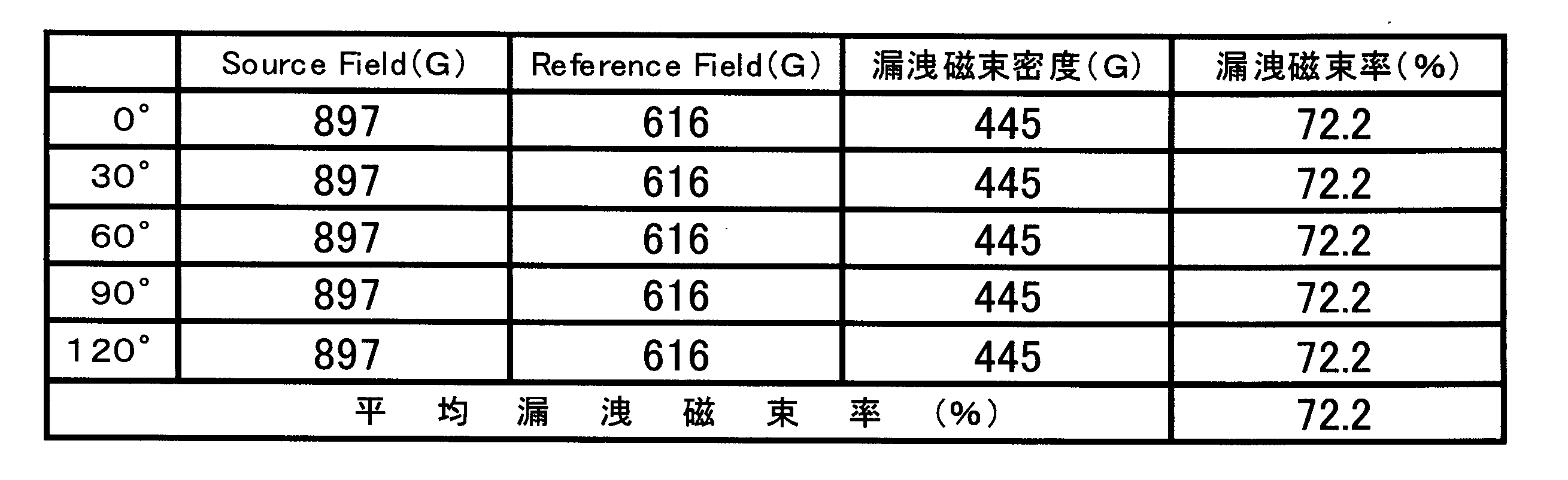
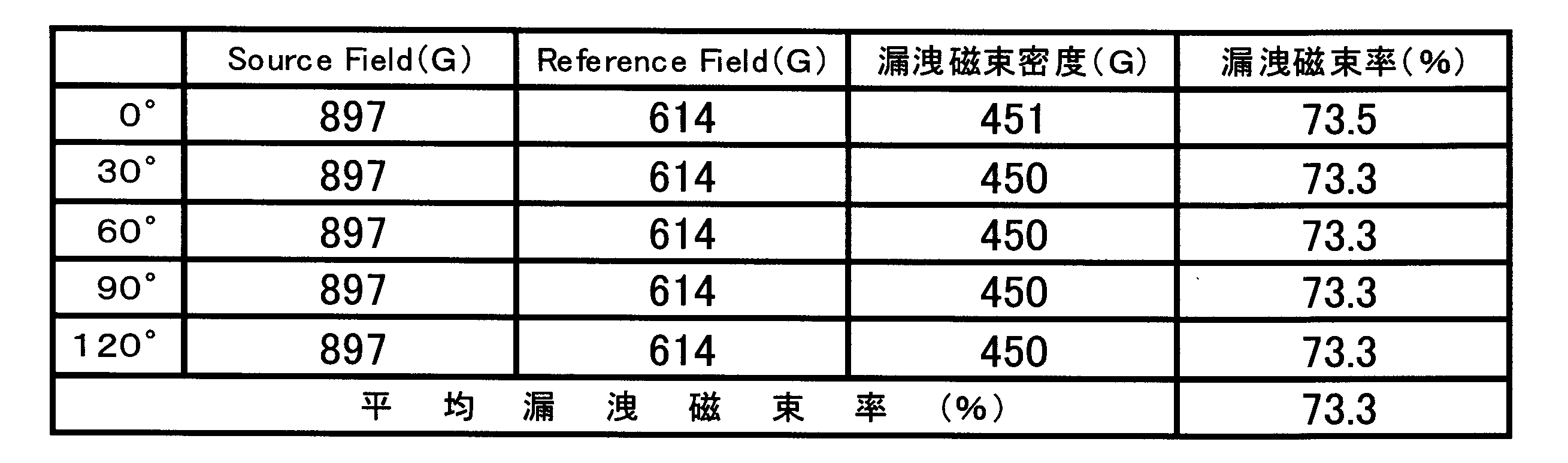
(実施例2)
実施例2として作製したターゲット全体の組成は、90(71Co-10Cr-14Pt-5Ru)-7SiO2-3Cr2O3であり、実施例1と同じであり、また、作製した3種類のアトマイズ金属粉末(68Co-22Cr-10Pt合金粉末、5Co-95Pt合金粉末、Co粉末)の組成も同じである。ただし、実施例1では、ボールミルを用いて酸化物と混合分散をさせた金属粉末は第1の非磁性金属粉末(68Co-22Cr-10Pt合金粉末)のみであったが、本実施例2では、第1の非磁性金属粉末(68Co-22Cr-10Pt合金粉末)だけでなく、第2の非磁性金属粉末(5Co-95Pt合金粉末)および磁性金属粉末(Co粉末)についても、ボールミルを用いて酸化物と混合分散をさせている点が異なる。
実施例2として作製したターゲット全体の組成は、90(71Co-10Cr-14Pt-5Ru)-7SiO2-3Cr2O3であり、実施例1と同じであり、また、作製した3種類のアトマイズ金属粉末(68Co-22Cr-10Pt合金粉末、5Co-95Pt合金粉末、Co粉末)の組成も同じである。ただし、実施例1では、ボールミルを用いて酸化物と混合分散をさせた金属粉末は第1の非磁性金属粉末(68Co-22Cr-10Pt合金粉末)のみであったが、本実施例2では、第1の非磁性金属粉末(68Co-22Cr-10Pt合金粉末)だけでなく、第2の非磁性金属粉末(5Co-95Pt合金粉末)および磁性金属粉末(Co粉末)についても、ボールミルを用いて酸化物と混合分散をさせている点が異なる。
本実施例2のターゲットを以下のようにして作製するとともに評価を行った。
実施例1と同様にアトマイズおよび分級を行って、68Co-22Cr-10Pt合金粉末(粒径106μm以下)、5Co-95Pt合金粉末(粒径106μm以下)、Co粉末(粒径45μm以上106μm以下)を得た。
得られた68Co-22Cr-10Pt合金粉末742.38gに、SiO2粉末76.55g、Cr2O3粉末80.81g、Ru粉末(粒径106μm以下)116.31gを添加してボールミルで混合分散(ボールミルの累計回転回数は4,136,400回)を行い、第1の非磁性混合粉末を得た。
また、得られた5Co-95Pt合金粉末891.43gに、SiO2粉末26.92g、Cr2O3粉末31.07gを添加してボールミルで混合分散(ボールミルの累計回転回数は1,308,960回)を行い、第2の非磁性混合粉末を得た。
また、得られたCo粉末790.00gに、SiO2粉末26.35g、Cr2O3粉末30.39gを添加してボールミルで混合分散(ボールミルの累計回転回数は493,560回)を行い、磁性混合粉末を得た。
次に、第1の非磁性混合粉末(68Co-22Cr-10Pt合金粉末と酸化物粉末とが混合分散した粉末)465.60g、第2の非磁性混合粉末(5Co-95Pt合金粉末と酸化物粉末とが混合分散した粉末)210.54g、磁性混合粉末(Co粉末と酸化物粉末とが混合分散した粉末)263.86gを混合してターブラーシェイカーで実施例1と同様に混合分散を行い、加圧焼結用混合粉末を得た。
作製した加圧焼結用混合粉末30gを、焼結温度:1210℃、圧力:31MPa、時間:30min、雰囲気:5×10⁻²Pa以下の条件でホットプレスを行い、テストピース(φ30mm)を作製した。得られたテストピースの厚さは4.8mm程度であった。作製したテストピースの相対密度は99.12%であった。
図6および図7は、得られたテストピースの厚さ方向断面の金属顕微鏡写真であり、図6は撮影時の倍率が100倍の写真(写真中の縮尺目盛りは500μm)で、図7は撮影時の倍率が400倍の写真(写真中の縮尺目盛りは100μm)である。
図6および図7において、白色の相は金属相であるが、略円形の白色の相はほとんど存在しておらず、白色の相は楕円形かそれ以上に細長い相になっている。本実施例2では、作製した3種類のアトマイズ金属粉末全てについてそれぞれ、ボールミルを用いて酸化物と混合分散をさせたためと考えられる。ただし、Co粉末のボールミルによる混合の際の累計回転回数は493,560回であり、68Co-22Cr-10Pt粉末の累計回転回数4,136,400回および5Co-95Pt粉末の累計回転回数1,308,960回のそれぞれ8分の1以下、5分の2以下であるので、Co粉末は68Co-22Cr-10Pt粉末および5Co-95Pt粉末ほどには細長くはなっていないと考えられる。したがって、図6および図7において、アスペクト比が3以下の大きな白色の相はCo相であると考えることも可能である。
図7においてアスペクト比が3以下の白色の相がCo相であると考えたときのCo相の平均の大きさは45μmであった。なお、個々の相の大きさを算出する際には、長径と短径の平均の値を相の大きさとした。また、図7におけるCo相の大きさの平均値の算出に際しては、10μm以下の大きさの相については無視した。
なお、図6および図7において、濃い灰色の相である酸化物相と混ざり合って分散し合っている白色の小さな細長い相は、68Co-22Cr-10Pt合金相と5Co-95Pt合金相であると考えられる。
また、本実施例2の図6および図7を実施例1の図4および図5と比較してみると、金属相を示す白色の相の大きさの最大値および白色の相の写真全体に対する割合は、実施例1の図4および図5の方が大きいように観察される(実施例1の図4における白色の相の大きさの最大値は92μmであるのに対し、本実施例2の図7における白色の相の大きさの最大値は71μmである。また、白色の相の写真全体に対する割合は、実施例1の図4および図5の方が本実施例2の図6および図7よりも大きいことは一見して明らかである)ので、実施例1のターゲット中のCo相および5Co-95Pt合金相の大きさは本実施例2のターゲット中のCo相よび5Co-95Pt合金相の大きさよりも大きいと思われる。本実施例2では、作製した3種類のアトマイズ金属粉末全てについてそれぞれボールミルを用いて酸化物と混合分散をさせたため、白色の金属相の大きさが小さくなるとともに、金属相が酸化物相と細かく分散し合うことにより白色の相として観察される領域の割合が小さくなったと思われる。
次に、作製した加圧焼結用混合粉末を用いて、焼結温度:1210℃、圧力:31MPa、時間:60min、雰囲気:5×10⁻²Pa以下の条件でホットプレスを行い、φ152.4mm×厚さ5.0mmのターゲットを2つ作製した。作製した2つのターゲットの相対密度は99.73%、99.82%であり、平均の相対密度は99.78%であった。
作製した2つのターゲットについて、実施例1と同様にして、漏洩磁束についての評価を行った。下記の表5、表6に示すように、平均漏洩磁束率は65.0%と65.3%であり、作製した2つのターゲットの平均漏洩磁束率の平均は65.2%であった。
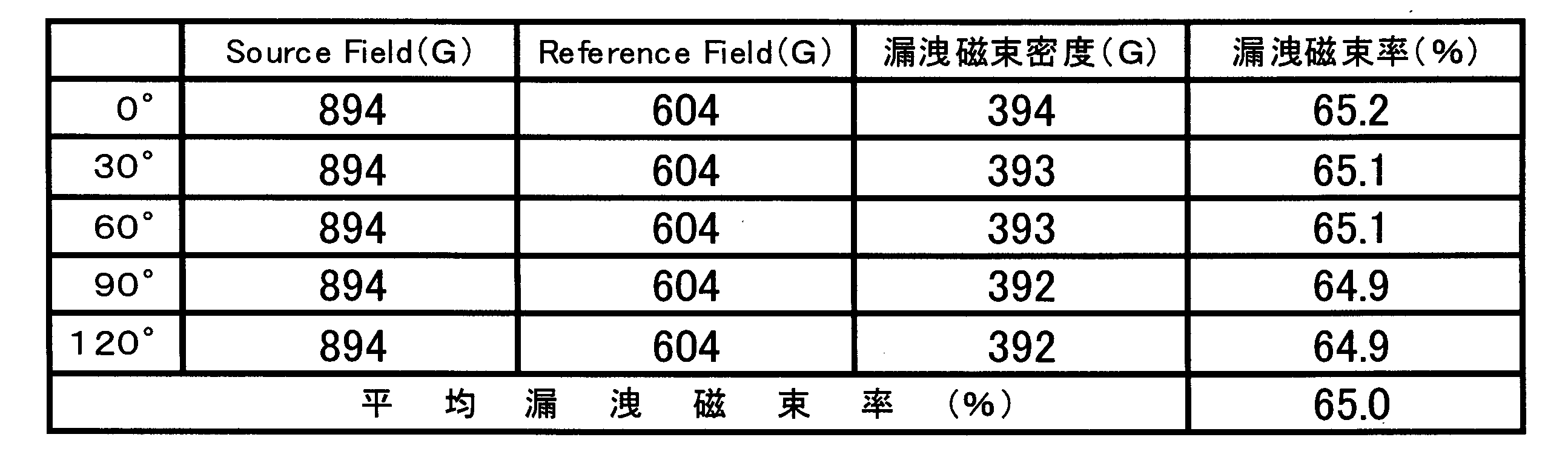
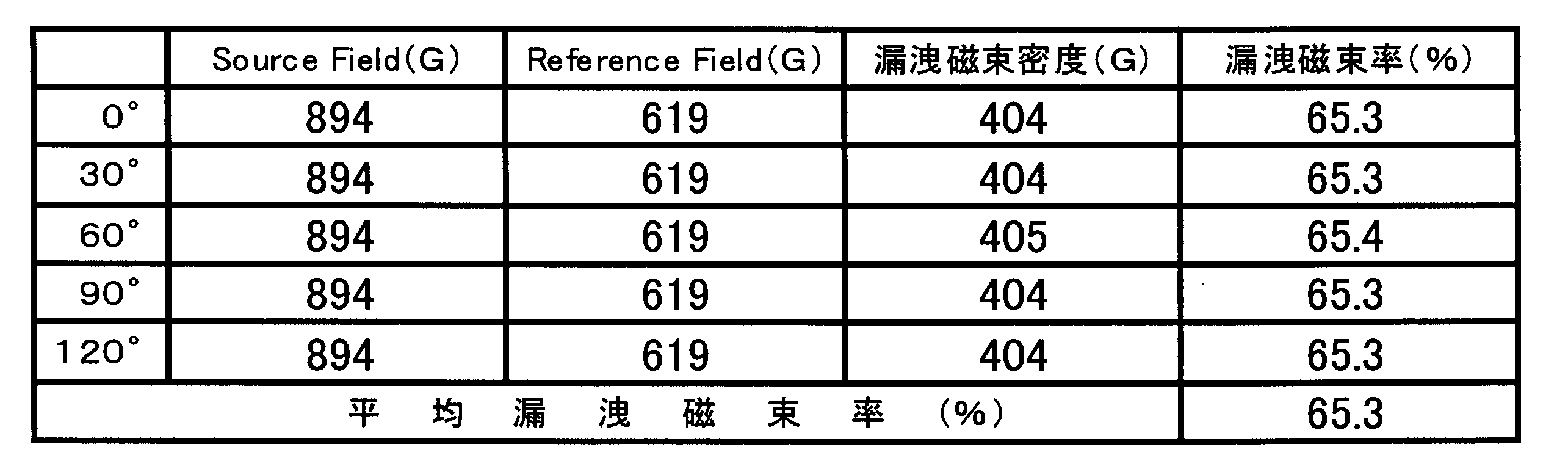
(比較例1)
比較例1として作製したターゲット全体の組成は、90(71Co-10Cr-14Pt-5Ru)-7SiO2-3Cr2O3で、実施例1、2と同じである。作製した3種類のアトマイズ金属粉末は、68Co-22Cr-10Pt合金粉末(非磁性金属粉末)、50Co-50Pt合金粉末(第1の磁性金属粉末)、Co粉末(第2の磁性金属粉末)であり、実施例1、2の5Co-95Pt合金粉末(非磁性金属粉末)に替えて、50Co-50Pt合金粉末(磁性金属粉末)を作製している。また、本比較例1では、ボールミルを用いて酸化物と混合分散をさせた金属粉末は、68Co-22Cr-10Pt合金粉末(非磁性金属粉末)と50Co-50Pt合金粉末(第1の磁性金属粉末)であり、Co粉末(第2の磁性金属粉末)については、ボールミルを用いて酸化物と混合分散をさせることはしていない。
比較例1として作製したターゲット全体の組成は、90(71Co-10Cr-14Pt-5Ru)-7SiO2-3Cr2O3で、実施例1、2と同じである。作製した3種類のアトマイズ金属粉末は、68Co-22Cr-10Pt合金粉末(非磁性金属粉末)、50Co-50Pt合金粉末(第1の磁性金属粉末)、Co粉末(第2の磁性金属粉末)であり、実施例1、2の5Co-95Pt合金粉末(非磁性金属粉末)に替えて、50Co-50Pt合金粉末(磁性金属粉末)を作製している。また、本比較例1では、ボールミルを用いて酸化物と混合分散をさせた金属粉末は、68Co-22Cr-10Pt合金粉末(非磁性金属粉末)と50Co-50Pt合金粉末(第1の磁性金属粉末)であり、Co粉末(第2の磁性金属粉末)については、ボールミルを用いて酸化物と混合分散をさせることはしていない。
本比較例1のターゲットを以下のようにして作製するとともに評価を行った。
実施例1と同様にアトマイズおよび分級を行って、68Co-22Cr-10Pt合金粉末(粒径106μm以下)を得た。
得られた68Co-22Cr-10Pt合金粉末775.53gに、SiO2粉末68.30g、Cr2O3粉末74.04g、Ru粉末(粒径106μm以下)121.51gを添加してボールミルで混合分散(ボールミルの累計回転回数は4,136,400回)を行い、非磁性混合粉末を作製した。
また、合金組成のみを変更した以外は実施例1と同様にアトマイズおよび分級を行って、50Co-50Pt合金粉末(粒径106μm以下)を得た。なお、50Co-50Pt合金粉末を得るアトマイズの際の加熱温度および噴射温度は1800℃であった。
得られた50Co-50Pt合金粉末1121.25gにSiO2粉末85.41g、Cr2O3粉末92.54gを添加してボールミルで混合分散(ボールミルの累計回転回数は2,805,840回)を行い、磁性混合粉末を作製した。
また、実施例1と同様にアトマイズを行って、Co粉末を得た。得られたCo粉末の分級は150メッシュのふるいによる分級のみを行い、粒径が106μm以下のCo粉末に分級した。なお、得られたCo粉末については、ボールミルで酸化物と混合分散させることはしなかった。
次に、非磁性混合粉末(68Co-22Cr-10Pt合金粉末と酸化物粉末とが混合分散した粉末)455.93g、磁性混合粉末(50Co-50Pt合金粉末と酸化物粉末とが混合分散した粉末)293.57g、磁性金属粉末(Co粉末)190.51gを混合してターブラーシェイカーで実施例1と同様に混合分散を行い、加圧焼結用混合粉末を得た。
作製した加圧焼結用混合粉末30gを、焼結温度:1200℃、圧力:31MPa、時間:30min、雰囲気:5×10⁻²Pa以下の条件でホットプレスを行い、テストピース(φ30mm)を作製した。得られたテストピースの厚さは4.8mm程度であった。作製したテストピースの相対密度は98.14%であった。
図8および図9は、得られたテストピースの厚さ方向断面の金属顕微鏡写真であり、図8は撮影時の倍率が100倍の写真(写真中の縮尺目盛りは500μm)で、図9は撮影時の倍率が400倍の写真(写真中の縮尺目盛りは100μm)である。
図8および図9において、略円形の白色の相はボールミルによる混合を行っていないCo相であると考えられる。ボールミルによる混合を行っていないので、Co相は略円形の形状を保っているものと考えられる。
一方、68Co-22Cr-10Pt合金粉末と酸化物粉末とのボールミルでの累計回転回数は4,136,400回であり、50Co-50Pt合金粉末と酸化物粉末とのボールミルでの累計回転回数は2,805,840回であり、累計回転回数はともに多い。したがって、図8および図9において、濃い灰色の相である酸化物相と混ざり合って分散し合っている白色の小さな細長い相は、68Co-22Cr-10Pt合金相と50Co-50Pt合金相であると考えられる。
図9において略円形(ここではアスペクト比1.5以下の形状を略円形とした)の白色の相は全てCo相と考えたときのCo相の平均の大きさは40μmであった。なお、個々の相の大きさを算出する際には、最も径の大きい長径の値と最も径の小さい短径の値の平均の値を相の大きさとした。また、図9におけるCo相の大きさの平均値の算出に際しては、10μm以下の大きさの相については無視した。
次に、作製した加圧焼結用混合粉末を用いて、焼結温度:1200℃、圧力:31MPa、時間:60min、雰囲気:5×10⁻²Pa以下の条件でホットプレスを行い、φ152.4mm×厚さ5.0mmのターゲットを2つ作製した。作製した2つのターゲットの相対密度は99.87%、99.68%であり、平均の相対密度は99.78%であった。
作製した2つのターゲットについて、実施例1と同様にして、漏洩磁束についての評価を行った。下記の表7、表8に示すように、平均漏洩磁束率は61.0%と60.8%であり、作製した2つのターゲットの平均漏洩磁束率の平均は60.9%であった。
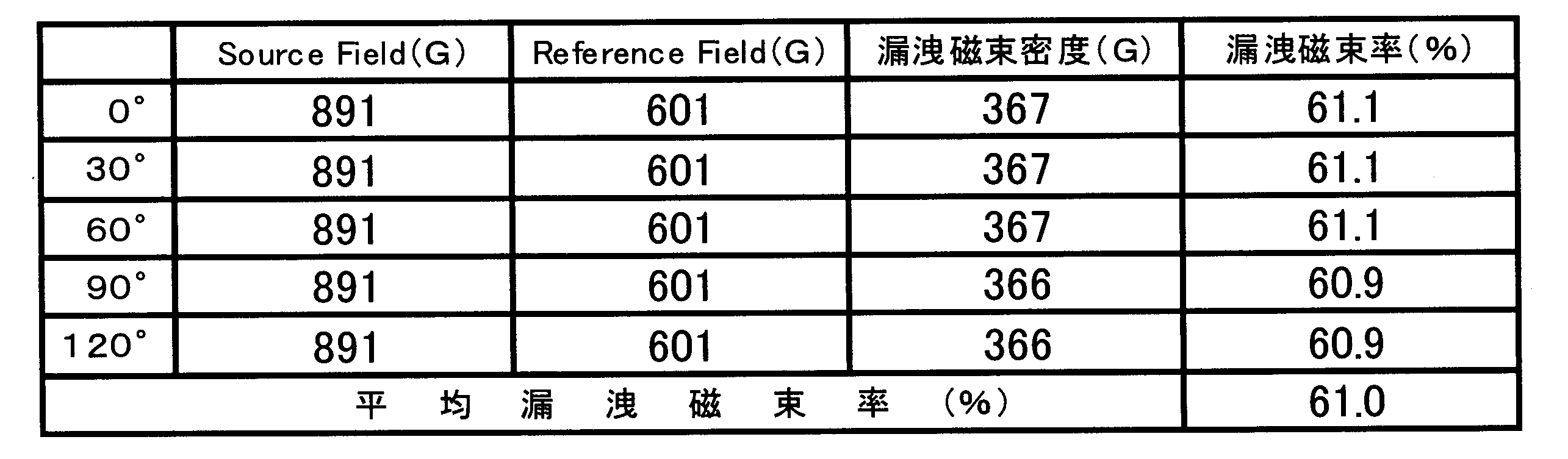
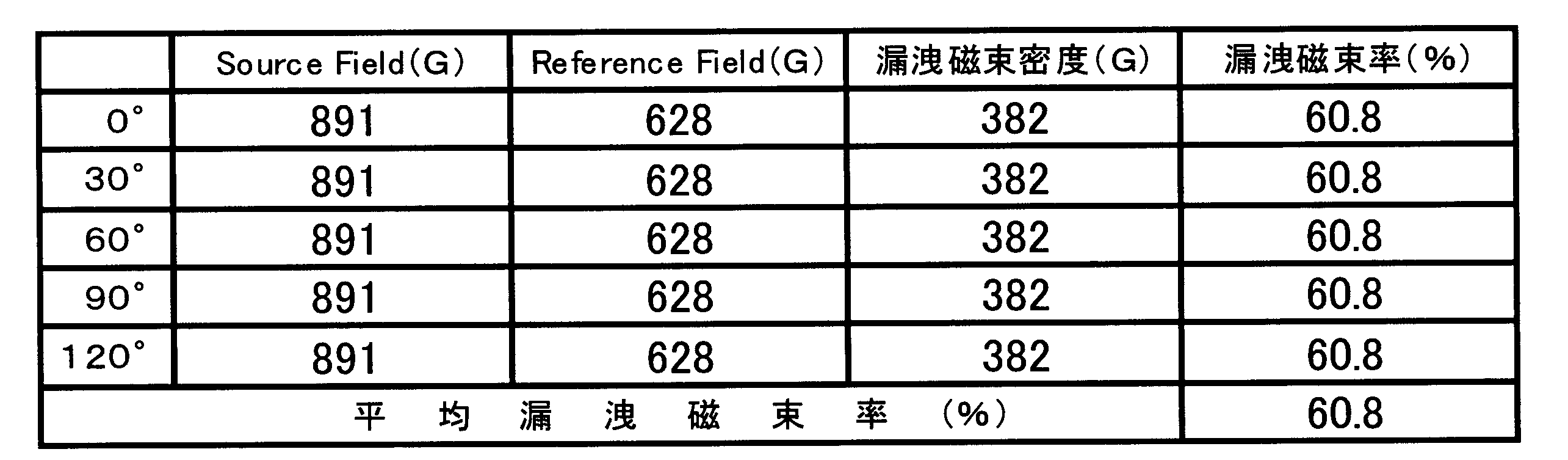
(比較例2)
比較例2として作製したターゲット全体の組成は、90(71Co-10Cr-14Pt-5Ru)-7SiO2-3Cr2O3で、実施例1、2、比較例1と同じである。作製した3種類のアトマイズ金属粉末は、68Co-22Cr-10Pt合金粉末(非磁性金属粉末)、50Co-50Pt合金粉末(第1の磁性金属粉末)、Co粉末(第2の磁性金属粉末)であり、比較例1と同様に、実施例1、2の5Co-95Pt合金粉末(非磁性金属粉末)に替えて、50Co-50Pt合金粉末(磁性金属粉末)を作製している。ただし、本比較例2では、作製した3種類のアトマイズ金属粉末全てについてそれぞれ、ボールミルを用いて酸化物と混合分散をさせており、磁性金属粉末(Co粉末)についても、ボールミルを用いて酸化物と混合分散をさせている点が比較例1と異なる。
比較例2として作製したターゲット全体の組成は、90(71Co-10Cr-14Pt-5Ru)-7SiO2-3Cr2O3で、実施例1、2、比較例1と同じである。作製した3種類のアトマイズ金属粉末は、68Co-22Cr-10Pt合金粉末(非磁性金属粉末)、50Co-50Pt合金粉末(第1の磁性金属粉末)、Co粉末(第2の磁性金属粉末)であり、比較例1と同様に、実施例1、2の5Co-95Pt合金粉末(非磁性金属粉末)に替えて、50Co-50Pt合金粉末(磁性金属粉末)を作製している。ただし、本比較例2では、作製した3種類のアトマイズ金属粉末全てについてそれぞれ、ボールミルを用いて酸化物と混合分散をさせており、磁性金属粉末(Co粉末)についても、ボールミルを用いて酸化物と混合分散をさせている点が比較例1と異なる。
また、実施例1、2と同様に磁性金属粉末(Co粉末)を2回分級して、粒径の範囲を45μm以上106μm以下としている点も比較例1と異なる。
本比較例2のターゲットを以下のようにして作製するとともに評価を行った。
実施例1と同様にアトマイズおよび分級を行って、68Co-22Cr-10Pt合金粉末(粒径106μm以下)を得た。
得られた68Co-22Cr-10Pt合金粉末721.72gに、SiO2粉末62.58g、Cr2O3粉末68.91g、Ru粉末(粒径106μm以下)113.08gを添加してボールミルで混合分散(ボールミルの累計回転回数は4,136,400回)を行い、非磁性混合粉末を作製した。
また、合金組成のみを変更した以外は実施例1と同様にアトマイズおよび分級を行って、50Co-50Pt合金粉末(粒径106μm以下)を得た。なお、50Co-50Pt合金粉末を得るアトマイズの際の加熱温度および噴射温度は1800℃であった。
得られた分級後の50Co-50Pt合金粉末1123.33gにSiO2粉末54.49g、Cr2O3粉末59.99gを添加してボールミルで混合分散(ボールミルの累計回転回数は2,805,840回)を行い、第1の磁性混合粉末を作製した。
また、実施例1、2と同様にアトマイズおよび分級を行って、Co粉末(粒径45μm以上106μm以下)を得た。
得られた分級後のCo粉末927.40gに、SiO2粉末36.36g、Cr2O3粉末35.97gを添加してボールミルで混合分散(ボールミルの累計回転回数は493,560回)を行い、第2の磁性混合粉末を作製した。
次に、非磁性混合粉末(68Co-22Cr-10Pt合金粉末と酸化物粉末とが混合分散した粉末)455.47g、第1の磁性混合粉末(50Co-50Pt合金粉末と酸化物粉末とが混合分散した粉末)279.18g、第2の磁性混合粉末(Co粉末と酸化物粉末とが混合分散した粉末)205.37gを混合してターブラーシェイカーで実施例1と同様に混合分散を行い、加圧焼結用混合粉末を得た。
作製した加圧焼結用混合粉末30gを、焼結温度:1200℃、圧力:31MPa、時間:30min、雰囲気:5×10⁻²Pa以下の条件でホットプレスを行い、テストピース(φ30mm)を作製した。得られたテストピースの厚さは4.8mm程度であった。作製したテストピースの相対密度は99.08%であった。
図10および図11は、得られたテストピースの厚さ方向断面の金属顕微鏡写真であり、図10は撮影時の倍率が100倍の写真(写真中の縮尺目盛りは500μm)で、図11は撮影時の倍率が400倍の写真(写真中の縮尺目盛りは100μm)である。
図10および図11において、白色の相は金属相であるが、略円形の白色の相はほとんど存在しておらず、白色の相は楕円形かそれ以上に細長い相になっている。本比較例2では、作製した3種類のアトマイズ金属粉末全てについてそれぞれ、ボールミルを用いて酸化物と混合分散をさせたためと考えられる。ただし、Co粉末のボールミルによる混合の際の累計回転回数は493,560回であり、68Co-22Cr-10Pt粉末の累計回転回数4,136,400回および50Co-50Pt粉末の累計回転回数2,805,840回のそれぞれ8分の1以下、5分の1以下であるので、Co粉末は68Co-22Cr-10Pt粉末および50Co-50Pt粉末ほどには細長くはなっていないと考えられる。したがって、図10および図11において、アスペクト比が3以下の大きな白色の相はCo相であると考えることも可能である。
図11においてアスペクト比が3以下の白色の相がCo相であると考えたときのCo相の平均の大きさは38μmであった。なお、個々の相の大きさを算出する際には、長径と短径の平均の値を相の大きさとした。また、図11におけるCo相の大きさの平均値の算出に際しては、10μm以下の大きさの相については無視した。
なお、図8および図9において、濃い灰色の相である酸化物相と混ざり合って分散し合っている白色の小さな細長い相は、68Co-22Cr-10Pt合金相と50Co-50Pt合金相であると考えられる。
次に、作製した加圧焼結用混合粉末を用いて、焼結温度:1200℃、圧力:31MPa、時間:60min、雰囲気:5×10⁻²Pa以下の条件でホットプレスを行い、φ152.4mm×厚さ5.0mmのターゲットを2つ作製した。作製した2つのターゲットの相対密度は98.90%、99.06%であり、平均の相対密度は98.98%であった。
作製した2つのターゲットについて、実施例1と同様にして、漏洩磁束についての評価を行った。下記の表9、表10に示すように、平均漏洩磁束率は59.9%と59.8%であり、作製した2つのターゲットの平均漏洩磁束率の平均は59.9%であった。


(比較例3)
比較例3として作製したターゲット全体の組成は、90(71Co-10Cr-14Pt-5Ru)-7SiO2-3Cr2O3で、実施例1、2、比較例1、2と同じである。作製した3種類のアトマイズ金属粉末は、68Co-22Cr-10Pt合金粉末(非磁性金属粉末)、50Co-50Pt合金粉末(第1の磁性金属粉末)、Co粉末(第2の磁性金属粉末)であり、比較例1、2と同様に、実施例1、2の5Co-95Pt合金粉末(非磁性金属粉末)に替えて、50Co-50Pt合金粉末(磁性金属粉末)を作製している。また、本比較例3では、比較例2と同様に、作製した3種類のアトマイズ金属粉末全てについてそれぞれ、ボールミルを用いて酸化物と混合分散をさせており、磁性金属粉末(Co粉末)についても、ボールミルを用いて酸化物と混合分散をさせている点が比較例1と異なる。磁性金属粉末(Co粉末)に対するボールミルの累計回転回数は比較例2と同じ(493,560回)である。
比較例3として作製したターゲット全体の組成は、90(71Co-10Cr-14Pt-5Ru)-7SiO2-3Cr2O3で、実施例1、2、比較例1、2と同じである。作製した3種類のアトマイズ金属粉末は、68Co-22Cr-10Pt合金粉末(非磁性金属粉末)、50Co-50Pt合金粉末(第1の磁性金属粉末)、Co粉末(第2の磁性金属粉末)であり、比較例1、2と同様に、実施例1、2の5Co-95Pt合金粉末(非磁性金属粉末)に替えて、50Co-50Pt合金粉末(磁性金属粉末)を作製している。また、本比較例3では、比較例2と同様に、作製した3種類のアトマイズ金属粉末全てについてそれぞれ、ボールミルを用いて酸化物と混合分散をさせており、磁性金属粉末(Co粉末)についても、ボールミルを用いて酸化物と混合分散をさせている点が比較例1と異なる。磁性金属粉末(Co粉末)に対するボールミルの累計回転回数は比較例2と同じ(493,560回)である。
ただし、比較例2では、磁性金属粉末(Co粉末)を2回分級して、粒径の範囲を45μm以上106μm以下としているのに対し、本比較例3では1回しか分級しておらず、磁性金属粉末(Co粉末)の粒径の範囲が106μm以下である点が比較例2と異なる。
本比較例3のターゲットを以下のようにして作製するとともに評価を行った。
実施例1と同様にアトマイズおよび分級を行って、68Co-22Cr-10Pt合金粉末(粒径106μm以下)を得た。
得られた68Co-22Cr-10Pt合金粉末721.72gに、SiO2粉末62.58g、Cr2O3粉末68.91g、Ru粉末(粒径106μm以下)113.08gを添加してボールミルで混合分散(ボールミルの累計回転回数は4,136,400回)を行い、非磁性混合粉末を作製した。
また、合金組成のみを変更した以外は実施例1と同様にアトマイズおよび分級を行って、50Co-50Pt合金粉末(粒径106μm以下)を得た。なお、50Co-50Pt合金粉末を得るアトマイズの際の加熱温度および噴射温度は1800℃であった。
得られた50Co-50Pt合金粉末1123.33gにSiO2粉末54.49g、Cr2O3粉末59.99gを添加してボールミルで混合分散(ボールミルの累計回転回数は2,805,840回)を行い、第1の磁性混合粉末を作製した。
また、実施例1、2と同様にアトマイズを行って、Co粉末を得た。そして、比較例1と同様に、得られたCo粉末の分級は150メッシュのふるいによる分級のみを行い、粒径が106μm以下のCo粉末に分級した。
得られた分級後のCo粉末927.40gに、SiO2粉末36.36g、Cr2O3粉末35.97gを添加してボールミルで混合分散(ボールミルの累計回転回数は493,560回)を行い、第2の磁性混合粉末を作製した。
次に、非磁性混合粉末(68Co-22Cr-10Pt合金粉末と酸化物粉末とが混合分散した粉末)455.47g、第1の磁性混合粉末(50Co-50Pt合金粉末と酸化物粉末とが混合分散した粉末)279.18g、第2の磁性混合粉末(Co粉末と酸化物粉末とが混合分散した粉末)205.37gを混合してターブラーシェイカーで実施例1と同様に混合分散を行い、加圧焼結用混合粉末を得た。
作製した加圧焼結用混合粉末30gを、焼結温度:1190℃、圧力:31MPa、時間:30min、雰囲気:5×10⁻²Pa以下の条件でホットプレスを行い、テストピース(φ30mm)を作製した。得られたテストピースの厚さは4.8mm程度であった。作製したテストピースの相対密度は98.25%であった。
図12および図13は、得られたテストピースの厚さ方向断面の金属顕微鏡写真であり、図12は撮影時の倍率が100倍の写真(写真中の縮尺目盛りは500μm)で、図13は撮影時の倍率が400倍の写真(写真中の縮尺目盛りは100μm)である。
図12および図13において、白色の相は金属相であるが、略円形の白色の相はほとんど存在しておらず、白色の相は楕円形かそれ以上に細長い相になっている。本比較例3では、作製した3種類のアトマイズ金属粉末全てについてそれぞれ、ボールミルを用いて酸化物と混合分散をさせたためと考えられる。ただし、Co粉末のボールミルによる混合の際の累計回転回数は493,560回であり、68Co-22Cr-10Pt粉末の累計回転回数4,136,400回および50Co-50Pt粉末の累計回転回数2,805,840回のそれぞれ8分の1以下、5分の1以下であるので、Co粉末は68Co-22Cr-10Pt粉末および50Co-50Pt粉末ほどには細長くはなっていないと考えられる。したがって、図12および図13において、アスペクト比が3以下の大きな白色の相はCo相であると考えることも可能である。
図13においてアスペクト比が3以下の白色の相がCo相であると考えたときのCo相の平均の大きさは35μmであった。なお、個々の相の大きさを算出する際には、長径と短径の平均の値を相の大きさとした。また、図13におけるCo相の大きさの平均値の算出に際しては、10μm以下の大きさの相については無視した。
なお、本比較例3の図12および図13を比較例2の図10および図11と比較すると、ターゲット中の大きな白色の相の割合は本比較例3の方が比較例2よりも小さくなっているが、これは、比較例2ではターゲット作製に用いたCo粒子の粒径が45μm以上106μm以下であるのに対して、本比較例3ではターゲット作製に用いたCo粒子の粒径が106μm以下であるためと考えられる。
次に、作製した加圧焼結用混合粉末を用いて、焼結温度:1190℃、圧力:31MPa、時間:60min、雰囲気:5×10⁻²Pa以下の条件でホットプレスを行い、φ152.4mm×厚さ5.0mmのターゲットを2つ作製した。作製した2つのターゲットの相対密度は98.92%、99.04%であり、平均の相対密度は98.98%であった。
作製した2つのターゲットについて、実施例1と同様にして、漏洩磁束についての評価を行った。下記の表11、表12に示すように、平均漏洩磁束率は56.6%と56.7%であり、作製した2つのターゲットの平均漏洩磁束率の平均は56.7%であった。
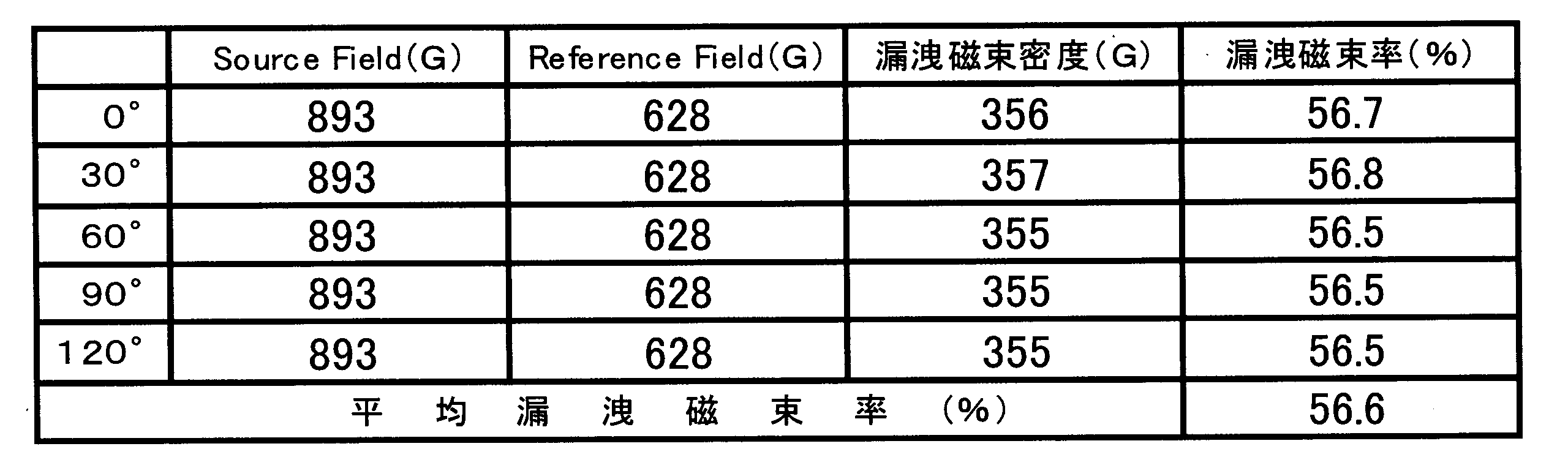

(比較例4)
比較例4として作製したターゲット全体の組成は、90(71Co-10Cr-14Pt-5Ru)-7SiO2-3Cr2O3で、実施例1、2、比較例1、2、3と同じである。作製した3種類のアトマイズ金属粉末は、68Co-22Cr-10Pt合金粉末(非磁性金属粉末)、50Co-50Pt合金粉末(第1の磁性金属粉末)、Co粉末(第2の磁性金属粉末)であり、比較例1、2、3と同様に、実施例1、2の5Co-95Pt合金粉末(非磁性金属粉末)に替えて、50Co-50Pt合金粉末(磁性金属粉末)を作製している。また、本比較例4では、比較例2、3と同様に、作製した3種類のアトマイズ金属粉末全てについてそれぞれ、ボールミルを用いて酸化物と混合分散をさせており、磁性金属粉末(Co粉末)についても、ボールミルを用いて酸化物と混合分散をさせている点が比較例1と異なる。ただし、本比較例4では磁性金属粉末(Co粉末)に対するボールミルの累計回転回数が817,560回であり、比較例3における磁性金属粉末(Co粉末)に対するボールミルの累計回転回数493,560回よりも66%ほど多くなっている。なお、本比較例4では、磁性金属粉末(Co粉末)を1回しか分級しておらず、磁性金属粉末(Co粉末)の粒径の範囲は106μm以下であり、この点は比較例3と同じである。
比較例4として作製したターゲット全体の組成は、90(71Co-10Cr-14Pt-5Ru)-7SiO2-3Cr2O3で、実施例1、2、比較例1、2、3と同じである。作製した3種類のアトマイズ金属粉末は、68Co-22Cr-10Pt合金粉末(非磁性金属粉末)、50Co-50Pt合金粉末(第1の磁性金属粉末)、Co粉末(第2の磁性金属粉末)であり、比較例1、2、3と同様に、実施例1、2の5Co-95Pt合金粉末(非磁性金属粉末)に替えて、50Co-50Pt合金粉末(磁性金属粉末)を作製している。また、本比較例4では、比較例2、3と同様に、作製した3種類のアトマイズ金属粉末全てについてそれぞれ、ボールミルを用いて酸化物と混合分散をさせており、磁性金属粉末(Co粉末)についても、ボールミルを用いて酸化物と混合分散をさせている点が比較例1と異なる。ただし、本比較例4では磁性金属粉末(Co粉末)に対するボールミルの累計回転回数が817,560回であり、比較例3における磁性金属粉末(Co粉末)に対するボールミルの累計回転回数493,560回よりも66%ほど多くなっている。なお、本比較例4では、磁性金属粉末(Co粉末)を1回しか分級しておらず、磁性金属粉末(Co粉末)の粒径の範囲は106μm以下であり、この点は比較例3と同じである。
本比較例4のターゲットを以下のようにして作製するとともに評価を行った。
実施例1と同様にアトマイズおよび分級を行って、68Co-22Cr-10Pt合金粉末(粒径106μm以下)を得た。
得られた68Co-22Cr-10Pt合金粉末721.72gに、SiO2粉末62.58g、Cr2O3粉末68.91g、Ru粉末(粒径106μm以下)113.08gを添加してボールミルで混合分散(ボールミルの累計回転回数は4,136,400回)を行い、非磁性混合粉末を作製した。
また、合金組成のみを変更した以外は実施例1と同様にアトマイズおよび分級を行って、50Co-50Pt合金粉末(粒径106μm以下)を得た。なお、50Co-50Pt合金粉末を得るアトマイズの際の加熱温度および噴射温度は1800℃であった。
得られた50Co-50Pt合金粉末1123.33gにSiO2粉末54.49g、Cr2O3粉末59.99gを添加してボールミルで混合分散(ボールミルの累計回転回数は2,805,840回)を行い、第1の磁性混合粉末を作製した。
また、実施例1、2と同様にアトマイズを行って、Co粉末を得た。そして、比較例1と同様に、得られたCo粉末の分級は150メッシュのふるいによる分級のみを行い、粒径が106μm以下のCo粉末に分級した。
得られたCo粉末927.40gに、SiO2粉末36.36g、Cr2O3粉末35.97gを添加してボールミルで混合分散(ボールミルの累計回転回数は817,560回)を行い、非磁性混合粉末を作製した。
次に、非磁性混合粉末(68Co-22Cr-10Pt合金粉末と酸化物粉末とが混合分散した粉末)455.47g、第1の磁性混合粉末(50Co-50Pt合金粉末と酸化物粉末とが混合分散した粉末)279.18g、第2の磁性混合粉末(Co粉末と酸化物粉末とが混合分散した粉末)205.37gを混合してターブラーシェイカーで実施例1と同様に混合分散を行い、加圧焼結用混合粉末を得た。
作製した加圧焼結用混合粉末30gを、焼結温度:1190℃、圧力:31MPa、時間:30min、雰囲気:5×10⁻²Pa以下の条件でホットプレスを行い、テストピース(φ30mm)を作製した。得られたテストピースの厚さは4.8mm程度であった。作製したテストピースの相対密度は98.25%であった。
図14および図15は、得られたテストピースの厚さ方向断面の金属顕微鏡写真であり、図14は撮影時の倍率が100倍の写真(写真中の縮尺目盛りは500μm)で、図15は撮影時の倍率が400倍の写真(写真中の縮尺目盛りは100μm)である。
図14および図15において、白色の相は金属相であるが、略円形の白色の相は存在しておらず、楕円形かそれ以上に細長い相になって存在している。また、楕円形かそれ以上に細長い相になっている白色の相の大きさ自体、比較例1-3と比べて小さくなっている。本比較例4では、作製した3種類のアトマイズ金属粉末全てについてそれぞれ、ボールミルを用いて酸化物と混合分散をさせており、かつ、Co粉末のボールミルによる混合の際の累計回転回数は817,560回であり、比較例2、3における磁性金属粉末(Co粉末)に対するボールミルの累計回転回数493,560回よりも66%ほど多くなっているためと思われる。
ただし、Co粉末のボールミルによる混合の際の累計回転回数は817,560回であり、68Co-22Cr-10Pt粉末の累計回転回数4,136,400回および50Co-50Pt粉末の累計回転回数2,805,840回のそれぞれ5分の1以下、3分の1以下であるので、Co粉末は68Co-22Cr-10Pt粉末および50Co-50Pt粉末ほどには細長くはなっていないと考えられる。したがって、図14および図15において、アスペクト比が3以下の大きな白色の相をCo相であると考えることも可能である。
図15においてアスペクト比が3以下の白色の相がCo相であると考えたときのCo相の平均の大きさは23μmであった。なお、個々の相の大きさを算出する際には、長径と短径の平均の値を相の大きさとした。また、図15におけるCo相の大きさの平均値の算出に際しては、10μm以下の大きさの相については無視した。
次に、作製した加圧焼結用混合粉末を用いて、焼結温度:1190℃、圧力:31MPa、時間:60min、雰囲気:5×10⁻²Pa以下の条件でホットプレスを行い、φ152.4mm×厚さ5.0mmのターゲットを2つ作製した。作製した2つのターゲットの相対密度は99.22%、99.24%であり、平均の相対密度は99.23%であった。
作製した2つのターゲットについて、実施例1と同様にして、漏洩磁束についての評価を行った。下記の表13、表14に示すように、平均漏洩磁束率は55.5%と55.3%であり、作製した2つのターゲットの平均漏洩磁束率の平均は55.4%であった。
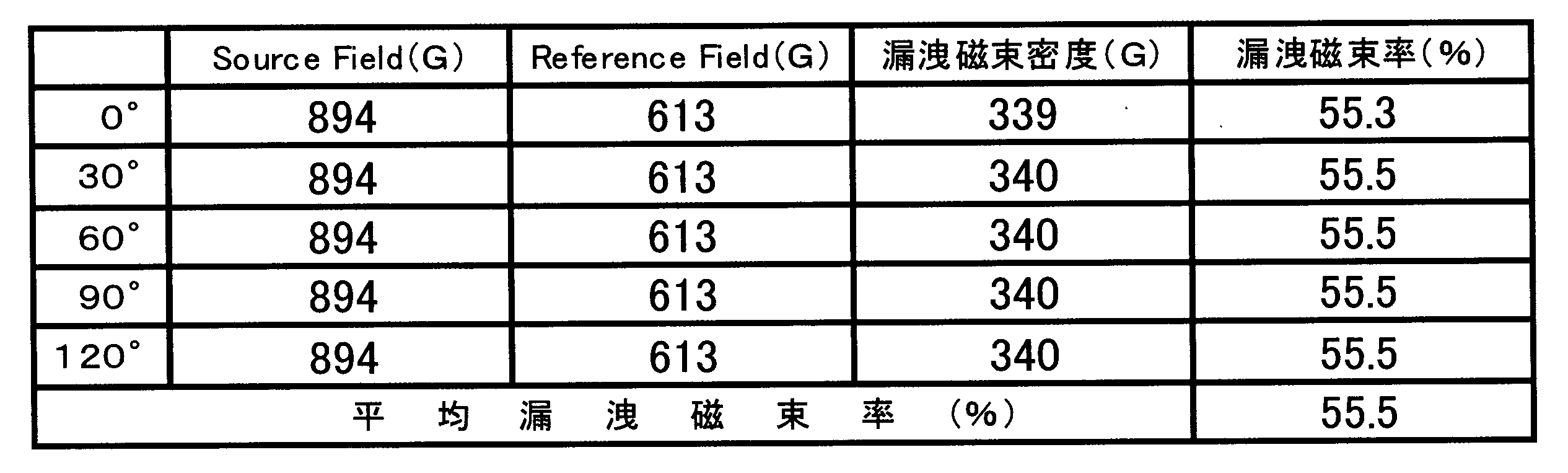

(参考例1)
参考例1として作製したターゲット全体の組成は、91(71.5Co-11Cr-17.5Pt)-3SiO2-2TiO2-4Cr2O3である。作製した3種類のアトマイズ金属粉末は、68Co-22Cr-10Pt合金粉末(非磁性金属粉末)、50Co-50Pt合金粉末(第1の磁性金属粉末)、Co粉末(第2の磁性金属粉末)であり、実施例1、2の5Co-95Pt合金粉末(非磁性金属粉末)に替えて、50Co-50Pt合金粉末(磁性金属粉末)を作製している。また、本参考例1では、ボールミルを用いて酸化物と混合分散をさせた金属粉末は、68Co-22Cr-10Pt合金粉末(非磁性金属粉末)と50Co-50Pt合金粉末(第1の磁性金属粉末)であり、Co粉末(第2の磁性金属粉末)については、ボールミルを用いて酸化物と混合分散をさせることはしていない。
参考例1として作製したターゲット全体の組成は、91(71.5Co-11Cr-17.5Pt)-3SiO2-2TiO2-4Cr2O3である。作製した3種類のアトマイズ金属粉末は、68Co-22Cr-10Pt合金粉末(非磁性金属粉末)、50Co-50Pt合金粉末(第1の磁性金属粉末)、Co粉末(第2の磁性金属粉末)であり、実施例1、2の5Co-95Pt合金粉末(非磁性金属粉末)に替えて、50Co-50Pt合金粉末(磁性金属粉末)を作製している。また、本参考例1では、ボールミルを用いて酸化物と混合分散をさせた金属粉末は、68Co-22Cr-10Pt合金粉末(非磁性金属粉末)と50Co-50Pt合金粉末(第1の磁性金属粉末)であり、Co粉末(第2の磁性金属粉末)については、ボールミルを用いて酸化物と混合分散をさせることはしていない。
本参考例1のターゲットを以下のようにして作製するとともに評価を行った。
実施例1と同様にアトマイズおよび分級を行って、68Co-22Cr-10Pt合金粉末(粒径106μm以下)を得た。
得られた68Co-22Cr-10Pt合金粉末1074.21gに、SiO2粉末31.60g、TiO2粉末28.04g、Cr2O3粉末106.73gを添加してボールミルで混合分散(ボールミルの累計回転回数は1,308,960回)を行い、非磁性混合粉末を作製した。
また、合金組成のみを変更した以外は実施例1と同様にアトマイズおよび分級を行って、50Co-50Pt合金粉末を得た。なお、50Co-50Pt合金粉末を得るアトマイズの際の加熱温度および噴射温度は1800℃であった。
得られた50Co-50Pt合金粉末978.92gにSiO2粉末28.78g、TiO2粉末25.56g、Cr2O3粉末97.23gを添加してボールミルで混合分散(ボールミルの累計回転回数は1,082,160回)を行い、磁性混合粉末を作製した。
また、実施例1と同様にアトマイズを行って、Co粉末を得た。得られたCo粉末の分級は150メッシュのふるいによる分級のみを行い、粒径が106μm以下のCo粉末に分級した。なお、得られたCo粉末については、ボールミルで酸化物と混合分散させることはしなかった。
次に、非磁性混合粉末(68Co-22Cr-10Pt合金粉末と酸化物粉末とが混合分散した粉末)572.48g、磁性混合粉末(50Co-50Pt合金粉末と酸化物粉末とが混合分散した粉末)511.81g、Co粉末205.72gを混合してターブラーシェイカーで実施例1と同様に混合分散を行い、加圧焼結用混合粉末を得た。
作製した加圧焼結用混合粉末30gを、焼結温度:1170℃、圧力:24.5MPa、時間:30min、雰囲気:5×10⁻²Pa以下の条件でホットプレスを行い、テストピース(φ30mm)を作製した。得られたテストピースの厚さは4.5mm程度であった。作製したテストピースの相対密度は98.65%であった。
図16および図17は、得られたテストピースの厚さ方向断面の金属顕微鏡写真であり、図16は撮影時の倍率が100倍の写真(写真中の縮尺目盛りは500μm)で、図17は撮影時の倍率が400倍の写真(写真中の縮尺目盛りは100μm)である。
図16および図17において、略円形の白色の相はボールミルによる混合を行っていないCo相であると考えられる。Co粉末はボールミルによる混合を行っていないので、Co相は略円形の形状を保ったものと考えられる。
一方、68Co-22Cr-10Pt合金粉末と酸化物粉末とのボールミルでの累計回転回数は1,308,960回であり、50Co-50Pt合金粉末と酸化物粉末とのボールミルでの累計回転回数は1,082,160回であり、ほぼ同レベルの回数である。したがって、図16および図17において、濃い灰色の部分の酸化物相と混ざり合っている白色の小さな細長い相は、68Co-22Cr-10Pt合金相と50Co-50Pt合金相であると考えられる。
図17において略円形(ここではアスペクト比1.5以下の形状を略円形とした)の白色の相は全てCo相と考えたときのCo相の平均の大きさは29μmであった。なお、個々の相の大きさを算出する際には、長径と短径の平均の値を相の大きさとした。また、図17におけるCo相の大きさの平均値の算出に際しては、10μm以下の大きさの相については無視した。
次に、作製した加圧焼結用混合粉末を用いて、焼結温度:1170℃、圧力:24.5MPa、時間:60min、雰囲気:5×10⁻²Pa以下の条件でホットプレスを行い、φ152.4mm×厚さ6.5mmのターゲットを2つ作製した。作製した2つのターゲットの相対密度は98.56%、98.52%であり、平均の相対密度は98.54%であった。
作製した2つのターゲットについて、実施例1と同様にして、漏洩磁束についての評価を行った。下記の表15、表16に示すように、平均漏洩磁束率は46.9%と47.1%であり、作製した2つのターゲットの平均漏洩磁束率の平均は47.0%であった。なお、本参考例1のターゲットの厚さは6.5mmであり、実施例1、2、比較例1-4のターゲットの厚さ5.0mmよりも1.5mm厚くなっており、漏洩磁束量が低めに測定されることに留意する必要がある。

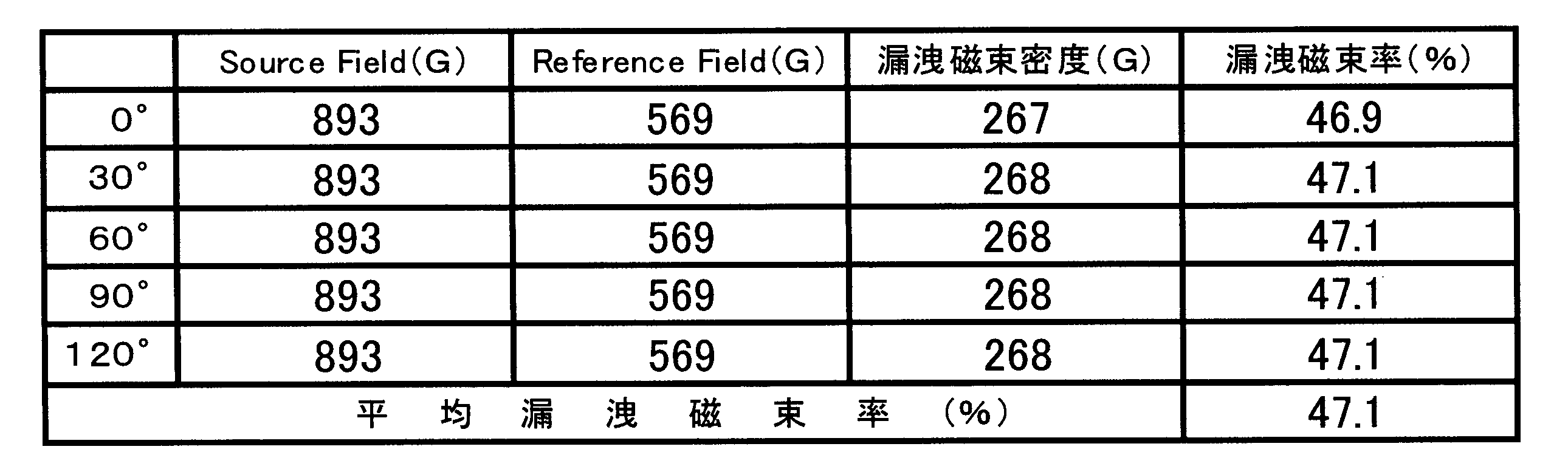
(参考例2)
参考例2として作製したターゲット全体の組成は、91(71.5Co-11Cr-17.5Pt)-3SiO2-2TiO2-4Cr2O3であり、参考例1と同様である。また、作製した3種類のアトマイズ金属粉末は、比較例1と同様に、68Co-22Cr-10Pt合金粉末(非磁性金属粉末)、50Co-50Pt合金粉末(第1の磁性金属粉末)、Co粉末(第2の磁性金属粉末)であり、実施例1および実施例2の5Co-95Pt合金粉末(非磁性金属粉末)に替えて、50Co-50Pt合金粉末(磁性金属粉末)を作製している。ただし、参考例1では、ボールミルを用いて酸化物と混合分散をさせた金属粉末は、68Co-22Cr-10Pt合金粉末(非磁性金属粉末)と50Co-50Pt合金粉末(第1の磁性金属粉末)であり、Co粉末(第2の磁性金属粉末)についてはボールミルを用いての酸化物との混合分散はさせていないのに対し、本参考例2では、3種の金属粉末を全てそれぞれ酸化物とボールミルを用いて混合させており、Co粉末(第2の磁性金属粉末)についてもボールミルを用いての酸化物との混合分散をさせている。
参考例2として作製したターゲット全体の組成は、91(71.5Co-11Cr-17.5Pt)-3SiO2-2TiO2-4Cr2O3であり、参考例1と同様である。また、作製した3種類のアトマイズ金属粉末は、比較例1と同様に、68Co-22Cr-10Pt合金粉末(非磁性金属粉末)、50Co-50Pt合金粉末(第1の磁性金属粉末)、Co粉末(第2の磁性金属粉末)であり、実施例1および実施例2の5Co-95Pt合金粉末(非磁性金属粉末)に替えて、50Co-50Pt合金粉末(磁性金属粉末)を作製している。ただし、参考例1では、ボールミルを用いて酸化物と混合分散をさせた金属粉末は、68Co-22Cr-10Pt合金粉末(非磁性金属粉末)と50Co-50Pt合金粉末(第1の磁性金属粉末)であり、Co粉末(第2の磁性金属粉末)についてはボールミルを用いての酸化物との混合分散はさせていないのに対し、本参考例2では、3種の金属粉末を全てそれぞれ酸化物とボールミルを用いて混合させており、Co粉末(第2の磁性金属粉末)についてもボールミルを用いての酸化物との混合分散をさせている。
本参考例2のターゲットを以下のようにして作製するとともに評価を行った。
参考例1と同様にアトマイズおよび分級を行って、68Co-22Cr-10Pt合金粉末、50Co-50Pt合金粉末、Co粉末を得た。
得られた68Co-22Cr-10Pt合金粉末1020.00gに、SiO2粉末28.42g、TiO2粉末25.21g、Cr2O3粉末95.95gを添加してボールミルで混合分散(ボールミルの累計回転回数は1,308,960回)を行い、非磁性混合粉末を作製した。
また、得られた50Co-50Pt合金粉末1840.00gに、SiO2粉末28.65g、TiO2粉末25.43g、Cr2O3粉末96.79gを添加してボールミルで混合分散(ボールミルの累計回転回数は1,082,160回)を行い、第1の磁性混合粉末を作製した。
また、得られたCo粉末870.00gに、SiO2粉末29.18g、TiO2粉末25.91g、Cr2O3粉末98.63gを添加してボールミルで混合分散(ボールミルの累計回転回数は1,069,560回)を行い、第2の磁性混合粉末を作製した。
次に、非磁性混合粉末(68Co-22Cr-10Pt合金粉末と酸化物粉末とが混合分散した粉末)568.40g、第1の磁性混合粉末(50Co-50Pt合金粉末と酸化物粉末とが混合分散した粉末)479.53g、第2の磁性混合粉末(Co粉末と酸化物粉末とが混合分散した粉末)242.07gを混合してターブラーシェイカーで実施例1と同様に混合分散を行い、加圧焼結用混合粉末を作製した。
作製した加圧焼結用混合粉末30gを、焼結温度:1170℃、圧力:24.5MPa、時間:30min、雰囲気:5×10⁻²Pa以下の条件でホットプレスを行い、テストピース(φ30mm)を作製した。得られたテストピースの厚さは4.5mm程度であった。作製したテストピースの相対密度は98.38%であった。
図18および図19は、得られたテストピースの厚さ方向断面の金属顕微鏡写真であり、図18は撮影時の倍率が100倍の写真(写真中の縮尺目盛りは500μm)で、図19は撮影時の倍率が400倍の写真(写真中の縮尺目盛りは100μm)である。
図18および図19において、略円形の白色の相はほとんど存在せず、白色の相は大部分が細長い相になっている。本参考例2では、3種の金属粉末を全てそれぞれ酸化物とボールミルを用いて混合させているためと考えられる。なお、実施例2でも、3種の金属粉末を全てそれぞれ酸化物とボールミルを用いて混合させているが、実施例2ではCo粉末を酸化物粉末と混合分散させる際のボールミルの累計回転回数が493,560回であり、本参考例2におけるCo粉末についての累計回転回数1,069,560回の半分以下であったため、実施例2の図6および図7では、略円形から楕円形までのCo相が存在したと考えられる。
また、本参考例2においては、68Co-22Cr-10Pt合金粉末、50Co-50Pt合金粉末、Co粉末の粒径はいずれも106μm以下で同様であり、また、酸化物粉末と混合分散させる際のボールミルの累計回転回数は、68Co-22Cr-10Pt合金粉末の場合は1,308,960回、50Co-50Pt合金粉末の場合は1,082,160回、Co粉末の場合は1,069,560回であり、同レベルの回数であるので、図19においてどの相がCo相であるか推定することができないので、本参考例2ではCo相の平均の大きさは算出していない。
次に、作製した加圧焼結用混合粉末を用いて、焼結温度:1170℃、圧力:24.5MPa、時間:60min、雰囲気:5×10⁻²Pa以下の条件でホットプレスを行い、φ152.4mm×厚さ6.5mmのターゲットを4つ作製した。作製した4つのターゲットの相対密度は98.6%、98.8%、98.8%、98.7%であり、平均の相対密度は98.7%であった。
作製した4つのターゲットについて、実施例1と同様にして、漏洩磁束についての評価を行った。下記の表17-表20に示すように、平均漏洩磁束率は44.3%、44.2%、44.5%、44.7%であり、作製した4つのターゲットの平均漏洩磁束率の平均は44.4%であった。
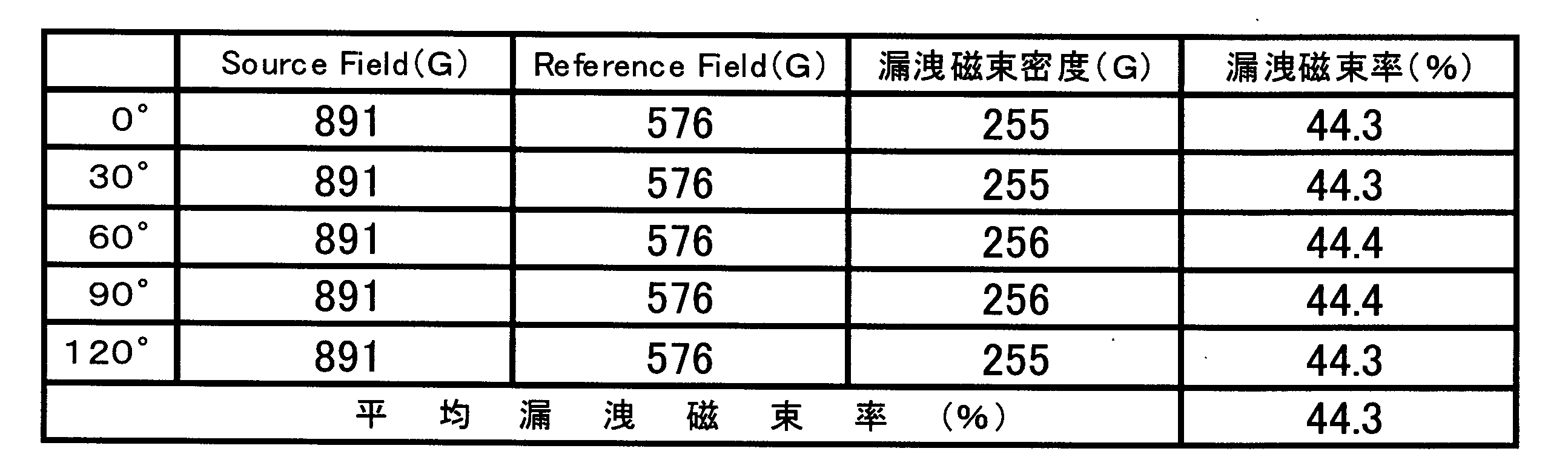
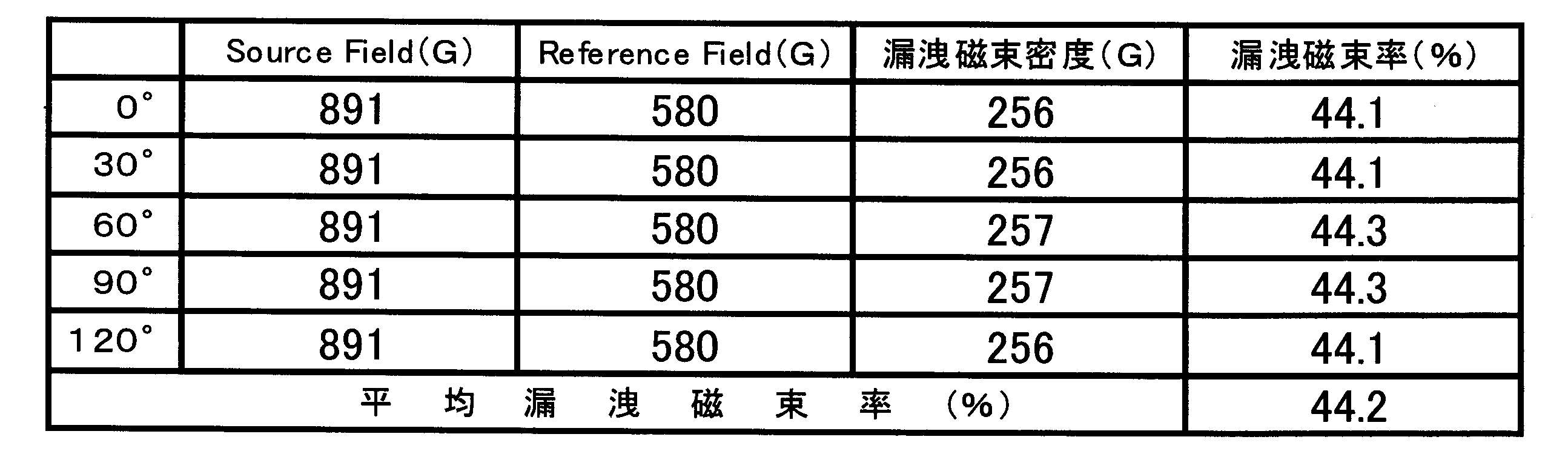


(実施例3)
実施例3として作製したターゲット全体の組成は、91(73Co-11Cr-16Pt)-4SiO2-2TiO2-3Cr2O3である。作製した3種類のアトマイズ金属粉末は、68Co-22Cr-10Pt合金粉末(第1の非磁性金属粉末)、5Co-95Pt合金粉末(第2の非磁性金属粉末)、Co粉末(磁性金属粉末)であり、実施例1、2と同様である。また、本実施例3では、実施例2と同様に、作製した3種類のアトマイズ金属粉末全てについてそれぞれ、ボールミルを用いて酸化物粉末と混合分散をさせており、第1の非磁性金属粉末(68Co-22Cr-10Pt合金粉末)に対するボールミルの累計回転回数は1,082,160回であり、第2の非磁性金属粉末(5Co-95Pt合金粉末)に対するボールミルの累計回転回数は385,560回であり、磁性金属粉末(Co粉末)に対するボールミルの累計回転回数は871,560回である。
実施例3として作製したターゲット全体の組成は、91(73Co-11Cr-16Pt)-4SiO2-2TiO2-3Cr2O3である。作製した3種類のアトマイズ金属粉末は、68Co-22Cr-10Pt合金粉末(第1の非磁性金属粉末)、5Co-95Pt合金粉末(第2の非磁性金属粉末)、Co粉末(磁性金属粉末)であり、実施例1、2と同様である。また、本実施例3では、実施例2と同様に、作製した3種類のアトマイズ金属粉末全てについてそれぞれ、ボールミルを用いて酸化物粉末と混合分散をさせており、第1の非磁性金属粉末(68Co-22Cr-10Pt合金粉末)に対するボールミルの累計回転回数は1,082,160回であり、第2の非磁性金属粉末(5Co-95Pt合金粉末)に対するボールミルの累計回転回数は385,560回であり、磁性金属粉末(Co粉末)に対するボールミルの累計回転回数は871,560回である。
ただし、実施例1、2では、磁性金属粉末(Co粉末)を2回分級して、粒径の範囲を45μm以上106μm以下としているのに対し、本実施例3では1回しか分級しておらず、磁性金属粉末(Co粉末)の粒径の範囲が106μm以下である点が実施例1、2と異なる。
本実施例3のターゲットを以下のようにして作製するとともに評価を行った。
実施例1、2と同様にアトマイズおよび分級を行って、68Co-22Cr-10Pt合金粉末(粒径106μm以下)を得た。
得られた68Co-22Cr-10Pt合金粉末1155.56gに、SiO2粉末42.51g、TiO2粉末28.29g、Cr2O3粉末80.57gを添加してボールミルで混合分散(ボールミルの累計回転回数は1,082,160回)を行い、第1の非磁性混合粉末を作製した。
また、実施例1、2と同様にアトマイズおよび分級を行って、5Co-95Pt合金粉末(粒径106μm以下)を得た。
得られた5Co-95Pt合金粉末1410.60gにSiO2粉末25.06g、TiO2粉末16.68g、Cr2O3粉末47.52gを添加してボールミルで混合分散(ボールミルの累計回転回数は385,560回)を行い、第2の非磁性混合粉末を作製した。
また、実施例1、2と同様にアトマイズを行って、Co粉末を得た。そして、比較例1と同様に、得られたCo粉末の分級は150メッシュのふるいによる分級のみを行い、粒径が106μm以下のCo粉末に分級した。
得られた分級後のCo粉末1478.28gに、SiO2粉末61.96g、TiO2粉末41.24g、Cr2O3粉末117.44gを添加してボールミルで混合分散(ボールミルの累計回転回数は871,560回)を行い、磁性混合粉末を作製した。
次に、第1の非磁性混合粉末(68Co-22Cr-10Pt合金粉末と酸化物粉末とが混合分散した粉末)602.13g、第2の非磁性混合粉末(5Co-95Pt合金粉末と酸化物粉末とが混合分散した粉末)347.66g、磁性混合粉末(Co粉末と酸化物粉末とが混合分散した粉末)390.23gを混合してターブラーシェイカーで実施例1と同様に混合分散を行い、加圧焼結用混合粉末を得た。
作製した加圧焼結用混合粉末30gを、焼結温度:1120℃、圧力:31MPa、時間:30min、雰囲気:5×10⁻²Pa以下の条件でホットプレスを行い、テストピース(φ30mm)を作製した。得られたテストピースの厚さは4.6mm程度であった。作製したテストピースの相対密度は99.33%であった。
図20および図21は、得られたテストピースの厚さ方向断面の金属顕微鏡写真であり、図20は撮影時の倍率が100倍の写真(写真中の縮尺目盛りは500μm)で、図21は撮影時の倍率が400倍の写真(写真中の縮尺目盛りは100μm)である。
図20および図21において、白色の相は金属相であるが、略円形の白色の相はほとんど存在しておらず、白色の相は楕円形かそれ以上に細長い相になっている。本実施例3では、作製した3種類のアトマイズ金属粉末全てについてそれぞれ、ボールミルを用いて酸化物粉末と混合分散をさせたためと考えられる。なお、本実施例3は、後に記載する比較例6-8等と比較して白色の相の割合が大きく観察されるが、これは、第2の非磁性混合粉末(5Co-95Pt合金粉末と酸化物粉末とが混合分散した粉末)および磁性混合粉末(Co粉末と酸化物粉末とが混合分散した粉末)を作製する際のボールミルの累計回転回数が比較例6-8等と比較して少なかったため、5Co-95Pt合金粉末およびCo粉末の粒径があまり小さくならず、酸化物粉末とあまり細かく混ざり合わなかったためだと思われる。
次に、作製した加圧焼結用混合粉末を用いて、焼結温度:1120℃、圧力:31MPa、時間:60min、雰囲気:5×10⁻²Pa以下の条件でホットプレスを行い、φ152.4mm×厚さ7.0mmのターゲットを1つ作製した。作製したターゲットの相対密度は98.96%であった。
作製したターゲットについて、実施例1と同様にして、漏洩磁束についての評価を行った。下記の表21に示すように、平均漏洩磁束率は48.1%であった。

(比較例5)
比較例5として作製したターゲット全体の組成は、91(73Co-11Cr-16Pt)-4SiO2-2TiO2-3Cr2O3であり、実施例3と同様である。作製した3種類のアトマイズ金属粉末は、68Co-22Cr-10Pt合金粉末(第1の非磁性金属粉末)、5Co-95Pt合金粉末(第2の非磁性金属粉末)、Co粉末(磁性金属粉末)であり、実施例1-3と同様である。また、本比較例5では、実施例2、3と同様に、作製した3種類のアトマイズ金属粉末全てについてそれぞれ、ボールミルを用いて酸化物粉末と混合分散をさせており、第1の非磁性金属粉末(68Co-22Cr-10Pt合金粉末)に対するボールミルの累計回転回数は1,082,160回であり、第2の非磁性金属粉末(5Co-95Pt合金粉末)に対するボールミルの累計回転回数は385,560回であり、磁性金属粉末(Co粉末)に対するボールミルの累計回転回数は3,300,840回である。
比較例5として作製したターゲット全体の組成は、91(73Co-11Cr-16Pt)-4SiO2-2TiO2-3Cr2O3であり、実施例3と同様である。作製した3種類のアトマイズ金属粉末は、68Co-22Cr-10Pt合金粉末(第1の非磁性金属粉末)、5Co-95Pt合金粉末(第2の非磁性金属粉末)、Co粉末(磁性金属粉末)であり、実施例1-3と同様である。また、本比較例5では、実施例2、3と同様に、作製した3種類のアトマイズ金属粉末全てについてそれぞれ、ボールミルを用いて酸化物粉末と混合分散をさせており、第1の非磁性金属粉末(68Co-22Cr-10Pt合金粉末)に対するボールミルの累計回転回数は1,082,160回であり、第2の非磁性金属粉末(5Co-95Pt合金粉末)に対するボールミルの累計回転回数は385,560回であり、磁性金属粉末(Co粉末)に対するボールミルの累計回転回数は3,300,840回である。
ただし、実施例1、2では、磁性金属粉末(Co粉末)を2回分級して、粒径の範囲を45μm以上106μm以下としているのに対し、本比較例5では、実施例3と同様に1回しか分級しておらず、磁性金属粉末(Co粉末)の粒径の範囲が106μm以下である点が実施例1、2と異なる。さらに、本比較例5では、磁性金属粉末(Co粉末)に対するボールミルの累計回転回数は3,300,840回であり、第1の非磁性金属粉末(68Co-22Cr-10Pt合金粉末)に対するボールミルの累計回転回数(1,082,160回)、および第2の非磁性金属粉末(5Co-95Pt合金粉末)に対するボールミルの累計回転回数(385,560回)よりも多くなっているので、得られるターゲット中において、磁性相(Co相)は全ての非磁性相(68Co-22Cr-10Pt合金相、5Co-95Pt合金相)よりも細かく酸化物相と分散し合っていると考えられ、本比較例5は、本発明の範囲外である。
本比較例5のターゲットを以下のようにして作製するとともに評価を行った。
実施例1-3と同様にアトマイズおよび分級を行って、68Co-22Cr-10Pt合金粉末(粒径106μm以下)を得た。
得られた68Co-22Cr-10Pt合金粉末1155.56gに、SiO2粉末42.51g、TiO2粉末28.29g、Cr2O3粉末80.57gを添加してボールミルで混合分散(ボールミルの累計回転回数は1,082,160回)を行い、第1の非磁性混合粉末を作製した。
また、実施例1-3と同様にアトマイズおよび分級を行って、5Co-95Pt合金粉末(粒径106μm以下)を得た。
得られた5Co-95Pt合金粉末1410.60gにSiO2粉末25.06g、TiO2粉末16.68g、Cr2O3粉末47.52gを添加してボールミルで混合分散(ボールミルの累計回転回数は385,560回)を行い、第2の非磁性混合粉末を作製した。
また、実施例1-3と同様にアトマイズを行って、Co粉末を得た。そして、実施例3と同様に、得られたCo粉末の分級は150メッシュのふるいによる分級のみを行い、粒径が106μm以下のCo粉末に分級した。
得られた分級後のCo粉末1478.28gに、SiO2粉末61.96g、TiO2粉末41.24g、Cr2O3粉末117.44gを添加してボールミルで混合分散(ボールミルの累計回転回数は3,300,840回)を行い、磁性混合粉末を作製した。
次に、第1の非磁性混合粉末(68Co-22Cr-10Pt合金粉末と酸化物粉末とが混合分散した粉末)602.13g、第2の非磁性混合粉末(5Co-95Pt合金粉末と酸化物粉末とが混合分散した粉末)347.66g、磁性混合粉末(Co粉末と酸化物粉末とが混合分散した粉末)390.23gを混合してターブラーシェイカーで実施例1と同様に混合分散を行い、加圧焼結用混合粉末を得た。
作製した加圧焼結用混合粉末30gを、焼結温度:1120℃、圧力:31MPa、時間:30min、雰囲気:5×10⁻²Pa以下の条件でホットプレスを行い、テストピース(φ30mm)を作製した。得られたテストピースの厚さは4.6mm程度であった。作製したテストピースの相対密度は98.42%であった。
図22および図23は、得られたテストピースの厚さ方向断面の金属顕微鏡写真であり、図22は撮影時の倍率が100倍の写真(写真中の縮尺目盛りは500μm)で、図23は撮影時の倍率が400倍の写真(写真中の縮尺目盛りは100μm)である。
図22および図23において、白色の相は金属相であるが、略円形の白色の相はほとんど存在しておらず、白色の相は楕円形かそれ以上に細長い相になっている。本比較例5では、作製した3種類のアトマイズ金属粉末全てについてそれぞれ、ボールミルを用いて酸化物粉末と混合分散をさせたためと考えられる。なお、本比較例5は、実施例3と比較して白色の相の割合が少し小さく観察されるが、これは、磁性混合粉末(Co粉末と酸化物粉末とが混合分散した粉末)を作製する際のボールミルの累計回転回数が実施例3と比較して多くなったため、Co粉末の粒径が小さくなり、酸化物粉末と細かく混ざり合ったためだと思われる。
次に、作製した加圧焼結用混合粉末を用いて、焼結温度:1120℃、圧力:31MPa、時間:60min、雰囲気:5×10⁻²Pa以下の条件でホットプレスを行い、φ152.4mm×厚さ7.0mmのターゲットを1つ作製した。作製したターゲットの相対密度は98.65%であった。
作製したターゲットについて、実施例1と同様にして、漏洩磁束についての評価を行った。下記の表22に示すように、平均漏洩磁束率は39.9%であった。

(比較例6)
比較例6として作製したターゲット全体の組成は、91(73Co-11Cr-16Pt)-4SiO2-2TiO2-3Cr2O3であり、実施例3、4と同様である。作製した3種類のアトマイズ金属粉末は、68Co-22Cr-10Pt合金粉末(第1の非磁性金属粉末)、5Co-95Pt合金粉末(第2の非磁性金属粉末)、Co粉末(磁性金属粉末)であり、実施例1-3、比較例5と同様である。また、本比較例6では、実施例2、3、比較例5と同様に、作製した3種類のアトマイズ金属粉末全てについてそれぞれ、ボールミルを用いて酸化物粉末と混合分散をさせており、第1の非磁性金属粉末(68Co-22Cr-10Pt合金粉末)に対するボールミルの累計回転回数は1,082,160回であり、第2の非磁性金属粉末(5Co-95Pt合金粉末)に対するボールミルの累計回転回数は547,560回であり、磁性金属粉末(Co粉末)に対するボールミルの累計回転回数は3,300,840回である。
比較例6として作製したターゲット全体の組成は、91(73Co-11Cr-16Pt)-4SiO2-2TiO2-3Cr2O3であり、実施例3、4と同様である。作製した3種類のアトマイズ金属粉末は、68Co-22Cr-10Pt合金粉末(第1の非磁性金属粉末)、5Co-95Pt合金粉末(第2の非磁性金属粉末)、Co粉末(磁性金属粉末)であり、実施例1-3、比較例5と同様である。また、本比較例6では、実施例2、3、比較例5と同様に、作製した3種類のアトマイズ金属粉末全てについてそれぞれ、ボールミルを用いて酸化物粉末と混合分散をさせており、第1の非磁性金属粉末(68Co-22Cr-10Pt合金粉末)に対するボールミルの累計回転回数は1,082,160回であり、第2の非磁性金属粉末(5Co-95Pt合金粉末)に対するボールミルの累計回転回数は547,560回であり、磁性金属粉末(Co粉末)に対するボールミルの累計回転回数は3,300,840回である。
ただし、実施例1、2では、磁性金属粉末(Co粉末)を2回分級して、粒径の範囲を45μm以上106μm以下としているのに対し、本比較例6では、実施例3、4と同様に1回しか分級しておらず、磁性金属粉末(Co粉末)の粒径の範囲が106μm以下である点が実施例1、2と異なる。さらに、本比較例6では、磁性金属粉末(Co粉末)に対するボールミルの累計回転回数は3,300,840回であり、第1の非磁性金属粉末(68Co-22Cr-10Pt合金粉末)に対するボールミルの累計回転回数(1,082,160回)、および第2の非磁性金属粉末(5Co-95Pt合金粉末)に対するボールミルの累計回転回数(547,560回)よりも多くなっているので、得られるターゲット中において、磁性相(Co相)は全ての非磁性相(68Co-22Cr-10Pt合金相、5Co-95Pt合金相)よりも細かく酸化物相と分散し合っていると考えられ、本比較例6は、本発明の範囲外である。
本比較例6のターゲットを以下のようにして作製するとともに評価を行った。
実施例1-3、比較例5と同様にアトマイズおよび分級を行って、68Co-22Cr-10Pt合金粉末(粒径106μm以下)を得た。
得られた68Co-22Cr-10Pt合金粉末1155.56gに、SiO2粉末42.51g、TiO2粉末28.29g、Cr2O3粉末80.57gを添加してボールミルで混合分散(ボールミルの累計回転回数は1,082,160回)を行い、第1の非磁性混合粉末を作製した。
また、実施例1-3、比較例5と同様にアトマイズおよび分級を行って、5Co-95Pt合金粉末(粒径106μm以下)を得た。
得られた5Co-95Pt合金粉末1410.60gにSiO2粉末25.06g、TiO2粉末16.68g、Cr2O3粉末47.52gを添加してボールミルで混合分散(ボールミルの累計回転回数は547,560回)を行い、第2の非磁性混合粉末を作製した。
また、実施例1-3、比較例5と同様にアトマイズを行って、Co粉末を得た。そして、実施例3、4と同様に、得られたCo粉末の分級は150メッシュのふるいによる分級のみを行い、粒径が106μm以下のCo粉末に分級した。
得られた分級後のCo粉末1478.28gに、SiO2粉末61.96g、TiO2粉末41.24g、Cr2O3粉末117.44gを添加してボールミルで混合分散(ボールミルの累計回転回数は3,300,840回)を行い、磁性混合粉末を作製した。
次に、第1の非磁性混合粉末(68Co-22Cr-10Pt合金粉末と酸化物粉末とが混合分散した粉末)602.13g、第2の非磁性混合粉末(5Co-95Pt合金粉末と酸化物粉末とが混合分散した粉末)347.66g、磁性混合粉末(Co粉末と酸化物粉末とが混合分散した粉末)390.23gを混合してターブラーシェイカーで実施例1と同様に混合分散を行い、加圧焼結用混合粉末を得た。
作製した加圧焼結用混合粉末30gを、焼結温度:1120℃、圧力:31MPa、時間:30min、雰囲気:5×10⁻²Pa以下の条件でホットプレスを行い、テストピース(φ30mm)を作製した。得られたテストピースの厚さは4.6mm程度であった。作製したテストピースの相対密度は98.79%であった。
図24および図25は、得られたテストピースの厚さ方向断面の金属顕微鏡写真であり、図24は撮影時の倍率が100倍の写真(写真中の縮尺目盛りは500μm)で、図25は撮影時の倍率が400倍の写真(写真中の縮尺目盛りは100μm)である。
図24および図25において、白色の相は金属相であるが、略円形の白色の相はほとんど存在しておらず、白色の相は楕円形かそれ以上に細長い相になっている。本比較例6では、作製した3種類のアトマイズ金属粉末全てについてそれぞれ、ボールミルを用いて酸化物粉末と混合分散をさせたためと考えられる。なお、本比較例6は、比較例5と比較して白色の相の割合が少し小さく観察されるが、これは、第2の非磁性混合粉末(5Co-95Pt合金粉末と酸化物粉末とが混合分散した粉末)を作製する際のボールミルの累計回転回数が比較例5と比較して多くなったため、5Co-95Pt合金粉末の粒径が小さくなり、酸化物粉末と細かく混ざり合ったためだと思われる。
次に、作製した加圧焼結用混合粉末を用いて、焼結温度:1120℃、圧力:31MPa、時間:60min、雰囲気:5×10⁻²Pa以下の条件でホットプレスを行い、φ152.4mm×厚さ7.0mmのターゲットを1つ作製した。作製したターゲットの相対密度は98.34%であった。
作製したターゲットについて、実施例1と同様にして、漏洩磁束についての評価を行った。下記の表23に示すように、平均漏洩磁束率は38.6%であった。
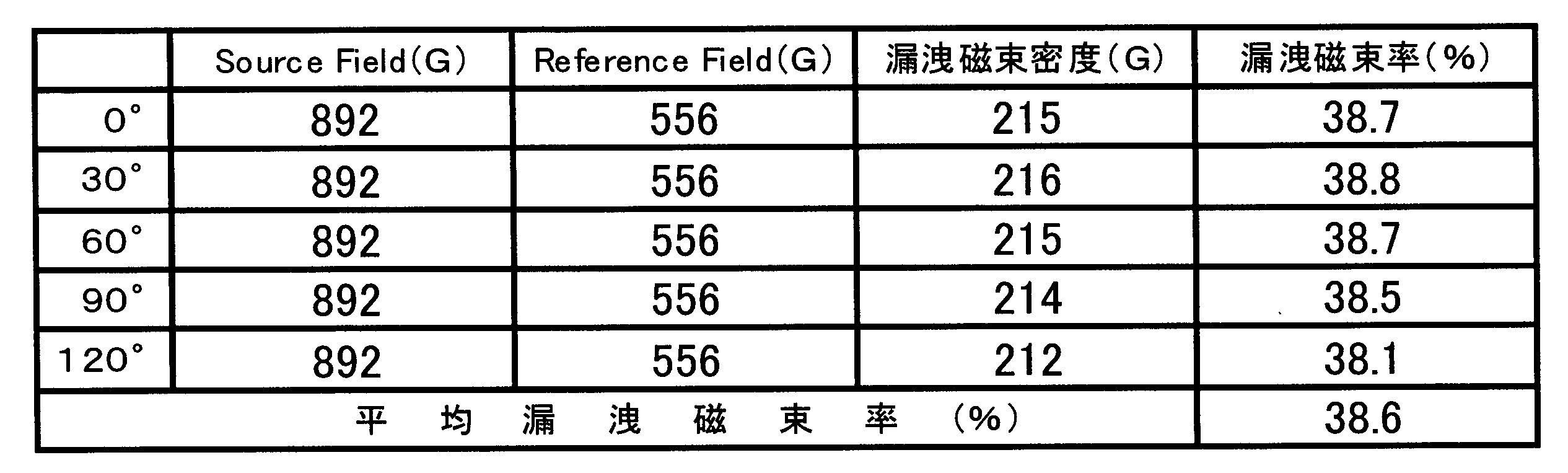
(比較例7)
比較例7として作製したターゲット全体の組成は、91(73Co-11Cr-16Pt)-4SiO2-2TiO2-3Cr2O3であり、実施例3、比較例1、2と同様である。作製した3種類のアトマイズ金属粉末は、68Co-22Cr-10Pt合金粉末(第1の非磁性金属粉末)、5Co-95Pt合金粉末(第2の非磁性金属粉末)、Co粉末(磁性金属粉末)であり、実施例1-3、比較例1、2と同様である。また、本比較例7では、実施例2、3、比較例1、2と同様に、作製した3種類のアトマイズ金属粉末全てについてそれぞれ、ボールミルを用いて酸化物粉末と混合分散をさせており、第1の非磁性金属粉末(68Co-22Cr-10Pt合金粉末)に対するボールミルの累計回転回数は1,082,160回であり、第2の非磁性金属粉末(5Co-95Pt合金粉末)に対するボールミルの累計回転回数は1,573,560回であり、磁性金属粉末(Co粉末)に対するボールミルの累計回転回数は3,300,840回である。
比較例7として作製したターゲット全体の組成は、91(73Co-11Cr-16Pt)-4SiO2-2TiO2-3Cr2O3であり、実施例3、比較例1、2と同様である。作製した3種類のアトマイズ金属粉末は、68Co-22Cr-10Pt合金粉末(第1の非磁性金属粉末)、5Co-95Pt合金粉末(第2の非磁性金属粉末)、Co粉末(磁性金属粉末)であり、実施例1-3、比較例1、2と同様である。また、本比較例7では、実施例2、3、比較例1、2と同様に、作製した3種類のアトマイズ金属粉末全てについてそれぞれ、ボールミルを用いて酸化物粉末と混合分散をさせており、第1の非磁性金属粉末(68Co-22Cr-10Pt合金粉末)に対するボールミルの累計回転回数は1,082,160回であり、第2の非磁性金属粉末(5Co-95Pt合金粉末)に対するボールミルの累計回転回数は1,573,560回であり、磁性金属粉末(Co粉末)に対するボールミルの累計回転回数は3,300,840回である。
ただし、実施例1、2では、磁性金属粉末(Co粉末)を2回分級して、粒径の範囲を45μm以上106μm以下としているのに対し、本比較例7では、実施例3、比較例5、6と同様に1回しか分級しておらず、磁性金属粉末(Co粉末)の粒径の範囲が106μm以下である点が実施例1、2と異なる。さらに、本比較例7では、磁性金属粉末(Co粉末)に対するボールミルの累計回転回数は3,300,840回であり、第1の非磁性金属粉末(68Co-22Cr-10Pt合金粉末)に対するボールミルの累計回転回数(1,082,160回)、および第2の非磁性金属粉末(5Co-95Pt合金粉末)に対するボールミルの累計回転回数(1,573,560回)よりも多くなっているので、得られるターゲット中において、磁性相(Co相)は全ての非磁性相(68Co-22Cr-10Pt合金相、5Co-95Pt合金相)よりも細かく酸化物相と分散し合っていると考えられ、本比較例7は、本発明の範囲外である。
本比較例7のターゲットを以下のようにして作製するとともに評価を行った。
実施例1-3、比較例5、6と同様にアトマイズおよび分級を行って、68Co-22Cr-10Pt合金粉末(粒径106μm以下)を得た。
得られた68Co-22Cr-10Pt合金粉末1155.56gに、SiO2粉末42.51g、TiO2粉末28.29g、Cr2O3粉末80.57gを添加してボールミルで混合分散(ボールミルの累計回転回数は1,082,160回)を行い、第1の非磁性混合粉末を作製した。
また、実施例1-3、比較例5、6と同様にアトマイズおよび分級を行って、5Co-95Pt合金粉末(粒径106μm以下)を得た。
得られた5Co-95Pt合金粉末1410.60gにSiO2粉末25.06g、TiO2粉末16.68g、Cr2O3粉末47.52gを添加してボールミルで混合分散(ボールミルの累計回転回数は1,573,560回)を行い、第2の非磁性混合粉末を作製した。
また、実施例1-3、比較例5、6と同様にアトマイズを行って、Co粉末を得た。そして、実施例3-5と同様に、得られたCo粉末の分級は150メッシュのふるいによる分級のみを行い、粒径が106μm以下のCo粉末に分級した。
得られた分級後のCo粉末1478.28gに、SiO2粉末61.96g、TiO2粉末41.24g、Cr2O3粉末117.44gを添加してボールミルで混合分散(ボールミルの累計回転回数は3,300,840回)を行い、磁性混合粉末を作製した。
次に、第1の非磁性混合粉末(68Co-22Cr-10Pt合金粉末と酸化物粉末とが混合分散した粉末)602.13g、第2の非磁性混合粉末(5Co-95Pt合金粉末と酸化物粉末とが混合分散した粉末)347.66g、磁性混合粉末(Co粉末と酸化物粉末とが混合分散した粉末)390.23gを混合してターブラーシェイカーで実施例1と同様に混合分散を行い、加圧焼結用混合粉末を得た。
作製した加圧焼結用混合粉末30gを、焼結温度:1120℃、圧力:31MPa、時間:30min、雰囲気:5×10⁻²Pa以下の条件でホットプレスを行い、テストピース(φ30mm)を作製した。得られたテストピースの厚さは4.6mm程度であった。作製したテストピースの相対密度は98.39%であった。
図26および図27は、得られたテストピースの厚さ方向断面の金属顕微鏡写真であり、図26は撮影時の倍率が100倍の写真(写真中の縮尺目盛りは500μm)で、図27は撮影時の倍率が400倍の写真(写真中の縮尺目盛りは100μm)である。
図26および図27において、白色の相は金属相であるが、略円形の白色の相はほとんど存在しておらず、白色の相は楕円形かそれ以上に細長い相になっている。本実施例6では、作製した3種類のアトマイズ金属粉末全てについてそれぞれ、ボールミルを用いて酸化物粉末と混合分散をさせたためと考えられる。なお、本比較例7は、実施例3、比較例5、6と比較して白色の相の大きさが小さくなっているが、これは、酸化物粉末との混合粉末を作製する際の、68Co-22Cr-10Pt合金粉末(第1の非磁性金属粉末)、5Co-95Pt合金粉末(第2の非磁性金属粉末)、Co粉末(磁性金属粉末)に対するボールミルの累計回転回数がいずれの粉末においても100万回を超え、どの金属粉末もボールミルによる酸化物粉末との混合の際に粒径がかなり小さくなったためと思われる。
次に、作製した加圧焼結用混合粉末を用いて、焼結温度:1120℃、圧力:31MPa、時間:60min、雰囲気:5×10⁻²Pa以下の条件でホットプレスを行い、φ152.4mm×厚さ7.0mmのターゲットを1つ作製した。作製したターゲットの相対密度は98.23%であった。
作製したターゲットについて、実施例1と同様にして、漏洩磁束についての評価を行った。下記の表24に示すように、平均漏洩磁束率は35.5%であった。
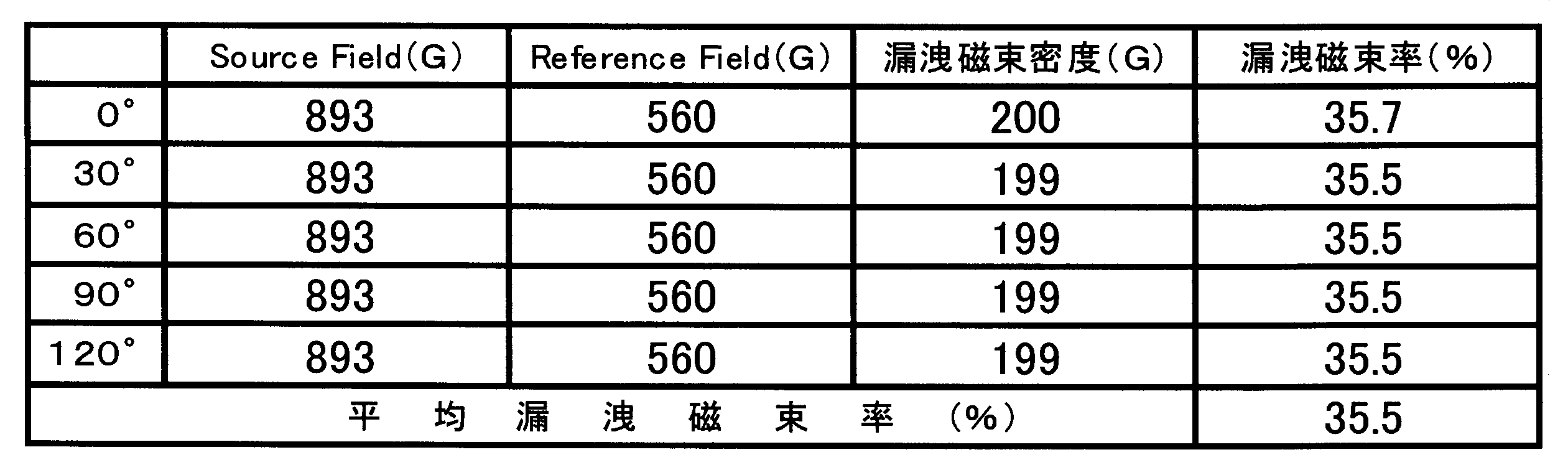
(比較例8)
比較例8として作製したターゲット全体の組成は、91(73Co-11Cr-16Pt)-4SiO2-2TiO2-3Cr2O3であり、実施例3、比較例5-7と同様である。作製した3種類のアトマイズ金属粉末は、68Co-22Cr-10Pt合金粉末(第1の非磁性金属粉末)、5Co-95Pt合金粉末(第2の非磁性金属粉末)、Co粉末(磁性金属粉末)であり、実施例1-3、比較例5-7と同様である。また、本比較例8では、実施例2、3、比較例5-7と同様に、作製した3種類のアトマイズ金属粉末全てについてそれぞれ、ボールミルを用いて酸化物粉末と混合分散をさせており、第1の非磁性金属粉末(68Co-22Cr-10Pt合金粉末)に対するボールミルの累計回転回数は2,390,040回であり、第2の非磁性金属粉末(5Co-95Pt合金粉末)に対するボールミルの累計回転回数は1,573,560回であり、磁性金属粉末(Co粉末)に対するボールミルの累計回転回数は3,300,840回である。
比較例8として作製したターゲット全体の組成は、91(73Co-11Cr-16Pt)-4SiO2-2TiO2-3Cr2O3であり、実施例3、比較例5-7と同様である。作製した3種類のアトマイズ金属粉末は、68Co-22Cr-10Pt合金粉末(第1の非磁性金属粉末)、5Co-95Pt合金粉末(第2の非磁性金属粉末)、Co粉末(磁性金属粉末)であり、実施例1-3、比較例5-7と同様である。また、本比較例8では、実施例2、3、比較例5-7と同様に、作製した3種類のアトマイズ金属粉末全てについてそれぞれ、ボールミルを用いて酸化物粉末と混合分散をさせており、第1の非磁性金属粉末(68Co-22Cr-10Pt合金粉末)に対するボールミルの累計回転回数は2,390,040回であり、第2の非磁性金属粉末(5Co-95Pt合金粉末)に対するボールミルの累計回転回数は1,573,560回であり、磁性金属粉末(Co粉末)に対するボールミルの累計回転回数は3,300,840回である。
ただし、実施例1、2では、磁性金属粉末(Co粉末)を2回分級して、粒径の範囲を45μm以上106μm以下としているのに対し、本実施例7では、実施例3-6と同様に1回しか分級しておらず、磁性金属粉末(Co粉末)の粒径の範囲が106μm以下である点が実施例1、2と異なる。さらに、本比較例8では、磁性金属粉末(Co粉末)に対するボールミルの累計回転回数は3,300,840回であり、第1の非磁性金属粉末(68Co-22Cr-10Pt合金粉末)に対するボールミルの累計回転回数(2,390,040回)、および第2の非磁性金属粉末(5Co-95Pt合金粉末)に対するボールミルの累計回転回数(1,573,560回)よりも多くなっているので、得られるターゲット中において、磁性相(Co相)は全ての非磁性相(68Co-22Cr-10Pt合金相、5Co-95Pt合金相)よりも細かく酸化物相と分散し合っていると考えられ、本比較例8は、本発明の範囲外である。
本比較例8のターゲットを以下のようにして作製するとともに評価を行った。
実施例1-3、比較例5-7と同様にアトマイズおよび分級を行って、68Co-22Cr-10Pt合金粉末(粒径106μm以下)を得た。
得られた68Co-22Cr-10Pt合金粉末1155.56gに、SiO2粉末42.51g、TiO2粉末28.29g、Cr2O3粉末80.57gを添加してボールミルで混合分散(ボールミルの累計回転回数は2,390,040回)を行い、第1の非磁性混合粉末を作製した。
また、実施例1-3、比較例5-7と同様にアトマイズおよび分級を行って、5Co-95Pt合金粉末(粒径106μm以下)を得た。
得られた5Co-95Pt合金粉末1410.60gにSiO2粉末25.06g、TiO2粉末16.68g、Cr2O3粉末47.52gを添加してボールミルで混合分散(ボールミルの累計回転回数は1,573,560回)を行い、第2の非磁性混合粉末を作製した。
また、実施例1-3、比較例5-7と同様にアトマイズを行って、Co粉末を得た。そして、実施例3、比較例5-7と同様に、得られたCo粉末の分級は150メッシュのふるいによる分級のみを行い、粒径が106μm以下のCo粉末に分級した。
得られた分級後のCo粉末1478.28gに、SiO2粉末61.96g、TiO2粉末41.24g、Cr2O3粉末117.44gを添加してボールミルで混合分散(ボールミルの累計回転回数は3,300,840回)を行い、磁性混合粉末を作製した。
次に、第1の非磁性混合粉末(68Co-22Cr-10Pt合金粉末と酸化物粉末とが混合分散した粉末)602.13g、第2の非磁性混合粉末(5Co-95Pt合金粉末と酸化物粉末とが混合分散した粉末)347.66g、磁性混合粉末(Co粉末と酸化物粉末とが混合分散した粉末)390.23gを混合してターブラーシェイカーで実施例1と同様に混合分散を行い、加圧焼結用混合粉末を得た。
作製した加圧焼結用混合粉末30gを、焼結温度:1120℃、圧力:31MPa、時間:30min、雰囲気:5×10⁻²Pa以下の条件でホットプレスを行い、テストピース(φ30mm)を作製した。得られたテストピースの厚さは4.6mm程度であった。作製したテストピースの相対密度は97.89%であった。
図28および図29は、得られたテストピースの厚さ方向断面の金属顕微鏡写真であり、図28は撮影時の倍率が100倍の写真(写真中の縮尺目盛りは500μm)で、図29は撮影時の倍率が400倍の写真(写真中の縮尺目盛りは100μm)である。
図28および図29において、白色の相は金属相であるが、略円形の白色の相はほとんど存在しておらず、白色の相は楕円形かそれ以上に細長い相になっている。本比較例8では、作製した3種類のアトマイズ金属粉末全てについてそれぞれ、ボールミルを用いて酸化物粉末と混合分散をさせたためと考えられる。なお、本比較例8は、比較例7と比較してもさらに白色の相の大きさが小さくなっているが、これは、酸化物粉末との混合粉末を作製する際の、68Co-22Cr-10Pt合金粉末(第1の非磁性金属粉末)に対するボールミルの累計回転回数が、比較例7における68Co-22Cr-10Pt合金粉末(第1の非磁性金属粉末)に対するボールミルの累計回転回数の約2倍になり、68Co-22Cr-10Pt合金粉末(第1の非磁性金属粉末)の粒径が本比較例8では比較例7と比べてかなり小さくなったためと思われる。
次に、作製した加圧焼結用混合粉末を用いて、焼結温度:1120℃、圧力:31MPa、時間:60min、雰囲気:5×10⁻²Pa以下の条件でホットプレスを行い、φ152.4mm×厚さ7.0mmのターゲットを1つ作製した。作製したターゲットの相対密度は98.17%であった。
作製したターゲットについて、実施例1と同様にして、漏洩磁束についての評価を行った。下記の表25に示すように、平均漏洩磁束率は34.5%であった。

(実施例4)
実施例4として作製したターゲット全体の組成は、91(73Co-11Cr-16Pt)-4SiO2-2TiO2-3Cr2O3であり、実施例3、比較例5-8と同様である。作製した3種類のアトマイズ金属粉末は、68Co-22Cr-10Pt合金粉末(第1の非磁性金属粉末)、5Co-95Pt合金粉末(第2の非磁性金属粉末)、Co粉末(磁性金属粉末)であり、実施例1-3、比較例5-8と同様である。また、本実施例4では、実施例2、3、比較例5-8と同様に、作製した3種類のアトマイズ金属粉末全てについてそれぞれ、ボールミルを用いて酸化物粉末と混合分散をさせており、第1の非磁性金属粉末(68Co-22Cr-10Pt合金粉末)に対するボールミルの累計回転回数は1,082,160回であり、第2の非磁性金属粉末(5Co-95Pt合金粉末)に対するボールミルの累計回転回数は1,627,560回であり、磁性金属粉末(Co粉末)に対するボールミルの累計回転回数は871,560回である。本実施例4では、実施例3と比較して、第1の非磁性金属粉末(68Co-22Cr-10Pt合金粉末)および磁性金属粉末(Co粉末)に対するボールミルの累計回転回数は同様であるが、第2の非磁性金属粉末(5Co-95Pt合金粉末)に対するボールミルの累計回転回数が約4.2倍になっている。
実施例4として作製したターゲット全体の組成は、91(73Co-11Cr-16Pt)-4SiO2-2TiO2-3Cr2O3であり、実施例3、比較例5-8と同様である。作製した3種類のアトマイズ金属粉末は、68Co-22Cr-10Pt合金粉末(第1の非磁性金属粉末)、5Co-95Pt合金粉末(第2の非磁性金属粉末)、Co粉末(磁性金属粉末)であり、実施例1-3、比較例5-8と同様である。また、本実施例4では、実施例2、3、比較例5-8と同様に、作製した3種類のアトマイズ金属粉末全てについてそれぞれ、ボールミルを用いて酸化物粉末と混合分散をさせており、第1の非磁性金属粉末(68Co-22Cr-10Pt合金粉末)に対するボールミルの累計回転回数は1,082,160回であり、第2の非磁性金属粉末(5Co-95Pt合金粉末)に対するボールミルの累計回転回数は1,627,560回であり、磁性金属粉末(Co粉末)に対するボールミルの累計回転回数は871,560回である。本実施例4では、実施例3と比較して、第1の非磁性金属粉末(68Co-22Cr-10Pt合金粉末)および磁性金属粉末(Co粉末)に対するボールミルの累計回転回数は同様であるが、第2の非磁性金属粉末(5Co-95Pt合金粉末)に対するボールミルの累計回転回数が約4.2倍になっている。
また、実施例1、2では、磁性金属粉末(Co粉末)を2回分級して、粒径の範囲を45μm以上106μm以下としているのに対し、本実施例4では、実施例3、比較例5-8と同様に1回しか分級しておらず、磁性金属粉末(Co粉末)の粒径の範囲が106μm以下である点が実施例1、2と異なる。
本実施例4のターゲットを以下のようにして作製するとともに評価を行った。
実施例1-3、比較例5-8と同様にアトマイズおよび分級を行って、68Co-22Cr-10Pt合金粉末(粒径106μm以下)を得た。
得られた68Co-22Cr-10Pt合金粉末1155.56gに、SiO2粉末42.51g、TiO2粉末28.29g、Cr2O3粉末80.57gを添加してボールミルで混合分散(ボールミルの累計回転回数は1,082,160回)を行い、第1の非磁性混合粉末を作製した。
また、実施例1-3、比較例5-8と同様にアトマイズおよび分級を行って、5Co-95Pt合金粉末(粒径106μm以下)を得た。
得られた5Co-95Pt合金粉末1410.60gにSiO2粉末25.06g、TiO2粉末16.68g、Cr2O3粉末47.52gを添加してボールミルで混合分散(ボールミルの累計回転回数は1,627,560回)を行い、第2の非磁性混合粉末を作製した。
また、実施例1-3、比較例5-8と同様にアトマイズを行って、Co粉末を得た。そして、実施例3、比較例5-8と同様に、得られたCo粉末の分級は150メッシュのふるいによる分級のみを行い、粒径が106μm以下のCo粉末に分級した。
得られた分級後のCo粉末1478.28gに、SiO2粉末61.96g、TiO2粉末41.24g、Cr2O3粉末117.44gを添加してボールミルで混合分散(ボールミルの累計回転回数は871,560回)を行い、磁性混合粉末を作製した。
次に、第1の非磁性混合粉末(68Co-22Cr-10Pt合金粉末と酸化物粉末とが混合分散した粉末)602.13g、第2の非磁性混合粉末(5Co-95Pt合金粉末と酸化物粉末とが混合分散した粉末)347.66g、磁性混合粉末(Co粉末と酸化物粉末とが混合分散した粉末)390.23gを混合してターブラーシェイカーで実施例1と同様に混合分散を行い、加圧焼結用混合粉末を得た。
作製した加圧焼結用混合粉末30gを、焼結温度:1120℃、圧力:31MPa、時間:30min、雰囲気:5×10⁻²Pa以下の条件でホットプレスを行い、テストピース(φ30mm)を作製した。得られたテストピースの厚さは4.6mm程度であった。作製したテストピースの相対密度は98.02%であった。
図30および図31は、得られたテストピースの厚さ方向断面の金属顕微鏡写真であり、図30は撮影時の倍率が100倍の写真(写真中の縮尺目盛りは500μm)で、図31は撮影時の倍率が400倍の写真(写真中の縮尺目盛りは100μm)である。
図30および図31において、白色の相は金属相であるが、略円形の白色の相はほとんど存在しておらず、白色の相は楕円形かそれ以上に細長い相になっている。本実施例8では、作製した3種類のアトマイズ金属粉末全てについてそれぞれ、ボールミルを用いて酸化物粉末と混合分散をさせたためと考えられる。
なお、本実施例4は、実施例3と比較して、第1の非磁性金属粉末(68Co-22Cr-10Pt合金粉末)および磁性金属粉末(Co粉末)に対するボールミルの累計回転回数は同様であるが、第2の非磁性金属粉末(5Co-95Pt合金粉末)に対するボールミルの累計回転回数が約4.2倍になっている。このため、本実施例4における金属相の大きさは、実施例3の金属相の大きさと比べて、若干小さくなったものと思われる。
次に、作製した加圧焼結用混合粉末を用いて、焼結温度:1120℃、圧力:31MPa、時間:60min、雰囲気:5×10⁻²Pa以下の条件でホットプレスを行い、φ152.4mm×厚さ7.0mmのターゲットを1つ作製した。作製したターゲットの相対密度は98.35%であった。
作製したターゲットについて、実施例1と同様にして、漏洩磁束についての評価を行った。下記の表26に示すように、平均漏洩磁束率は43.4%であった。

(実施例5)
実施例5として作製したターゲット全体の組成は、91(73Co-11Cr-16Pt)-4SiO2-2TiO2-3Cr2O3であり、実施例3、4、比較例5-8と同様である。作製した3種類のアトマイズ金属粉末は、68Co-22Cr-10Pt合金粉末(第1の非磁性金属粉末)、5Co-95Pt合金粉末(第2の非磁性金属粉末)、Co粉末(磁性金属粉末)であり、実施例1-4、比較例5-8と同様である。また、本実施例5では、実施例2-4、比較例5-8と同様に、作製した3種類のアトマイズ金属粉末全てについてそれぞれ、ボールミルを用いて酸化物粉末と混合分散をさせており、第1の非磁性金属粉末(68Co-22Cr-10Pt合金粉末)に対するボールミルの累計回転回数は2,473,200回であり、第2の非磁性金属粉末(5Co-95Pt合金粉末)に対するボールミルの累計回転回数は385,560回であり、磁性金属粉末(Co粉末)に対するボールミルの累計回転回数は871,560回である。本実施例5では、実施例3と比較して、第2の非磁性金属粉末(5Co-95Pt合金粉末)および磁性金属粉末(Co粉末)に対するボールミルの累計回転回数は同様であるが、第1の非磁性金属粉末(68Co-22Cr-10Pt合金粉末)に対するボールミルの累計回転回数が約2.3倍になっている。
実施例5として作製したターゲット全体の組成は、91(73Co-11Cr-16Pt)-4SiO2-2TiO2-3Cr2O3であり、実施例3、4、比較例5-8と同様である。作製した3種類のアトマイズ金属粉末は、68Co-22Cr-10Pt合金粉末(第1の非磁性金属粉末)、5Co-95Pt合金粉末(第2の非磁性金属粉末)、Co粉末(磁性金属粉末)であり、実施例1-4、比較例5-8と同様である。また、本実施例5では、実施例2-4、比較例5-8と同様に、作製した3種類のアトマイズ金属粉末全てについてそれぞれ、ボールミルを用いて酸化物粉末と混合分散をさせており、第1の非磁性金属粉末(68Co-22Cr-10Pt合金粉末)に対するボールミルの累計回転回数は2,473,200回であり、第2の非磁性金属粉末(5Co-95Pt合金粉末)に対するボールミルの累計回転回数は385,560回であり、磁性金属粉末(Co粉末)に対するボールミルの累計回転回数は871,560回である。本実施例5では、実施例3と比較して、第2の非磁性金属粉末(5Co-95Pt合金粉末)および磁性金属粉末(Co粉末)に対するボールミルの累計回転回数は同様であるが、第1の非磁性金属粉末(68Co-22Cr-10Pt合金粉末)に対するボールミルの累計回転回数が約2.3倍になっている。
また、実施例1、2では、磁性金属粉末(Co粉末)を2回分級して、粒径の範囲を45μm以上106μm以下としているのに対し、本実施例5では、実施例3、4、比較例5-8と同様に1回しか分級しておらず、磁性金属粉末(Co粉末)の粒径の範囲が106μm以下である点が実施例1、2と異なる。
本実施例5のターゲットを以下のようにして作製するとともに評価を行った。
実施例1-4、比較例5-8と同様にアトマイズおよび分級を行って、68Co-22Cr-10Pt合金粉末(粒径106μm以下)を得た。
得られた68Co-22Cr-10Pt合金粉末1155.56gに、SiO2粉末42.51g、TiO2粉末28.29g、Cr2O3粉末80.57gを添加してボールミルで混合分散(ボールミルの累計回転回数は2,473,200回)を行い、第1の非磁性混合粉末を作製した。
また、実施例1-4、比較例5-8と同様にアトマイズおよび分級を行って、5Co-95Pt合金粉末(粒径106μm以下)を得た。
得られた5Co-95Pt合金粉末1410.60gにSiO2粉末25.06g、TiO2粉末16.68g、Cr2O3粉末47.52gを添加してボールミルで混合分散(ボールミルの累計回転回数は385,560回)を行い、第2の非磁性混合粉末を作製した。
また、実施例1-4、比較例5-8と同様にアトマイズを行って、Co粉末を得た。そして、実施例3、4、比較例5-8と同様に、得られたCo粉末の分級は150メッシュのふるいによる分級のみを行い、粒径が106μm以下のCo粉末に分級した。
得られた分級後のCo粉末1478.28gに、SiO2粉末61.96g、TiO2粉末41.24g、Cr2O3粉末117.44gを添加してボールミルで混合分散(ボールミルの累計回転回数は871,560回)を行い、磁性混合粉末を作製した。
次に、第1の非磁性混合粉末(68Co-22Cr-10Pt合金粉末と酸化物粉末とが混合分散した粉末)602.13g、第2の非磁性混合粉末(5Co-95Pt合金粉末と酸化物粉末とが混合分散した粉末)347.66g、磁性混合粉末(Co粉末と酸化物粉末とが混合分散した粉末)390.23gを混合してターブラーシェイカーで実施例1と同様に混合分散を行い、加圧焼結用混合粉末を得た。
作製した加圧焼結用混合粉末30gを、焼結温度:1120℃、圧力:31MPa、時間:30min、雰囲気:5×10⁻²Pa以下の条件でホットプレスを行い、テストピース(φ30mm)を作製した。得られたテストピースの厚さは4.6mm程度であった。作製したテストピースの相対密度は98.42%であった。
図32および図33は、得られたテストピースの厚さ方向断面の金属顕微鏡写真であり、図32は撮影時の倍率が100倍の写真(写真中の縮尺目盛りは500μm)で、図33は撮影時の倍率が400倍の写真(写真中の縮尺目盛りは100μm)である。
図32および図33において、白色の相は金属相であるが、略円形の白色の相はほとんど存在しておらず、白色の相は楕円形かそれ以上に細長い相になっている。本実施例9では、作製した3種類のアトマイズ金属粉末全てについてそれぞれ、ボールミルを用いて酸化物粉末と混合分散をさせたためと考えられる。
なお、本実施例5は、実施例3と比較して、第2の非磁性金属粉末(5Co-95Pt合金粉末)および磁性金属粉末(Co粉末)に対するボールミルの累計回転回数は同様であるが、第1の非磁性金属粉末(68Co-22Cr-10Pt合金粉末)に対するボールミルの累計回転回数が約2.3倍になっている。このため、本実施例5における金属相の大きさは、実施例3の金属相の大きさと比べて、若干小さくなったものと思われる。
次に、作製した加圧焼結用混合粉末を用いて、焼結温度:1120℃、圧力:31MPa、時間:60min、雰囲気:5×10⁻²Pa以下の条件でホットプレスを行い、φ152.4mm×厚さ7.0mmのターゲットを1つ作製した。作製したターゲットの相対密度は98.76%であった。
作製したターゲットについて、実施例1と同様にして、漏洩磁束についての評価を行った。下記の表27に示すように、平均漏洩磁束率は45.7%であった。
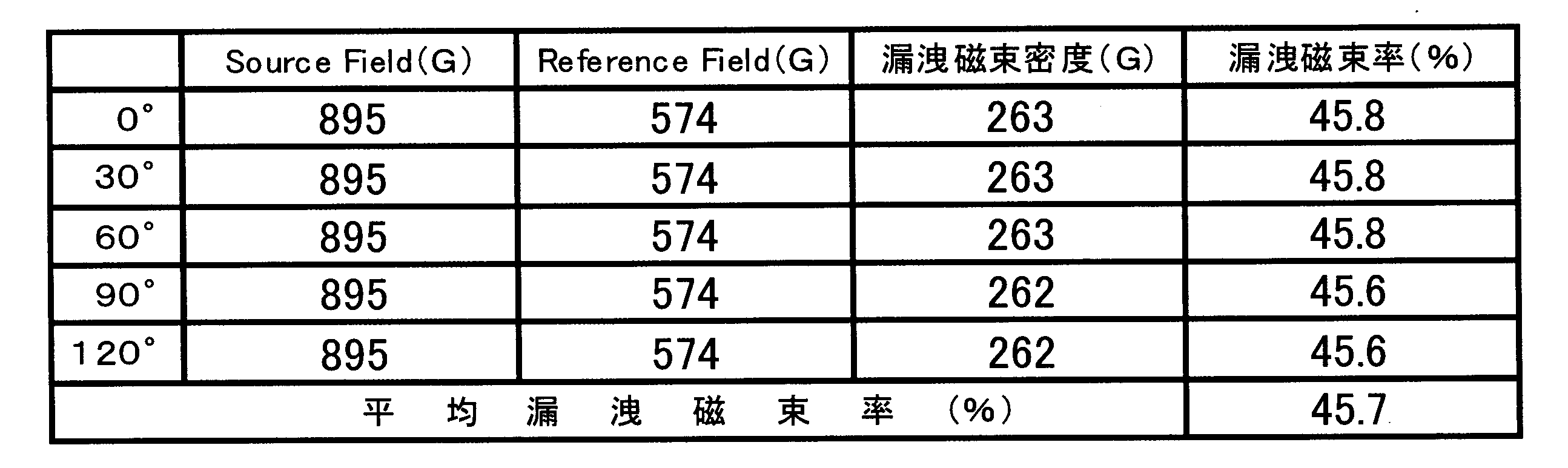
(実施例6)
実施例6として作製したターゲット全体の組成は、91(73Co-11Cr-16Pt)-4SiO2-2TiO2-3Cr2O3であり、実施例3-5、比較例5-8と同様である。作製した3種類のアトマイズ金属粉末は、68Co-22Cr-10Pt合金粉末(第1の非磁性金属粉末)、5Co-95Pt合金粉末(第2の非磁性金属粉末)、Co粉末(磁性金属粉末)であり、実施例1-5、比較例5-8と同様である。また、本実施例6では、実施例2-5、比較例5-8と同様に、作製した3種類のアトマイズ金属粉末全てについてそれぞれ、ボールミルを用いて酸化物粉末と混合分散をさせており、第1の非磁性金属粉末(68Co-22Cr-10Pt合金粉末)に対するボールミルの累計回転回数は2,390,040回であり、第2の非磁性金属粉末(5Co-95Pt合金粉末)に対するボールミルの累計回転回数は1,573,560回であり、磁性金属粉末(Co粉末)に対するボールミルの累計回転回数は871,560回である。本実施例6では、実施例3と比較して、磁性金属粉末(Co粉末)に対するボールミルの累計回転回数は同様であるが、第1の非磁性金属粉末(68Co-22Cr-10Pt合金粉末)および第2の非磁性金属粉末(5Co-95Pt合金粉末)に対するボールミルの累計回転回数がそれぞれ約2.2倍、約4.1倍になっている。
実施例6として作製したターゲット全体の組成は、91(73Co-11Cr-16Pt)-4SiO2-2TiO2-3Cr2O3であり、実施例3-5、比較例5-8と同様である。作製した3種類のアトマイズ金属粉末は、68Co-22Cr-10Pt合金粉末(第1の非磁性金属粉末)、5Co-95Pt合金粉末(第2の非磁性金属粉末)、Co粉末(磁性金属粉末)であり、実施例1-5、比較例5-8と同様である。また、本実施例6では、実施例2-5、比較例5-8と同様に、作製した3種類のアトマイズ金属粉末全てについてそれぞれ、ボールミルを用いて酸化物粉末と混合分散をさせており、第1の非磁性金属粉末(68Co-22Cr-10Pt合金粉末)に対するボールミルの累計回転回数は2,390,040回であり、第2の非磁性金属粉末(5Co-95Pt合金粉末)に対するボールミルの累計回転回数は1,573,560回であり、磁性金属粉末(Co粉末)に対するボールミルの累計回転回数は871,560回である。本実施例6では、実施例3と比較して、磁性金属粉末(Co粉末)に対するボールミルの累計回転回数は同様であるが、第1の非磁性金属粉末(68Co-22Cr-10Pt合金粉末)および第2の非磁性金属粉末(5Co-95Pt合金粉末)に対するボールミルの累計回転回数がそれぞれ約2.2倍、約4.1倍になっている。
また、実施例1、2では、磁性金属粉末(Co粉末)を2回分級して、粒径の範囲を45μm以上106μm以下としているのに対し、本実施例6では、実施例3-5、比較例5-8と同様に1回しか分級しておらず、磁性金属粉末(Co粉末)の粒径の範囲が106μm以下である点が実施例1、2と異なる。
本実施例6のターゲットを以下のようにして作製するとともに評価を行った。
実施例1-5、比較例5-8と同様にアトマイズおよび分級を行って、68Co-22Cr-10Pt合金粉末(粒径106μm以下)を得た。
得られた68Co-22Cr-10Pt合金粉末1155.56gに、SiO2粉末42.51g、TiO2粉末28.29g、Cr2O3粉末80.57gを添加してボールミルで混合分散(ボールミルの累計回転回数は2,390,040回)を行い、第1の非磁性混合粉末を作製した。
また、実施例1-5、比較例5-8と同様にアトマイズおよび分級を行って、5Co-95Pt合金粉末(粒径106μm以下)を得た。
得られた5Co-95Pt合金粉末1410.60gにSiO2粉末25.06g、TiO2粉末16.68g、Cr2O3粉末47.52gを添加してボールミルで混合分散(ボールミルの累計回転回数は1,573,560回)を行い、第2の非磁性混合粉末を作製した。
また、実施例1-5、比較例5-8と同様にアトマイズを行って、Co粉末を得た。そして、実施例3-5、比較例5-8と同様に、得られたCo粉末の分級は150メッシュのふるいによる分級のみを行い、粒径が106μm以下のCo粉末に分級した。
得られた分級後のCo粉末1478.28gに、SiO2粉末61.96g、TiO2粉末41.24g、Cr2O3粉末117.44gを添加してボールミルで混合分散(ボールミルの累計回転回数は871,560回)を行い、磁性混合粉末を作製した。
次に、第1の非磁性混合粉末(68Co-22Cr-10Pt合金粉末と酸化物粉末とが混合分散した粉末)602.13g、第2の非磁性混合粉末(5Co-95Pt合金粉末と酸化物粉末とが混合分散した粉末)347.66g、磁性混合粉末(Co粉末と酸化物粉末とが混合分散した粉末)390.23gを混合してターブラーシェイカーで実施例1と同様に混合分散を行い、加圧焼結用混合粉末を得た。
作製した加圧焼結用混合粉末30gを、焼結温度:1120℃、圧力:31MPa、時間:30min、雰囲気:5×10⁻²Pa以下の条件でホットプレスを行い、テストピース(φ30mm)を作製した。得られたテストピースの厚さは4.6mm程度であった。作製したテストピースの相対密度は98.55%であった。
図34および図35は、得られたテストピースの厚さ方向断面の金属顕微鏡写真であり、図34は撮影時の倍率が100倍の写真(写真中の縮尺目盛りは500μm)で、図35は撮影時の倍率が400倍の写真(写真中の縮尺目盛りは100μm)である。
図34および図35において、白色の相は金属相であるが、略円形の白色の相はほとんど存在しておらず、白色の相は楕円形かそれ以上に細長い相になっている。本実施例6では、作製した3種類のアトマイズ金属粉末全てについてそれぞれ、ボールミルを用いて酸化物粉末と混合分散をさせたためと考えられる。
なお、本実施例6は、実施例3と比較して、磁性金属粉末(Co粉末)に対するボールミルの累計回転回数は同様であるが、第1の非磁性金属粉末(68Co-22Cr-10Pt合金粉末)および第2の非磁性金属粉末(5Co-95Pt合金粉末)に対するボールミルの累計回転回数がそれぞれ約2.2倍、約4.1倍になっている。このため、本実施例6における金属相の大きさは、実施例3の金属相の大きさと比べて、若干小さくなったものと思われる。
次に、作製した加圧焼結用混合粉末を用いて、焼結温度:1120℃、圧力:31MPa、時間:60min、雰囲気:5×10⁻²Pa以下の条件でホットプレスを行い、φ152.4mm×厚さ7.0mmのターゲットを1つ作製した。作製したターゲットの相対密度は98.47%であった。
作製したターゲットについて、実施例1と同様にして、漏洩磁束についての評価を行った。下記の表28に示すように、平均漏洩磁束率は40.8%であった。
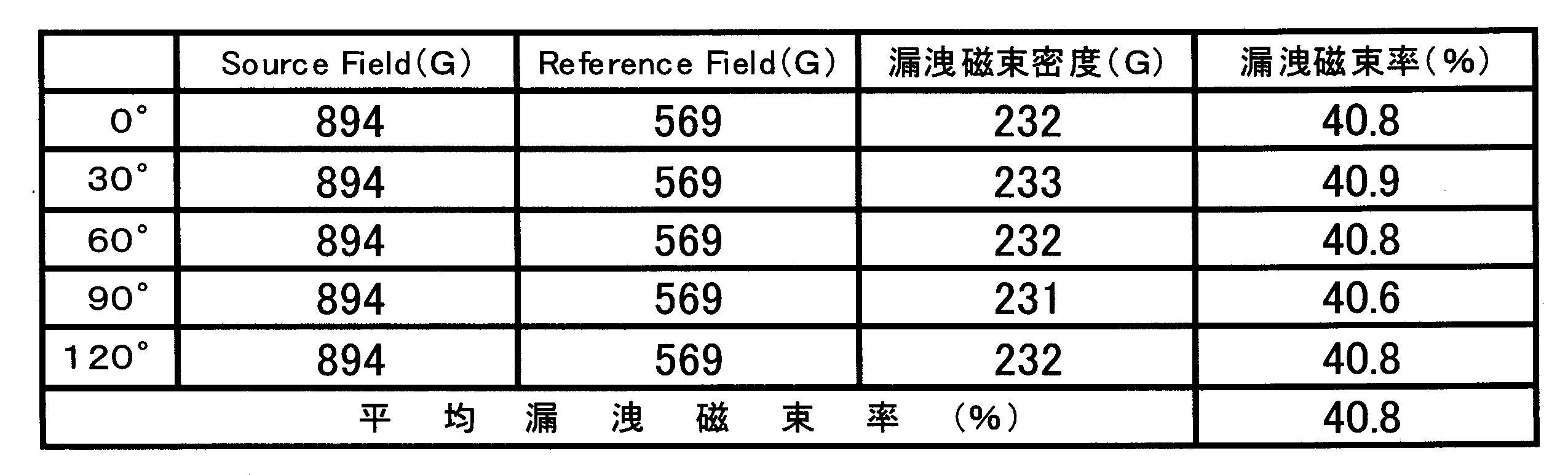
(考察)
平均漏洩磁束率を測定した実施例1-6、比較例1-8、参考例1、2についての測定結果を下記の表29にまとめて示す。ただし、ターゲットの厚さが厚いほど、平均漏洩磁束率が小さく測定されやすくなるところ、実施例1、2、比較例1-4おいて平均漏洩磁束率を測定したターゲットの厚さが5.0mmであり、参考例1、2において平均漏洩磁束率を測定したターゲットの厚さは6.5mmであり、実施例3-6、比較例5-8において平均漏洩磁束率を測定したターゲットの厚さは7.0mmであり、ターゲットの厚さが異なっている点に留意する必要がある。
平均漏洩磁束率を測定した実施例1-6、比較例1-8、参考例1、2についての測定結果を下記の表29にまとめて示す。ただし、ターゲットの厚さが厚いほど、平均漏洩磁束率が小さく測定されやすくなるところ、実施例1、2、比較例1-4おいて平均漏洩磁束率を測定したターゲットの厚さが5.0mmであり、参考例1、2において平均漏洩磁束率を測定したターゲットの厚さは6.5mmであり、実施例3-6、比較例5-8において平均漏洩磁束率を測定したターゲットの厚さは7.0mmであり、ターゲットの厚さが異なっている点に留意する必要がある。
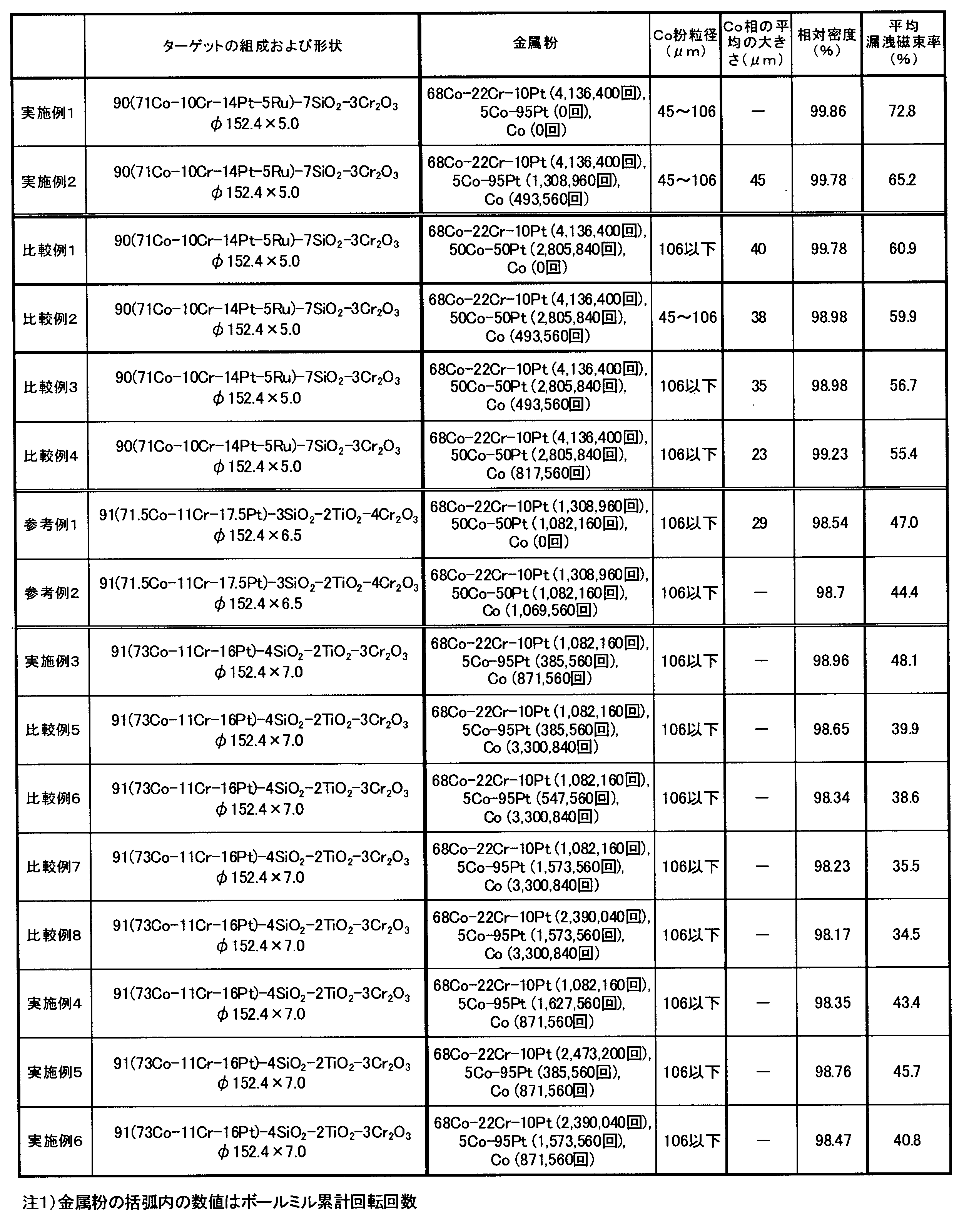
実施例1、2(ターゲット全体の組成はどちらも90(71Co-10Cr-14Pt-5Ru)-7SiO2-3Cr2O3)は、Co(強磁性金属元素)を含む磁性相(Co相)と、Co(強磁性金属元素)を含み、かつ、構成元素または構成元素の含有割合の異なる複数の非磁性相(第1の非磁性相(68Co-22Cr-10Pt合金相)と第2の非磁性相(5Co-95Pt合金相))とを有しており、かつ、第1の非磁性相(68Co-22Cr-10Pt合金相)は磁性相(Co相)よりも細かく酸化物相と分散し合っている(図4-図7参照)ので、本発明の範囲に含まれる。実施例1、2では、第1の非磁性相と第2の非磁性相の両方にCoが含まれているので、2つの非磁性相にCoが含まれている。このため、ターゲット全体におけるCo量を一定に保ちつつ磁性相(Co相)の体積分率を減少させることができ、ターゲットの平均漏洩磁束率を大きくすることができる。実施例1、2の平均漏洩磁束率はそれぞれ72.8%、65.2%と大きくなっている。
また、実施例1、2の平均漏洩磁束率を比較してみると、実施例2の平均漏洩磁束率の方が実施例1よりも8%程度小さくなっている。これは、実施例2では、磁性金属粉末(Co粉末)および第2の非磁性金属粉末(5Co-95Pt粉末)を、ボールミルを用いて酸化物と混合分散をさせているため、ターゲット中のCo相および5Co-95Pt相の大きさが小さくなり、このため、実施例2の漏洩磁束率は実施例1よりも小さくなったと考えられる。したがって、ターゲット中の磁性相(Co相)、および酸化物相と細かく分散し合っている第1の非磁性相(68Co-22Cr-10Pt合金相)以外のターゲット中の第2の非磁性相(5Co-95Pt相)は大きい方がターゲットの漏洩磁束率を大きくする点で好ましいと考えられる。
比較例1-4は、ターゲット全体の組成はいずれも90(71Co-10Cr-14Pt-5Ru)-7SiO2-3Cr2O3であり、実施例1、2と同一であるが、Co-Pt合金相のCoの含有割合が50at%と大きく、Co-Pt合金相が磁性相となっており、非磁性相は68Co-22Cr-10Pt合金相のみ(非磁性相は1つ)であり、本発明の範囲外である。このため、ターゲット全体に対する磁性相の体積分率が実施例1、2よりも大きくなっており、比較例1-4の平均漏洩磁束率の平均値は、実施例1、2の平均漏洩磁束率の平均値よりも10%程度小さくなっている。したがって、強磁性金属元素が含まれる非磁性相を複数設けることは、ターゲットの漏洩磁束率を向上させる上で有効と考えられる。
また、比較例1-4は、ターゲット全体の組成および各金属相の組成は同一にしたまま、第2の磁性相(Co相)の平均の大きさを変えている。比較例1-4のそれぞれのCo相の平均の大きさと平均漏洩磁束率を比較してみると、Co相の平均の大きさが大きいほど平均漏洩磁束率が大きくなっていることがわかる。したがって、Co相の平均の大きさを大きくすることは、ターゲットの漏洩磁束率を向上させる上で有効と考えられる。
参考例1、2は、ターゲット全体の組成はどちらも91(71.5Co-11Cr-17.5Pt)-3SiO2-2TiO2-4Cr2O3であるが、比較例1-4と同様に、Co-Pt合金相のCoの含有割合が50at%と大きく、Co-Pt合金相が磁性相となっており、非磁性相は68Co-22Cr-10Pt合金相のみ(非磁性相は1つ)であり、本発明の範囲外である。このため、ターゲット全体に対する磁性相の体積分率が実施例1、2よりも大きくなっており、参考例1、2の平均漏洩磁束率の平均値は、実施例1、2の平均漏洩磁束率の平均値よりも23%程度小さくなっている。したがって、強磁性金属元素が含まれる非磁性相を複数設けることは、ターゲットの漏洩磁束率を向上させる上で有効と考えられる。
なお、参考例1、2のターゲットの平均漏洩磁束率はそれぞれ47.0%、44.4%であり、実施例1、2と比べた場合だけでなく、比較例1-4と比べた場合であってもかなり小さくなっている。参考例1、2のターゲットの厚さは6.5mmであり、実施例1、2、比較例1-4のターゲットの厚さ(5.0mm)よりも1.5mm厚くなっていることが原因と考えられる。なお、実施例1、2、比較例1-4のターゲットにおけるCoの含有割合が約64mol%であるのに対し、参考例1、2のターゲットにおけるCoの含有割合が約65mol%であり、参考例1、2のターゲットの方が強磁性金属元素であるCoの含有割合が大きくなっているがその差はわずかであるので、ターゲットの厚さの違いの方が漏洩磁束率への影響は大きいと考えられる。
また、参考例1、2は、ターゲット全体の組成および各金属相の組成は同一にしたまま、第2の磁性金属粉末(Co粉末)と酸化物粉末とのボールミルによる混合を行うかどうか変えている。即ち、参考例1ではCo粉末と酸化物粉末とのボールミルによる混合を行っていないが、参考例2ではCo粉末と酸化物粉末とのボールミルによる混合を行っており(累計回転回数1,069,560回)、参考例2のターゲット中のCo相の平均の大きさの方が参考例1のターゲット中のCo相の平均の大きさよりも小さくなっていると考えられる。一方、参考例2の平均漏洩磁束率は44.4%であり、参考例1の平均漏洩磁束率(47.0%)よりも3%程度小さくなっている。したがって、Co相の平均の大きさを大きくすることは、ターゲットの漏洩磁束率を向上させる上で有効と考えられる。
実施例3-6(ターゲット全体の組成はいずれも91(73Co-11Cr-16Pt)-4SiO2―2TiO2―3Cr2O3)は、Co(強磁性金属元素)を含む磁性相(Co相)と、Co(強磁性金属元素)を含み、かつ、構成元素または構成元素の含有割合の異なる複数の非磁性相(第1の非磁性相(68Co-22Cr-10Pt合金相)と第2の非磁性相(5Co-95Pt合金相))とを有しており、かつ、第1の非磁性相(68Co-22Cr-10Pt合金相)は磁性相(Co相)よりも細かく酸化物相と分散し合っているので、本発明の範囲に含まれる。
実施例3-6の平均漏洩磁束率は40%以上49%以下の範囲に入っており、それらの平均値は実施例1、2の平均漏洩磁束率の平均値よりも25%程度小さくなっており、参考例1、2と同様のレベルの数値である。これは、実施例3-6のターゲットの厚さは7.0mmであり、実施例1、2のターゲットの厚さ(5.0mm)よりも2.0mm厚く、参考例1、2のターゲットの厚さ(6.5mm)よりも0.5mm厚くなっていることが原因と考えられる。
比較例5-8は、実施例3と比較して、磁性金属粉末(Co粉末)に対するボールミルの累計回転回数が約3.8倍になっており、Co相の大きさが小さくなっていると考えられる。一方、比較例5-8の平均漏洩磁束率は34%以上40%以下の範囲に入っており、それらの平均値は実施例3の平均漏洩磁束率(48.1%)よりも10%程度小さくなっている。したがって、磁性金属相(Co相)の大きさを大きくすることは、ターゲットの漏洩磁束率を向上させる上で有効と考えられる。
比較例6、7は、比較例5と比較して、第1の非磁性金属粉末(68Co-22Cr-10Pt合金粉末)および磁性金属粉末(Co粉末)に対するボールミルの累計回転回数は同様であるが、第2の非磁性金属粉末(5Co-95Pt合金相)に対するボールミルの累計回転回数がそれぞれ約1.4倍、約4.1倍になっている。一方、比較例6、7の平均漏洩磁束率はそれぞれ38.6%、35.5%であり、比較例5の平均漏洩磁束率(39.9%)よりもそれぞれ約1%、約4%小さくなっている。したがって、第2の非磁性金属相(5Co-95Pt合金相)の大きさを大きくすることは、ターゲットの漏洩磁束率を向上させる上で有効と考えられる。
また、実施例4は、実施例3と比較して、第1の非磁性金属粉末(68Co-22Cr-10Pt合金粉末)および磁性金属粉末(Co粉末)に対するボールミルの累計回転回数は同様であるが、第2の非磁性金属粉末(5Co-95Pt合金粉末)に対するボールミルの累計回転回数が約4.2倍であり、実施例4は実施例3よりも、第2の非磁性金属相(5Co-95Pt合金相)が酸化物相と細かく分散し合っていると考えられる。一方、実施例4の平均漏洩磁束率は43.4%であり、実施例3の平均漏洩磁束率(48.1%)よりも約5%小さくなっている。したがって、第2の非磁性金属相(5Co-95Pt合金相)の大きさを大きくすることは、ターゲットの漏洩磁束率を向上させる上で有効と考えられる。
ただし、第2の非磁性金属相(5Co-95Pt合金相)を小さくしたときの平均漏洩磁束率の減少量は、磁性金属相(Co相)を小さくしたときの平均漏洩磁束率の減少量よりも小さいので、磁性金属相(Co相)の大きさを大きくした方が、第2の非磁性金属相(5Co-95Pt合金相)の大きさを大きくするよりも、平均漏洩磁束率を向上させる点で効果があると思われる。
実施例5は、実施例3と比較して、第2の非磁性金属粉末(5Co-95Pt合金粉末)および磁性金属粉末(Co粉末)に対するボールミルの累計回転回数は同様であるが、第1の非磁性金属粉末(68Co-22Cr-10Pt合金粉末)に対するボールミルの累計回転回数が約2.3倍になっている。一方、実施例5の平均漏洩磁束率は45.7%であり、実施例3の平均漏洩磁束率(48.1%)よりも約2%小さくなっている。したがって、第1の非磁性金属相(68Co-22Cr-10Pt合金相)の大きさを大きくすることも、ターゲットの漏洩磁束率を向上させる上で有効と考えられる。
また、比較例8は、比較例7と比較して、第2の非磁性金属粉末(5Co-95Pt合金粉末)および磁性金属粉末(Co粉末)に対するボールミルの累計回転回数は同様であるが、第1の非磁性金属粉末(68Co-22Cr-10Pt合金粉末)に対するボールミルの累計回転回数が約2.2倍になっている。一方、比較例8の平均漏洩磁束率は34.5%であり、比較例7の平均漏洩磁束率(35.5%)よりも約1%小さくなっている。したがって、第1の非磁性金属相(68Co-22Cr-10Pt合金相)の大きさを大きくすることも、ターゲットの漏洩磁束率を向上させる上で有効と考えられる。
ただし、第1の非磁性金属相(68Co-22Cr-10Pt合金相)を小さくしたときの平均漏洩磁束率の減少量は、第2の非磁性金属相(5Co-95Pt合金相)を小さくしたときの平均漏洩磁束率の減少量よりも小さいので、第2の非磁性金属相(5Co-95Pt合金相)の大きさを大きくした方が、第1の非磁性金属相(68Co-22Cr-10Pt合金相)の大きさを大きくするよりも、平均漏洩磁束率を向上させる点で効果があると思われる。
実施例6は、実施例3と比較して、磁性金属粉末(Co粉末)に対するボールミルの累計回転回数は同様であるが、第1の非磁性金属粉末(68Co-22Cr-10Pt合金粉末)に対するボールミルの累計回転回数が約2.2倍になっており、第2の非磁性金属粉末(5Co-95Pt合金粉末)に対するボールミルの累計回転回数が約4.1倍になっている。一方、実施例6の平均漏洩磁束率は40.8%であり、実施例3の平均漏洩磁束率(48.1%)よりも約7%小さくなっている。これは、実施例3と比較して、第1の非磁性金属相(68Co-22Cr-10Pt合金相)および第2の非磁性金属相(5Co-95Pt合金相)の大きさが小さくなったためと考えられる。
最後に、ターゲット中における8Co-22Cr-10Pt合金相と酸化物相との分散状況についても言及しておく。
実施例1、2および比較例1-4では、非磁性金属粉末である68Co-22Cr-10Pt合金粉末と酸化物粉末とをボールミルにより累計回転回数4,136,400回まで混合させており、得られたターゲット中において68Co-22Cr-10Pt合金相と酸化物相とは細かく分散し合っていると考えられるが、得られた焼結体を金属顕微鏡で実際に観察した結果(図4-図15)でも、68Co-22Cr-10Pt合金相と酸化物相とは細かく分散し合っていることを確認している。また、参考例1、2では、非磁性金属粉末である68Co-22Cr-10Pt合金粉末と酸化物粉末とをボールミルにより累計回転回数1,308,960回まで混合させており、得られたターゲット中において68Co-22Cr-10Pt合金相と酸化物相とは細かく分散し合っていると考えられるが、得られた焼結体を金属顕微鏡で実際に観察した結果(図16-図19)でも、68Co-22Cr-10Pt合金相と酸化物相とは細かく分散し合っていることを確認している。また、実施例3-6、比較例5-8では、非磁性金属粉末である68Co-22Cr-10Pt合金粉末と酸化物粉末とをボールミルにより累計回転回数1,082,160回以上混合させており、得られたターゲット中において68Co-22Cr-10Pt合金相と酸化物相とは細かく分散し合っていると考えられるが、得られた焼結体を金属顕微鏡で実際に観察した結果(図20-図35)でも、68Co-22Cr-10Pt合金相と酸化物相とは細かく分散し合っていることを確認している。
したがって、本発明の範囲内の実施例1-6だけでなく、本発明の範囲外の比較例1-8、参考例1、2においても、68Co-22Cr-10Pt合金相と酸化物相とは細かく分散し合っており、実施例1-6、比較例1-8、参考例1、2のいずれのターゲットを用いて実際にスパッタリングを行ってもノジュールやパーティクル等の不具合は発生しにくいと考えられる。
本発明に係るターゲットは、マグネトロンスパッタリング用ターゲットとして好適に用いることができる。また、本発明に係る製造方法は、マグネトロンスパッタリング用ターゲットの製造方法として好適に用いることができる。
10…ターゲット
12…磁性相
14…第1の非磁性相
16…第2の非磁性相
18…酸化物相
12…磁性相
14…第1の非磁性相
16…第2の非磁性相
18…酸化物相
Claims (20)
- 強磁性金属元素を有するマグネトロンスパッタリング用ターゲットであって、
前記強磁性金属元素を含む磁性相と、
前記強磁性金属元素を含み、かつ、構成元素または構成元素の含有割合の異なる複数の非磁性相と、
酸化物相と、
を有しており、
前記複数の非磁性相のうちの少なくとも1つは、前記磁性相よりも細かく前記酸化物相と分散し合っていることを特徴とするマグネトロンスパッタリング用ターゲット。 - 請求項1において、
前記複数の非磁性相のうちの1つは、他の非磁性相よりも細かく前記酸化物相と分散し合っていることを特徴とするマグネトロンスパッタリング用ターゲット。 - 請求項1または2において、
前記磁性相は、相の平均の大きさが40μm以上80μm以下であることを特徴とするマグネトロンスパッタリング用ターゲット。 - 請求項1-3のいずれかにおいて、
前記複数の非磁性相は、2種の非磁性相であることを特徴とするマグネトロンスパッタリング用ターゲット。 - 請求項1-4のいずれかにおいて、
前記強磁性金属元素は、Coであることを特徴とするマグネトロンスパッタリング用ターゲット。 - 請求項5において、
前記磁性相は、Coの含有割合が85at%以上であるCo-Cr合金相からなることを特徴とするマグネトロンスパッタリング用ターゲット。 - 請求項5において、
前記磁性相は、Co単体であることを特徴とするマグネトロンスパッタリング用ターゲット。 - 請求項5-7のいずれかにおいて、
前記非磁性相のうちの少なくとも1つは、Coの含有割合が0at%より大きく75at%以下であるCo-Cr合金相またはCoの含有割合が0at%より大きく73at%以下であるCo-Cr-Pt合金相からなることを特徴とするマグネトロンスパッタリング用ターゲット。 - 請求項5-8のいずれかにおいて、
前記非磁性相のうちの少なくとも1つは、Coの含有割合が0at%より大きく12at%以下であるCo-Pt合金相からなることを特徴とするマグネトロンスパッタリング用ターゲット。 - 請求項1-9のいずれかにおいて、
前記酸化物相は、SiO2、TiO2、Ti2O3、Ta2O5、Cr2O3、CoO、Co3O4、B2O3、Fe2O3、CuO、Y2O3、MgO、Al2O3、ZrO2、Nb2O5、MoO3、CeO2、Sm2O3、Gd2O3、WO2、WO3、HfO2、NiO2のうちの少なくとも1種を含むことを特徴とするマグネトロンスパッタリング用ターゲット。 - 請求項1-10のいずれかにおいて、
前記ターゲットは、磁気記録層の形成に用いられることを特徴とするマグネトロンスパッタリング用ターゲット。 - 強磁性金属元素を含む第1の非磁性金属粉末を酸化物粉末と混合分散して非磁性混合粉末を得る工程、および、
前記得られた非磁性混合粉末と、
前記強磁性金属元素を含む磁性金属粉末と、
前記強磁性金属元素を含み、かつ、構成元素または構成元素の含有割合が前記第1の非磁性金属粉末とは異なる第2の非磁性金属粉末と、
を混合分散して加圧焼結用混合粉末を得る工程、
を有することを特徴とするマグネトロンスパッタリング用ターゲットの製造方法。 - 強磁性金属元素を含む第1の非磁性金属粉末を酸化物粉末と混合分散して非磁性混合粉末を得る工程、および、
前記得られた非磁性混合粉末と、
前記強磁性金属元素を含む磁性金属粉末と、
前記強磁性金属元素を含み、かつ、構成元素または構成元素の含有割合が前記第1の非磁性金属粉末とは異なる第2の非磁性金属粉末と、
酸化物粉末と、
を混合分散して加圧焼結用混合粉末を得る工程、
を有することを特徴とするマグネトロンスパッタリング用ターゲットの製造方法。 - 請求項12または13において、
用いる非磁性金属粉末は、2種であることを特徴とするマグネトロンスパッタリング用ターゲットの製造方法。 - 請求項12-14のいずれかにおいて、
前記強磁性金属元素は、Coであることを特徴とするマグネトロンスパッタリング用ターゲットの製造方法。 - 請求項15において、
前記磁性金属粉末はCoおよびCrを主成分として含み、該磁性金属粉末におけるCoの含有割合が85at%以上であることを特徴とするマグネトロンスパッタリング用ターゲットの製造方法。 - 請求項15において、
前記磁性金属粉末はCo単体からなることを特徴とするマグネトロンスパッタリング用ターゲットの製造方法。 - 請求項12-17のいずれかにおいて、
前記複数の非磁性金属粉末のうち少なくとも1つは、Coの含有割合が0at%より大きく75at%以下であるCo-Cr合金またはCoの含有割合が0at%より大きく73at%以下であるCo-Cr-Pt合金からなることを特徴とするマグネトロンスパッタリング用ターゲットの製造方法。 - 請求項12-18のいずれかにおいて、
前記複数の非磁性金属粉末のうち少なくとも1つは、Coの含有割合が0at%より大きく12at%以下であるCo-Pt合金からなることを特徴とするマグネトロンスパッタリング用ターゲットの製造方法。 - 請求項12-19のいずれかに記載の製造方法により得られたマグネトロンスパッタリング用ターゲット。
Priority Applications (2)
| Application Number | Priority Date | Filing Date | Title |
|---|---|---|---|
| SG11201402388YA SG11201402388YA (en) | 2011-11-17 | 2012-10-12 | Magnetron sputtering target and method for manufacturing the same |
| US14/357,852 US9502224B2 (en) | 2011-11-17 | 2012-10-12 | Magnetron sputtering target and method for manufacturing the same |
Applications Claiming Priority (2)
| Application Number | Priority Date | Filing Date | Title |
|---|---|---|---|
| JP2011252103A JP5863411B2 (ja) | 2011-11-17 | 2011-11-17 | マグネトロンスパッタリング用ターゲットおよびその製造方法 |
| JP2011-252103 | 2011-11-17 |
Publications (1)
| Publication Number | Publication Date |
|---|---|
| WO2013073323A1 true WO2013073323A1 (ja) | 2013-05-23 |
Family
ID=48429393
Family Applications (1)
| Application Number | Title | Priority Date | Filing Date |
|---|---|---|---|
| PCT/JP2012/076395 Ceased WO2013073323A1 (ja) | 2011-11-17 | 2012-10-12 | マグネトロンスパッタリング用ターゲットおよびその製造方法 |
Country Status (6)
| Country | Link |
|---|---|
| US (1) | US9502224B2 (ja) |
| JP (1) | JP5863411B2 (ja) |
| MY (1) | MY168164A (ja) |
| SG (2) | SG11201402388YA (ja) |
| TW (1) | TWI496913B (ja) |
| WO (1) | WO2013073323A1 (ja) |
Cited By (3)
| Publication number | Priority date | Publication date | Assignee | Title |
|---|---|---|---|---|
| WO2015064761A1 (ja) * | 2013-10-29 | 2015-05-07 | 田中貴金属工業株式会社 | マグネトロンスパッタリング用ターゲット |
| JP2018172770A (ja) * | 2017-03-31 | 2018-11-08 | Jx金属株式会社 | 強磁性材スパッタリングターゲット |
| JP2022166726A (ja) * | 2021-04-21 | 2022-11-02 | Jx金属株式会社 | スパッタリングターゲット部材、スパッタリングターゲット組立品、及び成膜方法 |
Families Citing this family (1)
| Publication number | Priority date | Publication date | Assignee | Title |
|---|---|---|---|---|
| JP4871406B1 (ja) * | 2010-08-06 | 2012-02-08 | 田中貴金属工業株式会社 | マグネトロンスパッタリング用ターゲットおよびその製造方法 |
Citations (5)
| Publication number | Priority date | Publication date | Assignee | Title |
|---|---|---|---|---|
| JP2008163438A (ja) * | 2007-01-04 | 2008-07-17 | Mitsui Mining & Smelting Co Ltd | CoCrPt系スパッタリングターゲットおよびその製造方法 |
| JP2009132975A (ja) * | 2007-11-30 | 2009-06-18 | Mitsubishi Materials Corp | 比透磁率の低い垂直磁気記録媒体膜形成用スパッタリングターゲット |
| JP2009293102A (ja) * | 2008-06-09 | 2009-12-17 | Mitsubishi Materials Corp | 比透磁率の低い垂直磁気記録媒体膜形成用スパッタリングターゲット |
| JP4422203B1 (ja) * | 2009-04-01 | 2010-02-24 | Tanakaホールディングス株式会社 | マグネトロンスパッタリング用ターゲットおよびその製造方法 |
| JP2012036452A (ja) * | 2010-08-06 | 2012-02-23 | Tanaka Kikinzoku Kogyo Kk | マグネトロンスパッタリング用ターゲットおよびその製造方法 |
Family Cites Families (13)
| Publication number | Priority date | Publication date | Assignee | Title |
|---|---|---|---|---|
| US6797137B2 (en) * | 2001-04-11 | 2004-09-28 | Heraeus, Inc. | Mechanically alloyed precious metal magnetic sputtering targets fabricated using rapidly solidfied alloy powders and elemental Pt metal |
| US20030227014A1 (en) * | 2002-06-11 | 2003-12-11 | Xerox Corporation. | Process for forming semiconductor layer of micro-and nano-electronic devices |
| US20070189916A1 (en) * | 2002-07-23 | 2007-08-16 | Heraeus Incorporated | Sputtering targets and methods for fabricating sputtering targets having multiple materials |
| US20050277002A1 (en) * | 2004-06-15 | 2005-12-15 | Heraeus, Inc. | Enhanced sputter target alloy compositions |
| EP2003226B1 (en) * | 2006-02-22 | 2013-04-24 | JX Nippon Mining & Metals Corporation | Sintered sputtering target made of high-melting metals |
| US20080202916A1 (en) * | 2007-02-22 | 2008-08-28 | Heraeus Incorporated | Controlling magnetic leakage flux in sputtering targets containing magnetic and non-magnetic elements |
| WO2009119812A1 (ja) * | 2008-03-28 | 2009-10-01 | 日鉱金属株式会社 | 非磁性材粒子分散型強磁性材スパッタリングターゲット |
| SG172790A1 (en) | 2009-03-27 | 2011-08-29 | Jx Nippon Mining & Metals Corp | Ferromagnetic-material sputtering target of nonmagnetic-material particle dispersion type |
| MY148731A (en) | 2009-08-06 | 2013-05-31 | Jx Nippon Mining & Metals Corp | Inorganic-particle-dispersed sputtering target |
| GB0922294D0 (en) * | 2009-12-22 | 2010-02-03 | 3M Innovative Properties Co | A dispensing device for a dental material and a method of filling the device |
| JP4673453B1 (ja) * | 2010-01-21 | 2011-04-20 | Jx日鉱日石金属株式会社 | 強磁性材スパッタリングターゲット |
| JP2011175725A (ja) * | 2010-01-26 | 2011-09-08 | Mitsubishi Materials Corp | 磁気記録媒体膜形成用スパッタリングターゲットおよびその製造方法 |
| SG188603A1 (en) * | 2010-12-17 | 2013-04-30 | Jx Nippon Mining & Metals Corp | Ferromagnetic material sputtering target |
-
2011
- 2011-11-17 JP JP2011252103A patent/JP5863411B2/ja active Active
-
2012
- 2012-10-12 MY MYPI2014701203A patent/MY168164A/en unknown
- 2012-10-12 SG SG11201402388YA patent/SG11201402388YA/en unknown
- 2012-10-12 WO PCT/JP2012/076395 patent/WO2013073323A1/ja not_active Ceased
- 2012-10-12 SG SG10201505966UA patent/SG10201505966UA/en unknown
- 2012-10-12 US US14/357,852 patent/US9502224B2/en not_active Expired - Fee Related
- 2012-11-15 TW TW101142603A patent/TWI496913B/zh active
Patent Citations (5)
| Publication number | Priority date | Publication date | Assignee | Title |
|---|---|---|---|---|
| JP2008163438A (ja) * | 2007-01-04 | 2008-07-17 | Mitsui Mining & Smelting Co Ltd | CoCrPt系スパッタリングターゲットおよびその製造方法 |
| JP2009132975A (ja) * | 2007-11-30 | 2009-06-18 | Mitsubishi Materials Corp | 比透磁率の低い垂直磁気記録媒体膜形成用スパッタリングターゲット |
| JP2009293102A (ja) * | 2008-06-09 | 2009-12-17 | Mitsubishi Materials Corp | 比透磁率の低い垂直磁気記録媒体膜形成用スパッタリングターゲット |
| JP4422203B1 (ja) * | 2009-04-01 | 2010-02-24 | Tanakaホールディングス株式会社 | マグネトロンスパッタリング用ターゲットおよびその製造方法 |
| JP2012036452A (ja) * | 2010-08-06 | 2012-02-23 | Tanaka Kikinzoku Kogyo Kk | マグネトロンスパッタリング用ターゲットおよびその製造方法 |
Cited By (5)
| Publication number | Priority date | Publication date | Assignee | Title |
|---|---|---|---|---|
| WO2015064761A1 (ja) * | 2013-10-29 | 2015-05-07 | 田中貴金属工業株式会社 | マグネトロンスパッタリング用ターゲット |
| JPWO2015064761A1 (ja) * | 2013-10-29 | 2017-03-09 | 田中貴金属工業株式会社 | マグネトロンスパッタリング用ターゲット |
| JP2018172770A (ja) * | 2017-03-31 | 2018-11-08 | Jx金属株式会社 | 強磁性材スパッタリングターゲット |
| JP2022166726A (ja) * | 2021-04-21 | 2022-11-02 | Jx金属株式会社 | スパッタリングターゲット部材、スパッタリングターゲット組立品、及び成膜方法 |
| JP7648429B2 (ja) | 2021-04-21 | 2025-03-18 | Jx金属株式会社 | スパッタリングターゲット部材、スパッタリングターゲット組立品、及び成膜方法 |
Also Published As
| Publication number | Publication date |
|---|---|
| JP2013108110A (ja) | 2013-06-06 |
| SG11201402388YA (en) | 2014-10-30 |
| US9502224B2 (en) | 2016-11-22 |
| JP5863411B2 (ja) | 2016-02-16 |
| MY168164A (en) | 2018-10-11 |
| SG10201505966UA (en) | 2015-09-29 |
| US20140311901A1 (en) | 2014-10-23 |
| TW201335394A (zh) | 2013-09-01 |
| TWI496913B (zh) | 2015-08-21 |
Similar Documents
| Publication | Publication Date | Title |
|---|---|---|
| JP4422203B1 (ja) | マグネトロンスパッタリング用ターゲットおよびその製造方法 | |
| JP4871406B1 (ja) | マグネトロンスパッタリング用ターゲットおよびその製造方法 | |
| CN105934532B (zh) | 磁控溅射用靶 | |
| JP4837801B2 (ja) | Co若しくはCo合金相に酸化物相を分散させたスパッタリングターゲット | |
| JP6359622B2 (ja) | Co又はFeを含有するスパッタリングターゲット | |
| JP5863411B2 (ja) | マグネトロンスパッタリング用ターゲットおよびその製造方法 | |
| JP5768029B2 (ja) | マグネトロンスパッタリング用ターゲットおよびその製造方法 | |
| JP6504605B2 (ja) | スパッタリングターゲット | |
| JP2014074219A5 (ja) | ||
| JP5748639B2 (ja) | マグネトロンスパッタリング用ターゲットおよびその製造方法 | |
| JP2019178401A (ja) | スパッタリングターゲット | |
| WO2024014156A1 (ja) | Co-Cr-Pt-酸化物系スパッタリングターゲット | |
| JP6728094B2 (ja) | 強磁性材スパッタリングターゲット | |
| WO2020044573A1 (ja) | 安定的に放電可能なスパッタリングターゲット |
Legal Events
| Date | Code | Title | Description |
|---|---|---|---|
| 121 | Ep: the epo has been informed by wipo that ep was designated in this application |
Ref document number: 12850340 Country of ref document: EP Kind code of ref document: A1 |
|
| WWE | Wipo information: entry into national phase |
Ref document number: 14357852 Country of ref document: US |
|
| NENP | Non-entry into the national phase |
Ref country code: DE |
|
| 122 | Ep: pct application non-entry in european phase |
Ref document number: 12850340 Country of ref document: EP Kind code of ref document: A1 |