WO2013047559A1 - 転写シート及び転写シートの製造方法 - Google Patents
転写シート及び転写シートの製造方法 Download PDFInfo
- Publication number
- WO2013047559A1 WO2013047559A1 PCT/JP2012/074647 JP2012074647W WO2013047559A1 WO 2013047559 A1 WO2013047559 A1 WO 2013047559A1 JP 2012074647 W JP2012074647 W JP 2012074647W WO 2013047559 A1 WO2013047559 A1 WO 2013047559A1
- Authority
- WO
- WIPO (PCT)
- Prior art keywords
- protective layer
- layer
- hard coat
- group
- transfer sheet
- Prior art date
- Legal status (The legal status is an assumption and is not a legal conclusion. Google has not performed a legal analysis and makes no representation as to the accuracy of the status listed.)
- Ceased
Links
Images



Classifications
-
- C—CHEMISTRY; METALLURGY
- C08—ORGANIC MACROMOLECULAR COMPOUNDS; THEIR PREPARATION OR CHEMICAL WORKING-UP; COMPOSITIONS BASED THEREON
- C08J—WORKING-UP; GENERAL PROCESSES OF COMPOUNDING; AFTER-TREATMENT NOT COVERED BY SUBCLASSES C08B, C08C, C08F, C08G or C08H
- C08J7/00—Chemical treatment or coating of shaped articles made of macromolecular substances
- C08J7/04—Coating
- C08J7/043—Improving the adhesiveness of the coatings per se, e.g. forming primers
-
- C—CHEMISTRY; METALLURGY
- C08—ORGANIC MACROMOLECULAR COMPOUNDS; THEIR PREPARATION OR CHEMICAL WORKING-UP; COMPOSITIONS BASED THEREON
- C08J—WORKING-UP; GENERAL PROCESSES OF COMPOUNDING; AFTER-TREATMENT NOT COVERED BY SUBCLASSES C08B, C08C, C08F, C08G or C08H
- C08J7/00—Chemical treatment or coating of shaped articles made of macromolecular substances
- C08J7/04—Coating
- C08J7/042—Coating with two or more layers, where at least one layer of a composition contains a polymer binder
-
- C—CHEMISTRY; METALLURGY
- C08—ORGANIC MACROMOLECULAR COMPOUNDS; THEIR PREPARATION OR CHEMICAL WORKING-UP; COMPOSITIONS BASED THEREON
- C08J—WORKING-UP; GENERAL PROCESSES OF COMPOUNDING; AFTER-TREATMENT NOT COVERED BY SUBCLASSES C08B, C08C, C08F, C08G or C08H
- C08J7/00—Chemical treatment or coating of shaped articles made of macromolecular substances
- C08J7/04—Coating
- C08J7/046—Forming abrasion-resistant coatings; Forming surface-hardening coatings
-
- C—CHEMISTRY; METALLURGY
- C08—ORGANIC MACROMOLECULAR COMPOUNDS; THEIR PREPARATION OR CHEMICAL WORKING-UP; COMPOSITIONS BASED THEREON
- C08J—WORKING-UP; GENERAL PROCESSES OF COMPOUNDING; AFTER-TREATMENT NOT COVERED BY SUBCLASSES C08B, C08C, C08F, C08G or C08H
- C08J2433/00—Characterised by the use of homopolymers or copolymers of compounds having one or more unsaturated aliphatic radicals, each having only one carbon-to-carbon double bond, and only one being terminated by only one carboxyl radical, or of salts, anhydrides, esters, amides, imides, or nitriles thereof; Derivatives of such polymers
- C08J2433/04—Characterised by the use of homopolymers or copolymers of compounds having one or more unsaturated aliphatic radicals, each having only one carbon-to-carbon double bond, and only one being terminated by only one carboxyl radical, or of salts, anhydrides, esters, amides, imides, or nitriles thereof; Derivatives of such polymers esters
Definitions
- the present invention relates to a transfer sheet that can be used when, for example, a resin layer or a pattern layer laminated on one side of a base sheet is transferred to the surface of an article.
- the transfer sheet has a structure in which a transfer layer is provided on one side of a base sheet as a support, and this transfer layer is transferred from the base sheet to the surface of the article.
- the transferred transfer layer is a laminated body in which a resin, a design or the like (protective layer) is laminated, and a protective layer such as a protective coating or a decorative coating is formed on the surface of the article.
- Patent Document 1 discloses a transfer sheet in which an anchor layer and a hard coat layer are laminated on a base sheet side adjacent to a metal thin film.
- the anchor layer adjacent to the metal thin film, together with the hard coat layer, serves to protect the metal thin film from scratches and improve corrosion resistance.
- An object of the present invention is to provide a transfer sheet and a transfer sheet manufacturing method capable of preventing peeling between protective layers in a transfer sheet in which a plurality of protective layers are laminated.
- the transfer sheet according to the present invention includes a base sheet, a first protective layer formed on the base sheet, and a second protective layer formed on the first protective layer,
- the first protective layer and the second protective layer are both hard coat layers for protecting the surface of the transferred product, and the hard coat layers constituting the first protective layer and the second protective layer are both composed mainly of acrylate.
- the silane coupling agent represented by the following formula having a molecular weight of 100 to 500 is added to at least one of the first protective layer and the second protective layer, and both layers are adhered. .
- R in the formula is an alkyl straight chain containing at least one of an epoxy group, a vinyl group, a methacryl group, a mercapto group, and a styryl group
- D is any one of OMe, OEt, OEtOMe, and OEtOEt.
- Me represents a methyl group
- Et represents an ethyl group.
- the silane coupling agent having a molecular weight of 100 to 500 is added and adhered to at least one of the first protective layer and the second protective layer, the silane coupling agent In the protective layer to which is added, the silane coupling agent reacts with the resin material in the protective layer.
- the reactant comes into contact with the resin constituting the other adjacent protective layer, and the interaction between the reactant and the resin improves the adhesion between the first protective layer and the second protective layer. As a result, delamination between the first protective layer and the second protective layer in the transfer sheet can be prevented.
- the hardness of the protective layer is improved by improving the cohesive strength of the protective layer to which the silane coupling agent is added. As a result, the hardness of the entire protective layer can be improved.
- the first protective layer and the second protective layer are both hard coat layers that protect the surface of the transferred product, and the hard layers that constitute the first protective layer and the second protective layer are provided. Both coat layers are mainly composed of acrylate.
- the adhesion between the hard coat layers can be improved, and the hardness of the entire hard coat layer can be improved.
- the hard coat layers constituting the first protective layer and the second protective layer are mainly composed of a varnish containing glycidyl methacrylate and methyl methacrylate.
- the amount of the silane coupling agent added is preferably 0.5 to 5.0 w% of the resin component in the protective layer to be added. “W%” represents weight percent (percentage based on weight).
- the addition amount of the silane coupling agent is less than 0.5 w% of the resin component in the protective layer to be added, the adhesion between the first protective layer and the second protective layer is not so improved.
- the addition amount of the silane coupling agent exceeds 5.0 w%, the protective layer to be added gels, so that the first protective layer and the second protective layer may not be appropriately laminated. There is sex.
- the amount of the silane coupling agent added is preferably 0.5 to 5.0 w% of the resin component in the protective layer to be added.
- the thickness of the protective layer to which the silane coupling agent is added is preferably 0.5 to 5 ⁇ m.
- the thickness of the protective layer to which the silane coupling agent is added is less than 0.5 ⁇ m, the wear resistance and chemical resistance of the protective layer are lowered. On the other hand, if the thickness of the protective layer to which the silane coupling agent is added exceeds 5 ⁇ m, the cost increases, and the foil of the transfer sheet becomes worse, and an unnecessary protective layer remains on the transferred product. May occur.
- the thickness of the protective layer to which the silane coupling agent is added is preferably 0.5 to 5 ⁇ m.
- the base sheet is preferably a resin sheet, a metal foil sheet, a cellulosic sheet, or a composite of any two or more of these.
- the peelability of the base sheet from the first protective layer is improved in combination with the improvement in the adhesion between the first protective layer and the second protective layer by the addition of the silane coupling agent. .
- the characteristic structure of the method for producing a transfer sheet of the present invention includes a step of forming a first protective layer containing acrylate as a main component on a base sheet, and a second step using acrylate as a main component on the first protective layer.
- a silane coupling agent represented by the following formula of 500 is added to form a hard coat layer that protects the surface of the transferred product with both the first protective layer and the second protective layer.
- R in the formula is an alkyl straight chain containing at least one of an epoxy group, a vinyl group, a methacryl group, a mercapto group, and a styryl group
- D is any one of OMe, OEt, OEtOMe, and OEtOEt.
- Me represents a methyl group
- Et represents an ethyl group.
- a silane coupling agent having a molecular weight of 100 to 500 is applied to a protective layer that is at least one of the first protective layer and the second protective layer and is in an uncured state when both are laminated.
- the silane coupling agent reacts with the resin material in the protective layer, and the reactant constitutes the other protective layer adjacent to the protective layer. Touch.
- the adhesion between the first protective layer and the second protective layer is improved by the interaction between the reactant and the resin constituting the other protective layer adjacent thereto.
- a transfer sheet that can prevent delamination between the first protective layer and the second protective layer can be manufactured.
- the adhesion between the first protective layer and the second protective layer can be improved, and the hardness of the entire hard coat layer can be improved.
- the transfer sheet 1 of the present invention is formed on a base sheet 2, a first protective layer (first hard coat layer 4, hard coat layer 7) formed on the base sheet 2, and a first protective layer.
- a second protective layer (second hard coat layer 5, picture layer 8), and at least one of the first protective layer and the second protective layer has a specific structural formula having a molecular weight of 100 to 500 It is characterized in that both layers are adhered by adding a coupling agent.
- FIG. 1 is a cross-sectional view showing the structure of a transfer sheet 1 according to this embodiment of the present invention.
- the transfer sheet 1 includes a base sheet 2 and a transfer layer 3 in contact with one side of the base sheet 2.
- the transfer layer 3 includes a first hard coat layer 4, a second hard coat layer 5, and an adhesive layer 6.
- the first hard coat layer 4 corresponds to the “first protective layer” in the present invention
- the second hard coat layer 5 corresponds to the “second protective layer” in the present invention.
- the layers 4, 5, and 6 constituting the transfer layer 3 can be formed by a method similar to the conventional method unless otherwise specified.
- Examples of conventional layer formation methods include coating methods such as gravure coating, roll coating, and comma coating, printing methods such as gravure printing, and screen printing.
- the base sheet 2 is made of a sheet material conventionally used for supporting a picture layer or a hard coat layer on the sheet.
- the sheet material is preferably a film material.
- the film material refers to a sheet material made of a synthetic resin.
- synthetic resin polypropylene resin, polyethylene resin, polyamide resin, polyester resin, acrylic resin, polyvinyl chloride resin and the like can be used.
- a substrate having a releasability as a base sheet of a normal transfer sheet such as a metal foil sheet such as aluminum foil or copper foil, a cellulose sheet such as glassine paper, coated paper, or cellophane Can be used as a sheet.
- any two or more composites of a resin sheet, a metal foil sheet, and a cellulose-based sheet may be used as the base sheet.
- the transfer layer 3 is a layer that is provided on one side of the base sheet 2 and is transferred from the base sheet 2 to the surface of the transfer object (transfer object).
- the transfer layer 3 includes a first hard coat layer 4, a second hard coat layer 5, and an adhesive layer 6 that are sequentially stacked from the base sheet 2 side.
- the first hard coat layer 4 and the second hard coat layer 5 are disposed on the surface of the transferred product when the substrate sheet 2 is peeled off from the transferred product after the transfer. Therefore, the first hard coat layer 4 and the second hard coat layer 5 have a certain hardness or more in order to protect the transferred product.
- the material of the hard coat layers 4 and 5 include ionizing radiation curable resins such as cyanoacrylate and urethane acrylate, and thermosetting resins such as acrylic and urethane.
- the first hard coat layer 4 and the second hard coat layer 5 are preferably formed of the same resin material. When the resin material of the first hard coat layer 4 and the resin material of the second hard coat layer 5 are the same, the adhesion between them is improved. Both resin materials may be different from each other.
- a silane coupling agent represented by the following chemical formula is added to the second hard coat layer 5.
- R in the formula is an alkyl straight chain containing at least one of an epoxy group, a vinyl group, a methacryl group, a mercapto group, and a styryl group
- D is any one of OMe, OEt, OEtOMe, and OEtOEt.
- Me represents a methyl group
- Et represents an ethyl group.
- a silane coupling agent having such a specific structural formula is referred to as a “specific silane coupling agent”.
- the polymer used for the hard coat layers 4 and 5 has a specific blending amount in consideration of the physical requirement performance and chemical requirement performance of the protective layer before and after irradiation with active energy rays. That is, from the viewpoint of curability during irradiation with active energy rays, the (meth) acryl equivalent is preferably 100 to 300 g / eq. More preferably, it is 150 to 300 g / eq. When the (meth) acrylic equivalent is greater than 300 g / eq, the wear resistance after irradiation with active energy rays is insufficient, and it is difficult to obtain a product with a weight less than 100 g / eq.
- the hydroxyl value of the polymer is preferably 20 to 500. More preferably, it is 100 to 300.
- the reaction with the polyfunctional isocyanate is insufficient, and the thermal crosslinking degree of the hard coat layers 4 and 5 of the transfer sheet 1 is low. Therefore, it may be difficult to print and roll up the transfer sheet 1 due to residual adhesiveness or insufficient solvent resistance. In addition, it is difficult to obtain those having a hydroxyl value exceeding 500.
- the weight average molecular weight of the polymer is preferably 5000 to 50000. More preferably, it is 8000 to 40,000.
- the weight average molecular weight of the polymer is less than 5,000, the adhesiveness of the hard coat layers 4 and 5 of the transfer sheet 1 may remain or the solvent resistance may be insufficient. For this reason, it is difficult to print and roll up the transfer sheet 1, and a clear pattern may not be obtained. On the other hand, if it exceeds 50000, the resin viscosity becomes too high, and the ink application workability may be lowered.
- the method for producing the polymer is not particularly limited, and a conventionally known method can be adopted.
- a method of introducing a (meth) acryloyl group into a part of a side chain of a polymer containing a hydroxyl group [2] an ⁇ , ⁇ -non-containing group containing a hydroxyl group in a copolymer containing a carboxyl group.
- a method in which a saturated monomer is subjected to a condensation reaction [3] a method in which an ⁇ , ⁇ -unsaturated monomer containing an epoxy group is added to a copolymer containing a carboxyl group, and [4] an epoxy group-containing polymer.
- the method for producing the polymer used in the present invention will be described more specifically.
- the polymer used in the present invention can be easily obtained by a method in which an ⁇ , ⁇ -unsaturated carboxylic acid such as acrylic acid is reacted with a polymer having a glycidyl group.
- Preferred examples of the polymer having a glycidyl group include, for example, a homopolymer of glycidyl (meth) acrylate, a copolymer of glycidyl (meth) acrylate and an ⁇ , ⁇ -unsaturated monomer not containing a carboxyl group, etc. Is mentioned.
- Examples of the ⁇ , ⁇ -unsaturated monomer not containing a carboxyl group include various (meth) acrylic acid esters, styrene, vinyl acetate, acrylonitrile and the like. Use of an ⁇ , ⁇ -unsaturated monomer containing a carboxyl group is not preferred because crosslinking occurs during the copolymerization reaction with glycidyl (meth) acrylate, resulting in increased viscosity or gelation.
- the monomer used is adjusted so that the (meth) acryl equivalent, the hydroxyl value, and the weight average molecular weight are within suitable numerical ranges, respectively. It is advisable to appropriately set the conditions such as the type of polymer, the amount of polymer used, and the amount used. The operation for this is well known to the parties concerned.
- the polyfunctional isocyanate used in combination with the polymer is not particularly limited, and known ones can be used.
- isophorone diisocyanate, xylylene diisocyanate, hydrogenated xylylene diisocyanate, tolylene diisocyanate, diphenylmethane diisocyanate, 1,6-hexane diisocyanate, the above trimer, a prepolymer obtained by reacting a polyhydric alcohol with the above diisocyanate, etc. Can be used.
- the adhesiveness of hard coat layers 4 and 5 before irradiation with active energy rays is kept low when laminating adhesive layer 6 on hard coat layers 4 and 5, and adhesive layer 6
- the resistance to the solvent contained in the forming ink can be satisfied to some extent. That is, the above performance can be imparted by reacting the hydroxyl group contained in the polymer with the isocyanate group of the polyfunctional isocyanate to form a mild thermal cross-linked product.
- the content ratio of the polymer and the polyfunctional isocyanate is preferably determined so that the ratio of the number of hydroxyl groups to the number of isocyanate groups in the polymer is 1 / 0.01 to 1/1. More preferably, it is determined to be 1 / 0.05 to 1 / 0.8.
- an active energy ray-curable resin composition can be used for the hard coat layers 4 and 5.
- the active energy ray-curable resin composition is a resin composition having a property of being cured by irradiation with an active energy ray (such as an electron beam or an ultraviolet ray).
- the active energy ray-curable resin composition can contain a reactive diluent monomer, a solvent, a colorant, and the like, if necessary, in addition to the polymer and the polyfunctional isocyanate.
- an electron beam is used for irradiation with active energy rays, a sufficient effect can be exhibited without using a photopolymerization initiator.
- ultraviolet rays when ultraviolet rays are used, a known photopolymerization initiator is added. There is a need.
- the hard coat layers 4 and 5 may be colored or uncolored.
- the active energy ray-curable resin composition used for the hard coat layers 4 and 5 may further contain a lubricant as necessary. Since the surface of the hard coat layers 4 and 5 is roughened by the addition of the lubricant, it becomes easy to wind as a sheet and blocking is difficult to occur. In addition, resistance to rubbing and scratching can be improved.
- a lubricant for example, waxes such as polyethylene wax, paraffin wax, synthetic wax and montan wax, and synthetic resins such as silicone type and fluorine type can be used.
- the content of the lubricant is preferably 0.5 to 15% by weight. More preferably, it is 1 to 6% by weight. When the amount of the lubricant is less than 0.5 w%, the effects of blocking prevention and friction scratch resistance are reduced, and when it exceeds 15 w%, the transparency of the hard coat layers 4 and 5 may be extremely lowered.
- the active energy ray-curable resin composition used for the hard coat layers 4 and 5 contains an ethylenically unsaturated group, a hydroxyl group, and an isocyanate group.
- this active energy ray-curable resin composition is heated, the hydroxyl group and the isocyanate group react to crosslink the resin.
- this active energy ray-curable resin composition is irradiated with active energy rays, ethylenically unsaturated groups are polymerized and the resin is crosslinked. That is, the active energy ray-curable resin composition used for the hard coat layers 4 and 5 is crosslinked by both heat and active energy rays.
- the adhesive layer 6 is provided on the transfer layer 3 on the side closest to the article to be transferred, if necessary.
- the adhesive layer 6 adheres the transfer layer 3 and the transfer target product during transfer.
- a heat-sensitive resin or pressure-sensitive resin suitable for the material to be transferred is used.
- the adhesive layer 6 made of an acrylic resin may be used.
- the material of the transferred product is polyphenylene oxide / polystyrene resin, polycarbonate resin, styrene copolymer resin, polystyrene blend resin, acrylic resin, polystyrene resin having high affinity with these resins,
- An adhesive layer 6 made of a polyamide resin or the like may be used.
- an adhesive layer 6 made of chlorinated polyolefin resin, chlorinated ethylene-vinyl acetate copolymer resin, cyclized rubber, coumarone indene resin, or the like can be used.
- the transfer sheet 1 may further include a release layer between the base sheet 2 and the transfer layer 3.
- the release layer may be separated from the transfer layer 3 together with the base sheet 2 at the time of transfer, or may be separated from the base sheet 2 together with the transfer layer 3 to form the outermost surface of the transfer layer 3.
- melamine resin silicone resin, fluorine resin, cellulose derivative, urea resin, polyolefin resin, paraffin resin, and the like can be used. These composites may be used.
- the transfer sheet 1 of the present invention is manufactured through a step of adding a specific silane coupling agent to the second hard coat layer 4 of the transfer layer 3. Regarding other points, the transfer sheet 1 of the present invention is manufactured in the same manner as a conventional transfer sheet.
- the base sheet 2 is prepared, and the layers constituting the transfer layer 3 are sequentially formed on one side thereof.
- the layers constituting the transfer layer 3 are the first hard coat layer 4, the second hard coat layer 5, and the adhesive layer 6 as described above. If necessary, a release layer may be formed between the base sheet 2 and the transfer layer 3.
- the first hard coat layer 4 is formed on one side of the base sheet 2
- the uncured second hard coat layer 5 is formed on the first hard coat layer 4
- the adhesive layer 6 is formed thereon.
- the surface of an article can be coated by hot roll transfer, in-mold molding, or the like.
- the surface of the transfer sheet 1 on the transfer layer 3 side (more specifically, the adhesive layer 6; see also FIG. 1) is overlapped on the surface of the article to be transferred 10
- a transfer machine such as the transfer machine 11 or an up-down transfer machine
- heat and pressure are applied to the transfer sheet 1 from the base sheet 2 side.
- the transfer sheet 1 adheres to the surface of the article to be transferred 10.
- the transfer layer 3 is transferred to the surface of the article to be transferred 10 and the surface of the article is coated with the transfer layer 3.
- the transfer sheet 1 is placed in a molding die having a fixed mold 12 and a movable mold 13 so that the base sheet 2 is in contact with the inner surface of the fixed mold 12. Deploy. Next, the fixed mold 12 and the movable mold 13 are closed so that the molten resin 14 is in contact with the surface of the transfer sheet 1 on the transfer layer 3 side (more specifically, the adhesive layer 6; see also FIG. 1). The molten resin 14 is filled in the mold so that the transfer sheet 1 is sandwiched between the molten resin 14 and the inner surface of the fixed mold 12.
- a resin molded product is molded from the molten resin 14, and at the same time, the transfer sheet 1 is bonded to the surface of the resin molded product.
- the mold is opened and the resin molded product to which the transfer sheet 1 is adhered is taken out.
- the transfer layer 3 is transferred onto the surface of the resin molded product, and the surface of the resin molded product is coated with the transfer layer 3.
- the material of the article to be transferred 10 is not particularly limited as long as it is conventionally transferred by the transfer sheet 1 or can devise the components of the adhesive layer 6 to adhere the transfer layer 3 to the surface.
- a member made of various synthetic resins, metal, glass, wood, and paper, and further, a coated article and a decorative article can be used as the article to be transferred 10.
- a specific silane coupling agent may be added to at least one of the first hard coat layer 4 and the second hard coat layer 5 that is in an uncured state when both are laminated.
- the specific silane coupling agent is added only to the second hard coat layer 5 has been described, but may be added only to the first hard coat layer 4. Further, it may be added to both the first hard coat layer 4 and the second hard coat layer 5.
- the specific silane coupling agent one having a molecular weight of 100 to 500 may be used.
- the specific silane coupling agent having a molecular weight of 100 to 500 is added to at least one of the first hard coat layer 4 and the second hard coat layer 5
- the specific silane is added to the hard coat layer to which the specific silane coupling agent is added.
- the coupling agent reacts with the resin material in the hard coat layer.
- the reactant comes into contact with the resin constituting the adjacent hard coat layer, and the adhesion between the first hard coat layer 4 and the second hard coat layer 5 is improved by the interaction between the reactant and the resin. As a result, delamination between the first hard coat layer 4 and the second hard coat layer 5 in the transfer sheet 1 can be prevented.
- the hardness of the said hard-coat layer improves by improving the cohesion force of the hard-coat layer to which the specific silane coupling agent was added. As a result, the hardness of the entire hard coat layers 4 and 5 is improved. Further, by improving the adhesion between the first hard coat layer 4 and the second hard coat layer 5, the hard coat layer to which the specific silane coupling agent is added is adjacent to the other hard coat layer to form three layers. Even if the hard coat layer is formed, delamination can be suppressed. When three or more hard coat layers are thus formed, the hardness of the entire hard coat layer becomes very high.
- the adhesion between the hard coat layers is improved.
- the hardness of the entire hard coat layer is high.
- the amount of the specific silane coupling agent added is preferably 0.5 to 5.0 w% of the resin component in the hard coat layer to be added.
- the addition amount of the specific silane coupling agent is less than 0.5 w% of the resin component in the hard coat layer to be added, the adhesion between the first hard coat layer 4 and the second hard coat layer 5 is improved so much. do not do.
- the addition amount of the specific silane coupling agent exceeds 5.0 w%, the hard coat layer to be added is gelled. Therefore, the first hard coat layer 4 and the second hard coat layer 5 are appropriately combined. There is a possibility that it becomes impossible to laminate.
- the thickness of the hard coat layer to which the specific silane coupling agent is added is preferably 0.5 to 5 ⁇ m.
- the thickness of the hard coat layer to which the specific silane coupling agent is added is less than 0.5 ⁇ m, the wear resistance and chemical resistance of the hard coat layers 4 and 5 are lowered.
- the thickness of the hard coat layer to which the specific silane coupling agent is added exceeds 5 ⁇ m, the cost is increased, and the foil of the transfer sheet 1 is deteriorated. , 5 may remain.
- the base sheet 2 is a resin sheet, a metal foil sheet, a cellulosic sheet, or a composite of any two or more of these (resin sheet, metal foil sheet, and cellulosic sheet), a specific silane coupling agent
- the peelability of the base sheet 2 from the first hard coat layer 4 is improved.
- the transfer sheet 1 includes a first hard coat layer 4, a second hard coat layer 5, and an adhesive layer in which a transfer layer 3 is laminated in order from the base sheet 2 side. 6. Also in the present embodiment, the first hard coat layer 4 corresponds to the “first protective layer” in the present invention, and the second hard coat layer 5 corresponds to the “second protective layer” in the present invention.
- the specific silane coupling agent is added only to the second hard coat layer 5, and the specific silane coupling agent is not added to the first hard coat layer 4.
- the 1st hard-coat layer 4 which concerns on this embodiment is comprised with the following polymers.
- unsaturated ethylene oligomers such as acrylates, triazine acrylates, epoxy-modified (meth) acrylates, urethane-modified (meth) acrylates, (meth) acryl-modified polyesters, and unsaturated ethylene monomers are appropriately mixed.
- a polymerization initiator and a sensitizer may be added.
- the polymer used for the first hard coat layer 4 may be a polymer having a (meth) acryloyl group, which is a compound having a reactive double bond.
- a polymer having a (meth) acryloyl group which is a compound having a reactive double bond.
- monofunctional types such as methyl (meth) acrylate, ethyl (meth) acrylate, benzyl (meth) acrylate, 2-ethoxyethyl (meth) acrylate, and phenoxydiethylene glycol (meth) acrylate may be used.
- a polyfunctional type such as erythritol tri (meth) acrylate, pentaerythritol tetra (meth) acrylate, dipentaerythritol hexa (meth) acrylate, or the like may be used.
- the polymer used for the first hard coat layer 4 may be an oligomer such as polyester acrylate, polyurethane acrylate, epoxy acrylate, polyether acrylate, oligo acrylate, alkyd acrylate, polyol acrylate, or the like. Further, it may be a styrene monomer, ⁇ -methylstyrene, divinylbenzene, vinyl acetate, pentene, hexene, unsaturated compound, etc. having a vinyl group or an allyl group. In these compounds, polar groups such as a hydroxyl group, an amino group, a carboxyl group, a carbonyl group, and an epoxy group may be further introduced. By doing so, it is possible to improve the adhesion to the printing surface and the compatibility with the base protective material.
- an oligomer such as polyester acrylate, polyurethane acrylate, epoxy acrylate, polyether acrylate, oligo acrylate, alkyd acrylate, poly
- the same polymer as in the first embodiment is used.
- the transfer layer 3 may include the pattern layer 8.
- the transfer sheet 1 according to this embodiment includes a hard coat layer 7, a pattern layer 8, and an adhesive layer 6 in which a transfer layer 3 is laminated in order from the base sheet 2 side.
- the adhesive layer 6 may be directly laminated on the hard coat layer 7 partially.
- a specific silane coupling agent is added to the hard coat layer 7 for protecting the surface of the transferred product. That is, the transfer sheet 1 according to this embodiment includes a base sheet 2, a hard coat layer 7 formed on the base sheet 2, and a pattern layer 8 formed on the hard coat layer 7, and has a molecular weight.
- a silane coupling agent (specific silane coupling agent) having a specific structural formula of 100 to 500 is added to the hard coat layer 7 to adhere both layers.
- the hard coat layer 7 corresponds to the “first protective layer” in the present invention
- the picture layer 8 corresponds to the “second protective layer” in the present invention. As shown in FIG. 2, if the picture layer 8 in the transfer sheet 1 is covered with the hard coat layer 7, the picture layer 8 can be sufficiently protected by the hard coat layer 7.
- a resin such as a polyvinyl resin, a polyamide resin, a polyacrylic resin, a polyurethane resin, a polyvinyl acetal resin, a polyester urethane resin, a cellulose ester resin, and an alkyd resin is used as a binder
- Colored inks containing appropriate color pigments or dyes as colorants may be used.
- a pearl pigment in which titanium oxide is coated on metal particles such as aluminum, titanium, bronze, or mica can be used.
- a normal printing method such as an offset printing method, a gravure printing method, or a screen printing method can be used.
- the offset printing method and the gravure printing method are suitable for performing multicolor printing and gradation expression.
- a coating method such as a gravure coating method, a roll coating method, or a comma coating method can also be used.
- the transfer sheet 1 in which the hard coat layer 7 and the picture layer 8 are laminated is exposed to a humid environment or an environment with a high alcohol concentration, if water or alcohol penetrates between the hard coat layer 7 and the picture layer 8, The design layer 8 may swell and its design shape may be impaired.
- the hard coat layer 7 to which the specific silane coupling agent is added is formed on the base sheet 2 as in this configuration, a part of the specific silane coupling agent is on the surface side of the hard coat layer 7 (base sheet). 2), the surface tension of the hard coat layer 7 is relaxed. Then, the pattern layer 8 is formed on the hard coat layer 7 so as to face the specific silane coupling agent on the surface side of the hard coat layer 7. At this time, since the specific silane coupling agent is distributed on the surface of the hard coat layer 7 like a surfactant, the effect of the specific silane coupling agent is increased, and the adhesion between the hard coat layer 7 and the pattern layer 8 is improved. improves.
- the article to be transferred (decorated article) can be decorated by the pattern layer 8, and the pattern layer 8 can be reliably protected by the hard coat layer 7.
- the example which adds a specific silane coupling agent only to the hard-coat layer 7 was demonstrated here, you may add to both the hard-coat layer 7 and the pattern layer 8.
- JIS Japanese Industrial Standard
- the subsequent character string consisting of alphabets and numbers represents a classification class.
- Pencil hardness By the method based on JISK5400, the pencil hardness of the hard-coat layer arrange
- Adhesiveness The adhesion between the first protective layer (first hard coat layer, hard coat layer) and the second protective layer (second hard coat layer, pattern layer) in the decorative molded product was measured. The adhesion was measured according to the cross-cut method described in JIS K5600-5-6. In addition, the adhesiveness of a 1st protective layer and a 2nd protective layer was evaluated by either of the following. ⁇ : The edges of the cuts are completely smooth, and there is no peeling in any lattice eye. (Triangle
- Blocking resistance It measured about the blocking resistance of the 1st protective layer in a transfer sheet.
- the adhesion measurement method was performed in accordance with the blocking resistance measurement method described in 6.2.2 of JIS K5701-1.
- the blocking resistance of the hard coat layer was evaluated by any of the following. ⁇ : When the transfer sheets are peeled off one by one from the plurality of superimposed transfer sheets, each transfer sheet is peeled off between the base sheet and the adhesive layer, and between the first protective layer and the second protective layer. No peeling.
- Example 1 A polyester resin film having a thickness of 38 ⁇ m was used as the base sheet. On the base sheet, a release layer was formed by applying a melamine resin release agent to a thickness of 1 ⁇ m by a gravure printing method. Thereafter, 200 parts of the following varnish A (100 parts solids), 5 parts of 1,6-hexane diisocyanate trimer (trade name Coronate HX, manufactured by Nippon Polyurethane Industry Co., Ltd.), and a photopolymerization initiator (trade name Irga) A first protective layer (first hard coat layer) containing 5 parts of Cure 184 (manufactured by Ciba Geigy) was formed by a gravure printing method.
- varnish A 100 parts solids
- 5 parts of 1,6-hexane diisocyanate trimer trade name Coronate HX, manufactured by Nippon Polyurethane Industry Co., Ltd.
- a photopolymerization initiator trade name Irga
- the thickness of the first protective layer was 4 ⁇ m.
- the first hard coat layer was half-crosslinked and cured by heating at 150 ° C. for 20 seconds. Thereafter, on the first protective layer, 200 parts of the following varnish A (solid content 100 parts), 1,6-hexane diisocyanate trimer (trade name Coronate HX, manufactured by Nippon Polyurethane Industry Co., Ltd.), photopolymerization initiator A second protective layer (second hard coat layer) containing 5 parts (trade name Irgacure 184, manufactured by Ciba Geigy) and 1 part vinyltrimethoxysilane (product name KBM-1003, manufactured by Shin-Etsu Chemical Co., Ltd.), It formed by the gravure printing method.
- varnish A solid content 100 parts
- 1,6-hexane diisocyanate trimer trade name Coronate HX, manufactured by Nippon Polyurethane Industry Co., Ltd.
- photopolymerization initiator A second protective layer (second hard coat layer)
- the thickness of the second protective layer was 0.7 ⁇ m. Furthermore, the second hard coat layer was half-crosslinked and cured by heating at 150 ° C. for 20 seconds. Finally, an adhesive layer made of an acrylic resin was formed on the second protective layer by gravure printing to obtain a transfer sheet.
- varnish A was obtained as follows using a reactor equipped with a stirrer, a cooling tube, a dropping funnel, and a nitrogen introducing tube.
- GMA glycidyl methacrylate
- MMA methyl methacrylate
- AIBN 2,2′-azobisiso 7.5 parts of butyronitrile
- the mixture is dropped into the system over about 2 hours in a nitrogen atmosphere with a dropping funnel that previously stores a mixture of 525 parts of GMA, 225 parts of MMA, 3.7 parts of lauryl mercaptan, and 22.5 parts of AIBN. Incubated for 3 hours. Thereafter, 10 parts of AIBN was added and kept warm for 1 hour. Then, it heated up at 120 degreeC and heat-retained for 2 hours. After cooling to 60 ° C., the nitrogen inlet tube was replaced with an air inlet tube, 355 parts of acrylic acid (hereinafter referred to as AA), 2.0 parts of methoquinone, and 5.4 parts of triphenylphosphine were added and mixed, The temperature was raised to 110 ° C. under air bubbling.
- AA acrylic acid
- varnish A After incubating at this temperature for 8 hours, 1.4 parts of methoquinone was added, cooled, and ethyl acetate was added so that the non-volatile content was 50% to obtain varnish A.
- the polymer contained in varnish A had an acrylic equivalent of 270 g / eq, a hydroxyl value of 204, and a weight average molecular weight of 18000 (based on styrene conversion by GPC).
- This transfer sheet was transferred onto the surface of the molded product by a simultaneous molding transfer method. Thereafter, the base sheet was peeled off, and the first protective layer and the second protective layer were completely crosslinked and cured by irradiation with ultraviolet rays.
- the molding conditions were a resin temperature of 240 ° C., a mold temperature of 55 ° C., and a resin pressure of about 300 kg / cm 2 .
- the molded product was made of acrylic resin, and was formed into a tray shape of 95 mm in length, 65 mm in width, rise of 4.5 mm, and R2.5 mm at the corner. Irradiation conditions were 120 w / cm, 6 lamps, a lamp height of 10 cm, and a belt speed of 15 m / min.
- Various evaluations were performed on the transfer sheet and the transferred molded product.
- Examples 2 to 9 and Comparative Examples 1 to 9 Other than changing the resin material of the first protective layer, the resin material of the second protective layer, the type and amount of the silane coupling agent, and the thicknesses of the first protective layer and the first protective layer as shown in Table 1.
- Comparative Example 3 in which the molecular weight of the silane coupling agent is less than 100, the second protective layer is coated. could not do itself.
- Comparative Examples 4 and 5 in which the same silane coupling agent as in Examples 1 to 4 was added to the second protective layer, Comparative Example 4 in which the amount of the silane coupling agent was too small was satisfactory in adhesion and blocking resistance.
- Comparative Example 5 in which the amount of the silane coupling agent was excessive, the second protective layer could not be applied.
- Comparative Examples 7 to 9 to which a silane coupling agent having a functional group of aminosilane, ureidosilane, or isocyanatesilane was added, the second protective layer could not be coated.
- Example 10 A polyester resin film having a thickness of 38 ⁇ m was used as the base sheet. On the base sheet, a release layer was formed by applying a melamine resin release agent to a thickness of 1 ⁇ m by a gravure printing method. Thereafter, 200 parts of the varnish A (100 parts of solid content), 5 parts of 1,6-hexane diisocyanate trimer (trade name Coronate HX, manufactured by Nippon Polyurethane Industry Co., Ltd.), and a photopolymerization initiator (trade name Irga) A first protective layer (hard coat layer) containing 5 parts of Cure 184 (manufactured by Ciba Geigy) was formed by a gravure printing method.
- a melamine resin release agent to a thickness of 1 ⁇ m by a gravure printing method.
- the thickness of the first protective layer was 0.5 ⁇ m.
- the first protective layer was half-crosslinked and cured by heating at 150 ° C. for 20 seconds. Thereafter, a second protective layer (picture layer) made of polycarbonate (PC) / ABS ink and an adhesive layer made of acrylic resin are sequentially printed on the first protective layer by a gravure printing method to obtain a transfer sheet. It was.
- the molding conditions were a resin temperature of 240 ° C., a mold temperature of 55 ° C., and a resin pressure of about 300 kg / cm 2 .
- the molded product was made of acrylic resin, and was formed into a tray shape of 95 mm in length, 65 mm in width, rise of 4.5 mm, and R2.5 mm at the corner.
- Irradiation conditions were 120 w / cm, 6 lamps, a lamp height of 10 cm, and a belt speed of 15 m / min.
- Various evaluations were performed on the transfer sheet and the transferred molded product (decorative molded product).
- Example 11 to 19 and Comparative Examples 10 to 18 A transfer sheet was prepared in the same manner as in Example 1 except that the resin material of the first protective layer, the type and addition amount of the silane coupling agent, and the resin material of the second protective layer were changed as shown in Table 2.
- a transferred molded product (decorative molded product) was obtained and subjected to the same evaluation. The evaluation results are shown in Table 2.
- Comparative Example 12 in which the molecular weight of the silane coupling agent is less than 100, the first protective layer is coated. could not do itself.
- Comparative Examples 13 to 15 in which the same silane coupling agent as in Examples 10 to 13 was added to the first protective layer, Comparative Example 13 in which the amount of the silane coupling agent was too small was satisfactory in adhesion and blocking resistance.
- Comparative Example 14 in which the amount of the silane coupling agent was excessive, the first protective layer could not be applied.
- Comparative Example 15 even when the amount of the silane coupling agent is substantially the same as in Examples 11 and 13, when the second protective layer (pattern layer) is an ABS resin alone, the wear resistance and adhesion are Satisfactory results were not obtained.
- the present invention can be used as a transfer sheet for transferring a protective layer to the surface of a part such as an automobile, a household appliance, a mobile phone, or a personal computer.
Landscapes
- Chemical & Material Sciences (AREA)
- Health & Medical Sciences (AREA)
- Chemical Kinetics & Catalysis (AREA)
- Medicinal Chemistry (AREA)
- Polymers & Plastics (AREA)
- Organic Chemistry (AREA)
- Decoration By Transfer Pictures (AREA)
- Laminated Bodies (AREA)
Abstract
本発明は、基体シートの上に形成される第1保護層と、第1保護層の上に形成される第2保護層とを備える転写シートに関する。第1保護層及び第2保護層が共にアクリレートを主成分とするハードコート層であり、第1保護層及び第2保護層のうち少なくともいずれか一方に、分子量100~500のSiR3Dで表されるシランカップリング剤を添加して両保護層を接着する。Rは、エポキシ基、ビニル基、メタクリル基、メルカプト基、スチリル基のいずれかを少なくとも1以上含むアルキル直鎖であり、Dは、OMe、OEt、OEtOMe、OEtOEtのいずれか1つであり、Meはメチル基、Etはエチル基を示す。
Description
本発明は、例えば基体シートの片面に積層された樹脂層や絵柄層を物品の表面に転写する際に用いることができる転写シートに関する。
転写シートを用いてプラスチック部品や外装品のような物品の表面を保護又は装飾する方法が従来から知られている。転写シートは、支持体である基体シートの片面上に転写層が設けられた構成であり、この転写層が基体シートから物品の表面に転写される。転写された転写層は樹脂や図柄等(保護層)が積層された積層体であり、物品表面に保護被覆や装飾被覆等の保護層を形成する。
例えば、特許文献1には、金属薄膜に隣接する基体シート側にアンカー層とハードコート層とが積層された転写シートが示されている。金属薄膜に隣接するアンカー層は、ハードコート層とともに、金属薄膜を傷等から保護して耐腐食性を向上させる役割を果たす。
特許文献1の転写シートでは、金属薄膜の上にアンカー層及びハードコート層の2層の保護層が形成されている。このような構成では、被転写品に貼着してから基体シートのみを剥離するときに、ハードコート層とアンカー層との間で剥離が生じることがある。これは、転写層を薄膜にするためにアンカー層及びハードコート層を印刷法により形成する場合にも起こりうる。その原因としては、ハードコート層の上にアンカー層を形成する際には、ハードコート層を乾燥させてからアンカー層を形成するため、ハードコート層とアンカー層との間の密着性が低下していることが考えられる。
本発明は、複数の保護層が積層される転写シートにおいて、保護層間の剥離を防止できる転写シート及び転写シートの製造方法を提供することを目的とする。
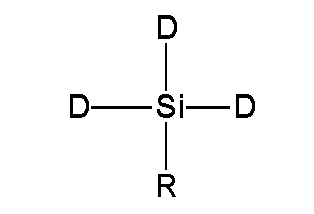
本発明の転写シートの特徴構成は、基体シートと、前記基体シートの上に形成される第1保護層と、前記第1保護層の上に形成される第2保護層と、を備え、前記第1保護層及び前記第2保護層が共に被転写品の表面を保護するハードコート層であり、前記第1保護層及び前記第2保護層を構成するハードコート層が共にアクリレートを主成分としてなり、前記第1保護層及び前記第2保護層のうち少なくともいずれか一方に、分子量100~500の下記式で表されるシランカップリング剤を添加して両層を接着してある点にある。
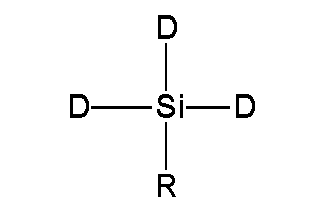
ここで、式中のRは、エポキシ基、ビニル基、メタクリル基、メルカプト基、スチリル基のいずれかを少なくとも1以上含むアルキル直鎖であり、Dは、OMe、OEt、OEtOMe、OEtOEtのいずれか1つであり、Meはメチル基、Etはエチル基を示す。
この特徴構成のように、第1保護層及び第2保護層のうち少なくともいずれか一方に、分子量100~500のシランカップリング剤を添加して両層を接着してあると、シランカップリング剤が添加された保護層において、シランカップリング剤と当該保護層における樹脂材料とが反応する。当該反応物は隣接する他方の保護層を構成する樹脂と接し、この反応物と樹脂との相互作用によって、第1保護層と第2保護層との密着性が向上する。その結果、転写シートにおける第1保護層と第2保護層との間での層間剥離を防止することができる。
また、シランカップリング剤が添加された保護層の凝集力が向上することにより、当該保護層の硬度が向上する。その結果、保護層全体の硬度を向上させることができる。
また、上記の特徴構成では、前記第1保護層及び前記第2保護層が共に被転写品の表面を保護するハードコート層であり、前記第1保護層及び前記第2保護層を構成するハードコート層が共にアクリレートを主成分としてなる。
この構成により、ハードコート層同士の密着性を向上させることができるとともに、ハードコート層全体としての硬度を向上させることができる。
ここで、本発明の転写シートは、前記第1保護層及び前記第2保護層を構成するハードコート層が共にグリシジルメタアクリレートとメチルメタクリレートとを含むワニスを主成分としてなることが好ましい。
また、本発明の転写シートは、前記シランカップリング剤の添加量が、当該添加される保護層における樹脂成分の0.5~5.0w%であることが好ましい。
なお、「w%」は重量パーセント(重量基準の百分率)を表す。
なお、「w%」は重量パーセント(重量基準の百分率)を表す。
シランカップリング剤の添加量が、当該添加される保護層における樹脂成分の0.5w%未満であると、第1保護層と第2保護層との密着性はあまり向上しない。
一方、シランカップリング剤の添加量が5.0w%を超えると、当該添加される保護層がゲル化するため、第1保護層と第2保護層とを適切に積層することができなくなる可能性がある。
以上の点に鑑み、シランカップリング剤の添加量は、当該添加される保護層における樹脂成分の0.5~5.0w%であることが好ましい。
一方、シランカップリング剤の添加量が5.0w%を超えると、当該添加される保護層がゲル化するため、第1保護層と第2保護層とを適切に積層することができなくなる可能性がある。
以上の点に鑑み、シランカップリング剤の添加量は、当該添加される保護層における樹脂成分の0.5~5.0w%であることが好ましい。
また、本発明の転写シートは、前記シランカップリング剤が添加される保護層の厚みが0.5~5μmであることが好ましい。
シランカップリング剤が添加される保護層の厚さが0.5μm未満であると、保護層の耐摩耗性、耐薬品性が低くなる。
一方、シランカップリング剤が添加される保護層の厚さが5μmを超えると、コスト高となり、また転写シートの箔切れが悪くなって、被転写品に不要な保護層が残ってしまうという不具合が発生する可能性がある。
以上の点に鑑み、シランカップリング剤が添加される保護層の厚みは、0.5~5μmであることが好ましい。
一方、シランカップリング剤が添加される保護層の厚さが5μmを超えると、コスト高となり、また転写シートの箔切れが悪くなって、被転写品に不要な保護層が残ってしまうという不具合が発生する可能性がある。
以上の点に鑑み、シランカップリング剤が添加される保護層の厚みは、0.5~5μmであることが好ましい。
また、本発明の転写シートは、前記基体シートが、樹脂シート、金属箔シート、セルロース系シート、またはこれらのうちのいずれか2つ以上の複合体であることが好ましい。
この構成によれば、シランカップリング剤の添加によって第1保護層と第2保護層との密着性が向上することと相俟って、第1保護層からの基体シートの剥離性が向上する。
なお、好ましい構成として上述した各構成は、他の好ましい構成と組み合わせて適用することも可能である。
本発明の転写シートの製造方法の特徴構成は、基体シートの上にアクリレートを主成分とする第1保護層を形成する工程と、前記第1保護層の上にアクリレートを主成分とする第2保護層を形成する工程と、を備え、前記第1保護層及び前記第2保護層のうち少なくともいずれか一方であって、双方の積層時において未硬化の状態にある保護層に、分子量100~500の下記式で表されるシランカップリング剤を添加し、前記第1保護層及び前記第2保護層の両方により被転写品の表面を保護するハードコート層を形成する点にある。
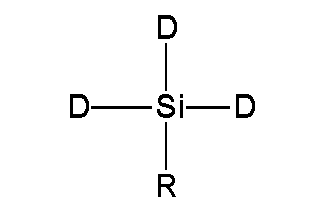
ここで、式中のRは、エポキシ基、ビニル基、メタクリル基、メルカプト基、スチリル基のいずれかを少なくとも1以上含むアルキル直鎖であり、Dは、OMe、OEt、OEtOMe、OEtOEtのいずれか1つであり、Meはメチル基、Etはエチル基を示す。
この特徴構成のように、第1保護層及び第2保護層のうち少なくともいずれか一方であって、双方の積層時において未硬化の状態にある保護層に、分子量100~500のシランカップリング剤を添加してあると、シランカップリング剤が添加された保護層においては、シランカップリング剤と当該保護層における樹脂材料とが反応し、当該反応物が隣接する他方の保護層を構成する樹脂と接する。この反応物と隣接する他方の保護層を構成する樹脂との相互作用によって、第1保護層と第2保護層との密着性が向上する。その結果、第1保護層と第2保護層との間での層間剥離を防止できる転写シートを製造することができる。また、第1保護層と第2保護層との密着性を向上させることができるとともに、ハードコート層全体としての硬度を向上させることができる。
本発明の転写シート1は、基体シート2と、基体シート2の上に形成される第1保護層(第1ハードコート層4,ハードコート層7)と、第1保護層の上に形成される第2保護層(第2ハードコート層5,絵柄層8)とを備え、第1保護層及び第2保護層のうち少なくともいずれか一方に、分子量100~500の特定の構造式を有するシランカップリング剤を添加して両層を接着してある点に特徴を有する。以下、本発明の実施形態を図面に基づいて説明する。
〔第1実施形態〕
[転写シート]
図1は本発明の本実施形態の転写シート1の構造を示す断面図である。転写シート1は、基体シート2と、その基体シート2の片面に接する転写層3とを備えている。転写層3は、第1ハードコート層4、第2ハードコート層5、及び接着層6を有している。本実施形態では、第1ハードコート層4が本発明における「第1保護層」に相当し、第2ハードコート層5が本発明における「第2保護層」に相当する。
[転写シート]
図1は本発明の本実施形態の転写シート1の構造を示す断面図である。転写シート1は、基体シート2と、その基体シート2の片面に接する転写層3とを備えている。転写層3は、第1ハードコート層4、第2ハードコート層5、及び接着層6を有している。本実施形態では、第1ハードコート層4が本発明における「第1保護層」に相当し、第2ハードコート層5が本発明における「第2保護層」に相当する。
転写層3を構成する各層4,5,6は、特に断らない限り、従来と同様の方法によって形成することができる。従来の層形成方法の例には、グラビアコート法、ロールコート法、コンマコート法などのコート法、グラビア印刷法、スクリーン印刷法などの印刷法が含まれる。
[基体シート]
基体シート2は、絵柄層やハードコート層をシート上に支持する用途に従来から使用されるシート材料から構成される。シート材料は、フィルム材料であることが好ましい。フィルム材料は、合成樹脂からなるシート材料をいう。合成樹脂としては、ポリプロピレン系樹脂、ポリエチレン系樹脂、ポリアミド系樹脂、ポリエステル系樹脂、アクリル系樹脂、ポリ塩化ビニル系樹脂などが使用できる。このような樹脂シート以外にも、アルミニウム箔、銅箔などの金属箔シート、グラシン紙、コート紙、セロハンなどのセルロース系シートなど、通常の転写シートの基体シートとして離型性を有するものを基体シートとして使用することができる。あるいは、樹脂シート、金属箔シート、及びセルロース系シートのいずれか2つ以上の複合体を、基体シートとして使用してもよい。
基体シート2は、絵柄層やハードコート層をシート上に支持する用途に従来から使用されるシート材料から構成される。シート材料は、フィルム材料であることが好ましい。フィルム材料は、合成樹脂からなるシート材料をいう。合成樹脂としては、ポリプロピレン系樹脂、ポリエチレン系樹脂、ポリアミド系樹脂、ポリエステル系樹脂、アクリル系樹脂、ポリ塩化ビニル系樹脂などが使用できる。このような樹脂シート以外にも、アルミニウム箔、銅箔などの金属箔シート、グラシン紙、コート紙、セロハンなどのセルロース系シートなど、通常の転写シートの基体シートとして離型性を有するものを基体シートとして使用することができる。あるいは、樹脂シート、金属箔シート、及びセルロース系シートのいずれか2つ以上の複合体を、基体シートとして使用してもよい。
[転写層]
転写層3は、基体シート2の片面に設けられて、基体シート2から被転写品(被転写体)の表面に転写される層である。転写層3は、基体シート2の側から順に積層された第1ハードコート層4、第2ハードコート層5、及び接着層6を有する。
転写層3は、基体シート2の片面に設けられて、基体シート2から被転写品(被転写体)の表面に転写される層である。転写層3は、基体シート2の側から順に積層された第1ハードコート層4、第2ハードコート層5、及び接着層6を有する。
第1ハードコート層4及び第2ハードコート層5は、転写後、基体シート2を被転写品から剥離したときに、被転写品の表面に配置される。そのため、第1ハードコート層4及び第2ハードコート層5は、被転写品を保護するために一定以上の硬度を有している。ハードコート層4,5の材質の例としては、シアノアクリレート系やウレタンアクリレートなどの電離放射線硬化性樹脂や、アクリル系やウレタン系などの熱硬化性樹脂が挙げられる。第1ハードコート層4と第2ハードコート層5とは、同じ樹脂材料で形成することが好ましい。第1ハードコート層4の樹脂材料と第2ハードコート層5の樹脂材料とが同じであると、両者の密着性が向上する。なお、両者の樹脂材料が互いに異なっていてもよい。
本実施形態では、第2ハードコート層5に、下記の化学式で表されるシランカップリング剤が添加されている。
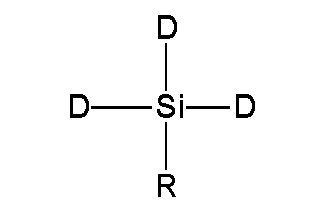
ここで、式中のRは、エポキシ基、ビニル基、メタクリル基、メルカプト基、スチリル基のいずれかを少なくとも1以上含むアルキル直鎖であり、Dは、OMe、OEt、OEtOMe、OEtOEtのいずれか1つである。Meはメチル基、Etはエチル基を示す。以下、このような特定の構造式を有するシランカップリング剤を、「特定シランカップリング剤」と称する。
ハードコート層4,5に用いられるポリマーは、活性エネルギー線照射前後の保護層の物理的要求性能及び化学的要求性能を考慮して、特定の配合量とされる。すなわち、活性エネルギー線照射時の硬化性の観点から、(メタ)アクリル当量は100~300g/eqとするのが好ましい。より好ましくは、150~300g/eqである。(メタ)アクリル当量が300g/eqよりも大きい場合は、活性エネルギー線照射後の耐摩耗性が不十分であり、また100g/eq未満のものは得るのが難しい。また、併用する多官能イソシアネートとの反応性の観点から、ポリマーの水酸基価は20~500とするのが好ましい。より好ましくは、100~300である。水酸基価が20未満の場合には、多官能イソシアネートとの反応が不十分であり、転写シート1のハードコート層4,5の熱架橋度が低い。そのため、粘着性が残存したり耐溶剤性が不足したりすることにより、転写シート1を刷り重ねたり巻き取ったりすることが難しくなる可能性がある。また、水酸基価が500を超えるものは得ることが難しい。ポリマーの重量平均分子量は、5000~50000とするのが好ましい。より好ましくは、8000~40000である。ポリマーの重量平均分子量が5000未満では、転写シート1のハードコート層4,5の粘着性が残存したり、耐溶剤性が不足したりする場合がある。そのため、転写シート1を刷り重ねたり巻き取ったりすることが難しくなり、鮮明な絵柄が得られない可能性がある。また、50000を超える場合には樹脂粘度が高くなり過ぎ、インキの塗布作業性が低下する場合がある。
ポリマーの製造方法としては、特に制限はなく、従来公知の方法を採用できる。例えば、[1]水酸基を含有する重合体の側鎖の一部に(メタ)アクリロイル基を導入する方法、[2]カルボキシル基を含有する共重合体に、水酸基を含有するα,β-不飽和単量体を縮合反応させる方法、[3]カルボキシル基を含有する共重合体に、エポキシ基を含有するα,β-不飽和単量体を付加反応させる方法、[4]エポキシ基含有重合体にα,β-不飽和カルボン酸を反応させる方法などがある。
方法[4]を一例として、本発明で用いるポリマーの製造方法をより具体的に説明する。例えば、グリシジル基を有するポリマーにアクリル酸などのα,β-不飽和カルボン酸を反応させる方法により、本発明で用いるポリマーを容易に得ることができる。グリシジル基を有するポリマーの好ましい例としては、例えば、グリシジル(メタ)アクリレートの単独重合体や、グリシジル(メタ)アクリレートとカルボキシル基を含有しないα,β-不飽和単量体との共重合体等が挙げられる。このカルボキシル基を含有しないα,β-不飽和単量体としては、各種の(メタ)アクリル酸エステル、スチレン、酢酸ビニル、アクリロニトリルなどが例示できる。カルボキシル基を含有するα,β-不飽和単量体を用いると、グリシジル(メタ)アクリレートとの共重合反応時に架橋が生じ、高粘度化したりゲル化したりするため、好ましくない。
前記[1]~[4]のいずれの方法を採用する場合であっても、(メタ)アクリル当量、水酸基価、及び重量平均分子量を、それぞれ好適な数値範囲内とするよう、使用単量体や重合体の種類、これらの使用量などの条件設定を適宜に行うとよい。そのための操作は当事者に周知である。
本発明においてポリマーと併用する多官能イソシアネートとしては、特に制限はなく、公知のものを使用できる。たとえば、イソホロンジイソシアネート、キシリレンジイソシアネート、水添キシリレンジイソシアネート、トリレンジイソシアネート、ジフェニールメタンジイソシアネート、1,6-ヘキサンジイソシアネート、上記の3量体、多価アルコールと上記ジイソシアネートを反応させたプレポリマーなどを用いることができる。多官能イソシアネートをポリマーと併用すれば、ハードコート層4,5上への接着層6の積層に際して、活性エネルギー線照射前のハードコート層4,5の粘着性を低く保ち、かつ接着層6の形成インキに含まれる溶剤への耐性をある程度満足させることができる。すなわち、ポリマーに含有される水酸基と、多官能イソシアネートのイソシアネート基とを反応させ、軽度の熱架橋物を形成させることで、上記の性能を付与することができる。
ポリマーと多官能イソシアネートとの含有割合は、ポリマー中の水酸基数とイソシアネート基数との割合が1/0.01~1/1となるように決定するのが好ましい。より好ましくは、1/0.05~1/0.8となるように決定される。
また、ハードコート層4,5には、活性エネルギー線硬化性樹脂組成物を用いることができる。ここで、活性エネルギー線硬化性樹脂組成物は、活性エネルギー線(電子線や紫外線等)の照射を受けて硬化する性質を有する樹脂組成物である。活性エネルギー線硬化性樹脂組成物は、ポリマーおよび多官能イソシアネート以外に、必要に応じて反応性希釈モノマー、溶剤、着色剤などを含有することができる。また、活性エネルギー線照射に際して電子線を用いる場合には、光重合開始剤を用いることなく充分な効果を発揮することができるが、紫外線を用いる場合には、公知の光重合開始剤を添加する必要がある。また、ハードコート層4,5は、着色したものでも、未着色のものでもよい。
ハードコート層4,5に用いる活性エネルギー線硬化性樹脂組成物には、必要に応じて、滑剤をさらに含有させてもよい。滑剤の添加によりハードコート層4,5の表面が粗面化されるので、シートとして巻きやすくなり、ブロッキングが生じ難くなる。また、擦れや引っ掻きに対する抵抗性を向上させることもできる。滑剤としては、例えば、ポリエチレンワックス、パラフィンワックス、合成ワックス、モンタンワックス等のワックス類、シリコーン系、フッ素系等の合成樹脂類を用いることができる。滑剤の含有量は、0.5~15w%とするのが好ましい。より好ましくは、1~6w%である。滑剤の量が0.5w%未満であるとブロッキングの防止や摩擦引っ掻き抵抗の効果が少なくなり、15w%を超えるとハードコート層4,5の透明性が極端に低下する場合がある。
ハードコート層4,5に用いる活性エネルギー線硬化性樹脂組成物は、エチレン性不飽和基と水酸基とイソシアネート基とを含む。この活性エネルギー線硬化性樹脂組成物を加熱すると、水酸基とイソシアネート基とが反応し、樹脂が架橋される。また、この活性エネルギー線硬化性樹脂組成物に活性エネルギー線を照射すると、エチレン性不飽和基が重合し、樹脂が架橋される。つまり、ハードコート層4,5に用いる活性エネルギー線硬化性樹脂組成物は、熱および活性エネルギー線の両方により架橋される。
接着層6は、必要に応じて、転写層3における被転写品に最も近い側に設けられる。接着層6は、転写時に、転写層3と被転写品とを接着させる。接着層6としては、被転写品の材質に応じて、それに適した感熱性樹脂または感圧性樹脂を使用する。たとえば、被転写品の材質がアクリル系樹脂の場合には、アクリル系樹脂からなる接着層6を用いるとよい。また、被転写品の材質がポリフェニレンオキシド・ポリスチレン系樹脂、ポリカーボネート系樹脂、スチレン共重合体系樹脂、ポリスチレン系ブレンド樹脂の場合には、これらの樹脂と親和性の高いアクリル系樹脂、ポリスチレン系樹脂、ポリアミド系樹脂などからなる接着層6を用いるとよい。さらに、被転写品の材質がポリプロピレン樹脂の場合には、塩素化ポリオレフィン樹脂、塩素化エチレン-酢酸ビニル共重合体樹脂、環化ゴム、クマロンインデン樹脂などからなる接着層6を用いることができる。
転写シート1は、基体シート2と転写層3との間に、離型層を更に備えていてもよい。離型層は、転写時に基体シート2とともに転写層3から分離するものであってよく、転写層3とともに基体シート2から分離して、転写層3の最外表面を形成するものであってもよい。離型層の材質としては、メラミン系樹脂、シリコーン系樹脂、フッ素系樹脂、セルロース誘導体、尿素系樹脂、ポリオレフィン系樹脂、およびパラフィン系樹脂などを用いることができる。これらの複合物を用いてもよい。
[転写シートの製造方法]
本発明の転写シート1は、転写層3の第2ハードコート層4に特定シランカップリング剤を添加する段階を経て製造される。これ以外の点に関しては、本発明の転写シート1は、従来の転写シートと同様にして製造される。
本発明の転写シート1は、転写層3の第2ハードコート層4に特定シランカップリング剤を添加する段階を経て製造される。これ以外の点に関しては、本発明の転写シート1は、従来の転写シートと同様にして製造される。
例えば、基体シート2を準備し、その片面に、転写層3を構成する各層を順次形成する。転写層3を構成する層は、上述のように、第1ハードコート層4、第2ハードコート層5、および接着層6である。必要に応じて、基体シート2と転写層3との間に、離型層を形成しておいてもよい。
基体シート2の片面に第1ハードコート層4を形成し、第1ハードコート層4の上に未硬化の第2ハードコート層5を形成し、その上に接着層6を形成する。このようにして、基体シート2の片面に転写層3が形成された、本発明の転写シート1が得られる。
[物品への転写方法]
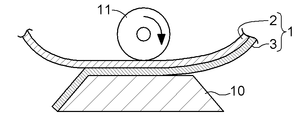
本発明の転写シート1を使用して、熱ロール転写やインモールド成形などにより、物品の表面をコーティングすることができる。例えば、熱ロール転写では、図3に示すように、転写シート1の転写層3側(より具体的には接着層6;図1も参照)の面を被転写品10の表面に重ね、ロール転写機11、アップダウン転写機などの転写機を用いて、転写シート1に対して基体シート2側から熱及び圧力をかける。これにより、転写シート1が被転写品10の表面に接着する。冷却後、基体シート2を剥離すると、転写層3が被転写品10の表面に転写されて、物品の表面が転写層3によってコーティングされる。
本発明の転写シート1を使用して、熱ロール転写やインモールド成形などにより、物品の表面をコーティングすることができる。例えば、熱ロール転写では、図3に示すように、転写シート1の転写層3側(より具体的には接着層6;図1も参照)の面を被転写品10の表面に重ね、ロール転写機11、アップダウン転写機などの転写機を用いて、転写シート1に対して基体シート2側から熱及び圧力をかける。これにより、転写シート1が被転写品10の表面に接着する。冷却後、基体シート2を剥離すると、転写層3が被転写品10の表面に転写されて、物品の表面が転写層3によってコーティングされる。
また、インモールド成形では、図4に示すように、まず、固定型12と可動型13とを有する成形用金型内に、基体シート2が固定型12の内面に接するように転写シート1を配置する。次に、固定型12と可動型13とを閉じ、溶融樹脂14が転写シート1の転写層3側(より具体的には接着層6;図1も参照)の面に接するように、すなわち、転写シート1が溶融樹脂14と固定型12の内面とに挟まれるように、溶融樹脂14を金型内に充満させる。その結果、溶融樹脂14から樹脂成型品が成形され、同時に、その樹脂成形品の表面に転写シート1が接着される。冷却後、金型を開いて、転写シート1が接着している樹脂成形品を取り出す。最後に基体シート2を剥離すると、転写層3が樹脂成形品の表面に転写されて、樹脂成形品の表面が転写層3によってコーティングされる。
被転写品10の材質は、従来から転写シート1によって転写されてきたもの、又は接着層6の成分を工夫して転写層3をその表面に接着させることができるものであれば、特に限定されない。各種合成樹脂、金属、ガラス、木、および紙でなる部材、さらにこれらの塗装物及び装飾物を、被転写品10とすることができる。
本発明において、第1ハードコート層4及び第2ハードコート層5のうち、双方の積層時において未硬化の状態にある少なくとも一方に特定シランカップリング剤を添加すればよい。本実施形態では、第2ハードコート層5にのみ特定シランカップリング剤を添加する例について説明したが、第1ハードコート層4にのみ添加してもよい。また、第1ハードコート層4および第2ハードコート層5の両方に添加してもよい。特定シランカップリング剤としては、分子量100~500のものを用いるとよい。第1ハードコート層4及び第2ハードコート層5の少なくとも一方に分子量100~500の特定シランカップリング剤が添加されていると、特定シランカップリング剤が添加されたハードコート層において、特定シランカップリング剤と当該ハードコート層における樹脂材料とが反応する。当該反応物は隣接するハードコート層を構成する樹脂と接し、この反応物と樹脂との相互作用によって、第1ハードコート層4と第2ハードコート層5との密着性が向上する。その結果、転写シート1における第1ハードコート層4と第2ハードコート層5との間での層間剥離を防止することができる。
また、特定シランカップリング剤が添加されたハードコート層の凝集力が向上することにより、当該ハードコート層の硬度が向上する。その結果、ハードコート層4,5全体の硬度が向上する。
さらに、第1ハードコート層4と第2ハードコート層5との密着性が向上することにより、特定シランカップリング剤が添加されたハードコート層を他方のハードコート層に隣接させることで3層以上のハードコート層を形成したとしても、層間剥離を抑制することができる。こうしてハードコート層を3層以上形成すると、ハードコート層全体の硬度は非常に高くなる。
さらに、第1ハードコート層4と第2ハードコート層5との密着性が向上することにより、特定シランカップリング剤が添加されたハードコート層を他方のハードコート層に隣接させることで3層以上のハードコート層を形成したとしても、層間剥離を抑制することができる。こうしてハードコート層を3層以上形成すると、ハードコート層全体の硬度は非常に高くなる。
特に、本実施形態のように、第1ハードコート層4及び第2ハードコート層5が共に被転写品10の表面を保護するハードコート層であると、ハードコート層同士の密着性が向上するとともに、ハードコート層全体としての硬度が高いものとなる。
特定シランカップリング剤の添加量は、当該添加されるハードコート層における樹脂成分の0.5~5.0w%であることが好ましい。特定シランカップリング剤の添加量が、当該添加されるハードコート層における樹脂成分の0.5w%未満であると、第1ハードコート層4と第2ハードコート層5との密着性はあまり向上しない。一方、特定シランカップリング剤の添加量が、5.0w%を超えると、当該添加されるハードコート層がゲル化するため、第1ハードコート層4と第2ハードコート層5とを適切に積層することができなくなる可能性がある。
特定シランカップリング剤が添加されるハードコート層の厚みは0.5~5μmであることが好ましい。特定シランカップリング剤が添加されるハードコート層の厚さが0.5μm未満であると、ハードコート層4,5の耐摩耗性、耐薬品性が低くなる。一方、特定シランカップリング剤が添加されるハードコート層の厚さが5μmを超えると、コスト高となり、また転写シート1の箔切れが悪くなって、被転写品10に不要なハードコート層4,5が残ってしまうという不具合が発生する可能性がある。
基体シート2が、樹脂シート、金属箔シート、セルロース系シート、またはこれら(樹脂シート、金属箔シート、及びセルロース系シート)のいずれか2つ以上の複合体、であると、特定シランカップリング剤の添加によって第1ハードコート層4と第2ハードコート層5との密着性が向上することと相俟って、第1ハードコート層4からの基体シート2の剥離性が向上する。
〔第2実施形態〕
本実施形態に係る転写シート1は、第1実施形態と同様に、転写層3が、基体シート2の側から順に積層された第1ハードコート層4、第2ハードコート層5、及び接着層6を有する。本実施形態でも、第1ハードコート層4が本発明における「第1保護層」に相当し、第2ハードコート層5が本発明における「第2保護層」に相当する。
本実施形態に係る転写シート1は、第1実施形態と同様に、転写層3が、基体シート2の側から順に積層された第1ハードコート層4、第2ハードコート層5、及び接着層6を有する。本実施形態でも、第1ハードコート層4が本発明における「第1保護層」に相当し、第2ハードコート層5が本発明における「第2保護層」に相当する。
但し、本実施形態では、第1実施形態とは異なり、第2ハードコート層5にのみ特定シランカップリング剤が添加され、第1ハードコート層4には特定シランカップリング剤は添加されない。また、本実施形態に係る第1ハードコート層4は、以下のポリマーによって構成される。すなわち、第1ハードコート層4に用いられるポリマーとしては、ポリエステル(メタ)アクリレート、ウレタン(メタ)アクリレート、エポキシ(メタ)アクリレート、ポリエーテル(メタ)アクリレート、ポリオール(メタ)アクリレート、メラミン(メタ)アクリレート、トリアジン系アクリレート、エポキシ変性(メタ)アクリレート、ウレタン変性(メタ)アクリレート、(メタ)アクリル変性ポリエステル等の不飽和エチレン系オリゴマーや不飽和エチレン系モノマーを適宜混合した組成物等からなるポリマーが挙げられる。重合開始剤や増感剤が添加されていてもよい。
また、第1ハードコート層4に用いられるポリマーは、反応性二重結合を有する化合物である、(メタ)アクリロイル基を有するポリマーであってもよい。例えば、メチル(メタ)アクリレート、エチル(メタ)アクリレート、ベンジル(メタ)アクリレート、2‐エトキシエチル(メタ)クリレート、フェノキシジエチレングリコール(メタ)アクリレートなどの1官能タイプであってもよい。また、例えば、1,6‐ヘキサンジオールジ(メタ)アクリレート、ネオペンチルグリコールジ(メタ)アクリレート、ポリエチレングリコールジ(メタ)アクリレート、ポリプロピレングリコールジ(メタ)アクリレート、トリメチルプロパントリ(メタ)アクリレート、ペンタエリスリトールトリ(メタ)アクリレート、ペンタエリスリトールテトラ(メタ)アクリレート、ジペンタエリスリトールヘキサ(メタ)アクリレート等の多官能タイプであってもよい。
また、第1ハードコート層4に用いられるポリマーは、ポリエステルアクリレート、ポリウレタンアクリレート、エポキシアクリレート、ポリエーテルアクリレート、オリゴアクリレート、アルキドアクリレート、ポリオールアクリレート等のオリゴマー等であってもよい。さらに、ビニル基やアリル基を有する、例えば、スチレンモノマー、α-メチルスチレン、ジビニルベンゼン、酢酸ビニル、ペンテン、ヘキセン、不飽和化合物等であってもよい。これらの化合物には、さらに、水酸基、アミノ基、カルボキシル基、カルボニル基、およびエポキシ基等の極性基を導入してもよい。このようにすれば、印刷面との密着性や下地保護材料との相溶性を向上させることができる。
なお、特定シランカップリング剤が添加される第2ハードコート層5については、第1実施形態と同様のポリマーが用いられる。
〔第3実施形態〕
転写層3が、絵柄層8を備える構成としてもよい。本実施形態に係る転写シート1は、転写層3が、基体シート2の側から順に積層されたハードコート層7、絵柄層8、及び接着層6を有する。なお、部分的に、ハードコート層7上に接着層6が直接的に積層されていてもよい。被転写品の表面を保護するためのハードコート層7には、特定シランカップリング剤が添加されている。すなわち、本実施形態に係る転写シート1は、基体シート2と、基体シート2の上に形成されるハードコート層7と、ハードコート層7の上に形成される絵柄層8とを備え、分子量100~500の特定の構造式を有するシランカップリング剤(特定シランカップリング剤)をハードコート層7に添加して両層を接着してある。本実施形態では、ハードコート層7が本発明における「第1保護層」に相当し、絵柄層8が本発明における「第2保護層」に相当する。図2に示すように、転写シート1における絵柄層8をハードコート層7で被覆すれば、ハードコート層7によって絵柄層8を十分に保護することができる。
転写層3が、絵柄層8を備える構成としてもよい。本実施形態に係る転写シート1は、転写層3が、基体シート2の側から順に積層されたハードコート層7、絵柄層8、及び接着層6を有する。なお、部分的に、ハードコート層7上に接着層6が直接的に積層されていてもよい。被転写品の表面を保護するためのハードコート層7には、特定シランカップリング剤が添加されている。すなわち、本実施形態に係る転写シート1は、基体シート2と、基体シート2の上に形成されるハードコート層7と、ハードコート層7の上に形成される絵柄層8とを備え、分子量100~500の特定の構造式を有するシランカップリング剤(特定シランカップリング剤)をハードコート層7に添加して両層を接着してある。本実施形態では、ハードコート層7が本発明における「第1保護層」に相当し、絵柄層8が本発明における「第2保護層」に相当する。図2に示すように、転写シート1における絵柄層8をハードコート層7で被覆すれば、ハードコート層7によって絵柄層8を十分に保護することができる。
絵柄層8の材質としては、ポリビニル系樹脂、ポリアミド系樹脂、ポリアクリル系樹脂、ポリウレタン系樹脂、ポリビニルアセタール系樹脂、ポリエステルウレタン系樹脂、セルロースエステル系樹脂、およびアルキッド樹脂などの樹脂をバインダーとし、適切な色の顔料または染料を着色剤として含有する着色インキを用いるとよい。また、金属発色させる場合には、アルミニウム、チタン、ブロンズ等の金属粒子やマイカに酸化チタンをコーティングしたパール顔料を用いることもできる。
絵柄層8の形成方法としては、オフセット印刷法、グラビア印刷法、スクリーン印刷法などの通常の印刷法を利用することができる。特に、多色刷りや階調表現を行うには、オフセット印刷法やグラビア印刷法が適している。また、単色の場合には、グラビアコート法、ロールコート法、コンマコート法などのコート法を利用することもできる。
ハードコート層7と絵柄層8とが積層された転写シート1が、多湿環境やアルコール濃度の高い環境にさらされる場合、仮にハードコート層7と絵柄層8との間に水やアルコールが浸透すると、絵柄層8が膨潤してそのデザイン形状が損なわれる可能性がある。
しかし、本構成のように、基体シート2の上に、特定シランカップリング剤を添加したハードコート層7を形成すると、特定シランカップリング剤の一部はハードコート層7の表面側(基体シート2とは反対の側)に移動し、ハードコート層7の表面張力が緩和される。そして、ハードコート層7の表面側の特定シランカップリング剤に対向するように、絵柄層8がハードコート層7の上に形成される。このとき、特定シランカップリング剤が界面活性剤のようにハードコート層7の表面に分布することで、特定シランカップリング剤による効果が高まり、ハードコート層7と絵柄層8との密着性が向上する。これにより、絵柄層8によって被転写品(被装飾品)を装飾することができるとともに、ハードコート層7によって絵柄層8を確実に保護することができる。なお、ここでは特定シランカップリング剤をハードコート層7にのみ添加する例について説明したが、ハードコート層7および絵柄層8の両方に添加してもよい。
以下、実施例により本発明を具体的に説明するが、本発明はこれらに限定されない。なお、実施例中「部」又は「%」で表される量は、特に明記しない限り、重量基準の量である。
実施例及び比較例は、以下の基準に基づいて評価した。なお、以下の各基準において、「JIS」は日本工業規格を表し、それに続くアルファベット及び数字からなる文字列は、分類クラスを表す。
(1)鉛筆硬度
JIS K 5400に準拠した方法で、加飾成形品の表面に配置されているハードコート層の鉛筆硬度を測定した。
JIS K 5400に準拠した方法で、加飾成形品の表面に配置されているハードコート層の鉛筆硬度を測定した。
(2)密着性(クロスカット)
加飾成形品における第1保護層(第1ハードコート層,ハードコート層)と第2保護層(第2ハードコート層,絵柄層)との密着性について測定した。密着性の測定は、JIS K5600-5-6に記載されているクロスカット法に準拠して行った。
なお、第1保護層と第2保護層との密着性は、以下のいずれかで評価した。
○:カットの縁が完全に滑らかでどの格子の目にも剥がれがない。
△:カットの交差点における塗膜に小さな剥がれが確認でき、その剥がれは第1保護層と第2保護層との間で発生していた。剥がれは、クロスカットを行った部分の5%未満。
×:カットの交差点における塗膜に小さな剥がれが確認でき、その剥がれは第1保護層と第2保護層との間で発生していた。剥がれは、クロスカットを行った部分の5%以上。
加飾成形品における第1保護層(第1ハードコート層,ハードコート層)と第2保護層(第2ハードコート層,絵柄層)との密着性について測定した。密着性の測定は、JIS K5600-5-6に記載されているクロスカット法に準拠して行った。
なお、第1保護層と第2保護層との密着性は、以下のいずれかで評価した。
○:カットの縁が完全に滑らかでどの格子の目にも剥がれがない。
△:カットの交差点における塗膜に小さな剥がれが確認でき、その剥がれは第1保護層と第2保護層との間で発生していた。剥がれは、クロスカットを行った部分の5%未満。
×:カットの交差点における塗膜に小さな剥がれが確認でき、その剥がれは第1保護層と第2保護層との間で発生していた。剥がれは、クロスカットを行った部分の5%以上。
(3)クラック性
転写シートを金型に配置し、ポリカーボネート/ABSアロイ樹脂のインモールド射出成形を行った後、基体シートを除去して、パーソナルコンピュータの部品であるKEYDECKの成形品を得た。得られたKEYDECKの成形品の第1保護層が存在する表面の面積は120cm2であった。そして、成形品の第1保護層の表面を目視で観察してクラックの有無を確認し、以下のいずれかで評価した。
○:クラックは確認されず。
△:50cm2の成形品中に1~3箇所クラックを確認。
×:50cm2の成形品中に4箇所以上クラックを確認。
転写シートを金型に配置し、ポリカーボネート/ABSアロイ樹脂のインモールド射出成形を行った後、基体シートを除去して、パーソナルコンピュータの部品であるKEYDECKの成形品を得た。得られたKEYDECKの成形品の第1保護層が存在する表面の面積は120cm2であった。そして、成形品の第1保護層の表面を目視で観察してクラックの有無を確認し、以下のいずれかで評価した。
○:クラックは確認されず。
△:50cm2の成形品中に1~3箇所クラックを確認。
×:50cm2の成形品中に4箇所以上クラックを確認。
(4)耐ブロッキング性
転写シートにおける第1保護層の耐ブロッキングについて測定した。密着性の測定方法は、JIS K5701-1の6.2.2に記載されている耐ブロッキング性の測定方法に準拠して行った。なお、ハードコート層の耐ブロッキング性は、以下のいずれかで評価した。
○:重ね合わされた複数の転写シートから、転写シートを1枚ずつ剥がし取ったとき、各転写シートは、基体シートと接着層との間で剥がれ、第1保護層と第2保護層との間で剥離なし。
×:重ね合わされた複数の転写シートから、転写シートを1枚ずつ剥がし取ったとき、各転写シートまたは一部の転写シートは、基体シートと接着層との間で剥がれず、第1保護層と第2保護層との間で剥離が発生。
転写シートにおける第1保護層の耐ブロッキングについて測定した。密着性の測定方法は、JIS K5701-1の6.2.2に記載されている耐ブロッキング性の測定方法に準拠して行った。なお、ハードコート層の耐ブロッキング性は、以下のいずれかで評価した。
○:重ね合わされた複数の転写シートから、転写シートを1枚ずつ剥がし取ったとき、各転写シートは、基体シートと接着層との間で剥がれ、第1保護層と第2保護層との間で剥離なし。
×:重ね合わされた複数の転写シートから、転写シートを1枚ずつ剥がし取ったとき、各転写シートまたは一部の転写シートは、基体シートと接着層との間で剥がれず、第1保護層と第2保護層との間で剥離が発生。
(5)耐アルコール性
加飾成形品をメタノール溶液に10分間浸漬させた後、60分間自然乾燥させた。次に、自然乾燥させた加飾成形品について、JIS K5600-5-6に記載されているクロスカット法に準拠して試験を行った。なお、第1保護層(ハードコート層)と第2保護層(絵柄層)との耐アルコール性は、下記のいずれかで評価した。
○:カットの縁が完全に滑らかであり、どの格子の目にも剥がれがない。
△:カットの交差点における塗膜に小さな剥がれが確認でき、その剥がれは第1保護層と第2保護層との間で発生していた。剥がれは、クロスカットを行った部分の30%未満であった。
×:カットの交差点における塗膜に小さな剥がれが確認でき、その剥がれは第1保護層と第2保護層との間で発生していた。剥がれは、クロスカットを行った部分の30%以上であった。
加飾成形品をメタノール溶液に10分間浸漬させた後、60分間自然乾燥させた。次に、自然乾燥させた加飾成形品について、JIS K5600-5-6に記載されているクロスカット法に準拠して試験を行った。なお、第1保護層(ハードコート層)と第2保護層(絵柄層)との耐アルコール性は、下記のいずれかで評価した。
○:カットの縁が完全に滑らかであり、どの格子の目にも剥がれがない。
△:カットの交差点における塗膜に小さな剥がれが確認でき、その剥がれは第1保護層と第2保護層との間で発生していた。剥がれは、クロスカットを行った部分の30%未満であった。
×:カットの交差点における塗膜に小さな剥がれが確認でき、その剥がれは第1保護層と第2保護層との間で発生していた。剥がれは、クロスカットを行った部分の30%以上であった。
(6)耐摩耗性
JIS K7204に準拠し、(株)安田精機製作所製のテーバー摩擦試験機(摩耗輪:CS-10、荷重:1Kg/arm、回転数:500回転/min)を用いて、加飾成形品の表面に配置されている第1保護層(ハードコート層)を摩擦した。そして、第1保護層が摩耗して貫通するまでの摩耗輪の回転数を測定した。なお、第1保護層の耐摩耗性は、下記のいずれかで評価した。
○:貫通させるのに1000回以上の回転を要した。
△:貫通させるのに500回以上1000回未満の回転を要した。
×:貫通させるのに500未満の回転を要した。
JIS K7204に準拠し、(株)安田精機製作所製のテーバー摩擦試験機(摩耗輪:CS-10、荷重:1Kg/arm、回転数:500回転/min)を用いて、加飾成形品の表面に配置されている第1保護層(ハードコート層)を摩擦した。そして、第1保護層が摩耗して貫通するまでの摩耗輪の回転数を測定した。なお、第1保護層の耐摩耗性は、下記のいずれかで評価した。
○:貫通させるのに1000回以上の回転を要した。
△:貫通させるのに500回以上1000回未満の回転を要した。
×:貫通させるのに500未満の回転を要した。
(実施例1)
基体シートとして、厚さ38μmのポリエステル樹脂フィルムを用いた。基体シート上に、メラミン樹脂系離型剤をグラビア印刷法にて1μmの厚さに塗布して離型層を形成した。その後、その上に下記ワニスA200部(固形分100部)、1,6-ヘキサンジイソシアネート3量体(商品名コロネートHX、日本ポリウレタン工業株式会社製)5部、および光重合開始剤(商品名イルガキュアー184、チバガイギー社製)5部を配合した第1保護層(第1ハードコート層)を、グラビア印刷法にて形成した。第1保護層の厚さは4μmとした。150℃で20秒間加熱することにより第1ハードコート層を半ば架橋硬化させた。その後、第1保護層の上に、下記ワニスA200部(固形分100部)、1,6-ヘキサンジイソシアネート3量体(商品名コロネートHX、日本ポリウレタン工業株式会社製)5部、光重合開始剤(商品名イルガキュアー184、チバガイギー社製)5部、およびビニルトリメトキシシラン(品名KBM-1003、信越化学工業株式会社製)1部を配合した第2保護層(第2ハードコート層)を、グラビア印刷法にて形成した。第2保護層の厚さは0.7μmとした。さらに、150℃で20秒間加熱することにより第2ハードコート層を半ば架橋硬化させた。最後に、第2保護層の上にアクリル樹脂からなる接着層をグラビア印刷法にて印刷形成して、転写シートを得た。
基体シートとして、厚さ38μmのポリエステル樹脂フィルムを用いた。基体シート上に、メラミン樹脂系離型剤をグラビア印刷法にて1μmの厚さに塗布して離型層を形成した。その後、その上に下記ワニスA200部(固形分100部)、1,6-ヘキサンジイソシアネート3量体(商品名コロネートHX、日本ポリウレタン工業株式会社製)5部、および光重合開始剤(商品名イルガキュアー184、チバガイギー社製)5部を配合した第1保護層(第1ハードコート層)を、グラビア印刷法にて形成した。第1保護層の厚さは4μmとした。150℃で20秒間加熱することにより第1ハードコート層を半ば架橋硬化させた。その後、第1保護層の上に、下記ワニスA200部(固形分100部)、1,6-ヘキサンジイソシアネート3量体(商品名コロネートHX、日本ポリウレタン工業株式会社製)5部、光重合開始剤(商品名イルガキュアー184、チバガイギー社製)5部、およびビニルトリメトキシシラン(品名KBM-1003、信越化学工業株式会社製)1部を配合した第2保護層(第2ハードコート層)を、グラビア印刷法にて形成した。第2保護層の厚さは0.7μmとした。さらに、150℃で20秒間加熱することにより第2ハードコート層を半ば架橋硬化させた。最後に、第2保護層の上にアクリル樹脂からなる接着層をグラビア印刷法にて印刷形成して、転写シートを得た。
なお、ワニスAは、撹拌装置、冷却管、滴下ロート、および窒素導入管を備えた反応装置を用い、以下のようにして得た。まず、反応装置に、グリシジルメタアクリレート(以下、GMAという)175部、メチルメタクリレート(以下、MMAという)75部、ラウリルメルカプタン1.3部、酢酸ブチル1000部、および2,2’-アゾビスイソブチロニトリル(以下、AIBNという)7.5部を投入した。その後、窒素雰囲気下、約1時間かけて系内温度が約90℃になるまで昇温し、1時間保温した。次に、あらかじめGMA525部、MMA225部、ラウリルメルカプタン3.7部、およびAIBN22.5部からなる混合液を貯留した滴下ロートにより、窒素雰囲気下、約2時間かけて混合液を系内に滴下し、3時間保温した。その後、AIBN10部を加え、1時間保温した。その後、120℃に昇温し、2時間保温した。60℃まで冷却した後、窒素導入管を空気導入管につけ替え、アクリル酸(以下、AAという)355部、メトキノン2.0部、およびトリフェニルフォスフィン5.4部を加えて混合した後、空気バブリング下にて、110℃まで昇温した。この温度で8時間保温後、メトキノン1.4部を加え、冷却して、不揮発分が50%となるよう酢酸エチルを加え、ワニスAを得た。ワニスAに含まれるポリマーは、アクリル当量270g/eq、水酸基価204、重量平均分子量18000(GPCによるスチレン換算による)であった。
この転写シートを、成形同時転写法によって成形品の表面に転写した。その後、基体シートを剥がし、紫外線を照射して第1保護層及び第2保護層を完全に架橋硬化した。なお、成形条件は、樹脂温度240℃、金型温度55℃、樹脂圧力約300kg/cm2とした。成形品は、材質をアクリル樹脂とし、縦95mm、横65mm、立ち上がり4.5mm、コーナー部のR2.5mmのトレー状に成形した。照射条件は、120w/cm、6灯、ランプ高さ10cm、ベルトスピード15m/minとした。転写シート及び転写された成形品について、各種の評価を行った。
(実施例2~9及び比較例1~9)
第1保護層の樹脂材料、第2保護層の樹脂材料、シランカップリング剤の種類と添加量、ならびに第1保護層及び第1保護層の厚みを、表1に示すように変更したこと以外は実施例1と同様にして転写シートを作製し、転写された成形品を得て、同様の評価を行った。評価結果を表1に示す。
第1保護層の樹脂材料、第2保護層の樹脂材料、シランカップリング剤の種類と添加量、ならびに第1保護層及び第1保護層の厚みを、表1に示すように変更したこと以外は実施例1と同様にして転写シートを作製し、転写された成形品を得て、同様の評価を行った。評価結果を表1に示す。
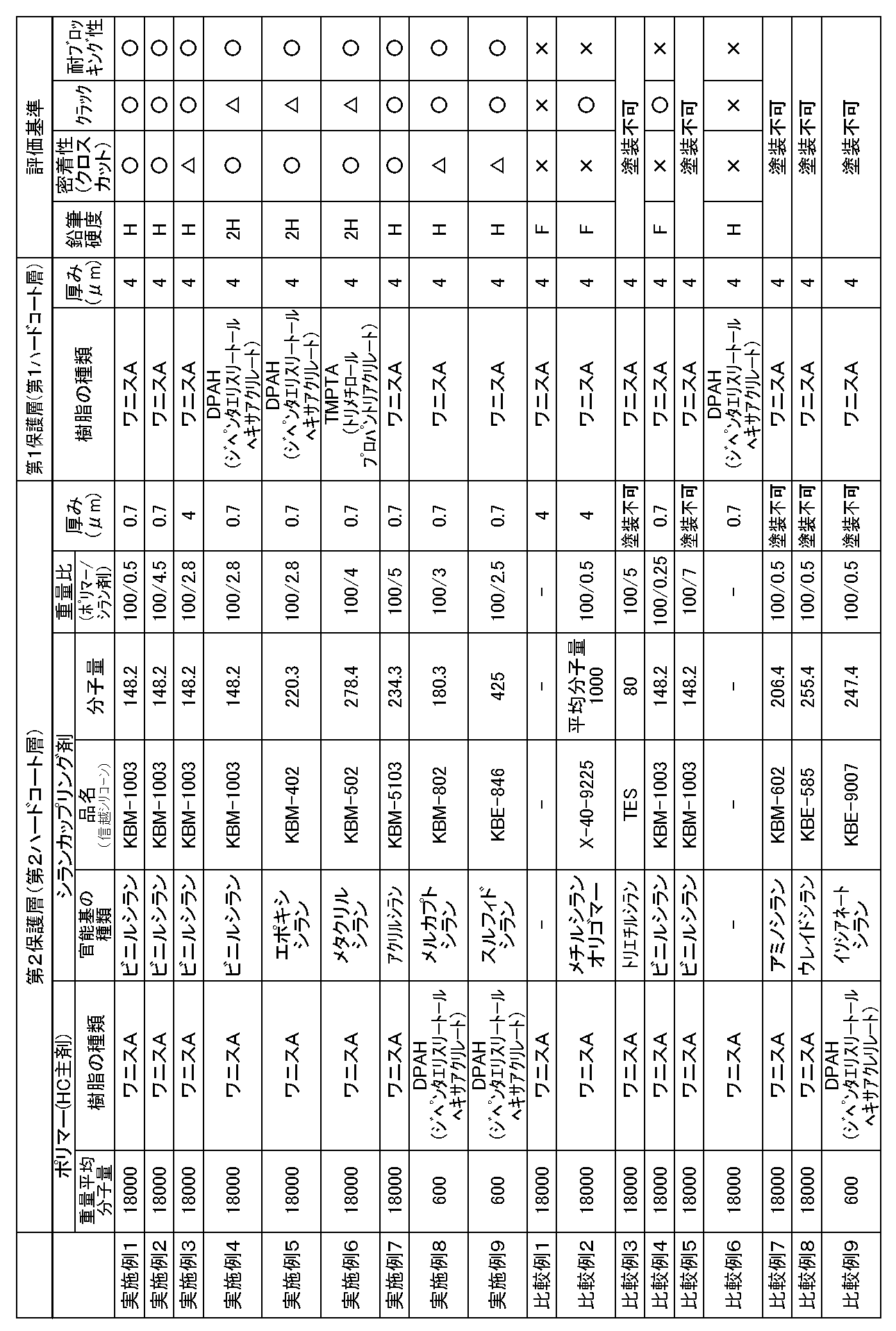
表1に示された評価結果から、以下のことが明らかである。第2保護層(第2ハードコート層)にシランカップリング剤をポリマーに対して0.5~5.0w%添加した実施例1~9では、鉛筆硬度は「H」以上であって、密着性、クラック性ともにおおむね良好であり、耐ブロッキング性にも優れている。
一方、第2保護層にシランカップリング剤が添加されていない比較例1,6では、第2保護層の厚みに関わらず、密着性、クラック性、耐ブロッキング性において満足すべき結果が得られていない。
シランカップリング剤の分子量が500を超える比較例2では密着性、耐ブロッキング性において満足な結果が得られず、シランカップリング剤の分子量が100未満の比較例3では、第2保護層の塗装自体が行えなかった。
第2保護層に実施例1~4と同じシランカップリング剤を添加した比較例4,5においては、シランカップリング剤の量が過少な比較例4では密着性、耐ブロッキング性において満足な結果が得られず、シランカップリング剤の量が過大な比較例5では第2保護層の塗装自体が行えなかった。
また、アミノシラン、ウレイドシラン、イソシアネートシランを官能基とするシランカップリング剤を添加した比較例7~9では、第2保護層の塗装が行えなかった。
一方、第2保護層にシランカップリング剤が添加されていない比較例1,6では、第2保護層の厚みに関わらず、密着性、クラック性、耐ブロッキング性において満足すべき結果が得られていない。
シランカップリング剤の分子量が500を超える比較例2では密着性、耐ブロッキング性において満足な結果が得られず、シランカップリング剤の分子量が100未満の比較例3では、第2保護層の塗装自体が行えなかった。
第2保護層に実施例1~4と同じシランカップリング剤を添加した比較例4,5においては、シランカップリング剤の量が過少な比較例4では密着性、耐ブロッキング性において満足な結果が得られず、シランカップリング剤の量が過大な比較例5では第2保護層の塗装自体が行えなかった。
また、アミノシラン、ウレイドシラン、イソシアネートシランを官能基とするシランカップリング剤を添加した比較例7~9では、第2保護層の塗装が行えなかった。
(実施例10)
基体シートとして、厚さ38μmのポリエステル樹脂フィルムを用いた。基体シート上に、メラミン樹脂系離型剤をグラビア印刷法にて1μmの厚さに塗布して離型層を形成した。その後、その上に上記ワニスA200部(固形分100部)、1,6-ヘキサンジイソシアネート3量体(商品名コロネートHX、日本ポリウレタン工業株式会社製)5部、および光重合開始剤(商品名イルガキュアー184、チバガイギー社製)5部を配合した第1保護層(ハードコート層)を、グラビア印刷法にて形成した。第1保護層の厚さは0.5μmとした。150℃で20秒間加熱することにより第1保護層を半ば架橋硬化させた。その後、第1保護層の上に、ポリカーボネート(PC)/ABSインキからなる第2保護層(絵柄層)、アクリル樹脂からなる接着層をグラビア印刷法にて順次印刷形成して、転写シートを得た。
基体シートとして、厚さ38μmのポリエステル樹脂フィルムを用いた。基体シート上に、メラミン樹脂系離型剤をグラビア印刷法にて1μmの厚さに塗布して離型層を形成した。その後、その上に上記ワニスA200部(固形分100部)、1,6-ヘキサンジイソシアネート3量体(商品名コロネートHX、日本ポリウレタン工業株式会社製)5部、および光重合開始剤(商品名イルガキュアー184、チバガイギー社製)5部を配合した第1保護層(ハードコート層)を、グラビア印刷法にて形成した。第1保護層の厚さは0.5μmとした。150℃で20秒間加熱することにより第1保護層を半ば架橋硬化させた。その後、第1保護層の上に、ポリカーボネート(PC)/ABSインキからなる第2保護層(絵柄層)、アクリル樹脂からなる接着層をグラビア印刷法にて順次印刷形成して、転写シートを得た。
この転写シートを用いて成形同時転写を行い、転写シートを成形品の表面に転写した。その後、基体シートを剥がし、紫外線を照射して第1保護層を完全に架橋硬化した。なお、成形条件は、樹脂温度240℃、金型温度55℃、樹脂圧力約300kg/cm2とした。成形品は、材質をアクリル樹脂とし、縦95mm、横65mm、立ち上がり4.5mm、コーナー部のR2.5mmのトレー状に成形した。照射条件は、120w/cm、6灯、ランプ高さ10cm、ベルトスピード15m/minとした。転写シート及び転写された成形品(加飾成形品)について、各種の評価を行った。
(実施例11~19及び比較例10~18)
第1保護層の樹脂材料、シランカップリング剤の種類と添加量、第2保護層の樹脂材料を表2に示すように変更したこと以外は実施例1と同様にして転写シートを作製し、転写された成形品(加飾成形品)を得て、同様の評価を行った。評価結果を表2に示す。
第1保護層の樹脂材料、シランカップリング剤の種類と添加量、第2保護層の樹脂材料を表2に示すように変更したこと以外は実施例1と同様にして転写シートを作製し、転写された成形品(加飾成形品)を得て、同様の評価を行った。評価結果を表2に示す。
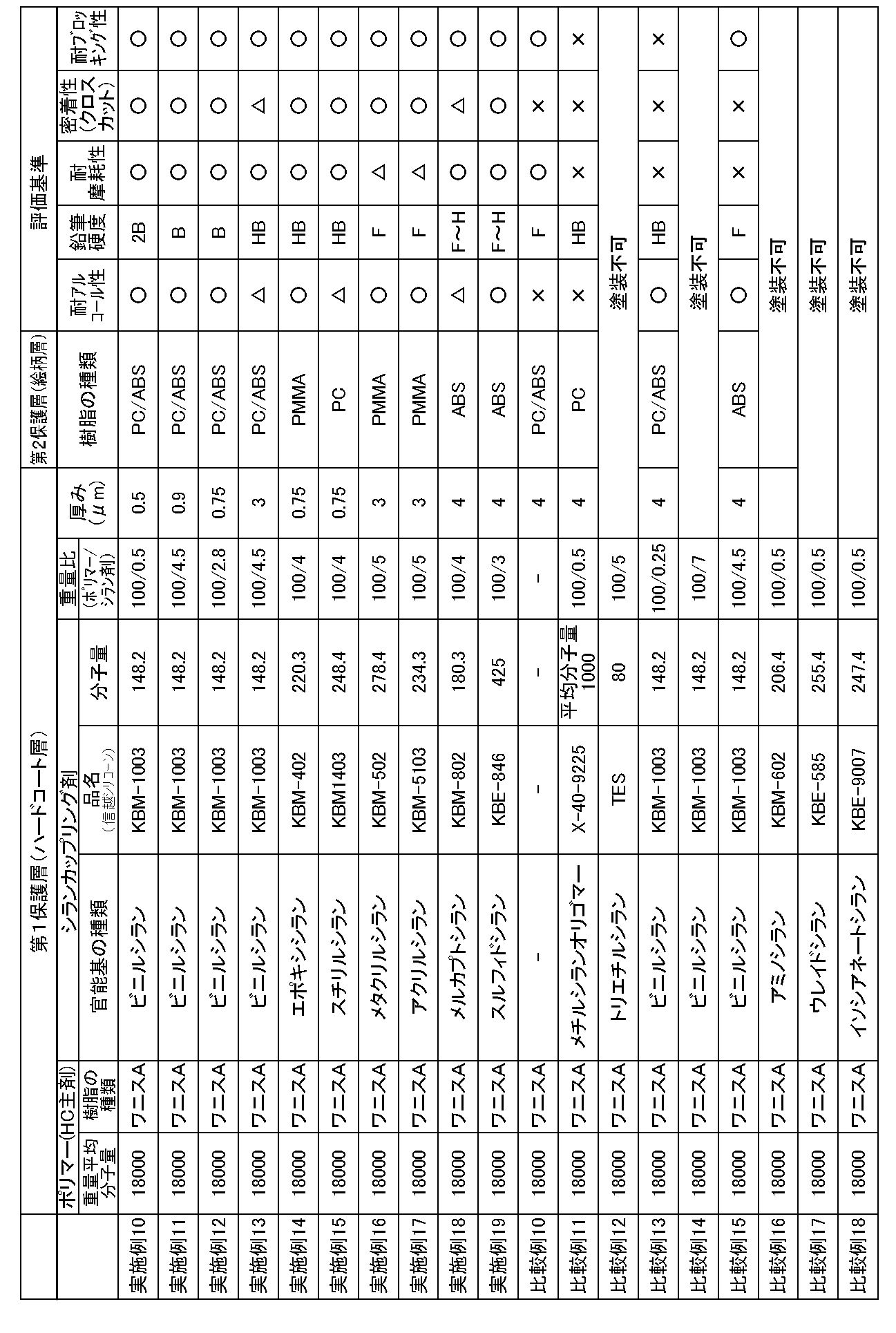
表2に示された評価結果から、以下のことが明らかである。第1保護層(ハードコート層)にシランカップリング剤をポリマーに対して0.5~5.0w%添加した実施例10~19では、鉛筆硬度が「2B」以上であって、耐アルコール性、耐摩耗性、密着性がおおむね良好であり、耐ブロッキング性にも優れている。
一方、第1保護層にシランカップリング剤が添加されていない比較例10では、耐アルコール性及び密着性において満足すべき結果が得られていない。
シランカップリング剤の分子量が500を超える比較例11では密着性、耐ブロッキング性において満足な結果が得られず、シランカップリング剤の分子量が100未満の比較例12では、第1保護層の塗装自体が行えなかった。
第1保護層に実施例10~13と同じシランカップリング剤を添加した比較例13~15においては、シランカップリング剤の量が過少な比較例13では密着性、耐ブロッキング性において満足な結果が得られず、シランカップリング剤の量が過大な比較例14では第1保護層の塗装自体が行えなかった。比較例15では、シランカップリング剤の量が実施例11,13と略同じであっても、第2保護層(絵柄層)がABS樹脂単体である場合には、耐摩耗性、密着性において満足な結果が得られなかった。
また、アミノシラン、ウレイドシラン、イソシアネートシランを官能基とするシランカップリング剤を添加した比較例16~18では、第1保護層の塗装が行えなかった。
一方、第1保護層にシランカップリング剤が添加されていない比較例10では、耐アルコール性及び密着性において満足すべき結果が得られていない。
シランカップリング剤の分子量が500を超える比較例11では密着性、耐ブロッキング性において満足な結果が得られず、シランカップリング剤の分子量が100未満の比較例12では、第1保護層の塗装自体が行えなかった。
第1保護層に実施例10~13と同じシランカップリング剤を添加した比較例13~15においては、シランカップリング剤の量が過少な比較例13では密着性、耐ブロッキング性において満足な結果が得られず、シランカップリング剤の量が過大な比較例14では第1保護層の塗装自体が行えなかった。比較例15では、シランカップリング剤の量が実施例11,13と略同じであっても、第2保護層(絵柄層)がABS樹脂単体である場合には、耐摩耗性、密着性において満足な結果が得られなかった。
また、アミノシラン、ウレイドシラン、イソシアネートシランを官能基とするシランカップリング剤を添加した比較例16~18では、第1保護層の塗装が行えなかった。
本発明は、自動車、家庭用電化製品、携帯電話、パーソナルコンピュータ等の部品の表面に保護層を転写するための転写シートに利用可能することができる。
1 転写シート
2 基体シート
3 転写層
4 第1ハードコート層(第1保護層)
5 第2ハードコート層(第2保護層)
6 接着層
7 ハードコート層
8 絵柄層
10 被転写品
2 基体シート
3 転写層
4 第1ハードコート層(第1保護層)
5 第2ハードコート層(第2保護層)
6 接着層
7 ハードコート層
8 絵柄層
10 被転写品
Claims (6)
- 基体シートと、
前記基体シートの上に形成される第1保護層と、
前記第1保護層の上に形成される第2保護層と、を備え、
前記第1保護層及び前記第2保護層が共に被転写品の表面を保護するハードコート層であり、
前記第1保護層及び前記第2保護層を構成するハードコート層が共にアクリレートを主成分としてなり、
前記第1保護層及び前記第2保護層のうち少なくともいずれか一方に、分子量100~500の下記式で表されるシランカップリング剤を添加して両層を接着してある転写シート。

- 前記第1保護層及び前記第2保護層を構成するハードコート層が共にグリシジルメタアクリレートとメチルメタクリレートとを含むワニスを主成分としてなる請求項1に記載の転写シート。
- 前記シランカップリング剤の添加量が、当該添加される保護層における樹脂成分の0.5~5.0w%である請求項1又は2に記載の転写シート。
- 前記シランカップリング剤が添加される保護層の厚みが0.5~5μmである請求項1から3のいずれか一項に記載の転写シート。
- 前記基体シートが、樹脂シート、金属箔シート、セルロース系シート、またはこれらのうちのいずれか2つ以上の複合体、である請求項1から4のいずれか一項に記載の転写シート。
- 基体シートの上にアクリレートを主成分とする第1保護層を形成する工程と、
前記第1保護層の上にアクリレートを主成分とする第2保護層を形成する工程と、を備え、
前記第1保護層及び前記第2保護層のうち少なくともいずれか一方であって、双方の積層時において未硬化の状態にある保護層に、分子量100~500の下記式で表されるシランカップリング剤を添加し、
前記第1保護層及び前記第2保護層の両方により被転写品の表面を保護するハードコート層を形成する転写シートの製造方法。
Priority Applications (2)
| Application Number | Priority Date | Filing Date | Title |
|---|---|---|---|
| CN201280047228.5A CN103826849B (zh) | 2011-09-30 | 2012-09-26 | 转印片和转印片的制造方法 |
| KR1020147010710A KR101448441B1 (ko) | 2011-09-30 | 2012-09-26 | 전사 시트 및 전사 시트의 제조 방법 |
Applications Claiming Priority (2)
| Application Number | Priority Date | Filing Date | Title |
|---|---|---|---|
| JP2011-217697 | 2011-09-30 | ||
| JP2011217697A JP5060648B1 (ja) | 2011-09-30 | 2011-09-30 | 転写シート及び転写シートの製造方法 |
Publications (1)
| Publication Number | Publication Date |
|---|---|
| WO2013047559A1 true WO2013047559A1 (ja) | 2013-04-04 |
Family
ID=47189582
Family Applications (1)
| Application Number | Title | Priority Date | Filing Date |
|---|---|---|---|
| PCT/JP2012/074647 Ceased WO2013047559A1 (ja) | 2011-09-30 | 2012-09-26 | 転写シート及び転写シートの製造方法 |
Country Status (5)
| Country | Link |
|---|---|
| JP (1) | JP5060648B1 (ja) |
| KR (1) | KR101448441B1 (ja) |
| CN (1) | CN103826849B (ja) |
| TW (1) | TWI421164B (ja) |
| WO (1) | WO2013047559A1 (ja) |
Families Citing this family (15)
| Publication number | Priority date | Publication date | Assignee | Title |
|---|---|---|---|---|
| CN107405859B (zh) | 2015-03-18 | 2020-04-17 | 理研科技株式会社 | 成型体 |
| US11065851B2 (en) | 2015-03-18 | 2021-07-20 | Riken Technos Corporation | Multilayer hard coating film |
| KR102748410B1 (ko) * | 2015-03-18 | 2024-12-31 | 리껭테크노스 가부시키가이샤 | 점착 필름 |
| US11433651B2 (en) | 2015-03-18 | 2022-09-06 | Riken Technos Corporation | Hard coat laminated film |
| US11352473B2 (en) | 2015-03-18 | 2022-06-07 | Riken Technos Corporation | Hard coat laminated film and method for producing same |
| EP3272529B1 (en) | 2015-03-18 | 2022-05-04 | Riken Technos Corporation | Hard coat laminated film |
| EP3666522B1 (en) | 2015-03-18 | 2022-07-06 | Riken Technos Corporation | Anti-glare hard coat laminated film |
| US11774166B2 (en) | 2015-11-25 | 2023-10-03 | Riken Technos Corporation | Door body |
| TWI745316B (zh) | 2015-11-25 | 2021-11-11 | 日商理研科技股份有限公司 | 門體 |
| JP6780941B2 (ja) * | 2015-11-25 | 2020-11-04 | リケンテクノス株式会社 | 透明樹脂積層体 |
| JP6644534B2 (ja) | 2015-12-08 | 2020-02-12 | リケンテクノス株式会社 | ハードコート積層フィルム |
| EP3808800B1 (en) | 2016-09-14 | 2022-01-05 | Riken Technos Corporation | Hard coat laminated film |
| JP7064313B2 (ja) | 2016-11-25 | 2022-05-10 | リケンテクノス株式会社 | ハードコート積層フィルム |
| JP6683649B2 (ja) * | 2017-03-31 | 2020-04-22 | リケンテクノス株式会社 | ハードコート積層フィルム |
| KR20210098452A (ko) * | 2018-12-04 | 2021-08-10 | 하리마카세이 가부시기가이샤 | 하드 코트층 부가 몰드 수지 및 그의 제조 방법 |
Citations (4)
| Publication number | Priority date | Publication date | Assignee | Title |
|---|---|---|---|---|
| JPH08192598A (ja) * | 1995-01-18 | 1996-07-30 | Dainippon Printing Co Ltd | 転写箔 |
| JP2004143383A (ja) * | 2002-10-28 | 2004-05-20 | Nikko Materials Co Ltd | 固形シランカップリング剤組成物、その製造方法およびそれを含有する樹脂組成物 |
| JP2007118465A (ja) * | 2005-10-31 | 2007-05-17 | Dainippon Printing Co Ltd | ハードコート層転写箔 |
| JP2011083912A (ja) * | 2009-10-13 | 2011-04-28 | Fujicopian Co Ltd | ハードコート層転写シート |
Family Cites Families (11)
| Publication number | Priority date | Publication date | Assignee | Title |
|---|---|---|---|---|
| JPH0636958Y2 (ja) * | 1987-12-29 | 1994-09-28 | 株式会社松井色素化学工業所 | セラミック製品用感温可逆変色性図柄模様転写シート |
| JP3233595B2 (ja) * | 1996-04-26 | 2001-11-26 | 日本写真印刷株式会社 | 転写材と転写材の保護層に用いる活性エネルギー線硬化性樹脂組成物、および転写材を用いた耐磨耗性および耐薬品性に優れた成形品の製造方法 |
| JPH10121010A (ja) * | 1996-10-23 | 1998-05-12 | Bridgestone Corp | 塗膜保護用シート |
| JP4043641B2 (ja) * | 1999-04-20 | 2008-02-06 | 大日本印刷株式会社 | 転写シート |
| JP3689666B2 (ja) * | 2001-01-18 | 2005-08-31 | キヤノン株式会社 | 印刷制御装置及び方法、熱転写記録媒体 |
| JP4178759B2 (ja) * | 2001-02-13 | 2008-11-12 | 東海ゴム工業株式会社 | Oa機器用ローラ |
| JP2004082371A (ja) * | 2002-08-23 | 2004-03-18 | Teijin Dupont Films Japan Ltd | 表面保護フィルム |
| JP4593325B2 (ja) * | 2005-03-16 | 2010-12-08 | 吉田プラ工業株式会社 | 樹脂成形品及びその製造方法 |
| JP2008302633A (ja) * | 2007-06-08 | 2008-12-18 | Nissha Printing Co Ltd | 転写材と成形品の製造方法 |
| JP4872893B2 (ja) * | 2007-11-29 | 2012-02-08 | 凸版印刷株式会社 | ハードコートフィルムもしくはシート |
| JP4480186B2 (ja) * | 2009-01-19 | 2010-06-16 | 大日本印刷株式会社 | 転写シート |
-
2011
- 2011-09-30 JP JP2011217697A patent/JP5060648B1/ja active Active
-
2012
- 2012-09-26 WO PCT/JP2012/074647 patent/WO2013047559A1/ja not_active Ceased
- 2012-09-26 CN CN201280047228.5A patent/CN103826849B/zh active Active
- 2012-09-26 TW TW101135291A patent/TWI421164B/zh not_active IP Right Cessation
- 2012-09-26 KR KR1020147010710A patent/KR101448441B1/ko not_active Expired - Fee Related
Patent Citations (4)
| Publication number | Priority date | Publication date | Assignee | Title |
|---|---|---|---|---|
| JPH08192598A (ja) * | 1995-01-18 | 1996-07-30 | Dainippon Printing Co Ltd | 転写箔 |
| JP2004143383A (ja) * | 2002-10-28 | 2004-05-20 | Nikko Materials Co Ltd | 固形シランカップリング剤組成物、その製造方法およびそれを含有する樹脂組成物 |
| JP2007118465A (ja) * | 2005-10-31 | 2007-05-17 | Dainippon Printing Co Ltd | ハードコート層転写箔 |
| JP2011083912A (ja) * | 2009-10-13 | 2011-04-28 | Fujicopian Co Ltd | ハードコート層転写シート |
Also Published As
| Publication number | Publication date |
|---|---|
| TWI421164B (zh) | 2014-01-01 |
| TW201321177A (zh) | 2013-06-01 |
| KR101448441B1 (ko) | 2014-10-07 |
| CN103826849A (zh) | 2014-05-28 |
| JP5060648B1 (ja) | 2012-10-31 |
| CN103826849B (zh) | 2015-04-22 |
| JP2013075466A (ja) | 2013-04-25 |
| KR20140056399A (ko) | 2014-05-09 |
Similar Documents
| Publication | Publication Date | Title |
|---|---|---|
| JP5060648B1 (ja) | 転写シート及び転写シートの製造方法 | |
| JP5155645B2 (ja) | 耐箔バリ性に優れた転写材の製造方法と転写材 | |
| JP5254766B2 (ja) | 積層シート、それを貼り付けた部品およびその製造方法 | |
| JP5979026B2 (ja) | 成形同時加飾用転写フィルム | |
| WO2012133234A1 (ja) | 三次元成形用加飾シート及びその製造方法、並びに該加飾シートを用いた加飾成形品及びその製造方法 | |
| JP5861414B2 (ja) | 射出成形同時積層用フィルム及び成形品、並びにそれらの製造方法 | |
| WO2000020228A1 (en) | Transfer material, surface-protective sheet, and process for producing molded article with these | |
| CN104768756B (zh) | 转印膜、成型品的制造方法及成型品 | |
| JP2018070746A (ja) | 加飾シート用保護フィルム、および保護フィルム付加飾シート | |
| JP5610525B2 (ja) | 加熱転写シートおよびその製造方法 | |
| JP5116900B1 (ja) | インキ流れの発生を抑制する転写シート | |
| JP5159980B1 (ja) | クラックの発生を抑制できる転写シート | |
| JP2014132043A (ja) | 図柄層に対する接着性がよいハードコート樹脂組成物 | |
| JP5521948B2 (ja) | 熱転写フィルム及びその製造方法 | |
| JP3585748B2 (ja) | 転写材、および転写材を用いた耐候性、耐磨耗性および耐薬品性に優れた成形品の製造方法 | |
| JP4304737B2 (ja) | 紫外線遮蔽活性エネルギー線硬化性組成物、硬化型被覆材料及びそれらが被覆された成型体 | |
| JP2014159128A (ja) | 熱転写フィルムの製造方法、及びそれを使用した加飾品の製造方法 | |
| JP2014177062A (ja) | 加飾成形体の製造方法 | |
| JP2013212614A (ja) | 転写シートの製造方法、加飾シートの製造方法及び加飾成形品の製造方法 | |
| JP6467784B2 (ja) | 転写フィルムおよび加飾成形品 | |
| JP2022097188A (ja) | 化粧材 | |
| JP2006159671A (ja) | 水圧転写フィルム及び水圧転写体 | |
| JP4310823B2 (ja) | 表面保護シート | |
| JP2013111930A (ja) | 射出成形同時積層用フィルム及び成形品、並びにそれらの製造方法 |
Legal Events
| Date | Code | Title | Description |
|---|---|---|---|
| 121 | Ep: the epo has been informed by wipo that ep was designated in this application |
Ref document number: 12836093 Country of ref document: EP Kind code of ref document: A1 |
|
| NENP | Non-entry into the national phase |
Ref country code: DE |
|
| ENP | Entry into the national phase |
Ref document number: 20147010710 Country of ref document: KR Kind code of ref document: A |
|
| 122 | Ep: pct application non-entry in european phase |
Ref document number: 12836093 Country of ref document: EP Kind code of ref document: A1 |