WO2011024946A1 - 携帯電子機器及び携帯電子機器の表示方法 - Google Patents
携帯電子機器及び携帯電子機器の表示方法 Download PDFInfo
- Publication number
- WO2011024946A1 WO2011024946A1 PCT/JP2010/064585 JP2010064585W WO2011024946A1 WO 2011024946 A1 WO2011024946 A1 WO 2011024946A1 JP 2010064585 W JP2010064585 W JP 2010064585W WO 2011024946 A1 WO2011024946 A1 WO 2011024946A1
- Authority
- WO
- WIPO (PCT)
- Prior art keywords
- type symbol
- key
- unit
- display
- displayed
- Prior art date
- Legal status (The legal status is an assumption and is not a legal conclusion. Google has not performed a legal analysis and makes no representation as to the accuracy of the status listed.)
- Ceased
Links
Images





Classifications
-
- G—PHYSICS
- G06—COMPUTING OR CALCULATING; COUNTING
- G06F—ELECTRIC DIGITAL DATA PROCESSING
- G06F15/00—Digital computers in general; Data processing equipment in general
- G06F15/02—Digital computers in general; Data processing equipment in general manually operated with input through keyboard and computation using a built-in program, e.g. pocket calculators
- G06F15/0225—User interface arrangements, e.g. keyboard, display; Interfaces to other computer systems
-
- G—PHYSICS
- G06—COMPUTING OR CALCULATING; COUNTING
- G06F—ELECTRIC DIGITAL DATA PROCESSING
- G06F3/00—Input arrangements for transferring data to be processed into a form capable of being handled by the computer; Output arrangements for transferring data from processing unit to output unit, e.g. interface arrangements
- G06F3/01—Input arrangements or combined input and output arrangements for interaction between user and computer
- G06F3/02—Input arrangements using manually operated switches, e.g. using keyboards or dials
- G06F3/023—Arrangements for converting discrete items of information into a coded form, e.g. arrangements for interpreting keyboard generated codes as alphanumeric codes, operand codes or instruction codes
- G06F3/0233—Character input methods
- G06F3/0237—Character input methods using prediction or retrieval techniques
-
- G—PHYSICS
- G06—COMPUTING OR CALCULATING; COUNTING
- G06F—ELECTRIC DIGITAL DATA PROCESSING
- G06F3/00—Input arrangements for transferring data to be processed into a form capable of being handled by the computer; Output arrangements for transferring data from processing unit to output unit, e.g. interface arrangements
- G06F3/01—Input arrangements or combined input and output arrangements for interaction between user and computer
- G06F3/02—Input arrangements using manually operated switches, e.g. using keyboards or dials
- G06F3/023—Arrangements for converting discrete items of information into a coded form, e.g. arrangements for interpreting keyboard generated codes as alphanumeric codes, operand codes or instruction codes
- G06F3/0238—Programmable keyboards
-
- H—ELECTRICITY
- H03—ELECTRONIC CIRCUITRY
- H03M—CODING; DECODING; CODE CONVERSION IN GENERAL
- H03M11/00—Coding in connection with keyboards or like devices, i.e. coding of the position of operated keys
- H03M11/02—Details
- H03M11/04—Coding of multifunction keys
-
- H—ELECTRICITY
- H04—ELECTRIC COMMUNICATION TECHNIQUE
- H04M—TELEPHONIC COMMUNICATION
- H04M1/00—Substation equipment, e.g. for use by subscribers
- H04M1/56—Arrangements for indicating or recording the called number at the calling subscriber's set
-
- H—ELECTRICITY
- H04—ELECTRIC COMMUNICATION TECHNIQUE
- H04M—TELEPHONIC COMMUNICATION
- H04M1/00—Substation equipment, e.g. for use by subscribers
- H04M1/72—Mobile telephones; Cordless telephones, i.e. devices for establishing wireless links to base stations without route selection
- H04M1/724—User interfaces specially adapted for cordless or mobile telephones
- H04M1/72403—User interfaces specially adapted for cordless or mobile telephones with means for local support of applications that increase the functionality
-
- H—ELECTRICITY
- H04—ELECTRIC COMMUNICATION TECHNIQUE
- H04M—TELEPHONIC COMMUNICATION
- H04M1/00—Substation equipment, e.g. for use by subscribers
- H04M1/02—Constructional features of telephone sets
- H04M1/0202—Portable telephone sets, e.g. cordless phones, mobile phones or bar type handsets
- H04M1/0206—Portable telephones comprising a plurality of mechanically joined movable body parts, e.g. hinged housings
- H04M1/0208—Portable telephones comprising a plurality of mechanically joined movable body parts, e.g. hinged housings characterized by the relative motions of the body parts
- H04M1/0235—Slidable or telescopic telephones, i.e. with a relative translation movement of the body parts; Telephones using a combination of translation and other relative motions of the body parts
-
- H—ELECTRICITY
- H04—ELECTRIC COMMUNICATION TECHNIQUE
- H04M—TELEPHONIC COMMUNICATION
- H04M2250/00—Details of telephonic subscriber devices
- H04M2250/18—Details of telephonic subscriber devices including more than one keyboard unit
-
- H—ELECTRICITY
- H04—ELECTRIC COMMUNICATION TECHNIQUE
- H04M—TELEPHONIC COMMUNICATION
- H04M2250/00—Details of telephonic subscriber devices
- H04M2250/70—Details of telephonic subscriber devices methods for entering alphabetical characters, e.g. multi-tap or dictionary disambiguation
Definitions
- the present invention relates to a portable electronic device including an operation key to which a character is assigned and a number is not assigned, and an operation key to which a character and a number are assigned, and a display method of the portable electronic device.
- a portable electronic device such as a cellular phone has an operation unit including a first key to which a character is assigned and a number is not assigned, and a second key to which a character and a number are assigned, and an operation
- Some include a display unit that displays at least one of letters and numbers in accordance with the operation of the unit, and a control unit that controls display content on the display unit (see, for example, Patent Document 1).
- an initial screen is displayed on the display unit.
- the character corresponding to the operated first key cannot be displayed on the display unit.
- the second key is operated when the initial screen is displayed on the display unit, a number corresponding to the operated second key can be displayed on the display unit. The character corresponding to the operated second key could not be displayed on the display unit.
- the present invention relates to a portable electronic device and a portable electronic device capable of displaying a symbol reflecting a user's intention according to a symbol assigned to an operated key when an initial screen is displayed on the display unit.
- An object is to provide a display method.
- a portable electronic device includes a first key to which a first type symbol is assigned and a second type symbol is not assigned, and a second key to which the first type symbol and the second type symbol are assigned.
- An operation unit a display unit that displays at least one of the first type symbol and the second type symbol in accordance with the operation of the operation unit, and a control unit that controls display contents on the display unit.
- the control unit displays the first type symbol assigned to the operated first key when the first key is operated in a state where the initial screen is displayed on the display unit.
- the second key is operated, the first type symbol and the second type symbol assigned to the operated second key are displayed on the display unit.
- the control unit may display the display when the first key is operated when the first type symbol and the second type symbol are displayed on the display unit as the second key is operated. It is preferable to delete the display of the second type symbol displayed in the section.
- the operation unit may include a plurality of the first keys, and the control unit may delete the display of the second type symbol when the plurality of first keys are operated a predetermined number of times or more. preferable.
- the portable electronic device further includes a communication unit, the second type symbol is a number, and the operation unit has a call key to which neither the first type symbol nor the second type symbol is assigned. Then, when the number is displayed on the display unit in response to the operation of the second key, the control unit displays the number displayed on the display unit when the call key is operated. It is preferable to perform transmission control using the communication unit as a communication destination.
- the first type symbol is an alphabetic character
- the second type symbol is a numeric character
- the control unit is configured so that the alphabetic character and the numeric character are associated with the operation of the second key.
- the first housing in which the display unit is disposed and the operation unit are disposed and the mobile electronic device forms an open state by moving relative to the first housing, or the A second housing that forms a closed state by being disposed so as to overlap the first housing, and the control unit is configured so that the first housing and the second housing are in the opened state.
- the display unit It is preferable to delete the displayed first type symbol.
- control unit when the control unit detects the change to the open state within a predetermined time after the change from the open state to the closed state is detected, the control unit displays the erased first type symbol on the display unit. It is preferable to make it.
- a first housing having a first operation unit and a second housing having a second operation unit are connected to be openable and closable, and the second operation unit is in a closed state.
- a display unit that displays at least one of the first type symbol and the second type symbol in accordance with the operation of the first operation unit or the second operation unit, and a control unit that controls the display content on the display unit.
- the first operation unit has a first key to which the first type symbol and the second type symbol are assigned, and the second operation unit is assigned with the first type symbol, and the second type symbol is assigned. Are assigned to the second key, the first kind symbol and the second kind symbol.
- the control unit is assigned to the operated first key when the first key is operated in a state where the initial screen is displayed on the display unit.
- the second key or the third key is operated, the first type symbol assigned to the operated second key or the third key is displayed on the display unit. It is characterized by being displayed on a display unit.
- the display method of the portable electronic device includes a first key to which a first type symbol is assigned and a second type symbol is not assigned, and a second key to which the first type symbol and the second type symbol are assigned. And a display unit that displays at least one of the first type symbol and the second type symbol in accordance with the operation of the operation unit.
- the first key is operated in a state where an initial screen is displayed on the display unit
- the first type symbol assigned to the operated first key is displayed.
- the first type symbol and the second type symbol assigned to the operated second key when the second key is operated while the initial screen is displayed on the display unit. Is displayed on the display It is characterized in.
- the display unit when the initial screen is displayed on the display unit, it is possible to display a symbol reflecting the user's intention according to the operation.
- 1 is an external perspective view of a mobile phone as a first embodiment of a mobile electronic device. It is a block diagram which shows the function structure of the mobile telephone as 1st Embodiment of a portable electronic device. It is a figure explaining the 1st transition of the display mode of a display part. It is a flowchart which shows the 1st operation
- FIG. 1 is an external perspective view of a mobile phone 1 as a first embodiment of the mobile electronic device.
- the mobile phone 1 includes a first housing 10 and a second housing 20.
- a display unit 12 is arranged on the front surface 11 of the first housing 10.
- the display unit 12 displays at least one of the first type symbol and the second type symbol in accordance with an operation of the operation unit 22 described later. Further, the display unit 12 displays various information (character information, number information, and image information) such as the telephone number and mail address of the other party of the call and the content of the mail.
- a microphone 13 and a receiver 14 are arranged on the front surface 11.
- the microphone 13 is used for inputting a voice uttered by a user of the mobile phone 1 during a call.
- the receiver 14 outputs the voice of the other party on the call.
- the first casing 10 is provided with a speaker 15 (see FIG. 2) on the side surface.
- the speaker 15 outputs a sound or the like that notifies an incoming call to the mobile phone 1.
- An operation unit 22 is disposed on the front surface 21 of the second housing 20.
- the front surface 21 of the second housing 20 is a surface facing the back surface of the first housing 10 (the surface opposite to the front surface 11 of the first housing 10).
- the second housing 20 forms an open state by moving relative to the first housing 10, or forms a closed state by being disposed so as to overlap the first housing 10. That is, the mobile phone 1 forms a closed state by arranging the first housing 10 and the second housing 20 so as to overlap each other in plan view. In addition, as shown in FIG. 1, the mobile phone 1 is pulled out sideways with respect to the first housing 10 (the first housing 10 is separated from the second housing 20. Forms an open state (by being pushed sideways).
- the operation unit 22 can be operated when the first housing 10 and the second housing 20 are moved relative to each other to be in an open state.
- the operation unit 22 includes a first key 221 to which a first type symbol is assigned and a second key 222 to which a first type symbol and a second type symbol are assigned.
- FIG. 2 is a block diagram showing a functional configuration of the mobile phone 1.
- the mobile phone 1 includes an operation unit 22, a microphone 13, a display unit 12, a receiver 14, a speaker 15, a driver IC 30, a communication unit 31, an image processing unit 32, an audio processing unit 33, and a storage unit. 34 and a control unit 35.
- the communication unit 31 includes a main antenna 311 and an RF circuit unit 312 and communicates with a predetermined communication destination.
- Examples of communication destinations with which the communication unit 31 communicates include an external terminal device that transmits / receives telephones and mails to / from the mobile phone 1, and an external device such as an external web server that connects the mobile phone 1 to the Internet.
- the main antenna 311 communicates with an external device in a predetermined use frequency band.
- the RF circuit unit 312 demodulates the signal received by the main antenna 311 and supplies the processed signal to the control unit 35. Further, the RF circuit unit 312 modulates the signal supplied from the control unit 35 and transmits the signal to an external device (base station) via the main antenna 311.
- the image processing unit 32 performs predetermined image processing under the control of the control unit 35 and outputs the processed image data to the driver IC 30.
- the driver IC 30 stores the image data supplied from the image processing unit 32 in a frame memory (not shown) and outputs it to the display unit 12 at a predetermined timing.
- the sound processing unit 33 performs predetermined sound processing on the signal supplied from the RF circuit unit 312 under the control of the control unit 35 and outputs the processed signal to the receiver 14 and the speaker 15.
- the receiver 14 and the speaker 15 output the signal supplied from the audio processing unit 33 to the outside.
- the audio processing unit 33 processes the signal input from the microphone 13 under the control of the control unit 35 and outputs the processed signal to the RF circuit unit 312.
- the RF circuit unit 312 performs predetermined processing on the signal supplied from the sound processing unit 33, supplies the processed signal to the main antenna 311, and causes the main antenna 311 to output the signal as an electric wave to the outside.
- the storage unit 34 includes, for example, a working memory and is used for arithmetic processing by the control unit 35.
- the storage unit 34 stores data, tables, and the like used by various applications that operate on the mobile phone 1.
- the storage unit 34 may be a removable external memory.
- the control unit 35 controls the entire mobile phone 1 and performs predetermined control on the display unit 12, the communication unit 31, the image processing unit 32, and the audio processing unit 33. Specific processing of the control unit 35 will be described later.
- the mobile phone 1 configured as described above has a function of displaying a symbol reflecting the user's intention according to the symbol assigned to the operated key when the initial screen is displayed on the display unit 12.
- the mobile phone 1 includes an operation unit 22 and a display unit 12.
- the operation unit 22 includes a first key 221 to which a first type symbol is assigned and a second type symbol is not assigned, and a second key 222 to which a first type symbol and a second type symbol are assigned. And having.
- the first key 221 and the second key 222 are, for example, QWERTY layout keys as shown in FIG.
- the key to which the first type symbol and the second type symbol are assigned is not limited to the case shown in FIG.
- the display unit 12 displays at least one of the first type symbol and the second type symbol in accordance with the operation of the operation unit 22, and the first type symbol display area 41 in which the first type symbol is displayed, and the second type symbol Is included at least one of the second type symbol display areas 42.
- the display area of the display unit 12 displays the first type symbol. It is divided into a type 1 symbol display area 41 and a type 2 symbol display area 42 in which the type 2 symbol is displayed (see FIG. 3B).
- the symbol string of the second type symbol displayed in the second type symbol display area 42 is a telephone number. Accordingly, when the call key 223 is pressed while the telephone number is displayed in the second type symbol display area 42, the mobile phone 1 can make a call.
- the first type symbols are English letters, hiragana, katakana and kanji.
- the second type symbol is a number or a symbol used for making a call such as “# (sharp)”, “* (asterisk)”, “-(hyphen)” and “P (pause)”. .
- the control unit 35 controls the display content on the display unit 12.
- the control unit 35 displays the first type symbol assigned to the operated first key 221.
- the second key 222 is operated, the first type symbol and the second type symbol assigned to the operated second key 222 are displayed on the display unit 12.
- the initial screen 40 is a so-called standby screen in which no application such as mail or memo pad is activated while waiting for communication.
- the control unit 35 causes the first type symbol to be displayed in the first type symbol display area 41 of the display unit 12 when the first key 221 is operated.
- the control unit 35 displays the first type symbol in the first type symbol display area 41 of the display unit 12 and the second type symbol display area 42 of the display unit 12.
- the control unit 35 displays “1” in the first type symbol display area 41 of the display unit 12 as shown in FIG. “A” is displayed, and “4” is displayed in the second type symbol display area 42 of the display unit 12.
- “A” is displayed on the display unit 12 even when the second key 222 to which “A” is assigned is pressed. Is done.
- the mobile phone 1 can display a symbol reflecting the user's intention on the display unit 12 according to the symbol assigned to the operated key. . That is, when the first key 221 to which the first type symbol (character) is assigned is operated, the mobile phone 1 displays a character corresponding to the first key 221. In addition, when the second key 222 to which the first type symbol (character) and the second type symbol (number) are assigned is operated, the mobile phone 1 performs the first type symbol and the second type key corresponding to the second key 222. Two kinds of symbols (characters and numbers) are displayed on the display unit 12 in parallel. Thereby, the mobile phone 1 can perform display reflecting the user's intention.
- the control unit 35 causes the display unit 12 to operate when the first key 221 is operated.
- the display of the displayed second type symbol is deleted. That is, when the second key 222 is pressed, the first type symbol is displayed in the first type symbol display area 41 and the second type symbol is displayed in the second type symbol display area 42.
- the control unit 35 deletes the second type symbol display area 42 from the display unit 12 and causes the display unit 12 to display only the first type symbol display area 41 (FIG. 3). (See (c)).
- the mobile phone 1 is operated by the second key 222 to which the first type symbol (character) and the second type symbol (number) are assigned, and the first type symbol (character) corresponding to the second key 222 and
- the second type symbol (number) is displayed in parallel on the display unit 12
- the first key 221 to which the first type symbol (character) is assigned is operated, only the first type symbol (character) is displayed.
- the display reflecting the user's intention can be performed.
- the mobile phone 1 has a plurality of first keys 221.
- the control unit 35 operates the display unit 12 when the first key 221 is operated a predetermined number of times or more.
- the display of the second type symbol displayed on the screen is deleted. That is, when the first type symbol display region 41 and the second type symbol display region 42 are displayed on the display unit 12, when the plurality of first keys 221 are operated a predetermined number of times or more, the control unit 35
- the second type symbol display area 42 is deleted from the display unit 12 and only the first type symbol display region 41 is displayed on the display unit 12. Note that the predetermined number of times may be set as appropriate by the user.
- the mobile phone 1 is operated by the second key 222 to which the first type symbol (character) and the second type symbol (number) are assigned, and the first type symbol (character) corresponding to the second key 222 and
- the second type symbol (number) is displayed in parallel on the display unit 12
- the first key 221 to which the first type symbol (character) is assigned is operated in response to the operation of a predetermined number of times or more. Since only the seed symbol (character) is displayed on the display unit 12, erroneous display due to erroneous input can be prevented, and display reflecting the user's intention can be performed.
- the first key group 221 a is configured by the plurality of first keys 221. Further, the control unit 35 deletes the display of the second type symbol when the first key 221 constituting the first key group 221a is operated a predetermined number of times or more. That is, when the first type symbol display area 41 and the second type symbol display area 42 are displayed on the display unit 12, the first key 221 constituting the first key group 221a is operated a predetermined number of times or more. Then, the control unit 35 deletes the second type symbol display area 42 from the display unit 12 and causes the display unit 12 to display only the first type symbol display area 41.
- the mobile phone 1 is operated by the second key 222 to which the first type symbol (character) and the second type symbol (number) are assigned, and the first type symbol (character) corresponding to the second key 222 and
- the second type symbol (number) is displayed in parallel on the display unit 12
- the first key 221 of the first key group 221a to which the first type symbol (character) is assigned is operated more than a predetermined number of times.
- only the first type symbols (characters) are displayed on the display unit 12, so that erroneous display due to erroneous input can be prevented and display reflecting the user's intention can be performed.
- the mobile phone 1 further includes a communication unit 31.
- the first type symbol is an alphabetic character, and the second type symbol is a number.
- the operation unit 22 has a call key 223 (see FIG. 1) to which neither English letters nor numbers are assigned.
- the transmission key 223 is not limited to the case where it is arrange
- the control unit 35 uses the number displayed on the display unit 12 as a communication destination when the call key 223 is operated. Transmission control is performed using the communication unit 31. That is, when an alphabetic character is displayed in the first type symbol display area 41 and a number is displayed in the second type symbol display area 42, when the call key 223 is operated, the control unit 35 A number displayed in the seed symbol display area 42 is used as a telephone number, and the telephone number is transmitted.
- a character Hiragana or Katakana obtained by converting an English character input based on the operation of the second key 222, or a character (Kanji) obtained by further converting the character converted to Kana. May be displayed.
- the mobile phone 1 can detect the number of characters displayed on the display unit 12 based on the operation of the call key 223 even when the alphabetic character string and the numerical symbol string are displayed in parallel on the display unit 12. Calls can be made to symbol strings (phone numbers).
- the first type symbol is an alphabetic character and the second type symbol is a number.
- the control unit 35 determines that the alphabetic character displayed on the display unit 12 cannot be converted to kana. Clear the display.
- the storage unit 34 of the mobile phone 1 stores a conversion table used for converting Roman characters into kana characters.
- the conversion table is a table in which kana characters are described in correspondence with consonants and vowels.
- the kana character “sa” is described corresponding to each of the consonant “s” and the vowel “a”, and the kana corresponding to each of the consonant “y” and the vowel “o”.
- the letter “yo” is written.
- the control unit 35 determines a kana character corresponding to the consonant and the vowel of the Roman character with reference to the conversion table.
- the control unit 35 displays the first type symbol.
- the area 41 is erased from the display unit 12 and only the second type symbol display area 42 is displayed on the display unit 12.
- the control unit 35 deletes the first type symbol display area 41 from the display unit 12 and displays only the second type symbol display area 42 when the consonant characters are continuously input more than a predetermined character. Can also be displayed.
- the mobile phone 1 is operated by operating the first key 221 to which the first type symbol (alphabet) is assigned or the second key 222 to which the first type symbol (alphabet) and the second type symbol (number) are assigned.
- the first type symbol (English letter) and the second type symbol (number) corresponding to the operated key are displayed in parallel on the display unit 12, they are displayed in the first type symbol display area 41 of the display unit 12.
- the second type symbol display area 42 is displayed on the display unit 12, so that the display reflecting the user's intention can be performed.
- the mobile phone 1 further includes a first housing 10 and a second housing 20.
- the first housing 10 is provided with the display unit 12.
- the second housing 20 is provided with an operation unit 22.
- the second housing 20 forms an open state by moving relative to the first housing 10, or forms a closed state by being disposed so as to overlap the first housing 10.
- the mobile phone 1 is a slide-type mobile phone or a turn-type mobile phone in which the first housing 10 and the second housing 20 move relative to each other.
- the control unit 35 When the first case 10 and the second case 20 are in the open state and the first type symbol and the second type symbol are displayed on the display unit 12 in accordance with the operation of the second key 222, the control unit 35 When a change from the open state to the closed state is detected, the display of the first type symbol displayed on the display unit 12 is deleted. That is, the first housing 10 and the second housing 20 are moved relative to each other to be in the open state, and the first type symbol display area 41 and the second type symbol display area 42 are displayed on the display unit 12. When the first housing 10 and the second housing 20 move relative to each other and change from the open state to the closed state, the control unit 35 determines that a call is made and the control unit 35 displays the first type symbol display area. 41 is deleted from the display unit 12 and only the second type symbol display area 42 is displayed on the display unit 12.
- casing 20 to a closed state and the display control by the control part 35 should just be performed as follows, for example. That is, at least one of the first casing 10 and the second casing 20 is a detection unit (not shown) that detects that the first casing 10 and the second casing 20 are overlapped and closed. Is provided.
- the detection unit detects the closed state of the first housing 10 and the second housing 20
- the detection unit supplies a trigger signal representing the detection result to the control unit 35.
- the control unit 35 deletes the first type symbol display region 41 from the display unit 12 and causes the display unit 12 to display only the second type symbol display region 42.
- the cellular phone 1 operates the second key 222 to which the first type symbol (character) and the second type symbol (number) are assigned when the first case 10 and the second case 20 are in the open state.
- the first type symbol (character) and the second type symbol (number) corresponding to the second key 222 are displayed on the display unit 12 in parallel, the first casing 10 and the second casing
- the body 20 is changed from the open state to the closed state, it is determined that the display of the first type symbol (character) is unnecessary, and the display is switched to the display of only the second type symbol (number), which reflects the user's intention. Display can be made.
- control unit 35 detects the change to the open state within a predetermined time after the change from the open state to the closed state of the first housing 10 and the second housing 20 is detected, the controller 35 erases the first A one-type symbol is displayed on the display unit 12.
- the control unit 35 displays the first type symbol display area.
- the first type symbol displayed on 41 is stored in the storage unit 34.
- said detection part detects that the first housing 10 and the second housing 20 are not closed (opened), and supplies the detection result to the control unit 35 as a trigger signal.
- the control unit 35 displays the first type symbol display region 41 and the second type symbol display region 42 on the display unit 12 and further stores the first type symbol display region 41 and the storage unit 34.
- the seed symbol is read out and displayed in the first species symbol display area 41.
- the mobile phone 1 again has the first case 10 and the second case 20 within a predetermined time after the first case 10 and the second case 20 change from the open state to the closed state.
- the first type symbol erased from the display unit 12 is again displayed on the display unit 12 when the first case 10 and the second case 20 are changed to the open state. Since it is displayed in the one-type symbol display area 41, it is possible to prevent erroneous display due to erroneous opening and closing between the first housing 10 and the second housing 20, and display that reflects the user's intention.
- the control unit 35 displays “A The first type symbol display area 41 to which "4" is input and the second type symbol display area 42 to which "4" is input are displayed on the display unit 12. Further, the control unit 35 causes the first type symbol display area 41 to display one or more words (for example, “ARIZONA”, “ALABAMA”, etc.) starting with “A” as prediction conversion candidates. When one word is selected from the prediction conversion candidate words, the control unit 35 displays “A” displayed in the first type symbol display area 41 by replacing it with the selected word.
- one or more words for example, “ARIZONA”, “ALABAMA”, etc.
- the second key 222 (for example, the second key 222 to which “R” and “0” are assigned) is further operated.
- the control unit 35 inputs and displays “R” next to “A” displayed in the first type symbol display area 41 and “4” displayed in the second type symbol display area 42.
- the control unit 35 causes the first type symbol display area 41 to display one or more words (for example, “ARIZONA”, “ARRIVE”, etc.) starting with “AR” as prediction conversion candidates.
- the control unit 35 when the first key 221 (for example, the first key 221 assigned with “L”) is operated following the second key 222 assigned with “A” and “4”, the control unit 35. Deletes the second type symbol display area 42 from the display unit 12 and causes the display unit 12 to display only the first type symbol display region 41. Further, the control unit 35 inputs and displays “L” after “A” to be displayed in the first type symbol display area 41. In this case, the control unit 35 causes the first type symbol display area 41 to display one or more words (for example, “ALABAMA”, “ALASKA”, etc.) starting with “AL” as prediction conversion candidates.
- the first type symbol display area 41 for example, “ALABAMA”, “ALASKA”, etc.
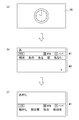
- FIG. 3 is a diagram illustrating a first transition of the display mode of the display unit 12.
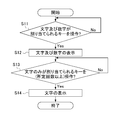
- FIG. 4 is a flowchart showing a first operation of the mobile phone 1.
- FIG. 5 is a diagram for explaining the second transition of the display mode of the display unit 12.
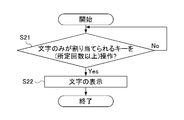
- FIG. 6 is a flowchart showing the second operation of the mobile phone 1.
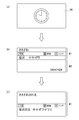
- FIG. 7 is a diagram illustrating the third transition of the display mode of the display unit 12.
- FIG. 8 is a flowchart showing a third operation of the mobile phone 1.
- FIG. 9 is a diagram illustrating the fourth transition of the display mode of the display unit 12.
- FIG. 10 is a flowchart showing the fourth operation of the mobile phone 1.
- the control unit 35 determines that the second key 222 is pressed when the second key 222 is pressed.
- the assigned first type symbol is displayed in the first type symbol display area 41, and the second type symbol assigned to the pressed second key 222 is displayed in the second type symbol display area.
- the control unit 35 obtains “K” obtained by performing kana conversion of “A” as shown in FIG. “A” is displayed in the first type symbol display area 41 and “4” is displayed in the second type symbol display area 42.
- “Tomorrow”, “That”, “A”, “Morning” and “You” are displayed in order to perform predictive conversion on “A” to be displayed.
- the control unit 35 deletes the second type symbol display area 42 from the display unit 12 and causes the display unit 12 to display only the first type symbol display area 41. For example, after the second key 222 to which “A” is assigned, the first key 221 to which “K”, “I”, and “T” are assigned respectively, and the second key 222 to which “A” is assigned are pressed. In this case, since the first key 221 is pressed, the control unit 35 displays “4” displayed on the display unit 12 together with the second type symbol display area 42 as shown in FIG. It is deleted from the section 12 and “Akita” is displayed in the first type symbol display area 41.
- control unit 35 deletes the second type symbol display area 42 from the display unit 12 when the number of times the first key 221 is pressed is equal to or more than a predetermined number (for example, three times), and the first type symbol is displayed. Only the display area 41 may be displayed on the display unit 12. Further, in the case shown in FIG. 3C, in the first type symbol display area 41, “I got bored”, “Akita prefecture”, “Akita”, and “Akita city” are used for predictive conversion of “Akita”. Is displayed.
- step S11 the control unit 35 determines whether or not the second key 222 to which the first type symbol (character) and the second type symbol (number) are assigned has been operated. If the second key 222 has been operated (Yes), the process proceeds to step S12. If the second key 222 has not been operated (No), the determination in step S11 is performed again.
- step S12 the control unit 35 displays, on the display unit 12, the first type symbol (character) and the second type symbol (number) assigned to the second key 222 determined to have been operated by the process of step S11. Are displayed in the first type symbol display area 41 and the second type symbol display area 42, respectively.
- step S13 the control unit 35 determines whether or not the first key 221 to which only the first type symbol (character) is assigned has been operated. If the first key 221 has been operated (Yes), the process proceeds to step S14. If the first key 221 has not been operated (No), the determination in step S13 is performed again.
- step S14 the control unit 35 causes the display unit 12 to display only the first type symbol (character). That is, the control unit 35 erases the second type symbol display area 42 from the display unit 12 and causes the display unit 12 to display only the first type symbol display area 41.
- the control unit 35 may cause the display unit 12 to display only the first type symbol display area 41. Note that the predetermined number of times may be set as appropriate by the user.
- the control unit 35 applies the pressed first key 221 to the pressed first key 221.
- the assigned first type symbol is displayed in the first type symbol display area 41, and the second type symbol display area 42 is not displayed on the display unit 12.
- the control unit 35 sets “KYOU”. “Kyou” obtained by kana conversion is displayed in the first type symbol display area 41.
- “today”, “industry”, “Kyoto”, and “business” are displayed in order to perform prediction conversion for “Kyo”.
- the control unit 35 presses the pressed first key 221. Can be displayed in the first type symbol display area 41 and the display of the second type symbol display area 42 can be erased from the display unit 12.
- step S21 the control unit 35 determines whether or not the first key 221 to which only the first type symbol (character) is assigned has been operated. If the first key 221 has been operated (Yes), the process proceeds to step S22. If the first key 221 has not been operated (No), the determination in step S21 is performed again.
- step S22 the control unit 35 causes the display unit 12 to display only the first type symbol (character). That is, when the initial screen 40 is displayed on the display unit 12 and the first key 221 is operated, the control unit 35 causes the display unit 12 to display only the first type symbol display area 41, and The two-type symbol display area 42 is not displayed on the display unit 12. Further, when the first type symbol display area 41 and the second type symbol display area 42 are displayed on the display unit 12, when the first key 221 is operated, the control unit 35 displays the second type symbol display area. The area 42 is erased from the display unit 12 and only the first type symbol display area 41 is displayed on the display unit 12.
- the control unit 35 may cause the display unit 12 to display only the first type symbol display area 41. Note that the predetermined number of times may be set as appropriate by the user.
- the control unit 35 sets the pressed second key 222 to the pressed second key 222.
- the assigned first type symbol is displayed in the first type symbol display area 41, and the second type symbol assigned to the pressed second key 222 is displayed in the second type symbol display area. For example, as shown in FIG.
- control unit 35 displays“ rQeasd ”obtained by converting the“ RQWEASD ”in the first type symbol display area 41.
- “0123456” is displayed in the second type symbol display area 42.
- the control unit 35 displays the first type symbol (character) that cannot be converted to kana.
- the type 1 symbol display area 41 is deleted from the display unit 12 and only the type 2 symbol display area 42 is displayed on the display unit 12. For example, as illustrated in FIG. 7C, the control unit 35 displays “0123456” in the second type symbol display area 42.
- step S31 the control unit 35 determines whether or not the second key 222 to which the first type symbol (character) and the second type symbol (number) are assigned is operated. If the second key 222 has been operated (Yes), the process proceeds to step S32. If the second key 222 has not been operated (No), the determination in step S31 is performed again.
- step S ⁇ b> 32 the control unit 35 displays on the display unit 12 the first type symbol (character) and the second type symbol (number) assigned to the second key 222 determined to have been operated by the process of step S ⁇ b> 31. Are displayed in the first type symbol display area 41 and the second type symbol display area 42, respectively.
- step S33 the control unit 35 determines whether or not a character that does not hold as a character (cannot perform alphabetical kana conversion) is displayed in the first type symbol display area 41. That is, the control unit 35 determines whether or not a first type symbol (character) that cannot be converted to kana is displayed in the first type symbol display area 41. If the first type symbol that cannot be converted to kana is displayed (Yes), the process proceeds to step S34. If the first type symbol that cannot be converted to kana is not displayed (No), the determination in step S33 is performed again.
- step S34 only the second type symbol (number) is displayed on the display unit 12. That is, the control unit 35 erases the first type symbol display area 41 from the display unit 12 and causes the display unit 12 to display only the second type symbol display area 42.
- the control unit 35 determines that the second key 222 that has been pressed is pressed.
- the assigned first type symbol is displayed in the first type symbol display area 41, and the second type symbol assigned to the pressed second key 222 is displayed in the second type symbol display area.
- the control unit 35 displays “Sazazawa” in the first type symbol display area 41 when the predetermined second key 222 is pressed and kana conversion is performed.
- “55447424” is displayed in the second type symbol display area 42.
- “Serizawa” and “Sasazawa” are displayed in order to perform predictive conversion on the displayed “Sazazawa”.
- the control unit 35 deletes the second type symbol display area 42 from the display unit 12 and causes the display unit 12 to display only the first type symbol display region 41.
- the predetermined number of digits may be appropriately set by the user.
- the predetermined number of digits is 11 digits
- the first type symbol display area 41 is displayed on the display unit 12 and the second type symbol display area 42 is erased from the display unit 12.
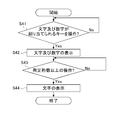
- step S41 the control unit 35 determines whether or not the second key 222 to which the first type symbol (character) and the second type symbol (number) are assigned is operated. If the second key 222 has been operated (Yes), the process proceeds to step S42. If the second key 222 has not been operated (No), the determination in step S41 is performed again.
- step S42 the control unit 35 displays, on the display unit 12, the first type symbol (character) and the second type symbol (number) assigned to the second key 222 determined to have been operated by the process of step S41. Are displayed in the first type symbol display area 41 and the second type symbol display area 42, respectively.
- step S43 the control unit 35 determines whether an operation with a predetermined number of digits or more has been performed. That is, the control unit 35 determines whether or not the second type symbol (number) is displayed in the second type symbol display area 42 by a predetermined number of times or more when the second key 222 is pressed a predetermined number of times or more. If an operation of a predetermined number of digits or more is performed (Yes), the process proceeds to step S44. If the operation of a predetermined number of digits or more has not been performed (No), the determination in step S43 is performed again.
- step S44 the control unit 35 causes the display unit 12 to display the first type symbol (character). That is, the control unit 35 erases the second type symbol display area 42 from the display unit 12 and causes the display unit 12 to display only the first type symbol display region 41.
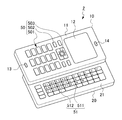
- FIG. 11 is an external perspective view of a mobile phone as a second embodiment of the mobile electronic device.
- the mobile phone 2 includes a first housing 10 and a second housing 20 that are connected so as to be openable and closable.
- the first housing 10 includes a display unit 12 and a first operation unit 50 on the front surface 11.
- the display unit 12 displays at least one of the first type symbol and the second type symbol in accordance with the operation of the first operation unit 50 or the second operation unit 51 described later. Further, the display unit 12 displays various information (character information, number information, and image information) such as the telephone number and mail address of the other party of the call and the content of the mail.
- the first operation unit 50 includes a first key 501 to which a first type symbol and a second type symbol are assigned. Furthermore, the first operation unit 50 includes function setting operation keys 502 for operating various functions such as various setting functions, dictionary functions, and mail functions, and a determination operation key 503 for performing determination and scrolling in various operations. .
- the first operation unit 50 is exposed to the outside of the mobile phone 2 regardless of whether the first housing 10 and the second housing 20 are in the closed state or the open state.
- the first casing 10 is provided with a microphone 13 and a receiver 14 on the front surface 11. Further, the first casing 10 is provided with a speaker 15 (see FIG. 12) on the side surface.
- the second housing 20 includes a second operation unit 51 on the front surface 21.
- the front surface 21 of the second housing 20 is a surface facing the back surface of the first housing 10 (the surface opposite to the front surface 11 of the first housing 10).
- the second operation unit 51 is closed by the first casing 10 when the first casing 10 and the second casing 20 are closed, and the first casing 10 and the second casing 20 Is exposed to the outside when is open. Therefore, the second operation unit 51 can be operated when the first casing 10 and the second casing 20 slide relative to each other and are in the open state.
- the second operation unit 51 includes a second key 511 to which a first type symbol is assigned and a second type symbol is not assigned, and a third key 512 to which a first type symbol and a second type symbol are assigned. Composed.
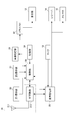
- FIG. 12 is a block diagram showing a functional configuration of the mobile phone 2.
- the mobile phone 2 includes a first operation unit 50, a second operation unit 51, a microphone 13, a display unit 12, a receiver 14, a speaker 15, a driver IC 30, a communication unit 31, and an image processing unit 32.
- the control unit 35 displays the second type symbol assigned to the operated first key 501 on the display unit 12.
- the first type symbol is a character.
- the second type symbol is a number.
- the numbers that are the second type symbols include, for example, “# (sharp)”, “* (asterisk)”, “-(hyphen)”, “P (pause)”, etc. Is included.
- the control unit 35 controls the entire mobile phone 2 and performs predetermined control on the display unit 12, the communication unit 31, the image processing unit 32, and the audio processing unit 33.
- the driver IC 30, the communication unit 31, the image processing unit 32, the audio processing unit 33, and the storage unit 34 have the same configurations as those described with reference to FIG. .
- the cellular phone 2 when the first key 501 to which the first type symbol (character) and the second type symbol (number) are assigned in the first operation unit 50 is operated, the cellular phone 2 operates the first key. A second type symbol corresponding to 501 is displayed on the display unit 12. The mobile phone 2 is operated when the second key 511 to which only the first type symbol is assigned in the second operation unit 51 or the third key 512 to which the first type symbol and the second type symbol are assigned is operated. The first type symbol corresponding to the second key 511 or the third key 512 is displayed on the display unit 12. Therefore, the mobile phone 2 can perform display reflecting the user's intention.
Landscapes
- Engineering & Computer Science (AREA)
- Theoretical Computer Science (AREA)
- General Engineering & Computer Science (AREA)
- Human Computer Interaction (AREA)
- Physics & Mathematics (AREA)
- General Physics & Mathematics (AREA)
- Computing Systems (AREA)
- Computer Hardware Design (AREA)
- Signal Processing (AREA)
- Computer Networks & Wireless Communication (AREA)
- Input From Keyboards Or The Like (AREA)
- Telephone Function (AREA)
- Calculators And Similar Devices (AREA)
Abstract
表示部に初期画面が表示される場合において、操作に応じて、ユーザの意思を反映した記号を表示させることが可能な携帯電子機器及び携帯電子機器の表示方法を提供する。 携帯電子機器は、第1種記号が割り当てられ、第2種記号が割り当てられない第1キーと、第1種記号及び第2種記号が割り当てられる第2キーと、を有する操作部22と、操作部22の操作に伴い、第1種記号及び第2種記号の少なくとも一方を表示する表示部12と、表示部12への表示内容を制御する制御部35とを備え、制御部35は、初期画面が表示部12に表示されている状態において、第1キーが操作された場合に、当該操作された第1キーに割り当てられる第1種記号を表示部12に表示させ、第2キーが操作された場合に、操作された第2キーに割り当てられる第1種記号及び第2種記号を表示部12に表示させる。
Description
本発明は、文字が割り当てられ、数字が割り当てられない操作キーと、文字及び数字が割り当てられる操作キーとを備える携帯電子機器及び携帯電子機器の表示方法に関する。
携帯電話機等を始めとする携帯電子機器には、文字が割り当てられ、数字が割り当てられない第1キーと、文字及び数字が割り当てられる第2キーと、を含んで構成される操作部と、操作部の操作に応じて文字及び数字のうち少なくとも一方を表示する表示部と、表示部への表示内容を制御する制御部とを備えるものがある(例えば、特許文献1参照)。
携帯電話機は、着信を待ち受けている場合及びアプリケーションの起動を待ち受けている場合、表示部に初期画面が表示される。ところで、携帯電話機では、初期画面が表示部に表示されている場合に第1キーが操作されると、当該操作された第1キーに対応する文字を表示部に表示させることができなかった。また、携帯電話機では、初期画面が表示部に表示されている場合に第2キーが操作されると、当該操作された第2キーに対応する数字を表示部に表示させることができるが、当該操作された第2キーに対応する文字を表示部に表示させることはできなかった。
本発明は、表示部に初期画面が表示される場合において、操作されるキーに割り当てられる記号に応じて、ユーザの意思を反映した記号を表示させることが可能な携帯電子機器及び携帯電子機器の表示方法を提供することを目的とする。
本発明に係る携帯電子機器は、第1種記号が割り当てられ、第2種記号が割り当てられない第1キーと、前記第1種記号及び前記第2種記号が割り当てられる第2キーと、を有する操作部と、前記操作部の操作に伴い、前記第1種記号及び前記第2種記号の少なくとも一方を表示する表示部と、前記表示部への表示内容を制御する制御部と、を備え、前記制御部は、初期画面が前記表示部に表示されている状態において、前記第1キーが操作された場合に、当該操作された第1キーに割り当てられる前記第1種記号を前記表示部に表示させ、前記第2キーが操作された場合に、当該操作された第2キーに割り当てられる前記第1種記号及び前記第2種記号を前記表示部に表示させることを特徴とする。
また、前記制御部は、前記第2キーの操作に伴い前記第1種記号及び前記第2種記号が前記表示部に表示されている場合に、前記第1キーが操作されると、前記表示部に表示されている前記第2種記号の表示を消去させることが好ましい。
また、前記操作部は、複数の前記第1キーを有し、前記制御部は、前記複数の第1キーが所定回数以上操作される場合に、前記第2種記号の表示を消去させることが好ましい。
また、前記携帯電子機器は、通信部をさらに備え、前記第2種記号は数字であり、前記操作部は、前記第1種記号及び前記第2種記号のいずれも割り当てられない発信キーを有し、前記制御部は、前記第2キーの操作に伴い、前記数字が前記表示部に表示されている場合に、前記発信キーが操作されると、前記表示部に表示されている前記数字を通信先として前記通信部を用いて発信制御することが好ましい。
また、前記携帯電子機器は、前記第1種記号は英字であり、前記第2種記号は数字であって、前記制御部は、前記第2キーの操作に伴い、前記英字及び前記数字が前記表示部に表示されている場合に、当該英字の仮名変換が行えないと、前記表示部に表示されている前記英字の表示を消去させることが好ましい。
また、前記携帯電子機器は、前記表示部が配置される第1筐体と、前記操作部が配置され、前記第1筐体に対して相対的に移動することにより開状態を形成し又は前記第1筐体と重なるように配置されることにより閉状態を形成する第2筐体と、をさらに備え、前記制御部は、前記第1筐体と前記第2筐体とが前記開状態において前記第2キーの操作に伴い、前記第1種記号及び前記第2種記号が前記表示部に表示されている場合に、前記開状態から前記閉状態への変化を検出すると、前記表示部に表示されている前記第1種記号の表示を消去させることが好ましい。
また、前記制御部は、前記開状態から前記閉状態への変化が検出された後に所定時間以内に前記開状態への変化を検出すると、前記消去された第1種記号を前記表示部に表示させることが好ましい。
また、本発明に係る携帯電子機器は、第1操作部を備える第1筐体と、第2操作部を備える第2筐体とが開閉可能に連結され、前記第2操作部は閉状態にて前記第1筐体により塞がれ、且つ、開状態にて外側に露出すると共に、前記第1操作部は閉状態及び開状態のいずれの状態でも外側に露出される携帯電子機器において、前記第1操作部又は前記第2操作部の操作に伴い、第1種記号及び第2種記号の少なくとも一方を表示する表示部と、前記表示部への表示内容を制御する制御部と、を備え、前記第1操作部は、前記第1種記号及び前記第2種記号が割り当てられる第1キーを有し、前記第2操作部は、前記第1種記号が割り当てられ、前記第2種記号が割り当てられない第2キーと、前記第1種記号及び前記第2種記号が割り当てられる第3キーと、を有し、前記制御部は、初期画面が前記表示部に表示されている状態において、前記第1キーが操作された場合に、当該操作された第1キーに割り当てられる前記第2種記号を前記表示部に表示させ、前記第2キー又は前記第3キーが操作された場合に、当該操作された第2キー又は第3キーに割り当てられる前記第1種記号を前記表示部に表示させることを特徴とする。
また、本発明に係る携帯電子機器の表示方法は、第1種記号が割り当てられ、第2種記号が割り当てられない第1キーと、前記第1種記号及び第2種記号が割り当てられる第2キーと、を含んで構成される操作部と、前記操作部の操作に伴い、前記第1種記号及び前記第2種記号の少なくとも一方を表示する表示部と、を備える携帯電子機器に適用される表示方法であって、初期画面が前記表示部に表示されている状態において、前記第1キーが操作された場合に、当該操作された第1キーに割り当てられる前記第1種記号を前記表示部に表示させ、初期画面を前記表示部に表示させている状態において、前記第2キーが操作された場合に、当該操作された第2キーに割り当てられる前記第1種記号及び第2種記号を前記表示部に表示させることを特徴とする。
本発明によれば、表示部に初期画面が表示される場合において、操作に応じて、ユーザの意思を反映した記号を表示させることができる。
<第1実施形態>
以下に、本発明を実施するための好ましい実施形態について、図面を参照しながら説明する。まず、本発明の携帯電子機器の第1実施形態としての携帯電話機1の基本構造について、図1を参照しながら説明する。
図1は、携帯電子機器の第1実施形態としての携帯電話機1の外観斜視図である。
以下に、本発明を実施するための好ましい実施形態について、図面を参照しながら説明する。まず、本発明の携帯電子機器の第1実施形態としての携帯電話機1の基本構造について、図1を参照しながら説明する。
図1は、携帯電子機器の第1実施形態としての携帯電話機1の外観斜視図である。
携帯電話機1は、第1筐体10と、第2筐体20とを備える。
第1筐体10には、前面11に、表示部12が配置される。表示部12は、後述する操作部22の操作に応じて、第1種記号及び第2種記号の少なくとも一方を表示する。また、表示部12は、通話の相手側の電話番号やメールアドレス、及びメールの内容等の各種情報(文字情報や数字情報や画像情報)を表示する。
第1筐体10には、前面11に、表示部12が配置される。表示部12は、後述する操作部22の操作に応じて、第1種記号及び第2種記号の少なくとも一方を表示する。また、表示部12は、通話の相手側の電話番号やメールアドレス、及びメールの内容等の各種情報(文字情報や数字情報や画像情報)を表示する。
また、第1筐体10には、前面11に、マイク13及びレシーバ14が配置される。マイク13は、携帯電話機1の使用者が通話時に発した音声を入力するために用いられる。レシーバ14は、通話の相手側の音声を出力する。
また、第1筐体10には、側面にスピーカ15(図2参照)が配置される。スピーカ15は、携帯電話機1への着信を知らせる音声等を出力する。
また、第1筐体10には、側面にスピーカ15(図2参照)が配置される。スピーカ15は、携帯電話機1への着信を知らせる音声等を出力する。
第2筐体20には、前面21に、操作部22が配置される。第2筐体20の前面21は、第1筐体10の背面(第1筐体10の前面11とは反対側の面)と向かい合う面である。
第2筐体20は、第1筐体10に対して相対的に移動することにより開状態を形成し、又は第1筐体10と重なるように配置されることにより閉状態を形成する。すなわち、携帯電話機1は、第1筐体10及び第2筐体20が平面視して互いに重なるように配置されることにより閉状態を形成する。また、携帯電話機1は、図1に示すように、第2筐体20が第1筐体10に対して側方に引き出されることにより(第1筐体10が第2筐体20に対して側方に押し出されることにより)開状態を形成する。
第2筐体20は、第1筐体10に対して相対的に移動することにより開状態を形成し、又は第1筐体10と重なるように配置されることにより閉状態を形成する。すなわち、携帯電話機1は、第1筐体10及び第2筐体20が平面視して互いに重なるように配置されることにより閉状態を形成する。また、携帯電話機1は、図1に示すように、第2筐体20が第1筐体10に対して側方に引き出されることにより(第1筐体10が第2筐体20に対して側方に押し出されることにより)開状態を形成する。
操作部22は、第1筐体10と第2筐体20とが相対的に移動して開状態となったときに操作可能となる。操作部22は、第1種記号が割り当てられる第1キー221と、第1種記号及び第2種記号が割り当てられる第2キー222とを備える。
次に、図2を参照しながら、携帯電話機1の機能構成について説明する。
図2は、携帯電話機1の機能構成を示すブロック図である。携帯電話機1は、操作部22と、マイク13と、表示部12と、レシーバ14と、スピーカ15と、ドライバIC30と、通信部31と、画像処理部32と、音声処理部33と、記憶部34と、制御部35と、備える。
図2は、携帯電話機1の機能構成を示すブロック図である。携帯電話機1は、操作部22と、マイク13と、表示部12と、レシーバ14と、スピーカ15と、ドライバIC30と、通信部31と、画像処理部32と、音声処理部33と、記憶部34と、制御部35と、備える。
通信部31は、メインアンテナ311とRF回路部312とを備えて構成され、所定の通信先と通信を行う。通信部31が通信を行う通信先としては、携帯電話機1と電話やメールの送受信を行う外部の端末装置や、携帯電話機1がインターネットの接続を行う外部のwebサーバ等の外部装置が挙げられる。
メインアンテナ311は、所定の使用周波数帯で外部装置と通信を行う。
RF回路部312は、メインアンテナ311によって受信した信号を復調処理し、処理後の信号を制御部35に供給する。また、RF回路部312は、制御部35から供給された信号を変調処理し、メインアンテナ311を介して外部装置(基地局)に送信する。
RF回路部312は、メインアンテナ311によって受信した信号を復調処理し、処理後の信号を制御部35に供給する。また、RF回路部312は、制御部35から供給された信号を変調処理し、メインアンテナ311を介して外部装置(基地局)に送信する。
画像処理部32は、制御部35の制御にしたがって、所定の画像処理を行い、処理後の画像データをドライバIC30に出力する。ドライバIC30は、画像処理部32から供給された画像データをフレームメモリ(不図示)に蓄え、所定のタイミングで表示部12に出力する。
音声処理部33は、制御部35の制御にしたがって、RF回路部312から供給された信号に対して所定の音声処理を行い、処理後の信号をレシーバ14やスピーカ15に出力する。レシーバ14及びスピーカ15は、音声処理部33から供給された信号を外部に出力する。
また、音声処理部33は、制御部35の制御にしたがって、マイク13から入力された信号を処理し、処理後の信号をRF回路部312に出力する。RF回路部312は、音声処理部33から供給された信号に所定の処理を行い、処理後の信号をメインアンテナ311に供給し、メインアンテナ311により電波として外部に出力させる。
記憶部34は、例えば、ワーキングメモリを含み、制御部35による演算処理に利用される。また、記憶部34には、携帯電話機1上で動作する様々なアプリケーションが利用するデータやテーブル等が格納されている。なお、記憶部34は、着脱可能な外部メモリであってもよい。
制御部35は、携帯電話機1の全体を制御しており、表示部12、通信部31、画像処理部32、音声処理部33に対して所定の制御を行う。制御部35の具体的な処理については後述する。
このように構成される携帯電話機1は、表示部12に初期画面が表示される場合において、操作されるキーに割り当てられる記号に応じて、ユーザの意思を反映した記号を表示させる機能を有する。
以下に、携帯電話機1に係る上記機能を発揮するための構成と動作について詳述する。
先ず、本実施形態に係る携帯電話機1の上記機能を発揮するための構成について説明する。
先ず、本実施形態に係る携帯電話機1の上記機能を発揮するための構成について説明する。
携帯電話機1は、操作部22と、表示部12とを備える。
図1に示すように、操作部22は、第1種記号が割り当てられ、第2種記号が割り当てられない第1キー221と、第1種記号及び第2種記号が割り当てられる第2キー222と、を有する。第1キー221及び第2キー222は、例えば、図1で示すようなQWERTY配列キーである。なお、第1種記号及び第2種記号が割り当てられるキーは、図1に示す場合に限定されることはない。
図1に示すように、操作部22は、第1種記号が割り当てられ、第2種記号が割り当てられない第1キー221と、第1種記号及び第2種記号が割り当てられる第2キー222と、を有する。第1キー221及び第2キー222は、例えば、図1で示すようなQWERTY配列キーである。なお、第1種記号及び第2種記号が割り当てられるキーは、図1に示す場合に限定されることはない。
表示部12は、操作部22の操作に伴い、第1種記号及び第2種記号の少なくとも一方を表示し、第1種記号が表示される第1種記号表示領域41と、第2種記号が表示される第2種記号表示領域42の少なくとも一方を含む。初期画面40が表示部12に表示されているときに(図3(a)参照)、第2キー222が押下される場合、表示部12の表示領域は、第1種記号が表示される第1種記号表示領域41と、第2種記号が表示される第2種記号表示領域42とに分割される(図3(b)参照)。
第2種記号表示領域42に表示された第2種記号の記号列は電話番号となる。したがって、第2種記号表示領域42に電話番号が表示された状態で、発信キー223が押下される場合、携帯電話機1は、電話発信が可能となる。
なお、第1種記号は、英字やひらがなやカタカナや漢字等である。また第2種記号は、数字や、例えば、「#(シャープ)」、「*(アスタリスク)」、「-(ハイフン)」及び「P(ポーズ)」等の電話発信に利用される記号である。
制御部35は、表示部12への表示内容を制御する。
制御部35は、初期画面40が表示部12に表示されている状態において、第1キー221が操作された場合に、当該操作された第1キー221に割り当てられる第1種記号を表示部12に表示させ、第2キー222が操作された場合に、当該操作された第2キー222に割り当てられる第1種記号及び第2種記号を表示部12に表示させる。ここで、初期画面40とは、通信を待ち受けている状態でメールやメモ帳等のいずれのアプリケーションを起動していない、いわゆる待受画面である。
制御部35は、初期画面40が表示部12に表示されている状態において、第1キー221が操作された場合に、当該操作された第1キー221に割り当てられる第1種記号を表示部12に表示させ、第2キー222が操作された場合に、当該操作された第2キー222に割り当てられる第1種記号及び第2種記号を表示部12に表示させる。ここで、初期画面40とは、通信を待ち受けている状態でメールやメモ帳等のいずれのアプリケーションを起動していない、いわゆる待受画面である。
すなわち、制御部35は、第1キー221が操作された場合に、表示部12の第1種記号表示領域41に第1種記号を表示させる。また、制御部35は、第2キー222が操作された場合に、表示部12の第1種記号表示領域41に第1種記号を表示させると共に、表示部12の第2種記号表示領域42に第2種記号を表示させる。例えば、「A」及び「4」が割り当てられる第2キー222が押下される場合、制御部35は、図3(b)に示すように、表示部12の第1種記号表示領域41に「あ」を表示させると共に、表示部12の第2種記号表示領域42に「4」を表示させる。なお、この例示の場合、制御部35は、仮名変換が行われるように設定されているため、「A」が割り当てられる第2キー222が押下されても表示部12には「あ」が表示される。
したがって、携帯電話機1は、表示部12に初期画面40が表示される場合において、操作されるキーに割り当てられる記号に応じて、ユーザの意思を反映した記号を表示部12に表示させることができる。
すなわち、携帯電話機1は、第1種記号(文字)が割り当てられる第1キー221が操作される場合に、当該第1キー221に対応する文字を表示させる。また、携帯電話機1は、第1種記号(文字)及び第2種記号(数字)が割り当てられる第2キー222が操作される場合に、当該第2キー222に対応する第1種記号及び第2種記号(文字及び数字)を表示部12に並列的に表示させる。これにより、携帯電話機1は、ユーザの意思を反映した表示を行うことができる。
すなわち、携帯電話機1は、第1種記号(文字)が割り当てられる第1キー221が操作される場合に、当該第1キー221に対応する文字を表示させる。また、携帯電話機1は、第1種記号(文字)及び第2種記号(数字)が割り当てられる第2キー222が操作される場合に、当該第2キー222に対応する第1種記号及び第2種記号(文字及び数字)を表示部12に並列的に表示させる。これにより、携帯電話機1は、ユーザの意思を反映した表示を行うことができる。
また、制御部35は、第2キー222の操作に伴い第1種記号及び第2種記号が表示部12に表示されている場合に、第1キー221が操作されると、表示部12に表示されている第2種記号の表示を消去させる。
すなわち、第2キー222が押下されることにより、第1種記号表示領域41に第1種記号が表示されると共に、第2種記号表示領域42に第2種記号が表示されている場合に、第1キー221が押下されると、制御部35は、第2種記号表示領域42を表示部12から消去して、第1種記号表示領域41のみを表示部12に表示させる(図3(c)参照)。
すなわち、第2キー222が押下されることにより、第1種記号表示領域41に第1種記号が表示されると共に、第2種記号表示領域42に第2種記号が表示されている場合に、第1キー221が押下されると、制御部35は、第2種記号表示領域42を表示部12から消去して、第1種記号表示領域41のみを表示部12に表示させる(図3(c)参照)。
したがって、携帯電話機1は、第1種記号(文字)及び第2種記号(数字)が割り当てられる第2キー222が操作されて、当該第2キー222に対応する第1種記号(文字)及び第2種記号(数字)が表示部12に並列的に表示されている場合に、第1種記号(文字)が割り当てられる第1キー221が操作されると、第1種記号(文字)のみの表示に切り替えるので、ユーザの意思を反映した表示を行うことができる。
また、携帯電話機1は、複数の第1キー221を有する。制御部35は、第2キー222の操作に伴い第1種記号及び第2種記号を表示部12に表示させている場合に、所定回数以上第1キー221が操作されると、表示部12に表示されている第2種記号の表示を消去させる。
すなわち、第1種記号表示領域41と第2種記号表示領域42とが表示部12に表示されている場合において、複数の第1キー221が所定回数以上操作されると、制御部35は、第2種記号表示領域42を表示部12から消去して、第1種記号表示領域41のみを表示部12に表示させる。なお、所定回数は、ユーザにより適宜設定されてもよい。
すなわち、第1種記号表示領域41と第2種記号表示領域42とが表示部12に表示されている場合において、複数の第1キー221が所定回数以上操作されると、制御部35は、第2種記号表示領域42を表示部12から消去して、第1種記号表示領域41のみを表示部12に表示させる。なお、所定回数は、ユーザにより適宜設定されてもよい。
したがって、携帯電話機1は、第1種記号(文字)及び第2種記号(数字)が割り当てられる第2キー222が操作されて、当該第2キー222に対応する第1種記号(文字)及び第2種記号(数字)が表示部12に並列的に表示されている場合に、第1種記号(文字)が割り当てられる第1キー221が所定回数以上操作されることに応じて、第1種記号(文字)のみを表示部12に表示させるので、誤入力による誤表示を防ぎ、ユーザの意思を反映した表示を行うことができる。
また、携帯電話機1では、複数の第1キー221により第1キー群221aが構成される。また、制御部35は、第1キー群221aを構成する第1キー221が所定回数以上操作される場合に、第2種記号の表示の消去を実行する。
すなわち、第1種記号表示領域41と第2種記号表示領域42とが表示部12に表示されている場合において、第1キー群221aを構成する第1キー221が所定回数以上の操作がされると、制御部35は、第2種記号表示領域42を表示部12から消去して、第1種記号表示領域41のみを表示部12に表示させる。
すなわち、第1種記号表示領域41と第2種記号表示領域42とが表示部12に表示されている場合において、第1キー群221aを構成する第1キー221が所定回数以上の操作がされると、制御部35は、第2種記号表示領域42を表示部12から消去して、第1種記号表示領域41のみを表示部12に表示させる。
したがって、携帯電話機1は、第1種記号(文字)及び第2種記号(数字)が割り当てられる第2キー222が操作されて、当該第2キー222に対応する第1種記号(文字)及び第2種記号(数字)を表示部12に並列的に表示させている場合に、第1種記号(文字)が割り当てられる、第1キー群221aのうちの第1キー221が所定回数以上操作されることにより、第1種記号(文字)のみを表示部12に表示させるので、誤入力による誤表示を防ぎ、ユーザの意思を反映した表示を行うことができる。
携帯電話機1は、通信部31をさらに備える。また、第1種記号は英字であり、第2種記号は数字である。
また、操作部22は、英字及び数字のいずれも割り当てられない発信キー223(図1参照)を有する。なお、発信キー223は、図1に示す位置に配置される場合に限定されず、他の位置に配置されてもよい。すなわち、電話の発信機能は、操作部22を構成する複数のキーのうちのいずれかに割り当てられればよい。また、発信キー223は、第1筐体10に配置されるばかりでなく、第2筐体20に配置されてもよい。
また、制御部35は、第2キー222の操作に伴い、数字が表示部12に表示されている場合に、発信キー223が操作されると、表示部12に表示される数字を通信先として通信部31を用いて発信制御する。
すなわち、第1種記号表示領域41に英字が表示されると共に、第2種記号表示領域42に数字が表示されている場合に、発信キー223が操作されると、制御部35は、第2種記号表示領域42に表示される数字を電話番号として、その電話番号に対して発信させる。なお、第1種記号表示領域41には、第2キー222の操作に基づいて入力される英字を仮名変換した文字(ひらがなやカタカナ)、又は仮名変換された文字を更に変換した文字(漢字)が表示されていてもよい。
すなわち、第1種記号表示領域41に英字が表示されると共に、第2種記号表示領域42に数字が表示されている場合に、発信キー223が操作されると、制御部35は、第2種記号表示領域42に表示される数字を電話番号として、その電話番号に対して発信させる。なお、第1種記号表示領域41には、第2キー222の操作に基づいて入力される英字を仮名変換した文字(ひらがなやカタカナ)、又は仮名変換された文字を更に変換した文字(漢字)が表示されていてもよい。
したがって、携帯電話機1は、英字の記号列及び数字の記号列が表示部12に並列的に表示されている場合でも、発信キー223の操作に基づいて、表示部12に表示されている数字の記号列(電話番号)に対して電話発信を行うことができる。
また、第1種記号は英字であり、第2種記号は数字である。また、制御部35は、第2キー222の操作に伴い英字及び数字が表示部12に表示されている場合に、当該英字の仮名変換が行えないと、表示部12に表示されている英字の表示を消去させる。
ここで、仮名変換について説明する。仮名変換を行う場合、携帯電話機1の記憶部34には、ローマ字を仮名文字に変換するために利用される変換テーブルが記憶されている。変換テーブルは、子音と母音とのそれぞれに対応させて仮名文字が記載されたものである。一例として、変換テーブルには、子音「s」と母音「a」とのそれぞれに対応させて仮名文字「さ」が記載され、子音「y」と母音「o」とのそれぞれに対応させて仮名文字「よ」が記載されている。そして、制御部35は、第2キー222が押下されることによりローマ字が入力される場合、ローマ字の子音と母音とに対応する仮名文字を、変換テーブルを参照して決定する。
ところで、子音が連続して入力された場合(例えば、「rcrsd」と入力された場合)等には、仮名文字に変換することができない。このように、第2キー222が押下されることによりローマ字入力が行われた場合でも、入力されたローマ字を仮名文字に変換することができない場合には、制御部35は、第1種記号表示領域41を表示部12から消去して、第2種記号表示領域42のみを表示部12に表示させる。
なお、制御部35は、子音字が所定文字以上連続して入力される場合に、第1種記号表示領域41を表示部12から消去して、第2種記号表示領域42のみを表示部12に表示させることもできる。
なお、制御部35は、子音字が所定文字以上連続して入力される場合に、第1種記号表示領域41を表示部12から消去して、第2種記号表示領域42のみを表示部12に表示させることもできる。
したがって、携帯電話機1は、第1種記号(英字)が割り当てられる第1キー221、又は、第1種記号(英字)及び第2種記号(数字)が割り当てられる第2キー222が操作されて、操作されたキー対応する第1種記号(英字)及び第2種記号(数字)が表示部12に並列的に表示されている場合において、表示部12の第1種記号表示領域41に表示されている第1種記号(英字)の仮名変換が行えないときには、表示部12に第2種記号表示領域42のみを表示するので、ユーザの意思を反映した表示を行うことができる。
携帯電話機1は、第1筐体10と、第2筐体20とをさらに備える。
第1筐体10は、表示部12が配置される。
第2筐体20は、操作部22が配置される。そして、第2筐体20は、第1筐体10に対して相対的に移動することにより開状態を形成し、又は、第1筐体10と重なるように配置されることにより閉状態を形成する。
すなわち、携帯電話機1は、第1筐体10及び第2筐体20がそれぞれ相対的に移動するスライド型携帯電話機又はターン型携帯電話機となっている。
第1筐体10は、表示部12が配置される。
第2筐体20は、操作部22が配置される。そして、第2筐体20は、第1筐体10に対して相対的に移動することにより開状態を形成し、又は、第1筐体10と重なるように配置されることにより閉状態を形成する。
すなわち、携帯電話機1は、第1筐体10及び第2筐体20がそれぞれ相対的に移動するスライド型携帯電話機又はターン型携帯電話機となっている。
制御部35は、第1筐体10と第2筐体20とが開状態において第2キー222の操作に伴い第1種記号及び第2種記号が表示部12に表示されている場合に、開状態から閉状態への変化を検出すると、表示部12に表示されている第1種記号の表示を消去させる。
すなわち、第1筐体10及び第2筐体20がそれぞれ相対的に移動して開状態となり、さらに、第1種記号表示領域41と第2種記号表示領域42とが表示部12に表示される場合に、第1筐体10及び第2筐体20がそれぞれ相対的に移動して開状態から閉状態となると、電話を発信すると判断して、制御部35は、第1種記号表示領域41を表示部12から消去して、第2種記号表示領域42のみを表示部12に表示させる。
すなわち、第1筐体10及び第2筐体20がそれぞれ相対的に移動して開状態となり、さらに、第1種記号表示領域41と第2種記号表示領域42とが表示部12に表示される場合に、第1筐体10及び第2筐体20がそれぞれ相対的に移動して開状態から閉状態となると、電話を発信すると判断して、制御部35は、第1種記号表示領域41を表示部12から消去して、第2種記号表示領域42のみを表示部12に表示させる。
なお、第1筐体10及び第2筐体20の開状態から閉状態への検出及び制御部35による表示制御は、例えば、次のように行われればよい。すなわち、第1筐体10及び第2筐体20の少なくとも一方には、第1筐体10と第2筐体20とが重なり合って閉状態となっていることを検出する検出部(不図示)を設けておく。検出部は、第1筐体10及び第2筐体20の閉状態を検出すると、検出結果を表すトリガ信号を制御部35に供給する。制御部35は、検出部からトリガ信号が供給されると、第1種記号表示領域41を表示部12から消去して、第2種記号表示領域42のみを表示部12に表示させる。
したがって、携帯電話機1は、第1筐体10と第2筐体20とが開状態のときに、第1種記号(文字)及び第2種記号(数字)が割り当てられる第2キー222を操作して、当該第2キー222に対応する第1種記号(文字)及び第2種記号(数字)を表示部12に並列的に表示させている場合に、第1筐体10と第2筐体20とが開状態から閉状態になると、第1種記号(文字)の表示は不要であると判断して、第2種記号(数字)のみの表示に切替えるので、ユーザの意思を反映した表示を行うことができる。
また、制御部35は、第1筐体10と第2筐体20との開状態から閉状態への変化が検出された後に所定時間以内に開状態への変化を検出すると、消去された第1種記号を表示部12に表示させる。
すなわち、第1筐体10及び第2筐体20が閉状態となることにより、第2種記号表示領域42のみが表示部12に表示される場合、制御部35は、第1種記号表示領域41に表示されている第1種記号を記憶部34に記憶する。そして、第1筐体10及び第2筐体20が閉状態となってから所定時間以内に、再び第1筐体10及び第2筐体20が開状態となった場合、上記の検出部(不図示)は、第1筐体10と第2筐体20とが閉状態ではなくなったこと(開状態となったこと)を検出し、検出結果をトリガ信号として制御部35に供給する。制御部35は、検出部からトリガ信号が供給されると、第1種記号表示領域41と第2種記号表示領域42を表示部12に表示させ、さらに、記憶部34に記憶される第1種記号を読み出して第1種記号表示領域41に表示させる。
したがって、携帯電話機1は、第1筐体10と第2筐体20とが開状態から閉状態に変わった後の所定時間以内に、再度、第1筐体10と第2筐体20とが開状態に変わった場合、第1筐体10と第2筐体20とが開状態から閉状態に変わったときに表示部12から消去された第1種記号を、再度、表示部12の第1種記号表示領域41に表示させるので、第1筐体10と第2筐体20との誤開閉による誤表示がされるのを防ぎ、ユーザの意思を反映した表示を行うことができる。
ここで、上述した実施形態では、第1キー221及び第2キー222のいずれかが1回又は複数回操作された場合に、英字を仮名文字に変換することについて説明した。しかしながら、本発明は、この例に限定されることはなく、英字を仮名文字に変換しなくともよい。
この変形例の場合、初期画面40が表示部12に表示されている状態において、例えば、「A」及び「4」が割り当てられる第2キー222が操作された場合、制御部35は、「A」が入力された第1種記号表示領域41と、「4」が入力された第2種記号表示領域42とを表示部12に表示させる。さらに、制御部35は、第1種記号表示領域41に、「A」からはじまる1又は複数の単語(例えば、「ARIZONA」や「ALABAMA」等)を予測変換候補として表示させる。制御部35は、予測変換候補の単語のうち1つの単語が選択された場合には、第1種記号表示領域41に表示される「A」を選択された単語に置き換えて表示する。
なお、上記の「A」及び「4」が割り当てられた第2キー222の操作に続いて、さらに第2キー222(例えば、「R」及び「0」が割り当てられる第2キー222)が操作された場合、制御部35は、第1種記号表示領域41に表示される「A」の次に「R」を入力して表示すると共に、第2種記号表示領域42に表示される「4」の次に「0」を入力して表示する。この場合、制御部35は、第1種記号表示領域41に、「AR」からはじまる1又は複数の単語(例えば、「ARIZONA」や「ARRIVE」等)を予測変換候補として表示させる。
一方、上記の「A」及び「4」が割り当てられた第2キー222に続いて第1キー221(例えば、「L」が割り当てられた第1キー221)が操作された場合、制御部35は、第2種記号表示領域42を表示部12から消去して、第1種記号表示領域41のみを表示部12に表示させる。さらに、制御部35は、第1種記号表示領域41に表示させる「A」の次に「L」を入力して表示する。この場合、制御部35は、第1種記号表示領域41に、「AL」からはじまる1又は複数の単語(例えば、「ALABAMA」や「ALASKA」等)を予測変換候補として表示させる。
次に、本実施形態の携帯電話機1の動作について説明する。
図3は、表示部12の表示態様の第1遷移について説明する図である。図4は、携帯電話機1の第1動作を示すフローチャートである。図5は、表示部12の表示態様の第2遷移について説明する図である。図6は、携帯電話機1の第2動作を示すフローチャートである。図7は、表示部12の表示態様の第3遷移について説明する図である。図8は、携帯電話機1の第3動作を示すフローチャートである。図9は、表示部12の表示態様の第4遷移について説明する図である。図10は、携帯電話機1の第4動作を示すフローチャートである。
図3は、表示部12の表示態様の第1遷移について説明する図である。図4は、携帯電話機1の第1動作を示すフローチャートである。図5は、表示部12の表示態様の第2遷移について説明する図である。図6は、携帯電話機1の第2動作を示すフローチャートである。図7は、表示部12の表示態様の第3遷移について説明する図である。図8は、携帯電話機1の第3動作を示すフローチャートである。図9は、表示部12の表示態様の第4遷移について説明する図である。図10は、携帯電話機1の第4動作を示すフローチャートである。
まず、図3を参照しながら、表示部12の表示態様の第1遷移について説明する。
制御部35は、電話着信を待ち受ける初期画面40が表示部12に表示されている状態において(図3(a)参照)、第2キー222が押下された場合、押下された第2キー222に割り当てられる第1種記号を第1種記号表示領域41に表示させると共に、押下された第2キー222に割り当てられる第2種記号を第2種記号表示領域42に表示させる。例えば、「A」及び「4」が割り当てられる第2キー222が押下された場合、制御部35は、図3(b)に示すように、「A」の仮名変換を行うことにより得られる「あ」を第1種記号表示領域41に表示させると共に、「4」を第2種記号表示領域42に表示させる。なお、第1種記号表示領域41には、表示される「あ」について予測変換を行うために、「明日」、「あの」、「ある」、「朝」及び「あなた」が表示される。
制御部35は、電話着信を待ち受ける初期画面40が表示部12に表示されている状態において(図3(a)参照)、第2キー222が押下された場合、押下された第2キー222に割り当てられる第1種記号を第1種記号表示領域41に表示させると共に、押下された第2キー222に割り当てられる第2種記号を第2種記号表示領域42に表示させる。例えば、「A」及び「4」が割り当てられる第2キー222が押下された場合、制御部35は、図3(b)に示すように、「A」の仮名変換を行うことにより得られる「あ」を第1種記号表示領域41に表示させると共に、「4」を第2種記号表示領域42に表示させる。なお、第1種記号表示領域41には、表示される「あ」について予測変換を行うために、「明日」、「あの」、「ある」、「朝」及び「あなた」が表示される。
続いて、第1キー221が押下された場合、制御部35は、第2種記号表示領域42を表示部12から消去して、第1種記号表示領域41のみを表示部12に表示させる。例えば、「A」が割り当てられる第2キー222に続いて、「K」、「I」及び「T」がそれぞれ割り当てられる第1キー221、及び「A」が割り当てられる第2キー222が押下された場合、制御部35は、第1キー221が押下されているので、図3(c)に示すように、表示部12に表示されている「4」を第2種記号表示領域42と共に表示部12から消去し、「あきた」を第1種記号表示領域41に表示させる。なお、制御部35は、第1キー221が押下された回数が所定回数(一例として、3回)以上の場合に、第2種記号表示領域42を表示部12から消去し、第1種記号表示領域41のみを表示部12に表示させてもよい。また、図3(c)に示す場合、第1種記号表示領域41には、「あきた」について予測変換を行うために、「飽きた」、「秋田県」、「秋田」及び「秋田市」が表示される。
次に、図4を参照しながら、携帯電話機1の第1動作について説明する。
まず、ステップS11において、制御部35は、第1種記号(文字)及び第2種記号(数字)が割り当てられる第2キー222が操作されたか否か判断する。第2キー222が操作された場合(Yes)には、ステップS12に進む。第2キー222が操作されていない場合(No)には、再度、ステップS11の判断を行う。
まず、ステップS11において、制御部35は、第1種記号(文字)及び第2種記号(数字)が割り当てられる第2キー222が操作されたか否か判断する。第2キー222が操作された場合(Yes)には、ステップS12に進む。第2キー222が操作されていない場合(No)には、再度、ステップS11の判断を行う。
ステップS12において、制御部35は、ステップS11の処理により、操作されたと判断された第2キー222に割り当てられる第1種記号(文字)及び第2種記号(数字)を、表示部12に表示される第1種記号表示領域41及び第2種記号表示領域42にそれぞれ表示させる。
ステップS13において、制御部35は、第1種記号(文字)のみが割り当てられる第1キー221が操作されたか否か判断する。第1キー221が操作された場合(Yes)には、ステップS14に進む。第1キー221が操作されていない場合(No)には、再度、ステップS13の判断を行う。
ステップS14において、制御部35は、第1種記号(文字)のみを表示部12に表示させる。すなわち、制御部35は、第2種記号表示領域42を表示部12から消去して、第1種記号表示領域41のみを表示部12に表示させる。
ここで、第1キー221の操作が所定回数以上あったことにより、制御部35は、第1種記号表示領域41のみを表示部12に表示させてもよい。なお、所定回数は、ユーザにより適宜設定されてもよい。
ここで、第1キー221の操作が所定回数以上あったことにより、制御部35は、第1種記号表示領域41のみを表示部12に表示させてもよい。なお、所定回数は、ユーザにより適宜設定されてもよい。
次に、図5を参照しながら、表示部12の表示態様の第2遷移について説明する。
制御部35は、電話着信を待ち受ける初期画面40が表示部12に表示されている状態において(図5(a)参照)、第1キー221が押下された場合、押下された第1キー221に割り当てられる第1種記号を第1種記号表示領域41に表示させ、第2種記号表示領域42を表示部12に表示させない。例えば、図5(b)に示すように、「K」、「Y」、「O」及び「U」がそれぞれ割り当てられる第1キー221が押下された場合、制御部35は、「KYOU」を仮名変換することにより得られる「きょう」を第1種記号表示領域41に表示させる。第1種記号表示領域41には、「きょう」について予測変換を行うために、「今日」、「業界」、「京都」及び「業務」が表示される。
制御部35は、電話着信を待ち受ける初期画面40が表示部12に表示されている状態において(図5(a)参照)、第1キー221が押下された場合、押下された第1キー221に割り当てられる第1種記号を第1種記号表示領域41に表示させ、第2種記号表示領域42を表示部12に表示させない。例えば、図5(b)に示すように、「K」、「Y」、「O」及び「U」がそれぞれ割り当てられる第1キー221が押下された場合、制御部35は、「KYOU」を仮名変換することにより得られる「きょう」を第1種記号表示領域41に表示させる。第1種記号表示領域41には、「きょう」について予測変換を行うために、「今日」、「業界」、「京都」及び「業務」が表示される。
なお、制御部35は、第1種記号表示領域41及び第2種記号表示領域42が表示部12に表示される状態において、第1キー221が押下された場合、押下された第1キー221に割り当てられる第1種記号を第1種記号表示領域41に表示させ、第2種記号表示領域42の表示を表示部12から消去させることができる。
次に、図6を参照しながら、携帯電話機1の第2動作について説明する。
まず、ステップS21において、制御部35は、第1種記号(文字)のみが割り当てられる第1キー221が操作されたか否か判断する。第1キー221が操作された場合(Yes)には、ステップS22に進む。第1キー221が操作されていない場合(No)には、再度、ステップS21の判断を行う。
まず、ステップS21において、制御部35は、第1種記号(文字)のみが割り当てられる第1キー221が操作されたか否か判断する。第1キー221が操作された場合(Yes)には、ステップS22に進む。第1キー221が操作されていない場合(No)には、再度、ステップS21の判断を行う。
ステップS22において、制御部35は、第1種記号(文字)のみを表示部12に表示させる。すなわち、初期画面40が表示部12に表示されている場合に、第1キー221の操作があったときには、制御部35は、第1種記号表示領域41のみを表示部12に表示させ、第2種記号表示領域42を表示部12に表示させない。また、第1種記号表示領域41及び第2種記号表示領域42が表示部12に表示されている場合に、第1キー221の操作があったときには、制御部35は、第2種記号表示領域42を表示部12から消去して、第1種記号表示領域41のみを表示部12に表示させる。
ここで、第1キー221の操作が所定回数以上あったことにより、制御部35は、第1種記号表示領域41のみを表示部12に表示させてもよい。なお、所定回数は、ユーザにより適宜設定されてもよい。
ここで、第1キー221の操作が所定回数以上あったことにより、制御部35は、第1種記号表示領域41のみを表示部12に表示させてもよい。なお、所定回数は、ユーザにより適宜設定されてもよい。
次に、図7を参照しながら、表示部12の表示態様の第3遷移について説明する。
制御部35は、電話着信を待ち受ける初期画面40が表示部12に表示されている状態において(図7(a)参照)、第2キー222が押下された場合、押下された第2キー222に割り当てられる第1種記号を第1種記号表示領域41に表示させると共に、押下された第2キー222に割り当てられる第2種記号を第2種記号表示領域42に表示させる。例えば、図7(b)に示すように、「R、0」、「Q、1」、「W、2」、「E、3」、「A、4」、「S、5」及び「D、6」がそれぞれ割り当てられる第2キー222が押下された場合、制御部35は、「RQWEASD」を仮名変換することにより得られる「rくぇあsd」を第1種記号表示領域41に表示させると共に、「0123456」を第2種記号表示領域42に表示させる。
制御部35は、電話着信を待ち受ける初期画面40が表示部12に表示されている状態において(図7(a)参照)、第2キー222が押下された場合、押下された第2キー222に割り当てられる第1種記号を第1種記号表示領域41に表示させると共に、押下された第2キー222に割り当てられる第2種記号を第2種記号表示領域42に表示させる。例えば、図7(b)に示すように、「R、0」、「Q、1」、「W、2」、「E、3」、「A、4」、「S、5」及び「D、6」がそれぞれ割り当てられる第2キー222が押下された場合、制御部35は、「RQWEASD」を仮名変換することにより得られる「rくぇあsd」を第1種記号表示領域41に表示させると共に、「0123456」を第2種記号表示領域42に表示させる。
制御部35は、「rくぇあsd」のように、仮名変換が行えない文字が第1種記号表示領域41に表示される場合、仮名変換が行えない第1種記号(文字)と共に第1種記号表示領域41を表示部12から消去し、第2種記号表示領域42のみを表示部12に表示させる。例えば、制御部35は、図7(c)に示すように、「0123456」を第2種記号表示領域42に表示させる。
次に、図8を参照しながら、携帯電話機1の第3動作について説明する。
まず、ステップS31において、制御部35は、第1種記号(文字)及び第2種記号(数字)が割り当てられる第2キー222が操作されたか否か判断する。第2キー222が操作された場合(Yes)には、ステップS32に進む。第2キー222が操作されていない場合(No)には、再度、ステップS31の判断を行う。
まず、ステップS31において、制御部35は、第1種記号(文字)及び第2種記号(数字)が割り当てられる第2キー222が操作されたか否か判断する。第2キー222が操作された場合(Yes)には、ステップS32に進む。第2キー222が操作されていない場合(No)には、再度、ステップS31の判断を行う。
ステップS32において、制御部35は、ステップS31の処理により、操作されたと判断された第2キー222に割り当てられる第1種記号(文字)及び第2種記号(数字)を、表示部12に表示される第1種記号表示領域41及び第2種記号表示領域42にそれぞれ表示させる。
ステップS33において、制御部35は、文字として成立しない(英字の仮名変換が行えない)ものが第1種記号表示領域41に表示されているか否か判断する。すなわち、制御部35は、仮名変換が行えない第1種記号(文字)が第1種記号表示領域41に表示されているか否か判断する。仮名変換が行えない第1種記号が表示される場合(Yes)には、ステップS34に進む。仮名変換が行えない第1種記号が表示されていない場合(No)には、再度、ステップS33の判断を行う。
ステップS34において、第2種記号(数字)のみを表示部12に表示させる。すなわち、制御部35は、第1種記号表示領域41を表示部12から消去して、第2種記号表示領域42のみを表示部12に表示させる。
次に、図9を参照しながら、表示部12の表示態様の第4遷移について説明する。
制御部35は、電話着信を待ち受ける初期画面40が表示部12に表示されている状態において(図9(a)参照)、第2キー222が押下された場合、押下された第2キー222に割り当てられる第1種記号を第1種記号表示領域41に表示させると共に、押下された第2キー222に割り当てられる第2種記号を第2種記号表示領域42に表示させる。
制御部35は、電話着信を待ち受ける初期画面40が表示部12に表示されている状態において(図9(a)参照)、第2キー222が押下された場合、押下された第2キー222に割り当てられる第1種記号を第1種記号表示領域41に表示させると共に、押下された第2キー222に割り当てられる第2種記号を第2種記号表示領域42に表示させる。
例えば、制御部35は、図9(b)に示すように、所定の第2キー222が押下されて仮名変換が行われることにより、第1種記号表示領域41に「ささざわ」を表示させると共に、第2種記号表示領域42に「54547424」を表示させる。なお、第1種記号表示領域41には、表示される「ささざわ」について予測変換を行うために、「笹沢」及び「ササザワ」が表示される。
続いて、第2キー222が連続して所定回数以上押下されることにより、第2種記号表示領域42に表示される第2種記号(数字)が所定桁数以上となる場合、制御部35は、第2種記号表示領域42を表示部12から消去し、第1種記号表示領域41のみを表示部12に表示させる。なお、所定桁数は、ユーザにより適宜設定されてもよい。
例えば、所定桁数を11桁とし、さらに、「S、5」、「A、4」、「W、2」、「A、4」及び「E、3」がそれぞれ割り当てられた第2キー222が押下された場合、制御部35は、図9(c)に示すように、第2種記号表示領域42に表示される数字が13桁となるので、「ささざわさわえ」が記載される第1種記号表示領域41を表示部12に表示させ、第2種記号表示領域42を表示部12から消去する。
次に、図10を参照しながら、携帯電話機1の第4動作について説明する。
まず、ステップS41において、制御部35は、第1種記号(文字)及び第2種記号(数字)が割り当てられる第2キー222が操作されたか否か判断する。第2キー222が操作された場合(Yes)には、ステップS42に進む。第2キー222が操作されていない場合(No)には、再度、ステップS41の判断を行う。
まず、ステップS41において、制御部35は、第1種記号(文字)及び第2種記号(数字)が割り当てられる第2キー222が操作されたか否か判断する。第2キー222が操作された場合(Yes)には、ステップS42に進む。第2キー222が操作されていない場合(No)には、再度、ステップS41の判断を行う。
ステップS42において、制御部35は、ステップS41の処理により、操作されたと判断された第2キー222に割り当てられる第1種記号(文字)及び第2種記号(数字)を、表示部12に表示される第1種記号表示領域41及び第2種記号表示領域42にそれぞれ表示させる。
ステップS43において、制御部35は、所定桁数以上の操作が行われたか否か判断する。すなわち、制御部35は、第2キー222が所定回数以上押下されることにより、第2種記号表示領域42に第2種記号(数字)が所定桁数以上表示されるか否か判断する。所定桁数以上の操作が行われる場合(Yes)には、ステップS44に進む。所定桁数以上の操作が行われていない場合(No)には、再度、ステップS43の判断を行う。
ステップS44において、制御部35は、第1種記号(文字)を表示部12に表示させる。すなわち、制御部35は、第2種記号表示領域42を表示部12から消去し、第1種記号表示領域41のみを表示部12に表示させる。
<第2実施形態>
本発明の携帯電子機器の第2実施形態としての携帯電話機の基本構造について、図11を参照しながら説明する。
図11は、携帯電子機器の第2実施形態としての携帯電話機の外観斜視図である。
本発明の携帯電子機器の第2実施形態としての携帯電話機の基本構造について、図11を参照しながら説明する。
図11は、携帯電子機器の第2実施形態としての携帯電話機の外観斜視図である。
携帯電話機2は、開閉可能に連結される第1筐体10と第2筐体20とを備える。
第1筐体10には、前面11に、表示部12及び第1操作部50を備える。
表示部12は、第1操作部50又は後述する第2操作部51の操作に応じて、第1種記号及び第2種記号の少なくとも一方を表示する。また、表示部12は、通話の相手側の電話番号やメールアドレス、及びメールの内容等の各種情報(文字情報や数字情報や画像情報)を表示する。
第1筐体10には、前面11に、表示部12及び第1操作部50を備える。
表示部12は、第1操作部50又は後述する第2操作部51の操作に応じて、第1種記号及び第2種記号の少なくとも一方を表示する。また、表示部12は、通話の相手側の電話番号やメールアドレス、及びメールの内容等の各種情報(文字情報や数字情報や画像情報)を表示する。
第1操作部50は、第1種記号及び第2種記号が割り当てられる第1キー501を含んで構成される。さらに、第1操作部50は、各種設定機能や辞書機能やメール機能等の各種機能を作動させるための機能設定操作キー502と、各種操作における決定やスクロール等を行う決定操作キー503とを備える。第1操作部50は、第1筐体10と第2筐体20とが閉状態及び開状態のいずれの状態でも、携帯電話機2の外側に露出される。
また、第1筐体10には、前面11にマイク13及びレシーバ14が配置される。また、第1筐体10には、側面にスピーカ15(図12参照)が配置される。
第2筐体20には、前面21に第2操作部51を備える。第2筐体20の前面21は、第1筐体10の背面(第1筐体10の前面11とは反対側の面)と向かい合う面である。第2操作部51は、第1筐体10と第2筐体20とが閉状態となる場合に第1筐体10により塞がれ、且つ、第1筐体10と第2筐体20とが開状態となる場合に外側に露出する。したがって、第2操作部51は、第1筐体10と第2筐体20とが相対的にスライドして開状態となったときに、操作可能となる。第2操作部51は、第1種記号が割り当てられ、第2種記号が割り当てられない第2キー511と、第1種記号及び第2種記号が割り当てられる第3キー512と、を含んで構成される。
次に、図12を参照しながら、携帯電話機2の機能構成について説明する。
図12は、携帯電話機2の機能構成を示すブロック図である。携帯電話機2は、第1操作部50と、第2操作部51と、マイク13と、表示部12と、レシーバ14と、スピーカ15と、ドライバIC30と、通信部31と、画像処理部32と、音声処理部33と、記憶部34と、制御部35と、備える。
図12は、携帯電話機2の機能構成を示すブロック図である。携帯電話機2は、第1操作部50と、第2操作部51と、マイク13と、表示部12と、レシーバ14と、スピーカ15と、ドライバIC30と、通信部31と、画像処理部32と、音声処理部33と、記憶部34と、制御部35と、備える。
制御部35は、初期画面を表示部12に表示させている状態において、第1キー501が操作された場合に、当該操作された第1キー501に割り当てられる第2種記号を表示部12に表示させ、第2キー511又は第3キー512が操作された場合に、当該操作された第2キー511又は第3キー512に割り当てられる第1種記号を表示部12に表示させる。
ここで、第1種記号は、文字である。また、第2種記号は、数字である。なお、第2種記号である数字には、例えば、「#(シャープ)」、「*(アスタリスク)」、「-(ハイフン)」及び「P(ポーズ)」等の電話発信に利用される記号が含まれる。
また、制御部35は、携帯電話機2の全体を制御しており、表示部12、通信部31、画像処理部32、音声処理部33に対して所定の制御を行う。
ここで、第1種記号は、文字である。また、第2種記号は、数字である。なお、第2種記号である数字には、例えば、「#(シャープ)」、「*(アスタリスク)」、「-(ハイフン)」及び「P(ポーズ)」等の電話発信に利用される記号が含まれる。
また、制御部35は、携帯電話機2の全体を制御しており、表示部12、通信部31、画像処理部32、音声処理部33に対して所定の制御を行う。
ドライバIC30と、通信部31と、画像処理部32と、音声処理部33と、記憶部34とについては、それぞれの構成が図2を用いて説明したものと同様であるので、説明を省略する。
以上説明したように、携帯電話機2は、第1操作部50における第1種記号(文字)及び第2種記号(数字)が割り当てられる第1キー501が操作される場合に、当該第1キー501に対応する第2種記号を表示部12に表示させる。また、携帯電話機2は、第2操作部51における第1種記号のみが割り当てられる第2キー511、又は、第1種記号及び第2種記号が割り当てられる第3キー512が操作される場合に、当該第2キー511又は第3キー512に対応する第1種記号を表示部12に表示させる。したがって、携帯電話機2は、ユーザの意思を反映した表示を行うことができる。
1 携帯電話機(携帯電子機器)
2 携帯電話機(携帯電子機器)
10 第1筐体
12 表示部
20 第2筐体
22 操作部
35 制御部
40 初期画面
41 第1種記号表示領域
42 第2種記号表示領域
50 第1操作部
51 第2操作部
221 第1キー
222 第2キー
501 第1キー
511 第2キー
512 第3キー
2 携帯電話機(携帯電子機器)
10 第1筐体
12 表示部
20 第2筐体
22 操作部
35 制御部
40 初期画面
41 第1種記号表示領域
42 第2種記号表示領域
50 第1操作部
51 第2操作部
221 第1キー
222 第2キー
501 第1キー
511 第2キー
512 第3キー
Claims (9)
- 第1種記号が割り当てられ、第2種記号が割り当てられない第1キーと、前記第1種記号及び前記第2種記号が割り当てられる第2キーと、を有する操作部と、
前記操作部の操作に伴い、前記第1種記号及び前記第2種記号の少なくとも一方を表示する表示部と、
前記表示部への表示内容を制御する制御部と、を備え、
前記制御部は、初期画面が前記表示部に表示されている状態において、前記第1キーが操作された場合に、当該操作された第1キーに割り当てられる前記第1種記号を前記表示部に表示させ、前記第2キーが操作された場合に、当該操作された第2キーに割り当てられる前記第1種記号及び前記第2種記号を前記表示部に表示させることを特徴とする携帯電子機器。 - 前記制御部は、前記第2キーの操作に伴い前記第1種記号及び前記第2種記号が前記表示部に表示されている場合に、前記第1キーが操作されると、前記表示部に表示されている前記第2種記号の表示を消去させることを特徴とする請求項1に記載の携帯電子機器。
- 前記操作部は、複数の前記第1キーを有し、
前記制御部は、前記複数の第1キーが所定回数以上操作される場合に、前記第2種記号の表示を消去させることを特徴とする請求項2に記載の携帯電子機器。 - 通信部をさらに備え、
前記第2種記号は数字であり、
前記操作部は、前記第1種記号及び前記第2種記号のいずれも割り当てられない発信キーを有し、
前記制御部は、前記第2キーの操作に伴い、前記数字が前記表示部に表示されている場合に、前記発信キーが操作されると、前記表示部に表示されている前記数字を通信先として前記通信部を用いて発信制御することを特徴とする請求項1に記載の携帯電子機器。 - 前記第1種記号は英字であり、前記第2種記号は数字であって、
前記制御部は、前記第2キーの操作に伴い、前記英字及び前記数字が前記表示部に表示されている場合に、当該英字の仮名変換が行えないと、前記表示部に表示されている前記英字の表示を消去させることを特徴とする請求項1に記載の携帯電子機器。 - 前記表示部が配置される第1筐体と、
前記操作部が配置され、前記第1筐体に対して相対的に移動することにより開状態を形成し又は前記第1筐体と重なるように配置されることにより閉状態を形成する第2筐体と、をさらに備え、
前記制御部は、前記第1筐体と前記第2筐体とが前記開状態において前記第2キーの操作に伴い、前記第1種記号及び前記第2種記号が前記表示部に表示されている場合に、前記開状態から前記閉状態への変化を検出すると、前記表示部に表示されている前記第1種記号の表示を消去させることを特徴とする請求項1に記載の携帯電子機器。 - 前記制御部は、前記開状態から前記閉状態への変化が検出された後に所定時間以内に前記開状態への変化を検出すると、前記消去された第1種記号を前記表示部に表示させることを特徴とする請求項6に記載の携帯電子機器。
- 第1操作部を備える第1筐体と、第2操作部を備える第2筐体とが開閉可能に連結され、前記第2操作部は閉状態にて前記第1筐体により塞がれ、且つ、開状態にて外側に露出すると共に、前記第1操作部は閉状態及び開状態のいずれの状態でも外側に露出される携帯電子機器において、
前記第1操作部又は前記第2操作部の操作に伴い、第1種記号及び第2種記号の少なくとも一方を表示する表示部と、
前記表示部への表示内容を制御する制御部と、を備え、
前記第1操作部は、前記第1種記号及び前記第2種記号が割り当てられる第1キーを有し、
前記第2操作部は、前記第1種記号が割り当てられ、前記第2種記号が割り当てられない第2キーと、前記第1種記号及び前記第2種記号が割り当てられる第3キーと、を有し、
前記制御部は、初期画面が前記表示部に表示されている状態において、前記第1キーが操作された場合に、当該操作された第1キーに割り当てられる前記第2種記号を前記表示部に表示させ、前記第2キー又は前記第3キーが操作された場合に、当該操作された第2キー又は第3キーに割り当てられる前記第1種記号を前記表示部に表示させることを特徴とする携帯電子機器。 - 第1種記号が割り当てられ、第2種記号が割り当てられない第1キーと、前記第1種記号及び第2種記号が割り当てられる第2キーと、を含んで構成される操作部と、
前記操作部の操作に伴い、前記第1種記号及び前記第2種記号の少なくとも一方を表示する表示部と、を備える携帯電子機器に適用される表示方法であって、
初期画面が前記表示部に表示されている状態において、前記第1キーが操作された場合に、当該操作された第1キーに割り当てられる前記第1種記号を前記表示部に表示させ、初期画面を前記表示部に表示させている状態において、前記第2キーが操作された場合に、当該操作された第2キーに割り当てられる前記第1種記号及び第2種記号を前記表示部に表示させることを特徴とする携帯電子機器の表示方法。
Priority Applications (1)
| Application Number | Priority Date | Filing Date | Title |
|---|---|---|---|
| US13/392,704 US9244878B2 (en) | 2009-08-27 | 2010-08-27 | Handheld electronic device and display method for a handheld electronic device |
Applications Claiming Priority (2)
| Application Number | Priority Date | Filing Date | Title |
|---|---|---|---|
| JP2009-196571 | 2009-08-27 | ||
| JP2009196571A JP5330934B2 (ja) | 2009-08-27 | 2009-08-27 | 携帯電子機器及び携帯電子機器の表示方法 |
Publications (1)
| Publication Number | Publication Date |
|---|---|
| WO2011024946A1 true WO2011024946A1 (ja) | 2011-03-03 |
Family
ID=43628044
Family Applications (1)
| Application Number | Title | Priority Date | Filing Date |
|---|---|---|---|
| PCT/JP2010/064585 Ceased WO2011024946A1 (ja) | 2009-08-27 | 2010-08-27 | 携帯電子機器及び携帯電子機器の表示方法 |
Country Status (3)
| Country | Link |
|---|---|
| US (1) | US9244878B2 (ja) |
| JP (1) | JP5330934B2 (ja) |
| WO (1) | WO2011024946A1 (ja) |
Families Citing this family (2)
| Publication number | Priority date | Publication date | Assignee | Title |
|---|---|---|---|---|
| JP2009169456A (ja) * | 2008-01-10 | 2009-07-30 | Nec Corp | 電子機器、該電子機器に用いられる情報入力方法及び情報入力制御プログラム、並びに携帯端末装置 |
| JP6362391B2 (ja) * | 2014-04-10 | 2018-07-25 | キヤノン株式会社 | 情報処理端末、情報処理方法及びコンピュータプログラム |
Citations (5)
| Publication number | Priority date | Publication date | Assignee | Title |
|---|---|---|---|---|
| JP2003125053A (ja) * | 2001-10-18 | 2003-04-25 | Bosu & K Consulting Kk | 携帯電話 |
| JP2005531064A (ja) * | 2002-06-21 | 2005-10-13 | ビスキュア・コーポレイション | キーボード |
| JP2006178924A (ja) * | 2004-12-22 | 2006-07-06 | Lg Electronics Inc | サイドスライド型電子装置及びその制御方法 |
| JP2007141249A (ja) * | 2006-12-12 | 2007-06-07 | Research In Motion Ltd | キーボード配置 |
| JP2008520032A (ja) * | 2004-11-12 | 2008-06-12 | ケーティーフリーテル・カンパニー・リミテッド | 入力ボタンに対応する数字及び文字列を表示することにより、選択されるサービスを提供する方法及びそのシステム |
Family Cites Families (14)
| Publication number | Priority date | Publication date | Assignee | Title |
|---|---|---|---|---|
| US6636162B1 (en) * | 1998-12-04 | 2003-10-21 | America Online, Incorporated | Reduced keyboard text input system for the Japanese language |
| US7356361B1 (en) * | 2001-06-11 | 2008-04-08 | Palm, Inc. | Hand-held device |
| JP2003186613A (ja) * | 2001-12-21 | 2003-07-04 | Fujitsu Ltd | 文字入力装置 |
| US8583440B2 (en) * | 2002-06-20 | 2013-11-12 | Tegic Communications, Inc. | Apparatus and method for providing visual indication of character ambiguity during text entry |
| US7256769B2 (en) * | 2003-02-24 | 2007-08-14 | Zi Corporation Of Canada, Inc. | System and method for text entry on a reduced keyboard |
| JP2006293965A (ja) | 2005-04-12 | 2006-10-26 | Hisanori Nakamura | 携帯電話機の文字入力装置 |
| JP4769552B2 (ja) * | 2005-11-14 | 2011-09-07 | 株式会社エヌ・ティ・ティ・ドコモ | 端末及び端末の制御プログラム |
| JP4189004B2 (ja) * | 2007-01-10 | 2008-12-03 | シャープ株式会社 | 携帯情報端末および制御プログラム |
| US8299943B2 (en) * | 2007-05-22 | 2012-10-30 | Tegic Communications, Inc. | Multiple predictions in a reduced keyboard disambiguating system |
| US7936337B2 (en) * | 2007-07-24 | 2011-05-03 | Research In Motion Limited | Handheld electronic device and associated method enabling the output of non-alphabetic characters in a disambiguation environment |
| KR101413473B1 (ko) * | 2007-11-20 | 2014-07-01 | 엘지전자 주식회사 | 이동 단말기 및 그의 키 입력 방법 |
| US8159371B2 (en) * | 2007-12-12 | 2012-04-17 | Zi Corporation Of Canada, Inc. | Systems and methods for semi-automatic dialing from a mixed entry sequence having numeric and non-numeric data |
| KR100988377B1 (ko) * | 2008-05-06 | 2010-10-18 | 엘지전자 주식회사 | 이동단말기의 메뉴관리 장치 및 방법 |
| KR101498622B1 (ko) * | 2008-06-25 | 2015-03-04 | 엘지전자 주식회사 | 촉각 효과를 제공하는 휴대 단말기 및 그 제어방법 |
-
2009
- 2009-08-27 JP JP2009196571A patent/JP5330934B2/ja not_active Expired - Fee Related
-
2010
- 2010-08-27 US US13/392,704 patent/US9244878B2/en not_active Expired - Fee Related
- 2010-08-27 WO PCT/JP2010/064585 patent/WO2011024946A1/ja not_active Ceased
Patent Citations (5)
| Publication number | Priority date | Publication date | Assignee | Title |
|---|---|---|---|---|
| JP2003125053A (ja) * | 2001-10-18 | 2003-04-25 | Bosu & K Consulting Kk | 携帯電話 |
| JP2005531064A (ja) * | 2002-06-21 | 2005-10-13 | ビスキュア・コーポレイション | キーボード |
| JP2008520032A (ja) * | 2004-11-12 | 2008-06-12 | ケーティーフリーテル・カンパニー・リミテッド | 入力ボタンに対応する数字及び文字列を表示することにより、選択されるサービスを提供する方法及びそのシステム |
| JP2006178924A (ja) * | 2004-12-22 | 2006-07-06 | Lg Electronics Inc | サイドスライド型電子装置及びその制御方法 |
| JP2007141249A (ja) * | 2006-12-12 | 2007-06-07 | Research In Motion Ltd | キーボード配置 |
Also Published As
| Publication number | Publication date |
|---|---|
| JP2011048629A (ja) | 2011-03-10 |
| JP5330934B2 (ja) | 2013-10-30 |
| US9244878B2 (en) | 2016-01-26 |
| US20120154287A1 (en) | 2012-06-21 |
Similar Documents
| Publication | Publication Date | Title |
|---|---|---|
| WO2009156589A1 (en) | Text input | |
| JP3958323B2 (ja) | 携帯情報端末 | |
| US8730173B2 (en) | Electronic device with predictive candidate selection based on character input | |
| WO2011074465A1 (ja) | 携帯電子機器及び携帯電子機器の制御方法 | |
| JP5218160B2 (ja) | 電子機器および文字入力方法 | |
| US20070106732A1 (en) | Mobile communication terminal and method therefor | |
| US9928084B2 (en) | Electronic device and method for activating application | |
| JP5330934B2 (ja) | 携帯電子機器及び携帯電子機器の表示方法 | |
| JP5537198B2 (ja) | 携帯電子機器 | |
| US9230349B2 (en) | Electronic device and control method therefor | |
| KR100768426B1 (ko) | 휴대용 단말기의 문자 입력 장치 및 방법 | |
| JP2000276288A (ja) | 携帯端末 | |
| US8736550B2 (en) | Portable electronic device, control method and program | |
| JP5261005B2 (ja) | 携帯情報機器 | |
| US20070106498A1 (en) | Mobile communication terminal and method therefor | |
| JP5700925B2 (ja) | 携帯電子機器、および携帯電子機器の表示方法 | |
| JP2011146891A (ja) | 携帯電子機器、及びその文字入力方法 | |
| JP5660785B2 (ja) | 携帯電子機器 | |
| KR100684509B1 (ko) | 이동통신 단말기에서 초성조합을 이용한 문자 입력 방법 | |
| JP2009163488A (ja) | 文字入力処理装置及び携帯電話機 | |
| JP4986947B2 (ja) | 携帯電子機器 | |
| JP5352417B2 (ja) | 電子機器及びアプリケーションの起動方法 | |
| JP5623066B2 (ja) | 携帯電子機器 | |
| WO2011037230A1 (ja) | 電子機器及びアプリケーションの起動方法 | |
| JP5216464B2 (ja) | 携帯電子機器 |
Legal Events
| Date | Code | Title | Description |
|---|---|---|---|
| 121 | Ep: the epo has been informed by wipo that ep was designated in this application |
Ref document number: 10811995 Country of ref document: EP Kind code of ref document: A1 |
|
| NENP | Non-entry into the national phase |
Ref country code: DE |
|
| WWE | Wipo information: entry into national phase |
Ref document number: 13392704 Country of ref document: US |
|
| 122 | Ep: pct application non-entry in european phase |
Ref document number: 10811995 Country of ref document: EP Kind code of ref document: A1 |