US7951585B2 - Construction of oncolytic adenovirus recombinant specifically expressing immune modulatory factor GM-CSF in tumor cells and uses thereof - Google Patents
Construction of oncolytic adenovirus recombinant specifically expressing immune modulatory factor GM-CSF in tumor cells and uses thereof Download PDFInfo
- Publication number
- US7951585B2 US7951585B2 US11/628,760 US62876004A US7951585B2 US 7951585 B2 US7951585 B2 US 7951585B2 US 62876004 A US62876004 A US 62876004A US 7951585 B2 US7951585 B2 US 7951585B2
- Authority
- US
- United States
- Prior art keywords
- adenovirus
- csf
- cells
- gene
- serotype
- Prior art date
- Legal status (The legal status is an assumption and is not a legal conclusion. Google has not performed a legal analysis and makes no representation as to the accuracy of the status listed.)
- Active, expires
Links
- 241000701161 unidentified adenovirus Species 0.000 title claims abstract description 141
- 108010017213 Granulocyte-Macrophage Colony-Stimulating Factor Proteins 0.000 title claims abstract description 68
- 102000004457 Granulocyte-Macrophage Colony-Stimulating Factor Human genes 0.000 title claims abstract description 51
- 210000004881 tumor cell Anatomy 0.000 title abstract description 74
- 230000000174 oncolytic effect Effects 0.000 title abstract description 41
- 238000010276 construction Methods 0.000 title abstract description 11
- 230000002519 immonomodulatory effect Effects 0.000 title abstract 2
- 108090000623 proteins and genes Proteins 0.000 claims description 49
- 238000004806 packaging method and process Methods 0.000 claims description 19
- 101150075174 E1B gene Proteins 0.000 claims description 18
- 239000000835 fiber Substances 0.000 claims description 18
- 230000035897 transcription Effects 0.000 claims description 18
- 238000013518 transcription Methods 0.000 claims description 18
- 239000012528 membrane Substances 0.000 claims description 16
- 108091034057 RNA (poly(A)) Proteins 0.000 claims description 15
- 230000028993 immune response Effects 0.000 claims description 14
- 108020004684 Internal Ribosome Entry Sites Proteins 0.000 claims description 13
- 241000701124 Human adenovirus 35 Species 0.000 claims description 11
- 238000011144 upstream manufacturing Methods 0.000 claims description 10
- 238000002347 injection Methods 0.000 claims description 9
- 239000007924 injection Substances 0.000 claims description 9
- 239000003623 enhancer Substances 0.000 claims description 8
- 108010076504 Protein Sorting Signals Proteins 0.000 claims description 6
- 108700005075 Regulator Genes Proteins 0.000 claims description 6
- 239000008194 pharmaceutical composition Substances 0.000 claims description 4
- 102000004169 proteins and genes Human genes 0.000 claims description 4
- 238000002512 chemotherapy Methods 0.000 claims description 3
- 238000012217 deletion Methods 0.000 claims description 3
- 230000037430 deletion Effects 0.000 claims description 3
- 102000004269 Granulocyte Colony-Stimulating Factor Human genes 0.000 claims description 2
- 108010017080 Granulocyte Colony-Stimulating Factor Proteins 0.000 claims description 2
- 108010002350 Interleukin-2 Proteins 0.000 claims description 2
- 239000000203 mixture Substances 0.000 claims description 2
- 238000001959 radiotherapy Methods 0.000 claims description 2
- 230000003584 silencer Effects 0.000 claims description 2
- FWMNVWWHGCHHJJ-SKKKGAJSSA-N 4-amino-1-[(2r)-6-amino-2-[[(2r)-2-[[(2r)-2-[[(2r)-2-amino-3-phenylpropanoyl]amino]-3-phenylpropanoyl]amino]-4-methylpentanoyl]amino]hexanoyl]piperidine-4-carboxylic acid Chemical compound C([C@H](C(=O)N[C@H](CC(C)C)C(=O)N[C@H](CCCCN)C(=O)N1CCC(N)(CC1)C(O)=O)NC(=O)[C@H](N)CC=1C=CC=CC=1)C1=CC=CC=C1 FWMNVWWHGCHHJJ-SKKKGAJSSA-N 0.000 claims 1
- 206010028980 Neoplasm Diseases 0.000 abstract description 65
- 238000001415 gene therapy Methods 0.000 abstract description 7
- 210000004027 cell Anatomy 0.000 description 108
- 241000700605 Viruses Species 0.000 description 52
- 230000001976 improved effect Effects 0.000 description 40
- 230000001105 regulatory effect Effects 0.000 description 29
- 239000012634 fragment Substances 0.000 description 27
- 108020004414 DNA Proteins 0.000 description 26
- 230000000694 effects Effects 0.000 description 25
- 239000013612 plasmid Substances 0.000 description 23
- 230000003362 replicative effect Effects 0.000 description 23
- 230000003612 virological effect Effects 0.000 description 22
- 238000000034 method Methods 0.000 description 18
- 238000011160 research Methods 0.000 description 18
- 108010017842 Telomerase Proteins 0.000 description 17
- 201000011510 cancer Diseases 0.000 description 14
- 244000309459 oncolytic virus Species 0.000 description 12
- 239000013598 vector Substances 0.000 description 12
- 238000012163 sequencing technique Methods 0.000 description 10
- 230000000259 anti-tumor effect Effects 0.000 description 8
- 239000002299 complementary DNA Substances 0.000 description 8
- 210000000130 stem cell Anatomy 0.000 description 8
- 108700005077 Viral Genes Proteins 0.000 description 7
- 238000002703 mutagenesis Methods 0.000 description 7
- 231100000350 mutagenesis Toxicity 0.000 description 7
- 230000008569 process Effects 0.000 description 7
- 230000005758 transcription activity Effects 0.000 description 7
- 229920001817 Agar Polymers 0.000 description 6
- 102100024026 Transcription factor E2F1 Human genes 0.000 description 6
- 101710138750 Transcription factor E2F1 Proteins 0.000 description 6
- 238000002474 experimental method Methods 0.000 description 6
- 108020004999 messenger RNA Proteins 0.000 description 6
- 108091008146 restriction endonucleases Proteins 0.000 description 6
- 238000012552 review Methods 0.000 description 6
- 101000961414 Homo sapiens Membrane cofactor protein Proteins 0.000 description 5
- 241001465754 Metazoa Species 0.000 description 5
- 238000013459 approach Methods 0.000 description 5
- 239000013592 cell lysate Substances 0.000 description 5
- 230000001276 controlling effect Effects 0.000 description 5
- 230000002950 deficient Effects 0.000 description 5
- 238000000338 in vitro Methods 0.000 description 5
- 208000015181 infectious disease Diseases 0.000 description 5
- 230000001404 mediated effect Effects 0.000 description 5
- 238000000746 purification Methods 0.000 description 5
- 108020003175 receptors Proteins 0.000 description 5
- 102000005962 receptors Human genes 0.000 description 5
- 238000001890 transfection Methods 0.000 description 5
- 108091032973 (ribonucleotides)n+m Proteins 0.000 description 4
- 101000655352 Homo sapiens Telomerase reverse transcriptase Proteins 0.000 description 4
- 102100039373 Membrane cofactor protein Human genes 0.000 description 4
- 206010060862 Prostate cancer Diseases 0.000 description 4
- 208000000236 Prostatic Neoplasms Diseases 0.000 description 4
- 108091023040 Transcription factor Proteins 0.000 description 4
- 102000040945 Transcription factor Human genes 0.000 description 4
- 239000008272 agar Substances 0.000 description 4
- 238000000137 annealing Methods 0.000 description 4
- 238000012258 culturing Methods 0.000 description 4
- 239000003814 drug Substances 0.000 description 4
- 238000004519 manufacturing process Methods 0.000 description 4
- 238000012986 modification Methods 0.000 description 4
- 230000004048 modification Effects 0.000 description 4
- 230000002265 prevention Effects 0.000 description 4
- 239000000047 product Substances 0.000 description 4
- 238000012360 testing method Methods 0.000 description 4
- 230000001225 therapeutic effect Effects 0.000 description 4
- 210000000605 viral structure Anatomy 0.000 description 4
- 102000004127 Cytokines Human genes 0.000 description 3
- 108090000695 Cytokines Proteins 0.000 description 3
- 101150066038 E4 gene Proteins 0.000 description 3
- 102000004190 Enzymes Human genes 0.000 description 3
- 108090000790 Enzymes Proteins 0.000 description 3
- 241000588724 Escherichia coli Species 0.000 description 3
- PEDCQBHIVMGVHV-UHFFFAOYSA-N Glycerine Chemical compound OCC(O)CO PEDCQBHIVMGVHV-UHFFFAOYSA-N 0.000 description 3
- 241001135569 Human adenovirus 5 Species 0.000 description 3
- 108060001084 Luciferase Proteins 0.000 description 3
- 108010084938 adenovirus receptor Proteins 0.000 description 3
- 230000003321 amplification Effects 0.000 description 3
- 238000004458 analytical method Methods 0.000 description 3
- 230000022534 cell killing Effects 0.000 description 3
- 230000003833 cell viability Effects 0.000 description 3
- 238000006243 chemical reaction Methods 0.000 description 3
- 230000004069 differentiation Effects 0.000 description 3
- 210000005260 human cell Anatomy 0.000 description 3
- 230000001965 increasing effect Effects 0.000 description 3
- 238000011534 incubation Methods 0.000 description 3
- 210000002540 macrophage Anatomy 0.000 description 3
- 238000003199 nucleic acid amplification method Methods 0.000 description 3
- 239000002773 nucleotide Substances 0.000 description 3
- 125000003729 nucleotide group Chemical group 0.000 description 3
- 230000005030 transcription termination Effects 0.000 description 3
- 229960005486 vaccine Drugs 0.000 description 3
- 102000004163 DNA-directed RNA polymerases Human genes 0.000 description 2
- 108090000626 DNA-directed RNA polymerases Proteins 0.000 description 2
- 108010093502 E2F Transcription Factors Proteins 0.000 description 2
- 102000001388 E2F Transcription Factors Human genes 0.000 description 2
- 102000015699 E2F1 Transcription Factor Human genes 0.000 description 2
- 108010063774 E2F1 Transcription Factor Proteins 0.000 description 2
- 101150071673 E6 gene Proteins 0.000 description 2
- 238000002965 ELISA Methods 0.000 description 2
- 241000598171 Human adenovirus sp. Species 0.000 description 2
- 241000341655 Human papillomavirus type 16 Species 0.000 description 2
- 239000005089 Luciferase Substances 0.000 description 2
- 206010058467 Lung neoplasm malignant Diseases 0.000 description 2
- 108700020796 Oncogene Proteins 0.000 description 2
- 102000007066 Prostate-Specific Antigen Human genes 0.000 description 2
- 108010072866 Prostate-Specific Antigen Proteins 0.000 description 2
- 238000002105 Southern blotting Methods 0.000 description 2
- 108060008682 Tumor Necrosis Factor Proteins 0.000 description 2
- 102000013529 alpha-Fetoproteins Human genes 0.000 description 2
- 108010026331 alpha-Fetoproteins Proteins 0.000 description 2
- 238000003556 assay Methods 0.000 description 2
- 238000004166 bioassay Methods 0.000 description 2
- 210000001185 bone marrow Anatomy 0.000 description 2
- 210000002798 bone marrow cell Anatomy 0.000 description 2
- 210000000234 capsid Anatomy 0.000 description 2
- 210000000349 chromosome Anatomy 0.000 description 2
- 238000012411 cloning technique Methods 0.000 description 2
- 238000005094 computer simulation Methods 0.000 description 2
- 238000012790 confirmation Methods 0.000 description 2
- 230000001461 cytolytic effect Effects 0.000 description 2
- 210000004443 dendritic cell Anatomy 0.000 description 2
- 229940079593 drug Drugs 0.000 description 2
- 238000012407 engineering method Methods 0.000 description 2
- 238000005516 engineering process Methods 0.000 description 2
- 230000002708 enhancing effect Effects 0.000 description 2
- 238000001976 enzyme digestion Methods 0.000 description 2
- 210000002865 immune cell Anatomy 0.000 description 2
- 238000001727 in vivo Methods 0.000 description 2
- 239000007972 injectable composition Substances 0.000 description 2
- 238000011081 inoculation Methods 0.000 description 2
- 230000002601 intratumoral effect Effects 0.000 description 2
- 201000005202 lung cancer Diseases 0.000 description 2
- 208000020816 lung neoplasm Diseases 0.000 description 2
- 210000004962 mammalian cell Anatomy 0.000 description 2
- 210000002901 mesenchymal stem cell Anatomy 0.000 description 2
- 238000009126 molecular therapy Methods 0.000 description 2
- 238000011580 nude mouse model Methods 0.000 description 2
- 230000037361 pathway Effects 0.000 description 2
- 238000003757 reverse transcription PCR Methods 0.000 description 2
- 210000001082 somatic cell Anatomy 0.000 description 2
- 239000006228 supernatant Substances 0.000 description 2
- 230000008685 targeting Effects 0.000 description 2
- 102000003390 tumor necrosis factor Human genes 0.000 description 2
- 230000037455 tumor specific immune response Effects 0.000 description 2
- 230000009385 viral infection Effects 0.000 description 2
- 239000013603 viral vector Substances 0.000 description 2
- 238000000316 virotherapy Methods 0.000 description 2
- 241000894006 Bacteria Species 0.000 description 1
- 206010005003 Bladder cancer Diseases 0.000 description 1
- 108090000565 Capsid Proteins Proteins 0.000 description 1
- 102100023321 Ceruloplasmin Human genes 0.000 description 1
- 206010008342 Cervix carcinoma Diseases 0.000 description 1
- 206010009944 Colon cancer Diseases 0.000 description 1
- 238000007400 DNA extraction Methods 0.000 description 1
- 108091035710 E-box Proteins 0.000 description 1
- 101150029662 E1 gene Proteins 0.000 description 1
- 101150082674 E2 gene Proteins 0.000 description 1
- 101710145505 Fiber protein Proteins 0.000 description 1
- 208000032612 Glial tumor Diseases 0.000 description 1
- 206010018338 Glioma Diseases 0.000 description 1
- 102000003886 Glycoproteins Human genes 0.000 description 1
- 108090000288 Glycoproteins Proteins 0.000 description 1
- 241000282412 Homo Species 0.000 description 1
- 101001093139 Homo sapiens MAU2 chromatid cohesion factor homolog Proteins 0.000 description 1
- 101000904152 Homo sapiens Transcription factor E2F1 Proteins 0.000 description 1
- 102100036309 MAU2 chromatid cohesion factor homolog Human genes 0.000 description 1
- 241000699660 Mus musculus Species 0.000 description 1
- 108700019961 Neoplasm Genes Proteins 0.000 description 1
- 102000048850 Neoplasm Genes Human genes 0.000 description 1
- 238000010222 PCR analysis Methods 0.000 description 1
- 101710185720 Putative ethidium bromide resistance protein Proteins 0.000 description 1
- 108010092799 RNA-directed DNA polymerase Proteins 0.000 description 1
- 108010076570 Recoverin Proteins 0.000 description 1
- 102100034572 Recoverin Human genes 0.000 description 1
- 208000005718 Stomach Neoplasms Diseases 0.000 description 1
- 102100033254 Tumor suppressor ARF Human genes 0.000 description 1
- 208000007097 Urinary Bladder Neoplasms Diseases 0.000 description 1
- 208000006105 Uterine Cervical Neoplasms Diseases 0.000 description 1
- HMNZFMSWFCAGGW-XPWSMXQVSA-N [3-[hydroxy(2-hydroxyethoxy)phosphoryl]oxy-2-[(e)-octadec-9-enoyl]oxypropyl] (e)-octadec-9-enoate Chemical compound CCCCCCCC\C=C\CCCCCCCC(=O)OCC(COP(O)(=O)OCCO)OC(=O)CCCCCCC\C=C\CCCCCCCC HMNZFMSWFCAGGW-XPWSMXQVSA-N 0.000 description 1
- 239000004480 active ingredient Substances 0.000 description 1
- 239000000427 antigen Substances 0.000 description 1
- 230000030741 antigen processing and presentation Effects 0.000 description 1
- 210000000612 antigen-presenting cell Anatomy 0.000 description 1
- 108091007433 antigens Proteins 0.000 description 1
- 102000036639 antigens Human genes 0.000 description 1
- 210000003719 b-lymphocyte Anatomy 0.000 description 1
- 230000008901 benefit Effects 0.000 description 1
- 230000004071 biological effect Effects 0.000 description 1
- 230000033228 biological regulation Effects 0.000 description 1
- 230000015572 biosynthetic process Effects 0.000 description 1
- 210000004369 blood Anatomy 0.000 description 1
- 239000008280 blood Substances 0.000 description 1
- 238000002619 cancer immunotherapy Methods 0.000 description 1
- 229940022399 cancer vaccine Drugs 0.000 description 1
- 238000009566 cancer vaccine Methods 0.000 description 1
- 230000003197 catalytic effect Effects 0.000 description 1
- 238000004113 cell culture Methods 0.000 description 1
- 230000004663 cell proliferation Effects 0.000 description 1
- 238000003570 cell viability assay Methods 0.000 description 1
- 201000010881 cervical cancer Diseases 0.000 description 1
- 238000010367 cloning Methods 0.000 description 1
- 208000029742 colonic neoplasm Diseases 0.000 description 1
- 230000000295 complement effect Effects 0.000 description 1
- 108010010892 coxsackievirus B receptor Proteins 0.000 description 1
- 230000009089 cytolysis Effects 0.000 description 1
- 238000011161 development Methods 0.000 description 1
- 230000018109 developmental process Effects 0.000 description 1
- 230000029087 digestion Effects 0.000 description 1
- 201000010099 disease Diseases 0.000 description 1
- 208000037265 diseases, disorders, signs and symptoms Diseases 0.000 description 1
- 239000003937 drug carrier Substances 0.000 description 1
- 241001493065 dsRNA viruses Species 0.000 description 1
- 230000013020 embryo development Effects 0.000 description 1
- 238000009585 enzyme analysis Methods 0.000 description 1
- 230000002349 favourable effect Effects 0.000 description 1
- 230000004992 fission Effects 0.000 description 1
- 210000003953 foreskin Anatomy 0.000 description 1
- 238000009472 formulation Methods 0.000 description 1
- 206010017758 gastric cancer Diseases 0.000 description 1
- 238000001476 gene delivery Methods 0.000 description 1
- 238000010353 genetic engineering Methods 0.000 description 1
- 210000003714 granulocyte Anatomy 0.000 description 1
- 201000010536 head and neck cancer Diseases 0.000 description 1
- 208000014829 head and neck neoplasm Diseases 0.000 description 1
- 238000002744 homologous recombination Methods 0.000 description 1
- 230000006801 homologous recombination Effects 0.000 description 1
- 102000050313 human E2F1 Human genes 0.000 description 1
- 210000000987 immune system Anatomy 0.000 description 1
- 238000011065 in-situ storage Methods 0.000 description 1
- 239000000411 inducer Substances 0.000 description 1
- 230000001939 inductive effect Effects 0.000 description 1
- 230000002458 infectious effect Effects 0.000 description 1
- 230000008595 infiltration Effects 0.000 description 1
- 238000001764 infiltration Methods 0.000 description 1
- 230000003993 interaction Effects 0.000 description 1
- 238000010255 intramuscular injection Methods 0.000 description 1
- 239000007927 intramuscular injection Substances 0.000 description 1
- 238000001990 intravenous administration Methods 0.000 description 1
- 238000010253 intravenous injection Methods 0.000 description 1
- 238000005342 ion exchange Methods 0.000 description 1
- 210000002510 keratinocyte Anatomy 0.000 description 1
- 239000007788 liquid Substances 0.000 description 1
- 201000007270 liver cancer Diseases 0.000 description 1
- 208000014018 liver neoplasm Diseases 0.000 description 1
- 230000005923 long-lasting effect Effects 0.000 description 1
- 239000006166 lysate Substances 0.000 description 1
- 238000002844 melting Methods 0.000 description 1
- 210000001616 monocyte Anatomy 0.000 description 1
- 230000001338 necrotic effect Effects 0.000 description 1
- 239000013642 negative control Substances 0.000 description 1
- 230000001613 neoplastic effect Effects 0.000 description 1
- 102000039446 nucleic acids Human genes 0.000 description 1
- 108020004707 nucleic acids Proteins 0.000 description 1
- 150000007523 nucleic acids Chemical class 0.000 description 1
- 239000002245 particle Substances 0.000 description 1
- 230000007170 pathology Effects 0.000 description 1
- 239000000902 placebo Substances 0.000 description 1
- 229940068196 placebo Drugs 0.000 description 1
- 239000013641 positive control Substances 0.000 description 1
- 230000003389 potentiating effect Effects 0.000 description 1
- 238000002360 preparation method Methods 0.000 description 1
- 230000001737 promoting effect Effects 0.000 description 1
- 230000001902 propagating effect Effects 0.000 description 1
- 230000005855 radiation Effects 0.000 description 1
- 239000002994 raw material Substances 0.000 description 1
- 230000010076 replication Effects 0.000 description 1
- 230000004044 response Effects 0.000 description 1
- 238000010839 reverse transcription Methods 0.000 description 1
- 239000012679 serum free medium Substances 0.000 description 1
- 238000002741 site-directed mutagenesis Methods 0.000 description 1
- 239000000243 solution Substances 0.000 description 1
- 238000001228 spectrum Methods 0.000 description 1
- 230000004936 stimulating effect Effects 0.000 description 1
- 201000011549 stomach cancer Diseases 0.000 description 1
- 238000010254 subcutaneous injection Methods 0.000 description 1
- 239000007929 subcutaneous injection Substances 0.000 description 1
- 238000002560 therapeutic procedure Methods 0.000 description 1
- 210000001519 tissue Anatomy 0.000 description 1
- 230000002103 transcriptional effect Effects 0.000 description 1
- 230000001131 transforming effect Effects 0.000 description 1
- 238000003146 transient transfection Methods 0.000 description 1
- 241001529453 unidentified herpesvirus Species 0.000 description 1
- 201000005112 urinary bladder cancer Diseases 0.000 description 1
- 230000029812 viral genome replication Effects 0.000 description 1
Images




Classifications
-
- A—HUMAN NECESSITIES
- A61—MEDICAL OR VETERINARY SCIENCE; HYGIENE
- A61K—PREPARATIONS FOR MEDICAL, DENTAL OR TOILETRY PURPOSES
- A61K38/00—Medicinal preparations containing peptides
- A61K38/16—Peptides having more than 20 amino acids; Gastrins; Somatostatins; Melanotropins; Derivatives thereof
- A61K38/17—Peptides having more than 20 amino acids; Gastrins; Somatostatins; Melanotropins; Derivatives thereof from animals; from humans
- A61K38/19—Cytokines; Lymphokines; Interferons
- A61K38/193—Colony stimulating factors [CSF]
-
- A—HUMAN NECESSITIES
- A61—MEDICAL OR VETERINARY SCIENCE; HYGIENE
- A61K—PREPARATIONS FOR MEDICAL, DENTAL OR TOILETRY PURPOSES
- A61K48/00—Medicinal preparations containing genetic material which is inserted into cells of the living body to treat genetic diseases; Gene therapy
- A61K48/005—Medicinal preparations containing genetic material which is inserted into cells of the living body to treat genetic diseases; Gene therapy characterised by an aspect of the 'active' part of the composition delivered, i.e. the nucleic acid delivered
-
- A—HUMAN NECESSITIES
- A61—MEDICAL OR VETERINARY SCIENCE; HYGIENE
- A61P—SPECIFIC THERAPEUTIC ACTIVITY OF CHEMICAL COMPOUNDS OR MEDICINAL PREPARATIONS
- A61P35/00—Antineoplastic agents
-
- A—HUMAN NECESSITIES
- A61—MEDICAL OR VETERINARY SCIENCE; HYGIENE
- A61P—SPECIFIC THERAPEUTIC ACTIVITY OF CHEMICAL COMPOUNDS OR MEDICINAL PREPARATIONS
- A61P37/00—Drugs for immunological or allergic disorders
- A61P37/02—Immunomodulators
-
- A—HUMAN NECESSITIES
- A61—MEDICAL OR VETERINARY SCIENCE; HYGIENE
- A61P—SPECIFIC THERAPEUTIC ACTIVITY OF CHEMICAL COMPOUNDS OR MEDICINAL PREPARATIONS
- A61P43/00—Drugs for specific purposes, not provided for in groups A61P1/00-A61P41/00
-
- C—CHEMISTRY; METALLURGY
- C12—BIOCHEMISTRY; BEER; SPIRITS; WINE; VINEGAR; MICROBIOLOGY; ENZYMOLOGY; MUTATION OR GENETIC ENGINEERING
- C12N—MICROORGANISMS OR ENZYMES; COMPOSITIONS THEREOF; PROPAGATING, PRESERVING, OR MAINTAINING MICROORGANISMS; MUTATION OR GENETIC ENGINEERING; CULTURE MEDIA
- C12N15/00—Mutation or genetic engineering; DNA or RNA concerning genetic engineering, vectors, e.g. plasmids, or their isolation, preparation or purification; Use of hosts therefor
- C12N15/09—Recombinant DNA-technology
- C12N15/63—Introduction of foreign genetic material using vectors; Vectors; Use of hosts therefor; Regulation of expression
- C12N15/79—Vectors or expression systems specially adapted for eukaryotic hosts
- C12N15/85—Vectors or expression systems specially adapted for eukaryotic hosts for animal cells
- C12N15/86—Viral vectors
-
- C—CHEMISTRY; METALLURGY
- C12—BIOCHEMISTRY; BEER; SPIRITS; WINE; VINEGAR; MICROBIOLOGY; ENZYMOLOGY; MUTATION OR GENETIC ENGINEERING
- C12N—MICROORGANISMS OR ENZYMES; COMPOSITIONS THEREOF; PROPAGATING, PRESERVING, OR MAINTAINING MICROORGANISMS; MUTATION OR GENETIC ENGINEERING; CULTURE MEDIA
- C12N7/00—Viruses; Bacteriophages; Compositions thereof; Preparation or purification thereof
-
- C—CHEMISTRY; METALLURGY
- C12—BIOCHEMISTRY; BEER; SPIRITS; WINE; VINEGAR; MICROBIOLOGY; ENZYMOLOGY; MUTATION OR GENETIC ENGINEERING
- C12N—MICROORGANISMS OR ENZYMES; COMPOSITIONS THEREOF; PROPAGATING, PRESERVING, OR MAINTAINING MICROORGANISMS; MUTATION OR GENETIC ENGINEERING; CULTURE MEDIA
- C12N2710/00—MICROORGANISMS OR ENZYMES; COMPOSITIONS THEREOF; PROPAGATING, PRESERVING, OR MAINTAINING MICROORGANISMS; MUTATION OR GENETIC ENGINEERING; CULTURE MEDIA dsDNA viruses
- C12N2710/00011—Details
- C12N2710/10011—Adenoviridae
- C12N2710/10311—Mastadenovirus, e.g. human or simian adenoviruses
- C12N2710/10332—Use of virus as therapeutic agent, other than vaccine, e.g. as cytolytic agent
-
- C—CHEMISTRY; METALLURGY
- C12—BIOCHEMISTRY; BEER; SPIRITS; WINE; VINEGAR; MICROBIOLOGY; ENZYMOLOGY; MUTATION OR GENETIC ENGINEERING
- C12N—MICROORGANISMS OR ENZYMES; COMPOSITIONS THEREOF; PROPAGATING, PRESERVING, OR MAINTAINING MICROORGANISMS; MUTATION OR GENETIC ENGINEERING; CULTURE MEDIA
- C12N2710/00—MICROORGANISMS OR ENZYMES; COMPOSITIONS THEREOF; PROPAGATING, PRESERVING, OR MAINTAINING MICROORGANISMS; MUTATION OR GENETIC ENGINEERING; CULTURE MEDIA dsDNA viruses
- C12N2710/00011—Details
- C12N2710/10011—Adenoviridae
- C12N2710/10311—Mastadenovirus, e.g. human or simian adenoviruses
- C12N2710/10341—Use of virus, viral particle or viral elements as a vector
- C12N2710/10343—Use of virus, viral particle or viral elements as a vector viral genome or elements thereof as genetic vector
-
- C—CHEMISTRY; METALLURGY
- C12—BIOCHEMISTRY; BEER; SPIRITS; WINE; VINEGAR; MICROBIOLOGY; ENZYMOLOGY; MUTATION OR GENETIC ENGINEERING
- C12N—MICROORGANISMS OR ENZYMES; COMPOSITIONS THEREOF; PROPAGATING, PRESERVING, OR MAINTAINING MICROORGANISMS; MUTATION OR GENETIC ENGINEERING; CULTURE MEDIA
- C12N2810/00—Vectors comprising a targeting moiety
- C12N2810/50—Vectors comprising as targeting moiety peptide derived from defined protein
- C12N2810/60—Vectors comprising as targeting moiety peptide derived from defined protein from viruses
- C12N2810/6009—Vectors comprising as targeting moiety peptide derived from defined protein from viruses dsDNA viruses
-
- C—CHEMISTRY; METALLURGY
- C12—BIOCHEMISTRY; BEER; SPIRITS; WINE; VINEGAR; MICROBIOLOGY; ENZYMOLOGY; MUTATION OR GENETIC ENGINEERING
- C12N—MICROORGANISMS OR ENZYMES; COMPOSITIONS THEREOF; PROPAGATING, PRESERVING, OR MAINTAINING MICROORGANISMS; MUTATION OR GENETIC ENGINEERING; CULTURE MEDIA
- C12N2830/00—Vector systems having a special element relevant for transcription
- C12N2830/001—Vector systems having a special element relevant for transcription controllable enhancer/promoter combination
-
- C—CHEMISTRY; METALLURGY
- C12—BIOCHEMISTRY; BEER; SPIRITS; WINE; VINEGAR; MICROBIOLOGY; ENZYMOLOGY; MUTATION OR GENETIC ENGINEERING
- C12N—MICROORGANISMS OR ENZYMES; COMPOSITIONS THEREOF; PROPAGATING, PRESERVING, OR MAINTAINING MICROORGANISMS; MUTATION OR GENETIC ENGINEERING; CULTURE MEDIA
- C12N2830/00—Vector systems having a special element relevant for transcription
- C12N2830/008—Vector systems having a special element relevant for transcription cell type or tissue specific enhancer/promoter combination
-
- C—CHEMISTRY; METALLURGY
- C12—BIOCHEMISTRY; BEER; SPIRITS; WINE; VINEGAR; MICROBIOLOGY; ENZYMOLOGY; MUTATION OR GENETIC ENGINEERING
- C12N—MICROORGANISMS OR ENZYMES; COMPOSITIONS THEREOF; PROPAGATING, PRESERVING, OR MAINTAINING MICROORGANISMS; MUTATION OR GENETIC ENGINEERING; CULTURE MEDIA
- C12N2830/00—Vector systems having a special element relevant for transcription
- C12N2830/36—Vector systems having a special element relevant for transcription being a transcription termination element
-
- C—CHEMISTRY; METALLURGY
- C12—BIOCHEMISTRY; BEER; SPIRITS; WINE; VINEGAR; MICROBIOLOGY; ENZYMOLOGY; MUTATION OR GENETIC ENGINEERING
- C12N—MICROORGANISMS OR ENZYMES; COMPOSITIONS THEREOF; PROPAGATING, PRESERVING, OR MAINTAINING MICROORGANISMS; MUTATION OR GENETIC ENGINEERING; CULTURE MEDIA
- C12N2840/00—Vectors comprising a special translation-regulating system
- C12N2840/20—Vectors comprising a special translation-regulating system translation of more than one cistron
- C12N2840/203—Vectors comprising a special translation-regulating system translation of more than one cistron having an IRES
Definitions
- the present invention relates to a gene therapy for tumors; More specifically, it relates to a construction of oncolytic adenovirus recombinants, which preferentially replicates in tumor cells and expresses immune-stimulating factor to induce tumor-specific immune response in human body.
- glioma-specific herpes virus mutant G207 Martuza et al., (1991) Science 252:854-856
- adenovirus Addl1520 Onyx-015
- an adenovirus mutant preferentially replicating in p53 defective tumor cells Bodriguez et al. (1997) Cancer Research 57:2559-2563.
- tumor cell-specific oncolytic viruses There are several approaches for making tumor cell-specific oncolytic viruses.
- One approach to make a virus variant that selectively replicates in tumor cells is to use tumor cell-specific regulatory elements such as promoters and enhancers to control expression of essential viral genes, for example, the E1A, E1B, E2 and E4 genes of adenovirus (DeWeese et al. (2001) Cancer Research 61:7464-7472).
- essential viral genes and ultimately virus replication would be under the control of tumor cell-specific regulatory elements, such regulatory elements include prostate-specific antigen (PSA) promoter and enhancers, alpha-feto protein (AFP) promoter and enhancers, human E2F-1 promoter etc. (McCormick F (2001) Nature Review Cancer 1:130-14).
- PSA prostate-specific antigen
- AFP alpha-feto protein
- human E2F-1 promoter human E2F-1 promoter etc.
- Telomerase is an important enzyme for controlling length of cells' chromosome end, capable of regulating the length of the chromosome end during the process of cell fission. Telomerase is consisted mainly of the three parts, wherein RNA and telomerase reverse transcriptase gene (hTERT), which is of catalytic activity, control the activity of telomerase, while hTERT promoter determines the expression and activity of the telomerase.
- hTERT RNA and telomerase reverse transcriptase gene
- telomerase has no or very low activity in adult's normal cells.
- Kan N W et al. Science . Dec. 23, 1994; 266(5193):2011-5; Shay J W et al. European Journal of Cancer 1997, 33;271-282 while it has a high delivery level in more than 90% tumor cells
- Hihn and Weinberg (2002) Nature Review Cancer 2:331-341; Shay and Wright (1996) Current Opinion Oncology 8:66-71).
- telomere activity in some cells including cervical member cells, progenitors, and stem cells (Wright et al. (1996) Development Genetics 18:173-179; Sharma et al. (1995) Proc. Natl. Acad. Sci. USA 92:12343-12346; Kolquist et al. (1996) British Journal of Cancer 80:1156-1161; Tahara et al. (1999) Oncogene 18:1561-1567; Tanaka et al. (1998) American Journal of Pathology 153:1985-1991).
- telomere expression activity has cautioned scientists when they used the hTERT promoter to deliver a therapeutic gene in gene therapy vector, or to generate tumor cell-specific oncolytic adenoviruses by controlling essential viral genes (Hahn WC (2004) Clinical Cancer Research 10:1203-1205). Due to low level of telomerase expression in non-targeting cells, such as the progenitors, the hTERT promoter controlling oncolytic adenoviruses may replicate massively in progenitor cells, resulting in severe side effects (Huang et al. (2004) Clinical Cancer Research 10:1439-1445; Hahn WC (2004) Clinical Cancer Research 10:1203-1205; Masutomi et al. (2003) Cell 114:241-253). Therefore, increasing tumor cell specificity of the hTERT promoter is one of the key projects in generating oncolytic adenovirus using the hTERT promoter.
- the present invention provides a recombinant for control ling expression of essential viral genes of human adenovirus, the recombinant is obtained by incorporating tumor cell-specific regulatory elements into the adenovirus.
- the present invention provides tumor cell-specific oncolytic adenoviruses as well as recombinants ontainable by combining the oncolytic adenovirus with immune regulatory element via genetically engineering method,
- the recombinant is constructed by incorporating the tumor cell-specific promoter and the immune regulatory gene into the adenovirus genome via DNA clonical technology, thereby obtained is a fused sequence capable of replicating in the tumor cells and expressing the immune regulatiory gene in the tumor cells.
- this invention provides a tumor cell-specific oncolytic virus recombinant capable of expressing immune-stimulating factor.
- This recombinant consists mainly of essential viral vector, tumor cell-selective regulatory element and an immune-stimulating factor.
- this invention provides a method of generating a conditionally replicating oncolytic virus recombinant.
- this invention provides an use of the conditionally replicating oncolytic virus recombinant in manufacture of a medicament for prevention and/or therapeutic treatment of cancers.
- this invention provides a medicament for prevention and/or therapeutic treatment of cancers which contains therein the conditionally replicating oncolytic virus recombinant.
- this invention provides a promoter of the nucleotide sequence indicated in the SEQ ID NO. 2.
- the recombinant according to the present invention can be used to control the adenoviruses to such an extent that these adenovirus replicate only in the tumor cells.
- the recombinant of the invention has a substantially enhanced the specificity of the hTERT promoter to the tumor cells.
- the method of preparing the oncolytic virus recombinant having a tumor cell-specificity comprises the step of incorporating by genetically engineering an immune-stimulating factor gene, which is capable of inducing a specific immune-stimulating response of human body to the tumor cells, with the tumor cells-specific replicating viral genome.
- the resulted virus recombinant can selectively replicates in a specific cell population and can replicate and propagate in tumor cells, and therefore kill the tumor cells, thus the recombinant can be used to treat cancer and prevent tumor.
- This invention also provides a novel method of propagating the conditionally replicating oncolytic adenovirus recombinant over the ones known from the prior art.
- the construction and propagation of conditionally replicating oncolytic adenovirus recombinant or genetically engineered viral vectors is in a genetically engineered cell lines, such as cell line 293.
- a cell line expresses adenoviral E1 proteins to complement the function of replication-defective E1-deleted adenoviral vector or a conditionally replicating oncolytic adenovirus recombinant in which viral E1 gene is under the control of a tumor cell-selective regulatory element.
- the recombinant produced in such a cell line usually contains a certain amount of wild-type or recombined adenovirus (referred to as replication-competent adenovirus, RCA).
- the reason for the generation of RCA in the recombinant product is that in the generation cells such as the kind of cell line 293 there contains the gene sequence of the adenovirus; this piece of “wild-type” adenovirus sequence will recombine in the cell with the E1-deleted or E1-improved adenovirus, resulting either a “wild-type” adenovirus or a recombinant adenovirus.
- the cell used for construction of the recombinant according to the invention contains no adenoviral gene sequence and therefore can avoid the RCA and resolve the safety problem as mentioned above.
- This invention provides a conditionally replicating oncolytic adenovirus recombinant in which the capsid protein has been improved to increase the binding affinity of the recombinant to tumor cells, resulting in an increase in infectivity of the recombinant to tumor cell.
- adenovirus receptor 5 the coxsackie virus B and adenovirus receptor, CAR
- CD46 the receptor for Adenovirus serotype 35 is CD46 protein molecule (Sirena et al.
- the conditionally replicating oncolytic virus according to the invention can be a DNA virus or a RNA virus, can be any one of adenovirus serotypes including serotype 5, 2, 35, 41, etc., preferably serotype 5 or an improved adenovirus.
- an adenovirus recombinant in which the E1A gene and the E1B gene are linked together by internal ribosome entry site (IRES); an adenovirus recombinant in which the fiber knob of adenovirus type 5 is replaced with that of adenovirus serotype 35; an adenovirus recombinant in which a transcription terminal sequence is inserted downstream of viral ITR and the packaging site and upstream of the a heterologous promoter such as hTERT promoter; the adenovirus with its encoding sequence for 10.4K, 14.5K and 14.7K in the E3 region being deleted.
- ITR internal ribosome entry site
- a transcription terminal sequence is inserted downstream of viral ITR and the packaging site and upstream of the a heterologous promoter such as hTERT promoter
- the adenovirus with its encoding sequence for 10.4K, 14.5K and 14.7K in the E3 region being deleted.
- the said transcription terminal sequence can terminate gene transcription mediated by any RNA polymerase, such as SV40 early poly (A) singal sequence; such as the adenovirus recombinant with its sequences for encoding 10.4K, 14.5K and 14.7K in the E3 fragment being deleted.
- RNA polymerase such as SV40 early poly (A) singal sequence; such as the adenovirus recombinant with its sequences for encoding 10.4K, 14.5K and 14.7K in the E3 fragment being deleted.
- the said gene regulatory element that is tumor cell-specific is any of promoter, enhancer, silencer or their combination, preferabley the improved hTERT promoter as indicated in the SEQ. ID No. 2, and this promoter has binding site for transcription factor E2F-1.
- the said immune regulatory element can be any gene or their variants that can stimulate and induce immune response, such as IL-2, IL-10, IL-12, IL-15, IL-24, IL-25, GM-CSF, G-CSF and INF-alpha, INF-beta, etc, preferable GM-CSF, including its secreted and membrane-bound forms as well as their variants.
- a preferable adenovirus recombinant according to the invention is such a recombinant, in which the essential virus vector is such an improved adenovirus that, in the adenovirus sequence, a transcription terminal sequence is inserted downstream of the viral ITR and the packaging site but upstream of the heterologous promoter, and the tumor cell-specific regulatory element is the hTERT promoter with its sequence shown in SEQ ID NO. 2, the immune-stimulating gene is GM-CSF having a sequence shown in SEQ ID NO. 3 (KH-901) or being in a membrane-bound GM-CSF (KH-902).
- adenovirus recombinant is such one, wherein the essential virus vector is such an improved adenovirus that, in its sequence, the fiber knob is from adenovirus serotype 35 in replacement of that of adenovirus serotype 5, and the tumor cell-specific regulatory element is the hTERT promoter having the sequence shown in SEQ ID NO. 2, and the immune-stimulating gene is GM-CSF (KH-904), preferably a membrane-bound GM-CSF (KH-905).
- the essential virus vector is such an improved adenovirus that, in its sequence, the fiber knob is from adenovirus serotype 35 in replacement of that of adenovirus serotype 5, and the tumor cell-specific regulatory element is the hTERT promoter having the sequence shown in SEQ ID NO. 2, and the immune-stimulating gene is GM-CSF (KH-904), preferably a membrane-bound GM-CSF (KH-905).
- the E1A gene and the E1B gene is linked by IRES, the fiber knob is from serotype 35, a transcription terminal element is inserted downstream of the ITR and the packaging site and upstream of a heterologous regulatory element; the tumor selective regulatory element is the hTERT promoter with sequence of SEQ ID NO. 2, in which the immune stimulating gene is GM-CSF, preferably in its membrane bound form.
- adenovirus recombinant is such one, wherein the essential virus vector is such an improved adenovirus that, in the adenovirus sequence, a transcription terminal sequence is inserted downstream of the viral ITR and the packaging site but upstream of the heterologous promoter; the adenovirus with its encoding sequence for 10.4K, 14.5K and 14.7K in the E3 region being deleted; the tumor cell-specific regulatory element is the hTERT promoter having the sequence shown in SEQ ID NO. 2, the tumor-stimulating gene is GM-CSF, preferably the membrane-bound GM-CSF (KH-903).
- the essential virus vector is such an improved adenovirus that, in the adenovirus sequence, a transcription terminal sequence is inserted downstream of the viral ITR and the packaging site but upstream of the heterologous promoter; the adenovirus with its encoding sequence for 10.4K, 14.5K and 14.7K in the E3 region being deleted; the tumor cell-specific regulatory element is the
- adenovirus recombinant according to the invention is such one, in whch a transcription terminal sequence is inserted downstream of viral ITR and the packaging site and upstream of the heterologous promoter, and the adenoviral E1A gene and the E1B gene are linked by IRES, the tumor cell-specific regulatory element is the hTERT promoter having the sequence shown in SEQ ID NO. 2, and the immune-stimulating gene is GM-CSF (KH-906).
- the adenovirus recombinants according to the invention include but not limit to KH-901, KH-902, KH-903, KH-904, KH-905 and KH-906, in which the sequence for KH-901 is shown in SEQ ID NO. 3, wherein,
- KH-900 is similar to the sequence shown in SEQ ID NO. 3, while its sequence of the hTERT promoter is in wild-type without base transversion (please ferer to SEQ ID NO. 1 and 2).There is no SV40 poly(A) signal sequence between the packaging site and the hTERT promoter.
- KH-902 is similar to KH-901, but the immune-stimulaitng gene GM-CSF is replaced by its membrane-bound form with the sequence shown in SEQ ID NO. 4.
- the sequence of KH-903 is similar to KH-901, except that the encoding sequence for 10.4 Km 14.5K and 14.7K has been deleted, the deleted sequence is the part of the adenoviral genome from np 29804 to 30857.
- the proteins from these enconding sequences inhibit immune response, particularly the tumor necrosis factor (TNF)-mediated immune response. Therefore, the deletion of these encoding regions will enhance the tumor-targeted immune responses induced by the conditionally replicating oncolytic adenoviruses.
- TNF tumor necrosis factor
- KH-904 is similar to KH-901, except that the fiber knob is changed from adenovirus serotype 5 to serotype 35, the sequence is shown in SEQ ID NO. 5. Late research has revealed that many tumor cells do not express the receptor protein CAR of the adenovirus serotype 5, but express at a high level of CD46 molecule. CD46 molecule is the receptor for adenovirus serotype 35. Therefore the presence of fiber knob from adenovirus serotype 35 will enhance the infectivity of the conditionally replicating oncolytic adenovirus recombinants.
- KH-905 is similar to KH-904 except that the immune-stimulating gene GM-CSF has been changed from secreted form to membrane bound form.
- KH-906 is made from KH-901 by replacing the endogenous E1B promoter with an internal ribosome entry site (Li et al., (2001) Cancer Research 62; Zhang et al. (2002) Cancer Research 62:3743-3750).
- This invention also provides the sequence of the improved hTERT promoter as shown in SEQ ID NO. 2, this promoter has binding site for transcription factor E2F-1.
- This invention also provides a method of generating the above said improved hTERT promoter.
- Two primers were synthesized based on the sequence of the hTERT promoter as shown in FIG. 1 :
- the hTERT promoter was amplified by PCR with activated human genomic DNA as the template, and primers were shown above.
- the condition for the PCR reaction is as follow: for the first cycle, 94° C. for 5 minutes for denature, 81° C. for 1 minute for annealing, 72° C. for 2 minutes for extention; For each of the following 35 cycles: 93° C. for 1 minute for denature, 68° C. for 1 minute for annealing, 72° for 2 minutes for extention.
- the PCR product was analyzed in agar gel and the hTERT promoter fragment was recovered for confirmation by sequencing.
- the sequence was confirmed as published ( FIG. 1 ).
- the DNA of the purified PCR fragment was cloned into the pUC19 vector.
- mutagenesis method described by Strategene site-directed mutagenesis
- the sequence of the hTERT promoter was changed to that as shown in FIG. 2 .
- This invention thus also provides the improved hTERT promoter with the sequence as shown in SEQ ID NO. 2, which can be obtained by the above said method.
- telomere sequences like E box of CACGTG and 4 GC-rich Sp-I binding regions. These conservative sequences are crucial for expression of the telomerase, as the transcription of the telomerase is regulated by the hTERT promoter through C-Myc/Max and Sp-I (Cong et al (1999) Human Molecular Genetics 8(1):137-142; Kyo et al (2000) Nucleic Acids Research 28(3):669-677). Many studies have revealed that Myc plays an important role in cell proliferation and cell cyling, therefore the above said modification of the hTERT promoter will further impact the transcription and expression of the telomerase.
- the improved hTERT promoter maintains the activity in tumor cells and significantly reduces the “promoting” activity in normal cells. Therefore, the improved promoter has a significantly reduced transcription activity in normal cells including progenitor cells. It was demonstrated in transient transfection experiment using reported gene that, in the tumor cells, the improved hTERT promoter has an activity about 5 to 10 times higher than that of the wild-type hTERT promoter, while in normal cells, the improved hTERT promoter has a much reduced activity ( FIG. 6 ).
- E2F-1 promoter As the E2F-1 promoter is active in the tumor cells defective in the pRb/E2F/p16 pathway, it has been widely used in gene therapy, particular in the construction of conditionally replicating oncolytic adenovirus (Parr et al. (1997) Nature Medicine 3(10):1145-1149; Jakubczak et al. (2003) Cancer Research 63:1490-1499; Bristol et al. (2003) Molecule Therapy 7(6):755-763).
- the improved hTERT promoter has not only binding sites for the transcription factors E2F-1, but also binding sites Sp-I and NF-1 that are possessed in E2F-1 promoter, thus the improved hTERT promoter is active in tumor cells that are up-regulated telomerae and defective in the Rb pathway. Therefore, the improved hTERT promoter is active in these two kinds of tumor cells, but not active in normal cells such as stem cells; this represents a high tumor specificity.
- this invention provides a conditionally replicating oncolytic adenovirus recombinant in which the E1A gene and the E1B gene are linked by internal ribosome entry site (IRES) and thus brings the transcription of the two important genes E1A and E1B of the adenovirus recombinant under the control of the improved hTERT promoter such as KH-906.
- IRS internal ribosome entry site
- This invention provides an oncolytic adenovirus recombinant in which a transcription termination signal is placed downstream of the ITR and the viral packaging site and upstream of the tumor cell-specific promoter such as the hTERT promoter.
- the transcription termination signal such as SV40 early poly(A) can block any RNA polymerase-mediated transcription.
- the transcription termination signal such as SV40 early poly(A)
- the ITR and the sequence which overlaps in the packaging site and has an effect as an enhancer, has only minor impact on the hTERT promoter.
- the oncolytic adenovirus recombinants according to the invention have immune-stimulating genes.
- the GM-CSF gene was used as immune-stimulating gene
- the oncolytic adenovirus recombinants described in this invention also contain the GM-CSF gene as immune-stimulating gene, though not being limited to the GM-CSF gene, and other immune-stimulating genes such as cytokine could also be used.
- GM-CSF is well known to be an inducer for long lasting immune responses (Dranoff et al. (1993) Proc. Natl. Acad. Sci. USA 90:3539-3543).
- GM-CSF can also enhance the infiltration of immune cells into tissues and the differentiation of B cells. Due to the property of GM-CSF described above, scientists have used in the past years GM-CSF in combination with chemotherapy for treating cancers. Many tumor vaccines consisting of tumor cells capable of expressing GM-CSF are currently in clinical trials (Armitage (1998) Blood 92:4491-4508; Mach et al. (2000) Cancer Research 60:3239-3246; Gilboa (2004) Nature Reviews Cancer 4:401-411).
- a conditionally replicating oncolytic adenovirus that expresses GM-CSF can not only kill cancer cells but also express GM-CSF in tumor cells to induce tumor cell-specific immune responses, resulting in cancer immunotherapy effects. Therefore this process of establishing autologous tumor vaccine has not only eliminated the complicated process of preparing tumor vaccine, but also maintains the high integrity of tumor cells without in vitro manipulation, including antigen expression, which has made the cancer vaccine in situ more effective. Therefore oncolytic virus described above can kill tumor cells at the site where the virus is delivered and at the same time will also kill distant tumor cells through GM-CSf mediated immune responses.
- the method of the invention described here is an unique approach of making better oncolytic viruses.
- mbGM-CSF membrane-bound GM-CSF
- Previous studies have revealed that membrane-bound GM-CSF can enhance the interaction with dendritic cells and induce better immune responses than the secreted GM-CSF (Soo Hoo et al. (1999) Journal of Immunology 169:7343-7349; Yei et al. (2002) Gene Therapy 6:1302-13 11). It has not been reported that membrane-bound GM-CSF is expressed in a conditionally replicating oncolytic adenovirus recombinant so as to obtain a genetically recombined active ingredient.
- This invention also provides a method of making oncolytic virus recombinants, comprising the following steps:
- the recombinant of the invention can be obtained by the following process: the viral recombinant is made in mammalian cells thorugh homologous recombination.
- the endogenous promoter of the E1A gene is deleted from pXC.1 (a plasmid oontaining the left end of adenovirus serotype 5, purchased from Microbix, Canada) and replaced with SV40 poly(A) termination signal and the improved hTERT promoter through common cloning techniques, resulting in pKH-901a.
- pBHGE3 a plasmid containing the right portion of adenovirus, purchased from Microbix, Canada
- pKH-901b a plasmid containing the right portion of adenovirus, purchased from Microbix, Canada
- Plasmid DNA of pKH-901a and pKH-901b is co-transfected into HeLa cells, a signle clone is picked up from plaquing and named to be KH-901. Following the same procedure, recombinants KH-900, KH-902, KH-903, KH-904, KH-905 and KH-906 were constructed.
- the recombinants can be made in any mammalian or non-mammalian cells.
- a DNA fragment from nucleotide was amplified by PCR at 362 to 551 of pXC.1 respectively with restriction endonucleases SspI and PinAI (AgeI).
- the hTERT promoter DNA fragment was amplified from human genomic DNA by PCR, linked to poly(A). Two restriction endonucleases SspI and PinAI were added to the two ends of the DNA fragment.
- the DNA fragment was digested with SspI and PinAI and ligated to pXC.1 that was digested with the same enzyme.
- the ligation was transformed into E.coli cells DH5-alpha cells (Invitro gene, USA), Ten colonies were picked up, cultured in an incubator for 24 hours. DNA was extracted and analyzed with restriction enzymes, the plasmid was confimed by sequencing and named as pKH-901a.
- a DNA fragment encoding GM-CSF was amplified by PCR from the template cDNA extracted from activated macrophage.
- the full-ighth GM-CSF gene was cloned into pUC19 and confirmed by sequencing.
- the cDNA fragment of the GM-CSF gene was cloned into pBHGE3 at the encoding region for gp19k, the resulted plasmid, named as KH902b, was sequenced and confirmed by restriction enzyme analysis.
- Plasmid DNA of pKH-901a and pKH-901b were co-transfected into HeLa cells for homologous recombinantion. Before transfection, the plasmid DNA was linearized by ClaI and transfected into HeLA cells mediated by Lipofectin (USA Invitrogen), 10 days following the transfection, cells were harvested, 3 cycles of freeze/thaw, took 100 mL for plaquing on HeLa cells. Eight days following the plaquing, isolated plaques were visible under the agar 8 days following the plaquing. Six plaques were picked up, and inoculated in HeLa cells. Cell lysate was harvested 4 to 6 days following the inoculation. Adenoviral DNA was exfracted from cell lysate (Qiagen's kit), and the viral structure was confirmed through restriction enzyme digestion, PCR and Southern blot analysis. The resulted virus was named as KH-901.
- the virus recombinant according to the invention can be used to prepare pharmaceutical composition for the treatment of cancers and/or for prevention of cancers.
- the virus recombinant can be used in combination with radiation and chemotherapy to complish better therapeutical efficacy.
- the virus recombinant according to the invention can be formulated into injectable compositions for intravenous administration, intratumoral injection, intramuscular injection, subcutaneous injection, intra-organism injection, intrapelitoneal injection, etc.
- the virus recombinant of the invention can be manufactured in HeLa cells, HeLa-S3 cells or A549 cells through cell culture, virus infection, propagation, concentration, purification.
- the virus recombinant manufactured through this process can be used as raw material to formulate into clinically injectable composition, together with pharmaceutically acceptable carriers by conventional formulation technology.
- the wild-type hTERT promoter (telo) and the improved hTERT promoter (Mtelo) were linked to a report gene Luciferase (luc), the resulted plasmids were transfected into a panel of human cancer cells and human normal cells. The cells were harvested 48 hours following transfection and the cell lysates were used to determine the expression level of luciferase. During the transfection, a secondary report gene LacZ report plasmid was used to normalize the transfection efficicence among different types of cells. The result presented in FIG.
- the improved promoter Mtelo showed much higher lucifierase activity than the wild-type hTERT promoter (telo) did.
- Mtelo in Hep3B cells (up-regulated telomerase and Rb-pathway defective), Mtelo produced aucicifersae activity 6 times more than that of telo
- LNCaP cells up-regulated telomerase and Rb-pathway defective
- Mtelo produced a luciferase activity 18 times more than that of the wild-type hTERT promoter
- the wild-type hTERT promoter telo led to a low level of transcription activity, while the improved hTERT promoter Mtelo had substantially a background level of transcription activity.
- the Mtelo promoter showed an activity 6 times less than that of the wild-type hTERT promoter telo. This result indicated that the addition of the E2F binding sites has significantly increased tumor cell-selectivity and transcription capability of the hTERT promoter.
- hFKs Human foreskin keratinocytes
- HPV-16 human papilloma virus type 16
- hFKs-E6 was previously demonstrated to have up-regulated telomerase activity (Horikawa et al. (2001) Journal of Virology 75(9):4467-4472).
- Cells were infected with the viruses at a multiplicity of infection (MOI) of 1 plaque forming unit (pfu) per cell and the number of E1A message RNA was determined by reverse transcription PCR (RT-PCR). The result presented in FIG.
- E1A message mRNA was detected in dl312 infected cells hFKs and hFKs-E6; approximately 4000 copies of E1A message RNA were detected in Ad5 infected cells and there was no significant difference in mRNA copies between the hFKs and the hFKs-E6 cells.
- KH-900-infected cells a few copies of E1A mRNA were detected in hGKs cells while 20 times more copies of E1A mRNA were detected in hFKs-E6 cells. More interestingly, more than 100 times of E1A mRNA were detected in KH-901 infected hFKs-E6 cells than in hFKs cells.
- the number of E1A mRNA copies was even lower in KH-901 infected hFKs cells than that in KH-900 infected hFKs cells.
- theMtelo promoter when being linked with report gene, has a higher level of activity and tumor cell-selectivity than that of telo promoter; at the same time, the improved tumor selectivity is true when the promoter is inserted into the adenoviral genome.
- the Mtelo promoter has better tumor specificity than the wild-type promoter when it is used to control the essential viral genes.
- KH-900 and KH-901 were used to infect 293 cells and human bone marrow mesenchymal stem cells (hBMsc) at MOI of 1.
- hBMsc human bone marrow mesenchymal stem cells
- Lung cancer cell line A549 was used to compare the killing capability of four conditionally replicating oncolytic adenoviruses.
- Cells were seeded in 6-cem dishes and viruses were applied at a MOI of 1 when cells grew to 85% in confluence. Cell viability was determined at various time points following infection (Hallenbeck et al. (1997) Human Gene Therapy 11:1172-1179). Result presented in FIG. 9 showed that KH-904 killed cells more efficiently than KH-901 and KH-902, while KH-900 was the weakest one.
- the adenovirus recombinants KH-906 in which an internal ribosome entry site was inserted between the E1A and E1B genes, and therefore transcription of the E1A and E1B genes is under the control of the improved Mtelo promoter, has demonstrated a higher tumor cell-selectivity than the other viral recombinants, even though its killing capability towards tumor cells was a bit weaker than the other ones.
- KH-901 Produces a High Level of Biologically Active GM-CSF in Tumor Cells
- Anti-tumor efficacy of oncolytic adenoviruses was assessed in prostate cancer LNCaP tumor model of nude mouse.
- Six millions of LNCaP cells were inoculated subcutaneously in nude mice and viruses were intratumorally injected for three times on day 1, 5 and 9 at a dose of 3 ⁇ 10 ⁇ 10 particles of various viruses (KH-901, KH-904 and addl1520, a E1B-p55 deleted oncolytic adenovirus) when the tumor volume reached 200 mm ⁇ 3 within 4 weeks. Tumor volume was measured twice a week and the result was presented in FIG. 10 .
- tumor grew very fast for the placebo treatment by 48 day the tumor volume had reached 1200% of the baseline.
- the tumor remains the same as baseline, while the KH-904 treated tumors were reduced in volume to 15% of the baseline.
- tumors treated with addl1520 had grown to 850% of the baseline.
- KH-901 and KH-904 had a better anti-tumor activity than Addl1520 (Onyx-015).
- GM-CSF expression was also documented. No GM-CSF was detected in KH-907 and Addl1520 treated animals while a high level of GM-CSF was detectable in KH-901 or KH-904 treated animals. For example, at day 14, amount of GM-CSF detected in the KH-901 or KH-904-treated animals was 2.322 g/mL or 2.776 g/mL, respectively. This result suggested that oncolytic virus KH-901 and likes produced GM-CSF not only in tumor cells but also a high expression in vivo in tumor-bearing animals.
- Recombinant replicating oncolytic adenoviruses described in this invention have the following features:
- These recombinants are live viruses, and can replicate and propagate in tumor cells. They are different from synthesized and genetically engineered medicines. They are able to replicate in tumor cells, express foreign genes and have high biological activity as well as anti-tumor activity. These recombinants have immune-stimulating genes, therefore the immune-stimulating gene can be expressed in the virus infected cells and induce tumor cell-specific immune responses. They are safe because of the presence of tumor-specific regulatory element.
- the tumor-specific regulatory elements in the recombinant viruses are active in over 90% tumor cells, that is, in the majority of tumor cells, the critical gene of these recombinant viruses are under the control of tumor-specific promoter, therefore, these recombinant viruses can replicate in the majority of tumor cells and kill them.
- these recombinant viruses have various potential applications, including for treatment of head and neck cancer, lung cancer, colon cancer, prostate cancer, bladder cancer, stomach cancer, and liver cancer, etc.
- viruses Because these recombinant viruses have the immune-stimulating gene as described above, the viruses will not only have oncolytic effects by killing tumor cells, but also will stimulate tumor-pecific immune responses following the expression of the cytokine in tumor cells. Thus, these viruses will not only be effective to local tumor but also be efficacious to distant tumor cells.
- the recombinant viruses according to the invention have the following features: 1) they are more specific to tumor cells, while not infectious to normal somatic cells, stem cells; therefore these viruses may have less side-effect in clinical application; 2) they express immune-stimualting gene, including the secreted and membrane bound forms. This cytokine will stimulate tumor specific immune responses, thus they may be also effective to distant tumors; 3) through the modification to the viral capsid, these adeoviruses have better cell infectivity, thus they may have better anti-tumor activity.
- This invention has the following contribution:
- the tumor specific regulatory element hTERT promoter has higher transcription activity and tumor specificity, the resulted promoter has a better targeting capability, has significantly reduced the transcription activity of the linked gene in normal somatic cells, especially in the sex cells, the progenitors and stem cells.
- the oncolytic adenoviruses whose critical gene is under the control of the improved hTERT promoter, can not replicate in the bone marrow cells, but is highly potent in many tumor cells.
- the immune-stimulating GM-CSF has been engineered in the recombinant adenoviruses so that GM-CSF will be expressed only in the virus infected cells.
- a virus can kill tumor cells via oncolytic effects following intratumoral injection, in the meanwhile, following the oncolytic lysis, virus infected cells express GM-CSF, which stimulates strong immune responses against tumor cells.
- GM-CSF expressing oncolytic adenovirus will also have prevention effect because the virus will educate patient's immune system through the combination of oncolytic effect (cell killing and antigen presentation) and immune response through educating patient's immune cells. Therefore, such a virus may be able to prevent patient from recurrence of tumors.
- the resulted recombinant oncolytic adenovirus has better tumor infectivity. Due to non- or low expression of adenovirus receptor CAR of the adenovirus serotype 5, it's quite often that the Ad5 could not infect tumor cell well. However, when the AdS genome is incorporated with the binding site and the sequence for the receptor of Adenovrius serotype 35, the infectivity to majority of the tumor cells can be greatly increased. In vitro and in vivo studies have confirmed this observation.
- SEQ ID NO. 1 is a bp fragment containing sequences from the human TERT promoter, which has several transcription factor binding sites including SP-1 (GC-boxes), E-Boxes (the binding site for Myc), NF-1 (the site for binding NF factor).
- SP-1 GC-boxes
- E-Boxes the binding site for Myc
- NF-1 the site for binding NF factor
- SEQ ID NO. 2 is a human TERT promoter improved by mutagenesis, which has a higher tumor cell-selectivity and transcription activity; E2F-1: binding site of the transcription factor E2F.
- SEQ ID NO. 3 is a sequence from the full length of KH-901, in which
- SEQ ID NO. 4 is an immune regulatory element GM-CSF in membrane-bound form (mbGM-CSF), contained in the genome of the recombinant.
- SEQ ID NO. 5 is a from chimeric fiber protein sequence in the genome of recombinant KH-904, in which the fiber knob of the fiber gene is from serotype 35 of human adenovirus.
- FIG. 1 depicts the sequence of the human telomerase reverse transcriptase promoter and binding sites for transcription factors.
- SP-1 GC-boxes
- E-Boxes Myc binding site
- NF-1 NF binding site.
- FIG. 2 depicts the human TERT promoter improved by a mutagenesis, which has a higher tumor cell-selectivity and reverse transcription activity; E2F-1: binding site of the transcription factor E2F.
- FIG. 3-1 and FIG. 3-2 depicts the structures of the recombinants according to the invention.
- FIG. 4-1 , FIG. 4-2 and FIG. 4-3 depicts the process of generating recombinant adenovirus variant KH-901.
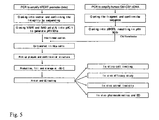
- FIG. 5 shows the details of construction of recombinant KH-901
- FIG. 6 shows the promoter activity for both the wild-type hTERT (telo) and the improved mhTERT promoters (Mtelo).
- FIG. 7 shows the E1A message RNA expression of the recombinant adenovirus in hFK cells and hFKs-E6, which is capable of transforming HPV E6 gene.
- FIG. 8 shows cytolytic activity of recombinant adenoviruses to normal human bone marrow mesenchymal stem cells.
- FIG. 9 shows cytolytic activity of recombinant adenoviruses in A549 cells (cell viability %).
- FIG. 10 shows anti-tumor efficacy in prostate cancer LNCaP xenografts model following intratumor injection of recombinant adenoviruses.
- hTERT promoter For the amplification of the hTERT promoter by PCR method, in which the activated human RNA was used as template. Conditions for the PCR reaction was as follows: for the first cycle, 94° C. denature for 5 minutes, 81° C. annealing for 1 minute and 72° C. for extension for 2 minutes. For each of the succeeding cycle, 93° C. denature for 1 minute, then subject to agar gel analysis and hTERT promoter fragment was recovered. It was indicated by sequencing that the obtained promoter fragment is the same as that as the disclosed ( FIG. 1 ). This fragment of DNA was then cloned onto pUC19 vector, and reformed it to the sequence as shown in FIG. 2 by mutagenesis via a kit from Strategene (Strategene, Calif.).
- the poly(A) signal sequence was amplified by PCR with the following primers:
- the purified hTERT promoter fragment and the poly(A) DNA fragment were denatured together at 95° C. for 5 minutes and cooled down to room temperature as the template.
- a DNA fragment having about 500 basepairs was amplified with primers A and D, the purifed and sequenced PCR fragment was digested with SspI and AgeI, and further purifed fragment containing poly (A) signal sequence and the hTERT promoter was used for the subsequent cloning process.
- pXC.1 (purchased from Microbix, Canada) was used as the template and two enzyme sites were added at nucleotide 339 (SspI) and 551 (PinAI) via mutagenesis.
- the mutated pXC.1 was digested with SspI and PinAI and purified, with the large fragemtn as the vector.
- the Poly(A)/hTERT fragemtn as inserted was ligated with the pXC.1 vector, and transformed into E. Coli DH5 by common cloning techniques following 20 hours. After an incubation at 4° C. for 30 minutes, thermal shocking at 42° C. for 30 seconds, and further incubation 4° C.
- the plasmid DNA was purified from cultured E. coli and confirmed the structure by enzyme digestion, named it as pKH-901a. This plasmid contains the left ITR, the packaging signal, the poly(A) sequence, the hTERT promoter (Mtelo), E1A, and partial E1B,
- a large amount of cDNA fragment of the GM-CSF was amplified from cDNA template prepared from the activated macrophages by PCR with a sirmilar amplification condition described above. Sequence of the cDNA was confirmed by sequencing following purification, the cDNA fragment was mixed with two DNA fragment amplified from pBHGE3 as template for further amplification by PCR with primers E and H to produce a large DNA fragment. Sequence of this resulting DNA fragment was confirmed by sequencing, and the DNA fragment was cloned into pGEM-7 vector following digestion with BsiWI and NotI, subsequently ligated into pBHGE3, resulted in a plasmid pKH-901b. This left end plasmid contains most portion of the E1B gene, the entire E2 gene, the entire E3 genes, the GM-CSF gene and the E4 gene.
- pKH-901a and pKH-901b plasmid DNAs were lineraized with restriction endonuclease NdeI and ClaI and co-transfected into HeLa cells (with transfectin from Invitrogen) following purification of the plasmid DNA.
- Cells were harvested after incubation at 37 C for 10 days. 100 uL of supernatant was taken for plaque assay following 3 cycles of freeze/thaw. Single plaques were seen under low-melting agar 8 to 12 days after adding the supernatant. 10 uL of liquid under the agar was picked up by 10-uL auto-pipeteman and added to the pre-seeded HeLa cells.
- HeLA-S3 cells HeLa cells were adapted to be able to grow in serum-free medium
- cells were infected with KH-901, and continued to culture for 2-3 days.
- Cells then were harvested and virus was purified through CsC12 gradient purification or ion exchange column. The purified was stored in proper buffer such as PBS and glycerol.
- KH-900 was constructed following a similar routine to that for KH-901, except that no poly (A) was contained in the plasmid pKH-901a and no mutatant in the hTERT promoter fragment; the sequence is the same to SEQ. ID No. 1.
- the resulted plasmid isnamed as pKH-900a; pKH-900a were co-transfected with pKH-901b in HeLa cells to generate KH-900.
- KH-902 construction the cDNA of GM-CSF in pKH-901b was replaced with the membrane bound version as shown by SEQ ID NO. 4, resulting in pKH-902b.
- pKH-901a and pKH-902b were co-transfected in HeLa cells to generate KH-902.
- KH-903 For making KH-903, the encoding regions for 10.4 k, 14.5 k and 14.7 k in pKH-901b were deleted by conventional genetically-engineering method, resulting in a plasmid called KH-903b. pKH-901a and pKH-903b were co-transfected in HeLa cells to generate KH-903.
- the knob of the fiber gene i.e., the adenovirus serotype 5 was replaced with the knob from adenovirus serotype 35, as shown in SEQ ID NO. 5, resulting in a plasmid called pKH-904b.
- KH-905 the cDNA of the GM-CSF gene in pKH-904b was replaced with the membrane bound version, as shown in SEQ ID NO. 4, resulting in a plasmid called pKH-905b.
- pKH-901a and pKH-905b were co-transfected in HeLa cells to generate KH905. Viral structure was confirmed by PCR and sequencing.
- pKH-906a the endogenous promoter for E1B was replaced with the internal ribosome entry signal, resulting in a plasmid called pKH-906a.
- pKH-906a and pKH-901b were co-transfected in HeLa cells to generate KH-906 (Li et al. (2001) Cancer Research 62:2667-2674). Viral structure was confirmed by PCR and sequencing.
Landscapes
- Health & Medical Sciences (AREA)
- Life Sciences & Earth Sciences (AREA)
- Chemical & Material Sciences (AREA)
- Engineering & Computer Science (AREA)
- Genetics & Genomics (AREA)
- Bioinformatics & Cheminformatics (AREA)
- Organic Chemistry (AREA)
- General Health & Medical Sciences (AREA)
- Zoology (AREA)
- Medicinal Chemistry (AREA)
- Biotechnology (AREA)
- Wood Science & Technology (AREA)
- Veterinary Medicine (AREA)
- Public Health (AREA)
- Animal Behavior & Ethology (AREA)
- Pharmacology & Pharmacy (AREA)
- Immunology (AREA)
- General Engineering & Computer Science (AREA)
- Biomedical Technology (AREA)
- Biochemistry (AREA)
- Microbiology (AREA)
- Virology (AREA)
- Epidemiology (AREA)
- Molecular Biology (AREA)
- Nuclear Medicine, Radiotherapy & Molecular Imaging (AREA)
- General Chemical & Material Sciences (AREA)
- Chemical Kinetics & Catalysis (AREA)
- Plant Pathology (AREA)
- Biophysics (AREA)
- Proteomics, Peptides & Aminoacids (AREA)
- Gastroenterology & Hepatology (AREA)
- Physics & Mathematics (AREA)
- Medicines Containing Material From Animals Or Micro-Organisms (AREA)
- Micro-Organisms Or Cultivation Processes Thereof (AREA)
- Medicines That Contain Protein Lipid Enzymes And Other Medicines (AREA)
Applications Claiming Priority (4)
| Application Number | Priority Date | Filing Date | Title |
|---|---|---|---|
| CN200410046237 | 2004-06-07 | ||
| CNB200410046237XA CN100361710C (zh) | 2004-06-07 | 2004-06-07 | 肿瘤细胞专一表达免疫调节因子gm-csf的溶瘤性腺病毒重组体的构建及其应用 |
| CN2004100-46237.X | 2004-06-07 | ||
| PCT/CN2004/001321 WO2005121343A1 (en) | 2004-06-07 | 2004-11-19 | Construction of oncolytic adenovirus recombinant specifically expressing immune modulatory factor gm-csf in tumor cells and uses thereof |
Publications (2)
| Publication Number | Publication Date |
|---|---|
| US20100047208A1 US20100047208A1 (en) | 2010-02-25 |
| US7951585B2 true US7951585B2 (en) | 2011-05-31 |
Family
ID=35503069
Family Applications (1)
| Application Number | Title | Priority Date | Filing Date |
|---|---|---|---|
| US11/628,760 Active 2027-12-27 US7951585B2 (en) | 2004-06-07 | 2004-11-19 | Construction of oncolytic adenovirus recombinant specifically expressing immune modulatory factor GM-CSF in tumor cells and uses thereof |
Country Status (12)
| Country | Link |
|---|---|
| US (1) | US7951585B2 (pt) |
| EP (1) | EP1767642B1 (pt) |
| JP (1) | JP4874247B2 (pt) |
| CN (1) | CN100361710C (pt) |
| BR (1) | BRPI0418805B8 (pt) |
| CA (1) | CA2568995C (pt) |
| DK (1) | DK1767642T3 (pt) |
| ES (1) | ES2466415T3 (pt) |
| PL (1) | PL1767642T3 (pt) |
| PT (1) | PT1767642E (pt) |
| RU (1) | RU2361611C2 (pt) |
| WO (1) | WO2005121343A1 (pt) |
Cited By (20)
| Publication number | Priority date | Publication date | Assignee | Title |
|---|---|---|---|---|
| US20100233125A1 (en) * | 2006-08-22 | 2010-09-16 | Chiba-Ken | Chimeric adenovirus, method for producing the same and pharmaceutical using the same |
| US9017672B2 (en) | 2012-05-11 | 2015-04-28 | Immunicum Aktiebolag | Hexon Tat-PTD modified adenovirus and uses thereof |
| US9624476B2 (en) | 2011-08-23 | 2017-04-18 | National Institute Of Biomedical Innovation | Conditionally replicating adenovirus |
| US11077156B2 (en) | 2013-03-14 | 2021-08-03 | Salk Institute For Biological Studies | Oncolytic adenovirus compositions |
| US11130968B2 (en) | 2016-02-23 | 2021-09-28 | Salk Institute For Biological Studies | High throughput assay for measuring adenovirus replication kinetics |
| US11253572B2 (en) | 2011-01-13 | 2022-02-22 | Regeneron Pharmaceuticals, Inc. | Use of a VEGF antagonist to treat angiogenic eye disorders |
| US11401529B2 (en) | 2016-02-23 | 2022-08-02 | Salk Institute For Biological Studies | Exogenous gene expression in recombinant adenovirus for minimal impact on viral kinetics |
| US11485767B2 (en) | 2019-04-29 | 2022-11-01 | Mayo Foundation For Medical Education And Research | Multivalent PD-L1 binding compounds for treating cancer |
| US11732024B2 (en) | 2006-06-16 | 2023-08-22 | Regeneron Pharmaceuticals, Inc. | VEGF antagonist formulations suitable for intravitreal administration |
| US11746334B2 (en) | 2018-11-21 | 2023-09-05 | Mayo Foundation For Medical Education And Research | Adenoviruses and methods for using adenoviruses |
| US11806398B2 (en) | 2005-03-25 | 2023-11-07 | Regeneron Pharmaceuticals, Inc. | Citrate buffered VEGF antagonist formulations |
| US11813337B2 (en) | 2016-12-12 | 2023-11-14 | Salk Institute For Biological Studies | Tumor-targeting synthetic adenoviruses and uses thereof |
| US12006347B2 (en) | 2010-12-22 | 2024-06-11 | The Board Of Trustees Of The Leland Stanford Junior University | Superagonists and antagonists of interleukin-2 |
| US12103960B2 (en) | 2020-05-08 | 2024-10-01 | Regeneron Pharmaceuticals, Inc. | VEGF traps and mini-traps and methods for treating ocular disorders and cancer |
| US12202873B2 (en) | 2014-04-24 | 2025-01-21 | The Board Of Trustees Of The Leland Stanford Junior University | Superagonists, partial agonists and antagonists of interleukin-2 |
| US12280093B2 (en) | 2017-11-30 | 2025-04-22 | Regenron Pharmaceuticals, Inc. | Use of a VEGF receptor-based fusion protein antagonist to treat nonproliferative diabetic retinopathy |
| US12338269B2 (en) | 2017-06-19 | 2025-06-24 | Medicenna Therapeutics Inc. | IL-2 superagonists in combination with anti-PD-1 antibodies |
| US12365878B2 (en) | 2018-04-09 | 2025-07-22 | Salk Institute For Biological Studies | Oncolytic adenovirus with enhanced replication properties comprising modifications in E1A, E3, and E4 |
| US12514887B2 (en) | 2014-09-24 | 2026-01-06 | Salk Institute For Biological Studies | Oncolytic tumor viruses and methods of use |
| US12589128B2 (en) | 2021-07-09 | 2026-03-31 | Salk Institute For Biological Studies | Oncolytic adenovirus compositions |
Families Citing this family (22)
| Publication number | Priority date | Publication date | Assignee | Title |
|---|---|---|---|---|
| JP2008527981A (ja) * | 2005-01-25 | 2008-07-31 | アポロ ライフ サイエンシズ リミテッド | 治療目的および診断目的のためにパラメーターにより選択されたgm−csf、il−3、il−4、il−5、ならびにそのキメラ |
| CN101391104B (zh) * | 2007-09-21 | 2010-10-06 | 成都康弘生物科技有限公司 | 肿瘤细胞专一表达免疫调节因子gm-csf的溶瘤性腺病毒重组体的新用途 |
| AU2011306846B2 (en) | 2010-09-24 | 2015-05-14 | Oncos Therapeutics Oy | Oncolytic adenoviral vectors and methods and uses related thereto |
| CN102174479B (zh) * | 2011-03-02 | 2013-04-03 | 北京锤特生物科技有限公司 | 靶向性治疗人肿瘤的溶肿瘤腺病毒及其应用 |
| KR101946666B1 (ko) * | 2011-08-23 | 2019-02-11 | 고쿠리츠 켄큐 카이하츠 호진 이야쿠 키반 켄코 에이요 켄큐쇼 | 제한 증식형 아데노바이러스 |
| FI123955B (en) | 2011-11-25 | 2014-01-15 | Oncos Therapeutics Ltd | Oncolytic adenovirus |
| WO2013138650A1 (en) * | 2012-03-14 | 2013-09-19 | Salk Institute For Biological Studies | Adenoviral tumor diagnostics |
| KR20160002848A (ko) * | 2013-03-24 | 2016-01-08 | 오이신 바이오테크놀로지스 | 표적 세포 내에서 치료적 단백질의 표적화된 생산을 위한 시스템 및 방법 |
| EP2987858B1 (en) | 2013-04-17 | 2019-08-14 | Kyushu University, National University Corporation | Gene-modified coxsackievirus |
| SI3021859T1 (en) | 2013-10-25 | 2018-04-30 | Psioxus Therapeutics Limited | Oncolytic adenoviruses equipped with heterologous genes |
| RU2682762C2 (ru) * | 2013-11-27 | 2019-03-21 | Общество С Ограниченной Ответственностью "Панацела Лабс" | Улучшенный вектор, экспрессирующий toll-подобный рецептор и агонист, и применение в терапии рака |
| JP6931229B2 (ja) | 2015-04-30 | 2021-09-01 | サイオクサス セラピューティクス リミテッド | B7タンパク質をコードする腫瘍溶解性アデノウイルス |
| DK3389682T3 (da) | 2015-12-17 | 2022-01-24 | Psioxus Therapeutics Ltd | Gruppe b-adenovirus, der koder for et anti-tcr-kompleks-antistof eller -fragment |
| WO2018041827A1 (en) | 2016-08-29 | 2018-03-08 | Psioxus Therapeutics Limited | Adenovirus armed with bispecific t cell engager (bite) |
| AU2018206485B2 (en) | 2017-01-09 | 2024-12-05 | Oisin Biotechnologies | Fusogenic lipid nanoparticles and methods for manufacturing and use for therapeutic protein production and for treatment |
| SG11202005509YA (en) * | 2017-12-13 | 2020-07-29 | Genemedicine Co Ltd | Recombinant adenoviruses and stem cells comprising same |
| US11603543B2 (en) | 2018-04-18 | 2023-03-14 | Oisin Biotechnologies, Inc. | Fusogenic lipid nanoparticles for target cell-specific production of a therapeutic protein |
| JP7508109B2 (ja) * | 2019-02-12 | 2024-07-01 | 国立大学法人大阪大学 | ヒト35型アデノウイルスを基盤とした腫瘍溶解性ウイルス |
| CN115335513B (zh) * | 2020-03-23 | 2025-03-07 | 株式会社库利金 | 包含双特异性核酸分子的溶瘤病毒的结构 |
| RU2753742C1 (ru) * | 2020-10-16 | 2021-08-24 | Федеральное государственное автономное образовательное учреждение высшего образования "Новосибирский национальный исследовательский государственный университет" (Новосибирский государственный университет, НГУ) | Рекомбинантный штамм Ad6-hTERT-GMCSF, содержащий встройку промотора теломеразы человека hTERT, а также гена гранулоцитарно-макрофагального колониестимулирующего фактора человека, обладающий избирательной цитолитической активностью против теломераза-положительных опухолевых клеток и экспрессирующий активный человеческий гранулоцитарно-макрофагальный колониестимулирующий фактор |
| CN115029325A (zh) * | 2021-03-08 | 2022-09-09 | 南京惟亚德生物医药有限公司 | 一种重组溶瘤腺病毒及其应用 |
| CN113444730A (zh) * | 2021-03-17 | 2021-09-28 | 昆明市延安医院 | 一种原发性肝细胞klotho基因转导干细胞筛选构建方法 |
Citations (9)
| Publication number | Priority date | Publication date | Assignee | Title |
|---|---|---|---|---|
| WO1996009399A2 (en) | 1994-09-23 | 1996-03-28 | Somatix Therapy Corporation | Chimeric adenovirus for gene delivery |
| US5891432A (en) * | 1997-07-29 | 1999-04-06 | The Immune Response Corporation | Membrane-bound cytokine compositions comprising GM=CSF and methods of modulating an immune response using same |
| US6020191A (en) | 1997-04-14 | 2000-02-01 | Genzyme Corporation | Adenoviral vectors capable of facilitating increased persistence of transgene expression |
| US6348450B1 (en) | 1997-08-13 | 2002-02-19 | The Uab Research Foundation | Noninvasive genetic immunization, expression products therefrom and uses thereof |
| CN1381582A (zh) | 2001-04-13 | 2002-11-27 | 上海华康生物技术有限公司 | 靶向性、高表达人粒细胞巨噬细胞集 落刺激因子的重组腺病毒及其制法和用途 |
| US20030099616A1 (en) * | 2001-07-25 | 2003-05-29 | Irving John M. | Dual specificity tumor killing vectors driven by the telomerase promoter |
| US6627190B2 (en) | 1999-07-12 | 2003-09-30 | Saint Louis University | Recombinant adenovirus vectors that are replication-competent in tert-expressing cells |
| US20050181507A1 (en) * | 2001-07-07 | 2005-08-18 | Havenga Menzo J.E. | Gene delivery vectors with cell type specificity for mesenchymal stem cells |
| US7592317B1 (en) * | 1994-08-11 | 2009-09-22 | The University Of Chicago | Constitutive gene expression in conjuction with ionizing radiation |
Family Cites Families (12)
| Publication number | Priority date | Publication date | Assignee | Title |
|---|---|---|---|---|
| WO1999046371A2 (en) | 1998-03-11 | 1999-09-16 | Board Of Regents, The University Of Texas System | Induction of apoptotic or cytotoxic gene expression by adenoviral mediated gene codelivery |
| AU772963B2 (en) * | 1998-04-24 | 2004-05-13 | Onyx Pharmaceuticals | Adenoviral vectors for treating disease |
| GB9916851D0 (en) * | 1999-07-20 | 1999-09-22 | Univ Wales Bangor | Manipulation of particles in liquid media |
| WO2001036650A2 (en) | 1999-11-15 | 2001-05-25 | Onyx Pharmaceuticals, Inc. | An oncolytic adenovirus |
| ATE315095T1 (de) * | 2000-08-10 | 2006-02-15 | Crucell Holland Bv | Adenovirenvektoren zur transduktion der chondrozyten |
| US6713055B2 (en) | 2000-11-27 | 2004-03-30 | Geron Corporation | Glycosyltransferase vectors for treating cancer |
| IL152420A0 (en) * | 2001-02-23 | 2003-05-29 | Novartis Ag | Novel oncolytic adenoviral vectors |
| CN1195056C (zh) * | 2001-07-12 | 2005-03-30 | 钱其军 | 一种在肿瘤细胞中特异性增殖及高效表达抗癌基因的重组病毒及其构建方法 |
| WO2003013555A1 (en) * | 2001-08-08 | 2003-02-20 | Board Of Regents, The University Of Texas System | Method for amplifying expression from a cell specific promoter |
| JP3867968B2 (ja) * | 2002-07-08 | 2007-01-17 | 関西ティー・エル・オー株式会社 | 腫瘍細胞において選択的に増殖する腫瘍融解ウイルス |
| CN1259106C (zh) * | 2002-12-23 | 2006-06-14 | 中国科学院上海生命科学研究院 | 一种抗癌靶向基因病毒药物的制备方法 |
| ES2292271B1 (es) * | 2004-05-20 | 2009-02-16 | Proyecto De Biomedicina Cima, S.L. | Un vector hibrido adenovirus-alfavirus para la administracion eficaz y expresion de genes terapeuticos en celulas tumorales. |
-
2004
- 2004-06-07 CN CNB200410046237XA patent/CN100361710C/zh not_active Expired - Lifetime
- 2004-11-19 BR BRPI0418805A patent/BRPI0418805B8/pt active IP Right Grant
- 2004-11-19 DK DK04797352.4T patent/DK1767642T3/da active
- 2004-11-19 US US11/628,760 patent/US7951585B2/en active Active
- 2004-11-19 WO PCT/CN2004/001321 patent/WO2005121343A1/zh not_active Ceased
- 2004-11-19 PL PL04797352T patent/PL1767642T3/pl unknown
- 2004-11-19 CA CA2568995A patent/CA2568995C/en not_active Expired - Lifetime
- 2004-11-19 PT PT47973524T patent/PT1767642E/pt unknown
- 2004-11-19 ES ES04797352.4T patent/ES2466415T3/es not_active Expired - Lifetime
- 2004-11-19 EP EP04797352.4A patent/EP1767642B1/en not_active Expired - Lifetime
- 2004-11-19 JP JP2007526164A patent/JP4874247B2/ja not_active Expired - Lifetime
- 2004-11-19 RU RU2006146665/13A patent/RU2361611C2/ru active
Patent Citations (9)
| Publication number | Priority date | Publication date | Assignee | Title |
|---|---|---|---|---|
| US7592317B1 (en) * | 1994-08-11 | 2009-09-22 | The University Of Chicago | Constitutive gene expression in conjuction with ionizing radiation |
| WO1996009399A2 (en) | 1994-09-23 | 1996-03-28 | Somatix Therapy Corporation | Chimeric adenovirus for gene delivery |
| US6020191A (en) | 1997-04-14 | 2000-02-01 | Genzyme Corporation | Adenoviral vectors capable of facilitating increased persistence of transgene expression |
| US5891432A (en) * | 1997-07-29 | 1999-04-06 | The Immune Response Corporation | Membrane-bound cytokine compositions comprising GM=CSF and methods of modulating an immune response using same |
| US6348450B1 (en) | 1997-08-13 | 2002-02-19 | The Uab Research Foundation | Noninvasive genetic immunization, expression products therefrom and uses thereof |
| US6627190B2 (en) | 1999-07-12 | 2003-09-30 | Saint Louis University | Recombinant adenovirus vectors that are replication-competent in tert-expressing cells |
| CN1381582A (zh) | 2001-04-13 | 2002-11-27 | 上海华康生物技术有限公司 | 靶向性、高表达人粒细胞巨噬细胞集 落刺激因子的重组腺病毒及其制法和用途 |
| US20050181507A1 (en) * | 2001-07-07 | 2005-08-18 | Havenga Menzo J.E. | Gene delivery vectors with cell type specificity for mesenchymal stem cells |
| US20030099616A1 (en) * | 2001-07-25 | 2003-05-29 | Irving John M. | Dual specificity tumor killing vectors driven by the telomerase promoter |
Non-Patent Citations (2)
| Title |
|---|
| Alignment printout. p. 1 dated May 7, 2010. * |
| Kawashima et al. Clin Cancer Research 10:285-292, Jan. 2004. * |
Cited By (30)
| Publication number | Priority date | Publication date | Assignee | Title |
|---|---|---|---|---|
| US11806398B2 (en) | 2005-03-25 | 2023-11-07 | Regeneron Pharmaceuticals, Inc. | Citrate buffered VEGF antagonist formulations |
| US11732024B2 (en) | 2006-06-16 | 2023-08-22 | Regeneron Pharmaceuticals, Inc. | VEGF antagonist formulations suitable for intravitreal administration |
| US12331099B2 (en) | 2006-06-16 | 2025-06-17 | Regeneron Pharmaceuticals, Inc. | VEGF antagonist formulations suitable for intravitreal administration |
| US20100233125A1 (en) * | 2006-08-22 | 2010-09-16 | Chiba-Ken | Chimeric adenovirus, method for producing the same and pharmaceutical using the same |
| US12006347B2 (en) | 2010-12-22 | 2024-06-11 | The Board Of Trustees Of The Leland Stanford Junior University | Superagonists and antagonists of interleukin-2 |
| US11730794B2 (en) | 2011-01-13 | 2023-08-22 | Regeneron Pharmaceuticals, Inc. | Use of a VEGF antagonist to treat angiogenic eye disorders |
| US11975045B2 (en) | 2011-01-13 | 2024-05-07 | Regeneron Pharmaceuticals, Inc. | Use of a VEGF antagonist to treat angiogenic eye disorders |
| US12268730B2 (en) | 2011-01-13 | 2025-04-08 | Regeneron Pharmaceuticals, Inc. | Use of a VEGF antagonist to treat angiogenic eye disorders |
| US11559564B2 (en) | 2011-01-13 | 2023-01-24 | Regeneron Pharmaceuticals, Inc. | Use of a VEGF antagonist to treat angiogenic eye disorders |
| US11707506B2 (en) | 2011-01-13 | 2023-07-25 | Regeneren Pharmaceuticals, Inc. | Use of a VEGF antagonist to treat angiogenic eye disorders |
| US11986511B2 (en) | 2011-01-13 | 2024-05-21 | Regeneron Pharmaceuticals, Inc. | Use of a VEGF antagonist to treat angiogenic eye disorders |
| US11253572B2 (en) | 2011-01-13 | 2022-02-22 | Regeneron Pharmaceuticals, Inc. | Use of a VEGF antagonist to treat angiogenic eye disorders |
| US9624476B2 (en) | 2011-08-23 | 2017-04-18 | National Institute Of Biomedical Innovation | Conditionally replicating adenovirus |
| US9017672B2 (en) | 2012-05-11 | 2015-04-28 | Immunicum Aktiebolag | Hexon Tat-PTD modified adenovirus and uses thereof |
| US11077156B2 (en) | 2013-03-14 | 2021-08-03 | Salk Institute For Biological Studies | Oncolytic adenovirus compositions |
| US12202873B2 (en) | 2014-04-24 | 2025-01-21 | The Board Of Trustees Of The Leland Stanford Junior University | Superagonists, partial agonists and antagonists of interleukin-2 |
| US12514887B2 (en) | 2014-09-24 | 2026-01-06 | Salk Institute For Biological Studies | Oncolytic tumor viruses and methods of use |
| US11130968B2 (en) | 2016-02-23 | 2021-09-28 | Salk Institute For Biological Studies | High throughput assay for measuring adenovirus replication kinetics |
| US11401529B2 (en) | 2016-02-23 | 2022-08-02 | Salk Institute For Biological Studies | Exogenous gene expression in recombinant adenovirus for minimal impact on viral kinetics |
| US12281324B2 (en) | 2016-02-23 | 2025-04-22 | Salk Institute For Biological Studies | Exogenous gene expression in recombinant adenovirus for minimal impact on viral kinetics |
| US11813337B2 (en) | 2016-12-12 | 2023-11-14 | Salk Institute For Biological Studies | Tumor-targeting synthetic adenoviruses and uses thereof |
| US12338269B2 (en) | 2017-06-19 | 2025-06-24 | Medicenna Therapeutics Inc. | IL-2 superagonists in combination with anti-PD-1 antibodies |
| US12280093B2 (en) | 2017-11-30 | 2025-04-22 | Regenron Pharmaceuticals, Inc. | Use of a VEGF receptor-based fusion protein antagonist to treat nonproliferative diabetic retinopathy |
| US12365878B2 (en) | 2018-04-09 | 2025-07-22 | Salk Institute For Biological Studies | Oncolytic adenovirus with enhanced replication properties comprising modifications in E1A, E3, and E4 |
| US12139726B2 (en) | 2018-11-21 | 2024-11-12 | Mayo Foundation For Medical Education And Research | Adenoviruses and methods for using adenoviruses |
| US12060582B2 (en) | 2018-11-21 | 2024-08-13 | Mayo Foundation For Medical Education And Research | Adenoviruses and methods for using adenoviruses |
| US11746334B2 (en) | 2018-11-21 | 2023-09-05 | Mayo Foundation For Medical Education And Research | Adenoviruses and methods for using adenoviruses |
| US11485767B2 (en) | 2019-04-29 | 2022-11-01 | Mayo Foundation For Medical Education And Research | Multivalent PD-L1 binding compounds for treating cancer |
| US12103960B2 (en) | 2020-05-08 | 2024-10-01 | Regeneron Pharmaceuticals, Inc. | VEGF traps and mini-traps and methods for treating ocular disorders and cancer |
| US12589128B2 (en) | 2021-07-09 | 2026-03-31 | Salk Institute For Biological Studies | Oncolytic adenovirus compositions |
Also Published As
| Publication number | Publication date |
|---|---|
| CA2568995A1 (en) | 2005-12-22 |
| EP1767642A4 (en) | 2008-06-25 |
| US20100047208A1 (en) | 2010-02-25 |
| RU2361611C2 (ru) | 2009-07-20 |
| WO2005121343A1 (en) | 2005-12-22 |
| PT1767642E (pt) | 2014-06-03 |
| EP1767642A1 (en) | 2007-03-28 |
| RU2006146665A (ru) | 2008-07-20 |
| ES2466415T3 (es) | 2014-06-10 |
| CN1706955A (zh) | 2005-12-14 |
| PL1767642T3 (pl) | 2014-08-29 |
| JP4874247B2 (ja) | 2012-02-15 |
| DK1767642T3 (da) | 2014-05-26 |
| JP2008501349A (ja) | 2008-01-24 |
| CA2568995E (en) | 2005-12-22 |
| BRPI0418805B8 (pt) | 2021-05-25 |
| CA2568995C (en) | 2012-02-21 |
| BRPI0418805B1 (pt) | 2021-01-26 |
| BRPI0418805A (pt) | 2007-10-16 |
| EP1767642B1 (en) | 2014-04-23 |
| CN100361710C (zh) | 2008-01-16 |
Similar Documents
| Publication | Publication Date | Title |
|---|---|---|
| US7951585B2 (en) | Construction of oncolytic adenovirus recombinant specifically expressing immune modulatory factor GM-CSF in tumor cells and uses thereof | |
| EP1749098B1 (en) | Chimeric adenoviruses for use in cancer treatment | |
| ES2258265T3 (es) | Vectores de replicacion con especificidad tisular. | |
| US20080118470A1 (en) | Oncolytic adenoviral vectors encoding GM-CSF | |
| JP4386971B2 (ja) | スプライシング配列を含んでなる組換えアデノウイルスベクター | |
| KR20010032146A (ko) | 아데노바이러스 벡터 및 상동 재조합 현상을 줄이는 방법 | |
| EP3305904B1 (en) | Poxvirus-derived promoter, and vector comprising same | |
| AU772963B2 (en) | Adenoviral vectors for treating disease | |
| ES2239841T3 (es) | Vectores adenovirales quimericos. | |
| US7829329B2 (en) | Adenoviral vectors for treating disease | |
| CA2373352A1 (en) | Adenoviral vectors for treating disease | |
| CN117417962B (zh) | 一种多靶点溶瘤腺病毒的构建方法及应用 | |
| CN113774031A (zh) | 一种复制型人腺病毒及其应用 | |
| AU2005209653B2 (en) | Adenoviral vectors for treating disease |
Legal Events
| Date | Code | Title | Description |
|---|---|---|---|
| AS | Assignment |
Owner name: CHENGDU KANGHONG BIOTECHNOLOGIES CO., LTD.,CHINA Free format text: ASSIGNMENT OF ASSIGNORS INTEREST;ASSIGNOR:KE, ZUNGHONG;REEL/FRAME:018690/0807 Effective date: 20061204 Owner name: CHENGDU KANGHONG BIOTECHNOLOGIES CO., LTD., CHINA Free format text: ASSIGNMENT OF ASSIGNORS INTEREST;ASSIGNOR:KE, ZUNGHONG;REEL/FRAME:018690/0807 Effective date: 20061204 |
|
| STCF | Information on status: patent grant |
Free format text: PATENTED CASE |
|
| FPAY | Fee payment |
Year of fee payment: 4 |
|
| MAFP | Maintenance fee payment |
Free format text: PAYMENT OF MAINTENANCE FEE, 8TH YR, SMALL ENTITY (ORIGINAL EVENT CODE: M2552); ENTITY STATUS OF PATENT OWNER: SMALL ENTITY Year of fee payment: 8 |
|
| FEPP | Fee payment procedure |
Free format text: ENTITY STATUS SET TO UNDISCOUNTED (ORIGINAL EVENT CODE: BIG.); ENTITY STATUS OF PATENT OWNER: LARGE ENTITY |
|
| MAFP | Maintenance fee payment |
Free format text: PAYMENT OF MAINTENANCE FEE, 12TH YEAR, LARGE ENTITY (ORIGINAL EVENT CODE: M1553); ENTITY STATUS OF PATENT OWNER: LARGE ENTITY Year of fee payment: 12 |