EP4516880A2 - Verarbeitungszusammensetzung für plattenmaterial, plattenmateriallaminat und verfahren zur herstellung eines plattenmateriallaminats - Google Patents
Verarbeitungszusammensetzung für plattenmaterial, plattenmateriallaminat und verfahren zur herstellung eines plattenmateriallaminats Download PDFInfo
- Publication number
- EP4516880A2 EP4516880A2 EP24219148.4A EP24219148A EP4516880A2 EP 4516880 A2 EP4516880 A2 EP 4516880A2 EP 24219148 A EP24219148 A EP 24219148A EP 4516880 A2 EP4516880 A2 EP 4516880A2
- Authority
- EP
- European Patent Office
- Prior art keywords
- board material
- board
- processing composition
- laminate
- materials
- Prior art date
- Legal status (The legal status is an assumption and is not a legal conclusion. Google has not performed a legal analysis and makes no representation as to the accuracy of the status listed.)
- Pending
Links
Images

Classifications
-
- B—PERFORMING OPERATIONS; TRANSPORTING
- B27—WORKING OR PRESERVING WOOD OR SIMILAR MATERIAL; NAILING OR STAPLING MACHINES IN GENERAL
- B27D—WORKING VENEER OR PLYWOOD
- B27D1/00—Joining wood veneer with any material; Forming articles thereby; Preparatory processing of surfaces to be joined, e.g. scoring
- B27D1/04—Joining wood veneer with any material; Forming articles thereby; Preparatory processing of surfaces to be joined, e.g. scoring to produce plywood or articles made therefrom; Plywood sheets
-
- B—PERFORMING OPERATIONS; TRANSPORTING
- B27—WORKING OR PRESERVING WOOD OR SIMILAR MATERIAL; NAILING OR STAPLING MACHINES IN GENERAL
- B27K—PROCESSES, APPARATUS OR SELECTION OF SUBSTANCES FOR IMPREGNATING, STAINING, DYEING, BLEACHING OF WOOD OR SIMILAR MATERIALS, OR TREATING OF WOOD OR SIMILAR MATERIALS WITH PERMEANT LIQUIDS, NOT OTHERWISE PROVIDED FOR; CHEMICAL OR PHYSICAL TREATMENT OF CORK, CANE, REED, STRAW OR SIMILAR MATERIALS
- B27K3/00—Impregnating wood, e.g. impregnation pretreatment, for example puncturing; Wood impregnation aids not directly involved in the impregnation process
- B27K3/16—Inorganic impregnating agents
- B27K3/20—Compounds of alkali metals or ammonium
-
- B—PERFORMING OPERATIONS; TRANSPORTING
- B27—WORKING OR PRESERVING WOOD OR SIMILAR MATERIAL; NAILING OR STAPLING MACHINES IN GENERAL
- B27K—PROCESSES, APPARATUS OR SELECTION OF SUBSTANCES FOR IMPREGNATING, STAINING, DYEING, BLEACHING OF WOOD OR SIMILAR MATERIALS, OR TREATING OF WOOD OR SIMILAR MATERIALS WITH PERMEANT LIQUIDS, NOT OTHERWISE PROVIDED FOR; CHEMICAL OR PHYSICAL TREATMENT OF CORK, CANE, REED, STRAW OR SIMILAR MATERIALS
- B27K3/00—Impregnating wood, e.g. impregnation pretreatment, for example puncturing; Wood impregnation aids not directly involved in the impregnation process
- B27K3/16—Inorganic impregnating agents
- B27K3/32—Mixtures of different inorganic impregnating agents
-
- B—PERFORMING OPERATIONS; TRANSPORTING
- B27—WORKING OR PRESERVING WOOD OR SIMILAR MATERIAL; NAILING OR STAPLING MACHINES IN GENERAL
- B27N—MANUFACTURE BY DRY PROCESSES OF ARTICLES, WITH OR WITHOUT ORGANIC BINDING AGENTS, MADE FROM PARTICLES OR FIBRES CONSISTING OF WOOD OR OTHER LIGNOCELLULOSIC OR LIKE ORGANIC MATERIAL
- B27N3/00—Manufacture of substantially flat articles, e.g. boards, from particles or fibres
- B27N3/002—Manufacture of substantially flat articles, e.g. boards, from particles or fibres characterised by the type of binder
-
- B—PERFORMING OPERATIONS; TRANSPORTING
- B27—WORKING OR PRESERVING WOOD OR SIMILAR MATERIAL; NAILING OR STAPLING MACHINES IN GENERAL
- B27N—MANUFACTURE BY DRY PROCESSES OF ARTICLES, WITH OR WITHOUT ORGANIC BINDING AGENTS, MADE FROM PARTICLES OR FIBRES CONSISTING OF WOOD OR OTHER LIGNOCELLULOSIC OR LIKE ORGANIC MATERIAL
- B27N3/00—Manufacture of substantially flat articles, e.g. boards, from particles or fibres
- B27N3/02—Manufacture of substantially flat articles, e.g. boards, from particles or fibres from particles
-
- B—PERFORMING OPERATIONS; TRANSPORTING
- B27—WORKING OR PRESERVING WOOD OR SIMILAR MATERIAL; NAILING OR STAPLING MACHINES IN GENERAL
- B27N—MANUFACTURE BY DRY PROCESSES OF ARTICLES, WITH OR WITHOUT ORGANIC BINDING AGENTS, MADE FROM PARTICLES OR FIBRES CONSISTING OF WOOD OR OTHER LIGNOCELLULOSIC OR LIKE ORGANIC MATERIAL
- B27N7/00—After-treatment, e.g. reducing swelling or shrinkage, surfacing; Protecting the edges of boards against access of humidity
- B27N7/005—Coating boards, e.g. with a finishing or decorating layer
-
- B—PERFORMING OPERATIONS; TRANSPORTING
- B27—WORKING OR PRESERVING WOOD OR SIMILAR MATERIAL; NAILING OR STAPLING MACHINES IN GENERAL
- B27N—MANUFACTURE BY DRY PROCESSES OF ARTICLES, WITH OR WITHOUT ORGANIC BINDING AGENTS, MADE FROM PARTICLES OR FIBRES CONSISTING OF WOOD OR OTHER LIGNOCELLULOSIC OR LIKE ORGANIC MATERIAL
- B27N9/00—Arrangements for fireproofing
-
- B—PERFORMING OPERATIONS; TRANSPORTING
- B32—LAYERED PRODUCTS
- B32B—LAYERED PRODUCTS, i.e. PRODUCTS BUILT-UP OF STRATA OF FLAT OR NON-FLAT, e.g. CELLULAR OR HONEYCOMB, FORM
- B32B21/00—Layered products comprising a layer of wood, e.g. wood board, veneer, wood particle board
- B32B21/04—Layered products comprising a layer of wood, e.g. wood board, veneer, wood particle board comprising wood as the main or only constituent of a layer, which is next to another layer of the same or of a different material
- B32B21/042—Layered products comprising a layer of wood, e.g. wood board, veneer, wood particle board comprising wood as the main or only constituent of a layer, which is next to another layer of the same or of a different material of wood
-
- B—PERFORMING OPERATIONS; TRANSPORTING
- B32—LAYERED PRODUCTS
- B32B—LAYERED PRODUCTS, i.e. PRODUCTS BUILT-UP OF STRATA OF FLAT OR NON-FLAT, e.g. CELLULAR OR HONEYCOMB, FORM
- B32B21/00—Layered products comprising a layer of wood, e.g. wood board, veneer, wood particle board
- B32B21/13—Layered products comprising a layer of wood, e.g. wood board, veneer, wood particle board all layers being exclusively wood
-
- B—PERFORMING OPERATIONS; TRANSPORTING
- B32—LAYERED PRODUCTS
- B32B—LAYERED PRODUCTS, i.e. PRODUCTS BUILT-UP OF STRATA OF FLAT OR NON-FLAT, e.g. CELLULAR OR HONEYCOMB, FORM
- B32B21/00—Layered products comprising a layer of wood, e.g. wood board, veneer, wood particle board
- B32B21/14—Layered products comprising a layer of wood, e.g. wood board, veneer, wood particle board comprising wood board or veneer
-
- C—CHEMISTRY; METALLURGY
- C09—DYES; PAINTS; POLISHES; NATURAL RESINS; ADHESIVES; COMPOSITIONS NOT OTHERWISE PROVIDED FOR; APPLICATIONS OF MATERIALS NOT OTHERWISE PROVIDED FOR
- C09D—COATING COMPOSITIONS, e.g. PAINTS, VARNISHES OR LACQUERS; FILLING PASTES; CHEMICAL PAINT OR INK REMOVERS; INKS; CORRECTING FLUIDS; WOODSTAINS; PASTES OR SOLIDS FOR COLOURING OR PRINTING; USE OF MATERIALS THEREFOR
- C09D1/00—Coating compositions, e.g. paints, varnishes or lacquers, based on inorganic substances
-
- C—CHEMISTRY; METALLURGY
- C09—DYES; PAINTS; POLISHES; NATURAL RESINS; ADHESIVES; COMPOSITIONS NOT OTHERWISE PROVIDED FOR; APPLICATIONS OF MATERIALS NOT OTHERWISE PROVIDED FOR
- C09D—COATING COMPOSITIONS, e.g. PAINTS, VARNISHES OR LACQUERS; FILLING PASTES; CHEMICAL PAINT OR INK REMOVERS; INKS; CORRECTING FLUIDS; WOODSTAINS; PASTES OR SOLIDS FOR COLOURING OR PRINTING; USE OF MATERIALS THEREFOR
- C09D191/00—Coating compositions based on oils, fats or waxes; Coating compositions based on derivatives thereof
- C09D191/06—Waxes
-
- C—CHEMISTRY; METALLURGY
- C09—DYES; PAINTS; POLISHES; NATURAL RESINS; ADHESIVES; COMPOSITIONS NOT OTHERWISE PROVIDED FOR; APPLICATIONS OF MATERIALS NOT OTHERWISE PROVIDED FOR
- C09D—COATING COMPOSITIONS, e.g. PAINTS, VARNISHES OR LACQUERS; FILLING PASTES; CHEMICAL PAINT OR INK REMOVERS; INKS; CORRECTING FLUIDS; WOODSTAINS; PASTES OR SOLIDS FOR COLOURING OR PRINTING; USE OF MATERIALS THEREFOR
- C09D5/00—Coating compositions, e.g. paints, varnishes or lacquers, characterised by their physical nature or the effects produced; Filling pastes
- C09D5/14—Paints containing biocides, e.g. fungicides, insecticides or pesticides
-
- C—CHEMISTRY; METALLURGY
- C09—DYES; PAINTS; POLISHES; NATURAL RESINS; ADHESIVES; COMPOSITIONS NOT OTHERWISE PROVIDED FOR; APPLICATIONS OF MATERIALS NOT OTHERWISE PROVIDED FOR
- C09D—COATING COMPOSITIONS, e.g. PAINTS, VARNISHES OR LACQUERS; FILLING PASTES; CHEMICAL PAINT OR INK REMOVERS; INKS; CORRECTING FLUIDS; WOODSTAINS; PASTES OR SOLIDS FOR COLOURING OR PRINTING; USE OF MATERIALS THEREFOR
- C09D5/00—Coating compositions, e.g. paints, varnishes or lacquers, characterised by their physical nature or the effects produced; Filling pastes
- C09D5/16—Antifouling paints; Underwater paints
-
- C—CHEMISTRY; METALLURGY
- C09—DYES; PAINTS; POLISHES; NATURAL RESINS; ADHESIVES; COMPOSITIONS NOT OTHERWISE PROVIDED FOR; APPLICATIONS OF MATERIALS NOT OTHERWISE PROVIDED FOR
- C09D—COATING COMPOSITIONS, e.g. PAINTS, VARNISHES OR LACQUERS; FILLING PASTES; CHEMICAL PAINT OR INK REMOVERS; INKS; CORRECTING FLUIDS; WOODSTAINS; PASTES OR SOLIDS FOR COLOURING OR PRINTING; USE OF MATERIALS THEREFOR
- C09D5/00—Coating compositions, e.g. paints, varnishes or lacquers, characterised by their physical nature or the effects produced; Filling pastes
- C09D5/18—Fireproof paints including high temperature resistant paints
-
- C—CHEMISTRY; METALLURGY
- C09—DYES; PAINTS; POLISHES; NATURAL RESINS; ADHESIVES; COMPOSITIONS NOT OTHERWISE PROVIDED FOR; APPLICATIONS OF MATERIALS NOT OTHERWISE PROVIDED FOR
- C09D—COATING COMPOSITIONS, e.g. PAINTS, VARNISHES OR LACQUERS; FILLING PASTES; CHEMICAL PAINT OR INK REMOVERS; INKS; CORRECTING FLUIDS; WOODSTAINS; PASTES OR SOLIDS FOR COLOURING OR PRINTING; USE OF MATERIALS THEREFOR
- C09D5/00—Coating compositions, e.g. paints, varnishes or lacquers, characterised by their physical nature or the effects produced; Filling pastes
- C09D5/18—Fireproof paints including high temperature resistant paints
- C09D5/185—Intumescent paints
-
- C—CHEMISTRY; METALLURGY
- C09—DYES; PAINTS; POLISHES; NATURAL RESINS; ADHESIVES; COMPOSITIONS NOT OTHERWISE PROVIDED FOR; APPLICATIONS OF MATERIALS NOT OTHERWISE PROVIDED FOR
- C09D—COATING COMPOSITIONS, e.g. PAINTS, VARNISHES OR LACQUERS; FILLING PASTES; CHEMICAL PAINT OR INK REMOVERS; INKS; CORRECTING FLUIDS; WOODSTAINS; PASTES OR SOLIDS FOR COLOURING OR PRINTING; USE OF MATERIALS THEREFOR
- C09D7/00—Features of coating compositions, not provided for in group C09D5/00; Processes for incorporating ingredients in coating compositions
- C09D7/40—Additives
- C09D7/60—Additives non-macromolecular
- C09D7/61—Additives non-macromolecular inorganic
-
- C—CHEMISTRY; METALLURGY
- C09—DYES; PAINTS; POLISHES; NATURAL RESINS; ADHESIVES; COMPOSITIONS NOT OTHERWISE PROVIDED FOR; APPLICATIONS OF MATERIALS NOT OTHERWISE PROVIDED FOR
- C09D—COATING COMPOSITIONS, e.g. PAINTS, VARNISHES OR LACQUERS; FILLING PASTES; CHEMICAL PAINT OR INK REMOVERS; INKS; CORRECTING FLUIDS; WOODSTAINS; PASTES OR SOLIDS FOR COLOURING OR PRINTING; USE OF MATERIALS THEREFOR
- C09D7/00—Features of coating compositions, not provided for in group C09D5/00; Processes for incorporating ingredients in coating compositions
- C09D7/40—Additives
- C09D7/66—Additives characterised by particle size
- C09D7/69—Particle size larger than 1000 nm
-
- C—CHEMISTRY; METALLURGY
- C09—DYES; PAINTS; POLISHES; NATURAL RESINS; ADHESIVES; COMPOSITIONS NOT OTHERWISE PROVIDED FOR; APPLICATIONS OF MATERIALS NOT OTHERWISE PROVIDED FOR
- C09D—COATING COMPOSITIONS, e.g. PAINTS, VARNISHES OR LACQUERS; FILLING PASTES; CHEMICAL PAINT OR INK REMOVERS; INKS; CORRECTING FLUIDS; WOODSTAINS; PASTES OR SOLIDS FOR COLOURING OR PRINTING; USE OF MATERIALS THEREFOR
- C09D7/00—Features of coating compositions, not provided for in group C09D5/00; Processes for incorporating ingredients in coating compositions
- C09D7/40—Additives
- C09D7/70—Additives characterised by shape, e.g. fibres, flakes or microspheres
-
- B—PERFORMING OPERATIONS; TRANSPORTING
- B27—WORKING OR PRESERVING WOOD OR SIMILAR MATERIAL; NAILING OR STAPLING MACHINES IN GENERAL
- B27K—PROCESSES, APPARATUS OR SELECTION OF SUBSTANCES FOR IMPREGNATING, STAINING, DYEING, BLEACHING OF WOOD OR SIMILAR MATERIALS, OR TREATING OF WOOD OR SIMILAR MATERIALS WITH PERMEANT LIQUIDS, NOT OTHERWISE PROVIDED FOR; CHEMICAL OR PHYSICAL TREATMENT OF CORK, CANE, REED, STRAW OR SIMILAR MATERIALS
- B27K2200/00—Wooden materials to be treated
- B27K2200/30—Multilayer articles comprising wood
-
- B—PERFORMING OPERATIONS; TRANSPORTING
- B27—WORKING OR PRESERVING WOOD OR SIMILAR MATERIAL; NAILING OR STAPLING MACHINES IN GENERAL
- B27K—PROCESSES, APPARATUS OR SELECTION OF SUBSTANCES FOR IMPREGNATING, STAINING, DYEING, BLEACHING OF WOOD OR SIMILAR MATERIALS, OR TREATING OF WOOD OR SIMILAR MATERIALS WITH PERMEANT LIQUIDS, NOT OTHERWISE PROVIDED FOR; CHEMICAL OR PHYSICAL TREATMENT OF CORK, CANE, REED, STRAW OR SIMILAR MATERIALS
- B27K2240/00—Purpose of the treatment
- B27K2240/30—Fireproofing
-
- B—PERFORMING OPERATIONS; TRANSPORTING
- B27—WORKING OR PRESERVING WOOD OR SIMILAR MATERIAL; NAILING OR STAPLING MACHINES IN GENERAL
- B27K—PROCESSES, APPARATUS OR SELECTION OF SUBSTANCES FOR IMPREGNATING, STAINING, DYEING, BLEACHING OF WOOD OR SIMILAR MATERIALS, OR TREATING OF WOOD OR SIMILAR MATERIALS WITH PERMEANT LIQUIDS, NOT OTHERWISE PROVIDED FOR; CHEMICAL OR PHYSICAL TREATMENT OF CORK, CANE, REED, STRAW OR SIMILAR MATERIALS
- B27K3/00—Impregnating wood, e.g. impregnation pretreatment, for example puncturing; Wood impregnation aids not directly involved in the impregnation process
- B27K3/005—Impregnating wood, e.g. impregnation pretreatment, for example puncturing; Wood impregnation aids not directly involved in the impregnation process employing compositions comprising microparticles
-
- B—PERFORMING OPERATIONS; TRANSPORTING
- B27—WORKING OR PRESERVING WOOD OR SIMILAR MATERIAL; NAILING OR STAPLING MACHINES IN GENERAL
- B27K—PROCESSES, APPARATUS OR SELECTION OF SUBSTANCES FOR IMPREGNATING, STAINING, DYEING, BLEACHING OF WOOD OR SIMILAR MATERIALS, OR TREATING OF WOOD OR SIMILAR MATERIALS WITH PERMEANT LIQUIDS, NOT OTHERWISE PROVIDED FOR; CHEMICAL OR PHYSICAL TREATMENT OF CORK, CANE, REED, STRAW OR SIMILAR MATERIALS
- B27K3/00—Impregnating wood, e.g. impregnation pretreatment, for example puncturing; Wood impregnation aids not directly involved in the impregnation process
- B27K3/02—Processes; Apparatus
- B27K3/0207—Pretreatment of wood before impregnation
-
- B—PERFORMING OPERATIONS; TRANSPORTING
- B27—WORKING OR PRESERVING WOOD OR SIMILAR MATERIAL; NAILING OR STAPLING MACHINES IN GENERAL
- B27K—PROCESSES, APPARATUS OR SELECTION OF SUBSTANCES FOR IMPREGNATING, STAINING, DYEING, BLEACHING OF WOOD OR SIMILAR MATERIALS, OR TREATING OF WOOD OR SIMILAR MATERIALS WITH PERMEANT LIQUIDS, NOT OTHERWISE PROVIDED FOR; CHEMICAL OR PHYSICAL TREATMENT OF CORK, CANE, REED, STRAW OR SIMILAR MATERIALS
- B27K3/00—Impregnating wood, e.g. impregnation pretreatment, for example puncturing; Wood impregnation aids not directly involved in the impregnation process
- B27K3/16—Inorganic impregnating agents
- B27K3/163—Compounds of boron
-
- B—PERFORMING OPERATIONS; TRANSPORTING
- B27—WORKING OR PRESERVING WOOD OR SIMILAR MATERIAL; NAILING OR STAPLING MACHINES IN GENERAL
- B27K—PROCESSES, APPARATUS OR SELECTION OF SUBSTANCES FOR IMPREGNATING, STAINING, DYEING, BLEACHING OF WOOD OR SIMILAR MATERIALS, OR TREATING OF WOOD OR SIMILAR MATERIALS WITH PERMEANT LIQUIDS, NOT OTHERWISE PROVIDED FOR; CHEMICAL OR PHYSICAL TREATMENT OF CORK, CANE, REED, STRAW OR SIMILAR MATERIALS
- B27K3/00—Impregnating wood, e.g. impregnation pretreatment, for example puncturing; Wood impregnation aids not directly involved in the impregnation process
- B27K3/16—Inorganic impregnating agents
- B27K3/166—Compounds of phosphorus
-
- B—PERFORMING OPERATIONS; TRANSPORTING
- B27—WORKING OR PRESERVING WOOD OR SIMILAR MATERIAL; NAILING OR STAPLING MACHINES IN GENERAL
- B27N—MANUFACTURE BY DRY PROCESSES OF ARTICLES, WITH OR WITHOUT ORGANIC BINDING AGENTS, MADE FROM PARTICLES OR FIBRES CONSISTING OF WOOD OR OTHER LIGNOCELLULOSIC OR LIKE ORGANIC MATERIAL
- B27N1/00—Pretreatment of moulding material
-
- B—PERFORMING OPERATIONS; TRANSPORTING
- B32—LAYERED PRODUCTS
- B32B—LAYERED PRODUCTS, i.e. PRODUCTS BUILT-UP OF STRATA OF FLAT OR NON-FLAT, e.g. CELLULAR OR HONEYCOMB, FORM
- B32B2255/00—Coating on the layer surface
- B32B2255/08—Coating on the layer surface on wood layer
-
- B—PERFORMING OPERATIONS; TRANSPORTING
- B32—LAYERED PRODUCTS
- B32B—LAYERED PRODUCTS, i.e. PRODUCTS BUILT-UP OF STRATA OF FLAT OR NON-FLAT, e.g. CELLULAR OR HONEYCOMB, FORM
- B32B2255/00—Coating on the layer surface
- B32B2255/26—Polymeric coating
-
- B—PERFORMING OPERATIONS; TRANSPORTING
- B32—LAYERED PRODUCTS
- B32B—LAYERED PRODUCTS, i.e. PRODUCTS BUILT-UP OF STRATA OF FLAT OR NON-FLAT, e.g. CELLULAR OR HONEYCOMB, FORM
- B32B2255/00—Coating on the layer surface
- B32B2255/28—Multiple coating on one surface
-
- B—PERFORMING OPERATIONS; TRANSPORTING
- B32—LAYERED PRODUCTS
- B32B—LAYERED PRODUCTS, i.e. PRODUCTS BUILT-UP OF STRATA OF FLAT OR NON-FLAT, e.g. CELLULAR OR HONEYCOMB, FORM
- B32B2260/00—Layered product comprising an impregnated, embedded, or bonded layer wherein the layer comprises an impregnation, embedding, or binder material
- B32B2260/02—Composition of the impregnated, bonded or embedded layer
- B32B2260/026—Wood layer
-
- B—PERFORMING OPERATIONS; TRANSPORTING
- B32—LAYERED PRODUCTS
- B32B—LAYERED PRODUCTS, i.e. PRODUCTS BUILT-UP OF STRATA OF FLAT OR NON-FLAT, e.g. CELLULAR OR HONEYCOMB, FORM
- B32B2260/00—Layered product comprising an impregnated, embedded, or bonded layer wherein the layer comprises an impregnation, embedding, or binder material
- B32B2260/04—Impregnation, embedding, or binder material
- B32B2260/046—Synthetic resin
-
- B—PERFORMING OPERATIONS; TRANSPORTING
- B32—LAYERED PRODUCTS
- B32B—LAYERED PRODUCTS, i.e. PRODUCTS BUILT-UP OF STRATA OF FLAT OR NON-FLAT, e.g. CELLULAR OR HONEYCOMB, FORM
- B32B2307/00—Properties of the layers or laminate
- B32B2307/30—Properties of the layers or laminate having particular thermal properties
- B32B2307/306—Resistant to heat
- B32B2307/3065—Flame resistant or retardant, fire resistant or retardant
-
- B—PERFORMING OPERATIONS; TRANSPORTING
- B32—LAYERED PRODUCTS
- B32B—LAYERED PRODUCTS, i.e. PRODUCTS BUILT-UP OF STRATA OF FLAT OR NON-FLAT, e.g. CELLULAR OR HONEYCOMB, FORM
- B32B2307/00—Properties of the layers or laminate
- B32B2307/70—Other properties
- B32B2307/732—Dimensional properties
- B32B2307/737—Dimensions, e.g. volume or area
- B32B2307/7375—Linear, e.g. length, distance or width
- B32B2307/7376—Thickness
-
- B—PERFORMING OPERATIONS; TRANSPORTING
- B32—LAYERED PRODUCTS
- B32B—LAYERED PRODUCTS, i.e. PRODUCTS BUILT-UP OF STRATA OF FLAT OR NON-FLAT, e.g. CELLULAR OR HONEYCOMB, FORM
- B32B2419/00—Buildings or parts thereof
-
- C—CHEMISTRY; METALLURGY
- C08—ORGANIC MACROMOLECULAR COMPOUNDS; THEIR PREPARATION OR CHEMICAL WORKING-UP; COMPOSITIONS BASED THEREON
- C08K—Use of inorganic or non-macromolecular organic substances as compounding ingredients
- C08K3/00—Use of inorganic substances as compounding ingredients
- C08K3/32—Phosphorus-containing compounds
- C08K2003/321—Phosphates
-
- C—CHEMISTRY; METALLURGY
- C08—ORGANIC MACROMOLECULAR COMPOUNDS; THEIR PREPARATION OR CHEMICAL WORKING-UP; COMPOSITIONS BASED THEREON
- C08K—Use of inorganic or non-macromolecular organic substances as compounding ingredients
- C08K3/00—Use of inorganic substances as compounding ingredients
- C08K3/01—Use of inorganic substances as compounding ingredients characterized by their specific function
- C08K3/013—Fillers, pigments or reinforcing additives
-
- C—CHEMISTRY; METALLURGY
- C08—ORGANIC MACROMOLECULAR COMPOUNDS; THEIR PREPARATION OR CHEMICAL WORKING-UP; COMPOSITIONS BASED THEREON
- C08K—Use of inorganic or non-macromolecular organic substances as compounding ingredients
- C08K3/00—Use of inorganic substances as compounding ingredients
- C08K3/01—Use of inorganic substances as compounding ingredients characterized by their specific function
- C08K3/015—Biocides
-
- C—CHEMISTRY; METALLURGY
- C08—ORGANIC MACROMOLECULAR COMPOUNDS; THEIR PREPARATION OR CHEMICAL WORKING-UP; COMPOSITIONS BASED THEREON
- C08K—Use of inorganic or non-macromolecular organic substances as compounding ingredients
- C08K3/00—Use of inorganic substances as compounding ingredients
- C08K3/34—Silicon-containing compounds
- C08K3/36—Silica
-
- C—CHEMISTRY; METALLURGY
- C08—ORGANIC MACROMOLECULAR COMPOUNDS; THEIR PREPARATION OR CHEMICAL WORKING-UP; COMPOSITIONS BASED THEREON
- C08K—Use of inorganic or non-macromolecular organic substances as compounding ingredients
- C08K3/00—Use of inorganic substances as compounding ingredients
- C08K3/38—Boron-containing compounds
-
- C—CHEMISTRY; METALLURGY
- C08—ORGANIC MACROMOLECULAR COMPOUNDS; THEIR PREPARATION OR CHEMICAL WORKING-UP; COMPOSITIONS BASED THEREON
- C08L—COMPOSITIONS OF MACROMOLECULAR COMPOUNDS
- C08L91/00—Compositions of oils, fats or waxes; Compositions of derivatives thereof
- C08L91/06—Waxes
Definitions
- Patent Literature 1 JP2012-81603A
- An object to be achieved by the present disclosure is to provide a board material processing composition allowing for production of a board material laminate that is non-combustible and is excellent in adhesion performance, the board material laminate, and a method for manufacturing the board material laminate.
- a board material processing composition allowing for production of a board material laminate that is non-combustible and is excellent in adhesion performance, the board material laminate, and a method for manufacturing the board material laminate.
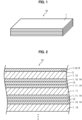
- the first and second board materials 11 and 12 are wood boards (that is, board materials) impregnated with a board material processing composition.
- the board material processing composition is a composition that inhibits combustion of the board materials 1 due to heating and improves the adhesive performance between the first and second board materials 11 and 12.
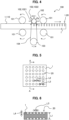
- Each board material 1 preferably includes holes 20 ( FIG. 4 ) in the surface. Including the hole 20 makes it easy to fully impregnate the inside of the board material 1 with the board material processing composition, thus improving the non-combustible performance of the board material laminate 10.
- the board material processing composition is normally slurry, such as in the case where the board material processing composition includes ceramic particles (described later) in particular. Including the holes 20 therefore makes it possible to fully impregnate the inside of the board material 1 with the slurry-type board material processing composition.
- the holes 20 may have a circular shape, a rectangular shape, or another shape, for example, and may be arranged in a scattered manner, for example, in a top view of the board material 1 from the opening side of the holes 20.
- the holes 20 may include a groove extending in a linear or curved manner from one direction to the other direction, for example. In the scattered arrangement, the holes 20 may be regularly arranged at equal intervals or may be arranged only in any portion of the board material 1. In terms of promoting impregnation with the board material processing composition, preferably, holes 20 are arranged, at least, at such positions as to penetrate through latewood. This is described in detail later.
- the holes 20 may be formed in at least one of the six faces constituting the board material 1.
- the holes 20 can be formed in a face (normally four faces) of the board material 1 other than the faces on which the adhesion layers 13 (described later) are disposed, for example.
- the holes 20 are preferably formed in such a face that the holes 20 have less impact on the designability of the board material laminate 10.
- the holes 20 are provided in a flat grain face of the board material 1, for example.
- the holes 20 are provided in a flat grain face, the inside of the board material 1 can be fully impregnated with the board material processing composition through the holes 20.
- the holes 20 may be provided in a vertical grain face.
- the holes 20 are formed so as to cut cellulose fibers of the board material 1 as wood. Shearing the fibers in such a manner makes it possible to extend, to the surrounding regions, the ability to be impregnated with the board material processing composition, thus facilitating impregnation. Furthermore, shearing the fibers inhibits deformation of the board material 1 due to stress included in the fibers after an impregnation step S3 ( FIG. 3 ) and a drying step S4 ( FIG. 3 ).
- the inner wall of each hole 20 is made of cellulose, lignin, and the like as constituent materials of the board material 1. Since the inner walls of the holes 20 are made of such materials, impregnation with the board material processing composition can be performed at the inner walls of the holes 20 in a similar manner to the other part.
- the holes 20 extend along the thickness direction of the board material 1 as illustrated in FIG. 4 described later, for example.
- the holes 20 normally extend vertically to the surface of the board material 1. However, the holes 20 may be formed at an angle to the surface, for example.
- the holes 20 may be provided so as to pass through the board material 1 completely or may be provided in only a portion of the board material 1 in the thickness direction.
- the depth of the holes 20 needs to be properly determined with consideration to the designability and work efficiency but is not particularly limited otherwise.
- the depth of the holes 20 may be, for example, 30% or more and preferably 40% or more of the thickness of the board material 1.
- the depth of the holes 20 may be, for example, 100% or less, preferably 90% or less, and more preferably 70% or less of the thickness of the board material 1. In the case of 100%, the holes 20 pass through the board material 1 completely.
- the holes 20 are formed in two surfaces opposite to each other, it is preferable that the sum of the depths of the holes 20 satisfy the aforementioned range.
- the depth of the holes 20 is preferably set to 5 mm to 15 mm, both inclusive (10 mm, for example) from the viewpoint of ensuring the strength of the board material 1.
- the size (the maximum inner diameter, for example) of the holes 20 is, for example, 0.1 mm or more and preferably 0.3 mm or more.
- the size of the holes 20 is, for example, 5 mm or less and preferably 3 mm or less.
- the distance between any adjacent two of the holes 20 is not particularly limited but may be, for example, 5 mm or more, and preferably 10 mm or more.
- the distance may be, for example, 20 mm or less and preferably 15 mm or less.
- the carbonization promotion component is a component that promotes carbonization of organic components of the board material 1 when the board material 1 is heated.
- the board material processing component carbonizes organic components, such as cellulose or lignin, in the heated surface to inhibit penetration of oxygen into the board material 1. This can inhibit combustion of organic components existing inside.
- carbide produced in the heated surface can inhibit heat transfer to the inside of the board material 1 and thereby inhibit combustion of organic components existing inside.
- the chain inhibition component is a component that inhibits a reaction chain to neighboring components by virtue of products of endothermic decomposition generated when the board material 1 is heated.
- the chain inhibition component can exert a cooling effect due to the chemical reaction of endothermic decomposition.
- the chain inhibition component is able to block a reaction chain by virtue of a non-contact effect due to the products, such as carbide, together with the aforementioned carbonization promotion component.
- Specific ingredients of the chain inhibition component are not particularly limited and can include at least any one of ammonium dihydrogen phosphate (monoammonium phosphate), a guanidine compound, sodium polyborate, borax, and zinc borate, for example. Among these, a highly hydrophilic ingredient is preferred.
- the chain inhibition component preferably includes ammonium dihydrogen phosphate. Ammonium dihydrogen phosphate exhibits low moisture absorption. Ammonium dihydrogen phosphate therefore can reduce moisture absorption into the board material 1 when dispersed across the board material 1. This can inhibit delamination at the adhesion layers 13 due to internal moisture.
- binder particles are not particularly limited and can include at least any one of inorganic materials insoluble or slightly soluble to water, such as silica sand, for example.
- the binder particles preferably include silica sand in particular. Using silica sand makes it difficult to retain moisture inside, thus inhibiting efflorescence after the board material 1 is impregnated with the board material processing composition and then dried. Furthermore, silica sand forms an inorganic thermal insulation layer, thus improving the non-combustibility.
- the board material processing composition preferably includes ceramic particles (sintered products). Ceramic particles have a function of improving the non-combustibility of the board material laminate 10, for example. Sintered products have high thermal insulation performance, and ceramic particles therefore can inhibit propagation of heat. This can reduce the depth of burning. Whether or not the particles are ceramic particles can be determined by observation using an electronic microscope, a component analysis, or the like, for example.
- the board material processing composition includes the ceramic particles
- at least some of the ceramic particles are preferably included in the board material 1 that is placed in an outermost layer. Even when a flame or the like comes into contact with the board material 1 placed in the outermost layer, for example, the board material 1 placed in the outermost layer is highly resistant to heat because of the heat resistance attributable to the ceramic particles. It is therefore possible to inhibit propagation of heat to the board materials 1 placed inside the board material 1 placed in the outermost layer, thus providing a thermal insulation effect. This can reduce the depth of burning. The non-combustibility of the entire board material laminate 10 can be thereby improved.
- the ceramic particles are at least one of sintered products composed of metal oxide, such as alumina or fluorite, sintered products composed of non-metal oxide, such as silica (silicon dioxide), silicon carbide, or silicon nitride, for example.
- the size of the ceramic particles is not particularly limited and is, for example, 8 um or more and preferably 10 um or more.
- the size of the ceramic particles is, for example, 35 um or less and preferably 20 um or less. When the particle size is within this range, the ceramic particles easily penetrate the board material 1. Disposing the ceramic particles within the board materials 1 through impregnation of the board material 1 in particular can strengthen the adhesion by the adhesion layers 13 (described later).
- the size of the ceramic particles can be measured by the same measuring method as that of the binder particles described above, for example.
- the content of the ceramic particles may be 0.5% by mass to 5% by mass, both inclusive, with respect to the entire board material processing composition, for example.
- the board material 1 can be easily impregnated with the board material processing composition.
- the board material processing composition may include any ingredient, in addition to the ingredients including the carbonization promotion component, chain inhibition component, and binder particles, without significantly diminishing the effect of the present disclosure.
- concentration of the ingredients in a solvent is not particularly limited but may be, for example, 30% by mass to 40% by mass, both inclusive.
- the relative content ratio between the carbonization promotion component, chain inhibition component, and binder particles is not particularly limited.
- the chain inhibition component at a ratio of, for example, 5% by mass to 15% by mass, both inclusive
- the binder particles at a ratio of, for example, 1% by mass to 10% by mass, both inclusive, may be used.
- the board material processing composition is an impregnation agent for the board material 1, for example.
- the board material processing composition is able to provide non-combustibility for the entire board material 1. A specific impregnation method is described later with reference to FIG. 3 .
- the board material processing composition can be used as a coating agent for the surface of the board material 1, too.
- the board material processing composition can inhibit combustion inside the board material 1 when the surface thereof is heated and implement reduction in weight of the board material 1 because the board material 1 is not entirely impregnated. A specific coating method is described later with reference to FIG. 3 .
- the adhesion layers 13 are configured to bond the first board materials 11 and the second board materials 12.
- the adhesion layer 13 is formed by applying any adhesive to at least any one of the first board materials 11 and the second board materials 12 and bonding the first and second board materials 11 and 12 to each other.
- an adhesive includes an adhesive capable of gluing wood to wood.
- the adhesive can be an adhesive mainly composed of an adhesive component, such as isocyanates, polyvinyl acetate resins, resorcinol resins, melamine resins, or urea resins, for example.
- the adhesion layers 13 may include any component, such as the aforementioned ceramic particles or silica sand, for example, without significantly diminishing the effect of the present disclosure.
- the adhesion layers 13 include an ingredient such as ceramic particles, the adhesion layers 13 are preferably derived from a one-part adhesive in terms of hardening promotion.
- the thickness of the adhesion layer 13 is not particularly limited but may be, for example, 1 um to 1 mm, both inclusive, preferably 1 um to 100 ⁇ m, both inclusive, and more preferably 1 um to 15 ⁇ m, both inclusive. Usually, the adhesion layer 13 is thicker than the size of the ingredients, including ceramic particles.
- the adhesion layers 13 can include ceramic particles similar to the aforementioned ceramic particles.
- at least any one of the adhesion layers 13 and the aforementioned board material processing composition include ceramic particles.
- the adhesion layers 13 include ceramic particles, the non-combustibility of the board material laminate 10 can be improved in a similar manner to the case where the board material processing composition includes ceramic particles.
- the ceramic particles are included in the adhesion layers 13 adjacent to the board materials 1 (the outermost board materials 1) placed in the outermost layers in particular, at combustion of the outermost board materials 1, the ceramic particles in the adhesion layers 13 inhibit propagation of heat to the adjacent board materials 1. This can reduce the depth of burning and inhibit combustion of the entire board material laminate 10, thus improving the non-combustibility of the entire board material laminate 10.
- the adhesion layers 13 include the ceramic particles
- the adhesive performance is intentionally inhibited without affecting long-term use because the ceramic particles are not involved in the adhesion function.
- the board material 1 placed in one of the outermost layers burns, the board material 1 carbonized by burning is intentionally separated from the board material 1 that was bonded to the carbonized board material 1 with the adhesion layer 13 interposed therebetween.
- gap (void) formed between the carbonized board material 1 and the board material 1 that is located just inside the carbonized board material 1 and is not carbonized inhibits propagation of heat. It is therefore possible to inhibit any adjacent two of the board materials 1 from burning in succession, thus improving the non-combustibility of the entire board material laminate 10.
- the specific ingredients and size of the included ceramic particles can be obtained by applying the matters concerning the specific ingredients and size of the aforementioned ceramic particles included in the board material processing composition.
- the content of the ceramic particles in each adhesion layer 13 may be, for example, 1% by mass or more and preferably 3% by mass or more with respect to the entire adhesion layer 13.
- the content of the ceramic particles may be, for example, 15% by mass or less and preferably 12% by mass or less.
- the ceramic particles may be included in underlying layers (not illustrated) of at least any one of the first board materials 11 and the second board materials 12, instead of or in addition to the adhesion layers 13.
- the underlying layer is formed in a surface of each of the board materials 1 including at least any one of the first board materials 11 and the second board materials 12 and is a part of each board material 1. When the underlying layers are formed, the adhesion layers 13 are bonded to the underlying layers within the first board materials 11 or the second board materials 12.
- the board material laminate 10 includes surface coating layers 14 in surfaces of at least any one of the first board materials 11 and the second board materials 12.
- each of the first board materials 11 is provided with the surface coating layers 14 in the upper and lower surfaces
- each of the second board materials 12 is also provided with the surface coating layers 14 in the upper and lower surfaces.
- the adhesion layers 13 can be bonded to at least any one of the first board materials 11 and the second board materials 12 by using the affinity between the adhesion layers 13 and the surface coating layers 14.
- the board material laminate 10 does not necessarily include the surface coating layers 14.
- the surface coating layers 14 may include the aforementioned carbonization component, chain inhibition component, and binder particles, for example. Such a configuration facilitates exertion of high adhesion performance and non-combustibility against heating originating on surfaces of at least any one of the first board materials 11 and the second board materials 12. Furthermore, since the binder particles are hydrophobic, it is possible to inhibit moisture migration originating from the binder particles to the wood, carbonization promotion component, chain inhibition component, and adhesion layer 13. This can inhibit delamination between each surface coating layer 14 and the adhesion layer 13 and provide firm adhesion between the same over a long period of time.
- the concentrations of the carbonization promotion component, chain inhibition component, and binder particles in the surface coating layers 14 may be the same as or different from those of the aforementioned board material processing composition.
- the surface coating layers 14 preferably include silica sand. By including silica sand, the surface coating layers 14 inhibit occurrence of efflorescence that is surface deposits of the board material processing composition with which the board material laminate 10 was impregnated, for example, after drying of the board material processing composition. Silica sand may be included as the binder particles or for another purpose.
- FIG. 3 is a flowchart illustrating a method of manufacturing the board material laminate 10 ( FIG. 1 ) of the present disclosure.
- the method of manufacturing the board material laminate 10 includes a sawing step S1, a boring step S2, an impregnation step S3, a drying step S4, an R-bending step S5, a coating step S6, an adhesive application step S7, a lamination step S8, and a finish shaping step S9, and an outermost surface coating step S10.
- the boring step S2 is preferably performed but is not necessarily provided.
- the scratching roller 102 faces the surface 110 and rotates while scratching the surface 110 to form the holes 20 in the surface 110.
- the scratching roller 102 includes a rotation shaft 1021 and the rod member 1022, which extends outward (radially, for example) from the surface of the rotation shaft 1021.
- the rotation shaft 1021 is cylindrical, for example, and is coupled through a belt 104, to the driving roller 103, which is coupled to a motor (not illustrated).
- the driving roller 103 rotates, the rotation force of the driving roller 103 is transmitted to the rotation shaft 1021 through the belt 104, which is wound around the driving roller 103.
- the rotation shaft 1021 thereby rotates.
- the tips of the rod members 1022 are forced into (dig into) the surface 110 of the board material 1 to form the holes 20 in the surface 110. Since the holes 20 are formed by forcing the rod members 1022 into the board material 1 in such a manner, the holes 20 can be formed without significantly diminishing the properties of the board material 1 as wood. This facilitates controlling impregnation with the board material processing composition through the holes 20, thus facilitating impregnation of the entire board material 1 with the board material processing composition.
- the shape of the rod members 1022 may be determined corresponding to the desired shape of the holes 20.
- each rod member 1022 is composed of a cylinder, for example.
- the tips of the rod members 1022 may be pointed so as to be easily forced into the board material 1.
- the impregnation step S3 is a step of impregnating each board material 1 with the board material processing composition.
- the board material 1 with the holes 20 ( FIG. 4 ) formed therein is impregnated with the board material processing composition.
- the board material processing composition penetrates the entire board material 1, for example, through the holes 20.
- the board material processing composition is normally slurry including water as a solvent.
- the specific method of impregnation is not particularly limited.
- the board material 1 is loaded into a vessel (not illustrated) that can be pressurized and depressurized.
- the vessel is then depressurized to reduce internal moisture of the board material 1.
- slurry of the board material processing composition is transferred to the vessel under the reduced pressure, followed by appropriately pressurization and the like.
- the board material 1 is thus impregnated with the board material processing composition.
- the pressurization may be pressurization from the reduced pressure back to the atmospheric pressure or from the reduced pressure to a pressure higher than the atmospheric pressure.
- the specific conditions for impregnation are not particularly limited but are preferably conditions that allow the inside of the board material 1 to be fully impregnated. Specifically, when the thickness of the board material 1 is set to 1 mm to 10 mm, both inclusive, as described above, for example, the board material 1 can be evenly impregnated, thus inhibiting uneven impregnation.
- the board material processing composition may include the aforementioned ceramic particles.
- the ceramic particles can be disposed (fixed) within the board materials 1.
- the board material processing composition includes the ceramic particles
- the board material 1 is preferably impregnated with the board material processing composition to such an extent that the ceramic particles cannot remain on the surface of the board material 1 in the drying step S4 and subsequent steps described later. This can inhibit unintentional reduction in adhesion strength by the adhesive.
- impregnation may be performed using an excessive amount of the board material processing composition, followed by removal of the ceramic particles remaining on the surface of the board material 1.
- impregnation may be performed by, for example, applying the board material processing composition at a certain concentration on the surface of the board material 1 for a certain number of times. The concentration and the number of times are determined such that the ceramic particles not remain on the surface.
- the drying step S4 is a step of drying the board material 1 impregnated with the board-material processing composition.
- the drying process By the drying process, the slurry of the board material processing composition remaining within the holes 20 is also dried, and the holes 20 are filled with solid.
- the specific conditions of the drying process are not particularly limited.
- the board material 1 can be dried by appropriately heating, depressurization, and the like within the vessel.
- the drying process causes the board material processing composition to be fixed within the board material 1.
- the R-processing step S5 is a step of performing R-processing (R-bendig) for each dried board material 1 to make the board material 1 curved.
- the specific method of R-processing is not particularly limited.
- the board material 1 can be bent into a desired shape by being subjected to R-processing using a jig (not illustrated).
- the R-processing step S5 is not essential.
- the flat board material 1 may be directly used without being subjected to the R-processing step S5 according to the product's specifications.
- the R-processing step S5 may be performed before the drying step S4.
- the coating step S6 is a step of forming the surface coating layers 14 ( FIG. 2 ) in the surface of each board material 1 with the board material processing composition fixed inside.
- the method of forming the surface coating layers 14 is not particularly limited.
- the surface coating layers 14 can be formed by applying to the board material 1, a dispersion liquid (or slurry) in which the ingredients described above concerning the surface coating layers 14 are dispersed in any solvent (water, for example) and then vaporizing the solvent.
- the coating step S6 is not necessarily performed depending on the product's specifications.
- bores (not illustrated) that might remain in the surface of the board material 1 can be filled with the dispersion liquid. This further inhibits moisture absorption and improves the adhesion performance in the lamination step S8 described later.
- the adhesive application step S7 is a step of applying an adhesive to the surfaces where the surface coating layers 14 are formed.
- the adhesive is applied to the surfaces that were subjected to the drying step S4 or the R-processing step S5.
- the adhesive is not necessarily applied to both surfaces of each board material 1.
- the adhesive needs to be applied to the surface of at least any one of the two board materials 1 that faces the other board material 1.
- the type of the adhesive used in this step is not particularly limited but may be the adhesive described concerning the aforementioned adhesion layers 13 ( FIG. 2 ).
- the outermost surface coating step S10 is a step of forming the outermost surface coating layer 15 ( FIG. 2 ) in at least any one (preferably both) of the outermost surfaces 2 ( FIG. 2 ) of the board material laminate 10 processed into the finished shape.
- the method of forming the outermost surface coating layer 15 is not particularly limited.
- the outermost surface coating layer 15 can be formed by applying a dispersion liquid (or slurry) in which the ingredients described above concerning the outermost surface coating layer 15 are dispersed in any solvent (water, for example) and then vaporizing the solvent.
- the outermost surface coating step S10 is performed or not necessarily performed, depending on the product's specifications.
- the holes 20 that might remain in the surface of the board material 1 can be filled with the dispersion liquid, thus further inhibiting moisture absorption.
- the dispersion liquid includes a pigment, for example, the outermost surface 2 ( FIG. 2 ) can be colored.
- the dispersion liquid includes an antimicrobial agent, an antiviral agent, or a water-repellent agent, for example, the board material laminate 10 can be resistant to outdoor weather.
- the outermost surfaces 2 may be further heat-treated for surface carbonization if necessary. This can further improve the designability, for example.
- a 35% by mass slurry dispersion liquid (the board material processing composition) was prepared by weighing boric acid (the carbonization promotion component), ammonium dihydrogen phosphate (the chain inhibition component), and silica sand (the binder particles as a powder mixture with particle sizes of between 5 to 95 ⁇ m, non-spherical unsintered silicon dioxide) at a mass ratio of 1/6/2 and using water as a solvent.
- boric acid the carbonization promotion component
- ammonium dihydrogen phosphate the chain inhibition component
- silica sand the binder particles as a powder mixture with particle sizes of between 5 to 95 ⁇ m, non-spherical unsintered silicon dioxide
- Laminated wood including cedar and cypress harvested in winter was cut into boards with a width of 100 mm, a length of 100 mm, and a thickness of 15 mm, thus preparing the board materials 1 ( FIG. 1 ).
- the prepared board materials 1 included at least two board materials 1.
- the boring step S2 FIG. 3
- Each of the prepared board materials 1 was fully impregnated with the aforementioned dispersion liquid and then dried, so that the board material processing composition was fixed within the board material 1.
- the dispersion liquid was applied to the surfaces of each board material 1 to which the adhesive was to be applied and was then dried for vaporization of the solvent.
- the surface coating layers 14 FIG. 2
- a thickness of 10 um were formed on the respective surfaces of each board material 1.
- the non-combustibility test was performed for the board material laminate 10 that was appropriately shaped, according to the method described in "Fire Preventive and Fireproof Performance Test and Evaluation Procedure Manual" issued by Japan Testing Center for Construction Materials.
- the immersion delamination test was performed as follows.
- the prepared board material laminate 10 was immersed in water at a temperature of between 10 to 20°C for 6 hours and was then dried at a temperature of between 10 to 20°C for 18 hours, thus completing a single cycle.
- the immersion delamination test was executed in two cycles in total. After the two cycles, visual check was performed for laminate part between the first board material 11, the adhesion layer 13, and the second board material 12. The results revealed no observable delamination between the first board material 11 and the adhesion layer 13 and between the second board material 12 and the adhesion layer 13. This confirmed that the first and second board materials 11 and 12 had high adhesive ability.
- the boiling water soak delamination test was performed as follows.
- the prepared board material laminate 10 was immersed in boiling water at a temperature of 100°C for 4 hours and was dried at a temperature of 10 to 20°C for 6 hours. After the drying process, visual check was performed for the laminate part between the first board material 11, the adhesion layer 13, and the second board material 12. The results revealed no observable delamination between the first board material 11 and the adhesion layer 13 and between the second board material 12 and the adhesion layer 13. This confirmed that the first and second board materials 11 and 12 retained high adhesive ability even when exposed to more severe conditions than in the immersion delamination test.
- the board material laminate 10 is therefore considered highly reliable with delamination inhibited over a long period of time of normal use, such as use at room temperature, in air, for example.
- the reason for the above results is considered to be attributable to the hydrophobic binder particles (silica sand) as follows.
- the hydrophobic binder particles hardly retained moisture. Therefore wood as an organic substance and the carbonization promotion component and chain inhibition component were bonded to each other with the binder particles which are hardly retaining moisture. Moisture therefore hardly penetrated inside, thus inhibiting delamination due to internal moisture.
- the hydrophobic binder particles were able to firmly bond the wood, the carbonization component, the chain inhibition component, and the adhesion layers 13. This inhibited formation of gap and thereby inhibited delamination due to intrusion of water into gap, thus giving the excellent results in both the immersion delamination test and the boiling water soak delamination test.
- the board material laminate 10 was prepared in a similar manner to Example 1 excepting that the surface coating layers 14 were not formed.
- the board material laminate 10 was subjected to the non-combustibility test, the immersion delamination test, and the boiling water soak delamination test. The results revealed that the prepared board material laminate 10 was non-combustible. Furthermore, no delamination was observed in both the immersion delamination test and the boiling water soak delamination test. This confirmed that the first board material 11 and second board material 12 had high adhesive ability in a similar manner to Example 1.
- the board material laminate 10 was prepared in a similar manner to Example 1 excepting that silica sand (the binder particles) was not used.
- the board material laminate 10 was subjected to the non-combustibility test, the immersion delamination test, and the boiling water soak delamination test. The result revealed that the prepared board material laminate 10 was non-combustible. However, large delamination exceeding 10 mm was observed in both the immersion delamination test and the boiling water soak delamination test. This revealed that the first and second board materials 11 and 12 had low adhesive ability. This is considered to be because the carbonization promotion component and chain inhibition component absorbed moisture and the internal moisture caused the delamination. Furthermore, the carbonization promotion component and the chain inhibition component were bonded with small adhesive force, so that gap was more likely to be formed therebetween. Moisture therefore easily intruded into gap, and the moisture in gap further caused delamination.
- Example 5 Neither of the board material laminates 10 of Example 5 nor the reference example (Example 1) suffered delamination of the board materials 1 (not illustrated). This reveals that the board material laminate 10 of Example 5 had a delamination resistance at least equal to that of the board material laminate 10 of the referential example and had a non-combustibility higher than the board material laminate 10 of the referential example. Whether to use the ceramic particles therefore can be determined depending on the intended use of the board material 1 or board material laminate 10, such as interior materials, exterior materials (used in a place requiring a scaffolding), structural materials, or superficial materials (for strictly ensuring the strength). According to the present disclosure, it is possible to provide an advantage that allows the user to select any manufacturing process.
Landscapes
- Chemical & Material Sciences (AREA)
- Life Sciences & Earth Sciences (AREA)
- Engineering & Computer Science (AREA)
- Wood Science & Technology (AREA)
- Organic Chemistry (AREA)
- Materials Engineering (AREA)
- Forests & Forestry (AREA)
- Inorganic Chemistry (AREA)
- Manufacturing & Machinery (AREA)
- Mechanical Engineering (AREA)
- Nanotechnology (AREA)
- Oil, Petroleum & Natural Gas (AREA)
- Plant Pathology (AREA)
- Laminated Bodies (AREA)
- Fireproofing Substances (AREA)
- Chemical And Physical Treatments For Wood And The Like (AREA)
- Reinforced Plastic Materials (AREA)
Applications Claiming Priority (3)
| Application Number | Priority Date | Filing Date | Title |
|---|---|---|---|
| JP2021073498 | 2021-04-23 | ||
| PCT/JP2022/016238 WO2022224782A1 (ja) | 2021-04-23 | 2022-03-30 | 板材加工用組成物、板材積層物及び板材積層物の製造方法 |
| EP22791557.6A EP4309862B1 (de) | 2021-04-23 | 2022-03-30 | Verarbeitungszusammensetzung für plattenmaterial, plattenmateriallaminat und verfahren zur herstellung eines plattenmateriallaminats |
Related Parent Applications (2)
| Application Number | Title | Priority Date | Filing Date |
|---|---|---|---|
| EP22791557.6A Division EP4309862B1 (de) | 2021-04-23 | 2022-03-30 | Verarbeitungszusammensetzung für plattenmaterial, plattenmateriallaminat und verfahren zur herstellung eines plattenmateriallaminats |
| EP22791557.6A Division-Into EP4309862B1 (de) | 2021-04-23 | 2022-03-30 | Verarbeitungszusammensetzung für plattenmaterial, plattenmateriallaminat und verfahren zur herstellung eines plattenmateriallaminats |
Publications (2)
| Publication Number | Publication Date |
|---|---|
| EP4516880A2 true EP4516880A2 (de) | 2025-03-05 |
| EP4516880A3 EP4516880A3 (de) | 2025-09-03 |
Family
ID=83722240
Family Applications (2)
| Application Number | Title | Priority Date | Filing Date |
|---|---|---|---|
| EP24219148.4A Pending EP4516880A3 (de) | 2021-04-23 | 2022-03-30 | Verarbeitungszusammensetzung für plattenmaterial, plattenmateriallaminat und verfahren zur herstellung eines plattenmateriallaminats |
| EP22791557.6A Active EP4309862B1 (de) | 2021-04-23 | 2022-03-30 | Verarbeitungszusammensetzung für plattenmaterial, plattenmateriallaminat und verfahren zur herstellung eines plattenmateriallaminats |
Family Applications After (1)
| Application Number | Title | Priority Date | Filing Date |
|---|---|---|---|
| EP22791557.6A Active EP4309862B1 (de) | 2021-04-23 | 2022-03-30 | Verarbeitungszusammensetzung für plattenmaterial, plattenmateriallaminat und verfahren zur herstellung eines plattenmateriallaminats |
Country Status (6)
| Country | Link |
|---|---|
| US (2) | US12122940B2 (de) |
| EP (2) | EP4516880A3 (de) |
| JP (2) | JP7329294B2 (de) |
| AU (3) | AU2022262491B2 (de) |
| CA (1) | CA3217067A1 (de) |
| WO (1) | WO2022224782A1 (de) |
Citations (1)
| Publication number | Priority date | Publication date | Assignee | Title |
|---|---|---|---|---|
| JP2012081603A (ja) | 2010-10-07 | 2012-04-26 | Ars Inc | 難燃化・準不燃化・不燃化木材 |
Family Cites Families (33)
| Publication number | Priority date | Publication date | Assignee | Title |
|---|---|---|---|---|
| JPS4997029A (de) | 1972-12-26 | 1974-09-13 | ||
| JPS51127596A (en) | 1975-04-29 | 1976-11-06 | Matsushita Electric Works Ltd | Blowing fireproofing agent |
| JPS51136809A (en) * | 1975-05-16 | 1976-11-26 | Shikoku Kaken Kogyo Kk | Method of rendering woody board nonnconbustible |
| JPS51146794A (en) | 1975-06-10 | 1976-12-16 | Matsushita Electric Works Ltd | Fire proof foaming compositions |
| US4168175A (en) * | 1978-04-26 | 1979-09-18 | Vitrofil Corporation | Fire retardant compositions |
| US4666960A (en) * | 1982-12-16 | 1987-05-19 | Spain Raymond G | Fire retardant coating for combustible substrates |
| JPS62132991A (ja) | 1985-12-03 | 1987-06-16 | 金 在運 | 耐火剤及び建築内装材用不燃剤とそれらの製造方法 |
| JPH02116505A (ja) | 1988-10-26 | 1990-05-01 | Matsushita Electric Works Ltd | 改質合板 |
| JPH04161688A (ja) * | 1990-10-26 | 1992-06-05 | Matsushita Electric Works Ltd | 木質防火戸 |
| JPH0699407A (ja) | 1992-09-21 | 1994-04-12 | Kyogyo Kumiai Sendai Fuanichia | 改質木材の製法 |
| US7429290B2 (en) | 2000-06-22 | 2008-09-30 | Thomas Joseph Lally | Fire-retardant coating, method for producing fire-retardant building materials |
| JP3919438B2 (ja) * | 2000-10-17 | 2007-05-23 | 道夫 加島 | 改質木材の製造方法 |
| JP4221608B2 (ja) * | 2004-12-03 | 2009-02-12 | 秀友 関川 | 不燃木材板の製造方法 |
| CN100586676C (zh) * | 2007-09-28 | 2010-02-03 | 东北林业大学 | 一种阻燃胶合板的制备方法 |
| US8066807B2 (en) | 2008-06-26 | 2011-11-29 | Daniel Adams | Fire-resistant and insulating additives for building materials, their methods of production and uses thereof |
| KR100989369B1 (ko) * | 2010-07-20 | 2010-10-25 | (주)유원건축사사무소 | 다기능성 아크릴계 수성 상도 코팅 조성물 및 이를 이용한 시공방법 |
| KR20120116254A (ko) | 2011-04-12 | 2012-10-22 | 한국국제대학교 산학협력단 | 준불연성 코팅제 및 이를 포함하는 준불연성 발포 성형품 |
| CN102493829B (zh) | 2011-11-16 | 2013-12-11 | 山东合兴科技发展有限公司 | 一种矿井用相变材料防火复合板 |
| JP6093148B2 (ja) | 2012-10-30 | 2017-03-08 | 菊水化学工業株式会社 | 複合断熱材、及び複合断熱材に用いられるモルタル組成物用材料 |
| CN104669385A (zh) * | 2013-11-28 | 2015-06-03 | 青岛佳亿阳工贸有限公司 | 一种抑烟环保型木材阻燃剂及其制备方法 |
| DE102015201099A1 (de) | 2015-01-22 | 2016-07-28 | Wacker Chemie Ag | Vernetzbare Beschichtungsmassen auf Basis von organyloxysilanterminierten Polymeren |
| CN105948602A (zh) | 2016-04-25 | 2016-09-21 | 安徽惠明建材科技发展有限公司 | 一种阻燃防火隔墙板用保温砂浆 |
| CN106147448A (zh) | 2016-07-19 | 2016-11-23 | 卞广勇 | 一种抗菌防水且耐老化的建筑涂料及其制备方法 |
| CN106368335A (zh) | 2016-08-26 | 2017-02-01 | 安徽枫慧金属股份有限公司 | 隔热阻燃聚氨酯墙体保温装饰板 |
| US11560465B2 (en) * | 2017-03-31 | 2023-01-24 | Eneos Corporation | Composition for curable resin, cured product of said composition, method of producing said composition and said cured product, and semiconductor device |
| CN107188509A (zh) | 2017-06-03 | 2017-09-22 | 合肥雅克丽新型建材有限公司 | 一种轻质耐水石膏板及其制备方法 |
| KR101791409B1 (ko) * | 2017-06-22 | 2017-11-20 | (주)플러스스페이스 | 복합소재를 이용한 전시시설용 패널조성물 및 이를 이용한 전시시설용 패널의 제조방법 |
| WO2019159943A1 (ja) * | 2018-02-13 | 2019-08-22 | 日本製紙株式会社 | 難燃化した複合繊維およびその製造方法 |
| CN108641393A (zh) | 2018-05-25 | 2018-10-12 | 柳州市林道科技有限公司 | 一种高强度人造板及其制造工艺 |
| CN109591134B (zh) | 2019-01-10 | 2021-06-08 | 南昌汇凯家具有限公司 | 一种木材阻燃浸渍处理工艺 |
| CN109896830B (zh) | 2019-02-22 | 2021-09-10 | 山东创能机械科技有限公司 | 一种装配式预制构件无机粘结材料、制备方法及应用 |
| PH12022550485A1 (en) * | 2019-08-30 | 2022-12-12 | Grace W R & Co | Silica-based matting formulations and methods of making and using the same |
| CN111002426A (zh) | 2019-10-10 | 2020-04-14 | 陈发江 | 一种实木制防火吸声纤维板及其制备方法 |
-
2022
- 2022-03-30 EP EP24219148.4A patent/EP4516880A3/de active Pending
- 2022-03-30 JP JP2023516407A patent/JP7329294B2/ja active Active
- 2022-03-30 US US18/555,049 patent/US12122940B2/en active Active
- 2022-03-30 CA CA3217067A patent/CA3217067A1/en active Pending
- 2022-03-30 AU AU2022262491A patent/AU2022262491B2/en active Active
- 2022-03-30 WO PCT/JP2022/016238 patent/WO2022224782A1/ja not_active Ceased
- 2022-03-30 EP EP22791557.6A patent/EP4309862B1/de active Active
-
2023
- 2023-07-28 JP JP2023123360A patent/JP7365743B2/ja active Active
- 2023-11-28 US US18/520,889 patent/US12460091B2/en active Active
-
2024
- 2024-02-23 AU AU2024201247A patent/AU2024201247B2/en active Active
- 2024-02-23 AU AU2024201248A patent/AU2024201248A1/en not_active Abandoned
Patent Citations (1)
| Publication number | Priority date | Publication date | Assignee | Title |
|---|---|---|---|---|
| JP2012081603A (ja) | 2010-10-07 | 2012-04-26 | Ars Inc | 難燃化・準不燃化・不燃化木材 |
Also Published As
| Publication number | Publication date |
|---|---|
| EP4516880A3 (de) | 2025-09-03 |
| AU2024201247A1 (en) | 2024-03-14 |
| EP4309862A1 (de) | 2024-01-24 |
| JP7365743B2 (ja) | 2023-10-20 |
| US20240124718A1 (en) | 2024-04-18 |
| AU2022262491A1 (en) | 2023-11-09 |
| AU2024201248A1 (en) | 2024-03-14 |
| WO2022224782A1 (ja) | 2022-10-27 |
| JP2023129694A (ja) | 2023-09-14 |
| US20240093041A1 (en) | 2024-03-21 |
| AU2024201247B2 (en) | 2024-10-24 |
| CA3217067A1 (en) | 2022-10-27 |
| AU2022262491B2 (en) | 2024-02-01 |
| US12460091B2 (en) | 2025-11-04 |
| EP4309862A4 (de) | 2025-02-12 |
| US12122940B2 (en) | 2024-10-22 |
| EP4309862B1 (de) | 2025-07-30 |
| JP7329294B2 (ja) | 2023-08-18 |
| EP4309862C0 (de) | 2025-07-30 |
| JPWO2022224782A1 (de) | 2022-10-27 |
Similar Documents
| Publication | Publication Date | Title |
|---|---|---|
| CA1257191A (en) | Fire barrier plywoods | |
| US6620349B1 (en) | Fire retardant compositions and methods for preserving wood products | |
| CN109057660B (zh) | 绿色环保木质防火门及其制造方法 | |
| Ayrilmis et al. | Physical and mechanical properties and fire, decay, and termite resistance of treated oriented strandboard | |
| EP4309862B1 (de) | Verarbeitungszusammensetzung für plattenmaterial, plattenmateriallaminat und verfahren zur herstellung eines plattenmateriallaminats | |
| EP3424657A1 (de) | Feuerbeständige sperrholzplatte und verfahren zur verbesserung der feuerbeständigkeit einer sperrholzplatte | |
| JP2008031743A (ja) | 耐火集成材 | |
| JP7090524B2 (ja) | 耐火性木質複合材及び耐火木製構造材 | |
| JP2009174286A (ja) | 耐火木質構造部材 | |
| JP2006346902A (ja) | 改質木材の製造方法 | |
| CN106113880A (zh) | 无机复合装饰板的制备方法及无机复合装饰板 | |
| JP4446071B2 (ja) | 不燃木材の製造方法 | |
| JP7533860B2 (ja) | 木質系耐火構造部材 | |
| JP7178107B2 (ja) | 木質防火繊維板及びその製造方法 | |
| JP2007154619A (ja) | 木製扉の製造方法 | |
| Ogrodnik et al. | Reseach on the impact of fireproof impregnation by preservatives containing nanoparticles on the strength of construction timber in increased temperatures | |
| JP3254913U (ja) | 構造用木材の耐火構造 | |
| JP4213657B2 (ja) | 木製扉の製造方法 | |
| Grześkowiak et al. | The fireproof degree of plywood protection depending on the impregnation method | |
| JP2018140539A (ja) | 不燃化木質材料及びそれに用いる輻射熱反射性断熱シート | |
| Jasiołek | Preliminary report on ignitibility of combined pro-ecological waterproofing and fire retardant coatings for paperboard in architectural application | |
| Korolchenko et al. | Research of a new flame retardant material with set parameters of operational properties taking into account features of glued wooden structures | |
| SE544168C2 (sv) | Förfarande för att brandskydda konstruktionselement | |
| Chinniah | The fire performance of moment-resisting nailed connections between heavy glulam timber members | |
| JPS6351104A (ja) | 改質木材の製法 |
Legal Events
| Date | Code | Title | Description |
|---|---|---|---|
| PUAI | Public reference made under article 153(3) epc to a published international application that has entered the european phase |
Free format text: ORIGINAL CODE: 0009012 |
|
| STAA | Information on the status of an ep patent application or granted ep patent |
Free format text: STATUS: THE APPLICATION HAS BEEN PUBLISHED |
|
| AC | Divisional application: reference to earlier application |
Ref document number: 4309862 Country of ref document: EP Kind code of ref document: P |
|
| AK | Designated contracting states |
Kind code of ref document: A2 Designated state(s): AL AT BE BG CH CY CZ DE DK EE ES FI FR GB GR HR HU IE IS IT LI LT LU LV MC MK MT NL NO PL PT RO RS SE SI SK SM TR |
|
| REG | Reference to a national code |
Ref country code: DE Ref legal event code: R079 Free format text: PREVIOUS MAIN CLASS: C09K0021040000 Ipc: B27D0001040000 |
|
| RIC1 | Information provided on ipc code assigned before grant |
Ipc: B27N 1/00 20060101ALN20250429BHEP Ipc: B27N 3/00 20060101ALI20250429BHEP Ipc: C09D 7/65 20180101ALI20250429BHEP Ipc: C09D 7/61 20180101ALI20250429BHEP Ipc: C09D 1/00 20060101ALI20250429BHEP Ipc: C08L 91/06 20060101ALI20250429BHEP Ipc: C09K 21/04 20060101ALI20250429BHEP Ipc: C09K 21/02 20060101ALI20250429BHEP Ipc: B27K 3/32 20060101ALI20250429BHEP Ipc: B27K 3/20 20060101ALI20250429BHEP Ipc: B27D 1/04 20060101AFI20250429BHEP |
|
| PUAL | Search report despatched |
Free format text: ORIGINAL CODE: 0009013 |
|
| AK | Designated contracting states |
Kind code of ref document: A3 Designated state(s): AL AT BE BG CH CY CZ DE DK EE ES FI FR GB GR HR HU IE IS IT LI LT LU LV MC MK MT NL NO PL PT RO RS SE SI SK SM TR |
|
| RIC1 | Information provided on ipc code assigned before grant |
Ipc: B27D 1/04 20060101AFI20250731BHEP Ipc: B27K 3/20 20060101ALI20250731BHEP Ipc: B27K 3/32 20060101ALI20250731BHEP Ipc: C09K 21/02 20060101ALI20250731BHEP Ipc: C09K 21/04 20060101ALI20250731BHEP Ipc: C08L 91/06 20060101ALI20250731BHEP Ipc: C09D 1/00 20060101ALI20250731BHEP Ipc: C09D 7/61 20180101ALI20250731BHEP Ipc: C09D 7/65 20180101ALI20250731BHEP Ipc: B27N 3/00 20060101ALI20250731BHEP Ipc: B27N 1/00 20060101ALN20250731BHEP |
|
| STAA | Information on the status of an ep patent application or granted ep patent |
Free format text: STATUS: REQUEST FOR EXAMINATION WAS MADE |
|
| 17P | Request for examination filed |
Effective date: 20251008 |