EP4400516A1 - Bispezifischer chimärer or-gate-antigenrezeptor mit reaktion auf cd19 und cd20 - Google Patents
Bispezifischer chimärer or-gate-antigenrezeptor mit reaktion auf cd19 und cd20 Download PDFInfo
- Publication number
- EP4400516A1 EP4400516A1 EP24174590.0A EP24174590A EP4400516A1 EP 4400516 A1 EP4400516 A1 EP 4400516A1 EP 24174590 A EP24174590 A EP 24174590A EP 4400516 A1 EP4400516 A1 EP 4400516A1
- Authority
- EP
- European Patent Office
- Prior art keywords
- cell
- seq
- car
- domain
- cells
- Prior art date
- Legal status (The legal status is an assumption and is not a legal conclusion. Google has not performed a legal analysis and makes no representation as to the accuracy of the status listed.)
- Pending
Links
Images




Classifications
-
- A—HUMAN NECESSITIES
- A61—MEDICAL OR VETERINARY SCIENCE; HYGIENE
- A61K—PREPARATIONS FOR MEDICAL, DENTAL OR TOILETRY PURPOSES
- A61K35/00—Medicinal preparations containing materials or reaction products thereof with undetermined constitution
- A61K35/12—Materials from mammals; Compositions comprising non-specified tissues or cells; Compositions comprising non-embryonic stem cells; Genetically modified cells
- A61K35/14—Blood; Artificial blood
- A61K35/17—Lymphocytes; B-cells; T-cells; Natural killer cells; Interferon-activated or cytokine-activated lymphocytes
-
- A—HUMAN NECESSITIES
- A61—MEDICAL OR VETERINARY SCIENCE; HYGIENE
- A61K—PREPARATIONS FOR MEDICAL, DENTAL OR TOILETRY PURPOSES
- A61K40/00—Cellular immunotherapy
- A61K40/10—Cellular immunotherapy characterised by the cell type used
- A61K40/11—T-cells, e.g. tumour infiltrating lymphocytes [TIL] or regulatory T [Treg] cells; Lymphokine-activated killer [LAK] cells
-
- A—HUMAN NECESSITIES
- A61—MEDICAL OR VETERINARY SCIENCE; HYGIENE
- A61K—PREPARATIONS FOR MEDICAL, DENTAL OR TOILETRY PURPOSES
- A61K40/00—Cellular immunotherapy
- A61K40/30—Cellular immunotherapy characterised by the recombinant expression of specific molecules in the cells of the immune system
- A61K40/31—Chimeric antigen receptors [CAR]
-
- A—HUMAN NECESSITIES
- A61—MEDICAL OR VETERINARY SCIENCE; HYGIENE
- A61K—PREPARATIONS FOR MEDICAL, DENTAL OR TOILETRY PURPOSES
- A61K40/00—Cellular immunotherapy
- A61K40/40—Cellular immunotherapy characterised by antigens that are targeted or presented by cells of the immune system
- A61K40/41—Vertebrate antigens
- A61K40/42—Cancer antigens
- A61K40/4202—Receptors, cell surface antigens or cell surface determinants
- A61K40/421—Immunoglobulin superfamily
- A61K40/4211—CD19 or B4
-
- A—HUMAN NECESSITIES
- A61—MEDICAL OR VETERINARY SCIENCE; HYGIENE
- A61K—PREPARATIONS FOR MEDICAL, DENTAL OR TOILETRY PURPOSES
- A61K40/00—Cellular immunotherapy
- A61K40/40—Cellular immunotherapy characterised by antigens that are targeted or presented by cells of the immune system
- A61K40/41—Vertebrate antigens
- A61K40/42—Cancer antigens
- A61K40/4202—Receptors, cell surface antigens or cell surface determinants
- A61K40/4221—CD20
-
- C—CHEMISTRY; METALLURGY
- C07—ORGANIC CHEMISTRY
- C07K—PEPTIDES
- C07K14/00—Peptides having more than 20 amino acids; Gastrins; Somatostatins; Melanotropins; Derivatives thereof
- C07K14/435—Peptides having more than 20 amino acids; Gastrins; Somatostatins; Melanotropins; Derivatives thereof from animals; from humans
- C07K14/705—Receptors; Cell surface antigens; Cell surface determinants
- C07K14/70503—Immunoglobulin superfamily
- C07K14/7051—T-cell receptor (TcR)-CD3 complex
-
- C—CHEMISTRY; METALLURGY
- C07—ORGANIC CHEMISTRY
- C07K—PEPTIDES
- C07K14/00—Peptides having more than 20 amino acids; Gastrins; Somatostatins; Melanotropins; Derivatives thereof
- C07K14/435—Peptides having more than 20 amino acids; Gastrins; Somatostatins; Melanotropins; Derivatives thereof from animals; from humans
- C07K14/705—Receptors; Cell surface antigens; Cell surface determinants
- C07K14/70503—Immunoglobulin superfamily
- C07K14/70521—CD28, CD152
-
- C—CHEMISTRY; METALLURGY
- C07—ORGANIC CHEMISTRY
- C07K—PEPTIDES
- C07K14/00—Peptides having more than 20 amino acids; Gastrins; Somatostatins; Melanotropins; Derivatives thereof
- C07K14/435—Peptides having more than 20 amino acids; Gastrins; Somatostatins; Melanotropins; Derivatives thereof from animals; from humans
- C07K14/705—Receptors; Cell surface antigens; Cell surface determinants
- C07K14/70596—Molecules with a "CD"-designation not provided for elsewhere
-
- C—CHEMISTRY; METALLURGY
- C07—ORGANIC CHEMISTRY
- C07K—PEPTIDES
- C07K16/00—Immunoglobulins [IG], e.g. monoclonal or polyclonal antibodies
- C07K16/18—Immunoglobulins [IG], e.g. monoclonal or polyclonal antibodies against material from animals or humans
- C07K16/28—Immunoglobulins [IG], e.g. monoclonal or polyclonal antibodies against material from animals or humans against receptors, cell surface antigens or cell surface determinants
- C07K16/2803—Immunoglobulins [IG], e.g. monoclonal or polyclonal antibodies against material from animals or humans against receptors, cell surface antigens or cell surface determinants against the immunoglobulin superfamily
-
- C—CHEMISTRY; METALLURGY
- C07—ORGANIC CHEMISTRY
- C07K—PEPTIDES
- C07K16/00—Immunoglobulins [IG], e.g. monoclonal or polyclonal antibodies
- C07K16/18—Immunoglobulins [IG], e.g. monoclonal or polyclonal antibodies against material from animals or humans
- C07K16/28—Immunoglobulins [IG], e.g. monoclonal or polyclonal antibodies against material from animals or humans against receptors, cell surface antigens or cell surface determinants
- C07K16/2887—Immunoglobulins [IG], e.g. monoclonal or polyclonal antibodies against material from animals or humans against receptors, cell surface antigens or cell surface determinants against CD20
-
- C—CHEMISTRY; METALLURGY
- C07—ORGANIC CHEMISTRY
- C07K—PEPTIDES
- C07K16/00—Immunoglobulins [IG], e.g. monoclonal or polyclonal antibodies
- C07K16/46—Hybrid immunoglobulins
-
- C—CHEMISTRY; METALLURGY
- C12—BIOCHEMISTRY; BEER; SPIRITS; WINE; VINEGAR; MICROBIOLOGY; ENZYMOLOGY; MUTATION OR GENETIC ENGINEERING
- C12N—MICROORGANISMS OR ENZYMES; COMPOSITIONS THEREOF; PROPAGATING, PRESERVING, OR MAINTAINING MICROORGANISMS; MUTATION OR GENETIC ENGINEERING; CULTURE MEDIA
- C12N5/00—Undifferentiated human, animal or plant cells, e.g. cell lines; Tissues; Cultivation or maintenance thereof; Culture media therefor
- C12N5/06—Animal cells or tissues; Human cells or tissues
- C12N5/0602—Vertebrate cells
- C12N5/0634—Cells from the blood or the immune system
- C12N5/0636—T lymphocytes
-
- A—HUMAN NECESSITIES
- A61—MEDICAL OR VETERINARY SCIENCE; HYGIENE
- A61K—PREPARATIONS FOR MEDICAL, DENTAL OR TOILETRY PURPOSES
- A61K39/00—Medicinal preparations containing antigens or antibodies
- A61K2039/505—Medicinal preparations containing antigens or antibodies comprising antibodies
-
- A—HUMAN NECESSITIES
- A61—MEDICAL OR VETERINARY SCIENCE; HYGIENE
- A61K—PREPARATIONS FOR MEDICAL, DENTAL OR TOILETRY PURPOSES
- A61K2239/00—Indexing codes associated with cellular immunotherapy of group A61K40/00
- A61K2239/27—Indexing codes associated with cellular immunotherapy of group A61K40/00 characterized by targeting or presenting multiple antigens
- A61K2239/29—Multispecific CARs
-
- A—HUMAN NECESSITIES
- A61—MEDICAL OR VETERINARY SCIENCE; HYGIENE
- A61K—PREPARATIONS FOR MEDICAL, DENTAL OR TOILETRY PURPOSES
- A61K2239/00—Indexing codes associated with cellular immunotherapy of group A61K40/00
- A61K2239/46—Indexing codes associated with cellular immunotherapy of group A61K40/00 characterised by the cancer treated
- A61K2239/48—Blood cells, e.g. leukemia or lymphoma
-
- A—HUMAN NECESSITIES
- A61—MEDICAL OR VETERINARY SCIENCE; HYGIENE
- A61K—PREPARATIONS FOR MEDICAL, DENTAL OR TOILETRY PURPOSES
- A61K38/00—Medicinal preparations containing peptides
-
- C—CHEMISTRY; METALLURGY
- C07—ORGANIC CHEMISTRY
- C07K—PEPTIDES
- C07K2317/00—Immunoglobulins specific features
- C07K2317/30—Immunoglobulins specific features characterized by aspects of specificity or valency
- C07K2317/31—Immunoglobulins specific features characterized by aspects of specificity or valency multispecific
-
- C—CHEMISTRY; METALLURGY
- C07—ORGANIC CHEMISTRY
- C07K—PEPTIDES
- C07K2317/00—Immunoglobulins specific features
- C07K2317/60—Immunoglobulins specific features characterized by non-natural combinations of immunoglobulin fragments
- C07K2317/62—Immunoglobulins specific features characterized by non-natural combinations of immunoglobulin fragments comprising only variable region components
- C07K2317/622—Single chain antibody (scFv)
-
- C—CHEMISTRY; METALLURGY
- C07—ORGANIC CHEMISTRY
- C07K—PEPTIDES
- C07K2319/00—Fusion polypeptide
- C07K2319/01—Fusion polypeptide containing a localisation/targetting motif
- C07K2319/03—Fusion polypeptide containing a localisation/targetting motif containing a transmembrane segment
-
- C—CHEMISTRY; METALLURGY
- C07—ORGANIC CHEMISTRY
- C07K—PEPTIDES
- C07K2319/00—Fusion polypeptide
- C07K2319/40—Fusion polypeptide containing a tag for immunodetection, or an epitope for immunisation
-
- C—CHEMISTRY; METALLURGY
- C12—BIOCHEMISTRY; BEER; SPIRITS; WINE; VINEGAR; MICROBIOLOGY; ENZYMOLOGY; MUTATION OR GENETIC ENGINEERING
- C12N—MICROORGANISMS OR ENZYMES; COMPOSITIONS THEREOF; PROPAGATING, PRESERVING, OR MAINTAINING MICROORGANISMS; MUTATION OR GENETIC ENGINEERING; CULTURE MEDIA
- C12N2510/00—Genetically modified cells
Definitions
- Chimeric antigen receptors are artificial molecules that redirect the specificity of T cells to predetermined antigens. These receptors are frequently used to graft the specificity of a monoclonal antibody onto a T cell; with transfer of their coding sequence facilitated by retroviral or lentiviral vectors.
- autologous T cells can be genetically modified ex vivo to express a CAR specific for a cancer cell of interest. The T cells, which can then recognize and kill the cancer cells, are reintroduced into the patient. Phase I clinical studies of this approach have shown efficacy.
- CARs are fusions of single-chain variable fragments (scFv) derived from monoclonal antibodies, fused to CD3-zeta signaling domain, which contains 3 ITAMs.
- CD3-zeta may not provide a fully competent activation signal and additional co-stimulatory signaling is needed.
- chimeric CD28 and OX40 can be used with CD3-Zeta to transmit a proliferative/survival signal, or all three can be used together. Such molecules result in the transmission of a zeta signal in response to recognition by the scFv of its target.
- CD20 and CD19 are both pan-B-cell markers present on the vast majority of malignant B cells.
- An OR-gate CAR that triggers tumor killing as long as either CD20 or CD19 is present reduces the probability of antigen escape, by requiring that tumor cells lose both antigens to escape targeting, an event that happens with a significantly lower probability than single-antigen mutations. Therefore, this invention has a strong competitive advantage compared to the conventional, single-input anti-CD19 CAR T-cell therapy.
- a CD19-OR-CD20 chimeric antigen receptor (CAR) protein construct is provided. Also provided are nucleic acids encoding the CD19-OR-CD20 CAR; and methods of use, e.g. in the treatment of B cell malignancies.
- the CD19-OR-CD20 CAR of the invention is a bispecific CAR that can trigger T-cell activation upon detection of either CD19 or CD20 (or both). It is a single molecule that confers two-input recognition capability upon human T cells engineered to stably express this CAR.
- the CD19-OR-CD20 CAR consists of the following (from N- to C-terminus): signal sequence; anti CD20 scFv; linker; anti-CD19 scFv; spacer domain; transmembrane domain; zero, one, or more cytoplasmic co-stimulatory signaling domains; CD3 zeta signaling domain.
- the spacer domain is an immunoglobulin hinge domain, including without limitation the human IgG4 hinge.
- the transmembrane domain is CD28 transmembrane domain.
- the cytoplasmic co-stimulatory signaling domain is CD28 and/or 4-1BB.
- the construct further comprises T2A ribosomal skipping peptide, which can be used to link the CAR to a protein or peptide of interest, e.g. an epitope tag.
- a sortable tag is included, e.g. truncated epidermal growth factor receptor (EGFRt) or fluorescent proteins, which can be used to separate T cells expressing the CAR.
- the linker joining the two scFv sequences is a rigid linker.
- a rigid linker has the sequence SEQ ID NO:1 (EAAAK)n, where n is 1, 2, 3, 4, 5, 6, etc. In some specific embodiments, n is 3.
- the CAR construct is packaged into a lentiviral vector, which includes, without limitation, a third-generation lentiviral vector.
- Primary human T cells can be lentivirally transduced to stably integrate and express the OR-gate CAR.
- CAR-expressing cells can be enriched by fluorescence- or magnetism-activated cell sorting and expanded by antigen stimulation or stimulation with CD3/CD28 antibodies or antibody-coated microbeads.
- an expression vector encoding the CD19-or-CD20 CAR is provided, where the vector may be a lentiviral vector, a retroviral vector, an adenoviral vector, an adeno-associated viral vector, a plasmid, or RNA.
- a method of killing a cancer cell in an individual comprising the step of providing to the individual a therapeutically effective amount of a therapeutic cell of the invention, including an effector cell, such as a T cell, NK cell, NKT cell, etc., for example.
- the individual may have a B-cell malignancy, expressing on or both of CD20 and CD19.
- Any method of the invention may further comprise the step of delivering to the individual an additional cancer therapy, such as surgery, radiation, hormone therapy, chemotherapy, immunotherapy, or a combination thereof, for example.
- kits comprising cells comprising a CD19-or-CD20 CAR and/or expression vector encoding a CD19-or-CD20 CAR.
- genetic modification means any process that adds, deletes, alters, or disrupts an endogenous nucleotide sequence and includes, but is not limited to viral mediated gene transfer, liposome mediated transfer, transformation, transfection and transduction, e.g., viral mediated gene transfer such as the use of vectors based on DNA viruses such as lentivirus, adenovirus, retroviruses, adeno-associated virus and herpes virus.
- Variant refers to polypeptides having amino acid sequences that differ to some extent from a native sequence polypeptide. Ordinarily, amino acid sequence variants will possess at least about 80% sequence identity, more preferably, at least about 90% homologous by sequence. The amino acid sequence variants may possess substitutions, deletions, and/or insertions at certain positions within the reference amino acid sequence.
- ADCC antibody-dependent cell-mediated cytotoxicity
- nonspecific cytotoxic cells that express Fc receptors, such as natural killer cells, neutrophils, and macrophages, recognize bound antibody on a target cell and cause lysis of the target cell. ADCC activity may be assessed using methods, such as those described in U.S. Pat. No. 5,821,337 .
- Effective cells are leukocytes which express one or more constant region receptors and perform effector functions.
- To “treat” a disease or a disorder, such as cancer, means to take either therapeutic measures or preventative measures to lessen or abate the disease or disorder. Such treatment includes prevention, alleviation of symptoms, diminishment or stabilization of scope, and/or remission.
- terapéuticaally effective amount refers to an amount of a compound or molecule effective to treat a disease or disorder.
- Cancer refers to cells undergoing uncontrolled cellular growth. Examples of cancer include colorectal cancer and head and neck cancer.
- a “chemotherapeutic agent” is a chemical compound useful in the treatment of cancer.
- a "cytokine” is a protein released by one cell to act on another cell as an intercellular mediator.
- Non-immunogenic refers to a material that does not initiate, provoke or enhance an immune response where the immune response includes the adaptive and/or innate immune responses.
- gene means the segment of DNA involved in producing a polypeptide chain; it includes regions preceding and following the coding region "leader and trailer” as well as intervening sequences (introns) between individual coding segments (exons). Some genes may be developed which lack, in whole or in part, introns. Some leader sequences may enhance translation of the nucleic acid into polypeptides.
- isolated means that the material is removed from its original environment (e.g., the natural environment if it is naturally occurring).
- a naturally-occurring polynucleotide or polypeptide present in a living animal is not isolated, but the same polynucleotide or polypeptide, separated from some or all of the coexisting materials in the natural system, is isolated.
- Such polynucleotides could be part of a vector and/or such polynucleotides or polypeptides could be part of a composition, and still be isolated in that such vector or composition is not part of its natural environment.
- a "vector” may be any agent capable of delivering or maintaining nucleic acid in a host cell, and includes viral vectors (e.g. retroviral vectors, lentiviral vectors, adenoviral vectors, or adeno-associated viral vectors), plasmids, naked nucleic acids, nucleic acids complexed with polypeptide or other molecules and nucleic acids immobilized onto solid phase particles.
- viral vectors e.g. retroviral vectors, lentiviral vectors, adenoviral vectors, or adeno-associated viral vectors
- plasmids naked nucleic acids
- nucleic acids complexed with polypeptide or other molecules e.g. retroviral vectors, lentiviral vectors, or adeno-associated viral vectors
- naked nucleic acids naked nucleic acids
- nucleic acids complexed with polypeptide or other molecules e.g., adenoviral vectors, or adeno-associated viral
- Enhancers are cis-acting elements of DNA, usually about from 10 to 300 by that act on a promoter to increase its transcription. Examples including the SV40 enhancer on the late side of the replication origin by 100 to 270, a cytomegalovirus early promoter enhancer, the polyoma enhancer on the late side of the replication origin, and adenovirus enhancers.
- Receptor means a polypeptide that is capable of specific binding to a molecule. Whereas many receptors may typically operate on the surface of a cell, some receptors may bind ligands when located inside the cell (and prior to transport to the surface) or may reside predominantly intra-cellularly and bind ligand therein.
- antibody includes monoclonal antibodies, polyclonal antibodies, dimers, multimers, multispecific antibodies and antibody fragments that may be human, mouse, humanized, chimeric, or derived from another species.
- a "monoclonal antibody” is an antibody obtained from a population of substantially homogeneous antibodies that is being directed against a specific antigenic site.
- Antibody or functional fragment thereof' means an immunoglobulin molecule that specifically binds to, or is immunologically reactive with a particular antigen or epitope, and includes both polyclonal and monoclonal antibodies.
- the term antibody includes genetically engineered or otherwise modified forms of immunoglobulins, such as intrabodies, peptibodies, chimeric antibodies, fully human antibodies, humanized antibodies, and heteroconjugate antibodies (e.g., bispecific antibodies, diabodies, triabodies, and tetrabodies).
- the term functional antibody fragment includes antigen binding fragments of antibodies, including e.g., Fab', F(ab') 2 , Fab, Fv, rlgG, and scFv fragments.
- the term scFv refers to a single chain Fv antibody in which the variable domains of the heavy chain and of the light chain of a traditional two chain antibody have been joined to form one chain.
- scFv single chain variable fragment
- scFvs are recombinant molecules in which the variable regions of light and heavy immunoglobulin chains encoding antigen-binding domains are engineered into a single polypeptide.
- V H and V L sequences are joined by a linker sequence. See, for example, Ahmad (2012) Clinical and Developmental Immunology Article ID 980250 , herein specifically incorporated by reference.
- the length of the DNA linker used to link both of the domains is important for proper folding. It has been estimated that the peptide linker must span 3.5 nm (35 ⁇ ) between the carboxy terminus of the variable domain and the amino terminus of the other domain without affecting the ability of the domains to fold and form an intact antigen-binding site. Many such linkers are known in the art, for example flexible linkers comprising stretches of Gly and Ser residues.
- the linkers used in the present invention include, without limitation, a rigid linker. In some specific embodiments of the invention, a rigid linker has the sequence SEQ ID NO:1 (EAAAK)n, where n is 1, 2, 3, 4, 5, 6, etc. In some specific embodiments, n is 3.
- a spacer region links the antigen binding domain to the transmembrane domain. It should be flexible enough to allow the antigen binding domain to orient in different directions to facilitate antigen recognition.
- the simplest form is the hinge region from an immunoglobulin, e.g. the hinge from any one of IgG1, IgG2a, IgG2b, IgG3, IgG4, particularly the human protein sequences.. Alternatives include the CH 2 CH 3 region of immunoglobulin and portions of CD3. For many scFv based constructs, an IgG hinge is effective.
- T2A peptide can be used to link the CAR of the invention to an epitope tag or other protein or peptide, including without limitation a sortable tag.
- T2A-linked multicistronic vectors can be used to express multiple proteins from a single open reading frame.
- the small T2A peptide sequences when cloned between genes, allow for efficient, stoichiometric production of discrete protein products within a single vector through a novel "cleavage" event within the T2A peptide sequence.
- Various 2A peptide sequences are known and used in the art, for example see Szymczak-Workman et al. (2012) Cold Spring Harb Protoc.
- tumor microenvironment refers to any and all elements of the tumor milieu that creates a structural and or functional environment for the malignant process to survive and/or expand and/or spread.
- CD20 is a cell surface protein present on most B-cell neoplasms, and absent on otherwise similar appearing T-cell neoplasms. CD20 positive cells are also sometimes found in cases of Hodgkins disease, myeloma, and thymoma.
- CD20 is the target of the monoclonal antibodies (mAb) rituximab, ofatumumab, ocrelizumab, genmab, obinutuzumab, Ibritumomab tiuxetan, AME-133v, IMMU-106, TRU-015, and tositumomab, which are all active agents in the treatment of all B cell lymphomas and leukemias.
- mAb monoclonal antibodies
- rituximab ofatumumab, ocrelizumab, genmab, obinutuzumab, Ibritumomab tiuxetan, AME
- Cancers that may be treated with anti-CD20 reagents include without limitation B-cell lymphomas and leukemias, for example B-cell non-Hodgkin lymphomas (NHL), e.g. follicular lymphoma; hairy cell leukemia, and B-cell chronic lymphocytic leukemia (CLL).
- B-cell lymphomas and leukemias include without limitation B-cell non-Hodgkin lymphomas (NHL), e.g. follicular lymphoma; hairy cell leukemia, and B-cell chronic lymphocytic leukemia (CLL).
- Anti-CD20 reagents are also useful in treating melanoma, e.g. targeting melanoma cancer stem cells.
- CD19 expression is a hallmark of B cells.
- CD19 antigen is a type I transmembrane glycoprotein belonging to the immunoglobulin Ig superfamily.
- CD19 is specifically expressed in normal B cells and neoplastic B cells. It is considered a pan B-cell marker expressed throughout B-cell development but with threefold higher expression in mature cells as compared to immature B cells. CD19 expression however, is lost in the terminally differentiated plasma cells.
- CD19 directs B-cell fate and differentiation by modulating B-cell receptor signaling. It is critically involved in establishing the optimal immune response through its roles in the antigen-independent development as well as the immunoglobulin-induced activation of B cells.
- CD19 deficiency in humans and mice leads to an overall impaired humoral response with increased susceptibility to infection.
- CD19 is maintained among B-cell malignancies where it is expressed in indolent and aggressive subtypes of B cell lymphomas and leukemias, including NHL, B-cell CLL, and non-T acute lymphoblastic leukemia (ALL).
- CD19 is expressed in the B-cell lineage at an earlier stage compared with CD20. This fact therefore, may provide an advantage to CD19 targeted drugs over rituximab, especially for early B-cell neoplasms like acute lymphoblastic leukemia.
- CD19 is shown to be internalized efficiently in lymphoma tumor models with the use of different monoclonal antibodies (huB4, hBU12).
- anti-CD19 antibodies can be formatted for use in the constructs of the present invention, including without limitation huB4, which is a humanized anti-CD19 antibody.
- the anti-CD19 scFv is the FMC63 antibody.
- the bispecific CAR comprises a modified endogenous cell-surface molecule that may be used as a non-immunogenic selection epitope compatible with immunomagnetic selection.
- Non-immunogenic epitopes are those that normally do not raise an immune response in humans, and are usually proteins normally expressed in humans, or fragments thereof. Such a non-immunogenic selection epitope may facilitate immunotherapy in cancer patients without undesirable immunologic rejection of cell products.
- the endogenous cell surface molecule may be modified or truncated to retain an extracellular epitope recognized by a known antibody or functional fragment thereof, and to remove any signaling or trafficking domains and/or any extracellular domains unrecognized by said known antibody.
- a modified endogenous cell surface molecule which lacks a signaling or trafficking domain and/or any extracellular domains unrecognized by said known antibody is rendered inert.
- a truncated EGFR is used for this purpose.
- the modified endogenous cell-surface molecule may be, but is not limited to, any non-immunogenic cell-surface related receptor, glycoprotein, cell adhesion molecule, antigen, integrin or cluster of differentiation (CD) that is modified as described herein. Modification of such cell-surface molecules is accomplished by keeping an epitope that is recognized by a known antibody or functional fragment thereof; and removing any signaling or trafficking domains and/or any extracellular domains unrecognized by a known antibody. Removal of the signaling or trafficking domains and/or any extracellular domains unrecognized by a known antibody renders the endogenous cell-surface molecule non-immunogenic and/or inert.
- CD cluster of differentiation
- embodiments of the invention utilize an OR gate CAR as an artificial molecule that enables immune cells (T cells) to specifically and distinctly recognize and attack two cancer target molecules simultaneously, or to attack a cancer cell that has lost expression of either CD20 or CD19.
- the CAR is an artificial molecule that can be grafted onto T cells using genetic engineering technology to render them specific to a target of interest. This ability has substantial therapeutic implications, in that escape from single activity CARs has been reported.
- the CAR architecture may be any suitable architecture, as known in the art.
- a cytoplasmic signaling domain such as those derived from the T cell receptor ⁇ -chain, is employed as at least part of the chimeric receptor in order to produce stimulatory signals for T lymphocyte proliferation and effector function following engagement of the chimeric receptor with the target antigen. Examples would include, but are not limited to, endodomains from co-stimulatory molecules such as CD28, 4-1BB, and OX40 or the signaling components of cytokine receptors such as IL7 and IL15.
- co-stimulatory molecules are employed to enhance the activation, proliferation, and cytotoxicity of T cells produced by the CAR after antigen engagement.
- the co-stimulatory molecules are CD28, OX40, and 4-1BB and cytokine and the cytokine receptors are IL7 and IL15.
- the CAR may be first generation, second generation, or third generation CAR, in which signaling is provided by CD3 ⁇ together with co-stimulation provided by CD28 and a tumor necrosis factor receptor (TNFr), such as 4-1BB or OX40), for example.
- TNFr tumor necrosis factor receptor
- Embodiments of the invention include cells that express an OR-gate CAR of the invention.
- the cell may be of any kind, including an immune cell capable of expressing the OR-gate CAR of the invention for cancer therapy or a cell, such as a bacterial cell, that harbors an expression vector that encodes the OR-gate CAR of the invention.
- the terms "cell,” “cell line,” and “cell culture” may be used interchangeably. All of these terms also include their progeny, which is any and all subsequent generations. It is understood that all progeny may not be identical due to deliberate or inadvertent mutations.
- host cell refers to a eukaryotic cell that is capable of replicating a vector and/or expressing a heterologous gene encoded by a vector.
- a host cell can, and has been, used as a recipient for vectors.
- a host cell may be "transfected” or “transformed,” which refers to a process by which exogenous nucleic acid is transferred or introduced into the host cell.
- a transformed cell includes the primary subject cell and its progeny.
- engineered” and “recombinant” cells or host cells are intended to refer to a cell into which an exogenous nucleic acid sequence, such as, for example, a vector, has been introduced.
- a host cell is a T cell, including a cytotoxic T cell (also known as TC, Cytotoxic T Lymphocyte, CTL, T-Killer cell, cytolytic T cell, CD8+ T cells or killer T cell); NK cells and NKT cells are also encompassed in the invention.
- cytotoxic T cell also known as TC, Cytotoxic T Lymphocyte, CTL, T-Killer cell, cytolytic T cell, CD8+ T cells or killer T cell
- NK cells and NKT cells are also encompassed in the invention.
- the cells can be autologous cells, syngeneic cells, allogeneic cells and even in some cases, xenogeneic cells. In many situations one may wish to be able to kill the modified CTLs, where one wishes to terminate the treatment, the cells become neoplastic, in research where the absence of the cells after their presence is of interest, or other event. For this purpose one can provide for the expression of certain gene products in which one can kill the modified cells under controlled conditions, such as inducible suicide genes.
- cancer patients or patients susceptible to cancer or suspected of having cancer may be treated as follows.
- Cancers include particularly B-cell leukemias and lymphomas.
- CTLs modified as described herein may be administered to the patient and retained for extended periods of time.
- the individual may receive one or more administrations of the cells.
- the genetically modified cells are encapsulated to inhibit immune recognition and placed at the site of the tumor.
- the cells may be injected at the tumor site or injected intravenously, for example.
- the individual is provided with therapeutic CTLs modified to comprise an OR-gate CAR of the invention.
- the cells may be delivered at the same time or at different times as another type of cancer therapy.
- the cells may be delivered in the same or separate formulations as another type of cancer therapy.
- the cells may be provided to the individual in separate delivery routes as another type of cancer therapy.
- the cells may be delivered by injection at a tumor site or intravenously or orally, for example. Routine delivery routes for such compositions are known in the art.
- Expression vectors that encode the OR-gate CAR of the invention can be introduced as one or more DNA molecules or constructs, where there may be at least one marker that will allow for selection of host cells that contain the construct(s).
- the constructs can be prepared in conventional ways, where the genes and regulatory regions may be isolated, as appropriate, ligated, cloned in an appropriate cloning host, analyzed by restriction or sequencing, or other convenient means. Particularly, using PCR, individual fragments including all or portions of a functional unit may be isolated, where one or more mutations may be introduced using "primer repair", ligation, in vitro mutagenesis, etc., as appropriate. The construct(s) once completed and demonstrated to have the appropriate sequences may then be introduced into the CTL by any convenient means.
- the constructs may be integrated and packaged into non-replicating, defective viral genomes like Adenovirus, Adeno-associated virus (AAV), or Herpes simplex virus (HSV) or others, including retroviral vectors or lentiviral vectors, for infection or transduction into cells.
- the constructs may include viral sequences for transfection, if desired.
- the construct may be introduced by fusion, electroporation, biolistics, transfection, lipofection, or the like.
- the host cells may be grown and expanded in culture before introduction of the construct(s), followed by the appropriate treatment for introduction of the construct(s) and integration of the construct(s). The cells are then expanded and screened by virtue of a marker present in the construct.
- markers that may be used successfully include hprt, neomycin resistance, thymidine kinase, hygromycin resistance, etc.
- homologous recombination one may use either omega or O-vectors. Vectors containing useful elements such as bacterial or yeast origins of replication, selectable and/or amplifiable markers, promoter/enhancer elements for expression in prokaryotes or eukaryotes, etc. that may be used to prepare stocks of construct DNAs and for carrying out transfections are well known in the art, and many are commercially available.
- the CTLs that have been modified with the construct(s) are then grown in culture under selective conditions and cells that are selected as having the construct may then be expanded and further analyzed, using, for example; the polymerase chain reaction for determining the presence of the construct in the host cells. Once the modified host cells have been identified, they may then be used as planned, e.g. expanded in culture or introduced into a host organism.
- the cells may be introduced into a host organism, e.g. a mammal, including humans, in a wide variety of ways.
- the cells may be introduced at the site of the tumor, in specific embodiments, although in alternative embodiments the cells hone to the cancer or are modified to hone to the cancer.
- the number of cells that are employed will depend upon a number of circumstances, the purpose for the introduction, the lifetime of the cells, the protocol to be used, for example, the number of administrations, the ability of the cells to multiply, the stability of the recombinant construct, and the like.
- the cells may be applied as a dispersion, generally being injected at or near the site of interest.
- the cells may be in a physiologically-acceptable medium.
- the cells may be administered as desired. Depending upon the response desired, the manner of administration, the life of the cells, the number of cells present, various protocols may be employed. The number of administrations will depend upon the factors described above at least in part.
- AAV, retroviral or lentiviral vectors are used to deliver the OR-gate CAR of the invention to a T cell.
- Adeno associated virus is an attractive vector system for use in the cells of the present invention as it has a high frequency of integration and it can infect nondividing cells, thus making it useful for delivery of genes into mammalian cells, for example, in tissue culture or in vivo.
- AAV has a broad host range for infectivity. Details concerning the generation and use of rAAV vectors are described in U.S. Pat. Nos. 5,139,941 and 4,797,368 , each incorporated herein by reference.
- Retroviruses are useful as delivery vectors because of their ability to integrate their genes into the host genome, transferring a large amount of foreign genetic material, infecting a broad spectrum of species and cell types and of being packaged in special cell lines.
- Lentiviruses are complex retroviruses, which, in addition to the common retroviral genes gag, pol, and env, contain other genes with regulatory or structural function. Lentiviral vectors are well known in the art. Some examples of lentivirus include the Human Immunodeficiency Viruses: HIV-1, HIV-2 and the Simian Immunodeficiency Virus: SIV. Recombinant lentiviral vectors are capable of infecting non-dividing cells and can be used for both in vivo and ex vivo gene transfer and expression of nucleic acid sequences. In some embodiments the lentiviral vector is a third generation vector (see, for example, Dull et al. (1998) J Virol. 72(11):8463-71 ). Such vectors are commercially available. 2nd generation lentiviral plasmids utilize the viral LTR promoter for gene expression, whereas 3rd-generation transfer vectors utilize a hybrid LTR promoter, see, for example Addgene for suitable vectors.
- compositions described herein may be comprised in a kit.
- one or more cells for use in cell therapy and/or the reagents to generate one or more cells for use in cell therapy that harbors recombinant expression vectors may be comprised in a kit.
- the kit components are provided in suitable container means. Some components of the kits may be packaged either in aqueous media or in lyophilized form.
- the container means of the kits will generally include at least one vial, test tube, flask, bottle, syringe or other container means, into which a component may be placed, and preferably, suitably aliquoted.
- kits of the present invention also will typically contain a means for containing the components in close confinement for commercial sale. Such containers may include injection or blow molded plastic containers into which the desired vials are retained.
- methods of the present invention for clinical aspects are combined with other agents effective in the treatment of hyperproliferative disease, such as anti-cancer agents.
- An "anti-cancer” agent is capable of negatively affecting cancer in a subject, for example, by killing cancer cells, inducing apoptosis in cancer cells, reducing the growth rate of cancer cells, reducing the incidence or number of metastases, reducing tumor size, inhibiting tumor growth, reducing the blood supply to a tumor or cancer cells, promoting an immune response against cancer cells or a tumor, preventing or inhibiting the progression of cancer, or increasing the lifespan of a subject with cancer. More generally, these other compositions would be provided in a combined amount effective to kill or inhibit proliferation of the cell.
- This process may involve contacting the cancer cells with the expression construct and the agent(s) or multiple factor(s) at the same time. This may be achieved by contacting the cell with a single composition or pharmacological formulation that includes both agents, or by contacting the cell with two distinct compositions or formulations, at the same time, wherein one composition includes the expression construct and the other includes the second agent(s).
- Cancer therapies also include a variety of combination therapies with both chemical and radiation based treatments.
- Combination chemotherapies include, for example, abraxane, altretamine, docetaxel, herceptin, methotrexate, novantrone, zoladex, cisplatin (CDDP), carboplatin, procarbazine, mechlorethamine, cyclophosphamide, camptothecin, ifosfamide, melphalan, chlorambucil, busulfan, nitrosurea, dactinomycin, daunorubicin, doxorubicin, bleomycin, plicomycin, mitomycin, etoposide (VP16), tamoxifen, raloxifene, estrogen receptor binding agents, taxol, gemcitabien, navelbine, farnesyl-protein tansferase inhibitors, transplatinum, 5-fluorouracil, vincristin, vinblastin and methotre
- a bispecific CAR was constructed to have, from N to C terminal, a signal sequence that directs CAR localization to the cell membrane, the CD20 scFv, a peptide linker, the CD19 scFv, followed by a spacer (e.g., the IgG4 hinge domain), a transmembrane domain (e.g., the transmembrane domain of CD28), none or one or more co-stimulatory domains (e.g., the cytoplasmic domain of 4-1BB or CD28), and the cytoplasmic domain of CD3 ⁇ chain.
- truncated epidermal growth factor receptor e.g., T2A
- amino acid sequence of various components is as follows:
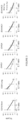
- OR-gate CARs but not single-input CD19 CARs respond to Raji lymphoma cells that have undergone antigen escape, as shown in Figure 2 by expression of CD69, CD137 and CD1-7a on the surface of the CAR-expressing T cells, and by the release of cytokines.
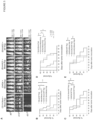
- the controls include a CD19 Short single-input CD19 CAR with IgG4 hinge as spacer; and CD20 Long single-input CD20 CAR with IgG4 hinge-CH2-CH3 as spacer.
- Various linkers were tested, including (G4S)1, (G4S)4, (SEQ ID NO:1, EAAAK)1, and (D NO:1, EAAAAK)3.
- FIG. 3 A comparison of cell lysis by single-input and OR-gate CAR-T cells after 4-hour co-incubation with wildtype (WT; CD19+/CD20+) or CD19- Raji (CD19-/CD20+) cells is shown in Figure 3 .
- the bispecificity was not compromised in OR-gate CARs.
- CAR-T cells were co-incubated with WT Raji or CD19+ K562 targets for 24 hours, and the expression of relevant activation-induced antigens and release of cytokines are shown in Figure 4 .
Landscapes
- Health & Medical Sciences (AREA)
- Chemical & Material Sciences (AREA)
- Life Sciences & Earth Sciences (AREA)
- Immunology (AREA)
- Organic Chemistry (AREA)
- General Health & Medical Sciences (AREA)
- Genetics & Genomics (AREA)
- Biochemistry (AREA)
- Medicinal Chemistry (AREA)
- Biophysics (AREA)
- Molecular Biology (AREA)
- Proteomics, Peptides & Aminoacids (AREA)
- Zoology (AREA)
- Cell Biology (AREA)
- Engineering & Computer Science (AREA)
- Epidemiology (AREA)
- Animal Behavior & Ethology (AREA)
- Public Health (AREA)
- Veterinary Medicine (AREA)
- Biomedical Technology (AREA)
- Gastroenterology & Hepatology (AREA)
- Toxicology (AREA)
- Biotechnology (AREA)
- Wood Science & Technology (AREA)
- Bioinformatics & Cheminformatics (AREA)
- Hematology (AREA)
- Microbiology (AREA)
- General Engineering & Computer Science (AREA)
- Developmental Biology & Embryology (AREA)
- Virology (AREA)
- Pharmacology & Pharmacy (AREA)
- Micro-Organisms Or Cultivation Processes Thereof (AREA)
- Medicines Containing Material From Animals Or Micro-Organisms (AREA)
- Medicines That Contain Protein Lipid Enzymes And Other Medicines (AREA)
Priority Applications (1)
| Application Number | Priority Date | Filing Date | Title |
|---|---|---|---|
| EP26154151.0A EP4729532A2 (de) | 2014-12-15 | 2015-12-14 | Bispezifischer chimärer or-gate-antigenrezeptor mit reaktion auf cd19 und cd20 |
Applications Claiming Priority (3)
| Application Number | Priority Date | Filing Date | Title |
|---|---|---|---|
| US201462091854P | 2014-12-15 | 2014-12-15 | |
| PCT/US2015/065620 WO2016100232A1 (en) | 2014-12-15 | 2015-12-14 | Bispecific or-gate chimeric antigen receptor responsive to cd19 and cd20 |
| EP15870818.0A EP3240805B1 (de) | 2014-12-15 | 2015-12-14 | Auf cd19 und cd20 reagierender bispezifischer chimärer or-gate-antigenrezeptor |
Related Parent Applications (2)
| Application Number | Title | Priority Date | Filing Date |
|---|---|---|---|
| EP15870818.0A Division-Into EP3240805B1 (de) | 2014-12-15 | 2015-12-14 | Auf cd19 und cd20 reagierender bispezifischer chimärer or-gate-antigenrezeptor |
| EP15870818.0A Division EP3240805B1 (de) | 2014-12-15 | 2015-12-14 | Auf cd19 und cd20 reagierender bispezifischer chimärer or-gate-antigenrezeptor |
Related Child Applications (2)
| Application Number | Title | Priority Date | Filing Date |
|---|---|---|---|
| EP26154151.0A Division EP4729532A2 (de) | 2014-12-15 | 2015-12-14 | Bispezifischer chimärer or-gate-antigenrezeptor mit reaktion auf cd19 und cd20 |
| EP26154151.0A Previously-Filed-Application EP4729532A2 (de) | 2014-12-15 | 2015-12-14 | Bispezifischer chimärer or-gate-antigenrezeptor mit reaktion auf cd19 und cd20 |
Publications (1)
| Publication Number | Publication Date |
|---|---|
| EP4400516A1 true EP4400516A1 (de) | 2024-07-17 |
Family
ID=56127437
Family Applications (3)
| Application Number | Title | Priority Date | Filing Date |
|---|---|---|---|
| EP24174590.0A Pending EP4400516A1 (de) | 2014-12-15 | 2015-12-14 | Bispezifischer chimärer or-gate-antigenrezeptor mit reaktion auf cd19 und cd20 |
| EP26154151.0A Pending EP4729532A2 (de) | 2014-12-15 | 2015-12-14 | Bispezifischer chimärer or-gate-antigenrezeptor mit reaktion auf cd19 und cd20 |
| EP15870818.0A Active EP3240805B1 (de) | 2014-12-15 | 2015-12-14 | Auf cd19 und cd20 reagierender bispezifischer chimärer or-gate-antigenrezeptor |
Family Applications After (2)
| Application Number | Title | Priority Date | Filing Date |
|---|---|---|---|
| EP26154151.0A Pending EP4729532A2 (de) | 2014-12-15 | 2015-12-14 | Bispezifischer chimärer or-gate-antigenrezeptor mit reaktion auf cd19 und cd20 |
| EP15870818.0A Active EP3240805B1 (de) | 2014-12-15 | 2015-12-14 | Auf cd19 und cd20 reagierender bispezifischer chimärer or-gate-antigenrezeptor |
Country Status (15)
| Country | Link |
|---|---|
| US (7) | US11253546B2 (de) |
| EP (3) | EP4400516A1 (de) |
| CA (1) | CA3008162A1 (de) |
| DK (1) | DK3240805T3 (de) |
| ES (1) | ES3008782T3 (de) |
| FI (1) | FI3240805T3 (de) |
| HR (1) | HRP20250129T1 (de) |
| HU (1) | HUE070137T2 (de) |
| LT (1) | LT3240805T (de) |
| PL (1) | PL3240805T3 (de) |
| PT (1) | PT3240805T (de) |
| RS (1) | RS66502B1 (de) |
| SI (1) | SI3240805T1 (de) |
| SM (1) | SMT202500043T1 (de) |
| WO (1) | WO2016100232A1 (de) |
Families Citing this family (41)
| Publication number | Priority date | Publication date | Assignee | Title |
|---|---|---|---|---|
| EP2934532B1 (de) | 2012-12-20 | 2019-10-23 | Purdue Research Foundation | Chimären antigenrezeptor exprimierende t-zellen als antikrebsmittel |
| EP3234120B1 (de) | 2014-12-15 | 2025-09-03 | The Regents of the University of California | Zytotoxische moleküle mit reaktion auf intrazelluläre liganden für selektives t-zellenvermitteltes abtöten |
| EP4400516A1 (de) | 2014-12-15 | 2024-07-17 | The Regents of the University of California | Bispezifischer chimärer or-gate-antigenrezeptor mit reaktion auf cd19 und cd20 |
| MX2017012939A (es) | 2015-04-08 | 2018-05-22 | Novartis Ag | Terapias cd20, terapias cd22 y terapias de combinacion con una celula que expresa un receptor quimerico de antigeno (car) de cd19. |
| DK3368571T5 (da) | 2015-10-30 | 2024-09-30 | Univ California | Transformerende, vækstfaktor-beta-responsive polypeptider og fremgangsmåder til anvendelse deraf |
| JP7282521B2 (ja) | 2016-04-08 | 2023-05-29 | パーデュー・リサーチ・ファウンデイション | Car t細胞療法のための方法および組成物 |
| EP4282969A3 (de) * | 2016-09-02 | 2024-01-31 | Lentigen Technology, Inc. | Zusammensetzungen und verfahren zur behandlung von krebs mit duocars |
| EP3523331A1 (de) | 2016-10-07 | 2019-08-14 | Novartis AG | Chimäre antigenrezeptoren zur behandlung von krebs |
| CN108395482B (zh) | 2017-02-08 | 2021-02-05 | 西比曼生物科技(香港)有限公司 | 一种靶向cd20抗原嵌合抗原受体的构建及其工程化t细胞的活性鉴定 |
| JP7178355B2 (ja) | 2017-02-28 | 2022-11-25 | エンドサイト・インコーポレイテッド | Car t細胞療法のための組成物および方法 |
| US10442867B2 (en) | 2017-07-31 | 2019-10-15 | Lentigen Technology, Inc. | Compositions and methods for treating cancer with anti-CD19/CD20 immunotherapy |
| CN109423495A (zh) * | 2017-08-24 | 2019-03-05 | 上海恒润达生生物科技有限公司 | 一种双靶向嵌合抗原受体及其用途 |
| MA51428A (fr) * | 2017-12-22 | 2020-11-04 | Bluebird Bio Inc | Récepteur d'antigène chimérique multivalent |
| US10561686B2 (en) | 2018-01-12 | 2020-02-18 | Innovative Cellular Therapeutics CO., LTD. | Modified cell expansion and uses thereof |
| CN108285486A (zh) * | 2018-01-15 | 2018-07-17 | 浙江阿思科力生物科技有限公司 | 以cd20为靶点的特异性抗体、car-nk细胞及其制备和应用 |
| JP7549303B2 (ja) | 2018-01-22 | 2024-09-11 | エンドサイト・インコーポレイテッド | Car t細胞の使用方法 |
| AU2019219454A1 (en) | 2018-02-09 | 2020-08-27 | National University Of Singapore | Activating chimeric receptors and uses thereof in natural killer cell immunotherapy |
| CN112105382A (zh) | 2018-02-23 | 2020-12-18 | 恩多塞特公司 | 用于car t细胞疗法的顺序方法 |
| CN112055717B (zh) | 2018-04-02 | 2024-04-26 | 新加坡国立大学 | 用在免疫细胞中表达的膜结合抗细胞因子非信号传导粘合剂中和人细胞因子 |
| US10869888B2 (en) | 2018-04-17 | 2020-12-22 | Innovative Cellular Therapeutics CO., LTD. | Modified cell expansion and uses thereof |
| US20210230289A1 (en) * | 2018-06-12 | 2021-07-29 | The Regents Of The University Of California | Single-chain bispecific chimeric antigen receptors for the treatment of cancer |
| US12240915B2 (en) | 2018-08-30 | 2025-03-04 | Innovative Cellular Therapeutics Holdings, Ltd. | Chimeric antigen receptor cells for treating solid tumor |
| SG11202104524YA (en) | 2018-11-01 | 2021-05-28 | Gracell Biotechnologies Shanghai Co Ltd | Compositions and methods for t cell engineering |
| US10918667B2 (en) | 2018-11-20 | 2021-02-16 | Innovative Cellular Therapeutics CO., LTD. | Modified cell expressing therapeutic agent and uses thereof |
| KR102840400B1 (ko) * | 2018-12-12 | 2025-08-04 | 카이트 파마 인코포레이티드 | 키메라 항원 수용체 및 car-t 세포 및 사용 방법 |
| WO2020151752A1 (zh) * | 2019-01-22 | 2020-07-30 | 亘喜生物科技(上海)有限公司 | Cd20组合靶向的工程化免疫细胞 |
| AU2020232691B2 (en) | 2019-03-05 | 2023-06-29 | Nkarta, Inc. | CD19-directed chimeric antigen receptors and uses thereof in immunotherapy |
| US12076343B2 (en) | 2020-02-19 | 2024-09-03 | Innovative Cellular Therapeutics Holdings, Ltd. | Engineered safety in cell therapy |
| IL296103A (en) | 2020-03-05 | 2022-11-01 | Neotx Therapeutics Ltd | Methods and compositions for treating cancer with immune cells |
| CN113402612A (zh) | 2020-03-17 | 2021-09-17 | 西比曼生物科技(香港)有限公司 | 靶向cd19和cd20的联合嵌合抗原受体及其应用 |
| EP4127188A4 (de) * | 2020-03-31 | 2024-08-21 | Walking Fish Therapeutics | Modifizierte b-zellen und verfahren zur verwendung davon |
| US12043654B2 (en) | 2020-06-02 | 2024-07-23 | Innovative Cellular Therapeutics Holdings, Ltd. | Anti-GCC antibody and CAR thereof for treating digestive system cancer |
| EP4271817A2 (de) | 2020-12-30 | 2023-11-08 | Alaunos Therapeutics, Inc. | Rekombinante vektoren mit polycistronischen expressionskassetten und verfahren zur verwendung davon |
| CA3209218A1 (en) * | 2021-01-27 | 2022-08-04 | H. Lee Moffitt Cancer Center And Research Institute Inc. | Bi-specific car t cells for b cell malignancies |
| IL307544A (en) * | 2021-04-08 | 2023-12-01 | Sana Biotechnology Inc | Cd8-specific antibody constructs and compositions thereof |
| EP4384549A1 (de) * | 2021-08-12 | 2024-06-19 | Cellogen Therapeutics Pvt. Ltd. | Chimäre antigenrezeptoren (car) für b-zell-malignitäten |
| US20260043004A1 (en) * | 2022-08-04 | 2026-02-12 | Immpact-Bio, Ltd. | Methods of manufacturing chimeric antigen receptor t cells |
| CA3278900A1 (en) | 2023-03-31 | 2024-10-03 | AbelZeta Inc. | BISPECIFIC CHIMERIC ANTIGENIC RECEPTORS TARGETING CD20 AND BCMA |
| WO2025059162A1 (en) | 2023-09-11 | 2025-03-20 | Dana-Farber Cancer Institute, Inc. | Car-engager containing il-2 variants to enhance the functionality of car t cells |
| WO2025076144A1 (en) * | 2023-10-03 | 2025-04-10 | Atara Biotherapeutics, Inc. | Bispecific cd19/cd20-targeted chimeric antigen receptors and uses thereof |
| WO2025231185A1 (en) | 2024-05-01 | 2025-11-06 | Legend Biotech Ireland Limited | Viral glycoprotein variants and uses thereof |
Citations (5)
| Publication number | Priority date | Publication date | Assignee | Title |
|---|---|---|---|---|
| US4797368A (en) | 1985-03-15 | 1989-01-10 | The United States Of America As Represented By The Department Of Health And Human Services | Adeno-associated virus as eukaryotic expression vector |
| US5139941A (en) | 1985-10-31 | 1992-08-18 | University Of Florida Research Foundation, Inc. | AAV transduction vectors |
| US5821337A (en) | 1991-06-14 | 1998-10-13 | Genentech, Inc. | Immunoglobulin variants |
| WO2013123061A1 (en) * | 2012-02-13 | 2013-08-22 | Seattle Children's Hospital D/B/A Seattle Children's Research Institute | Bispecific chimeric antigen receptors and therapeutic uses thereof |
| US20130280220A1 (en) * | 2012-04-20 | 2013-10-24 | Nabil Ahmed | Chimeric antigen receptor for bispecific activation and targeting of t lymphocytes |
Family Cites Families (130)
| Publication number | Priority date | Publication date | Assignee | Title |
|---|---|---|---|---|
| US1864312A (en) * | 1927-10-12 | 1932-06-21 | Int Harvester Co | Safety device for corn shredders |
| US5670373A (en) | 1988-01-22 | 1997-09-23 | Kishimoto; Tadamitsu | Antibody to human interleukin-6 receptor |
| ATE194384T1 (de) | 1989-09-12 | 2000-07-15 | Hoffmann La Roche | Tnf-bindende proteine |
| US6319494B1 (en) | 1990-12-14 | 2001-11-20 | Cell Genesys, Inc. | Chimeric chains for receptor-associated signal transduction pathways |
| EP0628639B1 (de) | 1991-04-25 | 1999-06-23 | Chugai Seiyaku Kabushiki Kaisha | Rekombinierte humane antikörper gegen den humanen interleukin 6-rezeptor |
| US5637481A (en) | 1993-02-01 | 1997-06-10 | Bristol-Myers Squibb Company | Expression vectors encoding bispecific fusion proteins and methods of producing biologically active bispecific fusion proteins in a mammalian cell |
| US5138941A (en) | 1991-06-28 | 1992-08-18 | Strauss Frederick J | Wooden crusher for recyclable metal cans |
| IL104570A0 (en) | 1992-03-18 | 1993-05-13 | Yeda Res & Dev | Chimeric genes and cells transformed therewith |
| US7166423B1 (en) | 1992-10-21 | 2007-01-23 | Miltenyi Biotec Gmbh | Direct selection of cells by secretion product |
| WO1994012520A1 (en) | 1992-11-20 | 1994-06-09 | Enzon, Inc. | Linker for linked fusion polypeptides |
| US6074841A (en) | 1996-08-19 | 2000-06-13 | Millennium Biotherapeutics, Inc. | Don-1 gene and polypeptides and uses therefor |
| US5958703A (en) | 1996-12-03 | 1999-09-28 | Glaxo Group Limited | Use of modified tethers in screening compound libraries |
| CA2289115A1 (en) | 1997-05-07 | 1998-11-12 | Bristol-Myers Squibb Company | Recombinant antibody-enzyme fusion proteins |
| DE69838483T2 (de) | 1997-10-14 | 2008-07-03 | Darwin Molecular Corp. | Thymidinkinase mutanten und fusionproteine mit thymidinkinase und guanylatekinase aktivitäten |
| WO2000023573A2 (en) | 1998-10-20 | 2000-04-27 | City Of Hope | Cd20-specific redirected t cells and their use in cellular immunotherapy of cd20+ malignancies |
| US6492497B1 (en) | 1999-04-30 | 2002-12-10 | Cambridge Antibody Technology Limited | Specific binding members for TGFbeta1 |
| AU2001297703B2 (en) | 2000-11-07 | 2006-10-19 | City Of Hope | CD19-specific redirected immune cells |
| US7066469B2 (en) | 2002-08-06 | 2006-06-27 | University of Kentucky Research Foundation Board of Supervisors of Louisiana State University | Seal assembly for machinery housing |
| US20040043949A1 (en) | 2002-08-30 | 2004-03-04 | Christopher Richardson | Therapeutic system targeting pathogen proteases and uses thereof |
| UA80296C2 (en) | 2002-09-06 | 2007-09-10 | Biogen Inc | Imidazolopyridines and methods of making and using the same |
| CN101928344B (zh) | 2002-10-17 | 2014-08-13 | 根马布股份公司 | 抗cd20的人单克隆抗体 |
| US20050129671A1 (en) | 2003-03-11 | 2005-06-16 | City Of Hope | Mammalian antigen-presenting T cells and bi-specific T cells |
| WO2004085611A2 (en) | 2003-03-21 | 2004-10-07 | The Research Foundation Of State University Of New York | Model for mutually exclusive domain folding molecular switch |
| KR20060041205A (ko) | 2003-07-01 | 2006-05-11 | 이뮤노메딕스, 인코오포레이티드 | 양특이성 항체들의 다가 담체들 |
| US7754209B2 (en) | 2003-07-26 | 2010-07-13 | Trubion Pharmaceuticals | Binding constructs and methods for use thereof |
| SG145712A1 (en) | 2003-08-01 | 2008-09-29 | Amgen Inc | Crystalline tumor necrosis factor receptor 2 polypeptides |
| US20050050200A1 (en) | 2003-09-02 | 2005-03-03 | Kabushiki Kaisha Toshiba | Computer system and cluster system program |
| US7435596B2 (en) | 2004-11-04 | 2008-10-14 | St. Jude Children's Research Hospital, Inc. | Modified cell line and method for expansion of NK cell |
| EP1682890A2 (de) | 2003-11-13 | 2006-07-26 | Genentech, Inc. | Screening assays und methoden der tumorbehandlung |
| CN1961003B (zh) | 2004-03-31 | 2013-03-27 | 健泰科生物技术公司 | 人源化抗TGF-β抗体 |
| WO2006046661A1 (ja) | 2004-10-28 | 2006-05-04 | Osaka University | インターロイキン-6阻害剤 |
| WO2006086469A2 (en) | 2005-02-08 | 2006-08-17 | Genzyme Corporation | Antibodies to tgfbeta |
| US20090068158A1 (en) | 2005-12-09 | 2009-03-12 | Medin Jeffrey A | Thymidylate kinase mutants and uses thereof |
| WO2007070866A2 (en) | 2005-12-16 | 2007-06-21 | Alcon, Inc. | Control of intraocular pressure using alk5 modulation agents |
| EP4032552B1 (de) | 2008-08-26 | 2023-10-04 | City of Hope | Verfahren und zusammensetzungen zur verstärkung der anti-tumor-effektor-funktion von t-zellen |
| TWI440469B (zh) | 2008-09-26 | 2014-06-11 | Chugai Pharmaceutical Co Ltd | Improved antibody molecules |
| EP2445530B1 (de) | 2009-06-24 | 2016-09-07 | The Feinstein Institute for Medical Research | Verfahren zur behandlung chronischer lymphozytenleukämie |
| KR101829073B1 (ko) * | 2009-06-26 | 2018-02-13 | 아이2 파마슈티컬스, 인크. | 대리 경쇄의 발현 |
| ES2686424T5 (es) | 2010-05-04 | 2023-03-27 | Yeda Res & Dev | Inmunoterapia con células alogénicas redireccionadas |
| WO2011146862A1 (en) | 2010-05-21 | 2011-11-24 | Bellicum Pharmaceuticals, Inc. | Methods for inducing selective apoptosis |
| MY165160A (en) | 2010-09-01 | 2018-02-28 | Genzyme Corp | TREATMENT OF MYOCARDIAL INFARCTION USING TGF-ß ANTAGONISTS |
| TWI603738B (zh) | 2010-11-08 | 2017-11-01 | 建南德克公司 | 皮下投予抗-il-6受體抗體 |
| PH12013501201A1 (en) | 2010-12-09 | 2013-07-29 | Univ Pennsylvania | Use of chimeric antigen receptor-modified t cells to treat cancer |
| US20130071414A1 (en) | 2011-04-27 | 2013-03-21 | Gianpietro Dotti | Engineered cd19-specific t lymphocytes that coexpress il-15 and an inducible caspase-9 based suicide gene for the treatment of b-cell malignancies |
| CN102875678B (zh) | 2011-07-13 | 2014-08-06 | 无锡天演生物技术有限公司 | 全人源抗人cd20单抗分子及其应用 |
| LT2794658T (lt) | 2011-12-19 | 2017-05-10 | Synimmune Gmbh | Bispecifinė antikūno molekulė |
| GB201203051D0 (en) | 2012-02-22 | 2012-04-04 | Ucb Pharma Sa | Biological products |
| KR20150029714A (ko) | 2012-07-13 | 2015-03-18 | 더 트러스티스 오브 더 유니버시티 오브 펜실바니아 | 이중특이적 항체의 공-도입에 의한 car 세포의 활성 증강 |
| CA2881981A1 (en) | 2012-08-20 | 2014-02-27 | Fred Hutchinson Cancer Research Center | Method and compositions for cellular immunotherapy |
| EP3456734B1 (de) | 2012-10-04 | 2022-01-05 | Research Development Foundation | Serinproteasemoleküle und therapien |
| KR101911438B1 (ko) | 2012-10-31 | 2018-10-24 | 삼성전자주식회사 | 이중 특이 항원 결합 단백질 복합체 및 이중 특이 항체의 제조 방법 |
| EP2730289A1 (de) | 2012-11-07 | 2014-05-14 | Fraunhofer-Gesellschaft zur Förderung der angewandten Forschung e.V. | Neuartige Immunoproteasen |
| CN113201073A (zh) | 2012-11-21 | 2021-08-03 | 詹森生物科技公司 | 双特异性EGFR/c-Met抗体 |
| CN104271602B (zh) | 2012-11-21 | 2020-08-21 | 武汉友芝友生物制药有限公司 | 双特异性抗体 |
| EP4303232A3 (de) | 2013-02-15 | 2024-04-17 | The Regents of The University of California | Chimärer antigen-rezeptor und verfahren zur verwendung davon |
| PT2971048T (pt) | 2013-03-11 | 2019-02-06 | Genzyme Corp | Anticorpos anti-tgf-beta manipulados e fragmentos de ligação a antigénios |
| CA2909701C (en) | 2013-04-17 | 2022-12-06 | Baylor College Of Medicine | Immunosuppressive tgf-.beta. signal converter |
| WO2015095412A1 (en) | 2013-12-19 | 2015-06-25 | Zhong Wang | Bispecific antibody with two single-domain antigen-binding fragments |
| US20160333108A1 (en) | 2014-01-13 | 2016-11-17 | Stephen J. Forman | CHIMERIC ANTIGEN RECEPTORS (CARs) HAVING MUTATIONS IN THE FC SPACER REGION AND METHODS FOR THEIR USE |
| ES3063961T3 (en) | 2014-02-14 | 2026-04-21 | Cellectis | Cells for immunotherapy engineered for targeting antigen present both on immune cells and pathological cells |
| JP6556156B2 (ja) | 2014-02-27 | 2019-08-07 | ユーシーエル ビジネス ピーエルシー | Aprilバリアント |
| CA2945320A1 (en) | 2014-04-10 | 2015-10-15 | Seattle Children's Hospital (dba Seattle Children's Research Institute) | Drug regulated transgene expression |
| KR20160145802A (ko) | 2014-04-23 | 2016-12-20 | 보드 오브 리전츠, 더 유니버시티 오브 텍사스 시스템 | 요법에 사용하기 위한 키메라 항원 수용체 (car) 및 이의 제조 방법 |
| US11041021B2 (en) | 2014-05-23 | 2021-06-22 | University Of Florida Research Foundation, Incorporated | Car based immunotherapy |
| JP2017531430A (ja) | 2014-10-07 | 2017-10-26 | セレクティスCellectis | Carによって誘導される免疫細胞の活性を調節するための方法 |
| AU2015343013B2 (en) | 2014-11-05 | 2020-07-16 | Board Of Regents, The University Of Texas System | Gene modified immune effector cells and engineered cells for expansion of immune effector cells |
| CA2969456A1 (en) | 2014-12-03 | 2016-06-09 | Juno Therapeutics, Inc. | Methods and compositions for adoptive cell therapy |
| EA036379B1 (ru) | 2014-12-12 | 2020-11-02 | Блубёрд Био, Инк. | Химерные антигенные рецепторы к bcma |
| EP3234120B1 (de) | 2014-12-15 | 2025-09-03 | The Regents of the University of California | Zytotoxische moleküle mit reaktion auf intrazelluläre liganden für selektives t-zellenvermitteltes abtöten |
| EP4400516A1 (de) | 2014-12-15 | 2024-07-17 | The Regents of the University of California | Bispezifischer chimärer or-gate-antigenrezeptor mit reaktion auf cd19 und cd20 |
| EP3256492A4 (de) | 2015-02-09 | 2018-07-11 | University of Florida Research Foundation, Inc. | Bispezifischer chimärer antigenrezeptor und verwendungen davon |
| MX2017012939A (es) | 2015-04-08 | 2018-05-22 | Novartis Ag | Terapias cd20, terapias cd22 y terapias de combinacion con una celula que expresa un receptor quimerico de antigeno (car) de cd19. |
| WO2016168773A2 (en) | 2015-04-15 | 2016-10-20 | The California Institute For Biomedical Research | Optimized pne-based chimeric receptor t cell switches and uses thereof |
| WO2016174652A1 (en) | 2015-04-30 | 2016-11-03 | Technion Research & Development Foundation Limited | Chimeric antigen receptors and methods of their use |
| WO2017011342A1 (en) | 2015-07-10 | 2017-01-19 | Abbvie Inc. | Igm-or-ige-modified binding proteins and uses thereof |
| WO2017027291A1 (en) | 2015-08-07 | 2017-02-16 | Seattle Children's Hospital (dba Seattle Children's Research Institute) | Bispecific car t-cells for solid tumor targeting |
| CN105384825B (zh) | 2015-08-11 | 2018-06-01 | 南京传奇生物科技有限公司 | 一种基于单域抗体的双特异性嵌合抗原受体及其应用 |
| DK3368571T5 (da) | 2015-10-30 | 2024-09-30 | Univ California | Transformerende, vækstfaktor-beta-responsive polypeptider og fremgangsmåder til anvendelse deraf |
| MX2018005618A (es) | 2015-11-05 | 2018-08-01 | Juno Therapeutics Inc | Receptores quimericos que contienen dominios inductores de traf y composiciones y metodos relacionados. |
| CN108884140B (zh) | 2015-12-03 | 2022-10-25 | 朱诺治疗学股份有限公司 | 修饰的嵌合受体及相关组合物和方法 |
| WO2017172981A2 (en) | 2016-03-29 | 2017-10-05 | University Of Southern California | Chimeric antigen receptors targeting cancer |
| PT3436079T (pt) | 2016-04-01 | 2021-10-06 | Kite Pharma Inc | Recetores de antigénios quiméricos e de células t e métodos de uso |
| WO2017180993A1 (en) | 2016-04-14 | 2017-10-19 | Bluebird Bio, Inc. | Salvage chimeric antigen receptor systems |
| CN105837693A (zh) | 2016-05-30 | 2016-08-10 | 李斯文 | 一种基于bcma的抗原嵌合受体及其制备方法和应用 |
| JP7114490B2 (ja) | 2016-06-24 | 2022-08-08 | アイセル・ジーン・セラピューティクス・エルエルシー | キメラ抗体受容体(CARs)の構成およびその使用方法 |
| ES3015117T3 (en) | 2016-08-29 | 2025-04-29 | Fred Hutchinson Cancer Center | Chelating platform for delivery of radionuclides |
| EP4282969A3 (de) | 2016-09-02 | 2024-01-31 | Lentigen Technology, Inc. | Zusammensetzungen und verfahren zur behandlung von krebs mit duocars |
| JP2019530440A (ja) | 2016-09-02 | 2019-10-24 | ザ リージェンツ オブ ザ ユニバーシティ オブ カリフォルニア | インターロイキン6受容体α結合単鎖可変断片を含む方法および組成物 |
| EP3523331A1 (de) | 2016-10-07 | 2019-08-14 | Novartis AG | Chimäre antigenrezeptoren zur behandlung von krebs |
| CN110352068A (zh) | 2016-12-02 | 2019-10-18 | 南加利福尼亚大学 | 合成的免疫受体及其使用方法 |
| CN108148863B (zh) | 2016-12-05 | 2019-12-17 | 上海优卡迪生物医药科技有限公司 | 一种封闭il6r的用于缓解crs的car-t转基因载体及其构建方法和应用 |
| AU2018275894B2 (en) * | 2017-06-02 | 2025-04-24 | Juno Therapeutics, Inc. | Articles of manufacture and methods for treatment using adoptive cell therapy |
| SG11201912010XA (en) * | 2017-06-12 | 2020-01-30 | Obsidian Therapeutics Inc | Pde5 compositions and methods for immunotherapy |
| US11325957B2 (en) | 2017-06-19 | 2022-05-10 | Cell Design Labs, Inc. | Methods and compositions for reducing the immunogenicity of chimeric notch receptors |
| US10442867B2 (en) | 2017-07-31 | 2019-10-15 | Lentigen Technology, Inc. | Compositions and methods for treating cancer with anti-CD19/CD20 immunotherapy |
| MX2020004185A (es) | 2017-09-27 | 2021-01-08 | Univ Southern California | Nuevas plataformas para coestimulacion, nuevos diseños car y otras mejoras para terapia celular adoptiva. |
| WO2019099707A1 (en) | 2017-11-16 | 2019-05-23 | Kite Pharma, Inc | Modified chimeric antigen receptors and methods of use |
| MA51428A (fr) | 2017-12-22 | 2020-11-04 | Bluebird Bio Inc | Récepteur d'antigène chimérique multivalent |
| JP2021508468A (ja) | 2017-12-29 | 2021-03-11 | シティ・オブ・ホープCity of Hope | メディトープ対応t細胞 |
| WO2019134866A1 (en) | 2018-01-03 | 2019-07-11 | Molmed Spa | Chimeric antigen receptors containing optimal spacer region |
| SG11202011383VA (en) | 2018-05-31 | 2020-12-30 | Univ Washington | Chimeric antigen receptor t cells (car-t) for the treatment of cancer |
| US11123079B2 (en) | 2018-06-08 | 2021-09-21 | Boston Scientific Scimed, Inc. | Occlusive device with actuatable fixation members |
| US20210230289A1 (en) | 2018-06-12 | 2021-07-29 | The Regents Of The University Of California | Single-chain bispecific chimeric antigen receptors for the treatment of cancer |
| CN119529091A (zh) | 2018-06-19 | 2025-02-28 | 南京传奇生物科技有限公司 | 工程化的细胞及其用途 |
| US20210269525A1 (en) | 2018-06-29 | 2021-09-02 | Biocytogen Pharmaceuticals (Beijing) Co., Ltd. | ANTI-CD3e ANTIBODIES AND USES THEREOF |
| WO2020010235A1 (en) | 2018-07-05 | 2020-01-09 | H. Lee Moffitt Cancer Center And Research Institute Inc. | Car t cells that target b-cell antigens |
| KR20210074274A (ko) | 2018-08-06 | 2021-06-21 | 시애틀 칠드런즈 호스피탈 디/비/에이 시애틀 칠드런즈 리서치 인스티튜트 | 합텐 표지된 세포로의 키메라 항원 수용체 t 세포의 자극을 위한 방법 및 조성물 |
| CN113164576A (zh) | 2018-10-05 | 2021-07-23 | 圣安娜儿童癌症研究中心 | 嵌合抗原受体(car)组 |
| CA3112310C (en) | 2018-10-05 | 2025-05-06 | Universitat Fur Bodenkultur Wien | CHIMERIC ANTIGEN RECEPTOR GROUP (CAR) |
| EP3876977A1 (de) | 2018-11-06 | 2021-09-15 | The Regents Of The University Of California | Chimäre antigen-rezeptoren für phagocytose |
| PL3886894T3 (pl) | 2018-11-30 | 2024-07-01 | Juno Therapeutics, Inc. | Metody dawkowania i leczenia nowotworów b-komórkowych w adoptywnej terapii komórkowej |
| KR102840400B1 (ko) | 2018-12-12 | 2025-08-04 | 카이트 파마 인코포레이티드 | 키메라 항원 수용체 및 car-t 세포 및 사용 방법 |
| CA3130489A1 (en) | 2019-02-18 | 2020-08-27 | Memorial Sloan-Kettering Cancer Center | Combinations of multiple chimeric antigen receptors for immunotherapy |
| US20230348556A1 (en) | 2019-02-21 | 2023-11-02 | Arbele Limited | Artificial immunosurveillance chimeric antigen receptor and cells expressing the same |
| CN113924103B (zh) | 2019-03-06 | 2025-02-14 | 莱蒂恩技术公司 | 用于用自驱动的嵌合抗原受体来治疗癌症的组合物和方法 |
| EP3959307A4 (de) | 2019-04-22 | 2023-08-23 | Nanjing Legend Biotech Co., Ltd. | Gentechnisch veränderte zellen und verwendungen davon |
| CN114007626A (zh) * | 2019-04-26 | 2022-02-01 | 艾丽塔生物治疗剂公司 | 用于治疗癌症的组合物和方法 |
| US20220218752A1 (en) | 2019-05-16 | 2022-07-14 | University Of Washington | Lockr-mediated recruitment of car t cells |
| PE20220568A1 (es) | 2019-05-21 | 2022-04-20 | Novartis Ag | Moleculas de union a cd19 y usos de las mismas |
| CN112111012B (zh) | 2019-06-20 | 2023-07-04 | 成都恩沐生物科技有限公司 | 共价多特异性抗体 |
| KR20220044748A (ko) | 2019-07-11 | 2022-04-11 | 우한 이지 바이오파마 씨오., 엘티디. | 4가 대칭 이중 특이적 항체 |
| CN112390891B (zh) | 2019-08-14 | 2022-06-03 | 苏州方德门达新药开发有限公司 | 嵌合抗原受体及其构建方法和应用 |
| WO2021030586A1 (en) | 2019-08-15 | 2021-02-18 | City Of Hope | Dual bispecific antibody compounds and uses thereof |
| EP4090674A4 (de) * | 2020-01-14 | 2024-01-24 | Synthekine, Inc. | Vorgespannte il2-muteins-verfahren und -zusammensetzungen |
| JP2023518049A (ja) * | 2020-03-16 | 2023-04-27 | ユニバーシティ オブ サザン カリフォルニア | 新規な抗原結合ドメインおよびそれを組み込んだ合成抗原受容体 |
| US20230212255A1 (en) | 2020-03-17 | 2023-07-06 | Cellular Biomedicine Group Inc. | Combined chimeric antigen receptor targeting cd19 and cd20 and applications thereof |
| US20230104705A1 (en) | 2020-03-17 | 2023-04-06 | Cellular Biomedicine Group Inc. | Combined chimeric antigen receptor targeting cd19 and cd20 and application thereof |
| CA3209218A1 (en) * | 2021-01-27 | 2022-08-04 | H. Lee Moffitt Cancer Center And Research Institute Inc. | Bi-specific car t cells for b cell malignancies |
| JP2024510739A (ja) * | 2021-03-11 | 2024-03-11 | バイオセプター (オースト) プロプライエタリー・リミテッド | 新規な細胞治療システム |
| MX2023015028A (es) * | 2021-09-01 | 2024-02-16 | Biosceptre Aust Pty Ltd | Nuevos aglutinantes del p2x7 disfuncional. |
-
2015
- 2015-12-14 EP EP24174590.0A patent/EP4400516A1/de active Pending
- 2015-12-14 SM SM20250043T patent/SMT202500043T1/it unknown
- 2015-12-14 EP EP26154151.0A patent/EP4729532A2/de active Pending
- 2015-12-14 SI SI201532055T patent/SI3240805T1/sl unknown
- 2015-12-14 HU HUE15870818A patent/HUE070137T2/hu unknown
- 2015-12-14 WO PCT/US2015/065620 patent/WO2016100232A1/en not_active Ceased
- 2015-12-14 HR HRP20250129TT patent/HRP20250129T1/hr unknown
- 2015-12-14 ES ES15870818T patent/ES3008782T3/es active Active
- 2015-12-14 PL PL15870818.0T patent/PL3240805T3/pl unknown
- 2015-12-14 RS RS20250093A patent/RS66502B1/sr unknown
- 2015-12-14 US US15/535,972 patent/US11253546B2/en active Active
- 2015-12-14 CA CA3008162A patent/CA3008162A1/en active Pending
- 2015-12-14 EP EP15870818.0A patent/EP3240805B1/de active Active
- 2015-12-14 LT LTEPPCT/US2015/065620T patent/LT3240805T/lt unknown
- 2015-12-14 PT PT158708180T patent/PT3240805T/pt unknown
- 2015-12-14 DK DK15870818.0T patent/DK3240805T3/da active
- 2015-12-14 FI FIEP15870818.0T patent/FI3240805T3/fi active
-
2020
- 2020-09-22 US US17/028,701 patent/US11160833B2/en active Active
-
2022
- 2022-01-05 US US17/569,107 patent/US20220193136A1/en not_active Abandoned
-
2023
- 2023-08-25 US US18/238,210 patent/US12053491B2/en active Active
-
2024
- 2024-04-01 US US18/623,246 patent/US12233090B2/en active Active
- 2024-04-23 US US18/643,312 patent/US12226435B2/en active Active
-
2025
- 2025-01-09 US US19/015,063 patent/US20250144144A1/en active Pending
Patent Citations (5)
| Publication number | Priority date | Publication date | Assignee | Title |
|---|---|---|---|---|
| US4797368A (en) | 1985-03-15 | 1989-01-10 | The United States Of America As Represented By The Department Of Health And Human Services | Adeno-associated virus as eukaryotic expression vector |
| US5139941A (en) | 1985-10-31 | 1992-08-18 | University Of Florida Research Foundation, Inc. | AAV transduction vectors |
| US5821337A (en) | 1991-06-14 | 1998-10-13 | Genentech, Inc. | Immunoglobulin variants |
| WO2013123061A1 (en) * | 2012-02-13 | 2013-08-22 | Seattle Children's Hospital D/B/A Seattle Children's Research Institute | Bispecific chimeric antigen receptors and therapeutic uses thereof |
| US20130280220A1 (en) * | 2012-04-20 | 2013-10-24 | Nabil Ahmed | Chimeric antigen receptor for bispecific activation and targeting of t lymphocytes |
Non-Patent Citations (3)
| Title |
|---|
| DULL ET AL., J VIROL., vol. 72, no. 11, 1998, pages 8463 - 71 |
| LAURENT BOISSEL ET AL: "Retargeting NK-92 cells by means of CD19- and CD20-specific chimeric antigen receptors compares favorably with antibody-dependent cellular cytotoxicity", ONCOIMMUNOLOGY, vol. 2, no. 10, 1 October 2013 (2013-10-01), pages e26527, XP055311963, DOI: 10.4161/onci.26527 * |
| SZYMCZAK-WORKMAN ET AL., COLD SPRING HARB PROTOC., vol. 2012, no. 2, 2012, pages 199 - 204 |
Also Published As
| Publication number | Publication date |
|---|---|
| US11253546B2 (en) | 2022-02-22 |
| SMT202500043T1 (it) | 2025-03-12 |
| LT3240805T (lt) | 2025-03-10 |
| EP3240805B1 (de) | 2024-11-27 |
| US12053491B2 (en) | 2024-08-06 |
| US20240261334A1 (en) | 2024-08-08 |
| US12226435B2 (en) | 2025-02-18 |
| US20250144144A1 (en) | 2025-05-08 |
| HRP20250129T1 (hr) | 2025-04-11 |
| PT3240805T (pt) | 2025-01-28 |
| PL3240805T3 (pl) | 2025-05-05 |
| EP3240805A1 (de) | 2017-11-08 |
| HUE070137T2 (hu) | 2025-05-28 |
| US20240293463A1 (en) | 2024-09-05 |
| EP3240805A4 (de) | 2018-05-09 |
| US20170368098A1 (en) | 2017-12-28 |
| RS66502B1 (sr) | 2025-03-31 |
| US11160833B2 (en) | 2021-11-02 |
| US12233090B2 (en) | 2025-02-25 |
| CA3008162A1 (en) | 2016-06-23 |
| SI3240805T1 (sl) | 2025-04-30 |
| US20220193136A1 (en) | 2022-06-23 |
| US20210145880A1 (en) | 2021-05-20 |
| EP4729532A2 (de) | 2026-04-22 |
| FI3240805T3 (fi) | 2025-02-17 |
| WO2016100232A1 (en) | 2016-06-23 |
| ES3008782T3 (en) | 2025-03-25 |
| DK3240805T3 (da) | 2025-02-10 |
| US20240024359A1 (en) | 2024-01-25 |
Similar Documents
| Publication | Publication Date | Title |
|---|---|---|
| US12233090B2 (en) | Bispecific or-gate chimeric antigen receptor responsive to CD20 and CD19 | |
| US20240294639A1 (en) | Antigen-binding proteins targeting cd56 and methods of producing thereof | |
| CN113784732B (zh) | 靶向bcma的工程化免疫细胞及其用途 | |
| JP6867347B2 (ja) | 免疫療法のためのエンゲージャー細胞 | |
| ES2968880T3 (es) | Receptor de antígeno quimérico (CAR) que se une a BCMA, y usos del mismo | |
| CN113784733B (zh) | 靶向bcma的工程化免疫细胞及其用途 | |
| CN115058395B (zh) | 嵌合抗原受体(car)、组合物及其使用方法 | |
| AU2015243849B2 (en) | Transgene genetic tags and methods of use | |
| CN109072199B (zh) | 靶向Fc受体样5的嵌合抗原受体及其用途 | |
| KR102316091B1 (ko) | Bcma를 표적으로 하는 키메라 항원 수용체 및 이의 용도 | |
| CN110950953A (zh) | 抗b7-h3的单克隆抗体及其在细胞治疗中的应用 | |
| CN110157738B (zh) | 靶向cd19和cd22的工程化免疫细胞及其应用 | |
| KR102834084B1 (ko) | 다양한 구조 최적화를 갖는 t 세포-항원 커플러 | |
| KR20210143096A (ko) | Cd22에 특이적인 항체 및 이의 용도 | |
| EP3464335A1 (de) | Multifunktionale heteromultimerische konstrukte | |
| HK40115184A (en) | Bispecific or-gate chimeric antigen receptor responsive to cd19 and cd20 | |
| CN115279389A (zh) | 新型显性负性Fas多肽、包含其的细胞及其用途 | |
| EP4159760A1 (de) | Antikörper spezifisch gegen cd22, und dessen verwendung | |
| RU2822461C1 (ru) | Трансгенные генетические метки и способы применения | |
| HK40001773A (en) | Chimeric antigen receptors targeting fc receptor-like 5 and uses thereof |
Legal Events
| Date | Code | Title | Description |
|---|---|---|---|
| PUAI | Public reference made under article 153(3) epc to a published international application that has entered the european phase |
Free format text: ORIGINAL CODE: 0009012 |
|
| STAA | Information on the status of an ep patent application or granted ep patent |
Free format text: STATUS: THE APPLICATION HAS BEEN PUBLISHED |
|
| AC | Divisional application: reference to earlier application |
Ref document number: 3240805 Country of ref document: EP Kind code of ref document: P |
|
| AK | Designated contracting states |
Kind code of ref document: A1 Designated state(s): AL AT BE BG CH CY CZ DE DK EE ES FI FR GB GR HR HU IE IS IT LI LT LU LV MC MK MT NL NO PL PT RO RS SE SI SK SM TR |
|
| RIN1 | Information on inventor provided before grant (corrected) |
Inventor name: CHEN, YVONNE Y. Inventor name: JENSEN, MICHAEL C. Inventor name: ZAH, EUGENIA |
|
| STAA | Information on the status of an ep patent application or granted ep patent |
Free format text: STATUS: REQUEST FOR EXAMINATION WAS MADE |
|
| P01 | Opt-out of the competence of the unified patent court (upc) registered |
Free format text: CASE NUMBER: APP_2206/2025 Effective date: 20250114 |
|
| 17P | Request for examination filed |
Effective date: 20250117 |
|
| REG | Reference to a national code |
Ref country code: HK Ref legal event code: DE Ref document number: 40115184 Country of ref document: HK |
|
| STAA | Information on the status of an ep patent application or granted ep patent |
Free format text: STATUS: EXAMINATION IS IN PROGRESS |
|
| 17Q | First examination report despatched |
Effective date: 20250331 |
|
| TPAC | Observations filed by third parties |
Free format text: ORIGINAL CODE: EPIDOSNTIPA |