EP4129867B1 - Automatische herstellungsanlage und verfahren - Google Patents
Automatische herstellungsanlage und verfahren Download PDFInfo
- Publication number
- EP4129867B1 EP4129867B1 EP22196621.1A EP22196621A EP4129867B1 EP 4129867 B1 EP4129867 B1 EP 4129867B1 EP 22196621 A EP22196621 A EP 22196621A EP 4129867 B1 EP4129867 B1 EP 4129867B1
- Authority
- EP
- European Patent Office
- Prior art keywords
- amsa
- manufacturing
- plc
- cell
- maintenance
- Prior art date
- Legal status (The legal status is an assumption and is not a legal conclusion. Google has not performed a legal analysis and makes no representation as to the accuracy of the status listed.)
- Active
Links
Images





Classifications
-
- G—PHYSICS
- G05—CONTROLLING; REGULATING
- G05B—CONTROL OR REGULATING SYSTEMS IN GENERAL; FUNCTIONAL ELEMENTS OF SUCH SYSTEMS; MONITORING OR TESTING ARRANGEMENTS FOR SUCH SYSTEMS OR ELEMENTS
- G05B19/00—Programme-control systems
- G05B19/02—Programme-control systems electric
- G05B19/418—Total factory control, i.e. centrally controlling a plurality of machines, e.g. direct or distributed numerical control [DNC], flexible manufacturing systems [FMS], integrated manufacturing systems [IMS] or computer integrated manufacturing [CIM]
- G05B19/41865—Total factory control, i.e. centrally controlling a plurality of machines, e.g. direct or distributed numerical control [DNC], flexible manufacturing systems [FMS], integrated manufacturing systems [IMS] or computer integrated manufacturing [CIM] characterised by job scheduling, process planning, material flow
-
- G—PHYSICS
- G05—CONTROLLING; REGULATING
- G05B—CONTROL OR REGULATING SYSTEMS IN GENERAL; FUNCTIONAL ELEMENTS OF SUCH SYSTEMS; MONITORING OR TESTING ARRANGEMENTS FOR SUCH SYSTEMS OR ELEMENTS
- G05B19/00—Programme-control systems
- G05B19/02—Programme-control systems electric
- G05B19/418—Total factory control, i.e. centrally controlling a plurality of machines, e.g. direct or distributed numerical control [DNC], flexible manufacturing systems [FMS], integrated manufacturing systems [IMS] or computer integrated manufacturing [CIM]
- G05B19/4188—Total factory control, i.e. centrally controlling a plurality of machines, e.g. direct or distributed numerical control [DNC], flexible manufacturing systems [FMS], integrated manufacturing systems [IMS] or computer integrated manufacturing [CIM] characterised by CIM planning or realisation
-
- G—PHYSICS
- G05—CONTROLLING; REGULATING
- G05B—CONTROL OR REGULATING SYSTEMS IN GENERAL; FUNCTIONAL ELEMENTS OF SUCH SYSTEMS; MONITORING OR TESTING ARRANGEMENTS FOR SUCH SYSTEMS OR ELEMENTS
- G05B19/00—Programme-control systems
- G05B19/02—Programme-control systems electric
- G05B19/418—Total factory control, i.e. centrally controlling a plurality of machines, e.g. direct or distributed numerical control [DNC], flexible manufacturing systems [FMS], integrated manufacturing systems [IMS] or computer integrated manufacturing [CIM]
- G05B19/41805—Total factory control, i.e. centrally controlling a plurality of machines, e.g. direct or distributed numerical control [DNC], flexible manufacturing systems [FMS], integrated manufacturing systems [IMS] or computer integrated manufacturing [CIM] characterised by assembly
-
- G—PHYSICS
- G06—COMPUTING OR CALCULATING; COUNTING
- G06Q—INFORMATION AND COMMUNICATION TECHNOLOGY [ICT] SPECIALLY ADAPTED FOR ADMINISTRATIVE, COMMERCIAL, FINANCIAL, MANAGERIAL OR SUPERVISORY PURPOSES; SYSTEMS OR METHODS SPECIALLY ADAPTED FOR ADMINISTRATIVE, COMMERCIAL, FINANCIAL, MANAGERIAL OR SUPERVISORY PURPOSES, NOT OTHERWISE PROVIDED FOR
- G06Q10/00—Administration; Management
- G06Q10/20—Administration of product repair or maintenance
-
- G—PHYSICS
- G05—CONTROLLING; REGULATING
- G05B—CONTROL OR REGULATING SYSTEMS IN GENERAL; FUNCTIONAL ELEMENTS OF SUCH SYSTEMS; MONITORING OR TESTING ARRANGEMENTS FOR SUCH SYSTEMS OR ELEMENTS
- G05B2219/00—Program-control systems
- G05B2219/30—Nc systems
- G05B2219/31—From computer integrated manufacturing till monitoring
- G05B2219/31001—CIM, total factory control
-
- G—PHYSICS
- G05—CONTROLLING; REGULATING
- G05B—CONTROL OR REGULATING SYSTEMS IN GENERAL; FUNCTIONAL ELEMENTS OF SUCH SYSTEMS; MONITORING OR TESTING ARRANGEMENTS FOR SUCH SYSTEMS OR ELEMENTS
- G05B2219/00—Program-control systems
- G05B2219/30—Nc systems
- G05B2219/31—From computer integrated manufacturing till monitoring
- G05B2219/31031—Assembly, manipulator cell
-
- G—PHYSICS
- G05—CONTROLLING; REGULATING
- G05B—CONTROL OR REGULATING SYSTEMS IN GENERAL; FUNCTIONAL ELEMENTS OF SUCH SYSTEMS; MONITORING OR TESTING ARRANGEMENTS FOR SUCH SYSTEMS OR ELEMENTS
- G05B2219/00—Program-control systems
- G05B2219/30—Nc systems
- G05B2219/31—From computer integrated manufacturing till monitoring
- G05B2219/31323—Database for CIM
-
- G—PHYSICS
- G05—CONTROLLING; REGULATING
- G05B—CONTROL OR REGULATING SYSTEMS IN GENERAL; FUNCTIONAL ELEMENTS OF SUCH SYSTEMS; MONITORING OR TESTING ARRANGEMENTS FOR SUCH SYSTEMS OR ELEMENTS
- G05B2219/00—Program-control systems
- G05B2219/30—Nc systems
- G05B2219/34—Director, elements to supervisory
- G05B2219/34288—Plc as main controller for cnc
-
- Y—GENERAL TAGGING OF NEW TECHNOLOGICAL DEVELOPMENTS; GENERAL TAGGING OF CROSS-SECTIONAL TECHNOLOGIES SPANNING OVER SEVERAL SECTIONS OF THE IPC; TECHNICAL SUBJECTS COVERED BY FORMER USPC CROSS-REFERENCE ART COLLECTIONS [XRACs] AND DIGESTS
- Y02—TECHNOLOGIES OR APPLICATIONS FOR MITIGATION OR ADAPTATION AGAINST CLIMATE CHANGE
- Y02P—CLIMATE CHANGE MITIGATION TECHNOLOGIES IN THE PRODUCTION OR PROCESSING OF GOODS
- Y02P90/00—Enabling technologies with a potential contribution to greenhouse gas [GHG] emissions mitigation
- Y02P90/02—Total factory control, e.g. smart factories, flexible manufacturing systems [FMS] or integrated manufacturing systems [IMS]
-
- Y—GENERAL TAGGING OF NEW TECHNOLOGICAL DEVELOPMENTS; GENERAL TAGGING OF CROSS-SECTIONAL TECHNOLOGIES SPANNING OVER SEVERAL SECTIONS OF THE IPC; TECHNICAL SUBJECTS COVERED BY FORMER USPC CROSS-REFERENCE ART COLLECTIONS [XRACs] AND DIGESTS
- Y02—TECHNOLOGIES OR APPLICATIONS FOR MITIGATION OR ADAPTATION AGAINST CLIMATE CHANGE
- Y02P—CLIMATE CHANGE MITIGATION TECHNOLOGIES IN THE PRODUCTION OR PROCESSING OF GOODS
- Y02P90/00—Enabling technologies with a potential contribution to greenhouse gas [GHG] emissions mitigation
- Y02P90/80—Management or planning
Definitions
- the disclosure relates to manufacturing. More particularly, the disclosure relates to automation of manufacturing facilities.
- the baseline receiving area may have one or more receiving docks feeding a raw materials inbound staging area.
- the receiving docks may have PCs and connected local printers to print manifests containing truck load information received from the current operations server. Manual reconciliation of received inventory may be through the local PC.
- the baseline inbound raw material staging area may have designated lane identification numbers for quick prestaging of loads for manual verification of receipt.
- Manual tacking of inbound inventory may be through check lists using fork truck operator memory to find materials in storage.
- the baseline raw material storage area may have material racking to store the raw materials prior to delivery to the manufacturing cells.
- Manual tacking of inbound inventory may be through check lists using fork truck operator memory to find materials in storage.
- the baseline plurality of manufacturing cells may have manual call buttons for replenishment assistance and check lists for identifying specific cell material requirements.
- Baseline work in progress (WIP) storage areas may have material racking to store the WIP materials for temporary storage of in-process goods.
- Manual tacking of inbound inventory may be through check lists using fork truck operator memory to find materials in storage.
- a baseline finished goods storage area may have material racking to store the finished goods prior to outbound finished goods staging in a finished goods staging area for subsequent shipment via one or more shipping docks.
- Manual tacking of finished goods inventory may be through check lists using fork truck operator memory to find materials in storage.
- the baseline outbound finished goods staging area may have designated lane identification numbers for prestaging of out bound loads for manual verification of delivery may be through check lists using fork truck operator memory to find materials in storage.
- the baseline shipping area may have one or more shipping docks, having PCs and connected local printers to print manifests containing truck load information received from the current operations server. Manual reconciliation of shipped inventory may be through the local PC.
- the manufacturing cell operator will communicate to a fork truck operator that assembly #3 is ready for relocation to the rack in storage.
- the fork truck will pick up assembly #3 and check the paper list for the location of the rack.
- the fork truck will then take assembly #3 to the location of the rack in WIP storage and place it in the reserved open slot.
- the rack is now filled completely with all the correct assemblies loaded in the correct sequence #1-#10.
- the fork truck will then take the completed rack to finished goods storage.
- the finished goods racks (containers) will then be scheduled by the fork truck driver for delivery to the OEM JIS (just in sequence).
- US 2005/021272 A1 discloses a method and apparatus for performing metrology dispatching based upon fault detection.
- US 6,594,589 B1 discloses a method and apparatus for monitoring health of a tool.
- US 2014/032169 A1 discloses a system including a data collection system configured to collect a data from a control system. The system further includes a configuration management system configured to manage a hardware configuration and a software configuration for the control system based on the data.
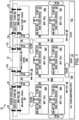
- first cells operating in parallel may perform the first level of assembly via one or more tools /stations. Thereafter, one or more second cells operating in parallel may perform the next level of assembly. Or one more first cells in parallel may make a first type of subassembly, one or more second cells in parallel may make a second type of subassembly, and one or more third cells in parallel may assemble the two types of subassembly to make an assembly. Numerous more variations are possible.
- the location 54 in the first cell is for the finished product of that cell which is still WIP in terms of the overall process of the facility.
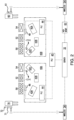
- the AMSA software is installed on the facility's IT infrastructure on a central server 32.
- the facility's main operations software responsible for manufacturing execution will reside on this same server.
- the AMSA may communicate the other locations and devices (AMSA clients such as the various tablets, etc.) by both hardwired and wireless networks. These AMSA clients may access the AMSA via web browser, app, or the like.
- This data can be used for but not limited to: predictive maintenance; required maintenance materials; automation health assessment; tool change out for model specificity; error tracking; productivity; operation status (e.g., sub-assembly completion timestamp, part manufactured successfully, successfully with intervention or unsuccessfully, how long the sub-assembly took to manufacture the sub-assembly, power consumed to manufacture sub-assembly, number of cycles since last manufacturing cell maintenance activity, average uptime between interventions, current uptime since last intervention ).
- operation status e.g., sub-assembly completion timestamp, part manufactured successfully, successfully with intervention or unsuccessfully, how long the sub-assembly took to manufacture the sub-assembly, power consumed to manufacture sub-assembly, number of cycles since last manufacturing cell maintenance activity, average uptime between interventions, current uptime since last intervention ).
- This interface will be automatic, semi-automatic or manual depending on the operation requirements.
- the location and material ID will be scanned and recorded.
- This information will be communicated stored in the AMSA software by the work station interface PLC 45 through the wireless network.
- the material ID will be used to retrieve the part quantity per container for the material in the specific locations and use this to calculate a replenishment task.
- the AMSA software will track the consumption through communication between the work station interface PLC 45 and the manufacturing cell PLC 44.
- the AMSA software will have material specific replenishment trigger quantities. As the raw material quantity is diminished, the inventory of the container will reach a predetermined trigger quantity.
- the AMSA software will create a replenishment task.
- the replenishment task will tell the operation where to get the material in the raw material storage area 84 and what location in the manufacturing cell raw material area 50 to deliver it.
- the nearest next available AGV or fork truck will retrieve the material and execute the task.
- the AMSA software will use this pre-set trigger quantity as a manual confirmation of current cell inventory. When this trigger quantity is met it will require the operator to manually count and confirm the quantity matches. This is communicated from the AMSA to the manufacturing cell PLC 44 and tablet. If the actual quantity does match, the operator will indicate "Yes” on the work station interface tablet 48. If the quantity does not match the operator will indicate this by pressing "No” on the work station interface tablet. After this step, the AMSA software will require the operator to enter the correct current quantity and press "Enter” on the Work station interface tablet. This information will be fed back to the AMSA by the work station interface PLC 45.
- This operation removes out of stock conditions created by incorrect part quantities in the replenished container. Preventing further out of stock and production stoppages. This allows 100% inventory control of raw material, semi-finished goods and WIP with in the manufacturing system.
- an empty finished goods container ID will be scanned and the container placed in a specific location at the manufacturing cell finished goods area 54. This location ID will be scanned as well. Both the location and container ID will be recorded in the AMSA software.
- the manufacturing cell creates the finished goods produced by the cell, it will communicate the completion of the part via the manufacturing cell PLC 44 and the work station interface PLC 45. The accumulated quantity of these parts will be recorded on the manufacturing cell PLC 44 and communicated to the AMSA.
- the finished goods will be loaded into the finished goods container. As the finished goods quantity is increased, the AMSA software will have material specific replenishment trigger quantities for the replacement of the full container with an empty container.
- the operator will indicate "Yes” on the tablet 48. If the quantity does not match the operator will indicate this by pressing "No” on the tablet 48. After this step, the AMSA software will require the operator to enter the correct current quantity and press "Enter” on the tablet 48. This information will be fed back to the AMSA by the manufacturing cell interface PLC 44. This operation removes full container conditions created by incorrect part quantities in the finished goods container. Preventing further production stoppages due to blockage downstream. This allows 100% inventory control of finished goods with in the manufacturing system.
- assembly for rack position #1 is Bill's black leather wrapped steering wheel; assembly for rack position #2 is Jim's brown leather wrapped steering wheel; assembly for rack position #3 is Mary's grey leather wrapped steering wheel; assembly for rack position #4 is Kate's black leather wrapped steering wheel; assembly for rack position #5 is Jack's black leather wrapped steering wheel; and so on until the rack is full.
- These racks are delivered to the customer in a JIT/JIS process.
- the operation is attempting to assemble Mary's grey leather wrapped steering wheel.
- the AMSA software realized we have a severe out of stock scenario and that we would not have the grey leather wrapped steering wheel Mary requires.
- the AMSA software will allow the operation to skip over assembly of Mary's steering wheel and go on to Kate's black leather steering wheel. If the part required does not arrive to the manufacturing cell in time before the rest of the finished goods ten parts are completed, the AMSA will tag the finished goods container as incomplete and track its location within the WIP Storage. This will be communicated to the AMSA through the work station interface PLC 45 and tablet 48. This communication will be through the wireless network.
- the manufacturing cell interface PLC 44 will pull the assembly instructions forward and inform the operator to build Mary's Steering Wheel. This will be communicated through the manufacturing cell PLC 44 and tablet.
- the manufacturing cell PLC 44 and tablet 48 will inform the AMSA that Mary's grey steering wheel is completed. AMSA will notify the manufacturing cell operator 47 via the tablet 48 that this is a special situation and to set the assembly aside for manual pick up.
- the fork truck RF terminal 70 (tablet) will tell the operator to take the steering wheel to a specific location ID within WIP storage for completion of the JIT/JIS container.
- the fork truck operator Upon arrival at the container, the fork truck operator will scan the finished goods container ID, the container location ID (position #3) and Mary's steering wheel part ID then place the part in position #3.
- the AMSA software will register this information and tag the finished goods container as complete and ready for shipment. This can be done for one or multiple parts for one or multiple containers.
- the advantage of this process is that the Manufacturing cell can continue to operate and produce parts it has material for. Then once the out of stock material arrives at the manufacturing cell the operator can follow instructions from the AMSA software for corrective action to fix the JIT/JIS missing parts.
- This out of stock recovery plan and supporting software is one of the special operations created in the AMSA software including custom interfaces.
- the supporting software module in the AMSA software may take the following data into consideration when determining what product to select to fulfil the manufacturing cell replenishment demand: age of product (oldest product first), proximity of product's storage location to manufacturing cell (shortest distance first) and storage location inventory level (lowest quantity first).
- this work station interface and the associated software will be a product manufacturer (facility owner) designed hardware with custom written software for the particular facility/product(s).
- the fork truck 70/AGV 60 will be the primary container handling units used in the manufacturing/warehouse operations.
- Fork trucks or other mobile hauling equipment will have the AMSA client via a mounted RF touch device.
- Fork trucks are manually driven vehicles.
- the fork trucks will be fitted with an RF Terminal (Tablet) to communicate task assignment and completion between the fork truck and the AMSA through the wireless network.
- the fork truck will have a unique ID number for tracking within the AMSA software as the operator completes tasks.
- the Fork Truck will also be equipped with a bar code scanner. This scanner will be used to scan bar code ID of material containers, pick points of containers and drop points of containers.
- the AMSA software will track that the container is on the fork truck by treating the fork truck as a mobile storage location.
- the operator will scan the drop point ID and the scan the container ID. Once both scans are complete, the operator will confirm the drop operation has been completed to the location through the RF terminal (tablet).
- the fork truck operator will receive a next task assigned by proximity or a list of tasks to choose based on priority and proximity. This will be communicate to the operator from the AMSA to the RF terminal (tablet) mounted on or otherwise associated with the fork truck.
- the WIP storage areas can be block storage on the floor, rack storage manned by fork truck or AGV, ASRS (Automated Storage and Retrieval System) and/or conveyors.
- FIG. 6 shows the main WIP storage area 80A having an outbound (leaving the ASRS to be shipped to external locations or to be used for internal manufacturing purposes) conveyor 410, an ASRS 412, and an inbound conveyor 414.
- the exemplary inbound raw materials are received palletized and such pallets are transferred via fork lift trucks 70 to the inbound conveyor.
- the outbound conveyor may transfer the pallets to FLTs 70.
- the storage may be miniload, a form of ASRS where goods are placed into bins, totes or onto trays. The size of such containers can be easily picked up and handled by operators as opposed to pallets that require a fork lift truck.
- the AMSA software will check the FIFO list for the available container. When the material is stored in block storage or racking, the exact static pickup location will be communicated to the AGV or fork truck by the AMSA and the AGV management software.
- the AMSA When the material is stored in an ASRS, the AMSA will know the exact storage location and assign the task to the ASRS.
- the ASRS is a robotic storage device that executes the required task through a PLC.
- the ASRS will deliver the required container to a pickup location by means of mechanical conveyors.
- the ASRS PLC Upon arrival of the container to the pickup location, the ASRS PLC will tell the AMSA the container is ready for pickup.
- the AMSA will communicate this to the AGV or fork truck.
- the material At this pick up location the material will be picked up and delivered to the manufacturing cell raw material area 50 by either AGV or fork truck.
- At pick up the bar code ID will be scanned and the AMSA software will direct the delivery location needed through the AGV management software and wireless network.
- the ASRS is a robotic storage device that executes the required task through a PLC.
- the ASRS will deliver the required container to a pickup location by means of mechanical conveyors.
- the ASRS PLC Upon arrival of the container to the pickup location, the ASRS PLC will tell the AMSA the container is ready for pickup.
- the AMSA will communicate this to the AGV or fork truck.
- the AMSA will calculate and forecast the nominal time for scheduled maintenance and cleaning based on the following: WIP flow; finished goods demand; part availability; service interval required. This will allow preplanning of scheduled maintenance based on the current health of the system rather than trended timeframes (thus preventing interruptions to the manufacturing process by unforeseen breakdowns). This is a key feature that is added to the AMSA software. This will require customized software work station interfaces as described prior in this document.
- Automated WIP storage area putaway strategy module 624 determines the optimal storage location a container of goods is to be placed into in the automated WIP storage area(s) 80A. This determination is based upon the warehouse mapping data as described for the manual WIP storage area strategy module 620. Operators using FLT-mounted tablets 71 running the putaway screen using data from the module 624 will be directed by this module when putting away WIP/finished goods picked up from a WIP/finished goods manufacturing cell output location 54 or from a receiving dock staging area 82.
- Manufacturing cell replenishment allocation strategy module 628 receives replenishment notifications and emergency replenishment notifications from the manufacturing cells from the manufacturing cell tablet 48 or the manufacturing cell PLC 44 to AMSA server 32 via the workstation interface PLC 45. This module then determines the optimal container of goods to be selected to replenish a manufacturing cell raw goods or WIP manufacturing cell storage location. This determination is based upon data detailing stored inventory and warehouse mapping configuration set up in the AMSA database.
- the exemplary inventory stored data includes product, container identification, location identification, product attributes, product availability status and product quantity.
- the exemplary warehouse mapping configuration data includes product master configuration stating product attributes to be considered for selection (e.g. manufacturing data, to ensure oldest product is used in assembly before younger product); location data defining the current availability, and proximity to the manufacturing cell location to be replenished.
- Module 628 selects the oldest available inventory currently stored in a location closest to the manufacturing cell location to be replenished.
- the module 628 creates task records of task type replenishment in the task database table 822 detailing product, source storage location, destination manufacturing cell location, timestamp of when the task was created and priority (emergency replenishment tasks are given a higher priority than other replenishment tasks).
- a manufacturing cell workstation interface listener module 630 integrates with every manufacturing cell's workstation interface processing a number of event types. Exemplary event types are subassembly complete notification, manufacturing cell issue notification, manufacturing cell replenishment alert, emergency manufacturing cell replenishment alert, manufacturing cell out-of-stock event and manufacturing cell long term failure notification . These events are detailed below.
- Sub-assembly complete notification is a signal generated by the manufacturing cell PLC 44 and communicated to AMSA server 32 via workstation interface PLC 45.
- the sub-module sub-assembly completion handler 720 creates an inventory record in the AMSA database for the completed sub-assembly and depletes the inventory levels logically held in the manufacturing cell raw goods or WIP storage locations as per the bill of materials for the sub-assembly in the inventory table of the AMSA database.
- the module records all data reported relating to the manufacture of this emerging sub-assembly with field options such as: completed successfully with no intervention/ completed successfully with intervention/completed unsuccessfully thus recording achieved assembly parameters in the AMSA database and cell level error codes from the PLC to the AMSA database; unique assembly identification numbers and cycle time.
- a tally of the number of produced sub-assemblies is kept, once the tallied total reaches the required number of parts scheduled to be produced, the task manager module 632 will be instructed to create a maintenance task to change the tooling of the manufacturing cell to convert the manufacturing cell to produce an alternative sub-assembly, (i.e., automatic change over planning for conversion of the manufacturing cell).
- Manufacturing cell issue notification is a signal generated by either a manufacturing cell tablet 48 or by the manufacturing cell PLC 44; both are communicated to AMSA server 32 via workstation interface PLC 45 informing of automatic cell health assessments of the manufacturing cell.
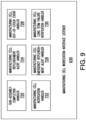
- the sub-module manufacturing cell notification handler 722 will handle notifications detailing that maintenance is to be alerted to rectify manufacturing cell issue by the creation of a maintenance task type in the task database table 822 detailing issue, timestamp of occurrence, and manufacturing cell this occurred in.
- Manufacturing cell replenishment alert is a signal generated by either a manufacturing cell tablet 48 or by the manufacturing cell PLC 44; both are communicated to AMSA server 32 via workstation interface PLC 45 instructing one or more devices to move raw materials and/or WIP to the manufacturing cell and prompting the operator via the manufacturing cell tablet 48 for automatic real time inventory verification to the PLC.
- the sub-module manufacturing cell replenishment alert handler 724 will handle notifications that a raw material manufacturing cell storage location requires replenishment, triggering the manufacturing cell replenishment allocation strategy. This is done by sending a message internally in AMSA to the manufacturing cell replenishment allocation strategy 628, detailing manufacturing cell location, timestamp of occurrence and with a normal level priority.
- Manufacturing cell emergency replenishment alert is a signal generated by a manufacturing cell tablet 48 communicated to AMSA server 32 via workstation interface PLC 45 instructing one or more devices to move raw materials and/or WIP to the manufacturing cell.
- the sub-module manufacturing cell emergency replenishment alert handler 726 will handle notifications that a manufacturing cell storage location requires replenishment, triggering the manufacturing cell replenishment allocation strategy. Resulting replenishment tasks will be given the highest priority for immediate execution. This is done by sending a message internally in AMSA to the manufacturing cell replenishment allocation strategy 628, detailing manufacturing cell location, timestamp of occurrence and with a normal level priority.
- Manufacturing cell out-of-stock event is a signal generated by a manufacturing cell tablet 48 communicated to AMSA server 32 via workstation interface PLC 45.
- the sub-module manufacturing cell out-of-stock event handler 728 will execute a recovery plan that has been defined as part of the AMSA system implementation and stored in the recovery plan AMSA database tables 898. This will include sending notification messages to the workstation interface of the manufacturing cell, informing the operator of the corrective actions to take.
- ERP enterprise resource planning
- a task will be created in the task database table 822 by sub-module 730 to trigger the task manager module 632 to move shipping containers, regardless if they are full or not, from the manufacturing cell in long term failure's output point 54 to a WIP storage area location or to an alternative manufacturing cell's output point 54 (e.g., instructing the loading of a shipping container with the remaining assemblies while leaving vacant a designated space in the container and instructing one of the devices to take the shipping container with vacant space to a WIP store).
- All tasks that are to be partially or completely executed using material handling equipment will be managed by material flow control module 634.
- the material handling equipment will be mapped out and configured in various material flow mapping database tables 828 during the setup of the AMSA system by the AMSA project development team in the material flow control module 634 defining transport paths, handover positions between different subsystems (e.g. AGV to pallet conveyor) and zones served by each type of material handling equipment.
- the tasks being handled by material flow control module 634 will be managed as a separate entity recorded in the transport assignment database table 834.
- the manufacturing dashboard & reports module 636 will also include key performance indicators showing system performance can be readily monitored such as manufacturing cell availability, forecaster manufacturing rate versus actual, inventory levels, number of active replenishment tasks etc.
- a product master maintenance module 640 is responsible for data entry and maintenance of product 836, unit of measure 838, product attribute 840, material status 846 and adjust reason 848 database table content. Data for these database tables will be created via product master messages from the host system or by data entry via the screens provided by this module. Screens, database entities that are made available to the operation to view and edit the details of raw materials, sub-assemblies and finished goods.
- Exemplary product master data records created and maintained will include product id, product description, product image, putaway instructions, picking instructions and an optional field indicating an alternative part which is the product id of another part that can be used if this part is no longer available.
- Exemplary product master data records created and maintained will also include unit of measure data for piece parts, cases, pallets, drums, totes etc. the unit of measure data will include how many pieces in a container (tote, pallet, case, etc.), dimensions of unit of measure and weight of unit of measure.
- a manufacturing cell configuration module 642 is responsible for data entry and maintenance of manufacturing cell 850, bill of material 852, manufacturing cell type 858, manufacturing cell status 860, manufacturing cell operation status 862 and manufacturing cell input point type 864 database table content. Thus, instructing the manufacturing cell to assemble the finished goods as defined. Data for these database tables will be created by data entry via the screens provided by this module. Screens and database entities will be made available to support the operation creating and maintaining manufacturing cells.
- manufacturing cell name manufacturing cell status (on, off, runout): manufacturing cell operation mode (normal, tool exchange, long term failure): manufacturing cell type; input point details (for raw goods or WIP), input point type, part numbers to replenish here, replenishment trigger minimum (level of inventory this manufacturing cell location will fall below or equal to trigger replenishment), replenishment maximum (level of inventory to pick to fulfil the manufacturing cell location replenishment demand); output points (WIP/finished goods); IO communication points to manufacturing cell plc; bill of materials, sub-assemblies this manufacturing cell is able to produce, constituent part details (part numbers and quantities of raw material and WIP required to create the sub-assembly), tooling required, manufacturing cell target assembly parameters; upstream manufacturing cells that provide sub-assemblies to this manufacturing cell and downstream manufacturing cells this manufacturing cell provides sub-assemblies to (e.g., communicating predetermined assembly sequencing to the PLC).
- a storage area (warehouse) mapping module 644 is responsible for data entry and maintenance of storage zone 870, storage cluster 872, location profile 874, container type 876, location 826, equipment type 882 and equipment 884 database table content. Data for these database tables will be created via by data entry via the screens provided by this module. Screens and database entities will supplied as part of the storage area (warehouse) mapping module 644 to support the operation creating and maintaining storage areas.
- Exemplary data to be created and maintained will include locations detailing type of container location can house, number of containers the location can house, putaway path (weighting indicating distance from input point to location, the shorter the distance, the lower the weighting), pick path (weighting indicating the distance from the location to the manufacturing cells, the shorter the distance, the lower the weighting); storage zones, a group of locations with a common configuration; storage clusters, a group of zones with a priority as to the first one to be selected for putaway within the cluster.
- a rules and configuration values management module 646 is responsible for data entry and maintenance of configuration values and AMSA business rules database table 886 content. Data for these database tables will be created data entry via the screens provided by this module. Screens and database entities will be made available to allow the operation to create and maintain site specific configurations and rules the standard and/or customer AMSA software will use to operate the plant.
- Examples of rules and configuration values are setting for janitor jobs for audit trail maintenance, keeping audit trail date for a maximum of x days and rules regarding user authentication to log into AMSA software.
- a host interface module 648 will be responsible for communicating with the host system (enterprise resource planning application, manufacturing execution system or warehouse management system) and maintenance of host interface message log database table 888 content. Data for these database tables will be created via interface from the host system. Screens, database entities and processing logic will be made available to the operation so that AMSA can integrate to this site's host system (e.g. warehouse management system, manufacturing execution system, enterprise resource planning, financial control application). Various messages will be exchanged between AMSA and the host system. Such messages can be, but are not limited to, product master , inbound delivery notification, production orders, bill of material, outbound delivery notification, inventory status etc.
- Database tables and supporting screens will allow the operation to view the status of messages uploaded and downloaded between the host system and AMSA, allowing the operation to view the contents of messages, see the processing status of a message (successful or failed), modify message content and re-attempt to upload a failed message from AMSA to the host system.
- a receiving module 652 will be responsible for the receipt and-or check-in of goods advised to AMSA via the host system and goods not advised to AMSA.
- the receiving module 652 is responsible data entry and maintenance of expected receipt 880, advanced shipment notification 824 and receipt 830 database table content. Data for these database tables will be created via interface from the host system, by data entry via the screens provided by this module or, for receipts, created by background process within this module.. Screens, database entities and process logic will be made available to the operators using FLT-mounted tablets 71 so that receipt of raw goods, pre-assembled sub-assemblies or WIP from other manufacturing areas on the same campus can be received into the building, created as inventory records in inventory database tables 842 for subsequent putaway into a storage area.
- the receiving module 652 enables operators using FLT-mounted tablets 71 to carry out expected receipt handling, advanced shipping notification handling, the creation of receipts when processing expected receipts and advanced shipping notifications and blind receipt.
- Expected receipt handling covers receipt of quantities of parts procured via purchase order, status monitoring and reconciliation of received goods against that advised.
- Advanced shipment notification handling covers receipt of containerized goods procured via purchase order, status monitoring, reconciliation of received goods against that advised.
- Blind receipt covers miscellaneous creation of inventory into the building with no pre-announcement.
- Expected receipts and advanced shipping notifications will be created via host interface download or by data entry using screens provided by this module. Operators using FLT-mounted tablets 71 will receive product unloaded from trailers at the receiving dock 24 that have been staged at the receiving dock staging area 82. Received goods are created as inventory within AMSA. Once inventory is created the received goods can be putaway into storage by operating using FLT-mounted tablets 71 as directed by the raw goods storage area putaway strategy module 622 and/or the automated WIP storage area putaway strategy module 624.
- a shipping module 654 will be responsible for order creation, allocation, picking, consolidation, staging, trailer loading and shipping of return-to-vendor stock, WIP and finished goods from the production plant.
- the receiving module 652 is responsible data entry and maintenance of order type 854, order 866, order line 878, order group 890 and shipment 892 database tables. Data for these database tables will be created via interface from the host system, by data entry via the screens provided by this module or, for receipts, created by background process within this module.. Screens, database entities and process logic will be made available to the operation so that the shipment of WIP and/or finished goods to customers or other plants within the campus can be executed.
- the shipping module will be responsible for order creation, allocation, picking, consolidation, staging, trailer loading and shipment.
- Shipments, order groups, orders and order lines will be created by the host system. They may be directly sent as messages host interface download or may be manually entered (e.g., on an administrative screen on an administrative computer or other device communicating with the server) using screens provided by this module. Created orders will have appropriate product selected to fulfil the order using the module's allocation process, selecting the optimal goods for each order line detailed in the order. Allocated product is released for picking, creating pick tasks in the task database table 822. Operators using FLT-mounted tablets 71 will be directed by the shipping module 654 to pick product from WIP storage 80A and/or finished goods storage 92 and consolidate and stage completed picks to a location within the shipping dock staging area 90. Operators using FLT-mounted tablets 71 will load trailers parked at the shipping dock 26. Loaded trailer will then be shipped by operators using FLT-mounted tablets 71.
- a manufacturing cell data pooling module 656 will be responsible for archiving historic AMSA audit trail from the live AMSA database 800 ( FIG. 10 ) into a separate database instance on the AMSA server 32.
- Database tables that this module will manage record creation and maintenance of include inventory transaction log, manufacturing cell notification log, production schedule log, order log, expected receipt log, advanced shipping notification log and audit trail. Operators using FLT-mounted tablets will have access to screens of the manufacturing cell data pooling module 656 and be able to view, filter and sort the data as required by the operator.
- AMSA process logic will archive data created recording manufacturing cell statistics, inventory transactions etc. to another database on the AMSA server for subsequent analysis. Such data will include manufacturing cell audit trail records older than x days are removed from the AMSA system and persisted in another pre-defined database.
- first, second, and the like in the description and following claims is for differentiation within the claim only and does not necessarily indicate relative or absolute importance or temporal order. Similarly, the identification in a claim of one element as “first” (or the like) does not preclude such "first” element from identifying an element that is referred to as “second” (or the like) in another claim or in the description.
Landscapes
- Engineering & Computer Science (AREA)
- Physics & Mathematics (AREA)
- Quality & Reliability (AREA)
- General Physics & Mathematics (AREA)
- Business, Economics & Management (AREA)
- Automation & Control Theory (AREA)
- Manufacturing & Machinery (AREA)
- General Engineering & Computer Science (AREA)
- Human Resources & Organizations (AREA)
- Entrepreneurship & Innovation (AREA)
- Strategic Management (AREA)
- Tourism & Hospitality (AREA)
- General Business, Economics & Management (AREA)
- Theoretical Computer Science (AREA)
- Operations Research (AREA)
- Marketing (AREA)
- Economics (AREA)
- General Factory Administration (AREA)
- Data Mining & Analysis (AREA)
Claims (2)
- Ein Fertigungssystem (20), das Folgendes aufweist:ein oder mehrere Lager (84; 80A-80C; 92) für Rohmaterial, unfertige Erzeugnisse, WIP, und fertige Erzeugnisse;eine Mehrzahl von Fertigungszellen (40A-40F), wobei jede Zelle Folgendes aufweist:eine oder mehrere Maschinen (42A-42C) zur Herstellung einer Baugruppe; undeine speicherprogrammierbare Steuerung, SPS, (44) zur Steuerung der Maschinen;eine oder mehrere Vorrichtungen (60, 70) zum Bewegen von Rohmaterial, WIP und fertigen Erzeugnissen; undeinen oder mehrere Server (42) zum:
Kommunizieren mit den SPSs und den Vorrichtungen,wobei der eine oder die mehreren Server des Weiteren eine Programmierung aufweisen, um Folgendes zu tun:Erstellen von automatischen Bewertungen (720) einer Zellgesundheit der Fertigungszellen; undautomatisches Terminieren (650) einer Wartung für die Fertigungszellen,wobei das Fertigungssystem (20) dadurch gekennzeichnet ist, dass:der eine oder die mehreren Server (42) so konfiguriert ist / sind, dass er / sie eine Sollzeit für die geplante automatische Wartung und Reinigung auf der Grundlage des Flusses an WIP, des Bedarfs an fertigen Erzeugnissen, der Verfügbarkeit von Bauteilen und des erforderlichen Wartungsintervalls berechnet / berechnen und vorhersagt / vorhersagen;wobei die automatischen Bewertungen einer Zellgesundheit Folgendes aufweisen:Speichern der standardmäßig wichtigsten Leistungsmerkmale von Fertigungszellen in einer Datenbank;Speichern der akzeptablen Abweichung von den standardmäßig wichtigsten Leistungsmerkmalen von Fertigungszellen in der Datenbank;Sammeln der auf Echtzeit bezogenen wichtigsten Leistungsmerkmale der Fertigung in der SPS (44);Übermitteln der auf Echtzeit bezogenen wichtigsten Leistungsmerkmale von der SPS;Berechnen des Unterschieds zwischen den auf Echtzeit bezogenen wichtigsten Leistungsmerkmalen und den standardmäßig wichtigsten Leistungsmerkmalen;Speichern des Unterschieds zwischen den auf Echtzeit bezogenen wichtigsten Leistungsmerkmalen und den standardmäßig wichtigsten Leistungsmerkmalen in der Datenbank;automatisches Benachrichtigen einer Service- und Wartungs-SPS, wenn die akzeptable Abweichung von den standardmäßig wichtigsten Leistungsmerkmalen der Fertigungszelle überschritten wird; undautomatisches Terminieren einer Wartung für die Fertigungszelle;wobei das automatische Terminieren einer Wartung Folgendes aufweist:Speichern von standardmäßigen Service- und Wartungsanweisungen mit Listen von Ersatzteilen und einer Liste von benötigten Werkzeugen in der Datenbank;Erfassen von Wartungsaufgaben in einer Zeitplanungsdatenbank;Priorisieren von Wartungsaufgaben auf der Grundlage festgelegter Standards der Dringlichkeit;Übermitteln eines nach Prioritäten geordneten Wartungszeitplans an die Service- und Wartungs-SPS;Übermitteln der standardmäßigen Service- und Wartungsanweisungen mit Listen von Ersatzteilen und einer Liste von benötigten Werkzeugen an die Service- und Wartungs-SPS; undÜbermitteln der standardmäßigen Service- und Wartungsanweisungen mit Listen von Ersatzteilen und einer Liste von benötigten Werkzeugen von der Service- und Wartungs-SPS an einen tragbaren Service- und Wartungs-Tabletcomputer. - System nach Anspruch 1, wobei der eine oder die mehreren Server des Weiteren eine Programmierung aufweisen, um Folgendes zu tun:Übermitteln (642) einer vorgegebenen Montagereihenfolge an die SPS;Übermitteln (642) von erwünschten Parametern für Baugruppen an die SPS;Übermitteln (720) von eindeutigen Identifikationsnummern für Baugruppen an die SPS;Erfassen (720) von erreichten Parametern für Baugruppen in der Datenbank; undErfassen (722) von Fehlercodes auf Zellebene von der SPS in der Datenbank; und / oderwobei der eine oder die mehreren Server des Weiteren eine Programmierung aufweisen, um Folgendes zu tun:Ändern einer Werkzeugbestückung der Fertigungszelle, um die Fertigungszelle so umzurüsten, dass sie eine alternative Unterbaugruppe herstellen kann;automatisches Kommunizieren und Nachverfolgen (728; 730) von Schritten zur Widererlangung von übersprungenen Just in Sequence, JIS, Montageschritten;automatisches Nachverfolgen (632, 720) des Zellinventars von der SPS zu einer Datenbank; undautomatisches Prüfen des Bestands in Echtzeit (724, 726) an die SPS.
Applications Claiming Priority (3)
| Application Number | Priority Date | Filing Date | Title |
|---|---|---|---|
| US201762480573P | 2017-04-03 | 2017-04-03 | |
| EP18781054.4A EP3606847B1 (de) | 2017-04-03 | 2018-04-03 | Automatische herstellungsanlage und verfahren |
| PCT/US2018/025857 WO2018187308A1 (en) | 2017-04-03 | 2018-04-03 | Automated manufacturing facility and methods |
Related Parent Applications (2)
| Application Number | Title | Priority Date | Filing Date |
|---|---|---|---|
| EP18781054.4A Division EP3606847B1 (de) | 2017-04-03 | 2018-04-03 | Automatische herstellungsanlage und verfahren |
| EP18781054.4A Division-Into EP3606847B1 (de) | 2017-04-03 | 2018-04-03 | Automatische herstellungsanlage und verfahren |
Publications (2)
| Publication Number | Publication Date |
|---|---|
| EP4129867A1 EP4129867A1 (de) | 2023-02-08 |
| EP4129867B1 true EP4129867B1 (de) | 2025-06-25 |
Family
ID=63712802
Family Applications (2)
| Application Number | Title | Priority Date | Filing Date |
|---|---|---|---|
| EP22196621.1A Active EP4129867B1 (de) | 2017-04-03 | 2018-04-03 | Automatische herstellungsanlage und verfahren |
| EP18781054.4A Active EP3606847B1 (de) | 2017-04-03 | 2018-04-03 | Automatische herstellungsanlage und verfahren |
Family Applications After (1)
| Application Number | Title | Priority Date | Filing Date |
|---|---|---|---|
| EP18781054.4A Active EP3606847B1 (de) | 2017-04-03 | 2018-04-03 | Automatische herstellungsanlage und verfahren |
Country Status (3)
| Country | Link |
|---|---|
| US (2) | US11740615B2 (de) |
| EP (2) | EP4129867B1 (de) |
| WO (1) | WO2018187308A1 (de) |
Families Citing this family (26)
| Publication number | Priority date | Publication date | Assignee | Title |
|---|---|---|---|---|
| US10928792B2 (en) * | 2016-07-25 | 2021-02-23 | Leridge Corporation | Parallel manufacturing systems and methods |
| EP4129867B1 (de) * | 2017-04-03 | 2025-06-25 | Swisslog Logistics, Inc. | Automatische herstellungsanlage und verfahren |
| JP7300468B2 (ja) | 2018-06-08 | 2023-06-29 | アタボティックス インコーポレイテッド | 保管格子と外部作業ステーションとの間で共通ロボット車両隊を共有する保管及び回収システム |
| EP3824611A1 (de) * | 2018-07-19 | 2021-05-26 | Maersk Container Industry A/S | Sicherer fernzugriff auf ein kühlraumsteuersystem |
| WO2020025130A1 (de) * | 2018-08-01 | 2020-02-06 | Angelo Schiestl | Druckanlage und verfahren zum bedrucken von druckgut |
| US10810687B2 (en) | 2018-10-10 | 2020-10-20 | Advanced Intelligent Systems Inc. | Systems and methods for automated article transportation and management thereof |
| JP7006631B2 (ja) * | 2019-02-07 | 2022-01-24 | オムロン株式会社 | 作業支援システム、情報処理装置、および作業支援方法 |
| JP7566785B2 (ja) | 2019-06-11 | 2024-10-15 | アタボティックス インコーポレイテッド | 相互接続された保管構造と共通のロボットフリートを共有する製造セルを備える製造システム |
| TWI718705B (zh) * | 2019-10-15 | 2021-02-11 | 薩摩亞商紘織國際有限公司 | 結合動態生產暨廠區物料運送管理的系統 |
| DE102020122573A1 (de) * | 2020-08-28 | 2022-03-03 | Krones Aktiengesellschaft | Behandlungsanlage und Behandlungsverfahren für Produktbehälter |
| US20220168894A1 (en) * | 2020-12-01 | 2022-06-02 | Ford Global Technologies, Llc | Automotive parts deployment system |
| CN112907387A (zh) * | 2021-01-22 | 2021-06-04 | 武汉飞恩微电子有限公司 | 基于汽车压力传感器生产线的智能调度系统及方法 |
| CN113253715B (zh) * | 2021-03-01 | 2023-04-07 | 一汽物流有限公司 | 一种无人叉车与agv混合调度方法及系统 |
| US20220316116A1 (en) * | 2021-04-06 | 2022-10-06 | Yong Jin | Agile manufacturing system and methods |
| US11878422B2 (en) * | 2021-05-21 | 2024-01-23 | Corning Research & Development Corporation | Integrated manufacturing automation system architecture |
| CN113857840B (zh) * | 2021-09-08 | 2024-06-21 | 常德中联重科液压有限公司 | 智能装配辅助系统 |
| JP7524879B2 (ja) * | 2021-10-28 | 2024-07-30 | トヨタ自動車株式会社 | 作業状況監視システム、作業状況監視方法、及び、作業状況監視プログラム |
| US20230297953A1 (en) * | 2022-02-12 | 2023-09-21 | Stan Koch & Sons Trucking, Inc. | Devices, systems, and methods for freight logistics and asset management |
| WO2023183320A1 (en) * | 2022-03-21 | 2023-09-28 | Argus Iot Inc. | Methods and systems for sensor-assisted monitoring of temporal state of device |
| CN115187168A (zh) * | 2022-07-12 | 2022-10-14 | 天工爱和特钢有限公司 | 一种粉末冶金工厂的物流流转系统及方法 |
| JP2024067377A (ja) * | 2022-11-04 | 2024-05-17 | オークマ株式会社 | セルコントローラ |
| CN115729187B (zh) * | 2022-11-17 | 2024-09-03 | 北京动力机械研究所 | 一种基于发动机数字化装配验证的处理方法和装置 |
| US20240185178A1 (en) * | 2022-12-05 | 2024-06-06 | Seegrid Corporation | Configuring a system that handles uncertainty with human and logic collaboration in a material flow automation solution |
| CN115924371A (zh) * | 2022-12-06 | 2023-04-07 | 未来机器人(深圳)有限公司 | 货物运输方法及装置、货物运输系统及计算机可读存储介质 |
| CN116853760A (zh) * | 2023-06-26 | 2023-10-10 | 中铁工程设计咨询集团有限公司 | 一种制动柜智能检修线和制动柜智能检修工艺 |
| CN116873500A (zh) * | 2023-07-13 | 2023-10-13 | 义乌清越光电科技有限公司 | 一种自动化生产线及控制方法、电子设备和存储介质 |
Family Cites Families (12)
| Publication number | Priority date | Publication date | Assignee | Title |
|---|---|---|---|---|
| US5880965A (en) | 1996-12-05 | 1999-03-09 | Nakamura; Kaoru | Method of controlling a sheet metal machining line and apparatus for controlling the same |
| US6594589B1 (en) * | 2001-05-23 | 2003-07-15 | Advanced Micro Devices, Inc. | Method and apparatus for monitoring tool health |
| US7957833B2 (en) * | 2002-08-19 | 2011-06-07 | Q-Track Corporation | Asset localization identification and movement system and method |
| US6856844B1 (en) * | 2003-01-29 | 2005-02-15 | Mckenzie John D. | Product assembly method and apparatus using wireless communication capability |
| US20050021272A1 (en) * | 2003-07-07 | 2005-01-27 | Jenkins Naomi M. | Method and apparatus for performing metrology dispatching based upon fault detection |
| US7931197B2 (en) | 2005-09-20 | 2011-04-26 | Rockwell Automation Technologies, Inc. | RFID-based product manufacturing and lifecycle management |
| US7266518B2 (en) | 2005-12-29 | 2007-09-04 | Kimberly-Clark Worldwide, Inc. | Spare parts inventory management |
| US7423534B2 (en) * | 2006-01-13 | 2008-09-09 | Ford Motor Company | Electronic method and system for monitoring containers and products |
| US20140032169A1 (en) | 2012-07-24 | 2014-01-30 | General Electric Company | Systems and methods for improving control system reliability |
| US10120371B2 (en) * | 2015-06-29 | 2018-11-06 | The Boeing Company | Method and system for automatically sequencing hole drilling operations supporting one-up assembly |
| DE102015118685A1 (de) * | 2015-11-01 | 2017-05-04 | Still Gmbh | Verfahren zur Steuerung von Zusatzgeräten bei Flurförderzeugen |
| EP4129867B1 (de) * | 2017-04-03 | 2025-06-25 | Swisslog Logistics, Inc. | Automatische herstellungsanlage und verfahren |
-
2018
- 2018-04-03 EP EP22196621.1A patent/EP4129867B1/de active Active
- 2018-04-03 US US16/500,447 patent/US11740615B2/en active Active
- 2018-04-03 WO PCT/US2018/025857 patent/WO2018187308A1/en not_active Ceased
- 2018-04-03 EP EP18781054.4A patent/EP3606847B1/de active Active
-
2023
- 2023-08-28 US US18/238,772 patent/US20240069536A1/en not_active Abandoned
Also Published As
| Publication number | Publication date |
|---|---|
| US20200192337A1 (en) | 2020-06-18 |
| EP3606847A1 (de) | 2020-02-12 |
| EP3606847A4 (de) | 2021-04-21 |
| WO2018187308A1 (en) | 2018-10-11 |
| US11740615B2 (en) | 2023-08-29 |
| US20240069536A1 (en) | 2024-02-29 |
| EP3606847B1 (de) | 2022-10-26 |
| EP4129867A1 (de) | 2023-02-08 |
Similar Documents
| Publication | Publication Date | Title |
|---|---|---|
| US20240069536A1 (en) | Automated Manufacturing Facility and Methods | |
| CN109878964B (zh) | 一种基于agv的脉动式生产系统 | |
| JP6759512B2 (ja) | カスタマイズ可能な目標に基づく倉庫レイアウトの最適化 | |
| Boysen et al. | Part logistics in the automotive industry: Decision problems, literature review and research agenda | |
| JP2500986B2 (ja) | 物品処理システム及び複数の品目を分配する方法 | |
| US20170199518A1 (en) | Method for manufacturing a product with integrated planning and direct holistic control | |
| US20040024730A1 (en) | Inventory management of products | |
| JP2002501000A (ja) | コンテナ及び在庫をモニタする方法とシステム | |
| CN107516142A (zh) | 一种自动处理及履行订单的仓储系统及其仓储方法 | |
| US20050289022A1 (en) | Part ordering amount calculation device | |
| CN113525989A (zh) | 一种智能无人仓库 | |
| JPH04354634A (ja) | 生産管理システム | |
| JP2023002888A (ja) | 情報処理システム、倉庫の管理方法及び倉庫制御装置 | |
| CN119294961A (zh) | 一种多仓储管理的出入库方法及数字化仓储管理系统 | |
| JPH06183526A (ja) | 物流センターの棚卸システムとその方法 | |
| WO2023204090A1 (ja) | 所在管理装置、所在管理システム及び所在管理方法 | |
| JP2559158B2 (ja) | 生産管理システム | |
| JPH06211321A (ja) | 物流センターの保管システムとその方法 | |
| Saaidia et al. | A survey on supermarket concept for just-in-time part supply of mixed model assembly lines | |
| JP2559159B2 (ja) | 生産管理システム | |
| CN113159671A (zh) | 基于智能驾驶的物料输送方法及装置 | |
| JPH06127611A (ja) | 物流センター管理システム | |
| JPH06227625A (ja) | 部品供給システム | |
| JP7538580B1 (ja) | 管理装置、管理方法、及びプログラム | |
| CN120087890B (zh) | 生产线供料补货方法、系统及计算机设备 |
Legal Events
| Date | Code | Title | Description |
|---|---|---|---|
| PUAI | Public reference made under article 153(3) epc to a published international application that has entered the european phase |
Free format text: ORIGINAL CODE: 0009012 |
|
| STAA | Information on the status of an ep patent application or granted ep patent |
Free format text: STATUS: THE APPLICATION HAS BEEN PUBLISHED |
|
| AC | Divisional application: reference to earlier application |
Ref document number: 3606847 Country of ref document: EP Kind code of ref document: P |
|
| AK | Designated contracting states |
Kind code of ref document: A1 Designated state(s): AL AT BE BG CH CY CZ DE DK EE ES FI FR GB GR HR HU IE IS IT LI LT LU LV MC MK MT NL NO PL PT RO RS SE SI SK SM TR |
|
| P01 | Opt-out of the competence of the unified patent court (upc) registered |
Effective date: 20230528 |
|
| STAA | Information on the status of an ep patent application or granted ep patent |
Free format text: STATUS: REQUEST FOR EXAMINATION WAS MADE |
|
| 17P | Request for examination filed |
Effective date: 20230801 |
|
| RBV | Designated contracting states (corrected) |
Designated state(s): AL AT BE BG CH CY CZ DE DK EE ES FI FR GB GR HR HU IE IS IT LI LT LU LV MC MK MT NL NO PL PT RO RS SE SI SK SM TR |
|
| STAA | Information on the status of an ep patent application or granted ep patent |
Free format text: STATUS: EXAMINATION IS IN PROGRESS |
|
| 17Q | First examination report despatched |
Effective date: 20240209 |
|
| GRAP | Despatch of communication of intention to grant a patent |
Free format text: ORIGINAL CODE: EPIDOSNIGR1 |
|
| STAA | Information on the status of an ep patent application or granted ep patent |
Free format text: STATUS: GRANT OF PATENT IS INTENDED |
|
| INTG | Intention to grant announced |
Effective date: 20250320 |
|
| GRAS | Grant fee paid |
Free format text: ORIGINAL CODE: EPIDOSNIGR3 |
|
| GRAA | (expected) grant |
Free format text: ORIGINAL CODE: 0009210 |
|
| STAA | Information on the status of an ep patent application or granted ep patent |
Free format text: STATUS: THE PATENT HAS BEEN GRANTED |
|
| AC | Divisional application: reference to earlier application |
Ref document number: 3606847 Country of ref document: EP Kind code of ref document: P |
|
| AK | Designated contracting states |
Kind code of ref document: B1 Designated state(s): AL AT BE BG CH CY CZ DE DK EE ES FI FR GB GR HR HU IE IS IT LI LT LU LV MC MK MT NL NO PL PT RO RS SE SI SK SM TR |
|
| REG | Reference to a national code |
Ref country code: GB Ref legal event code: FG4D |
|
| REG | Reference to a national code |
Ref country code: CH Ref legal event code: EP |
|
| REG | Reference to a national code |
Ref country code: DE Ref legal event code: R096 Ref document number: 602018083086 Country of ref document: DE |
|
| REG | Reference to a national code |
Ref country code: CH Ref legal event code: EP |
|
| REG | Reference to a national code |
Ref country code: IE Ref legal event code: FG4D |
|
| PG25 | Lapsed in a contracting state [announced via postgrant information from national office to epo] |
Ref country code: FI Free format text: LAPSE BECAUSE OF FAILURE TO SUBMIT A TRANSLATION OF THE DESCRIPTION OR TO PAY THE FEE WITHIN THE PRESCRIBED TIME-LIMIT Effective date: 20250625 |
|
| REG | Reference to a national code |
Ref country code: LT Ref legal event code: MG9D |
|
| PG25 | Lapsed in a contracting state [announced via postgrant information from national office to epo] |
Ref country code: NO Free format text: LAPSE BECAUSE OF FAILURE TO SUBMIT A TRANSLATION OF THE DESCRIPTION OR TO PAY THE FEE WITHIN THE PRESCRIBED TIME-LIMIT Effective date: 20250925 Ref country code: GR Free format text: LAPSE BECAUSE OF FAILURE TO SUBMIT A TRANSLATION OF THE DESCRIPTION OR TO PAY THE FEE WITHIN THE PRESCRIBED TIME-LIMIT Effective date: 20250926 |
|
| PG25 | Lapsed in a contracting state [announced via postgrant information from national office to epo] |
Ref country code: BG Free format text: LAPSE BECAUSE OF FAILURE TO SUBMIT A TRANSLATION OF THE DESCRIPTION OR TO PAY THE FEE WITHIN THE PRESCRIBED TIME-LIMIT Effective date: 20250625 |
|
| PG25 | Lapsed in a contracting state [announced via postgrant information from national office to epo] |
Ref country code: HR Free format text: LAPSE BECAUSE OF FAILURE TO SUBMIT A TRANSLATION OF THE DESCRIPTION OR TO PAY THE FEE WITHIN THE PRESCRIBED TIME-LIMIT Effective date: 20250625 |
|
| PG25 | Lapsed in a contracting state [announced via postgrant information from national office to epo] |
Ref country code: RS Free format text: LAPSE BECAUSE OF FAILURE TO SUBMIT A TRANSLATION OF THE DESCRIPTION OR TO PAY THE FEE WITHIN THE PRESCRIBED TIME-LIMIT Effective date: 20250925 |
|
| PG25 | Lapsed in a contracting state [announced via postgrant information from national office to epo] |
Ref country code: LV Free format text: LAPSE BECAUSE OF FAILURE TO SUBMIT A TRANSLATION OF THE DESCRIPTION OR TO PAY THE FEE WITHIN THE PRESCRIBED TIME-LIMIT Effective date: 20250625 |
|
| REG | Reference to a national code |
Ref country code: NL Ref legal event code: MP Effective date: 20250625 |
|
| PG25 | Lapsed in a contracting state [announced via postgrant information from national office to epo] |
Ref country code: NL Free format text: LAPSE BECAUSE OF FAILURE TO SUBMIT A TRANSLATION OF THE DESCRIPTION OR TO PAY THE FEE WITHIN THE PRESCRIBED TIME-LIMIT Effective date: 20250625 |
|
| PG25 | Lapsed in a contracting state [announced via postgrant information from national office to epo] |
Ref country code: PT Free format text: LAPSE BECAUSE OF FAILURE TO SUBMIT A TRANSLATION OF THE DESCRIPTION OR TO PAY THE FEE WITHIN THE PRESCRIBED TIME-LIMIT Effective date: 20251027 |
|
| REG | Reference to a national code |
Ref country code: AT Ref legal event code: MK05 Ref document number: 1806289 Country of ref document: AT Kind code of ref document: T Effective date: 20250625 |
|
| PG25 | Lapsed in a contracting state [announced via postgrant information from national office to epo] |
Ref country code: IS Free format text: LAPSE BECAUSE OF FAILURE TO SUBMIT A TRANSLATION OF THE DESCRIPTION OR TO PAY THE FEE WITHIN THE PRESCRIBED TIME-LIMIT Effective date: 20251025 |
|
| PG25 | Lapsed in a contracting state [announced via postgrant information from national office to epo] |
Ref country code: AT Free format text: LAPSE BECAUSE OF FAILURE TO SUBMIT A TRANSLATION OF THE DESCRIPTION OR TO PAY THE FEE WITHIN THE PRESCRIBED TIME-LIMIT Effective date: 20250625 Ref country code: SM Free format text: LAPSE BECAUSE OF FAILURE TO SUBMIT A TRANSLATION OF THE DESCRIPTION OR TO PAY THE FEE WITHIN THE PRESCRIBED TIME-LIMIT Effective date: 20250625 |
|
| PG25 | Lapsed in a contracting state [announced via postgrant information from national office to epo] |
Ref country code: CZ Free format text: LAPSE BECAUSE OF FAILURE TO SUBMIT A TRANSLATION OF THE DESCRIPTION OR TO PAY THE FEE WITHIN THE PRESCRIBED TIME-LIMIT Effective date: 20250625 |
|
| PG25 | Lapsed in a contracting state [announced via postgrant information from national office to epo] |
Ref country code: PL Free format text: LAPSE BECAUSE OF FAILURE TO SUBMIT A TRANSLATION OF THE DESCRIPTION OR TO PAY THE FEE WITHIN THE PRESCRIBED TIME-LIMIT Effective date: 20250625 |
|
| PG25 | Lapsed in a contracting state [announced via postgrant information from national office to epo] |
Ref country code: EE Free format text: LAPSE BECAUSE OF FAILURE TO SUBMIT A TRANSLATION OF THE DESCRIPTION OR TO PAY THE FEE WITHIN THE PRESCRIBED TIME-LIMIT Effective date: 20250625 |
|
| PG25 | Lapsed in a contracting state [announced via postgrant information from national office to epo] |
Ref country code: SK Free format text: LAPSE BECAUSE OF FAILURE TO SUBMIT A TRANSLATION OF THE DESCRIPTION OR TO PAY THE FEE WITHIN THE PRESCRIBED TIME-LIMIT Effective date: 20250625 |
|
| PG25 | Lapsed in a contracting state [announced via postgrant information from national office to epo] |
Ref country code: ES Free format text: LAPSE BECAUSE OF FAILURE TO SUBMIT A TRANSLATION OF THE DESCRIPTION OR TO PAY THE FEE WITHIN THE PRESCRIBED TIME-LIMIT Effective date: 20250625 |