EP3919622A1 - Methods and compositions for rna-guided treatment of hiv infection - Google Patents
Methods and compositions for rna-guided treatment of hiv infection Download PDFInfo
- Publication number
- EP3919622A1 EP3919622A1 EP21172750.8A EP21172750A EP3919622A1 EP 3919622 A1 EP3919622 A1 EP 3919622A1 EP 21172750 A EP21172750 A EP 21172750A EP 3919622 A1 EP3919622 A1 EP 3919622A1
- Authority
- EP
- European Patent Office
- Prior art keywords
- ltr
- hiv
- nucleic acid
- grna
- sequence
- Prior art date
- Legal status (The legal status is an assumption and is not a legal conclusion. Google has not performed a legal analysis and makes no representation as to the accuracy of the status listed.)
- Pending
Links
- 239000000203 mixture Substances 0.000 title claims abstract description 115
- 238000000034 method Methods 0.000 title description 64
- 238000011282 treatment Methods 0.000 title description 34
- 208000031886 HIV Infections Diseases 0.000 title description 31
- 208000037357 HIV infectious disease Diseases 0.000 title description 22
- 208000033519 human immunodeficiency virus infectious disease Diseases 0.000 title description 22
- 108020005004 Guide RNA Proteins 0.000 claims abstract description 355
- 150000007523 nucleic acids Chemical class 0.000 claims abstract description 222
- 230000000295 complement effect Effects 0.000 claims abstract description 72
- 108010042407 Endonucleases Proteins 0.000 claims abstract description 39
- 108090000623 proteins and genes Proteins 0.000 claims description 136
- 108091028043 Nucleic acid sequence Proteins 0.000 claims description 90
- 102000004169 proteins and genes Human genes 0.000 claims description 46
- 102100031780 Endonuclease Human genes 0.000 claims description 37
- 101710172711 Structural protein Proteins 0.000 claims description 35
- 230000003612 virological effect Effects 0.000 claims description 34
- 108010092799 RNA-directed DNA polymerase Proteins 0.000 claims description 23
- 230000000415 inactivating effect Effects 0.000 claims description 13
- 108091006104 gene-regulatory proteins Proteins 0.000 claims description 12
- 102000034356 gene-regulatory proteins Human genes 0.000 claims description 12
- 108010061833 Integrases Proteins 0.000 claims description 11
- 108091092195 Intron Proteins 0.000 claims description 11
- 108010027225 gag-pol Fusion Proteins Proteins 0.000 claims description 11
- 239000002243 precursor Substances 0.000 claims description 11
- 108091005804 Peptidases Proteins 0.000 claims description 7
- 239000004365 Protease Substances 0.000 claims description 7
- 210000004962 mammalian cell Anatomy 0.000 claims description 6
- 108020005202 Viral DNA Proteins 0.000 claims description 5
- 208000036142 Viral infection Diseases 0.000 claims description 2
- 230000009385 viral infection Effects 0.000 claims description 2
- 102100034343 Integrase Human genes 0.000 claims 3
- 102100037486 Reverse transcriptase/ribonuclease H Human genes 0.000 claims 1
- 102000039446 nucleic acids Human genes 0.000 abstract description 54
- 108020004707 nucleic acids Proteins 0.000 abstract description 54
- 241001430294 unidentified retrovirus Species 0.000 abstract description 47
- 102000004533 Endonucleases Human genes 0.000 abstract description 2
- 210000004027 cell Anatomy 0.000 description 162
- 241000725303 Human immunodeficiency virus Species 0.000 description 140
- 108091033409 CRISPR Proteins 0.000 description 95
- 108020004414 DNA Proteins 0.000 description 95
- 241000713772 Human immunodeficiency virus 1 Species 0.000 description 95
- 238000003752 polymerase chain reaction Methods 0.000 description 73
- 239000013598 vector Substances 0.000 description 69
- 230000001566 pro-viral effect Effects 0.000 description 65
- 230000014509 gene expression Effects 0.000 description 49
- 230000008685 targeting Effects 0.000 description 47
- 238000012217 deletion Methods 0.000 description 41
- 230000037430 deletion Effects 0.000 description 41
- 230000000694 effects Effects 0.000 description 40
- 235000018102 proteins Nutrition 0.000 description 40
- 125000003729 nucleotide group Chemical group 0.000 description 39
- 239000002773 nucleotide Substances 0.000 description 38
- 108090000765 processed proteins & peptides Proteins 0.000 description 36
- 239000013615 primer Substances 0.000 description 34
- 230000001177 retroviral effect Effects 0.000 description 34
- 230000035772 mutation Effects 0.000 description 33
- 102100034349 Integrase Human genes 0.000 description 32
- 230000002441 reversible effect Effects 0.000 description 31
- 238000003205 genotyping method Methods 0.000 description 30
- 239000012634 fragment Substances 0.000 description 29
- 241000700605 Viruses Species 0.000 description 27
- 239000013604 expression vector Substances 0.000 description 26
- 102000004196 processed proteins & peptides Human genes 0.000 description 26
- 238000003776 cleavage reaction Methods 0.000 description 25
- 230000008029 eradication Effects 0.000 description 24
- 101710163270 Nuclease Proteins 0.000 description 23
- 108091027544 Subgenomic mRNA Proteins 0.000 description 23
- 239000008194 pharmaceutical composition Substances 0.000 description 23
- 230000007017 scission Effects 0.000 description 22
- 239000013612 plasmid Substances 0.000 description 21
- 229920001184 polypeptide Polymers 0.000 description 21
- 238000010362 genome editing Methods 0.000 description 20
- 208000015181 infectious disease Diseases 0.000 description 20
- 102000040430 polynucleotide Human genes 0.000 description 20
- 108091033319 polynucleotide Proteins 0.000 description 20
- 239000002157 polynucleotide Substances 0.000 description 20
- 238000001890 transfection Methods 0.000 description 19
- 239000005089 Luciferase Substances 0.000 description 18
- 230000009467 reduction Effects 0.000 description 17
- 238000012216 screening Methods 0.000 description 17
- 108060001084 Luciferase Proteins 0.000 description 16
- 235000001014 amino acid Nutrition 0.000 description 16
- 238000003556 assay Methods 0.000 description 16
- 238000010367 cloning Methods 0.000 description 16
- 238000003780 insertion Methods 0.000 description 16
- 230000037431 insertion Effects 0.000 description 16
- 239000000047 product Substances 0.000 description 16
- HEMHJVSKTPXQMS-UHFFFAOYSA-M Sodium hydroxide Chemical compound [OH-].[Na+] HEMHJVSKTPXQMS-UHFFFAOYSA-M 0.000 description 15
- 150000001413 amino acids Chemical class 0.000 description 15
- 108091032973 (ribonucleotides)n+m Proteins 0.000 description 14
- 229940024606 amino acid Drugs 0.000 description 14
- 208000037265 diseases, disorders, signs and symptoms Diseases 0.000 description 14
- -1 e.g. Proteins 0.000 description 14
- 238000010453 CRISPR/Cas method Methods 0.000 description 11
- 101710149951 Protein Tat Proteins 0.000 description 11
- 125000003275 alpha amino acid group Chemical group 0.000 description 11
- 238000007480 sanger sequencing Methods 0.000 description 11
- PHEDXBVPIONUQT-UHFFFAOYSA-N Cocarcinogen A1 Natural products CCCCCCCCCCCCCC(=O)OC1C(C)C2(O)C3C=C(C)C(=O)C3(O)CC(CO)=CC2C2C1(OC(C)=O)C2(C)C PHEDXBVPIONUQT-UHFFFAOYSA-N 0.000 description 10
- 238000000338 in vitro Methods 0.000 description 10
- PHEDXBVPIONUQT-RGYGYFBISA-N phorbol 13-acetate 12-myristate Chemical compound C([C@]1(O)C(=O)C(C)=C[C@H]1[C@@]1(O)[C@H](C)[C@H]2OC(=O)CCCCCCCCCCCCC)C(CO)=C[C@H]1[C@H]1[C@]2(OC(C)=O)C1(C)C PHEDXBVPIONUQT-RGYGYFBISA-N 0.000 description 10
- 238000006467 substitution reaction Methods 0.000 description 10
- 208000030507 AIDS Diseases 0.000 description 9
- 108091079001 CRISPR RNA Proteins 0.000 description 9
- 108091034117 Oligonucleotide Proteins 0.000 description 9
- 150000001875 compounds Chemical class 0.000 description 9
- 208000035475 disorder Diseases 0.000 description 9
- 239000003814 drug Substances 0.000 description 9
- 238000001727 in vivo Methods 0.000 description 9
- 230000004048 modification Effects 0.000 description 9
- 238000012986 modification Methods 0.000 description 9
- 230000009437 off-target effect Effects 0.000 description 9
- 208000024891 symptom Diseases 0.000 description 9
- 241000282414 Homo sapiens Species 0.000 description 8
- OIRDTQYFTABQOQ-KQYNXXCUSA-N adenosine Chemical compound C1=NC=2C(N)=NC=NC=2N1[C@@H]1O[C@H](CO)[C@@H](O)[C@H]1O OIRDTQYFTABQOQ-KQYNXXCUSA-N 0.000 description 8
- 125000000539 amino acid group Chemical group 0.000 description 8
- 230000027455 binding Effects 0.000 description 8
- 238000013461 design Methods 0.000 description 8
- 238000010586 diagram Methods 0.000 description 8
- 238000005516 engineering process Methods 0.000 description 8
- 238000002474 experimental method Methods 0.000 description 8
- 230000010354 integration Effects 0.000 description 8
- 238000003670 luciferase enzyme activity assay Methods 0.000 description 8
- 239000000463 material Substances 0.000 description 8
- RXWNCPJZOCPEPQ-NVWDDTSBSA-N puromycin Chemical compound C1=CC(OC)=CC=C1C[C@H](N)C(=O)N[C@H]1[C@@H](O)[C@H](N2C3=NC=NC(=C3N=C2)N(C)C)O[C@@H]1CO RXWNCPJZOCPEPQ-NVWDDTSBSA-N 0.000 description 8
- 239000000126 substance Substances 0.000 description 8
- RYVNIFSIEDRLSJ-UHFFFAOYSA-N 5-(hydroxymethyl)cytosine Chemical compound NC=1NC(=O)N=CC=1CO RYVNIFSIEDRLSJ-UHFFFAOYSA-N 0.000 description 7
- 102100021579 Enhancer of filamentation 1 Human genes 0.000 description 7
- 101000898310 Homo sapiens Enhancer of filamentation 1 Proteins 0.000 description 7
- 241001465754 Metazoa Species 0.000 description 7
- 238000004458 analytical method Methods 0.000 description 7
- 238000013459 approach Methods 0.000 description 7
- 238000006243 chemical reaction Methods 0.000 description 7
- 230000000875 corresponding effect Effects 0.000 description 7
- 238000005520 cutting process Methods 0.000 description 7
- 239000002502 liposome Substances 0.000 description 7
- 230000007420 reactivation Effects 0.000 description 7
- 241000894007 species Species 0.000 description 7
- 230000029812 viral genome replication Effects 0.000 description 7
- 102100038132 Endogenous retrovirus group K member 6 Pro protein Human genes 0.000 description 6
- 101150077006 MSRB1 gene Proteins 0.000 description 6
- 241000193996 Streptococcus pyogenes Species 0.000 description 6
- JLCPHMBAVCMARE-UHFFFAOYSA-N [3-[[3-[[3-[[3-[[3-[[3-[[3-[[3-[[3-[[3-[[3-[[5-(2-amino-6-oxo-1H-purin-9-yl)-3-[[3-[[3-[[3-[[3-[[3-[[5-(2-amino-6-oxo-1H-purin-9-yl)-3-[[5-(2-amino-6-oxo-1H-purin-9-yl)-3-hydroxyoxolan-2-yl]methoxy-hydroxyphosphoryl]oxyoxolan-2-yl]methoxy-hydroxyphosphoryl]oxy-5-(5-methyl-2,4-dioxopyrimidin-1-yl)oxolan-2-yl]methoxy-hydroxyphosphoryl]oxy-5-(6-aminopurin-9-yl)oxolan-2-yl]methoxy-hydroxyphosphoryl]oxy-5-(6-aminopurin-9-yl)oxolan-2-yl]methoxy-hydroxyphosphoryl]oxy-5-(6-aminopurin-9-yl)oxolan-2-yl]methoxy-hydroxyphosphoryl]oxy-5-(6-aminopurin-9-yl)oxolan-2-yl]methoxy-hydroxyphosphoryl]oxyoxolan-2-yl]methoxy-hydroxyphosphoryl]oxy-5-(5-methyl-2,4-dioxopyrimidin-1-yl)oxolan-2-yl]methoxy-hydroxyphosphoryl]oxy-5-(4-amino-2-oxopyrimidin-1-yl)oxolan-2-yl]methoxy-hydroxyphosphoryl]oxy-5-(5-methyl-2,4-dioxopyrimidin-1-yl)oxolan-2-yl]methoxy-hydroxyphosphoryl]oxy-5-(5-methyl-2,4-dioxopyrimidin-1-yl)oxolan-2-yl]methoxy-hydroxyphosphoryl]oxy-5-(6-aminopurin-9-yl)oxolan-2-yl]methoxy-hydroxyphosphoryl]oxy-5-(6-aminopurin-9-yl)oxolan-2-yl]methoxy-hydroxyphosphoryl]oxy-5-(4-amino-2-oxopyrimidin-1-yl)oxolan-2-yl]methoxy-hydroxyphosphoryl]oxy-5-(4-amino-2-oxopyrimidin-1-yl)oxolan-2-yl]methoxy-hydroxyphosphoryl]oxy-5-(4-amino-2-oxopyrimidin-1-yl)oxolan-2-yl]methoxy-hydroxyphosphoryl]oxy-5-(6-aminopurin-9-yl)oxolan-2-yl]methoxy-hydroxyphosphoryl]oxy-5-(4-amino-2-oxopyrimidin-1-yl)oxolan-2-yl]methyl [5-(6-aminopurin-9-yl)-2-(hydroxymethyl)oxolan-3-yl] hydrogen phosphate Polymers Cc1cn(C2CC(OP(O)(=O)OCC3OC(CC3OP(O)(=O)OCC3OC(CC3O)n3cnc4c3nc(N)[nH]c4=O)n3cnc4c3nc(N)[nH]c4=O)C(COP(O)(=O)OC3CC(OC3COP(O)(=O)OC3CC(OC3COP(O)(=O)OC3CC(OC3COP(O)(=O)OC3CC(OC3COP(O)(=O)OC3CC(OC3COP(O)(=O)OC3CC(OC3COP(O)(=O)OC3CC(OC3COP(O)(=O)OC3CC(OC3COP(O)(=O)OC3CC(OC3COP(O)(=O)OC3CC(OC3COP(O)(=O)OC3CC(OC3COP(O)(=O)OC3CC(OC3COP(O)(=O)OC3CC(OC3COP(O)(=O)OC3CC(OC3COP(O)(=O)OC3CC(OC3COP(O)(=O)OC3CC(OC3COP(O)(=O)OC3CC(OC3CO)n3cnc4c(N)ncnc34)n3ccc(N)nc3=O)n3cnc4c(N)ncnc34)n3ccc(N)nc3=O)n3ccc(N)nc3=O)n3ccc(N)nc3=O)n3cnc4c(N)ncnc34)n3cnc4c(N)ncnc34)n3cc(C)c(=O)[nH]c3=O)n3cc(C)c(=O)[nH]c3=O)n3ccc(N)nc3=O)n3cc(C)c(=O)[nH]c3=O)n3cnc4c3nc(N)[nH]c4=O)n3cnc4c(N)ncnc34)n3cnc4c(N)ncnc34)n3cnc4c(N)ncnc34)n3cnc4c(N)ncnc34)O2)c(=O)[nH]c1=O JLCPHMBAVCMARE-UHFFFAOYSA-N 0.000 description 6
- 238000004519 manufacturing process Methods 0.000 description 6
- 108020004999 messenger RNA Proteins 0.000 description 6
- 239000011859 microparticle Substances 0.000 description 6
- 239000002777 nucleoside Substances 0.000 description 6
- 239000000546 pharmaceutical excipient Substances 0.000 description 6
- 230000002829 reductive effect Effects 0.000 description 6
- 230000001105 regulatory effect Effects 0.000 description 6
- 238000013518 transcription Methods 0.000 description 6
- RTKIYFITIVXBLE-QEQCGCAPSA-N trichostatin A Chemical compound ONC(=O)/C=C/C(/C)=C/[C@@H](C)C(=O)C1=CC=C(N(C)C)C=C1 RTKIYFITIVXBLE-QEQCGCAPSA-N 0.000 description 6
- 239000003981 vehicle Substances 0.000 description 6
- QKNYBSVHEMOAJP-UHFFFAOYSA-N 2-amino-2-(hydroxymethyl)propane-1,3-diol;hydron;chloride Chemical compound Cl.OCC(N)(CO)CO QKNYBSVHEMOAJP-UHFFFAOYSA-N 0.000 description 5
- 108020004635 Complementary DNA Proteins 0.000 description 5
- 108010008532 Deoxyribonuclease I Proteins 0.000 description 5
- 102000007260 Deoxyribonuclease I Human genes 0.000 description 5
- 108091093037 Peptide nucleic acid Proteins 0.000 description 5
- 238000010459 TALEN Methods 0.000 description 5
- 108010043645 Transcription Activator-Like Effector Nucleases Proteins 0.000 description 5
- RTKIYFITIVXBLE-UHFFFAOYSA-N Trichostatin A Natural products ONC(=O)C=CC(C)=CC(C)C(=O)C1=CC=C(N(C)C)C=C1 RTKIYFITIVXBLE-UHFFFAOYSA-N 0.000 description 5
- 230000004913 activation Effects 0.000 description 5
- 230000000692 anti-sense effect Effects 0.000 description 5
- 238000010804 cDNA synthesis Methods 0.000 description 5
- 239000013592 cell lysate Substances 0.000 description 5
- 239000002299 complementary DNA Substances 0.000 description 5
- 239000000287 crude extract Substances 0.000 description 5
- 238000011161 development Methods 0.000 description 5
- 201000010099 disease Diseases 0.000 description 5
- 230000006870 function Effects 0.000 description 5
- 230000002779 inactivation Effects 0.000 description 5
- 238000003468 luciferase reporter gene assay Methods 0.000 description 5
- 210000002540 macrophage Anatomy 0.000 description 5
- 239000002609 medium Substances 0.000 description 5
- 239000002105 nanoparticle Substances 0.000 description 5
- 125000003835 nucleoside group Chemical group 0.000 description 5
- 239000002245 particle Substances 0.000 description 5
- 229920000642 polymer Polymers 0.000 description 5
- 229950010131 puromycin Drugs 0.000 description 5
- 230000010076 replication Effects 0.000 description 5
- 238000012163 sequencing technique Methods 0.000 description 5
- 238000001228 spectrum Methods 0.000 description 5
- 229930024421 Adenine Natural products 0.000 description 4
- GFFGJBXGBJISGV-UHFFFAOYSA-N Adenine Chemical compound NC1=NC=NC2=C1N=CN2 GFFGJBXGBJISGV-UHFFFAOYSA-N 0.000 description 4
- 239000002126 C01EB10 - Adenosine Substances 0.000 description 4
- DHMQDGOQFOQNFH-UHFFFAOYSA-N Glycine Chemical compound NCC(O)=O DHMQDGOQFOQNFH-UHFFFAOYSA-N 0.000 description 4
- 108010043121 Green Fluorescent Proteins Proteins 0.000 description 4
- 102000004144 Green Fluorescent Proteins Human genes 0.000 description 4
- 241000713666 Lentivirus Species 0.000 description 4
- 102000006382 Ribonucleases Human genes 0.000 description 4
- 108010083644 Ribonucleases Proteins 0.000 description 4
- 108700019146 Transgenes Proteins 0.000 description 4
- 239000002253 acid Substances 0.000 description 4
- 101150063416 add gene Proteins 0.000 description 4
- 229960000643 adenine Drugs 0.000 description 4
- 229960005305 adenosine Drugs 0.000 description 4
- 230000001413 cellular effect Effects 0.000 description 4
- 210000000349 chromosome Anatomy 0.000 description 4
- OPTASPLRGRRNAP-UHFFFAOYSA-N cytosine Chemical compound NC=1C=CNC(=O)N=1 OPTASPLRGRRNAP-UHFFFAOYSA-N 0.000 description 4
- 238000001514 detection method Methods 0.000 description 4
- 239000003937 drug carrier Substances 0.000 description 4
- 238000000684 flow cytometry Methods 0.000 description 4
- 239000000499 gel Substances 0.000 description 4
- 239000005090 green fluorescent protein Substances 0.000 description 4
- 230000006698 induction Effects 0.000 description 4
- 230000001939 inductive effect Effects 0.000 description 4
- 239000003550 marker Substances 0.000 description 4
- 238000004806 packaging method and process Methods 0.000 description 4
- 239000000843 powder Substances 0.000 description 4
- 230000008569 process Effects 0.000 description 4
- 238000011321 prophylaxis Methods 0.000 description 4
- 239000000243 solution Substances 0.000 description 4
- 210000000130 stem cell Anatomy 0.000 description 4
- 238000007920 subcutaneous administration Methods 0.000 description 4
- 230000001225 therapeutic effect Effects 0.000 description 4
- 210000001519 tissue Anatomy 0.000 description 4
- 230000035897 transcription Effects 0.000 description 4
- 238000010200 validation analysis Methods 0.000 description 4
- 102100035875 C-C chemokine receptor type 5 Human genes 0.000 description 3
- 101710149870 C-C chemokine receptor type 5 Proteins 0.000 description 3
- 238000012413 Fluorescence activated cell sorting analysis Methods 0.000 description 3
- NYHBQMYGNKIUIF-UUOKFMHZSA-N Guanosine Chemical compound C1=NC=2C(=O)NC(N)=NC=2N1[C@@H]1O[C@H](CO)[C@@H](O)[C@H]1O NYHBQMYGNKIUIF-UUOKFMHZSA-N 0.000 description 3
- 229930010555 Inosine Natural products 0.000 description 3
- 108010038807 Oligopeptides Proteins 0.000 description 3
- 102000015636 Oligopeptides Human genes 0.000 description 3
- 238000010222 PCR analysis Methods 0.000 description 3
- 208000005074 Retroviridae Infections Diseases 0.000 description 3
- 108010067390 Viral Proteins Proteins 0.000 description 3
- 108010017070 Zinc Finger Nucleases Proteins 0.000 description 3
- 150000007513 acids Chemical class 0.000 description 3
- 239000004480 active ingredient Substances 0.000 description 3
- 238000007792 addition Methods 0.000 description 3
- 239000011543 agarose gel Substances 0.000 description 3
- 230000003321 amplification Effects 0.000 description 3
- 239000003242 anti bacterial agent Substances 0.000 description 3
- 238000011225 antiretroviral therapy Methods 0.000 description 3
- 210000001130 astrocyte Anatomy 0.000 description 3
- 230000008901 benefit Effects 0.000 description 3
- 230000003115 biocidal effect Effects 0.000 description 3
- 108091005948 blue fluorescent proteins Proteins 0.000 description 3
- 210000004556 brain Anatomy 0.000 description 3
- 239000000872 buffer Substances 0.000 description 3
- 239000001506 calcium phosphate Substances 0.000 description 3
- 229910000389 calcium phosphate Inorganic materials 0.000 description 3
- 235000011010 calcium phosphates Nutrition 0.000 description 3
- 230000008859 change Effects 0.000 description 3
- 239000003153 chemical reaction reagent Substances 0.000 description 3
- 239000003795 chemical substances by application Substances 0.000 description 3
- HVYWMOMLDIMFJA-DPAQBDIFSA-N cholesterol Chemical group C1C=C2C[C@@H](O)CC[C@]2(C)[C@@H]2[C@@H]1[C@@H]1CC[C@H]([C@H](C)CCCC(C)C)[C@@]1(C)CC2 HVYWMOMLDIMFJA-DPAQBDIFSA-N 0.000 description 3
- 239000000084 colloidal system Substances 0.000 description 3
- 230000006378 damage Effects 0.000 description 3
- 239000003085 diluting agent Substances 0.000 description 3
- 229940079593 drug Drugs 0.000 description 3
- 108700004025 env Genes Proteins 0.000 description 3
- 108020001507 fusion proteins Proteins 0.000 description 3
- 102000037865 fusion proteins Human genes 0.000 description 3
- 108700004026 gag Genes Proteins 0.000 description 3
- 210000001035 gastrointestinal tract Anatomy 0.000 description 3
- 238000001415 gene therapy Methods 0.000 description 3
- 230000002458 infectious effect Effects 0.000 description 3
- 229960003786 inosine Drugs 0.000 description 3
- 230000002452 interceptive effect Effects 0.000 description 3
- 238000001990 intravenous administration Methods 0.000 description 3
- 230000000670 limiting effect Effects 0.000 description 3
- 239000007788 liquid Substances 0.000 description 3
- 210000004698 lymphocyte Anatomy 0.000 description 3
- 210000000274 microglia Anatomy 0.000 description 3
- 239000000178 monomer Substances 0.000 description 3
- 238000003199 nucleic acid amplification method Methods 0.000 description 3
- 230000036961 partial effect Effects 0.000 description 3
- 230000002085 persistent effect Effects 0.000 description 3
- 210000001778 pluripotent stem cell Anatomy 0.000 description 3
- 108700004029 pol Genes Proteins 0.000 description 3
- 238000002360 preparation method Methods 0.000 description 3
- 108010054624 red fluorescent protein Proteins 0.000 description 3
- 125000006850 spacer group Chemical group 0.000 description 3
- 238000012360 testing method Methods 0.000 description 3
- 238000013519 translation Methods 0.000 description 3
- QORWJWZARLRLPR-UHFFFAOYSA-H tricalcium bis(phosphate) Chemical compound [Ca+2].[Ca+2].[Ca+2].[O-]P([O-])([O-])=O.[O-]P([O-])([O-])=O QORWJWZARLRLPR-UHFFFAOYSA-H 0.000 description 3
- 238000001262 western blot Methods 0.000 description 3
- 238000012070 whole genome sequencing analysis Methods 0.000 description 3
- SXUXMRMBWZCMEN-UHFFFAOYSA-N 2'-O-methyl uridine Natural products COC1C(O)C(CO)OC1N1C(=O)NC(=O)C=C1 SXUXMRMBWZCMEN-UHFFFAOYSA-N 0.000 description 2
- QXDXBKZJFLRLCM-UAKXSSHOSA-N 5-hydroxyuridine Chemical compound O[C@@H]1[C@H](O)[C@@H](CO)O[C@H]1N1C(=O)NC(=O)C(O)=C1 QXDXBKZJFLRLCM-UAKXSSHOSA-N 0.000 description 2
- MSSXOMSJDRHRMC-UHFFFAOYSA-N 9H-purine-2,6-diamine Chemical compound NC1=NC(N)=C2NC=NC2=N1 MSSXOMSJDRHRMC-UHFFFAOYSA-N 0.000 description 2
- QTBSBXVTEAMEQO-UHFFFAOYSA-N Acetic acid Natural products CC(O)=O QTBSBXVTEAMEQO-UHFFFAOYSA-N 0.000 description 2
- 241000894006 Bacteria Species 0.000 description 2
- 108091033380 Coding strand Proteins 0.000 description 2
- 108020004705 Codon Proteins 0.000 description 2
- MIKUYHXYGGJMLM-GIMIYPNGSA-N Crotonoside Natural products C1=NC2=C(N)NC(=O)N=C2N1[C@H]1O[C@@H](CO)[C@H](O)[C@@H]1O MIKUYHXYGGJMLM-GIMIYPNGSA-N 0.000 description 2
- AGPKZVBTJJNPAG-CRCLSJGQSA-N D-allo-isoleucine Chemical compound CC[C@H](C)[C@@H](N)C(O)=O AGPKZVBTJJNPAG-CRCLSJGQSA-N 0.000 description 2
- NYHBQMYGNKIUIF-UHFFFAOYSA-N D-guanosine Natural products C1=2NC(N)=NC(=O)C=2N=CN1C1OC(CO)C(O)C1O NYHBQMYGNKIUIF-UHFFFAOYSA-N 0.000 description 2
- 108010053770 Deoxyribonucleases Proteins 0.000 description 2
- 102000016911 Deoxyribonucleases Human genes 0.000 description 2
- 241000702421 Dependoparvovirus Species 0.000 description 2
- 241001123946 Gaga Species 0.000 description 2
- 108010070675 Glutathione transferase Proteins 0.000 description 2
- 239000004471 Glycine Substances 0.000 description 2
- 102100029100 Hematopoietic prostaglandin D synthase Human genes 0.000 description 2
- UGQMRVRMYYASKQ-KQYNXXCUSA-N Inosine Chemical compound O[C@@H]1[C@H](O)[C@@H](CO)O[C@H]1N1C2=NC=NC(O)=C2N=C1 UGQMRVRMYYASKQ-KQYNXXCUSA-N 0.000 description 2
- AGPKZVBTJJNPAG-WHFBIAKZSA-N L-isoleucine Chemical compound CC[C@H](C)[C@H](N)C(O)=O AGPKZVBTJJNPAG-WHFBIAKZSA-N 0.000 description 2
- ROHFNLRQFUQHCH-YFKPBYRVSA-N L-leucine Chemical compound CC(C)C[C@H](N)C(O)=O ROHFNLRQFUQHCH-YFKPBYRVSA-N 0.000 description 2
- KDXKERNSBIXSRK-YFKPBYRVSA-N L-lysine Chemical compound NCCCC[C@H](N)C(O)=O KDXKERNSBIXSRK-YFKPBYRVSA-N 0.000 description 2
- ROHFNLRQFUQHCH-UHFFFAOYSA-N Leucine Natural products CC(C)CC(N)C(O)=O ROHFNLRQFUQHCH-UHFFFAOYSA-N 0.000 description 2
- KDXKERNSBIXSRK-UHFFFAOYSA-N Lysine Natural products NCCCCC(N)C(O)=O KDXKERNSBIXSRK-UHFFFAOYSA-N 0.000 description 2
- 239000004472 Lysine Substances 0.000 description 2
- 102100024874 Methionine-R-sulfoxide reductase B1 Human genes 0.000 description 2
- SLEHROROQDYRAW-KQYNXXCUSA-N N(2)-methylguanosine Chemical compound C1=NC=2C(=O)NC(NC)=NC=2N1[C@@H]1O[C@H](CO)[C@@H](O)[C@H]1O SLEHROROQDYRAW-KQYNXXCUSA-N 0.000 description 2
- 229910019142 PO4 Inorganic materials 0.000 description 2
- 206010057249 Phagocytosis Diseases 0.000 description 2
- 239000004952 Polyamide Substances 0.000 description 2
- 230000004570 RNA-binding Effects 0.000 description 2
- 238000011529 RT qPCR Methods 0.000 description 2
- 241000713311 Simian immunodeficiency virus Species 0.000 description 2
- 241000194020 Streptococcus thermophilus Species 0.000 description 2
- 241000187191 Streptomyces viridochromogenes Species 0.000 description 2
- 210000001744 T-lymphocyte Anatomy 0.000 description 2
- RYYWUUFWQRZTIU-UHFFFAOYSA-N Thiophosphoric acid Chemical class OP(O)(S)=O RYYWUUFWQRZTIU-UHFFFAOYSA-N 0.000 description 2
- IQFYYKKMVGJFEH-XLPZGREQSA-N Thymidine Chemical compound O=C1NC(=O)C(C)=CN1[C@@H]1O[C@H](CO)[C@@H](O)C1 IQFYYKKMVGJFEH-XLPZGREQSA-N 0.000 description 2
- 108091023040 Transcription factor Proteins 0.000 description 2
- 102000040945 Transcription factor Human genes 0.000 description 2
- 108060008682 Tumor Necrosis Factor Proteins 0.000 description 2
- 102000000852 Tumor Necrosis Factor-alpha Human genes 0.000 description 2
- ISAKRJDGNUQOIC-UHFFFAOYSA-N Uracil Chemical compound O=C1C=CNC(=O)N1 ISAKRJDGNUQOIC-UHFFFAOYSA-N 0.000 description 2
- DRTQHJPVMGBUCF-XVFCMESISA-N Uridine Chemical compound O[C@@H]1[C@H](O)[C@@H](CO)O[C@H]1N1C(=O)NC(=O)C=C1 DRTQHJPVMGBUCF-XVFCMESISA-N 0.000 description 2
- 239000000443 aerosol Substances 0.000 description 2
- 238000000137 annealing Methods 0.000 description 2
- 230000004071 biological effect Effects 0.000 description 2
- 238000005415 bioluminescence Methods 0.000 description 2
- 230000029918 bioluminescence Effects 0.000 description 2
- 230000015572 biosynthetic process Effects 0.000 description 2
- 239000002775 capsule Substances 0.000 description 2
- 229910052799 carbon Inorganic materials 0.000 description 2
- 239000012876 carrier material Substances 0.000 description 2
- 230000003915 cell function Effects 0.000 description 2
- 239000013068 control sample Substances 0.000 description 2
- 230000001276 controlling effect Effects 0.000 description 2
- 239000006071 cream Substances 0.000 description 2
- 238000011461 current therapy Methods 0.000 description 2
- 229940104302 cytosine Drugs 0.000 description 2
- 230000004069 differentiation Effects 0.000 description 2
- 238000006471 dimerization reaction Methods 0.000 description 2
- 210000001671 embryonic stem cell Anatomy 0.000 description 2
- 108010048367 enhanced green fluorescent protein Proteins 0.000 description 2
- 239000003623 enhancer Substances 0.000 description 2
- 101150030339 env gene Proteins 0.000 description 2
- 230000002255 enzymatic effect Effects 0.000 description 2
- 239000012530 fluid Substances 0.000 description 2
- 238000012921 fluorescence analysis Methods 0.000 description 2
- 238000002073 fluorescence micrograph Methods 0.000 description 2
- 238000009472 formulation Methods 0.000 description 2
- 230000004927 fusion Effects 0.000 description 2
- 230000002068 genetic effect Effects 0.000 description 2
- UYTPUPDQBNUYGX-UHFFFAOYSA-N guanine Chemical compound O=C1NC(N)=NC2=C1N=CN2 UYTPUPDQBNUYGX-UHFFFAOYSA-N 0.000 description 2
- 229940029575 guanosine Drugs 0.000 description 2
- 230000036541 health Effects 0.000 description 2
- FDGQSTZJBFJUBT-UHFFFAOYSA-N hypoxanthine Chemical compound O=C1NC=NC2=C1NC=N2 FDGQSTZJBFJUBT-UHFFFAOYSA-N 0.000 description 2
- 210000004263 induced pluripotent stem cell Anatomy 0.000 description 2
- 238000001802 infusion Methods 0.000 description 2
- 230000002401 inhibitory effect Effects 0.000 description 2
- 238000002347 injection Methods 0.000 description 2
- 239000007924 injection Substances 0.000 description 2
- 238000007918 intramuscular administration Methods 0.000 description 2
- 229910052740 iodine Inorganic materials 0.000 description 2
- AGPKZVBTJJNPAG-UHFFFAOYSA-N isoleucine Natural products CCC(C)C(N)C(O)=O AGPKZVBTJJNPAG-UHFFFAOYSA-N 0.000 description 2
- 229960000310 isoleucine Drugs 0.000 description 2
- 150000002632 lipids Chemical group 0.000 description 2
- 230000004807 localization Effects 0.000 description 2
- 239000006210 lotion Substances 0.000 description 2
- 238000004020 luminiscence type Methods 0.000 description 2
- 230000001404 mediated effect Effects 0.000 description 2
- 210000003071 memory t lymphocyte Anatomy 0.000 description 2
- 238000010606 normalization Methods 0.000 description 2
- 239000002674 ointment Substances 0.000 description 2
- 239000005022 packaging material Substances 0.000 description 2
- 238000007911 parenteral administration Methods 0.000 description 2
- 230000007170 pathology Effects 0.000 description 2
- 230000008782 phagocytosis Effects 0.000 description 2
- NBIIXXVUZAFLBC-UHFFFAOYSA-K phosphate Chemical compound [O-]P([O-])([O-])=O NBIIXXVUZAFLBC-UHFFFAOYSA-K 0.000 description 2
- 239000010452 phosphate Substances 0.000 description 2
- 150000004713 phosphodiesters Chemical group 0.000 description 2
- 229920000729 poly(L-lysine) polymer Polymers 0.000 description 2
- 229920002647 polyamide Polymers 0.000 description 2
- 238000001556 precipitation Methods 0.000 description 2
- 230000002265 prevention Effects 0.000 description 2
- 238000012545 processing Methods 0.000 description 2
- 238000000746 purification Methods 0.000 description 2
- 108020003175 receptors Proteins 0.000 description 2
- 102000005962 receptors Human genes 0.000 description 2
- 230000001172 regenerating effect Effects 0.000 description 2
- 238000011160 research Methods 0.000 description 2
- 230000000284 resting effect Effects 0.000 description 2
- 238000007894 restriction fragment length polymorphism technique Methods 0.000 description 2
- 238000003757 reverse transcription PCR Methods 0.000 description 2
- 239000000523 sample Substances 0.000 description 2
- 230000035945 sensitivity Effects 0.000 description 2
- 230000001568 sexual effect Effects 0.000 description 2
- 230000010473 stable expression Effects 0.000 description 2
- 238000010561 standard procedure Methods 0.000 description 2
- UCSJYZPVAKXKNQ-HZYVHMACSA-N streptomycin Chemical compound CN[C@H]1[C@H](O)[C@@H](O)[C@H](CO)O[C@H]1O[C@@H]1[C@](C=O)(O)[C@H](C)O[C@H]1O[C@@H]1[C@@H](NC(N)=N)[C@H](O)[C@@H](NC(N)=N)[C@H](O)[C@H]1O UCSJYZPVAKXKNQ-HZYVHMACSA-N 0.000 description 2
- 239000000829 suppository Substances 0.000 description 2
- 230000001629 suppression Effects 0.000 description 2
- 239000004094 surface-active agent Substances 0.000 description 2
- 238000003786 synthesis reaction Methods 0.000 description 2
- 239000003826 tablet Substances 0.000 description 2
- 238000002560 therapeutic procedure Methods 0.000 description 2
- RWQNBRDOKXIBIV-UHFFFAOYSA-N thymine Chemical compound CC1=CNC(=O)NC1=O RWQNBRDOKXIBIV-UHFFFAOYSA-N 0.000 description 2
- 238000011200 topical administration Methods 0.000 description 2
- 108091006106 transcriptional activators Proteins 0.000 description 2
- 230000002103 transcriptional effect Effects 0.000 description 2
- 108091006107 transcriptional repressors Proteins 0.000 description 2
- 238000003146 transient transfection Methods 0.000 description 2
- 238000002054 transplantation Methods 0.000 description 2
- 238000011144 upstream manufacturing Methods 0.000 description 2
- 230000006648 viral gene expression Effects 0.000 description 2
- 230000004095 viral genome expression Effects 0.000 description 2
- 239000013603 viral vector Substances 0.000 description 2
- MTCFGRXMJLQNBG-REOHCLBHSA-N (2S)-2-Amino-3-hydroxypropansäure Chemical compound OC[C@H](N)C(O)=O MTCFGRXMJLQNBG-REOHCLBHSA-N 0.000 description 1
- FDKWRPBBCBCIGA-REOHCLBHSA-N (2r)-2-azaniumyl-3-$l^{1}-selanylpropanoate Chemical compound [Se]C[C@H](N)C(O)=O FDKWRPBBCBCIGA-REOHCLBHSA-N 0.000 description 1
- PASOFFRBGIVJET-YRKGHMEHSA-N (2r,3r,4r,5r)-2-(6-aminopurin-9-yl)-5-(hydroxymethyl)-3-methyloxolane-3,4-diol Chemical compound C[C@@]1(O)[C@H](O)[C@@H](CO)O[C@H]1N1C2=NC=NC(N)=C2N=C1 PASOFFRBGIVJET-YRKGHMEHSA-N 0.000 description 1
- XBPKRVHTESHFAA-LURJTMIESA-N (2s)-2-azaniumyl-2-cyclopentylacetate Chemical compound OC(=O)[C@@H](N)C1CCCC1 XBPKRVHTESHFAA-LURJTMIESA-N 0.000 description 1
- BDJISGBETBWCTR-IBZYUGMLSA-N (2s,3r)-2-amino-n-[[9-[(2r,3r,4s,5r)-3,4-dihydroxy-5-(hydroxymethyl)oxolan-2-yl]-2-methylsulfanylpurin-6-yl]-methylcarbamoyl]-3-hydroxybutanamide Chemical compound C12=NC(SC)=NC(N(C)C(=O)NC(=O)[C@@H](N)[C@@H](C)O)=C2N=CN1[C@@H]1O[C@H](CO)[C@@H](O)[C@H]1O BDJISGBETBWCTR-IBZYUGMLSA-N 0.000 description 1
- GPTUGCGYEMEAOC-IBZYUGMLSA-N (2s,3r)-2-amino-n-[[9-[(2r,3r,4s,5r)-3,4-dihydroxy-5-(hydroxymethyl)oxolan-2-yl]purin-6-yl]-methylcarbamoyl]-3-hydroxybutanamide Chemical compound C1=NC=2C(N(C)C(=O)NC(=O)[C@@H](N)[C@H](O)C)=NC=NC=2N1[C@@H]1O[C@H](CO)[C@@H](O)[C@H]1O GPTUGCGYEMEAOC-IBZYUGMLSA-N 0.000 description 1
- BHQCQFFYRZLCQQ-UHFFFAOYSA-N (3alpha,5alpha,7alpha,12alpha)-3,7,12-trihydroxy-cholan-24-oic acid Natural products OC1CC2CC(O)CCC2(C)C2C1C1CCC(C(CCC(O)=O)C)C1(C)C(O)C2 BHQCQFFYRZLCQQ-UHFFFAOYSA-N 0.000 description 1
- XBBQCOKPWNZHFX-TYASJMOZSA-N (3r,4s,5r)-2-[(2r,3r,4r,5r)-2-(6-aminopurin-9-yl)-4-hydroxy-5-(hydroxymethyl)oxolan-3-yl]oxy-5-(hydroxymethyl)oxolane-3,4-diol Chemical compound O([C@@H]1[C@H](O)[C@@H](CO)O[C@H]1N1C=2N=CN=C(C=2N=C1)N)C1O[C@H](CO)[C@@H](O)[C@H]1O XBBQCOKPWNZHFX-TYASJMOZSA-N 0.000 description 1
- QGVQZRDQPDLHHV-DPAQBDIFSA-N (3s,8s,9s,10r,13r,14s,17r)-10,13-dimethyl-17-[(2r)-6-methylheptan-2-yl]-2,3,4,7,8,9,11,12,14,15,16,17-dodecahydro-1h-cyclopenta[a]phenanthrene-3-thiol Chemical compound C1C=C2C[C@@H](S)CC[C@]2(C)[C@@H]2[C@@H]1[C@@H]1CC[C@H]([C@H](C)CCCC(C)C)[C@@]1(C)CC2 QGVQZRDQPDLHHV-DPAQBDIFSA-N 0.000 description 1
- OTFGHFBGGZEXEU-PEBGCTIMSA-N 1-[(2r,3r,4r,5r)-4-hydroxy-5-(hydroxymethyl)-3-methoxyoxolan-2-yl]-3-methylpyrimidine-2,4-dione Chemical compound CO[C@@H]1[C@H](O)[C@@H](CO)O[C@H]1N1C(=O)N(C)C(=O)C=C1 OTFGHFBGGZEXEU-PEBGCTIMSA-N 0.000 description 1
- UTAIYTHAJQNQDW-KQYNXXCUSA-N 1-methylguanosine Chemical compound C1=NC=2C(=O)N(C)C(N)=NC=2N1[C@@H]1O[C@H](CO)[C@@H](O)[C@H]1O UTAIYTHAJQNQDW-KQYNXXCUSA-N 0.000 description 1
- WJNGQIYEQLPJMN-IOSLPCCCSA-N 1-methylinosine Chemical compound C1=NC=2C(=O)N(C)C=NC=2N1[C@@H]1O[C@H](CO)[C@@H](O)[C@H]1O WJNGQIYEQLPJMN-IOSLPCCCSA-N 0.000 description 1
- RFCQJGFZUQFYRF-UHFFFAOYSA-N 2'-O-Methylcytidine Natural products COC1C(O)C(CO)OC1N1C(=O)N=C(N)C=C1 RFCQJGFZUQFYRF-UHFFFAOYSA-N 0.000 description 1
- OVYNGSFVYRPRCG-UHFFFAOYSA-N 2'-O-Methylguanosine Natural products COC1C(O)C(CO)OC1N1C(NC(N)=NC2=O)=C2N=C1 OVYNGSFVYRPRCG-UHFFFAOYSA-N 0.000 description 1
- RFCQJGFZUQFYRF-ZOQUXTDFSA-N 2'-O-methylcytidine Chemical compound CO[C@@H]1[C@H](O)[C@@H](CO)O[C@H]1N1C(=O)N=C(N)C=C1 RFCQJGFZUQFYRF-ZOQUXTDFSA-N 0.000 description 1
- OVYNGSFVYRPRCG-KQYNXXCUSA-N 2'-O-methylguanosine Chemical compound CO[C@@H]1[C@H](O)[C@@H](CO)O[C@H]1N1C(N=C(N)NC2=O)=C2N=C1 OVYNGSFVYRPRCG-KQYNXXCUSA-N 0.000 description 1
- HPHXOIULGYVAKW-IOSLPCCCSA-N 2'-O-methylinosine Chemical compound CO[C@@H]1[C@H](O)[C@@H](CO)O[C@H]1N1C(N=CNC2=O)=C2N=C1 HPHXOIULGYVAKW-IOSLPCCCSA-N 0.000 description 1
- HPHXOIULGYVAKW-UHFFFAOYSA-N 2'-O-methylinosine Natural products COC1C(O)C(CO)OC1N1C(NC=NC2=O)=C2N=C1 HPHXOIULGYVAKW-UHFFFAOYSA-N 0.000 description 1
- SXUXMRMBWZCMEN-ZOQUXTDFSA-N 2'-O-methyluridine Chemical compound CO[C@@H]1[C@H](O)[C@@H](CO)O[C@H]1N1C(=O)NC(=O)C=C1 SXUXMRMBWZCMEN-ZOQUXTDFSA-N 0.000 description 1
- FPUGCISOLXNPPC-IOSLPCCCSA-N 2'-methoxyadenosine Natural products CO[C@@H]1[C@H](O)[C@@H](CO)O[C@H]1N1C2=NC=NC(N)=C2N=C1 FPUGCISOLXNPPC-IOSLPCCCSA-N 0.000 description 1
- YUCFXTKBZFABID-WOUKDFQISA-N 2-(dimethylamino)-9-[(2r,3r,4r,5r)-4-hydroxy-5-(hydroxymethyl)-3-methoxyoxolan-2-yl]-3h-purin-6-one Chemical compound CO[C@@H]1[C@H](O)[C@@H](CO)O[C@H]1N1C(NC(=NC2=O)N(C)C)=C2N=C1 YUCFXTKBZFABID-WOUKDFQISA-N 0.000 description 1
- IQZWKGWOBPJWMX-UHFFFAOYSA-N 2-Methyladenosine Natural products C12=NC(C)=NC(N)=C2N=CN1C1OC(CO)C(O)C1O IQZWKGWOBPJWMX-UHFFFAOYSA-N 0.000 description 1
- VHXUHQJRMXUOST-PNHWDRBUSA-N 2-[1-[(2r,3r,4r,5r)-4-hydroxy-5-(hydroxymethyl)-3-methoxyoxolan-2-yl]-2,4-dioxopyrimidin-5-yl]acetamide Chemical compound CO[C@@H]1[C@H](O)[C@@H](CO)O[C@H]1N1C(=O)NC(=O)C(CC(N)=O)=C1 VHXUHQJRMXUOST-PNHWDRBUSA-N 0.000 description 1
- BIRQNXWAXWLATA-IOSLPCCCSA-N 2-amino-7-[(2r,3r,4s,5r)-3,4-dihydroxy-5-(hydroxymethyl)oxolan-2-yl]-4-oxo-1h-pyrrolo[2,3-d]pyrimidine-5-carbonitrile Chemical compound C1=C(C#N)C=2C(=O)NC(N)=NC=2N1[C@@H]1O[C@H](CO)[C@@H](O)[C@H]1O BIRQNXWAXWLATA-IOSLPCCCSA-N 0.000 description 1
- BFSVOASYOCHEOV-UHFFFAOYSA-N 2-diethylaminoethanol Chemical compound CCN(CC)CCO BFSVOASYOCHEOV-UHFFFAOYSA-N 0.000 description 1
- VWSLLSXLURJCDF-UHFFFAOYSA-N 2-methyl-4,5-dihydro-1h-imidazole Chemical compound CC1=NCCN1 VWSLLSXLURJCDF-UHFFFAOYSA-N 0.000 description 1
- IQZWKGWOBPJWMX-IOSLPCCCSA-N 2-methyladenosine Chemical compound C12=NC(C)=NC(N)=C2N=CN1[C@@H]1O[C@H](CO)[C@@H](O)[C@H]1O IQZWKGWOBPJWMX-IOSLPCCCSA-N 0.000 description 1
- QEWSGVMSLPHELX-UHFFFAOYSA-N 2-methylthio-N6-(cis-hydroxyisopentenyl) adenosine Chemical compound C12=NC(SC)=NC(NCC=C(C)CO)=C2N=CN1C1OC(CO)C(O)C1O QEWSGVMSLPHELX-UHFFFAOYSA-N 0.000 description 1
- YNFSUOFXEVCDTC-UHFFFAOYSA-N 2-n-methyl-7h-purine-2,6-diamine Chemical compound CNC1=NC(N)=C2NC=NC2=N1 YNFSUOFXEVCDTC-UHFFFAOYSA-N 0.000 description 1
- RHFUOMFWUGWKKO-XVFCMESISA-N 2-thiocytidine Chemical compound S=C1N=C(N)C=CN1[C@H]1[C@H](O)[C@H](O)[C@@H](CO)O1 RHFUOMFWUGWKKO-XVFCMESISA-N 0.000 description 1
- GJTBSTBJLVYKAU-XVFCMESISA-N 2-thiouridine Chemical compound O[C@@H]1[C@H](O)[C@@H](CO)O[C@H]1N1C(=S)NC(=O)C=C1 GJTBSTBJLVYKAU-XVFCMESISA-N 0.000 description 1
- YXNIEZJFCGTDKV-JANFQQFMSA-N 3-(3-amino-3-carboxypropyl)uridine Chemical compound O=C1N(CCC(N)C(O)=O)C(=O)C=CN1[C@H]1[C@H](O)[C@H](O)[C@@H](CO)O1 YXNIEZJFCGTDKV-JANFQQFMSA-N 0.000 description 1
- RDPUKVRQKWBSPK-UHFFFAOYSA-N 3-Methylcytidine Natural products O=C1N(C)C(=N)C=CN1C1C(O)C(O)C(CO)O1 RDPUKVRQKWBSPK-UHFFFAOYSA-N 0.000 description 1
- HOEIPINIBKBXTJ-IDTAVKCVSA-N 3-[(2r,3r,4s,5r)-3,4-dihydroxy-5-(hydroxymethyl)oxolan-2-yl]-4,6,7-trimethylimidazo[1,2-a]purin-9-one Chemical compound C1=NC=2C(=O)N3C(C)=C(C)N=C3N(C)C=2N1[C@@H]1O[C@H](CO)[C@@H](O)[C@H]1O HOEIPINIBKBXTJ-IDTAVKCVSA-N 0.000 description 1
- RDPUKVRQKWBSPK-ZOQUXTDFSA-N 3-methylcytidine Chemical compound O=C1N(C)C(=N)C=CN1[C@H]1[C@H](O)[C@H](O)[C@@H](CO)O1 RDPUKVRQKWBSPK-ZOQUXTDFSA-N 0.000 description 1
- ZLOIGESWDJYCTF-UHFFFAOYSA-N 4-Thiouridine Natural products OC1C(O)C(CO)OC1N1C(=O)NC(=S)C=C1 ZLOIGESWDJYCTF-UHFFFAOYSA-N 0.000 description 1
- FWMNVWWHGCHHJJ-SKKKGAJSSA-N 4-amino-1-[(2r)-6-amino-2-[[(2r)-2-[[(2r)-2-[[(2r)-2-amino-3-phenylpropanoyl]amino]-3-phenylpropanoyl]amino]-4-methylpentanoyl]amino]hexanoyl]piperidine-4-carboxylic acid Chemical compound C([C@H](C(=O)N[C@H](CC(C)C)C(=O)N[C@H](CCCCN)C(=O)N1CCC(N)(CC1)C(O)=O)NC(=O)[C@H](N)CC=1C=CC=CC=1)C1=CC=CC=C1 FWMNVWWHGCHHJJ-SKKKGAJSSA-N 0.000 description 1
- OCMSXKMNYAHJMU-JXOAFFINSA-N 4-amino-1-[(2r,3r,4s,5r)-3,4-dihydroxy-5-(hydroxymethyl)oxolan-2-yl]-2-oxopyrimidine-5-carbaldehyde Chemical compound C1=C(C=O)C(N)=NC(=O)N1[C@H]1[C@H](O)[C@H](O)[C@@H](CO)O1 OCMSXKMNYAHJMU-JXOAFFINSA-N 0.000 description 1
- ZLOIGESWDJYCTF-XVFCMESISA-N 4-thiouridine Chemical compound O[C@@H]1[C@H](O)[C@@H](CO)O[C@H]1N1C(=O)NC(=S)C=C1 ZLOIGESWDJYCTF-XVFCMESISA-N 0.000 description 1
- CNVRVGAACYEOQI-FDDDBJFASA-N 5,2'-O-dimethylcytidine Chemical compound CO[C@@H]1[C@H](O)[C@@H](CO)O[C@H]1N1C(=O)N=C(N)C(C)=C1 CNVRVGAACYEOQI-FDDDBJFASA-N 0.000 description 1
- YHRRPHCORALGKQ-UHFFFAOYSA-N 5,2'-O-dimethyluridine Chemical compound COC1C(O)C(CO)OC1N1C(=O)NC(=O)C(C)=C1 YHRRPHCORALGKQ-UHFFFAOYSA-N 0.000 description 1
- UVGCZRPOXXYZKH-QADQDURISA-N 5-(carboxyhydroxymethyl)uridine Chemical compound O[C@@H]1[C@H](O)[C@@H](CO)O[C@H]1N1C(=O)NC(=O)C(C(O)C(O)=O)=C1 UVGCZRPOXXYZKH-QADQDURISA-N 0.000 description 1
- FAWQJBLSWXIJLA-VPCXQMTMSA-N 5-(carboxymethyl)uridine Chemical compound O[C@@H]1[C@H](O)[C@@H](CO)O[C@H]1N1C(=O)NC(=O)C(CC(O)=O)=C1 FAWQJBLSWXIJLA-VPCXQMTMSA-N 0.000 description 1
- VSCNRXVDHRNJOA-PNHWDRBUSA-N 5-(carboxymethylaminomethyl)uridine Chemical compound O[C@@H]1[C@H](O)[C@@H](CO)O[C@H]1N1C(=O)NC(=O)C(CNCC(O)=O)=C1 VSCNRXVDHRNJOA-PNHWDRBUSA-N 0.000 description 1
- NFEXJLMYXXIWPI-JXOAFFINSA-N 5-Hydroxymethylcytidine Chemical compound C1=C(CO)C(N)=NC(=O)N1[C@H]1[C@H](O)[C@H](O)[C@@H](CO)O1 NFEXJLMYXXIWPI-JXOAFFINSA-N 0.000 description 1
- ZAYHVCMSTBRABG-UHFFFAOYSA-N 5-Methylcytidine Natural products O=C1N=C(N)C(C)=CN1C1C(O)C(O)C(CO)O1 ZAYHVCMSTBRABG-UHFFFAOYSA-N 0.000 description 1
- ZYEWPVTXYBLWRT-UHFFFAOYSA-N 5-Uridinacetamid Natural products O=C1NC(=O)C(CC(=O)N)=CN1C1C(O)C(O)C(CO)O1 ZYEWPVTXYBLWRT-UHFFFAOYSA-N 0.000 description 1
- LOEDKMLIGFMQKR-JXOAFFINSA-N 5-aminomethyl-2-thiouridine Chemical compound S=C1NC(=O)C(CN)=CN1[C@H]1[C@H](O)[C@H](O)[C@@H](CO)O1 LOEDKMLIGFMQKR-JXOAFFINSA-N 0.000 description 1
- LQLQRFGHAALLLE-UHFFFAOYSA-N 5-bromouracil Chemical compound BrC1=CNC(=O)NC1=O LQLQRFGHAALLLE-UHFFFAOYSA-N 0.000 description 1
- ZYEWPVTXYBLWRT-VPCXQMTMSA-N 5-carbamoylmethyluridine Chemical compound O=C1NC(=O)C(CC(=O)N)=CN1[C@H]1[C@H](O)[C@H](O)[C@@H](CO)O1 ZYEWPVTXYBLWRT-VPCXQMTMSA-N 0.000 description 1
- JDBGXEHEIRGOBU-UHFFFAOYSA-N 5-hydroxymethyluracil Chemical compound OCC1=CNC(=O)NC1=O JDBGXEHEIRGOBU-UHFFFAOYSA-N 0.000 description 1
- YIZYCHKPHCPKHZ-PNHWDRBUSA-N 5-methoxycarbonylmethyluridine Chemical compound O=C1NC(=O)C(CC(=O)OC)=CN1[C@H]1[C@H](O)[C@H](O)[C@@H](CO)O1 YIZYCHKPHCPKHZ-PNHWDRBUSA-N 0.000 description 1
- ZXIATBNUWJBBGT-JXOAFFINSA-N 5-methoxyuridine Chemical compound O=C1NC(=O)C(OC)=CN1[C@H]1[C@H](O)[C@H](O)[C@@H](CO)O1 ZXIATBNUWJBBGT-JXOAFFINSA-N 0.000 description 1
- ZLAQATDNGLKIEV-UHFFFAOYSA-N 5-methyl-2-sulfanylidene-1h-pyrimidin-4-one Chemical compound CC1=CNC(=S)NC1=O ZLAQATDNGLKIEV-UHFFFAOYSA-N 0.000 description 1
- ZXQHKBUIXRFZBV-FDDDBJFASA-N 5-methylaminomethyluridine Chemical compound O=C1NC(=O)C(CNC)=CN1[C@H]1[C@H](O)[C@H](O)[C@@H](CO)O1 ZXQHKBUIXRFZBV-FDDDBJFASA-N 0.000 description 1
- ZAYHVCMSTBRABG-JXOAFFINSA-N 5-methylcytidine Chemical compound O=C1N=C(N)C(C)=CN1[C@H]1[C@H](O)[C@H](O)[C@@H](CO)O1 ZAYHVCMSTBRABG-JXOAFFINSA-N 0.000 description 1
- LRSASMSXMSNRBT-UHFFFAOYSA-N 5-methylcytosine Chemical compound CC1=CNC(=O)N=C1N LRSASMSXMSNRBT-UHFFFAOYSA-N 0.000 description 1
- CKOMXBHMKXXTNW-UHFFFAOYSA-N 6-methyladenine Chemical compound CNC1=NC=NC2=C1N=CN2 CKOMXBHMKXXTNW-UHFFFAOYSA-N 0.000 description 1
- LOSIULRWFAEMFL-UHFFFAOYSA-N 7-deazaguanine Chemical compound O=C1NC(N)=NC2=C1CC=N2 LOSIULRWFAEMFL-UHFFFAOYSA-N 0.000 description 1
- LPXQRXLUHJKZIE-UHFFFAOYSA-N 8-azaguanine Chemical compound NC1=NC(O)=C2NN=NC2=N1 LPXQRXLUHJKZIE-UHFFFAOYSA-N 0.000 description 1
- 229960005508 8-azaguanine Drugs 0.000 description 1
- OJTAZBNWKTYVFJ-IOSLPCCCSA-N 9-[(2r,3r,4r,5r)-4-hydroxy-5-(hydroxymethyl)-3-methoxyoxolan-2-yl]-2-(methylamino)-3h-purin-6-one Chemical compound C1=2NC(NC)=NC(=O)C=2N=CN1[C@@H]1O[C@H](CO)[C@@H](O)[C@H]1OC OJTAZBNWKTYVFJ-IOSLPCCCSA-N 0.000 description 1
- 241000007910 Acaryochloris marina Species 0.000 description 1
- 241001135192 Acetohalobium arabaticum Species 0.000 description 1
- 241001464929 Acidithiobacillus caldus Species 0.000 description 1
- 241000605222 Acidithiobacillus ferrooxidans Species 0.000 description 1
- 206010000807 Acute HIV infection Diseases 0.000 description 1
- 241000640374 Alicyclobacillus acidocaldarius Species 0.000 description 1
- 241000190857 Allochromatium vinosum Species 0.000 description 1
- 241000147155 Ammonifex degensii Species 0.000 description 1
- 241000203069 Archaea Species 0.000 description 1
- 239000004475 Arginine Substances 0.000 description 1
- 241000620196 Arthrospira maxima Species 0.000 description 1
- 240000002900 Arthrospira platensis Species 0.000 description 1
- 235000016425 Arthrospira platensis Nutrition 0.000 description 1
- 241001495183 Arthrospira sp. Species 0.000 description 1
- DCXYFEDJOCDNAF-UHFFFAOYSA-N Asparagine Natural products OC(=O)C(N)CC(N)=O DCXYFEDJOCDNAF-UHFFFAOYSA-N 0.000 description 1
- 241000906059 Bacillus pseudomycoides Species 0.000 description 1
- 108091032955 Bacterial small RNA Proteins 0.000 description 1
- DWRXFEITVBNRMK-UHFFFAOYSA-N Beta-D-1-Arabinofuranosylthymine Natural products O=C1NC(=O)C(C)=CN1C1C(O)C(O)C(CO)O1 DWRXFEITVBNRMK-UHFFFAOYSA-N 0.000 description 1
- 108010006654 Bleomycin Proteins 0.000 description 1
- 241000823281 Burkholderiales bacterium Species 0.000 description 1
- 102100031650 C-X-C chemokine receptor type 4 Human genes 0.000 description 1
- 101150017501 CCR5 gene Proteins 0.000 description 1
- 108010041397 CD4 Antigens Proteins 0.000 description 1
- QCMYYKRYFNMIEC-UHFFFAOYSA-N COP(O)=O Chemical class COP(O)=O QCMYYKRYFNMIEC-UHFFFAOYSA-N 0.000 description 1
- 101150018129 CSF2 gene Proteins 0.000 description 1
- 101150069031 CSN2 gene Proteins 0.000 description 1
- 241001496650 Candidatus Desulforudis Species 0.000 description 1
- 239000004380 Cholic acid Substances 0.000 description 1
- 108091062157 Cis-regulatory element Proteins 0.000 description 1
- 241000193163 Clostridioides difficile Species 0.000 description 1
- 241000193155 Clostridium botulinum Species 0.000 description 1
- 241000907165 Coleofasciculus chthonoplastes Species 0.000 description 1
- 208000035473 Communicable disease Diseases 0.000 description 1
- 241000065716 Crocosphaera watsonii Species 0.000 description 1
- 101150074775 Csf1 gene Proteins 0.000 description 1
- 241000159506 Cyanothece Species 0.000 description 1
- FDKWRPBBCBCIGA-UWTATZPHSA-N D-Selenocysteine Natural products [Se]C[C@@H](N)C(O)=O FDKWRPBBCBCIGA-UWTATZPHSA-N 0.000 description 1
- 102000053602 DNA Human genes 0.000 description 1
- 102000012410 DNA Ligases Human genes 0.000 description 1
- 108010061982 DNA Ligases Proteins 0.000 description 1
- 238000007400 DNA extraction Methods 0.000 description 1
- 239000003155 DNA primer Substances 0.000 description 1
- 230000004543 DNA replication Effects 0.000 description 1
- 230000007018 DNA scission Effects 0.000 description 1
- 230000006820 DNA synthesis Effects 0.000 description 1
- 230000004568 DNA-binding Effects 0.000 description 1
- 108010014303 DNA-directed DNA polymerase Proteins 0.000 description 1
- 102000016928 DNA-directed DNA polymerase Human genes 0.000 description 1
- 229920002307 Dextran Polymers 0.000 description 1
- 239000006144 Dulbecco’s modified Eagle's medium Substances 0.000 description 1
- 241000406206 Ecotropic murine leukemia virus Species 0.000 description 1
- 102220518659 Enhancer of filamentation 1_D10A_mutation Human genes 0.000 description 1
- 101710091045 Envelope protein Proteins 0.000 description 1
- 102000004190 Enzymes Human genes 0.000 description 1
- 108090000790 Enzymes Proteins 0.000 description 1
- YQYJSBFKSSDGFO-UHFFFAOYSA-N Epihygromycin Natural products OC1C(O)C(C(=O)C)OC1OC(C(=C1)O)=CC=C1C=C(C)C(=O)NC1C(O)C(O)C2OCOC2C1O YQYJSBFKSSDGFO-UHFFFAOYSA-N 0.000 description 1
- 241000588724 Escherichia coli Species 0.000 description 1
- 241000326311 Exiguobacterium sibiricum Species 0.000 description 1
- 108700024394 Exon Proteins 0.000 description 1
- 241000192016 Finegoldia magna Species 0.000 description 1
- 108090000331 Firefly luciferases Proteins 0.000 description 1
- 108700028146 Genetic Enhancer Elements Proteins 0.000 description 1
- WHUUTDBJXJRKMK-UHFFFAOYSA-N Glutamic acid Natural products OC(=O)C(N)CCC(O)=O WHUUTDBJXJRKMK-UHFFFAOYSA-N 0.000 description 1
- 101710154606 Hemagglutinin Proteins 0.000 description 1
- 241000282412 Homo Species 0.000 description 1
- 101000922348 Homo sapiens C-X-C chemokine receptor type 4 Proteins 0.000 description 1
- 241000713340 Human immunodeficiency virus 2 Species 0.000 description 1
- UGQMRVRMYYASKQ-UHFFFAOYSA-N Hypoxanthine nucleoside Natural products OC1C(O)C(CO)OC1N1C(NC=NC2=O)=C2N=C1 UGQMRVRMYYASKQ-UHFFFAOYSA-N 0.000 description 1
- 235000003332 Ilex aquifolium Nutrition 0.000 description 1
- 241000209027 Ilex aquifolium Species 0.000 description 1
- 102100037792 Interleukin-6 receptor subunit alpha Human genes 0.000 description 1
- 241001430080 Ktedonobacter racemifer Species 0.000 description 1
- QNAYBMKLOCPYGJ-REOHCLBHSA-N L-alanine Chemical compound C[C@H](N)C(O)=O QNAYBMKLOCPYGJ-REOHCLBHSA-N 0.000 description 1
- ODKSFYDXXFIFQN-BYPYZUCNSA-P L-argininium(2+) Chemical compound NC(=[NH2+])NCCC[C@H]([NH3+])C(O)=O ODKSFYDXXFIFQN-BYPYZUCNSA-P 0.000 description 1
- DCXYFEDJOCDNAF-REOHCLBHSA-N L-asparagine Chemical compound OC(=O)[C@@H](N)CC(N)=O DCXYFEDJOCDNAF-REOHCLBHSA-N 0.000 description 1
- CKLJMWTZIZZHCS-REOHCLBHSA-N L-aspartic acid Chemical compound OC(=O)[C@@H](N)CC(O)=O CKLJMWTZIZZHCS-REOHCLBHSA-N 0.000 description 1
- WHUUTDBJXJRKMK-VKHMYHEASA-N L-glutamic acid Chemical compound OC(=O)[C@@H](N)CCC(O)=O WHUUTDBJXJRKMK-VKHMYHEASA-N 0.000 description 1
- ZDXPYRJPNDTMRX-VKHMYHEASA-N L-glutamine Chemical compound OC(=O)[C@@H](N)CCC(N)=O ZDXPYRJPNDTMRX-VKHMYHEASA-N 0.000 description 1
- HNDVDQJCIGZPNO-YFKPBYRVSA-N L-histidine Chemical compound OC(=O)[C@@H](N)CC1=CN=CN1 HNDVDQJCIGZPNO-YFKPBYRVSA-N 0.000 description 1
- COLNVLDHVKWLRT-QMMMGPOBSA-N L-phenylalanine Chemical compound OC(=O)[C@@H](N)CC1=CC=CC=C1 COLNVLDHVKWLRT-QMMMGPOBSA-N 0.000 description 1
- ZFOMKMMPBOQKMC-KXUCPTDWSA-N L-pyrrolysine Chemical compound C[C@@H]1CC=N[C@H]1C(=O)NCCCC[C@H]([NH3+])C([O-])=O ZFOMKMMPBOQKMC-KXUCPTDWSA-N 0.000 description 1
- AYFVYJQAPQTCCC-GBXIJSLDSA-N L-threonine Chemical compound C[C@@H](O)[C@H](N)C(O)=O AYFVYJQAPQTCCC-GBXIJSLDSA-N 0.000 description 1
- QIVBCDIJIAJPQS-VIFPVBQESA-N L-tryptophane Chemical compound C1=CC=C2C(C[C@H](N)C(O)=O)=CNC2=C1 QIVBCDIJIAJPQS-VIFPVBQESA-N 0.000 description 1
- OUYCCCASQSFEME-QMMMGPOBSA-N L-tyrosine Chemical compound OC(=O)[C@@H](N)CC1=CC=C(O)C=C1 OUYCCCASQSFEME-QMMMGPOBSA-N 0.000 description 1
- KZSNJWFQEVHDMF-BYPYZUCNSA-N L-valine Chemical compound CC(C)[C@H](N)C(O)=O KZSNJWFQEVHDMF-BYPYZUCNSA-N 0.000 description 1
- 241000186673 Lactobacillus delbrueckii Species 0.000 description 1
- 241000186869 Lactobacillus salivarius Species 0.000 description 1
- 108091026898 Leader sequence (mRNA) Proteins 0.000 description 1
- 241001134698 Lyngbya Species 0.000 description 1
- 241000124008 Mammalia Species 0.000 description 1
- 241000501784 Marinobacter sp. Species 0.000 description 1
- 208000029725 Metabolic bone disease Diseases 0.000 description 1
- 241000204637 Methanohalobium evestigatum Species 0.000 description 1
- 108060004795 Methyltransferase Proteins 0.000 description 1
- 241000192710 Microcystis aeruginosa Species 0.000 description 1
- 241000190928 Microscilla marina Species 0.000 description 1
- 241000699660 Mus musculus Species 0.000 description 1
- 101710135898 Myc proto-oncogene protein Proteins 0.000 description 1
- 102100038895 Myc proto-oncogene protein Human genes 0.000 description 1
- RSPURTUNRHNVGF-IOSLPCCCSA-N N(2),N(2)-dimethylguanosine Chemical compound C1=NC=2C(=O)NC(N(C)C)=NC=2N1[C@@H]1O[C@H](CO)[C@@H](O)[C@H]1O RSPURTUNRHNVGF-IOSLPCCCSA-N 0.000 description 1
- NIDVTARKFBZMOT-PEBGCTIMSA-N N(4)-acetylcytidine Chemical compound O=C1N=C(NC(=O)C)C=CN1[C@H]1[C@H](O)[C@H](O)[C@@H](CO)O1 NIDVTARKFBZMOT-PEBGCTIMSA-N 0.000 description 1
- WVGPGNPCZPYCLK-WOUKDFQISA-N N(6),N(6)-dimethyladenosine Chemical compound C1=NC=2C(N(C)C)=NC=NC=2N1[C@@H]1O[C@H](CO)[C@@H](O)[C@H]1O WVGPGNPCZPYCLK-WOUKDFQISA-N 0.000 description 1
- UNUYMBPXEFMLNW-DWVDDHQFSA-N N-[(9-beta-D-ribofuranosylpurin-6-yl)carbamoyl]threonine Chemical compound C1=NC=2C(NC(=O)N[C@@H]([C@H](O)C)C(O)=O)=NC=NC=2N1[C@@H]1O[C@H](CO)[C@@H](O)[C@H]1O UNUYMBPXEFMLNW-DWVDDHQFSA-N 0.000 description 1
- LZCNWAXLJWBRJE-ZOQUXTDFSA-N N4-Methylcytidine Chemical compound O=C1N=C(NC)C=CN1[C@H]1[C@H](O)[C@H](O)[C@@H](CO)O1 LZCNWAXLJWBRJE-ZOQUXTDFSA-N 0.000 description 1
- GOSWTRUMMSCNCW-UHFFFAOYSA-N N6-(cis-hydroxyisopentenyl)adenosine Chemical compound C1=NC=2C(NCC=C(CO)C)=NC=NC=2N1C1OC(CO)C(O)C1O GOSWTRUMMSCNCW-UHFFFAOYSA-N 0.000 description 1
- 108091061960 Naked DNA Proteins 0.000 description 1
- 241000167285 Natranaerobius thermophilus Species 0.000 description 1
- 208000012902 Nervous system disease Diseases 0.000 description 1
- 208000009869 Neu-Laxova syndrome Diseases 0.000 description 1
- 208000025966 Neurological disease Diseases 0.000 description 1
- 101100385413 Neurospora crassa (strain ATCC 24698 / 74-OR23-1A / CBS 708.71 / DSM 1257 / FGSC 987) csm-3 gene Proteins 0.000 description 1
- 241000919925 Nitrosococcus halophilus Species 0.000 description 1
- 241001515112 Nitrosococcus watsonii Species 0.000 description 1
- 241000203619 Nocardiopsis dassonvillei Species 0.000 description 1
- 241001223105 Nodularia spumigena Species 0.000 description 1
- 241000192673 Nostoc sp. Species 0.000 description 1
- 108091093105 Nuclear DNA Proteins 0.000 description 1
- 108010077850 Nuclear Localization Signals Proteins 0.000 description 1
- 108091005461 Nucleic proteins Proteins 0.000 description 1
- 238000003725 ONE-Glo Luciferase Assay System Methods 0.000 description 1
- 108700026244 Open Reading Frames Proteins 0.000 description 1
- 241000192520 Oscillatoria sp. Species 0.000 description 1
- 206010049088 Osteopenia Diseases 0.000 description 1
- 101710093908 Outer capsid protein VP4 Proteins 0.000 description 1
- 101710135467 Outer capsid protein sigma-1 Proteins 0.000 description 1
- 241000142651 Pelotomaculum thermopropionicum Species 0.000 description 1
- 229930182555 Penicillin Natural products 0.000 description 1
- JGSARLDLIJGVTE-MBNYWOFBSA-N Penicillin G Chemical compound N([C@H]1[C@H]2SC([C@@H](N2C1=O)C(O)=O)(C)C)C(=O)CC1=CC=CC=C1 JGSARLDLIJGVTE-MBNYWOFBSA-N 0.000 description 1
- 241000983938 Petrotoga mobilis Species 0.000 description 1
- 102000045595 Phosphoprotein Phosphatases Human genes 0.000 description 1
- 108700019535 Phosphoprotein Phosphatases Proteins 0.000 description 1
- 241001599925 Polaromonas naphthalenivorans Species 0.000 description 1
- 241001472610 Polaromonas sp. Species 0.000 description 1
- 239000002202 Polyethylene glycol Substances 0.000 description 1
- 229920002873 Polyethylenimine Polymers 0.000 description 1
- 108010039918 Polylysine Proteins 0.000 description 1
- 108010021757 Polynucleotide 5'-Hydroxyl-Kinase Proteins 0.000 description 1
- 102000008422 Polynucleotide 5'-hydroxyl-kinase Human genes 0.000 description 1
- 101710176177 Protein A56 Proteins 0.000 description 1
- 108010076504 Protein Sorting Signals Proteins 0.000 description 1
- 101710188313 Protein U Proteins 0.000 description 1
- 101710188315 Protein X Proteins 0.000 description 1
- 241000590028 Pseudoalteromonas haloplanktis Species 0.000 description 1
- 241000589517 Pseudomonas aeruginosa Species 0.000 description 1
- 241000508269 Psidium Species 0.000 description 1
- 101100047461 Rattus norvegicus Trpm8 gene Proteins 0.000 description 1
- 108010052090 Renilla Luciferases Proteins 0.000 description 1
- 108091027981 Response element Proteins 0.000 description 1
- 206010038997 Retroviral infections Diseases 0.000 description 1
- 108091081021 Sense strand Proteins 0.000 description 1
- 238000012300 Sequence Analysis Methods 0.000 description 1
- MTCFGRXMJLQNBG-UHFFFAOYSA-N Serine Natural products OCC(N)C(O)=O MTCFGRXMJLQNBG-UHFFFAOYSA-N 0.000 description 1
- 235000003434 Sesamum indicum Nutrition 0.000 description 1
- 244000000231 Sesamum indicum Species 0.000 description 1
- 108020004459 Small interfering RNA Proteins 0.000 description 1
- FAPWRFPIFSIZLT-UHFFFAOYSA-M Sodium chloride Chemical compound [Na+].[Cl-] FAPWRFPIFSIZLT-UHFFFAOYSA-M 0.000 description 1
- 101100166144 Staphylococcus aureus cas9 gene Proteins 0.000 description 1
- 241000194017 Streptococcus Species 0.000 description 1
- 241000194022 Streptococcus sp. Species 0.000 description 1
- 241001518258 Streptomyces pristinaespiralis Species 0.000 description 1
- 241000203587 Streptosporangium roseum Species 0.000 description 1
- 101800001271 Surface protein Proteins 0.000 description 1
- 241000192560 Synechococcus sp. Species 0.000 description 1
- 108020005038 Terminator Codon Proteins 0.000 description 1
- 241000206213 Thermosipho africanus Species 0.000 description 1
- 108091036066 Three prime untranslated region Proteins 0.000 description 1
- AYFVYJQAPQTCCC-UHFFFAOYSA-N Threonine Natural products CC(O)C(N)C(O)=O AYFVYJQAPQTCCC-UHFFFAOYSA-N 0.000 description 1
- 239000004473 Threonine Substances 0.000 description 1
- 108091027070 Trans-activation response element (TAR) Proteins 0.000 description 1
- 101710150448 Transcriptional regulator Myc Proteins 0.000 description 1
- 241000078013 Trichormus variabilis Species 0.000 description 1
- QIVBCDIJIAJPQS-UHFFFAOYSA-N Tryptophan Natural products C1=CC=C2C(CC(N)C(O)=O)=CNC2=C1 QIVBCDIJIAJPQS-UHFFFAOYSA-N 0.000 description 1
- 108091023045 Untranslated Region Proteins 0.000 description 1
- KZSNJWFQEVHDMF-UHFFFAOYSA-N Valine Natural products CC(C)C(N)C(O)=O KZSNJWFQEVHDMF-UHFFFAOYSA-N 0.000 description 1
- 206010058874 Viraemia Diseases 0.000 description 1
- 108700005077 Viral Genes Proteins 0.000 description 1
- JCZSFCLRSONYLH-UHFFFAOYSA-N Wyosine Natural products N=1C(C)=CN(C(C=2N=C3)=O)C=1N(C)C=2N3C1OC(CO)C(O)C1O JCZSFCLRSONYLH-UHFFFAOYSA-N 0.000 description 1
- YXNIEZJFCGTDKV-UHFFFAOYSA-N X-Nucleosid Natural products O=C1N(CCC(N)C(O)=O)C(=O)C=CN1C1C(O)C(O)C(CO)O1 YXNIEZJFCGTDKV-UHFFFAOYSA-N 0.000 description 1
- 241001673106 [Bacillus] selenitireducens Species 0.000 description 1
- 238000002679 ablation Methods 0.000 description 1
- 239000003070 absorption delaying agent Substances 0.000 description 1
- XVIYCJDWYLJQBG-UHFFFAOYSA-N acetic acid;adamantane Chemical compound CC(O)=O.C1C(C2)CC3CC1CC2C3 XVIYCJDWYLJQBG-UHFFFAOYSA-N 0.000 description 1
- 230000021736 acetylation Effects 0.000 description 1
- 238000006640 acetylation reaction Methods 0.000 description 1
- 230000001154 acute effect Effects 0.000 description 1
- 210000000577 adipose tissue Anatomy 0.000 description 1
- 210000004504 adult stem cell Anatomy 0.000 description 1
- 230000002411 adverse Effects 0.000 description 1
- 238000000246 agarose gel electrophoresis Methods 0.000 description 1
- 235000004279 alanine Nutrition 0.000 description 1
- 125000001931 aliphatic group Chemical group 0.000 description 1
- 125000000217 alkyl group Chemical group 0.000 description 1
- 230000000172 allergic effect Effects 0.000 description 1
- 150000001408 amides Chemical group 0.000 description 1
- 230000000844 anti-bacterial effect Effects 0.000 description 1
- 229940088710 antibiotic agent Drugs 0.000 description 1
- 239000000427 antigen Substances 0.000 description 1
- 108091007433 antigens Proteins 0.000 description 1
- 102000036639 antigens Human genes 0.000 description 1
- ODKSFYDXXFIFQN-UHFFFAOYSA-N arginine Natural products OC(=O)C(N)CCCNC(N)=N ODKSFYDXXFIFQN-UHFFFAOYSA-N 0.000 description 1
- 229940011019 arthrospira platensis Drugs 0.000 description 1
- 235000009582 asparagine Nutrition 0.000 description 1
- 229960001230 asparagine Drugs 0.000 description 1
- 235000003704 aspartic acid Nutrition 0.000 description 1
- 239000012298 atmosphere Substances 0.000 description 1
- 208000010668 atopic eczema Diseases 0.000 description 1
- 230000001580 bacterial effect Effects 0.000 description 1
- 230000009286 beneficial effect Effects 0.000 description 1
- IQFYYKKMVGJFEH-UHFFFAOYSA-N beta-L-thymidine Natural products O=C1NC(=O)C(C)=CN1C1OC(CO)C(O)C1 IQFYYKKMVGJFEH-UHFFFAOYSA-N 0.000 description 1
- DRTQHJPVMGBUCF-PSQAKQOGSA-N beta-L-uridine Natural products O[C@H]1[C@@H](O)[C@H](CO)O[C@@H]1N1C(=O)NC(=O)C=C1 DRTQHJPVMGBUCF-PSQAKQOGSA-N 0.000 description 1
- OQFSQFPPLPISGP-UHFFFAOYSA-N beta-carboxyaspartic acid Natural products OC(=O)C(N)C(C(O)=O)C(O)=O OQFSQFPPLPISGP-UHFFFAOYSA-N 0.000 description 1
- MVCRZALXJBDOKF-JPZHCBQBSA-N beta-hydroxywybutosine 5'-monophosphate Chemical compound C1=NC=2C(=O)N3C(CC(O)[C@H](NC(=O)OC)C(=O)OC)=C(C)N=C3N(C)C=2N1[C@@H]1O[C@H](COP(O)(O)=O)[C@@H](O)[C@H]1O MVCRZALXJBDOKF-JPZHCBQBSA-N 0.000 description 1
- 239000011230 binding agent Substances 0.000 description 1
- 239000003139 biocide Substances 0.000 description 1
- 238000006065 biodegradation reaction Methods 0.000 description 1
- 238000003766 bioinformatics method Methods 0.000 description 1
- 230000031018 biological processes and functions Effects 0.000 description 1
- 230000033228 biological regulation Effects 0.000 description 1
- 229960001561 bleomycin Drugs 0.000 description 1
- OYVAGSVQBOHSSS-UAPAGMARSA-O bleomycin A2 Chemical compound N([C@H](C(=O)N[C@H](C)[C@@H](O)[C@H](C)C(=O)N[C@@H]([C@H](O)C)C(=O)NCCC=1SC=C(N=1)C=1SC=C(N=1)C(=O)NCCC[S+](C)C)[C@@H](O[C@H]1[C@H]([C@@H](O)[C@H](O)[C@H](CO)O1)O[C@@H]1[C@H]([C@@H](OC(N)=O)[C@H](O)[C@@H](CO)O1)O)C=1N=CNC=1)C(=O)C1=NC([C@H](CC(N)=O)NC[C@H](N)C(N)=O)=NC(N)=C1C OYVAGSVQBOHSSS-UAPAGMARSA-O 0.000 description 1
- 229920001400 block copolymer Polymers 0.000 description 1
- 210000001185 bone marrow Anatomy 0.000 description 1
- 229910052796 boron Inorganic materials 0.000 description 1
- 125000003178 carboxy group Chemical group [H]OC(*)=O 0.000 description 1
- 230000003197 catalytic effect Effects 0.000 description 1
- 125000002091 cationic group Chemical group 0.000 description 1
- 238000004113 cell culture Methods 0.000 description 1
- 230000007541 cellular toxicity Effects 0.000 description 1
- 230000004700 cellular uptake Effects 0.000 description 1
- 238000012512 characterization method Methods 0.000 description 1
- 235000012000 cholesterol Nutrition 0.000 description 1
- BHQCQFFYRZLCQQ-OELDTZBJSA-N cholic acid Chemical compound C([C@H]1C[C@H]2O)[C@H](O)CC[C@]1(C)[C@@H]1[C@@H]2[C@@H]2CC[C@H]([C@@H](CCC(O)=O)C)[C@@]2(C)[C@@H](O)C1 BHQCQFFYRZLCQQ-OELDTZBJSA-N 0.000 description 1
- 235000019416 cholic acid Nutrition 0.000 description 1
- 229960002471 cholic acid Drugs 0.000 description 1
- 230000004186 co-expression Effects 0.000 description 1
- 238000000576 coating method Methods 0.000 description 1
- 238000011284 combination treatment Methods 0.000 description 1
- 238000010835 comparative analysis Methods 0.000 description 1
- 238000004590 computer program Methods 0.000 description 1
- 238000012790 confirmation Methods 0.000 description 1
- 239000012059 conventional drug carrier Substances 0.000 description 1
- 101150055601 cops2 gene Proteins 0.000 description 1
- 230000002596 correlated effect Effects 0.000 description 1
- 210000004748 cultured cell Anatomy 0.000 description 1
- 125000000753 cycloalkyl group Chemical group 0.000 description 1
- 125000001995 cyclobutyl group Chemical group [H]C1([H])C([H])([H])C([H])(*)C1([H])[H] 0.000 description 1
- 235000018417 cysteine Nutrition 0.000 description 1
- XUJNEKJLAYXESH-UHFFFAOYSA-N cysteine Natural products SCC(N)C(O)=O XUJNEKJLAYXESH-UHFFFAOYSA-N 0.000 description 1
- 238000000354 decomposition reaction Methods 0.000 description 1
- 230000003247 decreasing effect Effects 0.000 description 1
- 230000002950 deficient Effects 0.000 description 1
- 238000002716 delivery method Methods 0.000 description 1
- KXGVEGMKQFWNSR-UHFFFAOYSA-N deoxycholic acid Natural products C1CC2CC(O)CCC2(C)C2C1C1CCC(C(CCC(O)=O)C)C1(C)C(O)C2 KXGVEGMKQFWNSR-UHFFFAOYSA-N 0.000 description 1
- 239000005549 deoxyribonucleoside Substances 0.000 description 1
- 230000029087 digestion Effects 0.000 description 1
- ZPTBLXKRQACLCR-XVFCMESISA-N dihydrouridine Chemical compound O[C@@H]1[C@H](O)[C@@H](CO)O[C@H]1N1C(=O)NC(=O)CC1 ZPTBLXKRQACLCR-XVFCMESISA-N 0.000 description 1
- 238000010790 dilution Methods 0.000 description 1
- 239000012895 dilution Substances 0.000 description 1
- 239000000539 dimer Substances 0.000 description 1
- 230000003467 diminishing effect Effects 0.000 description 1
- 239000002612 dispersion medium Substances 0.000 description 1
- 239000006196 drop Substances 0.000 description 1
- 238000012377 drug delivery Methods 0.000 description 1
- 238000007876 drug discovery Methods 0.000 description 1
- 239000012636 effector Substances 0.000 description 1
- 238000004520 electroporation Methods 0.000 description 1
- 230000008030 elimination Effects 0.000 description 1
- 238000003379 elimination reaction Methods 0.000 description 1
- 210000002257 embryonic structure Anatomy 0.000 description 1
- 239000000839 emulsion Substances 0.000 description 1
- 230000001973 epigenetic effect Effects 0.000 description 1
- RRCFLRBBBFZLSB-XIFYLAFSSA-N epoxyqueuosine Chemical compound C1=C(CN[C@@H]2[C@H]([C@@H](O)[C@@H]3O[C@@H]32)O)C=2C(=O)NC(N)=NC=2N1[C@@H]1O[C@H](CO)[C@@H](O)[C@H]1O RRCFLRBBBFZLSB-XIFYLAFSSA-N 0.000 description 1
- 238000011156 evaluation Methods 0.000 description 1
- 239000003889 eye drop Substances 0.000 description 1
- 229940012356 eye drops Drugs 0.000 description 1
- 235000013305 food Nutrition 0.000 description 1
- 230000037433 frameshift Effects 0.000 description 1
- 230000005714 functional activity Effects 0.000 description 1
- 239000007903 gelatin capsule Substances 0.000 description 1
- 238000001476 gene delivery Methods 0.000 description 1
- 102000054766 genetic haplotypes Human genes 0.000 description 1
- 239000008103 glucose Substances 0.000 description 1
- 235000013922 glutamic acid Nutrition 0.000 description 1
- 239000004220 glutamic acid Substances 0.000 description 1
- ZDXPYRJPNDTMRX-UHFFFAOYSA-N glutamine Natural products OC(=O)C(N)CCC(N)=O ZDXPYRJPNDTMRX-UHFFFAOYSA-N 0.000 description 1
- 125000003827 glycol group Chemical group 0.000 description 1
- 230000013595 glycosylation Effects 0.000 description 1
- 238000006206 glycosylation reaction Methods 0.000 description 1
- 230000012010 growth Effects 0.000 description 1
- 208000019622 heart disease Diseases 0.000 description 1
- 239000000185 hemagglutinin Substances 0.000 description 1
- 125000005842 heteroatom Chemical group 0.000 description 1
- 125000000623 heterocyclic group Chemical group 0.000 description 1
- 238000012203 high throughput assay Methods 0.000 description 1
- 238000013537 high throughput screening Methods 0.000 description 1
- HNDVDQJCIGZPNO-UHFFFAOYSA-N histidine Natural products OC(=O)C(N)CC1=CN=CN1 HNDVDQJCIGZPNO-UHFFFAOYSA-N 0.000 description 1
- 210000005260 human cell Anatomy 0.000 description 1
- 239000000017 hydrogel Substances 0.000 description 1
- 210000000987 immune system Anatomy 0.000 description 1
- 238000003018 immunoassay Methods 0.000 description 1
- 238000011065 in-situ storage Methods 0.000 description 1
- 230000000977 initiatory effect Effects 0.000 description 1
- 238000001361 intraarterial administration Methods 0.000 description 1
- 238000007917 intracranial administration Methods 0.000 description 1
- 238000010255 intramuscular injection Methods 0.000 description 1
- 239000007927 intramuscular injection Substances 0.000 description 1
- 238000007912 intraperitoneal administration Methods 0.000 description 1
- 239000007928 intraperitoneal injection Substances 0.000 description 1
- 238000007913 intrathecal administration Methods 0.000 description 1
- 238000007914 intraventricular administration Methods 0.000 description 1
- 239000007951 isotonicity adjuster Substances 0.000 description 1
- 229930027917 kanamycin Natural products 0.000 description 1
- 229960000318 kanamycin Drugs 0.000 description 1
- SBUJHOSQTJFQJX-NOAMYHISSA-N kanamycin Chemical compound O[C@@H]1[C@@H](O)[C@H](O)[C@@H](CN)O[C@@H]1O[C@H]1[C@H](O)[C@@H](O[C@@H]2[C@@H]([C@@H](N)[C@H](O)[C@@H](CO)O2)O)[C@H](N)C[C@@H]1N SBUJHOSQTJFQJX-NOAMYHISSA-N 0.000 description 1
- 229930182823 kanamycin A Natural products 0.000 description 1
- 208000017169 kidney disease Diseases 0.000 description 1
- 210000000265 leukocyte Anatomy 0.000 description 1
- 239000003446 ligand Substances 0.000 description 1
- 238000007169 ligase reaction Methods 0.000 description 1
- 239000011344 liquid material Substances 0.000 description 1
- 239000007937 lozenge Substances 0.000 description 1
- 239000000314 lubricant Substances 0.000 description 1
- 229920002521 macromolecule Polymers 0.000 description 1
- 238000011418 maintenance treatment Methods 0.000 description 1
- 238000005259 measurement Methods 0.000 description 1
- 230000007246 mechanism Effects 0.000 description 1
- GWKIZNPISGBQGY-GNLDREGESA-N methyl (2S)-4-[4,6-dimethyl-9-oxo-3-[(2R,3R,4S,5R)-2,3,4-trihydroxy-5-(hydroxymethyl)oxolan-2-yl]imidazo[1,2-a]purin-7-yl]-2-(methoxycarbonylamino)butanoate Chemical class O[C@@]1([C@H](O)[C@H](O)[C@@H](CO)O1)N1C=NC=2C(=O)N3C(CC[C@@H](C(=O)OC)NC(=O)OC)=C(C)N=C3N(C)C21 GWKIZNPISGBQGY-GNLDREGESA-N 0.000 description 1
- XOTXNXXJZCFUOA-UGKPPGOTSA-N methyl 2-[1-[(2r,3r,4r,5r)-4-hydroxy-5-(hydroxymethyl)-3-methoxyoxolan-2-yl]-2,4-dioxopyrimidin-5-yl]acetate Chemical compound CO[C@@H]1[C@H](O)[C@@H](CO)O[C@H]1N1C(=O)NC(=O)C(CC(=O)OC)=C1 XOTXNXXJZCFUOA-UGKPPGOTSA-N 0.000 description 1
- JNVLKTZUCGRYNN-LQGIRWEJSA-N methyl 2-[1-[(2r,3r,4s,5r)-3,4-dihydroxy-5-(hydroxymethyl)oxolan-2-yl]-2,4-dioxopyrimidin-5-yl]-2-hydroxyacetate Chemical compound O=C1NC(=O)C(C(O)C(=O)OC)=CN1[C@H]1[C@H](O)[C@H](O)[C@@H](CO)O1 JNVLKTZUCGRYNN-LQGIRWEJSA-N 0.000 description 1
- WCNMEQDMUYVWMJ-UHFFFAOYSA-N methyl 4-[3-[3,4-dihydroxy-5-(hydroxymethyl)oxolan-2-yl]-4,6-dimethyl-9-oxoimidazo[1,2-a]purin-7-yl]-3-hydroperoxy-2-(methoxycarbonylamino)butanoate Chemical compound C1=NC=2C(=O)N3C(CC(C(NC(=O)OC)C(=O)OC)OO)=C(C)N=C3N(C)C=2N1C1OC(CO)C(O)C1O WCNMEQDMUYVWMJ-UHFFFAOYSA-N 0.000 description 1
- WZRYXYRWFAPPBJ-PNHWDRBUSA-N methyl uridin-5-yloxyacetate Chemical compound O=C1NC(=O)C(OCC(=O)OC)=CN1[C@H]1[C@H](O)[C@H](O)[C@@H](CO)O1 WZRYXYRWFAPPBJ-PNHWDRBUSA-N 0.000 description 1
- YACKEPLHDIMKIO-UHFFFAOYSA-N methylphosphonic acid Chemical compound CP(O)(O)=O YACKEPLHDIMKIO-UHFFFAOYSA-N 0.000 description 1
- 239000000693 micelle Substances 0.000 description 1
- 244000005700 microbiome Species 0.000 description 1
- 239000003094 microcapsule Substances 0.000 description 1
- 238000001000 micrograph Methods 0.000 description 1
- 238000000520 microinjection Methods 0.000 description 1
- 230000003278 mimic effect Effects 0.000 description 1
- 238000012544 monitoring process Methods 0.000 description 1
- 125000004573 morpholin-4-yl group Chemical group N1(CCOCC1)* 0.000 description 1
- 210000004400 mucous membrane Anatomy 0.000 description 1
- 231100000350 mutagenesis Toxicity 0.000 description 1
- 230000000869 mutational effect Effects 0.000 description 1
- GZCNJTFELNTSAB-UHFFFAOYSA-N n'-(7h-purin-6-yl)hexane-1,6-diamine Chemical compound NCCCCCCNC1=NC=NC2=C1NC=N2 GZCNJTFELNTSAB-UHFFFAOYSA-N 0.000 description 1
- 239000006199 nebulizer Substances 0.000 description 1
- 229910052754 neon Inorganic materials 0.000 description 1
- GKAOGPIIYCISHV-UHFFFAOYSA-N neon atom Chemical compound [Ne] GKAOGPIIYCISHV-UHFFFAOYSA-N 0.000 description 1
- 230000001537 neural effect Effects 0.000 description 1
- 238000007481 next generation sequencing Methods 0.000 description 1
- 150000003833 nucleoside derivatives Chemical class 0.000 description 1
- 210000004940 nucleus Anatomy 0.000 description 1
- 238000005457 optimization Methods 0.000 description 1
- 210000000056 organ Anatomy 0.000 description 1
- 229910052760 oxygen Inorganic materials 0.000 description 1
- 238000002638 palliative care Methods 0.000 description 1
- 229940049954 penicillin Drugs 0.000 description 1
- ONTNXMBMXUNDBF-UHFFFAOYSA-N pentatriacontane-17,18,19-triol Chemical compound CCCCCCCCCCCCCCCCC(O)C(O)C(O)CCCCCCCCCCCCCCCC ONTNXMBMXUNDBF-UHFFFAOYSA-N 0.000 description 1
- 230000010412 perfusion Effects 0.000 description 1
- 210000005259 peripheral blood Anatomy 0.000 description 1
- 239000011886 peripheral blood Substances 0.000 description 1
- 210000003819 peripheral blood mononuclear cell Anatomy 0.000 description 1
- 210000001539 phagocyte Anatomy 0.000 description 1
- COLNVLDHVKWLRT-UHFFFAOYSA-N phenylalanine Natural products OC(=O)C(N)CC1=CC=CC=C1 COLNVLDHVKWLRT-UHFFFAOYSA-N 0.000 description 1
- 150000003904 phospholipids Chemical class 0.000 description 1
- 150000008300 phosphoramidites Chemical class 0.000 description 1
- 230000026731 phosphorylation Effects 0.000 description 1
- 238000006366 phosphorylation reaction Methods 0.000 description 1
- 239000002504 physiological saline solution Substances 0.000 description 1
- 239000006187 pill Substances 0.000 description 1
- 239000013600 plasmid vector Substances 0.000 description 1
- 230000008488 polyadenylation Effects 0.000 description 1
- 229920000768 polyamine Polymers 0.000 description 1
- 229920001223 polyethylene glycol Polymers 0.000 description 1
- 229920002704 polyhistidine Polymers 0.000 description 1
- 229920000656 polylysine Polymers 0.000 description 1
- 230000029279 positive regulation of transcription, DNA-dependent Effects 0.000 description 1
- 230000003334 potential effect Effects 0.000 description 1
- 239000003755 preservative agent Substances 0.000 description 1
- 125000002924 primary amino group Chemical group [H]N([H])* 0.000 description 1
- 230000000069 prophylactic effect Effects 0.000 description 1
- 230000004850 protein–protein interaction Effects 0.000 description 1
- 230000005180 public health Effects 0.000 description 1
- 230000002685 pulmonary effect Effects 0.000 description 1
- 150000003230 pyrimidines Chemical class 0.000 description 1
- 238000011002 quantification Methods 0.000 description 1
- QQXQGKSPIMGUIZ-AEZJAUAXSA-N queuosine Chemical compound C1=2C(=O)NC(N)=NC=2N([C@H]2[C@@H]([C@H](O)[C@@H](CO)O2)O)C=C1CN[C@H]1C=C[C@H](O)[C@@H]1O QQXQGKSPIMGUIZ-AEZJAUAXSA-N 0.000 description 1
- 239000011535 reaction buffer Substances 0.000 description 1
- 238000010188 recombinant method Methods 0.000 description 1
- 230000008439 repair process Effects 0.000 description 1
- 230000003362 replicative effect Effects 0.000 description 1
- 230000004044 response Effects 0.000 description 1
- 108091008146 restriction endonucleases Proteins 0.000 description 1
- 238000012552 review Methods 0.000 description 1
- 239000002342 ribonucleoside Substances 0.000 description 1
- DWRXFEITVBNRMK-JXOAFFINSA-N ribothymidine Chemical compound O=C1NC(=O)C(C)=CN1[C@H]1[C@H](O)[C@H](O)[C@@H](CO)O1 DWRXFEITVBNRMK-JXOAFFINSA-N 0.000 description 1
- RHFUOMFWUGWKKO-UHFFFAOYSA-N s2C Natural products S=C1N=C(N)C=CN1C1C(O)C(O)C(CO)O1 RHFUOMFWUGWKKO-UHFFFAOYSA-N 0.000 description 1
- 238000010187 selection method Methods 0.000 description 1
- 229940055619 selenocysteine Drugs 0.000 description 1
- ZKZBPNGNEQAJSX-UHFFFAOYSA-N selenocysteine Natural products [SeH]CC(N)C(O)=O ZKZBPNGNEQAJSX-UHFFFAOYSA-N 0.000 description 1
- 235000016491 selenocysteine Nutrition 0.000 description 1
- 239000012056 semi-solid material Substances 0.000 description 1
- 210000002966 serum Anatomy 0.000 description 1
- 239000007787 solid Substances 0.000 description 1
- 239000011343 solid material Substances 0.000 description 1
- 239000002904 solvent Substances 0.000 description 1
- 210000001082 somatic cell Anatomy 0.000 description 1
- 239000007921 spray Substances 0.000 description 1
- 239000003381 stabilizer Substances 0.000 description 1
- 238000003153 stable transfection Methods 0.000 description 1
- 239000012058 sterile packaged powder Substances 0.000 description 1
- 230000000638 stimulation Effects 0.000 description 1
- 229960005322 streptomycin Drugs 0.000 description 1
- 239000007929 subcutaneous injection Substances 0.000 description 1
- 229910052717 sulfur Inorganic materials 0.000 description 1
- 239000006228 supernatant Substances 0.000 description 1
- 239000000725 suspension Substances 0.000 description 1
- 239000006188 syrup Substances 0.000 description 1
- 235000020357 syrup Nutrition 0.000 description 1
- 230000009885 systemic effect Effects 0.000 description 1
- 230000002123 temporal effect Effects 0.000 description 1
- 229940124597 therapeutic agent Drugs 0.000 description 1
- 239000002562 thickening agent Substances 0.000 description 1
- 150000003568 thioethers Chemical class 0.000 description 1
- RYYWUUFWQRZTIU-UHFFFAOYSA-K thiophosphate Chemical compound [O-]P([O-])([O-])=S RYYWUUFWQRZTIU-UHFFFAOYSA-K 0.000 description 1
- ZEMGGZBWXRYJHK-UHFFFAOYSA-N thiouracil Chemical compound O=C1C=CNC(=S)N1 ZEMGGZBWXRYJHK-UHFFFAOYSA-N 0.000 description 1
- 229940104230 thymidine Drugs 0.000 description 1
- 229940113082 thymine Drugs 0.000 description 1
- 230000000699 topical effect Effects 0.000 description 1
- 231100000331 toxic Toxicity 0.000 description 1
- 230000002588 toxic effect Effects 0.000 description 1
- 230000005026 transcription initiation Effects 0.000 description 1
- 238000012546 transfer Methods 0.000 description 1
- 238000011830 transgenic mouse model Methods 0.000 description 1
- 230000001052 transient effect Effects 0.000 description 1
- 230000014621 translational initiation Effects 0.000 description 1
- ZMANZCXQSJIPKH-UHFFFAOYSA-O triethylammonium ion Chemical compound CC[NH+](CC)CC ZMANZCXQSJIPKH-UHFFFAOYSA-O 0.000 description 1
- OUYCCCASQSFEME-UHFFFAOYSA-N tyrosine Natural products OC(=O)C(N)CC1=CC=C(O)C=C1 OUYCCCASQSFEME-UHFFFAOYSA-N 0.000 description 1
- 125000002948 undecyl group Chemical group [H]C([*])([H])C([H])([H])C([H])([H])C([H])([H])C([H])([H])C([H])([H])C([H])([H])C([H])([H])C([H])([H])C([H])([H])C([H])([H])[H] 0.000 description 1
- 241000701161 unidentified adenovirus Species 0.000 description 1
- 241000701447 unidentified baculovirus Species 0.000 description 1
- 241001515965 unidentified phage Species 0.000 description 1
- 229940035893 uracil Drugs 0.000 description 1
- DRTQHJPVMGBUCF-UHFFFAOYSA-N uracil arabinoside Natural products OC1C(O)C(CO)OC1N1C(=O)NC(=O)C=C1 DRTQHJPVMGBUCF-UHFFFAOYSA-N 0.000 description 1
- RVCNQQGZJWVLIP-VPCXQMTMSA-N uridin-5-yloxyacetic acid Chemical compound O[C@@H]1[C@H](O)[C@@H](CO)O[C@H]1N1C(=O)NC(=O)C(OCC(O)=O)=C1 RVCNQQGZJWVLIP-VPCXQMTMSA-N 0.000 description 1
- 229940045145 uridine Drugs 0.000 description 1
- YIZYCHKPHCPKHZ-UHFFFAOYSA-N uridine-5-acetic acid methyl ester Natural products COC(=O)Cc1cn(C2OC(CO)C(O)C2O)c(=O)[nH]c1=O YIZYCHKPHCPKHZ-UHFFFAOYSA-N 0.000 description 1
- 238000002255 vaccination Methods 0.000 description 1
- 239000004474 valine Substances 0.000 description 1
- 108700026220 vif Genes Proteins 0.000 description 1
- 230000007419 viral reactivation Effects 0.000 description 1
- 230000017613 viral reproduction Effects 0.000 description 1
- 230000006490 viral transcription Effects 0.000 description 1
- 210000002845 virion Anatomy 0.000 description 1
- 239000012224 working solution Substances 0.000 description 1
- QAOHCFGKCWTBGC-QHOAOGIMSA-N wybutosine Chemical compound C1=NC=2C(=O)N3C(CC[C@H](NC(=O)OC)C(=O)OC)=C(C)N=C3N(C)C=2N1[C@@H]1O[C@H](CO)[C@@H](O)[C@H]1O QAOHCFGKCWTBGC-QHOAOGIMSA-N 0.000 description 1
- QAOHCFGKCWTBGC-UHFFFAOYSA-N wybutosine Natural products C1=NC=2C(=O)N3C(CCC(NC(=O)OC)C(=O)OC)=C(C)N=C3N(C)C=2N1C1OC(CO)C(O)C1O QAOHCFGKCWTBGC-UHFFFAOYSA-N 0.000 description 1
- JCZSFCLRSONYLH-QYVSTXNMSA-N wyosin Chemical compound N=1C(C)=CN(C(C=2N=C3)=O)C=1N(C)C=2N3[C@@H]1O[C@H](CO)[C@@H](O)[C@H]1O JCZSFCLRSONYLH-QYVSTXNMSA-N 0.000 description 1
Images
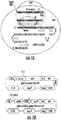


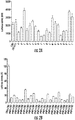


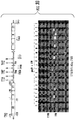
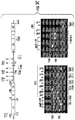
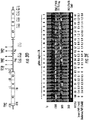
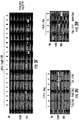

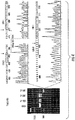
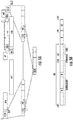

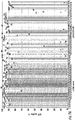
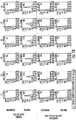
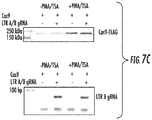

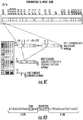
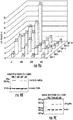
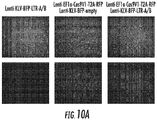
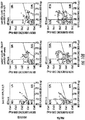

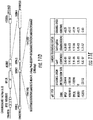
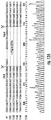
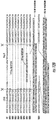

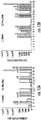
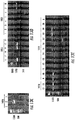
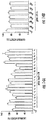
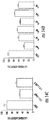
Classifications
-
- A—HUMAN NECESSITIES
- A61—MEDICAL OR VETERINARY SCIENCE; HYGIENE
- A61K—PREPARATIONS FOR MEDICAL, DENTAL OR TOILETRY PURPOSES
- A61K38/00—Medicinal preparations containing peptides
- A61K38/16—Peptides having more than 20 amino acids; Gastrins; Somatostatins; Melanotropins; Derivatives thereof
- A61K38/43—Enzymes; Proenzymes; Derivatives thereof
- A61K38/46—Hydrolases (3)
- A61K38/465—Hydrolases (3) acting on ester bonds (3.1), e.g. lipases, ribonucleases
-
- A—HUMAN NECESSITIES
- A61—MEDICAL OR VETERINARY SCIENCE; HYGIENE
- A61K—PREPARATIONS FOR MEDICAL, DENTAL OR TOILETRY PURPOSES
- A61K48/00—Medicinal preparations containing genetic material which is inserted into cells of the living body to treat genetic diseases; Gene therapy
-
- A—HUMAN NECESSITIES
- A61—MEDICAL OR VETERINARY SCIENCE; HYGIENE
- A61P—SPECIFIC THERAPEUTIC ACTIVITY OF CHEMICAL COMPOUNDS OR MEDICINAL PREPARATIONS
- A61P31/00—Antiinfectives, i.e. antibiotics, antiseptics, chemotherapeutics
- A61P31/12—Antivirals
- A61P31/14—Antivirals for RNA viruses
- A61P31/18—Antivirals for RNA viruses for HIV
-
- C—CHEMISTRY; METALLURGY
- C12—BIOCHEMISTRY; BEER; SPIRITS; WINE; VINEGAR; MICROBIOLOGY; ENZYMOLOGY; MUTATION OR GENETIC ENGINEERING
- C12N—MICROORGANISMS OR ENZYMES; COMPOSITIONS THEREOF; PROPAGATING, PRESERVING, OR MAINTAINING MICROORGANISMS; MUTATION OR GENETIC ENGINEERING; CULTURE MEDIA
- C12N15/00—Mutation or genetic engineering; DNA or RNA concerning genetic engineering, vectors, e.g. plasmids, or their isolation, preparation or purification; Use of hosts therefor
- C12N15/09—Recombinant DNA-technology
- C12N15/11—DNA or RNA fragments; Modified forms thereof; Non-coding nucleic acids having a biological activity
-
- C—CHEMISTRY; METALLURGY
- C12—BIOCHEMISTRY; BEER; SPIRITS; WINE; VINEGAR; MICROBIOLOGY; ENZYMOLOGY; MUTATION OR GENETIC ENGINEERING
- C12N—MICROORGANISMS OR ENZYMES; COMPOSITIONS THEREOF; PROPAGATING, PRESERVING, OR MAINTAINING MICROORGANISMS; MUTATION OR GENETIC ENGINEERING; CULTURE MEDIA
- C12N15/00—Mutation or genetic engineering; DNA or RNA concerning genetic engineering, vectors, e.g. plasmids, or their isolation, preparation or purification; Use of hosts therefor
- C12N15/09—Recombinant DNA-technology
- C12N15/11—DNA or RNA fragments; Modified forms thereof; Non-coding nucleic acids having a biological activity
- C12N15/113—Non-coding nucleic acids modulating the expression of genes, e.g. antisense oligonucleotides; Antisense DNA or RNA; Triplex- forming oligonucleotides; Catalytic nucleic acids, e.g. ribozymes; Nucleic acids used in co-suppression or gene silencing
- C12N15/1131—Non-coding nucleic acids modulating the expression of genes, e.g. antisense oligonucleotides; Antisense DNA or RNA; Triplex- forming oligonucleotides; Catalytic nucleic acids, e.g. ribozymes; Nucleic acids used in co-suppression or gene silencing against viruses
- C12N15/1132—Non-coding nucleic acids modulating the expression of genes, e.g. antisense oligonucleotides; Antisense DNA or RNA; Triplex- forming oligonucleotides; Catalytic nucleic acids, e.g. ribozymes; Nucleic acids used in co-suppression or gene silencing against viruses against retroviridae, e.g. HIV
-
- C—CHEMISTRY; METALLURGY
- C12—BIOCHEMISTRY; BEER; SPIRITS; WINE; VINEGAR; MICROBIOLOGY; ENZYMOLOGY; MUTATION OR GENETIC ENGINEERING
- C12N—MICROORGANISMS OR ENZYMES; COMPOSITIONS THEREOF; PROPAGATING, PRESERVING, OR MAINTAINING MICROORGANISMS; MUTATION OR GENETIC ENGINEERING; CULTURE MEDIA
- C12N15/00—Mutation or genetic engineering; DNA or RNA concerning genetic engineering, vectors, e.g. plasmids, or their isolation, preparation or purification; Use of hosts therefor
- C12N15/09—Recombinant DNA-technology
- C12N15/87—Introduction of foreign genetic material using processes not otherwise provided for, e.g. co-transformation
- C12N15/90—Stable introduction of foreign DNA into chromosome
- C12N15/902—Stable introduction of foreign DNA into chromosome using homologous recombination
- C12N15/907—Stable introduction of foreign DNA into chromosome using homologous recombination in mammalian cells
-
- C—CHEMISTRY; METALLURGY
- C12—BIOCHEMISTRY; BEER; SPIRITS; WINE; VINEGAR; MICROBIOLOGY; ENZYMOLOGY; MUTATION OR GENETIC ENGINEERING
- C12N—MICROORGANISMS OR ENZYMES; COMPOSITIONS THEREOF; PROPAGATING, PRESERVING, OR MAINTAINING MICROORGANISMS; MUTATION OR GENETIC ENGINEERING; CULTURE MEDIA
- C12N9/00—Enzymes; Proenzymes; Compositions thereof; Processes for preparing, activating, inhibiting, separating or purifying enzymes
- C12N9/14—Hydrolases (3)
- C12N9/16—Hydrolases (3) acting on ester bonds (3.1)
- C12N9/22—Ribonucleases [RNase]; Deoxyribonucleases [DNase]
-
- C—CHEMISTRY; METALLURGY
- C12—BIOCHEMISTRY; BEER; SPIRITS; WINE; VINEGAR; MICROBIOLOGY; ENZYMOLOGY; MUTATION OR GENETIC ENGINEERING
- C12N—MICROORGANISMS OR ENZYMES; COMPOSITIONS THEREOF; PROPAGATING, PRESERVING, OR MAINTAINING MICROORGANISMS; MUTATION OR GENETIC ENGINEERING; CULTURE MEDIA
- C12N2310/00—Structure or type of the nucleic acid
- C12N2310/10—Type of nucleic acid
-
- C—CHEMISTRY; METALLURGY
- C12—BIOCHEMISTRY; BEER; SPIRITS; WINE; VINEGAR; MICROBIOLOGY; ENZYMOLOGY; MUTATION OR GENETIC ENGINEERING
- C12N—MICROORGANISMS OR ENZYMES; COMPOSITIONS THEREOF; PROPAGATING, PRESERVING, OR MAINTAINING MICROORGANISMS; MUTATION OR GENETIC ENGINEERING; CULTURE MEDIA
- C12N2310/00—Structure or type of the nucleic acid
- C12N2310/10—Type of nucleic acid
- C12N2310/20—Type of nucleic acid involving clustered regularly interspaced short palindromic repeats [CRISPR]
-
- C—CHEMISTRY; METALLURGY
- C12—BIOCHEMISTRY; BEER; SPIRITS; WINE; VINEGAR; MICROBIOLOGY; ENZYMOLOGY; MUTATION OR GENETIC ENGINEERING
- C12N—MICROORGANISMS OR ENZYMES; COMPOSITIONS THEREOF; PROPAGATING, PRESERVING, OR MAINTAINING MICROORGANISMS; MUTATION OR GENETIC ENGINEERING; CULTURE MEDIA
- C12N2320/00—Applications; Uses
- C12N2320/10—Applications; Uses in screening processes
- C12N2320/11—Applications; Uses in screening processes for the determination of target sites, i.e. of active nucleic acids
Definitions
- the present invention relates to compositions and methods to specifically cleave target sequences in retroviruses, for example human immunodeficiency virus (HIV).
- retroviruses for example human immunodeficiency virus (HIV).
- the compositions which can include nucleic acids encoding a Clustered Regularly Interspace Short Palindromic Repeat (CRISPR) associated endonuclease and a guide RNA sequence complementary to a target sequence in a human immunodeficiency virus, can be administered to a subject having or at risk for contracting an HIV infection.
- CRISPR Clustered Regularly Interspace Short Palindromic Repeat
- AIDS remains a major public health problem affecting greater than 35.3 million people worldwide. AIDS remains incurable due to the permanent integration of HIV-1 into the host genome.
- Current therapy highly active antiretroviral therapy or HAART
- HAART fails to suppress low level viral genome expression and replication in tissues and fails to target the latently-infected cells, for example, resting memory T cells, brain macrophages, microglia, and astrocytes, gut-associated lymphoid cells, that serve as a reservoir for HIV-1.
- Persistent HIV-1 infection is also linked to co-morbidities including heart and renal diseases, osteopenia, and neurological disorders. There is a continuing need for curative therapeutic strategies that target persistent viral reservoirs.
- HE homing endonucleases
- ZFN zinc finger nucleases
- TALEN transcription activator-like effector nucleases
- Cas9 CRISPR-associated system 9
- gene editing complexes are assembled, including a Cas9 nuclease and a guide RNA (gRNA) complementary to a target a viral DNA sequence.
- the gRNA directs the Cas9 nuclease to engage and cleave viral DNA strands containing the target sequence.
- the Cas9/gRNA gene editing complex introduces one or more mutations into the viral DNA.
- ZFNs targeting HIV-1 host co-receptor CCR5 gene have entered phase 2 clinical trials for the treatment of HIV/AIDS.
- TALEN has been experimentally shown to effectively cleave CCR5 at the expected site.
- Cas9/gRNA editing complexes have been also used to disrupt HIV-1 entry co-receptors (CCR5, CXCR4) and proviral structural proteins ( Manjunath et al., Viruses, 14;5(11):2748-2766 (2013 ); Stone et al., Curr. Opin. HIV AIDS.
- CCR5 is not the unique receptor for HIV-1 infection and has many other cellular functions as well.
- the present invention provides compositions and methods relating to treatment and prevention of retroviral infections, especially the human immunodeficiency virus HIV.
- the compositions and methods attack proviral HIV that has been integrated into the genome of host cells.
- compositions including a nucleic acid sequence encoding a CRISPR-associated endonuclease, and one or more isolated nucleic acid sequences encoding gRNAs, wherein each gRNA is complementary to a target sequence in a retroviral genome.
- two gRNAs are included in the composition, with each gRNA directing a Cas endonuclease to a different target site in integrated retroviral DNA HIV DNA.
- the DNA extending between the cut sites is deleted, resulting in the excision of part or all of the HIV genome.
- the most effective combinations of gRNAs include pairs in which one gRNA targets a site in the LTR region and the other, targets a site in a structural gene such as gag or pol; and pairs in which both gRNAs target sites in the LTR.
- the present invention also provides a method of inactivating a retrovirus in a mammalian cell by exposing the cell to a composition including one or more isolated nucleic acids encoding a gene editing complex.
- the gene editing complex includes a CRISPR-associated endonuclease and one or more gRNAs, wherein each gRNA is complementary to a target sequence in the retrovirus.
- the present invention further provides a pharmaceutical composition for the inactivation of integrated retroviral proviral DNA in a mammalian subject.
- the composition includes an isolated nucleic acid sequence encoding a Cas endonuclease, and at least one isolated nucleic acid sequence encoding at least one gRNA complementary to a target sequence in a proviral retroviral DNA, such as HIV DNA. Pairs of gRNAs targeting different sites in the retroviral genome are preferred.
- the isolated nucleic acid sequences are included in at least one expression vector.
- the present invention still further provides a method of treating a mammalian subject infected with a retrovirus, e.g. HIV.
- the method includes the steps of determining that a mammalian subject is infected with HIV, administering an effective amount of the previously stated pharmaceutical composition, and treating the mammalian subject for HIV infection.
- the present invention also provides a method of treatment to reduce the risk of a retrovirus (e.g. HIV) infection in a mammalian subject at risk for infection.
- the method includes the steps of determining that a mammalian subject is at risk of HIV infection, administering an effective amount of the previously stated pharmaceutical composition, and reducing the risk of HIV infection in a mammalian subject.
- a retrovirus e.g. HIV
- the present invention further provides a kit for the treatment or prophylaxis of HIV infection.
- the kit includes a measured amount of a composition comprising at least one isolated nucleic acid sequence encoding a CRISPR-associated endonuclease, and at least one nucleic acid sequence encoding one or more gRNAs, wherein the gRNAs are complementary to target sites in HIV.
- the kit can include one or more vectors encoding the nucleic acids.
- the kit can also contain packaging material, a package insert with instructions for use, a sterile fluid, a syringe, and/or a sterile container.
- the present invention is based, in part, on the discovery that integrated human immunodeficiency virus (HIV) genome can be eliminated from HIV infected cells by using the RNA-guided Clustered Regularly Interspace Short Palindromic Repeat (CRISPR)-Cas 9 nuclease system (Cas9/gRNA) in single and multiplex configurations.
- HIV human immunodeficiency virus
- CRISPR Clustered Regularly Interspace Short Palindromic Repeat
- Cas9/gRNA RNA-guided Regularly Interspace Short Palindromic Repeat
- genes, gene names, and gene products disclosed herein are intended to correspond to homologs from any species for which the compositions and methods disclosed herein are applicable. It is understood that when a gene or gene product from a particular species is disclosed, this disclosure is intended to be exemplary only, and is not to be interpreted as a limitation unless the context in which it appears clearly indicates. Thus, for example, for the genes or gene products disclosed herein, are intended to encompass homologous and/or orthologous genes and gene products from other species.
- the terms “comprising,” “comprise” or “comprised,” and variations thereof, in reference to defined or described elements of an item, composition, apparatus, method, process, system, etc. are meant to be inclusive or open ended, permitting additional elements, thereby indicating that the defined or described item, composition, apparatus, method, process, system, etc. includes those specified elementsor, as appropriate, equivalents thereof--and that other elements can be included and still fall within the scope/definition of the defined item, composition, apparatus, method, process, system, etc.
- Encoding refers to the inherent property of specific sequences of nucleotides in a polynucleotide, such as a gene, a cDNA, or an mRNA, to serve as templates for synthesis of other polymers and macromolecules in biological processes having either a defined sequence of nucleotides (i.e., rRNA, tRNA and mRNA) or a defined sequence of amino acids and the biological properties resulting therefrom.
- a gene encodes a protein if transcription and translation of mRNA corresponding to that gene produces the protein in a cell or other biological system.
- Both the coding strand the nucleotide sequence of which is identical to the mRNA sequence and is usually provided in sequence listings, and the non-coding strand, used as the template for transcription of a gene or cDNA, can be referred to as encoding the protein or other product of that gene or cDNA.
- an “effective amount” or “therapeutically effective amount” of a compound is that amount of compound which is sufficient to provide a beneficial effect to the subject to which the compound is administered.
- An “effective amount” of a delivery vehicle is that amount sufficient to effectively bind or deliver a compound.
- eradication of virus means that that virus is unable to replicate, the genome is deleted, fragmented, degraded, genetically inactivated, or any other physical, biological, chemical or structural manifestation, that prevents the virus from being transmissible or infecting any other cell or subject resulting in the clearance of the virus in vivo.
- fragments of the viral genome may be detectable, however, the virus is incapable of replication, or infection etc.
- “Expression vector” refers to a vector comprising a recombinant polynucleotide comprising expression control sequences operatively linked to a nucleotide sequence to be expressed.
- An expression vector comprises sufficient cis-acting elements for expression; other elements for expression can be supplied by the host cell or in an in vitro expression system.
- Expression vectors include all those known in the art, such as cosmids, plasmids ( e.g., naked or contained in liposomes) and viruses ( e.g., lentiviruses, retroviruses, adenoviruses, and adeno-associated viruses) that incorporate the recombinant polynucleotide.
- “Homologous” refers to the sequence similarity or sequence identity between two polypeptides or between two nucleic acid molecules. When a position in both of the two compared sequences is occupied by the same base or amino acid monomer subunit, e.g., if a position in each of two DNA molecules is occupied by adenine, then the molecules are homologous at that position.
- the percent of homology between two sequences is a function of the number of matching or homologous positions shared by the two sequences divided by the number of positions compared X 100. For example, if 6 of 10 of the positions in two sequences are matched or homologous then the two sequences are 60% homologous.
- the DNA sequences ATTGCC and TATGGC share 50% homology. Generally, a comparison is made when two sequences are aligned to give maximum homology.
- isolated means altered or removed from the natural state.
- a nucleic acid or a peptide naturally present in a living animal is not “isolated,” but the same nucleic acid or peptide partially or completely separated from the coexisting materials of its natural state is “isolated.”
- An isolated nucleic acid or protein can exist in substantially purified form, or can exist in a non-native environment such as, for example, a host cell.
- A refers to adenosine
- C refers to cytosine
- G refers to guanosine
- T refers to thymidine
- U refers to uridine.
- nucleotide sequence encoding an amino acid sequence includes all nucleotide sequences that are degenerate versions of each other and that encode the same amino acid sequence.
- the phrase nucleotide sequence that encodes a protein or an RNA may also include introns to the extent that the nucleotide sequence encoding the protein may in some version contain an intron(s).
- patient refers to any animal or cells thereof whether in vitro or in situ, amenable to the methods described herein.
- the patient, subject or individual is a human.
- Parenteral administration of a composition includes, e.g., subcutaneous (s.c.), intravenous (i.v.), intramuscular (i.m.), or intrasternal injection, or infusion techniques.
- polynucleotide As used herein, the terms “polynucleotide”, “nucleic acid sequence” and “gene” are used interchangeably throughout the specification and include complementary DNA (cDNA), linear or circular oligomers or polymers of natural and/or modified monomers or linkages, including deoxyribonucleosides, ribonucleosides, substituted and alpha-anomeric forms thereof, peptide nucleic acids (PNA), locked nucleic acids (LNA), phosphorothioate, methylphosphonate, and the like.
- PNA peptide nucleic acids
- LNA locked nucleic acids
- phosphorothioate phosphorothioate
- methylphosphonate and the like.
- polynucleotide as used herein is defined as a chain of nucleotides.
- nucleic acids are polymers of nucleotides.
- nucleic acids and polynucleotides as used herein are interchangeable.
- nucleic acids are polynucleotides, which can be hydrolyzed into the monomeric "nucleotides.”
- the monomeric nucleotides can be hydrolyzed into nucleosides.
- Polynucleotides include, but are not limited to, all nucleic acid sequences which are obtained by any means available in the art, including, without limitation, recombinant means, i.e., the cloning of nucleic acid sequences from a recombinant library or a cell genome, using ordinary cloning technology and PCRTM, and the like, and by synthetic means.
- nucleic acid sequences may be "chimeric,” that is, composed of different regions.
- chimeric compounds are oligonucleotides, which contain two or more chemical regions, for example, DNA region(s), RNA region(s), PNA region(s) etc. Each chemical region is made up of at least one monomer unit, i.e., a nucleotide.
- sequences typically comprise at least one region wherein the sequence is modified in order to exhibit one or more desired properties.
- nucleosides in reference to nucleosides includes synthetic nucleosides having modified base moieties and/or modified sugar moieties, e.g., described generally by Scheit, Nucleotide Analogs, John Wiley, New York, 1980 ; Freier & Altmann, Nucl. Acid. Res., 1997, 25(22), 4429-4443 , Toulmé, J.J., Nature Biotechnology 19:17-18 (2001 ); Manoharan M., Biochemica et Biophysica Acta 1489:117-139(1999 ); Freier S.
- variants when used in the context of a polynucleotide sequence, may encompass a polynucleotide sequence related to a wild type gene. This definition may also include, for example, "allelic,” “splice,” “species,” or “polymorphic” variants.
- a splice variant may have significant identity to a reference molecule, but will generally have a greater or lesser number of polynucleotides due to alternate splicing of exons during mRNA processing.
- the corresponding polypeptide may possess additional functional domains or an absence of domains.
- Species variants are polynucleotide sequences that vary from one species to another. Of particular utility in the invention are variants of wild type gene products.
- Variants may result from at least one mutation in the nucleic acid sequence and may result in altered mRNAs or in polypeptides whose structure or function may or may not be altered. Any given natural or recombinant gene may have none, one, or many allelic forms. Common mutational changes that give rise to variants are generally ascribed to natural deletions, additions, or substitutions of nucleotides. Each of these types of changes may occur alone, or in combination with the others, one or more times in a given sequence.
- nucleotide sequence encoding an amino acid sequence includes all nucleotide sequences that are degenerate versions of each other and that encode the same amino acid sequence.
- the phrase nucleotide sequence that encodes a protein or an RNA may also include introns to the extent that the nucleotide sequence encoding the protein may in some version contain an intron(s).
- peptide As used herein, the terms “peptide,” “polypeptide,” and “protein” are used interchangeably, and refer to a compound comprised of amino acid residues covalently linked by peptide bonds.
- a protein or peptide must contain at least two amino acids, and no limitation is placed on the maximum number of amino acids that can comprise a protein's or peptide's sequence.
- oligopeptide, protein, and enzyme are included within the definition of polypeptide or peptide, whether produced using recombinant techniques, chemical or enzymatic synthesis, or be naturally occurring.
- Polypeptides include any peptide or protein comprising two or more amino acids joined to each other by peptide bonds.
- Polypeptides include, for example, biologically active fragments, substantially homologous polypeptides, oligopeptides, homodimers, heterodimers, variants of polypeptides, modified polypeptides, derivatives, analogs, fusion proteins. This term also includes polypeptides that have been modified or derivatized, such as by glycosylation, acetylation, phosphorylation, and the likeamong others.
- the polypeptides include natural peptides, recombinant peptides, synthetic peptides, or a combination thereof.
- variant of polypeptides refers to an amino acid sequence that is altered by one or more amino acid residues.
- the variant may have "conservative” changes, wherein a substituted amino acid has similar structural or chemical properties (e.g., replacement of leucine with isoleucine). More rarely, a variant may have "nonconservative” changes (e.g., replacement of glycine with tryptophan).
- Analogous minor variations may also include amino acid deletions or insertions, or both.
- Guidance in determining which amino acid residues may be substituted, inserted, or deleted without abolishing biological activity may be found using computer programs well known in the art, for example, LASERGENE software (DNASTAR).
- a “therapeutic” treatment is a treatment administered to a subject who exhibits signs of pathology, for the purpose of diminishing or eliminating those signs.
- terapéuticaally effective amount refers to an amount that is sufficient or effective to prevent or treat (delay or prevent the onset of, prevent the progression of, inhibit, decrease or reverse) a disease or condition, including alleviating symptoms of such diseases.
- Treatment is an intervention performed with the intention of preventing the development or altering the pathology or symptoms of a disorder. Accordingly, “treatment” refers to both therapeutic treatment and prophylactic or preventative measures. “Treatment” may also be specified as palliative care. Those in need of treatment include those already with the disorder as well as those in which the disorder is to be prevented.
- treating or “treatment” of a state, disorder or condition includes: (1) preventing or delaying the appearance of clinical symptoms of the state, disorder or condition developing in a human or other mammal that may be afflicted with or predisposed to the state, disorder or condition but does not yet experience or display clinical or subclinical symptoms of the state, disorder or condition; (2) inhibiting the state, disorder or condition, i.e ., arresting, reducing or delaying the development of the disease or a relapse thereof (in case of maintenance treatment) or at least one clinical or subclinical symptom thereof; or (3) relieving the disease, i.e., causing regression of the state, disorder or condition or at least one of its clinical or subclinical symptoms.
- the benefit to an individual to be treated is either statistically significant or at least perceptible to the patient or to the physician.
- a “vector” is a composition of matter which comprises an isolated nucleic acid and which can be used to deliver the isolated nucleic acid to the interior of a cell.
- vectors are known in the art including, but not limited to, linear polynucleotides, polynucleotides associated with ionic or amphiphilic compounds, plasmids, and viruses.
- the term “vector” includes an autonomously replicating plasmid or a virus.
- the term should also be construed to include non-plasmid and non-viral compounds which facilitate transfer of nucleic acid into cells, such as, for example, polylysine compounds, liposomes, and the like.
- viral vectors include, but are not limited to, adenoviral vectors, adeno-associated virus vectors, retroviral vectors, and the like.
- ranges throughout this disclosure, various aspects of the invention can be presented in a range format. It should be understood that the description in range format is merely for convenience and brevity and should not be construed as an inflexible limitation on the scope of the invention. Accordingly, the description of a range should be considered to have specifically disclosed all the possible subranges as well as individual numerical values within that range. For example, description of a range such as from 1 to 6 should be considered to have specifically disclosed subranges such as from 1 to 3, from 1 to 4, from 1 to 5, from 2 to 4, from 2 to 6, from 3 to 6 etc., as well as individual numbers within that range, for example, 1, 2, 2.7, 3, 4, 5, 5.3, and 6. This applies regardless of the breadth of the range.
- any amino acid sequence is specifically referred to by a Swiss Prot. or GENBANK Accession number, the sequence is incorporated herein by reference. Information associated with the accession number, such as identification of signal peptide, extracellular domain, transmembrane domain, promoter sequence and translation start, is also incorporated herein in its entirety by reference.
- HIV and other retroviruses are highly mutable, so there is a need for a broader spectrum of Cas9/gRNA reagents and methods for targeting the integrated HIV genome.
- Cas9/gRNA reagents that effectively target the structural genes of HIV, such as gag and pol.
- embodiments of the invention are directed to compositions and methods for the treatment and eradication of highly mutable and/or latent viruses from a host cell in vitro or in vivo.
- Methods of the invention may be used to remove viral or other foreign genetic material from a host organism, without interfering with the integrity of the host's genetic material.
- a nuclease may be used to target viral nucleic acid, thereby interfering with viral replication or transcription or even excising the viral genetic material from the host genome.
- the nuclease may be specifically targeted to remove only the viral nucleic acid without acting on host material either when the viral nucleic acid exists as a particle within the cell or when it is integrated into the host genome.
- Targeting the viral nucleic acid can be done using a sequence-specific moiety such as a guide RNA that targets viral genomic material for destruction by the nuclease and does not target the host cell genome.
- a CRISPR/Cas nuclease and guide RNA that together target and selectively edit or destroy viral genomic material is used.
- the CRISPR (clustered regularly interspaced short palindromic repeats) is a naturally-occurring element of the bacterial immune system that protects bacteria from phage infection.
- the guide RNA localizes the CRISPR/Cas complex to a viral target sequence. Binding of the complex localizes the Cas endonuclease to the viral genomic target sequence causing breaks in the viral genome.
- nuclease systems can be used including, for example, zinc finger nucleases, transcription activator-like effector nucleases (TALENs), meganucleases, or any other system that can be used to degrade or interfere with viral nucleic acid without interfering with the regular function of the host's genetic material.
- TALENs transcription activator-like effector nucleases
- meganucleases or any other system that can be used to degrade or interfere with viral nucleic acid without interfering with the regular function of the host's genetic material.
- compositions embodied herein can be used to target viral nucleic acid in any form or at any stage in the viral life cycle.
- the targeted viral nucleic acid may be present in the host cell as independent particles.
- the viral infection is latent and the viral nucleic acid is integrated into the host genome. Any suitable viral nucleic acid may be targeted for cleavage and digestion.
- the CRISPR-Cas system includes a gene editing complex comprising a CRISPR-associated nuclease, e.g., Cas9, and a guide RNA complementary to a target sequence situated on a DNA strand, such as a target sequence in proviral DNA integrated into a mammalian genome.
- An exemplary gene editing complex is shown in FIGURE 1A .
- the gene editing complex can cleave the DNA within the target sequence. This cleavage can in turn cause the introduction of various mutations into the proviral DNA, resulting in inactivation of HIV provirus.
- the mechanism by which such mutations inactivate the provirus can vary. For example, the mutation can affect proviral replication, and viral gene expression.
- the mutations may be located in regulatory sequences or structural gene sequences and result in defective production of HIV.
- the mutation can comprise a deletion.
- the size of the deletion can vary from a single nucleotide base pair to about 10,000 base pairs.
- the deletion can include all or substantially all of the integrated retroviral nucleic acid sequence.
- the deletion can include the entire integrated retroviral nucleic acid sequence.
- the mutation can comprise an insertion, that is, the addition of one or more nucleotide base pairs to the pro-viral sequence.
- the size of the inserted sequence also may vary, for example from about one base pair to about 300 nucleotide base pairs.
- the mutation can comprise a point mutation, that is, the replacement of a single nucleotide with another nucleotide. Useful point mutations are those that have functional consequences, for example, mutations that result in the conversion of an amino acid codon into a termination codon or that result in the production of a nonfunctional protein.
- CRISPR/Cas proteins comprise at least one RNA recognition and/or RNA binding domain.
- RNA recognition and/or RNA binding domains interact with guide RNAs.
- CRISPR/Cas proteins can also comprise nuclease domains (i.e., DNase or RNase domains), DNA binding domains, helicase domains, RNase domains, protein-protein interaction domains, dimerization domains, as well as other domains.
- the CRISPR/Cas-like protein can be a wild type CRISPR/Cas protein, a modified CRISPR/Cas protein, or a fragment of a wild type or modified CRISPR/Cas protein.
- the CRISPR/Cas-like protein can be modified to increase nucleic acid binding affinity and/or specificity, alter an enzymatic activity, and/or change another property of the protein.
- nuclease i.e., DNase, RNase
- the CRISPR/Cas-like protein can be truncated to remove domains that are not essential for the function of the fusion protein.
- the CRISPR/Cas-like protein can also be truncated or modified to optimize the activity of the effector domain of the fusion protein.
- the CRISPR/Cas system can be a type I, a type II, or a type III system.
- suitable CRISPR/Cas proteins include Cas3, Cas4, Cas5, Cas5e (or CasD), Cas6, Cas6e, Cas6f, Cas7, Cas8a1, Cas8a2, Cas8b, Cas8c, Cas9, Cas10, Cas10d, CasF, CasG, CasH, Csy1, Csy2, Csy3, Cse1 (or CasA), Cse2 (or CasB), Cse3 (or CasE), Cse4 (or CasC), Csc1, Csc2, Csa5, Csn2, Csm2, Csm3, Csm4, Csm5, Csm6, Cmr1, Cmr3, Cmr4, Cmr5, Cmr6, Csb1, Csb2, Csb3, Csx17, Cs
- the RNA-guided endonuclease is derived from a type II CRISPR/Cas system. In other embodiments, the RNA-guided endonuclease is derived from a Cas9 protein.
- the Cas9 protein can be from Streptococcus pyogenes, Streptococcus thermophilus , Streptococcus sp., Nocardiopsis rougevillei , Streptomyces pristinaespiralis , Streptomyces viridochromogenes, Streptomyces viridochromogenes, Streptosporangium roseum, Alicyclobacillus acidocaldarius , Bacillus pseudomycoides, Bacillus selenitireducens , Exiguobacterium sibiricum, Lactobacillus delbrueckii, Lactobacillus salivarius, Microscilla marina, Burkholderiales bacterium, Polaromonas
- the CRISPR/Cas-like protein can be derived from a wild type Cas9 protein or fragment thereof.
- the CRISPR/Cas-like protein can be derived from modified Cas9 protein.
- the amino acid sequence of the Cas9 protein can be modified to alter one or more properties (e.g., nuclease activity, affinity, stability, etc.) of the protein.
- domains of the Cas9 protein not involved in RNA-guided cleavage can be eliminated from the protein such that the modified Cas9 protein is smaller than the wild type Cas9 protein.
- An exemplary and preferred CRISPR-associated endonuclease is a Cas9 nuclease.
- the Cas9 nuclease can have a nucleotide sequence identical to the wild type Streptococcus pyrogenes sequence.
- the CRISPR-associated endonuclease can be a sequence from other species, for example other Streptococcus species, such as thermophilus ; Pseudomonas aeruginosa, Escherichia coli, or other sequenced bacteria genomes and archaea, or other prokaryotic microorganisms.
- the wild type Streptococcus pyrogenes Cas9 sequence can be modified.
- the nucleic acid sequence can be codon optimized for efficient expression in mammalian cells, i.e., "humanized.”
- a humanized Cas9 nuclease sequence can be for example, the Cas9 nuclease sequence encoded by any of the expression vectors listed in Genbank accession numbers KM099231.1 GI:669193757; KM099232.1 GI:669193761; or KM099233.1 GI:669193765.
- the Cas9 nuclease sequence can be for example, the sequence contained within a commercially available vector such as PX330 or PX260 from Addgene (Cambridge, MA).
- the Cas9 endonuclease can have an amino acid sequence that is a variant or a fragment of any of the Cas9 endonuclease sequences of Genbank accession numbers KM099231.1 GI:669193757; KM099232.1 GI:669193761; or KM099233.1 GI:669193765 or Cas9 amino acid sequence of PX330 or PX260 (Addgene, Cambridge, MA).
- the Cas9 nucleotide sequence can be modified to encode biologically active variants of Cas9, and these variants can have or can include, for example, an amino acid sequence that differs from a wild type Cas9 by virtue of containing one or more mutations (e.g., an addition, deletion, or substitution mutation or a combination of such mutations).
- One or more of the substitution mutations can be a substitution (e.g., a conservative amino acid substitution).
- a biologically active variant of a Cas9 polypeptide can have an amino acid sequence with at least or about 50% sequence identity (e.g., at least or about 50%, 55%, 60%, 65%, 70%, 75%, 80%, 85%, 90%, 95%, 97%, 98%, or 99% sequence identity) to a wild type Cas9 polypeptide.
- Conservative amino acid substitutions typically include substitutions within the following groups: glycine and alanine; valine, isoleucine, and leucine; aspartic acid and glutamic acid; asparagine, glutamine, serine and threonine; lysine, histidine and arginine; and phenylalanine and tyrosine.
- the amino acid residues in the Cas9 amino acid sequence can be non-naturally occurring amino acid residues.
- Naturally occurring amino acid residues include those naturally encoded by the genetic code as well as non-standard amino acids (e.g., amino acids having the D-configuration instead of the L-configuration).
- the present peptides can also include amino acid residues that are modified versions of standard residues (e.g. pyrrolysine can be used in place of lysine and selenocysteine can be used in place of cysteine).
- Non-naturally occurring amino acid residues are those that have not been found in nature, but that conform to the basic formula of an amino acid and can be incorporated into a peptide.
- the Cas9 nuclease sequence can be a mutated sequence.
- the Cas9 nuclease can be mutated in the conserved HNH and RuvC domains, which are involved in strand specific cleavage.
- an aspartate-to-alanine (D10A) mutation in the RuvC catalytic domain allows the Cas9 nickase mutant (Cas9n) to nick rather than cleave DNA to yield single-stranded breaks, and the subsequent preferential repair through HDR can potentially decrease the frequency of unwanted indel mutations from off-target double-stranded breaks.
- the present invention incorporates several advances over the Cas9/gRNA system disclosed in Hu, et al, PNAS 2014, 111:114616 .
- additional highly specific target sequences were identified both within the HIV-1 LTR and within the structural genes of HIV-1. These target sequences (also referred to as target "sites"), were efficiently edited by Cas9/gRNA, causing inactivation of viral gene expression and replication in latently-infected mammalian cells.
- Certain of these additional Cas9/gRNA constructs, and combinations thereof, were found to cause excision of all or part of integrated HIV proviral DNA from the host cell genome.
- the present invention thus greatly broadens the spectrum of Cas9/gRNA compositions that are available to target integrated HIV DNA in host cells.
- compositions for use in inactivating a proviral DNA integrated into a host cell including an isolated nucleic acid sequence encoding a CRISPR-associated endonuclease and one or more isolated nucleic acid sequences encoding one or more gRNAs complementary to a target sequence in HIV or another retrovirus.
- a gRNA includes a mature crRNA that contains about 20 base pairs (bp) of unique target sequence (called spacer) and a trans-activated small RNA (tracrRNA) that serves as a guide for ribonuclease III-aided processing of pre-crRNA.
- the crRNA:tracrRNA duplex directs Cas9 to target DNA via complementary base pairing between the spacer on the crRNA and the complementary sequence (called protospacer) on the target DNA.
- Cas9 recognizes a trinucleotide (NGG) protospacer adjacent motif (PAM) to specify the cut site (the 3rd nucleotide from PAM).
- NVG trinucleotide
- PAM protospacer adjacent motif
- the crRNA and tracrRNA can be expressed separately or engineered into an artificial fusion gRNA via a synthetic stem loop (AGAAAU) to mimic the natural crRNA/tracrRNA duplex.
- AAAAU synthetic stem loop
- Such gRNA can be synthesized or in vitro transcribed for direct RNA transfection or expressed from U6 or HI-promoted RNA expression vector.
- each gRNA includes a sequence that is complementary to a target sequence in a retrovirus.
- the exemplary target retrovirus is HIV, but the compositions of the present invention are also useful for targeting other retroviruses, such as HIV-2 and simian immunodeficiency virus (SIV)-1.
- LTRs long terminal repeat
- the LTRs are subdivided into U3, R and U5 regions.
- the configuration of the U1, R, U5 regions of HIV-1 is shown in FIGURE 3A .
- LTRs contain all of the required signals for gene expression, and are involved in the integration of a provirus into the genome of a host cell. For example, the basal or core promoter, a core enhancer and a modulatory region is found within U3 while the transactivation response element is found within R.
- the U5 region includes several sub-regions, for example, TAR or trans-acting responsive element, which is involved in transcriptional activation; Poly A, which is involved in dimerization and genome packaging; PBS or primer binding site; Psi or the packaging signal; DIS or dimer initiation site.
- a gRNA target sequence comprises one or more target sequences in an LTR region of an HIV proviral DNA and one or more targets in a structural gene and/or non-structural gene of the HIV proviral DNA.
- a gRNA target sequence comprises one or more target sequences in an LTR region of an HIV proviral DNA and one or more targets in a structural gene.
- a gRNA target sequence comprises one or more target sequences in an LTR region of an HIV proviral DNA and one or more targets in a non-structural gene of the HIV proviral DNA.
- a gRNA target sequence comprises one or more target sequences in an HIV proviral a structural gene and one or more targets in a non-structural gene of the HIV proviral DNA.
- a gRNA target sequence comprises one or more target sequences in an HIV proviral a non-coding gene and one or more targets in a coding gene of the HIV proviral DNA.
- a gRNA target nucleic acid sequence comprises one or more target nucleic acid sequences in a first gene and one or more target nucleic acid sequences in a second gene; or, one or more target nucleic acid sequences in a first gene and one or more target nucleic acid sequences in a third gene; or, one or more target nucleic acid sequences in a first gene and one or more target nucleic acid sequences in a second gene and one or more target nucleic acid sequences in a third gene; or, one or more target nucleic acid sequences in a second gene and one or more target nucleic acid sequences in a third gene or fourth gene; or, any combinations thereof.
- any combination of target nucleic acid sequences can be used and are only limited by the imagination of one of ordinary skill in the art.
- FIGURES ID and 3A of Example 2 In experimental results disclosed in the Examples certain sequences within the U3, R, and U5 regions of the LTR were found to be useful target sequences.
- the gRNAs complementary to these target sequences are indicated in FIGURES ID and 3A of Example 2, FIGURE 11A of Example 3 and Table 1 of Example 4. They include LTR 1, LTR 2, LTR 3, LTR A, LTR B, LTR B', LTR C, LTR D, LTR E, LTR F, LTR G, LTR H, LTR I, LTR J, LTR K, LTR L, LTR M, LTR N, LTR O, LTR P, LTR Q, LTR R, LTR S, AND LTR T.
- compositions of the present invention include these exemplary gRNAs, but are not limited to them, and can include gRNAs complimentary to any suitable target site in the HIV LTRs
- Some of the exemplary gRNAs of the present invention target sequences in the protein coding genome of HIV. Sequences within the gene encoding the structural protein gag were found to be useful target sequences. gRNAs complementary to these target sequences include Gag A, Gag B, Gag C, and Gag D. Their target sites in the HIV-1 genome are indicated in FIGURE 3A , and their nucleic acid sequences are shown in Table 1. Useful target sequences were also found within the gene encoding the structural protein pol. gRNAs complementary to these target sequences include Pol A and Pol B. Their target sites in the HIV-1 genome are indicated in FIGURE 3A , and their nucleic acid sequences are shown in Table 1. Sequences for gRNAs complementary to target sites in the HIV-1 envelope protein env are also shown in Table 1.
- compositions of the present invention include these exemplary gRNAs, but are not limited to them, and can include gRNAs complimentary to any suitable target site in the protein coding genes of HIV, including but not limited to those encoding the structural protein tat, and the accessory proteins vif, nef (negative factor) vpu (Virus protein U), vpr, and tev.
- the guide RNA sequence can be sense or anti-sense sequences.
- the guide RNA sequence generally includes a proto-spacer adjacent motif (PAM).
- the sequence of the PAM can vary depending upon the specificity requirements of the CRISPR endonuclease used.
- the target DNA typically immediately precedes a 5'-NGG proto-spacer adjacent motif (PAM).
- PAM proto-spacer adjacent motif
- the PAM sequence can be AGG, TGG, CGG or GGG
- Other Cas9 orthologs may have different PAM specificities.
- thermophilus requires 5'-NNAGAA for CRISPR 1 and 5'-NGGNG for CRISPR3) and Neiseria menigiditis requires 5'-NNNNGATT).
- the specific sequence of the guide RNA may vary, but, regardless of the sequence, useful guide RNA sequences will be those that minimize off-target effects while achieving high efficiency and complete ablation of the genomically integrated retrovirus, e.g. HIV.
- the length of the guide RNA sequence can vary from about 20 to about 60 or more nucleotides, for example about 20, about 21, about 22, about 23, about 24, about 25, about 26, about 27, about 28, about 29, about 30, about 31, about 32, about 33, about 34, about 35, about 36, about 37, about 38, about 39, about 40, about 45, about 50, about 55, about 60 or more nucleotides.
- Useful selection methods identify regions having extremely low homology between the foreign viral genome and host cellular genome including endogenous retroviral DNA, include bioinformatic screening using 12-bp+NGG target-selection criteria to exclude off-target human transcriptome or (even rarely) untranslated-genomic sites; avoiding transcription factor binding sites within the HIV LTR promoter (potentially conserved in the host genome); and WGS, Sanger sequencing and SURVEYOR assay, to identify and exclude potential off-target effects.
- the guide RNA sequence can be configured as a single sequence or as a combination of one or more different sequences, e.g., a multiplex configuration. Multiplex configurations can include combinations of two, three, four, five, six, seven, eight, nine, ten, or more different guide RNAs.
- Exemplary effective combinations include Gag D combined with one of LTR 1, LTR 2, LTR 3, LTR A, LTR B, LTR C, LTR D, LTR E, LTR F, LTR G; LTR H, LTR I, LTR J, LTR K, LTR L, LTR M; LTR N, LTR O, LTR P, LTR Q, LTR R, LTR S, or LTR T.
- Exemplary effective combinations also include LTR 3 combined with one of LTR-1, Gag A; Gag B; Gag C, Gag D, Pol A, or Pol B.
- Combinations of LTR A and LTR B' also caused excision of segments of the HIV-1 genome, as shown in Example 3.
- the compositions of present invention are not limited to these combinations, but include any suitable combination of gRNAs complimentary to two or more different target sites in the HIV-1 provirus.
- a target nucleic acid sequence comprises one or more nucleic acid sequences in coding and non-coding nucleic acid sequences of the retroviral genome.
- the target nucleic acid sequence can be located within a sequence encoding structural proteins, non-structural proteins or combinations thereof.
- the sequences encoding structural proteins comprise nucleic acid sequences encoding: Gag, Gag-Pol precursor, Pro (protease), Reverse Transcriptase (RT), integrase (In), Env or combinations thereof.
- the sequences encoding non-structural proteins comprise nucleic acid sequences encoding: regulatory proteins e.g. Tat, Rev, accessory proteins, e.g. Nef, Vpr, Vpu, Vif or combinations thereof.
- a gRNA sequence has at least a 75% sequence identity to complementary target nucleic acid sequences encoding Gag, Gag-Pol precursor, Pro, Reverse Transcriptase (RT), integrase (In), Env. Tat, Rev, Nef, Vpr, Vpu, Vif or combinations thereof.
- RT Reverse Transcriptase
- In integrase
- a gRNA sequence is complementary to target nucleic acid sequences encoding Gag, Gag-Pol precursor, Pro, Reverse Transcriptase (RT), integrase (In), Env. Tat, Rev, Nef, Vpr, Vpu, Vif or combinations thereof.
- RT Reverse Transcriptase
- In integrase
- the gRNA nucleic acid sequences have at least a 75% sequence identity to the sequences comprising: SEQ ID NOS: 1-57, or any combinations thereof.
- a gRNA nucleic acid sequence comprises SEQ ID NOS: 1-57.
- a nucleic acid sequence comprises a sequence having at least a 75% sequence identity to the sequences comprising: SEQ ID NOS: 1-57, or any combinations thereof. In other embodiments, a nucleic acid sequence comprises a sequence set forth as SEQ ID NOS: 1-57.
- a composition for use in inactivating retroviral DNA integrated into the genome of a host cell latently infected with a retrovirus comprises an isolated nucleic acid sequence encoding a Clustered Regularly Interspaced Short Palindromic Repeat (CRISPR)-associated endonuclease and at least one guide RNA (gRNA), the gRNA being complementary to a target sequence in the integrated retroviral DNA, wherein the retrovirus is a human immunodeficiency virus (HIV).
- CRISPR Clustered Regularly Interspaced Short Palindromic Repeat
- gRNA guide RNA
- the at least one gRNA includes at least a first gRNA that is complementary to a target sequence in the integrated retroviral DNA; and a second gRNA that is complementary to another target sequence in the integrated retroviral DNA, whereby the intervening sequences between the two gRNAs are removed.
- a target nucleic acid sequence comprises one or more sequences in a long terminal repeat (LTR) region of a human immunodeficiency virus (HIV) proviral DNA and one or more targets in a structural and/or non-structural gene of the HIV integrated DNA; or, one or more targets in a second gene; or, one or more targets in a first gene and one or more targets in a second gene; or, one or more targets in a first gene and one or more targets in a second gene and one or more targets in a third gene; or, one or more targets in a second gene and one or more targets in a third gene or fourth gene; or, any combinations thereof.
- LTR long terminal repeat
- HCV human immunodeficiency virus
- a composition for eradicating a retrovirus in vitro or in vivo comprises an isolated nucleic acid sequence encoding a Clustered Regularly Interspaced Short Palindromic Repeat (CRISPR)-associated endonuclease and at least one guide RNA (gRNA), the gRNA being complementary to a target sequence in a retroviral genome, wherein the retrovirus is a human immunodeficiency virus (HIV).
- the at least one gRNA includes at least a first gRNA that is complementary to a target sequence in an HIV genome; and a second gRNA that is complementary to another target sequence in the HIV genome, whereby the intervening sequences between the two gRNAs are removed.
- a composition comprises an isolated nucleic acid sequence encoding a Clustered Regularly Interspaced Short Palindromic Repeat (CRISPR)-associated endonuclease and at least two guide RNAs (gRNAs), the gRNAs each being complementary to different target sequences in a retroviral genome, wherein the retrovirus is a human immunodeficiency virus (HIV).
- the at least one guide RNAs (gRNAs) includes at least a first gRNA that is complementary to a target sequence in an HIV genome; and a second gRNA that is complementary to another target sequence in the HIV genome, whereby the intervening sequences between the two gRNAs are removed.
- a target nucleic acid sequence comprises one or more nucleic acid sequences in coding and non-coding nucleic acid sequences of the retroviral genome.
- the target nucleic acid sequence can be located within a sequence encoding structural proteins, non-structural proteins or combinations thereof.
- the sequences encoding structural proteins comprise nucleic acid sequences encoding: Gag, Gag-Pol precursor, Pro (protease), Reverse Transcriptase (RT), integrase (In), Env or combinations thereof.
- the sequences encoding non-structural proteins comprise nucleic acid sequences encoding: regulatory proteins e.g. Tat, Rev, accessory proteins, e.g. Nef, Vpr, Vpu, Vif or combinations thereof.
- a gRNA sequence has at least a 75% sequence identity to complementary target nucleic acid sequences encoding Gag, Gag-Pol precursor, Pro, Reverse Transcriptase (RT), integrase (In), Env. Tat, Rev, Nef, Vpr, Vpu, Vif or combinations thereof.
- RT Reverse Transcriptase
- In integrase
- a gRNA sequence is complementary to target nucleic acid sequences encoding Gag, Gag-Pol precursor, Pro, Reverse Transcriptase (RT), integrase (In), Env. Tat, Rev, Nef, Vpr, Vpu, Vif or combinations thereof.
- RT Reverse Transcriptase
- In integrase
- the gRNA nucleic acid sequences have at least a 75% sequence identity to the sequences comprising: SEQ ID NOS: 1-57, or any combinations thereof.
- a gRNA nucleic acid sequence comprises SEQ ID NOS: 1-57.
- the present invention also includes a method of inactivating a proviral DNA integrated into the genome of a host cell latently infected with a retrovirus, the method including the steps of treating the host cell with a composition comprising a CRISPR-associated endonuclease, and at least one gRNA complementary to a target site in the proviral DNA; expressing a gene editing complex including the CRISPR-associated endonuclease and the at least one gRNA; and inactivating the proviral DNA.
- a composition comprising a CRISPR-associated endonuclease, and at least one gRNA complementary to a target site in the proviral DNA
- expressing a gene editing complex including the CRISPR-associated endonuclease and the at least one gRNA and inactivating the proviral DNA.
- the previously enumerated gRNAs and Cas9 endonucleases are preferred.
- the step of treating the host cell in vitro or in vivo includes treatment with at least two gRNAs, wherein each of the at least two gRNAs are complementary to a different target nucleic acid sequence in the proviral DNA.
- at least two gRNAs including compositions wherein at least one gRNA is complementary to a target site in an LTR of the retrovirus, and at least one gRNA is complementary to a target site in a structural gene of the retrovirus. HIV is the preferred retrovirus.
- a composition for eradicating a retrovirus in vitro or in vivo comprises an isolated nucleic acid sequence encoding a Clustered Regularly Interspaced Short Palindromic Repeat (CRISPR)-associated endonuclease and at least one guide RNA (gRNA), the gRNA being complementary to a target sequence in a retroviral genome, wherein the retrovirus is a human immunodeficiency virus (HIV) and the gRNA includes at least a first gRNA that is complementary to a target sequence in an HIV genome; and a second gRNA that is complementary to another target sequence in the HIV genome, whereby the intervening sequences between the two gRNAs are removed.
- CRISPR Clustered Regularly Interspaced Short Palindromic Repeat
- gRNA guide RNA
- the target nucleic acid sequences comprise one or more nucleic acid sequences in coding and non-coding nucleic acid sequences of the HIV genome.
- the target sequences comprise one or more nucleic acid sequences in the HIV genome comprising: long terminal repeat (LTR) nucleic acid sequences, nucleic acid sequences encoding structural proteins, non-structural proteins or combinations thereof.
- nucleic acid sequences encoding structural proteins comprise nucleic acid sequences encoding: Gag, Gag-Pol precursor, Pro (protease), Reverse Transcriptase (RT), integrase (In), Env or combinations thereof.
- the nucleic acid sequences encoding non-structural proteins comprise nucleic acid sequences encoding: regulatory proteins, accessory proteins or combinations thereof.
- regulatory proteins include: Tat, Rev or combinations thereof.
- accessory proteins comprise Nef, Vpr, Vpu, Vif or combinations thereof.
- a gRNA nucleic acid sequence comprises a nucleic acid sequence having a sequence identity of at least 75% to SEQ ID NOS: 1-57.
- a gRNA nucleic acid sequence comprises a nucleic acid sequence comprising SEQ ID NOS: 1-57.
- an isolated nucleic acid sequence comprises a nucleic acid sequence encoding a Clustered Regularly Interspaced Short Palindromic Repeat (CRISPR)-associated endonuclease and at least one guide RNA (gRNA), the gRNA being complementary to a target nucleic acid sequence in a retrovirus genome, for example HIV.
- CRISPR Clustered Regularly Interspaced Short Palindromic Repeat
- gRNA guide RNA
- the CRISPR endonuclease can be encoded by the same nucleic acid or vector as the guide RNA sequences. Alternatively, or in addition, the CRISPR endonuclease can be encoded in a physically separate nucleic acid from the gRNA sequences or in a separate vector.
- any of the nucleic acid sequences embodied herein may be modified or derived from a native nucleic acid sequence, for example, by introduction of mutations, deletions, substitutions, modification of nucleobases, backbones and the like.
- the nucleic acid sequences include the vectors, gene-editing agents, gRNAs, tracrRNA etc.
- modified nucleic acid sequences envisioned for this invention include those comprising modified backbones, for example, phosphorothioates, phosphotriesters, methyl phosphonates, short chain alkyl or cycloalkyl intersugar linkages or short chain heteroatomic or heterocyclic intersugar linkages.
- modified oligonucleotides comprise those with phosphorothioate backbones and those with heteroatom backbones, CH 2 --NH--O--CH 2 , CH,--N(CH 3 )nOnCH 2 [known as a methylene(methylimino) or MMI backbone], CH 2 O--N (CH 3 )--CH 2 , CH 2 --N(CH 3 )--N(CH 3 )--CH 2 and O--N(CH 3 )--CH 2 --CH 2 backbones, wherein the native phosphodiester backbone is represented as O--P--O--CH,).
- nucleic acid sequences having morpholino backbone structures (Summerton and Weller, U.S. Pat. No. 5,034,506 ), peptide nucleic acid (PNA) backbone wherein the phosphodiester backbone of the oligonucleotide is replaced with a polyamide backbone, the nucleobases being bound directly or indirectly to the aza nitrogen atoms of the polyamide backbone ( Nielsen et al. Science 1991, 254, 1497 ).
- the nucleic acid sequences may also comprise one or more substituted sugar moieties.
- the nucleic acid sequences may also have sugar mimetics such as cyclobutyls in place of the pentofuranosyl group.
- nucleic acid sequences may also include, additionally or alternatively, nucleobase (often referred to in the art simply as “base”) modifications or substitutions.
- nucleobases include adenine (A), guanine (G), thymine (T), cytosine (C) and uracil (U).
- Modified nucleobases include nucleobases found only infrequently or transiently in natural nucleic acids, e.g., hypoxanthine, 6-methyladenine, 5-Me pyrimidines, particularly 5-methylcytosine (also referred to as 5-methyl-2' deoxycytosine and often referred to in the art as 5-Me-C), 5-hydroxymethylcytosine (HMC), glycosyl HMC and gentobiosyl HMC, as well as synthetic nucleobases, e.g., 2-aminoadenine, 2-(methylamino)adenine, 2-(imidazolylalkyl)adenine, 2-(aminoalklyamino)adenine or other heterosubstituted alkyladenines, 2-thiouracil, 2-thiothymine, 5-bromouracil, 5-hydroxymethyluracil, 8-azaguanine, 7-deazaguanine, N 6 (6-aminohexyl)adenine
- nucleic acid sequences of the invention involves chemically linking to the nucleic acid sequences one or more moieties or conjugates which enhance the activity or cellular uptake of the oligonucleotide.
- moieties include but are not limited to lipid moieties such as a cholesterol moiety, a cholesteryl moiety ( Letsinger et al., Proc. Natl. Acad. Sci. USA 1989, 86, 6553 ), cholic acid ( Manoharan et al. Bioorg. Med. Chem. Let. 1994, 4, 1053 ), a thioether, e.g., hexyl-S-tritylthiol ( Manoharan et al. Ann. N.Y.
- a phospholipid e.g., di-hexadecyl-rac-glycerol or triethylammonium 1,2-di-O-hexadecyl-rac-glycero-3-H-phosphonate ( Manoharan et al. Tetrahedron Lett. 1995, 36, 3651 ; Shea et al. Nucl. Acids Res. 1990, 18, 3777 ), a polyamine or a polyethylene glycol chain ( Manoharan et al. Nucleosides & Nucleotides 1995, 14, 969 ), or adamantane acetic acid ( Manoharan et al. Tetrahedron Lett. 1995, 36, 3651 ).
- a phospholipid e.g., di-hexadecyl-rac-glycerol or triethylammonium 1,2-di-O-hexadecyl-rac-glycero-3-H-phosphonate
- the RNA molecules e.g. crRNA, tracrRNA, gRNA are engineered to comprise one or more modified nucleobases.
- modified nucleobases known modifications of RNA molecules can be found, for example, in Genes VI, Chapter 9 ("Interpreting the Genetic Code"), Lewis, ed. (1997, Oxford University Press, New York ), and Modification and Editing of RNA, Grosjean and Benne, eds. (1998, ASM Press, Washington DC ).
- Modified RNA components include the following: 2'-O-methylcytidine; N 4 -methylcytidine; N 4 -2'-O-dimethylcytidine; N 4 - acetylcytidine; 5-methylcytidine; 5,2'-O-dimethylcytidine; 5-hydroxymethylcytidine; 5- formylcytidine; 2'-O-methyl-5-formaylcytidine; 3-methylcytidine; 2-thiocytidine; lysidine; 2'-O- methyluridine; 2-thiouridine; 2-thio-2'-O-methyluridine; 3,2'-O-dimethyluridine; 3-(3-amino-3-carboxypropyl)uridine; 4-thiouridine; ribosylthymine; 5,2'-O-dimethyluridine; 5-methy1-2- thiouridine; 5-hydroxyuridine; 5-methoxyuridine; uridine 5-oxyacetic acid; ur
- the isolated nucleic acid molecules of the present invention can be produced by standard techniques. For example, polymerase chain reaction (PCR) techniques can be used to obtain an isolated nucleic acid containing a nucleotide sequence described herein. Various PCR methods are described in, for example, PCR Primer: A Laboratory Manual, Dieffenbach and Dveksler, eds., Cold Spring Harbor Laboratory Press, 1995 . Generally, sequence information from the ends of the region of interest or beyond is employed to design oligonucleotide primers that are identical or similar in sequence to opposite strands of the template to be amplified. Various PCR strategies also are available by which site-specific nucleotide sequence modifications can be introduced into a template nucleic acid.
- PCR polymerase chain reaction
- Isolated nucleic acids also can be chemically synthesized, either as a single nucleic acid molecule ( e.g., using automated DNA synthesis in the 3' to 5' direction using phosphoramidite technology) or as a series of oligonucleotides.
- one or more pairs of long oligonucleotides e.g., >50-100 nucleotides
- each pair containing a short segment of complementarity e.g., about 15 nucleotides
- DNA polymerase is used to extend the oligonucleotides, resulting in a single, double-stranded nucleic acid molecule per oligonucleotide pair, which then can be ligated into a vector.
- the present invention also includes a pharmaceutical composition for the inactivation of integrated proviral HIV DNA in a mammalian subject.
- the composition includes an isolated nucleic acid sequence encoding a Cas endonuclease, and at least one isolated nucleic acid sequence encoding at least one gRNA complementary to a target sequence in a proviral HIV DNA; the isolated nucleic acid sequences being included in at least one expression vector.
- the pharmaceutical composition includes a first gRNA and a second gRNA, with the first gRNA targeting a site in the HIV LTR and the second gRNA targeting a site in an HIV structural gene, as previously described.
- Exemplary expression vectors for inclusion in the pharmaceutical composition include plasmid vectors and lentiviral vectors, but the present invention is not limited to these vectors.
- a wide variety of host/expression vector combinations may be used to express the nucleic acid sequences described herein.
- Suitable expression vectors include, without limitation, plasmids and viral vectors derived from, for example, bacteriophage, baculoviruses, and retroviruses. Numerous vectors and expression systems are commercially available from such corporations as Novagen (Madison, WI), Clontech (Palo Alto, CA), Stratagene (La Jolla, CA), and Invitrogen/Life Technologies (Carlsbad, CA).
- a marker gene can confer a selectable phenotype on a host cell.
- a marker can confer biocide resistance, such as resistance to an antibiotic (e.g., kanamycin, G418, bleomycin, or hygromycin).
- An expression vector can include a tag sequence designed to facilitate manipulation or detection ( e.g., purification or localization) of the expressed polypeptide.
- Tag sequences such as green fluorescent protein (GFP), glutathione S-transferase (GST), polyhistidine, c-myc, hemagglutinin, or FLAGTM tag (Kodak, New Haven, CT) sequences typically are expressed as a fusion with the encoded polypeptide.
- GFP green fluorescent protein
- GST glutathione S-transferase
- polyhistidine polyhistidine
- c-myc hemagglutinin
- FLAGTM tag FLAGTM tag
- the vector can also include a regulatory region.
- regulatory region refers to nucleotide sequences that influence transcription or translation initiation and rate, and stability and/or mobility of a transcription or translation product. Regulatory regions include, without limitation, promoter sequences, enhancer sequences, response elements, protein recognition sites, inducible elements, protein binding sequences, 5' and 3' untranslated regions (UTRs), transcriptional start sites, termination sequences, polyadenylation sequences, nuclear localization signals, and introns.
- the polynucleotides of the invention may also be used with a microdelivery vehicle such as cationic liposomes and adenoviral vectors.
- a microdelivery vehicle such as cationic liposomes and adenoviral vectors.
- compositions of the present invention cause the suppression of activation of proviral HIV-1, or the partial or total excision of integrated HIV-1 (Examples 2 and 3), the present invention provides a method of treating a mammalian subject infected with a retrovirus, e.g. HIV.
- the method includes the steps of determining that a mammalian subject is infected with a retrovirus, administering an effective amount of the previously described pharmaceutical composition, and treating the mammalian subject for the retrovirus infection.
- the method represents a solution to the problem of integrated provirus, a solution which is essential to the treatment and prevention of AIDS and other retroviral diseases.
- the HIV viral particles enter cells expressing the appropriate CD4 receptor molecules. Once the virus has entered the host cell, the HIV encoded reverse transcriptase generates a proviral DNA copy of the HIV RNA and the proviral DNA becomes integrated into the host cell genomic DNA. It is this HIV provirus that is replicated by the host cell, resulting in the release of new HIV virions which can then infect other cells.
- the primary HIV infection subsides within a few weeks to a few months, and is typically followed by a long clinical "latent" period which may last for up to 10 years.
- this latent period there can be no clinical symptoms or detectable viral replication in peripheral blood mononuclear cells and little or no culturable virus in peripheral blood.
- the HIV virus continues to reproduce at very low levels.
- this latent period may extend for several decades or more.
- Anti-retroviral therapy does not suppress low levels of viral genome expression, nor does it efficiently target latently infected cells such as resting memory T cells, brain macrophages, microglia, astrocytes and gut associated lymphoid cells. Because the compositions of the present invention can inactivate or excise HIV provirus, the methods of treatment employing the compositions constitute a new avenue of attack against HIV infection
- compositions of the present invention when stably expressed in potential host cells, reduce or prevent new infection by retroviruses, e.g. HIV-1 (Example 3). Accordingly, the present invention also provides a method of treatment to reduce the risk of a retrovirus infection, e.g. HIV infection in a mammalian subject at risk for infection.
- the method includes the steps of determining that a mammalian subject is at risk of HIV infection, administering an effective amount of the previously described pharmaceutical composition, and reducing the risk of HIV infection in the mammalian subject.
- the pharmaceutical composition includes a vector that provides stable and/or inducible expression of at least one of the previously enumerated.
- compositions according to the present invention can be prepared in a variety of ways known to one of ordinary skill in the art.
- the nucleic acids and vectors described above can be formulated in compositions for application to cells in tissue culture or for administration to a patient or subject.
- These compositions can be prepared in a manner well known in the pharmaceutical art, and can be administered by a variety of routes, depending upon whether local or systemic treatment is desired and upon the area to be treated.
- Administration may be topical (including ophthalmic and to mucous membranes including intranasal, vaginal and rectal delivery), pulmonary ( e.g., by inhalation or insufflation of powders or aerosols, including by nebulizer; intratracheal, intranasal, epidermal and transdermal), ocular, oral or parenteral.
- Methods for ocular delivery can include topical administration (eye drops), subconjunctival, periocular or intravitreal injection or introduction by balloon catheter or ophthalmic inserts surgically placed in the conjunctival sac.
- Parenteral administration includes intravenous, intraarterial, subcutaneous, intraperitoneal or intramuscular injection or infusion; or intracranial, e.g., intrathecal or intraventricular administration.
- Parenteral administration can be in the form of a single bolus dose, or may be, for example, by a continuous perfusion pump.
- Pharmaceutical compositions and formulations for topical administration may include transdermal patches, ointments, lotions, creams, gels, drops, suppositories, sprays, liquids, powders, and the like. Conventional pharmaceutical carriers, aqueous, powder or oily bases, thickeners and the like may be necessary or desirable.
- compositions which contain, as the active ingredient, nucleic acids and vectors described herein, in combination with one or more pharmaceutically acceptable carriers.
- pharmaceutically acceptable or “pharmacologically acceptable” to refer to molecular entities and compositions that do not produce an adverse, allergic or other untoward reaction when administered to an animal or a human, as appropriate.
- pharmaceutically acceptable carrier includes any and all solvents, dispersion media, coatings, antibacterial, isotonic and absorption delaying agents, buffers, excipients, binders, lubricants, gels, surfactants and the like, that may be used as media for a pharmaceutically acceptable substance.
- the active ingredient is typically mixed with an excipient, diluted by an excipient or enclosed within such a carrier in the form of, for example, a capsule, tablet, sachet, paper, or other container.
- an excipient serves as a diluent, it can be a solid, semisolid, or liquid material (e.g., normal saline), which acts as a vehicle, carrier or medium for the active ingredient.
- compositions can be in the form of tablets, pills, powders, lozenges, sachets, cachets, elixirs, suspensions, emulsions, solutions, syrups, aerosols (as a solid or in a liquid medium), lotions, creams, ointments, gels, soft and hard gelatin capsules, suppositories, sterile injectable solutions, and sterile packaged powders.
- the type of diluent can vary depending upon the intended route of administration.
- the resulting compositions can include additional agents, such as preservatives.
- the carrier can be, or can include, a lipid-based or polymer-based colloid.
- the carrier material can be a colloid formulated as a liposome, a hydrogel, a microparticle, a nanoparticle, or a block copolymer micelle.
- the carrier material can form a capsule, and that material may be a polymer-based colloid.
- the nucleic acid sequences of the invention can be delivered to an appropriate cell of a subject. This can be achieved by, for example, the use of a polymeric, biodegradable microparticle or microcapsule delivery vehicle, sized to optimize phagocytosis by phagocytic cells such as macrophages.
- a polymeric, biodegradable microparticle or microcapsule delivery vehicle sized to optimize phagocytosis by phagocytic cells such as macrophages.
- PLGA poly-lacto-co-glycolide
- the polynucleotide is encapsulated in these microparticles, which are taken up by macrophages and gradually biodegraded within the cell, thereby releasing the polynucleotide. Once released, the DNA is expressed within the cell.
- a second type of microparticle is intended not to be taken up directly by cells, but rather to serve primarily as a slow-release reservoir of nucleic acid that is taken up by cells only upon release from the micro-particle through biodegradation.
- These polymeric particles should therefore be large enough to preclude phagocytosis ( i.e., larger than 5 ⁇ m and preferably larger than 20 ⁇ m).
- Another way to achieve uptake of the nucleic acid is using liposomes, prepared by standard methods.
- the nucleic acids can be incorporated alone into these delivery vehicles or co-incorporated with tissue-specific antibodies, for example antibodies that target cell types that are common latently infected reservoirs of HIV infection, for example, brain macrophages, microglia, astrocytes, and gut-associated lymphoid cells.
- tissue-specific antibodies for example antibodies that target cell types that are common latently infected reservoirs of HIV infection, for example, brain macrophages, microglia, astrocytes, and gut-associated lymphoid cells.
- tissue-specific antibodies for example antibodies that target cell types that are common latently infected reservoirs of HIV infection, for example, brain macrophages, microglia, astrocytes, and gut-associated lymphoid cells.
- a molecular complex composed of a plasmid or other vector attached to poly-L-lysine by electrostatic or covalent forces. Poly-L-lysine binds to a ligand that can bind to a receptor on target cells. Delivery of "n
- nucleic acid sequence encoding an isolated nucleic acid sequence comprising a sequence encoding a CRISPR-associated endonuclease and a guide RNA is operatively linked to a promoter or enhancer-promoter combination. Promoters and enhancers are described above.
- compositions of the invention can be formulated as a nanoparticle, for example, nanoparticles comprised of a core of high molecular weight linear polyethylenimine (LPEI) complexed with DNA and surrounded by a shell of polyethyleneglycol-modified (PEGylated) low molecular weight LPEI.
- LPEI high molecular weight linear polyethylenimine
- PEGylated polyethyleneglycol-modified
- the nucleic acids and vectors may also be applied to a surface of a device (e.g., a catheter) or contained within a pump, patch, or other drug delivery device.
- the nucleic acids and vectors of the invention can be administered alone, or in a mixture, in the presence of a pharmaceutically acceptable excipient or carrier (e.g., physiological saline).
- a pharmaceutically acceptable excipient or carrier e.g., physiological saline.
- the excipient or carrier is selected on the basis of the mode and route of administration.
- Suitable pharmaceutical carriers, as well as pharmaceutical necessities for use in pharmaceutical formulations, are described in Remington's Pharmaceutical Sciences (E. W. Martin), a well-known reference text in this field, and in the USP/NF (United States Pharmacopeia and the National Formulary).
- the compositions can be formulated as a nanoparticle encapsulating a nucleic acid encoding Cas9 or a variant Cas9 and at least one gRNA sequence complementary to a target HIV; or it can include a vector encoding these components.
- the compositions can be formulated as a nanoparticle encapsulating the CRISPR-associated endonuclease the polypeptides encoded by one or more of the nucleic acid compositions of the present invention.
- compositions are administered as nucleic acids or polypeptides, they are formulated in such a way as to promote uptake by the mammalian cell.
- Useful vector systems and formulations are described above.
- the vector can deliver the compositions to a specific cell type.
- the invention is not so limited however, and other methods of DNA delivery such as chemical transfection, using, for example calcium phosphate, DEAE dextran, liposomes, lipoplexes, surfactants, and perfluoro chemical liquids are also contemplated, as are physical delivery methods, such as electroporation, micro injection, ballistic particles, and "gene gun” systems.
- the compositions comprise a cell which has been transformed or transfected with one or more Cas/gRNA vectors.
- the methods of the invention can be applied ex vivo. That is, a subject's cells can be removed from the body and treated with the compositions in culture to excise, for example, HIV virus sequences and the treated cells returned to the subject's body.
- the cell can be the subject's cells or they can be haplotype matched or a cell line.
- the cells can be irradiated to prevent replication.
- the cells are human leukocyte antigen (HLA)-matched, autologous, cell lines, or combinations thereof.
- the cells can be a stem cell.
- an embryonic stem cell or an artificial pluripotent stem cell induced pluripotent stem cell (iPS cell)
- Embryonic stem cells (ES cells) and artificial pluripotent stem cells (induced pluripotent stem cell, iPS cells) have been established from many animal species, including humans. These types of pluripotent stem cells would be the most useful source of cells for regenerative medicine because these cells are capable of differentiation into almost all of the organs by appropriate induction of their differentiation, with retaining their ability of actively dividing while maintaining their pluripotency.
- iPS cells in particular, can be established from self-derived somatic cells, and therefore are not likely to cause ethical and social issues, in comparison with ES cells which are produced by destruction of embryos. Further, iPS cells, which are self-derived cell, make it possible to avoid rejection reactions, which are the biggest obstacle to regenerative medicine or transplantation therapy.
- the isolated nucleic acids can be easily delivered to a subject by methods known in the art, for example, methods which deliver siRNA.
- the Cas may be a fragment wherein the active domains of the Cas molecule are included, thereby cutting down on the size of the molecule.
- the, Cas9/gRNA molecules can be used clinically, similar to the approaches taken by current gene therapy.
- a Cas9/multiplex gRNA stable expression stem cell or iPS cells for cell transplantation therapy as well as vaccination can be developed for use in subjects.
- Transduced cells are prepared for reinfusion according to established methods. After a period of about 2-4 weeks in culture, the cells may number between 1 ⁇ 10 6 and 1 ⁇ 10 10 . In this regard, the growth characteristics of cells vary from patient to patient and from cell type to cell type. About 72 hours prior to reinfusion of the transduced cells, an aliquot is taken for analysis of phenotype, and percentage of cells expressing the therapeutic agent.
- cells of the present invention can be administered at a rate determined by the LD 50 of the cell type, and the side effects of the cell type at various concentrations, as applied to the mass and overall health of the patient. Administration can be accomplished via single or divided doses.
- Adult stem cells may also be mobilized using exogenously administered factors that stimulate their production and egress from tissues or spaces that may include, but are not restricted to, bone marrow or adipose tissues.
- a method of eradicating a retrovirus genome in a cell or a subject comprises contacting the cell or administering to the subject, a pharmaceutical composition comprising a therapeutically effective amount of an isolated nucleic acid sequence encoding a Clustered Regularly Interspaced Short Palindromic Repeat (CRISPR)-associated endonuclease and at least one guide RNA (gRNA), the gRNA being complementary to a target nucleic acid sequence in a retrovirus genome.
- CRISPR Clustered Regularly Interspaced Short Palindromic Repeat
- gRNA guide RNA
- a method of inhibiting replication of a retrovirus in a cell or a subject comprising contacting the cell or administering to the subject, a pharmaceutical composition comprising a therapeutically effective amount of an isolated nucleic acid sequence encoding a Clustered Regularly Interspaced Short Palindromic Repeat (CRISPR)-associated endonuclease and at least one guide RNA (gRNA), the gRNA being complementary to a target nucleic acid sequence in a retrovirus genome.
- CRISPR Clustered Regularly Interspaced Short Palindromic Repeat
- gRNA guide RNA
- a subject can be identified using standard clinical tests, for example, immunoassays to detect the presence of HIV antibodies or the HIV polypeptide p24 in the subject's serum, or through HIV nucleic acid amplification assays.
- An amount of such a composition provided to the subject that results in a complete resolution of the symptoms of the infection, a decrease in the severity of the symptoms of the infection, or a slowing of the infection's progression is considered a therapeutically effective amount.
- the present methods may also include a monitoring step to help optimize dosing and scheduling as well as predict outcome.
- the methods can further include the step of determining the nucleic acid sequence of the particular HIV harbored by the patient and then designing the guide RNA to be complementary to those particular sequences. For example, one can determine the nucleic acid sequence of a subject's LTR U3, R or U5 region, or pol, gag, or env genes, region and then design or select one or more gRNAs to be precisely complementary to the patient's sequences.
- the novel gRNAs provided by the present invention greatly enhance the chances of formulating an effective treatment.
- a subject at risk for having an HIV infection can be, for example, any sexually active individual engaging in unprotected sex, i.e., engaging in sexual activity without the use of a condom; a sexually active individual having another sexually transmitted infection; an intravenous drug user; or an uncircumcised man.
- a subject at risk for having an HIV infection can be, for example, an individual whose occupation may bring him or her into contact with HIV-infected populations, e.g., healthcare workers or first responders.
- a subject at risk for having an HIV infection can be, for example, an inmate in a correctional setting or a sex worker, that is, an individual who uses sexual activity for income employment or nonmonetary items such as food, drugs, or shelter.
- the present invention also includes a kit including an isolated nucleic acid sequence encoding a CRISPR-associated endonuclease, for example, a Cas9 endonuclease, and at least one isolated nucleic acid sequence encoding a gRNA complementary to a target sequence in an HIV provirus.
- at least one of the isolated nucleic acid sequences can be encoded in a vector, such as an expression vector. Possible uses of the kit include the treatment or prophylaxis of HIV infection.
- the kit includes instructions for use, syringes, delivery devices, buffers sterile containers and diluents, or other reagents for required for treatment or prophylaxis.
- the kit can also include a suitable stabilizer, a carrier molecule, a flavoring, or the like, as appropriate for the intended use.
- Cloning of sgRNA in lentiviral vector Using bioinformatics spCas9-sgRNA design tools for best scores of high efficiency and high specificity, we designed 20 sgRNA target sites within HIV-1 LTR-U3 region and 4 sgRNA for Gag, 2 sgRNA for Pol and 2 sgRNAs for Env (Table 1). We cloned all these sgRNA seed sequence into modified sgRNA expression pKLV-Wg lentiviral vector ( Fig. 1B ) modified from the sgRNA lentiviral vector (Addgene #50946).
- the pKLV-Wg vector was digested with Bbsl and treated with Antarctic Phosphatase, and the linearized vector was purified with a Quick nucleotide removal kit (Qiagen). Eequal amount of sense and antisense guides (100 ⁇ M in 1 ⁇ l) were mixed with polynucleotide kinase (PNK, 1 ⁇ l), 1x PNK buffer and 1 mM ATP, and incubated at 37°C for 30 min followed by annealing in PCR machine (95°C for 5 minutes, -1°C/cycle 15 sec for 70 cycles). The phosphorylated oligo duplex (10 ⁇ M) was diluted at 1:100 to get working solution (100 nM).
- Qiagen Quick nucleotide removal kit
- oligo duplex (0.1 pmol) was mixed with 3.5 ⁇ l BbsI-digested pKLV-WG vector (0.015 pmol), 5 ⁇ l 2x T7 ligase reaction buffer and 0.5 ⁇ l T7 DNA ligase (NEB). The mixture was incubated for 15-30 minutes at room temperature, chilled on ice and then transformed into Stabl3 competent cells. Pick 2 to 4 colonies for PCR with T351 (U6/5') and sgRNA reverse primer. Grow 2 PCR positive clones in LB/Amp medium overnight at 37°C. Next day, miniprep plasmid DNAs were sent to Genewiz Inc. for sequencing with T428 (hU6-sequence/5'/F). The entire sgRNA expression cassette including U6 promoter, sgRNA and poly T terminator was verified by sequence analysis using GeneRunner program.
- EcoHIV-luciferase reporter assay HEK293T cells (5x10e4/well) were cultured in a 96-well plate in high-glucose DMEM containing 10% FBS and antibiotics (100 U/ml penicillin and 100 ⁇ g/ml streptomycin) in a humidified atmosphere with 5% CO2 at 37 °C. The next day, cells were cotransfected by standard calcium phosphate precipitation with EcoHIV-eLuc reporter vector, pLV-Cas9-RFP vector, and indicated sgRNA expressing pKLV-Wg vectors.
- the cell lysate was prepared using the ONE-Glo luciferase assay system (Promega) and luminescence was measured in a 2104 EnVision® Multilabel Reader (PerkinElmer). Data represent mean ⁇ SE of 4 independent transfections. Relative changes in single or paired sgRNAs were calculated as compared with the empty sgRNA vector control.
- HEK293T cells in a 96-well plate were cotransfected with EcoHIV-eLuc reporter, pLV-EF1a-spCas9-T2A-RFP and indicated gRNA expression vectors. After 2 days, the cells were lysated with 90 ⁇ l 50 mM NaOH at 95°C for 10 minutes and neutralized with 10 ⁇ l 1M Tris-HCl. The crude extracts were directly used for PCR using Terra PCR Direct Polymerase Mix (Clontech) and the indicated PCR primers. Two steps of standard PCR were carried out for 35 cycles with 68°C annealing/extension for 1 minute and 98°C for 15 seconds.
- the products were resolved in 1.5% agarose gel.
- the bands of interest were gel-purified and cloned into pCRII T-A vector (Invitrogen), and the nucleotide sequence of individual clones was determined by sequencing at Genewiz using universal T7 and/or SP6 primers.
- candidate gRNAs were found and screened for effectiveness in suppressing HIV expression and for the ability to induce deletion or eradication of the HIV-1 proviral genome in host cells.
- Candidate gRNAs specific for target sites in the HIV-1 genome were found by bioinformatic procedures. The candidate gRNAs were selected for highest likelihood of providing effective gene editing, with minimum off-target potential, that is, the potential to cause damage to sites in the host genome.
- the target site seed sequences for candidate gRNAs within the U3 regulatory region of the LTR are shown in FIGURE ID.
- the gRNAs include LTR 1, LTR 2, LTR 3, LTR A, LTR B, LTR C, LTR D, LTR E, LTR F, LTR G, LTR H, LTR I, LTR J, LTR K, LTR L, LTR M, LTR N, LTR O, LTR P, LTR Q, LTR R, LTR S, LTR T.
- gRNAs targeting sites in the structural gag and pol genes are indicated by arrows in FIGURES 1C and 3A . These gRNAs include gag A, gag B, gag C, gag D; pol A, and pol B. Their sequences are shown in TABLE 1.
- the candidate gRNAs were cloned into lentiviral reporter vectors as shown in FIGURE 1B , lower panel.
- spCas9 was also cloned into lentiviral reporter vectors, as shown in FIGURE 1B , upper panel.
- HEK293T host cells were cotransfected with an HIV reporter construct, EcoHIV-eLuc, a reporter expression construct for sPCas9, and one or two reporter expression constructs for gRNA.
- Control cells received control constructs ("LTR O"). After 2 days, luciferase activity in the cell lysates was measured with a ONE-GLOTM Luciferase Assay system.
- LTR gRNAs Most of the candidate LTR gRNAs, administered alone, were effective in suppressing the expression of HIV-1 in the host cells, as determined by reduction in luciferase expression ( FIGURE 2A ). These gRNAs were then cotrasfected in various combinations with gRNAs targeting sites in the gag or pol genes.
- Gag D combined with one of LTR 1, LTR 2, LTR 3, LTR A, LTR B, LTR C, LTR D, LTR E, LTR F, LTR G; LTR H, LTR I, LTR J, LTR K, LTR L, LTR M; LTR N, LTR O, LTR P, LTR Q, LTR R, LTR S, or LTR T; and LTR 3 combined with one of Gag A; Gag B; Gag C, Gag D, Pol A, or Pol B.
- FIGURE 2A Most of single gRNAs ( FIGURE 2A ) inhibited the constitutive luciferase activity, but some enhanced the reporter activity or even had no effect.
- LTR-3 gRNA paired with any one of designed Gag or Pol gRNAs also dramatically reduced luciferase reporter activities by 73-93% ( FIGURE 2C ).
- These data suggest that all the designed gRNAs targeting structural Gag or Pol region effectively induced gene editing of target sites at the plasmid levels.
- the combination of LTR-3 with any sgRNAs within structural region will delete core promoter of LTR and the structural genome between the cutting sites, and thus induce the dramatic reduction in promoter activity.
- Such proof of concept is applicable to any LTR-sgRNAs as well as any other sgRNAs targeting structural regions such as Gag, Pol and Env or any other non-structural region between both end LTRs.
- the residual reporter luciferase activity may reflect the small population of EcoHIV reporter-expressing cells that do not contain either spCas9 or two sgRNAs vectors. Note that the reduction efficiency requires the presence of all 4 plasmids in the same cells: EcoHIV-eLuc, spCas9, two sgRNAs.
- HEK293T cells were cotransfected with EcoHIV-eLuc reporter, pLV-EF1a-spCas9-T2A-RFP and gRNA expression vectors. After 2 days, the cells were lysed with 50 mM NaOH at 95°C for 10 minutes and neutralized with 1 M Tris-HCl. The crude extracts were directly used for PCR using Terra PCR Direct Polymerase Mix (Clontech) and the indicated PCR primers.
- FIGURE 3B When a second set of primers was used ( FIGURE 3B ), two weak bands are observed in all samples, indicating the non-specific PCR products. However, unique PCR fragments after cutting of the designed targeting sites showed the predicted size in 16 of 20 LTR sgRNAs. Among the effective sgRNAs, the cut efficiency as detected by the intensity of the predicted PCR fragment was highest in sgRNAs LTR-Q, L, B, S, O, C, I.
- FIGURE 3C Additional combinations of sgRNAs targeting the LTR and various structural genes were next examined. The combinations are indicated in FIGURE 3C .
- LTR-1 2, 3 sgRNAs, LTR-1 showed the best efficiency.
- Gag-A, C, D and Pol-A, B exhibited strong eradication efficiency.
- Gag-B showed no cleavage (confirmed by PCR repeat, right panel). Again, an additional band of bigger size than the predicted cut fragment was observed in the pairs for 5'LTR cleavage.
- results show that most of the candidate gRNAs are effective to eradicate the predicted HIV-1 genome sequence between selected two targeting sites, and to suppress proviral expression, as shown by luciferase reporter activities.
- a combination of viral structural gRNAs with one or two LTR gRNAs provided a higher efficiency of genome eradication.
- the results of these experiments broaden the spectrum of gRNAs that can be employed in a CRISPR system to cause effective cleavage of HIV-1 genome.
- Example 3 A novel gRNA combination and vector system for eradication of integrated HIV-1 genome from latently infected T cells, using the CRISPR / Cas9 gene editing system.
- the treatment employed the novel combination of the gRNA LTR B' together with LTR A, which was previously disclosed in Hu, et al, 2014.
- the sequences of LTR A and LTR B' are shown in FIGURE 11A , and their positions in the HIV-1 LTR are indicated in FIGURES 5A - 5D .
- FIGURE 6A This cell line contains an integrated, transcriptionally latent HIV-1 provirus with eGFP in place of Nef as a reporter of proviral activation. Activation is induced by treatment with phorbol 12-myristate 13-acetate (PMA) or trichostatin A (TSA). The integrated HIV-1 reporter sequence is shown in FIGURE 6A . Fluoresence micrographs of induced (right panel) and uninduced (left panel) 2D10 cells are shown in FIGURE 6B . Flow cytometric analyses of induced (right panel) and uninduced (left panel) 2D10 cells are shown in FIGURE 6C .
- PMA phorbol 12-myristate 13-acetate
- TSA trichostatin A
- 2D10 reporter cells (2 ⁇ 10 6 /condition) were electroporated with 10 ⁇ g of control pX260 plasmid or pX260 LTR-A and pX260 LTR-B' plasmids, 5 ⁇ g each (Neon System, Invitrogen, 3 times 10ms/1350V impulse). 48h later medium was replaced with medium containing puromycin 0.5ug/ml. After one week of selection, puromycin was removed and cells were allowed to grow for another week. The cells also expressed FLAG-tagged Cas9.
- FIGURES 7A - 7C Clones expressing Cas9, LTR A, and LTR B' were compared to clones expressing only Cas9. It was found that only clones expressing Cas9, LTR A, and LTR B' failed to show HIV-1 reporter reactivation after PMA induction ( FIGURE 7B , bottom panel). In contrast, clones expressing only Cas9 did show HIV-1 reporter reactivation, as evidenced by EGFP expression ( FIGURE 7B , top panel).
- PCR analysis showed that clones expressing Cas9 and the LTR A/B' combination failed to show PCR products including RRE and MSRB1, indicating excision of DNA including those sequences.
- RRE and MSRB1 were amplified and readily detectable in clones expressing only Cas9 ( FIGURE 8B ).
- Long range PCR genotyping confirmed that expression of the LTR A/B combination resulted in the excision of a 652 bp sequence extending between the 5' U3 region and the 3' U3 region ( FIGURE 8C ). The excision was further confirmed by sequencing the cleavage lariat from the integration locus in chromosome 16 ( FIGURE 8D ). Taken together, the results confirm that the abrogation of reactivation of latent HIV-1 provirus, by LTR A/B' and Cas9 expression, was caused by the excision of proviral sequences from the host genome.
- LTR A/B' and Cas9 protected the 2D10 clones from new infection by HIV-1.
- Clones were characterized for Cas9 expression by Western blotting ( FIGURE 9B ), and for expression of LTR B' by reverse PCR analysis ( FIGURE 9C ).
- the clones were infected with HIV-1 NL4-3-EGFP-P2A-NEF reporter virus and monitored for progression of infection by FACS analysis. Only clones that expressed both LTRA/B' and Cas9 resisted HIV-1 infection. This is shown by dramatically lower levels of EGFP expression relative to clones lacking either LTR A/B' (ctrl 7) or Cas 9 (AB 8) ( FIGURE 9A ).
- Lentiviral delivery of Cas9 / gRNA allows efficient and time controlled targeting of proviral sequences: It was next determined whether lentiviral vectors can be used for the expression of Cas9/gRNA components in host cells. Lentiviral vectors provide a versatile and flexible means of expression, and a variety of drug inducible lentiviral vectors are available.
- Jurkat 2D10 were transduced with lentiviruses expressing RFP-Cas9 (red fluorescence) and/or LTR A/B' gRNAs (BFP marker, blue fluorescence) at MOI 5 ( FIGURE 10A ). 72 hours later, GFP reporter virus was reactivated using PMA/TSA treatment and quantified by flow cytometry.
- FIGURE 10B Dot plot analyses are shown in FIGURE 10B ). HIV activation is detectable as an upward (green) shift in the dot plot upon induction (e.g. FIGURE 10B left top panel vs. left bottom panel). It can be seen that only cells transduced with both Cas9 and LTR A/B' show a significant cell fraction that does not exhibit the green upshift ( FIGURE 10B , right bottom panel). The results confirm that the components of the Cas9/gRNA can be effectively delivered by lentiviral vectors.
- Cas9 / LTR A / B' expression causes no detectable off-target effects and minimal changes in adjacent gene expression: Effective excision of HIV-1 provirus by CRISPR editing is of little use if it is accompanied by induced mutations in normal host genes containing sequences similar to target sequences.
- Six predicted/possible off-target sites for LTR A/B' were examined in Jurkat clones in which an HIV-1 genome had been successfully eradicated. The sequences of LTRA and LTRB' are shown in FIGURE 11A . No indel mutations were shown, either by Surveyor assay reactions ( FIGURE 11B ) or Sanger sequencing ( FIGURE 11C ).
- FIGURE 11D Localization of HIV-1 reporter integration site in the second exon of the MSRB1 gene in chromosome 16, and neighboring genes, are shown in FIGURE 11D .
- Levels of expression of genes adjacent to the integration site after HIV-1 sequence eradication was measured by qRT-PCR and compared to levels of expression in control cells.
- FIGURE 11E show that effective treatment with Cas9 and LTR A/B' has no significant impact on the expression of genes neighboring the excised HIV sequences.
- Example 4 Functional screening of guide RNAs targeting the regulatory and structural HIV-1 viral genome for a cure of AIDS.
- gRNAs were designed using bioinformatics tools and their capacity of guiding Cas9 to cleave HIV-1 proviral DNA was evaluated using high throughput HIV-1 luciferase reporter assay and rapid Direct-PCR genotyping.
- Table 1 Oligonucleotides for gRNAs targeting HIV-1 LTR, Gag and Pol and PCR primers.
- LTR-A T353 Forward aaacAGGGCCAGGGATCAGATATCCACTGACCTTgt (SEQ ID NO: 1)
- T354 Reverse taaacAAGGTCAGTGGATATCTGATCCCTGGCCCT (SEQ ID NO: 2)
- LTR-B T355 Forward aaacAGCTCGATGTCAGCAGTTCTTGAAGTACTCgt (SEQ ID NO: 3)
- T356 Reverse taaacGAGTACTTCAAGAACTGCTGACATCGAGCT (SEQ ID NO: 4)
- LTR-C T357 Forward caccGATTGGCAGAACTACACACC (SEQ ID NO: 5)
- T358 Reverse aaacGGTGTGTAGTTCTGCCAATC (SEQ ID NO: 6)
- LTR-D T359 Forward caccGCGTGGCCTGGGCGGGACTG (SEQ ID NO: 7)
- T360 Reverse aaac
- Bioinformatics screening of sgRNAs with high efficiency and low off-target The efficiency and specificity of target gRNAs are critical concerns for Cas9/gRNA application in infectious diseases.
- Several computing programs have been developed for the design and selection of gRNAs for the spCas9-gRNA system, wherein the 20 bp seed sequence and NRG PAM were used. While most of the gRNA design programs were developed to predict off-target effects, very few programs were able to predict cleaving efficiency.
- gRNAs targeting the HIV-1 LTR were designed with a high score of cleaving efficiency and specificity against the human genome (Table 1) utilizing the following criteria: (1) Targeting -18 to -418 bp region of LTR-U3 promoter to disrupt HIV-1 initial transcription (and suppress virus production), and this 400 bp region is precluded in most LVs, thus avoiding LV self-cleavage; (2) Avoiding transcription factor binding sites that may affect the expression of host cellular genes due to high homology ( FIGURE 1C ); (3) Matching both end LTRs to enable elimination of entire proviral DNA between LTRs; (4) Off-target score at more than 50%; and (5) Applicability to the double spCas9 nickase or dimeric RNA-guided Fok I nucleases.
- FIGURE 1C A few gRNAs targeting the structural region Gag and Pol ( FIGURE 1C ) with a hope of obtaining the best combination of gRNAs to eradicate HIV-1 entire genome.
- the Env structural region was not selected due to lower conservation in this structural sequence between different strains.
- the LV gene delivery system was chosen separately for expressing spCas9 and gRNA ( FIGURE 1B ) for the following reasons: (1) LV itself provides many benefits for high efficient gene therapy in hard-to-transfect HIV-latent cell lines, animal studies and potential clinical application (integration-free LV; Hu P, et al. Mol Ther Methods Clin Dev 2015,2:15025 ; Liu KC, et al.
- HEK293T cells Functional screening in HEK293T cells to identify effective gRNAs.
- an EcoHIV-eLuc reporter assay was performed using a high-throughput Envision multiple plate reader.
- the EcoHIV-eLuc reporter was selected because (1) it contains all the components needed for HIV-1 replication except for the HIV Env, (2) convenient to be handled at biosafety level II containers due to Env deletion and (3) bioluminescence is more sensitive than fluorescence and the eLuc reporter can be used to detect less than 10 single cells ( Song J, et al. J Gen Virol 2015,96:3131-3142 ).
- the HEK293T cell line was chosen because of the high transfection efficiency with the cost-effective calcium phosphate precipitation method.
- FIGURES 2A, 2B With single gRNA transfection, it was found that most gRNAs targeting the LTR promoter and the structural region could only result in marginal reduction of EcoHIV proviral reporter production but some increased the promoter activities or had no effect ( FIGURES 2A, 2B ). The increase in promoter activity is consistent with a recent report that spCas9/gRNA-induced DSB within the promoter of neuronal early response genes stimulates their expression ( Madabhushi R, et al. Cell 2015,161:1592-1605 ). A single gRNA was hypothesized to induce a single cut of the target sites, generating InDel mutations in the targeted regions and/or the deletion of the entire proviral DNA between both end LTRs.
- the mutation in the promoter may affect the functional activities of transcriptional activators and/or repressors, which may lead to an increase or decrease in the transcriptional activity. Mutation in the structural region may result in the shift of the open-reading frame of the HIV-1 structural proteins and thus decrease the expression of eLuc reporter.
- each LTR gRNA v.s. one of the gRNAs targeting the structural region was co-transfected: each LTR gRNA v.s. one of the gRNAs targeting the structural region.
- a more dramatic reduction of reporter virus was observed due to a large fragment deletion between either 5' or 3' LTR and the structural region.
- FIGURE 2B all combinations between GagD and any one of LTR-gRNAs reduced the eLuc expression significantly (64-96%), which is more robust than using a single gRNA.
- Half of LTR-gRNAs (10/20) showed >90% reduction in eLuc activity.
- LTR-R gRNA paired with any one of GagA-D or PolA-B significantly reduced luciferase reporter activity to 7-23%.
- Selection of GagD or LTR-R for the pairing was also based on their PAM site applicable to Staphylococcus aureus Cas9 system and their targeting sites applicable to HIV-1 latent cell lines ( Jadlowsky JK, et al. Mol Cell Biol 2014,34:1911-192 ) and Tg26 transgenic mice ( Kopp JB, et al. Proc Natl Acad Sci USA 1992,89:1577-1581 ) wherein the partial Gag and entire Pol sequences were deleted.
- PCR genotyping was performed using primers covering 3'-LTR and Gag ( FIGURES 3E , 3I, 3J ), which is predicted to generate 7 kb wild-type PCR product that is unlikely to be amplified by the PCR setting used.
- the fragmental Deletion pattern among the gRNAs detected by the single PCR product was consistent with that revealed by the relative ratio changes ( FIGURE 3E ).
- the pair of LTR-K and GagD exhibited no Deletion or Insertion fragmental band in all the four sets of PCR genotyping reactions ( FIGURES 3E , 3F , 3I, 3J ), correlating to only 7% reduction in the wild-type band ( FIGURE 3E ).
- the pair of LTR-F vs. GagD showed weak deletion band in one set of PCR reaction (31), correlating to 17% reduction in the wild-type band ( FIGURE 3E ).
- GagD showed around 50% reduction in the wild-type bands, resulting from the deletion in either 5'-LTR-Gag ( FIGURE 3E ) or Gag-3'-LTR cleavage ( FIGURE 3F , 3I, 3J ).
- LTR-R was used to pair with any one of GagA-D and PolA-B
- PCR genotyping with indicated corresponding primers also generated predicted new fragments (Deletion) ( FIGURE 3G, 3H ) and additional insertions on the 5'-LTR/Gag ( FIGURE 3G ) to various extent in all the tested gRNAs except for Gag-B gRNA, which exhibited very weak editing capacity ( FIGURE 3G ).
- FIGURE 12B Co-expression of LTR-L/GagD ( FIGURE 12B ) and LTR-M/GagD ( FIGURE 12C ) led to a Deletion of a 772-bp or 763-bp fragment between each pair of target sites respectively. Furthermore, they caused various extents or types of small InDels. In some cases, a large Insertion of additional sequences (e.g. 159-359 bp) was identified ( FIGURES 3E , 12B , 12C ). NCBI Blast analysis showed that these additional sequences derived from the exogenous vectors instead of endogenous host cellular genes. These results indicate that most of these candidate gRNAs can efficiently mediate targeted disruption of integrated HIV genome by either excision or insertion/deletion.
- additional sequences e.g. 159-359 bp
- gRNAs selected in this study for excising HIV-1 proviral DNA promise a success in the preclinical animal and clinical patient studies using Cas9/gRNA technology, because: (1) These gRNAs can serve as a ready-to-use selection source to develop viral and non-viral gene therapy; (2) For individual HIV-1 patient, these gRNAs can be used as a master to screen new gRNAs designed specifically for any HIV-1 isolates despite of high mutation rate of HIV-1; (3) Easy gRNA cloning, rapid reporter screening and reliable Direct-PCR genotyping provide a feasibility for practical application of Cas9/gRNAs to the personalized medicine.
- the Sanger sequencing of the target region via PCR cloning provides high sensitivity and specificity for determining genome editing efficiency ( Sander JD, et al. Nat Biotechnol 2011, 29:697-698 ), however it is labor-intensive for high throughput screening. Mismatch-based Surveyor assay ( Qiu P, et al. Biotechniques 2004,36:702-707 ; Kim JM, et al. Nat Commun 2014,5:3157 ; Dahlem TJ, et al. PLoS Genet 2012,8:e1002861 ) and high resolution melt analysis ( Bassett AR, Liu JL.
- J Genet Genomics 2014,41:7-19 are sensitive to detect the small InDel mutations but the poor specificity makes them prone to produce false positive results.
- the restriction fragment length polymorphism (RFLP) assay requires the presence of a restriction enzyme site with the target region, which is limited in most cases ( Kim JM, et al. Nat Commun 2014,5:3157 ).
- Next generation sequencing provides a reliable and specific measure but is expensive and time-consuming ( Guell M, et al. Bioinformatics 2014,30:2968-2970 ).
- Recently several PCR-based assays provide an easy and reliable method to quantify editing efficiency but they require robust primer design, trace decomposition or capillary sequencer ( Brinkman EK, et al.
- the PCR genotyping relies on the fragmental cleavage and efficient re-ligation between the remaining end DNAs.
- the presence of the re-ligated PCR fragments provides an affirmative evidence for efficiency of both gRNAs.
- the re-ligation efficiency depends upon the cell dividing, thus the PCR genotyping may be limited in the case of non-dividing cells.
- the PCR condition for some primers needs optimization to achieve best efficiency of genotyping.
- the objective of this study was to screen and identify the effective gRNAs by establishing reliable and sensitive high-throughput assays.
- Transient transfection of EcoHIV-eLuc reporter in HEK293T cells was chosen as a testing platform because a small amount of the reporter plasmid over spCas9/gRNA components (1:20) can ensure the target cleavage in all the reporter-expressing cells and thus maximize the detection efficiency of luciferase reporter assay and PCR genotyping.
- the identified gRNAs remain effective in the real HIV latently-infected cells or cell lines and can be further used for animal studies and clinical applications.
- the transiently transfected EcoHIV-eLuc reporter episomal DNA
- the spCas9/gRNA-mediated gene editing works in a similar efficiency between episomal and nuclear DNA of HIV provirus ( Hu W, et al. Proc Natl Acad Sci USA 2014,111:11461-11466 ) and other viruses ( Ramanan V, et al. Sci Rep 2015,5:10833 ; Yuen KS, et al. J Gen Virol 2015,96:626-636 ).
- the effective cleavage of the episomal DNA in addition to integrated HIV-1 proviral DNA allows for a novel preventative treatment for new infection of HIV ( Hu W, et al. Proc Natl Acad Sci USA 2014,111:11461-11466 ) and other infectious viruses ( Peng C, Lu M, Yang D. Virol Sin 2015,30:317-325 ).
- One gRNA targeting the LTR region may eliminate the entire proviral DNA due to the cleavage of both end LTRs but the eradication efficiency was not apparent as shown by the EcoHIV-eLuc reporter assay. It also requires long-range PCR to verify the eradication of entire HIV-1 proviral DNA because standard PCR with primers covering the LTR cannot distinguish 5'-LTR from 3'-LTR after deletion of a fragment between two LTR target sites ( Hu W, et al. Proc Natl Acad Sci USA 2014,111:11461-11466 ).
- cleavages can be efficiently and reliably detected by the standard and fast Direct-PCR genotyping using primers covering the LTR and structural regions.
- a cocktail of two LTR gRNAs plus one or two structural gRNAs may provide an optimal and economical remedy to eradicate HIV-1 genome in the preclinical and clinical setting.
- Double spCas9 nickases and RNA-guided Fok I nucleases have shown to reduce potential off-target effects by up to 1500-fold ( Ran FA, et al. Cell 2013,154:1380-1389 ; Mali P, et al. Nat Biotechnol 2013,31:833-838 ; Wyvekens N, et al. Hum Gene Ther 2015,26:425-431 ; Tsai SQ, et al. Nat Biotechnol 2014,32: 569-576 ).
- gRNAs are highly effective to eradicate the predicted HIV-1 genome sequence between selected two targeting sites and affect eLuc reporter activities.
- a combination of viral structural gRNAs with one or two LTR gRNAs provided a higher efficiency of genome eradication and an easier approach for PCR genotyping.
- the screening with HIV-1 eLuc reporter assay and Direct-PCR genotyping provides a reliable, rapid and convenient approach to screen effective HIV-1 gRNAs. This can be utilized to set up high throughput gRNA library screen for any new HIV-1 isolates and other infectious viruses during new era of the personalized/precision medicine.
Landscapes
- Health & Medical Sciences (AREA)
- Life Sciences & Earth Sciences (AREA)
- Engineering & Computer Science (AREA)
- Genetics & Genomics (AREA)
- Chemical & Material Sciences (AREA)
- Molecular Biology (AREA)
- Bioinformatics & Cheminformatics (AREA)
- Organic Chemistry (AREA)
- Biomedical Technology (AREA)
- Zoology (AREA)
- Wood Science & Technology (AREA)
- General Health & Medical Sciences (AREA)
- Biotechnology (AREA)
- General Engineering & Computer Science (AREA)
- Virology (AREA)
- Medicinal Chemistry (AREA)
- Animal Behavior & Ethology (AREA)
- Public Health (AREA)
- Pharmacology & Pharmacy (AREA)
- Microbiology (AREA)
- Veterinary Medicine (AREA)
- Biochemistry (AREA)
- AIDS & HIV (AREA)
- Physics & Mathematics (AREA)
- Plant Pathology (AREA)
- Biophysics (AREA)
- Epidemiology (AREA)
- Communicable Diseases (AREA)
- Gastroenterology & Hepatology (AREA)
- Oncology (AREA)
- Chemical Kinetics & Catalysis (AREA)
- General Chemical & Material Sciences (AREA)
- Nuclear Medicine, Radiotherapy & Molecular Imaging (AREA)
- Immunology (AREA)
- Tropical Medicine & Parasitology (AREA)
- Proteomics, Peptides & Aminoacids (AREA)
- Mycology (AREA)
- Cell Biology (AREA)
- Medicines That Contain Protein Lipid Enzymes And Other Medicines (AREA)
- Pharmaceuticals Containing Other Organic And Inorganic Compounds (AREA)
Applications Claiming Priority (5)
| Application Number | Priority Date | Filing Date | Title |
|---|---|---|---|
| US201562169384P | 2015-06-01 | 2015-06-01 | |
| US201562169633P | 2015-06-02 | 2015-06-02 | |
| US201662308320P | 2016-03-15 | 2016-03-15 | |
| PCT/US2016/035141 WO2016196539A2 (en) | 2015-06-01 | 2016-06-01 | Methods and compositions for rna-guided treatment of hiv infection |
| EP16804274.5A EP3302709B1 (en) | 2015-06-01 | 2016-06-01 | Methods and compositions for rna-guided treatment of hiv infection |
Related Parent Applications (1)
| Application Number | Title | Priority Date | Filing Date |
|---|---|---|---|
| EP16804274.5A Division EP3302709B1 (en) | 2015-06-01 | 2016-06-01 | Methods and compositions for rna-guided treatment of hiv infection |
Publications (1)
| Publication Number | Publication Date |
|---|---|
| EP3919622A1 true EP3919622A1 (en) | 2021-12-08 |
Family
ID=57442165
Family Applications (2)
| Application Number | Title | Priority Date | Filing Date |
|---|---|---|---|
| EP21172750.8A Pending EP3919622A1 (en) | 2015-06-01 | 2016-06-01 | Methods and compositions for rna-guided treatment of hiv infection |
| EP16804274.5A Active EP3302709B1 (en) | 2015-06-01 | 2016-06-01 | Methods and compositions for rna-guided treatment of hiv infection |
Family Applications After (1)
| Application Number | Title | Priority Date | Filing Date |
|---|---|---|---|
| EP16804274.5A Active EP3302709B1 (en) | 2015-06-01 | 2016-06-01 | Methods and compositions for rna-guided treatment of hiv infection |
Country Status (15)
| Country | Link |
|---|---|
| US (3) | US11298410B2 (enExample) |
| EP (2) | EP3919622A1 (enExample) |
| JP (1) | JP6968416B2 (enExample) |
| KR (2) | KR102553518B1 (enExample) |
| CN (1) | CN108025188A (enExample) |
| AU (3) | AU2016270702B2 (enExample) |
| CA (1) | CA2987927C (enExample) |
| DK (1) | DK3302709T3 (enExample) |
| EA (1) | EA037359B1 (enExample) |
| ES (1) | ES2886480T3 (enExample) |
| MX (1) | MX2017015582A (enExample) |
| PL (1) | PL3302709T3 (enExample) |
| SG (1) | SG10201914137YA (enExample) |
| WO (1) | WO2016196539A2 (enExample) |
| ZA (1) | ZA201708236B (enExample) |
Families Citing this family (43)
| Publication number | Priority date | Publication date | Assignee | Title |
|---|---|---|---|---|
| WO2013066438A2 (en) | 2011-07-22 | 2013-05-10 | President And Fellows Of Harvard College | Evaluation and improvement of nuclease cleavage specificity |
| US20150044192A1 (en) | 2013-08-09 | 2015-02-12 | President And Fellows Of Harvard College | Methods for identifying a target site of a cas9 nuclease |
| US9359599B2 (en) | 2013-08-22 | 2016-06-07 | President And Fellows Of Harvard College | Engineered transcription activator-like effector (TALE) domains and uses thereof |
| AU2014312123A1 (en) | 2013-08-29 | 2016-03-17 | Temple University Of The Commonwealth System Of Higher Education | Methods and compositions for RNA-guided treatment of HIV infection |
| US9340799B2 (en) | 2013-09-06 | 2016-05-17 | President And Fellows Of Harvard College | MRNA-sensing switchable gRNAs |
| US9737604B2 (en) | 2013-09-06 | 2017-08-22 | President And Fellows Of Harvard College | Use of cationic lipids to deliver CAS9 |
| US9388430B2 (en) | 2013-09-06 | 2016-07-12 | President And Fellows Of Harvard College | Cas9-recombinase fusion proteins and uses thereof |
| US11053481B2 (en) | 2013-12-12 | 2021-07-06 | President And Fellows Of Harvard College | Fusions of Cas9 domains and nucleic acid-editing domains |
| AU2015298571B2 (en) | 2014-07-30 | 2020-09-03 | President And Fellows Of Harvard College | Cas9 proteins including ligand-dependent inteins |
| KR102553518B1 (ko) | 2015-06-01 | 2023-07-07 | 템플 유니버시티-오브 더 커먼웰쓰 시스템 오브 하이어 에듀케이션 | Hiv 감염의 rna-가이드된 치료를 위한 방법 및 조성물 |
| JP2018527943A (ja) * | 2015-09-28 | 2018-09-27 | テンプル ユニバーシティー オブ ザ コモンウェルス システム オブ ハイヤー エデュケーション | Rna誘導性の、hiv感染の処置のための、方法および組成物 |
| US12043852B2 (en) | 2015-10-23 | 2024-07-23 | President And Fellows Of Harvard College | Evolved Cas9 proteins for gene editing |
| KR20250103795A (ko) | 2016-08-03 | 2025-07-07 | 프레지던트 앤드 펠로우즈 오브 하바드 칼리지 | 아데노신 핵염기 편집제 및 그의 용도 |
| CN109804066A (zh) | 2016-08-09 | 2019-05-24 | 哈佛大学的校长及成员们 | 可编程cas9-重组酶融合蛋白及其用途 |
| US11542509B2 (en) | 2016-08-24 | 2023-01-03 | President And Fellows Of Harvard College | Incorporation of unnatural amino acids into proteins using base editing |
| AU2017342543B2 (en) | 2016-10-14 | 2024-06-27 | President And Fellows Of Harvard College | AAV delivery of nucleobase editors |
| WO2018119359A1 (en) | 2016-12-23 | 2018-06-28 | President And Fellows Of Harvard College | Editing of ccr5 receptor gene to protect against hiv infection |
| EP3592853A1 (en) | 2017-03-09 | 2020-01-15 | President and Fellows of Harvard College | Suppression of pain by gene editing |
| EP3592381A1 (en) | 2017-03-09 | 2020-01-15 | President and Fellows of Harvard College | Cancer vaccine |
| KR20190127797A (ko) | 2017-03-10 | 2019-11-13 | 프레지던트 앤드 펠로우즈 오브 하바드 칼리지 | 시토신에서 구아닌으로의 염기 편집제 |
| CA3057192A1 (en) | 2017-03-23 | 2018-09-27 | President And Fellows Of Harvard College | Nucleobase editors comprising nucleic acid programmable dna binding proteins |
| WO2018194876A1 (en) * | 2017-04-17 | 2018-10-25 | Temple University- Of The Commonwealth System Of Higher Education | An hiv-1 eradication strategy employing nanoformulated anti-retroviral drugs and gene editing agents |
| WO2018209320A1 (en) | 2017-05-12 | 2018-11-15 | President And Fellows Of Harvard College | Aptazyme-embedded guide rnas for use with crispr-cas9 in genome editing and transcriptional activation |
| US12415000B2 (en) * | 2017-07-07 | 2025-09-16 | The Broad Institute, Inc. | CRISPR system based antiviral therapy |
| CN111801345A (zh) | 2017-07-28 | 2020-10-20 | 哈佛大学的校长及成员们 | 使用噬菌体辅助连续进化(pace)的进化碱基编辑器的方法和组合物 |
| WO2019139645A2 (en) | 2017-08-30 | 2019-07-18 | President And Fellows Of Harvard College | High efficiency base editors comprising gam |
| CN111373041B (zh) * | 2017-09-26 | 2024-10-11 | 伊利诺伊大学理事会 | 用于基因组编辑和调节转录的crispr/cas系统和方法 |
| CA3082251A1 (en) | 2017-10-16 | 2019-04-25 | The Broad Institute, Inc. | Uses of adenosine base editors |
| EP3724214A4 (en) | 2017-12-15 | 2021-09-01 | The Broad Institute Inc. | SYSTEMS AND METHODS FOR PREDICTING REPAIR RESULTS IN GENETIC ENGINEERING |
| WO2019226953A1 (en) | 2018-05-23 | 2019-11-28 | The Broad Institute, Inc. | Base editors and uses thereof |
| US12281338B2 (en) | 2018-10-29 | 2025-04-22 | The Broad Institute, Inc. | Nucleobase editors comprising GeoCas9 and uses thereof |
| WO2020150499A1 (en) * | 2019-01-16 | 2020-07-23 | Fred Hutchinson Cancer Research Center | Methods to tag and isolate cells infected with the human immunodeficiency virus |
| US12351837B2 (en) | 2019-01-23 | 2025-07-08 | The Broad Institute, Inc. | Supernegatively charged proteins and uses thereof |
| DE112020001306T5 (de) | 2019-03-19 | 2022-01-27 | Massachusetts Institute Of Technology | Verfahren und zusammensetzungen zur editierung von nukleotidsequenzen |
| US12473543B2 (en) | 2019-04-17 | 2025-11-18 | The Broad Institute, Inc. | Adenine base editors with reduced off-target effects |
| US12435330B2 (en) | 2019-10-10 | 2025-10-07 | The Broad Institute, Inc. | Methods and compositions for prime editing RNA |
| AU2020369599A1 (en) * | 2019-10-23 | 2022-05-12 | Monsanto Technology Llc | Compositions and methods for RNA-templated editing in plants |
| WO2021178924A1 (en) * | 2020-03-05 | 2021-09-10 | Board Of Regents Of The University Of Nebraska | Crispr/cas9 system for multistrain hiv-1 treatment |
| JP2023525304A (ja) | 2020-05-08 | 2023-06-15 | ザ ブロード インスティテュート,インコーポレーテッド | 標的二本鎖ヌクレオチド配列の両鎖同時編集のための方法および組成物 |
| MX2023000661A (es) * | 2020-07-13 | 2023-07-03 | Alexandra L Howell | Métodos y composiciones para la eficiencia y especificidad de arn guía de crispr/cas9 frente a aislados de vih-1 genéticamente diferentes. |
| CN112322587A (zh) * | 2020-09-17 | 2021-02-05 | 杭州市第一人民医院 | 一种带Cas9基因的人源可诱导多能干细胞系、构建方法、鉴定方法及应用 |
| US20240165266A1 (en) * | 2021-03-17 | 2024-05-23 | Board Of Regents Of The University Of Nebraska | Lipid nanoparticle formulations and methods of use thereof |
| WO2024103049A1 (en) * | 2022-11-11 | 2024-05-16 | The United States Government As Represented By The Department Of Veterans Affairs | Cd33 specific exosomes and uses thereof |
Citations (2)
| Publication number | Priority date | Publication date | Assignee | Title |
|---|---|---|---|---|
| US5034506A (en) | 1985-03-15 | 1991-07-23 | Anti-Gene Development Group | Uncharged morpholino-based polymers having achiral intersubunit linkages |
| WO2015031775A1 (en) * | 2013-08-29 | 2015-03-05 | Temple University Of The Commonwealth System Of Higher Education | Methods and compositions for rna-guided treatment of hiv infection |
Family Cites Families (56)
| Publication number | Priority date | Publication date | Assignee | Title |
|---|---|---|---|---|
| EP2877213B1 (en) | 2012-07-25 | 2020-12-02 | The Broad Institute, Inc. | Inducible dna binding proteins and genome perturbation tools and applications thereof |
| US8697359B1 (en) | 2012-12-12 | 2014-04-15 | The Broad Institute, Inc. | CRISPR-Cas systems and methods for altering expression of gene products |
| US20140310830A1 (en) | 2012-12-12 | 2014-10-16 | Feng Zhang | CRISPR-Cas Nickase Systems, Methods And Compositions For Sequence Manipulation in Eukaryotes |
| ES2576126T3 (es) | 2012-12-12 | 2016-07-05 | The Broad Institute, Inc. | Modificación por tecnología genética y optimización de sistemas, métodos y composiciones enzimáticas mejorados para la manipulación de secuencias |
| EP2931898B1 (en) | 2012-12-12 | 2016-03-09 | The Broad Institute, Inc. | Engineering and optimization of systems, methods and compositions for sequence manipulation with functional domains |
| PT2784162E (pt) | 2012-12-12 | 2015-08-27 | Broad Inst Inc | Engenharia de sistemas, métodos e composições guia otimizadas para a manipulação de sequências |
| EP4234696A3 (en) | 2012-12-12 | 2023-09-06 | The Broad Institute Inc. | Crispr-cas component systems, methods and compositions for sequence manipulation |
| KR20150105956A (ko) | 2012-12-12 | 2015-09-18 | 더 브로드 인스티튜트, 인코퍼레이티드 | 서열 조작 및 치료적 적용을 위한 시스템, 방법 및 조성물의 전달, 유전자 조작 및 최적화 |
| EP2931899A1 (en) | 2012-12-12 | 2015-10-21 | The Broad Institute, Inc. | Functional genomics using crispr-cas systems, compositions, methods, knock out libraries and applications thereof |
| EP2932421A1 (en) | 2012-12-12 | 2015-10-21 | The Broad Institute, Inc. | Methods, systems, and apparatus for identifying target sequences for cas enzymes or crispr-cas systems for target sequences and conveying results thereof |
| EP3434776A1 (en) | 2012-12-12 | 2019-01-30 | The Broad Institute, Inc. | Methods, models, systems, and apparatus for identifying target sequences for cas enzymes or crispr-cas systems for target sequences and conveying results thereof |
| EP4282970A3 (en) | 2012-12-17 | 2024-01-17 | President and Fellows of Harvard College | Rna-guided human genome engineering |
| US11332719B2 (en) | 2013-03-15 | 2022-05-17 | The Broad Institute, Inc. | Recombinant virus and preparations thereof |
| US11274305B2 (en) | 2013-04-04 | 2022-03-15 | Trustees Of Dartmouth College | Compositions and methods for in vivo excision of HIV-1 proviral DNA |
| US20140356956A1 (en) | 2013-06-04 | 2014-12-04 | President And Fellows Of Harvard College | RNA-Guided Transcriptional Regulation |
| RU2690935C2 (ru) | 2013-06-04 | 2019-06-06 | Президент Энд Фэллоуз Оф Харвард Коллидж | Направляемая рнк регуляция транскрипции |
| CN107995927B (zh) | 2013-06-17 | 2021-07-30 | 布罗德研究所有限公司 | 用于肝靶向和治疗的crispr-cas系统、载体和组合物的递送与用途 |
| JP6738729B2 (ja) | 2013-06-17 | 2020-08-12 | ザ・ブロード・インスティテュート・インコーポレイテッド | 分裂終了細胞の疾患および障害をターゲティングおよびモデリングするための系、方法および組成物の送達、エンジニアリングおよび最適化 |
| EP3674411A1 (en) | 2013-06-17 | 2020-07-01 | The Broad Institute, Inc. | Delivery, engineering and optimization of tandem guide systems, methods and compositions for sequence manipulation |
| CA2915795C (en) | 2013-06-17 | 2021-07-13 | The Broad Institute, Inc. | Delivery, use and therapeutic applications of the crispr-cas systems and compositions for targeting disorders and diseases using viral components |
| EP3725885A1 (en) | 2013-06-17 | 2020-10-21 | The Broad Institute, Inc. | Functional genomics using crispr-cas systems, compositions methods, screens and applications thereof |
| CN105492611A (zh) | 2013-06-17 | 2016-04-13 | 布罗德研究所有限公司 | 用于序列操纵的优化的crispr-cas双切口酶系统、方法以及组合物 |
| CA2917638C (en) | 2013-07-09 | 2024-09-10 | Harvard College | RNA MULTIPLEX GUIDED GENOMIC ENGINEERING |
| SG10201800213VA (en) | 2013-07-10 | 2018-02-27 | Harvard College | Orthogonal cas9 proteins for rna-guided gene regulation and editing |
| US11306328B2 (en) | 2013-07-26 | 2022-04-19 | President And Fellows Of Harvard College | Genome engineering |
| US20150044192A1 (en) | 2013-08-09 | 2015-02-12 | President And Fellows Of Harvard College | Methods for identifying a target site of a cas9 nuclease |
| US9737604B2 (en) | 2013-09-06 | 2017-08-22 | President And Fellows Of Harvard College | Use of cationic lipids to deliver CAS9 |
| US9340799B2 (en) | 2013-09-06 | 2016-05-17 | President And Fellows Of Harvard College | MRNA-sensing switchable gRNAs |
| US9388430B2 (en) | 2013-09-06 | 2016-07-12 | President And Fellows Of Harvard College | Cas9-recombinase fusion proteins and uses thereof |
| US10787684B2 (en) | 2013-11-19 | 2020-09-29 | President And Fellows Of Harvard College | Large gene excision and insertion |
| US9074199B1 (en) | 2013-11-19 | 2015-07-07 | President And Fellows Of Harvard College | Mutant Cas9 proteins |
| US11053481B2 (en) | 2013-12-12 | 2021-07-06 | President And Fellows Of Harvard College | Fusions of Cas9 domains and nucleic acid-editing domains |
| CN103923911B (zh) * | 2014-04-14 | 2016-06-08 | 上海金卫生物技术有限公司 | CRISPR-Cas9特异性敲除人CCR5基因的方法以及用于特异性靶向CCR5基因的sgRNA |
| AU2015298571B2 (en) | 2014-07-30 | 2020-09-03 | President And Fellows Of Harvard College | Cas9 proteins including ligand-dependent inteins |
| CN104480144B (zh) * | 2014-12-12 | 2017-04-12 | 武汉大学 | 用于艾滋病基因治疗的CRISPR/Cas9重组慢病毒载体及其慢病毒 |
| MA41349A (fr) | 2015-01-14 | 2017-11-21 | Univ Temple | Éradication de l'herpès simplex de type i et d'autres virus de l'herpès associés guidée par arn |
| CN104726449A (zh) | 2015-03-23 | 2015-06-24 | 国家纳米科学中心 | 一种用于预防和/或治疗HIV的CRISPR-Cas9系统及其制备方法和用途 |
| KR102553518B1 (ko) * | 2015-06-01 | 2023-07-07 | 템플 유니버시티-오브 더 커먼웰쓰 시스템 오브 하이어 에듀케이션 | Hiv 감염의 rna-가이드된 치료를 위한 방법 및 조성물 |
| CA3012631A1 (en) | 2015-06-18 | 2016-12-22 | The Broad Institute Inc. | Novel crispr enzymes and systems |
| JP2018527943A (ja) | 2015-09-28 | 2018-09-27 | テンプル ユニバーシティー オブ ザ コモンウェルス システム オブ ハイヤー エデュケーション | Rna誘導性の、hiv感染の処置のための、方法および組成物 |
| CN108778343A (zh) | 2015-10-16 | 2018-11-09 | 天普大学-联邦高等教育系统 | 利用cpf1进行rna向导的基因编辑的方法和组合物 |
| AU2016341919A1 (en) | 2015-10-21 | 2018-04-19 | Editas Medicine, Inc. | CRISPR/CAS-related methods and compositions for treating hepatitis b virus |
| RU2018124657A (ru) | 2015-12-09 | 2020-01-09 | Эксижн Биотерапевтикс, Инк. | Способы редактирования генов и композиции для устранения риска активации вируса jc и пмл (прогрессирующая мультифокальная лейкоэнцефалопатия) во время иммуносупрессивной терапии |
| JP2019506156A (ja) | 2016-01-25 | 2019-03-07 | エクシジョン バイオセラピューティクス インコーポレイテッド | Hiv感染症のrna誘導型治療のための方法及び組成物 |
| EP3417062B1 (en) | 2016-02-15 | 2024-06-26 | Temple University - Of The Commonwealth System of Higher Education | Excision of retroviral nucleic acid sequences |
| US9925425B2 (en) | 2016-03-17 | 2018-03-27 | Acushnet Company | Golf ball incorporating at least three adjacent ionomeric and/or HNP-based layers having multiple related property gradients there between |
| WO2017176529A1 (en) | 2016-04-06 | 2017-10-12 | Temple Univesity-Of The Commonwealth System Of Higher Education | Compositions for eradicating flavivirus infections in subjects |
| WO2017192172A1 (en) | 2016-05-05 | 2017-11-09 | Temple University - Of The Commonwealth System Of Higher Education | Rna guided eradication of varicella zoster virus |
| US20190256844A1 (en) | 2016-06-07 | 2019-08-22 | Temple University - Of The Commonwealth System Of Higher Education | Rna guided compositions for preventing and treating hepatitis b virus infections |
| US20190085326A1 (en) | 2016-09-14 | 2019-03-21 | Temple University - Of The Commonwealth System Of Higher Education | Negative feedback regulation of HIV-1 by gene editing strategy |
| CN110023494A (zh) | 2016-09-30 | 2019-07-16 | 加利福尼亚大学董事会 | Rna指导的核酸修饰酶及其使用方法 |
| US20190365862A1 (en) | 2016-10-12 | 2019-12-05 | Temple University - Of The Commonwealth System Of Higher Education | Combination therapies for eradicating flavivirus infections in subjects |
| US11299430B2 (en) | 2016-11-30 | 2022-04-12 | Hrl Laboratories, Llc | Formulations with active functional additives for 3D printing of preceramic polymers, and methods of 3D-printing the formulations |
| CN110431230A (zh) | 2017-01-26 | 2019-11-08 | 切除生物治疗公司 | 慢病毒和非整合型慢病毒作为病毒载体实施crispr治疗 |
| WO2018152418A1 (en) | 2017-02-17 | 2018-08-23 | Temple University - Of The Commonwealth System Of Higher Education | Gene editing therapy for hiv infection via dual targeting of hiv genome and ccr5 |
| WO2018194876A1 (en) | 2017-04-17 | 2018-10-25 | Temple University- Of The Commonwealth System Of Higher Education | An hiv-1 eradication strategy employing nanoformulated anti-retroviral drugs and gene editing agents |
-
2016
- 2016-06-01 KR KR1020177037584A patent/KR102553518B1/ko active Active
- 2016-06-01 MX MX2017015582A patent/MX2017015582A/es unknown
- 2016-06-01 KR KR1020237022586A patent/KR20230110368A/ko not_active Withdrawn
- 2016-06-01 US US15/578,372 patent/US11298410B2/en active Active
- 2016-06-01 EP EP21172750.8A patent/EP3919622A1/en active Pending
- 2016-06-01 CN CN201680045342.2A patent/CN108025188A/zh active Pending
- 2016-06-01 AU AU2016270702A patent/AU2016270702B2/en active Active
- 2016-06-01 DK DK16804274.5T patent/DK3302709T3/da active
- 2016-06-01 EP EP16804274.5A patent/EP3302709B1/en active Active
- 2016-06-01 SG SG10201914137YA patent/SG10201914137YA/en unknown
- 2016-06-01 EA EA201890012A patent/EA037359B1/ru unknown
- 2016-06-01 WO PCT/US2016/035141 patent/WO2016196539A2/en not_active Ceased
- 2016-06-01 ES ES16804274T patent/ES2886480T3/es active Active
- 2016-06-01 JP JP2017562290A patent/JP6968416B2/ja active Active
- 2016-06-01 PL PL16804274T patent/PL3302709T3/pl unknown
- 2016-06-01 CA CA2987927A patent/CA2987927C/en active Active
-
2017
- 2017-12-04 ZA ZA2017/08236A patent/ZA201708236B/en unknown
-
2020
- 2020-05-15 US US16/875,271 patent/US11273209B2/en active Active
- 2020-09-10 US US17/017,037 patent/US12251429B2/en active Active
-
2022
- 2022-03-17 AU AU2022201875A patent/AU2022201875A1/en not_active Abandoned
-
2025
- 2025-06-05 AU AU2025204187A patent/AU2025204187A1/en active Pending
Patent Citations (2)
| Publication number | Priority date | Publication date | Assignee | Title |
|---|---|---|---|---|
| US5034506A (en) | 1985-03-15 | 1991-07-23 | Anti-Gene Development Group | Uncharged morpholino-based polymers having achiral intersubunit linkages |
| WO2015031775A1 (en) * | 2013-08-29 | 2015-03-05 | Temple University Of The Commonwealth System Of Higher Education | Methods and compositions for rna-guided treatment of hiv infection |
Non-Patent Citations (62)
| Title |
|---|
| "Genbank", Database accession no. GI:669193765 |
| "Genes", vol. VI, 1997, OXFORD UNIVERSITY PRESS, article "Interpreting the Genetic Code" |
| "PCR Primer: A Laboratory Manual", 1995, COLD SPRING HARBOR LABORATORY PRESS |
| BRIAN WIGDAHL: "HIV Excision Utilizing CRISPR/Cas9 Technology: Attacking the Proviral Quasispecies in Reservoirs to Achieve a Cure", MOJ IMMUNOLOGY, vol. 1, no. 4, 17 October 2014 (2014-10-17), XP055534226, DOI: 10.15406/moji.2014.01.00022 * |
| BRINKMAN EK ET AL., NUCLEIC ACIDS RES, vol. 42, 2014, pages el68 |
| CARRINGTON B ET AL., NUCLEIC ACIDS RES, 2015 |
| DAHLEM TJ ET AL., PLOS GENET, vol. 8, 2012, pages e 1 002861 |
| DE MESMAEKER ET AL., ACC. CHEM. RES., vol. 28, 1995, pages 366 - 374 |
| DOENCH JG ET AL., NAT BIOTECHNOL, vol. 32, 2014, pages 1262 - 1267 |
| FREIER S. M., NUCLEIC ACID RESEARCH, vol. 25, 1997, pages 4429 - 4443 |
| FREIERALTMANN, NUCL. ACID. RES., vol. 25, no. 22, 1997, pages 4429 - 4443 |
| FROCK RL ET AL., NAT BIOTECHNOL, vol. 33, 2015, pages 179 - 186 |
| GAGNON JA ET AL., PLOS ONE, vol. 9, pages e98186 |
| GEBEYEHU, G. ET AL., NUCL. ACIDS RES., vol. 15, 1987, pages 4513 |
| GUELL M ET AL., BIOINFORMATICS, vol. 30, 2014, pages 2968 - 2970 |
| HERDEWIN P., ANTISENSE & NUCLEIC ACID DRUG DEV., vol. 10, 2000, pages 297 - 310 |
| HIROTAKA EBINA ET AL: "Harnessing the CRISPR/Cas9 system to disrupt latent HIV-1 provirus", SCIENTIFIC REPORTS, vol. 3, no. 1, 1 December 2013 (2013-12-01), XP055534219, DOI: 10.1038/srep02510 * |
| HU ET AL., PNAS, vol. 111, 2014, pages 114616 |
| HU P ET AL., MOL THER METHODS CLIN DEV, vol. 2, 2015, pages 15025 |
| HU W ET AL., PROC NATL ACAD SCI U S A, vol. 111, 2014, pages 11461 - 11466 |
| HU W ET AL., PROC NATL ACAD SCI USA, vol. 111, 2014, pages 11461 - 11466 |
| JADLOWSKY JK ET AL., MOL CELL BIOL, vol. 34, 2014, pages 1911 - 192 |
| KABANOV ET AL., FEBSLETT., vol. 259, 1990, pages 327 |
| KAMEL KHALILI ET AL: "Genome editing strategies: potential tools for eradicating HIV-1/AIDS", JOURNAL OF NEUROVIROLOGY, vol. 21, no. 3, 26 February 2015 (2015-02-26), GB, pages 310 - 321, XP055534280, ISSN: 1355-0284, DOI: 10.1007/s13365-014-0308-9 * |
| KOPP JB ET AL., PROC NATL ACAD SCI U S A, vol. 89, 1992, pages 1577 - 1581 |
| KORNBERG, A.: "Nucleotide Analogs", 1980, W. H. FREEMAN & CO., pages: 75 - 77 |
| LETSINGER ET AL., PROC. NATL. ACAD. SCI. USA, vol. 86, 1989, pages 6553 |
| LIU H ET AL., BIOINFORMATICS, 2015 |
| LIU JL, J GENET GENOMICS, vol. 41, 2014, pages 7 - 19 |
| LIU KC ET AL., CURR GENE THER, vol. 14, 2014, pages 352 - 364 |
| MADABHUSHI R ET AL., CELL, vol. 161, 2015, pages 1592 - 1605 |
| MALI P ET AL., NAT BIOTECHNOL, vol. 31, 2013, pages 833 - 838 |
| MANJUNATH ET AL., VIRUSES, vol. 5, no. 11, 2013, pages 2748 - 2766 |
| MANOHARAN ET AL., ANN. N. Y. ACAD. SCI., vol. 660, 1992, pages 306 |
| MANOHARAN ET AL., BIOORG. MED. CHEM. LET., vol. 3, 1993, pages 2765 - 278 |
| MANOHARAN ET AL., BIOORG. MED. CHEM. LET., vol. 4, 1994, pages 1053 |
| MANOHARAN ET AL., NUCLEOSIDES & NUCLEOTIDES, vol. 14, 1995, pages 969 |
| MANOHARAN ET AL., TETRAHEDRON LETT., vol. 36, 1995, pages 3651 |
| MANOHARAN M., BIOCHEMICA ET BIOPHYSICA ACTA, vol. 1489, 1999, pages 117 - 139 |
| N.K CHRISTIENSEN. ET AL., J. AM. CHEM. SOC., vol. 120, 1998, pages 5458 - 5463 |
| NIELSEN ET AL., SCIENCE, vol. 254, 1991, pages 1497 |
| OBERHAUSER ET AL., NUCL. ACIDS RES., vol. 20, 1992, pages 533 |
| PENG CLU MYANG D, VIROL SIN, vol. 30, 2015, pages 317 - 325 |
| QIU P ET AL., BIOTECHNIQUES, vol. 36, 2004, pages 702 - 707 |
| R KAMINSKI ET AL: "Excision of HIV-1 DNA by gene editing: a proof-of-concept in vivo study", GENE THERAPY, vol. 23, no. 8 & 9, 1 August 2016 (2016-08-01), GB, pages 690 - 695, XP055534211, ISSN: 0969-7128, DOI: 10.1038/gt.2016.41 * |
| RAMANAN V ET AL., SCI REP, vol. 5, 2015, pages 10833 |
| RAN FA ET AL., CELL, vol. 154, 2013, pages 1380 - 1389 |
| RAN FA ET AL., NATURE, vol. 520, 2015, pages 186 - 191 |
| SAISON-BEHMOARAS ET AL., EMBO J., vol. 10, 1991, pages 111 |
| SANDER JD ET AL., NAT BIOTECHNOL, vol. 29, 2011, pages 697 - 698 |
| SHEA ET AL., NUCL. ACIDS RES., vol. 18, 1990, pages 3777 |
| STONE ET AL., CURR. OPIN. HIV AIDS., vol. 8, no. 3, 2013, pages 217 - 223 |
| SVINARCHUK ET AL., BIOCHIMIE, vol. 75, 1993, pages 49 |
| TOULME, J.J., NATURE BIOTECHNOLOGY, vol. 19, 2001, pages 17 - 18 |
| UHLMAN, E., DRUG DISCOVERY & DEVELOPMENT, vol. 3, 2000, pages 203 - 213 |
| VERES A ET AL., CELL STEM CELL, vol. 15, 2014, pages 27 - 30 |
| W. HU ET AL: "RNA-directed gene editing specifically eradicates latent and prevents new HIV-1 infection", PROCEEDINGS OF THE NATIONAL ACADEMY OF SCIENCES, vol. 111, no. 31, 21 July 2014 (2014-07-21), pages 11461 - 11466, XP055155740, ISSN: 0027-8424, DOI: 10.1073/pnas.1405186111 * |
| WYVEKENS N ET AL., HUM GENE THER, vol. 26, 2015, pages 425 - 431 |
| YANG L ET AL., NAT COMMUN, vol. 5, 2014, pages 5507 |
| YU C ET AL., PLOS ONE, vol. 9, no. 12, 2014, pages e115987 |
| YUEN KS ET AL., J GEN VIROL, vol. 96, 2015, pages 3131 - 3142 |
| ZUCKERMANN, METAL. NAT COMMUN, vol. 6, 2015, pages 7391 |
Also Published As
| Publication number | Publication date |
|---|---|
| CA2987927C (en) | 2024-03-19 |
| KR102553518B1 (ko) | 2023-07-07 |
| US12251429B2 (en) | 2025-03-18 |
| KR20180023911A (ko) | 2018-03-07 |
| SG10201914137YA (en) | 2020-02-27 |
| AU2025204187A1 (en) | 2025-06-26 |
| ES2886480T3 (es) | 2021-12-20 |
| CA2987927A1 (en) | 2016-12-08 |
| HK1253882A1 (en) | 2019-07-05 |
| ZA201708236B (en) | 2019-12-18 |
| US20200282025A1 (en) | 2020-09-10 |
| US20210052709A1 (en) | 2021-02-25 |
| MX2017015582A (es) | 2018-09-06 |
| US11273209B2 (en) | 2022-03-15 |
| AU2022201875A1 (en) | 2022-04-07 |
| EA037359B1 (ru) | 2021-03-17 |
| KR20230110368A (ko) | 2023-07-21 |
| DK3302709T3 (da) | 2021-08-23 |
| EP3302709A4 (en) | 2019-01-23 |
| WO2016196539A3 (en) | 2017-02-16 |
| PL3302709T3 (pl) | 2021-12-06 |
| US20180296649A1 (en) | 2018-10-18 |
| EA201890012A1 (ru) | 2018-05-31 |
| EP3302709B1 (en) | 2021-05-19 |
| CN108025188A (zh) | 2018-05-11 |
| WO2016196539A2 (en) | 2016-12-08 |
| US11298410B2 (en) | 2022-04-12 |
| JP6968416B2 (ja) | 2021-11-17 |
| EP3302709A2 (en) | 2018-04-11 |
| JP2018516572A (ja) | 2018-06-28 |
| AU2016270702B2 (en) | 2022-01-20 |
| AU2016270702A1 (en) | 2017-12-21 |
Similar Documents
| Publication | Publication Date | Title |
|---|---|---|
| US12251429B2 (en) | Methods and compositions for RNA-guided treatment of HIV infection | |
| AU2017219605B2 (en) | Excision of retroviral nucleic acid sequences | |
| JP7118588B2 (ja) | Hiv感染のrnaガイド処置のための方法および組成物 | |
| US20190367910A1 (en) | Methods and compositions for rna-guided treatment of hiv infection | |
| CN108883201A (zh) | Rna指导的治疗hiv感染的方法和组合物 | |
| EP3463290A1 (en) | Negative feedback regulation of hiv-1 by gene editing strategy | |
| HK1253882B (en) | Methods and compositions for rna-guided treatment of hiv infection | |
| HK40000290A (en) | Excision of retroviral nucleic acid sequences |
Legal Events
| Date | Code | Title | Description |
|---|---|---|---|
| PUAI | Public reference made under article 153(3) epc to a published international application that has entered the european phase |
Free format text: ORIGINAL CODE: 0009012 |
|
| STAA | Information on the status of an ep patent application or granted ep patent |
Free format text: STATUS: THE APPLICATION HAS BEEN PUBLISHED |
|
| AC | Divisional application: reference to earlier application |
Ref document number: 3302709 Country of ref document: EP Kind code of ref document: P |
|
| AK | Designated contracting states |
Kind code of ref document: A1 Designated state(s): AL AT BE BG CH CY CZ DE DK EE ES FI FR GB GR HR HU IE IS IT LI LT LU LV MC MK MT NL NO PL PT RO RS SE SI SK SM TR |
|
| B565 | Issuance of search results under rule 164(2) epc |
Effective date: 20211110 |
|
| STAA | Information on the status of an ep patent application or granted ep patent |
Free format text: STATUS: REQUEST FOR EXAMINATION WAS MADE |
|
| 17P | Request for examination filed |
Effective date: 20220608 |
|
| RBV | Designated contracting states (corrected) |
Designated state(s): AL AT BE BG CH CY CZ DE DK EE ES FI FR GB GR HR HU IE IS IT LI LT LU LV MC MK MT NL NO PL PT RO RS SE SI SK SM TR |