EP3796014B1 - Batteriesteuerungsvorrichtung, lade- und entladesystem, parkplatzsystem, sekundärbatteriewiederverwendungssystem, batteriesteuerungsverfahren und batteriesteuerungsprogramm - Google Patents
Batteriesteuerungsvorrichtung, lade- und entladesystem, parkplatzsystem, sekundärbatteriewiederverwendungssystem, batteriesteuerungsverfahren und batteriesteuerungsprogramm Download PDFInfo
- Publication number
- EP3796014B1 EP3796014B1 EP20159777.0A EP20159777A EP3796014B1 EP 3796014 B1 EP3796014 B1 EP 3796014B1 EP 20159777 A EP20159777 A EP 20159777A EP 3796014 B1 EP3796014 B1 EP 3796014B1
- Authority
- EP
- European Patent Office
- Prior art keywords
- secondary battery
- charge
- battery
- soc
- discharge circuit
- Prior art date
- Legal status (The legal status is an assumption and is not a legal conclusion. Google has not performed a legal analysis and makes no representation as to the accuracy of the status listed.)
- Active
Links
Images


Classifications
-
- B—PERFORMING OPERATIONS; TRANSPORTING
- B60—VEHICLES IN GENERAL
- B60L—PROPULSION OF ELECTRICALLY-PROPELLED VEHICLES; SUPPLYING ELECTRIC POWER FOR AUXILIARY EQUIPMENT OF ELECTRICALLY-PROPELLED VEHICLES; ELECTRODYNAMIC BRAKE SYSTEMS FOR VEHICLES IN GENERAL; MAGNETIC SUSPENSION OR LEVITATION FOR VEHICLES; MONITORING OPERATING VARIABLES OF ELECTRICALLY-PROPELLED VEHICLES; ELECTRIC SAFETY DEVICES FOR ELECTRICALLY-PROPELLED VEHICLES
- B60L58/00—Methods or circuit arrangements for monitoring or controlling batteries or fuel cells, specially adapted for electric vehicles
- B60L58/10—Methods or circuit arrangements for monitoring or controlling batteries or fuel cells, specially adapted for electric vehicles for monitoring or controlling batteries
-
- H—ELECTRICITY
- H02—GENERATION; CONVERSION OR DISTRIBUTION OF ELECTRIC POWER
- H02J—ELECTRIC POWER NETWORKS; CIRCUIT ARRANGEMENTS OR SYSTEMS FOR SUPPLYING OR DISTRIBUTING ELECTRIC POWER; SYSTEMS FOR STORING ELECTRIC ENERGY
- H02J7/00—Circuit arrangements for charging or discharging batteries or for supplying loads from batteries
- H02J7/80—Circuit arrangements for charging or discharging batteries or for supplying loads from batteries including monitoring or indicating arrangements
- H02J7/82—Control of state of charge [SOC]
-
- B—PERFORMING OPERATIONS; TRANSPORTING
- B60—VEHICLES IN GENERAL
- B60L—PROPULSION OF ELECTRICALLY-PROPELLED VEHICLES; SUPPLYING ELECTRIC POWER FOR AUXILIARY EQUIPMENT OF ELECTRICALLY-PROPELLED VEHICLES; ELECTRODYNAMIC BRAKE SYSTEMS FOR VEHICLES IN GENERAL; MAGNETIC SUSPENSION OR LEVITATION FOR VEHICLES; MONITORING OPERATING VARIABLES OF ELECTRICALLY-PROPELLED VEHICLES; ELECTRIC SAFETY DEVICES FOR ELECTRICALLY-PROPELLED VEHICLES
- B60L50/00—Electric propulsion with power supplied within the vehicle
- B60L50/50—Electric propulsion with power supplied within the vehicle using propulsion power supplied by batteries or fuel cells
- B60L50/60—Electric propulsion with power supplied within the vehicle using propulsion power supplied by batteries or fuel cells using power supplied by batteries
- B60L50/66—Arrangements of batteries
-
- B—PERFORMING OPERATIONS; TRANSPORTING
- B60—VEHICLES IN GENERAL
- B60L—PROPULSION OF ELECTRICALLY-PROPELLED VEHICLES; SUPPLYING ELECTRIC POWER FOR AUXILIARY EQUIPMENT OF ELECTRICALLY-PROPELLED VEHICLES; ELECTRODYNAMIC BRAKE SYSTEMS FOR VEHICLES IN GENERAL; MAGNETIC SUSPENSION OR LEVITATION FOR VEHICLES; MONITORING OPERATING VARIABLES OF ELECTRICALLY-PROPELLED VEHICLES; ELECTRIC SAFETY DEVICES FOR ELECTRICALLY-PROPELLED VEHICLES
- B60L53/00—Methods of charging batteries, specially adapted for electric vehicles; Charging stations or on-board charging equipment therefor; Exchange of energy storage elements in electric vehicles
-
- B—PERFORMING OPERATIONS; TRANSPORTING
- B60—VEHICLES IN GENERAL
- B60L—PROPULSION OF ELECTRICALLY-PROPELLED VEHICLES; SUPPLYING ELECTRIC POWER FOR AUXILIARY EQUIPMENT OF ELECTRICALLY-PROPELLED VEHICLES; ELECTRODYNAMIC BRAKE SYSTEMS FOR VEHICLES IN GENERAL; MAGNETIC SUSPENSION OR LEVITATION FOR VEHICLES; MONITORING OPERATING VARIABLES OF ELECTRICALLY-PROPELLED VEHICLES; ELECTRIC SAFETY DEVICES FOR ELECTRICALLY-PROPELLED VEHICLES
- B60L53/00—Methods of charging batteries, specially adapted for electric vehicles; Charging stations or on-board charging equipment therefor; Exchange of energy storage elements in electric vehicles
- B60L53/60—Monitoring or controlling charging stations
- B60L53/62—Monitoring or controlling charging stations in response to charging parameters, e.g. current, voltage or electrical charge
-
- B—PERFORMING OPERATIONS; TRANSPORTING
- B60—VEHICLES IN GENERAL
- B60L—PROPULSION OF ELECTRICALLY-PROPELLED VEHICLES; SUPPLYING ELECTRIC POWER FOR AUXILIARY EQUIPMENT OF ELECTRICALLY-PROPELLED VEHICLES; ELECTRODYNAMIC BRAKE SYSTEMS FOR VEHICLES IN GENERAL; MAGNETIC SUSPENSION OR LEVITATION FOR VEHICLES; MONITORING OPERATING VARIABLES OF ELECTRICALLY-PROPELLED VEHICLES; ELECTRIC SAFETY DEVICES FOR ELECTRICALLY-PROPELLED VEHICLES
- B60L53/00—Methods of charging batteries, specially adapted for electric vehicles; Charging stations or on-board charging equipment therefor; Exchange of energy storage elements in electric vehicles
- B60L53/80—Exchanging energy storage elements, e.g. removable batteries
-
- B—PERFORMING OPERATIONS; TRANSPORTING
- B60—VEHICLES IN GENERAL
- B60L—PROPULSION OF ELECTRICALLY-PROPELLED VEHICLES; SUPPLYING ELECTRIC POWER FOR AUXILIARY EQUIPMENT OF ELECTRICALLY-PROPELLED VEHICLES; ELECTRODYNAMIC BRAKE SYSTEMS FOR VEHICLES IN GENERAL; MAGNETIC SUSPENSION OR LEVITATION FOR VEHICLES; MONITORING OPERATING VARIABLES OF ELECTRICALLY-PROPELLED VEHICLES; ELECTRIC SAFETY DEVICES FOR ELECTRICALLY-PROPELLED VEHICLES
- B60L58/00—Methods or circuit arrangements for monitoring or controlling batteries or fuel cells, specially adapted for electric vehicles
- B60L58/10—Methods or circuit arrangements for monitoring or controlling batteries or fuel cells, specially adapted for electric vehicles for monitoring or controlling batteries
- B60L58/12—Methods or circuit arrangements for monitoring or controlling batteries or fuel cells, specially adapted for electric vehicles for monitoring or controlling batteries responding to state of charge [SoC]
-
- B—PERFORMING OPERATIONS; TRANSPORTING
- B60—VEHICLES IN GENERAL
- B60L—PROPULSION OF ELECTRICALLY-PROPELLED VEHICLES; SUPPLYING ELECTRIC POWER FOR AUXILIARY EQUIPMENT OF ELECTRICALLY-PROPELLED VEHICLES; ELECTRODYNAMIC BRAKE SYSTEMS FOR VEHICLES IN GENERAL; MAGNETIC SUSPENSION OR LEVITATION FOR VEHICLES; MONITORING OPERATING VARIABLES OF ELECTRICALLY-PROPELLED VEHICLES; ELECTRIC SAFETY DEVICES FOR ELECTRICALLY-PROPELLED VEHICLES
- B60L58/00—Methods or circuit arrangements for monitoring or controlling batteries or fuel cells, specially adapted for electric vehicles
- B60L58/10—Methods or circuit arrangements for monitoring or controlling batteries or fuel cells, specially adapted for electric vehicles for monitoring or controlling batteries
- B60L58/12—Methods or circuit arrangements for monitoring or controlling batteries or fuel cells, specially adapted for electric vehicles for monitoring or controlling batteries responding to state of charge [SoC]
- B60L58/13—Maintaining the SoC within a determined range
-
- B—PERFORMING OPERATIONS; TRANSPORTING
- B60—VEHICLES IN GENERAL
- B60L—PROPULSION OF ELECTRICALLY-PROPELLED VEHICLES; SUPPLYING ELECTRIC POWER FOR AUXILIARY EQUIPMENT OF ELECTRICALLY-PROPELLED VEHICLES; ELECTRODYNAMIC BRAKE SYSTEMS FOR VEHICLES IN GENERAL; MAGNETIC SUSPENSION OR LEVITATION FOR VEHICLES; MONITORING OPERATING VARIABLES OF ELECTRICALLY-PROPELLED VEHICLES; ELECTRIC SAFETY DEVICES FOR ELECTRICALLY-PROPELLED VEHICLES
- B60L58/00—Methods or circuit arrangements for monitoring or controlling batteries or fuel cells, specially adapted for electric vehicles
- B60L58/10—Methods or circuit arrangements for monitoring or controlling batteries or fuel cells, specially adapted for electric vehicles for monitoring or controlling batteries
- B60L58/16—Methods or circuit arrangements for monitoring or controlling batteries or fuel cells, specially adapted for electric vehicles for monitoring or controlling batteries responding to battery ageing, e.g. to the number of charging cycles or the state of health [SoH]
-
- G—PHYSICS
- G01—MEASURING; TESTING
- G01R—MEASURING ELECTRIC VARIABLES; MEASURING MAGNETIC VARIABLES
- G01R31/00—Arrangements for testing electric properties; Arrangements for locating electric faults; Arrangements for electrical testing characterised by what is being tested not provided for elsewhere
- G01R31/36—Arrangements for testing, measuring or monitoring the electrical condition of accumulators or electric batteries, e.g. capacity or state of charge [SoC]
- G01R31/3644—Constructional arrangements
- G01R31/3648—Constructional arrangements comprising digital calculation means, e.g. for performing an algorithm
-
- G—PHYSICS
- G01—MEASURING; TESTING
- G01R—MEASURING ELECTRIC VARIABLES; MEASURING MAGNETIC VARIABLES
- G01R31/00—Arrangements for testing electric properties; Arrangements for locating electric faults; Arrangements for electrical testing characterised by what is being tested not provided for elsewhere
- G01R31/36—Arrangements for testing, measuring or monitoring the electrical condition of accumulators or electric batteries, e.g. capacity or state of charge [SoC]
- G01R31/367—Software therefor, e.g. for battery testing using modelling or look-up tables
-
- G—PHYSICS
- G01—MEASURING; TESTING
- G01R—MEASURING ELECTRIC VARIABLES; MEASURING MAGNETIC VARIABLES
- G01R31/00—Arrangements for testing electric properties; Arrangements for locating electric faults; Arrangements for electrical testing characterised by what is being tested not provided for elsewhere
- G01R31/36—Arrangements for testing, measuring or monitoring the electrical condition of accumulators or electric batteries, e.g. capacity or state of charge [SoC]
- G01R31/382—Arrangements for monitoring battery or accumulator variables, e.g. SoC
- G01R31/3842—Arrangements for monitoring battery or accumulator variables, e.g. SoC combining voltage and current measurements
-
- G—PHYSICS
- G01—MEASURING; TESTING
- G01R—MEASURING ELECTRIC VARIABLES; MEASURING MAGNETIC VARIABLES
- G01R31/00—Arrangements for testing electric properties; Arrangements for locating electric faults; Arrangements for electrical testing characterised by what is being tested not provided for elsewhere
- G01R31/36—Arrangements for testing, measuring or monitoring the electrical condition of accumulators or electric batteries, e.g. capacity or state of charge [SoC]
- G01R31/392—Determining battery ageing or deterioration, e.g. state of health
-
- H—ELECTRICITY
- H01—ELECTRIC ELEMENTS
- H01M—PROCESSES OR MEANS, e.g. BATTERIES, FOR THE DIRECT CONVERSION OF CHEMICAL ENERGY INTO ELECTRICAL ENERGY
- H01M10/00—Secondary cells; Manufacture thereof
- H01M10/42—Methods or arrangements for servicing or maintenance of secondary cells or secondary half-cells
- H01M10/44—Methods for charging or discharging
-
- H—ELECTRICITY
- H02—GENERATION; CONVERSION OR DISTRIBUTION OF ELECTRIC POWER
- H02J—ELECTRIC POWER NETWORKS; CIRCUIT ARRANGEMENTS OR SYSTEMS FOR SUPPLYING OR DISTRIBUTING ELECTRIC POWER; SYSTEMS FOR STORING ELECTRIC ENERGY
- H02J7/00—Circuit arrangements for charging or discharging batteries or for supplying loads from batteries
- H02J7/50—Circuit arrangements for charging or discharging batteries or for supplying loads from batteries acting upon multiple batteries simultaneously or sequentially
-
- H—ELECTRICITY
- H02—GENERATION; CONVERSION OR DISTRIBUTION OF ELECTRIC POWER
- H02J—ELECTRIC POWER NETWORKS; CIRCUIT ARRANGEMENTS OR SYSTEMS FOR SUPPLYING OR DISTRIBUTING ELECTRIC POWER; SYSTEMS FOR STORING ELECTRIC ENERGY
- H02J7/00—Circuit arrangements for charging or discharging batteries or for supplying loads from batteries
- H02J7/50—Circuit arrangements for charging or discharging batteries or for supplying loads from batteries acting upon multiple batteries simultaneously or sequentially
- H02J7/52—Circuit arrangements for charging or discharging batteries or for supplying loads from batteries acting upon multiple batteries simultaneously or sequentially for charge balancing, e.g. equalisation of charge between batteries
-
- H—ELECTRICITY
- H02—GENERATION; CONVERSION OR DISTRIBUTION OF ELECTRIC POWER
- H02J—ELECTRIC POWER NETWORKS; CIRCUIT ARRANGEMENTS OR SYSTEMS FOR SUPPLYING OR DISTRIBUTING ELECTRIC POWER; SYSTEMS FOR STORING ELECTRIC ENERGY
- H02J7/00—Circuit arrangements for charging or discharging batteries or for supplying loads from batteries
- H02J7/80—Circuit arrangements for charging or discharging batteries or for supplying loads from batteries including monitoring or indicating arrangements
- H02J7/84—Control of state of health [SOH]
-
- H—ELECTRICITY
- H02—GENERATION; CONVERSION OR DISTRIBUTION OF ELECTRIC POWER
- H02J—ELECTRIC POWER NETWORKS; CIRCUIT ARRANGEMENTS OR SYSTEMS FOR SUPPLYING OR DISTRIBUTING ELECTRIC POWER; SYSTEMS FOR STORING ELECTRIC ENERGY
- H02J7/00—Circuit arrangements for charging or discharging batteries or for supplying loads from batteries
- H02J7/90—Regulation of charging or discharging current or voltage
-
- B—PERFORMING OPERATIONS; TRANSPORTING
- B60—VEHICLES IN GENERAL
- B60L—PROPULSION OF ELECTRICALLY-PROPELLED VEHICLES; SUPPLYING ELECTRIC POWER FOR AUXILIARY EQUIPMENT OF ELECTRICALLY-PROPELLED VEHICLES; ELECTRODYNAMIC BRAKE SYSTEMS FOR VEHICLES IN GENERAL; MAGNETIC SUSPENSION OR LEVITATION FOR VEHICLES; MONITORING OPERATING VARIABLES OF ELECTRICALLY-PROPELLED VEHICLES; ELECTRIC SAFETY DEVICES FOR ELECTRICALLY-PROPELLED VEHICLES
- B60L2240/00—Control parameters of input or output; Target parameters
- B60L2240/40—Drive Train control parameters
- B60L2240/54—Drive Train control parameters related to batteries
- B60L2240/547—Voltage
-
- B—PERFORMING OPERATIONS; TRANSPORTING
- B60—VEHICLES IN GENERAL
- B60L—PROPULSION OF ELECTRICALLY-PROPELLED VEHICLES; SUPPLYING ELECTRIC POWER FOR AUXILIARY EQUIPMENT OF ELECTRICALLY-PROPELLED VEHICLES; ELECTRODYNAMIC BRAKE SYSTEMS FOR VEHICLES IN GENERAL; MAGNETIC SUSPENSION OR LEVITATION FOR VEHICLES; MONITORING OPERATING VARIABLES OF ELECTRICALLY-PROPELLED VEHICLES; ELECTRIC SAFETY DEVICES FOR ELECTRICALLY-PROPELLED VEHICLES
- B60L2240/00—Control parameters of input or output; Target parameters
- B60L2240/40—Drive Train control parameters
- B60L2240/54—Drive Train control parameters related to batteries
- B60L2240/549—Current
-
- Y—GENERAL TAGGING OF NEW TECHNOLOGICAL DEVELOPMENTS; GENERAL TAGGING OF CROSS-SECTIONAL TECHNOLOGIES SPANNING OVER SEVERAL SECTIONS OF THE IPC; TECHNICAL SUBJECTS COVERED BY FORMER USPC CROSS-REFERENCE ART COLLECTIONS [XRACs] AND DIGESTS
- Y02—TECHNOLOGIES OR APPLICATIONS FOR MITIGATION OR ADAPTATION AGAINST CLIMATE CHANGE
- Y02E—REDUCTION OF GREENHOUSE GAS [GHG] EMISSIONS, RELATED TO ENERGY GENERATION, TRANSMISSION OR DISTRIBUTION
- Y02E60/00—Enabling technologies; Technologies with a potential or indirect contribution to GHG emissions mitigation
- Y02E60/10—Energy storage using batteries
-
- Y—GENERAL TAGGING OF NEW TECHNOLOGICAL DEVELOPMENTS; GENERAL TAGGING OF CROSS-SECTIONAL TECHNOLOGIES SPANNING OVER SEVERAL SECTIONS OF THE IPC; TECHNICAL SUBJECTS COVERED BY FORMER USPC CROSS-REFERENCE ART COLLECTIONS [XRACs] AND DIGESTS
- Y02—TECHNOLOGIES OR APPLICATIONS FOR MITIGATION OR ADAPTATION AGAINST CLIMATE CHANGE
- Y02T—CLIMATE CHANGE MITIGATION TECHNOLOGIES RELATED TO TRANSPORTATION
- Y02T10/00—Road transport of goods or passengers
- Y02T10/60—Other road transportation technologies with climate change mitigation effect
- Y02T10/70—Energy storage systems for electromobility, e.g. batteries
-
- Y—GENERAL TAGGING OF NEW TECHNOLOGICAL DEVELOPMENTS; GENERAL TAGGING OF CROSS-SECTIONAL TECHNOLOGIES SPANNING OVER SEVERAL SECTIONS OF THE IPC; TECHNICAL SUBJECTS COVERED BY FORMER USPC CROSS-REFERENCE ART COLLECTIONS [XRACs] AND DIGESTS
- Y02—TECHNOLOGIES OR APPLICATIONS FOR MITIGATION OR ADAPTATION AGAINST CLIMATE CHANGE
- Y02T—CLIMATE CHANGE MITIGATION TECHNOLOGIES RELATED TO TRANSPORTATION
- Y02T10/00—Road transport of goods or passengers
- Y02T10/60—Other road transportation technologies with climate change mitigation effect
- Y02T10/7072—Electromobility specific charging systems or methods for batteries, ultracapacitors, supercapacitors or double-layer capacitors
-
- Y—GENERAL TAGGING OF NEW TECHNOLOGICAL DEVELOPMENTS; GENERAL TAGGING OF CROSS-SECTIONAL TECHNOLOGIES SPANNING OVER SEVERAL SECTIONS OF THE IPC; TECHNICAL SUBJECTS COVERED BY FORMER USPC CROSS-REFERENCE ART COLLECTIONS [XRACs] AND DIGESTS
- Y02—TECHNOLOGIES OR APPLICATIONS FOR MITIGATION OR ADAPTATION AGAINST CLIMATE CHANGE
- Y02T—CLIMATE CHANGE MITIGATION TECHNOLOGIES RELATED TO TRANSPORTATION
- Y02T90/00—Enabling technologies or technologies with a potential or indirect contribution to GHG emissions mitigation
- Y02T90/10—Technologies relating to charging of electric vehicles
- Y02T90/12—Electric charging stations
-
- Y—GENERAL TAGGING OF NEW TECHNOLOGICAL DEVELOPMENTS; GENERAL TAGGING OF CROSS-SECTIONAL TECHNOLOGIES SPANNING OVER SEVERAL SECTIONS OF THE IPC; TECHNICAL SUBJECTS COVERED BY FORMER USPC CROSS-REFERENCE ART COLLECTIONS [XRACs] AND DIGESTS
- Y02—TECHNOLOGIES OR APPLICATIONS FOR MITIGATION OR ADAPTATION AGAINST CLIMATE CHANGE
- Y02T—CLIMATE CHANGE MITIGATION TECHNOLOGIES RELATED TO TRANSPORTATION
- Y02T90/00—Enabling technologies or technologies with a potential or indirect contribution to GHG emissions mitigation
- Y02T90/10—Technologies relating to charging of electric vehicles
- Y02T90/14—Plug-in electric vehicles
Definitions
- Disclosures described herein relate to a battery control device, a battery control method, and a battery control program.
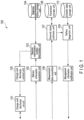
- FIG. 1 is a block diagram showing a battery control device according to an approach.
- a battery control device 100 according to the approach includes a charge and discharge circuit 101, a battery information acquisition unit 102, a diagnosis implementation condition determination unit 103, a diagnosis implementation history storage unit 104, a charge and discharge control unit 105, a measurement data acquisition unit 106, an internal state estimate unit 107, a parameter storage unit 108, a safety diagnosis unit 109, a criterion data storage unit 110, and a management information notification unit 111.
- the charge and discharge circuit 101 can charge and discharge a secondary battery electrically connected to the charge and discharge circuit 101. Specifically, the charge and discharge circuit 101 charges and discharges the secondary battery in accordance with a control of the charge and discharge control unit 105.
- the charge and discharge circuit 101 is electrically connected to an external power source (not shown), and controls a current flowing from the external power source to a secondary battery and vice versa, thereby charging and discharging the secondary battery.
- the charge and discharge circuit 101 is provided with a voltmeter capable of measuring a voltage between a positive electrode terminal and a negative electrode terminal of the secondary battery connected to the charge and discharge circuit 101, and an ammeter capable of measuring a current flowing in the connected secondary battery.
- the charge and discharge circuit 101 may be provided with a temperature sensor capable of measuring a temperature of the connected secondary battery.
- a temperature sensor capable of measuring a temperature of the connected secondary battery.
- the aforementioned ammeter, voltmeter, and temperature sensor are provided in a device on which the secondary battery connected to the charge and discharge circuit 101 is mounted.
- the secondary battery may be a nonaqueous electrolyte secondary battery such as a lithium-ion secondary battery, or a battery module having a plurality of nonaqueous electrolyte secondary batteries.
- the secondary battery may be electrically coupled to the charge and discharge circuit 101 after being removed from a device (namely, a changeable-type secondary battery), or electrically coupled to the charge and discharge circuit 101 while being mounted on the device.
- the device on which the secondary battery is mounted is typically a vehicle using electricity discharged from the secondary battery, but is not limited thereto; the device may be a drone or a smart phone, for example.
- the vehicle may be an electric vehicle, a plug-in hybrid electric vehicle, or an electric motorbike.
- the battery control device 100 may be included in a charging infrastructure installed in a parking lot as shown in FIG. 2 (for example, a charging station).
- FIG. 2 is a diagram showing an appearance of a parking lot system which includes the battery control device shown in FIG. 1 .
- the battery control device 100 charges the secondary battery, and diagnoses the safety and the deterioration state of the secondary battery under a certain condition.
- a single or a plurality of battery control devices 100 thus installed in a parking lot may be called a parking lot system.
- the charge and discharge circuits 101 of the plurality of battery control devices 100 may share an electric network, and may share the electricity to another charge and discharge circuit 101.
- a parking lot is not limited to a public parking lot, such as a coin-operated parking or a free parking lot, and may include a parking lot for specific users, such as a parking lot at a shopping center, an apartment house, a factory, a taxi office, or a bus switching yard.
- the device on which the secondary battery is mounted may be used for a rental service to non-specific users.
- the device on which the secondary battery is mounted may be an EV used for an EV sharing service.
- the secondary battery will be electrically connected to the charge and discharge circuit 101 after a user returns the device on which the secondary battery is mounted.
- a plurality of secondary batteries may be electrically connected to the charge and discharge circuit 101.
- the charge and discharge circuit 101 can charge one of the secondary batteries using the electricity discharged from the other secondary battery in accordance with the control of the charge and discharge control unit 105.
- the battery information acquisition unit 102 acquires information (hereinafter this may be referred to as "battery information") relating to the secondary battery targeted for the charging and discharging by the charge and discharge circuit 101.
- the battery information may include an identifier for identifying the secondary battery and/or a state of charge (SOC) of the secondary battery or information that can be a factor for estimating the SOC.
- the battery information acquisition unit 102 sends the acquired battery information to the diagnosis implementation condition determination unit 103. Examples of information that can be a factor for estimating a SOC of the secondary battery are a current measured by the aforementioned ammeter, and a history of charging and discharging of the secondary battery.
- An RFID tag for sending the secondary battery identifier may be attached to the secondary battery or the device on which the secondary battery is mounted.
- the battery information acquisition unit 102 may acquire the received secondary battery identifier via a communication interface (I/F), for example.
- the charge and discharge control unit 105 may put off the charging of the first secondary battery until a second secondary battery for which it is determined that a diagnosis implementation condition is satisfied appears.
- An upper limit can be determined for this stand-by time based on, for example, a time required for charging a first secondary battery, or a scheduled next use thereof. It is thereby possible to charge a first secondary battery through actively using electricity discharged from a second secondary battery, without disrupting a use cycle demanded of the first secondary battery.
- the measurement data acquisition unit 106 acquires, from the target battery or via the charge and discharge circuit 101, measurement data of a measurement result of electric characteristics of the target battery at a plurality points of time during the time of charging the target battery.
- the measurement data which is acquired by the measurement data acquisition unit 106 while the target battery is being charged from the charging start SOC, includes measurement data representing a relationship of a voltage and a current of the target battery relative to the charging time.
- the electric characteristics include a voltmeter-measurable voltage between the positive electrode terminal and the negative electrode terminal of the target battery, and an ammeter-measurable current flowing in the target battery.
- the electric characteristics include a temperature of the target battery measured by the temperature sensor.
- the acquisition of the measurement data may be achieved as needed between a time when the secondary battery is connected to the charge and discharge circuit and a time when the secondary battery is removed from the charge and discharge circuit after the secondary battery is discharged or charged up to a predetermined charging-start SOC and the charging is completed.
- the measurement data acquisition unit 106 sends the acquired measurement data to the internal state estimate unit 107.
- the internal state estimate unit 107 receives the measurement data from the measurement data acquisition unit 106, and estimates internal state parameters of the target battery based on the measurement data. Specifically, the internal state estimate unit 107 analyzes the measurement data representing the relationship of a voltage and a current of the target battery relative to a charging time. In one example, the internal state estimate unit 107 may perform an analysis on a charging curve of the target battery which is represented by the measurement data, in other words, a charging curve analysis.
- the internal state parameters may include some or all of the following: a positive electrode capacitance (or a positive electrode mass), a negative electrode capacitance (or a negative electrode mass), an initial charging amount of a positive electrode, an initial charging amount of a negative electrode, and an internal resistance.
- the internal state estimate unit 107 may estimate battery characteristic parameters of the target battery based on the estimated internal state parameters.
- the battery characteristic parameters may include, for example, some or all of the following: an open circuit voltage (OCV), an OCV curve, and a battery capacitance.
- OCV open circuit voltage
- the aforementioned internal resistance may be included in the battery characteristic parameters.
- the OCV curve represents a function expressing a relationship between a certain index other than the OCV of the target battery (for example the internal state parameter or the battery characteristic parameter) and a corresponding OCV.
- the battery capacitance corresponds to an overlapping portion of a range of the positive electrode capacitance (namely, a range from an initial charging amount to an upper limit charging amount of the positive electrode) and a range of the negative electrode capacitance (namely, a range from an initial charging amount to an upper limit charging amount of the negative electrode).
- the internal state estimate unit 107 may read necessary parameters from the parameter storage unit 108 and use them to estimate the internal state parameters and the battery characteristic parameters.
- the internal state estimate unit 107 may read the following parameters: a function that returns an open circuit potential (OCP) of the positive electrode corresponding to the SOC of the positive electrode, a function that returns an OCP of the negative electrode corresponding to the SOC of the negative electrode, an upper limit voltage and a lower limit voltage imposed on the OCV, an intermediate estimated value of a parameter for acquiring a final estimation result of a parameter of the target battery, and so on.
- the internal state estimate unit 107 may store, among the estimated parameters, parameters necessary for future parameter estimation in the parameter storage unit 108.
- the internal state estimate unit 107 sends, to the safety diagnosis unit 109, parameters necessary for the safety diagnosis of the target battery, among the estimated internal state parameters and battery characteristic parameters.
- the parameter storage unit 108 stores parameters necessary for the internal state estimate unit 107 to estimate the internal state parameters and the battery characteristic parameters. Specific examples of what is stored in the parameter storage unit 108 are as described above.
- the battery control device 100 may be realized by a computer.
- a computer includes a processor and a memory, and may further include a communication I/F, an auxiliary storage device, and I/O (input/output).
- the processor may function as, through executing the program developed on the memory, a battery information acquisition unit 102, a diagnosis implementation condition determination unit 103, a charge and discharge control unit 105, a measurement data acquisition unit 106, an internal state estimate unit 107, a safety diagnosis unit 109, and/or a management information notification unit 111, for example.
- the memory and/or auxiliary storage device may include a diagnosis implementation history storage unit 104, a parameter storage unit 108, and/or a criterion data storage unit 110.
Landscapes
- Engineering & Computer Science (AREA)
- Power Engineering (AREA)
- Transportation (AREA)
- Mechanical Engineering (AREA)
- Life Sciences & Earth Sciences (AREA)
- Sustainable Development (AREA)
- Sustainable Energy (AREA)
- Physics & Mathematics (AREA)
- General Physics & Mathematics (AREA)
- Chemical & Material Sciences (AREA)
- Manufacturing & Machinery (AREA)
- Chemical Kinetics & Catalysis (AREA)
- Electrochemistry (AREA)
- General Chemical & Material Sciences (AREA)
- Charge And Discharge Circuits For Batteries Or The Like (AREA)
- Secondary Cells (AREA)
- Health & Medical Sciences (AREA)
- General Health & Medical Sciences (AREA)
- Medical Informatics (AREA)
- Electric Propulsion And Braking For Vehicles (AREA)
- Management, Administration, Business Operations System, And Electronic Commerce (AREA)
- Tests Of Electric Status Of Batteries (AREA)
Claims (13)
- Eine Batteriesteuervorrichtung (100), umfassend:einer Lade- und Entladeschaltung (101), die eine elektrisch verbundene Sekundärbatterie laden und entladen kann; undeinem Prozessor, der so konfiguriert ist, dass er die Lade- und Entladeschaltung (101) steuert, wobeider Prozessor so konfiguriert ist, dass er:Erfassen von Informationen bezüglich einer ersten Sekundärbatterie, die elektrisch mit der Lade- und Entladeschaltung (101) verbunden ist, wobei die Informationen bezüglich der ersten Sekundärbatterie einen Ladezustand, SOC, der ersten Sekundärbatterie umfassen;Bestimmen, ob eine Diagnoseausführungsbedingung bezüglich der ersten Sekundärbatterie erfüllt ist oder nicht, basierend auf den Informationen bezüglich der ersten Sekundärbatterie, wobei die Diagnoseausführungsbedingung eine Bedingung umfasst, dass der SOC der ersten Sekundärbatterie gleich oder kleiner als ein erster Schwellenwert ist;Steuern der Lade- und Entladeschaltung (101), um die erste Sekundärbatterie auf einen Lade-Start-SOC zu laden, wenn festgestellt wird, dass die Diagnoseausführungsbedingung erfüllt ist und der SOC der ersten Sekundärbatterie niedriger als der Lade-Start-SOC ist, wobei der Lade-Start-SOC niedriger als der erste Schwellenwert ist;Steuern der Lade- und Entladeschaltung (101), um die erste Sekundärbatterie bis zum Lade-Start-SOC zu entladen, wenn festgestellt wird, dass die Diagnoseausführungsbedingung erfüllt ist und der SOC der ersten Sekundärbatterie höher als der Lade-Start-SOC ist;Steuern der Lade- und Entladeschaltung (101), um die erste Sekundärbatterie vom Lade-Start-SOC aus aufeinanderfolgend nach dem Entladen oder Laden der ersten Sekundärbatterie bis zum Lade-Start-SOC zu laden;Erfassen von Messdaten einer Spannung und eines Stroms der ersten Sekundärbatterie, während die erste Sekundärbatterie vom Lade-Start-SOC aufgeladen wird;Schätzen eines internen Zustandsparameters der ersten Sekundärbatterie auf der Grundlage der Messdaten; undDiagnostizieren eines Verschlechterungszustands der ersten Sekundärbatterie auf der Grundlage eines geschätzten Werts des internen Zustandsparameters der ersten Sekundärbatterie; undSteuern der Lade- und Entladeschaltung (101), um eine zweite Sekundärbatterie, die sich von der ersten Sekundärbatterie unterscheidet, mit Elektrizität zu laden, die aus der ersten Sekundärbatterie bis zum Lade-Start-SOC entladen wurde, wenn bestimmt wird, dass die Diagnoseausführungsbedingung erfüllt ist und die zweite Sekundärbatterie elektrisch mit der Lade- und Entladeschaltung (101) verbunden ist.
- Batteriesteuervorrichtung (100) nach Anspruch 1, wobei
der Prozessor so konfiguriert ist, dass er auf der Grundlage einer Ausführungshistorie einer Diagnose eines Verschlechterungszustands der ersten Sekundärbatterie und darauf, ob der SOC der ersten Sekundärbatterie gleich oder kleiner als der erste Schwellenwert ist, bestimmt, ob die Diagnoseausführungsbedingung erfüllt ist oder nicht. - Batteriesteuervorrichtung (100) nach Anspruch 1, wobei
die Diagnoseausführungsbedingung eine Bedingung umfasst, dass eine seit einer letzten Diagnose eines Verschlechterungszustands der ersten Sekundärbatterie verstrichene Zeit einen zweiten Schwellenwert überschreitet, und die Bedingung, dass der SOC der ersten Sekundärbatterie gleich oder kleiner als der erste Schwellenwert ist. - Batteriesteuervorrichtung (100) nach Anspruch 1, wobeider Prozessor so konfiguriert ist, dass er meldet, dass ein Stoppen der Verwendung oder eine Wiederverwendung der ersten Sekundärbatterie empfohlen wird, wenn festgestellt wird, dass die erste Sekundärbatterie ein Kriterium für mindestens einen Diagnoseartikel nicht erfüllt, unddie Meldung, dass eine Wiederverwendung empfohlen wird, das Benachrichtigen eines Wiederverwendungsprogramms der ersten Sekundärbatterie umfasst.
- Batteriesteuervorrichtung (100) nach Anspruch 4, wobei
das Wiederverwendungsprogramm mindestens eines von einem Wiederverwendungstyp, einem Preis bezüglich der Wiederverwendung oder einem Ablaufdatum der Wiederverwendung umfasst. - Batteriesteuervorrichtung (100) nach Anspruch 1, wobeider Prozessor so konfiguriert ist, dass er meldet, dass eine Beendigung der Verwendung oder eine Wiederverwendung der ersten Sekundärbatterie empfohlen wird, wenn festgestellt wird, dass die erste Sekundärbatterie ein Kriterium für mindestens einen Diagnoseartikel nicht erfüllt,die erste Sekundärbatterie an einer Vorrichtung (10) angebracht ist, die an einen Anwender vermietet wird,die erste Sekundärbatterie mit dem Lade- und Entladestromkreis (101) elektrisch verbunden ist, nachdem die Vorrichtung (10) vom Anwender zurückgegeben wurde, undder Prozessor so konfiguriert ist, dass er meldet, dass die Vorrichtung (10) vermietbar ist, wenn festgestellt wird, dass die erste Sekundärbatterie ein Kriterium für jeden der mindestens einen Diagnoseelemente erfüllt.
- Batteriesteuervorrichtung (100) nach Anspruch 1, wobei
der Prozessor so konfiguriert ist, dass er eine durch die Messdaten dargestellte Ladekurve der ersten Sekundärbatterie analysiert und dadurch so konfiguriert ist, dass er den internen Zustandsparameter schätzt. - Eine Lade- und Entladesystem, umfassend:die Batteriesteuervorrichtung (100) gemäß einem der Ansprüche 1 bis 7; undeine erste Vorrichtung (10), an der die erste Sekundärbatterie angebracht ist und die mit der Lade- und Entladeschaltung (101) verbindbar ist, wobeiwenn bestimmt wird, dass die Diagnoseausführungsbedingung erfüllt ist und die zweite Sekundärbatterie, die an einer zweiten Vorrichtung angebracht ist, die sich von der ersten Vorrichtung (10) unterscheidet, elektrisch mit der Lade- und Entladeschaltung (101) verbunden ist, der Prozessor so konfiguriert ist, dass er die Lade- und Entladeschaltung (101) so steuert, dass die zweite Sekundärbatterie mit Elektrizität, die aus der ersten Sekundärbatterie entladen wurde, bis zum Lade-Start-SOC geladen wird.
- Ein Parkplatzsystem, umfassend:die Batteriesteuervorrichtung (100) gemäß einem der Ansprüche 1 bis 7, die in einem Parkplatz installiert ist; undein erstes Fahrzeug (10), an dem die erste Sekundärbatterie angebracht ist, wobeidie erste Sekundärbatterie in dem Moment, in dem das erste Fahrzeug (10) in dem Parkplatz geparkt wird, elektrisch mit der Lade- und Entladeschaltung (101) verbunden ist, undwenn festgestellt wird, dass die Diagnoseausführungsbedingung erfüllt ist und die zweite Sekundärbatterie, die an einem zweiten Fahrzeug angebracht ist, das sich von dem ersten Fahrzeug (10) unterscheidet, elektrisch mit der Lade- und Entladeschaltung (101) verbunden ist, der Prozessor so konfiguriert ist, dass er die Lade- und Entladeschaltung (101) so steuert, dass die zweite Sekundärbatterie mit Elektrizität, die aus der ersten Sekundärbatterie entladen wurde, bis zum Lade-Start-SOC geladen wird.
- Ein Sekundärbatterie-Wiederverwendungssystem, umfassend:die Batteriesteuervorrichtung (100) gemäß einem der Ansprüche 1 bis 7, wobeider Prozessor so konfiguriert ist, dass er ein Wiederverwendungsprogramm der ersten Sekundärbatterie extern vorsieht, wenn die erste Sekundärbatterie als nicht erfüllend ein Kriterium mindestens eines Diagnosepunkts diagnostiziert wird, undder Prozessor so konfiguriert ist, dass er meldet, dass die erste Sekundärbatterie als Sekundärbatterie wiederaufbereitet wird, die in ein Batterieprodukt eingebaut wird, wenn Informationen erfasst werden, die angeben, dass ein Eigentümer der ersten Sekundärbatterie dem Wiederverwendungsprogramm zustimmt.
- Ein Sekundärbatterie-Wiederverwendungssystem, umfassend:die Batteriesteuervorrichtung (100) gemäß einem der Ansprüche 1 bis 7; undeinen Server, wobeider Prozessor so konfiguriert ist, dass er extern ein Wiederverwendungsprogramm für die erste Sekundärbatterie vorsieht, wenn die erste Sekundärbatterie als nicht einem Kriterium mindestens eines Diagnoseelements entsprechend diagnostiziert wird, undder Prozessor so konfiguriert ist, dass er beim Server eine Anfrage bezüglich eines für die erste Sekundärbatterie verfügbaren Wiederverwendungsprogramms stellt, und so konfiguriert ist, dass er ferner ein vom Server als Antwort auf die Anfrage gesendetes Wiederverwendungsprogramm bereitstellt.
- Ein Batteriesteuerverfahren, umfassend:Erfassen von Informationen, die eine erste Sekundärbatterie betreffen, die elektrisch mit einer Lade- und Entladeschaltung (101) verbunden ist, die eine elektrisch verbundene Sekundärbatterie laden und entladen kann, wobei die Informationen bezüglich der ersten Sekundärbatterie einen Ladezustand, SOC, der ersten Sekundärbatterie umfassen;Bestimmen, ob eine Diagnoseausführungsbedingung bezüglich der ersten Sekundärbatterie auf der Grundlage der Informationen bezüglich der ersten Sekundärbatterie erfüllt ist, wobei die Diagnoseausführungsbedingung eine Bedingung umfasst, dass der SOC der ersten Sekundärbatterie gleich oder kleiner als ein erster Schwellenwert ist;Steuern der Lade- und Entladeschaltung (101), um die erste Sekundärbatterie auf einen Lade-Start-SOC zu laden, wenn festgestellt wird, dass die Diagnoseausführungsbedingung erfüllt ist und der SOC der ersten Sekundärbatterie niedriger als der Lade-Start-SOC ist, wobei der Lade-Start-SOC niedriger als der erste Schwellenwert ist;Steuern der Lade- und Entladeschaltung (101), um die erste Sekundärbatterie bis zum Lade-Start-SOC zu entladen, wenn festgestellt wird, dass die Diagnoseausführungsbedingung erfüllt ist und der SOC der ersten Sekundärbatterie höher als der Lade-Start-SOC ist;Steuern der Lade- und Entladeschaltung (101), um die erste Sekundärbatterie vom Lade-Start-SOC aus aufeinanderfolgend nach dem Entladen oder Laden der ersten Sekundärbatterie bis zum Lade-Start-SOC zu laden;Erfassen von Messdaten einer Spannung und eines Stroms der ersten Sekundärbatterie, während die erste Sekundärbatterie vom Lade-Start-SOC geladen wird;Schätzen eines internen Zustandsparameters der ersten Sekundärbatterie auf der Grundlage der Messdaten; undDiagnostizieren eines Verschlechterungszustands der ersten Sekundärbatterie auf der Grundlage eines geschätzten Werts des internen Zustandsparameters der ersten Sekundärbatterie; undSteuern der Lade- und Entladeschaltung (101), um eine zweite Sekundärbatterie, die sich von der ersten Sekundärbatterie unterscheidet, mit Elektrizität zu laden, die aus der ersten Sekundärbatterie bis zum Lade-Start-SOC entladen wurde, wenn festgestellt wird, dass die Diagnoseausführungsbedingung erfüllt ist und die zweite Sekundärbatterie elektrisch mit der Lade- und Entladeschaltung (101) verbunden ist.
- Ein Batteriesteuerungsprogramm, das von einem Computer ausgeführt wird, veranlasst den Computer:Erfassen von Informationen, die eine erste Sekundärbatterie betreffen, die elektrisch mit einem Lade- und Entladeschaltkreis (101) verbunden ist, der eine elektrisch verbundene Sekundärbatterie laden und entladen kann, wobei die Informationen bezüglich der ersten Sekundärbatterie einen Ladezustand, SOC, der ersten Sekundärbatterie umfassen;auf der Grundlage der Informationen über die erste Sekundärbatterie zu bestimmen, ob eine Diagnoseausführungsbedingung in Bezug auf die erste Sekundärbatterie erfüllt ist, wobei die Diagnoseausführungsbedingung eine Bedingung umfasst, dass der SOC der ersten Sekundärbatterie gleich oder kleiner als ein erster Schwellenwert ist;Steuern der Lade- und Entladeschaltung (101), um die erste Sekundärbatterie auf einen Lade-Start-SOC zu laden, wenn festgestellt wird, dass die Diagnoseausführungsbedingung erfüllt ist und der SOC der ersten Sekundärbatterie niedriger als der Lade-Start-SOC ist, wobei der Lade-Start-SOC niedriger als der erste Schwellenwert ist;Steuern der Lade- und Entladeschaltung (101), um die erste Sekundärbatterie bis zum Lade-Start-SOC zu entladen, wenn festgestellt wird, dass die Diagnoseausführungsbedingung erfüllt ist und der SOC der ersten Sekundärbatterie höher als der Lade-Start-SOC ist;Steuern der Lade- und Entladeschaltung (101), um die erste Sekundärbatterie vom Lade-Start-SOC aus aufzuladen, nachdem die erste Sekundärbatterie bis zum Lade-Start-SOC entladen oder aufgeladen wurde;Erfassen von Messdaten einer Spannung und eines Stroms der ersten Sekundärbatterie, während die erste Sekundärbatterie vom Lade-Start-SOC aufgeladen wird;Schätzen eines internen Zustandsparameters der ersten Sekundärbatterie auf der Grundlage der Messdaten; undDiagnostizieren eines Verschlechterungszustands der ersten Sekundärbatterie auf der Grundlage eines geschätzten Werts des internen Zustandsparameters der ersten Sekundärbatterie; undSteuern der Lade- und Entladeschaltung (101), um eine zweite Sekundärbatterie, die sich von der ersten Sekundärbatterie unterscheidet, mit Elektrizität zu laden, die aus der ersten Sekundärbatterie bis zum Lade-Start-SOC entladen wurde, wenn festgestellt wird, dass die Diagnoseausführungsbedingung erfüllt ist und die zweite Sekundärbatterie elektrisch mit der Lade- und Entladeschaltung (101) verbunden ist.
Applications Claiming Priority (1)
| Application Number | Priority Date | Filing Date | Title |
|---|---|---|---|
| JP2019168411A JP2021048663A (ja) | 2019-09-17 | 2019-09-17 | 電池制御装置、充放電システム、駐車場システム、二次電池リユースシステム、電池制御方法、及び電池制御プログラム |
Publications (2)
| Publication Number | Publication Date |
|---|---|
| EP3796014A1 EP3796014A1 (de) | 2021-03-24 |
| EP3796014B1 true EP3796014B1 (de) | 2025-07-02 |
Family
ID=69742753
Family Applications (1)
| Application Number | Title | Priority Date | Filing Date |
|---|---|---|---|
| EP20159777.0A Active EP3796014B1 (de) | 2019-09-17 | 2020-02-27 | Batteriesteuerungsvorrichtung, lade- und entladesystem, parkplatzsystem, sekundärbatteriewiederverwendungssystem, batteriesteuerungsverfahren und batteriesteuerungsprogramm |
Country Status (4)
| Country | Link |
|---|---|
| US (1) | US11201486B2 (de) |
| EP (1) | EP3796014B1 (de) |
| JP (2) | JP2021048663A (de) |
| CN (1) | CN112519631B (de) |
Families Citing this family (14)
| Publication number | Priority date | Publication date | Assignee | Title |
|---|---|---|---|---|
| JP7164494B2 (ja) * | 2019-07-26 | 2022-11-01 | トヨタ自動車株式会社 | 充放電マネージメントシステム |
| JP7225153B2 (ja) * | 2020-03-13 | 2023-02-20 | 株式会社東芝 | 充放電制御方法、電池搭載機器、管理システム、充放電制御プログラム、管理方法、管理サーバ及び管理プログラム |
| JP7708751B2 (ja) * | 2020-05-29 | 2025-07-15 | 本田技研工業株式会社 | 情報取得装置、情報処理システム、推定装置、情報取得方法、推定方法、制御方法、プログラム、及び、コンピュータ可読記録媒体 |
| US11787305B2 (en) * | 2020-08-21 | 2023-10-17 | ENEL X Way S.r.l. | Estimating vehicle state of charge using Bluetooth identification |
| JP2022147936A (ja) * | 2021-03-24 | 2022-10-06 | 株式会社三共 | 遊技機 |
| JP7639551B2 (ja) * | 2021-05-28 | 2025-03-05 | 株式会社Gsユアサ | 補正装置、蓄電装置、補正方法 |
| CN113954692B (zh) * | 2021-09-07 | 2023-08-22 | 东风汽车集团股份有限公司 | 一种电池充电控制方法、装置和设备 |
| JP7495911B2 (ja) * | 2021-09-21 | 2024-06-05 | プライムプラネットエナジー&ソリューションズ株式会社 | 電動車両の充放電制御装置 |
| JP7403563B2 (ja) * | 2022-01-14 | 2023-12-22 | 本田技研工業株式会社 | バッテリ情報管理方法およびプログラム |
| CN114750629B (zh) * | 2022-05-19 | 2025-04-15 | 上海优续新能源科技有限公司 | 用于电动汽车的充放换电方法及其换电装置 |
| JP7639782B2 (ja) * | 2022-06-29 | 2025-03-05 | 株式会社デンソー | 電池評価システム、電池評価方法 |
| CN115389937B (zh) * | 2022-08-29 | 2025-08-08 | 上汽通用五菱汽车股份有限公司 | 容量检测设备、容量值检测方法、车辆检测装置及介质 |
| JP2024142541A (ja) * | 2023-03-30 | 2024-10-11 | 大作商事株式会社 | 測定装置及び測定システム |
| EP4496171A1 (de) | 2023-07-18 | 2025-01-22 | Kabushiki Kaisha Toshiba | Betriebsverfahren, betriebsvorrichtung, betriebssystem, betriebsprogramm einer batterie |
Family Cites Families (39)
| Publication number | Priority date | Publication date | Assignee | Title |
|---|---|---|---|---|
| JP2002092140A (ja) * | 2000-09-18 | 2002-03-29 | Sanyo Electric Co Ltd | レンタカー精算システム |
| JP4870268B2 (ja) * | 2001-01-18 | 2012-02-08 | 本田技研工業株式会社 | 二次バッテリの寿命判定方法 |
| US6949915B2 (en) * | 2003-07-24 | 2005-09-27 | Harman International Industries, Incorporated | Opposed current converter power factor correcting power supply |
| US7403400B2 (en) * | 2003-07-24 | 2008-07-22 | Harman International Industries, Incorporated | Series interleaved boost converter power factor correcting power supply |
| TWI283097B (en) * | 2004-12-31 | 2007-06-21 | Jason Auto Technology Co Ltd | Method and device for battery charger and diagnosis with detectable battery energy barrier |
| JP5039980B2 (ja) * | 2005-11-14 | 2012-10-03 | 日立ビークルエナジー株式会社 | 二次電池モジュール |
| JP4856209B2 (ja) | 2009-03-30 | 2012-01-18 | 株式会社東芝 | 電池性能測定装置、電池制御システム及び車両 |
| JP5058211B2 (ja) * | 2009-05-28 | 2012-10-24 | 株式会社マキタ | 二次電池の診断装置とそれに有用な情報収集装置 |
| DE112011105036T5 (de) * | 2011-03-16 | 2014-01-02 | Toyota Jidosha Kabushiki Kaisha | Fahrzeug und Verschlechterungsdiagnoseverfahren für eine Energiespeichervorrichtung |
| JP5533785B2 (ja) * | 2011-05-27 | 2014-06-25 | 株式会社デンソー | 充電装置 |
| JP5889548B2 (ja) | 2011-05-31 | 2016-03-22 | 株式会社東芝 | 電池劣化算出装置 |
| US9178354B2 (en) * | 2011-08-24 | 2015-11-03 | 3Dfs L.L.C. | Multipurpose, universal converter with battery control and real-time power factor correction |
| JP5861107B2 (ja) * | 2011-09-27 | 2016-02-16 | パナソニックIpマネジメント株式会社 | 電力供給装置、電力供給方法、制御装置、プログラム |
| JP5977979B2 (ja) * | 2012-03-30 | 2016-08-24 | 東日本旅客鉄道株式会社 | 鉄道車両用の蓄電装置 |
| JP5596083B2 (ja) * | 2012-06-26 | 2014-09-24 | Imv株式会社 | リチウムイオン二次電池の劣化診断装置 |
| JP2014011925A (ja) * | 2012-07-02 | 2014-01-20 | Omron Automotive Electronics Co Ltd | 充電装置 |
| JP6239241B2 (ja) | 2013-02-04 | 2017-11-29 | 株式会社東芝 | 電池性能推定方法および電池性能推定装置 |
| JP2014190763A (ja) | 2013-03-26 | 2014-10-06 | Toshiba Corp | 電池寿命推定方法及び電池寿命推定装置 |
| JP6151163B2 (ja) | 2013-12-06 | 2017-06-21 | 株式会社東芝 | 電池状態算出装置および電池状態算出方法 |
| JP6251091B2 (ja) | 2014-03-17 | 2017-12-20 | 株式会社東芝 | 二次電池内部状態算出装置および二次電池内部状態算出方法 |
| JP2015178963A (ja) | 2014-03-18 | 2015-10-08 | 株式会社東芝 | 算出装置及び算出方法 |
| WO2016031075A1 (ja) * | 2014-08-29 | 2016-03-03 | 日産自動車株式会社 | 二次電池充電システム及び充電方法 |
| WO2016038658A1 (ja) | 2014-09-08 | 2016-03-17 | 株式会社 東芝 | 電池パック、制御回路および制御方法 |
| JP6830309B2 (ja) * | 2015-05-11 | 2021-02-17 | 日本信号株式会社 | バッテリ提供装置及びこれを含む駐車場システム |
| JP6441188B2 (ja) * | 2015-09-01 | 2018-12-19 | 日立オートモティブシステムズ株式会社 | 電池管理装置、電池システムおよびハイブリッド車両制御システム |
| JP6383500B2 (ja) | 2015-09-15 | 2018-08-29 | 株式会社東芝 | 蓄電池制御装置、制御方法、プログラム、蓄電システム、電力システム |
| JP6140314B1 (ja) * | 2016-01-22 | 2017-05-31 | 大阪瓦斯株式会社 | マイクロバッテリ、蓄電装置及びマイクロバッテリシステム |
| JP2017139927A (ja) | 2016-02-05 | 2017-08-10 | 株式会社東芝 | バッテリおよび電動自転車 |
| JP6556649B2 (ja) * | 2016-03-14 | 2019-08-07 | 株式会社東芝 | 蓄電池評価装置、蓄電池、蓄電池評価方法、およびプログラム |
| JP2018046678A (ja) | 2016-09-15 | 2018-03-22 | トヨタ車体株式会社 | モータの制御装置 |
| JP6567582B2 (ja) * | 2017-03-08 | 2019-08-28 | 株式会社東芝 | 充放電制御装置、使用条件作成装置、プログラム、及び蓄電システム |
| JP6567583B2 (ja) | 2017-03-15 | 2019-08-28 | 株式会社東芝 | 電池安全性評価装置、電池制御装置、電池安全性評価方法、プログラム、制御回路及び蓄電システム |
| JP2018159572A (ja) * | 2017-03-22 | 2018-10-11 | 三菱自動車工業株式会社 | バッテリ状態推定装置 |
| JP6939057B2 (ja) * | 2017-04-27 | 2021-09-22 | トヨタ自動車株式会社 | 車載の電池システムおよび電池の経年劣化推定方法 |
| JP6982445B2 (ja) | 2017-09-20 | 2021-12-17 | 株式会社東芝 | 電池評価装置、電池制御装置、電池評価方法、電池評価プログラム、制御回路及び蓄電システム。 |
| US11480621B2 (en) * | 2017-11-02 | 2022-10-25 | Semiconductor Energy Laboratory Co., Ltd. | Capacity estimation method and capacity estimation system for power storage device |
| KR102542958B1 (ko) * | 2017-12-12 | 2023-06-14 | 현대자동차주식회사 | 차량 배터리 열화판단 제어방법 및 시스템 |
| JP6958392B2 (ja) * | 2018-01-30 | 2021-11-02 | トヨタ自動車株式会社 | 二次電池システムおよび二次電池の劣化状態推定方法 |
| JP7015800B2 (ja) | 2019-03-05 | 2022-02-03 | 株式会社東芝 | 充電装置、充電方法、プログラム、及び電池提供システム |
-
2019
- 2019-09-17 JP JP2019168411A patent/JP2021048663A/ja active Pending
-
2020
- 2020-02-26 CN CN202010119093.5A patent/CN112519631B/zh active Active
- 2020-02-27 EP EP20159777.0A patent/EP3796014B1/de active Active
- 2020-02-28 US US16/804,611 patent/US11201486B2/en active Active
-
2023
- 2023-04-25 JP JP2023071420A patent/JP7524397B2/ja active Active
Also Published As
| Publication number | Publication date |
|---|---|
| CN112519631B (zh) | 2024-04-16 |
| CN112519631A (zh) | 2021-03-19 |
| US11201486B2 (en) | 2021-12-14 |
| US20210083497A1 (en) | 2021-03-18 |
| EP3796014A1 (de) | 2021-03-24 |
| JP2021048663A (ja) | 2021-03-25 |
| JP7524397B2 (ja) | 2024-07-29 |
| JP2023099559A (ja) | 2023-07-13 |
Similar Documents
| Publication | Publication Date | Title |
|---|---|---|
| EP3796014B1 (de) | Batteriesteuerungsvorrichtung, lade- und entladesystem, parkplatzsystem, sekundärbatteriewiederverwendungssystem, batteriesteuerungsverfahren und batteriesteuerungsprogramm | |
| JP7381742B2 (ja) | バッテリーサービス提供システム及び方法 | |
| CN105706290B (zh) | 电池二次利用管理系统、电池二次利用管理装置以及电池二次利用管理方法 | |
| EP4148655B1 (de) | Dienstsystem und -verfahren für integrierte batterieverwaltungsplattform | |
| US11653127B2 (en) | Monitoring voltage measurements for a vehicle battery | |
| US11488087B2 (en) | Remanufacturing support server, battery collecting support server, battery database management server, vendor computer, and user computer | |
| US12352821B2 (en) | Calculation system, battery characteristic estimation method, and battery characteristic estimation program | |
| JP7318561B2 (ja) | サーバおよび電池貸出方法 | |
| KR102849927B1 (ko) | 배터리의 리스 시스템 | |
| US20140312839A1 (en) | System and method for electric vehicle charging analysis and feedback | |
| JP7702629B2 (ja) | 演算システム、電池の劣化予測方法、及び電池の劣化予測プログラム | |
| CN111833140B (zh) | 服务器以及电池出借方法 | |
| US11532037B2 (en) | Rental fee setting apparatus, rental fee setting method and rental fee setting system | |
| KR20200130534A (ko) | 블록체인 기반의 배터리 관리시스템 | |
| KR102336723B1 (ko) | 배터리 관리 장치 및 방법 | |
| CN117485179A (zh) | 电动运载工具充电管理平台、系统及电池检测方法 | |
| CN112765726B (zh) | 一种寿命预测方法及装置 | |
| JP7633029B2 (ja) | 情報処理装置、情報処理方法及び情報処理システム | |
| CN113595174A (zh) | 电池管理方法、装置、设备和服务器 | |
| CN115635875B (zh) | 信息处理装置、信息处理方法以及存储介质 | |
| CN116788103A (zh) | 电池的换电方法、装置、处理器和车辆 | |
| CN118544867B (zh) | 一种基于用户习惯自动充电的方法、系统和电子设备 | |
| CN116278955B (zh) | 充电结束时机的提示方法、装置、电子设备及存储介质 | |
| JP2025021022A (ja) | 判定方法、コンピュータプログラム、判定装置、及び蓄電装置 | |
| CN121316632A (zh) | 车辆的电池充电方法、装置、处理器和电子设备 |
Legal Events
| Date | Code | Title | Description |
|---|---|---|---|
| PUAI | Public reference made under article 153(3) epc to a published international application that has entered the european phase |
Free format text: ORIGINAL CODE: 0009012 |
|
| STAA | Information on the status of an ep patent application or granted ep patent |
Free format text: STATUS: REQUEST FOR EXAMINATION WAS MADE |
|
| 17P | Request for examination filed |
Effective date: 20200227 |
|
| AK | Designated contracting states |
Kind code of ref document: A1 Designated state(s): AL AT BE BG CH CY CZ DE DK EE ES FI FR GB GR HR HU IE IS IT LI LT LU LV MC MK MT NL NO PL PT RO RS SE SI SK SM TR |
|
| AX | Request for extension of the european patent |
Extension state: BA ME |
|
| STAA | Information on the status of an ep patent application or granted ep patent |
Free format text: STATUS: EXAMINATION IS IN PROGRESS |
|
| 17Q | First examination report despatched |
Effective date: 20230713 |
|
| GRAP | Despatch of communication of intention to grant a patent |
Free format text: ORIGINAL CODE: EPIDOSNIGR1 |
|
| STAA | Information on the status of an ep patent application or granted ep patent |
Free format text: STATUS: GRANT OF PATENT IS INTENDED |
|
| INTG | Intention to grant announced |
Effective date: 20250304 |
|
| RIC1 | Information provided on ipc code assigned before grant |
Ipc: B60L 58/13 20190101ALI20250221BHEP Ipc: B60L 53/62 20190101ALI20250221BHEP Ipc: H02J 7/00 20060101ALI20250221BHEP Ipc: B60L 58/16 20190101ALI20250221BHEP Ipc: G01R 31/392 20190101ALI20250221BHEP Ipc: G01R 31/3842 20190101ALI20250221BHEP Ipc: G01R 31/36 20200101AFI20250221BHEP |
|
| GRAS | Grant fee paid |
Free format text: ORIGINAL CODE: EPIDOSNIGR3 |
|
| GRAA | (expected) grant |
Free format text: ORIGINAL CODE: 0009210 |
|
| STAA | Information on the status of an ep patent application or granted ep patent |
Free format text: STATUS: THE PATENT HAS BEEN GRANTED |
|
| AK | Designated contracting states |
Kind code of ref document: B1 Designated state(s): AL AT BE BG CH CY CZ DE DK EE ES FI FR GB GR HR HU IE IS IT LI LT LU LV MC MK MT NL NO PL PT RO RS SE SI SK SM TR |
|
| REG | Reference to a national code |
Ref country code: GB Ref legal event code: FG4D |
|
| REG | Reference to a national code |
Ref country code: CH Ref legal event code: EP |
|
| REG | Reference to a national code |
Ref country code: DE Ref legal event code: R096 Ref document number: 602020053630 Country of ref document: DE |
|
| REG | Reference to a national code |
Ref country code: IE Ref legal event code: FG4D |
|
| REG | Reference to a national code |
Ref country code: NL Ref legal event code: MP Effective date: 20250702 |
|
| PG25 | Lapsed in a contracting state [announced via postgrant information from national office to epo] |
Ref country code: PT Free format text: LAPSE BECAUSE OF FAILURE TO SUBMIT A TRANSLATION OF THE DESCRIPTION OR TO PAY THE FEE WITHIN THE PRESCRIBED TIME-LIMIT Effective date: 20251103 |
|
| PG25 | Lapsed in a contracting state [announced via postgrant information from national office to epo] |
Ref country code: NL Free format text: LAPSE BECAUSE OF FAILURE TO SUBMIT A TRANSLATION OF THE DESCRIPTION OR TO PAY THE FEE WITHIN THE PRESCRIBED TIME-LIMIT Effective date: 20250702 |
|
| REG | Reference to a national code |
Ref country code: AT Ref legal event code: MK05 Ref document number: 1809796 Country of ref document: AT Kind code of ref document: T Effective date: 20250702 |
|
| PG25 | Lapsed in a contracting state [announced via postgrant information from national office to epo] |
Ref country code: IS Free format text: LAPSE BECAUSE OF FAILURE TO SUBMIT A TRANSLATION OF THE DESCRIPTION OR TO PAY THE FEE WITHIN THE PRESCRIBED TIME-LIMIT Effective date: 20251102 |
|
| PG25 | Lapsed in a contracting state [announced via postgrant information from national office to epo] |
Ref country code: NO Free format text: LAPSE BECAUSE OF FAILURE TO SUBMIT A TRANSLATION OF THE DESCRIPTION OR TO PAY THE FEE WITHIN THE PRESCRIBED TIME-LIMIT Effective date: 20251002 |
|
| REG | Reference to a national code |
Ref country code: LT Ref legal event code: MG9D |
|
| PG25 | Lapsed in a contracting state [announced via postgrant information from national office to epo] |
Ref country code: AT Free format text: LAPSE BECAUSE OF FAILURE TO SUBMIT A TRANSLATION OF THE DESCRIPTION OR TO PAY THE FEE WITHIN THE PRESCRIBED TIME-LIMIT Effective date: 20250702 |
|
| PG25 | Lapsed in a contracting state [announced via postgrant information from national office to epo] |
Ref country code: FI Free format text: LAPSE BECAUSE OF FAILURE TO SUBMIT A TRANSLATION OF THE DESCRIPTION OR TO PAY THE FEE WITHIN THE PRESCRIBED TIME-LIMIT Effective date: 20250702 |
|
| PG25 | Lapsed in a contracting state [announced via postgrant information from national office to epo] |
Ref country code: HR Free format text: LAPSE BECAUSE OF FAILURE TO SUBMIT A TRANSLATION OF THE DESCRIPTION OR TO PAY THE FEE WITHIN THE PRESCRIBED TIME-LIMIT Effective date: 20250702 |
|
| PG25 | Lapsed in a contracting state [announced via postgrant information from national office to epo] |
Ref country code: GR Free format text: LAPSE BECAUSE OF FAILURE TO SUBMIT A TRANSLATION OF THE DESCRIPTION OR TO PAY THE FEE WITHIN THE PRESCRIBED TIME-LIMIT Effective date: 20251003 |
|
| PG25 | Lapsed in a contracting state [announced via postgrant information from national office to epo] |
Ref country code: SE Free format text: LAPSE BECAUSE OF FAILURE TO SUBMIT A TRANSLATION OF THE DESCRIPTION OR TO PAY THE FEE WITHIN THE PRESCRIBED TIME-LIMIT Effective date: 20250702 Ref country code: CZ Free format text: LAPSE BECAUSE OF FAILURE TO SUBMIT A TRANSLATION OF THE DESCRIPTION OR TO PAY THE FEE WITHIN THE PRESCRIBED TIME-LIMIT Effective date: 20250702 |
|
| PG25 | Lapsed in a contracting state [announced via postgrant information from national office to epo] |
Ref country code: LV Free format text: LAPSE BECAUSE OF FAILURE TO SUBMIT A TRANSLATION OF THE DESCRIPTION OR TO PAY THE FEE WITHIN THE PRESCRIBED TIME-LIMIT Effective date: 20250702 |
|
| PG25 | Lapsed in a contracting state [announced via postgrant information from national office to epo] |
Ref country code: BG Free format text: LAPSE BECAUSE OF FAILURE TO SUBMIT A TRANSLATION OF THE DESCRIPTION OR TO PAY THE FEE WITHIN THE PRESCRIBED TIME-LIMIT Effective date: 20250702 Ref country code: PL Free format text: LAPSE BECAUSE OF FAILURE TO SUBMIT A TRANSLATION OF THE DESCRIPTION OR TO PAY THE FEE WITHIN THE PRESCRIBED TIME-LIMIT Effective date: 20250702 |
|
| PG25 | Lapsed in a contracting state [announced via postgrant information from national office to epo] |
Ref country code: RS Free format text: LAPSE BECAUSE OF FAILURE TO SUBMIT A TRANSLATION OF THE DESCRIPTION OR TO PAY THE FEE WITHIN THE PRESCRIBED TIME-LIMIT Effective date: 20251002 |
|
| PG25 | Lapsed in a contracting state [announced via postgrant information from national office to epo] |
Ref country code: ES Free format text: LAPSE BECAUSE OF FAILURE TO SUBMIT A TRANSLATION OF THE DESCRIPTION OR TO PAY THE FEE WITHIN THE PRESCRIBED TIME-LIMIT Effective date: 20250702 |