EP3778897B1 - Immuno-oncolytic therapies - Google Patents
Immuno-oncolytic therapies Download PDFInfo
- Publication number
- EP3778897B1 EP3778897B1 EP20189155.3A EP20189155A EP3778897B1 EP 3778897 B1 EP3778897 B1 EP 3778897B1 EP 20189155 A EP20189155 A EP 20189155A EP 3778897 B1 EP3778897 B1 EP 3778897B1
- Authority
- EP
- European Patent Office
- Prior art keywords
- virus
- tumor
- deletion
- trif
- cancer
- Prior art date
- Legal status (The legal status is an assumption and is not a legal conclusion. Google has not performed a legal analysis and makes no representation as to the accuracy of the status listed.)
- Active
Links
Images












Classifications
-
- A—HUMAN NECESSITIES
- A61—MEDICAL OR VETERINARY SCIENCE; HYGIENE
- A61K—PREPARATIONS FOR MEDICAL, DENTAL OR TOILETRY PURPOSES
- A61K39/00—Medicinal preparations containing antigens or antibodies
- A61K39/12—Viral antigens
-
- A—HUMAN NECESSITIES
- A61—MEDICAL OR VETERINARY SCIENCE; HYGIENE
- A61K—PREPARATIONS FOR MEDICAL, DENTAL OR TOILETRY PURPOSES
- A61K35/00—Medicinal preparations containing materials or reaction products thereof with undetermined constitution
- A61K35/66—Microorganisms or materials therefrom
- A61K35/76—Viruses; Subviral particles; Bacteriophages
- A61K35/768—Oncolytic viruses not provided for in groups A61K35/761 - A61K35/766
-
- A—HUMAN NECESSITIES
- A61—MEDICAL OR VETERINARY SCIENCE; HYGIENE
- A61K—PREPARATIONS FOR MEDICAL, DENTAL OR TOILETRY PURPOSES
- A61K45/00—Medicinal preparations containing active ingredients not provided for in groups A61K31/00 - A61K41/00
- A61K45/06—Mixtures of active ingredients without chemical characterisation, e.g. antiphlogistics and cardiaca
-
- A—HUMAN NECESSITIES
- A61—MEDICAL OR VETERINARY SCIENCE; HYGIENE
- A61P—SPECIFIC THERAPEUTIC ACTIVITY OF CHEMICAL COMPOUNDS OR MEDICINAL PREPARATIONS
- A61P35/00—Antineoplastic agents
-
- A—HUMAN NECESSITIES
- A61—MEDICAL OR VETERINARY SCIENCE; HYGIENE
- A61P—SPECIFIC THERAPEUTIC ACTIVITY OF CHEMICAL COMPOUNDS OR MEDICINAL PREPARATIONS
- A61P35/00—Antineoplastic agents
- A61P35/02—Antineoplastic agents specific for leukemia
-
- C—CHEMISTRY; METALLURGY
- C12—BIOCHEMISTRY; BEER; SPIRITS; WINE; VINEGAR; MICROBIOLOGY; ENZYMOLOGY; MUTATION OR GENETIC ENGINEERING
- C12N—MICROORGANISMS OR ENZYMES; COMPOSITIONS THEREOF; PROPAGATING, PRESERVING, OR MAINTAINING MICROORGANISMS; MUTATION OR GENETIC ENGINEERING; CULTURE MEDIA
- C12N7/00—Viruses; Bacteriophages; Compositions thereof; Preparation or purification thereof
-
- A—HUMAN NECESSITIES
- A61—MEDICAL OR VETERINARY SCIENCE; HYGIENE
- A61K—PREPARATIONS FOR MEDICAL, DENTAL OR TOILETRY PURPOSES
- A61K39/00—Medicinal preparations containing antigens or antibodies
- A61K2039/51—Medicinal preparations containing antigens or antibodies comprising whole cells, viruses or DNA/RNA
- A61K2039/525—Virus
- A61K2039/5256—Virus expressing foreign proteins
-
- A—HUMAN NECESSITIES
- A61—MEDICAL OR VETERINARY SCIENCE; HYGIENE
- A61K—PREPARATIONS FOR MEDICAL, DENTAL OR TOILETRY PURPOSES
- A61K39/00—Medicinal preparations containing antigens or antibodies
- A61K2039/57—Medicinal preparations containing antigens or antibodies characterised by the type of response, e.g. Th1, Th2
- A61K2039/572—Medicinal preparations containing antigens or antibodies characterised by the type of response, e.g. Th1, Th2 cytotoxic response
-
- A—HUMAN NECESSITIES
- A61—MEDICAL OR VETERINARY SCIENCE; HYGIENE
- A61K—PREPARATIONS FOR MEDICAL, DENTAL OR TOILETRY PURPOSES
- A61K39/00—Medicinal preparations containing antigens or antibodies
- A61K2039/57—Medicinal preparations containing antigens or antibodies characterised by the type of response, e.g. Th1, Th2
- A61K2039/575—Medicinal preparations containing antigens or antibodies characterised by the type of response, e.g. Th1, Th2 humoral response
-
- A—HUMAN NECESSITIES
- A61—MEDICAL OR VETERINARY SCIENCE; HYGIENE
- A61K—PREPARATIONS FOR MEDICAL, DENTAL OR TOILETRY PURPOSES
- A61K39/00—Medicinal preparations containing antigens or antibodies
- A61K2039/58—Medicinal preparations containing antigens or antibodies raising an immune response against a target which is not the antigen used for immunisation
- A61K2039/585—Medicinal preparations containing antigens or antibodies raising an immune response against a target which is not the antigen used for immunisation wherein the target is cancer
-
- C—CHEMISTRY; METALLURGY
- C12—BIOCHEMISTRY; BEER; SPIRITS; WINE; VINEGAR; MICROBIOLOGY; ENZYMOLOGY; MUTATION OR GENETIC ENGINEERING
- C12N—MICROORGANISMS OR ENZYMES; COMPOSITIONS THEREOF; PROPAGATING, PRESERVING, OR MAINTAINING MICROORGANISMS; MUTATION OR GENETIC ENGINEERING; CULTURE MEDIA
- C12N2710/00—MICROORGANISMS OR ENZYMES; COMPOSITIONS THEREOF; PROPAGATING, PRESERVING, OR MAINTAINING MICROORGANISMS; MUTATION OR GENETIC ENGINEERING; CULTURE MEDIA dsDNA viruses
- C12N2710/00011—Details
- C12N2710/24011—Poxviridae
- C12N2710/24111—Orthopoxvirus, e.g. vaccinia virus, variola
- C12N2710/24121—Viruses as such, e.g. new isolates, mutants or their genomic sequences
-
- C—CHEMISTRY; METALLURGY
- C12—BIOCHEMISTRY; BEER; SPIRITS; WINE; VINEGAR; MICROBIOLOGY; ENZYMOLOGY; MUTATION OR GENETIC ENGINEERING
- C12N—MICROORGANISMS OR ENZYMES; COMPOSITIONS THEREOF; PROPAGATING, PRESERVING, OR MAINTAINING MICROORGANISMS; MUTATION OR GENETIC ENGINEERING; CULTURE MEDIA
- C12N2710/00—MICROORGANISMS OR ENZYMES; COMPOSITIONS THEREOF; PROPAGATING, PRESERVING, OR MAINTAINING MICROORGANISMS; MUTATION OR GENETIC ENGINEERING; CULTURE MEDIA dsDNA viruses
- C12N2710/00011—Details
- C12N2710/24011—Poxviridae
- C12N2710/24111—Orthopoxvirus, e.g. vaccinia virus, variola
- C12N2710/24122—New viral proteins or individual genes, new structural or functional aspects of known viral proteins or genes
-
- C—CHEMISTRY; METALLURGY
- C12—BIOCHEMISTRY; BEER; SPIRITS; WINE; VINEGAR; MICROBIOLOGY; ENZYMOLOGY; MUTATION OR GENETIC ENGINEERING
- C12N—MICROORGANISMS OR ENZYMES; COMPOSITIONS THEREOF; PROPAGATING, PRESERVING, OR MAINTAINING MICROORGANISMS; MUTATION OR GENETIC ENGINEERING; CULTURE MEDIA
- C12N2710/00—MICROORGANISMS OR ENZYMES; COMPOSITIONS THEREOF; PROPAGATING, PRESERVING, OR MAINTAINING MICROORGANISMS; MUTATION OR GENETIC ENGINEERING; CULTURE MEDIA dsDNA viruses
- C12N2710/00011—Details
- C12N2710/24011—Poxviridae
- C12N2710/24111—Orthopoxvirus, e.g. vaccinia virus, variola
- C12N2710/24132—Use of virus as therapeutic agent, other than vaccine, e.g. as cytolytic agent
-
- C—CHEMISTRY; METALLURGY
- C12—BIOCHEMISTRY; BEER; SPIRITS; WINE; VINEGAR; MICROBIOLOGY; ENZYMOLOGY; MUTATION OR GENETIC ENGINEERING
- C12N—MICROORGANISMS OR ENZYMES; COMPOSITIONS THEREOF; PROPAGATING, PRESERVING, OR MAINTAINING MICROORGANISMS; MUTATION OR GENETIC ENGINEERING; CULTURE MEDIA
- C12N2710/00—MICROORGANISMS OR ENZYMES; COMPOSITIONS THEREOF; PROPAGATING, PRESERVING, OR MAINTAINING MICROORGANISMS; MUTATION OR GENETIC ENGINEERING; CULTURE MEDIA dsDNA viruses
- C12N2710/00011—Details
- C12N2710/24011—Poxviridae
- C12N2710/24111—Orthopoxvirus, e.g. vaccinia virus, variola
- C12N2710/24134—Use of virus or viral component as vaccine, e.g. live-attenuated or inactivated virus, VLP, viral protein
-
- C—CHEMISTRY; METALLURGY
- C12—BIOCHEMISTRY; BEER; SPIRITS; WINE; VINEGAR; MICROBIOLOGY; ENZYMOLOGY; MUTATION OR GENETIC ENGINEERING
- C12N—MICROORGANISMS OR ENZYMES; COMPOSITIONS THEREOF; PROPAGATING, PRESERVING, OR MAINTAINING MICROORGANISMS; MUTATION OR GENETIC ENGINEERING; CULTURE MEDIA
- C12N2710/00—MICROORGANISMS OR ENZYMES; COMPOSITIONS THEREOF; PROPAGATING, PRESERVING, OR MAINTAINING MICROORGANISMS; MUTATION OR GENETIC ENGINEERING; CULTURE MEDIA dsDNA viruses
- C12N2710/00011—Details
- C12N2710/24011—Poxviridae
- C12N2710/24111—Orthopoxvirus, e.g. vaccinia virus, variola
- C12N2710/24171—Demonstrated in vivo effect
Definitions
- the present invention relates to oncolytic vaccinia viruses which have been modified to promote anti-tumor immunity and/or reduce host antibody response against the virus.
- Oncolytic viruses are viruses with replication that is naturally or engineered to be selective for tumor cells 1-3 .
- a variety of different viral backbones have been examined as OV, including strains of vaccinia virus (VV). 4-11 At least three separate oncolytic vaccinia vectors have completed Phase I testing, including strain vvDD. 6,7
- the VV OV, JX-594 4,12 (Jennerex) has recently demonstrated highly encouraging responses in Phase II trials for hepatocellular carcinoma (HCC), including systemic tumor delivery 13,14 .
- HCC hepatocellular carcinoma
- encouraging Phase III results have been reported for the herpes virus HSV OV (T-Vec, Amgen 15,16 ) in therapy of melanoma (16% responses, compared to 2% in control arm).
- HCV herpes virus
- T-Vec Amgen 15,16
- GM-CSF cytokine transgene
- homology refers to the degree of homology between nucleic acid or amino acid sequences as determined using methods known in the art, for example, but not limited to, software such as BLAST or FASTA.
- a VV contains one or more mutations of its genome that favors replication of the virus in a cancer cell and/or increased induction of a Cytotoxic T-Lymphocyte (CTL) immune response.
- a mutation may be an insertion, deletion, or substitution of one or more nucleic acids of the native virus.
- the mutation results in decreased functional interleukin-18 binding protein ("IL-18BP") expression.
- the mutation may result in a protein with weaker binding to IL-18 than the native VV protein;
- the mutation may result in expression of a truncated protein with decreased or absent functional activity; or
- the mutation may delete the IL-18BP gene.
- the mutation may be a C12L deletion (e.g. , see Symons et al., 2002, J. Gen. Virol. 83:2833-2844 ).
- the C12L deletion can be a complete or partial deletion of C12L.
- a partial deletion of C12L can include a mutation that results in the deletion of at least about 10%, at least about 20%, at least about 30% or at least about 40% or more of the amino acid sequence of the C12L protein.
- B15R IL-1 ⁇ binding protein
- B29R Chemokine binding proteins
- G3R G3R
- H5R STAT1 inhibitor
- dsRNA or PKR inhibitors such as E3L (e.g. , see Chang et al., 1992, Proc. Natl. Acad. Sci. 89(11):4825-9 ) or K3L ( e.g. , see Davies et al., 1993, J. Virol.
- Bcl-2 like proteins such as N1, N2, B14, F1, C6, A46 and K7, or a combination thereof.
- the VV treated with an agent that reduces or removes or modifies glycosylation can have less than about 90%, less than about 80%, less than about 70%, less than about 60%, less than about 50%, less than about 40%, less than about 30%, less than about 20% or less than about 10% of the glycosylation of a VV that was not treated with agent that modifies glycosylation.
- a VV of the present description can be treated with a sialidase enzyme which reduces or removes sialic acid residues from the viral surface (e.g. , envelope).
- the VV is treated with a sialidase enzyme prior to administration to a subject.
- the sialidase enzyme is Sialidase A enzyme (Glyko Sialidase A, Code WS0042) for example as part of the Glycopro Enzymatic Deglycosylation kit (Product Code: GK80110, Prozyme).
- the VV can be treated with Sialidase A in combination with N- and O-glycanases.
- enzymes that remove sialic acid or that cleave glycosyl residues from the virus may also be used according to the description, including but not limited to neuraminidases, PNGases (e.g. , PNGase A or PNGase F), ⁇ 1-4 galactosidase, ⁇ -N-acetylglucosaminidase, or the use of chemical treatments such as b-elimination or alkali or hydrazinoyls.
- PNGases e.g. , PNGase A or PNGase F
- ⁇ 1-4 galactosidase ⁇ -N-acetylglucosaminidase
- chemical treatments such as b-elimination or alkali or hydrazinoyls.
- Non-limiting examples of a peptide or protein which promotes a T cell response include Toll/IL-1R domain-containing adapter inducing IFN- ⁇ ("TRIF") or a functional domain thereof.
- the nucleic acid may encode a human TRIF having an amino acid sequence as set forth in UniProtKB No. Q8ILTC6, or an amino acid sequence at least about 90 percent, at least about 95 percent or at least about 98 percent homologous thereto, or a murine TRIF having an amino acid sequence as set forth in UniProtKB No. Q80UF7, or an amino acid sequence at least about 90 percent, at least about 95 percent or at least about 98 percent homologous thereto.
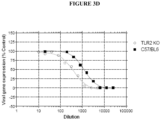
- the nucleic acid may encode one or more TRIF domains as depicted in FIGURE 30 .
- the nucleic acid encoding a peptide or protein that promotes a T cell response e.g. , TRIF
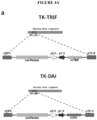
- TRIF can be cloned into the locus of the thymidine kinase (TK) gene of the virus as depicted in FIGURE 4A .
- the nucleic acid encoding a peptide or protein that promotes a T cell response can be operably linked to any promoter that can result in expression of the nucleic acid.
- the nucleic acid may encode granulocyte-macrophage colony stimulating factor ("GM-CSF"), IL-12, IFN- ⁇ or IL-18. In certain embodiments more than one such nucleic acid may be incorporated into VV.
- GM-CSF granulocyte-macrophage colony stimulating factor
- IL-12 granulocyte-macrophage colony stimulating factor
- IFN- ⁇ IL-18
- more than one such nucleic acid may be incorporated into VV.
- a VV is modified to include one or more nucleic acid encoding a peptide or protein or ribonucleic acid or micro-RNA which inhibits or reduces immunosuppression.
- measures of immunosuppression include: the level of myeloid derived suppressor cells ("MDSC"); the level of M2 macrophages; and the level of helper T cells versus suppressor regulatory T cells.
- the nucleic acid encodes a peptide or protein or ribonucleic acid or micro-RNA that reduces prostaglandin E2 activity ("a PGE2 antagonist").
- the nucleic acid encodes a peptide and/or protein that is a PGE2 antagonist (as that term is used herein) that degrades PGE2.
- the protein that degrades PGE2 is 15-PGDH (human) or HPGD (mouse).
- 15-PGDH may have an amino acid sequence as set forth in UniProtKB No. P15428, or an amino acid sequence at least about 90 percent, at least about 95 percent or at least about 98 percent homologous thereto, and a nucleic acid encoding 15-PGDH may have a nucleic acid sequence as set forth in GenBank Accession No.
- U63296.1 or a nucleic acid sequence at least about 90 percent, at least about 95 percent or at least about 98 percent homologous thereto.
- a nucleic acid encoding a secreted and solubilized version of the extracellular receptor for PGE2 may be included in the VV, for example nucleic acid encoding EP1, EP2, EP3 and/or EP4, where EP3 and 4 are higher affinity.
- the one or more peptides or proteins which inhibits or reduces immunosuppression can result in the reduced expression of one or more suppressive chemokines such as, but not limited to, CXCL12.
- the one or more peptides or proteins which inhibits or reduces immunosuppression can result in the increased expression of one or more immune activating chemokines such as, but not limited to, CXCL9, CXCL10 and CCL5.
- the nucleic acid encoding a PGE2 antagonist can be cloned into the locus of the thymidine kinase (TK) gene of the virus.
- the nucleic acid encoding a PGE2 antagonist peptide or protein can be operably linked to any promoter that can result in expression of the nucleic acid.
- the nucleic acid encoding a PGE2 antagonist peptide or protein is operably linked to the viral p7.5 promoter.
- the promoter is a vaccinia promoter and/or a synthetic vaccinia promoter.
- the promoter is the synthetic vaccinia promoter pSE/L.
- the virus can include a nucleic acid encoding a PGE2 antagonist and a nucleic acid encoding a peptide or protein that promotes a T cell response that are both operably linked to a promoter, e.g. , the viral p7.5 promoter, and cloned into the locus of the thymidine kinase (TK) gene of the virus.
- a promoter e.g. , the viral p7.5 promoter
- an immunooncolytic virus of the description may be administered together with an agent that inhibits or reduces MDSC, including, for example but not by way of limitation, an antibody that targets a surface marker of MDSC such as an anti-CD33 antibody or variable region thereof; an anti-CD11b antibody or variable region thereof; a COX2 inhibitor, e.g. , celecoxib; sunitinib and/or all trans retinoic acid ( e.g. , see Najjar and Finke, 2013, Frontiers in Oncology, 3(49) 1-9 ).
- an agent that inhibits or reduces MDSC including, for example but not by way of limitation, an antibody that targets a surface marker of MDSC such as an anti-CD33 antibody or variable region thereof; an anti-CD11b antibody or variable region thereof; a COX2 inhibitor, e.g. , celecoxib; sunitinib and/or all trans retinoic acid ( e.g. , see Najjar and Finke, 2013, Frontiers in Oncology
- a VV is modified to enhance the spread and/or activity of virus.
- a VV is modified to increase the amount of the extracellular enveloped form of the virus that is produced, for example by introducing one or more of the following mutations: A34R Lys151 to Glu; complete or partial deletion of BSR; mutation/deletion of A36R and/or mutation/deletion of A56R.
- a VV is modified to include a complete or partial deletion of B5R.
- an immuno-oncolytic VV comprising one or more, or two or more, or three or more, or four or more, of the following modifications, as described in the sections above:
- VV comprising a modification of viral glycosylation and one or more of the following modifications, as described in the sections above:
- the present description provides for a VV which is treated with an agent that reduces the amount of glycosylation (e.g. , sialylation) prior to administration to a host and comprises or carries or contains one or more of the following modifications, as described in the sections above:
- an agent that reduces the amount of glycosylation e.g. , sialylation
- the present description provides for a VV that has reduced glycosylation (e.g. , sialylation) relative to unmodified virus and comprises or carries or contains one or more of the following modifications, as described in the sections above:
- the present description provides for a VV that is treated with an agent that reduces the amount of glycosylation prior to administration to a host or that otherwise has reduced glycosylation relative to unmodified virus.
- the present description provides for a VV that is treated with sialidase prior to administration to a host or that otherwise has reduced sialic acid residues relative to unmodified virus.
- the present description provides for a VV that comprises or carries or contains a nucleic acid encoding TRIF.
- the present description provides for a VV that comprises or carries or contains a nucleic acid encoding a PGE2 antagonist (e.g. , 15-PGDH or HPGD).
- a PGE2 antagonist e.g. , 15-PGDH or HPGD.
- the present description provides for a VV that comprises one or more modifications that enhance virus spreading and activity selected from the group of a A34R Lys151 to Glu mutation; complete or partial deletion of B5R; mutation/deletion of A36R and/or mutation/deletion of A56R.
- the present description provides for a VV which comprises one or more virus backbone modification selected from the group of a mutation that reduces expression of functional IL-18BP (e.g. , C12L deletion), B8R deletion, B18R deletion, A35R deletion, or a combination thereof.
- a mutation that reduces expression of functional IL-18BP e.g. , C12L deletion
- B8R deletion e.g. , B18R deletion
- A35R deletion e.g., A35R deletion
- the present description provides for a VV which is treated with an agent that reduces the amount of glycosylation prior to administration to a host or that otherwise has reduced glycosylation relative to unmodified virus and further comprises or carries or contains a nucleic acid encoding TRIF or a functional domain thereof.
- the present description provides for a VV which is treated with an agent that reduces the amount of glycosylation (e.g. , sialylation) prior to administration to a host or that otherwise has reduced glycosylation (e.g. , reduced sialylation) relative to unmodified virus and further comprises or carries or contains a nucleic acid encoding a PGE2 antagonist (e.g. , 15-PGDH or HPGD).
- an agent that reduces the amount of glycosylation (e.g. , sialylation) prior to administration to a host or that otherwise has reduced glycosylation (e.g. , reduced sialylation) relative to unmodified virus and further comprises or carries or contains a nucleic acid encoding a PGE2 antagonist (e.g. , 15-PGDH or HPGD).
- the present description provides for a VV which is treated with an agent that reduces the amount of glycosylation (e.g. , sialylation) prior to administration to a host or that otherwise has reduced glycosylation (e.g. , reduced sialylation) relative to unmodified virus and further comprises or carries or contains a nucleic acid encoding TRIF or a functional domain thereof and/or a nucleic acid encoding a PGE2 antagonist ( e.g. , 15-PGDH or HPGD),
- the present description provides for a VV which is treated with an agent that reduces the amount of glycosylation (e.g.
- sialylation prior to administration to a host or that otherwise has reduced glycosylation (e.g. , reduced sialylation) relative to unmodified virus and further comprises one or more modifications that enhance virus spreading and activity selected from the group of a A34R Lys151 to Glu mutation; complete or partial deletion of B5R; mutation/deletion of A36R and/or mutation/deletion of A56R.
- the present description provides for a deglycosylated VV which comprises a complete or partial deletion of B5R.
- the present description provides for a deglycosylated VV which comprises a C12L deletion and a B5R deletion.
- the present description provides for a VV which is treated with an agent that reduces the amount of glycosylation (e.g. , sialylation) prior to administration to a host or that otherwise has reduced glycosylation (e.g. , reduced sialylation) relative to unmodified virus and further comprises or carries or contains a nucleic acid encoding a PGE2 antagonist (e.g. , 15-PGDH or HPGD) and further comprises one or more virus backbone modifications selected from the group of a mutation that reduces expression of functional IL-18BP ( e.g. , C12L deletion), B8R deletion, B18R deletion, A35R deletion, or a combination thereof.
- an agent that reduces the amount of glycosylation e.g. , sialylation
- an agent that reduces the amount of glycosylation e.g. , sialylation
- a PGE2 antagonist e.g. , 15-PGDH or HPGD
- virus backbone modifications selected from the group
- the present description provides for a TK- VV which is treated with an agent that reduces the amount of glycosylation (e.g. , sialylation) prior to administration to a host or that otherwise has reduced glycosylation (e.g. , reduced sialylation) relative to unmodified virus and further comprises or carries or contains a nucleic acid encoding TRIF or a functional domain thereof and a nucleic acid encoding a PGE2 antagonist (e.g. , 15-PGDH or HPGD), and further comprises one or more virus backbone modifications selected from the group of a mutation that reduces expression of functional IL-18BP ( e.g. , C12L deletion), B8R deletion, B18R deletion, A35R deletion, or a combination thereof.
- an agent that reduces the amount of glycosylation e.g. , sialylation
- an agent that reduces the amount of glycosylation e.g. , sialylation
- a PGE2 antagonist e
- the present description provides for a VV which is treated with an agent that reduces the amount of glycosylation (e.g. , sialylation) prior to administration to a host or that otherwise has reduced glycosylation (e.g. , reduced sialylation) relative to unmodified virus and further comprises or carries or contains a nucleic acid encoding TRIF or a functional domain thereof and further comprises one or more modifications that enhance virus spreading and activity selected from the group of a A34R Lys151 to Glu mutation; complete or partial deletion of B5R; mutation/deletion of A36R and/or mutation/deletion of A56R.
- an agent that reduces the amount of glycosylation e.g. , sialylation
- a nucleic acid encoding TRIF or a functional domain thereof and further comprises one or more modifications that enhance virus spreading and activity selected from the group of a A34R Lys151 to Glu mutation; complete or partial deletion of B5R; mutation/deletion of A36R
- 15-PGDH or HPGD further comprises one or more modifications that enhance virus spreading and activity selected from the group of a A34R Lys151 to Glu mutation; complete or partial deletion of B5R; mutation/deletion of A36R and/or mutation/deletion of A56R.
- the present description provides for a VV which is treated with an agent that reduces the amount of glycosylation (e.g. , sialylation) prior to administration to a host or that otherwise has reduced glycosylation (e.g. , reduced sialylation) relative to unmodified virus and further comprises or carries or contains a nucleic acid encoding TRIF or a functional domain thereof and a nucleic acid encoding a PGE2 antagonist (e.g.
- the virus comprises the C12Ldeletion.
- the VV can comprise the C12L deletion and the B5R deletion.
- the present description provides for a VV with the following modifications:
- the present description provides for a VV with the following modifications:
- the present description provides a method of reducing the growth of a cancer cell comprising administering, to the cancer cell of a subject, an effective amount of an immunooncolytic VV, as described above.
- Reducing the growth of a cancer cell may be manifested, for example, by cell death or a slower replication rate or reduced growth rate of a tumor comprising the cell or a prolonged survival of a subject containing the cancer cell.
- a “subject” or “patient,” as used interchangeably herein, refers to a human or a non-human subject.
- non-human subjects include non-human primates, dogs, cats, mice, rats, guinea pigs, rabbits, pigs, fowl, horses, cows, goats, sheep, etc.
- the present description provides a method of treating a subject having a cancer comprising administering, to the subject, an effective amount of an immunooncolytic VV as described above.
- an "effective amount” in such a method includes an amount that reduces growth rate or spread of the cancer or that prolongs survival in the subject.
- an effective amount can include an amount that is sufficient to produce an anti-cancer effect in a subject.
- an “anti-cancer effect,” as used herein, refers to one or more of a reduction in aggregate cancer cell mass, a reduction in cancer cell growth rate, a reduction in cancer cell proliferation, a reduction in tumor mass, a reduction in tumor volume, a reduction in tumor cell proliferation, a reduction in tumor growth rate and/or a reduction in tumor metastasis.
- the present description provides a method of producing an anti-cancer effect in a subject having a cancer comprising administering, to the subject, an effective amount of an immunooncolytic VV, as described above.
- references to methods of treatment by therapy in the following paragraphs of this description are to be interpreted as references to compounds, pharmaceutical compositions and medicaments of the present invention for use in those methods.
- a method of treating a subject having a cancer includes administering, to the subject, an effective amount of an immunooncolytic VV comprising: (i) a TK deletion; (ii) an envelope with reduced glycosylation (e.g. , reduced sialylation) relative to an unmodified virus; (iii) a nucleic acid encoding TRIF, or a functional domain thereof; and (iv) a nucleic acid encoding 15-PGDH, or a functional domain thereof.
- an immunooncolytic VV comprising: (i) a TK deletion; (ii) an envelope with reduced glycosylation (e.g. , reduced sialylation) relative to an unmodified virus; (iii) a nucleic acid encoding TRIF, or a functional domain thereof; and (iv) a nucleic acid encoding 15-PGDH, or a functional domain thereof.
- a method of treating a subject having a cancer includes administering, to the subject, an effective amount of an immunooncolytic VV comprising: (i) a TK deletion; (ii) an envelope with reduced glycosylation (e.g. , reduced sialylation) relative to the unmodified virus; (iii) a nucleic acid encoding TRIF, or a functional domain thereof; (iv) a nucleic acid encoding 15-PGDH, or a functional domain thereof; (v) a C12L deletion; and (vi) a B5R deletion.
- an immunooncolytic VV comprising: (i) a TK deletion; (ii) an envelope with reduced glycosylation (e.g. , reduced sialylation) relative to the unmodified virus; (iii) a nucleic acid encoding TRIF, or a functional domain thereof; (iv) a nucleic acid encoding 15-PGDH, or a functional domain thereof; (v)
- the methods of the present description can further include administering to the subject an effective amount of one or more agents.
- the agent can be an anti-cancer agent and/or an immunomodulatory agent, as described above.
- a kit of the present description can include instructions for use, a device for administering the immunooncolytic VV to a subject, or a device for administering an additional agent or compound to a subject.
- the instructions can include a description of the immunooncolytic VV and, optionally, other components included in the kit, and methods for administration, including methods for determining the proper state of the subject, the proper dosage amount and the proper administration method for administering the immunooncolytic VV. Instructions can also include guidance for monitoring the subject over the duration of the treatment time.
- kits of the present description includes an effective amount of an immunooncolytic VV comprising: (i) an envelope with reduced glycosylation (e.g. , reduced sialylation) relative to an unmodified virus; (ii) a nucleic acid encoding TRIF, or a functional domain thereof; (iii) a nucleic acid encoding 15-PGDH, or a functional domain thereof; and (iv) a C12L deletion.
- an immunooncolytic VV comprising: (i) an envelope with reduced glycosylation (e.g. , reduced sialylation) relative to an unmodified virus; (ii) a nucleic acid encoding TRIF, or a functional domain thereof; (iii) a nucleic acid encoding 15-PGDH, or a functional domain thereof; and (iv) a C12L deletion.
- kits of the present description includes an effective amount of an immunooncolytic VV comprising: (i) an envelope with reduced glycosylation (e.g. , reduced sialylation) relative to the unmodified virus; (ii) a nucleic acid encoding TRIF, or a functional domain thereof; (iii) a nucleic acid encoding 15-PGDH, or a functional domain thereof; (iv) a C12L deletion; and (v) a B5R deletion.
- an immunooncolytic VV comprising: (i) an envelope with reduced glycosylation (e.g. , reduced sialylation) relative to the unmodified virus; (ii) a nucleic acid encoding TRIF, or a functional domain thereof; (iii) a nucleic acid encoding 15-PGDH, or a functional domain thereof; (iv) a C12L deletion; and (v) a B5R deletion.
- a kit of the present description includes an effective amount of an immunooncolytic VV comprising: (i) a TK deletion; (ii) an envelope with reduced glycosylation (e.g. , reduced sialylation) relative to an unmodified virus; (iii) a nucleic acid encoding TRIF, or a functional domain thereof; (iv) a nucleic acid encoding 15-PGDH, or a functional domain thereof; and (v) a C12L deletion.
- an immunooncolytic VV comprising: (i) a TK deletion; (ii) an envelope with reduced glycosylation (e.g. , reduced sialylation) relative to an unmodified virus; (iii) a nucleic acid encoding TRIF, or a functional domain thereof; (iv) a nucleic acid encoding 15-PGDH, or a functional domain thereof; and (v) a C12L deletion.
- a kit of the present description includes an effective amount of an immunooncolytic VV comprising: (i) a TK deletion; (ii) an envelope with reduced glycosylation (e.g. , reduced sialylation) relative to an unmodified virus; (iii) a nucleic acid encoding TRIF, or a functional domain thereof; (iv) a nucleic acid encoding 15-PGDH, or a functional domain thereof; (v) a C12L deletion; and (vi) a B5R deletion.
- an immunooncolytic VV comprising: (i) a TK deletion; (ii) an envelope with reduced glycosylation (e.g. , reduced sialylation) relative to an unmodified virus; (iii) a nucleic acid encoding TRIF, or a functional domain thereof; (iv) a nucleic acid encoding 15-PGDH, or a functional domain thereof; (v) a C12L deletion; and (vi)
- TK- Western Reserve thymidine kinase negative
- VV Western Reserve vaccinia virus
- a virus deletion mutant lacking 40% of the C12L ORF was constructed using transient dominant selection ( Falkner & Moss, 1990, J Virol. 64(6): 3108-3111 ).
- Cells were infected with wild type vaccinia WR and simultaneously transfected with a plasmid containing regions 3' and 5' of the C12L gene. Recombination was allowed to occur and a selectable marker used to determine recombination events.
- Viruses were titered by plaque assay on BSC-1 cells, manufactured and purified as previously described for in vivo use ( Sampath, P et al. (2013) Mol. Ther., 21: 620-628 ).
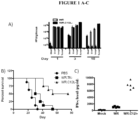
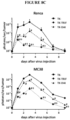
- C57BL/6 mice purchased from The Jackson Laboratory (Bar Harbor, ME) bearing subcutaneous CMT-93 tumors were treated intravenously with a single, 1 ⁇ 10 8 PFU dose of WR or WR ⁇ C12L virus, and then monitored. While all mice receiving WR virus had died before 60 days post-infection, after 70 days 50 percent of WR ⁇ C12L animals were still alive ( FIGURE 1B ).
- mice Animals were first immunized with WR or WR ⁇ C12L and the T-cells from these mice (or control mice) were mixed with WR and the resulting IFN- ⁇ production levels were determined by ELISA. The results are shown in FIGURE 1C and indicate that C12L deletion resulted in greater production of CTL or IFN- ⁇ producing splenocytes.
- WR TK- VV N-linked and simple O-linked glycans, e.g. , sialic acid
- Sialidase A Ga.ko Sialidase A, Code WS0042
- a cocktail of N- and O-glycanases and Sialidase A Ga.copro Enzymatic Deglycosylation kit, Product Code: GK80110, Prozyme
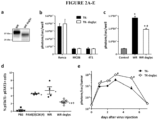
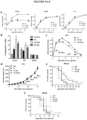
- the non-denaturing protocol for deglycosylation of a virus was to take (i) 20 ⁇ l of virus stock; (ii) add 17 ⁇ l of deionized water; (iii) add 10ul of 5X reaction buffer; (iv) add 1ul each of N-Glycanase, Sialidase A and O-Glycanase (or any enzyme alone used with 19ul of deionized water); and (v) incubate at 37°C for 16 hours prior to use. Deglycosylation of the virus was confirmed by western blot analysis ( FIGURE 2A ).
- TK- deglyc human cervix adenocarcinoma
- Bsc-1 green monkey normal kidney cells
- 143B human osteosarcoma
- CV-1 green monkey kidney fibroblasts
- Renca murine renal adenocarcinoma
- 4T1 murine breast cancer
- MC38 (murine colon adenocarcinoma) and MEFs (murine embryonic fibroblasts) cell lines were, respectively, a kind gift from Dr. David Bartlett and Dr. Robert Sobol (University of Pittsburgh Cancer Center). All cell lines were maintained in recommended culture media containing 5-10% fetal bovine serum and antibiotics at 37°C, 5% CO 2 . Viral infectivity was determined by analyzing viral gene expression. Viral gene expression was measured 3 hours after infection by bioluminescence imaging of luciferase expression in vitro. For cultured cells, 10 ⁇ l of 30 mg/ml D-luciferin (GoldBio, St Louis, MO) were added to 1 ml of culture media. As observed in FIGURE 2B , deglycosylation of the virus envelope did not have an effect on the infectivity of the virus.
- TLR2 activation was evaluated in a model system which measures NF- ⁇ B activation in HEK293 cells engineered to express TLR2 (HEK293/mTLR2) and transfected with pNiFty, a TLR-signaling reporter plasmid.
- pNiFty TLR-signaling reporter plasmid-Luciferase
- the deglycosylated virus also exhibited greater uptake by tumors.
- the luciferase gene under the control of the synthetic vaccinia promoter pE/L was incorporated into WR.TK- or DS WR.TK- vaccinia virus ("WR.TK-Luc+” and "DS WR.TK-Luc+", respectively), and introduced intravenously into BALB/c mice (purchased from The Jackson Laboratory (Bar Harbor, ME) bearing 4T1 subcutaneous tumor. Viral gene expression in the tumor could then be measured by bioluminescence imaging of luciferase expression in vivo.
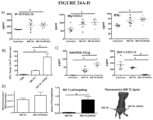
- FIGURE 2D shows that STAT3 phosphorylation was depleted in splenic lymphocytes of mice injected with deglycosylated vaccinia virus.
- antibody-containing serum was obtained from mice treated as indicated at day 14 after virus injection and serial dilutions of the serum (starting at 1/20) were used to neutralize 1000 PFUs of TK-vaccinia virus. 2 ⁇ 10 4 HeLa cells were plated per well in 96-well and infected with serum-virus mix. At day 4 post-infection, plates were washed with PBS and absorbance was quantified after staining cultures using a nonradioactive cell proliferation assay kit (Promega, Madison, WI).
- TRIF was introduced into WR.TK-virus and its effect on T cells was evaluated.
- TRIF was expressed from within the thymidine kinase locus, expressed from the viral early/late vaccinia p7.5 promoter ("TK-TRIF” OR "WR.TK-.TRIF”; FIGURE 4A ).
- TK-TRIF viral early/late vaccinia p7.5 promoter
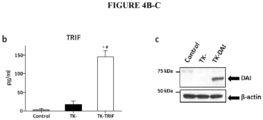
- ELISA was performed to confirm expression of TRIF from the TK-TRIF virus ( FIGURE 4B ).
- a mouse TRIF ELISA kit was used to determine the concentration of TRIF in supernatant or cell extract of cells infected at an MOI of 1 (PFU/cell) with TK-TRIF.
- the TK-TRIF virus specifically expressed TRIF as compared to TK-.
- Western blot was used to confirm expression of DAI from the TK-DAI virus ( FIGURE 4C ).
- FIGURE 5A expression of TRIF resulted in an increase in Type I interferon production by lymphocytes in vitro.
- Expression of TRIF also increased CTL production in vivo, as shown by ELISpot assay ( FIGURE 5B ).
- ELISpot assays splenocytes were prepared from mice. Splenocytes were mixed with tumor cells or splenocytes previously infected with UV-inactivated vaccinia virus at a ratio of 5: 1. Naive splenocytes from each mouse were used as a control.
- 96-well membrane filter plates EMD Millipore, Billerica, MA coated with 15 ⁇ g/ml of monoclonal anti-mouse IFN- ⁇ antibody AN18 (Mabtech, Inc., Cincinnati, OH) were used for the assays.
- Cells were maintained for 48 hours at 37°C and spots were detected using 1 ⁇ g/ml of biotinylated anti-mouse IFN- ⁇ antibody R4-6A2-biotin (Mabtech). Plates were developed using an ABC kit and an AEC substrate kit for peroxidase (Vector Laboratories, Inc., Burlingame, CA). Specific spots were counted and analyzed using an ImmunoSpot Analyzer and software (CTL, Shaker Heights, OH).
- CTL ImmunoSpot Analyzer
- TK-, TK-TRIF or TK-DAI MOI of 1
- a Luminex assay For cell culture supernatants, a Miliplex Mouse Cytokine Panel (5-plex) Kit from Milipore (Billerica, MA) and a Mouse 2-plex assay Kit from Panomics (Redwood City, CA) were used.
- a Cytokine Mouse 20-plex Panel Kit from Invitrogen (Carlsbad, CA) was used for determining concentrations in tumors harvested at day 4 after Vaccinia virus administration.
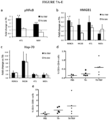
- Tumors were homogenized using Lysing Matrix D tubes and a FastPrep-24 instrument. As shown in FIGURES 6A and C , the concentrations of pIKK ⁇ , IL-6, IP-10, TNF- ⁇ and IFN- ⁇ increased significantly upon infection with TK-TRIF as compared to TK- in different tumor cell lines as compared to TK-.
- BALB/c mice with established Renca subcutaneous xenografts injected with a single intravenous dose of 1 ⁇ 10 8 PFU per mouse of TK- or TK-TRIF were analyzed to determine the in vivo intratumoral concentration of cytokines and chemokines.
- TK-TRIF Activation of NF- ⁇ B and IRF3 pathways were analyzed after infection with TK-TRIF and TK-DAI.
- ELISA assays were utilized to determine concentrations of pIKK ⁇ and IRF3 in cytoplasmic and nuclear extracts, respectively, of 4T1 or MEF cells infected with TK-, TK-TRIF or TK-DAI at an MOI of 1.
- TK-TRIF increased the activation of the NF- ⁇ B and IRF3 signaling pathways as observed by an increase in the concentration of pIKK ⁇ and IRF3 expression following 24 hours after infection.
- FIGURE 7A shows that the phosphorylation of NF- ⁇ B increased following infection of TK-TRIF and TK-DAI.
- HMGB1 and Hsp-70 which function as regulators of NF- ⁇ B, also exhibited altered expression following infection by TK-TRIF ( FIGURE 7B and 7C ).
- the presence of CD4+ helper T cells and CD8+ cytotoxic T-cells were analyzed following infection with TK-, TK-TRIF. As shown in FIGURE 7D and E , the number of cytotoxic T-cells and helper T-cells were higher in mice infected with TK-TRIF.
- TK-TRIF replication and antitumor activity was performed in different mouse tumor cells.
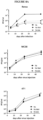
- Various tumor cell lines were infected with an MOI of 1 and virus production was measured by ELISpot plaque-assay, as described above, at different time points.
- viral production of both TK-TIRF and TK-DAI was significantly less in the resistant Renca cells as compared to TK-, but viral production of TK-TIRF and TK-DAI in MC38 and 4T1 cells were at similar levels to TK- ( see also FIGURE 9A ).
- FIGURE 8C shows that viral gene expression of TK-TRIF and TK-DAI was at a lower level in tumors of Renca or MC38 xenografts implanted in BALB/c or C57BL/6 mice, respectively, compared to viral gene expression of TK-.
- FIGURE 9C shows that viral production and viral expression of TK-DAI and TK-TRIF was reduced in tumors as compared to viral expression of TK- or TK- virus expressing GM-CSF ("TK-GMCSF").
- BALB/c mice with Renca tumors implanted subcutaneously were treated with an IV dose of 1 ⁇ 10 8 PFU once tumors reached 50-100 mm 3 .
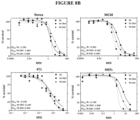
- Cytotoxicity of the modified virus as compared to TK- was determined by performing cytotoxicity assays. Cytotoxity assays were performed by seeding 2 ⁇ 10 4 cells per well in 96-well plates in DMEM with 5% FBS. Cells were infected with serial dilutions starting at a MOI of 75 and, at day 4 post-infection, plates were washed with PBS and absorbance was quantified after staining cultures using a nonradioactive cell proliferation assay kit (Promega, Madison, WI). IC 50 values (PFU per cell required to produce 50% inhibition) were estimated from dose-response curves by standard nonlinear regression, using an adapted Hill equation.
- TK-TRIF affects the survival of mice with Renca or MC38 xenografts compared to mice treated with TK- or PBS.
- Renca or MC38 xenografts were established in BALB/C or C57BL/6 mice, respectively, and treated with a single intravenous dose of 1 ⁇ 10 8 PFU of indicated viruses or PBS.
- FIGURE 9E and F TK-TRIF significantly improved survival compared to treatment with TK-.
- TK- virus modified to express TRIF was deglycosylated ("TK-TRIF deglyc") to analyze the effect such a combination would have on the antitumor cellular responses and antitumor efficacy of the virus.
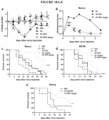
- FIGURE 10A shows that TK-injected mice presented more than 10% reduction in body-weight at day 6 after virus injection, whereas TK-TRIF and TK-TRIF deglyc-injected mice presented a similar weight profile than those injected with PBS, indicating that TK-TRIF and TK-TRIF deglyc are less toxic than TK-.
- TK-TRIF or TK-TRIF deglyc affect the survival of mice with Renca or MC38 xenografts compared to mice treated with TK- or PBS.
- Renca or MC38 xenografts were established in BALB/C or C57BL/6 mice, respectively, and treated with a single intravenous dose of 1 ⁇ 10 8 PFU of indicated viruses or PBS.
- TK-TRIF and TK-TRIF deglyc significantly improved the survival of the mice compared to treatment with TK-.
- TK-TRIF deglyc improved survival of mice with Renca tumors compared with TK-GMCSF treatment ( FIGURE 10E ).
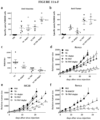
- FIGURE 11A shows that deglycosylation and expression of TRIF resulted in a significant increase in CTL production recognizing the Vaccinia virus in vivo, as compared to the modifications alone, e.g. , TK-TRIF or TK-deglyc.
- a neutralizing assay was performed to determine circulating anti-Vaccinia antibody levels for mice injected with 1 ⁇ 10 8 PFU of TK-, TK-TRIF, or TK-TRIF deglycosylated. Nabs titers were determined by the highest dilution of serum that resulted in at least 50% inhibition of infection.
- FIGURE 11C shows that the amount of neutralizing antibody is greater in wild-type C57BL/6 mice infected with TK- compared to mice infected with TK-TRIF, TK-deglyc or TK-TRIF-deglyc. Mice infected with TK-TRIF-deglyc showed the greatest reduction in the amount of neutralizing antibody in the serum.
- mice bearing Renca or C57BL/6 mice bearing MC38 tumor xenografts.
- tumor cell lines were implanted subcutaneously at 5 ⁇ 10 5 cells per mouse into BALB/c or C57BL/6 mice, respectively.
- mice were treated with a single intravenous dose of indicated viruses (1 ⁇ 10 8 PFU/mouse) into the tail vein.
- TK-TRIF deglycosylated virus resulted in a greater reduction in the tumor size of RENCA and MC38 xenograft-bearing mice as compared to the additive effect of the individual modifications combined or the TK- virus ( FIGURES 11D and E ). Further, TK-TRIF deglycosylated exhibited improved anti-tumor activity compared to TK-GMCSF, as observed by a significant reduction in tumor size in BALB/c mice harboring Renca xenografts ( FIGURE 11F ) or 4T1 subcutaneous tumors in BALB/c mice ( FIGURE 9D ). Accordingly, deglycosylated TK- vaccinia virus expressing TRIF exhibits a significantly improved anti-tumor response and results in a reduction in anti-virus antibody production.
- Oncolytic viral therapies have finally begun to demonstrate clinical efficacy in randomized studies highlighting the real potential of the platform.
- those found to be most successful have expressed an immune activating cytokine (GM-CSF), reinforcing a plethora of pre-clinical data indicating that the immune response is a key mediator of viral effectiveness.
- GM-CSF immune activating cytokine
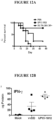
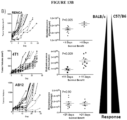
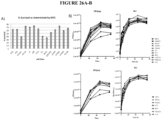
- FIGURE 13A and B and FIGURE 26A and B Seven of the 14 lines were further tested in vivo using direct intratumoral injection of TK- ( FIGURE 13A and B and FIGURE 26A and B ). Direct intratumoral injection was used to reduce variability that may occur due to differences in viral delivery. As shown in FIGURE 13A and B no direct correlation was observed between either viral replication or viral-mediated cell killing and in vivo anti-tumor effect, indicating factors other than direct oncolytic activity mediate anti-tumor effects.
- Oncolytic vaccinia expressing luciferase was used during these experiments to allow analysis of viral gene expression over time in individual mice (as a surrogate for viral replication and persistence), and allow comparisons to subsequent response. Two distinct patterns appeared to emerge from the data.
- a direct correlation could be drawn within each individual tumor model, such that the level of viral gene expression at 24h corresponded to the subsequent response ( FIGURE 13B ).
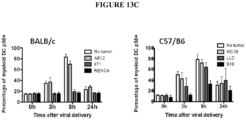
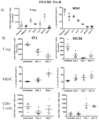
- FIGURE 13C and FIGURE 14A These included early innate signaling activation markers such as pS6, pSTAT1, pSTAT3, pSTAT5 in different cell populations ( FIGURE 13C and FIGURE 14A ), T-cell proliferation markers such as pS6 and Ki67 ( FIGURE 14A ) and activation markers such as CD44 and CD62L ( FIGURES 14A ), and neutralizing antibody responses (FIGURES 14D). Minor differences were seen in the systemic immune response to viral therapy between tumor bearing and non-tumor bearing animals, with the one exception being the phosphorylation of S6 in some myeloid cells early after infection ( FIGURE 13C ).
- FIGURE 13C and FIGURE 14A pS6 levels were observed to be reduced in tumor bearing animals, but the reduction in immune activation was most pronounced in the B16 tumor-bearing mice. This was verified in other tumor models, again confirming that pS6 levels were reduced in the more resistant tumor models (including 4T1 and RENCA), indicating a defect in the dendritic cell (DC) response which may mediate resistance in these mice ( FIGURE 13C ).
- DC dendritic cell
- tumors were harvested from mice treated as indicated, and mechanically disaggregated and digested with triple enzyme mixture (Collagenase type IV, DNase type IV, and Hyaluronidase type V (Sigma-Aldrich, St Louis, MO)).
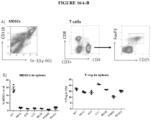
- MDSC myeloid-derived suppressor cells
- T-regs regulatory T-cells
- M2 macs M2 macs
- FIGURE 15A and B and FIGURE 16 The level of MDSCs found in the tumor for different tumor models correlated closely with the resistance or sensitivity of that model to viral therapy.
- Renca which exhibits resistance to viral therapy, resulted in tumors with high MDSC levels.
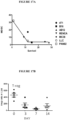
- FIGURE 17A shows the number of MDSC in untreated tumors as a function of increased survival after intravenous treatment with 1e8 PFU of WR.TK- for a number of various tumor model systems.
- Vaccinia strains display a very poor ability to increase survival in mouse tumor models that display high levels of MDSC at baseline.
- Cells of each of the tumor model cell lines listed ( FIGURE 17A ) were implanted in syngeneic immunocompetent mice.
- mice were then either sacrificed in order to determine the average baseline level of MDSC in the resulting tumors for each model or the mice were treated with WR.TK- (or PBS control)(1e8 PFU given intratumorally) and the increase in life expectancy (for 50% survival) determined after treatment (in days).
- the graph plots "relative MDSC numbers in tumors at baseline” vs "median increase in survival after WR.TK- treatment (relative to untreated control)". More MDSC at baseline correlated with reduced effectiveness of therapy.
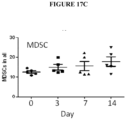
- FIGURE 15A and B and FIGURE 16A and B Further changes that occurred in the tumor after viral therapy were examined and it was observed that for multiple tumor models, such as 4T1, RENCA and MC38, the addition of vaccinia therapy resulted in a loss of T-reg, but that MDSC levels were unaffected and continued to increase over time, as they did in the control groups ( FIGURE 15A and B and FIGURE 16A and B ).
- Viral therapy reduced levels of T-reg in treated tumors but had no impact on MDSC levels.
- relative numbers of T-regs or MDSC in the tumor/ mg of tumor were determined at different times before or after WR.TK- treatment (1e8 PFU given intratumorally) ( FIGURES 17B and C ).
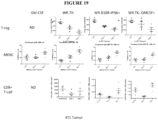
- FIGURES 18 and 19 show that although the more immunogenic vaccinia strains (WR.TK-GMCSF and WR.B 18R-IFNP+) did further enhance some aspects of the immune response in the sensitive tumor models, such as further reducing T-reg and increasing CD8+ T-cell levels, no such advantage was seen in the otherwise resistant tumor models. Without being bound to a particular theory, it appears that the main difference between sensitive and resistant tumors relates to the inability of the virus to induce a robust immunotherapeutic effect in tumors with high levels of MDSC-mediated immune suppression within the tumor microenvironment.
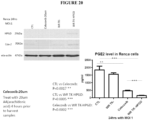
- HPGD was specifically expressed from TK-HPGD and significantly reduced PGE2 levels in Renca cells infected with TK-HPGD.
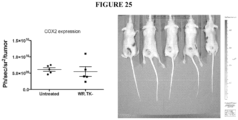
- FIGURE 25 it appears that infection with WR.TK- may alter COX2 expression in the tumors locally at the site of infection, without producing significant levels of COX2 expression overall in the tumor, or the virus may selectively replicate in regions with low COX2 levels.
- Initial in vitro and in vivo experiments determined that even at toxic levels, the COX2 inhibitors were unable to reduce PGE2 levels to anywhere near the level achieved with HPGD expression ( FIGURE 20 ).
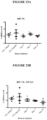
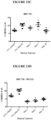
- Oncolytic vaccinia expressing was then tested in several mouse tumor models. It was seen that the number of MDSC cells in the tumor were rapidly and significantly reduced in the spleen and tumors after treatment with WR-TK-HPGD only ( FIGURE 21 and FIGURE 23A-D ). Inclusion of HPGD also was found to reduce MDSC in tumor and spleen relative to unmodified WR.TK- virus. This was specific to tumors, with no systemic toxicity seen ( FIGURE 21A ). Interestingly, TK-HPGD also induced a more rapid and robust reduction in T-reg numbers in the tumor.
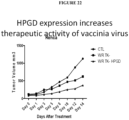
- infection with WR-TK-HPGD correlated with an enhanced therapeutic effect in several mouse tumor models in vivo and resulted in lower tumor volumes.
- the tumor model that was previously most resistant to viral therapy, RENCA which displayed an "oncolytic only" phenotype and high baseline levels of MDSC, surprisingly displayed the greatest increase in therapeutic benefit after HPGD expression ( FIGURE 21B ).
- This change in the systemic chemokine effect may be responsible for mediating the changes in the immune cell repertoire in the tumor.
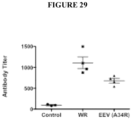
- FIGURE 29 shows the level of anti-vaccinia neutralizing antibody present in the serum of mice vaccinated with (1e4 PFU) of either WR or WR with an EEV-enhancing point mutation in the A34R viral gene (Lys151 to Glu).
- the A34R mutant strain produces less anti-vaccinia neutralizing antibody compared to WR-.
Landscapes
- Health & Medical Sciences (AREA)
- Life Sciences & Earth Sciences (AREA)
- Chemical & Material Sciences (AREA)
- Medicinal Chemistry (AREA)
- General Health & Medical Sciences (AREA)
- Animal Behavior & Ethology (AREA)
- Veterinary Medicine (AREA)
- Public Health (AREA)
- Pharmacology & Pharmacy (AREA)
- Virology (AREA)
- Organic Chemistry (AREA)
- Microbiology (AREA)
- Epidemiology (AREA)
- Genetics & Genomics (AREA)
- Wood Science & Technology (AREA)
- Zoology (AREA)
- Bioinformatics & Cheminformatics (AREA)
- Engineering & Computer Science (AREA)
- Immunology (AREA)
- Mycology (AREA)
- Oncology (AREA)
- Chemical Kinetics & Catalysis (AREA)
- General Chemical & Material Sciences (AREA)
- Nuclear Medicine, Radiotherapy & Molecular Imaging (AREA)
- Biomedical Technology (AREA)
- Biotechnology (AREA)
- Biochemistry (AREA)
- General Engineering & Computer Science (AREA)
- Hematology (AREA)
- Medicines That Contain Protein Lipid Enzymes And Other Medicines (AREA)
- Medicines Containing Material From Animals Or Micro-Organisms (AREA)
- Pharmaceuticals Containing Other Organic And Inorganic Compounds (AREA)
- Micro-Organisms Or Cultivation Processes Thereof (AREA)
- Medicines Containing Antibodies Or Antigens For Use As Internal Diagnostic Agents (AREA)
- Peptides Or Proteins (AREA)
Priority Applications (5)
| Application Number | Priority Date | Filing Date | Title |
|---|---|---|---|
| SI201432060T SI3778897T1 (sl) | 2013-08-22 | 2014-08-22 | Imuno onkolitične terapije |
| EP23215391.6A EP4324918A3 (en) | 2013-08-22 | 2014-08-22 | Immuno-oncolytic therapies |
| RS20240082A RS65104B1 (sr) | 2013-08-22 | 2014-08-22 | Onkolitičke imunoterapije |
| HRP20240078TT HRP20240078T1 (hr) | 2013-08-22 | 2014-08-22 | Imuno-onkolitičke terapije |
| SM20240047T SMT202400047T1 (it) | 2013-08-22 | 2014-08-22 | Terapie immuno-oncolitiche |
Applications Claiming Priority (3)
| Application Number | Priority Date | Filing Date | Title |
|---|---|---|---|
| US201361868978P | 2013-08-22 | 2013-08-22 | |
| PCT/US2014/052308 WO2015027163A1 (en) | 2013-08-22 | 2014-08-22 | Immuno-oncolytic therapies |
| EP14837931.6A EP3036329B1 (en) | 2013-08-22 | 2014-08-22 | Immuno-oncolytic therapies |
Related Parent Applications (2)
| Application Number | Title | Priority Date | Filing Date |
|---|---|---|---|
| EP14837931.6A Division EP3036329B1 (en) | 2013-08-22 | 2014-08-22 | Immuno-oncolytic therapies |
| EP14837931.6A Division-Into EP3036329B1 (en) | 2013-08-22 | 2014-08-22 | Immuno-oncolytic therapies |
Related Child Applications (1)
| Application Number | Title | Priority Date | Filing Date |
|---|---|---|---|
| EP23215391.6A Division EP4324918A3 (en) | 2013-08-22 | 2014-08-22 | Immuno-oncolytic therapies |
Publications (2)
| Publication Number | Publication Date |
|---|---|
| EP3778897A1 EP3778897A1 (en) | 2021-02-17 |
| EP3778897B1 true EP3778897B1 (en) | 2023-12-20 |
Family
ID=52484194
Family Applications (3)
| Application Number | Title | Priority Date | Filing Date |
|---|---|---|---|
| EP20189155.3A Active EP3778897B1 (en) | 2013-08-22 | 2014-08-22 | Immuno-oncolytic therapies |
| EP14837931.6A Active EP3036329B1 (en) | 2013-08-22 | 2014-08-22 | Immuno-oncolytic therapies |
| EP23215391.6A Withdrawn EP4324918A3 (en) | 2013-08-22 | 2014-08-22 | Immuno-oncolytic therapies |
Family Applications After (2)
| Application Number | Title | Priority Date | Filing Date |
|---|---|---|---|
| EP14837931.6A Active EP3036329B1 (en) | 2013-08-22 | 2014-08-22 | Immuno-oncolytic therapies |
| EP23215391.6A Withdrawn EP4324918A3 (en) | 2013-08-22 | 2014-08-22 | Immuno-oncolytic therapies |
Country Status (27)
| Country | Link |
|---|---|
| US (2) | US11478518B2 (enExample) |
| EP (3) | EP3778897B1 (enExample) |
| JP (3) | JP6912199B2 (enExample) |
| KR (1) | KR102389240B1 (enExample) |
| CN (1) | CN105658795B (enExample) |
| AU (1) | AU2014308648B2 (enExample) |
| CA (3) | CA3213715A1 (enExample) |
| DK (2) | DK3036329T3 (enExample) |
| EA (1) | EA037582B1 (enExample) |
| ES (2) | ES2971528T3 (enExample) |
| FI (1) | FI3778897T3 (enExample) |
| HR (1) | HRP20240078T1 (enExample) |
| HU (1) | HUE066593T2 (enExample) |
| IL (1) | IL243996A0 (enExample) |
| LT (1) | LT3778897T (enExample) |
| MD (2) | MD4624C1 (enExample) |
| MX (1) | MX2016002257A (enExample) |
| NZ (1) | NZ716825A (enExample) |
| PE (1) | PE20160673A1 (enExample) |
| PH (1) | PH12016500329A1 (enExample) |
| PL (1) | PL3778897T3 (enExample) |
| PT (1) | PT3778897T (enExample) |
| RS (1) | RS65104B1 (enExample) |
| SG (1) | SG11201600960PA (enExample) |
| SI (1) | SI3778897T1 (enExample) |
| SM (1) | SMT202400047T1 (enExample) |
| WO (1) | WO2015027163A1 (enExample) |
Families Citing this family (40)
| Publication number | Priority date | Publication date | Assignee | Title |
|---|---|---|---|---|
| EP3778897B1 (en) * | 2013-08-22 | 2023-12-20 | University of Pittsburgh - Of the Commonwealth System of Higher Education | Immuno-oncolytic therapies |
| JP2018510143A (ja) | 2015-02-25 | 2018-04-12 | メモリアル スローン ケタリング キャンサー センター | 不活化非複製改変ワクシニアウイルスアンカラ(mva)の固形腫瘍のための単独療法又は免疫チェックポイント遮断剤併用における使用 |
| US10548930B2 (en) | 2015-04-17 | 2020-02-04 | Memorial Sloan Kettering Cancer Center | Use of MVA or MVAΔE3L as immunotherapeutic agents against solid tumors |
| US10370647B2 (en) * | 2015-07-22 | 2019-08-06 | National University Corporation Tottori University | Host regulatory factor that enhances replication and/or propagation of vaccinia virus |
| CA2996120C (en) * | 2015-09-08 | 2024-02-20 | Sillajen, Inc. | Modified oncolytic vaccinia viruses expressing a cytokine and a carboxylesterase and methods of use thereof |
| JP2018532810A (ja) | 2015-11-07 | 2018-11-08 | マルチビア インコーポレイテッド | がんの処置のための腫瘍抑制因子遺伝子治療および免疫チェックポイント治療を含む組成物 |
| BR112018016948A2 (pt) | 2016-02-25 | 2019-01-08 | Memorial Sloan Kettering Cancer Center | mva recombinante ou mva¿e3l que expressa flt3l humano e uso do mesmo como agente imunoterapêutico contra tumores sólidos |
| BR112018016949A2 (pt) | 2016-02-25 | 2019-01-08 | Memorial Sloan Kettering Cancer Center | vírus vaccinia atenuado competente em relação à replicação como deleção de timidina quinase com ou sem a expressão de flt3l ou gm-csf humano para imunoterapia de câncer |
| US12150969B2 (en) * | 2016-03-25 | 2024-11-26 | University of Pittsburgh—of the Commonwealth System of Higher Education | Synthetically enveloped virus |
| EP3254692A1 (en) * | 2016-06-10 | 2017-12-13 | Ceva Sante Animale | Multivalent recombinant spv |
| AU2017298385A1 (en) | 2016-07-19 | 2019-03-07 | University Of Pittsburgh - Of The Commonwealth System Of Higher Education | Oncolytic viruses targeting STAT3 |
| KR20190059297A (ko) * | 2016-09-21 | 2019-05-30 | 스티븐 에이치. 쏜 | 고-이동성 군 박스 1 돌연변이체 |
| GB201616365D0 (en) | 2016-09-27 | 2016-11-09 | Helsingin Yliopisto | Non-genetic modification of enveloped viruses |
| CN110381997A (zh) | 2016-12-12 | 2019-10-25 | 茂体外尔公司 | 用于治疗和预防癌症和感染性疾病的包含病毒基因治疗和免疫检查点抑制剂的方法和组合物 |
| AU2018215558B2 (en) * | 2017-02-03 | 2023-05-25 | University Of Pittsburgh-Of The Commonwealth System Of Higher Education | Oncolytic virus therapy |
| JP7206212B2 (ja) * | 2017-03-06 | 2023-01-17 | タラリス・セラピューティクス・インコーポレイテッド | 治療用細胞組成物の効力を決定するための方法及び組成物 |
| WO2018195552A1 (en) * | 2017-04-21 | 2018-10-25 | Sillajen, Inc. | Oncolytic vaccinia virus and checkpoint inhibitor combination therapy |
| CN111107872A (zh) | 2017-05-12 | 2020-05-05 | 纪念斯隆-凯特林癌症中心 | 有用于癌症免疫疗法的牛痘病毒突变体 |
| CN111556757A (zh) * | 2017-10-31 | 2020-08-18 | 西方溶瘤细胞有限公司 | 用于全身递送的平台溶瘤载体 |
| US11633441B2 (en) | 2017-12-01 | 2023-04-25 | Gerd Sutter | Immuno-modulated replication-efficient vaccinia virus strain |
| JP7312412B2 (ja) | 2018-01-05 | 2023-07-21 | オタワ ホスピタル リサーチ インスティチュート | 改変オルトポックスウイルスベクター |
| CA3094329A1 (en) | 2018-03-19 | 2020-02-20 | Multivir Inc. | Methods and compositions comprising tumor suppressor gene therapy and cd122/cd132 agonists for the treatment of cancer |
| KR20210032495A (ko) * | 2018-07-20 | 2021-03-24 | 안선 바이오파르마, 아이엔씨. | 암 세포, 면역 세포 및 종양 미세환경에 시알리다제의 전달 |
| WO2020056424A1 (en) | 2018-09-15 | 2020-03-19 | Memorial Sloan Kettering Cancer Center | Recombinant poxviruses for cancer immunotherapy |
| KR20210132003A (ko) * | 2018-12-21 | 2021-11-03 | 오타와 하스피털 리서치 인스티튜트 | 변형된 오르토폭스 바이러스 벡터 |
| KR20210113632A (ko) * | 2019-01-07 | 2021-09-16 | 칼리버 임뮤노쎄라퓨틱스, 인크. | 암을 치료하는 방법 |
| TW202038994A (zh) * | 2019-01-14 | 2020-11-01 | 美商醫格耐免疫治療公司 | 重組痘瘡病毒及其使用方法 |
| EP3923967A1 (en) | 2019-02-14 | 2021-12-22 | Ignite Immunotherapy, Inc. | Recombinant vaccinia virus and methods of use thereof |
| JP7326663B2 (ja) * | 2019-08-26 | 2023-08-16 | バイオノックス インコーポレイテッド | がんの処置のための活性成分としてワクシニアウイルス及びヒドロキシ尿素を含む医薬組成物 |
| WO2021076982A1 (en) * | 2019-10-16 | 2021-04-22 | KaliVir Immunotherapeutics LLC | Modified extracellular enveloped virus |
| EP4061417A4 (en) * | 2019-11-20 | 2023-10-11 | University of Pittsburgh - of the Commonwealth System of Higher Education | VACCINIA VIRUSES AND METHOD FOR USING VACCINIA VIRUSES |
| WO2021113644A1 (en) | 2019-12-05 | 2021-06-10 | Multivir Inc. | Combinations comprising a cd8+ t cell enhancer, an immune checkpoint inhibitor and radiotherapy for targeted and abscopal effects for the treatment of cancer |
| IL293627A (en) * | 2019-12-12 | 2022-08-01 | Ignite Immunotherapy Inc | Variant oncolytic vaccinia virus and methods of use thereof |
| US20230201283A1 (en) * | 2020-01-09 | 2023-06-29 | Pfizer Inc. | Recombinant vaccinia virus |
| CN115243714A (zh) * | 2020-03-06 | 2022-10-25 | 匹兹堡大学联邦系统高等教育 | 用于治疗癌症的表达irf调节剂的溶瘤病毒 |
| KR20230110545A (ko) | 2020-11-19 | 2023-07-24 | 칼리버 임뮤노쎄라퓨틱스, 인크. | 종양 미세환경 재형성에 의한 종양용해 면역요법 |
| MX2023012608A (es) * | 2021-04-30 | 2023-11-03 | Kalivir Immunotherapeutics Inc | Virus oncoliticos para la expresion modificada del mhc. |
| CA3224374A1 (en) * | 2021-06-29 | 2023-01-05 | Flagship Pioneering Innovations V, Inc. | Immune cells engineered to promote thanotransmission and uses thereof |
| WO2023106839A1 (ko) * | 2021-12-07 | 2023-06-15 | 재단법인 아산사회복지재단 | Il-12를 발현하는 재조합 백시니아 바이러스 및 이의 용도 |
| WO2025251079A1 (en) * | 2024-05-31 | 2025-12-04 | University Of Massachusetts | Rna compositions and methods of use thereof in the treatment of cancer |
Family Cites Families (15)
| Publication number | Priority date | Publication date | Assignee | Title |
|---|---|---|---|---|
| MX9305855A (es) | 1992-09-24 | 1995-01-31 | Tadatsugu Taniguchi | Factores 1 y 2 reguladores del interferon en el diagnostico de latumorigenicidad. |
| WO2000073479A1 (en) | 1999-05-28 | 2000-12-07 | The Government Of The United States Of America, As Represented By The Secretary, Department Of Health And Human Services | A combined growth factor-deleted and thymidine kinase-deleted vaccinia virus vector |
| JP3986439B2 (ja) | 2001-02-07 | 2007-10-03 | 中外製薬株式会社 | 造血器腫瘍の治療剤 |
| CN101912421A (zh) * | 2002-08-12 | 2010-12-15 | 杰能斯有限公司 | 涉及痘病毒和癌的方法及组合物 |
| JPWO2007023725A1 (ja) * | 2005-08-25 | 2009-02-26 | 公立大学法人横浜市立大学 | 遺伝子ワクチン |
| AU2012244210B2 (en) * | 2005-09-07 | 2014-10-02 | Sillajen Biotherapeutics, Inc. | Systemic treatment of metastatic and/or systemically-disseminated cancers using gm-csf-expressing poxviruses |
| US8980246B2 (en) * | 2005-09-07 | 2015-03-17 | Sillajen Biotherapeutics, Inc. | Oncolytic vaccinia virus cancer therapy |
| US9180149B2 (en) * | 2005-09-07 | 2015-11-10 | Sillajen Biotherapeutics, Inc. | Systemic treatment of metastatic and/or systemically-disseminated cancers using GM-CSF-expressing poxviruses |
| KR20080084528A (ko) * | 2007-03-15 | 2008-09-19 | 제네렉스 바이오테라퓨틱스 인크. | 종양살상형 백시니아 바이러스 암 치료 |
| WO2009124044A2 (en) * | 2008-03-31 | 2009-10-08 | University Of Florida Research Foundation, Inc. | Tumor growth inhibition via conditioning of tumor microenvironment |
| AU2010291901C1 (en) | 2009-09-14 | 2016-03-03 | Sillajen Biotherapeutics, Inc. | Oncolytic vaccinia virus combination cancer therapy |
| US20130202639A1 (en) | 2010-03-25 | 2013-08-08 | Konstantin G. Kousoulas | Synthetic Herpes Simplex Viruses for Treatment of Cancers |
| US11149254B2 (en) * | 2011-04-15 | 2021-10-19 | Genelux Corporation | Clonal strains of attenuated vaccinia viruses and methods of use thereof |
| WO2014047350A1 (en) * | 2012-09-20 | 2014-03-27 | Morningside Technology Ventures Ltd. | Oncolytic virus encoding pd-1 binding agents and uses of the same |
| EP3778897B1 (en) | 2013-08-22 | 2023-12-20 | University of Pittsburgh - Of the Commonwealth System of Higher Education | Immuno-oncolytic therapies |
-
2014
- 2014-08-22 EP EP20189155.3A patent/EP3778897B1/en active Active
- 2014-08-22 NZ NZ716825A patent/NZ716825A/en unknown
- 2014-08-22 JP JP2016536482A patent/JP6912199B2/ja active Active
- 2014-08-22 WO PCT/US2014/052308 patent/WO2015027163A1/en not_active Ceased
- 2014-08-22 CN CN201480058401.0A patent/CN105658795B/zh active Active
- 2014-08-22 PT PT201891553T patent/PT3778897T/pt unknown
- 2014-08-22 ES ES20189155T patent/ES2971528T3/es active Active
- 2014-08-22 AU AU2014308648A patent/AU2014308648B2/en active Active
- 2014-08-22 SI SI201432060T patent/SI3778897T1/sl unknown
- 2014-08-22 ES ES14837931T patent/ES2847305T3/es active Active
- 2014-08-22 HR HRP20240078TT patent/HRP20240078T1/hr unknown
- 2014-08-22 CA CA3213715A patent/CA3213715A1/en active Pending
- 2014-08-22 HU HUE20189155A patent/HUE066593T2/hu unknown
- 2014-08-22 MD MD20160027A patent/MD4624C1/ro active IP Right Grant
- 2014-08-22 RS RS20240082A patent/RS65104B1/sr unknown
- 2014-08-22 PL PL20189155.3T patent/PL3778897T3/pl unknown
- 2014-08-22 PE PE2016000287A patent/PE20160673A1/es unknown
- 2014-08-22 DK DK14837931.6T patent/DK3036329T3/da active
- 2014-08-22 EP EP14837931.6A patent/EP3036329B1/en active Active
- 2014-08-22 CA CA3213683A patent/CA3213683A1/en active Pending
- 2014-08-22 LT LTEP20189155.3T patent/LT3778897T/lt unknown
- 2014-08-22 SG SG11201600960PA patent/SG11201600960PA/en unknown
- 2014-08-22 EP EP23215391.6A patent/EP4324918A3/en not_active Withdrawn
- 2014-08-22 SM SM20240047T patent/SMT202400047T1/it unknown
- 2014-08-22 FI FIEP20189155.3T patent/FI3778897T3/fi active
- 2014-08-22 MX MX2016002257A patent/MX2016002257A/es unknown
- 2014-08-22 MD MDA20180086A patent/MD4748C1/ro active IP Right Grant
- 2014-08-22 DK DK20189155.3T patent/DK3778897T3/da active
- 2014-08-22 CA CA2921041A patent/CA2921041C/en active Active
- 2014-08-22 KR KR1020167006785A patent/KR102389240B1/ko active Active
- 2014-08-22 EA EA201690444A patent/EA037582B1/ru unknown
-
2016
- 2016-02-07 IL IL243996A patent/IL243996A0/en unknown
- 2016-02-18 PH PH12016500329A patent/PH12016500329A1/en unknown
- 2016-02-19 US US15/048,698 patent/US11478518B2/en active Active
-
2019
- 2019-07-19 JP JP2019133264A patent/JP7021154B2/ja active Active
-
2022
- 2022-02-03 JP JP2022015459A patent/JP7333431B2/ja active Active
- 2022-09-07 US US17/939,707 patent/US12514888B2/en active Active
Also Published As
Similar Documents
| Publication | Publication Date | Title |
|---|---|---|
| US12514888B2 (en) | Immuno-oncolytic therapies | |
| AU2014308648A2 (en) | Immuno-oncolytic therapies | |
| CN116162654A (zh) | 用于癌症免疫疗法的重组痘病毒 | |
| CN110520438A (zh) | 溶瘤病毒疗法 | |
| KR20200026894A (ko) | 개인 맞춤형 백신 | |
| CN114786715A (zh) | 痘苗病毒和使用痘苗病毒的方法 | |
| BR112021012630A2 (pt) | Poxvírus modificado, método para produzir o poxvírus modificado e composição | |
| EP3478073A1 (en) | Compositions and methods for activating antigen presenting cells with chimeric poliovirus | |
| HK40104741A (en) | Immuno-oncolytic therapies | |
| HK40045119B (en) | Immuno-oncolytic therapies | |
| HK40045119A (en) | Immuno-oncolytic therapies | |
| HK1223402B (zh) | 免疫溶瘤療法 | |
| HK40088792A (zh) | 用於癌症免疫疗法的重组痘病毒 | |
| HK40119191A (zh) | 抗癌病毒的新用途 |
Legal Events
| Date | Code | Title | Description |
|---|---|---|---|
| REG | Reference to a national code |
Ref country code: HR Ref legal event code: TUEP Ref document number: P20240078T Country of ref document: HR |
|
| PUAI | Public reference made under article 153(3) epc to a published international application that has entered the european phase |
Free format text: ORIGINAL CODE: 0009012 |
|
| STAA | Information on the status of an ep patent application or granted ep patent |
Free format text: STATUS: THE APPLICATION HAS BEEN PUBLISHED |
|
| AC | Divisional application: reference to earlier application |
Ref document number: 3036329 Country of ref document: EP Kind code of ref document: P |
|
| AK | Designated contracting states |
Kind code of ref document: A1 Designated state(s): AL AT BE BG CH CY CZ DE DK EE ES FI FR GB GR HR HU IE IS IT LI LT LU LV MC MK MT NL NO PL PT RO RS SE SI SK SM TR |
|
| STAA | Information on the status of an ep patent application or granted ep patent |
Free format text: STATUS: REQUEST FOR EXAMINATION WAS MADE |
|
| 17P | Request for examination filed |
Effective date: 20210817 |
|
| RBV | Designated contracting states (corrected) |
Designated state(s): AL AT BE BG CH CY CZ DE DK EE ES FI FR GB GR HR HU IE IS IT LI LT LU LV MC MK MT NL NO PL PT RO RS SE SI SK SM TR |
|
| REG | Reference to a national code |
Ref country code: HK Ref legal event code: DE Ref document number: 40045119 Country of ref document: HK |
|
| STAA | Information on the status of an ep patent application or granted ep patent |
Free format text: STATUS: EXAMINATION IS IN PROGRESS |
|
| 17Q | First examination report despatched |
Effective date: 20220621 |
|
| GRAP | Despatch of communication of intention to grant a patent |
Free format text: ORIGINAL CODE: EPIDOSNIGR1 |
|
| STAA | Information on the status of an ep patent application or granted ep patent |
Free format text: STATUS: GRANT OF PATENT IS INTENDED |
|
| INTG | Intention to grant announced |
Effective date: 20230713 |
|
| GRAS | Grant fee paid |
Free format text: ORIGINAL CODE: EPIDOSNIGR3 |
|
| GRAA | (expected) grant |
Free format text: ORIGINAL CODE: 0009210 |
|
| STAA | Information on the status of an ep patent application or granted ep patent |
Free format text: STATUS: THE PATENT HAS BEEN GRANTED |
|
| AC | Divisional application: reference to earlier application |
Ref document number: 3036329 Country of ref document: EP Kind code of ref document: P |
|
| AK | Designated contracting states |
Kind code of ref document: B1 Designated state(s): AL AT BE BG CH CY CZ DE DK EE ES FI FR GB GR HR HU IE IS IT LI LT LU LV MC MK MT NL NO PL PT RO RS SE SI SK SM TR |
|
| REG | Reference to a national code |
Ref country code: GB Ref legal event code: FG4D |
|
| REG | Reference to a national code |
Ref country code: DE Ref legal event code: R096 Ref document number: 602014089177 Country of ref document: DE |
|
| REG | Reference to a national code |
Ref country code: CH Ref legal event code: EP |
|
| P01 | Opt-out of the competence of the unified patent court (upc) registered |
Effective date: 20231130 |
|
| REG | Reference to a national code |
Ref country code: RO Ref legal event code: EPE Ref country code: IE Ref legal event code: FG4D |
|
| REG | Reference to a national code |
Ref country code: FI Ref legal event code: FGE |
|
| REG | Reference to a national code |
Ref country code: DK Ref legal event code: T3 Effective date: 20240125 |
|
| REG | Reference to a national code |
Ref country code: SE Ref legal event code: TRGR |
|
| REG | Reference to a national code |
Ref country code: PT Ref legal event code: SC4A Ref document number: 3778897 Country of ref document: PT Date of ref document: 20240201 Kind code of ref document: T Free format text: AVAILABILITY OF NATIONAL TRANSLATION Effective date: 20240125 |
|
| REG | Reference to a national code |
Ref country code: NL Ref legal event code: FP |
|
| REG | Reference to a national code |
Ref country code: NO Ref legal event code: T2 Effective date: 20231220 |
|
| REG | Reference to a national code |
Ref country code: GR Ref legal event code: EP Ref document number: 20240400228 Country of ref document: GR Effective date: 20240312 |
|
| REG | Reference to a national code |
Ref country code: SK Ref legal event code: T3 Ref document number: E 43440 Country of ref document: SK |
|
| REG | Reference to a national code |
Ref country code: HR Ref legal event code: T1PR Ref document number: P20240078 Country of ref document: HR |
|
| REG | Reference to a national code |
Ref country code: AT Ref legal event code: UEP Ref document number: 1642473 Country of ref document: AT Kind code of ref document: T Effective date: 20231220 Ref country code: EE Ref legal event code: FG4A Ref document number: E024033 Country of ref document: EE Effective date: 20240131 |
|
| REG | Reference to a national code |
Ref country code: ES Ref legal event code: FG2A Ref document number: 2971528 Country of ref document: ES Kind code of ref document: T3 Effective date: 20240605 |
|
| REG | Reference to a national code |
Ref country code: HU Ref legal event code: AG4A Ref document number: E066593 Country of ref document: HU |
|
| REG | Reference to a national code |
Ref country code: DE Ref legal event code: R097 Ref document number: 602014089177 Country of ref document: DE |
|
| PLBE | No opposition filed within time limit |
Free format text: ORIGINAL CODE: 0009261 |
|
| STAA | Information on the status of an ep patent application or granted ep patent |
Free format text: STATUS: NO OPPOSITION FILED WITHIN TIME LIMIT |
|
| 26N | No opposition filed |
Effective date: 20240923 |
|
| REG | Reference to a national code |
Ref country code: HR Ref legal event code: PBON Ref document number: P20240078 Country of ref document: HR Effective date: 20240822 |
|
| REG | Reference to a national code |
Ref country code: DK Ref legal event code: EBP Effective date: 20240831 Ref country code: EE Ref legal event code: MM4A Ref document number: E024033 Country of ref document: EE Effective date: 20240831 |
|
| REG | Reference to a national code |
Ref country code: LT Ref legal event code: MM4D Effective date: 20240822 |
|
| REG | Reference to a national code |
Ref country code: SE Ref legal event code: EUG |
|
| PG25 | Lapsed in a contracting state [announced via postgrant information from national office to epo] |
Ref country code: HR Free format text: LAPSE BECAUSE OF NON-PAYMENT OF DUE FEES Effective date: 20240822 |
|
| PG25 | Lapsed in a contracting state [announced via postgrant information from national office to epo] |
Ref country code: LT Free format text: LAPSE BECAUSE OF NON-PAYMENT OF DUE FEES Effective date: 20240822 Ref country code: RO Free format text: LAPSE BECAUSE OF NON-PAYMENT OF DUE FEES Effective date: 20231220 Ref country code: SM Free format text: LAPSE BECAUSE OF NON-PAYMENT OF DUE FEES Effective date: 20250306 Ref country code: FI Free format text: LAPSE BECAUSE OF NON-PAYMENT OF DUE FEES Effective date: 20240822 |
|
| PG25 | Lapsed in a contracting state [announced via postgrant information from national office to epo] |
Ref country code: LU Free format text: LAPSE BECAUSE OF NON-PAYMENT OF DUE FEES Effective date: 20240822 Ref country code: BG Free format text: LAPSE BECAUSE OF NON-PAYMENT OF DUE FEES Effective date: 20240822 |
|
| PG25 | Lapsed in a contracting state [announced via postgrant information from national office to epo] |
Ref country code: HU Free format text: LAPSE BECAUSE OF NON-PAYMENT OF DUE FEES Effective date: 20240823 |
|
| PG25 | Lapsed in a contracting state [announced via postgrant information from national office to epo] |
Ref country code: NO Free format text: LAPSE BECAUSE OF NON-PAYMENT OF DUE FEES Effective date: 20240831 |
|
| PG25 | Lapsed in a contracting state [announced via postgrant information from national office to epo] |
Ref country code: LV Free format text: LAPSE BECAUSE OF NON-PAYMENT OF DUE FEES Effective date: 20240822 Ref country code: MC Free format text: LAPSE BECAUSE OF FAILURE TO SUBMIT A TRANSLATION OF THE DESCRIPTION OR TO PAY THE FEE WITHIN THE PRESCRIBED TIME-LIMIT Effective date: 20231220 Ref country code: GR Free format text: LAPSE BECAUSE OF NON-PAYMENT OF DUE FEES Effective date: 20250306 Ref country code: EE Free format text: LAPSE BECAUSE OF NON-PAYMENT OF DUE FEES Effective date: 20240831 |
|
| PG25 | Lapsed in a contracting state [announced via postgrant information from national office to epo] |
Ref country code: CZ Free format text: LAPSE BECAUSE OF NON-PAYMENT OF DUE FEES Effective date: 20240822 |
|
| PG25 | Lapsed in a contracting state [announced via postgrant information from national office to epo] |
Ref country code: CY Free format text: LAPSE BECAUSE OF NON-PAYMENT OF DUE FEES Effective date: 20240822 |
|
| PG25 | Lapsed in a contracting state [announced via postgrant information from national office to epo] |
Ref country code: RS Free format text: LAPSE BECAUSE OF NON-PAYMENT OF DUE FEES Effective date: 20240822 |
|
| REG | Reference to a national code |
Ref country code: SK Ref legal event code: MM4A Ref document number: E 43440 Country of ref document: SK Effective date: 20240822 |
|
| REG | Reference to a national code |
Ref country code: BE Ref legal event code: MM Effective date: 20240831 |
|
| PG25 | Lapsed in a contracting state [announced via postgrant information from national office to epo] |
Ref country code: DK Free format text: LAPSE BECAUSE OF NON-PAYMENT OF DUE FEES Effective date: 20240831 |
|
| PG25 | Lapsed in a contracting state [announced via postgrant information from national office to epo] |
Ref country code: BE Free format text: LAPSE BECAUSE OF NON-PAYMENT OF DUE FEES Effective date: 20240831 |
|
| PG25 | Lapsed in a contracting state [announced via postgrant information from national office to epo] |
Ref country code: SK Free format text: LAPSE BECAUSE OF NON-PAYMENT OF DUE FEES Effective date: 20240822 |
|
| PG25 | Lapsed in a contracting state [announced via postgrant information from national office to epo] |
Ref country code: IE Free format text: LAPSE BECAUSE OF NON-PAYMENT OF DUE FEES Effective date: 20240822 |
|
| PGFP | Annual fee paid to national office [announced via postgrant information from national office to epo] |
Ref country code: NL Payment date: 20250704 Year of fee payment: 12 |
|
| REG | Reference to a national code |
Ref country code: SI Ref legal event code: KO00 Effective date: 20240823 |
|
| PGFP | Annual fee paid to national office [announced via postgrant information from national office to epo] |
Ref country code: PT Payment date: 20250814 Year of fee payment: 12 Ref country code: ES Payment date: 20250905 Year of fee payment: 12 |
|
| PGFP | Annual fee paid to national office [announced via postgrant information from national office to epo] |
Ref country code: DE Payment date: 20250624 Year of fee payment: 12 |
|
| PG25 | Lapsed in a contracting state [announced via postgrant information from national office to epo] |
Ref country code: SE Free format text: LAPSE BECAUSE OF NON-PAYMENT OF DUE FEES Effective date: 20240823 |
|
| PGFP | Annual fee paid to national office [announced via postgrant information from national office to epo] |
Ref country code: TR Payment date: 20250807 Year of fee payment: 12 Ref country code: IT Payment date: 20250722 Year of fee payment: 12 |
|
| REG | Reference to a national code |
Ref country code: AT Ref legal event code: MM01 Ref document number: 1642473 Country of ref document: AT Kind code of ref document: T Effective date: 20240822 |
|
| PGFP | Annual fee paid to national office [announced via postgrant information from national office to epo] |
Ref country code: GB Payment date: 20250703 Year of fee payment: 12 |
|
| PG25 | Lapsed in a contracting state [announced via postgrant information from national office to epo] |
Ref country code: AT Free format text: LAPSE BECAUSE OF NON-PAYMENT OF DUE FEES Effective date: 20240822 |
|
| PGFP | Annual fee paid to national office [announced via postgrant information from national office to epo] |
Ref country code: FR Payment date: 20250703 Year of fee payment: 12 |
|
| PGFP | Annual fee paid to national office [announced via postgrant information from national office to epo] |
Ref country code: CH Payment date: 20250901 Year of fee payment: 12 |
|
| PG25 | Lapsed in a contracting state [announced via postgrant information from national office to epo] |
Ref country code: PL Free format text: LAPSE BECAUSE OF NON-PAYMENT OF DUE FEES Effective date: 20240822 |