EP3720431B1 - Fatty acid derivatives for treating non-alcoholic steatohepatitis - Google Patents
Fatty acid derivatives for treating non-alcoholic steatohepatitis Download PDFInfo
- Publication number
- EP3720431B1 EP3720431B1 EP18833289.4A EP18833289A EP3720431B1 EP 3720431 B1 EP3720431 B1 EP 3720431B1 EP 18833289 A EP18833289 A EP 18833289A EP 3720431 B1 EP3720431 B1 EP 3720431B1
- Authority
- EP
- European Patent Office
- Prior art keywords
- compound
- mmol
- added
- icosa
- mixture
- Prior art date
- Legal status (The legal status is an assumption and is not a legal conclusion. Google has not performed a legal analysis and makes no representation as to the accuracy of the status listed.)
- Active
Links
Images











Classifications
-
- A—HUMAN NECESSITIES
- A61—MEDICAL OR VETERINARY SCIENCE; HYGIENE
- A61K—PREPARATIONS FOR MEDICAL, DENTAL OR TOILETRY PURPOSES
- A61K31/00—Medicinal preparations containing organic active ingredients
- A61K31/185—Acids; Anhydrides, halides or salts thereof, e.g. sulfur acids, imidic, hydrazonic or hydroximic acids
- A61K31/19—Carboxylic acids, e.g. valproic acid
- A61K31/20—Carboxylic acids, e.g. valproic acid having a carboxyl group bound to a chain of seven or more carbon atoms, e.g. stearic, palmitic, arachidic acids
- A61K31/202—Carboxylic acids, e.g. valproic acid having a carboxyl group bound to a chain of seven or more carbon atoms, e.g. stearic, palmitic, arachidic acids having three or more double bonds, e.g. linolenic
-
- A—HUMAN NECESSITIES
- A61—MEDICAL OR VETERINARY SCIENCE; HYGIENE
- A61K—PREPARATIONS FOR MEDICAL, DENTAL OR TOILETRY PURPOSES
- A61K31/00—Medicinal preparations containing organic active ingredients
- A61K31/185—Acids; Anhydrides, halides or salts thereof, e.g. sulfur acids, imidic, hydrazonic or hydroximic acids
- A61K31/19—Carboxylic acids, e.g. valproic acid
- A61K31/20—Carboxylic acids, e.g. valproic acid having a carboxyl group bound to a chain of seven or more carbon atoms, e.g. stearic, palmitic, arachidic acids
- A61K31/201—Carboxylic acids, e.g. valproic acid having a carboxyl group bound to a chain of seven or more carbon atoms, e.g. stearic, palmitic, arachidic acids having one or two double bonds, e.g. oleic, linoleic acids
-
- A—HUMAN NECESSITIES
- A61—MEDICAL OR VETERINARY SCIENCE; HYGIENE
- A61K—PREPARATIONS FOR MEDICAL, DENTAL OR TOILETRY PURPOSES
- A61K31/00—Medicinal preparations containing organic active ingredients
- A61K31/33—Heterocyclic compounds
- A61K31/395—Heterocyclic compounds having nitrogen as a ring hetero atom, e.g. guanethidine or rifamycins
- A61K31/435—Heterocyclic compounds having nitrogen as a ring hetero atom, e.g. guanethidine or rifamycins having six-membered rings with one nitrogen as the only ring hetero atom
- A61K31/44—Non condensed pyridines; Hydrogenated derivatives thereof
- A61K31/4427—Non condensed pyridines; Hydrogenated derivatives thereof containing further heterocyclic ring systems
- A61K31/4439—Non condensed pyridines; Hydrogenated derivatives thereof containing further heterocyclic ring systems containing a five-membered ring with nitrogen as a ring hetero atom, e.g. omeprazole
-
- A—HUMAN NECESSITIES
- A61—MEDICAL OR VETERINARY SCIENCE; HYGIENE
- A61K—PREPARATIONS FOR MEDICAL, DENTAL OR TOILETRY PURPOSES
- A61K31/00—Medicinal preparations containing organic active ingredients
- A61K31/56—Compounds containing cyclopenta[a]hydrophenanthrene ring systems; Derivatives thereof, e.g. steroids
- A61K31/575—Compounds containing cyclopenta[a]hydrophenanthrene ring systems; Derivatives thereof, e.g. steroids substituted in position 17 beta by a chain of three or more carbon atoms, e.g. cholane, cholestane, ergosterol, sitosterol
-
- A—HUMAN NECESSITIES
- A61—MEDICAL OR VETERINARY SCIENCE; HYGIENE
- A61K—PREPARATIONS FOR MEDICAL, DENTAL OR TOILETRY PURPOSES
- A61K31/00—Medicinal preparations containing organic active ingredients
- A61K31/60—Salicylic acid; Derivatives thereof
- A61K31/612—Salicylic acid; Derivatives thereof having the hydroxy group in position 2 esterified, e.g. salicylsulfuric acid
- A61K31/616—Salicylic acid; Derivatives thereof having the hydroxy group in position 2 esterified, e.g. salicylsulfuric acid by carboxylic acids, e.g. acetylsalicylic acid
-
- A—HUMAN NECESSITIES
- A61—MEDICAL OR VETERINARY SCIENCE; HYGIENE
- A61K—PREPARATIONS FOR MEDICAL, DENTAL OR TOILETRY PURPOSES
- A61K38/00—Medicinal preparations containing peptides
- A61K38/16—Peptides having more than 20 amino acids; Gastrins; Somatostatins; Melanotropins; Derivatives thereof
- A61K38/17—Peptides having more than 20 amino acids; Gastrins; Somatostatins; Melanotropins; Derivatives thereof from animals; from humans
- A61K38/22—Hormones
- A61K38/26—Glucagons
-
- A—HUMAN NECESSITIES
- A61—MEDICAL OR VETERINARY SCIENCE; HYGIENE
- A61K—PREPARATIONS FOR MEDICAL, DENTAL OR TOILETRY PURPOSES
- A61K45/00—Medicinal preparations containing active ingredients not provided for in groups A61K31/00 - A61K41/00
- A61K45/06—Mixtures of active ingredients without chemical characterisation, e.g. antiphlogistics and cardiaca
-
- A—HUMAN NECESSITIES
- A61—MEDICAL OR VETERINARY SCIENCE; HYGIENE
- A61K—PREPARATIONS FOR MEDICAL, DENTAL OR TOILETRY PURPOSES
- A61K9/00—Medicinal preparations characterised by special physical form
- A61K9/0012—Galenical forms characterised by the site of application
- A61K9/0053—Mouth and digestive tract, i.e. intraoral and peroral administration
-
- A—HUMAN NECESSITIES
- A61—MEDICAL OR VETERINARY SCIENCE; HYGIENE
- A61P—SPECIFIC THERAPEUTIC ACTIVITY OF CHEMICAL COMPOUNDS OR MEDICINAL PREPARATIONS
- A61P1/00—Drugs for disorders of the alimentary tract or the digestive system
- A61P1/16—Drugs for disorders of the alimentary tract or the digestive system for liver or gallbladder disorders, e.g. hepatoprotective agents, cholagogues, litholytics
-
- A—HUMAN NECESSITIES
- A61—MEDICAL OR VETERINARY SCIENCE; HYGIENE
- A61P—SPECIFIC THERAPEUTIC ACTIVITY OF CHEMICAL COMPOUNDS OR MEDICINAL PREPARATIONS
- A61P43/00—Drugs for specific purposes, not provided for in groups A61P1/00-A61P41/00
-
- C—CHEMISTRY; METALLURGY
- C07—ORGANIC CHEMISTRY
- C07C—ACYCLIC OR CARBOCYCLIC COMPOUNDS
- C07C59/00—Compounds having carboxyl groups bound to acyclic carbon atoms and containing any of the groups OH, O—metal, —CHO, keto, ether, groups, groups, or groups
- C07C59/40—Unsaturated compounds
- C07C59/58—Unsaturated compounds containing ether groups, groups, groups, or groups
-
- A—HUMAN NECESSITIES
- A61—MEDICAL OR VETERINARY SCIENCE; HYGIENE
- A61K—PREPARATIONS FOR MEDICAL, DENTAL OR TOILETRY PURPOSES
- A61K2300/00—Mixtures or combinations of active ingredients, wherein at least one active ingredient is fully defined in groups A61K31/00 - A61K41/00
Definitions
- the present disclosure relates to a compound, and a composition comprising the compound, for use in treating non-alcoholic steatohepatitis (NASH) characterized by fibrosis in a subject in need thereof.
- NASH non-alcoholic steatohepatitis
- the compound for use according to the invention is an unsaturated fatty acid with an oxygen incorporated in the ⁇ -position and further comprising an ⁇ -substituent.
- Long-chain omega-3 fatty acids e.g. (5Z,8Z,11Z,14Z,17Z)-icosa-5,8,11,14,17-pentaenoic acid (EPA) and (4Z,7Z,10Z,13Z,16Z,19Z)-docosa-4,7,10,13,16,19-hexaenoic acid (DHA) have broad biological effects, influencing plasma lipid levels, cardiovascular and immune functions, insulin action, neuronal development, and visual function.
- High-dose EPA/DHA are currently prescribed for the treatment of severe hypertriglyceridemia (HTG). These effects are mediated, at least partially, by effects on fatty-acid metabolism in the liver.
- omega-3 compounds such as EPA and DHA to treat non-alcoholic steatohepatitis (NASH) has been suggested in the prior art.
- WO 2014/057522 to Mochida relates to compositions comprising ethyl icosapentate for use in treatment or alleviation of symptoms of NASH.
- WO 2014/132134 discloses compositions comprising 2-((5Z,8Z,11Z,14Z,17Z)-icosa-5,8,11,14,17-pentaenyloxy)butanoic acid; a triglyceride; and a surfactant, as well as methods for their use.
- WO 2012/059818 discloses a method of reducing atherosclerosis development in a subject in need thereof, the method comprising administering to the subject a pharmaceutically effective amount of 2-((5Z,8Z,l IZ,14Z, 17Z)-icosa-5,8,11,14,17-pentaenyloxy)butanoic acid.
- Non-alcoholic fatty liver disease and non-alcoholic steatohepatitis (NASH) are frequently used interchangeably despite the fact that NAFLD encompasses a much broader spectrum of liver disease including isolated hepatosteatosis (> 5% of hepatocytes histologically). Hepatosteatosis is most likely a relatively benign disorder when not accompanied by an inflammatory response and cellular damage.
- NAFLD non-alcoholic steatohepatitis
- NASH non-alcoholic steatohepatitis
- NASH hepatocellular carcinoma
- omega-3 fatty acids are sufficiently potent to treat and/or reverse NASH where pronounced histological/inflammatory changes have developed ( Sanyal AJ, et al; EPE-A Study Group, Gastroenterology. 2014 Aug; 147(2):377-84.e1 ).
- omega-3 fatty acids in the treatment of NASH may be secondary to their mild effects upon other pathways that underlie the pathogenesis of NASH.
- Research in both humans and animal models of NASH have convincingly demonstrated that there are multiple factors involved in the development of steatohepatitis and fibrosis as opposed to isolated hepatosteatosis. These include insulin resistance, oxidative stress, inflammation, gut-derived endotoxin and excessive hepatic cholesterol and bile acids. All these factors have been shown to play an important contributing role in genetically susceptible individuals and accordingly drugs targeting these pathways are being developed for the treatment of NASH.
- alcoholic liver disease can be grouped into histological stages representing a transition from fatty liver or simple steatosis to alcoholic hepatitis (i.e., ASH) and finally to chronic hepatitis with hepatic fibrosis or cirrhosis.
- ASH alcoholic hepatitis
- hepatic response to the respective chronic insult has many similarities, including the pro-inflammatory and pro-fibrotic cascades involving macrophage activation and cytokine production and the resultant activated stellate cells, i.e., proliferating myofibroblasts.
- chemically induced fibrosis models e.g., carbon tetrachloride (CCl 4 ) or thioacetamide induced fibrosis, which develop more severe fibrosis but may lack translation to humans with respect to both metabolic components such as insulin resistance and obesity.
- Multiple pre-clinical models that address both ends of the aetiopathogenic spectrum are thus needed for identification of potential NASH and ASH drugs.
- Another element that is important to consider when comparing rodent versus human hepatic fibrosis is the location and functional relevance of the induced fibrosis.
- severe fibrosis models of a shorter duration may only represent the collagen-dense large portal tracts rather than the parenchymal collagen deposits that are functionally more relevant and often represent the bulk of liver collagen.
- histological assessment of fibrosis in rodent models is optimal with respect to quantity, location and functional relevance of hepatic collagen deposits.
- Identifying drugs that target the fibrosis component of NASH and ASH is crucial as hepatic fibrosis can progress to cirrhosis which in turn is associated with a highly increased morbidity and mortality. It also represents the major hard endpoint in clinical studies of chronic liver diseases. For example, emerging data suggests fibrosis, rather than NASH per se, to be the most important histological predictor of both liver and non-liver related death. Additionally, cirrhosis is a strong cofactor of primary liver cancer. It is thus imperative that new drugs under development for the treatment of NASH and ASH are potent enough to prevent the development and/or reverse the progression of established fibrosis.
- WO2016173923A1 of Pronova Biopharma Norge AS discloses that sulphur-containing structurally modified fatty acids like 2-ethyl-2-((5Z,8Z,11Z,14Z,17Z)-icosa-5,8,11,14,17-pentaenylthio)butanoic acid (Compound N) may be useful in the treatment of NASH. This was based on the finding that Compound N was superior to rosiglitazone, a PPAR-gamma agonist, in preventing diet-induced hepatic fibrosis. It also indicated that Compound N prevented the influx of inflammatory cells into the liver.
- SR morphometry is more sensitive than biochemical analysis (HYP), which may underestimate more functionally relevant collagen that is mainly parenchymal, in contrast to the functionally less relevant but quantitatively prevailing portal collagen.
- the present disclosure also provides 2-(((5Z,8Z,11Z,14Z,17Z)-icosa-5,8,11,14,17-pentaen-1-yl)oxy)butanoic acid (Compound A) or a pharmaceutically acceptable salt or ester thereof, for use in treating non-alcoholic steatohepatitis characterized by fibrosis.
- the compound, or composition comprising the compound is administered in combination with one or more additional active agents.
- treat include any therapeutic or prophylactic application that can benefit a human or non-human mammal. Both human and veterinary treatments are within the scope of the present disclosure. Treatment may be responsive to an existing condition or it may be prophylactic, i.e., preventative.
- administer refers to (1) providing, giving, dosing and/or prescribing by either a health practitioner or his authorized agent or under his direction a compound or composition according to the present disclosure, and (2) putting into, taking or consuming by the human patient or person himself or herself, or non-human mammal a compound or composition according to the present disclosure.
- the terms "preventing and/or treating” and “therapeutic and/or prophylactic treatment of” may interchangeably be used.
- the compounds of Formula (I) will be used for treating, i.e. therapeutic treatment of NASH.
- the compounds of Formula (I) will be used for prophylactic treatment of NASH, for example in cases where a patient has one or multiple risk factors associated with NASH.
- administered in combination and “co-administration” or “coadministration” are used interchangeably and refer to administration of a (a) compound of Formula (I), or a pharmaceutically acceptable salt, solvate, or solvate of such a salt thereof; and (b) at least one additional active agent, together in a coordinated fashion.
- the co-administration can be simultaneous administration, sequential administration, overlapping administration, interval administration, continuous administration, or a combination thereof.
- the mode of administration may be different for the compounds and the additional agent(s), and the coadministration includes any mode of administration, such as oral, subcutaneous, sublingual, transmucosal, parenteral, intravenous, intra-arterial, intra-peritoneal, buccal, sublingual, topical, vaginal, rectal, ophthalmic, otic, nasal, inhaled, and transdermal, or a combination thereof.
- parenteral administration include but are not limited to intravenous (IV) administration, intraarterial administration, intramuscular administration, subcutaneous administration, intraosseous administration, intrathecal administration, or a combination thereof.
- the compound of formula (I) or and the additional active agent can be independently administered, e.g. orally or parenterally.
- the compound of Formula (I) or is administered orally; and the additional active agent is administered parenterally.
- the parenteral administration may be conducted via injection or infusion.
- the method and/or use of the present disclosure are directed to the therapeutic and/or prophylactic treatment of NASH or ASH using at least two different active agents, the compound of Formula (I), and an additional active agent, respectively.
- the at least two active agents can be seen as a "Combined product", wherein the agents are e.g. separately packed and wherein both agents are required to achieve the optimal intended effect.
- pharmaceutically effective amount means an amount sufficient to achieve the desired pharmacological and/or therapeutic effects, i.e., an amount of the disclosed compound that is effective for its intended purpose. While individual subject/patient needs may vary, the determination of optimal ranges for effective amounts of the disclosed compound is within the skill of the art. Generally, the dosage regimen for treating a disease and/or condition with the compounds presently disclosed may be determined according to a variety of factors such as the type, age, weight, sex, diet, and/or medical condition of the subject/patient.
- composition means a compound according to the present disclosure in any form suitable for medical use.
- the compounds of Formula (I) may exist in various stereoisomeric forms, including enantiomers, diastereomers, or mixtures thereof. It will be understood that the invention encompasses all optical isomers of the compounds of Formula (I) as well as mixtures thereof. Hence, compounds of Formula (I) that exist as diastereomers, racemates, and/or enantiomers are within the scope of the present disclosure.
- the compound of Formula (I) may be administered as a monotherapy or in combination with one or more additional active agents.
- R 2 and R 3 are independently selected from the group of a hydrogen atom, a methyl group, an ethyl group, a n-propyl group, an isopropyl group, a butyl group and a pentyl group.
- R 2 and R 3 are independently selected from the group of a hydrogen atom, a methyl group, and an ethyl group.
- one of R 2 and R 3 is a hydrogen atom and the other one of R 2 and R 3 is chosen from a C 1 -C 3 alkyl group. In one embodiment, one of R 2 and R 3 is a hydrogen atom and the other one of R 2 and R 3 is selected from the group of a methyl group and an ethyl group, and most preferably, one of R 2 and R 3 is a hydrogen atom and the other one is an ethyl group.
- R 2 and R 3 are, in some embodiments, independently C1-C6 alkyl groups. In some embodiments both R 2 and R 3 are C1-C3 alkyl groups. In some embodiments R2 and R3 are the same or different and each are independently chosen from a methyl group, an ethyl group, an n-propyl group, or an isopropyl group. In some embodiments R 2 and R 3 are the same and are selected from a pair of methyl groups, a pair of ethyl groups, a pair of n-propyl groups or a pair of isopropyl groups. In at least one preferred embodiment R 2 and R 3 are ethyl groups.
- one of R 2 and R 3 is a methyl group and the other one is an ethyl group. In some embodiments, one of R 2 and R 3 is an ethyl group and the other one is a n-propyl group.
- the compound is present in its various stereoisomeric forms, such as an enantiomer (R or S), a diastereomer, or mixtures thereof. In at least one embodiment, the compound is present in racemic form.
- the compound according to Formula (I) is a salt of a counter-ion with at least one stereogenic center, or ester of an alcohol with at least one stereogenic center
- the compound may have multiple stereocenters.
- the compounds of the present disclosure may exist as diastereomers.
- the compounds of the present disclosure are present as at least one diastereomer.
- the compound of the present disclosure is 2-(((5Z,8Z,11Z,14Z,17Z)-icosa-5,8,11,14,17-pentaen-1-yl)oxy)butanoic acid (Compound A):
- the compound of the present disclosure is 2-(((5Z,8Z,11Z,14Z,17Z)-icosa-5,8,11,14,17-pentaen-1-yl)oxy)butanoic acid (Compound A) present in its S and/or R form represented by the formulas:
- 2-(((5Z,8Z,11Z,14Z,17Z)-icosa-5,8,11,14,17-pentaen-1-yl)oxy)butanoic acid is administered as a monotherapy.
- 2-(((5Z,8Z,11Z,14Z,17Z)-icosa-5,8,11,14,17-pentaen-1-yl)oxy)butanoic acid is administered in combination with one or more additional active agents.
- Compound A is remarkably active in reducing or prophylactically treating the development of fibrosis and reversing hepatic fibrosis, e.g., as measured by a biochemical assay assessing hydroxyproline content in the CDAA (choline-deficient l-amino acid defined), diet-induced fibrosis mouse model (2-400% increase in extracellular matrix (ECM) vs a 20-30% increase in ECM in the milder APOE*3Leiden.CETP mouse model).
- ECM extracellular matrix
- SR morphometry Sirius Red morphometry
- Hepatocellular ballooning is usually defined as cellular enlargement 1.5-2 times the normal hepatocyte diameter, with rarefied cytoplasm and has been shown to correlate with fibrosis and to be associated with liver injury.
- hepatocellular hypertrophy was also prevented by Compound A in APOE*3L.CETP double transgenic mice.
- the definition of hypertrophy versus ballooning relates to histological differences specific to rodent versus human hepatocytes.
- the ability of the compounds, such as Compound A, to improve all NAS score components and fibrosis associated with both portal tracts and parenchyma in multiple pre-clinical NASH models of differing aetiopathogenesis provides strong support for its testing in human NASH subjects.
- the compounds of Formula (I) may be administered to treat and/or reverse non-alcoholic steatohepatitis (NASH) characterized by fibrosis.
- NASH non-alcoholic steatohepatitis
- the treatment of NASH may be prophylactic.
- the compounds may be administered to treat at least one disease, condition or risk factor associated with NASH.
- the treatment of at least one disease, condition, or risk factor associated with NASH may be prophylactic.
- the anti-inflammatory and anti-fibrotic effects of the disclosed compounds described herein in NASH models and in vitro experiments are thus relevant for the treatment and/or reversal of ASH, in particular, the prevention of progression and induction of regression of advanced ASH and associated fibrosis.
- the inhibitory effects of Compound A on isolated LX-2 (human stellate) cell proliferation in vitro was independent of paracrine signaling from parenchymal cells and/or Kupffer cells, which suggests that anti-fibrotic effects of Compound A could be achieved irrespective of whether the upstreatm stimuli derive from NASH- or ASH-associated hepatic insults.
- a method of reducing or prophylactically treating the development of hepatic fibrosis and reducing existing hepatic fibrosis is disclosed.
- the fibrosis is treated by either reducing the fibrotic area, the fibrotic content, or the severity of the fibrosis.
- the method may provide a decrease, such as a significant decrease, in the percentage surface area of the hepatic fibrosis.
- the method may provide a decrease in composite NAS score, such as a significant decrease in the NAS score.
- the method may encompass a reduction of hepatic inflammation, such as lobular inflammation; a reduction of hepatocellular ballooning; and reduction in steatohepatitis; in addition to improving the fibrotic condition.
- a compound of the present disclosure reduces hepatic fibrotic area by 20%, 25%, 30%, 35%, 40%, 45%, 50%, 55%, 60%, 65%, or 70% as determined by Sirius Red morphometry. In some embodiments, a compound of the present disclosure reduces hepatic fibrotic area by 20-30%, 30-40%, 10-40%, 40-50%, 40-60%, 50-60%, 50-70%, or 60-70%. In some embodiments, a compound of the present disclosure reduces hepatic fibrosis content by 20%, 25%, 30%, 35%, or 40% as determined by hepatic hydroxyproline content.
- a compound of the present disclosure reduces hepatic fibrosis content by 20-30%, 20-25%, 24-30%, or 30-40%, 30-35%, or 35-40%. In some embodiments, a compound of the present disclosure reduces hepatic collagen content by 20%, 25%, 30%, 35%, or 40%. In some embodiments, a compound of the present disclosure reduces hepatic collagen content by 20-30%, 20-25%, 25-30%, 30-40%, 30-35%, or 35-40%. In some embodiments, a compound of the present disclosure reduces hepatic ⁇ -SMA content area compared with pre-treatment levels by 3%.
- a compound of the present disclosure reduces steatosis by 40%, 45%, 50%, 55%, 60%, 65%, 70%, 75%, 80%, 85%, or 90%. In some embodiments, a compound of the present disclosure reduces steatosis by 40-50%, by 50-60%, by 60-70%, by 50-70%, by 70-80%, by 60-80%, by 70-90%, or by 80-90%. In some embodiments, a compound of the present disclosure reduces total hepatic lipid content by 20%, 25%, 30%, 35%, 40%, 45%, or 50%. In some embodiments, a compound of the present disclosure reduces total hepatic lipid content by 20-30%, by 30-40%, or by 40-50%.
- a compound of the present disclosure reduces hepatocellular ballooning by 30%, 35%, 40%, 45%, or 50%. In some embodiments, a compound of the present disclosure reduces hepatocellular ballooning by 30-40%, 30-35%, 35-40%, 40-50%, 40-45%, or 45-50%. In some embodiments, a compound of the present disclosure reduces hepatocellular hypertrophy by 40%, 45%, 50%, 55%, 60%, 65%, 70%, 75%, or 80%. In some embodiments, a compound of the present disclosure reduces hepatocellular hypertrophy by 40-50%, 50-60%, 60-70%, or 70-80%.
- a compound of the present disclosure reduces NAS score by 30%, by 35%, by 40%, by 45%, by 50%, by 55%, by 60%, by 65%, or by 70%. In some embodiments, a compound of the present disclosure reduces NAS score by 30-40%, by 40-50%, by 30-50%, by 50-60%, by 60-70%, or by 50-70%.
- a compound of the present disclosure reduces hepatic inflammation by 20%, 30%, or 40% as determined by galectin (Gal-3) levels. In some embodiments, a compound of the present disclosure reduces hepatic inflammation by 20-30%, 20-25%, 25-30%, 30-40%, 30-35%, or 35-40%. In some embodiments, a compound of the present disclosure reduces plasma alanine aminotransferase (ALT) levels by 20%, 35%, 30%, 35%, or 40%. In some embodiments, a compound of the present disclosure reduces ALT levels by 20-30%, 20-25%, 25-30%, 30-40%, 30-35%, or 35-40%.
- Gal-3 galectin
- a compound of the present disclosure reduces plasma aspartate transaminase (AST) levels by 10%, 15%, or 20%. In some embodiments, a compound of the present disclosure reduces AST levels by 10-15%, by 10-20%, or by 15-20%.
- AST plasma aspartate transaminase
- a compound of the present disclosure and/or treatment with a compound of the present disclosure improves a NAS score from a liver biopsy, MRI LiverMultiScan assessment PDFF and cT1, liver function test(s), HOMA-IR, and/or biomarker(s) of inflammation and fibrosis (including hsCRP, Pro-C3, ELF panel, and other suitable biomarkers) as compared to a control.
- a compound of the present disclosure and/or treatment with a compound of the present disclosure results in a changes, e.g., improvements, from baseline in NAS score from liver biopsies, in individual histological scores for steatosis, ballooning, inflammation and fibrosis, in liver enzymes, in imaging parameters, and/or in biomarkers (including hsCRP, Pro-C3, ELF panel, cytokines, and other suitable biomarkers) as compared to a control.
- the safety and tolerability of a compound of the present disclosure e.g., Compound A
- a compound of the present disclosure e.g., Compound A
- the safety and tolerability of a compound of the present disclosure can be assessed by monitoring adverse events in patients, monitoring laboratory values (haematology, biochemistry, and urinalysis), vital signs (blood pressure, pulse rate and temperature), hsCRP, and/or resting 12 lead ECGs as compared to a control.
- Pharmacokinetics of Compound A in patients can be studied, e.g., by comparison of mean trough plasma concentrations at steady state for Compound A taken at regular intervals. For example, mean trough plasma concentrations may be taken at 8 week intervals to determine the pharmacokinetics of Compound A.
- Patients meeting one or more of the following criteria may show improved response to treatment with Compound A as compared to patients that do not meet the same one or more criteria: a histological diagnosis of NASH, fibrosis score 1-3 inclusive (F1 capped at 30%), PDFF >10% on MRI, compensated liver disease with the following hematologic and biochemical criteria on entry into protocol: ALT ⁇ 5 x ULN, AST >30, Hemoglobin > 11 g/dL for females and > 12 g/dL for males, White blood cell (WBC) > 2.5 K/ ⁇ L, Neutrophil count > 1.5 K/ ⁇ L, Platelets > 100 K/ ⁇ L, Total bilirubin ⁇ 35 ⁇ mol/L (although patients with bilirubin > 35 ⁇ mol/L can be included if nonconjugated bilirubin in the setting of a Gilbert syndrome), Albumin > 36 g/L, International Normalized Ratio (INR) ⁇ 1.4, Serum creatinine ⁇ 1.3 mg/d
- patients meeting one or more of the following criteria may not show response to treatment with Compound A as compared to patients in which the same one or more criteria is absent: a history of sustained excess alcohol ingestion, an unstable metabolic condition (e.g., as defined by a gain or loss in weight of greater than 5 kg in the last three months, diabetes with poor glycaemic control (HgbA1c > 9.5%), or introduction of an antidiabetic or of an anti-obesity drug/malabsorptive or restrictive bariatric (weight loss) surgery in the past 6 months prior to screening), a history of gastrointestinal malabsorptive bariatric surgery within less than 5 years or ingestion of drugs known to produce hepatic steatosis including corticosteroids, high-dose oestrogens, methotrexate, tetracycline or amiodarone in the previous 6 months, HB antigen >0, HCV PCR >0 (patients with a history of HCV infection can be included if H
- Compounds of Formula (I) can be prepared as described, for example, in PCT Applications WO2009/061208 , WO2010/128401 , WO2011/089529 , WO2016/156912 and according to Examples below.
- Compound A can be prepared as described, for example, in PCT WO2010/128401 and WO2014/132135 and according to Example 2 below.
- Compounds of the present disclosure may be in the form of a pharmaceutically acceptable salt or ester.
- the compounds of Formula (I) may be in the form of esters, such as a phospholipid, a glyceride or a C 1 -C 6 -alkyl ester.
- the ester is chosen from a glyceride or a C 1 -C 6 -alkyl ester.
- the ester is chosen from a triglyceride, a 1,2-diglyceride, a 1,3-diglyceride, a 1-monoglyceride, a 2-monoglyceride, a methyl ester, an ethyl ester, a propyl ester, an isopropyl ester, a n-butyl ester and a tert-butyl ester.
- the compound of Formula (I) is present as a methyl ester, an ethyl ester, an isopropyl ester, a n-butyl ester or a tert-butyl ester, for example as a methyl ester or an ethyl ester.
- esters represented by Formula (I) e.g., ethyl esters
- Salts suitable for the present disclosure include, but are not limited to, salts of NH 4+ ; metal ions such as Li + , Na + , K + , Mg 2+ , or Ca 2+ ; a protonated primary amine such as tertbutyl ammonium, (3S,5S,7S)-adamantan-1-ammonium, 1,3-dihydroxy-2-(hydroxymethyl)propan-2-ammonium, a protonated aminopyridine (e.g., pyridine-2-ammonium); a protonated secondary amine such as diethylammonium, 2,3,4,5,6-pentahydroxy-N-methylhexan-1-ammonium, N-ethylnaphthalen-1-ammonium, a protonated tertiary amine such as 4-methylmorpholin-4-ium, a protonated quaternary amine such as 2-hydroxy-N,N,N-trimethylethan-1-aminium and a protonated gu
- the salts are chosen from a sodium salt, a calcium salt, and a choline salt.
- the salt is a sodium salt or a calcium salt.
- the present disclosure provides for a method of treating NASH in a subject in need thereof, comprising administering to the subject a pharmaceutically effective amount of a compound of Formula (I).
- the subject may be a human or a non-human mammal.
- the compounds presently disclosed may be administered as a medicament, such as in a pharmaceutical composition.
- the invention provides a pharmaceutical composition comprising a compound of Formula (I), such as Compound A, for use in treating non-alcoholic steatohepatitis.
- the composition presently disclosed may comprise at least one compound as disclosed and optionally at least one non-active pharmaceutical ingredient, i.e., excipient.
- Non-active ingredients may solubilize, suspend, thicken, dilute, emulsify, stabilize, preserve, protect, color, flavor, and/or fashion active ingredients into an applicable and efficacious preparation, such that it may be safe, convenient, and/or otherwise acceptable for use.
- excipients include, but are not limited to, solvents, carriers, diluents, binders, fillers, sweeteners, aromas, pH modifiers, viscosity modifiers, antioxidants, extenders, humectants, disintegrating agents, solution-retarding agents, absorption accelerators, wetting agents, absorbents, lubricants, coloring agents, dispersing agents, and preservatives.
- Excipients may have more than one role or function or may be classified in more than one group; classifications are descriptive only and are not intended to be limiting.
- the at least one excipient may be chosen from corn starch, lactose, glucose, microcrystalline cellulose, magnesium stearate, polyvinylpyrrolidone, citric acid, tartaric acid, water, ethanol, glycerol, sorbitol, polyethylene glycol, propylene glycol, cetylstearyl alcohol, carboxymethylcellulose, and fatty substances such as hard fat or suitable mixtures thereof.
- compositions presently disclosed comprise at least one of Formula (I) and at least one pharmaceutically acceptable antioxidant, e.g., tocopherol such as alpha-tocopherol, beta-tocopherol, gamma-tocopherol, and delta-tocopherol, or mixtures thereof, BHA such as 2-tert- butyl-4-hydroxyanisole and 3-tert-butyl-4-hydroxyanisole, or mixtures thereof and BHT (3,5-di-tert-butyl-4-hydroxytoluene), or mixtures thereof.
- tocopherol such as alpha-tocopherol, beta-tocopherol, gamma-tocopherol, and delta-tocopherol, or mixtures thereof
- BHA such as 2-tert- butyl-4-hydroxyanisole and 3-tert-butyl-4-hydroxyanisole, or mixtures thereof
- BHT 3,5-di-tert-butyl-4-hydroxytoluene
- compositions presently disclosed may be formulated in oral administration forms, e.g., tablets or gelatin soft or hard capsules.
- the dosage form can be of any shape suitable for oral administration, such as spherical, oval, ellipsoidal, cube-shaped, regular, and/or irregular shaped.
- Conventional formulation techniques known in the art may be used to formulate the compounds according to the present disclosure.
- the composition may be in the form of a gelatin capsule or a tablet.
- a suitable daily dosage of a compound as disclosed, such as a compound of Formula (I), may range from about 5 mg to about 4 g, such as from about 5 mg to about 2 g.
- the daily dose ranges from about 10 mg to about 1.5 g, from about 50 mg to about 1 g, from about 100 mg to about 1 g, from about 150 mg to about 900 mg, from about 50 mg to about 800 mg, from about 100 mg to about 800 mg, from about 100 mg to about 600 mg, from about 150 to about 550 mg, or from about 200 to about 500 mg.
- the daily dose ranges from about 200 mg to about 600 mg.
- the daily dose is about 50 mg, about 100 mg, about 150 mg, about 200 mg, about 250 mg, about 300 mg, about 350 mg, about 400 mg, about 450 mg, about 500 mg, about 550 mg, about 600 mg, about 650 mg, about 700 mg, about 750 mg, about 800 mg, about 850 mg, or about 900 mg.
- the compound(s) may be administered, for example, once, twice, or three times per day.
- the compound of Formula (I) is administered in an amount ranging from about 200 mg to about 800 mg per dose. In at least one embodiment, the compound of Formula (I) is administered once per day. In at least one embodiment, the compound of Formula (I) is administered once per day at a dose of 750 mg. In some embodiments, the compound of Formula (I) is administered once per day at a dose of 600 mg. In some embodiments, the compound of Formula (I) is administered once per day at a dose of 500 mg. In some embodiments, the compound of Formula (I) is administered once per day at a dose of 300 mg. In some embodiments, the compound of Formula (I) is administered once per day at a dose of 250 mg. Preferably, the compound of Formula (I) is administered once per day at a dose of 300 mg or 600 mg.
- the compound of Formula (I) may be administered as a monotherapy or in combination with one or more additional active agents.
- the additional active agent is preferably a therapeutically active agent, such as a drug, and this preferably has a therapeutic effect on NASH or ASH, such as on one or more of the factors involved in the development and/or worsening of NASH or ASH.
- the use of the combined product, i.e. the compound of Formula (I) in combination with one or more additional active agents has a synergistic effect on preventing and/or treating of NASH or ASH.
- the one or more additional therapeutic agents are independently selected from the group of allosteric acetyl-CoA carboxylase (ACC) inhibitors, angiotensin II receptor antagonists, angiotensin converting enzyme (ACE) inhibitors, apoptosis signal-regulating kinase-1 (ASK1) inhibitors, caspase inhibitors, cathepsin B inhibitors, CCR2 chemokine antagonists, CCR5 chemokine antagonists, chloride channel stimulators, cholesterol solubilizers, diacyl glycerol O-acyltransferase 1 (DGAT1) inhibitors, dipeptidyl peptidase IV (DPP IV) inhibitors, fibroblast-growth factor (FGF)-21 agonists, farnesoid X receptor (FXR) agonists, anti-CD3 mAb, galectin-3 inhibitors, glucagon-like peptide 1 (GLP1) agonists, glutathione precursors, hepatitis C virus
- the one or more additional active agents are selected from the group of a Glucagon-like peptide 1 (GLP-1) agonist; a dipeptidyl peptidase inhibitor (DPP-4 antagonists) and omega-3 (n-3) fatty acids.
- GLP-1 Glucagon-like peptide 1
- DPP-4 antagonists dipeptidyl peptidase inhibitor
- omega-3 n-3) fatty acids.
- Glucagon-like peptide-1 receptor agonists also known as GLP-1 receptor agonists or incretin mimetics are agonists of the GLP-1 receptor. This class of drugs is typically used for the treatment of type 2 diabetes.
- GLP-agonists includes: exenatide, liraglutide, lixisenatide, albiglutide, dulaglutide, taspoglutide and semaglutide.
- the additional active agent is a dipeptidyl peptidase inhibitor (DPP-4 antagonist).
- DPP-4 antagonists are a class of oral hypoglycemics that block DPP-4 (DPP-IV). They can be used to treat diabetes mellitus type 2. Glucagon increases blood glucose levels, and DPP-4 inhibitors reduce glucagon and blood glucose levels. The mechanism of DPP-4 inhibitors is to increase incretin levels (GLP-1 and GIP), which inhibit glucagon release, which in turn increases insulin secretion, decreases gastric emptying, and decreases blood glucose levels.
- GLP-1 and GIP incretin levels
- a non-limiting example list of dipeptidyl peptidase inhibitors includes: Sitagliptin, Vildagliptin, Saxagliptin, Linagliptin, Gemigliptin, Anagliptin, Teneligliptin, Alogliptin, Trelagliptin, Omarigliptin, Evogliptin, Dutogliptin.
- the additional agent is an omega-3 fatty acid.
- the omega-3 fatty acid is typically a long chain polyunsaturated omega-3 fatty acid (LC n-3 PUFA).
- LC n-3 PUFA long chain polyunsaturated omega-3 fatty acid
- this includes at least one of (all-Z omega-3)-5,8,11,14,17-eicosapentaenoic acid (EPA) and (all-Z omega-3)-4,7,10,13,16,19-docosahexaenoic acid (DHA), or derivatives thereof.
- the n-3 PUFAs including the EPA and DHA, may be in different forms, and are presented in at least one of free fatty acid form; esterified form, such as C1-C4 alkyl esters, and preferably ethyl ester; phospholipids; mono/di/tri-glycerides; and salts thereof.
- the omega-3 fatty acid may be provided in the form of a composition, such as a composition for oral administration. Such composition may comprise at least 40 %, such as at least 50%, 60%, 70% or 80% of the active omega-3 fatty acid.
- the additional active agent is a composition comprising at least one of EPA and DHA, preferably on ethyl ester form, in a concentration of at least 70%.
- the one or more additional active agents are independently selected from the group of acetylsalicylic acid, alipogene tiparvovec, aramchol, atorvastatin, B! 1467335, BLX-1002, BMS-986036, BMS-986020, cenicriviroc, cobiprostone, colesevelam, emricasan, enalapril, foramulab, GFT-505, GR-MD-02, GS-0976, GS-9674, hydrochlorothiazide, icosapent ethyl ester (ethyl eicosapentaenoic acid, EPA ethyl ester), IMM-124E, IVA337, K-877, KD-025, linagliptin, liraglutide, mercaptamine, MGL-3196, ND-L02-s0201, obeticholic acid, o
- the first component of the combined product i.e. the compound of Formula (I) may be administered or formulated in any manner as described above.
- the second component of the combined product, the additional active agent may be formulated as is suitable for the type of agent it is, and depends on several factors, including the mode of administration of the agent.
- the dose of the additional active agent depends on the type of agent selected, and it should be in accordance with the approved amounts for the specific agent.
- the use of the CDAA (choline-deficient l-amino acid defined) diet-induced NASH model provides a model for both hepatic fibrosis and inflammation.
- a GLP-1 agonist As supported by the examples, the combination of a GLP-1 agonist with a compound of Formula (I), such as Compound A, has a superior effect compared with treatment with GLP-1 alone for NASH related fibrosis and inflammation. As hepatic fibrosis is largely a response to inflammatory responses, this is also supported by the demonstrated changes in inflammatory-associated hepatic gene expression (TNF- ⁇ ), which demonstrate superiority of oxygen-containing structurally modified fatty acids (Compound A) in combination with a GLP-1 agonist versus a GLP-1 agonist alone.
- TNF- ⁇ inflammatory-associated hepatic gene expression
- Compound A oxygen-containing structurally modified fatty acids
- hepatic steatosis may be a benign condition per se, it may sensitize the liver to a "2nd hit" from other factors that induce an inflammatory response. A reduction in steatosis is therefore desirable both with respect to its contribution to NAS score and resolution of NASH as a potential 'priming' factor for other or continued hepatic insults.
- Compound A at a fraction of the dose of the omega-3 ethyl esters, significantly up- or down-regulated >1094 gene expression probes in the liver of APOE*3.CETP transgenic mice versus ⁇ 10 for the omega-3 ethyl esters (data not shown). Without being bound by theory, this diverging effect upon the hepatic transcriptome may suggest that the synergistic effect observed is secondary to targeting different pathways rather than an accumulative dose effect. The significant effects upon hepatic cholesterol content may also have positive effects upon inflammatory responses relevant to the pathogenesis of NASH and ASH.
- mice support the combination of omega-3 PUFA formulations, such as EPA ethyl esters, and an oxygen containing structurally modified fatty acid ac-cording to Formula (I) as a potent therapy for reduction of hepatic steatosis, and hence treatment of NASH and/or ASH.
- omega-3 PUFA formulations such as EPA ethyl esters
- an oxygen containing structurally modified fatty acid ac-cording to Formula (I) as a potent therapy for reduction of hepatic steatosis, and hence treatment of NASH and/or ASH.
- the compounds of Formula (I) may be administered as a monotherapy or in combination with at least one additional active agent to treat and/or reverse non-alcoholic steatohepatitis (NASH) or alcoholic steatohepatitis (ASH).
- the at least one additional active agent is a GLP- 1 agonist.
- the compounds of Formula (I) may be adaministered in combination with at least one additional active agent to therapeutically and/or prophylactically treat and/or reverse hepatic steatosis (triglycerides and/or cholesterol content).
- the at least one additional active agent is an omega-3 fatty acid, such as an omega 3 PUFA ethyl ester.
- compounds of Formula (I) such as 2-(((5Z,8Z,11Z,14Z,17Z)-icosa-5,8,11,14,17-pentaen-1-yl)oxy)butanoic acid, have remarkably good pharmaceutical activity.
- the compounds of Formula (I) presently disclosed exhibit improved biological activity compared to to a glucagon-like peptide 1 receptor (GLP-1R) agonist, for treating NASH associated hepatic fibrosis and inflammation.
- GLP-1R glucagon-like peptide 1 receptor
- the compounds of Formula (I) also exhibit possibly synergistic effects when administered in combination with additional active agents.
- Nuclear magnetic resonance (NMR) shift values were recorded on a Bruker Avance DPX 200 or 300 instrument with peak multiplicities described as follows: s, singlet; d, doublet; dd, double doublet; t, triplet; q, quartet; p, pentet; m, multiplett; br, broad.
- the mass spectra were recorded with a LC/MS spectrometer. Separation was performed using an Agilent 1100 series module on an Eclipse XDB-C18 2.1 x 150 mm column with gradient elution. As eluent were used a gradient of 5-95% acetonitrile in buffers containing 0.01% trifluoroacetic acid or 0.005% sodium formate.
- the mass spectra were recorded with a GI956A mass spectrometer (electrospray, 3000 V) switching positive and negative ionization mode. Reported yields are illustrative and do not necessarily represent the maximum yield attainable.
- Tetrabutylammonium chloride (0.55 g, 1.98 mmol) was added to a solution of (5Z,8Z,11Z,14Z,17Z)-icosa-5,8,11,14,17-pentaen-1-ol, (3.50 g, 12.1 mmol) in toluene (35 mL) at room temperature under nitrogen.
- An aqueous solution of sodium hydroxide (50% (w/w), 11.7 mL) was added under vigorous stirring at room temperature, followed by t-butyl 2-bromobutyrate (5.41 g, 24.3 mmol).
- the sodium salt formed from 2-(((5Z,8Z,11Z,14Z,17Z)-Icosa-5,8,11,14,17-pentaen-1-yl)oxy)butanoic acid goes into solution upon addition of ethanol (7 ml). Small amounts of unreacted NaHCO 3 was filtered of and the solution was evaporated to dryness. The crude slightly viscous oil was evaporated two times with 96 % ethanol to remove traces of water.
- the formed 2-(((5Z,8Z,11Z,14Z,17Z)-icosa-5,8,11,14,17-pentaen-1-yl)oxy)butanoic acid choline salt was a rigid, gel-like material which was filtered on a Buchner funnel. The wet material on the filter was washed 3 times using 1mL of MTBE. The washed material appeared as a rigid gel-like solid.
- DCC Dicyclohexylmethanediimine
- DMAP N , N -dimethylpyridin-4-amine
- Step b) Preparation of 2,3-dihydroxypropyl 2-(((5Z,8Z,11Z,14Z,17Z)-icosa-5,8,11,14,17-pentaen-1-yl)oxy)butanoate
- Step b) Preparation of 2-((2-(((5Z,8Z,11Z,14Z,17Z)-icosa-5,8,11,14,17-pentaen-1-yl)oxy)butanoyl)oxy)propane-1,3-diyl bis(2,2,2-trifluoroacetate)
- Trifluoroacetic anhydride (TFAA) (0.55 mL, 3.96 mmol) in dry DCM (3 mL) was added portion wise to a precooled solution of oxiran-2-ylmethyl 2-(((5Z,8Z,11Z,14Z,17Z)-icosa-5,8,11,14,17-pentaen-1-yl)oxy)butanoate (286 mg, 0.66 mmol) in dry DCM (3 mL) at -20 °C under N 2 -atmosphere. The cooling bath was removed, and the mixture was stirred for 19 hours at ambient temperature, before reaction mixture was concentrated in vacuo pressure.
- TFAA Trifluoroacetic anhydride
- Step c) Preparation of 1,3-dihydroxypropan-2-yl 2-(((5Z,8Z,11Z,14Z,17Z)-icosa-5,8,11,14,17-pentaen-1-yl)oxy)butanoate
- tert-Butyl-chlorodimethylsilane 14.41 g, 91 mmol was added to a solution of (2,2-dimethyl-1,3-dioxolan-4-yl)methanol (10 g, 76 mmol) and imidazole (7.73 g, 114 mmol) in THF (100 mL) at ambient temperature under nitrogen atmosphere. The mixture was stirred for 1.5 hours, poured into water (200 mL) and extracted with tert-butyl methyl ether (2x150 mL). The phases were separated and the organic layer was washed with water (100 mL), brine (100 mL), dried (Na 2 SO 4 ), filtered and concentrated in vacuo.
- Step c) Preparation of 3-(( tert -butyldimethylsilyl)oxy)propane-1,2-diyl bis(2-(((5Z,8Z,11Z,14Z,17Z)-icosa-5,8,11,14,17-pentaen-1-yl)oxy)butanoate)
- EDC 1-Ethyl-3-(3-dimethylaminopropyl) carbodiimide
- DMAP 4-dimethylaminopyridine
- Acetyl chloride (1 mL) was added to a solution of 2-((tert-butoxycarbonyl)amino)ethyl 2-((5Z,8Z,11Z,14Z,17Z)-icosa-5,8,11,14,17-pentaen-1-yloxy)butanoate (300 mg, 0.58 mmol) in MeOH (5 mL) at 0°C and the reaction mixture was stirred at room temperature for 1 hour.
- DCC Dicyclohexylmethanediimine
- HOBt 1H-benzo[d][1,2,3]triazol-1-ol
- 2-(((5Z,8Z,11Z,14Z,17Z)-icosa-5,8,11,14,17-pentaen-1-yl)oxy)butanoic acid (3.14 g, 8.4 mmol) in THF (25 mL) at 0 °C under N 2 -atmosphere.
- Triethyl amine (3.34 mL, 24 mmol) was added followed by ethanolamine (1.08 mL, 18 mmol). The reaction mixture was stirred for 2 hours at room temperature. Water (300 mL) was added and the mixture was extracted twice with dichlormethane. The organic phases were combined, dried (Na 2 SO 4 ), filtered and concentrated in vacuo. The residue was purified by flash chromatography on silica gel using increasingly polar mixtures of heptane and ethyl acetate (50:50 ⁇ 20:80) as eluent. Concentration of the appropriate fractions afforded 4.6 g (92 % yield) of the title compound.
- N , N '-Dicyclohexylcarbodiimide (DCC) (1.13 g, 5.5 mmol), hydroxybenzotriazole (HOBt) (0.74 g, 5.5 mmol) and triethylamine (TEA) (1.58 mL, 11.4 mmol) were added to a solution of 2-((5Z,8Z,11Z,14Z,17Z)-icosa-5,8,11,14,17-pentaen-1-yloxy)butanoic acid (1.87 g, 5.0 mmol) in tetrahydrofuran (THF) (20 mL) and the mixture was stirred for 10 minutes.
- DCC N '-Dicyclohexylcarbodiimide
- HOBt hydroxybenzotriazole
- TEA triethylamine
- 2-Hydroxy-benzoic acid tert-butyl ester (291 mg, 1.5 mmol), TEA (0.46 mL, 3.3 mmol) and O -(benzotriazol-1-yl)- N , N , N ' ,N '-tetramethyluronium hexafluorophosphate (TBTU) (500 mg, 1.65 mmol) were added to a solution of (2S)-2-(2-((5Z,8Z,11Z,14Z,17Z)-icosa-5,8,11,14,17-pentaen-1-yloxy)butanamido)-4-methylpentanoic acid (730 mg, 1.5 mmol) in dimethylformamide (DMF) (10 mL).
- DMF dimethylformamide
- TBTU (0.85 g, 2.64 mmol) and TEA (0.8 mL, 5.3 mmol) were added to a solution of acetylsalicylic acid (0.4 g, 2.4 mmol) in DCM (20 mL) and the mixture was stirred for 10 minutes.
- the residue was purified by flash chromatography using 20% EtOAc (containing 5% FA) in heptane (also containing 5% FA) as eluent. The appropriate fractions were pooled and concentrated. The residue (46 mg) was purified further by preparative HPLC using a gradient of 30-95% MeCN in water (containing 5% MeCN and 0.01% TFA) as eluent. The appropriate fractions were pooled and concentrated and the residue was dissolved in toluene. Concentration of the solution afforded 24 mg (17% yield) of the title compound.
- 1,8-Bis(dimethylamino)naphthalene (577 mg, 2.7 mmol) was added to a solution of N-(2-aminoethyl)-2-((5Z,8Z,11Z,14Z,17Z)-icosa-5,8,11,14,17-pentaen-1-yloxy)butanamide (560 mg, 1.35 mmol) in DCM (10 mL) and the mixture was cooled to 0 °C. Trichloromethyl chloroformate (98 ⁇ L, 0.81 mmol) was added dropwise before the cooling bath was removed and the mixture was stirred for 15 minutes. 1M HCl (aq, 30 mL) and DCM (30 mL) was added.
- Methyl 5-aminosalicyate (189 mg, 1.13 mmol) was added to a solution of 2-((5Z,8Z,11Z,14Z,17Z)-icosa-5,8,11,14,17-pentaen-1-yloxy)-N-(2-isocyanatoethyl)butanamide (500 mg, 1.13 mmol) in DCM (5 mL). The reaction mixture was stirred for 2 hours and then concentrated in vacuo. The residue was purified by flash chromatography using a gradient of 40-0% heptane in EtOAc as eluent. Concentration of the appropriate fractions afforded 230 mg (33% yield) of the title compound.
- Example 54 Preparation of tert-butyl 2-((5Z,8Z,11Z,14Z,17Z)-icosa-5,8,11,14,17-pentaenyloxy)propanoate:
- Trifluoroacetic acid (2 mL) was added to a solution of 2-((5Z,8Z,11Z,14Z,17Z)-icosa-5,8,11,14,17-pentaenyloxy)propanoate (1.40 g, 3.36 mmol) in dichloromethane (10 mL) held under nitrogen and the reaction mixture was stirred at room temperature for three hours. Diethyl ether (50 mL) was added and the organic phase was washed with water (30 mL), dried (Na 2 SO 4 ) and concentrated.
- Example 56 Preparation of tert-butyl 2-((5Z,8Z,11Z,14Z,17Z)-icosa-5,8,11,14,17-pentaenyloxy)-2-methylpropanoate:
- Trifluoroacetic acid (5 mL) was added to a solution of tert -butyl 2-((5Z,8Z,11Z,14Z,17Z)-icosa-5,8,11,14,17-pentaenyloxy)-2-methylpropanoate (600 mg, 1.39 mmol) in dichloromethane (20 mL) under nitrogen and the reaction mixture was stirred at room temperature for two hours. Water was added and the aqueous phase was extracted twice with dichloromethane. The combined organic extract was washed with brine, dried (Na 2 SO 4 ), filtered and concentrated.
- the residue was purified by flash chromatography on silica gel using a mixture of heptane, ethyl acetate and formic acid (80:20:1) as eluent.
- the appropriate fractions were concentrated and the residue (135 mg) was purified further by flash chromatography on silica gel using a gradient of 5-10% of a mixture of ethyl acetate and formic acid (95:5) in heptane as eluent. Concentration of the appropriate fractions afforded 80 mg slightly impure product.
- Example 58 Preparation of tert -butyl 2-ethyl-2-((5Z,8Z,11Z,14Z,17Z)-icosa-5,8,11,14,17-pentaen-1-yloxy)butanoate:
- Tetrabutyl ammonium chloride (0.10 g, 0.33 mmol) was added to a solution of ((3Z,6Z,9Z,12Z)-pentadeca-3,6,9,12-tetraen-1-ol (0.22 g, 1.00 mmol) in toluene (10 ml) at ambient temperature under nitrogen, followed by and t -butyl 2-bromobutyrate (1.11 g, 5.00 mmol).
- An aqeous solution of sodium hydroxide 50 % (w/w), 4 mL was added under vigorous stirring at room temperature. The resulting mixture was heated to 50 °C and stirred for two hours followed by stirring at ambient temperature over night.
- Trifluoro acetic acid (2 ml) was added to a solution tert -butyl 2-(((3Z,6Z,9Z,12Z)-pentadeca-3,6,9,12-tetraen-1-yl)oxy)butanoate in dichloromethane (10 mL) under nitrogen.
- the reaction mixture was stirred at room temperature for one hour before water was added and the aqueous phase extracted twice with dichlormethane. The organic phases were combined and washed with brine, dried (Na 2 SO 4 ), filtered and concentrated in vacuo.
- nona-2,5,7-triyn-1-yl methanesulfonate (1.05 g, 4.68 mmol) dissolved in THF (5 ml) by heating, was added dropwise over 5 minutes.
- the reaction mixture was heated to reflux and stirred at reflux over night.
- the reaction was cooled to ambient temperature and quenched by careful addition of 50 mL sat. aq. NH4Cl.
- the resulting mixture was transferred to a separating funnel containing diethyl ether (100 mL).
- the organic phase was separated and the water phase was extracted twice with diethyl ether (2x100 mL).
- the combined organic phase was washed with brine (50 mL) and dried (Na2S04).
- Reference Example 70 (not according to the invention): Preparation of 2-(((6Z,9Z,12Z,15Z,18Z)-henicosa-6,9,12,15,18-pentaen-1-yl)oxy)butanoic acid
- the combined organic phase was washed with saturated NaHCO 3 (50 mL) and brine (50 mL), dried (Na 2 SO 4 ), filtered and concentrated in vacuo to afford 0.82 g of the intermediate mesylate.
- the intermediate mesylate was dissolved in Et2O (10 ml) and added drop wise to a stirred suspension of LAH (0.288 g, 7.58 mmol) in Et2O (25 ml). The mixture was stirred for 1 hour at ambient temperature. 1 M HCl (50 mL) was added carefully. The mixture was extracted with MTBE (2x50 mL).
- reaction mixture was extracted with tert-butyl methyl ether (2x50 ml), the organic phase was washed with 1 M HCl (20 ml), dried (Na 2 SO 4 ), filtered and evaporated under reduced pressure to afford (5Z,8Z,11Z,14Z)-icosa-5,8,11,14-tetraen-1-ol (397.7 mg, 1.369 mmol, 91 % yield) as a liquid.
- Reference Example 75 (not according to the invention): Preparation of (5Z,8Z,11Z,14Z,17Z)-icosa-5,8,11,14,17-pentaen-1-yl 2-(((5Z,8Z,11Z,14Z,17Z)-icosa-5,8,11,14,17-pentaen-1-yl)oxy)butanoate
- reaction mixture was cooled to room temperature and purified by dry flash chromatography using silica gel (100 g) and eluting with cyclohexane (50 mL), followed by heptane (50 mL), 2 % EtOAc in heptane (2x200 mL) and 4 % EtOAc in heptane (2x200 mL).
- Flash chromatography (DCM/MeOH/HCOOH - 95/5/0.2) afforded 500 mg of an impure product.
- the product was further purified by preparative HPLC using 85% MeCN (containing 0.02% HCOOH) in water (containing 10% MeCN and 0.02% HCOOH) as eluent.
- the widely used methionine-choline deficient (MCD) diet consistently reproduces severe NASH-like hepatic inflammation and fibrosis in mice, it is also associated with severe weight-loss (loss of both skeletal muscle and fat mass). This is associated with an increased risk of death which presents major problems for long-term fibrogenesis experiments.
- methionine 0.17%
- the CDAA dietary model overcomes these problems and has been demonstrated to mimic human NASH in both mice and rats by sequentially producing steatohepatitis, liver fibrosis and liver cancer with less severe loss of body weight.
- qPCR quantitative real-time polymerase chain reaction
- mice were fed either CS or CDAA/high-fat diets as described above.
- mice were administered 56 mg/kg bw per day of Compound A delivered orally, or the long-acting GLP-1R agonist Bydureon ® (exenatide), which is approved for the treatment of type 2 diabetes, injected subcutaneously at 0.4 mg/kg per week for six weeks.
- EPA eicosapentaenoic acid
- the NASH inducing CDAA/high fat diet was instigated 6 weeks prior to the commencement of treatment in order to assess treatment/reversal rather than prophylaxis.
- mice were treated with (A) oral Compound A at 0.3 mmol/kg bw/day alone, (B) a GLP-1 agonist alone, delivered i.p.
- Compound A at 0.4 mg/kg once weekly, or (C) a combination of Compound A at 0.3 mmol/kg bw/day and a GLP-1 agonist delivered i.p. at 0.4 mg/kg once weekly (reduced to 0.1 mg/kg for final 3 weeks due to excessive weight loss).
- Compound A was administered orally as admix to the high-fat diet whilst GLP-1 agonist was delivered via intraperitoneal injection (i.p.). Fibrosis, inflammation and metabolism related transcripts levels were measured by quantitative real-time polymerase chain reaction (qPCR) in isolated liver tissue.
- qPCR quantitative real-time polymerase chain reaction
- NAFLD activity score was calculated according to standardised criteria and fibrosis area was assessed via Sirius Red staining.
- the APOE*3Leiden.CETP double transgenic mouse expresses a variant of the human apolipoprotein E3 (APOE3), the APOE*3Leiden, in addition to the human apolipoprotein C1 (APOC1) and CETP.
- APOE*3Leiden.CETP double transgenic mice exhibit elevated plasma cholesterol and triglyceride levels, mainly confined to the VLDL/LDL sized lipoprotein fraction. By increasing the cholesterol content of the diet in this model, all the characteristics of human NASH develop.
- mice placed on a high fat diet (24% fat w/w) with varying cholesterol content (0.25-1 % cholesterol w/w).
- mice received a daily gavage between 07hr00 and 10hr00 with either Compound A at 0.3 mmol/kg bw per day, the comparison compound Compound N (0.3 mmol/kg bw per day), rosiglitazone (13 mg/kg bw per day) or control (corn oil).
- Compound A at 0.3 mmol/kg bw per day
- Compound N 0.3 mmol/kg bw per day
- rosiglitazone 13 mg/kg bw per day
- control corn oil
- Example 25 the effects of Compound A alone and in combination with omega-3 fattay acid were studied.
- sunflower oil was added to a total oil volume of 10 mL/kg diet.
- Compound A was administered at 0.3 mmol/kg bw/day whilst the omega-3 fatty acid ethyl-esters (85% w/w EPA/DHA ethyl-esters) were administered at 3.0 mmol/kg bw/day. Both Compound A and the omega-3 ethyl esters were administered orally as admix to the high-fat diet. After 4 weeks of treatment, mice were sacrificed by CO2 asphyxiation, the liver was collected and the hepatic content of free cholesterol, cholesterol ester and triglyceride were measured after extraction and separation by high performance thin layer chromatography.
- Obese diet-induced B6.V-Lepob/Jrj mice (ob/ob) are consistently fibrosis (liver) prone when cholesterol (2%), 40% fat (containing 18% trans-fatty acids) and 20% fructose are added to a high-caloric diet (i.e., AMLN high-fat diet).
- AMLN high-fat diet i.e., AMLN high-fat diet.
- ob / ob mice on AMLN diet (termed ' ob / ob AMLN mice') develop steatohepatitis and fibrosis within a shorter timeframe ( ⁇ 12 weeks) compared with wild-type C57BL/6 mice (AMLN mice) fed the same diet.
- ob / ob AMLN mice provide an obese diet-induced model of NASH that also allows the study of effects on glycemic control. Development of NASH in the ob / ob AMLN model is confirmed by biopsy.
- the doses of Compound A used here correspond to human doses of approximately 250 mg/day, 500 mg/day, and 750 mg/day (and 600 mg/day in the 4-week study) for a 70 kg human, when corrected for interspecies difference. See Nair, A.B., and Jacob, S., J Basic Clin Pharm, 2016; 7(2): 27-31 , for a guide to interspecies dose conversion.
- Stellate cells are resident liver cells and the major cell type involved in the initiation and progression of liver fibrosis.
- in vitro studies were performed on cultured human stellate cells (LX-2 cells) to assess direct effects of Compound A on these cells.
- Cells were treated for 24 hours with Compound A (10 ⁇ M, 25 ⁇ M, 50 ⁇ M, or 75 ⁇ M) or oleic acid (OA; 75 ⁇ M) and bromodeoxyuridine (BrdU) incorporation was assessed to determine effects on proliferation.
- a MTS (3-(4,5-dimethylthiazol-2-yl)-5-(3-carboxymethoxyphenyl)-2-(4-sulfophenyl)-2H-tetrazolium) assay was used to determine cell viability.
- SR Sirius Red
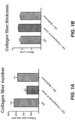
- examples 1 and 2 where biochemical assessment of hydroxyproline (HYP) content measuring collagen in the large vessels was used, SR morphometry quantifies the more functionally relevant sinusoidal collagen deposits. 10 areas per slide were measured using 100x magnification. Compound A at both low-(LD) and high- (HD) doses administered to CDAA/high-fat fed mice induced a significant decrease in the percentage surface area of hepatic fibrosis versus control (p ⁇ 0.001*** and 0.05* respectively). The effects of Compound A on hepatic fibrosis as measured by SR morphometry are shown in Table 5.
- lipidomic analysis of CS- and CDAA/high-fat fed mice (“CD") was performed in isolated liver tissue.
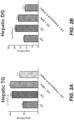
- Compound A significantly reduced the effects of choline deficiency as measured by hepatic triglyceride (TG) ( Fig. 2A ), hepatic diglycerides (DG) ( Fig. 2B ), hepatic free fatty acids (FFA) ( Fig. 2C ) or cholesteryl ester ( Fig. 2D ).
- TG hepatic triglyceride
- DG hepatic diglycerides
- FFA hepatic free fatty acids
- Fig. 2D cholesteryl ester
- treatment with equimolar amount of EPA did not reduce the increase in hepatic TG, DG, FFA or cholesteryl ester associated with a choline deficient diet.
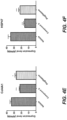
- Figs. 4A-4F The effects of 4 weeks treatment with either Compound A (112 mg/kg) or pioglitazone (30 mg/kg) on fibrogenic and fibrolytic gene expression in ob / ob AMLN mice isolated liver samples are shown in Figs. 4A-4F .
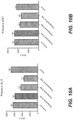
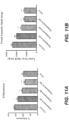
- Compound A significantly reduced the expression of canonical genes regulating hepatic fibrogenesis including platelet-derived growth factor-beta (PDGF- ⁇ ) ( Fig 4A ), platelet-derived growth factor receptor- ⁇ (PDGFR- ⁇ ) ( Fig 4B ), collagen-1 a1 (col1A1) ( Fig. 4C ), col3A1 ( Fig. 4D ), col4A1 ( Fig.
- Pioglitazone significantly reduced the expression of the examined collagen isoforms (col1A1, col3A1, col4A1) and HSP47 but had no effect on PDGF- ⁇ or PDGFR- ⁇ expression.
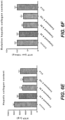
- Figs. 5A-5D with respect to genes regulating extracellular matrix (ECM) stability or fibrolysis, 4 weeks of treatment with Compound A significantly reduced the hepatic expression of lysyl-oxidase (LOX) ( Fig. 5A ), LOX-like 2 (LOXL2) ( Fig. 5B ), and LOXL1 ( Fig. 5C ), as well as the tissue-inhibitor of metalloproteinase (TIMP1) ( Fig. 5D ) in ob / ob AMLN mice. Pioglitazone also significantly reduced transcript levels of these transcripts, although the effect was milder than the effect obtained with Compound A.
- LOX lysyl-oxidase
- Fig. 5B LOX-like 2
- LOXL1 Fig. 5C
- TRIP1 tissue-inhibitor of metalloproteinase
- Pioglitazone also significantly reduced transcript levels of these transcripts, although the effect
- Compound A significantly reduced expression of inflammatory genes as compared with vehicle-administered control mice.
- Compound A reduced transcript levels of both transforming-growth factor beta 1 (TGF- ⁇ 1) (p ⁇ 0.05) and TGF- ⁇ 1 receptor (TGFR ⁇ ) (p ⁇ 0.01) as shown in Fig. 8A and Fig. 8B , respectively.
- TGF- ⁇ 1 transforming-growth factor beta 1
- TGFR ⁇ TGF- ⁇ 1 receptor
- ALT plasma alanine aminotransferase
- AST aspartate transaminase
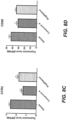
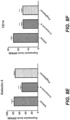
- both Compound A and OCA significantly reduced steatosis in ob / ob AMLN mice after 8 weeks of administration (expressed either as percent area or total lipid content), with OCA demonstrating comparable efficacy with the highest dose (135 mg/kg) of Compound A (both p ⁇ 0.001).
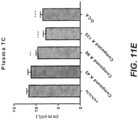
- both OCA and Compound A demonstrated comparable reductions in plasma triglyceride and total cholesterol levels as shown in Fig. 11D and Fig. 11E .
- OCA treatment, but not Compound A showed reduced total hepatic cholesterol content (p ⁇ 0.01) ( Fig. 11C ).
- Table 9 Hepatic fibrosis related gene expression (TIMP-1a mRNA) Compound TIMP-1a (relative mRNA expression) CSAA (high-fat choline sufficient control) 1 CDAA (choline deficient) 6.7 CDAA + Compound A 2*** CDAA + GLP-1a 2.4*** CDAA + Compound A + GLP-1a 0.76***
- Biological example 26 A Multi-Centre, Randomised, Double-Blind, Placebo-Controlled, Parallel Group Study of Compound A in Patients with Non-alcoholic Steatohepatitis (NASH)
- NASH Non-alcoholic Steatohepatitis
- the goals of this clinical trial are to evaluate the efficacy of different doses of Compound A in resolving NASH in patients without worsening fibrosis and to determine the safety and tolerability of Compound A in patients suffering from NASH.
- Group 1 is administered placebo Compound A
- group 2 is administered 300 mg of Compound A
- group 3 is administered 600 mg of Compound A.
- Compound A or placebo is administered once daily in one (300 mg) or two (600 mg) capsules for 52 weeks.
- Efficacy of treatment with Compound A is assessed, e.g., by NAS score from liver biopsies, MRI LiverMultiScan assessment PDFF and cT1, liver function tests, HOMA-IR, and biomarkers of inflammation and fibrosis (including hsCRP, Pro-C3, ELF panel, and other suitable biomarkers).
- Safety and tolerability are assessed by adverse event reporting, monitoring of vital signs, physical examination, haematology and biochemistry (renal, liver), urinalysis, and resting 12 lead ECGs.
- Blood pressure is monitored by three sitting blood pressure readings that are taken at each visit.
- the study is performed for 58 weeks and 10 clinical visits per patient, including screening, a double-blind treatment period, and post-treatment follow-up. Procedures performed at each visit are described below and summarized in Table 13.
- Secondary endpoints for efficacy of Compound A are change from baseline in NAS score, changes in individual histological scores for steatosis, ballooning, inflammation and fibrosis, changes in liver enzymes, changes in imaging parameters, and changes in biomarkers (including hsCRP, Pro-C3, ELF panel, and cytokines.
- Secondary endpoints for safety/tolerability include reported adverse events, laboratory values (haematology, biochemistry, and urinalysis), vital signs (blood pressure, pulse rate and temperature), and hsCRP.
- Secondary endpoints for pharmacokinetics include comparison of mean trough plasma concentrations at steady state for the 3 doses of Compound A taken at visits 4, 5, 6, 7 and 8.
- a sample size of 88 patients per group provides 80% power to detect a 40% responder rate for active vs placebo assuming a placebo response rate of 18% and a dropout rate of 25%. Following a 16-week interim analysis, a sample size re-estimation may be made. Efficacy analysis is performed on a modified intention to treat population consisting of those with a baseline and at least one post baseline efficacy measurement. Comparisons are made between each individual dose and placebo.
Landscapes
- Health & Medical Sciences (AREA)
- Chemical & Material Sciences (AREA)
- Life Sciences & Earth Sciences (AREA)
- Animal Behavior & Ethology (AREA)
- Pharmacology & Pharmacy (AREA)
- Medicinal Chemistry (AREA)
- General Health & Medical Sciences (AREA)
- Public Health (AREA)
- Veterinary Medicine (AREA)
- Epidemiology (AREA)
- Organic Chemistry (AREA)
- Engineering & Computer Science (AREA)
- Bioinformatics & Cheminformatics (AREA)
- Gastroenterology & Hepatology (AREA)
- General Chemical & Material Sciences (AREA)
- Chemical Kinetics & Catalysis (AREA)
- Nuclear Medicine, Radiotherapy & Molecular Imaging (AREA)
- Immunology (AREA)
- Proteomics, Peptides & Aminoacids (AREA)
- Endocrinology (AREA)
- Zoology (AREA)
- Physiology (AREA)
- Nutrition Science (AREA)
- Acyclic And Carbocyclic Compounds In Medicinal Compositions (AREA)
- Pharmaceuticals Containing Other Organic And Inorganic Compounds (AREA)
- Medicines That Contain Protein Lipid Enzymes And Other Medicines (AREA)
- Heterocyclic Carbon Compounds Containing A Hetero Ring Having Nitrogen And Oxygen As The Only Ring Hetero Atoms (AREA)
- Saccharide Compounds (AREA)
- Organic Low-Molecular-Weight Compounds And Preparation Thereof (AREA)
- Epoxy Compounds (AREA)
Priority Applications (1)
| Application Number | Priority Date | Filing Date | Title |
|---|---|---|---|
| HRP20241643TT HRP20241643T1 (hr) | 2017-12-06 | 2018-12-05 | Derivati masnih kiselina za liječenje nealkoholnog steatohepatitisa |
Applications Claiming Priority (4)
| Application Number | Priority Date | Filing Date | Title |
|---|---|---|---|
| NO20171944 | 2017-12-06 | ||
| NO20171945 | 2017-12-06 | ||
| US201862743013P | 2018-10-09 | 2018-10-09 | |
| PCT/IB2018/001459 WO2019111048A1 (en) | 2017-12-06 | 2018-12-05 | Fatty acid derivatives for treating non-alcoholic steatohepatitis |
Publications (2)
| Publication Number | Publication Date |
|---|---|
| EP3720431A1 EP3720431A1 (en) | 2020-10-14 |
| EP3720431B1 true EP3720431B1 (en) | 2024-10-30 |
Family
ID=65012040
Family Applications (1)
| Application Number | Title | Priority Date | Filing Date |
|---|---|---|---|
| EP18833289.4A Active EP3720431B1 (en) | 2017-12-06 | 2018-12-05 | Fatty acid derivatives for treating non-alcoholic steatohepatitis |
Country Status (18)
| Country | Link |
|---|---|
| US (2) | US11925614B2 (https=) |
| EP (1) | EP3720431B1 (https=) |
| JP (2) | JP7346408B2 (https=) |
| KR (1) | KR20200096791A (https=) |
| CN (1) | CN111712240A (https=) |
| AU (2) | AU2018381124B2 (https=) |
| BR (1) | BR112020011431A2 (https=) |
| CA (1) | CA3084728A1 (https=) |
| CL (1) | CL2020001504A1 (https=) |
| ES (1) | ES2996688T3 (https=) |
| HR (1) | HRP20241643T1 (https=) |
| HU (1) | HUE069832T2 (https=) |
| IL (2) | IL308604B2 (https=) |
| MX (1) | MX2020005621A (https=) |
| PH (1) | PH12020550784A1 (https=) |
| PT (1) | PT3720431T (https=) |
| SG (1) | SG11202005007VA (https=) |
| WO (1) | WO2019111048A1 (https=) |
Families Citing this family (15)
| Publication number | Priority date | Publication date | Assignee | Title |
|---|---|---|---|---|
| ES2980790T3 (es) | 2015-04-28 | 2024-10-03 | Basf As | Acidos grasos estructuralmente mejorados que contienen azufre para su uso en el tratamiento de la esteatohepatitis no alcohólica |
| CN111201030B (zh) | 2017-07-25 | 2024-11-01 | 真和制药有限公司 | 通过阻断tim-3和其配体的相互作用治疗癌症 |
| JP2020532551A (ja) | 2017-09-03 | 2020-11-12 | アンジオン バイオメディカ コーポレーション | Rho関連コイルドコイルキナーゼ(ROCK)阻害剤としてのビニルヘテロ環 |
| IL308604B2 (en) | 2017-12-06 | 2025-08-01 | Basf As | Fatty acid derivatives for treating non-alcoholic steatohepatitis |
| WO2020160156A2 (en) | 2019-01-30 | 2020-08-06 | Immutics, Inc. | Anti-gal3 antibodies and uses thereof |
| KR20220017917A (ko) | 2019-05-08 | 2022-02-14 | 알리고스 테라퓨틱스 인코포레이티드 | Thr-베타의 조절제 및 이의 사용 방법 |
| CN114470217B (zh) * | 2020-11-24 | 2023-06-20 | 深圳微芯生物科技股份有限公司 | 预防和治疗代谢异常或炎症引起的组织损伤的药物组合物 |
| WO2022137125A1 (en) | 2020-12-22 | 2022-06-30 | Northsea Therapeutics B.V. | Combination therapies comprising oxygen-containing structurally enhanced fatty acids for treatment of non-alcoholic steatohepatitis |
| MX2023010537A (es) * | 2021-03-08 | 2023-11-28 | Abionyx Pharma Sa | Compuestos útiles para tratar enfermedades del hígado. |
| CN113855812B (zh) * | 2021-12-01 | 2022-03-11 | 上海翰森生物医药科技有限公司 | 聚乙二醇洛塞那肽或其药物组合物的新医药用途 |
| JP2025541481A (ja) | 2022-12-20 | 2025-12-18 | ティーエイチファーム コーポレーション | ナトリウム-グルコース共輸送体-2阻害剤およびアンジオテンシンii受容体遮断剤を含む非アルコール性脂肪性肝疾患の予防または治療用薬学的組成物 |
| WO2025106728A1 (en) * | 2023-11-14 | 2025-05-22 | The Saban Research Institute; Children's Hospital Los Angeles | Uses of lysophosphatidic acid receptor 1 antagonists |
| WO2025254426A1 (ko) | 2024-06-03 | 2025-12-11 | 주식회사 티에치팜 | 엠파글리플로진 및 텔미사르탄을 함유하는 대사이상 관련 지방성 간질환 예방 또는 치료용 약학적 조성물 |
| KR20250178400A (ko) * | 2024-06-19 | 2025-12-29 | 한국과학기술연구원 | 홍삼박 유래 진토닌을 유효성분으로 포함하는 지방간 질환의 예방, 개선, 또는 치료용 조성물 |
| CN119019255A (zh) * | 2024-08-16 | 2024-11-26 | 合肥工业大学 | 一种dha分子活性探针及其制备方法和应用 |
Family Cites Families (99)
| Publication number | Priority date | Publication date | Assignee | Title |
|---|---|---|---|---|
| US2909554A (en) | 1956-07-23 | 1959-10-20 | Monsanto Chemicals | Process for the manufacture of (alkylmercapto) alkyl sulfates |
| JPS4839001B1 (https=) | 1970-11-09 | 1973-11-21 | ||
| US4040781A (en) | 1974-06-06 | 1977-08-09 | Lever Brothers Company | Novel 2-(alkylsulfinyl)ethyl sulfates and compositions employing same |
| US4032564A (en) | 1974-09-09 | 1977-06-28 | Zoecon Corporation | Esters of cyclopropylalkanols |
| GB1523276A (en) | 1974-09-20 | 1978-08-31 | Lafon Labor | Sulphur-containing amino compounds |
| US4009211A (en) | 1975-07-29 | 1977-02-22 | Gulf Research & Development Company | Beta,beta-dialkylethylmercaptoethoxylate as new compounds |
| US4209410A (en) | 1976-04-28 | 1980-06-24 | Phillips Petroleum Company | Lubricants |
| DE2861974D1 (en) | 1977-11-11 | 1982-09-16 | Ciba Geigy Ag | Pyridine dicarboxylic acid derivatives, their mixtures with metallic stabilisers and their use in stabilising chlorine-containing thermoplasts |
| JPS5570841A (en) | 1978-11-24 | 1980-05-28 | Konishiroku Photo Ind Co Ltd | Forming method of dye image |
| US4368190A (en) | 1980-04-17 | 1983-01-11 | Merck & Co., Inc. | Immunologically active dipeptidyl 4-O-,6-O-acyl-2-amino-2-deoxy-D-glucose derivatives and methods for their preparation |
| EP0050327B1 (de) | 1980-10-21 | 1984-06-20 | Roche Diagnostics GmbH | Neue schwefelhaltige Phospholipide, Verfahren zu deren Herstellung und diese Verbindungen enthaltende Arzneimittel |
| US4411808A (en) | 1982-08-04 | 1983-10-25 | Exxon Research & Engineering Co. | Multifunctional additive for power transmission shift fluids |
| JPS60100516A (ja) | 1983-11-04 | 1985-06-04 | Takeda Chem Ind Ltd | 徐放型マイクロカプセルの製造法 |
| US4775223A (en) | 1984-09-20 | 1988-10-04 | Canon Kabushiki Kaisha | Lactic acid derivative, liquid crystal composition containing same and liquid crystal device |
| CA2010000A1 (en) | 1989-04-07 | 1990-10-07 | Paul B. Merkel | Photographic recording material containing a cyan dye-forming coupler |
| JPH0451149A (ja) | 1990-06-19 | 1992-02-19 | Fuji Photo Film Co Ltd | ハロゲン化銀カラー写真感光材料 |
| FR2663928B1 (fr) | 1990-06-27 | 1994-04-08 | Norsolor | Nouveaux composes acryliques soufres, un procede pour leur preparation et leur application a la synthese de nouveaux polymeres. |
| EP0487809A1 (en) | 1990-11-28 | 1992-06-03 | Monsanto Europe S.A./N.V. | Rubber compositions having improved processability and improved rubber-vulcanisate properties |
| CH683149A5 (fr) | 1991-07-22 | 1994-01-31 | Debio Rech Pharma Sa | Procédé pour la préparation de microsphères en matériau polymère biodégradable. |
| JPH0543529A (ja) | 1991-08-10 | 1993-02-23 | Taisho Pharmaceut Co Ltd | アルカンアミドアンモニウム化合物 |
| JP2793458B2 (ja) | 1992-03-19 | 1998-09-03 | 三井化学株式会社 | コネクター用ポリアミド系樹脂組成物およびコネクター |
| JP2755279B2 (ja) | 1992-03-19 | 1998-05-20 | 三井化学株式会社 | 熱可塑性樹脂組成物およびその成形体 |
| CA2164717C (en) | 1993-06-10 | 2009-10-20 | Louis S. Kucera | Method of combatting hepatitis b virus infection |
| JP3110918B2 (ja) | 1993-06-18 | 2000-11-20 | 富士写真フイルム株式会社 | ハロゲン化銀写真感光材料 |
| US5523430A (en) | 1994-04-14 | 1996-06-04 | Bristol-Myers Squibb Company | Protein farnesyl transferase inhibitors |
| GB2290789B (en) | 1994-07-01 | 1998-09-16 | Ciba Geigy Ag | Titanium and zirconium complexes of carboxylic acids as corrosion inhibitors |
| JPH10507179A (ja) | 1994-10-13 | 1998-07-14 | ペプチド テクノロジー リミテッド | 修飾ポリ不飽和脂肪酸 |
| US7517858B1 (en) | 1995-06-07 | 2009-04-14 | The Regents Of The University Of California | Prodrugs of pharmaceuticals with improved bioavailability |
| FR2741619B1 (fr) | 1995-11-28 | 1998-02-13 | Pf Medicament | Nouveaux derives de 2,3,5-trimethyl-4-hydroxy-anilides, leur preparation et leur application en therapeutique |
| WO1997038688A1 (en) | 1996-04-12 | 1997-10-23 | Peptide Technology Pty. Limited | Methods of treating immunopathologies using polyunsaturated fattyacids |
| US6060515A (en) | 1997-01-24 | 2000-05-09 | The Regents Of The University Of California | Treatment of skin conditions by use of PPARα activators |
| CN1248916A (zh) | 1997-01-24 | 2000-03-29 | 加利福尼亚大学董事会 | FXR、PPARα和LXRα激活剂恢复屏障功能、促进表皮分化和抑制增生的用途 |
| AU4806497A (en) | 1997-10-01 | 1999-04-23 | Procter & Gamble Company, The | Glyoxylic compound comprising one or more active ingredient |
| JPH11180929A (ja) | 1997-12-19 | 1999-07-06 | Asahi Glass Co Ltd | エステル誘導体 |
| WO1999058120A1 (en) | 1998-05-08 | 1999-11-18 | Rolf Berge | USE OF NON-β-OXIDIZABLE FATTY ACID ANALOGUES FOR TREATMENT OF SYNDROME-X CONDITIONS |
| FR2786187B1 (fr) | 1998-11-19 | 2001-11-09 | Univ Paris Curie | Composes du type 2-acylamino-2-deoxy-glucono-1,5-lactone, procede d'obtention, compositions les comportant et utilisations |
| FR2792312B1 (fr) | 1999-04-15 | 2001-06-08 | Oreal | Composes (poly)thia-alcynoiques et leurs derives, compositions les comprenant et leur utilisation |
| US6723717B1 (en) | 1999-06-01 | 2004-04-20 | The University Of Texas Southwestern Medical Center | Sulfur-containing thyroxane derivatives and their use as hair growth promotors |
| JP2003500459A (ja) | 1999-06-01 | 2003-01-07 | ザ・ユニバーシティ・オブ・テキサス・サウスウエスタン・メディカル・センター | 置換バイアリールエーテル化合物 |
| AUPQ291499A0 (en) | 1999-09-17 | 1999-10-07 | Women's And Children's Hospital Adelaide | Novel nitro and sulphur containing compounds |
| NO328803B1 (no) | 2000-03-03 | 2010-05-18 | Thia Medica | Nye fettsyreanaloger |
| UA75083C2 (uk) | 2000-06-22 | 2006-03-15 | Тераванс, Інк. | Похідні глікопептидфосфонатів |
| FR2828487B1 (fr) | 2001-08-09 | 2005-05-27 | Genfit S A | Nouveaux composes derives d'acides gras, preparation et utilisations |
| JP2005514437A (ja) | 2001-12-21 | 2005-05-19 | スリーエム イノベイティブ プロパティズ カンパニー | イオン対複合体を含む医薬用エアロゾル製剤 |
| GB2383355A (en) | 2001-12-22 | 2003-06-25 | Schlumberger Holdings | An aqueous viscoelastic fluid containing hydrophobically modified polymer and viscoelastic surfactant |
| GB0202002D0 (en) | 2002-01-29 | 2002-03-13 | Leiv Eiriksson Nyotek A S | Use |
| WO2003064707A1 (en) | 2002-01-31 | 2003-08-07 | Tfl Ledertechnik Gmbh | Compositions and its use for imparting water repellency to leather or furskins, textiles and other fibrous materials |
| AU2003251518B2 (en) | 2002-06-13 | 2009-07-02 | New York University | Synthetic C-glycolipid and its use for treating cancer infectious diseases and autoimmune diseases |
| FR2845991B1 (fr) | 2002-10-16 | 2005-02-04 | Pf Medicament | Derives d'alpha-phenyl acetanilides et leur application en therapeutique humaine |
| US8372430B2 (en) | 2002-12-17 | 2013-02-12 | The Procter & Gamble Company | Compositions, methods, and kits useful for the alleviation of gastrointestinal effects |
| JPWO2004076404A1 (ja) | 2003-02-28 | 2006-06-01 | 株式会社カネカ | 2位に置換基を有する光学活性化合物の製造法 |
| DE10326303A1 (de) | 2003-06-11 | 2004-12-30 | Celares Gmbh | Reagenzien zur Modifikation von Biopharmazeutika, deren Herstellung und Anwendung |
| US20090215895A1 (en) | 2004-01-30 | 2009-08-27 | Peplin Biolipids Pty Ltd | Therapeutic and carrier molecules |
| JP4563114B2 (ja) | 2004-08-30 | 2010-10-13 | 出光興産株式会社 | 潤滑剤用添加剤 |
| US20060252670A1 (en) | 2004-10-14 | 2006-11-09 | Intercept Pharmaceuticals Inc. | Method of reducing drug-induced adverse side effects in a patient |
| KR20070108194A (ko) | 2005-03-08 | 2007-11-08 | 시바 스폐셜티 케미칼스 홀딩 인코포레이티드 | 특정 n-아실아미노메틸렌 포스포네이트에 의해 코팅된금속 산화물 나노입자 |
| CN101213281B (zh) | 2005-05-04 | 2013-03-13 | 普罗诺瓦生物医药挪威公司 | 新的dha衍生物及其作为药物的用途 |
| WO2006117668A1 (en) | 2005-05-04 | 2006-11-09 | Pronova Biopharma Norge As | Fatty acid analogues, i.e. dha derivatives for uses as a medicament |
| JP4315134B2 (ja) | 2005-07-06 | 2009-08-19 | セイコーエプソン株式会社 | 電子機器 |
| US20070167529A1 (en) | 2006-01-17 | 2007-07-19 | Walton Rebecca A | Antimicrobial compositions for treating fabrics and surfaces |
| ES2391305T3 (es) | 2006-04-12 | 2012-11-23 | Unilever N.V. | Composición oral que comprende un ácido graso poliinsaturado y ácido salicílico para obtener un efecto antiinflamatorio en la piel |
| EP1849449A1 (en) | 2006-04-26 | 2007-10-31 | 3M Innovative Properties Company | Filler containing composition and process for production and use thereof |
| US7763607B2 (en) | 2006-04-27 | 2010-07-27 | Solvay Pharmaceuticals Gmbh | Pharmaceutical compositions comprising CBx cannabinoid receptor modulators and potassium channel modulators |
| US20080075692A1 (en) | 2006-05-09 | 2008-03-27 | Perrine Susan P | Methods for treating blood disorders |
| MX2009004337A (es) | 2006-11-01 | 2009-05-22 | Pronova Biopharma Norge As | Compuestos lipidos omega-3. |
| KR101438177B1 (ko) | 2006-11-01 | 2014-09-05 | 프로노바 바이오파마 너지 에이에스 | 페록시솜 증식자-활성화 수용체의 활성자 또는 조절자인 알파-치환된 오메가-3 지질 |
| WO2008053340A1 (en) | 2006-11-03 | 2008-05-08 | Pronova Biopharma Norge As | A combination product comprising at least one lipid substituted in the alpha position and at least one hypoglycemic agent |
| CN101225064A (zh) | 2007-01-19 | 2008-07-23 | 上海汇瑞生物科技有限公司 | 一种制备β-硫杂-α-烷基脂肪酸的新方法 |
| DE102007017179A1 (de) | 2007-04-12 | 2008-10-23 | Clariant International Ltd. | Verfahren zur Herstellung von Alkylpolyglykolcarbonsäuren und Polyglykoldicarbonsäuren mittels Direktoxidation |
| WO2009056983A1 (en) | 2007-10-31 | 2009-05-07 | Pronova Biopharma Norge As | New dha derivatives and their use as medicaments |
| WO2009061208A1 (en) | 2007-11-09 | 2009-05-14 | Pronova Biopharma Norge As | Lipid compounds for use in cosmetic products, as food supplement or as a medicament |
| PE20100156A1 (es) | 2008-06-03 | 2010-02-23 | Boehringer Ingelheim Int | Tratamiento de nafld |
| WO2009149496A1 (en) | 2008-06-10 | 2009-12-17 | Central Northern Adelaide Health Service | Treatment of diabetes and complications thereof and related disorders |
| FR2933006B1 (fr) | 2008-06-27 | 2010-08-20 | Inst Francais Du Petrole | Solution absorbante contenant un inhibiteur de degradation soufre a groupement carboxyle et methode pour limiter la degradation d'une solution absorbante |
| DK2315740T3 (en) | 2008-07-08 | 2018-01-08 | Catabasis Pharmaceuticals Inc | Fatty Acid Acetylated Salicylates and Their Uses |
| EP2147910A1 (en) | 2008-07-15 | 2010-01-27 | Pronova BioPharma Norge AS | Novel lipid compounds |
| SG175390A1 (en) * | 2009-04-29 | 2011-12-29 | Amarin Corp Plc | Pharmaceutical compositions comprising epa and a cardiovascular agent and methods of using the same |
| BRPI1015120B8 (pt) | 2009-05-08 | 2022-02-15 | Basf As | Composto lipídico alfa-substituídos, derivados de ácidos graxos beta-oxo poli-insaturados, composição farmacêutica e lipídica e métodos para produzir composto lipídico e ácido 2-((5z,8z,11z,14z,17z)-icosa-5,8,11,14,17-pentaeniloxi)butanóico |
| EP2248798A1 (en) | 2009-05-08 | 2010-11-10 | Pronova BioPharma Norge AS | Novel lipid compounds |
| WO2011028689A1 (en) | 2009-09-01 | 2011-03-10 | Catabasis Pharmaceuticals, Inc. | Fatty acid niacin conjugates and their uses |
| EP2526084A1 (en) | 2010-01-20 | 2012-11-28 | Pronova BioPharma Norge AS | Salicylate fatty acid derivatives |
| ES2618604T3 (es) | 2010-11-05 | 2017-06-21 | Pronova Biopharma Norge As | Métodos de tratamiento usando compuestos lipídicos |
| WO2012115695A1 (en) | 2011-02-25 | 2012-08-30 | Catabasis Pharmaceuticals, Inc. | Bis-fatty acid conjugates and their uses |
| WO2014045293A1 (en) | 2012-09-24 | 2014-03-27 | Krisani Bioscience (P) Ltd. | Fatty acid amides with a cysteamine or an acetylated cysteamine group and uses thereof |
| WO2013016531A2 (en) | 2011-07-26 | 2013-01-31 | Purdue Research Foundation | Compounds and methods for use in treating neoplasia and cancer |
| US20130172244A1 (en) | 2011-12-29 | 2013-07-04 | Thomas Klein | Subcutaneous therapeutic use of dpp-4 inhibitor |
| EP2846779A4 (en) | 2012-05-07 | 2015-12-16 | Omthera Pharmaceuticals Inc | STATIN AND OMEGA-3 FATTY ACID COMPOSITIONS |
| US9486433B2 (en) * | 2012-10-12 | 2016-11-08 | Mochida Pharmaceuticals Co. Ltd. | Compositions and methods for treating non-alcoholic steatohepatitis |
| GB201301626D0 (en) | 2013-01-30 | 2013-03-13 | Dignity Sciences Ltd | Composition comprising 15-OHEPA and methods of using the same |
| MX377728B (es) * | 2013-02-28 | 2025-03-11 | Pronova Biopharma Norge As | Composición que comprende un compuesto lípido, un triglicerido y un tensioactivo, y métodos de uso de la misma. |
| PL2961727T3 (pl) | 2013-02-28 | 2017-06-30 | Pronova Biopharma Norge As | Sposób wytwarzania kwasu 2-((5Z,8Z, 11Z,14Z,17Z)-ejkoza-5,8,11,14,17-pentaenyloksy)butanowego |
| US9889108B2 (en) * | 2013-03-15 | 2018-02-13 | Mochida Pharmaceutical Co., Ltd. | Compositions and methods for treating non-alcoholic steatohepatitis |
| US10441560B2 (en) * | 2013-03-15 | 2019-10-15 | Mochida Pharmaceutical Co., Ltd. | Compositions and methods for treating non-alcoholic steatohepatitis |
| WO2015053379A1 (en) * | 2013-10-07 | 2015-04-16 | Mochida Pharmaceutical Co., Ltd. | Compositions and methods for treating non-alcoholic steatohepatitis |
| KR102374499B1 (ko) | 2014-04-11 | 2022-03-14 | 사이머베이 쎄라퓨틱스, 인코퍼레이티드 | Nafld 및 nash 의 치료 |
| US9814726B2 (en) * | 2014-04-18 | 2017-11-14 | Lg Chem, Ltd. | Composition for preventing or treating fatty liver diseases |
| KR20180010181A (ko) | 2015-04-01 | 2018-01-30 | 프로노바 바이오파마 너지 에이에스 | Apo c3 의 저하를 위한 티아 옥소 화합물의 용도 |
| ES2980790T3 (es) | 2015-04-28 | 2024-10-03 | Basf As | Acidos grasos estructuralmente mejorados que contienen azufre para su uso en el tratamiento de la esteatohepatitis no alcohólica |
| IL308604B2 (en) * | 2017-12-06 | 2025-08-01 | Basf As | Fatty acid derivatives for treating non-alcoholic steatohepatitis |
-
2018
- 2018-12-05 IL IL308604A patent/IL308604B2/en unknown
- 2018-12-05 ES ES18833289T patent/ES2996688T3/es active Active
- 2018-12-05 KR KR1020207018567A patent/KR20200096791A/ko not_active Ceased
- 2018-12-05 IL IL275002A patent/IL275002B2/en unknown
- 2018-12-05 HR HRP20241643TT patent/HRP20241643T1/hr unknown
- 2018-12-05 PT PT188332894T patent/PT3720431T/pt unknown
- 2018-12-05 CA CA3084728A patent/CA3084728A1/en active Pending
- 2018-12-05 CN CN201880079329.8A patent/CN111712240A/zh active Pending
- 2018-12-05 AU AU2018381124A patent/AU2018381124B2/en active Active
- 2018-12-05 HU HUE18833289A patent/HUE069832T2/hu unknown
- 2018-12-05 US US16/769,659 patent/US11925614B2/en active Active
- 2018-12-05 MX MX2020005621A patent/MX2020005621A/es unknown
- 2018-12-05 PH PH1/2020/550784A patent/PH12020550784A1/en unknown
- 2018-12-05 WO PCT/IB2018/001459 patent/WO2019111048A1/en not_active Ceased
- 2018-12-05 EP EP18833289.4A patent/EP3720431B1/en active Active
- 2018-12-05 SG SG11202005007VA patent/SG11202005007VA/en unknown
- 2018-12-05 BR BR112020011431-6A patent/BR112020011431A2/pt unknown
- 2018-12-05 JP JP2020530675A patent/JP7346408B2/ja active Active
-
2020
- 2020-06-05 CL CL2020001504A patent/CL2020001504A1/es unknown
-
2023
- 2023-09-06 JP JP2023144093A patent/JP7717765B2/ja active Active
-
2024
- 2024-01-22 US US18/418,901 patent/US12440466B2/en active Active
- 2024-09-18 AU AU2024219827A patent/AU2024219827A1/en active Pending
Also Published As
| Publication number | Publication date |
|---|---|
| HRP20241643T1 (hr) | 2025-02-14 |
| HUE069832T2 (hu) | 2025-04-28 |
| IL275002B2 (en) | 2024-04-01 |
| AU2018381124B2 (en) | 2024-06-27 |
| EP3720431A1 (en) | 2020-10-14 |
| JP2023182579A (ja) | 2023-12-26 |
| JP2021505591A (ja) | 2021-02-18 |
| IL275002A (en) | 2020-07-30 |
| JP7717765B2 (ja) | 2025-08-04 |
| US11925614B2 (en) | 2024-03-12 |
| IL308604A (en) | 2024-01-01 |
| CA3084728A1 (en) | 2019-06-13 |
| AU2024219827A1 (en) | 2024-10-10 |
| RU2020122008A (ru) | 2022-01-10 |
| MX2020005621A (es) | 2020-08-20 |
| US20240156769A1 (en) | 2024-05-16 |
| KR20200096791A (ko) | 2020-08-13 |
| BR112020011431A2 (pt) | 2020-11-24 |
| CN111712240A (zh) | 2020-09-25 |
| AU2018381124A1 (en) | 2020-06-04 |
| JP7346408B2 (ja) | 2023-09-19 |
| PT3720431T (pt) | 2024-12-05 |
| WO2019111048A1 (en) | 2019-06-13 |
| US12440466B2 (en) | 2025-10-14 |
| IL308604B1 (en) | 2025-04-01 |
| IL275002B1 (en) | 2023-12-01 |
| US20210177794A1 (en) | 2021-06-17 |
| CL2020001504A1 (es) | 2020-11-13 |
| SG11202005007VA (en) | 2020-06-29 |
| IL308604B2 (en) | 2025-08-01 |
| PH12020550784A1 (en) | 2021-04-12 |
| ES2996688T3 (en) | 2025-02-13 |
Similar Documents
| Publication | Publication Date | Title |
|---|---|---|
| EP3720431B1 (en) | Fatty acid derivatives for treating non-alcoholic steatohepatitis | |
| WO2019147503A1 (en) | Synthesis of 3-hydroxybutyryl 3-hydroxybutyrate and related compounds | |
| US20200085784A1 (en) | Methods to treat fibrosis, nash, and nafld | |
| CN116492339A (zh) | 一种组合物及其用途、药物制剂 | |
| US20180110747A1 (en) | Use of thia oxo compounds for lowering apo c3 | |
| HK40037101B (en) | Fatty acid derivatives for treating non-alcoholic steatohepatitis | |
| HK40037101A (en) | Fatty acid derivatives for treating non-alcoholic steatohepatitis | |
| RU2820995C2 (ru) | Структурно усиленные жирные кислоты, содержащие кислород, для лечения неалкогольного стеатогепатита | |
| JP2019535795A (ja) | 口腔感染症の処置のための組成物及び方法 | |
| US20240325336A1 (en) | Combination therapies comprising oxygen-containing structurally enhanced fatty acids for treatment of non-alcoholic steatohepatitis | |
| WO2019224602A2 (en) | Structurally modified fatty acids for improving glycemic control and treating inflammatory bowel disease | |
| JP7341916B2 (ja) | アポc3を低下させるためのチアオキソ化合物の使用 | |
| CA2886957C (en) | Use of thia oxo compounds for lowering apo c3 | |
| BR102015007435A2 (pt) | uso de compostos tia oxo para diminuir apo c3 |
Legal Events
| Date | Code | Title | Description |
|---|---|---|---|
| REG | Reference to a national code |
Ref country code: HR Ref legal event code: TUEP Ref document number: P20241643T Country of ref document: HR |
|
| STAA | Information on the status of an ep patent application or granted ep patent |
Free format text: STATUS: UNKNOWN |
|
| STAA | Information on the status of an ep patent application or granted ep patent |
Free format text: STATUS: THE INTERNATIONAL PUBLICATION HAS BEEN MADE |
|
| PUAI | Public reference made under article 153(3) epc to a published international application that has entered the european phase |
Free format text: ORIGINAL CODE: 0009012 |
|
| STAA | Information on the status of an ep patent application or granted ep patent |
Free format text: STATUS: REQUEST FOR EXAMINATION WAS MADE |
|
| 17P | Request for examination filed |
Effective date: 20200702 |
|
| AK | Designated contracting states |
Kind code of ref document: A1 Designated state(s): AL AT BE BG CH CY CZ DE DK EE ES FI FR GB GR HR HU IE IS IT LI LT LU LV MC MK MT NL NO PL PT RO RS SE SI SK SM TR |
|
| AX | Request for extension of the european patent |
Extension state: BA ME |
|
| DAV | Request for validation of the european patent (deleted) | ||
| DAX | Request for extension of the european patent (deleted) | ||
| REG | Reference to a national code |
Ref country code: HK Ref legal event code: DE Ref document number: 40037101 Country of ref document: HK |
|
| STAA | Information on the status of an ep patent application or granted ep patent |
Free format text: STATUS: EXAMINATION IS IN PROGRESS |
|
| 17Q | First examination report despatched |
Effective date: 20221019 |
|
| RIC1 | Information provided on ipc code assigned before grant |
Ipc: A61P 43/00 20060101ALI20240418BHEP Ipc: A61P 1/16 20060101ALI20240418BHEP Ipc: A61K 9/00 20060101ALI20240418BHEP Ipc: A61K 45/06 20060101ALI20240418BHEP Ipc: A61K 38/26 20060101ALI20240418BHEP Ipc: A61K 31/575 20060101ALI20240418BHEP Ipc: A61K 31/4439 20060101ALI20240418BHEP Ipc: A61K 31/202 20060101ALI20240418BHEP Ipc: A61K 31/201 20060101AFI20240418BHEP |
|
| GRAP | Despatch of communication of intention to grant a patent |
Free format text: ORIGINAL CODE: EPIDOSNIGR1 |
|
| STAA | Information on the status of an ep patent application or granted ep patent |
Free format text: STATUS: GRANT OF PATENT IS INTENDED |
|
| INTG | Intention to grant announced |
Effective date: 20240607 |
|
| RIN1 | Information on inventor provided before grant (corrected) |
Inventor name: SKJAERET, TORE Inventor name: FRASER, DAVID ALAN Inventor name: STEINEGER, HILDE HERMANSEN |
|
| GRAS | Grant fee paid |
Free format text: ORIGINAL CODE: EPIDOSNIGR3 |
|
| GRAA | (expected) grant |
Free format text: ORIGINAL CODE: 0009210 |
|
| STAA | Information on the status of an ep patent application or granted ep patent |
Free format text: STATUS: THE PATENT HAS BEEN GRANTED |
|
| AK | Designated contracting states |
Kind code of ref document: B1 Designated state(s): AL AT BE BG CH CY CZ DE DK EE ES FI FR GB GR HR HU IE IS IT LI LT LU LV MC MK MT NL NO PL PT RO RS SE SI SK SM TR |
|
| REG | Reference to a national code |
Ref country code: GB Ref legal event code: FG4D |
|
| REG | Reference to a national code |
Ref country code: CH Ref legal event code: EP |
|
| REG | Reference to a national code |
Ref country code: IE Ref legal event code: FG4D |
|
| REG | Reference to a national code |
Ref country code: DE Ref legal event code: R096 Ref document number: 602018076065 Country of ref document: DE |
|
| P01 | Opt-out of the competence of the unified patent court (upc) registered |
Free format text: CASE NUMBER: APP_57367/2024 Effective date: 20241021 |
|
| REG | Reference to a national code |
Ref country code: PT Ref legal event code: SC4A Ref document number: 3720431 Country of ref document: PT Date of ref document: 20241205 Kind code of ref document: T Free format text: AVAILABILITY OF NATIONAL TRANSLATION Effective date: 20241128 |
|
| REG | Reference to a national code |
Ref country code: NL Ref legal event code: FP |
|
| REG | Reference to a national code |
Ref country code: SE Ref legal event code: TRGR |
|
| REG | Reference to a national code |
Ref country code: HR Ref legal event code: ODRP Ref document number: P20241643T Country of ref document: HR Payment date: 20241202 Year of fee payment: 7 |
|
| REG | Reference to a national code |
Ref country code: ES Ref legal event code: FG2A Ref document number: 2996688 Country of ref document: ES Kind code of ref document: T3 Effective date: 20250213 |
|
| REG | Reference to a national code |
Ref country code: HR Ref legal event code: T1PR Ref document number: P20241643 Country of ref document: HR |
|
| REG | Reference to a national code |
Ref country code: LT Ref legal event code: MG9D |
|
| REG | Reference to a national code |
Ref country code: GR Ref legal event code: EP Ref document number: 20240402898 Country of ref document: GR Effective date: 20250211 |
|
| PG25 | Lapsed in a contracting state [announced via postgrant information from national office to epo] |
Ref country code: IS Free format text: LAPSE BECAUSE OF FAILURE TO SUBMIT A TRANSLATION OF THE DESCRIPTION OR TO PAY THE FEE WITHIN THE PRESCRIBED TIME-LIMIT Effective date: 20250228 |
|
| PG25 | Lapsed in a contracting state [announced via postgrant information from national office to epo] |
Ref country code: FI Free format text: LAPSE BECAUSE OF FAILURE TO SUBMIT A TRANSLATION OF THE DESCRIPTION OR TO PAY THE FEE WITHIN THE PRESCRIBED TIME-LIMIT Effective date: 20241030 |
|
| PG25 | Lapsed in a contracting state [announced via postgrant information from national office to epo] |
Ref country code: BG Free format text: LAPSE BECAUSE OF FAILURE TO SUBMIT A TRANSLATION OF THE DESCRIPTION OR TO PAY THE FEE WITHIN THE PRESCRIBED TIME-LIMIT Effective date: 20241030 |
|
| PG25 | Lapsed in a contracting state [announced via postgrant information from national office to epo] |
Ref country code: LV Free format text: LAPSE BECAUSE OF FAILURE TO SUBMIT A TRANSLATION OF THE DESCRIPTION OR TO PAY THE FEE WITHIN THE PRESCRIBED TIME-LIMIT Effective date: 20241030 |
|
| PG25 | Lapsed in a contracting state [announced via postgrant information from national office to epo] |
Ref country code: PL Free format text: LAPSE BECAUSE OF FAILURE TO SUBMIT A TRANSLATION OF THE DESCRIPTION OR TO PAY THE FEE WITHIN THE PRESCRIBED TIME-LIMIT Effective date: 20241030 |
|
| REG | Reference to a national code |
Ref country code: HU Ref legal event code: AG4A Ref document number: E069832 Country of ref document: HU |
|
| PG25 | Lapsed in a contracting state [announced via postgrant information from national office to epo] |
Ref country code: RS Free format text: LAPSE BECAUSE OF FAILURE TO SUBMIT A TRANSLATION OF THE DESCRIPTION OR TO PAY THE FEE WITHIN THE PRESCRIBED TIME-LIMIT Effective date: 20250130 |
|
| PG25 | Lapsed in a contracting state [announced via postgrant information from national office to epo] |
Ref country code: SM Free format text: LAPSE BECAUSE OF FAILURE TO SUBMIT A TRANSLATION OF THE DESCRIPTION OR TO PAY THE FEE WITHIN THE PRESCRIBED TIME-LIMIT Effective date: 20241030 |
|
| PG25 | Lapsed in a contracting state [announced via postgrant information from national office to epo] |
Ref country code: MC Free format text: LAPSE BECAUSE OF FAILURE TO SUBMIT A TRANSLATION OF THE DESCRIPTION OR TO PAY THE FEE WITHIN THE PRESCRIBED TIME-LIMIT Effective date: 20241030 |
|
| PG25 | Lapsed in a contracting state [announced via postgrant information from national office to epo] |
Ref country code: DK Free format text: LAPSE BECAUSE OF FAILURE TO SUBMIT A TRANSLATION OF THE DESCRIPTION OR TO PAY THE FEE WITHIN THE PRESCRIBED TIME-LIMIT Effective date: 20241030 |
|
| PG25 | Lapsed in a contracting state [announced via postgrant information from national office to epo] |
Ref country code: EE Free format text: LAPSE BECAUSE OF FAILURE TO SUBMIT A TRANSLATION OF THE DESCRIPTION OR TO PAY THE FEE WITHIN THE PRESCRIBED TIME-LIMIT Effective date: 20241030 |
|
| PG25 | Lapsed in a contracting state [announced via postgrant information from national office to epo] |
Ref country code: RO Free format text: LAPSE BECAUSE OF FAILURE TO SUBMIT A TRANSLATION OF THE DESCRIPTION OR TO PAY THE FEE WITHIN THE PRESCRIBED TIME-LIMIT Effective date: 20241030 |
|
| PG25 | Lapsed in a contracting state [announced via postgrant information from national office to epo] |
Ref country code: SK Free format text: LAPSE BECAUSE OF FAILURE TO SUBMIT A TRANSLATION OF THE DESCRIPTION OR TO PAY THE FEE WITHIN THE PRESCRIBED TIME-LIMIT Effective date: 20241030 |
|
| PG25 | Lapsed in a contracting state [announced via postgrant information from national office to epo] |
Ref country code: IT Free format text: LAPSE BECAUSE OF FAILURE TO SUBMIT A TRANSLATION OF THE DESCRIPTION OR TO PAY THE FEE WITHIN THE PRESCRIBED TIME-LIMIT Effective date: 20241030 |
|
| REG | Reference to a national code |
Ref country code: DE Ref legal event code: R097 Ref document number: 602018076065 Country of ref document: DE |
|
| PLBE | No opposition filed within time limit |
Free format text: ORIGINAL CODE: 0009261 |
|
| STAA | Information on the status of an ep patent application or granted ep patent |
Free format text: STATUS: NO OPPOSITION FILED WITHIN TIME LIMIT |
|
| 26N | No opposition filed |
Effective date: 20250731 |
|
| REG | Reference to a national code |
Ref country code: AT Ref legal event code: UEP Ref document number: 1736242 Country of ref document: AT Kind code of ref document: T Effective date: 20241030 |
|
| PGFP | Annual fee paid to national office [announced via postgrant information from national office to epo] |
Ref country code: PT Payment date: 20251110 Year of fee payment: 8 |
|
| REG | Reference to a national code |
Ref country code: HR Ref legal event code: ODRP Ref document number: P20241643 Country of ref document: HR Payment date: 20251110 Year of fee payment: 8 |
|
| REG | Reference to a national code |
Ref country code: CH Ref legal event code: U11 Free format text: ST27 STATUS EVENT CODE: U-0-0-U10-U11 (AS PROVIDED BY THE NATIONAL OFFICE) Effective date: 20260101 |
|
| PGFP | Annual fee paid to national office [announced via postgrant information from national office to epo] |
Ref country code: GB Payment date: 20251219 Year of fee payment: 8 |
|
| PGFP | Annual fee paid to national office [announced via postgrant information from national office to epo] |
Ref country code: NO Payment date: 20251219 Year of fee payment: 8 |
|
| PGFP | Annual fee paid to national office [announced via postgrant information from national office to epo] |
Ref country code: AT Payment date: 20251219 Year of fee payment: 8 |
|
| PGFP | Annual fee paid to national office [announced via postgrant information from national office to epo] |
Ref country code: LU Payment date: 20251215 Year of fee payment: 8 Ref country code: HR Payment date: 20251110 Year of fee payment: 8 Ref country code: HU Payment date: 20251117 Year of fee payment: 8 Ref country code: NL Payment date: 20251217 Year of fee payment: 8 Ref country code: FR Payment date: 20251211 Year of fee payment: 8 |
|
| PGFP | Annual fee paid to national office [announced via postgrant information from national office to epo] |
Ref country code: BE Payment date: 20251223 Year of fee payment: 8 Ref country code: GR Payment date: 20251219 Year of fee payment: 8 |
|
| PGFP | Annual fee paid to national office [announced via postgrant information from national office to epo] |
Ref country code: SE Payment date: 20251219 Year of fee payment: 8 |
|
| PGFP | Annual fee paid to national office [announced via postgrant information from national office to epo] |
Ref country code: IE Payment date: 20251215 Year of fee payment: 8 Ref country code: CZ Payment date: 20251107 Year of fee payment: 8 |
|
| PGFP | Annual fee paid to national office [announced via postgrant information from national office to epo] |
Ref country code: ES Payment date: 20260122 Year of fee payment: 8 |
|
| PGFP | Annual fee paid to national office [announced via postgrant information from national office to epo] |
Ref country code: DE Payment date: 20251222 Year of fee payment: 8 |
|
| PGFP | Annual fee paid to national office [announced via postgrant information from national office to epo] |
Ref country code: CH Payment date: 20260101 Year of fee payment: 8 |