EP3708657A1 - Onkolytisches virus (onkolytische immuntherapie), das in der lage ist, bei gewährleisteter sicherheit auch metastatischen krebs wirksam zu behandeln, mit expressionskontrollsystem, das einen optimalen expressionsgrad an aufgebautem immunogenen gen liefert - Google Patents
Onkolytisches virus (onkolytische immuntherapie), das in der lage ist, bei gewährleisteter sicherheit auch metastatischen krebs wirksam zu behandeln, mit expressionskontrollsystem, das einen optimalen expressionsgrad an aufgebautem immunogenen gen liefert Download PDFInfo
- Publication number
- EP3708657A1 EP3708657A1 EP18875645.6A EP18875645A EP3708657A1 EP 3708657 A1 EP3708657 A1 EP 3708657A1 EP 18875645 A EP18875645 A EP 18875645A EP 3708657 A1 EP3708657 A1 EP 3708657A1
- Authority
- EP
- European Patent Office
- Prior art keywords
- promoter
- fgf
- gene
- oncolytic virus
- csf
- Prior art date
- Legal status (The legal status is an assumption and is not a legal conclusion. Google has not performed a legal analysis and makes no representation as to the accuracy of the status listed.)
- Pending
Links
Images






Classifications
-
- A—HUMAN NECESSITIES
- A61—MEDICAL OR VETERINARY SCIENCE; HYGIENE
- A61K—PREPARATIONS FOR MEDICAL, DENTAL OR TOILETRY PURPOSES
- A61K35/00—Medicinal preparations containing materials or reaction products thereof with undetermined constitution
- A61K35/66—Microorganisms or materials therefrom
- A61K35/76—Viruses; Subviral particles; Bacteriophages
- A61K35/761—Adenovirus
-
- C—CHEMISTRY; METALLURGY
- C12—BIOCHEMISTRY; BEER; SPIRITS; WINE; VINEGAR; MICROBIOLOGY; ENZYMOLOGY; MUTATION OR GENETIC ENGINEERING
- C12N—MICROORGANISMS OR ENZYMES; COMPOSITIONS THEREOF; PROPAGATING, PRESERVING, OR MAINTAINING MICROORGANISMS; MUTATION OR GENETIC ENGINEERING; CULTURE MEDIA
- C12N15/00—Mutation or genetic engineering; DNA or RNA concerning genetic engineering, vectors, e.g. plasmids, or their isolation, preparation or purification; Use of hosts therefor
- C12N15/09—Recombinant DNA-technology
- C12N15/63—Introduction of foreign genetic material using vectors; Vectors; Use of hosts therefor; Regulation of expression
- C12N15/79—Vectors or expression systems specially adapted for eukaryotic hosts
- C12N15/85—Vectors or expression systems specially adapted for eukaryotic hosts for animal cells
- C12N15/86—Viral vectors
-
- A—HUMAN NECESSITIES
- A61—MEDICAL OR VETERINARY SCIENCE; HYGIENE
- A61K—PREPARATIONS FOR MEDICAL, DENTAL OR TOILETRY PURPOSES
- A61K48/00—Medicinal preparations containing genetic material which is inserted into cells of the living body to treat genetic diseases; Gene therapy
- A61K48/005—Medicinal preparations containing genetic material which is inserted into cells of the living body to treat genetic diseases; Gene therapy characterised by an aspect of the 'active' part of the composition delivered, i.e. the nucleic acid delivered
-
- A—HUMAN NECESSITIES
- A61—MEDICAL OR VETERINARY SCIENCE; HYGIENE
- A61P—SPECIFIC THERAPEUTIC ACTIVITY OF CHEMICAL COMPOUNDS OR MEDICINAL PREPARATIONS
- A61P35/00—Antineoplastic agents
-
- A—HUMAN NECESSITIES
- A61—MEDICAL OR VETERINARY SCIENCE; HYGIENE
- A61P—SPECIFIC THERAPEUTIC ACTIVITY OF CHEMICAL COMPOUNDS OR MEDICINAL PREPARATIONS
- A61P35/00—Antineoplastic agents
- A61P35/04—Antineoplastic agents specific for metastasis
-
- A—HUMAN NECESSITIES
- A61—MEDICAL OR VETERINARY SCIENCE; HYGIENE
- A61P—SPECIFIC THERAPEUTIC ACTIVITY OF CHEMICAL COMPOUNDS OR MEDICINAL PREPARATIONS
- A61P37/00—Drugs for immunological or allergic disorders
- A61P37/02—Immunomodulators
- A61P37/04—Immunostimulants
-
- A—HUMAN NECESSITIES
- A61—MEDICAL OR VETERINARY SCIENCE; HYGIENE
- A61P—SPECIFIC THERAPEUTIC ACTIVITY OF CHEMICAL COMPOUNDS OR MEDICINAL PREPARATIONS
- A61P43/00—Drugs for specific purposes, not provided for in groups A61P1/00-A61P41/00
-
- C—CHEMISTRY; METALLURGY
- C07—ORGANIC CHEMISTRY
- C07K—PEPTIDES
- C07K14/00—Peptides having more than 20 amino acids; Gastrins; Somatostatins; Melanotropins; Derivatives thereof
- C07K14/435—Peptides having more than 20 amino acids; Gastrins; Somatostatins; Melanotropins; Derivatives thereof from animals; from humans
- C07K14/52—Cytokines; Lymphokines; Interferons
-
- C—CHEMISTRY; METALLURGY
- C12—BIOCHEMISTRY; BEER; SPIRITS; WINE; VINEGAR; MICROBIOLOGY; ENZYMOLOGY; MUTATION OR GENETIC ENGINEERING
- C12N—MICROORGANISMS OR ENZYMES; COMPOSITIONS THEREOF; PROPAGATING, PRESERVING, OR MAINTAINING MICROORGANISMS; MUTATION OR GENETIC ENGINEERING; CULTURE MEDIA
- C12N15/00—Mutation or genetic engineering; DNA or RNA concerning genetic engineering, vectors, e.g. plasmids, or their isolation, preparation or purification; Use of hosts therefor
- C12N15/09—Recombinant DNA-technology
- C12N15/63—Introduction of foreign genetic material using vectors; Vectors; Use of hosts therefor; Regulation of expression
- C12N15/79—Vectors or expression systems specially adapted for eukaryotic hosts
- C12N15/85—Vectors or expression systems specially adapted for eukaryotic hosts for animal cells
- C12N15/86—Viral vectors
- C12N15/861—Adenoviral vectors
-
- C—CHEMISTRY; METALLURGY
- C12—BIOCHEMISTRY; BEER; SPIRITS; WINE; VINEGAR; MICROBIOLOGY; ENZYMOLOGY; MUTATION OR GENETIC ENGINEERING
- C12N—MICROORGANISMS OR ENZYMES; COMPOSITIONS THEREOF; PROPAGATING, PRESERVING, OR MAINTAINING MICROORGANISMS; MUTATION OR GENETIC ENGINEERING; CULTURE MEDIA
- C12N2710/00—MICROORGANISMS OR ENZYMES; COMPOSITIONS THEREOF; PROPAGATING, PRESERVING, OR MAINTAINING MICROORGANISMS; MUTATION OR GENETIC ENGINEERING; CULTURE MEDIA dsDNA viruses
- C12N2710/00011—Details
- C12N2710/10011—Adenoviridae
- C12N2710/10311—Mastadenovirus, e.g. human or simian adenoviruses
- C12N2710/10332—Use of virus as therapeutic agent, other than vaccine, e.g. as cytolytic agent
-
- C—CHEMISTRY; METALLURGY
- C12—BIOCHEMISTRY; BEER; SPIRITS; WINE; VINEGAR; MICROBIOLOGY; ENZYMOLOGY; MUTATION OR GENETIC ENGINEERING
- C12N—MICROORGANISMS OR ENZYMES; COMPOSITIONS THEREOF; PROPAGATING, PRESERVING, OR MAINTAINING MICROORGANISMS; MUTATION OR GENETIC ENGINEERING; CULTURE MEDIA
- C12N2710/00—MICROORGANISMS OR ENZYMES; COMPOSITIONS THEREOF; PROPAGATING, PRESERVING, OR MAINTAINING MICROORGANISMS; MUTATION OR GENETIC ENGINEERING; CULTURE MEDIA dsDNA viruses
- C12N2710/00011—Details
- C12N2710/10011—Adenoviridae
- C12N2710/10311—Mastadenovirus, e.g. human or simian adenoviruses
- C12N2710/10341—Use of virus, viral particle or viral elements as a vector
- C12N2710/10343—Use of virus, viral particle or viral elements as a vector viral genome or elements thereof as genetic vector
-
- C—CHEMISTRY; METALLURGY
- C12—BIOCHEMISTRY; BEER; SPIRITS; WINE; VINEGAR; MICROBIOLOGY; ENZYMOLOGY; MUTATION OR GENETIC ENGINEERING
- C12N—MICROORGANISMS OR ENZYMES; COMPOSITIONS THEREOF; PROPAGATING, PRESERVING, OR MAINTAINING MICROORGANISMS; MUTATION OR GENETIC ENGINEERING; CULTURE MEDIA
- C12N2830/00—Vector systems having a special element relevant for transcription
- C12N2830/008—Vector systems having a special element relevant for transcription cell type or tissue specific enhancer/promoter combination
-
- Y—GENERAL TAGGING OF NEW TECHNOLOGICAL DEVELOPMENTS; GENERAL TAGGING OF CROSS-SECTIONAL TECHNOLOGIES SPANNING OVER SEVERAL SECTIONS OF THE IPC; TECHNICAL SUBJECTS COVERED BY FORMER USPC CROSS-REFERENCE ART COLLECTIONS [XRACs] AND DIGESTS
- Y02—TECHNOLOGIES OR APPLICATIONS FOR MITIGATION OR ADAPTATION AGAINST CLIMATE CHANGE
- Y02A—TECHNOLOGIES FOR ADAPTATION TO CLIMATE CHANGE
- Y02A50/00—TECHNOLOGIES FOR ADAPTATION TO CLIMATE CHANGE in human health protection, e.g. against extreme weather
- Y02A50/30—Against vector-borne diseases, e.g. mosquito-borne, fly-borne, tick-borne or waterborne diseases whose impact is exacerbated by climate change
Definitions
- the present invention relates to the field of cancer treatment utilizing an oncolytic virus with an immunity-inducing gene, i.e., oncolytic immunotherapy.
- Oncolytic immunotherapy uses an oncolytic virus, a "genetically recombinant virus that specifically proliferates in cancer cells and exhibits a killing effect on the cells", with an immunity-inducing gene.
- an oncolytic immunotherapy a cytokine gene-carried oncolytic virus (T-Vec from Amgen Inc.) was approved as a first-in-class drug in Europe and the United States at the end of 2015. The oncolytic immunotherapy is expected worldwide as the most promising candidate for an innovative cancer therapeutic drug (Non Patent Literatures 1 to 3).
- Non Patent Literatures 4 to 6 The inventors led the world in developing immunogene therapy transferring immune genes by using non-proliferative viral vectors in the 1990s, the early days of gene therapy (Non Patent Literatures 4 to 6). The inventors have then made own research and development over long years, as publishing many articles about immunogene therapy.
- conditionally replicating adenovirus regulated with multiple-tumor specific factors (m-CRA)
- m-CRA multiple-tumor specific factors
- Adenovirus albeit being a middle sized virus having a genome size of 30 to 40 kb, is not easy to genetically recombine.
- tumor specific promoters in a viral proliferation controlling part which serves as the backbone of m-CRA such as survivin reactive m-CRA (Surv.m-CRA) whose viral proliferation is controlled by survivin gene promoter also used in the present invention, and Aurora kinase reactive m-CRA (Patent Literature 2) whose viral proliferation is controlled by Aurora kinase gene promoter.
- Non Patent Literature 8 Surv.m-CRA has exhibited superiority over contending technologies in both of safety and therapeutic effect being superior to best ever contending technology (CRA whose viral proliferation is controlled by Tert promoter; CRA having the same type of backbone has been reported for favorable results in clinical trials and thus considered to be one of the previous best contending technologies; Non Patent Literature 8) (Non Patent Literature 9). Surv.m-CRA has also exhibited superiority over conventional techniques as being capable of effectively treating cancer stem cells that do not respond to existing treatment techniques (anticancer agents and radiation therapy) (Non Patent Literature 10).
- Surv.m-CRA "without a therapeutic gene” was designated as Surv.m-CRA-1, which has been confirmed to be safe in nonclinical trials, and is currently under the Investigator Initiated Clinical Trials in human cancer patients by the inventors which is confirming favorable results in human.
- Surv.m-CRA-1 is an oncolytic virus drug for specific (safe) and effective treatment of cancer cells through amplified viral proteins which specifically and highly-efficiently proliferate only within cancer cells.
- an oncolytic virus "proliferates" in cancer cells and thus amplifies the carried immunity-inducing gene in correlation to the proliferation, and as a result, excess amount of immunity-inducing factors may be produced.
- the inventors have found that: for use of an oncolytic immunotherapeutic agent, safety is concerned due to an excess production of immunity-inducing factors from an immunity-inducing gene carried in a proliferated oncolytic virus; and as a solution thereto, an optimal gene expression level specific to this system exists for the immunity-inducing gene carried in the oncolytic virus; and more specifically, it is necessary for selecting a promoter inducing and/or controlling the optimal expression level of the immunity-inducing gene carried in the oncolytic virus.
- an object of the present invention is to develop an oncolytic immunotherapy virus having the optimal therapeutic effect while ensuring high safety.
- CA promoter a modified chicken beta-actin promoter with human cytomegalovirus immediate-early enhancer
- RSV promoter Rosarcoma virus long terminal repeat
- E2F promoter for the purpose of expressing an immunity-inducing gene in an oncolytic virus, use of E2F promoter can drastically improve safety as compared with the expression control by very strong promoters (CA promoter, etc.) or strong promoters (RSV promoter).
- a promoter of transcription factor E2F (E2Fp) mainly targets a gene encoding cancer suppressor gene product pRB, and performs cell cycle specific or cancer specific expression control.
- the immunity-inducing gene is expressed transiently and only at a low level during the S phase in normal cells other than cancer cells.
- the "optimal (moderate degree of)" expression control of the immunity-inducing gene is specifically performed in cancer cells, which enables drastically improved safety with a strong therapeutic effect.
- the oncolytic virus in which the immunity-inducing gene expression is controlled by the E2F promoter can not only drastically improve safety but enhance and maximize the therapeutic effect of the immunity-inducing gene.
- the inventors have found that Surv.m-CRA/E2Fp-mGM-CSF efficiently infects to and proliferates in hamster derived cancer cells and induces high expression of GM-CSF within the cells, and that, in orthotopic cancer bearing hamster models, the virus exhibits a strong tumor suppressive effect not only on primary tumor to which the virus were injected but on metastatic foci, without causing lethal adverse reactions.
- This therapeutic effect may be due to induction of direct cell death by the oncolytic virus, and furthermore, due to very efficient induction of cancer specific systemic antitumor immunity mainly consisted of cell-mediated immunity, which is induced by local generation of various cancer antigens released through specific (safe) and strong killing of cancer cells, and simultaneous sustained secretion of a high concentration of the immunity-inducing factor at the tumor local site, thereby induced antitumor immunity leads death of not only the primary tumor but even cancer in metastatic foci.
- the virus not only significantly increased a tumor disappearance effect on the local tumor to where virus is administered, but was able to achieve drastic blocking of distant metastasis owing to the induction of systemic antitumor immunity by local treatment (this therapeutic agent has large difference and superiority over conventional therapeutic techniques which cannot treat systemic metastatic cancer by local treatment), as compared to Surv.m-CRA-1 without cytokine which is currently under Investigator Initiated Clinical Trials (which has been proved to have therapeutic effect in human patients who did not respond to standard treatments). Therefore, early clinical application of the invention is largely expected for drastic improvement in safety and an innovatively strong therapeutic effect on cancer.
- the present invention relates to a genetically recombinant virus having an immunity-inducing gene operably linked to E2F promoter (E2Fp). More preferably, the present invention relates to a conditionally replicating virus with multiple-tumor specific factors (oncolytic virus). Specifically, the present invention relates to the following aspects:
- the virus of the present invention can achieve a high anticancer effect, without causing any adverse reaction, by controlling the expression of an immunity-inducing gene by employing a promoter having moderate strength promoter activity.
- a feature of the present virus is that an immunity-inducing gene carried on an oncolytic virus is operably linked to E2F promoter or a promoter having activity equivalent thereto, whereby the virus exhibits a strong tumor suppressive effect without causing any lethal adverse reaction.
- the "immunity-inducing gene” is not particularly limited as long as the gene encodes a protein having an activity of stimulating immunity or a functional peptide fragment thereof.
- a cytokine gene or its functional peptide fragment gene is preferred, such as Activin A, ANGPTL5, BAFF, BD-2( ⁇ -Defensin-2), BD-3 ( ⁇ -Defensin-3), BDNF, BMP-2, BMP-4, BMP-6, BMP-7, BMP-10, CCL1, CCL2(MCP-1), CCL3(MIP-1 ⁇ ), CCL4(MIP-1 ⁇ ), CCL5(RANTES), CCL6, CCL7(MCP-3), CCL8(MCP-2), CCL9(MIP-1 ⁇ ), CCL11(Eotaxin-1), CCL12(MCP-5), CCL13(MCP-4), CCL14, CCL15(MIP-1 ⁇ ), CCL16, CCL17(TARC), CCL18(PARC), CCL19(MIP-3 ⁇ ),
- the "E2F promoter” is a promoter region of E2F gene, which is a main target of a representative cancer suppressor gene product pRB.
- Examples of the E2F promoter include the sequence of SEQ ID NO: 2.
- the E2F promoter need not to have the full length sequence of SEQ ID NO: 2, and may have a portion of the sequence of SEQ ID NO: 2 as long as the object of the present invention can be attained.
- the promoter having activity equivalent to E2F promoter is not particularly limited as long as the promoter has promoter activity equivalent to the E2F promoter within tumor cells.
- Examples thereof include survivin promoter, Aurora kinase A gene promoter, and Aurora kinase B gene promoter.
- the survivin promoter used in the present virus is a promoter of human survivin gene or its ortholog gene of any of other mammals (e.g., monkeys, cattle, horses, pigs, dogs, cats, sheep, goats, rabbits, mice, and rats), preferably a promoter of human or mouse derived survivin gene, more preferably a promoter of human survivin gene.
- the nucleotide sequence length of the survivin promoter is not particularly limited as long as the promoter is capable of activating the transcription of the downstream-linked gene specifically in target cancer cells and to an extent that sufficient therapeutic activity is exerted against the cancer cells.
- mouse survivin gene promoter comprising a nucleotide sequence from -173 to -19 with a translation initiation site defined as +1 (nucleotide sequence from positions 1124 to 1278 in the nucleotide sequence of SEQ ID NO: 3)
- human survivin gene promoter comprising a nucleotide sequence from -173 to -1 with a translation initiation site defined as +1 (nucleotide sequence from positions 1296 to 1468 in the nucleotide sequence of SEQ ID NO: 4) are capable of obtaining the specificity and transcriptional activity of interest.
- the survivin promoter used in this genetically recombinant virus comprises at least a nucleotide sequence from positions 1124 to 1278 in the nucleotide sequence of SEQ ID NO: 3, or at least a nucleotide sequence from positions 1296 to 1468 in the nucleotide sequence of SEQ ID NO: 4.
- the upper limit of the nucleotide sequence length of the survivin promoter is not particularly limited. However, too long a 5' upstream site may rather have an unfavorable effect on the transcriptional activity or specificity of the promoter.
- human survivin gene promoter having a nucleotide sequence from approximately -6000 to -1 with a translation initiation site defined as +1 is capable of obtaining the specificity and transcriptional activity of interest.
- the 5' end of the promoter is positioned downstream of -3000, more preferably downstream of -1500.
- suitable sequence length ranges of the promoters can be determined by preparing vectors for a reporter gene linked to varying lengths of promoters, transferring the vectors to cancer cells, and evaluating the promoter activity with the expression of the reporter as an index.
- the survivin promoter can be prepared by cloning genomic DNA including the survivin promoter region from genomic DNA extracted from cells or tissues derived from human or any of other mammals (e.g., monkeys, cattle, horses, pigs, dogs, cats, sheep, goats, rabbits, mice, and rats) using the nucleic acid of a known survivin gene promoter sequence (see e.g., Li, F. and Altieri, D.C., Cancer Res., 59: 3143-3151, 1999 ; and Li, F. and Altieri, D.C., Biochem.
- genomic DNA including the survivin promoter region from genomic DNA extracted from cells or tissues derived from human or any of other mammals (e.g., monkeys, cattle, horses, pigs, dogs, cats, sheep, goats, rabbits, mice, and rats) using the nucleic acid of a known survivin gene promoter sequence (see e.g., Li, F. and Altieri, D.C., Cancer Res., 59: 3
- a partial sequence of the survivin promoter may be amplified and isolated by PCR using primers synthesized based on the known survivin gene promoter sequence with a crude liquid extract of the cells or genomic DNA isolated therefrom as a template.
- the nucleotide sequences of the survivin promoter regions of the animals can be obtained by BLAST search on the genomic DNA of the animals with the survivin cDNA sequences of the animals as a query.
- the survivin promoter can be obtained by chemically synthesizing a nucleic acid including the whole or a portion of the nucleotide sequence of the survivin promoter based on the known survivin gene promoter sequence (e.g., the nucleotide sequence of SEQ ID NO: 3 or SEQ ID NO: 4) using a commercially available automatic DNA/RNA synthesis apparatus.
- Aurora kinase A gene and Aurora kinase B gene have already been reported ( Tanaka, M. et al., J. Biol. Chem., 277 (12): 10719-26, 2002 ; and Kimura, M. et al., Biochem. Biophys. Res. Commun., 316: 930-6, 2004 ).
- the Aurora kinase promoter is not particularly limited as long as the promoter is derived from a gene belonging to the Aurora kinase family.
- the Aurora kinase promoter is preferably a promoter of Aurora kinase A gene or Aurora kinase B gene derived from a human or any of other mammals, more preferably a promoter of human Aurora kinase A gene or Aurora kinase B gene.
- the nucleotide sequence length of the Aurora kinase promoter is not particularly limited as long as the promoter is capable of activating the transcription of the downstream-linked gene in a manner specific for target disease cells (e.g., cancer cells) and to an extent that sufficient therapeutic activity is exerted against the disease of interest.
- target disease cells e.g., cancer cells
- human Aurora kinase A gene promoter comprising a nucleotide sequence from -124 to +354 with a translation initiation site defined as +1 (nucleotide sequence of SEQ ID NO: 6; nucleotide sequence from positions 1363 to 1840 in the nucleotide sequence of SEQ ID NO: 5) is capable of obtaining the specificity and transcriptional activity of interest.
- the Aurora kinase A gene promoter herein encompasses not only full length Aurora kinase A gene promoter but a promoter comprising the nucleotide sequence of SEQ ID NO: 6.
- Human Aurora kinase B gene promoter comprising a nucleotide sequence from -185 to +361 with a translation initiation site defined as +1 (nucleotide sequence of SEQ ID NO: 8; nucleotide sequence from positions 1595 to 2140 in the nucleotide sequence of SEQ ID NO: 7) is capable of obtaining the specificity and transcriptional activity of interest.
- the Aurora kinase B gene promoter herein encompasses not only full length Aurora kinase B gene promoter but a promoter comprising the nucleotide sequence of SEQ ID NO: 8.
- the Aurora kinase promoter comprises at least a nucleotide sequence from positions 1363 to 1840 in the nucleotide sequence of SEQ ID NO: 5, or at least a nucleotide sequence from positions 1595 to 2140 in the nucleotide sequence of SEQ ID NO: 7.
- the upper limit of the nucleotide sequence length of the Aurora kinase promoter is not particularly limited. However, too long a 5' upstream site may rather have an unfavorable effect on the transcriptional activity or specificity of the promoter.
- human Aurora kinase A gene promoter having a nucleotide sequence from -1486 to +354 with a translation initiation site defined as +1 (nucleotide sequence of SEQ ID NO: 5), or human Aurora kinase B gene promoter having a nucleotide sequence from -1779 to +361 with a translation initiation site defined as +1 (nucleotide sequence of SEQ ID NO: 7) is capable of obtaining the specificity and transcriptional activity of interest.
- the 5' terminal nucleic acid of the Aurora kinase promoter used in the vector of the present invention is any one of the 1st to 1363rd nucleotides in the nucleotide sequence of SEQ ID NO: 5, or any one of the 1st to 1595th nucleotides in the nucleotide sequence of SEQ ID NO: 7.
- a preferred region can be selected in the same way as above.
- the Aurora kinase promoter can be prepared by cloning genomic DNA including the Aurora kinase promoter region from genomic DNA extracted from cells or tissues derived from human or any of other mammals (e.g., monkeys, cattle, horses, pigs, dogs, cats, sheep, goats, rabbits, mice, and rats) using the nucleic acid of a known Aurora kinase gene promoter sequence (see e.g., Tanaka, M. et al., J. Biol. Chem., 277 (12): 10719-26, 2002 ; and Kimura, M. et al., Biochem. Biophys. Res.
- genomic DNA including the Aurora kinase promoter region from genomic DNA extracted from cells or tissues derived from human or any of other mammals (e.g., monkeys, cattle, horses, pigs, dogs, cats, sheep, goats, rabbits, mice, and rats) using the nucleic acid of a known Aurora kinase gene promoter sequence (see e
- a partial sequence of the Aurora kinase promoter may be amplified and isolated by PCR using primers synthesized based on the known Aurora kinase gene promoter sequence with a crude liquid extract of the cells or genomic DNA isolated therefrom as a template.
- the nucleotide sequences of the Aurora kinase promoter regions of the animals can be obtained by BLAST search on the genomic DNA of the animals with the Aurora kinase cDNA sequences of the animals as a query.
- the immunity-inducing gene can be isolated as cDNA by a method known per se from cells or tissues producing the gene, and operably linked to the downstream of E2F promoter or a promoter having activity equivalent thereto.
- An expression cassette can include a nucleic acid encoding the immunity-inducing gene placed under the control of such a promoter, and preferably can include an appropriate polyadenylation sequence downstream of the nucleic acid or the gene.
- a nucleic acid encoding a protein necessary for viral replication or assembly may be placed under the control of a promoter for an organ specific highly expressed factor or of a promoter for a cancer cell specific highly expressed factor in the genetically recombinant virus comprising an immunity-inducing gene operably linked to an E2F promoter or a promoter having activity equivalent thereto.
- the genetically recombinant virus comprising an immunity-inducing gene operably linked to an E2F promoter or a promoter having activity equivalent thereto may be deficient in a region that is essential for inducing a cellular environment necessary for viral proliferation in normal cells, but is not necessary for viral proliferation in cancer cells, among regions for viral proteins.
- the genetically recombinant virus comprising an immunity-inducing gene operably linked to an E2F promoter or a promoter having activity equivalent thereto, may have a nucleic acid encoding a protein necessary for viral replication or assembly which is operably linked to a promoter for an organ specific highly expressed factor or to a promoter for a cancer cell specific highly expressed factor, and may be deficient in a region that is essential for inducing a cellular environment necessary for viral proliferation in normal cells, but is not necessary for viral proliferation in cancer cells.
- operably linked means that the promoter is bound such that the promoter enables the expression of a downstream gene in exerting its activity.
- the genetically recombinant virus of the present invention is an oncolytic virus, in other words, conditionally replicating virus (CRV), in which at least one promoter of the oncolytic virus for nucleic acids encoding an element essential for viral replication or assembly is replaced with a promoter for an organ specific highly expressed factor or with a promoter for a cancer cell specific highly expressed factor.
- CMV conditionally replicating virus
- a proliferation of this genetically recombinant virus is promoted specifically (more dominantly than in normal cells) in target disease cells providing higher activity to the promoter, such as cancer cells, whereby the cell specific cytotoxic activity and the cell specific expression of another genes incorporated in the viral gene are achieved.
- the vector of the present invention is characterized in its proliferation.
- this genetically recombinant virus can bring a therapeutic effect not only by viral proliferation specific in infected target cells which lead to death (lysis) of the cells, but by repeating the infection and killing of neighboring yet-infected target cells by daughter viruses released from the lysed cells.
- These process eventually introduce the genetically recombinant virus into many target cancer cells located in a primary tumor to which the virus are injected.
- the cancer cells are specifically (safely) and strongly killed to reduce the tumor volume.
- the cell death generates various cancer antigens at a tumor local site, and thus simultaneous sustained secretion of the immunity-inducing factor at a high concentration at the tumor local site can much efficiently lead cancer specific systemic antitumor immunity which is mainly consisted of cell-mediated immunity.
- This induced antitumor immunity can effectively treat not only not-gene transferred cancer cells in the primary tumor but even cancer cells in distant metastatic foci to which no virus given.
- the "element essential for viral replication or assembly” means a gene encoding any protein essential for the virus to self-replicate, such as a structural protein of the virus, or a gene encoding any protein essential for the virus to assemble.
- the element essential for viral replication or assembly differs depending on the viral species used. Examples thereof for adenovirus include E1A, E1B, E2 and E4 which are early genes working to transcriptionally control viral proteins after the start of transcription from the initial stage of infection as well as Rb binding region deficient E1A (E1A ⁇ 24) and p53 binding region deficient E1B (E1B ⁇ 55K) mentioned later.
- E1A is first transcribed after infection with adenovirus, and subsequent viral replication does not occur without the expression of E1A. Therefore, this gene is very suitable for specifically controlling viral proliferation in target cancer cells or the like. Similar effects can be obtained by controlling other early genes essential for viral replication. Late genes encoding structural genes of adenovirus, such as L1, L2, L3, L4 and L5, are transcribed, at the late stage where cell division occurs after infection, into proteins constituting the viral structure. The control of expression of these late genes can also specifically control viral proliferation in target cancer cells or the like.
- the conditionally replicating virus can be obtained by replacing the endogenous promoter of the gene encoding a protein necessary for viral replication or assembly with a promoter for an organ specific highly expressed factor or with a promoter for a cancer cell specific highly expressed factor.
- organ specific promoter can include promoters for albumin and ⁇ -fetoprotein specific for the liver, etc., promoters for prostate specific antigen (PSA) specific for the prostate, promoters for mitochondrial creatine kinase (MCK) specific for various organs such as muscles and the brain, and promoters for myelin basic protein (MB), glia fibrillary acidic protein (GFAP) and neuron specific enolase (NSE) specific for the nervous system of the brain, etc.
- PSA prostate specific antigen
- MCK mitochondrial creatine kinase
- MB myelin basic protein
- GFAP glia fibrillary acidic protein
- NSE neuron specific enolase
- cancer cell specific promoter can include promoters for factors specifically expressed only in cancer cells, i.e., CEA (carcinoembryonic antigen) promoter ( Mol. Cell. Biol., 10 (6), 2738-2748, 1990 ), E2F promoter ( Neuman, E. et al., Mol. Cell. Biol., 14 (10), 6607-6615, 1994 ), and OC (osteocalcin) promoter ( Morrison, N.A. et al., Science, 246, 1158-1161, 1989 ), FLK-1 promoter specific for malignant melanoma, fibrosarcoma, etc. ( Xie, B.
- hypoxia responsive element (HRE) promoter et al., Cancer Res., 59, 551-557, 1999
- HRE hypoxia responsive element
- Each promoter carried by the present vector can also be obtained by chemically synthesizing a nucleic acid including the whole or a portion of the nucleotide sequence of the promoter based on a known promoter sequence using a commercially available automatic DNA/RNA synthesis apparatus.
- nucleic acid encoding a protein necessary for viral replication or assembly is placed under the control of the promoter for an organ specific highly expressed or of the promoter for a cancer cell specific highly expressed factor, the viral proliferation or assembly is limited by an environment where the promoter is activated. Therefore, other nucleic acids encoding a protein necessary for viral replication or assembly can be placed under the control of an arbitrary exogeneous promoter.
- a constitutive promoter can be used such as cytomegalovirus (CMV) derived promoter (e.g., CMV immediate early promoter), human immunodeficiency virus (HIV) derived promoter (e.g., HIV LTR), Rous sarcoma virus (RSV) derived promoter (e.g., RSV LTR), mouse mammary tumor virus (MMTV) derived promoter (e.g., MMTV LTR), Moloney mouse leukemia virus (MoMLV) derived promoter (e.g., MoMLV LTR), herpes simplex virus (HSV) derived promoter (e.g., HSV thymidine kinase (TK) promoter), SV40 derived promoter (e.g., SV40 early promoter), Epstein-Barr virus (EBV) derived promoter, adeno-associated virus (AMV) derived promoter (e.g., CMV immediate early promoter), human immunodeficiency virus
- an inducible promoter may be used as the arbitrary exogeneous promoter.
- metallothionein-1 gene promoter can be used as such an inducible promoter.
- the expression of viral proteins can be specifically induced in target disease cells at an arbitrary time by locally administering an inducing substance (e.g., heavy metals such as gold, zinc, and cadmium, steroids such as dexamethasone, alkylating agents, chelating agents, and cytokines) to the position of the target disease cells at the desired time.
- an inducing substance e.g., heavy metals such as gold, zinc, and cadmium, steroids such as dexamethasone, alkylating agents, chelating agents, and cytokines
- two or more genes encoding a protein necessary for viral replication or assembly may be placed under the control of the same promoter or different promoters selected from a promoter for a organ specific highly expressed factor and a promoter for a cancer cell specific highly expressed factor.
- This genetically recombinant virus may be deficient in a region that is essential for inducing a cellular environment necessary for viral proliferation in normal cells, but is not necessary for viral proliferation in cancer cells, among regions contained in viral proteins. For example, for adenovirus proliferation within normal cells, it is necessary to inactivate Rb and p53 for cell cycle progression. Since the cell cycle has already progressed in cancer cells, the Rb binding region of E1A and the p53 binding region of E1B are not essential for adenovirus proliferation within cancer cells.
- adenovirus proliferates in cancer cells but does not proliferate in normal cells, i.e., is capable of cancer cell specific viral proliferation, by deleting the 24 KDa region of E1A (E1A ⁇ 24), deleting the 55 KDa region of E1B (E1B ⁇ 55K), or deleting the 19 KDa region of E1B (E1B ⁇ 19).
- E1A ⁇ 24 the 24 KDa region of E1A
- E1B ⁇ 55K deleting the 55 KDa region of E1B
- E1B ⁇ 19 deleting the 19 KDa region of E1B
- such genes encoding a protein necessary for viral replication or assembly may not be placed under the control of a tissue specific promoter or a cancer cell specific promoter, and this genetically recombinant virus may be deficient in at least one region that is essential for inducing a cellular environment necessary for viral proliferation within normal cells, but is not necessary for viral proliferation within cancer cells (e.g., the 24 KDa region of E1A, the 55 KDa region of E1B, and the 19 KDa region of E1B).
- a genetically recombinant virus in which a gene deficient in such a region that is essential for inducing a cellular environment necessary for viral proliferation in normal cells, but is not necessary for viral proliferation in cancer cells is operably linked to an organ specific promoter or a cancer cell specific promoter is called conditionally replicating virus regulated with multiple factors (m-CRV) (Japanese Patent Laid-Open No. 2005-046101 and International Publication No. WO 2005/012536 ).
- m-CRV conditionally replicating virus regulated with multiple factors
- the present invention provides such a conditionally replicating virus regulated with multiple factors.
- the conditionally replicating virus regulated with multiple factors can be prepared as follows: for example, plasmid vector P1 comprising E1A gene (which may be deficient in the 24 KDa region) operably linked to a tissue specific promoter or a cancer specific promoter, and E1B gene (which may be deficient in the 19 KDa or 55 KDa region) operably linked to a constitutive promoter (CMV promoter, etc.), plasmid vector P2 comprising an immunity-inducing gene operably linked to any one type of promoter selected from RSV promoter and E2F promoter, and promoters having activity equivalent thereto, and backbone plasmid P3 comprising the adenovirus genome (which may have a target cell specific mutation within fiber gene) deficient in E1 region, are provided, and these three plasmids are appropriately fused in combination using the Cre recombinase/LoxP system.
- E1A gene which may be deficient in the 24 KDa region
- E1B gene
- the plasmid of interest can be selected by utilizing drug resistance gene and ori carried in each plasmid to prepare a conditionally replicating adenovirus (CRA) vector plasmid with tissue specific promoter or cancer specific promoter-E1A expression cassette, constitutive promoter-ElB expression cassette, and promoter (any one type of promoter selected from RSV promoter and E2F promoter, and promoters having activity equivalent thereto)-immunity-inducing gene expression cassette.
- the CRA vector can be prepared by transfecting a cell line complementing E1A (e.g. 293 cells) with the vector.
- This genetically recombinant virus may further contain a replication origin for autonomous amplification in host cells and a selective marker gene for the selection of transformed cells (genes conferring resistance to drugs such as tetracycline, ampicillin, kanamycin, hygromycin, and phosphinothricin, genes complementing an auxotrophic mutation, etc.).
- cancer examples include, but are not limited to, renal cell carcinoma, fibrosarcoma, myxosarcoma, liposarcoma, chondrosarcoma, osteosarcoma, chordoma, angiosarcoma, endothelial sarcoma, lymphangiosarcoma, endothelial lymphangiosarcoma, synovioma, mesothelioma, Ewing's tumor, leiomyosarcoma, rhabdomyosarcoma, colon cancer, pancreatic cancer, breast cancer, ovarian cancer, prostate cancer, squamous cell carcinoma, basal cell carcinoma, adenocarcinoma, syringocarcinoma, sebaceous adenocarcinoma, papillocarcinoma, papillary adenocarcinoma, cystaden
- the "oncolytic virus” means a genetically recombinant virus that proliferates within infected tumor cells and lyses the infected cells to extracellularly release daughter viruses. As a result, the oncolytic virus kills the infected tumor cells while the daughter viruses infect neighboring uninfected tumor cells and kill the cells.
- a feature of the oncolytic virus is high tumor cell killing efficiency ascribable to the repetition of this process.
- the oncolytic virus usually does not cause cytolysis in normal cells.
- Various methods have already been known in the art by utilizing such a tumor selective cytolysis mechanism.
- Examples of the genetically recombinant virus used as the oncolytic virus can include adenovirus, retrovirus, adeno-associated virus, herpes virus, herpes simplex virus, lentivirus, vaccinia virus, poxvirus, polio virus, Sindbis virus, and Sendai virus.
- the adenovirus has advantages such as very high gene transfer efficiency, the capability of being transferred even to non-dividing cells, and very rare integration of transgenes into the host chromosomes.
- this genetically recombinant virus may comprise nucleic acids encoding cell toxic factor or therapeutic factor operably linked to an organ specific promoter or a cancer specific promoter.
- the nucleic acids encoding cell toxic factor can encode, for example, a protein or RNA that directly or indirectly kills cells or at least inhibits cell growth when the nucleic acids are transcribed (and translated).
- the nucleic acids encoding therapeutic factor may encode a protein (or RNA) that directly or indirectly brings about a therapeutic effect on a target disease through action other than cell toxic action when the genes are transcribed (and translated).
- nucleic acids encoding cell toxic factor or therapeutic factor include tumor suppressor gene (e.g., p53 and p21 genes), cytokine gene (e.g., GM-CSF, IL-2, IL-4, and IFN genes), apoptosis inducing gene (e.g., Fas), genes encoding constitutive proteins of an ion channel (sodium channel, etc.), genes encoding proteins capable of damaging cells by converting prodrugs into toxic agents (suicide gene) (e.g., HSV-thymidine kinase and cytosine deaminase genes), antisense nucleic acids against causative gene of cancer (e.g., antisense nucleic acids against TGF- ⁇ and antisense nucleic acids against survivin), angiostatic gene (e.g., platelet factor IV, angiostatin, endostatin, and soluble VEGF receptor genes), miRNA having cancer suppressive action or mimics thereof, antis thereof,
- the proliferation of the genetically recombinant virus may be sufficiently controlled by adopting the already mentioned promoter and/or gene controlling viral proliferation. Namely, the genetically recombinant virus may rarely proliferate in normal cells and sufficiently proliferate in cancer cells. In such a case, the nucleic acids encoding cell toxic factor or therapeutic factor mentioned above may be operably linked to the arbitrary exogeneous promoter mentioned above.
- the nucleic acids encoding cell toxic factor or therapeutic factor can be isolated as cDNA by a method known per se from cells or tissues producing the nucleic acids, and operably linked to the downstream of Aurora kinase promoter.
- An expression cassette including the nucleic acids encoding cell toxic factor or therapeutic factor, placed under the control of Aurora kinase promoter preferably includes an appropriate polyadenylation sequence downstream of the nucleic acid or the gene.
- a promoter from the same species thereas is preferably used.
- a promoter from a different species therefrom may be used as long as the promoter is capable of exerting activity that provides sufficient infection efficiency and killing effect.
- a mouse gene promoter can be used for a vector for human treatment.
- This genetically recombinant virus can specifically proliferate in target cancer cells, specifically exert cytotoxicity to the cells, and express the immunity-inducing gene at the optimal expression level. Therefore, this genetically recombinant virus can be used as a therapeutic drug for cancer with alleviated cytokine dependent adverse reactions, after being mixed, if necessary, with a pharmacologically acceptable carrier and prepared into various pharmaceutical formulations such as injectables.
- organic or inorganic carrier substances routinely used as pharmaceutical materials can be used as the pharmacologically acceptable carrier, and are blended, for example, as an excipient, a lubricant, a binder and a disintegrant in a solid preparation or as a solvent, a solubilizing agent, a suspending agent, a tonicity agent, a buffer agent and a soothing agent in a liquid preparation.
- Pharmaceutical additives such as an antiseptic, an antioxidant, a colorant and a sweeting agent may also be used, if required.
- the present invention relates to a method for treating cancer with less damage to non-targeted cells, comprising administration of this genetically recombinant virus to tumor cells.
- the immunity-inducing protein expressed from the immunity-inducing gene transferred by this genetically recombinant virus is rapidly cleared from serum and spleen related directly to systemic adverse reactions.
- this method is advantageous for reducing adverse reactions ascribable to the systemic circulation of excess proteins from the immunity-inducing gene.
- this genetically recombinant virus exhibits an equivalent or higher tumor suppressive (tumor cell killing) effect in vivo as compared with a virus for treatment that expresses the immunity-inducing gene in a large amount under the control of a very strongly active promoter such as CA promoter, though the immunity-inducing protein expressed from the immunity-inducing gene transferred by this genetically recombinant virus disappears in a short time.
- this genetically recombinant virus rather produces a stronger therapeutic effect than that of a virus for treatment that brings about a large amount of the immunity-inducing protein through the expression of the immunity-inducing gene in a large amount under the control of a very strongly active promoter such as CA promoter.
- the immunity-inducing protein at such a transiently high concentration only at a local site of tumor i.e., in the optimum amount for the optimum period, efficiently induces systemic antitumor immunity specific for tumor.
- this genetically recombinant virus is sufficiently effective for suppressing tumor growth by inducing the cell death of the tumor cells.
- the present invention has showed for the first time that: the immunity-inducing protein at a transiently high concentration only at a local site of tumor, i.e., in the optimum amount for the optimum period 'can efficiently induce systemic specific (safe) antitumor immunity through a very safe and sufficient therapeutic effect of suppressing tumor growth and treatment at the local site of tumor, and can completely block and/or treat even metastasis to an untreated site; and this immunity-inducing protein is very effective for the final therapeutic effect, i.e., prolonged survival rates.
- the method for treating cancer comprising administration of this genetically recombinant virus to a patient, specifically damages or kills tumor cells with low toxicity or damage to non-targeted cells (particularly, normal cells), because the amount of the immunity-inducing protein which is unnecessary for organs or tissues other than tumor and brings about adverse reactions is low and/or because the final product immunity-inducing protein expressed from the immunity-inducing gene disappears in a short period.
- the present invention provides a method for treating cancer with an oncolytic virus expressing an immunity-inducing gene, comprising administration of this genetically recombinant virus to tumor cells, wherein the amount of the immunity-inducing protein in spleen or serum, a representative organ or tissue in which the induction of adverse reactions of the immunity-inducing protein and a risk thereof are clearly suggested, is lower and sustained for a shorter time (supplied in the optimum amount for the optimum period) than that of a subject administered with another oncolytic virus having the immunity-inducing gene operably linked to the downstream of CA promoter or RSV promoter.
- the present invention may provide a method for treating cancer with an oncolytic virus expressing an immunity-inducing gene, comprising administration of this genetically recombinant virus to tumor cells, wherein the amount of unnecessary circulation and/or supply of the protein expressed from the immunity-inducing gene to the whole body including spleen or serum is drastically lower and sustained for a shorter time (i.e., the therapeutic effect is not decreased and is rather enhanced, and the possibility of adverse reactions is very low) than that of a subject administered with another oncolytic virus having the immunity-inducing gene operably linked to the downstream of RSV promoter.
- the therapeutic agent for disease containing this genetically recombinant virus is administrated either by an ex vivo method in which own appropriate cells of the animal to be treated (or the cells from an allogeneic or heterologous animal to the animal to be treated) are taken out of the body, cultured, transfected, and then returned (or transplanted) into the body, or by an in vivo method in which the vector is administered directly into the body of the recipient for transfection.
- the in vivo method is preferred.
- the preparation can be administrated via injection, a catheter, a balloon catheter, local injection, or the like. Examples of the administration location include administration into blood, intratumoral administration, intraperitoneal administration, and intramuscular administration. Intratumoral administration is preferred.
- the dose of the therapeutic agent for disease containing this genetically recombinant virus differs depending on the type of the genetically recombinant virus, promoter activity in target cells, the type of the therapeutic factor, an administration route, the severity of the disease, the animal species of the recipient, the drug receptivity of the recipient, body weight, age, etc.
- 1 ⁇ 10 10 to 10 12 particles/tumor of the virus particles can serve as a guideline for administration, because conventional clinical trials for cancer gene therapy confirmed safety at this dose ( Molecular Therapy, 18: 429-434, 2010 ).
- the inventor is now conducting investigator initiated clinical study on Surv.m-CRA-1 (without therapeutic gene) in an amount of 10 10 to 10 12 particles/tumor, and has so far confirmed a therapeutic effect and safety in all cases.
- P1+3 was prepared from proliferation control plasmid P1 and adenovirus backbone plasmids P3 (pAd.HM4 and pAd.HM10; Mizuguchi and Kay, Hum. Gene Ther. 1999 ) by restriction enzyme treatment.
- adenovirus backbone plasmid P3 human adenovirus type 5 genomic DNA is carried, while an E1 gene region necessary for viral proliferation is deleted.
- a proliferation control cassette of approximately 3 kb (Survpr-E1A-CMVpr-E1B19K) prepared from the proliferation control plasmid P1 (pHM5-Survpr-E1A-CMVpr-E1B19K) using I-CeuI and PI-SceI was inserted to the deleted E1 region.
- This proliferation control cassette structurally has viral proliferation factor E1A and E1B genes linked to downstream of cancer specific survivin promoter and constitutive CMV promoter, respectively.
- the obtained P1+3 plasmids were designated as pAd.HM4-Survpr-E1A-CMVpr-E1B19K and pAd.HM10-Survpr-E1A-CMVpr-E1B19K, respectively.
- mouse GM-CSF cDNA was linked as a therapeutic gene to downstream of each of three promoters (CA promoter, E2F promoter, and RSV promoter) to prepare therapeutic gene transfer plasmids P2.
- the CA promoter was first inserted to plasmid pUni/V5-HisC-tet(c) (hereinafter, referred to as pUni) having a LoxP sequence and a BGH poly A sequence. Then, the coding sequence (CDS) of mGM-CSF was further inserted as a therapeutic gene to downstream thereof.
- pUni plasmid pUni/V5-HisC-tet(c) having a LoxP sequence and a BGH poly A sequence.
- the vector pUni was cleaved with StuI (Blunt end) and dephosphorylated in order to prevent self-ligation.
- the insert CA promoter was excised as a CA promoter sequence followed by a SmaI site by the cleavage of 5' BglII and 3' BamHI from pHM-CAGpr-mKate2, and then blunt-ended. These were ligated to prepare pUni/CApr.
- E2F promoter sequence was amplified by PCR using pABS4-E2Fp-GFP including the E2F promoter sequence as a template, a sense primer with XhoI and NcoI sites added on the 5' side; 5'-TCAGTCCTCGAGCCATGGGGTACCATCCGGACAAAGCC-3' (SEQ ID NO: 10), and an antisense primer with AgeI, SaiI and SpeI sites added on the 3' side; 5'-GGACGTACCGGTGTCGACACTAGTCGAGGGCTCGATCCCGCTCC-3' (SEQ ID NO: 11).
- a mGM-CSF cDNA sequence was amplified by PCR using pBluescript SKII+mGM-CSF as a template, a sense primer with an AgeI site added on the 5' side; 5'-TCAGTCACCGGTAGGAGGATGTGGCTGCAGAATTTACT-3' (SEQ ID NO: 12), and an antisense primer with an ApaI site added on the 3' side; 5'-GGACGTGGGCCCTCATTTTTGGCCTGGTTTTT-3' (SEQ ID NO: 13).
- the resulting sequence was inserted to between the AgeI and StuI sites of pUni/E2Fpr to prepare pUni/E2Fpr-mGM-CSF.
- a RSV promoter sequence was amplified by PCR using pGEM-RSV-S including the RSV promoter sequence as a template, a sense primer with XhoI and NcoI sites added on the 5' side; 5'-TCAGTCCTCGAGCCATGGGCTTCGCGATGTACGGGCCA-3' (SEQ ID NO: 14), and an antisense primer with AgeI, SalI and SpeI sites added on the 3' side; 5'-GGACGTACCGGTGTCGACACTAGTACACCAATGTGGTGAATGGT-3' (SEQ ID NO: 15).
- a mGM-CSF cDNA sequence was amplified by PCR using pBluescript SKII+mGM-CSF as a template, a sense primer with an AgeI site added on the 5' side; 5'-TCAGTCACCGGTAGGAGGATGTGGCTGCAGAATTTACT-3' (SEQ ID NO: 12), and an antisense primer with an ApaI site added on the 3' side; 5'-GACGTGGGCCCTCATTTTTGGCCTGGTTTTT-3' (SEQ ID NO: 13).
- the resulting sequence was inserted to between the AgeI and StuI sites of pUni/RSVpr to prepare pUni/RSVpr-mGM-CSF.
- P1+2+3 plasmids were prepared from the P1+3 plasmid and the P2 plasmid shown above by the homologous recombination between particular sequences (LoxP) using sequence specific recombinase Cre.
- the P1+3 plasmid (pAd.HM4-Surv.m-CRA) and the P2 plasmid (pUni/CApr-mGM-CSF) were subjected at a molar ratio of 1:0.3 to Cre/LoxP homologous recombination to prepare P1+2+3 plasmid (pAd.HM4-Surv.m-CRA/CApr-mGM-CSF).
- P1+3 plasmid pAd.HM10.Surv.m-CRA
- pUni/E2Fpr-mGM-CSF or pUni/RSVpr-mGM-CSF were subjected at a molar ratio of 1:0.3 to Cre/LoxP homologous recombination to prepare P1+2+3 plasmids (pAd.HM10-Surv.m-CRA/E2Fpr-mGM-CSF and pAd.HM10-Surv.m-CRA/RSVpr-mGM-CSF).
- the plasmids pAd.Surv.E1A-CMV.E1B19K, pAd.HM4-Surv.m-CRA/CApr-mGM-CSF, pAd.HM10-Surv.m-CRA/E2Fpr-mGM-CSF and pAd.HM10-Surv.m-CRA/RSVpr-mGM-CSF were each cleaved with restriction enzyme PacI. Then, HEK293 cells, adenovirus producing cells, were transfected with each of the resulting plasmids. Then, virus plaques were isolated and used as seed viruses.
- HEK293 cells inoculated to a 24-well plate were infected with each seed virus.
- the cells and the culture solution were recovered when a cytopathic effect (CPE) of 90% was observed.
- CPE cytopathic effect
- These virally infected cell suspensions were subjected to three repetitive freezing-thawing operations.
- HEK293 cells inoculated to a 10 cm dish were infected therewith.
- Such viral infection and recovery operations were gradually scaled up and amplified into forty 15 cm dishes. These cells and culture solutions were recovered and cryopreserved.
- Each adenovirus was purified from the recovered cell fluids by cesium chloride density gradient ultracentrifugation.
- a virus band was recovered by primary purification using ultracentrifugation at 35,000 rpm at 10°C for 1 hour.
- a virus band was recovered by secondary purification using ultracentrifugation at 35,000 rpm at 10°C for 18 hours.
- the recovered virus fluids were fractionated using Econopac 10DG desalting column (Bio-Rad Laboratories, Inc.) to obtain purified adenovirus fluids.
- the number of virus particles was roughly calculated from OD 260 .
- glycerol was added thereto at a final concentration of 10%, and the mixtures were cryopreserved.
- human IL-2 cDNA was linked to downstream of E2F promoter to prepare therapeutic gene transfer plasmid P2 (pUni/E2Fpr-hIL-2).
- a hIL-2 cDNA sequence was amplified by PCR using pBluescript SKII+hIL-2 as a template, a sense primer with an AgeI site added on the 5' side; 5'-TCAGTCACCGGTGCCACAATGTACAGGATGCAACTCCT-3' (SEQ ID NO: 16), and an antisense primer with an ApaI site added on the 3' side; 5'-GGACGTGGGCCCTCAAGTCAGTGTTGAGATGA-3' (SEQ ID NO: 17).
- mouse IL-2 cDNA was linked to downstream of E2F promoter to prepare therapeutic gene transfer plasmid P2 (pUni/E2Fpr-mIL-2).
- a mIL-2 cDNA sequence was amplified by PCR using pBluescript SKII+mIL-2 as a template, a sense primer with an AgeI site added on the 5' side; 5'-TCAGTCACCGGTGCAGGCATGTACAGCATGCAGCTCGC-3' (SEQ ID NO: 18), and an antisense primer with an ApaI site added on the 3' side; 5'-GGACGTGGGCCCTTATTGAGGGCTTGTTGAGA-3' (SEQ ID NO: 19).
- human IL-15 cDNA was linked to downstream of E2F promoter to prepare therapeutic gene transfer plasmid P2 (pUni/E2Fpr-hIL-15).
- a hIL-15 cDNA sequence was amplified by PCR using hIL-15 cDNA as a template, a sense primer with an AgeI site added on the 5' side; 5'-TCAGTCACCGGTTGAGTAATGAGAATTTCGAAACCACA-3' (SEQ ID NO: 20), and an antisense primer with an ApaI site added on the 3' side; 5'-GGACGTGGGCCCTCAAGAAGTGTTGATGAACA-3' (SEQ ID NO: 21).
- mouse IL-15 cDNA was linked to downstream of E2F promoter to prepare therapeutic gene transfer plasmid P2 (pUni/E2Fpr-mIL-15).
- a mIL-15 cDNA sequence was amplified by PCR using mIL-15 cDNA as a template, a sense primer with an AgeI site added on the 5' side; 5'-TCAGTCACCGGTTAAGTAATGAAAATTTTGAAACCATA-3' (SEQ ID NO: 22), and an antisense primer with an ApaI site added on the 3' side; 5'-GGACGTGGGCCCTCAGGACGTGTTGATGAACA-3' (SEQ ID NO: 23).
- each adenovirus was prepared, amplified, and purified in the same way as above. Finally, DNA derived from each adenovirus was prepared and then subjected to PCR using each specific primer to confirm specific amplification.
- viruses whose titer was able to be determined Surv.m-CRA/E2Fpr-mL-2 had 1.5 ⁇ 10 10 PFU/mL, and Surv.m-CRA/E2Fpr-hIL-15 had 2.8 ⁇ 10 10 PFU/mL.
- Example 2 Infection efficiency of adenovirus in hamster derived cell
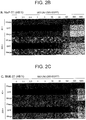
- adenovirus was studied for its infection efficiency in hamster derived cancer cells (HaK and HaP-T1) and normal cells (BHK-21).
- the cells of each line inoculated to a 12-well plate on the day before infection were counted on the day of infection and were consequently HaK: 6.45 ⁇ 10 5 cells/well, HaP-T1: 6.75 ⁇ 10 5 cells/well, and BHK-21: 6.75 ⁇ 10 5 cells/well. Then, the cells were infected with non-proliferative adenovirus (Ad.CMV-EGFP) expressing EGFP under the control of constitutive and strong CMV (cytomegalovirus) promoter under conditions involving a multiplicity of infection (MOI) of 0, 0.1, 0.3, 1, 3, 10, 30, 100, 300, and 1000 for 1 hour (MOI of 0 represents a virally non-infected control).
- Ad.CMV-EGFP non-proliferative adenovirus
- CMV cytomegalovirus
- the cells were cultured for 48 hours and photographed under a fluorescence microscope at the magnification shown in the drawings. Then, the cells were detached from the plate using a trypsin/EDTA solution and analyzed by flow cytometry (FACS) with flow cytometer SH800Z (Sony Corp.) to study an EGFP positive rate (adenoviral gene transduction efficiency) under each condition.
- FACS flow cytometry
- SH800Z flow cytometer
- E2F, RSV and survivin promoters were studied for their activity in hamster derived cancer cells (HaK and HaP-T1) and normal cells (BHK-21).
- HaK and HaP-T1 hamster derived cancer cells
- BHK-21 normal cells
- the results are shown in Figure 4 .
- the RSV promoter and the CMV promoter exhibited strong activity in the cancer cells (HaK cells), whereas the E2F promoter and the survivin promoter exhibited moderate activity.
- the moderate activity of the survivin promoter, the E2F promoter, and the RSV promoter was observed in the HaP-T1 cells.
- almost no activity of the survivin promoter was seen in the normal cells.
- the other promoters also tended to have low activity in the normal cells compared to the cancer cells, whereas the E2F promoter exhibited lower activity than that of the RSV promoter and the CMV promoter in the normal cells.
- E2F promoter and the survivin promoter exhibit moderate promoter activity in two different types of cancer cells and exhibit much lower activity than that of the RSV promoter and the CMV promoter in the normal cells, i.e., exhibits the characteristics of a cancer cell specific (dominant) promoter.
- mouse GM-CSF mouse GM-CSF (mGM-CSF) was used.
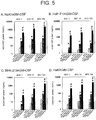
- the cells of each line inoculated to a 6-well plate on the day before infection were counted on the day of infection and were consequently HaK: 1.4 ⁇ 10 6 cells/well, HaP-T1: 1.47 ⁇ 10 6 cells/well, and BHK-21: 2.2 ⁇ 10 6 cells/well.
- the cells were infected with Ad.dE1.3 (control), Surv.m-CRA, Surv.m-CRA/E2Fp-mGM-CSF, Surv.m-CRA/RSVp-mGM-CSF, or Surv.m-CRA/CAp-mGM-CSF under conditions involving MOI of 1, 10, and 100 for 1 hour, and then cultured for 48 hours. Then, the culture supernatants were recovered, and the amount of the mGM-CSF protein expressed was studied using Mouse GM-CSF Quantikine ELISA Kit (R&D Systems, Inc.). The ELISA measurement was conducted in 2 wells per cell supernatant, and the data was indicated by mean ⁇ standard deviation.
- a cytotoxic effect on hamster derived cancer cells (HaK and HaP-T1) and normal cells (BHK-21) infected with each mGM-CSF expression Surv.m-CRA was studied by measuring the number of live cells.
- the cells of each line were inoculated at 5 ⁇ 10 2 cells/well to a 96-well plate on the day before infection.
- the cells were infected with Ad.dE1.3 (control), Surv.m-CRA, Surv.m-CRA/E2Fp-mGM-CSF, Surv.m-CRA/RSVp-mGM-CSF, or Surv.m-CRA/CAp-mGM-CSF at MOI of 3 and 30 for 1 hour, and then cultured. Cytotoxicity was evaluated 3 and 5 days after the infection by WST-8 assay using Live Cell Count Reagent SF (Nacalai Tesque, Inc.).
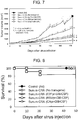
- HaK cells 1 ⁇ 10 7 HaK cells were subcutaneously transplanted to one site in the back of each female 5-week-old Syrian hamster. In this operation, the HaK cells were prepared into 1 ⁇ 10 7 cells/200 ⁇ l in 50% Matrigel using Corning(R) Matrigel basement membrane matrix (Corning Inc.).
- each of the viruses Ad.dE1.3 (control), Surv.m-CRA, Surv.m-CRA/E2Fp-mGM-CSF, Surv.m-CRA/RSVp-mGM-CSF, and Surv.m-CRA/CAp-mGM-CSF was adjusted to 1 ⁇ 10 9 PFU/100 ⁇ l with PBS, and then intratumorally injected by a single dose. Time dependent change in tumor size was evaluated ( Figure 7 ).
- the size of the tumor was measured twice a week using a digital caliper.
- the tumor volume was calculated according to Major axis (mm) ⁇ Minor axis (mm) ⁇ Minor axis (mm) ⁇ 0.5 (mm 3 ).
- the data was indicated by mean ⁇ standard deviation.
- Statistically significant difference among the groups was studied by Student's t test (*, P ⁇ 0.05 vs Ad.dE1.3; #, P ⁇ 0.05 vs Surv.m-CRA).
- CA has much stronger promoter activity than that of E2F; and the CA promoter brings about lethal adverse reactions and is not suitable for use, particularly, in the control of an immunity-inducing gene carried in an oncolytic virus, whereas the E2F promoter, despite inducing moderate expression, is an "optimal (moderate degree of)" promoter that insures high safety while exhibiting a strong therapeutic effect.
- the present experiment discovered the new concept that "there exists an optimal (moderate degree of) promoter for the control of an immunity-inducing gene carried in an oncolytic virus” and also discovered a specific invention disclosing that the expression level induced by the E2F promoter is optimal for this system.
- 1 ⁇ 10 7 HaK cells were subcutaneously transplanted to one site in the back of each female 5-week-old Syrian hamster. In this operation, the cells were prepared into 1 ⁇ 10 7 cells/200 ⁇ l in 50% Matrigel using Corning(R) Matrigel basement membrane matrix (Corning Inc.).
- each of the viruses Ad.dE1.3 (control), Surv.m-CRA, Surv.m-CRA/E2Fp-mGM-CSF, Surv.m-CRA/RSVp-mGM-CSF, and Surv.m-CRA/CAp-mGM-CSF was adjusted to 1 ⁇ 10 9 PFU/100 ⁇ l with PBS, and then intratumorally injected by a single dose.
- Table 1 Analysis of systemic antitumor immunity induction by challenge test Virus Re-challenged cancer cell type Parental (HaK) Other (HaP-T1) Control (Ad) 4/4 (100%) 5/5 (100%) Surv.m-CRA (No transgene) 5/5 (100%) 5/5(100%) Surv.m-CRA (E2Fp-mGM-CSF) 0/4 (0%) 4/4 (100%) Surv.m-CRA (RSVp-mGM-CSF) 0/3 (0%) 3/3 (100%) Surv.m-CRA (CAp-mGM-CSF) 0/3 (0%) 3/3 (100%) Tumore formation: animal # (%)
- 1 ⁇ 10 7 HaK cells were subcutaneously transplanted to one site in the back of each female 5-week-old Syrian hamster. In this operation, the cells were prepared into 1 ⁇ 10 7 cells/200 ⁇ l in 50% Matrigel using Corning(R) Matrigel basement membrane matrix (Corning Inc.).
- the E2F promoter was found to exert effects such as high antitumor activity and prolongation of survival periods as mentioned above, though bringing about the expression of GM-CSF only in an amount lower than the detection limit on the 5th day in all of the serum, the tumor, and the spleen.
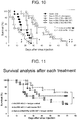
- 1 ⁇ 10 7 hamsters kidney cancer derived HaK cells were transplanted to one kidney of each female 5-week-old Syrian hamster. In this operation, the cells were prepared into 1 ⁇ 10 7 cells/200 ⁇ l in 50% Matrigel using Corning(R) Matrigel basement membrane matrix (Corning Inc.). Approximately 14 days later, each of the viruses Ad.dE1.3 (control), Surv.m-CRA, Surv.m-CRA/E2Fp-mGM-CSF, Surv.m-CRA/RSVp-mGM-CSF, and Surv.m-CRA/CAp-mGM-CSF was adjusted to 1 ⁇ 10 9 PFU/100 ⁇ l with PBS, and then injected into the tumor transplanted kidney by a single dose. Then, the influence of the single-dose injection of each virus described above on the survival of the orthotopic cancer bearing hamster models was evaluated by survival curve analysis according to the Kaplan-Meier method. Statistically significant difference among the groups was studied by log-rank test.
- the present invention revealed for the first time that: a mere suppressive effect on tumor enlargement in subcutaneous tumor models (which are generally used in simple and easy experimental systems) has no significant difference among the therapeutic effects of Surv.m-CRA/E2Fp-mGM-CSF, Surv.m-CRA/RSVp-mGM-CSF, and Surv.m-CRA/CAp-mGM-CSF, whereas Surv.m-CRA/E2Fp-mGM-CSF and Surv.m-CRA/RSVp-mGM-CSF exhibit very high efficacy in the analysis of longterm survival rates in orthotopic tumor models which permit actual clinical evaluation of the usefulness of a final therapeutic drug for cancer in humans, and reflect pathological conditions; however, Surv.m-CRA/CAp-mGM-CSF rather has poor efficacy (lethal and dangerous).
- the RSV promoter has the possibility of bringing about adverse reactions that do not appear in survival, because GM-CSF was expressed at a level detected in the spleen on the 5th day, albeit at a level lower than that by the CA promoter. Accordingly, the present experiment revealed for the first time that the optimal expression level for mounting an immunity-inducing gene in an oncolytic virus not only drastically improves safety but enhances the therapeutic effect itself. The present experiment further revealed for the first time that a promoter that can achieve the optimal expression level is E2F promoter or a promoter that brings about an expression level equivalent thereto.
- 1 ⁇ 10 7 hamsters kidney cancer derived HaK cells were transplanted to one kidney of each female 5-week-old Syrian hamster.
- the cells were prepared into 1 ⁇ 10 7 cells/200 ⁇ l in 50% Matrigel using Corning(R) Matrigel basement membrane matrix (Corning Inc.).
- Ad.dE1.3 (control) and Surv.m-CRA/E2Fp-mGM-CSF was adjusted to 1 ⁇ 109 PFU/100 ⁇ l with PBS, and then injected into the tumor transplanted kidney by a single dose.
- 500 ⁇ g of an anti-mouse PD-1 antibody or an isotype control antibody was intraperitoneally administered to each hamster. This day was defined as day 0, and the same amount of the same antibody as in the day 0 was also administered on days 2, 4, 6, and 8. Then, influence on survival was analyzed in the same way as above.
- the present invention has discovered for the first time the concept itself that "for the oncolytic immunotherapeutic agent (oncolytic virus with immunity-inducing gene), accurate control of the optimal expression level of the immunity-inducing factor is essential for both the purposes of drastically ensuring safety (removing lethal adverse reactions) and inducing a strong therapeutic effect, because the carried immunity-inducing gene is amplified together with the virus".
- None of the previous inventions not only clearly show this concept in terms of "safety” but suggest this concept in terms of "drastic enhancement in therapeutic effect”. Rather, this concept demolishes vague ungrounded dogma (enhanced expression of a therapeutic gene elevates the therapeutic effect itself).
- the present invention has also specifically disclosed a promoter inducing the "optimal (moderate degree of)" expression of an immunity-inducing gene in an oncolytic virus in terms of both safety and a therapeutic effect, and developed a revolutionary therapeutic drug for cancer having performance excelling both the safety and therapeutic effect of conventional oncolytic immunotherapeutic agents.
- mere Surv.m-CRA without therapeutic gene has been found not only to be very safe but to have a therapeutic effect (increasingly proved in actual human patients) in all cases of refractory cancer that does not respond to previous standard treatment (previous therapeutic drugs for cancer or methods for treating cancer). Therefore, the novel oncolytic immunotherapeutic agent developed by the present invention and the method using the same are expected to offer a more promising and innovative therapeutic drug for cancer.
Landscapes
- Health & Medical Sciences (AREA)
- Life Sciences & Earth Sciences (AREA)
- Chemical & Material Sciences (AREA)
- Genetics & Genomics (AREA)
- Organic Chemistry (AREA)
- Engineering & Computer Science (AREA)
- General Health & Medical Sciences (AREA)
- Medicinal Chemistry (AREA)
- Bioinformatics & Cheminformatics (AREA)
- Public Health (AREA)
- Pharmacology & Pharmacy (AREA)
- Veterinary Medicine (AREA)
- Animal Behavior & Ethology (AREA)
- Virology (AREA)
- Zoology (AREA)
- Biotechnology (AREA)
- General Engineering & Computer Science (AREA)
- Wood Science & Technology (AREA)
- Biomedical Technology (AREA)
- Microbiology (AREA)
- Molecular Biology (AREA)
- Chemical Kinetics & Catalysis (AREA)
- Nuclear Medicine, Radiotherapy & Molecular Imaging (AREA)
- General Chemical & Material Sciences (AREA)
- Biophysics (AREA)
- Biochemistry (AREA)
- Physics & Mathematics (AREA)
- Plant Pathology (AREA)
- Epidemiology (AREA)
- Immunology (AREA)
- Oncology (AREA)
- Mycology (AREA)
- Toxicology (AREA)
- Gastroenterology & Hepatology (AREA)
- Proteomics, Peptides & Aminoacids (AREA)
- Medicines Containing Material From Animals Or Micro-Organisms (AREA)
- Micro-Organisms Or Cultivation Processes Thereof (AREA)
- Medicines That Contain Protein Lipid Enzymes And Other Medicines (AREA)
Applications Claiming Priority (3)
| Application Number | Priority Date | Filing Date | Title |
|---|---|---|---|
| JP2017215579 | 2017-11-08 | ||
| JP2018050722 | 2018-03-19 | ||
| PCT/JP2018/041541 WO2019093435A1 (ja) | 2017-11-08 | 2018-11-08 | 安全を確保しながら転移性がんまで効果的に治療可能な、搭載する免疫誘導遺伝子の最適発現レベルを与える発現制御システムを有する腫瘍溶解性ウイルス(腫瘍溶解性免疫治療) |
Publications (2)
| Publication Number | Publication Date |
|---|---|
| EP3708657A1 true EP3708657A1 (de) | 2020-09-16 |
| EP3708657A4 EP3708657A4 (de) | 2021-08-25 |
Family
ID=66437897
Family Applications (1)
| Application Number | Title | Priority Date | Filing Date |
|---|---|---|---|
| EP18875645.6A Pending EP3708657A4 (de) | 2017-11-08 | 2018-11-08 | Onkolytisches virus (onkolytische immuntherapie), das in der lage ist, bei gewährleisteter sicherheit auch metastatischen krebs wirksam zu behandeln, mit expressionskontrollsystem, das einen optimalen expressionsgrad an aufgebautem immunogenen gen liefert |
Country Status (5)
| Country | Link |
|---|---|
| US (2) | US11896635B2 (de) |
| EP (1) | EP3708657A4 (de) |
| JP (2) | JP7277926B2 (de) |
| CN (1) | CN111542601A (de) |
| WO (1) | WO2019093435A1 (de) |
Families Citing this family (11)
| Publication number | Priority date | Publication date | Assignee | Title |
|---|---|---|---|---|
| CN109735558B (zh) * | 2018-12-12 | 2022-04-15 | 中南大学 | 一种重组car19-il24基因、慢病毒载体、car19-il24-t细胞及应用 |
| EP4031165A4 (de) | 2019-09-20 | 2023-10-11 | University of Pittsburgh - Of the Commonwealth System of Higher Education | Onkolytische viren exprimierendes il-36-zytokin zur behandlung von krebs |
| WO2021163874A1 (zh) * | 2020-02-18 | 2021-08-26 | 苏州工业园区唯可达生物科技有限公司 | 一种重组病毒载体、包含其的免疫组合物以及用途 |
| JP7573898B2 (ja) * | 2020-10-27 | 2024-10-28 | デイツ・バイオ・カンパニー・リミテッド | 腫瘍ターゲティングの向上及びウイルスの大量産生が可能な間葉系幹細胞 |
| CN114717203B (zh) * | 2020-12-22 | 2023-06-27 | 广东东阳光药业有限公司 | 一种hIL7/hCCL19双基因重组溶瘤病毒及其制备方法和用途 |
| KR20240016988A (ko) * | 2021-05-19 | 2024-02-06 | 서브 바이오파마 인코포레이티드 | 골연부 종양의 치료용 의약 조성물 |
| CN117070477A (zh) * | 2022-05-10 | 2023-11-17 | 纽伦捷生物医药科技(上海)有限公司 | 重组溶瘤病毒的重编程的功能性片段、组合及其应用 |
| CN115433734B (zh) * | 2022-06-01 | 2025-03-04 | 北京奇糖科技有限公司 | 核酸片段及其在制备肿瘤疫苗中的应用 |
| CN117660368B (zh) * | 2023-08-28 | 2024-11-08 | 昆明理工大学 | 表达趋化因子ccl19的重组溶瘤流感病毒及应用 |
| JP7816735B2 (ja) * | 2024-01-22 | 2026-02-18 | 国立大学法人 鹿児島大学 | 腫瘍溶解性ウイルス及びそれを用いたがん治療 |
| CN121443731A (zh) * | 2024-05-24 | 2026-01-30 | 西湖大学 | 靶向ets家族转录因子异常相关肿瘤的经修饰病毒 |
Family Cites Families (24)
| Publication number | Priority date | Publication date | Assignee | Title |
|---|---|---|---|---|
| US6638762B1 (en) | 1994-11-28 | 2003-10-28 | Genetic Therapy, Inc. | Tissue-vectors specific replication and gene expression |
| AU1190901A (en) * | 1999-09-30 | 2001-04-30 | Trustees Of The University Of Pennsylvania, The | Replication selective adenoviruses for use in cancer therapy |
| US6544780B1 (en) * | 2000-06-02 | 2003-04-08 | Genphar, Inc. | Adenovirus vector with multiple expression cassettes |
| IL152420A0 (en) | 2001-02-23 | 2003-05-29 | Novartis Ag | Novel oncolytic adenoviral vectors |
| US20070275915A1 (en) | 2003-04-15 | 2007-11-29 | Cell Genesys, Inc. | Tmprss2 Regulatory Sequences and Uses Thereof |
| US20050136035A1 (en) | 2003-06-03 | 2005-06-23 | Derek Ko | Cell specific replication-competent viral vectors comprising a self processing peptide cleavage site |
| JP4478775B2 (ja) | 2003-07-31 | 2010-06-09 | 財団法人名古屋産業科学研究所 | 増殖制御型組換えアデノウイルスベクターの効率的な作製方法及びその作製用キット |
| AU2003265873A1 (en) | 2003-08-28 | 2005-04-14 | Cell Genesys, Inc. | Oncolytic adenoviral vectors encoding gm-csf |
| US20050186178A1 (en) * | 2003-08-28 | 2005-08-25 | Ennist David L. | Oncolytic adenoviral vectors encoding GM-CSF |
| WO2005049094A1 (en) | 2003-11-13 | 2005-06-02 | Advantagene, Inc. | A mixed complementary viral vector for gene therapy |
| WO2005115476A1 (ja) * | 2004-05-25 | 2005-12-08 | Univ Kurume | サービビン(Survivin)プロモーターを含む増殖型ベクターを有効成分とする医薬 |
| AU2009332883B2 (en) | 2008-12-22 | 2015-05-21 | Oncos Therapeutics Oy | Oncolytic adenoviral vectors and methods and uses related thereto |
| ES2385251B1 (es) | 2009-05-06 | 2013-05-06 | Fundació Privada Institut D'investigació Biomèdica De Bellvitge | Adenovirus oncolíticos para el tratamiento del cáncer. |
| WO2012000188A1 (en) | 2010-06-30 | 2012-01-05 | Tot Shanghai Rd Center Co., Ltd. | Recombinant tumor vaccine and method of producing such |
| CN102985094B (zh) | 2010-06-30 | 2015-06-10 | 东源生物医药科技(上海)有限公司 | 一种重组肿瘤疫苗及其生产方法 |
| WO2012043710A1 (ja) | 2010-09-30 | 2012-04-05 | 国立大学法人 鹿児島大学 | Auroraキナーゼプロモーターを含む増殖制御型ウイルスベクター |
| DK2986311T3 (en) * | 2013-04-18 | 2019-02-25 | Tilt Biotherapeutics Oy | IMPROVED ADOPTIVE CELL THERAPY |
| CN105177045B (zh) * | 2014-05-21 | 2019-06-25 | 晏阳 | 表达人白介素15的重组溶瘤腺病毒及其构建方法 |
| AU2016232009B2 (en) | 2015-03-17 | 2021-07-15 | Tilt Biotherapeutics Oy | Oncolytic adenoviruses coding for bi-specific antibodies and methods and uses related thereto |
| EP3359175B1 (de) * | 2015-10-05 | 2020-09-16 | Salk Institute for Biological Studies | Synthetische adenoviren mit tropismus gegen geschädigtes gewebe zur förderung der wundheilung und geweberegeneration |
| US10612005B2 (en) | 2016-01-08 | 2020-04-07 | Replimune Limited | Modified oncolytic virus |
| JP6902224B2 (ja) | 2016-05-26 | 2021-07-14 | 株式会社リコー | 画像形成装置 |
| JP6792392B2 (ja) | 2016-09-27 | 2020-11-25 | テルモ株式会社 | カテーテル |
| EP4599893A3 (de) | 2017-04-14 | 2025-11-05 | CG Oncology, Inc. | Cg0070 zur behandlung von bcg-resistentem blasenkarzinom in situ |
-
2018
- 2018-11-08 CN CN201880072138.9A patent/CN111542601A/zh active Pending
- 2018-11-08 US US16/758,019 patent/US11896635B2/en active Active
- 2018-11-08 EP EP18875645.6A patent/EP3708657A4/de active Pending
- 2018-11-08 WO PCT/JP2018/041541 patent/WO2019093435A1/ja not_active Ceased
- 2018-11-08 JP JP2019552379A patent/JP7277926B2/ja active Active
-
2023
- 2023-04-27 JP JP2023072925A patent/JP7675451B2/ja active Active
-
2024
- 2024-01-05 US US18/406,002 patent/US20240148807A1/en active Pending
Also Published As
| Publication number | Publication date |
|---|---|
| WO2019093435A1 (ja) | 2019-05-16 |
| CN111542601A (zh) | 2020-08-14 |
| JP2023099090A (ja) | 2023-07-11 |
| US20240148807A1 (en) | 2024-05-09 |
| JP7675451B2 (ja) | 2025-05-13 |
| US20210008134A1 (en) | 2021-01-14 |
| US11896635B2 (en) | 2024-02-13 |
| JPWO2019093435A1 (ja) | 2020-11-19 |
| JP7277926B2 (ja) | 2023-05-19 |
| EP3708657A4 (de) | 2021-08-25 |
Similar Documents
| Publication | Publication Date | Title |
|---|---|---|
| US20240148807A1 (en) | Oncolytic virus (oncolytic immunotherapy) capable of effectively treating even metastatic cancer while ensuring safety, with expression control system providing optimal expression level of mounted immunogenic gene | |
| JP7114532B2 (ja) | 増強された養子細胞療法 | |
| CN1067722C (zh) | 腺病毒载体 | |
| JP6193120B2 (ja) | 組換え腫瘍ワクチンおよびこのようなワクチンを生産する方法 | |
| NO321454B1 (no) | Defektiv, rekombinant adenovirus inneholdende en heterolog DNA-sekvens hvis ekspresjon i en malcelle tillater i det minste partielt a inhibere celledeling, anvendelser og farmasoytisk preparat derav. | |
| US12357672B2 (en) | Protein molecule of interleukins 12a and b combined with additional factors | |
| CA3119531A1 (en) | Anellosomes for delivering secreted therapeutic modalities | |
| US11850215B2 (en) | Recombinant adenoviruses and stem cells comprising same | |
| CN102741405A (zh) | 提高基因表达的系统和保持有该系统的载体 | |
| AU2017405929A1 (en) | Programmable oncolytic virus vaccine system and application thereof | |
| JP2010504909A (ja) | 長期持続性の医薬製剤 | |
| CN103965362B (zh) | 一种可使t细胞趋向肿瘤部位的嵌合趋化因子受体 | |
| US12544433B2 (en) | Melanoma canine vaccine compositions and methods of use thereof | |
| JP5969044B2 (ja) | アデノウイルス生産新規細胞株及びその用途 | |
| CN116478938A (zh) | 共表达外源基因的肿瘤靶向性溶瘤腺病毒、制备方法及其应用 | |
| EP3964533A1 (de) | Protein-heterodimer und verwendung davon | |
| JP7483853B2 (ja) | hnRNPA2B1の抗感染作用及びその応用 | |
| US20210128653A1 (en) | Replication-enhanced oncolytic adenoviruses | |
| JP7816735B2 (ja) | 腫瘍溶解性ウイルス及びそれを用いたがん治療 | |
| US20220152134A1 (en) | Oncolytic adenoviral vector expressing a member of the b7 family of costimulatory ligands and ada | |
| WO2025161993A1 (zh) | 具有双重肿瘤靶向性的重组溶瘤腺病毒、其制备方法及其应用 | |
| WO2025002479A1 (zh) | 一种基于胞内区截短体的嵌合抗原受体 | |
| JP2005517405A (ja) | 増殖性疾患の遺伝子療法的治療のための微生物 | |
| HK40028530B (zh) | 溶瘤腺病毒载体与过继t细胞治疗组合物及其用途 | |
| WO2020212500A1 (en) | Oncolytic adenoviral vector expressing granzyme and perforin |
Legal Events
| Date | Code | Title | Description |
|---|---|---|---|
| STAA | Information on the status of an ep patent application or granted ep patent |
Free format text: STATUS: THE INTERNATIONAL PUBLICATION HAS BEEN MADE |
|
| PUAI | Public reference made under article 153(3) epc to a published international application that has entered the european phase |
Free format text: ORIGINAL CODE: 0009012 |
|
| STAA | Information on the status of an ep patent application or granted ep patent |
Free format text: STATUS: REQUEST FOR EXAMINATION WAS MADE |
|
| 17P | Request for examination filed |
Effective date: 20200604 |
|
| AK | Designated contracting states |
Kind code of ref document: A1 Designated state(s): AL AT BE BG CH CY CZ DE DK EE ES FI FR GB GR HR HU IE IS IT LI LT LU LV MC MK MT NL NO PL PT RO RS SE SI SK SM TR |
|
| AX | Request for extension of the european patent |
Extension state: BA ME |
|
| DAV | Request for validation of the european patent (deleted) | ||
| DAX | Request for extension of the european patent (deleted) | ||
| A4 | Supplementary search report drawn up and despatched |
Effective date: 20210727 |
|
| RIC1 | Information provided on ipc code assigned before grant |
Ipc: C12N 7/01 20060101AFI20210721BHEP Ipc: A61K 35/761 20150101ALI20210721BHEP Ipc: A61K 47/55 20170101ALI20210721BHEP Ipc: A61K 48/00 20060101ALI20210721BHEP Ipc: A61P 35/00 20060101ALI20210721BHEP Ipc: A61P 35/04 20060101ALI20210721BHEP Ipc: A61P 37/04 20060101ALI20210721BHEP Ipc: A61P 43/00 20060101ALI20210721BHEP Ipc: C12N 15/861 20060101ALI20210721BHEP Ipc: C12N 15/86 20060101ALI20210721BHEP |
|
| STAA | Information on the status of an ep patent application or granted ep patent |
Free format text: STATUS: EXAMINATION IS IN PROGRESS |
|
| 17Q | First examination report despatched |
Effective date: 20251024 |